Author of Saxon historical fiction and non-fiction, 20th-century historical mysteries, and Norse-inspired historical romantasy. Book reviewer and blog host.
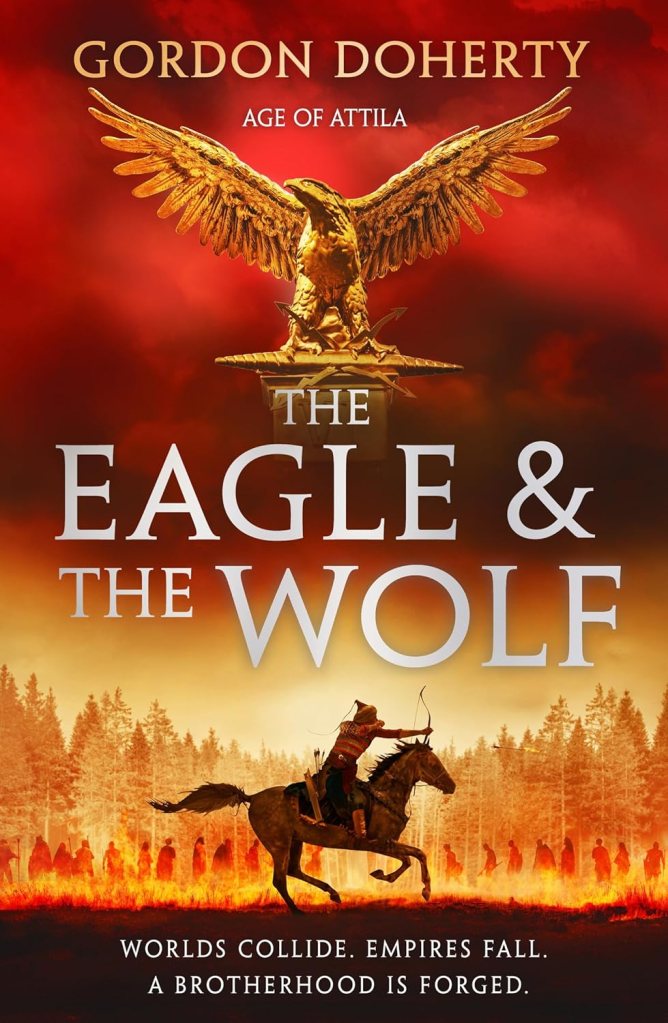
Book review The Eagle and the Wolf by Gordon Doherty #histfic #Romanfiction #BookReview
Here’s the blurb
As Hun hordes and Germanic tribes maraud through Imperial lands, two legendary men – Attila the Hun and the “Last of the Romans” General Flavius Aetius find their fortunes entangled with the chaos.
Flavius Aetius, a noble Roman son, is an outsider in a savage land. He has been banished, given as hostage to the barbaric Huns and sent to the edge of the world.
What the Huns do not know, however, is that his father and mother have been murdered in a coup. He is an orphan, with no value at all. His life hangs on a lie.
In this new harsh world, he manages to find one grudging ally, a young boy named Attila.
A brotherhood is formed. One that, the shamans foretell, will shatter the world.
The Eagle and the Wolf is an enthralling read, revealing the world of the Huns through the eyes of their Roman adversary, and in doing so, exploring the strangeness of the Steppes for a Roman-born lad, even as Flavius becomes integrated into the community, accepting many of the integral parts of being a member of the Huns.
Our two main characters, Attila and Flavius, bond in the most unlikely of circumstances, in a true friendship. But, there are problems brewing for both of them. There are enemies where there should be friendships, and vice versa. There is a great deal of peril for the two young men as they grow to adulthood, and their friendship must survive despite a yawning physical difference between them.
As I know so little about the period, I was entirely swept away in the narrative, and can’t wait to read the next book in the series.
The Eagle and the Wolf is a captivating, engrossing tale and I adored it.
Meet the author
Gordon is a Scottish writer, addicted to reading and writing historical fiction. His novels have been Amazon smash-hits, and have gone on to be translated and published in over a dozen languages worldwide.
Gordon’s love of history was first kindled by visits to the misty Roman ruins of Britain and the sun-baked antiquities of Turkey and Greece. His expeditions since have taken him all over the world and back and forth through time (metaphorically, at least), allowing him to write tales of the later Roman Empire, Byzantium, Classical Greece and the Bronze Age.
It’s time… 757, the first book in the brand-new series, The House of Mercia, is now available. Listen to me talking about the new book #fiction #TalesOfMercia #fiction #nonfiction #Mercia #MJPorter #HistoricalFiction #SaxonEngland #VikingAge #AngloSaxonHistory #BernardCornwell #LastKingdom #HistFic #ReadingCommunity #BookTok #Vikings
It’s time… 757, the first book in the brand-new series, The House of Mercia, is now available. Listen to me talking about the new book #fiction #TalesOfMercia
I recorded this when 757 was complete
Here’s the blurb for 757
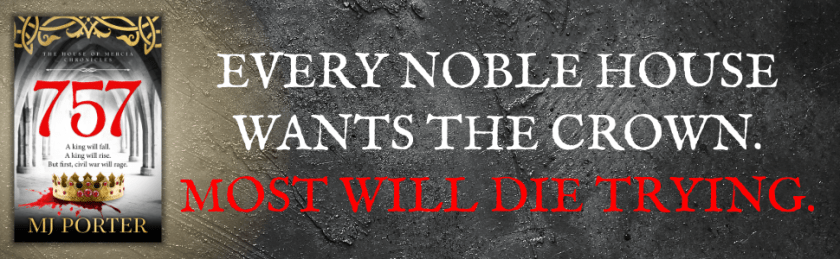
This is Mercia. The year is 757. A king will fall. A king will rise. But first, civil war will rage.
King Æthelbald’s forty-year vice-like rule over Mercia has been rigid. But he lacks a legitimate heir despite his insatiable bedchamber antics.
Offa must stand hostage to his family’s good behaviour, when his father missteps in removing his mother from Æthelbald’s bed. Shockingly, his younger sister now replaces her.
But the king isn’t finished with his denigration of Offa’s noble House. When his parents are traitorously killed, Offa’s resentment grows, compounded by the ridicule heaped on him by King Æthelbald’s oathsworn warriors.
With the king’s health deteriorating, the matter of the succession becomes paramount. There are plenty who share a claim to the kingship.
Discord threatens to fracture the mighty realm, and those with sword and shield, seax and spear are prepared to risk it all to be the future king of Mercia.
Join my Boldwood newsletter to receive a free prequel short story, written exclusively for the the release of The House of Mercia series.https://BookHip.com/MKSKVRX
It’s nearly time… 757, the first book in the brand new series, The House of Mercia, will be with readers in July 2026. Listen to me talking about the new book #fiction #TalesOfMercia #fiction #nonfiction #Mercia #MJPorter #HistoricalFiction #SaxonEngland #VikingAge #AngloSaxonHistory #BernardCornwell #LastKingdom #HistFic #ReadingCommunity #BookTok #Vikings
I recorded this after completing the strutural edits for 757
Here’s the blurb for 757
This is Mercia. The year is 757. A king will fall. A king will rise. But first, civil war will rage.
King Æthelbald’s forty-year vice-like rule over Mercia has been rigid. But he lacks a legitimate heir despite his insatiable bedchamber antics.
Offa must stand hostage to his family’s good behaviour, when his father missteps in removing his mother from Æthelbald’s bed. Shockingly, his younger sister now replaces her.
But the king isn’t finished with his denigration of Offa’s noble House. When his parents are traitorously killed, Offa’s resentment grows, compounded by the ridicule heaped on him by King Æthelbald’s oathsworn warriors.
With the king’s health deteriorating, the matter of the succession becomes paramount. There are plenty who share a claim to the kingship.
Discord threatens to fracture the mighty realm, and those with sword and shield, seax and spear are prepared to risk it all to be the future king of Mercia.
Join my Boldwood newsletter to receive a free prequel short story, written exclusively for the the release of The House of Mercia series.https://BookHip.com/MKSKVRX
Introducing 757, the first book in the brand new series, The House of Mercia #fiction #nonfiction #Mercia #MJPorter #HistoricalFiction #SaxonEngland #VikingAge #AngloSaxonHistory #BernardCornwell #LastKingdom #HistFic #ReadingCommunity #BookTok #Vikings
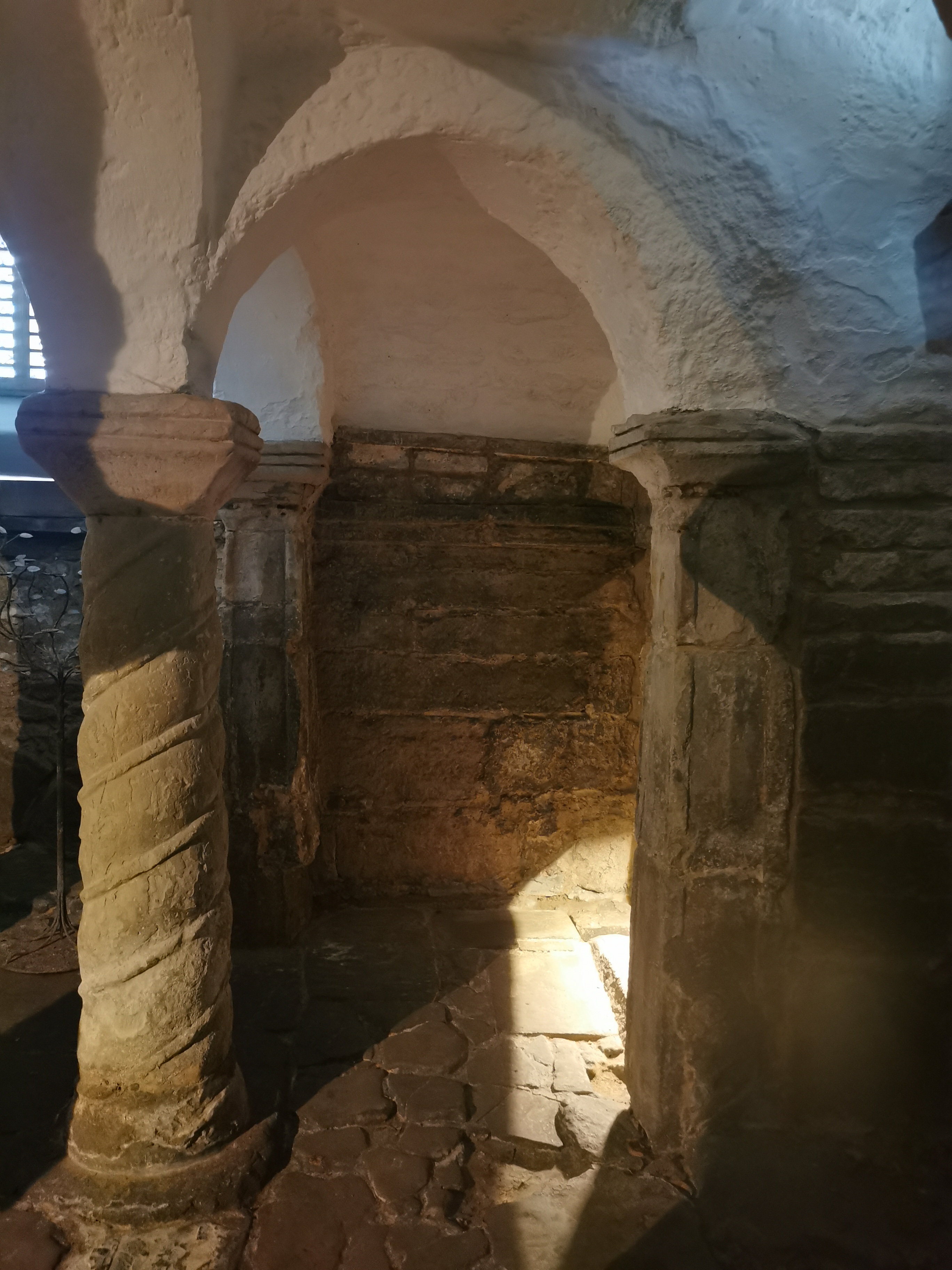
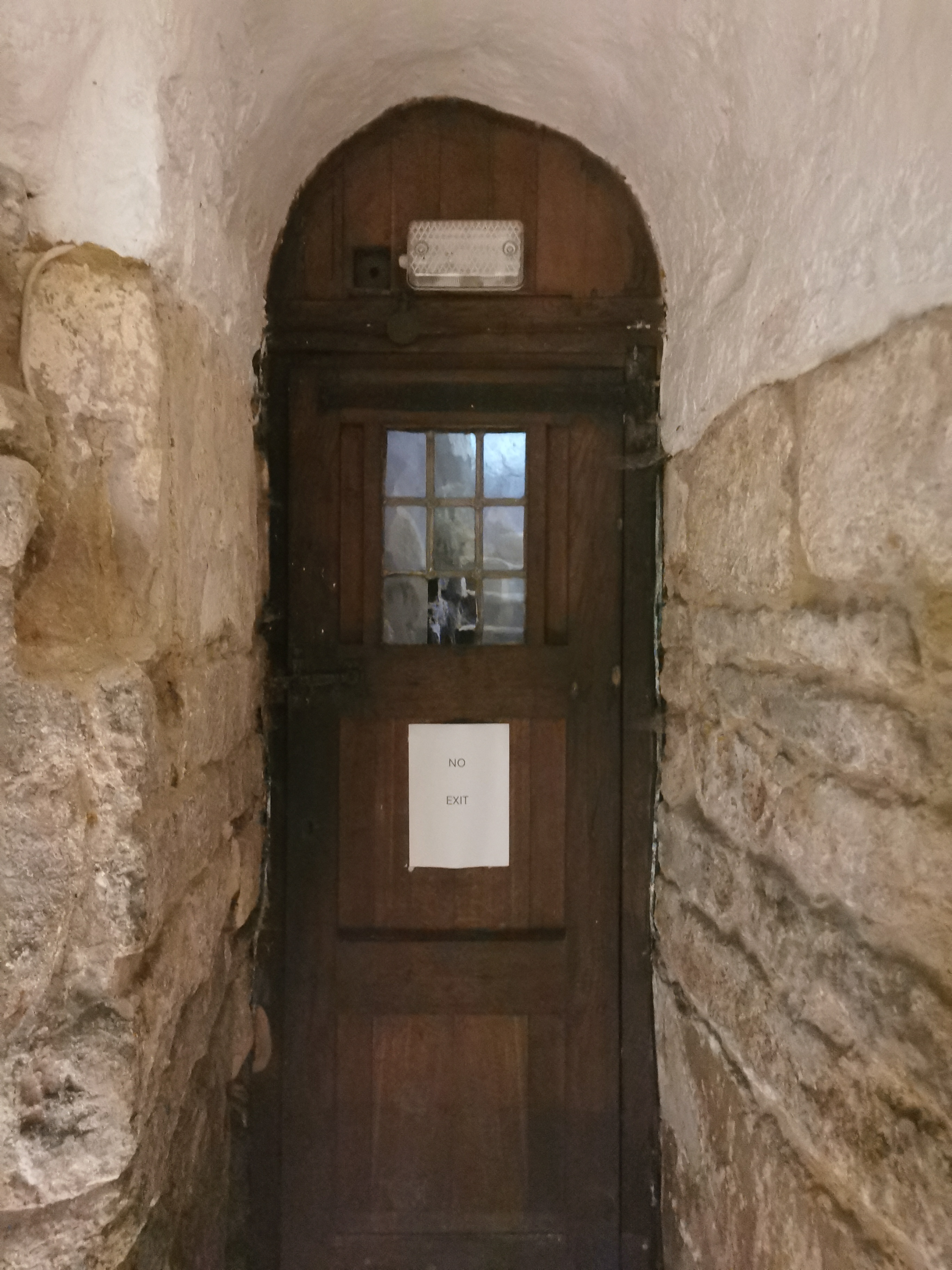
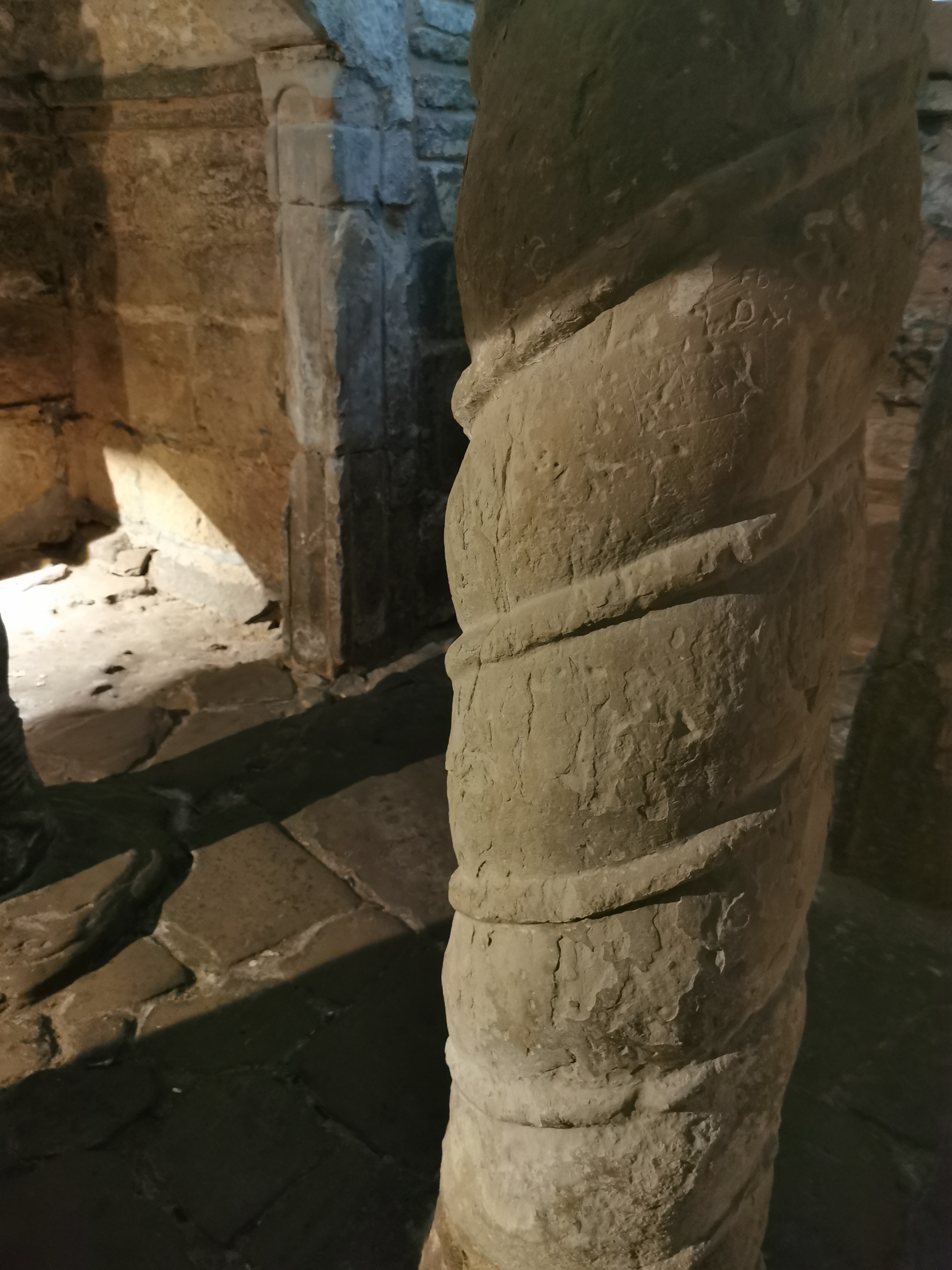
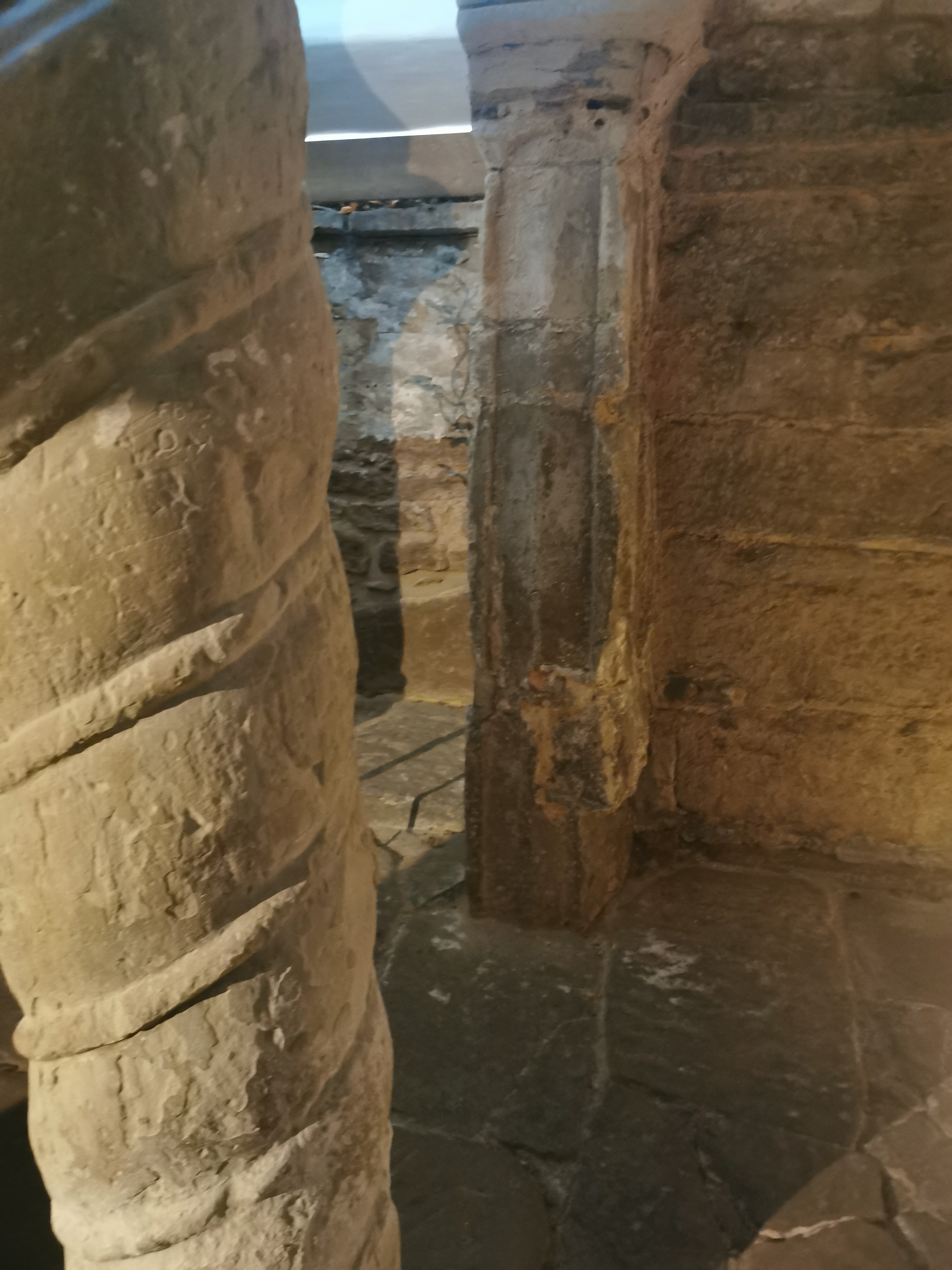
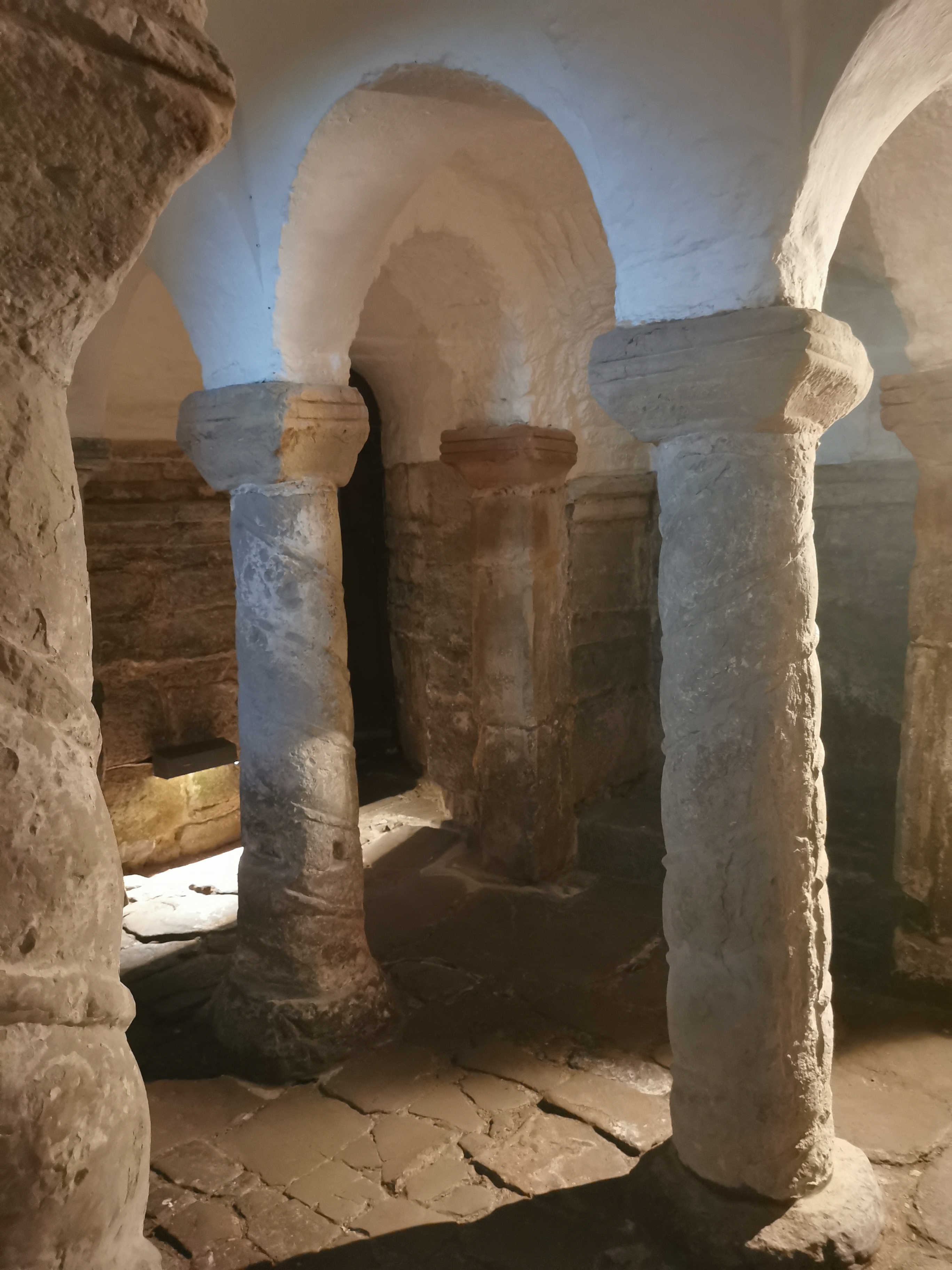
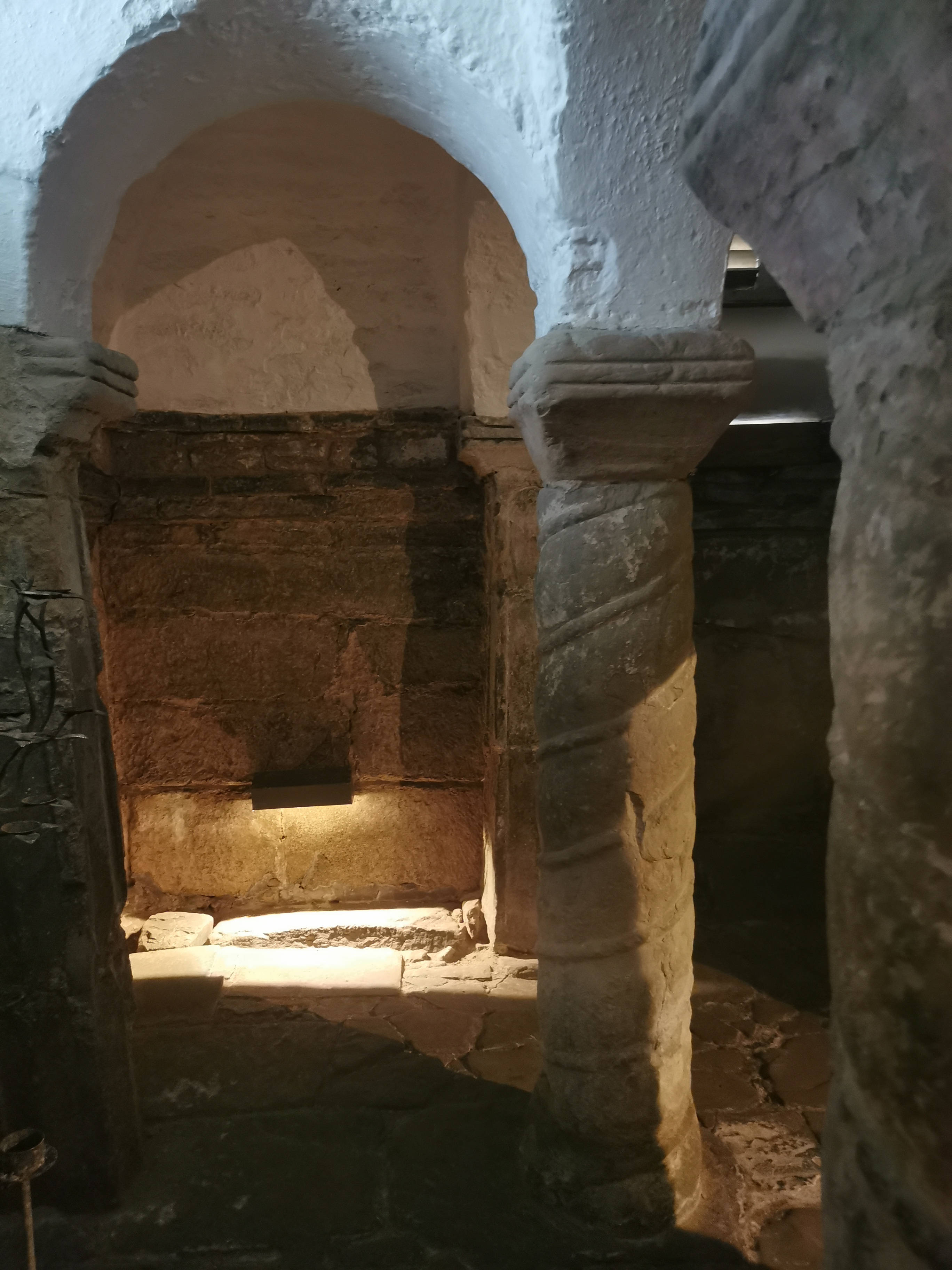
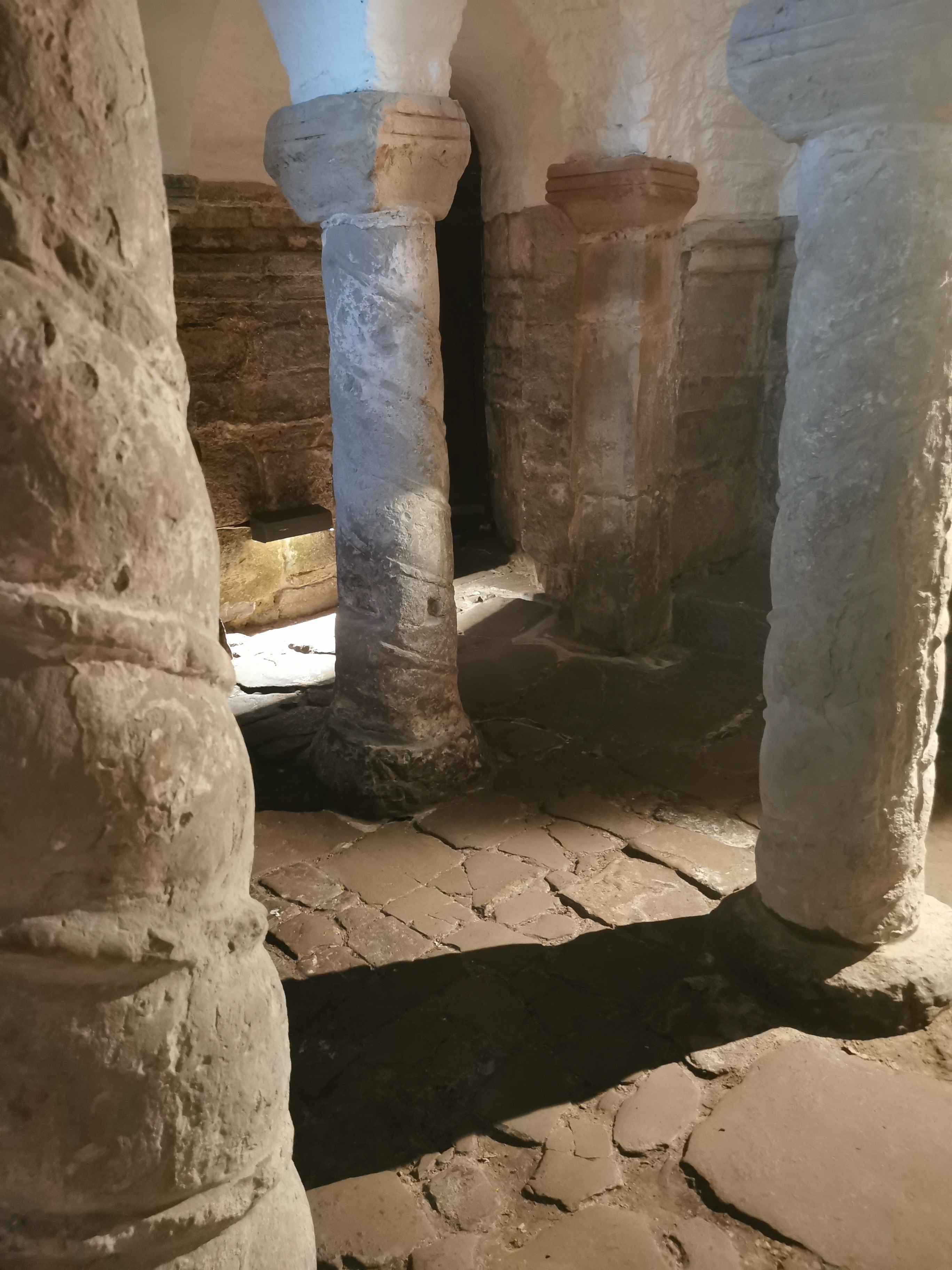
Image of the crypt at ReptonImage of the crypt at ReptonImage of the crypt at ReptonImage of the crypt at ReptonImage of the crypt at ReptonImage of the crypt at ReptonImage of the crypt at Repton
Here’s the blurb for 757
This is Mercia. The year is 757. A king will fall. A king will rise. But first, civil war will rage.
King Æthelbald’s forty-year vice-like rule over Mercia has been rigid. But he lacks a legitimate heir despite his insatiable bedchamber antics.
Offa must stand hostage to his family’s good behaviour, when his father missteps in removing his mother from Æthelbald’s bed. Shockingly, his younger sister now replaces her.
But the king isn’t finished with his denigration of Offa’s noble House. When his parents are traitorously killed, Offa’s resentment grows, compounded by the ridicule heaped on him by King Æthelbald’s oathsworn warriors.
With the king’s health deteriorating, the matter of the succession becomes paramount. There are plenty who share a claim to the kingship.
Discord threatens to fracture the mighty realm, and those with sword and shield, seax and spear are prepared to risk it all to be the future king of Mercia.
Join my Boldwood newsletter to receive a free prequel short story, written exclusively for the the release of The House of Mercia series.https://BookHip.com/MKSKVRX
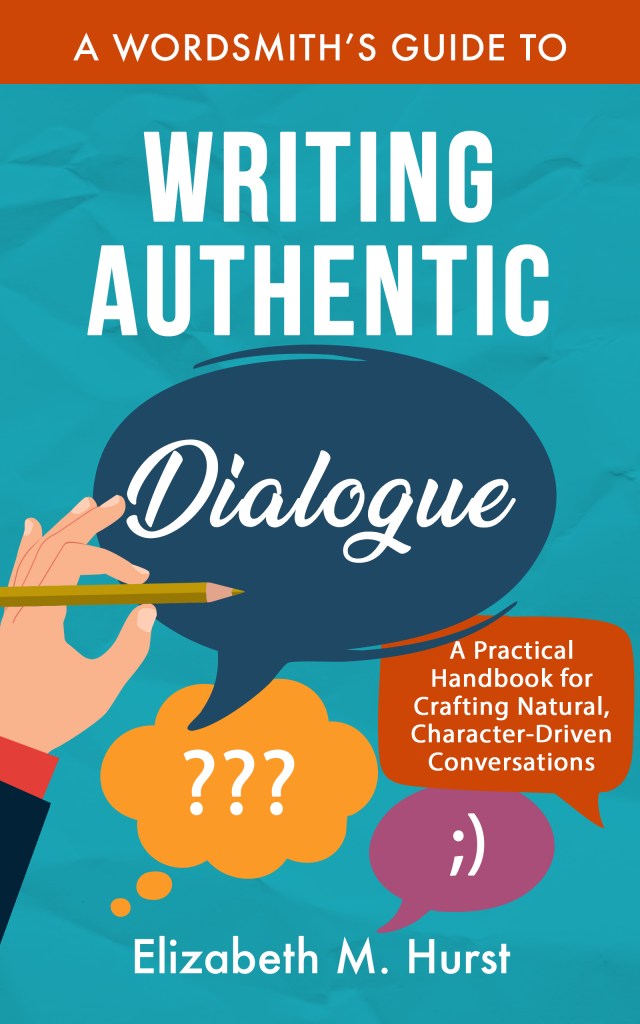
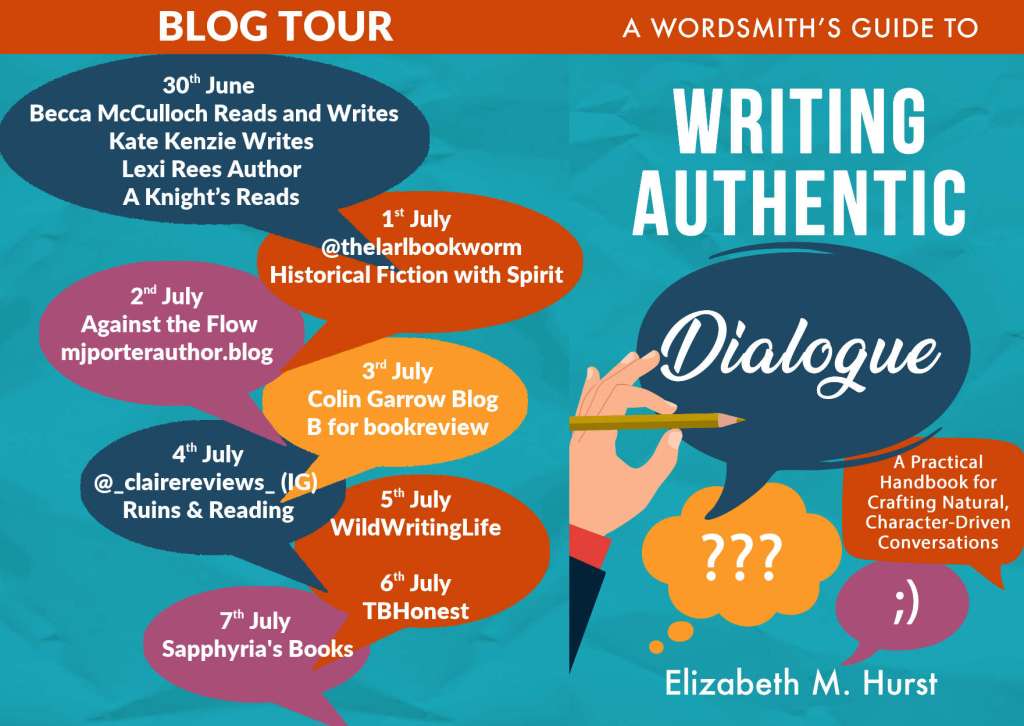
I’m welcoming the Wordsmith’s Guide to Writing Authentic Dialogue by Elizabeth M Hurst to the blog #blogtour #nonfiction #writingadvice
I’m welcoming the Wordsmith’s Guide to Writing Authentic Dialogue by Elizabeth M Hurst to the blog #blogtour #nonfiction #writingadvice
Why I Wrote A Wordsmith’s Guide to Writing Authentic Dialogue
I’ve been asked a few times why I chose to write A Wordsmith’s Guide to Writing Authentic Dialogue. The succinct answer is this: I asked my readers what they wanted me to cover next, and they told me they wanted something about character dialogue.
That made immediate sense to me. Dialogue is one of those areas of writing that looks deceptively simple. After all, we all talk. We all listen to conversations. We all know what speech sounds like – or at least we think we do. But putting convincing dialogue on the page is a very different skill from reproducing everyday speech exactly as it happens.
In real life, conversations are messy, repetitive, unfinished, and full of filler. People interrupt themselves, lose their train of thought, circle back, contradict themselves, and say “um” or “you know” far more often than any reader would willingly tolerate in a novel. If we wrote dialogue exactly as people speak, it would be tedious. Fictional dialogue has to have a purpose: it has to sound real while still being readable.
That is one of the reasons dialogue can be so challenging for writers. It has to feel natural, but also has to earn its place in the story. A good exchange between characters might reveal personality, create tension, deepen a relationship, move the plot forward, suggest conflict, or show us something the character does not want to admit. Often, the best dialogue does several of these at once.
I also think dialogue matters because it is one of the quickest ways readers decide whether they believe in a character. Description can tell us what someone looks like. Action can show us what they do. But dialogue lets us hear them. It gives us rhythm, attitude, hesitation, confidence, defensiveness, humour, fear, tenderness, and all the other subtle signals that make a fictional person feel alive.
One of the most useful lessons I’ve learned, both as a writer and an editor, is that dialogue is rarely only about the words being spoken. It is also about what is not said. People dodge difficult subjects. They hide behind jokes. They answer a different question from the one they were asked. They say “I’m fine” when they are anything but fine. That gap between what is said and what is meant is where the emotional energy of a scene lives and breathes.
Character voice is another important part of the puzzle. When every character speaks in the same rhythm, with the same vocabulary and the same level of confidence, the reader may struggle to tell them apart. But distinctive dialogue does not have to mean exaggerated slang, heavy dialect, or a string of catchphrases. It can be much more subtle than that. One character may speak in short, guarded sentences. Another may over-explain. One may use humour to deflect. Another may become very formal when upset. These choices tell us who people are, especially when they are under pressure.
That is why I wanted this book to be practical. Dialogue is not just decoration. It is one of the main ways writers create character, conflict, and connection. When it works well, readers believe in the people on the page.
And perhaps that is the real goal of authentic dialogue. Not to copy real speech word for word, but to create the illusion of it. To make readers feel that these characters existed before the scene began and will continue existing after it ends. To make every line sound as though it could only have been spoken by that person, in that moment, for that reason.
So when my readers asked for a guide to dialogue, I understood why. It is a subject that touches almost every part of storytelling. Whether you are writing a quiet emotional exchange, a heated argument, a romantic confession, a comic misunderstanding, or a scene full of things left unsaid, dialogue can transform the way readers experience your characters.
Used well, dialogue does not simply fill the silence. It brings the story to life.
Here’s the blurb
A Wordsmith’s Guide to Writing Authentic Dialogue
Do you lack confidence when writing dialogue for your fictional characters? Do you want to learn how to make each person have a distinctive voice?
Real conversations wander. Fictional dialogue can’t afford to.
A Wordsmith’s Guide to Writing Authentic Dialogue is a practical, encouraging craft book for fiction writers who want dialogue that does more than fill the page. You’ll learn how to make every exchange purposeful, character-specific, and charged with subtext—without gimmicks, melodrama, or the dreaded “As you know…” exposition.
You will learn how to:
build distinct voices through rhythm, worldview, and verbal habits (not quirky spelling);
show status and power through questions, interruptions, silence, and topic control;
handle tags, beats, and action cleanly so dialogue moves instead of clogs;
write conflict that escalates and changes shape (without repeating itself);
approach trauma, consent, and emotionally heavy scenes without voyeurism or melodrama.
You’ll also find:
short, generic examples you can learn from immediately;
focused exercises you can complete in 10–20 minutes;
diagnose-and-rewrite case studies (where relevant);
checklists: quick bullet points to use while drafting and revising.
If your characters explain too much, sound the same, circle the point, or talk in a void—this guide will give you clear tools to diagnose the problem and rewrite with confidence.
Have the confidence to write dialogue that reflects the best of your characters, and the best of your writing. Pick up your copy today.
Elizabeth was born and bred in the picturesque harbour town of Whitehaven in the northwest of England, where the long, wet winters moulded her into a voracious reader of fiction to escape the dismal weather.
In 2016, Elizabeth set up her freelance editing and proofreading business, EMH Editorial Services. In 2018, she quit the corporate world and concentrated her energy full-time towards her love of the written word.
Elizabeth has published timeslip novellas (the Lost Souls series) and a stand-alone novel, A Light Shines in Darkness, based on Blessed Angelina of Marsciano. She is also the author of The Wordsmith’s Guides, a series of nonfiction books on the craft of writing.
Elizabeth now lives with her husband in the warm and sunny south of France, where the wine is cheaper than the water, and the cats spend their days hunting lizards and dreaming of the birds that roost on the roof.
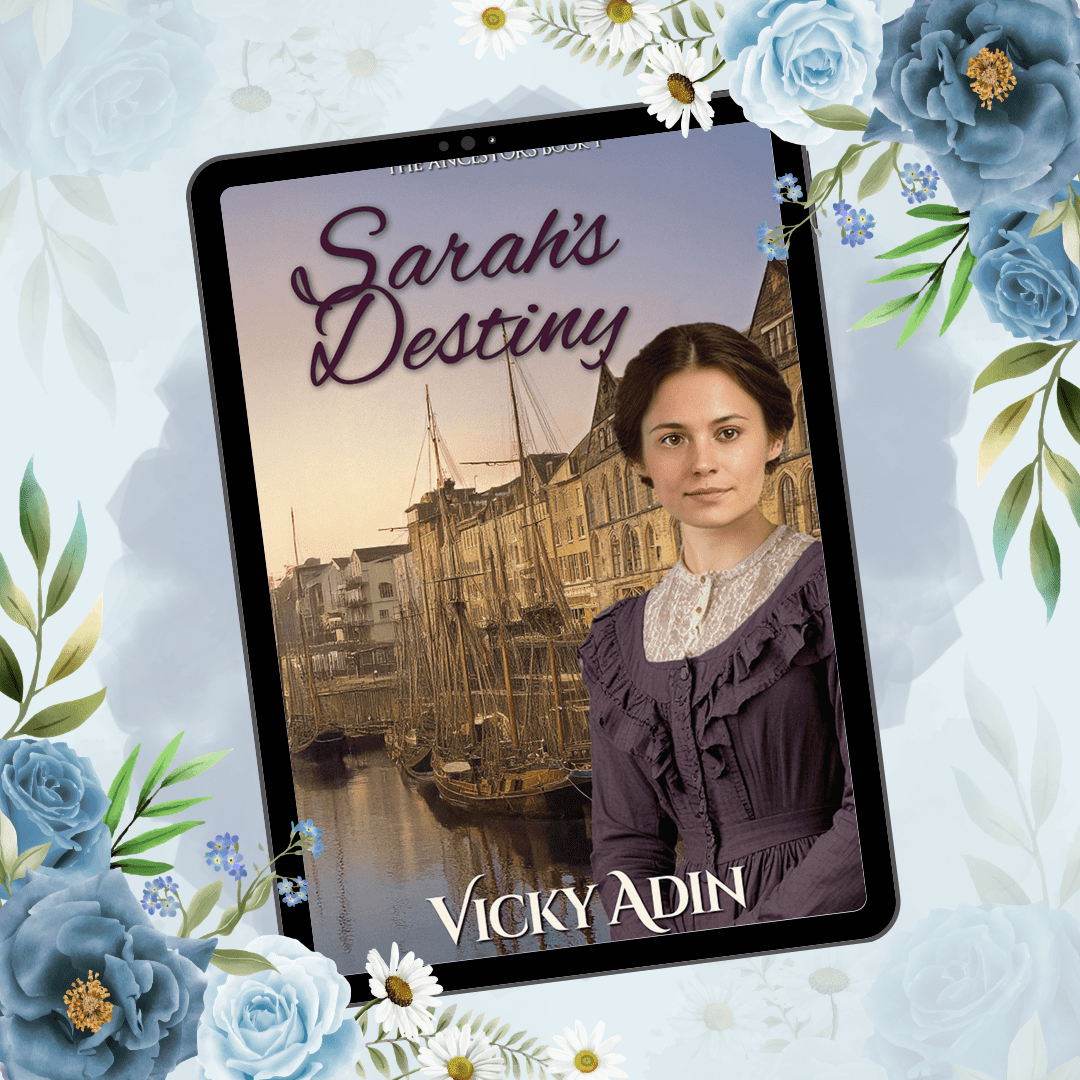
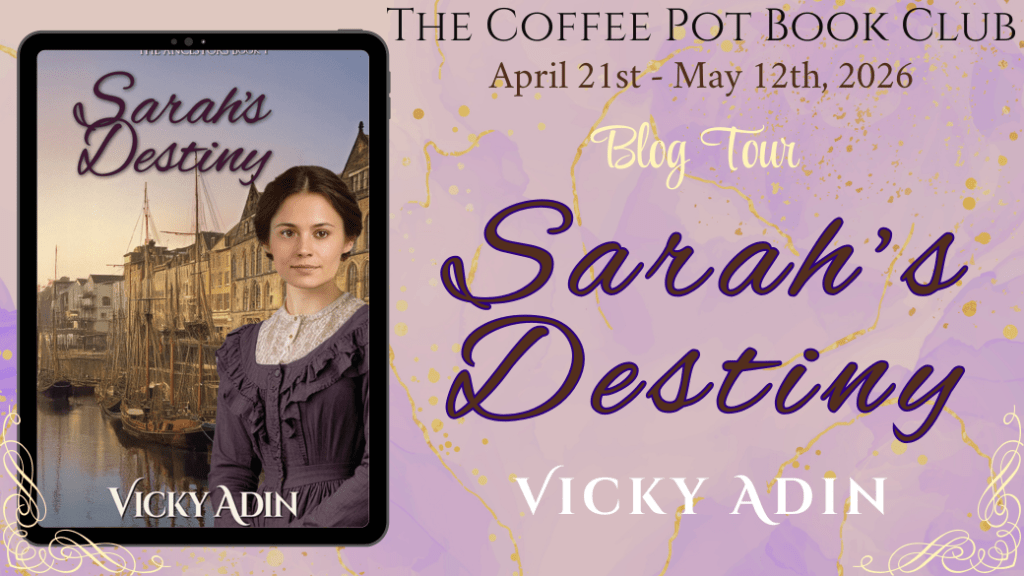
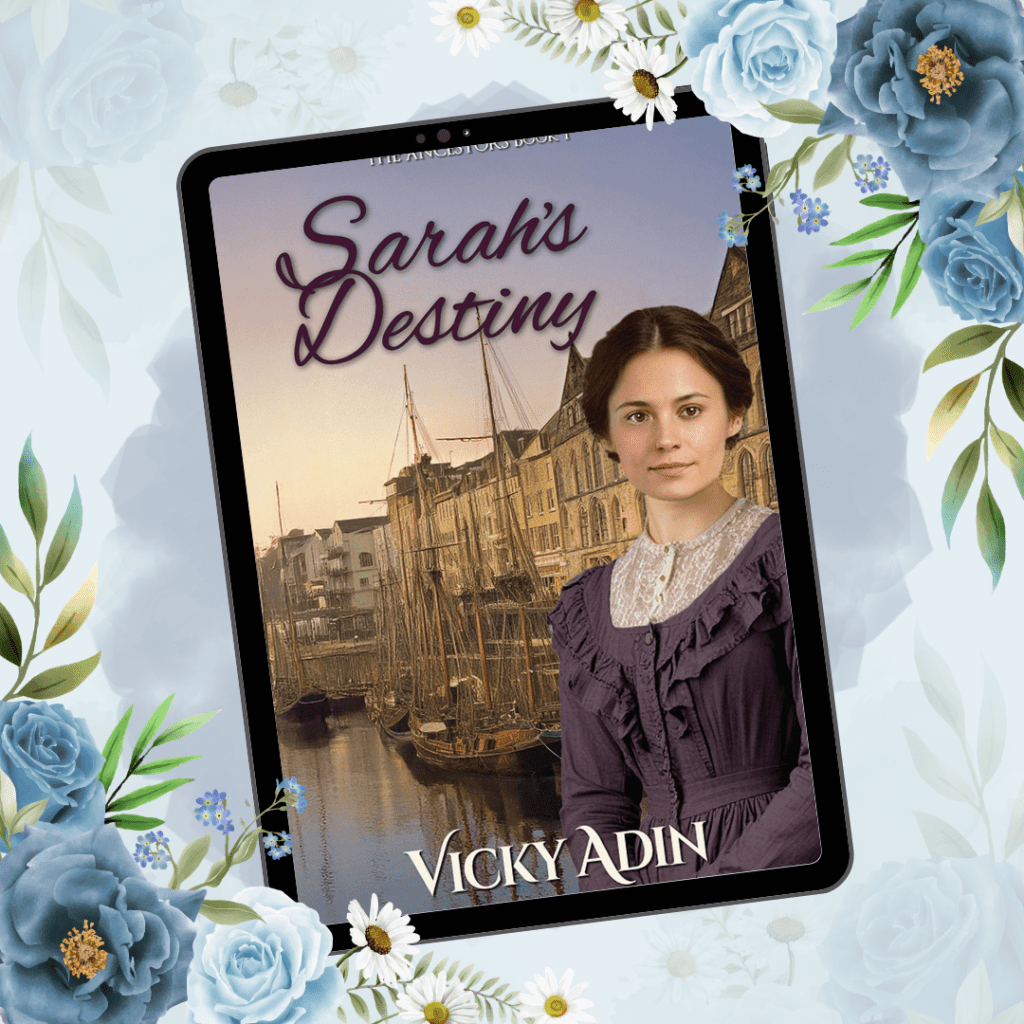
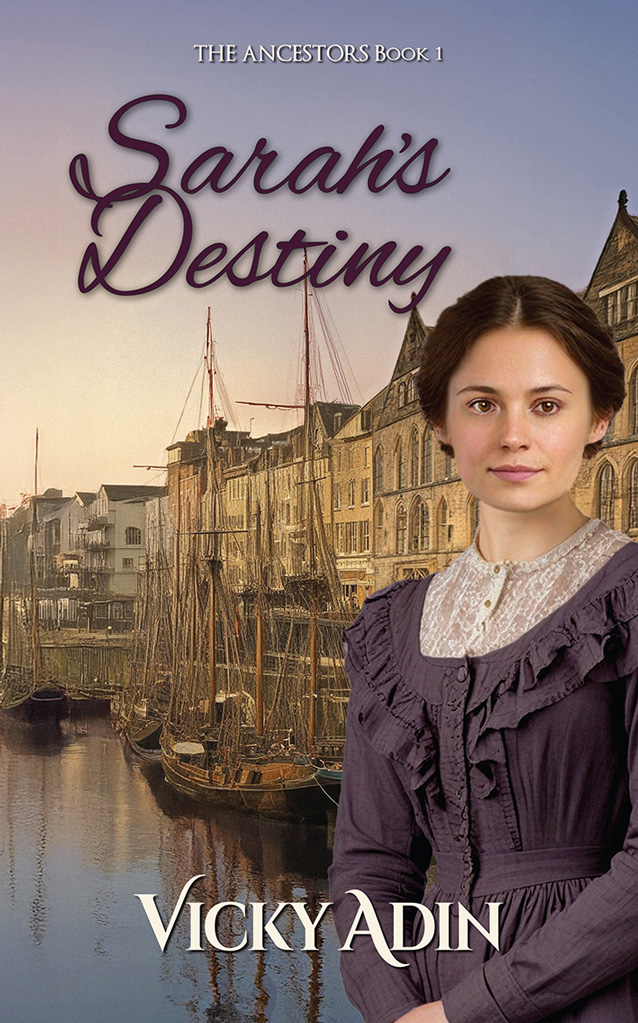
I’m delighted to welcome Vicky Adin and her new book, Sarah’s Destiny, to the blog, #HistoricalFiction #VictorianWomen #workingclasswomen #enduringlove #Bristol #widows #BlogTour #TheCoffeePotBookClub @cathiedunn
@thecoffeepotbookclub.com
I’m delighted to welcome Vicky Adin and her new book, Sarah’s Destiny, to the blog,
Read about Vicky Adin’s inspiration for writing Sarah’s Destiny
My inspiration stretches back well into the seventeen hundreds as I hunted for my family history. Genealogy research always turns up interesting snippets of information. A name on one document, repeated on another and linked to another often leads to the discovery of the places, people, and occupations associated with their lives. I was in for a surprise as I abandoned the direct line and drifted along another branch to twigs and leaves.
Sarah’s story was one of those sideways leaps as I searched for extra details relating to my third and fourth great-grandparents. With a love of history and genealogy, such research can provide details beyond the facts, however, there are always gaps and to me that’s where the stories lie. I love filling in the gaps.
My third great-grandfather intrigued me. In those times, several branches of an extended family and generations of a direct line would live in that same area over long periods, with the sons often continuing the father’s occupation. In this case, a daughter maintained that tradition and in keeping with the naming patterns of the day, Sarah was the third daughter to be given that name in memory of two others. She must have carried a huge sense of responsibility. Such traditions are invaluable to a genealogist, but ….
Sometimes, the information doesn’t quite add up. When my great-grandfather’s dates didn’t quite match and when his daughters broke tradition and moved away from the family, I researched the one who remained. A gut instinct told me she could well be the key to what I was searching for. And I was right. The more documents I found about her life, the more fascinated I became.
Sarah lived her life in the Victorian era from 1834 to 1907. During that time, she was to have two husbands and eight children and lost three, but her marital status and the children’s names and dates were often confusing, suggesting more to the story than the hard facts provided. She was literate and worked as a licenced victualler, a pub landlord, in her own right, just like her father. She was, without doubt, loyal, determined, and defied conventions. But what was she really like? That is the one question genealogy research will never answer, especially that far back. That is where a writer’s intuition takes over.
Next came the historical research about Bristol, where she lived and worked her entire life. In its heyday Bristol was a progressive and prosperous city that sparked my curiosity. I’d never been to Bristol so I used Google Earth to ‘wander’ down the same streets that Sarah would have done. I found the pub, one among many, where she’d grown up beside the Welsh Back and where bars and restaurants still dot the landscape today, just as they were in her day. I love the fact that the core of England never changes. Some new buildings and some road realignments but in essence what Sarah knew, I could view.
A ‘back’ is a Bristolian word for a wharf and the Welsh Back is the cobblestone street running along the length of the famous floating harbour built in 1809. That is where the trows, (specially designed boats with folding masts to get under the low bridges) from Wales came across the notorious Bristol Channel and tied up to unload their wares.
The more I looked into Bristol’s history, the more I realised the city itself had a story to tell. So too, her lover.
I took Sarah’s facts and the spirit of Bristol and recreated her life. I filled the gaps, taking into account Bristol’s unique words and dialect and all the numerous and wonderful Victorian revelations, the likes of Mrs Beeton’s Book of Household Management and the serialisation of Dickens novels, the completion of the Bristol Suspension Bridge and so much more. We can never know exactly what people said, how they behaved, or what they thought, but understanding the mores and laws of the time offers a likely premise.
Sarah’s Destiny is inspired by a true story, the facts guided her time frame, and the history embellished the storyline, but Sarah’s soul captured my imagination.
Here’s the blurb
Young Sarah Daniels is the heart, soul and future of The White Hart Inn on the Welsh Back. Alongside the quay and wharves on Bristol’s floating harbour, she dreams of finding love, and a destiny where she can escape the drudgery and tragedy that life usually delivers Victorian women. But dreams are free, and few share her ideals. When reality strikes, and Sarah learns the hard way that life is unkind, one man offers her hope.
Through many decades of heart-aching loss, false promises and broken dreams, the young widow clings to that one hope. With six children to care for, she takes risks few others would consider. She breaks conventions and makes sacrifices to keep that hope alive.
Will her wishes come true, or is she destined to be another unfortunate in the sea of many?
Any Triggers: Grief, abuse, attempted rape (gentle)
This title is available to read on #KindleUnlimited.
Meet the author
Like the characters in her books, Vicky has a passion for family history and a love of old photos, antiques, and treasures from the past. After researching the history of the time and place, and realising the hardships many people suffered, Vicky knew she wanted to write their stories. Tales of love and loss, and triumph over adversity. Her latest release, Sarah’s Destiny, Book 1 of The Ancestors series, is inspired by a true love story set in Bristol.
Vicky particularly enjoys writing inter-generational sagas, inspired by true stories of early immigrants to New Zealand, linked by journals, letters, photographs, and heirlooms.
She’s an avid reader of historical novels, family sagas and women’s stories and loves to travel when she can. She has a MA(Hons) in English and Education. Her story of Gwenna won gold in The Coffee Pot Book Club Women’s Historical Fiction Book of Year in 2022 and several of her books carry the gold B.R.A.G medallion.
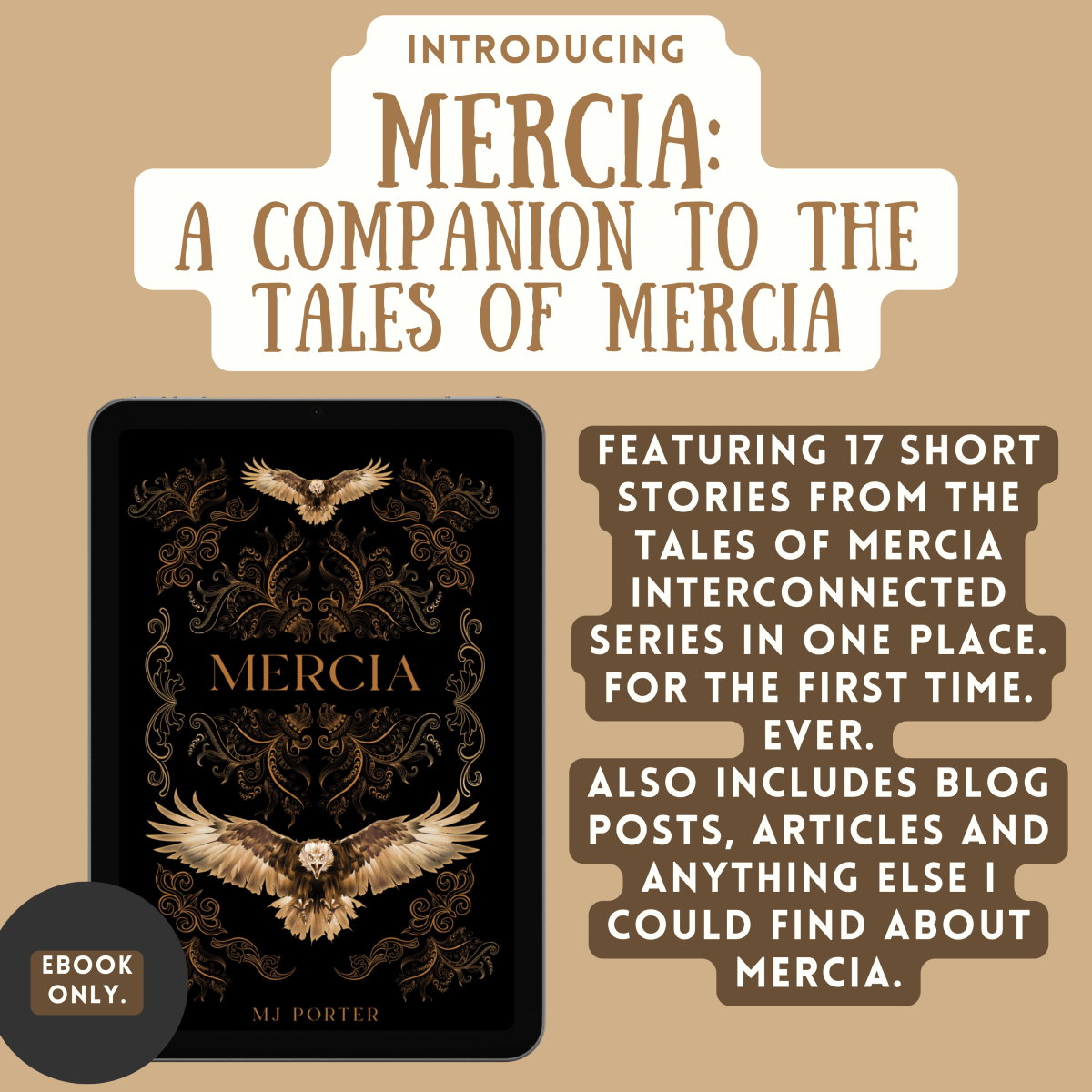
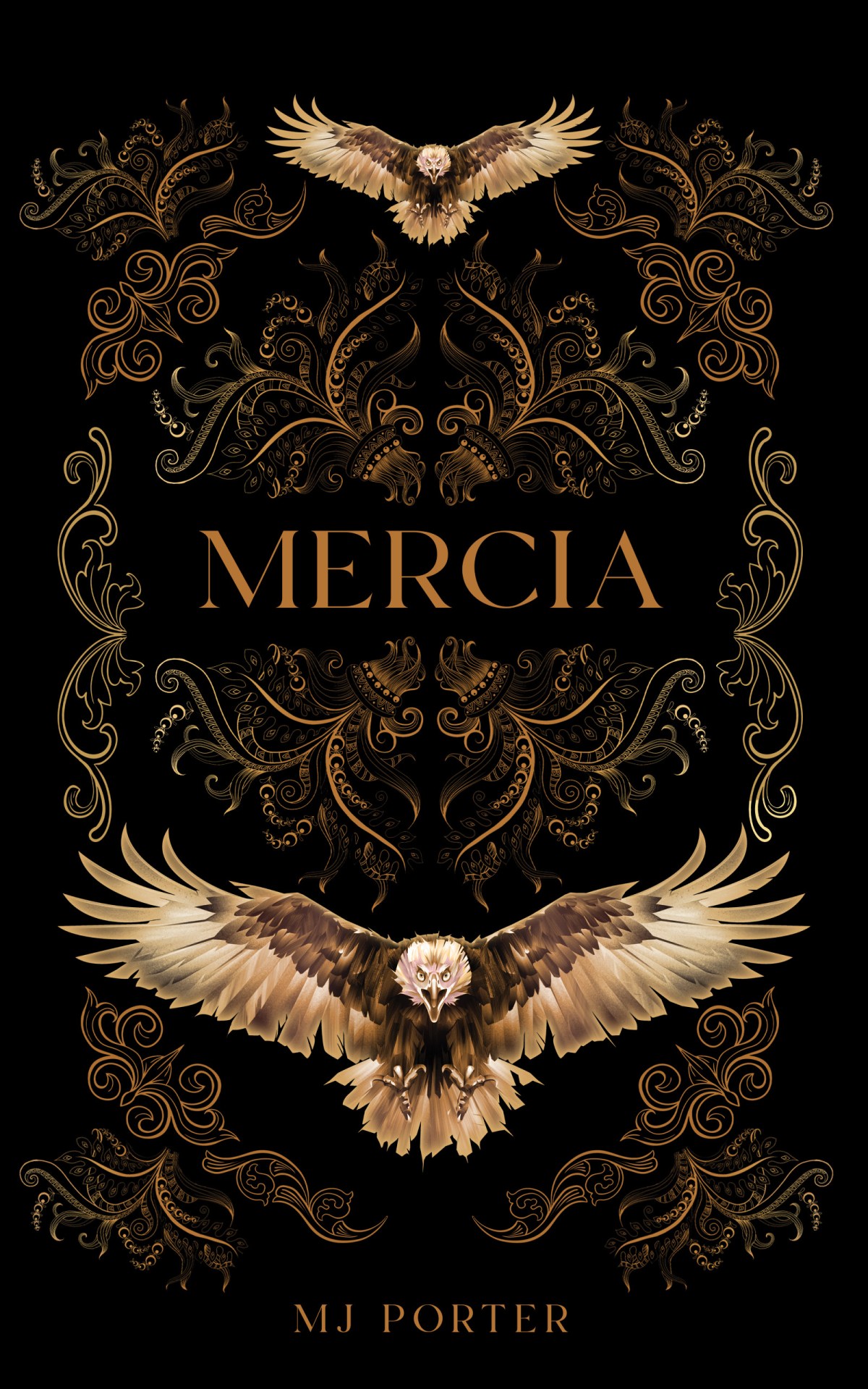
Introducing Mercia: A Companion Guide to the Tales of Mercia #ShortStories #Nonfiction #MJPorter #TalesOfMercia
I’ve been working on this for a while
I’m very excited to share with readers that I have FINALLY finished (for now) compiling all my short stories, blog posts, articles and some deleted and alternative scenes from my books set in Mercia. I call the eight series combined The Tales of Mercia, and now you can enjoy all these little extras too, and all in one place (see the list below).
Now, some of these stories have been shared before (in Coelwulf’s Company, and as newsletter subscriber exclusives, and newsletter subscribers have also received an earlier version of the ebook before I’d quite compiled everything). The blog posts should also have appeared here, on the blog, but I thought it was high time they were more readily accessible to readers (and to me). (I did intend to include a character name list as well, but it is a HUGE task, so that’s not yet completed.)
Although some of these stories are only currently available on Amazon or in print/audio copy, I’ve decided to share this collection on Kobo, Apple and maybe some other platforms too, as well as Amazon. This is so readers of those stories available everywhere can also enjoy the short stories.
Check out the details and find the purchase link (or click the image above).
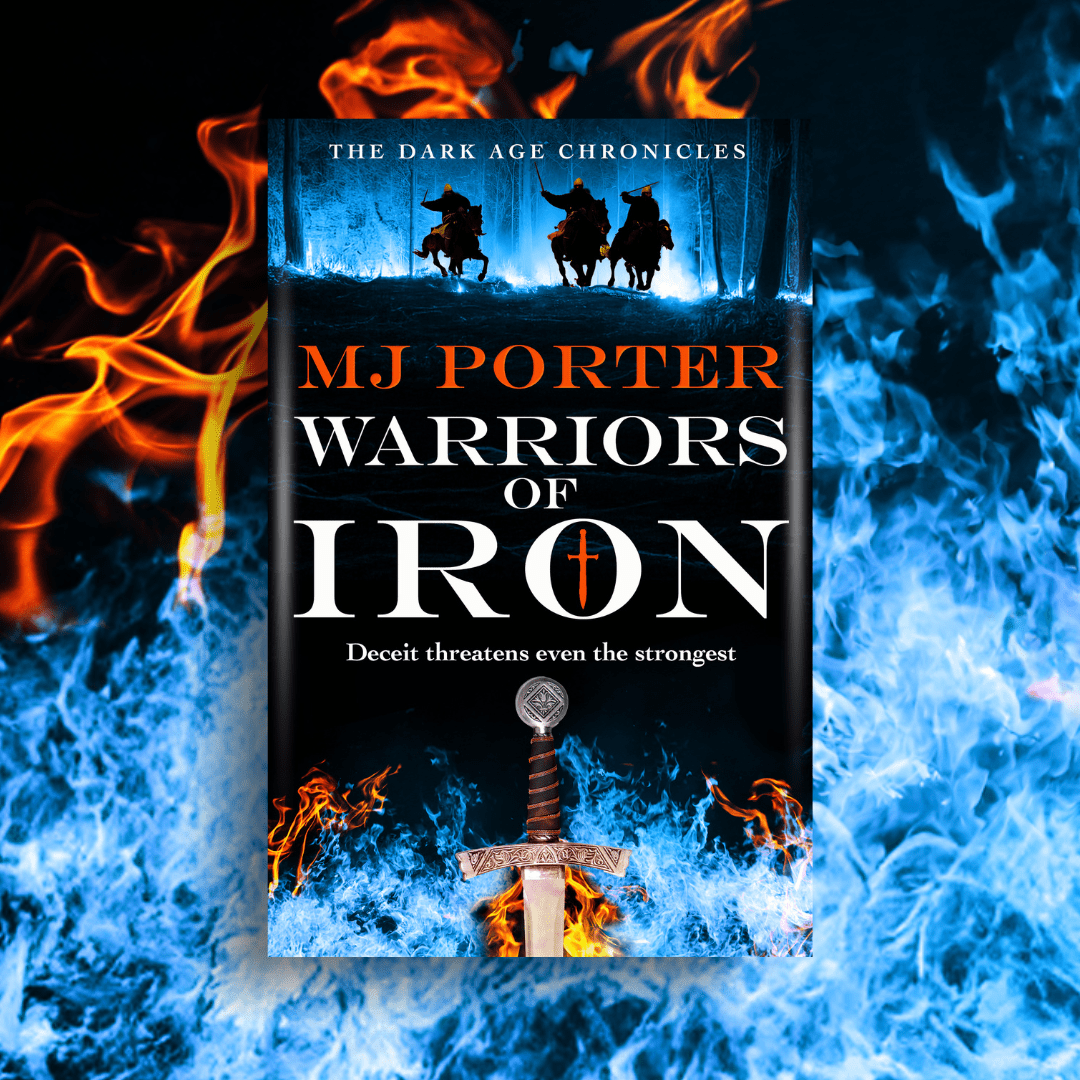
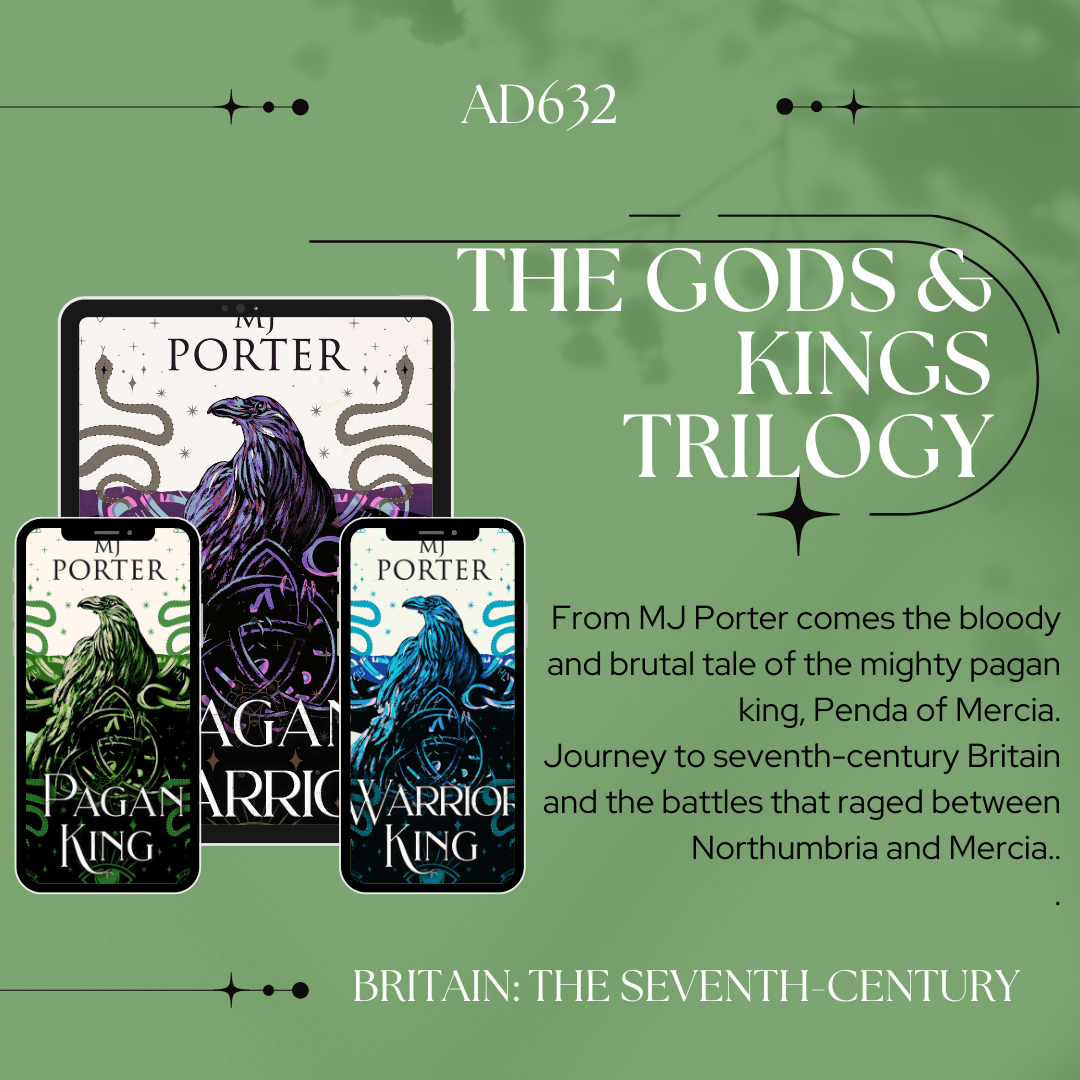
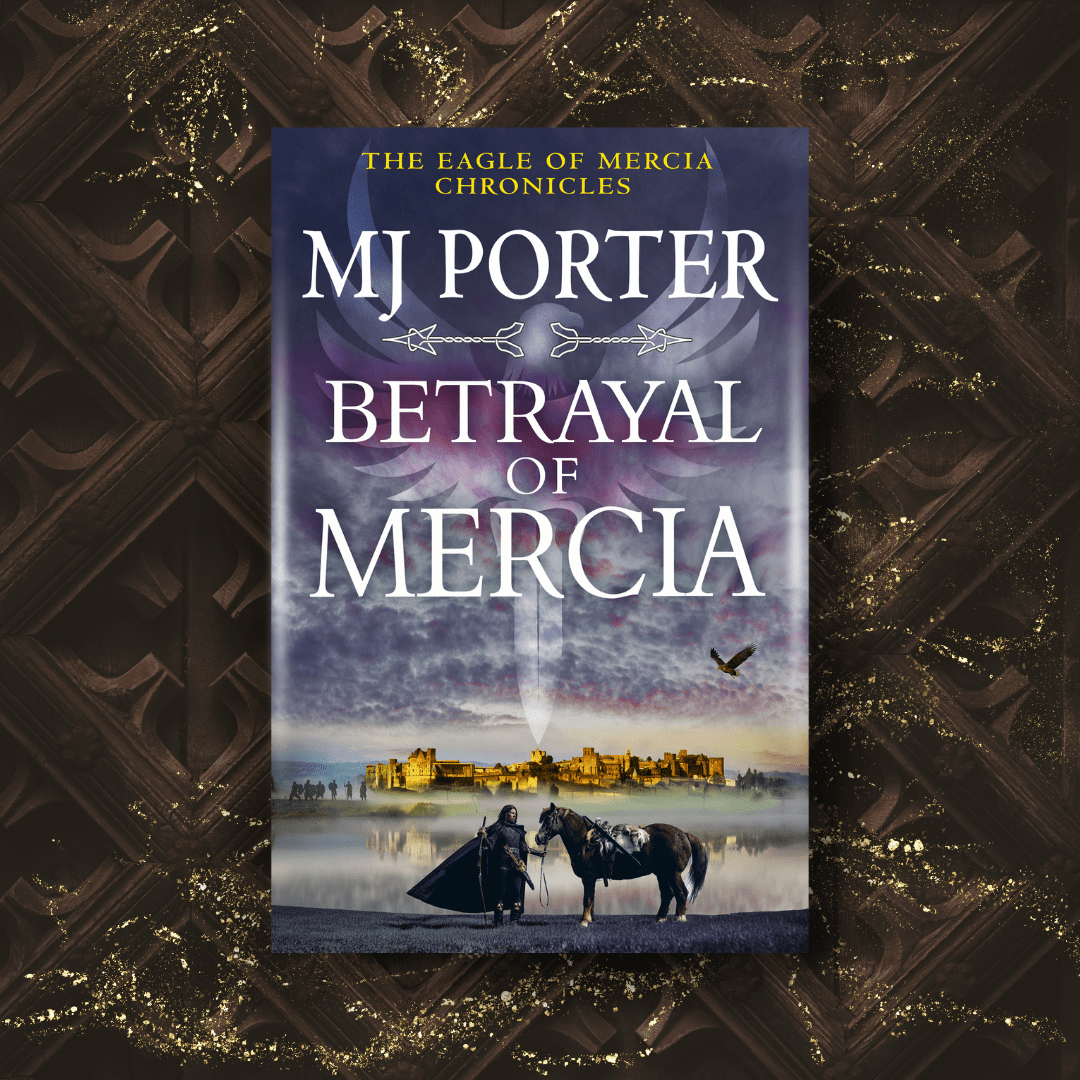
Mercia: A Companion Guide to the Tales of Mercia brings together, for the first time, the short stories, alternative scenes, deleted scenes, and blog posts written about the eight series by MJ Porter set in the ancient Saxon kingdom of Mercia, (The Dark Age Chronicles, The Gods and Kings Trilogy, The House of Mercia, The Eagle of Mercia Chronicles, The Mercian Ninth Century, The Sundered Kingdom, The Lady of Mercia’s Daughter and the Earls of Mercia Series.)
Many of these have been published elsewhere, but never in one collection. The companion guide also includes pieces detailing the inspiration behind the many series and characters, as well as the history of the stories.
Includes:
Short Story: Transitions
Short Story: Elen (from the Dark Age Chronicles)
Short Story: A Father’s Son (from after the events of the Gods and Kings Trilogy)
Short Story: from the original Son of Mercia draft
Short Story: Cenfrith (Icel’s Uncle) (The Eagle of Mercia Chronicles)
Short Story: Wynflæd (The Eagle of Mercia Chronicles)
Short Story: A Meeting of Equals (the inspiration for The Last King)
Short Story: Ealdorman Coenwulf (from before The Last King)
Short Story: Lovers (from before The Last King)
Short Story: Icel – AD864 (originally in Coelwulf’s Company)
Short Story: Coelwulf – AD864 (originally in Coelwulf’s Company)
Short Story: Edmund – AD864 (originally in Coelwulf’s Company)
Short Story: Pybba – AD865 (originally in Coelwulf’s Company)
Short Story: Rudolf – AD871 (originally in Coelwulf’s Company)
Short Story: Gardulf – originally in The Last Alliance
Short Story: To Be A King (the Earls of Mercia series)
Short Story: The Prisoner (from after the Earls of Mercia Series)
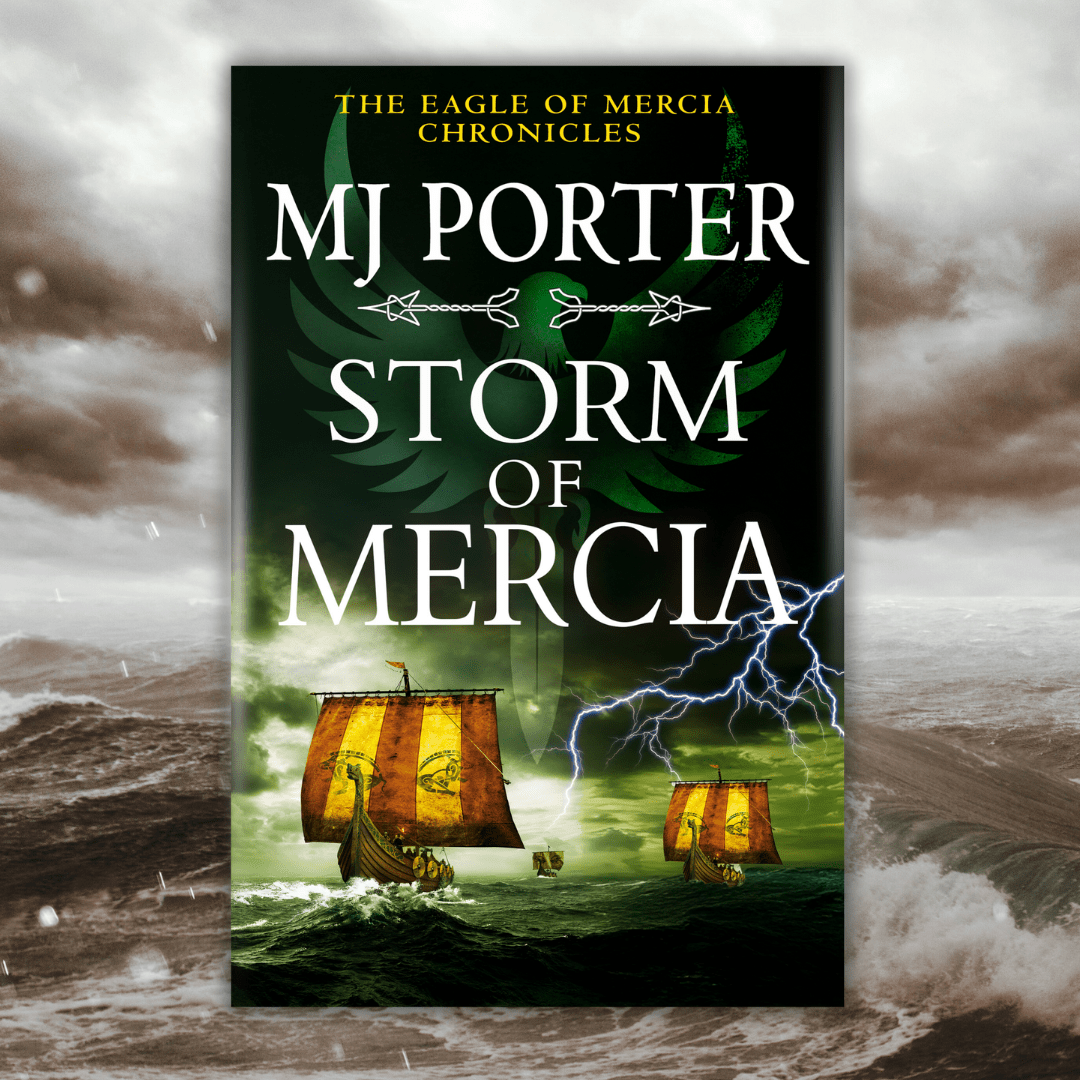
Deleted Scene from Storm of Mercia (The Eagle of Mercia Chronicles)
Deleted Scene from The Last Shield (The Mercian Ninth Century)
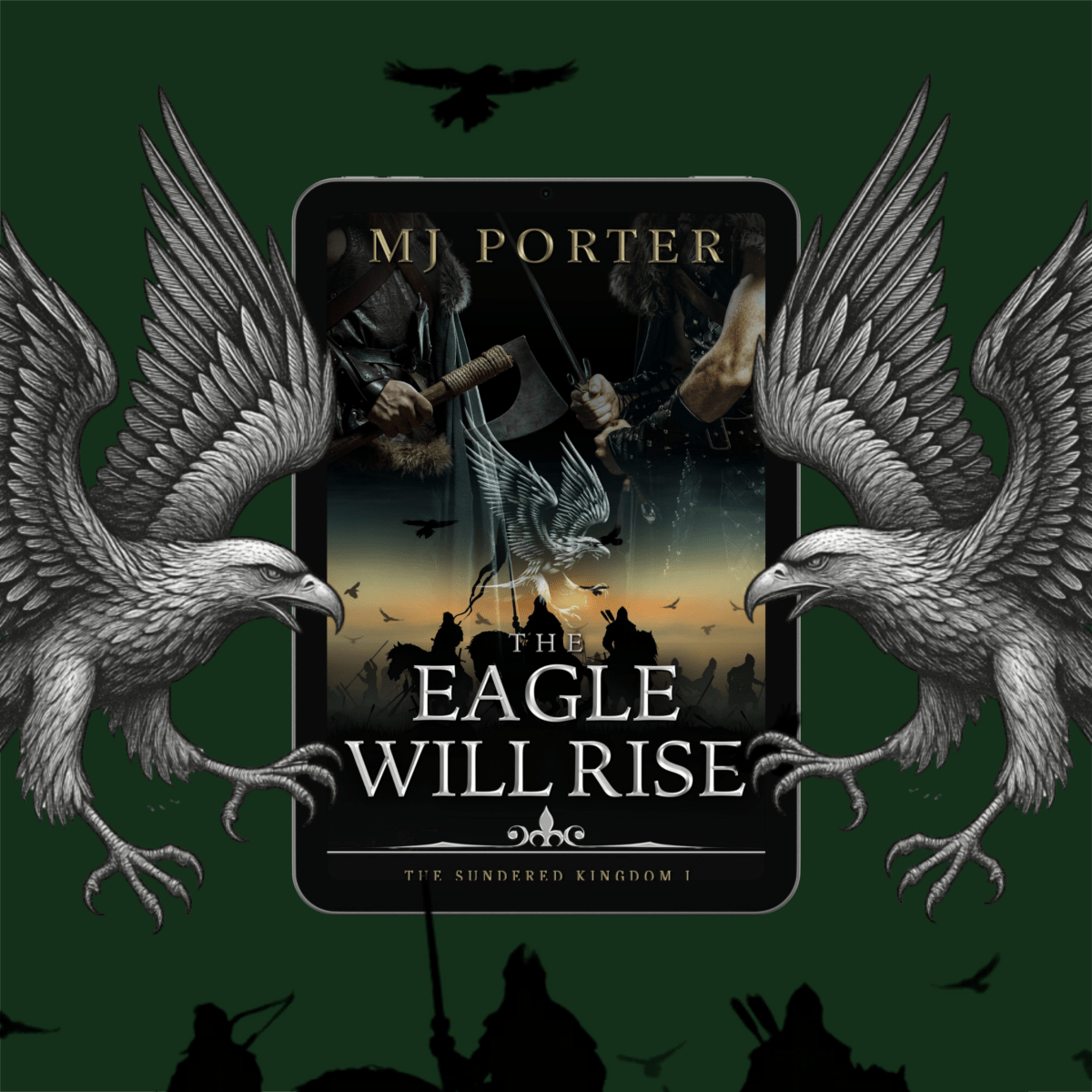
Deleted Scene from The Eagle Will Rise (The Sundered Kingdom)
An Alternative Scene from A Conspiracy of Kings (The Lady of Mercia’s Daughter Duology)
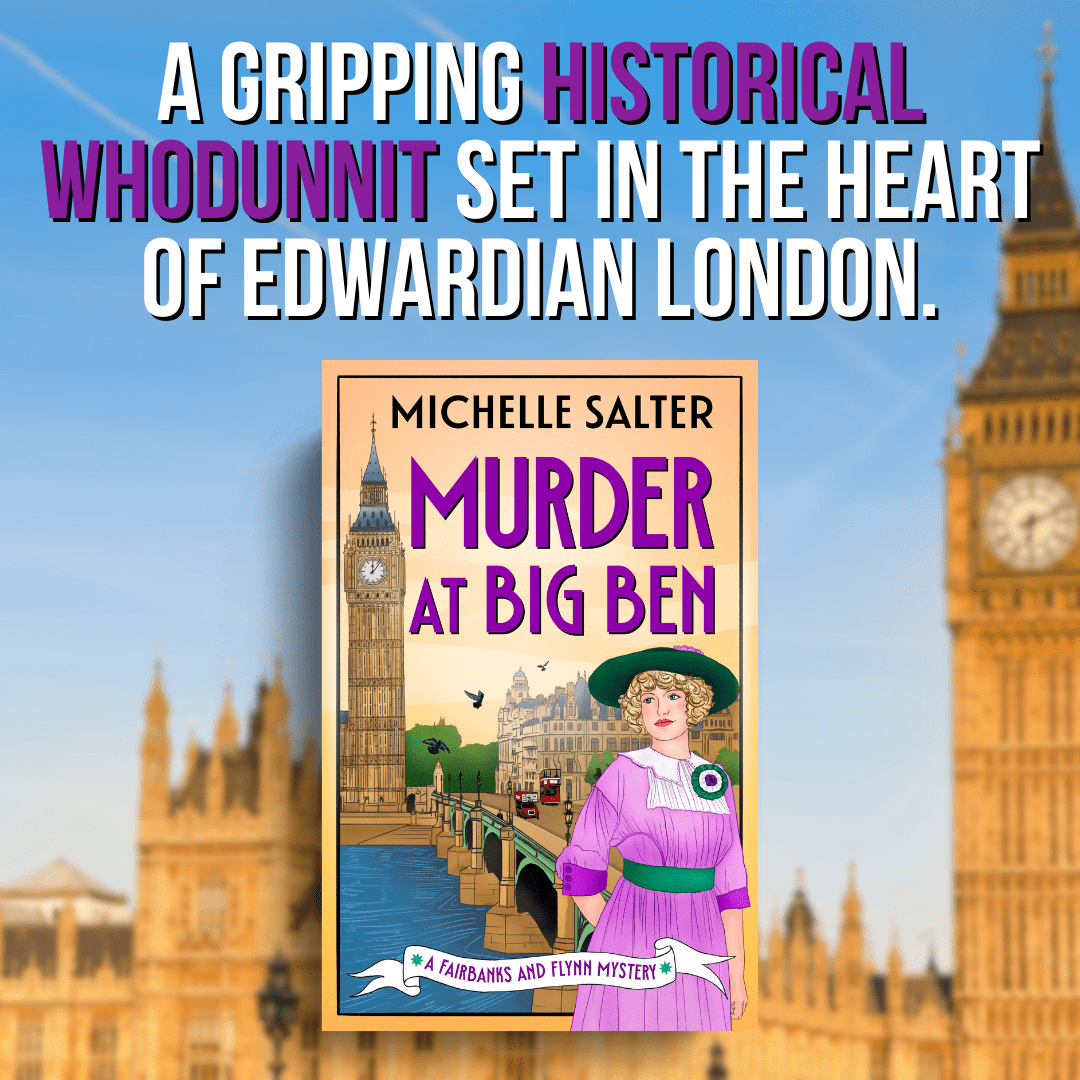
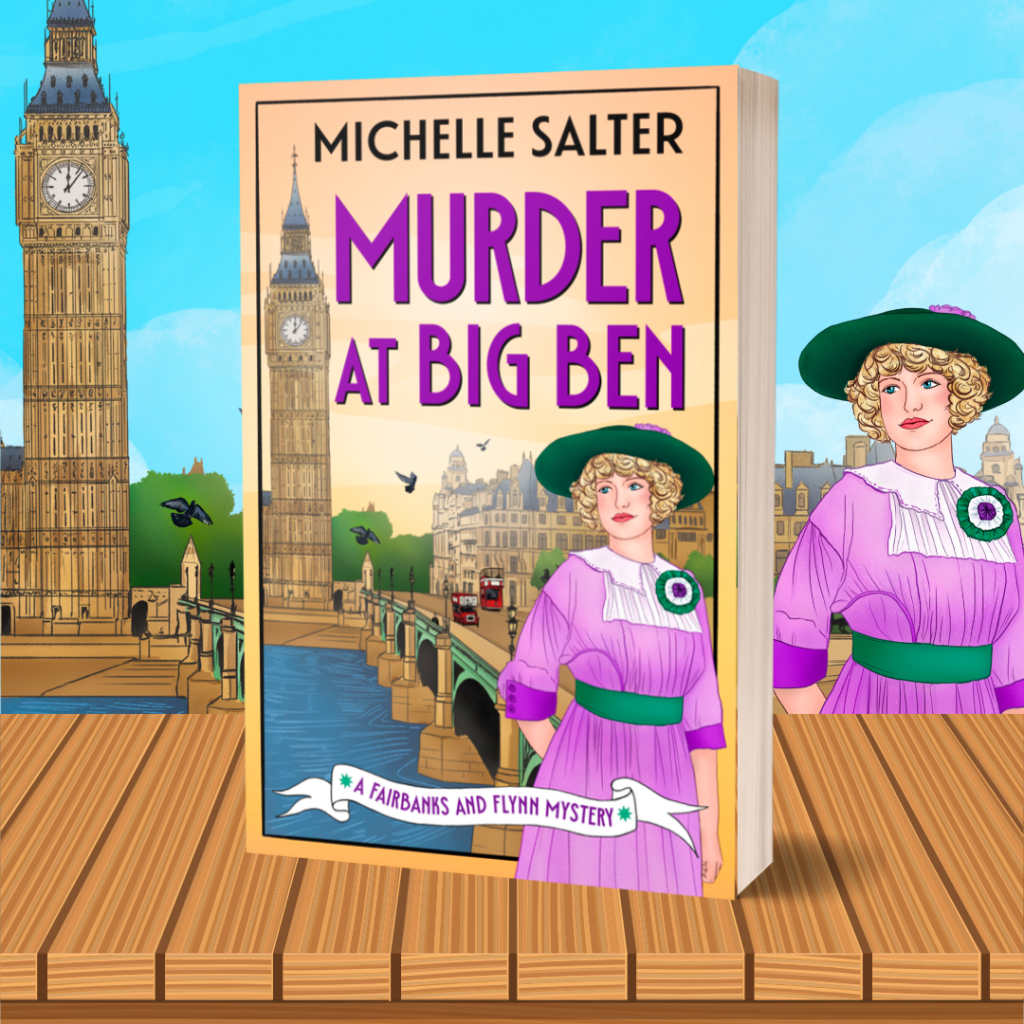
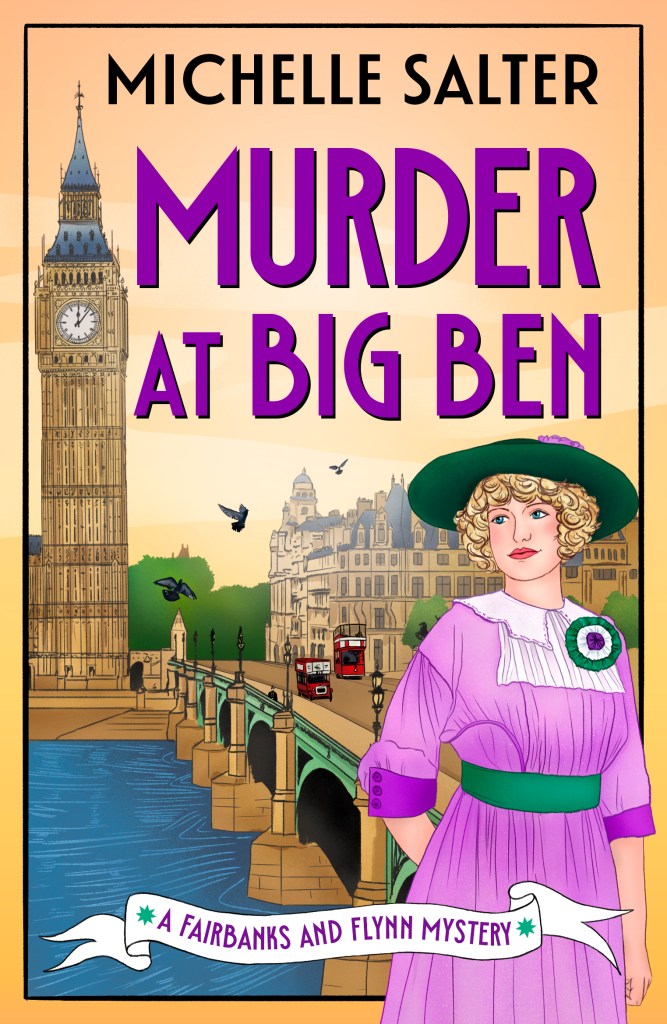
I’m delighted to share my review for Murder at Big Ben by Michelle Salter, the second book in a new historical mystery series #historicalmystery #cosycrime #highlyrecommended #historicalmystery #cosycrime #highlyrecommended
#BoldwoodBloggers @BoldwoodBooks
I’m delighted to share my review for Murder at Big Ben by Michelle Salter, the second book in a new historical mystery series #historicalmystery #cosycrime #highlyrecommended
Here’s the blurb
🇬🇧 You won’t be able to put down this latest instalment in the Fairbanks and Flynn Mysteries, perfect for fans of Agatha Christie, Benedict Brown and T. E. Kinsey 🔎 🔪
Three women hide in Big Ben, only two come out alive…
2 April 1911 is census night, when suffragettes hide overnight in parliament to force census takers to record it as their address – the only way women can have a place in government.
Coral Fairbanks, suffragette, actress, and artist’s muse, is among the women who break into parliament. What she doesn’t know is that Guy Flynn, artist and Scotland Yard detective, has been ordered to guard it that night.
When a suffragette hiding in Big Ben is poisoned, suspicion falls on the residents of two grand houses in Mayfair. The Kesbys are avant-garde artists, the Ashcourts are aristocrats fallen on hard times.
Once again, Fairbanks and Flynn put aside their differences to investigate an astonishing case of deception and murder.
A new historical mystery set in Edwardian London featuring the iconic detective duo Fairbanks and Flynn.
While this novel has the same detective duo as the other books in the Fairbanks and Flynn Mystery series, it can be read as a STANDALONE
Murder at Big Ben is the second book in the Fairbanks and Flynn Mystery series, and it’s another fabulous mystery.
I adore how these books are so deeply rooted in the events of the day, making use of historical events to provide a vivid and very satisfying mystery for the reader to devour (or attempt to solve). The red herrings are placed extremely well. The eventual resolution of the mystery unfolds very smoothly, and when you do know the resolution, you can appreciate how well the author dropped snippets here and there, while ensuring there was never enough to give the mystery away.
Coral and Guy are such great characters. The mystery is top-notch and there are any number of suspects who could be the culprit..
Another fabulous installment in the series which I devoured in just a few sittings.
Michelle Salter is a bestselling author of Edwardian and 1920s murder mysteries featuring female amateur sleuths, suffragettes and Scotland Yard detectives. She combines colourful characters, fascinating British history, and will-they-won’t-they romance in classic golden-age whodunnits.
Each book can be read as a STANDALONE even if it’s part of a series.
Michelle’s cozy crime novels have gained a dedicated following of readers who love her compelling characters and page-turning plot twists.
When she’s not writing books, Michelle enjoys exploring the backstreets of London and sharing fascinating facts from the Edwardian era and Roaring Twenties on her blog and social media.
She lives in Hampshire, England, and loves walking in the countryside and reading crime novels.
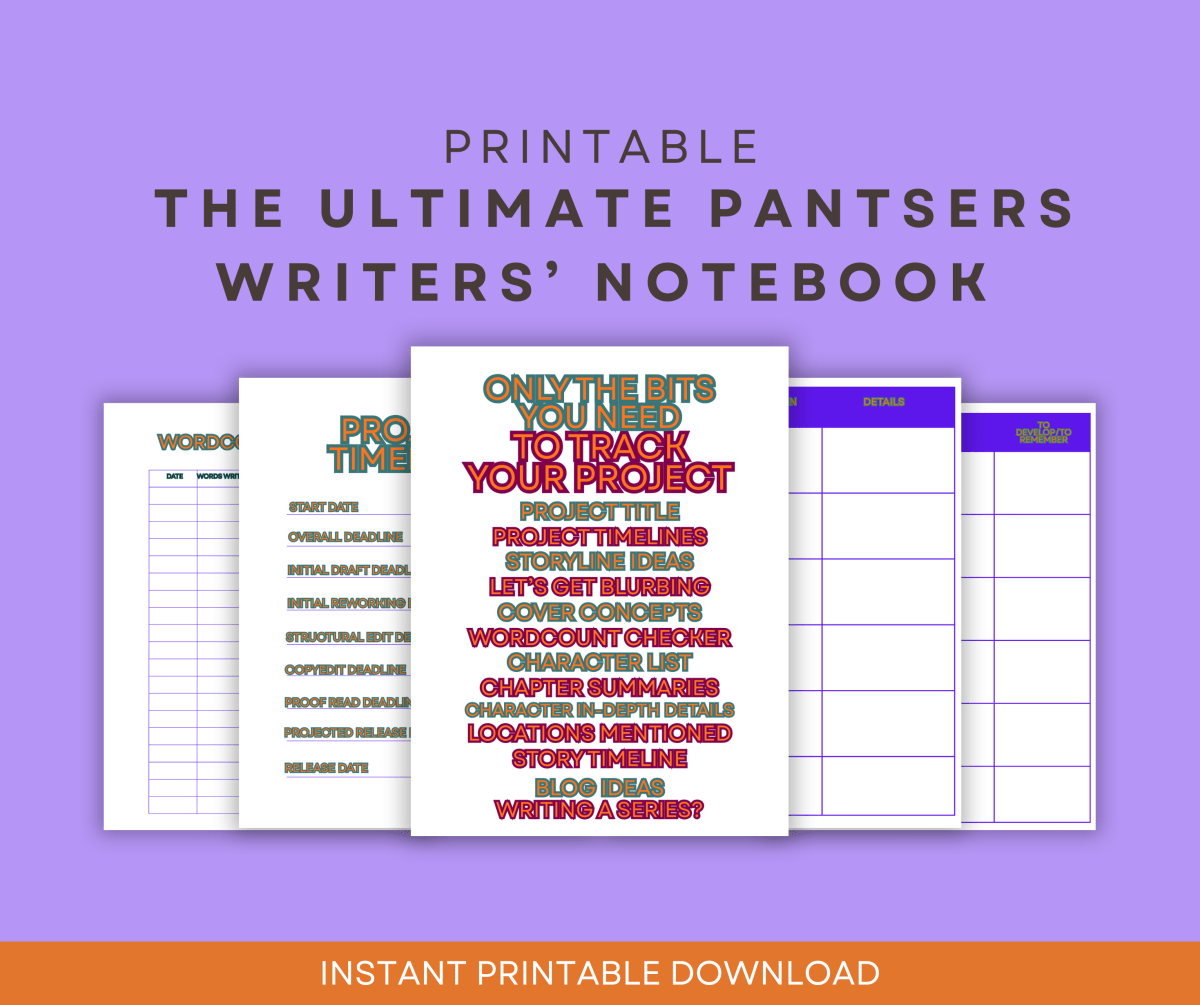
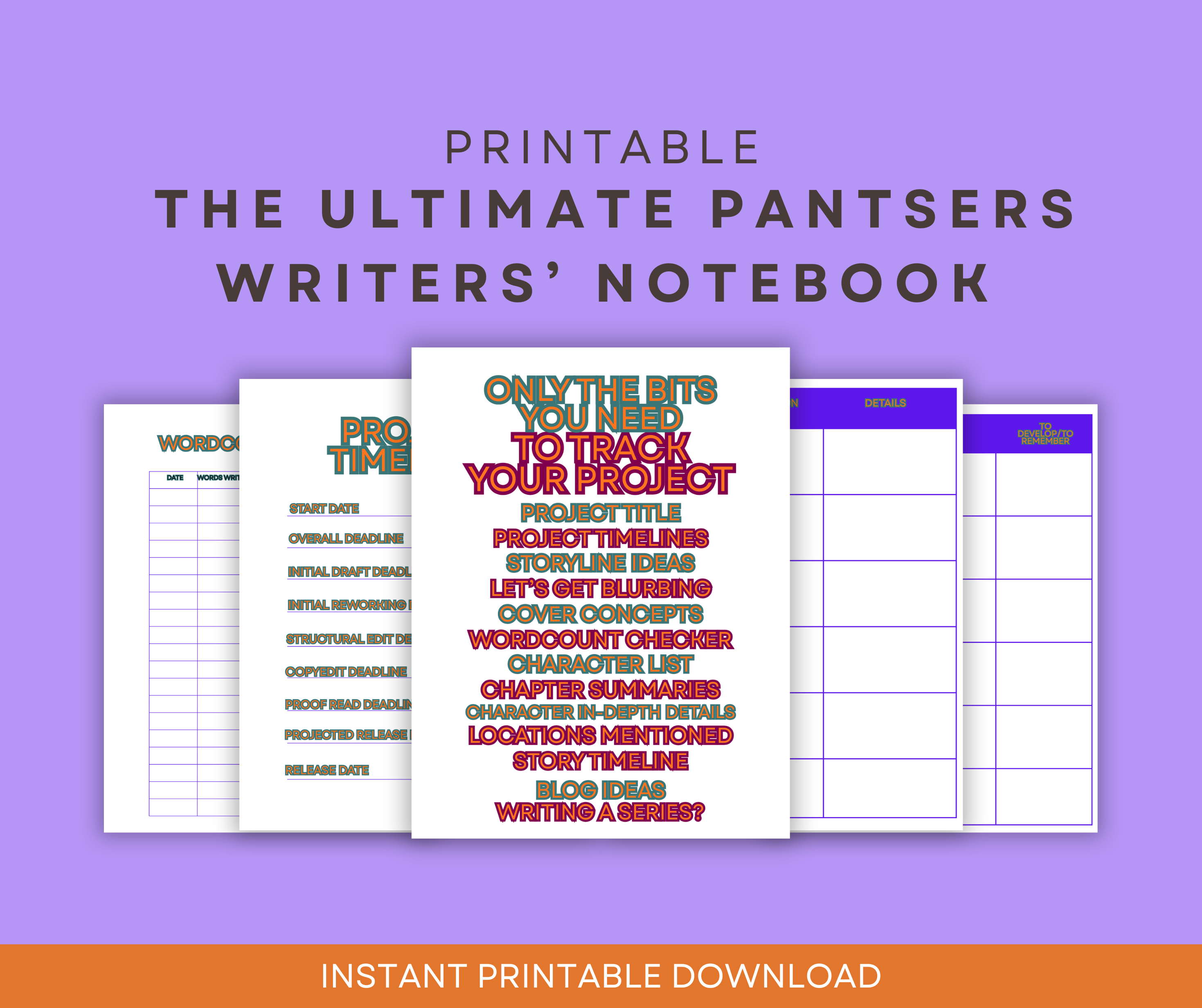
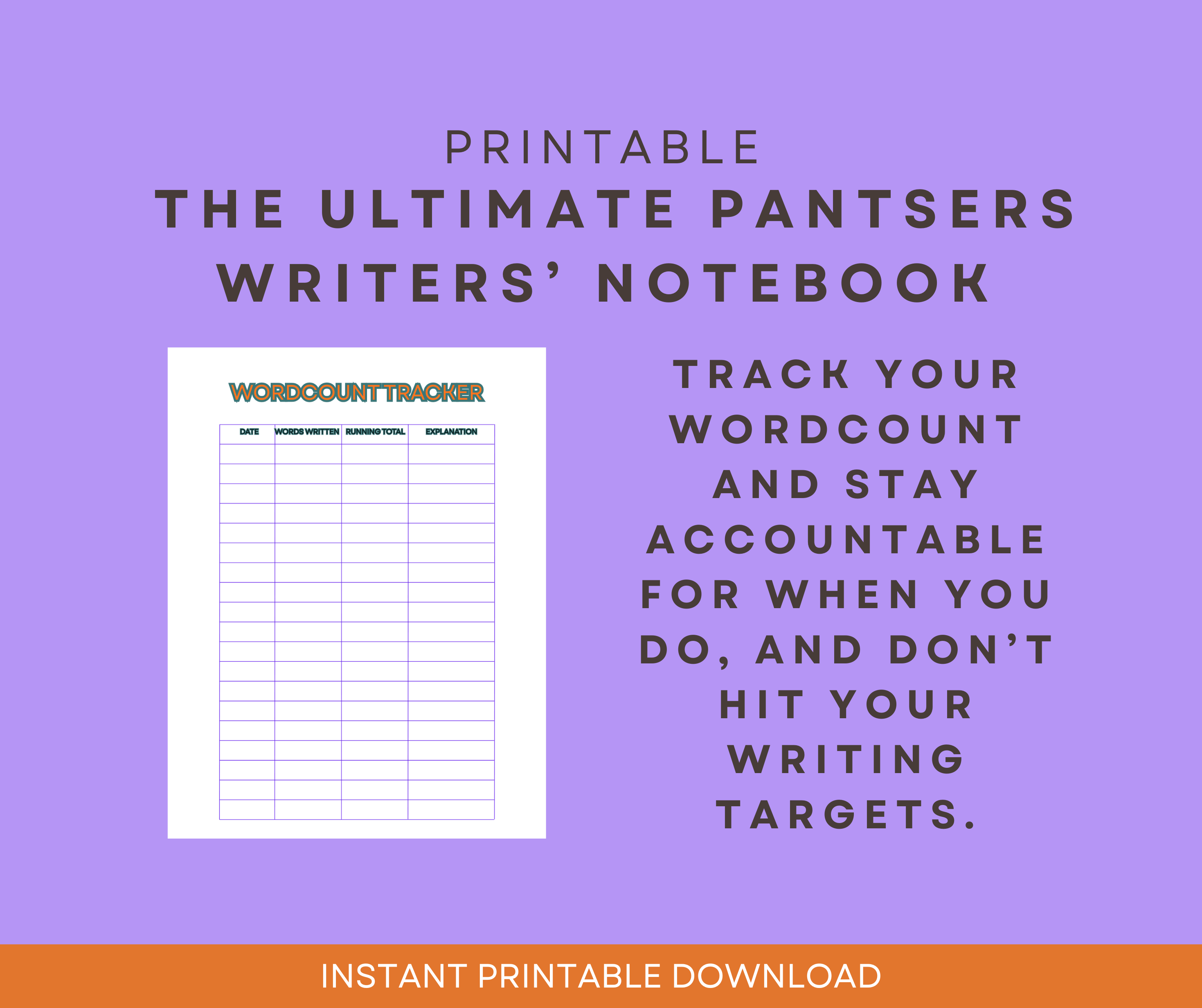
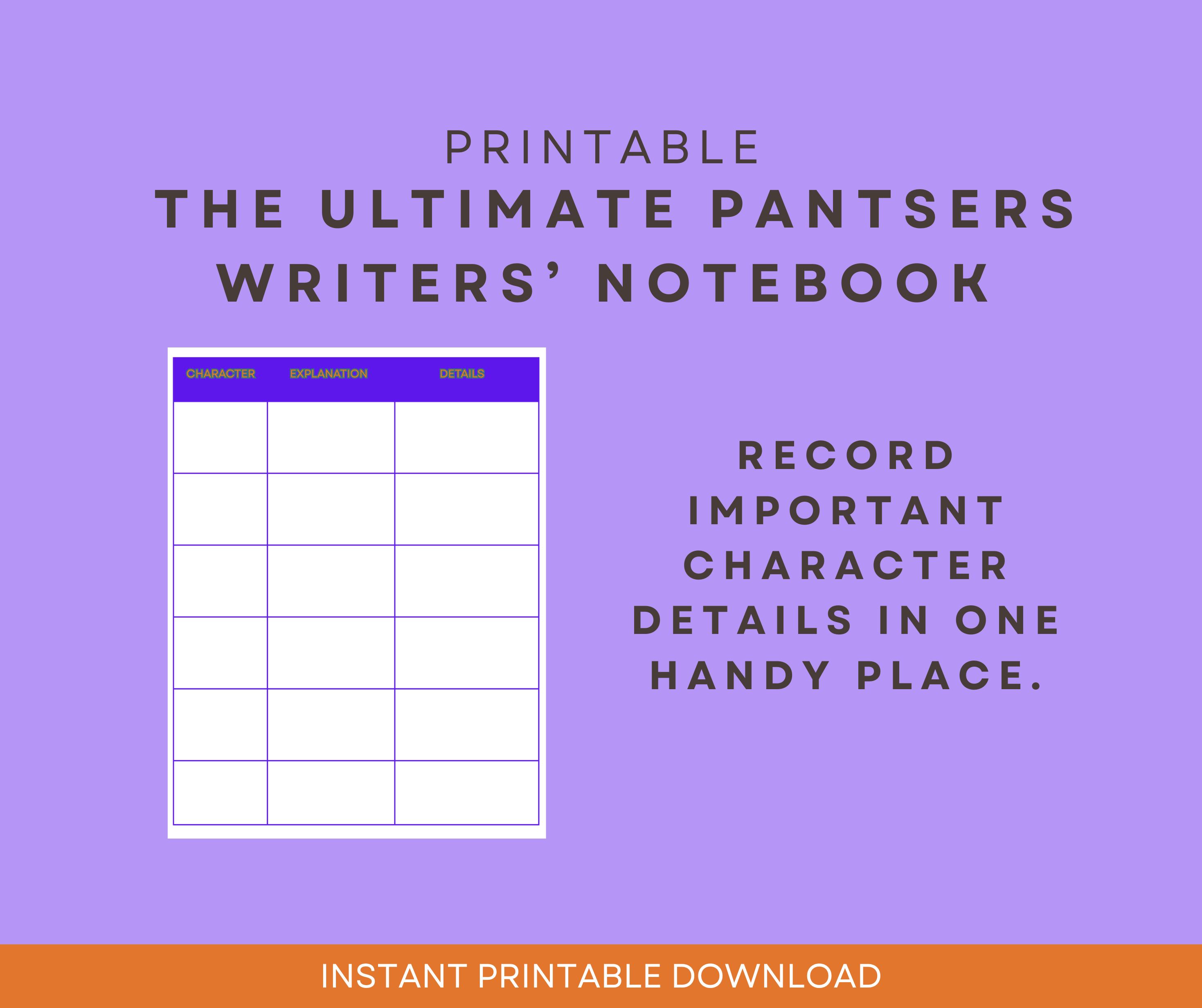
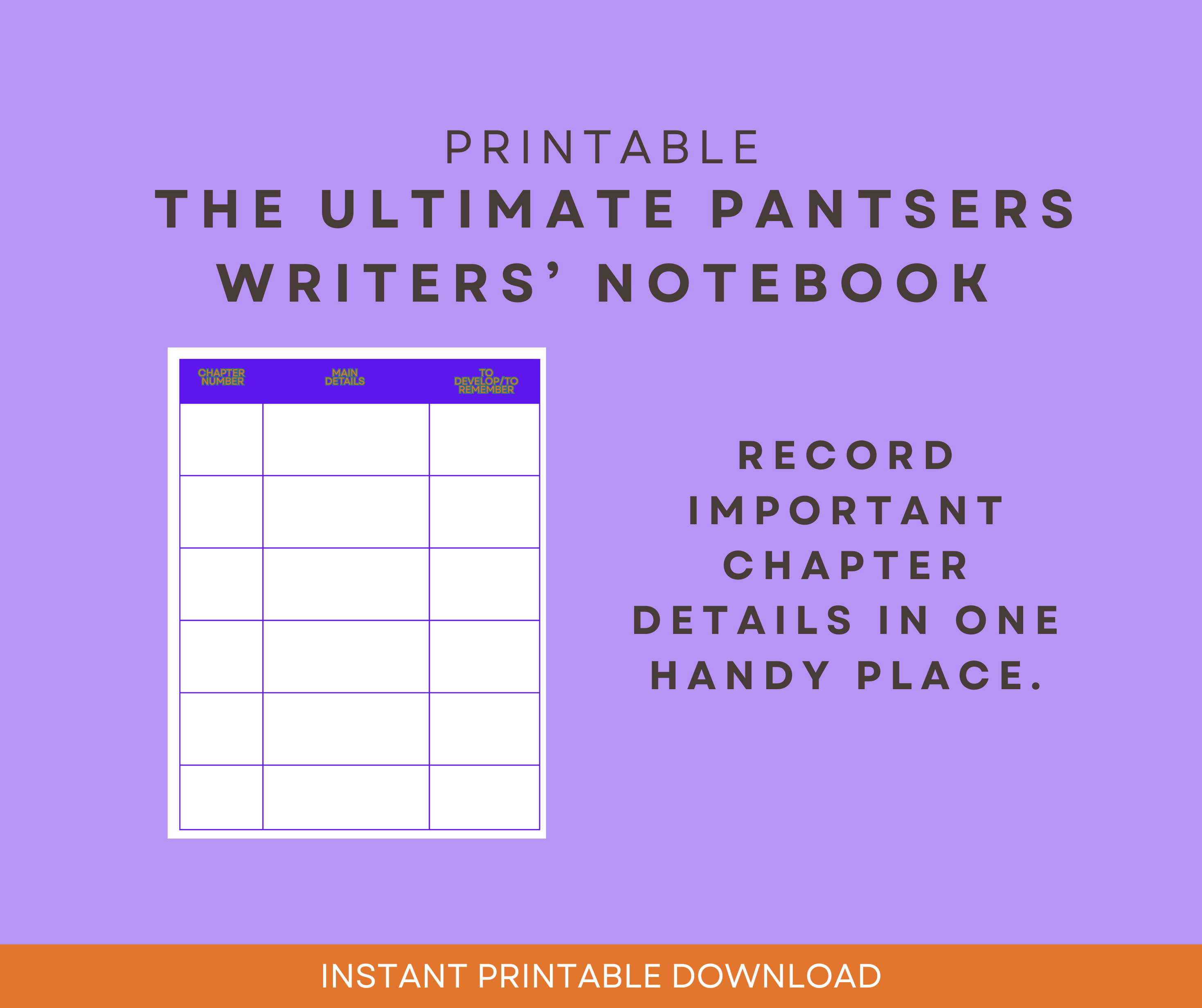
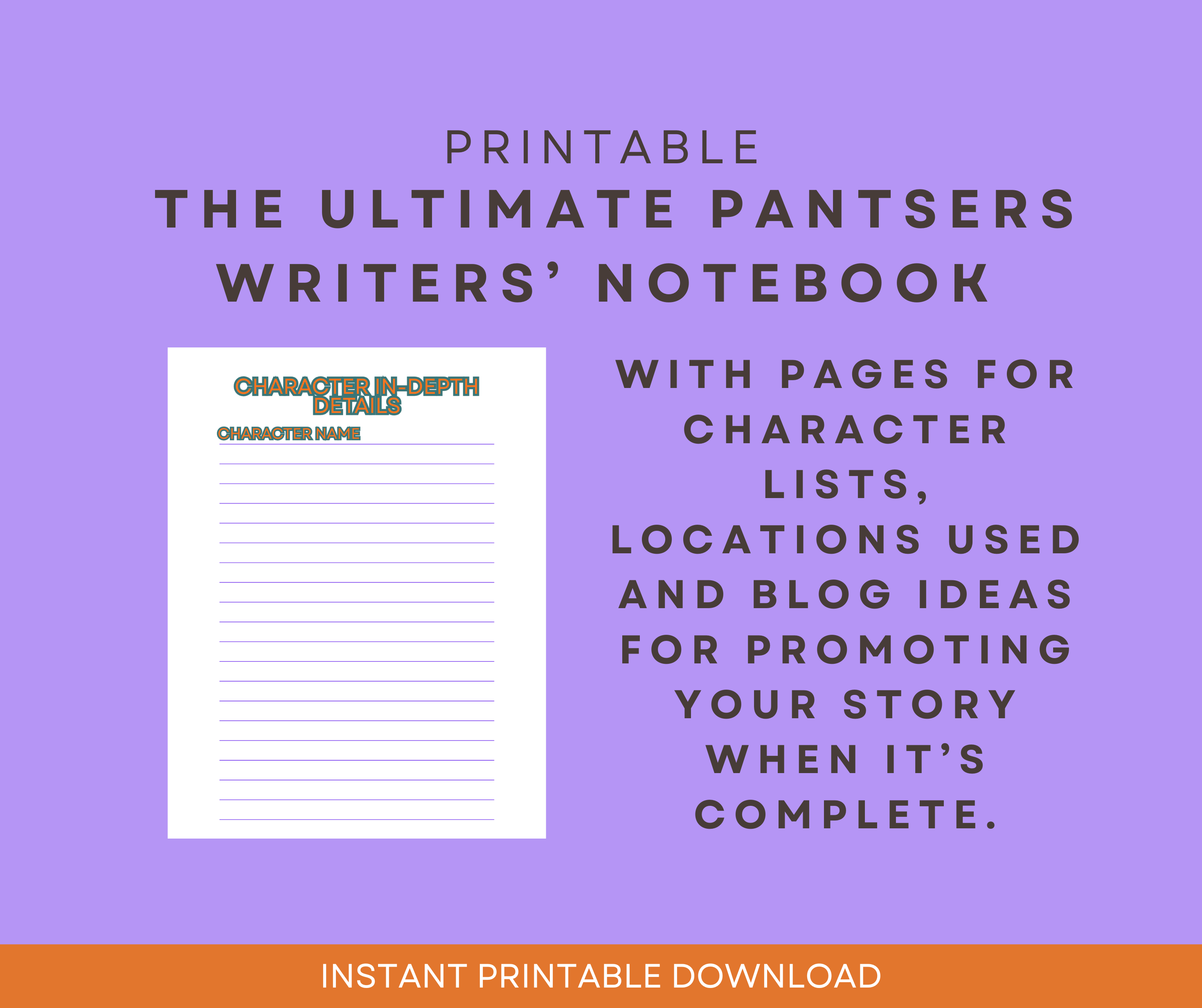
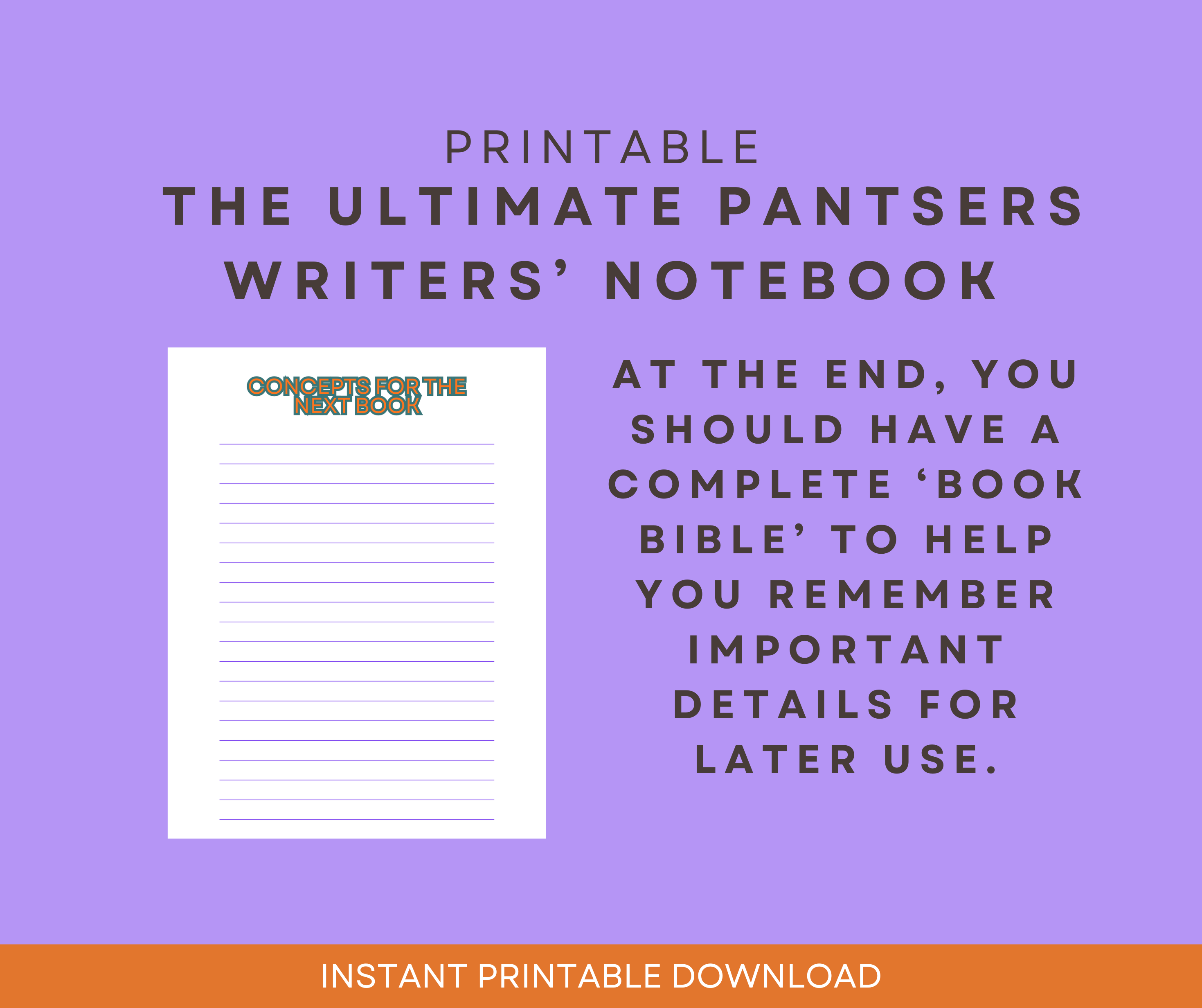
There are a lot of writing guides out there – with lovely sections for detailed planning, character development, and all the other bits that go into PLANNING a story, (there are also a lot of online resources too), but I’ve yet to find one for a Pantser (the opposite of a planner), and one that will provide a physical, handwritten record of all those pesky bits writers forget, and which can be absolutely invaluable when editing or moving onto the next book in a series.
So I’ve made one. This is a true notebook, not a guide. It has spaces for all the ‘bits’ I need to note down when writing. At the end of it, you should have a lovely book bible that will help you with future projects. I think it sounds fab:) It’s not quite A4 size (as KDP doesn’t offer that size), but it is a decent size with lots of room for recording your word count, your characters’ names, the locations you use – and with a timeline as well (see the images below). I hope my fellow pantsers will find it useful. (This is a physical book, not an ebook – see below for other options).
I’ve also set this up as a digital download on my Patreon (with slightly different colours that hopefully won’t drain your ink supply). You can find it by clicking here. You can decide how many times to print each page and each section is included.
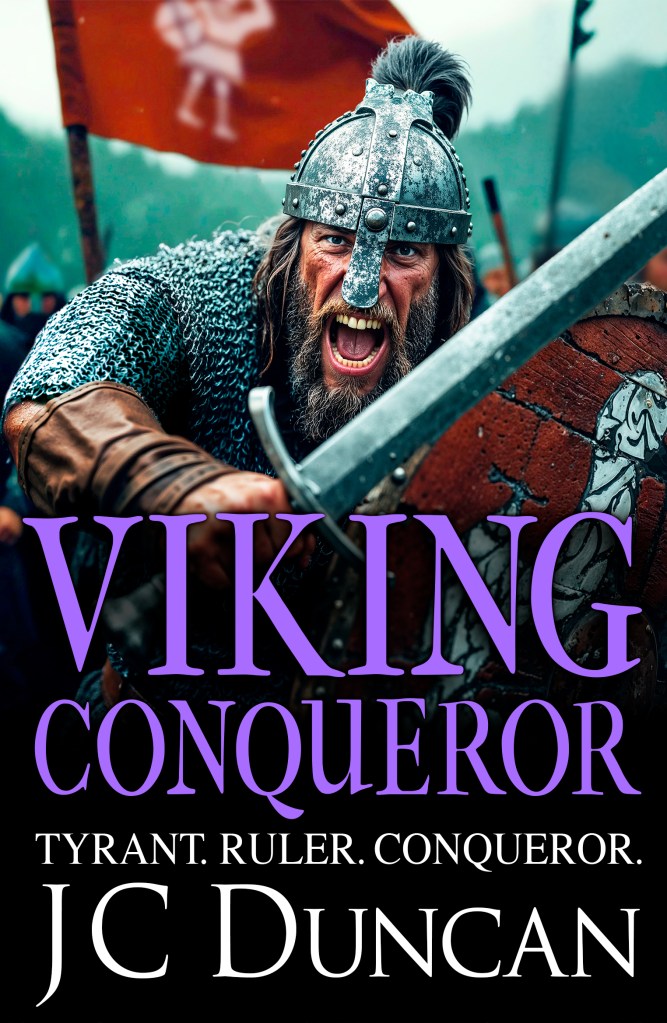
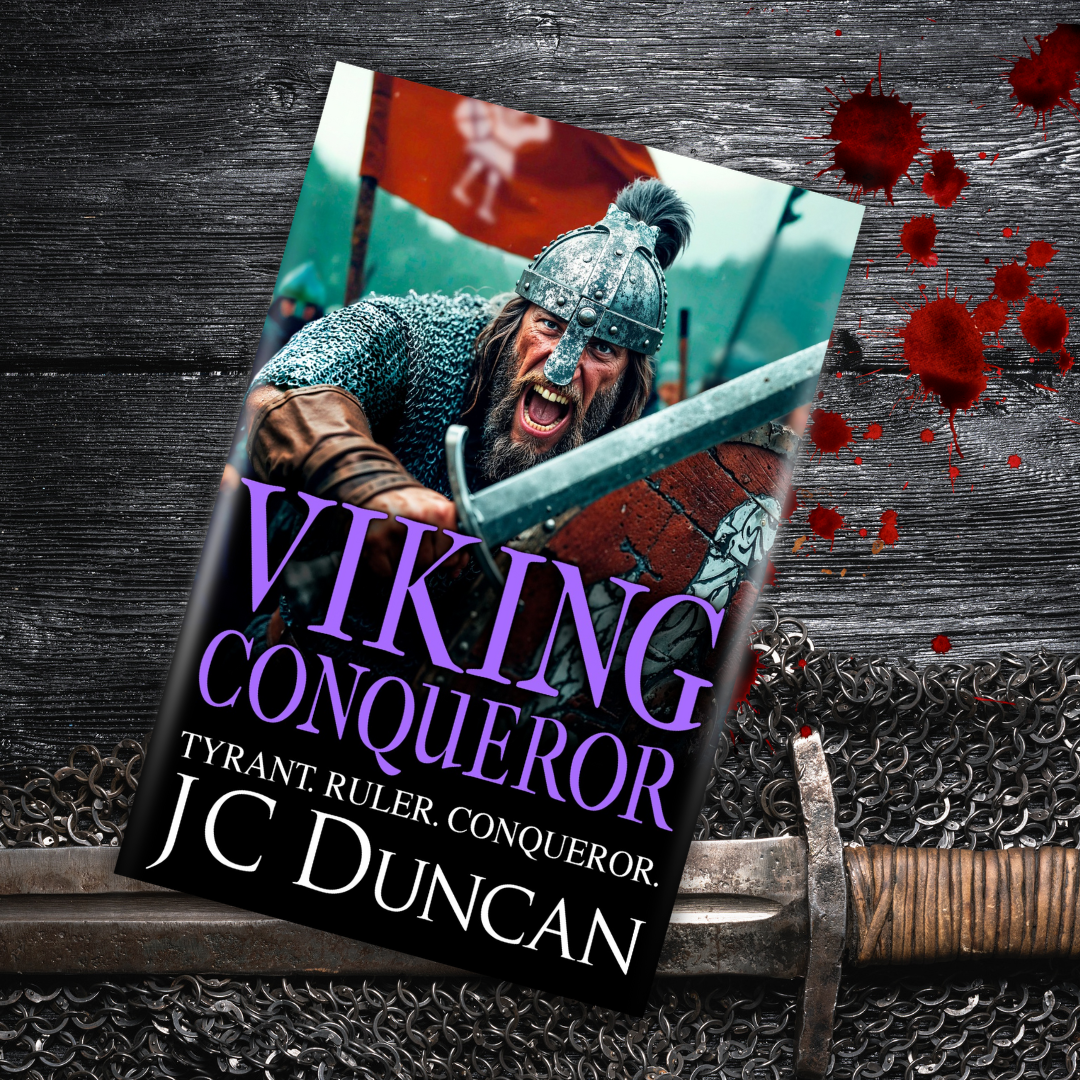
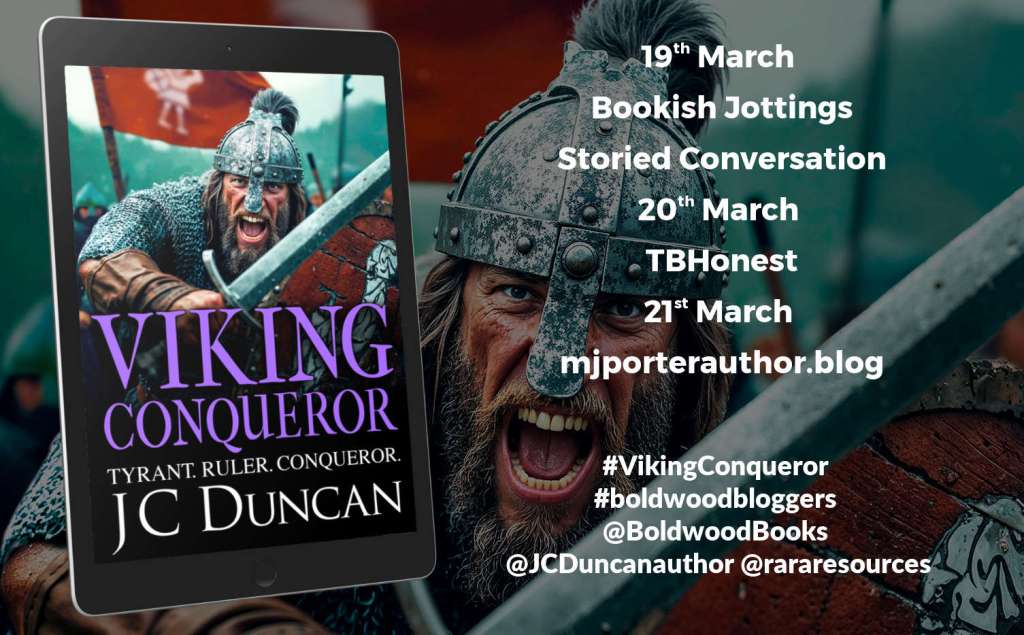
Today, I’m delighted to be reviewing Viking Conqueror by JC Duncan #blogtour #historicalfiction #HaraldHardrada
Here’s the blurb
Born to be king. Destined to die for glory.
1066 AD, Norway
Harald Hardrada, King of Norway, the Thunderbolt of the North, reigns supreme; undefeated on the battlefield and unchallenged at home. His banner, Land-Waster, flies triumphant everywhere he marches. Everything that was stolen from his brother, King Olaf, has been regained.
But power does not satiate. Glory does not fill the empty void in an ambitious heart. Victory is an elixir that runs dry no matter how freely it flows. No matter the height on which the triumphant stand, there, in the corner of his eye, is the glitter of another conquest.
Harald has achieved more than any man of his time, but fate is not done with him. His destiny lies on the banks of a quiet river in England’s green and pleasant land – Stamford Bridge.
To finish his great story, to forge the empire he always desired, all the last Viking conqueror must do is defeat a worthy opponent; King Harold of England, and seize his country and his crown.
His life changed nations. His death will change the world.
The thrilling conclusion in the extraordinary tale of Harald Hardrada ‘The Last Viking‘. A formidable warrior king known for his military prowess, ambition, and ruthlessness.
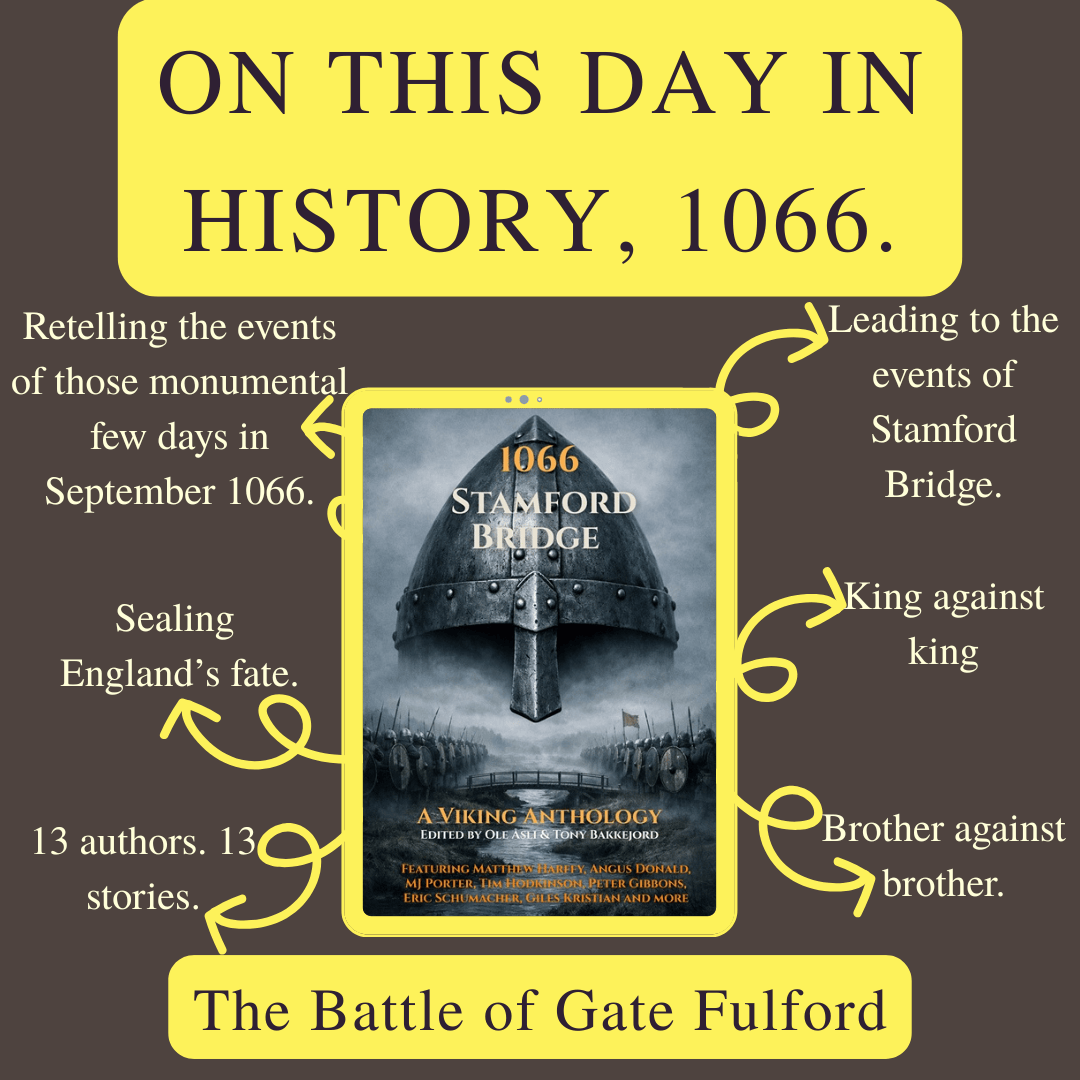
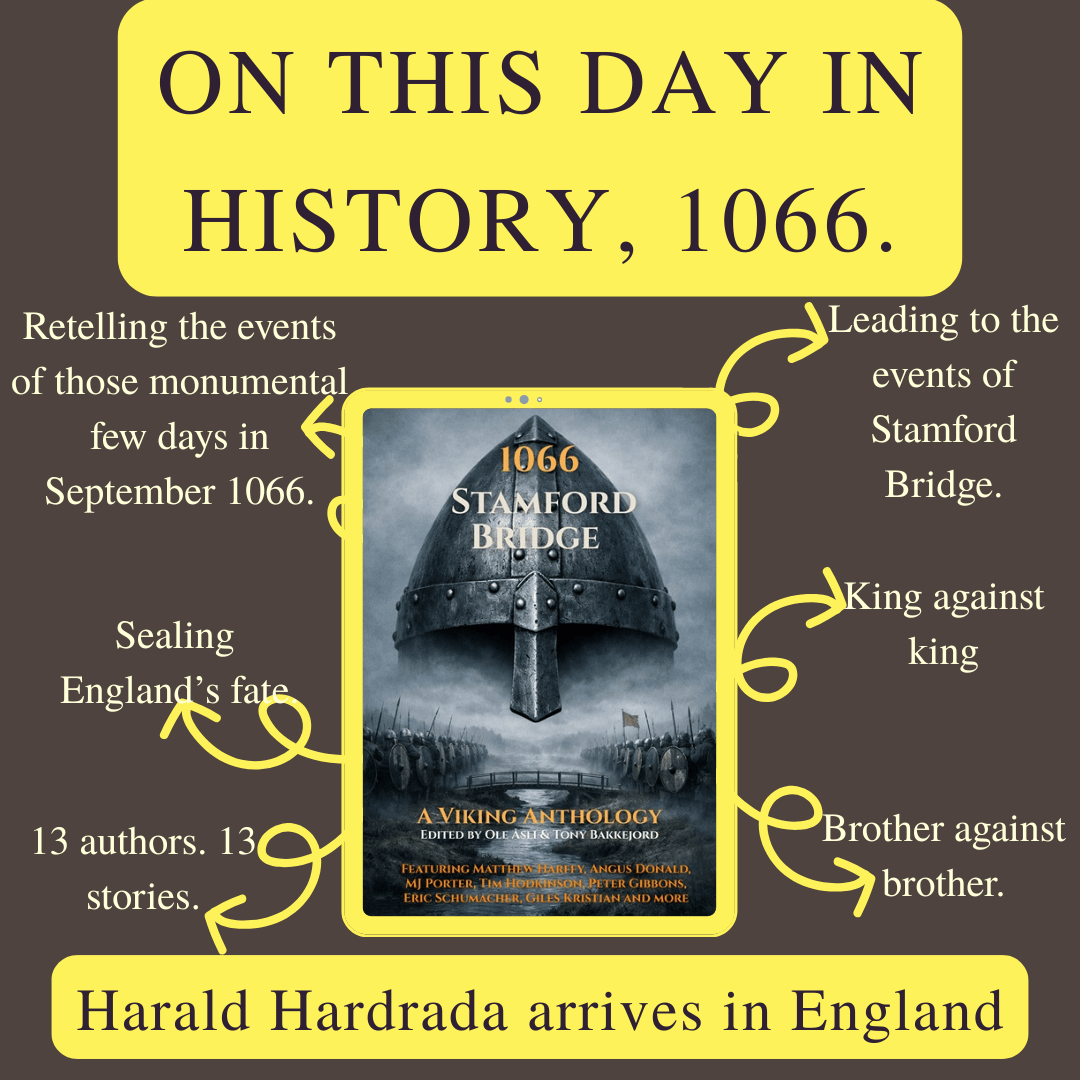
So here we are. This is the last book in the saga of Harald Hardrada, a man we’ve always known is destined to die at Stamford Bridge in the tumultuous events of 1066.
JC Duncan has spun us a fabulous tale of Hardrada’s life, never stinting to show us what Hardrada was before that fateful day, and this final instalment remains as triumphant as earlier books in the series, even if, Harald as king of Norway isn’t perhaps as filled with such fabulous stories of his brave daring do and his astonishing life as the earlier books. But then, he must earn his title of Hardrada – or hard ruler.
We move inexorably towards the events of Stamford Bridge with the ever loyal Eric returning to Harald’s side. It all seems so easy to accomplish close to Jorvik. So easy, and yet…it is not. Harald, at long last, finds a worthy opponent, one worthy of matching him in battle.
Not only does Harald’s story near its conclusion, but our narrator and his reasons for telling his tale are finally revealed as well.
I’ve loved this series by JC Duncan following the life of Harald Hardrada. It’s been fascinating to learn about his time away from Norway and all about that fateful day in 1066, which is recounted poignantly, and does indeed show Harald as the battle commander he was – ruthless, ambitious. Honourable (mostly). If you’ve not yet started the series, go pick up Warrior Prince now. You will not be disappointed.
JC Duncan is a well-reviewed historical fiction author, with a passion for Vikings. When he isn’t writing or doing his full-time engineering job, James is happiest being an amateur bladesmith














 MJ Porter