
I’m an author of historical fiction and non-fiction (Early English (Saxon), Vikings and the British Isles as a whole before the Norman Conquest, as well as four twentieth-century mysteries), born in the old Mercian kingdom at some point since the end of 1066.
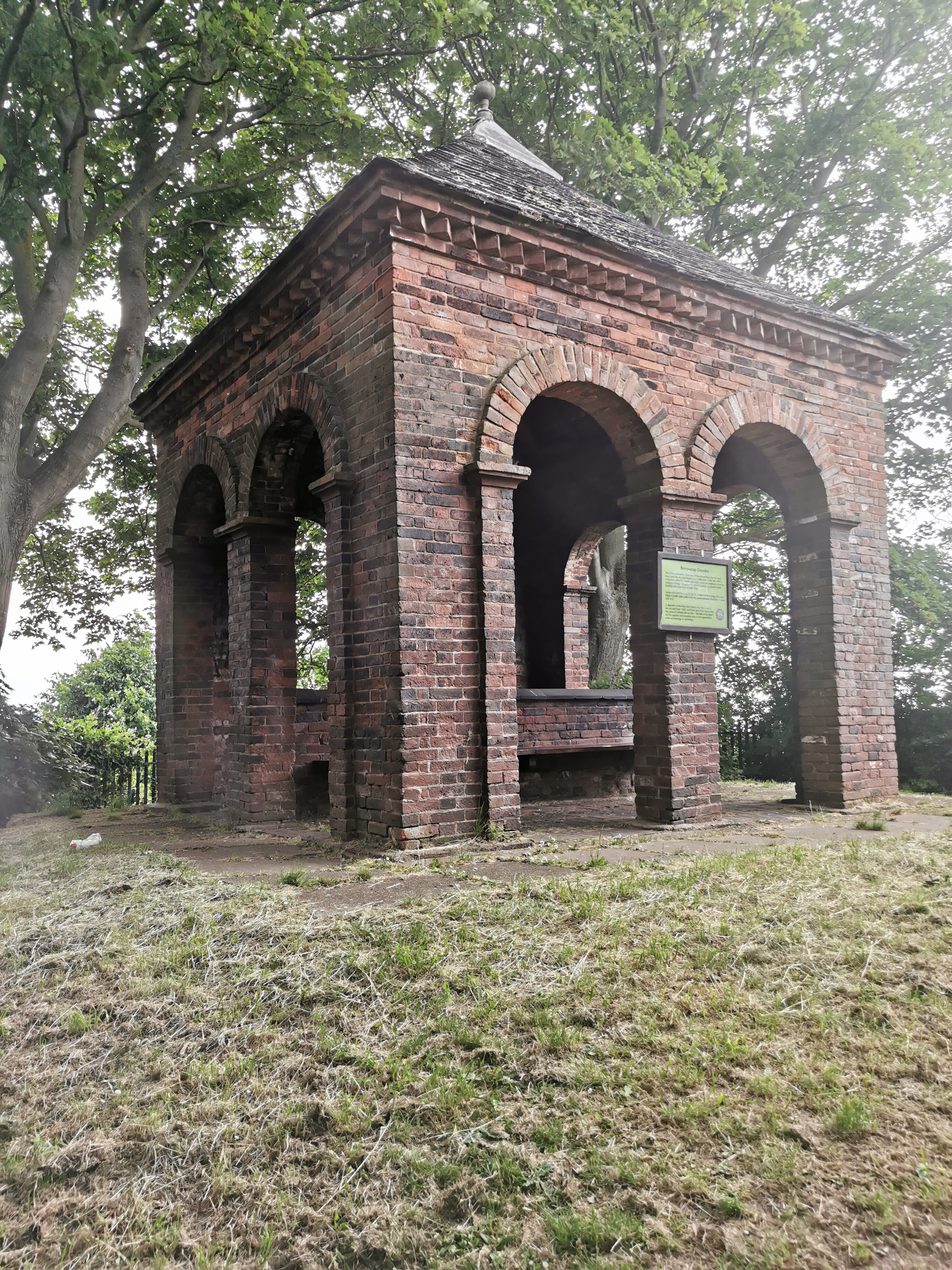
Raised in the shadow of a strange little building and told from a very young age it housed the bones of long-dead kings of Mercia, it’s little wonder my curiosity in the early English ran riot. I can only blame my parents!
I like to write. You’ve been warned!
You can discover five lesser-known things about me here.
If you just want to know about my books, you might want to check out mjporterauthor.com because my blog is stuffed with soooo much information.
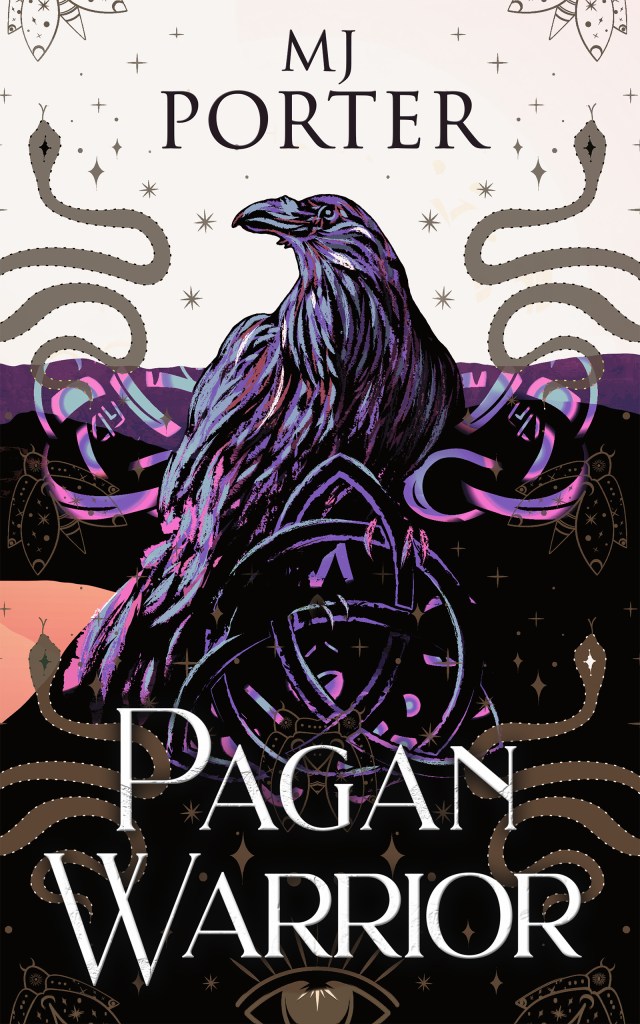
Sign up for my monthly newsletter and receive a free ebook copy of Pagan Warrior.
I’m indie published and trad published by Boldwood Books and Pen & Sword (for my non-fiction title).
I’m a member of the HWA (Historical Writers Association) , The Society of Authors, the CWA (Crime Writers Association), ALLI and The Historical Novel Society (I know – I like joining things). However, I don’t like to show my face on the ‘web.’ (I know some readers have been googling my author image). You can hear me on the Rock, Paper, Swords podcast though.
Enter my blog here, I share posts about my historical characters, the history behind them, as well as reviewing books and hosting book blog tours.

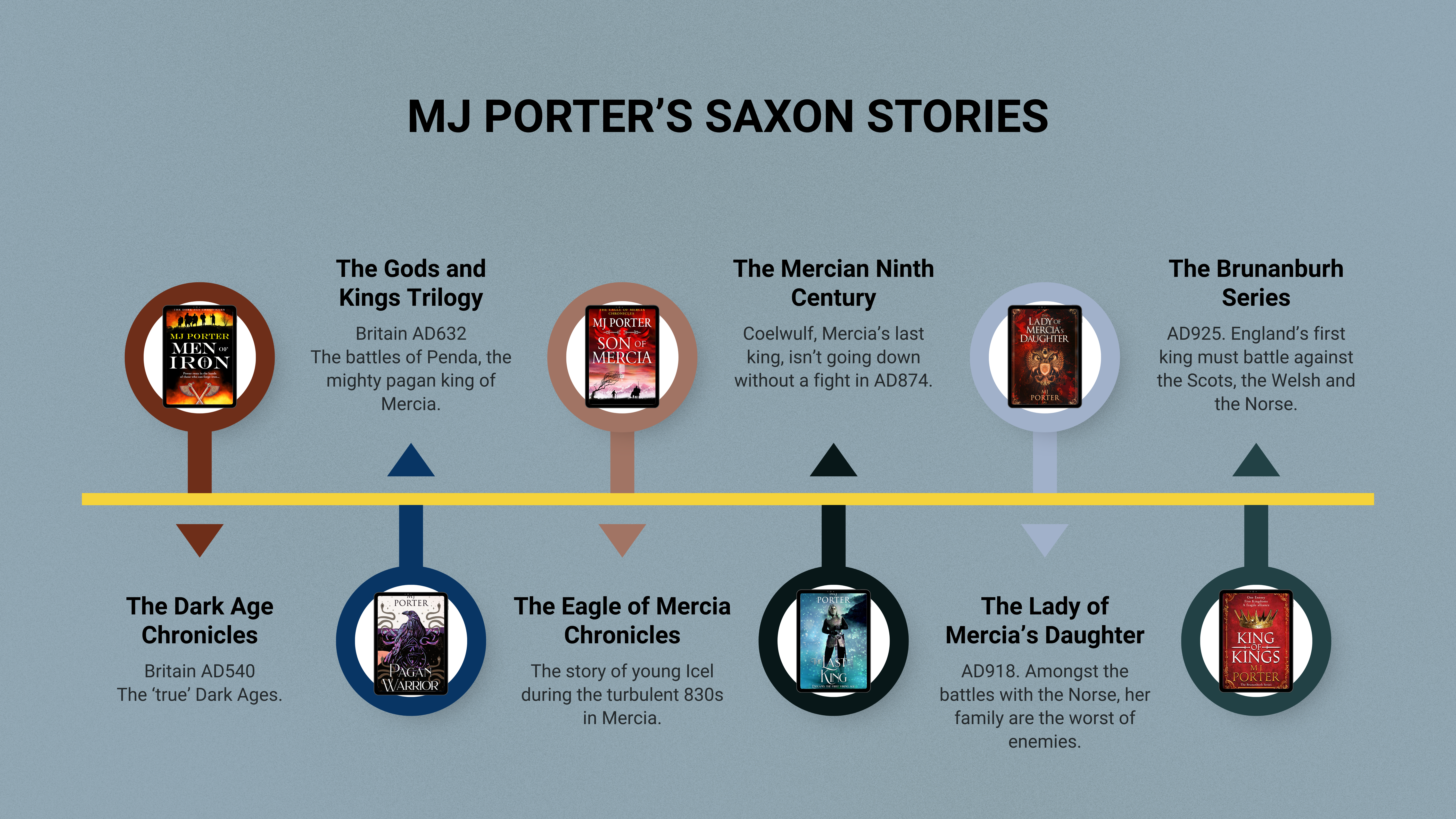
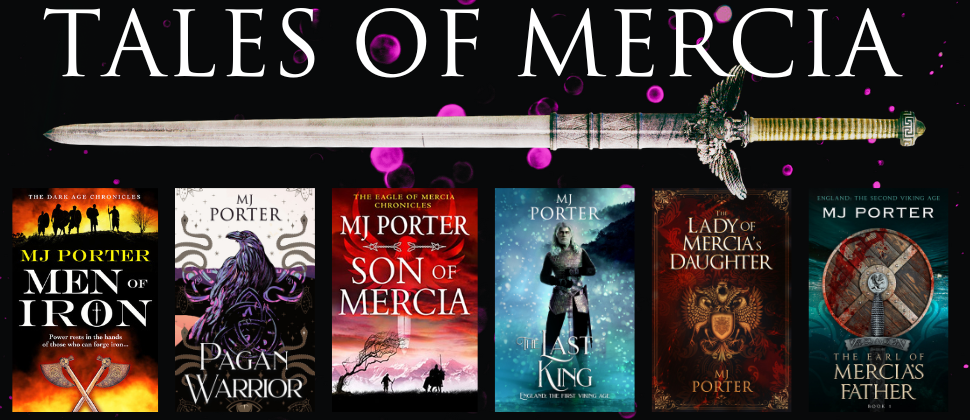
Check out the below for a quick guide to the chronology of my Saxon stories.
You can visit the post for more detailed information.

Find me on your social network of choice, or get in touch.
Find my online store here. (You know it’s me if my web addresses start mjporterauthor).
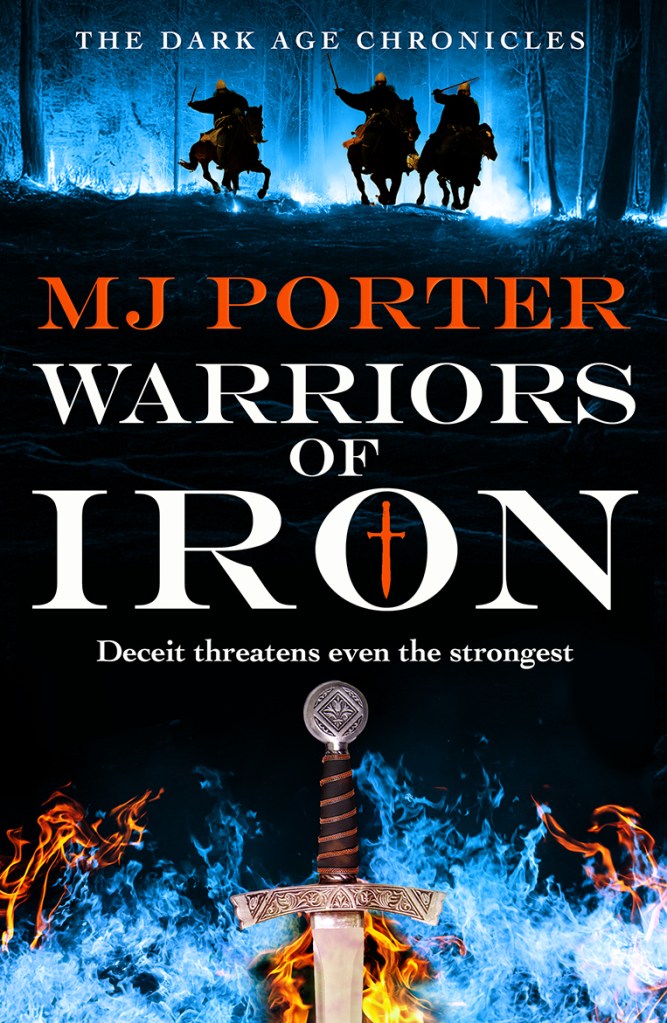
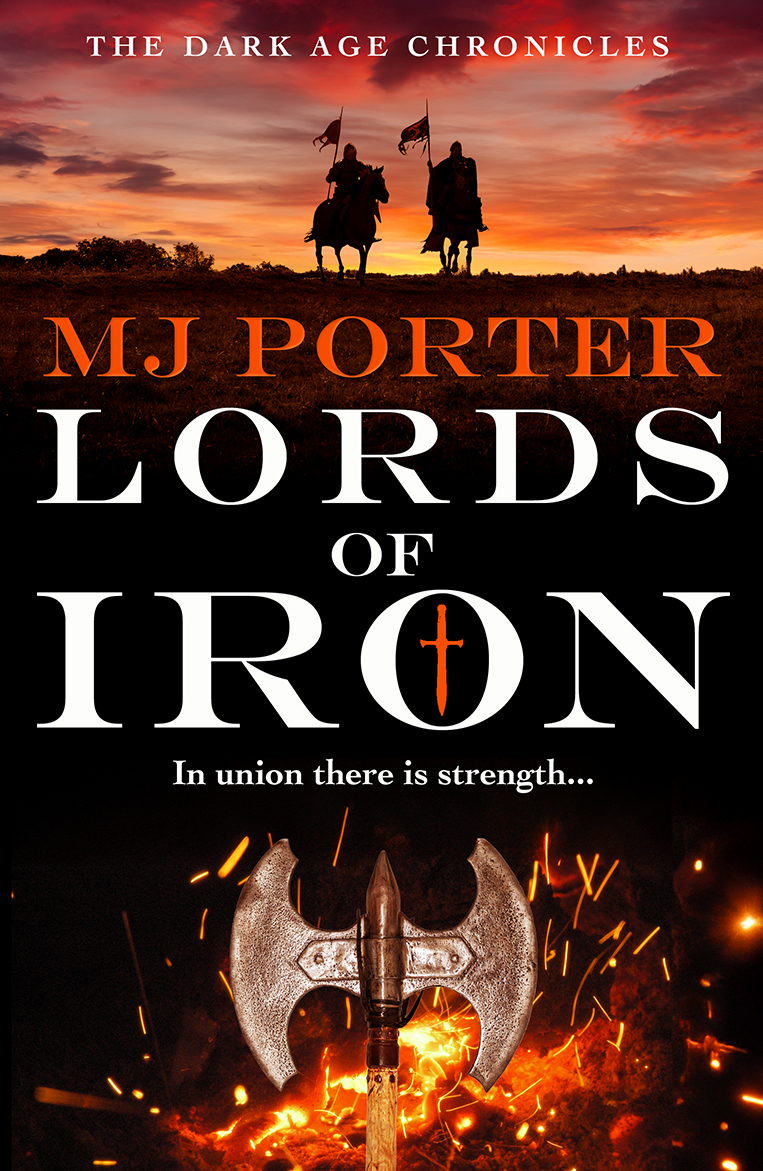
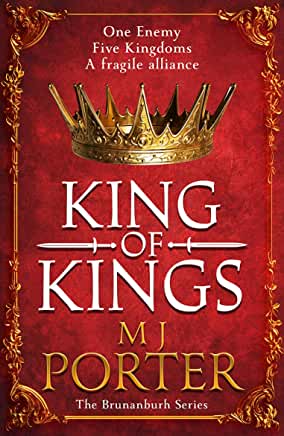
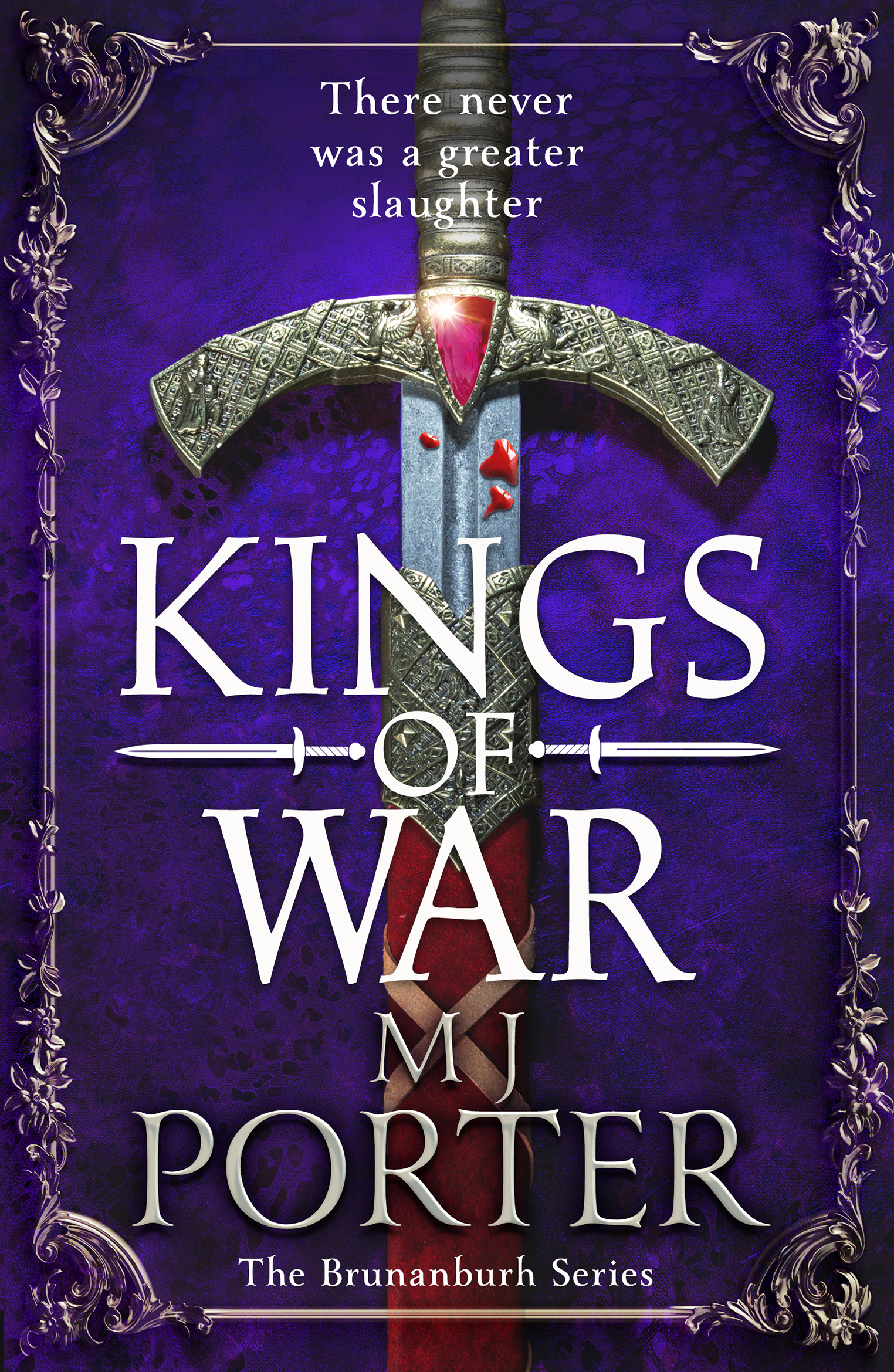
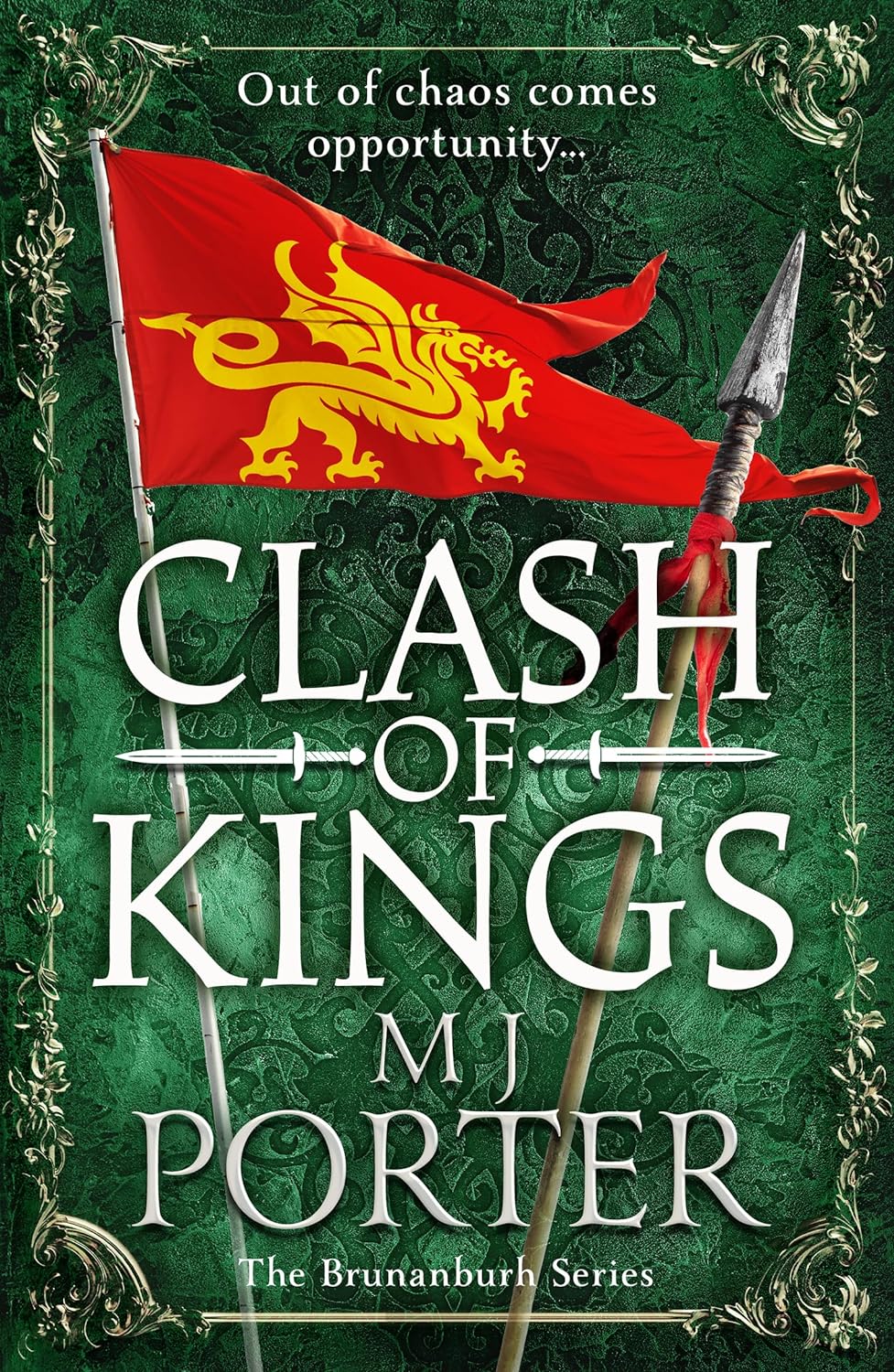
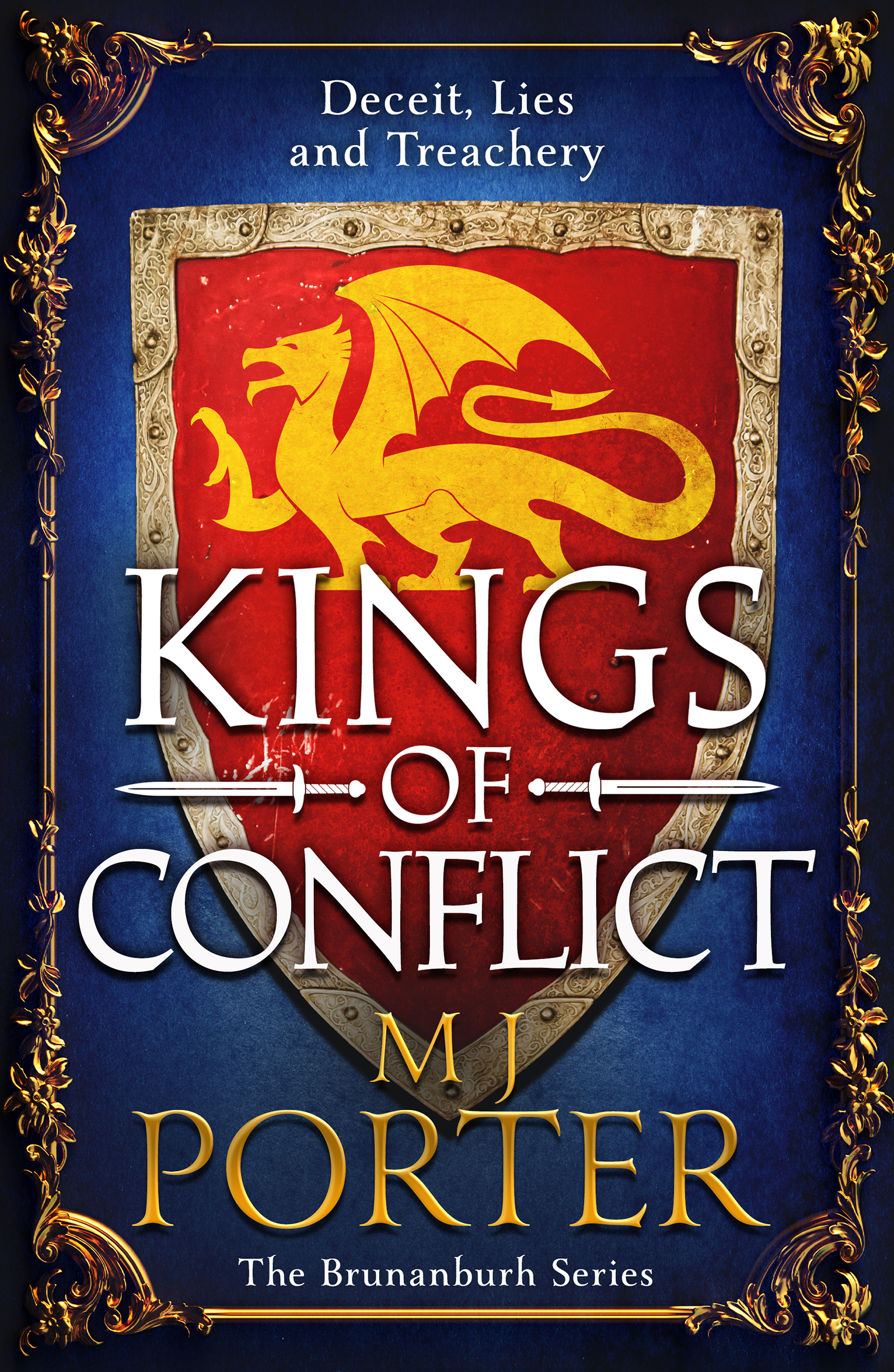
And don’t forget to sign up for my Boldwood Books newsletter to keep up to date with special offers and new release information for The Dark Age Chronicles, The Eagle of Mercia Chronicles and The Brunanburh Series, and to enter competitions. You’ll receive a free prequel short story set before the events of The Brunanburh series and featuring Athelstan.
If you’d prefer to hear about all of my books (including my indie ones), then join my monthly subscriber newsletter here and receive a free ebook and the password for my subscriber area on the blog. BUT, if you just want to hear about my mysteries, click here instead (sorry, it’s confusing).
Even better, do all of them:)
I have not one but two reader groups on Facebook (one for mysteries and one for Saxon stories). Come and find me over there.
Follow me on BookBub.
Visit my author platform on Aspects of History




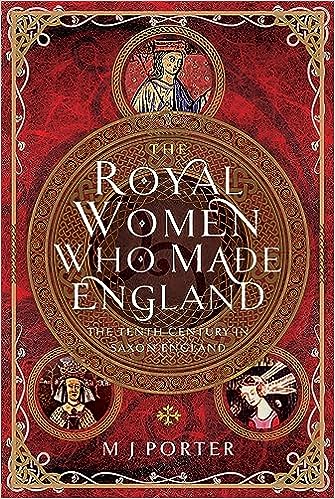
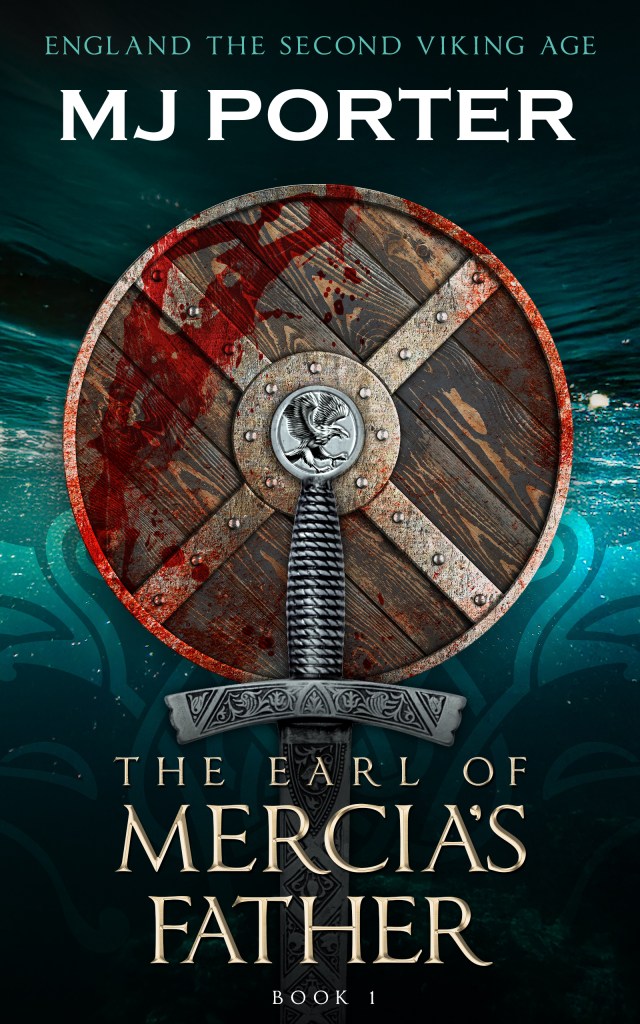


Posts
Stay up to date with the latest from the blog.

 MJ Porter
Hello! I am now reading Wolf of Mercia. I’m at the part where Icel is in Wessex’s fort. It looks like they will be leaving the fort and going to join up with the king. Poor Icel, I feel for him! If this was a movie I’d have my hands covering my eyes. Instead, I’m taking my time getting back to the book. Maybe I’m weird.
I did this with my daughter’s book before it was published by a swindler. I’m not sure what she’s doing with it now.
I know I will be reading more of your books. I really like reading about Vikings, as well.
Sincerely
Charissa
LikeLiked by 1 person
Yay. I’m so glad you’re enjoying reading about Icel. And yes, I think there are parts when I wouldn’t be looking as well:)
Sorry to hear about your daughter’s book. Fingers crossed she’s able to move forward with it by taking a different route!
LikeLiked by 1 person
Lets try again Hi there. First and foremost thank you for your books I think I’ve read most of them (I’m about to start book 10 of the mercian chronicles. The king reminds me of many of the down to earth straight talking foul mouthed people I grew up with. There was a comment at the end of book 9 which to paraphrase said something like ” we are all saxons after all”.
As a lincolnshire lad I’ve always felt more anglic than saxon. With the wimpy southern saxons ruining it all. Was there still (or even ever) a tribal/cultural divide between angle Northumbia and Mercia and Saxon Wessex? Or is the whole idea of Angles north, jutes kent, saxons the south now passe?
One minor thing and I feel petty for bringing this up, hope you won’t be offended (and that I’m correct) but its been bugging me for a few books. A snake slithers, cheese can be cut into slivers or you can have a sliver (small portion) of pride in something.
Thanks again and your productivity amazes me.
LikeLike
Hi David,
Ah, slither and sliver. Yes, my editor has taken me to task for this, but it’s highly likely more than a few have slipped in before I was informed:) So, the whole Angles, Saxons and Jute thing? I’m not an expert on this. Certainly, the narrative around the ‘migration theory’ is being constantly questioned by archaeologists. Check out Robin Fleming’s ‘Britain After Rome’ for a fascinating and very readable account of what the archaeology reveals, as opposed to taking Bloody Bede as gospel. That said, there are certainly language differences, which I’ve only recently discovered, and there was certainly a Mercian dialect, which alas, has recently been obscured by an insistence on using Wessex Old English- or at least, that’s how I understand the difference – in academic writings. Check out the Mercian Network hosted through St Andrews for articles about Mercian. Take care and happy reading:)
LikeLike
TY for the reply I did wonder if Aethalstan chose to be king of the English rather than the Saxish to consolidate his hold on the Northern empire in a similar way to the Turks with sultan of Roum and the Roman “Byzantine” emperors. Making an attempt to be seen to represent both angles and saxons. It would also link him with the early church traditions which were mostly centered in the North (Bede, synod of Whitby etc).
I think you have an aversion to the greats/venerables “bloody Bede” and your portrayal of Alfred. :-) The sanctimonious hypocritical Alfred is hardly my fave historical King, although all medieval kings are pretty vile to modern sensibilities, but he certainly initiated or was ruling during a surge of the saxons, so either he was v. lucky or had a deal of nous (probably both).
Anyway I’m sure you have lots to do with your work so I’ll leave you in peace after this.
LikeLike
Oh, I don’t know the answer to all those questions. I don’t have an aversion to Bede or Alfred, but I certainly believe we need to fully explore the written record and the surviving archaeology as opposed to just accepting the words of a Northumbrian who never left Northumbria, and a king who has a glowing reputation thanks to the writing of the Anglo-Saxon Chronicle which he set in motion – he also had a life written about himself to make sure future generations would ensure we knew what ‘he’ wanted us to know. We must question everything and not just accept it, as such we need to look at the why, the how and everything in between, including the chance survival of the records we do have:)
LikeLiked by 1 person
Wonderful PostThanks
LikeLike