Author of Saxon historical fiction and non-fiction, 20th-century historical mysteries, and Norse-inspired historical romantasy. Book reviewer and blog host.
Happy release day to Stormlost, the second book in the Ice and Fire series, #historicalromantasy #booklaunch #romantasy
Meet Arrow and Skaldi (well, my cuddly versions of them)
I know Skaldi’s not green, but you can’t always get the right colour dragon.
Here’s the blurb
The storm is coming. Now the search begins.
Erann has vanished.
One moment he is standing beside Sereh on the ice fields of Vatna Jokull; the next, he is gone without a trace.
Refusing to abandon hope, Sereh follows the dragonpath to a hidden mountain sanctuary where ancient secrets, forgotten histories and dangerous prophecies lie buried beneath the stone.
But answers are hard to find, and with each day that passes, the memory of who Erann even is seems to fade.
As strange forces gather, Sereh and Erann must fight to find each other once more. But how can you search for someone when you keep forgetting who they are?
On This Day In History 1066 – The Battle of Gate Fulford (well, yesterday. I’m a day late)
The Battle of Stamford Bridge
On this day in history, the battle that many say brought the Viking Age to an end (in England at least) was fought between two Harolds/Haralds not far from York. SPOILERS. The English Harold won, the Norwegian Harald lost his life, and you can read all about it in the new anthology available NOW. (Read on to find out about the previous battle of Gate Fulford and to find out who Harald Hardrada was.
What was the battle of Gate Fulford, or Fulford Gate?
The battle took place on 20th September 1066, between the Norwegian forces led by Harald Hardrada and the English forces commanded by the two brother earls, and was the first of three battles in 1066, which eventually ended Saxon England, and brought about the beginning of the Norman era (Boo).
Having arrived near York two days earlier, Harald Hardrada had his first encounter with the forces of the English, led by two young earls, Morcar and Edwin (Eadwine) of the House of Mercia, at Gate Fulford. Morcar was earl of Northumbria, replacing the disgraced Tostig Godwineson (who had enticed Hardrada to England), while Edwin was the earl of Mercia, succeeding to the position after the death of his father Ælfgar, who’d held Mercia after his father Leofric. (Fans of the Earls of Mercia series will so far have only encountered Morcar and Eadwine as children).
Their youth, their inexperience, and the perceived defeat in this terrible battle are all that people know about Edwin and Morcar. What’s so often overlooked is that they marched into battle determined to counter the might of what many believe was the last great Viking warrior, and they were also the king’s brothers by marriage; their sister now married to Harold Godwineson. They also survived the battle and probably fought at Stamford Bridge and Hastings.
So, who was Harald Hardrada?
Hardrada was king of Norway, half-brother to St Olaf, who was killed at the battle of Stiklestad in 1030 by forces loyal to King Cnut, who’d claimed Norway as part of his determination to rule much of Scandinavia. Harald was forced to flee and spent many years fighting in the Varangian guard until he decided to advance his claims to the kingship once more (in 1045), initially forging an alliance with Sweyn of Denmark (nephew of King Cnut) until allying with King Magnus of Norway, who was his nephew, and somewhat conveniently, died only the next year, making Harald the sole king of Norway. (You will find some of this story told in my Earls of Mercia series, and also in Lady Estrid, the story of Sweyn of Denmark’s mother).
Why did he invade England in 1066?
It is from the alliance with King Magnus that Harald Hardrada exerted his right to rule England, as Magnus stated he had a claim, having earlier agreed it with King Harthacnut of England (Cnut’s son), that he (Magnus) would rule England after Harthacnut’s death and equally that Harthacnut would rule Norway after Magnus’ death.
And so, the man lauded as the last great Viking made his way to England, and on this day, he first encountered the English resistance. And while most say the brother earls were defeated, I wonder if the narrative should be a little different. After all, their brother by marriage, their king, was already on his way north to counter the threat. Did they do what needed to be done? Did they temporarily halt the Norwegian invasion and buy Harald time to bring his warriors to the battle…
The Stamford Bridge Anthology
Thirteen writers. One battle. The same afternoon, told from both sides of the bridge.
Giles Kristian · Matthew Harffy · Angus Donald · Tim Hodkinson · Peter Gibbons · MJ Porter · Justin Hill · Theodore Brun · Eric Schumacher · Will Dowling · M. Thomas Kingsley · Mark Oxbrow · Åsli & Bakkejord
On 25 September 1066, a Norwegian army lay resting on both banks of the Derwent, seven miles from York. They had beaten one English army five days earlier and taken the city’s surrender, and the fighting was done. Most of them had left their mail at the ships.
They were not expecting Harold Godwinson.
The battle that followed ended the Viking age in England. Three weeks later it helped decide a second one, on a hill near Hastings, that everyone remembers instead.
A king who has spent his life outrunning the end of an age. A skald asked to praise a man he no longer believes in. A priest tends the wounded on the eve of a battle nobody knows is coming. A lone axeman on the bridge, and the Englishman in the water beneath him. Afterwards, a farmer walks the field looking for his son, and twenty years later an old earl sits in a Norman prison, still deciding what to tell his gaoler.
The man who holds the bridge in one story is watched from the water in another. Thirteen stories, one day.
Over 100,000 words of Viking historical fiction, published on the 960th anniversary of the battle.
Happy release day to Dragonbound, the first book in the Ice and Fire series, #historicalromantasy #booklaunch
To be a writer, you first must write
Dragonbound has been a story so many years in the making that since I first set pen to paper (yes, you read that correctly) I’ve undergone a complete sea change in how I write, and probably, why I write as well.
But with the release of Dragonbound, I thought I’d share a throwback image of what a first story looks like, from the very beginning. Although that’s not quite right either, because this image is from when I first ‘properly’ started to write this story, and I can assure you I’d already discarded some even earlier ideas. (I had yet to discover my favourite inky pen).
A handwritten notebook showing the first page of what would become Dragonbound by MJ Porter
And now you can read the ‘cleaned up’ version of this opening of the book in Dragonbound, released today. A story, I am very proud to say, has taken me about 30 years to get to this stage. It’s a good job that I went on to write other stories in the intervening period.
Here’s the blurb
The Long Night is ending. The dragon is waking.
Sereh is finally free — but the frozen wilds are just as deadly as the life she left behind. When she saves a mysterious stranger, she binds herself to a fate she doesn’t understand.
Erann has secrets. About the cold. About the land. About why the world is changing.
As the Long Night lingers and something ancient stirs beneath the frozen land, survival means staying together. And their fragile alliance turns into something neither of them can afford.
Because in a world of ice and fire, trust might be the spark that destroys them both.
This slow-burning Norse fantasy romance is perfect for fans of Robin Hobb, T. Kingfisher, S.L. Rowland and Anne McCaffrey.
On This Day In History 1066 – The Battle of Gate Fulford (well, yesterday. I’m a day late)
What was the battle of Gate Fulford,or Fulford Gate?
The battle took place on 20th September 1066, between the Norwegian forces led by Harald Hardrada and the English forces commanded by the two brother earls, and was the first of three battles in 1066, which eventually ended Saxon England, and brought about the beginning of the Norman era (Boo).
Having arrived near York two days earlier, Harald Hardrada had his first encounter with the forces of the English, led by two young earls, Morcar and Edwin (Eadwine) of the House of Mercia, at Gate Fulford. Morcar was earl of Northumbria, replacing the disgraced Tostig Godwineson (who had enticed Hardrada to England), while Edwin was the earl of Mercia, succeeding to the position after the death of his father Ælfgar, who’d held Mercia after his father Leofric. (Fans of the Earls of Mercia series will so far have only encountered Morcar and Eadwine as children).
Their youth, their inexperience, and the perceived defeat in this terrible battle are all that people know about Edwin and Morcar. What’s so often overlooked is that they marched into battle determined to counter the might of what many believe was the last great Viking warrior, and they were also the king’s brothers by marriage; their sister now married to Harold Godwineson. They also survived the battle and probably fought at Stamford Bridge and Hastings.
So, who was Harald Hardrada?
Hardrada was king of Norway, half-brother to St Olaf, who was killed at the battle of Stiklestad in 1030 by forces loyal to King Cnut, who’d claimed Norway as part of his determination to rule much of Scandinavia. Harald was forced to flee and spent many years fighting in the Varangian guard until he decided to advance his claims to the kingship once more (in 1045), initially forging an alliance with Sweyn of Denmark (nephew of King Cnut) until allying with King Magnus of Norway, who was his nephew, and somewhat conveniently, died only the next year, making Harald the sole king of Norway. (You will find some of this story told in my Earls of Mercia series, and also in Lady Estrid, the story of Sweyn of Denmark’s mother).
Why did he invade England in 1066?
It is from the alliance with King Magnus that Harald Hardrada exerted his right to rule England, as Magnus stated he had a claim, having earlier agreed it with King Harthacnut of England (Cnut’s son), that he (Magnus) would rule England after Harthacnut’s death and equally that Harthacnut would rule Norway after Magnus’ death.
And so, the man lauded as the last great Viking made his way to England, and on this day, he first encountered the English resistance. And while most say the brother earls were defeated, I wonder if the narrative should be a little different. After all, their brother by marriage, their king, was already on his way north to counter the threat. Did they do what needed to be done? Did they temporarily halt the Norwegian invasion and buy Harald time to bring his warriors to the battle…
The Stamford Bridge Anthology
Thirteen writers. One battle. The same afternoon, told from both sides of the bridge.
Giles Kristian · Matthew Harffy · Angus Donald · Tim Hodkinson · Peter Gibbons · MJ Porter · Justin Hill · Theodore Brun · Eric Schumacher · Will Dowling · M. Thomas Kingsley · Mark Oxbrow · Åsli & Bakkejord
On 25 September 1066, a Norwegian army lay resting on both banks of the Derwent, seven miles from York. They had beaten one English army five days earlier and taken the city’s surrender, and the fighting was done. Most of them had left their mail at the ships.
They were not expecting Harold Godwinson.
The battle that followed ended the Viking age in England. Three weeks later it helped decide a second one, on a hill near Hastings, that everyone remembers instead.
A king who has spent his life outrunning the end of an age. A skald asked to praise a man he no longer believes in. A priest tends the wounded on the eve of a battle nobody knows is coming. A lone axeman on the bridge, and the Englishman in the water beneath him. Afterwards, a farmer walks the field looking for his son, and twenty years later an old earl sits in a Norman prison, still deciding what to tell his gaoler.
The man who holds the bridge in one story is watched from the water in another. Thirteen stories, one day.
Over 100,000 words of Viking historical fiction, published on the 960th anniversary of the battle.
You might well have read romantasy there and wondered what it was all about, but while this is certainly ‘my romance’ story, this book (which you may have read in a previous iteration), like my historical fiction novels, was most certainly inspired by my historical research. Read on…..
The setting for Dragonbound – the first book in the Ice and Fire series
The Ice and Fire series is set in my re-imaginings of an alternative Viking-age Iceland, with dragons (and a few other things going on too). So yes, this is potentially not a ‘normal’ inspiration for fantasy writers, but I’ve always been drawn to fantasy books that heavily rely on a historical setting (and very rarely a true medieval one, (although the PERN novels of Anne McCaffrey do perhaps fall into that category)).
What drew me to this time and place was the stunning bravery of men and women who decided to risk it all and start afresh in an entirely new ‘land’ to the one they called their home. It’s always been said that Iceland was settled because those living in Norway didn’t wish to fall under the sway of ‘a’ king, and a king they were going to get in the final years of the 800s. While this is somewhat contested now, back then (last century when I first had the idea) this enthralled me.
Iceland, when it was settled, is said to have been empty apart from one of two religious figures living at the extreme of the known world. Can you imagine being the first to step foot on that landscape? It must have been magical. But that wasn’t the only inspiring element. Those first settlers also undertook a number of endeavours that are unique. They wrote the Landnámabók (the book of Settlements)– a book detailing the land claimed by those settlers, and in that way recorded their history (astonishing).
The Landnámabók begins, ‘In his book On Times the Venerable Priest Bede mentions an island called Thule, said in other books to lie six days’ sailing to the north of Britain. He says there’s neither daylight there in winter, nor darkness when the day is at its longest in the summer.’ (from the translation by H Pálsson and Paul Edwards.)
These settlers also vowed to have no one king and to rule largely through consensus (amazing). And they decided to live in an environment that was harsher than they were used to, even coming from Norway.
And so, I set my characters in an idea of what this might have been, adopting the customs, the ideas, the way they might have lived, but in an entirely fantastical world (unless, of course, there were dragons in Viking age Iceland). I do not profess that everything is accurate (it isn’t), it couldn’t be, but the beautiful, deadly landscape; the bravery of those men and women all inspired me to create the setting for the world of Ice and Fire (and, to be honest, earlier iterations stayed even more true to this setting and landscape, but have been somewhat relaxed to ensure this is a work of fiction).
An antique map of Iceland
Here’s the blurb
The Long Night is ending. The dragon is waking.
Sereh is finally free — but the frozen wilds are just as deadly as the life she left behind. When she saves a mysterious stranger, she binds herself to a fate she doesn’t understand.
Erann has secrets. About the cold. About the land. About why the world is changing.
As the Long Night lingers and something ancient stirs beneath the frozen land, survival means staying together. And their fragile alliance turns into something neither of them can afford.
Because in a world of ice and fire, trust might be the spark that destroys them both.
This slow-burning Norse fantasy romance is perfect for fans of Robin Hobb, T. Kingfisher, S.L. Rowland and Anne McCaffrey.
It’s time… 757, the first book in the brand-new series, The House of Mercia, is now available. Listen to me talking about the new book #fiction #TalesOfMercia #fiction #nonfiction #Mercia #MJPorter #HistoricalFiction #SaxonEngland #VikingAge #AngloSaxonHistory #BernardCornwell #LastKingdom #HistFic #ReadingCommunity #BookTok #Vikings
It’s time… 757, the first book in the brand-new series, The House of Mercia, is now available. Listen to me talking about the new book #fiction #TalesOfMercia
I recorded this when 757 was complete
Here’s the blurb for 757
This is Mercia. The year is 757. A king will fall. A king will rise. But first, civil war will rage.
King Æthelbald’s forty-year vice-like rule over Mercia has been rigid. But he lacks a legitimate heir despite his insatiable bedchamber antics.
Offa must stand hostage to his family’s good behaviour, when his father missteps in removing his mother from Æthelbald’s bed. Shockingly, his younger sister now replaces her.
But the king isn’t finished with his denigration of Offa’s noble House. When his parents are traitorously killed, Offa’s resentment grows, compounded by the ridicule heaped on him by King Æthelbald’s oathsworn warriors.
With the king’s health deteriorating, the matter of the succession becomes paramount. There are plenty who share a claim to the kingship.
Discord threatens to fracture the mighty realm, and those with sword and shield, seax and spear are prepared to risk it all to be the future king of Mercia.
Join my Boldwood newsletter to receive a free prequel short story, written exclusively for the the release of The House of Mercia series.https://BookHip.com/MKSKVRX
It’s nearly time… 757, the first book in the brand new series, The House of Mercia, will be with readers in July 2026. Listen to me talking about the new book #fiction #TalesOfMercia #fiction #nonfiction #Mercia #MJPorter #HistoricalFiction #SaxonEngland #VikingAge #AngloSaxonHistory #BernardCornwell #LastKingdom #HistFic #ReadingCommunity #BookTok #Vikings
I recorded this after completing the strutural edits for 757
Here’s the blurb for 757
This is Mercia. The year is 757. A king will fall. A king will rise. But first, civil war will rage.
King Æthelbald’s forty-year vice-like rule over Mercia has been rigid. But he lacks a legitimate heir despite his insatiable bedchamber antics.
Offa must stand hostage to his family’s good behaviour, when his father missteps in removing his mother from Æthelbald’s bed. Shockingly, his younger sister now replaces her.
But the king isn’t finished with his denigration of Offa’s noble House. When his parents are traitorously killed, Offa’s resentment grows, compounded by the ridicule heaped on him by King Æthelbald’s oathsworn warriors.
With the king’s health deteriorating, the matter of the succession becomes paramount. There are plenty who share a claim to the kingship.
Discord threatens to fracture the mighty realm, and those with sword and shield, seax and spear are prepared to risk it all to be the future king of Mercia.
Join my Boldwood newsletter to receive a free prequel short story, written exclusively for the the release of The House of Mercia series.https://BookHip.com/MKSKVRX
Introducing 757, the first book in the brand new series, The House of Mercia #fiction #nonfiction #Mercia #MJPorter #HistoricalFiction #SaxonEngland #VikingAge #AngloSaxonHistory #BernardCornwell #LastKingdom #HistFic #ReadingCommunity #BookTok #Vikings
Image of the crypt at ReptonImage of the crypt at ReptonImage of the crypt at ReptonImage of the crypt at ReptonImage of the crypt at ReptonImage of the crypt at ReptonImage of the crypt at Repton
Here’s the blurb for 757
This is Mercia. The year is 757. A king will fall. A king will rise. But first, civil war will rage.
King Æthelbald’s forty-year vice-like rule over Mercia has been rigid. But he lacks a legitimate heir despite his insatiable bedchamber antics.
Offa must stand hostage to his family’s good behaviour, when his father missteps in removing his mother from Æthelbald’s bed. Shockingly, his younger sister now replaces her.
But the king isn’t finished with his denigration of Offa’s noble House. When his parents are traitorously killed, Offa’s resentment grows, compounded by the ridicule heaped on him by King Æthelbald’s oathsworn warriors.
With the king’s health deteriorating, the matter of the succession becomes paramount. There are plenty who share a claim to the kingship.
Discord threatens to fracture the mighty realm, and those with sword and shield, seax and spear are prepared to risk it all to be the future king of Mercia.
Join my Boldwood newsletter to receive a free prequel short story, written exclusively for the the release of The House of Mercia series.https://BookHip.com/MKSKVRX
It’s happy release day to The Eagle Will Rise, the first book in The Sundered Kingdom Series. Listen to me talk about why I wrote this book #newbook #historicalfiction #Mercia
I’m introducing The Eagle Will Rise and reading the first chapter. Enjoy.
Here’s the blurb
The king is dead; for Mercia to survive, another must take his place.
Coelwulf, Mercia’s last king, is dead. His legacy and right to rule Western Mercia have been claimed by Alfred of Wessex, but all know Alfred was never to have Mercia. Neither were the Viking raiders, who now command the eastern-most parts of Mercia and the former kingdom of the East Angles.
Icel, the bastion of Mercia’s wars against Wessex and the Viking raiders, lies dying, but he refuses to abandon his beloved kingdom to her long-standing enemies.
Rudolf, the once-young ally of King Coelwulf the second, is summoned by Icel to attend upon him. Grudgingly, he arrives at Budworth, the task laid before him, audacious to say the least; rescue Coelwulf’s acknowledged heir, Æthelred, from Wessex, where he’s held prisoner by King Alfred. To do so, Rudolf must prevail upon the dispersed oath-sworn warrior band of King Coelwulf, and all of them, aside from him, have ignored Icel’s increasingly furious demands to attend upon him. If they won’t obey Icel, then why should they listen to Rudolf?
The fate of Mercia’s survival rests in the hands of a man who should long have been in his grave, and Rudolf, a boy who’s become a man in the most trying of circumstances. They must forge Æthelred into the emblem of Mercian survival. Or die trying. But first, they must rescue Æthelred from someone who’s always pretended to be Mercia’s ally, and is anything but.
Storm of Mercia is now available. This is also known as ‘the one on the ship.’ #histficbook #newrelease #authorinspiration
Storm of Mercia AKA ‘the one on the ship’
Every Saxon-era series needs a book where the primary location is a ship and Storm of Mercia sees Icel and some of his allies on board a Viking ship. And it’s not willingly done.
‘If these bastards think they’ve found strong men to row their ship for them, they might be right. If they think we’re going to be any good at it, they’re very, very wrong.’
As someone who doesn’t necessarily like boats/ships, this was a bit of a stretch for me. Not only did I have to ensure I knew which was my bæcbord (left) and which my steorbord (right) and why that might have been (which I did learn for the book and kept on a sticky note). I did have some fun with my characters trying to learn and explain this to one another.
‘I suspect you don’t know your stem from your stern, or your bæcbord from your steorbord.’
‘Why can’t they just use bloody right and left?’ Oswy complains loudly.
I also needed to draw on some of my less pleasant experiences on a boat. Last year I endured a ‘slightly’ rough crossing from Orkney to Mainland Scotland – which took me the whole road journey home to recover from (about 6 hours). But, perhaps my most hated memory is of a trip to the Norfolk Broads in 2024, not my idea of fun. Those long river craft are a nightmare to ‘park’ as it were, not helped by the fact I don’t know my left or my right when under pressure, let alone my bæcbord and steorbord. I can’t take directions, or indeed, provide them. (The bugs were also a nightmare, and that element of the experience made it into the Dark Age Chronicles).
One of Icel’s comments about ‘parking’ his boat is taken directly from my ‘holiday.’
‘The ship’s once more been run aground. I’m starting to think there’s no skill at all to disembarking. Well, aside from trying not to hit something that pierces the ship’s wooden hull.’
That said, the storm which my characters endure isn’t based on my experiences at all but rather on those of a former fisherman turned artist I met in Orkney and whose paintings now adorn my walls. His depiction of the black/green of a terrible storm saw me through those scenes. While I would have been terrified, I suspect he was a little more used to them when he was younger. Go check out this beautiful picture to see how a former fisherman would visualise a terrible storm blowing in.
Wessex has never been Mercia’s ally, neither has it been her only enemy.
Wessex, AD836
The Viking raiders’ devastation has been halted once more by the shields of Mercia as opposed to Wessex. But their whereabouts are unknown.
King Wiglaf of Mercia is keen to ensure the Viking raiders are swept from his shared border with Wessex but these Viking ships are quick and difficult to track and Icel is once more deployed with Ealdorman Ælfstan warriors to do his King’s bidding. However, Icel’s quest is beset with many more obstacles and it’s not all about the seax and shield.
Worrying news from home overshadows Icel’s every deadly encounter. Will the storms of war keep him away or has he time to make one more desperate journey back to Tamworth?
With raging seas driving him ever further from Mercia’s shores, and the threat of a new conspiracy against the Mercian kingship will Icel overpower the sands of time, or will he be defeated by his deadliest nemesis yet?
AND coming May 7th 2026, The Sundered Kingdom (for anyone who’s curious, many of the Easter eggs for Storm of Mercia will show up in The Eagle Will Rise which features an even older Icel).
Sign up to my Boldwood Books newsletter to keep up to date with all things Icel… https://bit.ly/MJPorterNews
Or, you can order a signed paperback copy directly from me. Check out my bookstore.
Storm of Mercia is now available. Let’s talk about Wynflæd #histficbook #newrelease #characterinspiration
The inspiration behind Wynflæd in the Eagle of Mercia Chronicles
Young Icel is an orphan in the Eagle of Mercia Chronicles, his mother dying when he was born. He knows very little about her, but there are a number of mother-figures in his life. Lady Cynehild is one of them, and she’s the one to spill the beans about the identity of his father, but Wynflæd is perhaps more important, providing him with some stability and the opportunity to pursue his chosen path of becoming a healer, before he must cast it aside and become a warrior.
Wynflæd’s perhaps not the kindest of mother-figures but what she lacks in outright affection, she makes up for in supporting him in his endeavours. That she also knows the truth of his mother’s identity causes a ruction in their relationship, but also accounts for why she’s so involved in his life. The interplay between the two characters has provided moments of light relief throughout the series, but I don’t think it can be denied that the pair are fiercely fond of one another, even if neither of them is very good at showing it. The quote below perhaps best summarises their relationship, as voiced by Icel.
‘She was not my friend through the ties of family, but because she wished to be.’
I suspect Wynflæd’s character possesses a great deal of my grandmother’s fortitude. She was a slight woman (who only grew shorter as she aged) but crikey, she was stubborn, and incredibly skilled in needlecraft (I believe her mother was a milliner) as Wynflæd is in healing. She was also argumentative, she and my grandfather often arguing about politics, to which I was told ‘the ruling party always needs a strong opposition.’ And to her dying day, she stuck to a long-running and bickering relationship with one of her sisters-in-law, which even now we marvel at. She also insisted that Mother’s Day be correctly identified as Mothering Sunday, and it was always with relief that we could find a card with Mothering Sunday on it each year.
She also endured great sorrow, her first child dying at birth (and she never knew where the baby was buried as seems to have been the way these things were done in the 1940s (neither were we able to find any details later on)), and then losing another child (my mother) when my mother was in her 50s. Despite this, my grandmother showed her love through her actions and not through any monetary bribes such as pocket money. I believe it’s in this regard that she and Wynflæd are most alike, and so I hope she won’t mind that I was so heavily influenced by her in creating the crotchety character of Wynflæd.
Wynflæd has her own short story in my new short story collection – Mercia: A Companion’s Guide to the Tales of Mercia. (There is also a deleted scene from an early version of drafting for Storm of Mercia).
Storm of Mercia is available in ebook, paperback, hardback and audio. Grab your copy now.
Wessex has never been Mercia’s ally, neither has it been her only enemy.
Wessex, AD836
The Viking raiders’ devastation has been halted once more by the shields of Mercia as opposed to Wessex. But their whereabouts are unknown.
King Wiglaf of Mercia is keen to ensure the Viking raiders are swept from his shared border with Wessex but these Viking ships are quick and difficult to track and Icel is once more deployed with Ealdorman Ælfstan warriors to do his King’s bidding. However, Icel’s quest is beset with many more obstacles and it’s not all about the seax and shield.
Worrying news from home overshadows Icel’s every deadly encounter. Will the storms of war keep him away or has he time to make one more desperate journey back to Tamworth?
With raging seas driving him ever further from Mercia’s shores, and the threat of a new conspiracy against the Mercian kingship will Icel overpower the sands of time, or will he be defeated by his deadliest nemesis yet?
AND coming May 7th 2026, The Sundered Kingdom (for anyone who’s curious, many of the Easter eggs for Storm of Mercia will show up in The Eagle Will Rise which features an even older Icel).
Sign up to my Boldwood Books newsletter to keep up to date with all things Icel… https://bit.ly/MJPorterNews
Or, you can order a signed paperback copy directly from me. Check out my bookstore.
Introducing Mercia: A Companion Guide to the Tales of Mercia #ShortStories #Nonfiction #MJPorter #TalesOfMercia
I’ve been working on this for a while
I’m very excited to share with readers that I have FINALLY finished (for now) compiling all my short stories, blog posts, articles and some deleted and alternative scenes from my books set in Mercia. I call the eight series combined The Tales of Mercia, and now you can enjoy all these little extras too, and all in one place (see the list below).
Now, some of these stories have been shared before (in Coelwulf’s Company, and as newsletter subscriber exclusives, and newsletter subscribers have also received an earlier version of the ebook before I’d quite compiled everything). The blog posts should also have appeared here, on the blog, but I thought it was high time they were more readily accessible to readers (and to me). (I did intend to include a character name list as well, but it is a HUGE task, so that’s not yet completed.)
Although some of these stories are only currently available on Amazon or in print/audio copy, I’ve decided to share this collection on Kobo, Apple and maybe some other platforms too, as well as Amazon. This is so readers of those stories available everywhere can also enjoy the short stories.
Check out the details and find the purchase link (or click the image above).
Mercia: A Companion Guide to the Tales of Mercia brings together, for the first time, the short stories, alternative scenes, deleted scenes, and blog posts written about the eight series by MJ Porter set in the ancient Saxon kingdom of Mercia, (The Dark Age Chronicles, The Gods and Kings Trilogy, The House of Mercia, The Eagle of Mercia Chronicles, The Mercian Ninth Century, The Sundered Kingdom, The Lady of Mercia’s Daughter and the Earls of Mercia Series.)
Many of these have been published elsewhere, but never in one collection. The companion guide also includes pieces detailing the inspiration behind the many series and characters, as well as the history of the stories.
Includes:
Short Story: Transitions
Short Story: Elen (from the Dark Age Chronicles)
Short Story: A Father’s Son (from after the events of the Gods and Kings Trilogy)
Short Story: from the original Son of Mercia draft
Short Story: Cenfrith (Icel’s Uncle) (The Eagle of Mercia Chronicles)
Short Story: Wynflæd (The Eagle of Mercia Chronicles)
Short Story: A Meeting of Equals (the inspiration for The Last King)
Short Story: Ealdorman Coenwulf (from before The Last King)
Short Story: Lovers (from before The Last King)
Short Story: Icel – AD864 (originally in Coelwulf’s Company)
Short Story: Coelwulf – AD864 (originally in Coelwulf’s Company)
Short Story: Edmund – AD864 (originally in Coelwulf’s Company)
Short Story: Pybba – AD865 (originally in Coelwulf’s Company)
Short Story: Rudolf – AD871 (originally in Coelwulf’s Company)
Short Story: Gardulf – originally in The Last Alliance
Short Story: To Be A King (the Earls of Mercia series)
Short Story: The Prisoner (from after the Earls of Mercia Series)
Deleted Scene from Storm of Mercia (The Eagle of Mercia Chronicles)
Deleted Scene from The Last Shield (The Mercian Ninth Century)
Deleted Scene from The Eagle Will Rise (The Sundered Kingdom)
An Alternative Scene from A Conspiracy of Kings (The Lady of Mercia’s Daughter Duology)
It’s happy release day to Storm of Mercia. Return to the world of young Icel in the ninth book in the Eagle of Mercia Series. #histficbook #newrelease
A nerdy post about the Anglo-Saxon Chronicle.
Who held what now? ‘had possession of the place of slaughter’ in the Anglo-Saxon Chronicle and what it might mean
We return to Icel in Storm of Mercia and the year is still AD836. The Anglo-Saxon Chronicle (ASC) records for this year that ‘Here King Egbert fought against 25 (35 in the A Version of the text) ship-loads at Carhampton, and great slaughter was made there, and the Danish had possession of the place of slaughter.’
This turn of phrase ‘had possession of the place of slaughter’ crops up routinely in the ASC. Indeed, it appears only 4 years later under 840, although in the same record it states that one of the Wessex ealdormen ‘made great slaughter there and took the victory.’ Is this phrase ‘had possession of the place of slaughter’ just a way for the chroniclers to record when the enemy had a victory over the warriors of Wessex? (and yes, I do mean only Wessex).
I’ve had a brief glance through the ASC entries from 800 to 870 and there are 6 occasions that the phrase ‘had possession of the place of slaughter’ is used and only one of these isn’t a reference to the Danish being victorious. This is in 860 when Wessex defeated the Viking raiders attack on Winchester, during the reign of Æthelberht, one of Ecgberht’s grandsons who ruled from 860-865.
It’s quite notable to me that the phrase is almost exclusively used to describe a loss for the Wessex forces (aside from the one example). When the Wessex forces were victorious against the enemy, the ASC always clearly states it was a victory (I’ve checked as well. They used victory or victorious when this happened). I haven’t found an entry that states the outcome of a battle for Wessex was a ‘loss.’ Perhaps that was too much for the chronicler to admit to, and they could only write of victories or allude to losses in a different way.
Storm of Mercia is available from today in ebook, paperback, hardback and audio. Grab your copy now.
Wessex has never been Mercia’s ally, neither has it been her only enemy.
Wessex, AD836
The Viking raiders’ devastation has been halted once more by the shields of Mercia as opposed to Wessex. But their whereabouts are unknown.
King Wiglaf of Mercia is keen to ensure the Viking raiders are swept from his shared border with Wessex but these Viking ships are quick and difficult to track and Icel is once more deployed with Ealdorman Ælfstan warriors to do his King’s bidding. However, Icel’s quest is beset with many more obstacles and it’s not all about the seax and shield.
Worrying news from home overshadows Icel’s every deadly encounter. Will the storms of war keep him away or has he time to make one more desperate journey back to Tamworth?
With raging seas driving him ever further from Mercia’s shores, and the threat of a new conspiracy against the Mercian kingship will Icel overpower the sands of time, or will he be defeated by his deadliest nemesis yet?
It’s (nearly) happy release day to Storm of Mercia. Return to the world of young Icel in the ninth book in the Eagle of Mercia Series. #histficbook #newrelease
Listen to me talk about Storm of Mercia (and other books too because it’s hard to stay on track)
Wessex has never been Mercia’s ally, neither has it been her only enemy.
Wessex, AD836
The Viking raiders’ devastation has been halted once more by the shields of Mercia as opposed to Wessex. But their whereabouts are unknown.
King Wiglaf of Mercia is keen to ensure the Viking raiders are swept from his shared border with Wessex but these Viking ships are quick and difficult to track and Icel is once more deployed with Ealdorman Ælfstan warriors to do his King’s bidding. However, Icel’s quest is beset with many more obstacles and it’s not all about the seax and shield.
Worrying news from home overshadows Icel’s every deadly encounter. Will the storms of war keep him away or has he time to make one more desperate journey back to Tamworth?
With raging seas driving him ever further from Mercia’s shores, and the threat of a new conspiracy against the Mercian kingship will Icel overpower the sands of time, or will he be defeated by his deadliest nemesis yet?
(I’d forgotten that Audible offered referral links to authors/producers – if you click on of the links, Audible rewards me and Matt:))
Here’s the blurb
Birmingham, England, November 1944.
Chief Inspector Mason of Erdington Police Station is summoned to a suspicious death at the BB Sauce factory in Aston on a wet Monday morning in late November 1944.
Greeted by his enthusiastic sergeant, O’Rourke, Sam Mason finds himself plunged into a challenging investigation to discover how Harry Armstrong met his death in a vat containing BB Sauce – a scene that threatens to put him off BB Sauce on his bacon sandwiches for the rest of his life.
Together with Sergeant O’Rourke, Mason follows a trail of seemingly unrelated events until something becomes very clear. The death of Harry Armstrong was certainly murder, and might well be connected to the tragedy unfolding at nearby RAF Fauld. While the uncertainty of war continues, Mason and O’Rourke find themselves seeking answers from the War Office and the Admiralty, as they track down the person who murdered their victim in such an unlikely way.
Join Mason and O’Rourke for the third book in the quirky, historical mystery series, as they once more attempt to solve the impossible in 1940s Erdington.
There are a lot of writing guides out there – with lovely sections for detailed planning, character development, and all the other bits that go into PLANNING a story, (there are also a lot of online resources too), but I’ve yet to find one for a Pantser (the opposite of a planner), and one that will provide a physical, handwritten record of all those pesky bits writers forget, and which can be absolutely invaluable when editing or moving onto the next book in a series.
So I’ve made one. This is a true notebook, not a guide. It has spaces for all the ‘bits’ I need to note down when writing. At the end of it, you should have a lovely book bible that will help you with future projects. I think it sounds fab:) It’s not quite A4 size (as KDP doesn’t offer that size), but it is a decent size with lots of room for recording your word count, your characters’ names, the locations you use – and with a timeline as well (see the images below). I hope my fellow pantsers will find it useful. (This is a physical book, not an ebook – see below for other options).
I’ve also set this up as a digital download on my Patreon (with slightly different colours that hopefully won’t drain your ink supply). You can find it by clicking here. You can decide how many times to print each page and each section is included.
It’s happy release day to Lords of Iron, the third and concluding book in the Dark Age Chronicles Trilogy. Let’s talk about battle standards #newrelease #MenOfIron #WarriorsOfIron #LordsofIron #histfic
What comes after the events of the Dark Age Chronicles (as well as before)
In deciding on a date to set the Dark Age Chronicles, I was quite careful. I wanted it to be after the era of the legendary Arthur (the battle of Camlann is dated to 537 in the Annals Cambriae (the Welsh Annals)), but also before written sources start to make some references to what was happening in what would become Saxon England in the later 500s anywhere that wasn’t in the south/south-east.
In the A version of the ASC there are 26 entries for the 500s. Eight are dated before AD540. These are mostly concerned with events in the south, Kent, the Isle of Wight, and Portsmouth, and their legendary Saxon founders. After 540, we’re treated to the genealogies for what would become Northumbria (547 and 560), Wessex (552 and 597) as well as having references to the religions in Britain at the time, through accounts of Columba and the missionary activities in Kent from Pope Gregory. There are any number of battles between those forging a foothold in their newly forming kingdoms and the native Britons.
Our first real reference for anything happening in what would become the kingdom of Mercia is under the year 577 when we’re told Gloucester, Cirencester and Bath were taken from the ‘Britons’ by Cuthwine and Ceawlin (of Wessex). Gloucester would certainly be within the later kingdom of Mercia. Cirencester and Bath weren’t.
While I’ll repeat that the Anglo-Saxon Chronicle wasn’t begun until the 890s (so over 300 years later) and Bede, which much of the ASC is based on at this time, was writing in the 730s (so nearly two hundred years later), I still wanted almost a clean slate for my characters to inhabit. There was also the matter of plague to try and avoid, as well as a series of bad harvests, that are referenced but don’t form more than a background detail in the books.
I felt that to truly gain a ‘feel’ and an ‘understanding’ for what might have been happening at this time, it was necessary to step aside from any historical account and to rely on the archaeological record. The years 540 and 541 felt as though they provided a good opportunity to do just that. However, it’s always important to have an eye to what was going to happen, as well as what had happened before. And, as I wrote, a number of elements seemed to become very clear to me. While there are reports of battles amongst the Saxon invaders and the native populations (six of them in those eight entries before 540, although some of them are quite small), and while they feel quite overwhelming when simply listed because they form so much of the narrative, there aren’t a lot of them mentioned before AD540. The impetus certainly seems to gather pace after that date (of the remaining 18 entries, eight reference what seem to be quite large battles). Why this might have been, began to make sense as I explored the idea of no new iron production after the end of Roman Britain, until the skill was ‘rediscovered.’ Without the ability to easily overwhelm an enemy through new blades that weren’t made from recycled metals, would people who’d endured famine and plague, really want to risk it all when there was no chance of success? It felt unlikely. Would you? The need to fight isn’t always taken when you know you’ll succeed, sometimes it’s also desperation, but if these settlements were doing reasonably well, why take the chance? Surely, they needed to rebuild and form alliances to survive.
And so, as I’ve written the trilogy, what would come after – the increasing battles, the desire of the invaders to establish ‘kingships’ in Wessex, Kent, Northumbria, Mercia and the kingdom of the East Angles, began to make a lot more sense – with the rediscovery of how to forge sharpened blades (or indeed, to import them when the ‘invaders’ arrived (whether to intermarry or to make war), because unlike in Britannia, the ability to forge blades didn’t become lost in the homelands of the Saxon invaders) there were suddenly people who could start to dominate, and who would want to dominate.
And yet, the archaeology couldn’t be forgotten either. There aren’t many battle sites known from this era. What can be said with more surety, is that there was a co-mingling – all sorts of crossovers are found in the burial record – and indeed, the burial rites of many changed during this undocumented sixth century. There was undoubtedly discord between peoples, but there was also accord. Until there wasn’t. So, something had to change to bring about the formation of the Saxon kingdoms. I’m not saying my ideas are correct, but they are intriguing, especially when played out in a fictional environment where I can endeavour to explain what might have been happening – both in terms of war, and peace. (And, some would argue not all iron production was lost – it certainly wasn’t – but it becomes much more difficult to ‘find’ – i.e. no nails to secure coffins in the burial record in the heartland of England – what was happening in Wales/Devon and Cornwall is very different).
After the Dark Age Chronicles, we move into a period where identifiable kingships and kingdoms are forming – we’re moving into what would become Saxon England, and towards the events of the seventh century, which would be dominated by discord between Mercia and Northumbria, Wessex and the other kingdoms, and the reigns of the alleged ‘bretwaldas’ (wide rulers.) We’re moving towards what’s more immediately understood and known, but the sixth century is where these developments have their routes, as twisted, tangled, unexplainable and often, as baffling as they are. (And we don’t really need a legendary figure to explain what’s happening, do we, although the prevalence of Excalibur does perhaps answer to these questions as well?). We’re moving towards The Gods and Kings Trilogy.
Introducing 757, the first book in the brand new series, The House of Mercia #fiction #nonfiction #Mercia #MJPorter #HistoricalFiction #SaxonEngland #VikingAge #AngloSaxonHistory #BernardCornwell #LastKingdom #HistFic #ReadingCommunity #BookTok #Vikings
Here’s the blurb for 757
This is Mercia. The year is 757. A king will fall. A king will rise. But first, civil war will rage.
King Æthelbald’s forty-year vice-like rule over Mercia has been rigid. But he lacks a legitimate heir despite his insatiable bedchamber antics.
Offa must stand hostage to his family’s good behaviour, when his father missteps in removing his mother from Æthelbald’s bed. Shockingly, his younger sister now replaces her.
But the king isn’t finished with his denigration of Offa’s noble House. When his parents are traitorously killed, Offa’s resentment grows, compounded by the ridicule heaped on him by King Æthelbald’s oathsworn warriors.
With the king’s health deteriorating, the matter of the succession becomes paramount. There are plenty who share a claim to the kingship.
Discord threatens to fracture the mighty realm, and those with sword and shield, seax and spear are prepared to risk it all to be the future king of Mercia.
The background to the House of Mercia – AKA what happens after the Gods and Kings trilogy
If you’ve been with me for a while, you’ll know I’ve written about Mercia in many of the centuries of its existence. Until now, I haven’t ventured into the eighth century and many of you might not have read the Gods and Kings Trilogy (there is still time to get it read before House of Mercia hits the shelves), and even if you have, there’s a century between the final events of Warrior King (655) and the beginning of 757, the first book in The House of Mercia series. So, I thought it was time to add some flavour to this century.
The Gods and Kings trilogy follows a collection of mighty warrior kings in Saxon England from the 620s to the 650s, as the ‘larger’ Saxon kingdoms were forming – (Northumbria from Bernicia and Deira) (Mercia from the heartland of Mercia centred around the area of the Tomsæte (yep, they get a mention in the Dark Age Chronicles) to include the kingdoms of the Hwicce, the Magonsæte, Lindsey and Elmet). Of these, it’s the brother kings Eowa and Penda that most concern us, as they were both kings of Mercia, claiming descent through Pybba (and it’s this genealogy that leads us back to Wærmund (from the Dark Age Chronicles), and even mentions an Icel (do you see what I did there?)
Whatever the exact relationship between the two brothers (as explored in the Gods and Kings trilogy), they ruled one after another, Eowa falling at the battle of Maserfeld in 642, against the Northumbrians and Penda outliving him to rule until his death in 655. (There’s also another shadowy brother, possibly sharing a father but not a mother, Cuthwalh, who is important. He was never a king of Mercia, but his existence (if he existed) is very relevant to events in the eighth and indeed, ninth century.)
Eowa had children when he died. Penda also had children. As the brother who ruled second, the kingdom of Mercia was bequeathed to Penda’s children, first Pæda (his son, who didn’t rule for very long), then Wulfhere (Penda’s son 658-675), Æthelred (Penda’s son, who abdicated in 704 and died in 716), Ceonred (Wulfhere’s son, who ruled from 704-709 and abdicated to travel to Rome), Ceolred (Æthelred’s son, from 709-716) and then Coelwald, who briefly succeeds and is assumed to be another son of Æthelred, until the line passes to that descended from Eowa, through his son or daughter (I think in the Gods and Kings trilogy I’ve made Alweo a daughter), Alweo, in the figure of Æthelbald, while Offa’s line descended through the other brother, Osmod. (Looking at this, I can’t help thinking that a little less religious fervour might have been to the advantage of the ruling line of Mercia – but of course, this was the time of conversion – Wulfhere is said to have been the first Christian king of Mercia (although Pæda also converted, but sadly, met a sticky end). The relationship between Mercia and Northumbria at the time was, I think ‘messy.’
So, that all seems quite complicated. At this time, Mercia was very often in conflict with the kingdom of Northumbria, and indeed, a number of assassinations occur. Pæda is killed by his wife (a Northumbrian). A daughter of Penda also marries one of Oswiu’s sons, Alhfrith. The Northumbrian king, Oswiu (the cheek of it), then briefly rules Mercia, until he’s driven from Mercia by Wulfhere (Penda’s son), who then becomes king. Wulfhere endeavoured to defeat the Northumbrians, then being ruled by Ecgfrith (half-brother of Alhfrith), the son of Oswiu, but failed, whereas Wulfhere’s brother, Æthelred, was later successful. These two battles fascinate me, and if you’ve read my short story, A Father’s Son, which you can download here and join my mailing list) it’s the very beginning of a project where I hoped to tell the story of these two battles, the one where Northumbria is triumphant, the other where Mercia sets the record straight, but I’ve never quite found the time.
This succinct account then brings us to Æthelbald, an old man by the time The House of Mercia takes place, but one who evidently ruled well throughout his 41 years – quite an astonishing feat at the time. It’s believed he lived for some time in exile before becoming king, perhaps in the kingdom of the East Angles, when her king, Ælfwald, ruled. It seems evident, therefore, that there was some discord in Mercia at the time between the potential ruling houses. While Eowa’s son hadn’t endeavoured to claim the kingship of Mercia (I think he died, but maybe that was what I had happen in the Gods and Kings trilogy), his descendants were more ambitious. So, this brings us to the events of 757, the first book in the House of Mercia series. What comes next will form the narrative.
Join my Boldwood newsletter to receive a free prequel short story, written exclusively for the the release of The House of Mercia series.https://BookHip.com/MKSKVRX
The Repton Stone at Derby Museum, believed to be a depiction of King Æthelbald riding a horse (please note, the museum was being renovated when I visited. It’s not usually displayed like this).
It’s happy release day to Lords of Iron, the third and concluding book in the Dark Age Chronicles Trilogy. Let’s talk about battle standards #newrelease #MenOfIron #WarriorsOfIron #LordsofIron #histfic
Battle standards
Well, here we are my friends, book 3 in the Dark Age Chronicles concludes this foray to the ‘Dark Ages’ (a term I don’t like but is correct for this time period). I thought I’d address the idea of battle standards.
As many stories as I’ve written about war, I’d never considered the battle standard. My editor mentioned to me that ‘they make for great cover ideas,’ and so I did a little bit of research and discovered some information about them, but it was actually in an ‘ask the historian’ section with Mike Everest hosted by the History Quill that I discovered battle standards might not have been fabric at all, but rather perhaps made from metal and more hollow depictions of whatever the battle standard was to be (so perhaps more similar to the Romans and their eagle standards).
As such, I have touched on this idea in Lords of Iron. As often as I’ve tried to place myself in my characters’ boots, I’ve perhaps overlooked how difficult it might be to find your fellow warrior in the middle of a battle. Below are two images which might have served as an idea of what a battle standard might have looked liked. As you can see, these are very far from being huge banners made of fabric. They are much more intricate, or so it appears. In Warriors of Iron, Wærmund encounters such a battle standard and then hungers to have one constructed for himself. I can see why.
It’s happy release day to Lords of Iron, the third and concluding book in the Dark Age Chronicles Trilogy. Watch and listen to a short recording about the research books I used #newrelease #MenOfIron #WarriorsOfIron #LordsofIron #histfic
A whizz through the research books I used when writing the Dark Age Chronicles
Join my newsletter to follow my writing journey, get access to my exclusive Subscriber area on the blog, and receive a copy of Mercia – A Companion Guide to the Tales of Mercia.
It’s nearly happy release day to Lords of Iron, the third and concluding book in the Dark Age Chronicles Trilogy. Let’s talk about Wærmund, warrior of the Gyrwe #newrelease #MenOfIron #WarriorsOfIron #LordsofIron #histfic
Wærmund, warrior of the Gyre
Wærmund, the lead male point of view in the Dark Age Chronicles, has come a long way since our first encounter with him, when he was young, angry, reckless and unable to assure himself of the loyalty of others. (I’m not saying he didn’t have cause to be angry).
While I’ve written novels in this era where the main male lead is strong and fiercesome (as well as treating everyone to young Icel), I’ve not really written a character like Wærmund before. One early reviewer complained he was ‘annoying’ and that was intentional. For him to become the character I needed him to become, he couldn’t start the novels ‘fully formed.’ I needed him to learn, grow, and become someone more thoughtful than his angry young self allowed.
Along the way, he’s had much cause to doubt himself, and really, it was Heafoc, his loyal warrior, who was the most fully formed of the warriors who pledged their often dubious loyalty to Wærmund. Heafoc, perhaps very much cast in the shadow of the rather wonderful Wulfstan from the Earls of Mercia series, and potentially, also the older Icel from The Last King books, was the epitome of a Saxon warrior, whereas Wærmund wasn’t. Indeed, in deciding to run away from his home, Wærmund hoped to outrun his past, which was never really going to be possible for him.
Now, as we turn to the concluding book in the trilogy, I feel Wærmund has come full circle. Is he, perhaps, now a better man than his father? Or, is he still driven by the desire to show his father he is the ‘better’ man? These are some of my favourite quotes from Wærmund in the final book.
You will need to read Lords of Iron (available from 5th January 2026) to discover whether Wærmund enacts his vengeance against his father. Enjoy.
Join my newsletter to follow my writing journey, get access to my exclusive Subscriber area on the blog, and receive a copy of Mercia – A Companion Guide to the Tales of Mercia.
It’s nearly happy release day to Lords of Iron, the third and concluding book in the Dark Age Chronicles Trilogy. Here are the original (very long) historical notes for Men of Iron #newrelease #MenOfIron #WarriorsOfIron #LordsofIron #histfic
The original historical notes for Men of Iron (they were so long I rewrote them)
This is not really a story of historical fiction, but rather archaeological fiction. Pick up any non-fiction history book on Britain at this time, and you’ll find very little written about what was happening, because we do not know what was going on, other than perhaps in the south and south-west (where there was more continuity from the earlier ‘Roman’ period). If it’s a book about Mercia, there’ll be even less until the seventh century. It’s impossible to write about the history of a kingdom when there are no written records. And so we must rely on archaeology.
The decision to write about these formative years in what would become Mercia has been a long time coming for me (and it is set mostly in what would become Mercia although the name never appears in the books).
All that can be said with any certainty about Mercia is that a narrative had formed by the eighth century which was an attempt by the rulers of that time to explain how they came to be in control of the heartland of Mercia. It also attempt to explain how they ruled the wider Mercian kingdom (which included many other tribal affiliations: from the North Mercians, South Mercians and Middle Mercians to the outlying areas – the kingdom of the Hwicce, alongside that of the Magonsæte, being two of the best known tribal areas which people have heard about, and the Hwicce the region where I’ve based the Eorlingas). Bede, writing his Ecclesiastical History of the English People, finished by 734, knew some of these details, although he really did not like Penda the pagan – one of the most powerful Mercians in the seventh century (who it’s believed may have been from the Hwiccan kingdom) – but did grudgingly admit that his contemporary ruler of Mercia, Æthelbald, was a powerful individual, eclipsing the kings in his homeland of Northumbria by the eighth century.
Barbara Yorke has written:
The surviving sources allow us to say with confidence little more than that the kingdom of Mercia was in existence by the end of the sixth century. p. 102, Kings and Kingdoms of Early Anglo-Saxon England
How that kingdom came about, we do not know. I’ve chosen the date of this series carefully. It falls between the Battle of Camlann, said to have taken place in 537 according to the Welsh Annals, a later written source, and a later battle between ‘kings’ which occurred in the 570s and is mentioned in the Anglo-Saxon Chronicle, written 300 years after these events.
It’s difficult to determine any cohesive narrative from what is truly the Dark Ages for the whole of Britain. Others might look to the stories of the legendary Arthur (no, I don’t believe he existed), and Hengist and Horsa and think that’s enough, but having read K. R. Dark’s fascinating look at Britain at this period, Civitas to Kingdom, many years ago, I realised that what happened elsewhere might not have happened in Mercia, and equally, that generalisations shouldn’t be used about what would become the Saxon kingdoms in any single part of it. It was an island of petty tribal chieftains. It was not a country or a kingdom. This is an attempt to make some sense of what archaeological findings have been made and devise something that ‘could’ have happened. These people did not exist as I have named them, although I have adopted tribal names that are recorded in a later document (see below).
Wærmund is a name taken from a Mercian genealogy found in the Welsh Annals. There are a number of different variants of a Mercian genealogy. This is the one I’ve used, below.
Woden begot Watholgeot, begot Waga, begot Wihtlæd begot Wæround, begot Offa, begot Angen[geot], begot Eomer, [begot Icel,begot Cnebba, begot Cynewald, begot Creoda], begot Pybba. Pybba had twelve sons, two of whom are better known to me than the others, namely Penda and Eobba. Aethelred was the son of Penda; Penda was the son of Pybba. Aethebald was son of Alweo, son of Eobba, [brother] of Penda, son of Pybba. Egferht son of Offa, son of Thingrith, son of Eanwulf, son of Osmond, son of Eobba, son of Pybba.
Other versions of a Mercian genealogy are found in the Anglo-Saxon Chronicle entry for the year 626 (A2 Version, also known as the G version) when discussing the later reign of Penda which lists many of the same names, but has Wihtlæd as the son of Woden. David Dumville has noted that this represents a West Saxon interpretation of Mercia (the ASC was conceived of and begun in Wessex) – as such, he stresses the ‘Anglian’ tradition of this source, i.e. possibly Mercians writing about Mercians.
I’ve chosen Wærmund’s name somewhat randomly, but with the idea that he wasn’t the first of his family – and that, indeed, he is originally from one of the Wash tribes for which we have details from the Tribal Hidage. Every time I write a new series, something clicks for me, and in this case it’s that whatever the genealogies represent, it needn’t be those who ruled Mercia as a kingdom as we recognise it, but those who ruled the ‘tribe’ beforehand. Yes, they did claim descent from the god, Woden, but most of the Saxon kingdoms did.
It’s believed that the kingdom of the Hwicce was perhaps a native British one and that they came to merge with the Saxons, or rather at this time, Anglian invaders, and then fell under the sway of the wider Mercian kingdom. (The terminology is complex to get right.)
The names of the tribes come from the problematic and difficult-to-date Tribal Hidage, which survives in an eleventh-century document, but is believed to be a copy of an eighth-century document. It lists thirty-five kingdoms, which comprise ninety-five different tribal names believed to have amalgamated to form these thirty-five kingdoms, which were then further merged to form the six main Saxon kingdoms of the Heptarchy (the seventh, Northumbria, is not included in the Tribal Hidage). Feel free to go and try and make sense of the Tribal Hidage. Every non-fiction writers seems to use slightly different spellings and because some are so similar, it is incredibly confusing. Some of my tribes changed names repeatedly as I endeavoured to make them ‘fit’ the narrative and the journey my characters make. All mistakes are mine.
There are a wealth of Roman villas surviving in Gloucestershire, perhaps most famously Chedworth Roman Villa, and also many Roman mosaics, some of which are not available for public viewing as they have been covered up beneath the soil that has preserved them to ensure that continues. The tribe of the Eorlingas is associated with Arlingham, just below Gloucester, to the east of the River Severn. As far as I can tell, Frocester is the closest Roman villa ruin to have been discovered from nearby to where I wanted to base the Eorlingas, but with so many of them, it almost feels as though they might have been falling over them – there are fifty-two known Roman villas in Gloucestershire alone.
The idea of an economy dependent on iron had not really resonated with me before, but Robin Fleming’s comment that mining, metallurgy and smithing stood at the heart of the Roman economy made me reconsider this. She points out that from the late fourth century (which is traditionally deemed to be the end of Roman Britain – well, 410 is) there is a scarcity of traditional, crucial and once common everyday items – nails, evident in the lack of hobnail books and also coffins. She does, however, stress that the Romans had a successful ‘recycling’ scheme and that forging iron objects from these recycled elements may well have continued. However, pattern-wielded blades (which had largely come to dominate what we believe early Saxon/Anglian kings wielded in their battles) could not be made from recycled iron or from a single type of iron alloy, with at least four different iron alloys needed. Therefore, an age ‘without’ iron almost ensued. It is possible that these skills were lost and then needed to be rediscovered. Equally, it is possible that the evidence for such occupations as smelting have disappeared from the archaeological record in many places because of the transient nature of the process. I find the lack of nails in the archaeological record, however, very intriguing. It certainly points to something being lacking.
Languages in this era are, of course, impossible to reconstruct. It’s believed that English, Latin, British, Pictish and Irish would have been spoken. It must also be assumed that those coming to this island from Scandinavia and Germany would also have brought their languages with them. I’ve decided to use the terms Latin, Saxon, British and Brythonic in the text. (I had to make myself a chart to ensure I didn’t have people speaking to other people who didn’t share a language – it wasn’t pretty). There would potentially have been a vast number of local dialects as well, just as there are today.
The small iron-cast horse which Meddi has is based on a bronze object uncovered at Frocester. It is a fabulous piece, described in the site report as ‘crudely designed, with wide open mouth and large upstanding ears’. It is quite small, less than two inches in length, if I’ve understood the dimensions correctly, and shows the horse having reins but no stirrups. The horse was controlled by a bridle alone, and the horses were smaller, at twelve to fourteen hands, the equivalent of a hackney pony, or forty-eight to fifty-six inches tall (according to the internet). Stirrups were introduced by the Saxons.
I have struggled to find references to the religions at this time. Ronald Hutton’s Pagan Britain contains some useful passages. This somewhat leads into burial rites, which are often much of what we know of our ancestors. It does appear confusing – the magnificent ship burials at Sutton Hoo were preceded by burials beneath what is now the visitor centre (and which I think are more fascinating than the ship burials – or rather, the process of how they went from the one to the other within a generation.) Cremation and interment were somewhat haphazardly applied throughout Britain. My own distinctions between peoples are merely an attempt to highlight the differences between them. The depiction of the burial of Meddi’s daughter beneath inhabited buildings is a known phenomenon from this period, and written about by Robin Fleming in her chapter Living with Little Corpses in The Material Fall of Roman Britain 300-525CE.
For anyone affected by this storyline, or concerned by it, as someone who has experienced the loss of a child, I’m perhaps too comfortable including such story elements. To those who have also endured it, I extend my heartfelt sympathies and assure you, it does get easier. Eventually. (what follows below has been added at the end of the proofread for Lords of Iron).
This passage leads somewhat well to a thought by Meddi as she nears the end of book three.
‘I’m Meddi, seeress of the Eorlingas. It’s been a long and troubled journey to reach this moment in my life when hatred has bled away to nothing but a dull ache where the life I thought I’d have has a child has failed to come to fruition. But I would change nothing, aside from the loss of my daughter.’
I think this is perhaps the most ‘me’ I’ve included in a novel (not that I’ve spent my lifetime filled with hatred, but I hope you understand the sentiment).
Perhaps, in the end, this trilogy has been as much for me, as it has been for my readers. Thank you.
Join my newsletter to follow my writing journey, get access to my exclusive Subscriber area on the blog, and receive a copy of Mercia – A Companion Guide to the Tales of Mercia.
It’s nearly happy release day to Lords of Iron, the third and concluding book in the Dark Age Chronicles Trilogy. Let’s talk about Meddi , the seeress of the Eorlingas #newrelease #MenOfIron #WarriorsOfIron #LordsofIron #histfic
Meddi, the seeress of the Eorlingas
When I was thinking about writing this trilogy, set in the undocumented and little-understood ‘true’ Dark Ages, it was Meddi’s character that came to me most forcefully. I had thought she appeared pretty fully formed, but I’ve actually found a very early attempt which doesn’t mention her (it was only about 250 words, admittedly). After that, she evidently developed quite quickly in my mind. Of the two main points of view characters, Meddi and Wærmund, she is the one who was the most different to what I’ve written before, so I was surprised by how strongly she manifested and became ‘real’ to me. I ran a few elements of her character passed a number of trusted early readers. I wanted her to be strong and determined, but also broken and healing from a terrible trauma, a terrible trauma even I can only imagine. But I also didn’t want her to be stereotypical. I needed to make her realistic and both a product of what had happened to her, and also not. Don’t worry, it was a confusing mix for me, too.
Making her a seeress allowed me to give her an influential position amongst her people. But of course, it brought some problems. What sort of seeress should she be? What magiks should she possess? And how to make those more ‘fantastical’ elements work in what was intended as a piece of archaeological fiction (yes, historical, but so much is based on archaeological finds, it seems wrong to misname it).
I am, and no doubt, will always be a ‘pantser’ (someone who doesn’t plan their stories but just writes them – perhaps in many wats somewhat similar to Meddi when she reaches out to communicate with her ‘god’ only I’m reaching out for my muse and a story that plays out on the page). As such, some elements of Meddi’s personality just appeared for me, and others had to be worked at. I was also conscious of not making her too similar to the wonderful Wynflæd in The Eagle of Mercia Chronicles, or indeed, the Wolf Lady, who also features (both of them healers). Yet, a seeress would possess the abilities to tend to the sick. It was tricky to get it just right. It was really only when I heard her words brought to life by her fabulous narrator, Antonia Breamish, that I truly appreciated that Meddi was a creation I could be very satisfied with (you can listen to her below). I believe, and I hope my readers will agree, that she’s fully rounded, entirely understandable, and if she does things we wouldn’t, then we can be sympathetic to what drives her.
The symbolic adorning of her face and hair with chalk or charcoal as she conducts her magiks was based on little more than my imagination, and yet the imagery is stark. She is sometimes cast from shadow, and sometimes from light. She is a character who loves and hates with equal fierceness, and sometimes, her love shows itself in ways that are perhaps more akin to hatred. But she is certainly most critical of herself. She is driven by ambition, and in this final book, I think we see her at her most vulnerable and also at her strongest. Enjoy.
Join my newsletter to follow my writing journey, get access to my exclusive Subscriber area on the blog, and receive a copy of Mercia – A Companion Guide to the Tales of Mercia.
It’s time to go back to the beginning of the year and work out exactly how I’ve been spending my time. 2025 has been a pretty decent year in terms of writing, but I have largely missed out on writing for three months this year. Let’s find out why.
In January, I was busy working on what would become Shield of Mercia. In my notes, it’s simply called Icel 8. I started it in December 2024 and finished it in January 2025. It looks like my writing was pretty consistent for this one, and quite often, I was able to write about 4000 words a day, which makes me wonder whether I was maybe a bit behind at this point. I can’t quite remember. I’ve checked, and yes, I was running late with this one. That explains why I was so busy tapping away throughout January. I also completed the proofreading for Men of Iron and was working on some other stuff in the background, for my ‘other’ writing name. January was my most productive writing month in terms of word count gained. It was a good start to the year, but it didn’t continue.
In February, I seem to have been working on a few projects at the same time – one of my fantasy titles, as well as copyedits for Warriors of Iron, and some finessing for Shield of Mercia (I have a feeling this is the point I realised I needed some locations for Icel’s journey through Wessex and hightailed it to the uni library for some research books – somewhat amusingly the one I found was written in 1978). I also started work on what would become The Secret Sauce. It was not one of my most productive months in terms of word count achieved, but I evidently spent a lot of time editing and rewriting things. Sadly, it wasn’t my least productive month, which has ended up being December.
March was a tough month as I lost my Dad, and all writing plans, understandably, went out the window. I had structural edits to work on for Shield of Mercia, and it was very hard going. For a few weeks, I worried I wouldn’t get back into writing, but I did. It just took a while. My writing process is very creative. I pop on some music, ‘transport’ myself to where my characters are, and tap away. It can be hard to achieve when there’s too much going on in my head besides writing. I also managed a bit more work on The Secret Sauce.
April was also very messy – I pressed on with The Secret Sauce, and then after all the stress of March, completely relaxed on holiday in Orkney for two weeks. I definitely needed it.
May marks the start of the exam season at school. But, with everything going on, I was very behind with Lords of Iron (like so behind that there was barely anything there). But I trusted myself to get it done and spent the half-term holiday (9 days in total) writing. I wrote over half of the first draft for Lords of Iron in just those 9 days. It sounds crazy, but it was the final part in the trilogy, and I knew my characters. It was very much a return to my old writing style (you can listen to me talk about my writing process over on my Patreon). I enjoyed it, and I also think it helped me ensure the book (due out on 5th January 2026) flowed really well, with no let-up in tension during the second half of the novel.
I continued work on Lords of Iron throughout June (this was the first, and I hope, only time, I had to ask my editor for an extension). I was also back with The Secret Sauce and had completed copy edits for Shield of Mercia. 26th June was my most productive writing day all year. Away from The Secret Sauce for such a long time with everything that had happened, I bashed out 8989 words in one day (that doesn’t happen very often any more – my most productive day ever saw me clock in over 17000 words over an 18-hour period – crazy).
July saw me concentrating on finishing The Secret Sauce, and also starting work on Icel 9. I completed my proofreading for Shield of Mercia. I do like it when I’m editing the previous book while writing the next one. It ensures I don’t miss any huge details – for instance, when someone has been badly wounded. July was my fourth most productive month in terms of added word count. It also saw the release of Warriors of Iron, the second book in the Dark Age Chronicles.
August saw me working properly on Icel 9 (Storm of Mercia). I also started work on The Barrage Body (another mystery), completed the proofreading for The Secret Sauce (released at the end of the month), and found some time to start playing around with ideas for a new series. I also completed proofreading Lords of Iron and spent a bit of time messing with one of my fantasy titles.
September was a good month. I was working on three projects, the main one being The Barrage Body. I completed the copy edit for Lords of Iron at the start of the month, and structural edits for Storm of Mercia at the end. It was my third most productive month in terms of word count gained. Yay.
October was the month when I had to ignore the draft for The Barrage Body, which should have been complete, but wasn’t, because I’d made it so complicated, I couldn’t solve my own mystery (the curse of being a pantser rarely rears its head these days, (I don’t think it has since I wrote Lady Estrid) but this time it was a real pain). I distracted myself by working on the first book in the next series, the House of Mercia. It was a good writing month, even though I was very frustrated about The Barrage Body.
Since 2012, November has been the month I write whatever I want as part of a writing challenge. But the writing challenge as I used to follow it, is no more, and while I intended to try and do it anyway, that’s not what happened. I did manage to bash out about 20k for one project, but mostly spent the month solving The Barrage Body (which I managed, and could then release at the end of the month) and working on The House of Mercia.
For December, I was once more in school, and have since spent much of the time being unwell, so my writing count is woeful. I need to finish the first book in the House of Mercia, but I have a whole month to go, so I’m not worried. Right now, the biggest problem is not writing too much for this story. I’ve also been toying with a new mystery and trying to get back to my other new project. Hopefully, January 2026 will be as productive as January 2025, and it will be a breeze to get everything done.
So, I’ve not written a new Coelwulf in 2025, but I’m working on something related. I’ve also not written a new Earls of Mercia book, but I will try to get to it in 2026 (we’ve reached the point where events are very complicated). I also need to finish my fantasy title, which I’d hoped to have done months ago, after all, it is half written.
In terms of words written this year, it comes in at about 520k. Considering the three ‘missing’ months where I’ve hardly written anything, I’m pleased with that.
Forthcoming releases for 2026 will be Lords of Iron, Storm of Merica, the new House of Mercia in August, and the second one later in the year. I also hope to write a mystery or two, and I want to finish my November 2025 project about events after The Last King.
So, in 2025, I wrote five novels, give or take 20k or so on some of them, Shield of Mercia, Lords of Iron, Storm of Mercia, The Secret Sauce and The Barrage Body (I’m not counting the House of Mercia book, although perhaps I should, as it is over 70k). (Click the book covers for links to purchase/preorder).
As ever, a huge thank you to all my wonderful readers who allow me to spend my time with my characters. It is a privilege. That said, 2025 has been a tough year in terms of sales (as well as other life related items). Do support your favourite authors in anyway you can. It’s not nice in the publishing world right now and lots of people are worried about the future.
I’ve also been getting new covers for some of my older books throughout 2025, and some titles are now available from platforms other than Amazon. Enjoy.
If you want to follow my writing journey, join my newsletter. I update readers each month on what I’m doing, and it also gives you access to my Exclusive Subscriber page on the blog. And, you will also be able to download a copy of my title, Mercia, a compendium of all things related to the Tales of Mercia. There might be some short stories in there, too (as well as a sneak peek at my new project). And if you’d like a signed copy of one of my books, then visit my online store.
The inspiration for The Barrage Body, book 4 in The Erdington Mysteries (and why this isn’t quite the book I thought it would be) #histfic #mystery
Why did I write The Barrage Body?
I’ve not been quiet about explaining how hard I found The Barrage Body to ‘solve.’ I don’t think I’ve been restrained in explaining why either. Which brings me to the inspiration behind this latest mystery set in the 1940s.
When I finished writing The Secret Sauce, I was sure there was more ‘mystery’ to solve (if you’ve not read it yet, don’t be put off, the mystery is solved in the book, this is more a background element). I checked with a few advanced readers, and their response was reassuring, ‘We just thought you’d get to that in the next book.’ And this was absolutely my intention.
BUT, well, the huge BUT is that after I’d started writing the book, my research led me down a very different path. My intention was to base the fourth book at the Fort Dunlop/Dunlop Rubber Company factory. I found a lot of aerial photographs and a book about memories of working at the factory, and all seemed good. Only then did I discover the barrage balloons. The resource I consulted said they had been situated at Fort Dunlop, or at least one of them had (I am now not quite so sure, but it was too late). So, the original title went out the window, and the story changed quite a bit. The barrage balloons, constructed by Dunlop, although at a different factory, were just too enticing, and so the story veered away from my original intention. It veered so much that I eventually realised I had two halves of two very different stories. My mystery (and you should all know I don’t plan them – if that wasn’t already obvious enough) couldn’t be solved. GRRRR.
Fort Dunlop (a still from one of the PATHE recordings)
So frustrated was I, that I had to put an almost complete manuscript to one side for a month and write something else. I didn’t even think about the book during that month. I was very cross with myself. Eventually, I realised what had to be done (but it was not a single lightbulb moment, but rather many of them) and the mystery became solvable. So, while my inspiration was to base this mystery at another Erdington staple, the Fort Dunlop site, it was even more inspired by the barrage balloons that were flown during WW2 to act as a deterrent to enemy aircraft. Curious, you can watch a fabulous video over on the PATHE website https://cutt.ly/NtpYVUD8.
Chief Inspector Mason of Erdington Police Station is summoned to the Dunlop Rubber Company by an irate Mrs Adams from the Buying Department on a cold Tuesday morning in December 1944.
No sooner have he and O’Rourke managed to uncover the cause of Mrs Adams’ telephone call to the police station, than events take a far more chilling turn than the rogue situation’s vacant advertisement first alluded. It might just be that they’re in the right place at the right time to prevent a terrible tragedy. Or are they?
As the barrage balloon threatens to break free from its winch truck in the terrible wind, Sam Mason makes a most unwelcome discovery. Who killed the man, but more importantly, how did he end up, roped to the barrage balloon? And with the WAAF denying their involvement, how was the barrage balloon even floated? What does it all mean? And when they discover the secret tyre formula from the Testing Department has also been stolen, Sam starts to fear there is even more at stake.
Join Mason and O’Rourke for the fourth book in the quirky, historical mystery series, as they once more attempt to solve the impossible in 1940s Erdington.
Buy The Custard Corpses here, available in ebook, paperback, hardback and audio. Or, check out the signed editions page to get a copy directly from me. Book 3, The Secret Sauce, is available now, (as is book 2, The Automobile Assassination).
Chief Inspector Mason of Erdington Police Station is summoned to the Dunlop Rubber Company by an irate Mrs Adams from the Buying Department on a cold Tuesday morning in December 1944.
No sooner have he and O’Rourke managed to uncover the cause of Mrs Adams’ telephone call to the police station, than events take a far more chilling turn than the rogue situation’s vacant advertisement first alluded. It might just be that they’re in the right place at the right time to prevent a terrible tragedy. Or are they?
As the barrage balloon threatens to break free from its winch truck in the terrible wind, Sam Mason makes a most unwelcome discovery. Who killed the man, but more importantly, how did he end up, roped to the barrage balloon? And with the WAAF denying their involvement, how was the barrage balloon even floated? What does it all mean? And when they discover the secret tyre formula from the Testing Department has also been stolen, Sam starts to fear there is even more at stake.
Join Mason and O’Rourke for the fourth book in the quirky, historical mystery series, as they once more attempt to solve the impossible in 1940s Erdington.
Buy The Custard Corpses here, available in ebook, paperback, hardback and audio. Or, check out the signed editions page to get a copy directly from me. Book 3, The Secret Sauce, is available now, (as is book 2, The Automobile Assassination).
The Secret Sauce is on blog tour with Rachel’s Random Resources hosts. Check out the reviews, blog posts and Q & As below #histfic #historicalmystery
Here’s the blurb
Birmingham, England, November 1944.
Chief Inspector Mason of Erdington Police Station is summoned to a suspicious death at the BB Sauce factory in Aston on a wet Monday morning in late November 1944.
Greeted by his enthusiastic sergeant, O’Rourke, Sam Mason finds himself plunged into a challenging investigation to discover how Harry Armstrong met his death in a vat containing BB Sauce – a scene that threatens to put him off BB Sauce on his bacon sandwiches for the rest of his life.
Together with Sergeant O’Rourke, Mason follows a trail of seemingly unrelated events until something becomes very clear. The death of Harry Armstrong was certainly murder, and might well be connected to the tragedy unfolding at nearby RAF Fauld. While the uncertainty of war continues, Mason and O’Rourke find themselves seeking answers from the War Office and the Admiralty, as they track down the person who murdered their victim in such an unlikely way.
Join Mason and O’Rourke for the third book in the quirky, historical mystery series, as they once more attempt to solve the impossible in 1940s Erdington.
Shield of Mercia is now available. Return to the world of young Icel, and listen to me rabbiting on, again #newrelease #histfic #TheEagleofMerciaChronicles #audio
Me doing a bad job of introducing the new book
In my defence, I am frantically trying to finish another title!
I have mentioned elsewhere that my publisher are now publishing what are known as ‘trade paperbacks’ for their titles. This is the format most of my indie titles are published in, and you can find this ‘new’ size here.
Here’s the blurb
Mercia is triumphant. Her king is safe. But Wessex was never Mercia’s only enemy.
Tamworth, AD836
Following a brutally cold winter, King Wiglaf of Mercia is in the ascendancy. Even Wessex’s Archbishop of Canterbury extraordinarily ventures to Mercia to broker a religious accord. But, can the hard-won peace prevail?
Viking raiders threaten Wessex. These blood-thirsty warriors are fast, skilful and have no reticence about killing those who stand in their way. Their aim isn’t to rule but to overwhelm, slaughter and take ill-gotten wealth.
King Wiglaf is no fool. As the Vikings push to overwhelm Wessex, Mercia’s lands look insecure. King Wiglaf needs the shields of Mercia’s warriors to prevent the overwhelming advancement of their deadliest enemy yet.
To save Mercia, Icel must first prevail over the two men who mean to end his life; King Ecgberht of Wessex and his son, Æthelwulf of Kent and only then the marauding Viking army for whom boundaries have no meaning.
It’s happy release day to Shield of Mercia. Return to the world of young Icel. It’s going to get cold (and then rather hot). #newrelease #histfic #TheEagleofMerciaChornicles
This is my fourth attempt at the recording:) (Contains spoilers) (click on it to ‘pop’ it out)
Here’s the blurb
Mercia is triumphant. Her king is safe. But Wessex was never Mercia’s only enemy.
Tamworth, AD836
Following a brutally cold winter, King Wiglaf of Mercia is in the ascendancy. Even Wessex’s Archbishop of Canterbury extraordinarily ventures to Mercia to broker a religious accord. But, can the hard-won peace prevail?
Viking raiders threaten Wessex. These blood-thirsty warriors are fast, skilful and have no reticence about killing those who stand in their way. Their aim isn’t to rule but to overwhelm, slaughter and take ill-gotten wealth.
King Wiglaf is no fool. As the Vikings push to overwhelm Wessex, Mercia’s lands look insecure. King Wiglaf needs the shields of Mercia’s warriors to prevent the overwhelming advancement of their deadliest enemy yet.
To save Mercia, Icel must first prevail over the two men who mean to end his life; King Ecgberht of Wessex and his son, Æthelwulf of Kent and only then the marauding Viking army for whom boundaries have no meaning.
Letter writing in the Eleventh Century, how I recreated Lady Estrid’s connections with her vast family. #non-fiction #histfic
In trying to bring together the narrative for Lady Estrid, I faced a bit of a problem: the vast distances involved. Lady Estrid had family in England, Denmark, Sweden and Norway, many of them she may never have met in person.
Today, we might pick up the phone, or have a quick look on the internet, but in the eleventh century, how would people have communicated?
And so to letter writing. There are two surviving letters from the eleventh-century that were sent by King Cnut, Estrid’s brother, to the English, when he was absent from his newly conquered country, in AD1020 and AD1027. I give a small example below.
;Be it known therefore to all of you, that I have humbly vowed to the Almighty God himself henceforward to amend my life in all respects, and to rule the kingdoms and the people subject to me with justice and clemency, giving equitable judgments in all matters; and if, through the intemperance of my youth or negligence, I have hitherto exceeded the bounds of justice in any of my acts, I intend by God’s aid to make an entire change for the better.’ From Cnut’s letter to the English from AD1027.
These might well have been an exercise for Cnut in asserting his authority over the English, and giving his regents a little bit of extra support, but they open up the possibility of just who else was busy writing and sending letters to one another.
There’s always the assumption that unless you were a holy man, you perhaps couldn’t read or write, and in fact, in one of the books I referenced for Lady Estrid, I found a fascinating chart detailing people who are known to have been used by the ruling family of Normandy as messengers, another way that messages could be sent between people. But surely, sometimes, it was just better to write everything down, that way nothing could be lost in translation.
Without the possibility of Lady Estrid ever meeting some members of her family, using letter writing allowed me to artificially create conversations between the characters, and while it might not have been the ‘norm’ it was certainly something that happened. Indeed, three centuries earlier, there’s a great wealth of information to be found in the letters of Alcuin of York (c735-804), so it wasn’t as though it was a new thing. With Denmark’s conversion to Christianity, there would have been a ready selection of scribes just waiting to note down Lady Estrid’s frustrations and complaints, even if she didn’t pen them herself.
Here’s an example of one of Estrid’s letters I create in the book.
Dearest Mother, Lady Sigrid. Queen of Denmark.’
‘This marriage doesn’t agree with me. How could you agree to it? I trusted you more than any other to understand how difficult it would be to be forced to live amongst strangers. I relied on you to argue with my father about the necessity of the union.’
And don’t tell me I will one day be the queen of the Rus, as my father planned. Prince Ilja is not a strong man. I don’t foresee him living long. Not at all. The poor man. He has barely been able to consummate our union. I hope I will not carry his child. It will be weak and feeble, and I will not tolerate such.’
My children will be strong and powerful. One day, it is they who will be kings and queens. But these children will not be shared with Prince Ilja. I am sure of it.’
And even if he were to survive, his brothers are a treasonous coven. None of them wishes the other to succeed at their expense. I foresee only bloodshed and paranoia when Ilja’s father is dead.’
Frida is my only friend and ally, reminding me of home. I hope to return to Denmark one day. I never imagined leaving her. I miss her. The kingdom of the Rus is not the same. Not at all.’
Send me news of my father and brothers. I wish to know if my father has finally triumphed in England over King Æthelred. I should like to know that he didn’t callously send me away without so much as seeing me in person for no good reason, because he was absent, in England, as so often the case. If he fails in England again, I will never forgive him for his actions towards me.’
Your despairing daughter, Lady Estrid Sweinsdottir, from Kiev.’
What languages were being spoken in Post-Roman Britain? #newrelease #MenOfIron #WarriorsOfIron #histfic
What languages were being spoken in Post-Roman Britain?
As with everything to do with this period of the ‘Dark Ages,’ much was in flux. It’s believed that many languages were spoken by the inhabitants of the island of Britain. From the native Brythonic (also often termed British) who would have spoken a version of Welsh, to the Latin of the Christians, the Old Norse (or even older versions of Old Norse) being spoken by those emigrating to Britannia, as well as Pictish, and potentially other languages as well.
Our only written source commonly believed to be from this period, that of Gildas’ On The Ruin of Britain, was written in Latin, but then, he’s said to have been an educated Christian, raised in the ways of both Rome and Christianity. If he spoke Latin on a day to day basis, I’m unsure. I know scholars complain about his grasp of the written Latin language being somewhat convoluted, but whether that’s due to him, or the way his writings have been transmitted to us through the years, I’m unsure.
How then might these people have communicated with one another if so many different languages were being spoken? There must have been translators who could facilitate trade between the tribes. It would be amazing to discover one of these individuals in the archaeological record, but it seems unlikely.
I’ve worked hard to find names for my characters which feel authentic for the period. The Eorlingas have Brythonic names, Meddi has been shortened from Meddiwysti for fear it was impossible to pronounce, whereas Wærmund and his warriors, while having names that feel very Saxon, are, I hope, ones I’ve not used before, and according to the resource I used, are deemed as ‘early’ Saxon names. Other characters also have Latin names, and some have slightly made-up Latinised names i.e. Terricus who was named after one of my readers, who wanted to be a warrior, but became a blacksmith instead. I think he’s still one of my readers:)
I’ve also used different names for the settlements, again to reflect the mix in language. The Eorlingas, Gyrwe and other tribal names are from the Tribal Hidage a contentious (later and difficult to date) source but one believed to document the very small tribal affiliations that might have existed at this time. Uriconium/Viriconium has its Latin name, although I used a version of the name I found that’s not the most commonly used one. Corinium (Cirencester), Glevum (Gloucester) and Verulamium (St Albans) have their Roman-era names. The River Severn, has its Old Welsh name, Habren, and so, as I was writing the trilogy I was being mindful of reflecting the hodgepodge of names and languages my characters might have known and heard being spoken.
It also added to the drama to make it difficult for my characters to easily communicate with one another.
Like Lichfield and Repton, Tamworth has long been known to be a capital of the Saxon Mercian kingdom. Visitors today will find a more modern castle, which variously dates from the end of Saxon England up to the Victorian era, and one which is crammed with fascinating detail, from the herringbone wall beneath it to the beautiful Tudor windows of the great hall.
On a visit in 2021, I can also inform you that it currently had a third of the fabulous Staffordshire Hoard on display and an excellent museum filled with all things Saxon. (I believe it still holds some of the Staffordshire Hoard). Castles, if they were built in the late Saxon period, and some of them were, would have been constructed from wood. It was only later that they came to be built or rebuilt in stone, as we recognise them today.
A view of the oldest part of Tamworth Castle, dating to after the end of Saxon England
Today’s castle wouldn’t have existed in the 820s and 830s. Indeed, it’s proven to be very difficult for archaeologists to determine where the original settlement of Tamworth lay, no doubt, because much of it has been overbuilt, just as in most places where habitation has been almost continuous. A fire in 1345 might well have destroyed any remaining wooden dwellings, making the endeavour even more difficult.
Map showing the location of Tamworth, at the heart of the Saxon kingdom of Mercia. It is close to Lichfield, another important location, and to Repton where, for a period, the ruling family were buried.
It has been possible to reconstruct Tamworth in the 900s, when it was designated a ‘burh,’ a defensive settlement in which the local population could seek shelter from the Viking raiders behind its walls. (I can’t find the image at the moment).
But it is possible to imagine how Saxon Tamworth might well have looked in the 800s, when the Eagle of Mercia Chronicles takes place. The rivers, The Tame and the Anker, run in front of the current castle, and there’s a slight rise, on which I used to spend many happy hours running up and down the steps, with flowers blooming in the flower beds. From there, it would have been possible to see a reasonable distance south. The river would have been put to good use, and the remains of a water mill have been found and dated to the later Saxon period. Houses would have been built from wood, wattle and daub with thatched roofs, and there would have been workshops as well as residential dwellings. At the centre of the settlement would have been a lord’s hall. While this hasn’t been found in Tamworth, it could have measured upwards of 24 metres long by 6 metres wide. It’s believed it was also surrounded by a defensive ditch. Somewhat sheltered, as the road to Lichfield is uphill, it would have been a pleasant, and I assure you, on the right day, very warm, location for Mercian kings to have lived within. It was close to Watling Street too, allowing easy access to the rest of Mercia.
View of Tamworth castle from the bridgeThe famous Herringbone wall (I think it’s famous, anyway).The Tudor window from the outsideThe Tudor window from the insideThe wall walkwayView from the bridge crossing the riverAnother view from the bridge over the river
Thanks to some spectacular archaeological finds, we can visualise how a Saxon warrior might have looked. The reconstructions of the Sutton Hoo helm, and that found with the Staffordshire Horde (as well as a few others), present us with elaborate helmets crested with dyed-horse hair in a way very reminiscent of the Roman era. They glitter, and they seem to be festooned in gold and silver work, but whether these were actually worn in battle or not is debatable. Firstly, they would have made the kings or noblemen very noticeable to their enemy. Secondly, they were so valuable it’s impossible to consider the loss of one of them should they fall and their goods be taken by their enemy. Bad enough for their king and leader to die in battle, but to also lose such precious wealth as well seems unlikely. That said, of course, the Sutton Hoo helm was buried, and the fragments of the Staffordshire Hoard helmet were buried and lost. An image of the Staffordshire Helmet can be found here: https://www.stokemuseums.org.uk/pmag/collections/archaeology/the-staffordshire-hoard/
But there is another reason why these helmets might have existed, and that’s because they were for ceremonial purposes. Kings, before the reign of Athelstan (925-937) are not known to have undergone consecration with a crown but rather with a helmet. After all, they were warrior kings. Perhaps then, these survivals are more akin to that worn by a warrior-king when appearing before his people or for ceremonial reasons.
The cheek guard from the Staffordshire Hoard. Attribution below. Flickr user “Portable Antiquities Scheme”, CC BY 2.0 <https://creativecommons.org/licenses/by/2.0>, via Wikimedia Commons
What then might have been the more usual garb for a warrior of the Saxon era, which at nearly six hundred years is bound to offer some variations? Shield, spear, seax, sword and byrnie. We get a feel for these items and how valuable they were from wills that survive from the later Saxon era, hundreds of years after the events of Pagan Warrior. Ealdormen had horses, both saddled and unsaddled, shields, spears, swords, helmets, byrnies, seax, scabbards and spears. The will of Æthelmær, an ealdorman in the later tenth century, records that he’s granting his king, ‘four swords and eight horses, four with trappings and four without, and four helmets and four coats of mail and eight spears and eight shields,’[1] as part of his heriot, a contentious term for something that some argue was an eleventh-century development, and others argue, is merely reflecting earlier practice on the death of a man.
There would also have been thegns and king thegns, who had their own weapons, as well as the men of the fyrd, the free-men who could be called upon to perform military service each year, as and when required. It’s often assumed they would have been less well-armed, although this begs the question of whether kings and their warrior nobility were prepared to sacrifice those they relied on to provide them with food to gain more wealth. They might have found themselves with the money to pay for food but without the opportunity to do so.
There are very few representations of warriors, but the surviving strands of the Gododdin, a sixth-century lament to the fallen of Catraeth gives an idea of how these warrior men thought of one another. There is much talk of killing many enemies, drinking mead, and being mourned by those they leave behind.
Battle tactics from the period are impossible to determine fully. Before writing my books which are blood-filled and violent, I read a fascinating account, by a military historian, on how he thought the Battle of Hastings might have been won or lost. The overwhelming sense I came away from the book with was that local features, hillocks, streams, field boundaries even perhaps the path of a sheep track might well be the very thing that won or lost a battle for these opposing sides. The land that kings chose to go to war on was incredibly important,
When trying to reconstruct the battlefield for the battle of Hædfeld, which concludes Pagan Warrior, I encountered a problem that will be familiar to writers of the Saxon era. The place where the battle is believed to have taken place, on the south bank of the River Don (although this has been disputed and work continues to discover whether the other location could be the correct one), has been much changed by later developments. It was drained in the 1600s and therefore, it doesn’t look today as it would have done when the battle took place.
I had very little information to work on. The River Don, the River Idle, the River Ouse, the belief that the ground would have been marshy, and that many men fell in the battle. And the words of Bede in his Ecclesiastical History, ‘A great battle being fought in the plain that is called Heathfield.’[2] Much of the rest is my imagination.
A King in crisis, a Queen on trial, a Kingdom’s survival hangs in the balance.
Londonia, AD835 The deadly conspiracy against the children of Ealdorman Coenwulf is to be resolved. Those involved have been unmasked and arrested. But will justice prevail?
While the court convenes to determine the conspirator’s fate, King Wiglaf’s position is precarious. His wife, Queen Cynethryth, has been implicated in the plot and while Wiglaf must remain impartial, enemies of the Mercia still conspire to prevent the full truth from ever being known.
As Merica weeps from the betrayal of those close to the King, the greedy eyes of Lord Æthelwulf, King Ecgberht of Wessex’s son, pivot once more towards Mercia. He will stop at nothing to accomplish his goal of ending Mercia’s ruling bloodline.
Mercia once more stands poised to be invaded, but this time not by the Viking raiders they so fear.
Can Icel and his fellow warriors’ triumph as Mercia once more faces betrayal from within?
An action packed, thrilling historical adventure perfect for the fans of Bernard Cornwell and Matthew Harffy
Here’s the purchase link (ebook, paperback, hardback and audio)
In Betrayal of Mercia, the seventh book in the Eagle of Mercia Chronicles featuring young Icel, I’ve done something that I don’t ‘think’ anyone else has done before. I’ve staged a criminal trial, making Betrayal part court-room drama and part action-thriller (you know Icel is always going to end up in a fight at some point). However, there are odd things about Saxon England that we have no information about – one of them is how often people actually went to church once Christianised, another is exactly how the law was enacted.
This might seem like an odd thing to say. Everyone knows there are surviving law codes from the era, especially from the eleventh century, with the inspiring names of Æthelred I or Cnut II, and indeed, the earliest law code dates back to Ine, in the seventh century, from which we can glean such titles as Wealas or foreigner, but applied to the Welsh, who had different wergild payments and punishment from the Saxons. But, there has long been an argument about how much these law codes reflect practise as opposed to an ideal. And some of the elements we ‘think we know’ turn out to be on much less steady ground. And, at the heart of all this is a problem with our current perceptions of ‘right,’ ‘wrong,’ and ‘justice.’ We ‘appear’ to look at these elements of our current legal system in a way very different to the era.
When studying what records we do have, we’re greeted with some interesting terms. ‘Thereafter there would be no friendship,’ appears in a charter detailing a land dispute in the later tenth century – between Wynflæd and Leofwine (S1454 from 990 to 992). In this, despite whoever was in the wrong or the right, the decision was made which was something of a compromise – both injured parties had to make concessions. No one truly ‘won’, even though Wynflæd had many who would speak on her behalf, including the king’s mother, and the Archbishop of York, and had appealed directly to the king, Æthelred II, for assistance, only for Leofwine to refuse to attend his summons saying that royal appeals couldn’t precede a regional judgement on the matter.
In the famous case of Lady Eadgifu of Wessex (recorded in charter S1211), the mother of Kings Edmund and Eadwig (who features in the Brunanburh series), her landholdings at Cooling required the intervention of her husband, stepson, son and grandson, in a long-running debacle which was never really resolved until her grandson intervened close to the end of her life. Even though she appears to have held the ‘landboc’ – the title deed for the land – and was a highly regarded member of the royal family, this wasn’t enough to stop counterclaims. In the end, she assigned the land to the Christ Church religious community, and that way, no one actually benefitted apart from the church.
These cases both refer to land disputes, which are one of the larger areas of document survival, along with wills. But what about crimes visited against the king’s mund (both his physical person and his physical kingdom)? Here, we’re again confronted with little knowledge. We know of ealdormen being banished (under Æthelred II) and this attests to another element of the practise of law which is perhaps surprising. There does seem to have been an aversion to capital punishment (as Rabin details in his book mentioned below). And there was also a concern that the right sentence was handed to individuals – it was as bad to incorrectly punish as it was to have committed the crime.
In trying to stage a trial set in the Saxon period (which I now realise was a bit bonkers), I’ve relied heavily on a very short book, Crime and Punishment in Anglo-Saxon England by Andrew Rabin, and also his translations of the Old English Legal Writings by (Archbishop) Wulfstan (from the 1000s), from which I’ve determined how many oath-helpers people must have based on the Mercian Wergild listed within the source documents. This suggests the value placed on individuals – the king, of course, being at the top. Each individual had a wergild value and equally, each individual had a required value for the number of oath-helpers who would stand as surety for them if asked to detail what they had ‘seen and heard’ in a trial situation. The implication being that those who needed the least oath-helpers were more trustworthy than those who needed many – so a king might need no one, after all, he was the king, whereas a warrior might need a few, and a ‘normal’ person might need many.
This feels like a very different world to the one we ‘know,’ where transgressions are punished by custodial sentences and fines and where the burden of proof rests on the shoulders of those prosecuting the alleged offenders.
It has certainly been an interesting experiment, and one I hope readers will enjoy, and more importantly, one which I’ve managed to convey largely ‘correctly.’
A King in crisis, a Queen on trial, a Kingdom’s survival hangs in the balance.
Londonia, AD835 The deadly conspiracy against the children of Ealdorman Coenwulf is to be resolved. Those involved have been unmasked and arrested. But will justice prevail?
While the court convenes to determine the conspirator’s fate, King Wiglaf’s position is precarious. His wife, Queen Cynethryth, has been implicated in the plot and while Wiglaf must remain impartial, enemies of the Mercia still conspire to prevent the full truth from ever being known.
As Merica weeps from the betrayal of those close to the King, the greedy eyes of Lord Æthelwulf, King Ecgberht of Wessex’s son, pivot once more towards Mercia. He will stop at nothing to accomplish his goal of ending Mercia’s ruling bloodline.
Mercia once more stands poised to be invaded, but this time not by the Viking raiders they so fear.
Can Icel and his fellow warriors’ triumph as Mercia once more faces betrayal from within?
An action packed, thrilling historical adventure perfect for the fans of Bernard Cornwell and Matthew Harffy
Here’s the purchase link (ebook, paperback, large print, hardback and audio)
There is a scene in Betrayal of Mercia where our favourite healer, Wynflæd, speaks to young Icel about her experiences of ‘bad queens,’ referencing three women in almost living memory deemed as ‘bad’, certainly many years after their deaths, if not quite by the 830s, when the scene takes place. These women were the wife of King Offa, his daughter, Eadburh, and the daughter of King Coenwulf (796-821), Cwenthryth. Indeed, this collection of bad queens, especially the sister of Queen Cynethryth, have been cited as the reason why Wessex was so slow to adopt the term. But, was everything as it appears, or are these reputations a later tradition?
The daughter of King Offa (757-796), Eadburh was married to the king of the West Saxons, Beorhtric. In the words of the later Asser, who wrote at the end of the 890s, she’s accused of poisoning her husband to death while trying to actually poison one of his disloyal followers. Interestingly, the man who became king after Beorhtric was King Ecgberht of Wessex, who features in the Icel stories, and in turn, it was his grandson who commissioned Asser to write his life which tarnishes the reputation of Eadburh.
Cynethryth, the wife of King Offa, was a powerful woman in her own right, and the only preconquest queen known to have minted coin showing her own name. In later centuries, her name became associated with the murder of a king of the East Angles, and she was involved in a long-running land dispute with the archbishop of Canterbury.
Cwenthryth, the daughter of King Coenwulf, became associated with the murder of her brother, Cynehelm/Kenelm. The later, Anglo-Norman histories inform that.
‘At Winchcombe you will read of the secret martyrdom of Kenelm. He was the son of Cenwulf, [Coenwulf] the Mercia king, who died in the year of grace 819, having reigned for twenty-four years. The martyrdom of his son Kenelm was revealed from heaven to Pope Silvester II at Rome.’p691 Henry, Archdeacon of Huntingdon, Historia Anglorum, The History of the English People
While The Chronicle of John of Worcester extends this recording for the year, ‘[819] St Cenwulf, king of the Mercians, after a life devoted to good deeds, passed over to the eternal blessedness which is in heaven, and left his 7-year-old son St Kenelm heir of his realm. But when a few months had passed, by the treachery of his own sister Cwenthryth, whose cruel spirit had been roused by an awful lust for power, he was secretly done to death with cruel outrage by Æscberht, his most bloodthirsty tutor, in the shade of a thorn tree in a deserted wood.’ P239-241
Winchcombe Nunnery was founded by Cwenthryth’s father, and the family were therefore invested in the religious establishment, although whether enough to kill one of their own to have him venerated as a saint, does seem doubtful. The identity of St Kenelm is very much contested, although it is believed that Cynehelm did live, and died before his father, which led to Coelwulf, the first of his name, and Coenwulf’s brother, becoming King of Mercia when his brother died..
This is the scene from Betrayal, where Wynflæd shares the gory knowledge she knows, and perhaps, hints at her approval for such strong-minded women that they could become associated with such dark deeds.
‘Mercia hasn’t fared well with the women wed to their kings.’ A soft cackle. ‘Or the children born between a king and a queen. Wigmund’s merely the most current of many disappointments. Lord Coenwulf there, his father became king because his brother’s daughter killed her brother.’
‘I thought that was a lie,’ I countered.
‘That’s how King Coenwulf had it reported. It was all true though. I didn’t witness it, but I know of others who did.’
‘What, watched her kill her brother?’
‘No, witnessed the king speak of it, to a select few. And before her, Offa’s wife also had blood on her hands, as did Offa’s sister.’
I shuddered at the thought. ‘Why?’
‘A woman must live by her wits, and safeguard her future, for fear she’ll be locked up tight in a nunnery, with no means of engaging with the world at large. Think of Lady Cynehild.’ Wynflæd met my searching gaze then. ‘She remarried, and meddled where she shouldn’t have done. Admittedly, she stopped far short of murdering anyone.’
‘So, the king should have expected this then?’ I was astounded.
‘Maybe. He married her.’ Wynflæd cackled softly. ‘A man may wed a woman for her title, and lands. A woman may divorce a man. But better to have him dead, and then take his place. A grieving woman will have the sympathy of others. A widow has more freedom than a wife.’
‘You almost sound like you approve.’
‘I do not,’ she countered, but her eyes glittered.
Wynflæd is a stalwart of the series, and I was recently inspired to write a short story from her point of view regarding Mercia’s alleged ‘bad queens.’ If you’d like to read it, sign up for my newsletter and I’ll send you a link to download the story. And, you automatically receive a free short story collection as well.
A huge thank you to all the book bloggers and Rachel at Rachel’s Random Resources for organising. Some of these amazing people have been with Young Icel throughout the entire series, and I am so grateful they are so keen to read, they sign up for the blog tour:)
Deceit and ambition threaten to undo the most fragile alliance.
King Coelwulf of Mercia has unwillingly accepted the need to ally with the kingdom of Wessex under the command of King Alfred. But King Alfred of Wessex must still prove himself, and Coelwulf can’t remain absent from Mercia indefinitely.
Returning to London, a place holding more fascination for the West Saxons and the Viking raiders than Coelwulf and his fellow Mercians, Coelwulf sets about reinforcing the walled settlement so long abandoned by all but the most determined traders. But Coelwulf knows Jarl Guthrum has set his eyes on Canterbury, and he must protect the archbishop in Kent, nominally under the control of the West Saxon king, even if King Alfred is no warrior.
But deceit and lies run rife through the West Saxon camp and when Coelwulf believes he’s held to his oaths and alliances, an unexpected enemy might just sneak their way into Mercia. The future of Mercia remains at stake.
In The Last Deceit, I’ve included a fictional character called Ealdorman Sigehelm, who is based on a later individual that we know existed, the father of Lady Eadgifu, third wife of Edward the Elder. (By based I mean I borrowed his name and landholding).
I’ve done this because it’s fun to play around with the information I’ve learned about later in the era. It’s often one of the biggest problems in writing historical fiction. You need to know what happens before the events you’re writing about, as well as what comes after, as well as the actual events you’re depicting. And Cooling, in Kent, has an incredibly detailed history throughout the later tenth century, which we know about because of a remarkable charter. The text of which is below (it’s quite long.)
‘Eadgifu declares to the archbishop and the community of Christ Church how her estate at Cooling came [to her]. That is, that her father left her the estate and the [land]book, just as he legally acquired them and his ancestors had bequeathed to him. It happened that her father borrowed thirty pounds from Goda, and entrusted the estate to him as security for the money. And [Goda] held it for seven ‘winters’. When it came about, at around this time, that all the men of Kent were summoned to the battle at the Holme, Sighelm [Sigehelm], her father, did not want to go to the battle with any man’s account unpaid, and he repaid Goda the thirty pounds and he bequeathed the estate to his daughter Eadgifu and gave her the [land]book. After he had fallen in the battle, Goda denied the repayment of the money, and withheld the estate until six years later. Then Byrhsige Dyrincg claimed it unceasingly for so long, until the Witan of that time commanded Eadgifu that she should purge her father’s possession by [an oath equivalent to] that amount of the money. And she produced the oath in the witness of all the people at Aylesford, and there purged her father’s repayment by an oath of thirty pounds. Then she was still not able to possess the estate until her friends obtained from King Edward [the Elder] that he prohibited him [Goda] the estate, if he wanted to possess any [at all]; and so he gave it up. Then it happened in the first place that the king so strongly blamed Goda that he was deprived of all the [land] books and property, all that he owned. And the king then granted him and all his property, with [land] books and estates, to Eadgifu to dispose of as she wished. Then she said that she did not dare before God to pay him back as he had deserved of her, and she restored to him all his land except the two sulungs at Osterland, and she refused to give back the [land] books until she knew how loyally he would treat her in respect of the estates. Then, King Edward died and Æthelstan [Athelstan] succeeded to the kingdom. When Goda thought it an opportune time, he sought out King Æthelstan and begged that he would intercede on his behalf with Eadgifu, for the return of his [land] books. And the king did so. And she gave back to him all except the [land] book for Osterland. And he willingly allowed her that [land] book and humbly thanked her for the others. And, on top of that as one of twelve he swore to her an oath, on behalf of those born and [yet] unborn, that this suit was for ever settled. And this was done in the presence of King Æthelstan and his Witan at Hamsey near Lewes [Sussex]. And Eadgifu held the land with the landbooks for the days of the two kings, her sons [i.e., Edmund and Eadred]. When Eadred died and Eadgifu was deprived of all her property, then two of Goda’s sons, Leofstan and Leofric, took from Eadgifu the two afore-mentioned estates at Cooling and Osterland, and said to the young prince Eadwig who was then chosen [king] that they had more right to them than she. That then remained so until Edgar came of age and he [and] his Witan judged that they had done criminal robbery, and they adjudged and restored the property to her. Then Eadgifu, with the permission and witness of the king and all his bishops, took the [land] books and entrusted the estates to Christ Church [and] with her own hands laid them upon the altar, as the property of the community for ever, and for the repose of her soul. And she declared that Christ himself with all the heavenly host would curse for ever anyone who should ever divert or diminish this gift. In this way this property came to the Christ Church community.’ S1211[i]
To explain:
Dating to around 959, the document provides the ownership history of an estate at Cooling in Kent. Eadgifu had inherited this land from her father, who had mortgaged it for a loan of £30, which he repaid before going on the campaign on which he died. However, Goda, the man who had made the loan, claimed not to have received payment and proceeded to take practical ownership of the estate. While Eadgifu retained the landbook, or freehold record, and tried various means of asserting her ownership, it was not until Edward the Elder intervened, presumably after their marriage, that the matter was resolved to some degree. Edward seized not only the estate in question but all Goda’s lands, handing their ownership and administration over to Eadgifu. The charter indicates that Eadgifu acted magnanimously, giving almost all of these back to Goda, though her primary consideration was likely to avoid creating a powerful political enemy. Sensibly, however, she retained possessions of the landbooks to ensure Goda’s loyalty, as well as a small estate at Osterland, in addition to her hereditary holdings at Cooling. The matter was fully resolved in Æthelstan’s [Athelstan] reign when the king interceded with Eadgifu on Goda’s behalf. Eadgifu returned the landbooks, but retained the estates at Osterland and Cooling, while Goda swore an oath in Æthelstan’s presence declaring that he considered the matter to be closed … Eadwig seized his grandmother’s landholdings and, in the case of the Cooling and Osterland estates, turned them over to Goda’s sons … After Eadwig’s death in 959, Edgar restored his aging grandmother’s possessions.[ii]
It’s unusual to have so much detail about a landed estate, and so, when I took Coelwulf and his allies to Kent in The Last Deceit, I couldn’t resist embroidering this character into the tale. I imagine you can see why. To read more about Lady Eadgifu, check out The Royal Women Who Made England.
[i] Sawyer, P.H. (ed.), Anglo-Saxon charters: An annotated list and bibliography, rev. Kelly, S.E., Rushforth, R., (2022). http://www.esawyer.org.uk/ S1211
Trying to keep tabs of the chronology of my series set in Saxon England is difficult, even for me. It doesn’t help that I often work backwards, and sometimes have a tendency to skip backwards and forwards, and sometimes don’t finish things either. This might help.
Character crossovers – Ealdorman Leofwine from The Earls of Mercia series as a very young man. Lady Eadgifu from both The Tenth Century books, and The Brunanburh series in book 1.
Character crossover – Cnut, Ealdorman Leofwine, Leofric and others from The Earls of Mercia series – this book is a side-story to the main series but can be read as a standalone.
And don’t forget my non-fiction title, which is a perfect counterpart for The Tenth Century, and The Brunanburh Series, The Royal Women Who Made England
In the online resource, The Prosopography of Anglo-Saxon England (PASE), a database of every known name from the Saxon period, 33,981 male names are listed. There are only 1,460 female names for the 600-year period of Saxon England. Only 4 per cent of entries are women (there are also many anonymous ones which may mask more women). Twenty-one (possibly twenty-two) of these belong to the royal women of the tenth century. So, who were they?
Æthelgifu, Alfred and Ealhswith’s second daughter, the abbess of Shaftesbury.
Ælfthryth, the Countess of Flanders, their third daughter.
Ecgwynn (if that was her name), mother to King Athelstan, and his unnamed sister, given the name of Ecgwynn/Edith in later sources
Lady Ælfflæd the second wife of Edward the Elder. They had many children. Six of them were daughters, Æthelhild, Eadgifu, Eadflæd, Eadhild, Eadgyth and Ælfgifu.
Edward’s third wife, Lady Eadgifu, certainly had one daughter, Eadburh. (There is the possibility that she had two.)
Ælfgifu of Shaftesbury, whose mother Wynflæd is named, was the first wife of Edmund. Æthelflæd of Damerham was Edmund’s second wife.
Edmund’s oldest son, Eadwig, married another Lady Ælfgifu.
Edmund’s youngest son, Edgar, would marry, or have children with no fewer than three women, Æthelflæd, Wulfthryth and Elfrida/Ælfthryth. From these three unions, one daughter was born, Edith/Eadgyth.
Another Ælfgifu was the first wife of Æthelred II. His second wife was Lady Emma of Normandy. At least four daughters were born to Ælfgifu, a daughter (also called Ælfgifu), Eadgyth, Wulfhild and Ælfthryth, while Lady Emma was the mother to Gode.
You can read all about these women in my non-fiction book, and there are also some links to blog posts I’ve written, which may be of interest.
Below you can hear me try and explain the importance of the marriages of some of these women into the West Frankish dynasty. I also forget the title of my non-fiction title, and generally make a bit of a mess of it. Enjoy:)
The Family of Charles III, the king of the West Franks (in my own words)
I’m welcoming The Earl’s Bride by Fenella J Miller to the blog with a fab post about Regency Bath #blogtour #historicalromance #RegencyEngland
I’m welcoming The Earl’s Bride by Fenella J Miller to the blog with a fab post about Regency Bath #blogtour #historicalromance #RegencyEngland
Life in Regency Bath: Fashion, Society, and the Art of Being Seen
In the early decades of the nineteenth century, the elegant city of Bath became one of the most fashionable destinations in Britain. During the period now known as the Regency (roughly 1811–1820), when George IV ruled as Prince Regent for his incapacitated father George III, Bath flourished as a hub of health, leisure, and above all society. Visitors arrived not merely to take the waters but to see and be seen in one of the most vibrant social theatres of the age.
Bath’s distinctive honey-coloured Georgian architecture created a perfect stage for Regency society. Elegant terraces such as the Royal Crescent and the circular grandeur of The Circus reflected the city’s carefully designed sense of order and beauty. Wide streets and sweeping crescents allowed promenading visitors to display their fashionable attire while admiring the architecture and the company.
Many visitors stayed for the “season,” renting townhouses or lodging houses for weeks or months at a time. London’s elite often travelled to Bath during quieter periods of the capital’s social calendar, bringing with them the latest fashions, gossip, and ambitions.
Yet Bath was not reserved exclusively for the aristocracy. Wealthy merchants, naval officers on leave, widows with modest fortunes, and families hoping to introduce daughters into society also flocked to the city. Bath offered something unique: a social environment where rank mattered, but introductions and reputation could shape one’s fortunes just as strongly as birth.
The Healing Waters
Bath’s popularity originally grew from its natural hot springs, known since Roman times. By the Regency period, visiting the baths was still considered an important health practice. The famous Roman Baths remained a central attraction, though the ritual of “taking the waters” had evolved into a highly social activity.
Visitors drank mineral water in the elegant Pump Room each morning, often accompanied by live music. The water itself had a strong mineral taste—many found it unpleasant—but its supposed curative powers for ailments ranging from gout to digestive troubles made it widely popular.
The morning ritual also provided an ideal opportunity for polite conversation and discreet observation. Friendships were formed, introductions arranged, and reputations quietly assessed over glasses of warm mineral water.
Rules of Society
Regency Bath society operated under a complex web of etiquette. Social events such as balls, card parties, concerts, and public breakfasts structured the daily lives of visitors. The city’s social life was historically overseen by the Master of Ceremonies, a role once famously held by Richard ‘Beau’ Nash, whose influence helped establish the rules governing behaviour and introductions.
By the Regency period, these conventions were deeply embedded in Bath’s culture. Strangers could not simply approach one another at social events; proper introductions were essential. A person’s reputation could determine whether they were welcomed into fashionable gatherings or quietly excluded.
The grand centre of this social world was the Assembly Rooms, where elegant balls and concerts brought together hundreds of guests. These glittering events allowed young people to dance, families to negotiate advantageous marriages, and ambitious visitors to cultivate connections.
Leisure and Entertainment
Beyond balls and social calls, Bath offered a wide variety of amusements. Visitors attended theatre performances at the Theatre Royal Bath, one of the most respected provincial theatres in Britain. Concerts, lectures, circulating libraries, and pleasure gardens ensured that boredom was rarely a concern.
Promenading remained a daily pastime. In the afternoons, fashionable visitors would stroll along Great Pulteney Street or gather in the public gardens to exchange news and admire the latest styles.
Shopping was also an important activity. Milliners, dressmakers, and jewellers catered to the city’s fashionable clientele, ensuring that visitors could maintain the appearance required for Bath’s competitive social stage.
Bath in Literature and Legacy
Bath’s lively society and carefully structured etiquette made it an ideal setting for fiction. The city appears prominently in the works of Jane Austen, particularly in the novels Northanger Abbey and Persuasion. Austen herself lived in Bath for several years and observed its social rituals closely.
Through her writing—and through the preserved beauty of the city itself—we still glimpse the world of Regency Bath: a place where health cures mingled with ambition, romance blossomed in crowded ballrooms, and reputation could change with a single introduction.
Today, walking through Bath’s sweeping crescents and elegant streets, it is still possible to imagine the rustle of silk gowns, the rhythm of a quadrille, and the quiet calculations of those seeking their place in one of Britain’s most fashionable Regency playgrounds.
Here’s the blurb
Bath, 1810. Lord James Brotherton, the charismatic Earl of Avon, is wealthy, intelligent—and marked for death. His own cousin believes him an imposter and has enlisted corrupt lawyers and treacherous servants to remove him permanently. Enter Sofia Brotherton. Unconventional, outspoken, and entirely irresistible, Sofia turns James’s ordered world upside down. He falls for her instantly. She follows a week later. As danger closes in, their growing attraction becomes both a refuge and a risk. With enemies plotting murder and passions running high, James and Sofia must fight for love—and survival. A witty, action-packed Regency romance filled with intrigue, danger, and deliciously sensuous tension.
Fenella J. Miller is a bestselling historical fiction author, known for her emotionally rich World War II family sagas, sweeping Regency romances, and Jane Austen-inspired variations. With over 100 novels published, she continues to captivate readers who love strong heroines, resilient communities, and heartfelt historical storytelling.
Fenella currently writes for Boldwood Books, where she has launched several beloved WWII series, including:
• The Goodwill House series, beginning with The War Girls at Goodwill House
• The Army Girls series, starting with Army Girls – Reporting for Duty
• The Harbour House series, introduced with Wartime Arrivals at Harbour House
She is also the author of the popular six-book Regency romance series, The Duke’s Alliance, which begins with A Suitable Bride. Her novels are praised for their authentic period detail, compelling characters, and uplifting themes of courage and love during turbulent times.
Born on the Isle of Man to a Yorkshire father and a mother of Anglo-Indian descent, Fenella brings depth and diversity to her storytelling. She previously worked as a nanny, chef, hotelier, and teacher—experiences that inspire her vivid, grounded characters.
Now writing full-time, Fenella lives in a peaceful village in Essex with her British Shorthair cat. She enjoys a close relationship with her son, daughter-in-law, and grandson, and continues to share powerful stories of women facing challenges with strength and hope.
Social Media Links – Fenella J Miller facebook fenellajmiller.co.uk website.
I’m welcoming Ancestral Virgins by Fiona J MacKintosh to the blog, with a fab guest post #historicalfiction #blogtour #nonfiction
I’m welcoming Ancestral Virgins by Fiona J MacKintosh to the blog, with a fab guest post #historicalfiction #blogtour #nonfiction
Why Write about the Past?
Historical fiction has been around as long as there have been novels. In 1859, Charles Dickens published The Tale of Two Cities, which was set during the French Revolution. Thackeray’s Vanity Fair came out in 1849, 34 years after the historic events it portrayed including the Battle of Waterloo. And Walter Scott went even further back in his 1819 novel Ivanhoe to the reign of Richard the Lionheart in 12th century England.
My recently published historical novel, Ancestral Virgins, is set in Britain a little over a century ago in the period before, during, and after the Great War. It was a time – like now – when new technologies were overturning the old realities at a rapid pace as the telephone, the car, and the airplane came into regular use. In one scene in the novel, the guests at a dinner party in a Sussex manor house rush outside to look up at the night sky, trying to spot a Zeppelin on a test flight above southern England.
“Someone shouted ‘Look!’ and a long slim shadow moved out from behind a cloud and stole very slowly across the open sky, sliding out of sight behind another cloud. ‘How can there be people up there in that thing?’ Tessa whispered.”
Today, most of us see planes crisscrossing the sky every day, but for those people in 1914, who would never before have seen anything up there but birds, the sight of that metal tube bearing humans high above the earth must have been both amazing and terrifying.
Capturing that lost sense of newness about things we now take for granted is one reason why I write historical fiction.
Another reason is that as the Spanish-American philosopher George Santayana famously said, “Those who cannot remember the past are condemned to repeat it.” History can be reexamined just as legitimately by the novelist as by the non-fiction writer, because fiction can take us deep into the minds and emotions of people who lived through real events of the past.
To take an example from Ancestral Virgins, George Ingham, a young British explosives expert working for the de Beers diamond company in South Africa, finds himself trapped in Kimberley during its long siege by the Boers. Food supplies run short, and soon the townspeople are barely getting by on “mealie pap, horseflesh, and the occasional vegetable from the de Beers kitchen garden.” Ingham and the woman with whom he’s in love lie awake at nights talking about the meals that they’re craving.
“Ingham described the Sunday dinners his mother made on special occasions – roast beef, a little pink, with roasted potatoes, carrots, and parsnips in parsley and gravy, with warm yeasty bread crowned with knobs of melting butter. In the moonlight, he could see a gleam of saliva at the corner of Ottilie’s mouth.”
The starvation during the siege is a historical fact; the fantasies of food are how I imagined that it was experienced by those who lived through it.
But imagination alone is not enough when writing realist historical fiction. It must always build on what is already there – otherwise known as the facts. I can attest that my descriptions of the historical events in Ancestral Virgins are based on a huge amount of research. For that Kimberley chapter alone, I memorized the entire map of the town by heart as well as a week-by-week digest of what happened during the four-month siege and bombardment. It’s not the quickest way to write a novel, but you learn an enormous amount and the grounding that the research gives you is invaluable for imagining your way inside the heads of your characters and to experience the sights, sounds, and smells that they would have seen, heard, and smelled.
I do this work because I hope that you, the reader, can also feel like you’re in that Sussex garden in 1914 looking up at the night sky or in that dusty South African wartime town in 1899. I want us to go back there together, right alongside the characters I’ve made up from my imagination.
This is my overriding motivation for why I write historical fiction – so that, however briefly, we can feel the way our ancestors felt within their own lifetimes when they had no conception of all the history that was still to come.
Here’s the blurb
In early 20th century Britain, society was changing rapidly, but not much was changing for women. From different ends of the social spectrum, Celia Mapperley and May Hallam wrestle with rules and circumstances beyond their control and must navigate love, sex, war, and the thin line between conformity and scandal. As they each bear the shame of a devastating family secret, their stories come together in ways that neither could have imagined.
Fiona J. Mackintosh is a Scottish-American author living in Washington D.C. whose fiction draws from both sides of the Atlantic. Her flash fiction collection, The Yet Unknowing World (Ad Hoc Fiction, 2021),was a runner-up for the 2021 Saboteur Award for best short story collection, and her debut novel Ancestral Virgins will be published on June 26, 2026. Her flashes were selected for Best Small Fictions in 2023 and 2019, and her short stories have been finalists in the Cairde Word, Colm Toíbín, Bristol, Galley Beggar, Exeter, and Fish Short Story Prizes. She is a proud recipient of an Individual Artist’s Award from the Maryland State Arts Council. www.fionajmackintosh.com
On This Day In History 1066 – Harald Hardrada, king of Norway, arrives near York, England to advance his claims to be England’s king
Who was Harald Hardrada?
Hardrada was king of Norway, half-brother to St Olaf, who was killed at the battle of Stiklestad in 1030 by forces loyal to King Cnut, who’d claimed Norway as part of his determination to rule much of Scandinavia. Harald was forced to flee and spent many years fighting in the Varangian guard until he decided to advance his claims to the kingship once more (in 1045), initially forging an alliance with Sweyn of Denmark (nephew of King Cnut) until allying with King Magnus of Norway, who was his nephew, and somewhat conveniently, died only the next year, making Harald the sole king of Norway. (You will find some of this story told in my Earls of Mercia series, and also in Lady Estrid, the story of Sweyn of Denmark’s mother).
Why did he invade England in 1066?
It is from the alliance with King Magnus that Harald Hardrada exerted his right to rule England, as Magnus stated he had a claim, having earlier agreed it with King Harthacnut of England (Cnut’s son), that he (Magnus) would rule England after Harthacnut’s death and equally that Harthacnut would rule Norway after Magnus’ death.
And so, the man lauded as the last great Viking made his way to England and arrived on this day, 1066. And the rest can be discovered in…
The Stamford Bridge Anthology
Thirteen writers. One battle. The same afternoon, told from both sides of the bridge.
Giles Kristian · Matthew Harffy · Angus Donald · Tim Hodkinson · Peter Gibbons · MJ Porter · Justin Hill · Theodore Brun · Eric Schumacher · Will Dowling · M. Thomas Kingsley · Mark Oxbrow · Åsli & Bakkejord
On 25 September 1066, a Norwegian army lay resting on both banks of the Derwent, seven miles from York. They had beaten one English army five days earlier and taken the city’s surrender, and the fighting was done. Most of them had left their mail at the ships.
They were not expecting Harold Godwinson.
The battle that followed ended the Viking age in England. Three weeks later it helped decide a second one, on a hill near Hastings, that everyone remembers instead.
A king who has spent his life outrunning the end of an age. A skald asked to praise a man he no longer believes in. A priest tends the wounded on the eve of a battle nobody knows is coming. A lone axeman on the bridge, and the Englishman in the water beneath him. Afterwards, a farmer walks the field looking for his son, and twenty years later an old earl sits in a Norman prison, still deciding what to tell his gaoler.
The man who holds the bridge in one story is watched from the water in another. Thirteen stories, one day.
Over 100,000 words of Viking historical fiction, published on the 960th anniversary of the battle.
I’m excited to share an excerpt from RJ Verity’s new historical fiction novel, Poole of Light #blogtour #historicalfiction
I’m excited to share an excerpt from RJ Verity’s new historical fiction novel, Poole of Honour #blogtour #historicalfiction
Here’s an excerpt
Excerpt 2 (Chapter 2, Barkston Chambers)
Two years into his career as a criminal barrister, Daniel is defending the clients nobody else wants – and his head of chambers isn’t happy.
Daniel drops a file onto the mountainous pile on his desk – the cases never seeming to diminish. The youth used by gangs to slip through windows. The teacher caught in the crossfire of a pub brawl. The single mother accused of stealing a tin of baked beans. He wishes he could have been there sooner – to stop the exploitation; to steer the couple elsewhere; to buy the woman a meal before she had to choose between hunger and shame. He has learned that small mercies rarely alter the machinery.
He slumps in his chair. Two years at Barkston Chambers, and still that sense of not quite belonging. Educated in England since the age of fourteen, yet his American background continues to mark him out as a foreigner. The irony is that he came here because he didn’t fit in there either. In the States, expectation pressed constantly at his back; here, the scrutiny is better concealed, but no less real.
Swivelling around, he stares out of the window. A starling lands on the ledge and walks jerkily back and forth, its metallic plumage catching the weak afternoon sun. It taps at the glass, bristling at the bird opposite – unaware that it is only confronting its own reflection. Sometimes you see something from afar and feel drawn towards it. You move closer, circling, trying to understand. But even up close – perhaps especially then – it is hard to know what’s real. Better, sometimes, to leave it be.
There’s a knock, and the door opens before Daniel can answer. Gareth Glover-Rees, head of chambers, stands in the doorway, his stance wide, his six-foot-three frame almost touching the ceiling and filling the tiny room.
‘Poole—’ Glover-Rees stops as he eyes the paperwork on Daniel’s desk and lets out a sigh. ‘We need to talk about this backlog.’
‘I’m sorry, it’s just that there’s so much coming in these days. Most of them are minor offences, but it still takes time to put all the arguments forward.’
‘Actually, that’s why I came to see you.’ He takes one step to the middle of the office. ‘I’ll be candid. When we agreed to take you on, you had a first from Oxford and excellent recommendations from the Bar School. Not to mention your Poole family connections in the business world.’
‘I never disclosed my family b—’
‘That’s not my point. We expected more from you than defending petty criminals.’ Glover-Rees brandishes a piece of paper in his right hand. ‘You’re behind on rent, and your fees are shockingly low.’
‘But so many cases need representing, and they can’t all afford our fees.’
‘This is not Hollywood, Poole. Sentiment is all very well, but it has no place in English law. We are not a charity, and neither are you. Don’t you have a wife with a child on the way?’
Daniel concedes a nod.
Glover-Rees gestures towards the files on his desk. ‘Some of the other barristers—’ he stops. ‘Some of their clients are unhappy with the endless stream of ruffians you’re bringing into chambers. Only the other day, an elderly widow was horrified to find herself sitting next to a violent criminal.’
‘I’m just following the cab-rank rule.’
Glover-Rees’ face reddens. ‘Is that so? Then how come you haven’t covered a single prosecution case in the last six months?’
‘I’ve been run off my feet. I just haven’t had the time t—’
‘Nonsense. Any criminal barrister must prosecute and defend if he is really to learn his art.’
‘But—’
‘No buts, Poole. Clear your cases and start taking on some more lucrative ones. That’s my advice if you want to remain here. Some early guilty pleas wouldn’t go amiss either – or is every one of your clients a victim of gross injustice with a reasonable prospect of success?’ He pauses for effect. ‘Thought not. Look, if your clerk hands you a prosecution brief, you take it. Besides, it’s good to win some points with the police. I trust I’ve made myself clear?’
Before Daniel can respond, Glover-Rees leaves, punctuating his departure with an exclamatory slam of the door.
Here’s the blurb
London, 1965. The city is swinging, the world is shifting, and Daniel Poole is a rising criminal barrister with everything to prove – to the courts, to his father, to his wife and to himself.
But Daniel is carrying a secret that could shatter the life he has so carefully built. As society begins to question the rules it once held sacred, he is forced to decide what he stands for — and what he is willing to risk in order to belong.
Set against a backdrop of cultural upheaval and political change, Poole of Honour is a tense, character-driven historical novel exploring ambition, identity, and the cost of silence, as the next generation of the Poole family confronts a world on the brink of transformation.
RJ Verity grew up in Yorkshire and studied at King’s College London before spending more than twenty years working in financial services across Asia. She now lives in Guernsey with her endlessly patient husband and their ageing but ever-spirited Labradinger. When she’s not writing or reading, she can often be found exploring the island’s rugged coastline.
RJ writes character-led historical fiction rooted in place, memory, and the social and personal forces that shape ordinary lives. Her debut novel, Poole of Light, opens The Poole Legacy – a trilogy following three generations of one family across a century of change.
The second novel, Poole of Honour, publishes on 15 September 2026. Set in London in 1965, it follows Daniel Poole, a rising criminal barrister drawn into the most divisive political debate of the decade – one that cuts closer than he dare admit.
I’m reviewing The Crooked Medium’s Guide to Murder (The Crooked Medium 1) by Stephen Cox #blogtour #bookreview #historicalmystery
I’m reviewing The Crooked Medium’s Guide to Murder (The Crooked Medium 1) by Stephen Cox #blogtour #bookreview #historicalmystery
Here’s the blurb
London 1881. Can two crooked women stop a murder?
Extravagant medium Mrs Ashton and her lover, blunt working-class Mrs Bradshaw, run a spiritualist scam. Mrs Ashton secretly reads minds.
Believing that Mrs Ashton is genuine, grieving Lady Violet craves the truth behind her mother’s untimely death. But Lady Violet’s powerful husband Sir Charles hates spiritualists. Has he killed before?
Uncovering this MP’s wicked crimes will put all three women in terrible danger…
To solve a shocking murder, look both sides of the grave.
“I loved this book! Victorian murder mystery meets “ghost” story, with delicious sprinklings of compassion and mischief…”
Caroline Day, author of Sunday Times Bestseller Hope Nicely’s Lessons for Life
The Crooked Medium’s Guide to Murder is an enthralling late nineteenth-century set mystery, with all the trappings we would expect from a story set in this era, complete with a spiritualist (or is she?), an angry husband and a desperate wife, told with a flair for the language of the time, and some quite amusing insults to boot.
The setting is well depicted, and the (initial) mystery quickly reveals itself as Mrs Ashton resolves to aid poor Lady Violet while she uncovers the truth about her mother’s death. And yet, not all is as it seems, and Mrs Ashton, with her own secrets as well, finds herself caught in the middle of something she’s desperate to understand. Having placed herself in terrible danger when the very man she’s investigating turns up dead himself, she’s implicated in his murder; only there’s something even more unsettling for Mrs Ashton to contend with (I don’t want to spoil what happens). This adds a whole new dimension to everything the reader thought they knew!
A rousing mystery, with plenty of pace and a sure-fire hit for those who love stories set in the era. And with a fabulous ‘well, I didn’t see that coming’ element about halfway through the book. This story kept me reading, and I was absolutely hooked. This is late nineteenth-century London (and further afield) splendidly told, never stinting on the harder sides of life, and with quite a shocking resolution. I am looking forward to book 2.
Meet the author
My grandmother told me I read too much. I remember walking in the garden when I was small, telling myself stories. It was over thirty years of wanting to be a novelist before I tried… and succeeded.
The Crooked Medium’s Guide to Murder arose because I wanted to write about Britishness and specifically about Englishness; about our complex relationship with the past; I wanted leads who were morally grayer but still capable of kindness. It was time for a novel with queer leads. And in quite desperate times, I needed to write something with some uplift. It’s the first book intended to start a series.
My first books, Our Child of the Stars and Our Child of Two Worlds are set in the 1960s USA. It’s about Gene and Molly, a childless couple, and Cory, the little boy from the stars that they adopt, under such challenging circumstances. The books got lovely reviews and are available on both sides of the Atlantic.
I spent nearly all my childhood in Bristol, and I’m now an adoptive Londoner. I live with my partner, and it’s the best thing our two adult children come back from time to time. Our garden rages wild.
Prize includes – Our Child of the Stars, Our Child of Two Worlds, The Crooked Medium’s Guide to Murder and the Crooked Medium’s Guide to Terror.
*Terms and Conditions –UK entries welcome. Please enter using the Gleam box below. The winner will be selected at random via Gleam from all valid entries and will be notified by Twitter and/or email. If no response is received within 7 days then Rachel’s Random Resources reserves the right to select an alternative winner. Open to all entrants aged 18 or over. Any personal data given as part of the competition entry is used for this purpose only and will not be shared with third parties, with the exception of the winners’ information. This will passed to the giveaway organiser and used only for fulfilment of the prize, after which time Rachel’s Random Resources will delete the data. I am not responsible for despatch or delivery of the prize.
I’m reviewing The Knife Maker of Venice by David Gilman #bookreview #blogtour #historicalfiction
I’m reviewing The Knife Maker of Venice by David Gilman #bookreview #blogtour
Here’s the blurb
A young Englishman captured by slavers must survive the snakepit that is seventeenth-century Venice.
1604. As pirates seeking slaves to sell in the markets of North Africa terrorise the coasts of Europe, headstrong Richard Sheriff and his sister Elizabeth are torn from their Devonshire home and thrust into a waking nightmare.
Richard’s skills as a blacksmith see him fetch a high price, but the pirate captain has other plans for Elizabeth and once they are separated, Richard has no idea of his sister’s fate. They must both learn to survive on a deadly voyage into the unknown.
Sold into servitude in Venice: glittering, vicious city of secrets, he is apprenticed to a knife maker. Richard’s talents soon win him renown… but haunted by his sister’s absence, he vows never to stop looking for her, knowing she would do the same for him.
First he must survive that city of ghosts. Will the siblings live to see each other again, or will they join the myriads lost to Venice, where life is cheap, profit is all, and escape nigh-on impossible?
A powerful historical adventure perfect for fans of Kate Mosse, Ken Follett and Robert Harris.
The Knife Maker of Venice is a chunk of a book, following the events that befall Richard and Elizabeth, starting with a good punch, before moving somewhat into the future.
It is fraught with peril for our two main characters, although they’re far from the only two voices we hear. Richard is almost unbearably headstrong, and gets himself into many scrapes. Elizabeth is far from the naive individual we might originally suspect, although her story is teased out more slowly than Richard’s.
What follows is a deeply researched tale of life in the early 1600s, thrusting the reader into the possibly previously unknown world of slavers and what happened to those stolen away from the Devonshire coast.
I listened to the audio book for the novel, and very much enjoyed the narrator as he expertly brought the characters to life.
This does take a while to get going – there is a lot of action in the first third, but much of it takes place on the high seas where the author ensures we all know how miserable the voyage is for the unfortunate abductees.
An engaging read.
Meet the author
David Gilman has enjoyed many careers, including paratrooper, firefighter, and photographer. An award-winning author and screenwriter, he is the author of the critically acclaimed Master of War series of historical novels, and was shortlisted for the Wilbur Smith Adventure Writing Prize for The Last Horseman. He was longlisted for the same prize for The Englishman, the first book featuring ex-French Foreign Legionnaire Dan Raglan. David lives in Devon. Follow David on @davidgilmanuk, http://www.davidgilman.com, and facebook.com/davidgilman.author


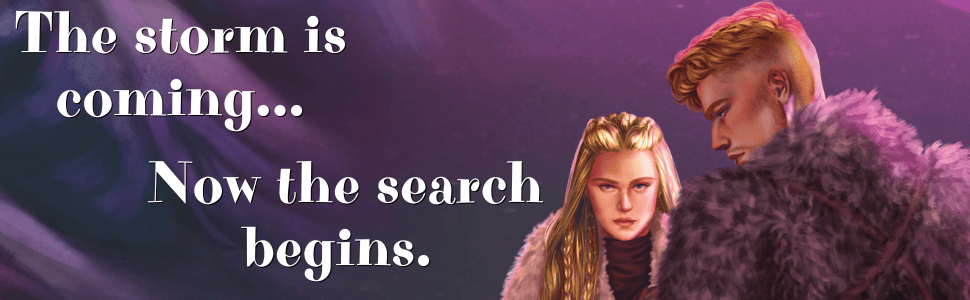
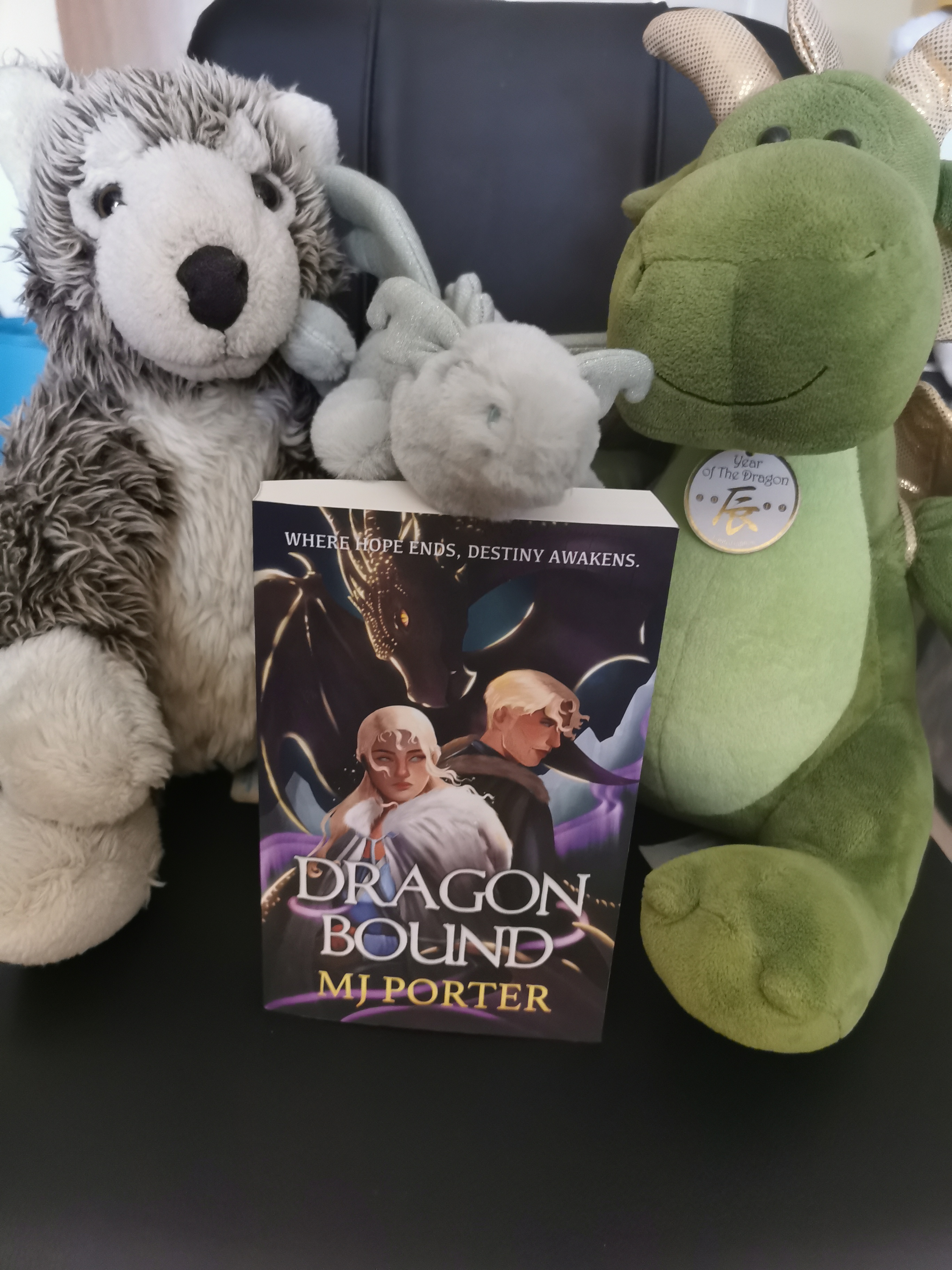
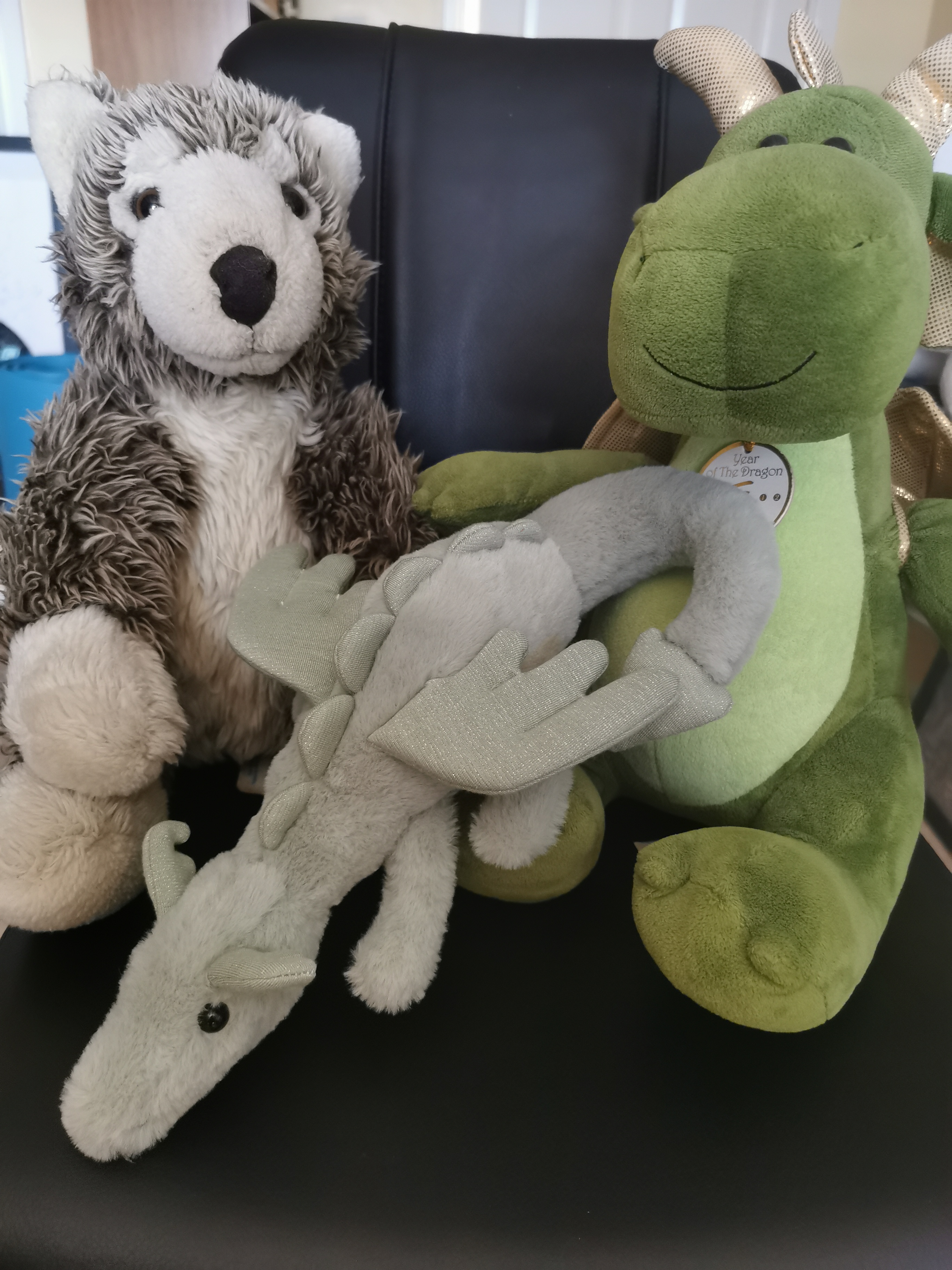
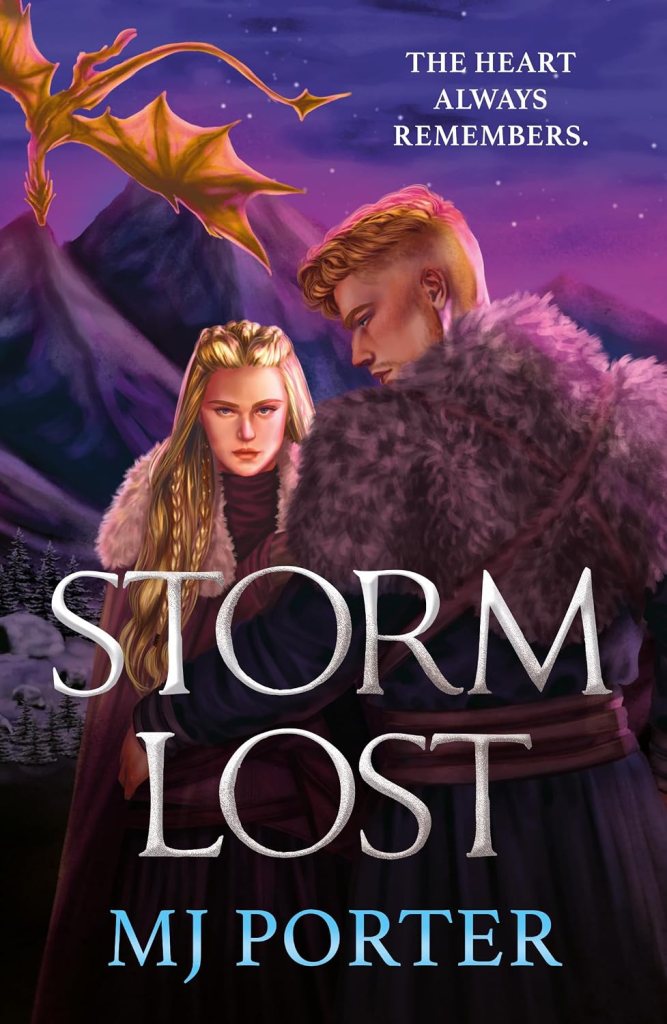
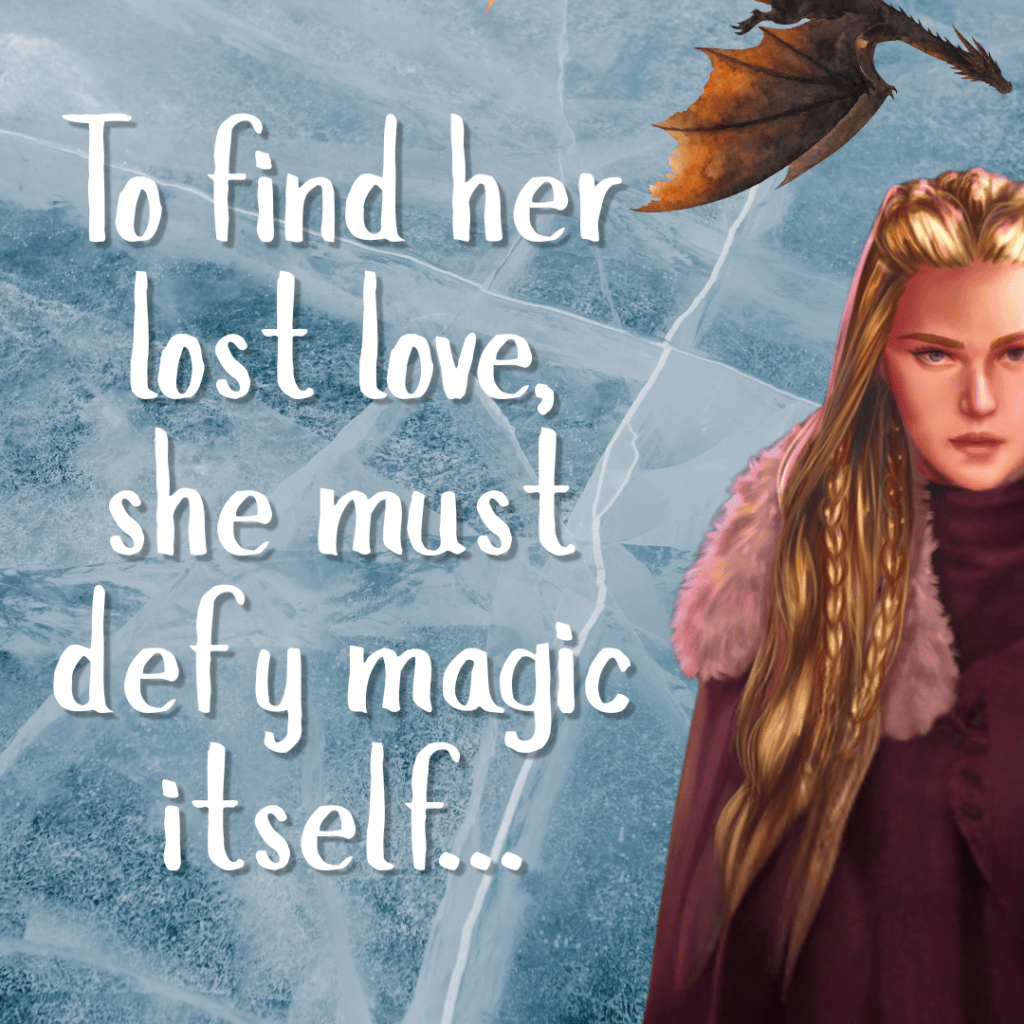
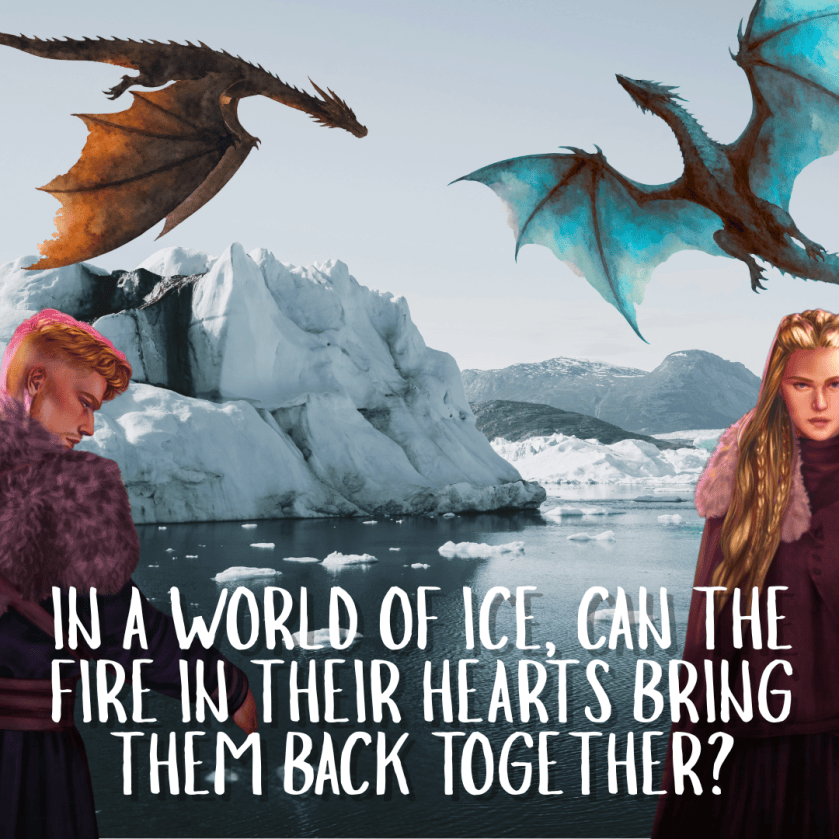
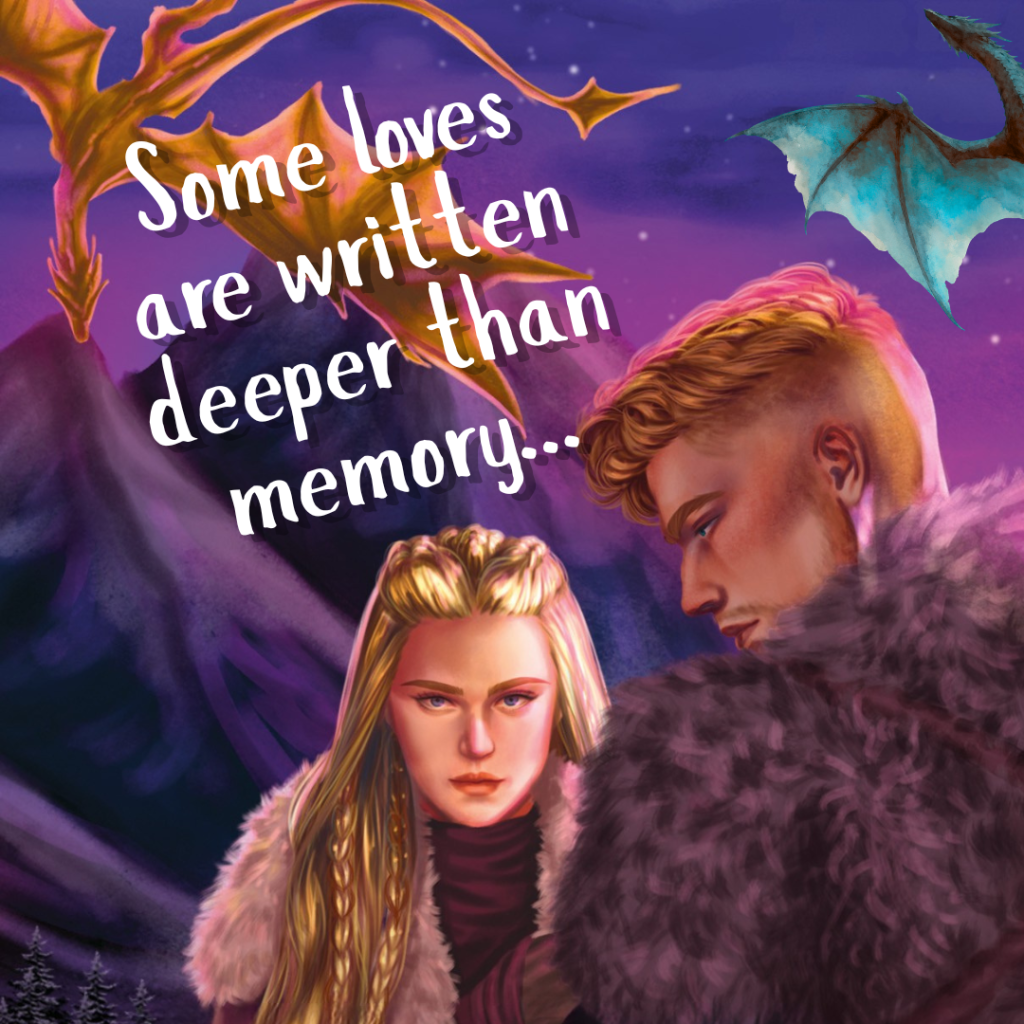


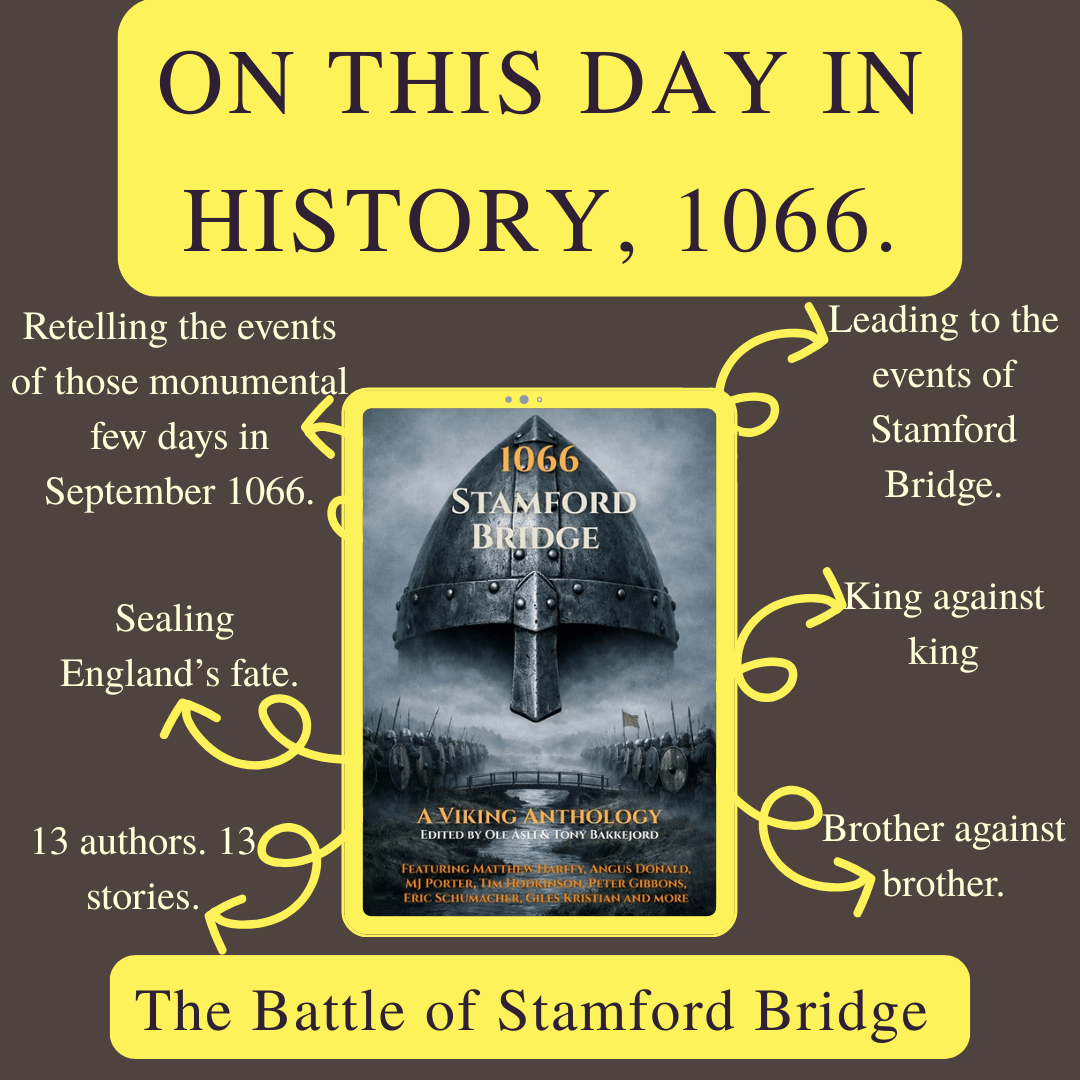

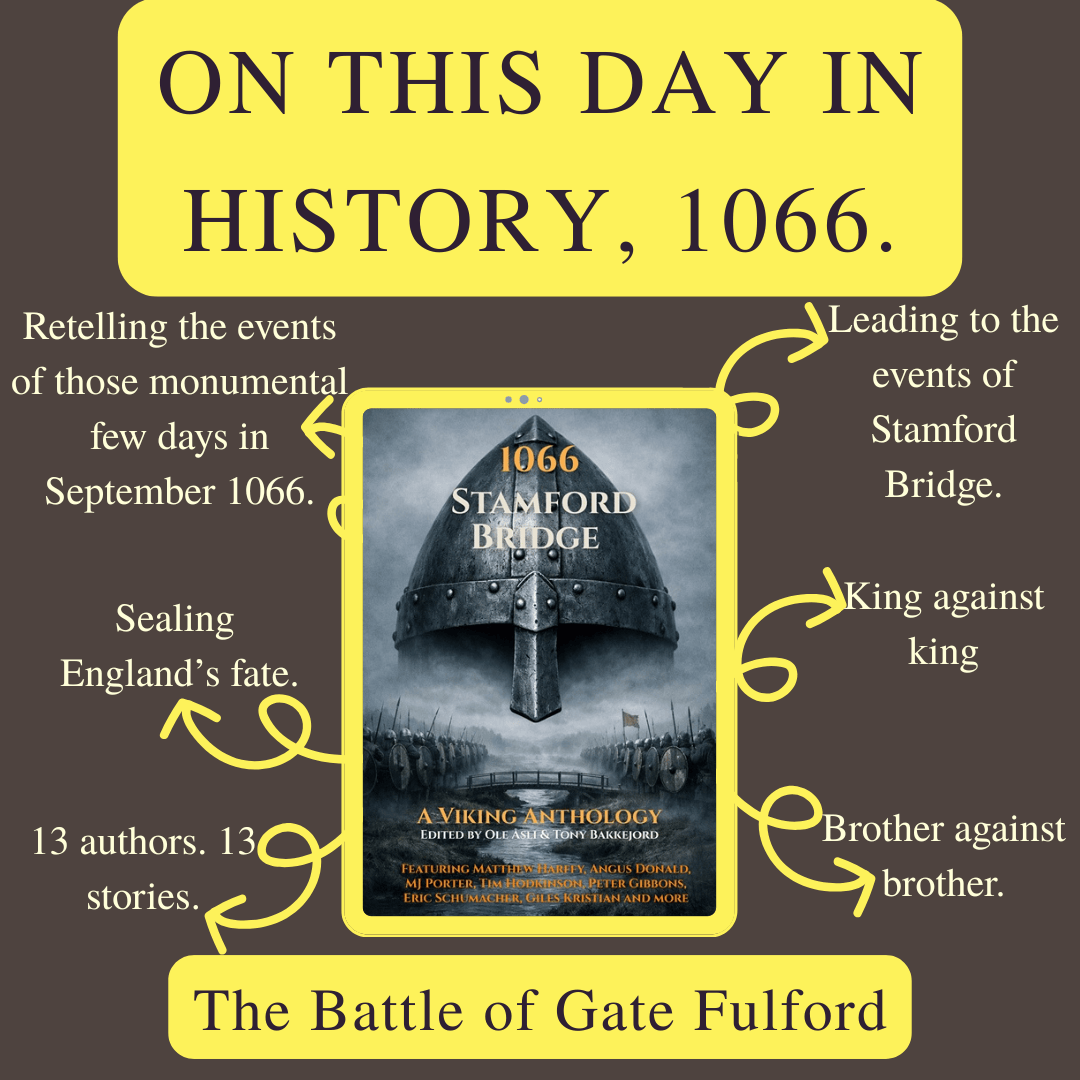



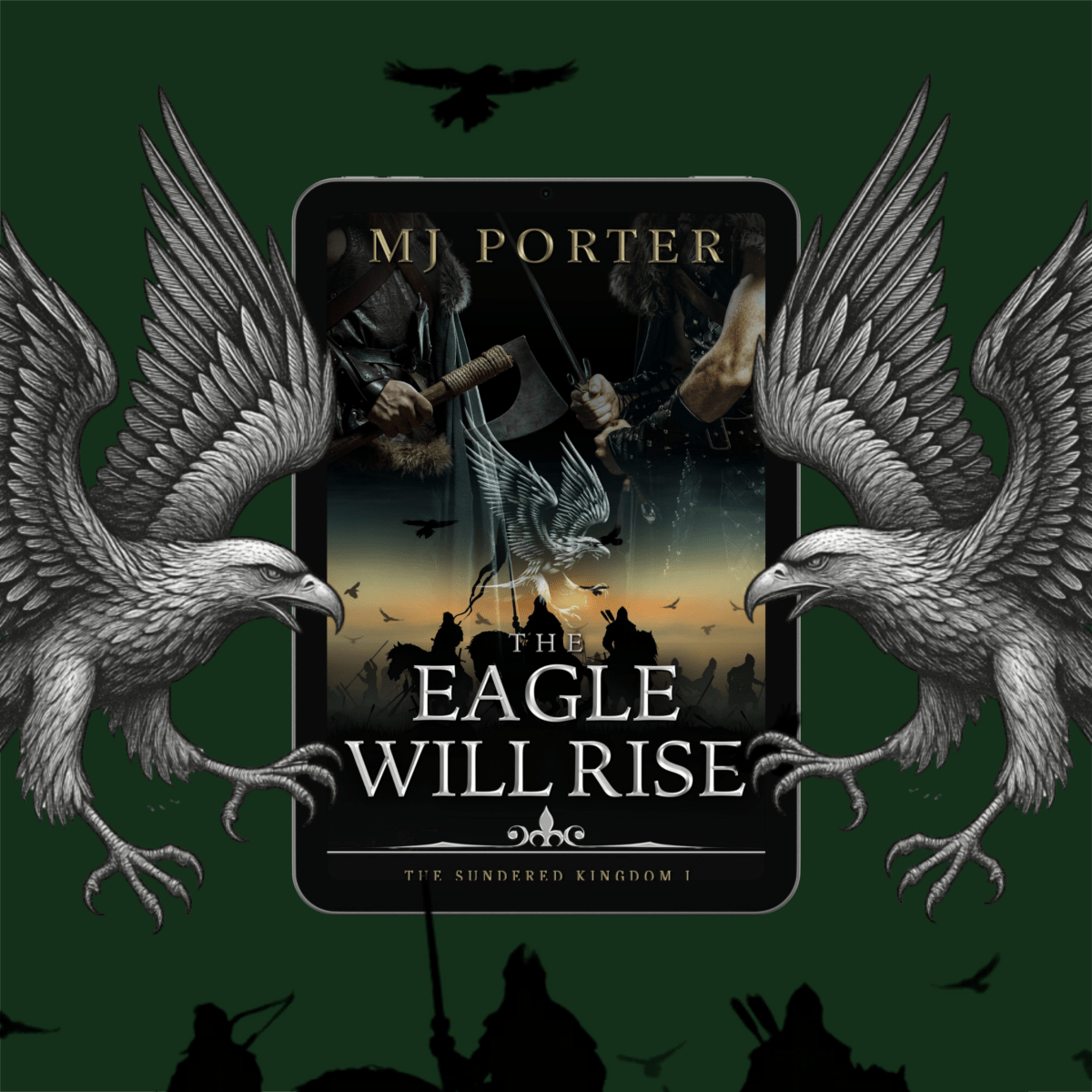
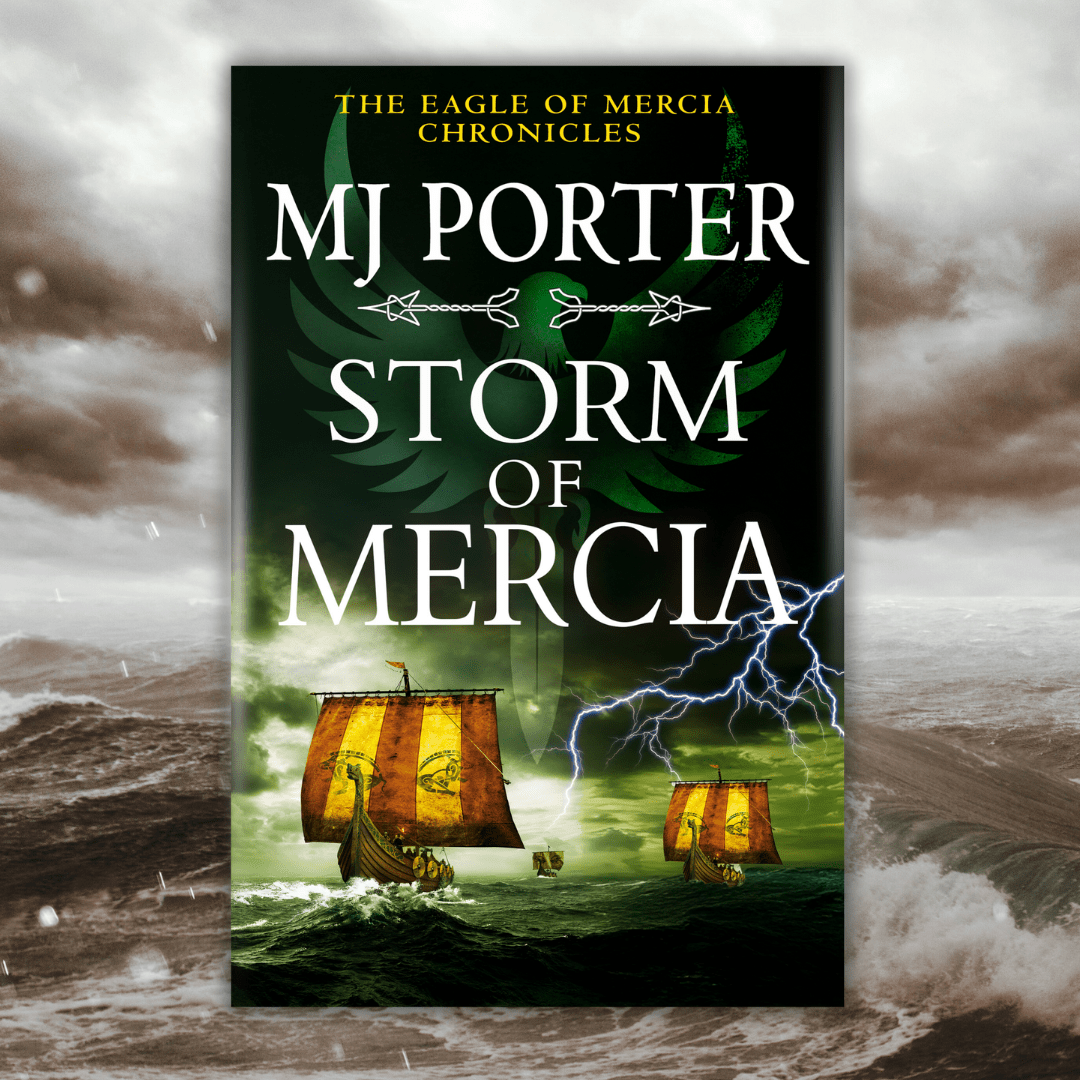
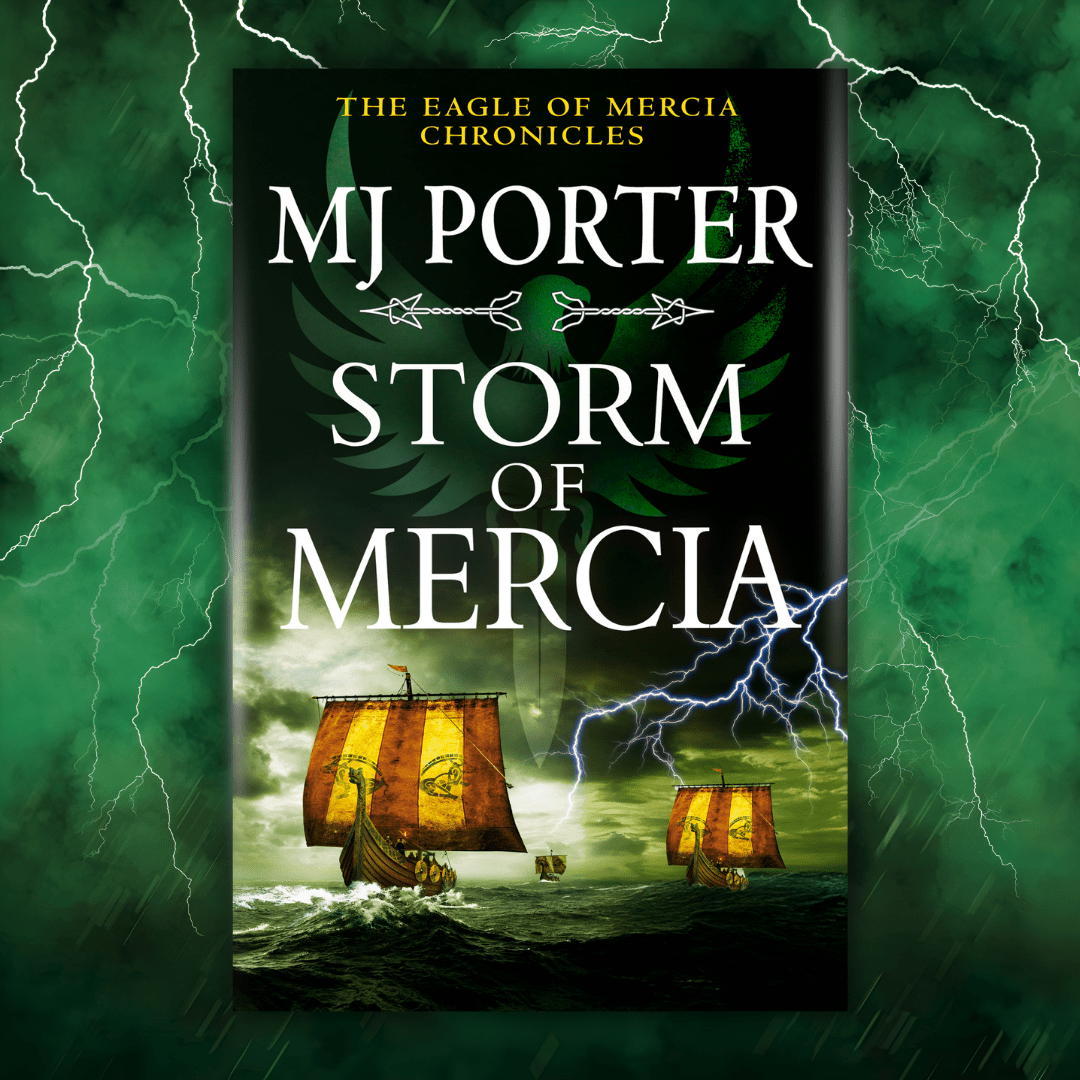
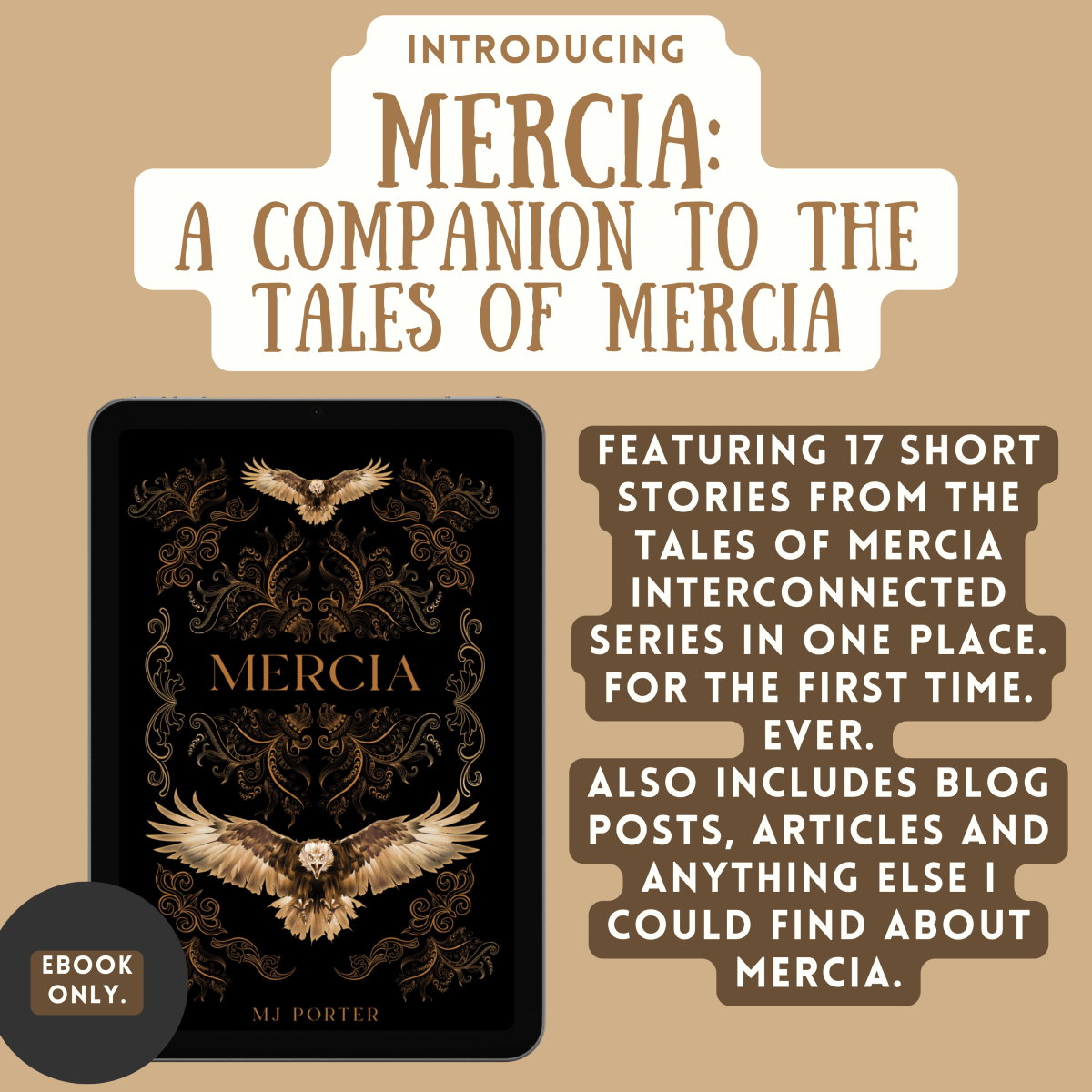
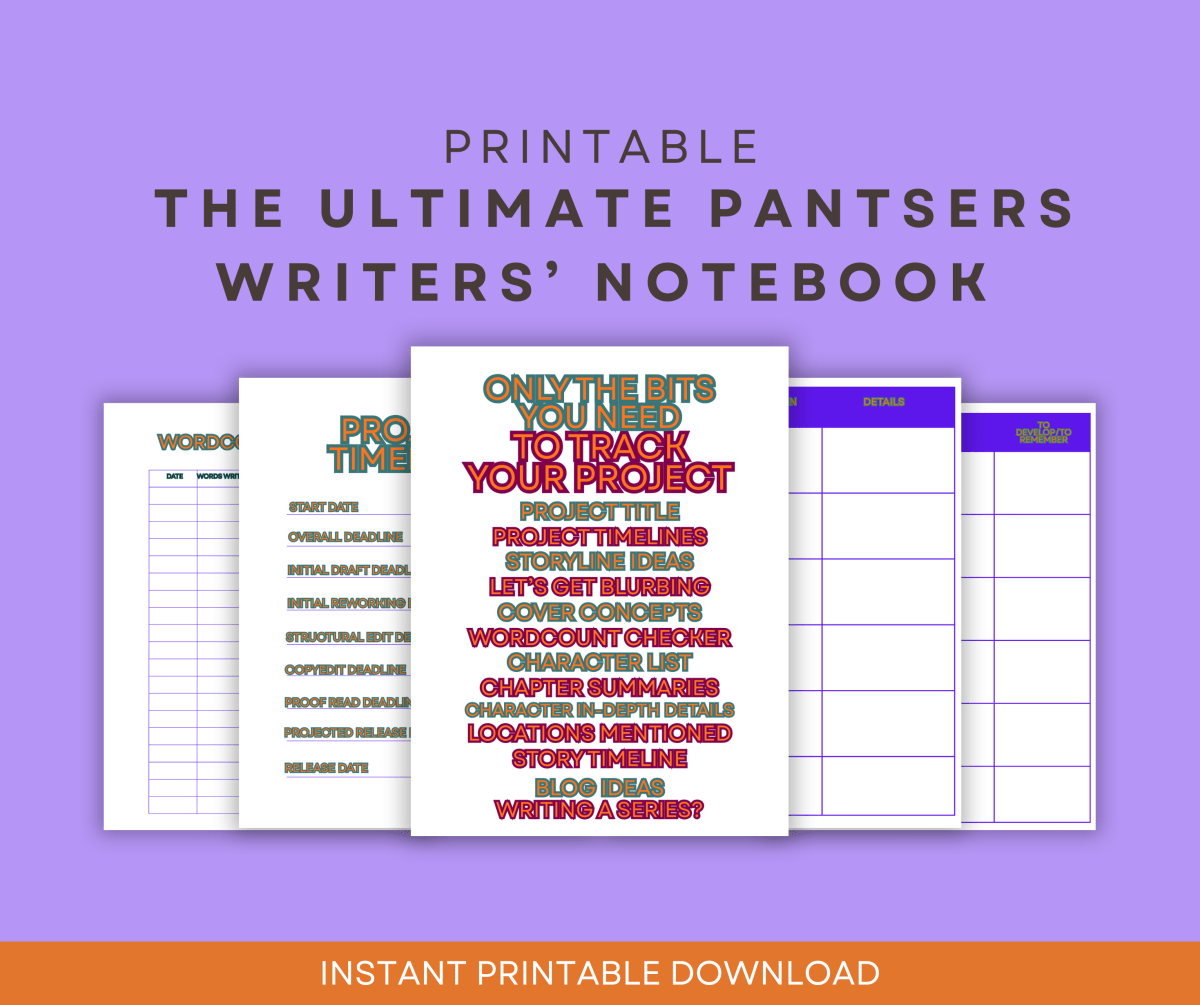
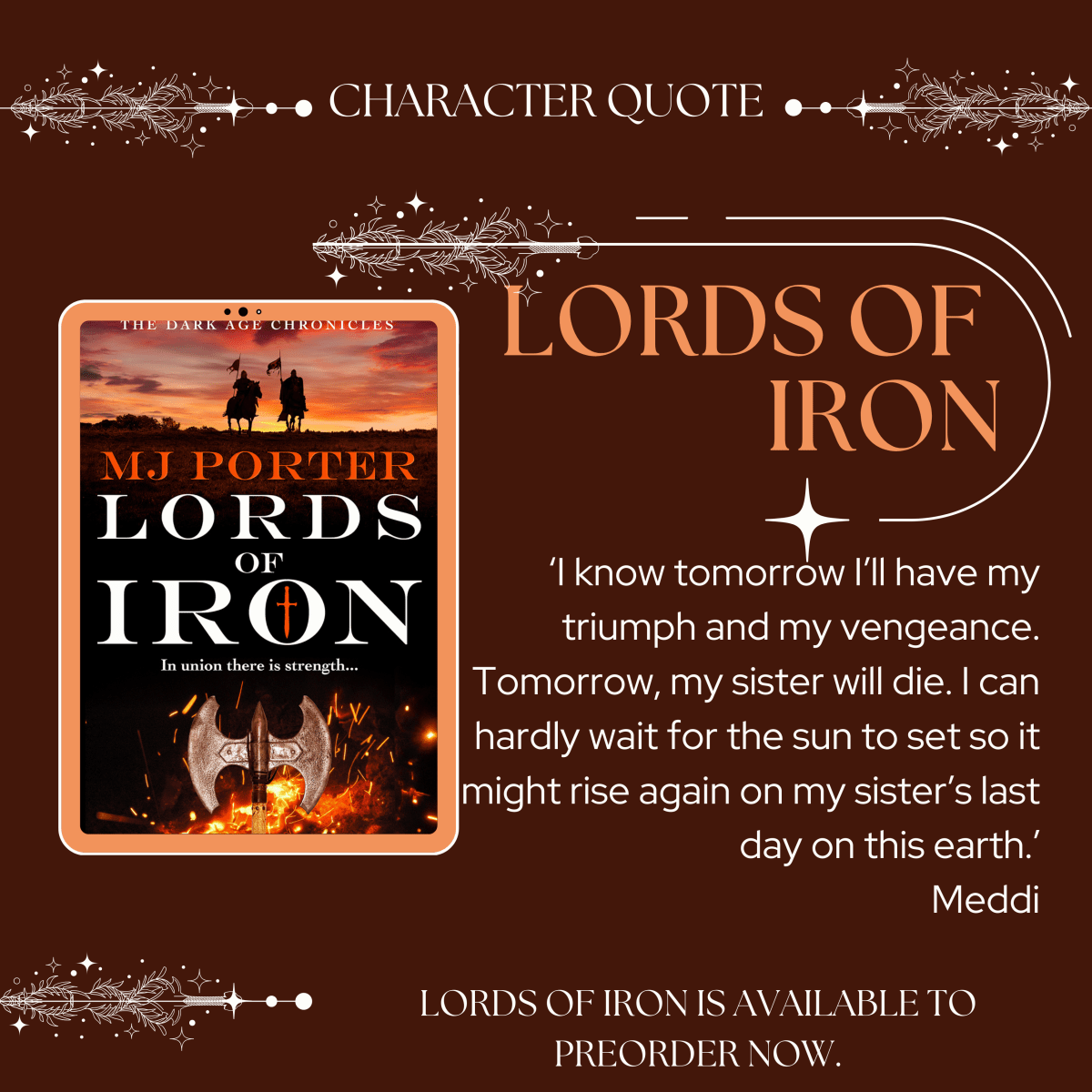

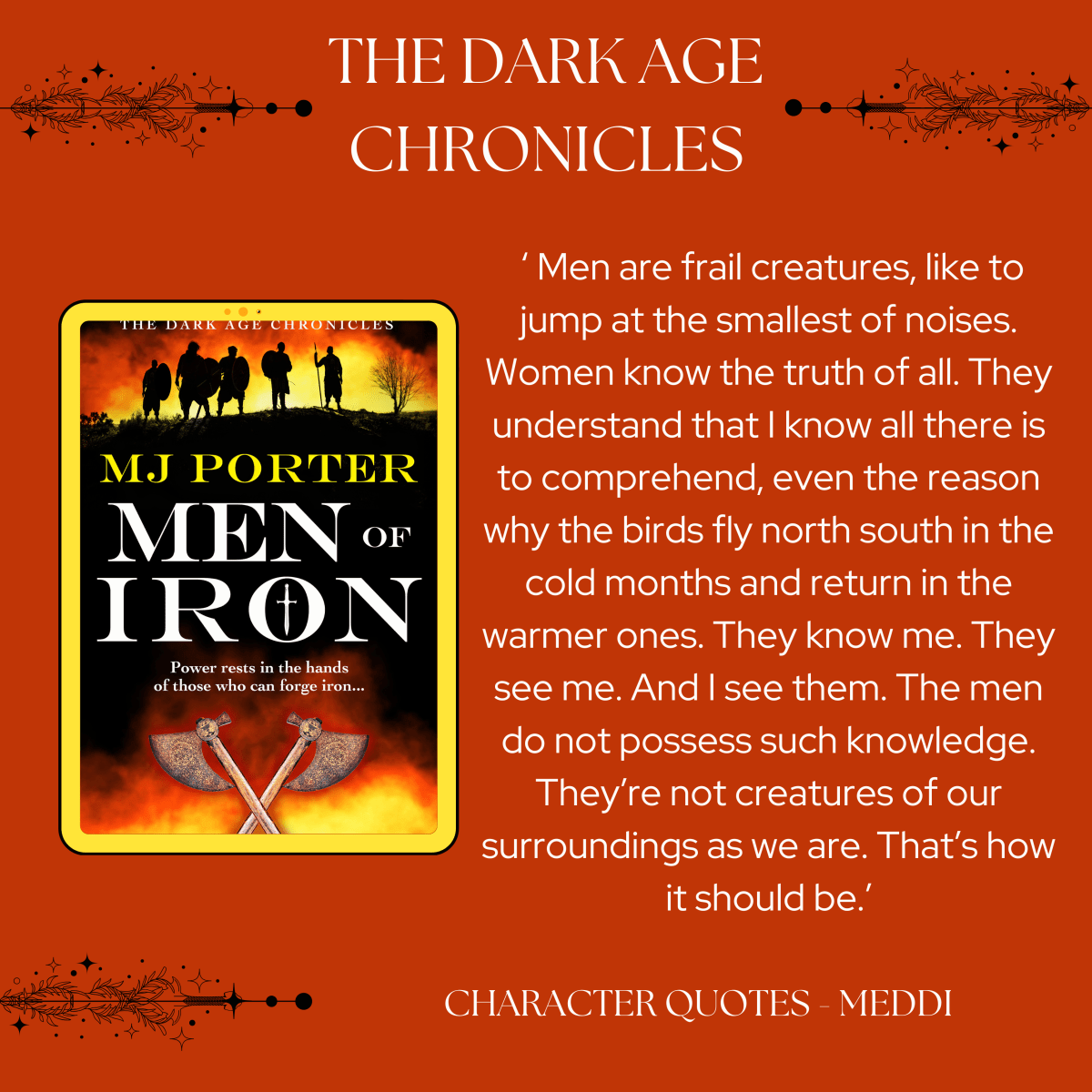
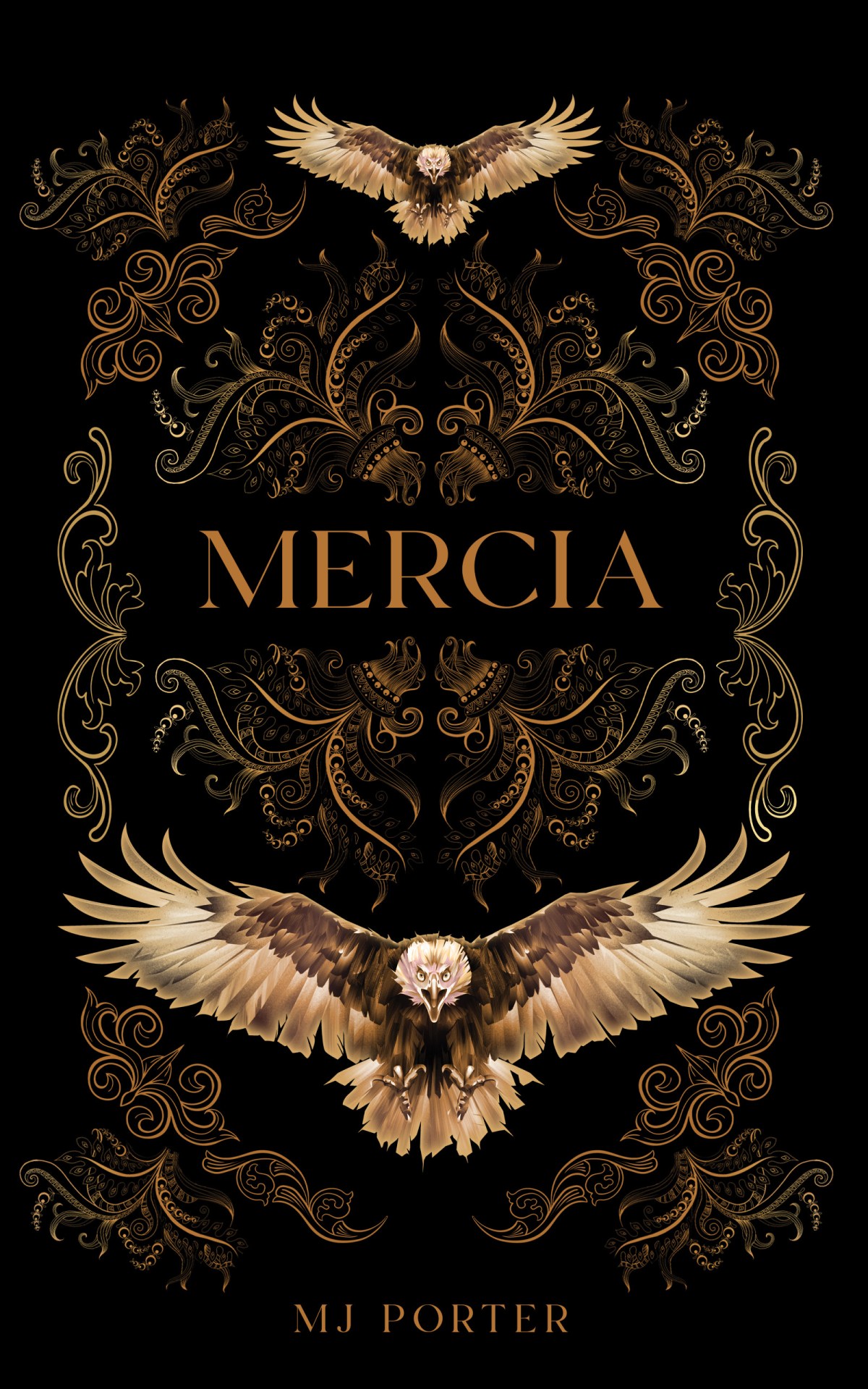
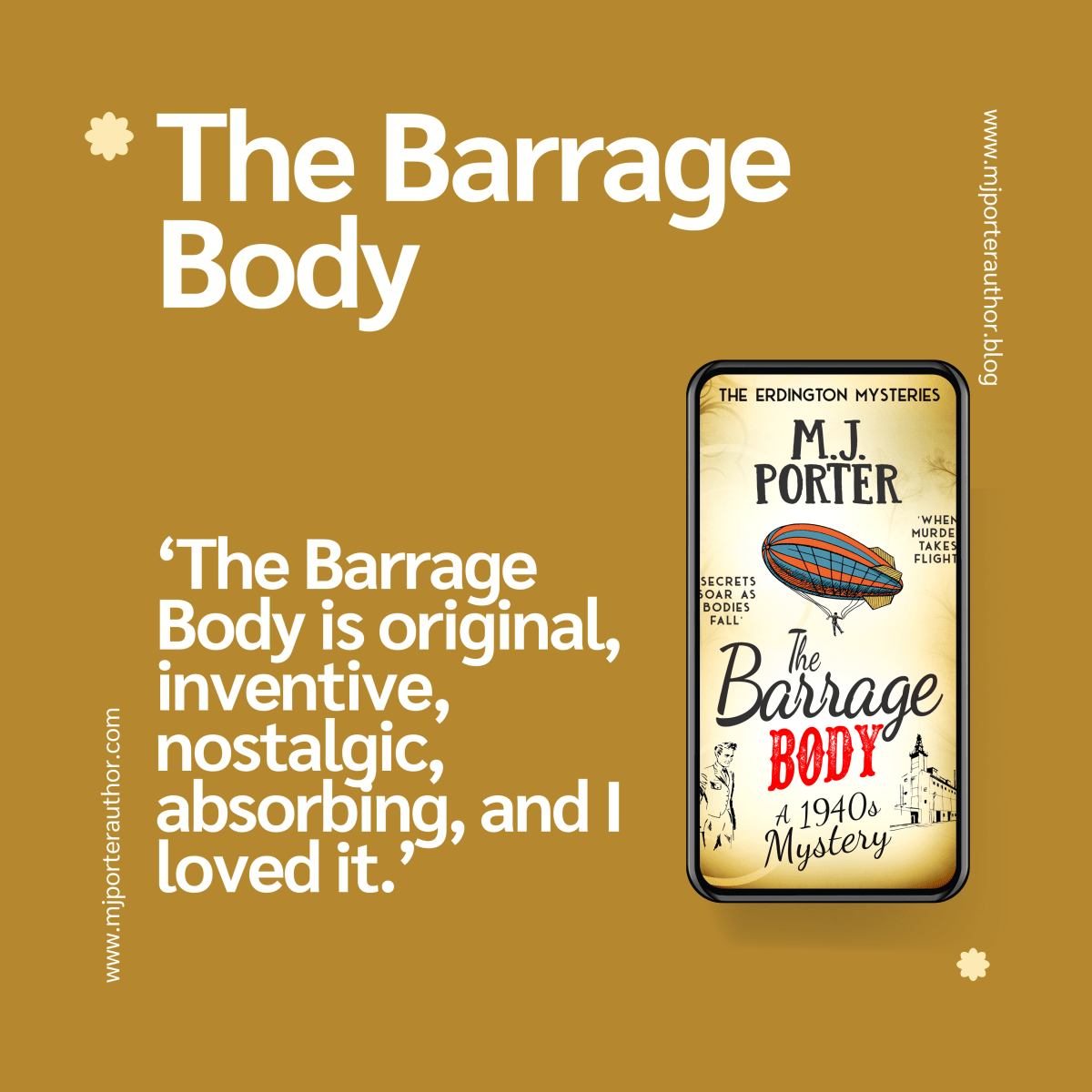
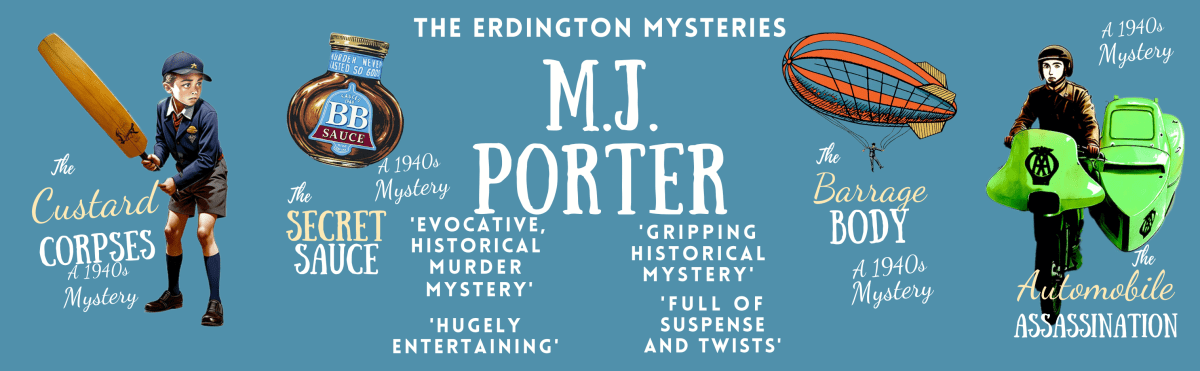
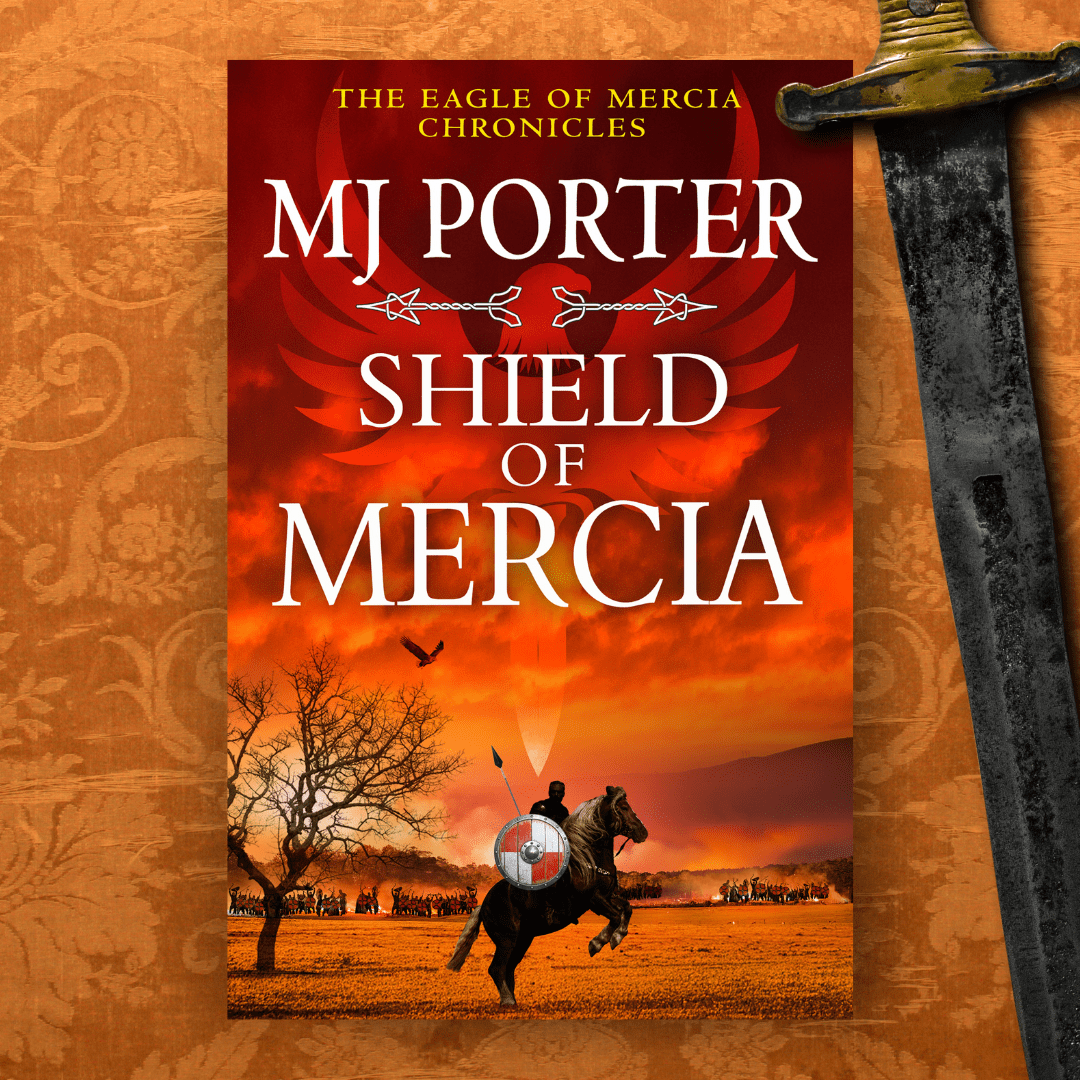

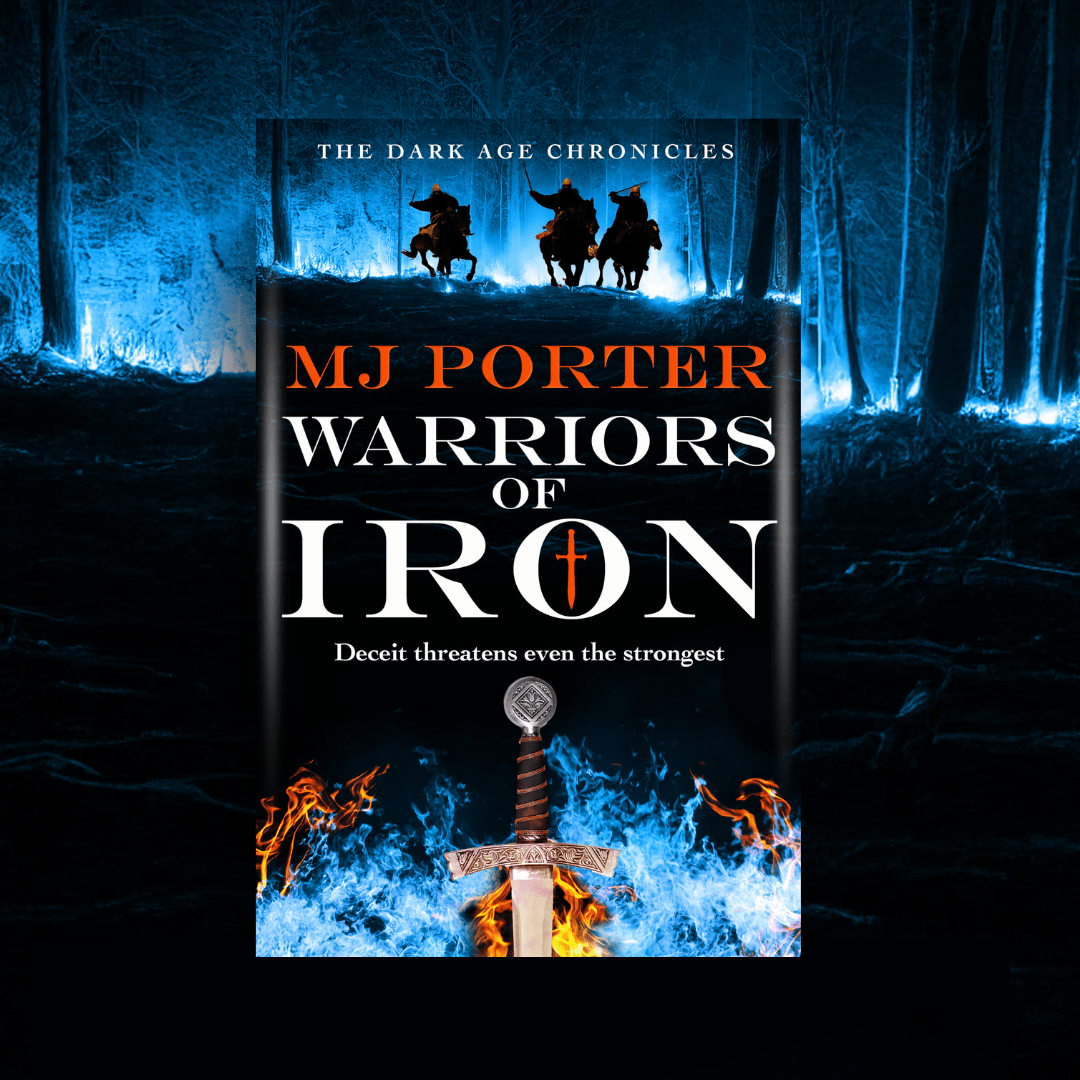
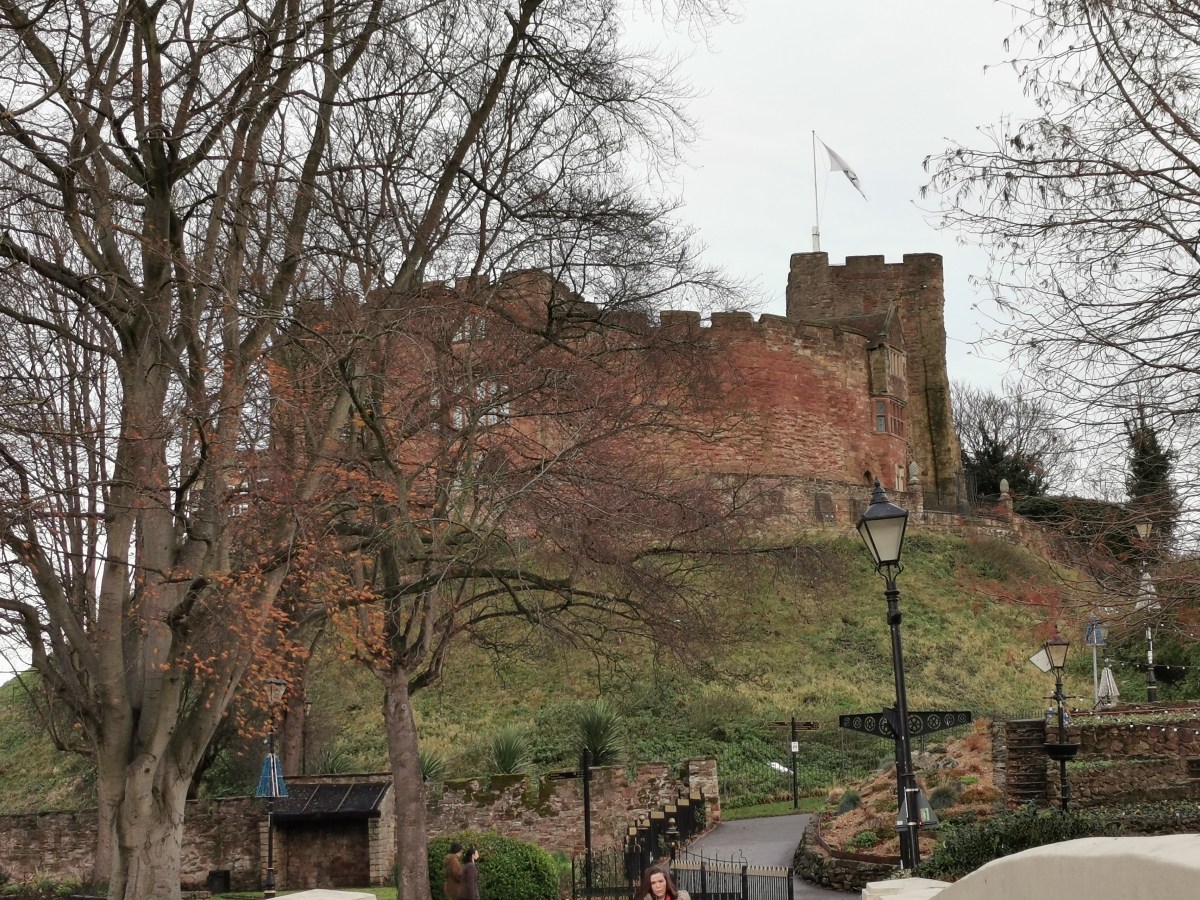
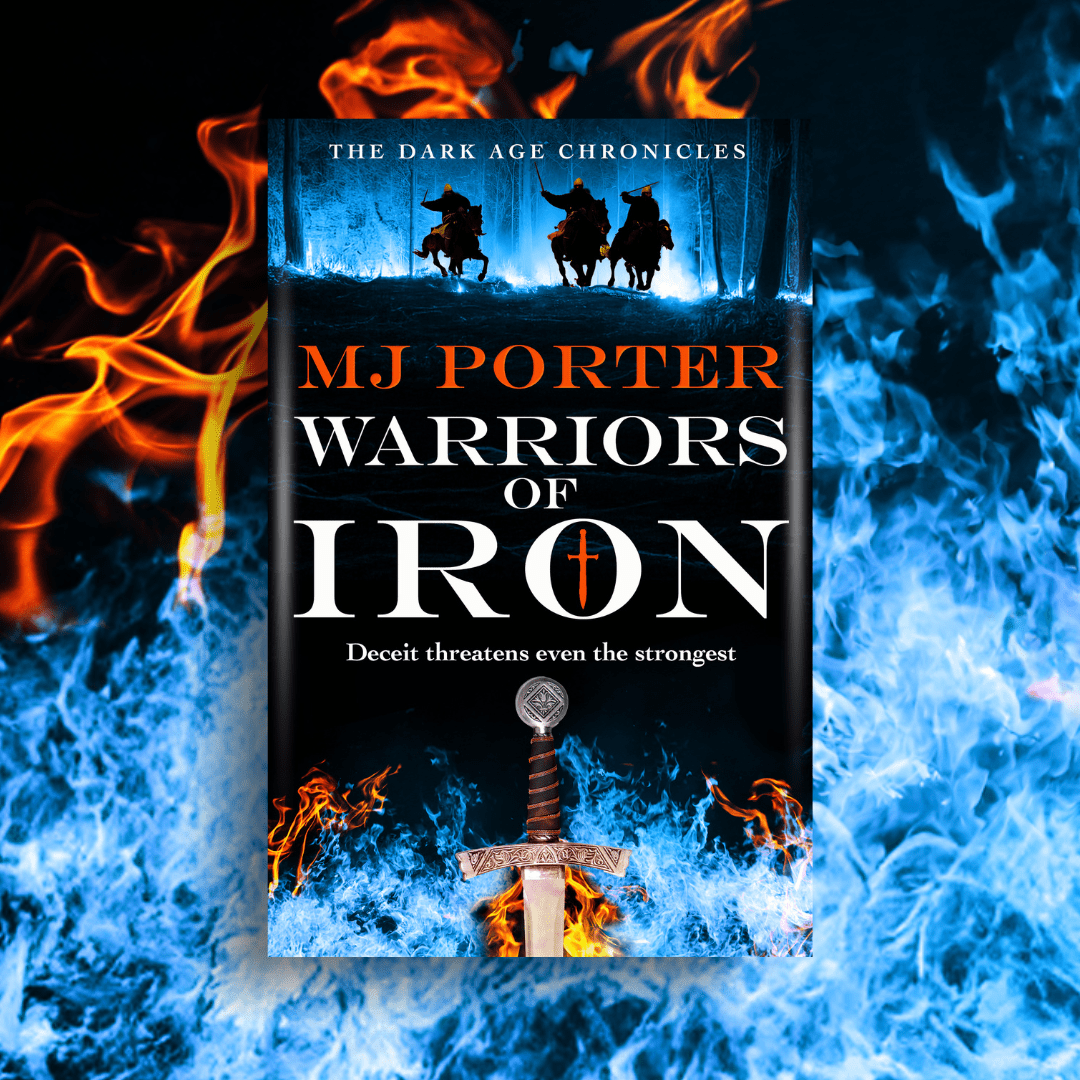
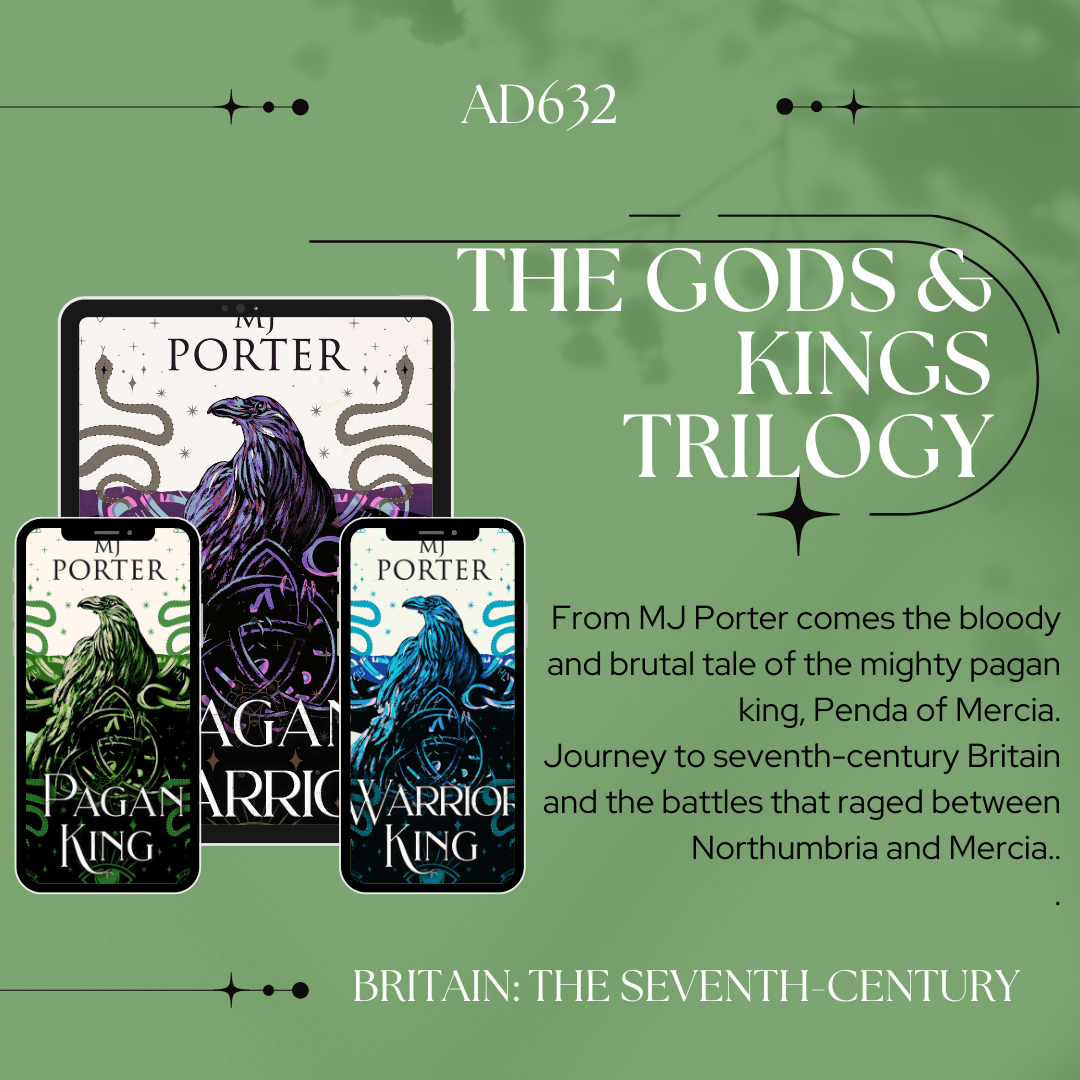
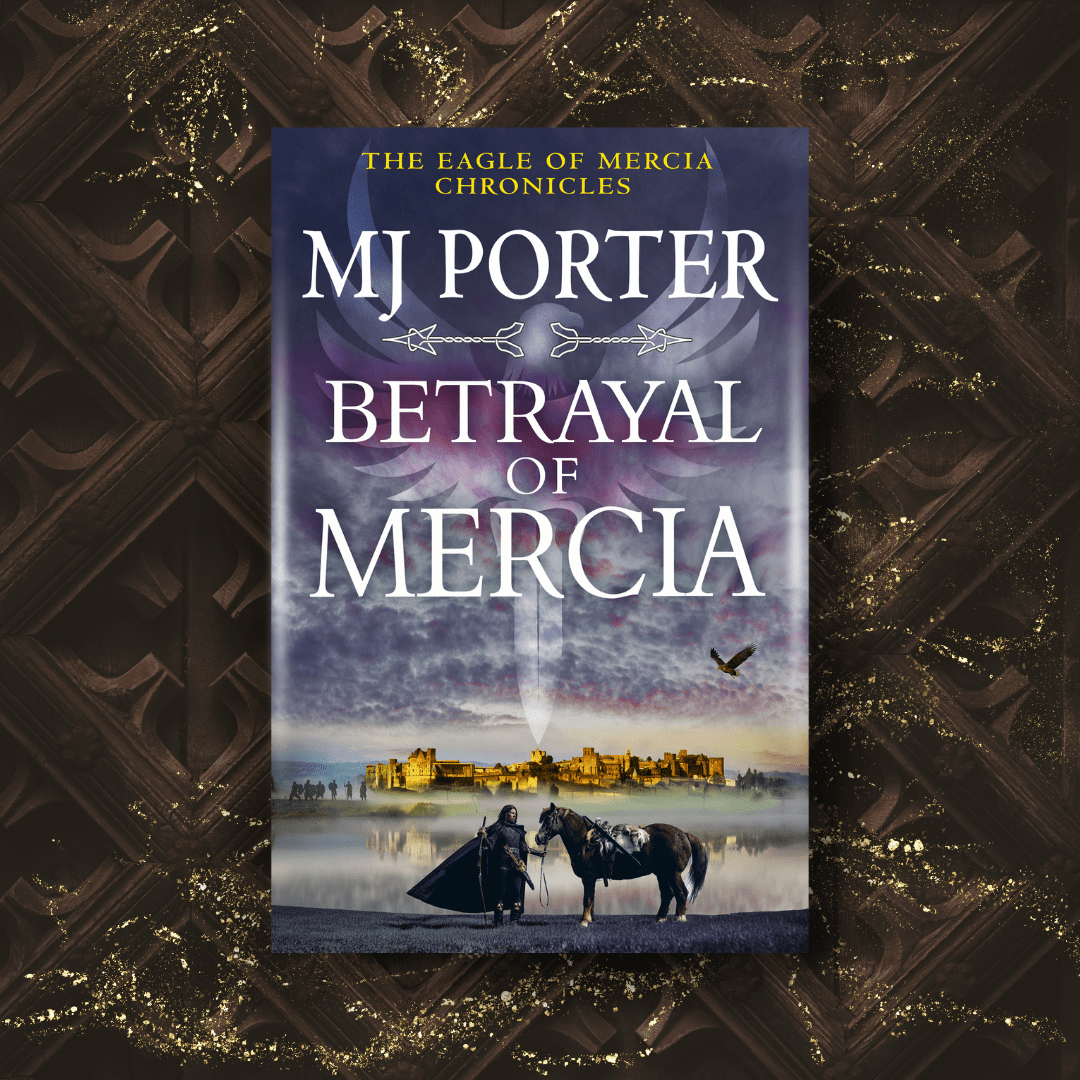
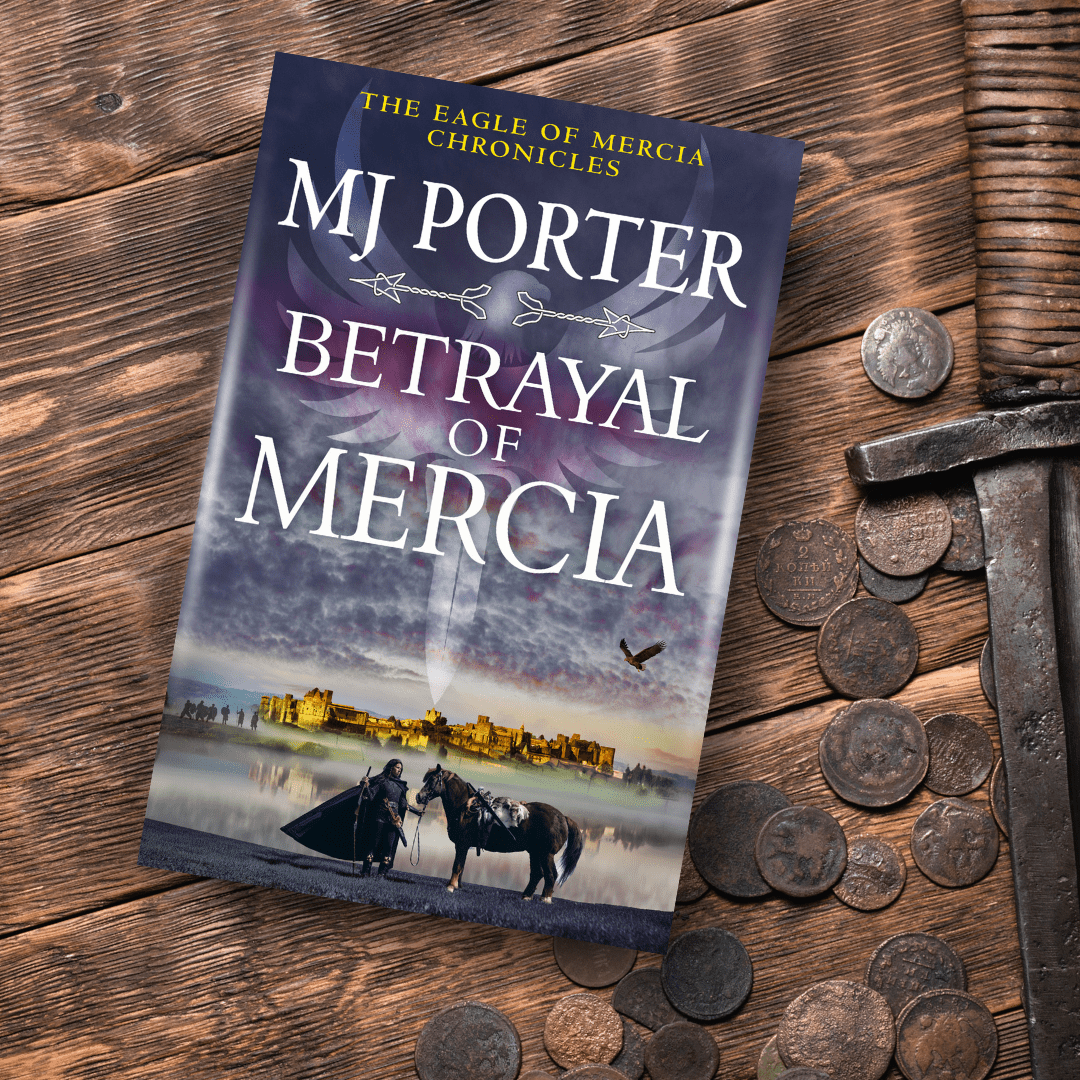
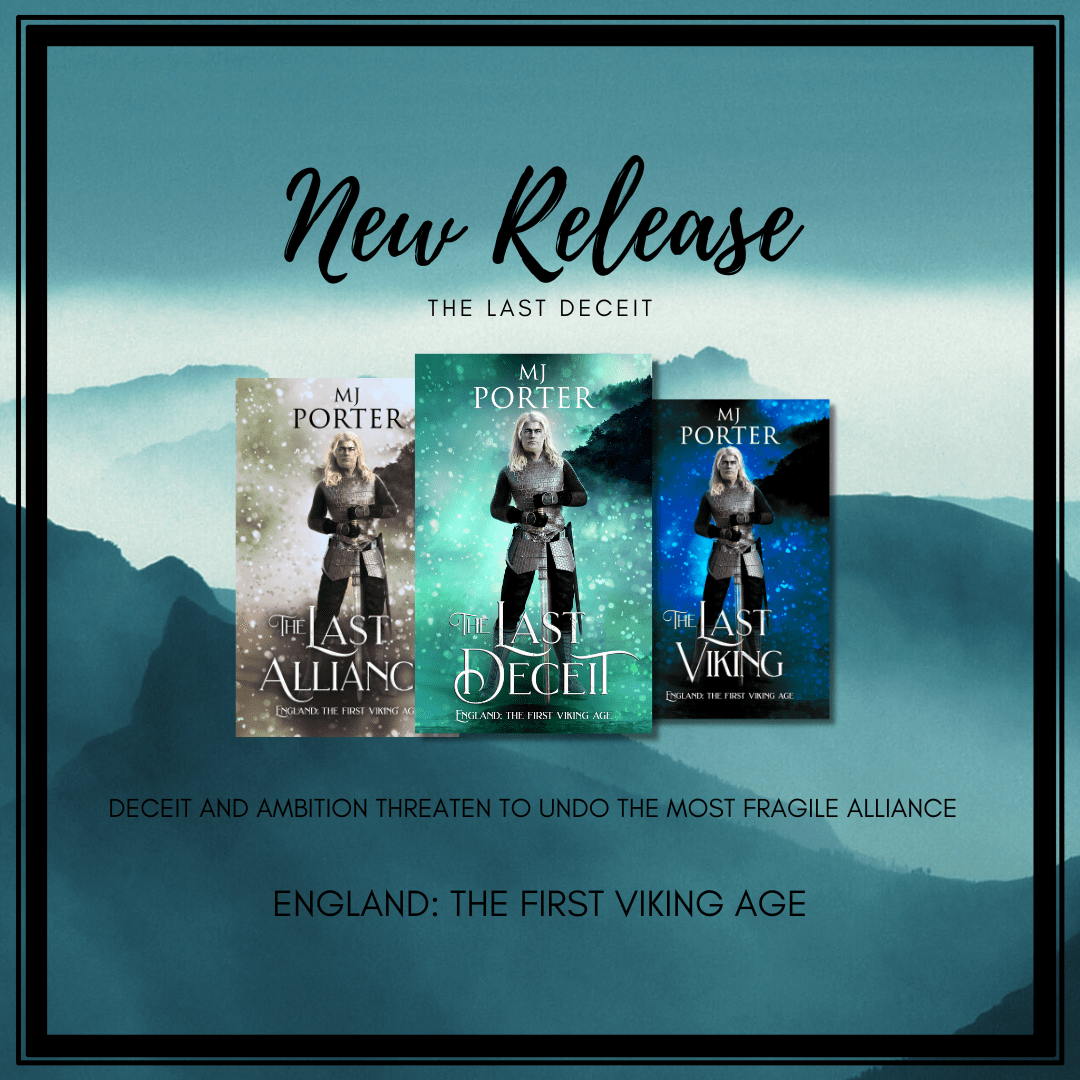

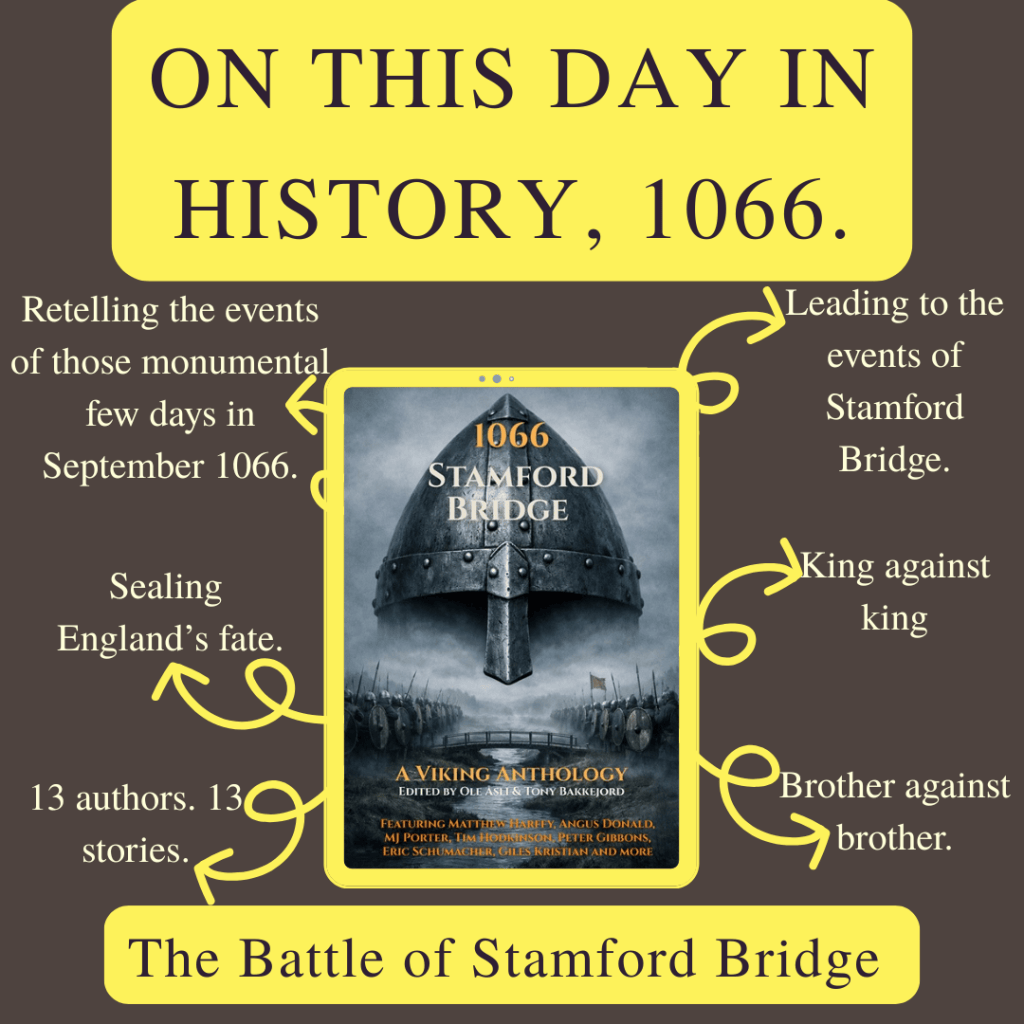
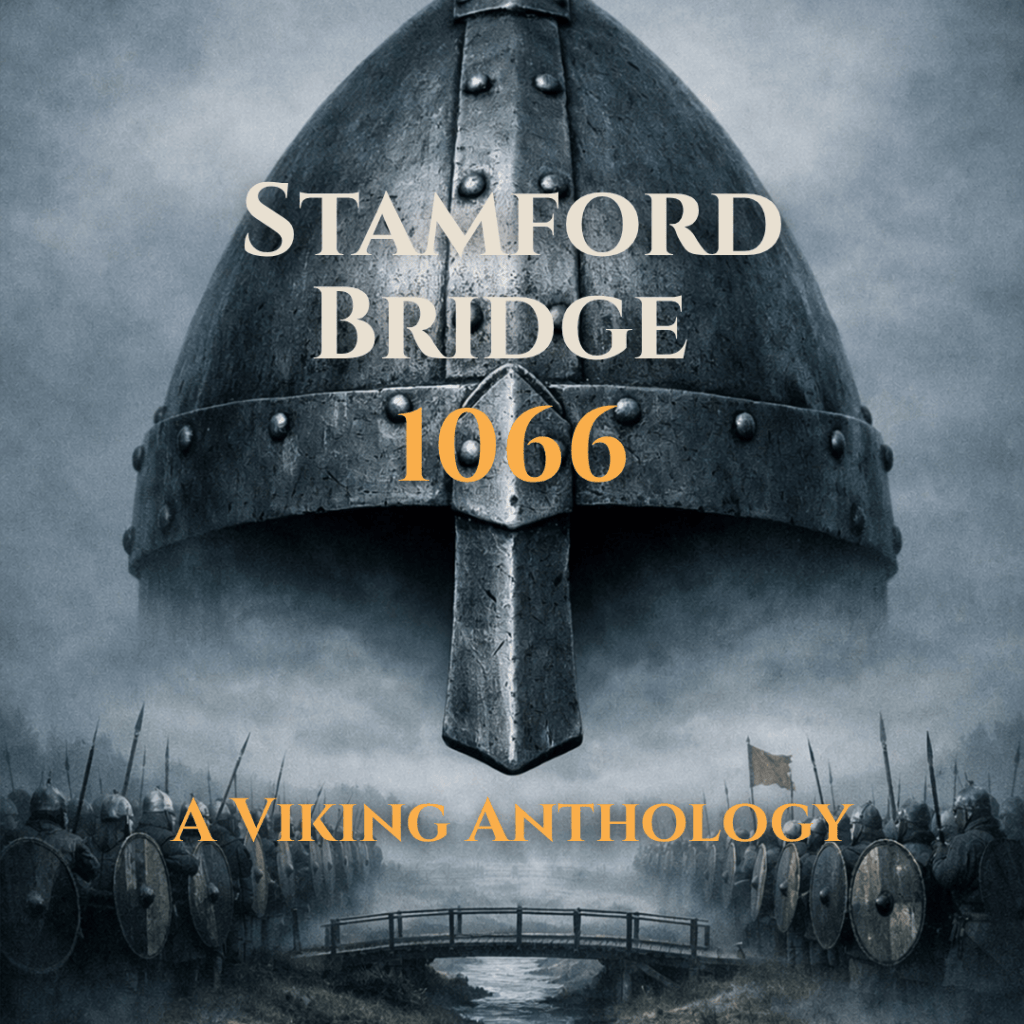
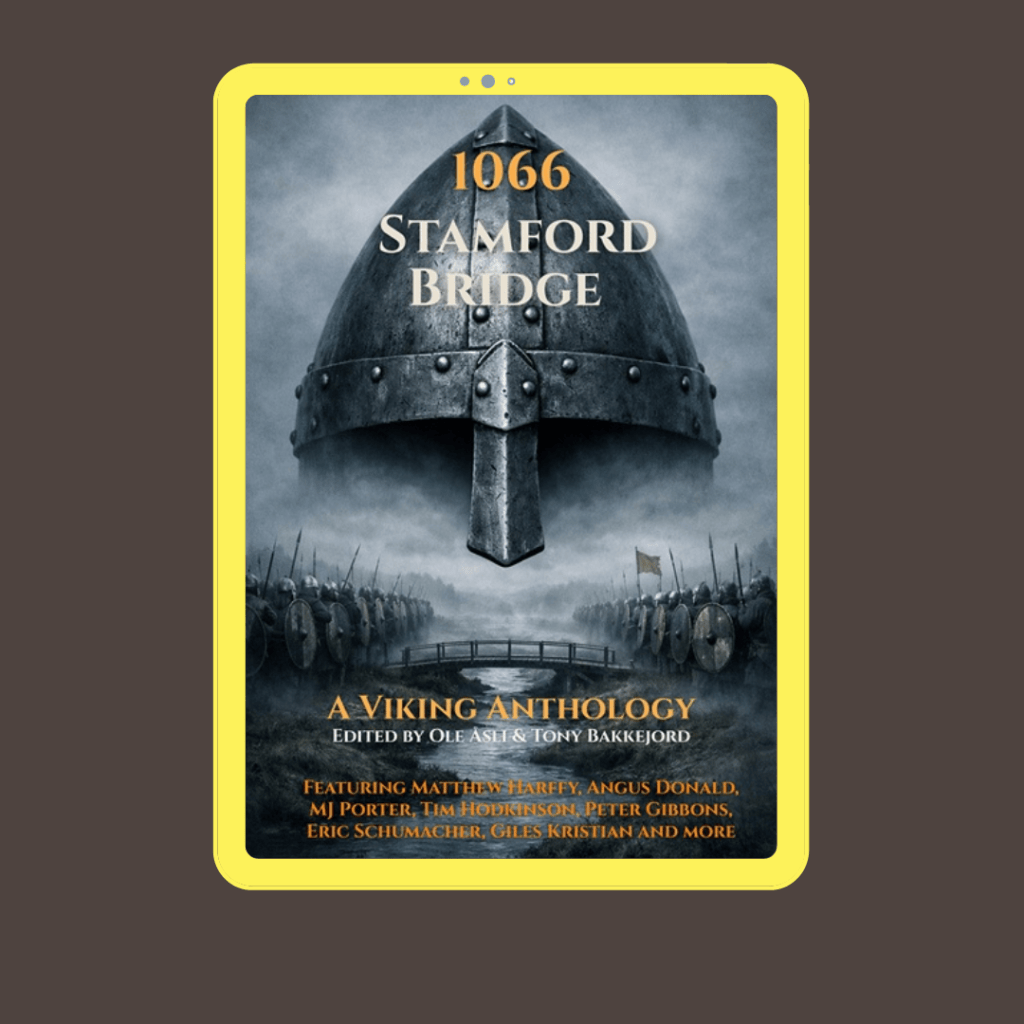
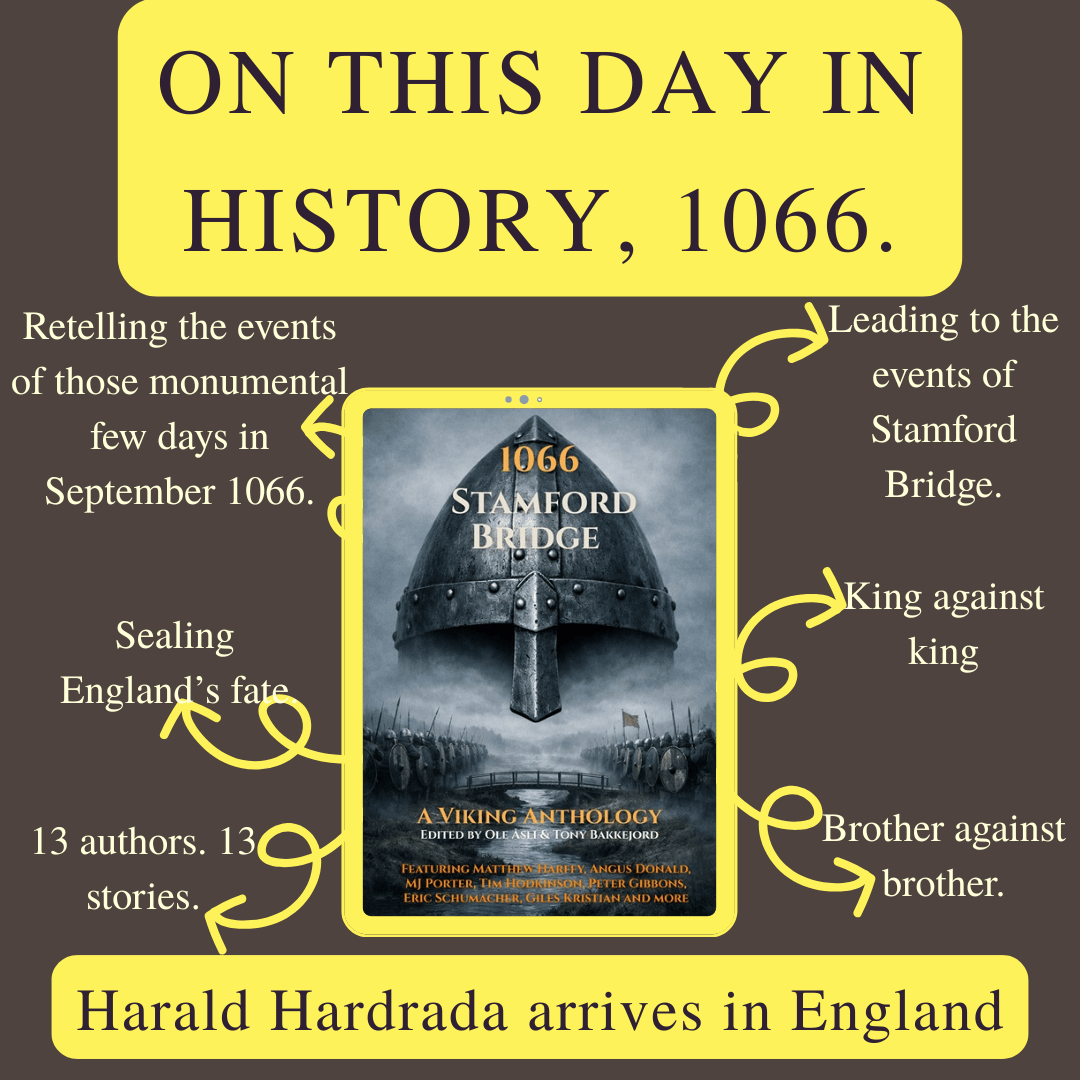

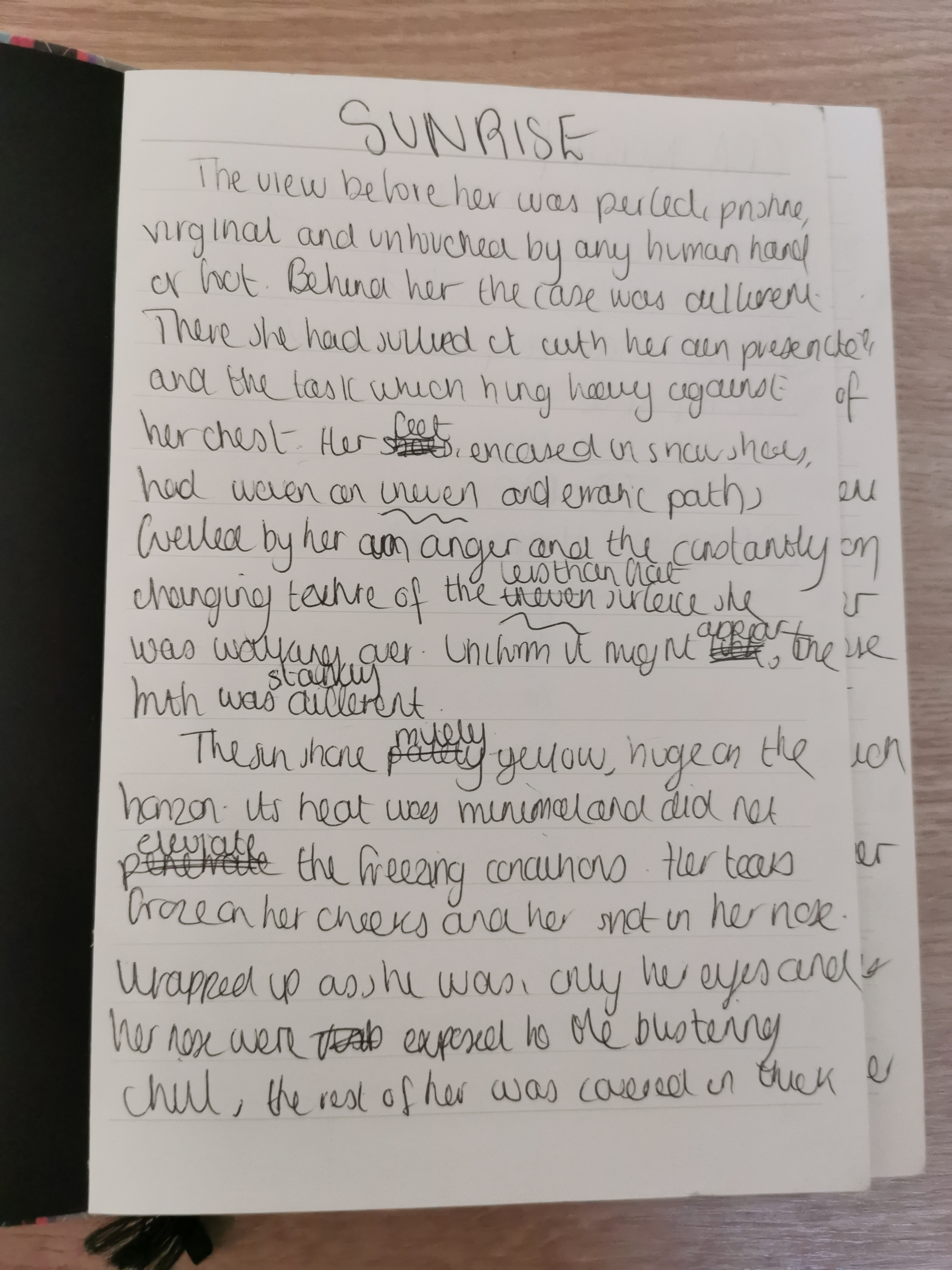
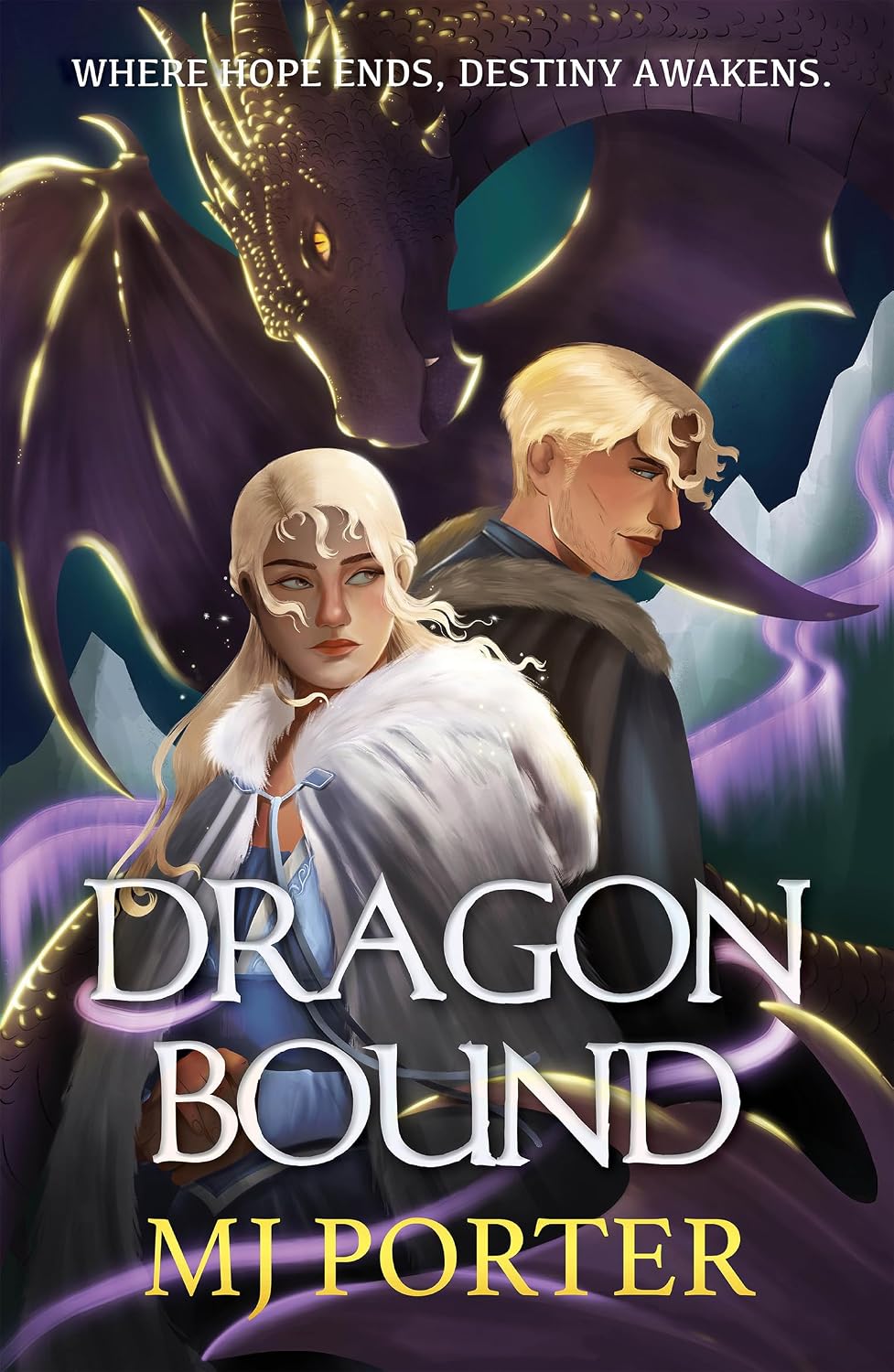
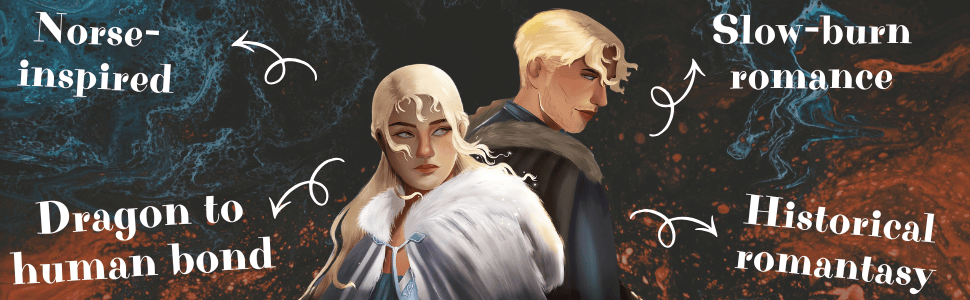

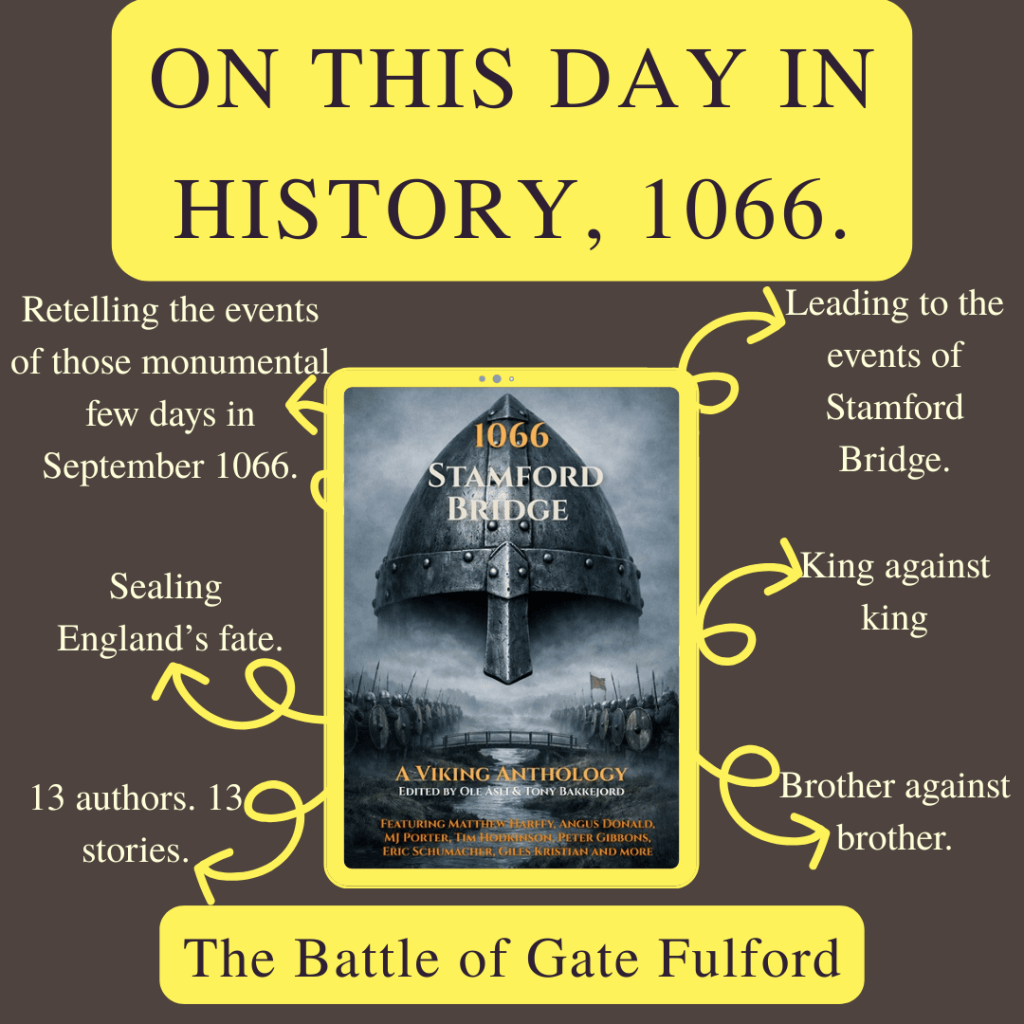
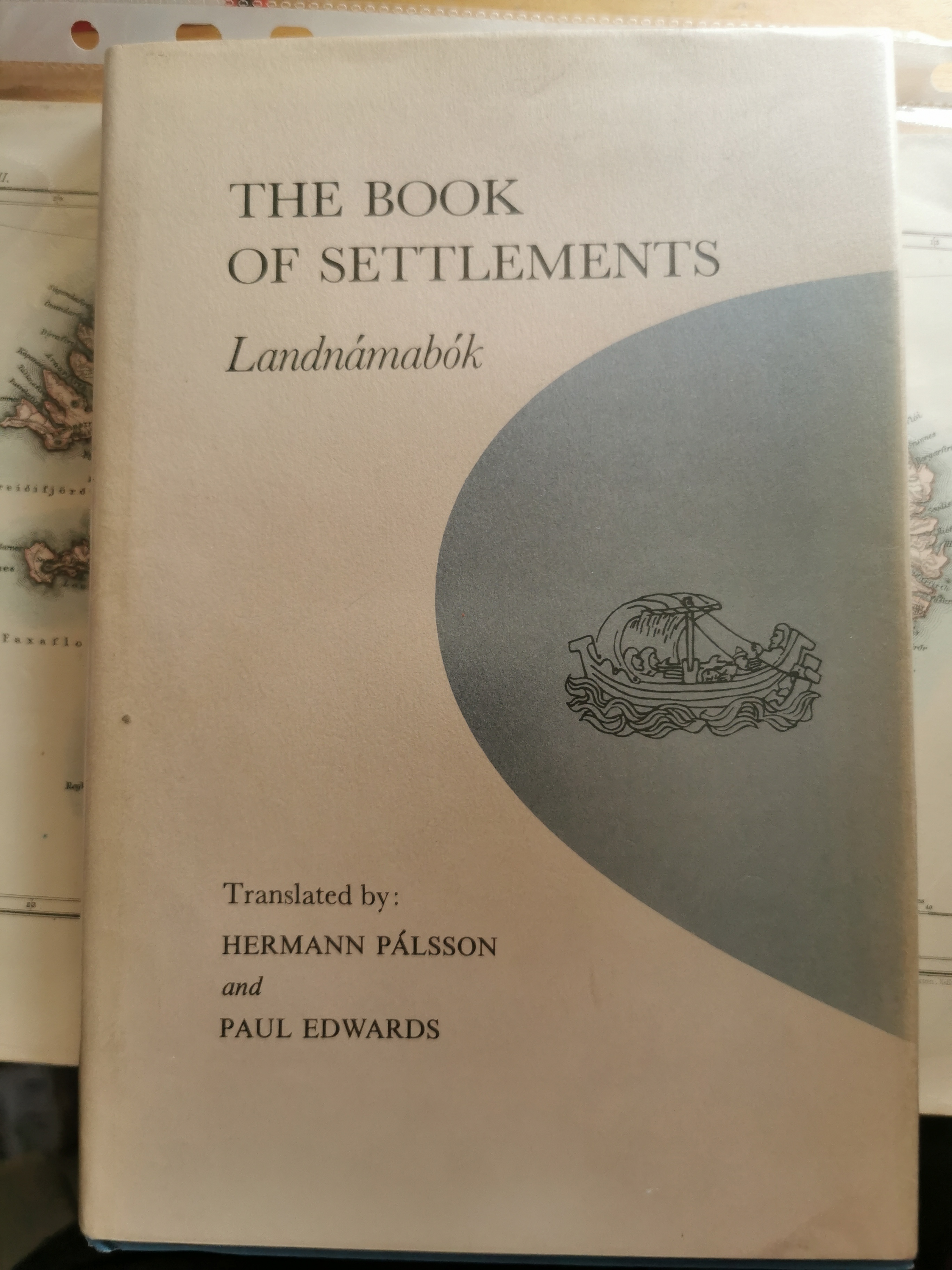
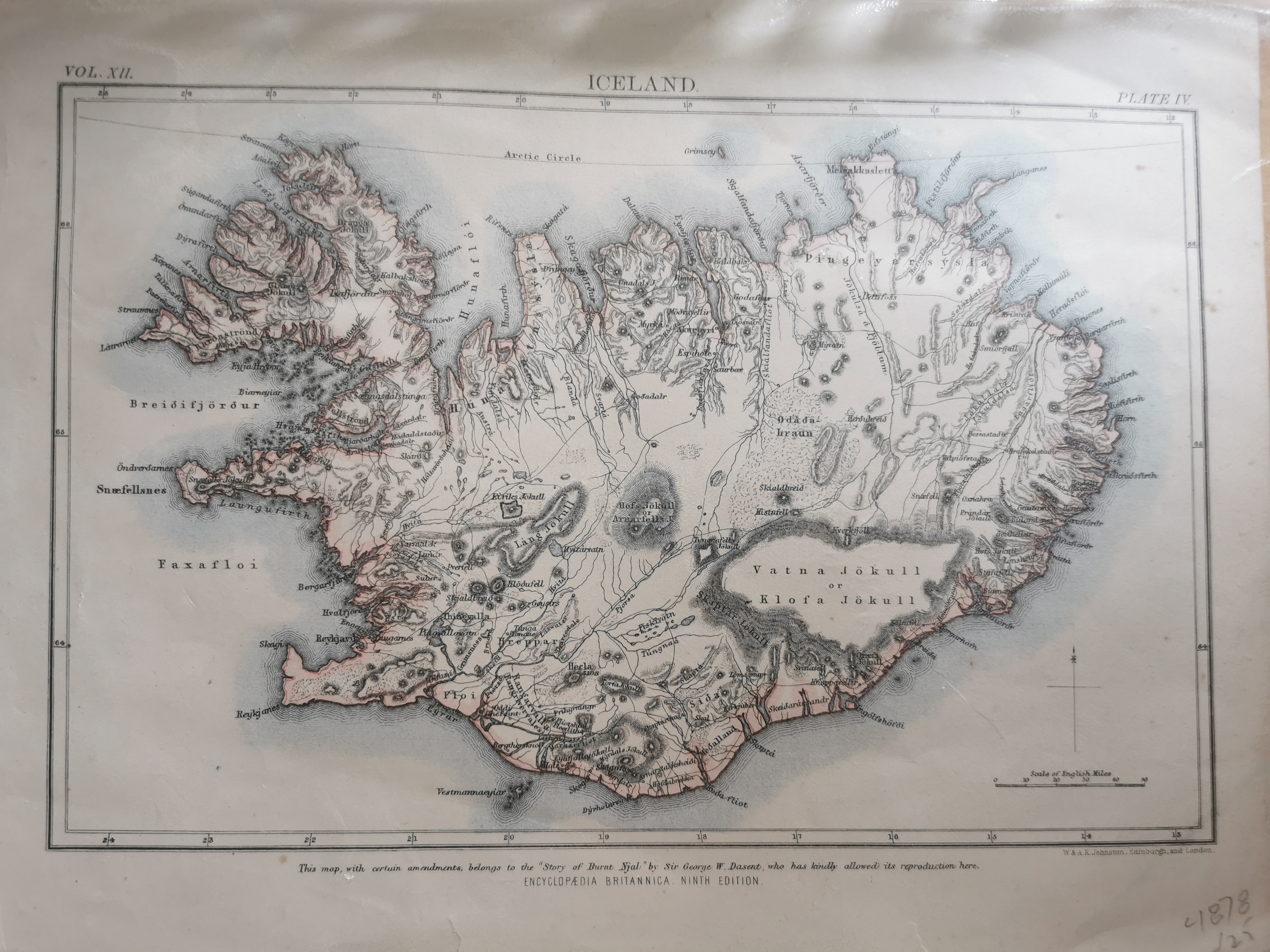
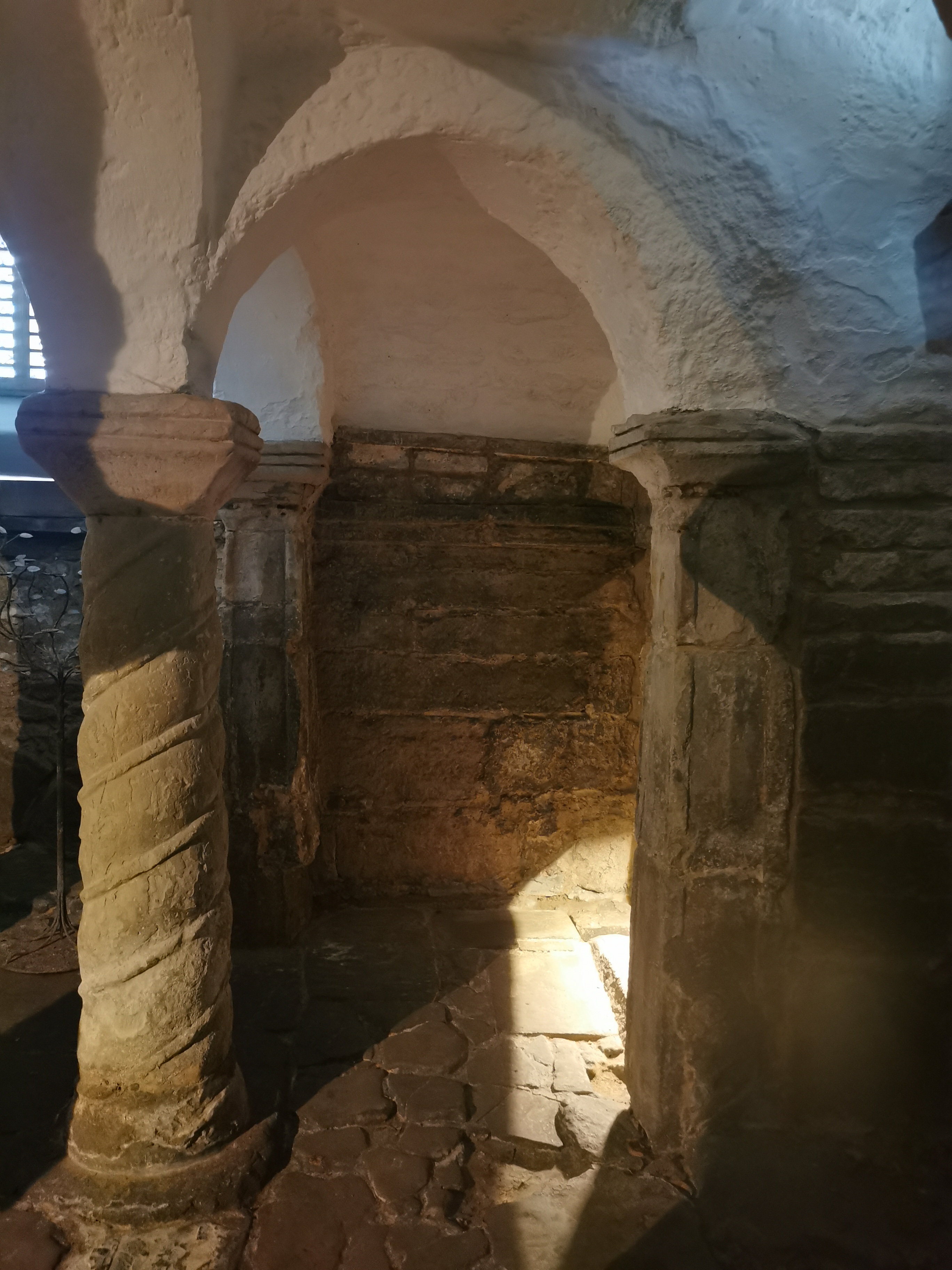
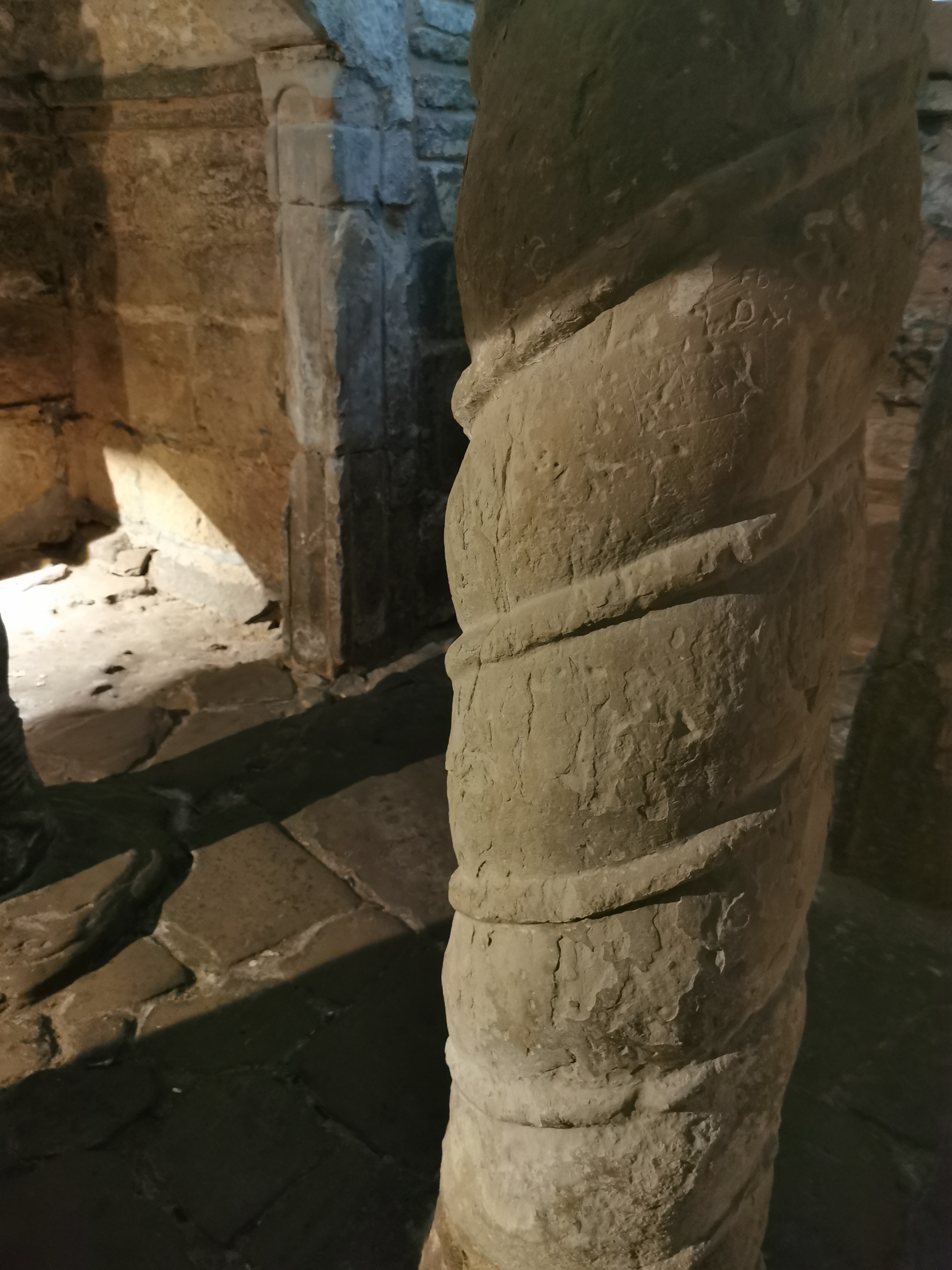
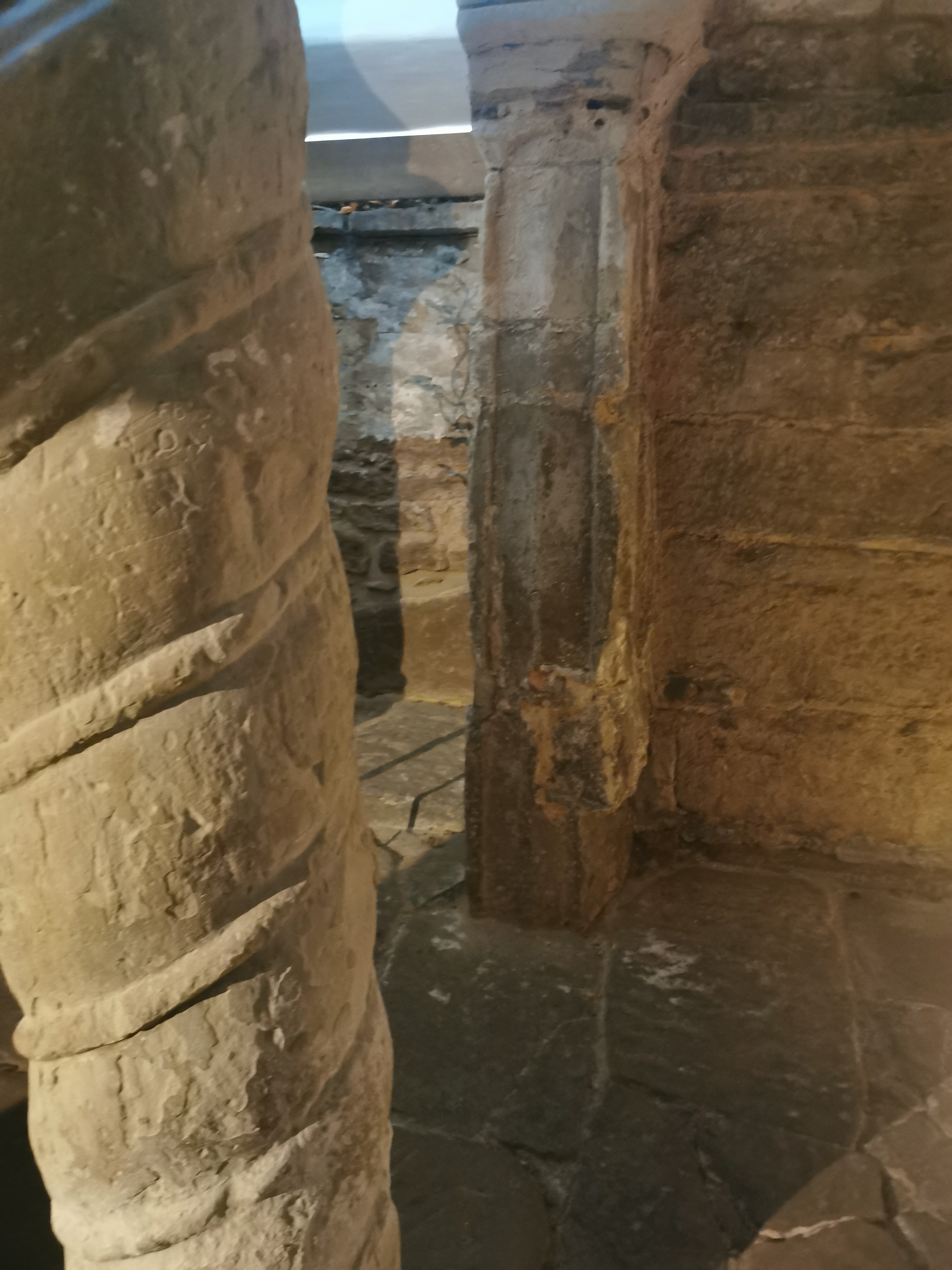
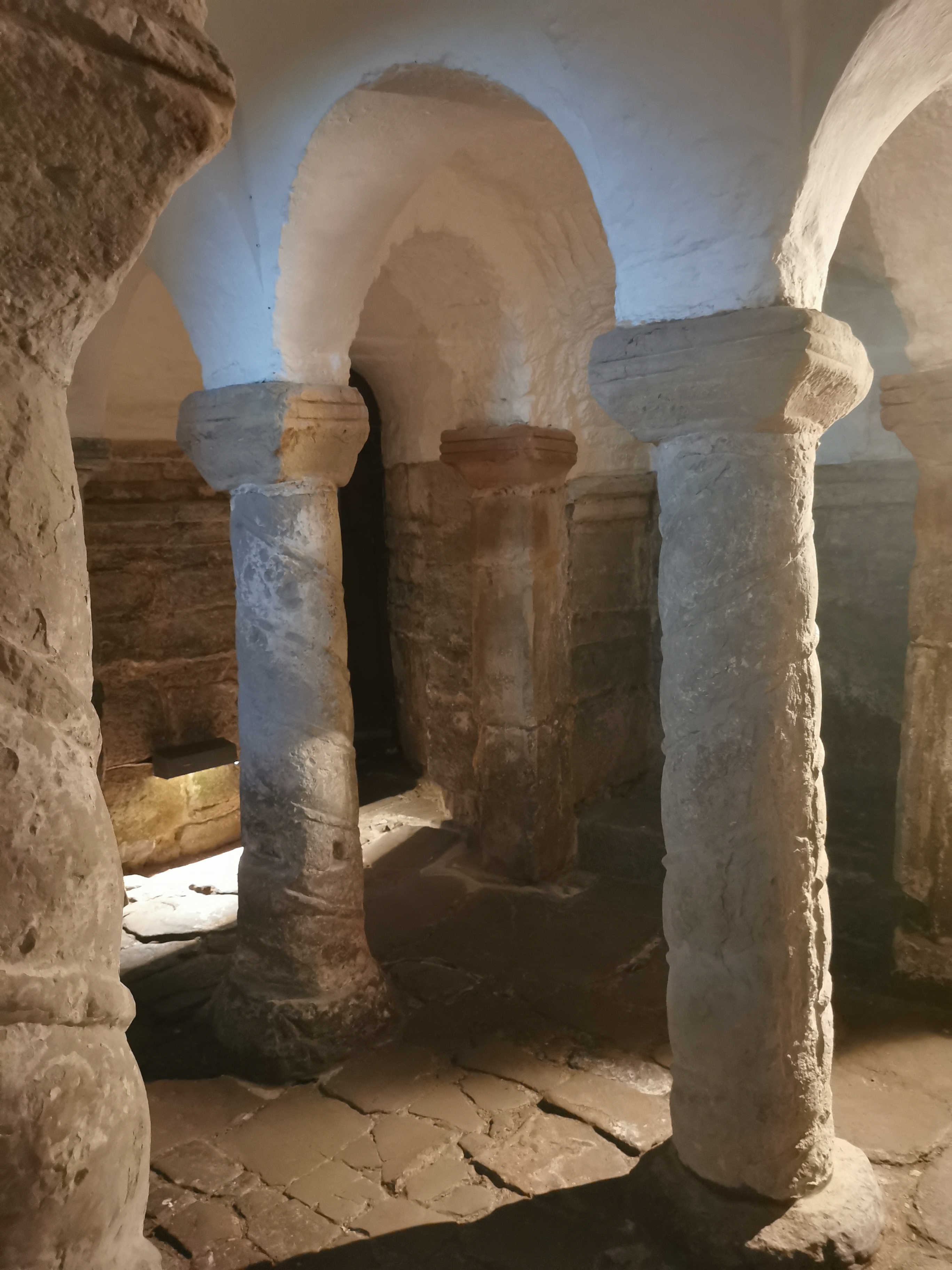
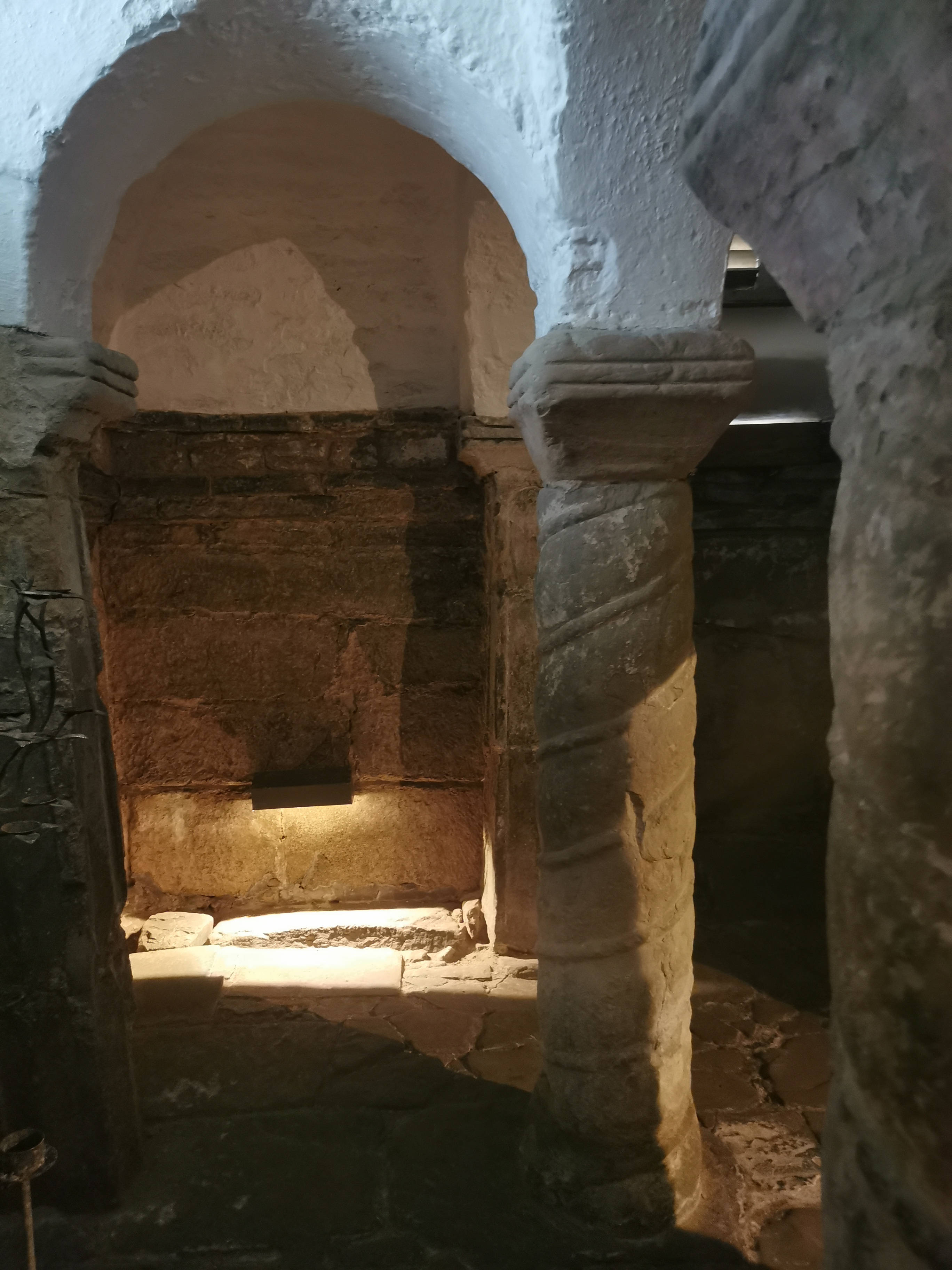
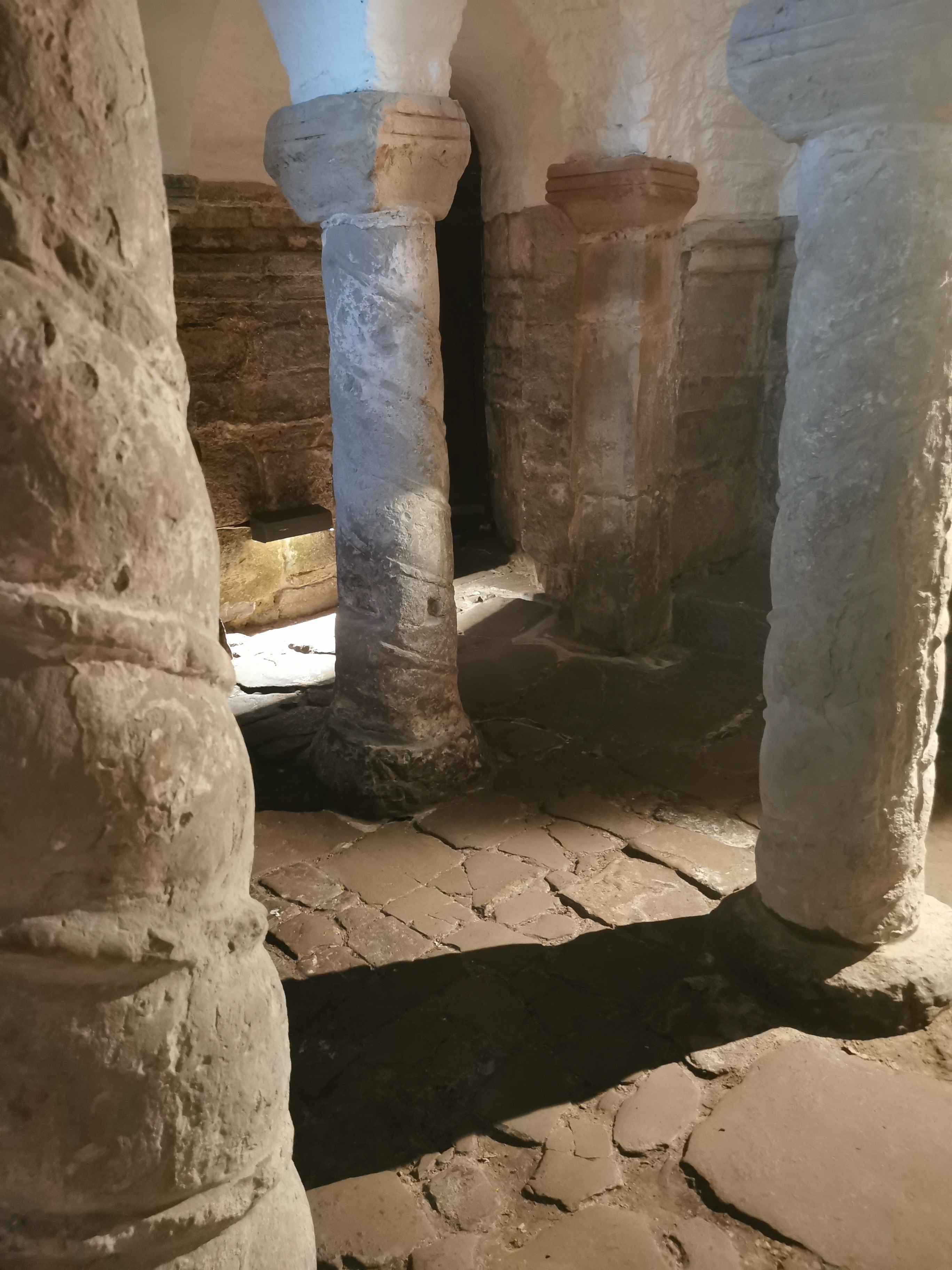
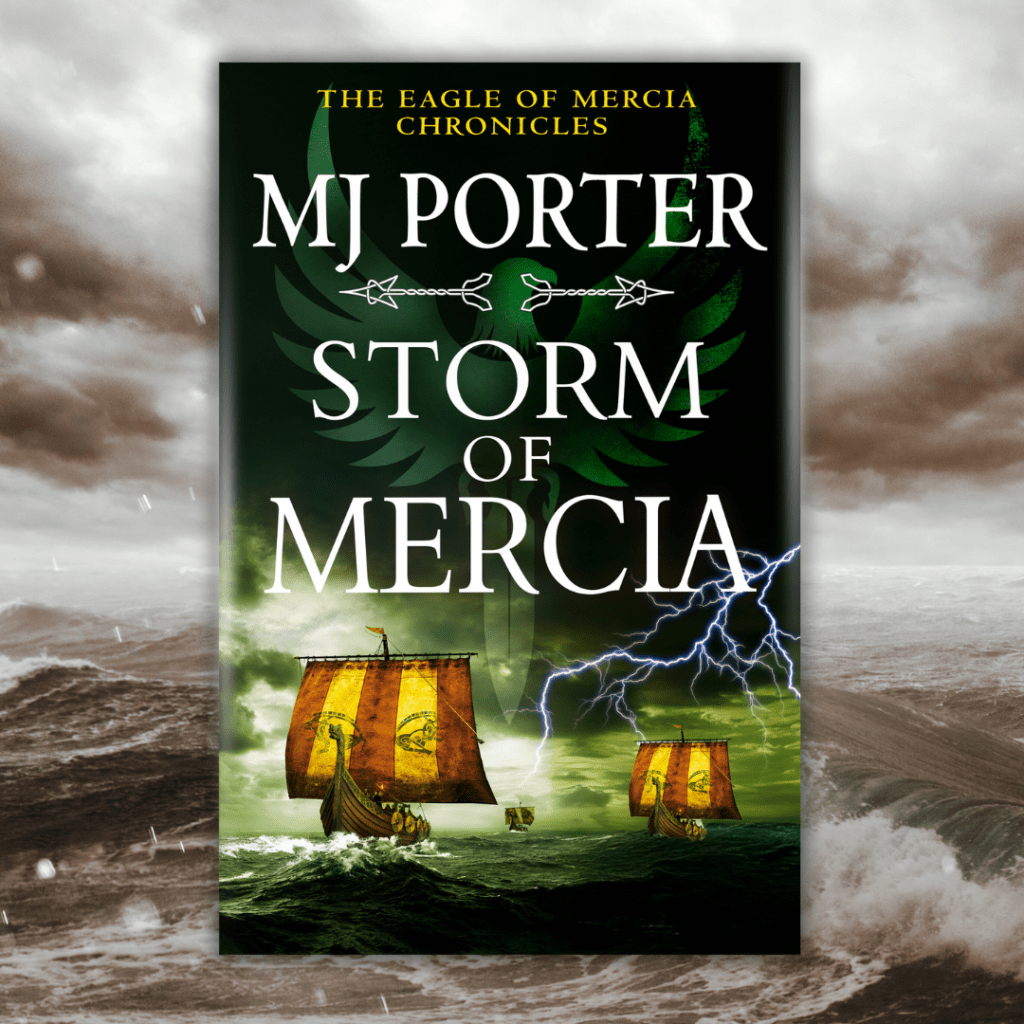
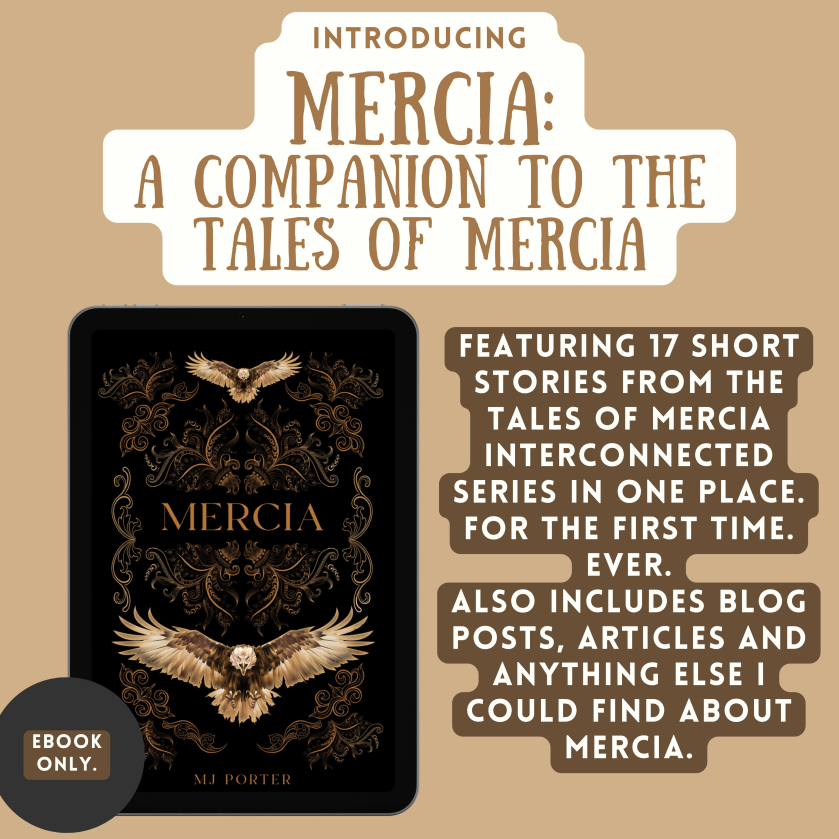
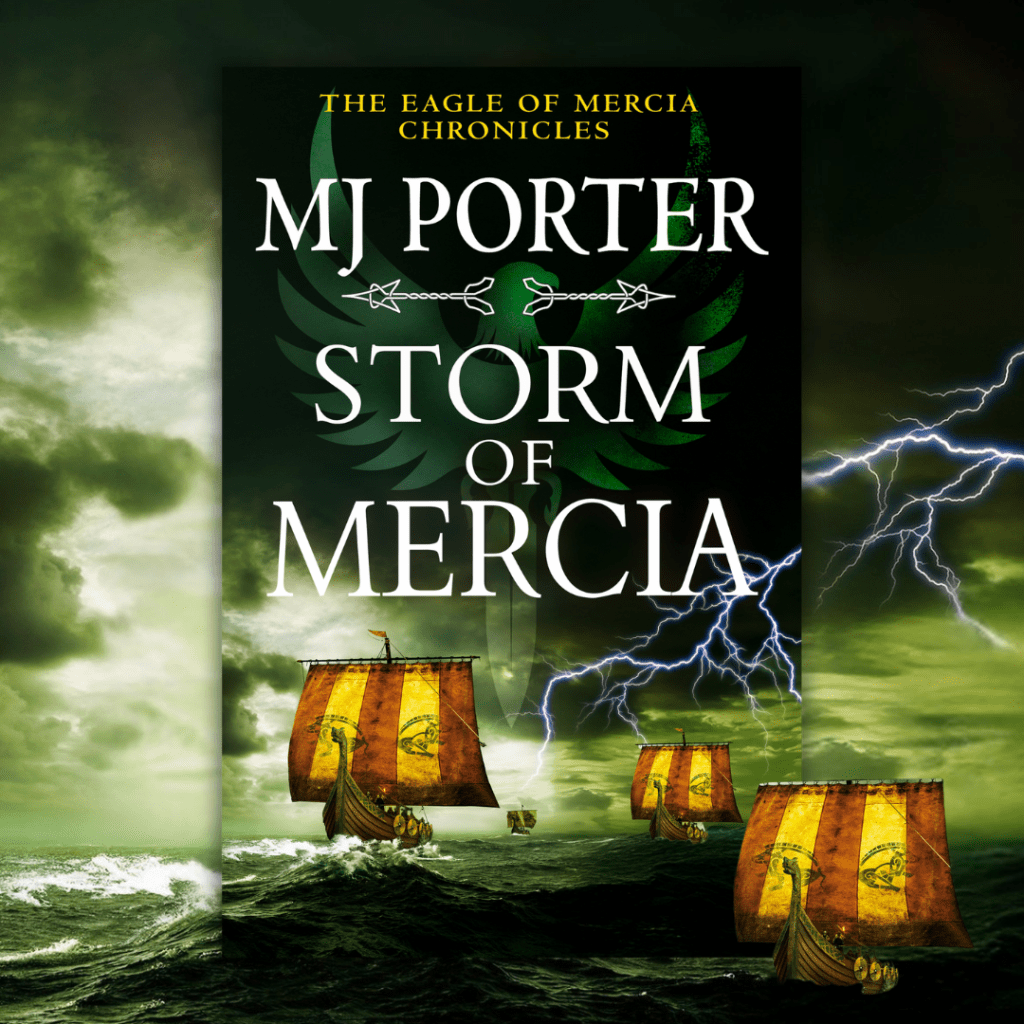
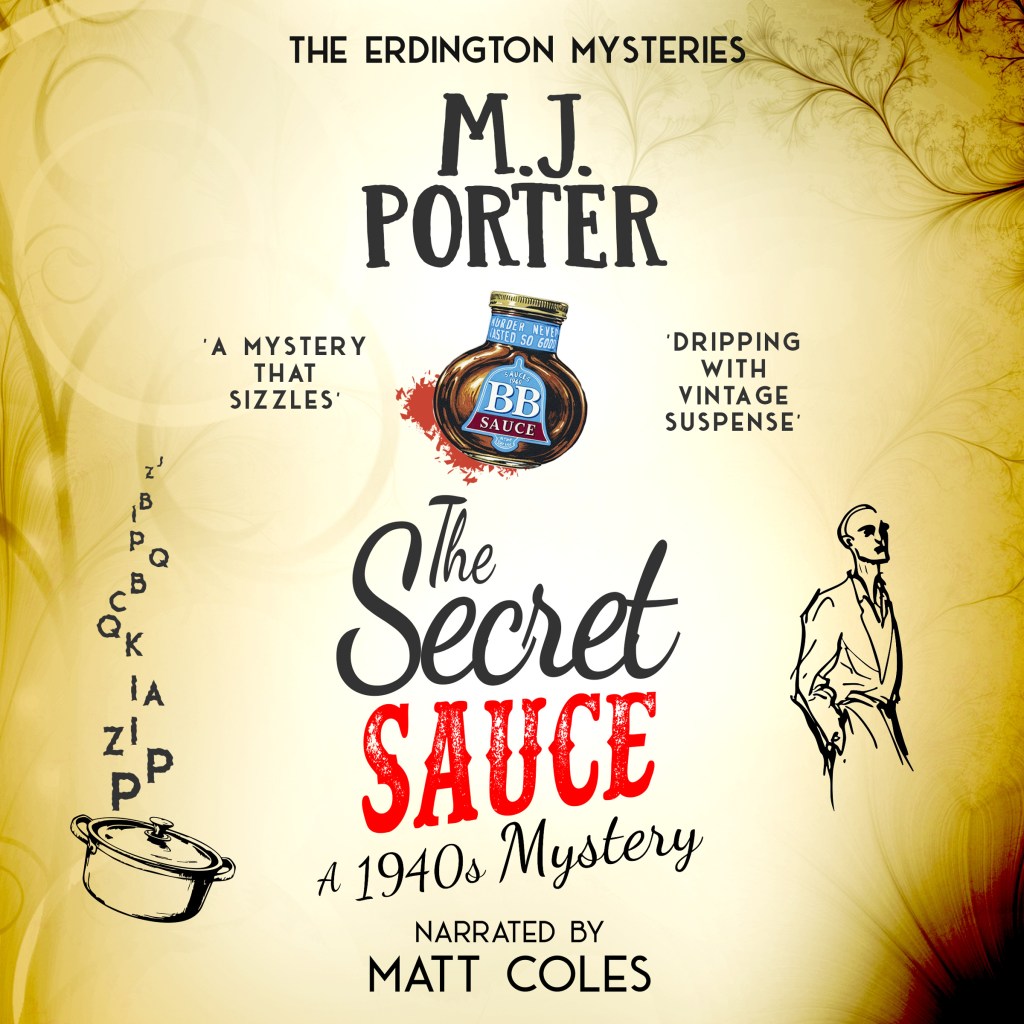
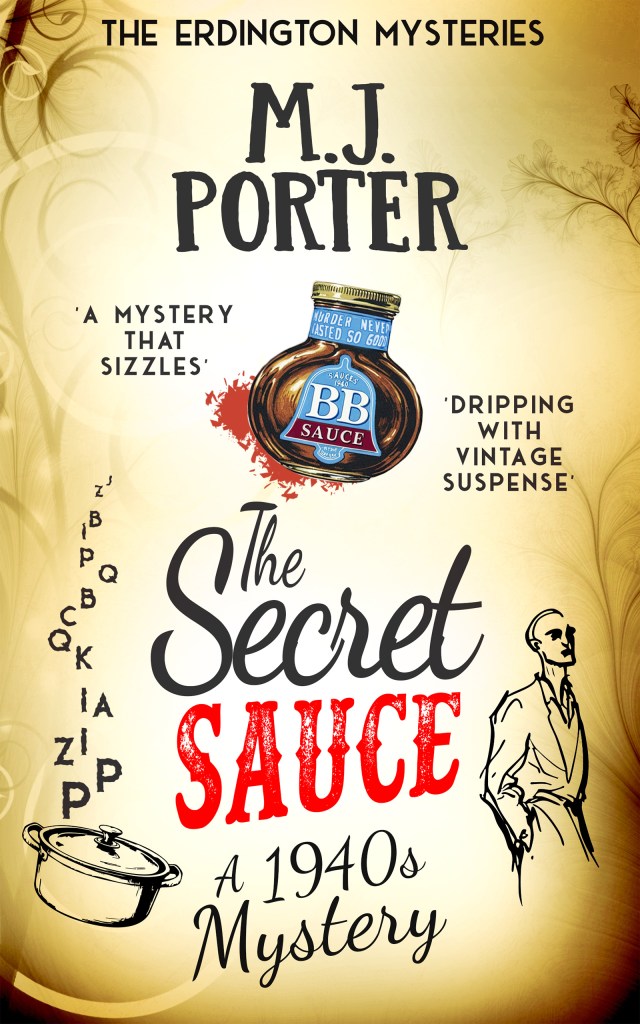
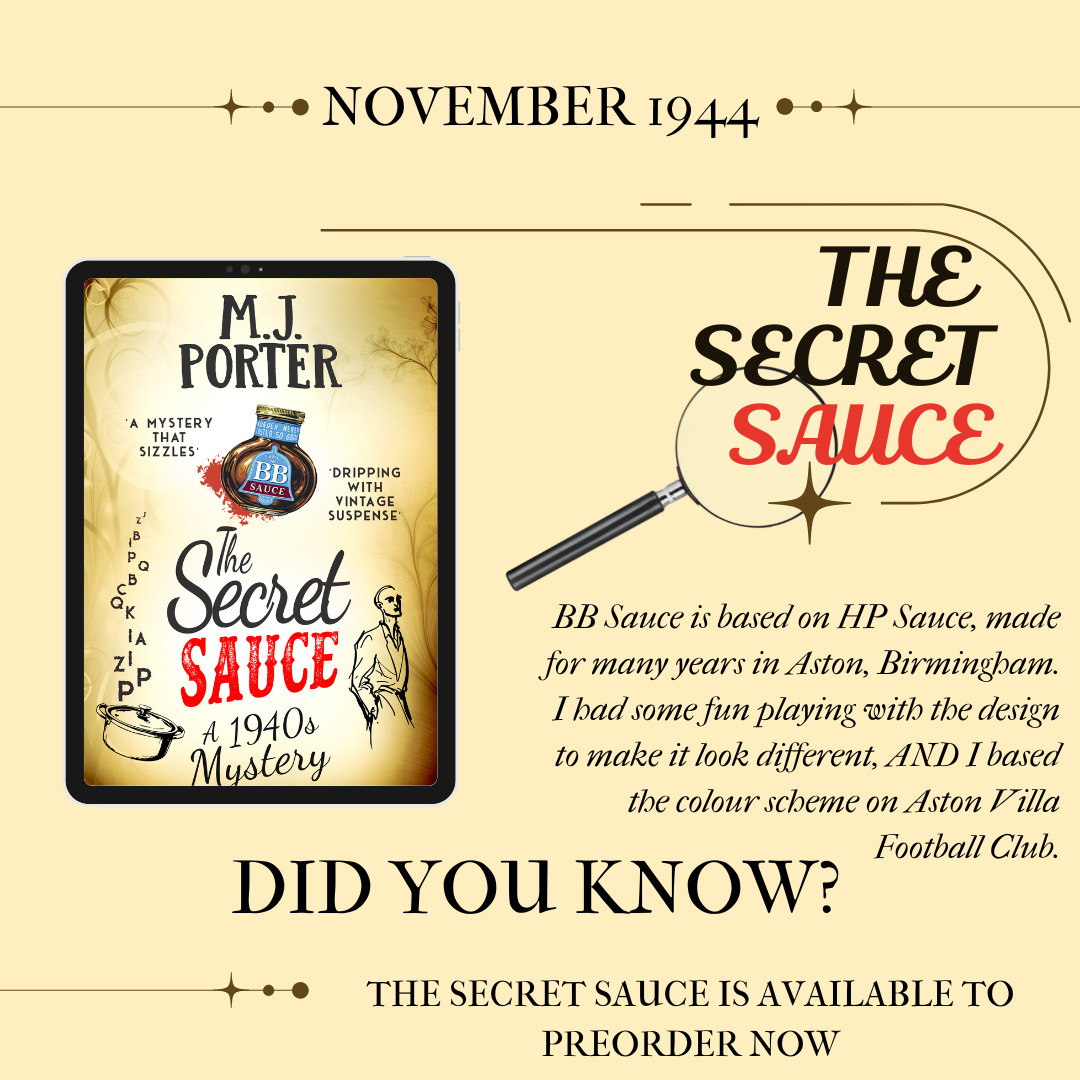
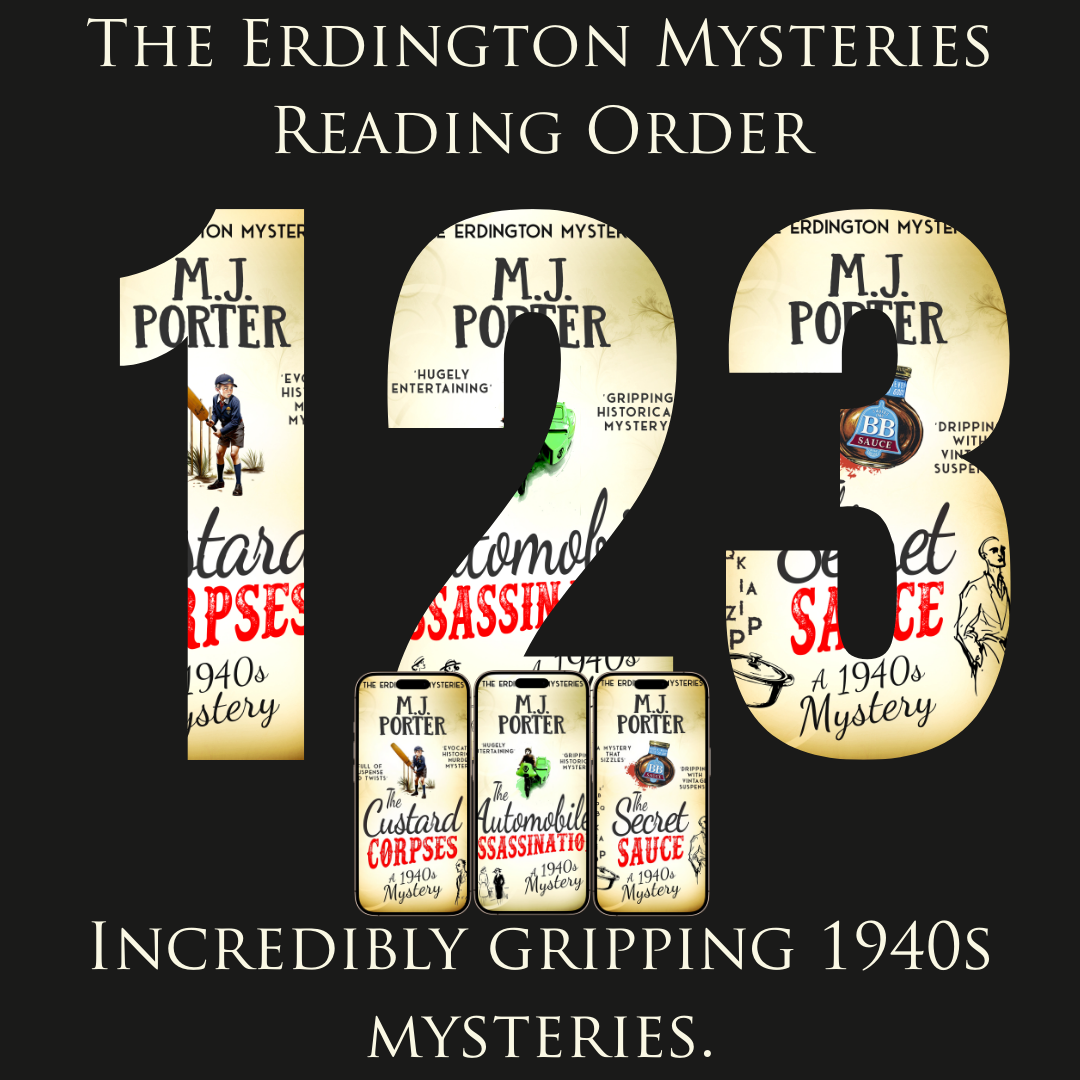
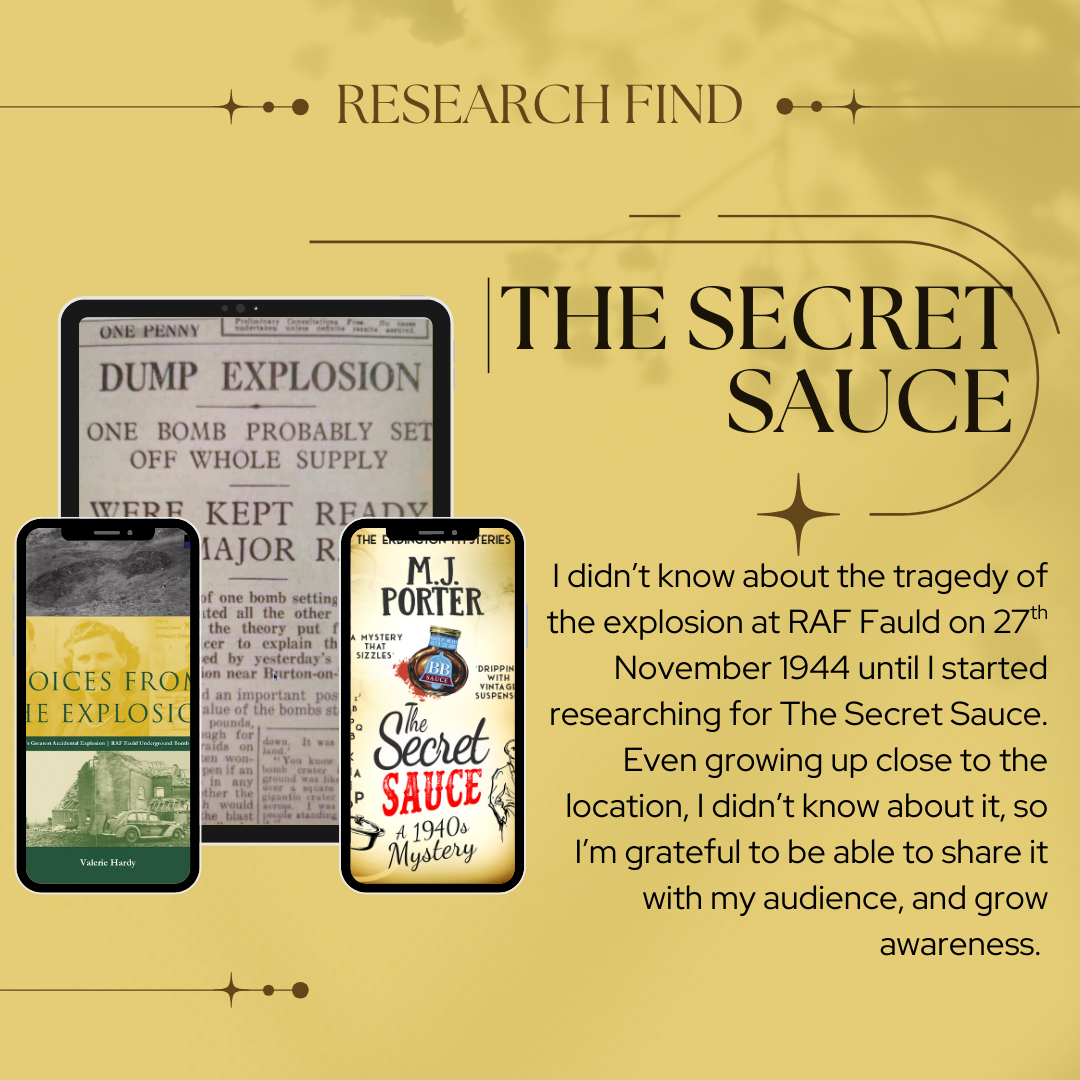
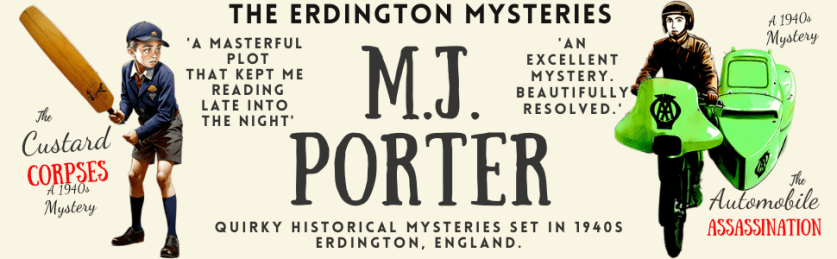
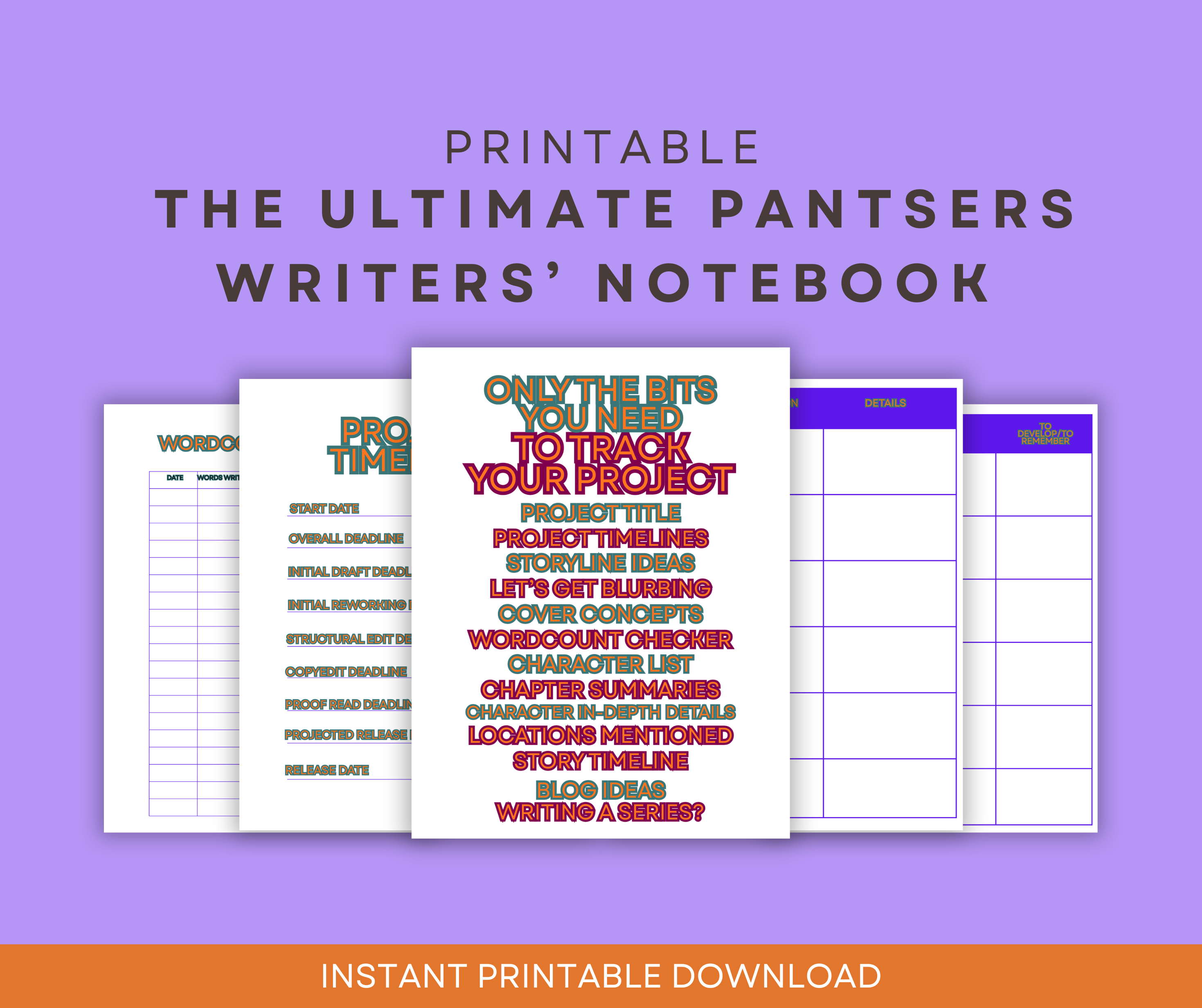


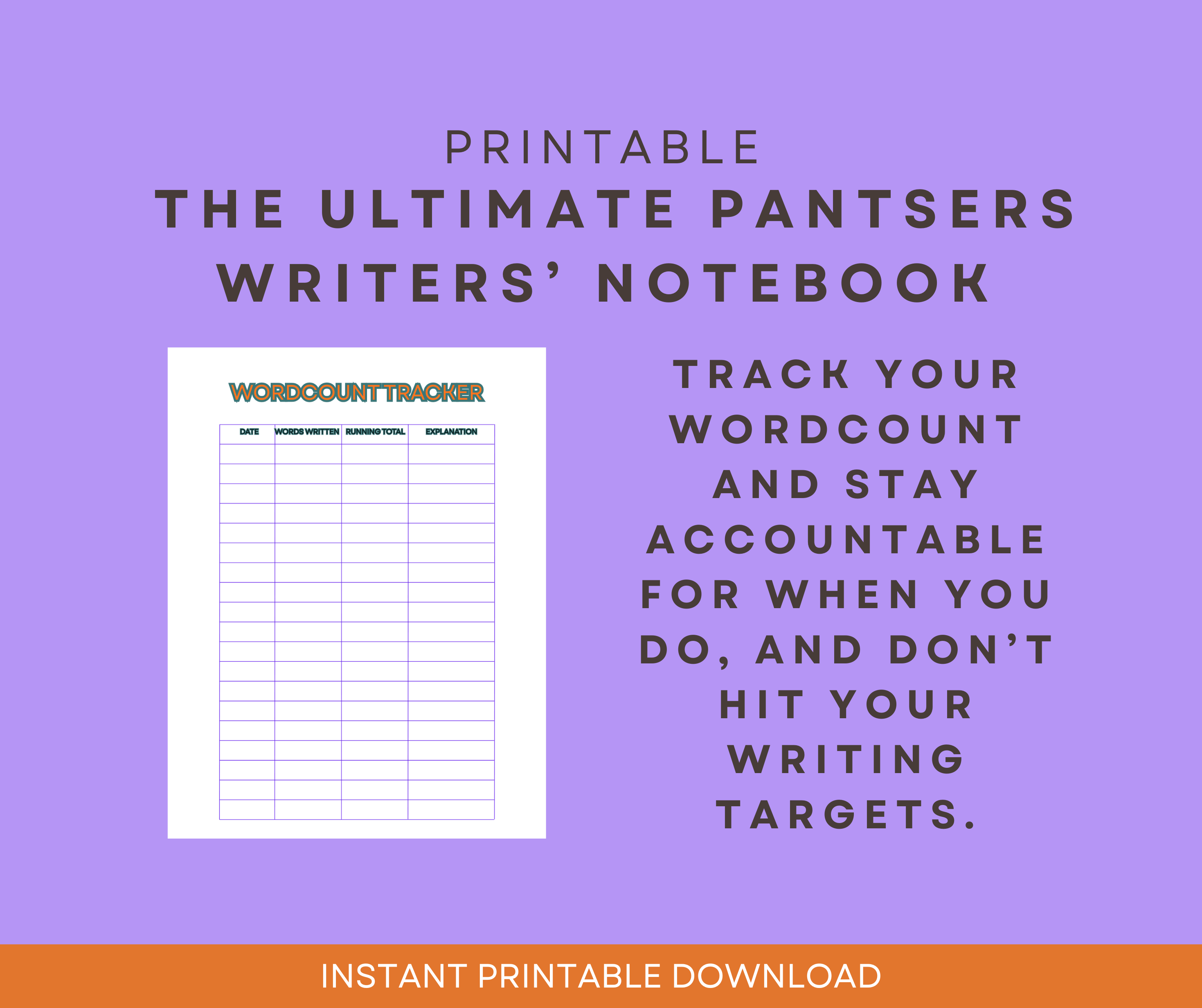




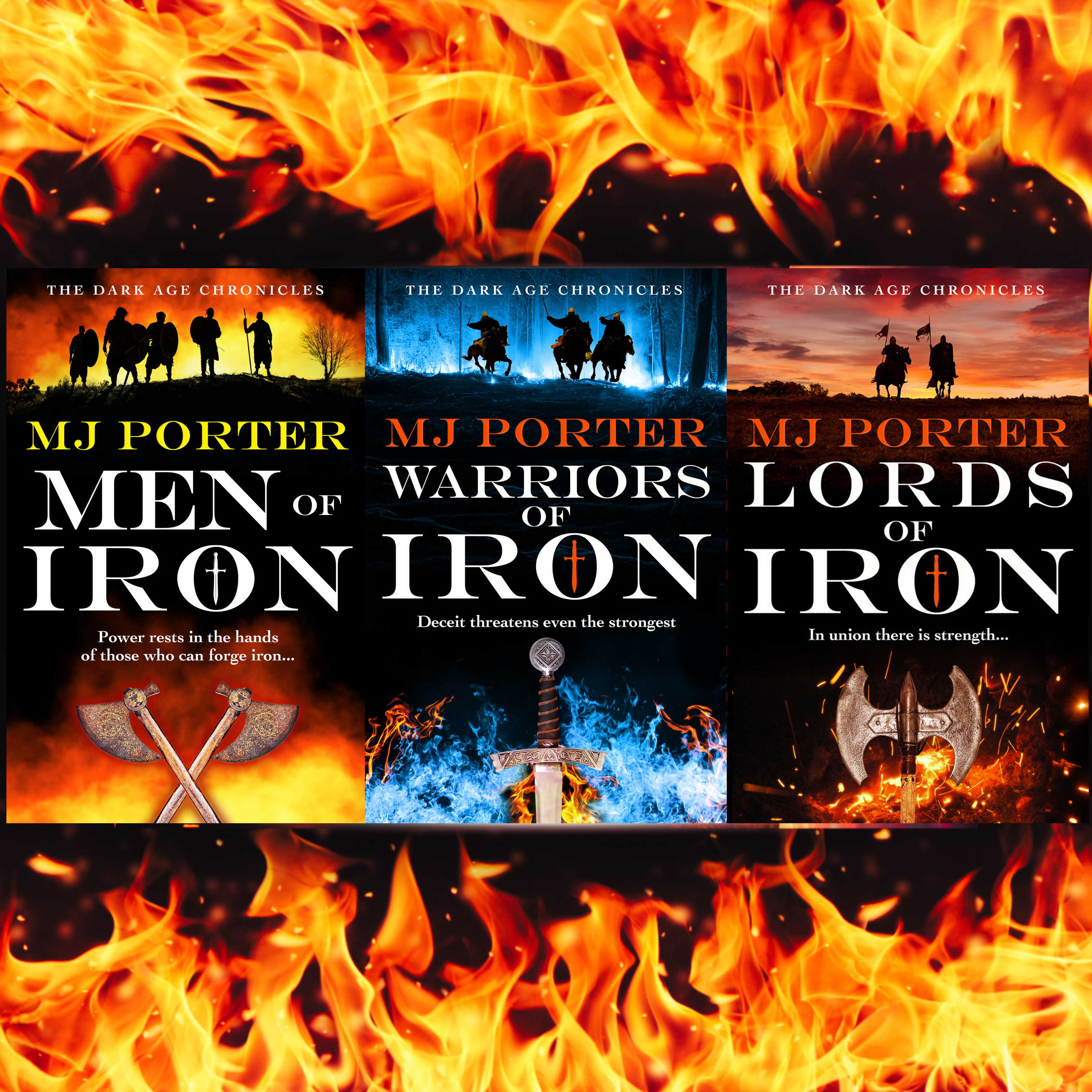
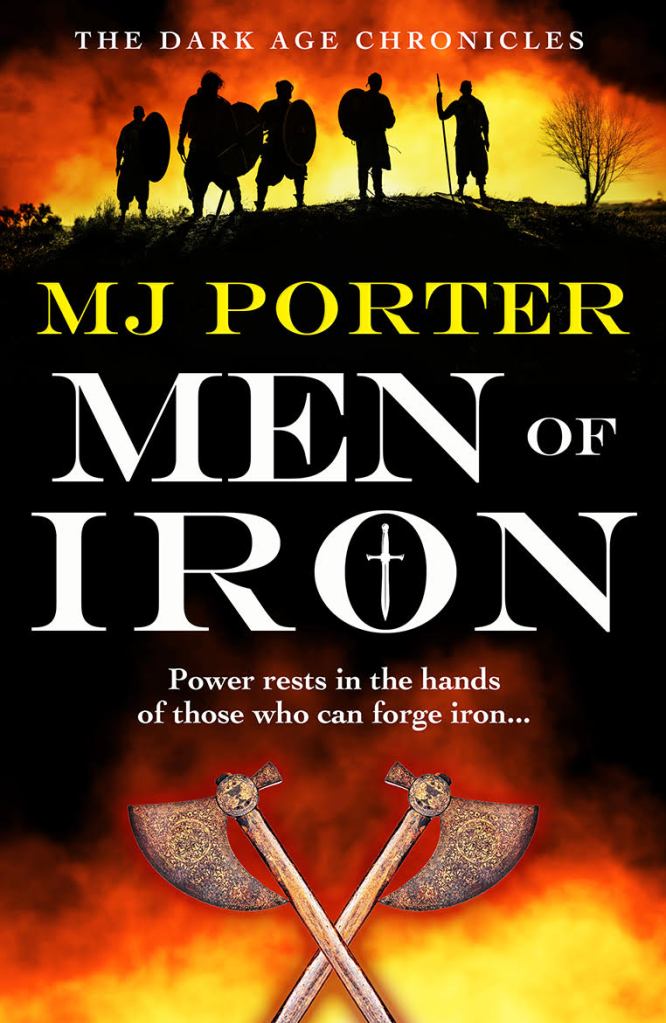
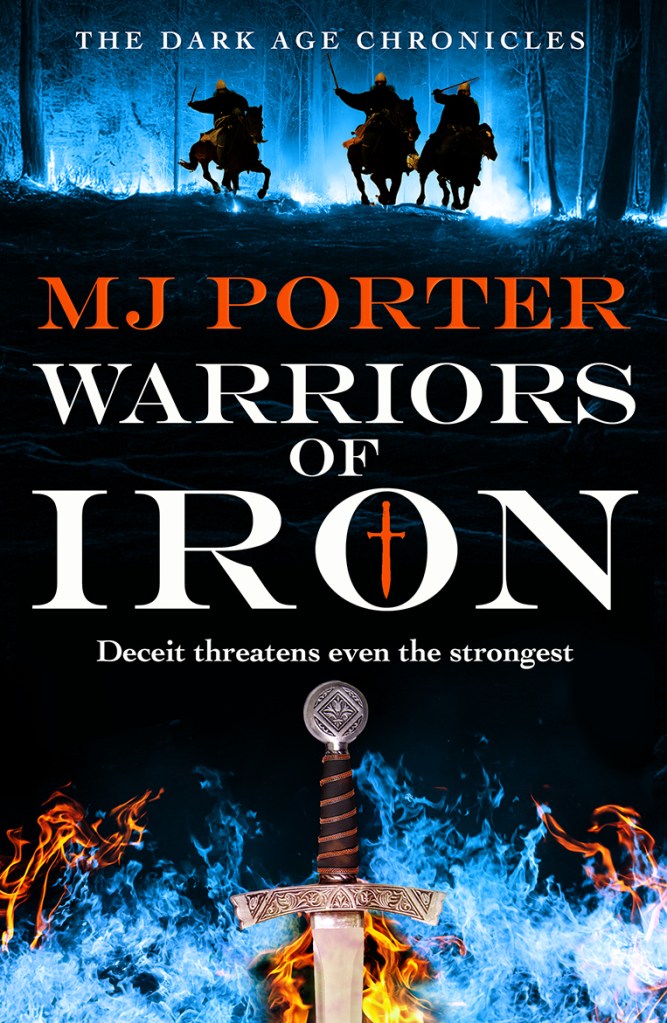
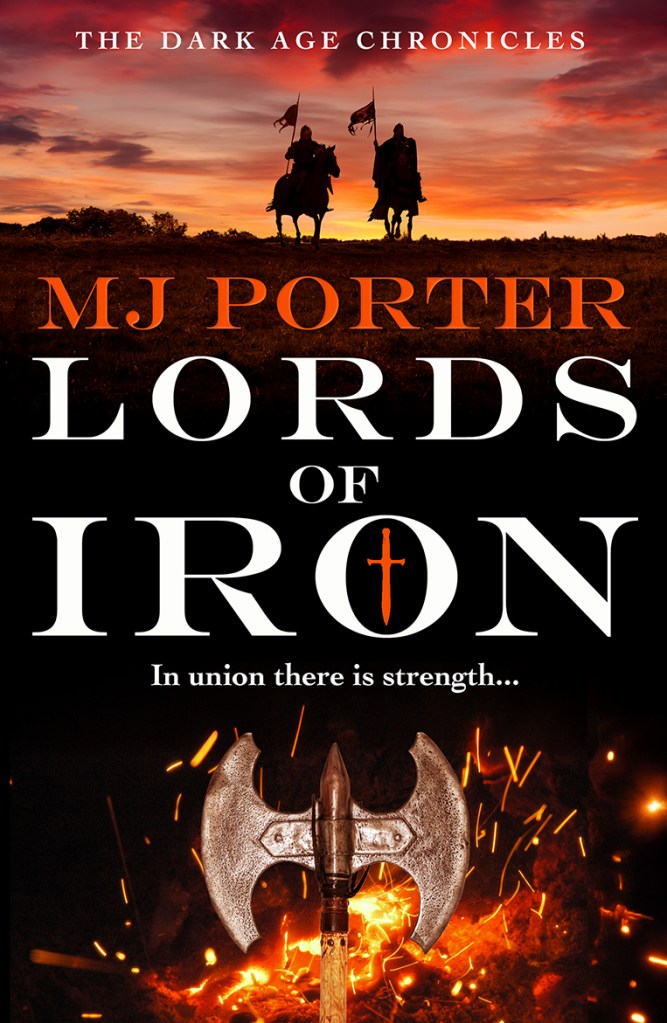
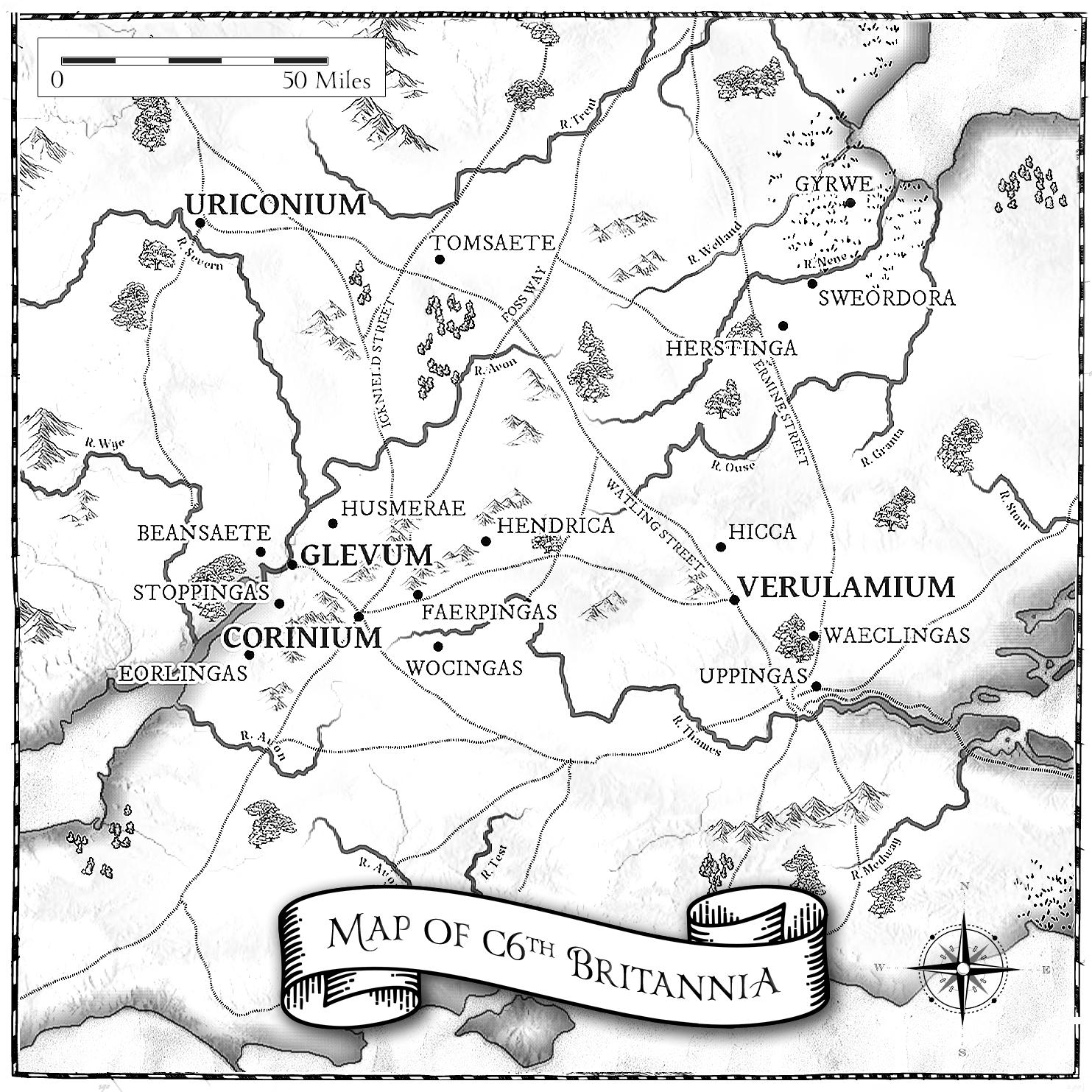
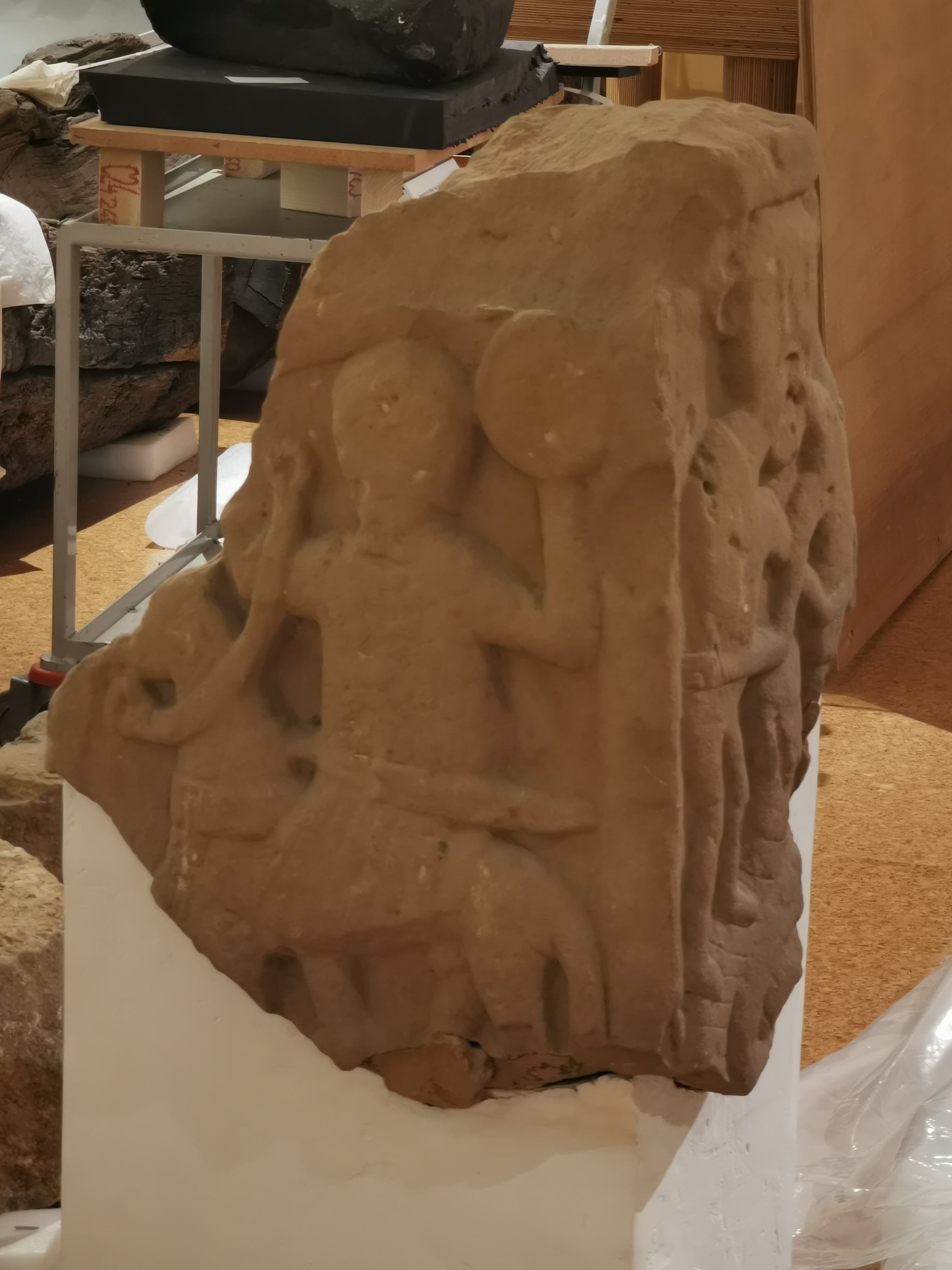
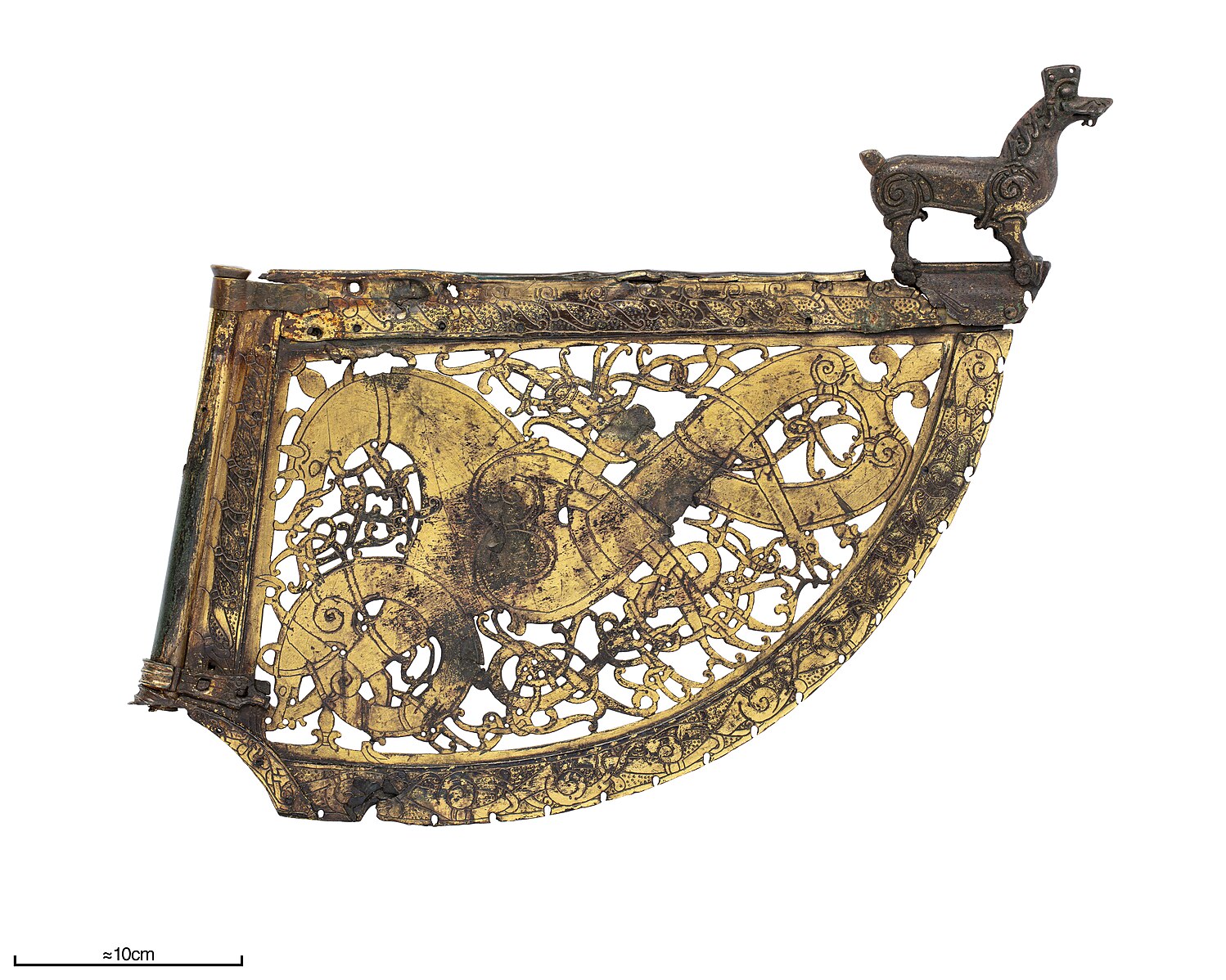

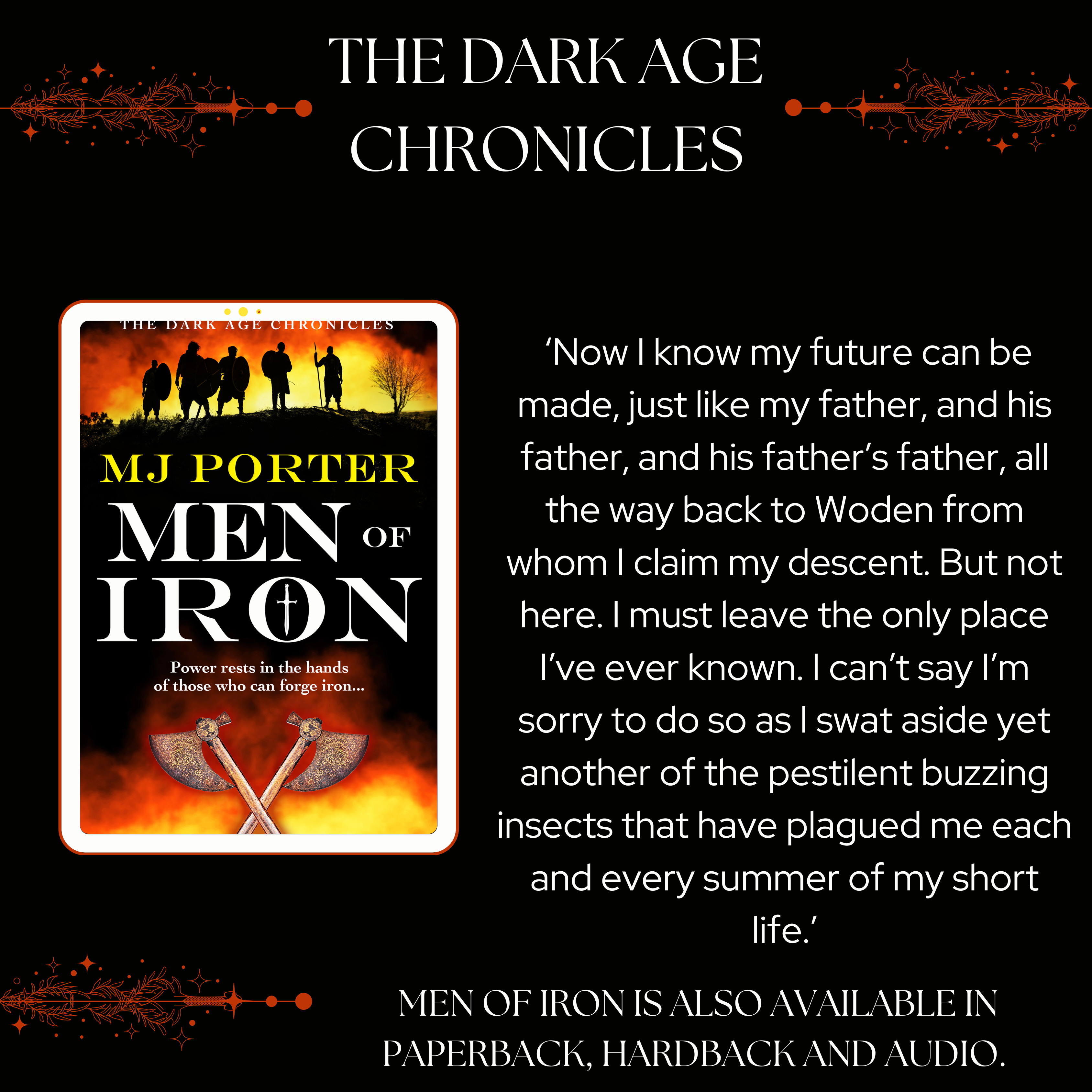
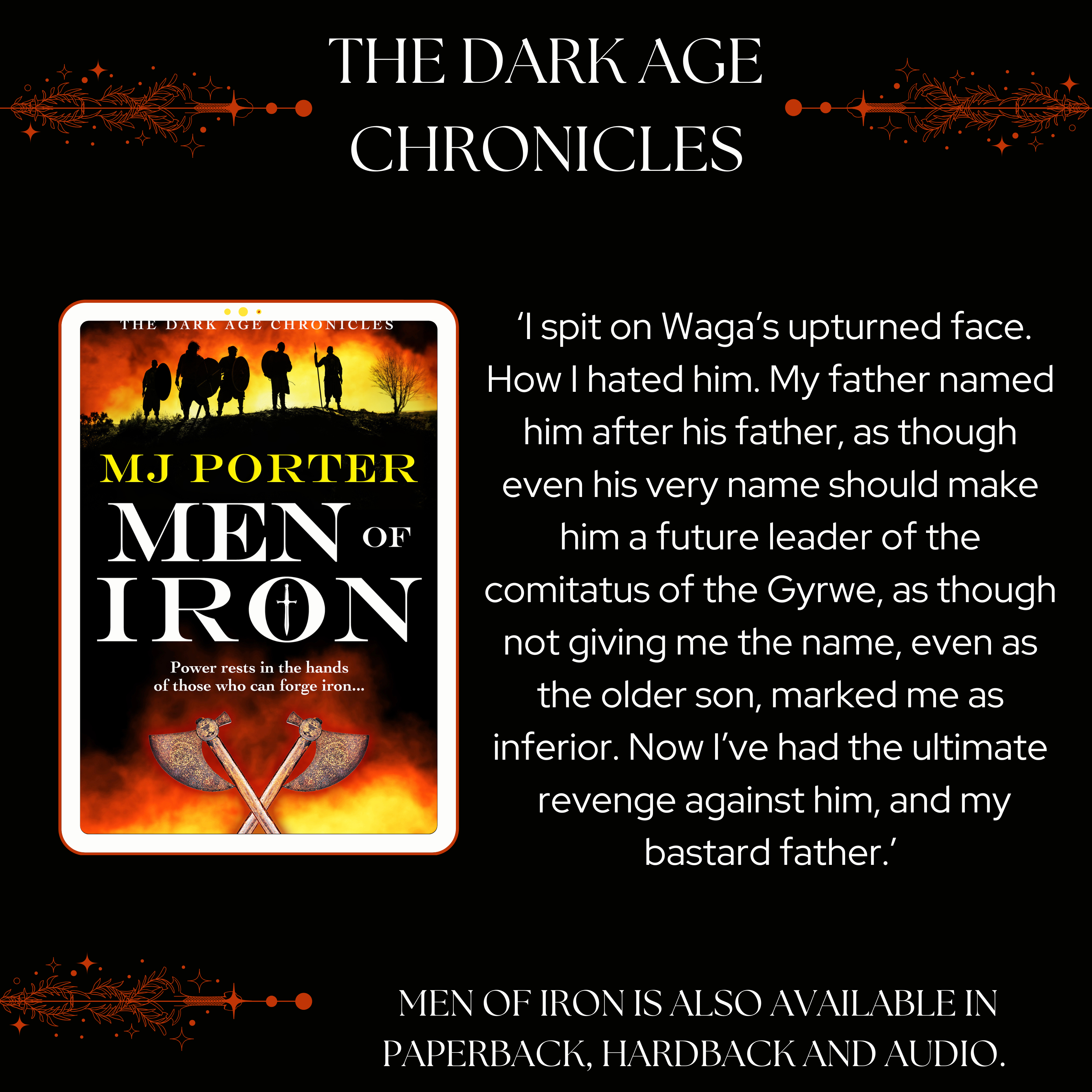



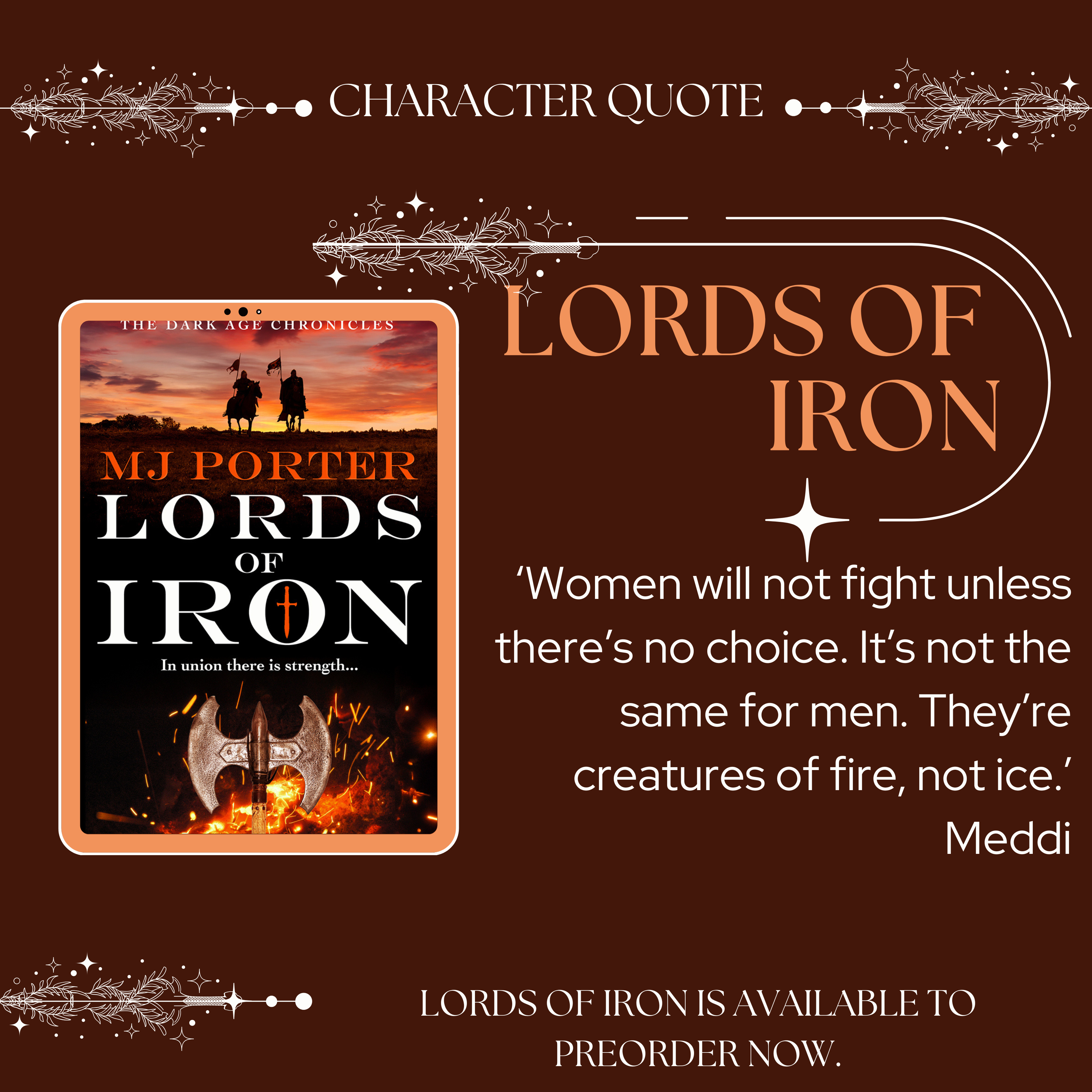
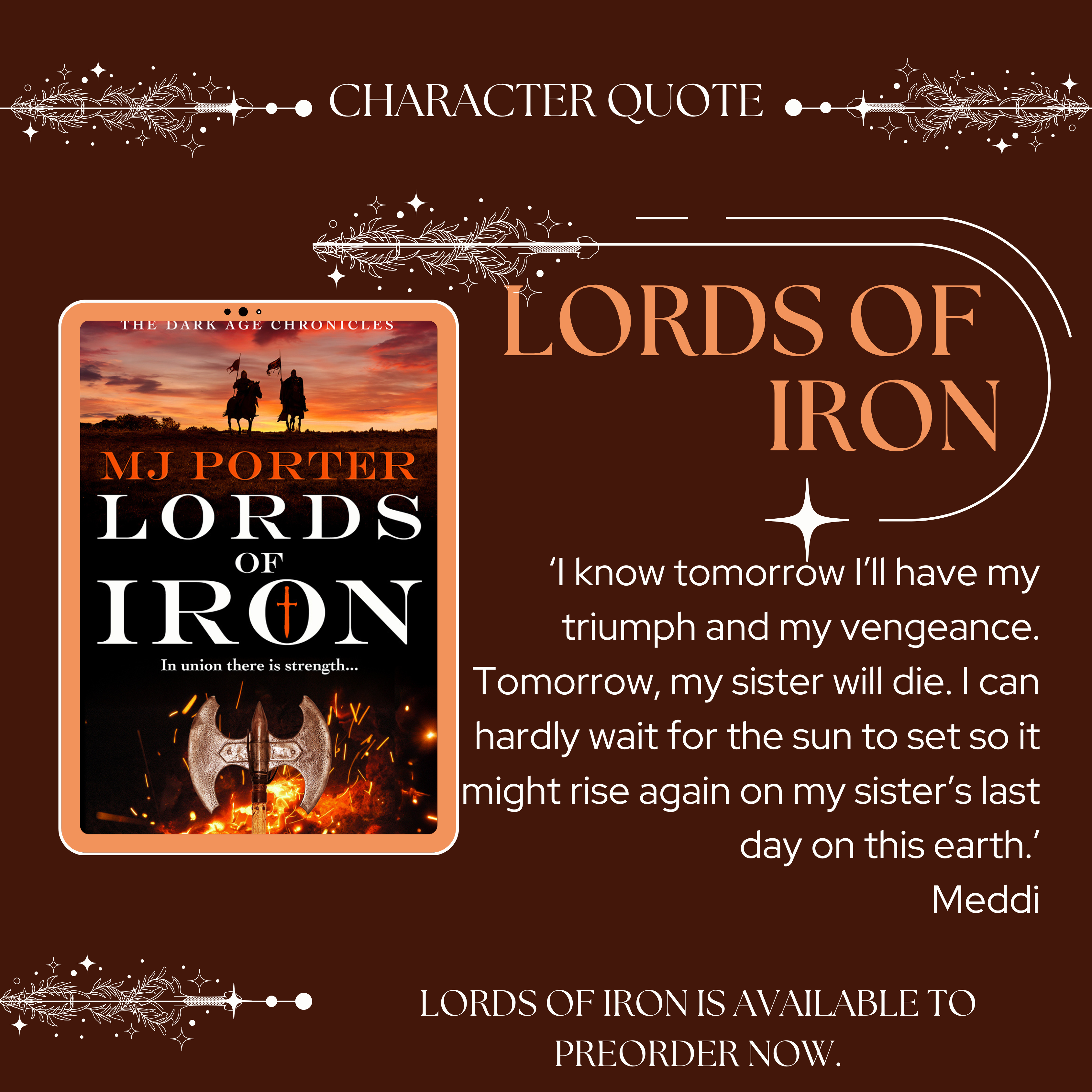
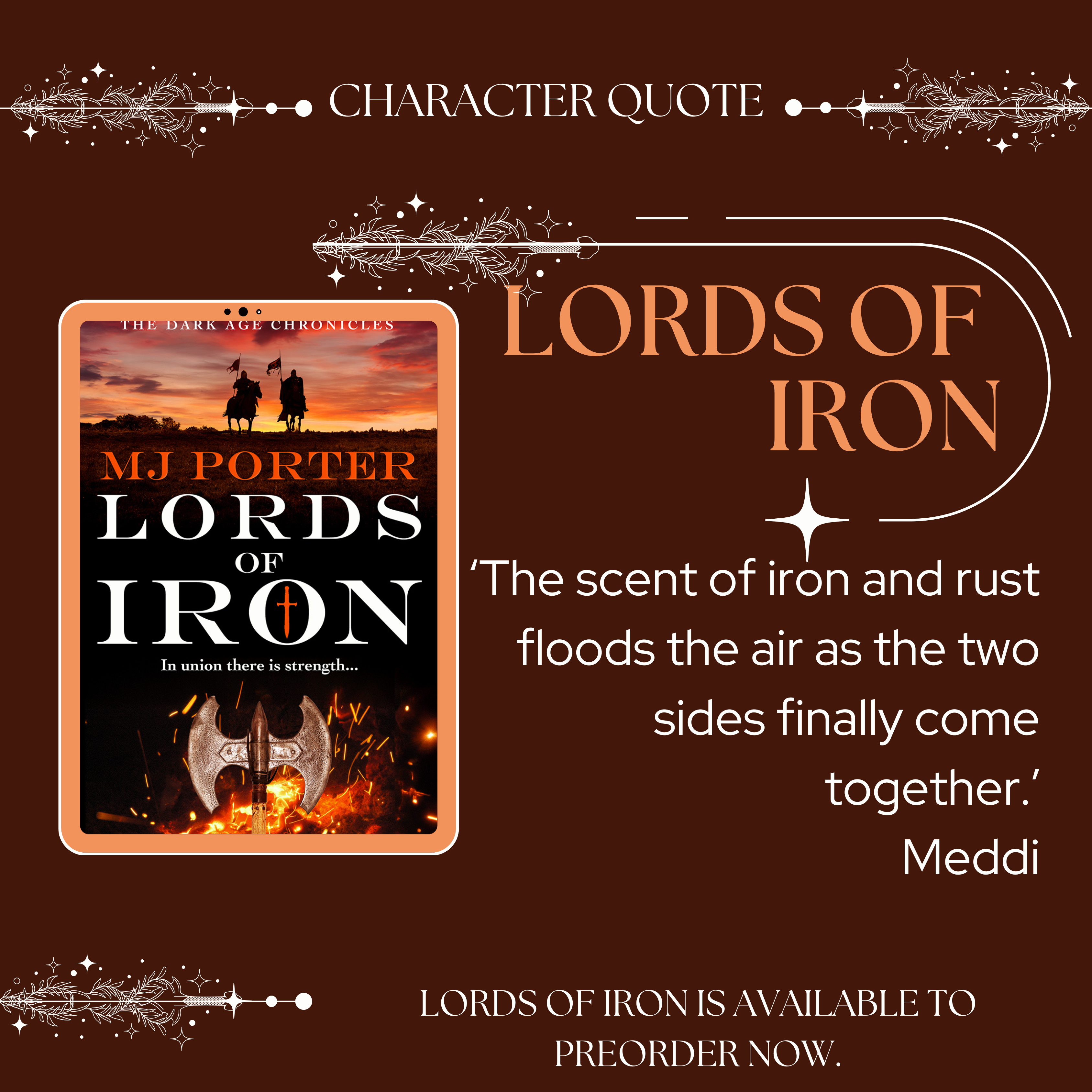
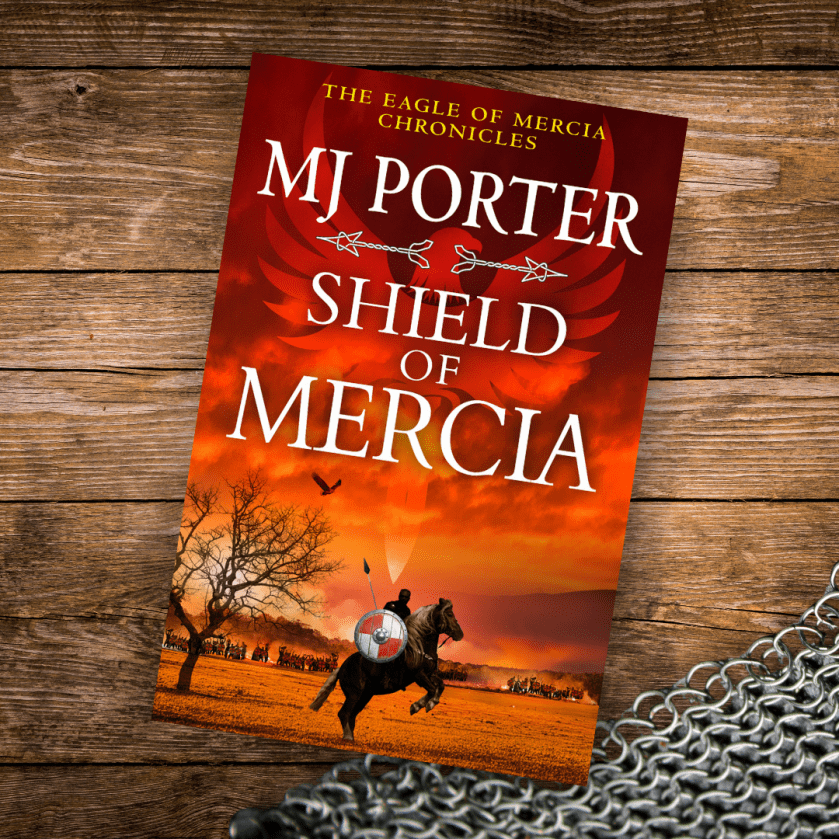

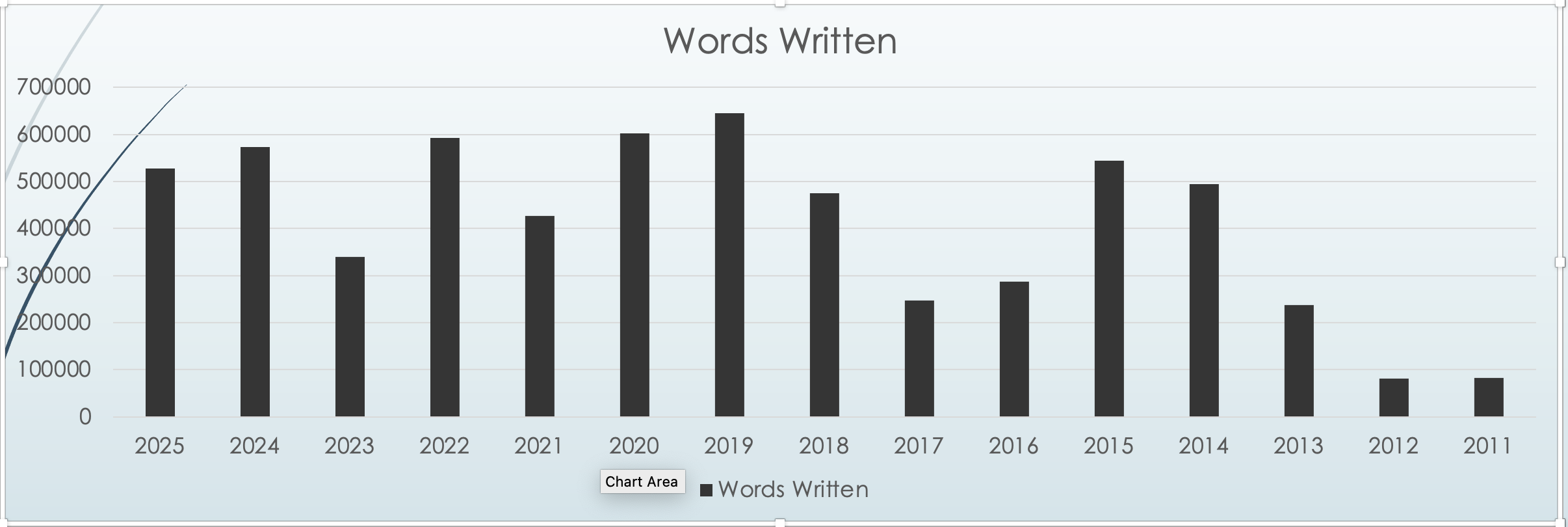
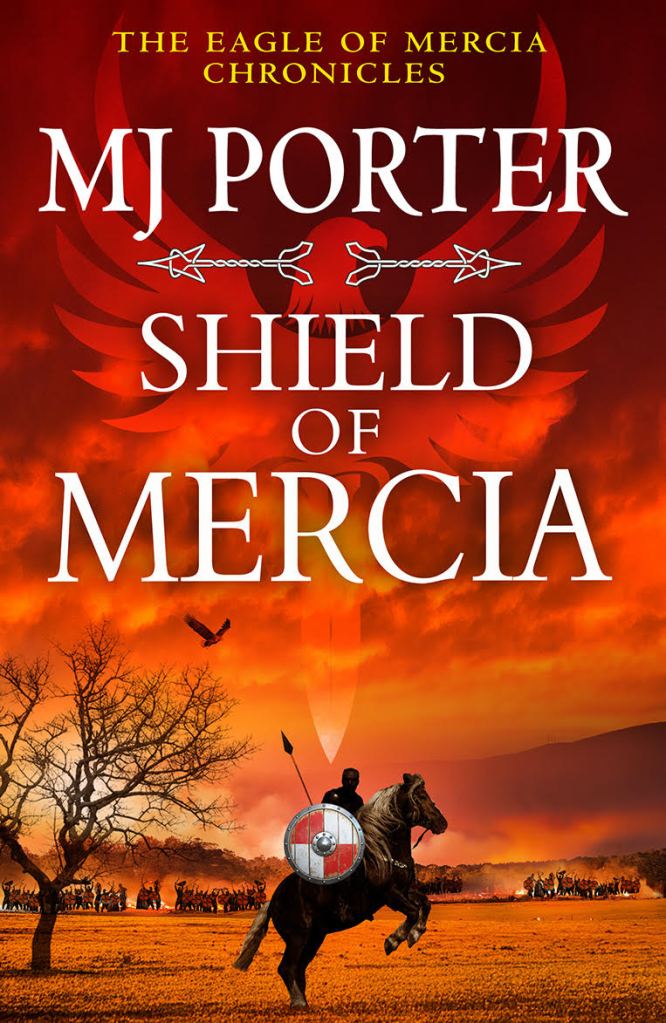
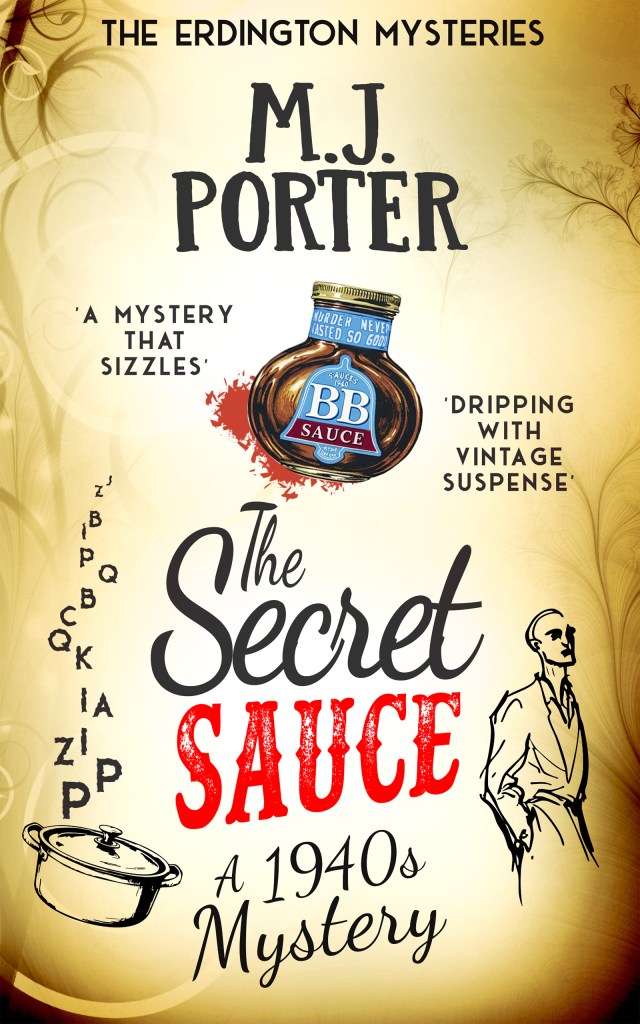
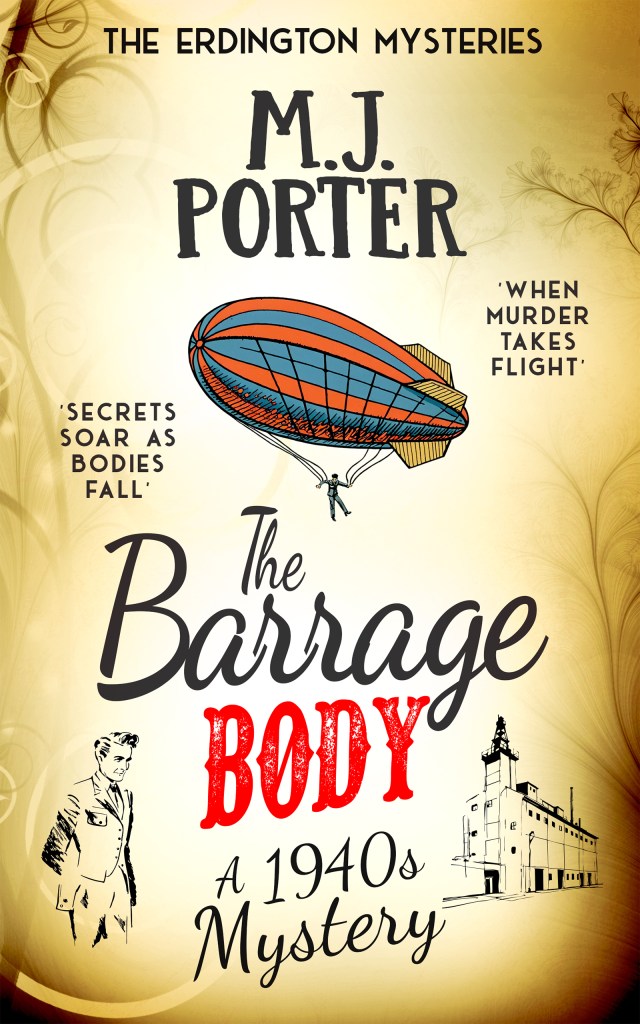
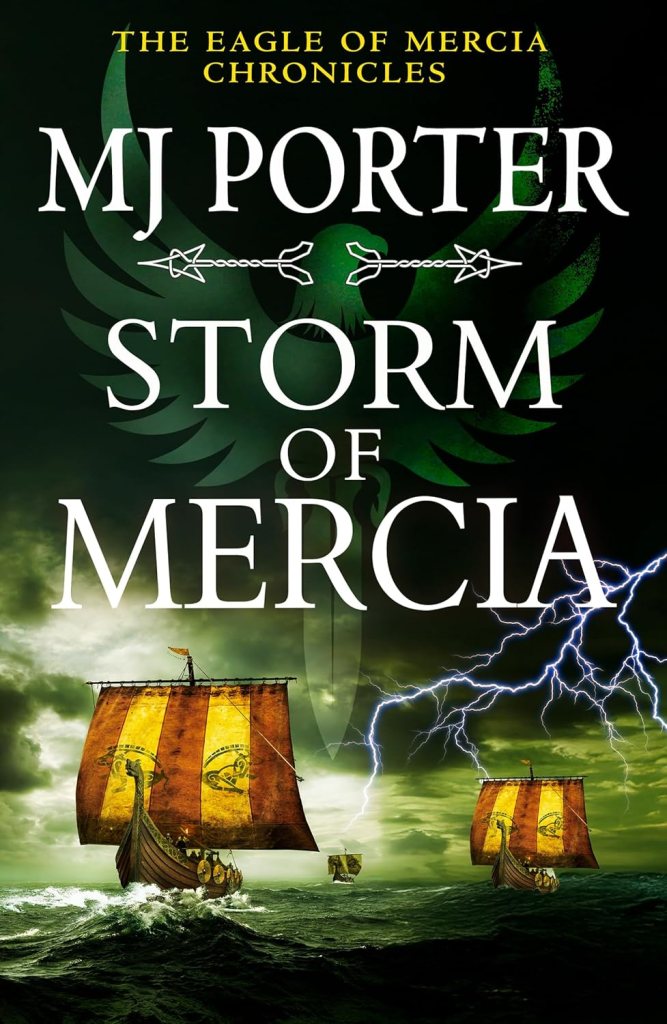
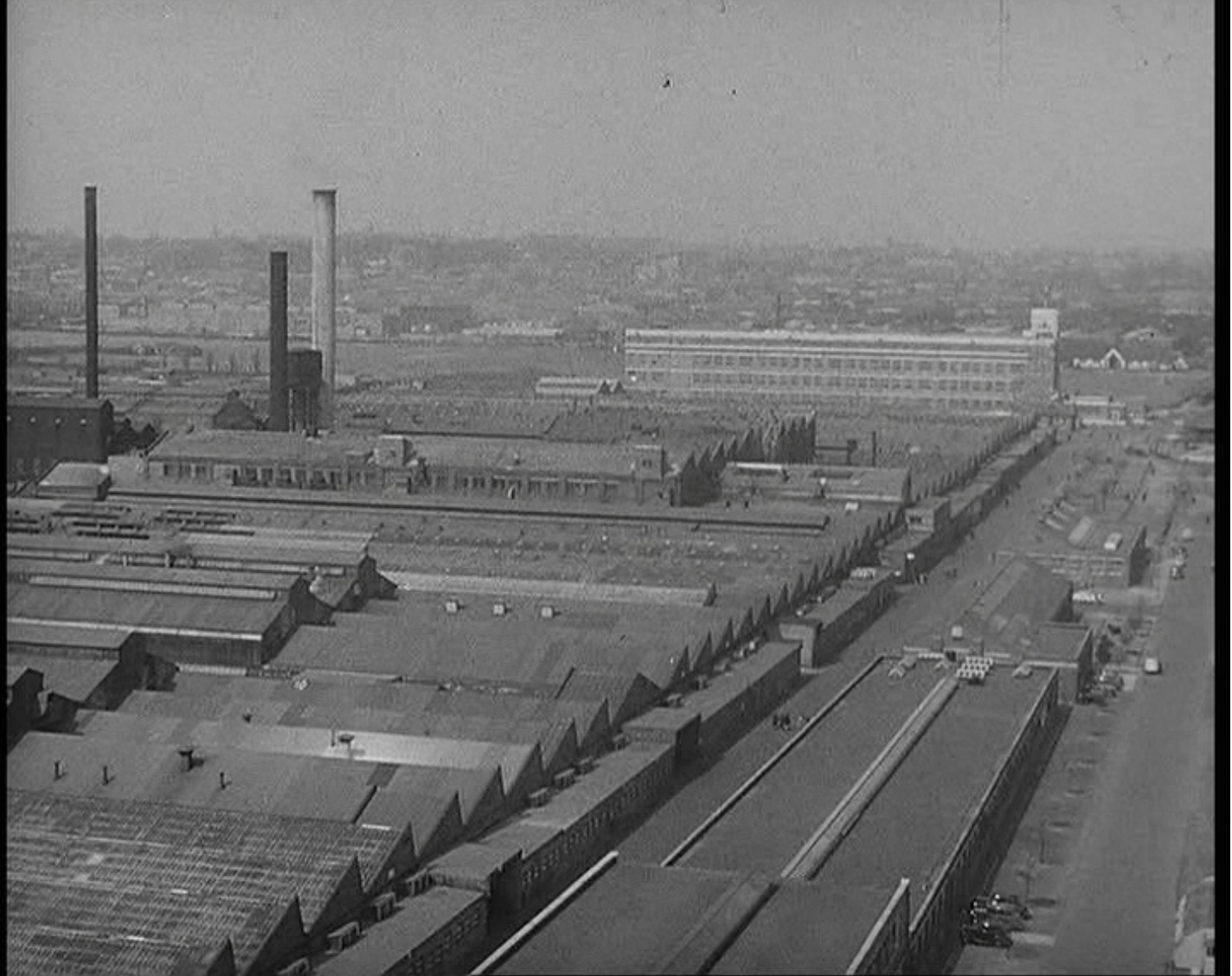





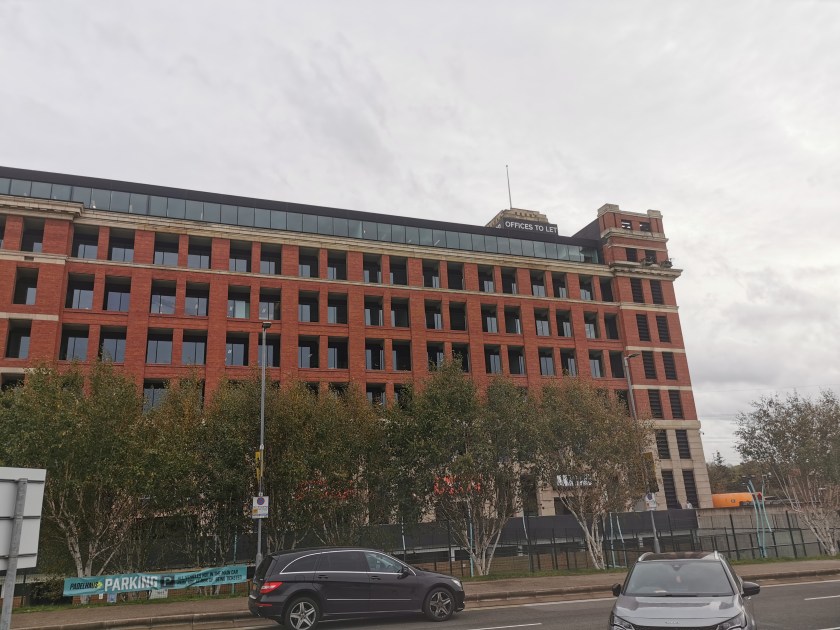
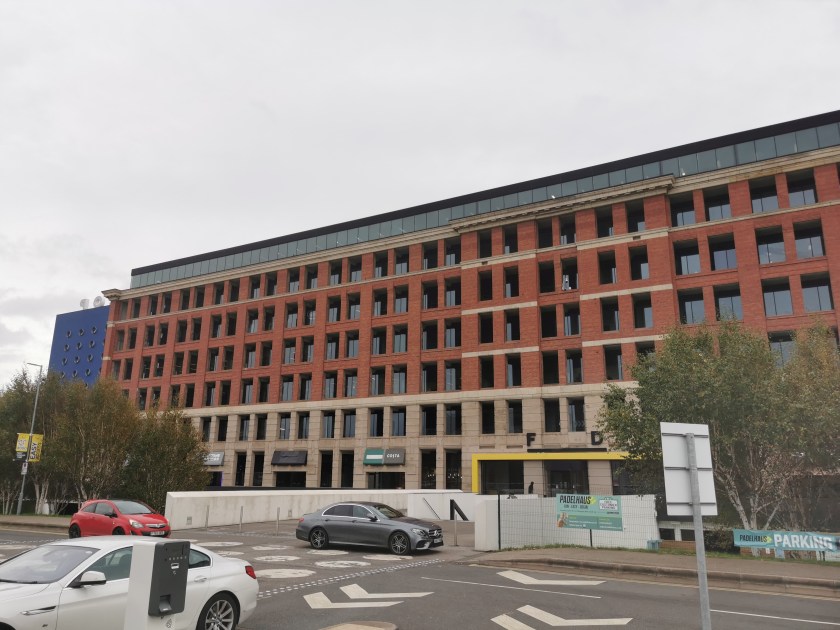


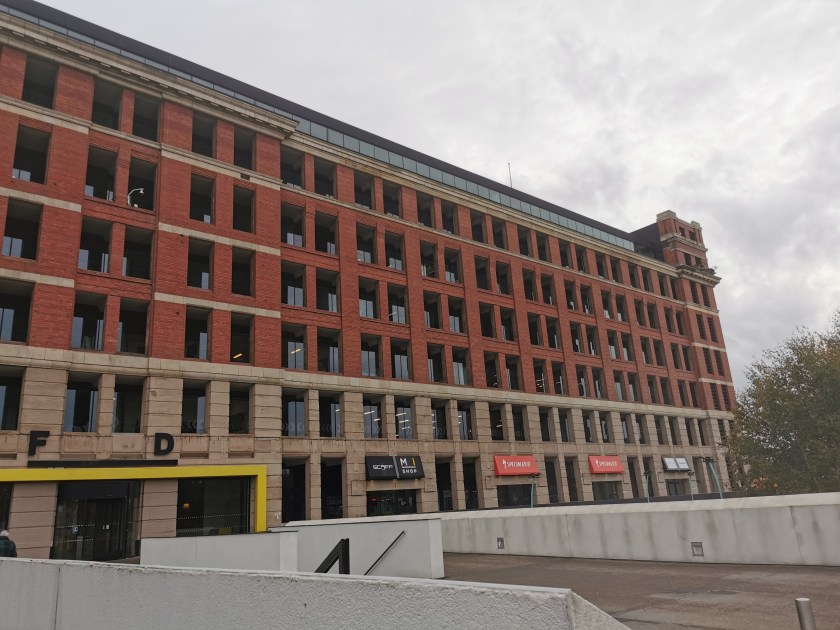



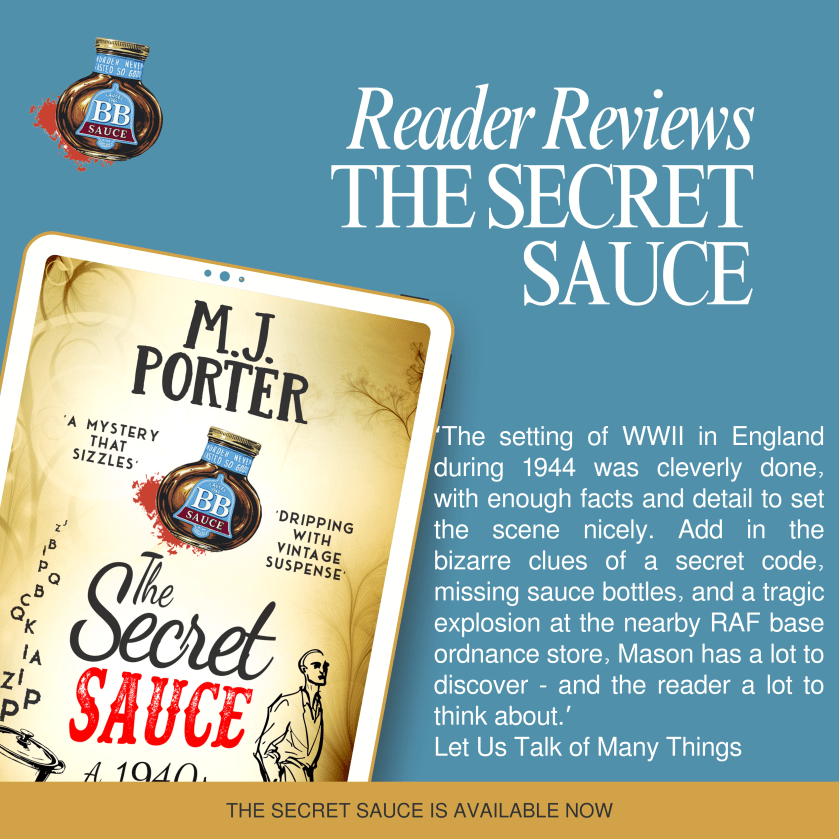

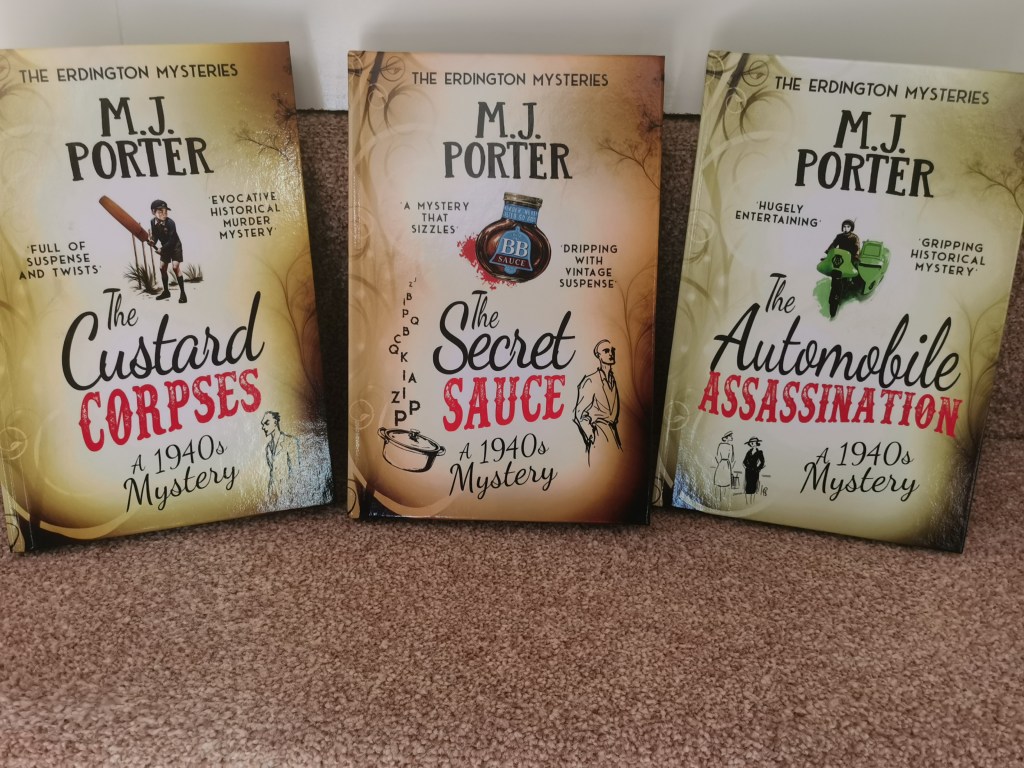
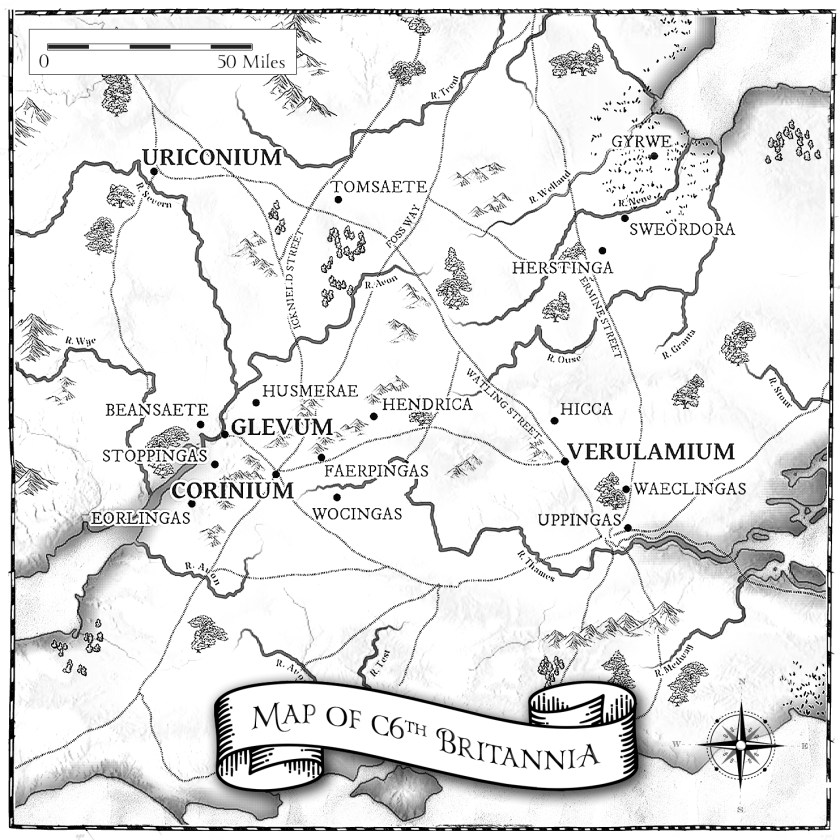
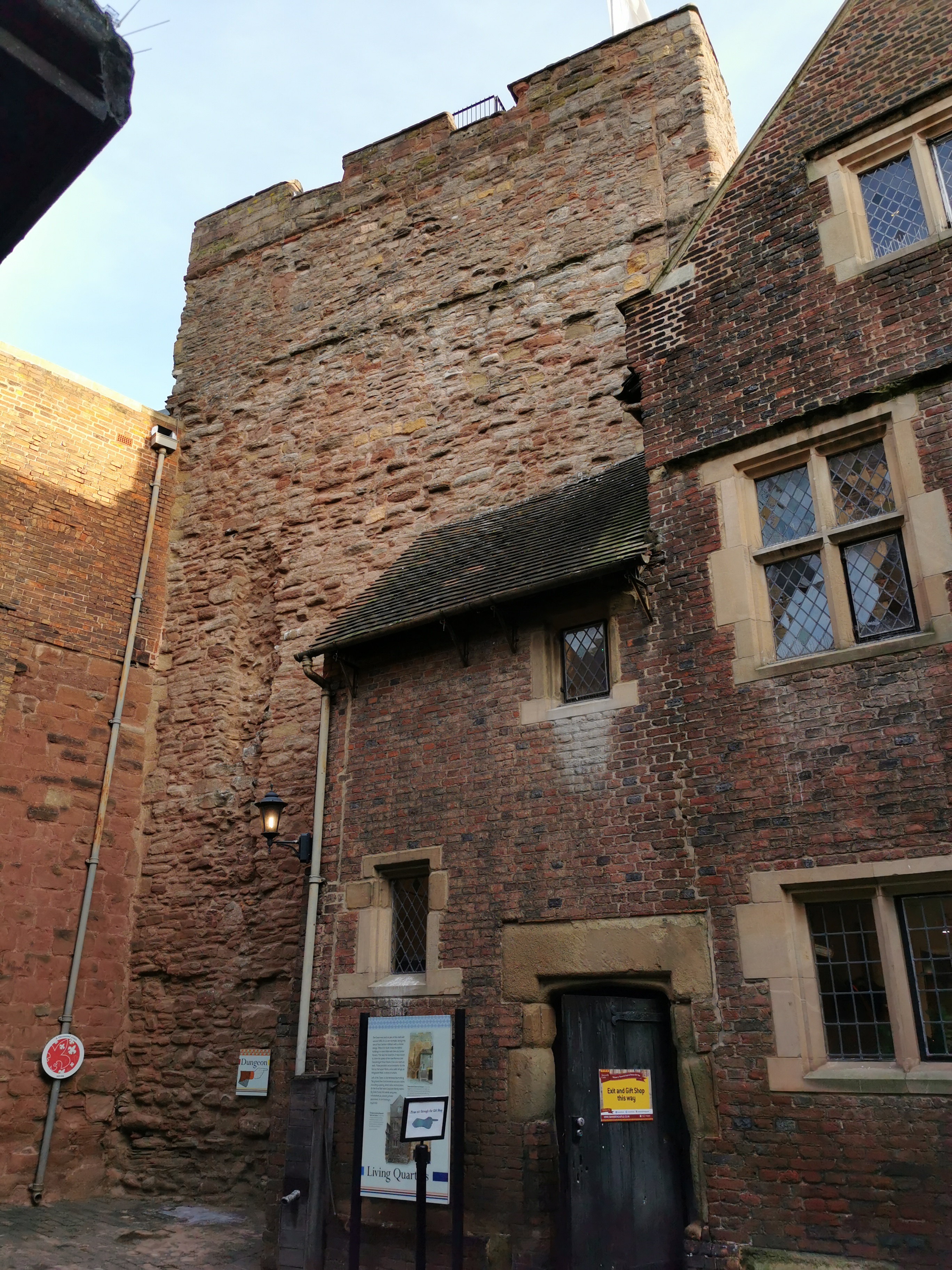
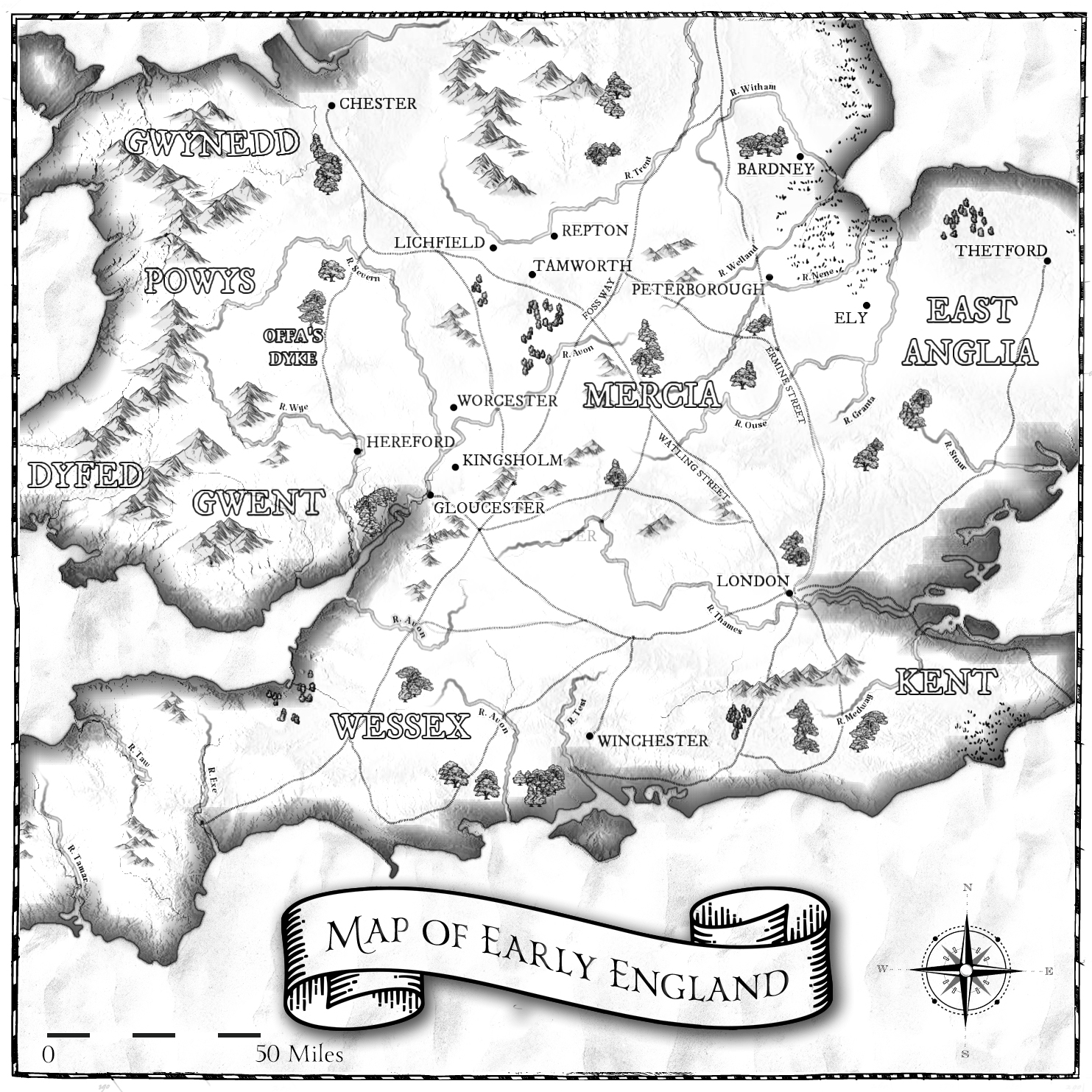
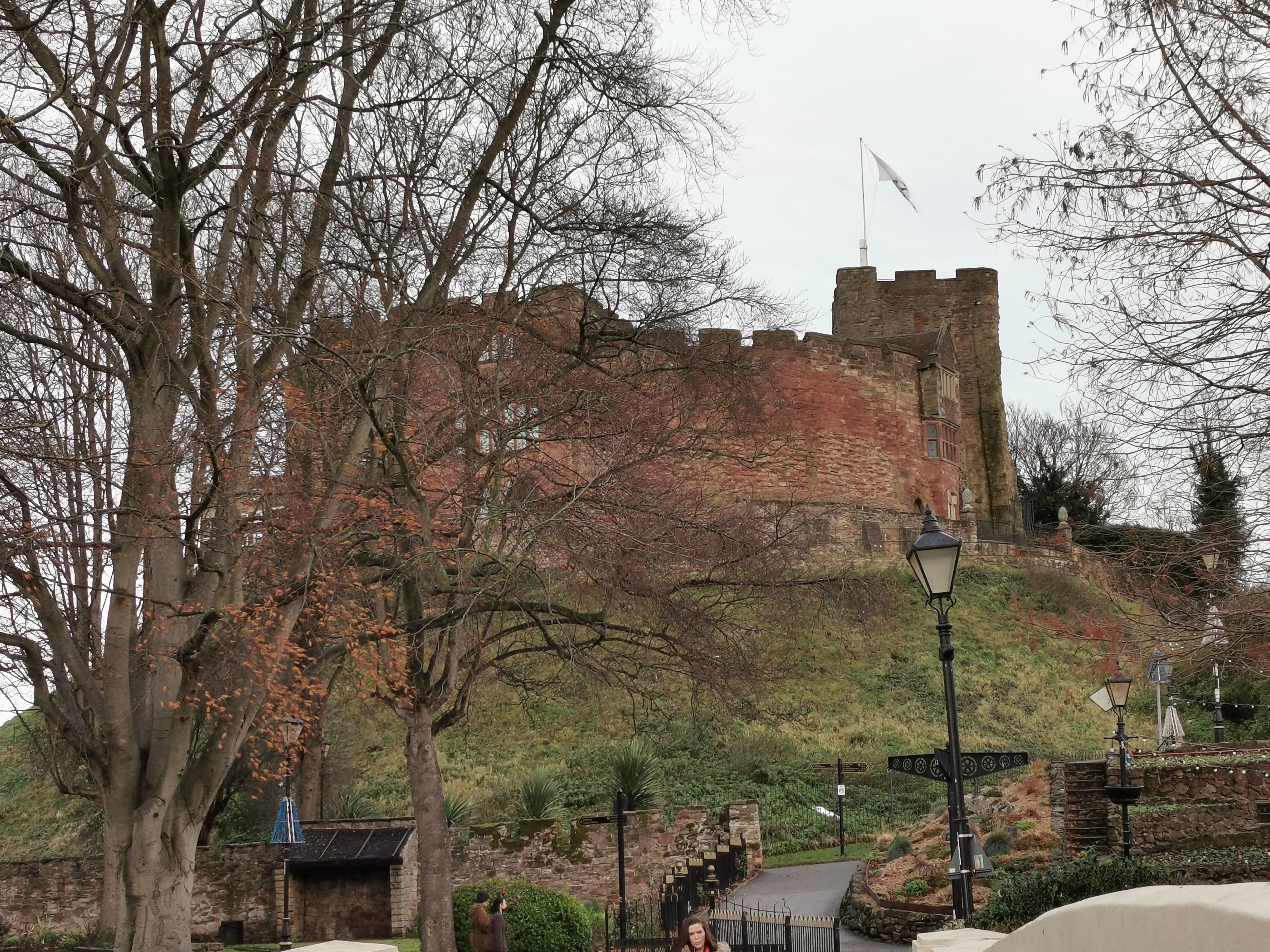
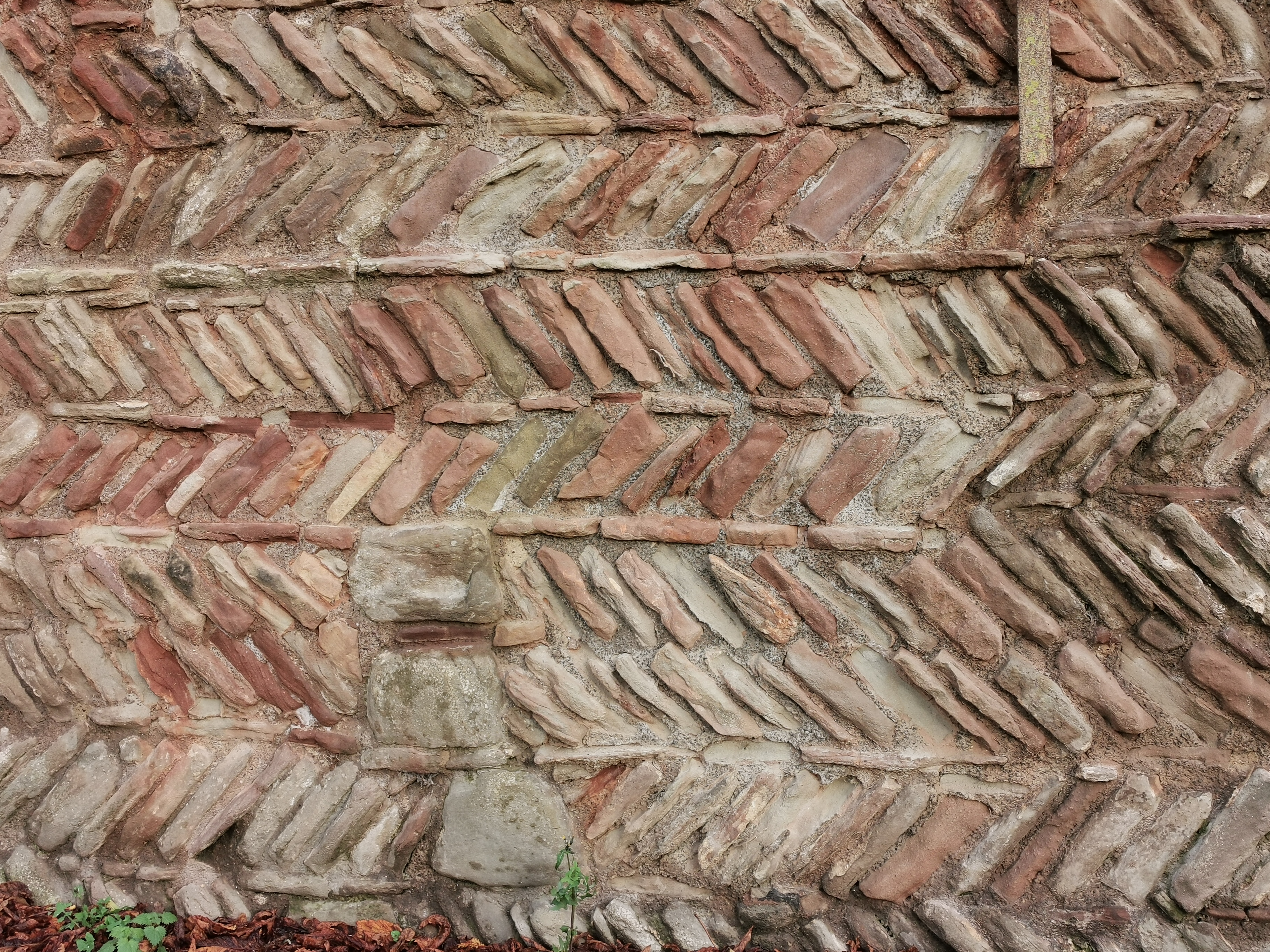
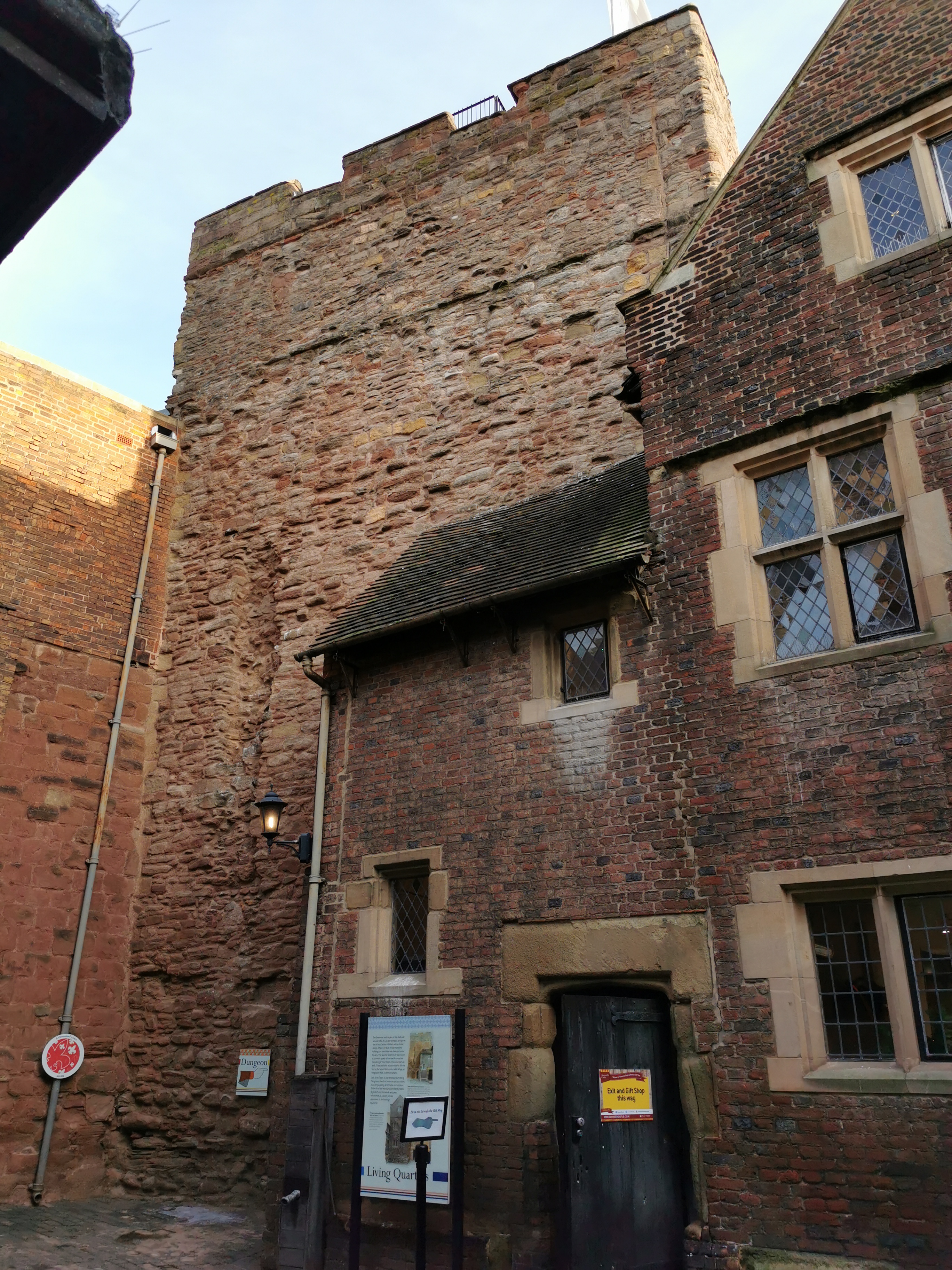
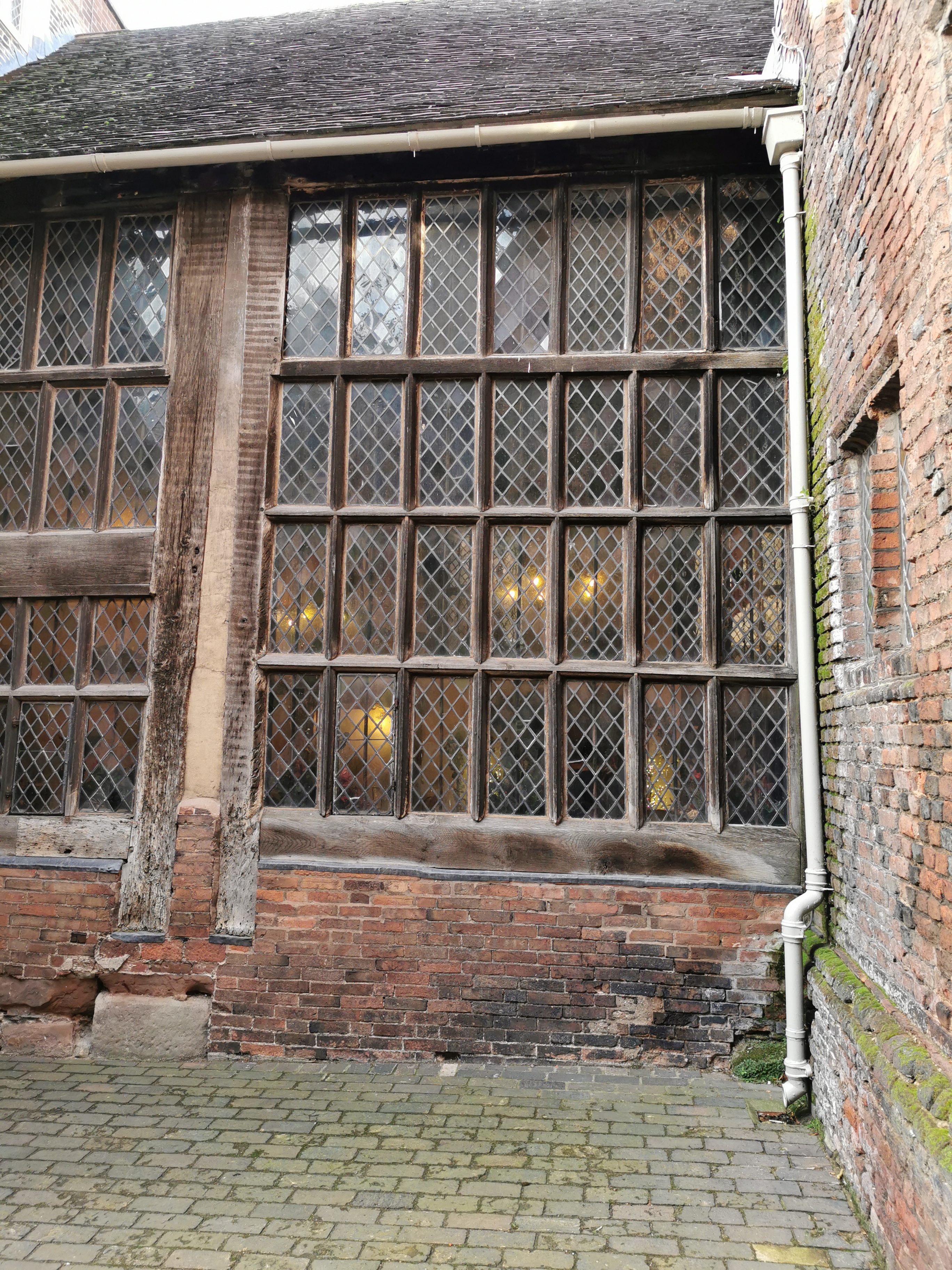

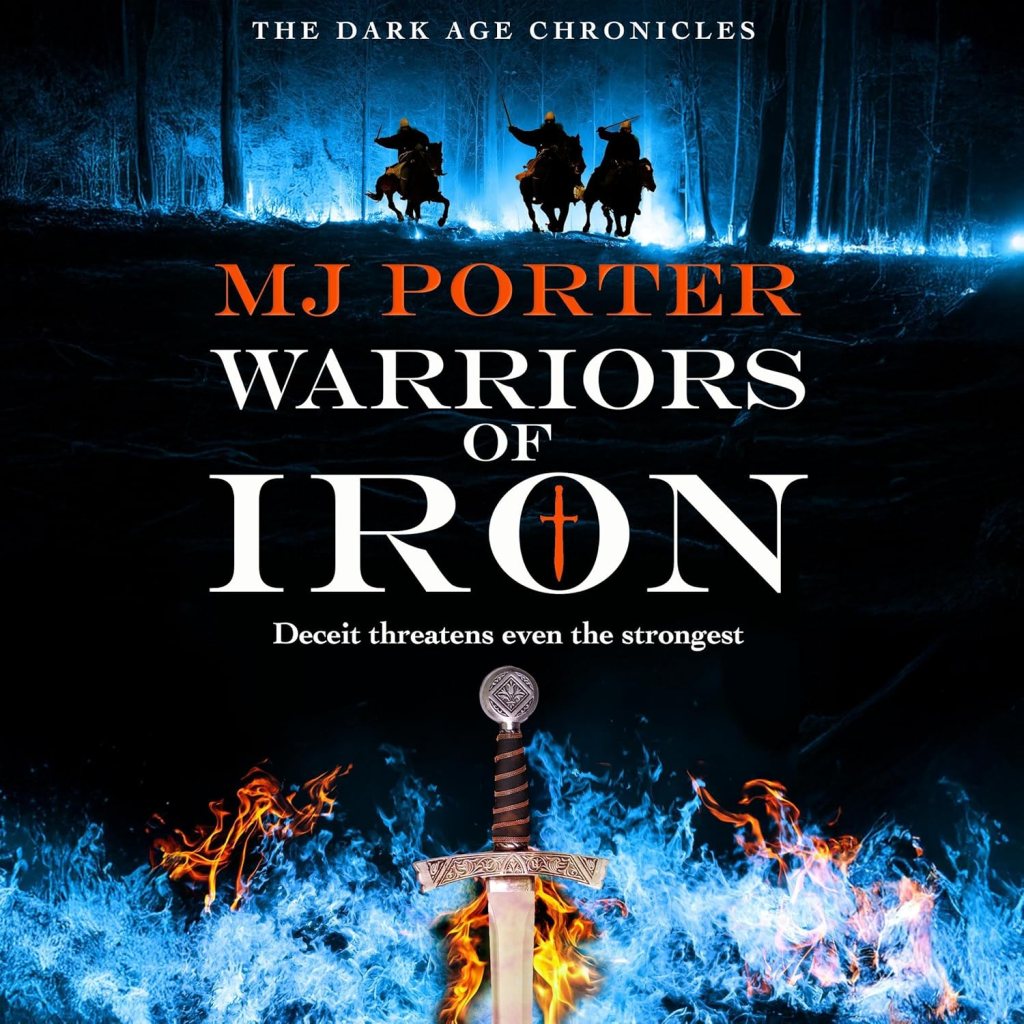
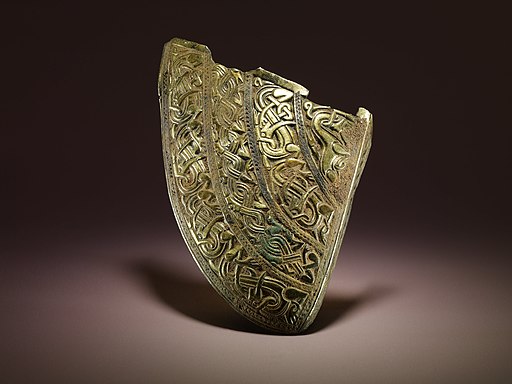
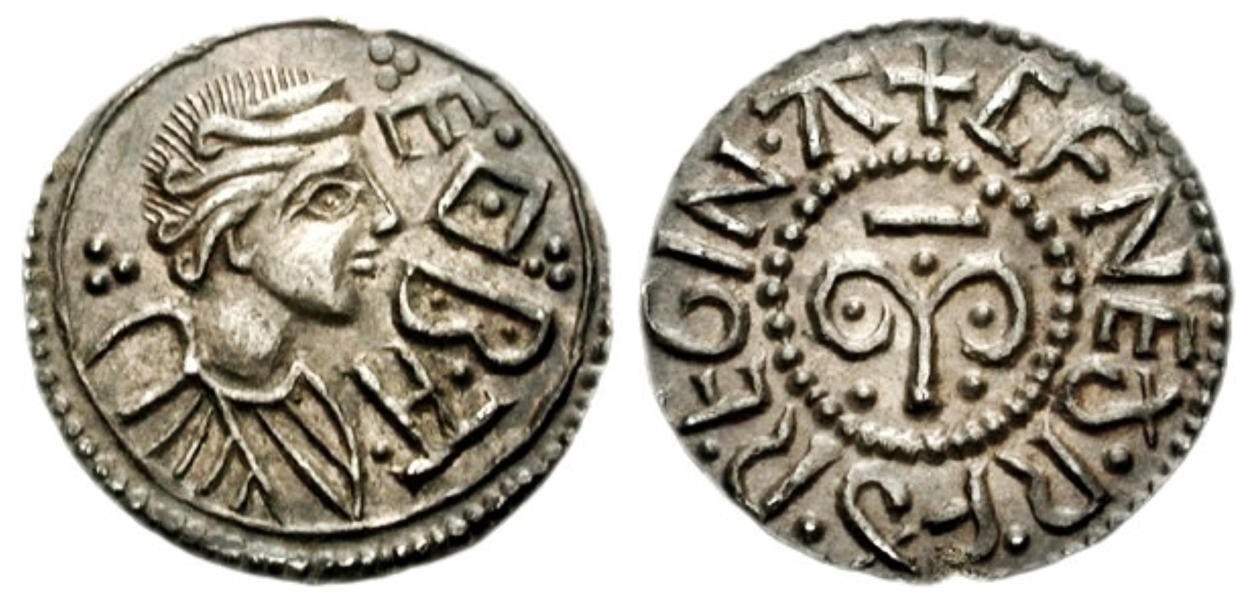
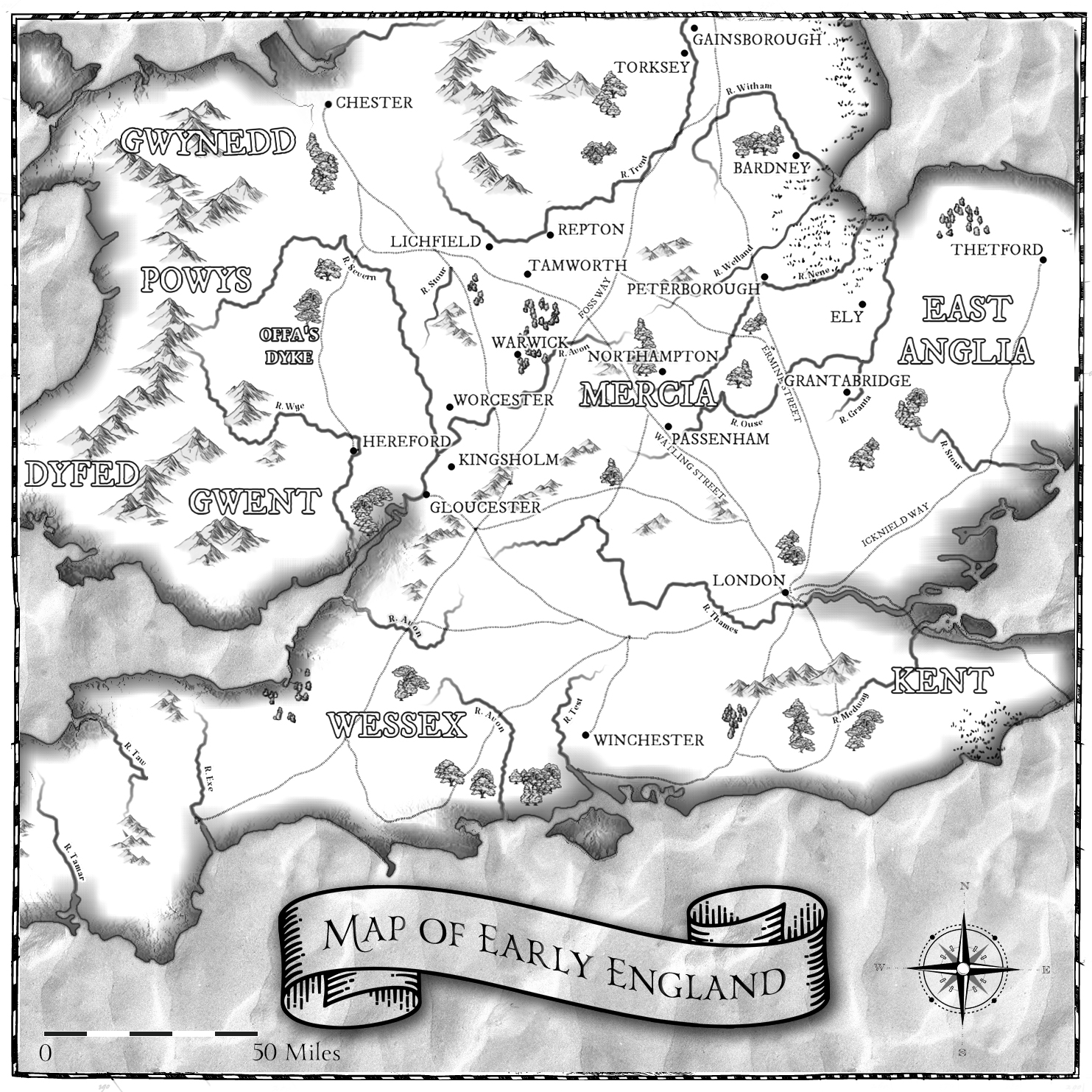
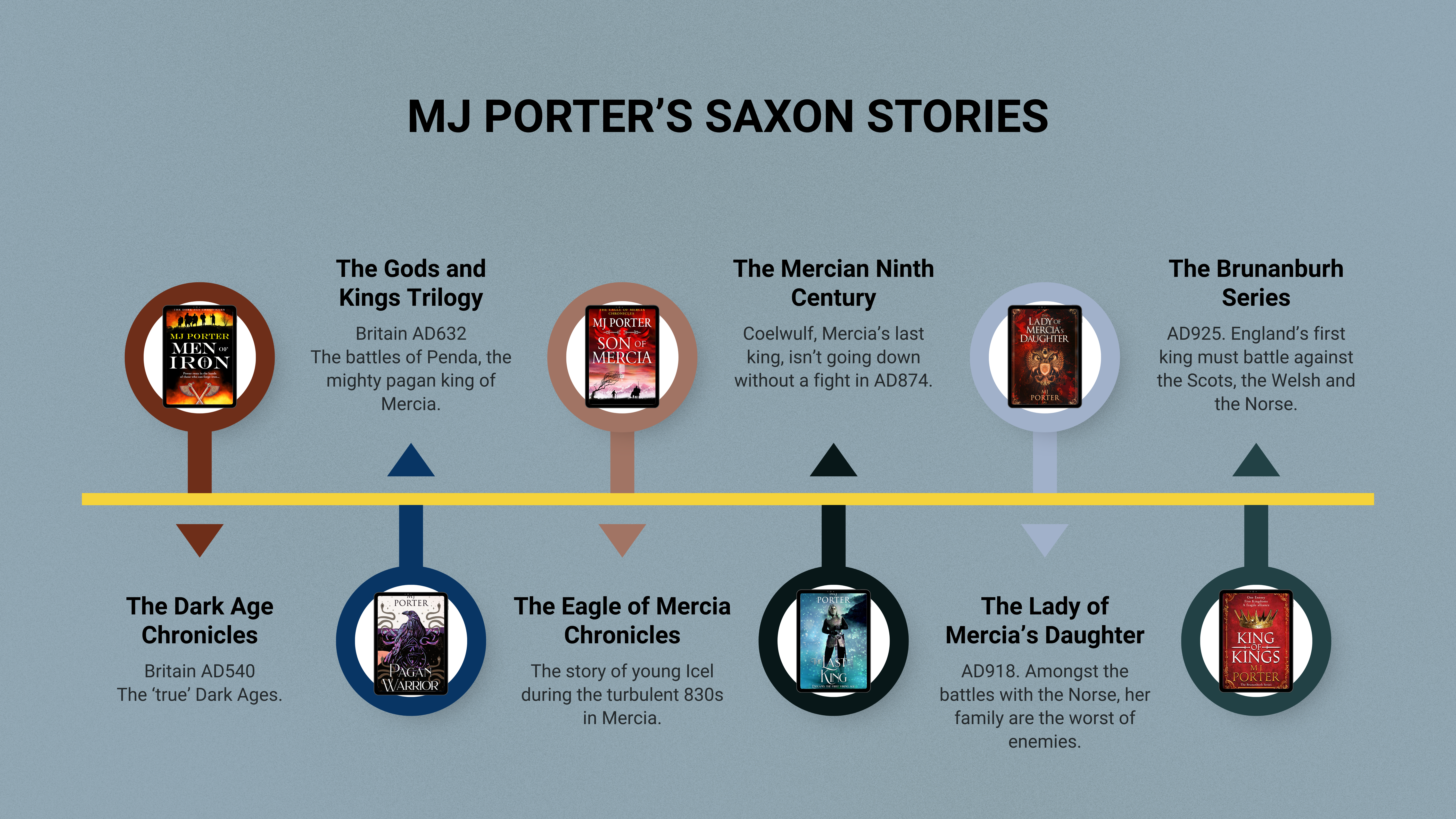

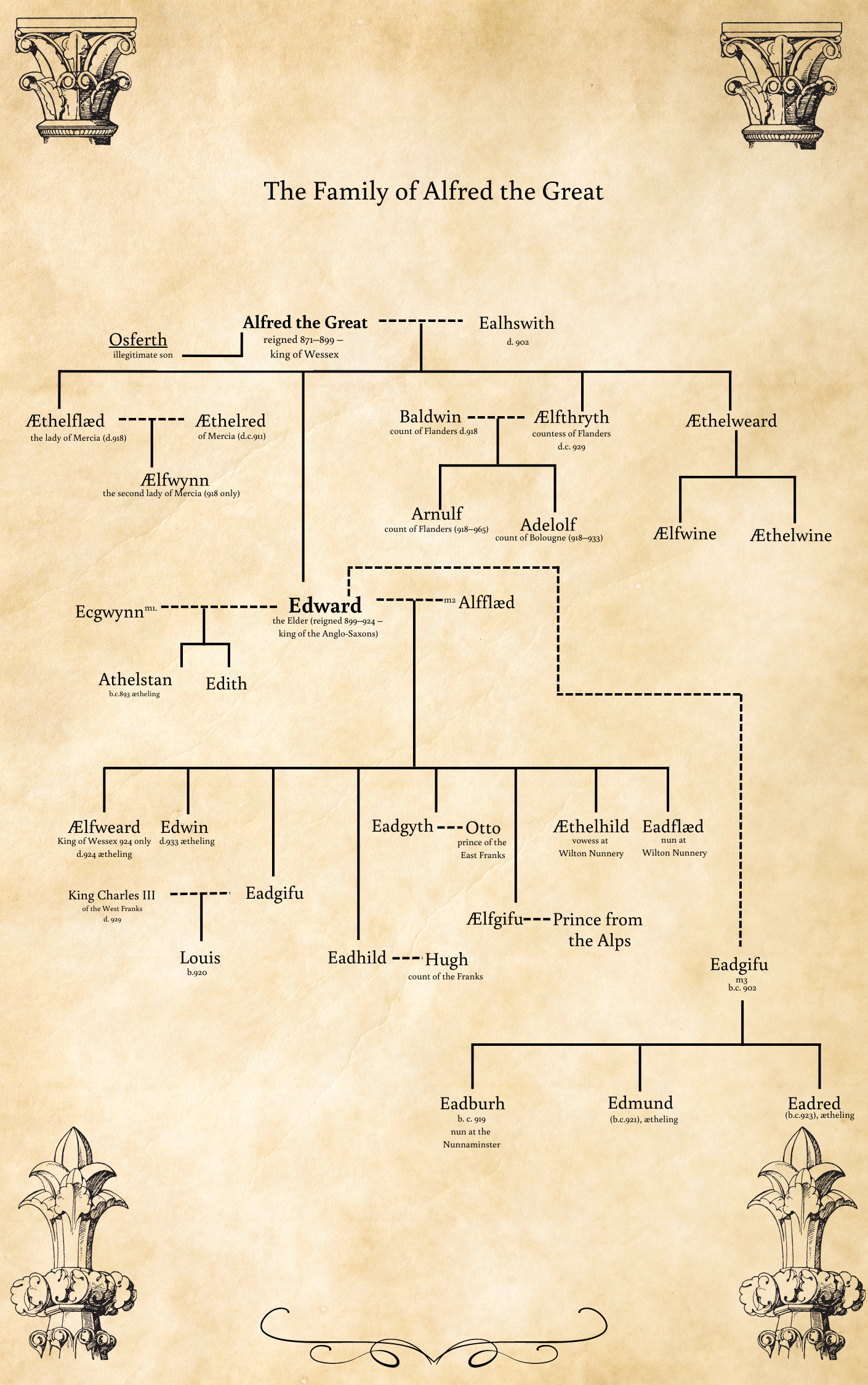
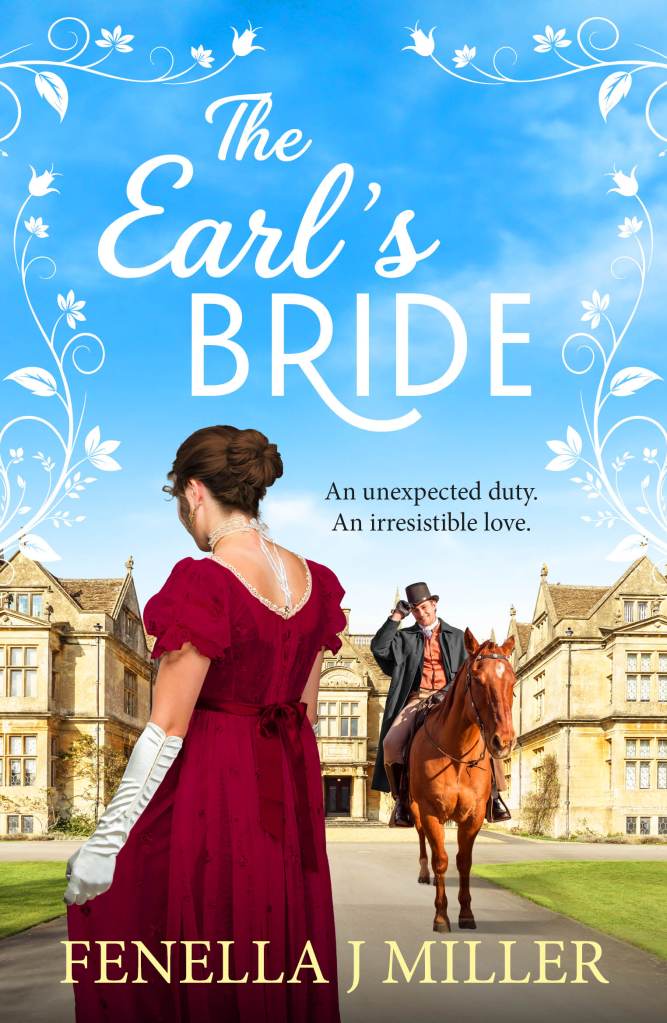


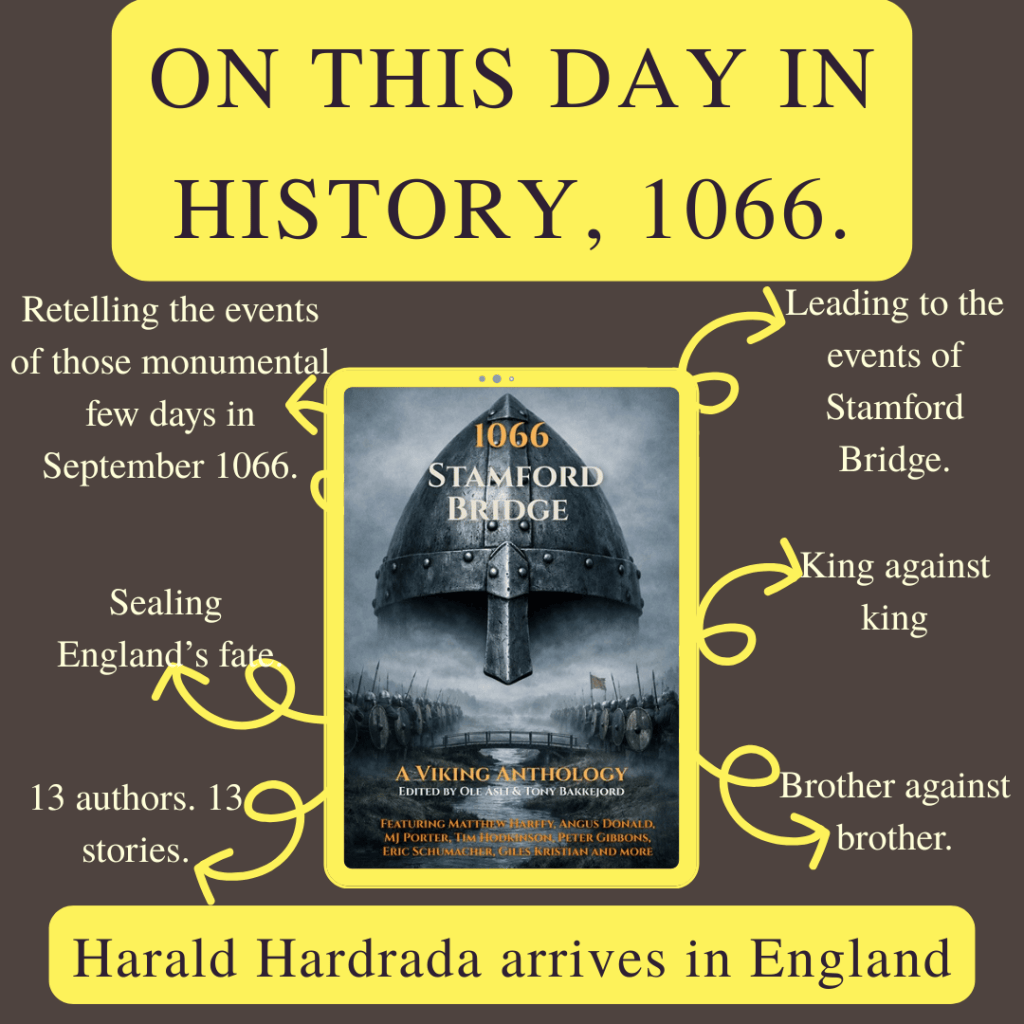

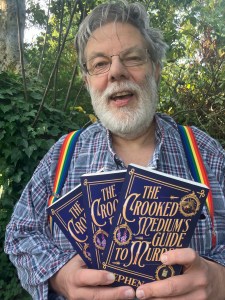


.jpg)
.jpg)