I’m welcoming the Wordsmith’s Guide to Writing Authentic Dialogue by Elizabeth M Hurst to the blog #blogtour #nonfiction #writingadvice

I’m welcoming the Wordsmith’s Guide to Writing Authentic Dialogue by Elizabeth M Hurst to the blog #blogtour #nonfiction #writingadvice

I’m welcoming the Wordsmith’s Guide to Writing Authentic Dialogue by Elizabeth M Hurst to the blog #blogtour #nonfiction #writingadvice

Why I Wrote A Wordsmith’s Guide to Writing Authentic Dialogue

I’ve been asked a few times why I chose to write A Wordsmith’s Guide to Writing Authentic Dialogue. The succinct answer is this: I asked my readers what they wanted me to cover next, and they told me they wanted something about character dialogue.

That made immediate sense to me. Dialogue is one of those areas of writing that looks deceptively simple. After all, we all talk. We all listen to conversations. We all know what speech sounds like – or at least we think we do. But putting convincing dialogue on the page is a very different skill from reproducing everyday speech exactly as it happens.

In real life, conversations are messy, repetitive, unfinished, and full of filler. People interrupt themselves, lose their train of thought, circle back, contradict themselves, and say “um” or “you know” far more often than any reader would willingly tolerate in a novel. If we wrote dialogue exactly as people speak, it would be tedious. Fictional dialogue has to have a purpose: it has to sound real while still being readable.

That is one of the reasons dialogue can be so challenging for writers. It has to feel natural, but also has to earn its place in the story. A good exchange between characters might reveal personality, create tension, deepen a relationship, move the plot forward, suggest conflict, or show us something the character does not want to admit. Often, the best dialogue does several of these at once.

I also think dialogue matters because it is one of the quickest ways readers decide whether they believe in a character. Description can tell us what someone looks like. Action can show us what they do. But dialogue lets us hear them. It gives us rhythm, attitude, hesitation, confidence, defensiveness, humour, fear, tenderness, and all the other subtle signals that make a fictional person feel alive.

One of the most useful lessons I’ve learned, both as a writer and an editor, is that dialogue is rarely only about the words being spoken. It is also about what is not said. People dodge difficult subjects. They hide behind jokes. They answer a different question from the one they were asked. They say “I’m fine” when they are anything but fine. That gap between what is said and what is meant is where the emotional energy of a scene lives and breathes.

Character voice is another important part of the puzzle. When every character speaks in the same rhythm, with the same vocabulary and the same level of confidence, the reader may struggle to tell them apart. But distinctive dialogue does not have to mean exaggerated slang, heavy dialect, or a string of catchphrases. It can be much more subtle than that. One character may speak in short, guarded sentences. Another may over-explain. One may use humour to deflect. Another may become very formal when upset. These choices tell us who people are, especially when they are under pressure.

That is why I wanted this book to be practical. Dialogue is not just decoration. It is one of the main ways writers create character, conflict, and connection. When it works well, readers believe in the people on the page.

And perhaps that is the real goal of authentic dialogue. Not to copy real speech word for word, but to create the illusion of it. To make readers feel that these characters existed before the scene began and will continue existing after it ends. To make every line sound as though it could only have been spoken by that person, in that moment, for that reason.

So when my readers asked for a guide to dialogue, I understood why. It is a subject that touches almost every part of storytelling. Whether you are writing a quiet emotional exchange, a heated argument, a romantic confession, a comic misunderstanding, or a scene full of things left unsaid, dialogue can transform the way readers experience your characters.

Used well, dialogue does not simply fill the silence. It brings the story to life.

Here’s the blurb

A Wordsmith’s Guide to Writing Authentic Dialogue

Do you lack confidence when writing dialogue for your fictional characters?
Do you want to learn how to make each person have a distinctive voice?


Real conversations wander. Fictional dialogue can’t afford to.

A Wordsmith’s Guide to Writing Authentic Dialogue is a practical, encouraging craft book for fiction writers who want dialogue that does more than fill the page. You’ll learn how to make every exchange purposeful, character-specific, and charged with subtext—without gimmicks, melodrama, or the dreaded “As you know…” exposition.


You will learn how to:

  • build distinct voices through rhythm, worldview, and verbal habits (not quirky spelling);
  • show status and power through questions, interruptions, silence, and topic control;
  • handle tags, beats, and action cleanly so dialogue moves instead of clogs;
  • write conflict that escalates and changes shape (without repeating itself);
  • approach trauma, consent, and emotionally heavy scenes without voyeurism or melodrama.


You’ll also find:

  • short, generic examples you can learn from immediately;
  • focused exercises you can complete in 10–20 minutes;
  • diagnose-and-rewrite case studies (where relevant);
  • checklists: quick bullet points to use while drafting and revising.

If your characters explain too much, sound the same, circle the point, or talk in a void—this guide will give you clear tools to diagnose the problem and rewrite with confidence.

Have the confidence to write dialogue that reflects the best of your characters, and the best of your writing. Pick up your copy today.
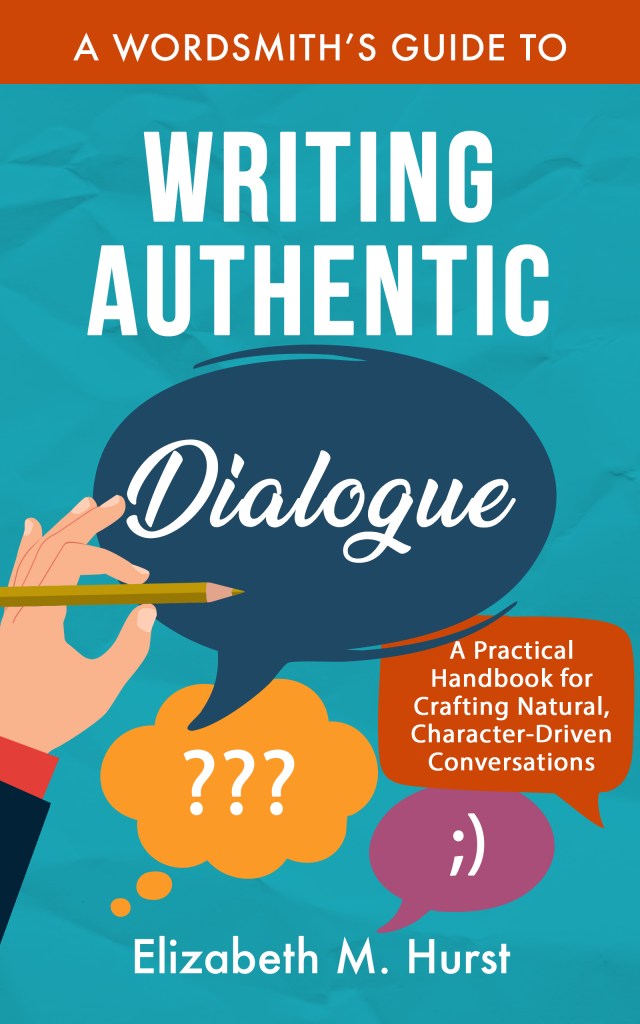
Purchase Link

 https://geni.us/AuthenticDialogue

Meet the author

Elizabeth was born and bred in the picturesque harbour town of Whitehaven in the northwest of England, where the long, wet winters moulded her into a voracious reader of fiction to escape the dismal weather.

In 2016, Elizabeth set up her freelance editing and proofreading business, EMH Editorial Services. In 2018, she quit the corporate world and concentrated her energy full-time towards her love of the written word.

Elizabeth has published timeslip novellas (the Lost Souls series) and a stand-alone novel, A Light Shines in Darkness, based on Blessed Angelina of Marsciano. She is also the author of The Wordsmith’s Guides, a series of nonfiction books on the craft of writing.

Elizabeth now lives with her husband in the warm and sunny south of France, where the wine is cheaper than the water, and the cats spend their days hunting lizards and dreaming of the birds that roost on the roof.
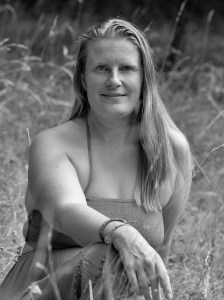
Author Elizabeth M hurst

Connect with the author

https://elizabethhurstauthor.com/
I’m welcoming The Dowager’s Grand Triumph by Susanne Dunlap to the blog #blogtour #RegencyRomance

I’m welcoming The Dowager’s Grand Triumph by Susanne Dunlap to the blog #blogtour #RegencyRomance @rararesources

I’m welcoming The Dowager’s Grand Triumph by Susanne Dunlap to the blog #blogtour #RegencyRomance

Here’s the blurb


Caroline, Dowager Marchioness of Lewiston, has long since made peace with the life she was given: a grand title, a comfortable house, and a heart carefully trained not to want what it cannot have.

Then Thomas Ashcombe returns.

Years ago, Thomas was the man she loved—and lost. Now he is a wealthy merchant newly arrived from India, bringing with him not only a fortune, but a daughter, Anjali, whose place in English society is as uncertain as her father’s safety. Thomas has come home with dangerous evidence of corruption connected to the East India Company, and powerful men will do anything to silence him.

When Thomas is falsely imprisoned under suspicion of treason, Caroline must decide whether she is willing to risk her reputation, her family, and her carefully ordered world for the man she never forgot.

Sir Julian Meredith has always preferred legal arguments to drawing-room conversation. Awkward, red-haired, and far too honest for his own comfort, he is no one’s idea of a romantic hero—least of all his own. But when Anjali Ashcombe’s courage draws him into a web of secrets, forged loyalties, and political danger, Julian discovers that love may require a bravery no courtroom ever demanded of him.

As Caroline and Thomas fight for a second chance, and Julian and Anjali reach for a future neither of them expected, one question remains: can love survive when truth itself has become a crime?

Purchase Link

Check out my review for The Dressmaker’s Secret Earl and The Soprano’s Daring Duke

Meet the author

Susanne Dunlap started out a historian, became an award-winning historical novelist with fourteen published novels for adults and teens, and is now the author of the Regency romance series, Double-Dilemma Romance. She lives and writes in a converted textile mill in Biddeford, Maine.

Author Susanne Dunlap

Connect with the author

https://susanne-dunlap.com

Book review for a delightful cozy mystery, set in France, The Fatal Farandole by Ana T Drew #cozymystery #bookreview

I’m sharing my review for a delightful cozy mystery, set in France, The Fatal Farandole by Ana T Drew #cozymystery #bookreview

I’m sharing my review for a delightful cozy mystery, set in France, The Fatal Farandole by Ana T Drew #cozymystery #bookreview

Here’s the blurb

The Fatal Farandole is a cozy mystery full of plot twists and small-town secrets. It’s perfect for fans of character-driven crime novels with emotional depth.

A beloved Provençal festival.
A murderous conspiracy.
A bullfighter who knows too much.


When two local chefs are killed within a week, shockwaves ripple through the region’s tight-knit culinary world.

Suspicion lands squarely on baker Julie Cavallo.

As whispers turn to accusations, her eccentric family closes ranks, and her loyal friends rally to her side.

But Julie’s running out of time. Her pastry shop is at risk. Her love life is unraveling. The gendarmes are tracking her every move. Julie can’t afford to wait for the official investigation to uncover the truth.
Her instincts go into overdrive. Dots connect. Patterns appear…

Can Julie make it through this case, when asking the right questions has already gotten others killed?

Purchase Links

https://www.amazon.com/dp/B0F749KMMK

https://www.amazon.co.uk/dp/B0F749KMMK

My Review

The Fatal Farandole is the latest release in this cozy mystery series. As it’s book 9, it did take me a while to get to know the characters. And although I’m never one to say you have to read a series in order, perhaps on this occasion, it might help to start with the first book, especially as the new mystery is so good.

We begin straight away with our character in a tricky situation and the story unfolds quickly from there, as we learn what’s happening, alongside our main character.

There is much discussion of food and mysteries and I look forward to going back to the beginning with this engaging and well-written mystery.

Meet the author

Ana T. Drew is the evil mastermind behind a recent string of murders in the fictional French town of Beldoc. A first-place winner of the Chanticleer MYSTERY & MAYHEM Awards, her books have been released in several languages, both independently and through traditional houses, including HarperCollins France and Straarup & Co.

When she’s not plotting mysteries, Ana can be found perfecting her low-carb cookie recipes or watching The Rookie to cope with the void left by Castle.

Ana lives in Paris with her husband and their dog, but her heart resides in Provence.

https://www.ana-drew.com

Author Ana T Drew

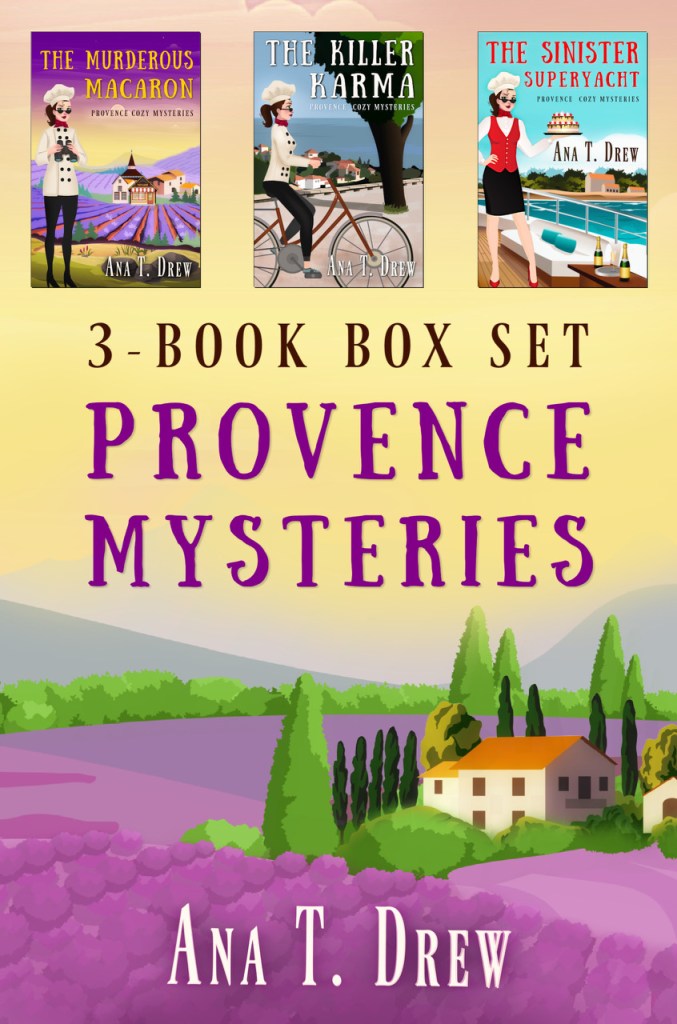
Giveaway to Win a boxset of the three books in the Provence Mysteries Series (Open INT)

 Win a boxset of the three books in the Provence Mysteries Series (Open INT)

https://gleam.io/W5YAJ/win-a-boxset-of-the-three-books-in-the-provence-mysteries-series-open-int

*Terms and Conditions –Worldwide entries welcome.  Please enter using the Gleam box below.  The winner will be selected at random via Gleam from all valid entries and will be notified by Twitter and/or email. If no response is received within 7 days then Rachel’s Random Resources reserves the right to select an alternative winner. Open to all entrants aged 18 or over.  Any personal data given as part of the competition entry is used for this purpose only and will not be shared with third parties, with the exception of the winners’ information. This will passed to the giveaway organiser and used only for fulfilment of the prize, after which time Rachel’s Random Resources will delete the data.  I am not responsible for despatch or delivery of the prize.

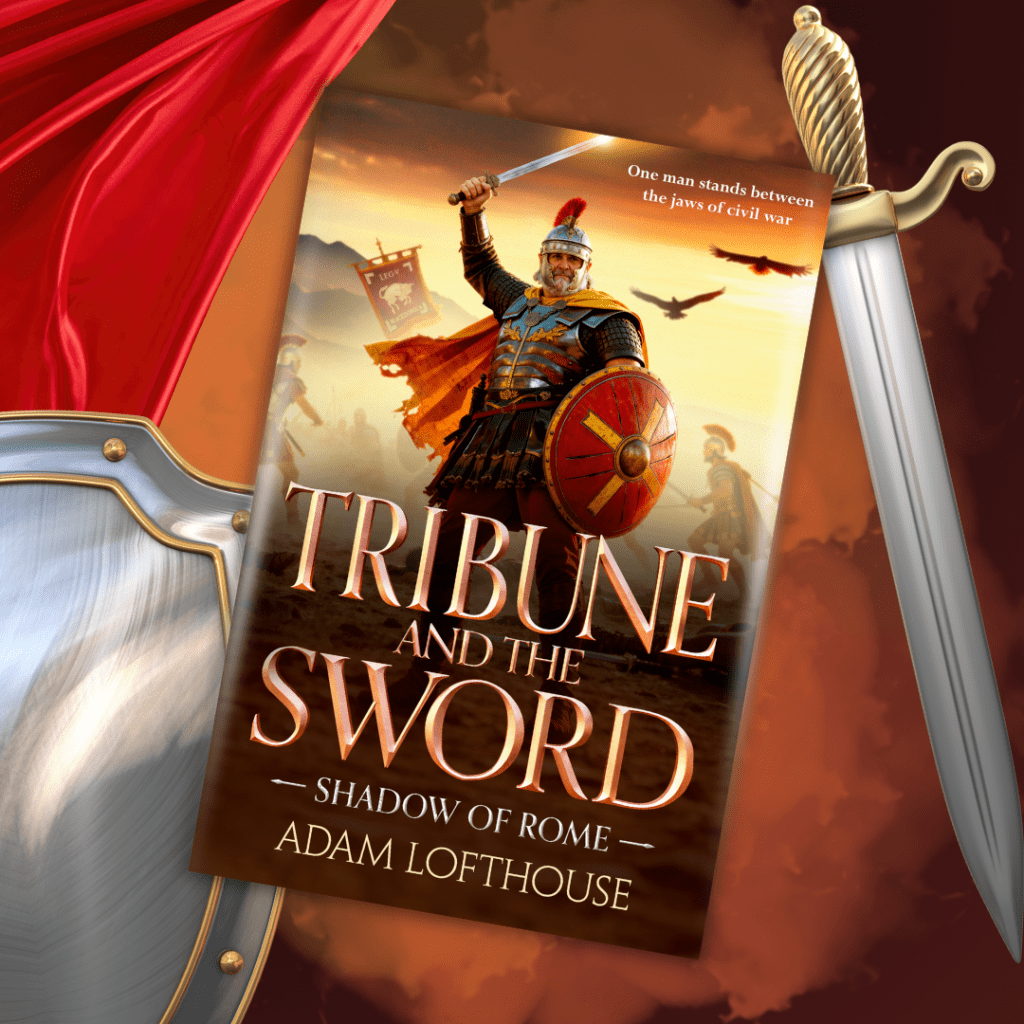
I’m delighted to share my review for Adam Lofthouse’s Tribune and the Sword #historicalfiction #bookreview #RomanEra

I’m delighted to share my review for Adam Lofthouse’s Tribune and the Sword, #historicalfiction #bookreview #RomanEra #boldwoodbloggers @BoldwoodBooks @AdamPLofthouse @rararesources

I’m delighted to share my review for Adam Lofthouse’s Tribune and the Sword #historicalfiction #bookreview #RomanEra

Here’s the blurb

August. 383 AD. Flavius Maximus has declared himself emperor and crossed into Gaul. The civil war with Gratian has been short, and the rightful ruler of the West lies in an early grave.

Now two men face off across an empire. Theodosius in the east, his armies large but reliant on mercenaries. Maximus in the west, his forces small, but battle hardened and loyal to a fault.

In the middle of the chaos, at the heart of a dying world, two old friends march at the heads of opposing forces. Tribune Sixtus Victorinus fights for the West. Not out of loyalty to Maximus, but to his two sons who are bound by oath to fight for the pretender.

And General Gaius Felicius for the East. Outcasted by Maximus, he will stop at nothing to see the usurper toppled. But if his old friend stands in his path, is the road to vengeance still one he will choose to tread?

War is coming, and both men must look inside themselves and decide what is greater: the cause they fight for, or the bonds of fellowship. 🔥⚔️

Purchase Link

https://mybook.to/TribuneandtheSword

My Review

This is the third book in the series featuring Victorinus and Felicius. What began on the Wall of Hadrian now takes us far from the frigid north of England and to the heart of two emperor’s kingdoms. And as if discord between them isn’t threat enough, there is a new conspiracy to plague our two war-weary warriors and Victorinus and Felicius are in it up to their necks.

This is such a well-paced novel, the conspiracy and action building, layer upon layer, and I have absolutely devoured it. Do I recommend starting at the beginning of the trilogy? Yes, I do, but equally, if you want to start here, then I do think it would be readable as a standalone.

Another triumph for Adam. I do love his books, and it’s his fault my historical fiction reading now extends back into the Roman era.

Check out my reviews for Eagle and the Flame and Wolf and the Crown.

Meet the author

Adam has for many years held a passion for the ancient world.
As a teenager he picked up Gates of Rome by Conn Iggulden, and has been obsessed with all things Rome ever since.

After ten years of immersing himself in stories of the Roman world, he decided to have a go at writing one for himself, and hasn’t stopped since. Check out the books on the website, or follow Adam on Social Media for regular updates.

Follow Adam on Twitter: @AdamPLofthouse
Find him on Facebook: facebook.com/AdamPLofthouse
Instagram: adamplofthouse

https://www.adamlofthouse.com

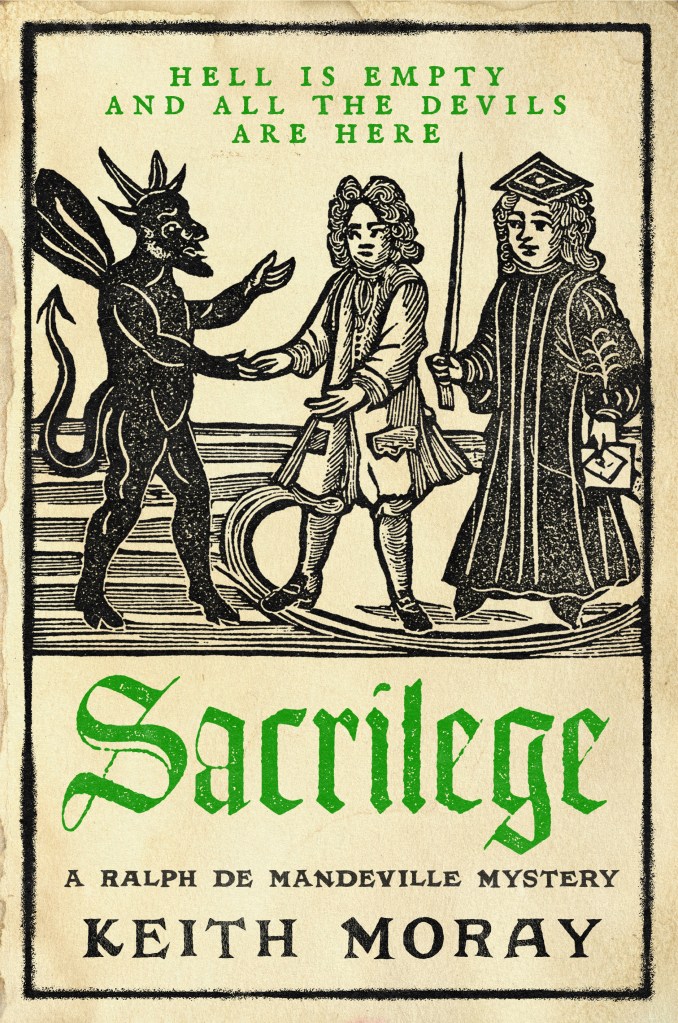
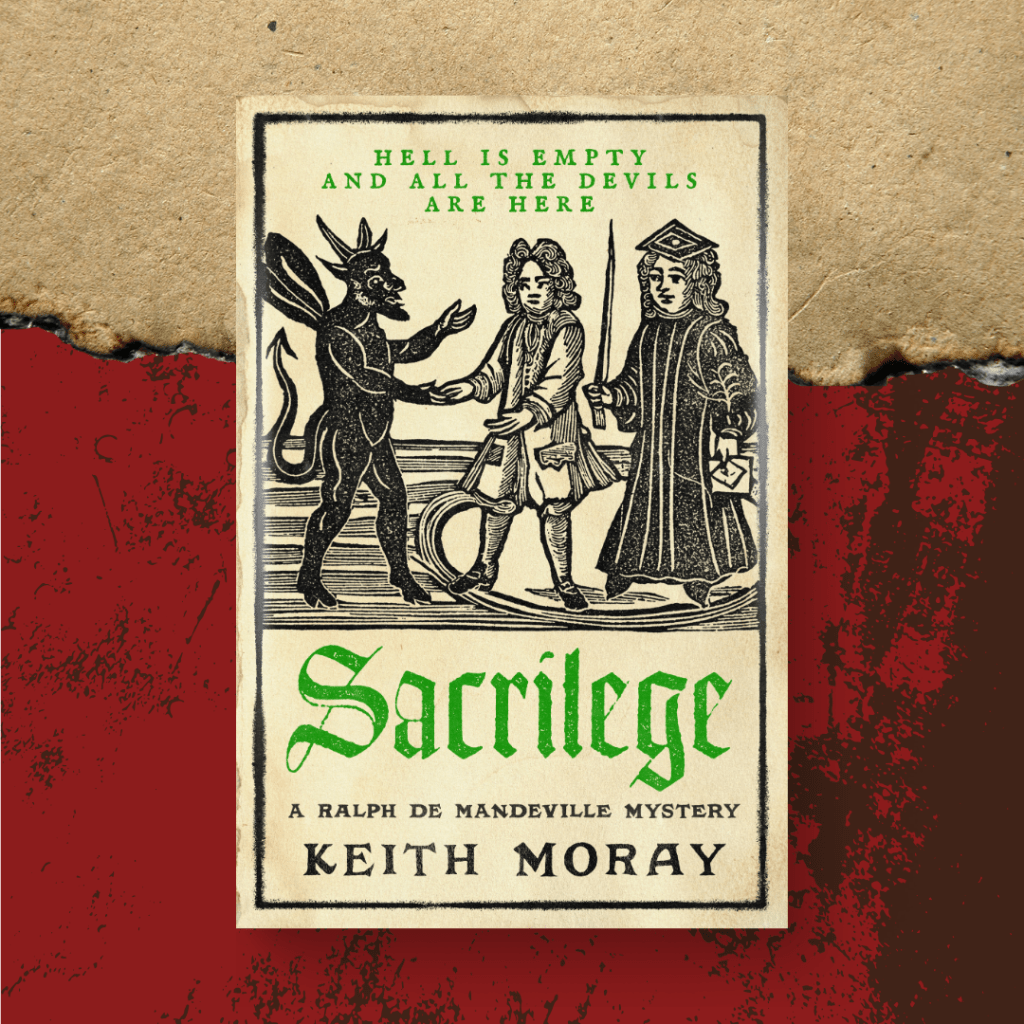
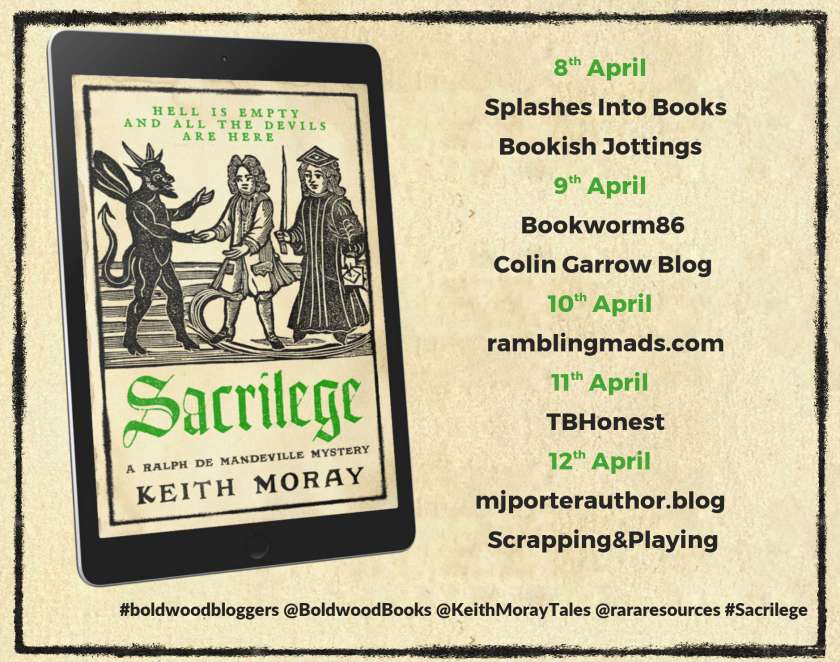
I’m sharing my review for Sacrilege by Keith Moray, a brand new historical mystery set in 1361 #bookreview #blogtour #newrelease

I’m sharing my review for Sacrilege by Keith Moray, a brand new historical mystery set in 1361 #bookreview #blogtour #newrelease #boldwoodbloggers @BoldwoodBooks @KeithMorayTales @rararesources #Sacrilege

I’m sharing my review for Sacrilege by Keith Moray, a brand new historical mystery #bookreview #blogtour #newrelease

Here’s the blurb

A nun is found dead.

A priest is horribly attacked.

An evil older than sin is loose in Yorkshire…

Marske, 1361. Sir Ralph de Mandeville with his assistants Peter and Merek have recently come from Reeth to hold a court session in Marske but are pulled away at the news of a most heinous crime having been discovered further down the River Swale.

A boat has been found, floating down the river. Inside is a truly horrifying scene – the body of a nun, her wrists cut and her hands fixed in the sign of benediction… As Ralph uses his astute skills of inspection, his mind asks a most difficult question – is this self-murder or murder most foul? Were her last moments spent in benediction prayer… or malediction warning? With both Marrick Priory and Easby Abbey within a stone’s throw of Marske, it appears something is not quite right in the house of God…

When the body of a priest is found mutilated as if by a wild animal, the villagers fear the nun’s body has opened the gates and let loose a monster from Hell… but Ralph starts to wonder if something much more human is at the root of these evils.

As he follows the grim clues, he fears he knows where this miserable sacrilegious journey will end. The question is, can he catch the murderer and prevent more grisly deaths – his own included?

Purchase Link

https://mybook.to/SacrilegeBookSocial

Here’s my review

Sacrilege is the second book in the Ralph de Mandeville historical mysteries. I’ve read the first book, so you can check out my review down at the bottom.

Sacrilege starts quicker than the first book, and our first encounter is with Ralph and his two assistants, Merek and Peter, as Ralph holds court in Marske, but the day quickly takes a turn when the body of a nun is found on the river. And so begins another very grizzly, high-body-count mystery that involves both a priory and an abbey, a nobleman, a queen, and the local villages, and is deeply rooted in the area, with its iron smelting and fast-flowing river.

The mystery is tightly plotted and filled with increasing tension as Ralph finds himself butting heads with an uptight nobility who don’t want his interference, as well as a few jobs-worths along the way. And there are many people with secrets they don’t want Ralph to uncover, as well as a brief appearance from Queen Phillipa.

This is an engaging, if sometimes slightly gruesome, read, with no end of peril for our main characters. It is written in such a way that it feels ye-olde-worldly, and the characters embody the thoughts of the day. You can tell Keith has a great deal of medical knowledge! It will certainly appeal to fans of the genre (me), and I do think it can be easily read as a standalone for anyone keen to jump right in with this second book in the series.

Check out my review for Desolation, the first book in the series.

Meet the author

I was born in St Andrews and studied medicine at the University of Dundee in Scotland. I lived and worked in Wakefield in Yorkshire for 40 years, within arrow-shot of the ruins of a medieval castle, the base for a series of historical novels.

I am a retired GP, medical journalist and novelist, writing in several genres. As Keith Moray I write historical crime fiction in the medieval era and in ancient Egypt, The Inspector Torquil McKinnon crime novels set on the Outer Hebridean island of West Uist, and as Clay More I write westerns. Curiously, my medical background finds its way into most of my
fiction writing.

In my spare time I enjoy the movies, theatre and making bread. I play golf and I run at carthorse speed. As a frustrated actor I have found occasional solace as a supporting artist, but enough said about that!

I now live in Stratford-upon with my wife Rachel and whichever of our children and grandchildren who happen to pop in.

Connect with the author

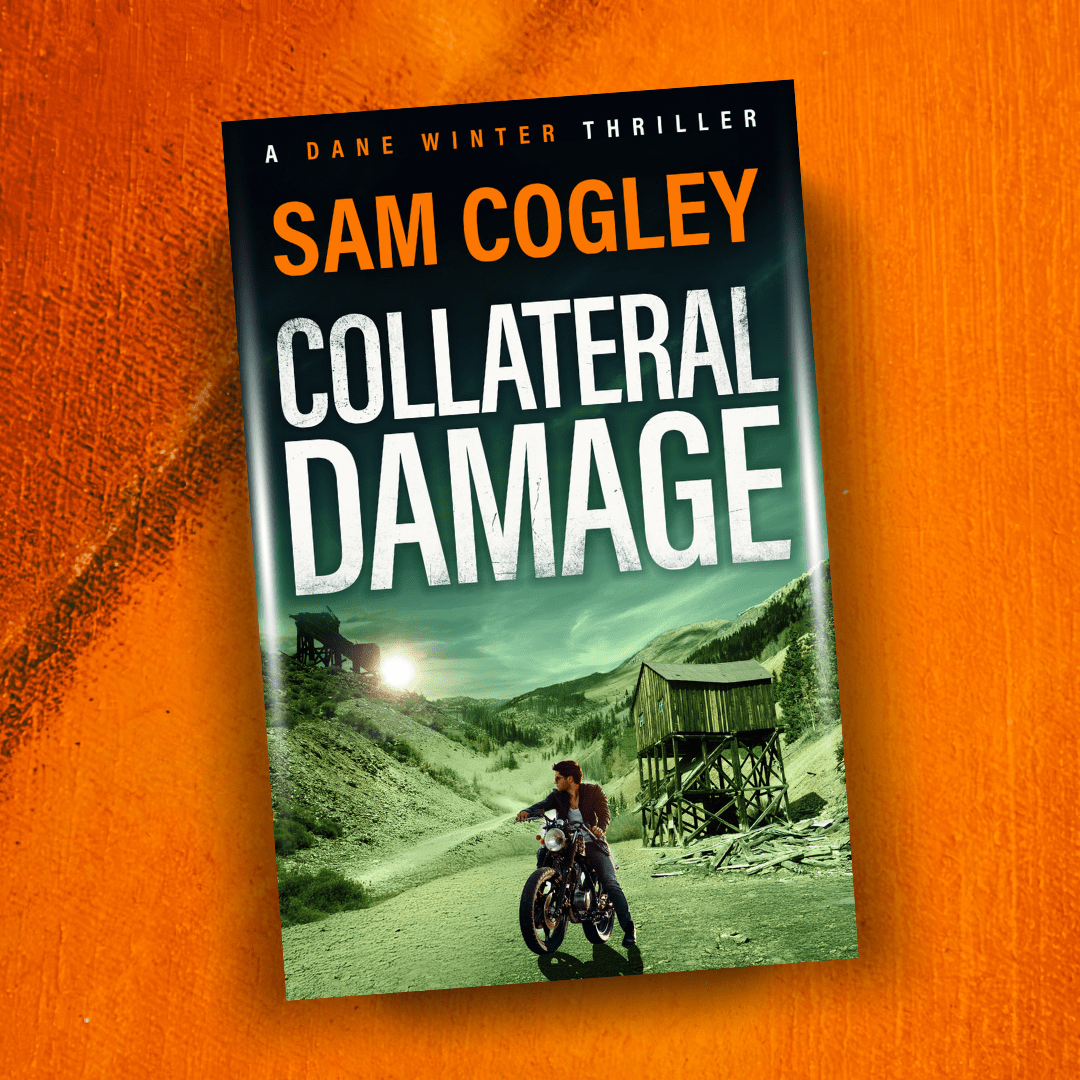
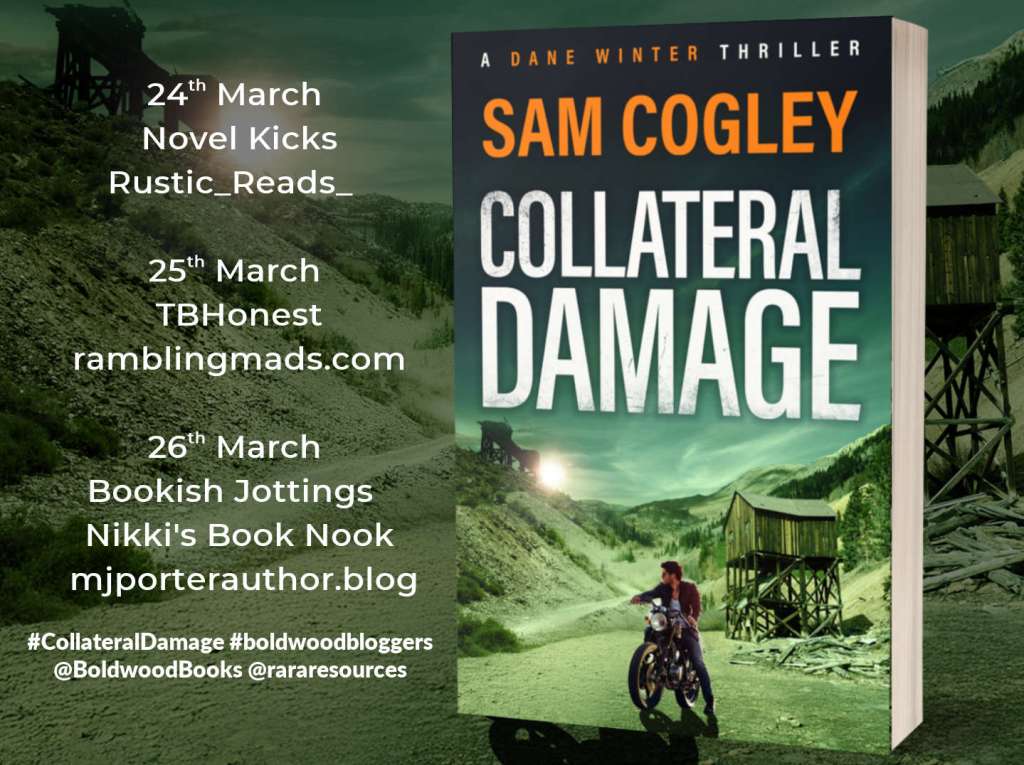
I’m reviewing Collateral Damage by Sam Cogley #thriller #bookreview #blogtour #CollateralDamage

I’m reviewing Collateral Damage by Sam Cogley #thriller #bookreview #blogtour #CollateralDamage #boldwoodbloggers @BoldwoodBooks @rararesources

I’m reviewing Collateral Damage by Sam Cogley #thriller #bookreview #blogtour

Here’s the blurb

Winter came for the pancakes. Hollowvale fed him the dead.

Dane Winter is unemployed and on a lonely road to nowhere. Riding his motorcycle west from New York, he spots a sign on the Interstate: Hollowvale, Pennsylvania. A place he hasn’t visited since his Redwind Security days. Back then, the town was known for its coal mines and the best pancakes he ever tasted.

A chance encounter with a distraught local woman pulls him into investigating her friend’s disappearance. When Jacob Rhodes’ body is found at the bottom of an abandoned mine shaft, the local authorities are quick to label it an accident. Winter isn’t convinced…

Between the death of Jacob and the unexplained illnesses spreading through the local population, it’s clear that nothing is as it seems in the town of Hollowvale. Worse still, Winter thinks it might have something to do with his time there two years earlier.

What starts as a quest for answers becomes a fight to expose a conspiracy that reaches far beyond the small town.

But Winter is never one to give up, and he’s willing to burn it all down in order to uncover the horrific truth.

Purchase Link

https://mybook.to/CollateralDamageSocial

My Review

This is the first book in the Dane Winter series that I’ve read, although it’s the second book in the series.

Our tale takes us to a small town, Hollowvale, in the US, with a man and his motorbike, and the next few pages feel very Reacher-esque as Dane eats in the diner and then heads out on the road once more. Only then does everything change, and Dane finds himself thrust into a mystery he wasn’t expecting.

There are small-town politics, some nasty bad-guys, a cover-up of something very dodgy, a distressed woman, all coupled with Dane’s desire to uncover the truth about a company he’s worked for in the past (2 years ago).

The story moves fast, and while it might have taken me a while to get into the new character and situation, I was soon flying through the book as the tension and the stakes built.

This is a fun, if sometimes tense tale, with its fair share of jeopardy and ‘fight’ scenes. It is sure to appeal to fans of Jack Reacher.

Meet the author

Sam Cogley is the author of popular action thrillers, melding suspense-laden espionage plots with the mesmerising world of high-tech innovations. He writes the high-octane Dane Winter thrillers for Boldwood Books.

Sam lives in Victoria, Australia with his wife and children.

Author Sam Cogley

Newsletter Sign Up: https://bit.ly/SamCogleyNews

Bookbub profile: @samcogley

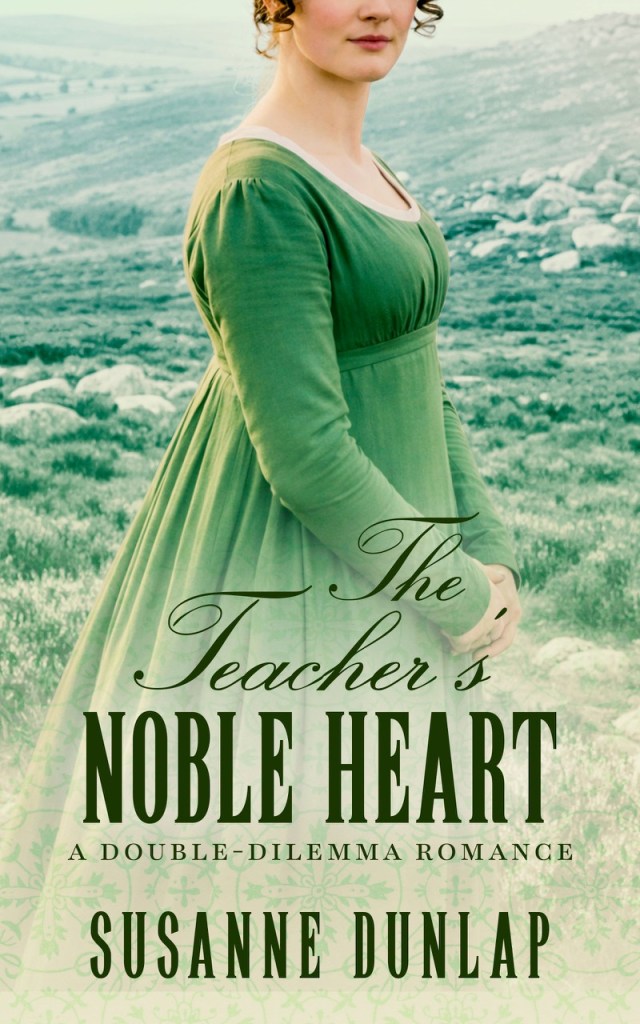
I’m welcoming The Teacher’s Noble Heart by Susanne Dunlap to the blog #blogtour #RegencyRomance #bookreview

I’m welcoming The Teacher’s Noble Heart by Susanne Dunlap to the blog #blogtour #RegencyRomance #bookreview

I’m welcoming The Teacher’s Noble Heart by Susanne Dunlap to the blog #blogtour #RegencyRomance #bookreview

Here’s the blurb


In Regency Cornwall, governess Miss Wilkins has always survived by being sensible, capable, and self-reliant. When she dares to take a bold step toward independence, she has no intention of complicating her life—or her heart.

Her encounters with James Pentarrant, the steadfast captain of the Delabole slate quarry, are marked less by romance than by spirited disagreement. Self-contained and disciplined, James challenges her views at every turn, even as he respects her resolve. What begins as wary sparring and mutual resistance gradually deepens into an understanding neither expected nor sought.

Alongside their unfolding story, a young heiress newly returned to Cornwall hides a calling that defies convention. When a moment of danger on the moor—and the inevitable gossip that follows—forces her into an unintended engagement, assumptions harden and emotions become dangerously entangled. Her growing affection for her own sparring partner, a gentle country doctor with the manners of a true gentleman and a secret of his own, only further unsettles what society is determined to set in place.

Set against the rugged beauty of Cornwall’s coast, quarries, and windswept moors, The Teacher’s Noble Heart is a tender Regency romance of intertwined lives, mistaken conclusions, and love discovered in spite of every sensible intention.

Purchase Link

My Review

The Teacher’s Noble Heart is the fourth of Susanne Dunlap’s Regency romances I’ve read, and I’ve enjoyed all of them (see my reviews below for the previous books). Every book offers something a little different, while still delivering on what we all expect from a Regency romance.

In this story, we are transported to Cornwall, where society is a little different to that of London and yet mostly governed by the same conventions, even if some elements are a little less refined. The addition of our working nobleman and the mystery of the new local doctor adds a delightful element to the story of our two heroines,as does our less-than-typical professions of the two women.

A charming Regency Romance, offering something a little different to stories of London and the Ton and sure to delight fans of the genre.

Check out my review for The Dressmaker’s Secret Earl and The Soprano’s Daring Duke

Meet the author

Susanne Dunlap started out a historian, became an award-winning historical novelist with fourteen published novels for adults and teens, and is now the author of the Regency romance series, Double-Dilemma Romance. She lives and writes in a converted textile mill in Biddeford, Maine.

Author Susanne Dunlap

Connect with the author

https://susanne-dunlap.com

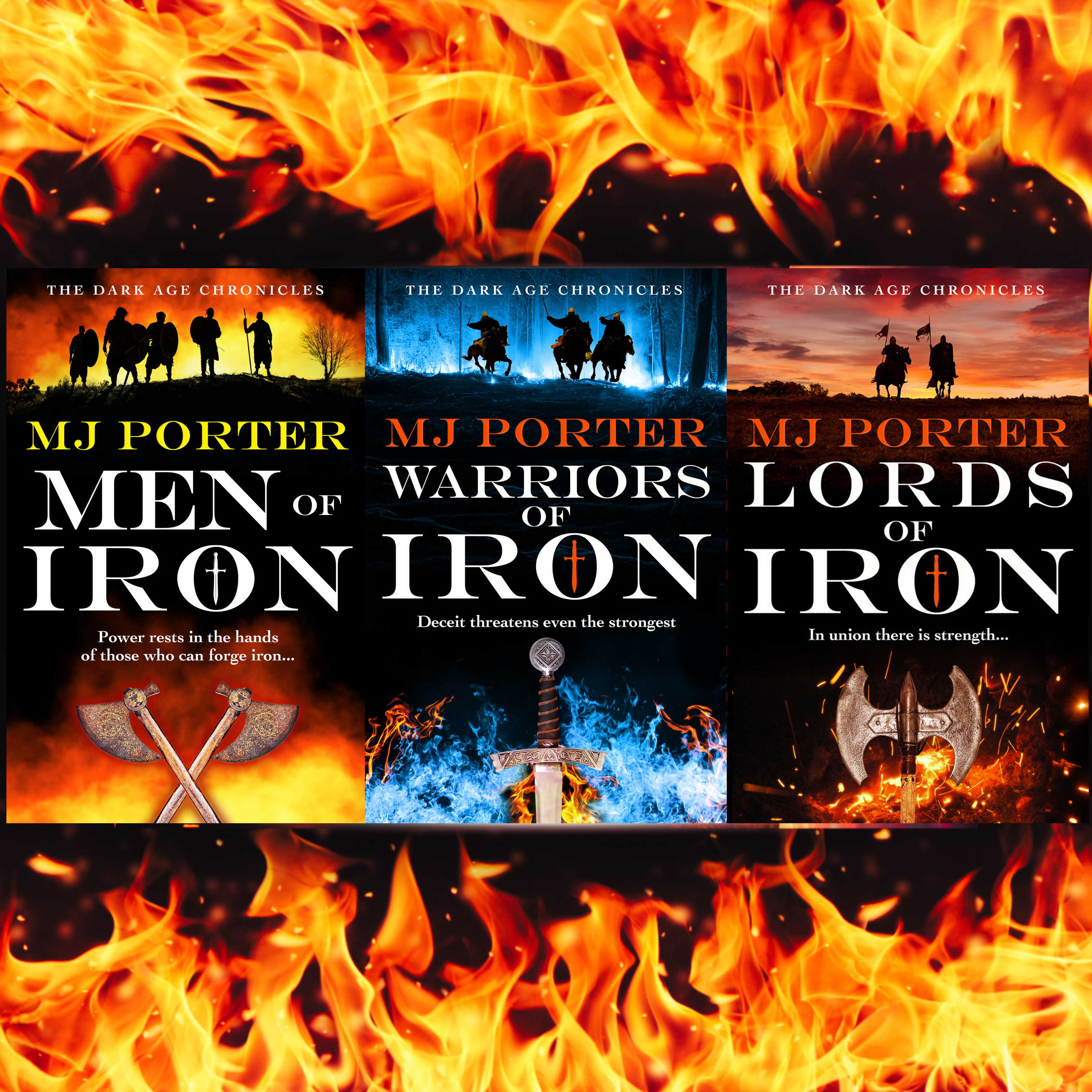
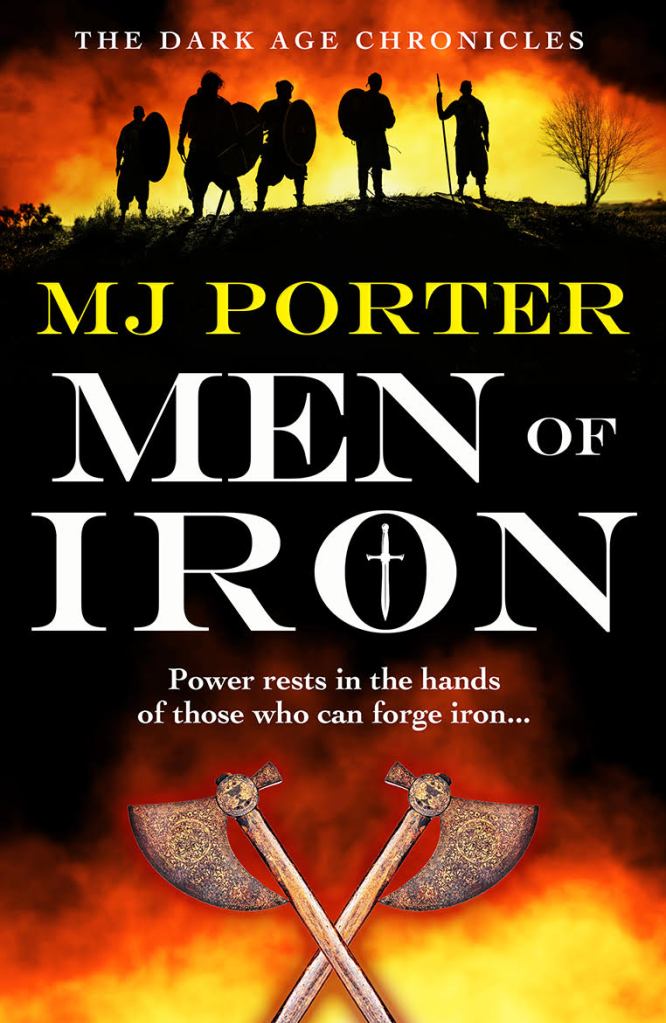
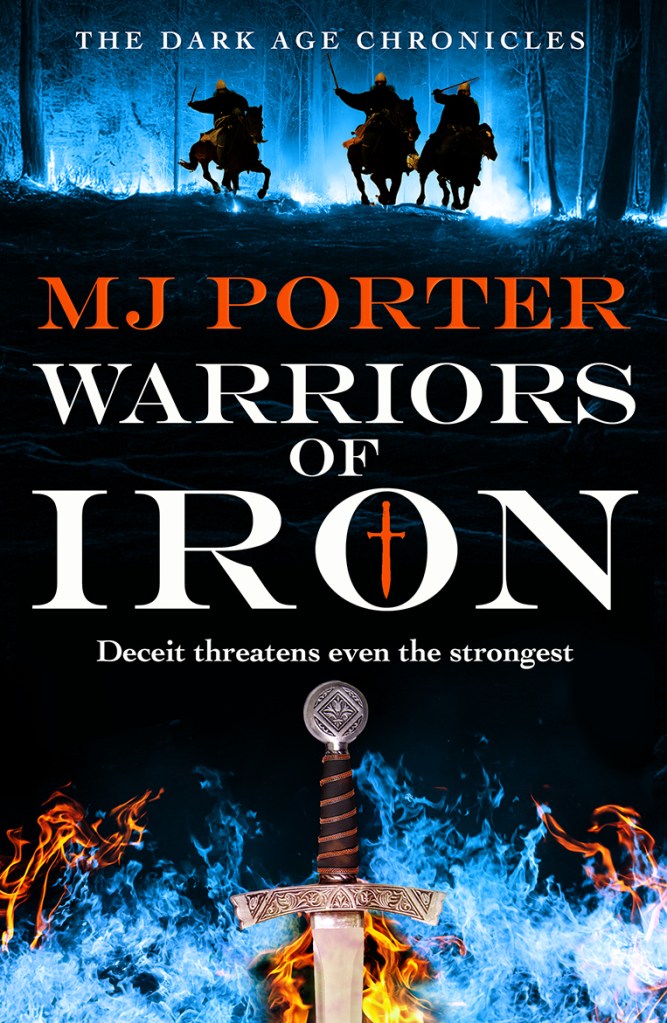
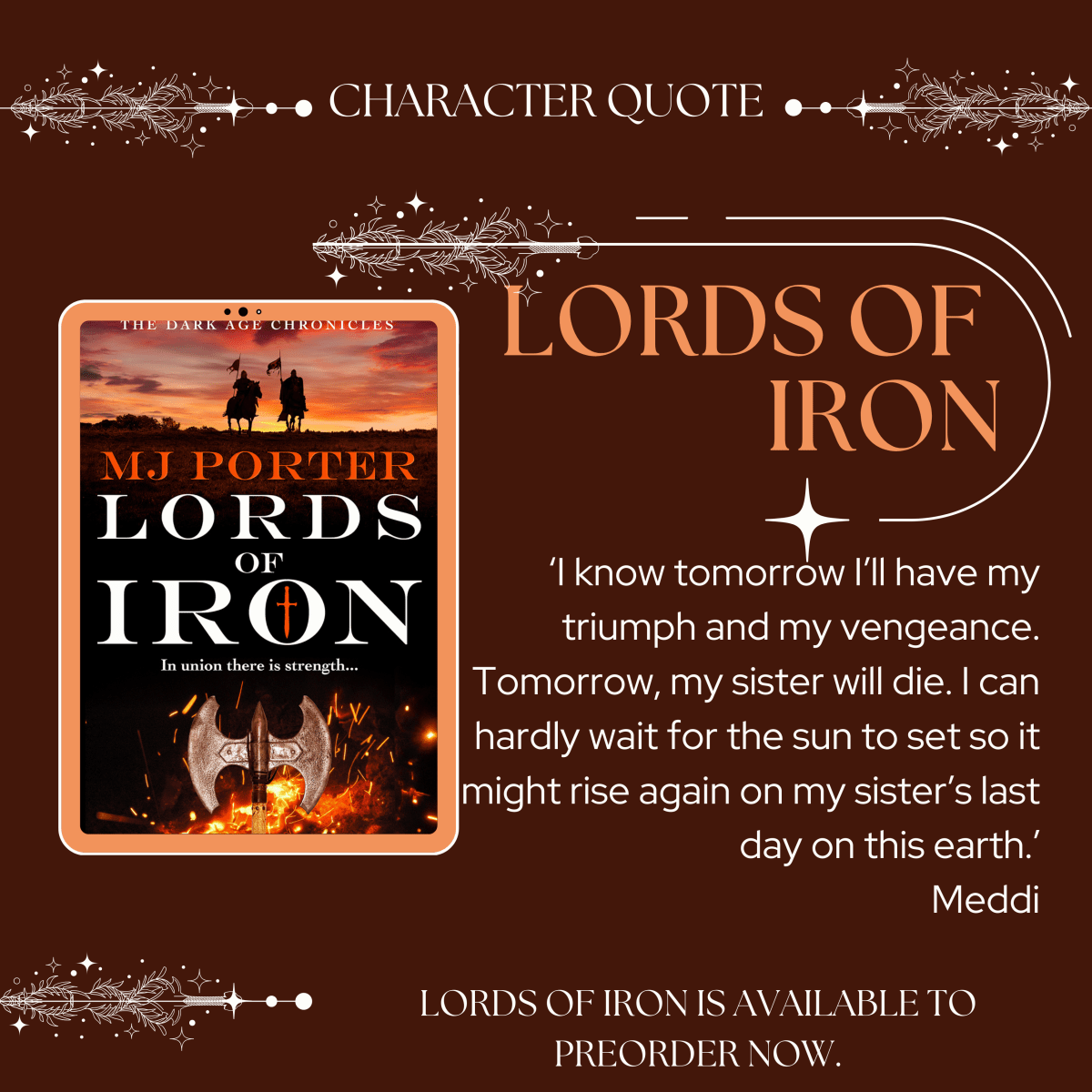
The Dark Age Chronicles might be complete, but I imagine my readers still have questions. Check out this blog post about what comes before (and what came after) #TheDarkAgeChronicles#MenOfIron #WarriorsOfIron #LordsofIron #histfic

It’s happy release day to Lords of Iron, the third and concluding book in the Dark Age Chronicles Trilogy. Let’s talk about battle standards #newrelease #MenOfIron #WarriorsOfIron #LordsofIron #histfic

What comes after the events of the Dark Age Chronicles (as well as before)

In deciding on a date to set the Dark Age Chronicles, I was quite careful. I wanted it to be after the era of the legendary Arthur (the battle of Camlann is dated to 537 in the Annals Cambriae (the Welsh Annals)), but also before written sources start to make some references to what was happening in what would become Saxon England in the later 500s anywhere that wasn’t in the south/south-east. 

In the A version of the ASC there are 26 entries for the 500s. Eight are dated before AD540. These are mostly concerned with events in the south, Kent, the Isle of Wight, and Portsmouth, and their legendary Saxon founders. After 540, we’re treated to the genealogies for what would become Northumbria (547 and 560), Wessex  (552 and 597) as well as having references to the religions in Britain at the time, through accounts of Columba and the missionary activities in Kent from Pope Gregory. There are any number of battles between those forging a foothold in their newly forming kingdoms and the native Britons.

Our first real reference for anything happening in what would become the kingdom of Mercia is under the year 577 when we’re told Gloucester, Cirencester and Bath were taken from the ‘Britons’ by Cuthwine and Ceawlin (of Wessex). Gloucester would certainly be within the later kingdom of Mercia. Cirencester and Bath weren’t.

While I’ll repeat that the Anglo-Saxon Chronicle wasn’t begun until the 890s (so over 300 years later) and Bede, which much of the ASC is based on at this time, was writing in the 730s (so nearly two hundred years later), I still wanted almost a clean slate for my characters to inhabit. There was also the matter of plague to try and avoid, as well as a series of bad harvests, that are referenced but don’t form more than a background detail in the books.

I felt that to truly gain a ‘feel’ and an ‘understanding’ for what might have been happening at this time, it was necessary to step aside from any historical account and to rely on the archaeological record. The years 540 and 541 felt as though they provided a good opportunity to do just that. However, it’s always important to have an eye to what was going to happen, as well as what had happened before. And, as I wrote, a number of elements seemed to become very clear to me. While there are reports of battles amongst the Saxon invaders and the native populations (six of them in those eight entries before 540, although some of them are quite small), and while they feel quite overwhelming when simply listed because they form so much of the narrative, there aren’t a lot of them mentioned before AD540. The impetus certainly seems to gather pace after that date (of the remaining 18 entries, eight reference what seem to be quite large battles). Why this might have been, began to make sense as I explored the idea of no new iron production after the end of Roman Britain, until the skill was ‘rediscovered.’ Without the ability to easily overwhelm an enemy through new blades that weren’t made from recycled metals, would people who’d endured famine and plague, really want to risk it all when there was no chance of success? It felt unlikely. Would you? The need to fight isn’t always taken when you know you’ll succeed, sometimes it’s also desperation, but if these settlements were doing reasonably well, why take the chance? Surely, they needed to rebuild and form alliances to survive.

And so, as I’ve written the trilogy, what would come after – the increasing battles, the desire of the invaders to establish ‘kingships’ in Wessex, Kent, Northumbria, Mercia and the kingdom of the East Angles, began to make a lot more sense – with the rediscovery of how to forge sharpened blades (or indeed, to import them when the ‘invaders’ arrived (whether to intermarry or to make war), because unlike in Britannia, the ability to forge blades didn’t become lost in the homelands of the Saxon invaders) there were suddenly people who could start to dominate, and who would want to dominate. 

And yet, the archaeology couldn’t be forgotten either. There aren’t many battle sites known from this era. What can be said with more surety, is that there was a co-mingling – all sorts of crossovers are found in the burial record – and indeed, the burial rites of many changed during this undocumented sixth century. There was undoubtedly discord between peoples, but there was also accord. Until there wasn’t. So, something had to change to bring about the formation of the Saxon kingdoms. I’m not saying my ideas are correct, but they are intriguing, especially when played out in a fictional environment where I can endeavour to explain what might have been happening – both in terms of war, and peace. (And, some would argue not all iron production was lost – it certainly wasn’t – but it becomes much more difficult to ‘find’ – i.e. no nails to secure coffins in the burial record in the heartland of England – what was happening in Wales/Devon and Cornwall is very different). 

After the Dark Age Chronicles, we move into a period where identifiable kingships and kingdoms are forming – we’re moving into what would become Saxon England, and towards the events of the seventh century, which would be dominated by discord between Mercia and Northumbria, Wessex and the other kingdoms, and the reigns of the alleged ‘bretwaldas’ (wide rulers.) We’re moving towards what’s more immediately understood and known, but the sixth century is where these developments have their routes, as twisted, tangled, unexplainable and often, as baffling as they are. (And we don’t really need a legendary figure to explain what’s happening, do we, although the prevalence of Excalibur does perhaps answer to these questions as well?). We’re moving towards The Gods and Kings Trilogy.

Purchase Link

https://amzn.to/4qaRuy3

Check out the Dark Age Chronicles page for more information about the trilogy

Blog links

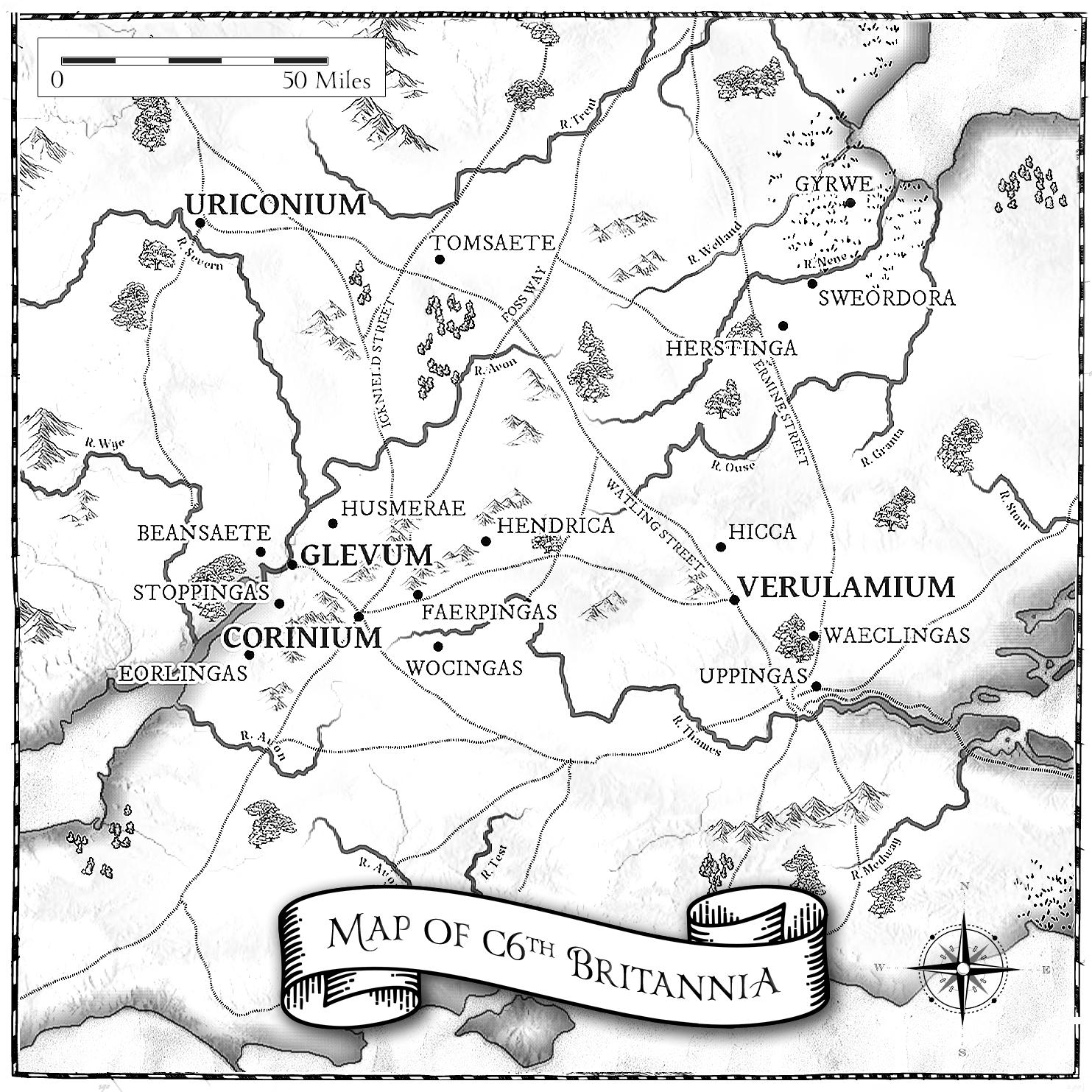
Image shows a map of Early England showing the places mentioned in the text of the book
The Dark Age Chronicles Map

The blog tour for Lords of Iron has finished. A huge thank you to all the hosts. Here’s what they had to say about Lords of Iron #newrelease #MenOfIron #WarriorsOfIron #LordsofIron #histfic

The blog tour for Lords of Iron has finished. A huge thank you to all the hosts. Here’s what they had to say about Lordsof Iron #newrelease #MenOfIron #WarriorsOfIron #LordsofIron #histfic

The Lords of Iron blog tour

Watch the little video I made to showcase the reviews from the fabulous reviewers. Thank you to them all. I know the majority have been with me since Men of Iron, and it’s amazing to realise how invested they’ve become in my characters. (The music is very dramatic).

Check out my blog for more details about the Dark Age Chronicles

Blog links

Image shows a map of Early England showing the places mentioned in the text of the book
The Dark Age Chronicles Map

Purchase Link

https://amzn.to/4qaRuy3


Posts

It’s happy release day to Lords of Iron, the third and concluding book in the Dark Age Chronicles Trilogy. Let’s talk about battle standards #newrelease #MenOfIron #WarriorsOfIron #LordsofIron #histfic

It’s happy release day to Lords of Iron, the third and concluding book in the Dark Age Chronicles Trilogy. Let’s talk about battle standards #newrelease #MenOfIron #WarriorsOfIron #LordsofIron #histfic

Battle standards

Well, here we are my friends, book 3 in the Dark Age Chronicles concludes this foray to the ‘Dark Ages’ (a term I don’t like but is correct for this time period). I thought I’d address the idea of battle standards.

As many stories as I’ve written about war, I’d never considered the battle standard. My editor mentioned to me that ‘they make for great cover ideas,’ and so I did a little bit of research and discovered some information about them, but it was actually in an ‘ask the historian’ section with Mike Everest hosted by the History Quill that I discovered battle standards might not have been fabric at all, but rather perhaps made from metal and more hollow depictions of whatever the battle standard was to be (so perhaps more similar to the Romans and their eagle standards).

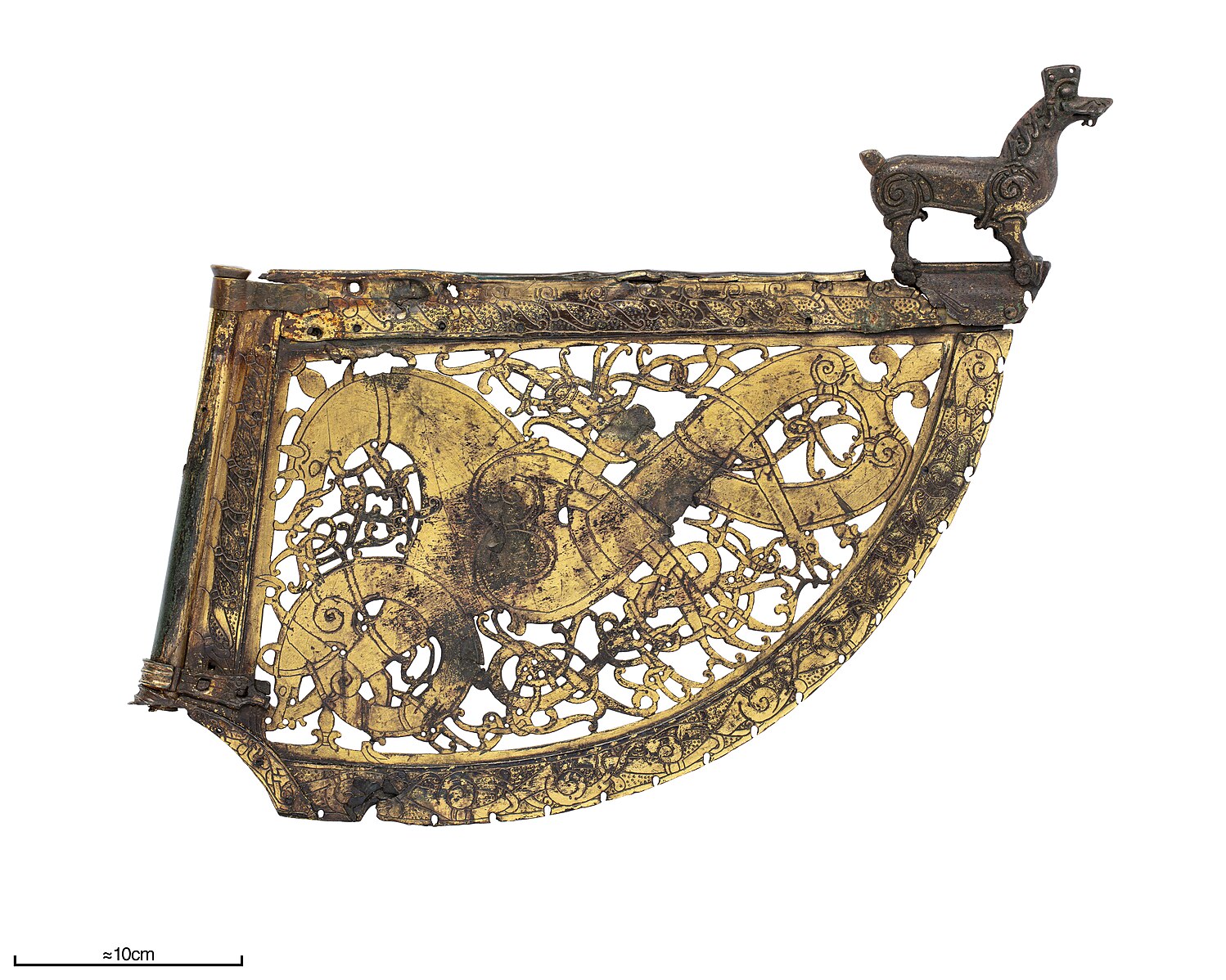
As such, I have touched on this idea in Lords of Iron. As often as I’ve tried to place myself in my characters’ boots, I’ve perhaps overlooked how difficult it might be to find your fellow warrior in the middle of a battle. Below are two images which might have served as an idea of what a battle standard might have looked liked. As you can see, these are very far from being huge banners made of fabric. They are much more intricate, or so it appears. In Warriors of Iron, Wærmund encounters such a battle standard and then hungers to have one constructed for himself. I can see why.

https://commons.wikimedia.org/wiki/File:Söderala_vane_recto_(HST_DIG25845).jpg

https://commons.wikimedia.org/wiki/File:The_Draco_standard_of_Niederbieber,_the_only_fully_preserved_draco,_found_in_the_Limes_fortress_of_Niederbieber,_Landesmuseum_Koblenz,_Germany_(50849293708).jpg

Check out my blog for more details about the Dark Age Chronicles

Blog links

Image shows a map of Early England showing the places mentioned in the text of the book
The Dark Age Chronicles Map

Purchase Link

https://amzn.to/4qaRuy3


Posts