Author of Saxon historical fiction and non-fiction, 20th-century historical mysteries, and Norse-inspired historical romantasy. Book reviewer and blog host.
I’m welcoming G.G. MacLeod to the blog with VIA MALORUM #AncientRome #Agrippina #Messalina #DarkRomantasy #PsychThriller #Giallo #BlogTour #ReaderReach #TheCoffeePotBookClub #YardeBookPromotions @GGMacLeod1 @cathiedunn @maryanneyarde @ggmacleod1 @thecoffeepotbookclub @yardereviews
I’m welcoming G.G. MacLeod to the blog with VIA MALORUM #AncientRome #Agrippina #Messalina #DarkRomantasy #PsychThriller #Giallo #BlogTour #ReaderReach #TheCoffeePotBookClub #YardeBookPromotions
Here’s the blurb
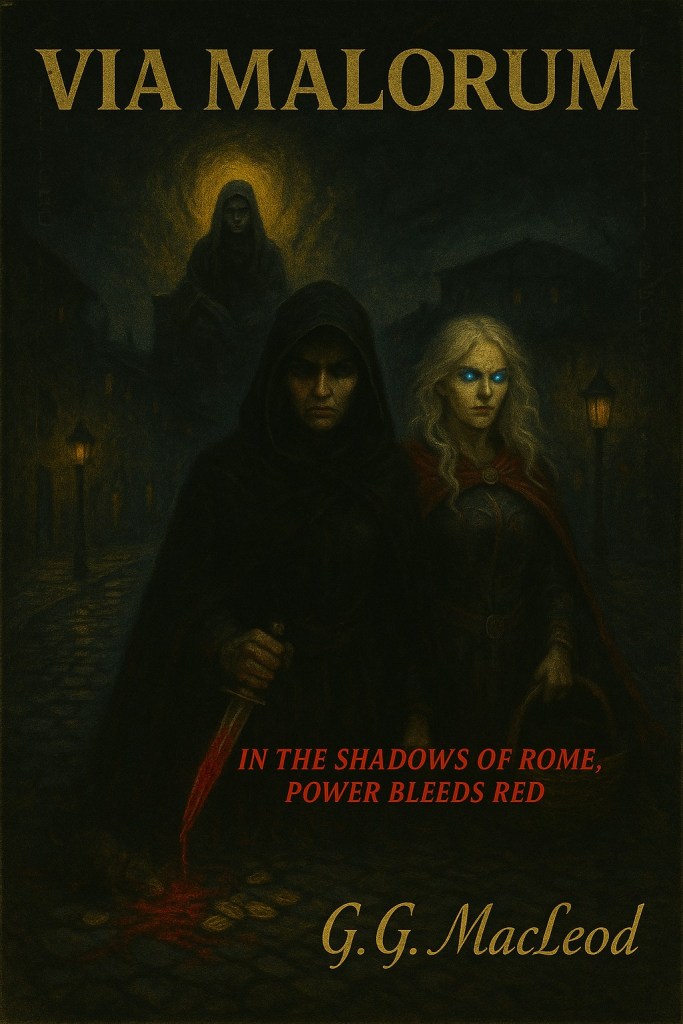
In the shadows of Rome power bleeds red.
In the shadowed streets of ancient Rome, 37 CE, power is a blade that cuts both ways. Agrippina, a towering enigma of ambition, slips from Caligula’s gilded cage with her newborn son, Domitius, her mind a labyrinth of cold calculation. At her side prowls Messalina, a siren in scarlet, her seductive cunning as deadly as her blade. Together, they navigate a city teeming with decadence and deceit, pursued by whispers of treachery and the emperor’s wrath.
Their journey leads to the Temple of Fortuna where the enigmatic Prophet Cassandra unveils a cryptic fate – one that demands sacrifice and promises blood. As alleys echo with violence and forbidden passions ignite, Agrippina’s quest for dominion collides with Messalina’s ruthless desires. In a night where every step drips with danger, who will rise and who will fall?
VIA MALORUM is a visceral plunge into the heart of Roman darkness, blending historical intrigue with the chilling allure of giallo. Prepare for a tale where power bleeds red, and trust is a luxury none can afford.
Any Triggers: Some rough lesbian sex, moderate violence.
The author is a 59-year-old Canadian male based in Calgary. The author has always had a tendency of combining genres like horror and action along with drama, psychological thrillers, giallo, and sometimes even comedy.
It really depends on how the author feels from moment to moment as they write because the author likes to entertain themselves first and then hope that a smattering of other people out there in the world will like it as well.
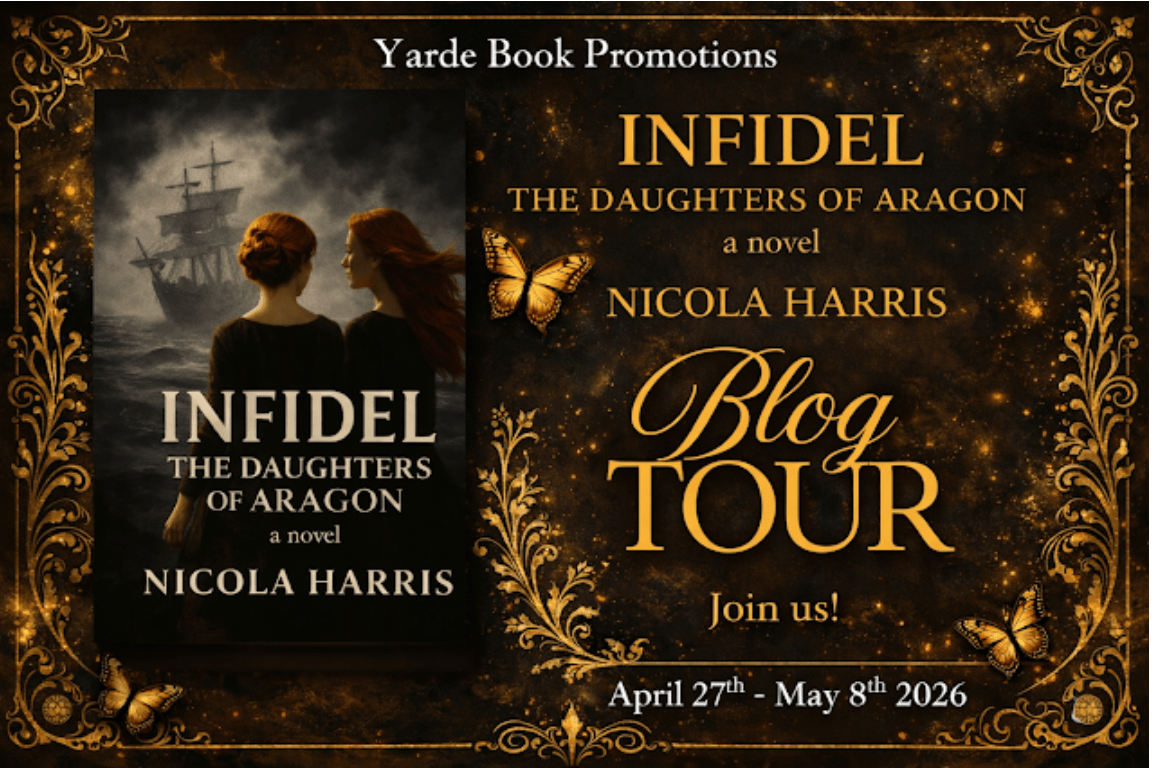
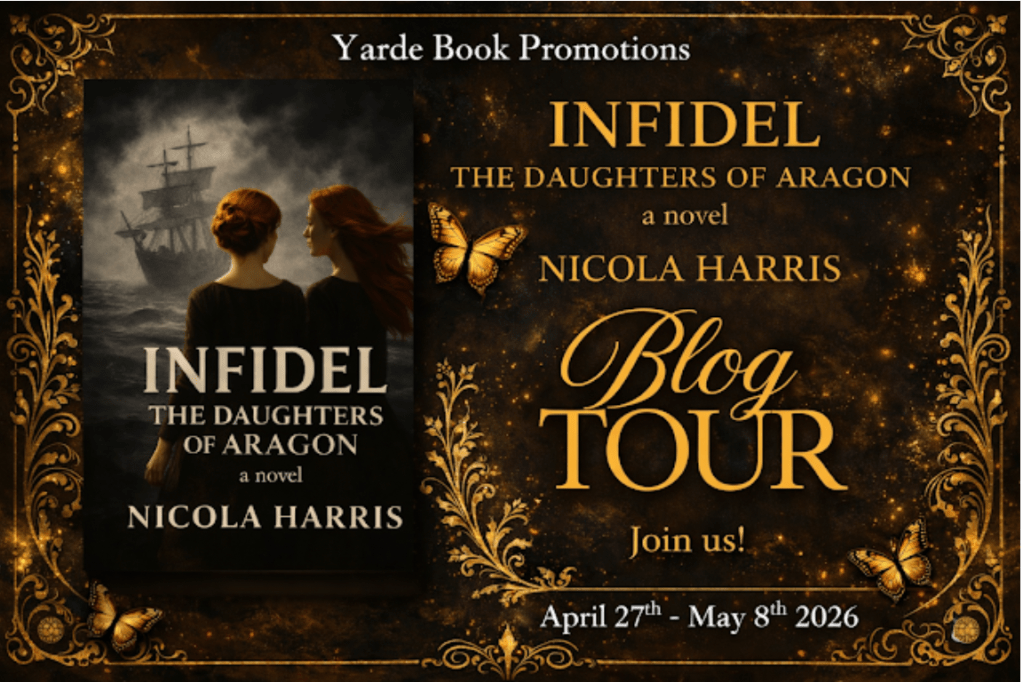
I’m welcoming Nicola Harris to the blog with her new novel, Infidel #InfidelTheDaughtersOfAragon #NicolaHarris #CatherineOfAragon #HistoricalFiction #TudorHistory #BookTour #BlogTour #YardeBookPromotions
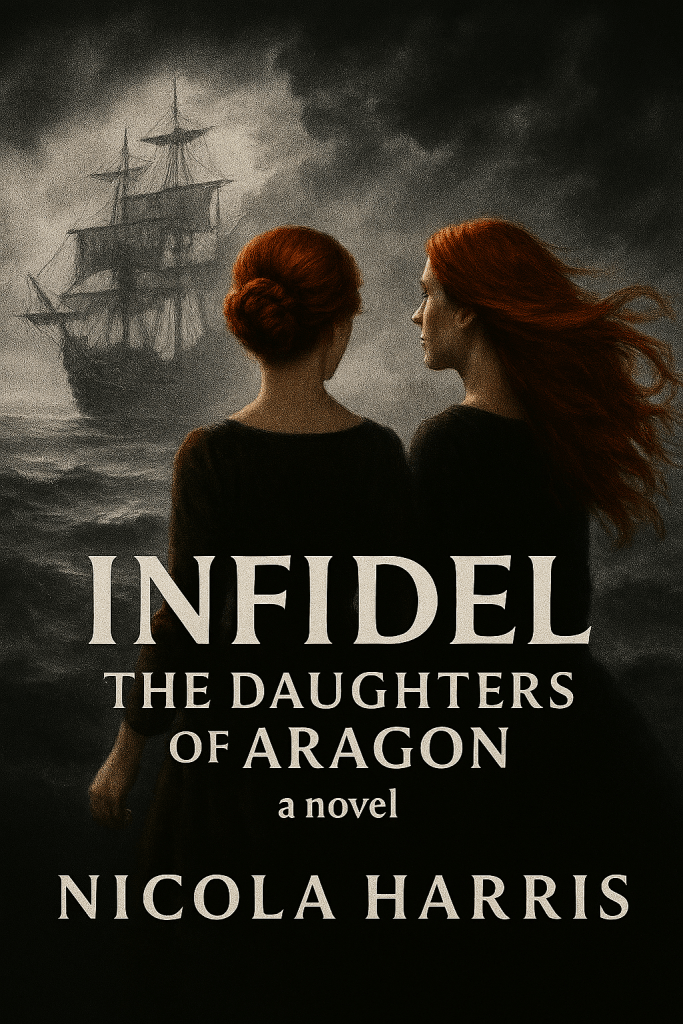
I’m welcoming Nicola Harris to the blog with her new novel, Infidel
Guest post by Nicola Harris
My research for Infidel began long before I ever thought of writing a novel about Catherine of Aragón. It began on a beach in Tenerife, years before tourism transformed the island. To a child, it felt like another world. The light, the heat, the colours, the food, the rhythm of life.
I was fortunate enough to spend a great deal of time with a Spanish family who welcomed me into their home and their culture year after year. They taught me fragments of their language and, more importantly, the stories that shaped their history. Through them, I first encountered the world of Muslim Spain and the Catholic warrior monarchs who fought to reclaim it. It was impossible not to be fascinated.
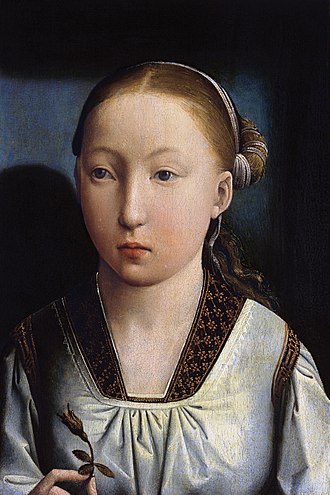
Catalina’s mother, Isabella of Castile, stood out immediately. She was disciplined, relentless, and utterly convinced of her divine purpose. She was also a mother raising her children in a kingdom defined by conflict.
That tension between power and vulnerability became the foundation of my interest in Catalina’s early life. Before she was a queen, she was a child shaped by siege warfare, political ambition, and the expectations of a dynasty that demanded strength from its daughters.
As I began to research more deeply, I found myself drawn to the wider world that touched Catalina’s childhood. I have always been captivated by the fall of Constantinople and the Turkish Sultan Mehmed II’s audacious plan to take the city.
On a trip to Turkey a few years ago, I spoke with a Turkish waiter about his view of the sultan. His pride and respect for Mehmed stayed with me. It reminded me that history is never simple. Every figure we study has another side, another story, another set of loyalties and beliefs.
That conversation helped me approach the period with a wider lens, aware that the Christian and Muslim worlds were not simply enemies but complex civilisations with their own brilliance and contradictions.
Juana of Castile, Catalina’s older sister, became a vital part of the novel for this reason. She is often reduced to the label Juana the Mad, but she was far more than that. In Infidel, Juana allows me to explore the moral questions surrounding the Muslim wars and the Inquisition.
She is outspoken, intelligent, and unwilling to accept cruelty as the natural cost of faith. Through her, I could give voice to the discomfort a modern reader might feel when confronted with the punishments and persecutions of the age. Without revealing too much, Juana’s own journey takes her far from home, and the emotional cost of that distance shapes her view of the world.
Her brother Juan was married to Margaret of Austria, who is frequently remembered for educating Anne Boleyn. What is less often acknowledged is that long before Anne ever entered Margaret’s household, Catalina was already connected to Margaret by family.
In Infidel, those family connections matter. It reminds us that Catalina did not exist only in relation to Henry VIII and Anne Boleyn. She belonged to a wider European network of women whose lives, loyalties, and alliances shaped the courts that Anne would later enter.
There is a great deal of sadness in this story, because there was a great deal of sadness in Catalina’s early life. She lost people she loved. She witnessed the brutality of war. She learned to read cyphers and how to read hearts. She watched her parents arguing over her father’s love affairs. She learned to stand firm even when everything around her was shifting.
Her childhood was not soft or sheltered. It was an ordeal. She came face to face with native Americans who were snatched from their land and brought to the palace. I wanted to understand what forged her, what hardened her, and what gave her the strength she carried into England. Her resilience did not appear by magic. It was earned.
Infidel grew from all these threads: my early love of Spain, my fascination with the fall of Constantinople, my respect for the complexity of the period, my interest in the overlooked connections between women like Catalina and Margaret of Austria, and my desire to show Catalina not as a symbol but as a girl shaped by fire.
She was fierce, vulnerable, determined, and unforgettable long before she became a Tudor queen. I wanted to bring that girl to life. I wanted to show the sisters who stood beside her, the world that formed her, and the dynasty that demanded so much from its daughters.
Here’s the blurb
Born in the glittering courts of Castile and Aragon and forged in the shadow of war, Catalina de Aragón grows up surrounded by queens, rebels, and explorers. She is her mother’s last daughter, the final jewel of a dynasty built on conquest and faith, and the one child Isabella of Castile cannot bear to lose.
But destiny has already claimed Catalina.
Promised to Prince Arthur of England since childhood, she is raised to bind kingdoms, soothe old wounds, and carry the hopes of an empire across the sea. Yet, Spain fractures under rebellion, grief, and the ruthless zeal of its own rulers.
From the burning streets of Granada to the storm‑lashed Bay of Biscay, Catalina and her sisters must navigate a treacherous path shaped by ambition, betrayal, and the dangerous love of men who fear the power of queens. She learns to read cyphers, to read hearts, and to stand unbroken even as her childhood is stripped from her piece by piece.
And when she finally sails for England armed with her mother’s lessons, her father’s steel, and the ghosts of the Alhambra at her back, Catalina steps into her fate not as a girl, but as a force.
A princess.
A survivor.
A daughter of Aragon.
Infidel is the story of a young woman raised for greatness and destined to reshape the fate of nations. This is Catalina, as she has never been seen before. She is fierce, vulnerable, and unforgettable.
A sweeping, intimate portrait of sisterhood, survival, and the making of a dynasty, Infidel reveals the hidden lives of a woman whose courage shaped the Tudor world.
Any Triggers: Grief, mild peril, the Spanish Inquisition, enslaved people, death in childbirth and miscarriage.
I’ve always been a writer, but it was only when illness forced me to stop everything that I finally had the time to write a novel. After decades of misdiagnosis, I learned I was born with a serious genetic condition, not rare, but profoundly misunderstood. The clues were there from birth, and suddenly, a lifetime of struggle made sense.
Writing became my lifeline: a way to step beyond my pain, to shape my experience into a story, and to find meaning where there had once been only endurance.
I have a lifelong love of children, Counselling, and Psychotherapy Theory and history.
I’m welcoming John Anthony Miller and his new book, Another Soul Saved, to the blog @authorjamiller @maryanneyarde @yardereviews
@maryanneyarde.bsky.social #BlogTour #HistoricalFiction #WWIIFiction #HolocaustFiction #WomenInHistory #YardeBookPromotions
I’m welcoming John Anthony Miller and his new book, Another Soul Saved, to the blog
Research required to write the novel Another Soul Saved
An author’s goal in writing a novel is to create an imaginary world with make-believe characters that keep the reader immersed in the story. When writing historical fiction, the story is usually grounded in fact—actual places, events, or historical accounts. To keep the reader fully engaged, the author needs to mimic the every-day life of people who lived during that time. Details lend credibility to the narrative, and details require research.
Another Soul Saved is my nineteenth published novel, and I typically approach each one from the same perspective. Usually, I start by choosing a location and time period, or a world event that drives the plot. Once I have the basic concept underway, I start the research.
I begin with the names of the characters. Another Soul Saved is set in Vienna, Austria, in the early days of WWII. Assuming the characters are around thirty years old, and the book takes place in 1941, I searched online for popular Austrian baby names in 1910 – the year around when the characters would have been born. I use a legal pad and make three columns: female names, male names, and surnames. Then I match them based on my image of the character. I actually spend a lot of time on names because I want them to flow, especially for the main characters.
Next, I researched the city of Vienna, where the book takes place. I have been to Austria, but not the neighbourhood where the book is set, so I used Google Earth—it has a dropdown feature where you can actually “walk the streets.” It helps me describe buildings and use actual street names. Since some of the book takes place in St. Stephen’s Cathedral, I had to find the floor plans, including those of burial crypts in the basements, which are used in the novel to hide escaping Jews.
To create the right atmosphere, I had to understand the city of Vienna as it existed in 1941. Ninety-nine percent of the residents supported the policies of Adolf Hitler, but my novel uses the voice of the one percent who didn’t—those risking their lives to save others, knowing that friends, neighbors, and even family members could betray them. I had to create the underlying tension so the reader felt the same fear that the main characters lived with. I read books about the Austrian Resistance movement and the nation’s policies and treatment of the Jewish population, so I understood what their lives were like.
Another Soul Saved tells the story of Monika Graf, a wealthy woman who risks everything to rescue Jewish children, with no recognition or reward, betraying both her country and her husband. Unable to have children of her own, she impulsively rescues two Jewish children from the Nazis, which starts a whole underground movement. To realistically portray the process, I had to research real-life events. How did Jewish children escape the Nazi regime in Austria? A limited number were permitted to emigrate. What process was followed to get them out of the country? Many more children posed as Catholics, sheltered by the church in orphanages, convents, and seminaries. How was this accomplished? Other children were hidden on farms where it was easy to blend in with the farmer’s family, with much less exposure to soldiers or citizens who supported them.
Topics specific to the novel that I had to research included train travel, a nearby concentration camp, the workings of St. Stephen’s Cathedral—how many priests and what duties were they assigned, food rationing, the Gestapo presence in Vienna—headquarters and processes, and a timeline for the Jews in Vienna.
And lastly, I conducted research common to any historical novel: clothing worn during the time period, women’s hairstyles, local foods, and popular automobiles.
My goal as an author is to blend the different levels of research into a world the reader doesn’t want to leave.
Here’s the blurb
Vienna, 1941
Monika Graf, the wife of a wealthy Austrian military commander, steals two Jewish girls from the Nazis—a crime often punishable by death. With soldiers in rapid pursuit, a homeless Jew named Janik, a mysterious man who lurks in the shadows, helps her escape.
Unable to have children of her own, she finds a new purpose in life—rescuing Jewish children from the horrendous Nazi regime. She asks the Swiss for help, trading military secrets she gleans from her husband for the lives of Jewish children. With Janik’s continued support, she also enlists Father Christoff, a priest at St. Stephen’s Cathedral coping with unexpected emotions and doubting his commitment to God. Monika quickly forms bonds that can’t be broken, feelings exposed she never knew existed.
Relentlessly pursued by Gestapo Captain Gustav Kramer, Monika combats continuing risk to her clandestine operation. When her husband, a rabid Nazi, returns from the battlefield severely wounded, she gets caught in a cage that she can’t crawl out of.
Wrought with danger, riddled with romance, Another Soul Saved shows humanity at both its best and worst in a classic struggle of good versus evil.
Any Triggers: Holocaust storyline; Nazi characters
John Anthony Miller writes all things historical—thrillers, mysteries, and romance. He sets his novels in exotic locations spanning all eras of space and time, with complex characters forced to face inner conflicts—fighting demons both real and imagined. He’s published twenty novels and ghostwritten several others, including Another Soul Saved. He lives in southern New Jersey.
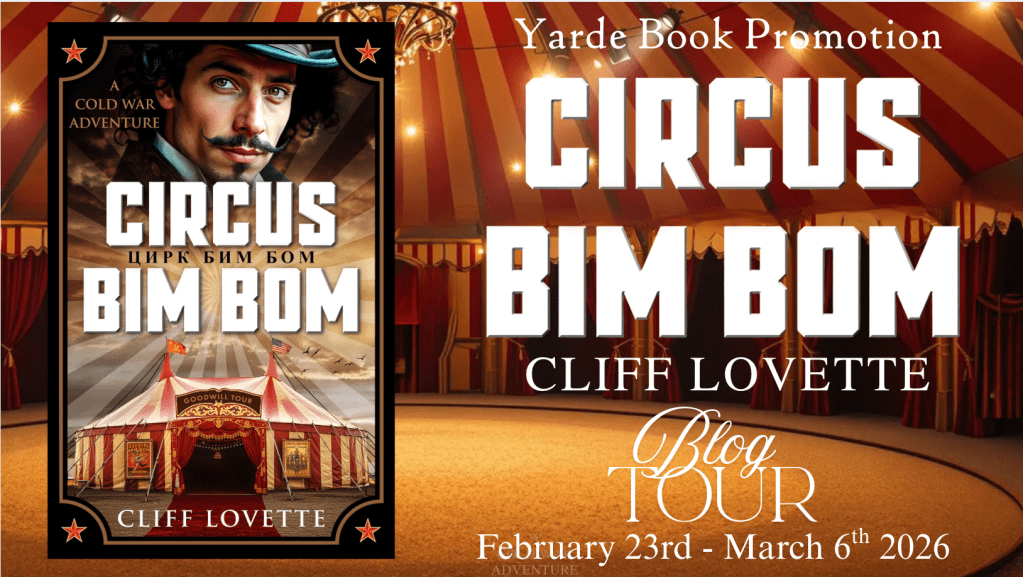
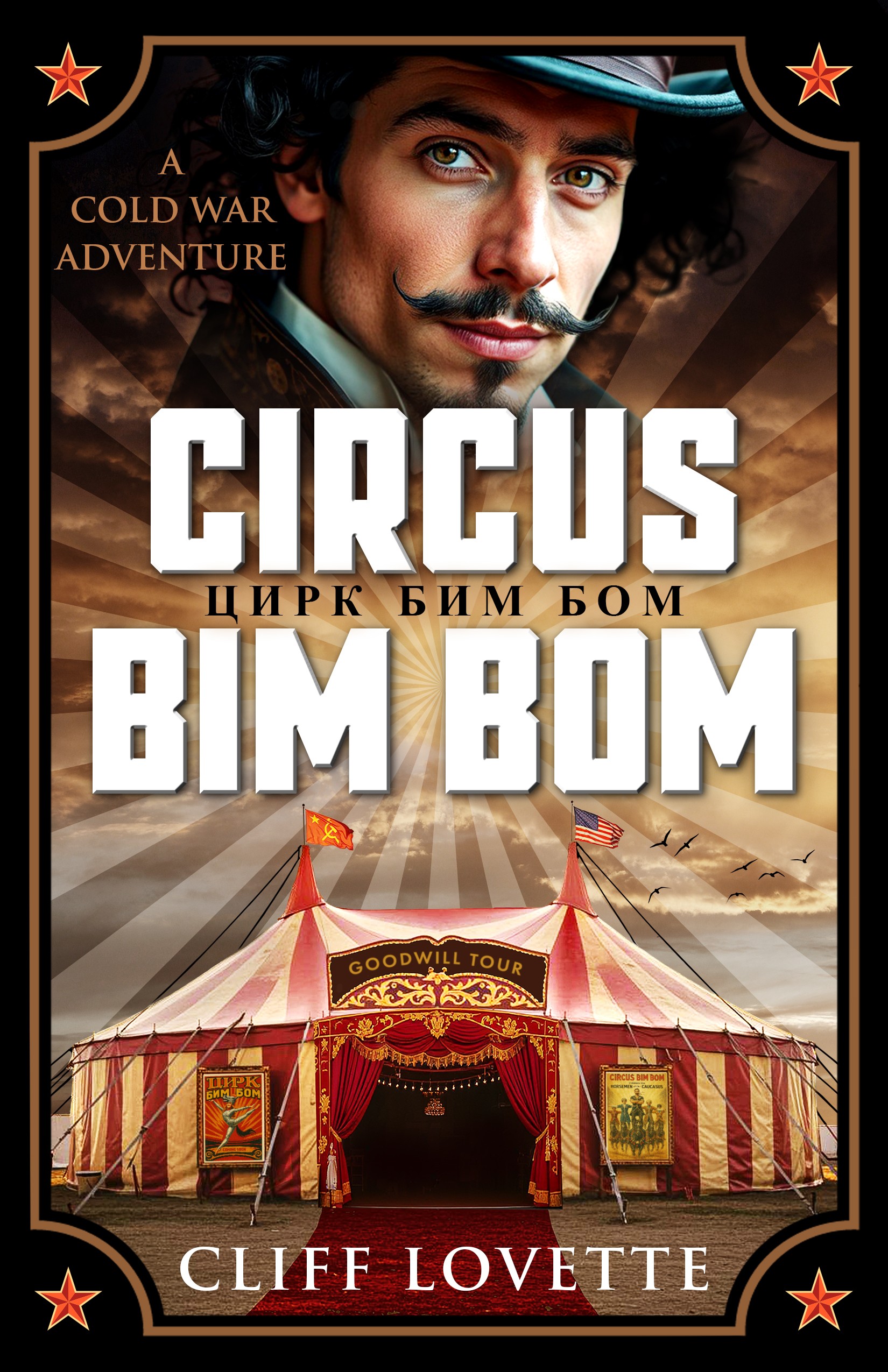
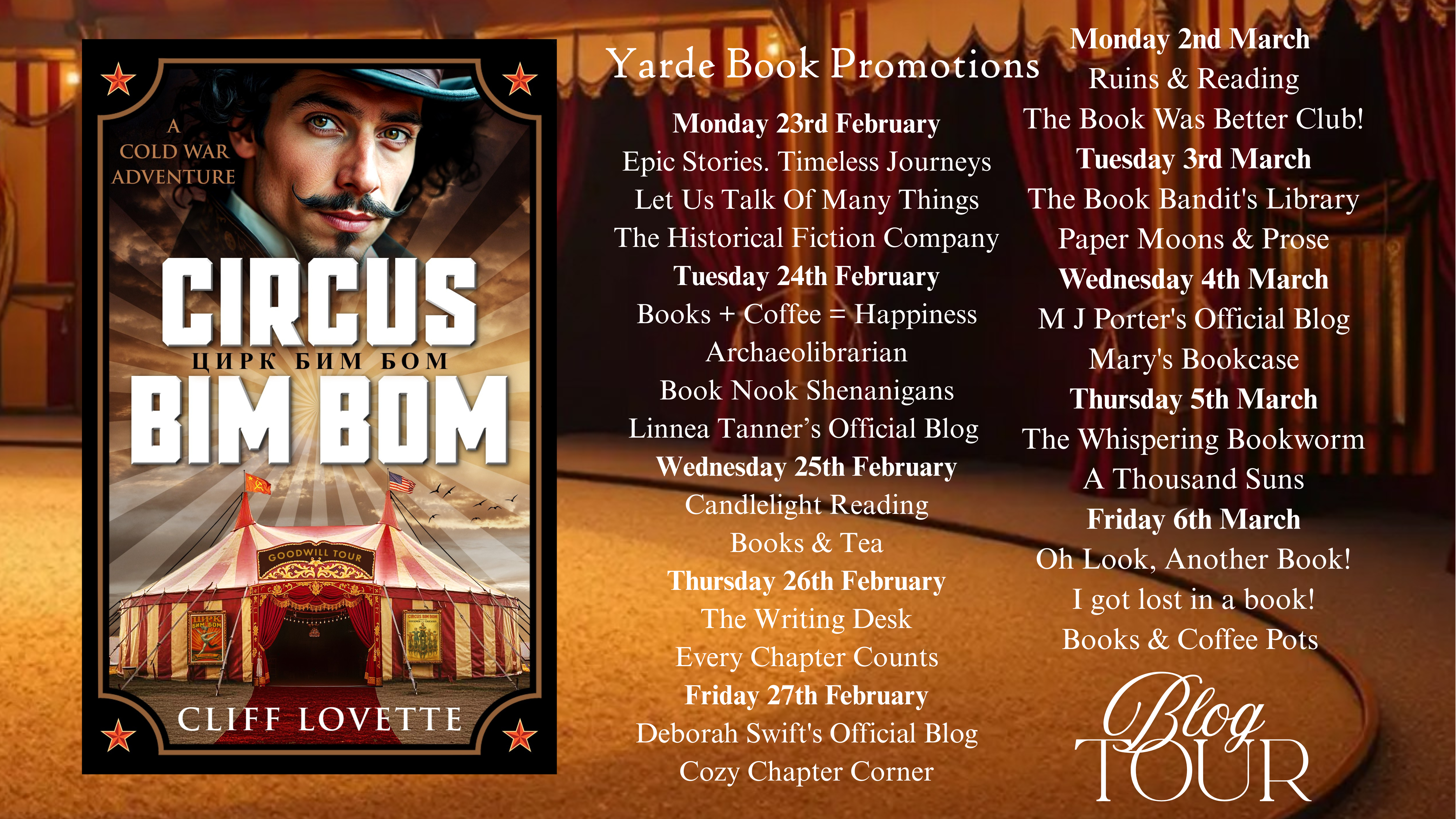
I’m welcoming Cliff Lovette and his new novel, Ciric Bim Bom: A Cold War Adventure to the blog with a post about my favourite topic – research
I’m welcoming Cliff Lovette and his new novel, Circus Bim Bom: A Cold War Adventure to the blog with a post about my favourite topic – research
THE RESEARCH NEVER ENDS
Circus Bim Bom: A Cold War Adventure Bim Bom Books by Cliff Lovette
In 1991, I was a young attorney at an entertainment law firm in Atlanta. In walks this long-haired road manager named Bobby Liberman. He’d just finished a tour and started telling me about his previous gig: road manager for a privately owned Soviet circus that had arrived in America in 1990—a hundred and twenty performers, crew, and families from the crumbling Soviet empire. I was hooked. More than three decades later, I’m still researching.
Following the Trail The Circus Bim Bom saga barely made a ripple in national news—just a few newspaper articles and some local TV coverage—before the story vanished into thechaos of 1990. It was a year when the rubble of the Berlin Wall was still being cleared, Saddam invaded Kuwait, and the Soviet Union began its final unraveling. With so much history unfolding simultaneously, a Soviet circus touring America was easy to overlook. Yet fragments survived: newspaper clippings in library archives, a circus program printed in both Russian and English, photographs from a July Fourth picnic at Lake Lanier where Soviet performers celebrated America’s birthday with Georgia Rotarians. The challenge was finding these fragments—and the people who could provide them with meaning.
The Hunt for Living Memory In 2010, I recruited a team of Emory Law students to help me organize the chaos. They compiled a fifty-four-page research packet that included contact lists for circus performers, American promoters, attorneys, and journalists who had covered the story. They created quote databases highlighting the most revealing moments fromdozens of newspaper articles, spanning publications from The Atlanta Journal-Constitution to The Washington Post to The Los Angeles Times. They transcribedinterviews that captured voices I might otherwise have lost to time. But documents only tell part of any story. I needed voices—living witnesses whocould fill in what the paper trail left out. I tracked down the Nashville promoter who had worked with the tour. I found theRoswell Rotarian who had hosted that Fourth of July party, and I listened as he described, with tears in his eyes, how a towering Russian strongman had put an arm around his shoulder during the fireworks and said, “Happy Birthday, USA.” That moment stayed with me. Here was an American patriot who’d opened his home to Soviet performers—strangers from the other side of the Iron Curtain—and three decades later, he still choked up remembering it. Over the years, I interviewed more than a dozen people connected to the tour. Some welcomed the chance to share their memories, while others were initially reluctant, surprised that anyone still cared about events from so long ago. Each conversation unlocked new details, contradictions, and mysteries, reminding me why this story matters.
The Bigger Picture Personal testimonies provided the human story, but I needed context—the geopolitical forces shaping what these performers experienced while their empire teetered back home. What was happening in Moscow while they performed in American arenas? What pressures weighed on Soviet officials? What were American audiences thinking as they watched these artists from behind the Iron Curtain? I studied declassified State Department documents about the Washington Summit negotiations between President Bush and Mikhail Gorbachev—the high-level diplomacy that formed the backdrop for this circus tour. I traced connections between promoters on both coasts and dug through newspaper archives from Atlanta, Los Angeles, and New York. Every answer generated new questions. Every document pointed to another document I hadn’t yet found.
Why the Research Never Ends M.J. Porter writes that we must “question everything and not just accept it… look at the why, the how, and everything in between, including the chance survival of the records we do have.” That philosophy resonates deeply with me. Historical research isn’t about finding definitive answers; it’s about following threads wherever they lead, questioning assumptions even when the answers seem obvious, and accepting that some gaps can never be filled. The fragments that survive do so by chance—a newspaper clipping saved in a scrapbook, a photograph tucked in a drawer, a memory that someone chose to share before it was too late. What matters is honoring those fragments: the transcribed interviews, the faded newspaper clippings, the photographs of Soviet acrobats at a Georgia lake on the Fourth of July. Those fragments became Circus Bim Bom: A Cold War Adventure—a novel that weaves fact and imagination to bring this forgotten story back to life. The book took shape over years of drafts, each revision incorporating something new I had learned, some detail I had finally tracked down, or some connection I had made. But even now, with the book complete, I continue to find new details—a name I hadn’t encountered, a connection I hadn’t made, a question I hadn’t thought to ask. The research never ends. And I wouldn’t have it any other way.
Here’s the blurb
Soviet circus performers arrived in America hoping to build cultural bridges. Instead, they became unwitting pawns in a Cold War game of international intrigue.
When the first privately owned Soviet circus arrived in 1990 in America as the Soviet Union disintegrated, its elite performers expected to build cultural bridges through spectacular shows. Instead, this prestigious troupe faced a perilous journey through Cold War America.
Circus director Yuri had to navigate treacherous waters where American mobsters, Soviet agents, and political forces circled like predators. Young aerialist Anton dreamed of becoming a clown against his family’s wishes, while forbidden romances and unexpected connections bloomed between Soviet performers and Americans who saw past the ideological divide. As high-stakes conspiracies threatened to tear the circus family apart, they had to choose between the authoritarian chains of home and the uncertain promise of freedom.
As the Ringmaster reminds us, “The best Soviet stories are like vodka—they burn with suffering, intoxicate with conflict, keep you stewing in reflection, and yearning for your heart’s desire.” This genre-bending tale explores whether human connection can transcend ideology—and whether storytelling can bridge the divides that separate us.
Circus Bim Bom offers an innovative multimedia reading experience. The novel includes 45+ YouTube links to period music, historical speeches, and cultural moments embedded throughout—readers can listen to the actual songs characters dance to as they waltz, and watch Reagan’s Brandenburg Gate speech as it’s referenced in the text.
Character Avatars: 25+ talking video introductions where characters speak directly to readers
Re-Imagined Circus Posters
Book Club Experience: Interactive forums, live chat, and community discussions
Historians Room(under construction): A space for Cold War history buffs to fact-check the novel, explore primary sources, and debate historical accuracy
Meet the author
Father, storyteller, and dog lover living in Sandy Springs, Georgia, with London curled at his feet. Cliff Lovette is an entertainment lawyer who learned about the real Circus Bim Bom in 1991 when the circus’s American road manager became a client at his Atlanta law firm. Circus Bim Bom: A Cold War Adventure is the first book in his debut duology
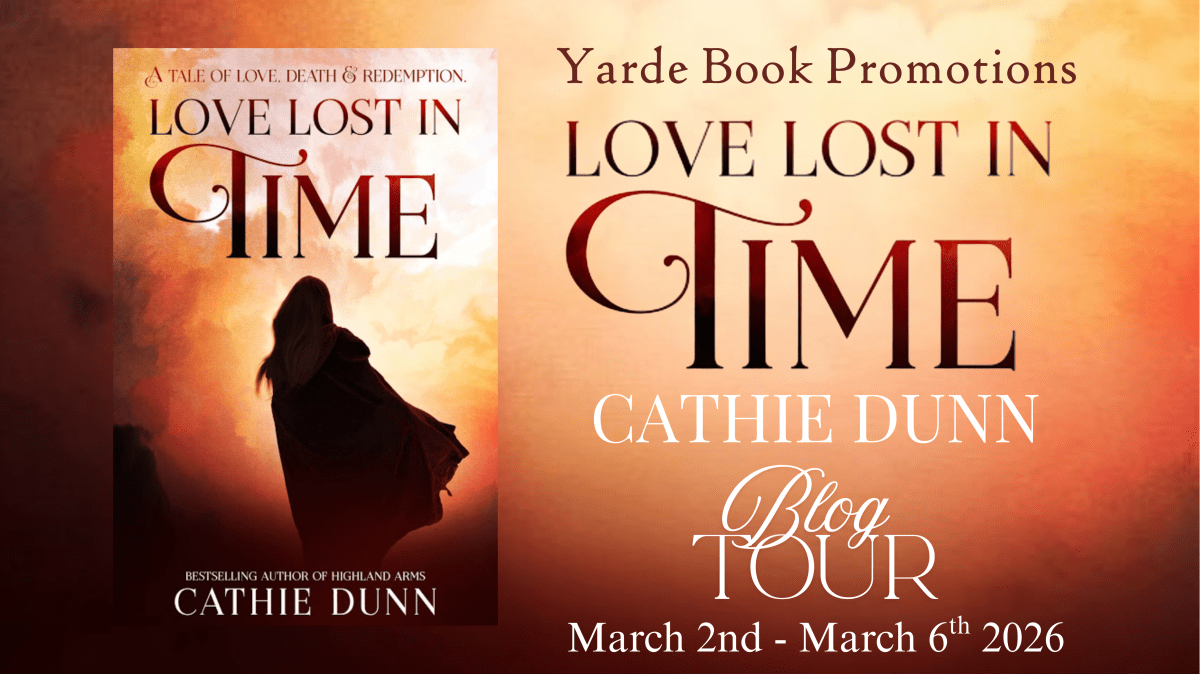
Today, I’m delighted to be reviewing Love Lost in Time by Cathie Dunn, a dual timeline novel #LoveLostInTime #CathieDunn #DualTimeline #WomenAcrossTime#BlogTour #YardeBookPromotions
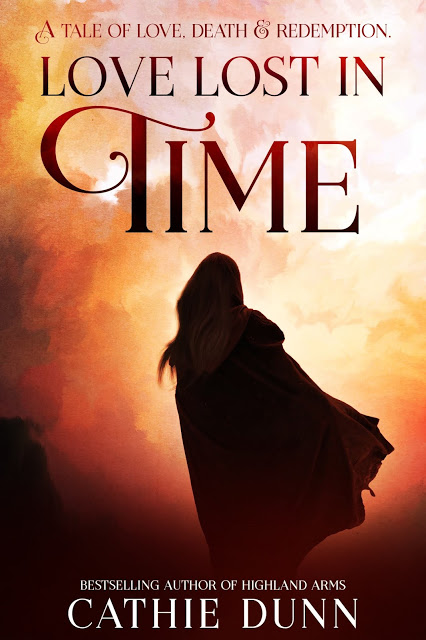
Today, I’m delighted to be reviewing Love Lost in Time by Cathie Dunn, a dual timeline novel
Here’s the blurb
A reluctant daughter. A dutiful wife. A mystery of the ages.
Languedoc, France, 2018
Historian Madeleine Winters would rather research her next project than rehash the strained relationship she had with her late mother. However, to claim her inheritance, she reluctantly agrees to stay the one year required in her late mother’s French home and begins renovations. But when she’s haunted by a female voice inside the house and tremors emanating from beneath her kitchen floorboards, she’s shocked to discover ancient human bones.
The Mediterranean coast, AD 777
Seventeen-year-old Nanthild is wise enough to know her place. Hiding her Pagan wisdom and dutifully accepting her political marriage, she’s surprised when she falls for her Christian husband, the Count of Carcassonne. But she struggles to keep her forbidden religious beliefs and her healing skills secret while her spouse goes off to fight in a terrible, bloody war.
As Maddie settles into her rustic village life, she becomes obsessed with unraveling the mysterious history buried in her new home. And when Nanthild is caught in the snare of an envious man, she’s terrified she’ll never embrace her beloved again.
Can two women torn apart by centuries help each other finally find peace?
Love Lost in Time is a vivid standalone historical fiction novel for fans of epoch-spanning enigmas. If you like dark mysteries, romantic connections, and hints of the paranormal, then you’ll adore Cathie Dunn’s tale of redemption and self-discovery.
Any Triggers: Implied attack on a female character. Some minor fighting scenes.
Praise
“From the richness of Charlemagne’s court and the regret of a daughter, as she stands over her mother’s grave, to the realisation of an enemy and a skeleton under the kitchen floor, Love Lost in Time: A Tale of Love, Death and Redemption by Cathie Dunn is the unforgettable story that traverses two very different times.”
The Coffee Pot Book Club, 5* Editorial Review
“The narrative is ripe with emotions as two independent women are pulled in unexpected directions… Both landscapes are beautifully penned for readers to easily get lost in. Additionally, the storylines are engaging, and each helped bring a satisfying conclusion to the other. An enjoyable tale about love, sacrifice, and self-discovery.”
Historical Novel Society
“The historical details are beautiful, and a book which could easily feel oppressively sad is cleverly lightened with the use of romance and a satisfying ending. Well written and easy to read, the historical side may be a little more compelling, but the contemporary details add a layer that cannot be ignored!”
In’DTale Magazine
“In Love Lost in Time, Ms Dunn creates a fascinating balance between a tragic love story set in the Visigoth empire of the eighth century, and a very modern historian on a quest to find her own personal history in picturesque Languedoc…
Thoroughly researched and beautifully told, both stories complement each other in narrative power and colourful scene-setting; and in the dual narrative the main characters are compelling – each a product of destiny and following their fate, regardless of the cost. Fans of Kate Mosse will relish this book…”
Love Lost in Time is an engaging dual time line novel, set in almost contemporary France, and also in the late 700s, a time not many authors dare to write about because it’s so confusing for the reader (and complex). Cathie manages to evoke this period fabulously by making her main character, Nanthild, a woman of her time, while allowing events to take place largely externally to her. We know there’s war but we don’t have to get bogged down in all the politics of the era. We simply know it is a perilous time. A few main players drive the narrative and drive it very well indeed.
I also found the near-contemporary element of the novel satisfying (as a whole I don’t like dual timelines) and I was as caught up in what was happening to Maddie as I was with Nanthild’s storyline, even though as the two storylines started to converge, it became clear not all was going to go well for Nanthild.
A thoroughly engrossing novel and one I’m so pleased I decided to read.
Cathie is an Amazon-bestselling author of historical fiction, dual-timeline, mystery, and romance. She loves to infuse her stories with a strong sense of place and time, combined with a dark secret or mystery – and a touch of romance. Often, you can find her deep down the rabbit hole of historical research…
In addition, she is also a historical fiction book promoter with The Coffee Pot Book Club, a novel-writing tutor, and a keen reviewer on her blog, Ruins & Reading.
After having lived in Scotland for almost two decades, Cathie is now enjoying the sunshine in the south of France with her husband, and her rescued pets, Ellie Dog & Charlie Cat.
She is a member of the Historical Novel Society, the Richard III Society, the Alliance of Independent Authors, and the Romantic Novelists’ Association.