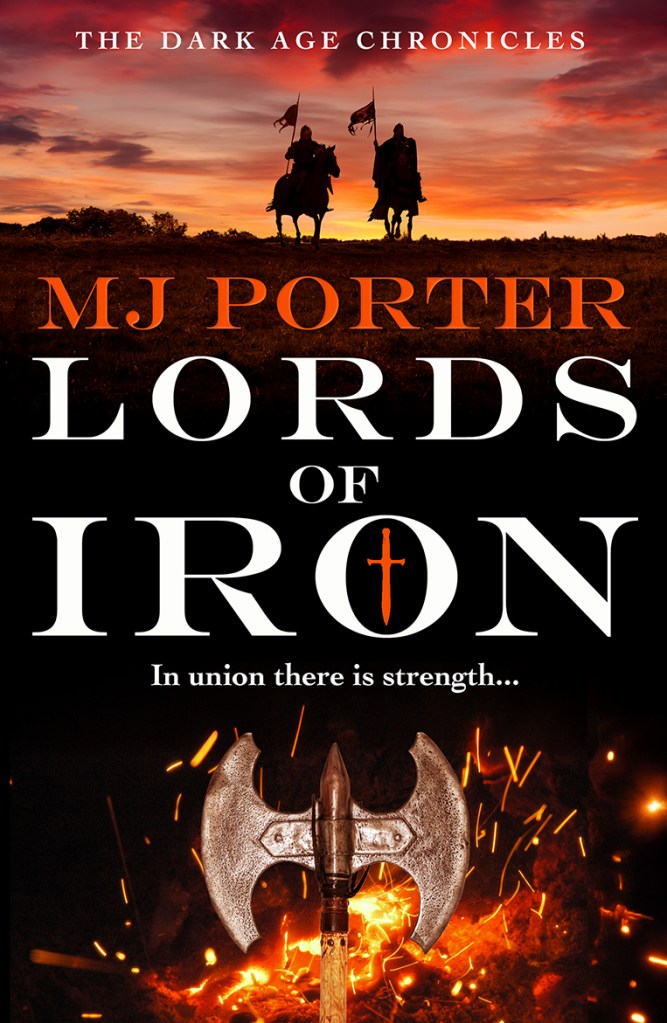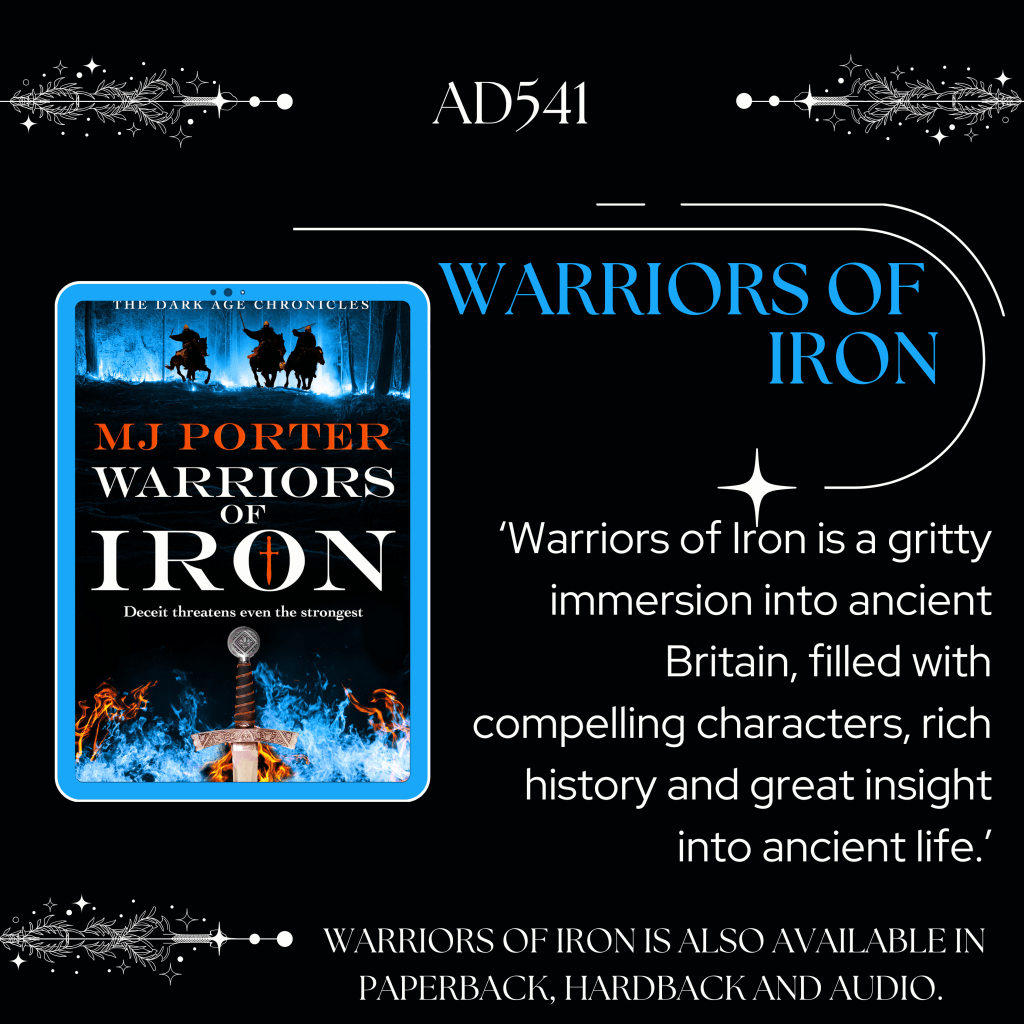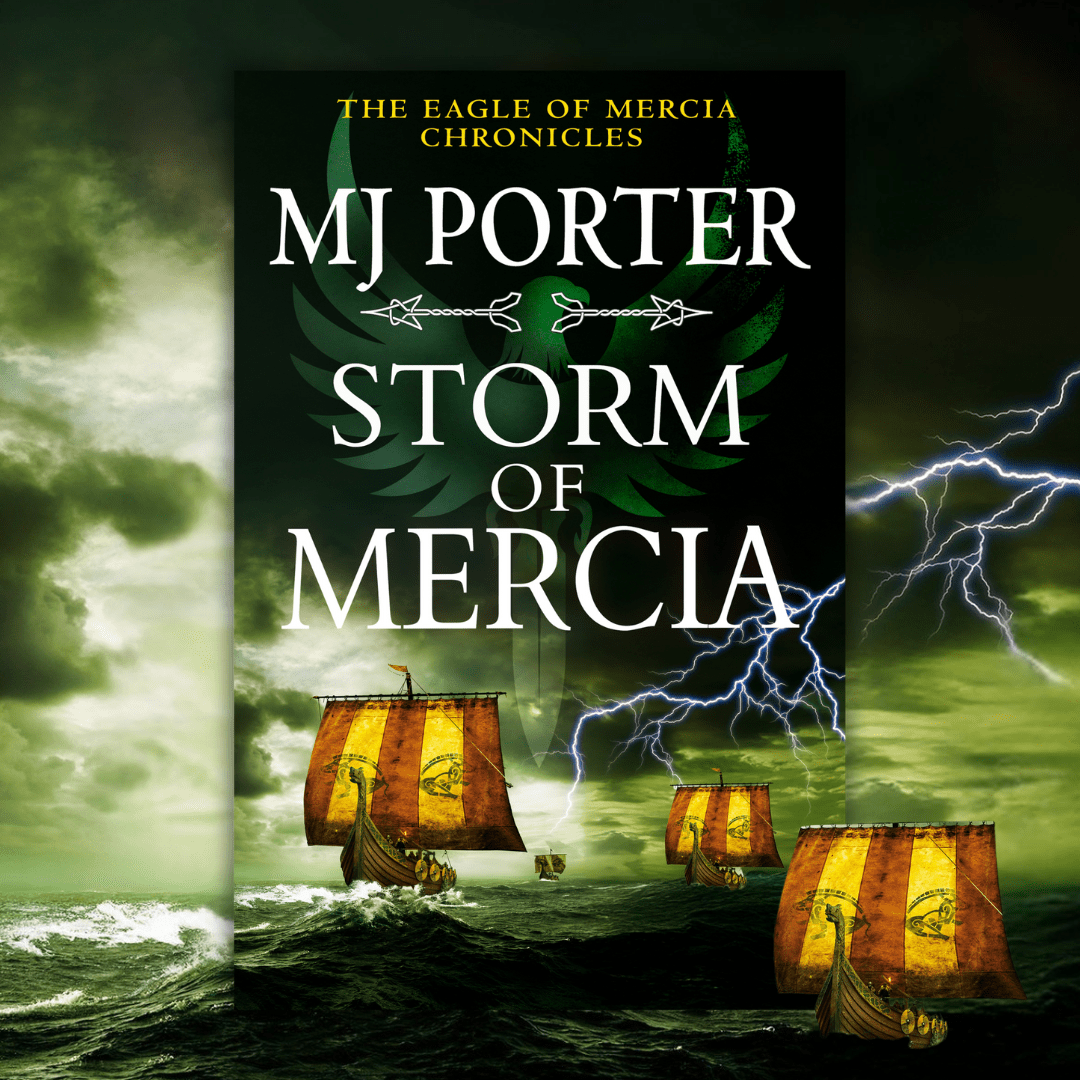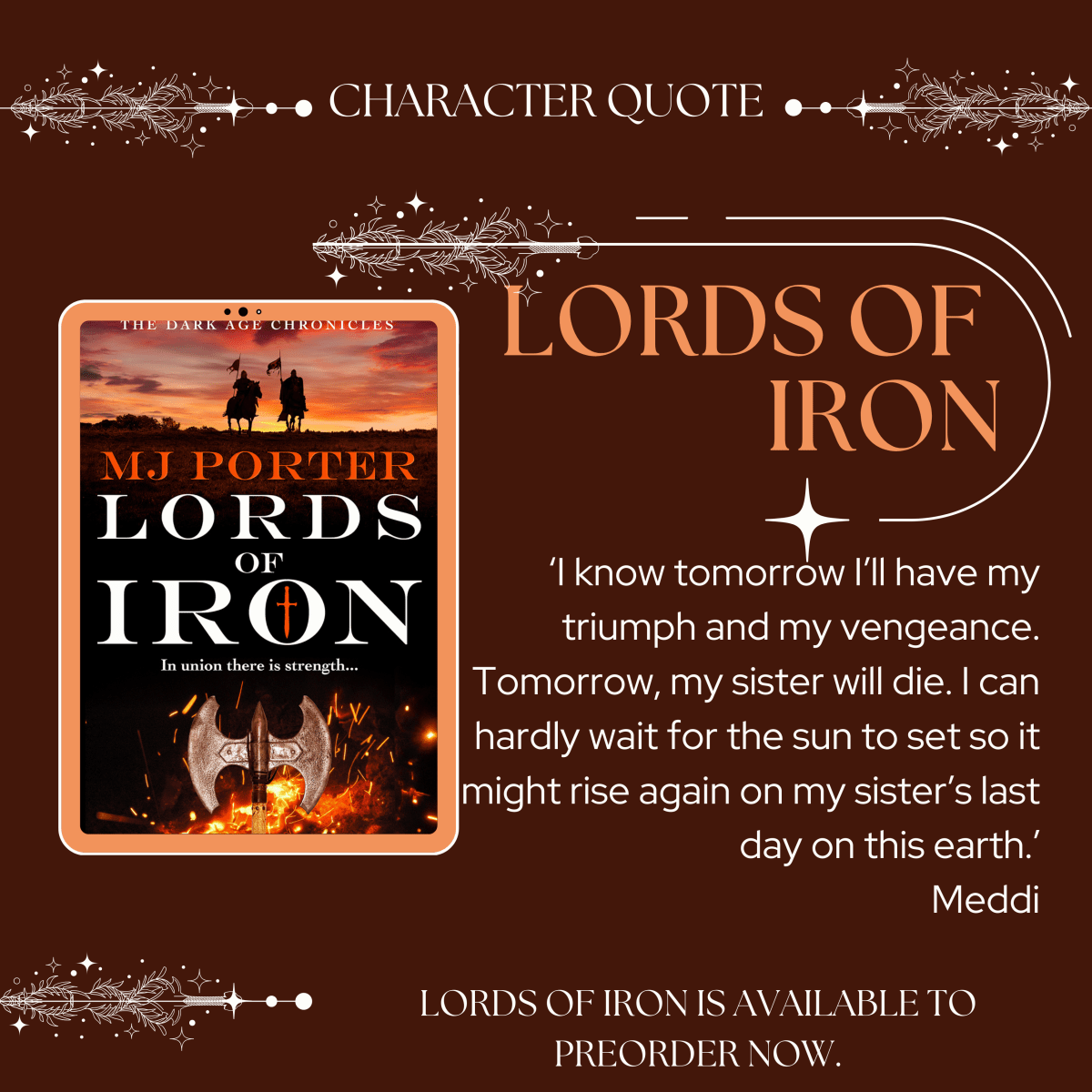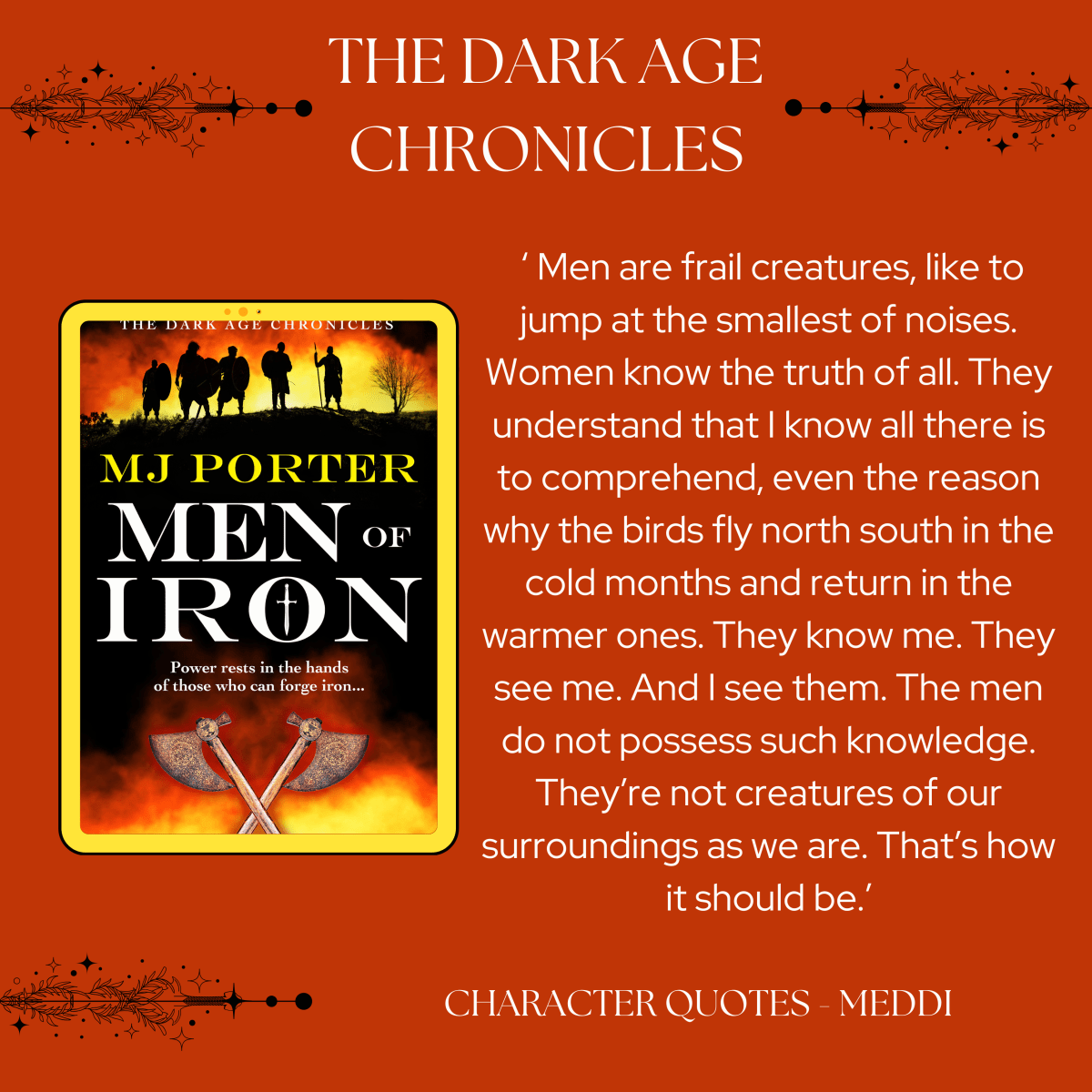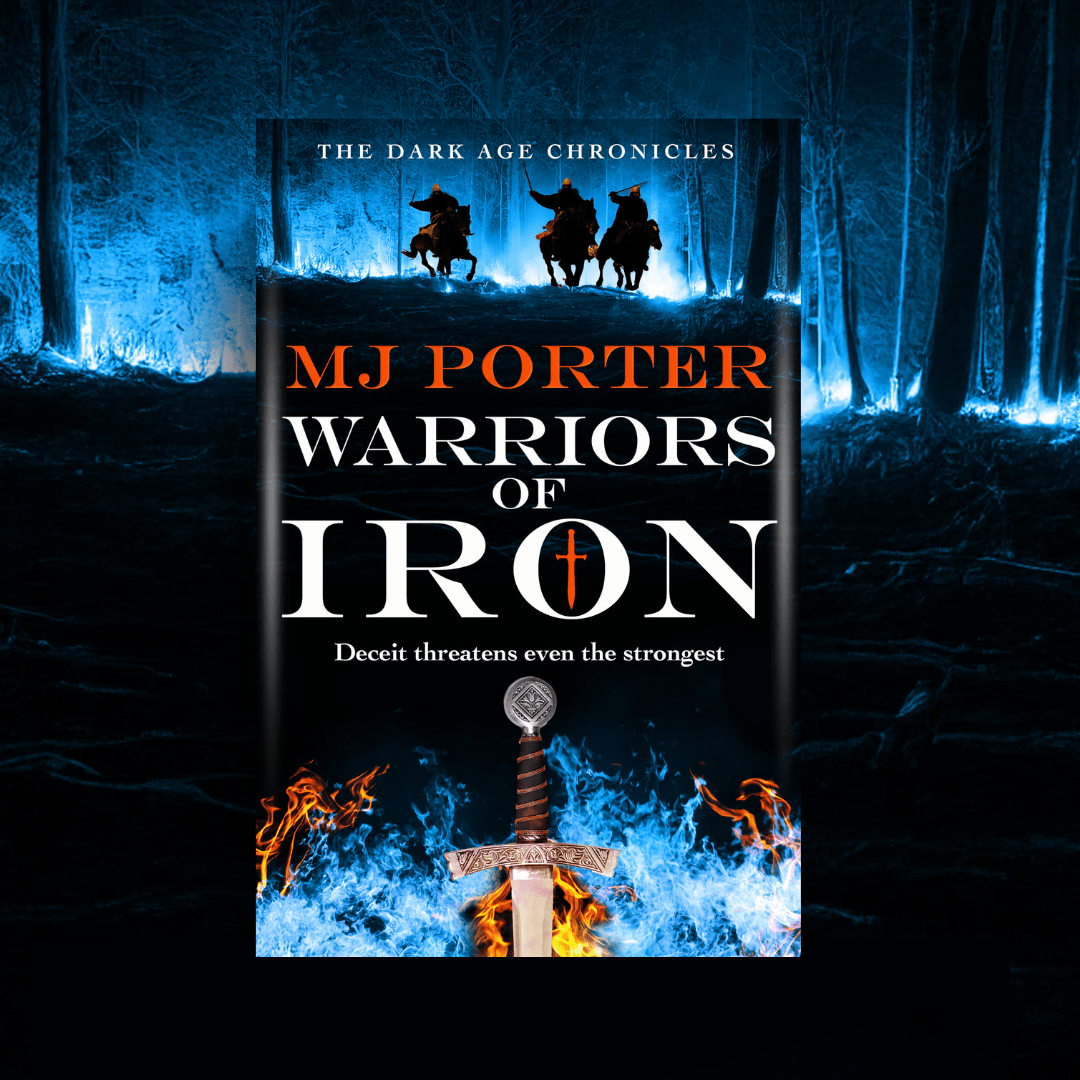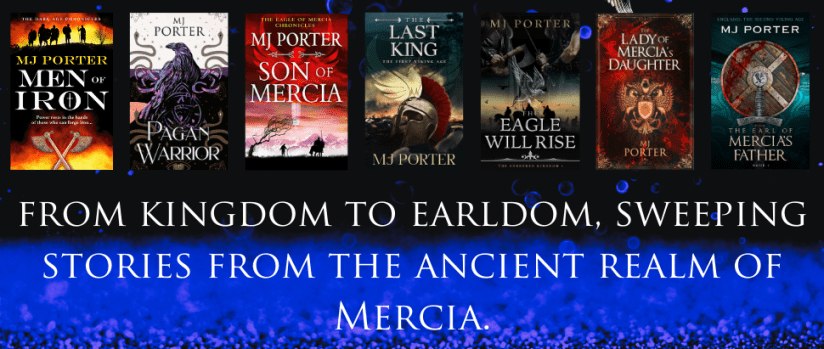

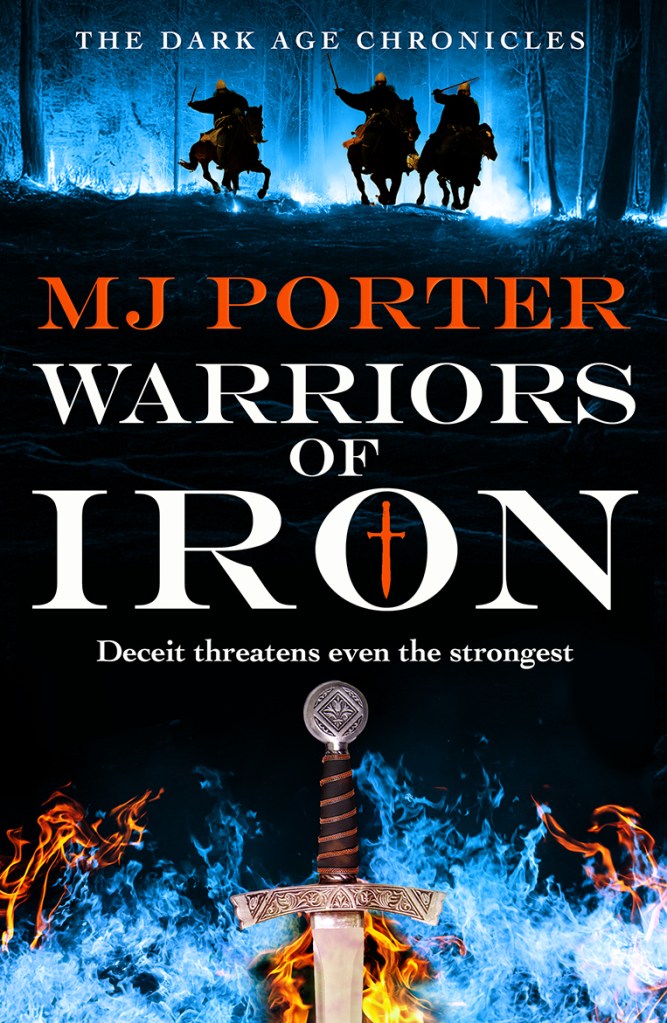
The Dark Age Chronicles might be complete, but I imagine my readers still have questions. Check out this blog post about what comes before (and what came after) #TheDarkAgeChronicles#MenOfIron #WarriorsOfIron #LordsofIron #histfic

It’s happy release day to Lords of Iron, the third and concluding book in the Dark Age Chronicles Trilogy. Let’s talk about battle standards #newrelease #MenOfIron #WarriorsOfIron #LordsofIron #histfic

What comes after the events of the Dark Age Chronicles (as well as before)

In deciding on a date to set the Dark Age Chronicles, I was quite careful. I wanted it to be after the era of the legendary Arthur (the battle of Camlann is dated to 537 in the Annals Cambriae (the Welsh Annals)), but also before written sources start to make some references to what was happening in what would become Saxon England in the later 500s anywhere that wasn’t in the south/south-east. 

In the A version of the ASC there are 26 entries for the 500s. Eight are dated before AD540. These are mostly concerned with events in the south, Kent, the Isle of Wight, and Portsmouth, and their legendary Saxon founders. After 540, we’re treated to the genealogies for what would become Northumbria (547 and 560), Wessex  (552 and 597) as well as having references to the religions in Britain at the time, through accounts of Columba and the missionary activities in Kent from Pope Gregory. There are any number of battles between those forging a foothold in their newly forming kingdoms and the native Britons.
Our first real reference for anything happening in what would become the kingdom of Mercia is under the year 577 when we’re told Gloucester, Cirencester and Bath were taken from the ‘Britons’ by Cuthwine and Ceawlin (of Wessex). Gloucester would certainly be within the later kingdom of Mercia. Cirencester and Bath weren’t.

While I’ll repeat that the Anglo-Saxon Chronicle wasn’t begun until the 890s (so over 300 years later) and Bede, which much of the ASC is based on at this time, was writing in the 730s (so nearly two hundred years later), I still wanted almost a clean slate for my characters to inhabit. There was also the matter of plague to try and avoid, as well as a series of bad harvests, that are referenced but don’t form more than a background detail in the books.

I felt that to truly gain a ‘feel’ and an ‘understanding’ for what might have been happening at this time, it was necessary to step aside from any historical account and to rely on the archaeological record. The years 540 and 541 felt as though they provided a good opportunity to do just that. However, it’s always important to have an eye to what was going to happen, as well as what had happened before. And, as I wrote, a number of elements seemed to become very clear to me. While there are reports of battles amongst the Saxon invaders and the native populations (six of them in those eight entries before 540, although some of them are quite small), and while they feel quite overwhelming when simply listed because they form so much of the narrative, there aren’t a lot of them mentioned before AD540. The impetus certainly seems to gather pace after that date (of the remaining 18 entries, eight reference what seem to be quite large battles). Why this might have been, began to make sense as I explored the idea of no new iron production after the end of Roman Britain, until the skill was ‘rediscovered.’ Without the ability to easily overwhelm an enemy through new blades that weren’t made from recycled metals, would people who’d endured famine and plague, really want to risk it all when there was no chance of success? It felt unlikely. Would you? The need to fight isn’t always taken when you know you’ll succeed, sometimes it’s also desperation, but if these settlements were doing reasonably well, why take the chance? Surely, they needed to rebuild and form alliances to survive.

And so, as I’ve written the trilogy, what would come after – the increasing battles, the desire of the invaders to establish ‘kingships’ in Wessex, Kent, Northumbria, Mercia and the kingdom of the East Angles, began to make a lot more sense – with the rediscovery of how to forge sharpened blades (or indeed, to import them when the ‘invaders’ arrived (whether to intermarry or to make war), because unlike in Britannia, the ability to forge blades didn’t become lost in the homelands of the Saxon invaders) there were suddenly people who could start to dominate, and who would want to dominate. 
And yet, the archaeology couldn’t be forgotten either. There aren’t many battle sites known from this era. What can be said with more surety, is that there was a co-mingling – all sorts of crossovers are found in the burial record – and indeed, the burial rites of many changed during this undocumented sixth century. There was undoubtedly discord between peoples, but there was also accord. Until there wasn’t. So, something had to change to bring about the formation of the Saxon kingdoms. I’m not saying my ideas are correct, but they are intriguing, especially when played out in a fictional environment where I can endeavour to explain what might have been happening – both in terms of war, and peace. (And, some would argue not all iron production was lost – it certainly wasn’t – but it becomes much more difficult to ‘find’ – i.e. no nails to secure coffins in the burial record in the heartland of England – what was happening in Wales/Devon and Cornwall is very different). 

After the Dark Age Chronicles, we move into a period where identifiable kingships and kingdoms are forming – we’re moving into what would become Saxon England, and towards the events of the seventh century, which would be dominated by discord between Mercia and Northumbria, Wessex and the other kingdoms, and the reigns of the alleged ‘bretwaldas’ (wide rulers.) We’re moving towards what’s more immediately understood and known, but the sixth century is where these developments have their routes, as twisted, tangled, unexplainable and often, as baffling as they are. (And we don’t really need a legendary figure to explain what’s happening, do we, although the prevalence of Excalibur does perhaps answer to these questions as well?). We’re moving towards The Gods and Kings Trilogy.
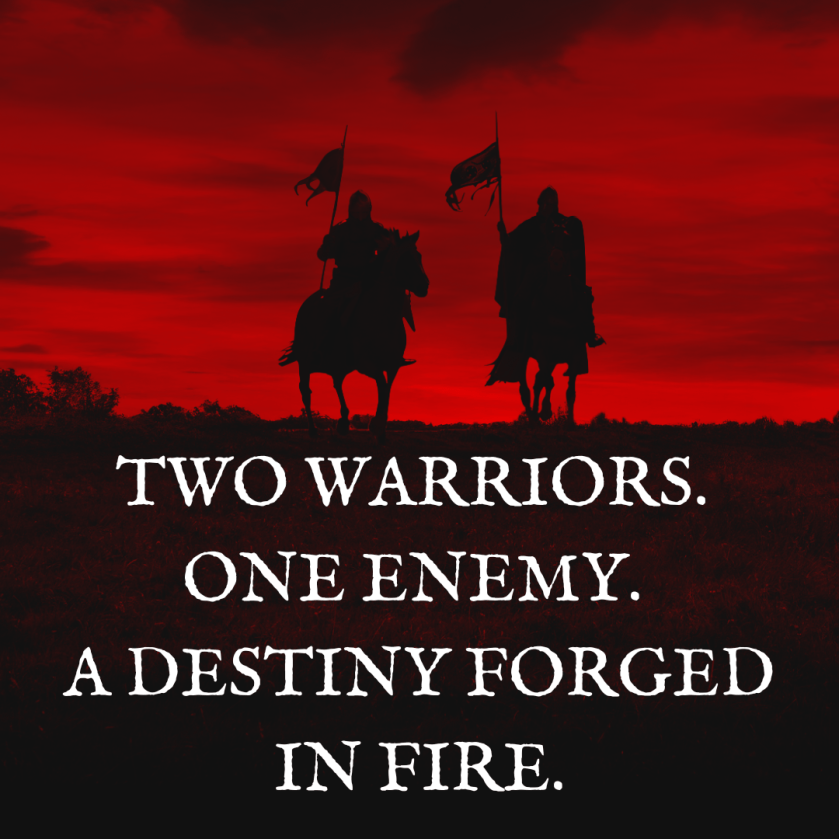
Purchase Link
https://amzn.to/4qaRuy3

Check out the Dark Age Chronicles page for more information about the trilogy

Blog links
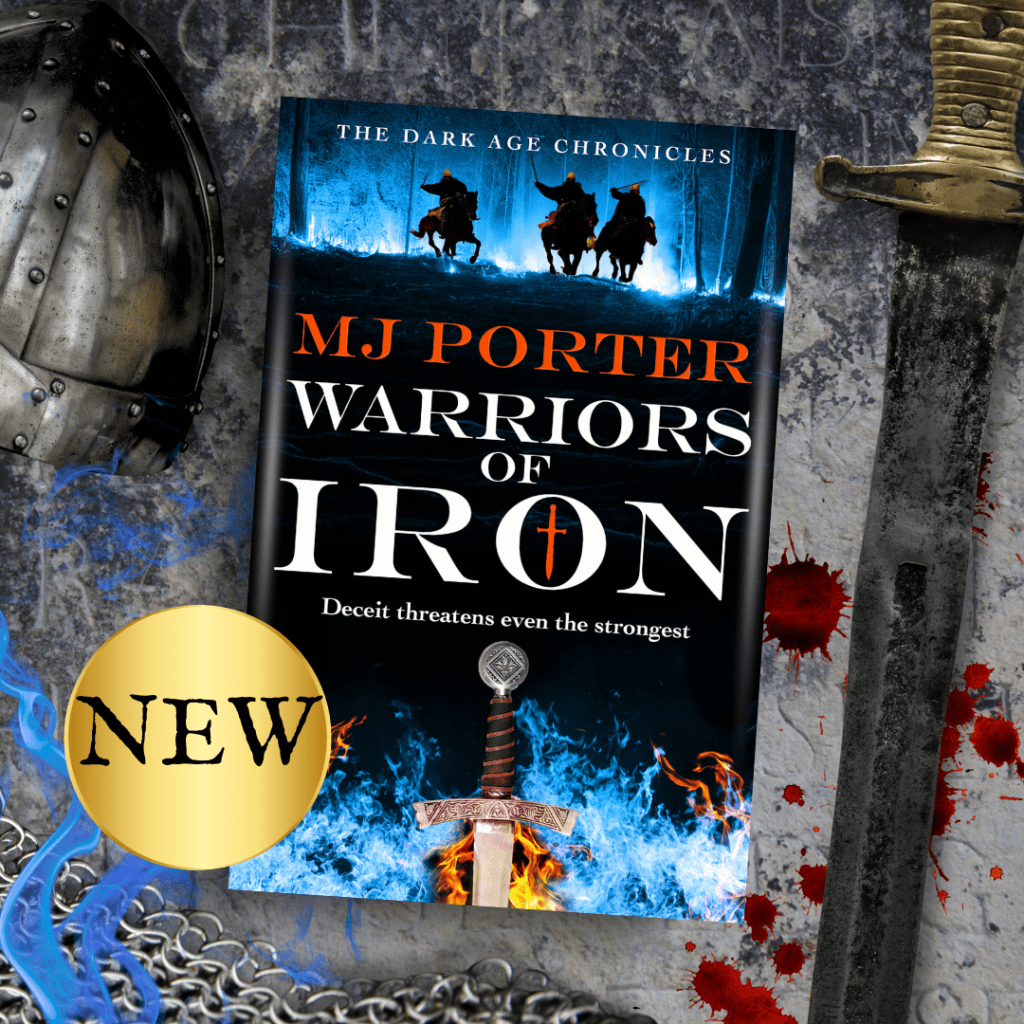
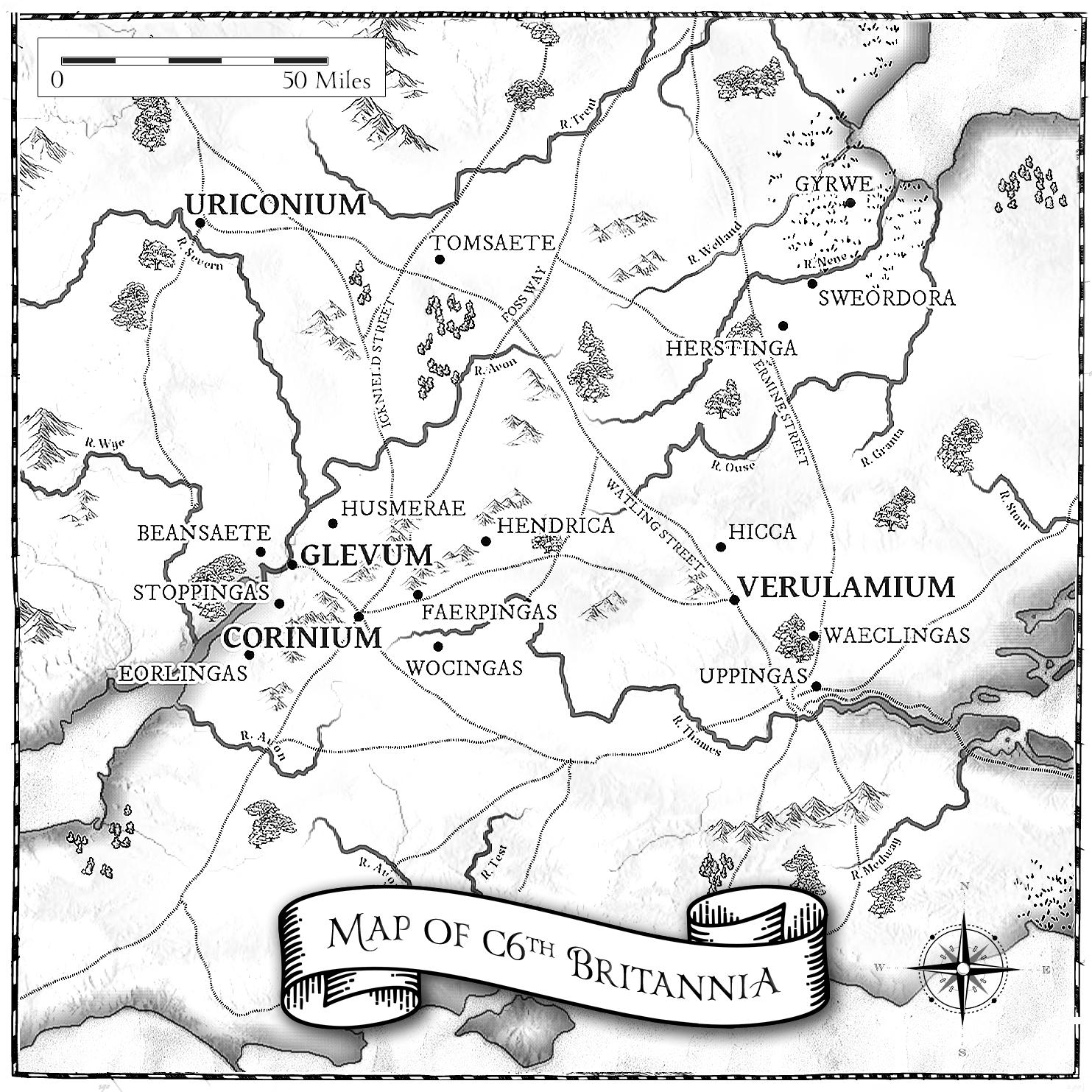
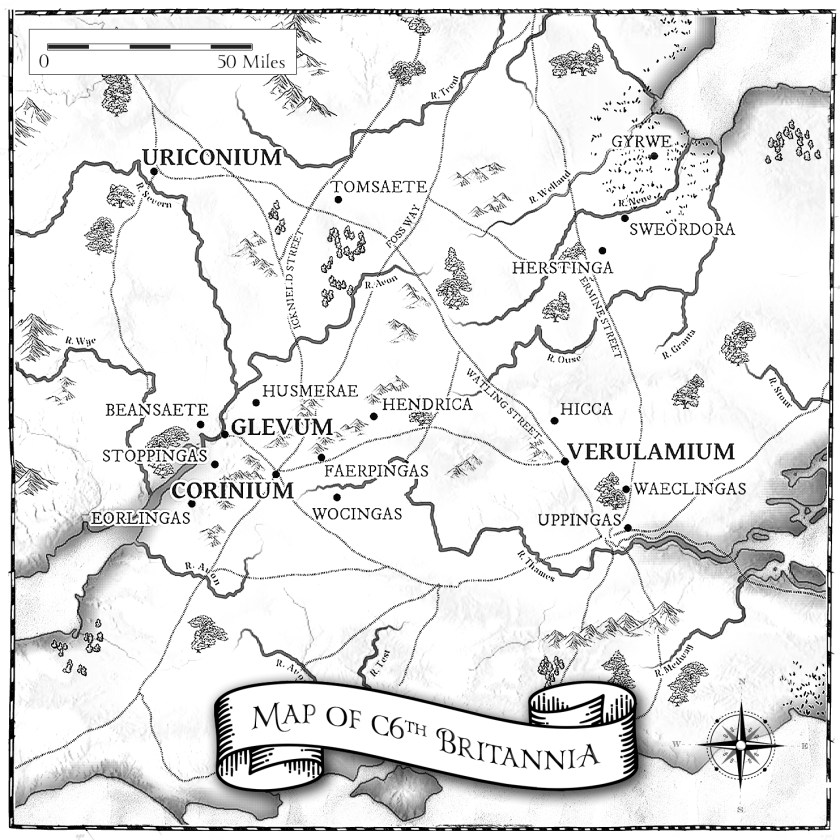
Image shows a map of Early England showing the places mentioned in the text of the book
The Dark Age Chronicles Map

I’m delighted to share my review for A Treatise on Martian Chiropractic Manipulation and Other Satirical Tales by Lisa Fox #blogtour #bookreview #fantasy #shortstories

I’m delighted to share my review for A Treatise on Martian Chiropractic Manipulation and Other Satirical Tales by Lisa Fox #blogtour #bookreview #fantasy #shortstories

Here’s the blurb

Human beings are flawed creatures, and humor is the perfect means to exploit the endless fodder of our shortcomings. This multi-genre collection of twenty-one short satirical stories will leave you smirking, chuckling, scratching your head, and maybe even muttering to yourself “WTF is this?” 

From the award-winning author of the acclaimed short story collections “Core Truths” and “Passageways: Short Speculative Fiction” comes something a little bit irreverent and a whole lot of weird.

Ketchup-covered chiropractors on Mars. Wealthy vigilante housewives battling coffee-addicted aliens. Cheerleaders protesting unrestricted access to cupcakes. Canine doulas. Hallucinating marine biologists. No one is immune from the absurdity.

Purchase Links

https://www.amazon.co.uk/Treatise-Martian-Chiropractic-Manipulation-Satirical-ebook/dp/B0G5K8XG2W/

https://www.amazon.com/Treatise-Martian-Chiropractic-Manipulation-Satirical-ebook/dp/B0G5K8XG2W/

My Review

This is an intriguing and often fun collection of short stories by Lisa Fox. Some of them are very short, and some are much longer, but they all offer something a little different. Readers will enjoy learning about Martian Chiropractic techniques as well as following the loyalty card storyline, which will have us all thinking about just how much information these companies do hold about us (hint, it’s a lot). If you love short story collections, do check this one out. It’s varied, thought-provoking and sometimes, just plain fun.

Meet the author

Lisa Fox loves to ask questions. By day, she’s a pharmaceutical market researcher. By night, she channels that same inquisitive spirit into writing short fiction, building worlds and characters that explore the meaning of life, the universe, and everything in between. She survives, and sometimes thrives, in the chaos of suburban New Jersey with her husband, two sons, and quirky Double-Doodle dog. Lisa is an award-winning author of two short story collections: Core Truths and Passageways: Short Speculative Fiction. Website: lisafoxiswriting.com  Twitter/X: @iamlisafox10800  Facebook: lisafoxiswriting

Author Lisa Fox

www.lisafoxiswriting.com 

Come with me to Great Witcombe Roman Villa #locations #newrelease #MenOfIron #WarriorsOfIron #histfic #nonfiction

Come with me to Great Witcombe #newrelease #MenOfIron #WarriorsOfIron #histfic

Great Witcombe Roman Villa

Great Witcombe Roman Villa is no longer open to the public, but it is managed by English Heritage, and it’s possible to get a glimpse of it, although you do need to be careful. I think it’s currently closed due to safety concerns, so be mindful, and stay behind all the barriers, especially as the location is pretty remote.

From what I could see of the remains of Great Witcombe Roman Villa, it does seem to have been set in a beautiful place, and it quite appealed to me. I relied heavily on the idea of the location when devising the home for one of the tribes that features in the Dark Age Chronicles. (It probably helped that I visited on a lovely sunny day.)

Listen to the beginning of Warriors of Iron

Curious about the trilogy? Check out the Dark Age Chronicles page or the blog posts below.

Blog links

Image shows a map of Early England showing the places mentioned in the text of the book
The Dark Age Chronicles Map

Purchase Links (click on the images)


Posts

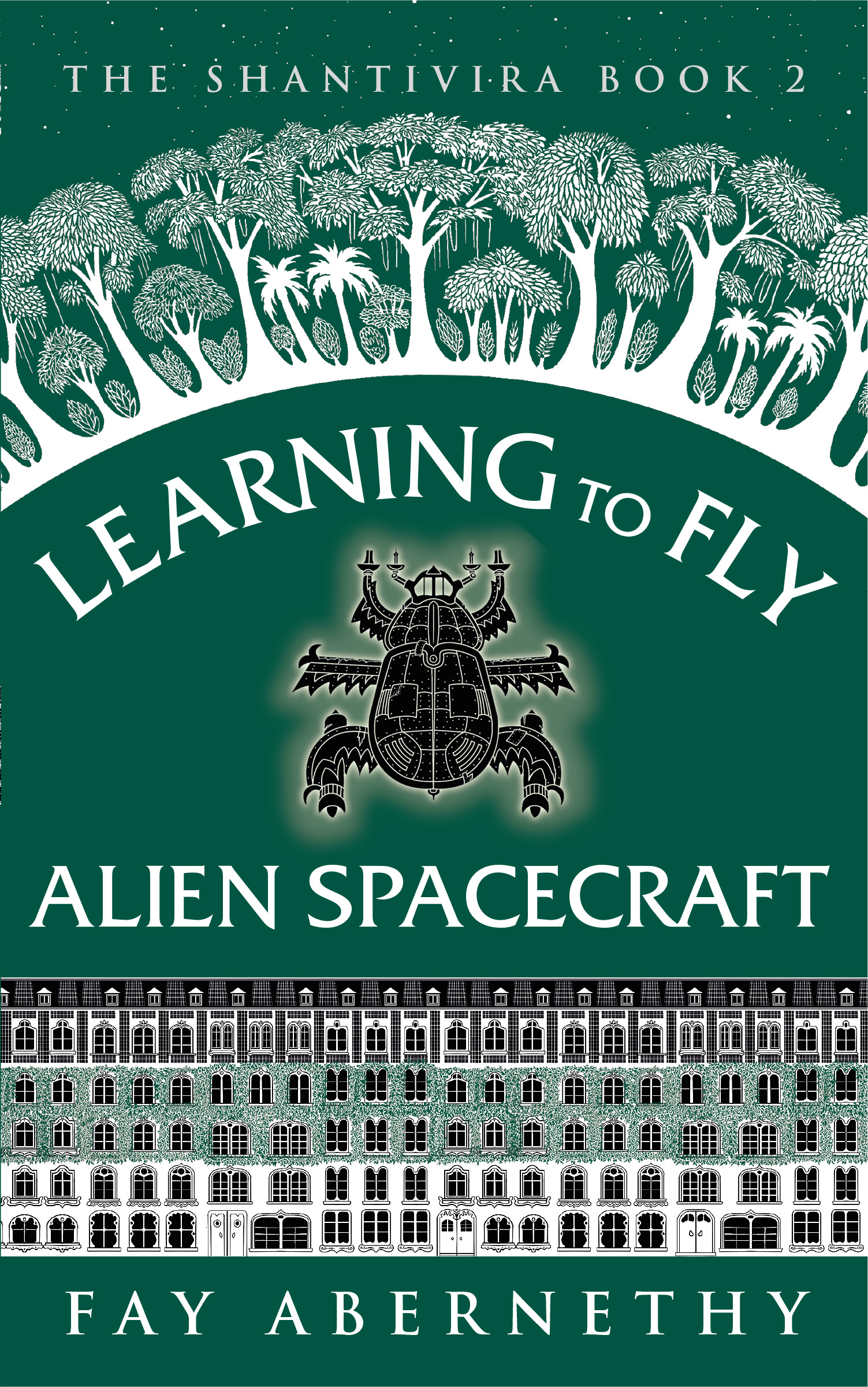
Today, I’m delighted to spotlight Learning to Fly Alien Spacecraft by Fay Abernethy #blogtour #fantasy

Here’s the blurb:

What if the secret alien space station protecting the Earth went PUBLIC?

Hanna Abebe has come far since leaving Ethiopia. All the way to the other end of the galaxy, in fact. And although her course at the Essoona Pilots’ Academy is tough, it’s not as tough as maintaining the ultimate long-distance relationship . . .

Astronaut Dan Simpson is furious. The Galaksi Alliance have exiled him on a remote planet to stop him telling NASA about them before they’re ready. But by the time they come to take him home, Dan has fallen in love with an enigmatic alien and decides to stay. Only then does he discover what a perilous business his new girlfriend is involved in . . .

At last! Captain Joe Llewellyn has permission to initiate first contact via the UN. But if he messes it up, the Galaksi Alliance could cancel the Shantivira’s funding, leaving the Earth defenceless. So, no pressure. All goes well until a rogue Samaritan flies a cargo ship through months of painstaking negotiations . . .

This character-driven eco science fantasy is a must-read for fans of Becky Chambers, Ursula Le Guin, Douglas Adams and Doctor Who.

Purchase Links 

https://www.amazon.co.uk/Learning-Alien-Spacecraft-Shantivira-Book-ebook/dp/B0C9ZPK8M4/

https://www.amazon.com/Learning-Alien-Spacecraft-Shantivira-Book-ebook/dp/B0C9ZPK8M4/

Meet the author

Fay Abernethy left the UK more than twenty years ago, seeking adventure. 

When not diving with sharks or falling off horses, she worked as an engineer in the automotive industry. Later, she started her own translating business and settled down in Germany with the man of her dreams.

Pre-children, they explored the Alps together – on foot in summer and on skis or snowshoes in winter. She now lives the life of a respectable citizen, having discovered that being a parent is the greatest adventure of them all.

Why does she write? To find out what happens next, of course!

Connect with Fay 

InstagramFacebookAmazon author profile:

GoodreadsBookbubWebsite

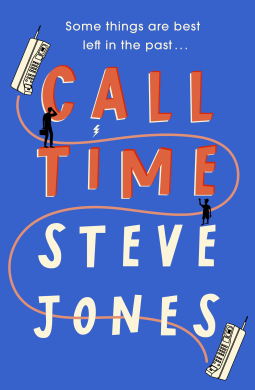
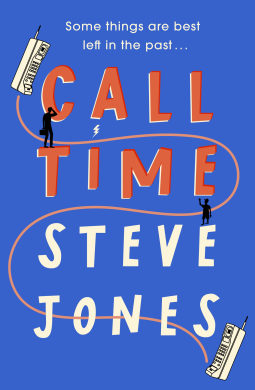
Happy Release Day to Steve Jones and his debut, Call Time. #fantasy #newrelease

Here’s the blurb

The enthralling debut novel from Channel 4 F1 presenter Steve Jones – it’s Sliding Doors meets High Fidelity

Bob Bloomfield is, in the words of his best friend’s wife, a ‘selfish, arrogant a*sehole’, who hasn’t spent a great deal of time making friends in his 49 years on earth.  

But what if he could change? What if Bob could stop the very thing that has made him the man he is, the death of his younger brother, Tom in 1986.

If he could save Tom, could he save himself? 

. . . And what if all it took was a phone call?

Purchase Link

https://amzn.to/42xyTjn

My Review

Call Time by Steve Jones is an entertaining and engaging read. I admit, I was a bit, ‘Oh another celebrity novel,” but I do love Steve Jones as a presenter, and the premise was interesting, so I thought, ‘Why not.’ And I’m so pleased I did.

Our main character, Bob, is not a pleasant individual. His best friend’s wife is correct when she labels him an arsehole, and for much of the first 40% of the book, the reader only knows about Bob ‘the arsehole.’ We don’t really know what makes him tick other than being a bit of a dick. But then, something changes, and from then on, the book is fast-paced and somewhat of a rollercoaster.

I really enjoyed the cultural nods to films I might have watched from the 80s, and while some might argue that the pretext of some of the ripples from changing the past is a bit flimsy, this is a story of redemption in the most unusual of ways. I don’t want to give anything away, so it’s quite hard to explain all the bits I liked, but yes, this is a book for fans of time-altering novels, and I think the last 20% of the novel is unexpected, and all the more enjoyable for that.

A fun novel that contends with that age-old issue of, ‘Would you change the past if you could?’ And if you did change the past, how might that change your present?

My thanks to Netgalley and the publisher for my review copy.

Meet the Author

Steve Jones’ first job was in a petrol station. It was also the first job he was fired from for putting diesel in Dai-The-Milk’s petrol truck.
From there he gained employment in a printing factory before setting off for distant shores to “find himself”. He subsequently found a mediocre career in modelling which thankfully segued into a fairly successful twenty year (to date) career in TV presenting. His cherished accomplishments: He was crowned Welsh Rear Of The year in 2002. His suitcase has come out first at the airport on no less than two occasions, and now, he has written Call Time. Which he very much hopes you will enjoy.

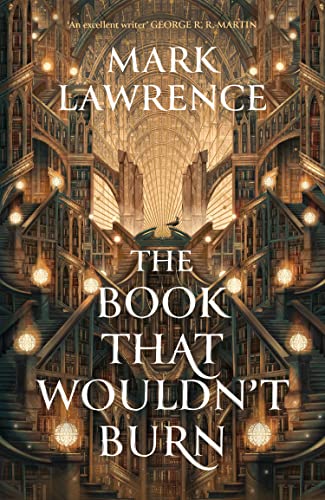
Happy Release day to The Book That Wouldn’t Burn by Mark Lawrence #fantasy #highlyrecommended

Here’s the blurb:

All books, no matter their binding, will fall to dust. The stories they carry may last longer. They might outlive the paper, the library, even the language in which they were first written.

The greatest story can reach the stars . . .

This is the start of an incredible new journey from the internationally bestselling author of Prince of Thorns, in which, though the pen may be mightier than the sword, blood will be spilled and cities burned…

Evar has lived his whole life trapped within a vast library, older than empires and larger than cities.

Livira has spent hers in a tiny settlement out on the Dust where nightmares stalk and no one goes.

The world has never noticed them.

That’s about to change.

As their stories spiral around each other, across worlds and time, each will unlock vast secrets about the world and themselves. This is a tale of truth and lies and hearts, and the blurring of one into another.

https://amzn.to/3LG2q3S

My Review

The Book That Wouldn’t Burn is the beginning of Mark Lawrence’s newest trilogy. Now, he’s said this isn’t related to the previous trilogies, which were all interconnected, but I’m not at all convinced, and perhaps neither will you be when you read some of the chapter headings – which are all taken from made-up books, and perhaps, written by characters from those previous books.

The Book That Wouldn’t Burn, like all Mark’s previous offerings, sucks the reader in almost immediately. It might not quite have Red Sister vibes ‘When killing a nun it’s important to ensure you have…’ but it’s not long before you can’t put the book down.

And yet, as with many of his stories, it can feel as though you’re not entirely sure why you’re enjoying the story so much, and so invested in the two main characters. This isn’t a complaint.

The narrative, skipping between two points of view, moves at odd intervals (again, not a complaint), and just when you might be considering putting the story down, there is a new development, and I warn you all now, without giving away any spoilers, there is one development that will have your jaw dropping in delicious delight.

As with all Mark Lawrence’s books, The Book that Wouldn’t Burn will leave you both satisfied and demanding more. It is a magnificent addition to his already magnificent collection of stories, and I can’t wait for the next instalment. It will also take you some time to reconcile what you’ve read. It’s taken me a good few months to write this review, because to begin with, all I could think was that my mind had been blown.

Thank you to the publisher and Netgalley for my review copy. I have ordered the limited edition hardback as well, and it will go, pride of place, next to my other Mark Lawrence editions.

Check out my previous reviews for Mark Lawrence.

Red Sister, Grey Sister, Holy Sister

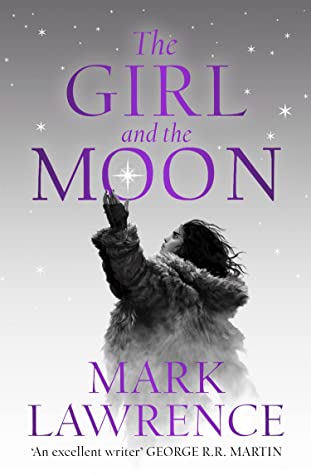
The Girl and the Stars, The Girl and the Mountain, The Girl and the Moon

One Word Kill, Limited Wish

For those who don’t know, my obsession with Mark Lawrence’s books began when I was given a free copy of his first book when I preordered the last GRR Martin book in the Game of Thrones series. As of yet, I’ve not finished reading that book, because I want to wait for the next part, but I have read all of Mark Lawrence’s books since then.

Connect with Mark Lawrence

Mark Lawrence was born in Urbana–Champaign, Illinois, to British parents but moved to the UK at the age of one. He went back to the US after taking a PhD in mathematics at Imperial College to work on a variety of research projects including the ‘Star Wars’ missile defence programme. Returning to the UK, he has worked mainly on image processing and decision/reasoning theory. He says he never had any ambition to be a writer so was very surprised when a half-hearted attempt to find an agent turned into a global publishing deal overnight. His first trilogy, THE BROKEN EMPIRE, has been universally acclaimed as a ground-breaking work of fantasy. Following The Broken Empire is the related RED QUEEN’S WAR trilogy. THE BOOK OF THE ANCESTOR trilogy is set on a different world and is followed by the related BOOK OF THE ICE trilogy. There is also THE IMPOSSIBLE TIMES trilogy, a D&D/sci-fi work set in London in the 80s. All of these trilogies can be read in any order. Mark is married, with four children, and lives in Bristol.

Website

Twitter

Patreon

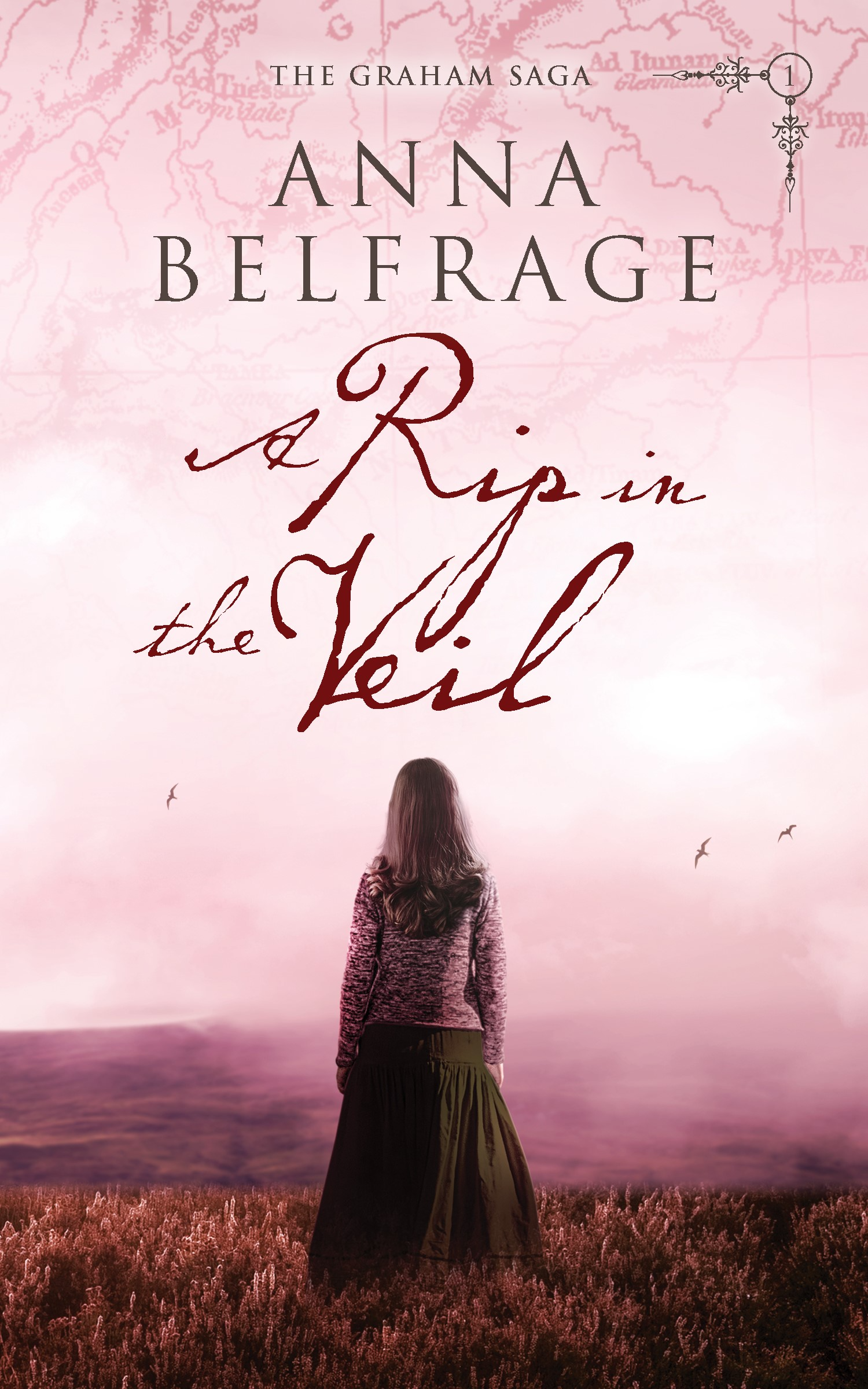
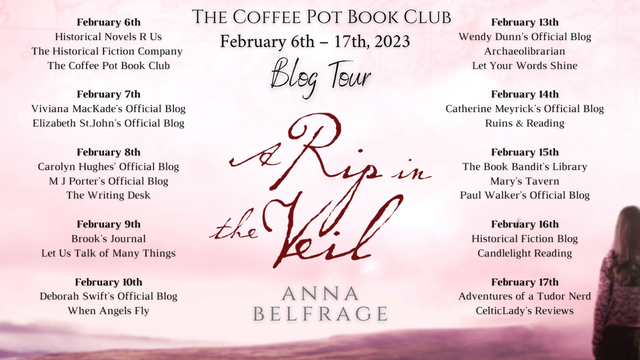
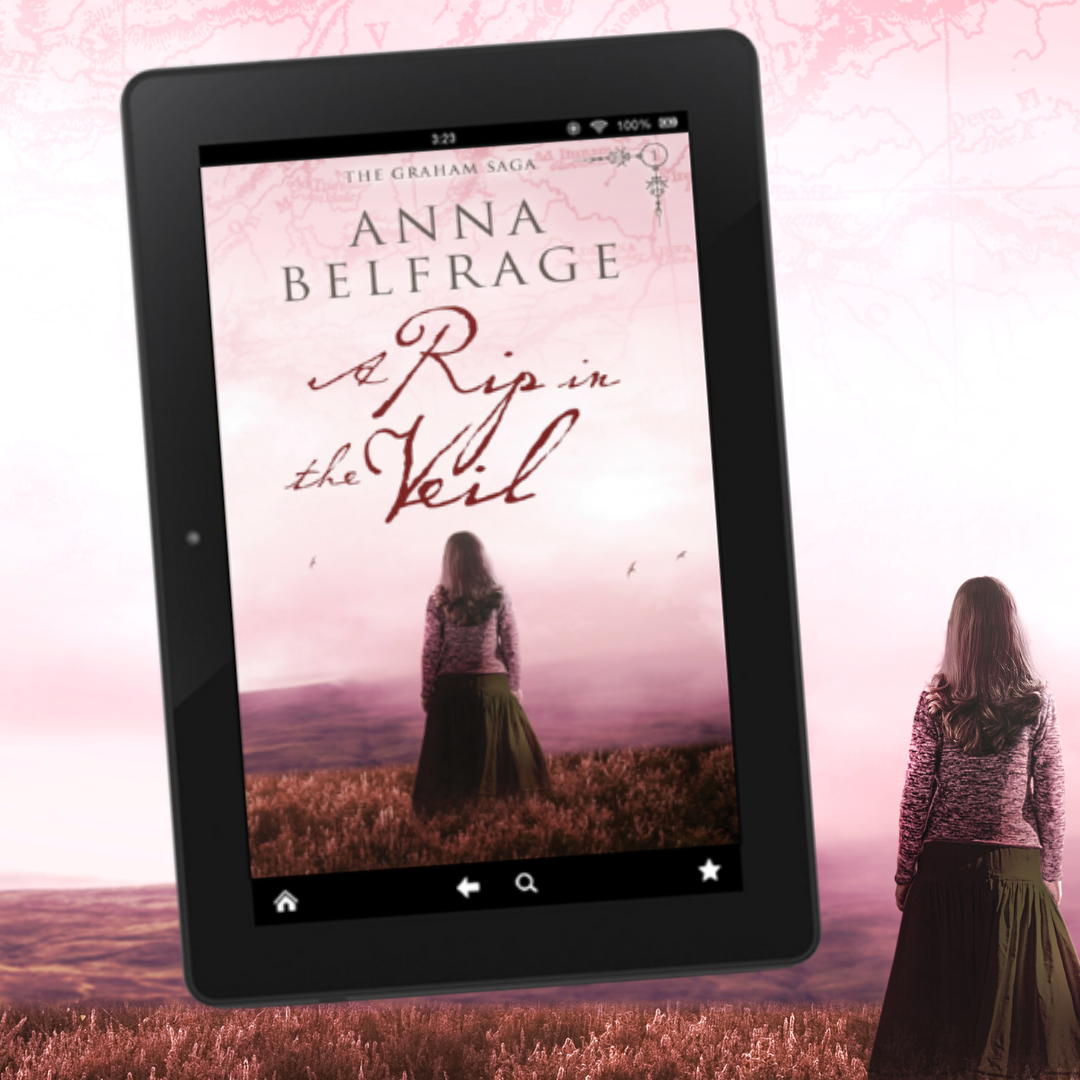
I’m absolutely delighted to share a fabulous post about dressing for success in the 17th century by author, Anna Belfrage, who had to find out all sorts of undergarment related information for A Rip in The Veil #HistoricalFiction #TimeTravelRomance #BlogTour #TheCoffeePotBookClub

Today, I’m absolutely delighted to share a fabulous post from Anna Belfrage about dressing in the seventeenth century. It will make you giggle, I promise.

Dressing for success in the seventeenth century

In a A Rip in the Veil—the first book in The Graham Saga—the unfortunate (or not, depending how one sees it) Alex Lind has the misfortune of falling three centuries backwards in time to land at the feet of Matthew Graham. Matthew Graham is a devout Presbyterian who has fought in the Commonwealth armies in the Civil War. To Alex, he is initially very strange. Heck, the entire situation is strange: no, wait—it’s impossible! 

Matthew is as taken aback as Alex is—perhaps even more, as the only explanation to her sudden appearance in his life must be magic. Or? Besides, what is the woman wearing? Those tight, tight breeches she calls ‘djeens” showcase her every curve, as do her other garments. No, had she been his woman, he’d never have allowed her to set a foot outside dressed like that, all of her exposed, like. 

Alex quickly realises that in this new time she has to adapt. ASAP. And one of the first things she must embrace is an entire new wardrobe. “Yay me,” she mutters as she shakes out shift and petticoats and heavy skirts and bodice and. . .

I must admit that I wasn’t entirely thrilled when Alex landed in 1658. The seventeenth century is not my sartorial favourite – especially when it comes to male fashion. 

This period dress thing is difficult.

First of all, as the writer of historical fiction it is important to understand what people wore, who wore what and how it was worn. In some cases it’s straightforward: stockings cover your feet and the nether part of your legs no matter if you live in the twentieth century or the fifteenth. But take that rather ugly male adornment that Henry VIII was so proud of flaunting – the codpiece – and I am somewhat stumped. How did it work? ( Okay, so I’ve looked this up; strings, buttons or hooks kept this decorative little (hmm) flap of fabric in place.)

Secondly, it helps if the writer in question finds the period attire alluring in some way or other. It’s difficult to write convincingly about handsome men in codpieces and padded breeches when all you see in your head is something resembling a man in a huge diaper.

Finally, there must be a familiarity with how people dress and undress. “He told her to turn around and zipped up her gown,” is not a good description of the intimacy between man and wife in the fourteenth century. (BTW, the modern zipper owes a lot to Swedish inventor Gideon Sundback. It’s nice to know us Swedes have contributed to human development: dynamite, zippers, gauge blocks, the AGA cooker.) Having exploring male fingers encountering panties in the sixteenth century is also something of an anachronism, and should the dashing regency rake pulls down his boxers you’re not reading historical fiction, you’re reading about a masquerade.

To avoid such gaffes, I’ve spent a lot of time researching the period and have accordingly done my fair share of staring at what few clothes survive from the seventeenth century—like James II’s elegant attire exhibited in the Victoria & Albert museum. Okay, so that is later in the century, but all that lace, all those embroideries, and that gigantic wig! Plus, the high heels on the shoes. . . Nope, not at all my cup of tea. 

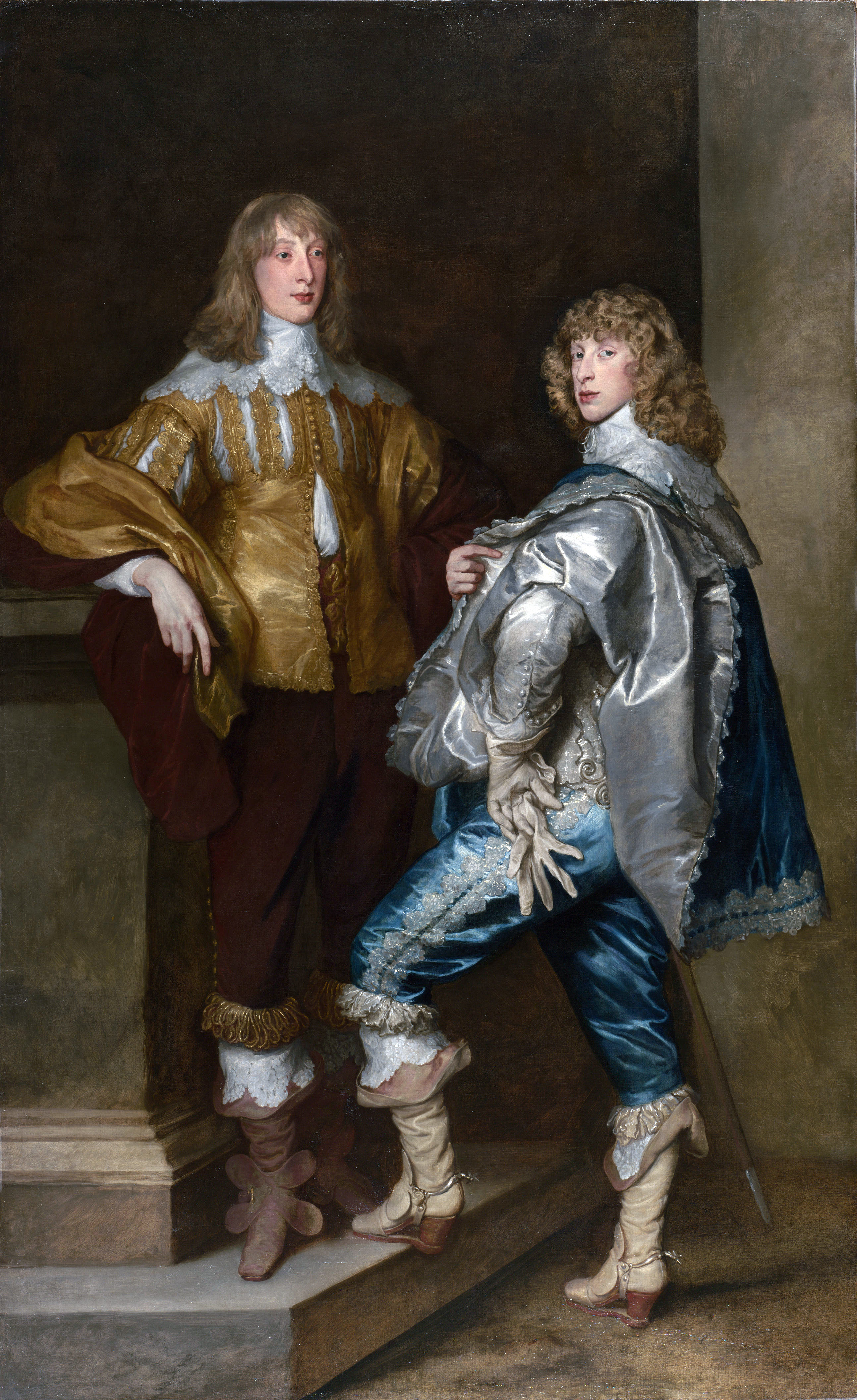
Earlier in the 1600s, men wore wide breeches, sashes, lace, ribbons—like these young and elegant Stuart brothers in Van Dyke’s portrait. 

To the seventeenth century young girl, they were likely delectable. To Alex, not so much. She’d be hard put not to laugh her head off. So it is fortunate that when she first meets Matthew, he is in a ragged shirt and equally ragged breeches, fleeing from pursuing soldiers. It is also fortunate that Matthew would no more adorn himself with ribbons than he would dance attendance on the king—he is a man of Parliamentarian convictions. No, Matthew wears plain and well-made clothes, now and then adorned with a ruffled cuff or an elegant collar.  

Obviously, Matthew expects this new female companion of his to dress sedately, which is how Alex finds herself obliged to re-learn just how to dress.

In the seventeenth century, there were no bras, no panties. Instead, the undergarment is a shapeless elongated linen shirt that comes to just below the knees. This shift is worn over stockings that come to just above the knee and are fastened by garters.
“I can help you with those,” Matthew suggests, and there is a twinkle in his eyes as he helps Alex fasten the stockings with pink ribbons. Just because he doesn’t wear ribbons, it doesn’t mean she can’t, he says. In fact, he rather likes the fact that she is wearing them—and that he tied them into place. 
Over the shift—which also doubles as nightgown—Alex now dons a corset. 
“Ugh!” she groans as she tightens into place. The corset she has ties in front—only people who can afford a ladies maid have corsets that tie in the back. She has to struggle a bit to get it to sit right, and then there are the petticoats, tied into place at her waist and falling to mid-calf. Only the very, very rich have garments that fall all the way to the floor. Most women have skirts high enough to allow them to work and walk without dragging the hem in the dirt. 

“Here.” Matthew hands her the heavy skirts. And yes, they are heavy, making it hard to, for example, run. Or jump a fence. Once Alex has stepped into them, he helps her tighten them into place. A bodice, a shawl to cover what may remain exposed of her chest and then Matthew holds out a cap.
“No way!” She backs away, staring at the embroidered linen coif. 
“You must cover your hair,” he says.
She refuses. 
There is a slight. . . er . . . argument. Things end in a compromise: she will not cover her hair indoors, but otherwise she will either wear a coif or a hat. Matthew would prefer both, but he is pragmatic enough to realise this isn’t a battle he will win. Besides, Alex is having to handle a lot of change as it is.
“Tell me about it,” she mutters. She isn’t overly impressed with the food. Or the lack of chocolate. Or of tea. “I thought they had tea in the seventeenth century,” she groans. 
“They do,” I tell her, “but it is very, very expensive.” 
“Oh.” She gnaws her lip, her shoulders slumping. Which is probably why Matthew expends a ridiculous amount on a ridiculous small quantity of tea next time he goes to Edinburgh, pleased by the way she lights up from within when he hands the precious package over. 

Over time, Alex will become accustomed to her new clothes, even if she will quite often think longingly of jeans and sweatshirts, of Converse and shop-bought socks. (She hates to knit) 

But while she adapts to her new life on the outside, she remains a woman of modern conviction and outlook, which will now and then cause her quite some problems in her new time. It is fortunate that she has Matthew to guide her. On the other hand, there will be countless of occasions when Matthew will owe his life and sanity to her, the strange lass he found concussed and burned on an empty Scottish moor. Two halves made whole are my Alex and Matthew, no matter such details as sartorial arguments!

Thank you so much for such a fabulous post. I just can’t imagine all the lace:)

Here’s the blurb

On a muggy August day in 2002 Alex Lind disappears. On an equally stifling August day in 1658, Matthew Graham finds her on a Scottish moor.  Life will never be the same for Alex – or for Matthew. 

Alexandra Lind is thrown three centuries backwards in time to land at the feet of escaped convict Matthew Graham. 

Matthew doesn’t know what to make of this strange woman who has seemingly fallen from the skies—what is she, a witch? 

Alex is convinced the tall, gaunt man is some sort of hermit, an oddball, but she quickly realises the odd one out is she, not he. 

Catapulted from a life of modern comfort, Alex grapples with her new existence, further complicated by the dawning realization that someone from her time has followed her here—and not exactly to extend a helping hand. 

Potential compensation for this brutal shift in fate comes in the shape of Matthew, a man she should never have met, not when she was born three centuries after him. But Matthew comes with baggage of his own and on occasion his past threatens them both. At times Alex finds it all excessively exciting, longing for the structured life she used to have. 

How will she ever get back? And more importantly, does she really want to?

Buy Links

This title is available to read on #KindleUnlimited.

Universal Link

Amazon UKAmazon USAmazon CAAmazon AU

Meet the author

Had Anna been allowed to choose, she’d have become a time-traveller. As this was impossible, she became a financial professional with two absorbing interests: history and writing. Anna has authored the acclaimed time travelling series The Graham Saga, set in 17th century Scotland and Maryland, as well as the equally acclaimed medieval series The King’s Greatest Enemy which is set in 14th century England.  

Anna has also published The Wanderer, a fast-paced contemporary romantic suspense trilogy with paranormal and time-slip ingredients. 

Her Castilian Heart is the third in her “Castilian” series, a stand-alone sequel to her September 2020 release, His Castilian Hawk. Set against the complications of Edward I’s invasion of Wales, His Castilian Hawk is a story of loyalty, integrity—and love. In the second instalment, The Castilian Pomegranate, we travel with the protagonists to the complex political world of medieval Spain. This latest release finds our protagonists back in England—not necessarily any safer than the wilds of Spain!

Anna has also authored The Whirlpools of Time in which she returns to the world of time travel. Join Duncan and the somewhat reluctant time-traveller Erin on their adventures through the Scottish Highlands just as the first Jacobite rebellion is about to explode! 

All of Anna’s books have been awarded the IndieBRAG Medallion, she has several Historical Novel Society Editor’s Choices, and one of her books won the HNS Indie Award in 2015. She is also the proud recipient of various Reader’s Favorite medals as well as having won various Gold, Silver and Bronze Coffee Pot Book Club awards.

Find out more about Anna, her books and enjoy her eclectic historical blog on her website, www.annabelfrage.com  

Connect with Anna:

WebsiteTwitterFacebookInstagram

Book BubAmazon Author PageGoodreads

Follow the A Rip in The Veil blog tour with The Coffee Pot Book Club

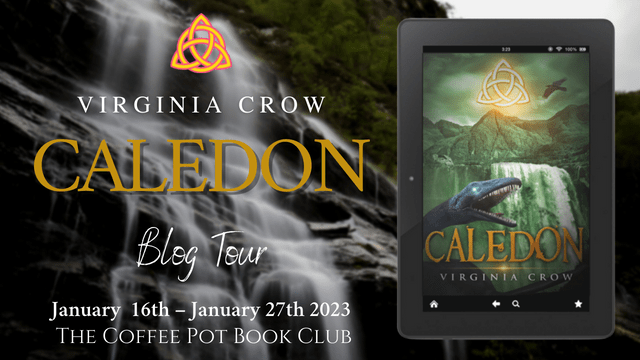
Today, I’m reviewing Caledon by Virginia Crow on the blog #historicalfantasy #BlogTour #TheCoffeePotBookClub

Here’s the blurb

“Go out and tell all those you meet, Caledon has risen. Caledon will be protected and defended. And to you who would cause her harm, be prepared. A new fight has come.”

After the destruction of the Jacobite forces at Culloden, Scotland is divided, vulnerable and leaderless, with survivors from both sides seeking to make sense of the battles they have fought against their fellow Scots.

James Og flees Drumossie, seeking the protection of his uncle’s house in Sutherland. It is here that James learns that the Northern Highlands hold a secret power only he can wield: Caledon. When Ensign John Mackay begins hunting Og’s family, James realises he must harness this power to defeat the enemies of Scotland.

But, as the ageless Caledon awakes, so too does an ancient evil. When it allies with Mackay, the small Clan of Caledon faces enemies at every turn, discovering that even those closest to them may seek to destroy them.

Buy Links

Universal Link:

Amazon UKAmazon USAmazon AUAmazon CA

My Review

Caledon is an intriguing work of historical fantasy set in Scotland following the battle of Culloden.

The narrative revolves around six main characters, switching between points of view, and is centred around family loyalty, distrust and the war raging between the Hanoverians and the Stuarts. There are also a few star-crossed lovers, and sadly, not everyone will get the happy ending they deserve, even with the aid of the mysterious Caledon.

With its supernatural elements it offers something a little different as the Clan of Caledon learn to trust their abilities while all those around them seek their destruction.

An enjoyable read and one sure to appeal to those with a love of a Scottish setting.

Meet the author

Virginia grew up in Orkney, using the breath-taking scenery to fuel her imagination and the writing fire within her. Her favourite genres to write are fantasy and historical fiction, sometimes mixing the two together. She enjoys swashbuckling stories such as The Three Musketeers by Alexandre Dumas and is still waiting for a screen adaption that lives up to the book!

When she’s not writing, Virginia is usually to be found teaching music. She believes wholeheartedly in the power of music, especially as a tool of inspiration. She also helps out with the John o’ Groats Book Festival which is celebrating its 4th year.

She now lives in the far-flung corner of Scotland. A doting spaniel-owner to Orlando and Jess, Virginia soaks up in inspiration from the landscape as she ventures out with her canine companions.

She loves cheese, music, and films, but hates mushrooms.

Connect with the author

Website

TwitterFacebookInstagram

Book BubAmazon Author PageGoodreads

Follow the Caledon blog tour with The Coffee Pot Book Club

2022 – A Reading Year in Review

Wow! I think 2022 has been the year that I read (and listened) to the most books EVER! As I write this, I’m up to 99 titles. I have some ‘holiday’ reading I’m keen to do as well – fingers crossed I make it to the magic 100 for the year (I am including audiobooks in this, and also my own books as I have to read them A LOT, and I’ve also been refreshing a few throughout the year as well.) Even so, I’ve read many, many books, across a number of different genres, but the predominant one has certainly been historical mysteries/cozy crime. I’ve found that this is my ‘happy’ place when trying not to think about my own books. And luckily, Boldwood Books (who publish the Eagle of Mercia Chronicles) have a huge collection of mystery writers, and they’ve autoapproved me on Netgalley, so I’ll never struggle to find something to read in my favourite genre.

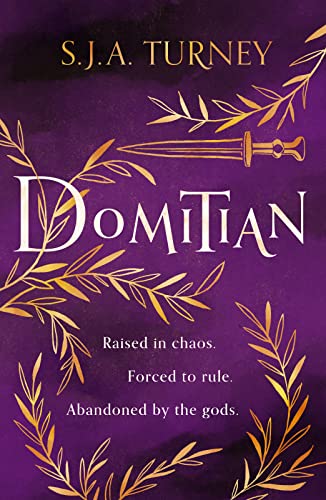
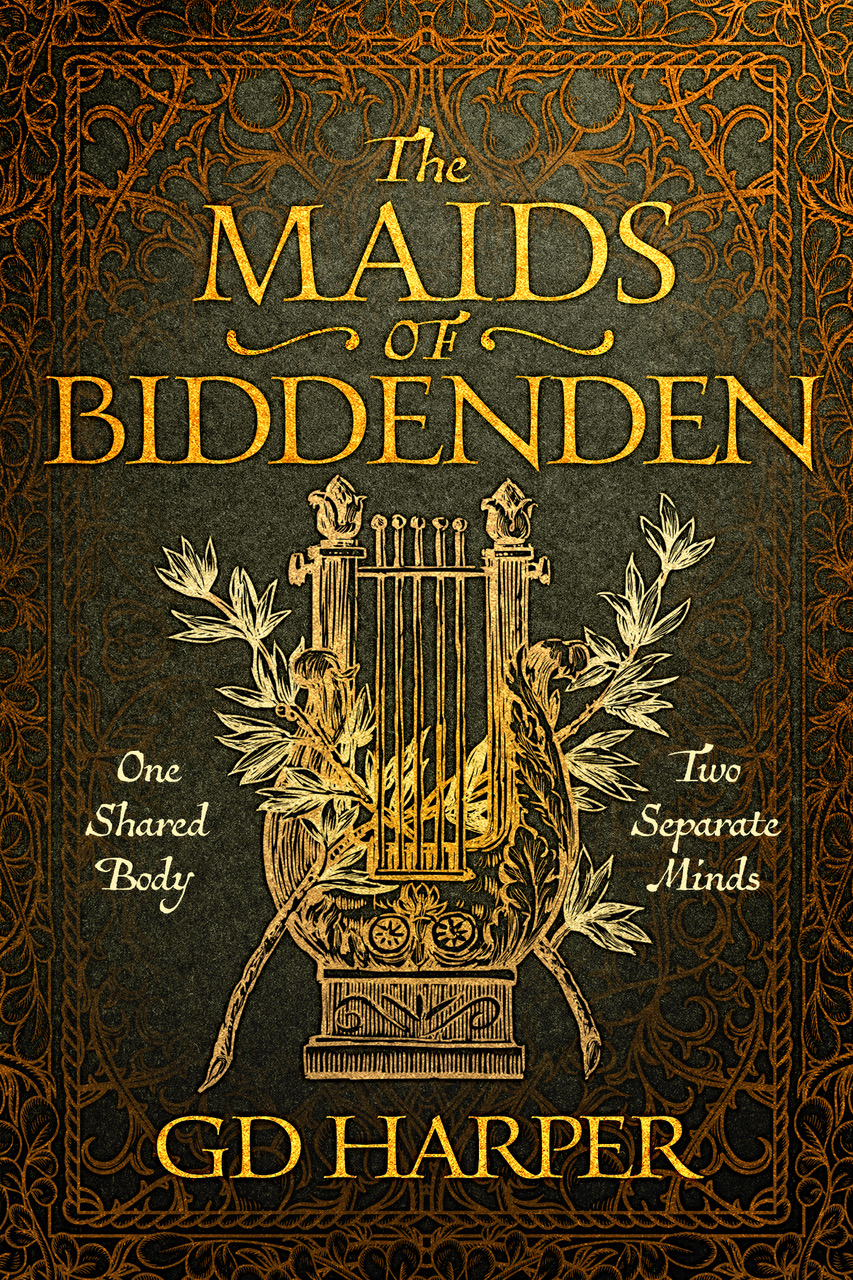
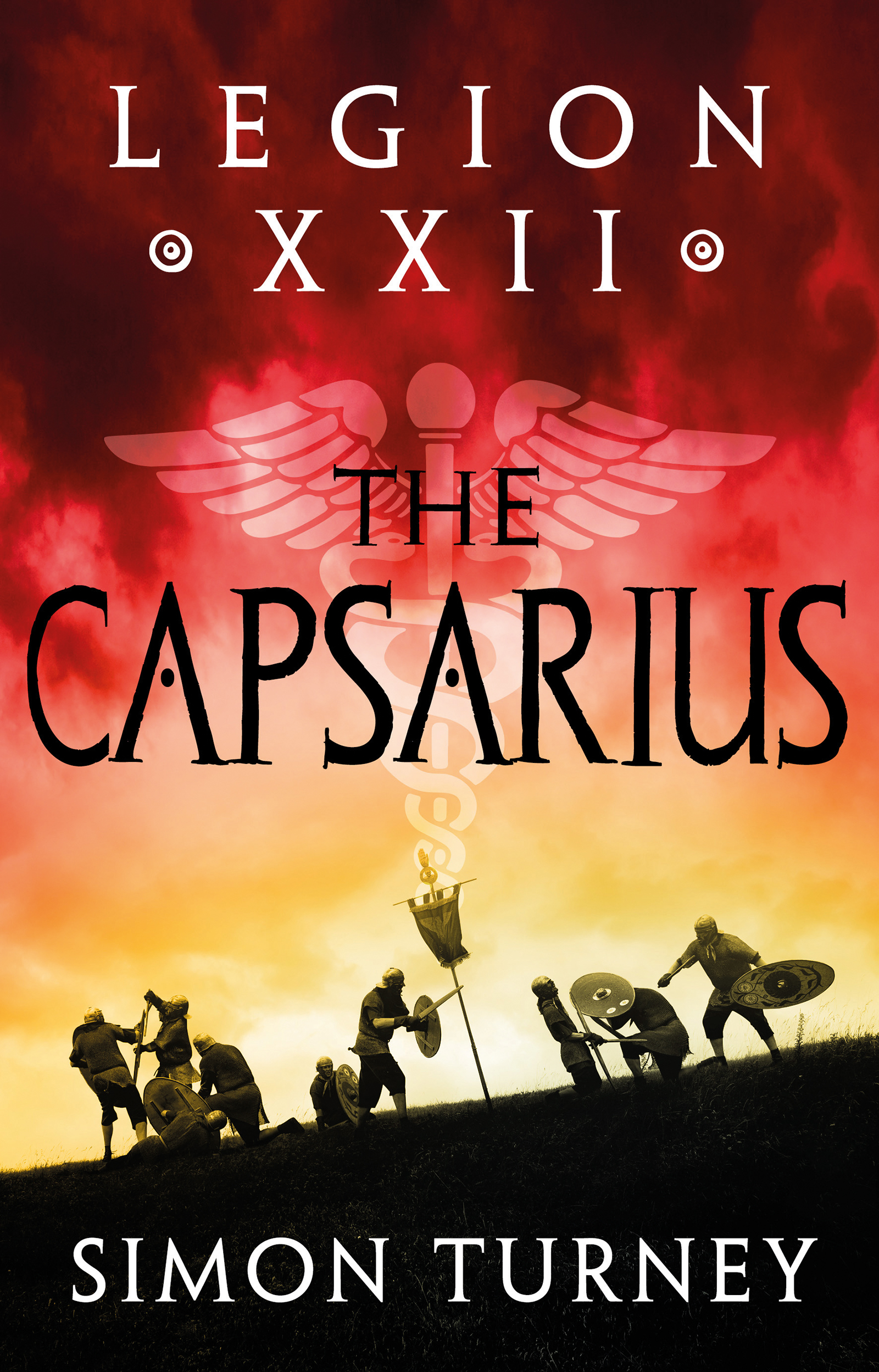
As has been pointed out to me by a fellow author, I don’t often award a five star review to books. Indeed, while I do rate and review on Amazon and Goodreads, on the blog, I don’t tend to give a rating – I’m just quirky like that. Those books that I have given a five star to, I’ve given a shout out in the Aspects of History Books of 2022. You can find the link here – (of course, these are all historical fiction books) and The Capsarius, Valentia, Twelve Nights and The Maids of Biddenden made it onto that list (and yes, these are all books I was lucky enough to be asked to review on the blog – but I never automatically give a 5 star review just because of that). I also want to add Domitian by SJA Turney as well. I couldn’t include two of his books on Aspecs of History but Domitian is wonderful, just my sort of Roman story with plenty of politics, intrigue, and some fabulous characters.

Three of these books are indie-published, and I can assure you all, that there’s a huge amount of amazing indie stuff out there. Don’t believe me, try one of these titles:)

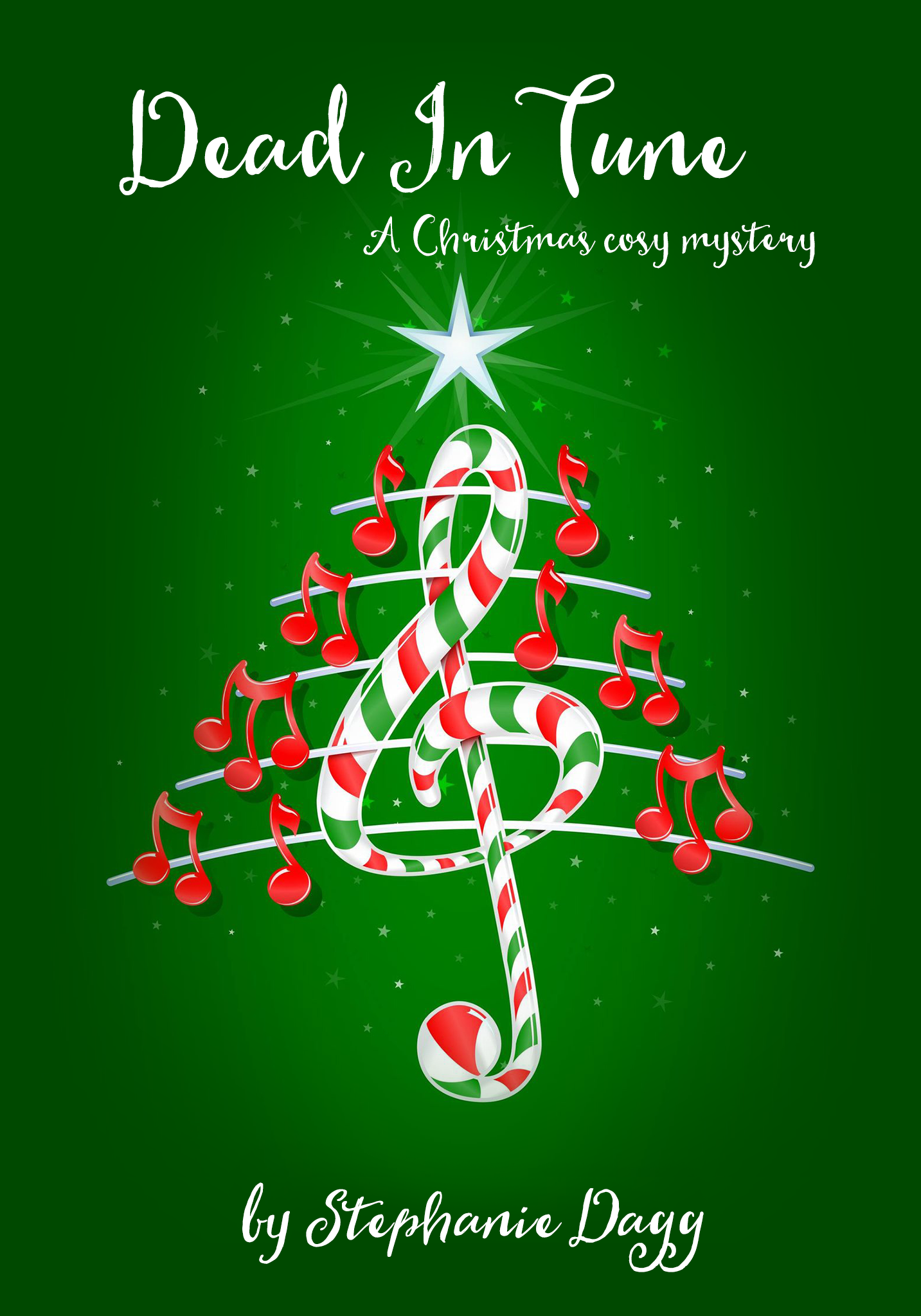
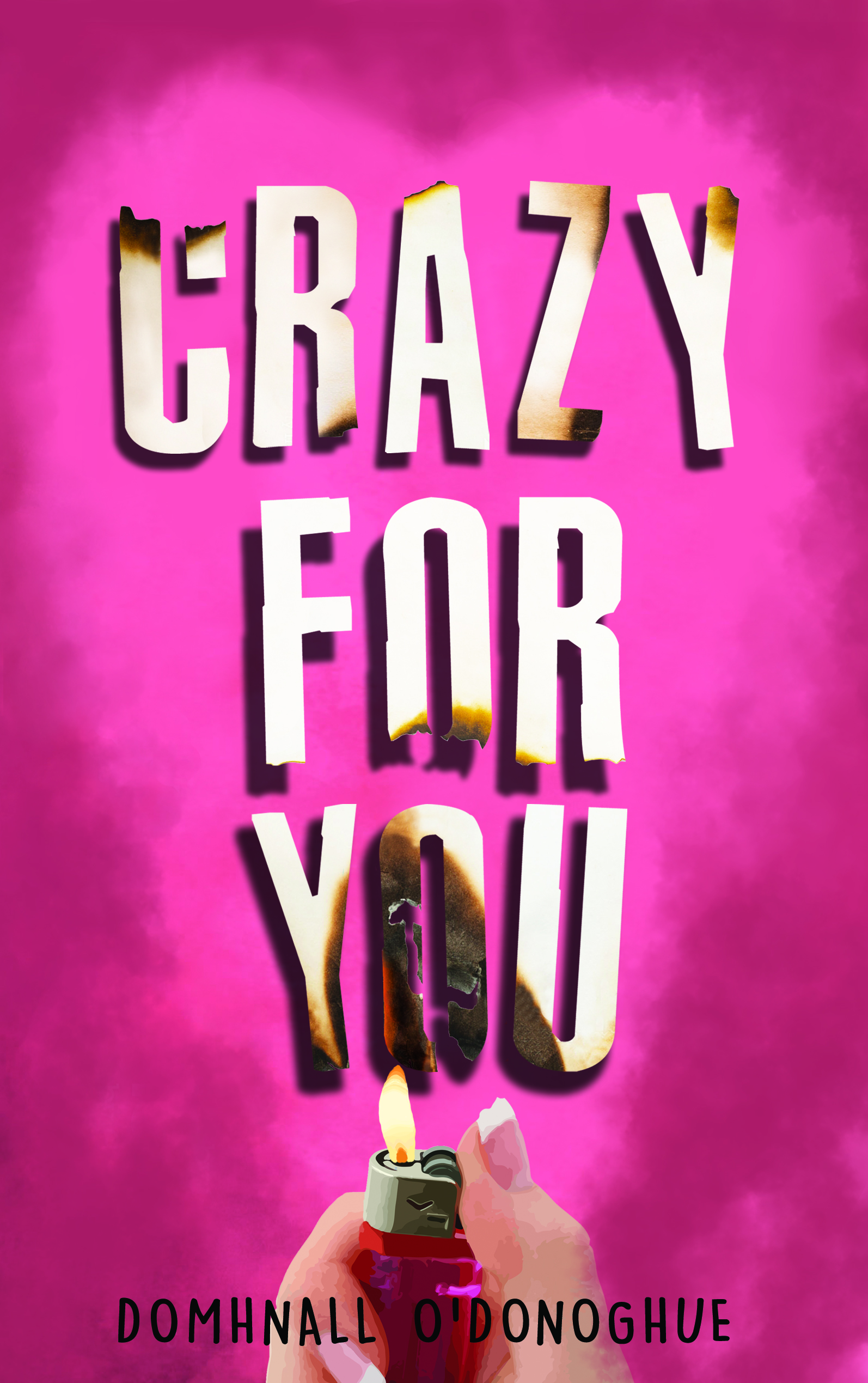
I’ve also treated myself to a bit of comedy this year. I’ve been listening to the Terry Pratchett Discworld audio books (the new and the original recordings – but not the abridged versions) and it’s reminded me of how much I love a funny book, and so, here are my favourite comedies of the year. Simon Whaley’s Foraging for Murder, Dead in Tune by Stephanie Dagg and Crazy for You by Domhnall O’Donoghue and Unseen Academicals by Terry Pratchett, which I’ve listened to twice!

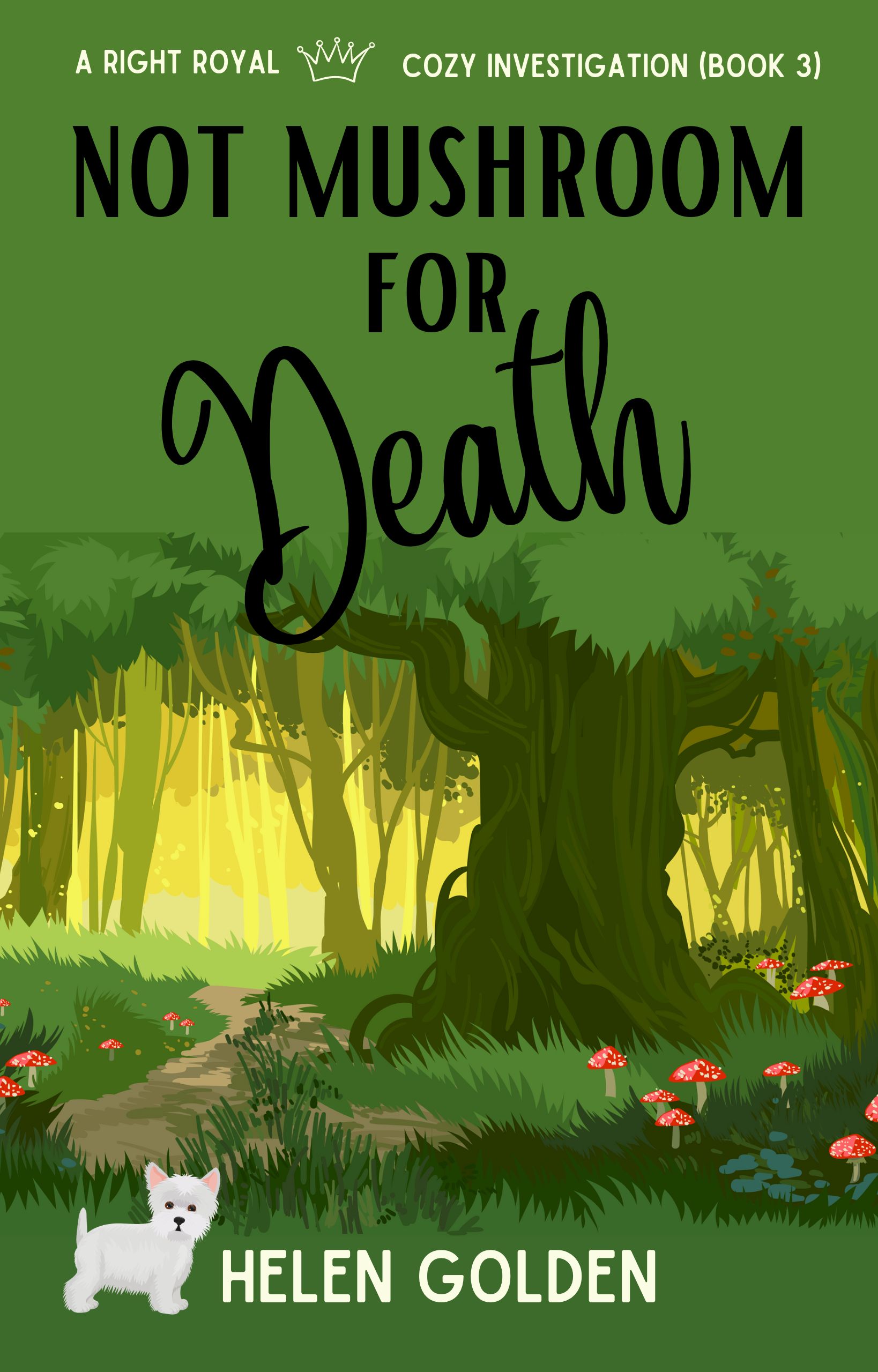
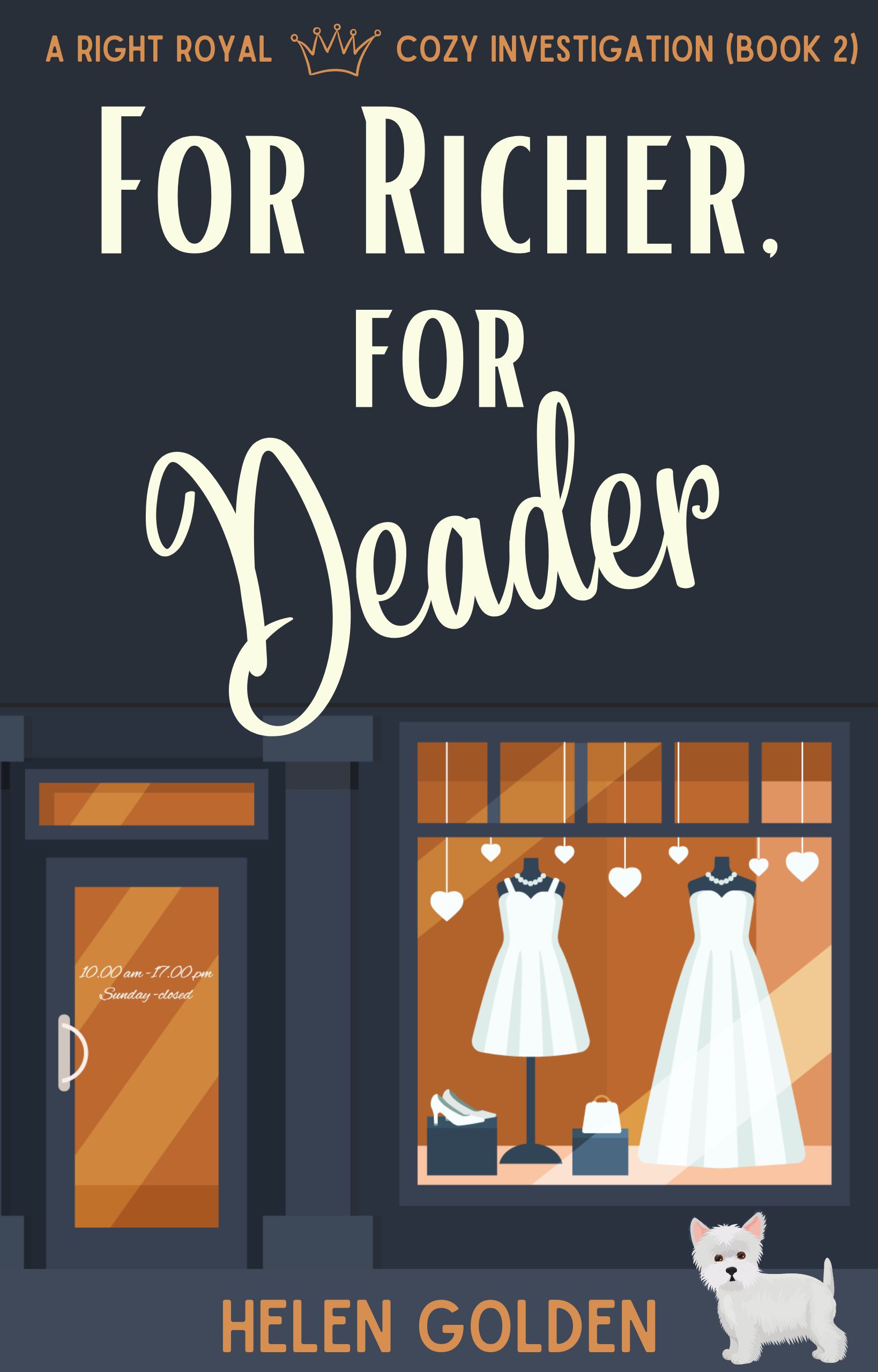
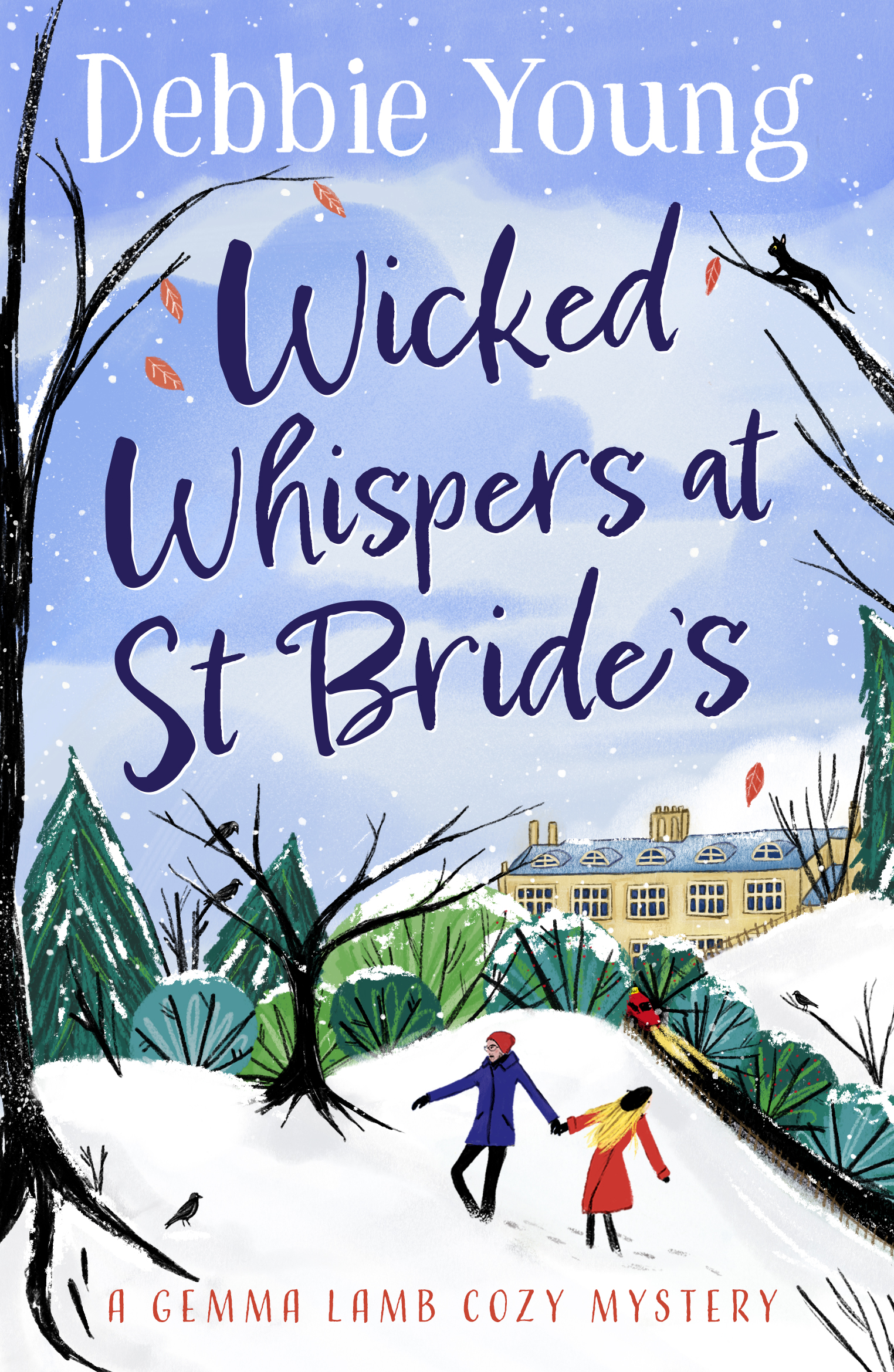
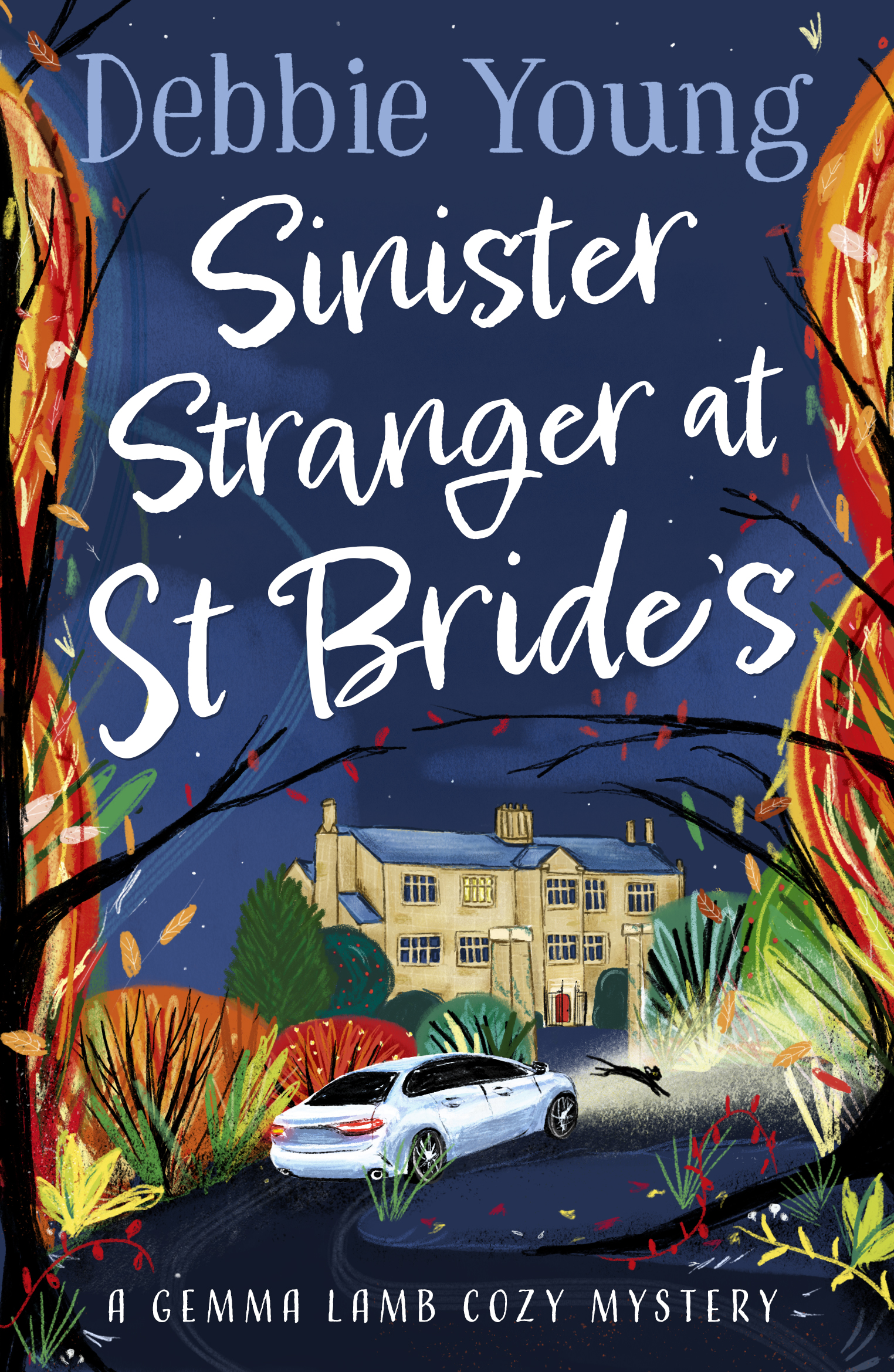
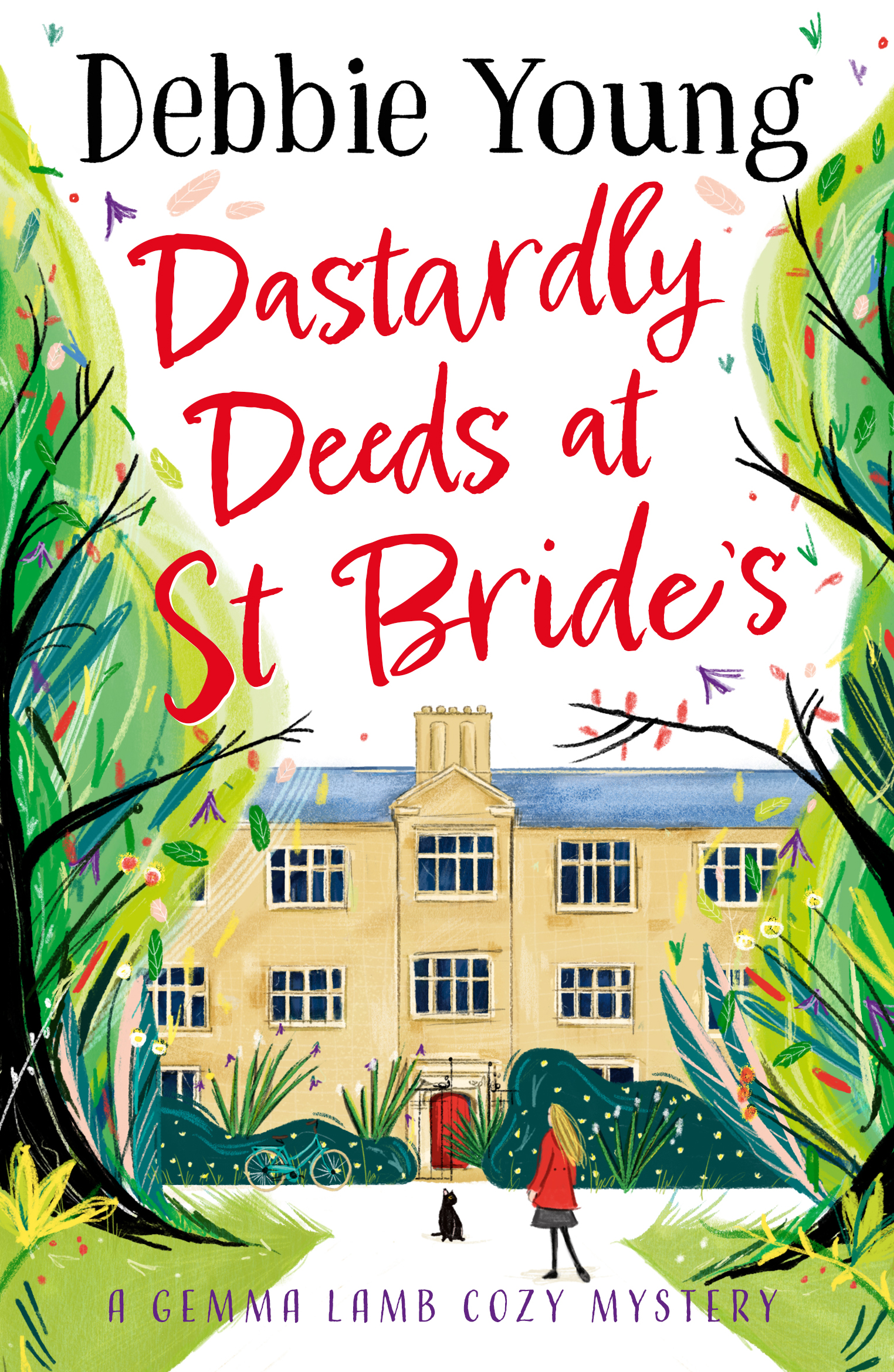
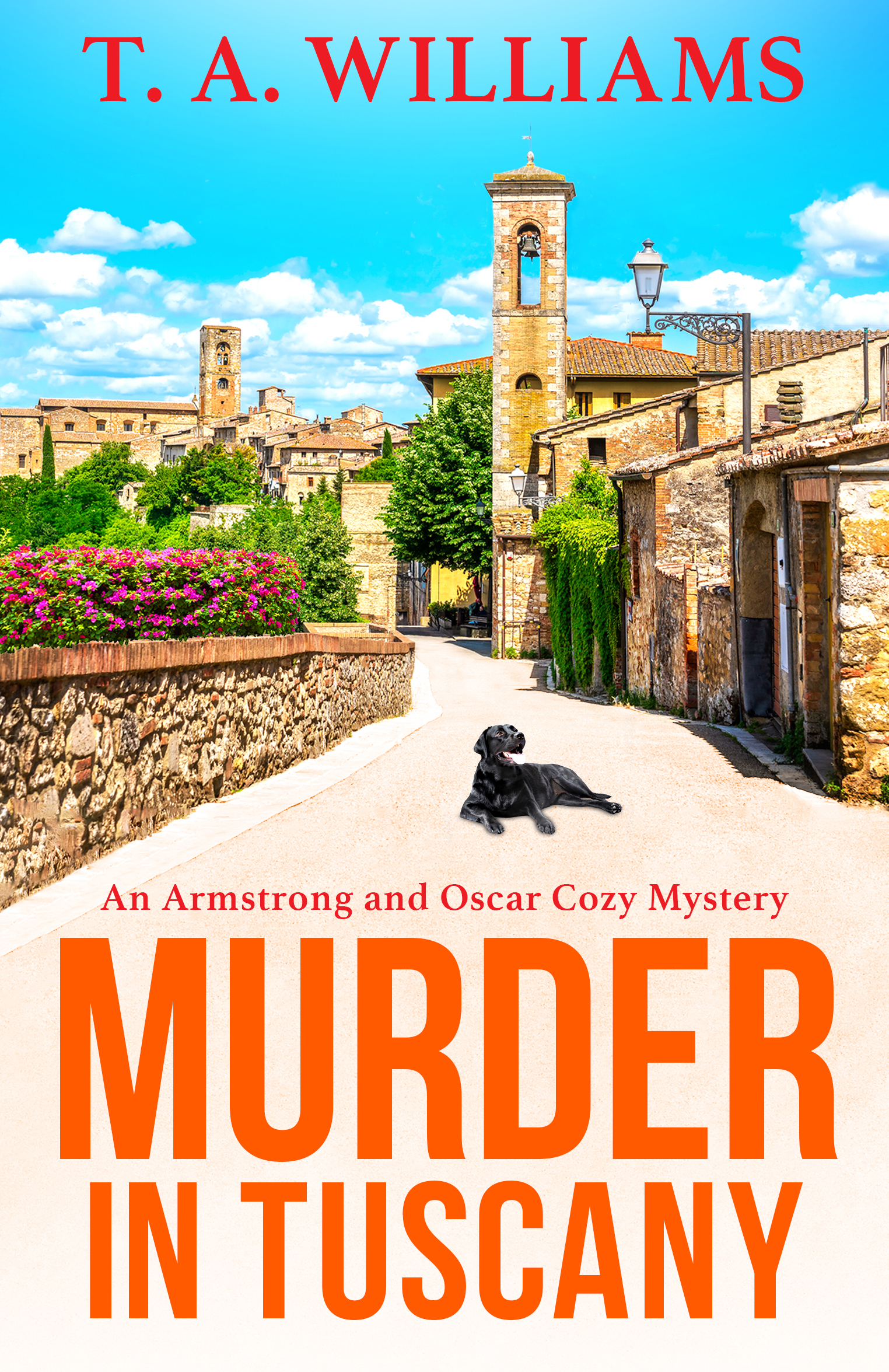
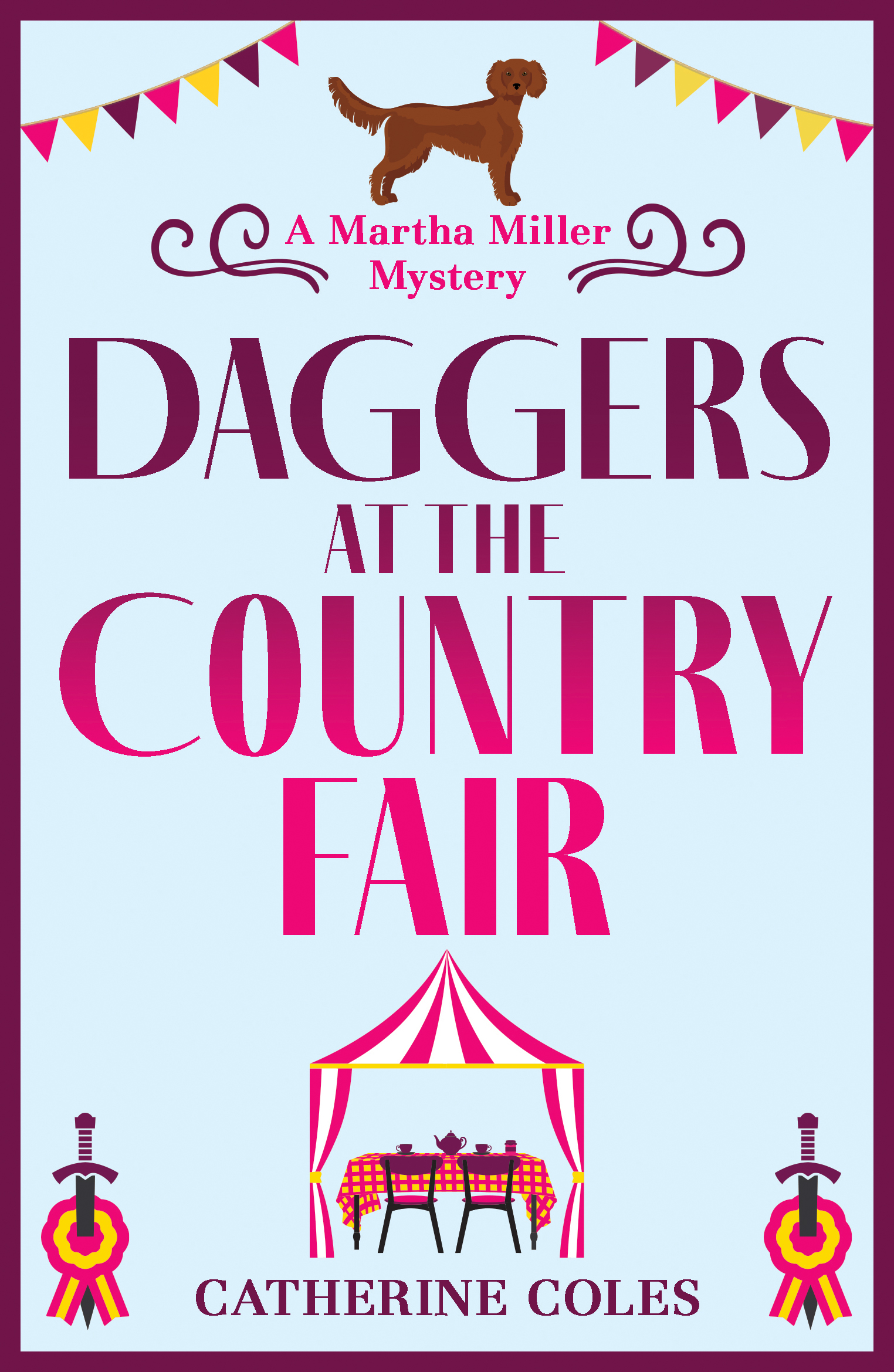
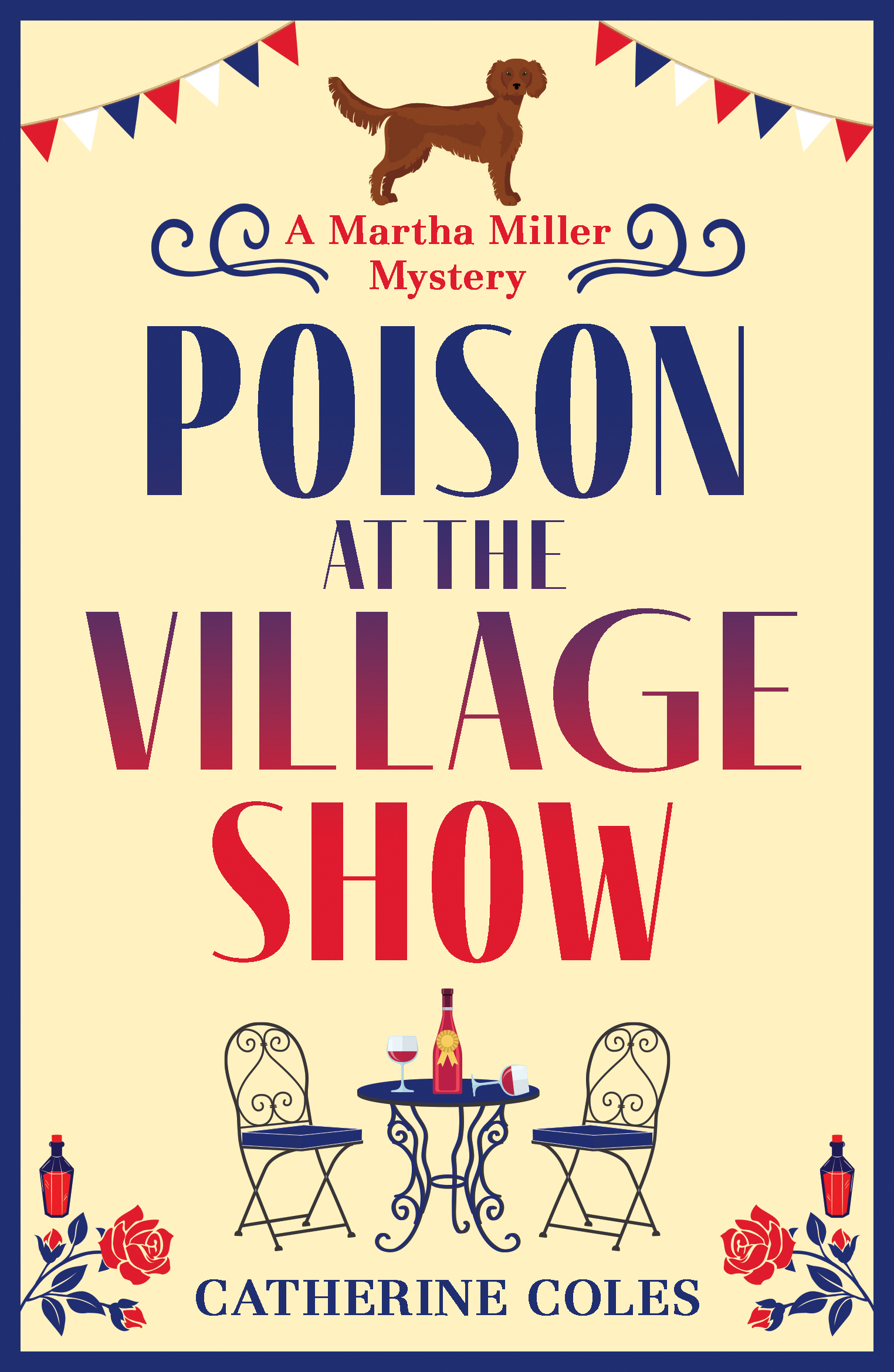
In terms of cozy crime, I’ve found a few new series of which I’m certainly going to read more. Catherine Coles new 1940s historical mystery series, TA Williams‘ Armstrong and Oscar cosy series, Debbie Young’s St Brides Series, and Helen Golden’s Right Royal Cozy Investigations.

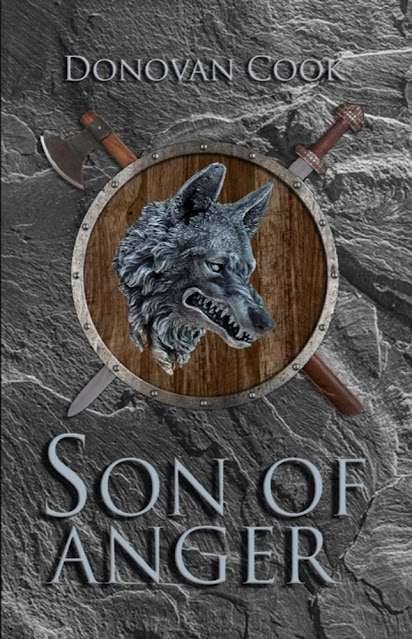
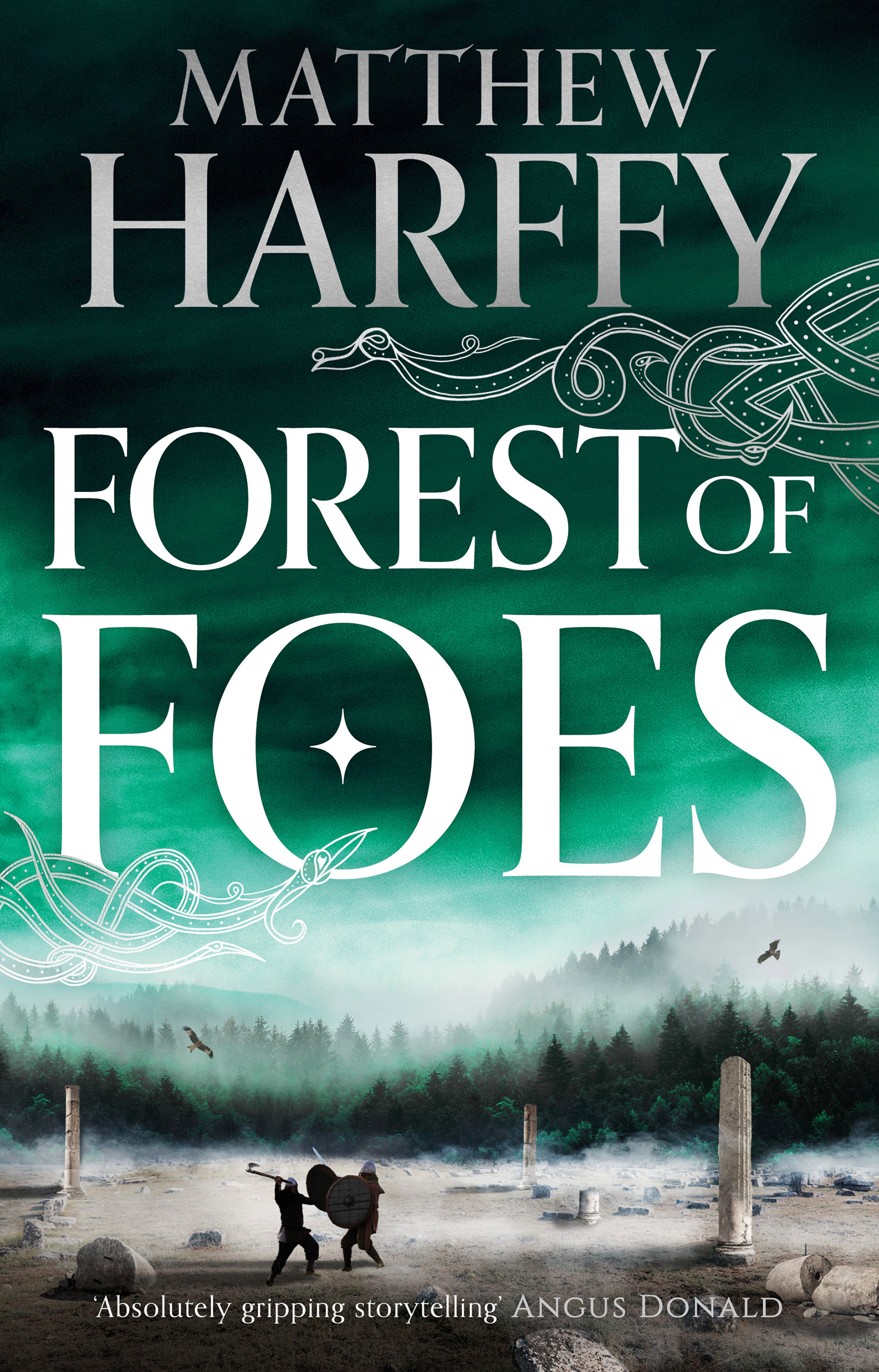
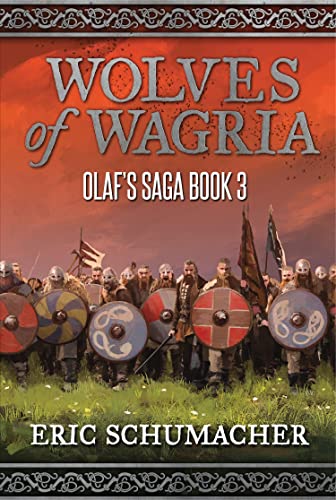
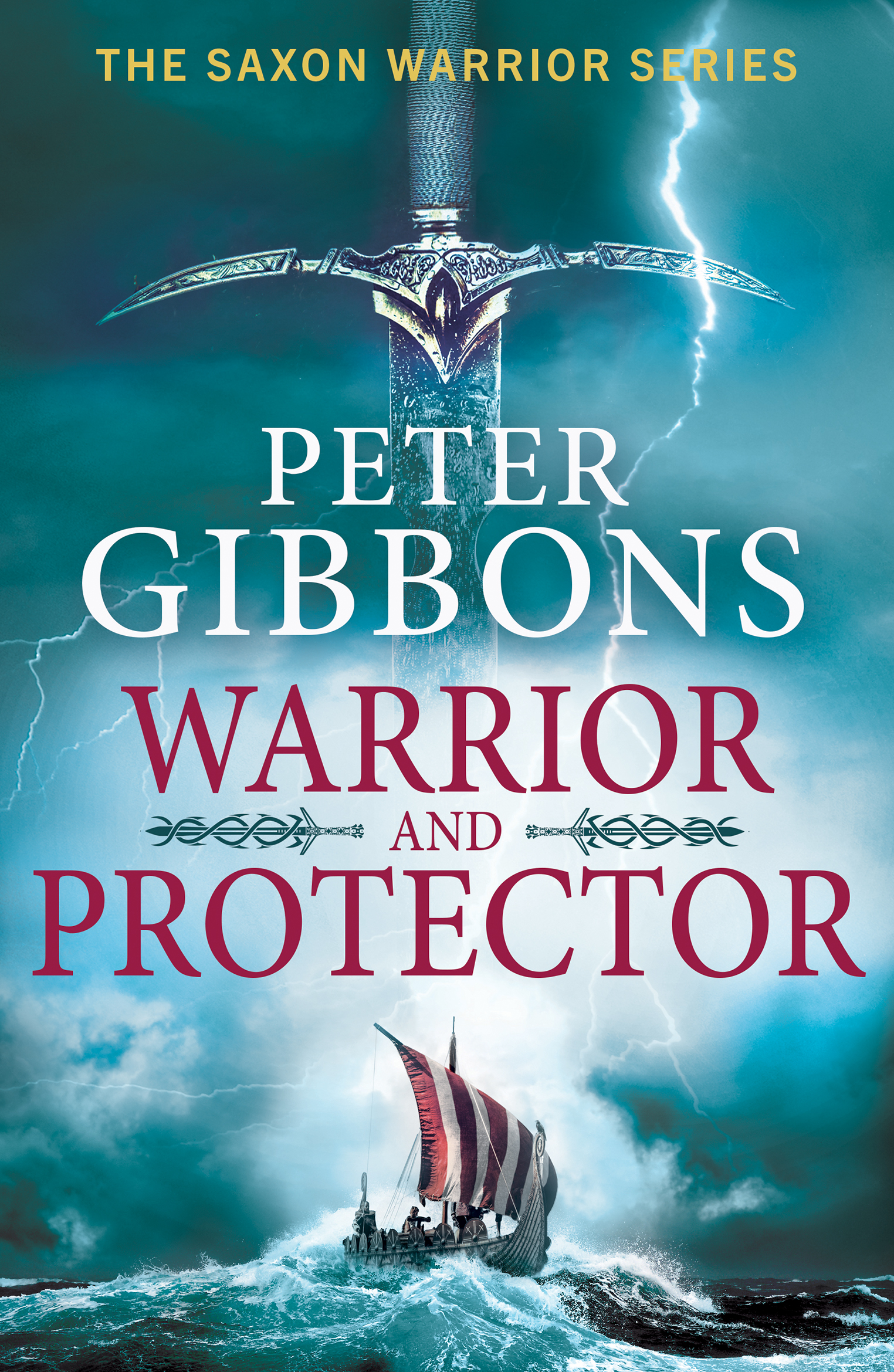
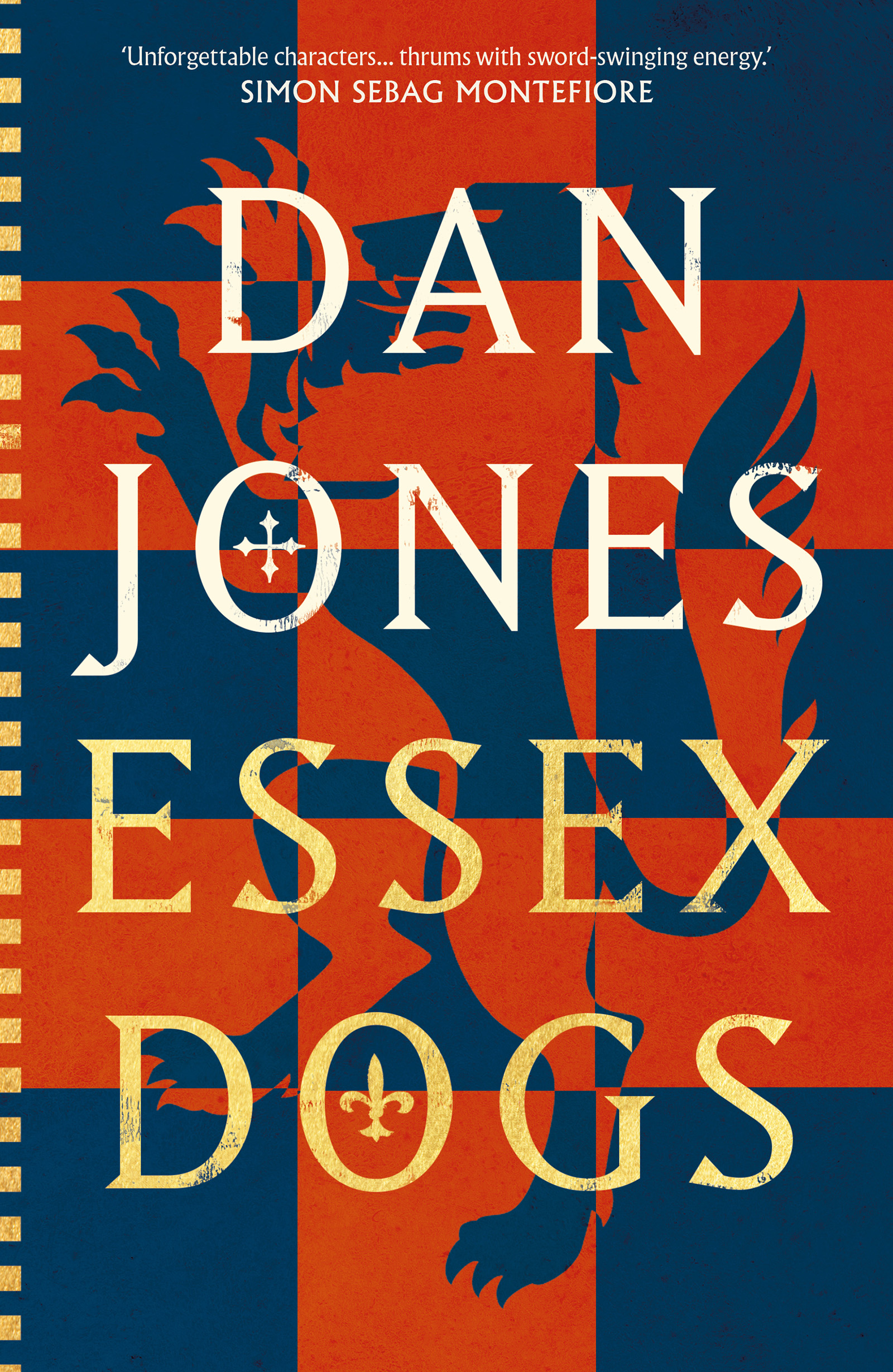
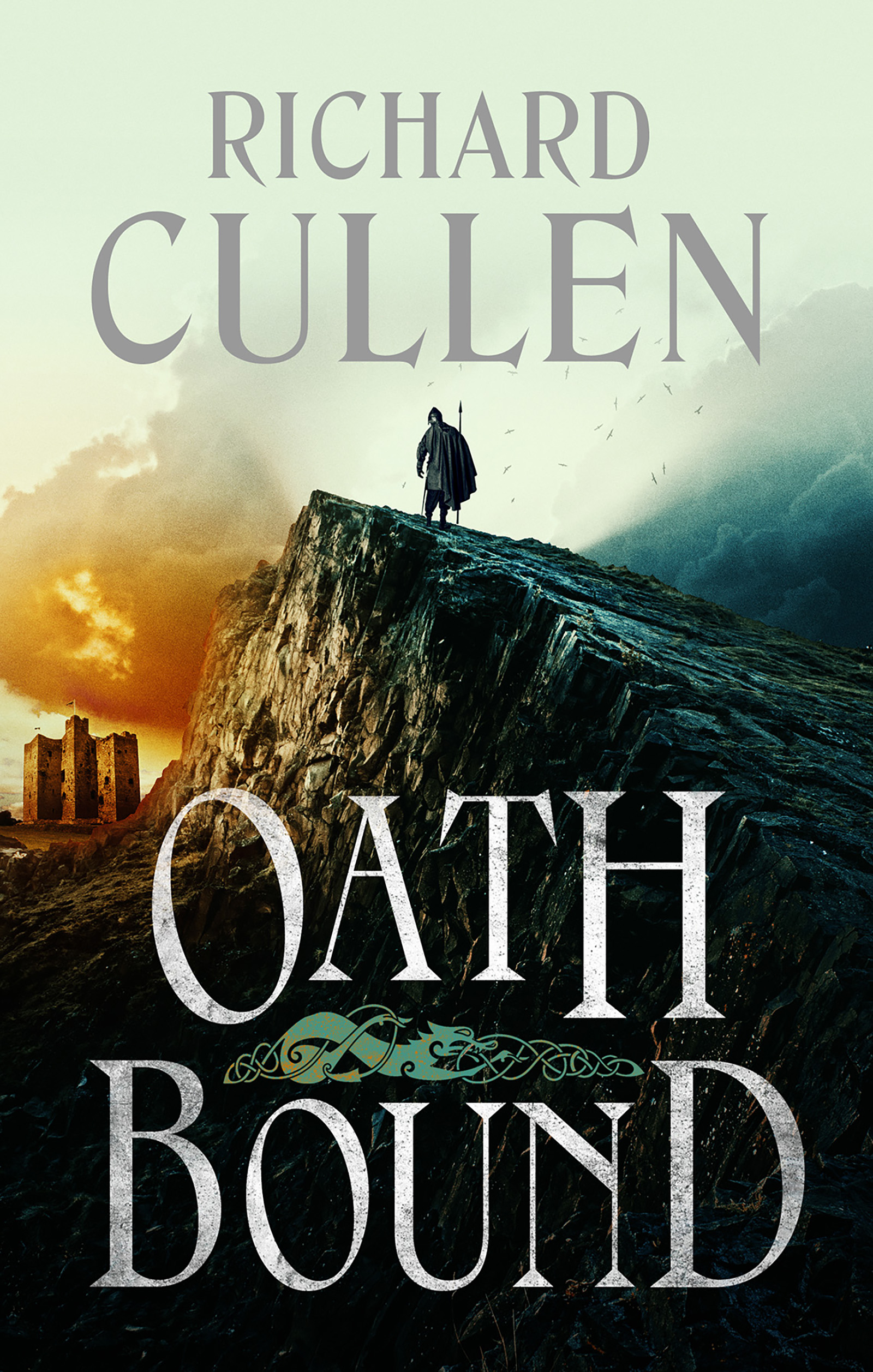
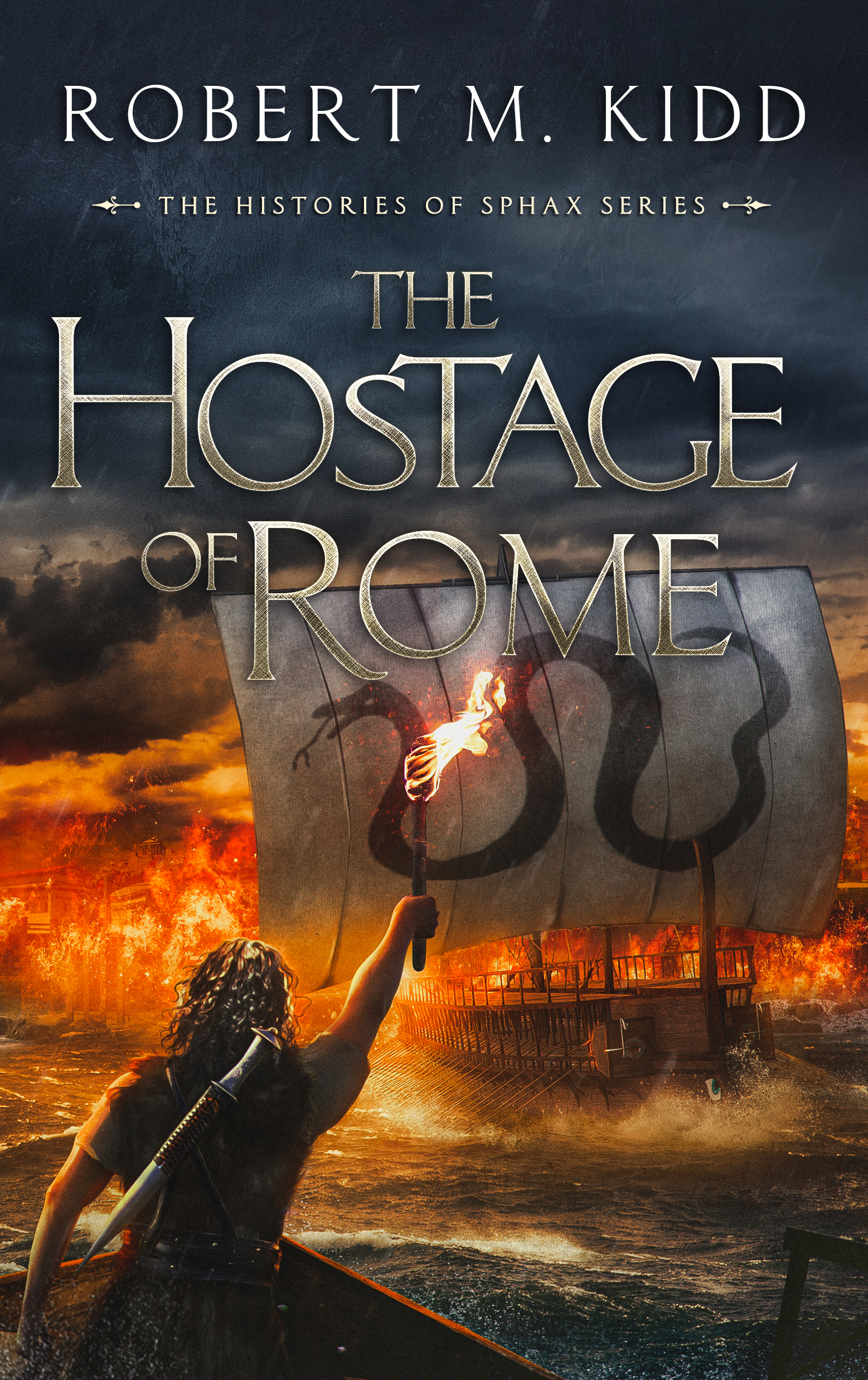
In terms of books set in ‘my’ time period, I’ve been reading Matthew Harffy, SJA Turney or maybe it’s a Simon Turney one (it’s the same author, in case you were confused), Peter Gibbons, Christopher Cervasco, Donovan Cook, Eric Schumacher, Paula De Fougerolles, Richard Cullen, and still historical but a little before and after, Robert M Kidd, Elizabeth R Andersen, Mark Knowles, Dan Jones and Kate Shanahan.

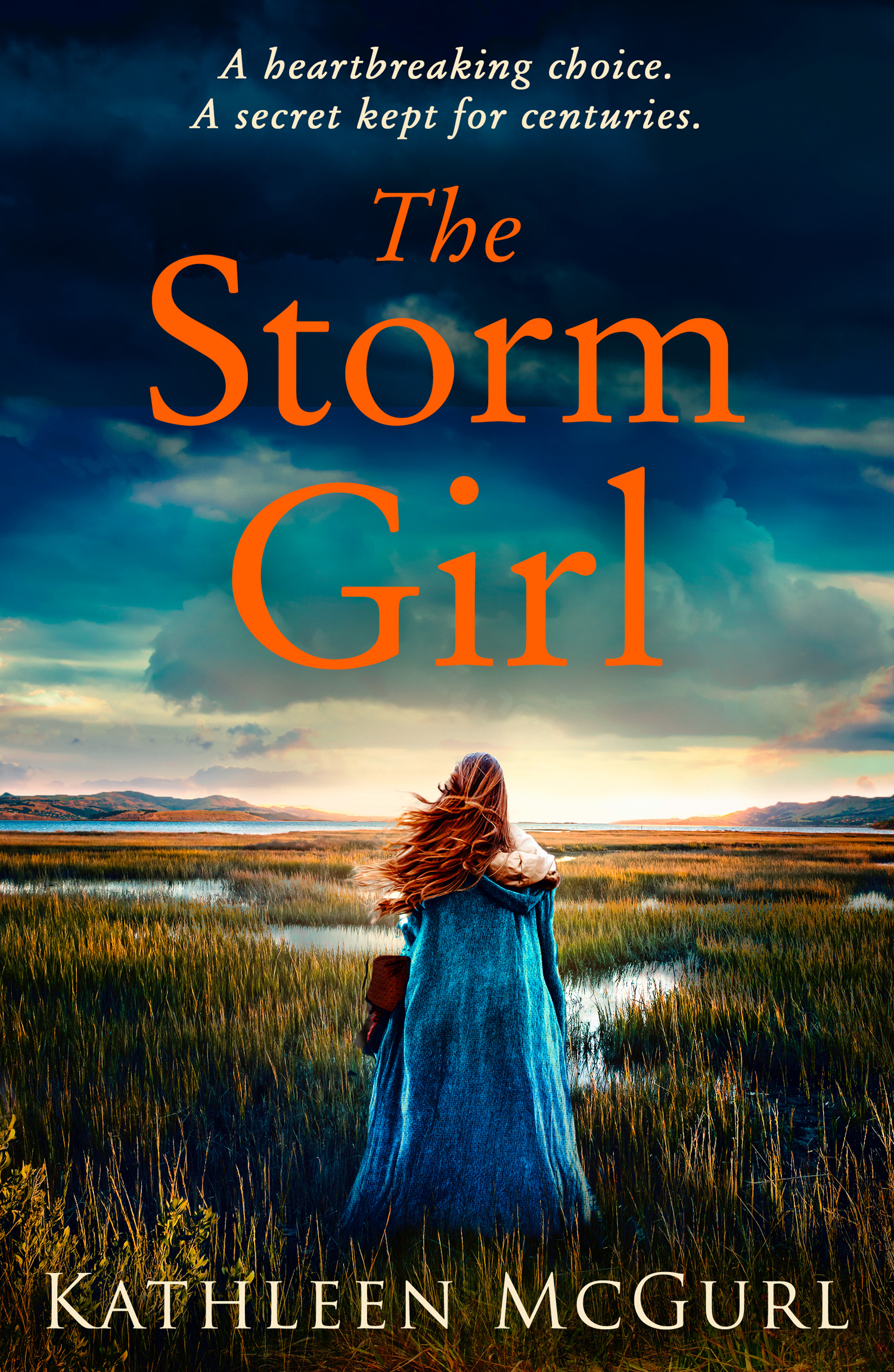
I’ve also dipped my toe into a few dual-timeline novels. As you might expect, my interest is always much more in the historical aspect of the story and not the modern settings, but they were a bit of fun when I was on holiday. The Witches Tree and The Storm Girl.

I’ve only read one fantasy book in 2022, which surprises me (aside from Discworld), but Mark Lawrence is one of my all-time favourite authors, and I will always read his books. The sneaky toad has a theme running through them all and I love it.

I’ve also read surprisingly few non-fiction books, in their entirety. I’ve been working on my non-fiction book and that’s meant a lot of dipping in and out of books I’ve already read. But, the non-fiction books I’ve read have been excellent, Michael Wood’s 40th anniversary of In Search of The Dark Ages, reviews for Aspects of History, Winter in the World by Eleanor Parker, also reviewed for Aspects of History and I also read my first ever writing guide.

And an entirely new genre for me, but one I was strangely drawn to for the location, which is close to where I grew up – a bit of Gangland.

I hope you’ve enjoyed reading my reviews on the blog. And I’d like to that the publishers that let me read advanced copies, and also, all the writers I’ve mentioned who’ve taken the time to craft these novels so that I can devour them. Now, I need to get back to my reading to make sure I hit that magic 100!
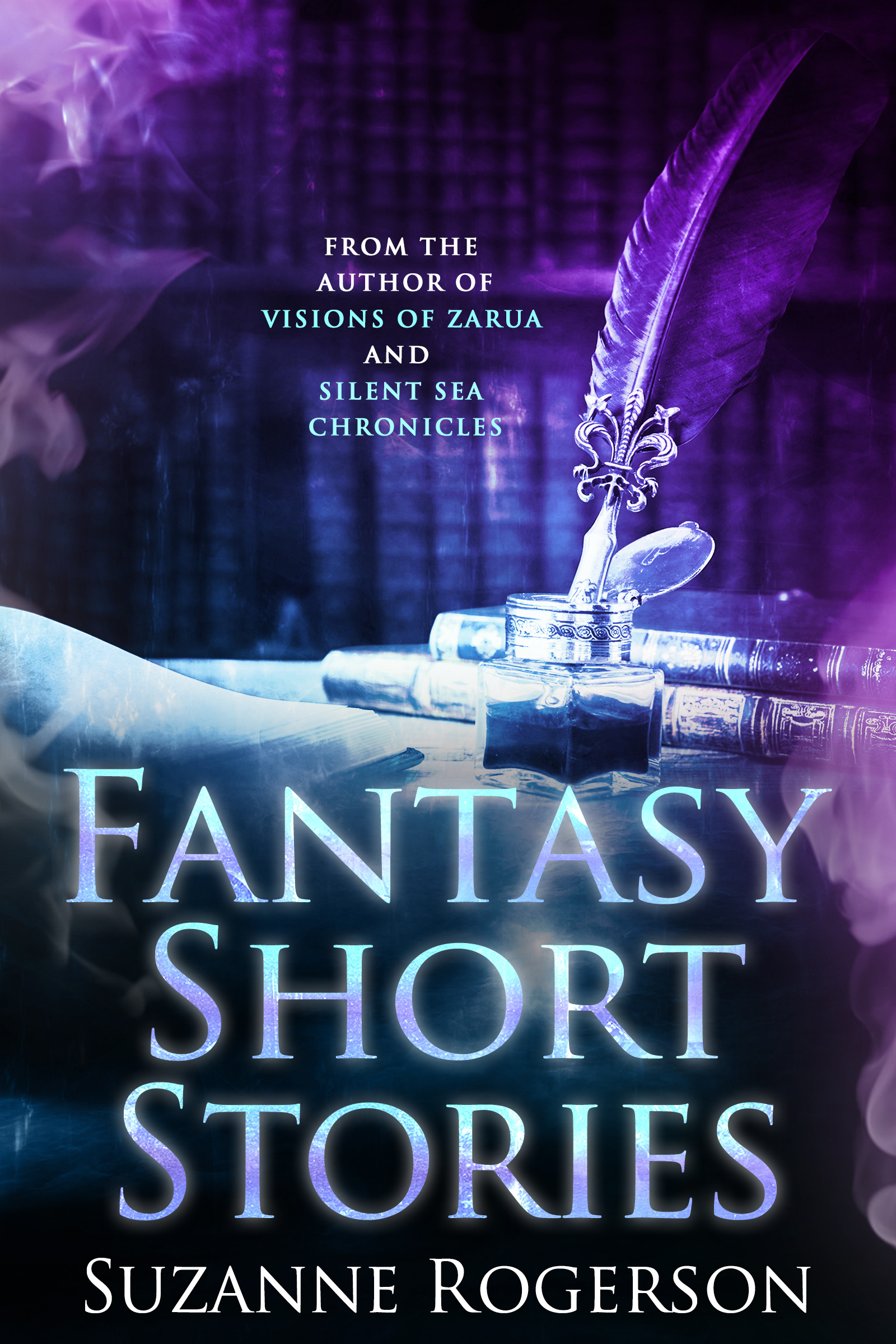
Today, I’m excited to be taking part in the blog blitz for Fantasy Short Stories by Suzanne Rogerson #blogtour #fantasy

Fantasy Short Stories

A collection of stories featuring favourite characters from Visions of Zarua and ‘Silent Sea Chronicles’, plus a glimpse into the new series, ‘Starlight Prophecy’.

The Guardian

With an assassin picking off wizards one-by-one, Kalesh visits Cassima, a former student, hoping to persuade her to re-join the Royal Wizards and use their protection to keep her family safe.

Kalesh’s newest charge, Paddren, has strange visions which link to a past event known only to a select few. The knowledge hidden in Paddren’s visions is invaluable so Kalesh must guard the boy at any cost.

Can Kalesh keep his students off the assassin’s radar long enough for his order to stop the killer?

Garrick the Protector

Fifteen-year-old Garrick is helping at his uncle’s farm when his cousin’s illegal use of magic threatens the family’s safety.

Mara is in immediate danger from the Assembly who deem all magic as a threat. The only safe place for her is the Turrak Mountains where exiled mystics have found sanctuary alongside the island’s Sentinel.

Can Garrick get Mara to safety before the Assembly catch up with them?

War Wounds

Conscripted to fight off raiders, Calder finds the months of bloody battle unleash a sixth sense buried inside him.

Finally released from duty, he travels home and encounters a mysterious woman who insists his life is destined to serve a higher purpose. Calder rejects her claims, wanting only to return to a simple existence with his wife.

But can Calder pick up his old life when the powers within him have been stirred? And why does he feel such misgivings about his return?

All three stories give readers a tantalising glimpse into the fantasy worlds created by Suzanne Rogerson.

Purchase Link – http://mybook.to/fantasySS

My Review

I’ve really enjoyed this short story collection by Suzanne Rogerson.

All of the snippets of stories are well written, and certainly very intriguing. I will certainly be checking out the full stories on Amazon.
If you enjoy fantasy with a touch of magic, and some really intriguing storylines, I would highly recommend this collection of short stories. These are certainly ‘my sort’ of fantasy stories, so if you’ve read my Dragon of Unison stories, you’ll know what that means, and if you haven’t, then I’m going to say that these stories hint at books and trilogies filled with magic, and not too much graphic violence, and with a cast of strong characters, both male and female. I recommend you check out these short stories to see what you’re going to get. I’m really pleased that I did:)
Meet Suzanne

Suzanne lives in Middlesex, England with her husband, two children and a crazy cocker spaniel.

Her writing journey began at the age of twelve when she completed her first novel. She discovered the fantasy genre in her late teens and has never looked back. Giving up work to raise a family gave Suzanne the impetus to take her attempts at novel writing beyond the first draft, and she is lucky enough to have a husband who supports her dream – even if he does occasionally hint that she might think about getting a proper job one day.

Now an author of four novels including the Silent Sea Chronicles trilogy and her debut, Visions of Zarua, Suzanne hopes the dreaded ‘W’ word will never rear its ugly head again!

She loves gardening and has a Hebe (shrub) fetish. She enjoys cooking with ingredients from the garden and regularly feeds unsuspecting guests vegetable-based cakes.

Suzanne collects books, is interested in history and enjoys wandering around castles and old ruins whilst being immersed in the past. She likes to combine her love of nature and photography on family walks, but most of all she loves to escape with a great film, binge watch TV shows, or soak in a hot bubble bath with an ice cream and a book.

Connect with Suzanne

Twitter

Goodreads

BookBub

Amazon

Facebook

Instagram

Newsletter