Author of Saxon historical fiction and non-fiction, 20th-century historical mysteries, and Norse-inspired historical romantasy. Book reviewer and blog host.
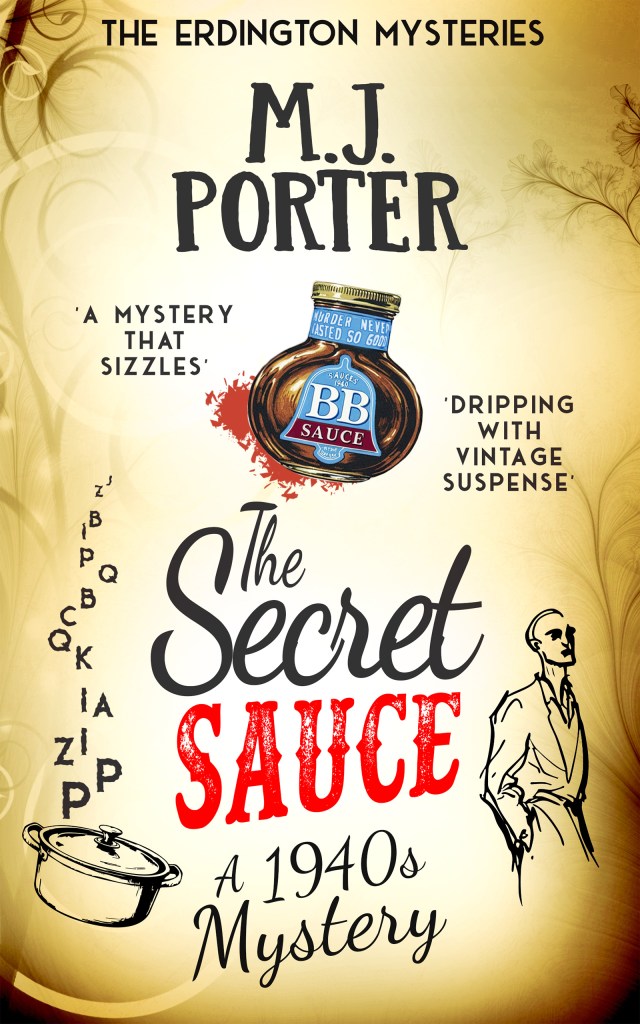
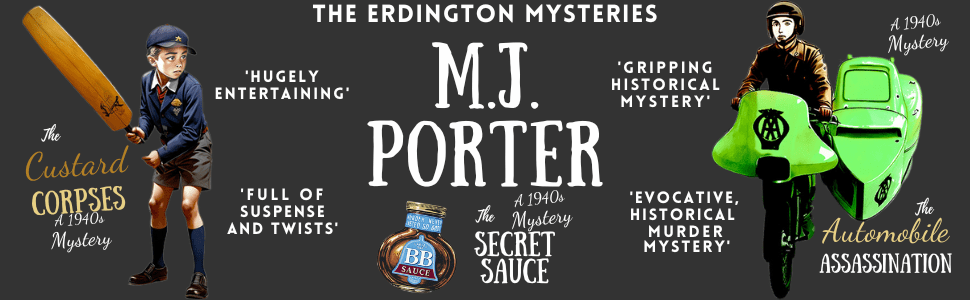
I’m super excited to share the cover for The Secret Sauce, the third book in The Erdington Mysteries #histfic #historicalmystery
Here’s the blurb
Birmingham, England, November 1944.
Chief Inspector Mason of Erdington Police Station is summoned to a suspicious death at the BB Sauce factory in Aston on a wet Monday morning in late November 1944.
Greeted by his enthusiastic sergeant, O’Rourke, Sam Mason finds himself plunged into a challenging investigation to discover how Harry Armstrong met his death in a vat containing BB Sauce – a scene that threatens to put him off BB Sauce on his bacon sandwiches for the rest of his life.
Together with Sergeant O’Rourke, Mason follows a trail of seemingly unrelated events until something becomes very clear. The death of Harry Armstrong was certainly murder, and might well be connected to the tragedy unfolding at nearby RAF Fauld. While the uncertainty of war continues, Mason and O’Rourke find themselves seeking answers from the War Office and the Admiralty, as they track down the person who murdered their victim in such an unlikely way.
Join Mason and O’Rourke for the third book in the quirky, historical mystery series, as they once more attempt to solve the impossible in 1940s Erdington.
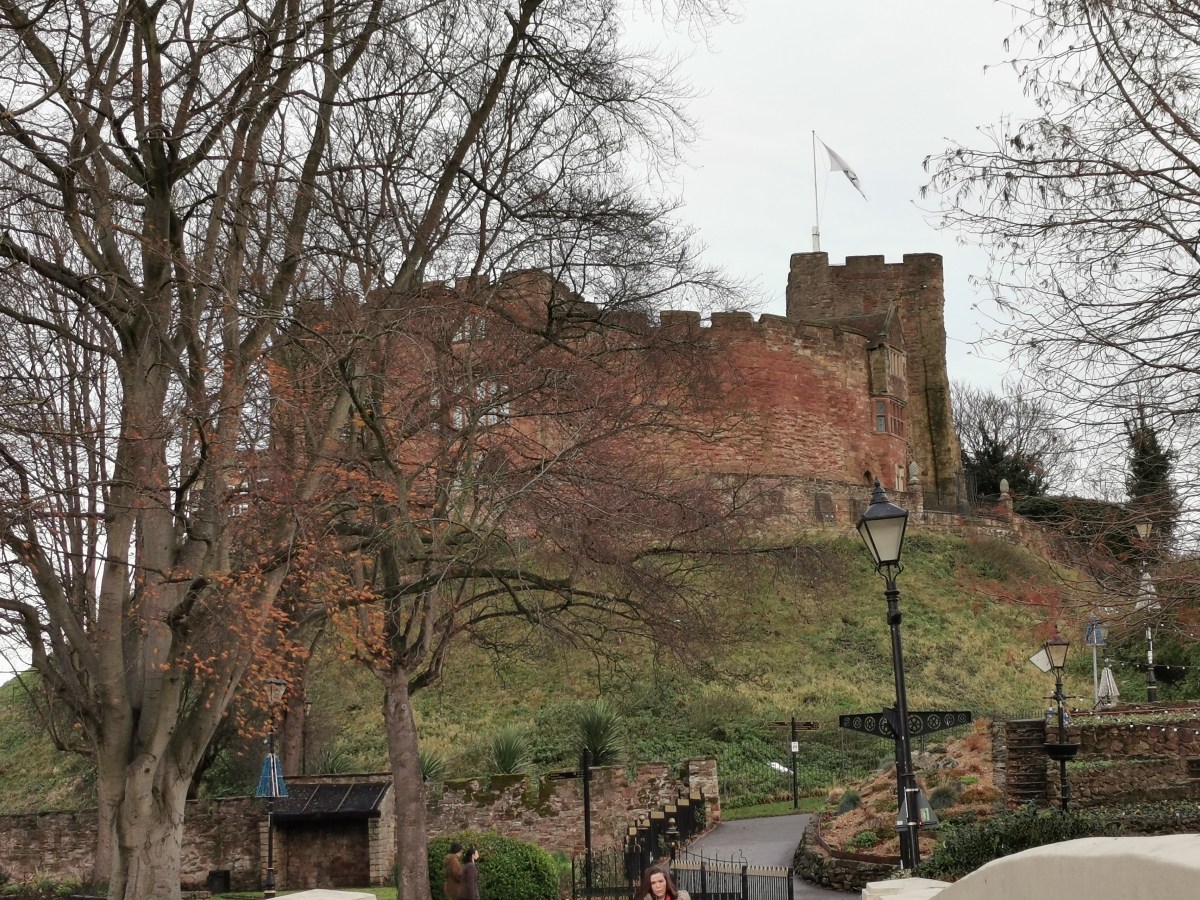
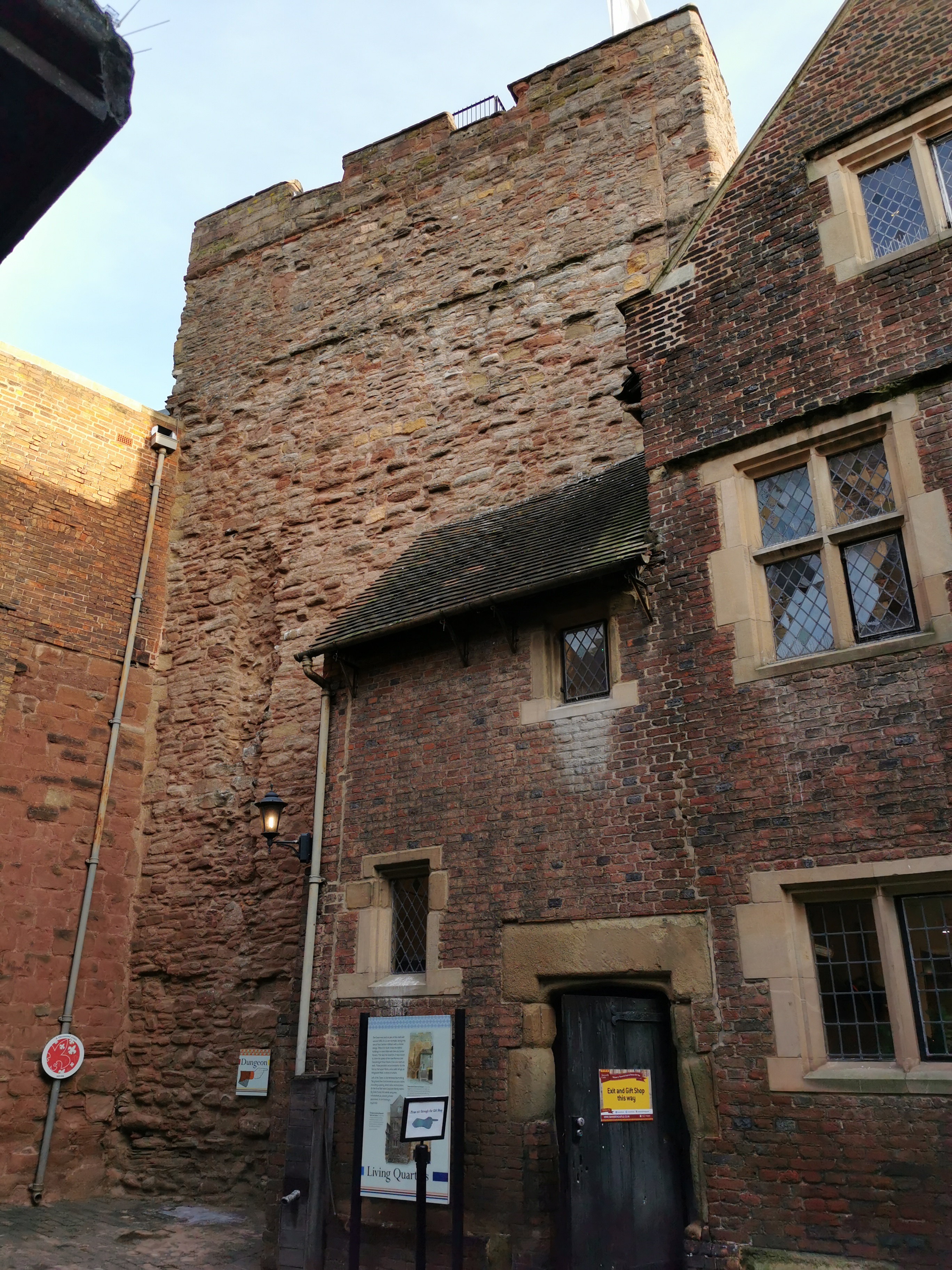
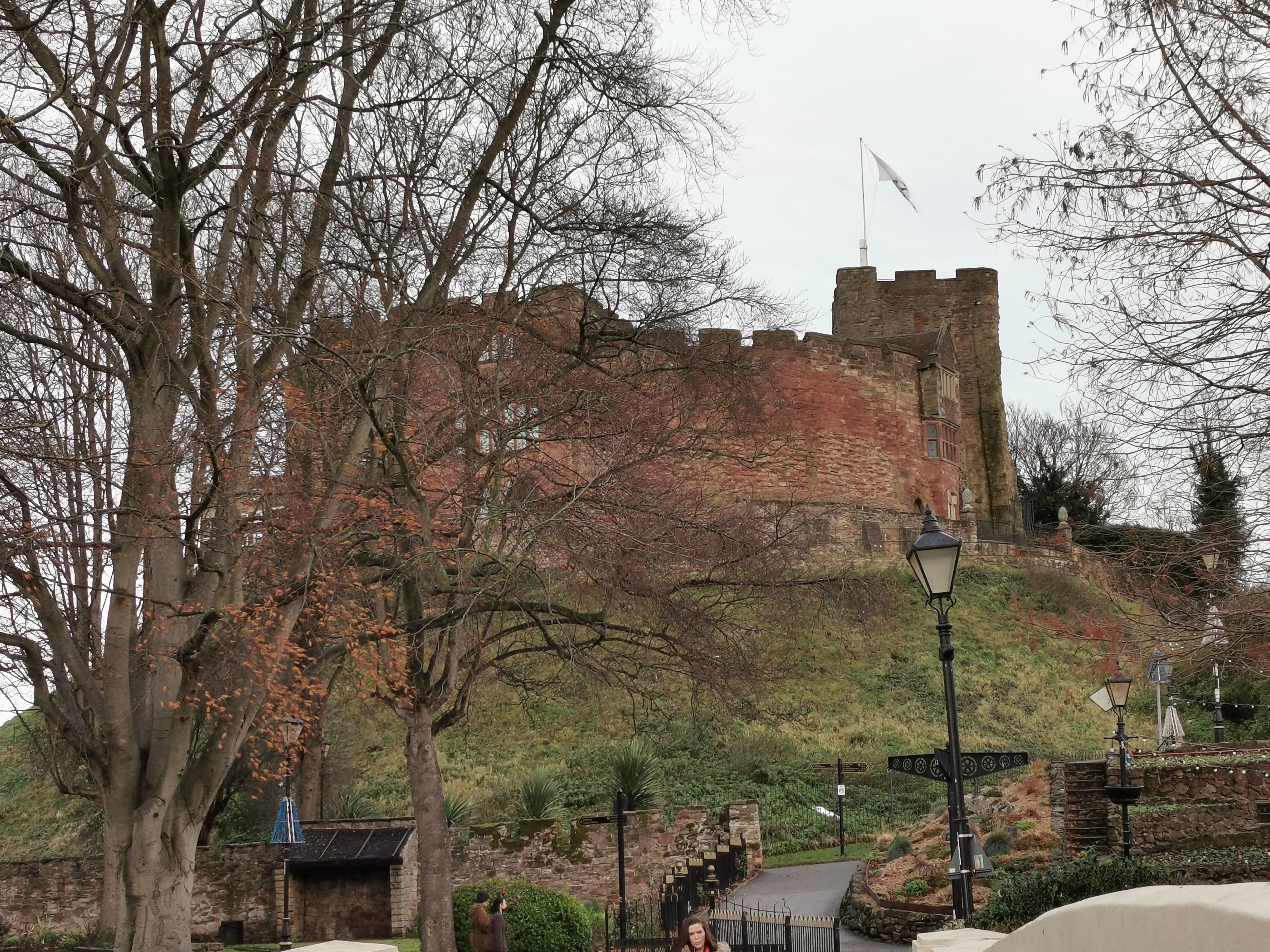
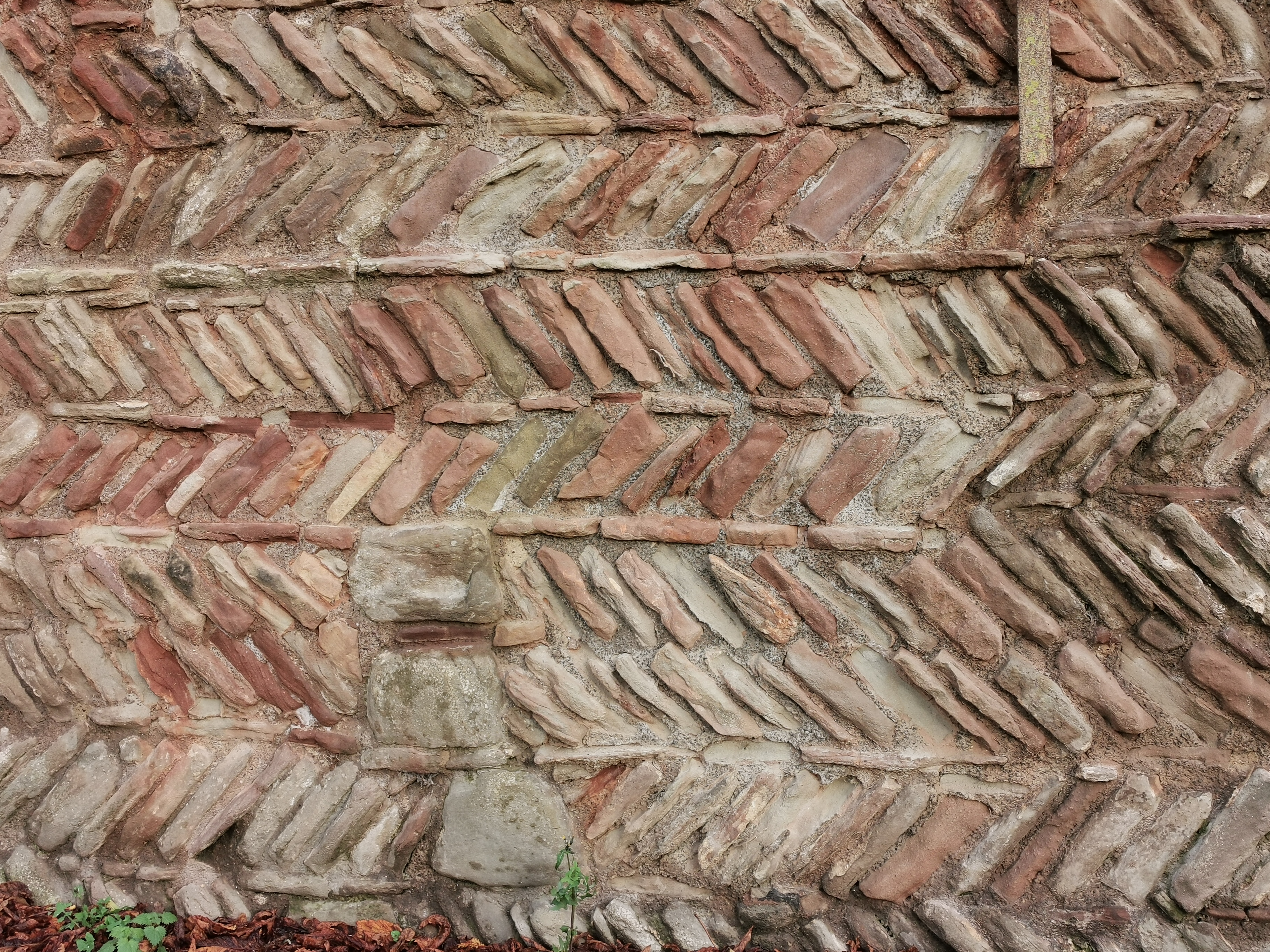
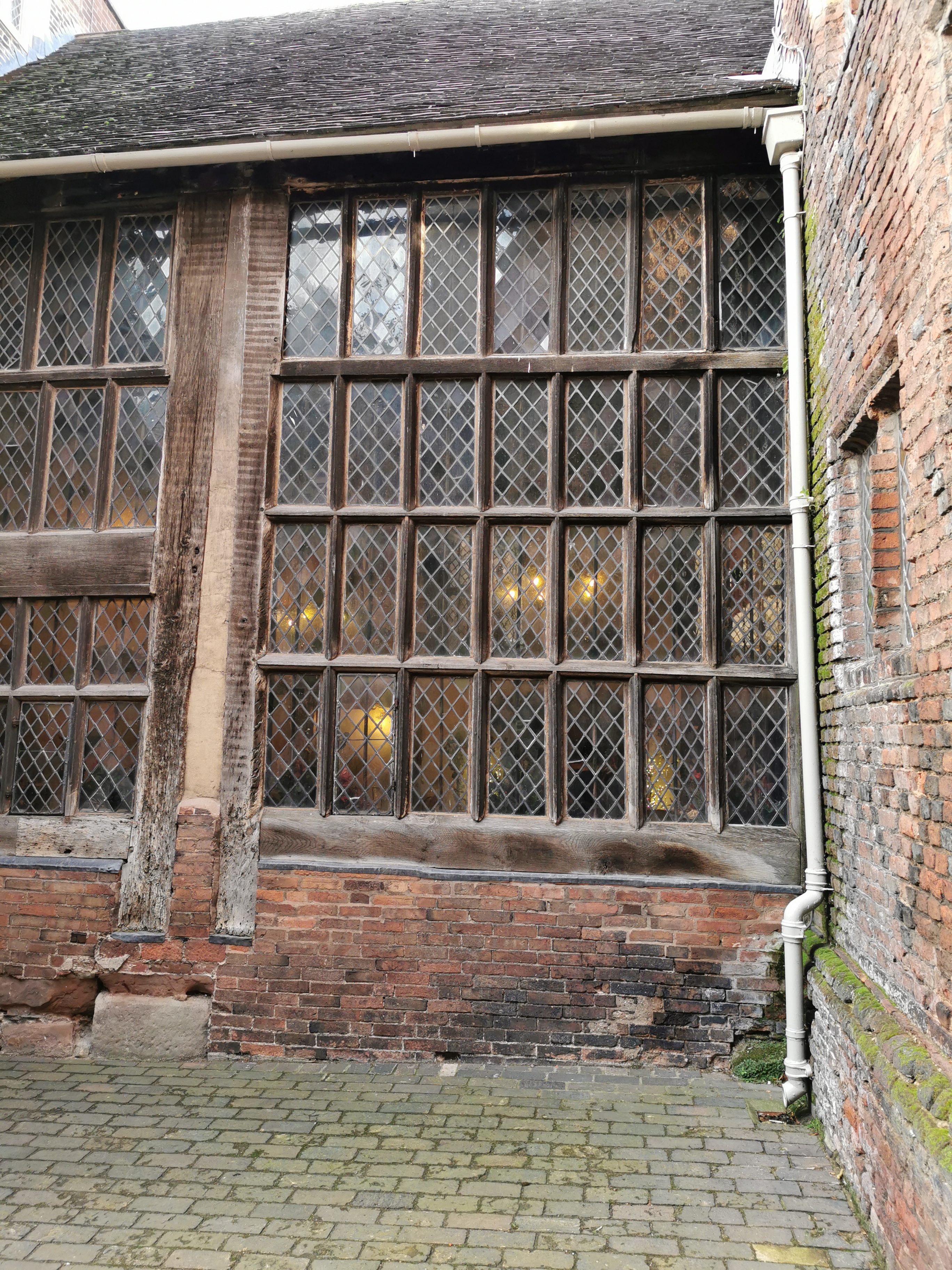
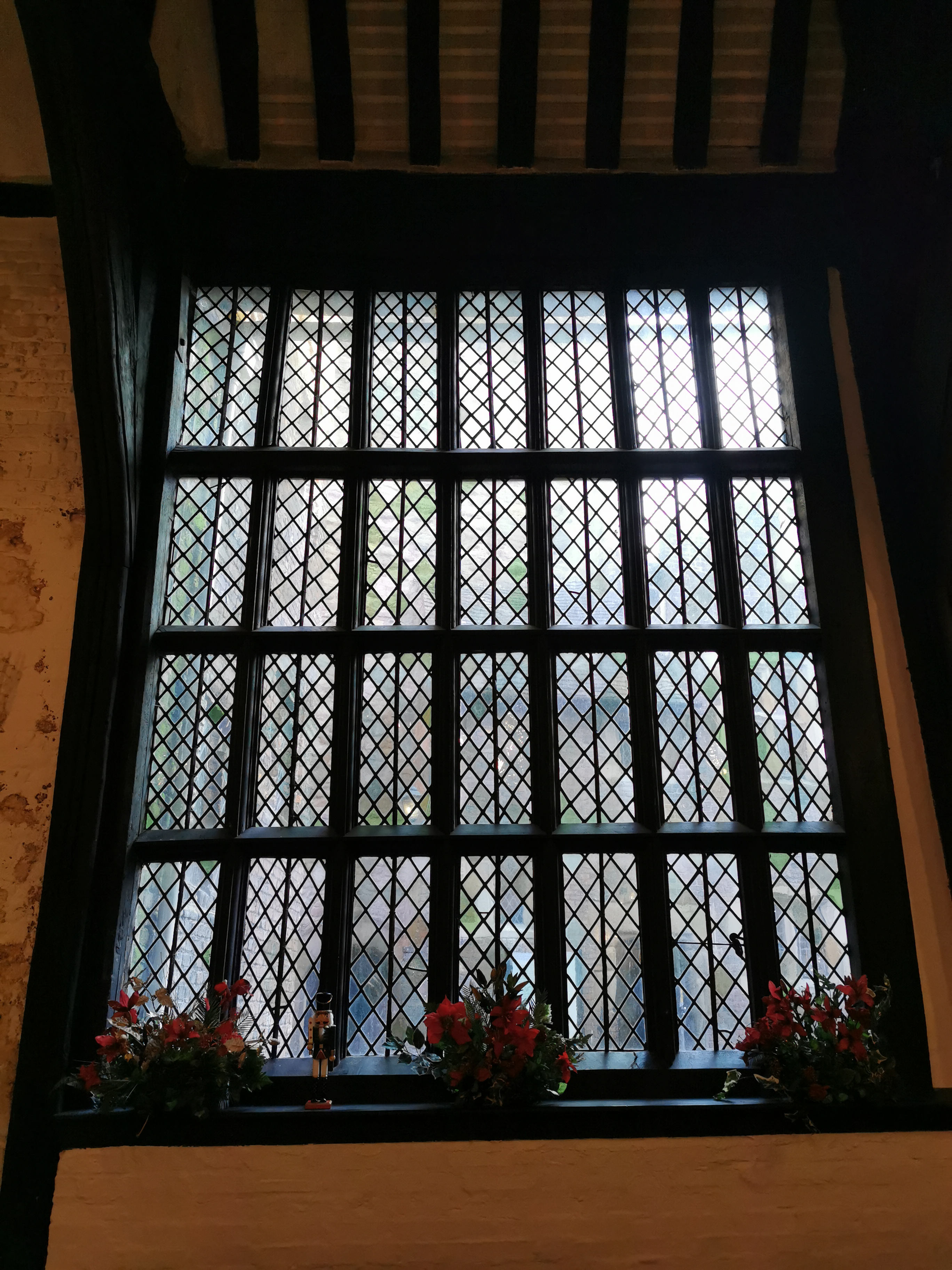
Like Lichfield and Repton, Tamworth has long been known to be a capital of the Saxon Mercian kingdom. Visitors today will find a more modern castle, which variously dates from the end of Saxon England up to the Victorian era, and one which is crammed with fascinating detail, from the herringbone wall beneath it to the beautiful Tudor windows of the great hall.
On a visit in 2021, I can also inform you that it currently had a third of the fabulous Staffordshire Hoard on display and an excellent museum filled with all things Saxon. (I believe it still holds some of the Staffordshire Hoard). Castles, if they were built in the late Saxon period, and some of them were, would have been constructed from wood. It was only later that they came to be built or rebuilt in stone, as we recognise them today.
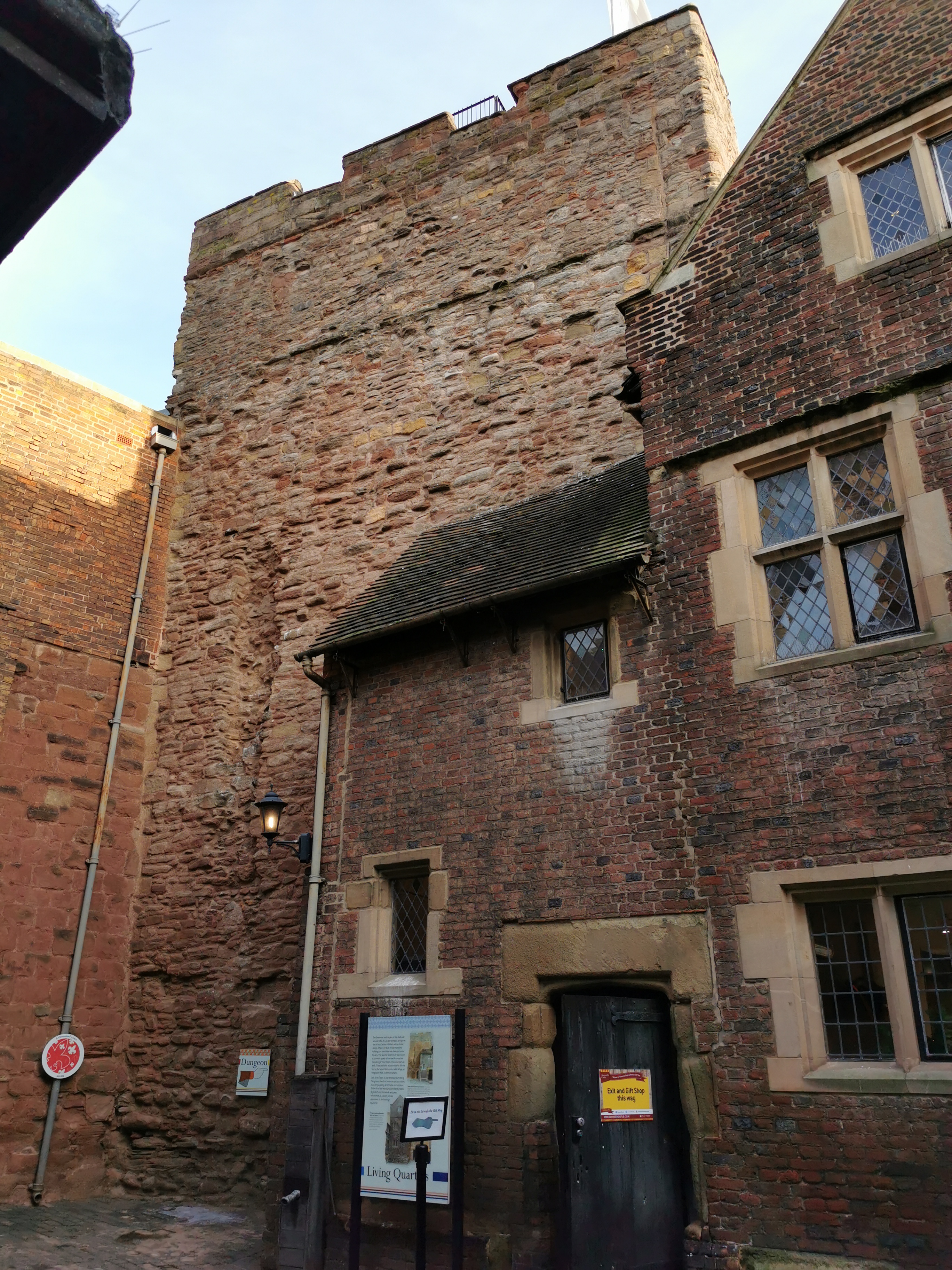
A view of the oldest part of Tamworth Castle, dating to after the end of Saxon England
Today’s castle wouldn’t have existed in the 820s and 830s. Indeed, it’s proven to be very difficult for archaeologists to determine where the original settlement of Tamworth lay, no doubt, because much of it has been overbuilt, just as in most places where habitation has been almost continuous. A fire in 1345 might well have destroyed any remaining wooden dwellings, making the endeavour even more difficult.
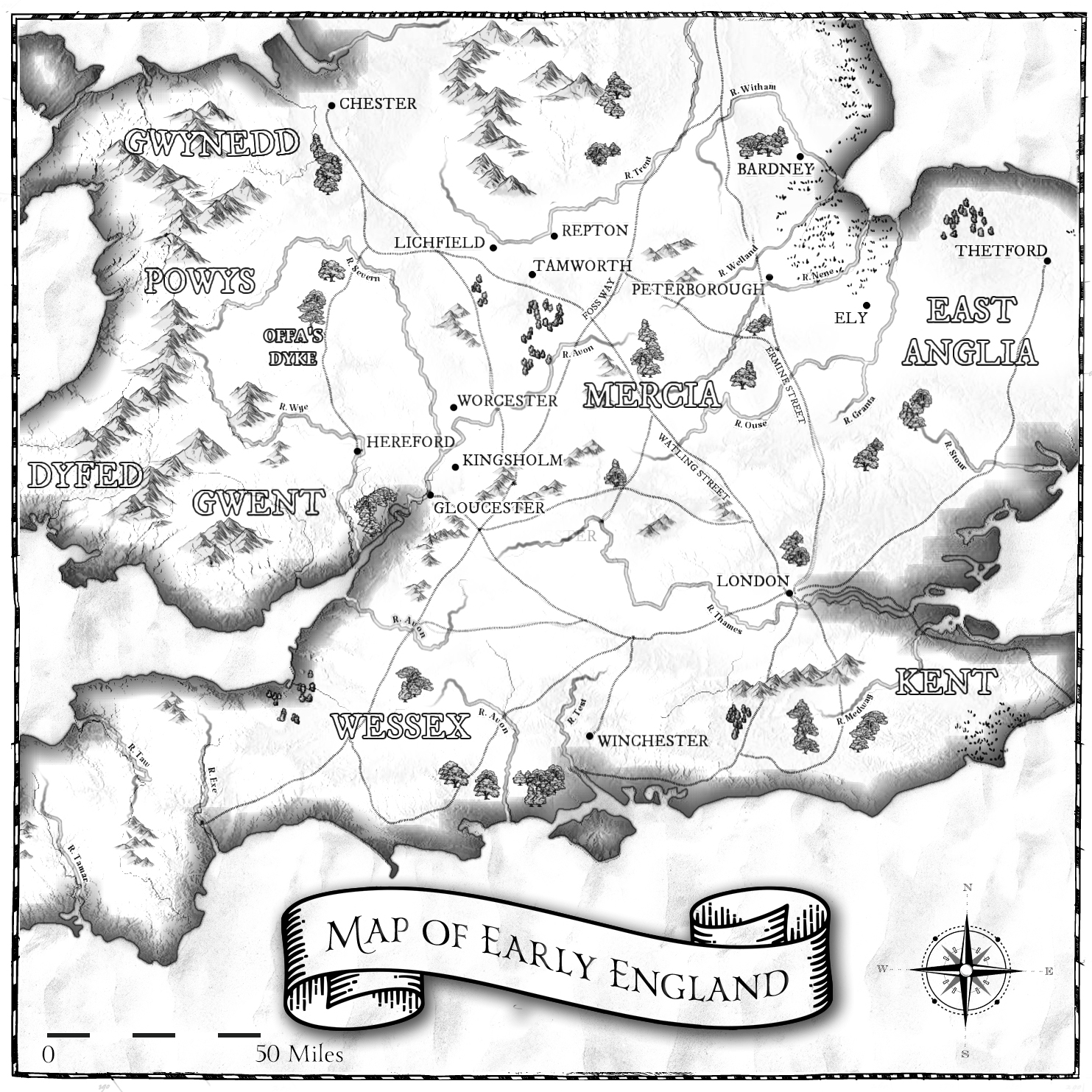
Map showing the location of Tamworth, at the heart of the Saxon kingdom of Mercia. It is close to Lichfield, another important location, and to Repton where, for a period, the ruling family were buried.
It has been possible to reconstruct Tamworth in the 900s, when it was designated a ‘burh,’ a defensive settlement in which the local population could seek shelter from the Viking raiders behind its walls. (I can’t find the image at the moment).
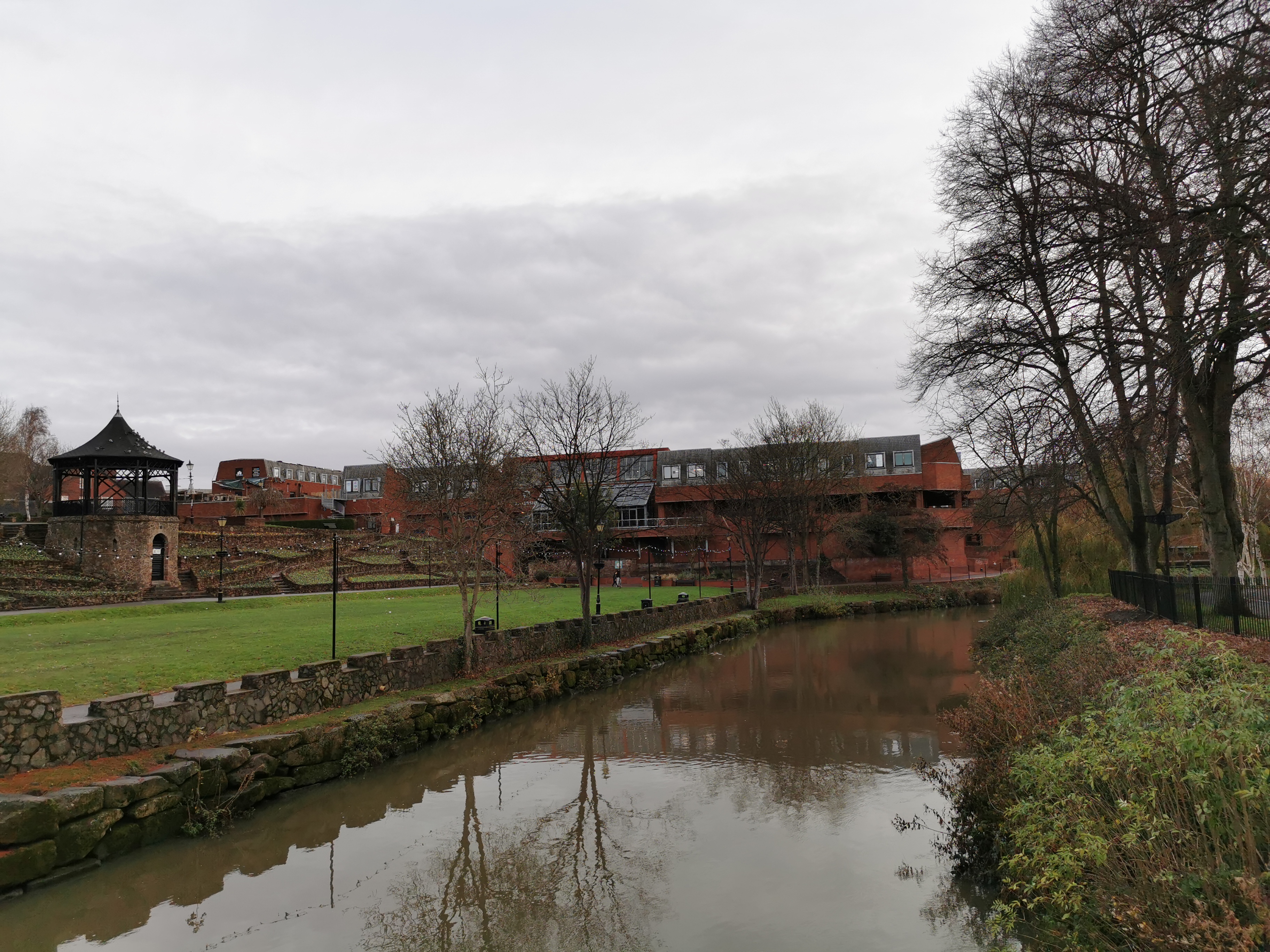
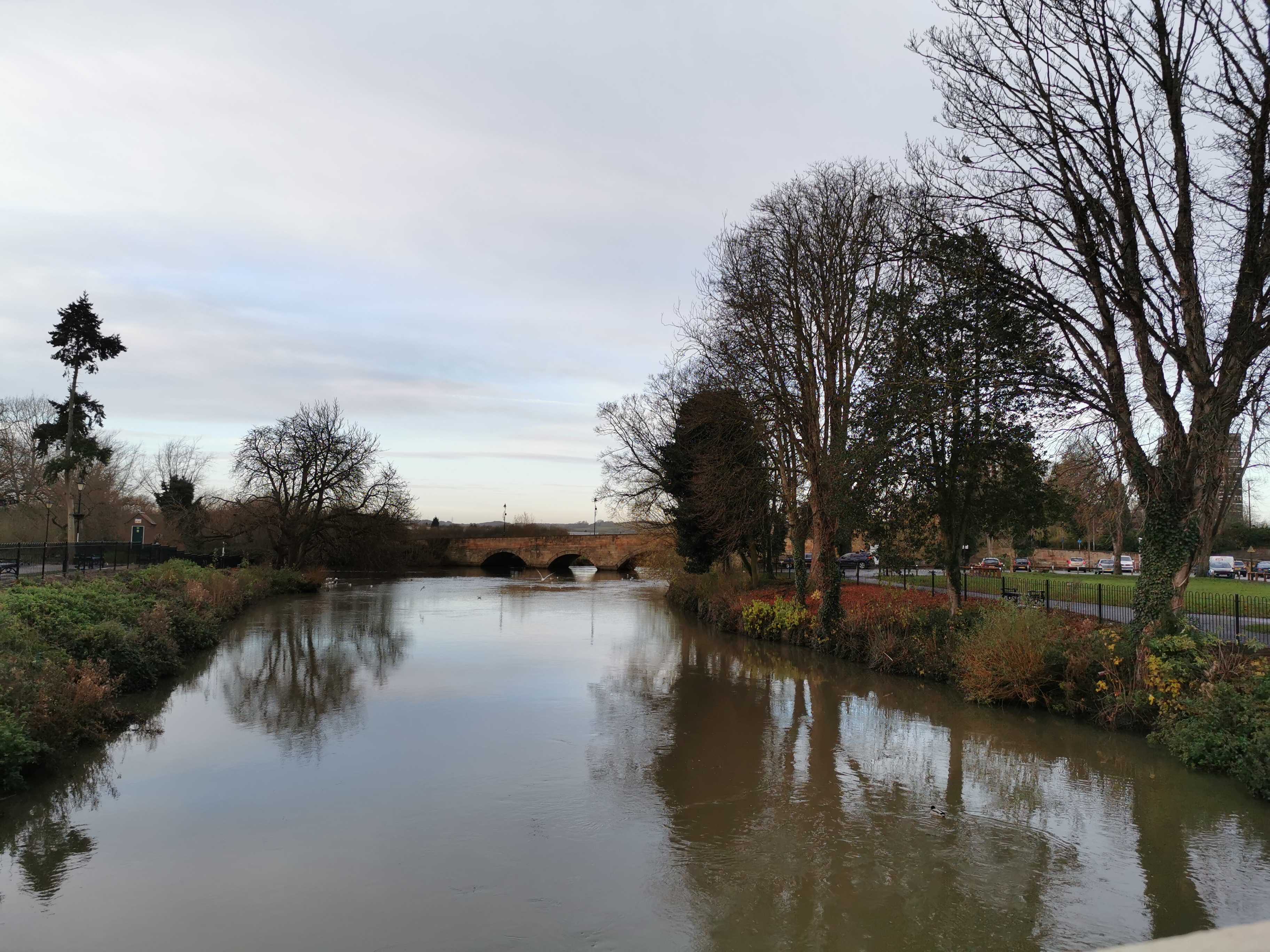
But it is possible to imagine how Saxon Tamworth might well have looked in the 800s, when the Eagle of Mercia Chronicles takes place. The rivers, The Tame and the Anker, run in front of the current castle, and there’s a slight rise, on which I used to spend many happy hours running up and down the steps, with flowers blooming in the flower beds. From there, it would have been possible to see a reasonable distance south. The river would have been put to good use, and the remains of a water mill have been found and dated to the later Saxon period. Houses would have been built from wood, wattle and daub with thatched roofs, and there would have been workshops as well as residential dwellings. At the centre of the settlement would have been a lord’s hall. While this hasn’t been found in Tamworth, it could have measured upwards of 24 metres long by 6 metres wide. It’s believed it was also surrounded by a defensive ditch. Somewhat sheltered, as the road to Lichfield is uphill, it would have been a pleasant, and I assure you, on the right day, very warm, location for Mercian kings to have lived within. It was close to Watling Street too, allowing easy access to the rest of Mercia.
View of Tamworth castle from the bridgeThe famous Herringbone wall (I think it’s famous, anyway).The Tudor window from the outsideThe Tudor window from the insideThe wall walkwayView from the bridge crossing the riverAnother view from the bridge over the river
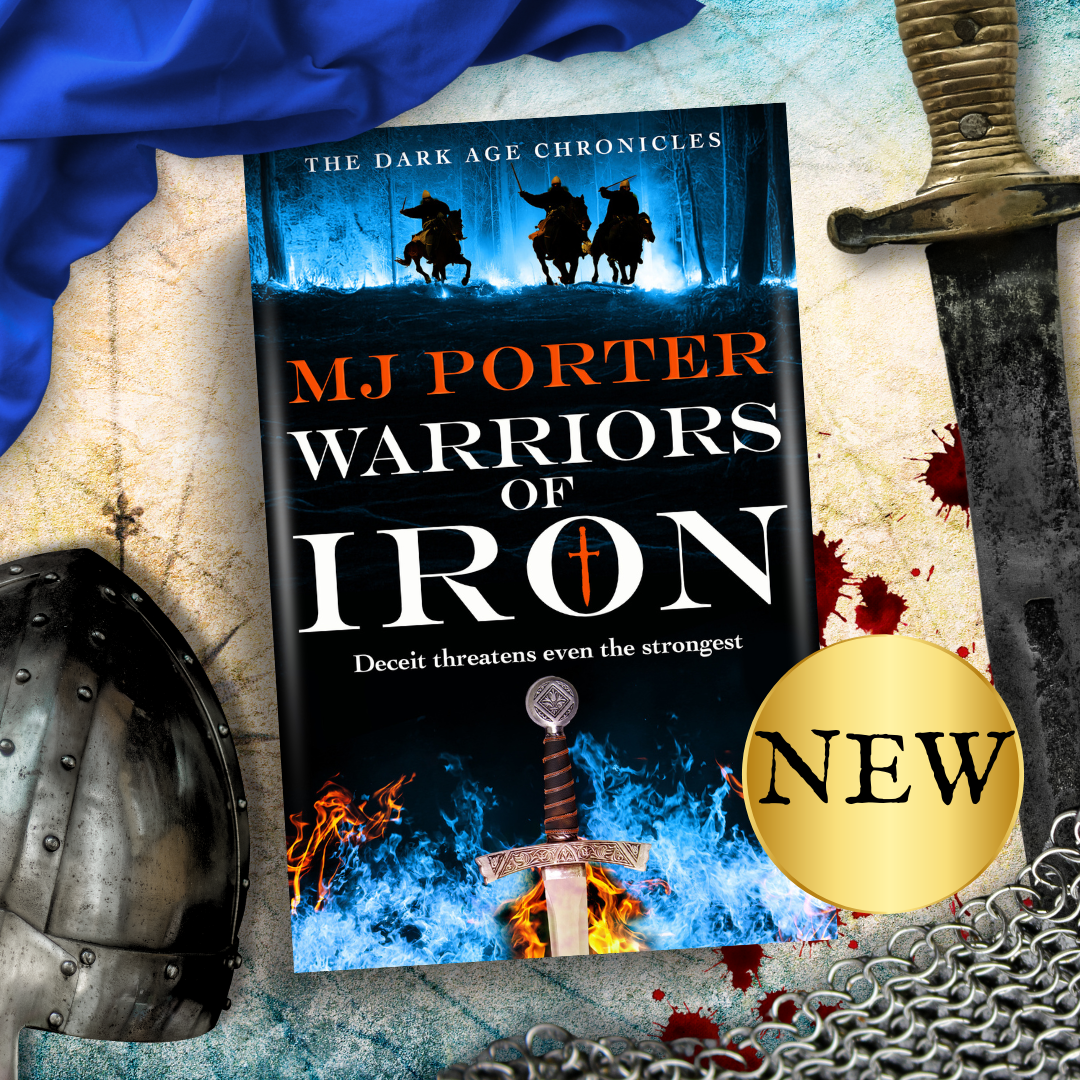
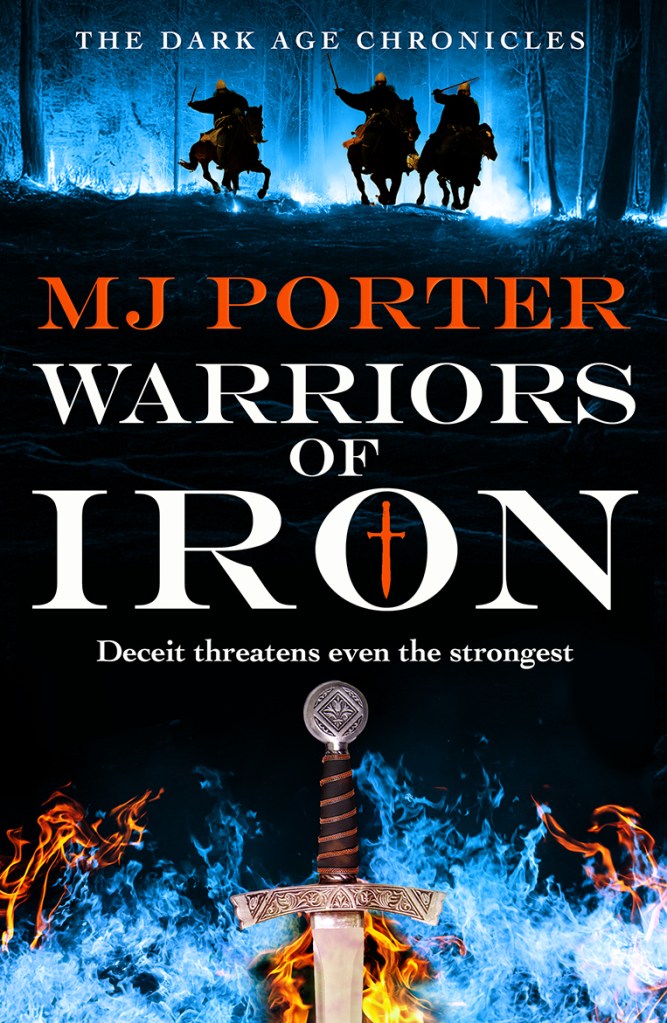
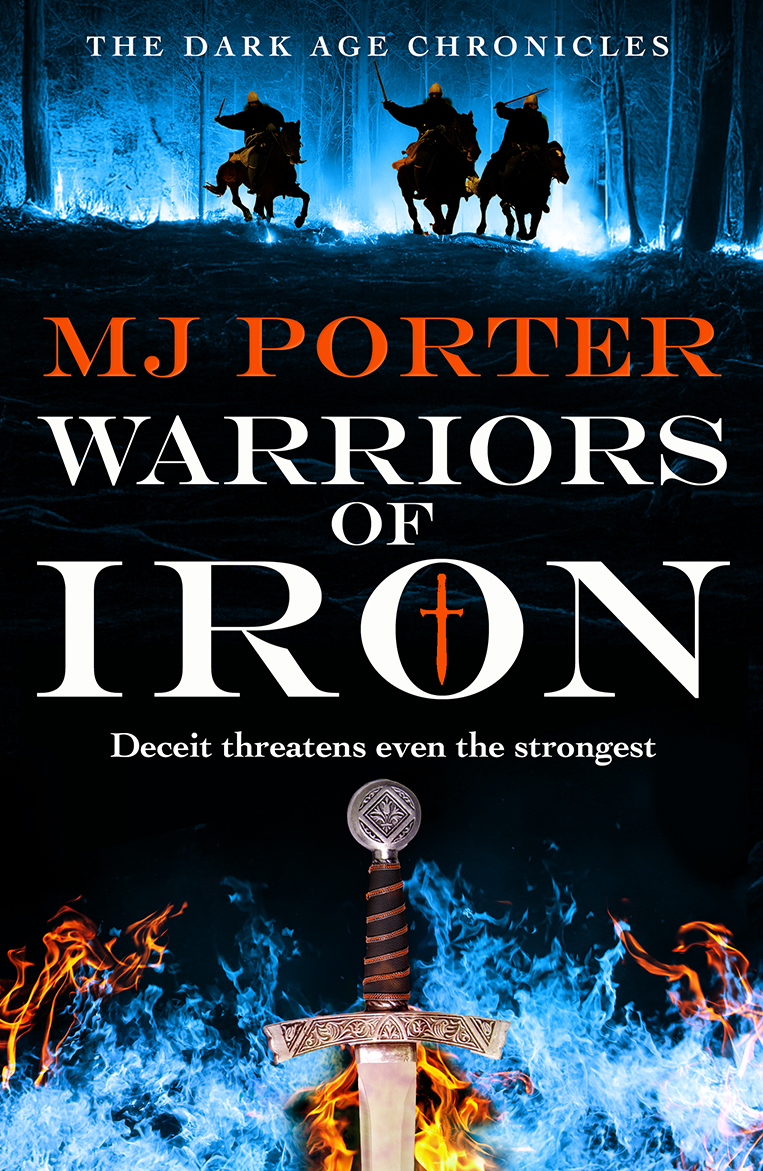
It’s happy release day to Warriors of Iron, the second book in the Dark Age Chronicles Trilogy. I’m sharing some photos from my visit to Sutton Hoo #newrelease #MenOfIron #WarriorsOfIron #histfic
Sutton Hoo
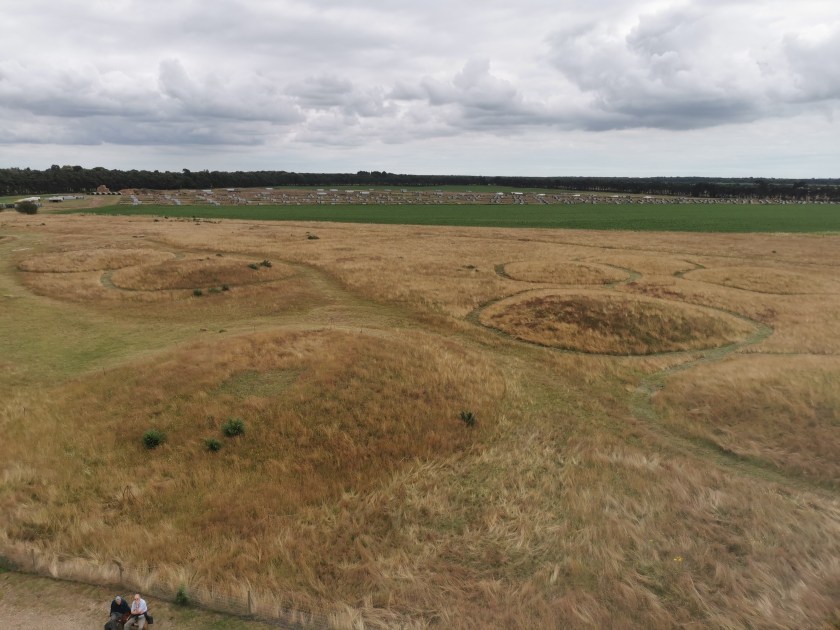
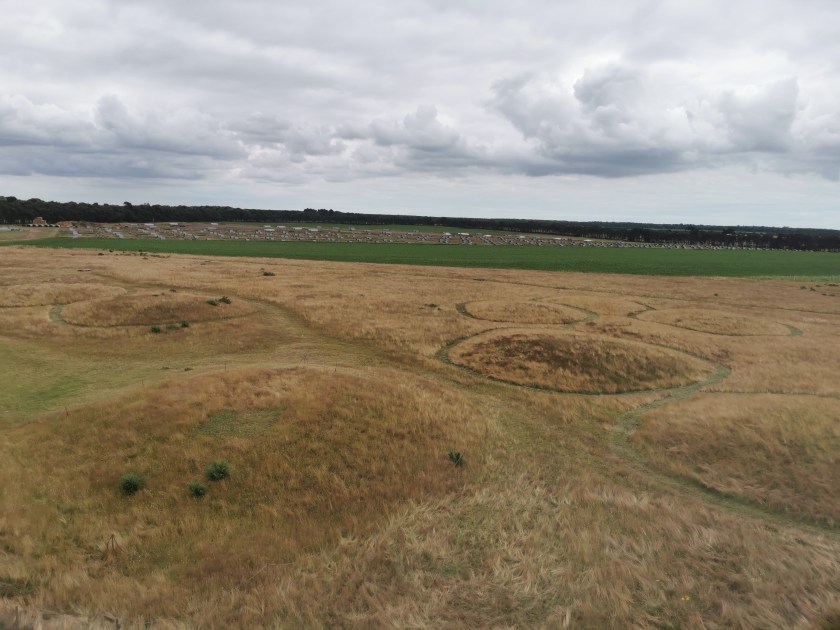
As part of my research for the trilogy, I visited Sutton Hoo in July 2024. While it was a fascinating place to visit (see the images below of the surviving grave mounds), it was actually something else my Canadian guide told me that resonated with me for the series. It was that while this area gets a lot of interest, a further gravesite has also been found under where the car park for the visitor centre is now. This gravesite contained thirty-six graves (I think I’ve got the figures correct), twenty-nine of which were burials while the rest were cremations. The car park burials are believed to date to between 510 and c.600, and so before the Sutton Hoo burial of such fame. Fourteen of the graves were warrior graves, buried with shield and spear.
You might wonder why that intrigued me so much, and you’d be correct to do so. But, of course, I wanted to write the series before the advent of what we know as Saxon England, and this was therefore where I needed to be researching. The ‘shiny’ helmet and sword (reconstructions, I know), have a strange allure for us as we live in a time where we don’t need such things (hopefully), but did the earlier warriors have the same? This trip to Sutton Hoo certainly influenced the way I wrote about Wærmund and his fellow warriors. And the trip to the Norfolk Broads reminded me of how pesky bugs can be, and how much they like to nibble me. I came straight home and added that to the storyline. It always pays to remember the little elements that make characters feel very real to readers.
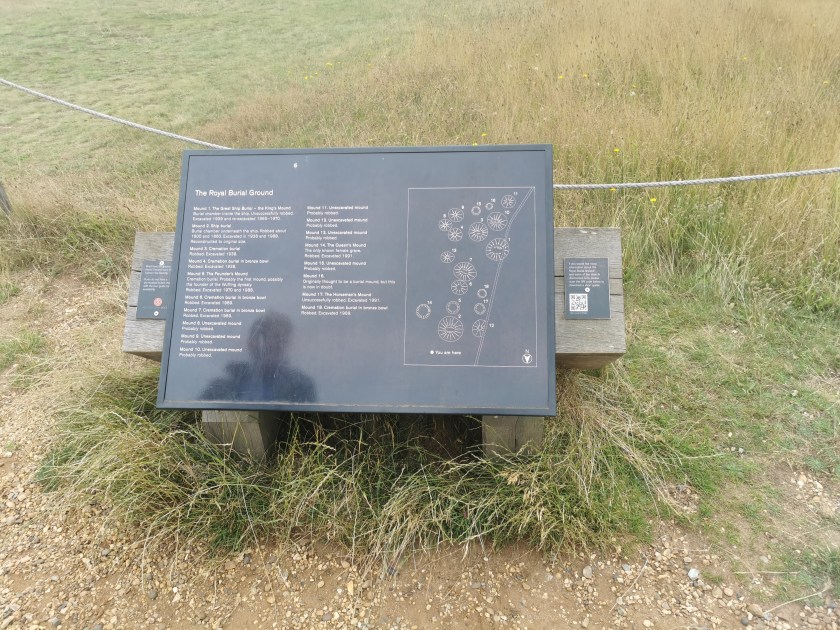
Board showing the burial mounds at Sutton Hoo
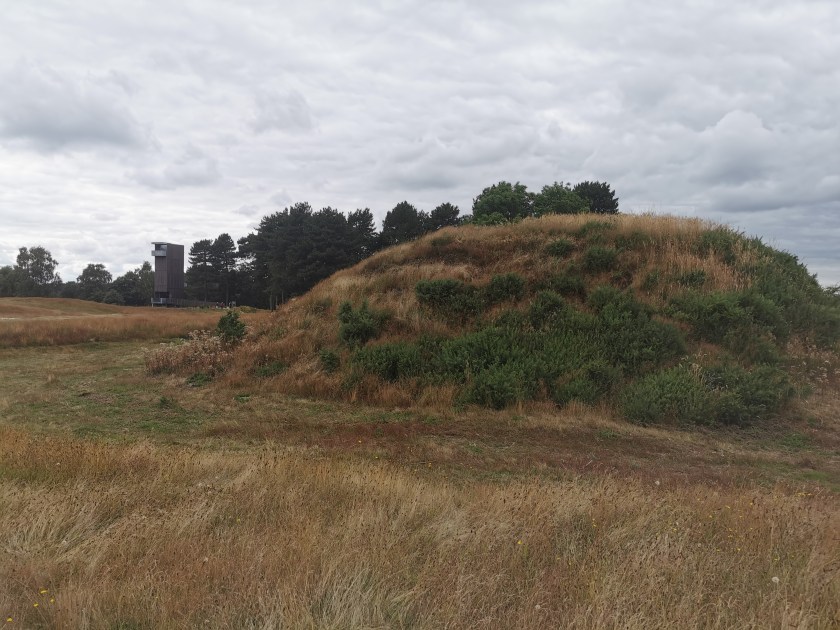
View of one of the burial mounds
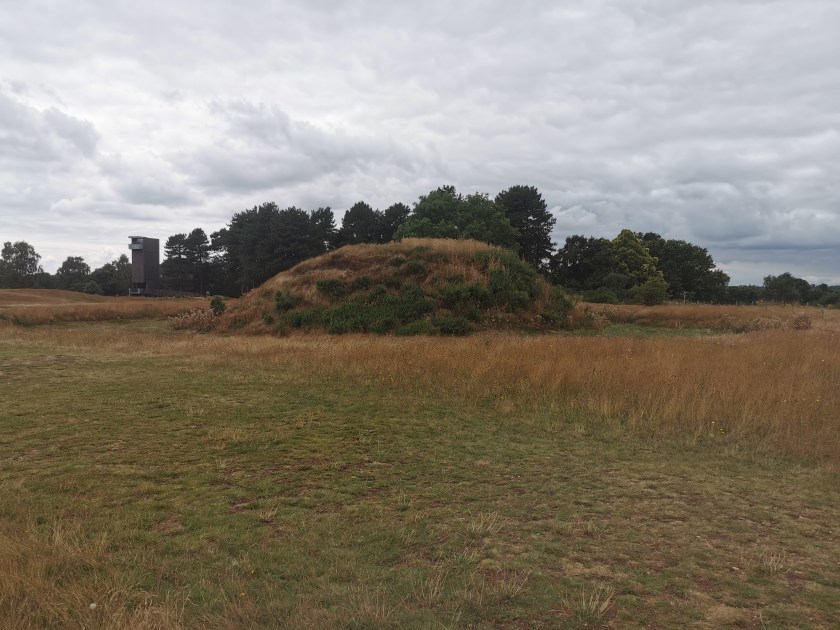
View of one of the burial mounds from a distance
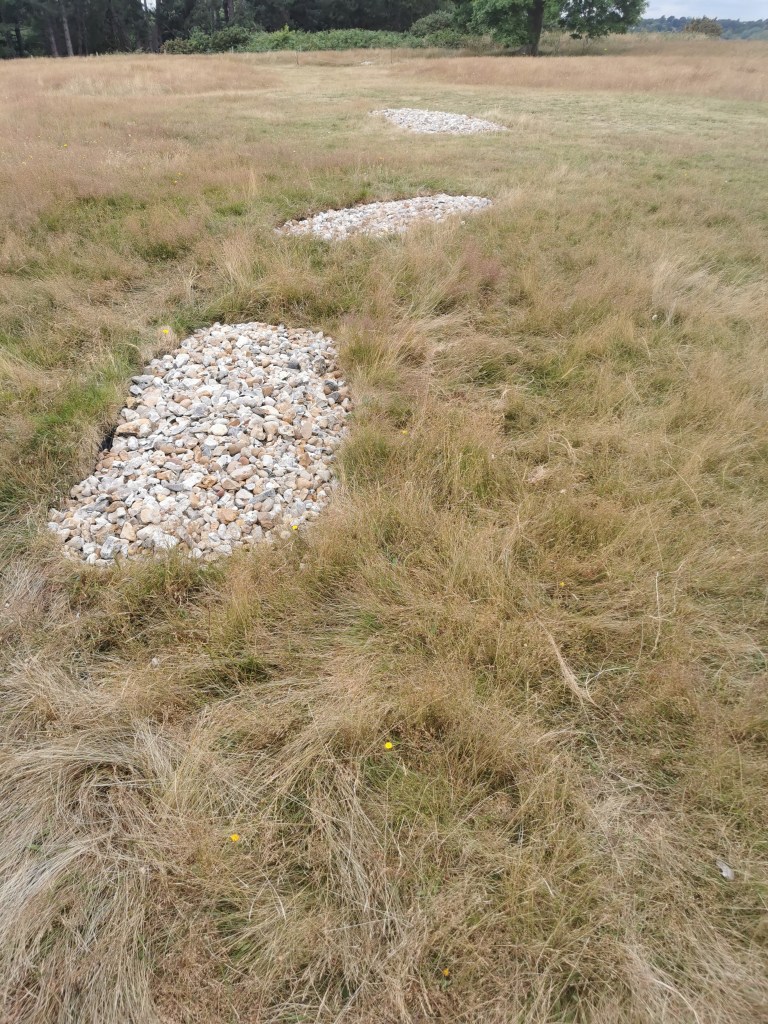
One of the other burials
View from the viewing platform
Another view from the viewing platform
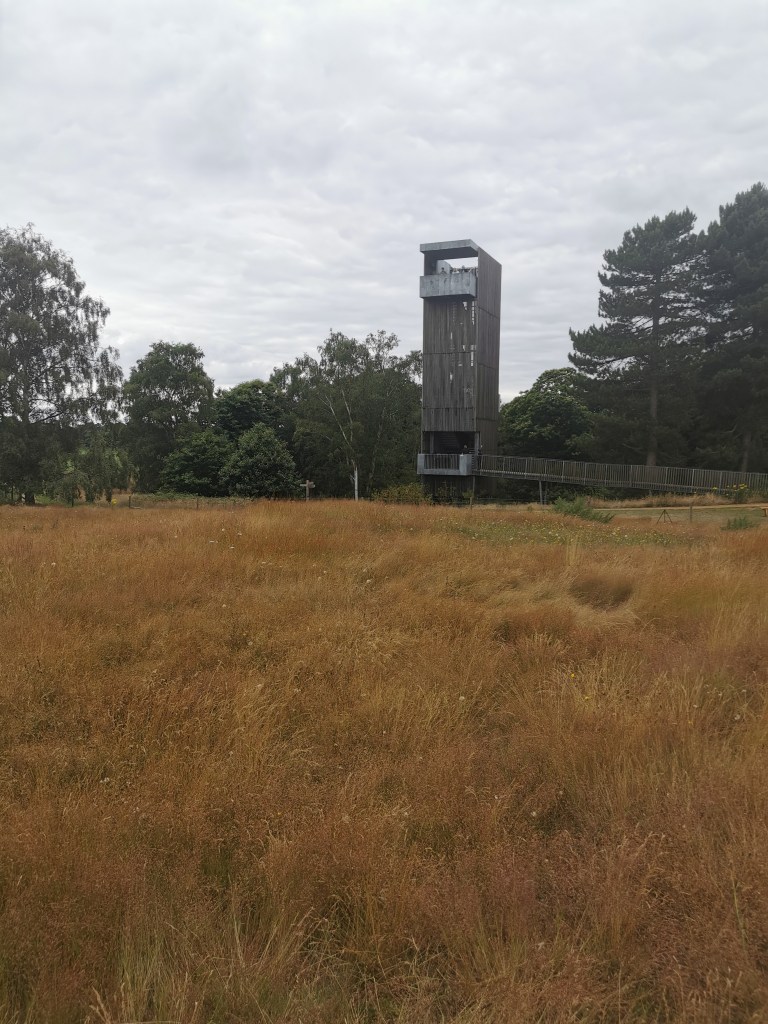
The viewing platform over the Sutton Hoo Burial Mounds
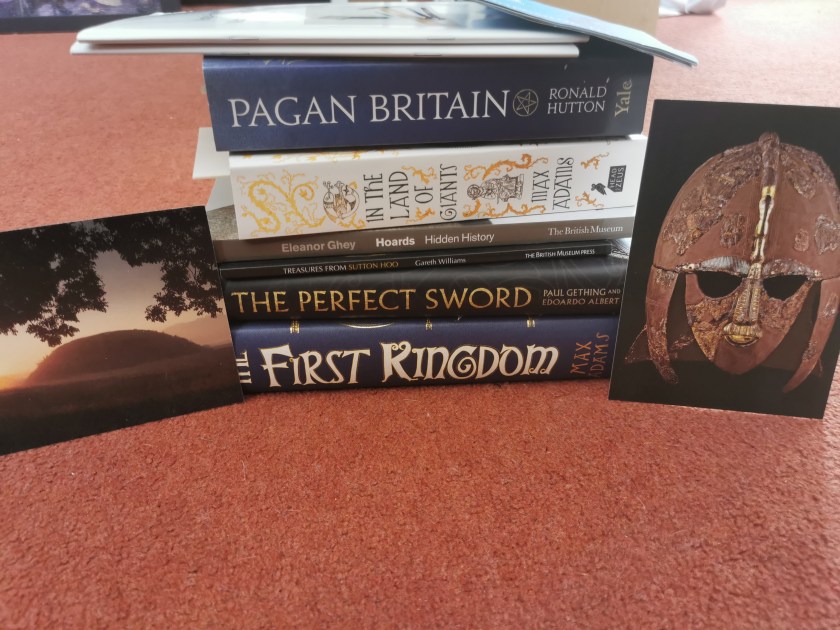
Research photo dump with the Sutton Hoo Helmet and image of the burial mounds
Curious about the trilogy? Check out my blog for more details below
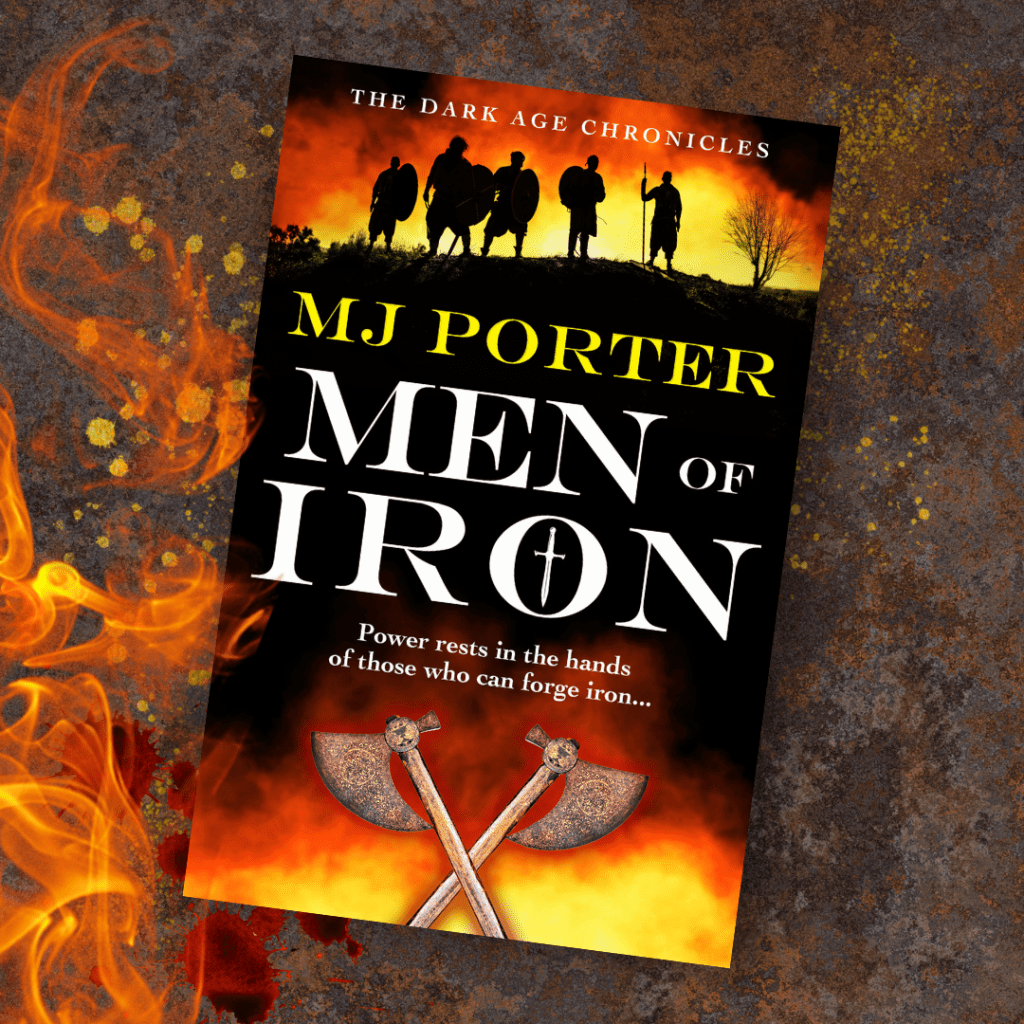
It’s happy release day to Men of Iron, the first book in the Dark Age Chronicles Trilogy #newrelease #MenOfIron #histfic
Listen to me waffle about it.
Listen to me (almost competently) introduce you to the Dark Age Chronicles and my two main characters, Meddi and Wærmund, or Wærmund and Meddi (you’ll have to listen to find out:)
Curious about the trilogy? Check out my blog post for more details below (or the really nerdy one below that)
During Britannia’s tribal age only the strongest prevail…
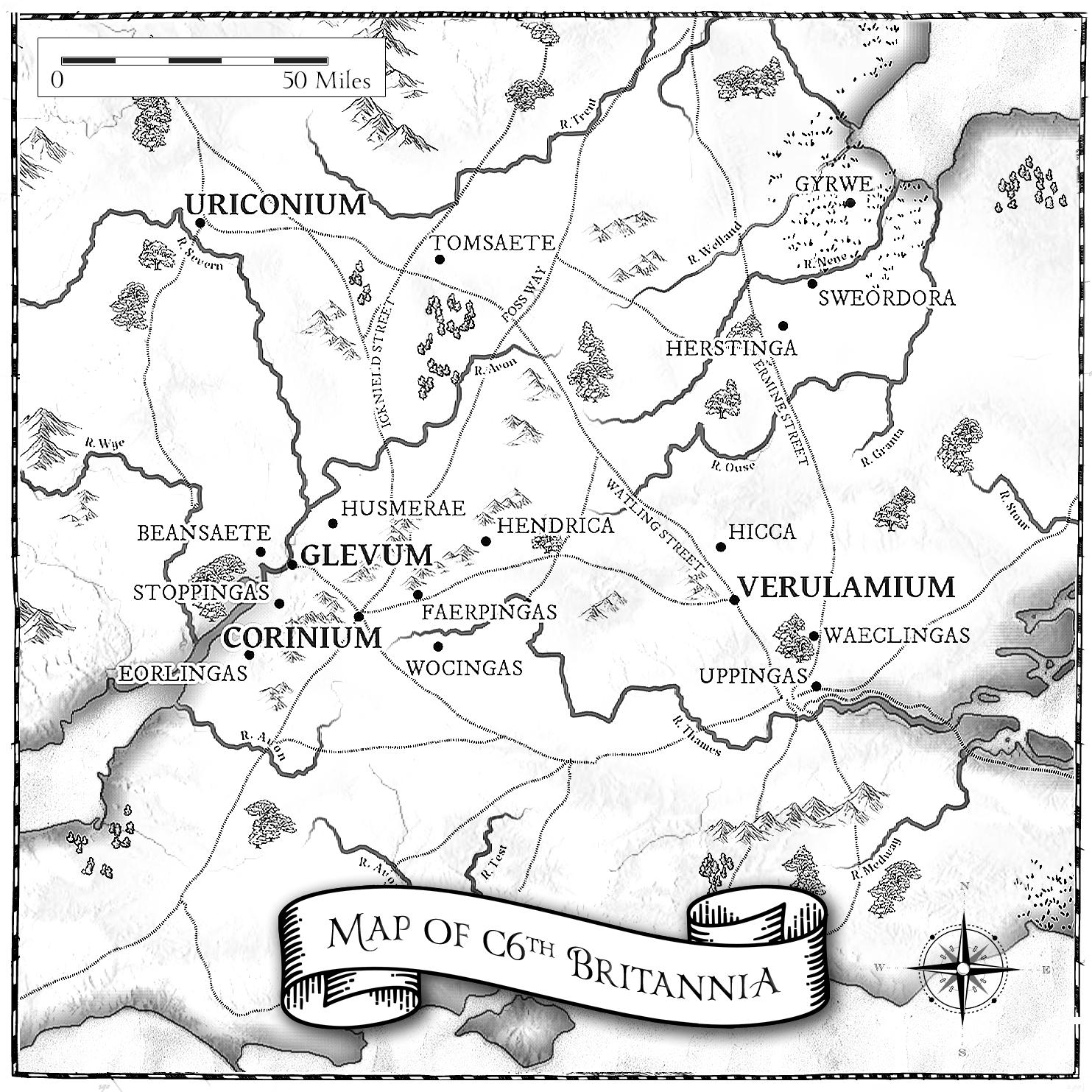
Britain AD541
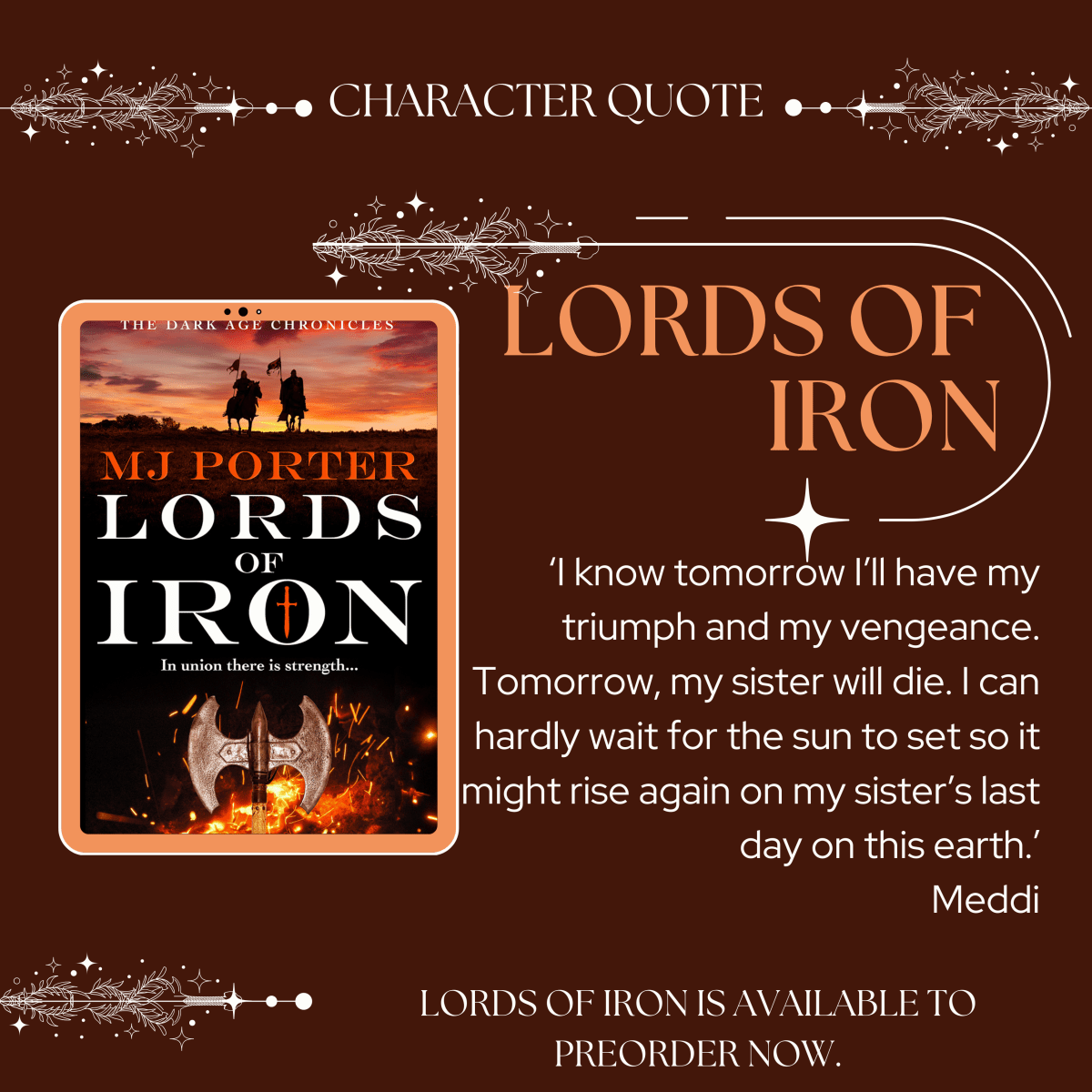
Seeress Meddi has been restored to her rightful position of influence within the Eorlingas tribe. But a heavy cloud hangs over the tribe’s survival with the escape of the treacherous Elen who seeks to exact a bloody vengeance following Meddi’s reinstatement and her downfall.
Meddi knows Elen will return to settle the blood feud and the tribe must be ready to face this deadly threat with iron. They must toil day and night to harness the power of the lost magiks to make the weapons needed to overpower Elen.
Meanwhile, Wærmund, a warrior of Saxon descent, has escaped his enforced captivity and vows vengeance against his captors. He too hungers for the promise of sharp blades and travels West to find those who can fashion iron into blades sharp enough to kill. But when a lone woman befriends the band of warriors, promising him even more than that, he’s beguiled by her tale of deceit amongst her own tribe, so reminiscent of his own.
Unbeknown, Meddi and Wærmund share a common enemy and one who is just as belligerent as they are…
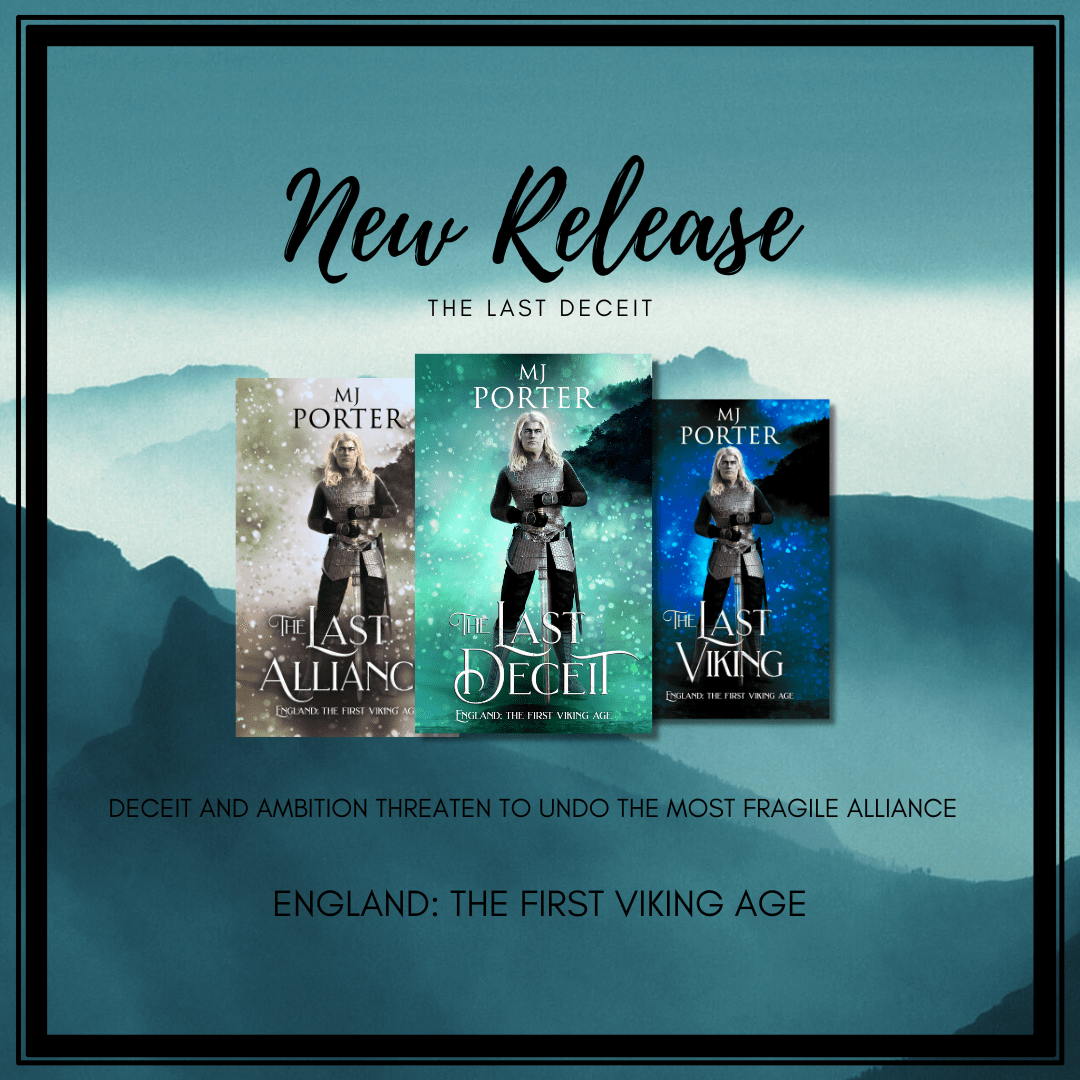
If you’ve been with Coelwulf, Rudolf, Icel, Edmund and Pybba since the beginning, then you’re probably with me in trying to work out how five years have gone by since the release of The Last Warrior, which from memory has a bit of a shocking ending (but no other spoilers here).
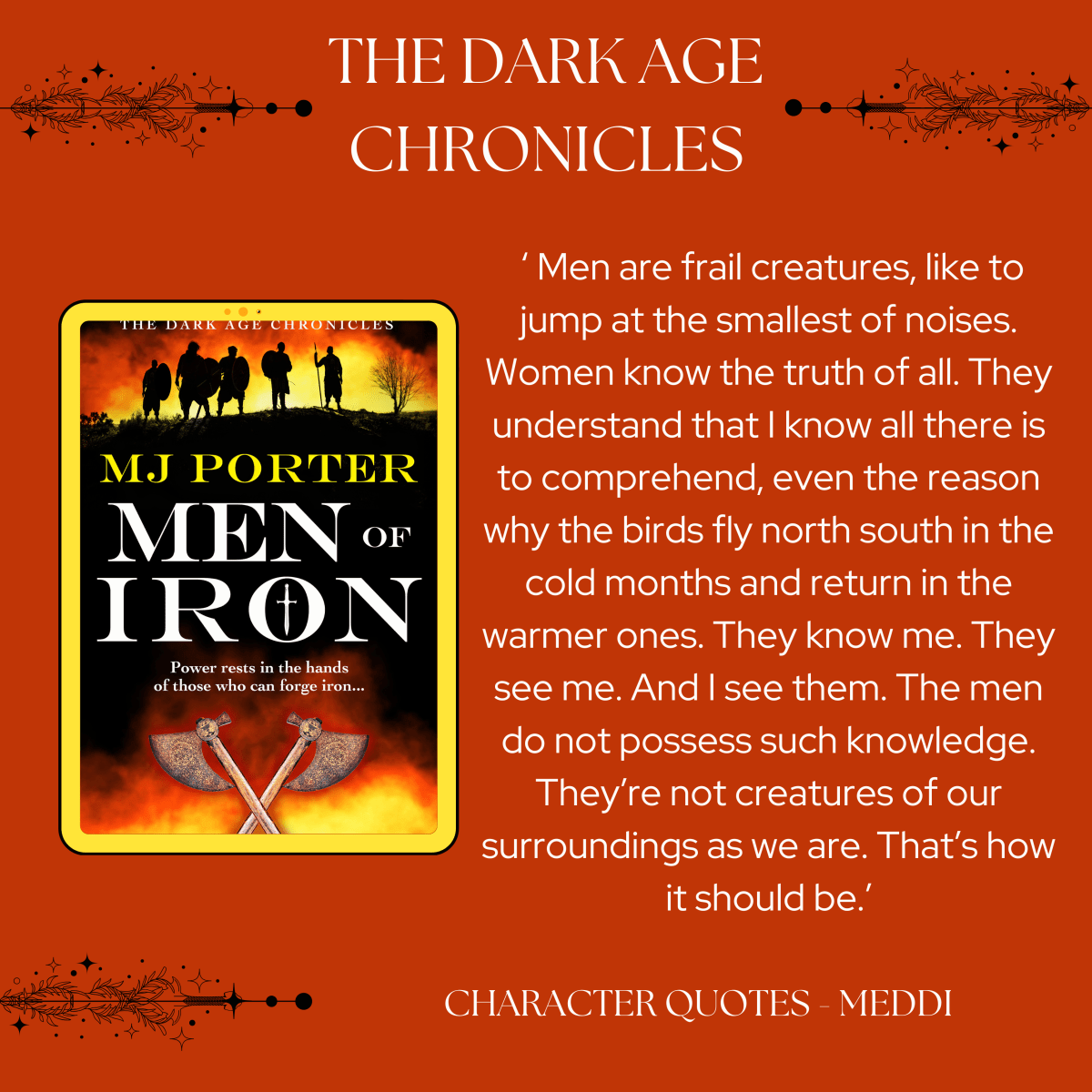
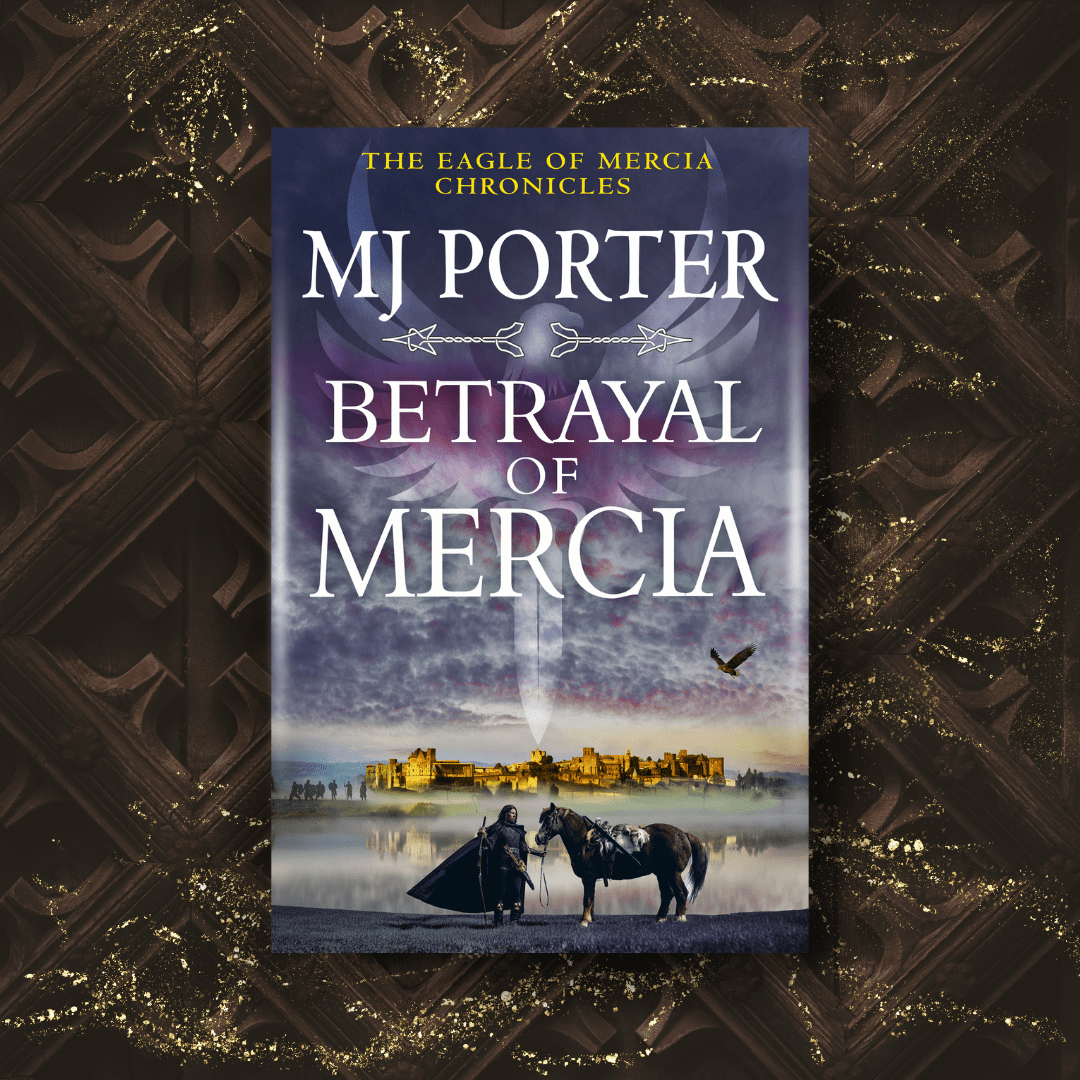
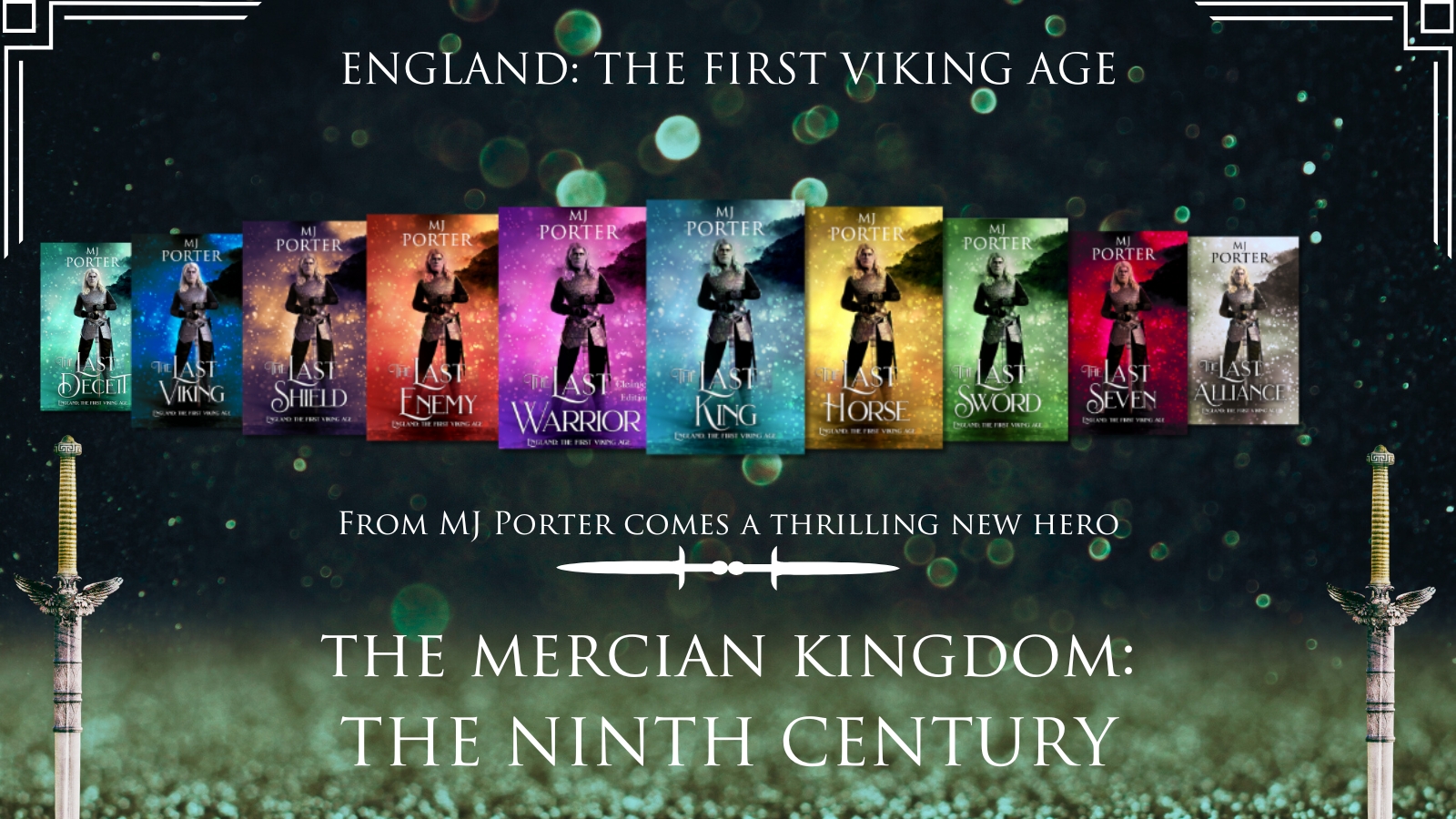
There are now ten books in all, as well as a short story collection, Coelwulf’s Company, and the prequel series featuring a young Icel, the Eagle of Mercia Chronicles (check out the stories featuring young Icel – if you know, you know, and if you don’t yet know, you’re going to want to find out.)
Fans of the series each have their own favourite, from the somewhat difficult Haden (Coelwulf’s horse), to Edmund, young Rudolf and the difficult-to-please Icel, as well as Pybba. I also think many love Edmund’s brother, Hereman, who is someone who thinks after the punches have been thrown:) The Viking raider enemy also have a few fans, and I did very much enjoy recreating these characters.
If you’ve not yet discovered The Mercian Kingdom: The Ninth Century series, then you’re in for a treat, as long as you’re not easily offended by foul language and violence – although if you are, there are Cleaner versions available without quite so much swearing. You’re never going to get away from the violence with this band of miscreants. Follow this link, as they can be a bit tricky to find on Amazon.
The Last King books are available in eBook, paperback, and hardback formats, and in eBook only for the version without the swearing. Or, check out the box set below, which also contains the versions with the language dialled down by a factor or about 450 (yes, I do run a check to ensure my characters have been as foul-mouthed as readers expect). You can hear me discussing the series and the swearing on the Rock, Paper, Swords podcast with Matthew Harffy and Steven A. McKay.
During Britannia’s tribal age only the strongest prevail…
Britain AD541
Seeress Meddi has been restored to her rightful position of influence within the Eorlingas tribe. But a heavy cloud hangs over the tribe’s survival with the escape of the treacherous Elen who seeks to exact a bloody vengeance following Meddi’s reinstatement and her downfall.
Meddi knows Elen will return to settle the blood feud and the tribe must be ready to face this deadly threat with iron. They must toil day and night to harness the power of the lost magiks to make the weapons needed to overpower Elen.
Meanwhile, Wærmund, a warrior of Saxon descent, has escaped his enforced captivity and vows vengeance against his captors. He too hungers for the promise of sharp blades and travels West to find those who can fashion iron into blades sharp enough to kill. But when a lone woman befriends the band of warriors, promising him even more than that, he’s beguiled by her tale of deceit amongst her own tribe, so reminiscent of his own.
Unbeknown, Meddi and Wærmund share a common enemy and one who is just as belligerent as they are…
Curious about the trilogy? Check out my blog post for more details below
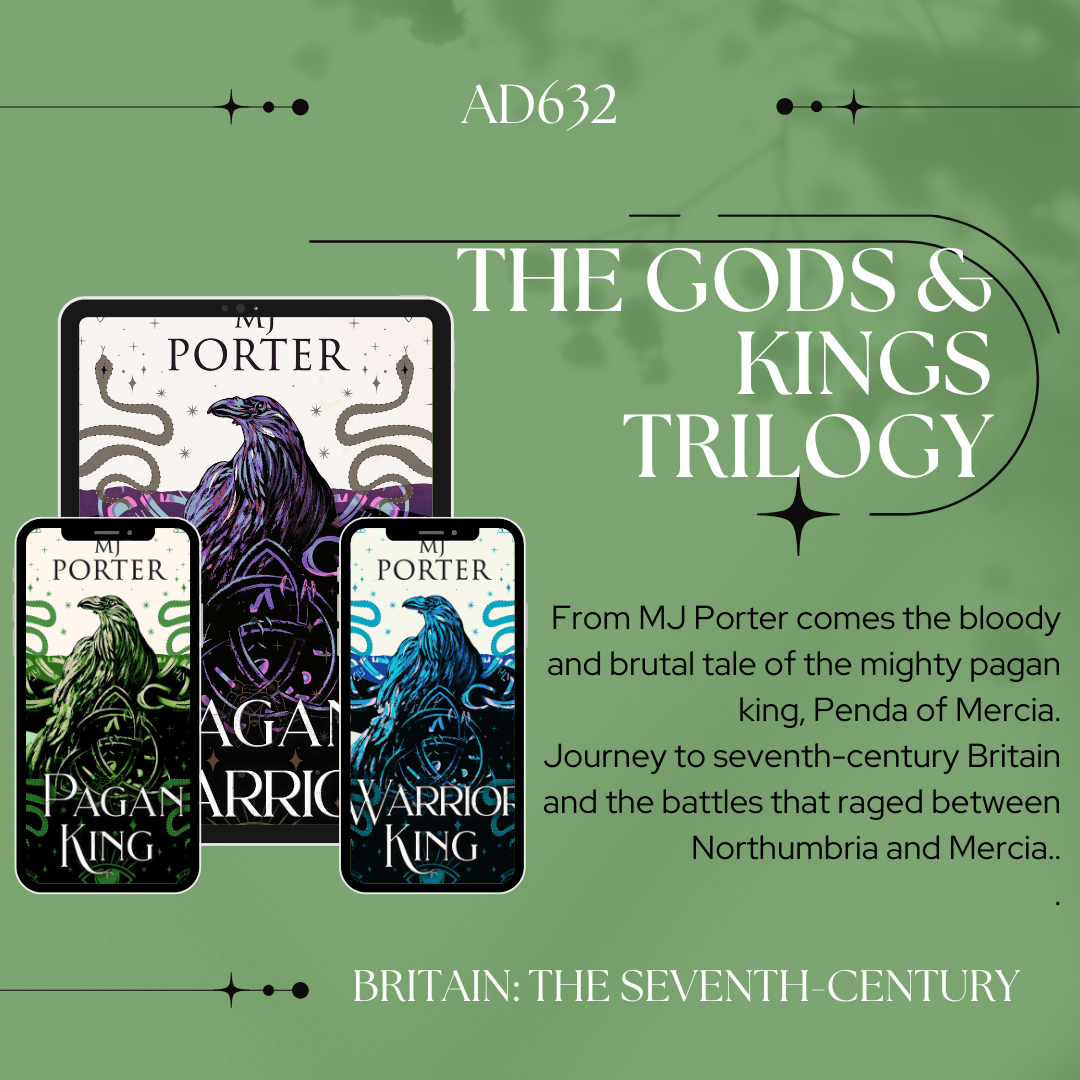
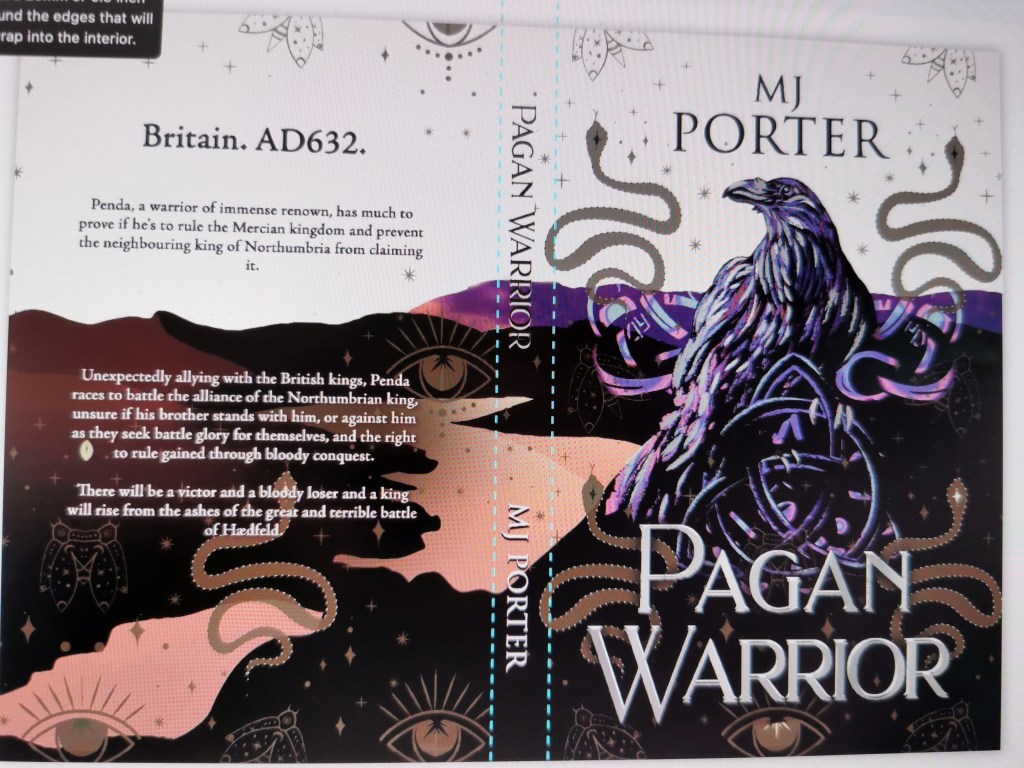
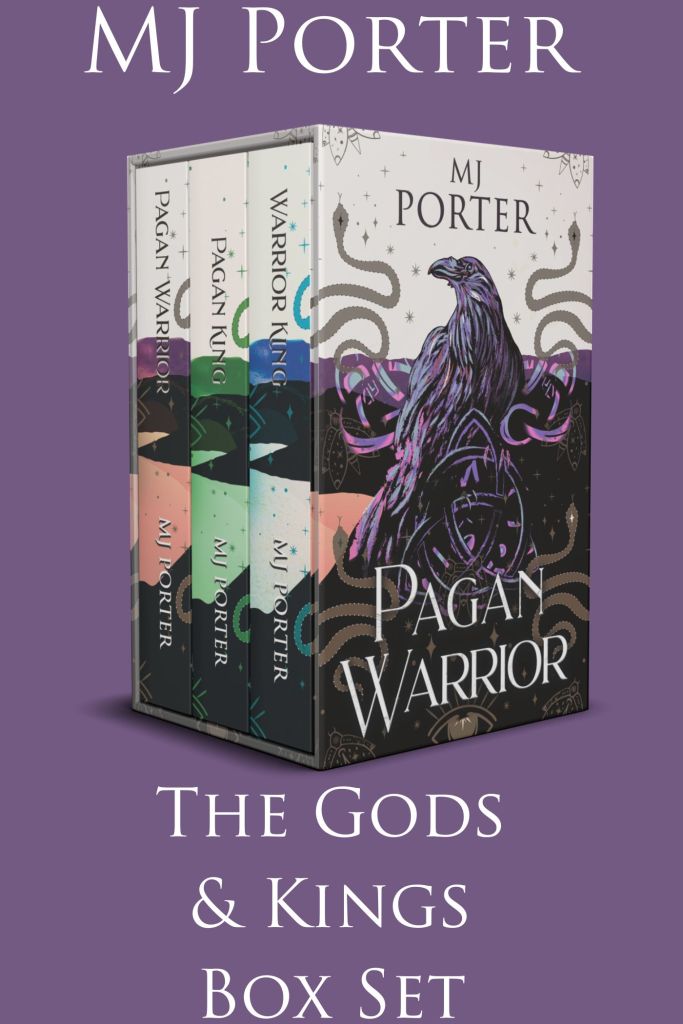
On this day in history….. Pagan Warrior, then titled Hædfeld first hit the ‘shelves,’ as it were. Until the release of Men of Iron earlier this year, Pagan Warrior had been the furthest back in time I’d written about. So, what prompted me to write about Penda, the mighty pagan king of Mercia?
Well, I think you all know by now that I’m a Mercian by birth. But my plans for Penda actually started with the desire to tell the story of the battle of Maserfeld, which is the second major battle Penda fought against the Northumbrians, nine years after Hædfeld. For the sake of my readers, and because it was too good an opportunity to miss, I decided to start with the earlier battle of Hædfeld.
And what a revelation it was. I’ve said before there are certain periods in the history of Saxon England that feel as though we know more about them – Pagan Warrior and the whole Gods and Kings Trilogy is one of those periods. We have the names of Penda’s many allies and his enemies. The island of Britain so often segregated into neat little kingdoms that too often fall into the now established England, Scotland and Wales (and Northern Ireland) feels alive with the earlier, smaller kingdoms stretching from Dumnonia all the way to the Pictish kingdom, taking in Wessex, Mercia and the Welsh kingdoms along the way. And of course the family dynamics between the Mercian brothers and the Northumbrian children also offered a fascinating angle to explore. On top of all that there was the pagan/Christian element as well. What a delight.
At the heart of it, Hædfeld is a story of a single battle, and the events that led to it, so often the case, years in the making. So, if you’ve not tried Pagan Warrior now is the perfect opportunity. The ebook is currenly 99p/99c on all good platforms (not just Amazon), and to celebrate, I’ve created a special edition matte covered hardback with foiled writing, (exclusively available sirectly from my SumUp store) AND a boxset of the whole trilogy. (It’s also available in audio but I can’t do any special offers for that).
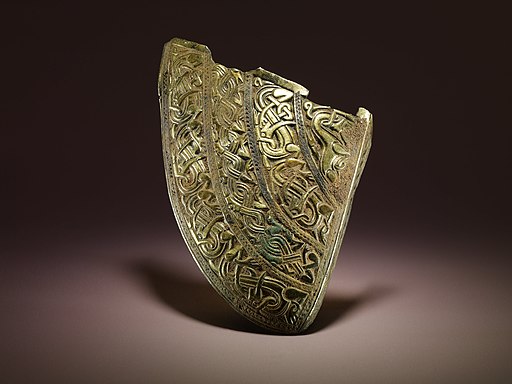
Thanks to some spectacular archaeological finds, we can visualise how a Saxon warrior might have looked. The reconstructions of the Sutton Hoo helm, and that found with the Staffordshire Horde (as well as a few others), present us with elaborate helmets crested with dyed-horse hair in a way very reminiscent of the Roman era. They glitter, and they seem to be festooned in gold and silver work, but whether these were actually worn in battle or not is debatable. Firstly, they would have made the kings or noblemen very noticeable to their enemy. Secondly, they were so valuable it’s impossible to consider the loss of one of them should they fall and their goods be taken by their enemy. Bad enough for their king and leader to die in battle, but to also lose such precious wealth as well seems unlikely. That said, of course, the Sutton Hoo helm was buried, and the fragments of the Staffordshire Hoard helmet were buried and lost. An image of the Staffordshire Helmet can be found here: https://www.stokemuseums.org.uk/pmag/collections/archaeology/the-staffordshire-hoard/
But there is another reason why these helmets might have existed, and that’s because they were for ceremonial purposes. Kings, before the reign of Athelstan (925-937) are not known to have undergone consecration with a crown but rather with a helmet. After all, they were warrior kings. Perhaps then, these survivals are more akin to that worn by a warrior-king when appearing before his people or for ceremonial reasons.
The cheek guard from the Staffordshire Hoard. Attribution below. Flickr user “Portable Antiquities Scheme”, CC BY 2.0 <https://creativecommons.org/licenses/by/2.0>, via Wikimedia Commons
What then might have been the more usual garb for a warrior of the Saxon era, which at nearly six hundred years is bound to offer some variations? Shield, spear, seax, sword and byrnie. We get a feel for these items and how valuable they were from wills that survive from the later Saxon era, hundreds of years after the events of Pagan Warrior. Ealdormen had horses, both saddled and unsaddled, shields, spears, swords, helmets, byrnies, seax, scabbards and spears. The will of Æthelmær, an ealdorman in the later tenth century, records that he’s granting his king, ‘four swords and eight horses, four with trappings and four without, and four helmets and four coats of mail and eight spears and eight shields,’[1] as part of his heriot, a contentious term for something that some argue was an eleventh-century development, and others argue, is merely reflecting earlier practice on the death of a man.
There would also have been thegns and king thegns, who had their own weapons, as well as the men of the fyrd, the free-men who could be called upon to perform military service each year, as and when required. It’s often assumed they would have been less well-armed, although this begs the question of whether kings and their warrior nobility were prepared to sacrifice those they relied on to provide them with food to gain more wealth. They might have found themselves with the money to pay for food but without the opportunity to do so.
There are very few representations of warriors, but the surviving strands of the Gododdin, a sixth-century lament to the fallen of Catraeth gives an idea of how these warrior men thought of one another. There is much talk of killing many enemies, drinking mead, and being mourned by those they leave behind.
Battle tactics from the period are impossible to determine fully. Before writing my books which are blood-filled and violent, I read a fascinating account, by a military historian, on how he thought the Battle of Hastings might have been won or lost. The overwhelming sense I came away from the book with was that local features, hillocks, streams, field boundaries even perhaps the path of a sheep track might well be the very thing that won or lost a battle for these opposing sides. The land that kings chose to go to war on was incredibly important,
When trying to reconstruct the battlefield for the battle of Hædfeld, which concludes Pagan Warrior, I encountered a problem that will be familiar to writers of the Saxon era. The place where the battle is believed to have taken place, on the south bank of the River Don (although this has been disputed and work continues to discover whether the other location could be the correct one), has been much changed by later developments. It was drained in the 1600s and therefore, it doesn’t look today as it would have done when the battle took place.
I had very little information to work on. The River Don, the River Idle, the River Ouse, the belief that the ground would have been marshy, and that many men fell in the battle. And the words of Bede in his Ecclesiastical History, ‘A great battle being fought in the plain that is called Heathfield.’[2] Much of the rest is my imagination.