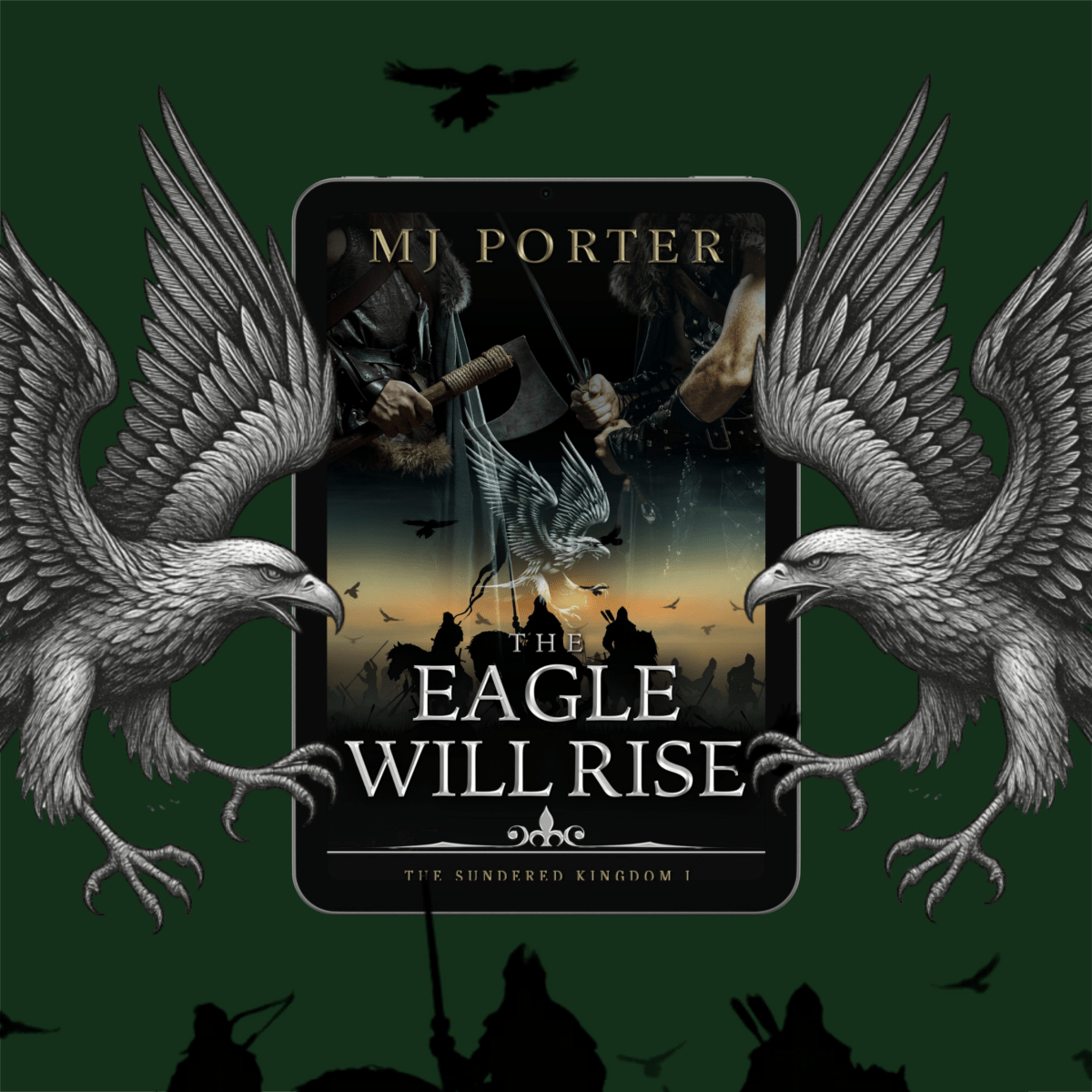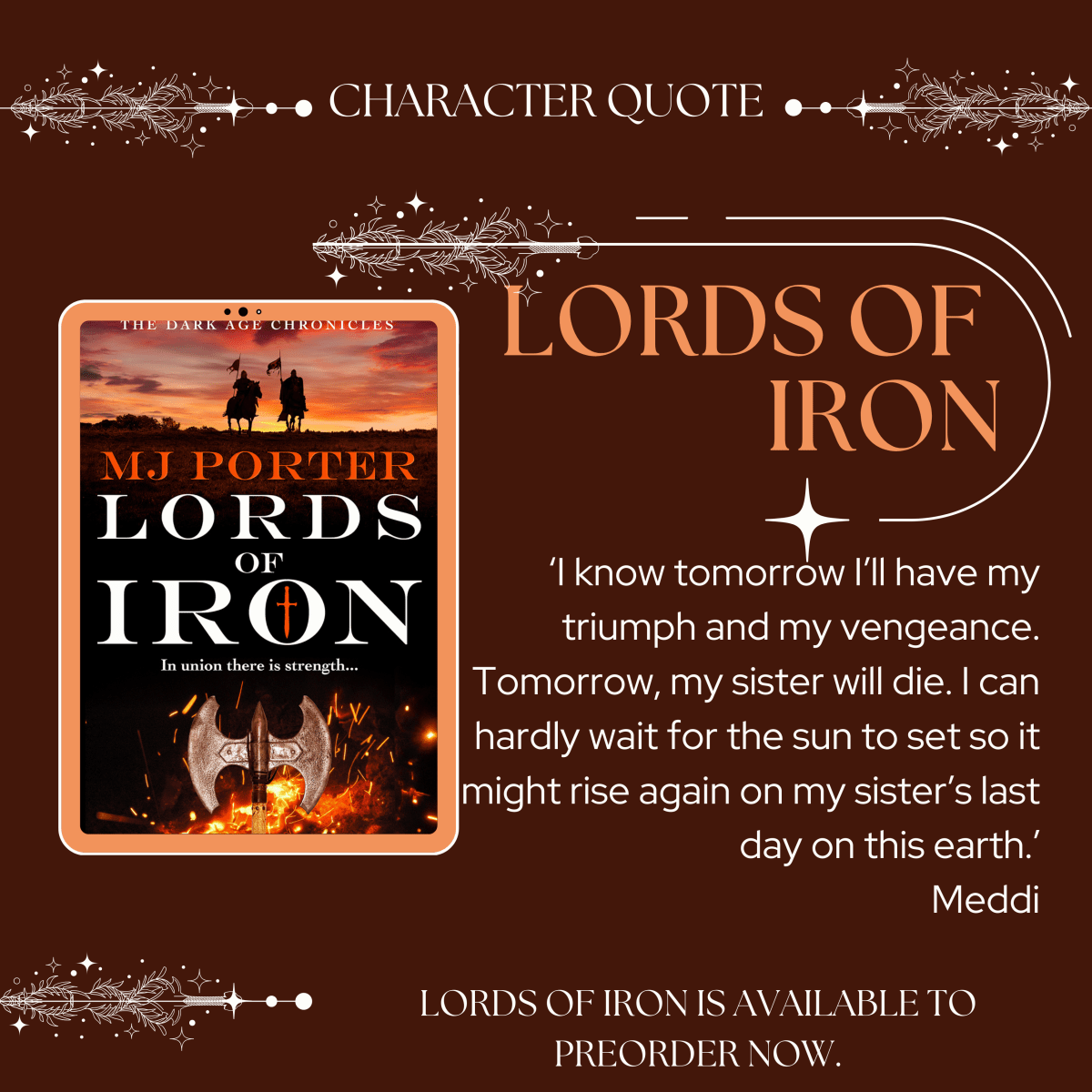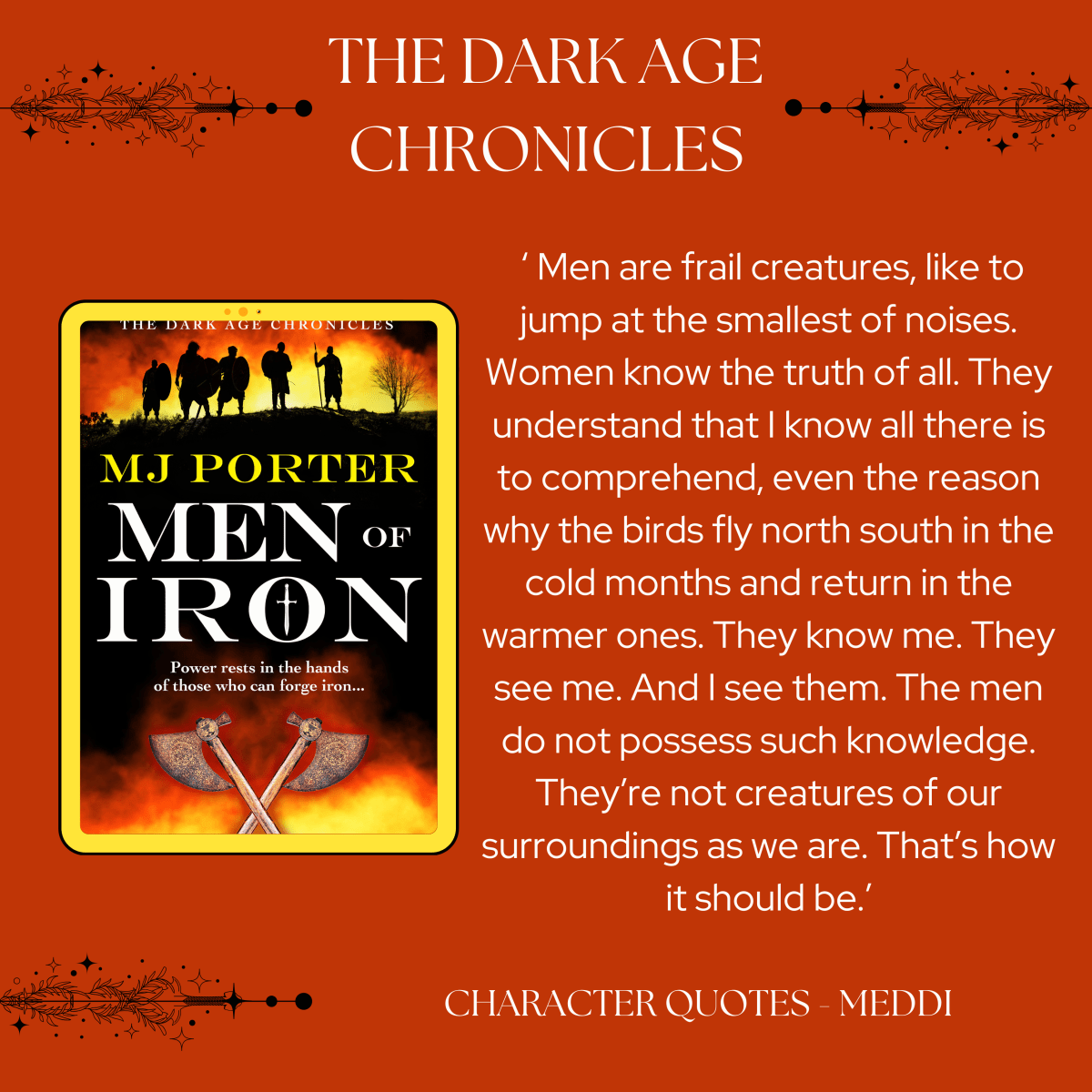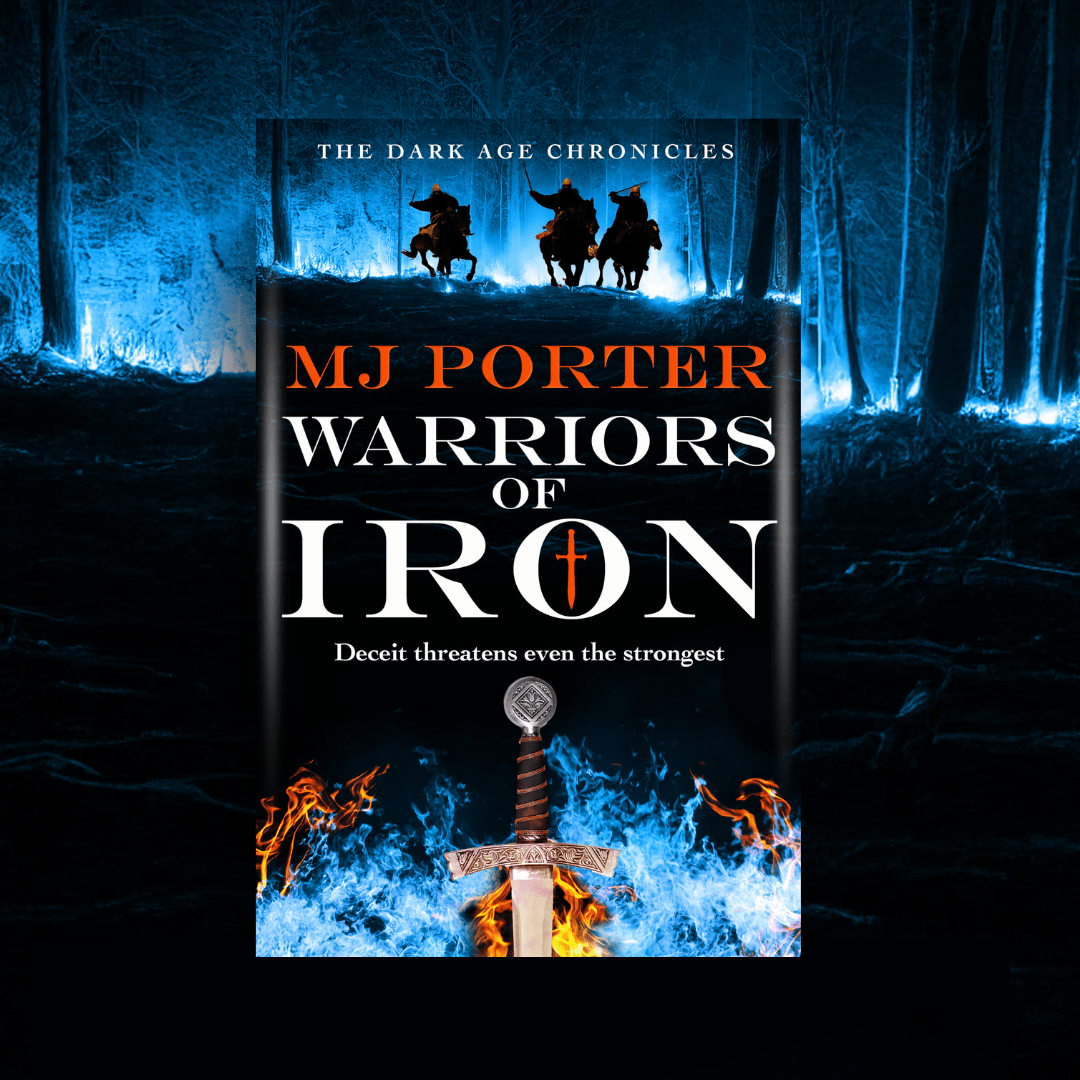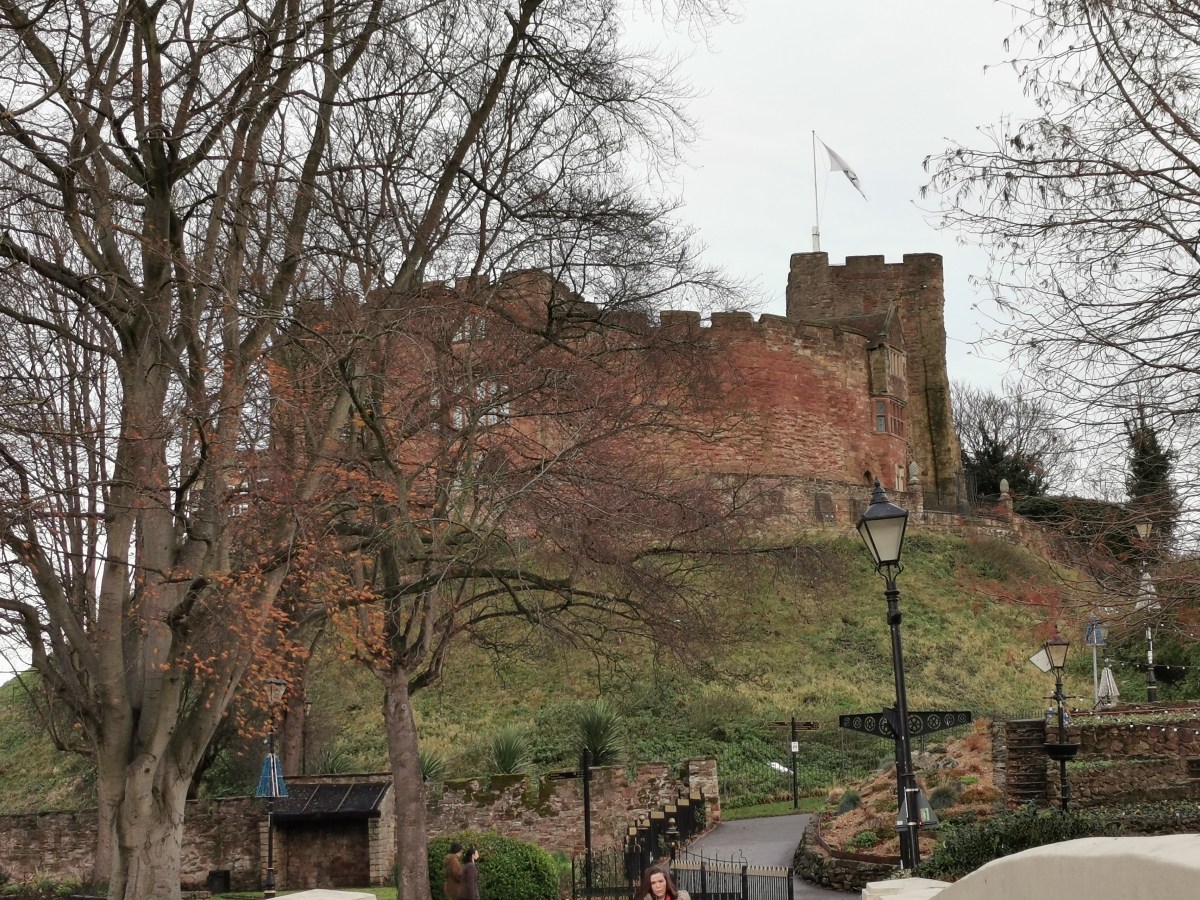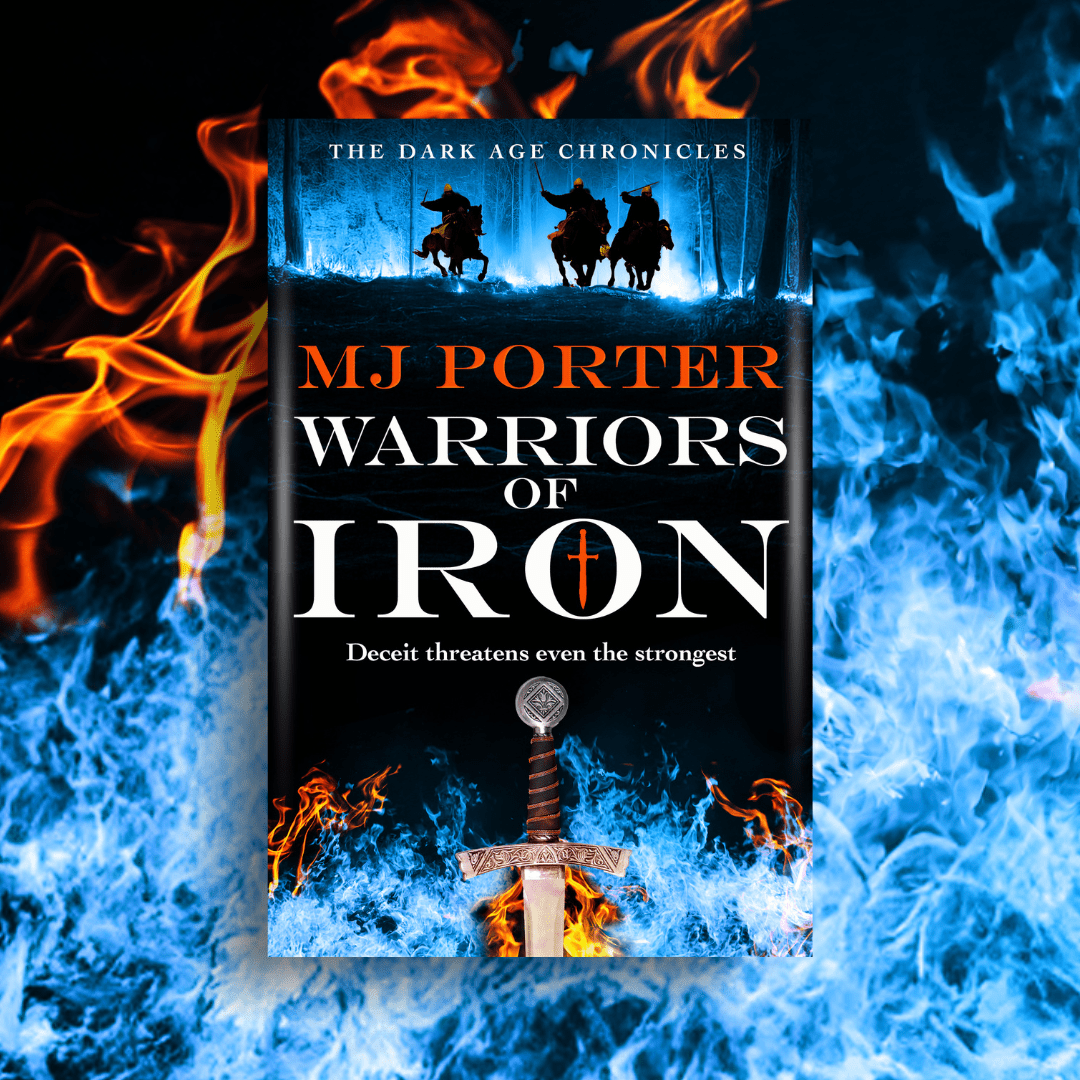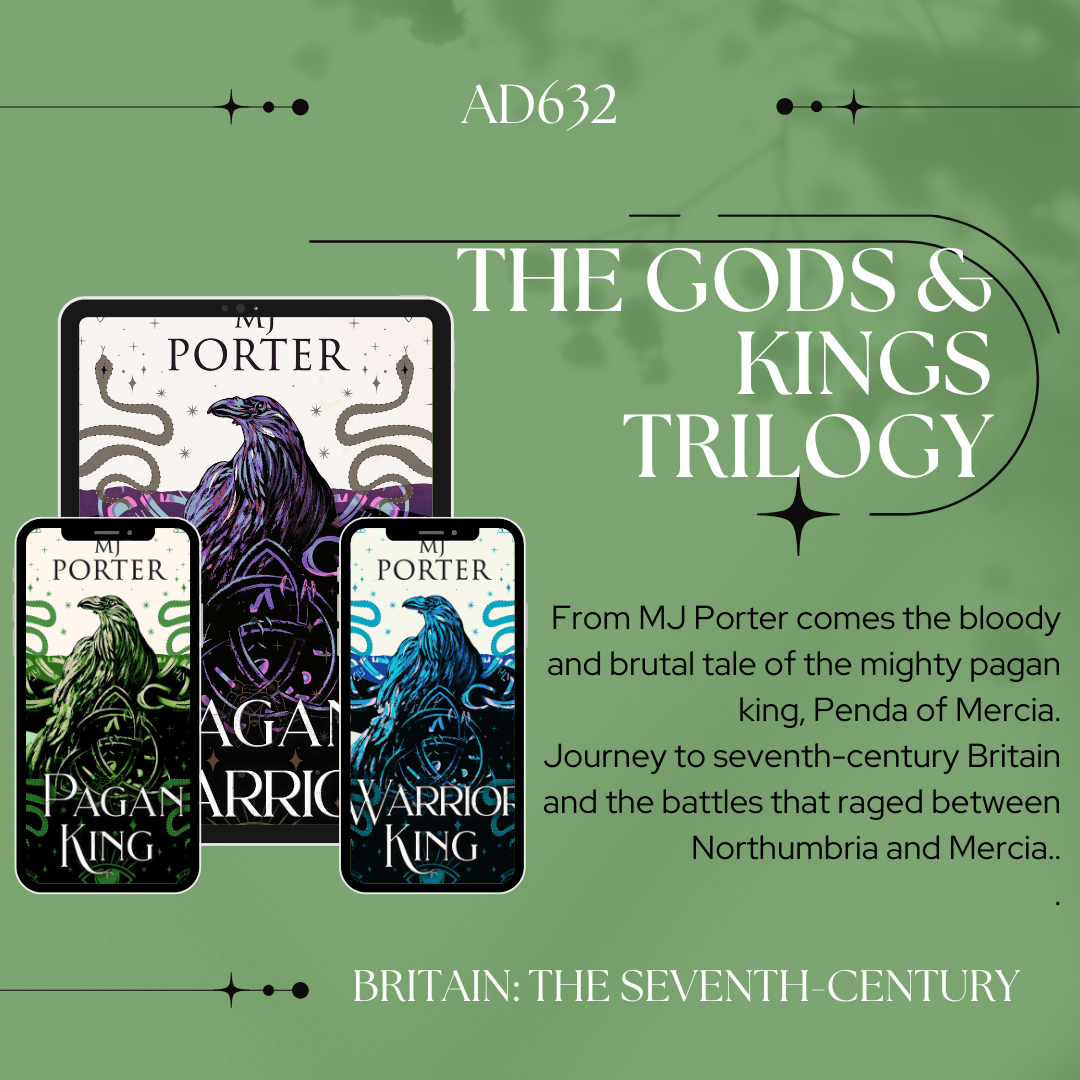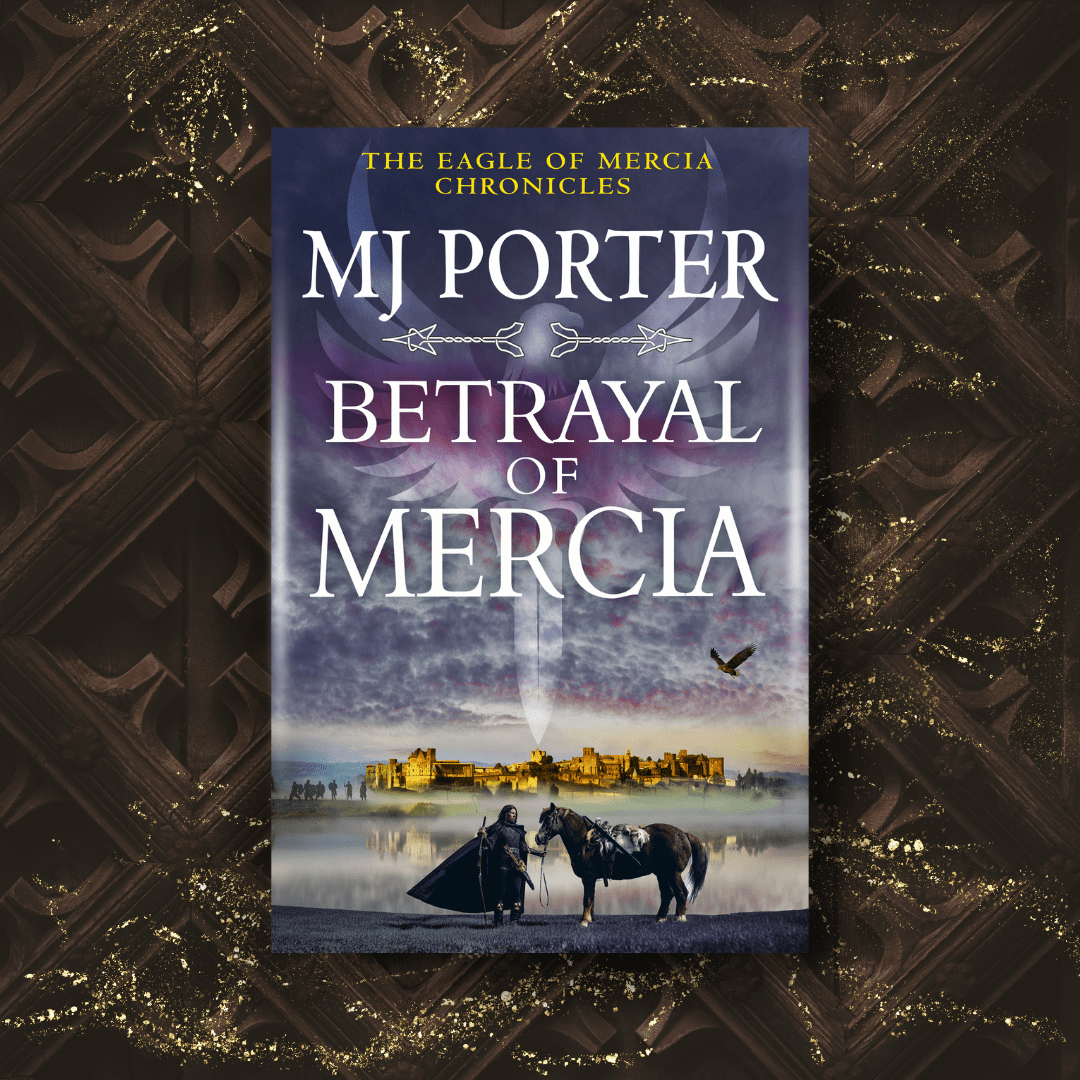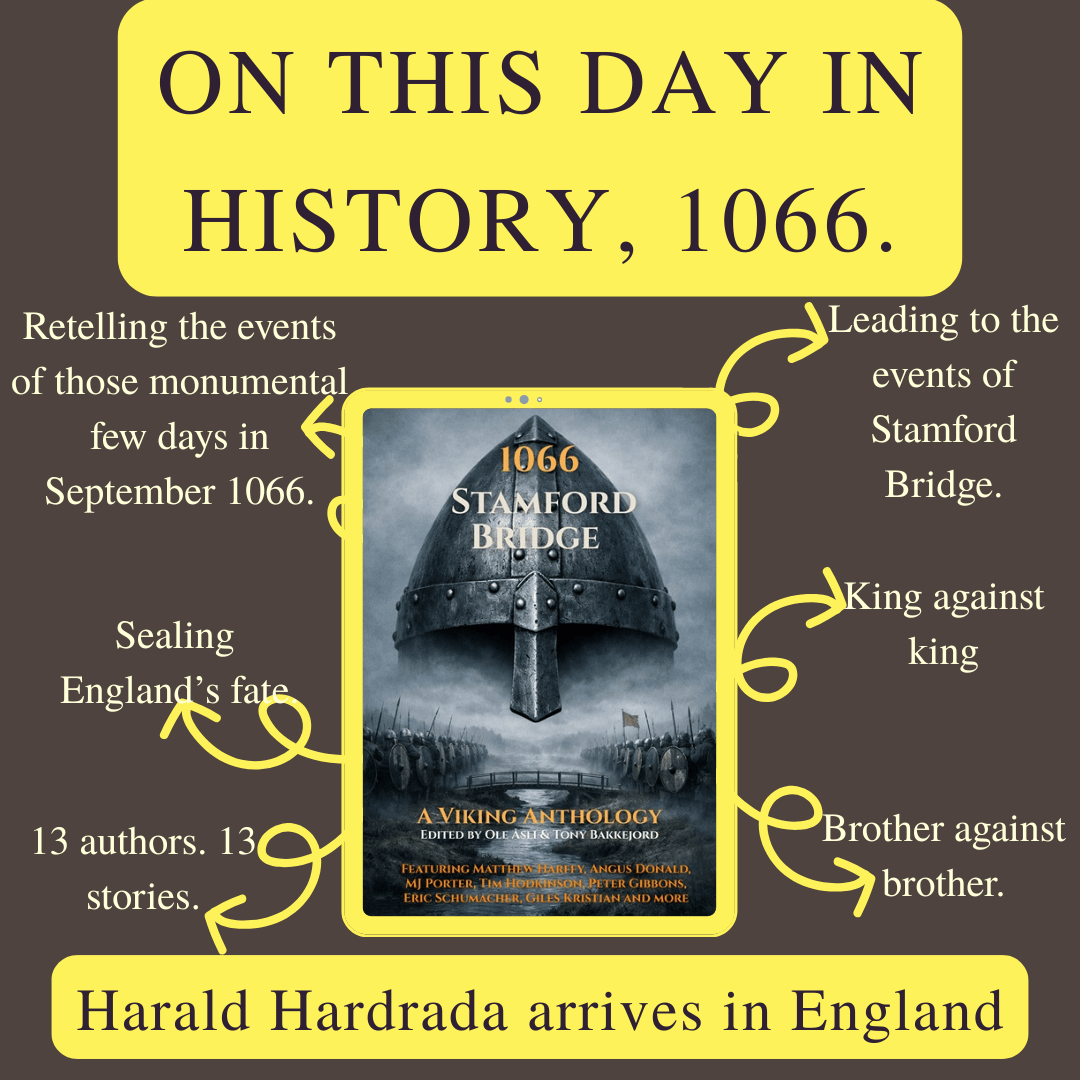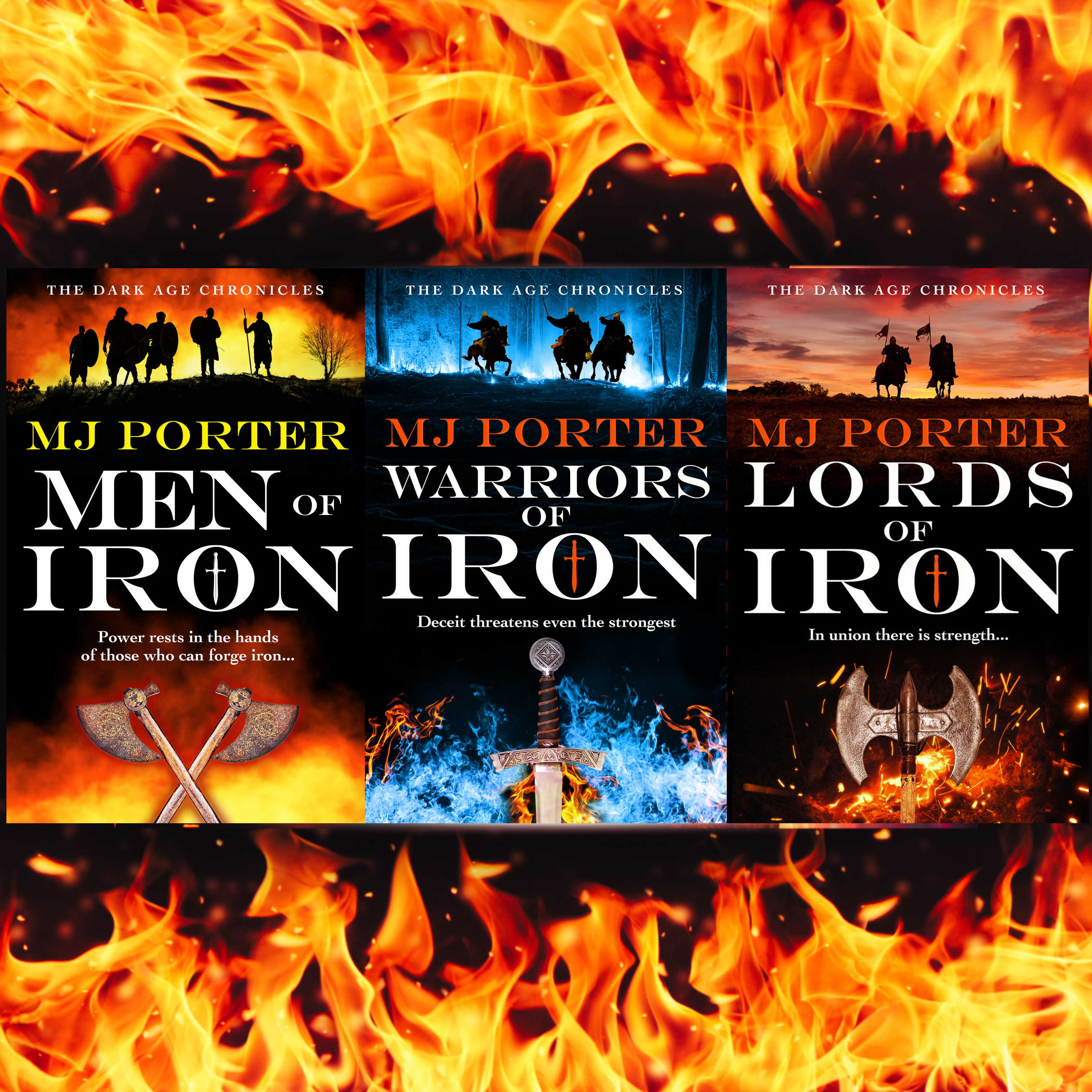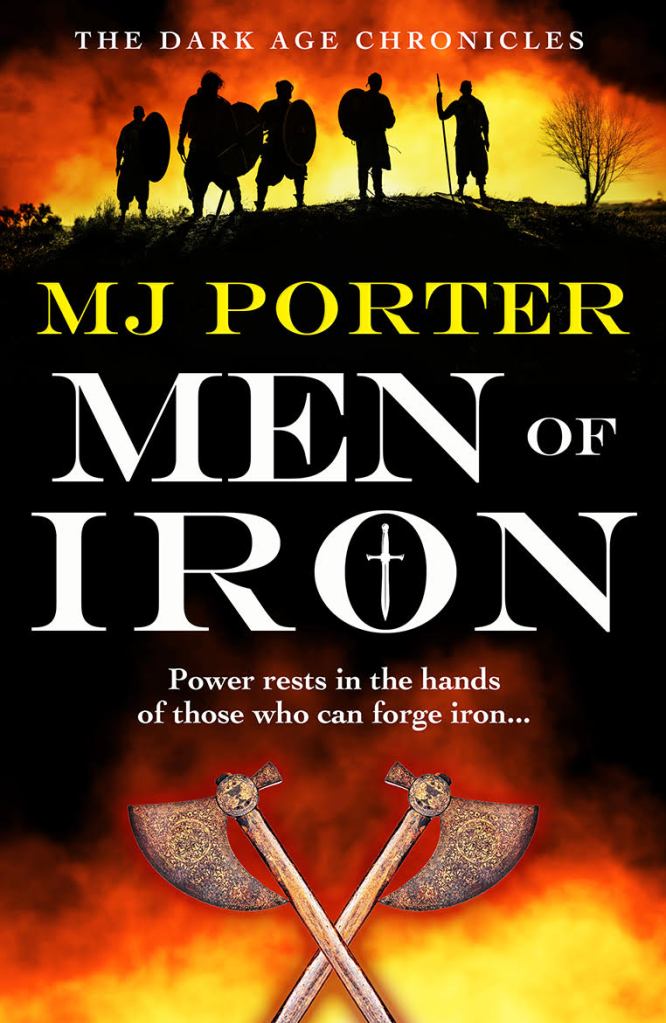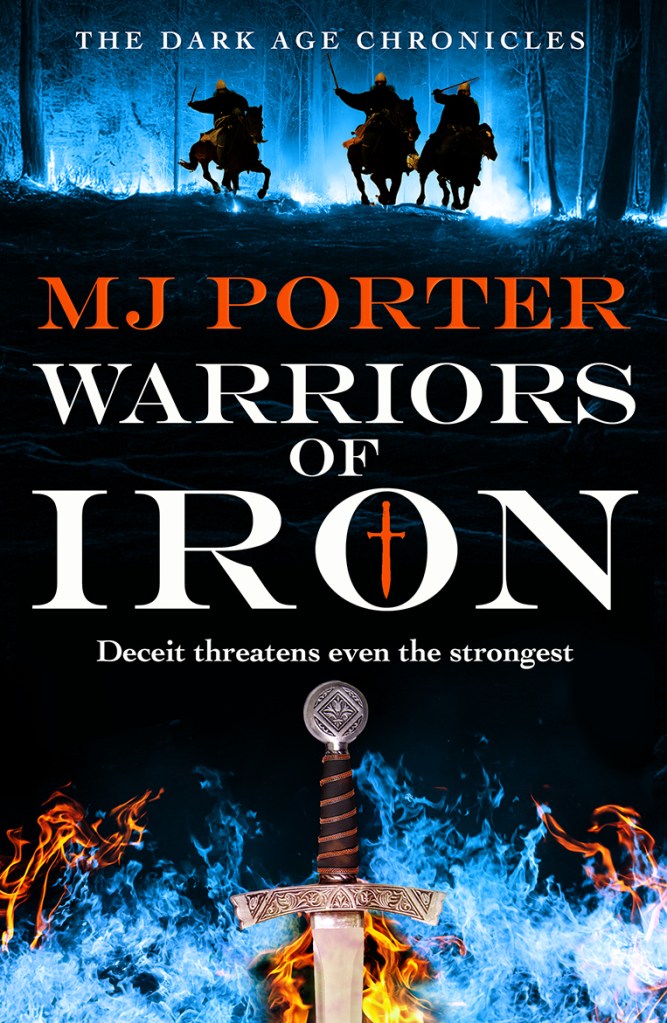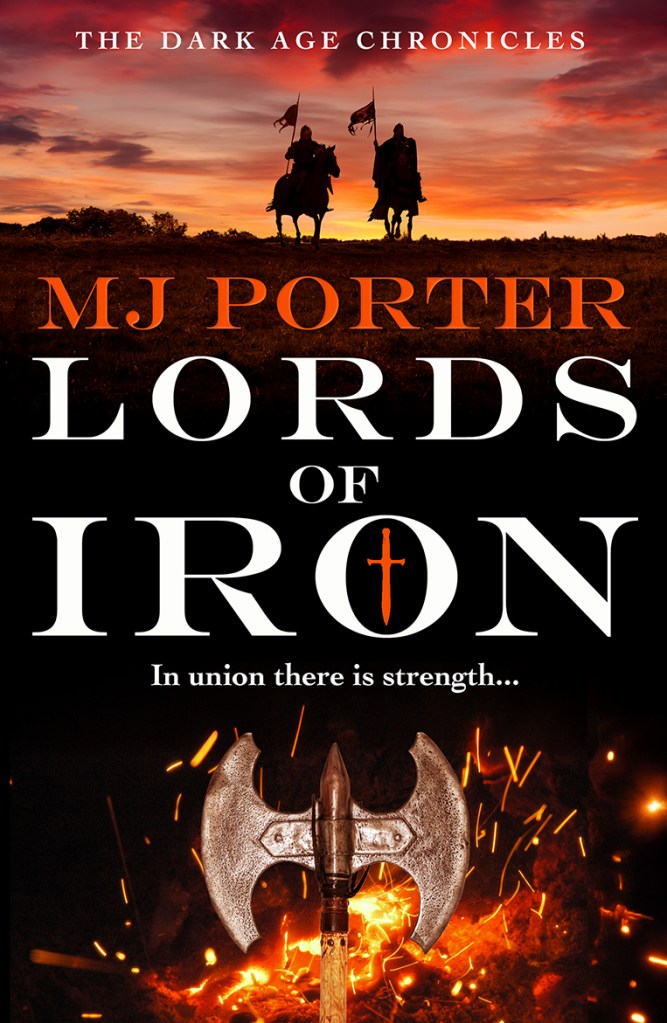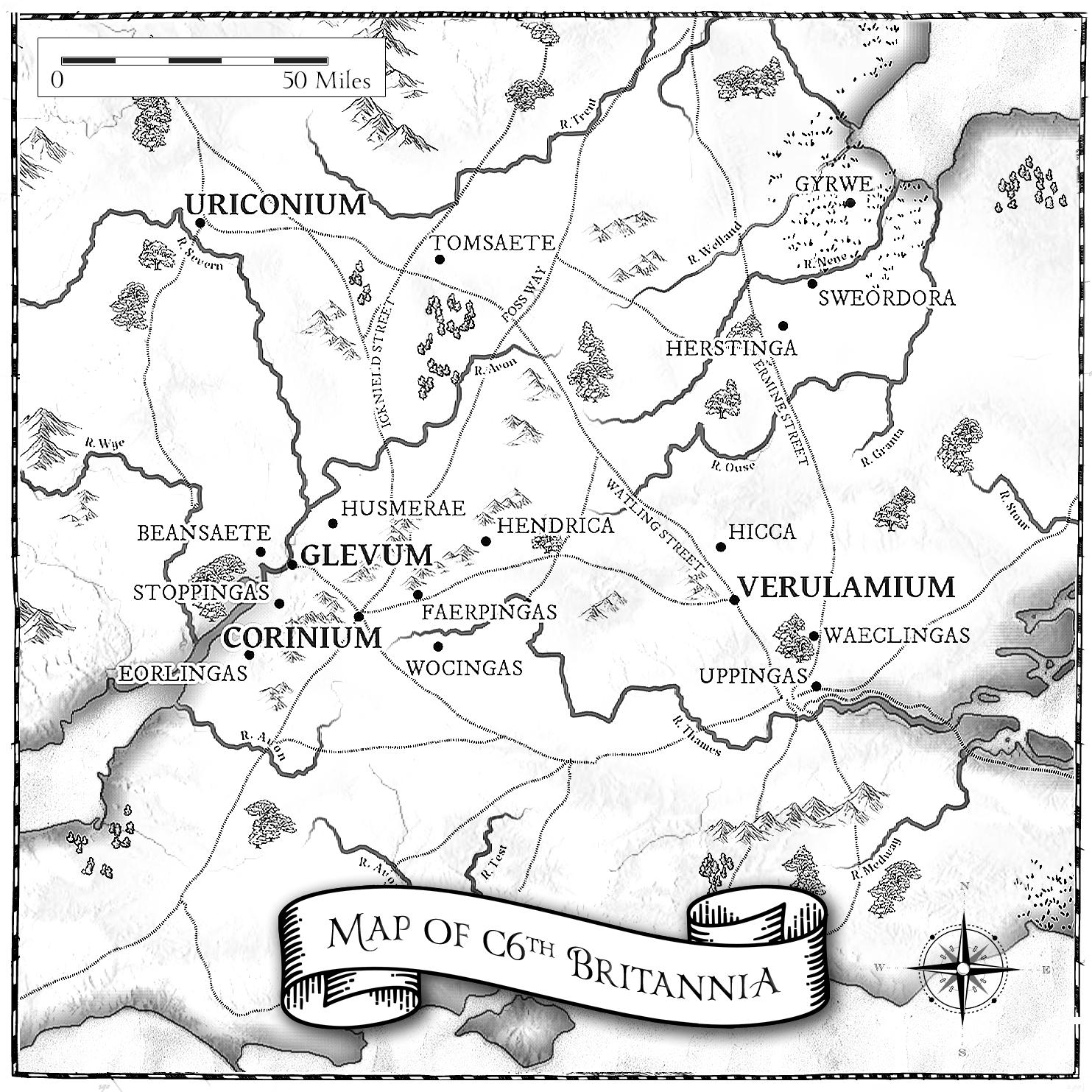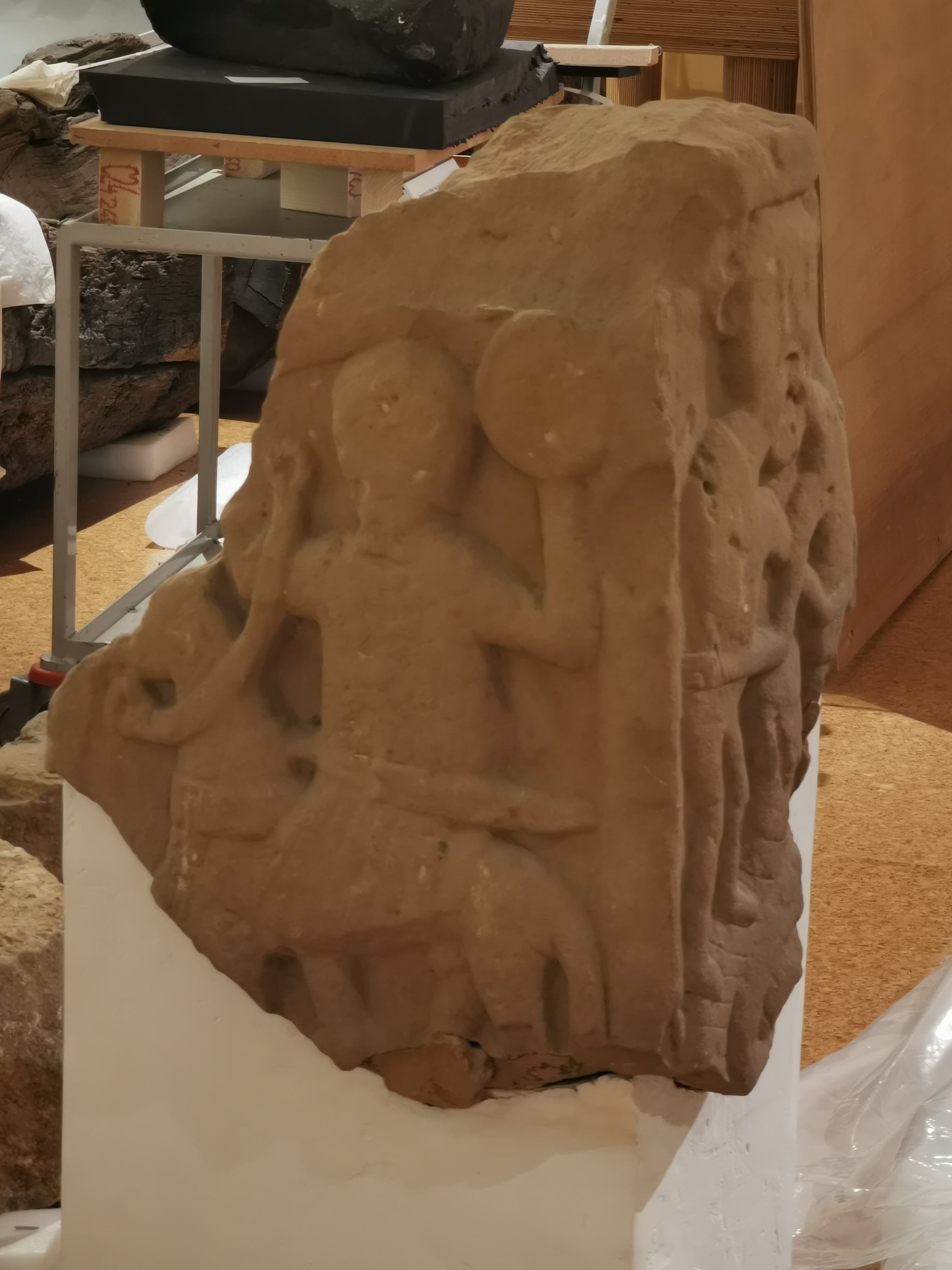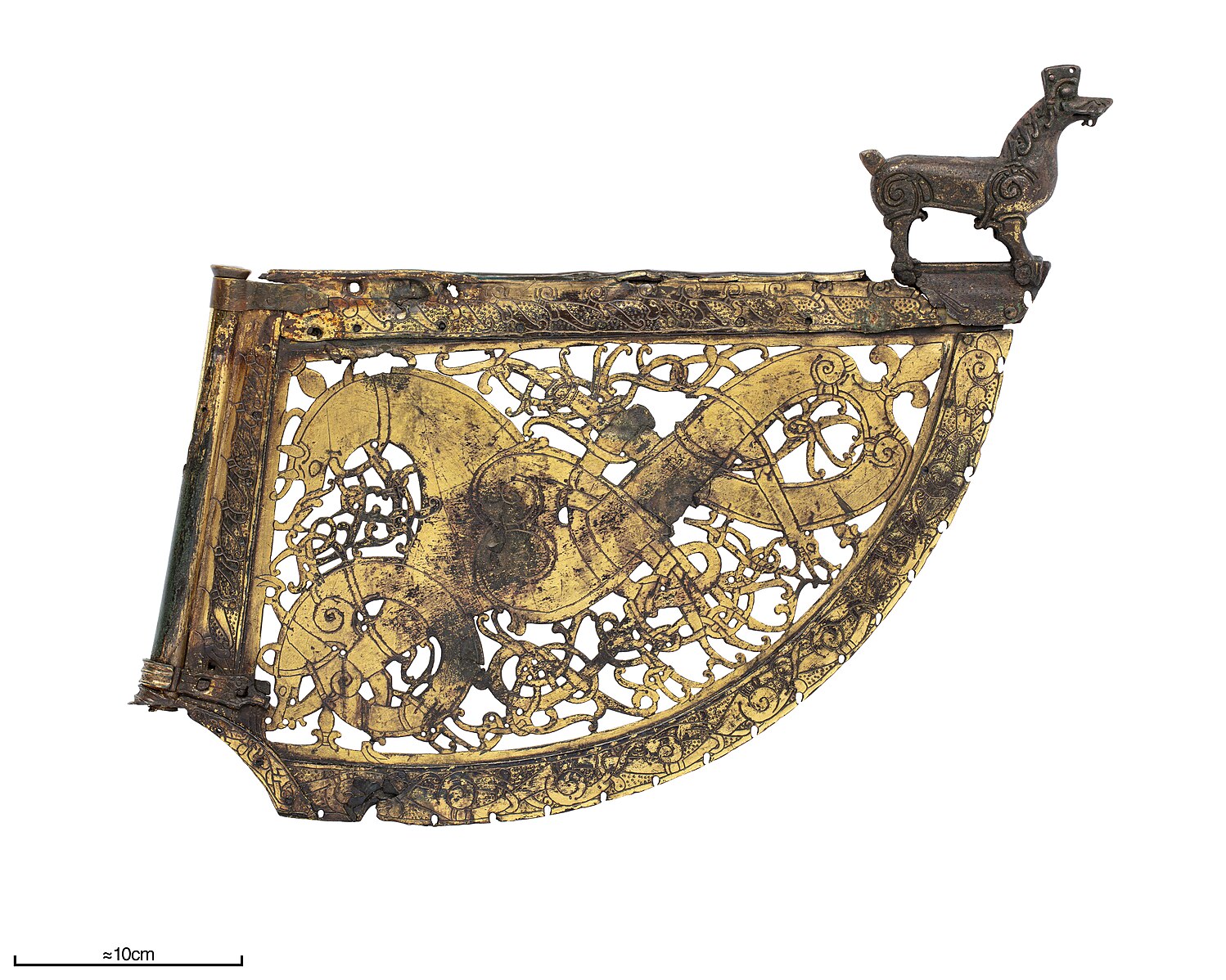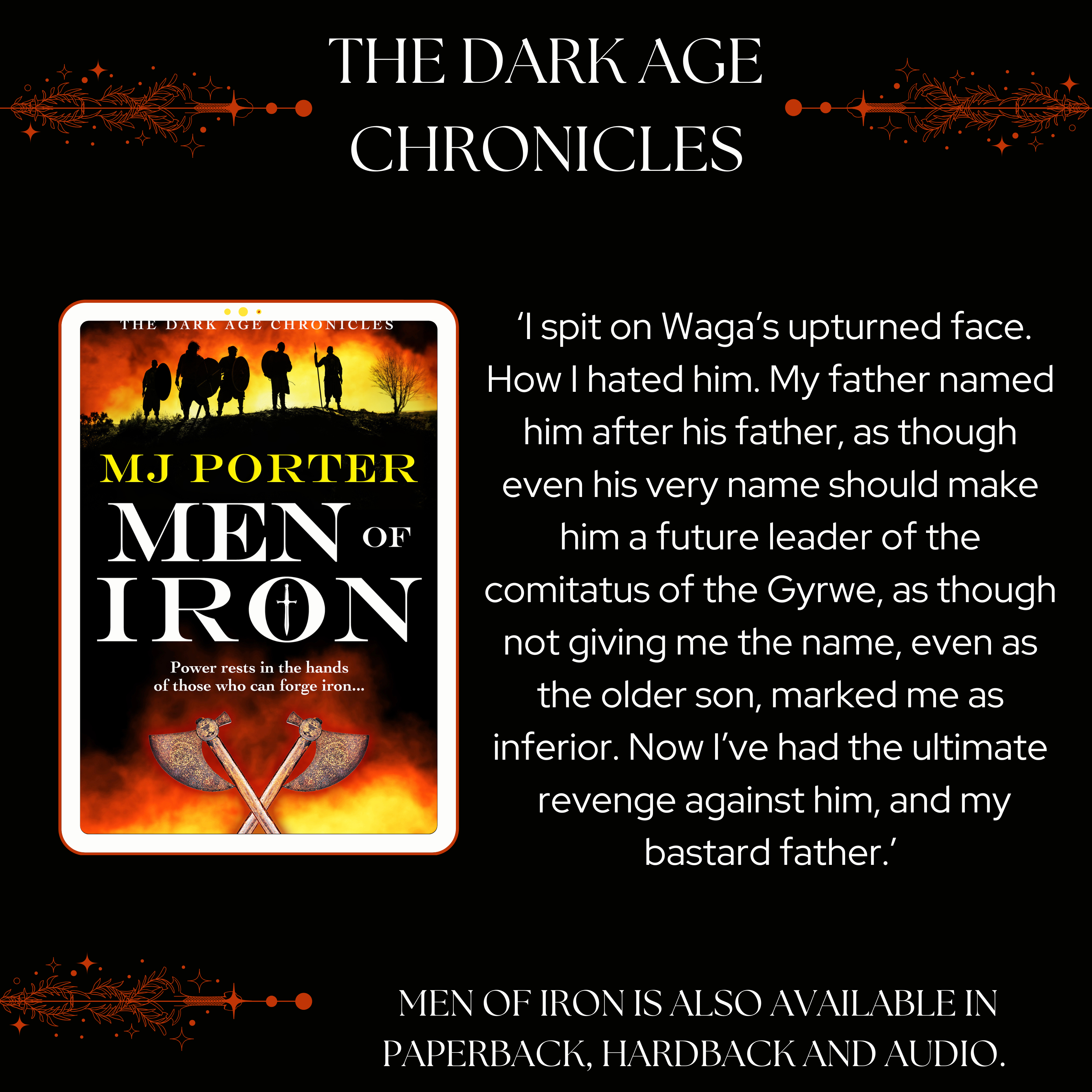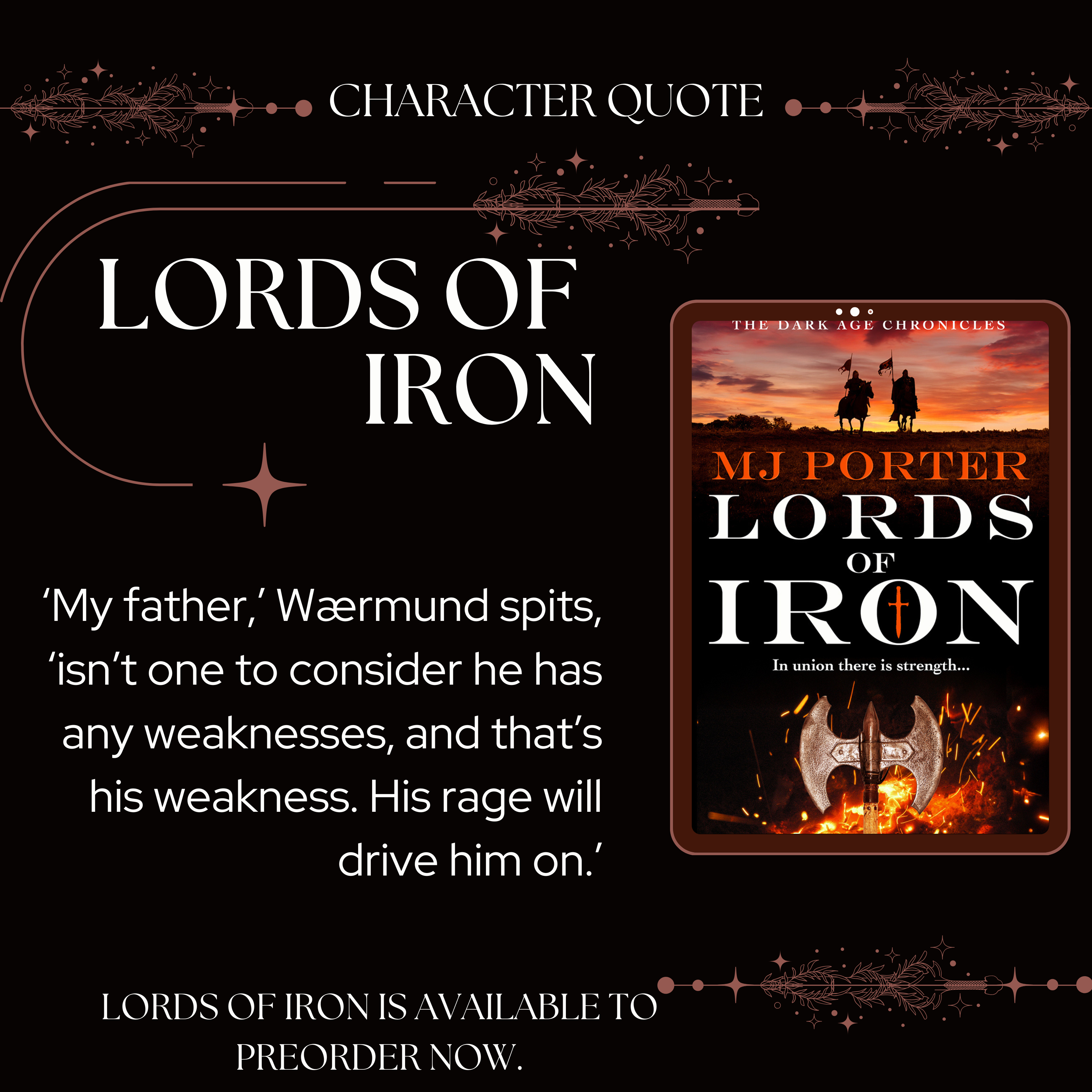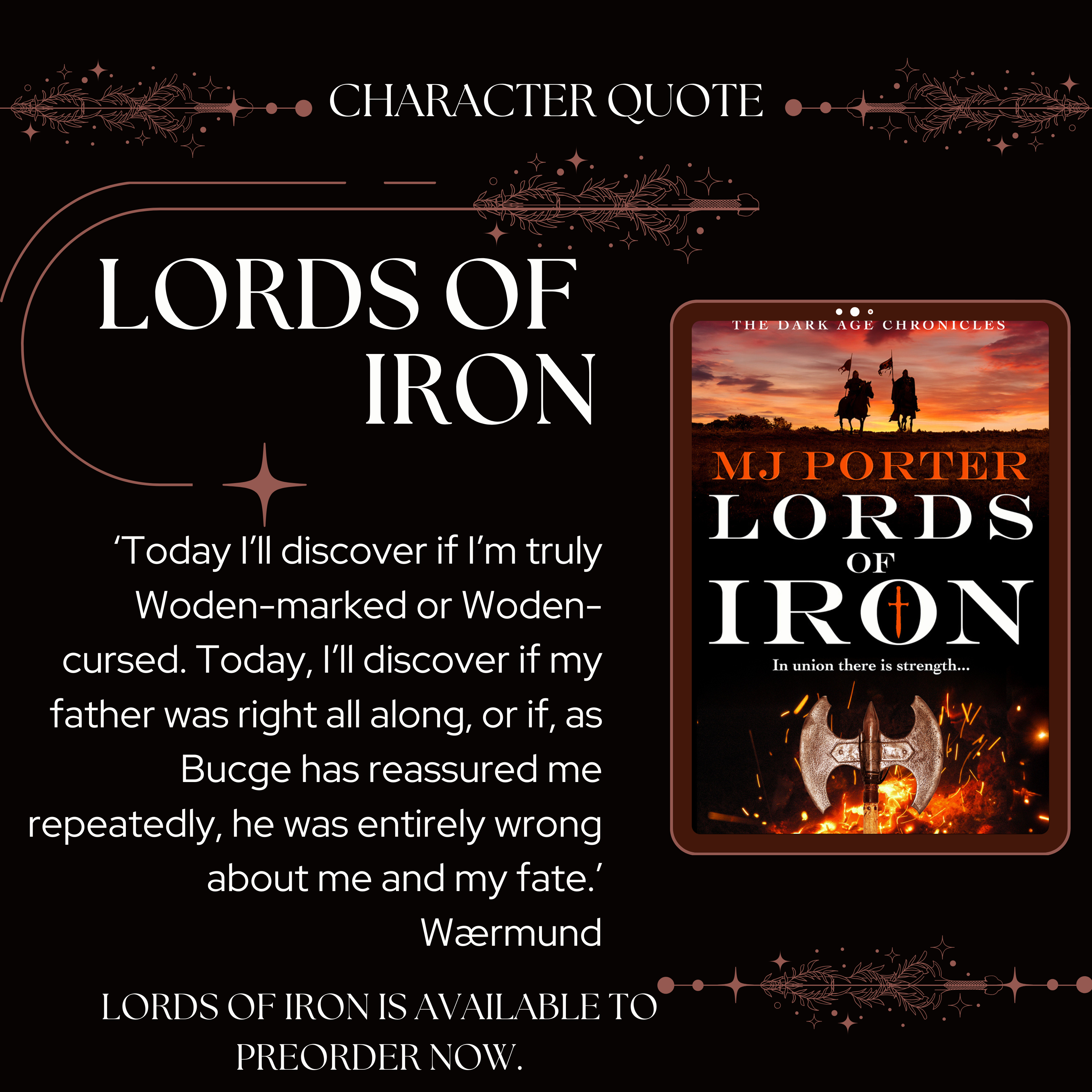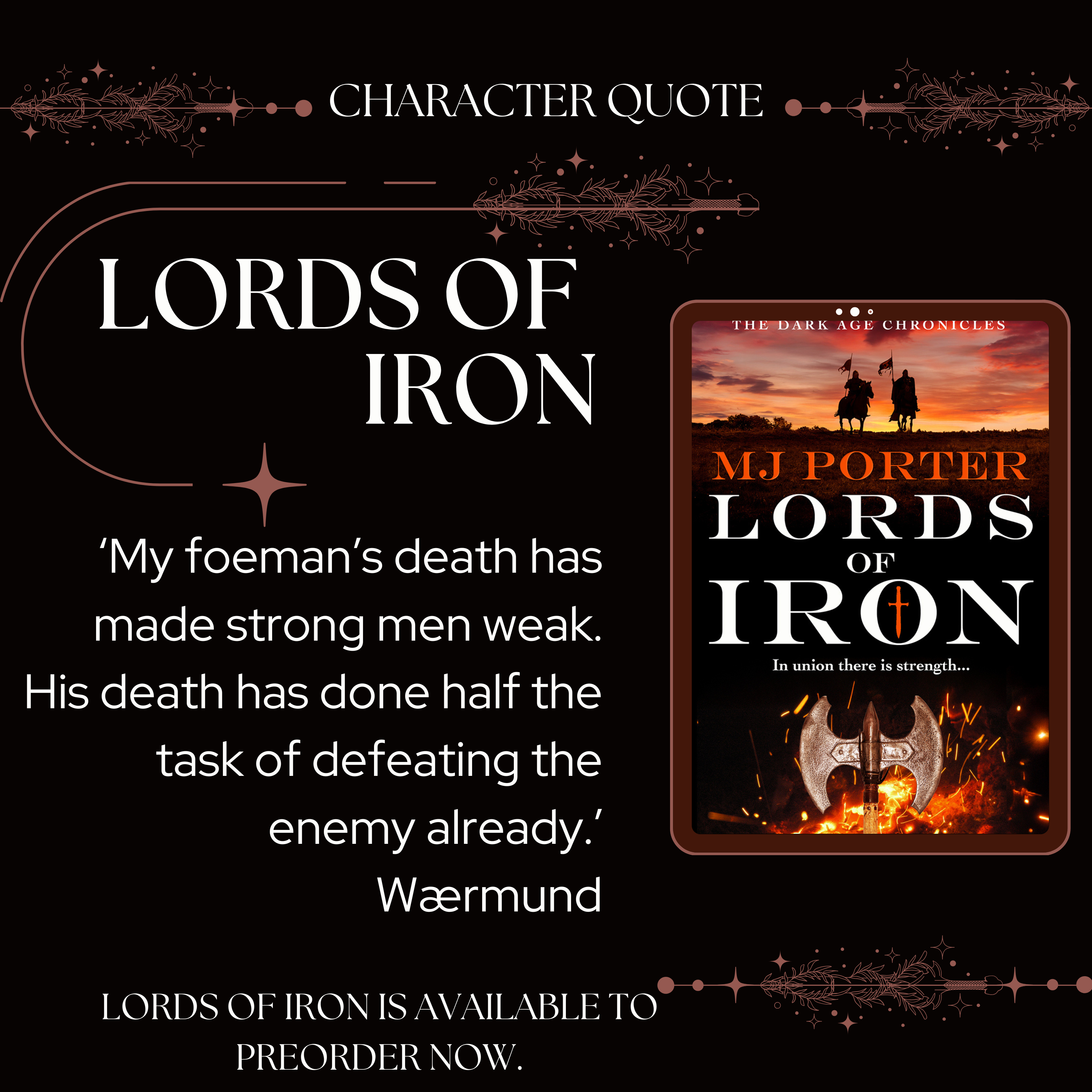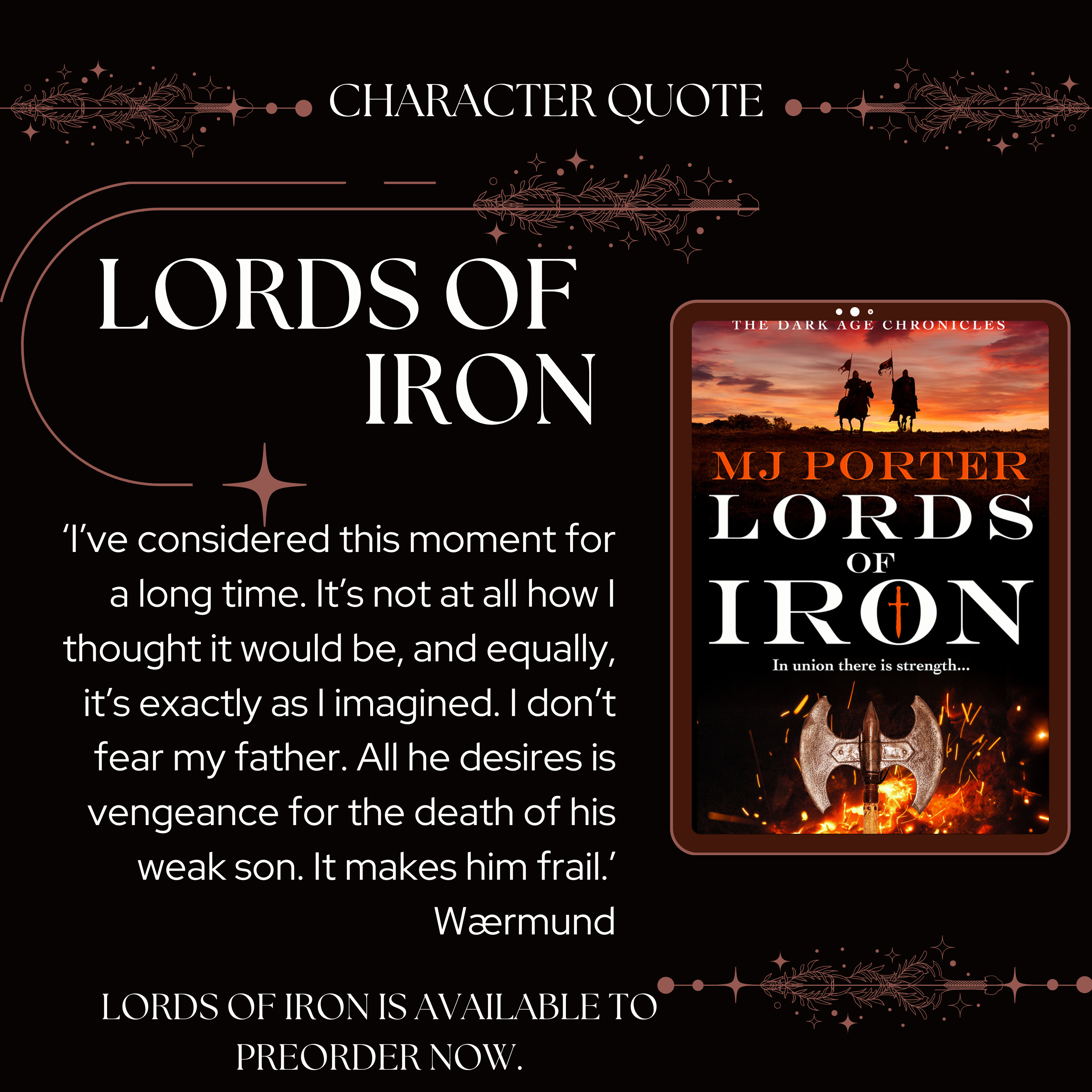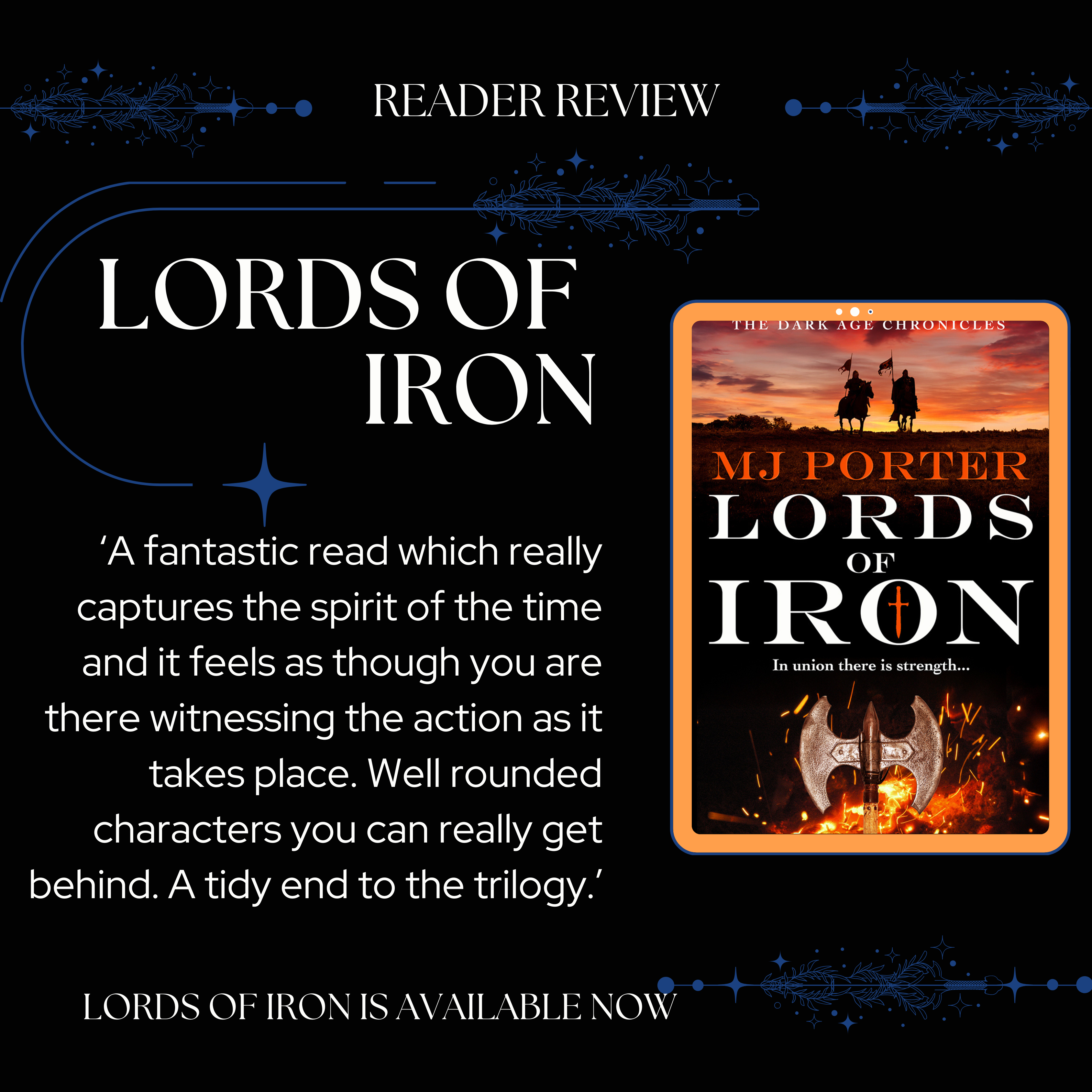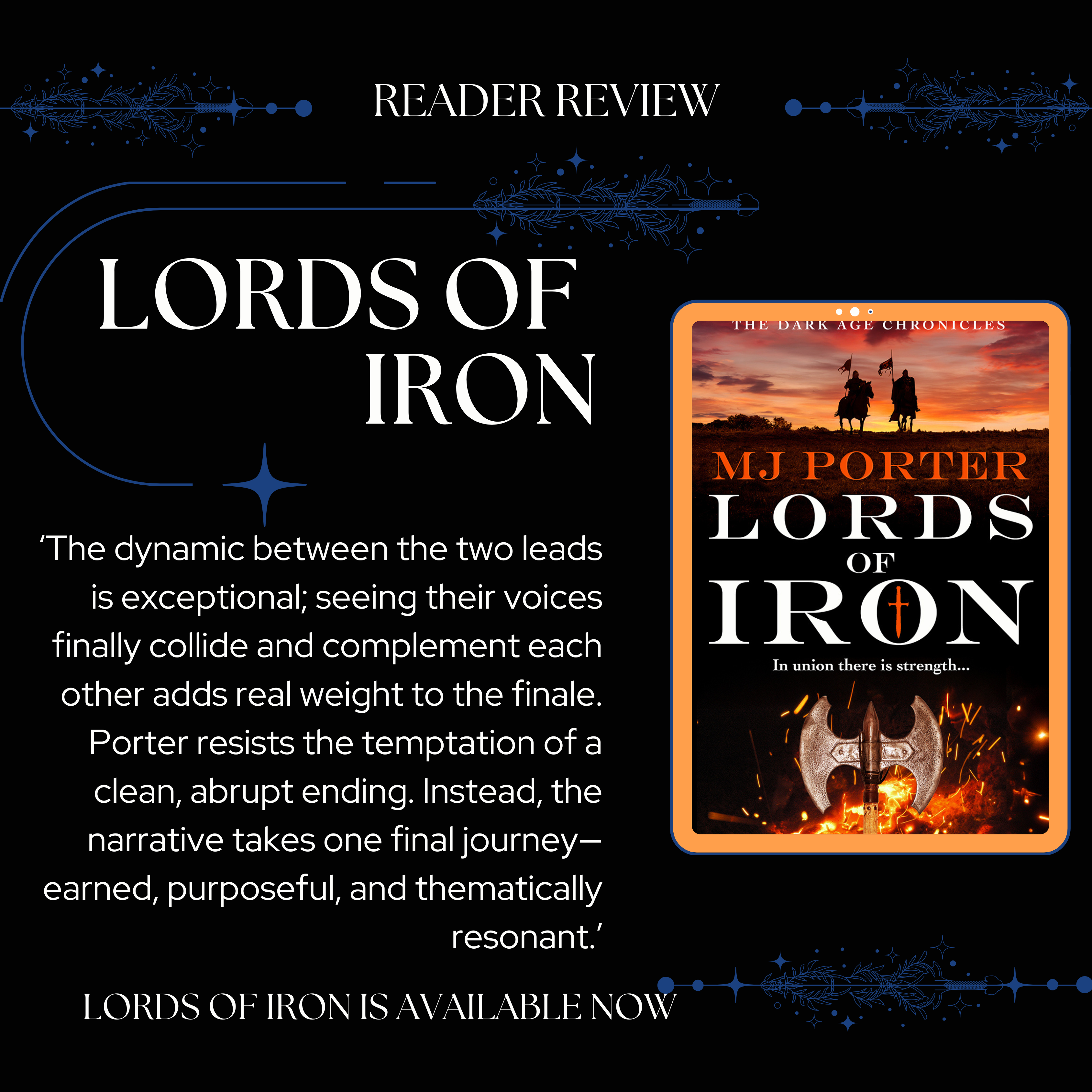
It’s nearly happy release day to Lords of Iron, the third and concluding book in the Dark Age Chronicles Trilogy. Let’s talk about Meddi , the seeress of the Eorlingas #newrelease #MenOfIron #WarriorsOfIron #LordsofIron #histfic
Meddi, the seeress of the Eorlingas
When I was thinking about writing this trilogy, set in the undocumented and little-understood ‘true’ Dark Ages, it was Meddi’s character that came to me most forcefully. I had thought she appeared pretty fully formed, but I’ve actually found a very early attempt which doesn’t mention her (it was only about 250 words, admittedly). After that, she evidently developed quite quickly in my mind. Of the two main points of view characters, Meddi and Wærmund, she is the one who was the most different to what I’ve written before, so I was surprised by how strongly she manifested and became ‘real’ to me. I ran a few elements of her character passed a number of trusted early readers. I wanted her to be strong and determined, but also broken and healing from a terrible trauma, a terrible trauma even I can only imagine. But I also didn’t want her to be stereotypical. I needed to make her realistic and both a product of what had happened to her, and also not. Don’t worry, it was a confusing mix for me, too.
Making her a seeress allowed me to give her an influential position amongst her people. But of course, it brought some problems. What sort of seeress should she be? What magiks should she possess? And how to make those more ‘fantastical’ elements work in what was intended as a piece of archaeological fiction (yes, historical, but so much is based on archaeological finds, it seems wrong to misname it).
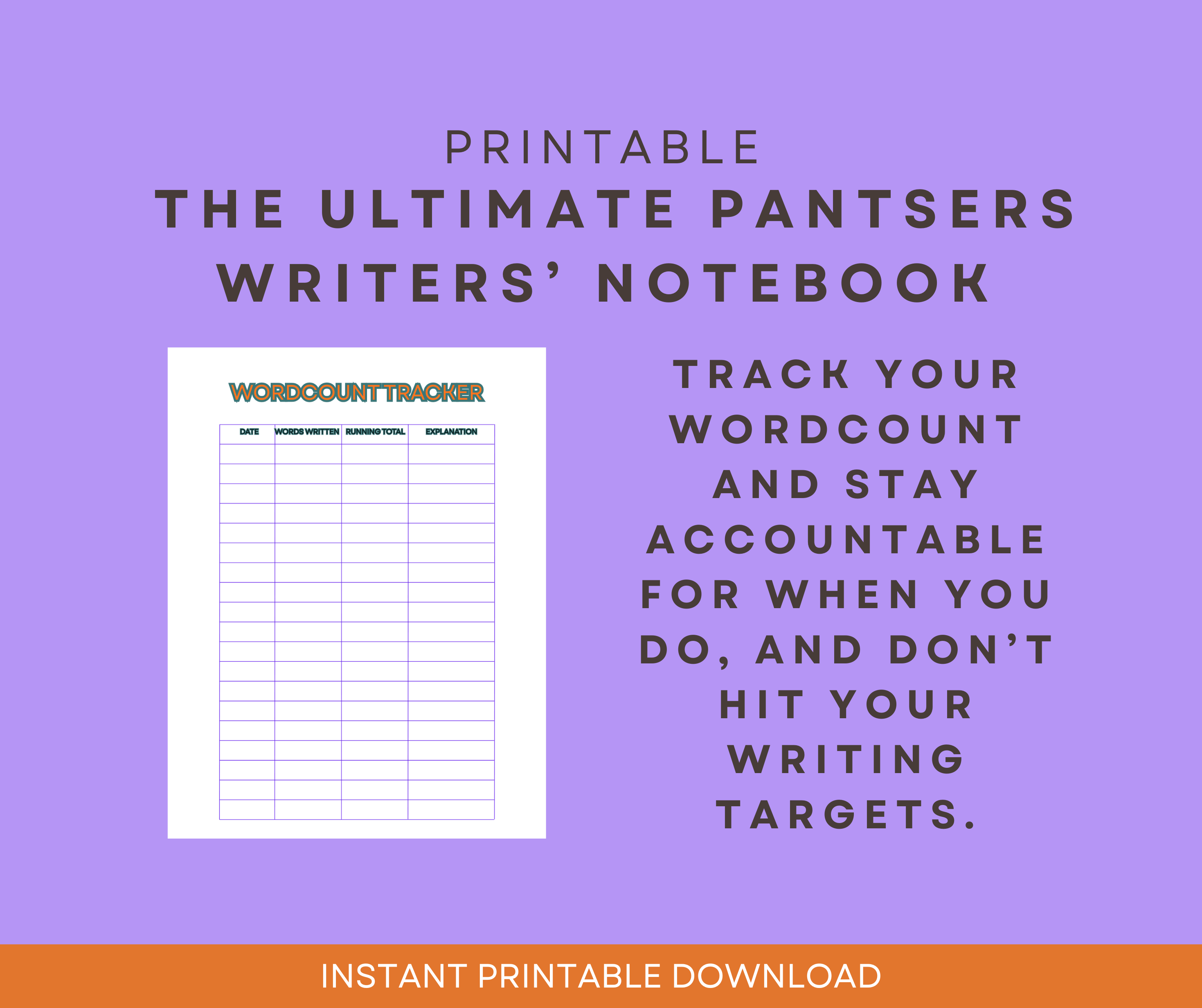
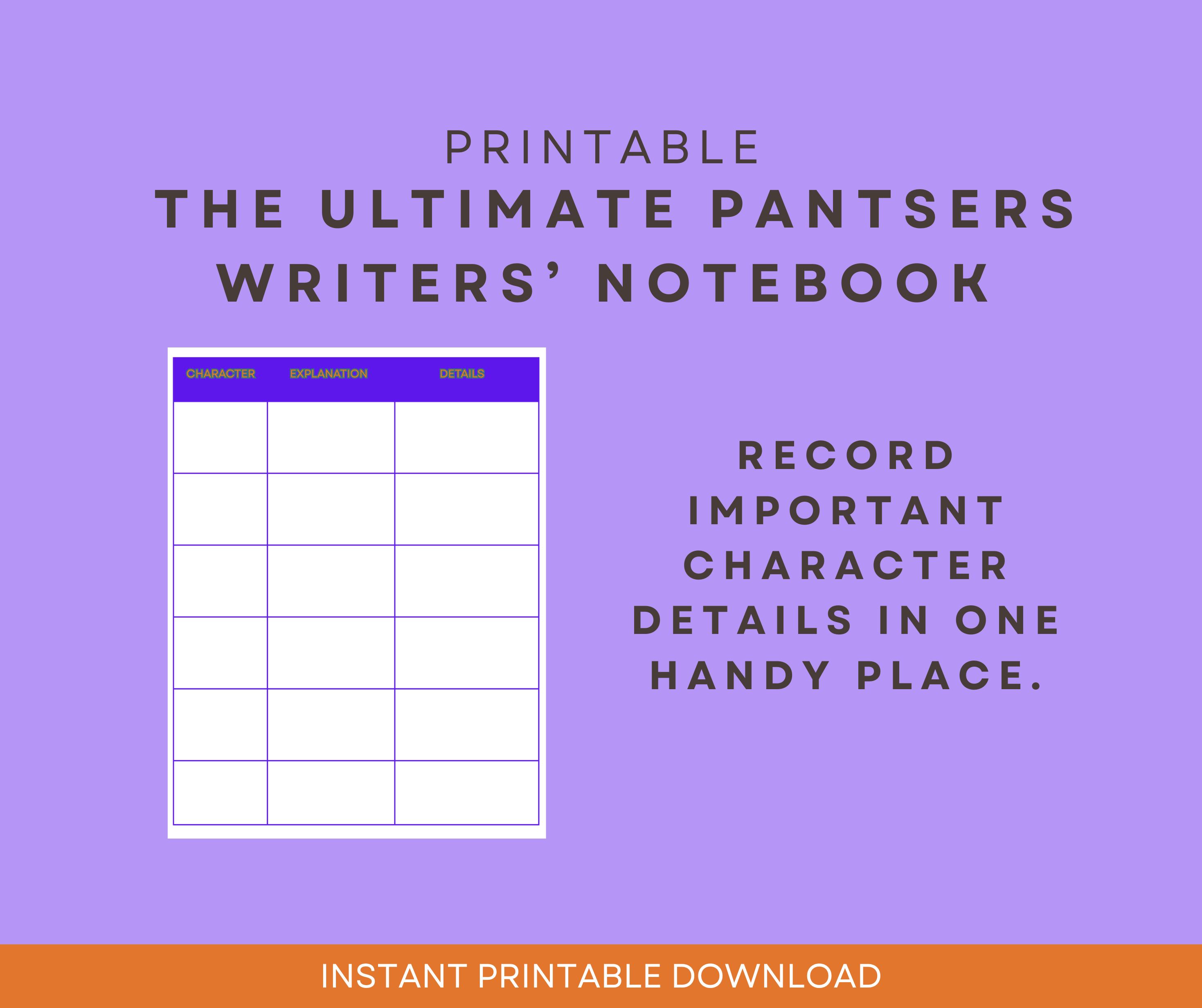
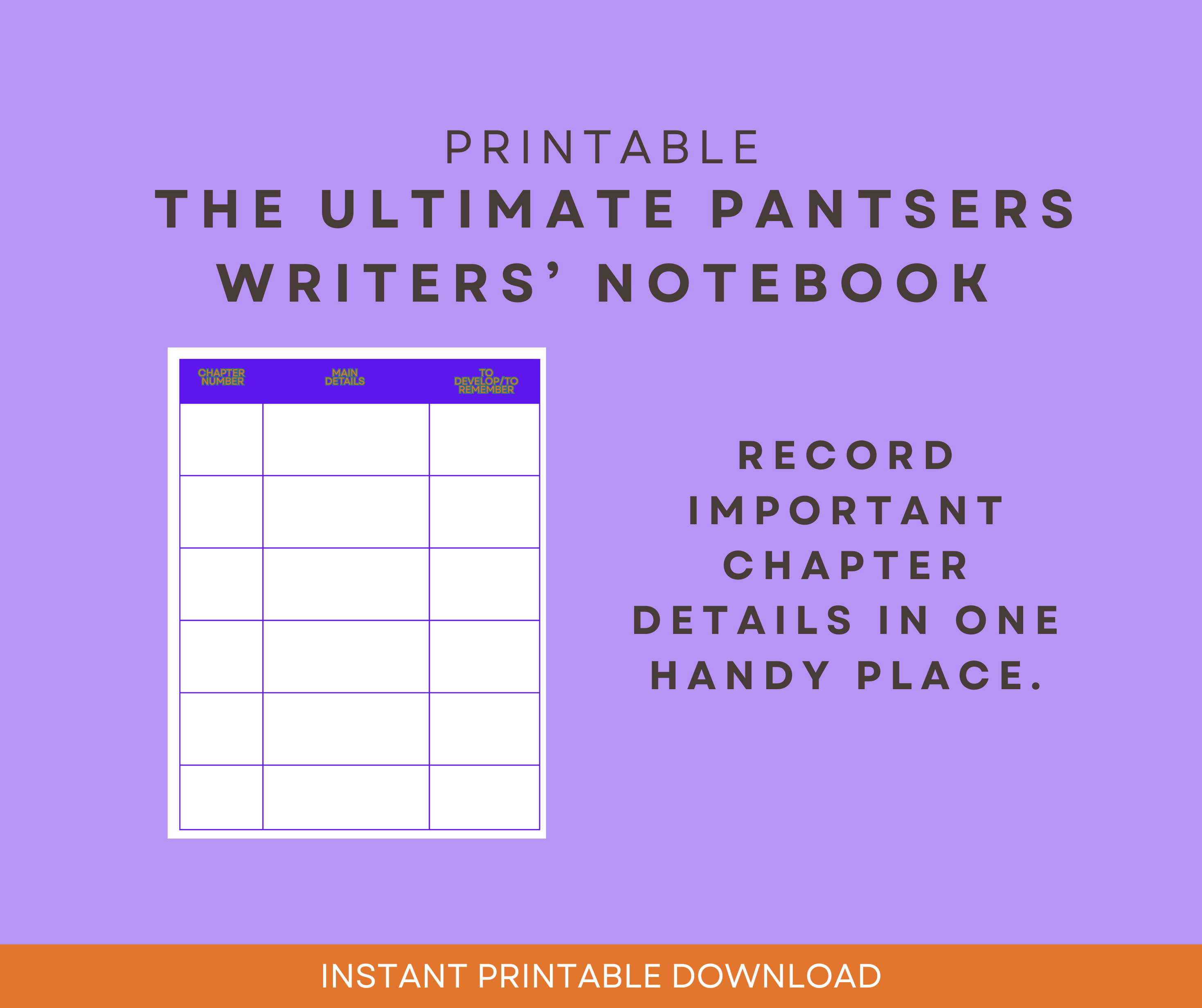
I am, and no doubt, will always be a ‘pantser’ (someone who doesn’t plan their stories but just writes them – perhaps in many wats somewhat similar to Meddi when she reaches out to communicate with her ‘god’ only I’m reaching out for my muse and a story that plays out on the page). As such, some elements of Meddi’s personality just appeared for me, and others had to be worked at. I was also conscious of not making her too similar to the wonderful Wynflæd in The Eagle of Mercia Chronicles, or indeed, the Wolf Lady, who also features (both of them healers). Yet, a seeress would possess the abilities to tend to the sick. It was tricky to get it just right. It was really only when I heard her words brought to life by her fabulous narrator, Antonia Breamish, that I truly appreciated that Meddi was a creation I could be very satisfied with (you can listen to her below). I believe, and I hope my readers will agree, that she’s fully rounded, entirely understandable, and if she does things we wouldn’t, then we can be sympathetic to what drives her.
The symbolic adorning of her face and hair with chalk or charcoal as she conducts her magiks was based on little more than my imagination, and yet the imagery is stark. She is sometimes cast from shadow, and sometimes from light. She is a character who loves and hates with equal fierceness, and sometimes, her love shows itself in ways that are perhaps more akin to hatred. But she is certainly most critical of herself. She is driven by ambition, and in this final book, I think we see her at her most vulnerable and also at her strongest. Enjoy.
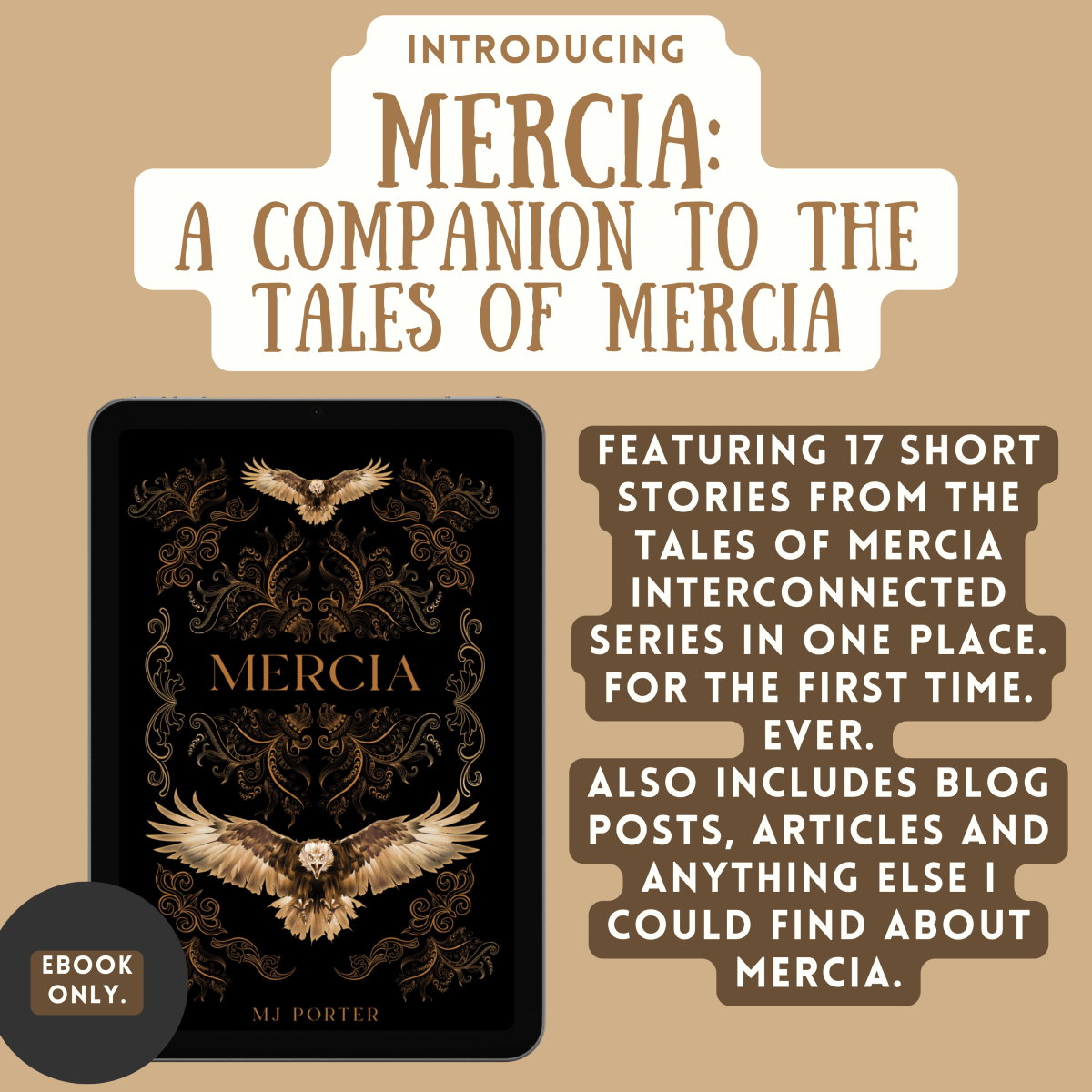
Join my newsletter to follow my writing journey, get access to my exclusive Subscriber area on the blog, and receive a copy of Mercia – A Companion Guide to the Tales of Mercia.
It’s time to go back to the beginning of the year and work out exactly how I’ve been spending my time. 2025 has been a pretty decent year in terms of writing, but I have largely missed out on writing for three months this year. Let’s find out why.
In January, I was busy working on what would become Shield of Mercia. In my notes, it’s simply called Icel 8. I started it in December 2024 and finished it in January 2025. It looks like my writing was pretty consistent for this one, and quite often, I was able to write about 4000 words a day, which makes me wonder whether I was maybe a bit behind at this point. I can’t quite remember. I’ve checked, and yes, I was running late with this one. That explains why I was so busy tapping away throughout January. I also completed the proofreading for Men of Iron and was working on some other stuff in the background, for my ‘other’ writing name. January was my most productive writing month in terms of word count gained. It was a good start to the year, but it didn’t continue.
In February, I seem to have been working on a few projects at the same time – one of my fantasy titles, as well as copyedits for Warriors of Iron, and some finessing for Shield of Mercia (I have a feeling this is the point I realised I needed some locations for Icel’s journey through Wessex and hightailed it to the uni library for some research books – somewhat amusingly the one I found was written in 1978). I also started work on what would become The Secret Sauce. It was not one of my most productive months in terms of word count achieved, but I evidently spent a lot of time editing and rewriting things. Sadly, it wasn’t my least productive month, which has ended up being December.
March was a tough month as I lost my Dad, and all writing plans, understandably, went out the window. I had structural edits to work on for Shield of Mercia, and it was very hard going. For a few weeks, I worried I wouldn’t get back into writing, but I did. It just took a while. My writing process is very creative. I pop on some music, ‘transport’ myself to where my characters are, and tap away. It can be hard to achieve when there’s too much going on in my head besides writing. I also managed a bit more work on The Secret Sauce.
April was also very messy – I pressed on with The Secret Sauce, and then after all the stress of March, completely relaxed on holiday in Orkney for two weeks. I definitely needed it.
May marks the start of the exam season at school. But, with everything going on, I was very behind with Lords of Iron (like so behind that there was barely anything there). But I trusted myself to get it done and spent the half-term holiday (9 days in total) writing. I wrote over half of the first draft for Lords of Iron in just those 9 days. It sounds crazy, but it was the final part in the trilogy, and I knew my characters. It was very much a return to my old writing style (you can listen to me talk about my writing process over on my Patreon). I enjoyed it, and I also think it helped me ensure the book (due out on 5th January 2026) flowed really well, with no let-up in tension during the second half of the novel.
I continued work on Lords of Iron throughout June (this was the first, and I hope, only time, I had to ask my editor for an extension). I was also back with The Secret Sauce and had completed copy edits for Shield of Mercia. 26th June was my most productive writing day all year. Away from The Secret Sauce for such a long time with everything that had happened, I bashed out 8989 words in one day (that doesn’t happen very often any more – my most productive day ever saw me clock in over 17000 words over an 18-hour period – crazy).
July saw me concentrating on finishing The Secret Sauce, and also starting work on Icel 9. I completed my proofreading for Shield of Mercia. I do like it when I’m editing the previous book while writing the next one. It ensures I don’t miss any huge details – for instance, when someone has been badly wounded. July was my fourth most productive month in terms of added word count. It also saw the release of Warriors of Iron, the second book in the Dark Age Chronicles.
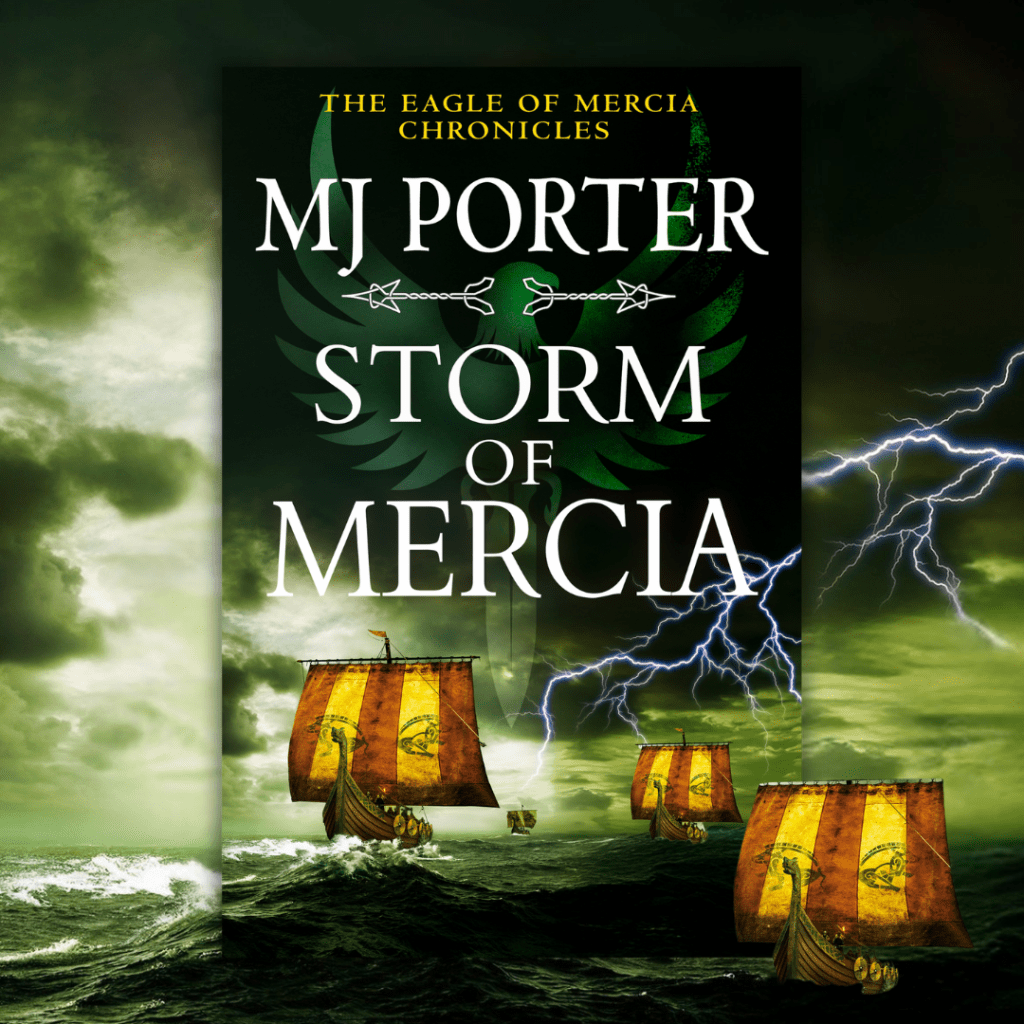
August saw me working properly on Icel 9 (Storm of Mercia). I also started work on The Barrage Body (another mystery), completed the proofreading for The Secret Sauce (released at the end of the month), and found some time to start playing around with ideas for a new series. I also completed proofreading Lords of Iron and spent a bit of time messing with one of my fantasy titles.
September was a good month. I was working on three projects, the main one being The Barrage Body. I completed the copy edit for Lords of Iron at the start of the month, and structural edits for Storm of Mercia at the end. It was my third most productive month in terms of word count gained. Yay.
October was the month when I had to ignore the draft for The Barrage Body, which should have been complete, but wasn’t, because I’d made it so complicated, I couldn’t solve my own mystery (the curse of being a pantser rarely rears its head these days, (I don’t think it has since I wrote Lady Estrid) but this time it was a real pain). I distracted myself by working on the first book in the next series, the House of Mercia. It was a good writing month, even though I was very frustrated about The Barrage Body.
Since 2012, November has been the month I write whatever I want as part of a writing challenge. But the writing challenge as I used to follow it, is no more, and while I intended to try and do it anyway, that’s not what happened. I did manage to bash out about 20k for one project, but mostly spent the month solving The Barrage Body (which I managed, and could then release at the end of the month) and working on The House of Mercia.
For December, I was once more in school, and have since spent much of the time being unwell, so my writing count is woeful. I need to finish the first book in the House of Mercia, but I have a whole month to go, so I’m not worried. Right now, the biggest problem is not writing too much for this story. I’ve also been toying with a new mystery and trying to get back to my other new project. Hopefully, January 2026 will be as productive as January 2025, and it will be a breeze to get everything done.
So, I’ve not written a new Coelwulf in 2025, but I’m working on something related. I’ve also not written a new Earls of Mercia book, but I will try to get to it in 2026 (we’ve reached the point where events are very complicated). I also need to finish my fantasy title, which I’d hoped to have done months ago, after all, it is half written.
In terms of words written this year, it comes in at about 520k. Considering the three ‘missing’ months where I’ve hardly written anything, I’m pleased with that.
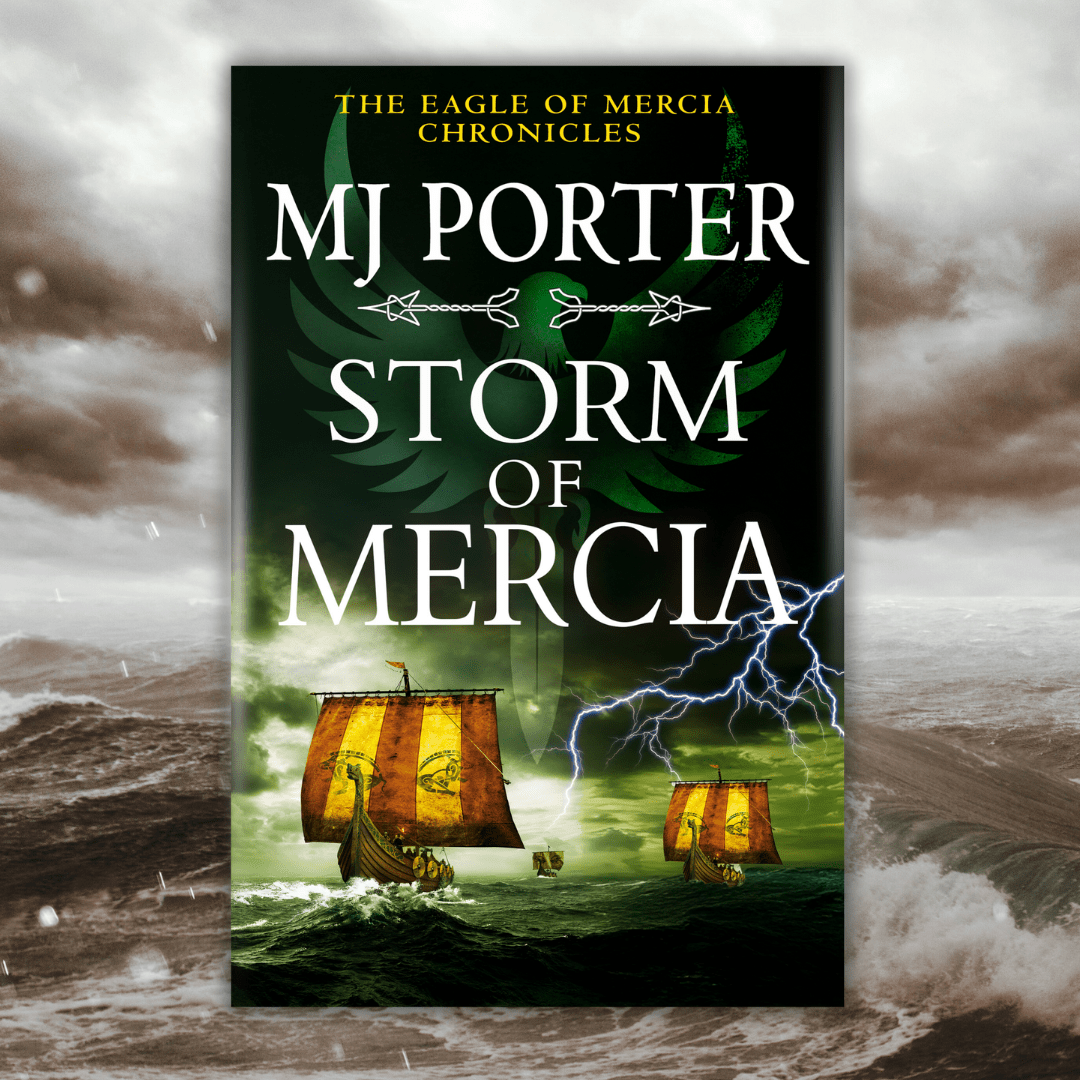
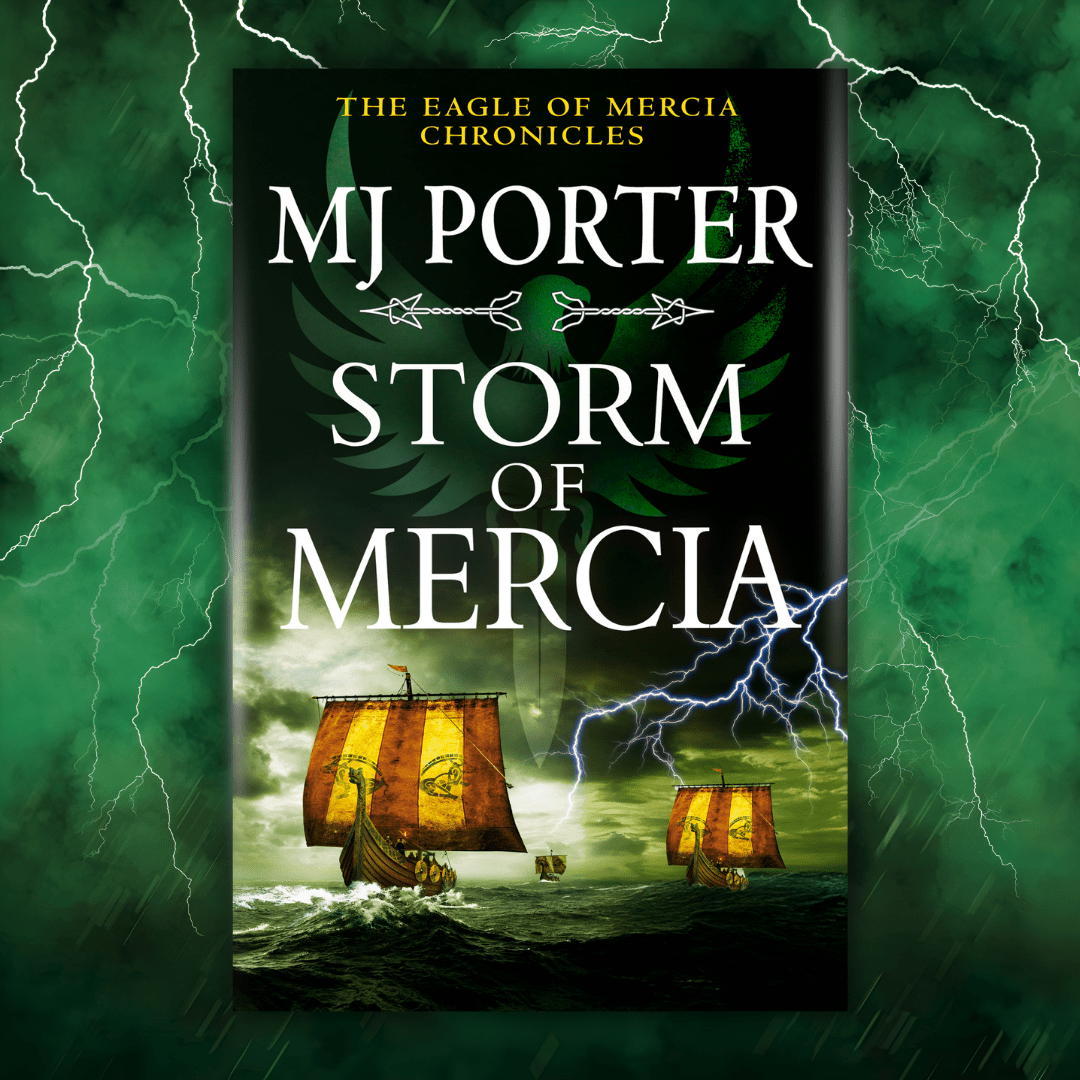
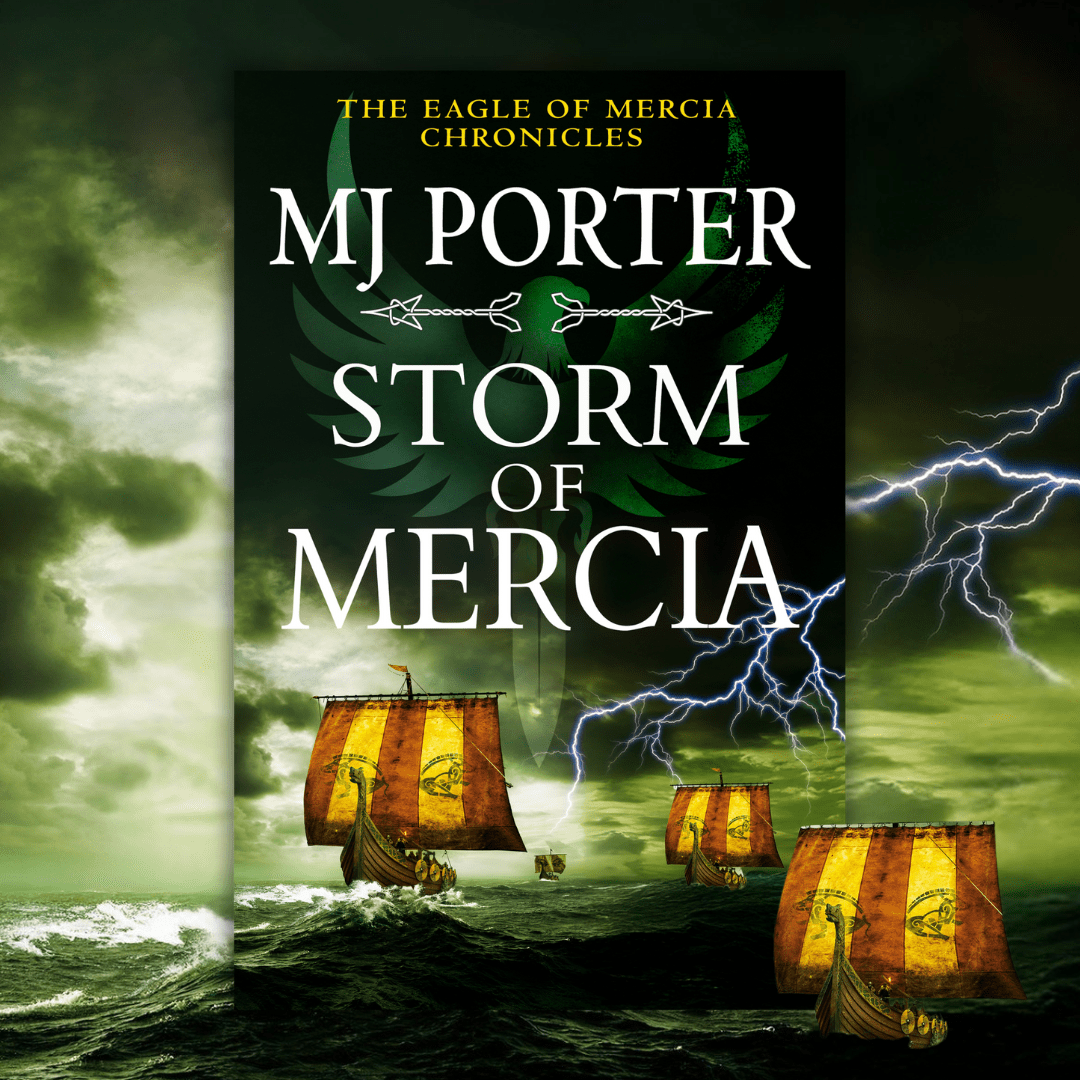
Forthcoming releases for 2026 will be Lords of Iron, Storm of Merica, the new House of Mercia in August, and the second one later in the year. I also hope to write a mystery or two, and I want to finish my November 2025 project about events after The Last King.
So, in 2025, I wrote five novels, give or take 20k or so on some of them, Shield of Mercia, Lords of Iron, Storm of Mercia, The Secret Sauce and The Barrage Body (I’m not counting the House of Mercia book, although perhaps I should, as it is over 70k). (Click the book covers for links to purchase/preorder).
As ever, a huge thank you to all my wonderful readers who allow me to spend my time with my characters. It is a privilege. That said, 2025 has been a tough year in terms of sales (as well as other life related items). Do support your favourite authors in anyway you can. It’s not nice in the publishing world right now and lots of people are worried about the future.
I’ve also been getting new covers for some of my older books throughout 2025, and some titles are now available from platforms other than Amazon. Enjoy.
If you want to follow my writing journey, join my newsletter. I update readers each month on what I’m doing, and it also gives you access to my Exclusive Subscriber page on the blog. And, you will also be able to download a copy of my title, Mercia, a compendium of all things related to the Tales of Mercia. There might be some short stories in there, too (as well as a sneak peek at my new project). And if you’d like a signed copy of one of my books, then visit my online store.

2025 has been a challenging reading year for me. I’ve failed to hit my reading target of 100 books (although I’m not worried about that because hey, it’s just a bit of fun to even set a target), and there have been a few months where I barely read anything at all because ‘life’ got in the way. I’ve also noticed this year that my reading preferences have changed, moving even more towards mysteries and away from my writing genre of action and adventure historical fiction. I have also, however, joined my local book club, and so I’m reading one book each month to discuss in the group, and this means I’m not necessarily always reading books I would usually choose. This has been a bit of an eye-opener. In our book club, we do read the books, and we do talk about them. If you can find a book club like that, then I highly recommend it. It’s a great experience.
Goodreads (and The Storygraph) tell me I’ve read 82 books this year (as a point of note, I don’t usually put my audiobooks on multiple times (I listen to the same few audiobooks at night to help me sleep and I am almost word perfect on some of them these days)). As last year, I’ve not included my own books in this, which get read repeatedly while writing and editing.
My most read category (a third of all books) has been historical mysteries – (some of these might also be classified as cosy). I’ve read anything from The Rush by Beth Lewis, about the dash to Dawson City to mine for gold at the end of the nineteenth century, to Desolation by Keith Moray (set in the 1300s) and Monstrous Murder by Elizabeth R Andersen (also set in the aftermath of the Black Death) to a huge collection of early twentieth century mysteries, including Michelle Salter’s new series, Murder in Trafalgar Square. I think my favourite (and most surprising read) was The Bookseller of Inverness by SG MacLean (our first book club read, and my recommendation (there were opinions about it – which was brilliant – and I would warn it certainly helps if you know something about the Battle of Culloden and its aftermath). Click on the images to visit the reviews (if I’ve reviewed on the blog).
Behind historical mysteries in my reading year are just plain old contemporary mysteries. Again, some of these are also cozy reads. I don’t like my murder mysteries to be too graphic (when I was much younger, I read all the Scarpetta and Jonathan Kellerman novels and freaked myself out), and I’ve discovered that my preference is for a style known as ‘police procedural’ even when there are no police involved. I started the year with Death on Ice, which was a slow build but delightfully engaging, and ended with the equally brilliant The Retired Assassin’s Guide to Orchid Hunting – a fabulous New Zealand-based mystery (I’m going to read book 1 now), and Simon Whaley’s Flaming Murder (reviews to follow for these two books in Jan 2026). I also discovered Antony Johnston’s lovely Dog Sitter Detectives Series. These are such great books – quick reads but with compelling mysteries.
You can also check out my three favourite reads of 2025 over on Shepherd.
I do want to give a huge shout out to Kalahari Passage (which I’m classifying as historical fiction as its set in the 1960s (I think). This is a beautiful story, if sometimes a hard read. Do check it out.
What I’m classifying as thrillers came next – from the new Harlan Coben to the rather brilliant Dolos by a debut author, LH Fox, which almost had me understanding how cryptocurrency works, and is also my most visited review on the blog.
Six titles were historical romance. Jane Dunn, Melissa Addey and Susanna Dunlap all kept me entertained with their Regency romances, while The Ladies Road Guide to Utter Ruin could also be classified as a Regency romance, but I’ve popped it into the historical mystery category, as it certainly crosses over more into a mystery with the romance element in the background. (If you’ve not read Alison Goodman’s Dark Days Club books, then you’re missing a treat, my Regency fans – a hint of fantasy in the Regency era – what is not to love (still not convinced – I would compare it with Cassandra Claire’s Victorian trilogy).
I also read a couple of romance novels (one for Book Club) and certainly enjoyed some more than others:)
I didn’t read (or at least finish) many non-fiction titles in 2025 (I am still reading Max Adams’ Mercian Chronicles and I have his new title on Northumbria to read as well). My only complete historical non-fiction title for the year was that by Amy McElroy on Mary Tudor – a great depiction which I found very inspiring. Mary is so often overlooked.
The title I enjoyed the most out of the other non-fiction reads was You Know the Drill, an account of a dentist’s life. I made myself read it because I’m so terrified of the dentist. Has it helped? Maybe.
I also read a writing guide, which I enjoyed. It’s always intriguing to discover how other people write their stories. Check out Planning the Perfect Plot.
I’ve also half-read many other titles (apologies to those authors). Hopefully, I’ll get back to them when I have time in 2026. Every year I explain I’m a ‘mood’ reader, and if something isn’t working for me at that moment, it doesn’t mean I won’t come back to it when I fancy something different.
One genre I’ve really neglected is fantasy (aside from the Discworld audios), although I have managed a few short story collections (reviews to follow). I will need to get back to it. I have a few series I need to finish. Maybe the problem is, I don’t want to finish them. We shall see.
Our local book club started in August 2025, and so far we’ve read four very different titles. The Bookseller of Inverness was my choice, and I’m slowly gathering all of Shona’s other titles, including her new release for Feb 2026. Next, we tried Joanne Harris’ Five Quarters of the Orange (which I didn’t like for very different reasons to the ones I thought when I started reading). We then tried The Christmas Postcards by Karen Swan, and most agreed the one element of the story was much better than the other. We ended the year with Before I Go to Sleep by SJ Watson – a novel that was incredibly slow, with something of a predicatable ending (and no, I hadn’t seen the movie). I’m excited to see what we read in 2026. And as you can see, there’s a great variety of titles there. When it’s my turn to pick again I will be championing some of my fellow indie/Boldwood authors.
Here’s to 2026 and all the reading I hope to enjoy.
I read a lot of books by my fellow Boldwood authors, and I’m also a host for a couple of blog tour organisers. This means I often get to read books before everyone else. Yay.
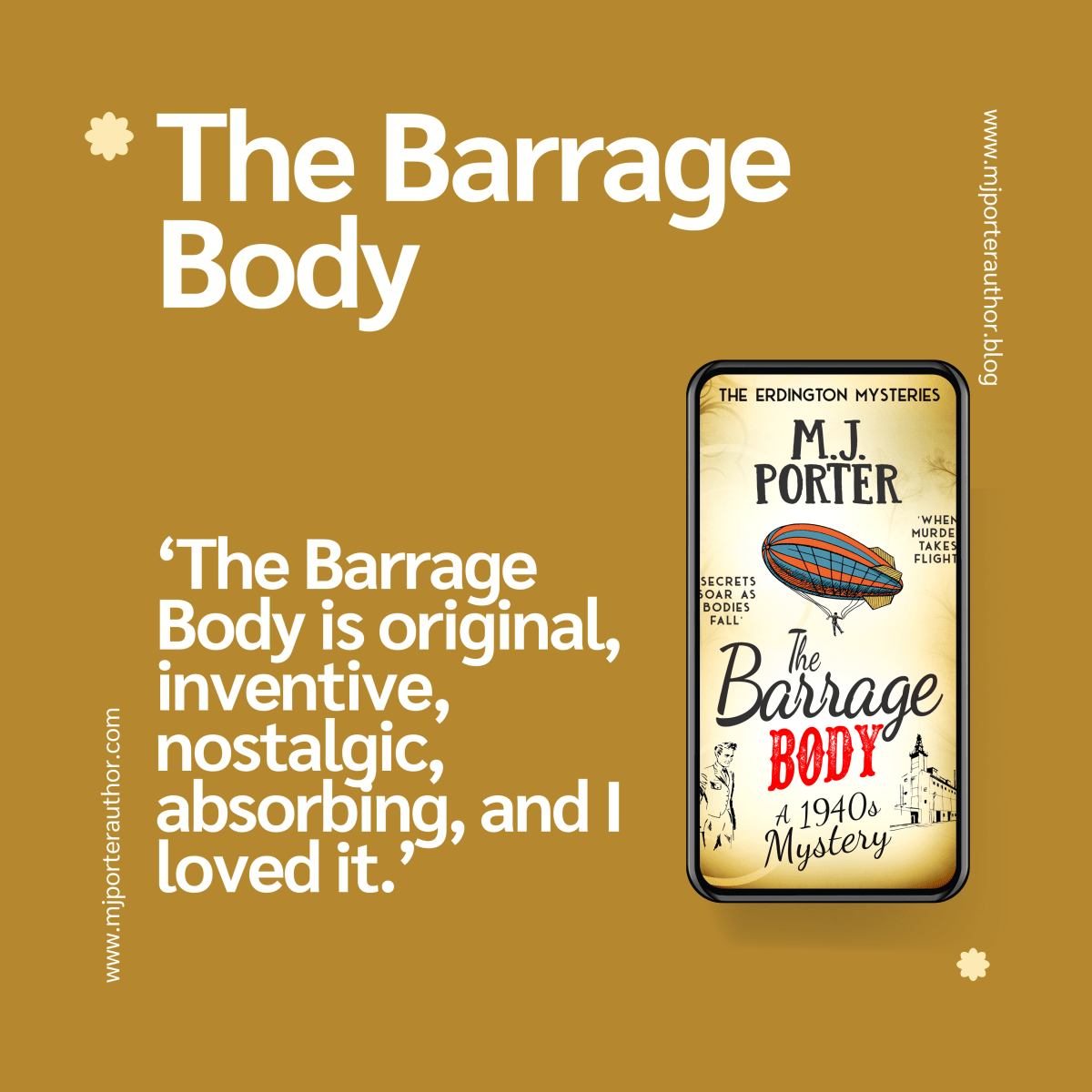
The inspiration for The Barrage Body, book 4 in The Erdington Mysteries (and why this isn’t quite the book I thought it would be) #histfic #mystery
Why did I write The Barrage Body?
I’ve not been quiet about explaining how hard I found The Barrage Body to ‘solve.’ I don’t think I’ve been restrained in explaining why either. Which brings me to the inspiration behind this latest mystery set in the 1940s.
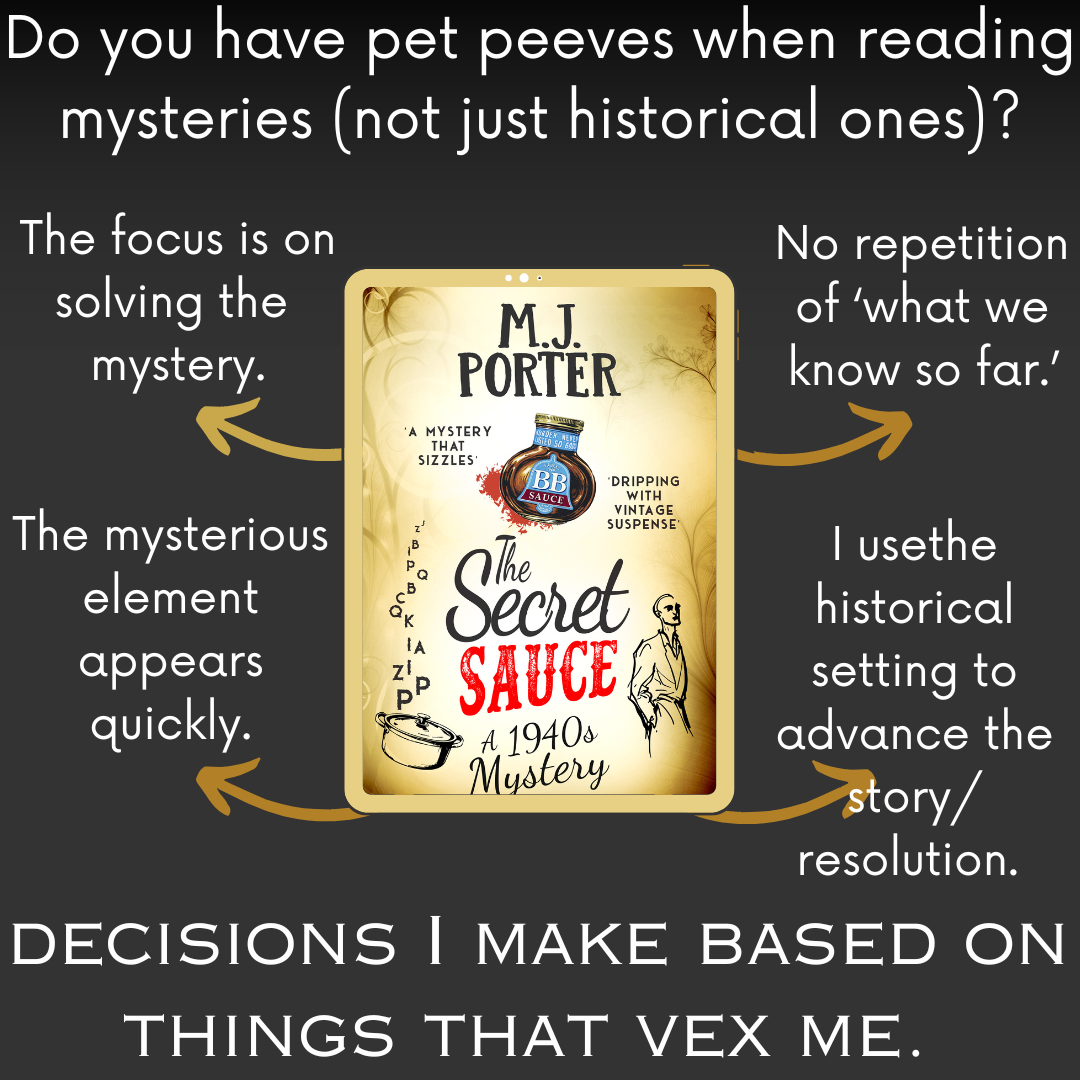
When I finished writing The Secret Sauce, I was sure there was more ‘mystery’ to solve (if you’ve not read it yet, don’t be put off, the mystery is solved in the book, this is more a background element). I checked with a few advanced readers, and their response was reassuring, ‘We just thought you’d get to that in the next book.’ And this was absolutely my intention.
BUT, well, the huge BUT is that after I’d started writing the book, my research led me down a very different path. My intention was to base the fourth book at the Fort Dunlop/Dunlop Rubber Company factory. I found a lot of aerial photographs and a book about memories of working at the factory, and all seemed good. Only then did I discover the barrage balloons. The resource I consulted said they had been situated at Fort Dunlop, or at least one of them had (I am now not quite so sure, but it was too late). So, the original title went out the window, and the story changed quite a bit. The barrage balloons, constructed by Dunlop, although at a different factory, were just too enticing, and so the story veered away from my original intention. It veered so much that I eventually realised I had two halves of two very different stories. My mystery (and you should all know I don’t plan them – if that wasn’t already obvious enough) couldn’t be solved. GRRRR.
Fort Dunlop (a still from one of the PATHE recordings)
So frustrated was I, that I had to put an almost complete manuscript to one side for a month and write something else. I didn’t even think about the book during that month. I was very cross with myself. Eventually, I realised what had to be done (but it was not a single lightbulb moment, but rather many of them) and the mystery became solvable. So, while my inspiration was to base this mystery at another Erdington staple, the Fort Dunlop site, it was even more inspired by the barrage balloons that were flown during WW2 to act as a deterrent to enemy aircraft. Curious, you can watch a fabulous video over on the PATHE website https://cutt.ly/NtpYVUD8.
Chief Inspector Mason of Erdington Police Station is summoned to the Dunlop Rubber Company by an irate Mrs Adams from the Buying Department on a cold Tuesday morning in December 1944.
No sooner have he and O’Rourke managed to uncover the cause of Mrs Adams’ telephone call to the police station, than events take a far more chilling turn than the rogue situation’s vacant advertisement first alluded. It might just be that they’re in the right place at the right time to prevent a terrible tragedy. Or are they?
As the barrage balloon threatens to break free from its winch truck in the terrible wind, Sam Mason makes a most unwelcome discovery. Who killed the man, but more importantly, how did he end up, roped to the barrage balloon? And with the WAAF denying their involvement, how was the barrage balloon even floated? What does it all mean? And when they discover the secret tyre formula from the Testing Department has also been stolen, Sam starts to fear there is even more at stake.
Join Mason and O’Rourke for the fourth book in the quirky, historical mystery series, as they once more attempt to solve the impossible in 1940s Erdington.
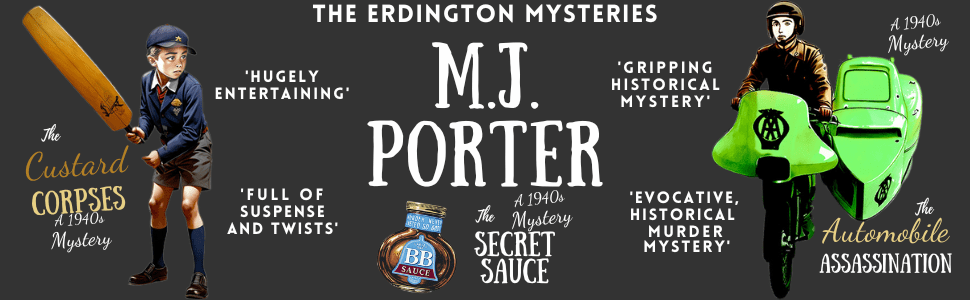
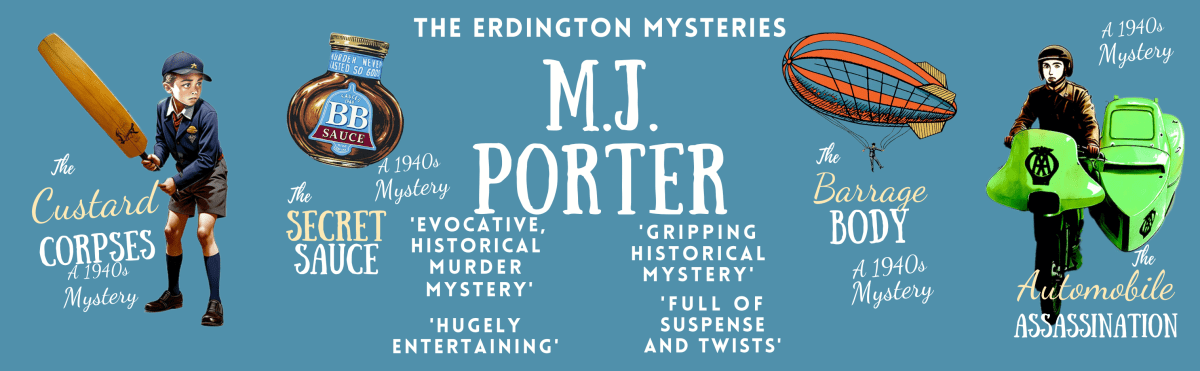
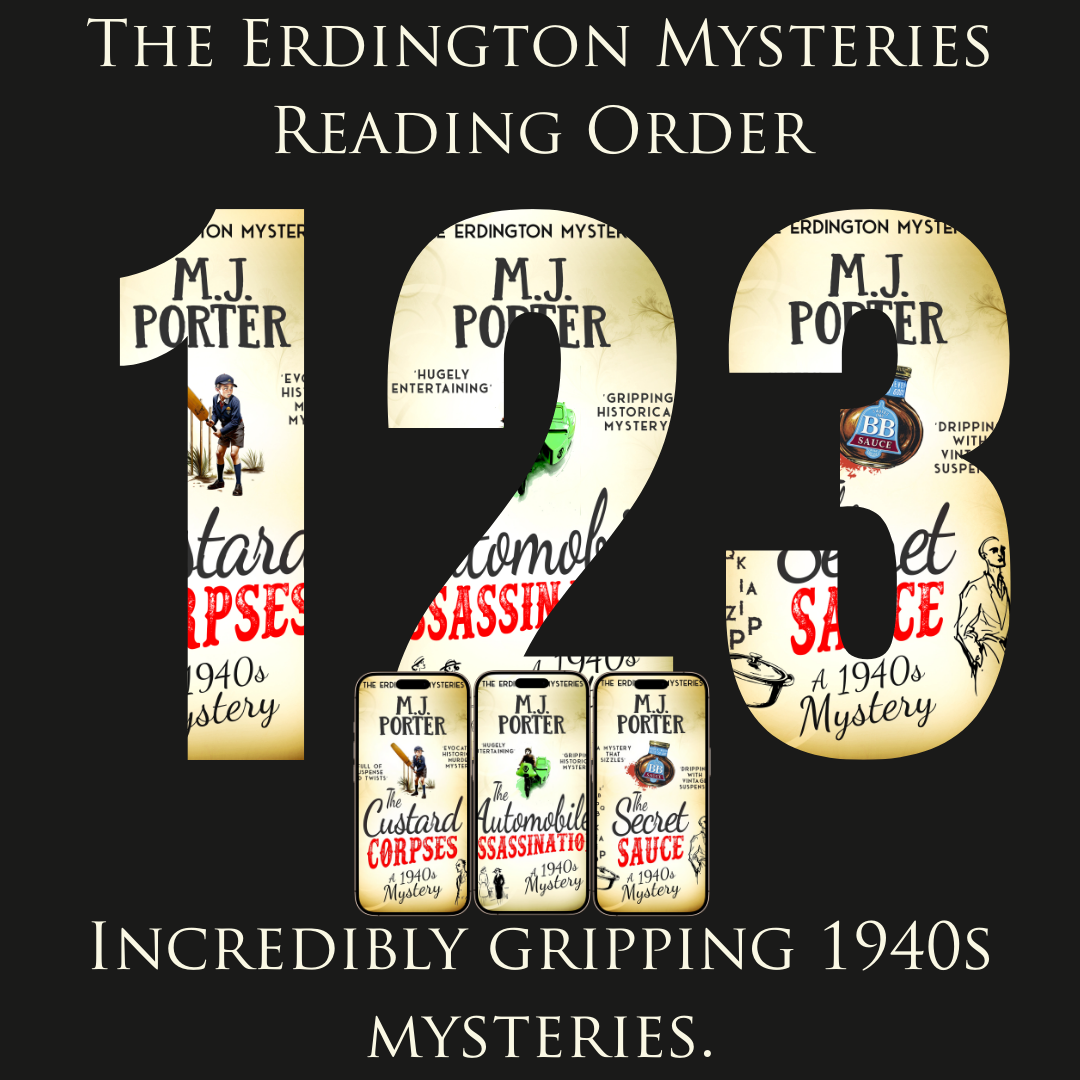
Buy The Custard Corpses here, available in ebook, paperback, hardback and audio. Or, check out the signed editions page to get a copy directly from me. Book 3, The Secret Sauce, is available now, (as is book 2, The Automobile Assassination).
Chief Inspector Mason of Erdington Police Station is summoned to the Dunlop Rubber Company by an irate Mrs Adams from the Buying Department on a cold Tuesday morning in December 1944.
No sooner have he and O’Rourke managed to uncover the cause of Mrs Adams’ telephone call to the police station, than events take a far more chilling turn than the rogue situation’s vacant advertisement first alluded. It might just be that they’re in the right place at the right time to prevent a terrible tragedy. Or are they?
As the barrage balloon threatens to break free from its winch truck in the terrible wind, Sam Mason makes a most unwelcome discovery. Who killed the man, but more importantly, how did he end up, roped to the barrage balloon? And with the WAAF denying their involvement, how was the barrage balloon even floated? What does it all mean? And when they discover the secret tyre formula from the Testing Department has also been stolen, Sam starts to fear there is even more at stake.
Join Mason and O’Rourke for the fourth book in the quirky, historical mystery series, as they once more attempt to solve the impossible in 1940s Erdington.
Buy The Custard Corpses here, available in ebook, paperback, hardback and audio. Or, check out the signed editions page to get a copy directly from me. Book 3, The Secret Sauce, is available now, (as is book 2, The Automobile Assassination).
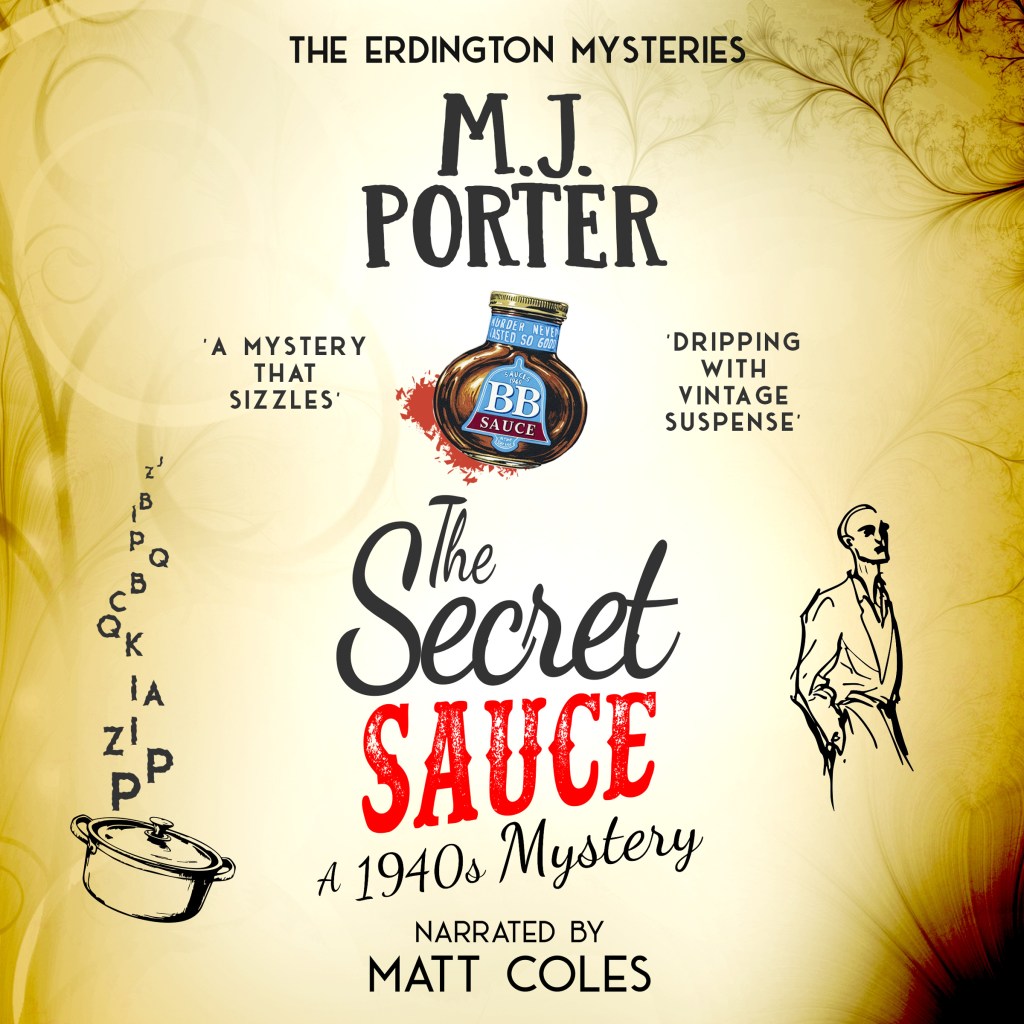
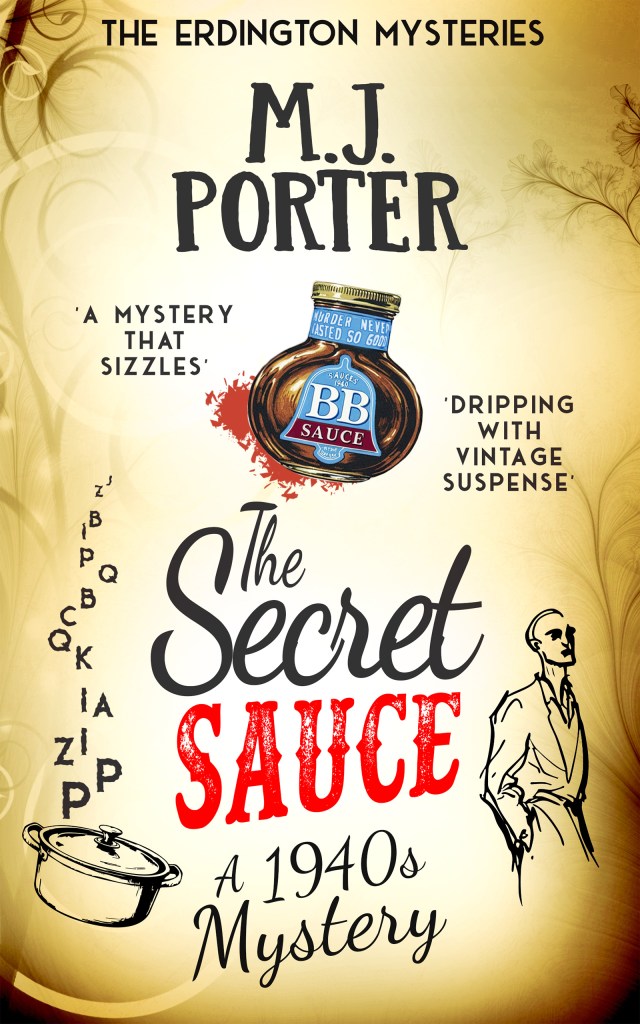
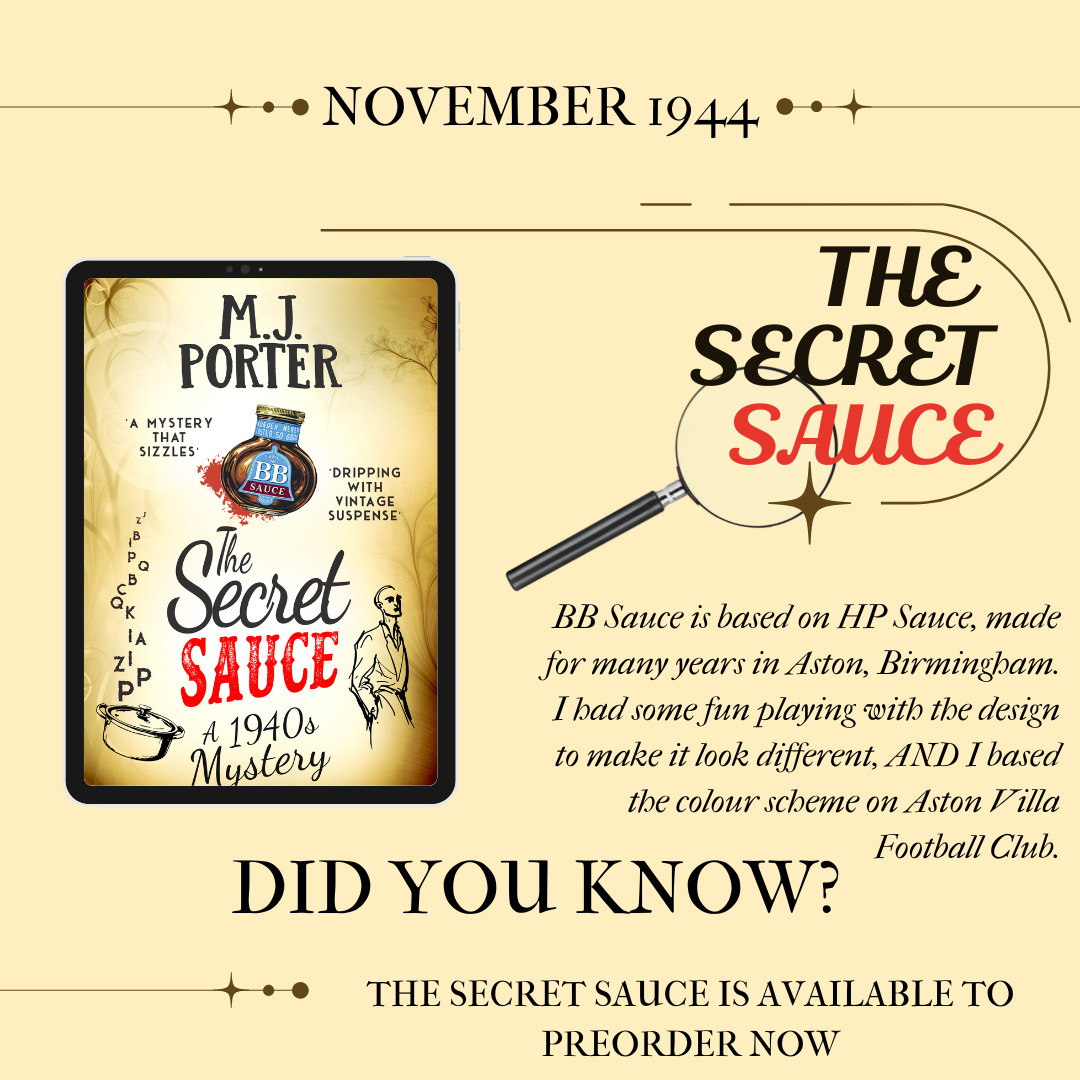
The Secret Sauce is on blog tour with Rachel’s Random Resources hosts. Check out the reviews, blog posts and Q & As below #histfic #historicalmystery
Here’s the blurb
Birmingham, England, November 1944.
Chief Inspector Mason of Erdington Police Station is summoned to a suspicious death at the BB Sauce factory in Aston on a wet Monday morning in late November 1944.
Greeted by his enthusiastic sergeant, O’Rourke, Sam Mason finds himself plunged into a challenging investigation to discover how Harry Armstrong met his death in a vat containing BB Sauce – a scene that threatens to put him off BB Sauce on his bacon sandwiches for the rest of his life.
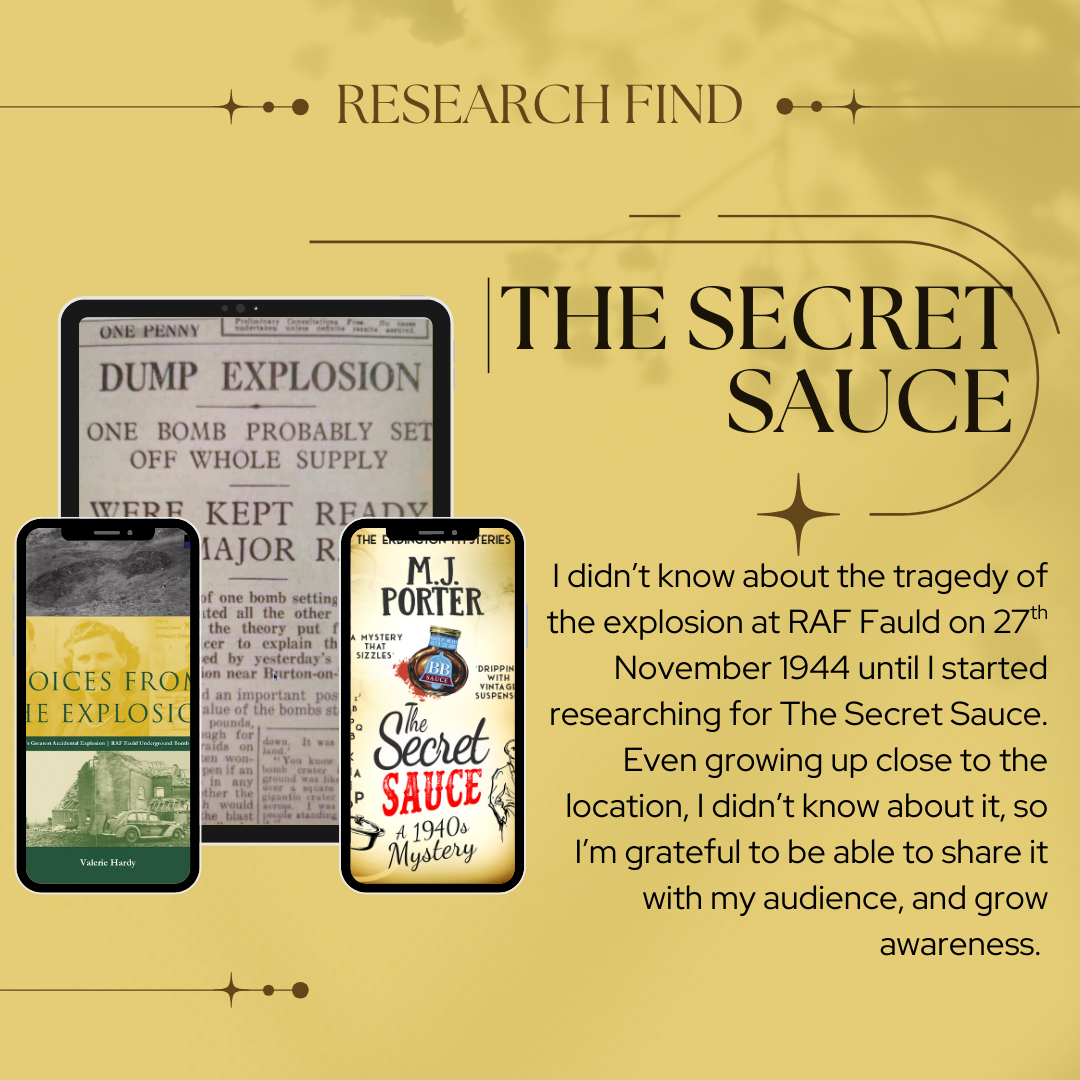
Together with Sergeant O’Rourke, Mason follows a trail of seemingly unrelated events until something becomes very clear. The death of Harry Armstrong was certainly murder, and might well be connected to the tragedy unfolding at nearby RAF Fauld. While the uncertainty of war continues, Mason and O’Rourke find themselves seeking answers from the War Office and the Admiralty, as they track down the person who murdered their victim in such an unlikely way.
Join Mason and O’Rourke for the third book in the quirky, historical mystery series, as they once more attempt to solve the impossible in 1940s Erdington.
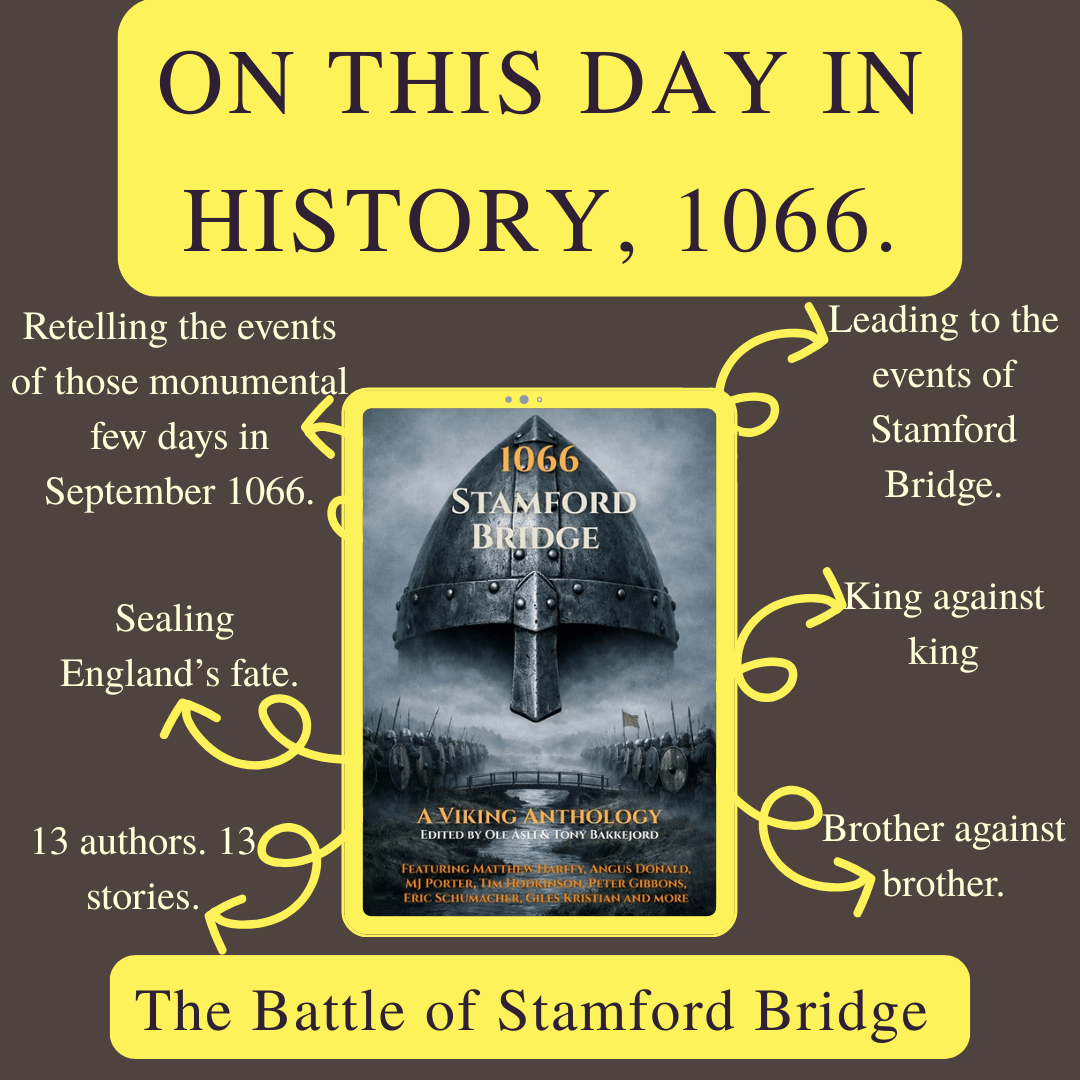
On this day in history, The Battle of Hædfeld #nonfiction #histfic #Saxon
The Battle of Hædfeld, 12th October AD632 or 633
Not to give too many spoilers, but below is an account of the battle of Hædfeld on 12th October AD632 or 633 (there is a little bit of confusion surrounding the year and indeed the date due to a belief Bede may not have started the years as we would do).
The Words of Bede from ‘The Ecclesiastical History of the English People’
“EDWIN reigned most gloriously seventeen years over the nations of the English and the Britons, six whereof, as has been said, he also was a servant in the kingdom of Christ. Cadwalla; king of the Britons, rebelled against him, being supported by Penda, a most warlike man of the royal race of the Mercians, and who from that time governed that nation twenty-two years with various success. A great battle being fought in the plain that is called Heathfield, Edwin was killed on the 12th of October, in the year of our Lord 633, being then forty-seven years of age, and all his army was either slain or dispersed. In the same war also, before him, fell Osfrid, one of his sons, a warlike youth; Eanfrid, another of them, compelled by necessity, went over to King Penda, and was by him afterwards, in the reign of Oswald, slain, contrary to his oath.”
Bede, a Northumbrian monk writing a hundred years after the events, was no doubt dismayed that his holy (but only recently converted to Christianity) king, Edwin, was killed by a coalition raised against him, one of whom, Penda, was a pagan. Penda was to cause no end of problems for the Northumbrian kingdom, and its two constituent parts, Bernicia (roughly what we now think of as Northumberland) and Deira (centred around York). It is quite astounding to realise how many people Edwin upset, for it wasn’t just Penda and Cadwallon (believed to have been Edwin’s foster-brother and now king of one of the Welsh kingdoms) who joined the battle. There were many, many people with an axe to grind against Edwin, from the furthest reaches of Britain (check out this post about politics in the seventh century). Yet, victory never seems to have been assured. The two coalitions were almost perfectly poised against one another.
I find the date of the battle quite fascinating. October. Somewhere near Doncaster, on the banks of the River Don (or so it’s been believed for a long time – this might be being reappraised even as I type this). It would, undoubtedly, have been far past what we consider the ‘prime’ time to be battling. Not yet winter, but summer would undoubtedly have been behind them. It was also a long way from home for the alliance arranged against Edwin, in territory belonging to Edwin. I can’t help thinking he should have had the advantage. But that was most certainly not the case at the end of the day.
I’ve said before, and I’ll repeat it again, as much as we look at this period and see bloody warfare, what we’re really looking at is family politics played out with sword, seax, shield and spear. Edwin was Cadwallon’s foster-brother. Edwin’s son turned on his father and allied with the ‘enemy.’ One of those who joined the alliance against him was his nephew (Edwin’s sister’s son). Edwin had killed his father to become king and he was living in exile. The coming decades saw constant unease between Mercia and Northumbria, which erupted into full-blown war on two subsequent occasions, at Maserfeld in 641/2 (close to the Welsh border) and Winwæd in 655 (again, believed to be somewhere vaguely in the ‘north’ of England, and this time in November!). The ebb and flow of battle undoubtedly categorised these men (and women). While Bede portrays events with religious connotations (for he is writing an eccelsiastical history) it is much more likely family dynamics were at play with their attendent treachery, betrayal and sometimes, more rarely, loyalty.
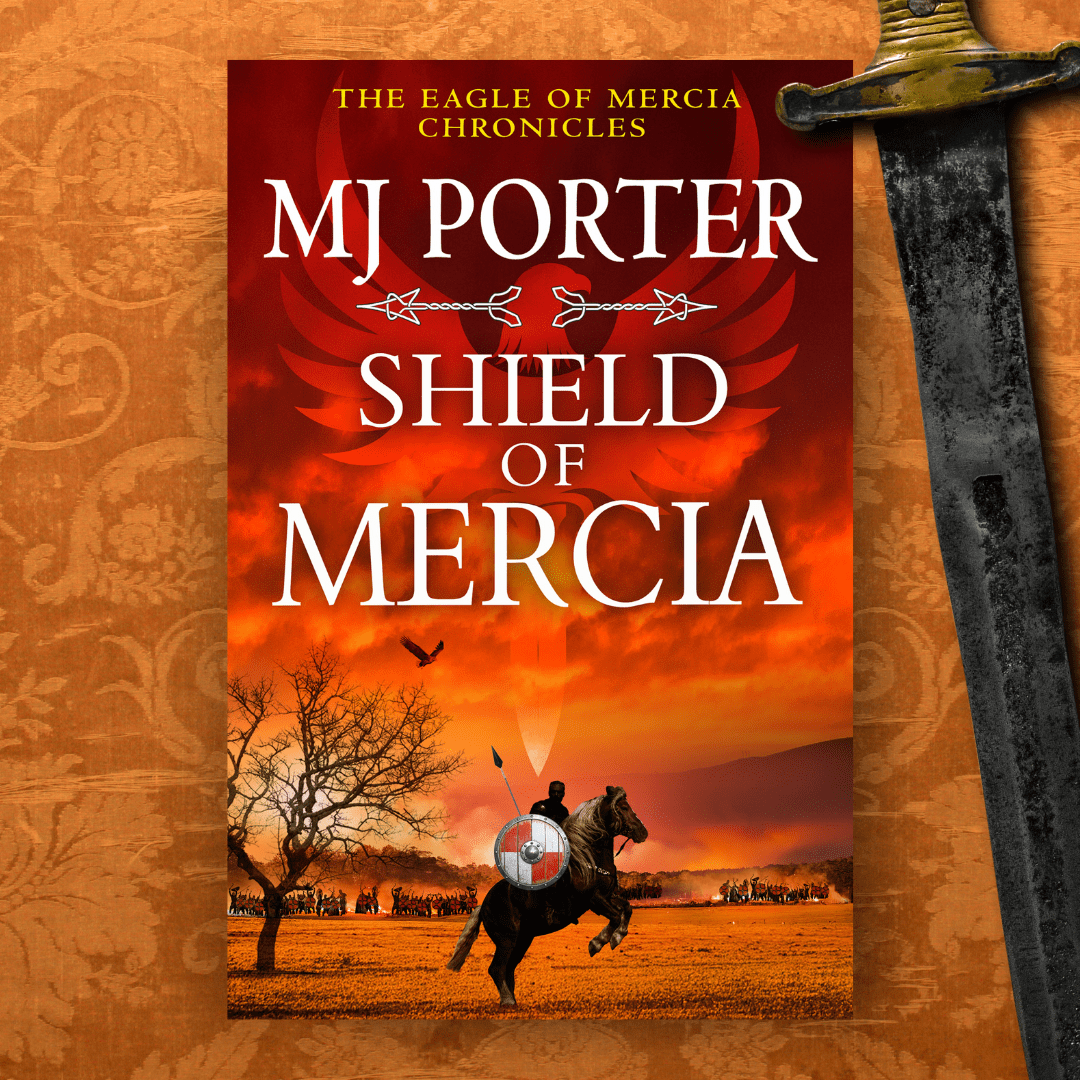
Shield of Mercia has been out for a week. Here’s what the blog tour hosts had to say about the latest book featuring young Icel #newrelease #histfic #TheEagleofMerciaChronicles #audio
A huge thank you to Rachel and the blog hosts.
Here are the links to the complete reviews.
Being a reviewer is a lot of fun, it’s also a lot of work and takes a great deal of planning. I’m always so grateful to those who take a chance on my books. It can sometimes be a step into the unknown.
Mercia is triumphant. Her king is safe. But Wessex was never Mercia’s only enemy.
Tamworth, AD836
Following a brutally cold winter, King Wiglaf of Mercia is in the ascendancy. Even Wessex’s Archbishop of Canterbury extraordinarily ventures to Mercia to broker a religious accord. But, can the hard-won peace prevail?
Viking raiders threaten Wessex. These blood-thirsty warriors are fast, skilful and have no reticence about killing those who stand in their way. Their aim isn’t to rule but to overwhelm, slaughter and take ill-gotten wealth.
King Wiglaf is no fool. As the Vikings push to overwhelm Wessex, Mercia’s lands look insecure. King Wiglaf needs the shields of Mercia’s warriors to prevent the overwhelming advancement of their deadliest enemy yet.
To save Mercia, Icel must first prevail over the two men who mean to end his life; King Ecgberht of Wessex and his son, Æthelwulf of Kent and only then the marauding Viking army for whom boundaries have no meaning.
Shield of Mercia is now available. Return to the world of young Icel, and listen to me rabbiting on, again #newrelease #histfic #TheEagleofMerciaChronicles #audio
Me doing a bad job of introducing the new book
In my defence, I am frantically trying to finish another title!
I have mentioned elsewhere that my publisher are now publishing what are known as ‘trade paperbacks’ for their titles. This is the format most of my indie titles are published in, and you can find this ‘new’ size here.
Here’s the blurb
Mercia is triumphant. Her king is safe. But Wessex was never Mercia’s only enemy.
Tamworth, AD836
Following a brutally cold winter, King Wiglaf of Mercia is in the ascendancy. Even Wessex’s Archbishop of Canterbury extraordinarily ventures to Mercia to broker a religious accord. But, can the hard-won peace prevail?
Viking raiders threaten Wessex. These blood-thirsty warriors are fast, skilful and have no reticence about killing those who stand in their way. Their aim isn’t to rule but to overwhelm, slaughter and take ill-gotten wealth.
King Wiglaf is no fool. As the Vikings push to overwhelm Wessex, Mercia’s lands look insecure. King Wiglaf needs the shields of Mercia’s warriors to prevent the overwhelming advancement of their deadliest enemy yet.
To save Mercia, Icel must first prevail over the two men who mean to end his life; King Ecgberht of Wessex and his son, Æthelwulf of Kent and only then the marauding Viking army for whom boundaries have no meaning.
It’s happy release day to Shield of Mercia. Return to the world of young Icel, and listen to the beginning of the audiobook #newrelease #histfic #TheEagleofMerciaChronicles #audio
The audiobook
The rather wonderful Sean Barrett has narrated all of young Icel’s adventures. Listen to the beginning of the audio now.
Here’s the blurb
Mercia is triumphant. Her king is safe. But Wessex was never Mercia’s only enemy.
Tamworth, AD836
Following a brutally cold winter, King Wiglaf of Mercia is in the ascendancy. Even Wessex’s Archbishop of Canterbury extraordinarily ventures to Mercia to broker a religious accord. But, can the hard-won peace prevail?
Viking raiders threaten Wessex. These blood-thirsty warriors are fast, skilful and have no reticence about killing those who stand in their way. Their aim isn’t to rule but to overwhelm, slaughter and take ill-gotten wealth.
King Wiglaf is no fool. As the Vikings push to overwhelm Wessex, Mercia’s lands look insecure. King Wiglaf needs the shields of Mercia’s warriors to prevent the overwhelming advancement of their deadliest enemy yet.
To save Mercia, Icel must first prevail over the two men who mean to end his life; King Ecgberht of Wessex and his son, Æthelwulf of Kent and only then the marauding Viking army for whom boundaries have no meaning.