Author of Saxon historical fiction and non-fiction, 20th-century historical mysteries, and Norse-inspired historical romantasy. Book reviewer and blog host.
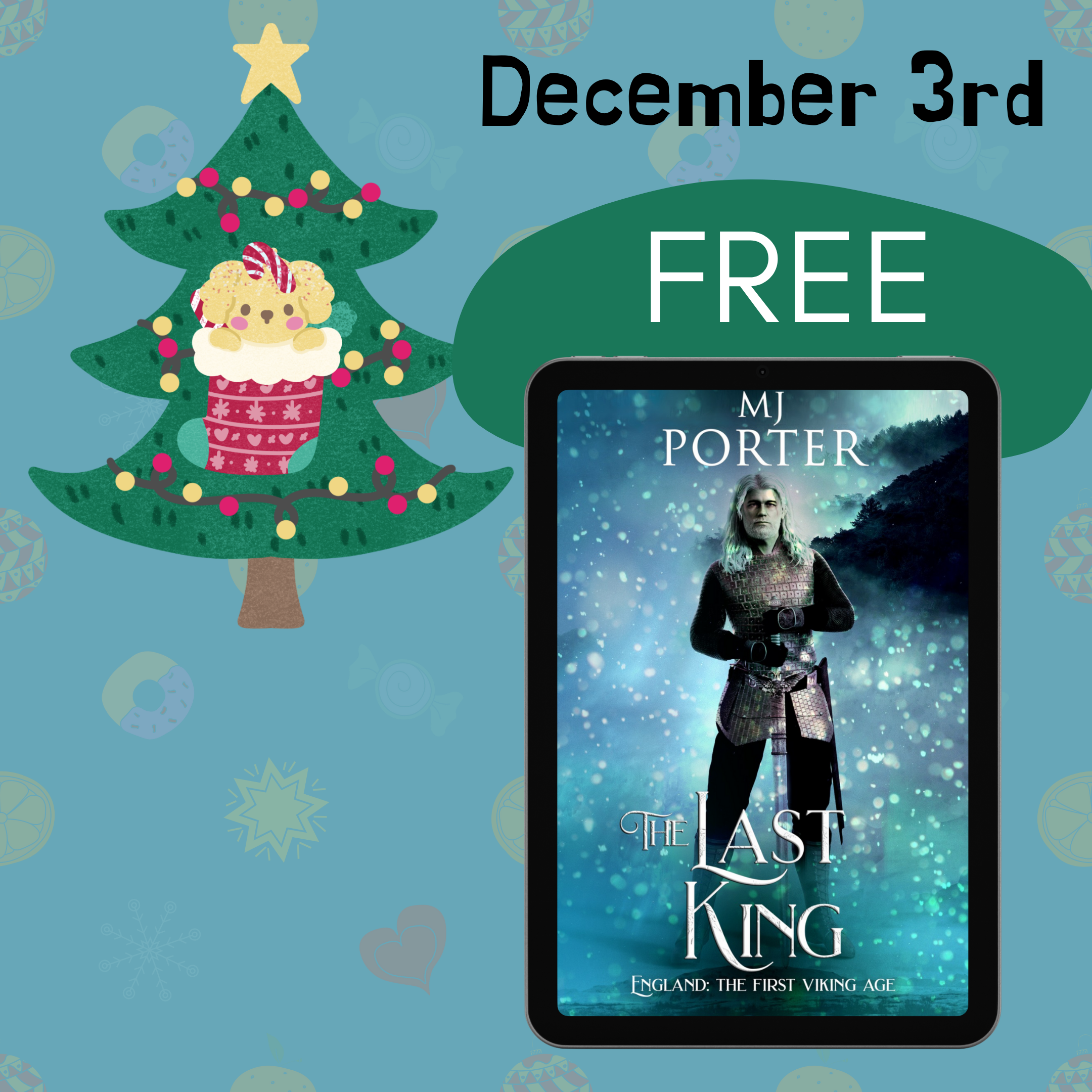
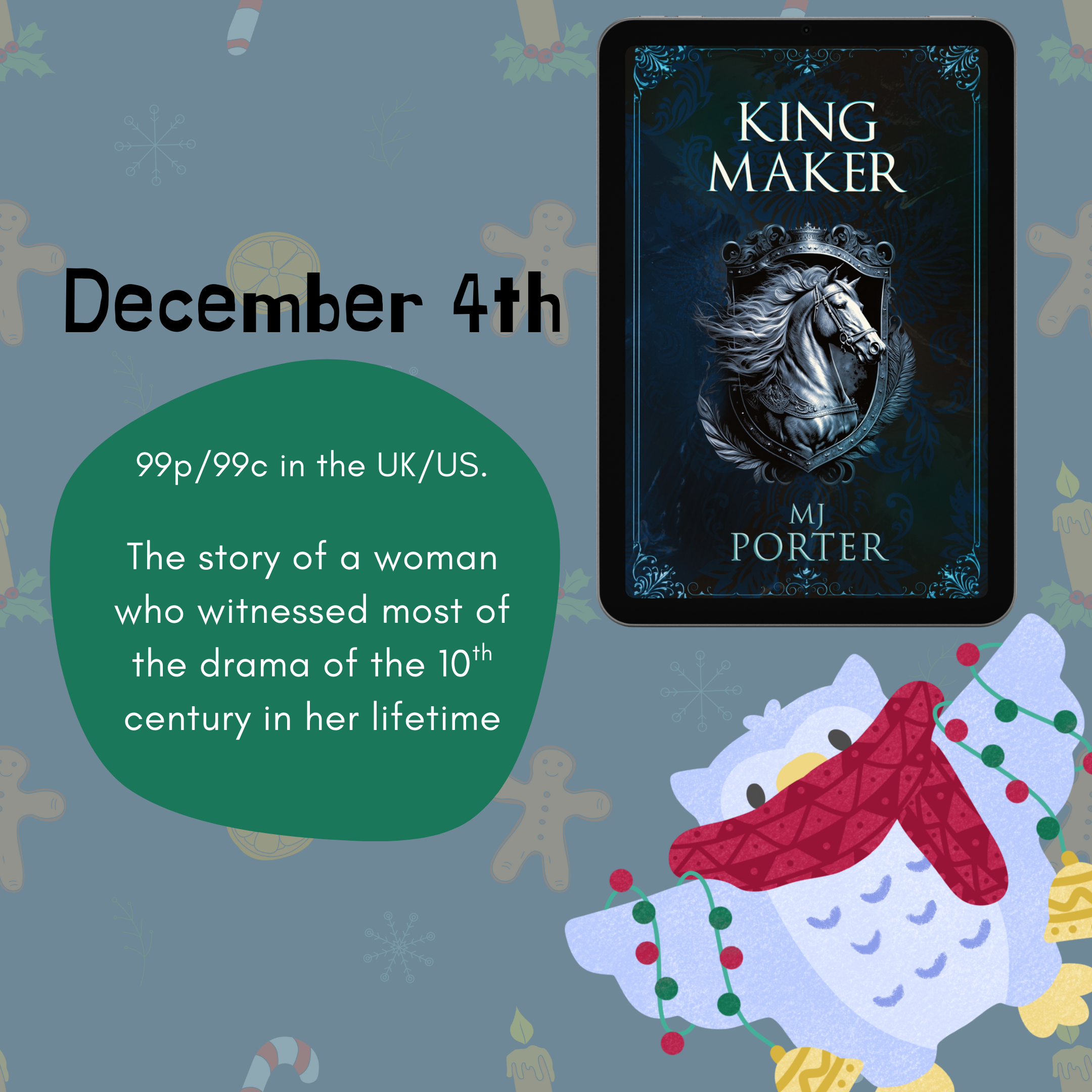
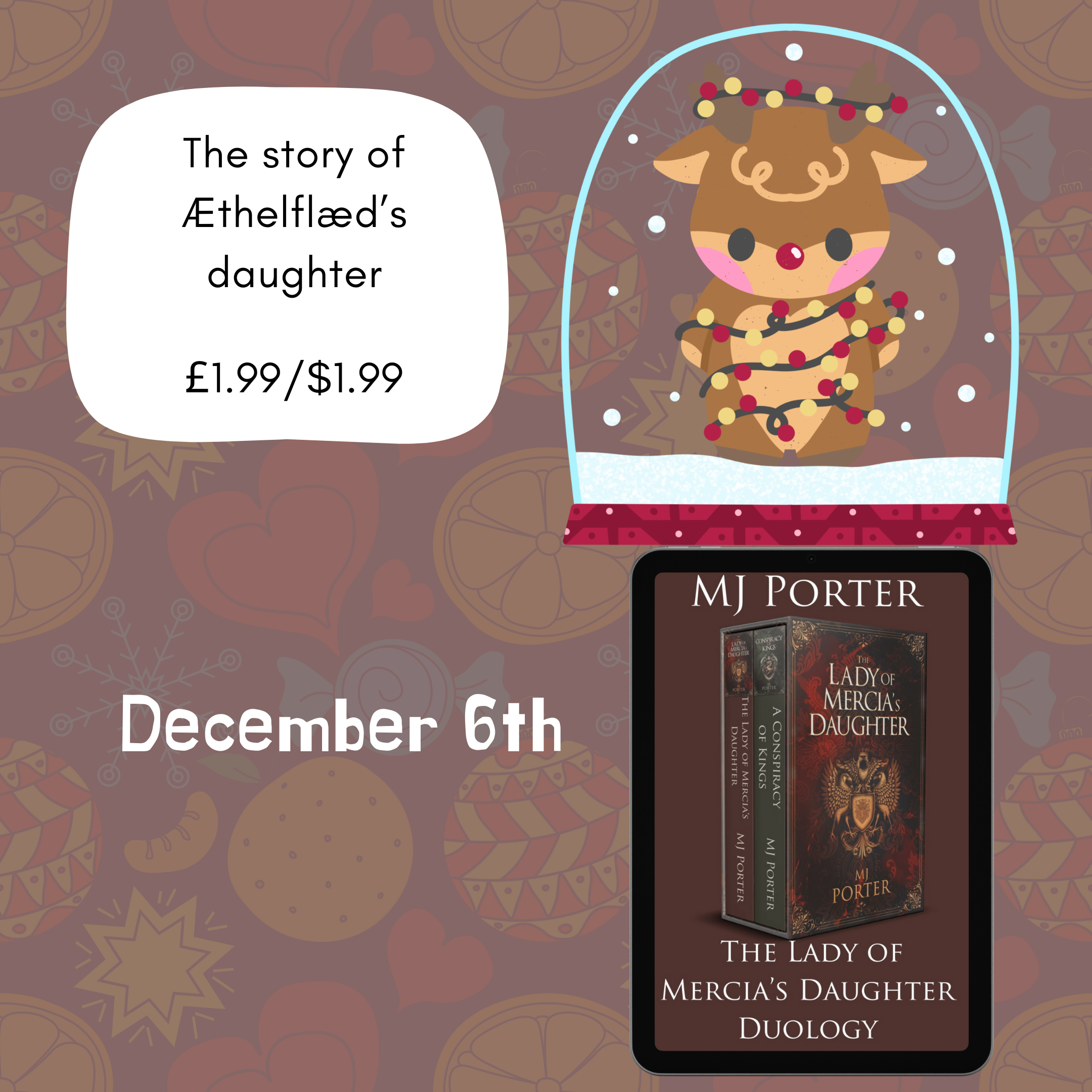
Every day a different deal, from price reductions to free books. Check out this week’s deals and remember, each deal is only for 24 hours (Kindle Countdown deals are on Amazon UK/US but FREE deals are in every territory). Click the images for a link to the books:)
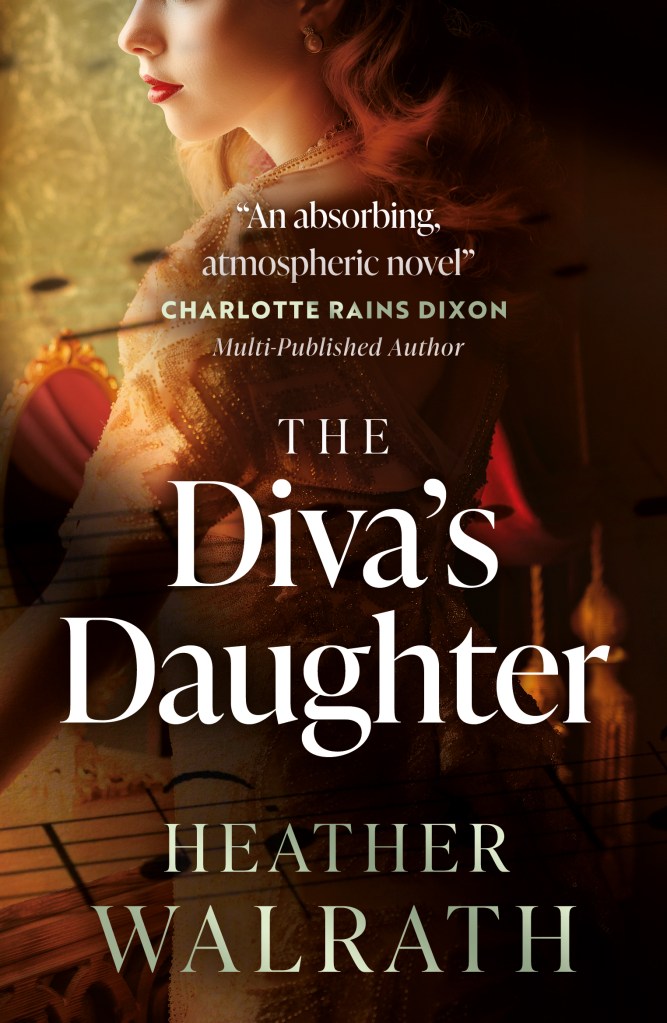
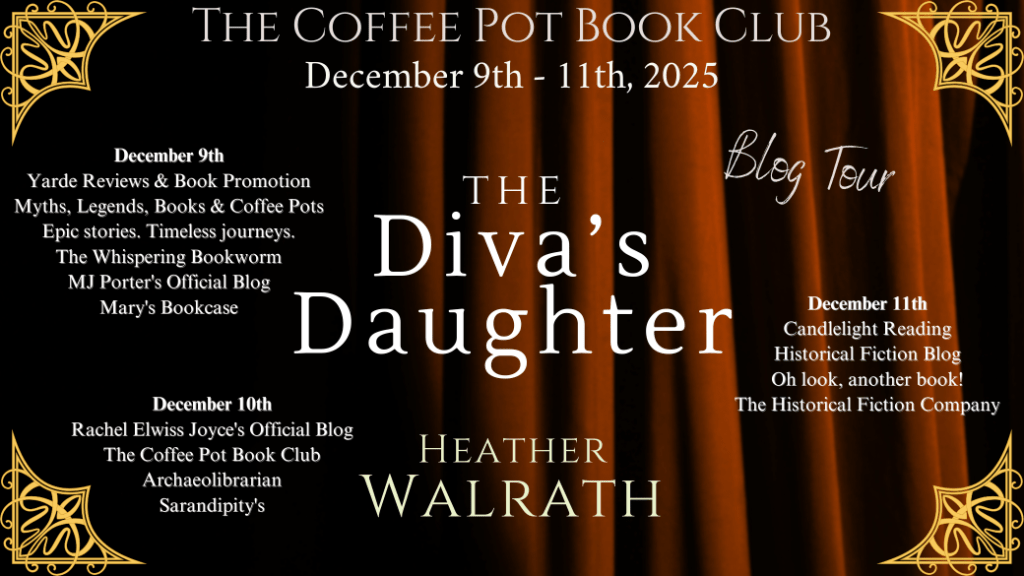
I’m welcoming The Diva’s Daughter by Heather Walrath to the blog HistoricalFiction #RomanticFiction #TheCoffeePotBookClub #BlogTour @HeatherWalrath
@heatherwalrathwrites
Here’s the blurb
Munich & Vienna, 1932.
Aspiring opera singer Angelika Eder thought she had it all — a cultured life in Vienna, along with the guidance of her glamorous mother, a world-famous soprano. But when tragedy strikes and her mother dies amidst a swirling family scandal, eighteen-year-old Angelika finds herself uprooted to Munich, where civil unrest is rife and leaders of the increasingly powerful Nazi Party seek to use her voice as propaganda.
When a figure from her mother’s past offers Angelika the chance to study and sing at an elite Viennese university, she decides to fight for her dream while evading the vile Nazis she despises. But the Nazis aren’t relenting in their demand that Angelika support their party and sing for Hitler himself. Can Angelika find her voice and stand against evil, even if it means risking not only her dreams of fame, but also the safety of herself and everyone she loves?
Any Triggers: Mentions of off-page death by suicide; grief; violence surrounding the rise of the Nazis during the 1930s; open-door love scenes
Heather Walrath is an author crafting new stories while celebrating the release of her debut historical novel, The Diva’s Daughter. Whether they are standing against evil in fractious 1930s Europe or solving a sticky bootlegging mystery in Prohibition-era America, Heather’s relatable heroines make the past accessible and engaging for modern readers.
She holds a master’s degree in publishing and a bachelor’s degree in journalism.
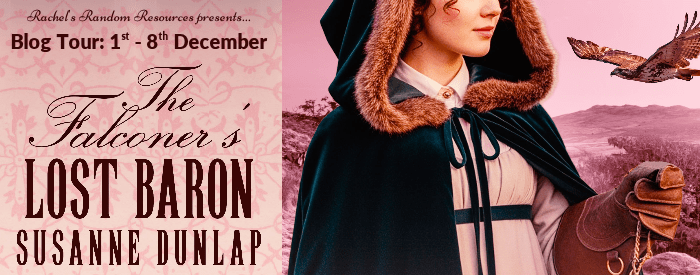
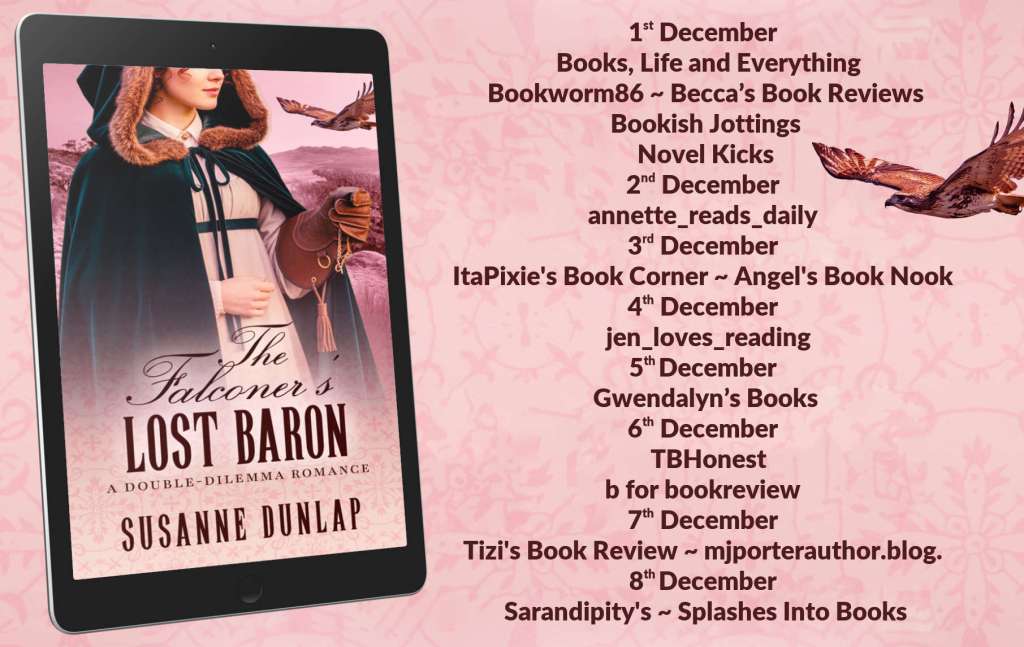
I’m welcoming The Falconer’s Lost Baron by Susanne Dunlap to the blog #blogtour #RegencyRomance #bookreview
Here’s the blurb
A sweeping Regency tale of identity, devotion, and unexpected romance.
Lady Antonella thought she knew who she was—until a shattering family secret strips her of her name, her place in society, and her future. Cast adrift in Cornwall, she finds an injured goshawk in a poacher’s net and begins to nurse it back to health. But the hawk belongs to the war-scarred Lord Atherleigh—a man haunted by loss, determined to dismantle his mews, and certainly not expecting a spirited young woman to upend his solitude.
In London, her twin sister Belinda—radiant, poised, and newly on the marriage market—has only one goal: to find a worthy match… for Antonella. But when Hector Gainesworth, a charming rogue with laughter in his eyes and secrets of his own, turns his attention to Belinda instead, her heart begins to spin in an altogether unexpected direction.
As the sisters navigate betrayal, desire, and the demands of their hearts, two men must decide whether to risk everything for love. And Antonella’s goshawk may be the wild, winged thread that binds their fates.
The Falconer’s Lost Baron is the third of Susanna Dunlap’s Regency romances I’ve read, and I’ve enjoyed all of them (see my reviews below for the previous two books). Every book offers something a little different, while still delivering on what we all expect from a Regency romance.
This new title will delight fans of the genre (there is no need to have read the previous two titles, although you will be missing a treat.)
Susanne Dunlap is the award-winning author of over a dozen historical novels, as well as an Author Accelerator Certified Book Coach in fiction, nonfiction, and memoir. Her love of history began in academia with a PhD in music history from Yale. Her novel THE PORTRAITIST won first prize in its category in the 2022 Eric Hoffer Book Awards, and was a finalist in the CIBA Goethe Awards and the Foreword Indies Awards. THE ADORED ONE: A NOVEL OF LILLIAN LORRAINE AND FLORENZ ZIEGFELD, won first place in its category in the 2023 CIBA Goethe Awards for Late Historical Fiction. Today, she lives, coaches, and writes in beautiful Biddeford, Maine.
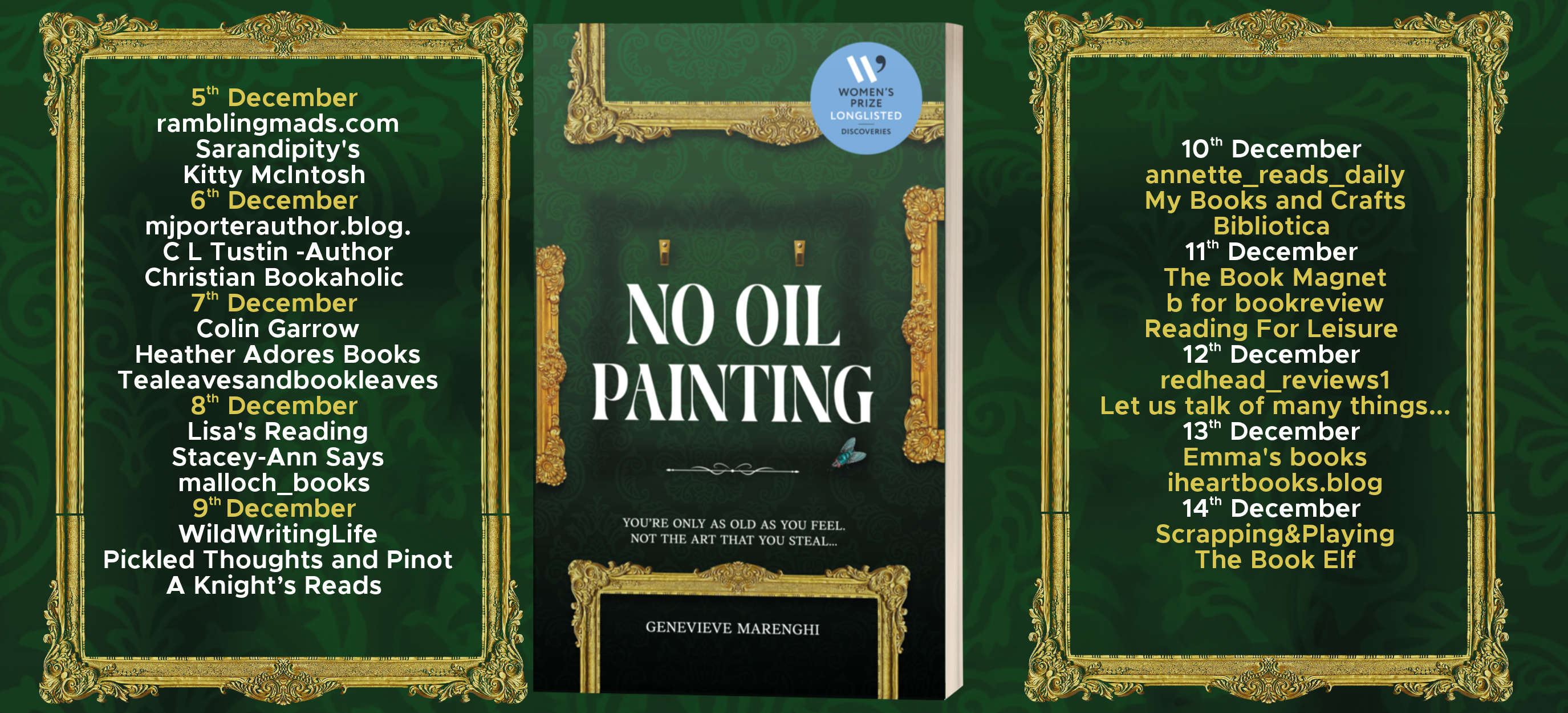
I’m sharing my review for No Oil Painting by Genevieve Marenghi #blogtour #bookreview #newrelease #giveaway
Here’s the blurb
A respectable septuagenarian steals a valuable painting and later tries to return it, with a little help from her friends.
Bored National Trust volunteer, Maureen, steals an obscure still life as a giant up-yours to all those who’ve discounted her. The novice fine art thief is rumbled by some fellow room guides, but snitches get stitches, camaraderie wins out and instead of grassing her up, they decide to help.
Often written off as an insipid old fart, Maureen has a darker side, challenging ingrained ideas of how senior citizens should behave. Her new set of friends make her feel alive again. No longer quite so invisible, can this unlikely pensioner gang return the now infamous painting without being caught by the Feds?
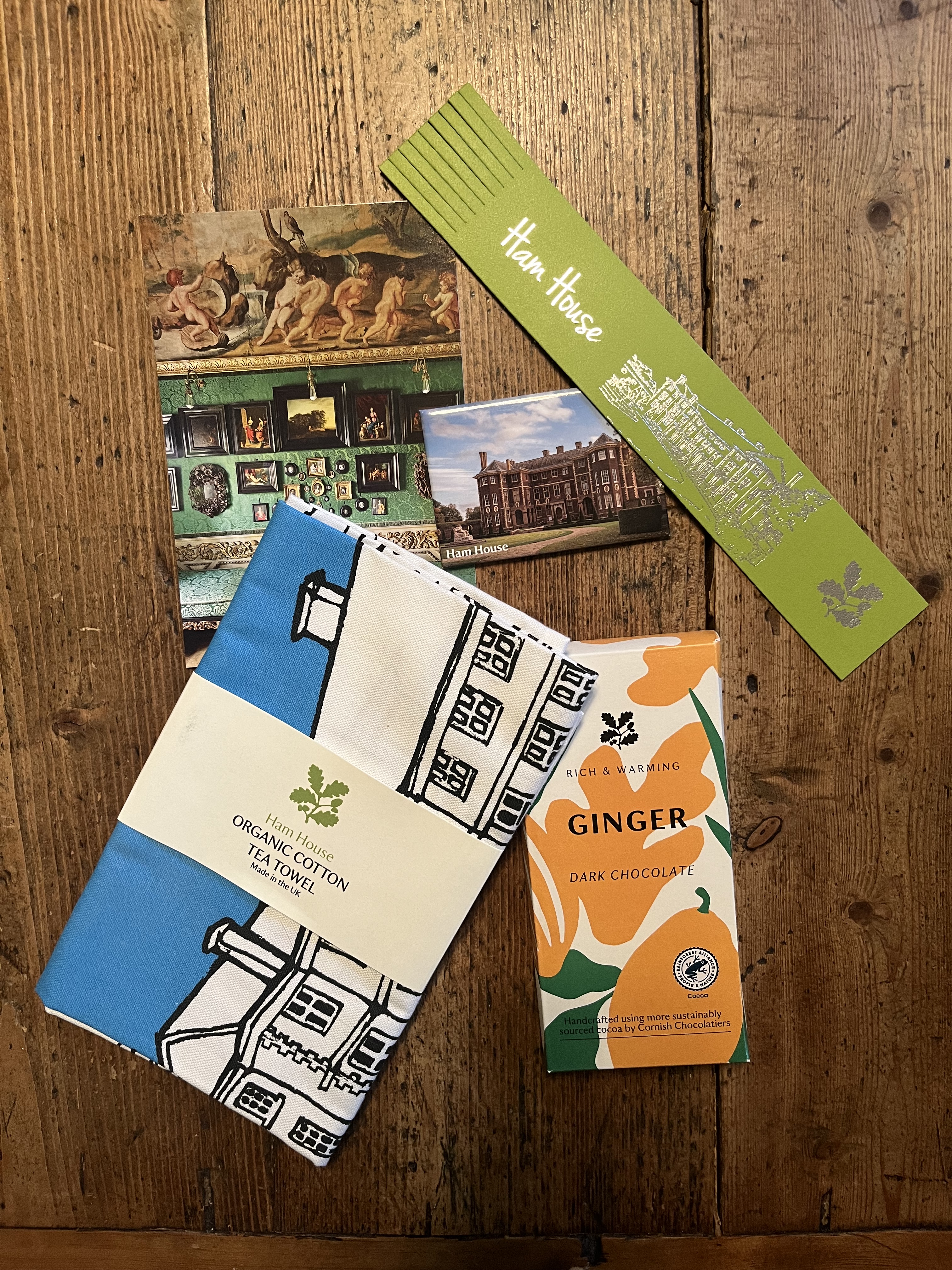
I wrote this after hearing a radio interview in which an art detective revealed how a stolen Titian was dumped at a bus stop outside Richmond station. In a red, white and blue plastic bag! I just couldn’t shake such a compelling image. I volunteered at Ham House for many years, and my passion for this Jacobean gem, together with the volunteers’ indomitable spirit, gave birth to my unlikely anti-hero.
With over five million members, the National Trust is a huge British institution. Yet, next to nothing has been written about it in terms of contemporary fiction. Until now.
While No Oil Painting explores themes of insignificance and loneliness in older age, particularly for women, it is mainly intended to entertain and offer a small haven in dark, uncertain times.
No Oil Painting follows Maureen, a National Trust volunteer, who decides to combat her boredom by plotting the theft of her favourite painting from Ham House, rather than see it go to Scotland on loan to another stately home. Only, once the painting is in her possession does Maureen then realise it must be returned by fair means or foul to prevent her crime being discovered, or someone she knows, being implicated for the theft.
I did find the story a little slow to get going, and there is a lot of backstory for Maureen, which I found a little too in-depth. I was keen to get on with her predicament of first stealing the painting and then returning it. I did enjoy the elements of bickering and general discord between the group of very different individuals, all volunteering at Ham House, and their interactions with the paid staff members.
This wasn’t quite the fun, light-hearted read I expected, as there are darker elements in Maureen’s backstory and the theft of the painting and it’s return, while driving the narrative, are simply the means by which the found friendships are created. An engaging read, all the same. It’s sure to appeal to readers of deeper narratives, with a slower pace.
Meet the author
With a BA in English and Philosophy, Genevieve worked for eleven years at the Weekend FT, where she helped create and launch How To Spend It magazine.
She volunteered for years as a National Trust guide at Ham House. This became the setting for her debut art heist novel, No Oil Painting, which was listed for the inaugural Women’s Prize Trust and Curtis Brown Discoveries, and was published by Burton Mayers Books on 10th October 2025.
Her writing uses dark humour to probe the difference between our perception of people and their true selves. The gulf between what is said and what is meant. She considers people watching an essential skill for any writer; overheard snippets of conversation or a bonkers exchange at a bus stop are like gold nuggets. She’s been known to follow people to catch the end of a juicy conversation or argument. Women aged over fifty are essentially invisible anyhow and she views this as a kind of superpower.
Unlike her protagonist Maureen, she hasn’t used this to commit art theft. Yet.
*Terms and Conditions –UK entries welcome. Please enter using the Gleam box below. The winner will be selected at random via Gleam from all valid entries and will be notified by Twitter and/or email. If no response is received within 7 days then Rachel’s Random Resources reserves the right to select an alternative winner. Open to all entrants aged 18 or over. Any personal data given as part of the competition entry is used for this purpose only and will not be shared with third parties, with the exception of the winners’ information. This will passed to the giveaway organiser and used only for fulfilment of the prize, after which time Rachel’s Random Resources will delete the data. I am not responsible for despatch or delivery of the prize.
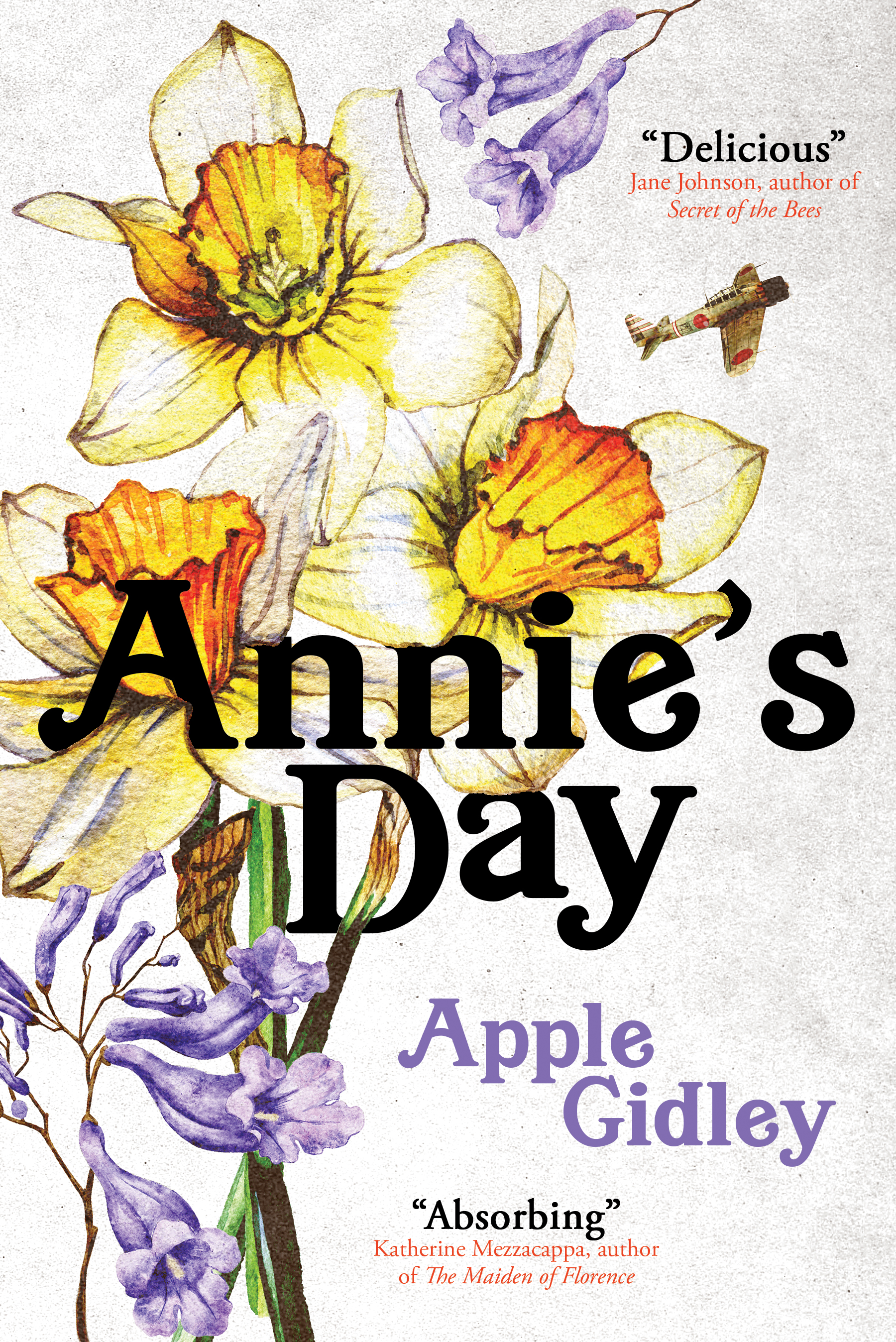
I’m delighted to welcome Apple Gidley and her new book, Annie’s Day, to the blog with a guest post.
Guest Post
Keeping Out of the Rabbit Warrens
If, like me, you are fascinated by the minutia of past times and lives, then you too are in danger of getting lost in the gar hole of research. It is that interest that draws me to historical fiction as both a reader and a writer. To make a historical novel come alive even the smallest details are important. Or that’s what I tell myself after I have spent the better part of an afternoon tracing a snippet that might not even make it into the first draft.
The internet has without doubt made the writer’s life easier, but with ease come potholes filled with blind faith. AI can be a starting point, but it is up to the novelist to always dig deeper and wider.
After the publication of my first book way back in 2012, my husband gave me the coolest desk imaginable. Styled after a huge old steamer trunk, it is covered in studded leather and, even more appealing, has lots of drawers. Some are filled with maps, some with files full of random bits of information, such as yellowed and curling bus and train timetables from obscure places that might one day be useful—as are site visits.
The downside of writing historical fiction is that sometimes it is difficult to justify those site visits, as places do tend to change! It was fortunate that for Annie’s Day, I already knew the countries about which I would write, having been educated in Australia, lived in Singapore as a child and an adult, then in Papua New Guinea, and had visited Berlin before the wall came down. Towns might have grown and changed, but a visit still provides a sense of place—the smells, the sounds of the voices in the market, if not the sights.
Gleaned from my mother’s Australian Army Nursing Service records, courtesy of the Australian War Memorial Archives, Annie’s Day follows the timeline but not the story of Mum’s war years. I know she also spent time as a nanny in Berlin during the Blockade, but apart from the odd comment she did not speak about those years and I, to my regret, never pushed.
With some of the writing barely legible on Mum’s army records, I began Annie’s roadmap around those basic facts, and made up the rest, with the addition of actual people—Matron Drummond of the AANS; Captain Selwyn Capon of the Empire Star; Lieutenant Gail Halvorsen of the US Air Force, aka ‘the candy bomber’, who brought moments of joy to the starving children in Berlin by dropping chocolates from his plane window as he flew in to deliver desperately needed supplies. Real people who added depth to the fiction.
Even before becoming a writer, I loved maps, and maps underpin any book written about the war, particularly when the area in question might be off the usual travel path. In a pub quiz, with a little head scratching, most can come up with the five Normandy beaches in Operation Overlord, but names like Lae, or Scarlet Beach, where the Australians landed in the fight to retake the Huon Peninsula in New Guinea, are not so easy to place. And maps are vital in not just locating a spot, but showing the terrain—the rivers to be forded, the mountains climbed, the beaches waded onto. So, maps surround me not just in the research phase but when I’m writing.
One lovely surprise when Annie’s Day began to really bubble was an idle online search for Mum. Writing had been a slow churn—some days are like that—and so I typed in Ida Arundel Morse and up she popped. A number of times. Photos that were not in her papers or albums but that were, again, in the Australian War Memorial Archives. It sent me into a spin, and the rest of the day was lost in tears as I mulled over the mother whose early life I had known so little about. (Mum is #2).
The Imperial War Museum at RAF Duxford is just down the road from where I live and I spent many happy hours wandering around, and sometimes clambering into Lancasters, Dakotas, York Avros, all planes used during the Berlin Airlift.
And books. Lots of books. A few included Giles Milton’s Checkmate in Berlin which tells history in a wonderfully relatable way. Singapore Burning by Colin Smith put me on the island in 1942. For the Pacific theatre, Philip Bradley’s D-Day in New Guinea was invaluable. Patsy Adam-Smith, and Rupert Goodman have both written fascinating books about Australian women at war, the latter focusing on nurses. Peter Ryan’s Fear Drive My Feet is the classic memoir of an Australian operative behind enemy lines in the New Guinea mountains.
Unless you are fortunate enough to find letters in your research, it is impossible to get first-hand data for earlier historical fiction, but for background and general information, I have found that people are incredibly willing to answer questions. One of the characters in Annie’s Day is a former RAF padre. After asking our local vicar interminable theological questions, she put me onto a memoir, Life and Death in the Battle of Britain, written by Guy Mayfield who had been a padre at RAF Duxford during the war. It was a goldmine, and I shamelessly stole one of his anecdotes and gave it to my fictional character, naturally with an acknowledgement in the book.
Another character, Samira, is a Hindu woman destined for an arranged marriage. My friend, Pooja Vacchani, endured countless questions about Hindu culture—she too is thanked!
It truly takes a global village to research, write, then get the final draft into the publisher’s hands, where another village takes over. The author? Well, she moves onto to the next deep dive into research!
Here’s the Blurb
War took everything.Love never had a chance. Until now.
As an Australian Army nurse, Annie endures the brutalities of World War II in Singapore and New Guinea. Later, seeking a change, she accepts a job with a British diplomatic family in Berlin, only to find herself caught up in the upheaval of the Blockade. Through it all, and despite the support of friends, the death of a man she barely knew leaves a wound that refuses to heal, threatening her to a life without love.
Years later, Annie is still haunted by what she’d lost—and what might have been. Her days are quiet, but her memories are loud. When a dying man’s fear forces her to confront her own doubts, she forms an unexpected friendship that rekindles something she thought she’d lost: hope.Annie’s Day is a powerful story of love, war, and the quiet courage to start again—even when it seems far too late.
Anglo-Australian, Apple Gidley’s nomadic life has helped imbue her writing with rich, diverse cultures and experiences. Annie’s Day is her seventh book.
Gidley currently lives in Cambridgeshire, England with her husband, and rescue cat, Bella, aka assistant editor.
Every day a different deal, from price reductions to free books. Check out this week’s deals and remember, each deal is only for 24 hours (Kindle Countdown deals are on Amazon UK/US but FREE deals are in every territory).
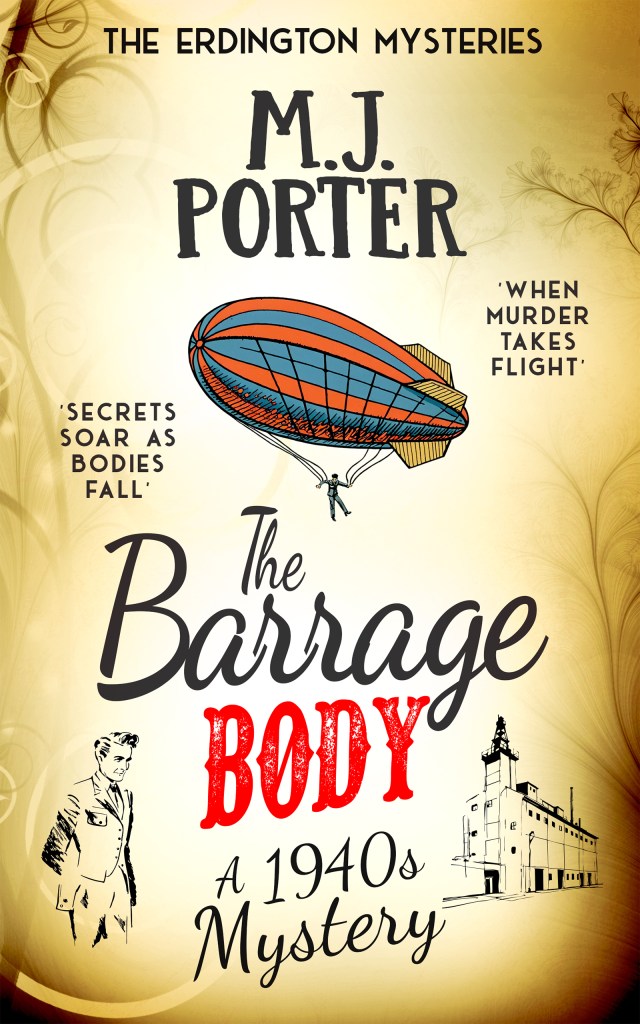
Chief Inspector Mason of Erdington Police Station is summoned to the Dunlop Rubber Company by an irate Mrs Adams from the Buying Department on a cold Tuesday morning in December 1944.
No sooner have he and O’Rourke managed to uncover the cause of Mrs Adams’ telephone call to the police station, than events take a far more chilling turn than the rogue situation’s vacant advertisement first alluded. It might just be that they’re in the right place at the right time to prevent a terrible tragedy. Or are they?
As the barrage balloon threatens to break free from its winch truck in the terrible wind, Sam Mason makes a most unwelcome discovery. Who killed the man, but more importantly, how did he end up, roped to the barrage balloon? And with the WAAF denying their involvement, how was the barrage balloon even floated? What does it all mean? And when they discover the secret tyre formula from the Testing Department has also been stolen, Sam starts to fear there is even more at stake.
Join Mason and O’Rourke for the fourth book in the quirky, historical mystery series, as they once more attempt to solve the impossible in 1940s Erdington.
Buy The Custard Corpses here, available in ebook, paperback, hardback and audio. Or, check out the signed editions page to get a copy directly from me. Book 3, The Secret Sauce, is available now, (as is book 2, The Automobile Assassination).
Suzannah is at home with her fiancé, Alec, talking about choosing a name for the baby that is growing in her stomach. Alec is explaining that he wants to name their little girl her after she is born because he doesn’t want people to know until she has arrived, and he hates keeping secrets.
Alec reaches for his mug and slurps his tea. “How’s Blair? I hope I get to meet her before the wedding. I’m sorry that my work keeps me so busy, and I haven’t managed to make time for her, yet, but I promise I will when this little one is born. You’ll see a new me.”
“I can’t wait. I’m going to enjoy having you around more.”
I rest my head on his shoulder and wonder how on earth I’ll manage to visit Mason when Alec takes a step back from work. I’ll have to think of a better excuse than a non-existent friend. Maybe my boss at work will need me for meetings or a slight change of duties that require some office-based days. Oh, I don’t know, I’ll come up with something.
The doorbell rings. “I’ll get it.” I stand up and my belly rumbles. “Why don’t you get started on dinner—we’re starving.”
Alec glugs the rest of his milky beverage then picks up both mugs and walks out to the kitchen. I head to the door.
The doorbell rings again. “OK. OK. I’m coming.”
I lift the chain and unlatch the door, pulling it open and holding it ajar. My heart stops.
“Breck!”
“Suzannah.”
I glance towards the kitchen. The tap is running and Alec has switched on the speaker to play some rather hectic dance music.
I turn back to Breck, his tall, slim frame and curly brown hair still the same; it’s only the look in his eyes that’s different. “Shit, Breck, what are you doing here? I thought you were back in Ireland with your parents.”
“I am. I was. I just need to talk. Please. You can’t keep ignoring me.”
“There’s nothing to say. Nothing has changed.”
“Mason is in prison. He confessed to being an accomplice to a serial killer. Jesus Christ, Suzannah, that changes everything.”
I put a hand on my stomach. “I’m moving forward with my life, Breck. You left, remember. Ran away. Abandoned me. Please, leave me alone. If I ever find out anything about Lily, I’ll tell you. I promise. Please, just go.”
Alec hollers out from the kitchen. “Everything alright, Suzannah?”
I call down the hallway. “Just a delivery driver looking for an address. He got the wrong house.”
I eyeball Breck, one hand on my hip. “Goodbye, Breck.”
I close the door and lean back against it, praying he will leave and never come here again.
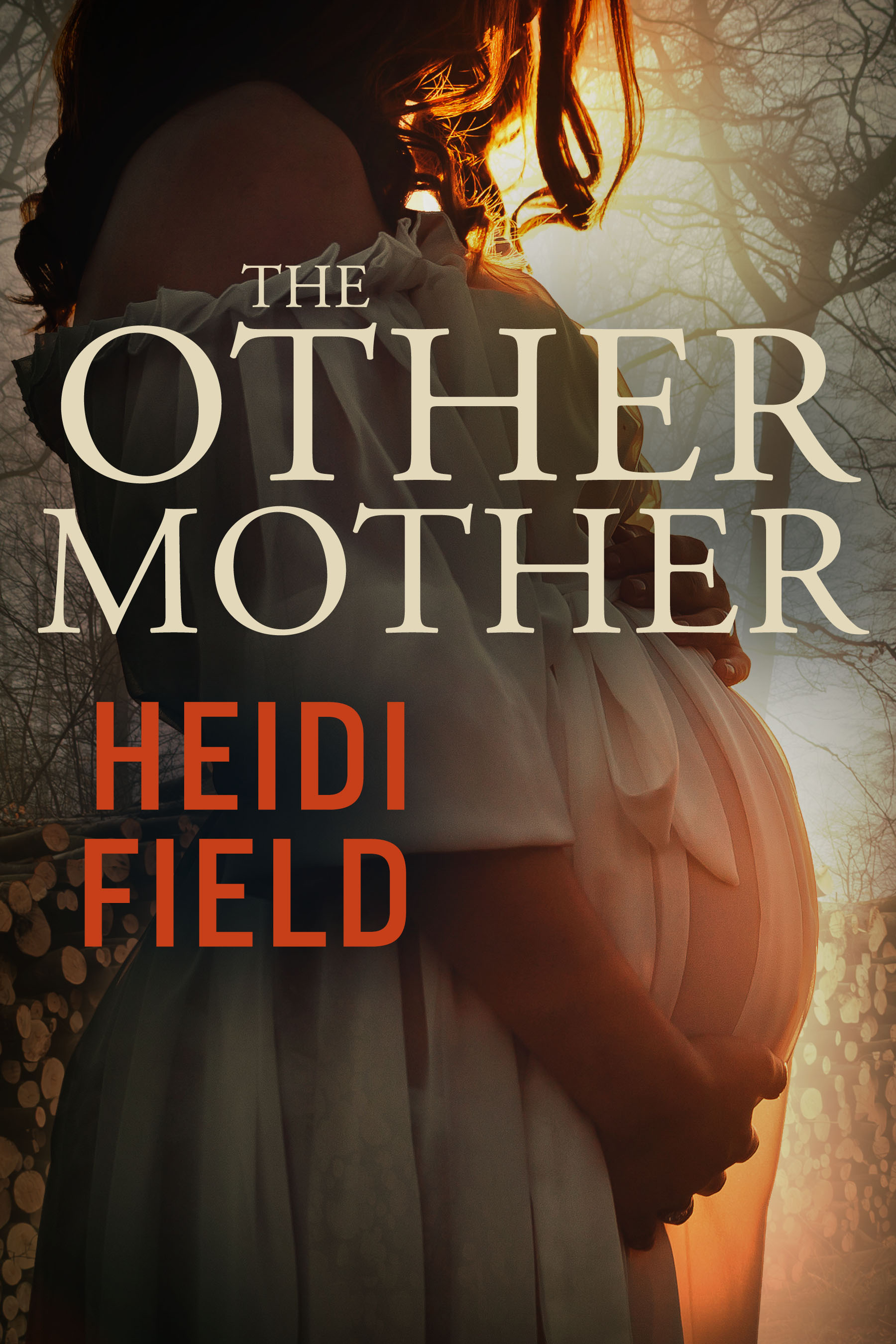
Excerpt From
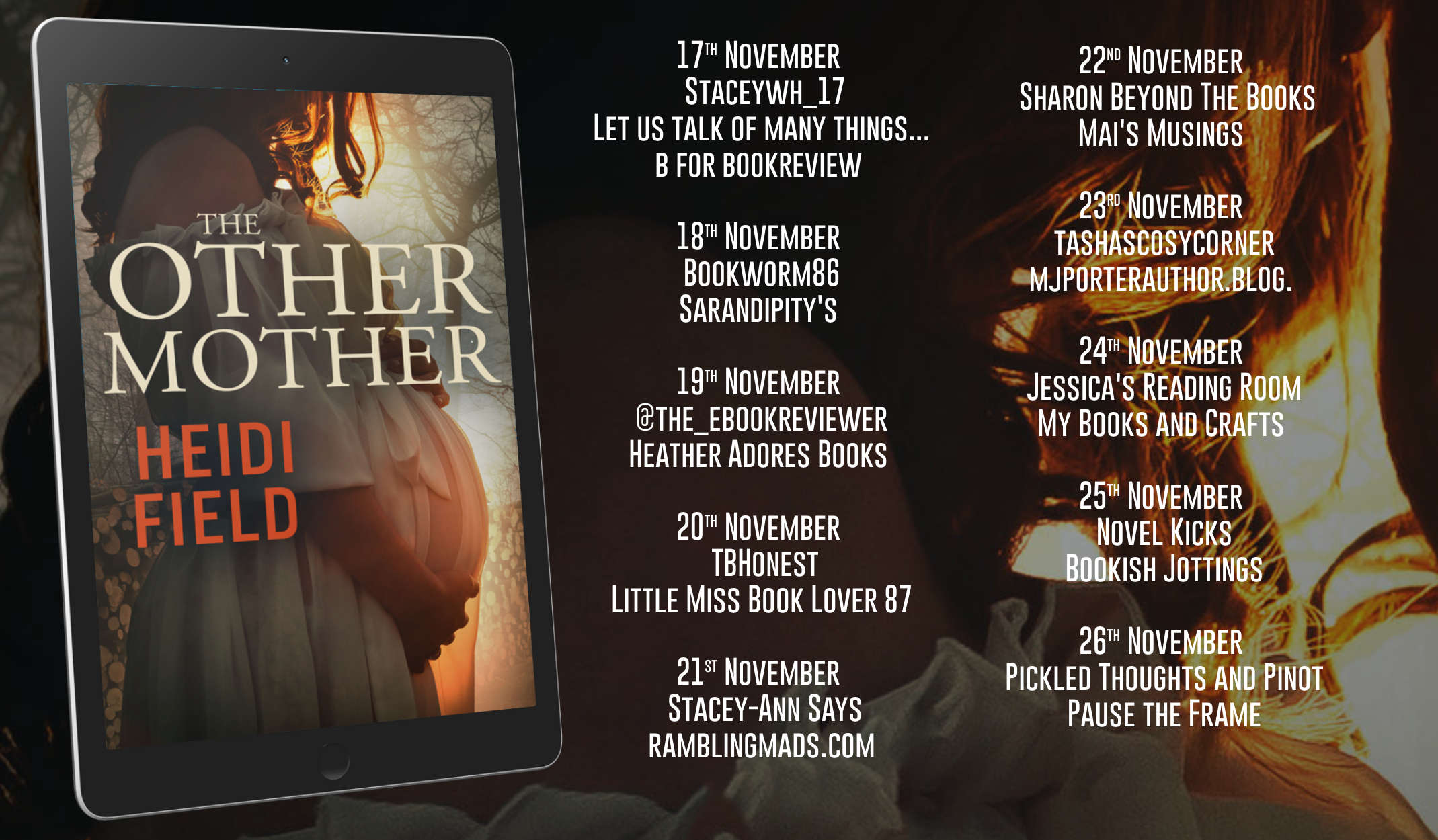
The Other Mother
Heidi Field
This material may be protected by copyright.
Here’s the blurb
Suzannah is pregnant with her third child. The first is in prison. The second is dead. How far will she go to keep her unborn baby safe?
When Suzannah learns she is pregnant, she feels like safety and happiness are finally within reach. Her handsome, successful fiancé, Alec, is over the moon about the baby. He proposes and pampers her. He thinks this is Suzannah’s first marriage and first child, but she’s keeping a few secrets. Actually, a lot of secrets. And they are dangerous…putting Suzannah in a position where she must choose who and what she’s willing to sacrifice to keep her baby and her freedom.
Drowning in her lies, Suzannah is desperate to bury her past, but her ex-husband, who abandoned her years ago, returns, stalking her and demanding to know what really happened to their daughter. When the imprisoned serial killer who lured and groomed her son, threatens to sell his story to the press, Suzannah feels like the life she’d built and the precious one she’s growing, teeter on a precipice. Now the two children she’s hidden from Alec may be the least of her worries.
Heidi Field was raised in the beautiful countryside of the South of England with her parents and her two sisters. In her twenties she was a freelance Sports Massage Therapist. She achieved a Degree in Zoology at the age of thirty and then went on to raise two boys and became the stepmother of three more young children. She still lives near her family home with her partner, their Great Dane and the children that have yet to fly the nest. In her early forties Heidi completed a Masters in Creative Writing at Winchester University. She entered the course hoping she would become a children’s fantasy writer and left with a burning desire to write contemporary mysteries and thrillers. Heidi wanted to put relatable people in extraordinary situations, challenge them, push them to their limits and watch them fight for their sanity. The Other Mother is Heidi’s second novel, the next book in The Peasedale Woods Killers series.
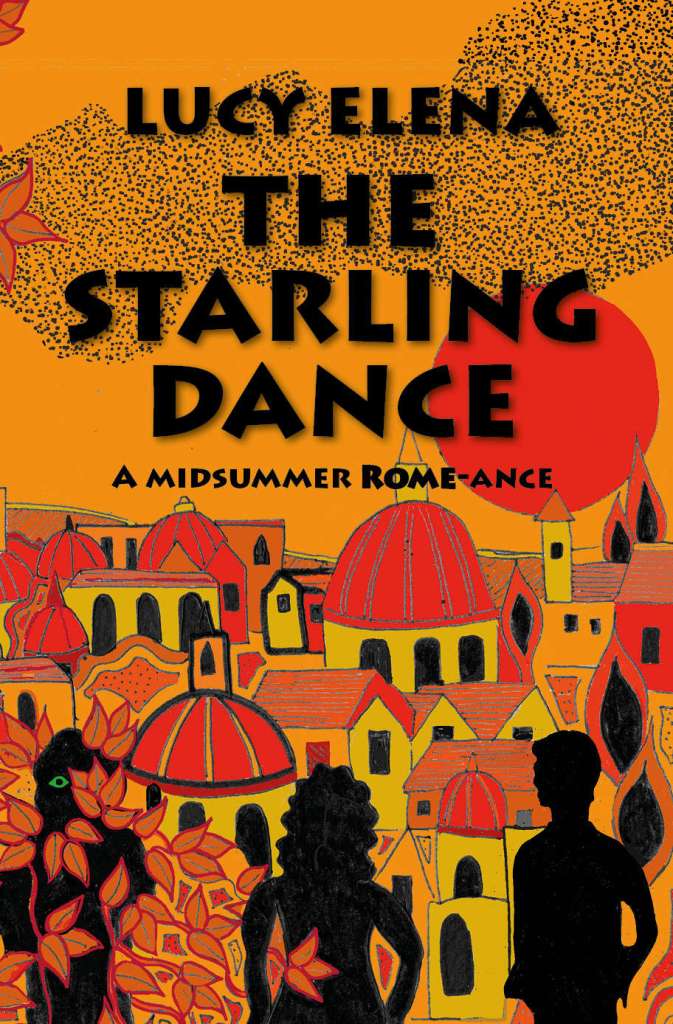
I’m delighted to share a post by Lucy Elena about her new romcom, The Starling Dance #newrelease #blogtour #blogpost #romcom
Shining a light on Rome’s street artists: The ‘invisible’ performers hiding in plain sight
Street artists and performers feature prominently in my novel The Starling Dance. As the evening sky over Rome turns pinky-purple, there’s something special about seeing musicians, mimes, jugglers and acrobats transform the ancient piazzas into their stage to delight passing tourists.
Today’s street artists are not a modern phenomenon. They were a familiar sight in the thriving multicultural metropolis of Ancient Rome, flocking to bustling market squares or busy roads, hoping to be compensated for their entertainment. Some were migrants from faraway lands, others were freed slaves, and some were simply dreamers hoping to make it big by being ‘scouted’ by a member of Roman high society. Then, as today, it was unstable work, dependent on the generosity of passersby.
I first noticed the street artists while working in Rome as a journalist. My walk to the office took me past the Colosseum and the ancient Fori Imperiali and, on the way, I passed many street performers. That ‘commute’ is something I often dream about now when I’m crammed into the tube at rush hour!
I’m someone who just can’t sit still, so I was particularly intrigued by the ‘human statues’, who, wearing creative disguises, hold poses for hours on end. There were ‘floating’ genies, cupids, and men with hats, sunglasses but no heads, among many others. I wondered what they thought about while they worked.
Some mornings, I would catch a glimpse of their real faces as they changed into their costumes. I speculated about their lives and what led them to perform.
By that time, I had developed an initial idea for The Starling Dance – a lonely woman in a foreign country spying on her neighbours – but I needed a love interest to, potentially, turn this character’s fortunes around. I started to imagine chapters filled with colourful street artists to add a magical touch. Perhaps the love interest could be a charming street performer, I thought.
Like most people who pass by, I didn’t know anything about street artistry, so, before creating a character, I wanted to find out more. I visited the ancient squares and spoke to some of the performers who worked there. At the time, I was thinking that The Starling Dance might be a film so I asked if I could film them, with the idea of compiling an atmospheric montage of their work.
First, I met a jazz band from Eastern Europe who had been performing in Piazza Navona for years. They could find alternative work, they told me, but they loved music and the freedom performing gave them. They explained about the difficulties they faced with stricter controls on performers and ever-increasing competition.
I also spoke to a charismatic Charlie Chaplin impersonator. He’d moved from Venice to Rome following restrictions on street artists there. I planned to film his performances but one day he disappeared from the square and I never found him again.
Then, there was the cowboy who stayed impossibly still in his costume – moving only occasionally and deliberately to impress passersby. He told me about his wife and child back home in Southern Asia, where he sent the money he made. In his spare time, some of the other artists were teaching him to paint with aerosols and stencils – apparently more lucrative than performing. One day, after I’d filmed his work on several occasions, he invited me for coffee and proudly showed me photos of his family. He insisted on paying for my drink – a gesture I will always remember!
Following my research, I decided to make a street artist a key character in the book – I won’t say too much for fear of spoilers, but I knew I wanted to portray him as a talented person with an interesting and credible backstory.
Including this character allowed me to introduce a vibrant cast of street performers – from the veteran clown who has been performing for decades in Rome’s old town, to the bubble blowers, impersonators and daring flame throwers. The artists in Rome add a touch of sparkle to the ancient city and I hope that I’ve managed to bring that to life in The Starling Dance.
Here’s the blurb
In a sweltering Roman summer, Laure is trying to start a new life. But can she manage in a city where walls have ears, trees have eyes and even the birds are acting strangely?
It’s been exactly one year since the shit hit the fan and Laure’s anxiety exploded into a full-blown burn out. In search of a new start she’s moved to Rome – pasta, Aperol and sunshine should make everything better, right?
But with her 30s around the corner, la bella vita isn’t going to plan.
Her boyfriend, the dreamy Davide, has disappeared (Either Laure’s been ghosted or he’s accidentally fallen off a cliff – hopefully)
She wants to murder her neighbours: their arguments are keeping her up all night.
In her local café, Laure meets a handsome stranger and the sparks fly, that is until she finds herself caught in a big lie.
‘Hmmm, it’s not ideal,’ says her best friend Eva, as she puffs on a spliff in the bathtub.
Just as things are heating up, a talking tree enters the fray (as if this Roman summer wasn’t weird enough, just ask the birds).
That tree is Viviano, a dynamic and adventurous street performer who poses around the Eternal City dressed as a tree, well, sometimes a cat too and sometimes a ripe tomato. He could be thriving in life but something is holding him back. One thing is certain though: he wants to meet Laure.
Will Laure find her path? Will she accidentally put pineapple on a pizza? And is there a real love story to be found in the surreal swirls of the Italian capital?
The Starling Dance is a love story full of quirk, humour and heart-warming characters, each trying to overcome their personal obstacles and demons to give themselves a chance at life and love.
Lucy Elena is a journalist who has worked across Europe and Latin America. The Starling Dance is her debut novel. It was initially dreamt up as a film while Lucy was working in Rome and became interested in the street artists she passed every day on her way to work, eventually getting to know them. The artsy film of her imagination never materialised but The Starling Dance was born in the form of a book, with a big dose of love, fun and healing thrown in for good measure.
Lucy Elena is a Londoner with a love of languages and exploring new different cultures. For most of her career she has been a journalist reporting across Europe and Latin America. But she has also experimented with career forays into pasta making (yes, like an Italian nonna) and teaching. Lucy has always loved dreaming up and telling stories and The Starling Dance is her debut novel. When not writing or working, Lucy enjoys spending time with friends and family, trying out new foods and pretending she can play the ukulele.
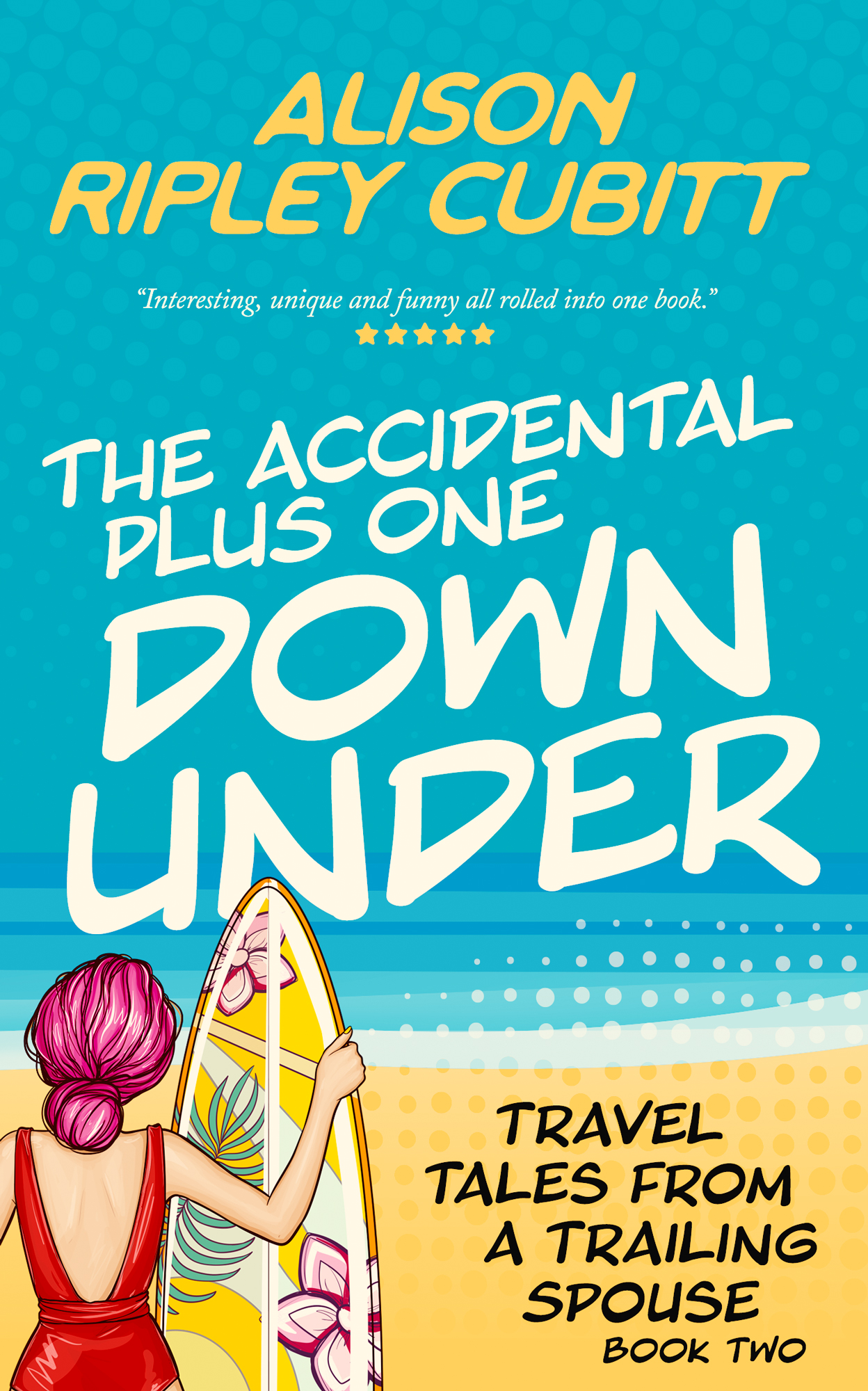
‘m sharing my review for The Accidental Plus One Down Under—Travel Tales from a Trailing Spouse (Book 2) by Alison Ripley Cubitt #blogtour #travelmemoir #bookreview
Here’s the blurb
New Year’s Eve, 2019
While everyone else is popping champagne corks and ringing in a new decade, Alison—The Accidental Plus One—is crammed into a flying tin can somewhere over the Equator, obsessing over whether she remembered to lock the front door.
Can she really uproot her life halfway across the world—again?
Rural calm was sweet while it lasted, but when her partner’s job prospects dwindle, the lure of a new adventure on the far side of the planet proves irresistible.
This time, she promises herself it’ll be easy. Fewer things to pack. No dog to uproot. Renting rather than buying.And before she knows it, Alison is heading for a land of giant spiders, the world’s longest lockdown and a place where strangers call you mate.
The Accidental Plus One Down Under is a heartwarming and humorous memoir that proves sometimes love leads us on the most unpredictable journeys.
Perfect for fans of:
. Real-life expat tales
. Heartwarming stories of starting over
If you love stories about the ups-and-downs of life far from home, you won’t want to miss this next hilarious chapter!
The Accidental Plus One Down Under is a memoir of the author’s time living in Australia and her many travels while there, to New Zealand, the UK and Canada. For those who like food, travel, and knowing how much everything costs to achieve those goals, this could well be the book for you.
The memoir is at its strongest in the closing chapters, where the author is saying a farewell (for now) to Australia and takes a journey across the vastness of Australia via train. There, I feel the author’s love for the location really shines through.
I also found the chapters on Australia’s Lockdown intriguing, but lacking in enough detail for my nerdy need to equate my experiences in the UK with those in Australia.
This is a book for those who love to travel, or for those who love to travel from their armchair.
Meet the author
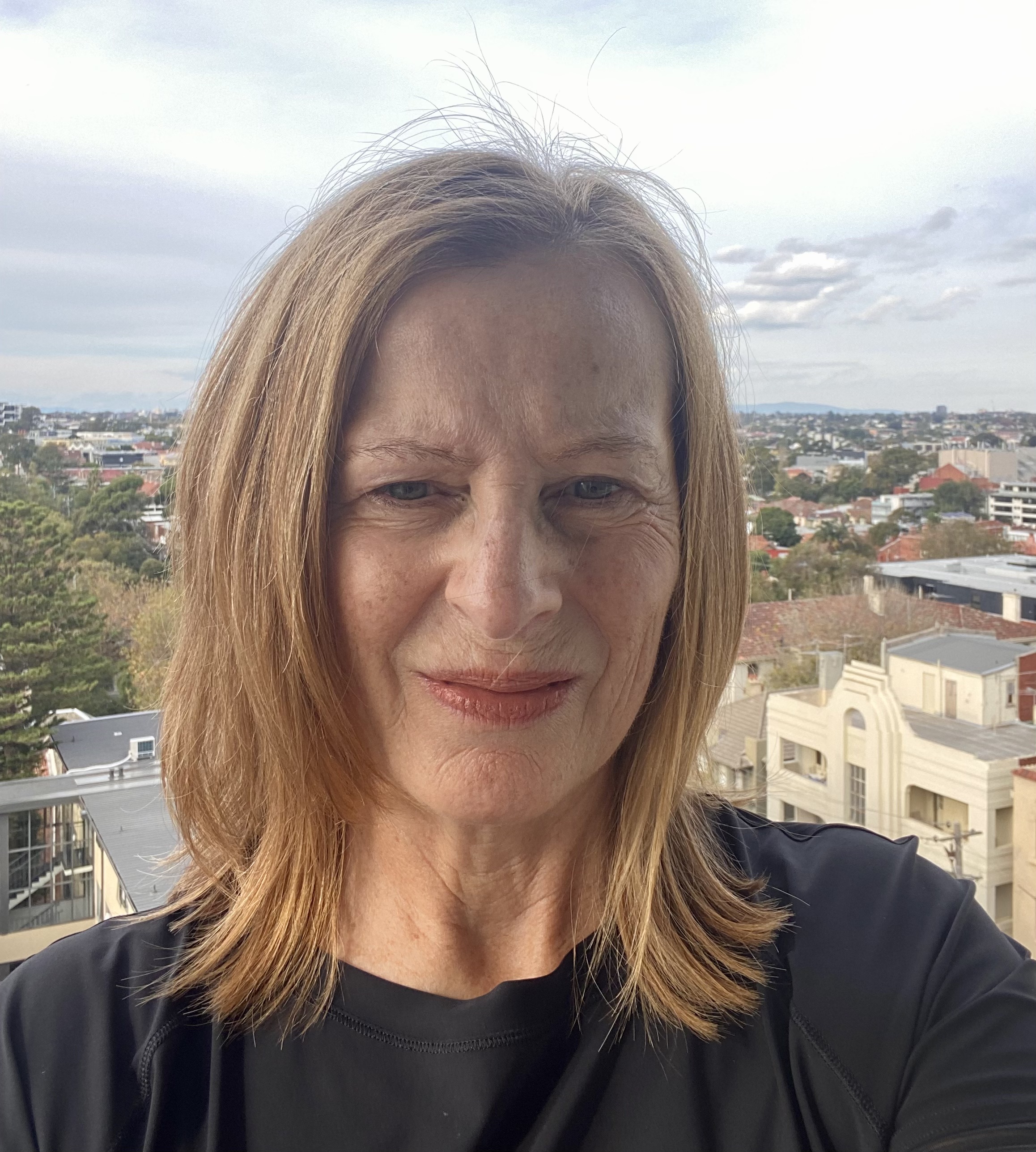
Alison Ripley Cubitt is a multi-genre author who started her writing career by winning first prize in a writing competition with a pony book. Some years later, she left New Zealand with the ability to make a white sauce without a recipe, carry three plates at once, and ride a horse (though not at the same time). Dreaming of becoming a copywriter, she landed a job as the receptionist in an advertising agency in Sydney that made the TV series Mad Men’s work culture look tame.
But after two and half years, the lure of London proved too hard to resist, and she left Australia. Landing in London at the right time, she got her break in television production and lasted 15 years, working on Channel 4’s anarchic The Big Breakfast and at Walt Disney and the BBC.
For the past five and a half years, she has divided her time between Melbourne, Australia and Jane Austen country, England.
Her published non-fiction includes travel guides and memoirs. Her fiction includes screenplays, short stories and thrillers. The Accidental Plus One Down Under: Travel Tales from a Trailing Spouse (Book 2) is her tenth book.