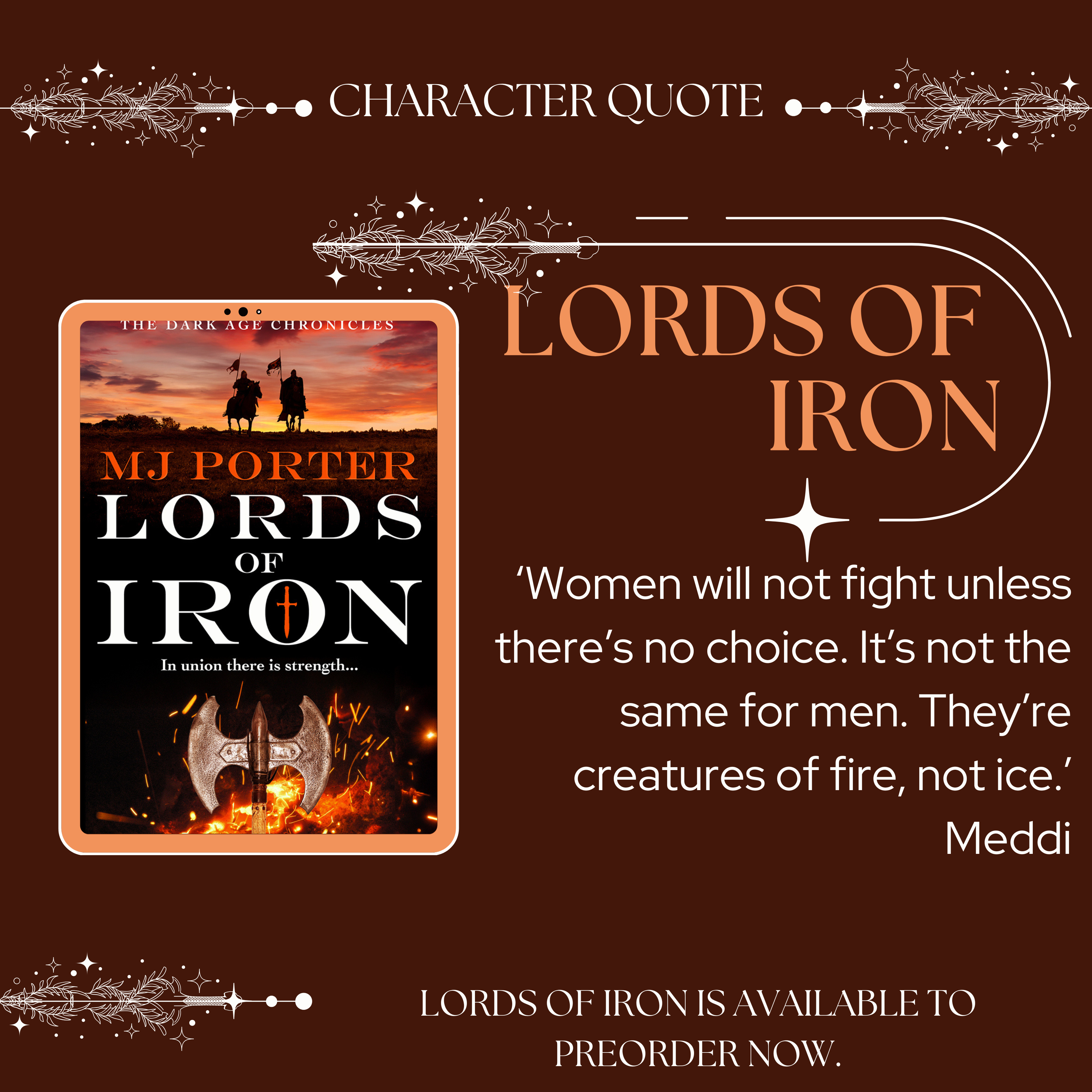
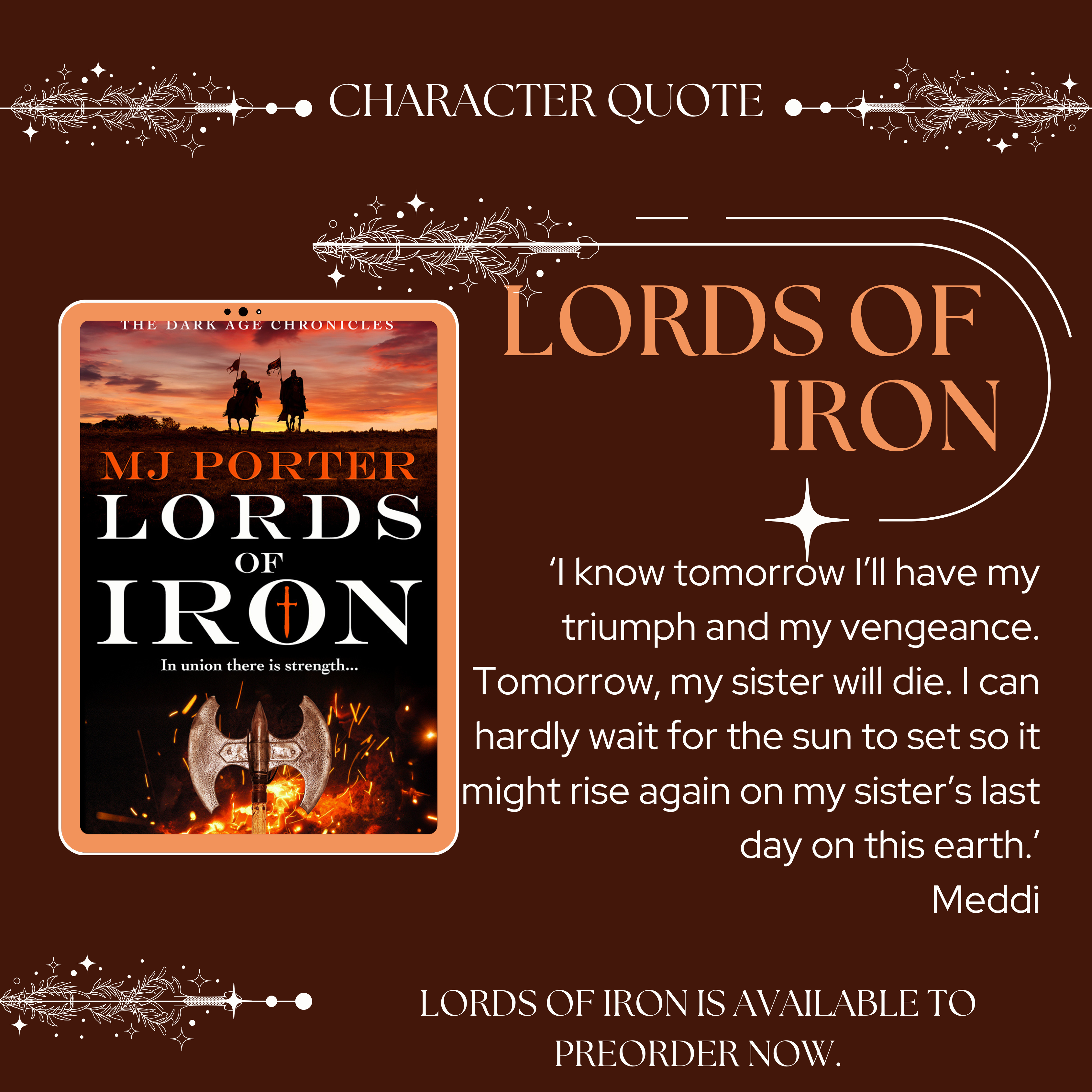
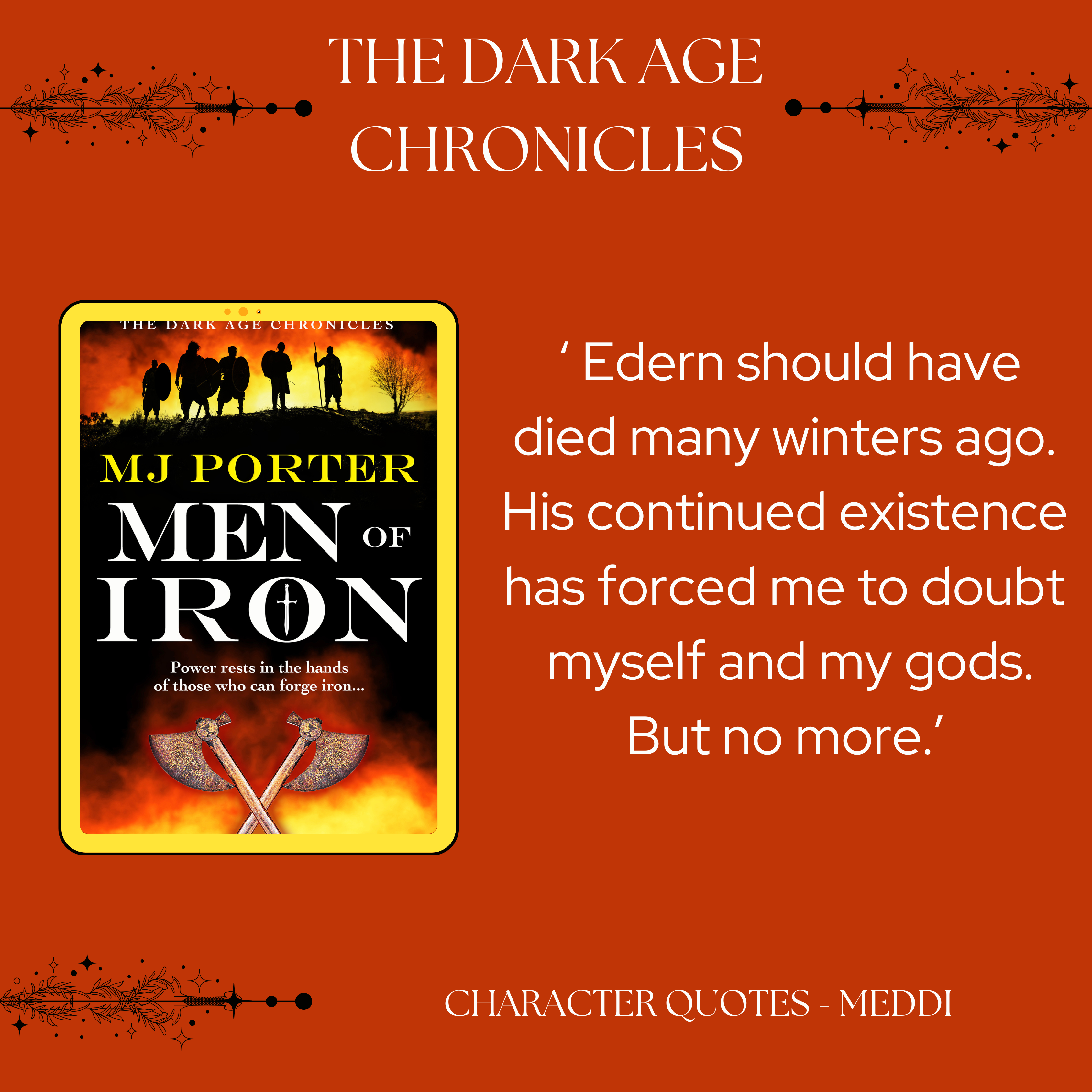
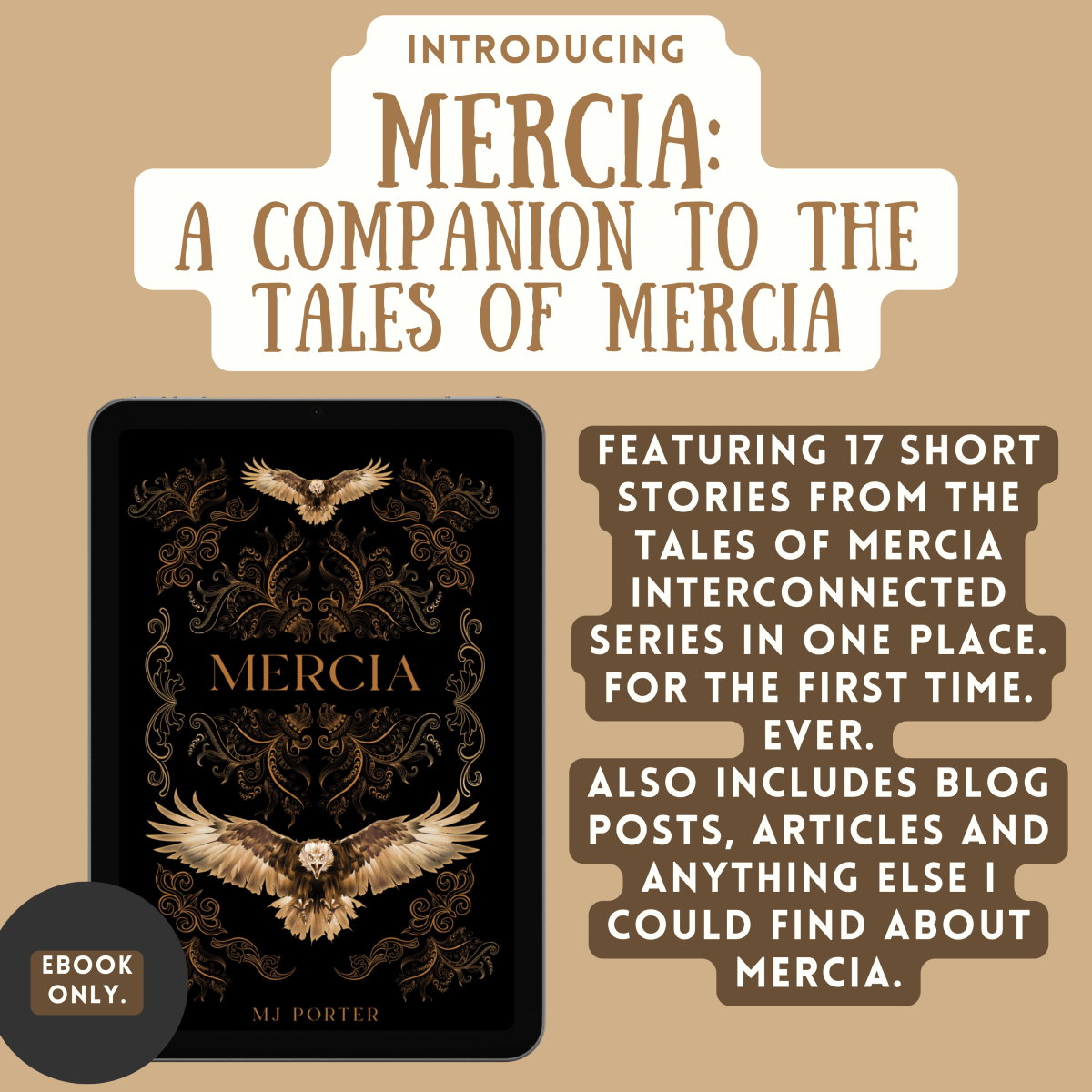
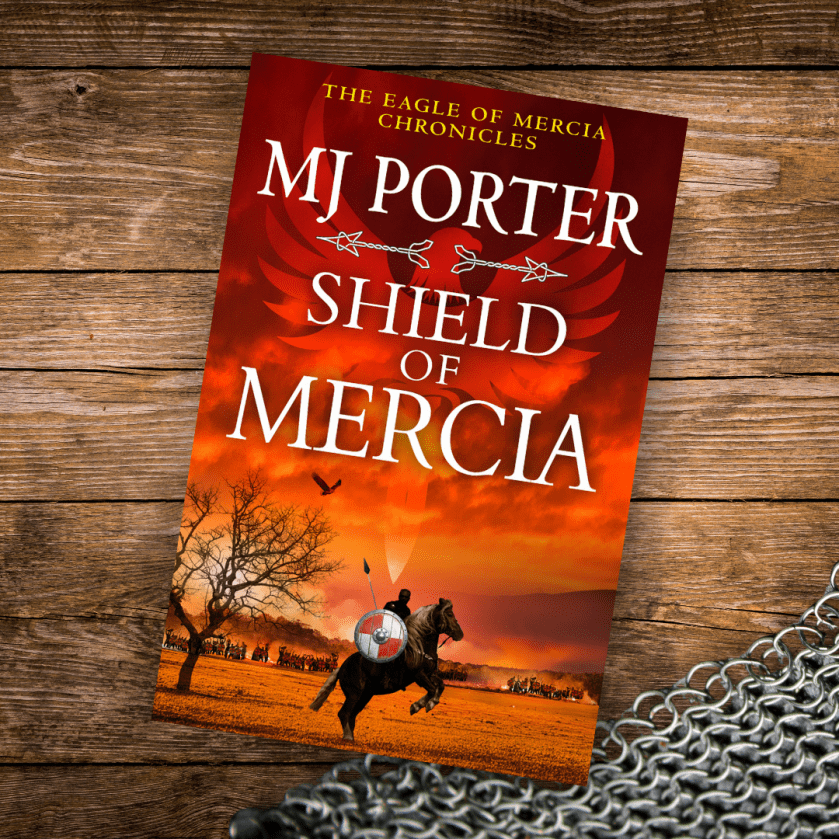
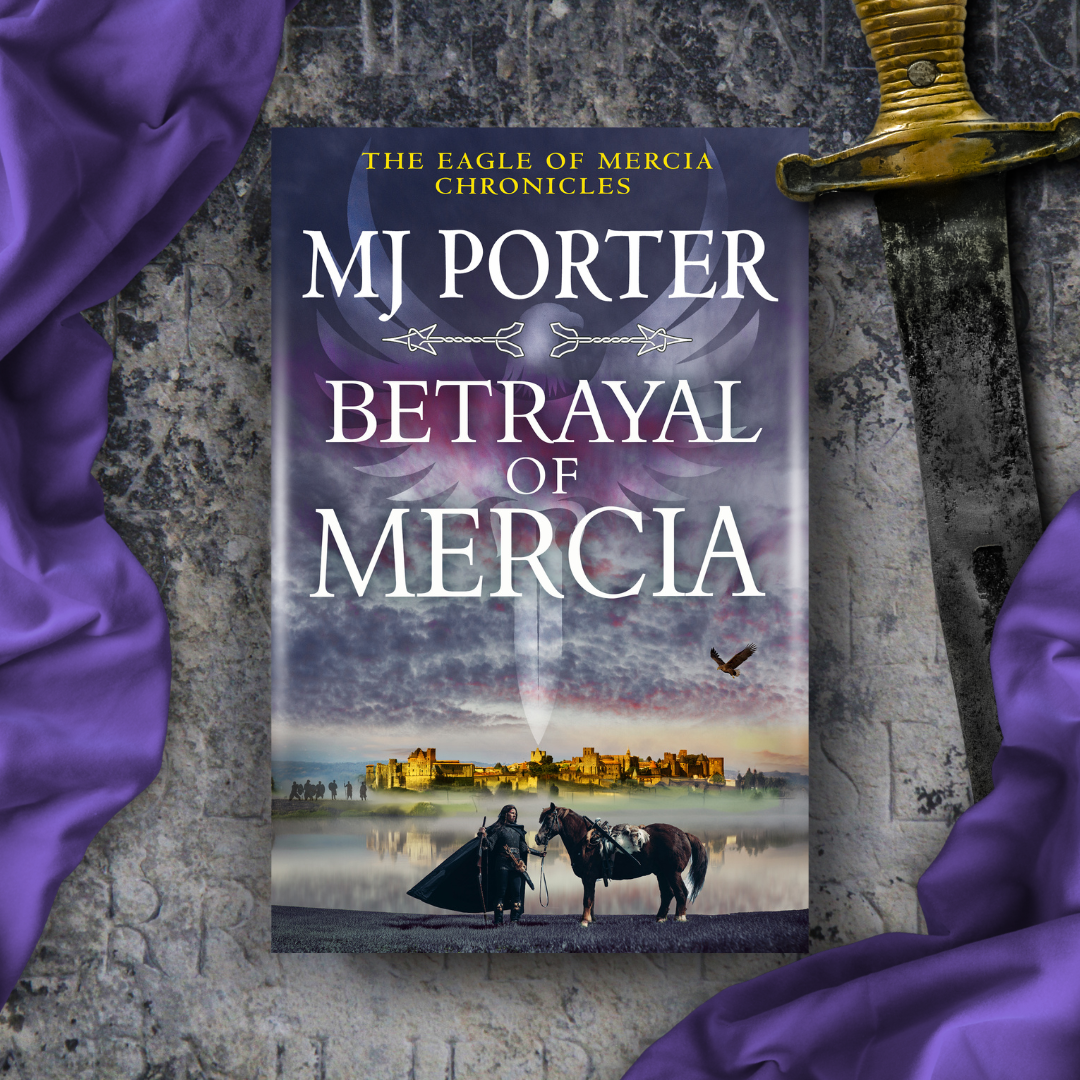
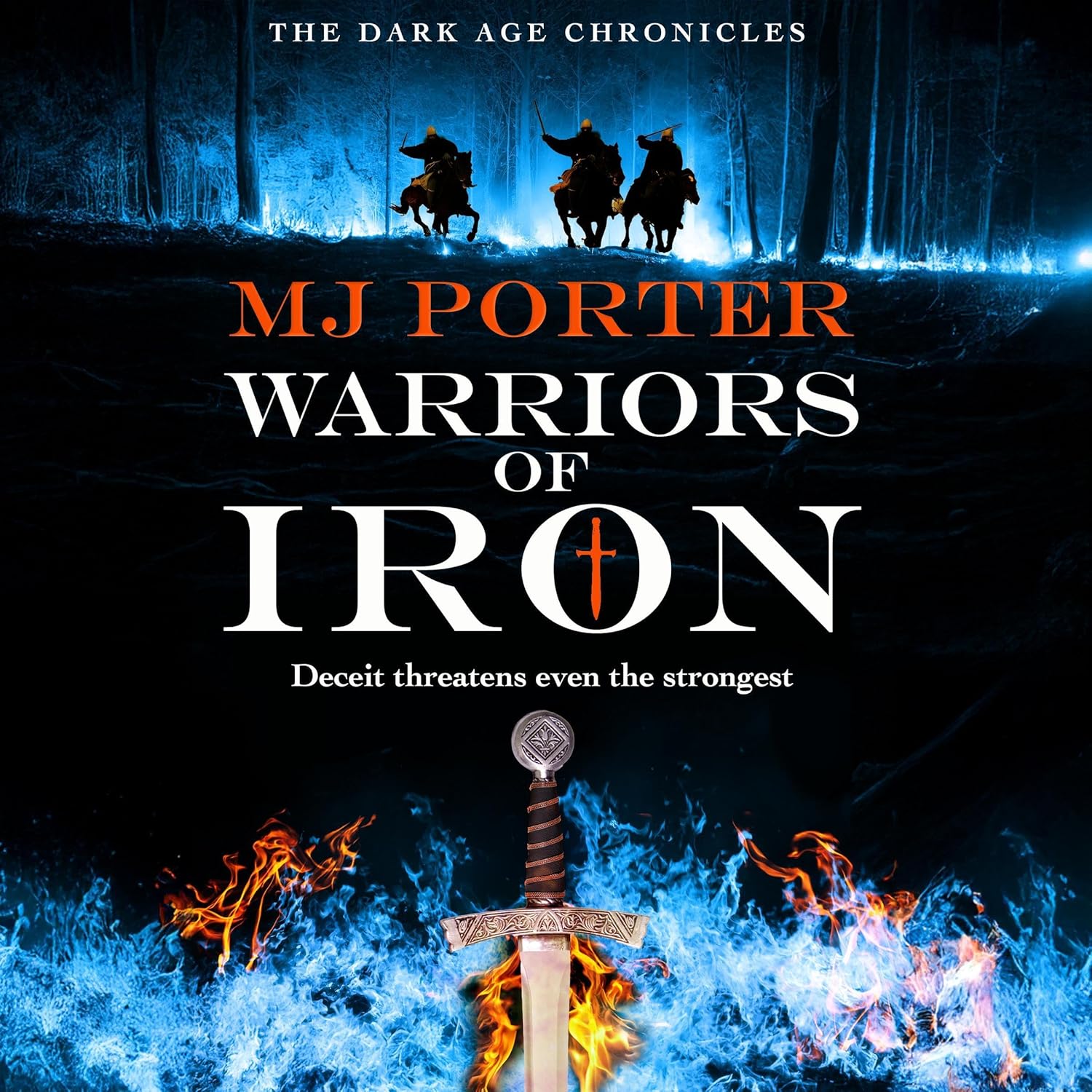
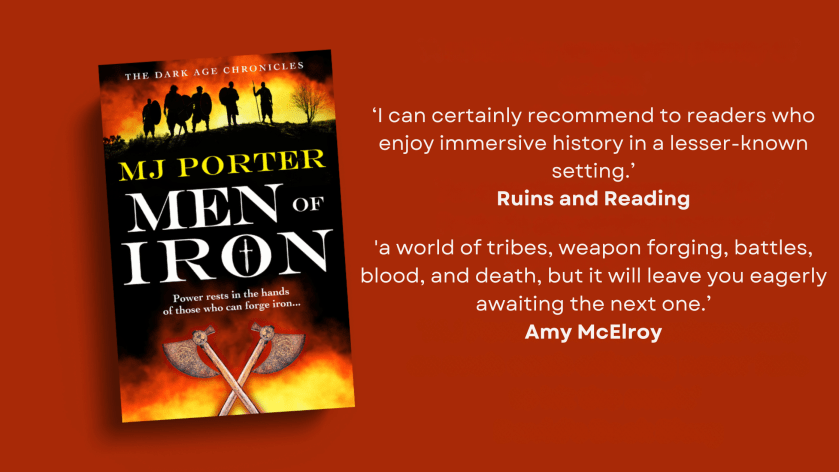
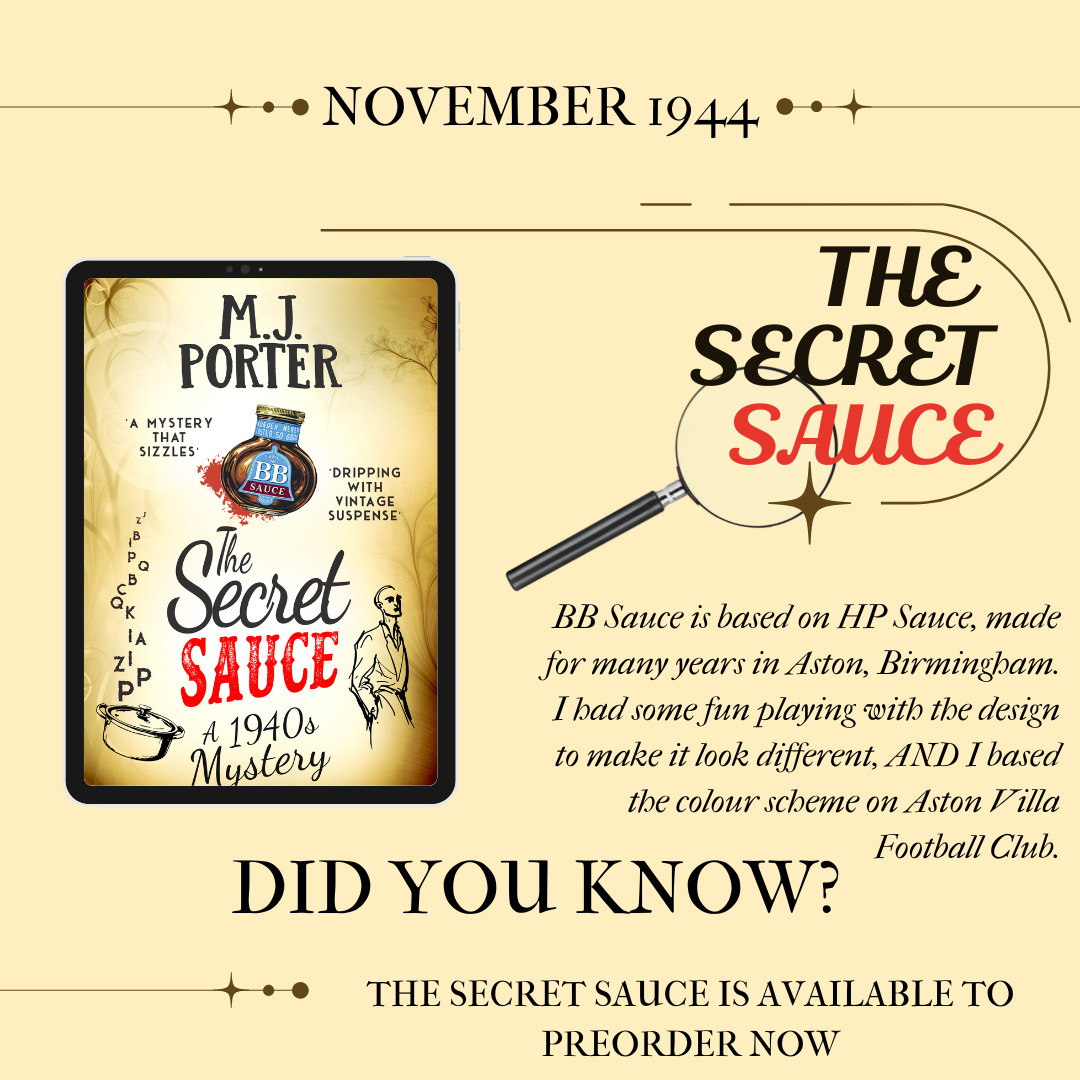
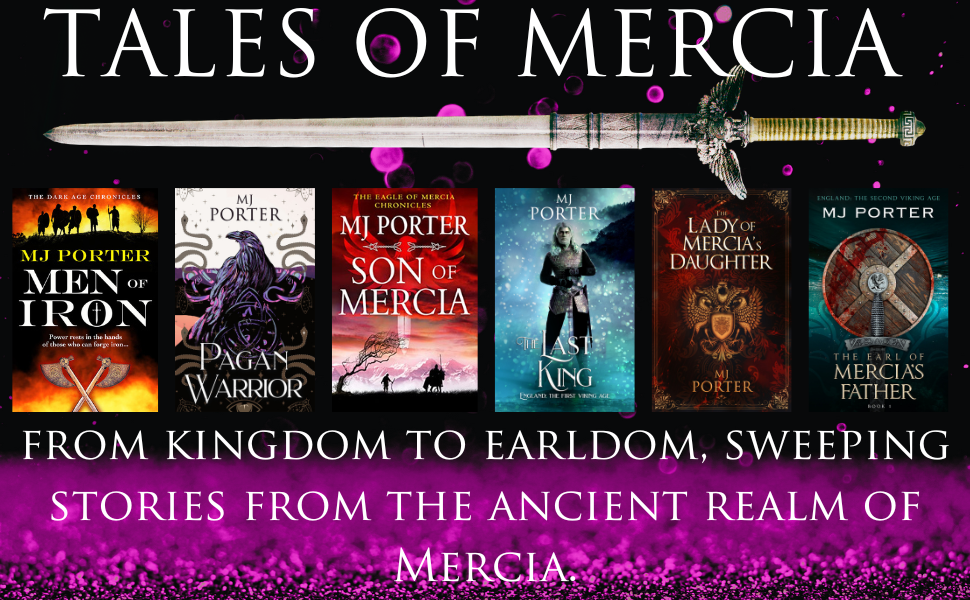
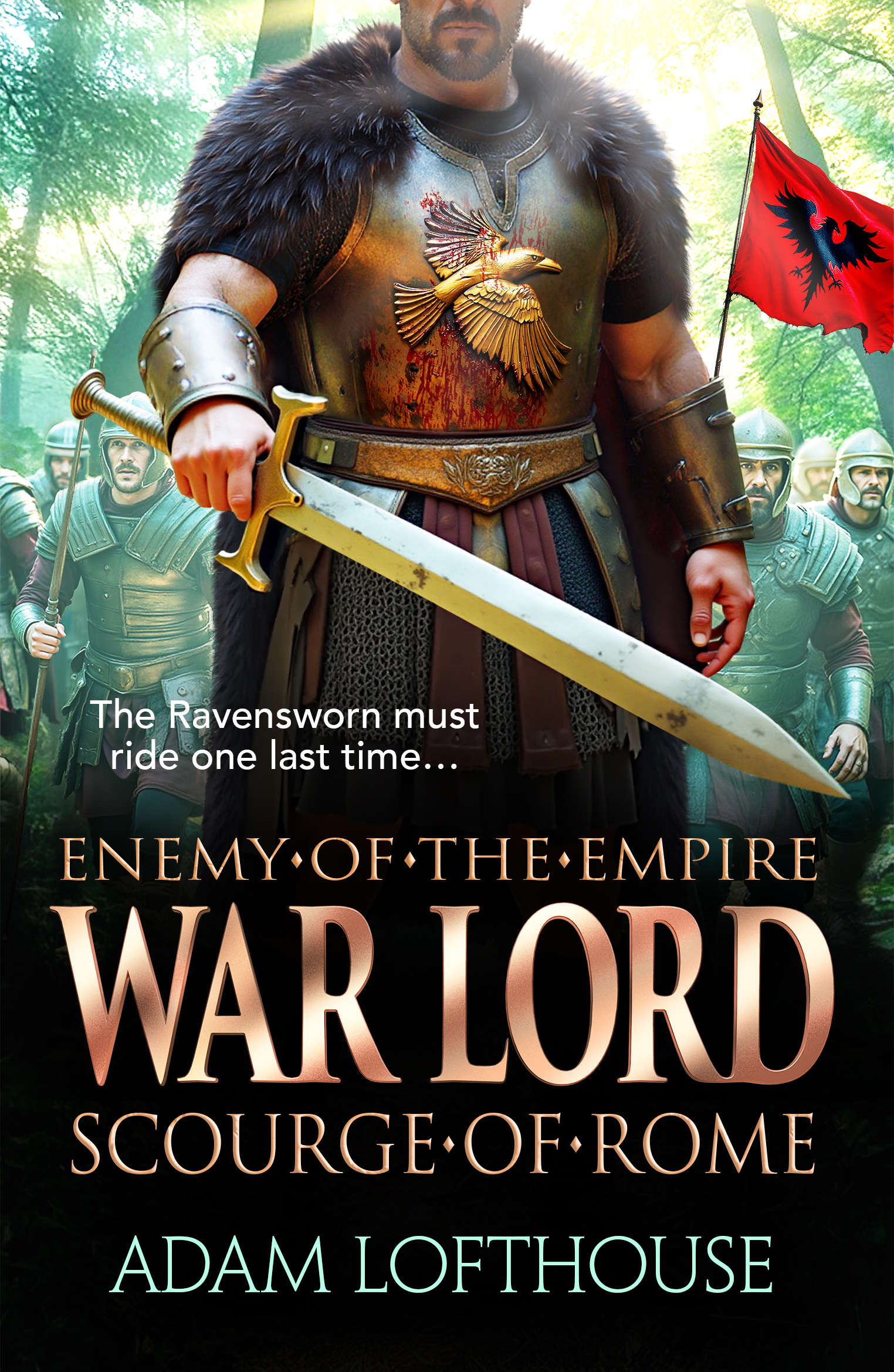
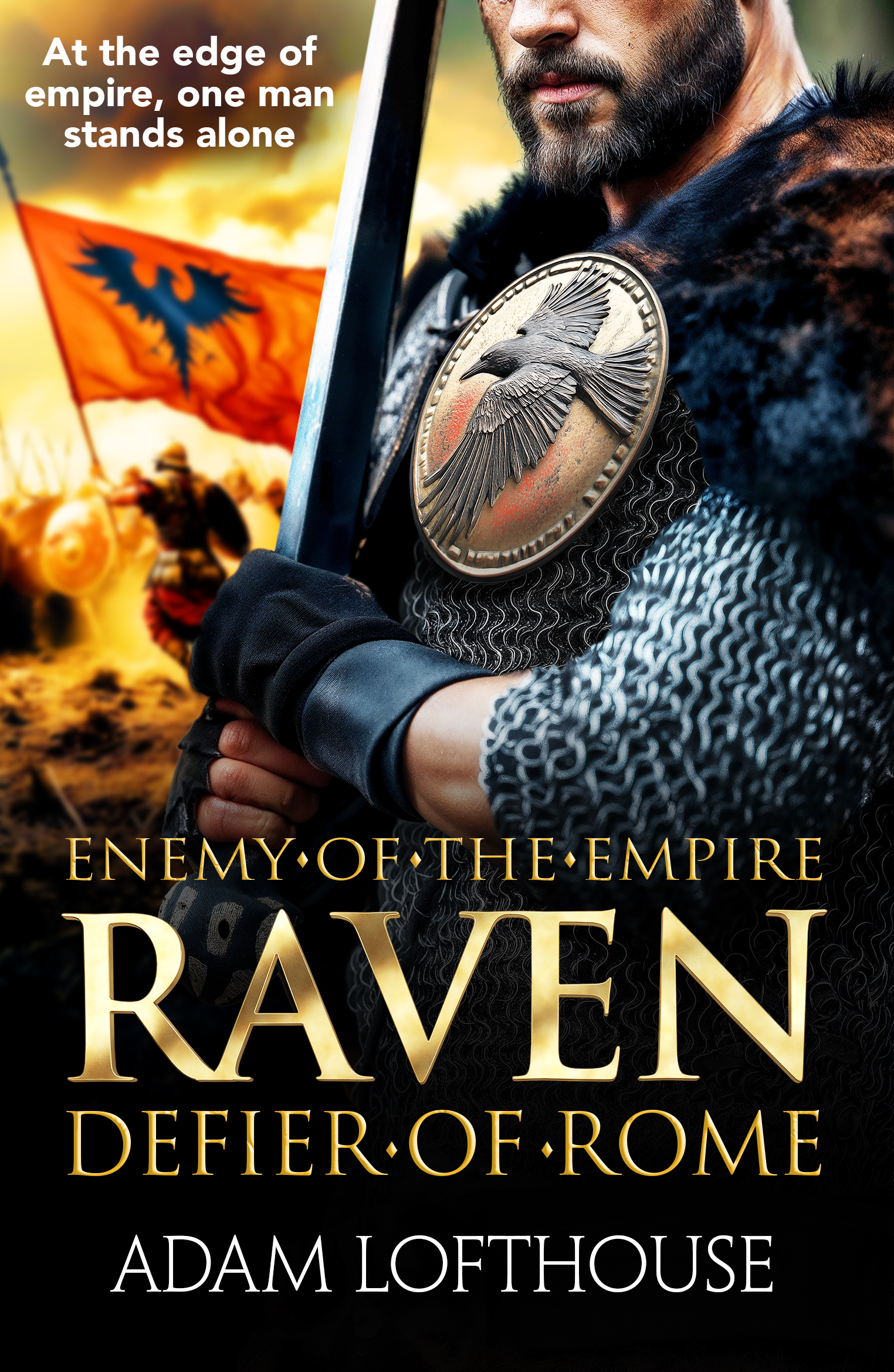
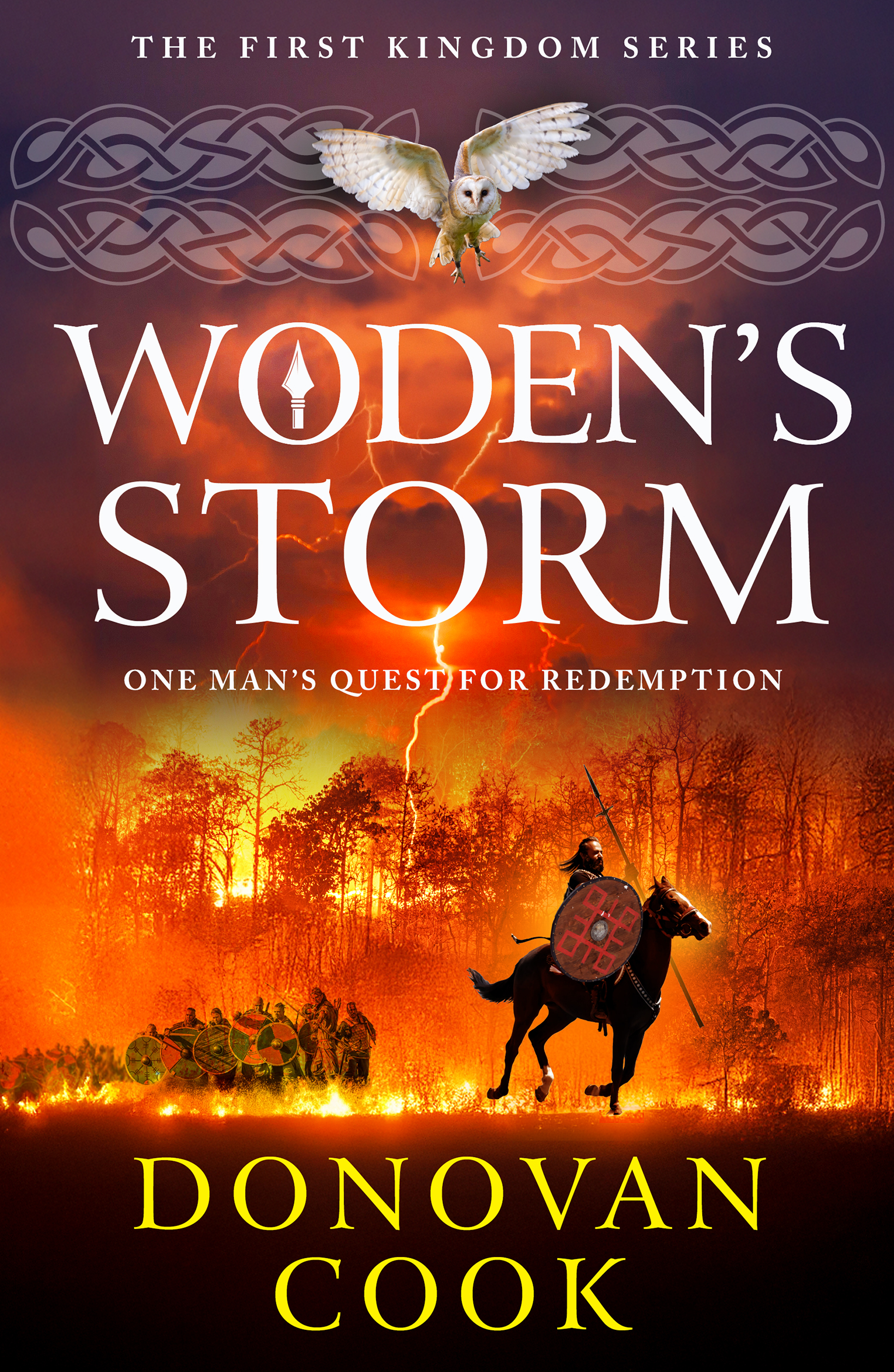
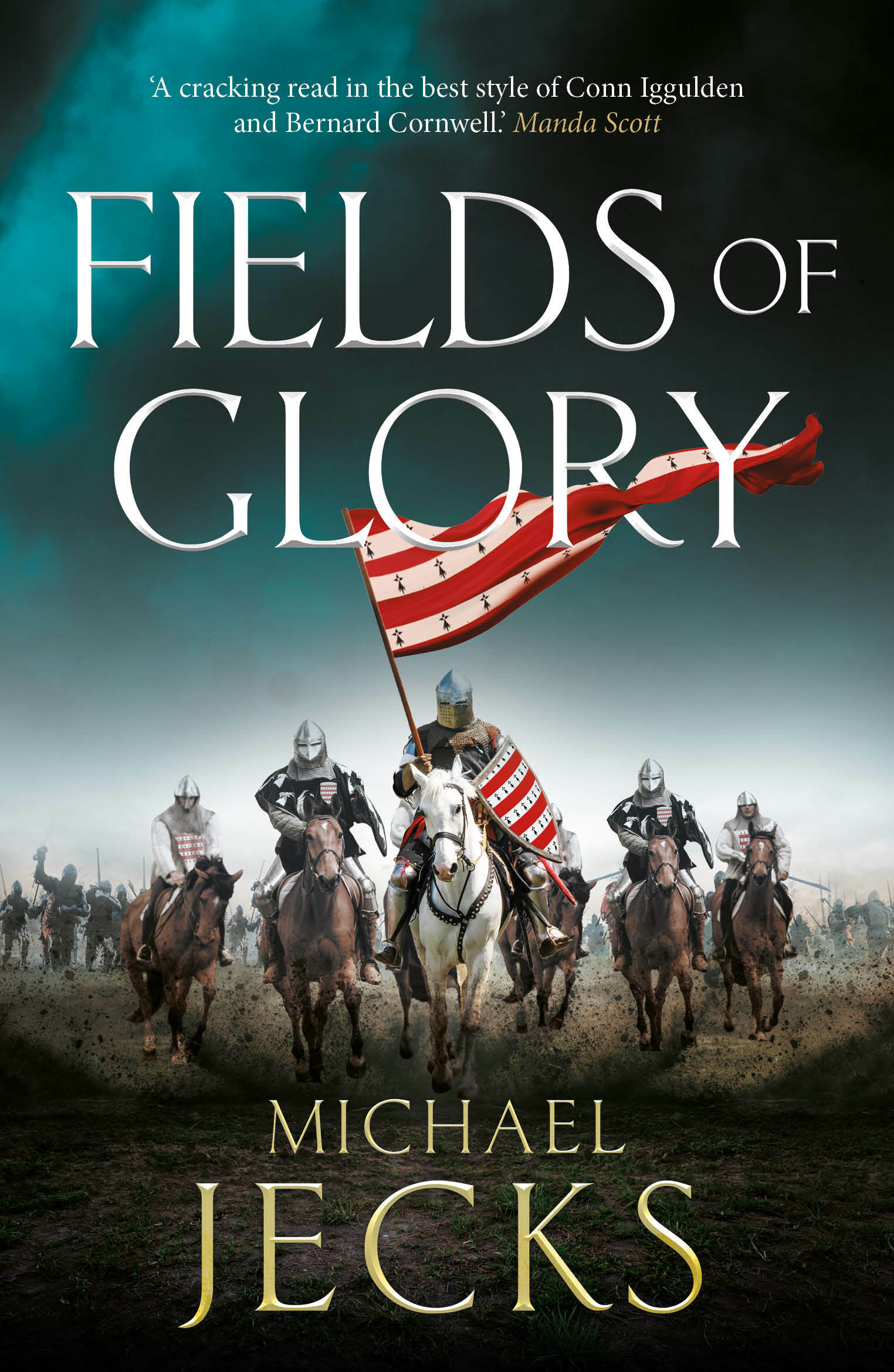
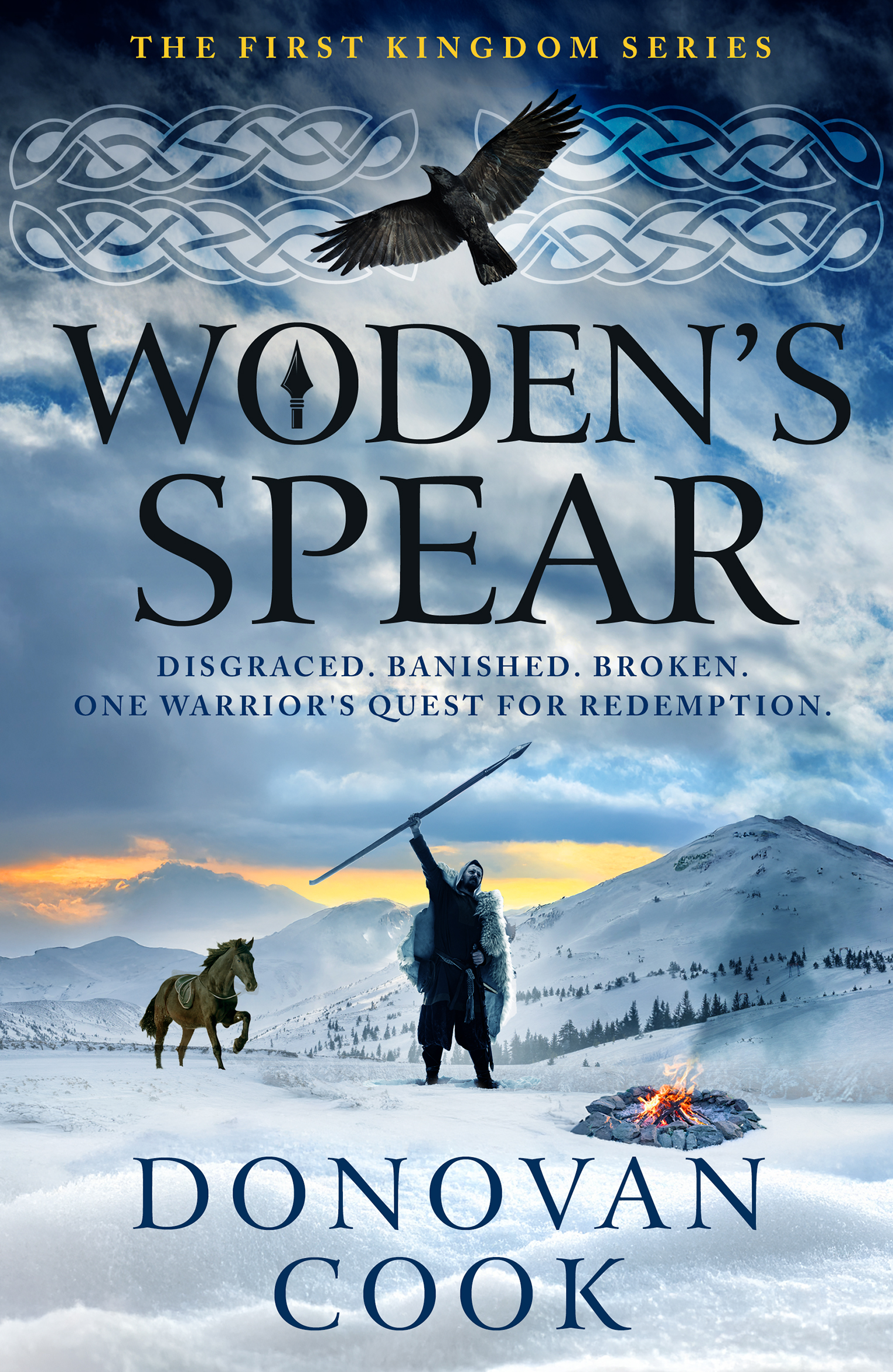
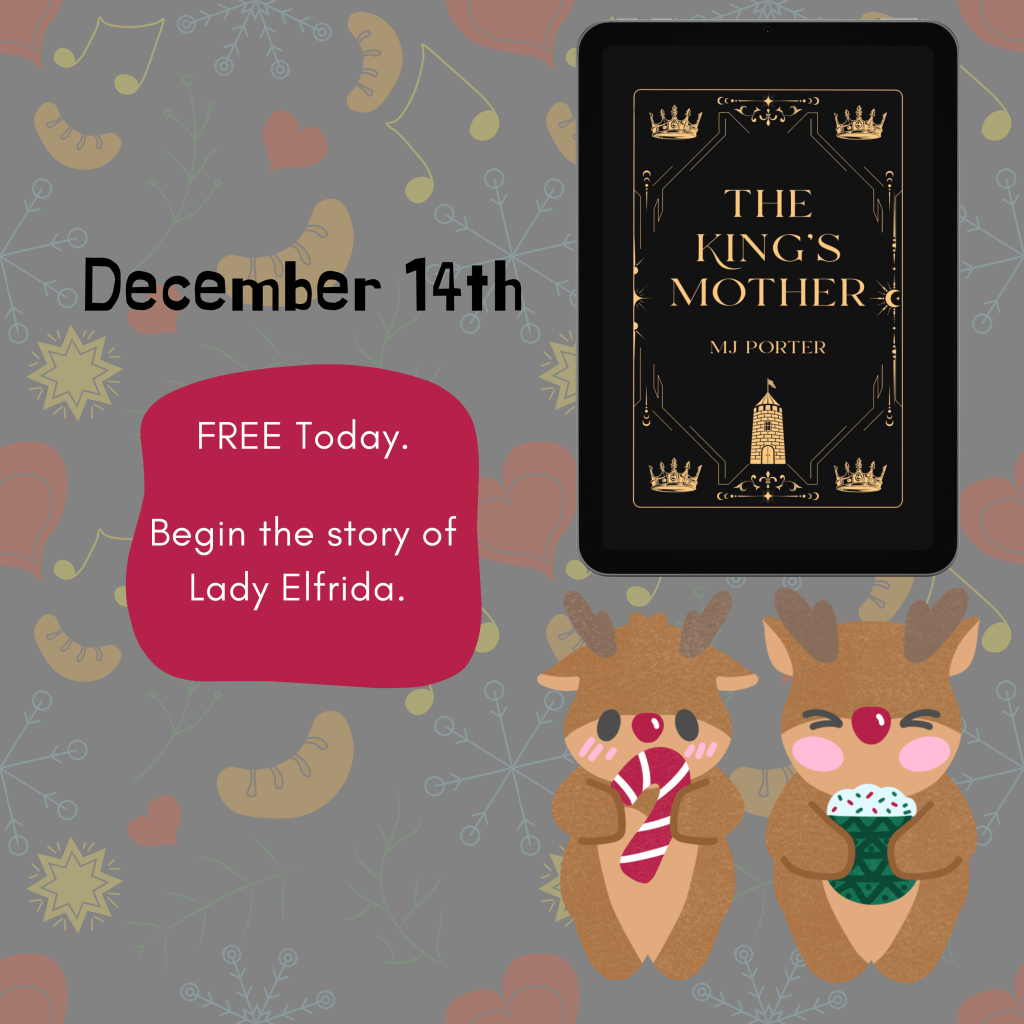
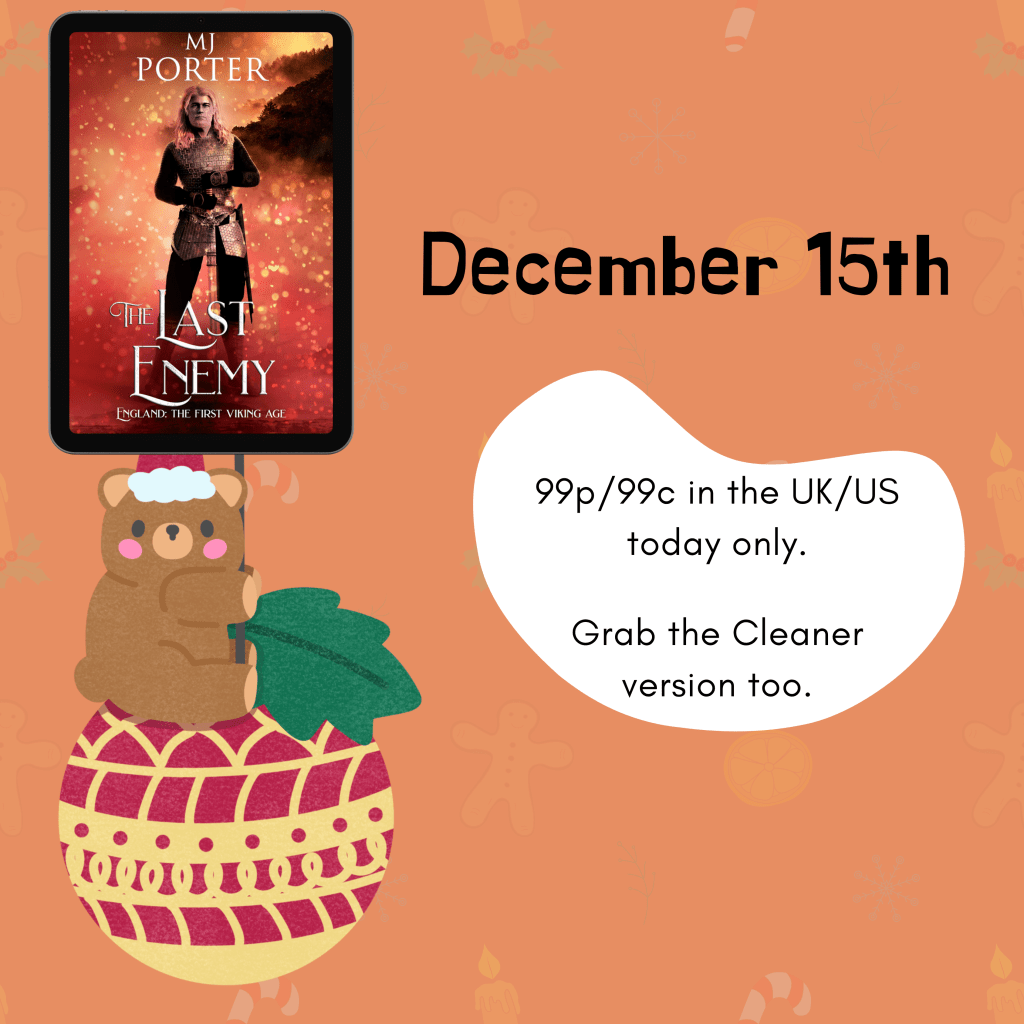
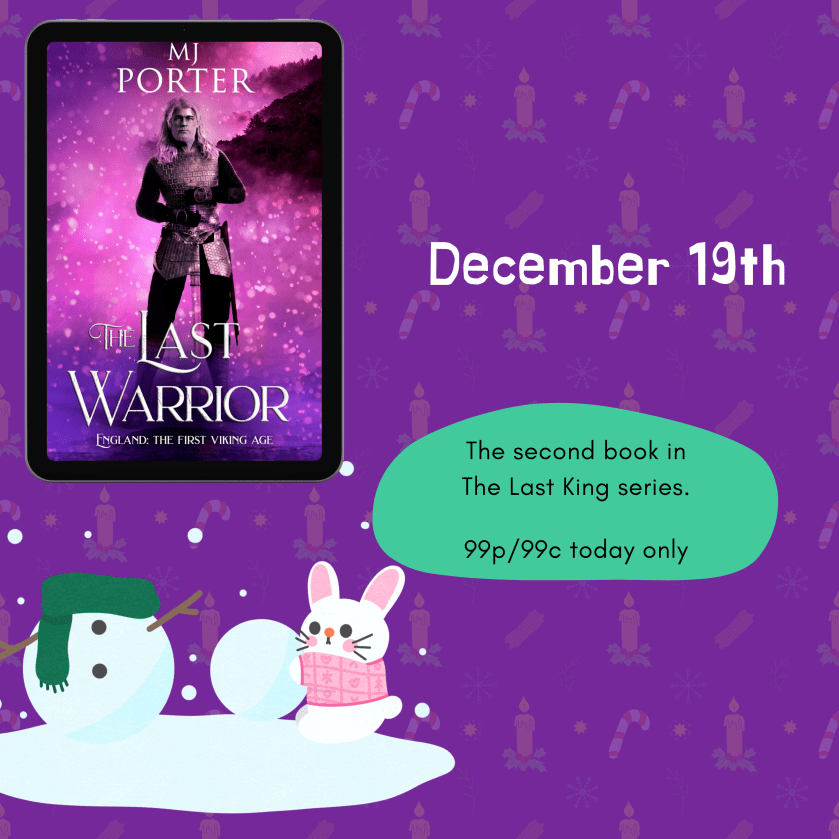
#TheLastHorse is 5 years old, and for one day only, it’s FREE on Amazon Kindle. #bookbirthday #histfic #TheLastKing #Coelwulf #Mercia

https://amzn.to/4mzHQDd

https://amzn.to/4n5Eqbj (the less sweary version)

Limited hardback editions

There are also special edition hardback formats available directly from me for The Last King and The Last Warrior. Follow this link to discover them.


Check out all the details for The Mercian Kingdom: The Ninth Century.


Posts

I’m delighted to share my review for The Ladies Road Guide to Utter Ruin by Alison Goodman #bookreview #regency #historicalmystery

I’m delighted to share my review for The Ladies Road Guide to Utter Ruin by Alison Goodman #bookreview #regency #historicalmystery

Here’s the blurb

In Regency England, the eccentric Colebrook sisters are amateur detectives who use their wits and invisibility as “old maids” to fight injustice in this delightful and fiercely feminist novel of mystery and adventure from New York Times bestselling author Alison Goodman.

To most of Regency high society, forty-two-year-old Lady Augusta Colebrook, or Gus, and her twin sister, Julia, are just unmarried ladies of a certain age—hardly worth a second glance. But the Colebrook twins are far from useless old maids. They are secretly protecting women and children ignored by society and the law.

When Lord Evan—a charming escaped convict who has won Gus’s heart—needs to hide his sister and her lover from their vindictive brother, Gus and Julia take the two women into their home. They know what it is like to have a powerful and overbearing brother. But Lord Evan’s complicated past puts them all in danger. Gus knows they must clear his name of murder if he is to survive the thieftakers who hunt him. But it is no easy task—the fatal duel was twenty years ago and a key witness is nowhere to be found.                    

In a deadly cat-and-mouse game, Gus, Julia, and Lord Evan must dodge their pursuers and investigate Lord Evan’s past. They will be thrust into the ugly underworld of Georgian gentlemen’s clubs, spies, and ruthless bounty hunters, not to mention the everyday threat of narrow-minded brothers. Will the truth be found in time, or will the dangerous secrets from the past destroy family bonds and rip new love and lives apart?

Purchase Link

https://amzn.to/4mu3adg

My Review

It might have taken me way too long to get to this book on my TBR, but I have devoured it in three days.

The Ladies Road Guide to Utter Ruin is a thrilling adventure set in the Regency period, with our main character, Augusta, or Gus as she prefers to be called, taking a journey into the underbelly of Regency society in an effort to save two women from their families, as well as a few other people.

The narrative builds steadily until the last 30% when it gallops to a fabulous conclusion, setting the scene beautifully for the next book in the series.

I’ve read Alison’s Dark Days Club Series as well, and I adore how she weaves a narrative through the conventions of the time, while still giving her female characters room to move. This is not a Regency romance, although there are elements of it. This is a Regency adventure with a thrilling heroine, no end of jeopardy and an eye to the history of the period.

Read this, fellow Regency fans. You will not be disappointed.

The Ladies Road Guide to Utter Ruin is available now, as is the first book in the series, The Benevolent Society of Ill-Mannered Ladies, which I have, but I jumped straight in with book 2, because sometimes I do that stuff:)

Posts

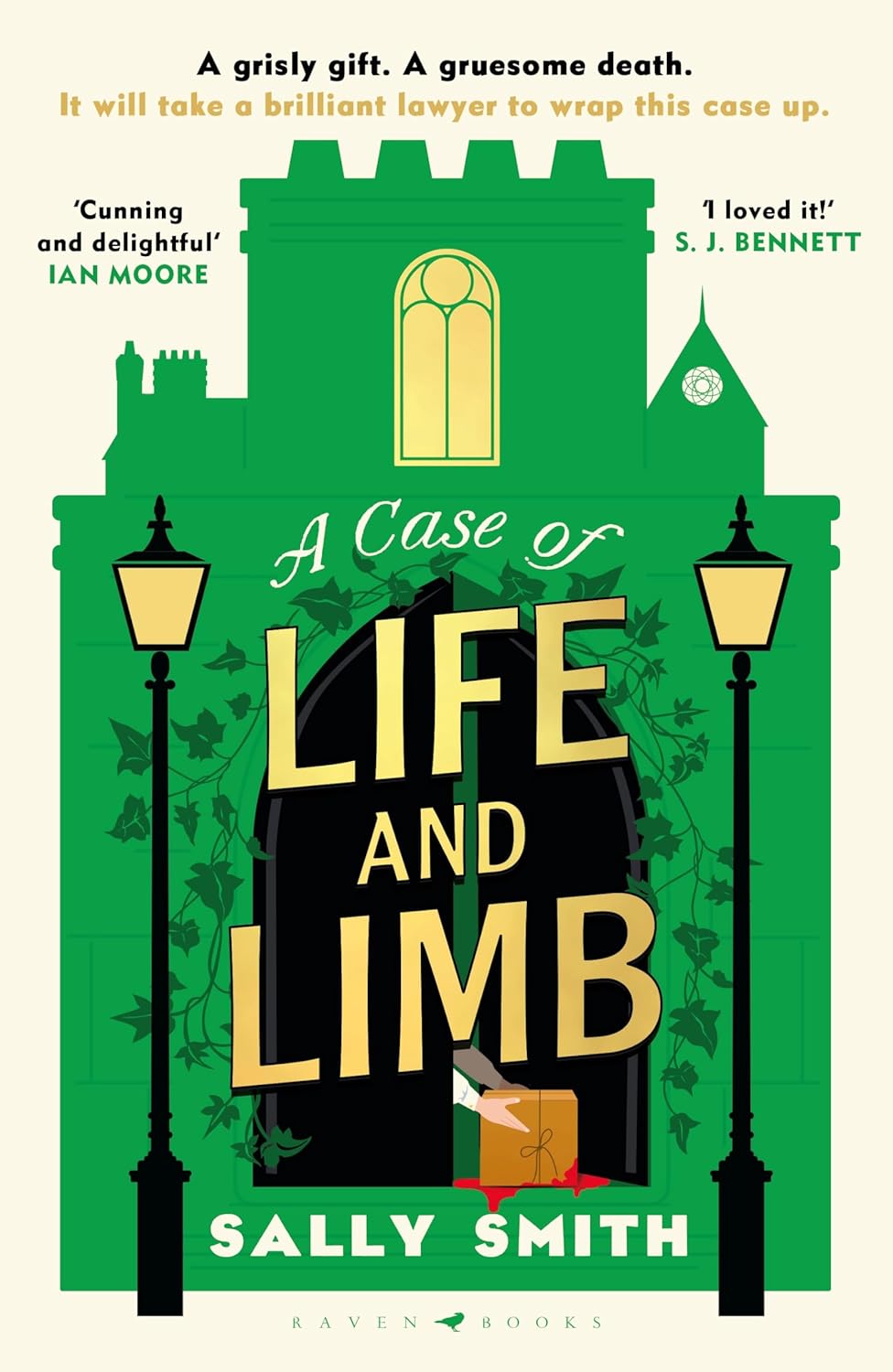
I’m sharing my review for A Case of Life and Limb by Sally Smith #historicalmystery #newrelease

Here’s the blurb

Winter, 1901. The Inner Temple is even quieter than usual under a blanket of snow and Gabriel Ward KC is hard at work on a thorny libel case. All is calm, all is bright – until the mummified hand arrives in the post…

 While the hand’s recipient, Temple Treasurer Sir William Waring, is rightfully shaken, Gabriel is filled with curiosity. Who would want to send such a thing? And why? But as more parcels arrive – one with fatal consequences – Gabriel realises that it is not Sir William who is the target, but the Temple itself.

 Someone is holding a grudge that has already led to at least one death. Now it’s up to Gabriel, and Constable Wright of the City of London Police, to find out who, before an old death leads to a new murder.

Purchase Link

https://amzn.to/4nisd3l

My Review

I’ve not encountered Gabriel Ward KC before, but I’m very pleased I took a chance on A Case of Life and Limb.

This is a delightfully quirky mystery, beginning in late 1901, and taking the reader on a journey through the social mores of the age, and the conflict between the upper and lower middle classes, all played out beautifully between Gabriel and Constable Wright, with a few others along the way. And most of it takes place within the Inner Temple, and its seeming separation from what happens beyond its garden and walls. 

The novel is filled with gentle humour and Gabriel is a bit of a sweetie behind his stern facade. I especially loved his interactions with the cat.

The mystery itself was well resolved, and I will certainly go back and read book 1 in the series.

A Case of Life and Limb is available now, as is book 1 in the series, A Case of Mice and Murder.

Posts

I’m delighted to share my review for The Players Act 1: All the World’s A Stage by Amy Sparkes #historicalfiction #bookreview

I’m delighted to share my review for The Players Act 1: All the World’s A Stage by Amy Sparkes #historicalfiction #bookreview

Here’s the blurb

How far would you go to save what you truly love?

England, 1715.
When society doesn’t understand you, and your family is out of the picture, a strolling theatre company could be your perfect home…


Ambitious lead actor Thomas is determined to reach Drury Lane and prove to his father that he is not a failure.

Fierce Caroline has a traumatic past and is determined to protect the company which saved her.

Kind-hearted Annie just wants to look after her found family.

So, when their heartbroken manager Robert is injured and decides to fold the struggling company, the players are resolved to change his mind, whatever the cost. Unfortunately for them, the odds are stacked against them. They’ve lost their stage, they still haven’t got a skull for Hamlet, and flamboyant ex-member Piero is hunting them down, with a spot of revenge on his mind…

Is it time for the final bow?

The Players Act 1: All The World’s A Stage gives voice to the forgotten strolling players of the 18th century in this fun, uplifting, and page-turning read.

WHAT TO EXPECT:

  • Energetic, accessible historical fiction
  • Working-class characters
  • Found family
  • Comedy and tragedy
  • Shakespeare
  • LGBTQ+
  • Neurodiversity
  • Mental health issues
  • Multiple POV
  • Heart and hope

Purchase Links 

https://www.kobo.com/gb/en/ebook/the-players-act-1

https://www.amazon.co.uk/Players-Act-All-Worlds-Stage-ebook/dp/B0DY8CM3LX

https://www.amazon.com/Players-Act-All-Worlds-Stage-ebook/dp/B0DY8CM3LX

My Review

The Players Act 1 follows our cast of strolling players from a hurried exit from their latest performance. Dejected and ejected, Thomas decides on a desperate course of action to save his dream of becoming an actor and treading the boards at Drury Lane. Still, he’s forgotten that not everyone in his family shares his dream.

And it’s not only Thomas. We’re treated to the thoughts and feelings of many of our cast, as they endeavour to make the seemingly impossible happen to reverse the strolling players’ bad fortune.

There’s much desperation for our characters, much hope and laughter, and even more disappointment as the storyline rumbles towards its conclusion. The reader, like the main characters, is desperately hoping for some stroke of fortune for our players. Will they earn it, or will this comedy end in tragedy? Read on to find out.

Meet the author

Amy was born in Eastbourne, England, where the sea and South Downs encouraged her love of the outdoors and nurtured her wildness. Her childhood was filled with folk music, caravans and imagination, and she was always dreaming up stories and characters – usually when she was meant to be doing something else. 

She enjoys stories that explore both comedy and tragedy. She is a New York Times bestselling author and her work includes THE HOUSE AT THE EDGE OF MAGIC series, and the picture books for BBC’s THE REPAIR SHOP. THE PLAYERS is her debut novel for adults. 

Amy now lives in Devon with her husband and six children. When she isn’t writing, Amy enjoys drinking tea, climbing trees and playing the piano, although disappointingly she is yet to master doing all three at once.

Image shows author Amy Sparkes

Connect with the author

Posts

The Lady of Mercia’s Daughter turns 8 years old #bookbirthday #Mercia

Another book birthday

I feel like these are coming thick and fast this year, but then I suppose I’ve written a lot of books.

To celebrate The Lady of Mercia’s Daughter turning 8, yes 8, today, I thought I’d share why I wrote about Lady Ælfwynn, and not her more famous mother, Lady Æthelflæd.

My first historical fiction story (that of Ealdorman Leofwine) was inspired by the fact that I realised he’d been almost written out of the history of the period. I’d read many, many books about the end of Saxon England, and few of them mentioned the Earls of Mercia at all, apart from his descendants, Edwin, Morcar and Eadgyth. This has often been the way. I find a character who’s been forgotten about (because most historical individuals have been forgotten about) and I reimagine their lives and endeavour to either rehabilitate them, or at least shine a light on them. The same can be said for Lady Ælfwynn, the Lady of Mercia’s Daughter, and the Second Lady of the Mercians in her own right.

Even though she attests a number of charters, and is named in the Anglo-Saxon Chronicle (which is very rare for the women of the tenth century) no one had heard of her. I was determined to put that right, largely helped by an academic paper I read about her which got my brain firing with ideas.

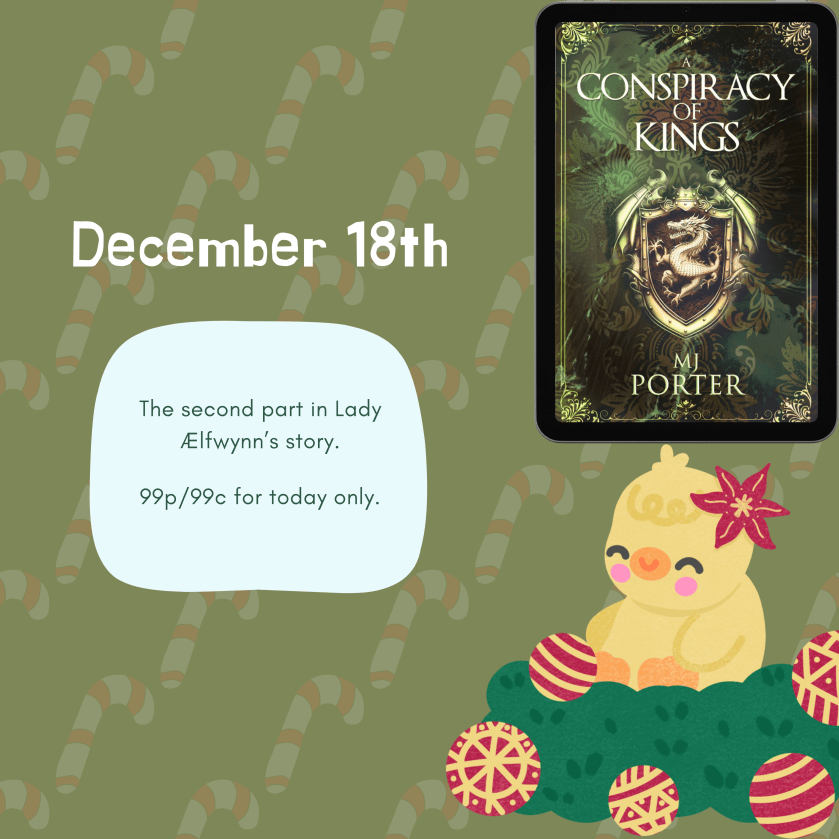
Piecing together the scant information available (and possibly known) about her, I created The Lady of Mercia’s Daughter, and subsequently, the sequel, A Conspiracy of Kings. In doing so I don’t suggest at all that this is a recreation of the life she led, but it certainly presents a possible life for her, and one that is a little more exciting than the often cited ‘she became a nun,’ argument to explain why she disappears from the historical record so quickly. It also allowed me to try my hand at family politics, which so often came into play during the era. And, for fans of King Coelwulf II and The Last King books, I can certainly ‘see’ a lot of his later creation in the pages of The Lady of Mercia’s Daughter.

Here’s the blurb

Betrayal is a family affair.

12th June AD918. 

Æthelflæd, Lady of the Mercians and daughter of Alfred the Great, is dead.

Ælfwynn, the niece of Edward, King of Wessex, has been bequeathed her mother’s power and status by the men of the Mercian witan. But she knows Mercia is vulnerable to the north, exposed to the retreating world of the Viking raiders from her mother’s generation.

With her cousin Athelstan, Ealdorman Æthelfrith and his sons, Archbishop Plegmund and her band of trusted warriors, Ælfwynn must act decisively to subvert the threat from the Norse. Led by Lord Rognavaldr, the grandson of the infamous Viking raider, Ivarr of Dublin, they’ve turned their gaze toward the desolate lands of northern Saxon England and the jewel of York.

Inexplicably she’s also exposed to the south, where her detested cousin, Ælfweard, and uncle, King Edward, eye her position covetously, their ambitions clear to see.

This is the unknown story of Ælfwynn, the daughter of the Lady of the Mercians and the startling events of late 918 when family loyalty and betrayal marched hand in hand across lands only recently reclaimed by the Mercians. Kingdoms could be won or lost through treachery and fidelity, and there was little love and even less honesty. And the words of a sword were heard far more loudly than those of a king or churchman, noble lady’s daughter or Viking raider.

You can now grab The Lady of Mercia’s Daughter duology, containing both books featuring Lady Ælfwynn

Check out the series page for The Tenth Century Royal Women.

Posts

I do love a cover reveal, and today I’m delighted to share one for My Rock Star Neighbor by Kathy Strobos #coverreveal #blogtour

Here’s the blurb

When a wary rock star and a cynical reporter fake date to bury a scandalous rumor, will true love be exposed as the real story?

Nick: I do my best songwriting while playing my guitar on the fire escape. Unfortunately, my in-bed-at-ten next-door neighbor, Maddie, is not a fan of my music. She clambers out on the fire escape to yell at me about making “noise.”  In bunny slippers, no less. But then she trips and falls into my arms. 

That photo of Maddie plastered all over me hits the papers, just as my dream recording company wants to sign my band. Which is a problem, because an obsessed fan is claiming that I’m her boyfriend and now the media is blowing up that I’m two-timing them both. Good-bye recording contract, unless….

Maddie: I’m supposed to cover the story. Not be the story! But when Nick begs me to fake date, I can’t resist the chance to be Nick’s girlfriend—even if fake—the opposite of my life as a city desk reporter. But my ex said I’m a terrible kisser, and there’s no way I want Mr. Hot Rock Star saying the same thing. Hence, clause 11 in our contract: There will be absolutely no physical contact.

Nick: When Maddie receives a threatening photo of the two of us with an X over her face, my desire to protect her suddenly feels all too real. It’s either a troll or her undercover investigation has been compromised. With both our careers at stake, is breaking up the only way to keep Maddie safe?

Pre-order Links

https://www.amazon.com/dp/B0FHZ2LNFR/

https://www.amazon.co.uk/dp/B0FHZ2LNFR/

https://books.apple.com/us/book/my-rock-star-neighbor/id6748830148

Publication Date: 10th October 2025

Meet the author

Kathy Strobos is an award-winning author living in New York City with her husband and two children, amid a growing collection of books, toys, and dollhouses. She took a break from working as a lawyer to write romantic comedies full-time and get in shape. She is still working on getting in shape. 

Born and raised in Manhattan, she loves writing about New York City and her smart heroines who live and fall in love there, amidst its vibrant energy and the aroma of homemade chocolate chip cookies. She is the award-winning author of: A Scavenger Hunt for HeartsPartner PursuitIs This for Real?Caper Crush, My Book BoyfriendLove Is an Artand My Secret Snowflake

Connect with the author

Author image for Kathy Strobos

Posts

I’m delighted to welcome Sandro Martini and his book, Ciao, Amore, Ciao, to the blog #CiaoAmoreCiao #HistoricalFiction #WWII #BlogTour #TheCoffeePotBookClub

I’m delighted to welcome Sandor Martini and his book, Ciao, Amore, Ciao, to the blog with a piece written by Sandro Martini.

Sandro Martini Piece

Explaining of my writing routine means starting with what I don’t do. I don’t pre-plan, and I don’t have a structure or chapter guides. I use a weird amalgam of flashcards and stream of consciousness.

I know, weird.

Because I write historical fiction, the whole process begins with researching a topic that intrigues me. Half the time, the research—it can take upwards of five years—never gets written as I realise the story just isn’t there for me … but that’s another story (was that a pun?) for another day.

I’ll explore books, do interviews, and largely ignore the internet (except to get general overviews and timelines and so on) because I find that restrictive. Things like ChatGPT are an interesting addition to an author’s quiver, but it’s learning from sources that are all online and the whole point of search engines is to shrink everything to one ready answer. The truth of a thing—and the complexity of a life lived—is anything but singular, and the nuance that makes for a good novel is only found in scouring tons of primary sources.

I generally finish the research when I get bored of the topic, at which point I’m ready to begin the ugliest task in writing—going through all my notes to create flashcards. For Ciao, Amore, Ciao, the flashcards numbered somewhere in the region of 3,000, all handwritten.

That takes maybe six months or so. After that, the cards get arranged chronologically and/or by personage/event. And those cards then become my “guide”. Then they sit there as I begin to work out the one core essential—who will “tell” the story.

Once I figure out who that character is, it’s time for the fun part. The writing begins at around 3 a.m. every day, when I wake up and head straight for pen and paper. (No machine is involved in the first draft—I use a pen I bought years ago at a market in Zurich, a one-off, heavy, metal thing, and notebooks by, of course, Moleskine.)

I will already know which flashcards will be the “scene” that is getting written that day before I sit down to get it down on paper. Why 3 a.m.? Because in some ways I’m still asleep, and able to just write without a lot of self-awareness. It’s important for me to not be that conscious of the writing process.

The first draft is written this way, using a combination of the highly organised flashcards as prompts and stream of consciousness for the actual writing.

I’m also consistent with length, with first drafts generally coming in at around 70,000 words. The time I take to write a novel, though, differs considerably. For my first novel, Tracks: Racing the Sun, the first draft took about two years. Ciao, Amore, Ciao, written a week after my dad passed, took about three weeks.

Once the first draft is complete—I write the novel as a story, and I say this because I heard the other day that some writers will write intermittent scenes as if they’re shooting a movie and then splice it all together and that thought has not left my mind since!—it’s time for phase two: typing the damn thing out …

Sounds like a waste of time, but it’s a vital part of my method because this is when I “read” the book for the first time, and I start to see what’s working, what isn’t, what needs further exploration, which scenes will probably get cut, and so on. In essence, this is the first and most important edit I’m going to do to the new novel. It’s also a line edit, since I am now physically writing the book for a second time.

Once that’s done—it can take anywhere from a month to three months depending on how strong the handwritten draft is—I begin to edit the novel every morning. I’m a better editor than first-draft writer. That is, there will be paragraphs that will probably not change much from first writing, and there will be entire chapters that will be completely rewritten or even thrown out.

That editing phase can take anywhere between a year (for Ciao, Amore, Ciao) to three years for Tracks.

Once that’s complete (it’s complete when I get bored of it), I have my new novel which will now be left alone to age on my hard drive. After about three months, I will then print it out (in Garamond font) and read it not as a writer but as a reader, paying attention to one thing: the pacing. If I find myself lagging, I will judiciously begin to shorten scenes that are slowing down the tempo. This, for me, is the hardest part of my craft, and something that ruined my writing career as a young man.

Backstory: I was once asked to write a 20,000-word piece for a major publisher to appear in a top 5 young writers in the UK anthology. This was in the mid-’90s. Four of those writers went on to become names in the industry. And then there was me. When asked to cut my piece, I chose to walk away from the contract and didn’t submit anything to any publisher for the next 20 years. So when I say cutting judiciously is difficult, I literally mean I dumped a career because of it. That’s mostly because I see myself as a stylist. I value a beautifully written line far more than a story. That’s the thing I value most in my writing because style brings emotion and emotion is what my novels are all about.

And that’s the process.

Style is primary. Getting out of my own way when doing the first draft is essential. And being brave enough to cut beautiful prose for the sake of pacing is key.

Here’s the Blurb

An enthralling dual-timeline WWII family mystery, based on the heartbreaking true story of the massacre in a small town in Italy in July of 1945, from award-winning, bestselling novelist Sandro Martini.

“A gripping saga that roots excruciating betrayals in a nation’s tragic history.” –Kirkus Reviews

In the winter of 1942, an Italian army of young men vanishes in the icefields of the Eastern Front. In the summer of 1945, a massacre in Schio, northeastern Italy, where families grieve the dead, makes international headlines.

In present-day Veneto, an ordinary man is about to stumble onto a horrifying secret.

Alex Lago is a jaded journalist whose career is fading as fast as his marriage. When he discovers an aged World War II photo in his dying father’s home, and innocently posts it to a Facebook group, he gets an urgent message: Take it down. NOW.

Alex finds himself digging into a past that needs to stay hidden. What he’s about to uncover is a secret that can topple a political dynasty buried under seventy years of rubble. Suddenly entangled in a deadly legacy, he encounters the one person who can offer him redemption, for an unimaginable price.

Told from three alternating points of view, Martini’s World War II tale of intrigue, war, and heartbreak pulls the Iron Curtain back to reveal a country nursing its wounds after horrific defeat, an army of boys forever frozen at the gates of Stalingrad, British spies scheming to reshape Italy’s future, and the stinging unsolved murder of a partisan hero.

Ciao, Amore, Ciao is a gripping story of the most heroic, untold battle of the Second World War, and a brilliantly woven novel that brings the deceits of the past and the reckoning of the present together.

Balances action, suspense, and emotional depth to deliver a truly immersive, thought-provoking read with an unflinching look at the sins of the past and the lengths to which the powerful will go to keep them buried.” ~ Sublime Book Review

Buy Link

Universal Link:

This title is available to read on #KindleUnlimited

Meet the Author

Sandro Martini has worked as a word monkey on three continents. He’s the author of Tracks: Racing the Sun, an award-winning historical novel.

Sandro grew up in Africa to immigrant parents, studied law in Italy, chased literary dreams in London, hustled American dollars in New York City, and is now hiding out in Switzerland, where he moonlights as a Comms guy and tries hard not to speak German.

You can find him either uber-driving his daughter, chasing faster cars on the autobahn, or swimming in Lake Zurich with a cockapoo named Tintin.

His latest historical suspense novel, Ciao, Amore, Ciao, is now available.

Connect with the Author

Follow the Ciao, Amore, Ciao blog tour with The Coffee Pot Book Club

I’m delighted to welcome Jane Loftus and her book, The Herb Knot, to the blog #HistoricalFiction #medieval #Winchester #BlogTour #TheCoffeePotBookClub

I’m delighted to welcome Jane Loftus and her book, The Herb Knot, to the blog with some historical research behind The Herb Knot.

The Herb Knot Historical Research

This story was a dream to research because Winchester Library held the Holy Grail of information, otherwise known as The Survey of Medieval Winchester by Derek Keene.

The detail contained in the study is beyond meticulous and was based on innumerable deeds and rolls held in the British Library and Winchester archives. Not only is every single house documented – both inside the city and also covering the suburbs – but each tenant within each document is recorded, right down to the amount of rent they paid and to whom.

And the maps – oh, the maps! Having established who lives where and what they did, the author reconstructed the streets where they lived too. If you live in Winchester and suddenly see streets you know described and drawn as they would have been in the Middle Ages, it does send a shiver down the spine. I can walk past various shops on the High Street now knowing there used to be an Inn there, or a silversmith there and oh, the chandler was here.

Want to know what made up the bulk of industry in the city? This survey will tell you. Which industries were in decline, that too.

It didn’t even stop there. After gorging on this amazing detail, the final part of the survey is full of biographical information of many of the citizens. This was where the novel really started to take shape. Family trees, wealthy merchants marrying into other wealthy merchant families, their names and dates. Also interesting to see, even at a time when English was overtaking French as the language of the court, how many citizens (usually wealthy ones it has to be said) who still had a ‘le’ or ‘de’ in their names, like Hugh le Cran. His wife did not, and that’s only just struck me now as I write this.

The survey very kindly gave me Serlo, a butcher, and Thurstin, a clerk. I feel like a cheat in many ways for borrowing so many lovely names and professions, but I hope I did them justice.

Speaking of names, I came across many, many women called Petronilla, I’d had no idea how popular it was in 1350. I would have picked on that had it not been the name of the main character in The Miniaturist.

The other part of the research involved actually going into town and paying more attention. How long would it take for Edith to walk from Tanner Street to Knights Meadow? Getting into St John’s church and looking at the frieze over the door – properly looking at it, not just noting that it was there and was remarkable, but really paying attention.

There was also the local museum, of course, with the beautiful little misericorde which I promptly gave to Rafi. The records office also holds many treasures – including a deep dive into deeds and letters concerning Le Cran and his properties, and also money he owed or loaned to people, hence the £200 to the Earl of Arundel which I used as a plot point. The crowning moment came when the records office emailed me a photocopy of the seal of Hugh Le Cran. I remember opening it and literally gasping out loud. It is exactly as described, three rather chunky birds in triangle formation with a tree behind them. Rafi was quite right – they don’t look like cranes, they look like ducks, and thus his confusion over what they might be was born.

After that there were the endless videos about how to use egg white to bind paint, and making ink out of oak gall in your own kitchen, neither of which I tried.

 Can’t say I wasn’t tempted, though. Plenty of meringue opportunities with the leftovers.

Here’s the Blurb

The Hundred Years’ War comes to life in this spellbinding tale of love, betrayal and conspiracy … 

A quest born on the battlefield will change a young boy’s destiny… 

Rafi Dubois is five years old when his mother is murdered after the Battle of Crecy in 1346. Alone and lost, Rafi is given a token by the dying Englishman who tried to save his mother’s life: a half-broken family seal which he urges Rafi to return one day to Winchester. 

Years later, when Rafi saves a wealthy merchant’s wife from a brutal robbery, he is rewarded with the chance to travel to England, taking the seal with him. 

But when he reaches Winchester, Rafi finds himself in a turbulent world full of long-held allegiances, secrets and treachery. His path is fraught with danger and with powerful enemies working against him, Rafi falls in love with Edith, a market apothecary. But in doing so, Rafi unleashes a deadly chain of events which threatens to overwhelm them both… 

The Herb Knot is a sweeping and passionate novel set in one of the most tumultuous times in English history, from a powerful new voice.

Buy Link

Universal Link

Meet the Author

Jane Loftus gained a degree in 16th Century European and British history from Surrey before taking a postgraduate degree in modern political history. As a lone parent, she worked in Winchester Waterstones before returning to IT once her son was older.

Hugely passionate about the Middle Ages, she drew inspiration for this novel from the medieval layout of Winchester which has been painstakingly documented.

Jane is originally from London but has lived in Winchester for over twenty years. When not writing, she is usually out walking or watching costume dramas on Netflix – the more medieval the better. She also plays far too many rpgs.

Connect with the Author

Follow The Herb Knot blog tour with The Coffee Pot Book Club

Posts

I’m delighted to welcome Carolyn Niethammer and her book, Everything We Thought We Knew, to the blog #HistoricalFiction #1970s #PoliticalProtest #Peace #BlogTour #TheCoffeePotBookClub

I’m delighted to welcome Carolyn Niethammer and her book, Everything We Thought We Knew, to the blog.

Here’s the Blurb

In 1970, Christie left behind the comforts of L.A. and joined a New Age commune in rural Arizona. With the Vietnam War raging and the counterculture movement in full swing, she hoped to find a community to create a better society. But building a new culture is no easy task, especially when free love, psychedelics, and a war protest gone horribly wrong are thrown into the mix. Important secrets follow them beyond the commune.

Put on your tie-dyed shirt and come to Bella Vida as the friends try to change the rules of modern society, then face the repercussions of when middle age sets in.

Buy Link

Universal Link

Meet the Author

In the 1970s Carolyn Niethammer visited communes throughout the West and settled in an Arizona artists’ community for many years. Those years were important to who she became as she learned to gather wild foods and wrote several cookbooks centered on edible plants.

In “Everything We Thought We Knew” she hopes to shed light on an important part of American history where young people were advocating for peace in Vietnam War protests and fled to communes, seeking a lifestyle apart from the commercialism and isolation that had overtaken society.

Connect with the Author

Follow the Everything We Thought We Knew blog tour with The Coffee Pot Book Club

Posts

On this day in history, the anniversary of the battle of Maserfeld in either 641 or 642. I thought I’d share some photos of Ad Gefrin, Yeavering Bell and Bamburgh castle as well as some book recommendations

On this day in history, the anniversary of the battle of Maserfeld in either 641 or 642. I thought I’d share some photos and book recommendations

It’s the anniversary of the Battle of Maserfeld on August 5th (641 or 642), fought between Penda of Mercia (go Penda) and his allies, and Oswald of Northumbria and his allies, so I thought I’d reshare some photos I took while writing the Gods and Kings trilogy of Bamburgh Castle and Northumberland in general, which was the home of Oswald of Northumbria. Admittedly, the battle of Maserfeld is said to have taken place at Oswestry on the Welsh border with Mercia, but I didn’t go there, although I certainly visited as a child.

‘A.D. 641/642.  This year Oswald, king of the Northumbrians, was slain by Penda, king of the Southumbrians, at Mirfield, on the fifth day of August; and his body was buried at Bardney.  His holiness and miracles were afterwards displayed on manifold occasions throughout this island; and his hands remain still uncorrupted at Barnburgh.  The same year in which Oswald was slain, Oswy his brother succeeded to the government of the Northumbrians, and reigned two less than thirty years.’

(Taken from the online version of the Anglo Saxon Chronicle, a ninth century creation so, not very contemporary).

  • Views of Ad Gefrin from a visit in October 2023 to hear about the 2023 excavation

You can hear the archaeologist, Sarah Semple, talking about the recent excavations at Ad Gefrin in this Society of Antiquaries Lecture. https://www.youtube.com/watch?v=0A7eRTvajtA

You can also visit the Ad Gefrin trust website here.

The battle of Maserfeld is the book Pagan King follows in my Gods and Kings Trilogy (the second book in the trilogy). I had a lot of fun writing it, making use of locations I visited as a child to make them come alive, and even setting one of the fictional battles in the lead up to the clash at Maserfeld, close to where I used to live.

If you’re curious about the period, I highly recommend these non-fiction titles. Perhaps start with Max Adams’ The King in the North. It’s also the most modern of the three. The other two were texts I read while at university (so yes, decades ago:))

books2read.com/PaganKing

Check out the Gods and Kings trilogy page on the blog.

Posts