I’m delighted to share my review for A Treatise on Martian Chiropractic Manipulation and Other Satirical Tales by Lisa Fox #blogtour #bookreview #fantasy #shortstories
Here’s the blurb
Human beings are flawed creatures, and humor is the perfect means to exploit the endless fodder of our shortcomings. This multi-genre collection of twenty-one short satirical stories will leave you smirking, chuckling, scratching your head, and maybe even muttering to yourself “WTF is this?”
From the award-winning author of the acclaimed short story collections “Core Truths” and “Passageways: Short Speculative Fiction” comes something a little bit irreverent and a whole lot of weird.
Ketchup-covered chiropractors on Mars. Wealthy vigilante housewives battling coffee-addicted aliens. Cheerleaders protesting unrestricted access to cupcakes. Canine doulas. Hallucinating marine biologists. No one is immune from the absurdity.
This is an intriguing and often fun collection of short stories by Lisa Fox. Some of them are very short, and some are much longer, but they all offer something a little different. Readers will enjoy learning about Martian Chiropractic techniques as well as following the loyalty card storyline, which will have us all thinking about just how much information these companies do hold about us (hint, it’s a lot). If you love short story collections, do check this one out. It’s varied, thought-provoking and sometimes, just plain fun.
Meet the author
Lisa Fox loves to ask questions. By day, she’s a pharmaceutical market researcher. By night, she channels that same inquisitive spirit into writing short fiction, building worlds and characters that explore the meaning of life, the universe, and everything in between. She survives, and sometimes thrives, in the chaos of suburban New Jersey with her husband, two sons, and quirky Double-Doodle dog. Lisa is an award-winning author of two short story collections: Core Truths and Passageways: Short Speculative Fiction. Website: lisafoxiswriting.com Twitter/X: @iamlisafox10800 Facebook: lisafoxiswriting
2025 has been a challenging reading year for me. I’ve failed to hit my reading target of 100 books (although I’m not worried about that because hey, it’s just a bit of fun to even set a target), and there have been a few months where I barely read anything at all because ‘life’ got in the way. I’ve also noticed this year that my reading preferences have changed, moving even more towards mysteries and away from my writing genre of action and adventure historical fiction. I have also, however, joined my local book club, and so I’m reading one book each month to discuss in the group, and this means I’m not necessarily always reading books I would usually choose. This has been a bit of an eye-opener. In our book club, we do read the books, and we do talk about them. If you can find a book club like that, then I highly recommend it. It’s a great experience.
Goodreads (and The Storygraph) tell me I’ve read 82 books this year (as a point of note, I don’t usually put my audiobooks on multiple times (I listen to the same few audiobooks at night to help me sleep and I am almost word perfect on some of them these days)). As last year, I’ve not included my own books in this, which get read repeatedly while writing and editing.
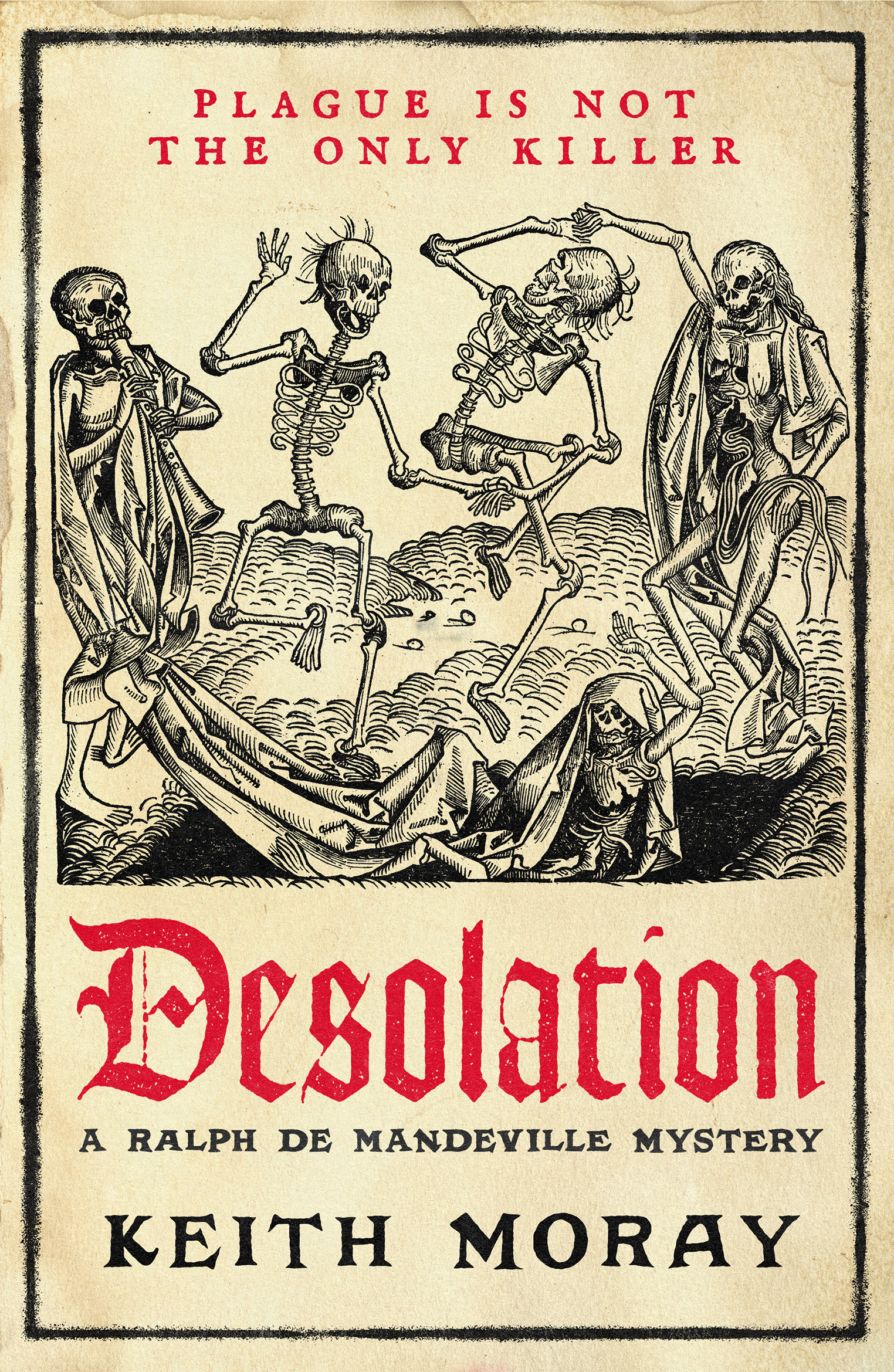
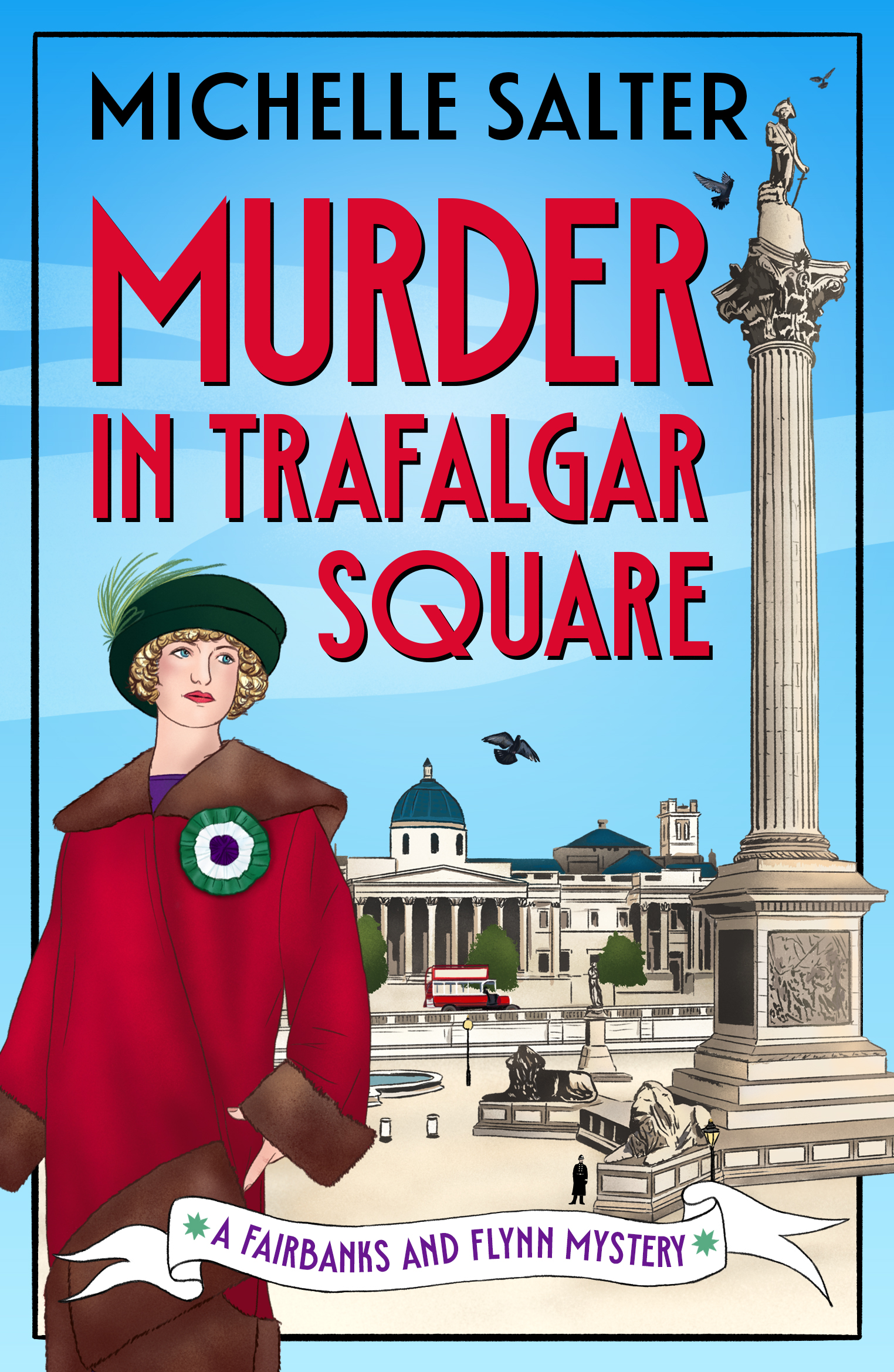
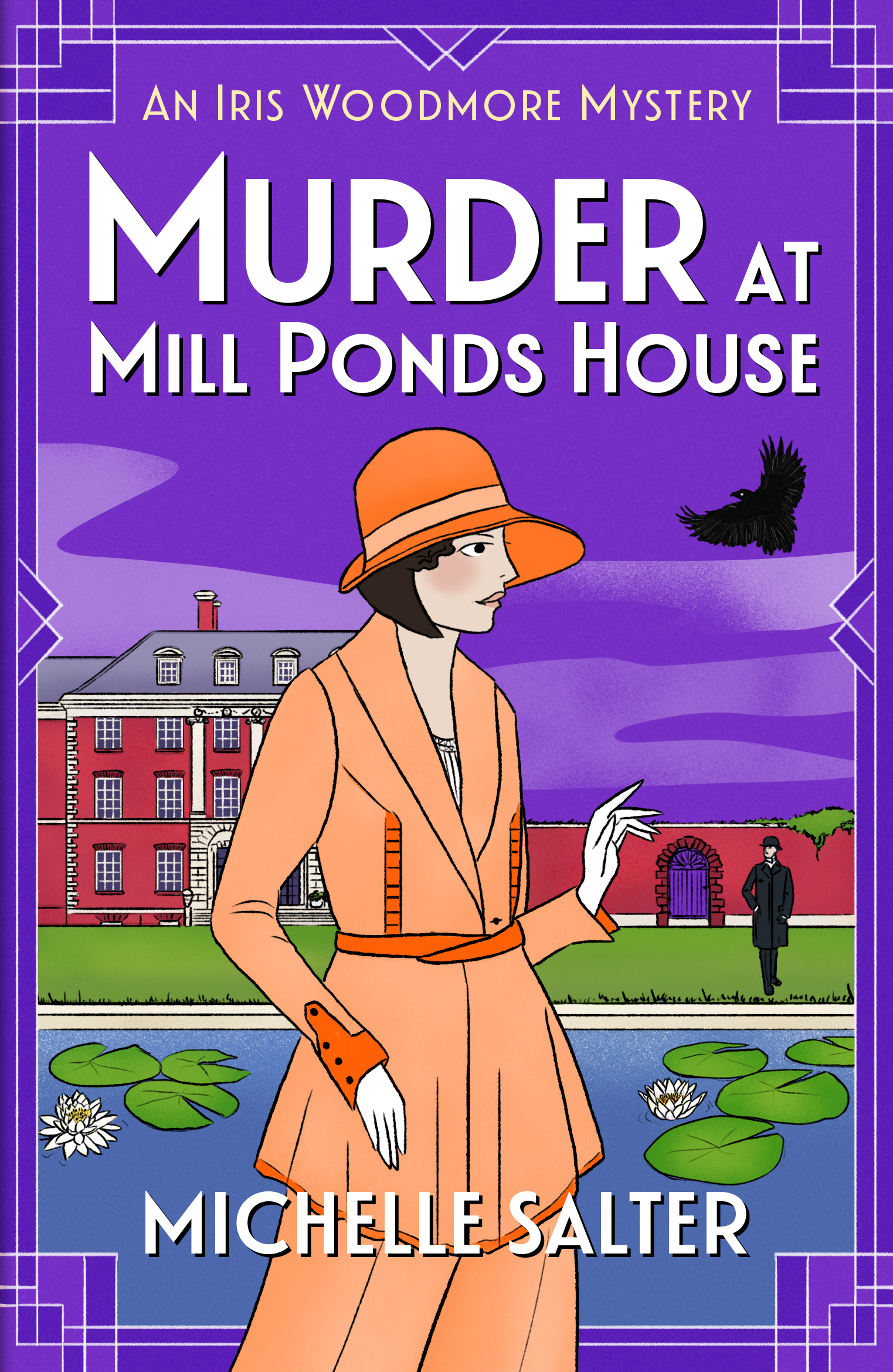
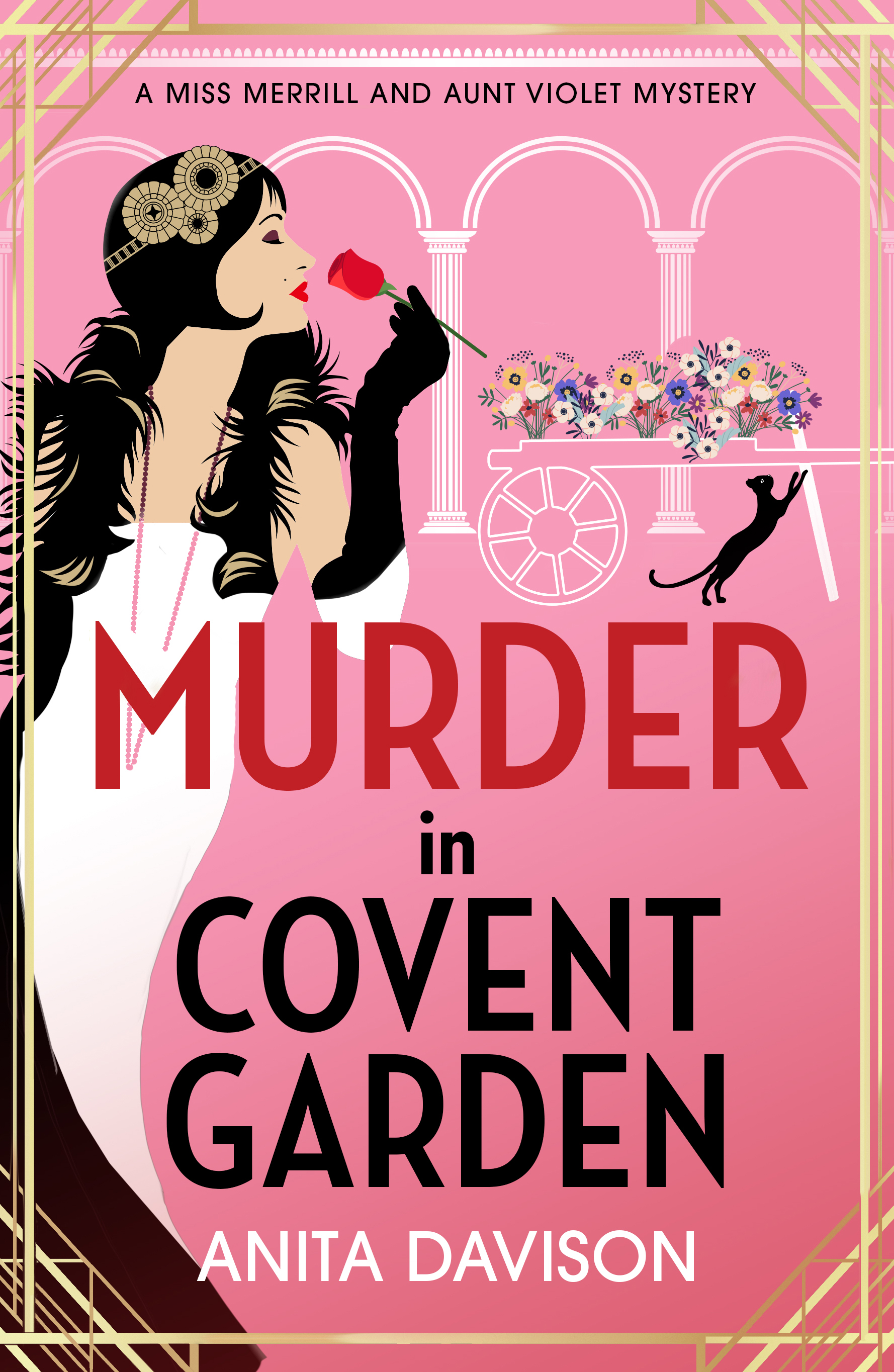
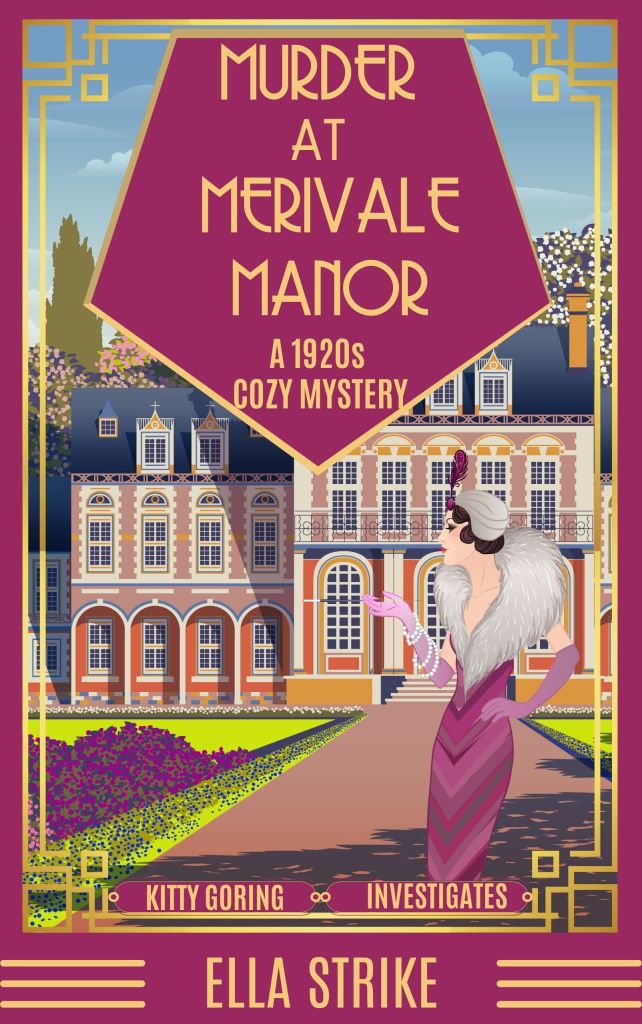
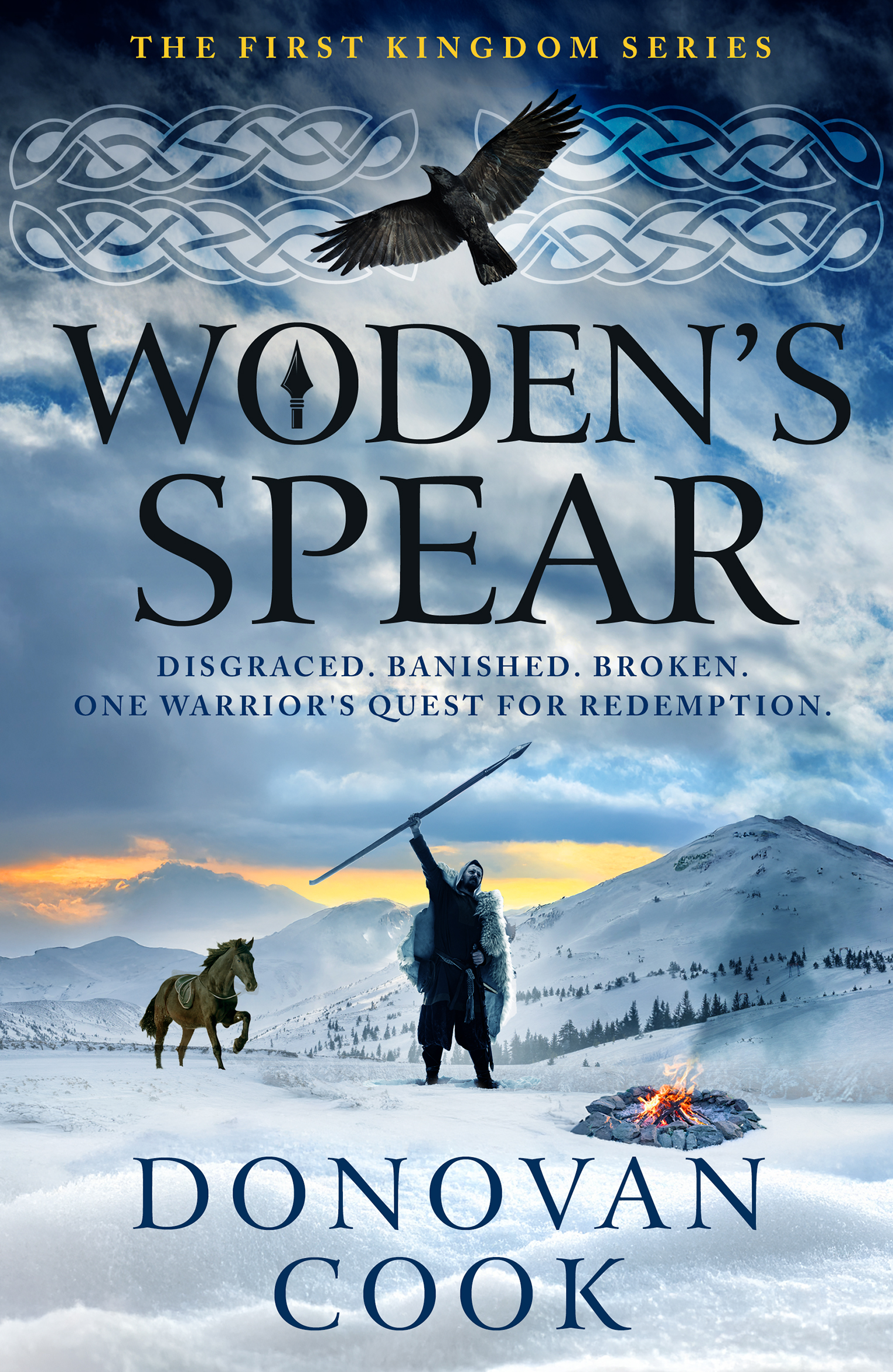
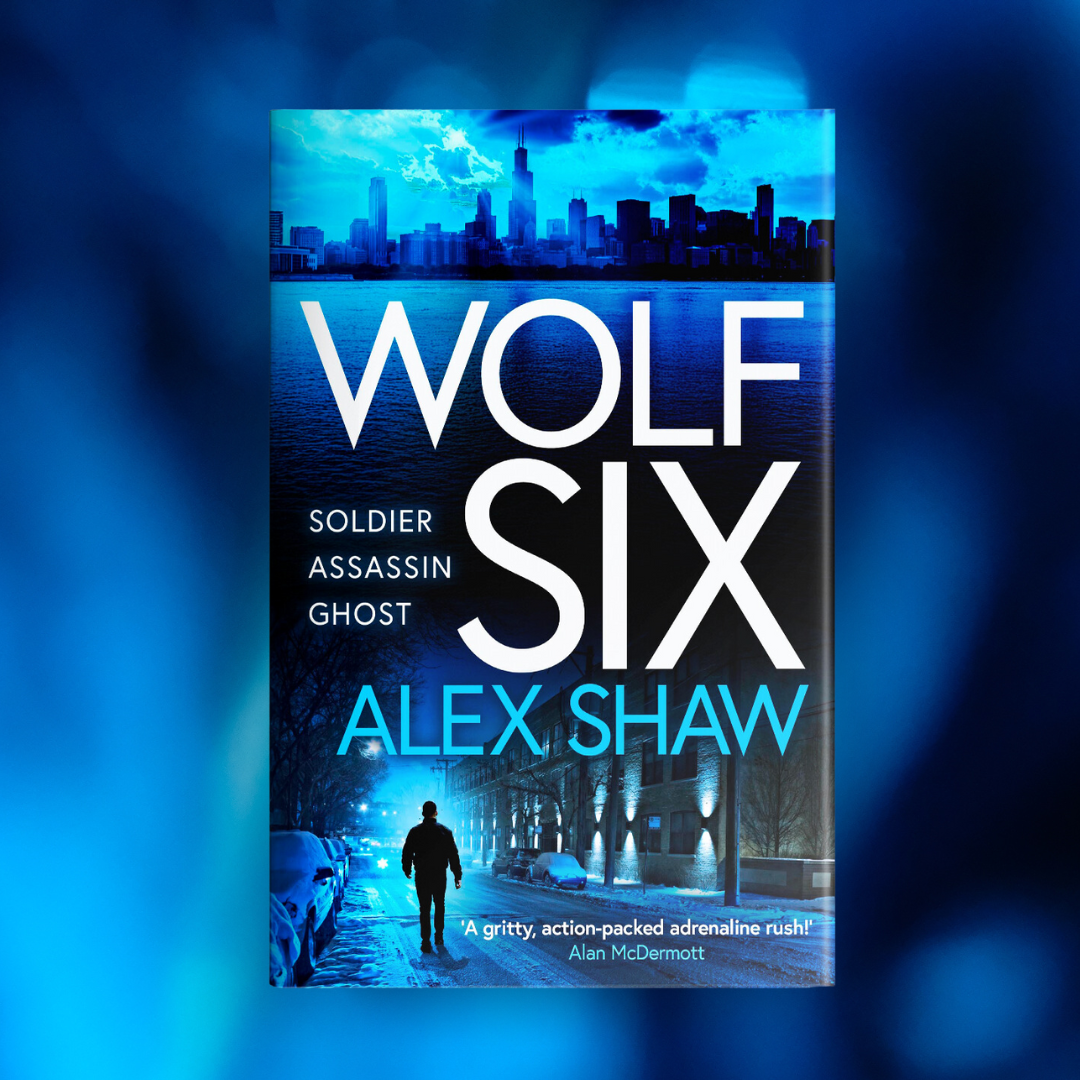
My most read category (a third of all books) has been historical mysteries – (some of these might also be classified as cosy). I’ve read anything from The Rush by Beth Lewis, about the dash to Dawson City to mine for gold at the end of the nineteenth century, to Desolation by Keith Moray (set in the 1300s) and Monstrous Murder by Elizabeth R Andersen (also set in the aftermath of the Black Death) to a huge collection of early twentieth century mysteries, including Michelle Salter’s new series, Murder in Trafalgar Square. I think my favourite (and most surprising read) was The Bookseller of Inverness by SG MacLean (our first book club read, and my recommendation (there were opinions about it – which was brilliant – and I would warn it certainly helps if you know something about the Battle of Culloden and its aftermath). Click on the images to visit the reviews (if I’ve reviewed on the blog).
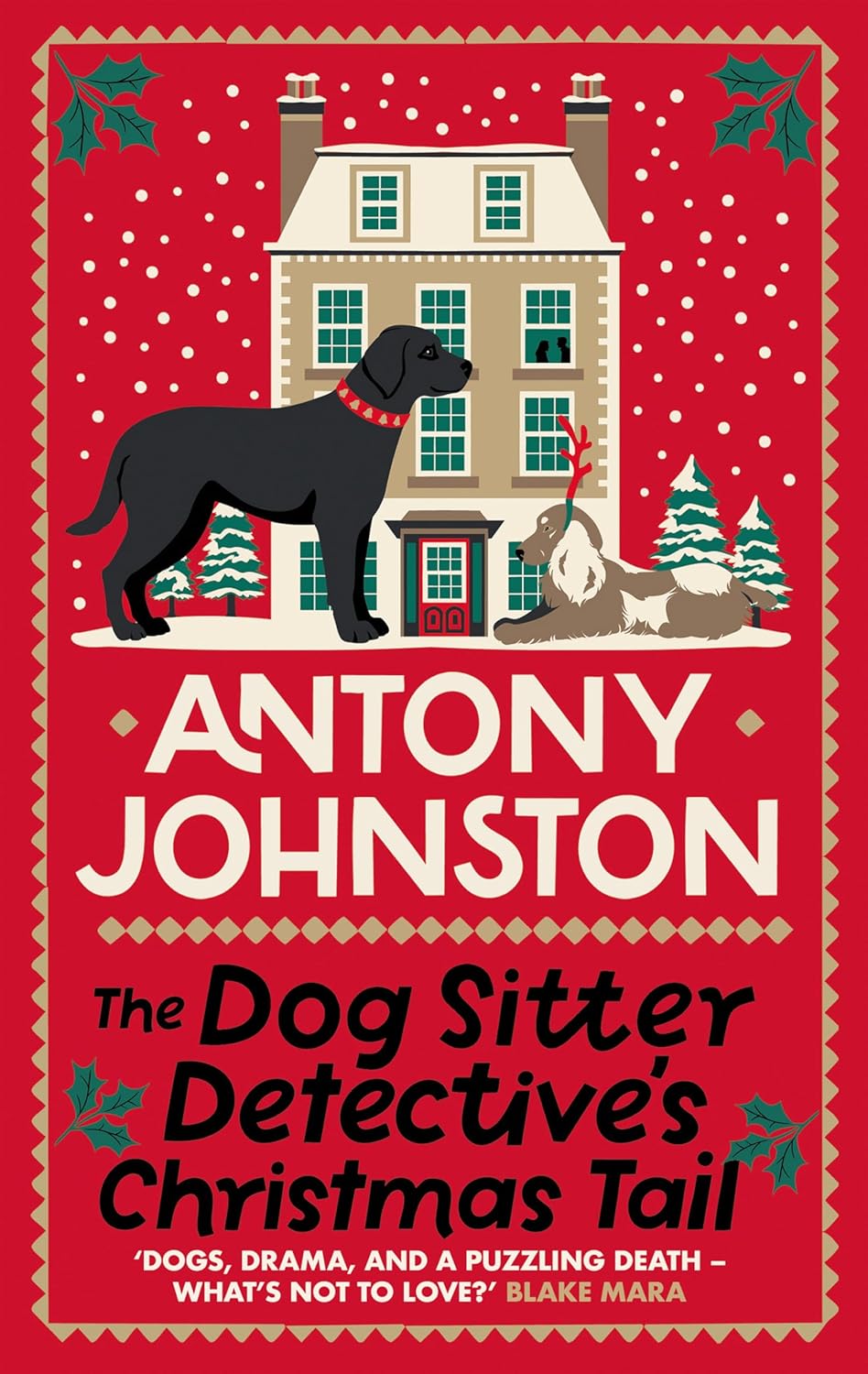
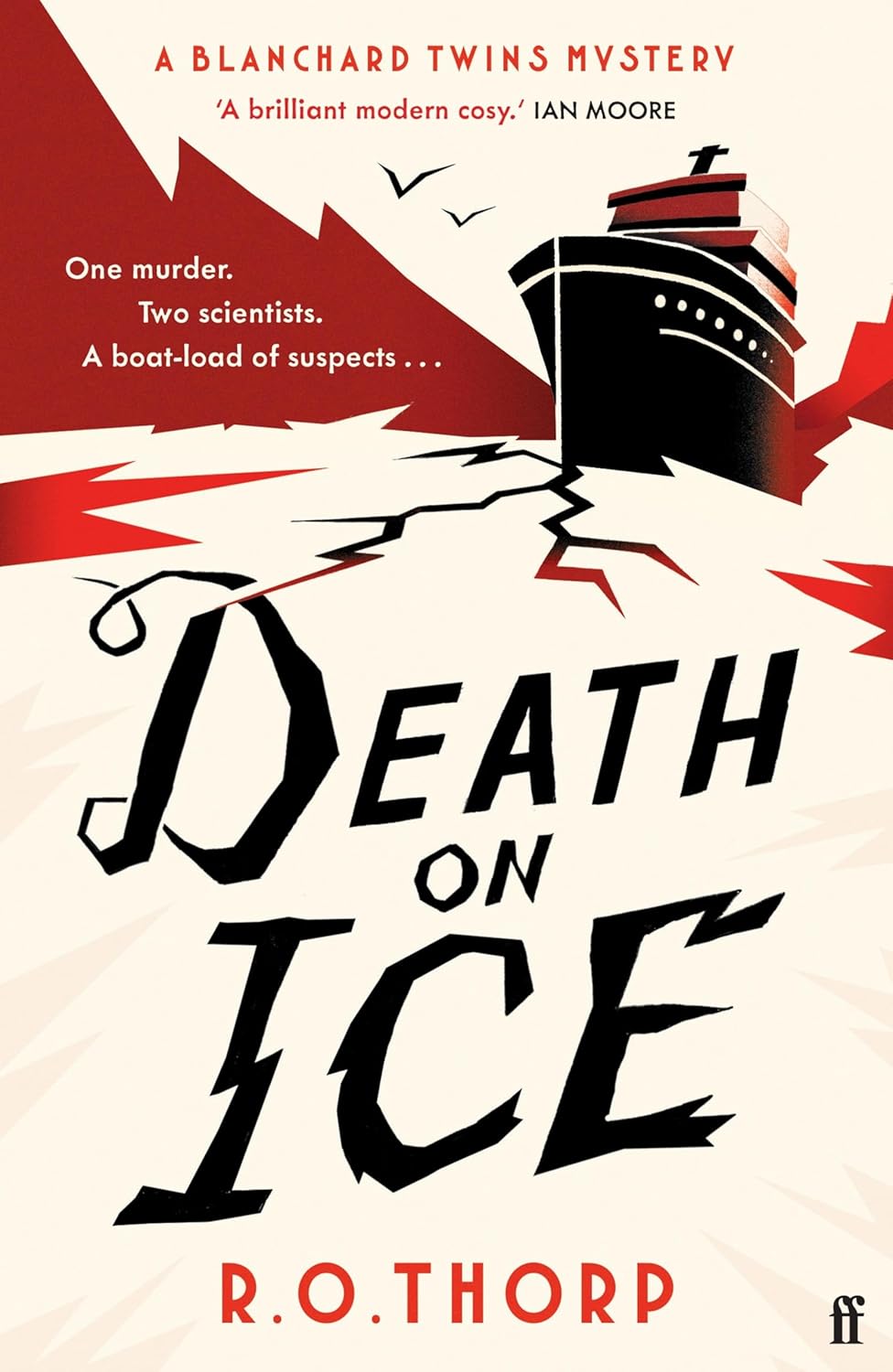
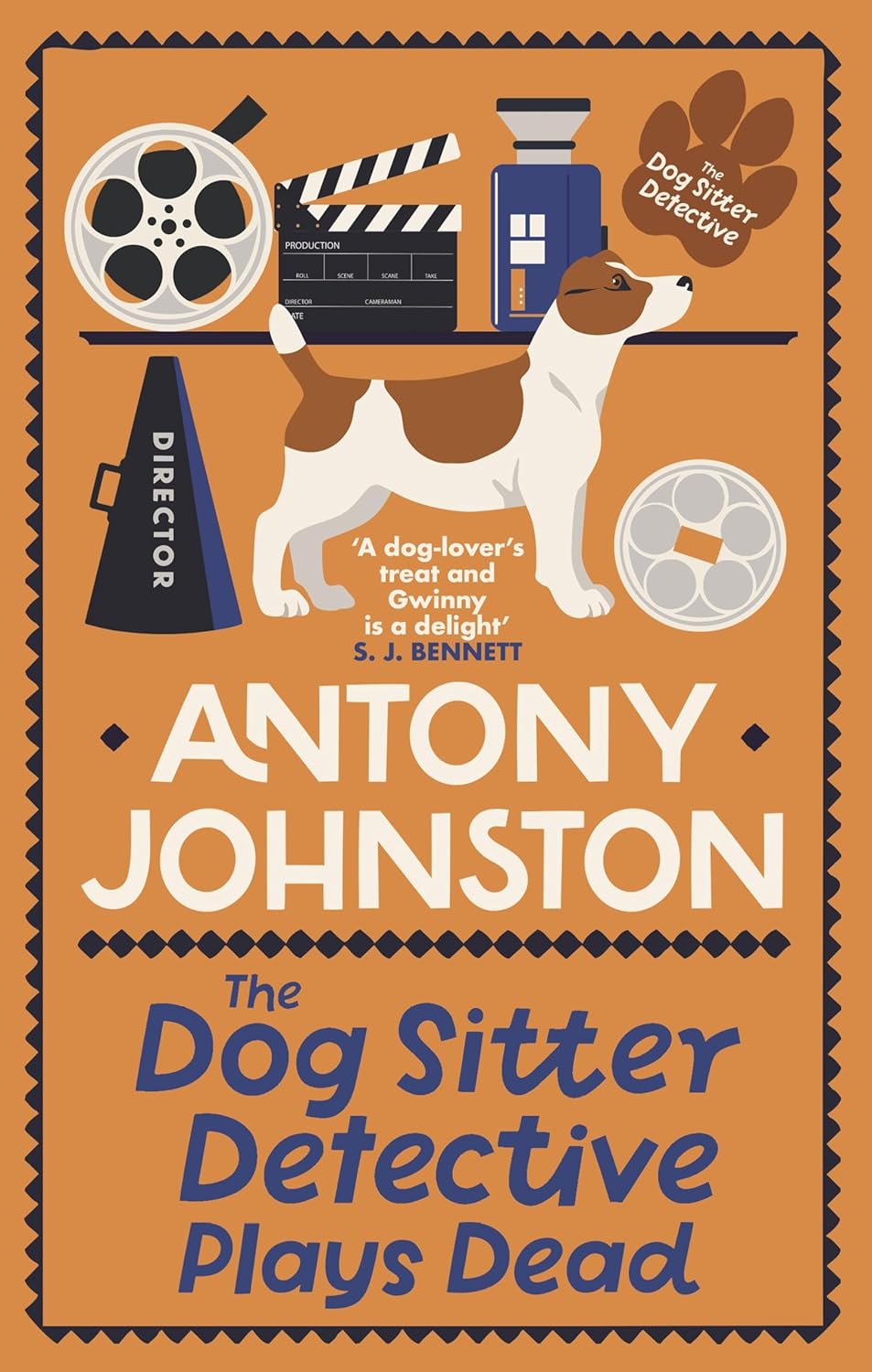
Behind historical mysteries in my reading year are just plain old contemporary mysteries. Again, some of these are also cozy reads. I don’t like my murder mysteries to be too graphic (when I was much younger, I read all the Scarpetta and Jonathan Kellerman novels and freaked myself out), and I’ve discovered that my preference is for a style known as ‘police procedural’ even when there are no police involved. I started the year with Death on Ice, which was a slow build but delightfully engaging, and ended with the equally brilliant The Retired Assassin’s Guide to Orchid Hunting – a fabulous New Zealand-based mystery (I’m going to read book 1 now), and Simon Whaley’s Flaming Murder (reviews to follow for these two books in Jan 2026). I also discovered Antony Johnston’s lovely Dog Sitter Detectives Series. These are such great books – quick reads but with compelling mysteries.
You can also check out my three favourite reads of 2025 over on Shepherd.
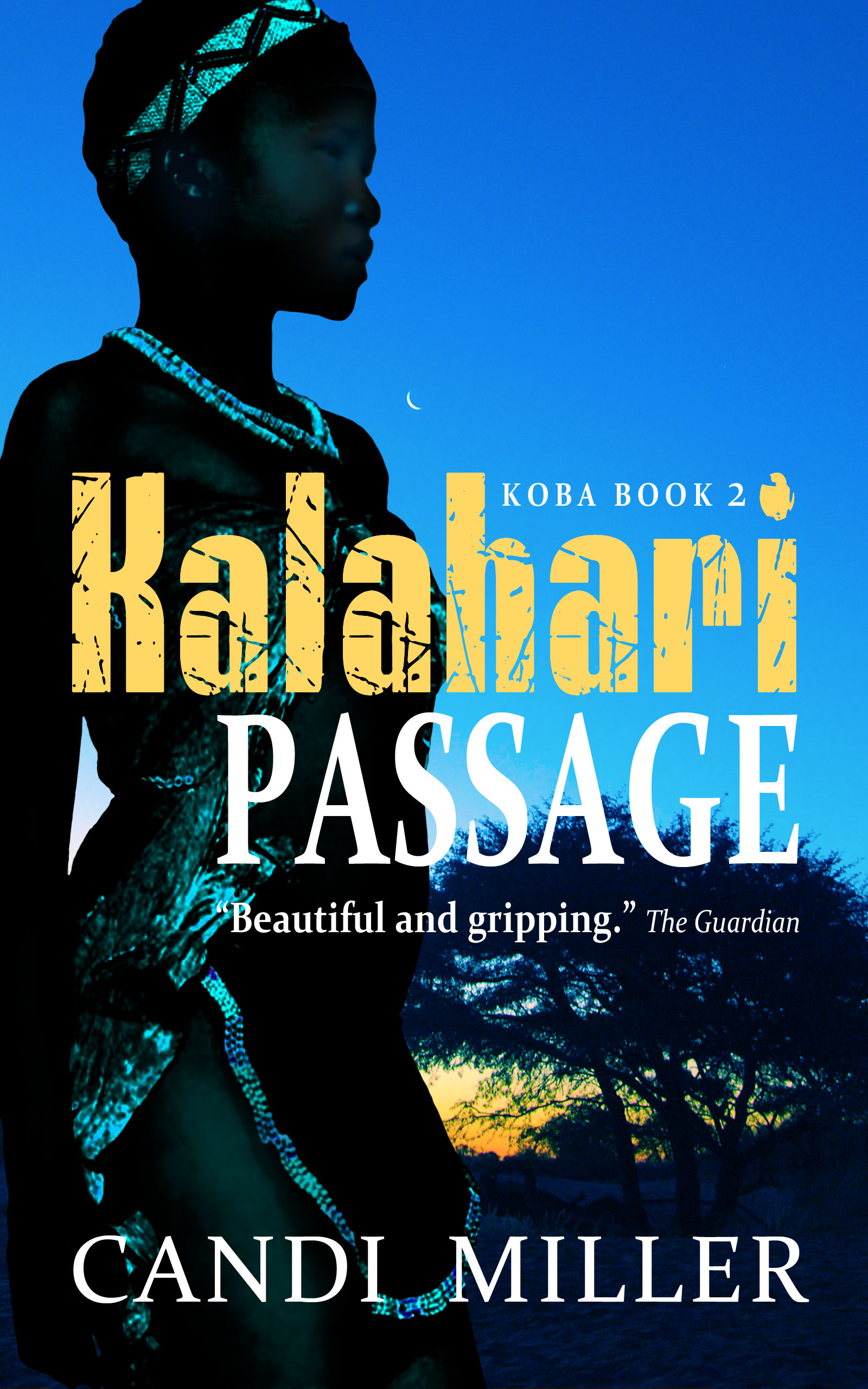
I do want to give a huge shout out to Kalahari Passage (which I’m classifying as historical fiction as its set in the 1960s (I think). This is a beautiful story, if sometimes a hard read. Do check it out.
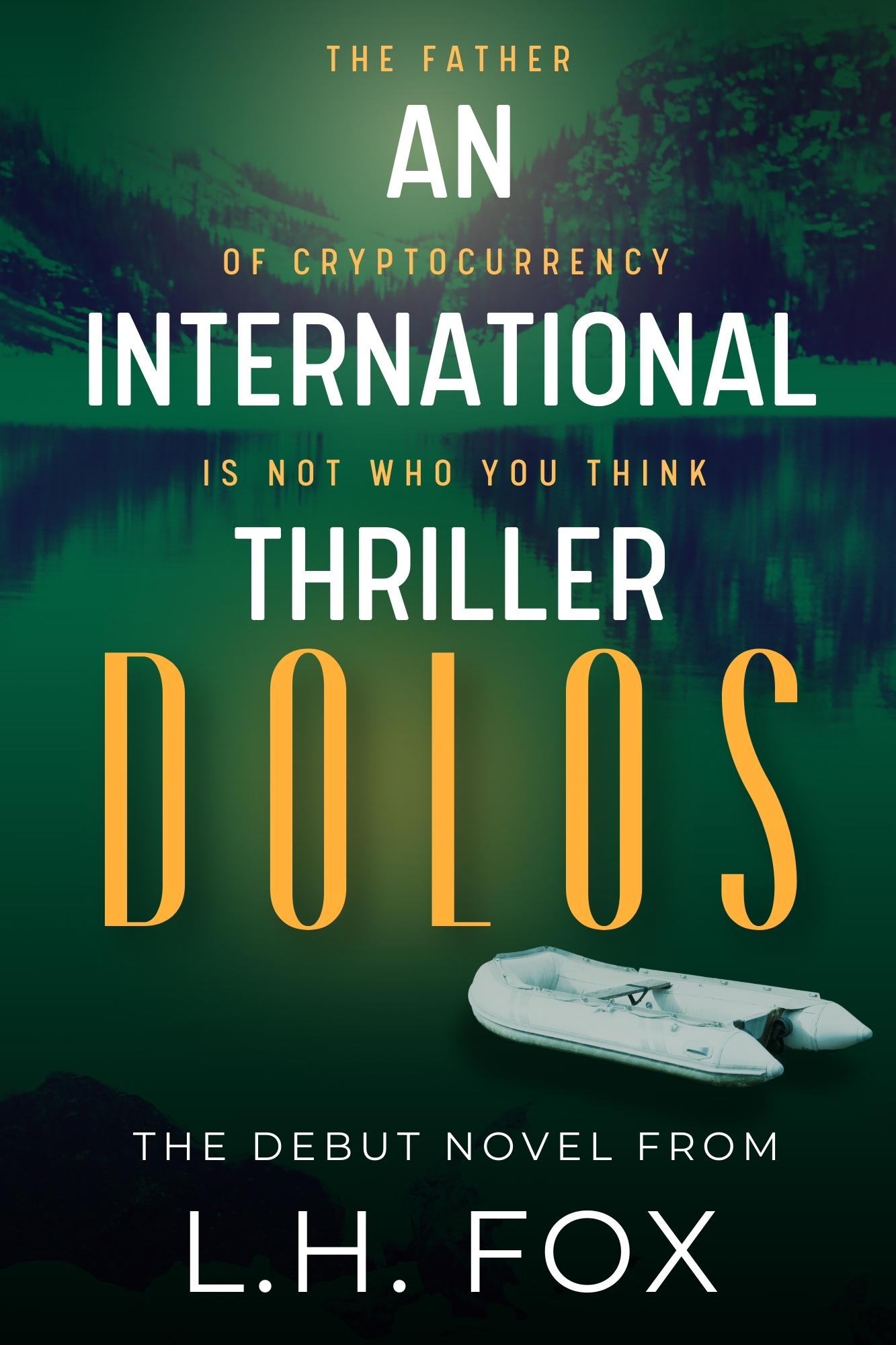
What I’m classifying as thrillers came next – from the new Harlan Coben to the rather brilliant Dolos by a debut author, LH Fox, which almost had me understanding how cryptocurrency works, and is also my most visited review on the blog.
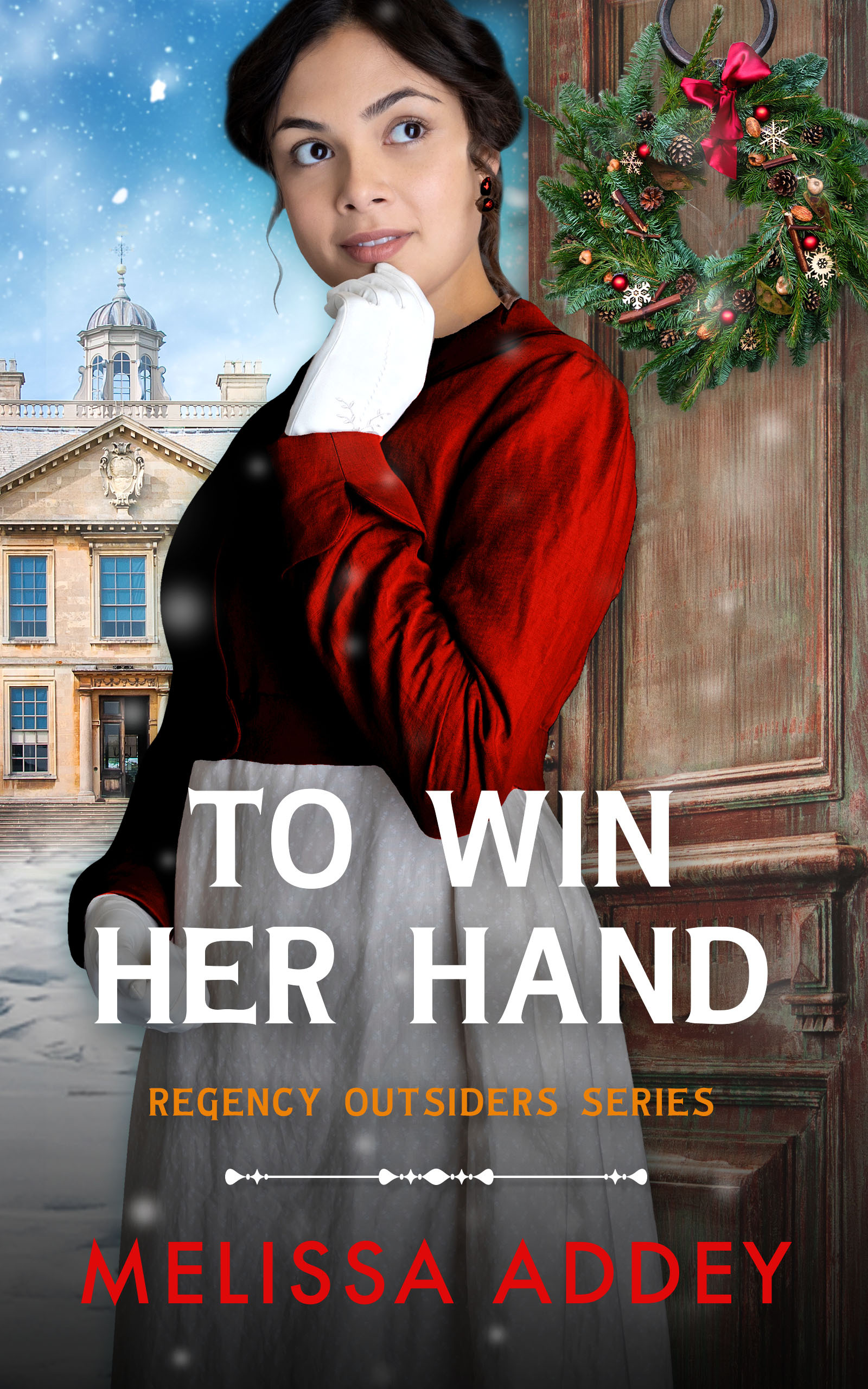
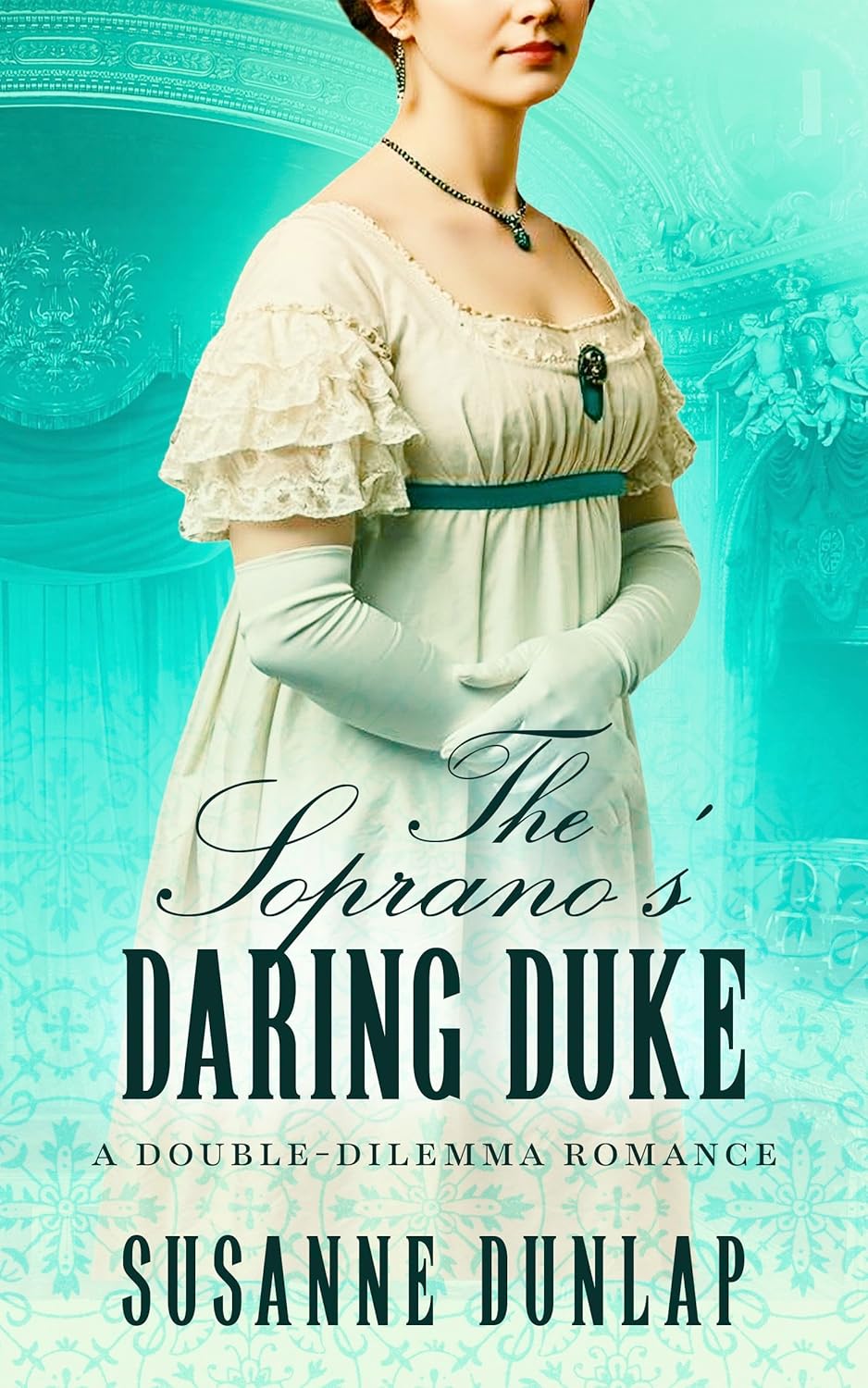
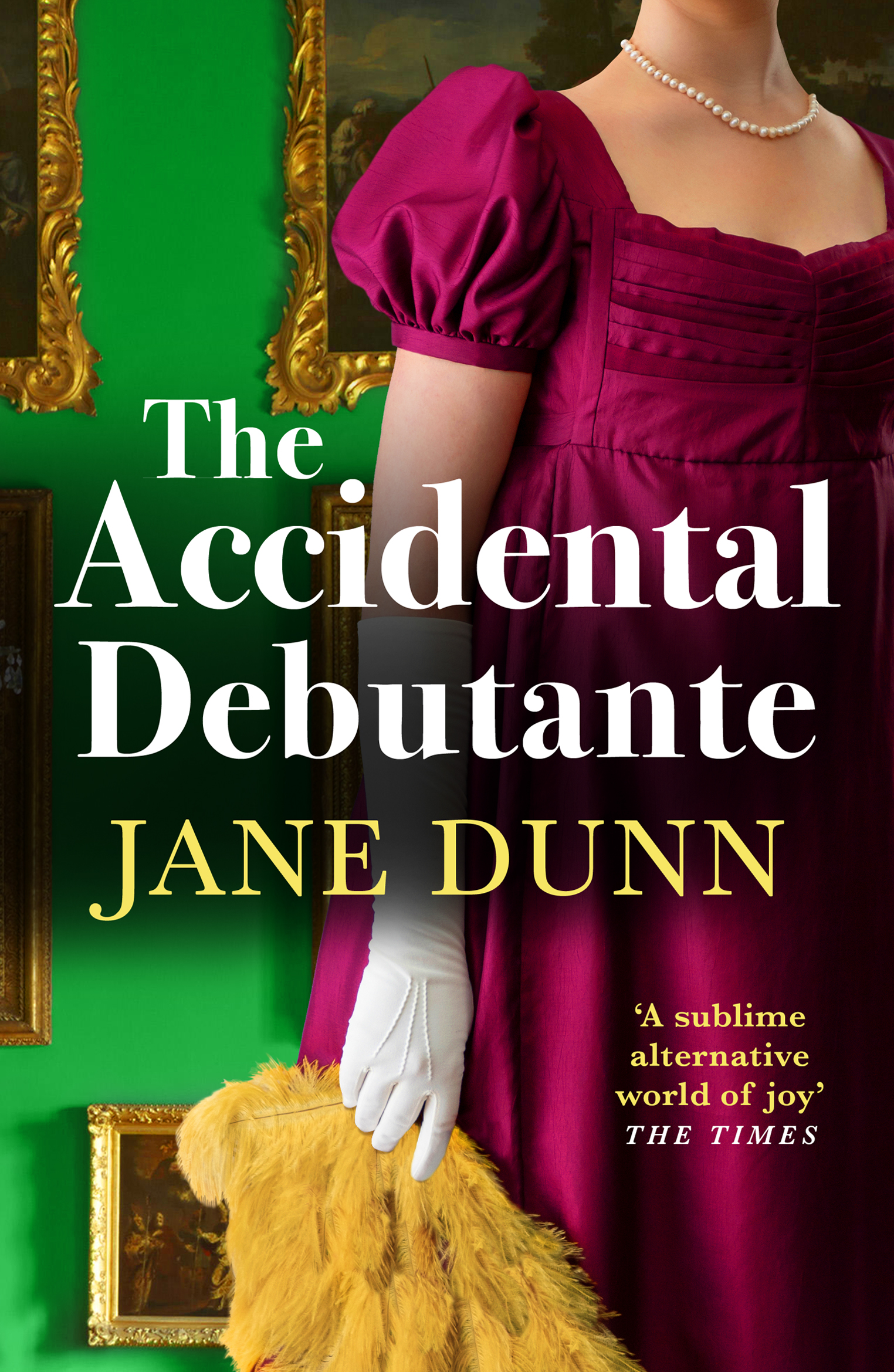
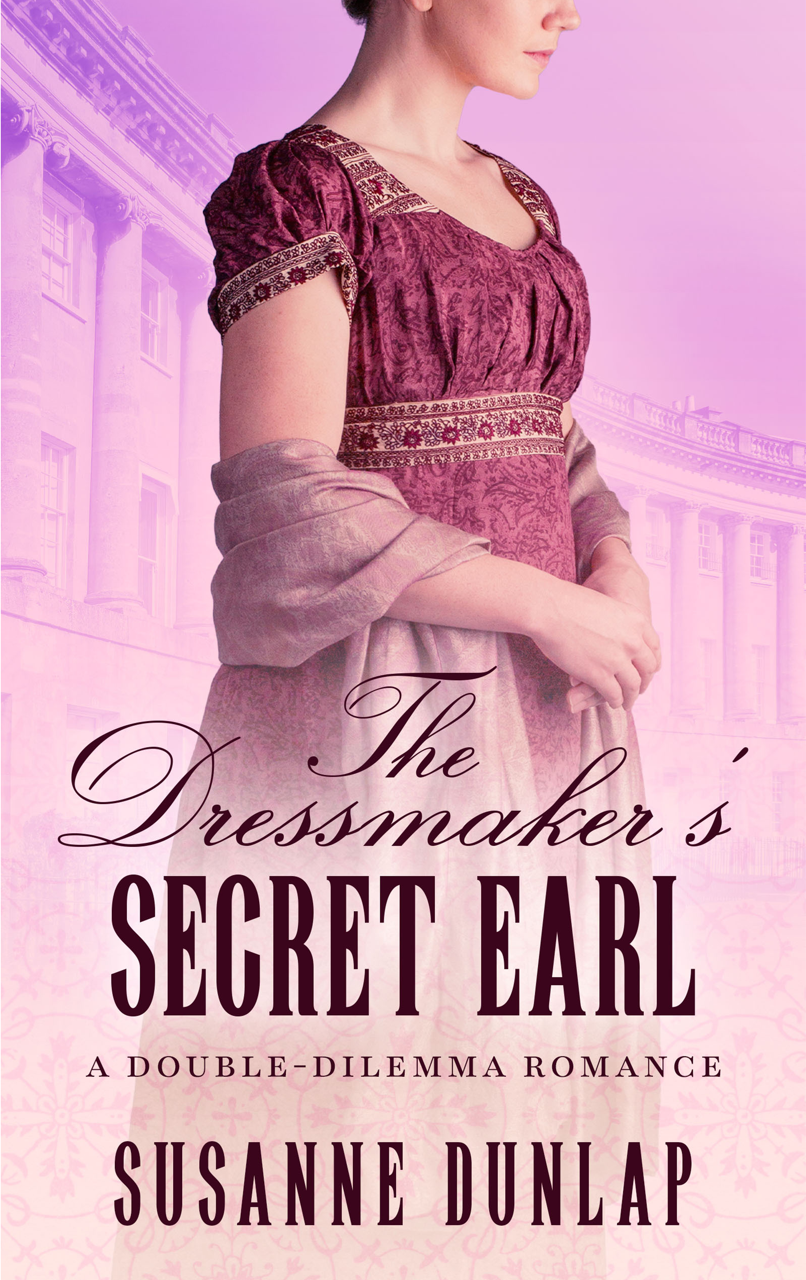
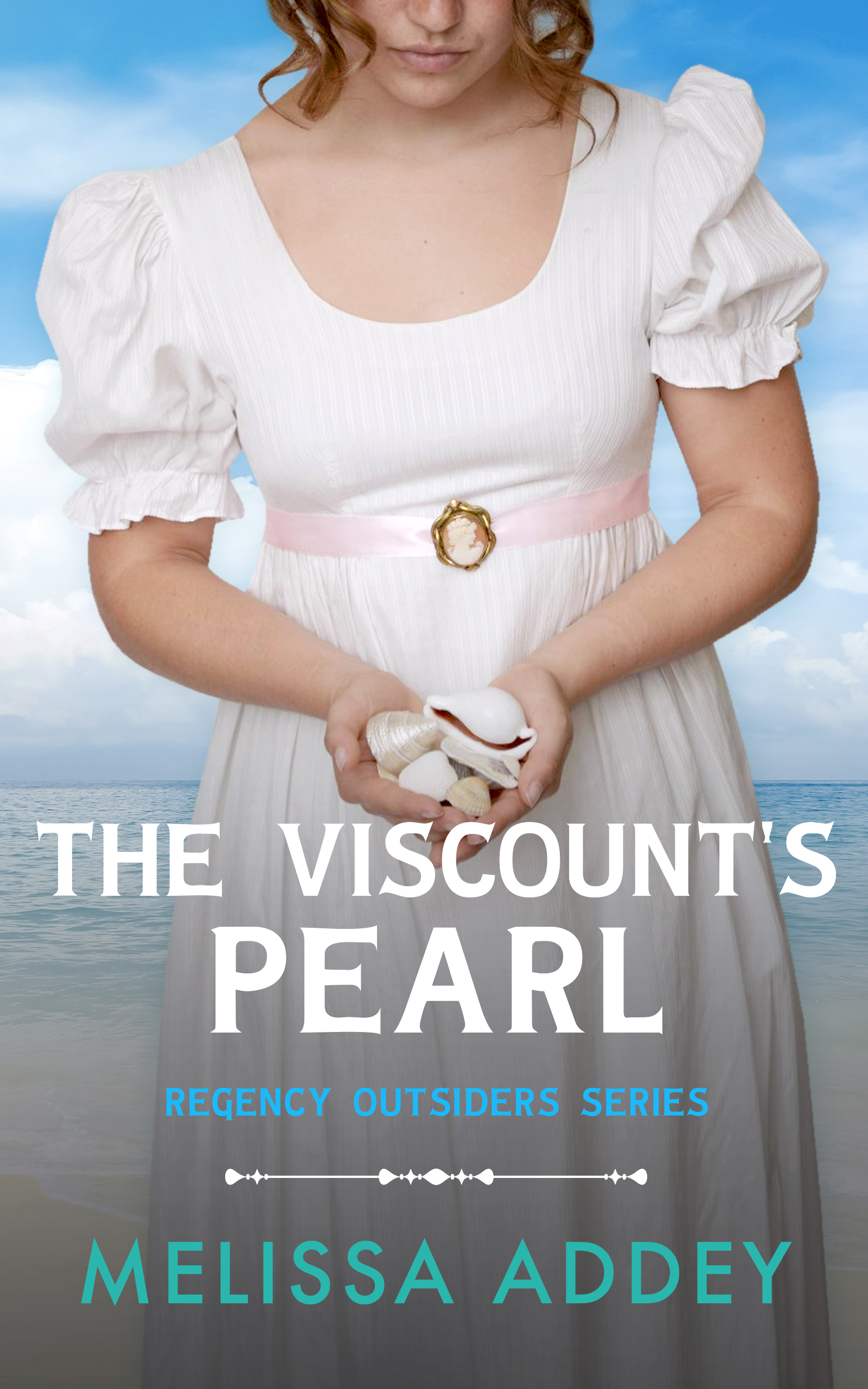
Six titles were historical romance. Jane Dunn, Melissa Addey and Susanna Dunlap all kept me entertained with their Regency romances, while The Ladies Road Guide to Utter Ruin could also be classified as a Regency romance, but I’ve popped it into the historical mystery category, as it certainly crosses over more into a mystery with the romance element in the background. (If you’ve not read Alison Goodman’s Dark Days Club books, then you’re missing a treat, my Regency fans – a hint of fantasy in the Regency era – what is not to love (still not convinced – I would compare it with Cassandra Claire’s Victorian trilogy).
I also read a couple of romance novels (one for Book Club) and certainly enjoyed some more than others:)
I didn’t read (or at least finish) many non-fiction titles in 2025 (I am still reading Max Adams’ Mercian Chronicles and I have his new title on Northumbria to read as well). My only complete historical non-fiction title for the year was that by Amy McElroy on Mary Tudor – a great depiction which I found very inspiring. Mary is so often overlooked.
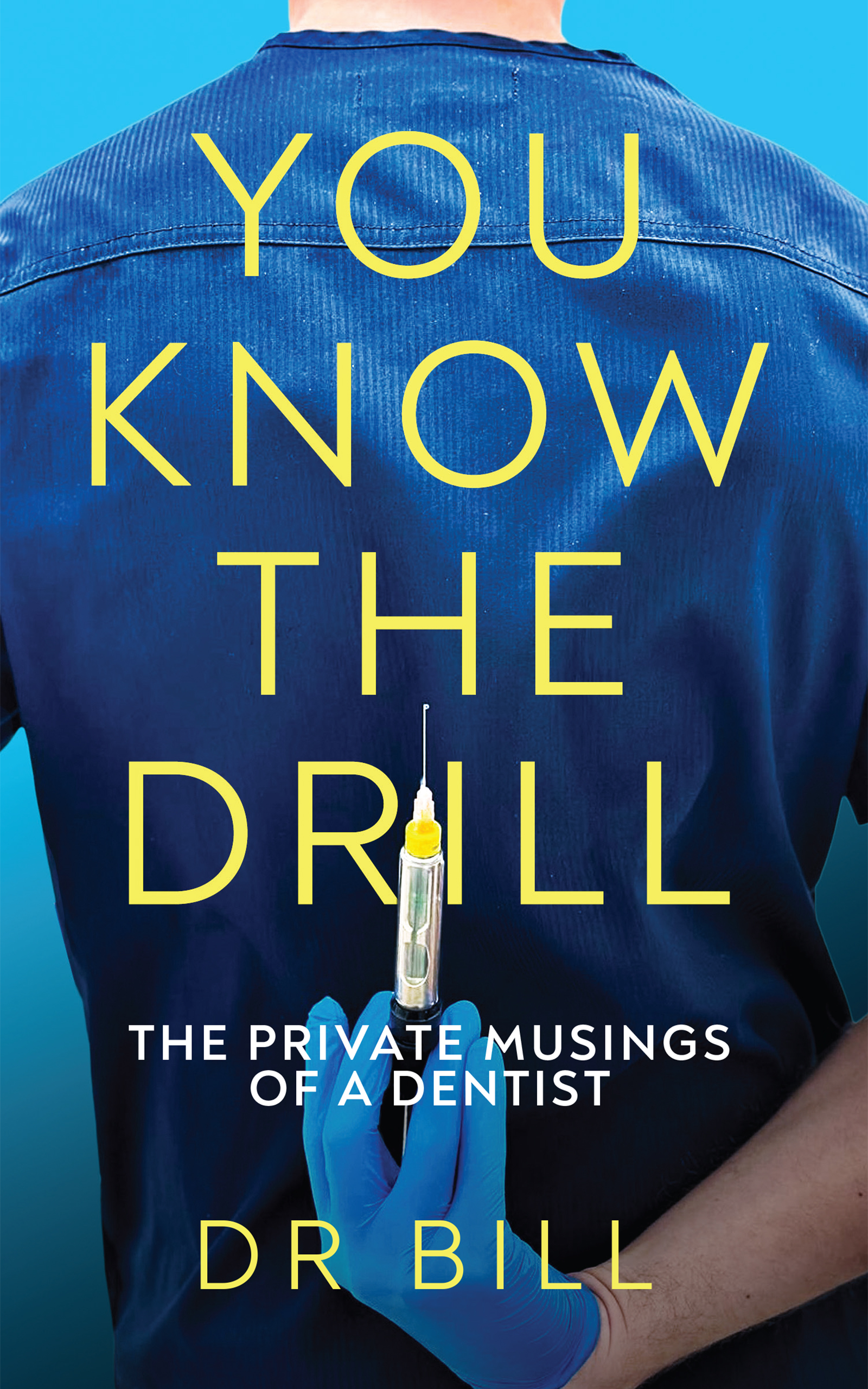
The title I enjoyed the most out of the other non-fiction reads was You Know the Drill, an account of a dentist’s life. I made myself read it because I’m so terrified of the dentist. Has it helped? Maybe.
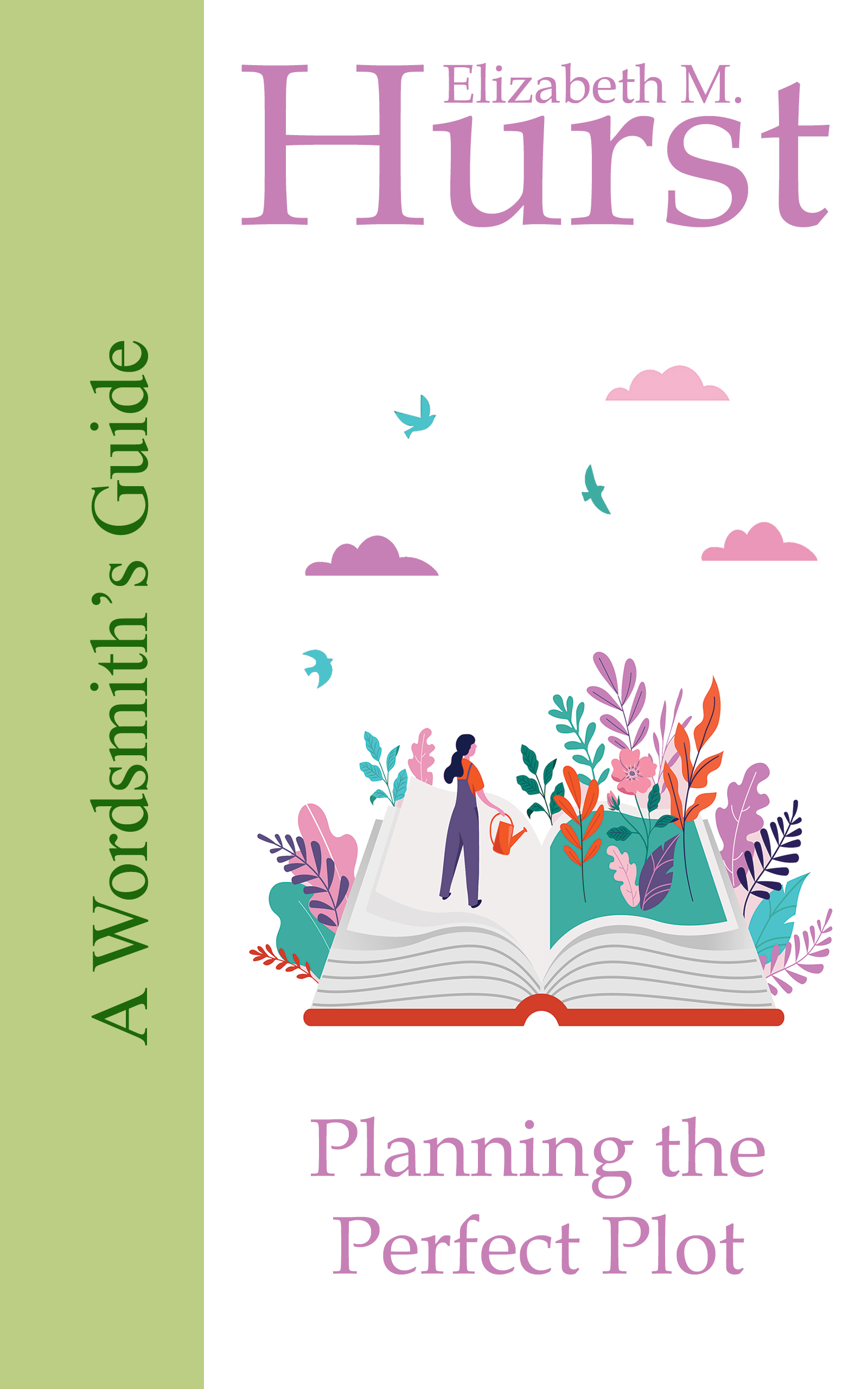
I also read a writing guide, which I enjoyed. It’s always intriguing to discover how other people write their stories. Check out Planning the Perfect Plot.
I’ve also half-read many other titles (apologies to those authors). Hopefully, I’ll get back to them when I have time in 2026. Every year I explain I’m a ‘mood’ reader, and if something isn’t working for me at that moment, it doesn’t mean I won’t come back to it when I fancy something different.
One genre I’ve really neglected is fantasy (aside from the Discworld audios), although I have managed a few short story collections (reviews to follow). I will need to get back to it. I have a few series I need to finish. Maybe the problem is, I don’t want to finish them. We shall see.
Our local book club started in August 2025, and so far we’ve read four very different titles. The Bookseller of Inverness was my choice, and I’m slowly gathering all of Shona’s other titles, including her new release for Feb 2026. Next, we tried Joanne Harris’ Five Quarters of the Orange (which I didn’t like for very different reasons to the ones I thought when I started reading). We then tried The Christmas Postcards by Karen Swan, and most agreed the one element of the story was much better than the other. We ended the year with Before I Go to Sleep by SJ Watson – a novel that was incredibly slow, with something of a predicatable ending (and no, I hadn’t seen the movie). I’m excited to see what we read in 2026. And as you can see, there’s a great variety of titles there. When it’s my turn to pick again I will be championing some of my fellow indie/Boldwood authors.
Here’s to 2026 and all the reading I hope to enjoy.
I read a lot of books by my fellow Boldwood authors, and I’m also a host for a couple of blog tour organisers. This means I often get to read books before everyone else. Yay.
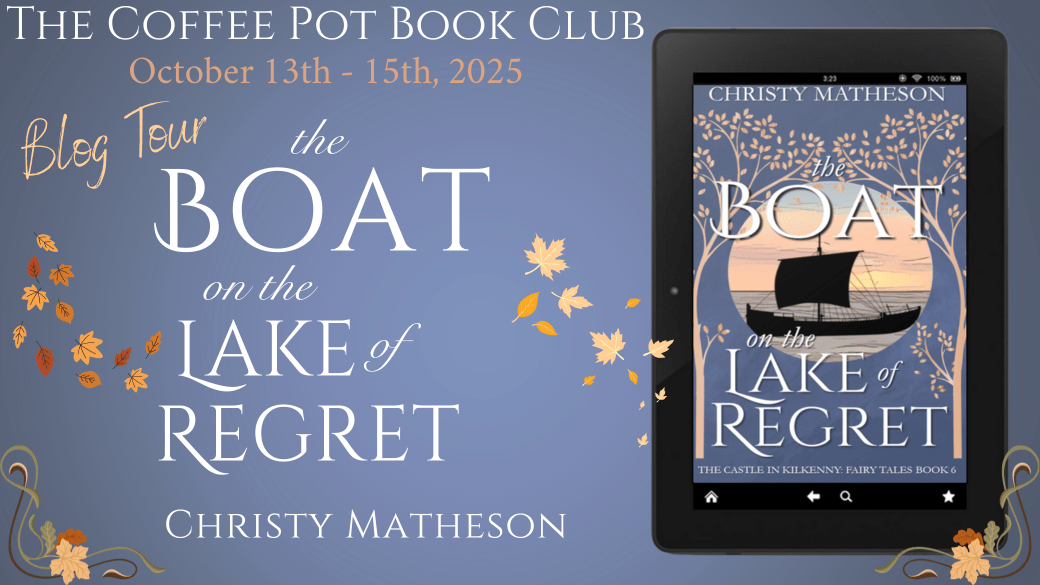
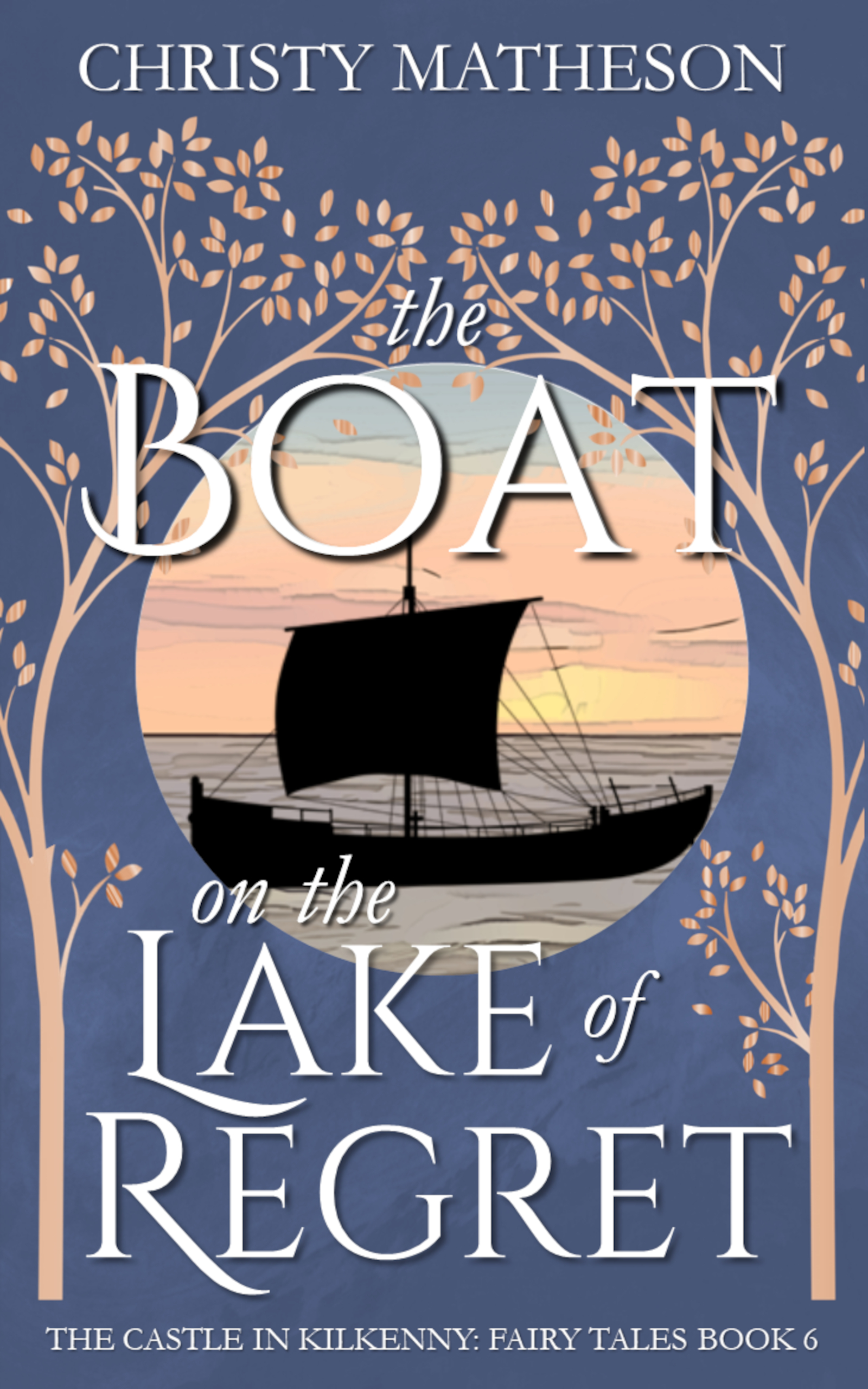
I’m delighted to welcome Chritsy Matheson and her book, The Boat on the Lake of Regret, The Castle in Kilkenny: Fairy Tales, to the blog with a snippet.
Snippet
Opening:
“Hannah!” Dylan calls. “Hannah?”
A shiver of worry runs up my spine. He never uses my real name.
“Here! I’m in the parlor!” Footsteps thunder down the hallway and Dylan bursts in. His hair is all mussed, his face is wild, and his jeans are in deplorable shape.
“What on earth happened? Come in and—”
“I’m fine. It’s yourself who needs to be careful.”
Fancy that, after barely making time for me for weeks, he bursts into my own home and orders me around!
He sees his mistake immediately. “I didn’t mean—look, I brought you this, Henny luv.”
Well, that’s a little better. He holds out his palm and I move close to look. He smells of campfire and sweat and rain, and I rest my hand on his arm just to feel the steady solid warmth of him.
“Oh, you didn’t have to buy me a ring! I’ve told you already that I’ll marry you, and we’re trying to save up.”
Despite my protests, the ring is lovely, and I reach for it, but Dylan closes his fist before I can touch it.
“It’s not that…I mean, of course we are. It’s just”—he takes my hand, his fingers cool and gentle—“there’s a whole story, but”—he slides the skin-warmed metal over my first knuckle—“first I want to —”
Here’s the Blurb
He has one last chance to be a fairy tale hero.
But she didn’t agree to be the damsel in distress.
When her longtime boyfriend unexpectedly slides a ring on her finger, Hannah is whisked from her everyday bedroom to a medieval ball. Hannah knew that Dylan would do anything to prove to her parents that he’s husband material, including going into the Fae world—but she never agreed to go through the Veil herself.
Now one of three princess sisters, Hannah is paired with now-Prince Dylan. But, homesick and blindsided, she pretends the Veil has wiped him from her memory.
As her prince scrambles in vain to be the right kind of hero, Hannah ignores her instincts and follows her new sisters onto a mysterious boat—which promptly sails them into a land of giants, magical traps, and enchanted pianos…and away from Dylan.
Read now to journey back to medieval Ireland, complete with the Fae and mythological monsters, in this fairy tale adventure and sweet “it was always you” romance.
Characters you connect with. Adventure. Love. Family… And endings that are more than a sugar rush.
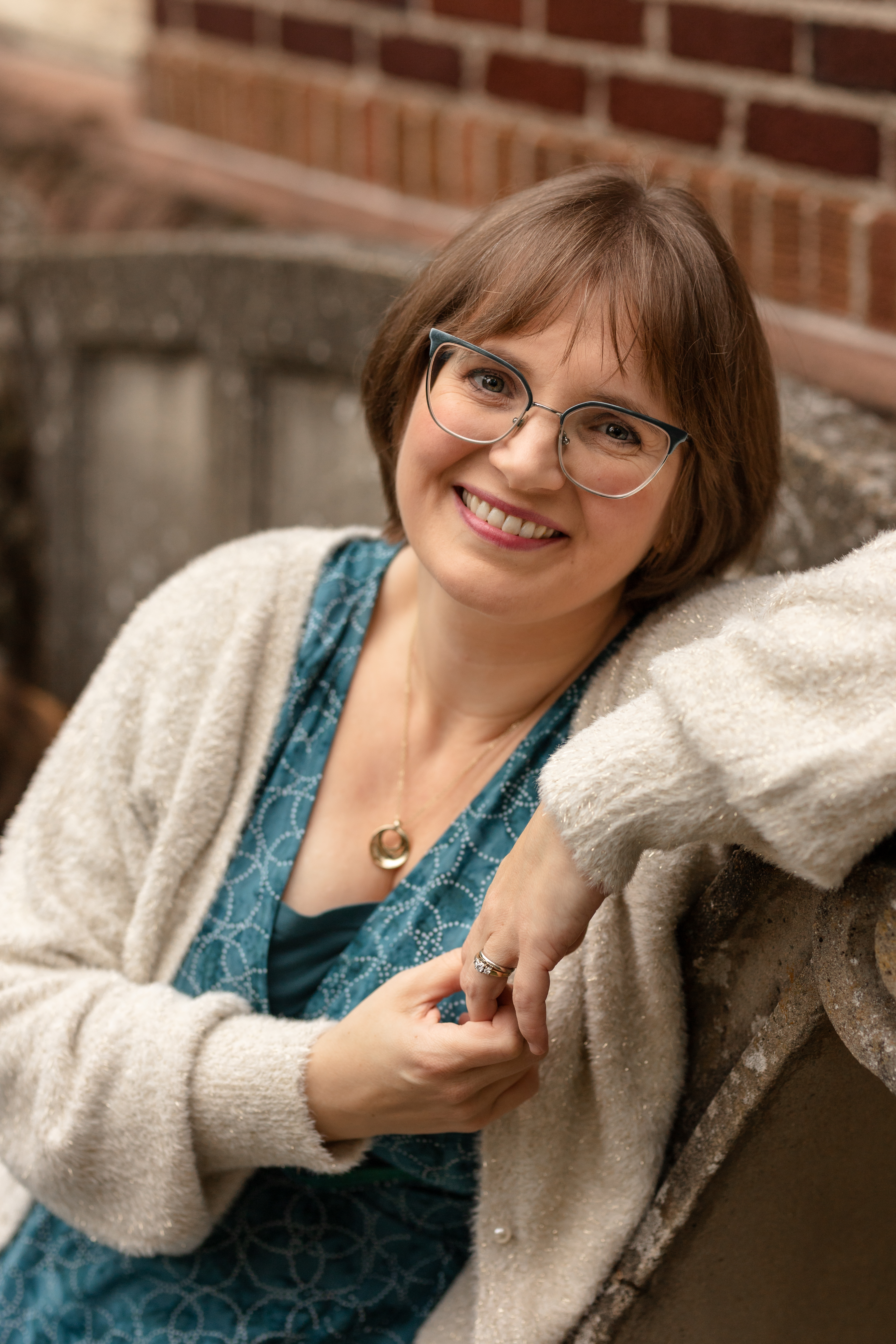
When Christy Matheson is not throwing ordinary characters into fairy tales, she is busy raising five children. (Very busy.) She writes character-driven historical fiction with and without fantasy elements, and her “fresh, smart, and totally charming” stories have won multiple awards.
Christy is also an embroidery artist, classically trained pianist, and sews all of her own clothes. She lives in Oregon, on a country property that fondly reminds her of a Regency estate (except with a swing set instead of faux Greek ruins), with her husband, five children, three Shelties, one bunny, and an improbable quantity of art supplies.
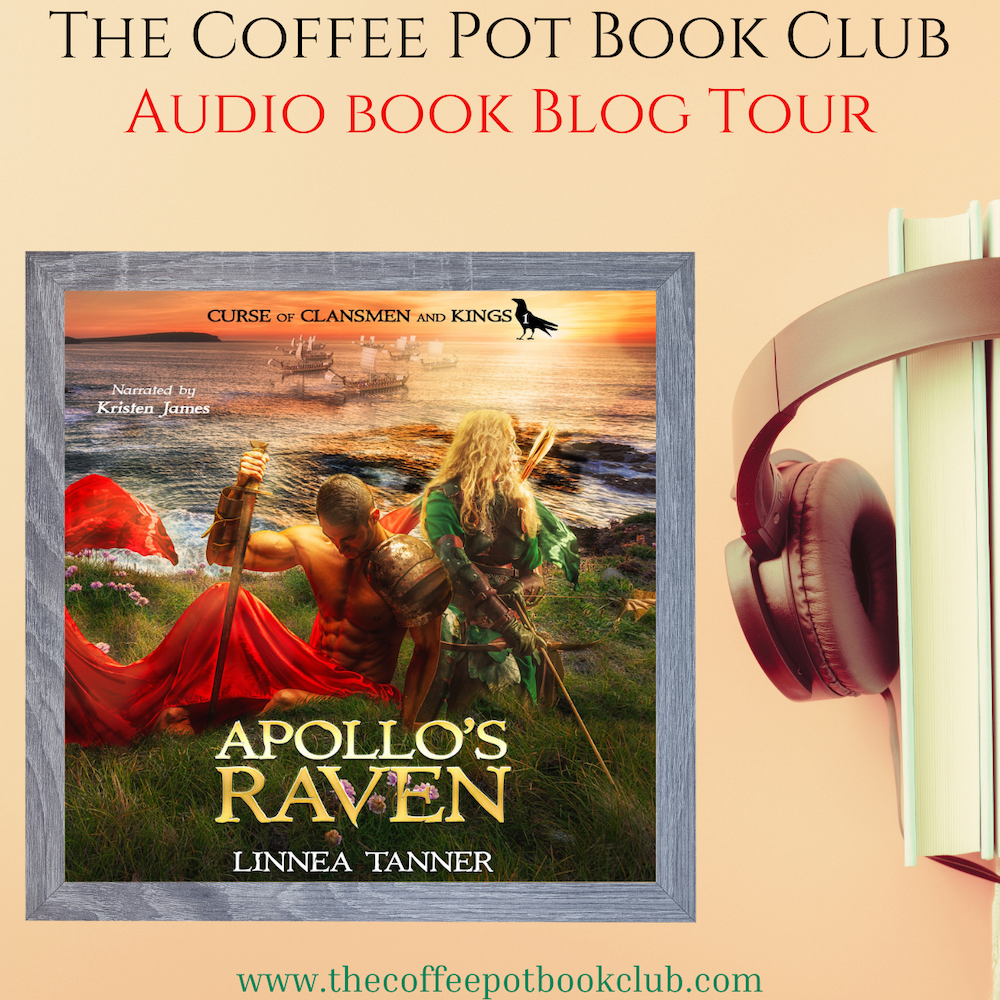
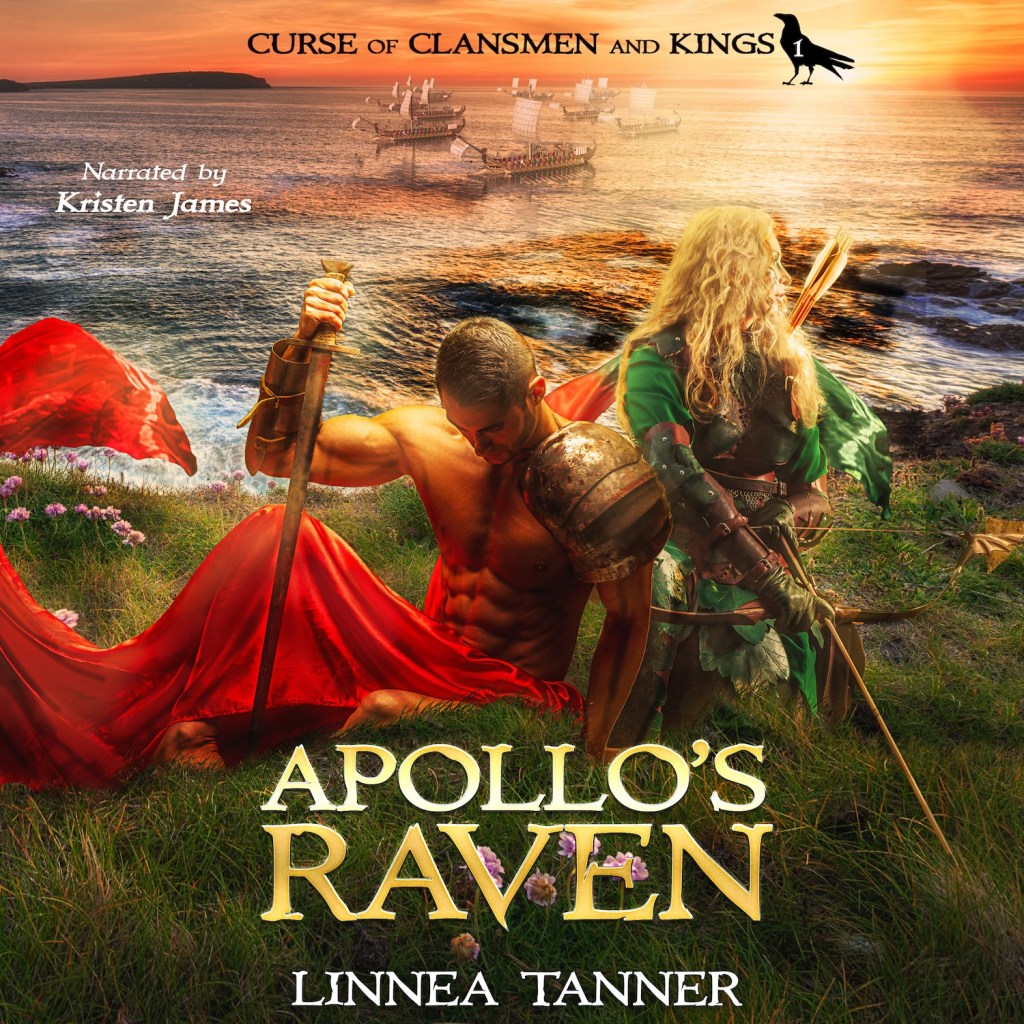
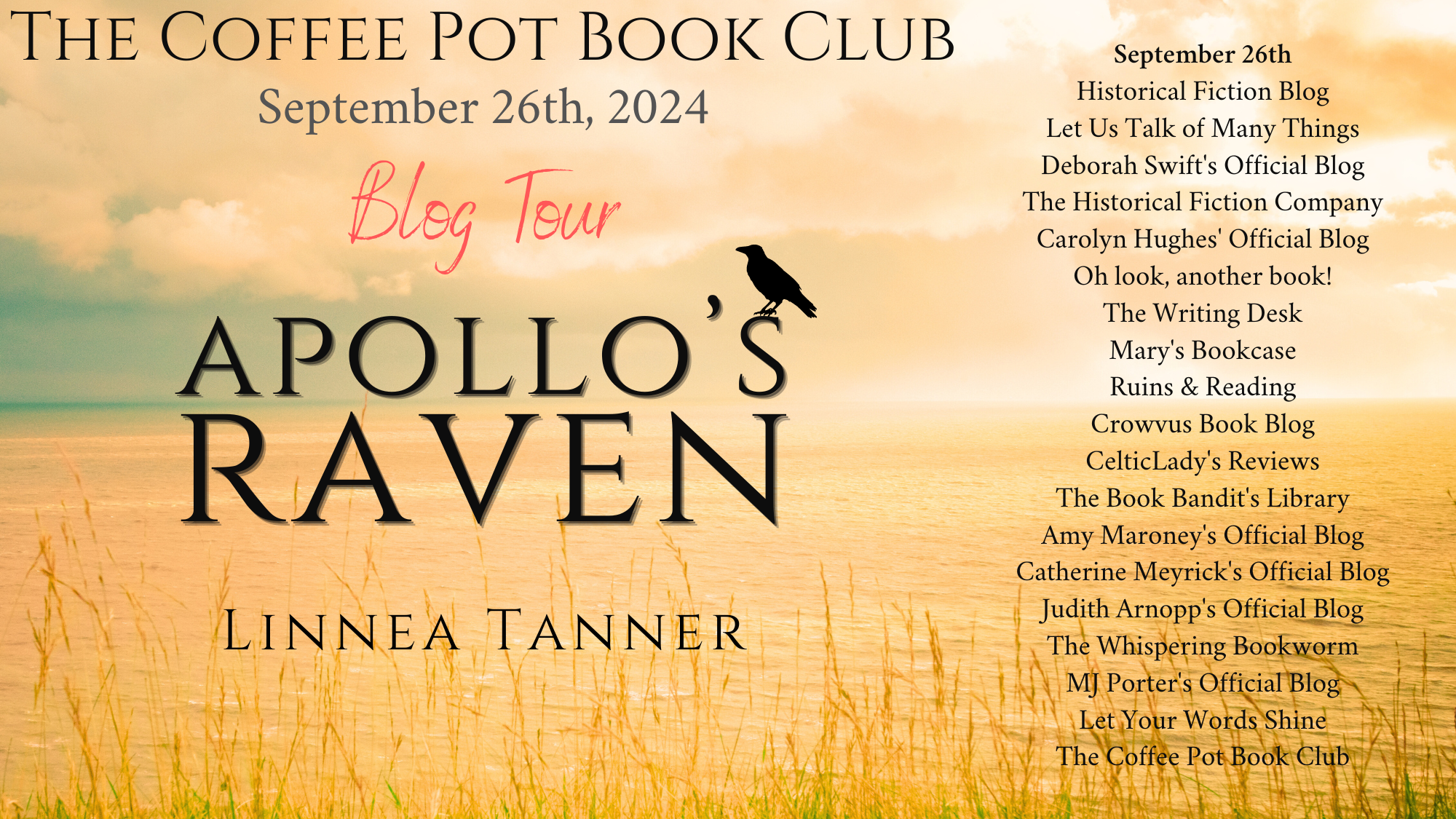
I’m delighted to welcome Linnea Tanner and her audiobook, Apollo’s Raven, to the blog #HistoricalFantasy #HistoricalFiction #Rome #Britannia #CelticMyths #BlogTour #TheCoffeePotBookClub
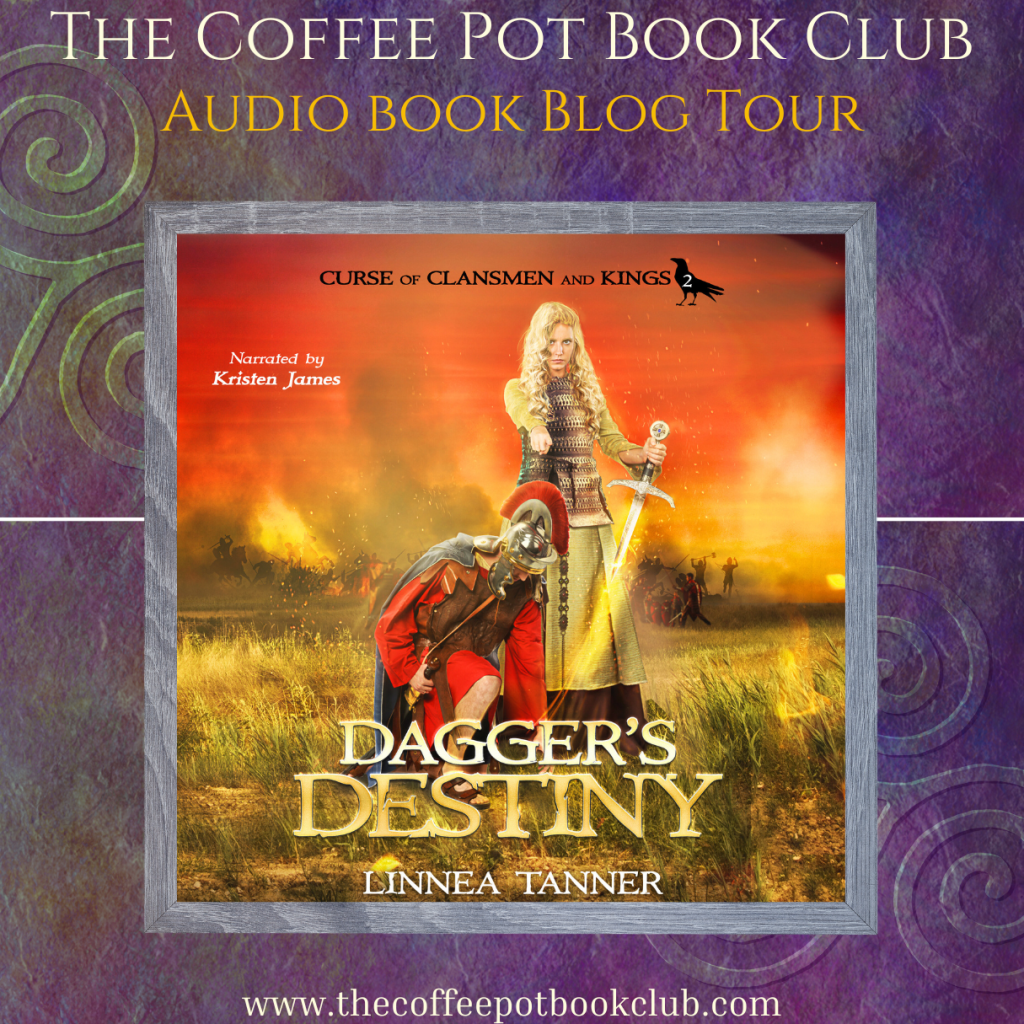
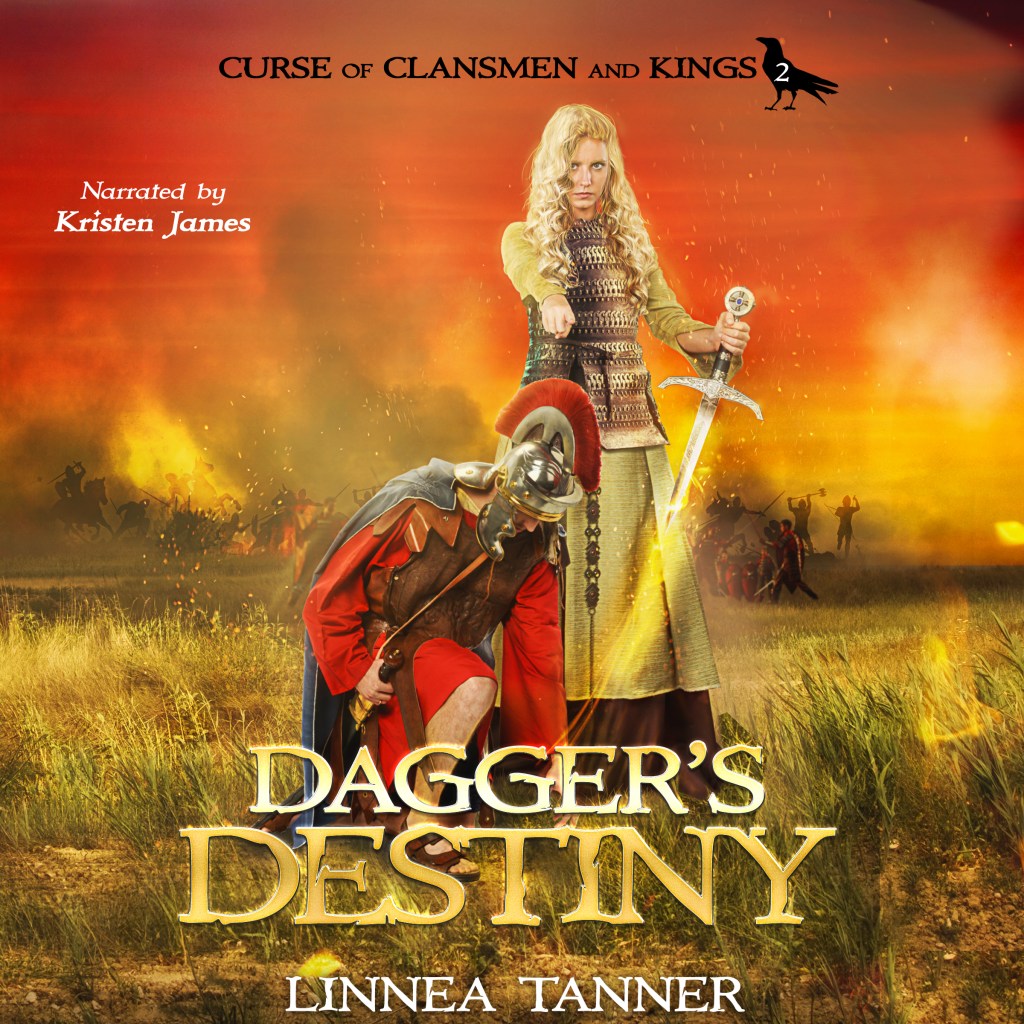
I’m delighted to welcome Linnea Tanner and her audiobook, Dagger’s Destiny, Curse of Clansmen and Kings Series, to the blog with an audio snippet.
Here’s the Blurb
A Celtic warrior princess accused of treason for aiding her enemy lover must win back her father’s love and trust
In the rich and vibrant tale, author Linnea Tanner continues the story of Catrin and Marcellus that began with the award-winning novel APOLLO’S RAVEN in the Curse of Clansmen and Kings Series. Book 2: DAGGER’S DESTINY sweeps you into an epic tale of forbidden love, mythological adventure, and political intrigue in Ancient Rome and Britannia.
War looms over 24 AD Britannia where rival tribal rulers fight each other for power and the Romans threaten to invade to settle their political differences. King Amren accuses his daughter, Catrin, of treason for aiding the Roman enemy and her lover, Marcellus. The ultimate punishment is death unless she can redeem herself. She must prove loyalty to her father by forsaking Marcellus and defending their kingdom—even to the death. Forged into a warrior, she must overcome tribulations and make the right decisions on her quest to break the curse that foretells her banished half-brother and the Roman Empire will destroy their kingdom.
Yet, when Catrin again reunites with Marcellus, she is torn between her love for him and duty to King Amren. She must ultimately face her greatest challenger who could destroy her life, freedom, and humanity.
Will Catrin finally break the ancient prophecy that looms over her kingdom? Will she abandon her forbidden love for Marcellus to win back her father’s trust and love? Can King Amren balance his brutality to maintain power with the love he feels for Catrin?
Triggers: Sex, Violence, Sacrificial Rituals
Praise
“Tanner is a masterful wordsmith and storyteller. There were no plot holes, everything was believable, and her characters grew as did the plot.” ~ The Audiobook Reviewer
” For those with an interest in epic fantasy, the characters and their interactions, each with their personal goals and motivations, and often in conflict with each other, Dagger’s Destiny is a book sure to keep your interest.” ~ Geoff Habiger for Readers’ Favorite (GOLD MEDAL Fiction: Magic/Wizardry)
A winner will be chosen at random and announced after the tour has finished.
Meet the Author
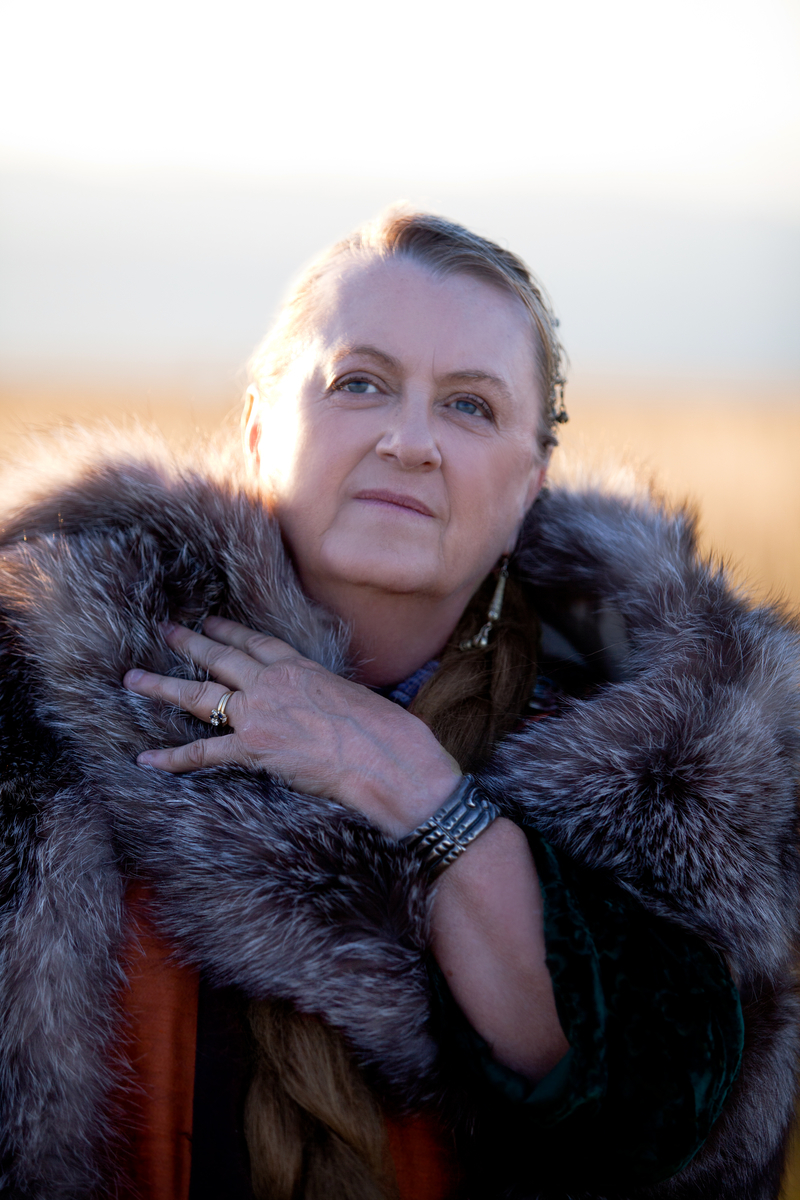
Award-winning author, Linnea Tanner, weaves Celtic tales of love, magical adventure, and political intrigue in Ancient Rome and Britannia. Since childhood, she has passionately read about ancient civilizations and mythology. She is particularly interested in the enigmatic Celts, who were reputed as fierce warriors and mystical Druids.
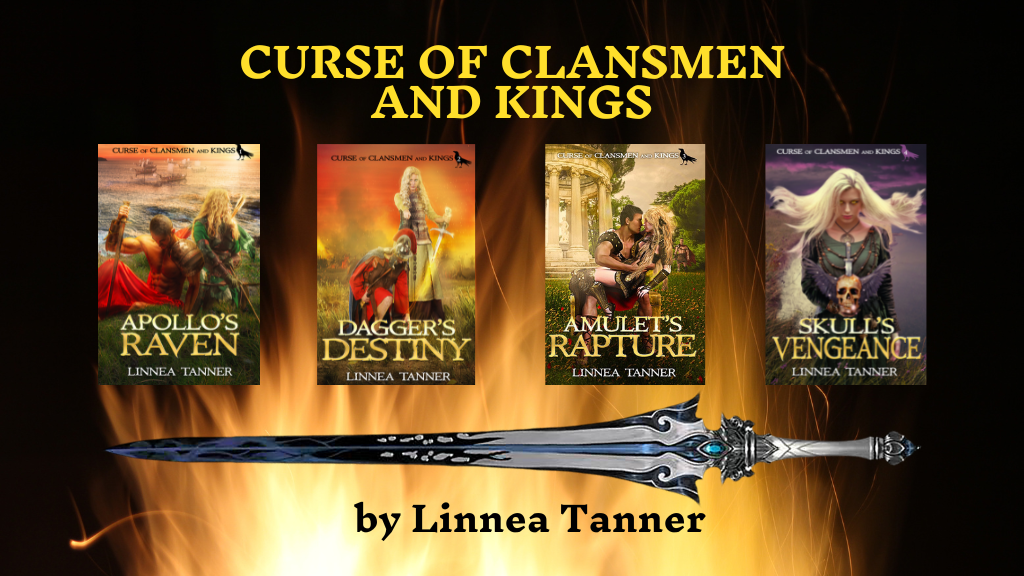
Linnea has extensively researched ancient and medieval history, mythology, and archaeology and has traveled to sites described within each of her books in the Curse of Clansmen and Kings series. Books released in her series include Apollo’s Raven (Book 1), Dagger’s Destiny (Book 2), Amulet’s Rapture (Book 3), and Skull’s Vengeance (Book 4). She has also released the historical fiction short story Two Faces of Janus.
A Colorado native, Linnea attended the University of Colorado and earned both her bachelor’s and master’s degrees in chemistry. She lives in Fort Collins with her husband and has two children and six grandchildren.
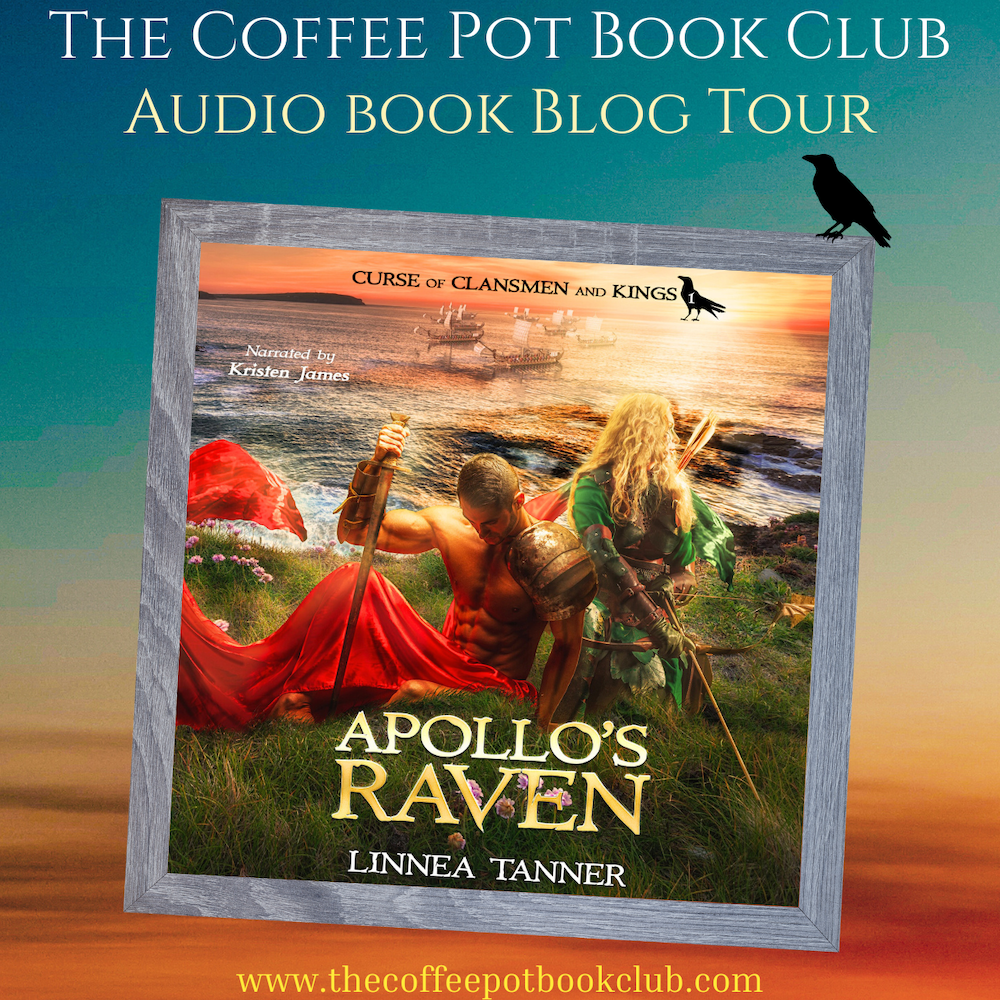
I’m delighted to welcome Linnea Tanner and her audiobook, Apollo’s Raven, to the blog #HistoricalFantasy #HistoricalFiction #Rome #Britannia #CelticMyths #BlogTour #TheCoffeePotBookClub
I’m delighted to welcome Linnea Tanner and her audiobook, Apollo’s Raven, Curse of Clansmen and Kings Series, to the blog with a book trailer.
Book Trailer
Here’s the Blurb
A Celtic warrior princess is torn between her forbidden love for the enemy and duty to her people.
AWARD-WINNING APOLLO’S RAVEN sweeps you into an epic Celtic tale of forbidden love, mythological adventure, and political intrigue in Ancient Rome and Britannia. In 24 AD British kings hand-picked by Rome to rule are fighting each other for power. King Amren’s former queen, a powerful Druid, has cast a curse that Blood Wolf and the Raven will rise and destroy him.
The king’s daughter, Catrin, learns to her dismay that she is the Raven and that her banished half-brother is Blood Wolf. Trained as a warrior, Catrin must find a way to break the curse, but she is torn between her forbidden love for her father’s enemy, Marcellus, and loyalty to her people. She must summon the magic of the Ancient Druids to alter the dark prophecy that threatens the fates of everyone in her kingdom.
Will Catrin overcome and eradicate the ancient curse? Will she be able to embrace her forbidden love for Marcellus? Will she cease the war between Blood Wolf and King Amren and save her kingdom?
Praise:
“Mystery and intrigue with each word, Tanner is a master wordsmith. Her vivid imagery and imagination are captured in her story and character development.” ~ The Audiobook Reviewer
” Many surprising twists enrich the historically drawn plot. Points of view shift between different characters effectively, heightening the tension from one moment to the next.” ~ Historical Novel Society Review
A winner will be chosen at random and announced after the tour has finished.
Meet the Author
Award-winning author, Linnea Tanner, weaves Celtic tales of love, magical adventure, and political intrigue in Ancient Rome and Britannia. Since childhood, she has passionately read about ancient civilizations and mythology. She is particularly interested in the enigmatic Celts, who were reputed as fierce warriors and mystical Druids.
Linnea has extensively researched ancient and medieval history, mythology, and archaeology and has traveled to sites described within each of her books in the Curse of Clansmen and Kings series. Books released in her series include Apollo’s Raven (Book 1), Dagger’s Destiny (Book 2), Amulet’s Rapture (Book 3), and Skull’s Vengeance (Book 4). She has also released the historical fiction short story Two Faces of Janus.
A Colorado native, Linnea attended the University of Colorado and earned both her bachelor’s and master’s degrees in chemistry. She lives in Fort Collins with her husband and has two children and six grandchildren.
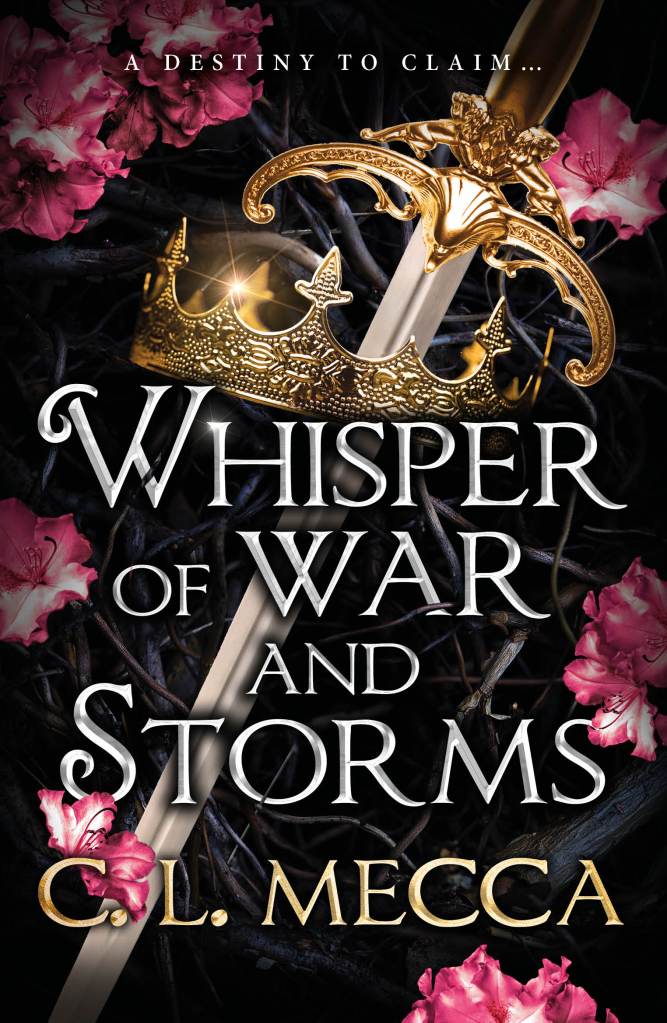
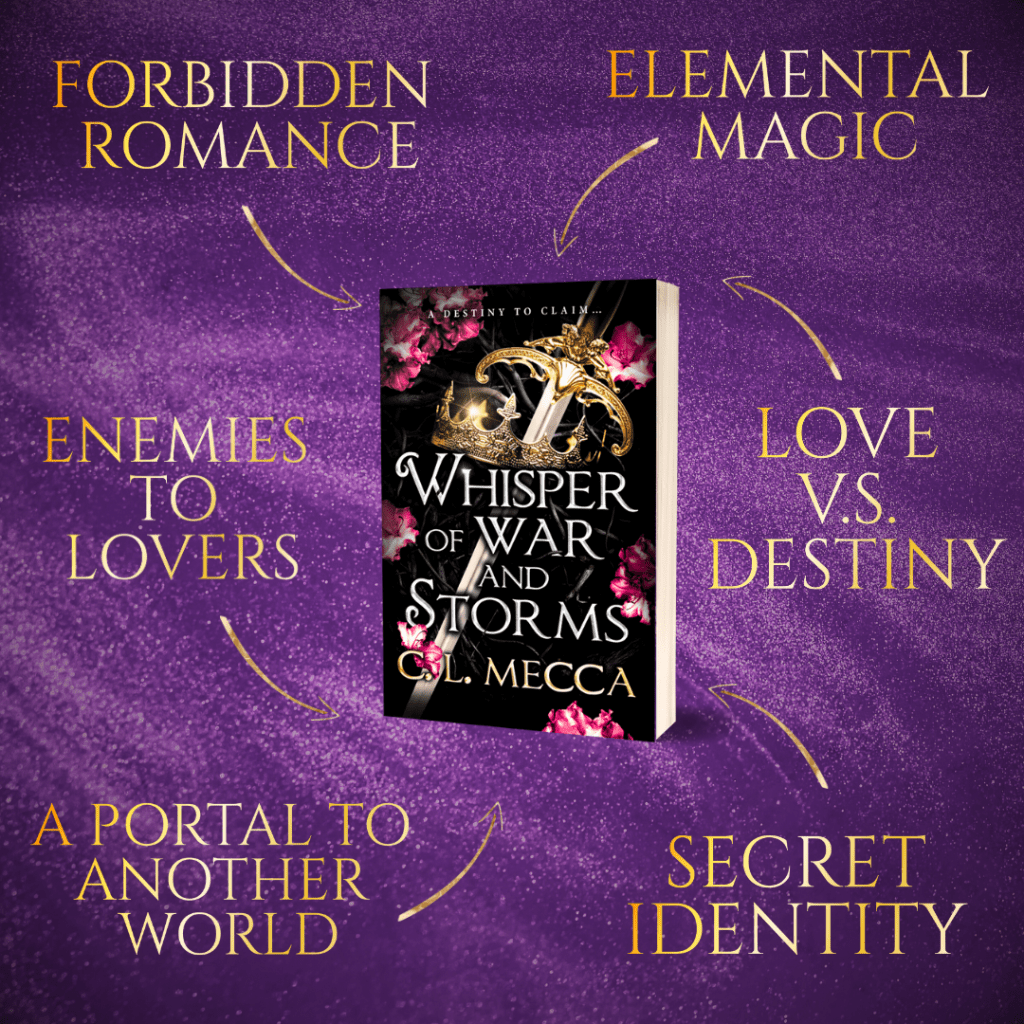
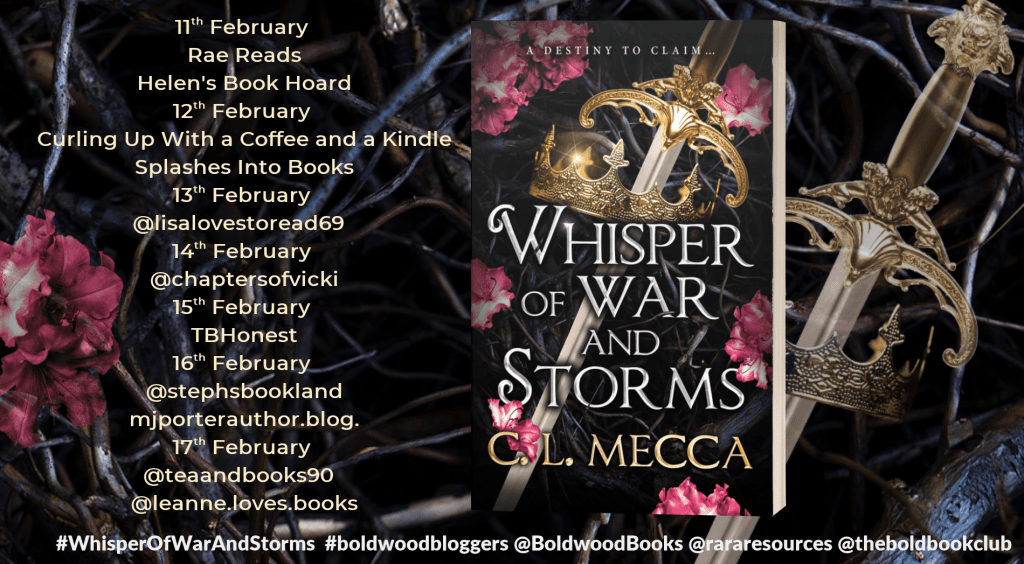
A spellbinding, epic romantasy adventure of tangled secrets and dark magic for fans of Sarah J Maas, Callie Hart, Rebecca Yarros and Jennifer L Armentrout.
A lost princess. A forbidden love. A destiny she never knew awaited her.
When a forgotten ring reveals Mevlida Brennan’s true heritage as the long-lost princess of Aetheria, a kingdom of immortals and magic, her world is turned upside down. But there’s just one problem—Mev didn’t know she was missing.
Thrust into a realm on the brink of war, Mev is caught between her newfound legacy and a dangerous political game. A powerful king holds the key to restoring the ancient portal that connects their realms, but his son, Kael, stands in her way. Brooding, relentless, and dangerously irresistible, Kael is sworn to protect his people—even if it means kidnapping Mev to keep her from uncovering the truth.
As dark forces rise and her dormant powers awaken, trust is a luxury neither can afford, yet their hearts may leave them no choice. Mev must embrace her destiny or risk losing everything. Because the storm isn’t coming—it’s already here.
In a battle of elemental magic, loyalty, and love, one whisper could spark a war.
Whisper of War and Storms is a quick read – I devoured it in a few hours.
Our two main characters are engaging and quite fun, and the story and developing romance feel quite like a Regency Romance, with the whole, ‘will they, won’t they’ speak openly about their feelings.
The storyline and backstory have a lovely Narnia feel, and I very much enjoyed the world-building and how the author has set up the story for subsequent books in what I assume will be a long-running series.
A fun and engaging read.
Meet the author
Cecelia Mecca is the author of historical, paranormal romance including the bestselling ‘Bloodwite’ series. She will write romantasy novels for Boldwood as C. L. Mecca, the first of which, Whisper of War and Storms, will be published in February 2025, as well as American small town romance series ‘The Bachelor Pact’ under the name Bella Michaels. She lives in Northeast Pennsylvania with her family.
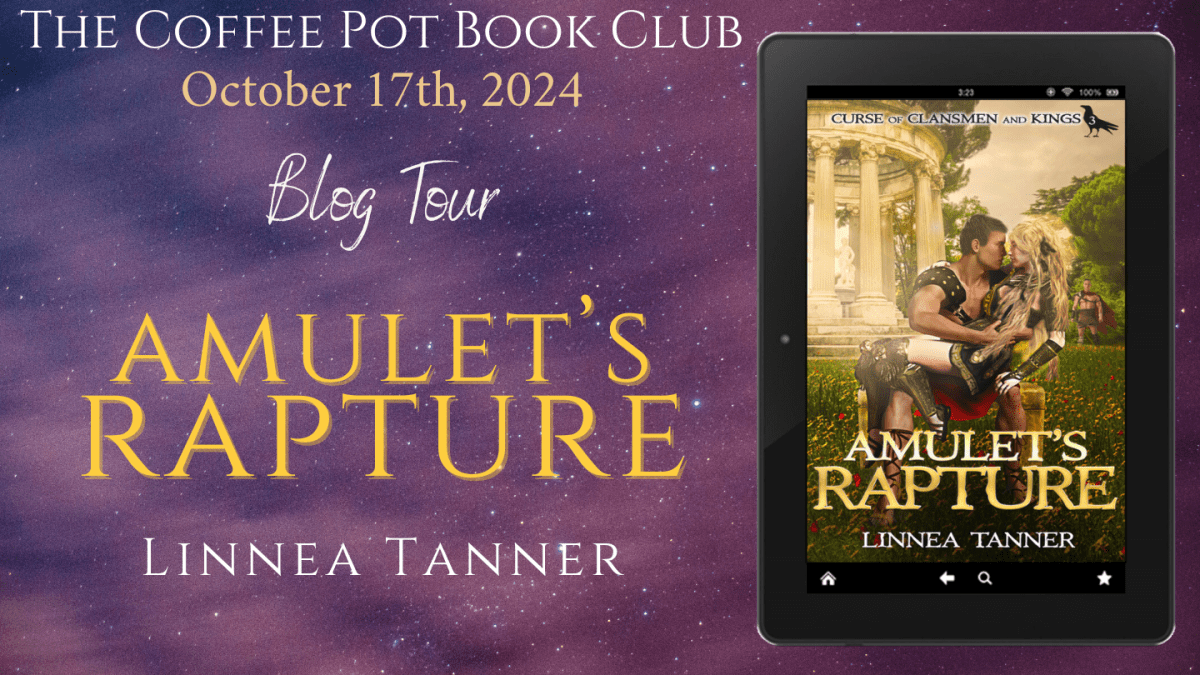
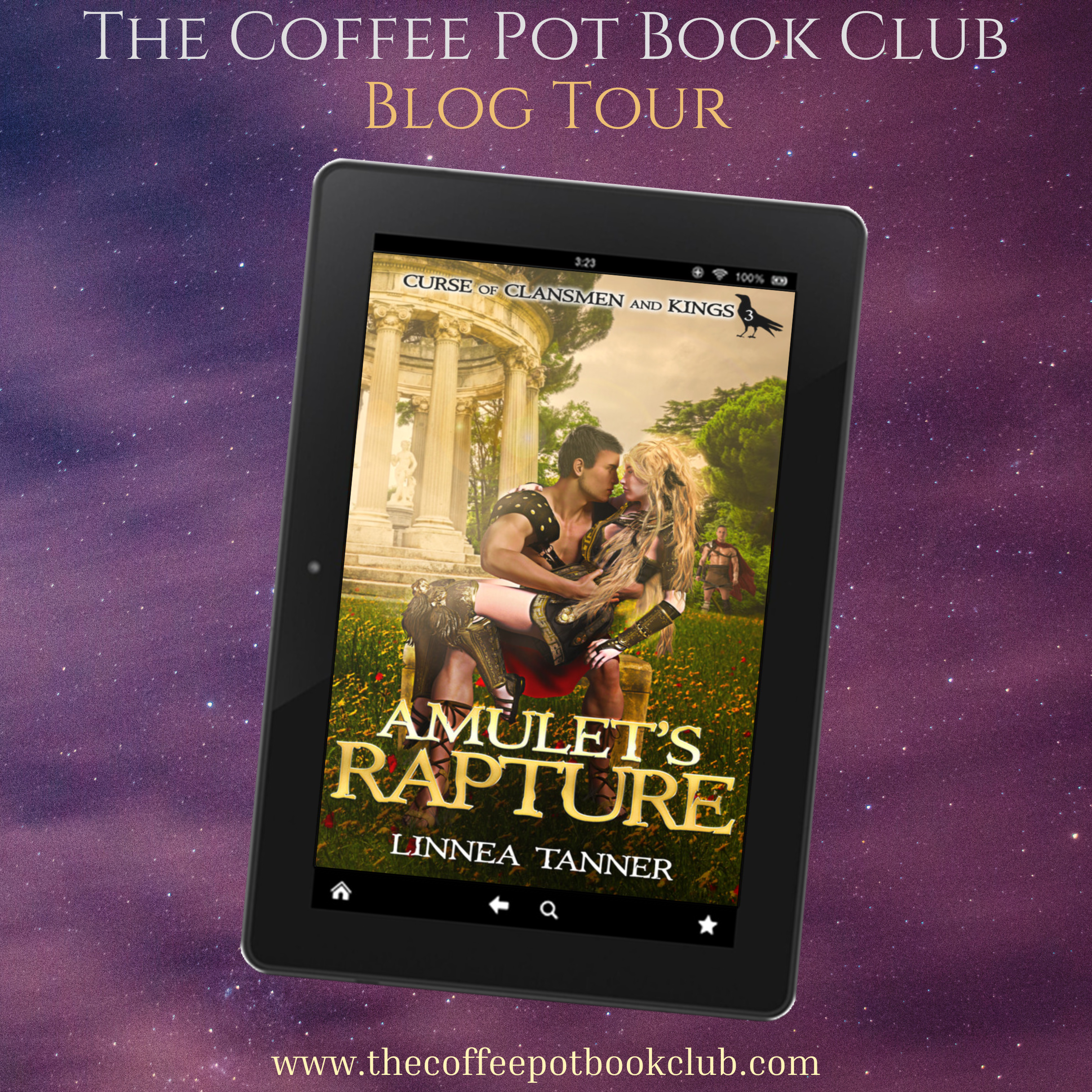
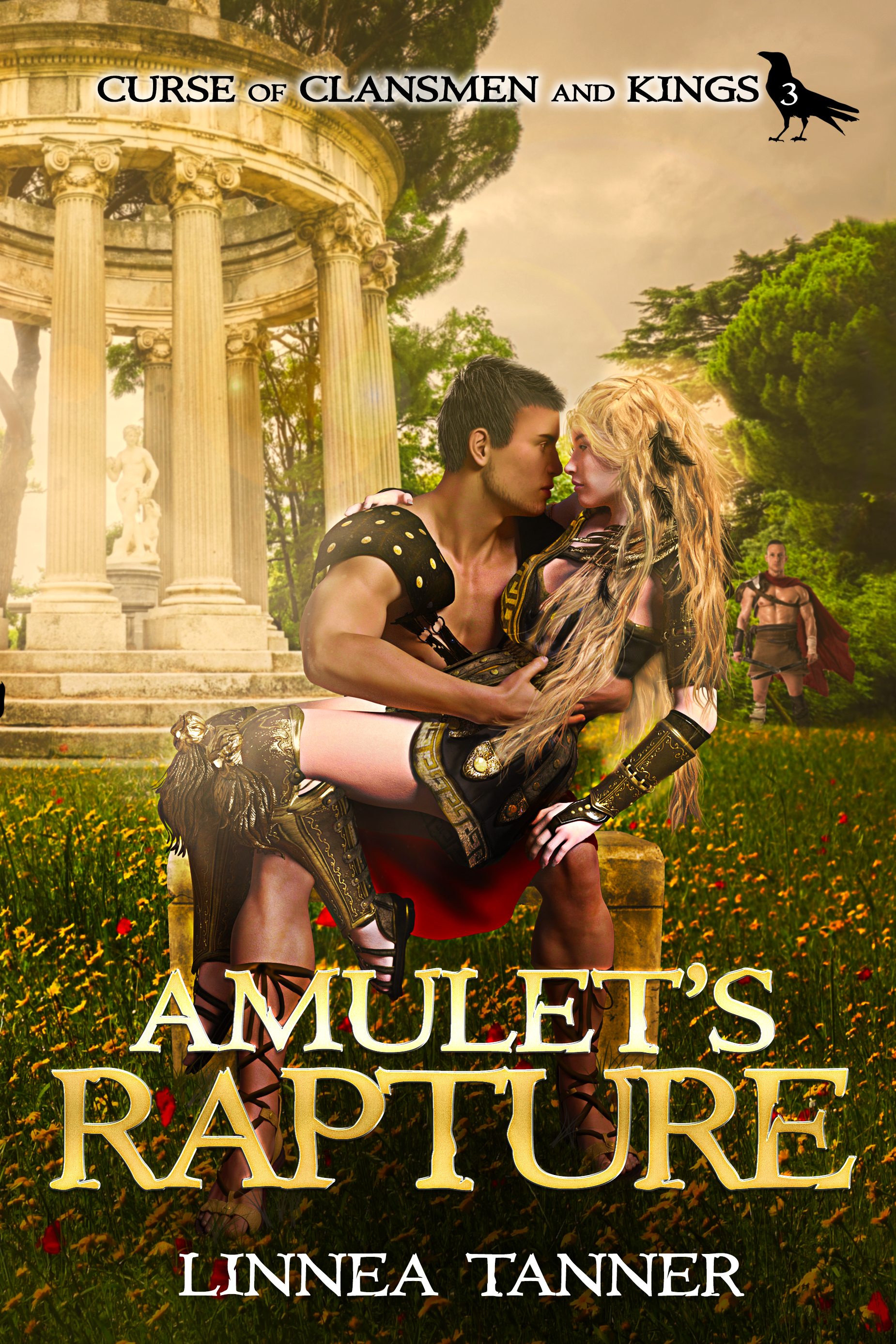
I’m delighted to welcome Linnea Tanner and her book, Amulet’s Rapture from the Curse Of Clansmen and Kings series, to the blog with a trailer.
Trailer
Blurb
“Amulet’s Rapture by Linnea Tanner is the story of the survival and transformation of Catrin. The plot is packed with action, politics, corruption, ambition, prophecies, and ancient magic. With a gripping plot, mindblowing storytelling, and unpredictable twists, Amulet’s Rapture by Linnea Tanner is going to be among my top three favorites of this year.” — Ankita Shukla for Readers’ Favorite
Blood stains her Celtic home and kingdom. The warrior Druid princess will do anything to retake her kingdom.
Although Catrin is the rightful heir to the Celtic throne in Britannia, she is lucky to be alive. After witnessing the slaughter of her family at the hands of her half-brother, who was aided by the Romans, she is enslaved by a Roman commander. He disguises her as a boy in the Roman Legion with the belief that she is an oracle of Apollo and can foretell his future. The sole bright spot in her miserable new life is her forbidden lover Marcellus, the great-grandson of the famed Roman General Mark Antony.
But Marcellus has been wounded and his memories of Catrin and their secret marriage were erased by a dark Druidess. Though Marcellus reunites with Catrin in Gaul and becomes her ally as she struggles to survive the brutality of her Roman master, he questions the legitimacy of their marriage and hesitates to help her escape and retake her kingdom. If their forbidden love and alliance are discovered, her dreams of returning to her Celtic home with Marcellus will be shattered.
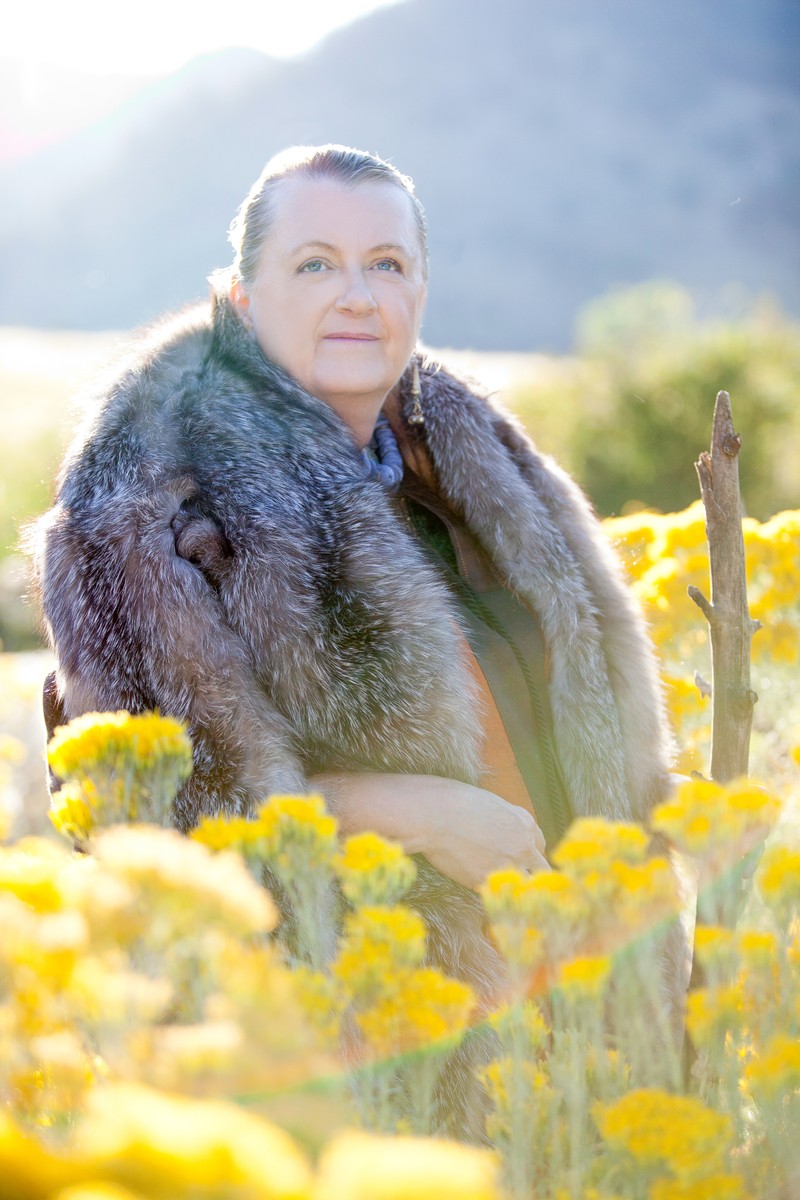
Award-winning author, Linnea Tanner, weaves Celtic tales of love, magical adventure, and political intrigue in Ancient Rome and Britannia. Since childhood, she has passionately read about ancient civilizations and mythology. She is particularly interested in the enigmatic Celts, who were reputed as fierce warriors and mystical Druids.
Linnea has extensively researched ancient and medieval history, mythology, and archaeology and has traveled to sites described within each of her books in the Curse of Clansmen and Kings series. Books released in her series include Apollo’s Raven (Book 1), Dagger’s Destiny (Book 2), Amulet’s Rapture (Book 3), and Skull’s Vengeance (Book 4). She has also released the historical fiction short story Two Faces of Janus.
A Colorado native, Linnea attended the University of Colorado and earned both her bachelor’s and master’s degrees in chemistry. She lives in Fort Collins with her husband and has two children and six grandchildren.
I’m delighted to welcome Dirk Stasser and his new book, Conquist, to the blog with where does history end and fiction begin?
Where does history end and fiction begin?
Dirk Strasser
The following timeline of the period in which my historical fantasy Conquist is set has three historical facts and one historical fiction:
1536—Manco Inca gathers an army of 200,000 Inca warriors and lays siege to Spanish-occupied Cusco.
1537—Diego de Almagro regains Cuzco, but Manco Inca escapes and founds the new Inca capital Vilcabamba which becomes the last stand of the Inca Empire.
1538—Cristóbal de Varga and a 600 strong army searches for Vilcabamba in a remote region of the Andes.
1539—Gonzalo Pizarro finds the location of Vilcabamba in the Amazon region of Peru and invades the city, but Manco Inca once again escapes.
My aim with Conquist was to create a fantastical story that could have happened according to the known historical facts. I chose 1538 because it was the only year in which the fictitious events of the novel could have occurred. From his hidden city in that year Manco Inca established the last stand of the Inca Empire against Spanish conquest, while the Pizarro brothers and others where desperately searching for Vilcabamba. A year later the location was found by Gonzalo Pizarro in the Amazon region of Peru. I squeezed all the action of Conquist into that time frame because history required it. The novel action can only exist in the gap between Manco founding the new Inca capital and Gonzalo Pizarro finding its hidden location. That’s how I see historical fiction working. It seeks the gaps that can be filled by the imagination of the author.
Manco Inca existed, Diego de Almagro existed, Gonzalo Pizarro existed, Vilcabamba existed, but I made up Cristóbal de Varga. His name, like all the names in his conquistador army, was constructed to sound authentic by my scouring of the historical records and taking the first name of one real-life conquistador and matching it with the surname of a different real-life conquistador.
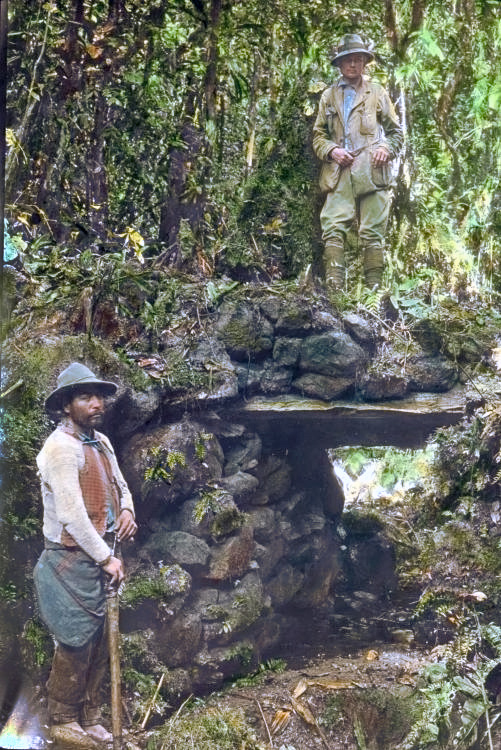
The search for Vilcabamba drives the action of Conquist. Historically, the location of the city was lost again after it was destroyed by Pizarro. In 1911 the American explorer Hiram Bingham mistakenly identified the abandoned ruin of Machu Picchu as Vilcabamba. He also visited a ruin called Espiritu Pampa near the Chontabamba River, which in 1964 was identified as the legendary Vilcabamba by another American explorer Gene Savoy (who interestingly claimed to have discovered over 40 lost cities in Peru). How do I know this? It was one of the research paths I went down which didn’t make in into the book. An earlier version of Conquist had a second timeline involving the discovery of Cristóbal de Varga’s diary last century.
American explorer Hiram Bingham and guide at the ruins of the last Incan capital Vilcabamba 1911
So, how much do you stick to the facts in historical fiction? Should historic fiction be loyal to the actual events? How do you decide where history ends and fiction begins?
Obviously, authors should be free to write the story they want to write. I think the important question is how the work is labelled. The question about how closely you should stick to historic facts is analogous to the “Based on true events” tag that often accompanies books and movies. Saying a work is based on true events is a powerful marketing tool. Books with that label are enticing to readers. They sell more. The reality of the work gives it more consequence. The events are more important. The tag predisposes you to care more about what happens to the characters because you see them as real people.
It’s psychological manipulation.
You can justify the tag if it’s true. But is it? More often than not I’ve seen it used when the tag really should have been “Inspired by true events”, which gives you much greater licence to play with facts.
So is labelling a book “historical fiction” the equivalent to saying, “Based on true events” or “Inspired by true events”? I see historical fiction as a wide umbrella term that includes both types. Most historical fiction awards now include historical fantasy as well as other sub-genres in their definition of historical fiction, so I don’t feel the term “historical fiction” necessarily indicates a rigid stick-to-the-facts approach.
Conquist is clearly historical fantasy. The history of the conquest of the New World is littered with expeditions looking for a city of gold (or some other fabled place like the fountain of youth). Conquist is the tale of such an expedition, and Cristóbal’s story mirrors Francisco Pizarro’s conquest of the Incan Empire.
In writing Conquist, I spent considerable time researching everyday life of both the Spanish conquistadors and the Inca, the weapons and warfare of the time, and the beliefs of both peoples. The rafting techniques of the Inca, for example, was a rabbit hole I needed to go down for a crucial part of the novel. Lieutenant Héctor Valiente is loosely based on the black conquistador Juan Valiente, a slave who convinced his owner to allow him to become a conquistador for four years as long as he kept a record of his earnings and returned them to his master. Incidental details are also important. For example, I described the conquistadors staunching the wounds of injured soldiers and horses with the fat of fallen enemies because I had read it in an actual conquistador diary. While the research was time-consuming, I also spent at least as much time deciding what not to include in the interests of the storyline.
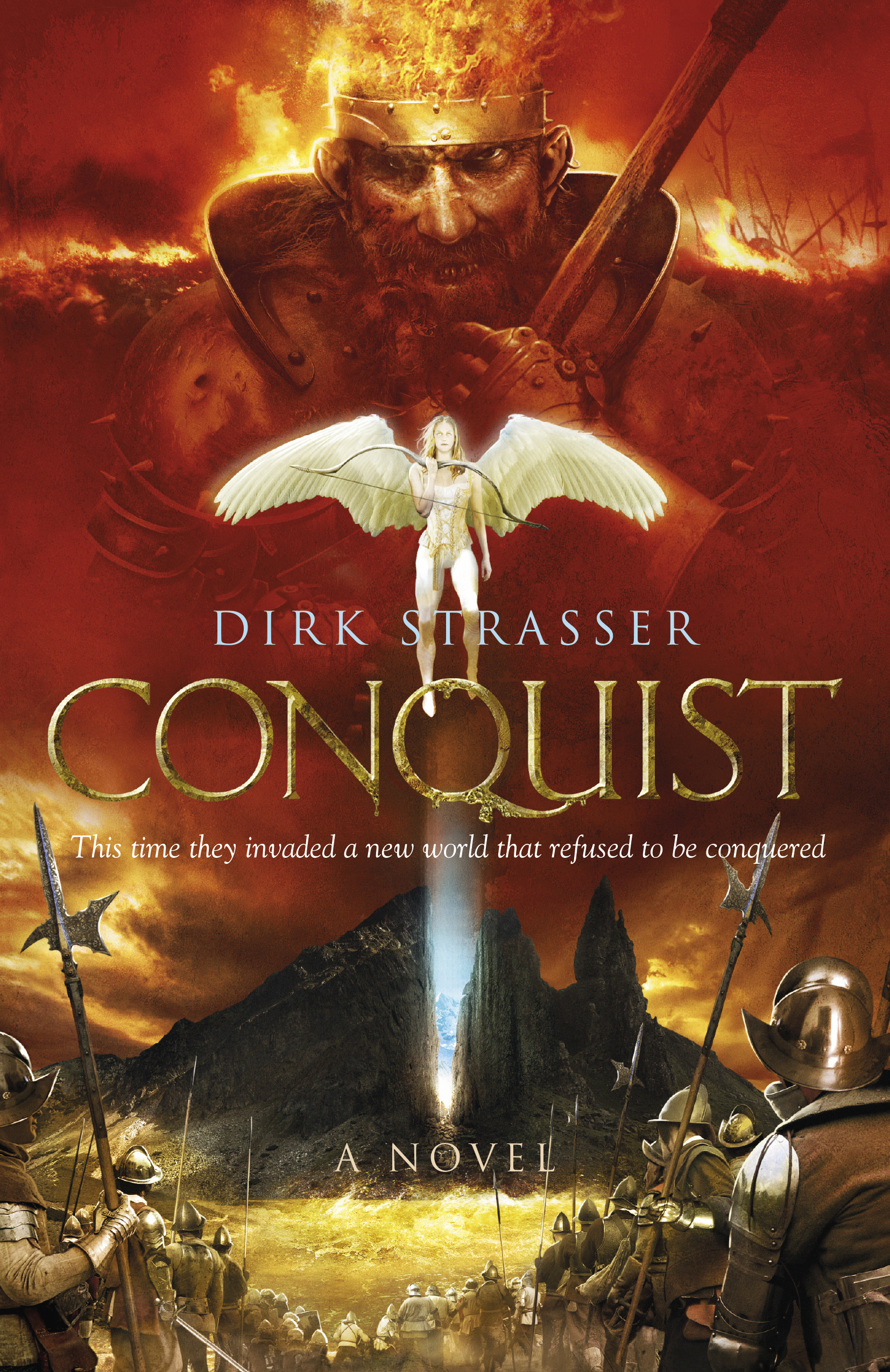
Despite all this research, the only label attached to Conquist are the words “A Novel” on the front cover. The publisher Roundfire Books decided to include this. It’s boldly saying that, despite the historical setting, the diary entries, and the conceit that the story was based on the discovery of that diary in the archives of a Peruvian museum, this book is fictitious. And as with any other work of fiction, the depth of the reading experience is tied to the willing suspension of disbelief.
Capitán Cristóbal de Varga’s drive for glory and gold in 1538 Peru leads him and his army of conquistadors into a New World that refuses to be conquered. He is a man torn by life-long obsessions and knows this is his last campaign.
What he doesn’t know is that his Incan allies led by the princess Sarpay have their own furtive plans to make sure he never finds the golden city of Vilcabamba. He also doesn’t know that Héctor Valiente, the freed African slave he appointed as his lieutenant, has found a portal that will lead them all into a world that will challenge his deepest beliefs. And what he can’t possibly know is that this world will trap him in a war between two eternal enemies, leading him to question everything he has devoted his life to – his command, his Incan princess, his honor, his God.
In the end, he faces the ultimate dilemma: how is it possible to battle your own obsessions . . . to conquer yourself?
Dirk Strasser’s epic fantasy trilogy The Books of Ascension—Zenith, Equinox and Eclipse—was published in German and English, and his short stories have been translated into several European languages. “The Doppelgänger Effect” appeared in the World Fantasy Award-winning anthology Dreaming Down Under. He is the co-editor of Australia’s premier science-fiction and fantasy magazine, Aurealis.
Dirk was born in Germany but has lived most of his life in Australia. He has written a series of best-selling school textbooks, trekked the Inca trail to Machu Picchu and studied Renaissance history. “Conquist” was first published as a short story in the anthology Dreaming Again (HarperCollins). The serialized version of Conquist was a finalist in the Aurealis Awards Best Fantasy Novel category. Dirk’s screenplay version of Conquist won the Wildsound Fantasy/Sci-Fi Festival Best Scene Reading Award and was a featured finalist in the Cinequest Film & Creativity Festival and the Creative World Awards.
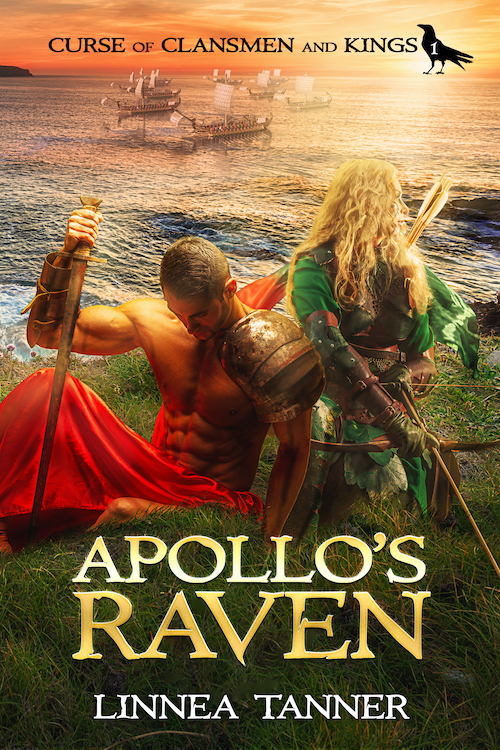
A Celtic warrior princess is torn between her forbidden love for the enemy and duty to her people.
AWARD-WINNING APOLLO’S RAVEN sweeps you into an epic Celtic tale of forbidden love, mythological adventure, and political intrigue in Ancient Rome and Britannia. In 24 AD British kings hand-picked by Rome to rule are fighting each other for power. King Amren’s former queen, a powerful Druid, has cast a curse that Blood Wolf and the Raven will rise and destroy him. The king’s daughter, Catrin, learns to her dismay that she is the Raven and her banished half-brother is Blood Wolf. Trained as a warrior, Catrin must find a way to break the curse, but she is torn between her forbidden love for her father’s enemy, Marcellus, and loyalty to her people. She must summon the magic of the Ancient Druids to alter the dark prophecy that threatens the fates of everyone in her kingdom.
Will Catrin overcome and eradicate the ancient curse? Will she be able to embrace her forbidden love for Marcellus? Will she cease the war between Blood Wolf and King Amren and save her kingdom?
What Amazon reviewers say about Apollo’s Raven
“If you mingled the history and romance of Philippa Gregory with the magical fantasy of George R.R. Martin, the result just might be the fascinating Apollo’s Raven (Curse of Clansmen and Kings Book 1) by Linnea Tanner. Get ready for a journey filled with the desires of star-crossed lovers, the horror of a son polishing his own mother’s skull and the fantasy of humans becoming creatures as a tool to save their very humanity.”
“Sorcery? Mythology? Forbidden love? An ancient curse? Yes, please! I fully enjoyed this epic tale of intrigue, deception, and love. The characters are developed well, while the plot leaves the reader wanting more.”
“What a story! I am a huge fan of “Game of Thrones,” and this book grabbed me in much the same way. The author took me inside the world of ancient Romans and Celts. The imagery was compelling. I could see the characters, the weapons, the countryside, the lairs, and the castle. She stayed true to the times.”
“A love story full of intrigue, power struggles, choosing one’s fate and a doomed love, this story reminds me somewhat of an old book called “The Silver Land” by Nancy Harding or even “The Forest House” by Marion Zimmer Bradley. The undercurrents are the same as they are set in similar times, but the finer details are different enough that it only feels the same while still being uniquely its own.”
Award-winning author, Linnea Tanner, weaves Celtic tales of love, magical adventure, and political intrigue in Ancient Rome and Britannia. Since childhood, she has passionately read about ancient civilizations and mythology. She is particularly interested in the enigmatic Celts, who were reputed as fierce warriors and mystical Druids.
Linnea has extensively researched ancient and medieval history, mythology, and archaeology and has traveled to sites described within each of her books in the Curse of Clansmen and Kings series. Books released in her series include Apollo’s Raven (Book 1), Dagger’s Destiny (Book 2), Amulet’s Rapture (Book 3), and Skull’s Vengeance (Book 4). She has also released the historical fiction short story Two Faces of Janus.
A Colorado native, Linnea attended the University of Colorado and earned both her bachelor’s and master’s degrees in chemistry. She lives in Fort Collins with her husband and has two children and six grandchildren.
In 2023, I set myself the task of reading 52 books, or one book a week, but I smashed that, reading/listening to more than double that number. So, what have I been reading?
I’ve taken part in many blog tours, and I also read a lot of fellow Boldwood Books authors, but I also have my favourites that I return to time and time again. I don’t show star ratings on my blog, and that’s intentional. You can always see what I’ve been reading over on Goodreads, where I do tend to give star ratings.
Fantasy
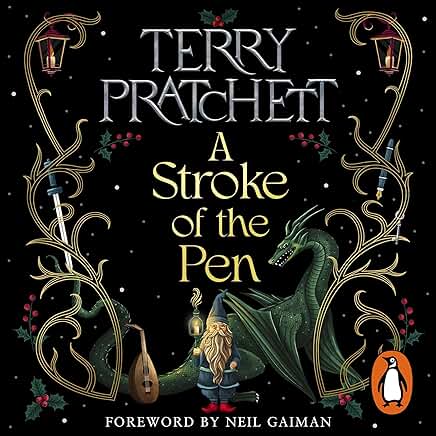
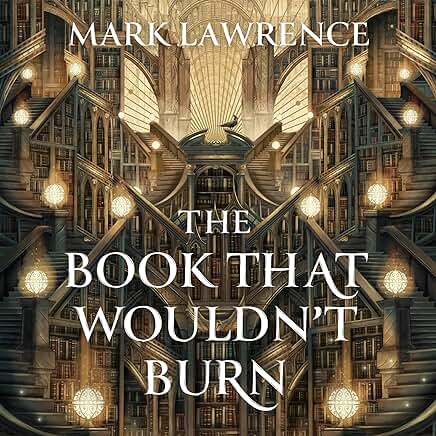
Fantasy was one of my first loves, but I read surprisingly little of it now. Aside from my relisten of all the Terry Pratchett Discworld audiobooks (which I’m loving – I listened to 20 books in the series – and discovered the joy of slowing down the narrator as opposed to speeding them up), I also read the wonderful short story collection, A Stroke of the Pen. I’ve also read Mark Lawrence’s, The Book That Wouldn’t Burn, and indulged in the fabulous Advent of Winter, a short story a day throughout Advent. I think this might sway my reading for 2024, as well as Spread, another short story anthology which contained a host of fabulous writers. And, Steve Jones’ Call Time, which I really enjoyed. His main character is a real ass, but it’s intentional, although I think perhaps some people don’t realise that. It’s worth persisting with, and all those of a ‘certain’ age will love the retro mentions.
Historical Fantasy
I indulged in a little bit of historical fantasy, Theodore Brun’s new book, A Savage Moon, which was excellent, and the anthology, Alternate Endings, which I found really enjoyable.
Mystery
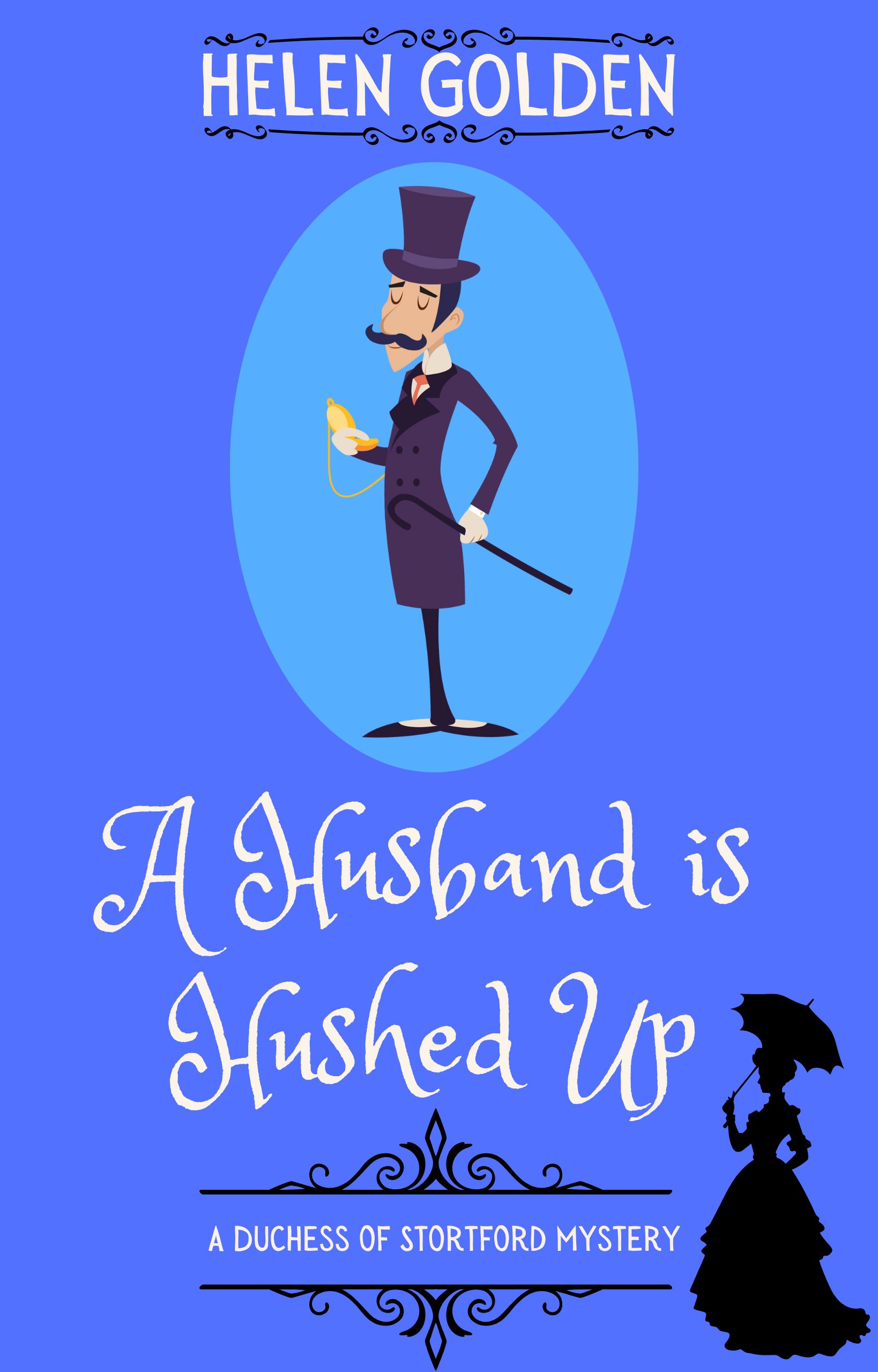
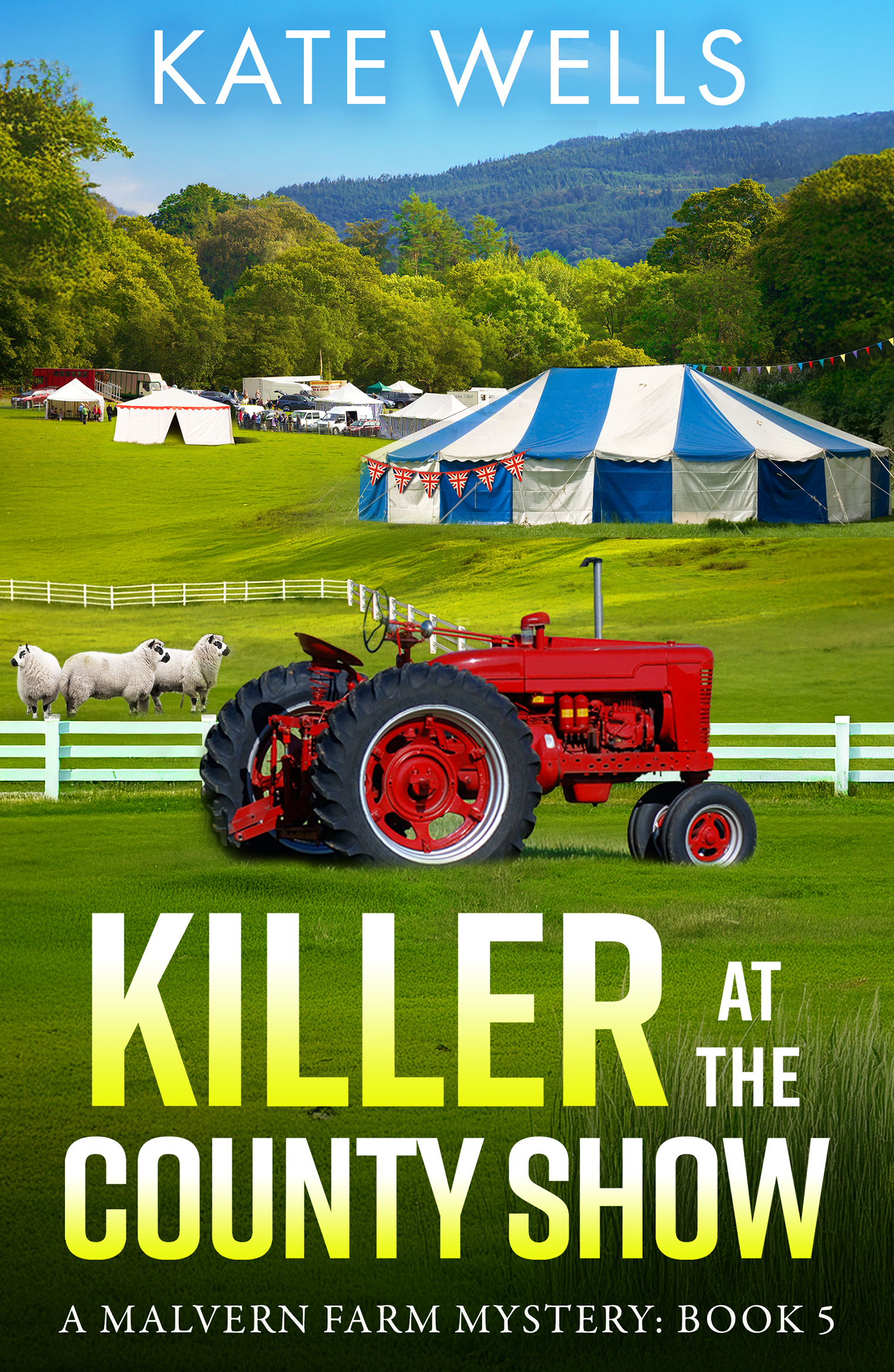
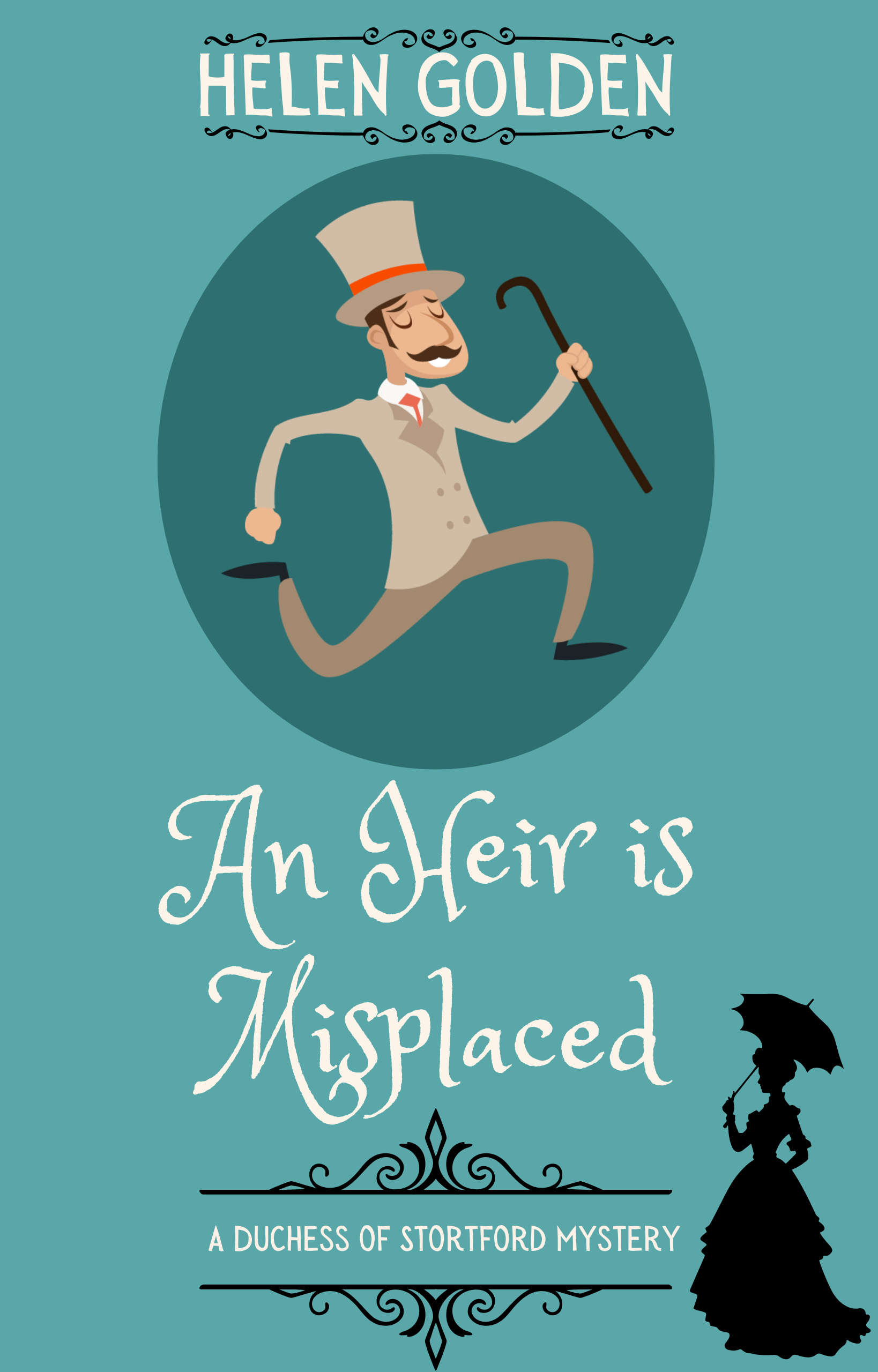
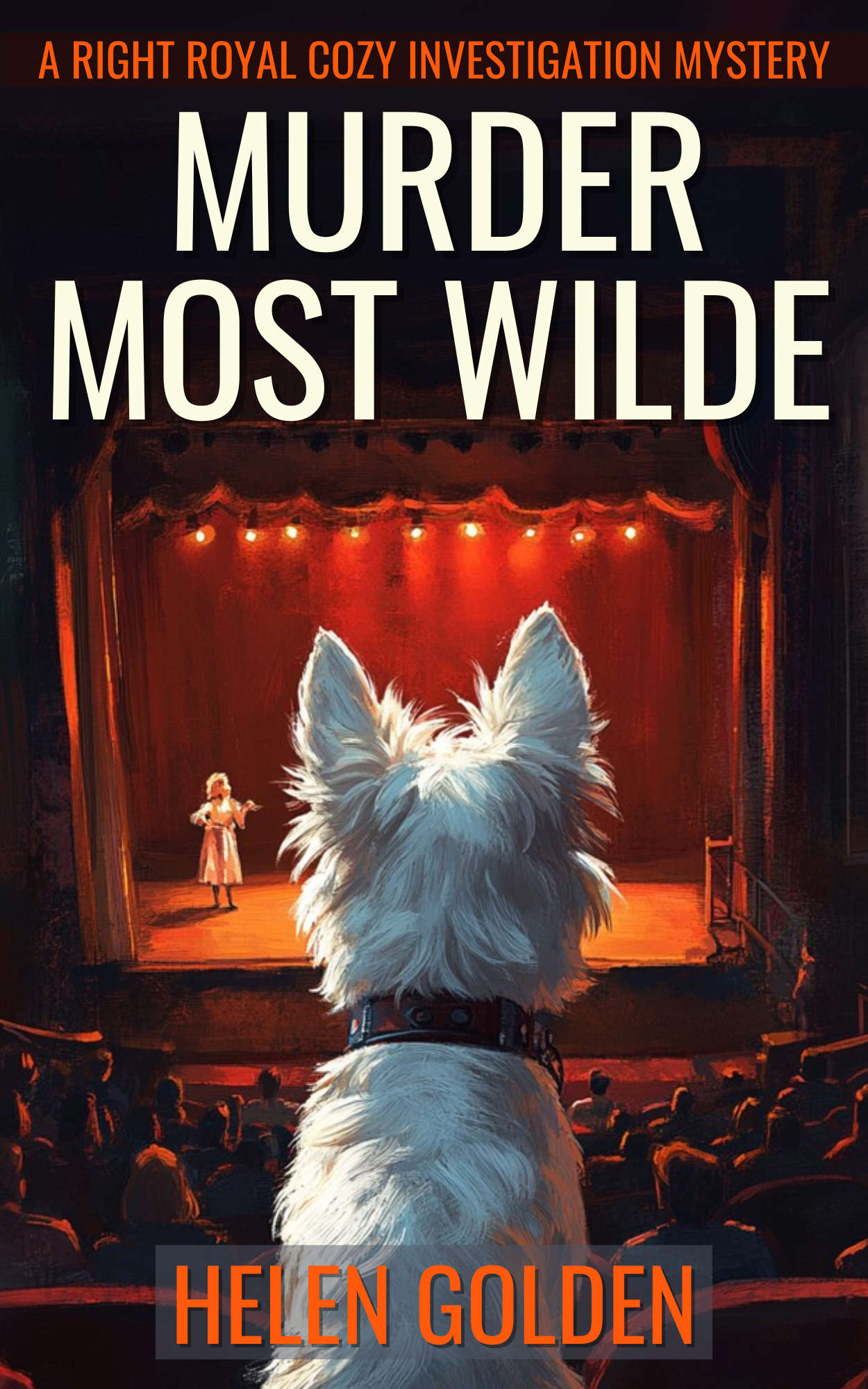
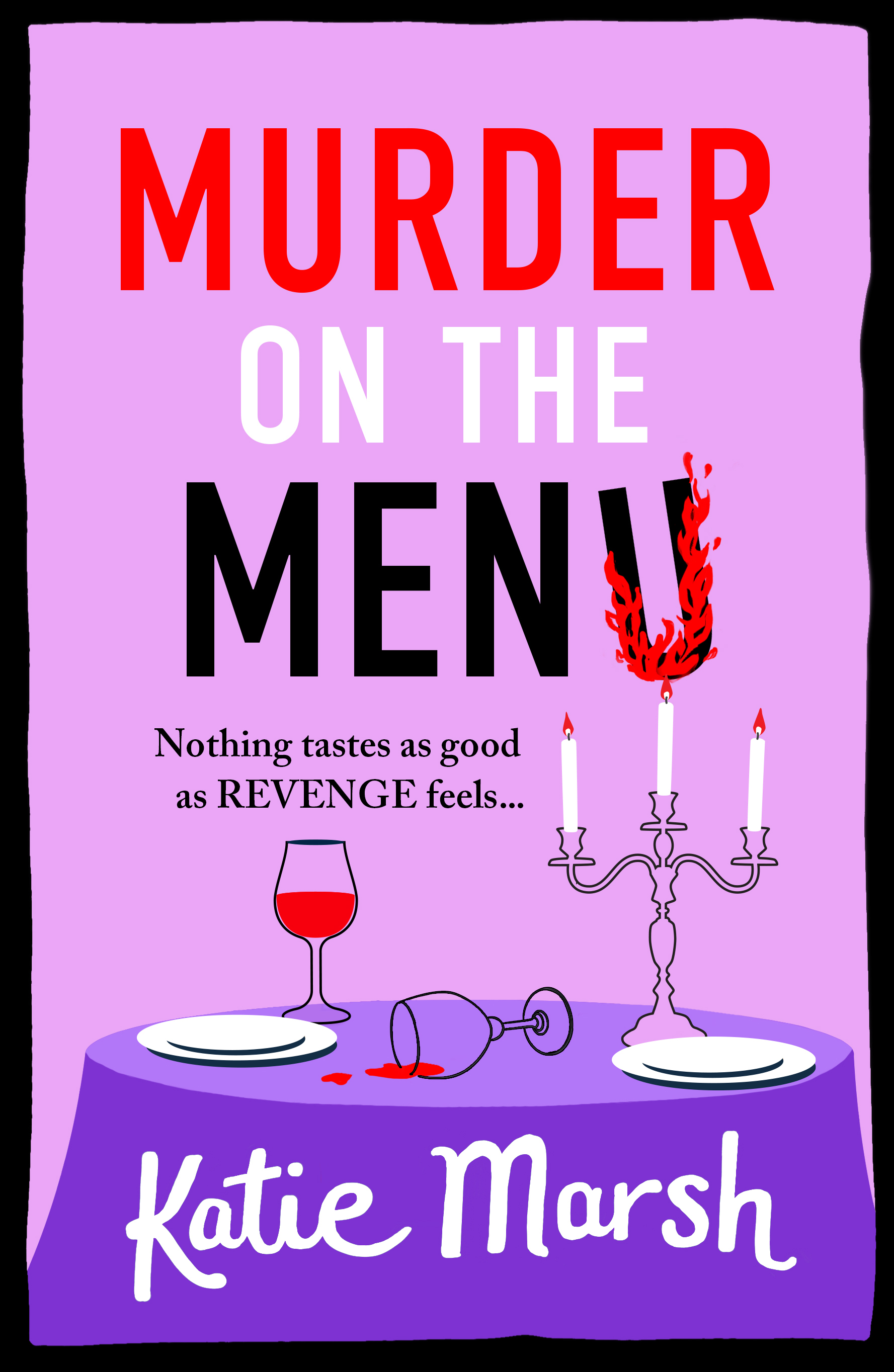
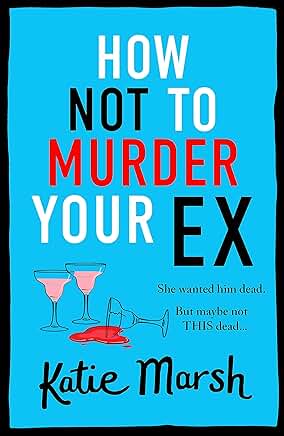
I’ve been reading more and more contemporary mysteries, 23 in total. I have a couple of favourite series, that by Helen Golden, and also a series set in contemporary Italy by TA Williams, as well as some other series I’ve discovered, most notably that by EV Hunter. I read the first book in Kate Wells farming mystery series, and How Not to Murder Your Ex by Katie Marsh. I also read Pass the Cyanide, a foodie short story collection. The Cozy Craft Mystery series by Mille Ravensworth has also been delightful – short, sharp and snappy. I’m also continuing to read Debbie Young’s series – both the Sophie Sayers series and the St Bride’s series.
What I’m really enjoying is working out how the authors ‘tell’ their stories – a good mystery is liberally interspersed with ‘tells’ which the reader only realises as the mystery resolves. There’s a lot to be learned from that for historical fiction, although I did find myself veering towards a bit of a mystery in one of the books I’ve written this year, entirely by accident:)
Historical Mystery
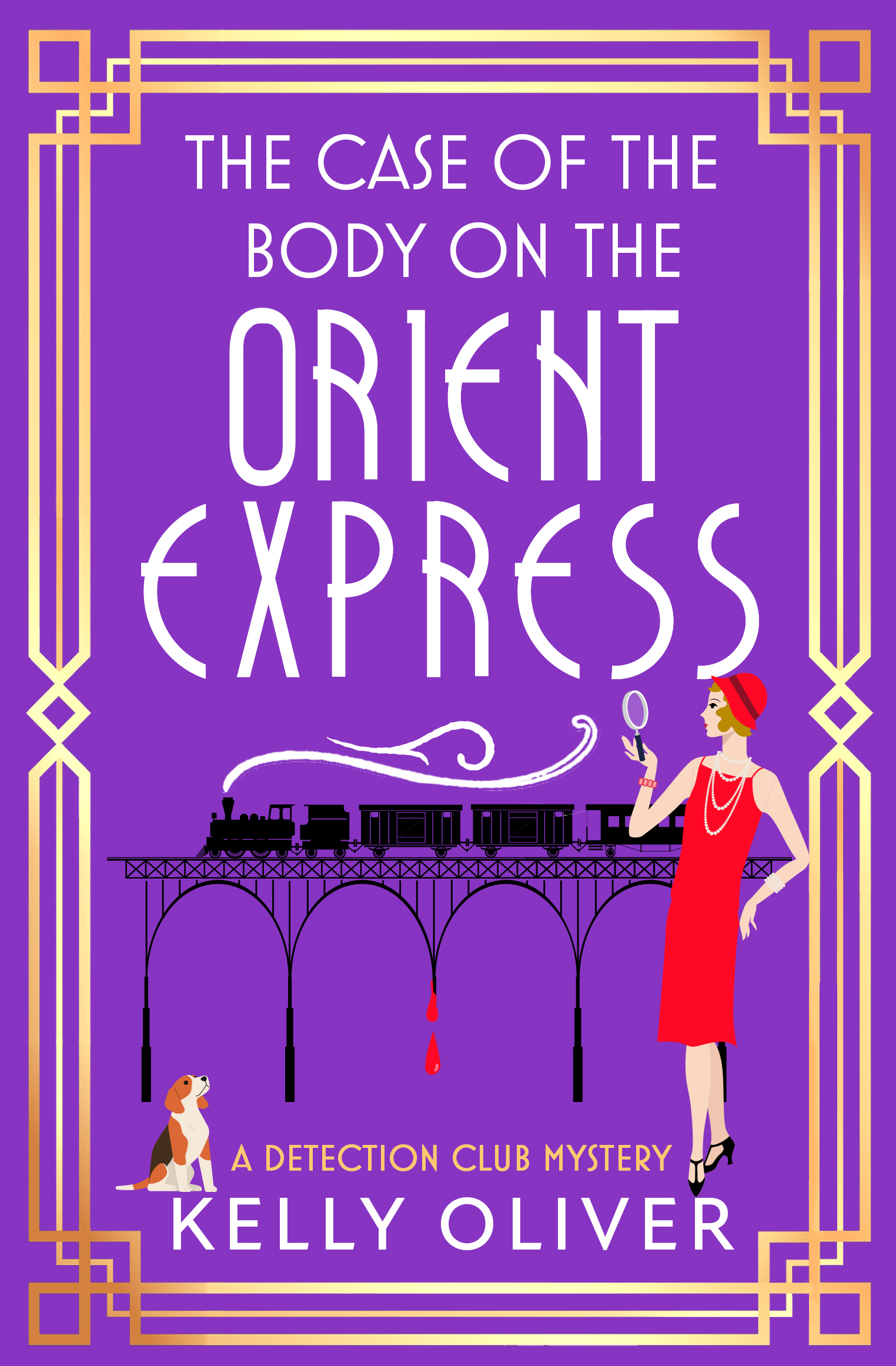
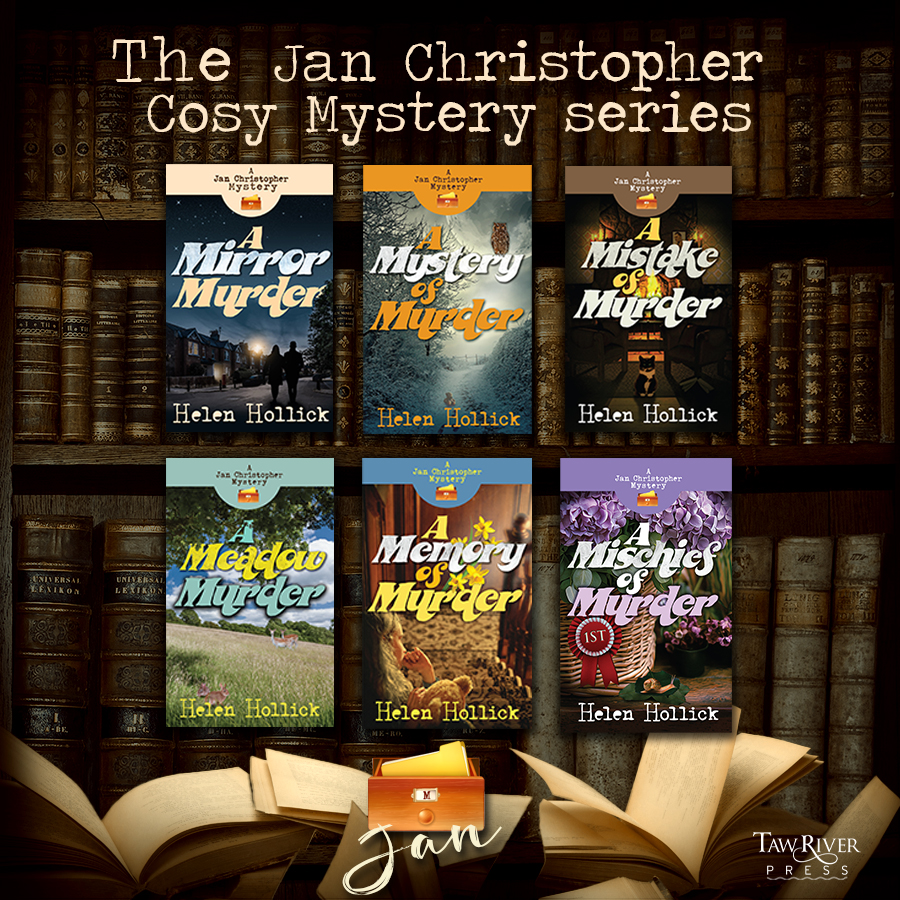
Historical mystery, both cozy and a little more not cozy, is one of my favourite genres. I’ve read 18 historical mysteries – The Alewives by Elizabeth R Andersen on audio which is fabulous, the Iris Woodmore series by Michelle Salter, the new Sarah Hawkswood – I do love this series, and the Fiona Figg and Kitty Lane Mysteries by Kelly Oliver. I’ve recently discovered Helen Hollick’s 1970s mystery series, which I’m adoring for all the little details she’s added which really place it in the early 1970s. The notes show that Helen has spent much time arguing with her former classmates over some of those details, and that shows a real desire to ‘get it right,’ which I appreciate. When I was writing my historical mysteries, my Dad was so helpful in offering advice including reminding me that there would have been steam trains in the 1940s. I also really enjoyed Colin Garrow’s historical mystery, Red Snow, set in and around the Newcastle area.
Historical
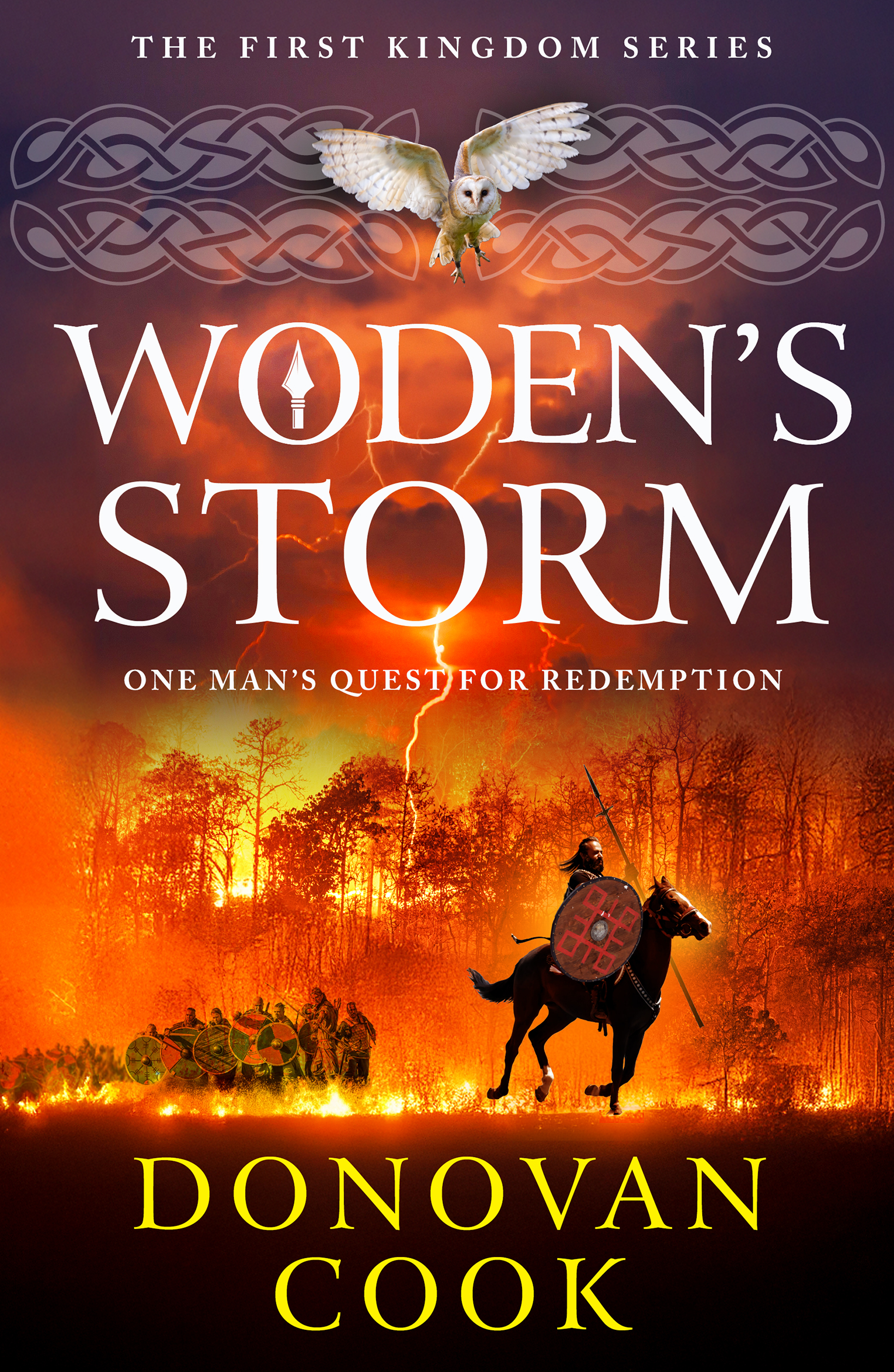
I read quite a bit of historical – 17 titles. I veered from Renaissance Italy, with Kelly Evans’, Turning The World to Stone to the Roman Empire in the BC years, with both Robert M Kidd and SJA Turney. I’ve already listed a couple of my books of the year over on the Aspects of History website, which included JC Duncan’s Warrior Prince, Donovan Cook’s Odin’s Betrayal and Jane Dunn’s The Marriage Season. I also discovered Melissa Addey’s Roman series, which I’m adoring – such a fabulous idea to tell the tale of the Colesseum when it was being used. And Robert Kidd’s To Kill A Consul, set in the third century BC. I’ve only managed one SJA Turney book this year, which I’m annoyed about. I’m desperate to read his latest Damned Emperor series, but need to find the time. I discovered Gordon Doherty‘s, Legionary series, which I want to read more of, as I started with book 9. I also read the new Dan Jones, and found it very bleak, hopefully, intentionally so, and fellow Boldwood author Peter Gibbons Saxon series. As well as Cathie Dunn’s Ascent. So, I read a fair bit set in and around my era, and also some more distant time periods.
Other Genres
I’ve read a little outside these genres, completing Evie Hunter’s gangland series set in Birmingham, and again, being inspired by the way she tells her story. It was extremely compelling, especially as every character was just horrible and self-involved. I read a couple of historical romances, the odd thriller, and also other tales I might not usually pick up. That is the joy of being a blog host. I can’t say I ever regret my decisions, and it is great to read so widely.
Audio Books
Aside from the new Discworld recordings, I also listened to a couple of other audiobooks. The Alewives by Elizabeth R Andersen is fabulous. I also listened to a historical romance, which I really enjoyed and a short story collection. I am growing my audiobook library and have loads to listen to but need to find the time. I did try an audiobook while on holiday in Scotland, but it was so bloody miserable and bleak, I never listened to the end. I also listened to my own audiobooks, and would like to thank Matt Coles and Sean Barrett for their endeavours this year.
Top Five (okay, Six) Books of the Year – a jumble of genres – the books I enjoyed the most – I’m quite surprised by my selections
I find that reading for me is very much a ‘mood’ thing. I love to find new series which I can devour, but equally, some of my most cherished authors might not get read in any given year if I’m just not feeling ‘it.’ I don’t want to ruin them by trying to read against where my enjoyment is taking me.
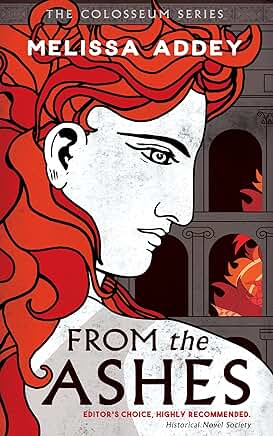
From the Ashes by Melissa Addey – such a fabulous idea and so cleverly woven with historical events in first century Rome.
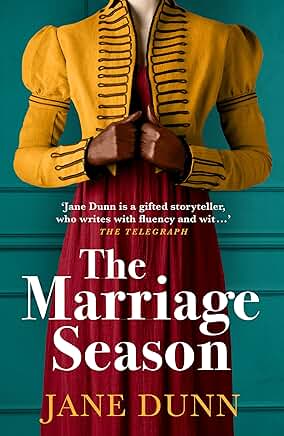
The Marriage Season by Jane Dunn – a delightful Regency romance, but with a twist, which fans of Haden from The Last King series will appreciate.
How Not To Murder Your Ex by Katie Marsh – not my usual thing but very, very funny and a cleverly woven together tale/mystery. I devoured this title in a day and a half.
The Advent of Winter by various authors, organised by Dom McDermott – a really inspiring collection of fantasy short stories. I will be reading more from many of these authors. I’ve not yet reviewed this book but I highly rate it.
A Stroke of the Pen by Terry Pratchett – a delight to read some of his earliest tales, especially when I’ve spent much of the last two years listening to the two collections of audiobooks – the older recordings, and the new ones. I can see where many of his ideas came from. As someone who also writes short stories before embarking on longer tales, it was a real eye opener.
The Book That Wouldn’t Burn by Mark Lawrence – as usual, he blew my mind with his storytelling. It took me about a month to be able to write a coherent review for this fabulous story. I’m looking forward to book 2 in the trilogy in 2024.
Looking Forward
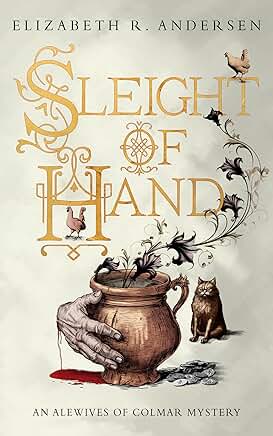
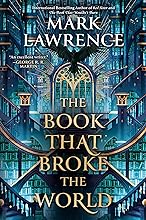
2024 will see the sequel to Mark Lawrence’s The Book That Wouldn’t Burn (image below – I know Mark wanted to do a ‘proper’ cover reveal, but it has snuck out, and as he seems okish with that, I have included it), as well as Elizabeth R Andersen’s The Alewives two, Sleight of Hand. I will also, at some point, run out of Discworld audiobooks. My plan then is to listen to the Deverry series by Katharine Kerr – I have read all the books but want to listen again – and also the PERN novels by Anne McCaffrey. I’m also looking forward to discovering new books through blogging, and keeping up with the historical and cosy mystery series I already read. And, finding time to read Caracalia by SJA Turney. (I’ve just looked it up and see he also has a new book out next year – Agricola:Invader – that will be going on my TBR as well.) I will set myself the same target of 52 books, and see how I get on with that. So, here’s to another great year of reading, and listening ahead.






















 MJ Porter