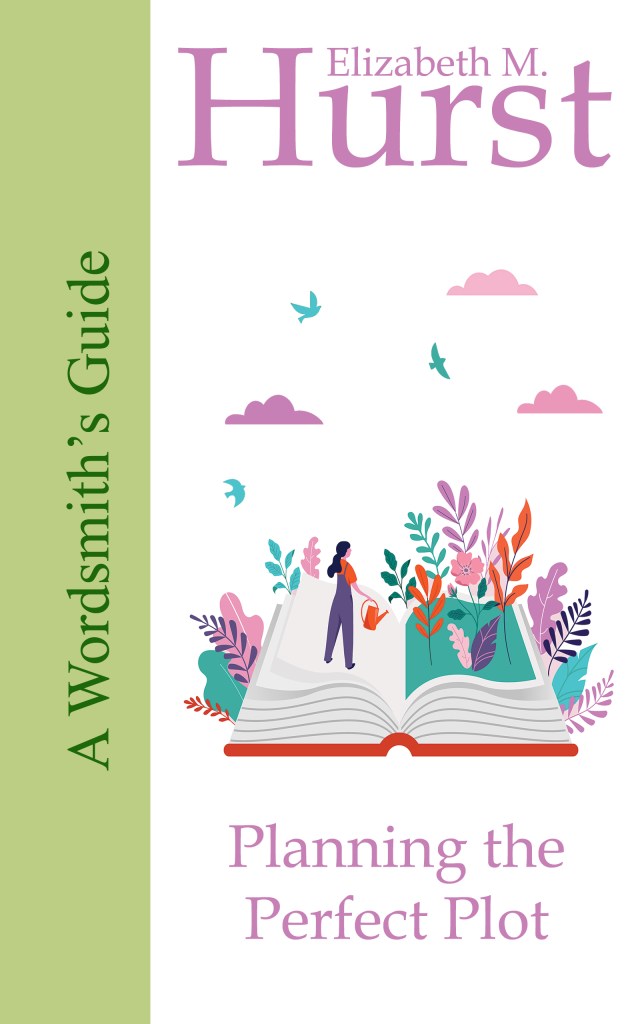

I’m sharing my review The Wordsmith’s Guide to Planning the Perfect Plot by Elizabeth M Hurst #blogtour #nonfiction #writingadvice

I’m sharing my review The Wordsmith’s Guide to Planning the Perfect Plot by Elizabeth M Hurst #blogtour #nonfiction #writingadvice

The Wordsmith’s Guide to Planning the Perfect Plot

* DO YOU STRUGGLE TO FINISH WRITING A NOVEL?
* DO YOU RUN OUT OF MOMENTUM BECAUSE YOU DON’T KNOW WHERE YOUR STORY IS GOING?

The Wordsmith’s Guide to Planning the Perfect Plot is your trusted companion for turning story ideas into structured, compelling narratives. In this fourth instalment of the Wordsmith’s Guides series, Elizabeth M. Hurst takes you through popular plotting methods—including the Snowflake Method, Save the Cat Beat Sheet, and The Inside Outline—helping you choose the right approach for your writing style. You’ll also find practical advice on troubleshooting common pitfalls, crafting satisfying endings, and keeping your plan adaptable as your story evolves.

Inside, you’ll discover:

  • Clear explanations of proven plotting methods
  • Guidance on choosing the right structure for your novel
  • Tips for overcoming plot issues and staying on track
  • Advice on writing satisfying, well-rounded endings
  • A practical appendix full of tools and templates to support your planning process

Whether you’re a planner, a pantser, or somewhere in between, Planning the Perfect Plot will help you shape your novel with clarity and confidence.

Purchase Link

 https://geni.us/PlottingAmazon

My Review

Planning isn’t something I really do as a writer. But I was certainly curious to see how others might go about writing their stories. Elizabeth M Hurst gathers together many different techniques for planning a novel, and it is interesting to discover how I could be writing a novel, if my mind worked in that way. Mine, alas, does not. It thrives on the chaos. But, I do think the book is an excellent resource for those who plan before writing, and perhaps worry too much about sticking to their plan and the plot they thought they’d be writing when it goes awry and things starts to misbehave. I found it intriguing to read how people use ‘beats’ to craft their story as well as arcs and other techniques. I’m in awe of anyone who can think that far ahead:) I’m not a planner because I ‘feel’ my way through a story – but the author certainly nails my writing style in her explanations.

The author readily acknowledges that most people will use a variety of these techniques, and I was pleased to see that through it all, the delightful chaos of characters and plot misbehaving was never far from her thoughts.

The idea behind writing the novel, was, the author says, to encourage writers to finish their drafts using whatever techniques work for them. This is a worthy endeavour. Many people start writing a story and falter when things start to feel ‘off.’ This should provide opportunities to get writers writing again by thinking of their plot in different ways. I suspect it could be used as an effective diagnostic tool to discover where a plot is faltering, and once that’s been done, writers will learn what works and doesn’t work for them and in future, potentially, avoid the traps waiting to choke off the creativity.

A concise and interesting summary of the way writers write, providing suggestions for breaking free from processes that might not be working. I’m sure all writers will find their ‘type’ in the explanations.

Meet the author

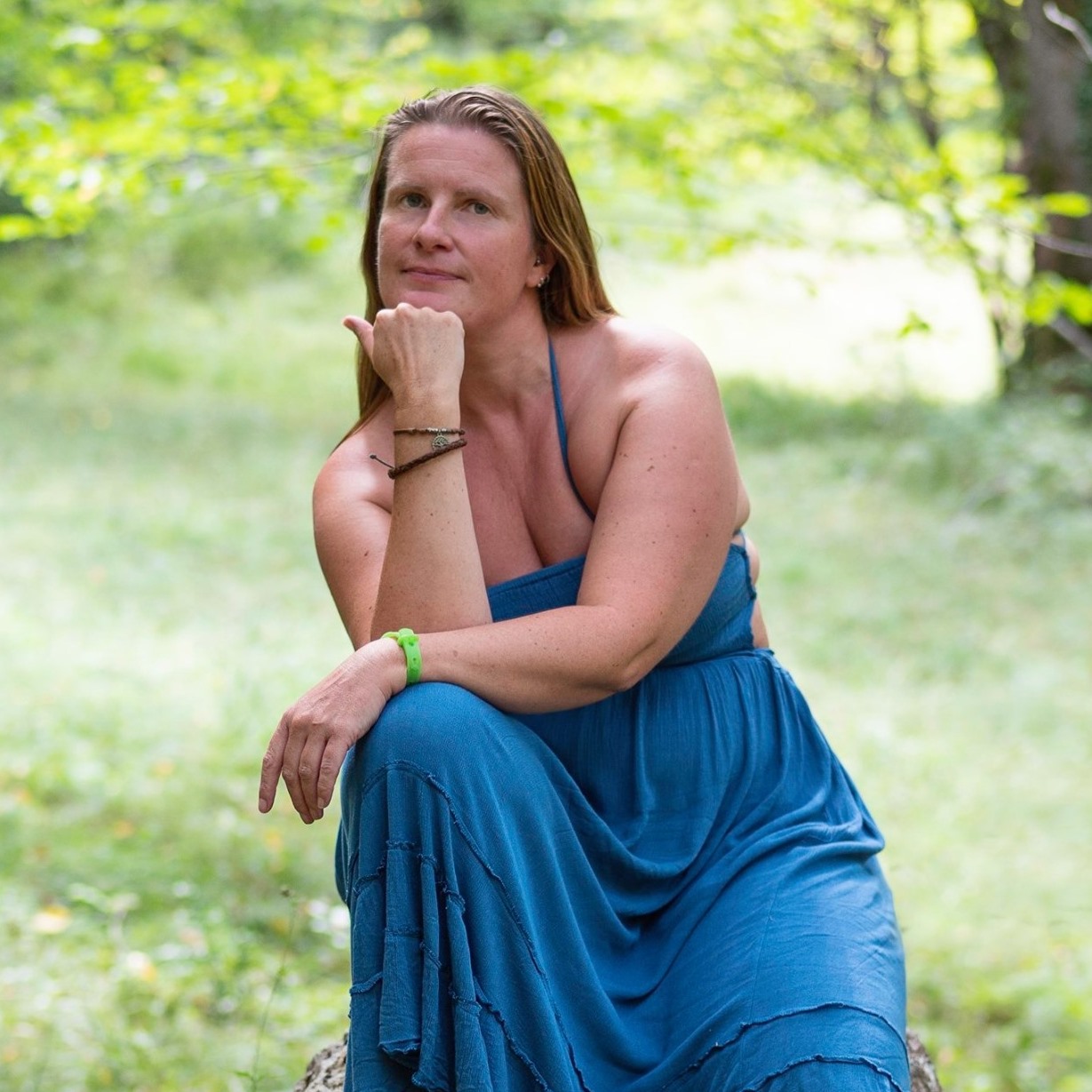
Elizabeth was born and bred in the picturesque harbour town of Whitehaven in the northwest of England, where the long, wet winters moulded her into a voracious reader of fiction to escape the dismal weather.

She graduated with a degree in Business Studies and a string of jobs followed, after which she finally settled in the automotive industry, where she spent twelve happy years.

Having already started writing around the age of 40, she had begun to dream of a more creative lifestyle and set about creating her freelance editing and proofreading business, EMH Editorial Services. In 2018, she quit the corporate world and concentrated her energy full-time towards her love of the written word.

Elizabeth now lives with her husband in the warm and sunny south of France, where the wine is cheaper than the water, and the cats spend their days hunting lizards and dreaming of the birds that roost on the roof.

Connect with the author

https://elizabethhurstauthor.com/

Posts

Come with me to Great Witcombe Roman Villa #locations #newrelease #MenOfIron #WarriorsOfIron #histfic #nonfiction

Come with me to Great Witcombe #newrelease #MenOfIron #WarriorsOfIron #histfic

Great Witcombe Roman Villa

Great Witcombe Roman Villa is no longer open to the public, but it is managed by English Heritage, and it’s possible to get a glimpse of it, although you do need to be careful. I think it’s currently closed due to safety concerns, so be mindful, and stay behind all the barriers, especially as the location is pretty remote.

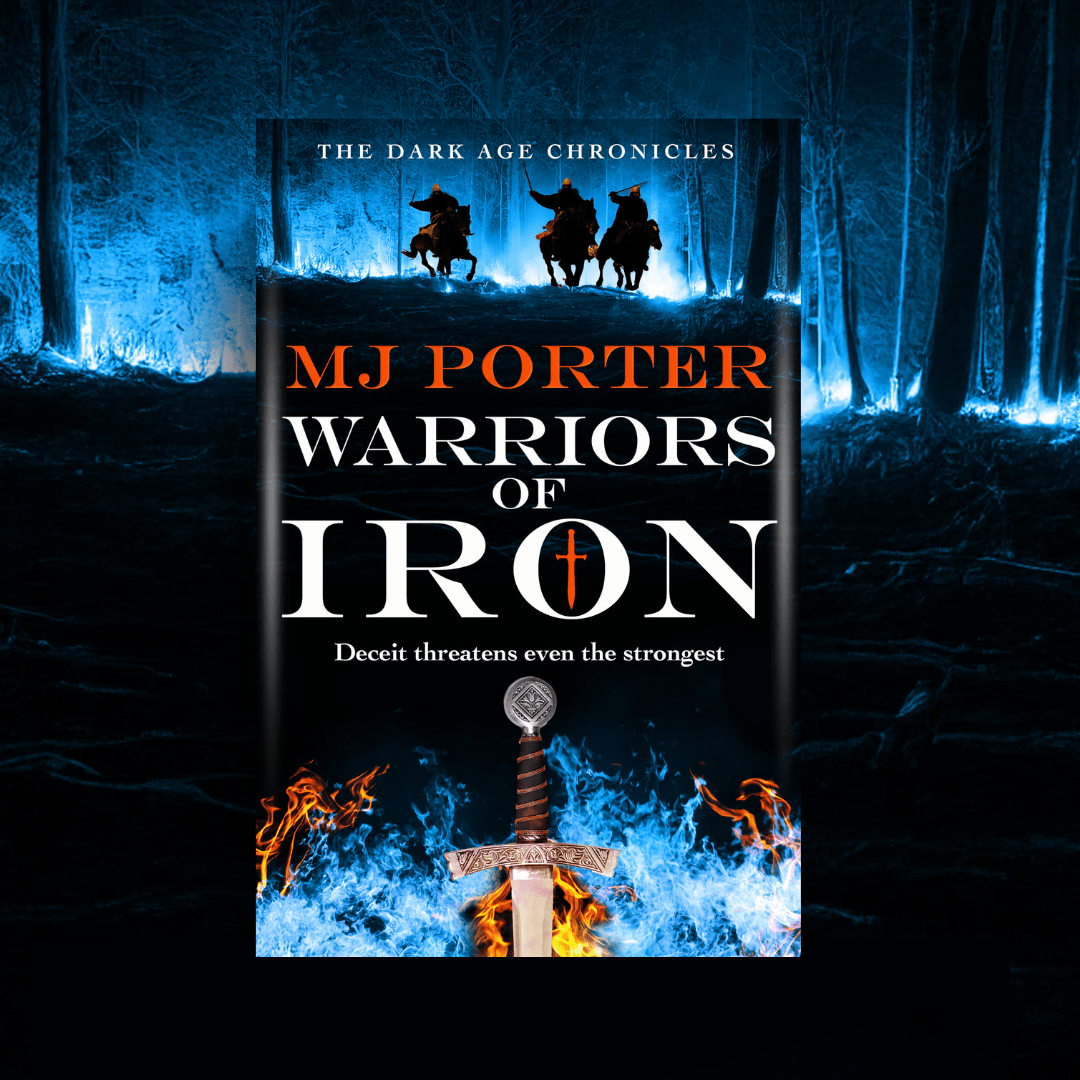
From what I could see of the remains of Great Witcombe Roman Villa, it does seem to have been set in a beautiful place, and it quite appealed to me. I relied heavily on the idea of the location when devising the home for one of the tribes that features in the Dark Age Chronicles. (It probably helped that I visited on a lovely sunny day.)

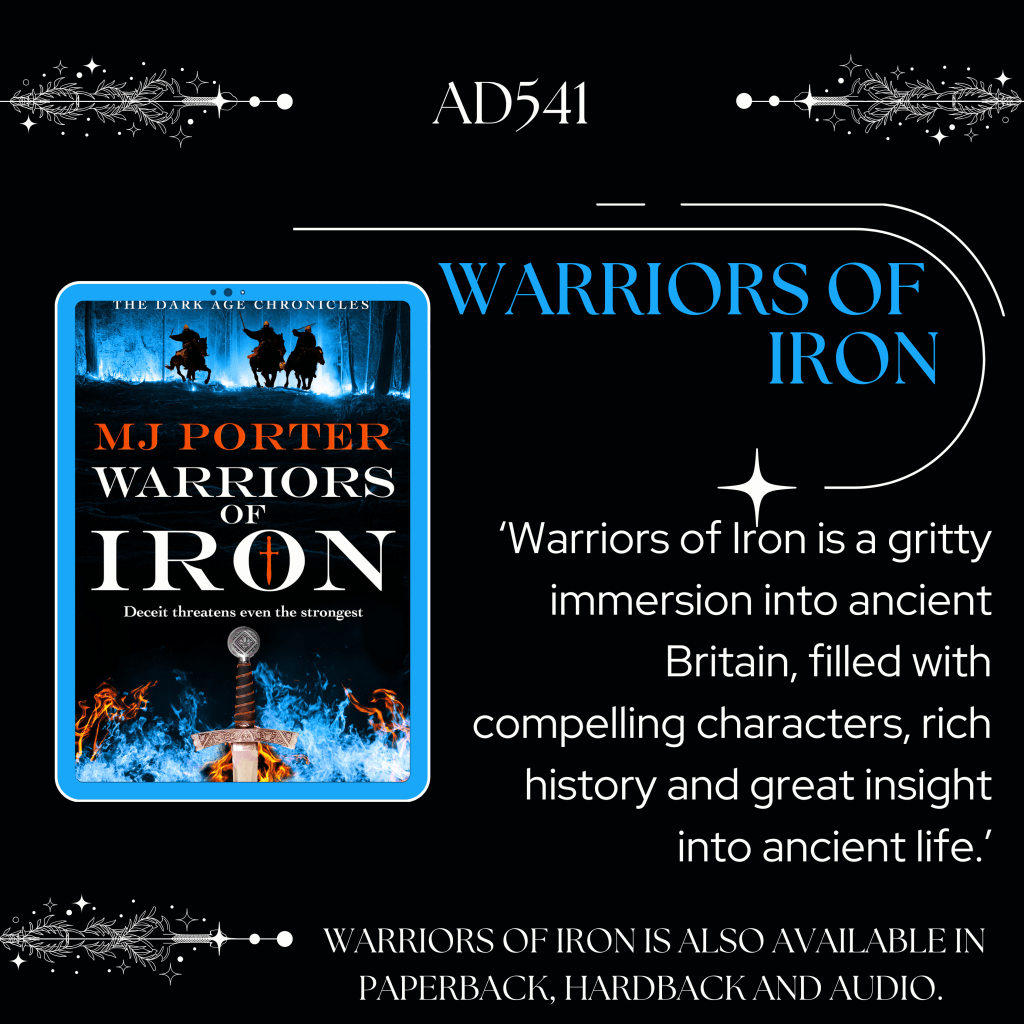
Listen to the beginning of Warriors of Iron

Curious about the trilogy? Check out the Dark Age Chronicles page or the blog posts below.

Blog links

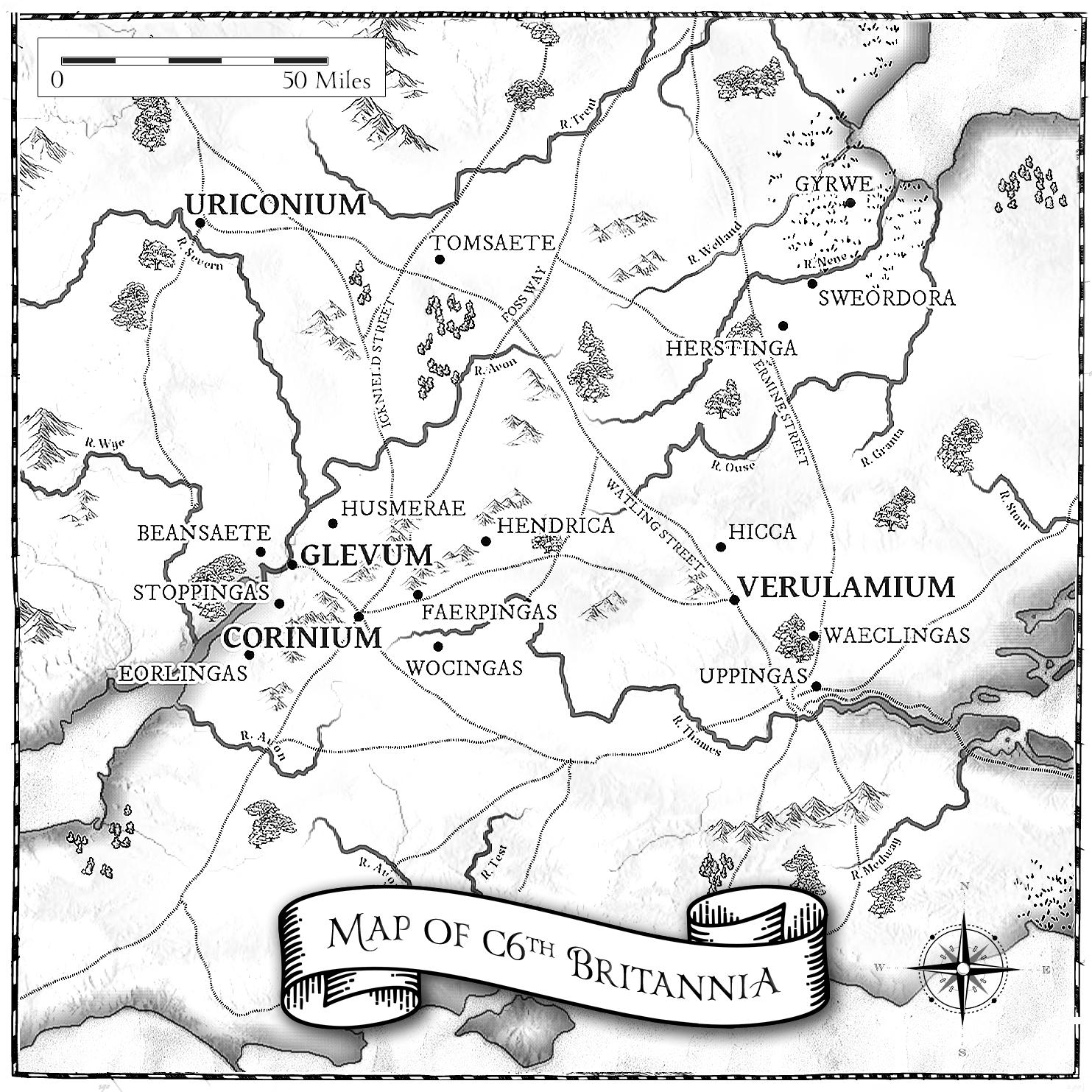
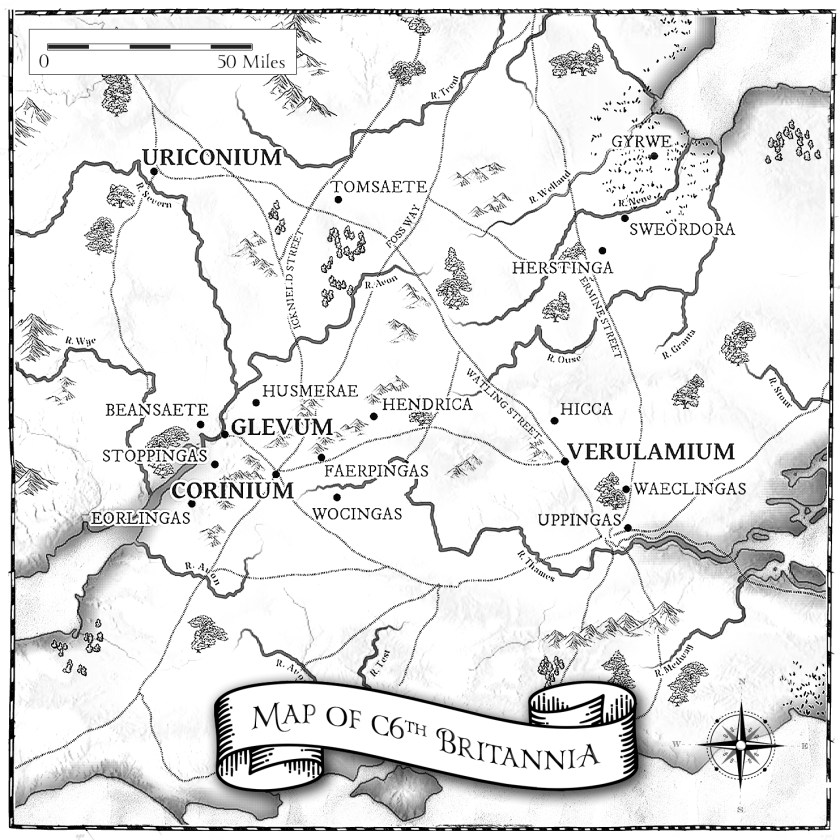
Image shows a map of Early England showing the places mentioned in the text of the book
The Dark Age Chronicles Map

Purchase Links (click on the images)


Posts

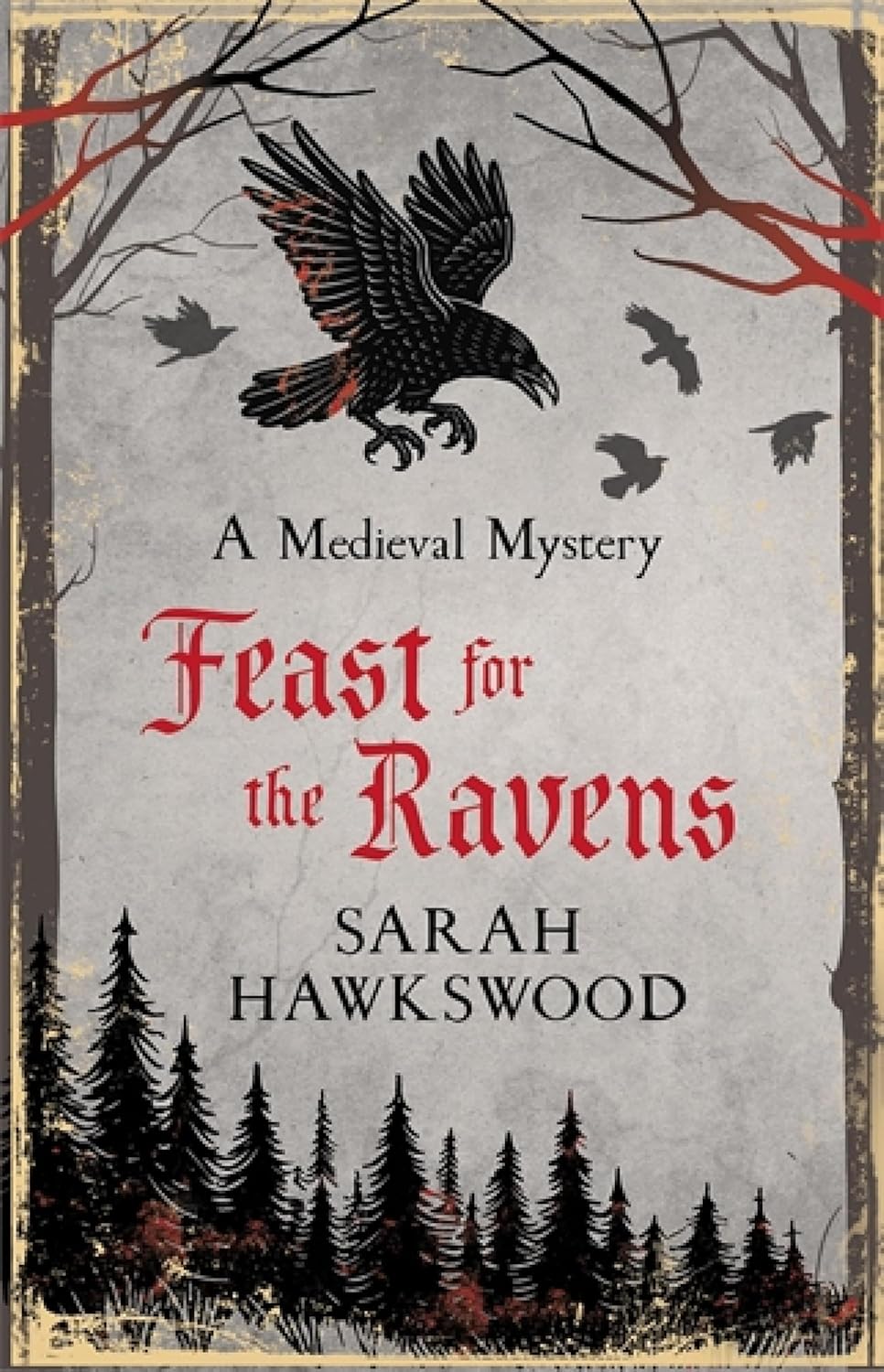
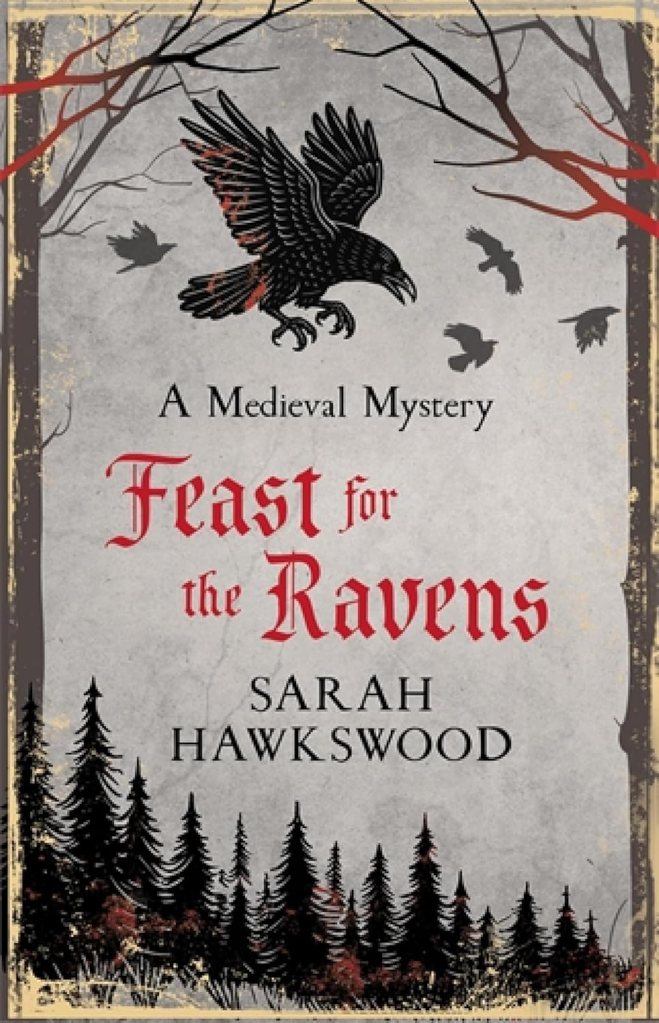
It’s time for a new Bradecote and Catchpoll historical mystery. I’m reviewing Feast for the Ravens by Sarah Hawkswood #historicalmystery #bookreview

It’s time for a new Bradecote and Catchpoll historical mystery. I’m reviewing Feast for the Ravens by Sarah Hawkswood #historicalmystery #bookreview

Here’s the blurb

Worcestershire, September 1145: A Templar knight is found dead in the Forest of Wyre, clutching a bloodstained document naming a traitor. Undersheriff Hugh Bradecote, Serjeant Catchpoll, and Underserjeant Walkelin must uncover whether the killing was personal, political, or the work of outlaws. They are surprised to find that the locals believe the killer to be the Raven Woman, a mythical shape-shifter said to haunt the woods. Then the knight is identified as Ivo de Mitton – believed to have long ago murdered his own kin – and the mystery deepens.

As the trio dig through legend and lies, they must determine the truth and bring a cunning killer to justice.

Purchase Link

My Review

Sarah Hawkswood’s medieval mysteries are some of my favourite books. I wish I could savour them when they’re released once a year, but I find myself reading far too quickly.

Her main characters, Bradecote, Catchpoll and Wakelin are determined and intrepid in their desire to solve each mystery presented to them, and the same applies for Feast for the Ravens.

When our dead man is found in the woodlands, it seems impossible that any will recognise him, but slowly a devastating tale of treachery, revenge and cunning is revealed as our intrepid investigative trio work hard to determine who is being truthful, and who less so. The tale quickly turns quite dark and is filled with peril, although not, thankfully, for our sleuthing threesome. All the usual characters benefit from a brief mention, and this tale is firmly grounded in the political conspiracy of the reign of King Stephen and Empress Matilda. A great deal is at stake if the truth is not discovered.

I adore this series. I have long grown used to the author’s decision to have her characters speak and think in ‘ye olde worlde’ way, and it enhances the atmosphere of these books.

If you’ve not started the series, then you can start with this book, but I would highly recommend stepping back a few titles, if not to the very beginning of the series (which I think you can enjoy when you know the characters better) to fully immerse yourself in this twisty, dark and perilous medieval mystery.

Check out my reviews for other books in the series (I have read them all)

Too Good To Hang

A Taste For Killing

Wolf At The Door

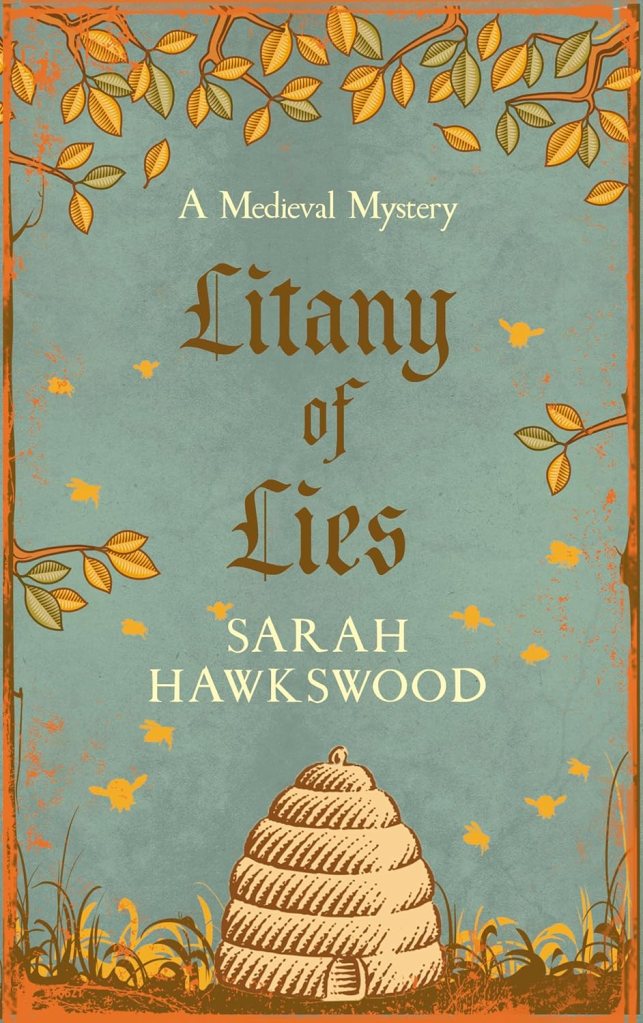
Litany of Lies

Posts

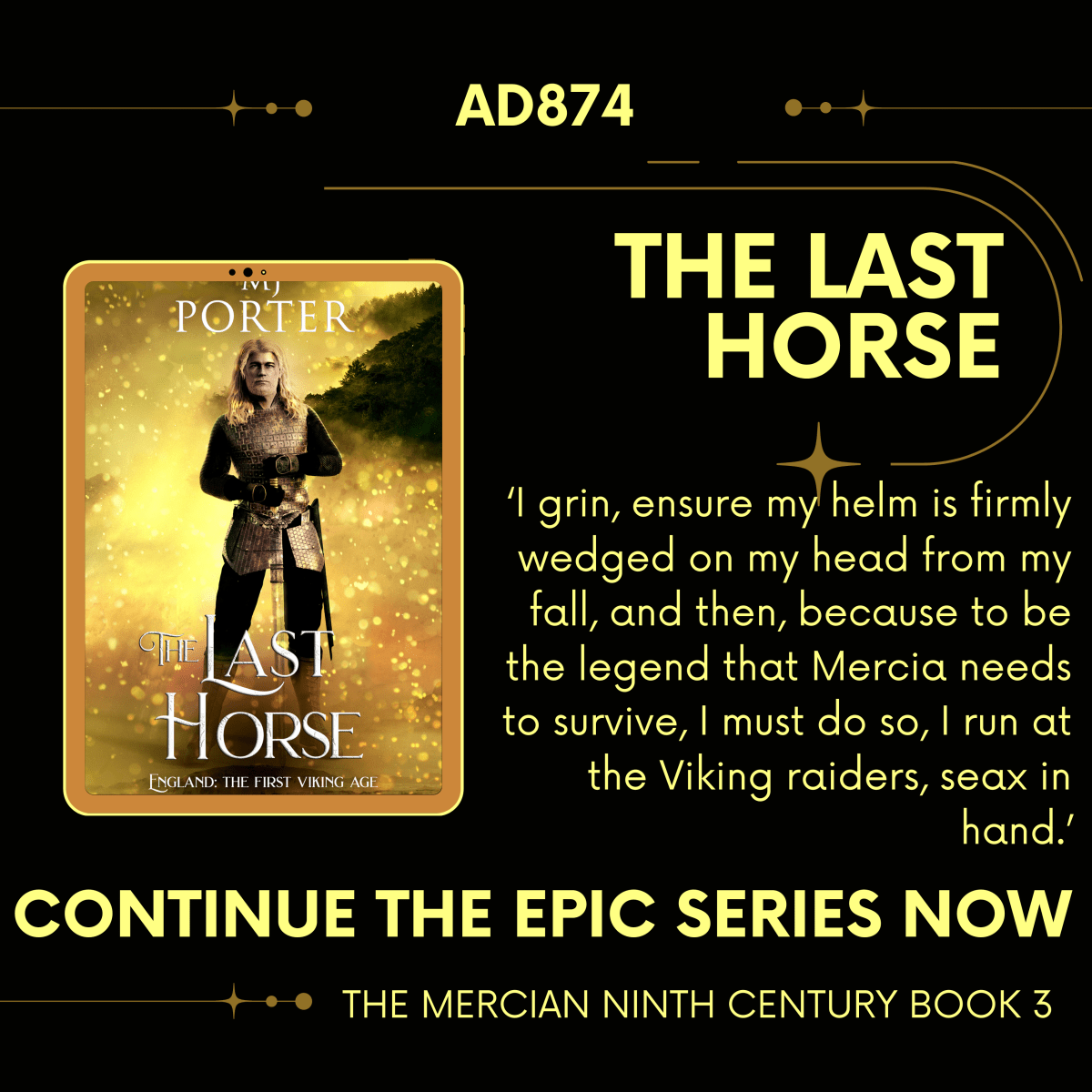
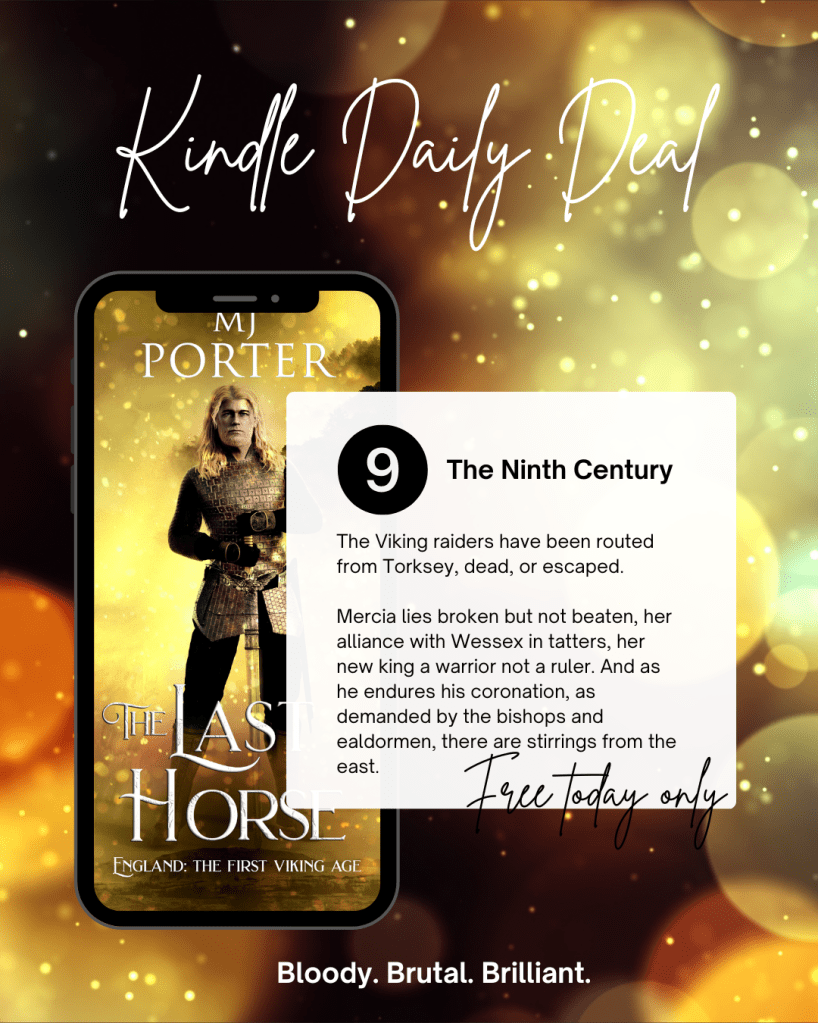
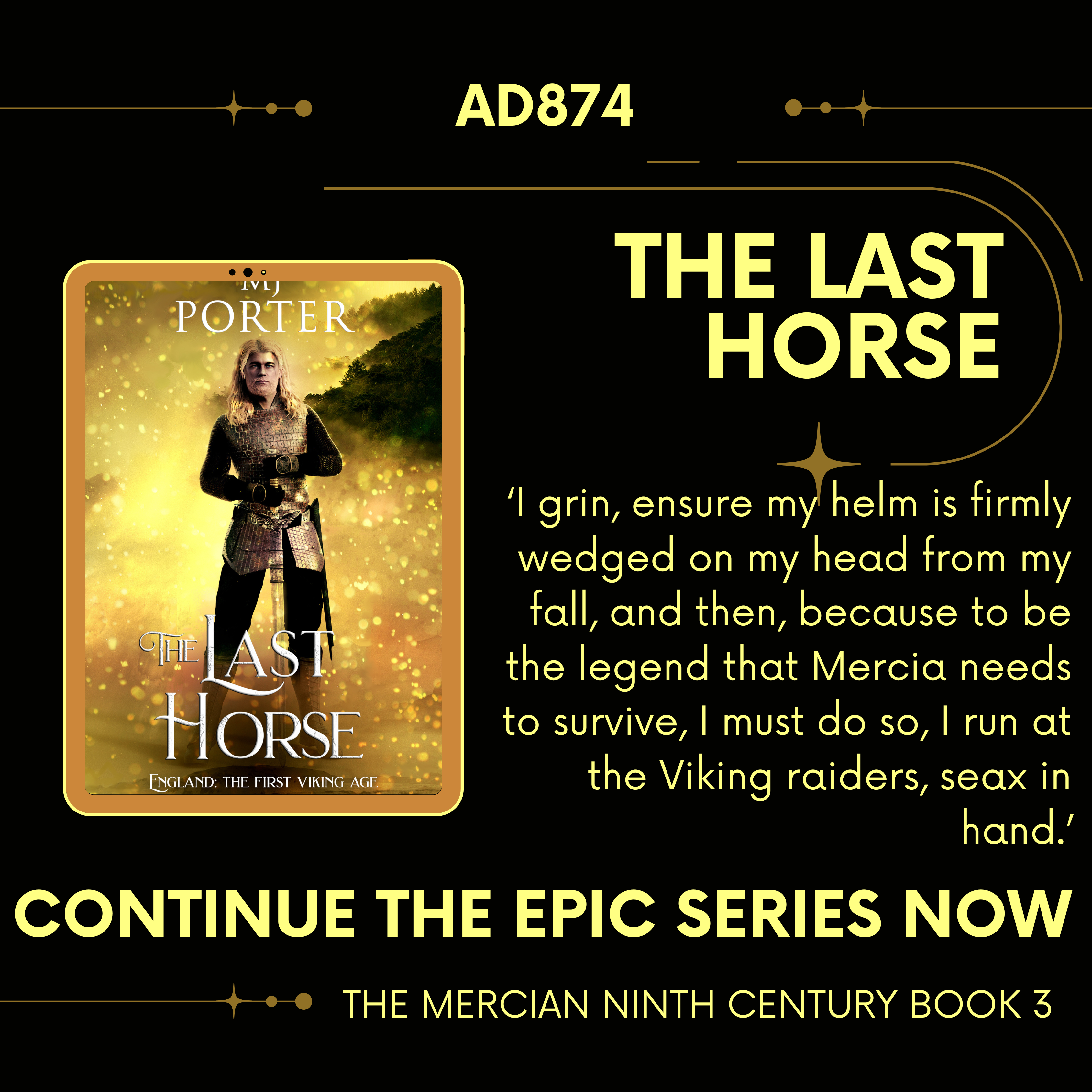
#TheLastHorse is 5 years old, and for one day only, it’s FREE on Amazon Kindle. #bookbirthday #histfic #TheLastKing #Coelwulf #Mercia

https://amzn.to/4mzHQDd

https://amzn.to/4n5Eqbj (the less sweary version)

Limited hardback editions

There are also special edition hardback formats available directly from me for The Last King and The Last Warrior. Follow this link to discover them.


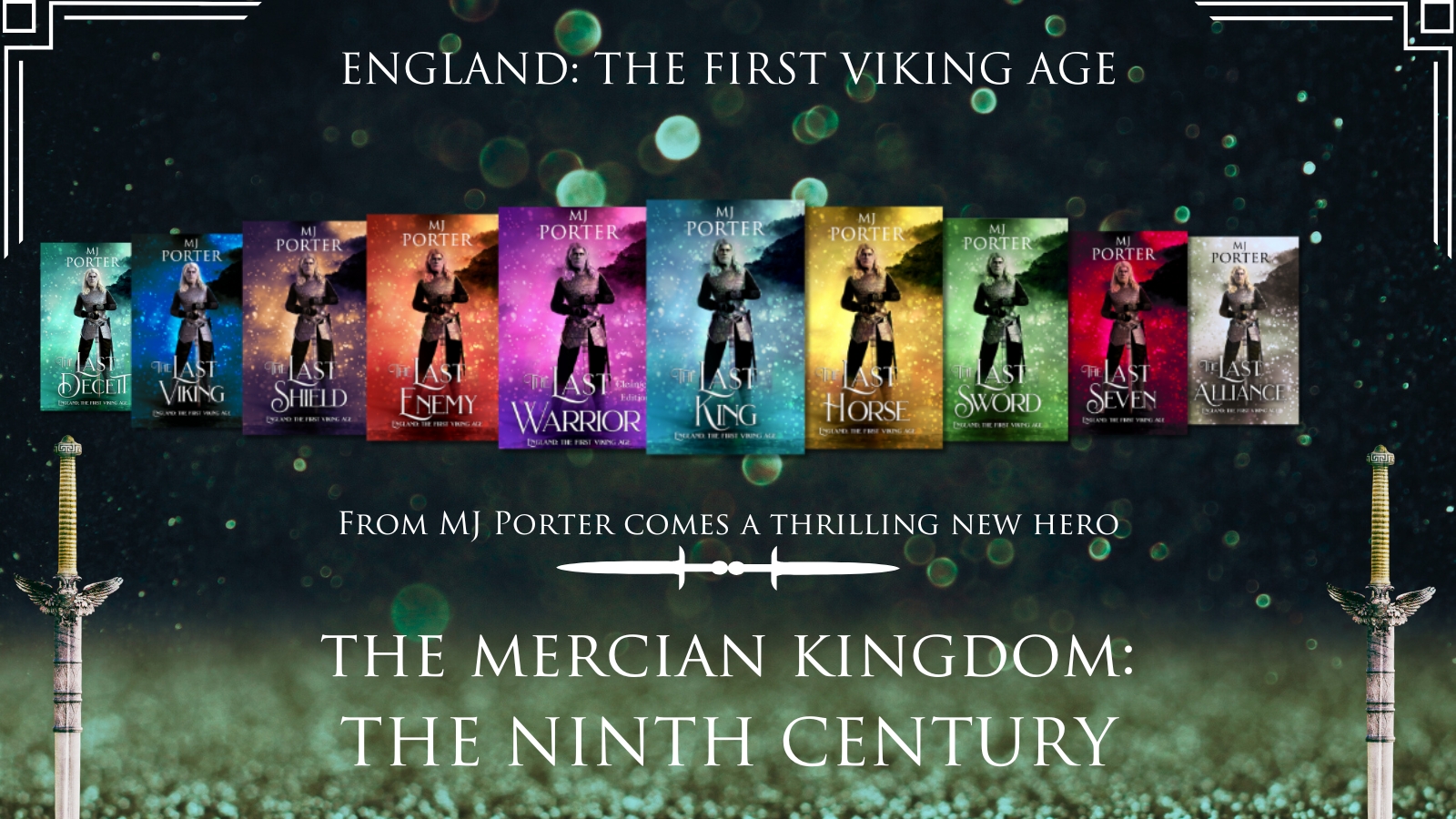
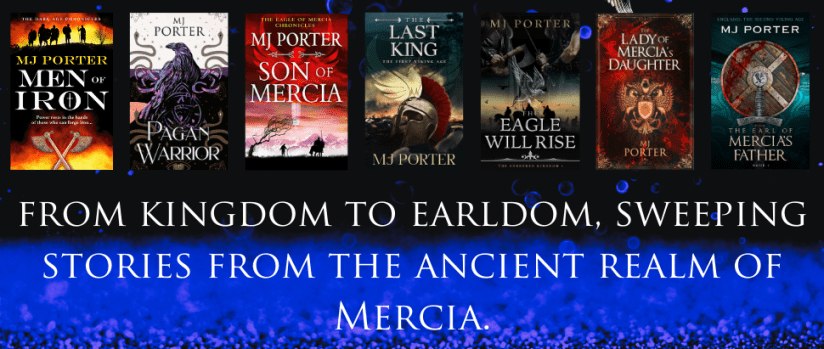
Check out all the details for The Mercian Kingdom: The Ninth Century.


Posts

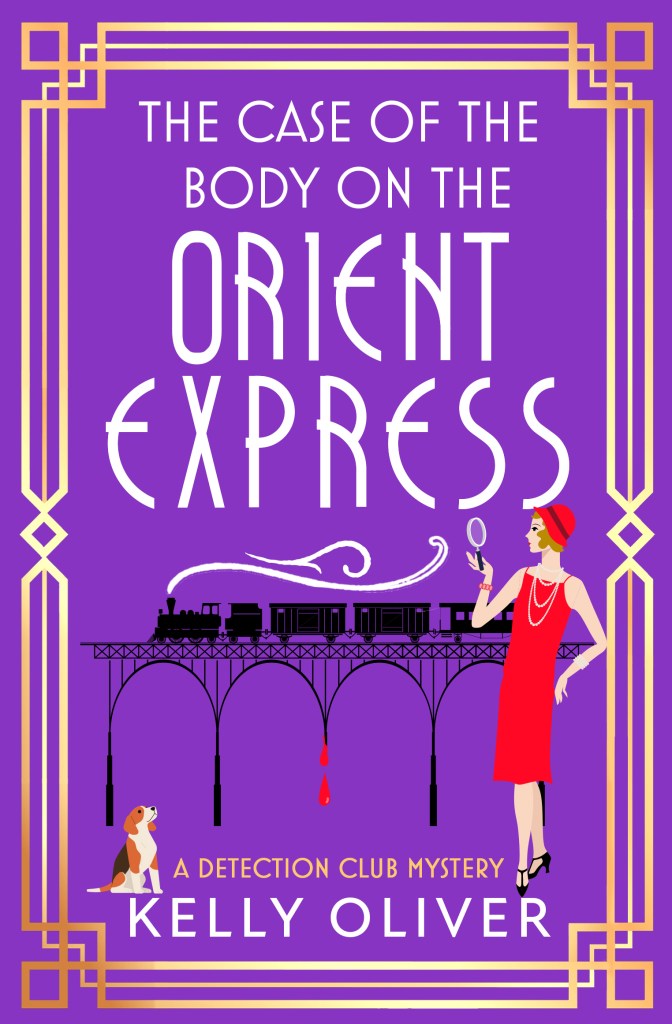
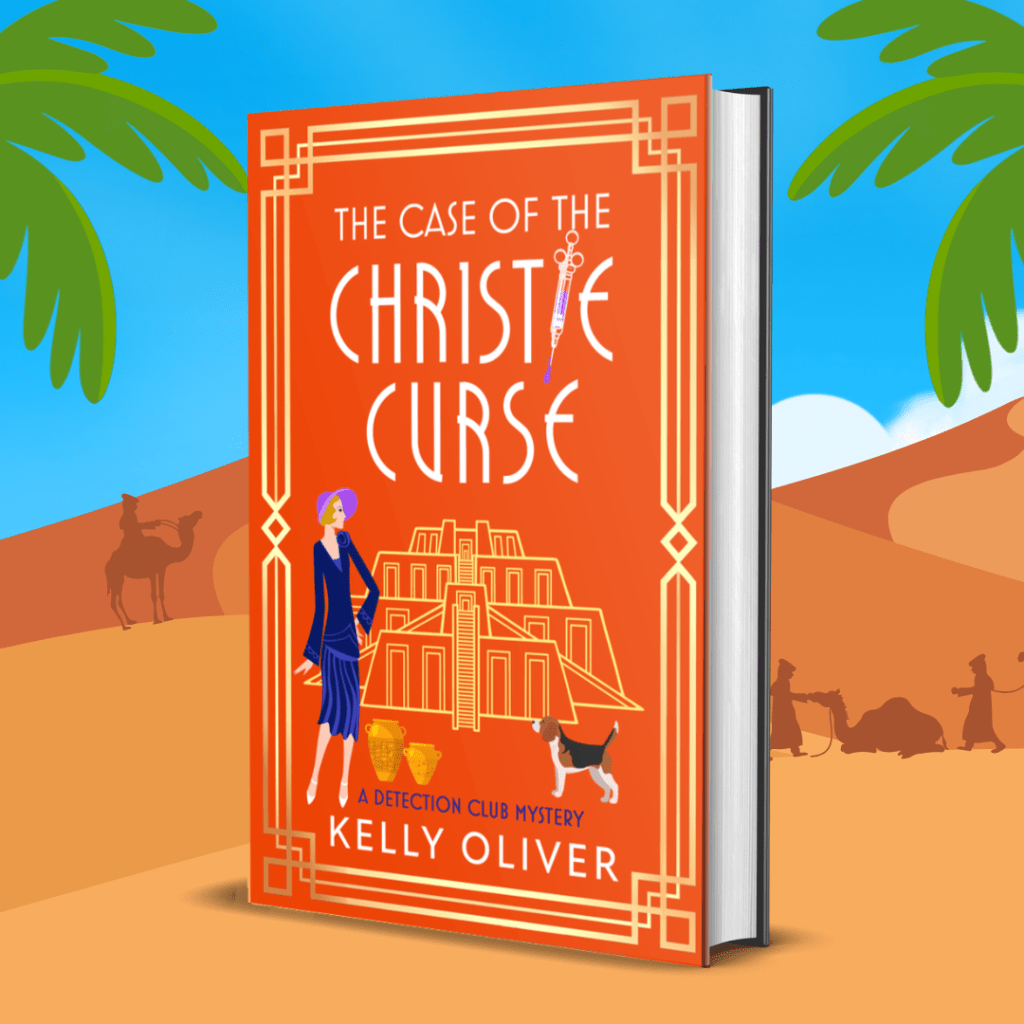
Today I’m reviewing Kelly Oliver’s fabulous new Golden-Age crime mystery, The Case of the Body on the Orient Express #newrelease #cosycrime #blogtour

Here’s the blurb

Paris, 1928: Agatha Christie and fellow writer Dorothy L Sayers board the Orient Express, bound for Constantinople. Christie in particular is looking forward to a break from recent dispiriting events in both her work and private life – the finalisation of her divorce from her philanderous husband Archie, and the miserly reception of her latest book.

But before the duo can settle in to enjoy the luxuries of their first-class journey, their journey is derailed when a fellow guest drops dead during the dinner service. And as the last person to speak to the victim, Dorothy finds herself a prime suspect in his murder.

As the train hurtles East, Sayers’ resourceful assistant Eliza and her friend Theo must navigate a maze of suspects. But with each passing mile, the stakes rise, and when another body is discovered, their search to find the killer before they reach their destination becomes increasingly complicated.

Can Eliza and Theo stay one step ahead, crack the mystery and clear Dorothy’s name? Or will this be one journey too far for the amateur sleuths?

Purchase Link

https://mybook.to/CaseBodyOrientExpress

My Review

The Case of the Body on the Orient Express is a fun murder mystery, reuniting us with outspoken and headstrong Eliza, and her fellow sleuth, Theo, who, in true ‘tormented writer’ guise, has spent the last two years in France, roughing it in an attempt to escape the object of his torment, Eliza. What could be better than throwing them together on the Orient Express, with a host of mystery writers on their way to a writers convention?

As their journey gets underway, Eliza is aware of undercurrents from Dorothy, her employer, and she’s alert to the other passengers as well. She’s not about to accept that Ivan died of a heart attack. And so begins her sleuthing, with the aid, sometimes unwillingly given, of Theo. And the case becomes curioser and curioser as the train finally reaches Istanbul/Constantinople.

Another fab addition to Kelly Oliver’s sleuthing mysteries. I do love the little connections between this series and the Fiona Figg books. But, of course, you don’t need to have read them. I also enjoy the addition of the real-life mystery writers. Fans of the genre will thoroughly enjoy Eliza and Theo’s new escapade.

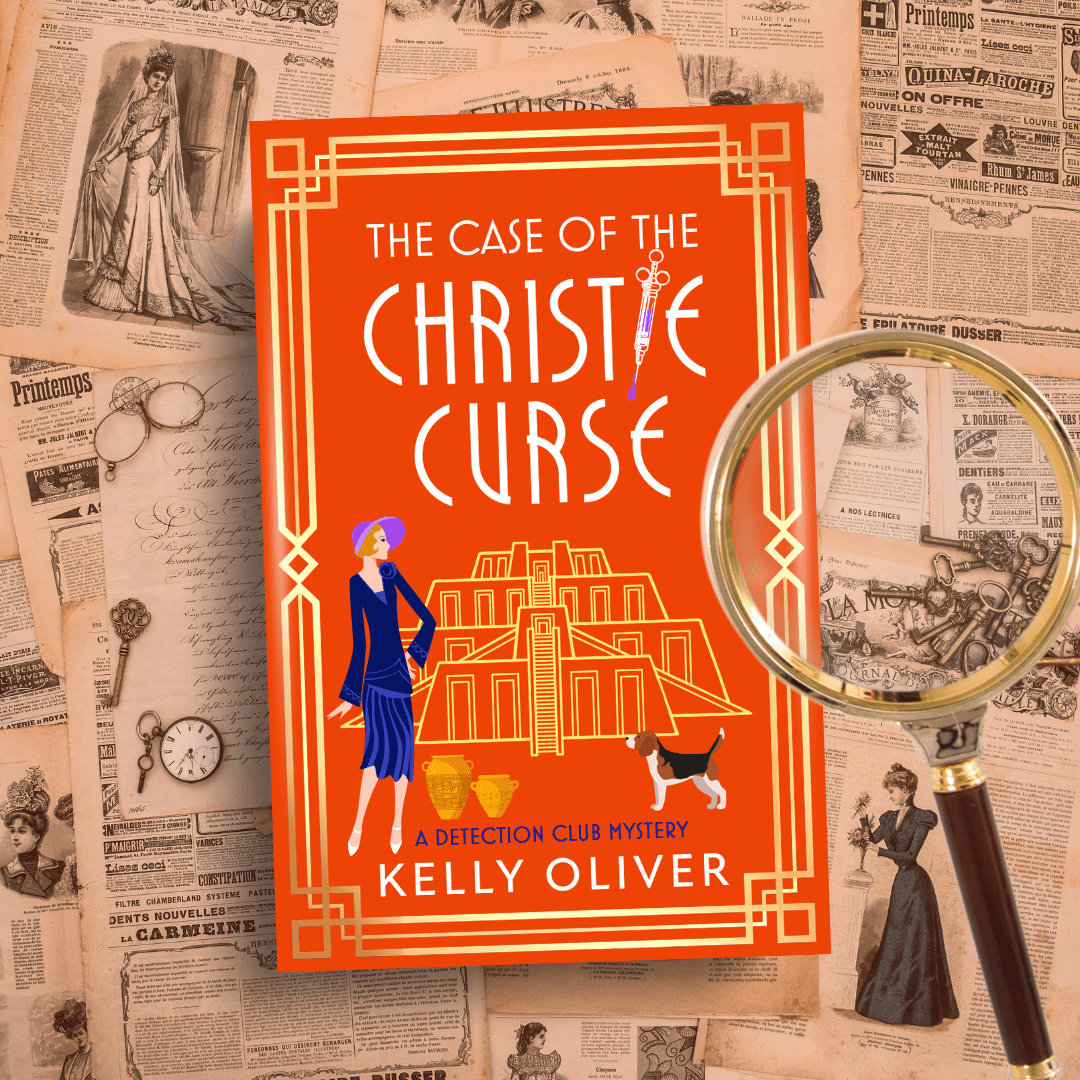
Check out my review for The Case of the Christie Conspiracy.

Check out my reviews for the Fiona Figg and Kitty Lane Mystery books Chaos at Carnegie Hall, Covert in Cairo, Mayhem in the Mountains, Arsenic at Ascot and Murder in Moscow by the same author.
Meet the Author

Kelly Oliver is the award-winning, bestselling author of three mysteries series: The Jessica James Mysteries, The Pet Detective Mysteries, and the historical cozies The Fiona Figg Mysteries, set in WW1. She is also the Distinguished Professor of Philosophy at Vanderbilt University and lives in Nashville, Tennessee

Connect with Kelly

Bookbub profile: https://www.bookbub.com/authors/kelly-oliver

Newsletter Sign Up: https://bit.ly/KellyOlivernews
Posts

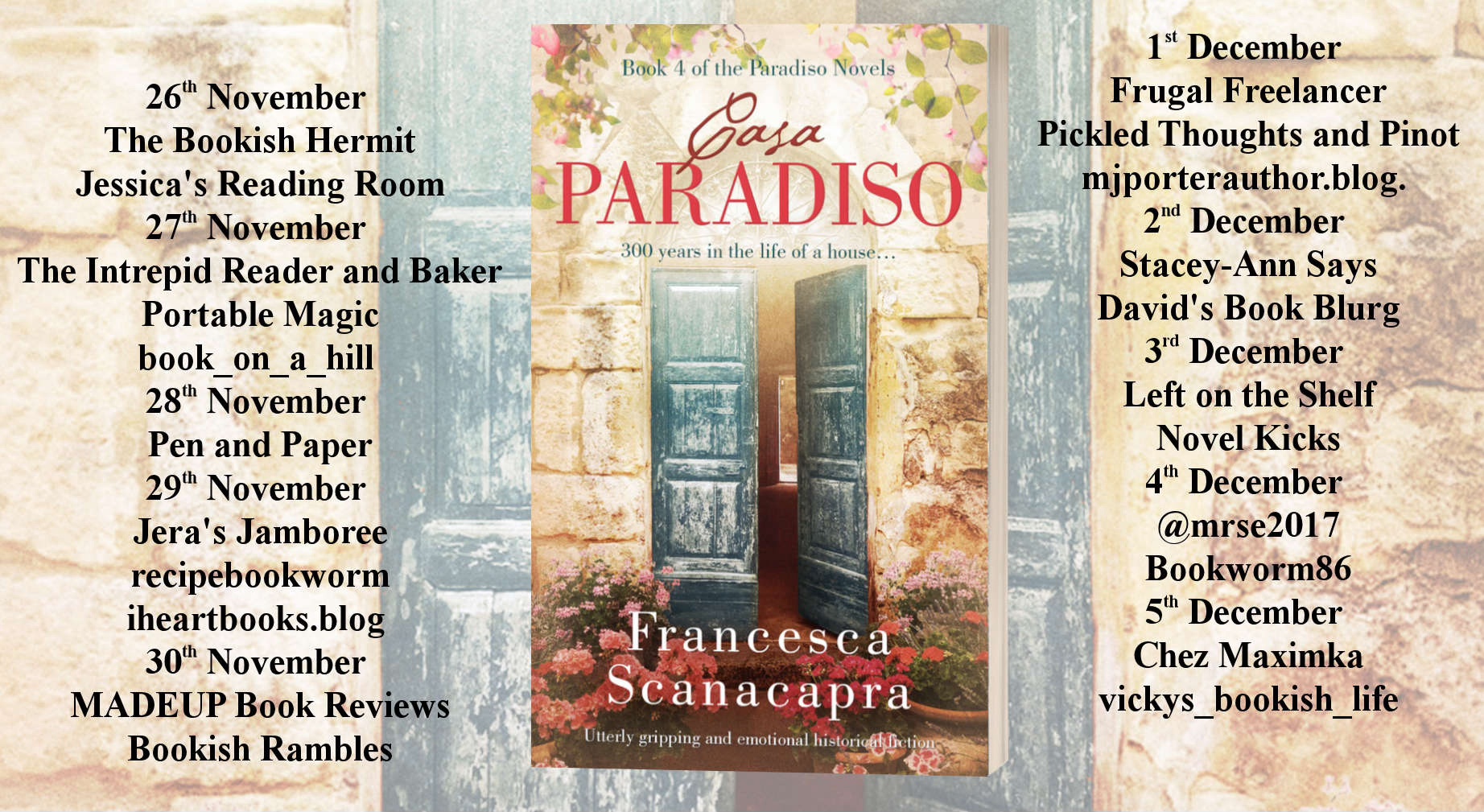
I’m reviewing Casa Paradiso – 300 Years in the Life of a House, a beautiful collection of short stories all taking place in the same location #blogtour #histfic

Here’s the blurb

Lombardy, Northern Italy, 1637

Cristó Lovetta, a skilled stonemason, arrives in the rural village of Pieve Santa Clara to work on a nobleman’s house.

Haunted by a tragic past, Cristó wonders if he will ever find happiness again. However, as he immerses himself in his work, the warmth of the community and the beauty of the landscape convince him to begin a new life there.

Cristó designs and builds his own house, which he names Casa Paradiso. Over the centuries, Casa Paradiso becomes home to many generations, standing testament to lives beginning and ending, and witnessing the everyday challenges and triumphs of its inhabitants – from love lost and found, to the tragedies of war, the far-reaching consequences of political decisions made by powerful men and the evolving role of women in Italian society.

Casa Paradiso – the fourth instalment of the Paradiso Novels – is a shining, evocative saga spanning three hundred years in the life of a very special house, and a book that explores the enduring strength of the human spirit, contrasted with the transient nature of life itself.

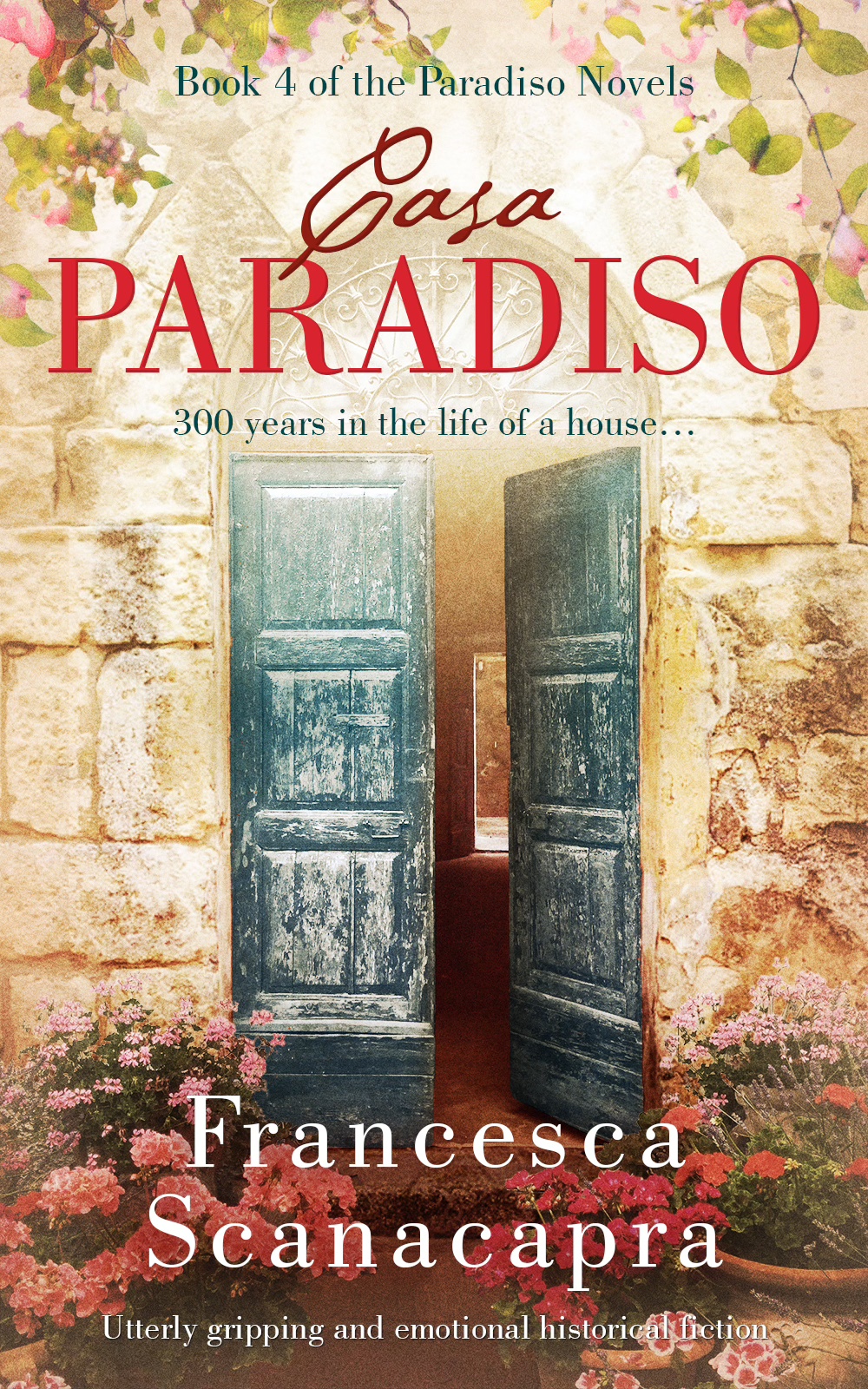
Cover image for Casa Paradiso by Francesco Scanacapra

Purchase Link

https://geni.us/CasaParadiso

My Review

Casa Paradiso is such an engaging collection of stories, all interlinked, and all taking place with the same house as it’s main character.

The reader is swept through tale after tale, century after century, in the life of the house. Not all of our characters are immediately likeable, and not all of the tales are happy, and some of them truly make sense with the poignancy of retrospection for the next people to live within the property.

A truly charming collection of stories that drive you through the centuries, even though, sometimes, you might like to linger in one particular tale.

A fabulous idea, beautifully executed.

Meet the author

Francesca Scanacapra was born in Italy to an English mother and Italian father, and her childhood was spent living between England and Italy. Her adult life has been somewhat nomadic with periods spent living in Italy, England, France, Senegal and Spain. She describes herself as ‘unconventional’ and has pursued an eclectic mixture of career paths – from working in translation, the fitness industry, education and even several years as a builder. In 2021 she returned to her native country and back to her earliest roots to pursue her writing career full time. Francesca now resides permanently in rural Lombardy in the house built by her great-grandfather which was the inspiration for her Paradiso NovelsParadisoReturn to ParadisoThe Daughter of Paradiso and Casa Paradiso. Her novel The Lost Boy of Bologna was also published by Silvertail Books. 

Author Francesca Scanacapra


Connect with the author

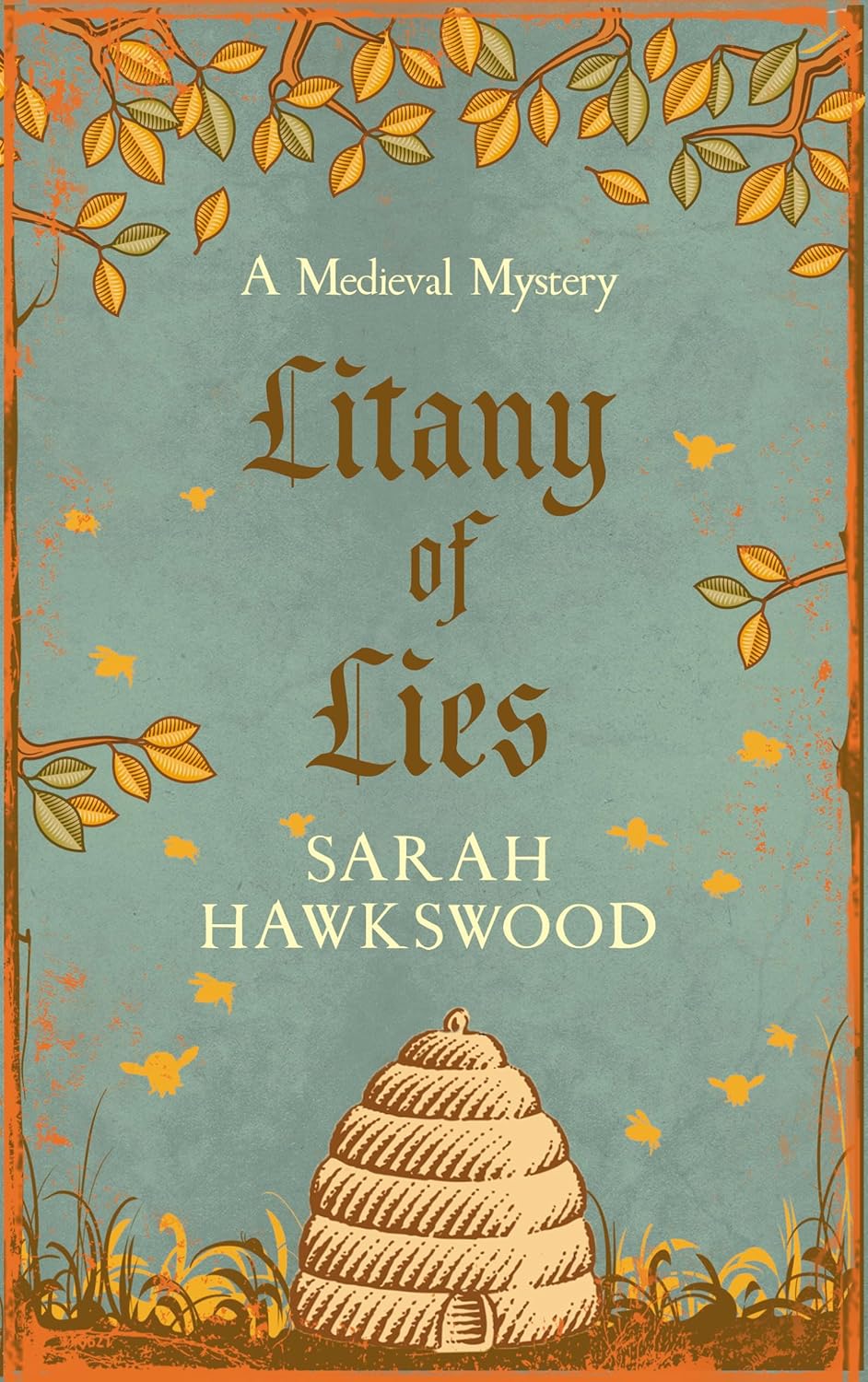
It’s time for a new Bradecote and Catchpoll historical mystery. I’m reviewing Litany of Lies by Sarah Hawkswood #historicalmystery

Here’s the blurb

Midsummer, 1145. Walter, the steward of Evesham Abbey, is found dead at the bottom of a well pit. The Abbot, whose relationship with the lord Sheriff of Worcestershire is strained at best, dislikes needing to call in help. However, as the death appears to have not been an accident, he grudgingly receives Undersheriff Hugh Bradecote, Serjeant Catchpoll and Underserjeant Walkelin.

The trio know to step carefully with the contentious undercurrents at play. As the sheriff ‘s men investigate the steward’s death, they discover that truth is in short supply. With the tensions between the Abbey and the local castle guard reaching boiling point, another killing will force the investigation down a dangerous path.

Purchase Link

My Review

It’s a joy to be back with our ‘boys’, Bradecote, Catchpoll and Walkelin.

Another murder needs solving, and we know Bradecote, Catchpoll and Walkelin won’t rest until they find the culprit. This is a particularly twisty tale of long-standing grievances and newer ones as well. I didn’t guess the culprit, and I always appreciate a mystery where I can’t work out who ‘did it.’

I love this series. I came to it late, and I’ve now taken myself back to the first books, and they are also a true delight. If you’re looking for a new historical mystery series, I highly recommend this one set in the mid-twelfth century in England. I always appreciate the maps at the beginning of the books.

Check out previous reviews for the series.

Too Good To Hang

A Taste For Killing

Wolf At The Door

Posts

The History Quill Virtual Convention is back for 2024

The History Quill Convention has been running for a few years now, and in February 2024 it’s back, as a weekend-long convention (so shorter than others), focusing on two main themes, The Craft of Historical Fiction (3rd Feb) and The Business of Historical Fiction (4th Feb)- two topics that are very relevant to today’s author. I’ll be talking on day 2 with fellow authors, about different pathways in publishing, popping on my ‘indie’ head and my ‘traditionally published’ head.

If this sounds like your sort of thing, then check out the Convention webpage using this (affiliate) link, and do it before the Early Bird Discount runs out. Tickets are for each day so if only one topic interests you, you only attend that one day,

I really enjoy The History Quill Conventions – it’s always good to learn ‘new’ things, and sometimes, just to hear that what you’re doing is ‘right.’

Hope to ‘see’ you there.

I shared four writing tips the other day, but now I want to share my experience of just the ‘writing’ bit – an update

To celebrate Boldwood Books 4th birthday (yay), I shared four writing tips the other day, but as I’m currently in the ‘writing’ stage of a new book, I thought I’d share some more. But below is what I said as one of my four writing tips.

WRITE – it sounds stupid, but I do think it’s important to write, if not every day, then when you can fit it in. Routine is super important. As is setting yourself boundaries and deadlines. So, if you want to be a writer, you must write. It doesn’t have to be every day. It doesn’t have to be loads. If you’re struggling with the element of being an author that is writing, then I highly recommend taking part in NaNoWriMo in November of each year. I’ve been taking part for about ten years now. The lessons learned about routine will stay with you – and when they don’t – well, you can hop back on the NaNoWriMo train the following year.

So, last week I wrote a post about starting my newest writing project, which is Icel book 6. I said I planned on writing 5 days this week, with the intention to write 5K every day, having written for 3 days the week before, so I thought I’d let you know how I got on.

I had a very busy weekend with family and so as Monday came around, I was a bit tired. But, I had arranged to see a friend in the afternoon, and so I knew I had to get my writing done in the morning, or I’d be starting the week on a bit of a downer – I don’t like to mess up my writing goals. Luckily, I accomplished my 5K and had a great afternoon out, but then Tuesday came around, and I sort of forgot that I’d arranged to go out again. Oh no! I managed 1k only because I was out for much of the day. I was a bit annoyed with myself, but it was great to take a day off. I did think I might make up those missing 4k over the next few days. And you know what, I did. I pushed myself and managed to write an extra 2k on Wednesday and Thursday, so that on Friday I only had to write 5k.

This all sounds great, but I had a tough day on Wednesday. I was a bit tired, and grumpy from not hitting my writing goals the day before (even though I really enjoyed my trip to the cinema – it’s not very local – about a 70 miles round trip – the curse of living in the countryside) but what was making it worse was that I didn’t think my writing was working, and it still might not be, but I pushed on regardless. I had to take some time to do some research and check a few details – I don’t always do this when I’m writing as I know I can fill these sorts of things in when I’m editing – and I spent a frustrated few hours trying to work out something, and only the next day did I realise I already had the information to hand somewhere else.

All the same, and with all the ups and downs of virtually chaining myself to my desk all week, I’m still feeling good about this story. I’ve already discovered a few things I need to amend and add in as I beginning the editing process, but as I’ve said before, at the moment, I’m just telling myself the story before I start making sure that everything makes sense, and I’ve not forgotten a few characters.

Next week, I hope to write on at least four days – it’s Results Day on Thursday – so I’ll be at the local school – which should give me a word count of 60k – if I can keep up my momentum throughout the coming week. I’ll let you know how I get on, but I want to assure anyone reading this that the art to writing is writing, and that’s even on the days when you think everything’s rubbish. It’s those days – which are really hard to push through – that make your story great.

I shared four writing tips the other day, but now I want to share my experience of just the ‘writing’ bit

To celebrate Boldwood Books 4th birthday (yay), I shared four writing tips the other day, but as I’m currently in the ‘writing’ stage of a new book, I thought I’d share some more. But below is what I said as one of my four writing tips.

WRITE – it sounds stupid, but I do think it’s important to write, if not every day, then when you can fit it in. Routine is super important. As is setting yourself boundaries and deadlines. So, if you want to be a writer, you must write. It doesn’t have to be every day. It doesn’t have to be loads. If you’re struggling with the element of being an author that is writing, then I highly recommend taking part in NaNoWriMo in November of each year. I’ve been taking part for about ten years now. The lessons learned about routine will stay with you – and when they don’t – well, you can hop back on the NaNoWriMo train the following year.

Now, I’ve not been in a writing phase since April this year. That’s four long months that I’ve been busy editing what feels like book after book after book. Obviously, as part of editing, I have written new chapters and made lots of adjustments but I’ve not started FRESH with a new idea since I wrote Protector of Mercia. But, it’s August – I’ve finally caught up (Protector, Clash, non-fiction etc etc.) so now I can write. And this has reminded me that writing is my ‘happy place.’ I love the writing element. I love forging a new storyline. I’m a pantser – I make it up as I go (mostly) – and so this is where my imagination tends to roam somewhat free.

But, to accomplish my writing goals, I’m really strict with myself, even while being creative. My writing routine is 5k words a day – when I’m having a writing day – that’s not every day. For instance, this week, I wrote on the 1st, 2nd and 3rd August. I’m not writing on Friday because I have other commitments. But, next week, my aim is to write Monday-Friday. This is because I need to be kind to myself and ease myself into a new protect – so 3 days in a row – and also because I want to accomplish my goal of a horribly rough, first draft written in August. (Then I can move onto the dreaded editing – which I also enjoy – just not as much as writing). But, three days in a row will also give me a ‘feel’ for the story I want to tell. I also don’t tend to write at weekends, even though I could. Weekends are for blogging and advertising, unless I’m close to finishing and then I might well write anyway.

I often approach a new book with a very firm idea of the first chapter, or the last chapter, but not often the bit in the middle. This means that the first few days of writing can be quite ‘easy’ or quite ‘hard,’ depending on which bit I’m writing, and how long it’s been since I wrote about these characters – my most recent Earls of Mercia book was really hard as it had been 3 years since I last wrote about them.

Everything will be massively reedited – but this is me telling myself the story and so I have to tell it how I think it. After that, if my idea isn’t working, I’ll need to reset a little – and then work this retrospectively into what I’ve already written when I edit – not at this part of the process.

The other point to this is that when I’ve written so much, it’s easier to press on through the tough bits. By the time I hit 40k in a novel, I’m NOT going to give up on it even if I’m not entirely happy with it. That’s half a book – roughly. That’s a lot of thought and creativity. I will make it work. (Usually – I have some stories that aren’t historical fiction that have hit massive brick walls at this stage.)

I know a lot of people will be horrified by such an approach (I’m looking at you planners) but it’s what works for me. As much as planning might make the process easier (and I do think it would make the editing easier), after more books than I can remember off the top of my head, this is my approach in all its messy, horrible glory. As an aside – I’ve never been able to plan my writing – I can remember at school that I struggled to structure an essay because I’d just end up writing it, so what was the point, I may as well just write it.

That said, it’s taken me time to refine my approach and it does change from book to book. It used to take me all day to write 5k words (with breaks). Now I try and write them in the morning. I get up, I write. I take a short break. I write again. By the time I’ve written 3k words, I’ll have some momentum and be able to write the next 2k quite quickly. I rarely, if ever these days, push on beyond 5k because by that stage, even if I’m really keen, I tend to have exhausted my creativity and I need to do something else. It’s not easy, but I can convince myself that it is – if that makes sense. It also helps that I am a fast typist! I also set rules for myself – at a minimum I want to write 1K every hour – it shouldn’t take me so long – but it’s a good rule of thumb.
When I wrote my non-fiction book, this was all a bit different, because aside from deciding how to present my book, the creativity was much less – I was telling the story using the available source documentation. And so, throughout the whole of last August my problem wasn’t that my brain was tired from being creative – it was that it wasn’t. I found it difficult to stop, but with all the copying of sources – the process was slower.

I sometimes write to music – headphones on – music on – transporting myself to ‘my’ time and place. These days I don’t always need the music. I’ve trained myself to do the thing that needs doing with as little conscious thought as possible. To prove this, when I edit, I’ve often forgotten elements that I’ve written, especially if a few months have gone by since I wrote it. And, I have to write down my characters names because I always forget those who aren’t the main characters.

I’m massively motivated by having a ‘finished’ draft. There’s the old saying about enjoying the journey but I really do want to reach the ‘end.’ I mean, I really enjoy it as well. I’ve been smiley and jolly for the last three days. I’ve felt reinvigorated and ‘on it.’ It’s my happy place, but I still have to work at it.

So writers, remember writing is your ‘happy place’, and whether you want to linger on the sites and sounds, or get to the end, do what works for you, because it certainly isn’t the same for everyone.

I’m currently working on Icel 6, for those who might be curious. And after this, I’ll be getting back to Coelwulf 8. It no doubt helps that I really love writing these characters.