
I’m sharing my review for Pilgrim’s War by Michael Jecks #newrelease #histfic #blogtour #bookreview

I’m sharing my review for Pilgrim’s War by Michael Jecks #newrelease #histfic #blogtour #bookreview

Here’s the blurb

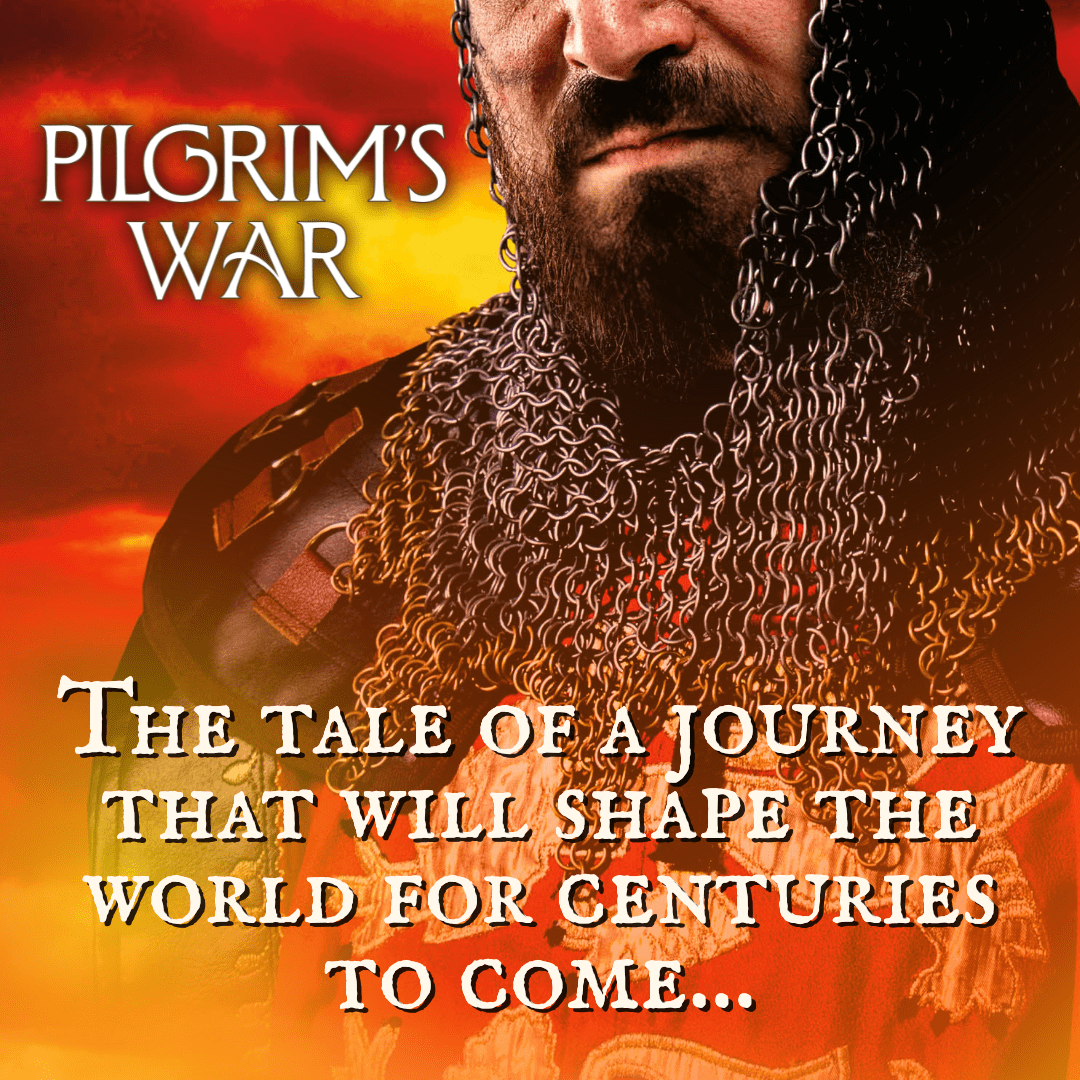
The tale of a journey that will shape the world for centuries to come…

France, 1096. Crowds gather in Sens, Northern France, to hear the Hermit speak. He talks of a great pilgrimage to Jerusalem, a quest filled with promise for those Christian soldiers who march with him.

Sybill knows the perils of the road ahead, but follow it she must. Her husband is a reckless gambler, easily swayed by the Hermit’s words. For Odo, the pilgrimage provides the chance to demonstrate his unshakeable piety, while his brother Fulk craves adventure and excitement.

Jeanne and Guillemette have been mistreated by the men in their lives and are desperate for this chance of redemption and a brighter future – but for the two women alone on the journey, life on the road will be full of perils…

As the lines between love and hate, virtue and sin, good and evil become blurred, each must survive as best they can. Who will live to reach the holy city, and will the sacrifices they make to get there be worth the price they all must pay?

Book cover for Pilgrim's War by Michael Jecks

Purchase Link

 https://mybook.to/PilgrimsWarBook
My Review

Pilgrim’s War is a multiple-character story of the First Crusade, told through the eyes of those seeking something on their journey to the Holy Land. Some are swept away with the promise of better things to come, some by the promise of redemption, others are simply leaves in the wind, taken on the way by events outside their control. Not many of them, admittedly, are actually ‘in it’ to serve their God. As a result of this, few of the characters are actually very ‘nice’. Indeed, quite a few of them are quite awful as the journey begins – but of course, if they’re to suffer any sort of epiphany, they need to be bad eggs from the beginning. The narrative doesn’t shy away from depicting the hatred between Christians and any other faith encountered on the journey to the Holy Land, and the hypocrisy of these seemingly ‘holy’ knights as they venture towards their destination.

Two main journeys are undertaken: one heading towards Rome, featuring a collection of knights, and another towards Byzantium, which follows Sybill, Odo, Jeanne, and Guillemette. That way lies peril. But so too is the route through Rome, where politics are once more at play. The cast is vast and from all reaches of society. It will not end well for them all.

The Crusades are far from an easy topic to cover, and the author is at pains to reveal the motivations behind the actions of those the story follows. It’s not always an easy read, or a particularly fast-flowing one with so many characters, but it shouldn’t be an easy read. I do appreciate the determination to show the event for what it was – a war perpetrated in the name of religion, but really, at the heart of it, something else altogether.
Meet the author

Michael Jecks is the author of over 50 novels inspired by history and legend. He is the founder of Medieval Murderers, and has served on the committees of the Historical Writers’ Association, the CWA and he Detection Club. He was International Guest of Honour at the Bloody Words festival in Toronto, and Grand Master of the first parade in the New Orleans Mardi Gras.

Newsletter Sign Up: https://bit.ly/MichaelJecksNews

Bookbub profile: @michaeljecks
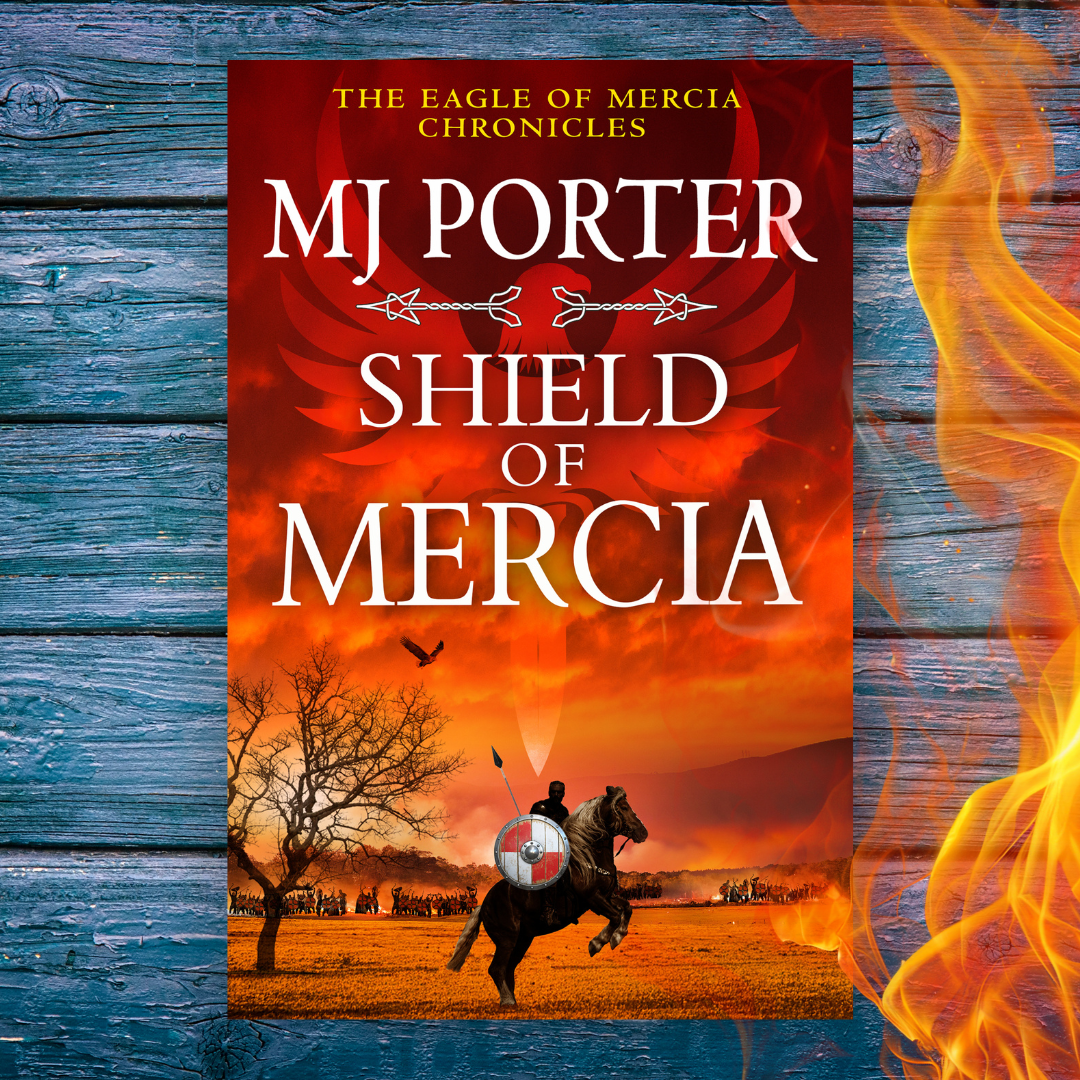
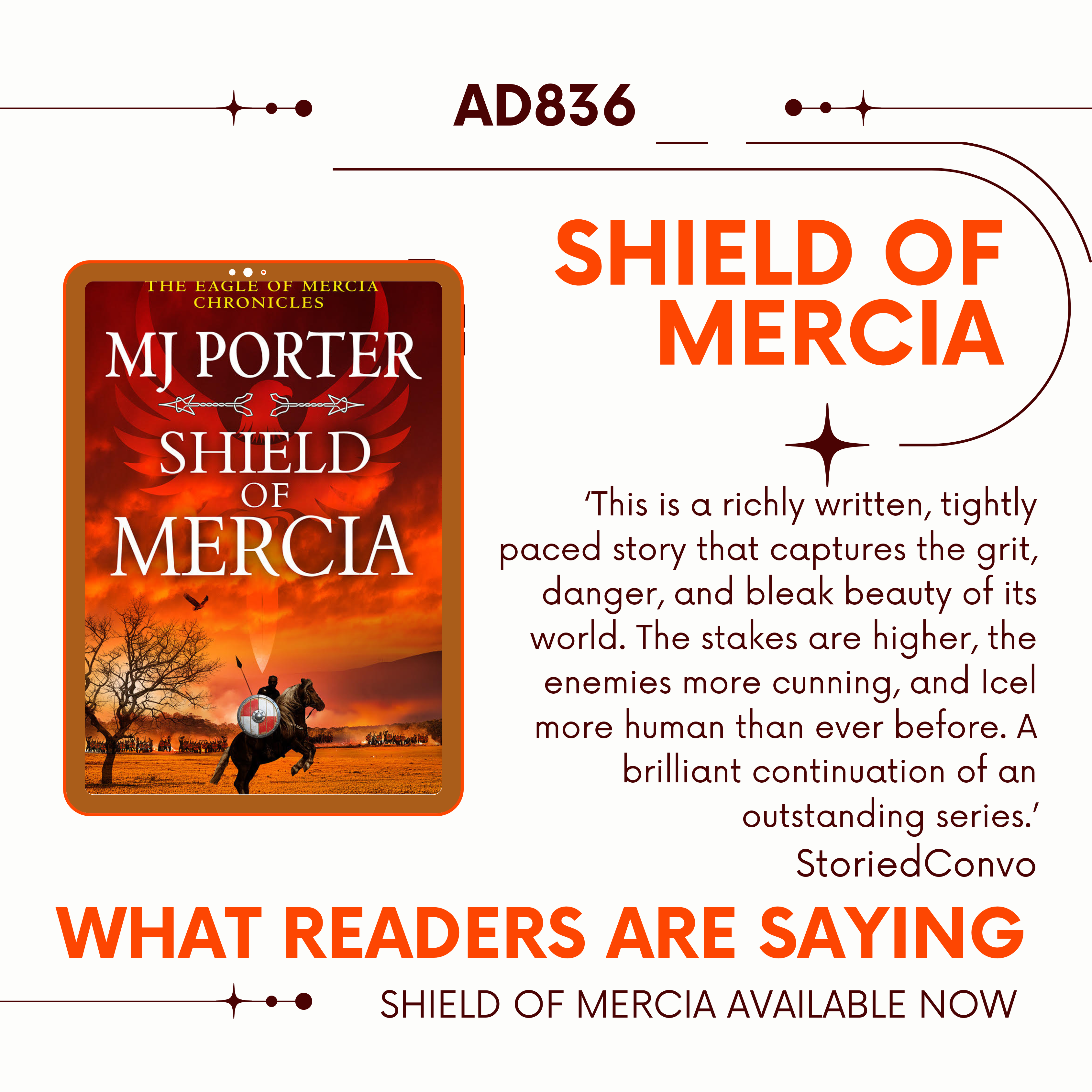
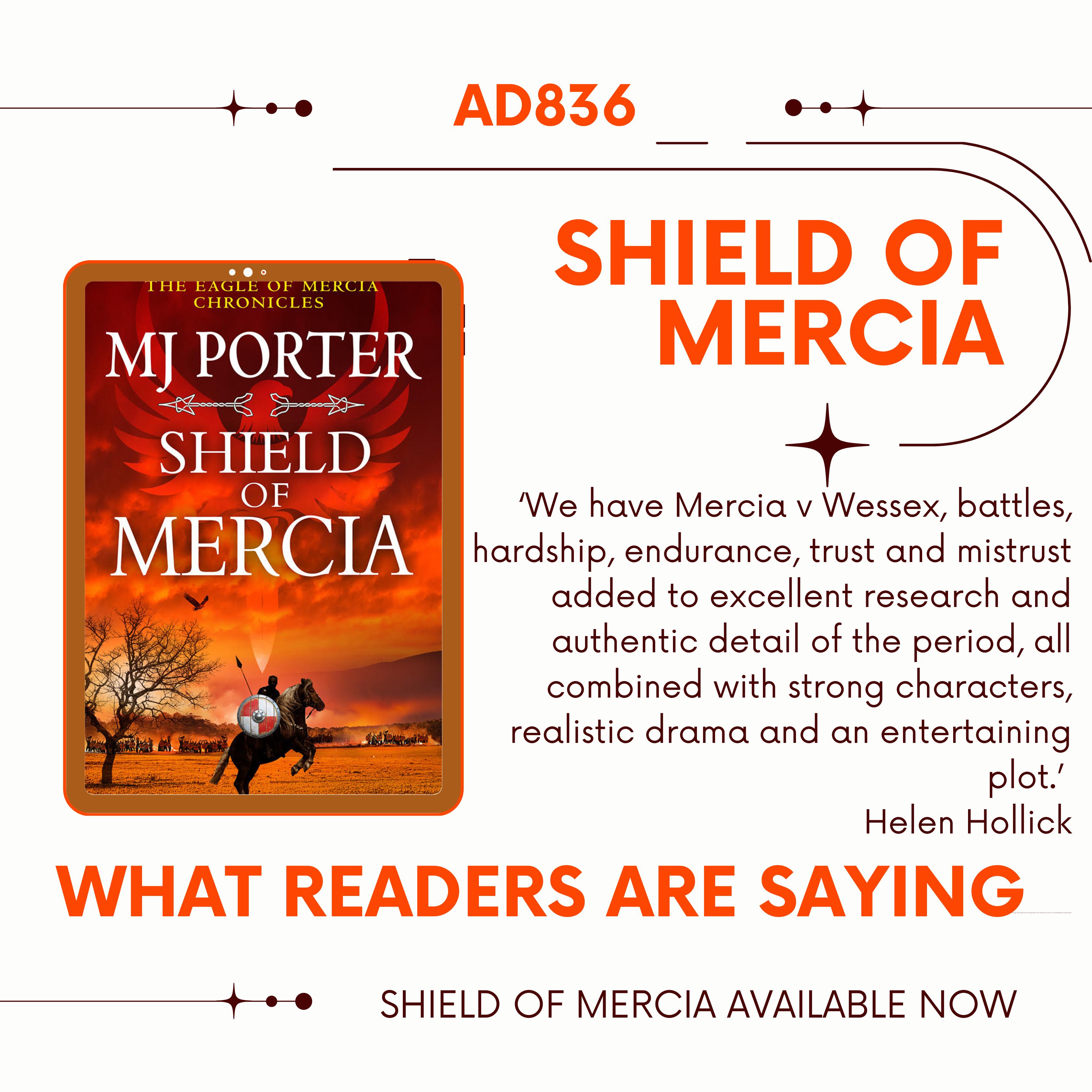
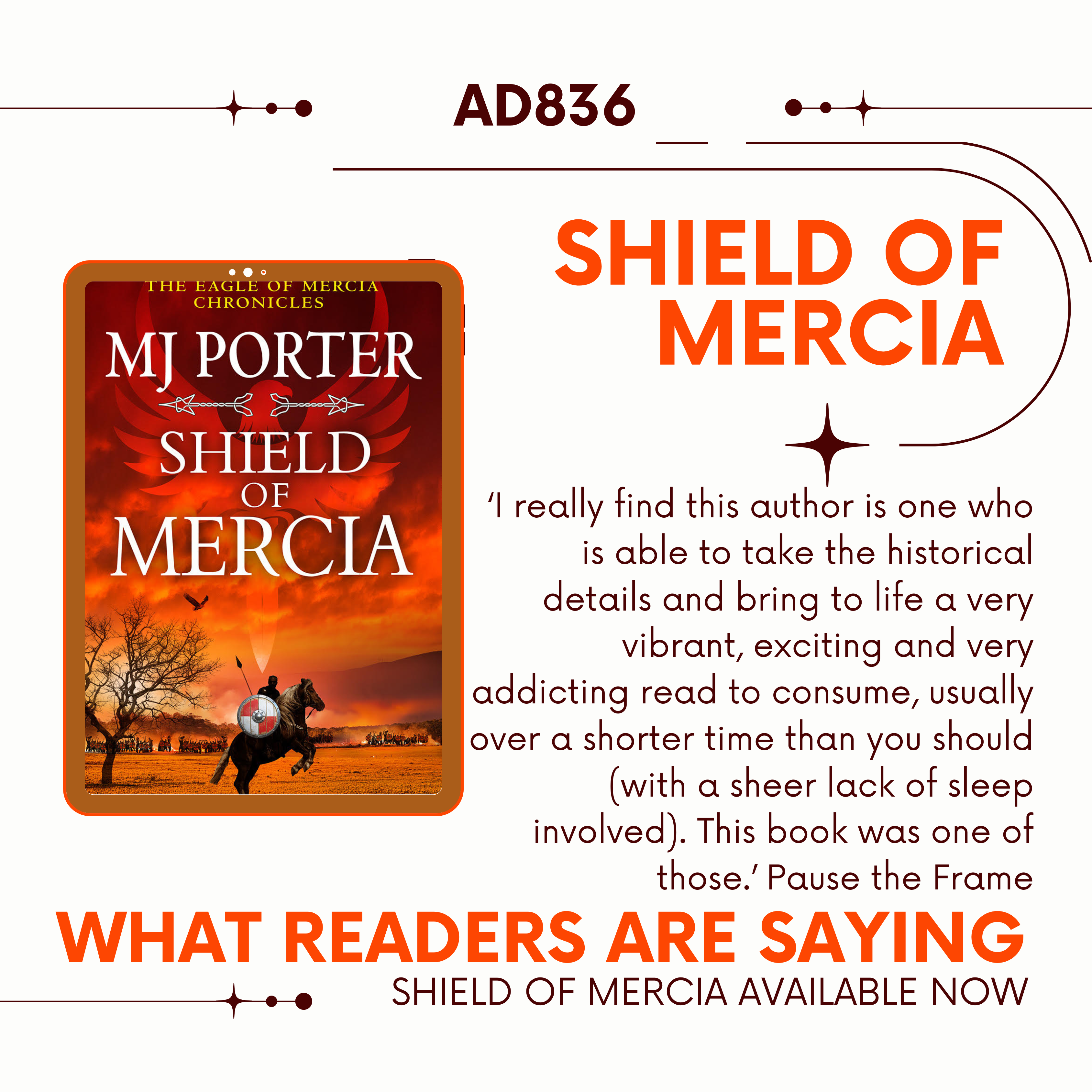
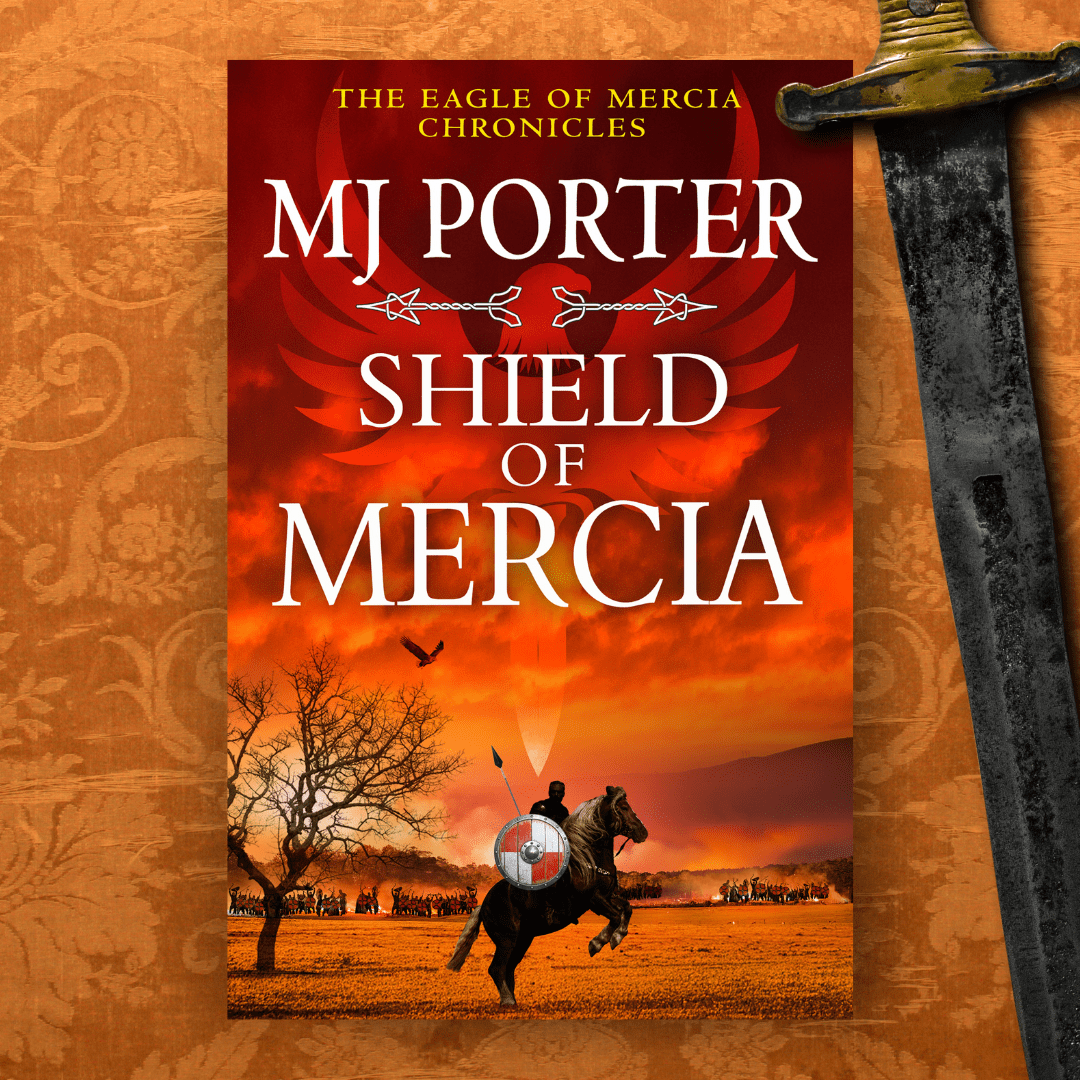
Shield of Mercia has been out for a week. Here’s what the blog tour hosts had to say about the latest book featuring young Icel #newrelease #histfic #TheEagleofMerciaChronicles #audio

Shield of Mercia has been out for a week. Here’s what the blog tour hosts had to say about the latest book featuring young Icel #newrelease #histfic #TheEagleofMerciaChronicles #audio

A huge thank you to Rachel and the blog hosts.

Here are the links to the complete reviews.

Being a reviewer is a lot of fun, it’s also a lot of work and takes a great deal of planning. I’m always so grateful to those who take a chance on my books. It can sometimes be a step into the unknown.

Helen Hollick’s blog

Ruins and Reading

Here’s the blurb

Mercia is triumphant. Her king is safe. But Wessex was never Mercia’s only enemy. 


Tamworth, AD836

Following a brutally cold winter, King Wiglaf of Mercia is in the ascendancy. Even Wessex’s Archbishop of Canterbury extraordinarily ventures to Mercia to broker a religious accord. But, can the hard-won peace prevail?

Viking raiders threaten Wessex. These blood-thirsty warriors are fast, skilful and have no reticence about killing those who stand in their way. Their aim isn’t to rule but to overwhelm, slaughter and take ill-gotten wealth.

King Wiglaf is no fool. As the Vikings push to overwhelm Wessex, Mercia’s lands look insecure. King Wiglaf needs the shields of Mercia’s warriors to prevent the overwhelming advancement of their deadliest enemy yet.

To save Mercia, Icel must first prevail over the two men who mean to end his life; King Ecgberht of Wessex and his son, Æthelwulf of Kent and only then the marauding Viking army for whom boundaries have no meaning.

https://amzn.to/4lg5sLP

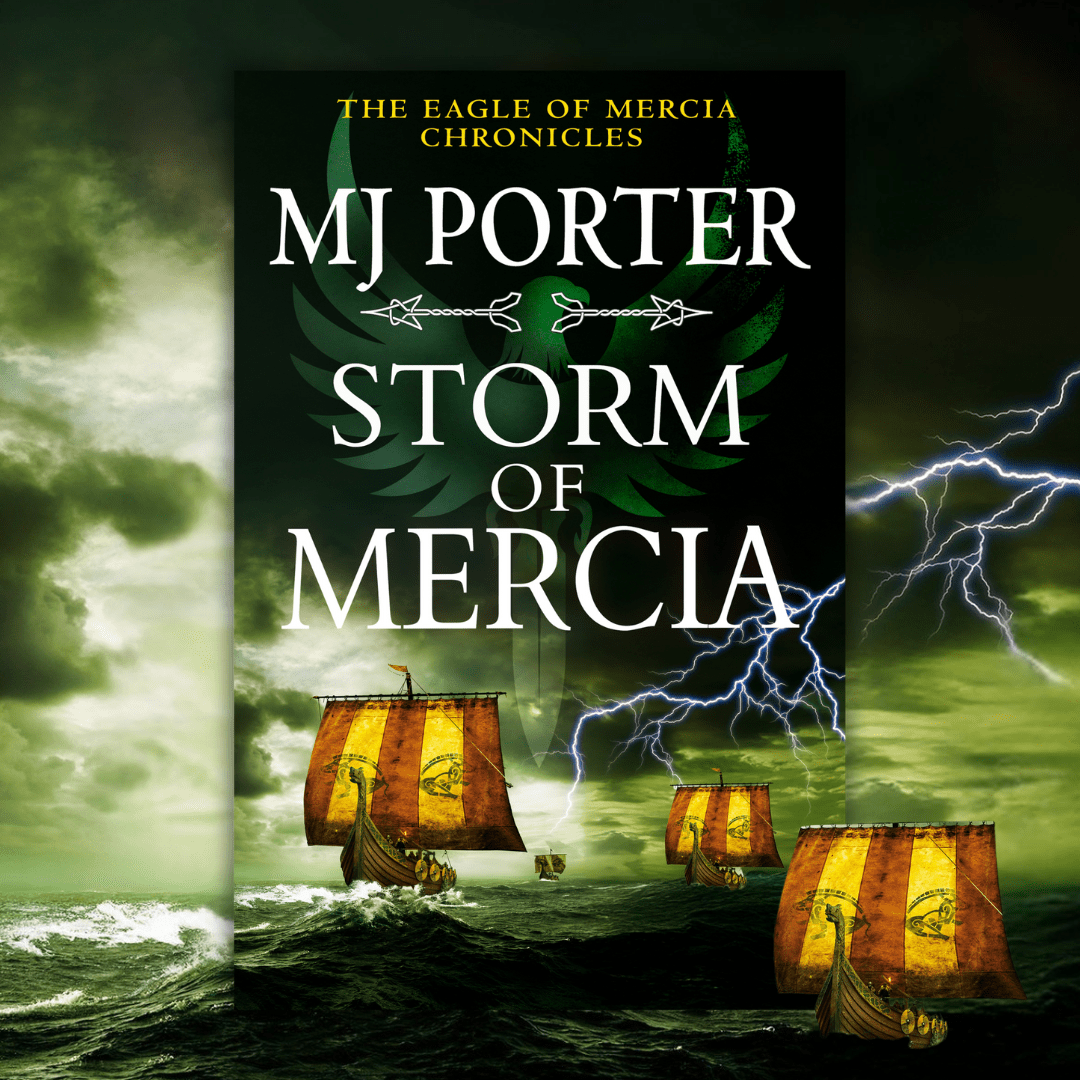
Check out the Eagle of Mercia Chronicles series page and see the cover for Storm of Mercia. You will also find links to the other release day posts for Shield there, too. Or below.

My attempt at a Saxon poem

The Book of Healing

My 20-second summary of each book (this took a lot of attempts)

The audiobook

Sign up to my Boldwood Books newsletter to keep up to date with all things Icel… https://bit.ly/MJPorterNews

Or, you can order a signed paperback copy directly from me. Check out my bookstore.

Posts

Shield of Mercia is now available. Return to the world of young Icel, and listen to me rabbiting on, again #newrelease #histfic #TheEagleofMerciaChronicles #audio

Shield of Mercia is now available. Return to the world of young Icel, and listen to me rabbiting on, again #newrelease #histfic #TheEagleofMerciaChronicles #audio

Me doing a bad job of introducing the new book

In my defence, I am frantically trying to finish another title!

I have mentioned elsewhere that my publisher are now publishing what are known as ‘trade paperbacks’ for their titles. This is the format most of my indie titles are published in, and you can find this ‘new’ size here.

Here’s the blurb

Mercia is triumphant. Her king is safe. But Wessex was never Mercia’s only enemy. 


Tamworth, AD836

Following a brutally cold winter, King Wiglaf of Mercia is in the ascendancy. Even Wessex’s Archbishop of Canterbury extraordinarily ventures to Mercia to broker a religious accord. But, can the hard-won peace prevail?

Viking raiders threaten Wessex. These blood-thirsty warriors are fast, skilful and have no reticence about killing those who stand in their way. Their aim isn’t to rule but to overwhelm, slaughter and take ill-gotten wealth.

King Wiglaf is no fool. As the Vikings push to overwhelm Wessex, Mercia’s lands look insecure. King Wiglaf needs the shields of Mercia’s warriors to prevent the overwhelming advancement of their deadliest enemy yet.

To save Mercia, Icel must first prevail over the two men who mean to end his life; King Ecgberht of Wessex and his son, Æthelwulf of Kent and only then the marauding Viking army for whom boundaries have no meaning.

https://amzn.to/4lg5sLP

Check out the Eagle of Mercia Chronicles series page and see the cover for Storm of Mercia. You will also find links to the other release day posts for Shield there, too. Or below.

My attempt at a Saxon poem

The Book of Healing

My 20-second summary of each book (this took a lot of attempts)

The audiobook

Sign up to my Boldwood Books newsletter to keep up to date with all things Icel… https://bit.ly/MJPorterNews

Or, you can order a signed paperback copy directly from me. Check out my bookstore.

Posts

Why did I write about Lady Elfrida? Saxon England’s first crowned queen? #nonfiction #authorinspiration

Why did I write about Lady Elfrida? Saxon England’s first crowned queen? #nonfiction #authorinspiration

Why did I write about Lady Elfrida?

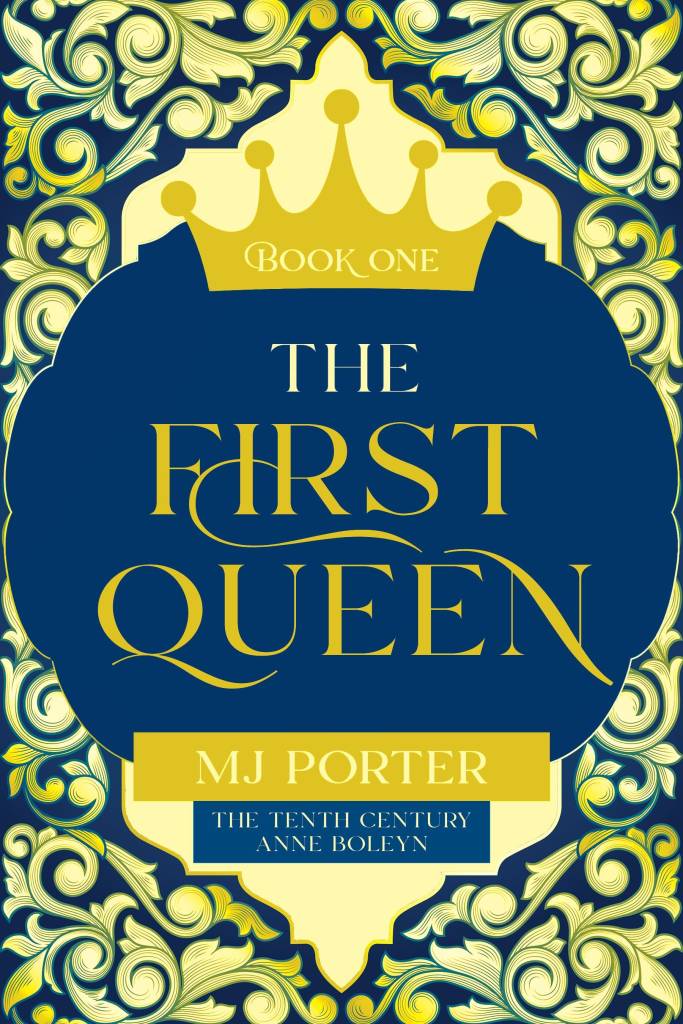
Lady Elfrida could have been Anne Boleyn, marrying for love, only she outlived her husband. She could have been Eleanor of Aquitaine, only she only had one son who lived to adulthood. She could have been Isabella, the She-Wolf of France. No woman before her had ever held so must power in England, and lost it, at the hands of her son.

The delight in Lady Elfrida’s story is playing with the ‘what ifs’ and the ‘possibilities.’ This is why she is a perfect character to explore through fiction, because her life is long and varied, and there’s a great deal to untangle from the historical record.

Elfrida was, officially, the first crowned Queen of Saxon England. Of Saxon England. Before her, there had been queens of Wessex (not as many as you think), Mercia (more), Northumbria, Kent, East Anglia, and even of the Anglo-Saxons, but never of the English. 

‘Twice a Queen’ Emma, who married Elfrida’s son, Æthelred II, and the Cnut, would have walked in only recently relinquished footsteps when she married. Equally, Elfrida replaced Lady Eadgifu, a woman not known to have been acknowledged queen, but who just might have known Elfrida before her death, and who had certainly played her own part as a kingmaker following the death of her husband, her stepsons, her sons, and then older grandson.

I confess, the idea of a married king falling passionately in love with Lady Elfrida was almost more than enough to want to write about her, and I did include this in the first novel, much more a romantic historical novel than the subsequent books, but it was what came after that struck me.

A woman of considerable power and influence

But Lady Elfrida was a woman of considerable power, not just a love interest for the king – take a look at the charters issued throughout her second husband’s and second son’s life, and she’s there, named. Not always at the top of the list of attestations, but clearly in evidence, apart from when she and her son seem to have fallen out in about 985 until 993, when she reappears until her death. Lady Elfrida was a ‘mover and shaker’ at the Saxon English Court. 

She was the ‘queen’ alongside her husband as king, she was mother to his third and fourth children – two sons. 

As queen, she was involved in the Benedictine Reformation, then sweeping England – alongside such political heavyweights as Archbishop Dunstan and Oswald and Bishop Æthelwold, and her husband gave her command over the nunneries of England (which meant their wealth and assets as well as their spiritual needs).

Under her step-son, Edmund the Martyr, Lady Elfrida, was absent from Court, no doubt plotting her son’s return, or, just acknowledging that she had no part to play as her son had been excluded from the succession. 

Lady Elfrida returned to Court with her son’s accession. A regency council was formed, and of course Elfrida was included, and this seems to be where Elfrida reached her peak of influence.

It’s worthwhile pausing to consider this outcome. Æthelred was no more than ten, possibly eleven, when he came to the throne. He was a minor. He was a child. And yet he became king of England, his coronation taking place in April 978 or 979, either with unseemly haste after his half-brother’s murder, or with a year of ‘arm twisting’ in between.

He was a minor. He was not a warrior.

A hundred years before Æthelred’s reign, the Alfred-Guthrum treaty had been signed, dividing England between the Danes and the ‘English’ (as they weren’t yet really known). ‘England’ (still not a distinct entity) had nearly been overrun by the Vikings. Fast-forward a hundred years, and ‘England’ has formed and there’s a minor on the throne. This, in any eyes, must be hailed as the greatest victory for Lady Elfrida.

Examining Lady Elfrida’s life with a rational approach and half an eye to the charter evidence for the period, and half an eye on what would happen after her death to smear her image, it‘s difficult not to say that she was not the first truly influential and powerful queen to ever stand close to England’s throne – a queen as well as a wife, the king’s mother, and, in time, the grandmother to a future generation – she deserves much more than her attribution (which formed quite quickly after her death and only grew after the Norman Conquest) of ‘whore’ and ‘murderer’.

The First Queen Trilogy charts Lady Elfrida’s marriage.

The King’s Mother, the first in a second trilogy, charts Lady Elfrida’s role, as well, the King’s Mother. Her story can be read from here. 

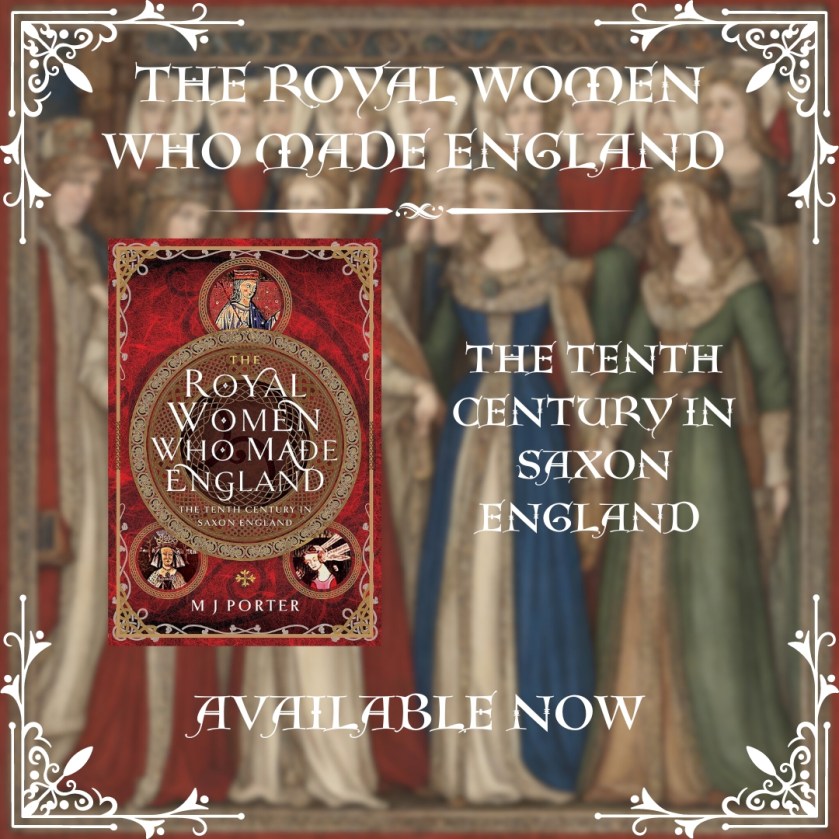
If you’d like to know more about the historical Elfrida, she features in my first non-fiction title, below (as does Lady Eadgifu).

The Royal Women Who Made England cover

I’ve written extensively about Lady Elfrida, and she also features in the first Earls of Mercia book, The Earl of Mercia’s Father. You can find out more about Elfrida on her page.

Posts

A Conspiracy of Kings – a little bit of history #histfic #TheTenthCenturyRoyalWomen #nonfiction

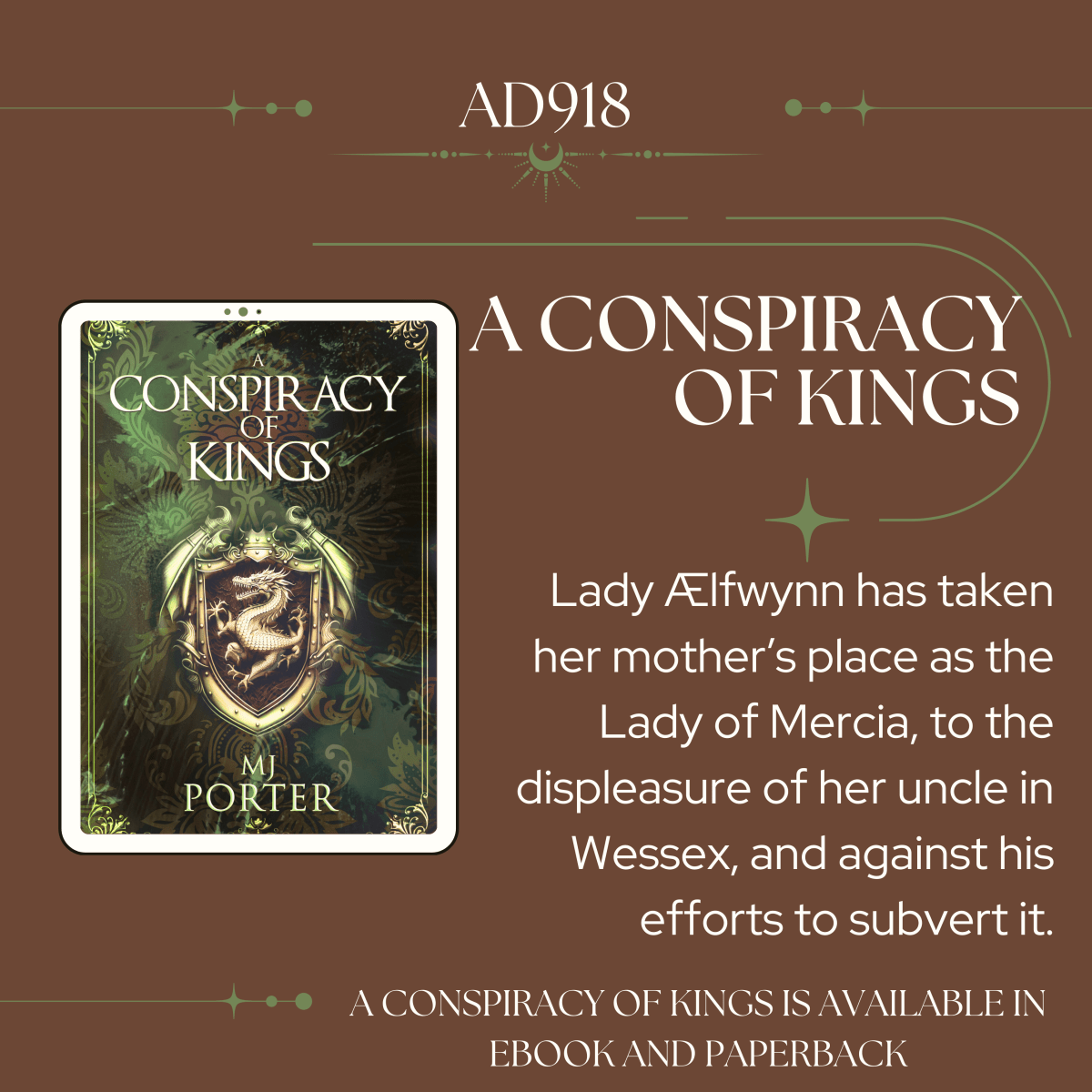
A Conspiracy of Kings – a little bit of history (may contain spoilers for my fictional recreation of Lady Ælfwynn

In the sequel to The Lady of Mercia’s Daughter, the story of Lady Ælfwynn continues. She is The Second Lady of Mercia, but everything isn’t as it seems. In the various recensions of The Anglo-Saxon Chronicles, an attempt can be made to piece together what befalls her.

The Anglo-Saxon Chronicle A version doesn’t mention Ælfwynn at all but instead has King Edward of Wessex/the Anglo-Saxons taking control of Tamworth as soon as his sister dies in June 918. 

The Anglo-Saxon Chronicle E only mentions Lady Æthelflæd’s death in 918 and not what happens immediately after in Mercia. Lady Ælfwynn’s fate, however, is recorded in The Anglo-Saxon Chronicle C. We’re told that she was deprived of all power and ‘led into Wessex three weeks before Christmas.’ This entry is dated 919, although it’s normally taken to mean 918 due to a disparity between the dating in this part of The Anglo-Saxon Chronicle – known as the Mercian Register – where a new year starts in December as opposed to in the Winchester version of The Anglo-Saxon Chronicle where the new year starts in September. 

These details are stark, offering nothing further. What then actually happened to Lady Ælfwynn? Was she deprived of her power? Was she deemed unsuitable to rule?

What adds to the confusion surrounding Lady Ælfwynn is that other than this reference in The Anglo-Saxon Chronicle, she doesn’t appear in any of the later sources. It’s as though she simply ceased to exist.

Two intriguing suggestions have been put forward to explain what happened to Lady Ælfwynn, both with some tenous corroboration.

Did she become a nun or, perhaps, a religious woman?

A later charter dated to 948 and promulgated by King Eadred is to an ‘Ælfwyn, a religious woman,’ and shows land being exchanged in Kent for two pounds of purest gold. (S535) There’s no indication that this Ælfwyn is related to our Ælfwynn or even to King Eadred. But, there remains the possibility that it might just have been the same woman, after all, Eadred would have been Ælfwynn’s cousin. Charter S535 survives in only one manuscript.

Alternatively, and based on a later source, Ramsey Abbey’s Book of Benefactors, we learn the following:

‘he [Athelstan Half-King] bestowed marriage upon a wife, one Ælfwynn by name, suitable for his marriage bed as much as by the nobility of her birth as by the grace of her unchurlish appearance. Afterwards she nursed and brought up with maternal devotion the glorious King Edgar, a tender boy as yet in the cradle. When Edgar afterwards attained the rule of all England, which was due to him by hereditary destiny, he was not ungrateful for the benefits he had received from his nurse. He bestowed on her, with regal munificence, the manor of Weston, which her son, the Ealdorman, afterwards granted to the church of Ramsey in perpetual alms for her soul, when his mother was taken from our midst in the natural course of events.’[i]

Which alternative is it?

There are only eight women named Ælfwynn listed in the Prosopography of Anglo-Saxon England (PASE), a fabulous online database. Of these, one is certainly Ælfwynn, the second lady of the Mercians, and one is undoubtedly the religious woman named in the charter from 948. (When the identification is not guaranteed, multiple entries are made in this invaluable online database). The other five women were alive much later than the known years Ælfwynn lived. One of the entries might possibly relate to her, but that’s all the information known about her. 

And this is far from unusual for many of the women of the House of Wessex. Some women are ‘lost’ on the Continent. Some are ‘lost’ in England.

‘Were it not for the prologue to Æthelweard’s Latin translation of an Anglo-Saxon Chronicle, we would know of only six tenth-century royal daughters or sisters from early English sources and the names of only four of them. Three of these named ones are nuns or abbesses. Only Ælfwynn, the daughter of Æthelflæd and Æthelred of Mercia, and the two daughters of Edward/sisters of Athelstan who married Otto I and Sihtric of York, appear in the witness lists of charters, though Eadburh, daughter of Edward the Elder, is a grantee of a charter of her brother Athelstan.’[ii]

Reconstructing a ‘possible’ life for Lady Ælfwynn was the inspiration for both The Lady of Mercia’s Daughter and A Conspiracy of Kings, and the potential for family betrayal, politicking, and war with the Viking raiders was just too good an opportunity to miss. 


[i] Edington, S and Others, Ramsey Abbey’s Book of Benefactors Part One: The Abbey’s Foundation, (Hakedes, 1998) pp.9-10

[ii] Stafford, P. Fathers and Daughters: The Case of Æthelred II in Writing, Kingship and Power in Anglo-Saxon England, (Cambridge University Press, 2018) p.142

https://amzn.to/46DvlA6

Find out more about who the historical Ælfwynn was here.

Visit The Tenth Century Royal Women page here.

Visit the Royal Women of The Tenth Century non-fiction page here

Posts

Why did I write about Lady Eadgifu, the main character in Kingmaker? #histfic #authorinspiration

Why did I write about Lady Eadgifu, the main character in Kingmaker? #histfic #authorinspiration

I don’t really know when I became a fan of historical fiction but I can take a good guess at who, and what, was to blame.

William Shakespeare and Macbeth.

When I was at school, we didn’t get ‘bogged’ down with grammar and spelling in English lessons, oh no, we studied stories, plays, words, and also the ‘motivation’ behind the use of those stories and those words. And it was Macbeth that first opened my eyes to the world of historical fiction.

Yes, Macbeth is a blood thirsty play, and it might be cursed, but more importantly, it’s based on Holinshed’s Chronicle of England, Scotland and Ireland.

Macbeth is nothing better than the first work of historical fiction that I truly read, and understood to be as such. And what a delight it was.

I remember less the story of Macbeth as presented by Shakespeare (aside from the three witches – “when shall we three meet again?” “well I can do next Wednesday,’ (thank you Terry Pratchett for that addition), than working out ‘fact’ from ‘fiction’ in his retelling of the story. And hence, my love of historical fiction was slowly born, and from that, stems my love of telling stories about ‘real’ people and the way that they lived their lives, looking at the wider events taking place, and trying to decide how these might, or might not, have influenced these people. 

Shakespeare chose the story of a little-known ‘Scottish’ monarch for his historical fiction; my latest subject is the third wife of King Edward the Elder, again someone that few people have heard of, but whose relative, many years in the future, would have interacted with Macbeth, or rather with Mac Bethad mac Findlaích.

Lady Eadgifu, the Lady of Wessex, lived through a tumultuous time.

Many people studying Saxon England know of King Alfred (died AD899), and they know of his grandson, Æthelred II (born c.AD 968), known as ‘the unready’. But the intervening period is little known about, and that is a true shame.

Lady Eadgifu, just about singlehandedly fills this gap. Born sometime before c.AD903 (at the latest), her death occurred in c.AD964/6. As such, she probably missed Alfred by up to 4 years, and her grandson, King Æthelred by about the same margin.

But what she did witness was the emergence of ‘England’ and the ‘kingdom of the English’ as we know it. And it wasn’t a smooth process, and it was not always assured, and it was certainly never, at any point, guaranteed that England would emerge ‘whole’ from the First Viking Age. 

And more importantly, rather than being one of the kings who ruled during this period, Lady Eadgifu was the king’s wife, the king’s mother, or even the king’s grandmother. She would have witnessed England as it expanded and contracted, she would have known what went before, and she would have hoped for what would come after her life. (I think in this, I was very much aware of my great-grandmother who lived throughout almost the entire twentieth century – just think what she would have witnessed).

Lady Eadgifu was simply too good a character to allow to lie dormant under the one event that might well be known about from the tenth century – the battle of Brunanburh. She does also appear in my Brunanburh Series.

So, for those fans of Bernard Cornwell’s ‘Uhtred’ and for those fans of Lady Elfrida at the end of the tenth century, I hope you will enjoy Lady Eadgifu. She was a woman, in a man’s world, and because she was a woman, she survived when men did not. 

The family of Alfred the Great

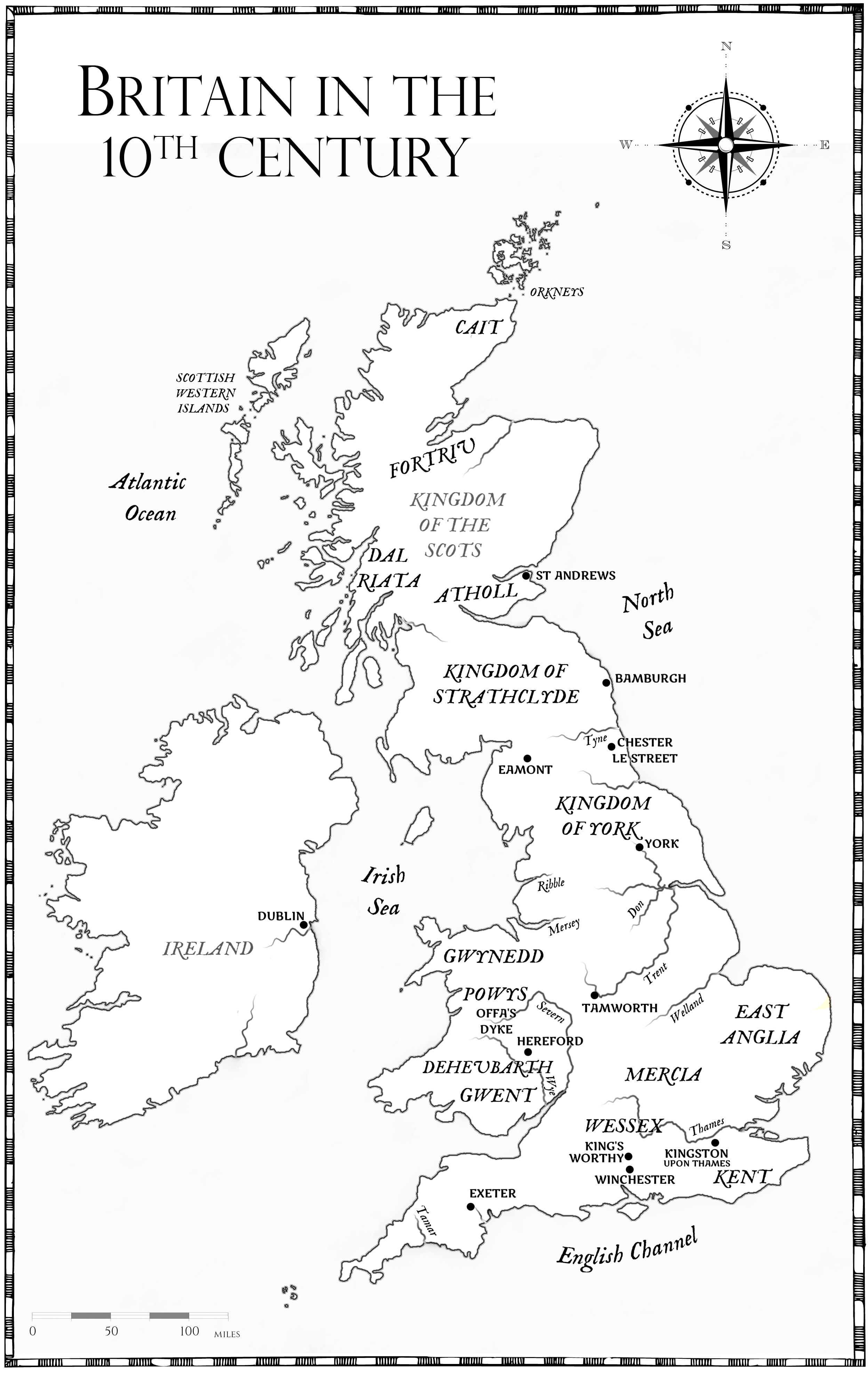
Map design by Shaun at Flintlock Covers

Check out The Tenth Century Royal Women page on the blog and this post about who the ‘real’ Lady Eadgifu was.

Curious? Read about the Royal Women of The Tenth Century in my nonfiction title.

The Royal Women Who Made England cover

Posts

Who was Lady Estrid, and why did I write about her life? #histfic #TheEleventhCentury #England #Denmark #non-fiction

Who was Lady Estrid, and why did I write about her life? #histfic #TheEleventhCentury #England #Denmark #non-fiction

Lady Estrid, or Edith or even Margaret, daughter of King Swein Forkbeard of Denmark (and briefly England) is one of those beguiling characters who lived through momentous change. 

I’ve long been drawn to her, and used her as a ‘bit’ part character in my The Earls of Mercia series, but I wanted to dedicate both more time to Lady Estrid, and also to Denmark. Even when I’ve written about Cnut, who was king of England and Denmark, much of the action has taken place in England. There’s simply not enough ‘space’ to fit everything in.

Lady Estrid, like similar royal women (Queen Eadgifu of England and Lady Elfrida in the tenth century), had the advantage of living a much longer life than many of her male family members (check out the family trees here). She was the ‘glue’ that held together the narrative of what was happening in Denmark. And because of her vast family, it also allowed me to weave the story of not just Denmark, but also Norway, Sweden, England, and Normandy, into the narrative.

She was the daughter of a king, the sister of three kings, the aunt of four kings, the mother of one king, and in time, the grandmother of three further kings. 

Having written about Queen Eadgifu, Lady Elfrida, and King Edward the Elder’s daughters (in tenth century England), I wanted a new ‘woman’ to bring to life. I could have chosen Queen Emma, or even Queen Edith of England, but their stories are more well-known. I’ve long been fascinated by the Scandinavian countries during the Viking Age, and Lady Estrid was just too good a character to leave in her ‘bit’ part without adding anything further.

For all Lady Estrid’s claims as mother, aunt, sister and daughter, there’s very little that can be said about her, not even the order of her three marriages, if they occurred, can be confirmed. It’s only possible to say that her marriage to Jarl Úlfr took place because of the survival of her children. It’s the lack of ‘hard facts’ about her, and the potential to weave a story that includes so many of the other well-known women and men of the period, that made Lady Estrid so irresistible. When stories focus on Earl Godwine, or King Cnut, or even on King Harald Hardrada, it’s possible to lose sight of the bigger picture, and Lady Estrid certainly provides the potential to show the overarching events that occurred from AD1013-1050 within Denmark and England.

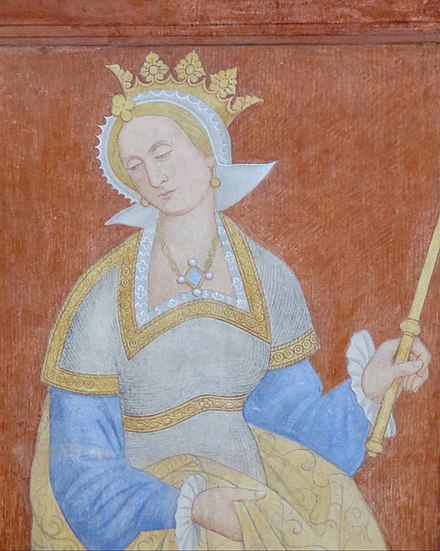
An image of Lady Estrid from Wikipedia

Check out the Lady Estrid page for more information about my novelisation of her life, and the historical details available for her.

Posts

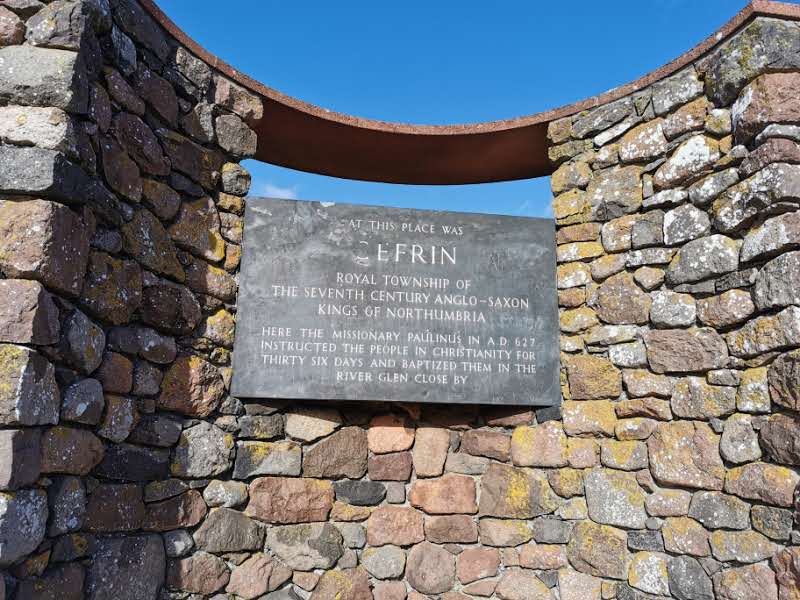
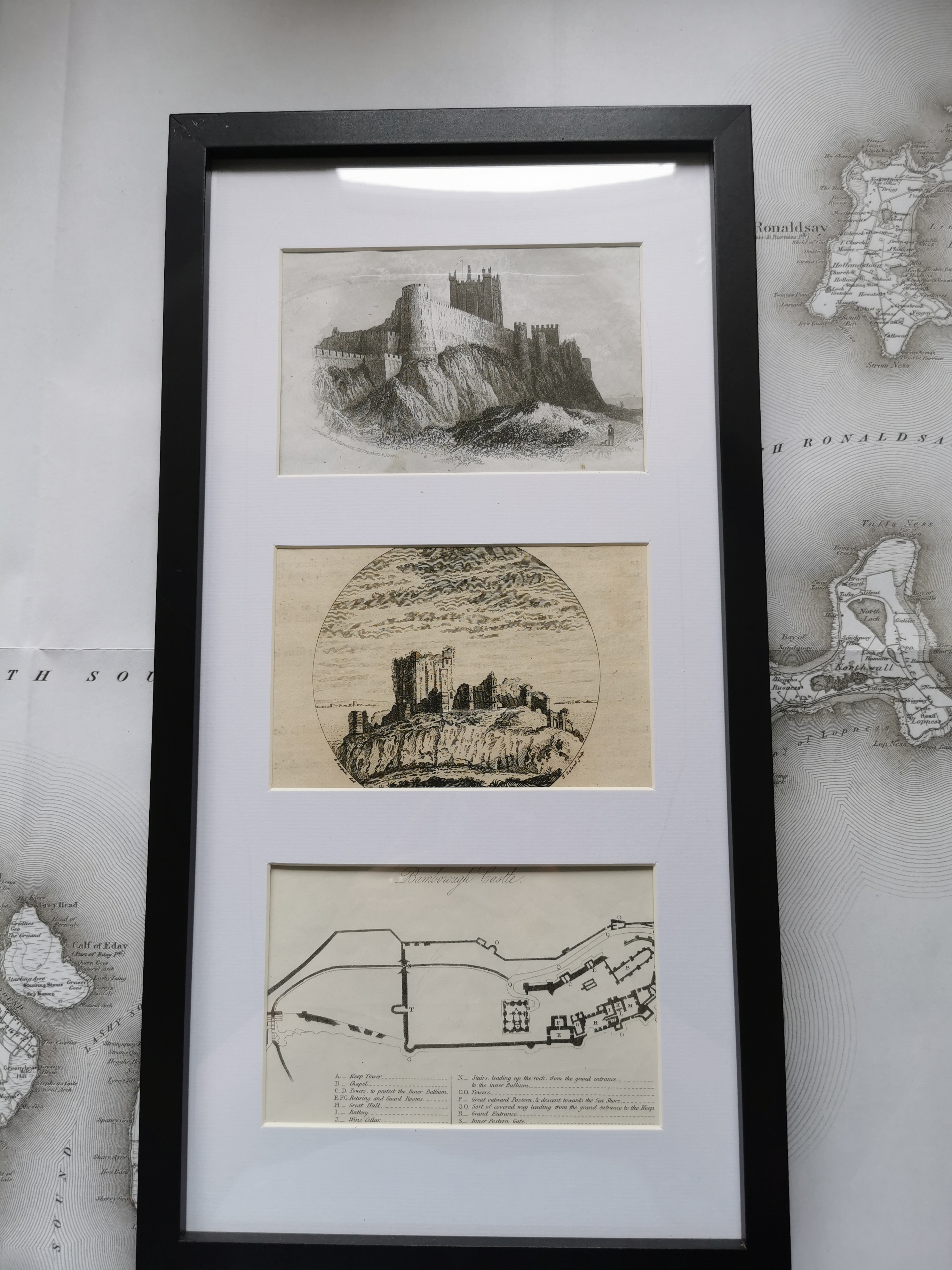
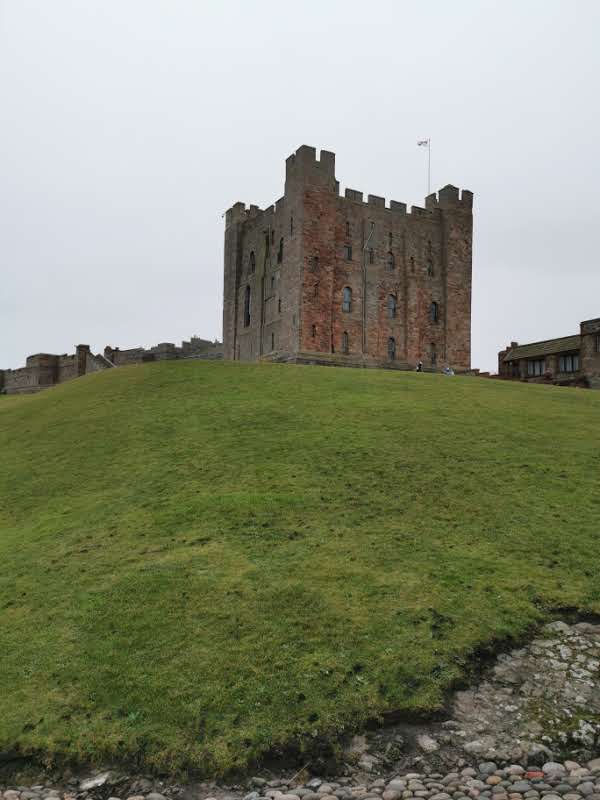
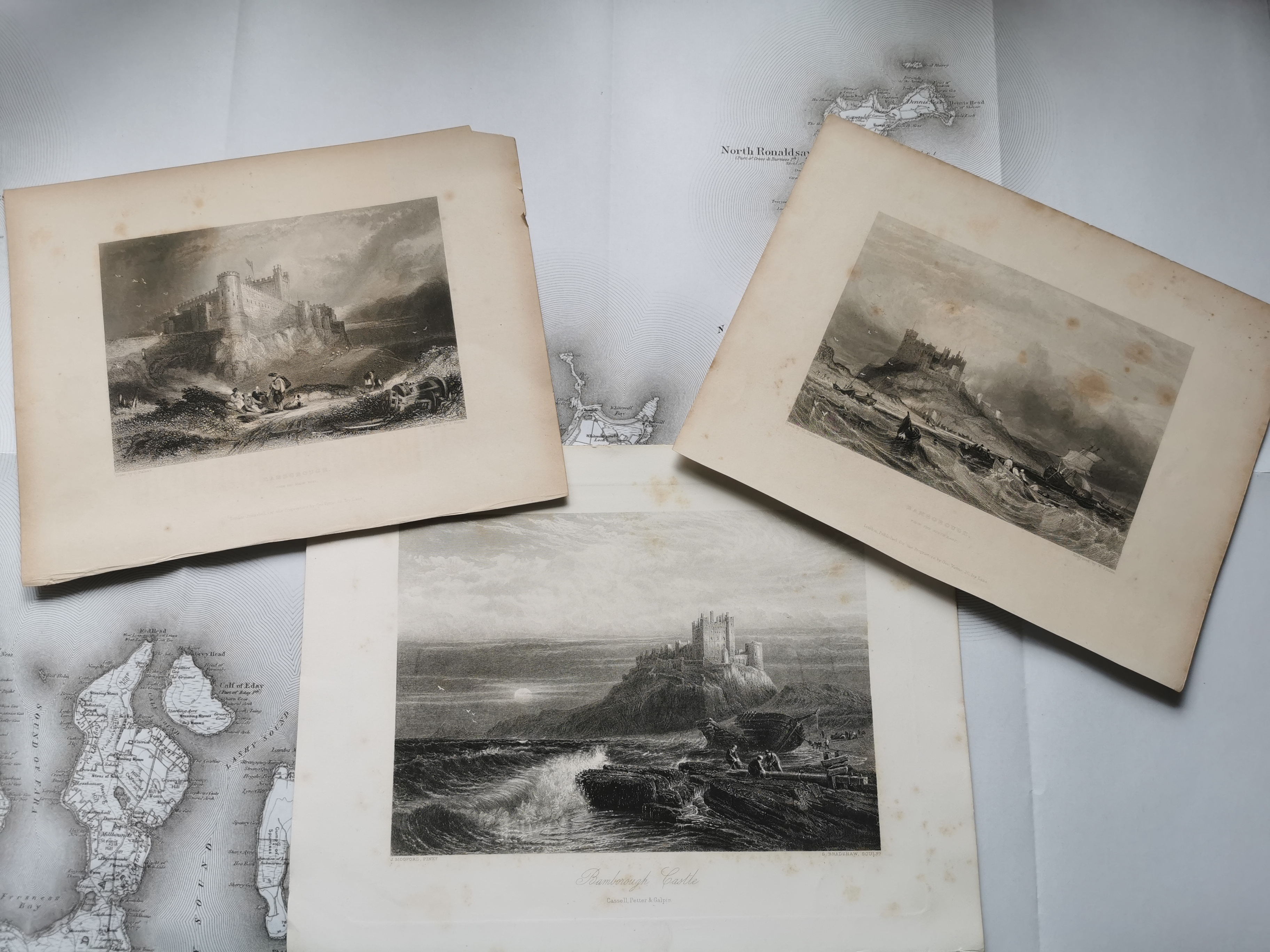
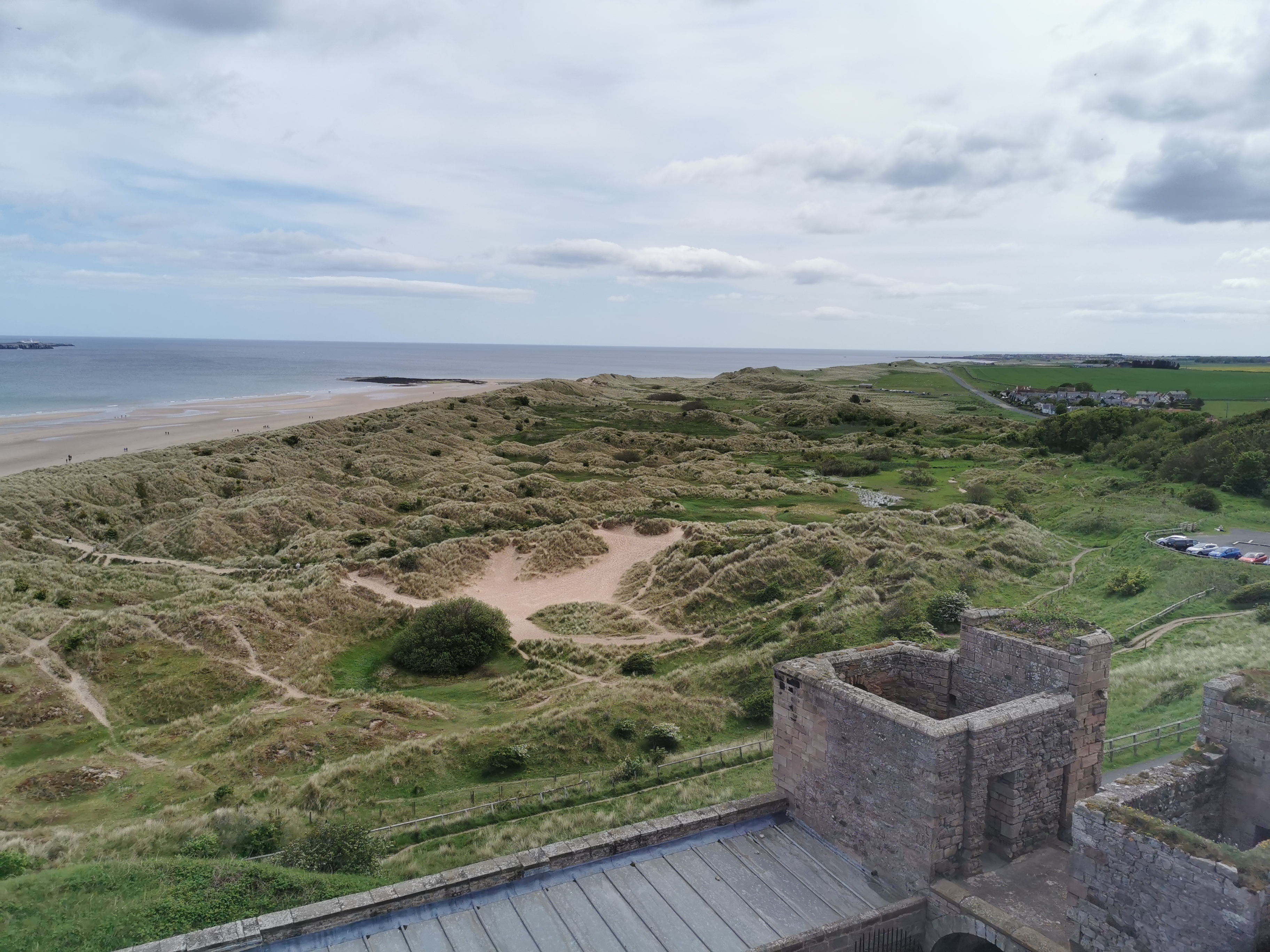
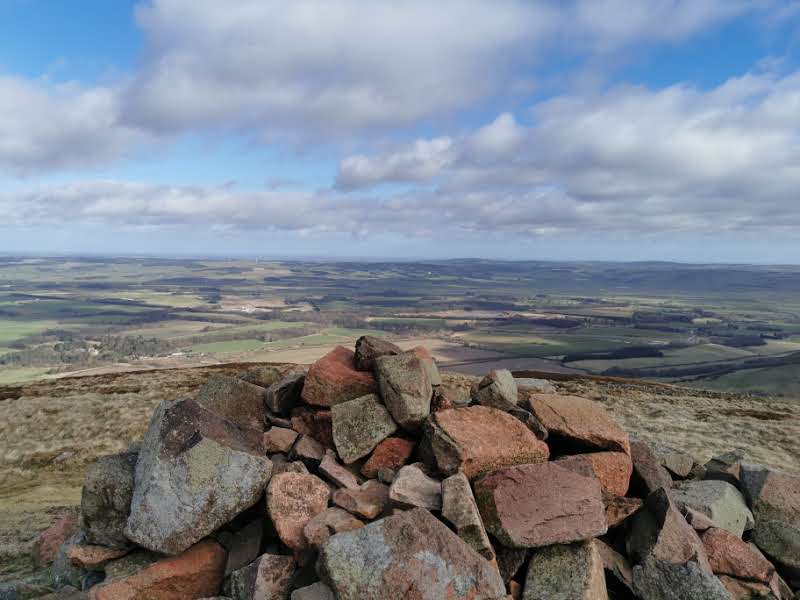
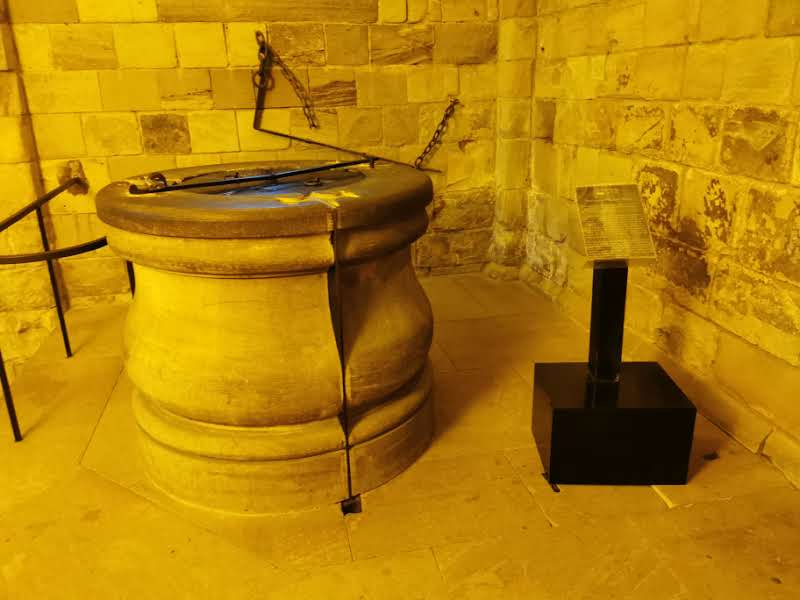
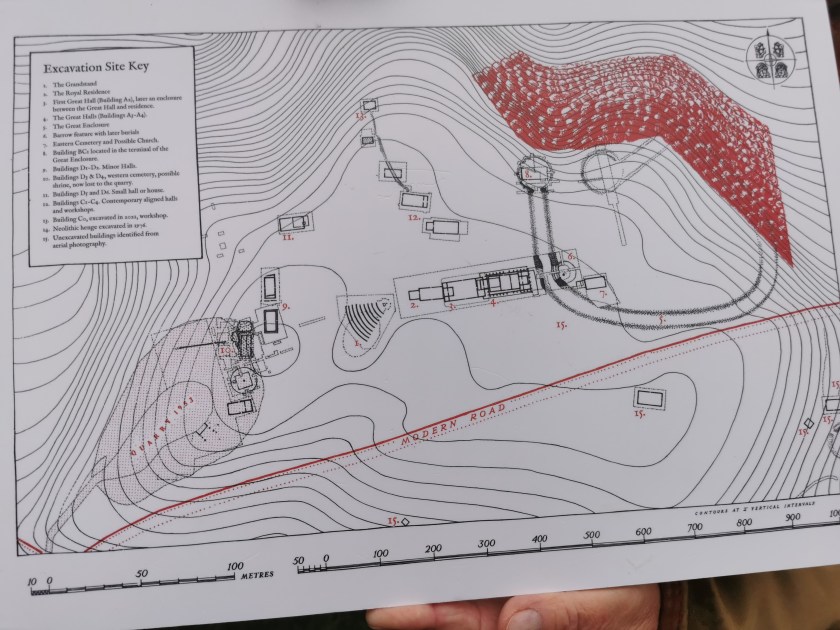
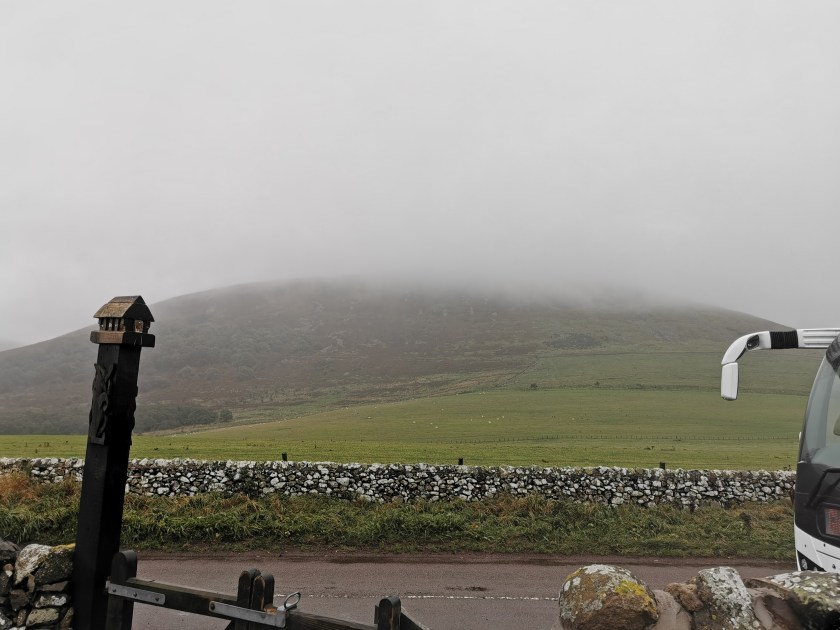
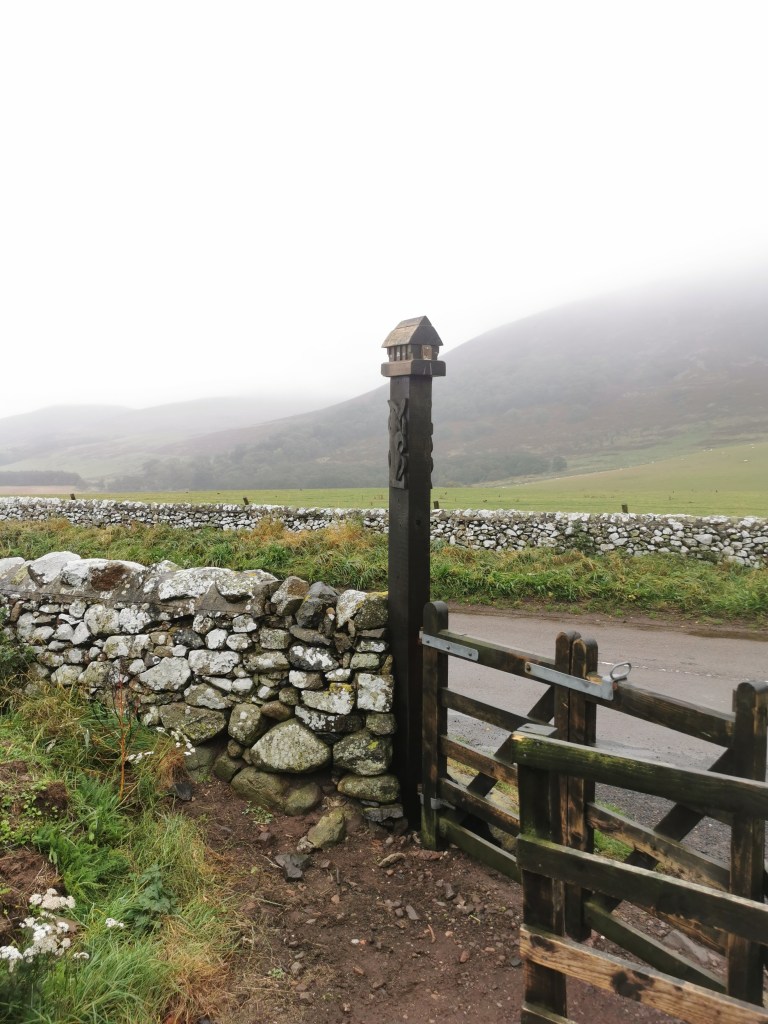
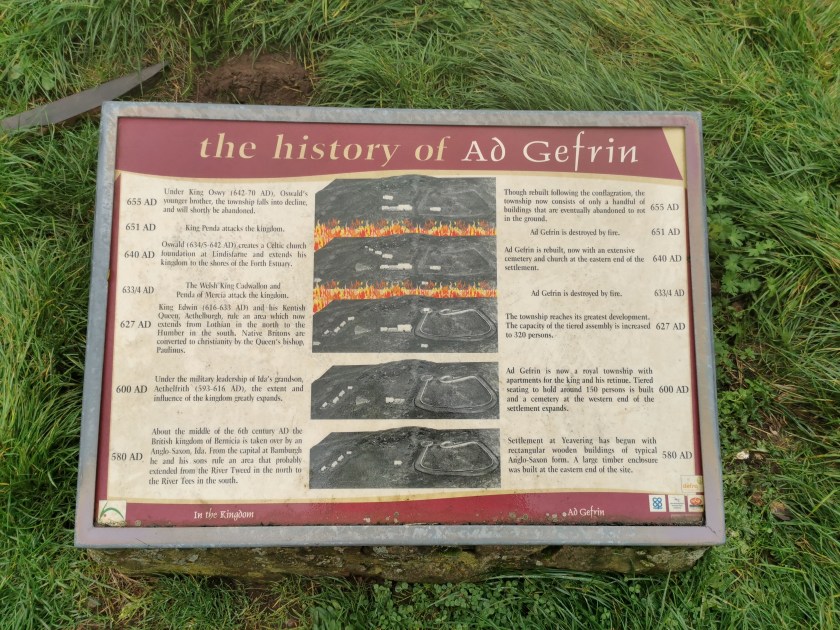
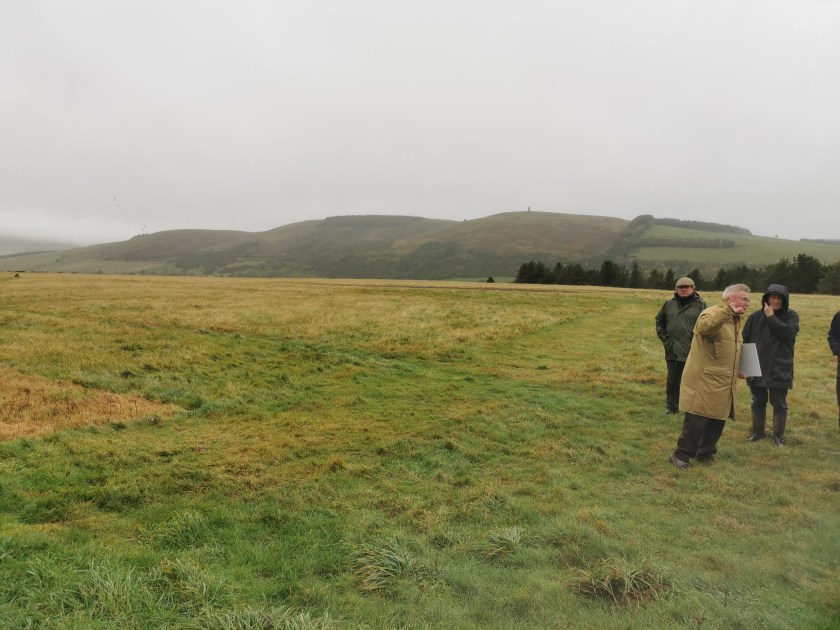
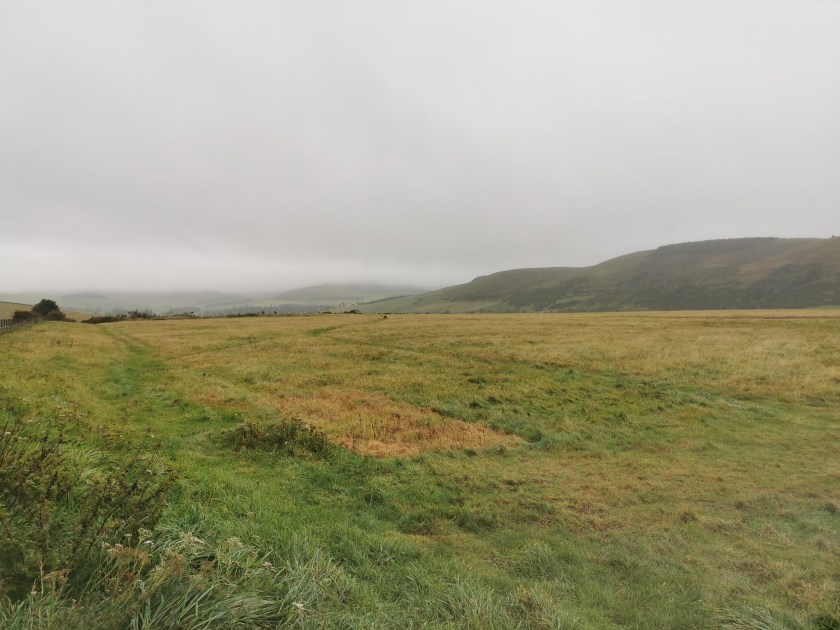
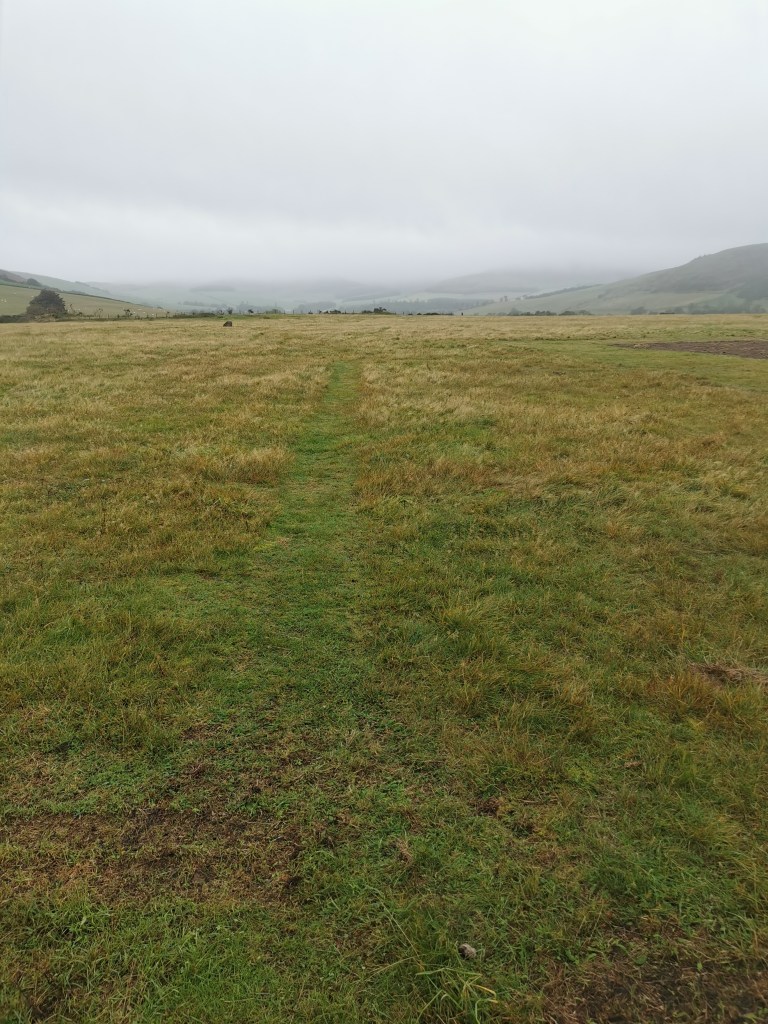
On this day in history, the anniversary of the battle of Maserfeld in either 641 or 642. I thought I’d share some photos of Ad Gefrin, Yeavering Bell and Bamburgh castle as well as some book recommendations

On this day in history, the anniversary of the battle of Maserfeld in either 641 or 642. I thought I’d share some photos and book recommendations

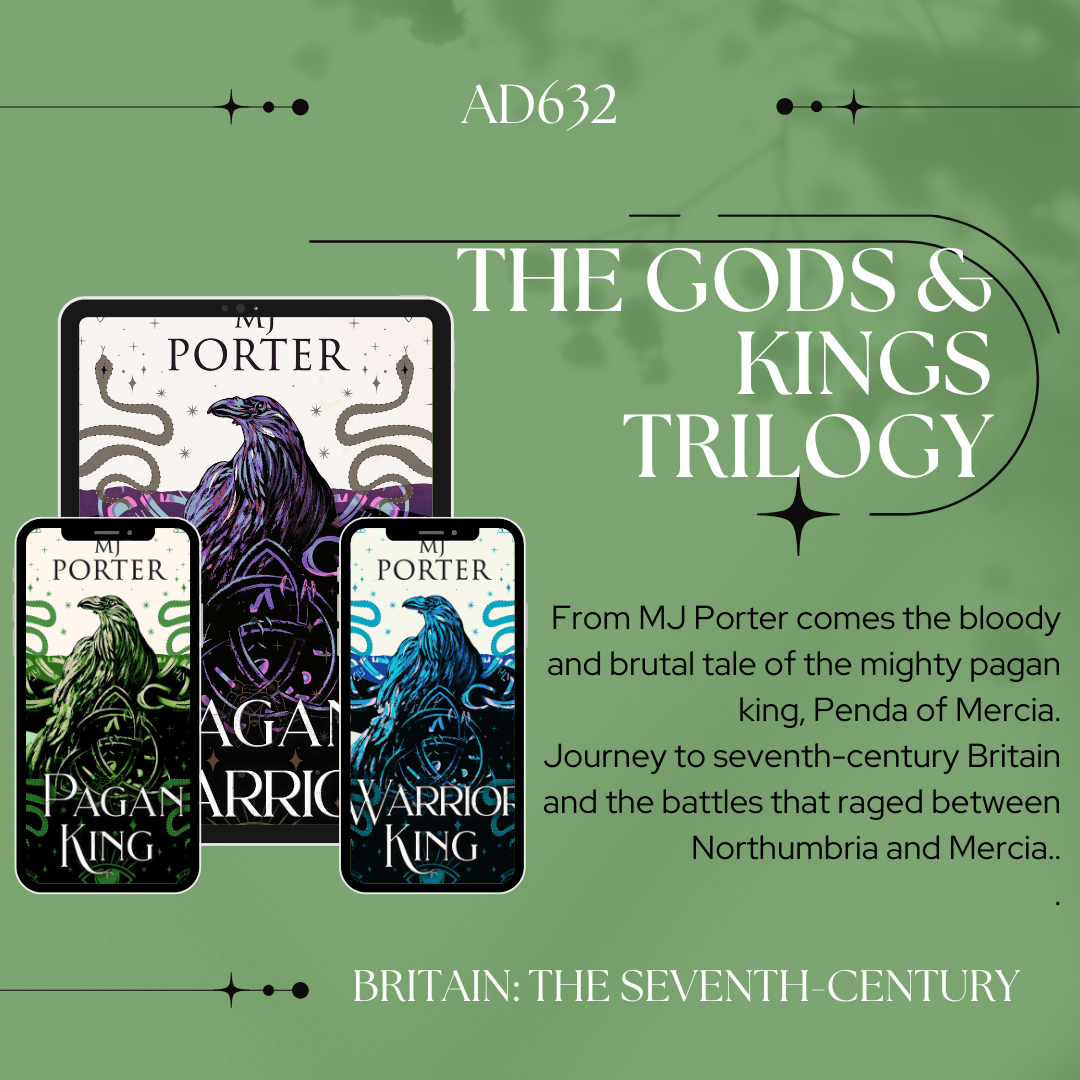
It’s the anniversary of the Battle of Maserfeld on August 5th (641 or 642), fought between Penda of Mercia (go Penda) and his allies, and Oswald of Northumbria and his allies, so I thought I’d reshare some photos I took while writing the Gods and Kings trilogy of Bamburgh Castle and Northumberland in general, which was the home of Oswald of Northumbria. Admittedly, the battle of Maserfeld is said to have taken place at Oswestry on the Welsh border with Mercia, but I didn’t go there, although I certainly visited as a child.

‘A.D. 641/642.  This year Oswald, king of the Northumbrians, was slain by Penda, king of the Southumbrians, at Mirfield, on the fifth day of August; and his body was buried at Bardney.  His holiness and miracles were afterwards displayed on manifold occasions throughout this island; and his hands remain still uncorrupted at Barnburgh.  The same year in which Oswald was slain, Oswy his brother succeeded to the government of the Northumbrians, and reigned two less than thirty years.’

(Taken from the online version of the Anglo Saxon Chronicle, a ninth century creation so, not very contemporary).

  • Views of Ad Gefrin from a visit in October 2023 to hear about the 2023 excavation

You can hear the archaeologist, Sarah Semple, talking about the recent excavations at Ad Gefrin in this Society of Antiquaries Lecture. https://www.youtube.com/watch?v=0A7eRTvajtA

You can also visit the Ad Gefrin trust website here.

The battle of Maserfeld is the book Pagan King follows in my Gods and Kings Trilogy (the second book in the trilogy). I had a lot of fun writing it, making use of locations I visited as a child to make them come alive, and even setting one of the fictional battles in the lead up to the clash at Maserfeld, close to where I used to live.

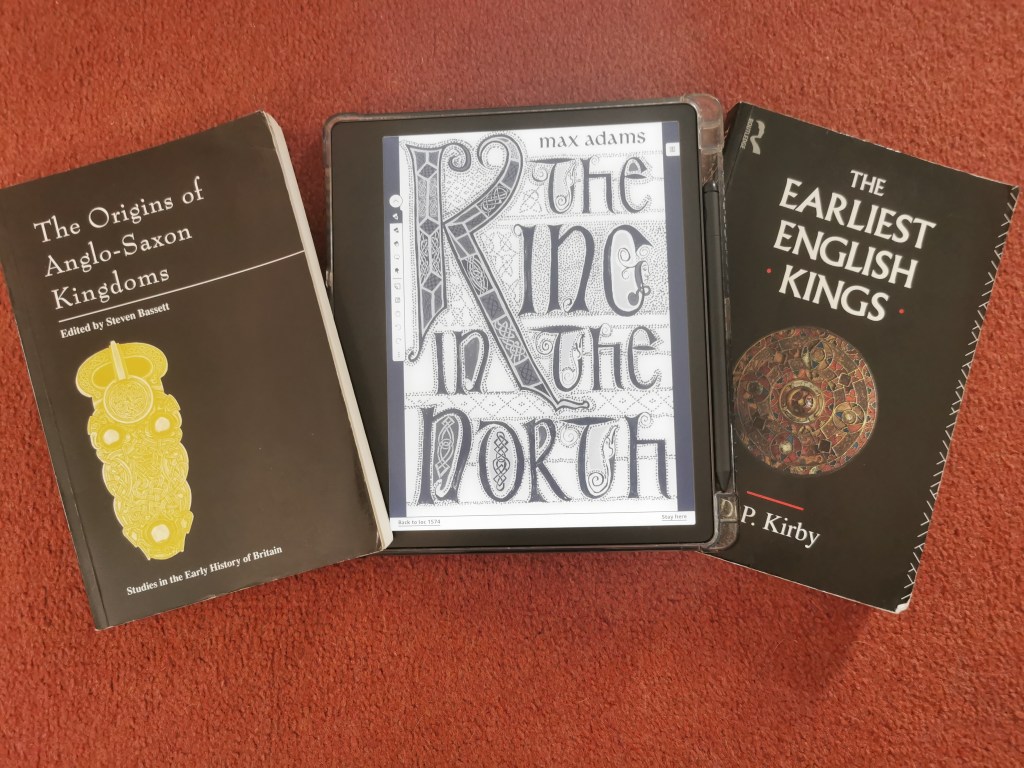
If you’re curious about the period, I highly recommend these non-fiction titles. Perhaps start with Max Adams’ The King in the North. It’s also the most modern of the three. The other two were texts I read while at university (so yes, decades ago:))

books2read.com/PaganKing

Check out the Gods and Kings trilogy page on the blog.
Posts

The Saxon Settlement of Tamworth in the 800s

The Saxon Settlement of Tamworth in the 800s

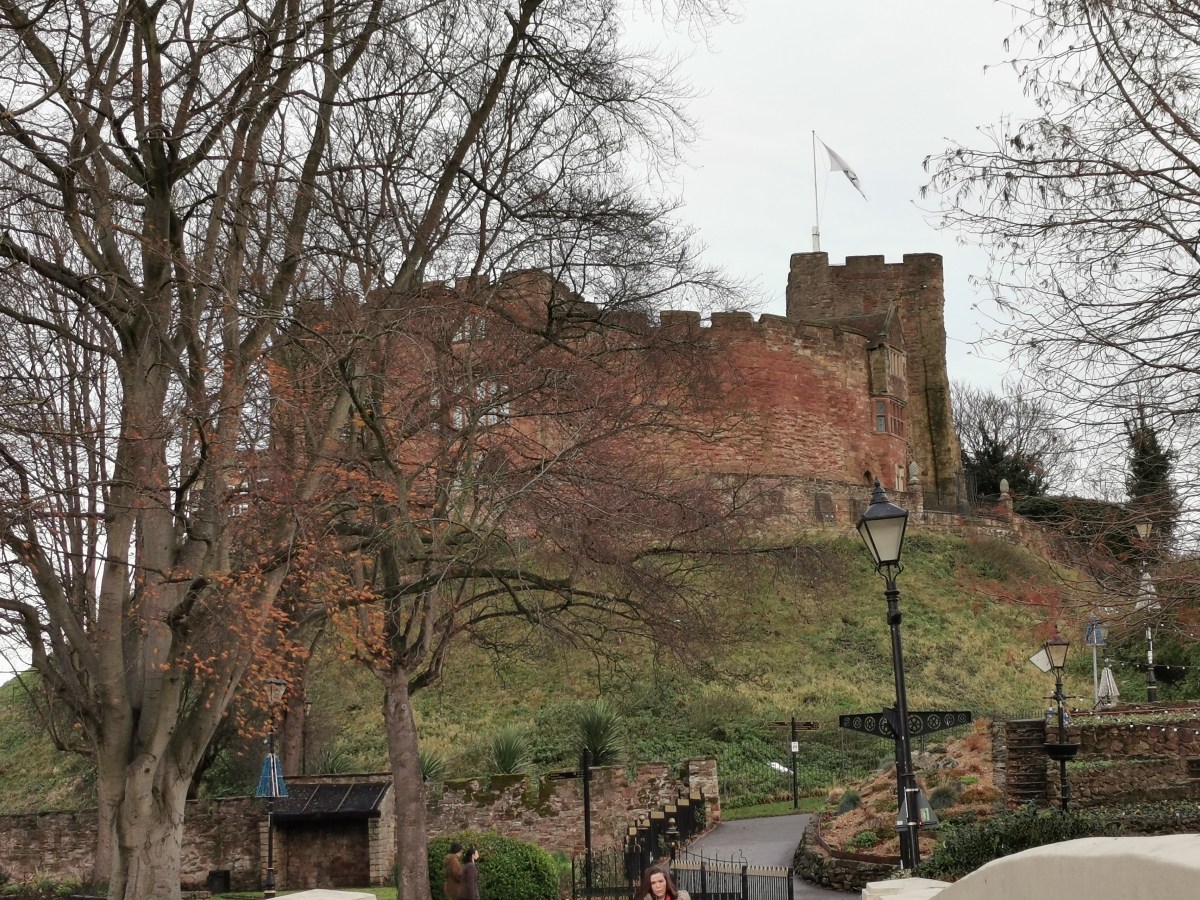
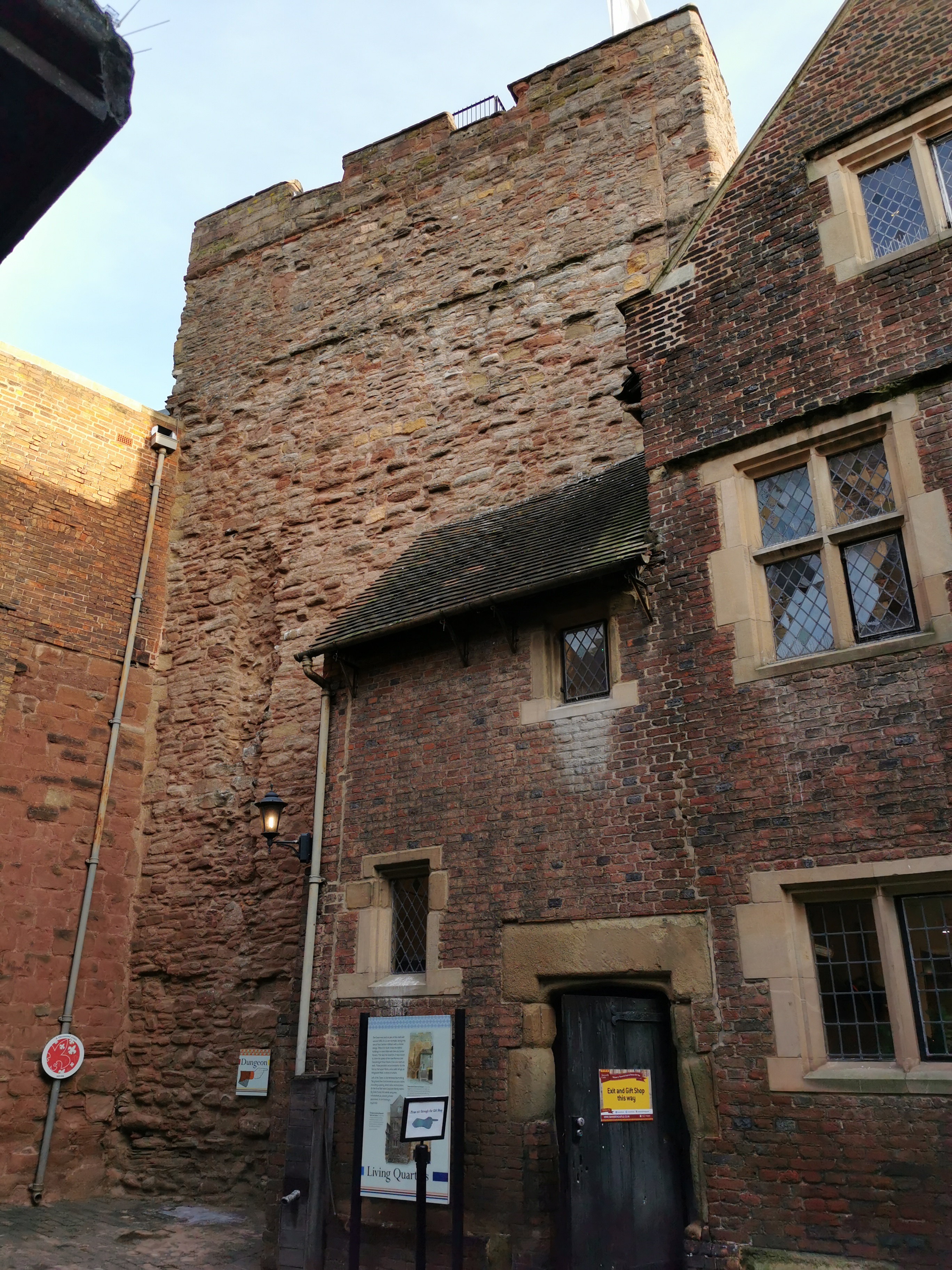
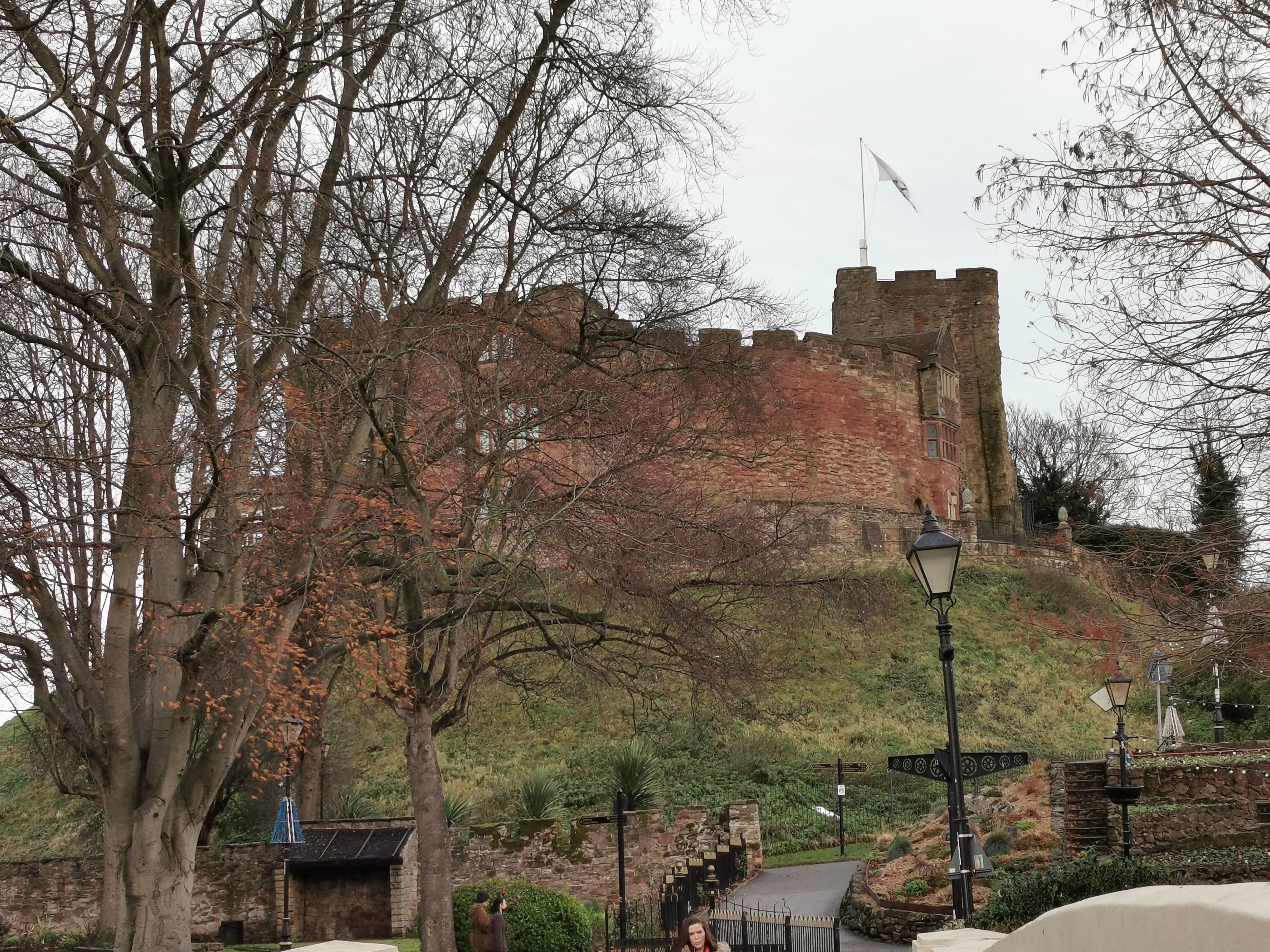
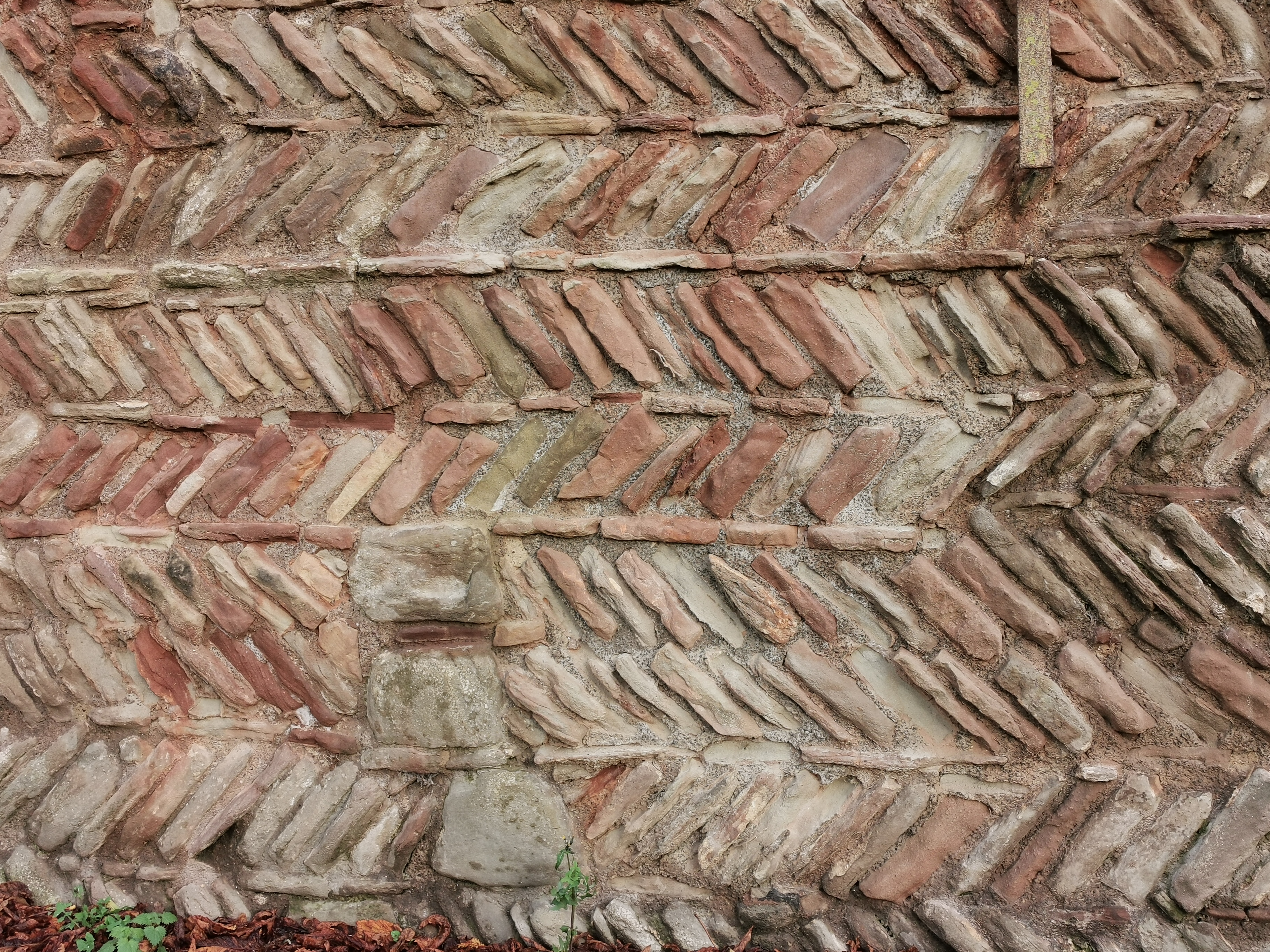
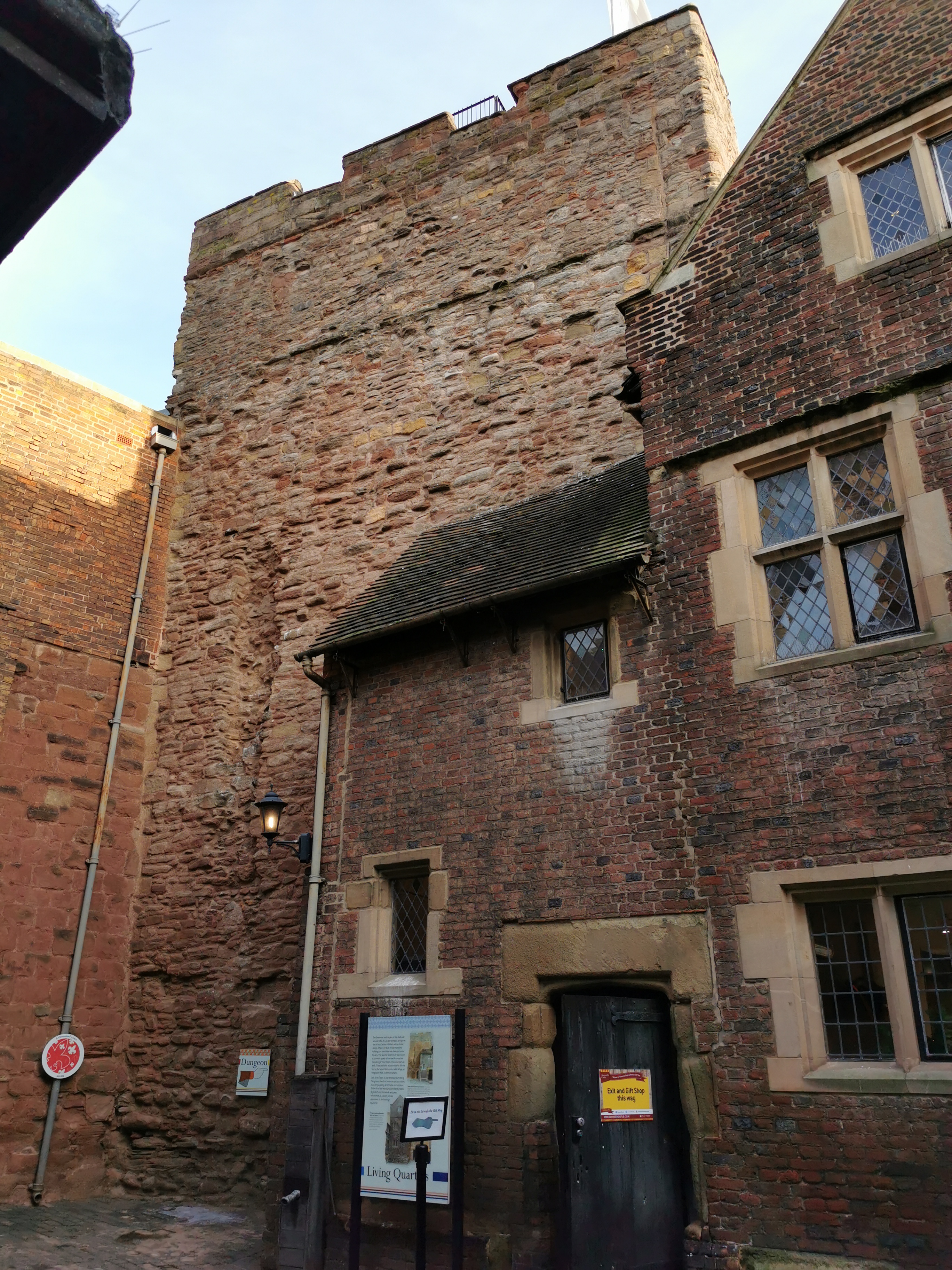
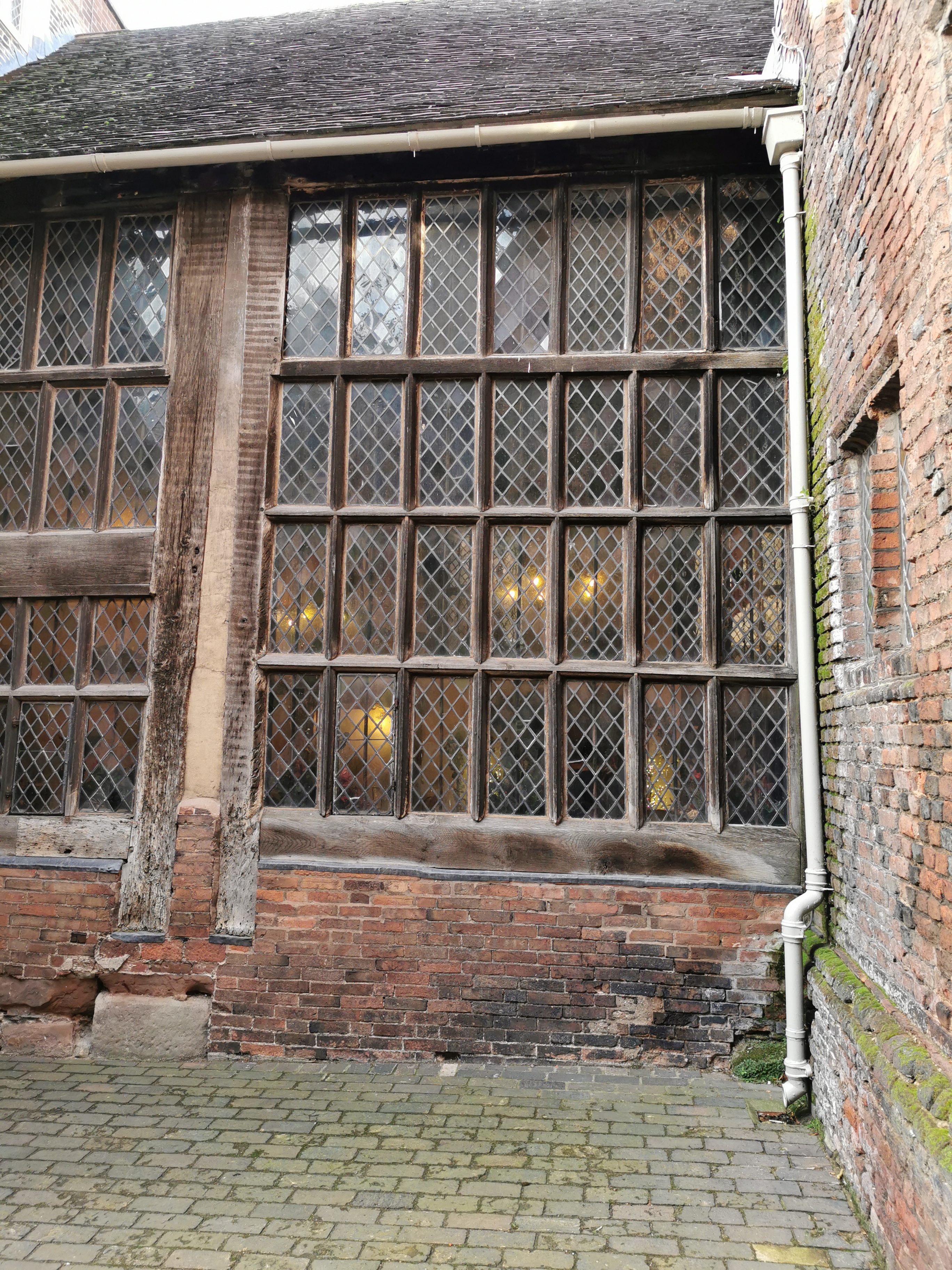
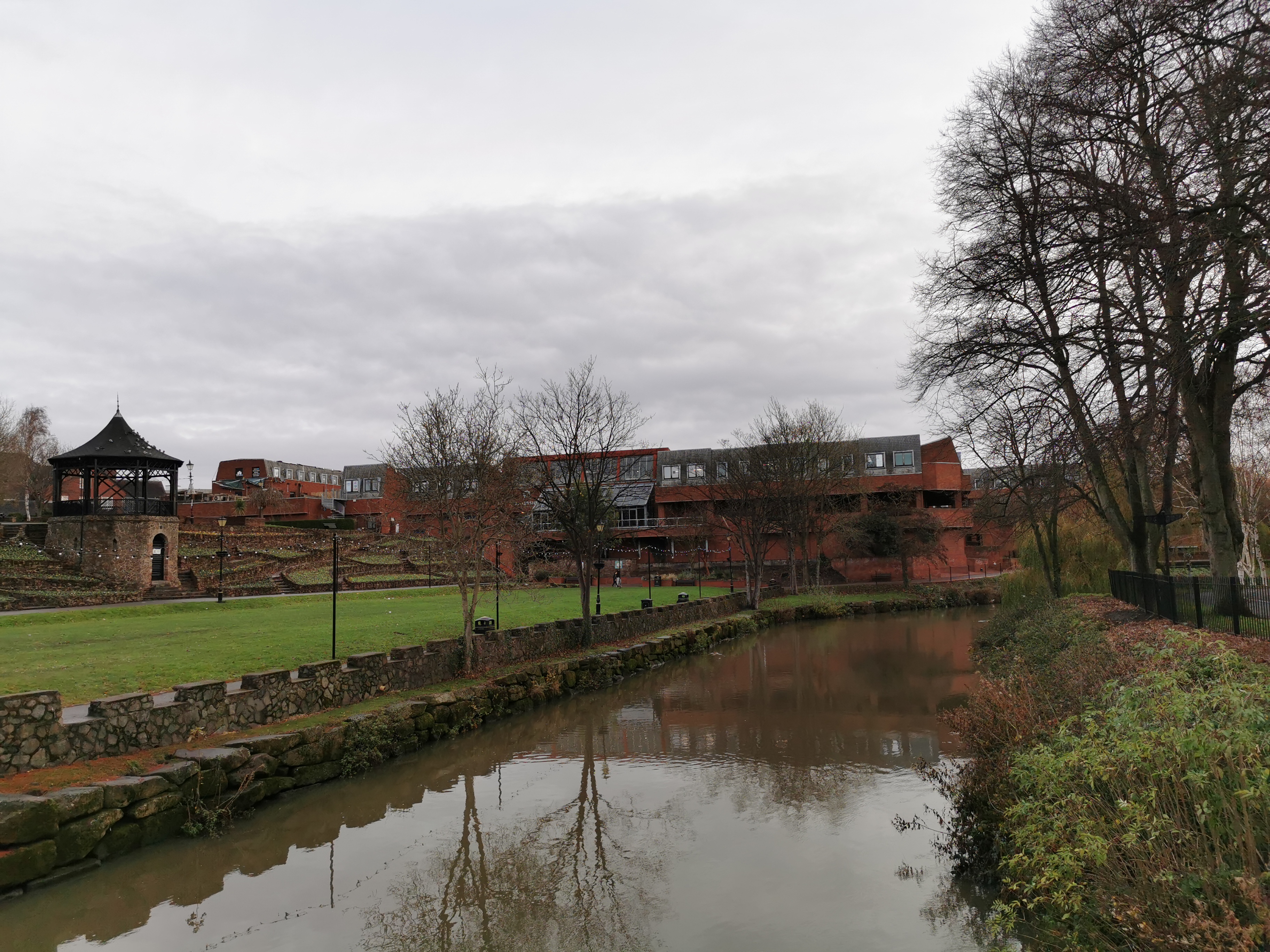
Like Lichfield and Repton, Tamworth has long been known to be a capital of the Saxon Mercian kingdom. Visitors today will find a more modern castle, which variously dates from the end of Saxon England up to the Victorian era, and one which is crammed with fascinating detail, from the herringbone wall beneath it to the beautiful Tudor windows of the great hall.

On a visit in 2021, I can also inform you that it currently had a third of the fabulous Staffordshire Hoard on display and an excellent museum filled with all things Saxon. (I believe it still holds some of the Staffordshire Hoard). Castles, if they were built in the late Saxon period, and some of them were, would have been constructed from wood. It was only later that they came to be built or rebuilt in stone, as we recognise them today.

A view of the oldest part of Tamworth Castle, dating to after the end of Saxon England

Today’s castle wouldn’t have existed in the 820s and 830s. Indeed, it’s proven to be very difficult for archaeologists to determine where the original settlement of Tamworth lay, no doubt, because much of it has been overbuilt, just as in most places where habitation has been almost continuous. A fire in 1345 might well have destroyed any remaining wooden dwellings, making the endeavour even more difficult.

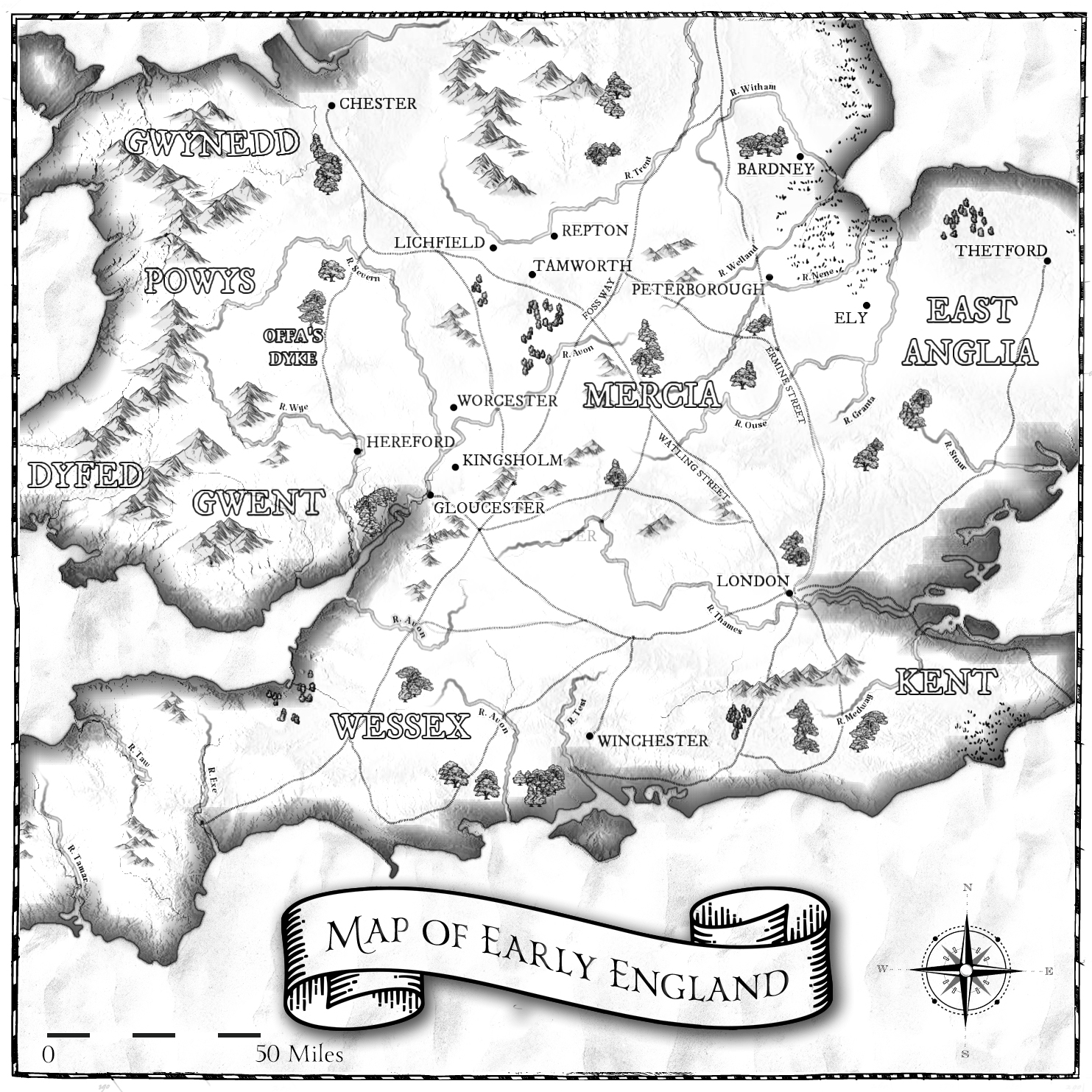
Map showing the location of Tamworth, at the heart of the Saxon kingdom of Mercia. It is close to Lichfield, another important location, and to Repton where, for a period, the ruling family were buried.

It has been possible to reconstruct Tamworth in the 900s, when it was designated a ‘burh,’ a defensive settlement in which the local population could seek shelter from the Viking raiders behind its walls. (I can’t find the image at the moment).

But it is possible to imagine how Saxon Tamworth might well have looked in the 800s, when the Eagle of Mercia Chronicles takes place. The rivers, The Tame and the Anker, run in front of the current castle, and there’s a slight rise, on which I used to spend many happy hours running up and down the steps, with flowers blooming in the flower beds. From there, it would have been possible to see a reasonable distance south. The river would have been put to good use, and the remains of a water mill have been found and dated to the later Saxon period. Houses would have been built from wood, wattle and daub with thatched roofs, and there would have been workshops as well as residential dwellings. At the centre of the settlement would have been a lord’s hall. While this hasn’t been found in Tamworth, it could have measured upwards of 24 metres long by 6 metres wide. It’s believed it was also surrounded by a defensive ditch. Somewhat sheltered, as the road to Lichfield is uphill, it would have been a pleasant, and I assure you, on the right day, very warm, location for Mercian kings to have lived within. It was close to Watling Street too, allowing easy access to the rest of Mercia.

Check out the ‘offical’ Tamworth Castle website.

Read more about The Eagle of Mercia Chronicles.

Posts

I’m sharing my review for Fields of Glory by Michael Jecks #newrelease #histfic #blogtour

Here’s the blurb

1346. France. King Edward III is restless. Despite earlier victories the French crown remains intact. Determined to bring France under his own rule, Edward has devised a new plan of attack – one which he believes will finally bring the French army to its knees: a final, cataclysmic battle …

Berenger Fripper, Vintener of a pox-ridden mob of sixteen who make up the Vintaine of Sir John de Sully, storms the beaches of Normandy to bring victory to their king. But the French are nowhere to be seen…

And so Berenger leads his Vintaine through France and onward to battle – the Battle of Crécy – one which will both bond and break his men and be a decisive turning point in the Hundred Years’ War.
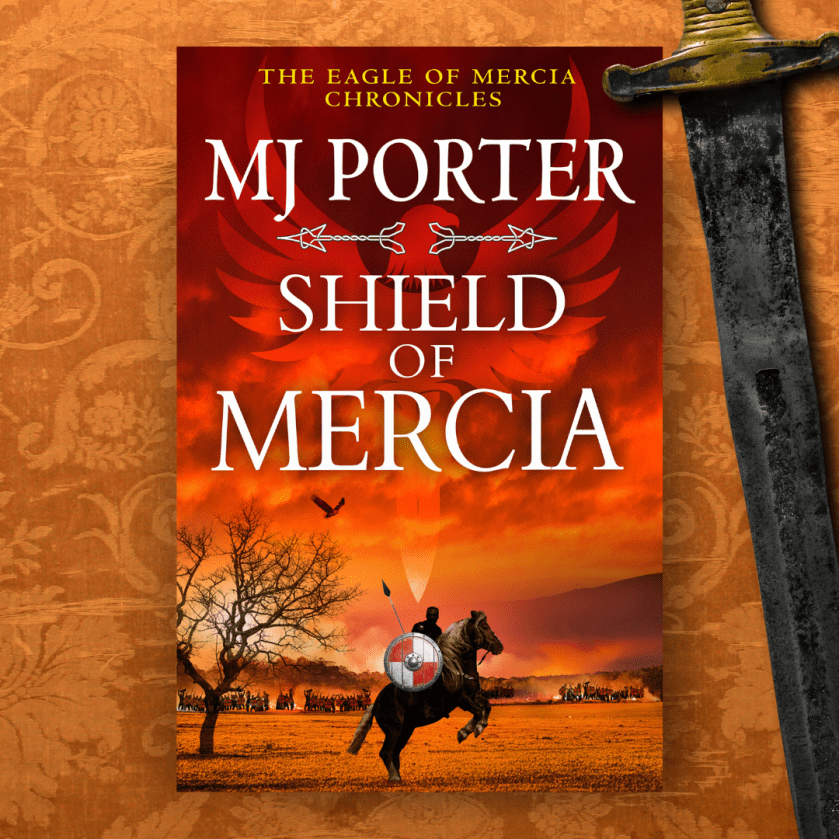
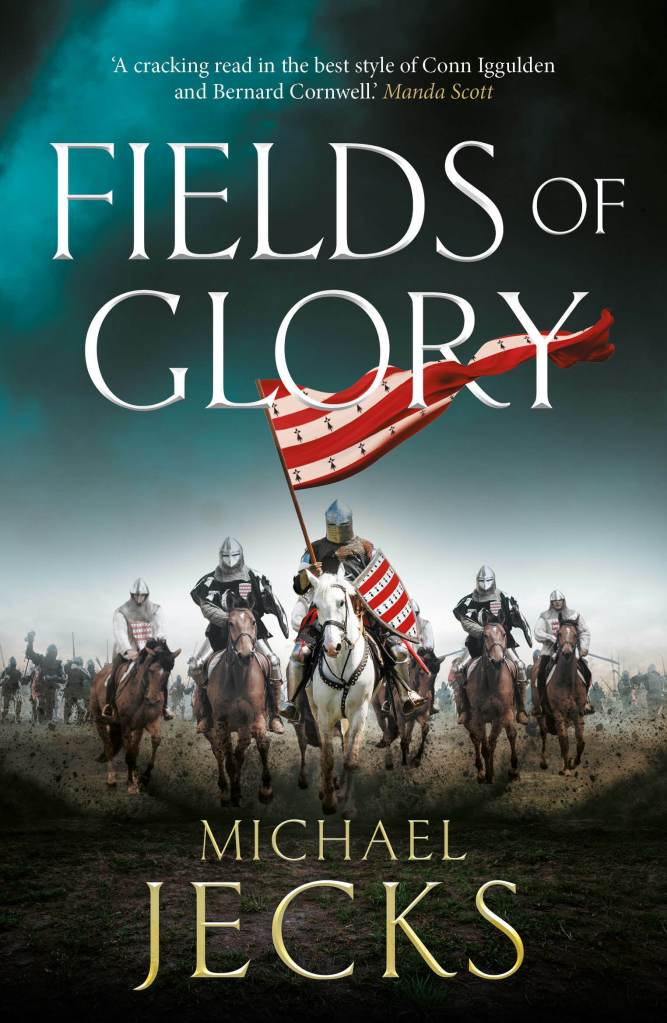
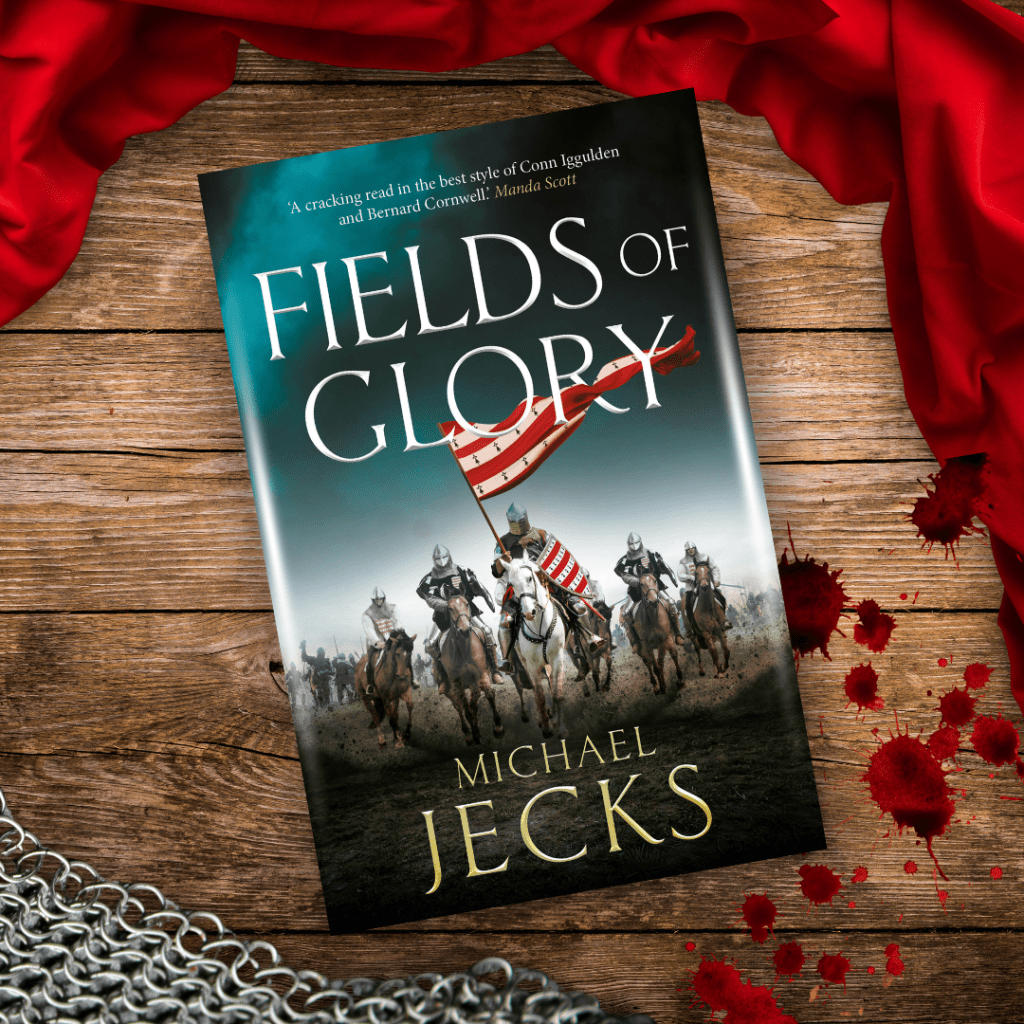
Image shows the book cover for Fieldsof Glory by author Michael Jecks. The image shows 5 mounted medieval warriors, one holding a banner, hurrying towards the viewer with a battlescene image behind them

Purchase Link

 https://mybook.to/Fieldsof

My Review

Fields of Glory by Michael Jecks is a novel about the Hundred Years’ War in all its bloody glory. Featuring an ensemble cast of characters, every person has their own story to tell, hidden behind the veneer of bloody war, and the demands of an intolerant king, who appears to preach reconciliation with the French but finds every excuse to change his mind.

I can’t say any of this ragtag collection of men is particularly endearing. Sir John cares more for his horse than his men, while King Edward and the Prince of Wales are just as thoughtless regarding the lives they’re destroying. This makes it a very realistic portrayal, if not for the faint-hearted. Indeed, if seeking some semblance of empathy between the characters, we must look to the men of the Vintaine, and not those who command them.
A blood-drenched traipse through France will bring our characters the opportunity to earn battle booty, if only they can live through it. Fields of Glory is a must-read for fans of the genre and those interested in the Hundred Years’ War.

Meet the author

Studied actuarial science, then became a computer salesman for 13 years- after the 13th company folded, he turned to writing.

He’s the author of 50 novels, 6 novellas, 4 collaborative books and short stories. His tales are inspired by history and legends, but are all grounded in real life and real people, what motivates them, and why they turn to violence. 

Founder of Medieval Murderers, he has served on the committees of: Historical Writers’ Association, CWA and Detection Club. He has judged the Debut Dagger, Ian Fleming Steel Dagger and other prizes, as well as serving as Dagger liaison officer and CWA Chair. He has taught writing at Swanwick and Evesham, and tutored for the Royal Literary Fund. He now runs South West Writers in Devon. 

His work has been celebrated by Visconti and Conway Stewart pens; 2014 he was International Guest of Honour at the Bloody Words festival in Toronto, and Grand Master of the first parade in the New Orleans Mardi Gras.

Newsletter Sign Up: https://bit.ly/MichaelJecksNews

Bookbub profile: @michaeljecks

Posts