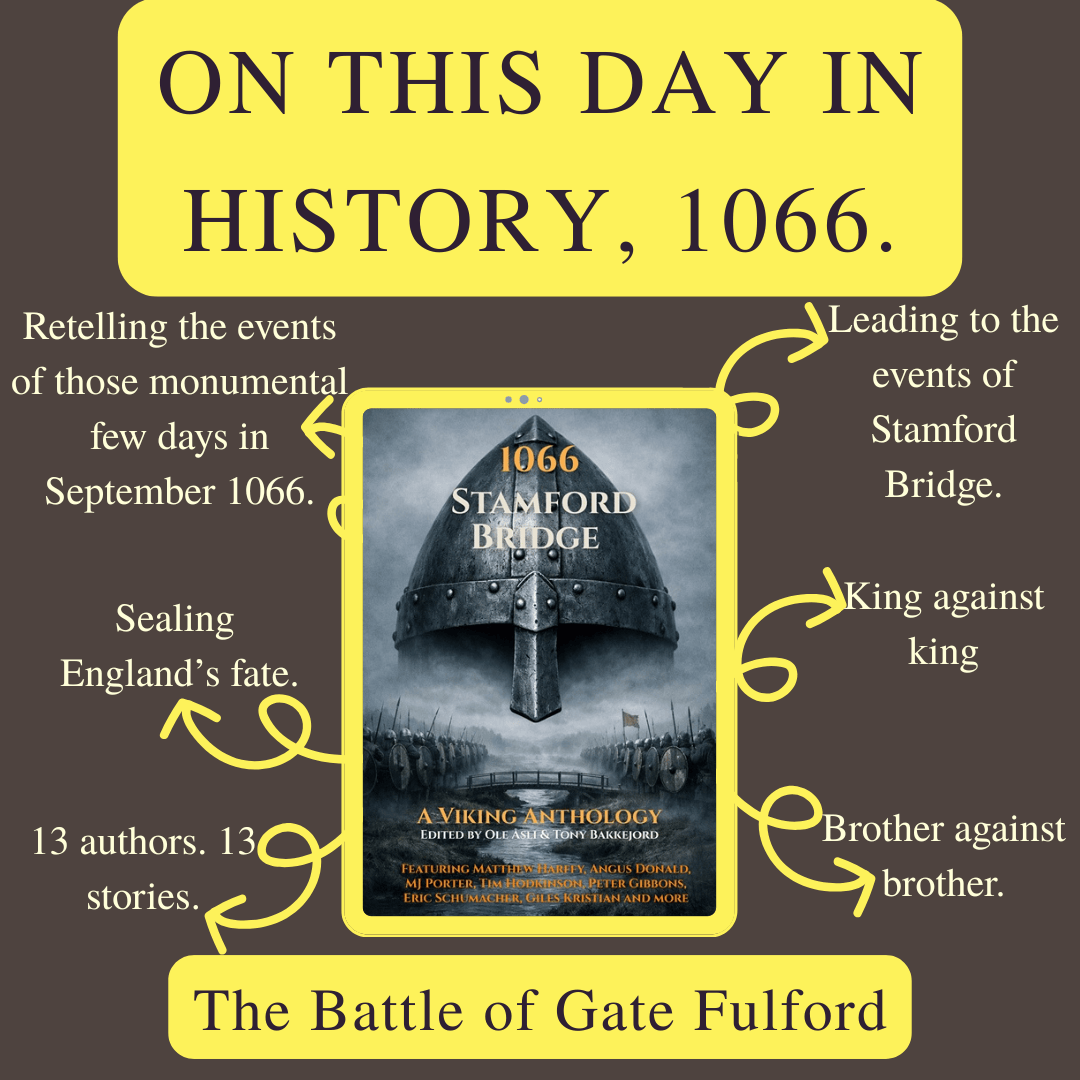
I’m sharing my review for Jane Dunn’s new Regency romance The Accidental Debutante #blogtour #histfic #romance

Here’s the blurb

A daring young lady and dashing lord

At Prebbles Flying Circus, the daring Eliza Gray captivates audiences with her breathtaking feats on horseback. Yet beyond the applause, she harbours a longing to find the family she lost as a child and discover who she truly is.

Fate, however, takes an unexpected turn when Eliza is unceremoniously knocked down by a curricle driven recklessly by Raven, Earl Purfoy. Dazed but intrigued, she cannot help but notice Purfoy’s commanding presence.

For his part, the dashing lord, is mortified at his carelessness and resolves to assist the spirited yet intriguing young woman. He deposits her in the care of his dearest friends, Corinna and Alick Wolfe, who encourage Miss Gray in her search for her family and sponsor her entry into London society. The glittering balls and scurrilous gossip of the ton are a far cry from the circus ring and Eliza inds herself the subject of intense speculation and unwelcome advances.

As a most accidental debutante, Eliza has to navigate the complexities of high society and her new friendships. Her quest for family and belonging becomes perilously entwined with Zadoc Flynn, an American heir in search of an English bride, and the unfathomable Lord Purfoy.

Can Eliza uncover the truth of her past and the family she longs for? And will it be Mr Flynn or Lord Purfoy, or indeed her new female friends, who help her find her place in the world?

In a tale of courage, passion, and self-discovery, this lost orphan must decide where she truly belongs.

Purchase Link

https://mybook.to/TheAccidentalDebutante

My Review

I’ve read all of Jane Dunn’s Regency romances to date, and they are fabulous and a real treat I look forward to whenever I hear about a new release. The Accidental Debutante is a welcome addition to the collection, and this time it has some connections to one of her previous works, although new readers need not fear. They won’t miss anything by jumping in here, other than the joy of reading the first book.

Our main character, Eliza, is a charming, feisty young woman, determined to find her way in the world away from the circus, although she feels an enormous tug to actually leave it, and her beloved horse. Corinna, by contrast, is a woman who’s experienced something similar and hopes to ease her passage into society, confident that Eliza will be discovered by her lost family. Add in to the mix a collection of horses (I always love all the horse characters), the outspoken, Taz, and of course, his moody, master, Purfoy, playing the part of uptight gentleman (there always has to be one), and not to mention their American cousin, who bucks against English sensibilities, and we’re set for another engaging stroll through Regency London (well, often a gallop), that will ensnare fans of the genre.

If you’re lucky enough not to have read any of Jane Dunn’s Regency novels, then you’re in for a real treat, and for fans who’ve been there all along, The Accidental Debutante will undoubtedly delight you, just as much as it did me.

Meet the author

Jane Dunn is an historian and biographer and the author of seven acclaimed biographies, including Daphne du Maurier and her Sisters and the Sunday Times and NYT bestseller, Elizabeth & Mary: Cousins, Rivals, Queens. She lives in Berkshire with her husband, the linguist Nicholas Ostler.

Connect with the author

Newsletter Sign Up: https://bit.ly/JaneDunnNews

I’m delighted to welcome Amanda Roberts and her new book, Lady of the Quay, to the blog #LadyoftheQuay #Tudors #HistoricalFiction #HistoricalMystery #BlogTour #TheCoffeePotBookClub

I’m delighted to welcome Amanda Roberts and her new book, Lady of the Quay, Book 1 in the Isabella Gillhespy Series, to the blog with a snippet.

Snippet

‘Drink?’ I asked, gesturing towards the cabinet. He removed his hat, threw it onto a chair, and shook his head.

‘I’m here on business.’

That had never stopped him before. My heart had already sunk into my stomach, and his curt reply sent it plummeting to my feet. I had envisaged a cosy chat, me resting on my settle, him in his favourite chair, either side of the fire. A scene we had populated so many times in the past. But I already knew that was not going to happen. I did not sit down, but faced him, both of us standing somewhat awkwardly in the middle of the room.

‘Well?’ I challenged him to speak first. If we got the business out of the way we might be able to move on to resolve the more personal difficulties that stood between us, a wall as impenetrable as those surrounding Berwick. But like our town defences, every wall has its gates. I just needed to find Will’s gate.

Here’s the Blurb

Knowing she is innocent is easy … proving it is hard

1560, Berwick-upon-Tweed, northern England

Following the unexpected death of her father, a series of startling discoveries about the business she inherits forces Isabella Gillhespy to re-evaluate everything she understands about her past and expects from her future.

Facing financial ruin, let down by people on whom she thought she could rely, and suspected of crimes that threaten her freedom, Isabella struggles to prove her innocence.

But the stakes are even higher than she realises. In a town where tension between England and her Scottish neighbours is never far from the surface, it isn’t long before developments attract the interest of the highest authority in the land, Sir William Cecil, and soon Isabella is fighting, not just for her freedom, but her life. She must use her wits and trust her own instincts to survive.

Lady of the Quay introduces an enticing new heroine who refuses to be beaten, even as it becomes clear that her life will never be the same again.

From the author of the award-winning ‘The Woman in the Painting’.

Buy Link

Universal Link

This title is available to read on #KindleUnlimited

Meet the Author

Amanda Roberts has worked as an Editor in business-to-business magazines for over 30 years, specialising in out-of-home coffee, vending and foodservice/catering, including Editor of the global gastronomy title: ‘Revue internationale de la Chaîne des Rôtisseurs’.

She currently freelances, editing UK-based healthcare titles – HEFMA Pulse, Hospital Food + Service and Hospital Caterer. She is a member of the Society of Authors, the Historical Novel Society and West Oxfordshire Writers. She also volunteers for Tea Books (part of Age UK) to run a book club/reading group for elderly people in the community.

Connect with the Author

Follow the Lady of the Quay blog tour with The Coffee Pot Book Club

Posts

I love celebrating book birthdays, and today it’s the 5th book birthday for Luminous by Samantha Wilcoxson HistoricalBiographicalFiction #HistoricalFiction #RadiumGirls #TrueStory #BookBirthday #BlogTour #TheCoffeePotBookClub 

Here’s the blurb

Tragic true story of a radium girl.

Catherine’s life is set on an unexpected course when she accepts a job at Radium Dial. The dial painters forge friendships and enjoy their work but soon discover that an evil secret lurks in the magical glow-in-the-dark paint. When she and her friends start falling ill, Catherine Donohoe takes on the might of a big corporation and becomes an early pioneer of social justice in the era between world wars.

Emotive and inspiring – this book will touch you like no other as you witness the devastating impact of radium poisoning on young women’s lives.

It’s too late for me, but maybe it will help some of the others.

~ Catherine Wolfe Donohue

Buy Link

https://mybook.to/luminous

This title is available to read on #KindleUnlimited.

Meet the author

Writer, history enthusiast, and sufferer of wanderlust, Samantha enjoys exploring the lives of historical figures through research and travel. She strives to reveal the deep emotions and motivations of historical figures, enabling readers to connect with them in a unique way. Samantha is an American writer with British roots and proud mother of three amazing young adults. She can frequently be found lakeside with a book in one hand and glass of wine in the other.

Samantha’s most recent release is a biography of James Alexander Hamilton published by Pen & Sword History. She is currently writing a trilogy set during the Wars of the Roses for Sapere Books.

Author Samantha Wilcoxson

Connect with the author
 

Check out the Luminous by Samantha Wilcoxson blog tour with The Coffee Pot Book Club

Posts

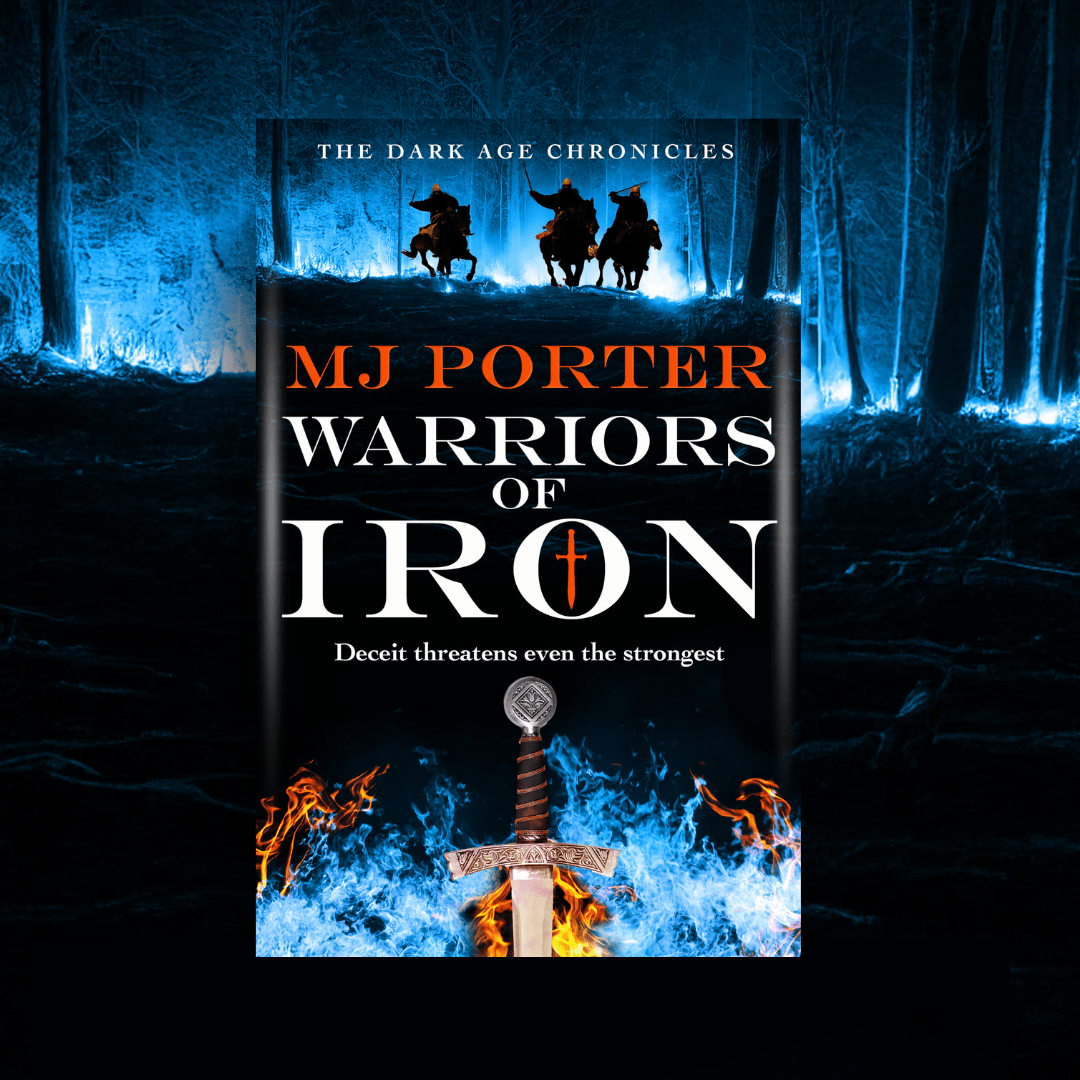
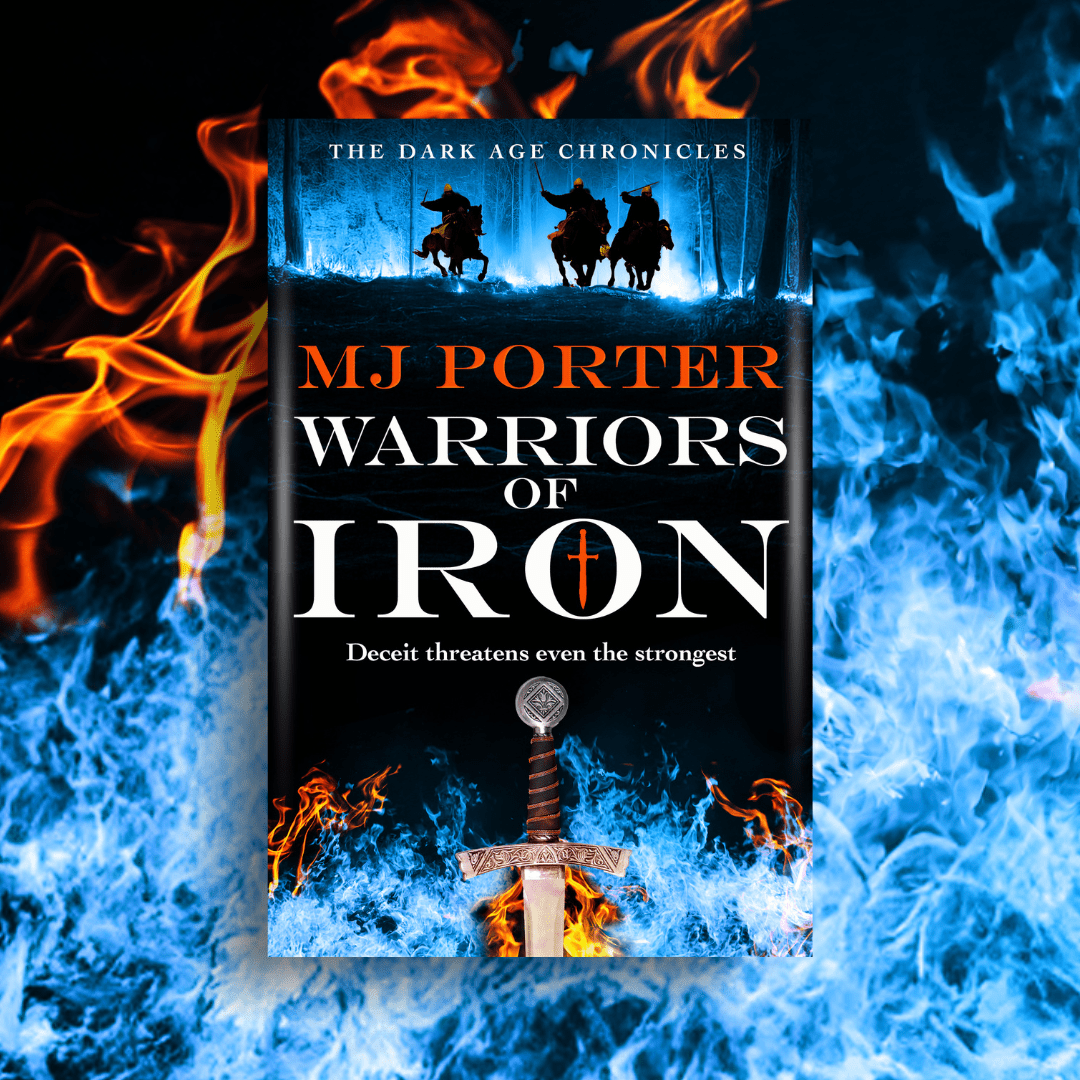
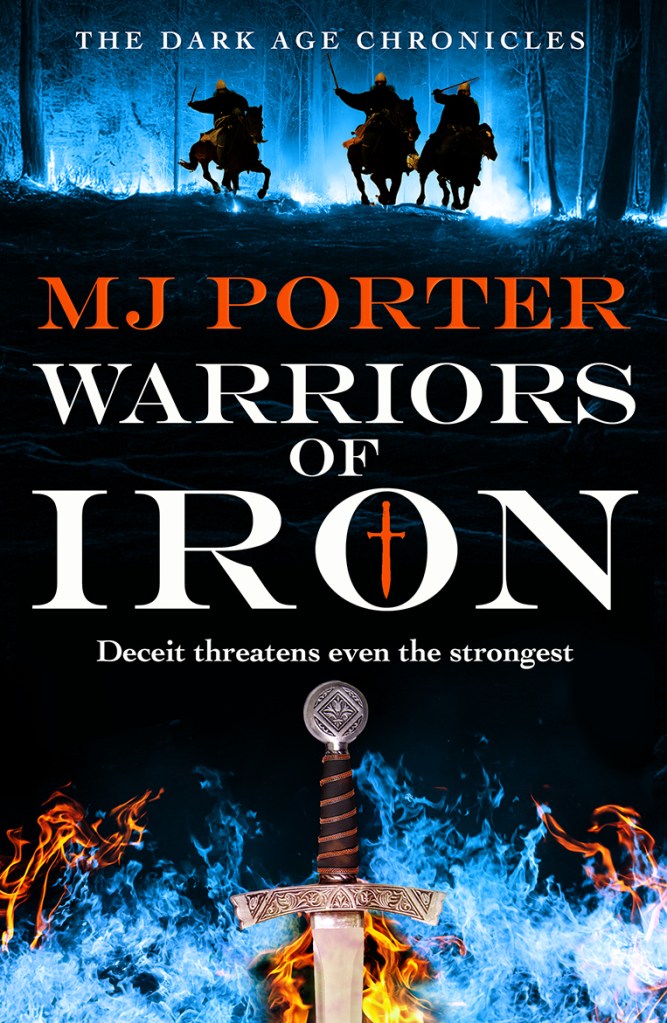
I’m excited to share the cover for Warriors of Iron, the second book in the Dark Age Chronicles Trilogy #newrelease #WarriorsOfIron #histfic

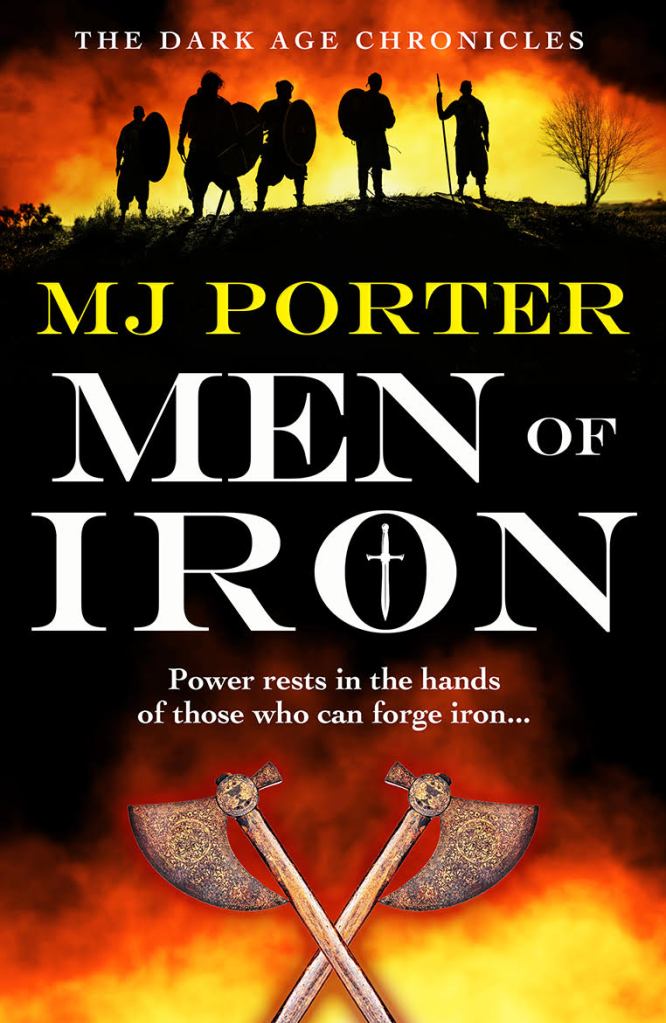
It’s happy release day to Men of Iron, the first book in the Dark Age Chronicles Trilogy #newrelease #MenOfIron #histfic

Listen to me waffle about it.

Here’s the beauty

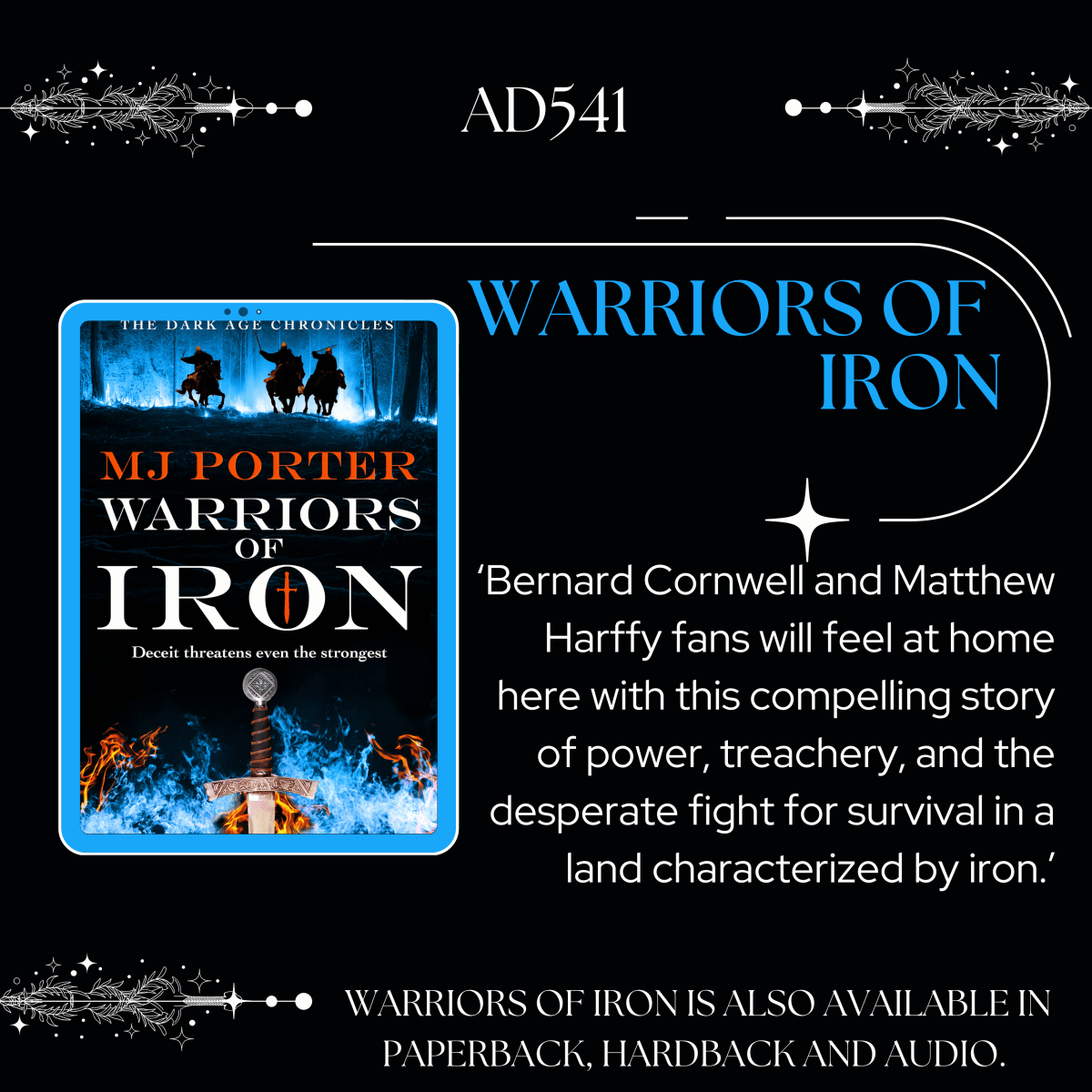
Image shows the book cover for Warriors of Iron by hstorical fiction author MJ Porter

Preorder Link (releases 13th July)

books2read.com/WarriorsofIron

Here’s the blurb

During Britannia’s tribal age only the strongest prevail…

Britain AD541

Seeress Meddi has been restored to her rightful position of influence within the Eorlingas tribe. But a heavy cloud hangs over the tribe’s survival with the escape of the treacherous Elen who seeks to exact a bloody vengeance following Meddi’s reinstatement and her downfall.

Meddi knows Elen will return to settle the blood feud and the tribe must be ready to face this deadly threat with iron. They must toil day and night to harness the power of the lost magiks to make the weapons needed to overpower Elen.

Meanwhile, Wærmund, a warrior of Saxon descent, has escaped his enforced captivity and vows vengeance against his captors. He too hungers for the promise of sharp blades and travels West to find those who can fashion iron into blades sharp enough to kill. But when a lone woman befriends the band of warriors, promising him even more than that, he’s beguiled by her tale of deceit amongst her own tribe, so reminiscent of his own.

Unbeknown, Meddi and Wærmund share a common enemy and one who is just as belligerent as they are…

Curious about the trilogy? Check out my blog post for more details below

Blog links

https://mjporterauthor.blog/2015/03/28/a-discussion-of-early-anglo-saxon-sources/

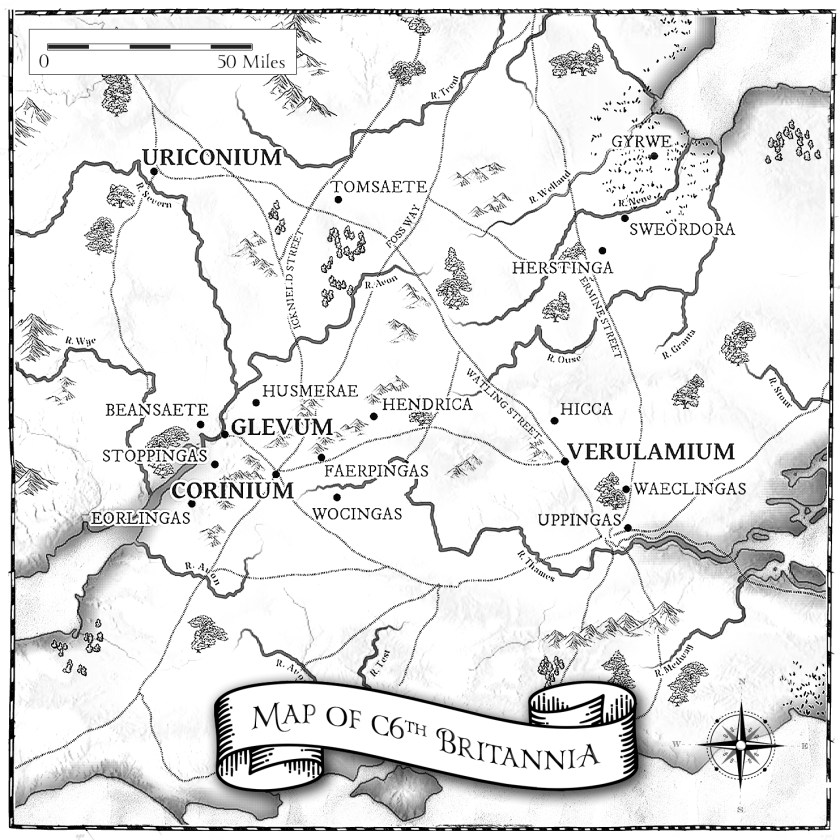
Image shows a map of Early England showing the places mentioned in the text of the book
The Dark Age Chronicles Map

Purchase Link for Men of Iron, the first book in the trilogy

books2read.com/Men-of-Iron


Posts

I’m delighted to welcome Paul Bernardi and his new book, Uprising, to the blog #Uprising #HistoricalFiction #AngloSaxon #BlogTour #TheCoffeePotBookClub

I’m delighted to welcome Paul Bernardi and his new book, Uprising, book 2 of the Rebellion series, to the blog.

Here’s the Blurb

Summer 1067.
Northumbria.

Oslac, thegn of the village of Acum, feels cheated – having been robbed of the chance to kill his enemy by his own kinsman.

Instead, Gundulf, the erstwhile Lord of Hexham and murderer of Acum’s villagers, is now awaiting justice for his crimes in Bebbanburh, Earl Oswulf’s fortress capital far to the north.

But when Oslac narrowly escapes death at the hands of Gundulf’s assassin, he realises he will never be safe while the Dane lives. Summoning his closest companions, Oslac heads north to demand Oswulf put an end to Gundulf’s life – only to find the prisoner has escaped.

Tracking the fugitive into the wild hills and dales of Northumbria – places far beyond the reach of Oswulf’s power – Oslac falls into Gundulf’s trap when the earl’s warband is ambushed with catastrophic consequences.

Elsewhere, unrest in the north of England is growing. Impotent in the face of Norman avaricious brutality, the Saxon nobility can do nothing to prevent their ancestral lands being passed to foreign invaders. It can only be endured for so long, and a reckoning is coming.

Once again, Oslac must put aside his personal vendetta to join with the few remaining great lords of Anglo-Saxon England in what may prove to be the final, climactic stand against their Norman overlords.

The song of swords will echo across the land once more.

Buy Link

Universal Link:

This title is available on #KindleUnlimited

Meet the Author

Paul Bernardi studied Anglo-Saxon and Medieval history at the University of Leeds more years ago than he cares to remember. He has been an author of historical fiction since his first novel (a second world war drama) was published in 2017. Since then, he has reverted to his favoured period, publishing six more novels (so far) set in 11th century England, mainly around the time of the Norman Conquest.

Paul Bernardi’s books are published by Sharp Books.

Connect with the Author

Follow the Uprising blog tour with The Coffee Pot Book Club

I’m delighted to share an excerpt from Death and the Poet, a Roman-era historical mystery by Fiona Forsyth HistoricalMystery #RomanHistoricalFiction #AncientRome #Ovid #BlogTour #TheCoffeePotBookClub 

Here’s an exciting excerpt from Death and the Poet

Ovid gives a recital

July 2, or 6 days before the Nones

The recital took place in the late afternoon at the town’s main square on top of the hill overlooking the harbour. Entertainment in Tomis was infrequent and modest, with maybe a serious theatre performance in the spring in honour of Dionysus, and the occasional touring group performing comedies. There were rumours of a gladiator show, once they were a proper province, but for the moment, poetry was exciting enough to a Greek audience and Ovid was, after all, famous. People drifted into the square carrying chairs, stools and even cushions, unpacked their picnics and handed around pitchers of wine. Fabia was invited to sit in a roped-off area, where three rows of chairs had been laid out for special guests. In the central seat was Apollous, that year’s archon, and the members of the Town Council and their wives all lined up to express themselves thrilled to meet Fabia. Nobody was so indelicate as to mention the fact that Ovid was in Tomis because he had no choice.

Settled with an extra shawl because Flora had been certain that she would feel chilly even on a beautiful summer day, Fabia began to enjoy herself. She looked around the crowd, marking off people as Roman, Greek and Dacian, spotting several men with light coloured hair and beards and wearing leggings – surely they must be from the local tribes mentioned by her husband. It was harder to make any judgement on the female population, for every woman was wrapped up in a long dress, just as she was.

The poet first declaimed a well-known passage from his great poem on mythology, the Metamorphoses. He told the story of the god Apollo’s love of the nymph Daphne:

Just as when a careless dawn traveller has swept his torch too close to the stubble left in the field when the wheat is taken, setting the dry hedges on fire – so the god goes up in the flames of love.

Fabia saw the knowing nods as local landowners remembered threats to their own precious crops, and an audible murmur betrayed the audience’s opinion of firebugs.

Ovid then recited a poem Fabia had not heard before, one with a Tomis setting, but without the criticisms she had grown used to. She was pleased. There had been too many “Woe is me!” moments in Ovid’s poetry recently and he needed to acknowledge to this audience how grateful he was to them.

Ovid finished with a passage from the Fasti, an ambitious work which he planned would cover the major religious festivals of Rome. It was serious and noble and a little boring, though Fabia knew from her mother that Ovid’s work on this poem was considered skilful by those who knew about such things. She was amused to hear a young woman nearby whisper, “I thought he was a famous writer of love poetry?”

“Oh my dear,” thought Fabia, “Ovid will not be reciting any of his love poems here. They got him into enough trouble in Rome. I doubt your father would like you hearing about how a Roman lad goes on the prowl through the arcades of the city or lies wailing at the door of his beloved.”

Here’s the blurb

14 AD.

When Dokimos the vegetable seller is found bludgeoned to death in the Black Sea town of Tomis, it’s the most exciting thing to have happened in the region for years. Now reluctantly settled into life in exile, the disgraced Roman poet Ovid helps his friend Avitius to investigate the crime, with the evidence pointing straight at a cuckolded neighbour.


But Ovid is also on edge, waiting for the most momentous death of all. Augustus, the first Emperor of Rome, is nearing his end, and the future of the whole Roman world is uncertain.


Even as far away as Tomis, this political shadow creates tension as the pompous Roman legate Flaccus thinks more of his career than solving a local murder.

Avitius and Ovid become convinced that an injustice has been done in the case of the murdered vegetable seller. But Flaccus continues to turn a deaf ear.


When Ovid’s wife, Fabia, arrives unexpectedly, carrying a cryptic message from the Empress Livia, the poet becomes distracted – and another crime is committed. 

Ovid hopes for a return to Rome – only to discover that he is under threat from an enemy much closer to home.

Triggers: murder, references to slavery, domestic abuse, alcohol, cancer

Buy Link

https://books2read.com/u/brx0WY

This title is available to read on #KindleUnlimited.

Meet the author

Fiona studied Classics at Oxford before teaching it for 25 years. A family move to Qatar gave her the opportunity to write about ancient Rome, and she is now back in the UK, working on her seventh novel.

Author Fiona Forsyth

Connect with the author
  

Follow the Death and the Poet by Fiona Forsyth blog tour with The Coffee Pot Book Club

Posts

Pagan Warrior is 10 today #bookbirthday #histfic

The book birthday’s keep coming in 2025

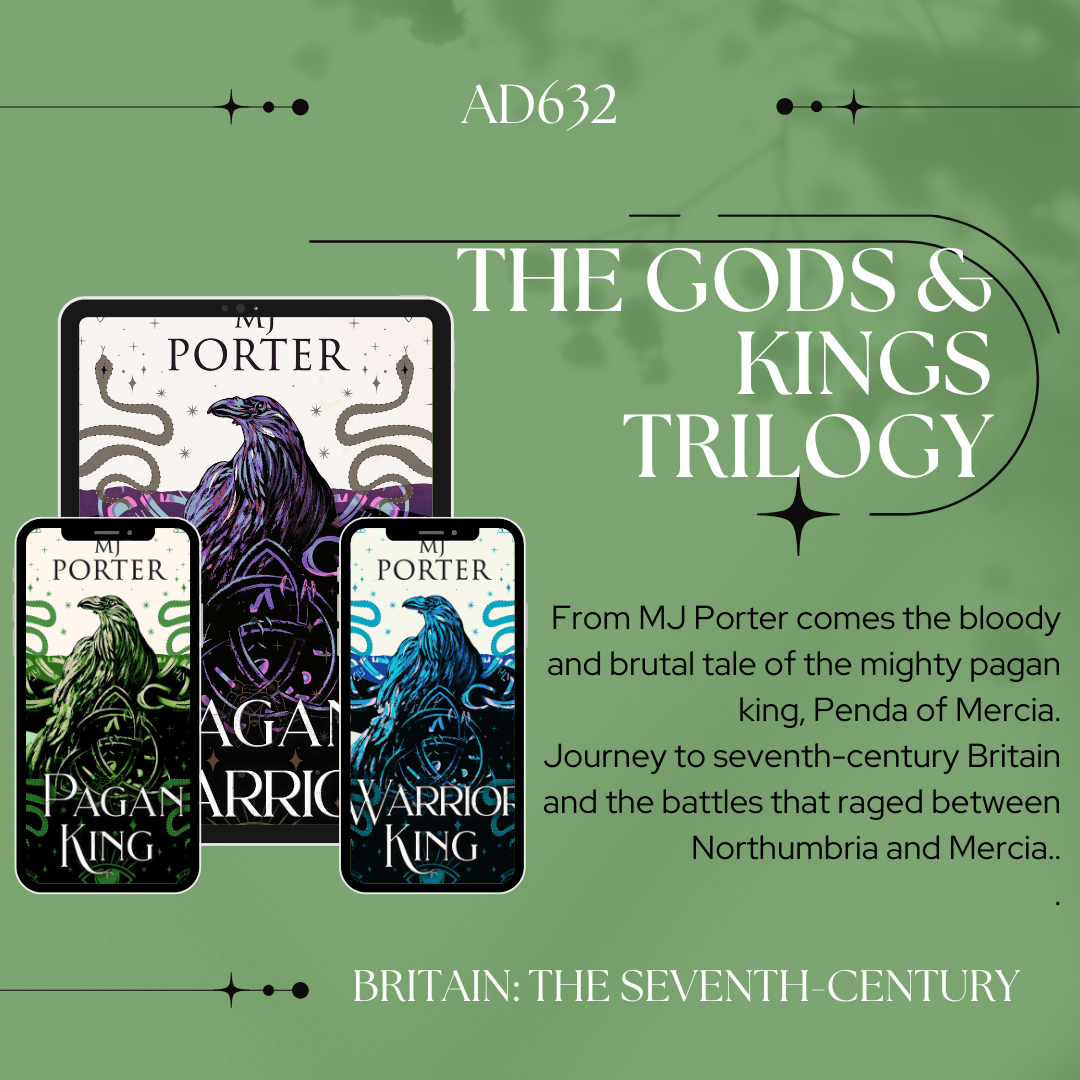
On this day in history….. Pagan Warrior, then titled Hædfeld first hit the ‘shelves,’ as it were. Until the release of Men of Iron earlier this year, Pagan Warrior had been the furthest back in time I’d written about. So, what prompted me to write about Penda, the mighty pagan king of Mercia?

Well, I think you all know by now that I’m a Mercian by birth. But my plans for Penda actually started with the desire to tell the story of the battle of Maserfeld, which is the second major battle Penda fought against the Northumbrians, nine years after Hædfeld. For the sake of my readers, and because it was too good an opportunity to miss, I decided to start with the earlier battle of Hædfeld.

And what a revelation it was. I’ve said before there are certain periods in the history of Saxon England that feel as though we know more about them – Pagan Warrior and the whole Gods and Kings Trilogy is one of those periods. We have the names of Penda’s many allies and his enemies. The island of Britain so often segregated into neat little kingdoms that too often fall into the now established England, Scotland and Wales (and Northern Ireland) feels alive with the earlier, smaller kingdoms stretching from Dumnonia all the way to the Pictish kingdom, taking in Wessex, Mercia and the Welsh kingdoms along the way. And of course the family dynamics between the Mercian brothers and the Northumbrian children also offered a fascinating angle to explore. On top of all that there was the pagan/Christian element as well. What a delight.

At the heart of it, Hædfeld is a story of a single battle, and the events that led to it, so often the case, years in the making. So, if you’ve not tried Pagan Warrior now is the perfect opportunity. The ebook is currenly 99p/99c on all good platforms (not just Amazon), and to celebrate, I’ve created a special edition matte covered hardback with foiled writing, (exclusively available sirectly from my SumUp store) AND a boxset of the whole trilogy. (It’s also available in audio but I can’t do any special offers for that).

Check out the Gods and Kings Trilogy page to find articles about the trilogy and Britain in the Seventh Century.

Posts

Warfare during the Saxon period. What we know and what we don’t about the battle of Hædfeld. #GodsAndKingsTrilogy #histfic

Thanks to some spectacular archaeological finds, we can visualise how a Saxon warrior might have looked. The reconstructions of the Sutton Hoo helm, and that found with the Staffordshire Horde (as well as a few others), present us with elaborate helmets crested with dyed-horse hair in a way very reminiscent of the Roman era. They glitter, and they seem to be festooned in gold and silver work, but whether these were actually worn in battle or not is debatable. Firstly, they would have made the kings or noblemen very noticeable to their enemy. Secondly, they were so valuable it’s impossible to consider the loss of one of them should they fall and their goods be taken by their enemy. Bad enough for their king and leader to die in battle, but to also lose such precious wealth as well seems unlikely. That said, of course, the Sutton Hoo helm was buried, and the fragments of the Staffordshire Hoard helmet were buried and lost. An image of the Staffordshire Helmet can be found here: https://www.stokemuseums.org.uk/pmag/collections/archaeology/the-staffordshire-hoard/

The monograph on the Staffordshire Hoard is also available for free download from https://library.oapen.org/handle/20.500.12657/39941

But there is another reason why these helmets might have existed, and that’s because they were for ceremonial purposes. Kings, before the reign of Athelstan (925-937) are not known to have undergone consecration with a crown but rather with a helmet. After all, they were warrior kings. Perhaps then, these survivals are more akin to that worn by a warrior-king when appearing before his people or for ceremonial reasons.

The cheek guard from the Staffordshire Hoard. Attribution below.
Flickr user “Portable Antiquities Scheme”, CC BY 2.0 <https://creativecommons.org/licenses/by/2.0&gt;, via Wikimedia Commons

What then might have been the more usual garb for a warrior of the Saxon era, which at nearly six hundred years is bound to offer some variations? Shield, spear, seax, sword and byrnie. We get a feel for these items and how valuable they were from wills that survive from the later Saxon era, hundreds of years after the events of Pagan Warrior. Ealdormen had horses, both saddled and unsaddled, shields, spears, swords, helmets, byrnies, seax, scabbards and spears. The will of Æthelmær, an ealdorman in the later tenth century, records that he’s granting his king, ‘four swords and eight horses, four with trappings and four without, and four helmets and four coats of mail and eight spears and eight shields,’[1] as part of his heriot, a contentious term for something that some argue was an eleventh-century development, and others argue, is merely reflecting earlier practice on the death of a man.

There would also have been thegns and king thegns, who had their own weapons, as well as the men of the fyrd, the free-men who could be called upon to perform military service each year, as and when required. It’s often assumed they would have been less well-armed, although this begs the question of whether kings and their warrior nobility were prepared to sacrifice those they relied on to provide them with food to gain more wealth. They might have found themselves with the money to pay for food but without the opportunity to do so.

There are very few representations of warriors, but the surviving strands of the Gododdin, a sixth-century lament to the fallen of Catraeth gives an idea of how these warrior men thought of one another. There is much talk of killing many enemies, drinking mead, and being mourned by those they leave behind.

Battle tactics from the period are impossible to determine fully. Before writing my books which are blood-filled and violent, I read a fascinating account, by a military historian, on how he thought the Battle of Hastings might have been won or lost. The overwhelming sense I came away from the book with was that local features, hillocks, streams, field boundaries even perhaps the path of a sheep track might well be the very thing that won or lost a battle for these opposing sides. The land that kings chose to go to war on was incredibly important,

When trying to reconstruct the battlefield for the battle of Hædfeld, which concludes Pagan Warrior, I encountered a problem that will be familiar to writers of the Saxon era. The place where the battle is believed to have taken place, on the south bank of the River Don (although this has been disputed and work continues to discover whether the other location could be the correct one), has been much changed by later developments. It was drained in the 1600s and therefore, it doesn’t look today as it would have done when the battle took place. 

I had very little information to work on. The River Don, the River Idle, the River Ouse, the belief that the ground would have been marshy, and that many men fell in the battle. And the words of Bede in his Ecclesiastical History, ‘A great battle being fought in the plain that is called Heathfield.’[2] Much of the rest is my imagination.


[1] Dorothy Whitelock, Anglo-Saxon Wills 1930, reprinted edition. Cambridge University Press. p27

[2] http://legacy.fordham.edu/halsall/basis/bede-book2.asp

Check out the Gods and Kings Trilogy page for more information.

Posts

I’m reviewing Esperance by Adam Oyebanjo #newrelease #specfic #mystery

Here’s the blurb

The history-bending speculative fiction from Adam Oyebanji, award-winning author of BRAKING DAY.


An impossible death: Detective Ethan Krol has been called to the scene of a baffling murder: a man and his son, who appear to have been drowned in sea-water. But the nearest ocean is a thousand miles away.

An improbable story: Hollie Rogers doesn’t want to ask too many questions of her new friend, Abi Eniola. Abi claims to be an ordinary woman from Nigeria, but her high-tech gadgets and extraordinary physical abilities suggest she’s not telling the whole truth.

An incredible quest: As Ethan’s investigation begins to point towards Abi, Hollie’s fears mount. For Abi is very much not who she seems. And it won’t be long before Ethan and Hollie find themselves playing a part in a story that spans cultures, continents . . . and centuries.

An extraordinary speculative thriller about the scars left by the Atlantic slave-trade, by a master of the genre.

Purchase Link

https://amzn.to/3Sg1syZ

My Review

Esperance is an enthralling and captivating novel. It is mostly a mystery, and much of it revolves around determining who perpetrated an impossible crime. It is also a story of friendship, family, and a quest for justice.

The story begins quickly, with our impossible crime, introducing us to one of our main characters, Ethan. It is he and Abi, who we meet a little while later, who propel the story onwards, but they both have their own agendas and therefore, the reader is very much left in the dark about some elements. We quickly realise Abi is far from what she seems. We quickly realise Ethan has his own demons, but we’re swept along in the mystery of the entire thing. I adored that Abi spoke with a 1930s flavour. It really gave her character an extraordinary shine. 

I loved the historical elements of the story and how they combined with the otherworldly ones. I found the whole story quite extraordinary and incredibly enjoyable, although, of course, tinged with sorrow for the real-life elements it’s built upon.

The ending, when it came, perhaps felt a little rushed. I would have loved to know more about the otherworldly elements.

That said, readers of quirky mysteries interlaced with otherworldly elements, as well as those who love a good tale of retribution, will devour this novel, just as I did. 

If it’s not quite a five-star read, it so very nearly is that I feel it would be wrong not to give it. Esperance is available now, and it’s well worth checking out. I have to say, the tag line got me for this one, ‘They cried out for justice. Something heard.’ (Shudder).

Posts

I’m sharing an excerpt from Tangled in Water by Pam Records HistoricalFiction #Prohibition #Mermaid #BlogTour #TheCoffeePotBookClub 

Excerpt

“Hello there, Nattie, honey,” called Mimi in her honey-sweet voice as she popped out of the door behind the curtains. 

Mimi wasn’t much older than the chorus line girls. She was like a big sister, looking out for them, scolding and nagging, doing her part to make the performances alluring. Mimi liked to say “alluring,” and then she would do a mouth pucker and put one hand on her hip and the other in the air with her wrist cocked like she was holding a bunch of potatoes. Nattie only made the mistake of mocking her once. 

Mimi had been a model when she was very young, or so she said. That was hard to imagine. She walked like a penguin on stubby short legs. And she wore glasses, big round frames that made her look like an owl. If Antonio was around, she took them off, an interesting fact to ponder. Just like the come-and-go French accent. Mimi lack conviction. 

The game’s exhausting, isn’t it, Mimi? You have to breathe it, Mimi. Be it. Look at me. I bleed turquoise. Piss magenta. Fart like a flounder.    

Today, Mimi was carrying a stack of costumes over her arm, all neatly repaired, booze stains laundered, ready to be delivered backstage. Nattie could see long white gloves with buttons and black lace and see-through fabrics with tassels and snaps for flinging off and dropping on the stage. 

Ba-da-boom. Hey, baby. 

Sometimes the girls ripped too hard. Or the men.

Ba-da-boom. Take it off, baby.

Snaps had to be reattached, tears stitched up or patched. Mimi, the penguin seamstress, made the inconvenient flaws go away so they could come back again. And again. Maybe she needed stronger thread, maybe wires reinforced with defiance. Or electricity. Wouldn’t that be a hot, sizzling hoot?

“Nattie, have you brushed that hair of yours this week?” asked Mimi, hand on hip, her mouth all puckered. “My God. And to think I have a new crown for you to wear. A gift. Real jewels. And I have to bobby pin it to that rat’s nest?” The woman shook her head. No accent needed for that. 

Here’s the blurb

1932. Natalia is 16 and a bootlegger’s daughter, playing the mermaid mascot on a rundown paddlewheel used to entertain brewers and distributors. 

A sequined costume hides her scarred and misshaped legs, but it can’t cover up the painful memories and suspicions that haunt her. An eccentric healer who treats patients with Old Country tonics, tries to patch wounds, but only adds to the heartache. A fierce storm threatens to destroy everything, including a stash of stolen jewels. 

1941. Prohibition is over, but the same henchmen still run the show. Nattie’s new mermaid act is more revealing, with more at risk. When the dry-docked paddlewheel is bought by the US Navy for training exercises, the pressure escalates further. 

Can Nattie entice a cocky US Navy officer to help her gain access to the ship for one last chance to confront her past, settle scores, and retrieve the hidden loot? Is there a new course ahead?

Buy Links

Ebook

Paperback

Hardcover

Meet the author

Pam and her husband, Mark, recently uprooted from the Midwest to move to Savannah, Georgia, the perfect place for enjoying the beach, historic architecture and Spanish moss. 

She’s recently retired from writing content for software companies and now focuses on writing fiction, camping, and exploring historic cities.

Pam is the author of three historic novels. 

Connect with the author

Follow the Tangled in Water by Pam Records blog tour with The Coffee Pot Book Club
Posts