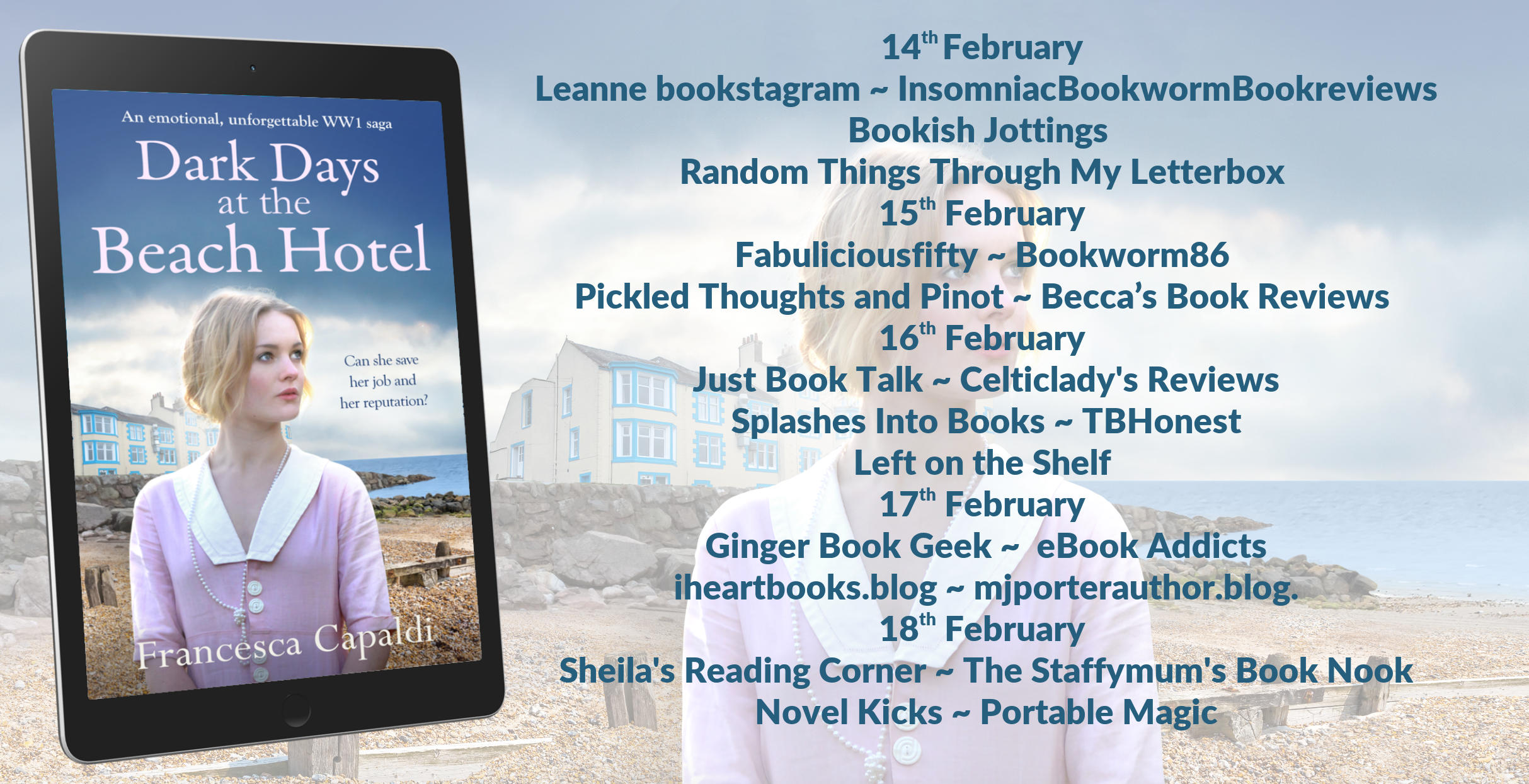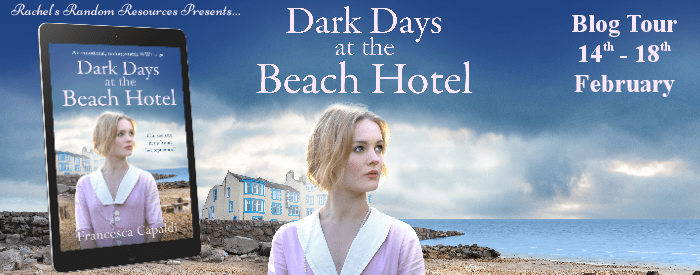
I’m delighted to feature an extract from Francesca Capaldi’s new historical fiction novel, Dark Days at the Beach Hotel #histfic #blogtour

Extract

Helen Bygrove, manageress of the Beach Hotel since her bullying husband was conscripted, is called to the foyer on the arrival of Detective Inspector Toshack. There’s recently been some libellous letters sent, and accusations have been flying around as to who’s been sending them.

In the foyer, Helen was alarmed to see that Sergeant Gardener was with him. Standing behind him were WPC Amanda Lovelock, who used to be her bookkeeper, and Constable Twort, who’d retired originally a few years before the war. A feeling of dread crept up her body and she had a bitter taste in her mouth. Surely they hadn’t concluded that someone from the hotel had written the letters. Could it be one of the new chambermaids, as Edie had suggested? Did Miss Harvey know something, and that’s why she’d turned up at the carol concert?

‘Inspector,’ she greeted him. ‘How may I help you today?’

The inspector opened his mouth to respond but was cut short by both front doors being pushed open. Lady Blackmore was fussing as she entered, along with around a dozen people Helen recognised from the businesses in Beach Town. Cecelia was nowhere in sight. The looks on their faces suggested they weren’t here for pleasure.

Lady Blackmore opened with, ‘Well, that decides it. The hotel crest was on my latest letter. Now try and tell me the letters did not originate from this hotel.’

‘And on mine!’ cried Norah Johnson, who as Norah Daniels had once been a chambermaid at the hotel. Before the dairy farmer’s son had made her pregnant and they’d had to marry. ‘Just because I used to work ’ere and had to marry my Jim, don’t give you no permission to send me letters calling me names like trollop.’

‘That’s what I was about to tell you,’ Toshack told Helen. ‘More letters have been received, but this time on hotel notepaper.’

‘And what have I ever done to you?’ said Mrs Riddles, the postmistress from Norfolk Road. ‘Calling me a stinking cow of a liar, just because I took my last letter to the police station.’ She pointed towards Helen.

‘I’ve never done any such thing,’ said Helen, feeling a weight in her chest. ‘And why on earth would I send anonymous letters on hotel paper.’

‘But they’re not anonymous,’ said the landlord of the New Inn, also on Norfolk Road. ‘They’re signed H.B. That’s you innit?’

‘That’s even less likely then,’ said Edie, coming forward.

‘No, it’s to double bluff people, Miss Harvey here reckons,’ said Norah Johnson.  ‘And it makes sense. It’d be the best defence in a courtroom.’ 

‘That’s enough of that now,’ said Inspector Toshack. ‘If you’d all kindly leave me to carry out my job – ’

‘We want to make sure you do carry out your job,’ said Miss Harvey. ‘Not like last time.’

‘I used to think you were a decent sort,’ said Norah, ‘when I worked for you. Thought it was ya ’usband what was the silly bugger. I guess now ’e’s gone away you’ve taken over his meanness too.’

‘That’s enough of that, young woman,’ Sergeant Gardner warned.

‘And this accusation about her ladyship,’ said the landlord. ‘What proof have you got that her companion is her daughter.’

‘We don’t need to mention the details,’ Lady Blackmore whimpered, her hands covering her cheeks.

‘Mine had that ridiculous claim too,’ said Mrs Riddles. ‘I can quote it exactly, I can. ‘Lady Millicent Blackmore can’t keep her vile secret any more, it said. We can all see the likeness between her and Cecelia, and we know that she’s really her bastard child, born out of wedlock.

Lady Blackmore let out a strangled cry of anguish. ‘Of course that’s not true! I am only ten years older than Cecelia. How could she be my daughter? Whoever heard of anything so absurd?’

‘I agree,’ said Helen. ‘And I would never say such a thing.’

‘Not to our faces,’ said Norah. ‘Makes me wonder what you said be’ind our backs when I was working ’ere.’

‘I’m warning you,’ said the sergeant.

‘What, only me?’ said Norah. ‘What, ’cause I’m the trollop ’ere, eh?

It seemed to Helen that the scene before her was diminishing, and the sound fading. She had an acid taste at the back of her throat. Was she still in bed, dreaming?

The gathering mob started to talk over each other, provoking both Sergeant Gardner and Inspector Toshack to censure them. The sergeant went with, ‘Quiet now!’ while the inspector went with the more polite, ‘Would you all calm down now.’

The double instruction had the desired effect and the incensed chatter ceased immediately.

‘Now, unless you want to be arrested for disturbance of the peace, I suggest you all vacate the hotel,’ said the inspector, stretching up to his full height. ‘And if I receive any reports that you’ve returned to cause trouble, I will spare no time in sending one of my officers to your abodes. Is that clear?’

There were several mumbles of assent, before each of them turned to exit. Lady Blackmore charged out of the door first, almost knocking Norah Johnson over. The rest followed on, subdued, apart from Miss Harvey. She stood, defiant, for several seconds, glaring at Helen. She was the last of them to leave.

Helen was grateful that nobody had emerged from either dining room during this scene, though she had no doubt that the throng that had gathered today would soon pass around news of the latest letters.

‘Mrs Bygrove,’ said Toshack. ‘Mrs Bygrove?’

‘Hm?’ She came to. ‘Sorry, what did you say?’

‘I said, could we go somewhere more private.’

‘Of… of course. Edie, I’m leaving you in charge.’

‘Yes, madam.’

Helen took a deep breath, determined to pull herself together. But she was badly shaken. ‘Come this way.’ She led the four police officers to the staff area, stopping in the corridor. ‘We’ll go to my office.’

‘No, this will suffice,’ said the inspector. ‘WPC Lovelock, you know the building. Show Sergeant Gardner the way.’

‘Yes sir,’ she said with little enthusiasm. She opened the door to the stairs, that led to the staff living quarters. 

‘What are they doing?’ said Helen.

‘Carrying out a search.’
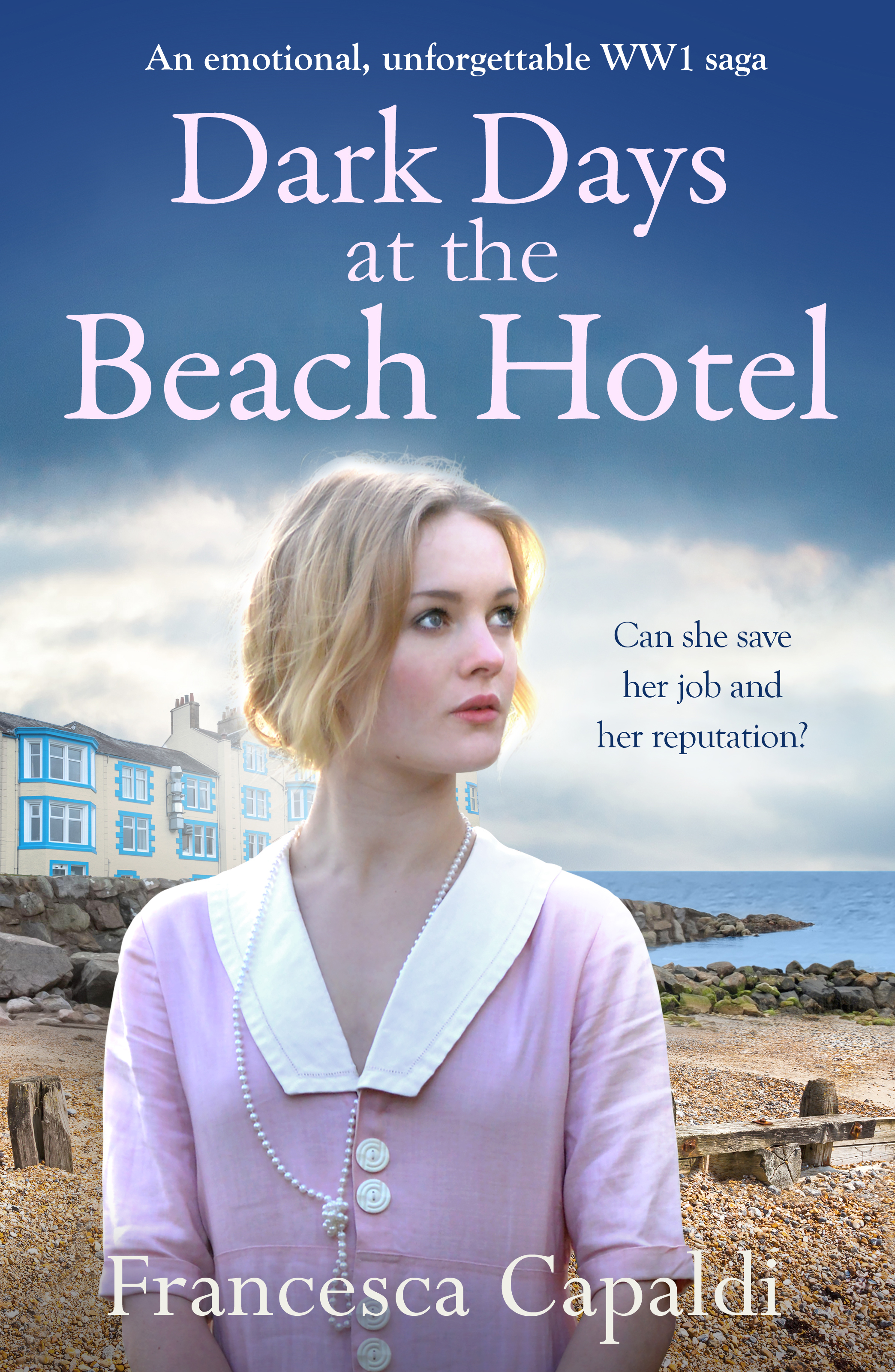
Here’s the blurb

Can Helen save the hotel… and her reputation?

Helen Bygrove is managing the hotel, now that her husband has been conscripted. Against all expectations, Helen and her team are doing marvellously, despite the shortages brought by war. Even the exacting Lady Blackmore agrees. But then the calm is shattered when poison pen letters are sent to prominent townsfolk and Helen finds herself the target of a police investigation. Is someone trying to ruin Helen, and the Beach Hotel? And can she rely on the handsome but taciturn Inspector Toshack to help her? When her husband, Douglas, is invalided out of the war he is determined to take back control of the hotel and things go from bad to worse.

How can she ever escape his bullying? Is she a fool to hope that she may have a second chance at love?
Purchase Link

 https://geni.us/bXV7C

Meet the author

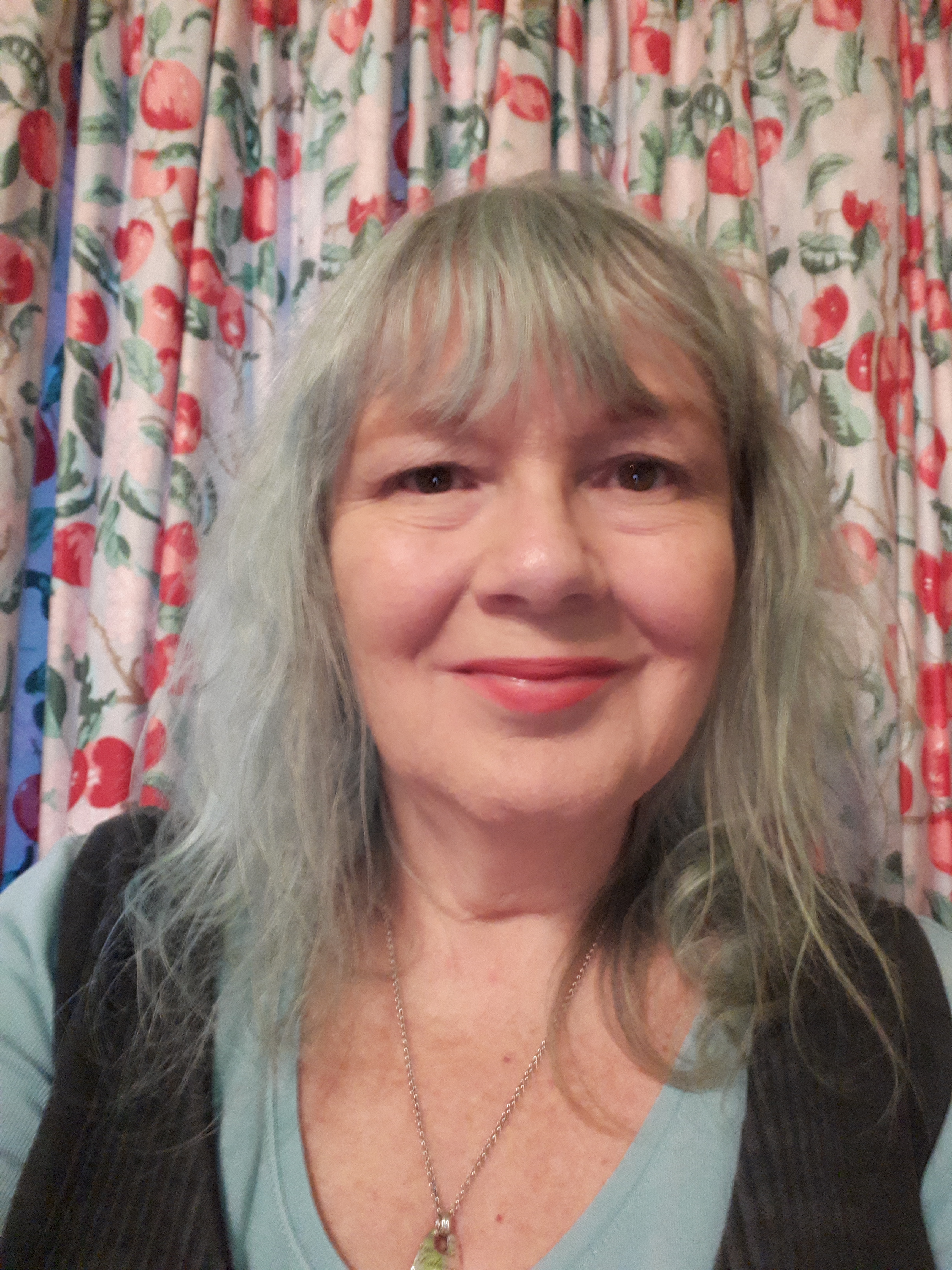
Francesca has enjoyed writing since she was a child, largely influenced by a Welsh mother who was good at improvised story telling. 

Writing under both her maiden name, Francesca Capaldi, and her married name, Francesca Burgess, she is the author of historical novels, short stories and several pocket novels. She is a member of the Romantic Novelists’ Association and the Society of Women Writers and Journalists. 

The first novel in the Wartime in the Valleys series, Heartbreak in the Valleys, was shortlisted for the Romantic Novelists’ Association Historical Award 2021. Both the Valleys series and the Beach Hotel series are published by Hera Books.

Francesca was born and brought up on the Sussex coast, but currently lives in Kent with her family and a cat called Lando Calrission.
Connect with Francesca

Facebook Author Page:   Website

TikTok:  Twitter:  Instagram

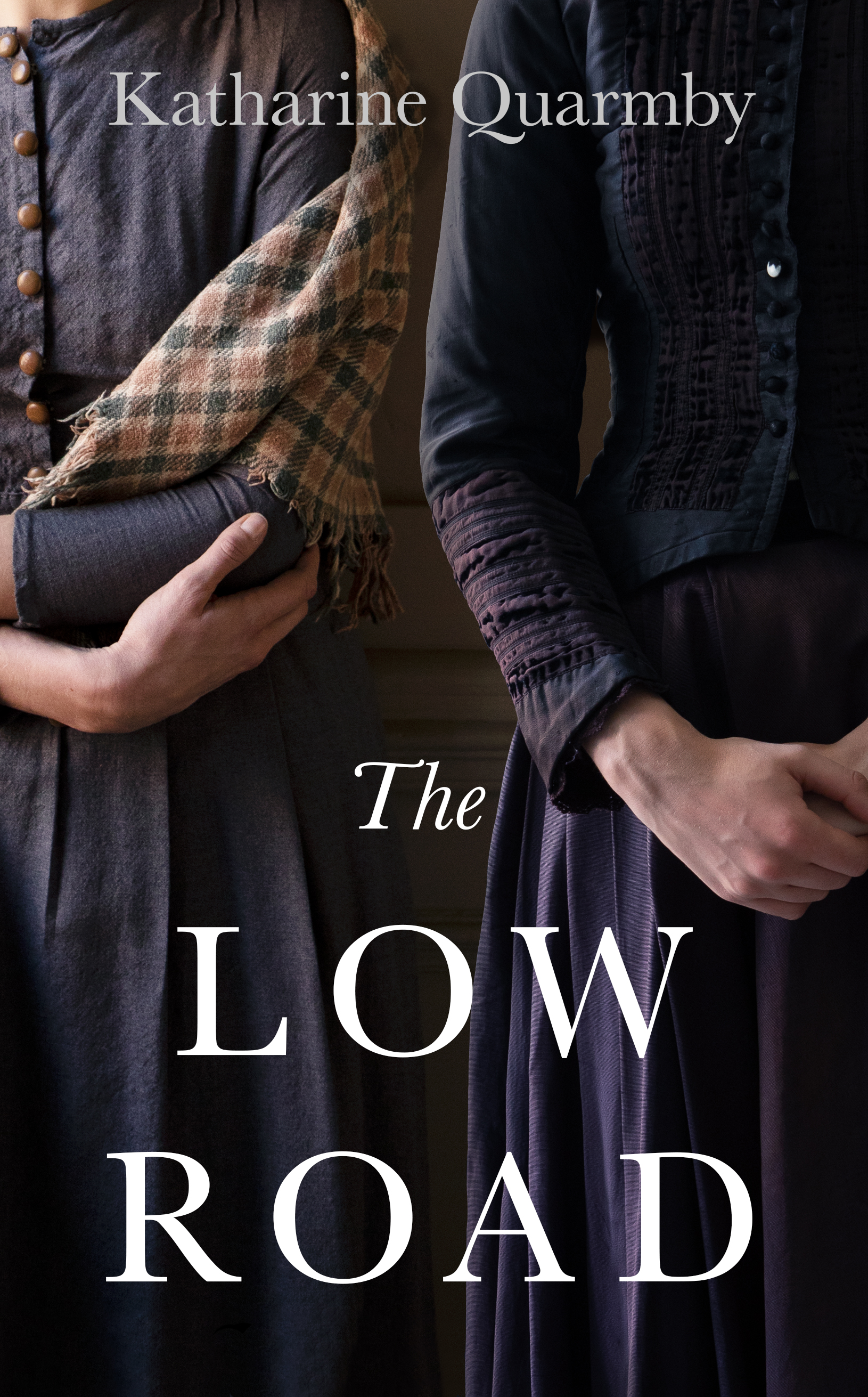
I’m delighted to welcome Katharine Quarmby and her new book, The Low Road, to the blog #WomensFiction #FeministFiction #HistoricalFiction #TheCoffeePotBookClub #BlogTour

I’m delighted to welcome Katharine Quarmby and her new book, The Low Road, to the blog, with searching for The Low Road in Historical Sources.

Searching for The Low Road in Historical Sources

Katharine Quarmby

The search for the story that became The Low Road started around seven years ago now, when I came across a description of one local area in my Norfolk, England, hometown. It mentioned in passing an area at the end of the town called Lush Bush, where a local woman, Mary Tyrell, had been buried on the parish boundary in 1813. I started to dig further, through local newspaper articles and found that the Norfolk Chronicle had reported in that year that she had taken poison and died after being investigated for infanticide. She was then staked through the heart after death in an archaic punishment called felo de se. A daughter, then only described by her initials, A.T., had survived and had been sent to a refuge in London.

It wasn’t a lot to go on, but I really wanted to know more, so I started by guessing that her first name was Ann and was lucky enough to find an Ann Tyrell, (called Hannah in my novel) who had lived at the Refuge for the Destitute in Hackney, East London. I then looked her up in the Hackney Archives, in East London, just a bike or bus ride away from my home, in the great Minute Books that noted in copperplate handwriting the history of the Refuge and of the lives of the young people, known as Objects, who lived there. No traces of the physical building exist now – all that is left is writing. There is just one painting that shows the Refuge as well, looming above some local almshouses.

I walked up and down the Hackney Road in search for it, and found the rough location of the institution where she had been admitted, after being banished from the hometown we shared and being found to have understood, or be ‘sensible’ that her mother had committed an “Iniquity”. It was near a scruffy car park, there were dark alleys nearby and I did my best to imagine Ann living there, using the brilliant Layers of London historical maps to go back in time.

In real life, just as in my novel, Hannah met another destitute there, Annie Simpkins. The girls forged a friendship that I imagined deepened into love and in December 1821 they took a risky decision which then dictated the course of their lives from then on. The Minute Books revealed that on a winter evening in 1821 the girls ran away with stolen goods from the Refuge – perhaps to make a life for themselves, who knows – and were apprehended by the Superintendent of the Refuge.

I traced Hannah and Annie onwards, to the National Archives at Kew, West London, and also through the Old Bailey Online Proceedings, which have been digitised and provide a unique insight into the British criminal justice system. The Old Bailey records show that the girls – just fifteen and eighteen at the time – stood trial for ‘grand larceny’, or thieving, on January 10, 1822. They were sentenced to seven years’ transportation.

But as I found, when I visited the National Archives in Kew, West London, they didn’t go immediately. It was six years later when our Ann was transported. So what happened in between? I kept looking. First of all, they went to the Millbank Penitentiary, now buried underneath the Tate Britain gallery. A stone buttress by the Thames nearby states: “Near this site stood Millbank Prison which was opened in 1816 and closed in 1880. This buttress stood at the head of the river steps from which until 1867, prisoners sentenced to transportation embarked on their journey to Australia.” There are few other traces, except some prison walls, unmarked, and a trench which had been dug around the prison which is now used to dry washing for nearby houses.

Later, the archives also revealed that the girls had even been sent to a prison hulk on the Thames. At the National Archives I was handed a document, done up with red ribbon, about their life on the hulks. Had anyone else ever untied this, I wondered, as I pulled on the ribbon, then unfolded the document. There were the names of my girls and others, resident on the prison ship on the Thames – and there was a signature at the bottom from the then Home Secretary, Robert Peel, pardoning them, and so it was that in 1825 the girls were set free and ended up working at the Ship Inn in Millbank, near the Houses of Parliament.

The last traces of my Ann, in UK history, were back in the Hackney Archives. She had asked for money so she could return to Harleston, Norfolk, but found that all her friends were dead; she had then been granted a stay in the temporary part of the Refuge…and then she vanished. All I knew was that the Superintendent of the Refuge had written back to a lawyer in my hometown to let him know that Ann had been transported to ‘Botany Bay’ in 1828.

I could find no record of her in Australian archives and so at this point I had to pivot and tell the story as fiction, rather than non-fiction. I novelised what happened to them in Australia, taking as my guide the history of other girls and women who were exiled, and was lucky enough to receive a grant from the UK Society of Authors so I could visit both the Hunter Valley and Tasmania, landscape into which I imagined the story of my two girls, exiled, as part of the 26,000 women who were transported to mainland Australia and Tasmania – the largest forced migration of English, Scots, Welsh and Irish people, numbering some 162,000 convicts in all, between 1767-1868. Telling that part of the story – part of the story of these islands, also meant paying attention to, and honouring, the Indigenous communities whose lives were desecrated by the British arriving.

From a trace of a story, then, The Low Road became a novel that uncovered lost histories: the stories of poor women from rural areas, the stories of convicts sent to penal colonies because of poverty and political activism, the stories of people who often left no records behind as a result of illiteracy and hardship, and the largely overlooked history of same sex relationships between convict women. This was a story from the bottom up, of how three generations of girls and women from one family were caught up in political times, from the fall-out of the Napoleonic wars and the poverty after, to the rise of the agricultural workers, the Swing Rioters, and other political dissidents and beyond the seas to Australia.

When I go back to Harleston to visit my family we go on a walk that takes us through the town, past the inn where a jury of men held an inquest on Mary’s body, past the green where the pond used to be where the baby was found, and all the way down to Lush Bush, where Mary is buried in an unmarked grave. I think of Mary and Hannah every time, and I hope I’ve done them justice.

Heres’s the blurb

In 1828, two young women were torn apart as they were sentenced to transportation to Botany Bay. Will they ever meet again?

Norfolk, 1813. In the quiet Waveney Valley, the body of a woman – Mary Tyrell – is staked through the heart after her death by suicide. She had been under arrest for the suspected murder of her newborn child. Mary leaves behind a young daughter, Hannah, who is later sent away to the Refuge for the Destitute in London, where she will be trained for a life of domestic service.

It is at the Refuge that Hannah meets Annie Simpkins, a fellow resident, and together they forge a friendship that deepens into passionate love. But the strength of this bond is put to the test when the girls are caught stealing from the Refuge’s laundry, and they are sentenced to transportation to Botany Bay, setting them on separate paths that may never cross again.

Drawing on real events, The Low Road is a gripping, atmospheric tale that brings to life the forgotten voices of the past – convicts, servants, the rural poor – as well as a moving evocation of love that blossomed in the face of prejudice and ill fortune.

Buy Link:

Universal Link:

Bookshop:

Meet the author

Katharine Quarmby has written non-fiction, short stories and books for children and her debut novel, The Low Road, is published by Unbound in 2023. Her non-fiction works include Scapegoat: Why We Are Failing Disabled People (Portobello Books, 2011) and No Place to Call Home: Inside the Real Lives of Gypsies and Travellers (Oneworld, 2013). She has also written picture books and shorter e-books.

She is an investigative journalist and editor, with particular interests in disability, the environment, race and ethnicity, and the care system. Her reporting has appeared in outlets including the Guardian, The Economist, The Atlantic, The Times of London, the Telegraph, New Statesman and The Spectator. Katharine lives in London.

Katharine also works as an editor for investigative journalism outlets, including Investigative Reporting Denmark and the Bureau of Investigative Journalism.

Meet the author

Website:

Follow The Low Road blog tour with The Coffee Pot Book Club

Competition time, and an update on the ebook version of The Royal Women Who Made England

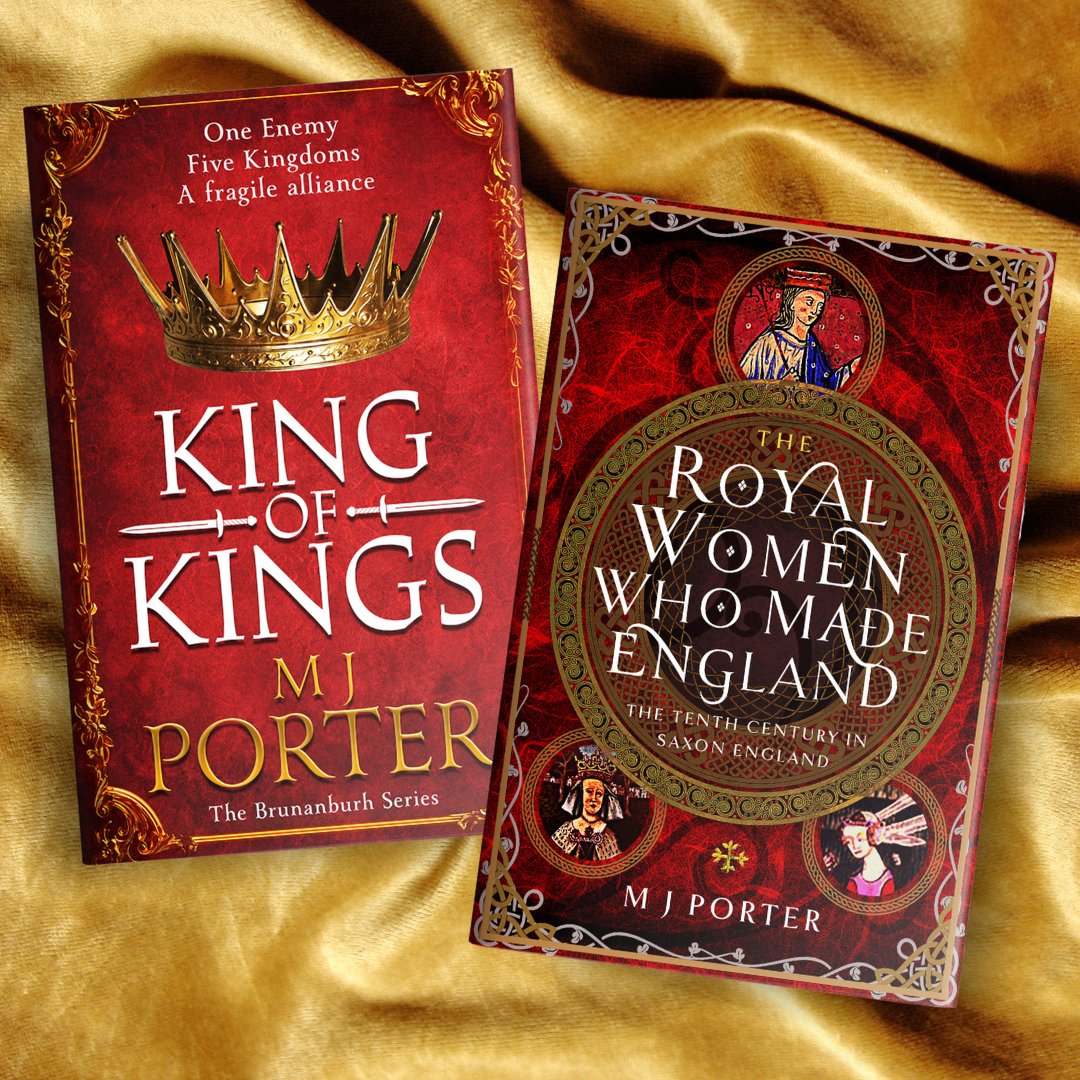
My fabulous publishers are working together and offering a hardback edition of King of Kings and The Royal Women Who Made England (UK only). To enter you will need to access one of the original posts from Boldwood on Twitter, Facebook or Instagram. I will add links here. (Closing date 6th Feb 2024. T &Cs apply).

I can’t work out how to do the Facebook one:(

https://www.facebook.com/theboldbookclub You might have to hunt for it. Let me know if it’s a pain, or if you know how to do it!


I can also let you know that the ebook/kindle version is now available to preorder, and the US hardback release date is 30th March 2024.

https://books2read.com/TheRoyalWomenWhoMadeEngland

Or purchase directly from the publisher, Pen and Sword

https://www.pen-and-sword.co.uk/The-Royal-Women-Who-Made-England-Hardback/p/24395

Check out the Brunanburh Series page on my blog for my information about my fiction.


And, because I never tire of making a slight fool of myself, here’s me talking about some more of the research I undertook for the book and trying to explain the family tree of Otto I, King of the East Franks. Who knows how successful I’ve been.