I’m delighted to share a post from Alice May about her writing routine to celebrate the release of her new book, The Mid-life Trials of Annabeth Hope #blogtour #writingroutine

Novels, ideas and the writing routine by Alice May

I’ve learned in the ten years that I have been writing, that there are many different stages involved in writing a novel. Each stage is different and, as a result, the routine changes accordingly. Writing my new novel, The Mid-life Trials of Annabeth Hope, involved the following stages.

Collecting my tools.

The initial phase of writing a book involves gathering ideas. Getting the right ingredients together, much as one might when baking a cake. A theme or a concept might strike me as interesting, and I’ll keep a mental note of interesting comments and character traits that I hear or see around me. At this point, I know that I will use these elements somewhere, but I’m not sure how, why or where. 

Doing my research

Then comes the research stage. It is important to get this right. Making sure you use accurate information for those parts of your story that chime with reality is essential as this helps to build a bond of trust between writer and reader. Once you have the confidence of your reader, they will follow you wherever your story takes you as long as you remain within the boundaries of the reality you have set from the beginning.

Working the plot

Step three is plotting the story, making sure to hit the right story beats and include the tropes that readers expect, look forward to and find satisfying, whilst trying to add my own angle to them and avoid clichés. I used to write by the seat of my pants, but have learned over the years that an element of plotting saves time and the agony of running into a roadblock and having to start back at the beginning of a manuscript to rewrite the whole thing.

I often start to plot a story based around a particular character and situation. More often than not, though, another character pushes into the narrative and the story becomes more about them. It’s an experimental stage of trying different combinations out to see what has the capacity to sustain a plotline through to the end in a satisfying way. I can’t explain how I know something will work, I just recognise it when I see it.

Then comes the writing phase. 

What precisely triggers the actual writing phase of a novel for me, I couldn’t say. I just know that it is time. All of the above ingredients for the story, the research and the plotting will have marinated sufficiently that I can dive in and write. This phase involves regular computer time; several hours a day if possible. I find early in the morning works best for me as I often wake up with the next part of the book already written in my head. I avoid looking at my phone or checking my emails until I have that new chunk of text wrangled onto the page, because social media and other outside influences will cause the words to disappear.

Of course, once the first draft is complete, then the delights of editing begin…

Life often gets in the way, which throws any form of routine I try to establish into chaos. The important thing to remember as a writer is to make sure that you are kind to yourself. We need to be mindful of deadlines looming, but we need to practice effective self-care. Working non-stop is counter-productive. Taking breaks and taking care of yourself are the keys to everything. 

To all the writers out there, I wish you good luck.

Love 

Alice

Here’s the blurb

Feisty country girl Annabeth Hope has sworn off men since her ex abandoned her. Juggling three resentful step-teens, a hyperactive toddler, a small holding, and a herd of rescued llamas, she has her hands full.

With the roof about to collapse on her crumbling New Forest home, she is desperate to find a way to hold her patchwork family together. The last thing she needs is an attractive distraction moving in next door.

Burnt-out, inner-city doctor Rick Mahon has left London and his medical career behind in a moment of professional crises. A malpractice lawsuit is on the horizon, and the cancel culture are snapping at his heels. His plan to stay under the radar is thrown off course when he meets his new neighbour and sparks start to fly.

Annabeth couldn’t be more different, but maybe they hold the key to each other’s happiness.

‘What more could we want from in life? Family, friends, llamas and hope… An excellent read.’ Jenny Kane, author of the best-selling Mill Grange Series.

Buying Links

The Book Guild 

Amazon 

WHSMITH 

Waterstones 

Meet the author

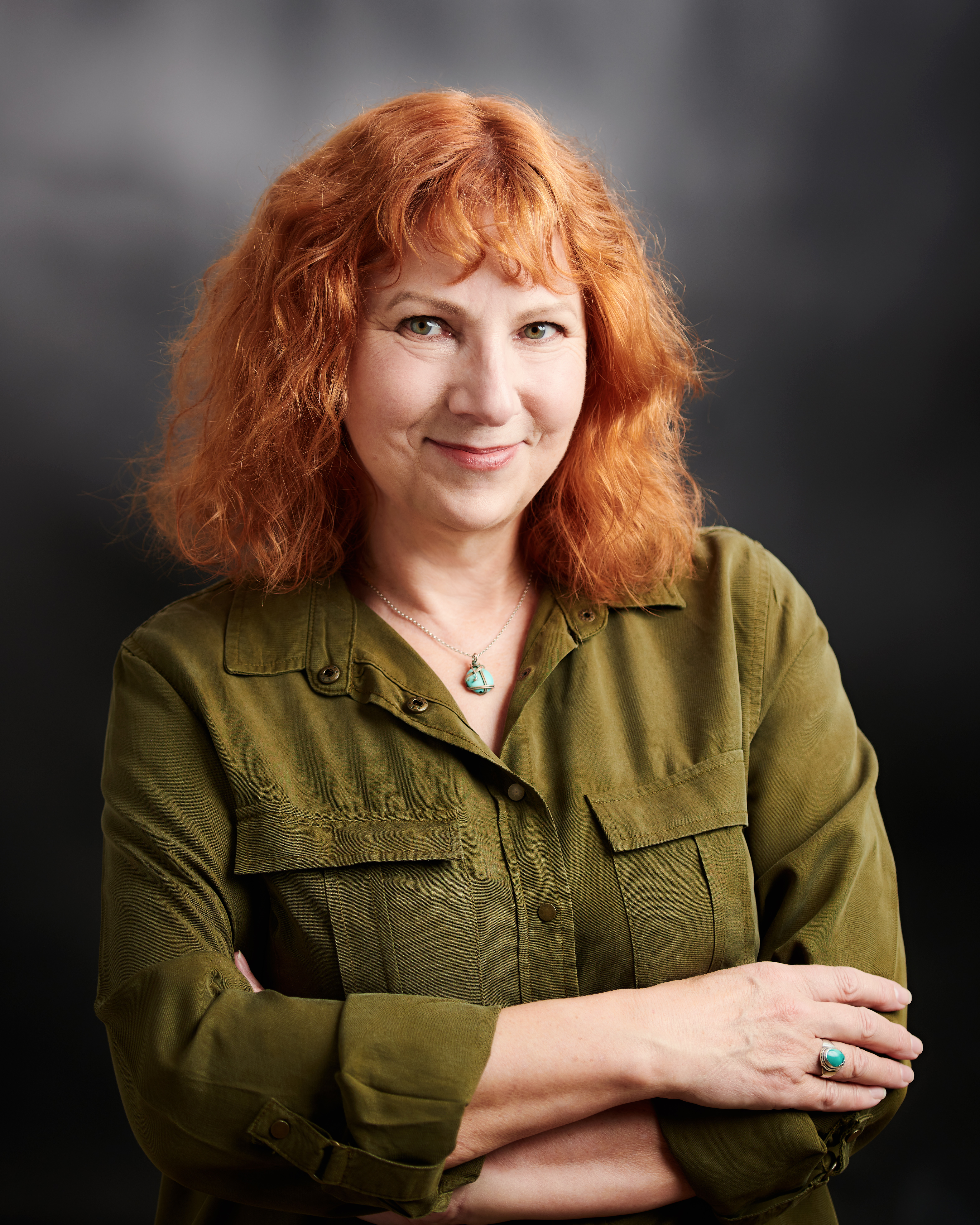
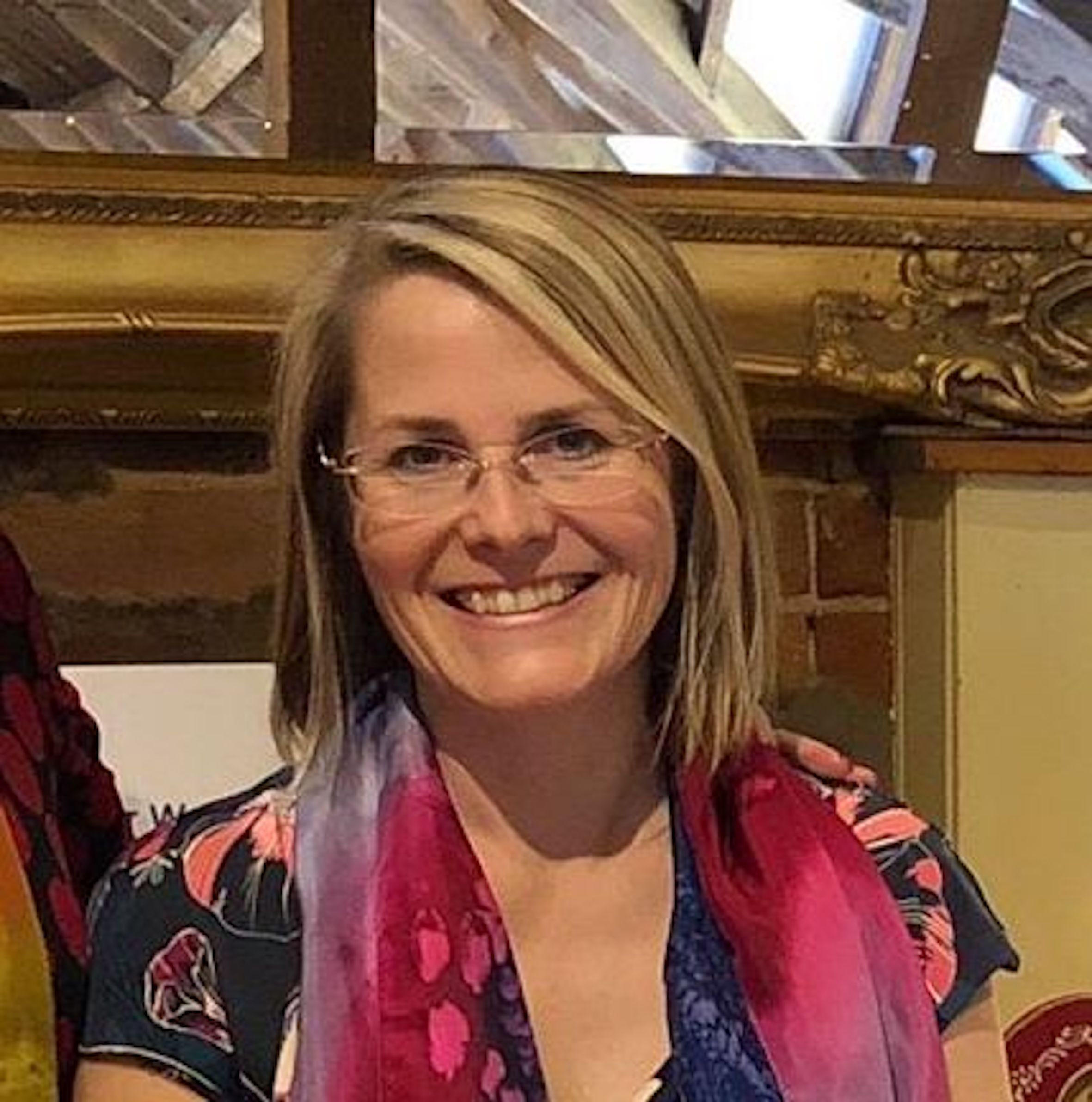
A former GP surgery manager, school librarian and art teacher,Alice May is mum to four not-so-small children. She is married to the most patient man on the planet, and they live in the New Forest. Alice started writing in 2016 and she enjoyed playing with words so much that now she can’t stop. Alice writes as Alice May, Alice G May and A G May.
Website 

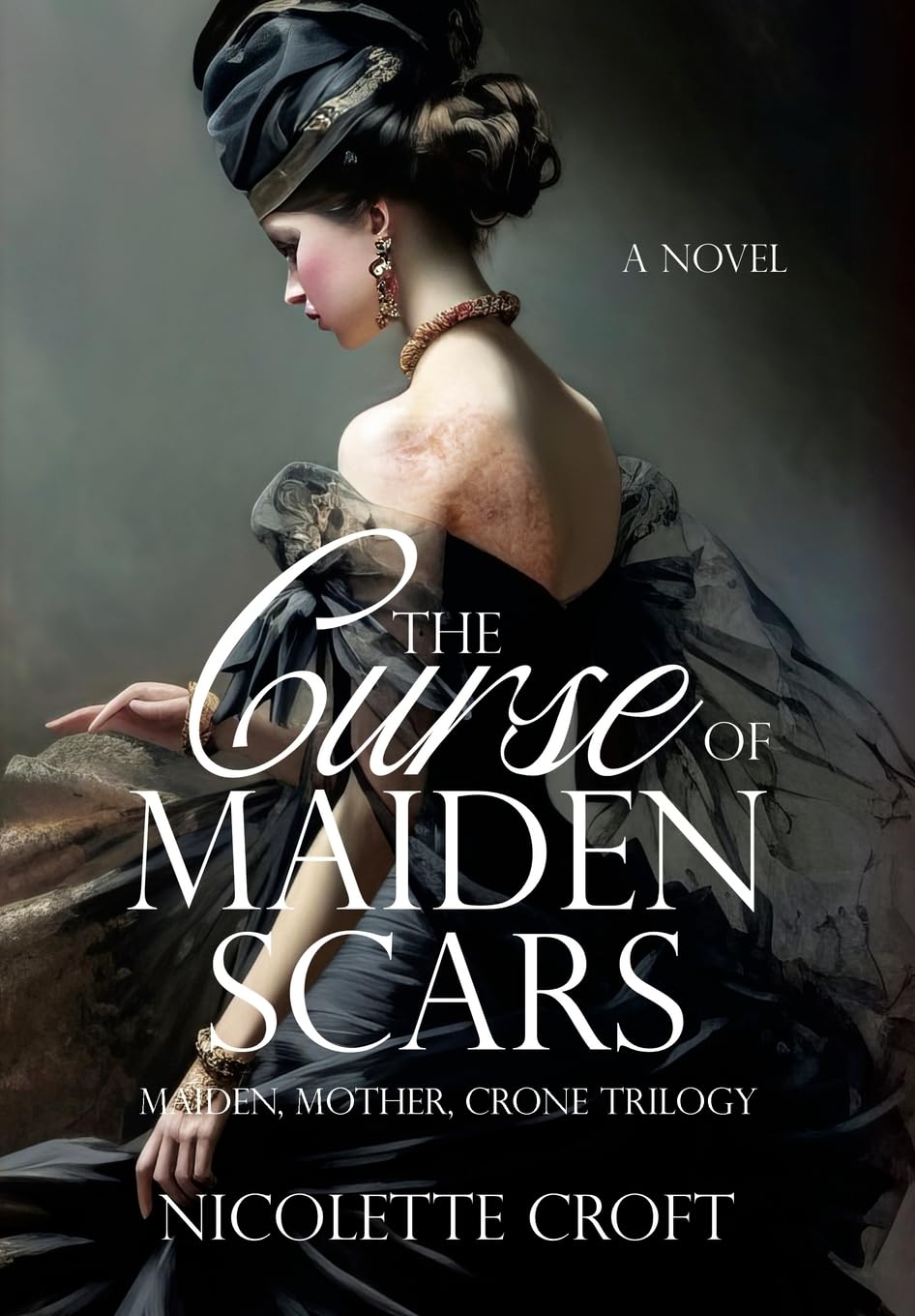
I’m delighted to welcome Nicolette Croft and her new book, The Curse of Maiden Scars, to the blog #HistoricalFiction #WomensFiction #Venice #BlogTour #TheCoffeePotBookClub

I’m delighted to welcome Nicolette Croft and her new book, The Curse of Maiden Scars, from the Maiden, Mother, Crone series, to the blog with an excerpt.

Excerpt

The Curse of Maiden Scars—Excerpt 1:

My story must have begun before life as a stray waif, but I didn’t know the tale. The cotton house takes in children as little as three—the unwanted offspring of criminals, crazies, and the contagious. By sixteen, we were expected to make room for younger sprogs and pursue meaningful work. It was weeks until my sixteenth birthday, and I didn’t have a plan. Choices for a girl like me were limited, so Camilla told me. I had some learning and hoped I might find a maid’s position. Whatever I was to become, I didn’t want it to include lurking about the seedy, dank Yorkshire streets like a wet cur.

A cackle of laughter echoed from inside the Inn that stood open behind me. A woman’s mound of blond hair tied in red, pink, blue, and black ribbons appeared in the window’s waving candlelight. She tossed her head back and let out a bright, spirited laugh as a burly man with a beard kissed her neck. I envied their intimacy. I longed to know such love and care.

Deep shivers tightened my sodden dress over my back, and a cough rattled through me. I was prone to illness. My lungs had never been strong. And the wetness only made things worse. I stuffed my head between my knees and swooned in lightheadedness. I closed my eyes and wished myself someplace warm and safe, dreaming of a small bed in a quiet room free of mold, surrounded by soft blankets, the amber light of candles, and a stack of leather-bound books with stories waiting for me to discover. Such a wish was only a fantasy to me—nothing in my real life resembled it.

Boot heels sounded beside me, ripping me out of my daydream. I lifted my head too quickly, and my vision faded darkly. Panic grew from the depths of my belly. Had I missed the opportunity to signal the workhouse strumpets, giving them time to sell their comfort for a copper?

A passerby kicked me and shot, “street rat.” He poured ale over my head and rolled with laughter. There was always laughter. I’d have kicked his feet out from under him if I hadn’t felt weakened from illness. I was accustomed to this sort of abuse, having scouted for culls since the age of eight, and wasn’t afraid to fight back if needed.

Here’s the blurb

Sixteen-year-old Renna Covert toils away in the shadows of a Yorkshire workhouse, her days filled with the mundane task of shelling cotton and the dangerous duty of scouting for punters. One fateful night, she crosses paths with two sailors and finds herself thrust into the heart of a chilling encounter at the local asylum.

These harrowing experiences catalyze Renna’s journey, promising newfound opportunities and revealing long-buried family secrets. Yet, at every turn, powerful forces conspire to thwart her quest for truth, forcing her to abandon her scullery work and embark on a daring escape to Venice alongside her steadfast companions.

In the labyrinthine alleys of Venice, Renna’s fate takes yet another twist. She is ensnared by a cunning Madam who trains her as a Venetian courtesan. But beneath the veneer of luxury lies a world fraught with danger, where Renna must rely on her withs and resilience to navigate the treacherous waters of deceit and betrayal.

Set against the backdrop of Venice’s tumultuous Napoleonic invasion of 1797, this is a tale of a girl’s struggle for survival. It is a story of resilience, defiance in the face of adversity, and, ultimately, one young woman’s determination to reclaim her identity.

Buy Link

Coming August 2024

Universal Link:

Meet the Author

Nicolette Croft can’t remember a time when she was not creating imaginary worlds inspired by her Hungarian and American ancestors. As a neuro-divergent learner, however, putting those stories to paper proved more challenging than imagining them. Because her determination would not allow her to settle, she pursued an English B.A. to improve her writing.

Young motherhood also brought unexpected challenges, which motivated her to pursue graduate work in twice-exceptional learners and education. She would later add an M.A. degree in Clinical Mental Health Counseling, specializing in neurodivergent people, trauma, and grief. Nicolette uses her natural gift of storytelling as an exploratory method for her clients.

The Curse of Maiden Scars is also an outgrowth of her personal journey and marks her first publication as a novelist, having previously published short fiction. When not at her counseling practice or researching historical facts for her latest story, Nicolette shares treasured time with family, friends, and her husband. Whether writing, cooking, traveling, or learning, the act of creation is always at the center of her colorful life.

Connect with the Author

Website:

Follow The Curse of Maiden Scars blog tour with The Coffee Pot Book Club

I’m delighted to welcome Gail Ward Olmsted and her new book, Katharine’s Remarkable Road Trip, to the blog #HistoricalFiction #CivilWarNurses #BiographicalFiction #WomenInHistory #BlogTour #TheCoffeePotBookClub

I’m delighted to welcome Gail Ward Olmsted and her new book, Katharine’s Remarkable Road Trip, to the blog with a snippet.

Snippet

Katharine’s (semi-solicited) advice to a troubled newlywed

I am probably the last person qualified to give relationship advice. But since you’re asking me, I’ll tell you what I think. Go home. Not to your parents’ but to the home you share with Charlie. Talk to your husband, but wait until he’s had a bath after work. And maybe serve him a special dinner too. It’s much easier to talk to someone who’s well-fed. I know what you’re thinking. You’ve got a little one to keep fed and clean and now you’ve got Charlie, too? Dear, I’m not saying you must run his bath or cook a three-course meal every night, but you both have a job to do. Currently, his is to go to work every day in a factory that I can only imagine is loud and dirty, get his weekly pay, put food on the table and keep a roof over your heads. Yours is equally important, but for the time being, lacks much in the way of tangible rewards. But it’s vital work. Caring for your son, tending to your home, loving your husband: it’s all very important. She seemed unconvinced, so I tried a different, more direct approach.

What I’m saying in a nutshell is, it’s time to grow up. You chose to get married, and that comes with responsibilities. You’re not playing house, my dear. Real life is hard and now you’ve got a third person added to the equation. One that relies on you for absolutely everything. You are his entire world. You must tell Charlie what you need from him and, at the same time, assure him you’re quite capable of running the house and caring for your son. Can you do that, Hannah?

Here’s the blurb

In the fall of 1907, Katharine decides to drive from Newport, Rhode Island, to her home in Jackson, New Hampshire. Despite the concerns of her family and friends, that at the age of 77 she lacks the stamina for the nearly 300-mile journey, Katharine sets out alone. Over the next six days, she receives a marriage proposal, pulls an all-nighter, saves a life or two, crashes a high-society event, meets a kindred spirit, faces a former rival, makes a new friend, takes a stroll with a future movie mogul, advises a troubled newlywed, and reflects upon a life well lived; her own! 

Join her as she embarks upon her remarkable road trip.

Katharine Prescott Wormeley (1830-1908) was born into affluence in England and emigrated to the U. S. at the age of eighteen. Fiercely independent and never married, Kate volunteered as a nurse on a medical ship during the Civil War, before founding a vocational school for underprivileged girls. A lifelong friend and trusted confidante of landscape architect Frederick Law Olmsted, she was a philanthropist, a hospital administrator, and the author of The Other Side of War: 1862, as well as the noted translator of dozens of novels written by French authors, including Moliere and Balzac. She is included in History’s Women: The Unsung Heroines; History of American Women: Civil War Women; Who’s Who in America 1908-09; Notable American Women, A Biographical Dictionary: 1607-1950and A Woman of the 19th Century: Leading American Women in All Walks of Life.

Buy Link

Universal Link:

This title will be available on #KindleUnlimited

Meet the author

Gail Ward Olmsted was a marketing executive and a college professor before she began writing fiction on a fulltime basis. A trip to Sedona, AZ inspired her first novel Jeep Tour. Three more novels followed before she began Landscape of a Marriage, a biographical work of fiction featuring landscape architect Frederick Law Olmsted, a distant cousin of her husband’s, and his wife Mary. After penning a pair of contemporary novels featuring a disgraced attorney seeking a career comeback (Miranda Writes, Miranda Nights) she is back to writing historical fiction featuring an incredible woman with an amazing story. Watch for Katharine’s Remarkable Road Trip on June 13th.

For more information, please visit her on Facebook and at gwolmstedauthor.carrd.co

Connect with the author

Website: BookBub:

Follow Katharine’s Remarkable Road Trip blog tour with The Coffee Pot Book Club

I’m delighted to welcome Nancy Jardine and her new book, Novice Threads, to the blog #VictorianSaga #HistoricalFiction #Scotland #WomensFiction #BlogTour #TheCoffeePotBookClub

I’m delighted to welcome Nancy Jardine and her new book, Novice Threads from the Silver Sampler Series, to the blog with Growing Up Brings More Questions Than Answers.

Growing Up Brings More Questions Than Answers

September 1850

“What do you need help with, Father?” Margaret asked on her return from assisting Granny Maggie to bake a batch of fruit pies, the apple harvest having been plentiful as had the plums in the little strip of garden behind her granny’s house.

“I’m not sure you’ll be so keen in a minute, lass.” Her father’s expression was a little bit whimsical and lit up his unusually bright grey eyes. It was a sight to see replacing the usual serious and sombre. “However, you can help me tidy some shelves later on.”

She had been expecting to spend the rest of the day doing shop chores, since it was still September and her new school session was not due to restart before mid-October. She’d attended a smattering of classes during July and August, though the bulk of of Mister Anderson’s summer teaching time was being spent with his most senior pupils who were learning Latin and Greek.

The smile she sent her father’s way was a puzzled one.

“I’m not sure I understand you.”

William leant closer, still teasing her with a whisper. “You have another letter.”

She flew along the passage and opened the kitchen door so quickly it startled her mother who was placing a pot of soup to heat on the range.

“I’ve another letter from Jessie?”

“That you have. It’s here on the table.”

Snatching it into her eager fingers, Margaret first savoured the writing on the front.

“Look, at how carefully she’s written my name,” she cried.

Her mother glanced at the letter. “She’s still making mistakes, though. Our shop name has been written twice.”

Margaret was undaunted. “I couldn’t have written an address if I had never had writing lessons from Mister Anderson. Would you have had the courage to try if you were in Jessie’s shoes?”

To her relief, Peggy didn’t take offence. “No, I suppose not. Your father needed me to compose and address our shop correspondence so I learned quickly to produce a good standard.”

Opening the seal, Margaret wandered around the room as she read.

“Jessie’s handwriting is much less scratchy, this time. I can read it more easily.”

“That’s good,” Peggy said. “I wonder how she’s managing to practise?”

Margaret agreed that was a very good question. It looked as though someone might be helping Jessie.

“Oh, my!” she declared, her tone making her mother lay down her sharp knife.

“What’s wrong?”

“Not wrong exactly. Jessie says the family she’s been sent to are related to the minister of the Free Kirk here in Milnathort.”

“That’s interesting,” Peggy declared, something odd lighting up her expression.

“I think Jessie means that it’s the Reverend Leslie Duncan’s brother, a man named Stewart, that she’s working for?” She handed the letter over to Peggy to help her understand it.

“Yes, that seems to be what she’s writing. And that it’s a very big house.” Peggy looked as puzzled as Margaret felt. “Now, I wonder why Jessie was sent there?”

Her grin was an excited one. “Isn’t she lucky to have got the work there?”

Peggy lifted the bread knife to slice a fresh loaf for their mid-day meal. “Well, until Jessie is able to tell you more, you’ll just have to assume that she’s found her feet.”

“What?” She questioned the now doubtful look on her mother’s face.

“Jessie doesn’t yet say if there are a lot of servants. If it’s a very big house then I hope she’s one of many servants, and not being expected to do too much on her own.”

“Oh!” Margaret hadn’t thought of that, just imagining that it must be fun to work in the big city of Edinburgh. She’d been thinking that it was a privilege for Jessie to work there, in the same way that it had been a privilege for Jessie to get some basic schooling in Milnathort paid for by her mystery benefactor – though now she wasn’t so sure. It was a pity to be so undecided, because having a benefactor had sounded special.

“Have you ever heard of the Reverend Duncan organising anything like this for other girls in Milnathort?” she asked Peggy.

Her mother shook her head. “Not until now, but who knows what that man’s likely to do?”

“What do you mean?” Margaret was puzzled.

“Never you mind. There’s always gossip enough in Milnathort, and I for one will not be adding to it. You just be careful who you tell about Jessie’s good fortune.”

Margaret realised her mother had grown quite serious, though she was happy to keep her knowledge of Jessie’s plight a secret. Apart from herself, Jessie hadn’t made other proper friends in Milnathort.

“And if Mistress Byers asks if you’ve heard anything from Jessie, you just tell her that all you know is that she arrived safely and is working. Nothing about where her job is. Mind my words! Since your father moved us all to the United Presbyterian Church, I never hear anything about the Free Kirk anyway, and that’s how I want it to stay!”

Margaret knew there was never a time to share any of her memories of Mistress Morison’s gripes. She could almost hear the old woman mouthing the words ‘That Free Kirk Reverend ought to have known better. The man should have left Ruth’s skirts well alone. That one mistake was bad enough but more were unforgiveable.’ Margaret couldn’t stop those memories from surfacing every now and then, but she’d vowed to keep them secret forever– for Jessie’s sake.

Now that she was older, she’d a better inkling of what Mistress Morison’s grumbles might have meant. Men chasing skirts she now knew often led to surprise babies being born, but exactly how they were produced was for her to learn another day.
It was confusing. Many of her conclusions were very disheartening.

Blurb

A thirst for education.  Shattered dreams. Fragile relations.

1840s Scotland

Being sent to school is the most exhilarating thing that’s ever happened to young Margaret Law. She sharpens her newly-acquired education on her best friend, Jessie Morison, till Jessie is spirited away to become a scullery maid. But how can Margaret fulfil her visions of becoming a schoolteacher when her parents’ tailoring and drapery business suddenly collapses and she must find a job?

Salvation from domestic drudgery – or never-ending seamstress work – comes via Jessie whose employer seeks a tutor for his daughter. Free time exploring Edinburgh with Jessie is great fun, but increasing tension in the household claws at Margaret’s nerves.

Margaret also worries about her parents’ estrangement, and the mystery of Jessie’s unknown father.

When tragedy befalls the household in Edinburgh, Margaret must forge a new pathway for the future – though where will that be?

Buy Link

Universal Link:

This title is available to read on #KindleUnlimited

Meet the Author

Nancy writes historical and contemporary fiction. 1st Century Roman Britain is the setting of her Celtic Fervour Series. Victorian and Edwardian history has sneaked into two of her ancestry-based contemporary mysteries, and her current Silver Sampler Series is set in Victorian Scotland.

Her novels have achieved Finalist status in UK book competitions (People’s Book Prize; Scottish Association of Writers) and have received prestigious Online Book Awards.

Published with Ocelot Press, writing memberships include – Historical Novel Society; Romantic Novelists Association; Scottish Association of Writers; Federation of Writers Scotland; Alliance of Independent Authors.

Connect with the Author

Website: BlueSky: BookBub:

Follow the Novice Threads blog tour with The Coffee Pot Book Club

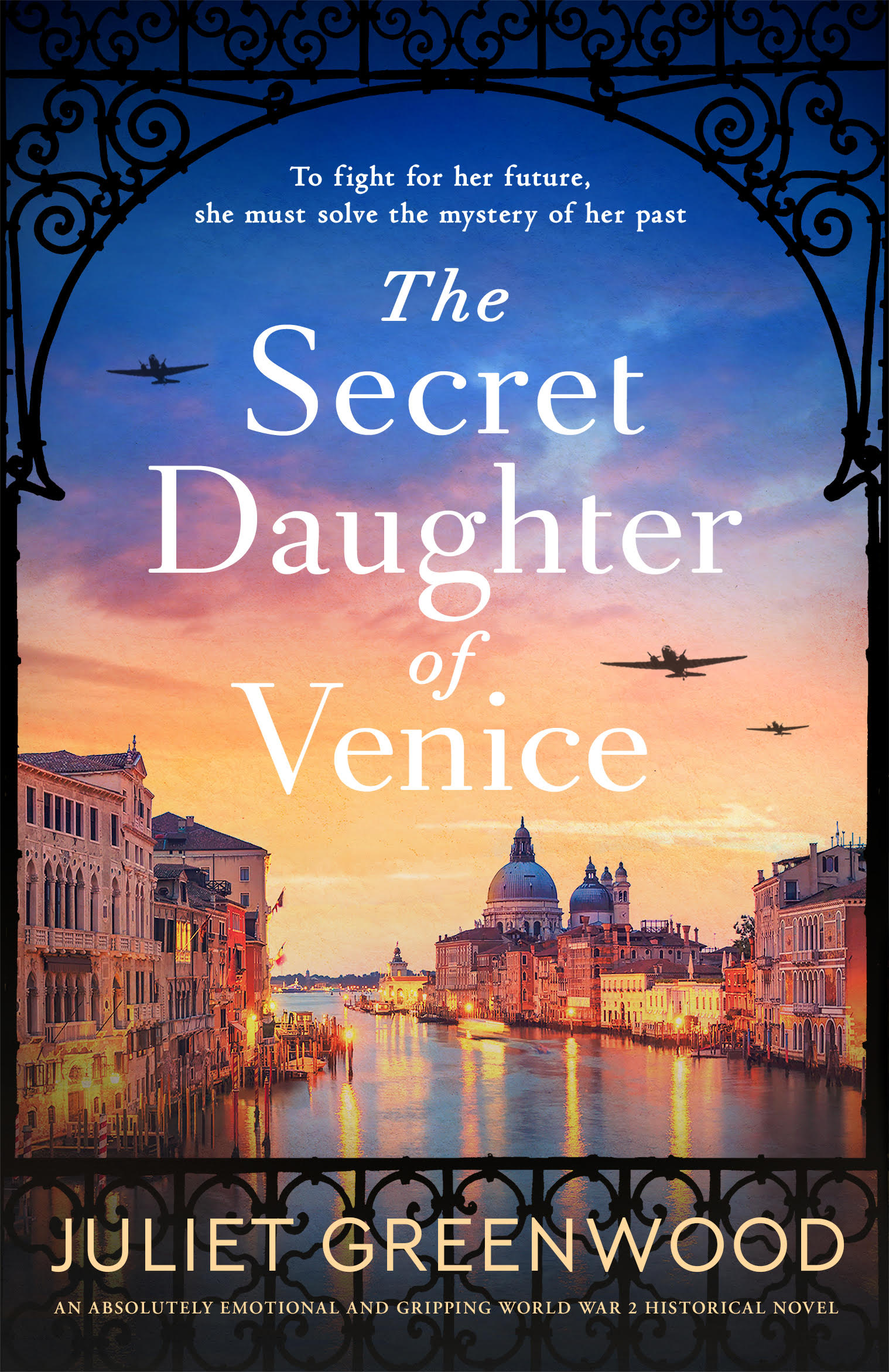
Today, I’m welcoming Juliet Greenwood, and her release, The Secret Daughter of Venice to the blog. There’s a competition too #blogtour #newrelease #histfic

I’m delighted to be sharing a guest post by Juliet Greenwood about how she researched the historical elements of her new book, The Secret Daughter of Venice.

Researching the experience of women in WW2

I found the hardest part of my research for The Secret Daughter of Venice, as with all my books, was finding events described from the point of view of the women who survived WW2, both in the UK and in Europe. There is getting to be more information now about ‘ordinary’ people, as well as the soldiers, the generals, the heads of state and the politicians who have always been at the centre of the story, but it is still difficult to find first-hand accounts and to really gauge how people lived, how they thought, how they survived. 

            I can remember as a child instinctively noticing the difference, without being able to put it into words, between the films about the war that generally focused on the heroics of battles, while at the same time hearing my parents and their generation re-living their experiences of everyday life under the shadow of shortages, of the possibility of death at any moment and the fear of what would happen should the UK be invaded. What I remember from the French side of the family, along with my teachers who had arrived in the UK as refugees from France and Germany, is the silence. I think, even then, I understood that all they had lived through, and were still living with, such as family lost in the gas chambers and memories of the firestorm in Hamburg, were too traumatic to express.

            That was when I began to feel that I wanted to know more about the invisible, every day, experience of war. That’s not to say that the experience of those fighting evil in any way they could, or surviving the obscenity of concentration camps, is any less vital. It’s just that those have the information readily, and have been written about at length, while the women and children still remain largely silent. 

            The research I found most challenging involved the experience of women, and children and civilians in Europe during the war. Kate, the heroine of The Secret Daughter of Venice, experiences the war largely in Cornwall where, despite the shortages and the fear, and the anxiety for those at the front, life is ordered and purposeful, focused on growing food and looking after orphaned children in a place safe from the bombing of UK cities. It is only after the war has ended that she sees the utter destruction in Naples, the traumatised children left alone and fending for themselves, vulnerable to anyone wishing to prey on the desperate. Sofia, the second main character in the book, survives the war in Venice, where there is not the physical destruction experienced in the surrounding countryside, but the fear, along with shortages and hardship, seep into all parts of life, particularly once the Italians overthrow the fascist Mussolini and join the allies in the fight against Hitler, leading to Venice being occupied by the German army. 

            Like with my previous novel for Storm, The Last Train from Paris, I tried to glean from snippets of information what it must have been like to live through such terrifying times. How do you live when your country has been invaded by an alien force, when your existence, and those of your children, is meaningless, to be snuffed out on a whim? The Europe left after WW2 was very similar to the utter destruction we now see on our TV screens, with cities decimated, leaving no housing, no hospitals, no way of making a living, and, even if you have money, no food to buy, not even safe water to drink? I can see why reporters focus on the horrors, but we still have relatively little information of the quiet heroism of surviving day to day, when all the benefits of modern life have been stripped away. 
            I did find some first-hand accounts that gave me clues, including local newspapers and the oral histories contained in the BBC’s WW2 People’s War. But, in the end, I found myself going back to my memories of those I had heard talk – or not speak at all – of living through such times to try and get under the skin of what it must have been like. I can just hope that, in some measure, it helps to break the silence. 

Thank you so much for sharing.

Here’s the blurb

The paper is stiff and brittle with age as Kate unfolds it with trembling hands. She gasps at the pencil sketch of a rippling waterway, lined by tall buildings, curving towards the dome of a cathedral. She feels a connection deep in her heart. Venice.

England, 1941. When Kate Arden discovers a secret stash of drawings hidden in the pages of an old volume of poetry given to her as a baby, her breath catches. All her life, she has felt like an outsider in her aristocratic adoptive family, who refuse to answer any questions about her past. But the drawings spark a forgotten memory: a long journey by boat… warm arms that held her tight, and then let go.

Could these pictures unlock the secret of who she is? Why her mother left her? With war raging around the continent, she will brave everything to find out…

A gripping, emotional historical novel of love and art that will captivate fans of The Venice SketchbookThe Woman on the Bridge and The Nightingale.

Purchase Links

https://www.amazon.co.uk/Secret-Daughter-Venice-absolutely-historical-ebook/dp/B0CVV7F4N7

https://www.amazon.com/Secret-Daughter-Venice-absolutely-historical-ebook/dp/B0CVV7F4N7

Meet the author

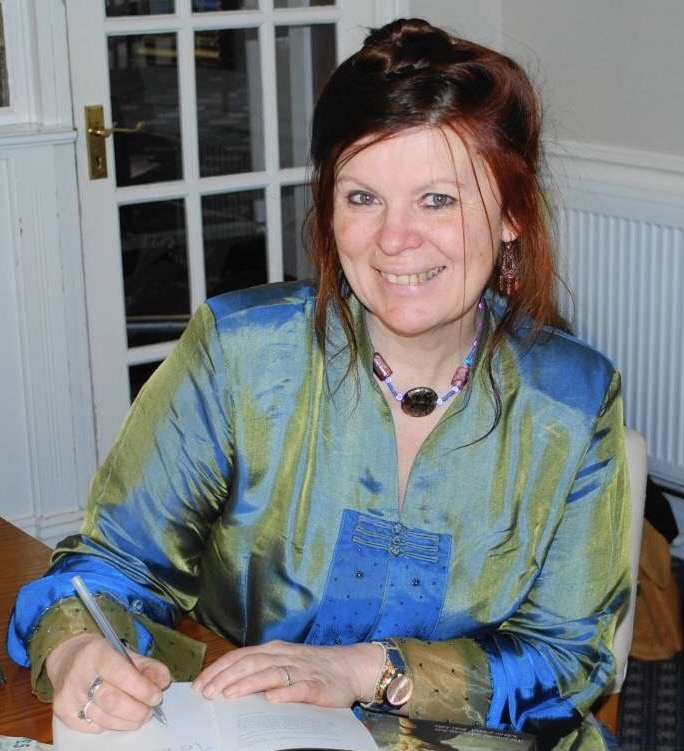
Juliet Greenwood is a historical novelist published by Storm Publishing. Her previous novel, The Last Train from Paris, was published to rave reviews and reached the top 100 kindle chart in the USA. She has long been inspired by the histories of the women in her family, and in particular with how strong-minded and independent women have overcome the limitations imposed on them by the constraints of their time, and the way generations of women hold families and communities together in times of crisis, including during WW2. 

After graduating in English from Lancaster University and Kings College, London, Juliet worked on a variety of jobs to support her ambition to be a full-time writer. These ranged from running a craft stall at Covent Garden to running a small charity working with disadvantaged children, and collecting oral histories of traditional villages before they are lost forever. She finally achieved her dream of becoming a published author following a debilitating viral illness, with her first novel being a finalist for The People’s Book Prize and her first two novels reaching #4 and #5 in the UK Kindle store. 

Juliet now lives in a traditional quarryman’s cottage in Snowdonia, North Wales, set between the mountains and the sea, with an overgrown garden (good for insects!) and a surprisingly successful grapevine. She can be found dog walking in all weathers working on the plot for her next novel, camera to hand. 

Connect with the author

Storm:              https://stormpublishing.co/

Website:           http://www.julietgreenwood.co.uk/

Blog:                 http://julietgreenwoodauthor.wordpress.com/

Facebook:         https://www.facebook.com/juliet.greenwood

Twitter: https://twitter.com/julietgreenwood

Instagram:        https://www.instagram.com/julietgreenwood/

BlueSky https://bsky.app/profile/julietgreenwood.bsky.social

Giveaway to Win 3 x Signed copies of The Secret Daughter of Venice (Open to UK Only)

http://www.rafflecopter.com/rafl/display/33c69494587/?

*Terms and Conditions –UK entries welcome.  Please enter using the Rafflecopter box below.  The winner will be selected at random via Rafflecopter from all valid entries and will be notified by Twitter and/or email. If no response is received within 7 days then Rachel’s Random Resources reserves the right to select an alternative winner. Open to all entrants aged 18 or over.  Any personal data given as part of the competition entry is used for this purpose only and will not be shared with third parties, with the exception of the winners’ information. This will passed to the giveaway organiser and used only for fulfilment of the prize, after which time Rachel’s Random Resources will delete the data.  I am not responsible for despatch or delivery of the prize.

I’m welcoming Kinley Bryan and her new book, The Lost Women of Mill Street to the blog with a fantastic guest post #histfic

Mill Life in the Antebellum South

In the opening pages of The Lost Women of Mill Street, sisters Clara and Kitty Douglas each work a pair of power looms in a Roswell, Georgia, cotton mill. The Civil War has been raging for more than three years and will soon find its way to their village.

Like (fictional) Clara and Kitty, most mill workers in the antebellum South came from small, struggling farms, and their income was needed to make ends meet. Mill owners often recruited families who could provide several workers, as is the case with Clara and Kitty, whose mother, now deceased, had come with them to the mill years earlier. 

At the Roswell mills and others throughout the South, employees went to work at sunrise and labored for ten to twelve hours, six days a week. Working conditions were poor: the noise was deafening, the ever-present dust and lint caused health problems, and the heat and humidity could be overwhelming. Working the rapidly moving spinning frames and power looms was dangerous: fingers, long hair, or clothing could become entangled in the machinery, causing severe injury or even death.

Some antebellum mill owners were slaveowners, and a small number of them put enslaved men to work in the mills doing the heaviest work: moving large bales of cotton, loading wagons with finished goods, and working in the pickers room, where raw cotton was cleaned of dirt and seeds. Black women were generally excluded from mill work. 

While a small number of white men were employed by the mills, working as loom fixers or supervisors, the labor of poor white women and children was the cheapest. Women held jobs in the spinning and weaving rooms. Children worked entry-level jobs such as spinner or doffer. The spinner’s job was to move quickly up and down a row of machines, repairing breaks and snags. A doffer removed bobbins holding spun fiber from a spinning frame and replaced them with empty ones. 

The mills featured in my novel are owned by the Roswell Manufacturing Company. Founded in 1839, the company became one of the largest textile mill operations in Georgia. Though the mills thrived, the mill workers did not. They were paid in scrip, which they spent at the company store for goods and supplies, after rent for factory housing was deducted from their pay. If they became sick or injured from the hazardous working conditions, there was no employer-provided health care or sick pay. 

A source that was invaluable to my research on textile mills of the era, Neither Lady nor Slave: Working Women of the Old South, states that despite the Roswell mills’ success, the owners showed little concern for their employees’ welfare: “When new state legislation required operatives’ working hours be limited to from sunup to sundown, the board members voted that all Roswell employees, the majority of whom were women and children, could either work under the new laws but suffer reduced wages or work the old, longer hours for the same pay.” 

During the Civil War, the Roswell mills produced gray woolen cloth for Confederate uniforms, as well as military supplies such as tent cloth, candlewick, and rope. When Federal troops arrived in Roswell during General Sherman’s 1864 advance through Georgia, it wasn’t surprising that they destroyed the mills. What was surprising was that the mill workers, mostly women and children, were arrested and sent hundreds of miles north.

In The Lost Women of Mill Street, Clara and Kitty’s experiences are based on actual events, and their troubles at the mill are just the beginning.

Here’s the blurb

1864: As Sherman’s army marches toward Atlanta, a cotton mill commandeered by the Confederacy lies in its path. Inside the mill, Clara Douglas weaves cloth and watches over her sister Kitty, waiting for the day her fiancé returns from the West.

When Sherman’s troops destroy the mill, Clara’s plans to start a new life in Nebraska are threatened. Branded as traitors by the Federals, Clara, Kitty, and countless others are exiled to a desolate refugee prison hundreds of miles from home.

Cut off from all they’ve ever known, Clara clings to hope while grappling with doubts about her fiancé’s ambitions and the unsettling truths surrounding his absence. As the days pass, the sisters find themselves thrust onto the foreign streets of Cincinnati, a city teeming with uncertainty and hostility. She must summon reserves of courage, ingenuity, and strength she didn’t know she had if they are to survive in an unfamiliar, unwelcoming land.

Inspired by true events of the Civil War, The Lost Women of Mill Street is a vividly drawn novel about the bonds of sisterhood, the strength of women, and the repercussions of war on individual lives.

Buy Link

https://books2read.com/lostwomenofmillstreet

Meet the author

Kinley Bryan’s debut novel, Sisters of the Sweetwater Fury, inspired by the Great Lakes Storm of 1913 and her own family history, won the 2022 Publishers Weekly Selfies Award for adult fiction. An Ohio native, she lives in South Carolina with her husband and three children. The Lost Women of Mill Street is her second novel.

Connect with the author

Website: https://kinleybryan.com/

Twitter: https://twitter.com/kinleybauthor

Facebook: https://www.facebook.com/KinleyBryanWrites

Instagram: https://www.instagram.com/kinleybryanauthor/

Book Bub: https://www.bookbub.com/profile/kinley-bryan

Amazon Author Page: https://www.amazon.com/stores/Kinley-Bryan/author/B09J5GWDLX

Goodreads: https://www.goodreads.com/author/show/21892910.Kinley_Bryan

Follow The Lost Women of Mill Street blog tour with The Coffee Pot Book Club

Today, it’s time for something a little different, I’m reviewing The French Cookery School by Caroline James #fiction #newrelease #blogtour

Here’s the blurb

Mix together a group of mature students:

A culinary Sloane, a take-away cook and a food journalist.

Add in:

A handsome host

Season with:

A celebrity chef

Bring to the boil:

At a luxurious cookery school in France!

Waltho Williams has no idea what he’s letting himself in for when he opens the doors of La Maison du Paradis, his beautiful French home. But with dwindling funds, a cookery school seems like the ideal business plan. 

Running away from an impending divorce, super-snob Caroline Carrington hopes a luxurious cookery holiday will put her back on her feet. Blackpool fish and chip café owner Fran Cartwright thinks she’s won the lottery when her husband Sid books her on a week working alongside a celebrity chef. Meanwhile, feeling she is fading at fifty, journalist Sally Parker-Brown hopes her press week covering the cookery course will enable her to boost her career.

But will the eclectic group be a recipe for success, or will the mismatched relationships sink like a souffle? 

Whip out an apron, grab a wooden spoon and take a culinary trip to La Maison du Paradis, then sit back and enjoy The French Cookery School!

Purchase Link   

https://mybook.to/TFCS

My Review

The French Cookery School is a life-affirming story of second chances for our cast of 50+ characters set in the heat of Franch in the mid-summer, as well as the heat of the kitchen. Our main characters, and there are really four of them (Fran, Sally, Caroline and Waltho), all have their own struggles to overcome or ambitions to achieve, which sets the scene for a story of facing grief and loss and moving beyond the comfort of how lives have been led for so many years.

It is an engaging, quick read that is sure to appeal to fans of cookery, France, and second-chance stories who are looking for a more ‘serious’ take on the genre.

Meet the author

Caroline James always wanted to write, but instead of taking a literary route, followed a career in the hospitality industry, which included owning a pub and a beautiful country house hotel. She was also a media agent representing celebrity chefs. When she finally glued her rear to a chair and began to write, the words flowed, and several novels later, she has gained many bestseller badges for her books.

The French Cookery School is Caroline’s tenth novel. Previously, The Cruise, described as: ‘Girl power for the over sixties!’ was an Amazon Top Ten Best Seller. Caroline’s hilarious novels include The Spa Break and The Best Boomerville Hotel, depicted as ‘Britain’s answer to the Best Marigold Hotel’.

She likes to write in Venus, her holiday home on wheels and in her spare time, walks with Fred, her Westie, or swims in a local lake. Caroline is a member of the Romantic Novelists Association, the SOA, ARRA and the Society of Women’s Writers & Journalists. She is also a speaker with many amusing talks heard by a variety of audiences, including cruise ship guests.

Books by Caroline James:

The French Cookery School

The Cruise

The Spa Break

Hattie Goes to Hollywood

Boomerville at Ballymegille

The Best Boomerville Hotel

Coffee Tea the Gypsy & Me

Coffee Tea the Chef & Me

Coffee Tea the Caribbean & Me

Jungle Rock

Connect with the author

www.carolinejamesauthor.co.uk

Twitter: @CarolineJames12

Facebook: Caroline James Author

Insta: Caroline James Author

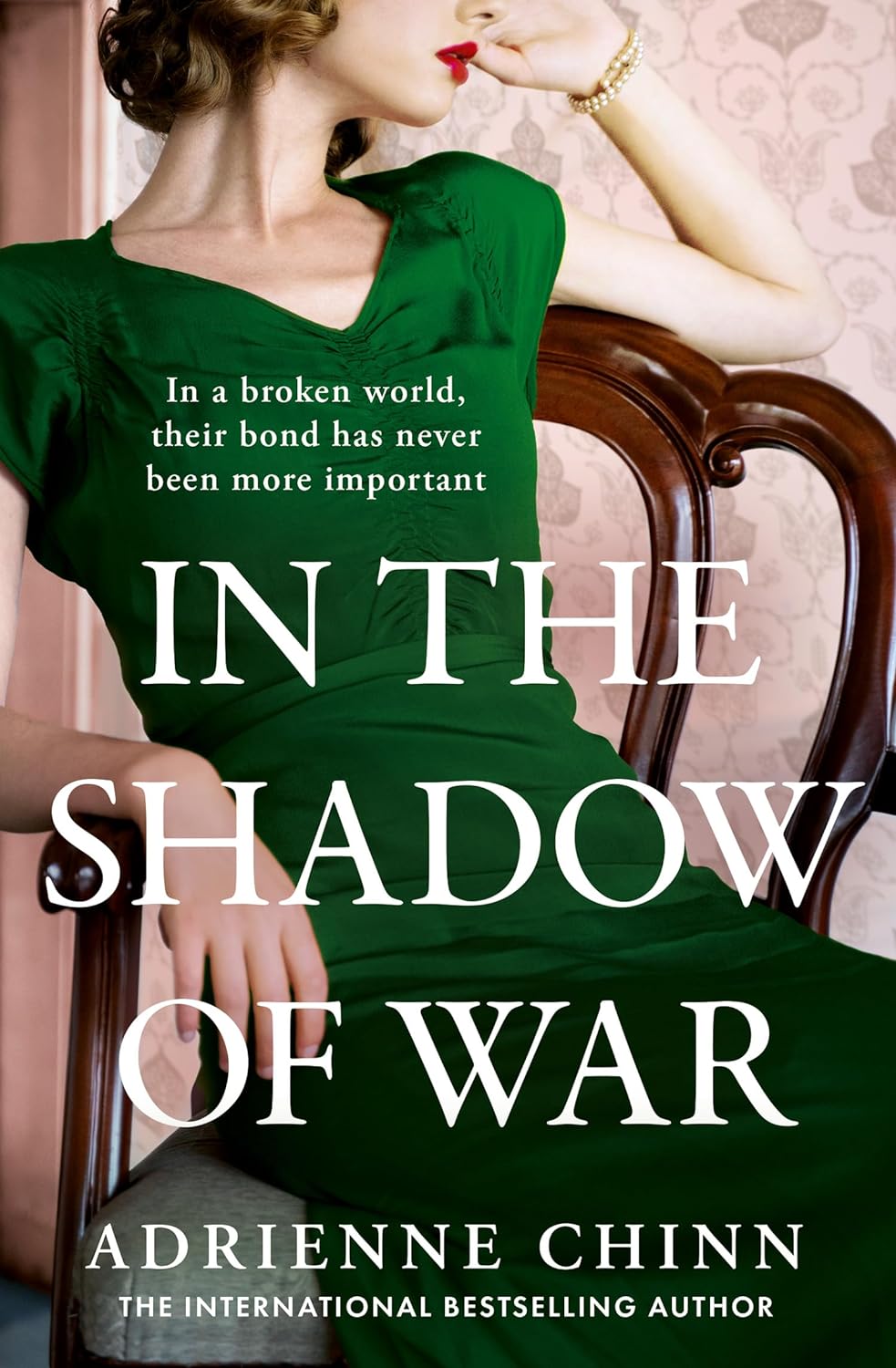
I’m delighted to welcome Adrienne Chinn and her new book, In The Shadow of War, to the blog #blogtour #historicalfiction

Adrienne has written a fabulous post about her new book, In The Shadow of War. Welcome Adrienne.

Down on the Farm in 1930s Canada

In 1921, my grandfather, Frank Chinn, who had spent five years fighting in France in the British infantry – surviving shrapnel wounds and mustard gas – told his wife, Edith née Fry, that he’d had enough of Britain and Europe and had applied for them to emigrate to either Canada, Australia or South Africa on the Soldiers’ Land Settlement Scheme for British war veterans. 

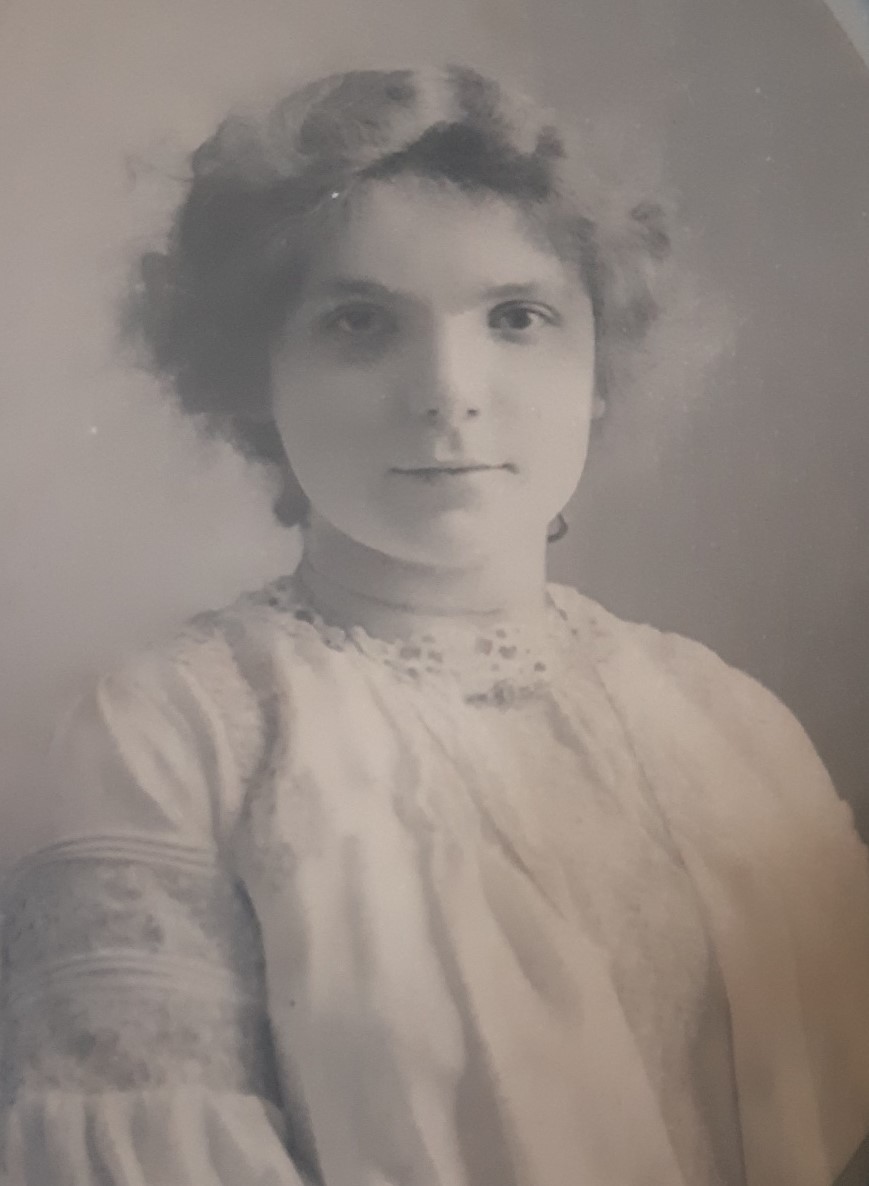
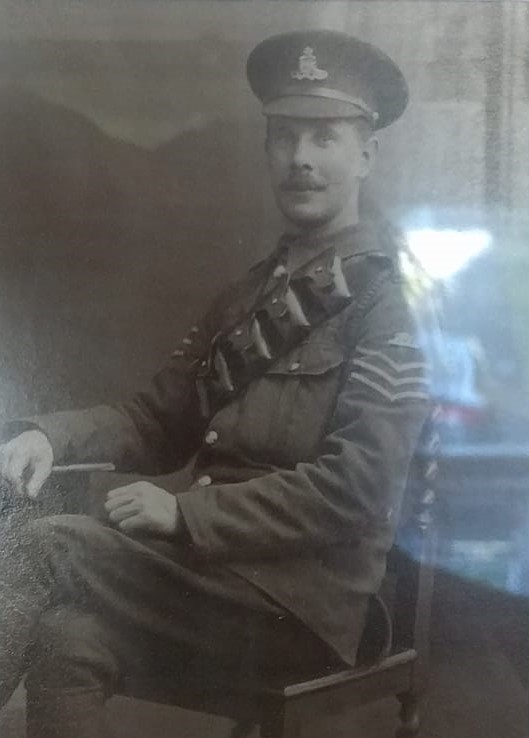
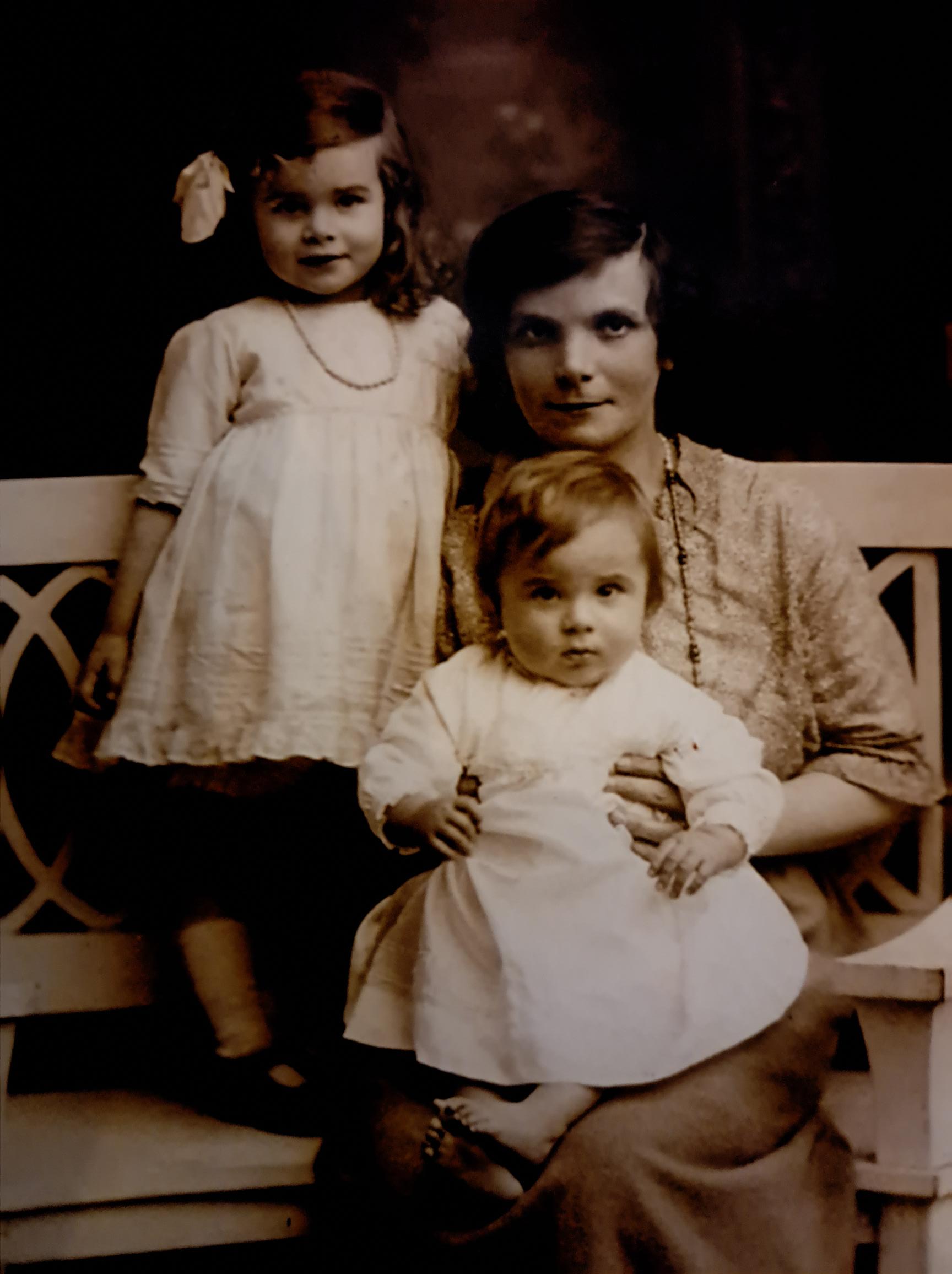
Edith Adelaide Fry Chinn and Staff Sargeant Frank Thomas Chinn, British Infantry 1914-1919

They had two young children, my Aunt Betty who had been born in 1918, and my father, Geoffrey, who was only two. Frank was allocated virgin land in Alberta, Canada to make into a farm, so off to Canada they went. My grandmother would never see her family in Britain again.

Edith in England in 1920 with my Aunt Betty (2) and my father Geoffrey (not yet 1)

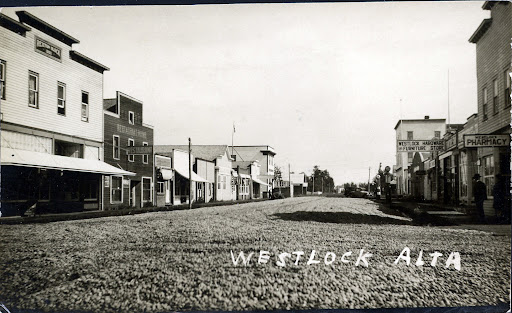
As I grew up, my father and aunt told me and my brothers and sisters many stories about their early lives on a wheat farm in the small farming community of Westlock, Alberta during the years of the Great Depression in the 1930s. 

Westlock, Alberta, Canada 1930s

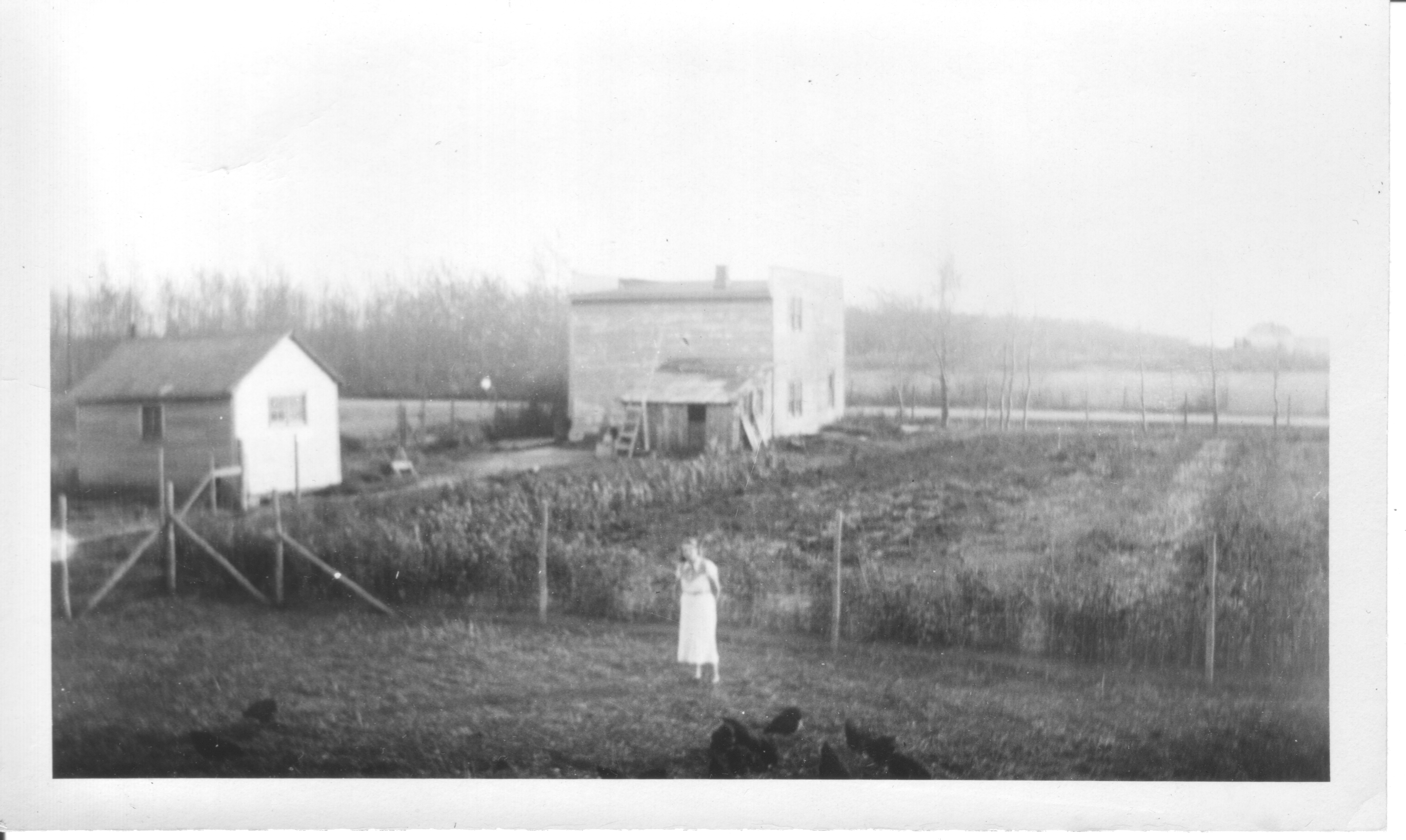
Edith in front of the Chinn farmhouse, Westlock, Alberta, 1930s

Edith in front of the farmhouse – the inspiration for Sweet Briar Farm.

As it turned out, my auctioneer grandfather from Nuneaton, England was no wheat farmer. In 1935, after 14 years of struggle, the bank foreclosed on the farm and they lost everything. They moved into a small shack by the railway which my grandfather called the Chicken Coop, and managed to scrape out an existence until my grandmother had squirreled away enough money for them to move to Victoria, British Columbia where she ran a boarding house with my aunt; my father became an apprentice butcher; and my grandfather gardened and joined the local veteran’s association. In 1939, both my aunt and father enlisted – Aunt Betty as a nurse and my father in the Royal Canadian Air Force – and their lives changed forever.

The “Chicken Coop”, Westlock, Alberta, 1935.

I wanted to explore the experiences and resilience of people like my grandfather’s family trying to eke out a living on farms in North America during the Dust Bowl years of the 1930s, so I placed eldest Fry sister Celie, her war veteran husband Frank, and their young daughter Lulu on Sweet Briar Farm in the fictional West Lake, Alberta, which was very much inspired by family stories and photos. 

Wow, thank you for sharing such a fabulous post. The photos are fabulous.

Here’s the blurb

One war may be over, but their fight for survival continues…

For sisters Etta, Jessie and Celie Fry, the Great War and the hardships of the years that followed have taken a heavy toll.

Determined to leave her painful past behind her, Etta heads to the bright lights of Hollywood whilst Jessie, determined to train as a doctor and use her skills to help others, is hampered by the men who dominate her profession. On the vast, empty plains of the Canadian prairies, Celie and her small family stand on the brink of losing everything.

As whispers of a new war make their way to each sister, each must face the possibility of the unthinkable happening again…

Purchase Links

https://shorturl.at/adhX5

https://shorturl.at/giHL3

https://shorturl.at/COPZ6

Meet the author

Adrienne Chinn was born in Grand Falls, Newfoundland, grew up in Quebec, and eventually made her way to London, England after a career as a journalist. In England she worked as a TV and film researcher before embarking on a career as an interior designer, lecturer, and writer. When not up a ladder or at the computer writing, she often can be found rummaging through flea markets or haggling in the Marrakech souk. Her second novel, The English Wife — a timeslip story set in World War II England and contemporary Newfoundland — was published in June 2020 and has become an international bestseller. Her debut novel, The Lost Letter, was published by Avon Books UK in 2019. Love in a Time of War, the first in a series of four books in The Three Fry Sisters series, was published in February 2022. The second in the series, The Paris Sister, was published in February 2023, and the third book in the series, In the Shadow of War, was published in March 2024.

Connect with the author

https://www.adrienne-chinn.co.uk

https://www.facebook.com/adriennechinnauthor

https://www.instagram.com/adriennechinn

Today, I’m delighted to be reviewing Anne O’Brien’s new novel, A Court of Betrayal #bookreview #historicalfiction

Here’s the blurb

ALL’S FAIR IN LOVE AND WAR…

The Welsh Marches, 1301

Strong-willed heiress Johane de Geneville is married to Roger Mortimer, Earl of March, at just fifteen years old.

Soon Johane finds herself swept up in a world of treacherous court politics and dangerous secrets as her husband deposes Edward II and rules England alongside Queen Isabella. 

Yet when Roger is accused of treason, she is robbed of her freedom and must survive catastrophic events in her fight for justice – with her life, and her children’s, hanging in the balance…

Will she pay for her husband’s mistakes, or will she manage to escape from a terrible fate?

Purchase Link

https://amzn.to/3P5PPcN

My Review

A Court of Betrayal sees Anne O’Brien returning to the early 14th century, finding for her readers a wonderful character, Johane de Geneville. We all know the story of Queen Isabella and her lover, Roger Mortimer, but what about the wife left behind in the Welsh Marches?

There is much of Johane and Roger’s life to cover before the tumultuous events that see Roger fleeing England for his life – 12 children for a start – and this period of Johane’s life is given full coverage by our fabulous author. Johane is fully formed. What I’ve always appreciated about Anne’s characters is that they are women of the time, with all the restrictions that bring with it. Yet, her female characters remain strong-willed and independent, doing what they can within societal norms. Sometimes we might not like Johane (the treatment of her sisters for one), but we are still very much invested in her, and her story. And this is her story. The children are, of course, mentioned, but we hear Johane’s thoughts and fears. Johane drives the narrative, even when she is held in captivity with little outside knowledge of events at the king’s court..

Through Johane’s eyes, we see her husband cast low at the pretensions of the Despenser’s, only to rise too high, too quickly, and we also hear of the many conspiracy theories surrounding his actions – particularly concerning what happened to Edward II. The symmetry between Roger’s actions and those of Edward II’s favourites is beautifully evoked, and the reader is left feeling that if a woman had been instrumental in all this chaos, she would have had much more sense than to upset everyone in the same way that Roger was previously disgruntled—a lovely touch.

I flew through this book in 2 days. Reading a new Anne O’Brien novel is an absolute treat. Just like Constance of York in a Tapestry of Treason, Johane will long live with the reader. 

A Court of Betrayal is a wonderful, evocative novel that will delight readers.

Check out my reviews for

A Tapestry of Treason

The Queen’s Rival

Visit Anne online at https://www.anneobrienbooks.com/

Sign up for Anne’s monthly News Letter to keep up to date with books, events, giveaways and what Anne is writing about. https://www.anneobrienbooks.com/

Find Anne on Facebook https://www.facebook.com/anneobrienbooks/?ref=bookmarks 

Follow her on Twitter @anne_obrien

Enjoy the inspiration for her historical novels on Pinterest https://uk.pinterest.com/thisisanneobrie/

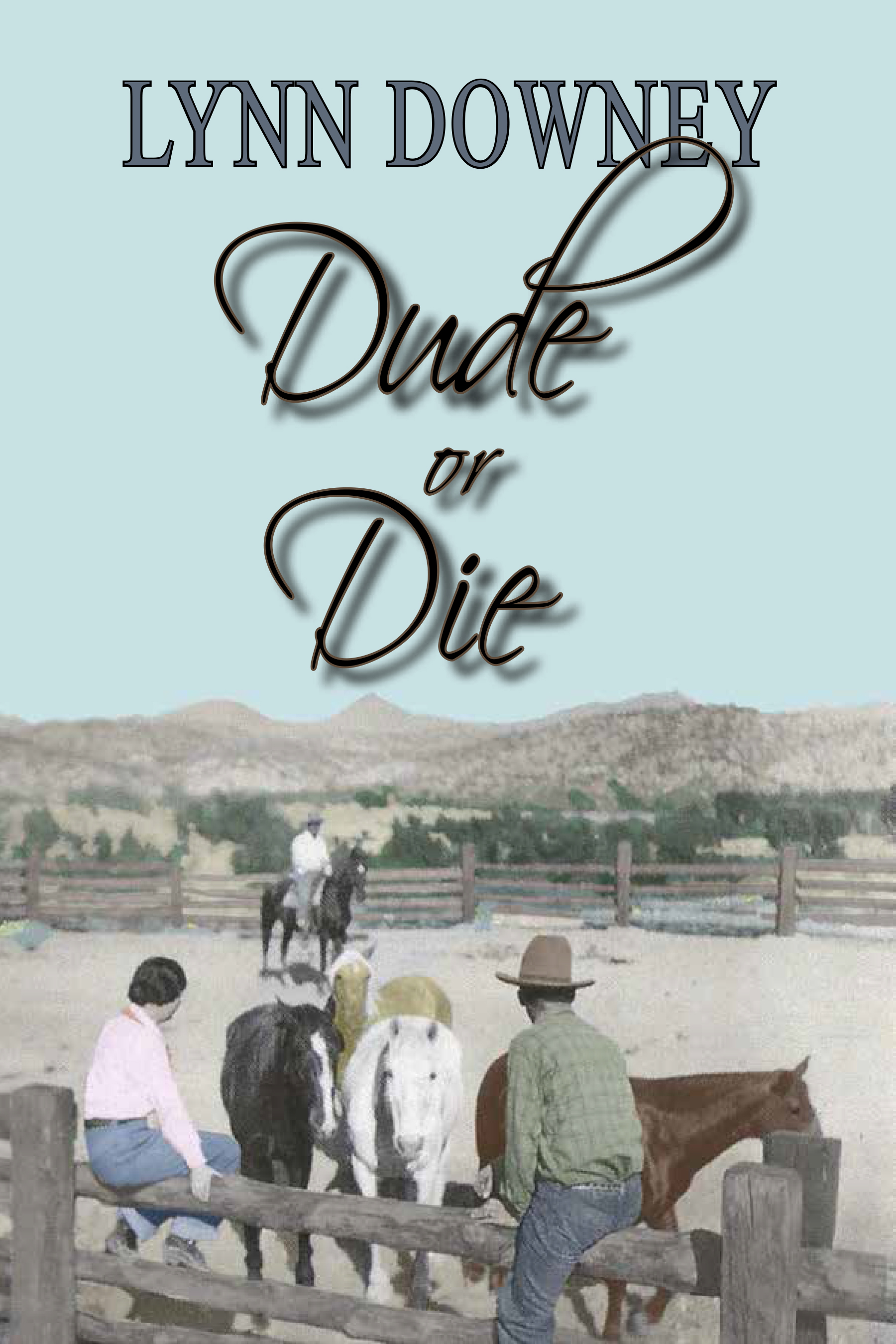
I’m delighted to welcome Lynn Downey and her new book, Dude or Die, to the blog #DudeRanch #HistoricalFiction #WomensFiction #WesternWomen #BlogTour #TheCoffeePotBookClub

I’m delighted to welcome Lynn Downey and her new book, Dude or Die, to the blog with a guest post.

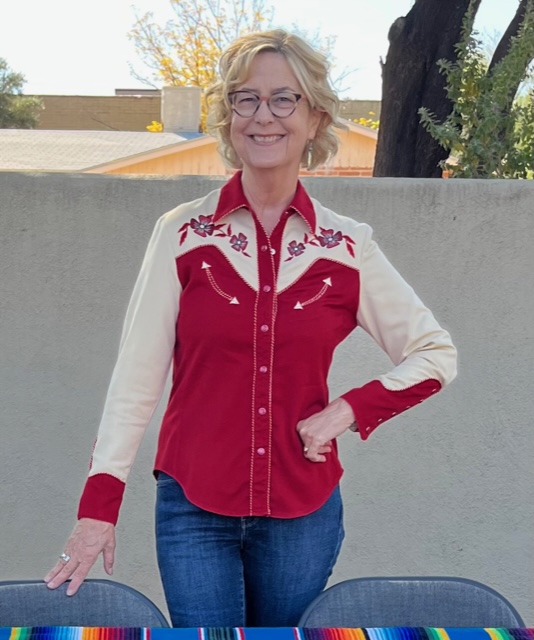
Lynn Downey

I’ve been writing about the American dude ranch for the last few years. My novels, Dudes Rush In and the new sequel, Dude or Die, are set on a fictional Arizona dude ranch in the 1950s. My last nonfiction book tackled the same theme, American Dude Ranch: A Touch of the Cowboy and the Thrill of the West.

Dude ranches began in the Rocky Mountain West in the 1880s. They were originally the kind of place where men from the eastern states could go to hunt or just live like cowboys for a few weeks. It didn’t take long for women and families to start visiting these places, which opened up throughout Montana and Wyoming, and then in California and the Southwest around the time of World War I. People had experiences at dude ranches they couldn’t get anywhere else, and ranching is thriving throughout the western states today.

I first got interested in dude ranches when I was working as the company historian for Levi Strauss & Co. in San Francisco. There was a catalog in the archives called Dude Ranch Duds, featuring clothing specifically to be worn on dude ranches. Not just the denim jeans and jackets, but western shirts, satin shirts with embroidery, gabardine riding pants, everything that real cowboys wouldn’t actually wear. But that was the point. The guests were dudes and dudines, they came from somewhere else to immerse themselves in the cowboy West.

Writing about dude ranching for so many years has yielded stories I never thought I would find, and they went beyond tales of cowboys and dudes. Doing research included perusing a lot of historical newspapers, which are available and searchable online. One day I found what is probably my favorite headline of all time. It was in a number of papers in July of 1935:

“Vampire to Retire to Dude Ranch”

It seems actor Bela Lugosi, most famous for playing Count Dracula in the 1931 film Dracula, had just finished making a new movie called Murder By Television (believe it or not). The Cameo Pictures Corporation was running publicity for the film, and told Lugosi to fill out a questionnaire for readers of various movie magazines. One of the questions asked what his “Present Ambition” was. His answer: “Dude Ranch.”

Of course, I had to read that article.

This just tickled newspaper reporters. One writer for the Brooklyn Times tracked down what he thought were a few more details about Lugosi’s interesting statement.

While the second leading fiend in the United States does not find his lot an unhappy one, he would rather be a cowboy…he has no intention of retiring to a haunted castle in the mountains of his native Hungary when his days of screen acting are over. His desires are for a home on the range, preferably a dude ranch, where all the midnight shrieks, if any, will be from guests whose digestive systems have disagreed with the ranch fodder.

Well, I didn’t believe that for a minute. So, I did what any good historian would do: I tracked down Bela Lugosi’s granddaughter.

She was lovely, and intrigued by the story, which she’d never heard before. She talked to her father, Bela Lugosi, Jr. and a few days later wrote me an email. “My grandfather was an interesting person and I believe he could have thought a dude ranch was a good idea. He really loved the outdoors and especially enjoyed hiking and taking walks.”

I think Lugosi also had a great sense of humor. Because I believe he told the PR people about his dude ranch ambition purely as a joke. Perhaps he was tired of talking to the publicity folks, and wanted to have a little fun.

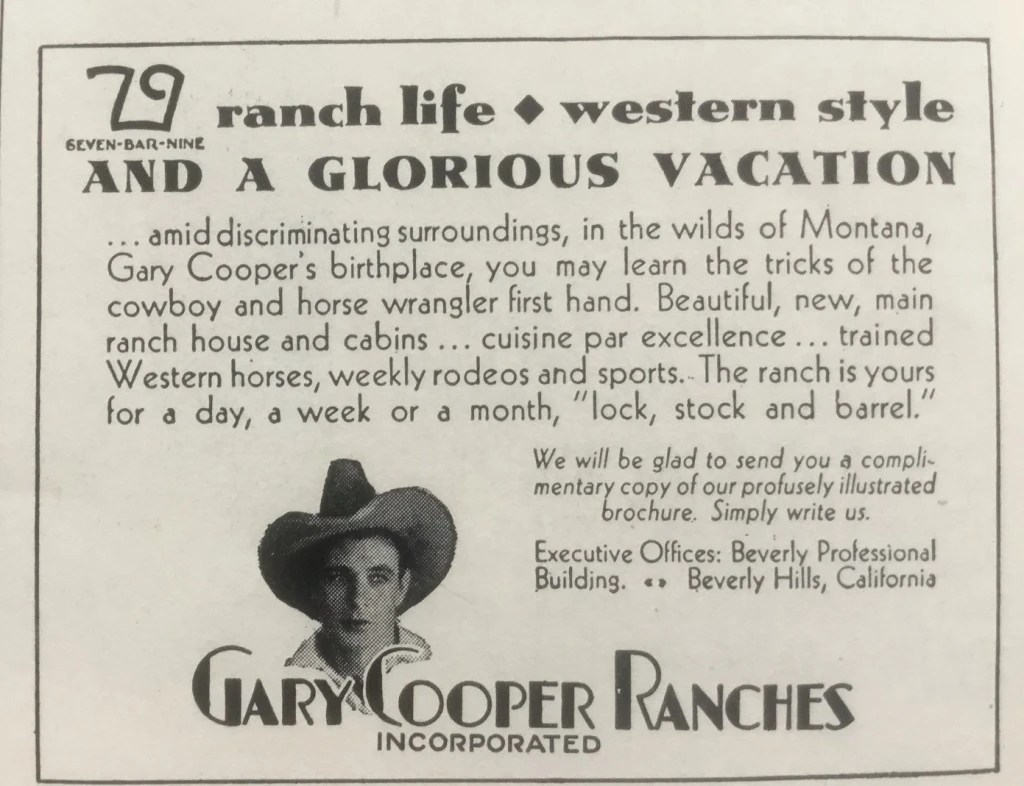
This reflects how popular dude ranches had become by the 1930s. Movie stars like Errol Flynn and Joel McCrea told reporters they planned to open ranches of their own, but they never did. Gary Cooper did have a dude ranch during this decade on the property where he grew up in Helena, Montana, but it didn’t last long. That was probably because people expected to see the movie star when they arrived, but he was rarely if ever there.

Bela Lugosi could have made up anything when the Cameo Pictures Corporation people asked him about his ambitions for the future. But he chose the dude ranch, which was deeply embedded in American culture. It was also the absolute opposite of his character, both on and off screen. And he knew it.

Here’s the blurb

It’s 1954, and San Francisco writer Phoebe Kelley is enjoying the success of her first novel, Lady in the Desert. When Phoebe’s sister-in-law asks her to return to Tribulation, Arizona to help run the H Double Bar Dude Ranch, she doesn’t hesitate. There’s competition from a new dude ranch this year, so the H Double Bar puts on a rodeo featuring a trick rider with a mysterious past. When accidents begin to happen around the ranch, Phoebe jumps in to figure out why, and confronts an unexpected foe. And a man from her own past forces her to confront feelings long buried. Dude or Die is the second book in the award-winning H Double Bar Dude Ranch series.

Buy Link

Universal Link:

This title is available to read on #KindleUnlimited

Meet the Author

Lynn Downey is an award-winning novelist, short story writer, historian of the West, and native Californian.

She was the Historian for Levi Strauss & Co. in San Francisco for 25 years. Her adventures as ambassador for company history took her around the world, where she spoke to television audiences, magazine editors, and university students, appeared in numerous documentaries, and on The Oprah Winfrey Show. She wrote many books and articles about the history of the company and the jeans, and her biography, Levi Strauss: The Man Who Gave Blue Jeans to the World, won the Foreword Reviews silver INDIE award.

Lynn got interested in dude ranches during her time at Levi’s. Her debut historical novel, Dudes Rush In, is set on an Arizona dude ranch in the 1950s; Arizona because she’s a desert rat at heart, and the 1950s because the clothes were fabulous.

Dudes Rush In won a Will Rogers Medallion Award, and placed first in Arizona Historical Fiction at the New Mexico-Arizona book awards. The next book in this series, Dude or Die, was released in 2023. And just for fun, Lynn wrote a screenplay based on Dudes Rush In, which is currently making the rounds of reviewers and competitions.

She pens short stories, as well. “The Wind and the Widow” took Honorable Mention in the History Through Fiction story contest, and “Incident at the Circle H” was a Finalist for the Longhorn Prize from Saddlebag Dispatches. The story “Goldie Hawn at the Good Karma Café,” won second place in The LAURA Short Fiction contest from Women Writing the West, and is based on her experiences in a San Francisco religious cult in the 1970s. (That will be another book one of these days.)  

Lynn’s latest nonfiction book is American Dude Ranch: A Touch of the Cowboy and the Thrill of the West, a cultural history of the dude ranch. It was reviewed in The Wall Street Journal, True West, Cowgirl, and The Denver Post, and was a Finalist for the Next Generation INDIE Award in Nonfiction. Kirkus Reviews said the book is “…deeply engaging and balances accessible writing style with solid research.”

When she’s not writing, Lynn works as a consulting archivist and historian for museums, libraries, cultural institutions, and businesses. She is the past president of Women Writing the West, a member of the Western Writers of America, and is on numerous boards devoted to archives and historic preservation.

Lynn lives in Sonoma, California, where she sometimes makes wine from the Pinot Noir grapes in her back yard vineyard.

Connect with the Author

Website: BlueSky:

Follow the Dude or Die blog tour with The Coffee Pot Book Club