
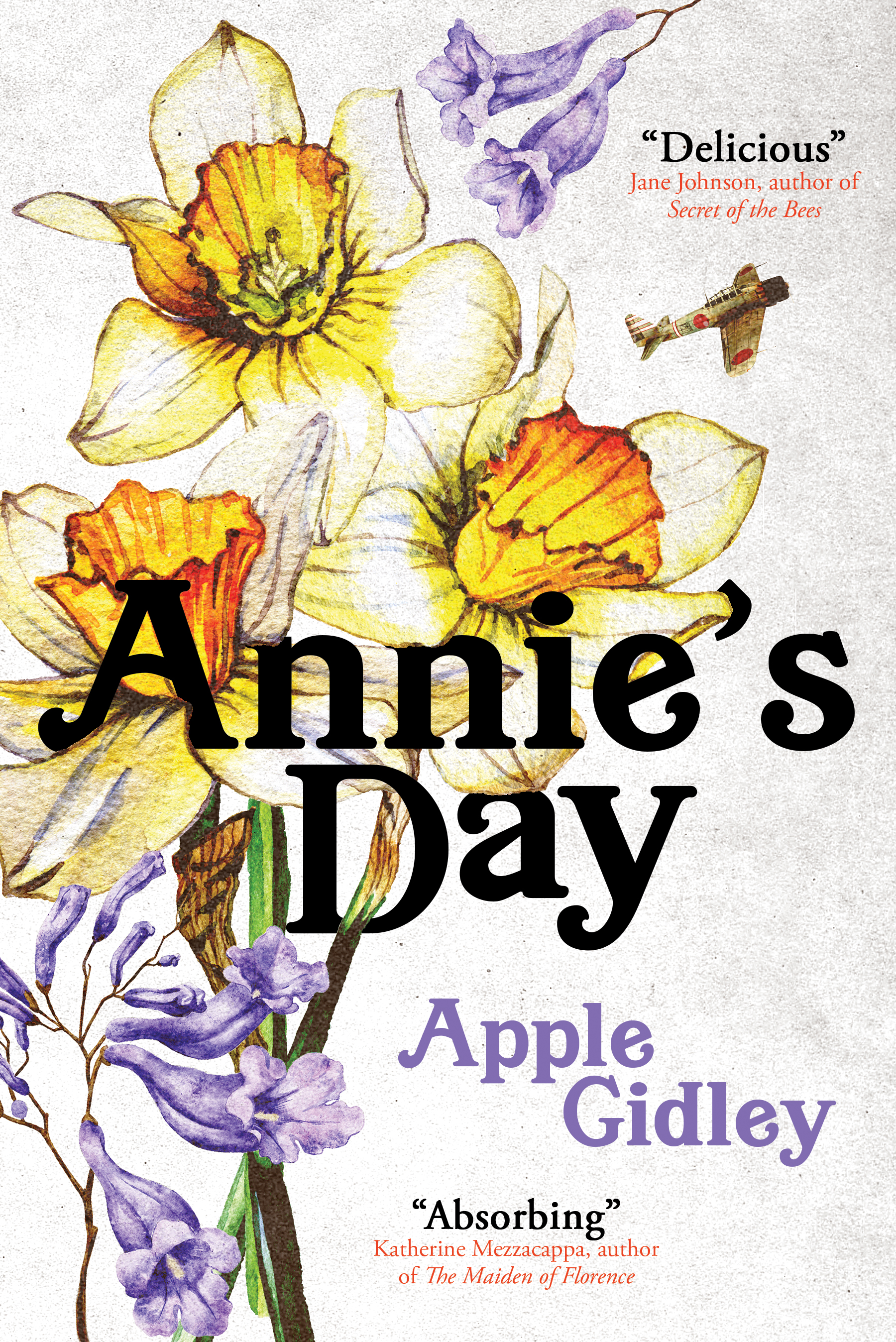
I’m delighted to welcome Apple Gidley and her new book, Annie’s Day, to the blog #WomensFiction #HistoricalFiction #LiteraryFiction #ArmyNurses #BlogTour #TheCoffeePotBookClub

I’m delighted to welcome Apple Gidley and her new book, Annie’s Day, to the blog with a guest post.

Guest Post

Keeping Out of the Rabbit Warrens

If, like me, you are fascinated by the minutia of past times and lives, then you too are in danger of getting lost in the gar hole of research. It is that interest that draws me to historical fiction as both a reader and a writer. To make a historical novel come alive even the smallest details are important. Or that’s what I tell myself after I have spent the better part of an afternoon tracing a snippet that might not even make it into the first draft.

The internet has without doubt made the writer’s life easier, but with ease come potholes filled with blind faith. AI can be a starting point, but it is up to the novelist to always dig deeper and wider.

After the publication of my first book way back in 2012, my husband gave me the coolest desk imaginable. Styled after a huge old steamer trunk, it is covered in studded leather and, even more appealing, has lots of drawers. Some are filled with maps, some with files full of random bits of information, such as yellowed and curling bus and train timetables from obscure places that might one day be useful—as are site visits.

The downside of writing historical fiction is that sometimes it is difficult to justify those site visits, as places do tend to change! It was fortunate that for Annie’s Day, I already knew the countries about which I would write, having been educated in Australia, lived in Singapore as a child and an adult, then in Papua New Guinea, and had visited Berlin before the wall came down. Towns might have grown and changed, but a visit still provides a sense of place—the smells, the sounds of the voices in the market, if not the sights.

Gleaned from my mother’s Australian Army Nursing Service records, courtesy of the Australian War Memorial Archives, Annie’s Day follows the timeline but not the story of Mum’s war years. I know she also spent time as a nanny in Berlin during the Blockade, but apart from the odd comment she did not speak about those years and I, to my regret, never pushed.

With some of the writing barely legible on Mum’s army records, I began Annie’s roadmap around those basic facts, and made up the rest, with the addition of actual people—Matron Drummond of the AANS; Captain Selwyn Capon of the Empire Star; Lieutenant Gail Halvorsen of the US Air Force, aka ‘the candy bomber’, who brought moments of joy to the starving children in Berlin by dropping chocolates from his plane window as he flew in to deliver desperately needed supplies. Real people who added depth to the fiction.

Even before becoming a writer, I loved maps, and maps underpin any book written about the war, particularly when the area in question might be off the usual travel path. In a pub quiz, with a little head scratching, most can come up with the five Normandy beaches in Operation Overlord, but names like Lae, or Scarlet Beach, where the Australians landed in the fight to retake the Huon Peninsula in New Guinea, are not so easy to place. And maps are vital in not just locating a spot, but showing the terrain—the rivers to be forded, the mountains climbed, the beaches waded onto. So, maps surround me not just in the research phase but when I’m writing.

One lovely surprise when Annie’s Day began to really bubble was an idle online search for Mum. Writing had been a slow churn—some days are like that—and so I typed in Ida Arundel Morse and up she popped. A number of times. Photos that were not in her papers or albums but that were, again, in the Australian War Memorial Archives. It sent me into a spin, and the rest of the day was lost in tears as I mulled over the mother whose early life I had known so little about. (Mum is #2).

The Imperial War Museum at RAF Duxford is just down the road from where I live and I spent many happy hours wandering around, and sometimes clambering into Lancasters, Dakotas, York Avros, all planes used during the Berlin Airlift.

And books. Lots of books. A few included Giles Milton’s Checkmate in Berlin which tells history in a wonderfully relatable way. Singapore Burning by Colin Smith put me on the island in 1942. For the Pacific theatre, Philip Bradley’s D-Day in New Guinea was invaluable. Patsy Adam-Smith, and Rupert Goodman have both written fascinating books about Australian women at war, the latter focusing on nurses. Peter Ryan’s Fear Drive My Feet is the classic memoir of an Australian operative behind enemy lines in the New Guinea mountains.

Unless you are fortunate enough to find letters in your research, it is impossible to get first-hand data for earlier historical fiction, but for background and general information, I have found that people are incredibly willing to answer questions. One of the characters in Annie’s Day is a former RAF padre. After asking our local vicar interminable theological questions, she put me onto a memoir, Life and Death in the Battle of Britain, written by Guy Mayfield who had been a padre at RAF Duxford during the war. It was a goldmine, and I shamelessly stole one of his anecdotes and gave it to my fictional character, naturally with an acknowledgement in the book.

Another character, Samira, is a Hindu woman destined for an arranged marriage. My friend, Pooja Vacchani, endured countless questions about Hindu culture—she too is thanked!

It truly takes a global village to research, write, then get the final draft into the publisher’s hands, where another village takes over. The author? Well, she moves onto to the next deep dive into research!

Here’s the Blurb

War took everything. Love never had a chance. Until now.

As an Australian Army nurse, Annie endures the brutalities of World War II in Singapore and New Guinea. Later, seeking a change, she accepts a job with a British diplomatic family in Berlin, only to find herself caught up in the upheaval of the Blockade. Through it all, and despite the support of friends, the death of a man she barely knew leaves a wound that refuses to heal, threatening her to a life without love.

Years later, Annie is still haunted by what she’d lost—and what might have been. Her days are quiet, but her memories are loud. When a dying man’s fear forces her to confront her own doubts, she forms an unexpected friendship that rekindles something she thought she’d lost: hope.Annie’s Day is a powerful story of love, war, and the quiet courage to start again—even when it seems far too late.
Buy Link

Universal Link:

Vine Leaves Press Paperback Buy Link:

Meet the Author

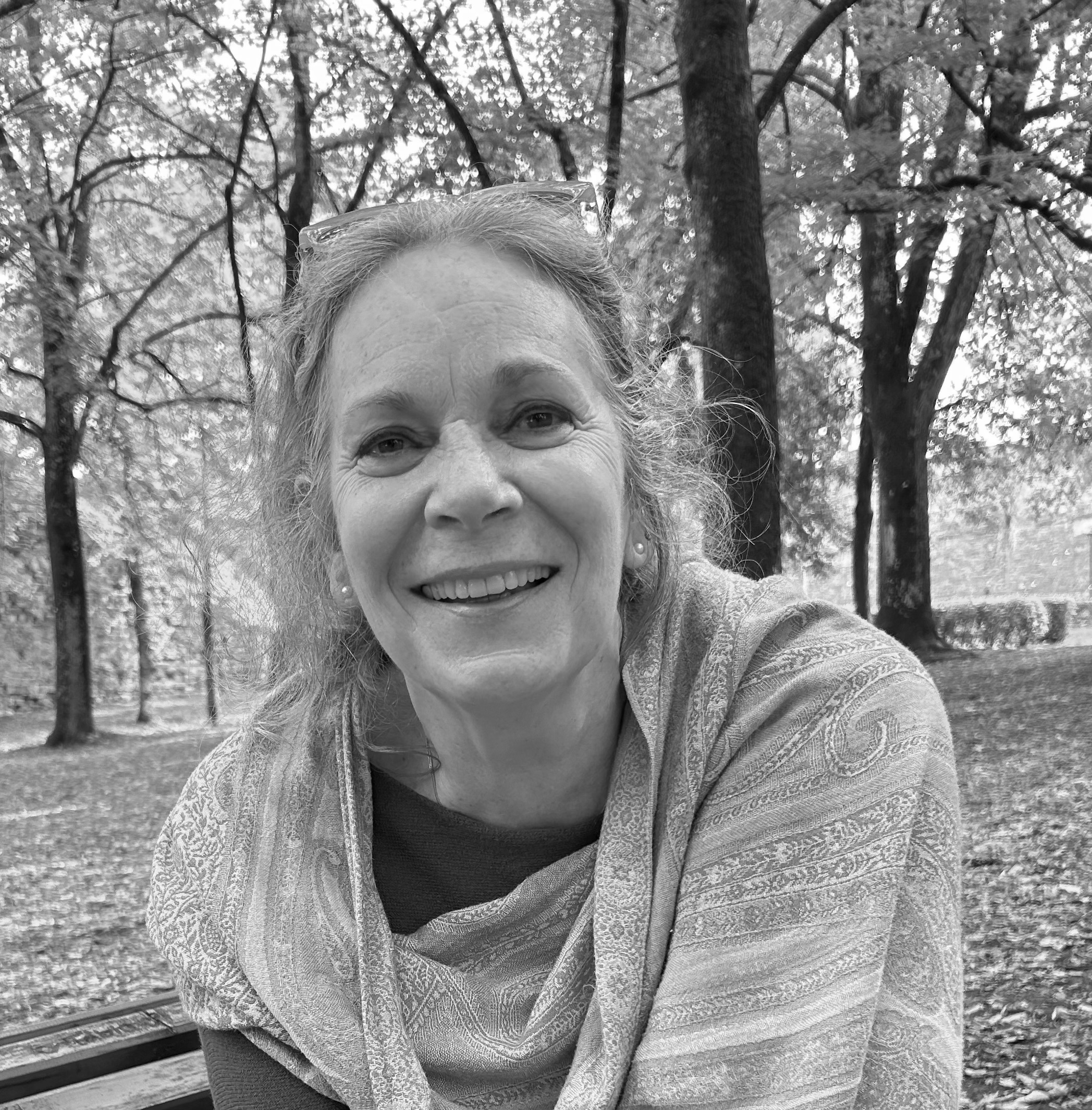
Anglo-Australian, Apple Gidley’s nomadic life has helped imbue her writing with rich, diverse cultures and experiences. Annie’s Day is her seventh book.

Gidley currently lives in Cambridgeshire, England with her husband, and rescue cat, Bella, aka assistant editor.
Connect with the Author

Follow Annie’s Day blog tour with The Coffee Pot Book Club

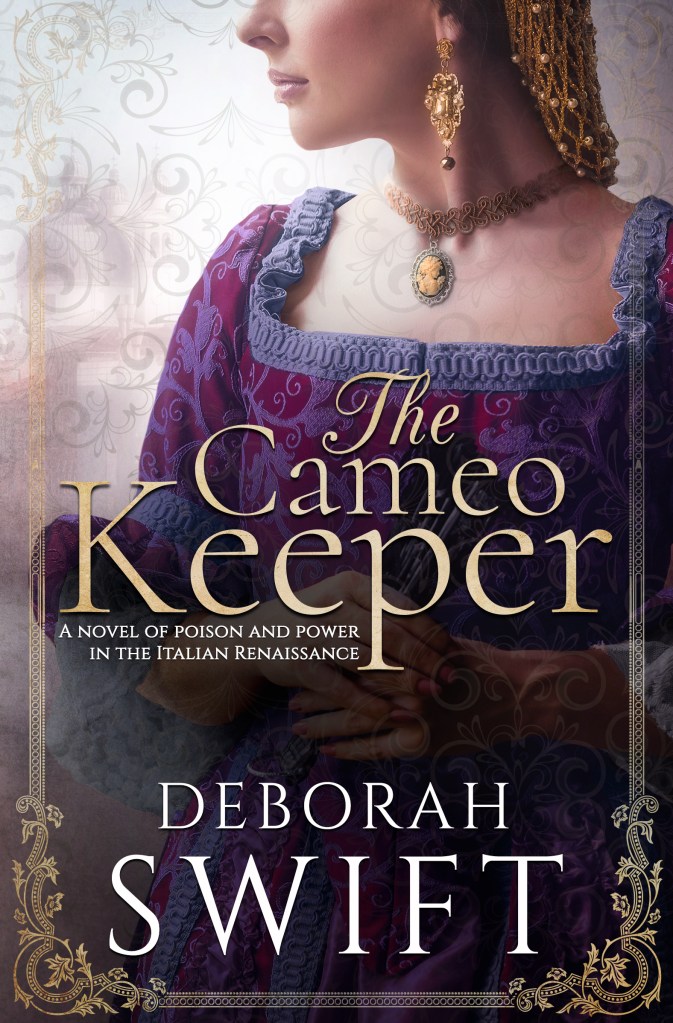
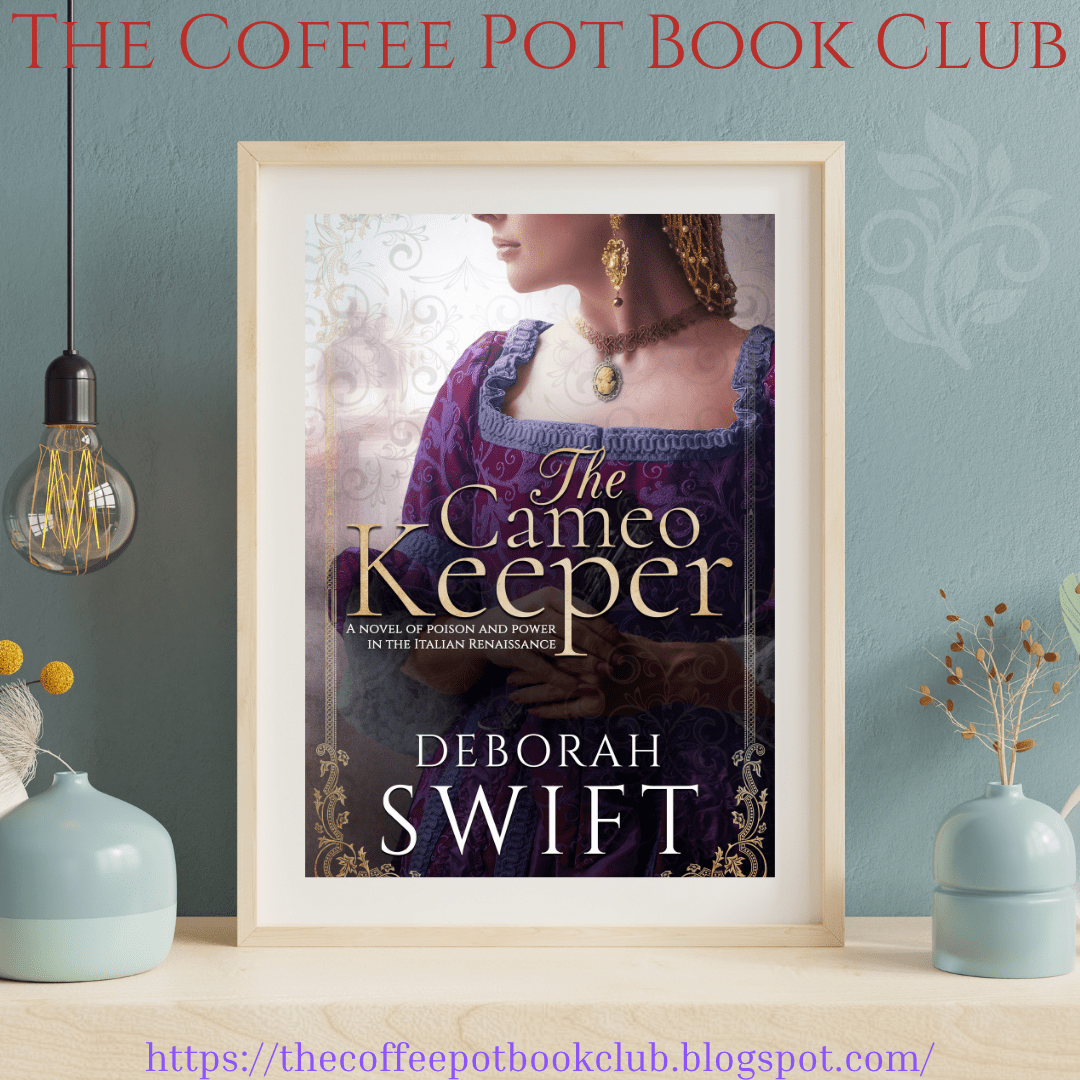
I’m delighted to welcome Deborah Swift and her new book, The Cameo Keeper, to the blog #HistoricalFiction #Renaissance #GiuliaTofana #Poison #BlogTour #TheCoffeePotBookClub 

I’m delighted to welcome Deborah Swift and her new book, The Cameo Keeper, to the blog #HistoricalFiction #Renaissance #GiuliaTofana #Poison #BlogTour #TheCoffeePotBookClub 

I’m delighted to welcome Deborah Swift and her new book, The Cameo Keeper, to the blog with an excerpt from the novel.

Rome, September 1644

As soon as Mia opened the door Donna Olimpia came straight in, looking side to side as if to check no-one could see her.

Mia extended a hand in greeting. ‘This way, honoured Signora.’ 

‘What’s that smell?’

‘Lavender, Signora. For making the linen smell sweet.’ She indicated the stairs and the woman went ahead of her, heavy feet and thick ankles under her richly embroidered black skirts. At the top Mia pointed to the door off the piano nobile and followed her client into the cooler room at the back of the house. 

Donna Olimpia threw back her widow’s veil to survey the sala, which was probably much smaller and more humble than any she was used to. Mia examined her client in turn, for clues as to what might cause her headaches, even though she was no expert at all. 

A determined face. Thick eyebrows over shrewd eyes, and a manner that meant business. 

Seeming satisfied by the look of the place, Donna Olimpia took the chair opposite Mia’s. ‘My servants tell me you are the best in Rome for women’s ailments,’ she said. ‘But you look younger than I imagined. I’d got the impression you were older.’

‘How can I help you, Signora?’

‘I have these headaches – megrim, my physician calls them. But he is no use. All his bloodletting hasn’t changed them one iota. They start with my eyes blurring and the room starts to swim, and then the headache. Torture. Like iron bands around my head. When it comes, I can do nothing but lie down in a dark room. They make me weak, and I can’t afford weakness. Not now.’

‘And how long do they last?’

‘Days. Sometimes three days at a stretch. They are debilitating and nothing seems to help.’

‘You have no headache now?’

‘Only the cardinals and their demands.’ She gave a small smile.

‘We have several remedies for headaches, but I will go down to my store and bring you something that may soothe your excess humours. Would you like refreshment while you wait?’ Mia couldn’t help the tingle of excitement that the great lady was actually sitting in her sala.

‘Nothing, thank you. I mustn’t be away from the city long or my servants will wonder where I am.’

Mia gave a small curtsey, as was the custom, and hurried downstairs to where Giulia was waiting. Giulia raised her eyebrows in question. 

‘She’s here, and she says it’s a megrim. Have you anything for that?’

Giulia reached up to a high shelf. ‘I’ll give her a simple mix of vervain and lemongrass. It won’t do her any good, but it won’t do her any harm either.’ Giulia took a corked bottle down and passed it over. ‘Now hurry. The sooner we can be rid of her, the sooner I’ll be able to breathe easy.’

Mia scurried back up the stairs, but was disconcerted to see Donna Olimpia had gone through the open door to her small workroom and was now snooping through the books turned to the wall. With a jolt, Mia saw she was studying one on astrology. Even worse, she recognised it as one of the treatises favouring Galileo, a man considered heretical by the last Pope.

Donna Olimpia turned when Mia entered, still holding the book, her finger acting as bookmark in the heavy leather volume.

‘Here, Signora.’ Mia said, holding out the bottle of milky liquid. ‘This preparation has proved to be very good in cases such as yours.’

Donna Olimpia didn’t take it. ‘You have expensive tastes. Many books on the stars, and some on medicine, I see. And charts.’ She indicated the parchments of the heavens that were pinned to the walls.

This was a conversation Mia didn’t want to have. ‘I have an interest, that is all. In how it relates to healing. My main work is simple remedies from the kitchen.’ She was sweating now, fearing Donna Olimpia would denounce her to the Inquisition.

‘These are not simple tracts for the average reader. They are written in some depth. And that is a costly globe of the night sky. Very impressive. You have knowledge of the stars?’

Mia floundered. ‘No.’ The only safe answer. 

‘But I wager you can make an astrological chart and do a reading?’ Donna Olimpia pinned her with a steely gaze. 

‘Only for myself, in private, not—’

‘Then you could draw one up for me, could you not? And I have a very precise question. I would pay you well if you did me this favour.’

‘But I’m just an amateur, I don’t know that—’

Donna Olimpia waved the book at her. ‘Don’t dissemble with me. These are not books for the beginner.’

‘My apologies, madam, I—’

‘You will draw up my chart. Guess if you must, but I must know how long I have.’ 

‘You mean how long will you live?’ It was an astonishing question that no-one had ever asked, let alone a woman who was the Pope’s sister-in-law, because it was a question that could be heresy against God. 

‘No, no. Not how long will I live! I don’t care about that. How long will my brother-in-law live – what do the stars say about that? In other words, how much time do I have for my vision – my quest to turn this city around?’

Here’s the Blurb

Rome 1644: A Novel of Love, Power, and Poison

Remember tonight… for it is the beginning of always ― Dante Alighieri

In the heart of Rome, the conclave is choosing a new Pope, and whoever wins will determine the fate of the Eternal City.

Astrologer Mia and her fiancé Jacopo, a physician at the Santo Spirito Hospital, plan to marry, but the election result is a shock and changes everything.

As Pope Innocent X takes the throne, he brings along his sister-in-law, the formidable Donna Olimpia Maidalchini, known as La Papessa – the female Pope. When Mia is offered a position as her personal astrologer, she and Jacopo find themselves on opposite sides of the most powerful family in Rome.

Mia is determined to protect her mother, Giulia Tofana, a renowned poisoner. But with La Papessa obsessed with bringing Giulia to justice, Mia and Jacopo’s love is put to the ultimate test.

As the new dawn of Renaissance medicine emerges, Mia must navigate the dangerous political landscape of Rome while trying to protect her family and her heart. Will she be able to save her mother, or will she lose everything she holds dear?

For fans of “The Borgias” and “The Crown,” this gripping tale of love, power, and poison will keep you on the edge of your seat until the very end.

Praise:

‘historical fiction that is brisk, fresh and bristling with intrigue’ 
~
 Bookmarked Reviews ★★★★★

Buy Link

Universal Link

Meet the Author

Deborah Swift is the author of twenty novels of historical fiction. 

Her Renaissance novel in this series, The Poison Keeper, was recently voted Best Book of the Decade by the Wishing Shelf Readers Award. Her WW2 novel Past Encounters was the winner of the BookViral Millennium Award, and is one of seven books set in the WW2 era.

Deborah lives in the North of England close to the mountains and the sea.

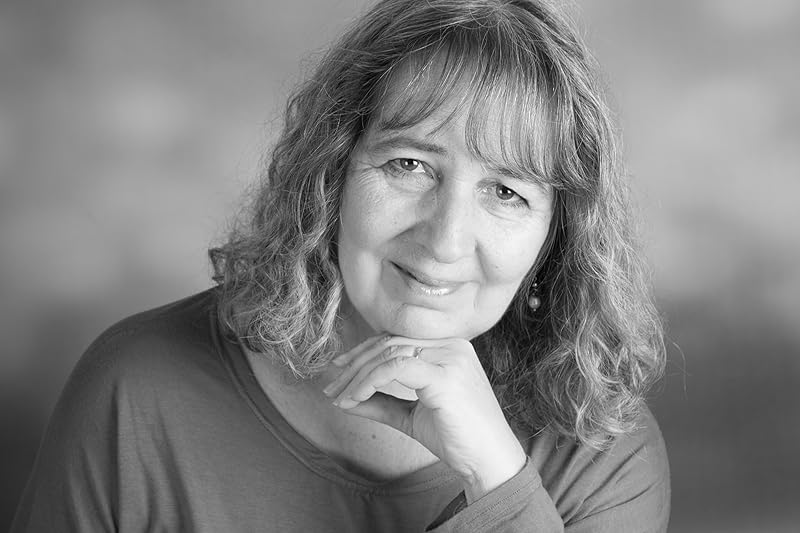
Author Deborah Swift

Connect with the Author

Follow The Cameo Keeper blog tour with The Coffee Pot Book Club

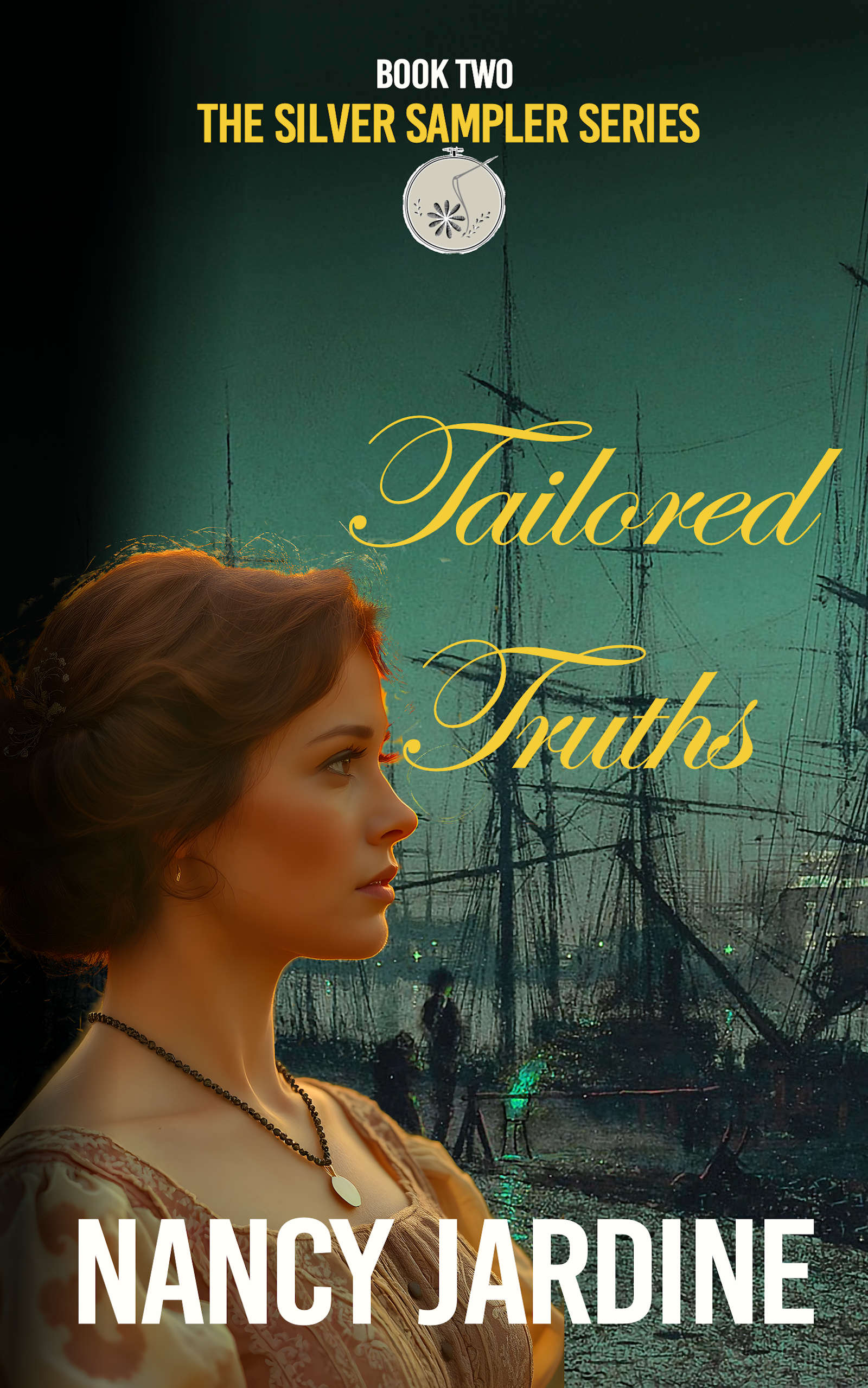
I’m delighted to welcome Nancy Jardine and her new book, Tailored Truths, to the blog #HistoricalFiction #FamilySaga #WomensFiction #Victorian #Scotland #BlogTour #TheCoffeePotBookClub

I’m delighted to welcome Nancy Jardine and her new book, Tailored Truths, Book 2 in the Silver Sampler Series, to the blog with a guest post.

Guest Post – Mill Owner Benevolence

My character, Margaret, has a variety of jobs in Tailored Truths. Two of them are in different areas of one of the larger mills in Dundee (Scotland). The time period covered in the book is between 1855 and 1868 when Dundee mills were, at times, highly profitable though the situation was also volatile, markets and sales being unpredictable. Workers were hired when high production was needed and they lost their jobs when things weren’t so rosy in the world markets. Margaret finds herself lucky to have a job when she desperately needs one, even if it pays a pittance!

During the earlier part of the 19th Century, linen was the prime mill product in the Dundee area. Coarse linen weave was highly sought after for sailcloth; for canvas sacks and bags for transporting goods; and a coarse linen weave named Osnaburg was produced for sending to the American plantations to be made into rough clothing for slaves. The main drawback, however, was that the flax (raw product) tended to come from Baltic states. When Britain became embroiled in the Crimean War, between 1853-1856, the flax supplies from the Russian Baltic states were deemed as potentially unreliable. The larger mill owners in Dundee tended to work on a ‘six months’ system where supplies were ordered well in advance, since shipping from the Baltic also relied on an annual short-window of weather good enough for sailing ships. Not having continuous raw supplies presented a huge problem since linen was highly sought after during the Crimean War. The war office bought lots of linen products, the British army and navy requiring constant supplies and replacements to sails; uniforms; sacks; tents etc. Market prices fluctuated but some of the Dundee mills profited very well during the Crimean War, though there were the much leaner years afterwards when the War Office requisitions dwindled.

To offset potential losses from a lack of flax, some of those larger mill owners in Dundee turned to producing jute weaves. Jute wasn’t a new product around Dundee, since some of the smaller weavers had already been producing jute products for decades, but the profit margin for them was low. Initially, the raw jute was grown in Bengal (India) and shipped to Dundee via local Indian dealers but when the larger mill owners saw jute as being profitable they organised the shipping themselves.

The tradition in Bengal had been for jute products to be hand-woven. There were no powered-looms nor any steam machinery in Bengal for spinning and weaving till later in the 1850s and 1860s, so there was no real competition when the big Dundee mills began jute mass production.

The raw jute needed to be softened first before carding and spinning could happen. Whale oil was already known to be a good product for that process and it was highly convenient that the quaysides at Dundee were regularly frequented by the huge whaling ships.

Some of the mill owners weathered the unpredictable markets very well and their bank accounts swelled enormously. Many of them chose to use their wealth to build new mansions for their families in the nearby coastal town of Broughty, or around the city of Dundee. In doing this, they provided much needed construction jobs, and then jobs for inside and outside staff. I used this situation in Tailored Truths, giving Margaret a taste of the high-life when she is taken on as a lady’s maid in one of the new mansions. The ‘family’ are naturally only on the periphery of high society, with Margaret experiencing it from the point of view as an elevated servant, but her situation means a glimpse into how the nouveaux riche of Dundee were living.

Some of the Dundee mill owners took opportunities to use some of their wealth for the benefit of the citizens of Dundee. Whether this was true altruism, or expected of them, could be debated at length but the facts are that some public buildings and facilities would not have been built so readily without hefty donations coming from the mill owners. Some of the still-existing public parks in Dundee came about from extensive donations, Baxter Park being a fine example. The land was acquired, planted up and turned into beautiful walkways for the working people of Dundee to enjoy when freed from their long hours of work. Baxter Park also has a very fine pavilion, currently used as a multi-purpose venue with a tiny daytime café. One of the marvellous aspects of the sandstone pavilion in Baxter Park, designed by Sir Joseph Paxton – a renowned  architect and landscaper – is the grand rooftop balustrade. There is a fantastic view from there of the River Tay and the far bank of Fife. When the park was newly planted the view would have been much better than today. It’s still very good since the whole park site is ‘up-the-hill’ from the harbourside but today some of the original and very mature trees, and modern housing slightly obscure the views.

I couldn’t resist adding in a scene where Margaret meets some very handsome lads in my fictitious Baxton park. It didn’t feel authentic to give my Dundee mill family the genuine name of Baxter, but I chose something very close. My fictitious Mister Baxton is, in his own way, remotely instrumental in Margaret’s progress through her late teenage years and into her twenties. How?…Too many spoilers ruin the book (Shh.. I just made that up!)

Here’s the Blurb

An engrossing Victorian Scotland Saga (Silver Sampler Series Book 2)

Is self-supporting success enough for Margaret Law or will her future also include an adoring husband and children? She might secretly yearn for that though how can she avoid a repeat of relationship deceptions that disenchanted her so much during her teenage years?

Employment as a lady’s maid, and then as a private tutor in Liverpool in the 1860s bring thrilling opportunities Margaret could never have envisaged. Though when those posts end, her educational aspirations must be shelved again. Reliance on her sewing skills is paramount for survival when she returns to Dundee.

Meeting Sandy Watson means love, marriage and starting a family – though not necessarily in that order – are a striking development though it entails a move north to Peterhead. Yet, how can Margaret shed her fear of commitment and her independence and take the plunge?

Jessie, her sister-at-heart, is settled in Glasgow. Frequent letters are a life-line between them but when it all goes horribly wrong, the contents of Margaret’s correspondence don’t necessarily mirror her awful day-to-day realities.

Buy Link

Universal Link:

This title is available to read on #KindleUnlimited

Meet the Author

Nancy Jardine writes historical adventure fiction, historical saga, time travel historical adventure and contemporary mysteries. Research, grandchildren, gardening fill up her day in the castle country of Aberdeenshire, Scotland, when not writing or promoting her writing. Interacting with readers is a joy at Book and Craft Fairs where she signs/sells paperback versions of her novels. She enjoys giving author presentations on her books and on Ancient Roman Scotland.

Memberships include: Historical Novel Society; Scottish Association of Writers, Federation of Writers Scotland, Romantic Novelists’ Association and the Alliance of Independent Authors. She’s self-published with Ocelot Press.

Connect with the Author
Follow Tailored Truths blog tour with The Coffee Pot Book Club

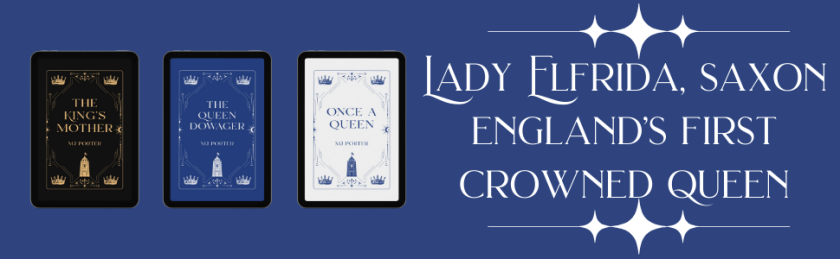
Why did I write about Lady Elfrida? Saxon England’s first crowned queen? #nonfiction #authorinspiration

Why did I write about Lady Elfrida? Saxon England’s first crowned queen? #nonfiction #authorinspiration

Why did I write about Lady Elfrida?

Lady Elfrida could have been Anne Boleyn, marrying for love, only she outlived her husband. She could have been Eleanor of Aquitaine, only she only had one son who lived to adulthood. She could have been Isabella, the She-Wolf of France. No woman before her had ever held so must power in England, and lost it, at the hands of her son.

The delight in Lady Elfrida’s story is playing with the ‘what ifs’ and the ‘possibilities.’ This is why she is a perfect character to explore through fiction, because her life is long and varied, and there’s a great deal to untangle from the historical record.

Elfrida was, officially, the first crowned Queen of Saxon England. Of Saxon England. Before her, there had been queens of Wessex (not as many as you think), Mercia (more), Northumbria, Kent, East Anglia, and even of the Anglo-Saxons, but never of the English. 

‘Twice a Queen’ Emma, who married Elfrida’s son, Æthelred II, and the Cnut, would have walked in only recently relinquished footsteps when she married. Equally, Elfrida replaced Lady Eadgifu, a woman not known to have been acknowledged queen, but who just might have known Elfrida before her death, and who had certainly played her own part as a kingmaker following the death of her husband, her stepsons, her sons, and then older grandson.

I confess, the idea of a married king falling passionately in love with Lady Elfrida was almost more than enough to want to write about her, and I did include this in the first novel, much more a romantic historical novel than the subsequent books, but it was what came after that struck me.

A woman of considerable power and influence

But Lady Elfrida was a woman of considerable power, not just a love interest for the king – take a look at the charters issued throughout her second husband’s and second son’s life, and she’s there, named. Not always at the top of the list of attestations, but clearly in evidence, apart from when she and her son seem to have fallen out in about 985 until 993, when she reappears until her death. Lady Elfrida was a ‘mover and shaker’ at the Saxon English Court. 

She was the ‘queen’ alongside her husband as king, she was mother to his third and fourth children – two sons. 

As queen, she was involved in the Benedictine Reformation, then sweeping England – alongside such political heavyweights as Archbishop Dunstan and Oswald and Bishop Æthelwold, and her husband gave her command over the nunneries of England (which meant their wealth and assets as well as their spiritual needs).

Under her step-son, Edmund the Martyr, Lady Elfrida, was absent from Court, no doubt plotting her son’s return, or, just acknowledging that she had no part to play as her son had been excluded from the succession. 

Lady Elfrida returned to Court with her son’s accession. A regency council was formed, and of course Elfrida was included, and this seems to be where Elfrida reached her peak of influence.

It’s worthwhile pausing to consider this outcome. Æthelred was no more than ten, possibly eleven, when he came to the throne. He was a minor. He was a child. And yet he became king of England, his coronation taking place in April 978 or 979, either with unseemly haste after his half-brother’s murder, or with a year of ‘arm twisting’ in between.

He was a minor. He was not a warrior.

A hundred years before Æthelred’s reign, the Alfred-Guthrum treaty had been signed, dividing England between the Danes and the ‘English’ (as they weren’t yet really known). ‘England’ (still not a distinct entity) had nearly been overrun by the Vikings. Fast-forward a hundred years, and ‘England’ has formed and there’s a minor on the throne. This, in any eyes, must be hailed as the greatest victory for Lady Elfrida.

Examining Lady Elfrida’s life with a rational approach and half an eye to the charter evidence for the period, and half an eye on what would happen after her death to smear her image, it‘s difficult not to say that she was not the first truly influential and powerful queen to ever stand close to England’s throne – a queen as well as a wife, the king’s mother, and, in time, the grandmother to a future generation – she deserves much more than her attribution (which formed quite quickly after her death and only grew after the Norman Conquest) of ‘whore’ and ‘murderer’.

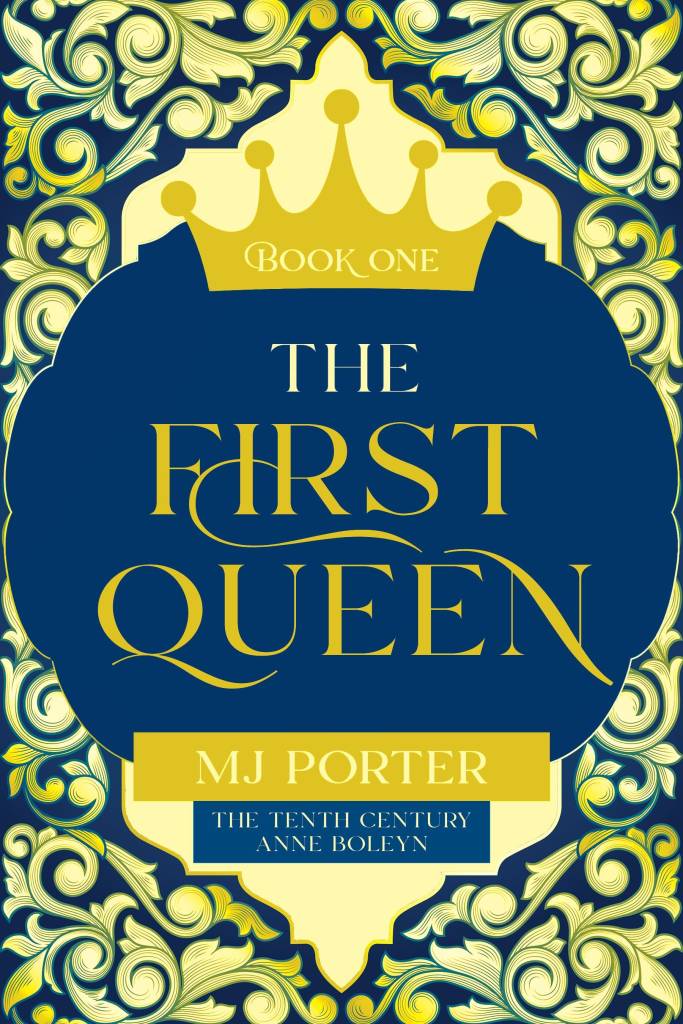
The First Queen Trilogy charts Lady Elfrida’s marriage.

The King’s Mother, the first in a second trilogy, charts Lady Elfrida’s role, as well, the King’s Mother. Her story can be read from here. 

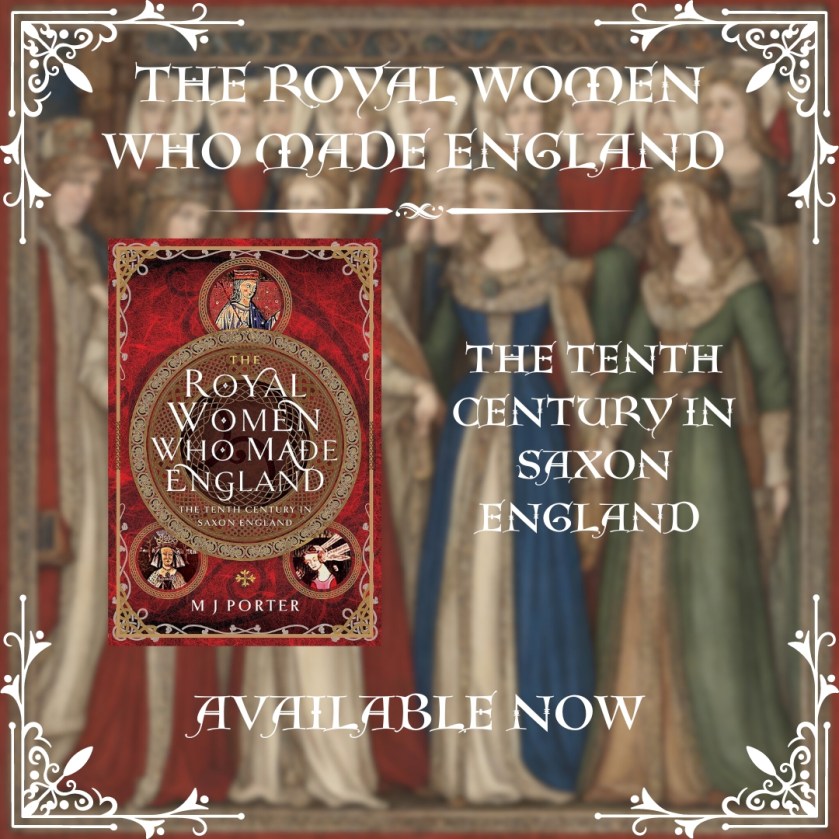
If you’d like to know more about the historical Elfrida, she features in my first non-fiction title, below (as does Lady Eadgifu).

The Royal Women Who Made England cover

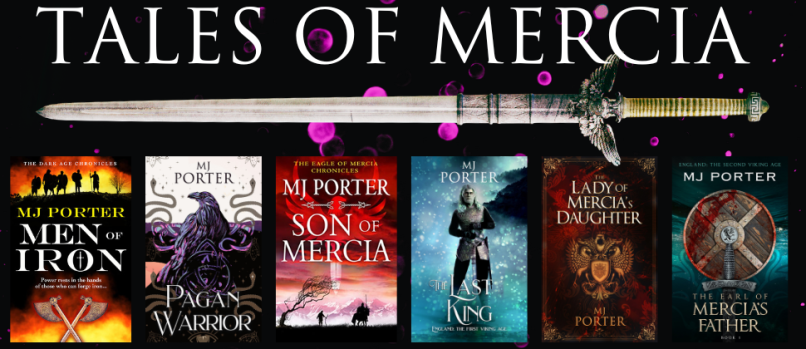
I’ve written extensively about Lady Elfrida, and she also features in the first Earls of Mercia book, The Earl of Mercia’s Father. You can find out more about Elfrida on her page.

Posts

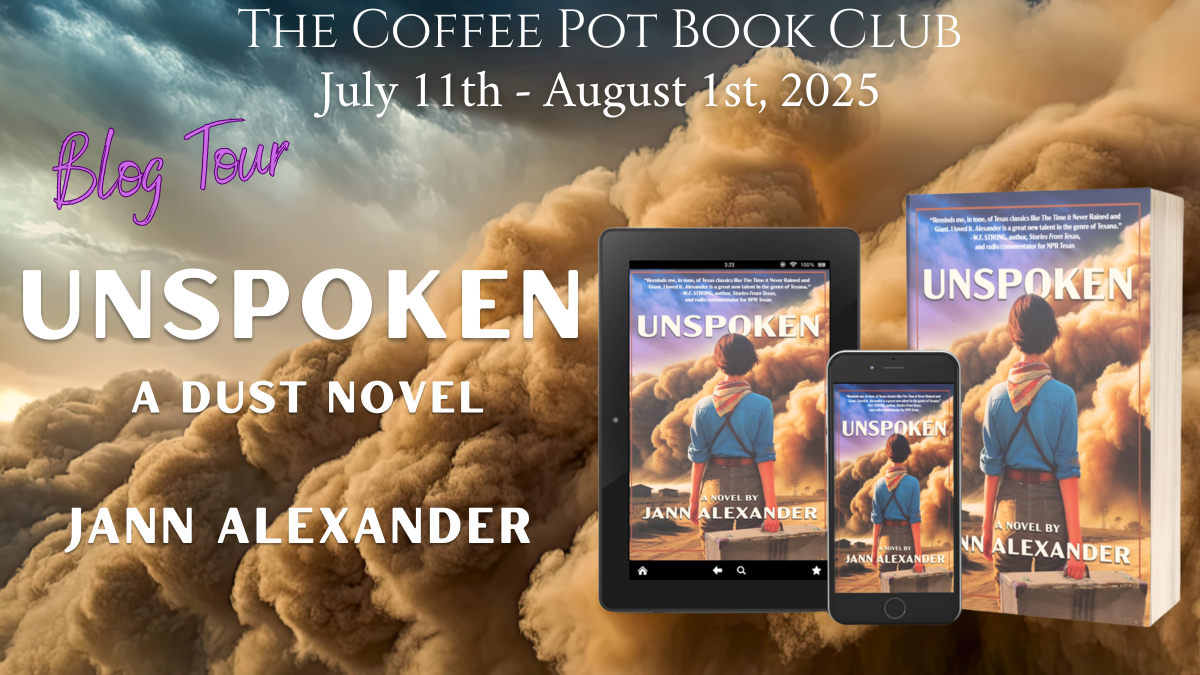
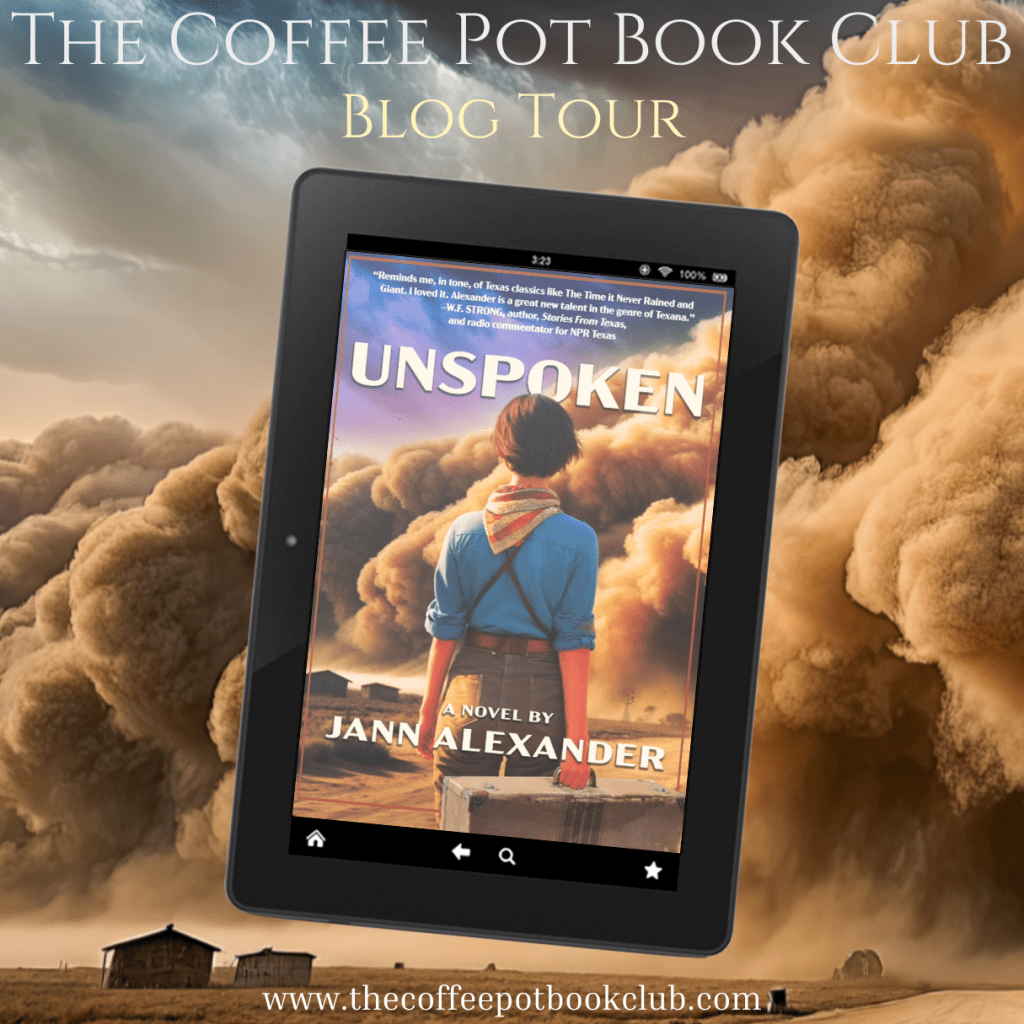
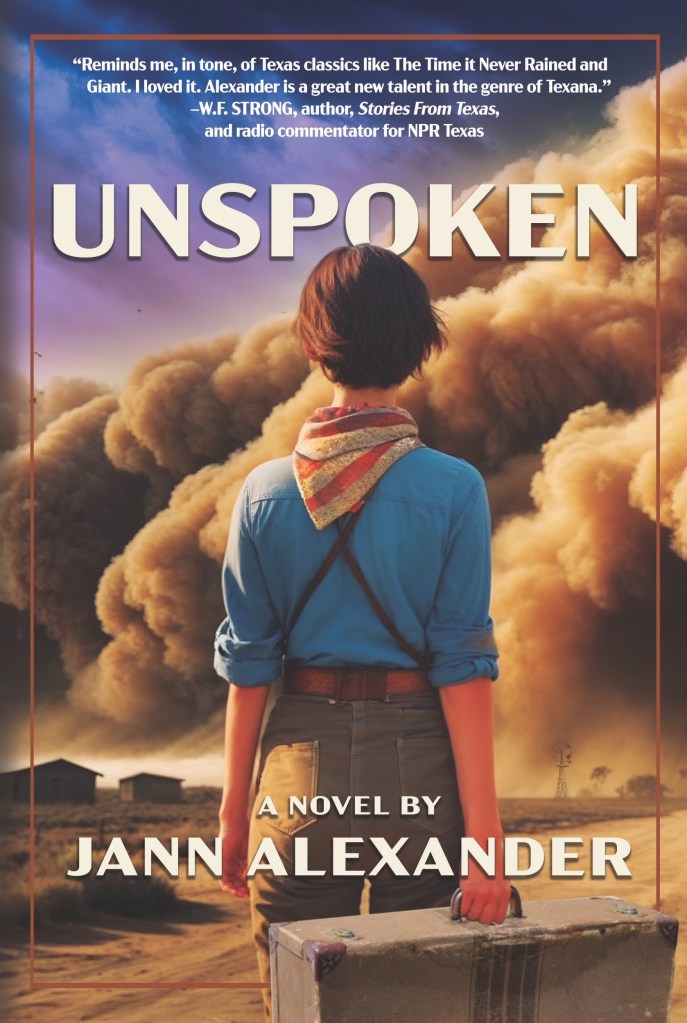
I’m delighted to welcome Jann Alexander and her new book, Unspoken, to the blog #Unspoken #HistoricalFiction #DustBowl #WomensFiction #BlogTour #TheCoffeePotBookClub

I’m delighted to welcome Jann Alexander and her new book, Unspoken, to the blog #Unspoken #HistoricalFiction #DustBowl #WomensFiction #BlogTour #TheCoffeePotBookClub

I’m delighted to welcome Jann Alexander and her new book, Unspoken, The Dust Series, to the blog with The History Behind Unspoken.

The History Behind Unspoken

When the Biggest, Baddest, Blackest Dust Storm of Them All Struck the Texas Panhandle on April 14, 1935, It Set the Stage for the Opening of Unspoken (A Dust Novel).

That Sunday, April 14, 1935, would forever be known as Black Sunday. But it began quite differently, as the main character, Ruby Lee Becker, recalls at the outset of Unspoken:

“That Sunday in April 1935 in the Panhandle was an uncommon bright day which didn’t reflect our family’s desperation. What little breeze there was blew gentle, unlike the stinging winds we were accustomed to. The spring air was so clean you could almost inhale it deep without coughing up dirt. The sun was golden and hopeful. Our families who’d been farming this desert during the five long years of the drouth were well acquainted with hope, though it was a currency our town’s shuttered bank no longer accepted.”

The black blizzard on Sunday, April 14, 1935 was the most notable of hundreds over the decade that had already prompted mass migration from the Plains states. It became known as Black Sunday — because it was a rolling mass of tumbling black soil, over 1000 feet high, that blackened the sun, suffocated entire towns, and struck elders and children alike with the “brown plague”— the deadly dust pneumonia. 

The spot where Unspoken is set, a mythical town called Hartless in the Texas Panhandle, was then considered the epicenter of the Dust Bowl. The sudden drama of that bright clear day in 1935 inspired my story of scattered family, their lost mother, and the abandoned daughter who’ll stop at nothing to remake family and rebuild home.

We know those years now as The Dust Bowl era, caused by a land rush on overgrazed ranch land sold cheaply to unsuspecting farmers and speculators, abandoned when prices fell in the midst of drought. By 1935, the Southern Plains states had already experienced more than five years of drought and high winds.

The upshot? Over that decade known as the “Dirty Thirties,” over 2.5 million Americans migrated away from the Great Plains states, with more than half a million people left homeless. There were approximately 7,000 deaths from dust pneumonia and suffocation.

In 1935, that one Sunday in April was enough to show the rest of the country what the land made barren had cost its inhabitants. The Dust Bowl states deserved federal intervention. Within two weeks, Congress passed the Soil Conservation Act, which created a permanent agency to guide restoration in the hard-hit Plains states and maintain natural resources everywhere.

The agency familiarly known then to farmers and bankers as the Soil Conservation Service (SCS) has become the Natural Resources Conservation Service (NRCS) today. Its mission is the same: to work with land owners and users in all 50 states — to reduce soil erosion, improve forest and field land, improve farm yields with less-thirsty crops, and develop and protect natural resources.

But back in 1935, in Unspoken, Ruby Lee Becker can’t breathe. The Becker family has clung to its Texas Panhandle farm through years of drought, dying crops, and dust storms. The Black Sunday storm threatens ten-year-old Ruby with deadly dust pneumonia and requires a drastic choice—one her mother, Willa Mae, will forever regret.

“This brown plague was different,” Ruby thinks. “Nobody knew how you could fix air that wasn’t fit to breathe.”

To survive, Ruby’s must leave the only place she’s ever known. Far from home in Waco, and worried her mother’s abandoned her, she’s determined to get back. As she matures, wanting the one thing she cannot have—the family and home left behind—Ruby Lee becomes even more resolute.

Even after twelve years, Willa Mae still clings to memories of her daughter. Unable to reunite with Ruby, she’s broken by their separation and haunted by losses she couldn’t prevent.

Ruby Lee has lost everything—except pure grit. Through rollicking adventures and harrowing setbacks, the tenacious Ruby Lee embarks on her perilous quest for home—and faces her one unspoken fear.

Book Trailer

Here’s the Blurb

A farm devastated. A dream destroyed. A family scattered.

And one Texas girl determined to salvage the wreckage.

Ruby Lee Becker can’t breathe. It’s 1935 in the heart of the Dust Bowl, and the Becker family has clung to its Texas Panhandle farm through six years of drought, dying crops, and dust storms. On Black Sunday, the biggest blackest storm of them all threatens ten-year-old Ruby with deadly dust pneumonia and requires a drastic choice —one her mother, Willa Mae, will forever regret.

To survive, Ruby is forced to leave the only place she’s ever known. Far from home in Waco, and worried her mother has abandoned her, she’s determined to get back.

Even after twelve years, Willa Mae still clings to memories of her daughter. Unable to reunite with Ruby, she’s broken by their separation.

Through rollicking adventures and harrowing setbacks, the tenacious Ruby Lee embarks on her perilous quest for home —and faces her one unspoken fear.

Heart-wrenching and inspiring, the tale of Ruby Lee’s dogged perseverance and Willa Mae’s endless love for her daughter shines a light on women driven apart by disaster who bravely lean on one another, find comfort in remade families, and redefine what home means.

Buy Links

Universal Link

Book Funnel

Author’s Website

Meet the Author

Jann Alexander writes characters who face down their fears. Her novels are as close-to-true as fiction can get.

Jann is the author of the historical novel, UNSPOKEN, set in the Texas Panhandle during the Dust Bowl and Great Depression eras, and her first book in The Dust Series.

Jann writes on all things creative in her weekly blog, Pairings. She’s a 20-year resident of central Texas and creator of the Vanishing Austin photography series. As a former art director for ad agencies and magazines in the D.C. area, and a painter, photographer, and art gallery owner, creativity is her practice and passion.

Jann’s  lifelong storytelling habit and her more recent zeal for Texas history merged to become the historical Dust Series. When she is not reading, writing, or creating, she bikes, hikes, skis, and kayaks. She lives in central Texas with her own personal Texan (and biggest fan), Karl, and their Texas mutt, Ruby.

Jann always brakes for historical markers.

Connect with the Author
Follow the Unspoken blog tour with The Coffee Pot Book Club

Posts

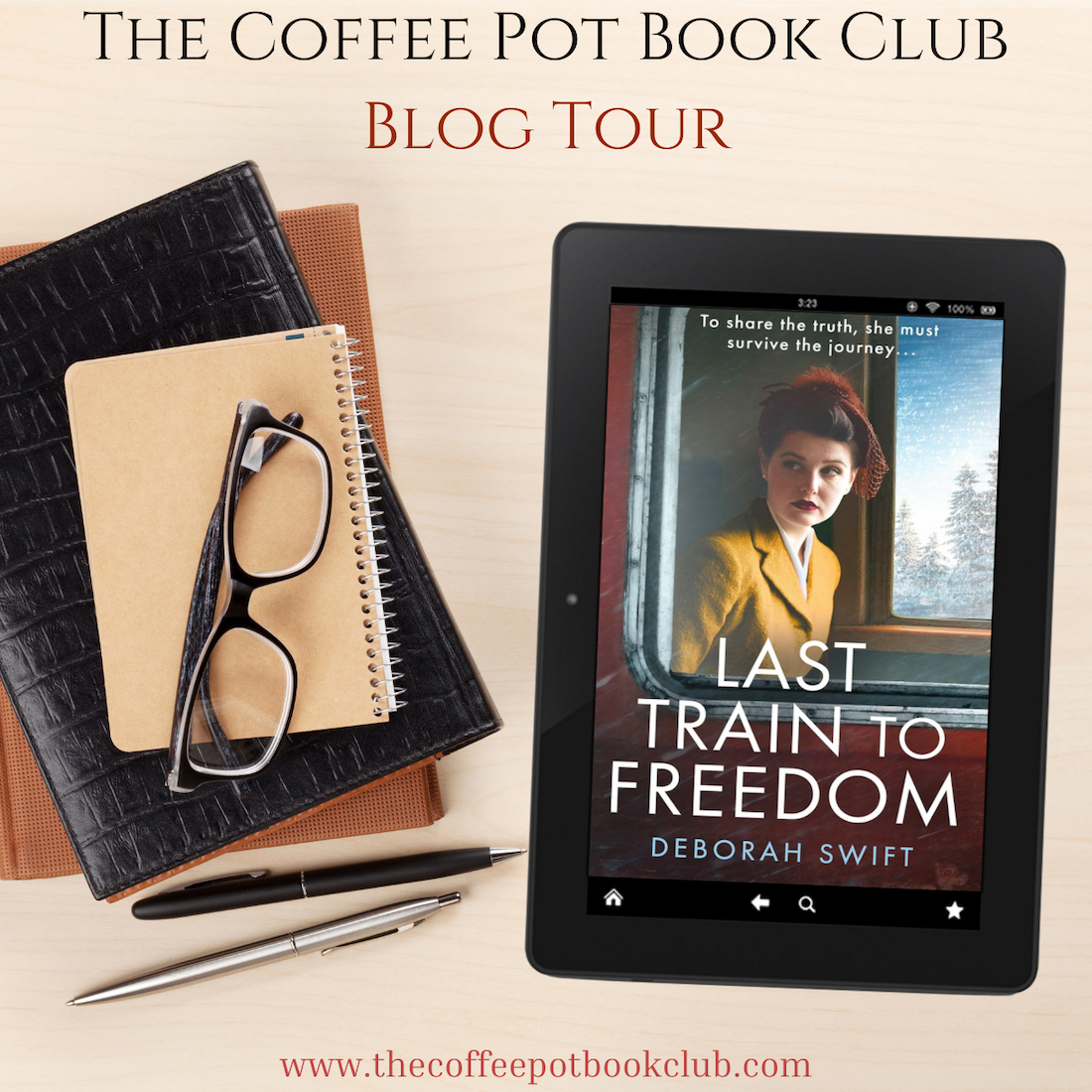
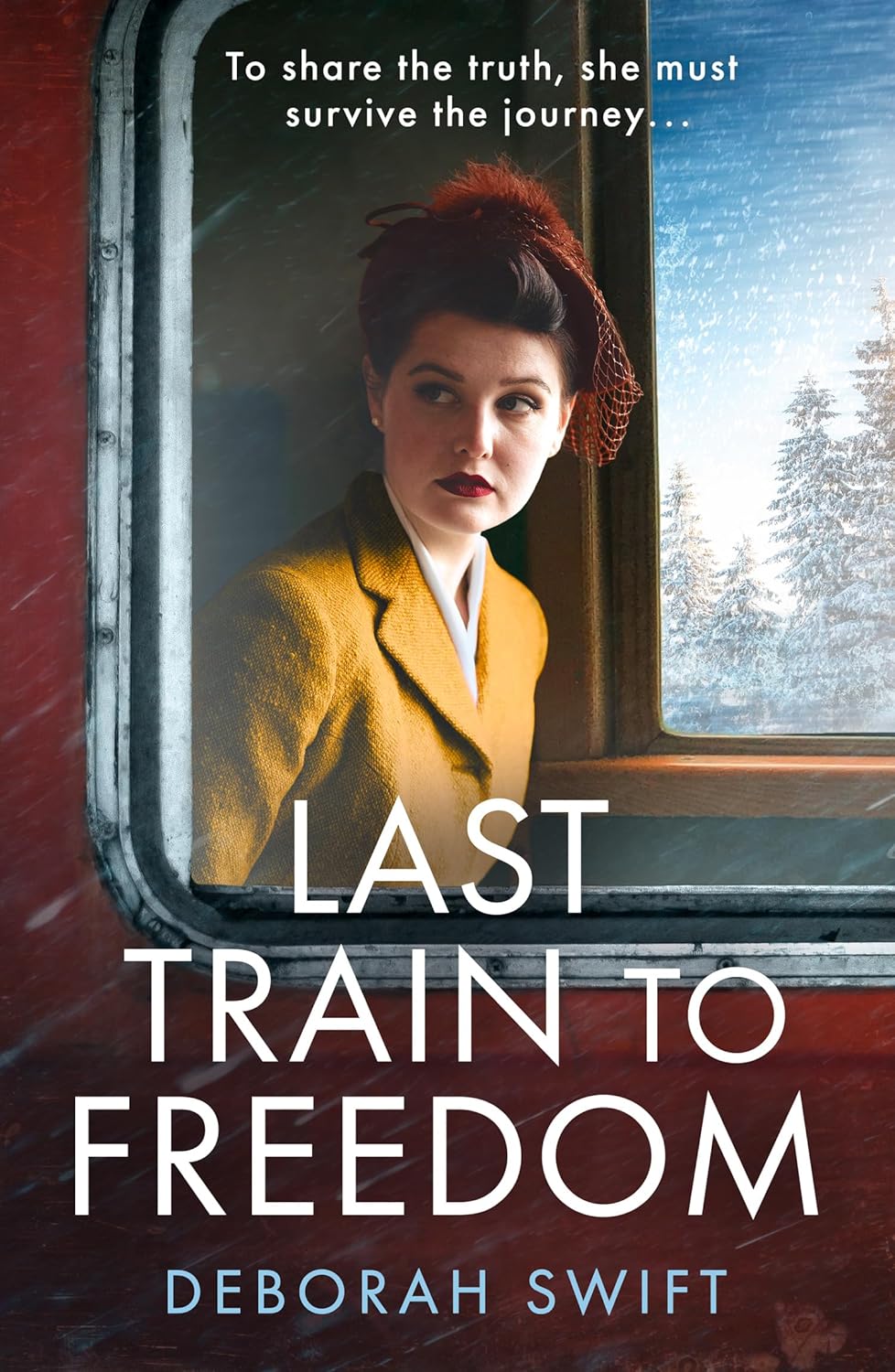
I’m delighted to welcome Deborah Swift and her new book, Last Train to Freedom, to the blog #WW2 #TransSiberian #Russia #Japan #WomensFiction #Spies #BlogTour #TheCoffeePotBookClub

I’m delighted to welcome Deborah Swift and her new book, Last Train to Freedom, to the blog with Researching Last Train to Freedom and the Sugihara Story.

Researching Last Train to Freedom and the Sugihara Story

Last Train to Freedom is set in WW2 during the Soviet occupation of Lithuania, and with the threat of the Nazis over the border. The parallels to today’s political situation in Ukraine could not be clearer.

The book tells the story of Jewish refugees fleeing from Nazi and Soviet oppression. Because of the current situation, although I was fascinated by the Trans-Siberian Express, I was not about to go and take the journey myself. My initial research was largely based around websites such as the Holocaust Encyclopedia and then books and papers found via JStor and other trustworthy academic websites.

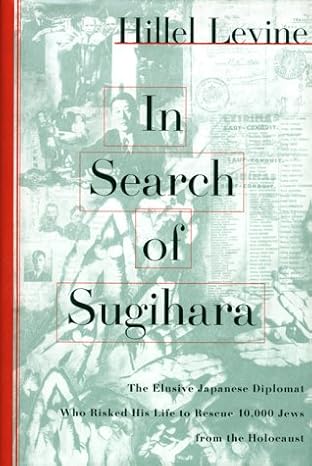
The main story is about how Japanese Consul Sugihara enabled the escape of thousands of Jews by giving them visas – against the wishes of his government. One man held the fate of so many lives in his hands. The best overview I found of events was In Search of Sugihara by Ellel Levine.

Pic of book In Search of Sugihara

Sughara’s wife Yukiko wrote a memoir about the events called No Visa (Rokusen-nin no Inochi) which is widely available, and tells the inside story of her husband’s frantic signing of visas before the consulate was shut down by the Soviets. Being aware that applicants were in life-threatening danger, Sugihara ignored his superiors’ orders and, from July 18 to August 28, 1940, he issued over 2100 life-saving transit visas.

‘My husband and I talked about the visas before he issued them. We understood that both the Japanese and German governments disagreed with our ideas, but we went ahead anyhow.’

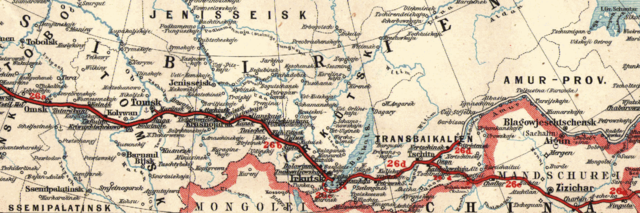
Sugihara spoke to Soviet officials who agreed to let the Jews travel through the country via the Trans-Siberian Railway. I used detailed maps of the journey and researched each of the stops along the way to get a sense of where events might take place along the journey. Finding out about Russian trains of the 1940’s was quite a journey in itself – how did the doors open? What were the carriages like?

Pic of map of Trans-Siberian Railway

I gleaned much of the information from trawling through memoirs looking for telling detail. The escape on the Trans-Siberian Express was recorded by many in their memoirs, most notably I Have My Mother’s Eyes (A Holocaust Memoir Across Generations by Barbara Ruth Bluman, Light One Candle: A Survivor’s Tale from Lithuania to Jerusalem by Solly Ganor and One More Border: The True Story of One Family’s Escape from War-Torn Europe by William Kaplan. There are also several recordings on YouTube which tell the story, for example this one about the Lermer family.

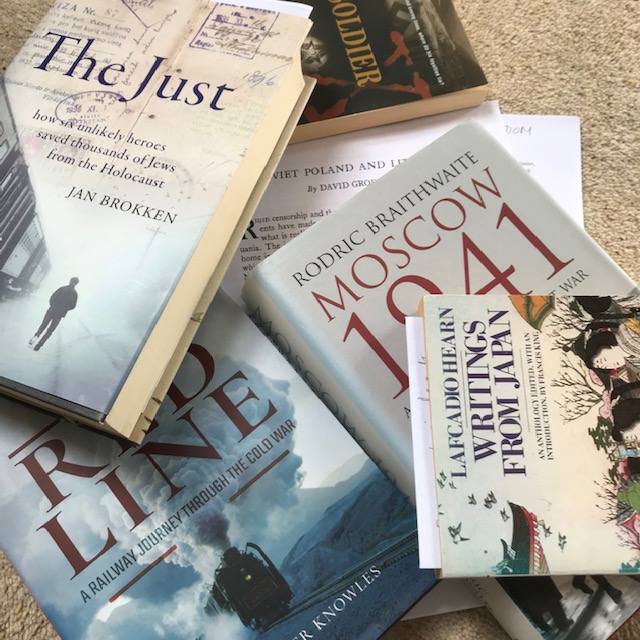
The story takes place in three geographical locations – Lithuania, Moscow, and Japan, and all needed research, not to mention the journey across 6000 miles of Siberian wilderness! About half way through I wondered, have I bitten off more than I can chew here? But by then I was hooked on the story and just ploughed on, my huge collection of books and papers growing all the time.

I used many other books to give me a sense of the culture and background, especially to grasp an idea of the Russian mindset, and also the culture of Japan for when my fictional refugees eventually arrive in Kobe.

Trains, trains, trains! I watched an awful lot of old steam train videos to get a sense of how steam was built up to power the engine, what sort of noise it might make and how it might behave in snow. I became a train buff for about six months, visiting the National Railway Museum to get a sense of the sheer weight and size of these old trains.

I hope that anyone reading the book will feel, as I did when researching, that they have really been through the middle of Siberia, and I hope they will enjoy the journey.

Last Train to Freedom is out in ebook, paperback and audio.

Here’s the Blurb

‘Taut, compelling and beautifully written – I loved it!’ ~ DAISY WOOD

‘Tense and thought-provoking’ ~ CATHERINE LAW

1940. As Soviet forces storm Lithuania, Zofia and her brother Jacek must flee to survive.

A lifeline appears when Japanese consul Sugihara offers them visas on one condition: they must deliver a parcel to Tokyo. Inside lies intelligence on Nazi atrocities, evidence so explosive that Nazi and Soviet agents will stop at nothing to possess it.

Pursued across Siberia on the Trans-Siberian Express, Zofia faces danger at every turn, racing to expose the truth as Japan edges closer to allying with the Nazis. With the fate of countless lives hanging in the balance, can she complete her mission before time runs out?

‘Such an interesting and original book…. Informative, full of suspense and thrills.’

~ Netgalley Review

Buy Link

Universal Link:

Meet the Author

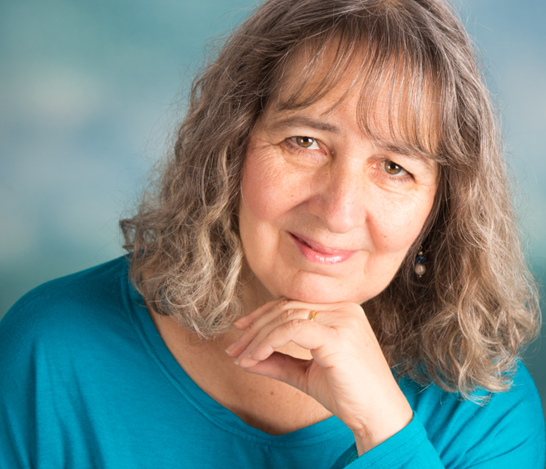
Deborah Swift is the English author of twenty historical novels, including Millennium Award winner Past Encounters, and The Poison Keeper the novel based around the life of the legendary poisoner Giulia Tofana. The Poison Keeper won the Wishing Shelf Readers Award for Book of the Decade. Recently she has completed a secret agent series set in WW2, the first in the series being The Silk Code.

Deborah used to work as a set and costume designer for theatre and TV and enjoys the research aspect of creating historical fiction, something she loved doing as a scenographer. She likes to write about extraordinary characters set against a background of real historical events. Deborah lives in England on the edge of the Lake District, an area made famous by the Romantic Poets such as Wordsworth and Coleridge.

Connect with the Author
Follow the Last Train to Freedom blog tour with The Coffee Pot Book Club

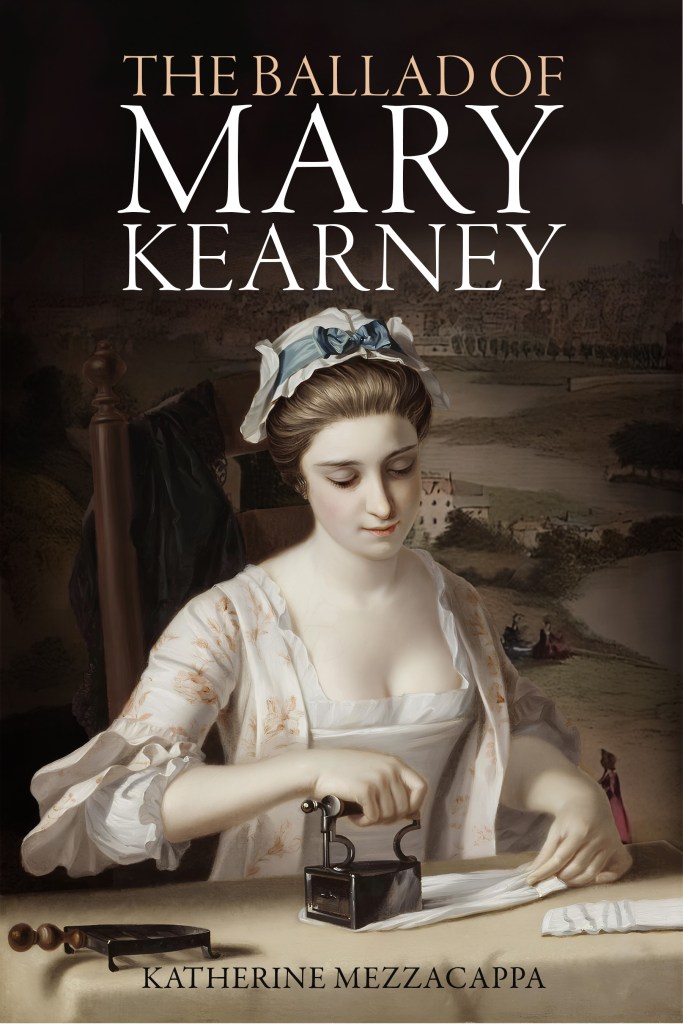
I’m delighted to welcome Katherine Mezzacappa and her book, The Ballad of Mary Kearney, to the blog #HistoricalFiction #IrishHistory #WomensFiction #BlogTour #TheCoffeePotBookClub

I’m delighted to welcome Katherine Mezzacappa and her book, The Ballad of Mary Kearney, to the blog with an excerpt.

Excerpt

The Revd. Samuels Regrets Much but Tells Only his Diary

20th June 1766

I have this day done myself much harm, more than at other times, and the good Lord knows that I do not use His gifts as I should, but in truth I am much tried.

If I survive what I have done today, I must take this as a lesson and mend my ways.

The little bog-trotter called today with a message from Viscount Kilkeel, which he delivered to Meg as I had said I did not wish to be disturbed. She knows well enough that my company is the decanter and not the preparation of next Sunday’s sermon but as a good wife and obedient to me in all things she says nothing. But this time she taps the study door, and waits so that I may go through the pretence of putting by the claret, opening my books and dipping my quill in the inkstand.

The note, which I hope has not been read by those of the servants who can (which means the Chittleboroughs and that Swiss valet), bids me to receive one of his housemaids and please to instruct her in what is necessary that she should read, write and know her numbers as a good Christian child. Would that I were not the third son I am, and my father a plain English squire in ever reducing circumstances, for he did sire many without the wherewithal to provide elegantly for them. Thus my scholarship was hard-won, long years a servitor waiting at the Tufts’ table. The only living being on this island to know the extent of my humiliations is my poor Meg. Often has she asked me in trembling accents to give her leave to run a little school. Other parsons’ wives do this profitably and wisely, she says. But I have never wished my wife to serve anyone for that to me is too near what I was obliged to do to pay my way. And then comes this missive dashed off by his Lordship that I should letter some hoyden that he drops his breeches for now that there is no Lady Mitchelstown to tail!

So after our meal comes this child, scrubbed to the point of decency, I must say, dropping eyes and curtseys and ‘if it please you, sir’ and all coy manners. “No!” I hurl at her, “it pleases me not, but I must do as I am bid.” Meg comes at the noise but I shoo her away, though I know she stood trembling behind the door throughout. But I did wrong. I visited on that child all my rage and frustration. She merely stood in my path though she did not choose to be there. Does he tup her? I know not. It is none of my business to know. If he does, I should pity her, for no man of her class will want her after, and she shall be consigned to the Magdalen or given up for worse. I do not know how much native wit she might have that would permit her to learn from me, for in truth I gave her no opportunity, railing at her as I did. Nor can she have missed the reek of the claret. If he have ruined her she is sure to tell him all of this. His Lordship may be laughing at my expense even now. And yet, perhaps I have no justification for thinking ill of her. There was none of that tawdry pride of the fallen, none of the base cunning of those who think they have the upper hand for a brief time and so must make much of it. Nay, she cowered before me and took the blows I gave with tears but no protestations. Could she know that as she felt the sting of that crop that it was myself I really wished to punish? If she dissembled she did it so well—no, I believe she did not.

Bless my Meg for coming in as she did. I took myself to the yard and put my head under the pump. The fresh air and sunlight worked on my rage and self loathing, and with the shock of that cold water I found I could no longer contain myself but spewed all I held within over the cobbles. I took the pail and washed it away, and by my exertion, the expulsion of what was poisoning me, and copious draughts of that spring water, I came more or less to myself again, and so am face to face with my foolishness. The realisation that I cannot even hold my drink is itself merely another confirmation of the fact that I am not a gentleman and should not pass for such. And my actions in drink today were those of a lunatic. To think that I was so proud to have obtained this living.

My hope lies now only in poor Meg and her good offices with this child. Later, I went into the parlour and asked her as gently as I was able how she had found her pupil. She needed some encouragement, but I got out of her that the girl was biddable, quick in her wits once her tears were dried, and most desirous of coming here again. And the poor lady’s eyes I saw fill with tears of happiness when I heard myself say to her: “If it pleases you to instruct this girl, then let us consider also your little school.” She deserves some joy after so many years of disappointment that no child of our own ever came to stand at her knee. It seems it may take so little, if today I have really learned to be less proud.

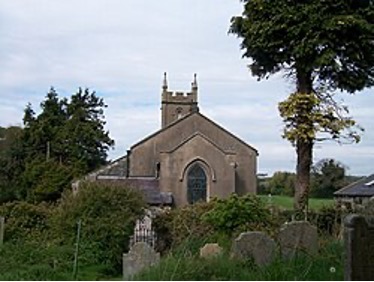
Image: Maghera Church
Maghera Church of Ireland church from the old cemetery
Image: Eric Jones. Wikimedia Commons

Here’s the Blurb

‘I am dead, my Mary; the man who loved you body and soul lies in some dishonorable grave.’ In County Down, Ireland, in 1767, a nobleman secretly marries his servant, in defiance of law, class, and religion. Can their love survive tumultuous times?

‘Honest and intriguing, this gripping saga will transport and inspire you, and it just might break your heart. Highly recommended.’ Historical Novel Society

‘Mezzacappa brings nuance and a great depth of historical knowledge to the cross-class romance between a servant and a nobleman.’ Publishers Weekly.

The Ballad of Mary Kearney is a compelling must-read for anyone interested in Irish history, told through the means of an enduring but ultimately tragic love.

Buy Link

Universal Link

Meet the Author

Katherine Mezzacappa is Irish but currently lives in Carrara, between the Apuan Alps and the Tyrrhenian Sea. She wrote The Ballad of Mary Kearney (Histria) and The Maiden of Florence (Fairlight) under her own name, as well as four historical novels (2020-2023) with Zaffre, writing as Katie Hutton. She also has three contemporary novels with Romaunce Books, under the pen name Kate Zarrelli.

Katherine’s short fiction has been published in journals worldwide. She has in addition published academically in the field of 19th century ephemeral illustrated fiction, and in management theory. She has been awarded competitive residencies by the Irish Writers Centre, the Danish Centre for Writers and Translators and (to come) the Latvian Writers House.

​​Katherine also works as a manuscript assessor and as a reader and judge for an international short story competition. She has in the past been a management consultant, translator, museum curator, library assistant, lecturer in History of Art, sewing machinist and geriatric care assistant. In her spare time she volunteers with a second-hand book charity of which she is a founder member. She is a member of the Society of Authors, the Historical Novel Society, the Irish Writers Centre, the Irish Writers Union, Irish PEN / PEN na hÉireann and the Romantic Novelists Association, and reviews for the Historical Novel Review. She has a first degree in History of Art from UEA, an M.Litt. in Eng. Lit. from Durham and a Masters in Creative Writing from Canterbury Christ Church. She is represented by Annette Green Authors’ Agency.

Connect with the Author
Follow The Ballad of Mary Kearney blog tour with The Coffee Pot Book Club

Check out my review for The Maiden of Florence

Posts

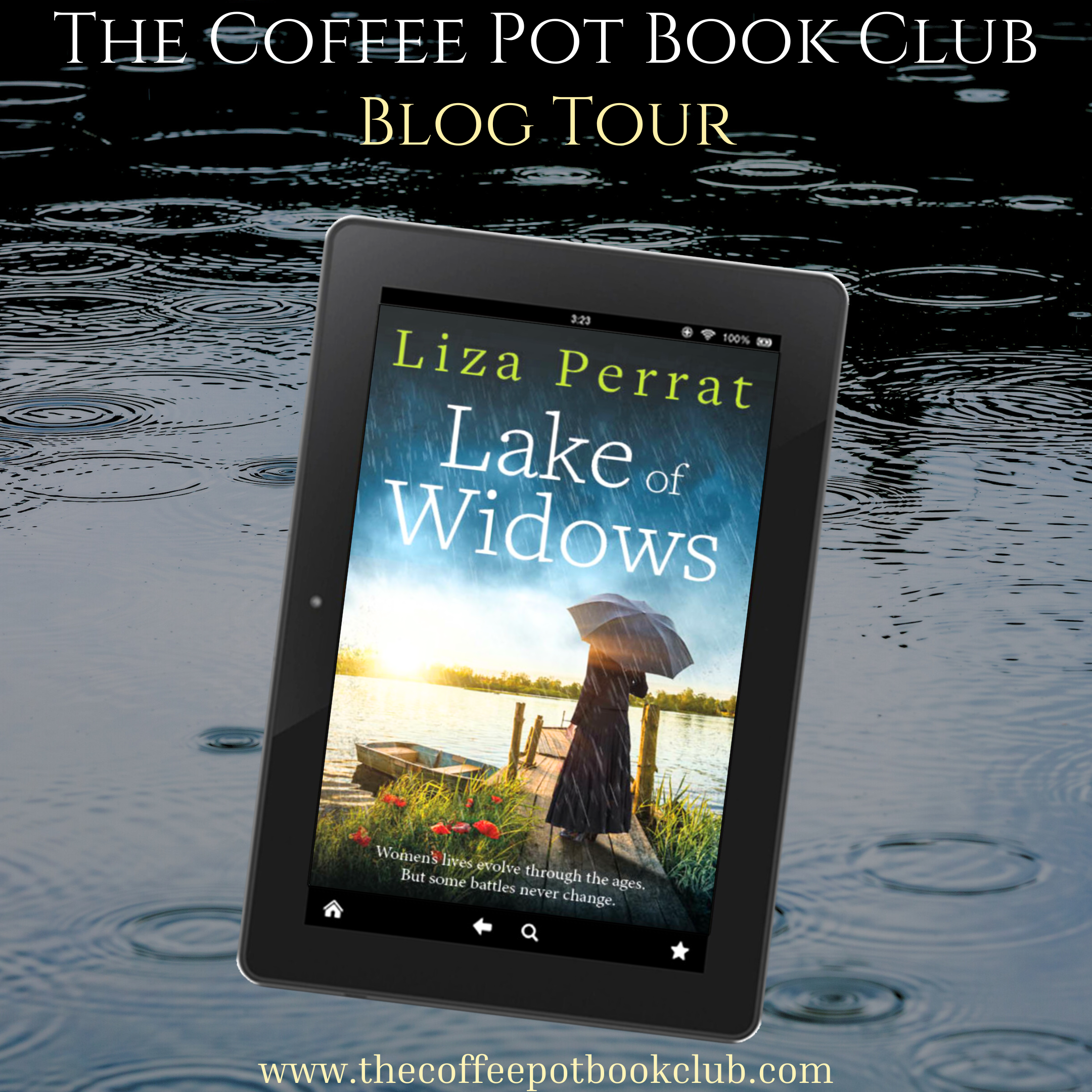
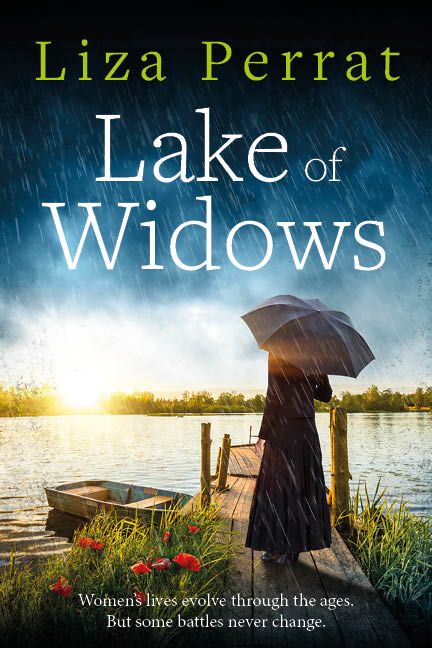
I’m delighted to welcome Liza Perrat and her new book, Lake Of Widows, to the blog #HistoricalFiction #WomensFiction #DualTimeline #HistoricalFrenchFiction #BlogTour #TheCoffeePotBookClub

I’m delighted to welcome Liza Perrat and her new book, Lake Of Widows, book 2 in The Women of the Lake trilogy, to the blog.

Here’s the blurb

Three women. One shared struggle. Can they survive?


1970. When Adrienne Chevalier’s perfect life in a chic quartier of Lyon unravels, she flees to rural Sainte-Marie-du-Lac to escape her controlling husband, Emile.


Taking refuge at the idyllic L’Auberge de Léa, Adrienne befriends Blanche Larue, who is herself trapped by her husband’s infidelity. Adrienne begins to understand the subtle strictures that keep women chained across generations.


But to what diabolical lengths will Emile go to reclaim his wife? And can Blanche find the courage to choose truth over appearances?


1914. Suzanne Rossignol bids farewell to her beloved husband as he marches off to war. Through Suzanne’s journal entries, Adrienne discovers that the damaged soldier who returns from the trenches is a stranger, leaving Suzanne to navigate a home-front battlefield.


Join Adrienne, Blanche and Suzanne on their emotional journeys amidst the tranquil French countryside as they fight to escape the shackles of tradition and abuse. Their stories, bridging half a century, are bound by a timeless struggle.


A heart-wrenching blend of historical and women’s fiction, Lake of Widows explores the complexities of marriage, family secrets and self-discovery in 20th-century France.


Perfect for fans of Kristin Hannah and Kelly Rimmer.

Buy Link

Universal Link:

Meet the Author

Liza grew up in Wollongong, Australia, where she worked as a general nurse and midwife.

After meeting her French husband on a bus in Bangkok in 1988 and, three children and many pets later, she has now been living in a rural village in France for thirty years.

She works part-time as a medical translator, and editor, and as a novelist.

For newsletter signups, Liza offers her award-winning short story collection for free: Friends and Other Strangers: https://books2read.com/u/mleND9

Connect with the Author
Website: BookBub:

Follow the Lake of Widows blog tour with The Coffee Pot Book Club

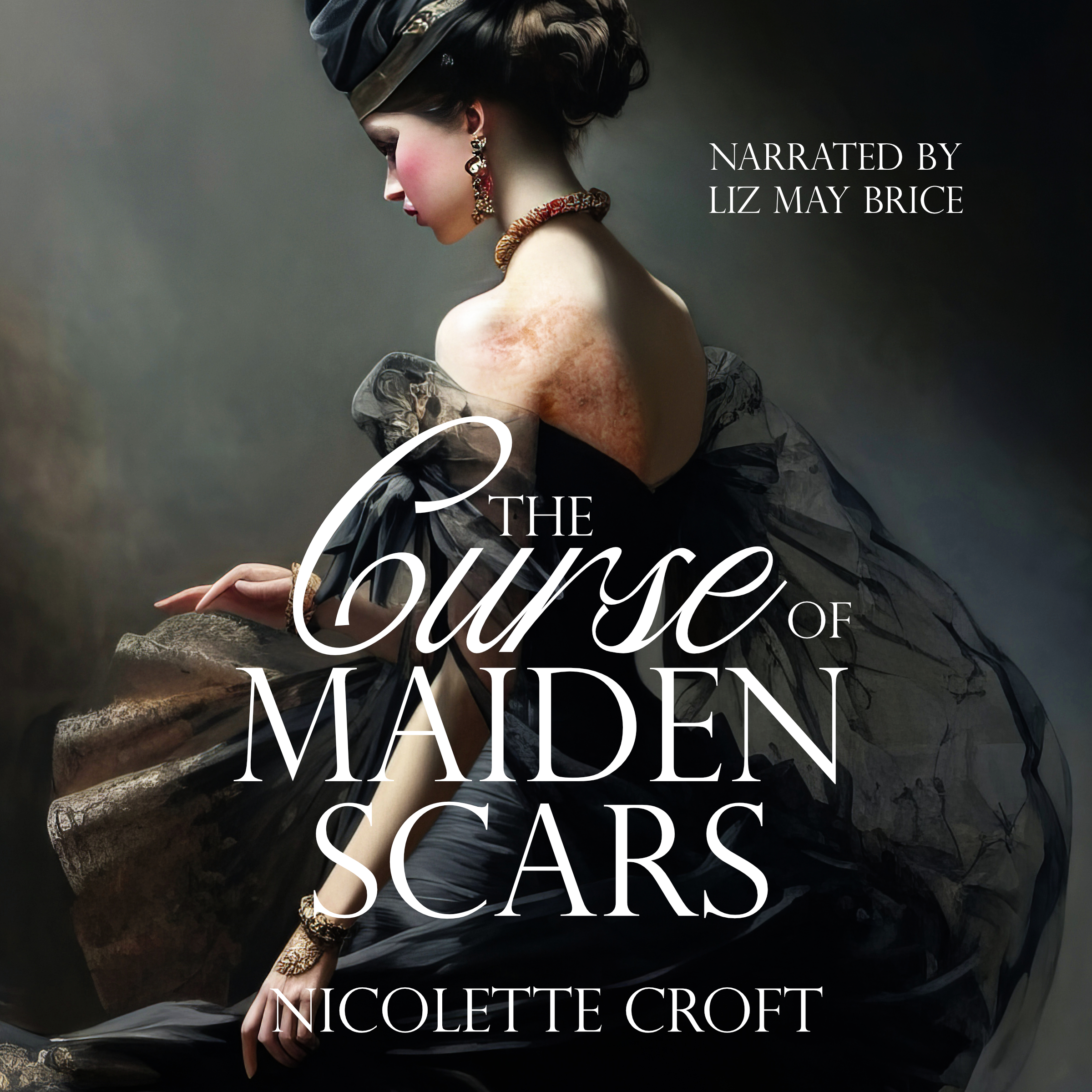
I’m delighted to welcome Nicolette Croft and her new book, The Curse of Maiden Scars, to the blog #HistoricalFiction #GothicFiction #WomensFiction #BlogTour #TheCoffeePotBookClub

I’m delighted to welcome Nicolette Croft and her new book, The Curse of Maiden Scars from the Maiden Mother Crone Series, to the blog with an audio clip.

Audio Clip: Chapter 16

Here’s the Blurb

A Yorkshire orphan struggling for opportunity against 18th-century odds reluctantly transforms into a Venetian courtesan during the Empire’s last days.

Sixteen-year-old Renna Covert toils away in the shadows of a Yorkshire workhouse, her days filled with the mundane task of shelling cotton and the dangerous duty of scouting for punters. One fateful night, she crosses paths with two sailors and finds herself thrust into the heart of a chilling encounter at the local asylum.
 
These harrowing experiences catalyze Renna’s journey, promising newfound opportunities and revealing long-buried family secrets. Yet, at every turn, powerful forces conspire to thwart her quest for truth, forcing her to abandon her scullery work and embark on a daring escape to Venice alongside her steadfast companions. 
 
In the labyrinthine alleys of Venice, Renna’s fate takes yet another twist. She is ensnared by a cunning Madam who trains her as a Venetian courtesan. But beneath the veneer of luxury lies a world fraught with danger, where Renna must rely on her witts and resilience to navigate the treacherous waters of deceit and betrayal.
 
Set against the backdrop of Venice’s tumultuous Napoleonic invasion of 1797, this is a tale of a girl’s struggle for survival. It is a story of resilience, defiance in the face of adversity, and, ultimately, one young woman’s determination to reclaim her identity. 

THE CURSE OF MAIDEN SCARS is a coming-of-age, women’s fiction novel with gothic flair set in the tradition of Victoria Mas’ THE MADWOMAN’S BALL, and Sarah Dunant’s IN THE COMPANY OF THE COURTESAN, with the sensuality of LADY CHATTERLEY’S LOVER.

Buy Links

Universal Link:

Meet the Author

Nicolette Croft can’t remember a time when she was not creating imaginary worlds inspired by her Hungarian and American ancestors. As a neuro-divergent learner, however, putting those stories to paper proved more challenging than imagining them. Because her determination would not allow her to settle, she pursued an English B.A. to improve her writing.

Young motherhood also brought unexpected challenges, which motivated her to pursue graduate work in twice-exceptional learners and education. She would later add an M.A. degree in Clinical Mental Health Counseling, specializing in neurodivergent people, trauma, and grief. Nicolette uses her natural gift of storytelling as an exploratory method for her clients.

The Curse of Maiden Scars is also an outgrowth of her personal journey and marks her first publication as a novelist, having previously published short fiction. When not at her counseling practice or researching historical facts for her latest story, Nicolette shares treasured time with family, friends, and her husband. Whether writing, cooking, traveling, or learning, the act of creation is always at the center of her colorful life.

Connect with the Author
Website:

Follow The Curse of Maiden Scars blog tour with The Coffee Pot Book Club

I’m delighted to share a post from Alice May about her writing routine to celebrate the release of her new book, The Mid-life Trials of Annabeth Hope #blogtour #writingroutine

Novels, ideas and the writing routine by Alice May

I’ve learned in the ten years that I have been writing, that there are many different stages involved in writing a novel. Each stage is different and, as a result, the routine changes accordingly. Writing my new novel, The Mid-life Trials of Annabeth Hope, involved the following stages.

Collecting my tools.

The initial phase of writing a book involves gathering ideas. Getting the right ingredients together, much as one might when baking a cake. A theme or a concept might strike me as interesting, and I’ll keep a mental note of interesting comments and character traits that I hear or see around me. At this point, I know that I will use these elements somewhere, but I’m not sure how, why or where. 

Doing my research

Then comes the research stage. It is important to get this right. Making sure you use accurate information for those parts of your story that chime with reality is essential as this helps to build a bond of trust between writer and reader. Once you have the confidence of your reader, they will follow you wherever your story takes you as long as you remain within the boundaries of the reality you have set from the beginning.

Working the plot

Step three is plotting the story, making sure to hit the right story beats and include the tropes that readers expect, look forward to and find satisfying, whilst trying to add my own angle to them and avoid clichés. I used to write by the seat of my pants, but have learned over the years that an element of plotting saves time and the agony of running into a roadblock and having to start back at the beginning of a manuscript to rewrite the whole thing.

I often start to plot a story based around a particular character and situation. More often than not, though, another character pushes into the narrative and the story becomes more about them. It’s an experimental stage of trying different combinations out to see what has the capacity to sustain a plotline through to the end in a satisfying way. I can’t explain how I know something will work, I just recognise it when I see it.

Then comes the writing phase. 

What precisely triggers the actual writing phase of a novel for me, I couldn’t say. I just know that it is time. All of the above ingredients for the story, the research and the plotting will have marinated sufficiently that I can dive in and write. This phase involves regular computer time; several hours a day if possible. I find early in the morning works best for me as I often wake up with the next part of the book already written in my head. I avoid looking at my phone or checking my emails until I have that new chunk of text wrangled onto the page, because social media and other outside influences will cause the words to disappear.

Of course, once the first draft is complete, then the delights of editing begin…

Life often gets in the way, which throws any form of routine I try to establish into chaos. The important thing to remember as a writer is to make sure that you are kind to yourself. We need to be mindful of deadlines looming, but we need to practice effective self-care. Working non-stop is counter-productive. Taking breaks and taking care of yourself are the keys to everything. 

To all the writers out there, I wish you good luck.

Love 

Alice

Here’s the blurb

Feisty country girl Annabeth Hope has sworn off men since her ex abandoned her. Juggling three resentful step-teens, a hyperactive toddler, a small holding, and a herd of rescued llamas, she has her hands full.

With the roof about to collapse on her crumbling New Forest home, she is desperate to find a way to hold her patchwork family together. The last thing she needs is an attractive distraction moving in next door.

Burnt-out, inner-city doctor Rick Mahon has left London and his medical career behind in a moment of professional crises. A malpractice lawsuit is on the horizon, and the cancel culture are snapping at his heels. His plan to stay under the radar is thrown off course when he meets his new neighbour and sparks start to fly.

Annabeth couldn’t be more different, but maybe they hold the key to each other’s happiness.

‘What more could we want from in life? Family, friends, llamas and hope… An excellent read.’ Jenny Kane, author of the best-selling Mill Grange Series.

Buying Links

The Book Guild 

Amazon 

WHSMITH 

Waterstones 

Meet the author

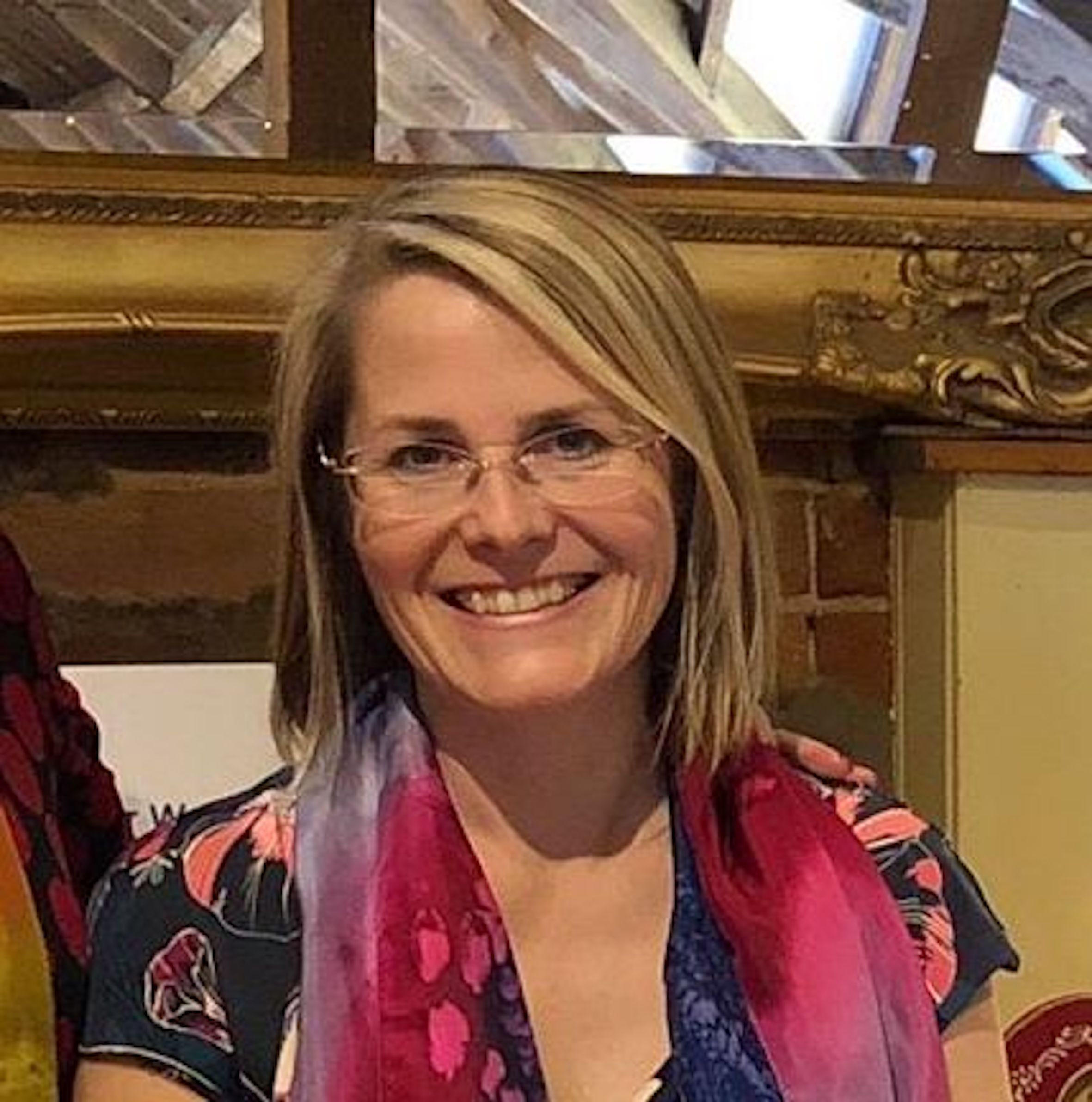
A former GP surgery manager, school librarian and art teacher,Alice May is mum to four not-so-small children. She is married to the most patient man on the planet, and they live in the New Forest. Alice started writing in 2016 and she enjoyed playing with words so much that now she can’t stop. Alice writes as Alice May, Alice G May and A G May.

Website