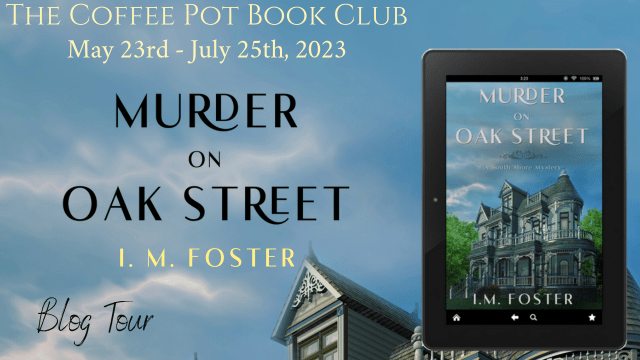
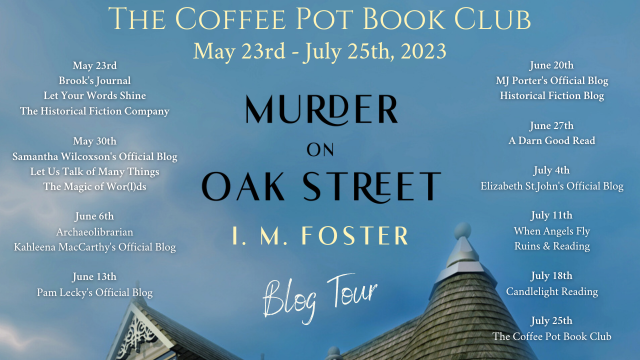
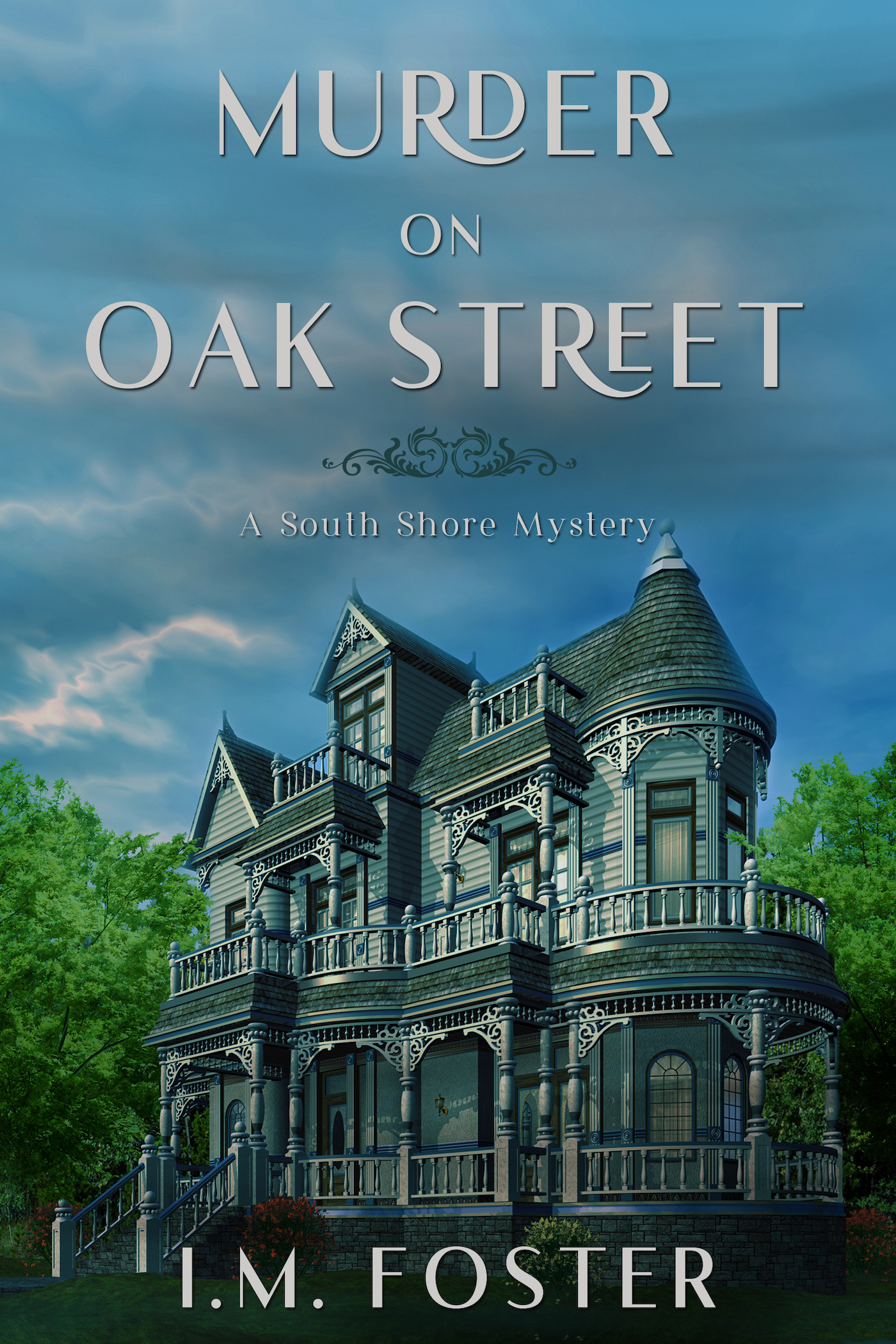
I’m welcoming I. M. Foster and her new book, Murder on Oak Street, to the blog with a fascinating post about forensics in the early 20th century historicalmystery #cozymystery #BlogTour #TheCoffeePotBookClub

I’m delighted to welcome I.M. Foster to the blog, to share a fascinating post on Forensics at the Turn of the Century.

To start off with, I guess I should give a very basic definition of what exactly forensics is. Basically, it is the use of different scientific disciplines, such as biology, chemistry, physics, etc., to investigate crimes or examine evidence that can be used to present in court. That being the case, the techniques available at any given period in history would depend largely on the stage of scientific development that was available to the investigator at the time. 

Today a multitude of investigative tools are available to detectives and medical examiners, from ballistics to DNA. Most large police departments even have their own forensics labs, as Suffolk County, New York now does. But forensic science in the day of Dr. Daniel O’Halleran was quite a bit different than it is today.   

To begin with, there was no such thing as forensic science, per se, even though the use of science to determine the cause of death actually goes back to ancient Rome and Egypt. For example, it was a physician, Antisius, who determined that of the twenty-three blows Julius Caesar received it was the one below his left arm that actually killed him. Alas, after the fall of the Roman Empire, the use of science to detect the cause of death seemed to stagnate for the next thousand or so years.

Fast forward to the sixteenth century, and things began to pick up again. Interest in determining reasons for a person’s demise increased, the French and Italians studied the result of violent death on internal organs, and once again, science was being used to assist in determining the cause of death. During the nineteenth century, scientific advances produced a number of breakthroughs that aided in criminal investigations. 

By the dawn of the twentieth century, poison could be detected in body tissue, handwriting analysis and the study of documents were being employed, and toxicology was being presented as evidence in jury trials. In addition, scientific tools, such as the polarized light microscope had been invented, enabling physicians to study fibers. And photography had made its appearance, making it easier to study the crime scene in detail.  

Fingerprints were still relatively new on the scene however. Though a system of classifying fingerprints had been developed by the 1880s, don’t expect Daniel to be incorporating it into his investigative tool kit right away. The system used by most of Europe and North America didn’t come about until 1896 and wasn’t employed in the United States until 1903, when it was used by the New York State Prison system for criminal identification. The first use of the technique at a criminal case in the United States didn’t occur until 1910. 

Before fingerprinting, something called anthropometry was used for identification, which was the measurement of body parts and their proportions to one another, not exactly foolproof. As for the twelve matching points of a fingerprint, that didn’t come along until 1918, so while Daniel might eventually play around with it, fingerprinting certainly not something he’s going to base his cases on.   

The turn of the century did present some extremely helpful investigative tools however. Biologists were able to determine not only if a stain was blood, but whether it was human or animal. Ballistics was becoming more refined, though the tracing of a bullet to a specific gun wouldn’t come about until 1910. And geology was first used in 1904 by a German scientist when he identified a killer from the dirt on his pants and under his fingernails, as well as the coal soot found on a handkerchief he’d left at the crime scene. Now, that is something that Daniel might eventually employ.

Other advances were just on the horizon. The use of a microscope to compare strands of hair didn’t come along until 1910, and the study of botanicals such as plant fibers and pollen in relation to a crime scene wasn’t widely used until the 1920s, though I’m sure there were local residents who might be able to point out where a certain plant was more prevalent.

In spite of all the advances, however, using scientific principles in criminal investigations still wasn’t seen as its own discipline. But in 1904, Edmond Locard was to write a passage that one might point to as the beginning of modern forensic science. Every contact leaves a trace. Shortly after, in 1909, the first school was opened for the sole purpose of studying how to use science to determine the cause and method of death, and thus the seeds were planted for the modern study of forensic science. 

Thank you for sharing such a fascinating post.

Here’s the blurb 

New York, 1904. After two years as a coroner’s physician for the city of New York, Daniel O’Halleran is more frustrated than ever. What’s the point when the authorities consistently brush aside his findings for the sake of expediency? So when his fiancée leaves him standing at the altar on their wedding day, he takes it as a sign that it’s time to move on and eagerly accepts an offer to assist the local coroner in the small Long Island village of Patchogue.

Though the coroner advises him that life on Long Island is far more subdued than that of the city, Daniel hasn’t been there a month when the pretty librarian, Kathleen Brissedon, asks him to look into a two-year-old murder case that took place in the city. Oddly enough, the case she’s referring to was the first one he ever worked on, and the verdict never sat right with him.

Eager for the chance to investigate it anew, Daniel agrees to look into it in his spare time, but when a fresh murder occurs in his own backyard, he can’t shake his gut feeling that the two cases are connected. Can he discover the link before another life is taken, or will murder shake the peaceful South Shore village once again?

Buy Links  

This title is available to read with #KindleUnlimited. 

Universal Link 

Amazon UK   Amazon US  Amazon CA Amazon AU

Meet the author

I. M. Foster is the pen name author Inez Foster uses to write her South Shore Mystery series, set on Edwardian Long Island. Inez also writes historical romances under the pseudonym Andrea Matthews, and has so far published two series in that genre: the Thunder on the Moor series, a time-travel romance set on the 16th century Anglo-Scottish Borders, and the Cross of Ciaran series, which follows the adventures of a fifth century Celt who finds himself in love with a twentieth century archaeologist. 

Inez is a historian and librarian, who love to read and write and search around for her roots, genealogically speaking. She has a BA in History and an MLS in Library Science and enjoys the research almost as much as she does writing the story. In fact, many of her ideas come to her while doing casual research or digging into her family history. Inez is a member of the Long Island Romance Writers, the Historical Novel Society, and Sisters in Crime.

Connect with IM Foster

Website

Twitter Facebook Instagram

Book Bub   Amazon Author Page Goodreads

Follow the Murder on Oak Street by IM Foster blog tour with The Coffee Pot Book Club

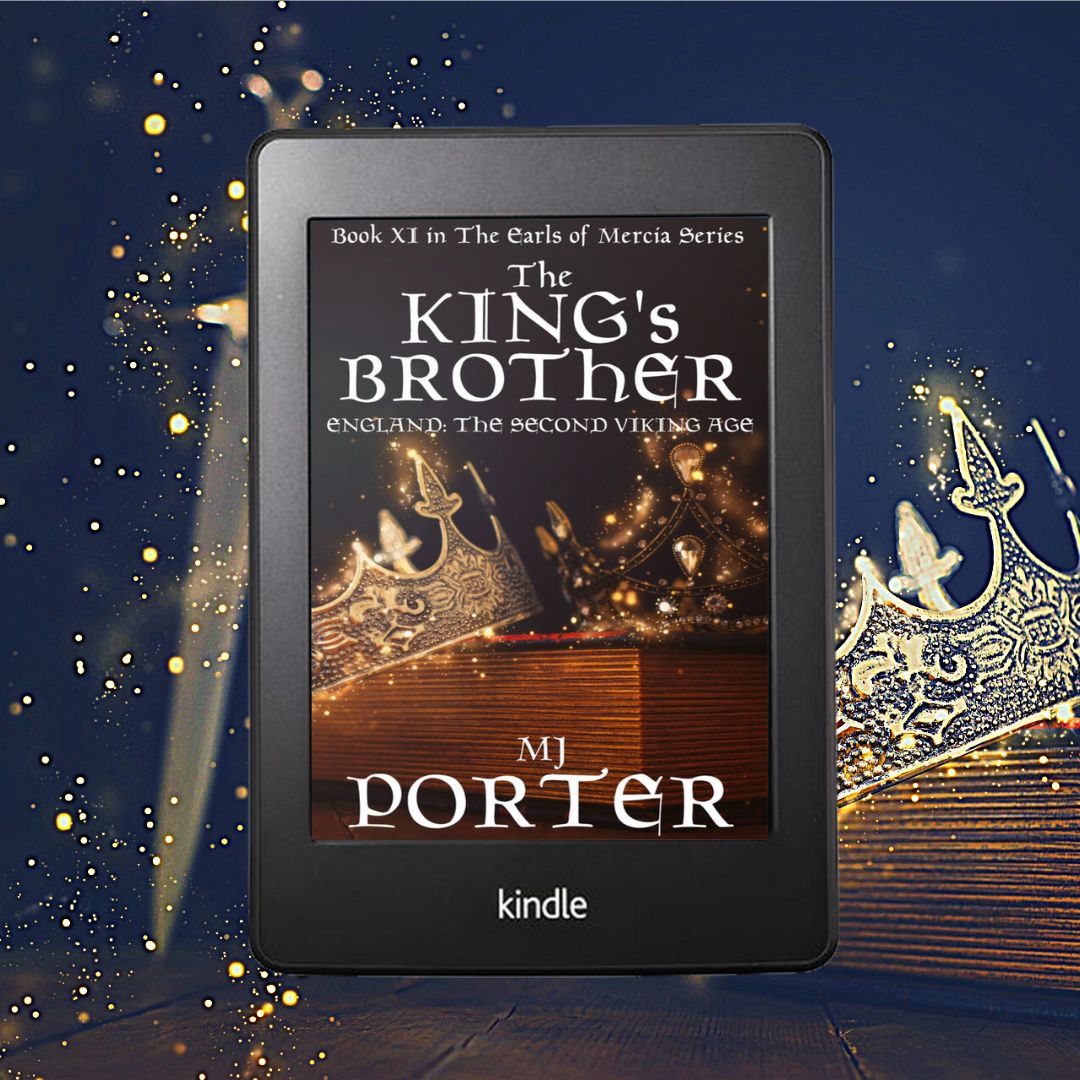
The King’s Brother Research book dump

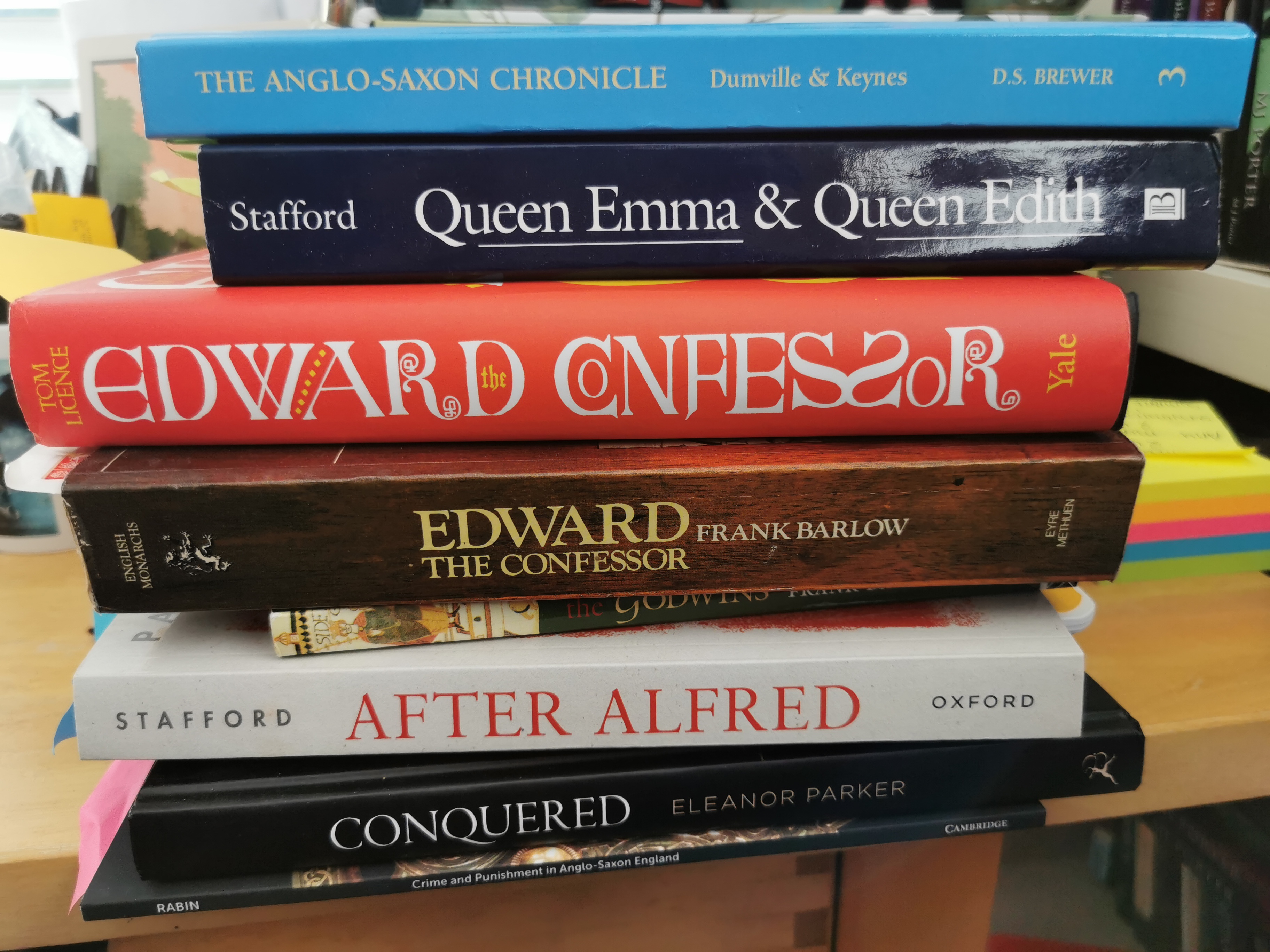
I always like to share my research with my readers. Here’s a small pile of the books that I’ve specifically used in the last few weeks while finalising the little details in The King’s Brother.

As always, there are resources not shown here. The two primary online resources that I will NEVER tire of sharing are

PASE https://pase.ac.uk

Electronic Sawyer https://esawyer.lib.cam.ac.uk/about/index.html

My two versions of The Anglo-Saxon Chronicle not shown here have also proved invaluable, my preferred version by Michael Swanton, and the version found in English Historical Documents Vol. 1 by Dorothy Whitlock, although I’ve discovered I have a first edition, and there was a subsequent second edition, which is the one most often used – mind my first edition was substantially cheaper than a second edition. (I dare you to click on the link and see how much it costs:))

Of course, I would never have started this mad, crazy journey of chronicling the lives of the earls of Mercia without the work of Stephen Baxter, The Earls of Mercia, Lordship and Power in Late Anglo-Saxon England.

Some of these books are more academic than others. For those looking for an introduction to the period, I highly recommend The Death of Anglo-Saxon England by Nick Higham which is stuffed with images and can be found quite cheaply second-hand.

books2read.com/TheKingsBrother

The families of the Earls of Mercia series

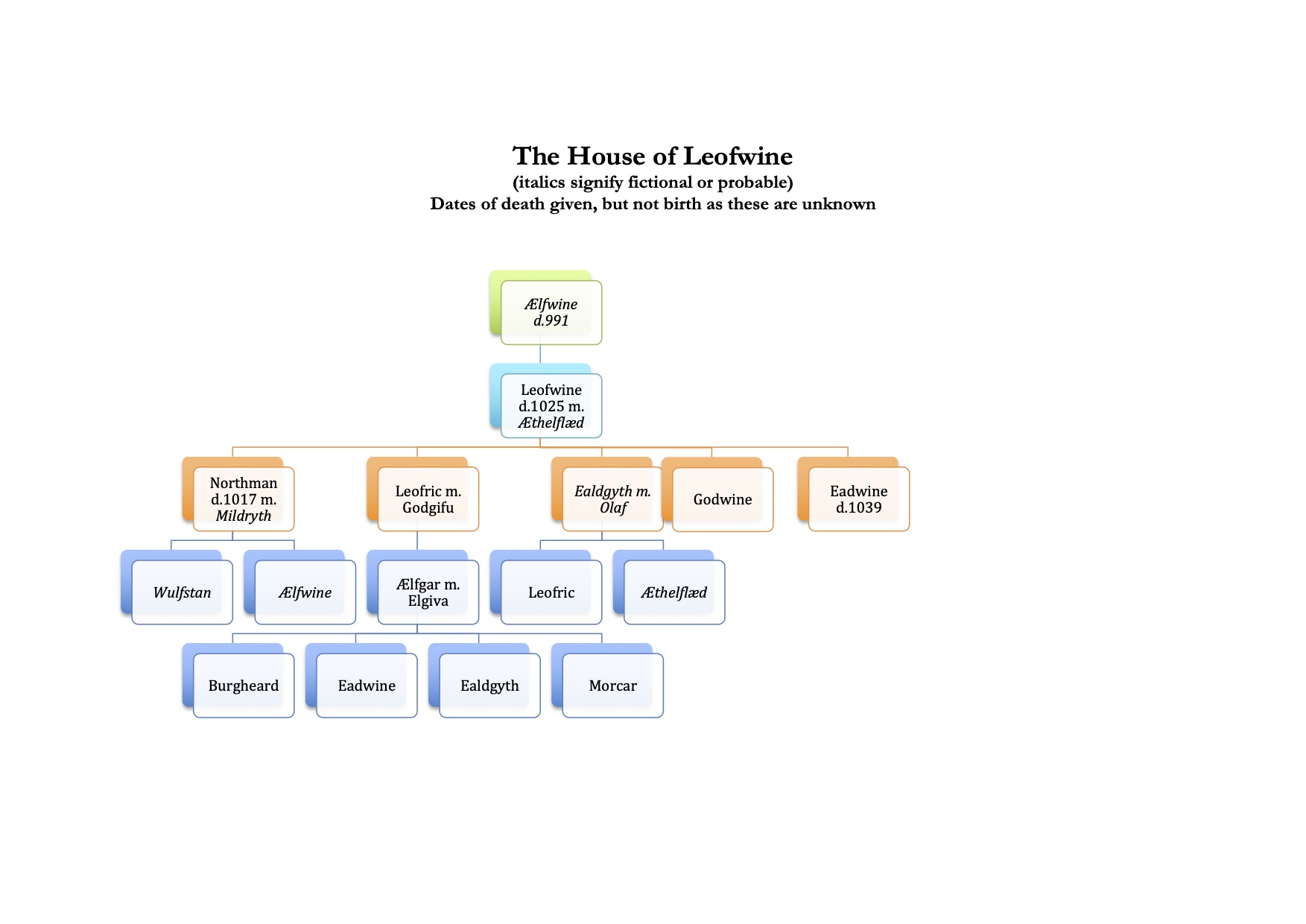
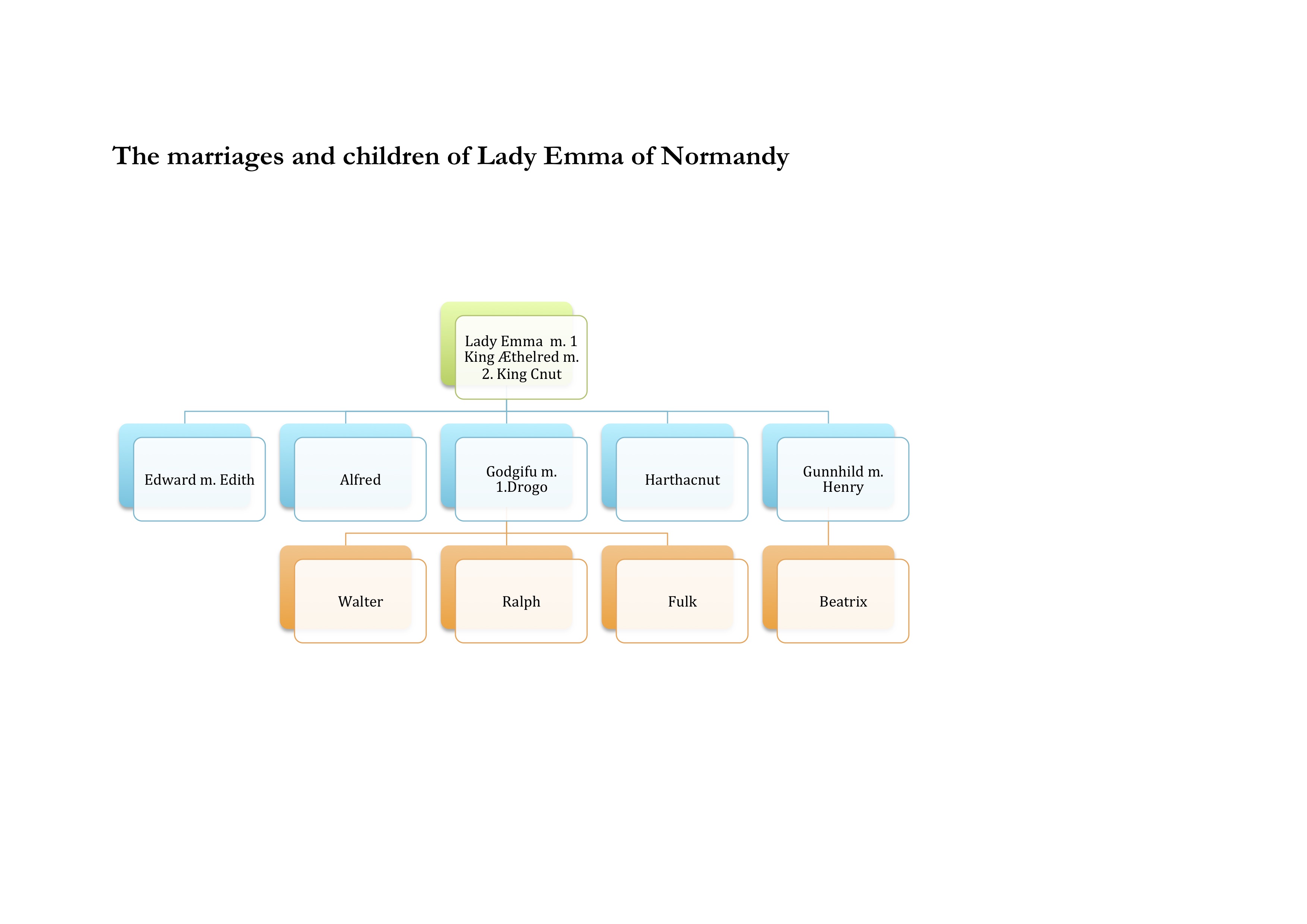
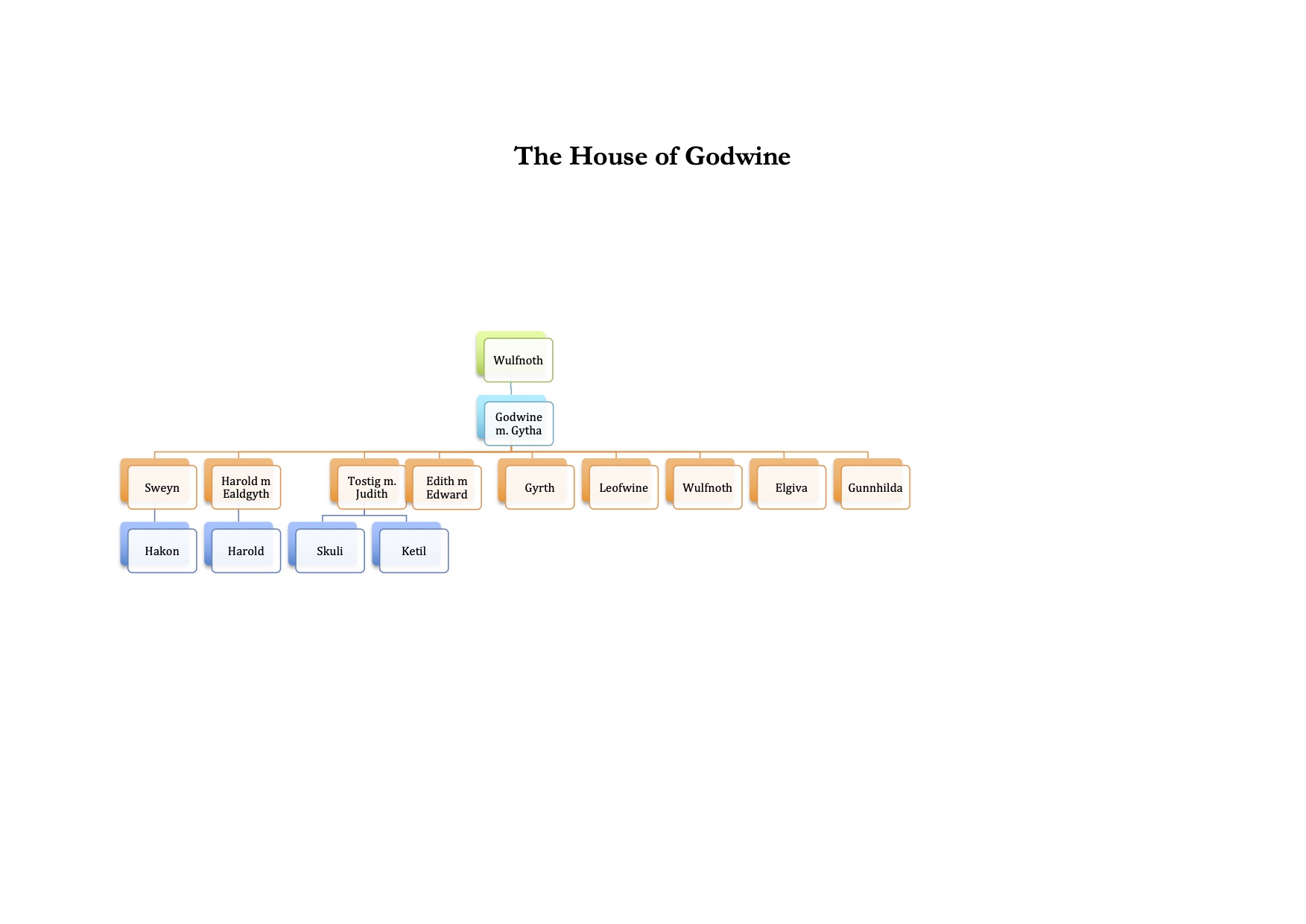
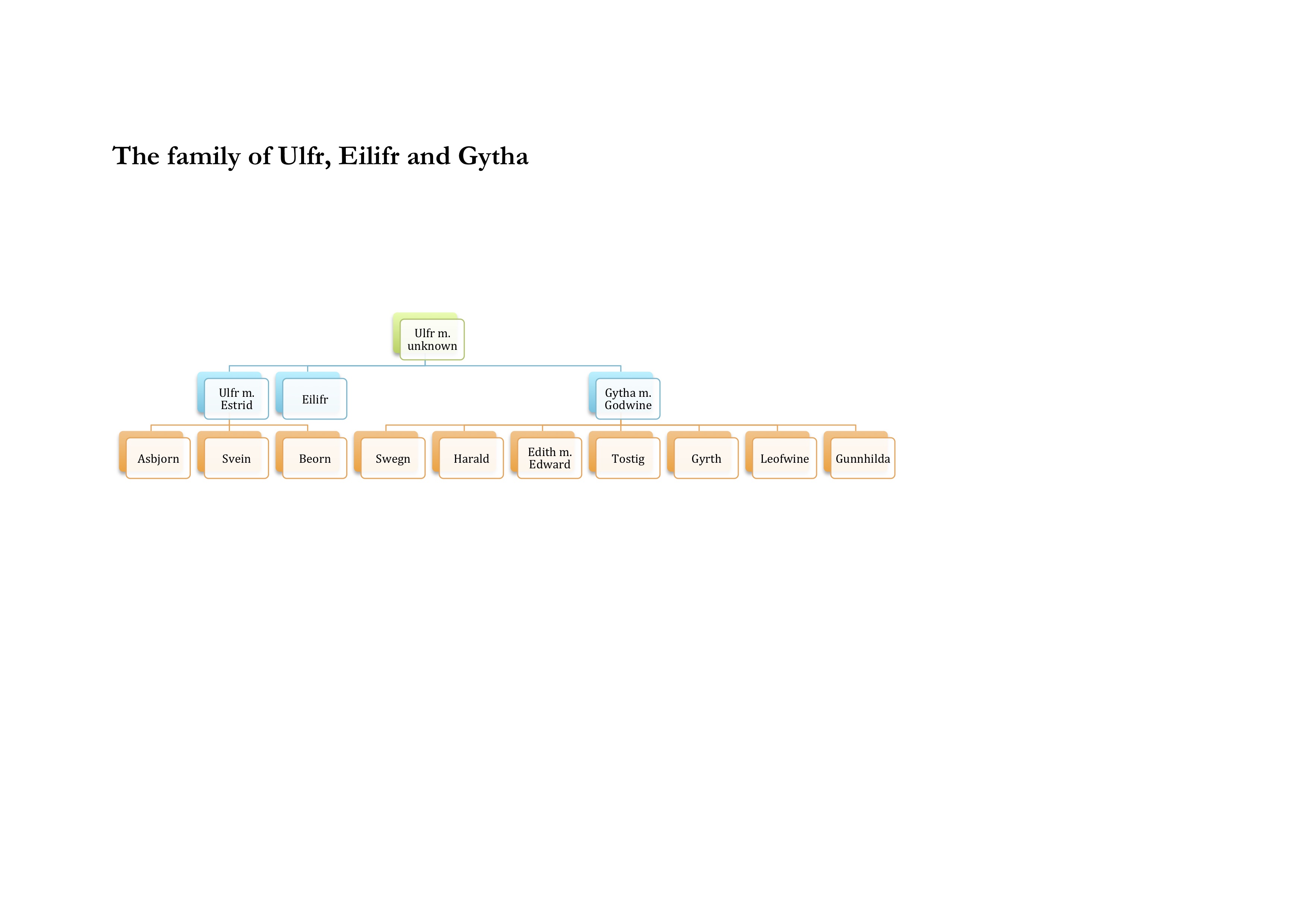
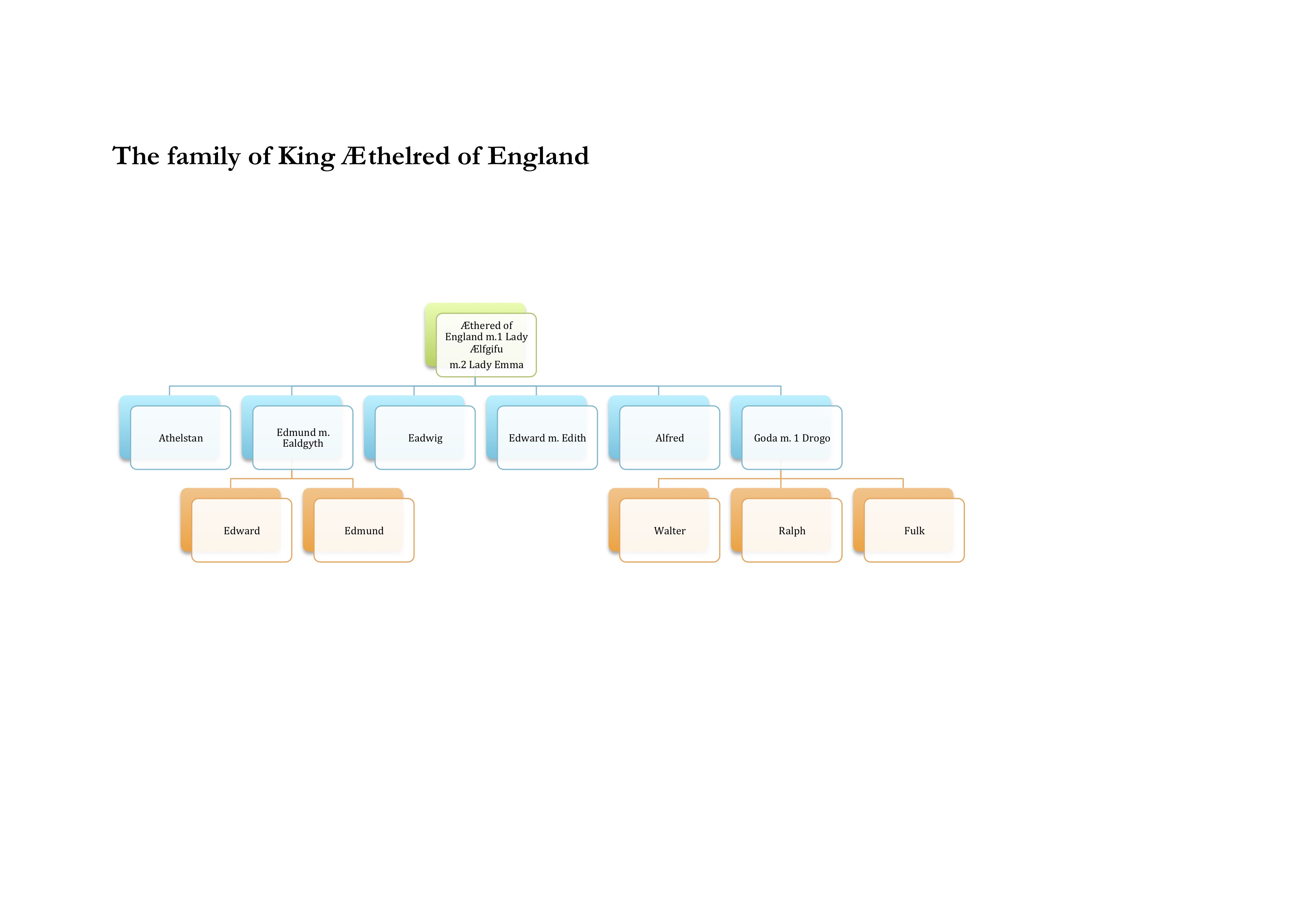
I thought a little refresh might be in order with the release of The King’s Brother, so I’m resharing some genealogy tables I put together when working on The English King and Lady Estrid. These will, hopefully, point you in the right direction for the somewhat complex family dynamics in The King’s Brother.

The House of Leofwine

The family of King Æthelred II.

The children of Lady Emma, twice England’s queen.

The House of Godwine.

The family of Gytha, wife of Earl Godwine

I hope that helps. You can click on the tables to increase their size.

Don’t forget to check out The King’s Brother and also visit The Earls of Mercia page on my blog.

Posts

New covers for Kingmaker and The King’s Daughters #histfic #TheRoyalWomen

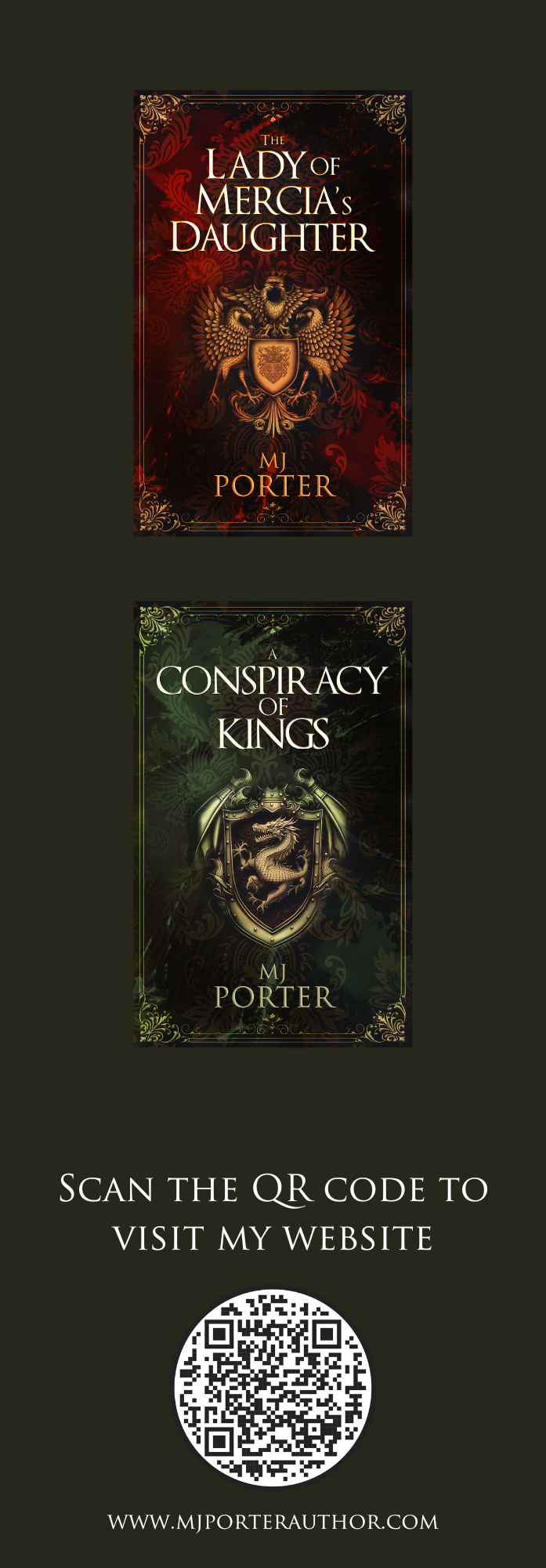
Earlier in the year, I shared new covers for The Lady of Mercia’s Daughter and A Conspiracy of Kings, and now I’m delighted to share the new covers for the remaining two books in The Tenth Century series, Kingmaker and The King’s Daughters.

These stories don’t follow Lady Ælfwynn as the first two books do, but she is mentioned in them. Rather, these two books focus on some of the other ‘lost’ women of the tenth century: the third wife of King Edward the Elder, and his many daughters.

I think they look fabulous. Thank you to Flintlock Covers for once more knowing what I want, even when I can’t find the words to describe it:)

Kingmaker

This is the tenth century in Early England between the reigns of Alfred the Great and Æthelred the Unready.
As England’s first Viking Age grinds to a halt in a war of attrition that will see Jorvik finally added to the kingdom of the English, one woman will witness it all.

Seventeen-year-old Eadgifu knows little about her new husband; he’s old, he only wants to marry her because she’s so wealthy, he already has ten children, and he’s Edward, King of Wessex. He also hopes to claim Mercia as his own.

That he’s the son of King Alfred, the man credited with saving Wessex from the Viking Raiders adds no mystique to him at all. Many say he’s handsome, but Eadgifu knows they speak of the man twenty years ago. Her mother won’t even allow her to be alone with him before their wedding.

But an old man will not live forever. The mother of his youngest sons can be more powerful than the wife of the king of Wessex, especially in the newly made kingdom of England where king’s lives are short and bloody, and war with the Viking Raiders is never far away.

Lady, wife, queen, mother, king’s mother, grandmother, ally, enemy, amenable and rebellious. 

Lost to the mists of time, this is Queen Eadgifu’s story, Kingmaker.

The King’s Daughters

Four women, all with impeccable pedigrees, and all desiring one thing. A kingdom of their own to rule.

They are the granddaughters of King Alfred of Wessex, but the kingdom they desire is not that of their grandfather’s founding.

These are the unknown stories of King Athelstan’s half-sisters, all wed into the royal families of East and West Frankia during the tenth century.

Eadgifu, the exiled queen of West Frankia, with her son’s kingdom claimed by another man, her husband imprisoned by yet another of his overmighty nobles.
Eadhild, wed to the son of the man who usurped her nephew’s kingdom, but with no heirs to her name.
Eadgyth, married to the legitimate heir of the king of East Frankia.
Ælfgifu, wed into the noble family of the Kingdom of Arles, one that sees West Frankia as an ally, not an enemy.

As tensions reach boiling point between East and West Frankia, between kingdoms and men who should be enemies, not allies, or allies, not enemies, the royal sisters of Wessex are thrust into a political maelstrom, pitted against each other and with only their royal brother, King Athelstan, as a mediator.

Posts

Pagan Warrior is on blog tour with The Coffee Pot Book Club #blogtour – check out the posts for the final day and enter the competition to win the paperbacks

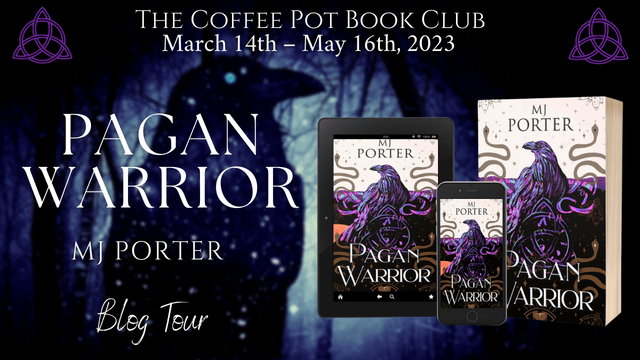
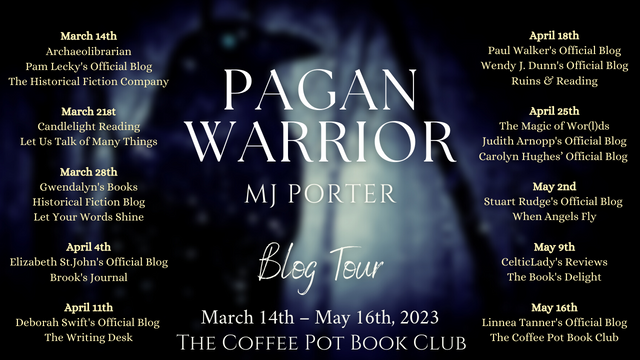
It’s the final day of the Pagan Warrior blog tour with The Coffee Pot Book Club, and to celebrate I am running a competition to win a signed set of the trilogy in paperback.

To enter, either sign up for my newsletter here (and receive a free short story set after the events of the trilogy), or if you’ve already signed up, drop me a quick email (mjporterauthor@gmail.com), and let me know you want to enter the competition. I will post worldwide and the competition will run until May 19th 2023, at which point, I will contact the winner, and announce them (if they are happy for me to do so) on my social media channels. Good luck everyone.


Pagan Warrior is the story of the battle of Hædfeld, fought in the seventh century between the Northumbrians, and you got it, the Mercians – or rather, Cadwallon of Gwynedd but with Penda of Mercia as his firm ally. You can find more details here.

A quick shout out to thank all the blog hosts and Cathie at The Coffee Pot Book Club for organising.

For May 16th, check out a review for Pagan Warrior on

Linnea Tanner’s Official Blog

and a guest post about Mercia’s legacy over on

The Coffee Pot Book Club

For May 9th, check out

The Book Delight

An excerpt on

The Celtic Lady Reviews

For May 2nd, check out the review on

Stuart Rudge’s Official Blog

And a guest post on who King Edwin of Northumbria was over on

When Angels Fly

For April 25th, check out a post about Penda of Mercia.

The Magic of Word(l)ds

Read an excerpt featuring Eowa, Penda’s brother on

Judith Arnopp’s Official Blog

And, read an excerpt featuring Penda on

Carolyn Hughes Official Blog

For April 18th, I answered Paul Walker’s questions on his blog

Paul Walker’s Official Blog

There’s an except over on Wendy J Dunn’s Official Blog featuring King Edwin

Wendy J Dunn’s Official Blog

And a fabulous review on Ruins and Readings

Ruins and Readings

For April 11th, read a guest post about how we know, what we know, about the seventh century.

Deborah Swift’s Official Blog

And a fabulous author interview over on

The Writing Desk

For April 4th, read an excerpt on

Elizabeth St John’s Official Blog

And read about warfare in the Saxon period on

Brook Allan’s Official Blog

For March 28th, check out a fabulous review on

https://gwendalynbooks.wordpress.com/2023/03/28/pagan-warrior/

A guest post about Mercia in the later eighth century on the Historical Fiction Blog.

https://historicalfictionblog.com/pagan-warrior-guest-post/

And, the post that perhaps gave me the most fear to begin will but which was fun when I remembered all the little details, five fun facts about writing the trilogy.

maryannbernal.blogspot.com

For March 21st check out a post about two of the royal residences of Bernicia at the time, Bamburgh and Ad Gefrin (Yeavering). (There are lots of photos, thank you to Helen Hollick for uploading them all).

Let Us Talk of Many Things

And a review from

Candlelight Reading

From March 14th, check out my author interview over on Archaeolibrarian.

Archaeolibrarian

I’m sharing an excerpt over on The Historical Fiction Company.

The Historical Fiction Company

I’ve written a piece about the historical background on Pam Lecky’s official blog.

Pam Lecky’s Official Blog

Pagan Warrior is on blog tour with The Coffee Pot Book Club #blogtour – check out the posts for day 9

I’m really excited to share the details of the Pagan Warrior blog tour with The Coffee Pot Book Club.

Pagan Warrior is the story of the battle of Hædfeld, fought in the seventh century between the Northumbrians, and you got it, the Mercians – or rather, Cadwallon of Gwynedd but with Penda of Mercia as his firm ally. You can find more details here.

I might have written this book many years ago, but it’s had a refresh, and is now available in audio, narrated by the fabulous, Matt Coles, as is the second book, Pagan King. Warrior King will be coming later this year in audio.

Now that all three books have been ‘refreshed’ you can read in ebook or paperback, and the books are available from all good ebook/paperback sellers. Check out my latest tiktok video to see Warrior King in paperback:)

You can follow the blog tour, and I’ll be sharing posts here as well. A quick shout out to thank all the blog hosts and Cathie at The Coffee Pot Book Club for organising. Next Tuesday is the final day, and I’m going to be running a competition so pop back and see what’s happening.

For May 9th, check out

The Book Delight

An excerpt on

The Celtic Lady Reviews

For May 2nd, check out the review on

Stuart Rudge’s Official Blog

And a guest post on who King Edwin of Northumbria was over on

When Angels Fly

For April 25th, check out a post about Penda of Mercia.

The Magic of Word(l)ds

Read an excerpt featuring Eowa, Penda’s brother on

Judith Arnopp’s Official Blog

And, read an excerpt featuring Penda on

Carolyn Hughes Official Blog

For April 18th, I answered Paul Walker’s questions on his blog

Paul Walker’s Official Blog

There’s an except over on Wendy J Dunn’s Official Blog featuring King Edwin

Wendy J Dunn’s Official Blog

And a fabulous review on Ruins and Readings

Ruins and Readings

For April 11th, read a guest post about how we know, what we know, about the seventh century.

Deborah Swift’s Official Blog

And a fabulous author interview over on

The Writing Desk

For April 4th, read an excerpt on

Elizabeth St John’s Official Blog

And read about warfare in the Saxon period on

Brook Allan’s Official Blog

For March 28th, check out a fabulous review on

https://gwendalynbooks.wordpress.com/2023/03/28/pagan-warrior/

A guest post about Mercia in the later eighth century on the Historical Fiction Blog.

https://historicalfictionblog.com/pagan-warrior-guest-post/

And, the post that perhaps gave me the most fear to begin will but which was fun when I remembered all the little details, five fun facts about writing the trilogy.

maryannbernal.blogspot.com

For March 21st check out a post about two of the royal residences of Bernicia at the time, Bamburgh and Ad Gefrin (Yeavering). (There are lots of photos, thank you to Helen Hollick for uploading them all).
Let Us Talk of Many Things

And a review from

Candlelight Reading

From March 14th, check out my author interview over on Archaeolibrarian.

Archaeolibrarian

I’m sharing an excerpt over on The Historical Fiction Company.

The Historical Fiction Company

I’ve written a piece about the historical background on Pam Lecky’s official blog.

Pam Lecky’s Official Blog

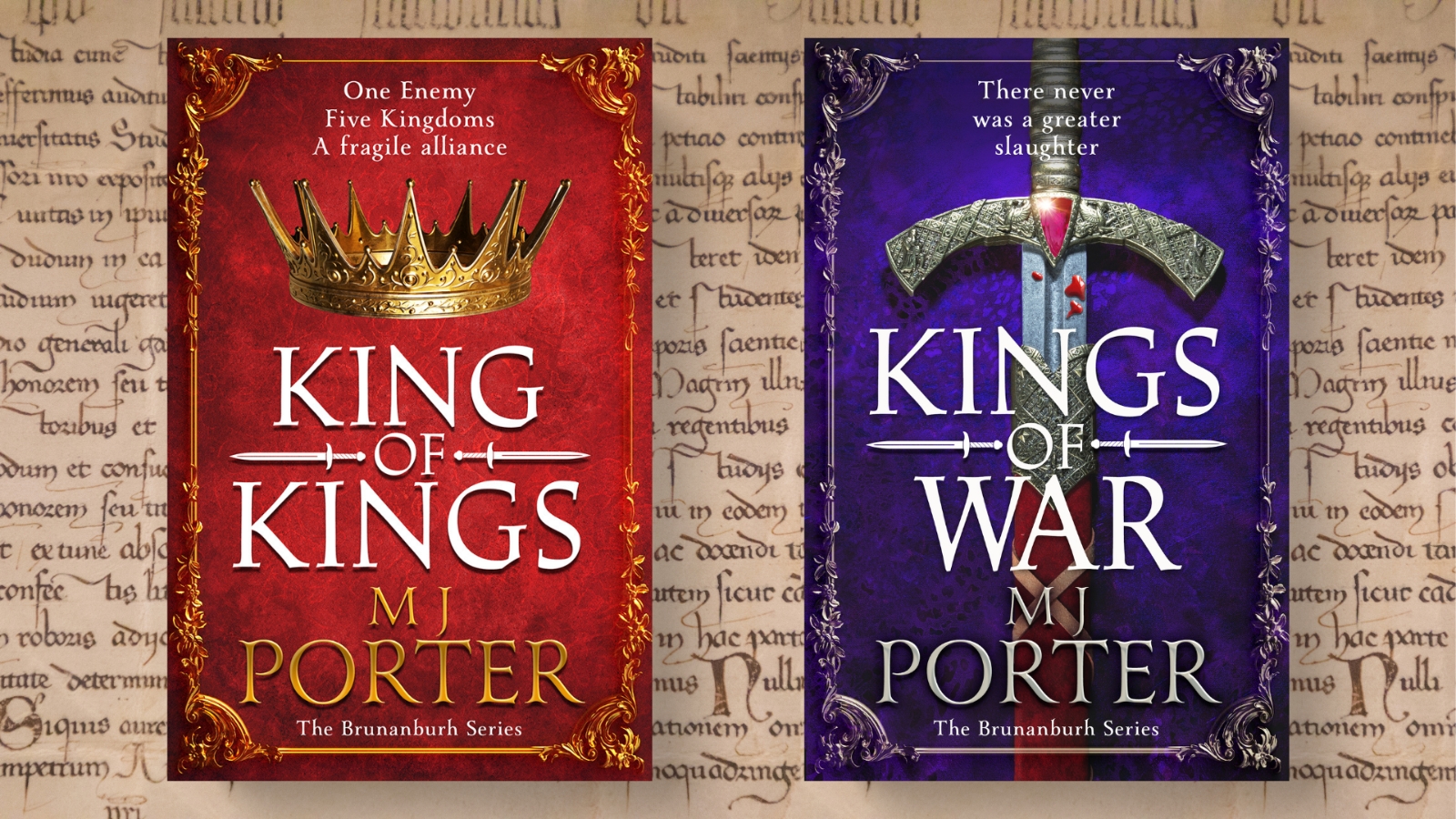
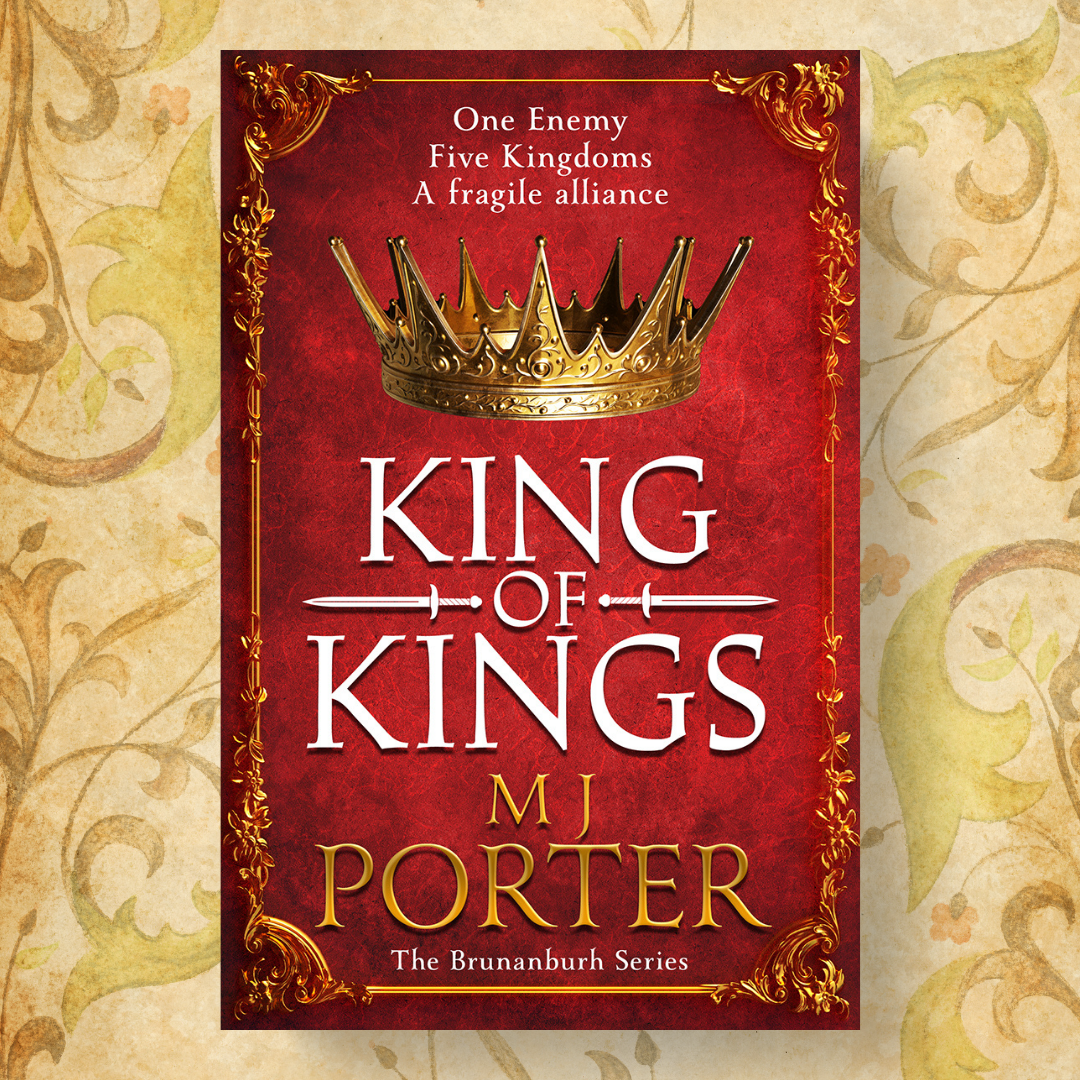
King of Kings, and the coronation of England’s first king

Athelstan, widely regarded as the first king of the ‘English’ or the first king of England, is one of the main characters in King of Kings. And indeed, the book opens with Athelstan undergoing his coronation. Before his reign, the ruling House of Wessex hadn’t been proclaimed as England’s kings. King Alfred (879-899), Athelstan’s grandfather, was termed the king of the Angles and Saxons (in a charter from 889 known as S346[I]). His son, Edward the Elder, was the king of the Anglo-Saxons, and whether this meant Wessex and Mercia combined has been much debated. But Athelstan was king of the English, (and this certainly included Wessex and Mercia, and parts of the Danelaw that had been reclaimed) and in a departure from earlier custom, was consecrated not with a warrior-helm, but instead with a crown.

Debate still rages as to whether the coronation ordo that has survived was written for Athelstan, his father, or even his nephew (Edgar (959-975), and indeed, whether it included provision for the king’s wife to be consecrated beside him, but for King of Kings, I made use of what is known about the service and reimagined the ceremony for my readers. I hope you enjoy it. Read on for a short extract.

‘This means that only a year after my father’s untimely death, the kingdoms of Mercia, those parts of the East Anglian kingdom that my father lately reclaimed, Wessex and Kent, are reunited again under one ruler. The Saxons, or rather, the English, have just one king. And this is my moment of divine glory, when, before the men and women of the Mercian and Wessex witan, I’ll be proclaimed as king over all.

A prayer is intoned by the archbishop of Canterbury, Athelm, appealing to God to endow me with the qualities of the Old Testament kings: Abraham, Moses, Joshua, David and Solomon. As such, I must be faithful, meek, and full of fortitude and humility while also possessing wisdom. I hope I’ll live up to these lofty expectations.

I’m anointed with the holy oil and then given a thick gold ring with a flashing ruby to prove that I accept my role as protector of the one true faith. A finely balanced sword is placed in my hands, the work of a master blacksmith, with which I’m to defend widows and orphans and through which I can restore things left desolated by my foes, and my foes are the Norse.’


[i]  http://www.esawyer.org.uk/,

books2read.com/King-of-Kings

King of Kings is currently available with Prime Reading.

Map design by Flintlock Covers

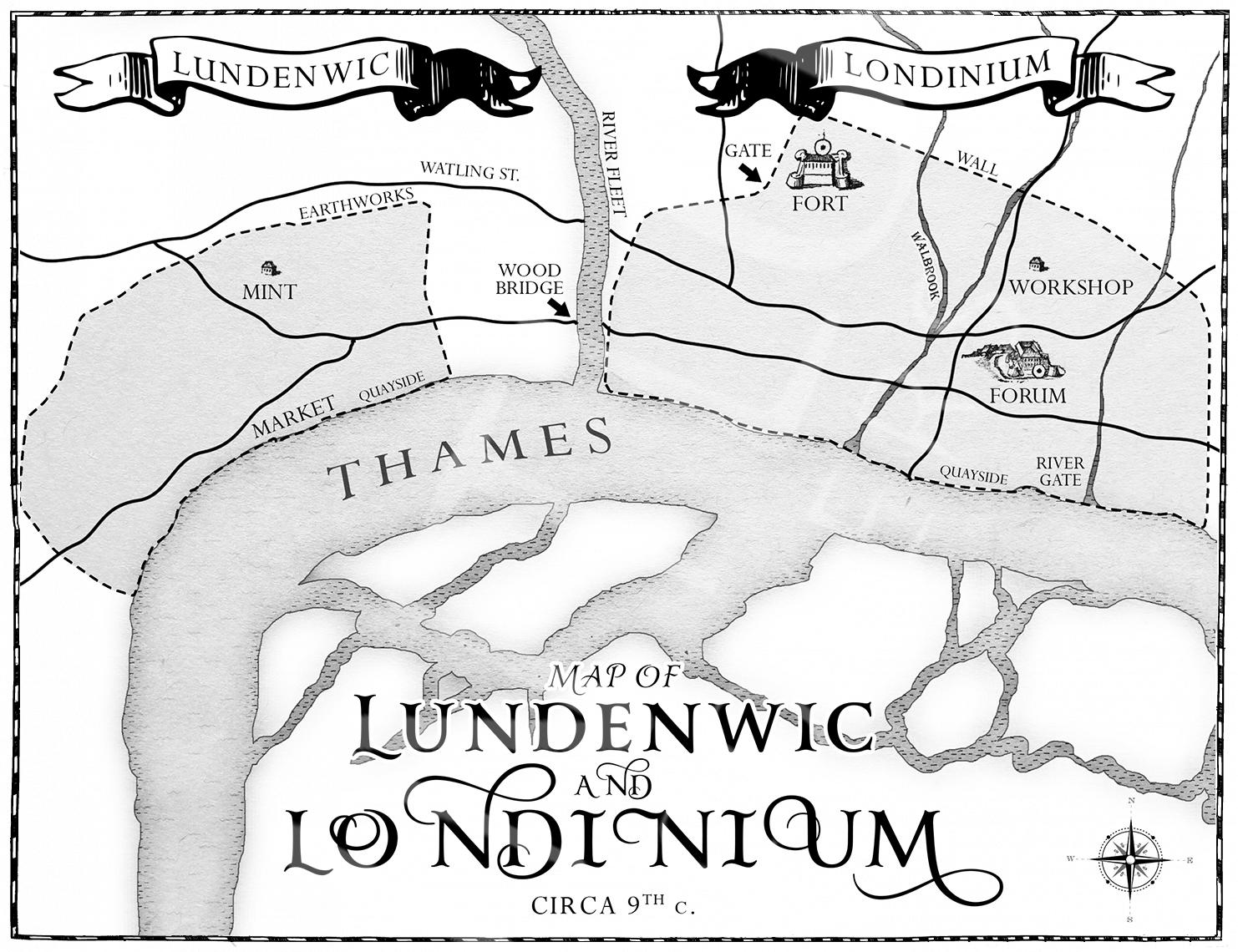
The River Thames in the Saxon period

In Eagle of Mercia, young Icel and his allies are busily guarding the River Thames against a potential Viking raider attack. The Viking raiders certainly made use of the many rivers running through England at the time (and throughout the British Isles), but the river was also significant as a very definitive and solid boundary between the Saxon kingdoms of Wessex and Mercia, which to the west, where the River Thames doesn’t flow, was continued by the earthworks known as the Wansdyke.

London, now the capital of the United Kingdom, wasn’t always as important as we might assume, and indeed, it wasn’t ever the capital of Wessex or Mercia. These two kingdoms fought most fiercely over the settlement. It wasn’t even overly important to the Romans, either. And this is why I’ve perhaps been remiss in not truly considering its significance. As rivers have changed their course over the years, so has the River Thames. And what’s most fascinating about the River Thames is that, seemingly for long periods during the Saxon era, it wasn’t navigable, as we might expect it to have been. 

Map of Early England by Flintlock Covers

‘During this period, as perhaps as other times, there may well have been a division between use of the Thames in its today reach and use of it above the tidal head. Paleoenvironmental evidence suggests that a relative drop in river levels during the Roman period meant that the tidal head was perhaps as low as Londinium itself, but that it (and thereby the range of easy navigability) generally moved upstream during the Anglo-Saxon period. This trend was not, however, uniform, and there were also brief periods (such as the late tenth to eleventh centuries) when the tidal reach shifted back downstream again.’ p. 271

It seems then, that when considering London, or Londinium/Lundenwic/Londonia, we also need to be mindful of the era in the Saxon period that we’re writing about. For the first Viking age,

‘A combination of the seasonal (and presumably climatic) unreliability of riverine travel and  the need on many occasions to travel upstream cannot have made it easy for the Vikings to use the Thames for shock offensives… and there is no clear example of a Viking force travelling by water up the Thames further than Fulham.’ p.278

Clues to how passable the River Thames might have been can be traced.

‘Without the construction of bridges, the river would have been impassable except by ferry, from its estuary as far as the lowest fording point, perhaps as low as Halliford near Shepperton, and between the various fording points. Even where the middle and upper stretches could be forded, such crossings were not guaranteed to be easy. Lechlade and Cricklade, two potentially treacherous upper Thames crossings, severely affected by flooding in winter were named Old English (ge)lad ‘difficult river crossing.’ p.279

As with all things, we should be wary of assuming that current conditions would have been prevalent in the past. The River Thames certainly falls into that category. So while, yes, it was certainly a decisive boundary between the Saxon kingdoms of Wessex and Mercia, on occasion, it wouldn’t have been as decisive as at others. This, I find fascinating, and just another of those ‘facts’ travellers to the Saxon era should be wary about. While we know (hopefully not a spoiler) that London was attacked in the 840s and 850s, prior to this, it might well have been impossible for the Viking raiders to attack in the way they were used to. This, perhaps, accounts for why they chose more coastal locations, such as the Isle of Sh.

Map by Flintlock Covers for Wolf of Mercia

(Quotes taken from Beyond the Burghal Hidage by Baker and Brookes)

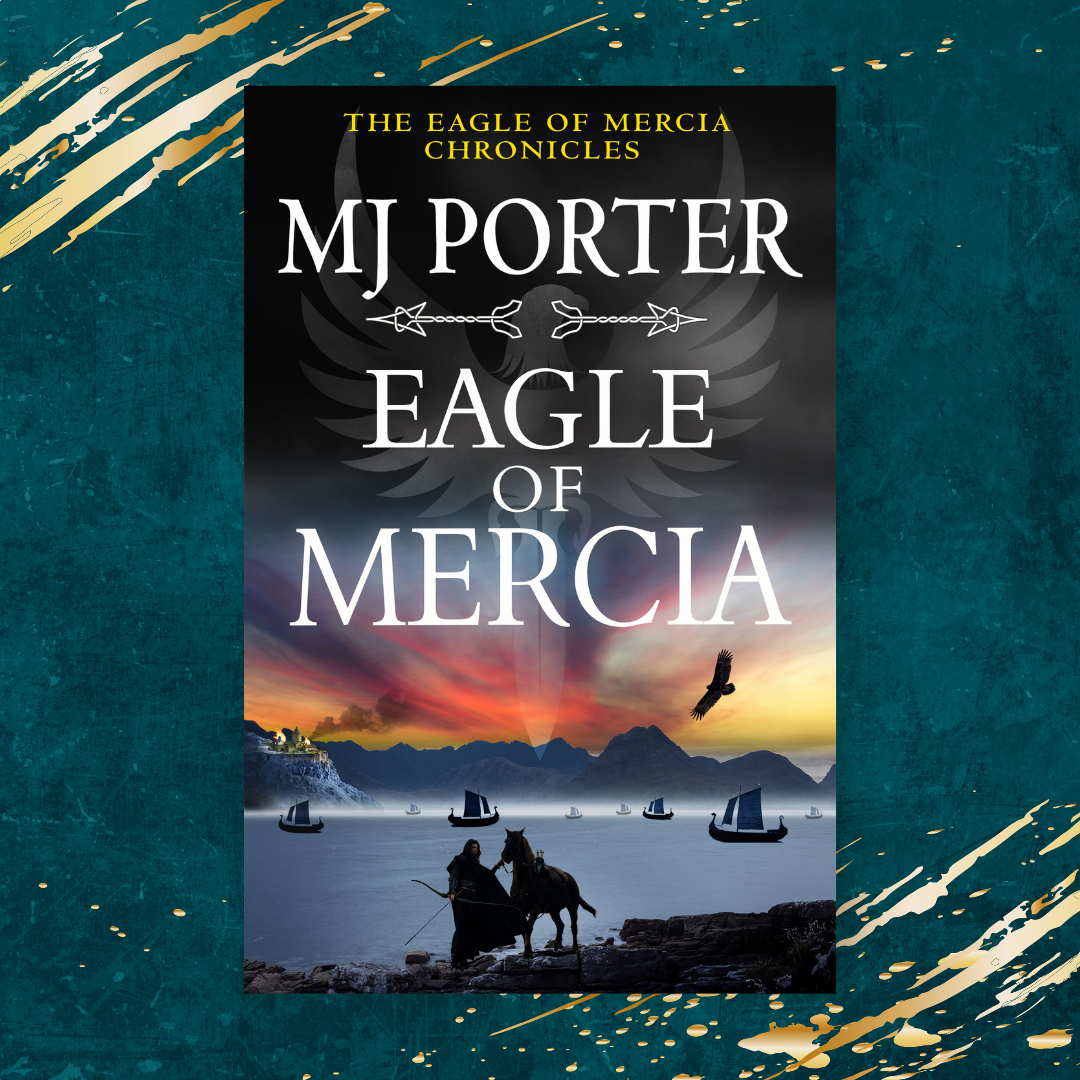
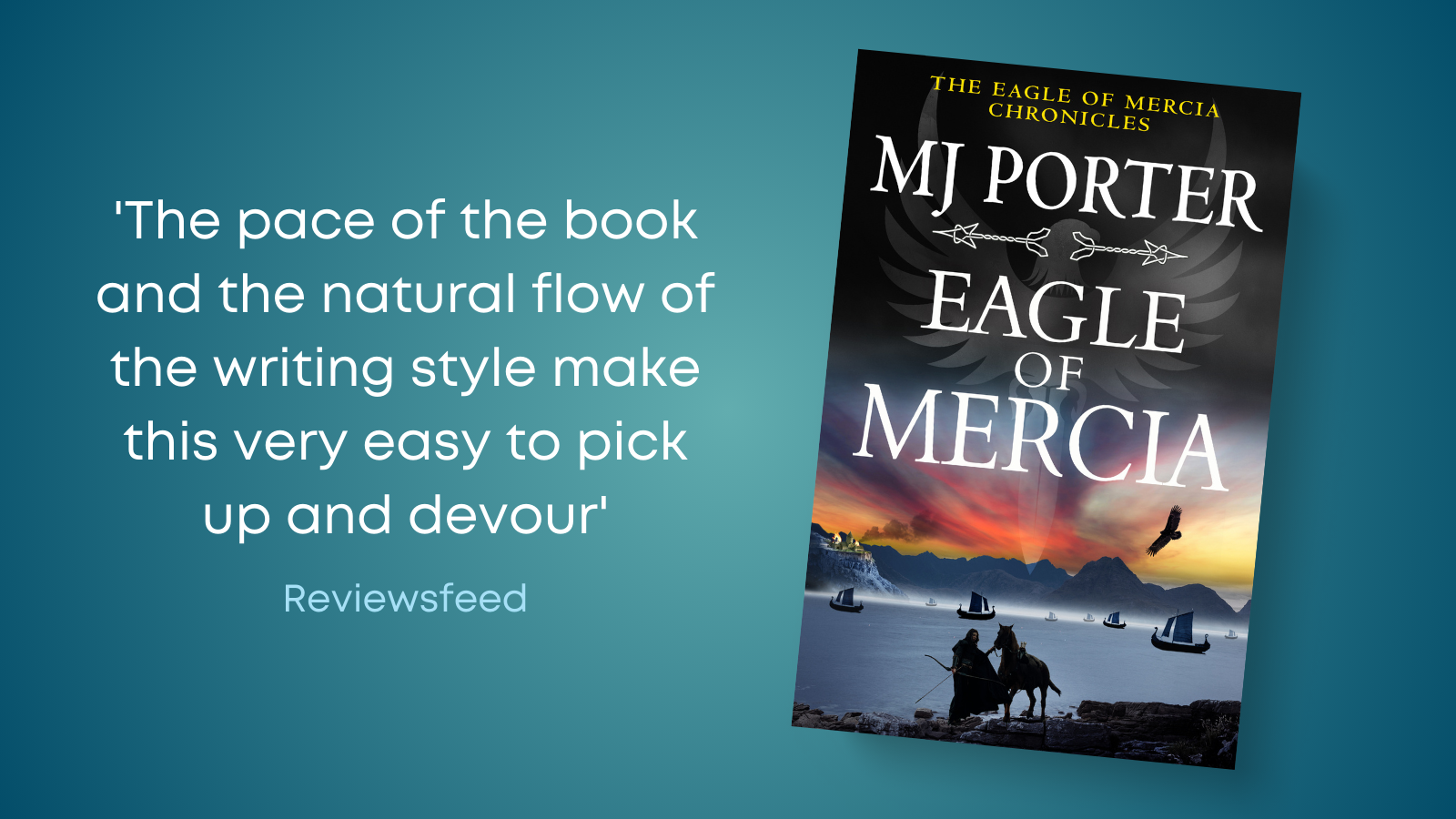
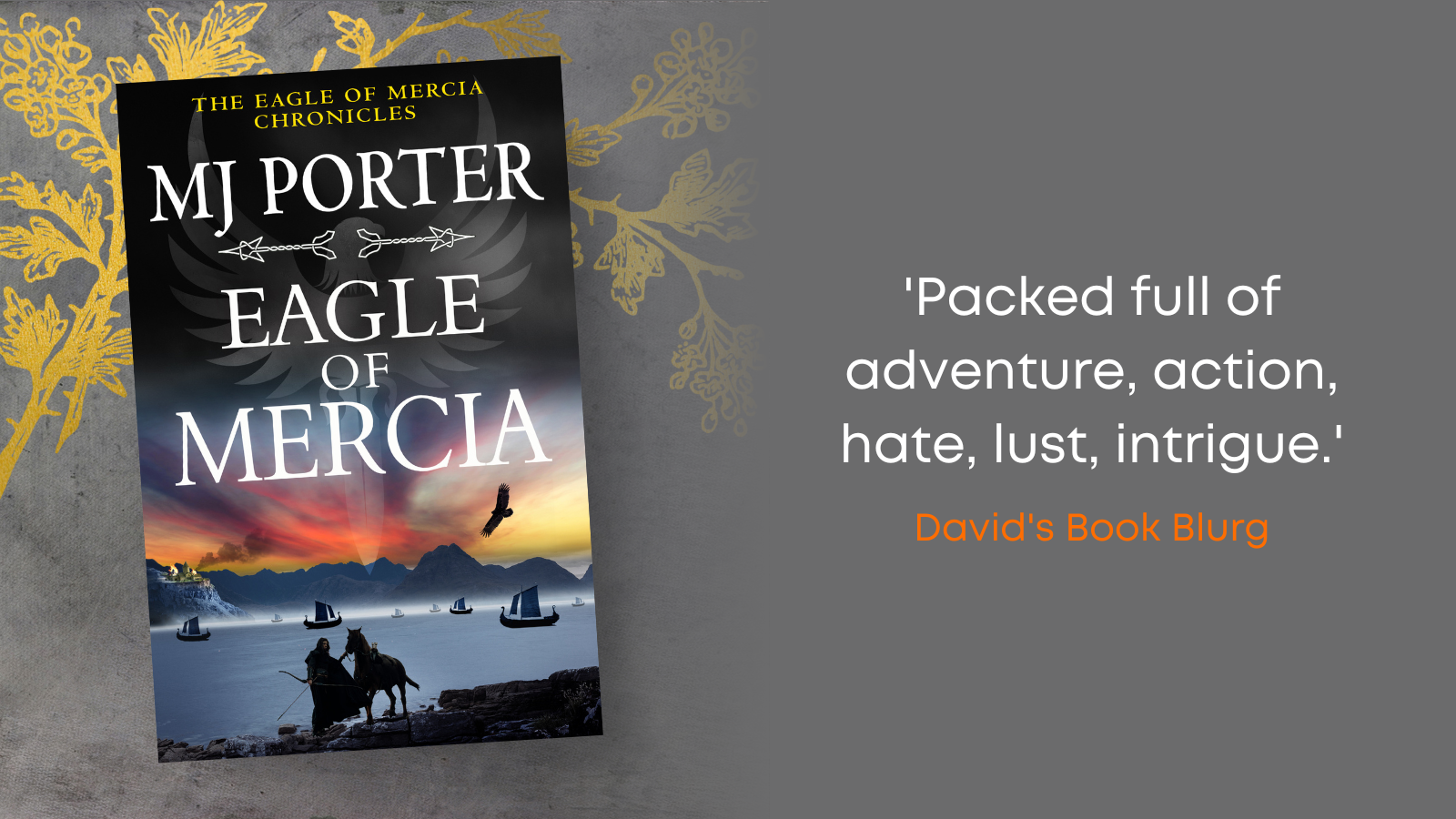
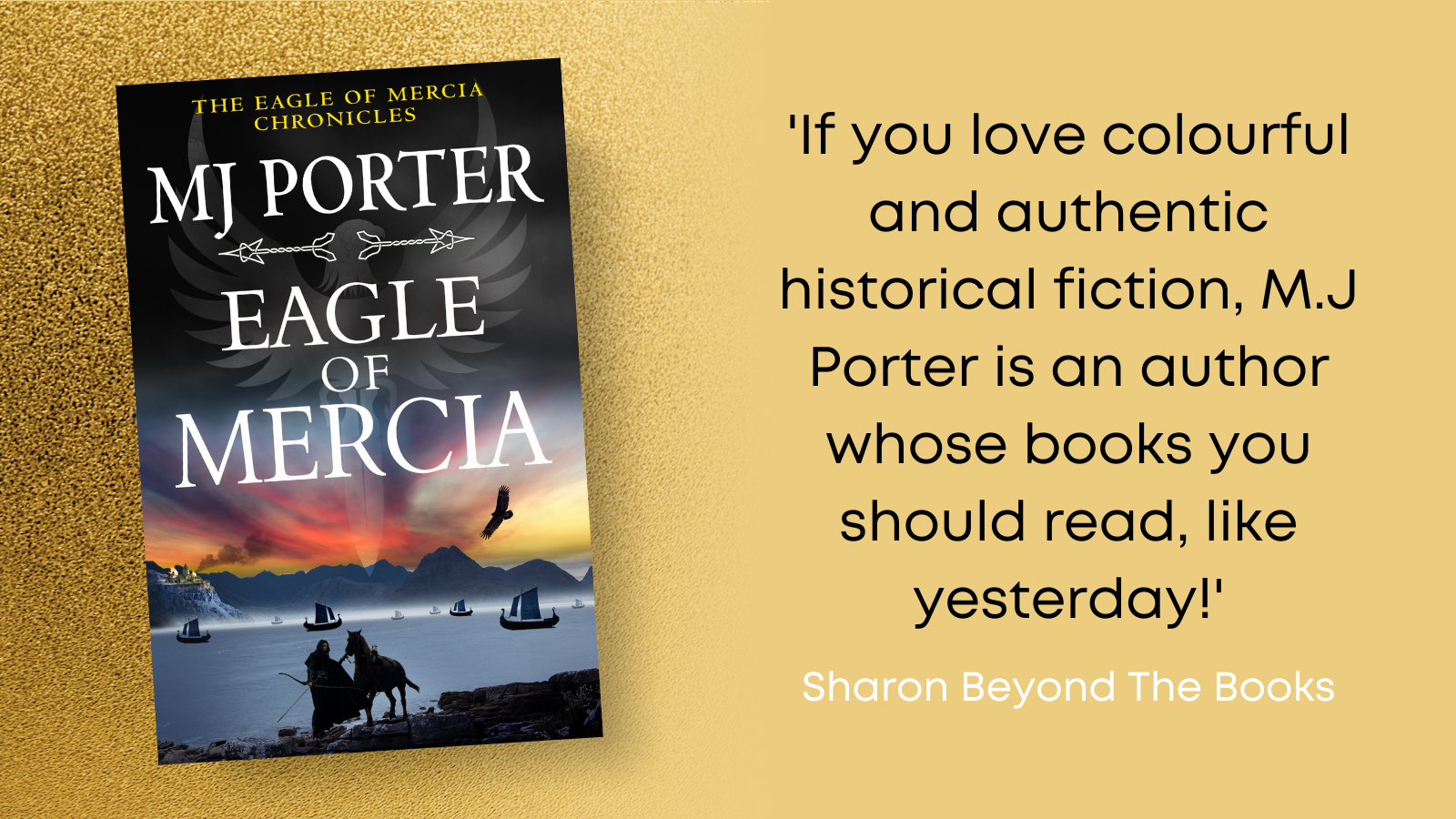
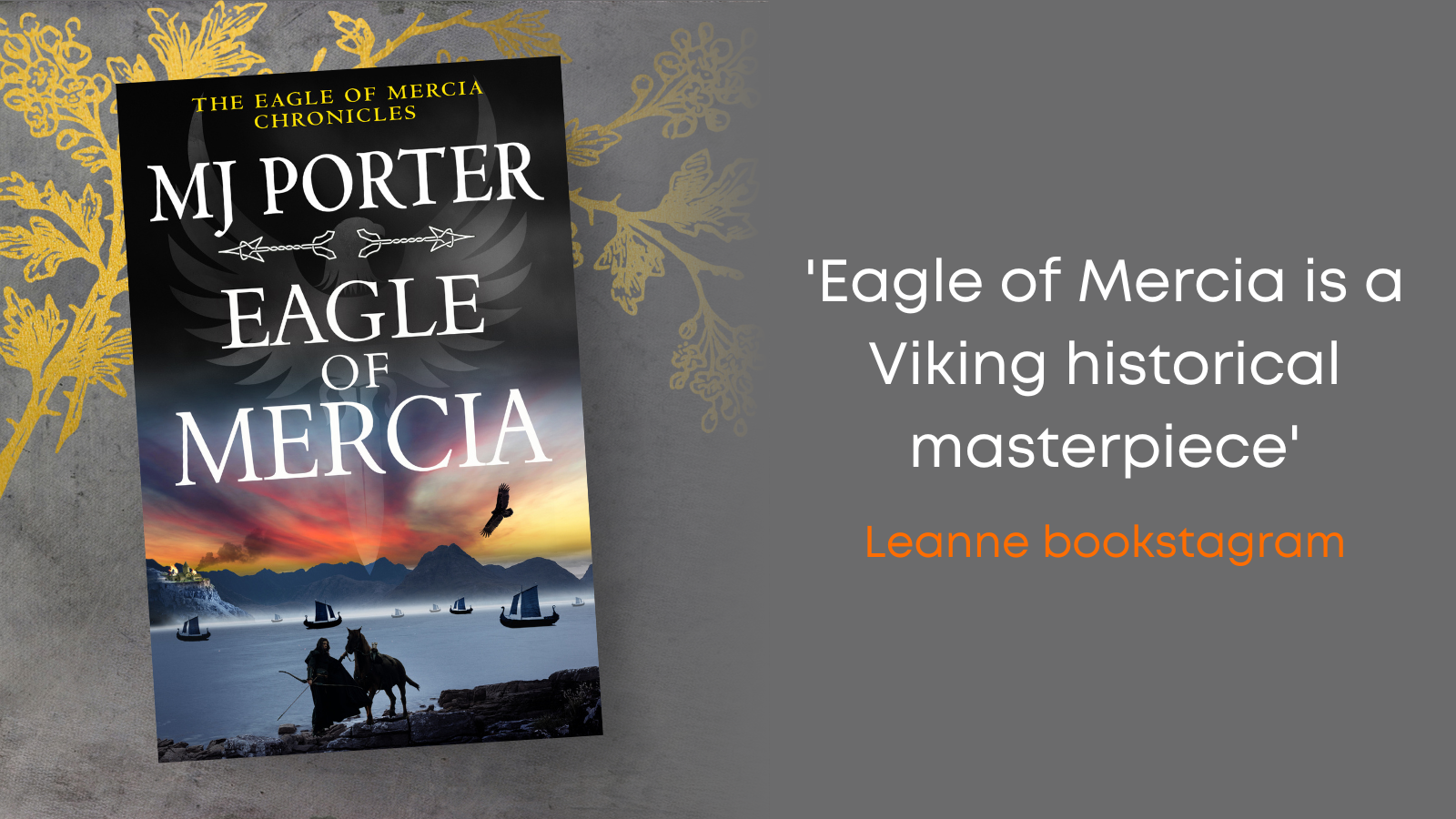
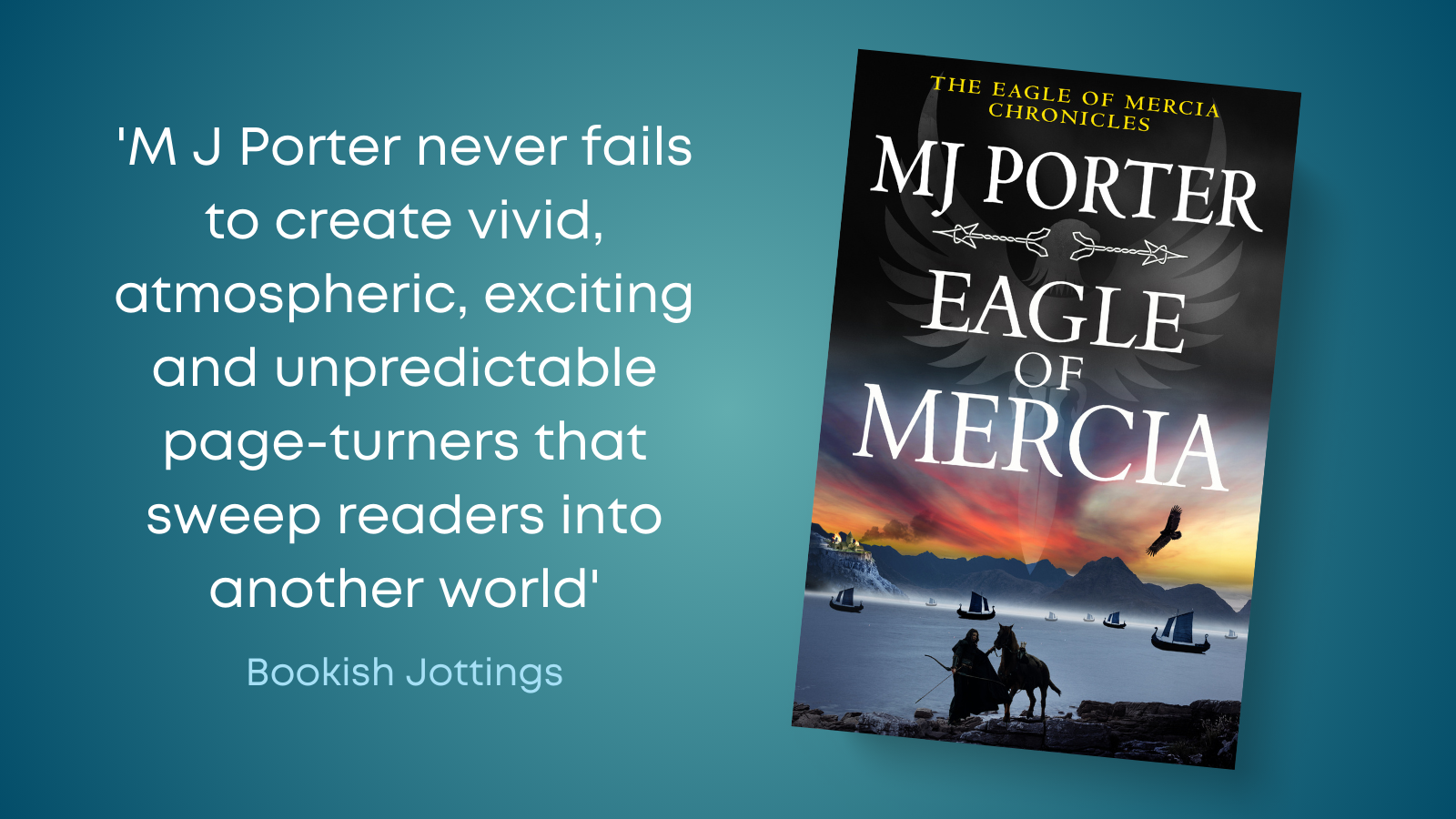
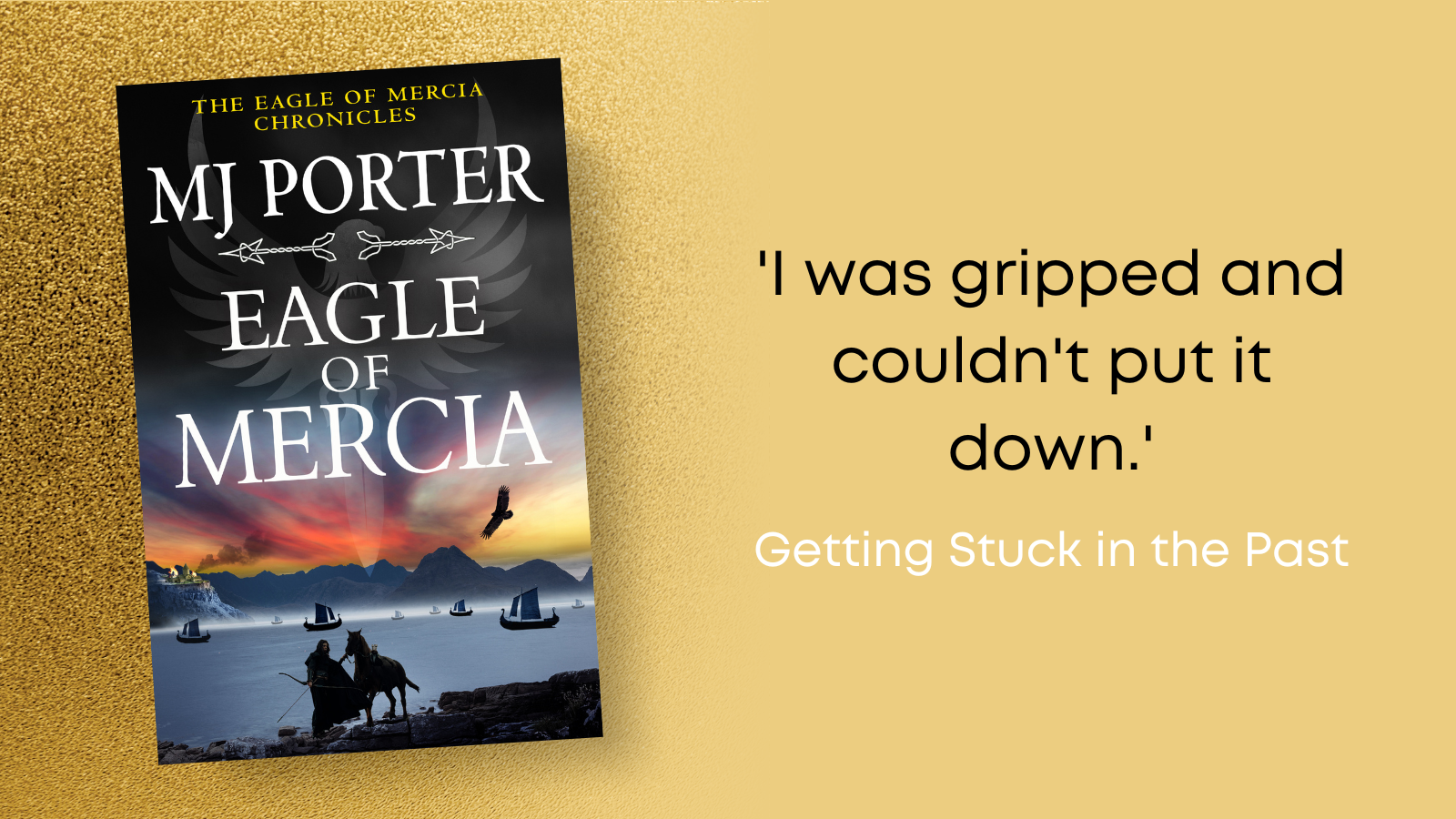
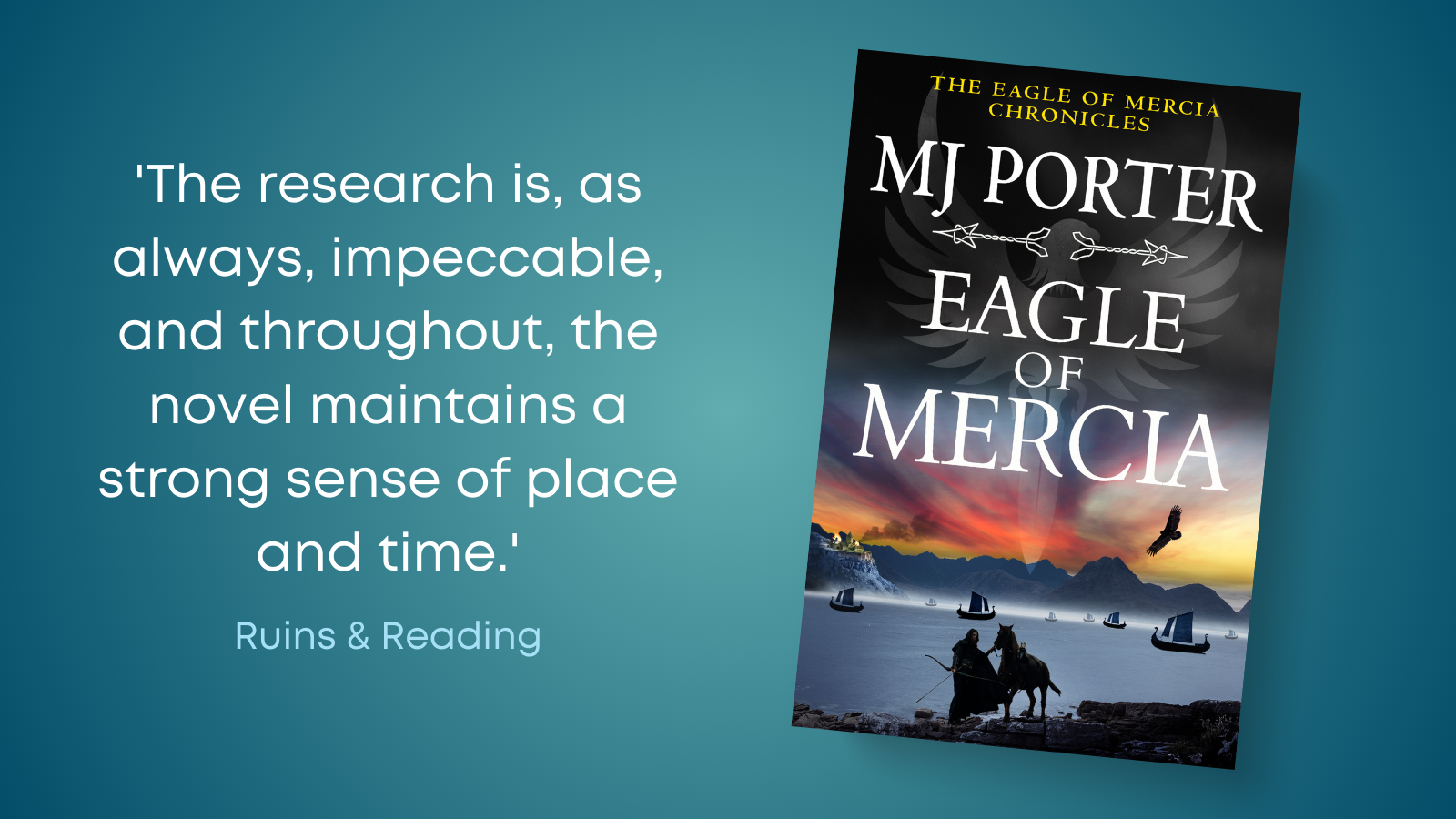
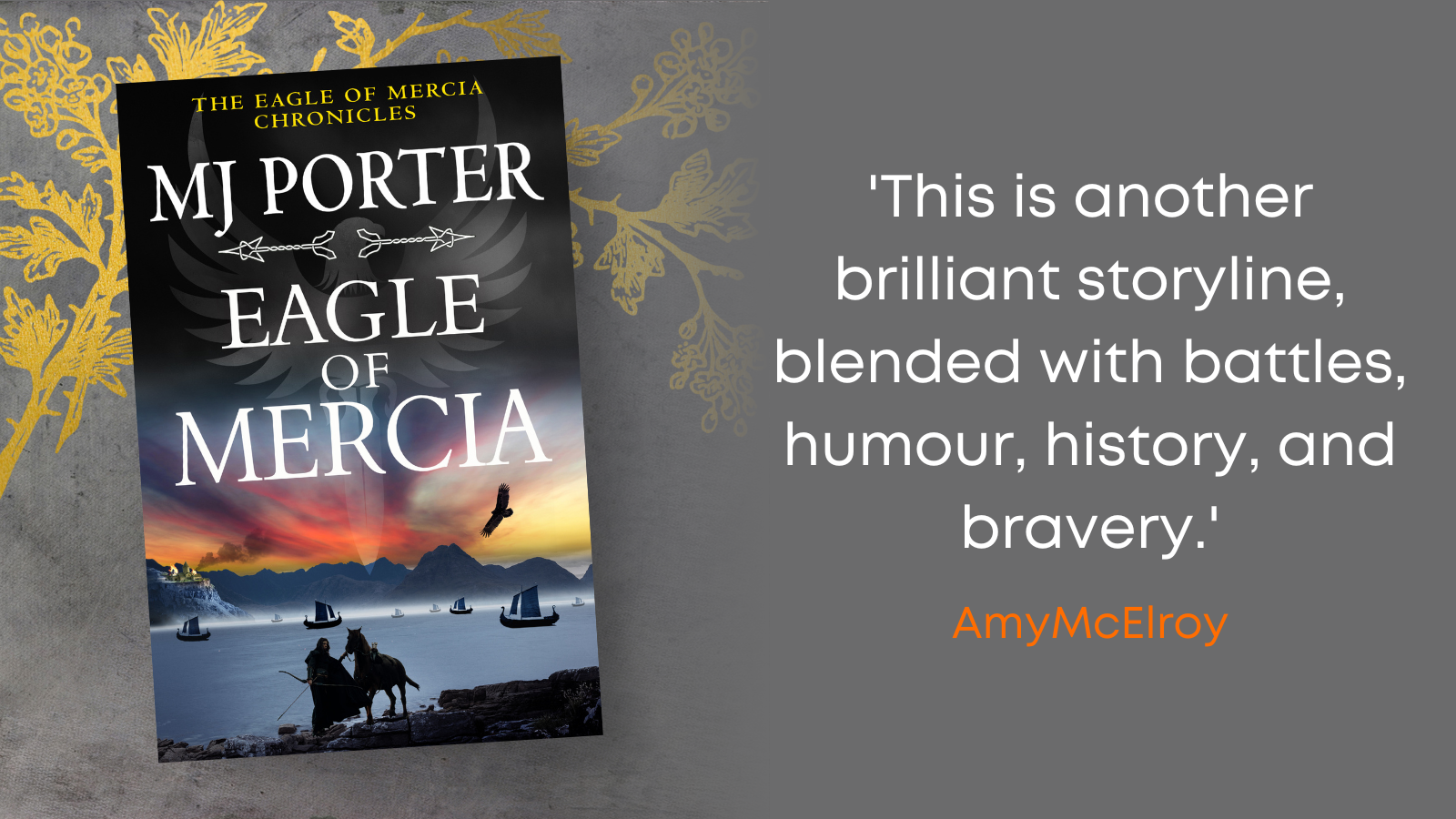
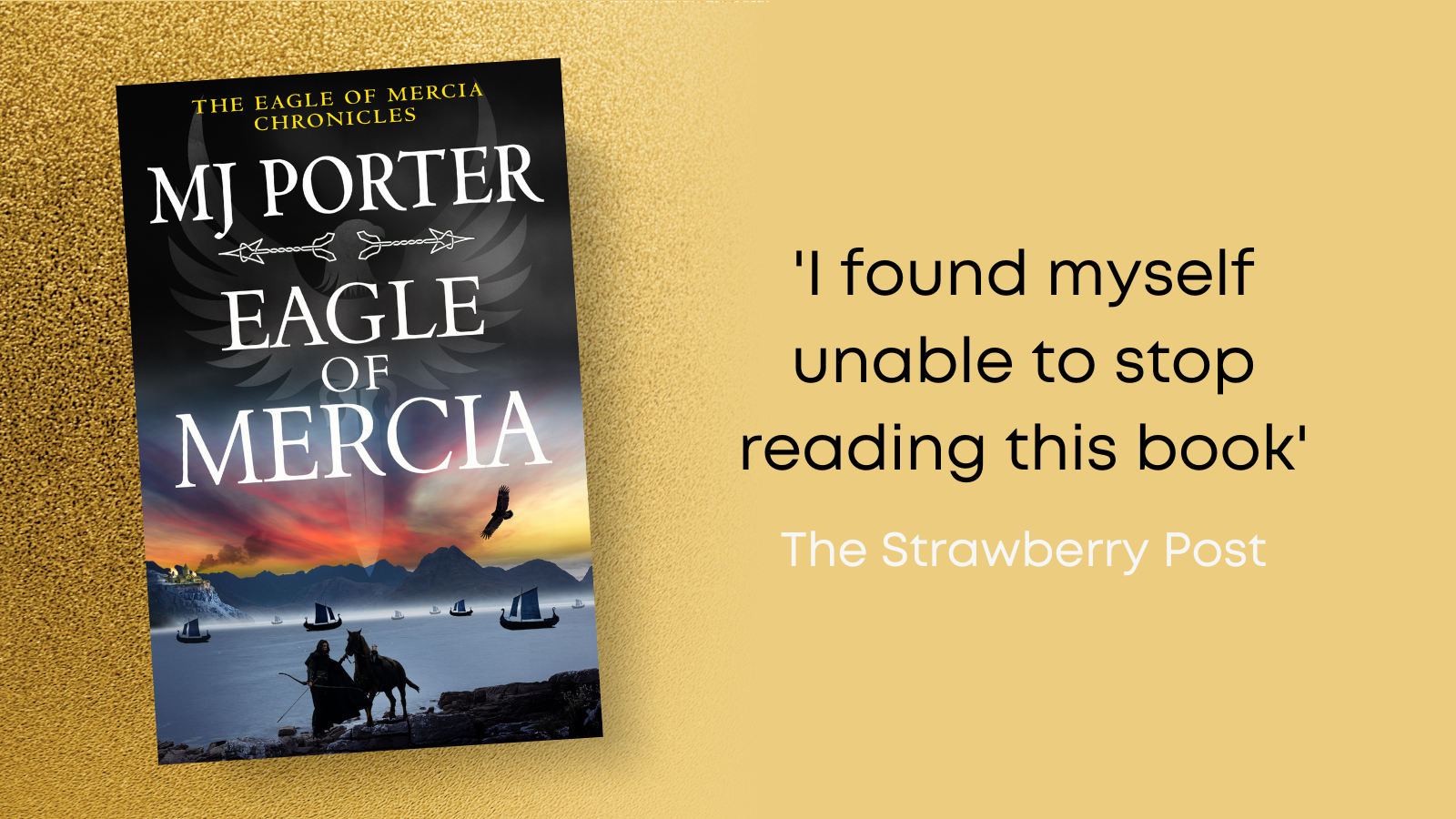
Read Eagle of Mercia now.

https://books2read.com/EagleofMercia

Happy Release Day to Eagle of Mercia

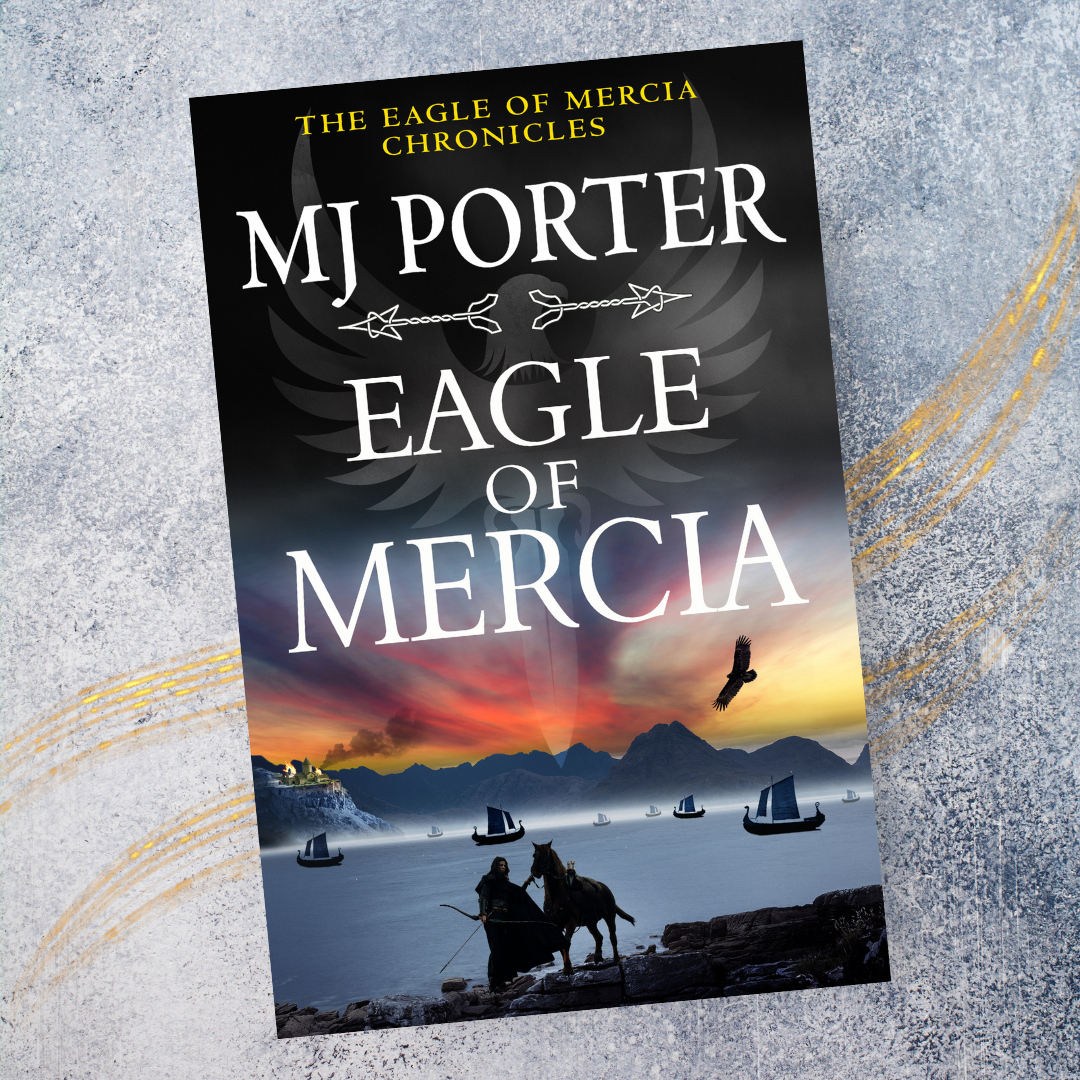
Today is the day, book 4 in The Eagle of Mercia Chronicles is released into the wild. I’m really excited about this one:) And I can’t believe we’re already onto book 4.

Here’s the blurb:

A mercy mission in the heart of Wessex is beset with deadly, bloody dangers.

Tamworth AD831

Icel’s profile continues to rise. Lord of Budworth and warrior of Mercia, he’s acknowledged by King Wiglaf and his comrades to keep Mercia safe from the ravages of Wessex, the king-slayer of the East Angles, and the Viking raiders.
But, danger looms.  Alongside Spring’s arrival comes the almost certain threat of the Viking raiders return. 

When Lord Coenwulf of Kingsholm is apprehended by a Viking and held captive on the Isle of Sheppey in Wessex held Kent, Icel is implored by Lady Cynehild to rescue her husband.

To rescue Lord Coenwulf, Icel and his fellow warriors must risk themselves twice over, for not only must they overpower the Viking raiders, they must also counter the threat of Mercia’s ancient enemy, the kingdom of Wessex as they travel through their lands.

Far from home and threatened on all sides, have Icel and his fellow warriors sworn to carry out an impossible duty?

books2read.com/EagleofMercia

Available now in ebook, paperback and audio, the hardback should be with us shortly.

Read my release day post about the River Thames.

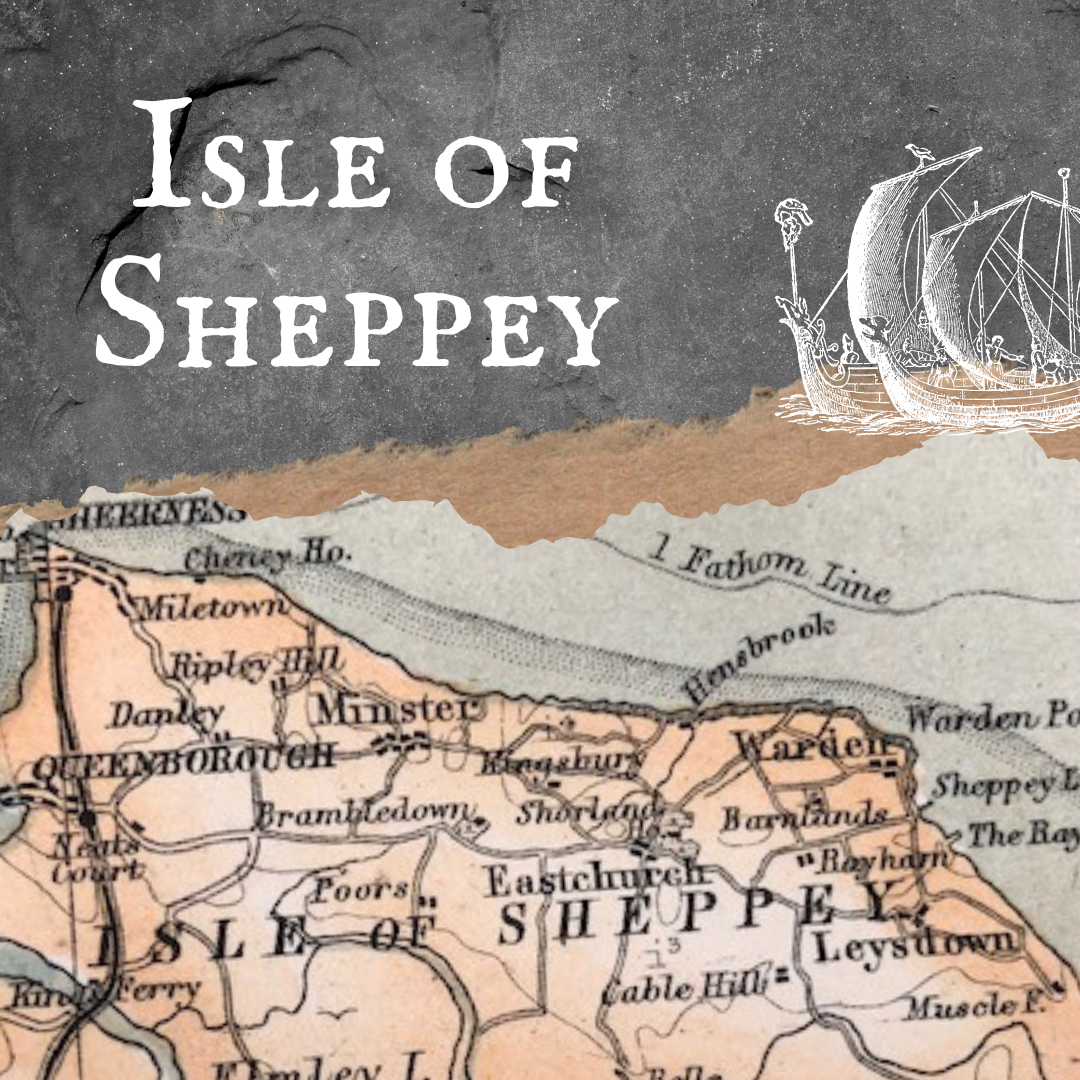
Read all about the Isle of Sheppey

Read my release day post on the Boldwood website about the Eagle of Mercia Chronicles.


I can let you know that book 5 is mostly written, and I know the title and I’ve seen the cover – I know, I’m such a tease. I will update when I can share more.


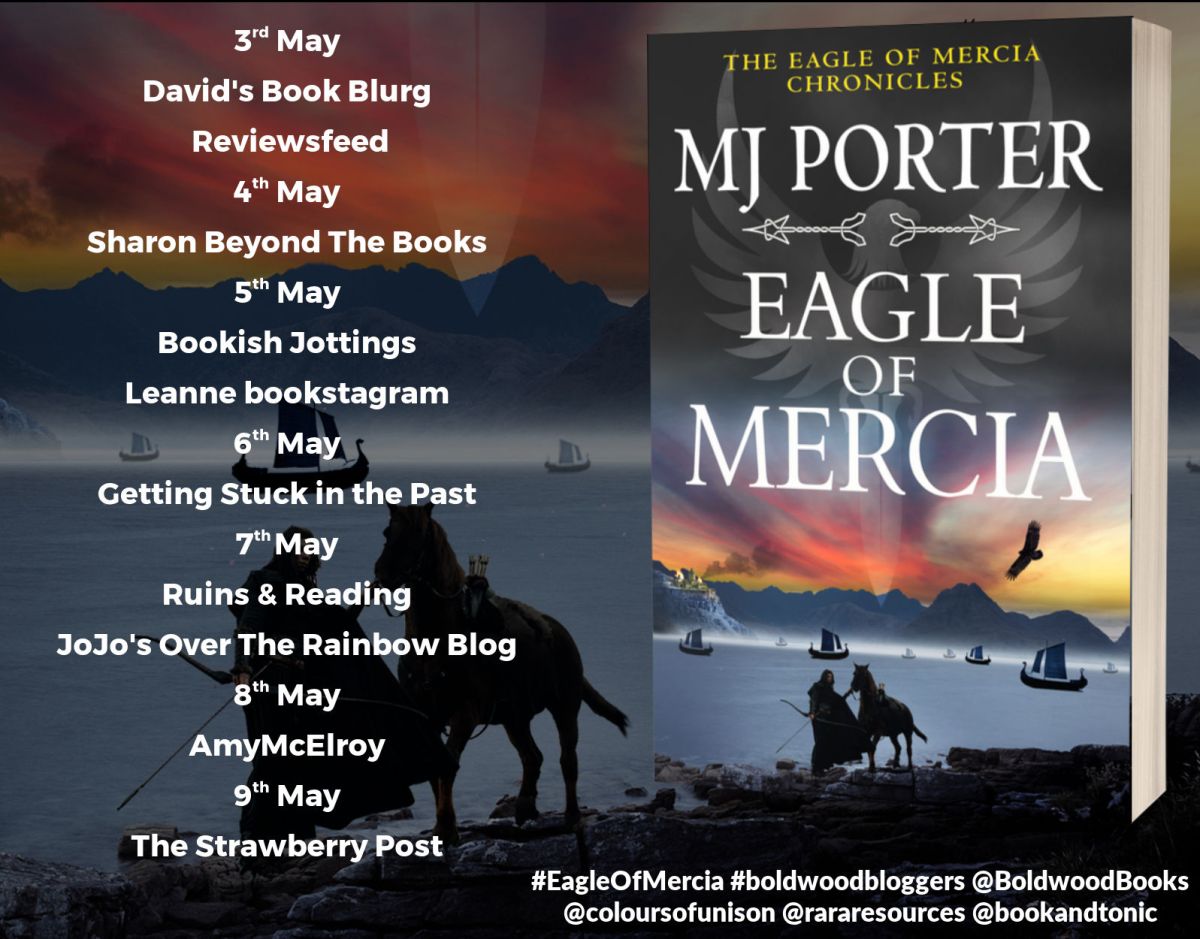
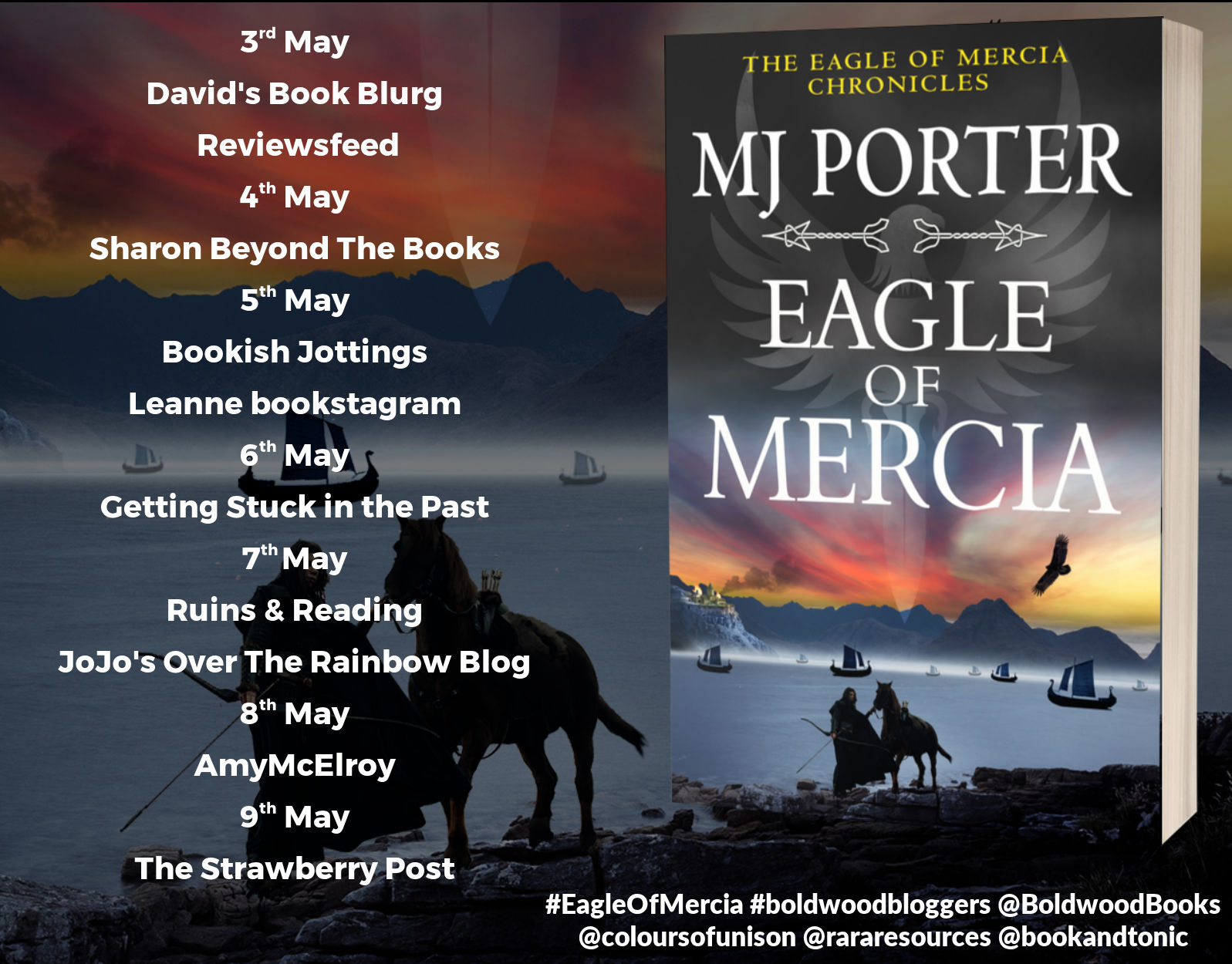
Check out the blog tour for Eagle of Mercia. My thanks to Rachel at Rachel’s Random Resources for organising and all the hosts for taking part. I will add the links each day. The initial reviews for Eagle are very positive, so I hope you’ll enjoy it too.

Reviewsfeed

David’s Book Blurg

Sharon Beyond the Books

Leanne Bookstagram

Bookish Jottings

Getting Stuck in the Past

Ruins and Reading

Amy McElroy

The Strawberry Post

Pagan Warrior is on blog tour with The Coffee Pot Book Club #blogtour – check out the posts for day 8

I’m really excited to share the details of the Pagan Warrior blog tour with The Coffee Pot Book Club.

Pagan Warrior is the story of the battle of Hædfeld, fought in the seventh century between the Northumbrians, and you got it, the Mercians – or rather, Cadwallon of Gwynedd but with Penda of Mercia as his firm ally. You can find more details here.

I might have written this book many years ago, but it’s had a refresh, and is now available in audio, narrated by the fabulous, Matt Coles, as is the second book, Pagan King. Warrior King will be coming later this year in audio.

Now that all three books have been ‘refreshed’ you can read in ebook or paperback, and the books are available from all good ebook/paperback sellers. Check out my latest tiktok video to see Warrior King in paperback:)

You can follow the blog tour, and I’ll be sharing posts here as well. A quick shout out to thank all the blog hosts and Cathie at The Coffee Pot Book Club for organising.

For May 2nd, check out the review on

Stuart Rudge’s Official Blog

And a guest post on who King Edwin of Northumbria was over on

When Angels Fly

For April 25th, check out a post about Penda of Mercia.

The Magic of Word(l)ds

Read an excerpt featuring Eowa, Penda’s brother on

Judith Arnopp’s Official Blog

And, read an excerpt featuring Penda on

Carolyn Hughes Official Blog

For April 18th, I answered Paul Walker’s questions on his blog

Paul Walker’s Official Blog

There’s an except over on Wendy J Dunn’s Official Blog featuring King Edwin

Wendy J Dunn’s Official Blog

And a fabulous review on Ruins and Readings

Ruins and Readings

For April 11th, read a guest post about how we know, what we know, about the seventh century.

Deborah Swift’s Official Blog

And a fabulous author interview over on

The Writing Desk

For April 4th, read an excerpt on

Elizabeth St John’s Official Blog

And read about warfare in the Saxon period on

Brook Allan’s Official Blog

For March 28th, check out a fabulous review on

https://gwendalynbooks.wordpress.com/2023/03/28/pagan-warrior/

A guest post about Mercia in the later eighth century on the Historical Fiction Blog.

https://historicalfictionblog.com/pagan-warrior-guest-post/

And, the post that perhaps gave me the most fear to begin will but which was fun when I remembered all the little details, five fun facts about writing the trilogy.

maryannbernal.blogspot.com

For March 21st check out a post about two of the royal residences of Bernicia at the time, Bamburgh and Ad Gefrin (Yeavering). (There are lots of photos, thank you to Helen Hollick for uploading them all).
Let Us Talk of Many Things

And a review from

Candlelight Reading

From March 14th, check out my author interview over on Archaeolibrarian.
Archaeolibrarian

I’m sharing an excerpt over on The Historical Fiction Company.

The Historical Fiction Company

I’ve written a piece about the historical background on Pam Lecky’s official blog.

Pam Lecky’s Official Blog