I’m delighted to welcome G.M. Baker and his book, The Wanderer and the Way, to the blog #HistoricalFiction #MedievalFiction #SantiagoDeCompostela #BlogTour #TheCoffeePotBookClub

I’m delighted to welcome G.M. Baker and his book, The Wanderer and the Way, to the blog #HistoricalFiction #MedievalFiction #SantiagoDeCompostela #BlogTour #TheCoffeePotBookClub

I’m delighted to welcome G.M. Baker and his book, The Wanderer and the Way, to the blog with a guest post.

Guest Post

Religion has always been a problem for historical fiction. It’s not just that many readers today are not religious and tend to shy away from religious characters or religious ideas. Readers who are religious tend not to recognize their own beliefs or their way of believing in the religious habits and practices of the past. And yet, if we want our historical fiction to be anything more than modern people in fancy dress, we have to deal with the religious lives of historical characters, almost all of whom would have professed one faith or another.

But I think that the religious opinions and practices of people in the past were not as different in character from the opinions and practices of modern people as they might seem at first. I think religious belief in, for example, the early medieval period in which my novel, The Wanderer and the Way, is set, was different in character from religious belief today, and in some ways closer in character, if not in content, to the beliefs of modern non-religious people.

What I mean is that there are certain beliefs that we hold unselfconsciously. These are the beliefs that we grew up with, the beliefs of our friends and our community. We learn these beliefs growing up and adopt them not because we have subjected them to rigorous philosophical examination, but because they are the beliefs shared by our community. We are a mimetic species, and so we tend to believe what everyone around us believes. This ensures that we are accepted by our society, by our tribe.

For most of the development of modern humans we lived in small bands of hunter-gatherers. Those members of the band held in the highest esteem earned a place close to the fire and the best cuts of the latest kill. Those who were quarrelsome and disruptive of the tribe were dangerous to its harmony and safety. If they were too disruptive, they were likely to be exiled from the tribe, which was tantamount to a sentence of death. Today, teenagers sometimes take their own lives because they have been bullied online by their peers. Though they have suffered no physical harm, the ostracism of the tribe is so traumatic that it can drive some to suicide. In our bones and in our genes we still have a profound fear of ostracism.

Thus humans of all periods, including our own, are strongly driven to believe what the tribe believes, including its religious beliefs, or its rejection of religious belief. Historically we can note that during the Reformation, when a prince became protestant, his people tended to become Protestant with him. If he remained Catholic, his people tended to remain Catholic with him. In each case, there were martyrs, people like Thomas More and Bishop Fisher, people who clung to their beliefs on principle and would not change them to go along with the tribe. People of this kind hold their beliefs in a self-conscious manner. They know that their beliefs are at odds with those of the tribe, and while they may not all be martyrs, the nature of their beliefs is very different from that of most people who hold a belief unselfconsciously.

In the late 8th century Europe, in which my Cuthbert’s People series is set, most people were Christians, but most of them would have been unselfconscious believers. They were Christian because their tribe was Christian. I don’t mean that their beliefs were insincere, any more than modern people are insincere in their unselfconscious beliefs. In some ways, unselfconscious beliefs can be fiercely held, since they are one of the threads that bind us to our tribe and earn us their fellowship and protection. What I do mean is that their method of belief was different from that of the modern religious believer, whose beliefs are almost always self-consciously held. The modern believer knows that their belief sets them apart from society at large. Thus modern religious fiction tends to be fiercely self-conscious in a way that appeals to the believer but repels the non-believer.

What I have tried to do in my Cuthbert’s People series, and in The Wanderer and the Way particularly, is to create a believable portrait of people who are unselfconsciously Christian. This is very different from modern books such as Brideshead Revisited or The Power and the Glory, where the characters are painfully self-conscious about their Catholic faith and how it sets them apart from their society.

Unselfconscious beliefs are not held lightly. They are the beliefs that we grew up with, things we have simply assumed to be true, and thus we hold to them very strongly and behave in accordance with them as far as we can. But they are not held defiantly or obstreperously by most people, who assume that all of the people around them believe as they do.

In The City of God, St. Augustine wrote that when the barbarians sacked Rome, those who fled to pagan temples were not spared, but those who fled to Christian churches were spared the wrath of the barbarians. It was therefore a bewildering shock to the people of Northumbria, and to the people of Europe, when the great Christian monastery of Lindisfarne was not spared in the great Viking raid of AD 793, the event that set in motion the wanderings of Elswyth of Twyford, the main character of my Cuthbert’s People series. The great scholar Alcuin, himself a son of Northumbria and a minister of Charlemagne, wrote a letter to the Christian people of Northumbria trying to reconcile this event with their belief that they were under the protection of God. That letter figures in The Wanderer and the Way.

Human beings tend not to trust people who do not share, and therefore challenge, their unselfconscious beliefs. Thus it is now, as it was in the 8th century, a fundamental element of diplomacy to demonstrate one’s orthodoxy on the issues of the day. In the period covered by The Wanderer and the Way, the Kingdom of Asturias in Northern Spain was the last major holdout against the Moorish invasion of the Iberian Peninsula. Alonso the Chaste, King of Asturias, sent several embassies to Charlemagne asking for recognition and aid against the Moors. I send my main character, Theodemir of Iria Flavia, as one of his ambassadors. There was at that time a controversy over the heresy of Adoptionism, originated by a Spanish bishop, which held that Christ acquired his divinity by adoption rather than being divine by nature. Thus I have Theodemir carefully instructed by Alonzo and Bishop Quendulf to demonstrate to Alcuin his knowledge of the controversy and his orthodoxy on the question.

In a book set today, I might have used a modern heresy, such as the rejection of vaccines or the denial of global warming, as an ideological purity test for an ambassador in the same way. Our fundamental tribalism and our insistence on adherence to orthodoxy as the basis for trusting one another has not changed much over the centuries, only what subjects we demand orthodoxy on.

This, I believe, is how historical fiction ought to treat religious belief in characters from the past, not by mocking it, nor by making an exemplary virtue of it, but by portraying it as the core unselfconscious belief that people of the past used to bind themselves together and explain themselves to themselves, in just the same way our unselfconscious beliefs bind us and help us explain ourselves to ourselves today. Whether such beliefs are true or false is, from an historical and fictional point of view, an entirely orthogonal question.

Here’s the Blurb

The Camino de Santiago de Compostela, now the most famous pilgrimage route in the world, was founded in the early ninth century, largely due to the efforts of Bishop Theodemir of Iria

Flavia. As with most people of this period, nothing seems to be known of his early years.

What follows, therefore, is pure invention.

Theodemir returns footsore and disillusioned to his uncle’s villa in Iria Flavia, where he meets Agnes, his uncle’s gatekeeper, a woman of extraordinary beauty. He falls immediately in love. But Agnes has a fierce, though absent, husband; a secret past; another name, Elswyth; and a broken heart.

Witteric, Theodemir’s cruel and lascivious uncle, has his own plans for Agnes. When the king of Asturias asks Theodemir to undertake an embassy on his behalf to Charles, King of the Franks, the future Charlemagne, Theodemir plans to take Agnes with him to keep her out of Witteric’s clutches.

But though Agnes understands her danger as well as anyone, she refuses to go. And Theodemir dares not leave without her.

Buy Link

Universal Link

Meet the Author

Born in England to a teamster’s son and a coal miner’s daughter, G. M. (Mark) Baker now lives in Nova Scotia with his wife, no dogs, no horses, and no chickens. He prefers driving to flying, desert vistas to pointy trees, and quiet towns to bustling cities.

As a reader and as a writer, he does not believe in confining himself to one genre. He writes about kind abbesses and melancholy kings, about elf maidens and ship wreckers and shy falconers, about great beauties and their plain sisters, about sinners and saints and ordinary eccentrics. In his newsletter Stories All the Way Down, he discusses history, literature, the nature of story, and how not to market a novel.

Connect with the Author

Follow The Wanderer and the Way blog tour with The Coffee Pot Book Club

Posts

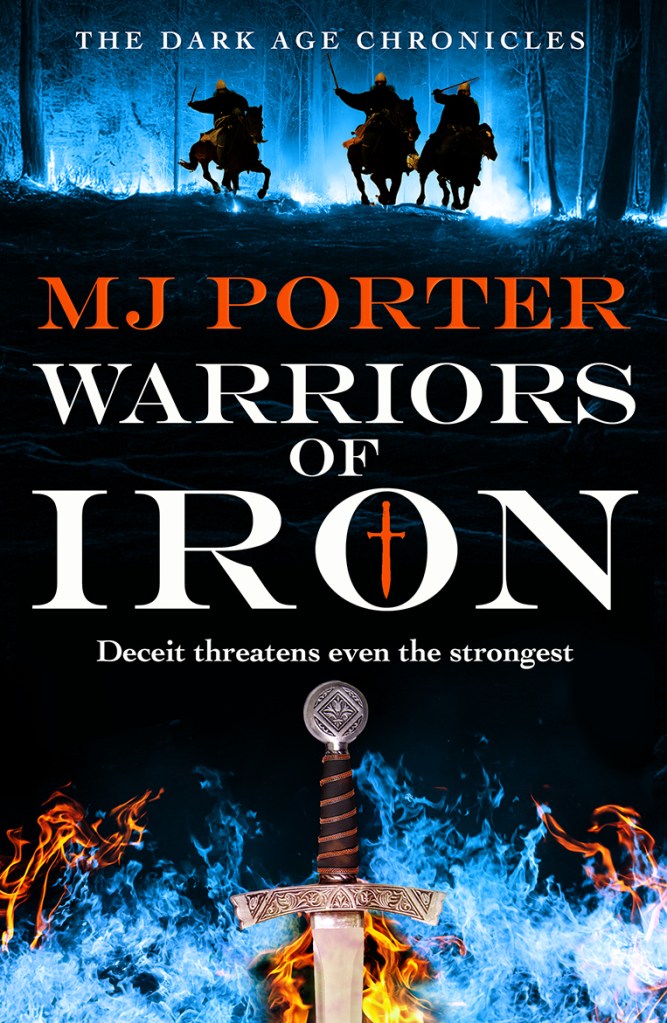
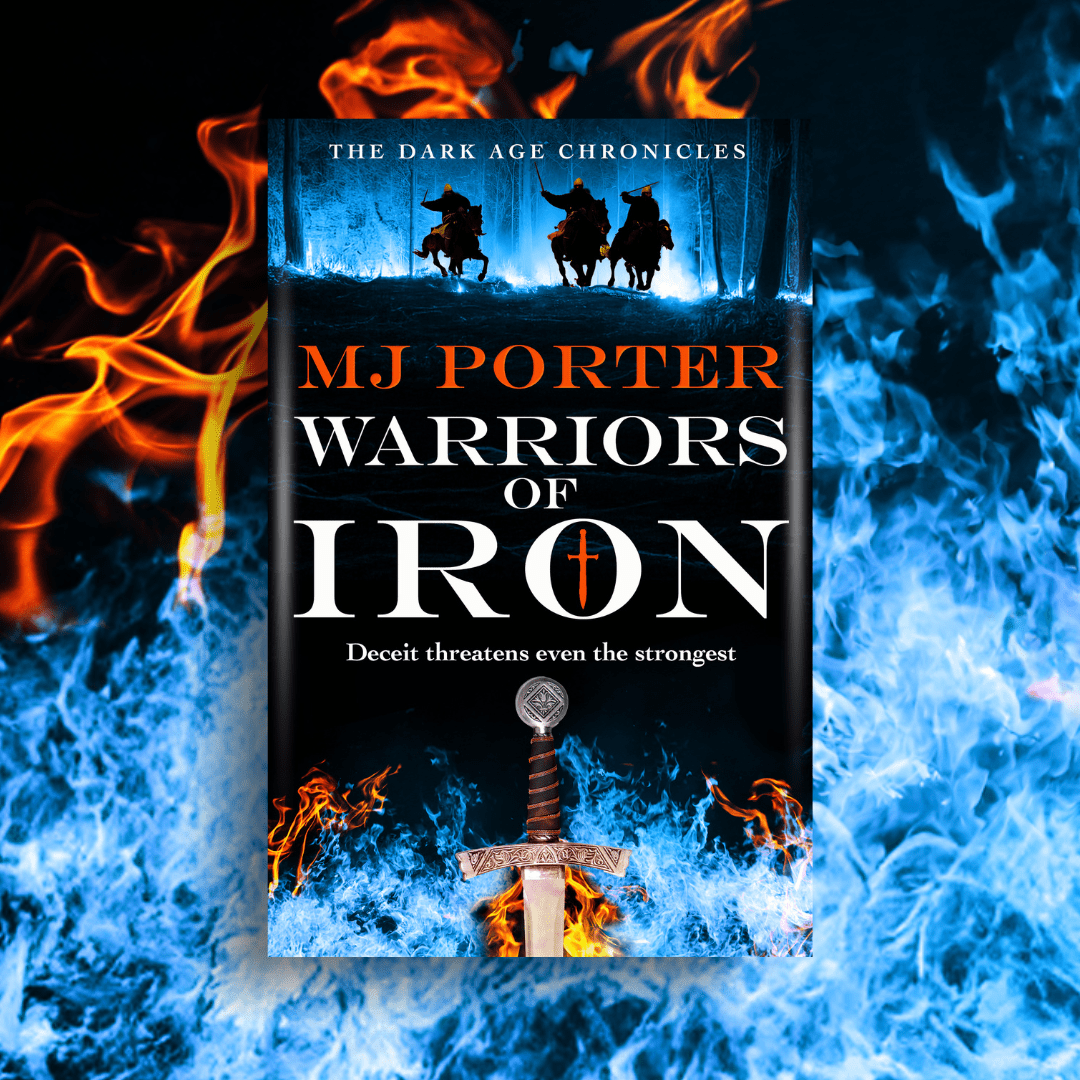
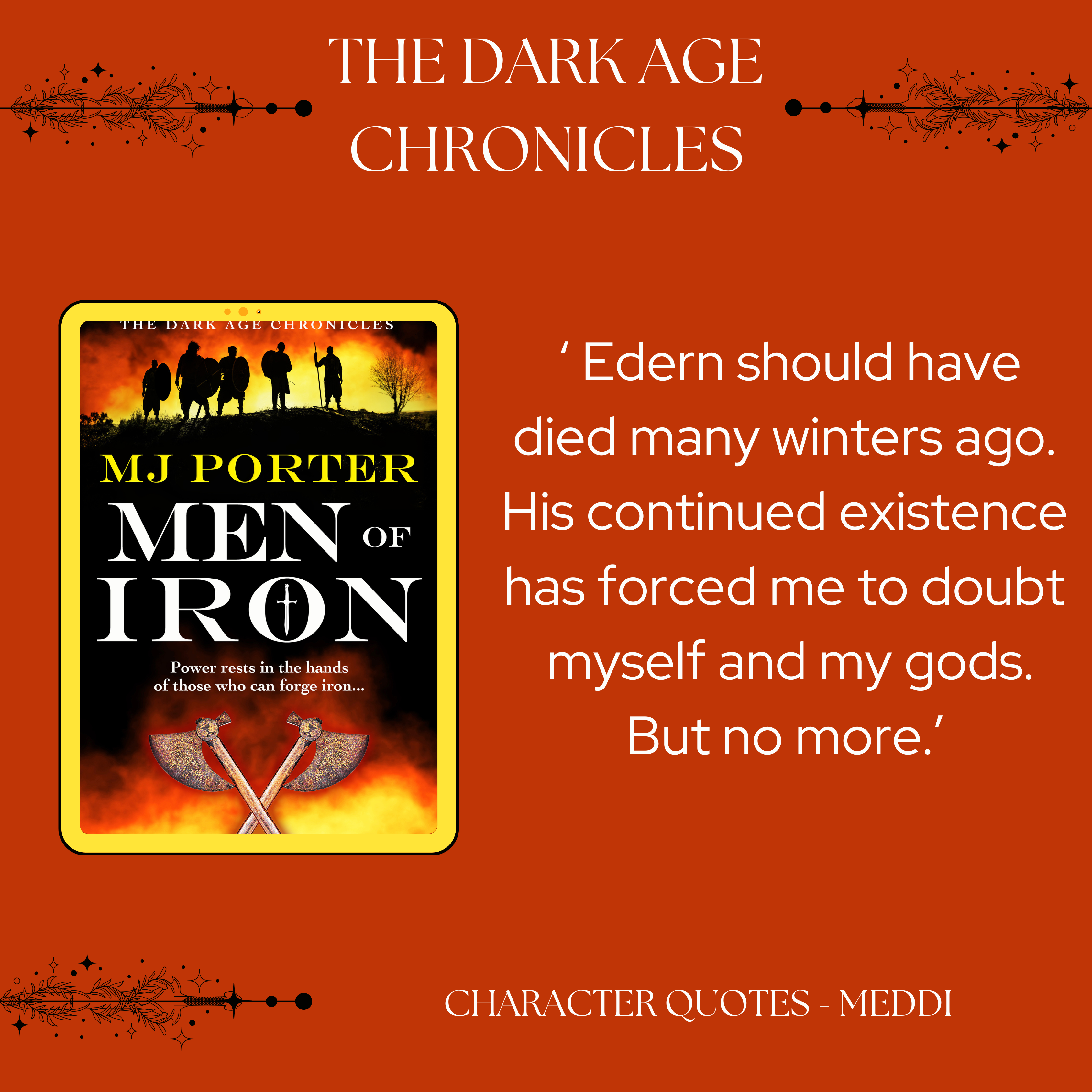
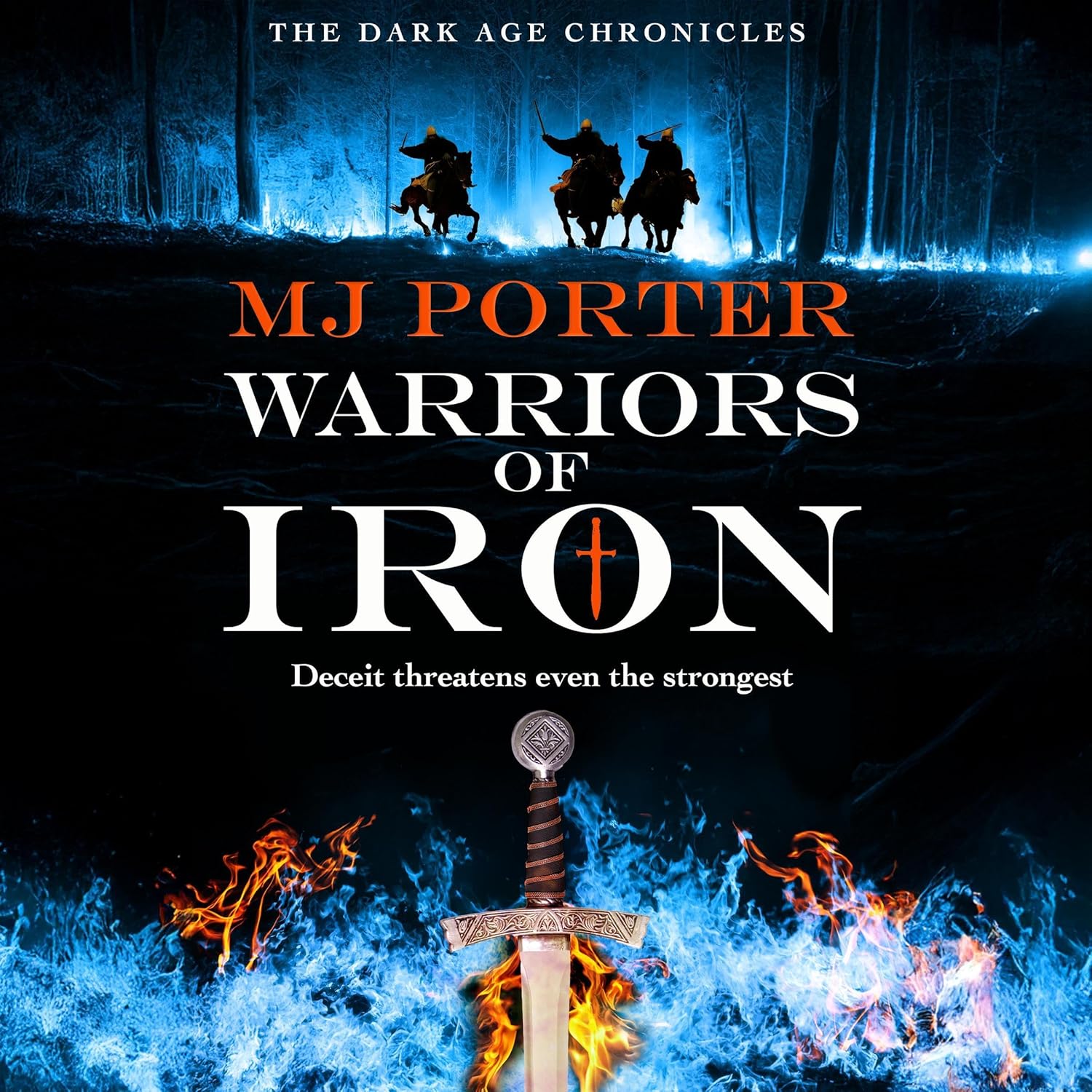
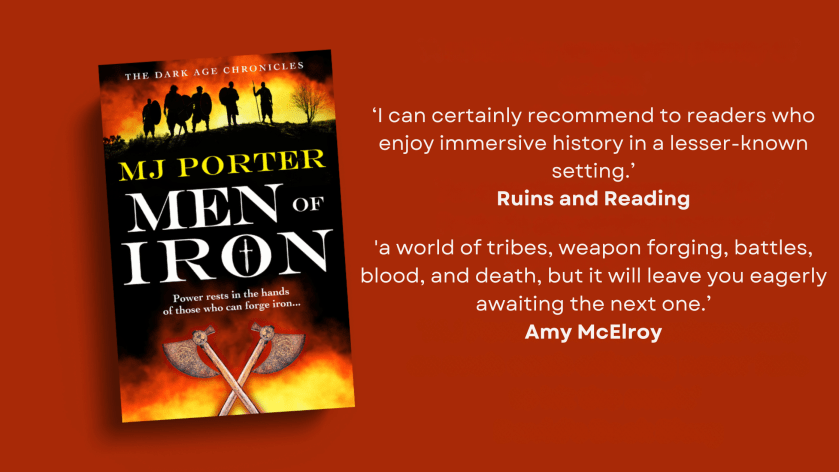
It’s the first day of the blog tour for Warriors of Iron, the second book in the Dark Age Chronicles Trilogy. I’m sharing a recording of me ‘trying’ to say the character names correctly #newrelease #MenOfIron #WarriorsOfIron #histfic

It’s the first day of the blog tour for Warriors of Iron, the second book in the Dark Age Chronicles Trilogy. I’m sharing a recording of me ‘trying’ to say the character names correctly #newrelease #MenOfIron #WarriorsOfIron #histfic

How do you say that?

You can follow the Warriors of Iron blog tour

Bookish Jottings Review

Sharon Beyond the Books Review

Scrapping & Playing Review

Amy McElroy Review

Let us Talk of Many Things Review

Ruins & Reading Review

TBHonest Review

StoriedConvo Review

Listen to the beginning of Warriors of Iron

Curious about the trilogy? Check out my blog for more details below

Blog links

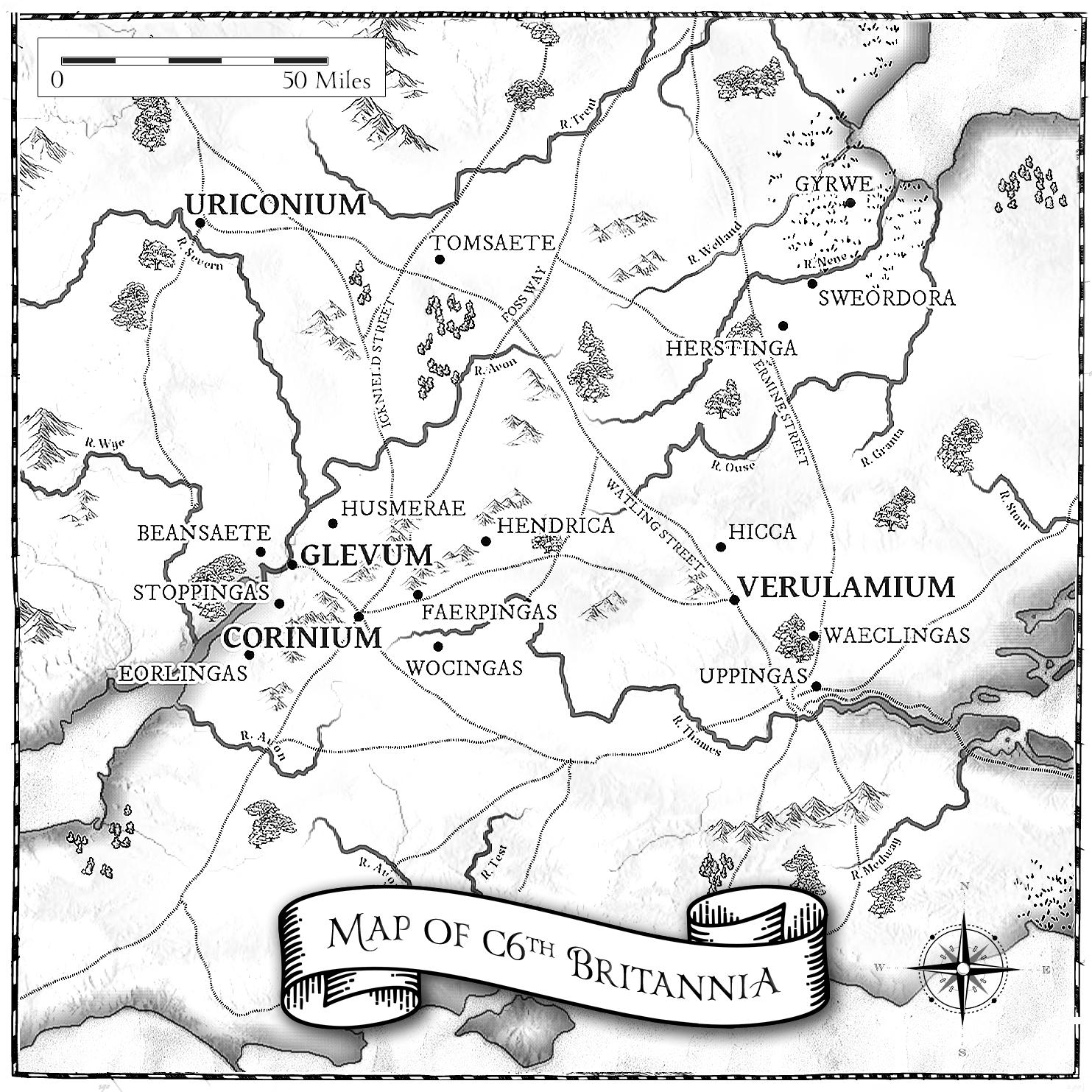
Image shows a map of Early England showing the places mentioned in the text of the book
The Dark Age Chronicles Map

Purchase Links (click on the images)


Posts

I’m sharing a post about the inspiration for The Secret Sauce to celebrate release day #histfic #historicalmystery

I’m sharing a post about the inspiration for The Secret Sauce to celebrate release day #histfic #historicalmystery

Why The Secret Sauce?

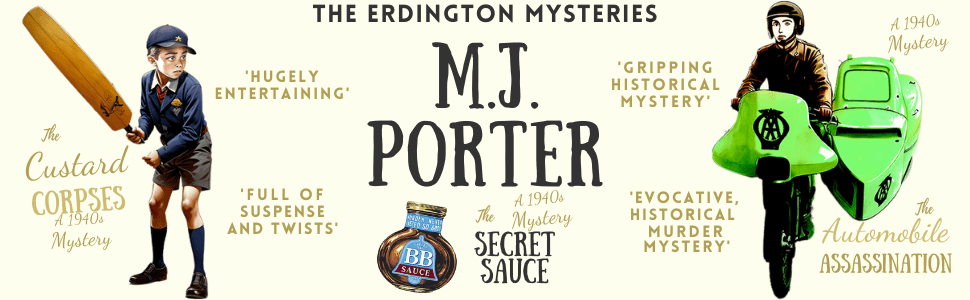
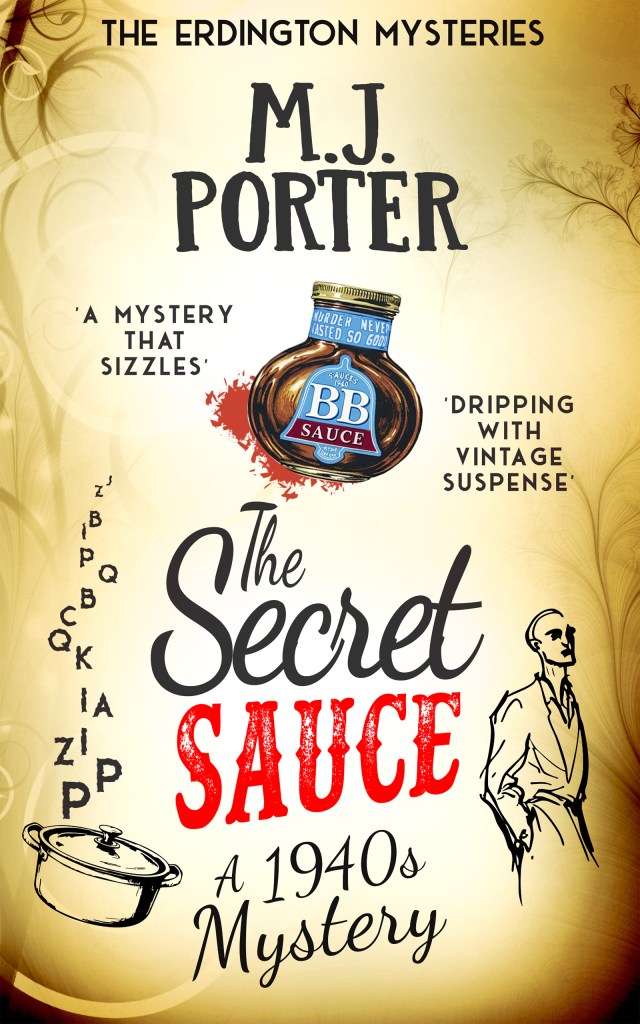
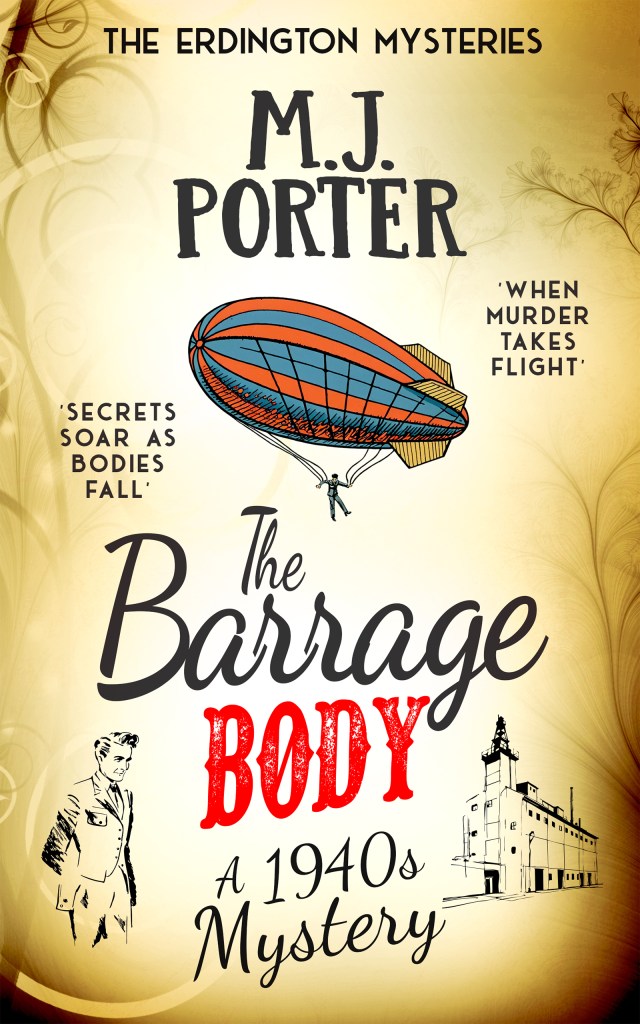
As fans of my historical mysteries set in Erdington, Birmingham (UK), will know, I always like to pick a ‘quirky’ hook for my stories. The Secret Sauce is no different. For those who don’t know, HP Sauce was made for many, many decades at Aston in Birmingham (it isn’t any more). As a child, I drove past the sign below at least monthly, if not more often. Initially, I hoped to call this book The Body in the Beans (what a great title), but alas, HP didn’t make baked beans in the 1940s. As such, I had to have a little rethink. I thought the idea was too good to forget. And so, The Secret Sauce has as its Birmingham-specific hook; brown sauce, which, for the purposes of the story, I’ve renamed BB Sauce (you need to read the book to find out what that stands for).

However, HP Sauce is a brown, fruity sauce, with a fascinating history, and, I believe, a recipe that remains a ‘secret.’ It started life at the end of the nineteenth century, and through fair means or foul, ended up in the hands of the owners of the Midlands Vinegar Company. It survived the uncertainties of both world wars, although sourcing the ingredients was often challenging. The True Story of HP Sauce, produced in 1985, states that advertising for HP Sauce was stopped during the Second World War because it was so difficult to get a bottle.  There was also a bomb shelter beneath the factory during WW2. The Ultimate HP Sauce Lover’s Guide mainly contains recipes. I have been ‘forced’ to try HP Sauce, as I’d never had it before. It reminds me a little bit of Branston Pickle:) I don’t think I’m a fan, but I suspect it’s probably a bit like Marmite – you love it, or hate it.
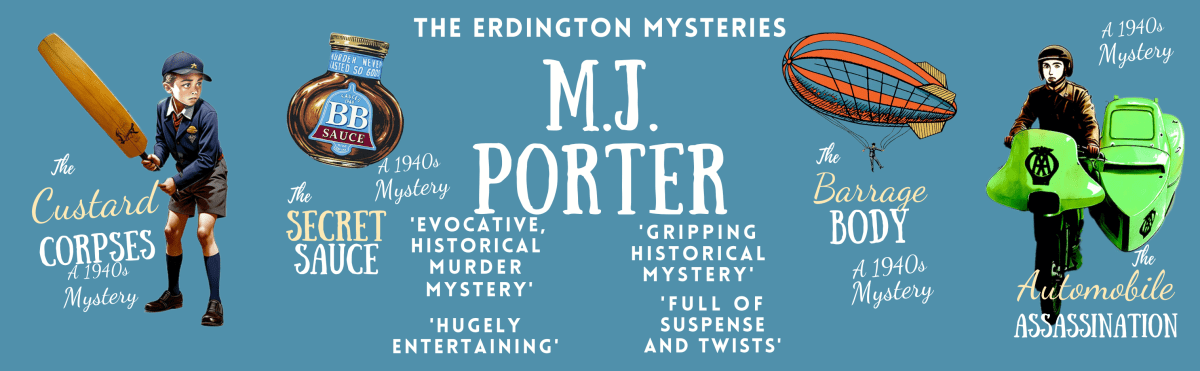
Just like the Bird’s Custard Factory, which was the inspiration for The Custard Corpses, HP Sauce was a Birmingham staple. In fact, I suspect, for many locals, HP Sauce is more well-known, whether fondly or not (because it could stink), than the custard factory.

Image sgows a hardback copy of The Custard Corpses and The Automobile Assassination with a bottle of HP Sauce and two books about HP Sauce, The True History of HPSauce and The Ultimate HP Sauce Lover's Guide.

If you look at the cover for The Secret Sauce, you’ll notice, as with the other books in the series, that I’ve made some changes to the ‘brand.’ One of the changes was to make the BB Sauce bottle bulbous, a stark contrast to the elongated one of HP Sauce. I also added another Birmingham staple to the BB Sauce bottle by opting for colours inspired by Aston Villa Football Club’s kit. Why did I do this? Well, a reader shared some photos of my books and beside them was an Aston Villa programme. It was too good an opportunity to miss, as after all, the two would have been located in Aston.

An image of the Trinity Road Stand at Aston Villa Football Club showing the emblem for the team, with its claret and blue colours (as well as some yellow).
Trinity Road Stand, Aston Villa Football Club, taken by my brother

Here’s the blurb

Birmingham, England, November 1944.

Chief Inspector Mason of Erdington Police Station is summoned to a suspicious death at the BB Sauce factory in Aston on a wet Monday morning in late November 1944.

Greeted by his enthusiastic sergeant, O’Rourke, Sam Mason finds himself plunged into a challenging investigation to discover how Harry Armstrong met his death in a vat containing BB Sauce – a scene that threatens to put him off BB Sauce on his bacon sandwiches for the rest of his life.

Together with Sergeant O’Rourke, Mason follows a trail of seemingly unrelated events until something becomes very clear. The death of Harry Armstrong was certainly murder, and might well be connected to the tragedy unfolding at nearby RAF Fauld. While the uncertainty of war continues, Mason and O’Rourke find themselves seeking answers from the War Office and the Admiralty, as they track down the person who murdered their victim in such an unlikely way.

Join Mason and O’Rourke for the third book in the quirky, historical mystery series, as they once more attempt to solve the impossible in 1940s Erdington.

All 3 hardbacks in the Erdington Mystery series in a row.

The Secret Sauce is available in ebook, paperback and hardback. Or order a paperback directly from me via my SumUp store. I hope to have the audiobook in a few months.

The Erdington Mysteries

Check out The Erdington Mysteries series page for more details on The Custard Corpses, The Automobile Assassination and The Secret Sauce.


Posts

I’m delighted to welcome D.C.Wilkinson and his book, Scents of Lavender, to the blog #HistoricalFiction #Romance #LGBTRomance #LGBTQ+ #IllustratedPoetry; #BlogTour #TheCoffeePotBookClub

I’m delighted to welcome D.C. Wilkison and his book, Scents of Lavender: Queer Love Through the Ages – In Verse, to the blog with a snippet.

Snippet

Though they tried to vanquish us,

our love endures,

in the hearts of those

stirred by our flame

and undeterred by malice

and brutality.

From Hierocles

Book Trailer

Here’s the Blurb

Timeless and unwavering, love flows through a universal melody that echoes in every corner of the globe. Transcending borders and cultures, it sows the seeds of memories that sprout and blossom in Scents of Lavender, a collection of 25 illustrated poems that breathe life into evocative scenes where queer love proudly re-emerges from the depths of history, uncovering deep and everlasting bonds.

Each poem invites the reader to explore the narrator’s deeply personal and intimate perspective through pantheistic eyes. Written in the first person, every verse unfolds as both a reflection and a manifestation of a single universal mind and soul, drawing the reader into a shared understanding that love –in all its forms– is boundless, eternal, and permeates the cosmos.

Buy Link

Universal Link:

Meet the Author

D. C. Wilkinson is an award-winning novelist, poet, and lifelong voyager of inner and outer realms. His literary work centers on his passion for historical tales, portal fantasies, and dreams and visions often weaved into narratives that highlight LGBTQ+ experiences.

He began his career in the Midwest as a student of Language Arts before relocating to the East Coast in his early twenties. A graduate of Columbia University and former New York City public school teacher, he now calls Connecticut his home, where he resides with his spouse and their beloved beagle.

Connect with the Author

Follow the Scents of Lavender blog tour with The Coffee Pot Book Club

It’s happy release day for The Secret Sauce, the third book in The Erdington Mysteries #histfic #historicalmystery

I’m super excited to share the cover for The Secret Sauce, the third book in The Erdington Mysteries #histfic #historicalmystery

Listen to me read the beginning of Chapter 1

Here’s the blurb

Birmingham, England, November 1944.

Chief Inspector Mason of Erdington Police Station is summoned to a suspicious death at the BB Sauce factory in Aston on a wet Monday morning in late November 1944.

Greeted by his enthusiastic sergeant, O’Rourke, Sam Mason finds himself plunged into a challenging investigation to discover how Harry Armstrong met his death in a vat containing BB Sauce – a scene that threatens to put him off BB Sauce on his bacon sandwiches for the rest of his life.

Together with Sergeant O’Rourke, Mason follows a trail of seemingly unrelated events until something becomes very clear. The death of Harry Armstrong was certainly murder, and might well be connected to the tragedy unfolding at nearby RAF Fauld. While the uncertainty of war continues, Mason and O’Rourke find themselves seeking answers from the War Office and the Admiralty, as they track down the person who murdered their victim in such an unlikely way.

Join Mason and O’Rourke for the third book in the quirky, historical mystery series, as they once more attempt to solve the impossible in 1940s Erdington.

The Secret Sauce is available in ebook, paperback and hardback. Or order a paperback directly from me via my SumUp store. I hope to have the audiobook in a few months.

Join my mystery-only newsletter here.

The Erdington Mysteries

Check out The Erdington Mysteries series page for more details on The Custard Corpses, The Automobile Assassination and The Secret Sauce.


Posts

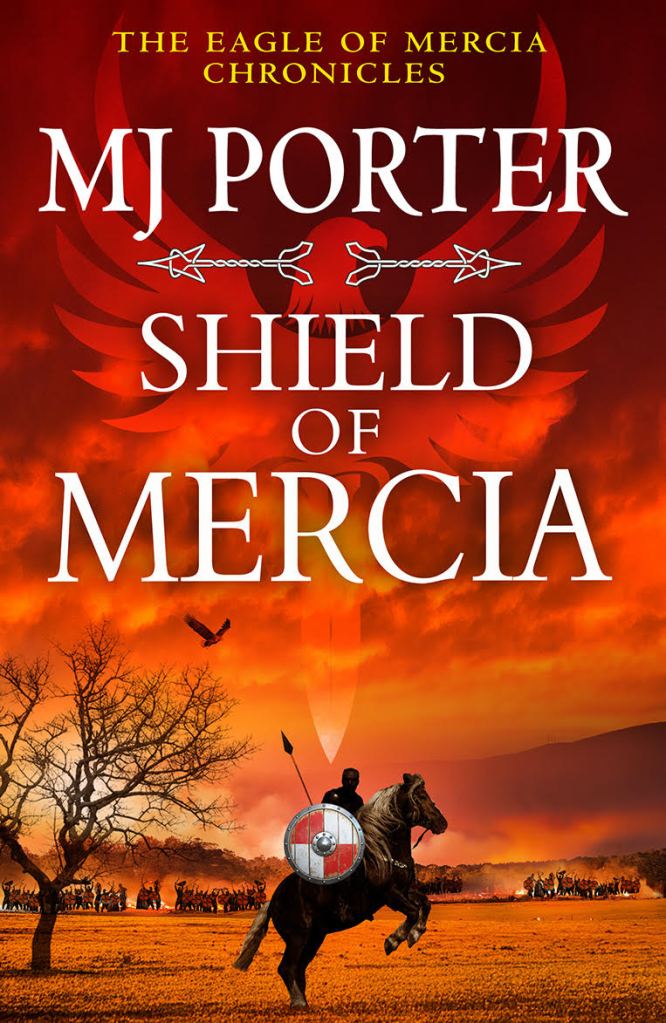
#TheLastHorse is 5 years old, and for one day only, it’s FREE on Amazon Kindle. #bookbirthday #histfic #TheLastKing #Coelwulf #Mercia

https://amzn.to/4mzHQDd

https://amzn.to/4n5Eqbj (the less sweary version)

Limited hardback editions

There are also special edition hardback formats available directly from me for The Last King and The Last Warrior. Follow this link to discover them.


Check out all the details for The Mercian Kingdom: The Ninth Century.


Posts

I’m delighted to share my review for The Ladies Road Guide to Utter Ruin by Alison Goodman #bookreview #regency #historicalmystery

I’m delighted to share my review for The Ladies Road Guide to Utter Ruin by Alison Goodman #bookreview #regency #historicalmystery

Here’s the blurb

In Regency England, the eccentric Colebrook sisters are amateur detectives who use their wits and invisibility as “old maids” to fight injustice in this delightful and fiercely feminist novel of mystery and adventure from New York Times bestselling author Alison Goodman.

To most of Regency high society, forty-two-year-old Lady Augusta Colebrook, or Gus, and her twin sister, Julia, are just unmarried ladies of a certain age—hardly worth a second glance. But the Colebrook twins are far from useless old maids. They are secretly protecting women and children ignored by society and the law.

When Lord Evan—a charming escaped convict who has won Gus’s heart—needs to hide his sister and her lover from their vindictive brother, Gus and Julia take the two women into their home. They know what it is like to have a powerful and overbearing brother. But Lord Evan’s complicated past puts them all in danger. Gus knows they must clear his name of murder if he is to survive the thieftakers who hunt him. But it is no easy task—the fatal duel was twenty years ago and a key witness is nowhere to be found.                    

In a deadly cat-and-mouse game, Gus, Julia, and Lord Evan must dodge their pursuers and investigate Lord Evan’s past. They will be thrust into the ugly underworld of Georgian gentlemen’s clubs, spies, and ruthless bounty hunters, not to mention the everyday threat of narrow-minded brothers. Will the truth be found in time, or will the dangerous secrets from the past destroy family bonds and rip new love and lives apart?

Purchase Link

https://amzn.to/4mu3adg

My Review

It might have taken me way too long to get to this book on my TBR, but I have devoured it in three days.

The Ladies Road Guide to Utter Ruin is a thrilling adventure set in the Regency period, with our main character, Augusta, or Gus as she prefers to be called, taking a journey into the underbelly of Regency society in an effort to save two women from their families, as well as a few other people.

The narrative builds steadily until the last 30% when it gallops to a fabulous conclusion, setting the scene beautifully for the next book in the series.

I’ve read Alison’s Dark Days Club Series as well, and I adore how she weaves a narrative through the conventions of the time, while still giving her female characters room to move. This is not a Regency romance, although there are elements of it. This is a Regency adventure with a thrilling heroine, no end of jeopardy and an eye to the history of the period.

Read this, fellow Regency fans. You will not be disappointed.

The Ladies Road Guide to Utter Ruin is available now, as is the first book in the series, The Benevolent Society of Ill-Mannered Ladies, which I have, but I jumped straight in with book 2, because sometimes I do that stuff:)

Posts

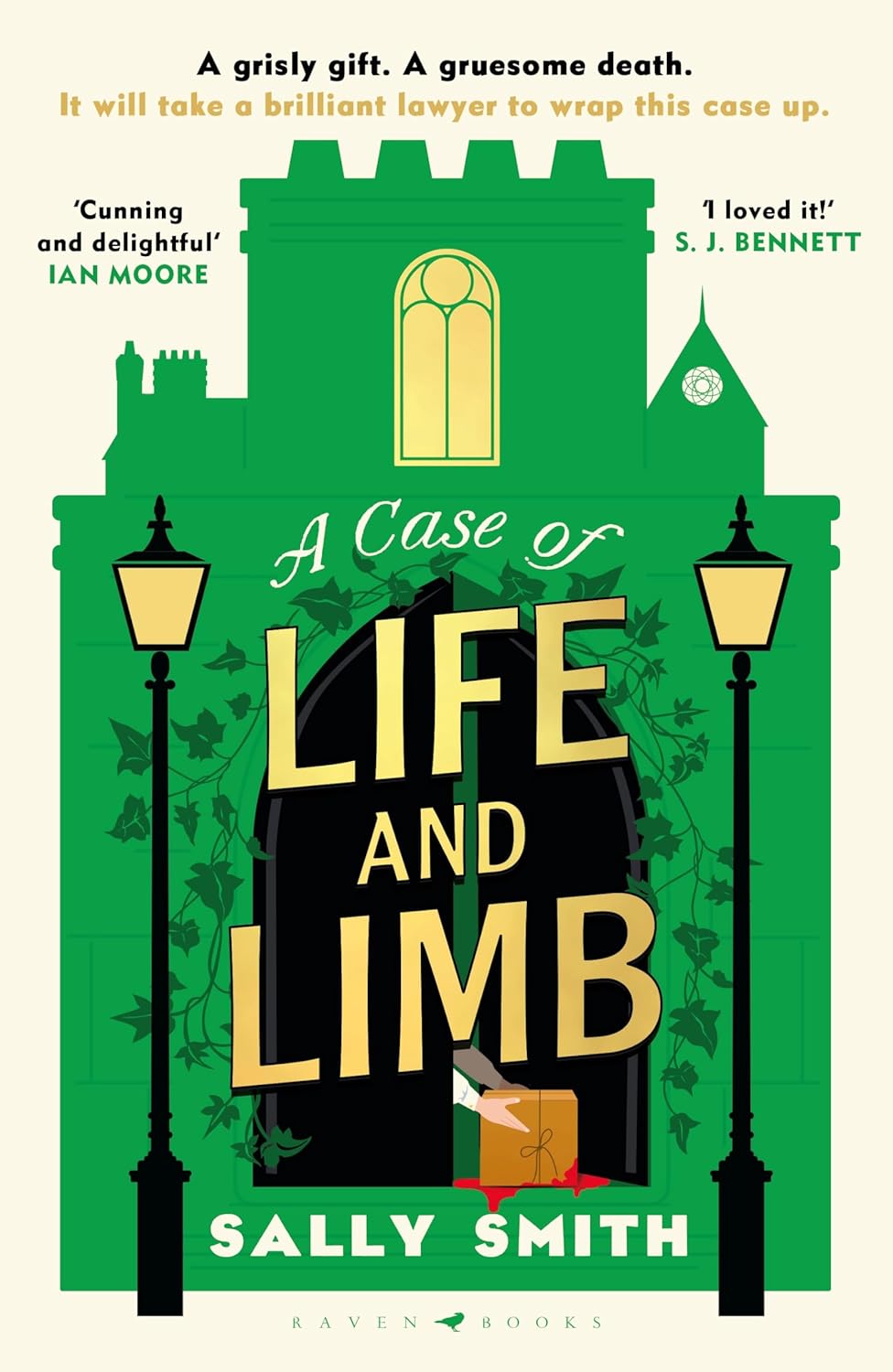
I’m sharing my review for A Case of Life and Limb by Sally Smith #historicalmystery #newrelease

Here’s the blurb

Winter, 1901. The Inner Temple is even quieter than usual under a blanket of snow and Gabriel Ward KC is hard at work on a thorny libel case. All is calm, all is bright – until the mummified hand arrives in the post…

 While the hand’s recipient, Temple Treasurer Sir William Waring, is rightfully shaken, Gabriel is filled with curiosity. Who would want to send such a thing? And why? But as more parcels arrive – one with fatal consequences – Gabriel realises that it is not Sir William who is the target, but the Temple itself.

 Someone is holding a grudge that has already led to at least one death. Now it’s up to Gabriel, and Constable Wright of the City of London Police, to find out who, before an old death leads to a new murder.

Purchase Link

https://amzn.to/4nisd3l

My Review

I’ve not encountered Gabriel Ward KC before, but I’m very pleased I took a chance on A Case of Life and Limb.

This is a delightfully quirky mystery, beginning in late 1901, and taking the reader on a journey through the social mores of the age, and the conflict between the upper and lower middle classes, all played out beautifully between Gabriel and Constable Wright, with a few others along the way. And most of it takes place within the Inner Temple, and its seeming separation from what happens beyond its garden and walls. 

The novel is filled with gentle humour and Gabriel is a bit of a sweetie behind his stern facade. I especially loved his interactions with the cat.

The mystery itself was well resolved, and I will certainly go back and read book 1 in the series.

A Case of Life and Limb is available now, as is book 1 in the series, A Case of Mice and Murder.

Posts

I’m delighted to share my review for The Players Act 1: All the World’s A Stage by Amy Sparkes #historicalfiction #bookreview

I’m delighted to share my review for The Players Act 1: All the World’s A Stage by Amy Sparkes #historicalfiction #bookreview

Here’s the blurb

How far would you go to save what you truly love?

England, 1715.
When society doesn’t understand you, and your family is out of the picture, a strolling theatre company could be your perfect home…


Ambitious lead actor Thomas is determined to reach Drury Lane and prove to his father that he is not a failure.

Fierce Caroline has a traumatic past and is determined to protect the company which saved her.

Kind-hearted Annie just wants to look after her found family.

So, when their heartbroken manager Robert is injured and decides to fold the struggling company, the players are resolved to change his mind, whatever the cost. Unfortunately for them, the odds are stacked against them. They’ve lost their stage, they still haven’t got a skull for Hamlet, and flamboyant ex-member Piero is hunting them down, with a spot of revenge on his mind…

Is it time for the final bow?

The Players Act 1: All The World’s A Stage gives voice to the forgotten strolling players of the 18th century in this fun, uplifting, and page-turning read.

WHAT TO EXPECT:

  • Energetic, accessible historical fiction
  • Working-class characters
  • Found family
  • Comedy and tragedy
  • Shakespeare
  • LGBTQ+
  • Neurodiversity
  • Mental health issues
  • Multiple POV
  • Heart and hope

Purchase Links 

https://www.kobo.com/gb/en/ebook/the-players-act-1

https://www.amazon.co.uk/Players-Act-All-Worlds-Stage-ebook/dp/B0DY8CM3LX

https://www.amazon.com/Players-Act-All-Worlds-Stage-ebook/dp/B0DY8CM3LX

My Review

The Players Act 1 follows our cast of strolling players from a hurried exit from their latest performance. Dejected and ejected, Thomas decides on a desperate course of action to save his dream of becoming an actor and treading the boards at Drury Lane. Still, he’s forgotten that not everyone in his family shares his dream.

And it’s not only Thomas. We’re treated to the thoughts and feelings of many of our cast, as they endeavour to make the seemingly impossible happen to reverse the strolling players’ bad fortune.

There’s much desperation for our characters, much hope and laughter, and even more disappointment as the storyline rumbles towards its conclusion. The reader, like the main characters, is desperately hoping for some stroke of fortune for our players. Will they earn it, or will this comedy end in tragedy? Read on to find out.

Meet the author

Amy was born in Eastbourne, England, where the sea and South Downs encouraged her love of the outdoors and nurtured her wildness. Her childhood was filled with folk music, caravans and imagination, and she was always dreaming up stories and characters – usually when she was meant to be doing something else. 

She enjoys stories that explore both comedy and tragedy. She is a New York Times bestselling author and her work includes THE HOUSE AT THE EDGE OF MAGIC series, and the picture books for BBC’s THE REPAIR SHOP. THE PLAYERS is her debut novel for adults. 

Amy now lives in Devon with her husband and six children. When she isn’t writing, Amy enjoys drinking tea, climbing trees and playing the piano, although disappointingly she is yet to master doing all three at once.

Image shows author Amy Sparkes

Connect with the author

Posts

The Lady of Mercia’s Daughter turns 8 years old #bookbirthday #Mercia

Another book birthday

I feel like these are coming thick and fast this year, but then I suppose I’ve written a lot of books.

To celebrate The Lady of Mercia’s Daughter turning 8, yes 8, today, I thought I’d share why I wrote about Lady Ælfwynn, and not her more famous mother, Lady Æthelflæd.

My first historical fiction story (that of Ealdorman Leofwine) was inspired by the fact that I realised he’d been almost written out of the history of the period. I’d read many, many books about the end of Saxon England, and few of them mentioned the Earls of Mercia at all, apart from his descendants, Edwin, Morcar and Eadgyth. This has often been the way. I find a character who’s been forgotten about (because most historical individuals have been forgotten about) and I reimagine their lives and endeavour to either rehabilitate them, or at least shine a light on them. The same can be said for Lady Ælfwynn, the Lady of Mercia’s Daughter, and the Second Lady of the Mercians in her own right.

Even though she attests a number of charters, and is named in the Anglo-Saxon Chronicle (which is very rare for the women of the tenth century) no one had heard of her. I was determined to put that right, largely helped by an academic paper I read about her which got my brain firing with ideas.

Piecing together the scant information available (and possibly known) about her, I created The Lady of Mercia’s Daughter, and subsequently, the sequel, A Conspiracy of Kings. In doing so I don’t suggest at all that this is a recreation of the life she led, but it certainly presents a possible life for her, and one that is a little more exciting than the often cited ‘she became a nun,’ argument to explain why she disappears from the historical record so quickly. It also allowed me to try my hand at family politics, which so often came into play during the era. And, for fans of King Coelwulf II and The Last King books, I can certainly ‘see’ a lot of his later creation in the pages of The Lady of Mercia’s Daughter.

Here’s the blurb

Betrayal is a family affair.

12th June AD918. 

Æthelflæd, Lady of the Mercians and daughter of Alfred the Great, is dead.

Ælfwynn, the niece of Edward, King of Wessex, has been bequeathed her mother’s power and status by the men of the Mercian witan. But she knows Mercia is vulnerable to the north, exposed to the retreating world of the Viking raiders from her mother’s generation.

With her cousin Athelstan, Ealdorman Æthelfrith and his sons, Archbishop Plegmund and her band of trusted warriors, Ælfwynn must act decisively to subvert the threat from the Norse. Led by Lord Rognavaldr, the grandson of the infamous Viking raider, Ivarr of Dublin, they’ve turned their gaze toward the desolate lands of northern Saxon England and the jewel of York.

Inexplicably she’s also exposed to the south, where her detested cousin, Ælfweard, and uncle, King Edward, eye her position covetously, their ambitions clear to see.

This is the unknown story of Ælfwynn, the daughter of the Lady of the Mercians and the startling events of late 918 when family loyalty and betrayal marched hand in hand across lands only recently reclaimed by the Mercians. Kingdoms could be won or lost through treachery and fidelity, and there was little love and even less honesty. And the words of a sword were heard far more loudly than those of a king or churchman, noble lady’s daughter or Viking raider.

You can now grab The Lady of Mercia’s Daughter duology, containing both books featuring Lady Ælfwynn

Check out the series page for The Tenth Century Royal Women.

Posts