Back in the summer of 2011 (I think), I spent every evening when my children were in bed, trying to plot the possessions of the Earls of Mercia as revealed by the entries in Domesday Book (which I think is a totally normal thing to do).
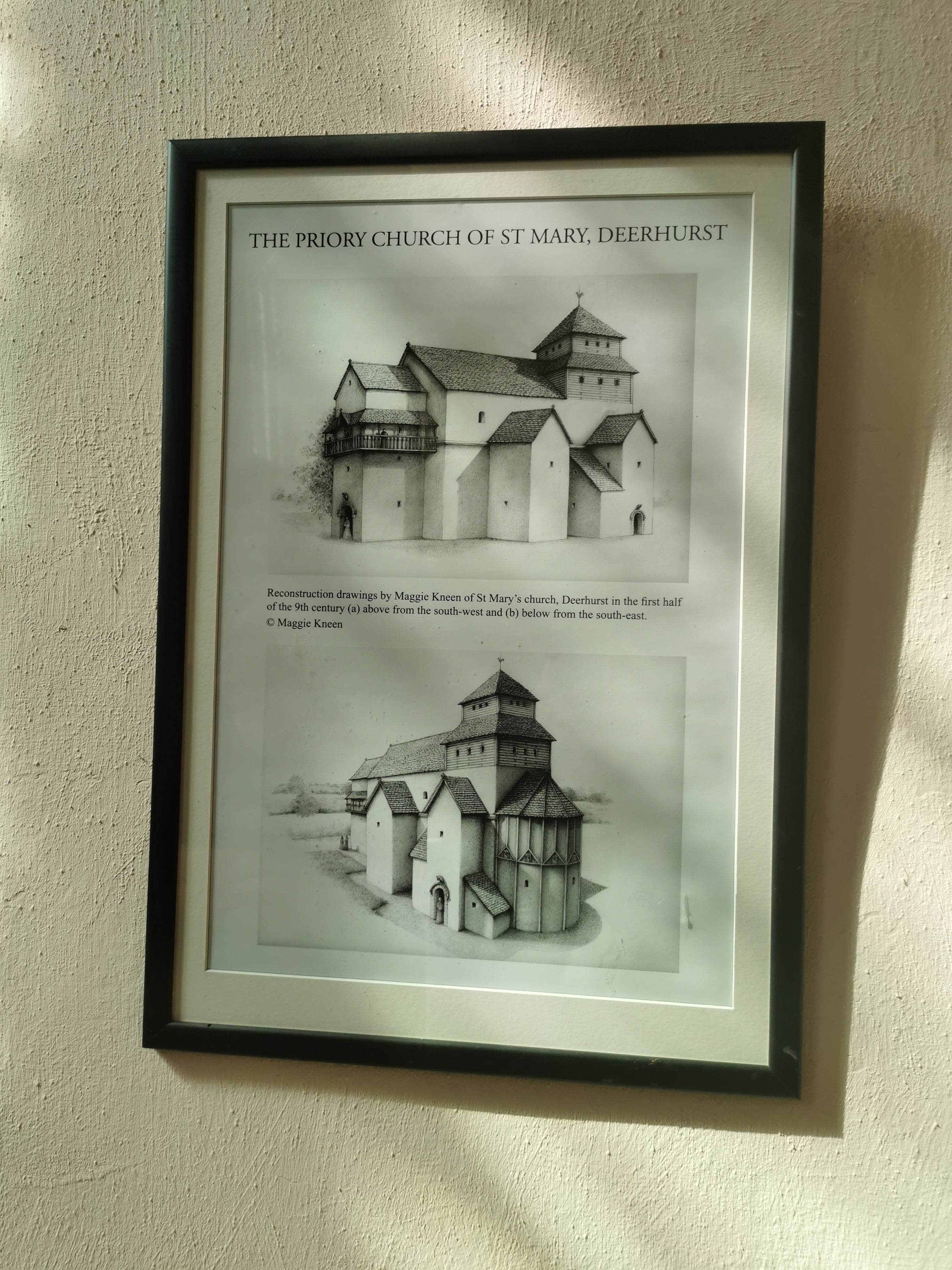
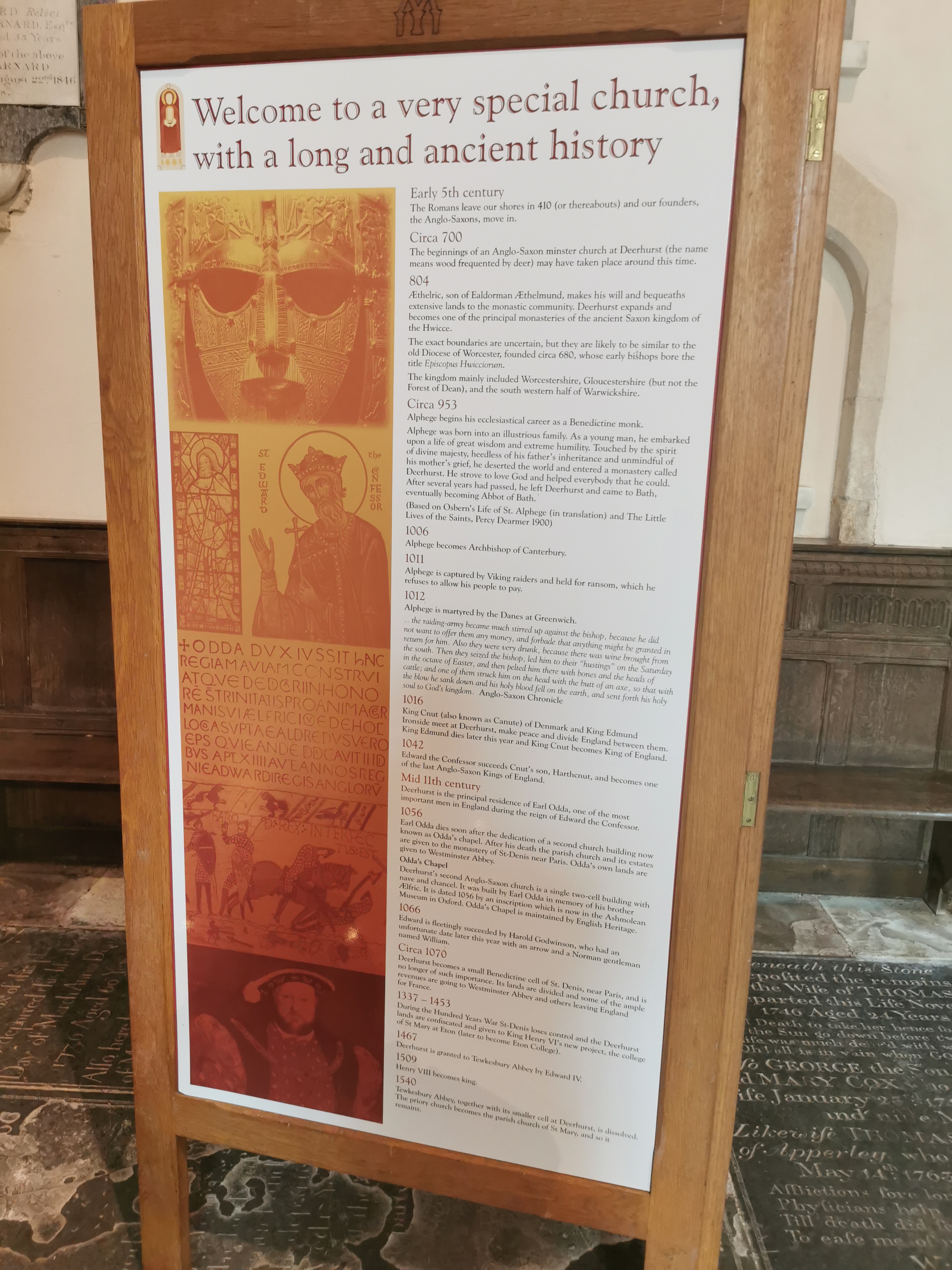
It was a tedious process, which could be achieved much more quickly these days with Google Maps, but it was what I had available to me. Somewhat frustrated with the process because by that period many of the possessions of the Earls of Mercia and their family were not located in the original area of the Hwicce (roughly Gloucestershire), and aware that Deerhurst (which is in Gloucestershire) has a long history back to the Saxon period, I eventually plonked by ealdorman, Leofwine, (of the Hwicce) close to that location, and indeed, readers of the books will know that I have his family burials there. But, I’d never actually visisted Deerhurst before. Until now.
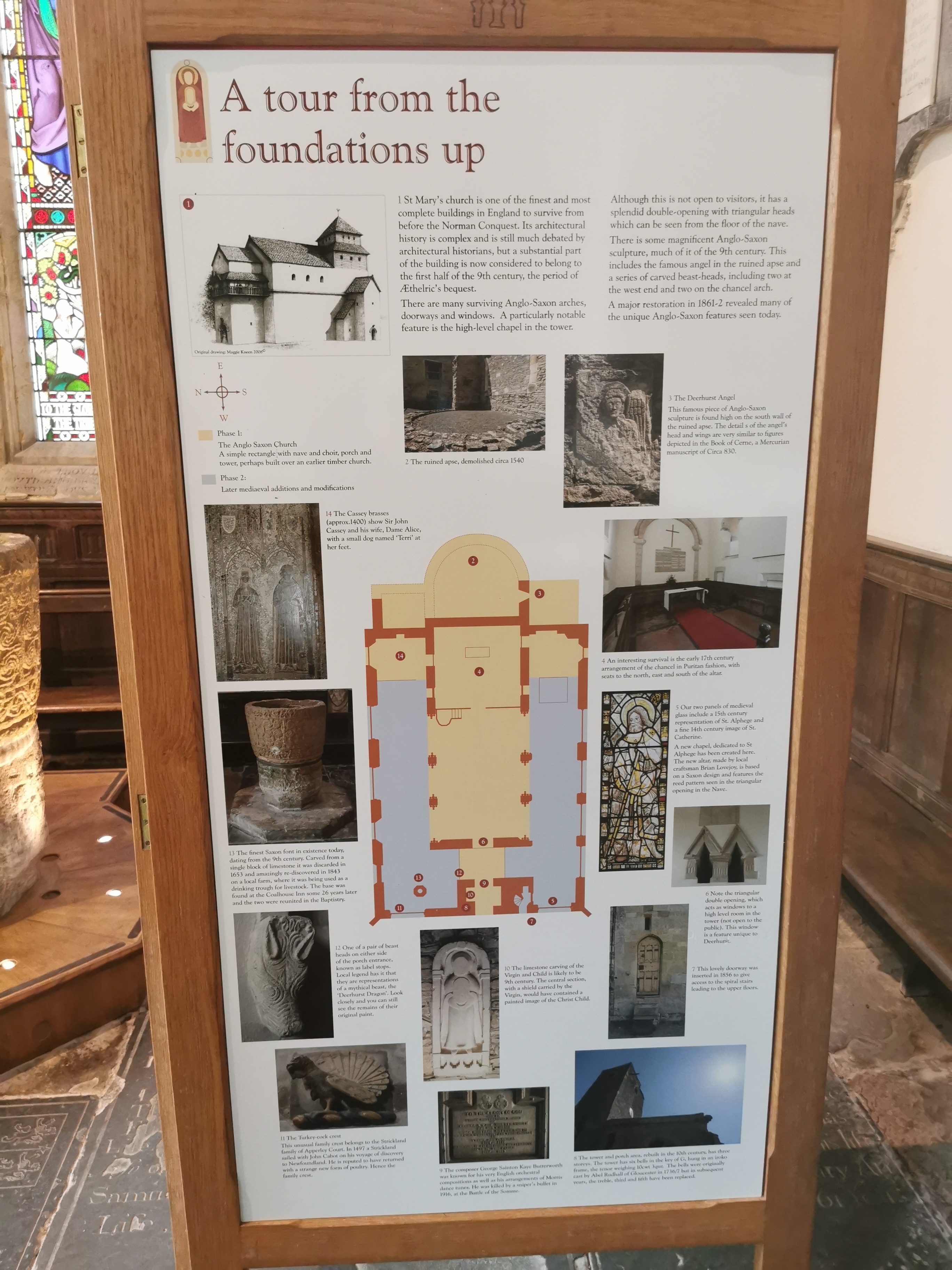
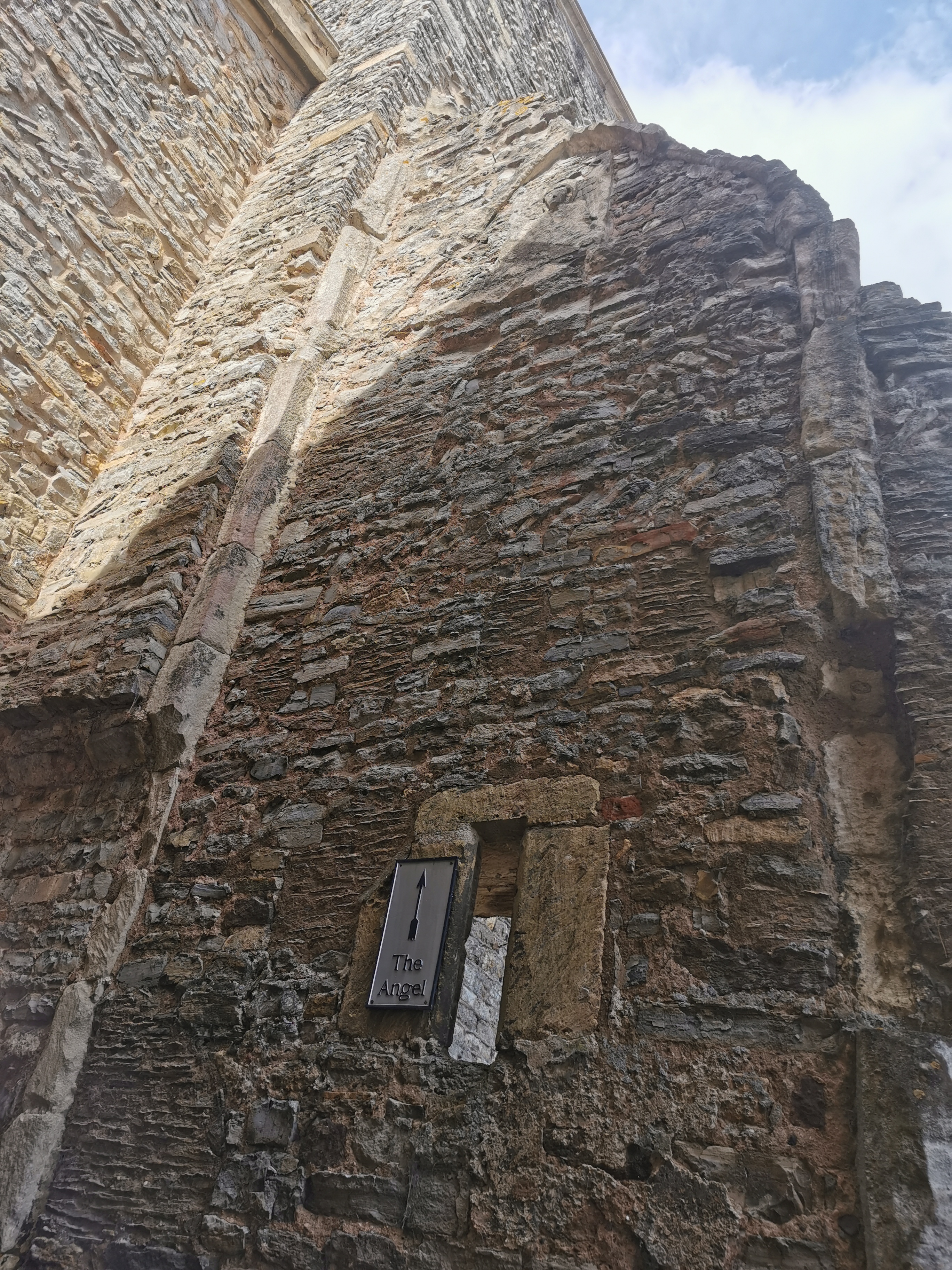
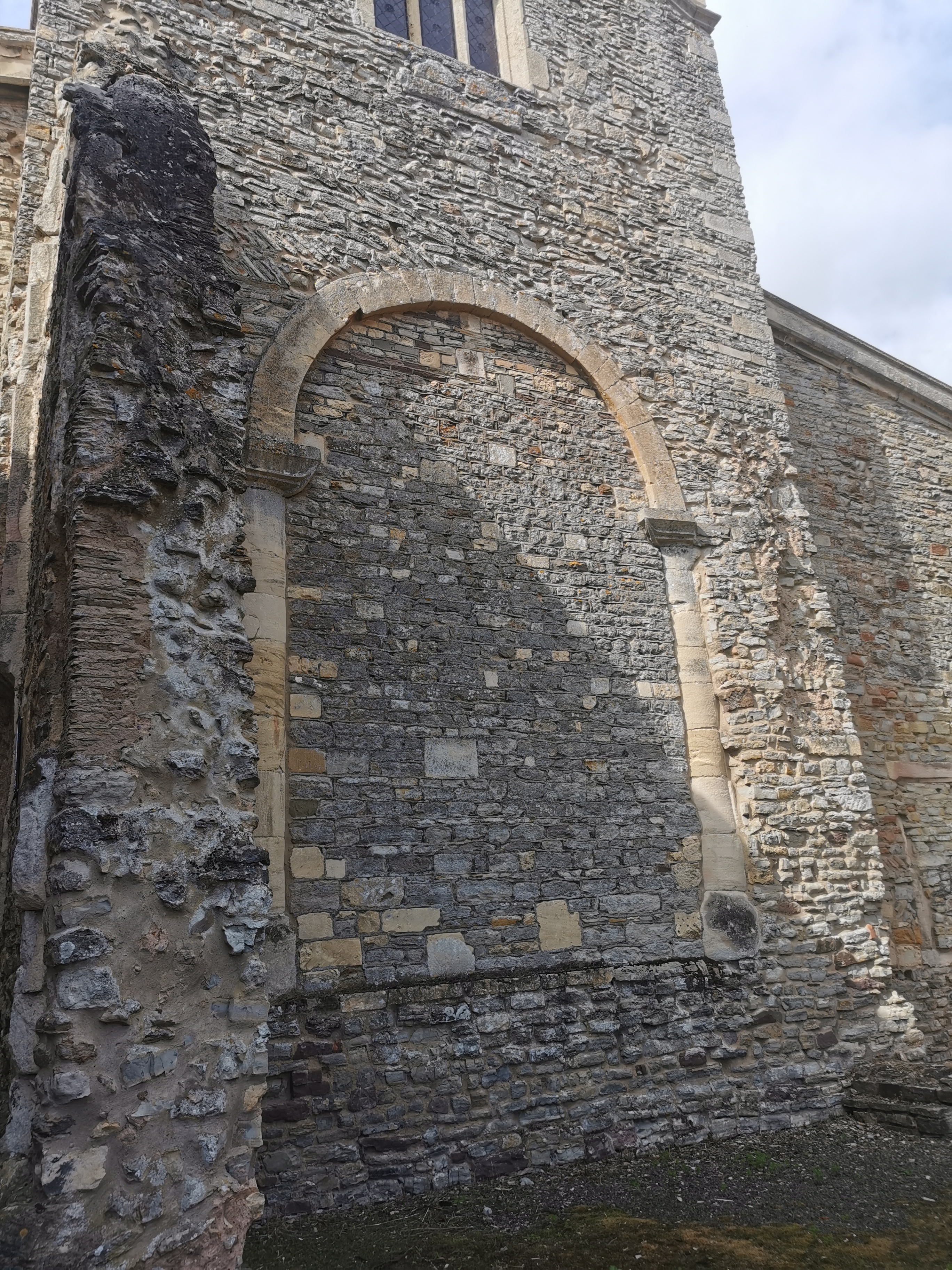
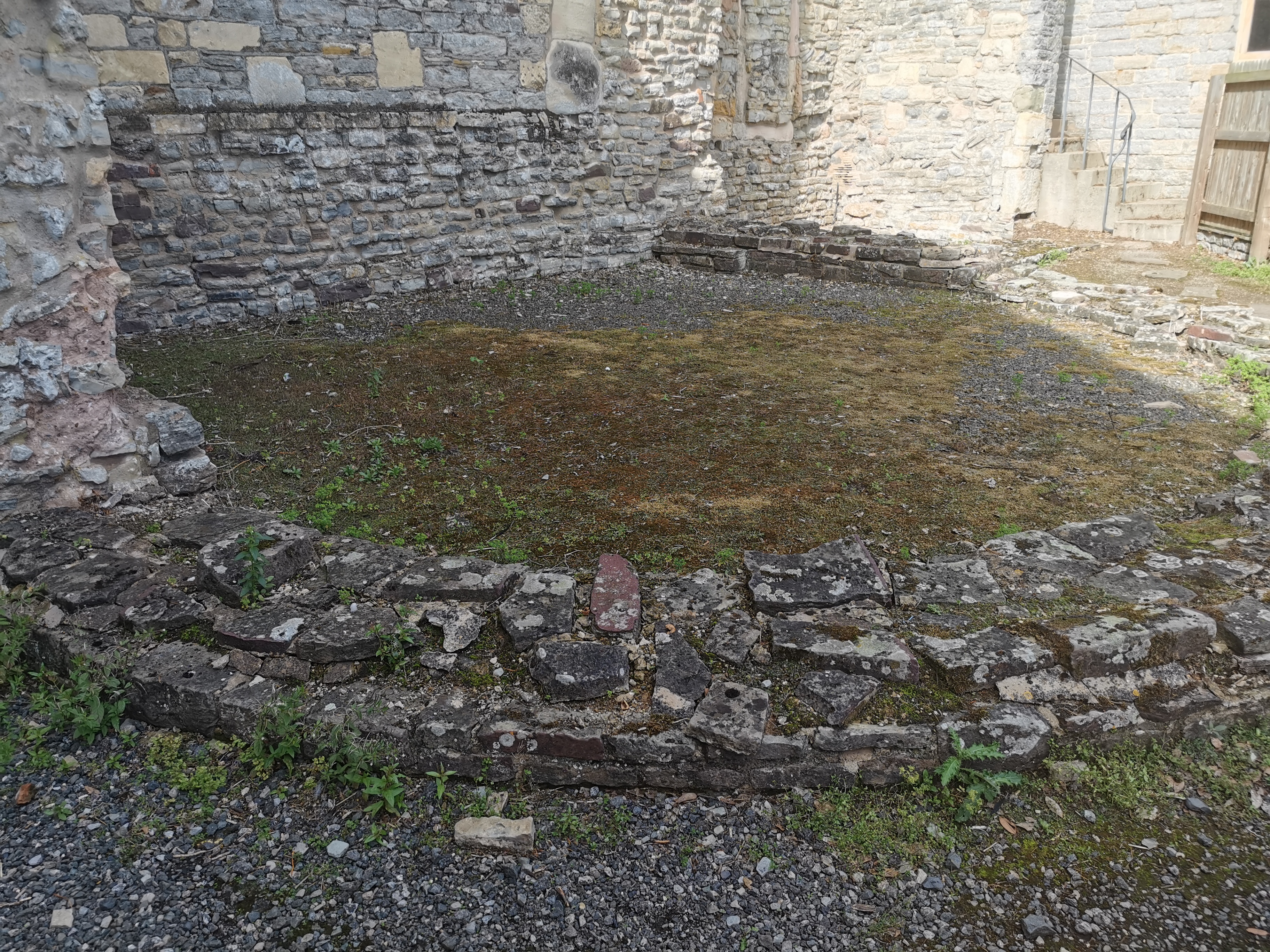
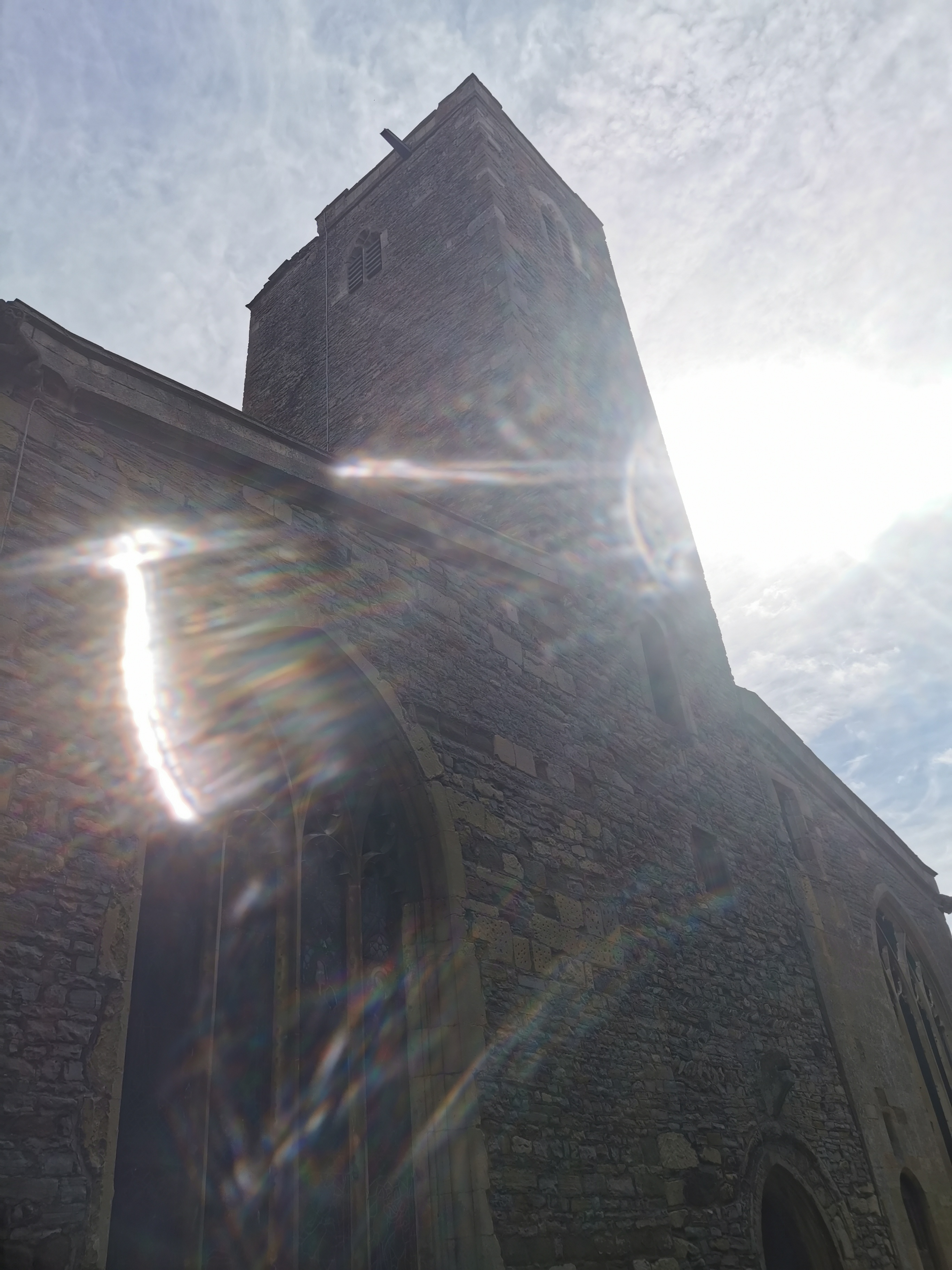
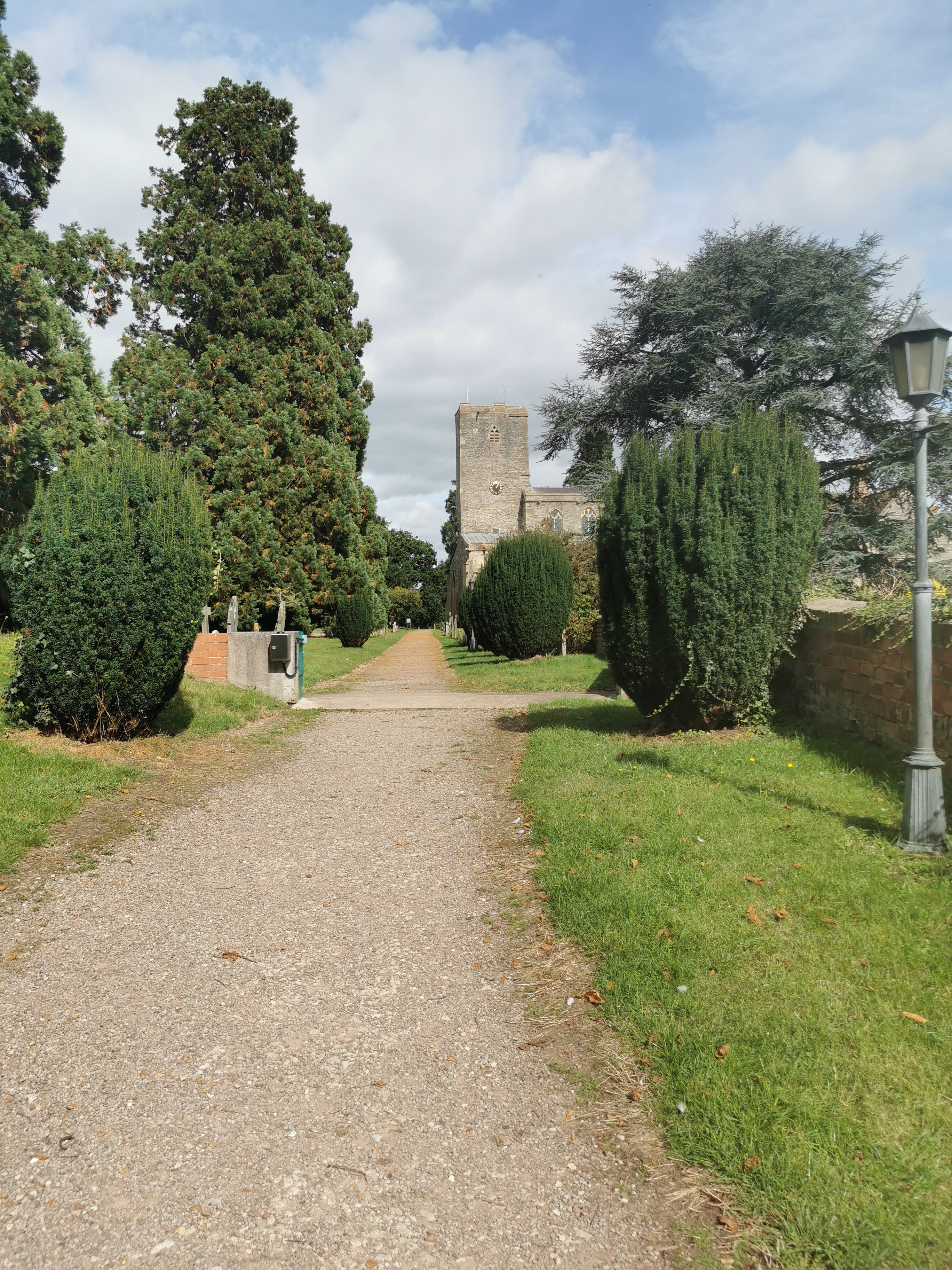
It is a beautiful location, and I’m sharing some photos from my visit, including The Angel, a surviving piece of Saxon sculpture, outside on the walls (my photos aren’t the best but it’s at a very awkward angle and quite high up the side of the building. You can find a much clearer image here https://www.flickr.com/photos/paulodykes/41119170111).
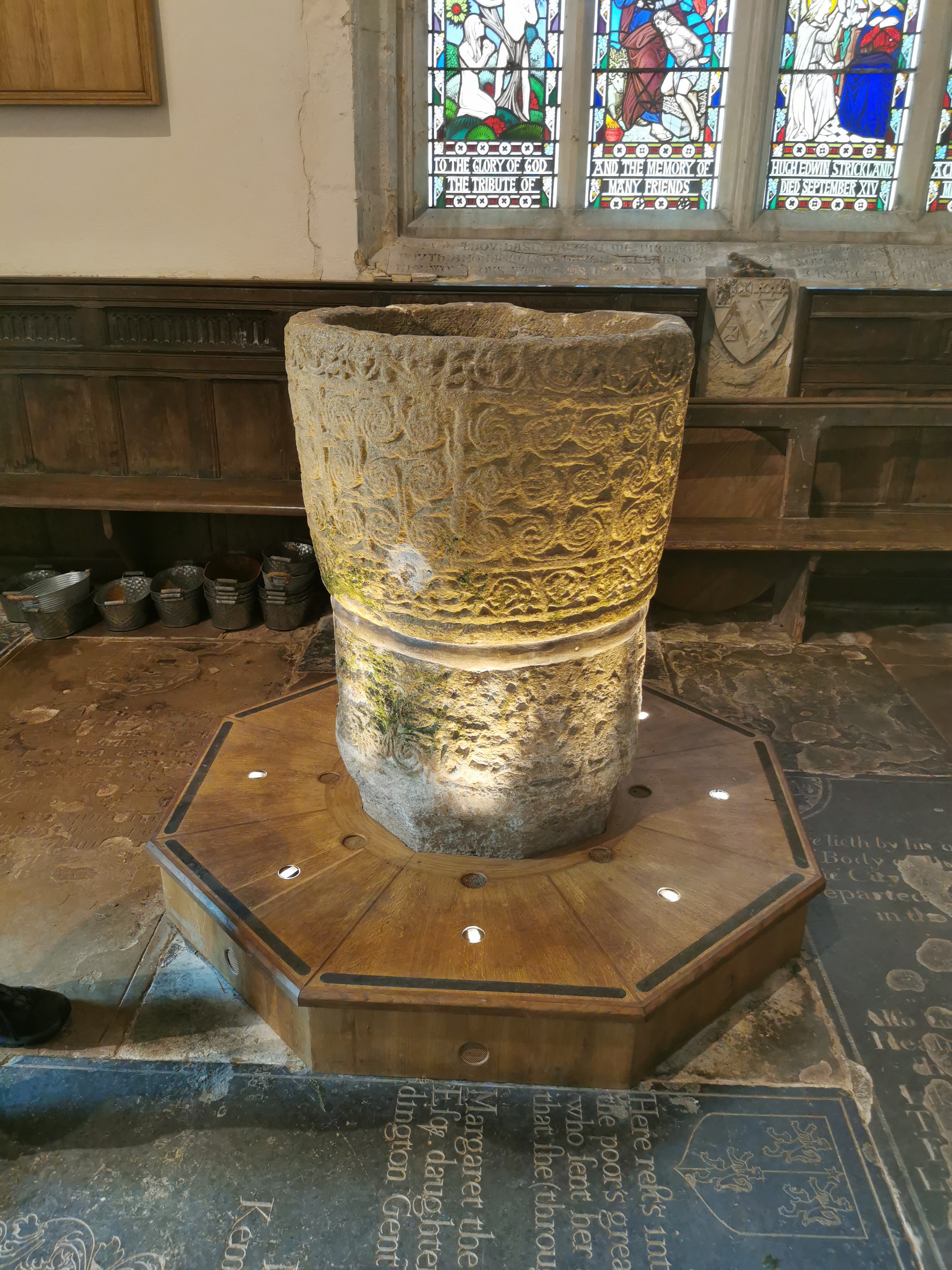
The font – not original to the church – but found in the 19th century and placed there. It is stunning.The AngelThe Angel (again)My camera lens is slightly smashed, and it’s usually fine unless it catches the sun – but sometimes the images are quite cool
Deerhurst hosts an annual lecture each year (indeed, it’s on 21st September 2024 this year), and is also open for visitors, for anyone else who fancies visiting. If you can’t make it, you can visit their website, and also order printed copies of the lectures, which I’ve done before now. https://deerhurstfriends.co.uk
And, just around the corner is Odda’s Chapel, another Saxon survivor. I will also share photos from Odda’s Chapel in a few days.
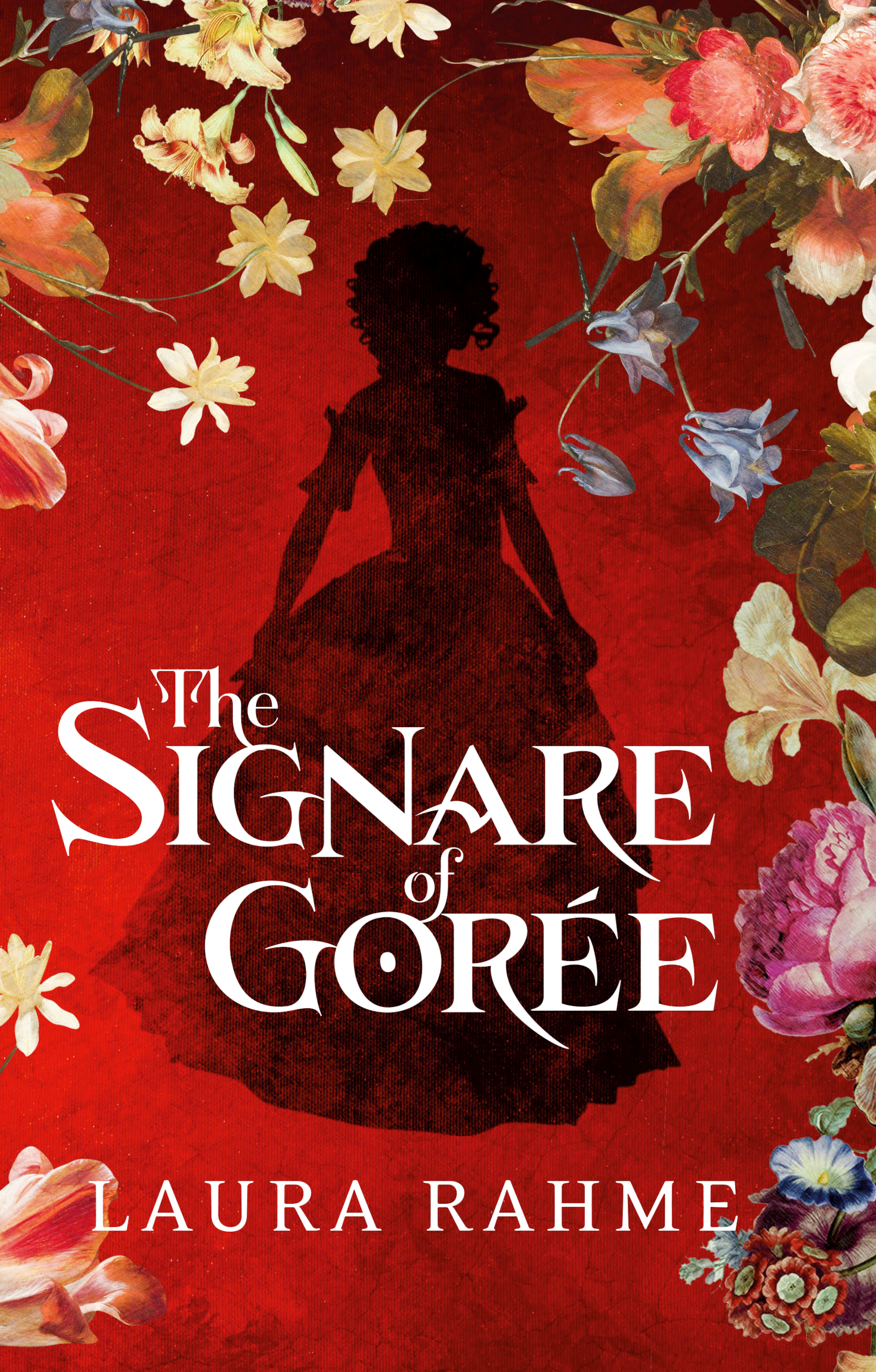
I’m delighted to welcome Laura Rahme and her new book, The Signare of Gorée, to the blog with The Last Waalo Queen: Ndaté Yalla Mbodj.
The Last Waalo Queen: Ndaté Yalla Mbodj
One of the historical figures that I feature in my novel, The Signare of Gorée, is Senegal’s last warrior queen, Ndaté Yalla Mbodj. Her origins are generally accepted to be a blend of Serer and Lebou, two of the main cultural groups in Senegal. She held the title of lingeer of the Waalo kingdom of Senegal. She appears only briefly in my book and does not play a direct part in the mystery, yet her presence looms large and hints at key events that would change Senegal’s destiny in the upcoming decade.
During the 1840s, Senegal consisted of independent kingdoms. The Waalo kingdom which extended along the northwest of Senegal, sharing a border with Mauritania, comprised the island of Saint-Louis, settled by the French since 1659. South of Waalo lay the kingdom of Cayor which engulfed today’s capital, Dakar, then a Lebou village. Only a short pirogue trip away was the island of Gorée, ceded to Europeans, and a center for commercial and slave trade for centuries.
The Signare of Gorée is set in a period when concessions by Waalo rulers allowed the French to trade in Senegal, but during which French figures were not sovereign. Europeans had to pay custom taxes to continue to trade freely in the Waalo. Over the years and leading into 1854, the French encountered increasing opposition, and what they saw as nuisances, arising from Waalo or Cayor rulers, but also from the Trarza Moors who dwelled across the Mauritanian border. Frustrated in their desire for economic gain, French entrepreneurs aspired to conquest as the means to secure the flow of resources and merchandise. As such, Ndaté Yalla Mbodj was not only the sole female ruler of Senegal, but she was to be the last queen of non-colonized Senegal. Her fight would be bitter and determined.
She ascended the throne in the palace of Nder on 1 October 1846 upon the death of her sister, Njembot Mbodj. While still young, both women had witnessed their mother’s tragic self-immolation during a battle with the Trarza moors. The Waalo army consisted of fiercely animist male warriors called tieddos, but the Waalo women were also trained in combat. Since then, and despite French military intervention to thwart it, a marital alliance between Njembot Mbodj and the Trarza ruler had smoothed discords between the Waalo kingdom and the Trarza emirate. But during her rule, Ndaté Yalla was forced to fight both the French and the Trarzas.
From the time she stepped on the throne, Ndaté Yalla made it clear that the French were to obey tithe and land boundary agreements. She wrote them letters and signed them – the only female ruler to do so – and defied them, asserting her rulership over the Waalo. In short, she bothered them.
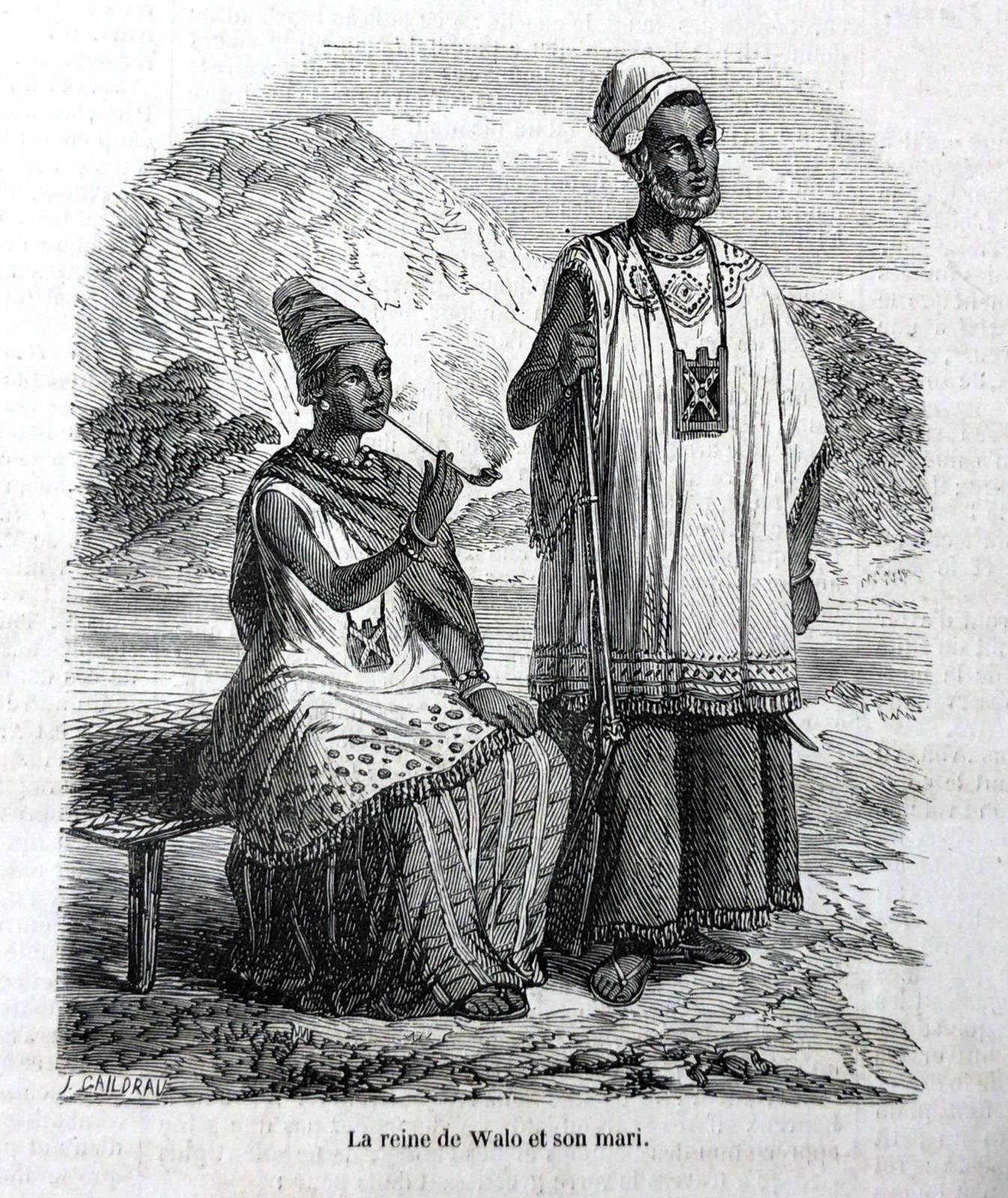
Ndaté Yalla Mbodj et her husband Marosso Tassé Diop An engraving by Jules Gaildrau (1816-1898) Public domain image
Together with her husband, Marosso Tassé Diop, who was prince of Cayor, Lord of Koki, and commander of the Waalo’s tieddo army, Ndaté Yalla fought regularly with the French and Moors.
But the French would have the last word. They called upon Louis Faidherbe, a poly-engineer and French general, to quell both the Trarzas and the Waalo kingdom. In 1854, the Bordeaux entrepreneur, Hilaire Maurel, who appears in The Signare of Gorée, would end up playing a decisive role, along with his nephew, Marc Maurel, in General Faidherbe’s mind-blowing ascension as governor of Senegal. They worked behind the scenes to ensure that the like-minded Faidherbe and his military strategies would clear the path for their already thriving enterprises and future economic ambitions.
Rallying an army that included coerced local troops, Faidherbe defeated Ndaté Yalla Mbodj in 1855, spelling the collapse of the kingdoms of Waalo and Cayor. The fall of the lingeer was powerfully symbolic. The other male-led kingdoms of Senegal would fall soon after, marking the start of France’s colonization of Senegal. During his 1855-1864 campaign, General Faidherbe employed a scorched-earth policy, burning through fertile plains and razing villages. He not only burned Ndaté Yalla Mbodj’s palace in Nder but took away her son, Sidya Diop. The afflicted lingeer would die in 1860, in Dagana, where her commemorative statue stands today.
I was born in Dakar fifteen years after Senegal regained its independence from France. Colonial education must have lingered a while as I never learned about Ndaté Yalla Mbodj at school. I also suspect the Senegalese values of soutoura (discretion) and muñ (to tolerate) encouraged a long silence on the sufferings and injustices of the past. But in the last twenty years, in the name of historical accuracy, and as more African voices are given due weight, Ndaté Yalla Mbodj’s name has resurged. Publications that tell of her important story now exist in multiple languages. I am not the first to mention her, but it was important for me to feature her in The Signare of Gorée.
Blurb
1846. In the heat of West Africa, the French navy uncovers the corpses of two French soldiers. Inspector Maurice Leroux arrives at the island of Gorée. It seems death has come to this small colonial outpost off the Senegal coast, home to the prosperous mixed-blood women known as the signares.
The navy suspects that the Bambara people, emboldened by approaching emancipation, may be out for blood. While confronted by the locals’ strange magical beliefs, Maurice remains skeptical. Does malevolence play a part, or are these deaths accidental, brought upon by the brutality of nature in an island known as the white man’s grave?
But when murder strikes, it becomes clear that a killer is stalking Gorée.
Swept by a mystery unlike any he has known, Maurice meets Signare Angélique Aussenac. The proud métis, deserted by her wealthy Bordeaux lover, casts her spell upon Maurice.
But beyond the throbbing sounds of the tam-tams and the glittering signare soirées, danger lurks. Someone is watching. And the deaths go on.
Could the killer be one of the rich Bordeaux merchants? Or are they hiding among the powerful signares?
A historical mystery spanning France and Senegal, THE SIGNARE OF GORÉE explores a world of magic, murder, and passion.
This title is available to read on #KindleUnlimited
Meet the Author
Laura Rahme is the author of seven historical novels. Born in Dakar, Senegal where she spent her early childhood, she moved to Australia at the age of ten. A graduate of two Honors degrees in Aerospace Engineering and Psychology, she has worked over two decades as an IT professional. Her greatest joy comes from travel, researching history, and penning historical mysteries. She now lives in France with her screenwriting husband.
Isaac’s only friend is a passenger pigeon named Bandy. He deludes himself in believing the bird talks to him. Bullied, he is resigned to a life of being the misunderstood bookworm by neighboring boys until a disastrous fire kills his parents and little sisters, sparing only his younger brother, Thomas. He and Thomas are taken in by their Uncle Raymond, an abolitionist, who plans to send Isaac to Virginia to buy Joy, a young slave with debilitating health, from her slave owner, Wil Jericho. Shortly after arriving in Virginia, Isaac learns the ugly truth. The butler who accompanied him on the journey killed his uncle before leaving and plans to do the same to Isaac to steal Raymond’s estate.
Isaac, with Joy, escape into the backwoods of Virginia. Discovering passages of the Underground Railroad, stowing away in carriages, hiding in churches, and outwitting the mercenaries hired by Jericho, the two teens fight tooth and nail to make it to Boston before they’re caught. Will Joy be taken from this life by sickness before she’s found freedom? On their journey, they learn a lot about each other. Isaac promises to bring Joy to Bandy’s pond, a heavenly place where peace and serenity reign.
Buy Link
This novel is available to read on #KindleUnlimited.
Isaac was poking at the fire with a stick, causing a shower of sparks to fly up into the sky. “I hope you are right, Joy. Moses has lived there his whole life. Perhaps he can talk his way out of it, even if Lucias does rat him out.”
For a short time, they sat in silence watching the flames lick up the wet smoky wood, each one caught in their own reveries. Finally, Joy broke the silence.
“Isaac?”
“Yeah?”
“What’s it like? I mean, how is it where you live? I have never left Virginia. This life is all I have ever known.”
He gazed at her, sitting, bent over, with her head resting on her knees. “Well, it’s a lot colder up there, but you wouldn’t know it from what we are feeling today. I am an orphan like you. Never really had any friends. Well, I…I do have one friend.”
She looked interested. “You do? A boy or a girl?”
He shrugged and the hint of a smile crossed his face. “Well, you won’t believe me if I told you.”
She sat up and shuffled closer to him. “Tell me. I want to know.”
He tilted his head back. “All right, but don’t laugh at me. You promise?”
She nodded, leaning forward with her chin resting on her hands.
Isaac cleared his throat. “Well, I have this place… I go there often. Been going there since I was little. It’s a pond. The water is always cold and clear. Sometimes it almost shines like God has polished it or something.”
He made a motion with his hand as if he had a cloth and was shining the air. He continued, “There is wildlife in abundance, Joy. I see deer, wild turkey, fox, turtles, and birds everywhere. I know all the trees, lots of maples and oaks, hemlocks, and white pine and even an old chestnut. Sometimes I climb up into its branches, almost to the top!”
She interrupted him. “Isn’t that dangerous?”
He shook his head. “Oh no. You see, it might sound strange, but I never worry about falling because the tree seems to protect me. If I slip, a branch is there to grab me. I know it sounds ridiculous, but it has always been like that. This…this pond is sort of my own little sanctuary. Everything is peaceful. We are all friends. It is like…like my own little heaven.”
Joy became animated. “But your friend? Tell me about your friend?”
He smiled, a carefree look, his mind traveling back to the place. He then turned to her. “Bandy is his name. He is gray, with a pink belly and black spots with a band around his neck… He…he is a passenger pigeon,” he blurted out. “I know you won’t believe me. I never tell anyone. In fact, you are the first person I have ever told, though a few people have seen me talking to Bandy, but they just made fun of me. They think I am crazy.”
Meet the author
Craig R. Hipkins grew up in Hubbardston Massachusetts. He is the author of medieval and gothic fiction. His novel Adalbert is the sequel to Astrolabe written by his late twin brother Jay S. Hipkins (1968-2018) He is an avid long distance runner and enjoys astronomy in his spare time.
London 1918: Is Fiona Figg ready to exchange her sleuthing cap for a bridal veil?
Fiona is set to tie the knot with her dashing captain, Archie Somersby. But, while Fiona is busy planning her happily ever after, side-kick Kitty Lane and a group of judo-chopping suffragettes are kicking up trouble at the Piccadilly Jujitsu Club.
When Kitty is found unconscious in the locker room during a high-stakes competition, Fiona must forsake her bouquets and bridal gown to investigate. Her sleuthing leads to a posh lady’s luncheon where a mysterious death crashes Fiona’s wedding plans.
To make matters worse, the arch-nemesis of all things matrimonial Fredrick Fredricks is up to his old tricks, attempting to put the brakes on Fiona’s journey down the aisle. Will he succeed in tripping up Fiona’s wedding vows? Or will she finally say “I don’t” to the charming devil?
Poison in Piccadilly is the latest Fiona Figg and Kitty Lane mystery. I’ve read them all.
Told with its tongue-in-cheek humour and with Fiona’s penchant for fake moustaches never far away, this story is set mostly in London, with a quick trip to Ireland, and in a role-reversal, sees Kitty requiring Fiona’s help. All the while, Fiona is supposed to be preparing for her wedding. As ever, torn between the man she’s supposed to trail as he’s suspected of being a spy and her soon-to-be husband, Fiona is never entirely sure who to trust as she investigates the latest mystery to fall in her lap.
With all of the series favourites and many unexpected twists and turns, Poison in Piccadilly is a fun read. For all its humour, I do adore the way this series effortlessly weaves a fictional narrative featuring historical people and events.
You’re missing a treat if you’ve not tried a Fiona Figg ad Kitty Lane story yet.
Kelly Oliver is the award-winning, bestselling author of three mysteries series: The Jessica James Mysteries, The Pet Detective Mysteries, and the historical cozies The Fiona Figg Mysteries, set in WW1. She is also the Distinguished Professor of Philosophy at Vanderbilt University and lives in Nashville, Tennessee
Escaping the city doesn’t mean escaping the criminals…
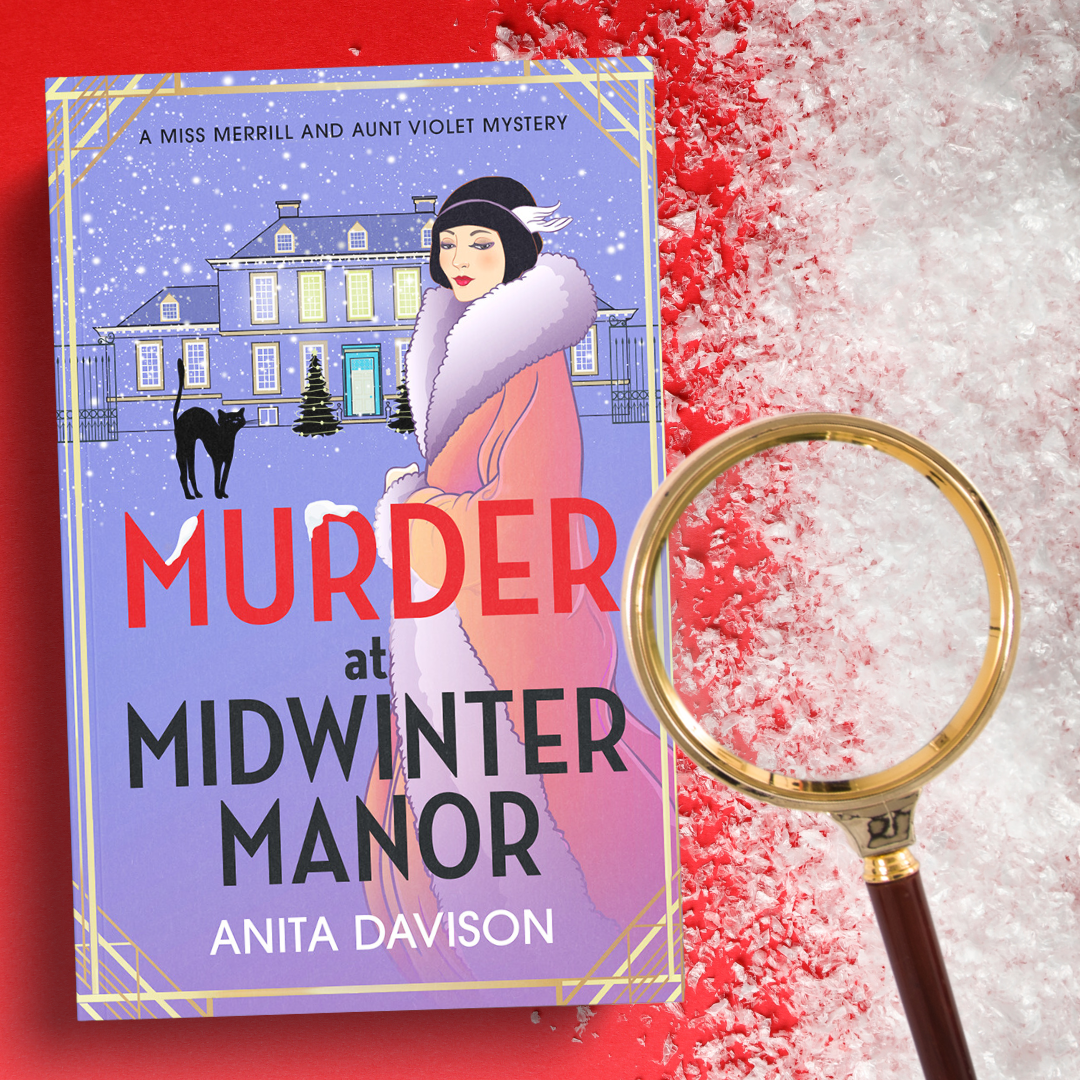
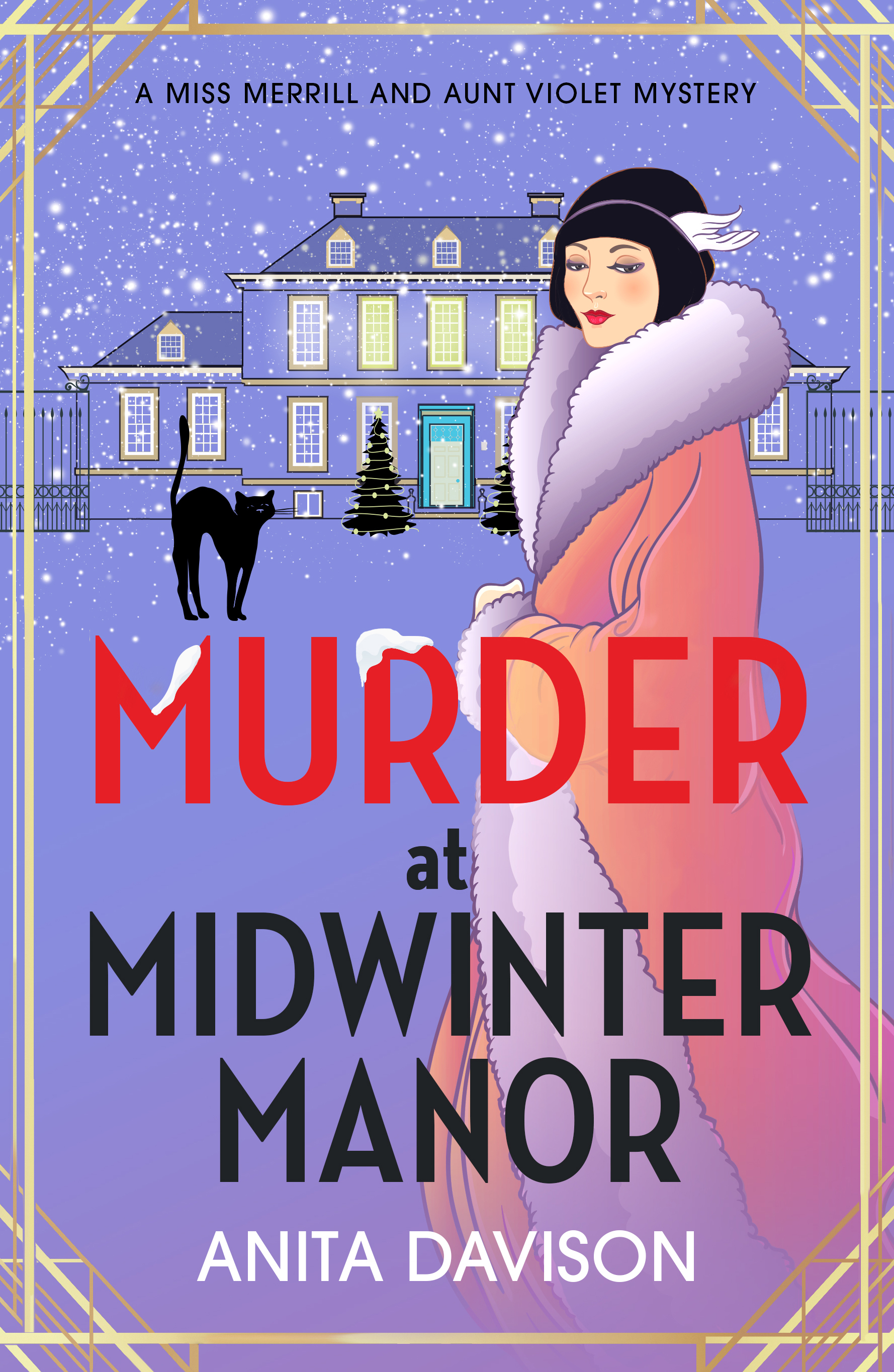
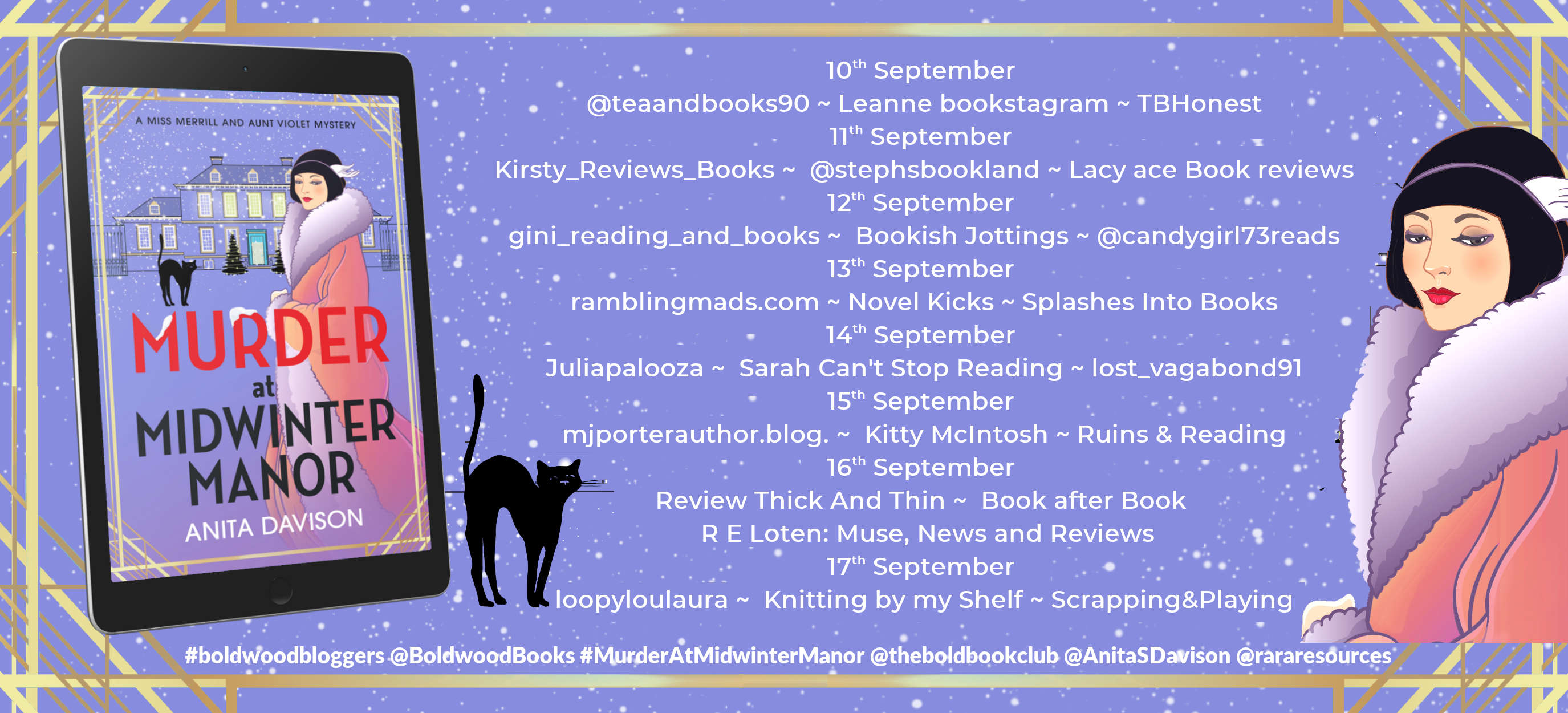
1916, Midwinter Manor: Desperate for a Christmas weekend break from war-torn London, Hannah Merrill and her Aunt Violet take Bartleby the cat and themselves off to visit Hannah’s sister, in her beautiful country estate, deep in the English countryside.
The huge house is full of relatives, friends and merrymakers, and everyone’s excited to have a Christmas to remember.
But then, when a fellow-guest’s body is found in the library – apparently bludgeoned to death – and a precious ruby is stolen from another guest, it appears that it’s going to be memorable for all the wrong reasons.
With the house snowed in, and the rural police force completely incapable of finding a single credible suspect, Hannah and Aunt Violet realise that once again it’s going to be down to them to get to the bottom of it.
Because whoever’s behind the crimes must be at Midwinter Manor… And if they’re not found, who knows what their next ‘gift’ will be?
A totally unforgettable Golden Age, country house, cozy crime novel, perfect for fans of Helena Dixon, Verity Bright, and Agatha Christie.
Murder at Midwinter Manor is the third Miss Merrill and Aunt Violet mystery book, and I’ve read all of them.
This story takes us to Hannah’s sister’s house for a Christmas party. Some of the guests are family, and some of them are not (Oh dear for them).
While we get to know the members of the party, there are strange goings-on in the background, and when Hannah is left with not one but two mysteries to solve, things start to become more interesting.
As we watch Hannah and her aunt, alongside their two male sidekicks, at work, we’re treated to everything we’d expect from a Golden Age country-house-style murder. (I was somewhat jealous about all the Afternoon Teas they managed to consume.) The mystery is intricately connected to the era of First World War Britain, and the events are believable and enjoyable to read about.
When they come, the conclusions are both satisfying after suspicion has fallen on just about everyone.
As a huge fan of this genre of fiction, I really enjoyed Murder at Midwinter Manor and the glimpse given of a divided society in a single house between servants and masters.
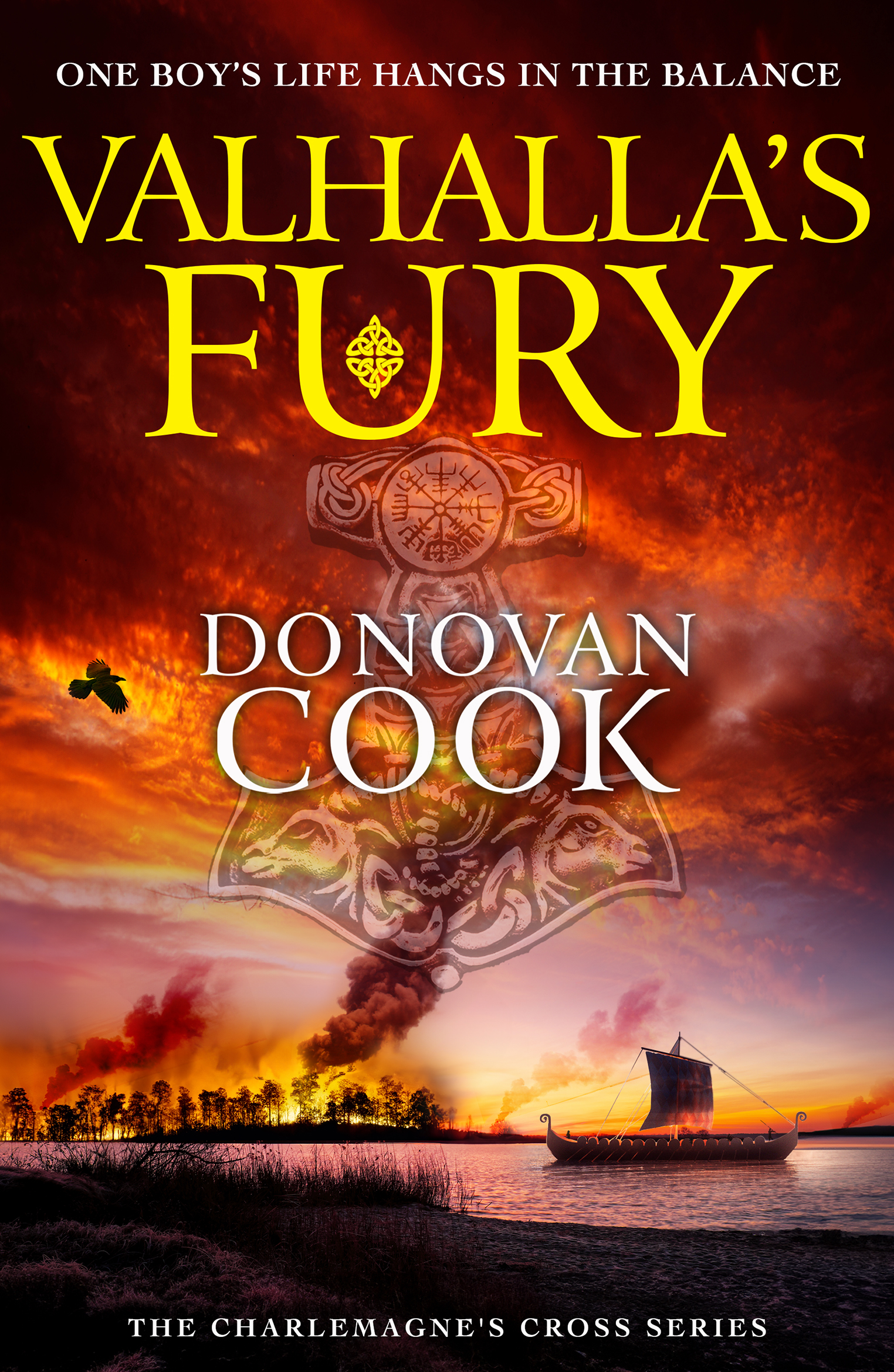
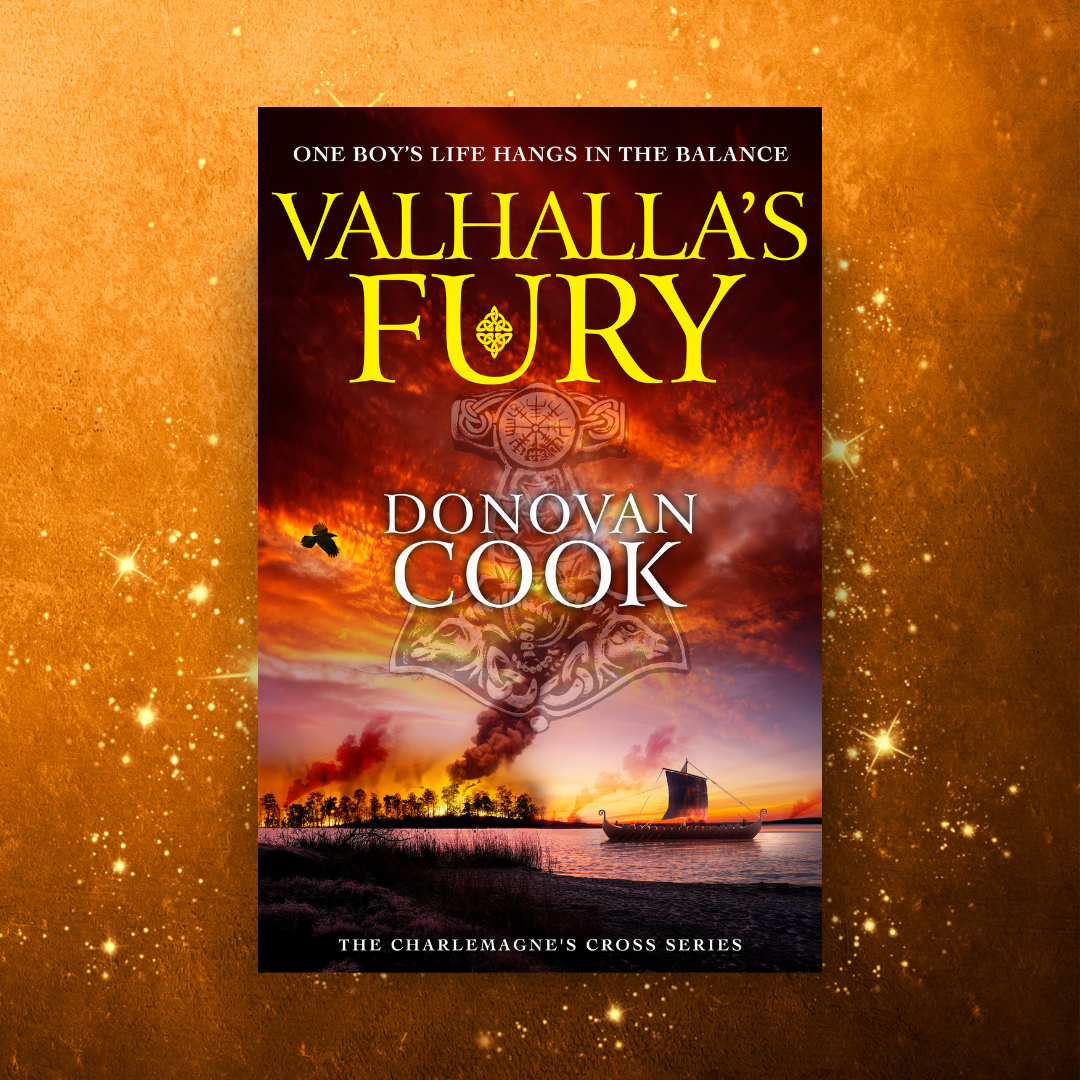
Abandoned by his people and destined for Valhalla, do not stand in the way of his fury.
Ribe is lost, its hall burnt, and Charles is still missing. Sven must once more sail into dangerous waters to rescue his grandson.
King Louis of East Francia, the man who took Sven’s son from him almost twenty years ago, has Charles captive and uses him to force Sven to do his bidding and create chaos raiding his brothers Kingdom of West Frankia.
The long awaited meeting of Charles and his mother, Abbess Hildegard, is not what Charles dreamed it would be and soon it becomes clear that Charles is in even more danger. Torn between the heathen gods and his Christian god, Charles must decide where his future lies.
Sven must fight if he wants to see Charles again and keep the Cross of Charlemagne out of the hands of the Frankish kings. The only thing that Sven knows is that to save Charles, innocent people must die.
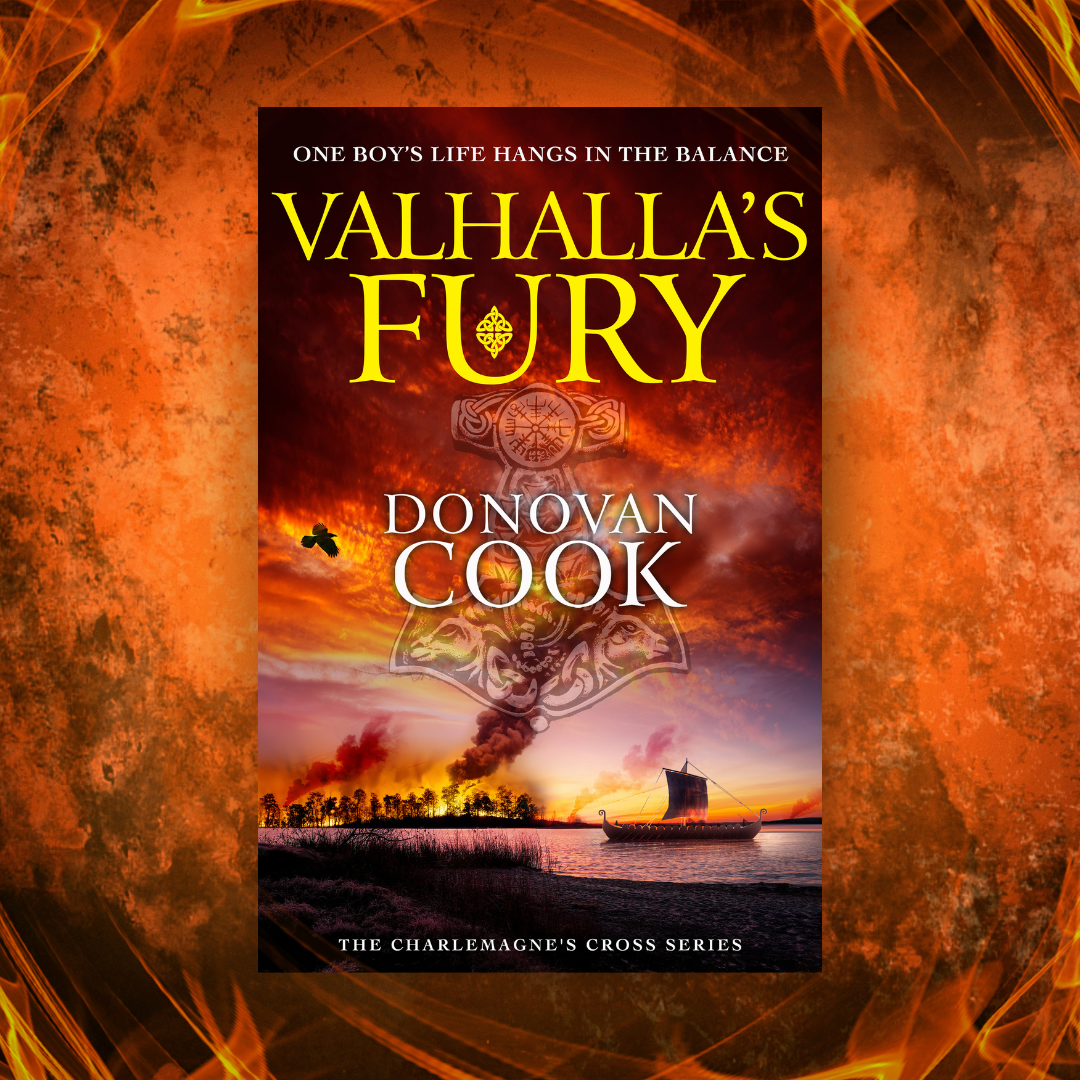
Valhalla’s Fury is the final book in the Charlemagne’s Cross Series, bringing to an end this enthralling series set in the 800s, pitching the Danes against the Franks, or certainly, some of them. I’ve read all of the books and you can check out my reviews below.
All seems impossible in this final book as Sven desperately wishes to rescue Charles from the clutches of the Franks, whereas Charles is something of a pawn in the hands of his Frankish grandfather.
The storyline quickly separates Charles and Sven once more, and we see glimpses of life in a Frankish town as well as in a Viking encampment deep in the heart of West Frankia, through the eyes of our two main characters. The narrative builds as the reader is left wondering how on earth the two can possibly be reunited, or if all will end in disaster, I don’t want to say either way, but it is a solid ending for this enthralling tale.
Donovan Cook is the author of the well-received Ormstunga Saga series and the Charlemagne’s Cross series, both of which combine fast-paced narrative with meticulously researched history of the Viking world and are inspired by his interest in Norse Mythology. Donovan was born in South Africa but raised in England.
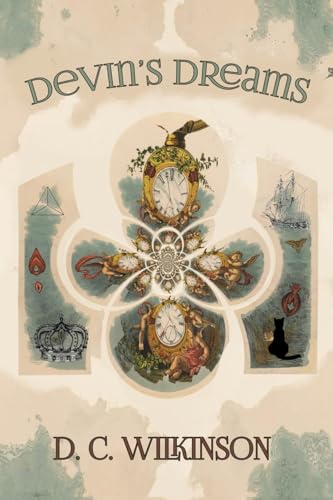
I’m delighted to welcome D.C.Wilkinson and his new book, Devin’s Dreams, to the blog.
Blurb
Devin Sharp, a gentle-natured boy, has trouble sleeping. Recurring visions of strangers moving among shadows in his bedroom keep waking him at night. He swears that what he sees and hears is real. To no avail. No one believes him. An older sibling taunts him. “Silly dreams,” she says. But are they?
Coming of age as a gay teen in the seventies, Devin’s sleep issues are just one more secret safely locked up in his closet. But not for long. Freshman year in college brings a measure of freedom and a chance to explore well beyond the boundaries of stifling social molds.
Experimenting with a powerful drug, Devin’s quirky visions resurface. This time, however, something is different. A rabbit hole materializes out of nowhere. Thrust into it by a mysterious force, Devin is hurled into another world centuries before his own. There, awaiting, a host of strangers appear to know him…
D. C. Wilkinson’s passion for historical fiction, portal fantasies and cappuccinos inspired him to write “Devin’s Dreams,” his debut novel. A lifelong voyager of inner and outer realms, he began his career in the Midwest as a student of Language Arts and the Humanities before relocating to the East Coast in his early twenties. A graduate of Columbia University and former New York City public school teacher, he now calls Connecticut his home, where he resides with his spouse and their beloved beagle.
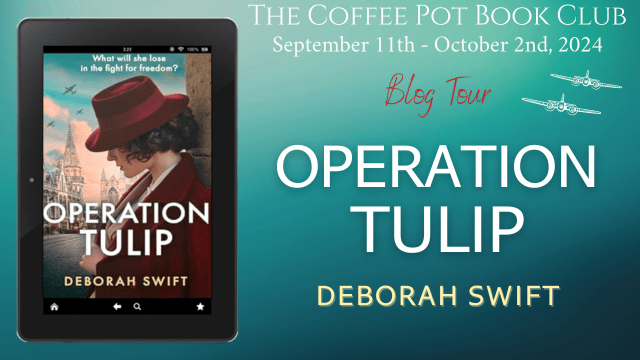
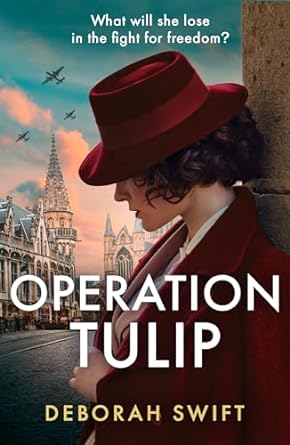
Operation Tulip – The Hunger Winter in Holland During WW2
My novel, Operation Tulip, takes place in The Hague in the final year of the Second World War, during the Hunger Winter, called the Hongerwinter in Dutch. This was the brutal famine of 1944-1945 during the final year of the Nazi occupation. The Netherlands was invaded in May 1940, and for the first few years, the occupation was relatively mild compared to other parts of Europe. However, as the war dragged on, conditions for civilians worsened. By 1944, the Allied forces had landed in Normandy and were making their way through Europe, leading to a renewed sense of hope among the Dutch people. In September 1944, the Allies made an ambitious plan to capture key bridges in the Netherlands and pave the way for an invasion of Germany and an end to the war. This plan was called Operation Market Garden, and was made famous by the film, ‘A Bridge Too Far.’ Unfortunately, the operation ultimately failed, leaving the northern and western parts of the Netherlands cut off from the rest of Europe and still under German control.
British POWs at Arnem
Famine bites Dutch railway workers organised strikes to prevent Jews from being deported, and in retaliation the Germans blocked food and fuel shipments to the western provinces. The blockade, combined with already depleted food supplies, led to a catastrophic famine. Added to this, the winter that year was one of the harshest in memory, with freezing temperatures and little fuel available. The black market became the only means for many to obtain food but prices were high and few could afford to buy anything. The daily calorie intake for many Dutch citizens plummeted to as low as 400-800 calories, way below the minimum needed for survival. People scavenged for anything edible, from tulip bulbs to sugar beets. Audrey Hepburn, who was living in Holland with her Dutch mother, survived the last months of the war with a diet that included eating nettles and tulip bulbs.
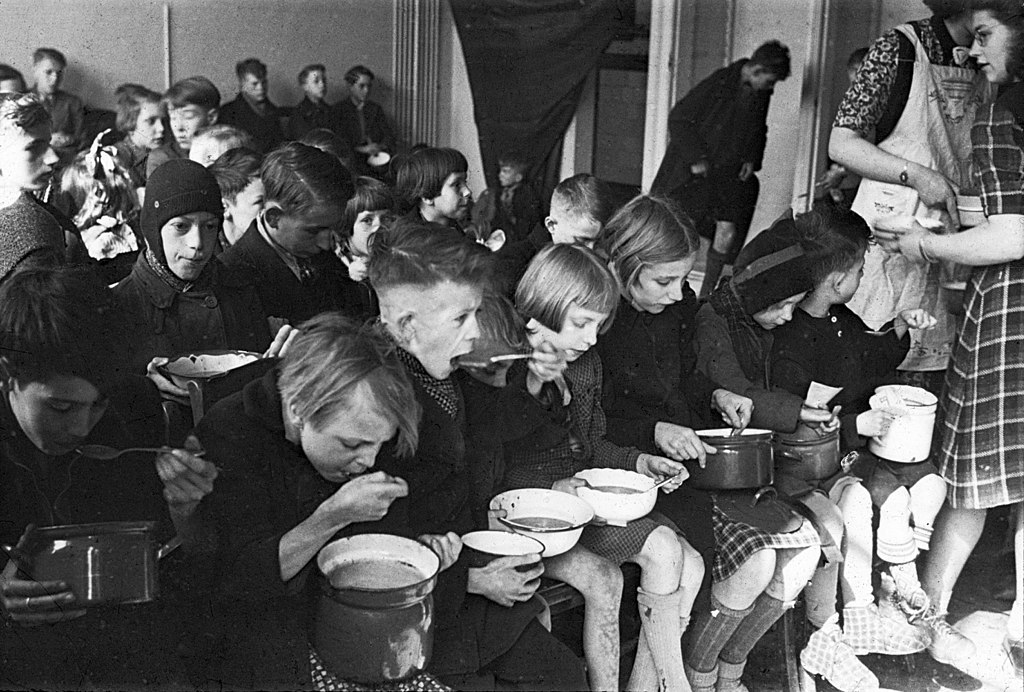
Dutch Children being fed soup
The impact of the famine on health was devastating. Malnutrition and starvation led to a significant increase in mortality rates. The most vulnerable, including the elderly, the sick, and young children, were particularly affected. Hospitals were overwhelmed with cases of starvation, and diseases such as tuberculosis, typhus, and pneumonia spread rapidly among the weakened population. If it all sounds very depressing, it was also a period where people were courageous and took enormous risks to help other survive. The penalties for hoarding or selling food outside official channels were severe. Nevertheless, many residents of The Hague made perilous journeys by bicycle to rural areas in search of food, and I use these journeys in Operation Tulip. The Role of Women in the Resistance
Dutch Women transporting food
Amid the suffering, the Dutch Resistance, including people like Nancy in my novel, continued their efforts to undermine the German occupation, bring hope to the starving, and assist those in need. Resistance groups, especially the women, organized clandestine food distribution networks, forged ration cards, and provided aid to those most affected by the famine, despite the constant threat of arrest, torture, and execution. Estimates suggest that approximately 20,000 people died as a direct result of the Hunger Winter, although the indirect toll was likely much higher. The most vulnerable, including the elderly, the sick, and young children, were particularly affected. Hospitals were overwhelmed with cases of starvation, and diseases such as tuberculosis, typhus, and pneumonia spread rapidly among the weakened population. Many who survived were left with long-term health problems due to prolonged malnutrition. Children born during or shortly after the Hunger Winter were found to have worse health outcomes throughout their lives, a phenomenon later studied extensively by researchers. As things became desperate at the end of the war, British and American airmen in conjunction with the Dutch Resistance, arranged airdrops of food, an event that still lingers in the memories of the Dutch people.
Operation Manna airdropping food
Here’s the blurb
Holland, 1944: Undercover British agent Nancy Callaghan has been given her toughest case yet. A key member of the Dutch resistance has been captured, and Nancy must play the role of a wealthy Nazi to win over a notorious SS officer, Detlef Keller, and gain crucial information.
England: Coding expert Tom Lockwood is devastated that the Allies have failed to push back the Nazis, leaving Northern Holland completely cut off from the rest of Europe, and him from his beloved Nancy. Desperate to rescue the love of his life, Tom devises Operation Tulip, a plan to bring Nancy home.
But as Nancy infiltrates the Dutch SS, she finds herself catching the eye of an even more senior member of the Party. Is Nancy in too deep, or can Tom reach her before she gets caught?
Inspired by the true events of occupied Holland during WW2, don’t miss this utterly gripping story of love, bravery and sacrifice.
Triggers: mild violence associated with the era.
Praise for Deborah Swift:
‘A well crafted tale… this book did not disappoint’ NetGalley reviewer, ⭐⭐⭐⭐⭐
‘There is action, mystery and romantic entanglements stirred into the story for a fantastically entertaining read’ NetGalley reviewer, ⭐⭐⭐⭐⭐
‘Deborah Swift never disappoints’ NetGalley reviewer, ⭐⭐⭐⭐⭐
Deborah Swift is a USA TODAY bestselling author of twenty books who is passionate about the past. Deborah used to be a costume designer for the BBC, before becoming a writer. Now she lives in an old English school house in a village full of 17th Century houses, near the glorious Lake District. After taking a Masters Degree in Creative Writing, she enjoys mentoring aspiring novelists and has an award-winning historical fiction blog at her website www.deborahswift.com.
Deborah loves to write about how extraordinary events in history have transformed the lives of ordinary people, and how the events of the past can live on in her books and still resonate today.
Recent books include The Poison Keeper, about the Renaissance poisoner Giulia Tofana, which was a winner of the Wishing Shelf Book of the Decade Award, and a Coffee Pot Book Club Gold Medal. Her most recent books are The Silk Code and The Shadow Network both set in the Second World War.
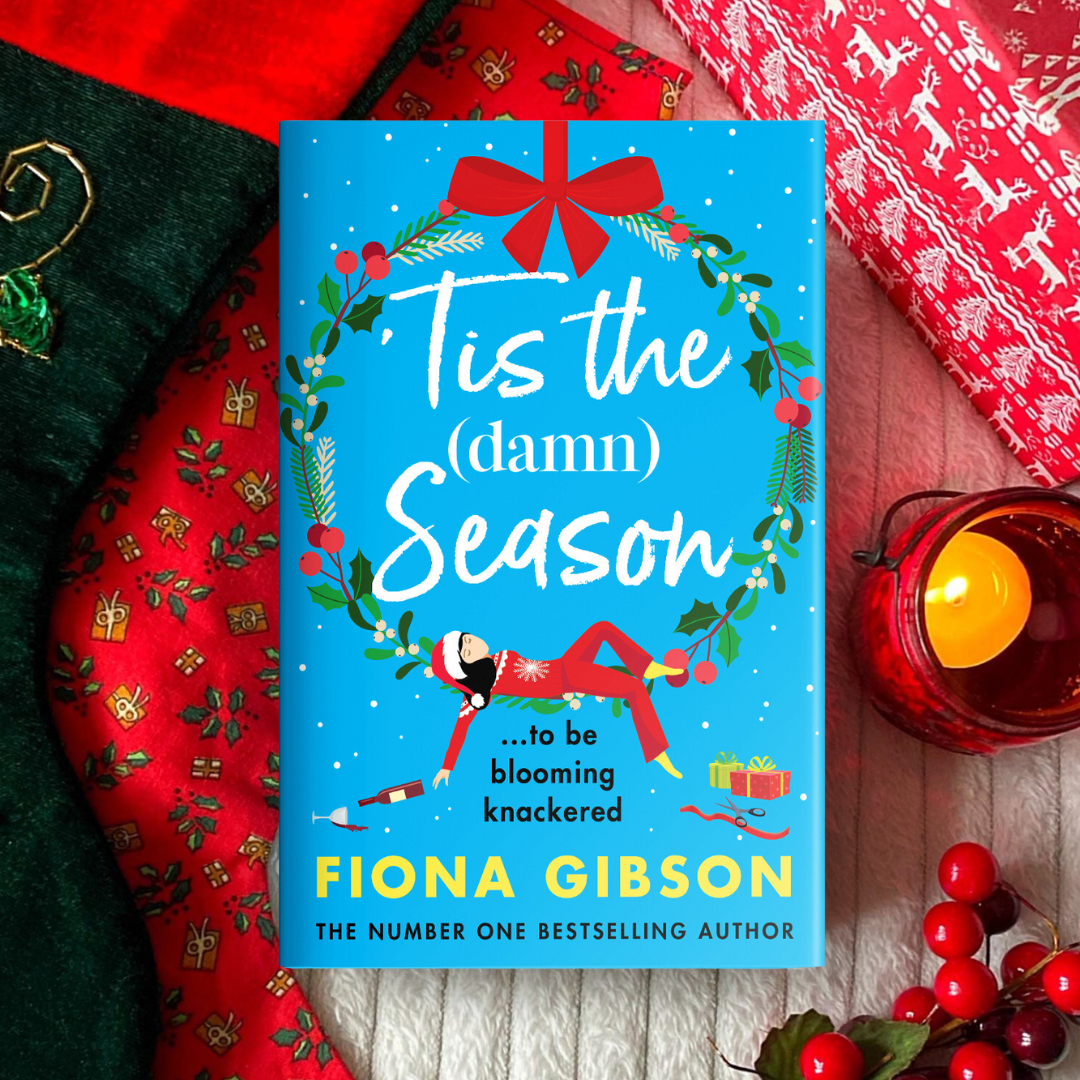
This year, their families can deck the bloody halls themselves…
Old friends Shelley, Lena and Pearl have reached their limit with the festive preparation that has always fallen to them, and five days before Christmas, they’ve booked a mini break… without their families. Up until Christmas Eve, they’ll be sipping prosecco in the Highlands while their kids wrap bacon around 100 chipolatas and their partners brave the supermarkets.
It’s exactly what they need… until they’re snowed in. Facing the prospect of Christmas 500 miles from home, each woman is forced to confront her real reasons for needing to escape: the fiance with the obnoxious family; the son’s new girlfriend who is taking over their home; the family who take their mother for granted all year round…
Will the friends make it home before Christmas day? And if they do, can they really go back to their old lives?
This Christmas, forget Elf on the Shelf, get ready for Mums on the Run in the hilarious and heartwarming new novel from Fiona Gibson.
Tis the Damn Season is a fun, quick read about three friends escaping Christmas, only to find they might have escaped it a little more than they anticipated.
I read it in 2 sittings. It’s sure to appeal to readers looking for their own ‘getaway’ from the pressures of Christmas. (This one is short and sweet. Sometimes, you can just really enjoy a book.)
Meet the author
Fiona Gibson writes bestselling and brilliantly funny novels about the craziness and messiness of family life.
The first rule of undercover work—don’t get attached…
Pilot Elise Hughes left the family business in the Florida Keys and now flies the rich and powerful to and from the Rocky Mountains. When she has to execute a by-the-book emergency landing, it’s no big deal. But being stranded in a small town with her handsome new colleague is something else entirely.
Obsessed with getting justice for his murdered father, undercover FBI agent Eric Erickson believes retribution is finally within reach. Until things get complicated. And dangerous. And he’s forced to face a few too many realities—including Elise’s connection to a well-known crime boss.
After Elise is kidnapped by the same man who took Eric’s father, he has a choice to make—find Elise or exact revenge. Meanwhile she has a choice of her own—trust the dangerous family she never knew she had or the man who’s been lying to her from the start.
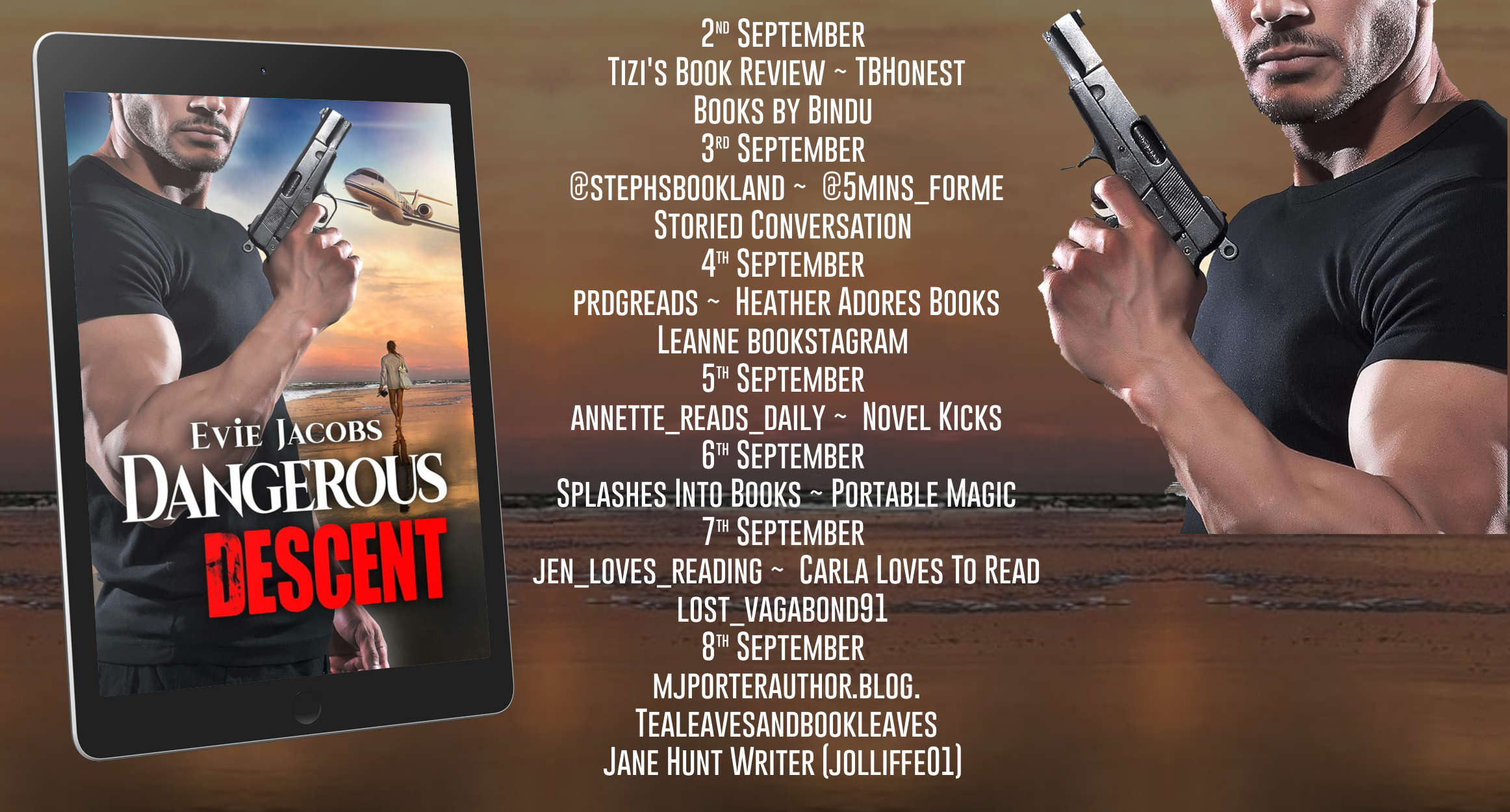
Dangerous Descent is a steamy action/adventure story featuring Elise and Eric, as they face crash landing into one another. It is a fun, quick read, and quite well-plotted, although there are a few elements of the story that aren’t resolved (possibly because it’s a series – I’m not sure – but it wouldn’t surprise me to know there will be more books.)
The action moves at speed, with Elise and Eric thrown together unexpectedly, which allows their mutual attraction for one another to spark very (very) quickly. There are a good few plot twists as the story storms towards its ending, switching between the two different points of view of the main characters. The baddies are never quite as bad as could be hoped, so for those who don’t like too much violence, this will appeal.
Not my usual genre, but a fun, quick read and fans of the genre will, I’m sure, love meeting Elise and Eric.
Meet the author
Evie Jacobs is a word nerd. As a child, she read constantly. And when she wasn’t reading, she was writing. Not much has changed. By day she works in a library surrounded by books, and by night she writes steamy action/adventure romance. She lives in Colorado with her husband, two cats, and six bicycles.












































 MJ Porter