
London, 1954. Zina Pavlou, a Cypriot grandmother, waits quietly in the custody of the Metropolitan police. She can’t speak their language, but she understands what their wary looks mean: she has been accused of the brutal murder of her daughter-in-law.
Eva Georgiou, Greek interpreter for the Met, knows how it feels to be voiceless as an immigrant woman. While she works as Zina’s translator, her obsession with the case deepens, and so too does her bond with the accused murderer.
Zina can’t speak for herself. She can’t clear her own name. All she can do is wait for the world to decide…
IS SHE A VICTIM? OR IS SHE A KILLER?
A compelling historical crime novel set in the Greek diaspora of 1950s London – that’s inspired by a true story – The Unspeakable Acts of Zina Pavlou is perfect for fans of Erin Kelly, Sara Collins, and Jessie Burton.
Eleni Kyriacou is an award-winning editor and journalist. Her writing has appeared in the Guardian, the Observer, Grazia, and Red, among others. She’s the daughter of Greek Cypriot immigrant parents, and her debut novel, She Came To Stay, was published in 2020. Her latest novel, The Unspeakable Acts of Zina Pavlou, is inspired by the true-crime story of the penultimate woman to be executed in Britain. Follow her on and http://www.elenikwriter.com.
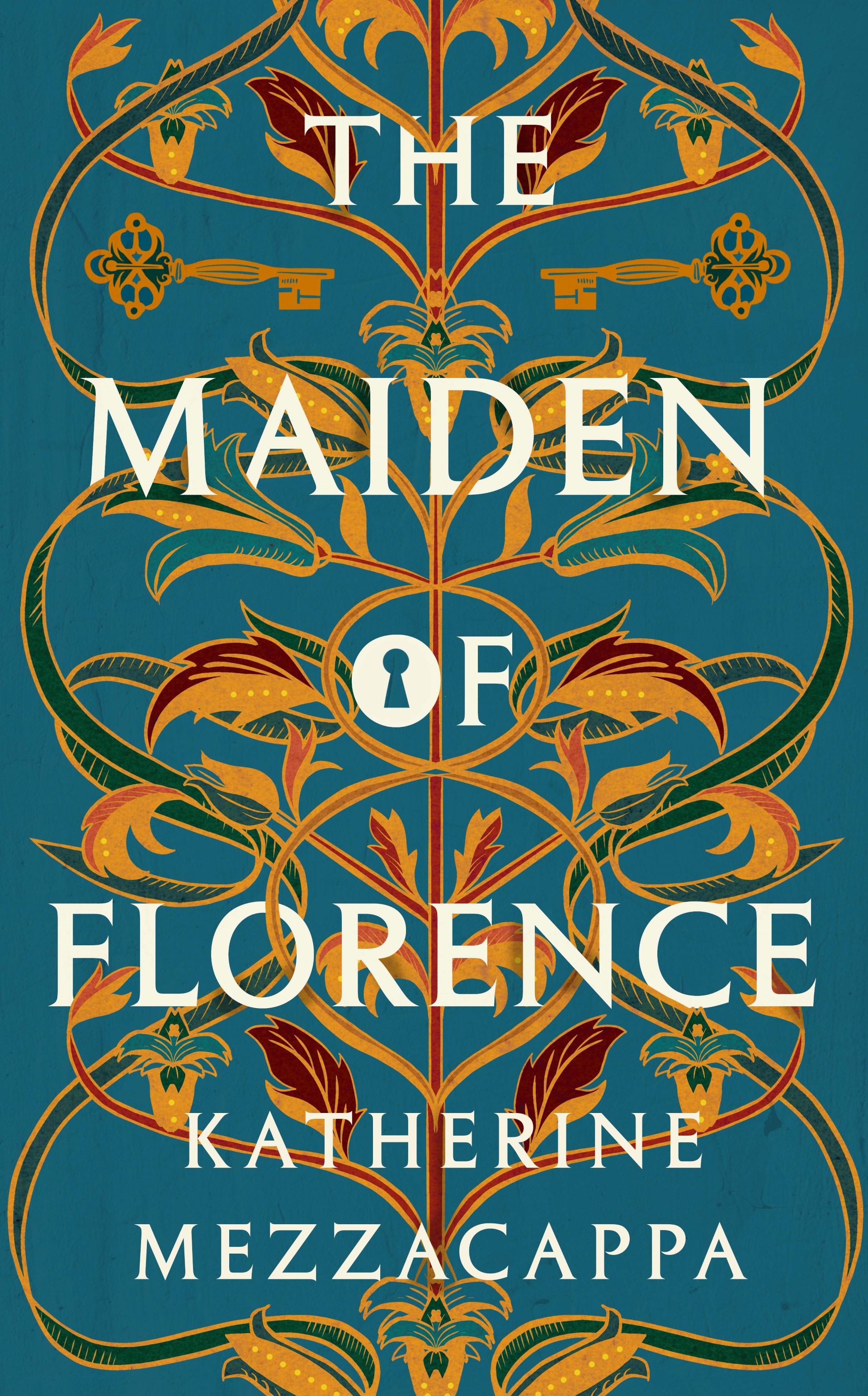
‘My defloration was talked about in all the courts of Europe. The Prince boasted of his prowess, even as preparations were being made for his wedding, as boldly as if he had ridden across that causeway with bloodstained sheet tied to his lance.’ 1584, Italy: Twenty-year-old Giulia expects she will live and die incarcerated as a silk weaver within the walls of her Florentine orphanage, where she has never so much as glimpsed her own face. This all changes with the visit of the Medici family’s most trusted advisor, promising her a generous dowry and a husband if she agrees to a small sacrifice that will bring honour and glory to her native city. Vincenzo Gonzaga, libertine heir to the dukedom of Mantua, wants to marry the Grand-Duke of Tuscany’s eldest daughter, but the rumours around his unconsummated first marriage must be silenced first. Eager for a dynastic alliance that will be a bulwark against the threat of Protestant heresy beyond the Alps, the Pope and his cardinals turn a blind eye to a mortal sin. A powerful #MeToo story of the Renaissance, based on true events.
Told with the benefit of hindsight by our maiden of Florence, Giulia, The Maiden of Florence is the story of this astounding event and the consequences of it for our fair maiden. The first third of the book is a retelling of what might have befallen Giulia, and events then move on to tell the story of what occurred afterwards, including her eventual marriage. However, the reach of the man behind her involvement is never very far away, despite her resentment of it.
The narrative allows Giulia to have her happily ever after ‘for now’, but events quickly move on, and she finds herself caught up in the battle to protect her oldest son, seeking aid where she would never have thought to do so until desperate.
The story is told with compassion and some insight from her husband. The recreation of Florence and Venice in the late 1500s/early 1600s is intriguing while also reflecting her restricted world view—we see only a small area of Florence and Venice. Giulia is rarely, if ever, not subject to some external force, whether it is the benign influence of her husband or other malevolent forces.
An engaging read, somewhat slower in pace, and sure to delight readers of this era and also narratives featuring strong women who are constrained by the society they live in.
Meet the author
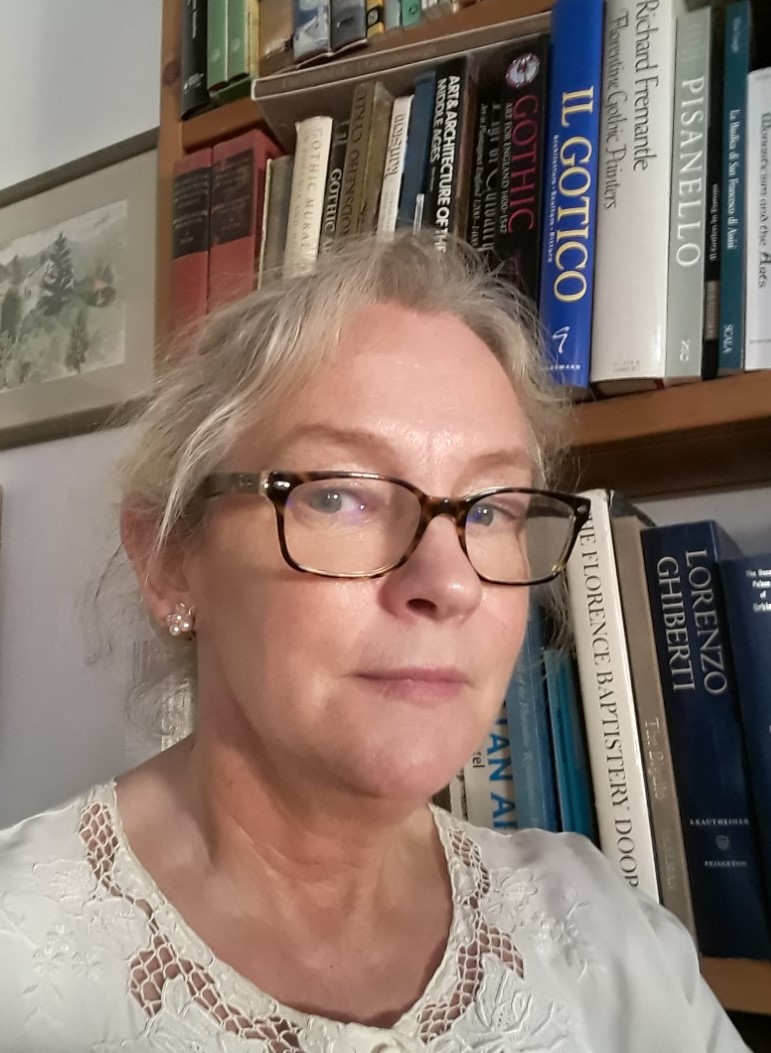
Katherine Mezzacappa is an Irish writer of mainly historical fiction, currently living in Italy. She has published several novels under pen names with publishers Bonnier Zaffre and eXtasy. She works as a manuscript assessor for The Literary Consultancy. Katherine reviews for Historical Novel Society’s quarterly journal and is one of the organisers of the Society’s 2022 UK conference. In her spare time she volunteers with a used book charity of which she is a founder member.
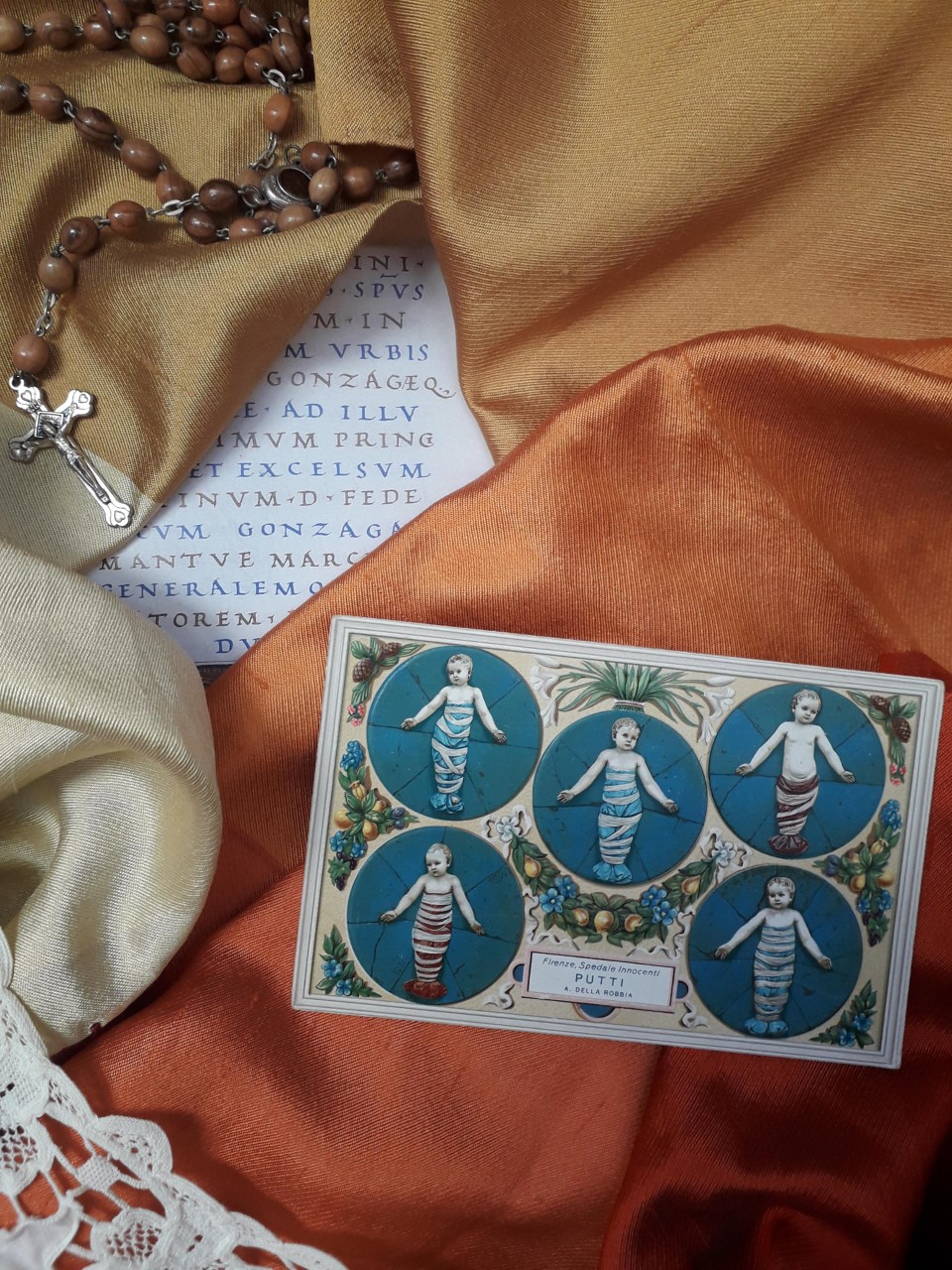
Giveaway to Win a vintage postcard, early 1900s, of the babies from the façade of the Innocenti orphanage. (Open INT)
*Terms and Conditions –Worldwide entries welcome. Please enter using the Rafflecopter box below. The winner will be selected at random via Rafflecopter from all valid entries and will be notified by Twitter and/or email. If no response is received within 7 days then Rachel’s Random Resources reserves the right to select an alternative winner. Open to all entrants aged 18 or over. Any personal data given as part of the competition entry is used for this purpose only and will not be shared with third parties, with the exception of the winners’ information. This will passed to the giveaway organiser and used only for fulfilment of the prize, after which time Rachel’s Random Resources will delete the data. I am not responsible for despatch or delivery of the prize.
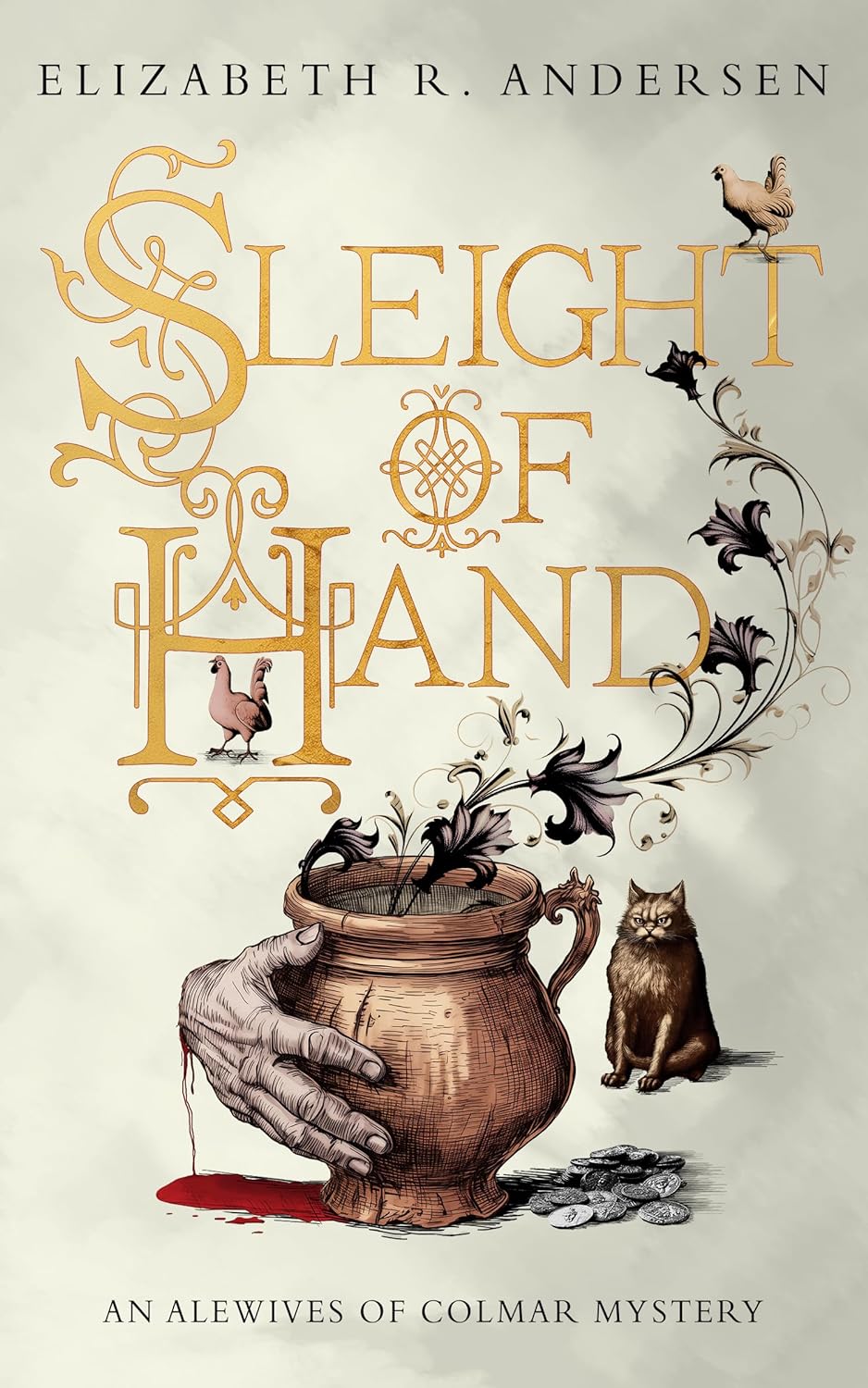
In the spring of 1354, all was well in the town of Colmar – until Efi Kleven discovered a hand in her pot of new ale…a hand that was not attached to a body. Now, Gritta, Appel, and Efi, the three alewives of Colmar, must solve the mystery of the severed hand before suspicion falls on them. While they attempt to keep their fledgling brewery afloat, more bodies turn up outside of town – along with more suspects.
With few allies and several powerful men working against them, the alewives find themselves flummoxed: How did the hand of a man from Vogelgrun end up in a cooking pot in Colmar? Why were none of the victims local? And would this most inconvenient ingredient get in the way of Efi’s plans to find herself a new husband?
Book 2 in The Alewives of Colmar mystery series, Sleight of Hand follows the three alewives as they confront life after the Black Death with bravery and wicked humor, showing resourcefulness and determination in the face of poverty, misogyny, and murder.
Sleight of Hand is a fabulous follow-up to book 1 in The Alewives of Colmar Series, The Alewives (you can find my review for that here).
In Sleight of Hand we return to our three fabulous characters of Efi, Gritta and Appel and find them once more in a bit of a pickle. The characters of our women, their sort of ‘guardian angel’ and the only one who takes them seriously, Friar Wikerus, and the ‘men’ in Colmar remain as firm as in book 1 – the men are still stupid (aside from Friar Wikerus, although he also causes himself some difficulties) while Appel, Gritta and Efi are fabulous as they circumnavigate the restrictions placed on them by men who think they know better. There is a great deal of gentle humour, and this combined with the strong characterisation ensues the reader is very firmly in favour of the women, and not the men.
The mystery itself is very well-constructed. Everything slowly reveals itself and there are any number of red herrings to keep the reader guessing.
It was so delightful to return to the world of our Alewives of Colmar. I really hope there will be a book 3, and indeed, many more stories for our main characters. If you’ve not yet had the joy of reading The Alewives, then yes, begin there, but only because if not, you’ll be missing out on your first encounter with Efi, Gritta and Appel.
Meet the author
Check out Elizabeth’s website, or click on the link for The Alewives review above, which has all her info.
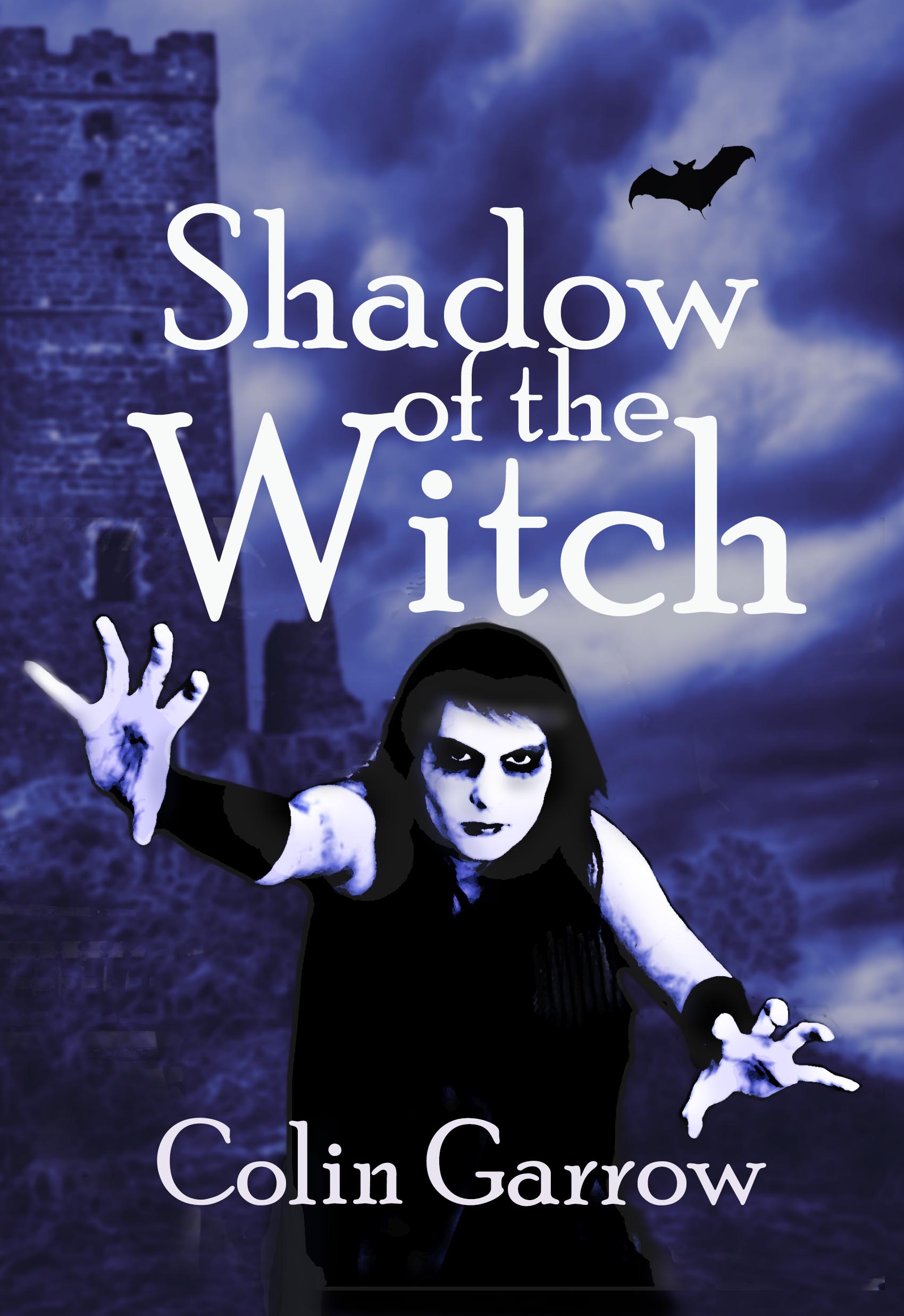
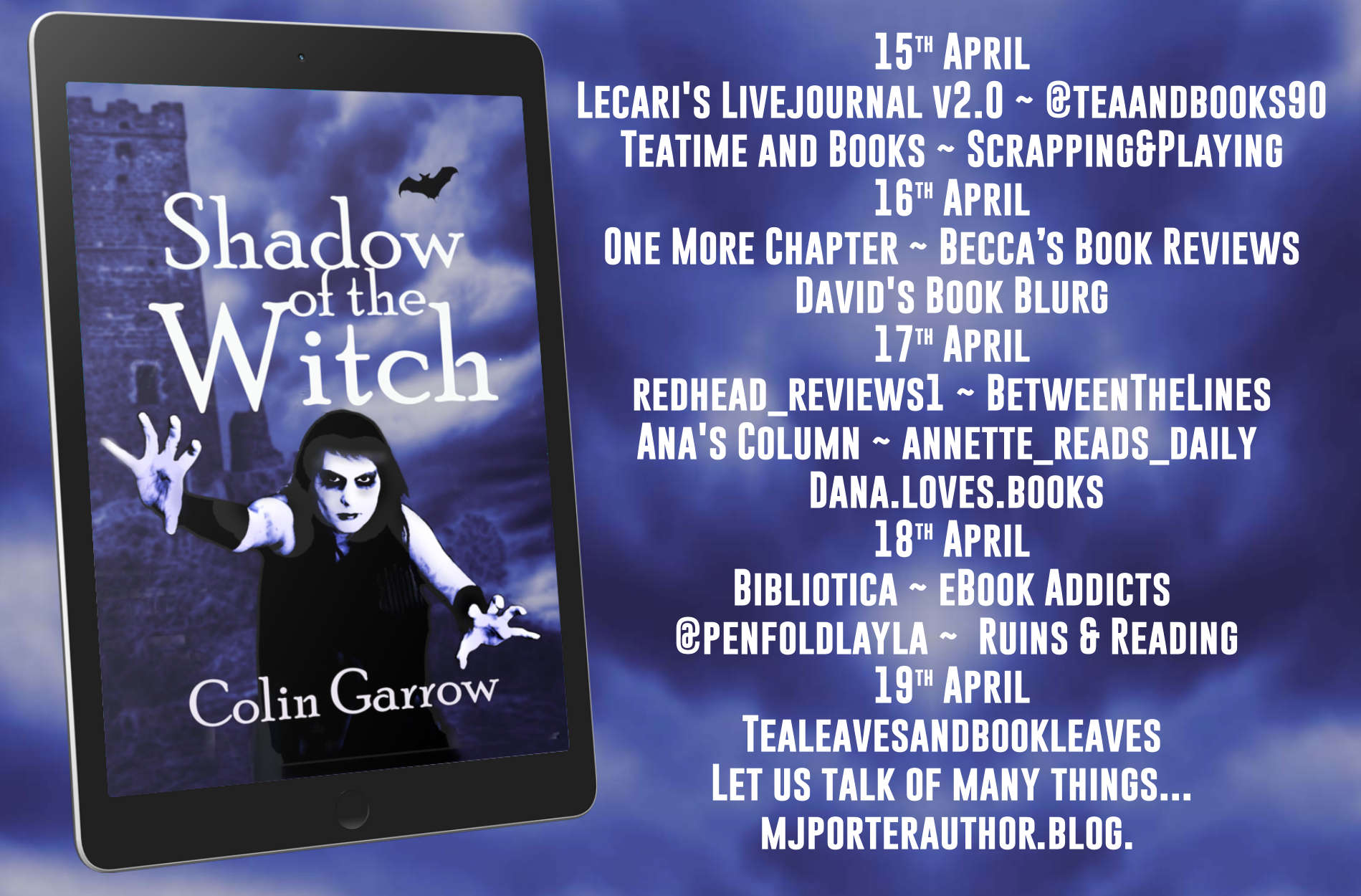
London, 1677. A house with a dark secret. A lawyer in pursuit of magick. A witch, dead for fifty years.
Israel Cutler, dealer in second-hand goods, discovers the journals of Doctor Winter. Detailing the doctor’s relationship with a hanged witch, he recognises an opportunity. Seeking out a lawyer he knows with an interest in the occult, Cutler tries to sell the journals, but soon finds himself involved in a terrifying ritual—one that could bring black witch Lizzie Pickin back from the dead. Again.
Forced into a dangerous partnership, the witch leads Cutler on a trail of murder and revenge.
In this horror series set in London, Shadow of the Witch is book #2 in the Black Witch Saga.
Shadow of the Witch takes us to 1677 London – a London rebuilding in the aftermath of the Great Fire, and to a suitably spooky story.
Our main character is out to make some money when he takes some books he’s found at an auction to a local lawyer known for being involved in some otherworldly doings. Little does he know what he’s letting himself in for.
Shadow of the Witch packs a lot of punch in very few pages – as we encounter the witch, Lizzie Pinkin, and her nefarious deeds. She has one thing on her mind, revenge, and our poor main character finds himself helping, whether he wants to or not.
The author takes the reader on a journey through 1670s London, with an eye for what’s happening after the Great Fire. As a historical fiction reader and author, I really enjoyed this aspect of the story.
I’ve read quite a few of Colin Garrow’s books now – they’re never fail to disappoint and he seems able to conquer all the genres he writes – from thrilling thrillers, to Geordie crime to Sherlock Holmes-esque tales.
A really enjoyable and atmospheric tale sure to delight readers.
Colin Garrow grew up in a former mining town in Northumberland. He has worked in a plethora of professions including taxi driver, antiques dealer, drama facilitator, theatre director and fish processor, and has occasionally masqueraded as a pirate.
His short stories have appeared in several literary mags, including SN Review, Flash Fiction Magazine, Word Bohemia, Every Day Fiction, The Grind, A3 Review, 1,000 Words, Inkapture and Scribble Magazine. He currently lives in a humble cottage in Northeast Scotland where he writes novels, stories, poems and the occasional song.
Adrienne has written a fabulous post about her new book, In The Shadow of War. Welcome Adrienne.
Down on the Farm in 1930s Canada
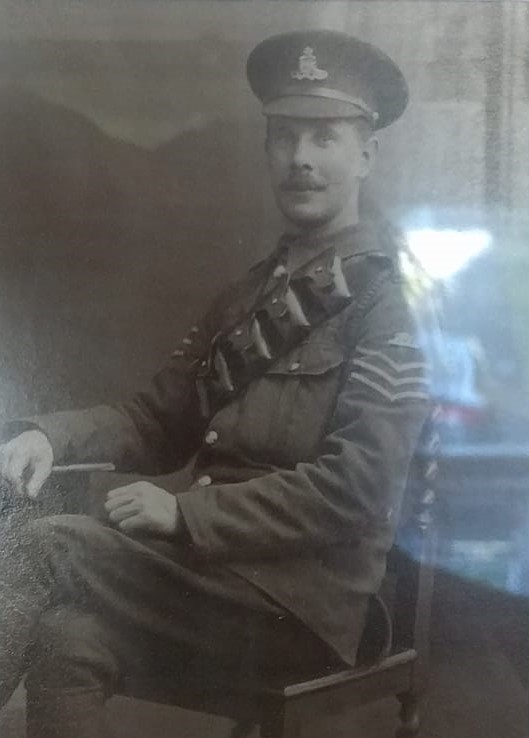
In 1921, my grandfather, Frank Chinn, who had spent five years fighting in France in the British infantry – surviving shrapnel wounds and mustard gas – told his wife, Edith née Fry, that he’d had enough of Britain and Europe and had applied for them to emigrate to either Canada, Australia or South Africa on the Soldiers’ Land Settlement Scheme for British war veterans.
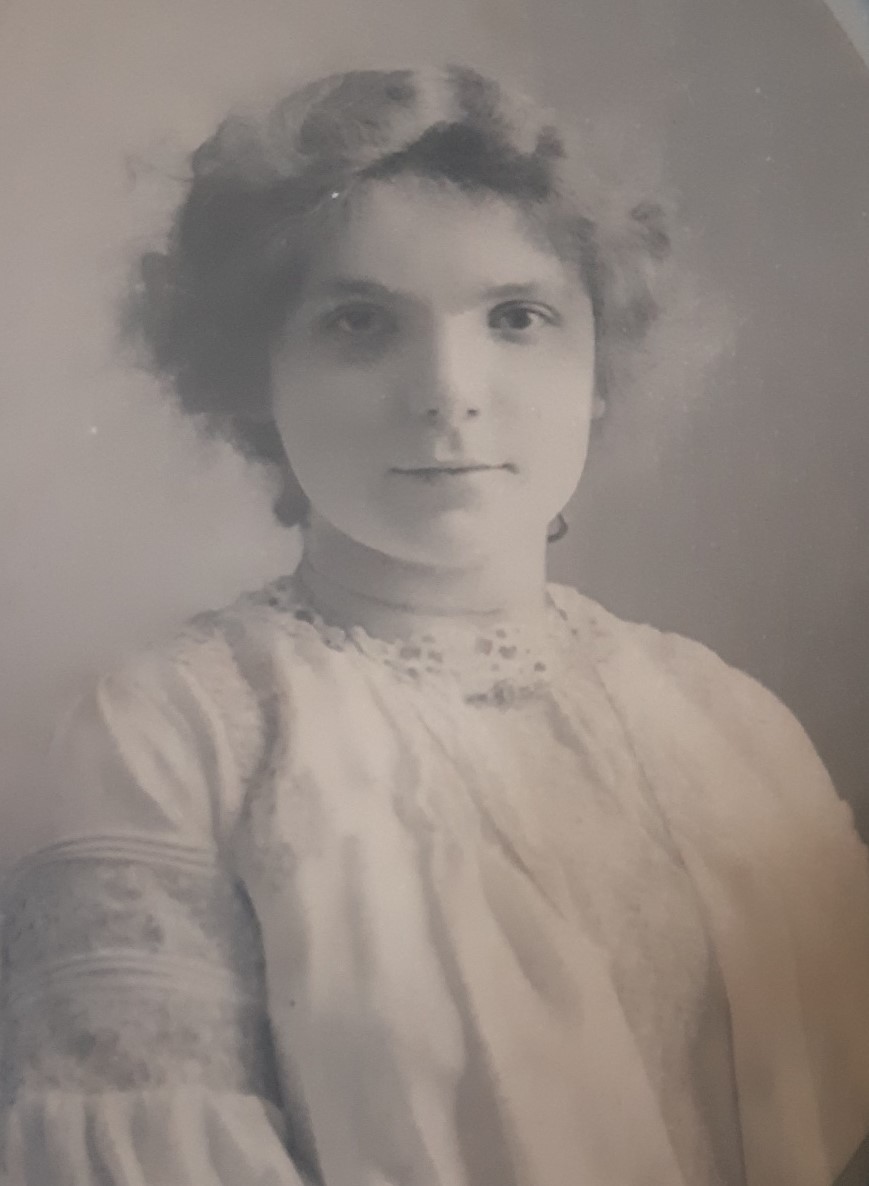
Edith Adelaide Fry Chinn and Staff Sargeant Frank Thomas Chinn, British Infantry 1914-1919
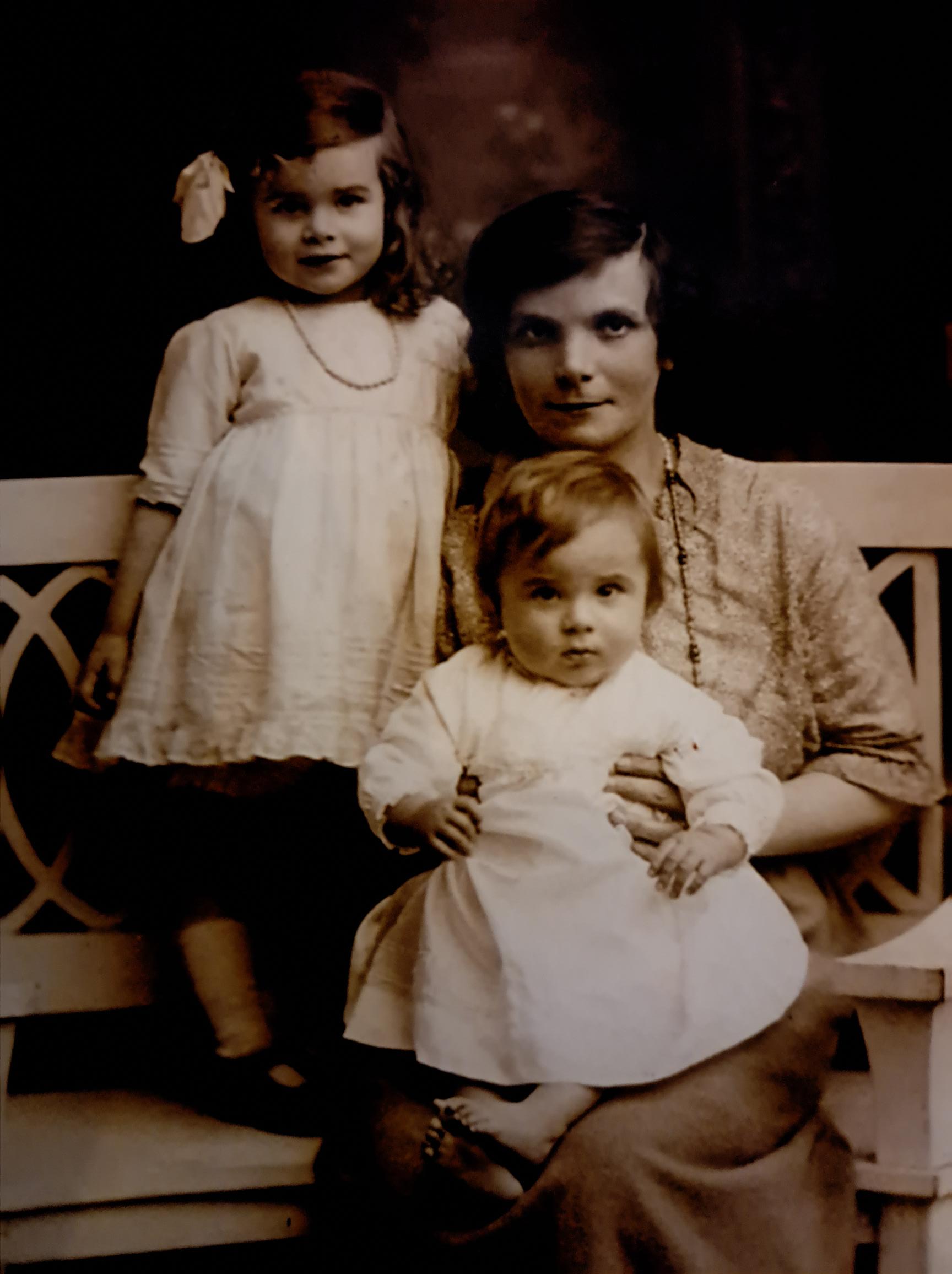
They had two young children, my Aunt Betty who had been born in 1918, and my father, Geoffrey, who was only two. Frank was allocated virgin land in Alberta, Canada to make into a farm, so off to Canada they went. My grandmother would never see her family in Britain again.
Edith in England in 1920 with my Aunt Betty (2) and my father Geoffrey (not yet 1)
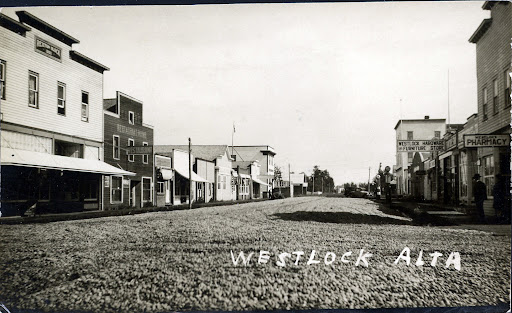
As I grew up, my father and aunt told me and my brothers and sisters many stories about their early lives on a wheat farm in the small farming community of Westlock, Alberta during the years of the Great Depression in the 1930s.
Westlock, Alberta, Canada 1930s
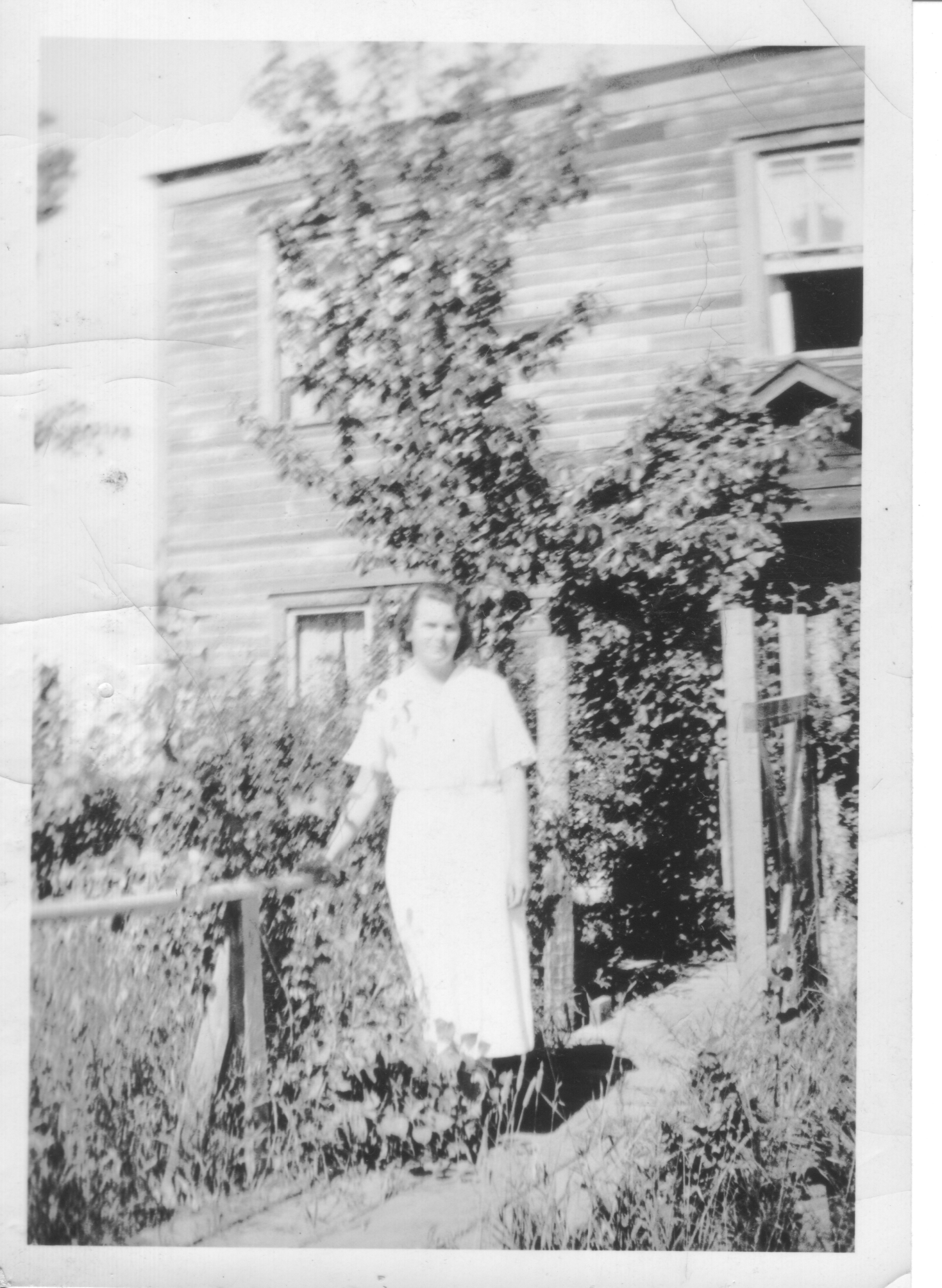
Edith in front of the Chinn farmhouse, Westlock, Alberta, 1930s
Edith in front of the farmhouse – the inspiration for Sweet Briar Farm.
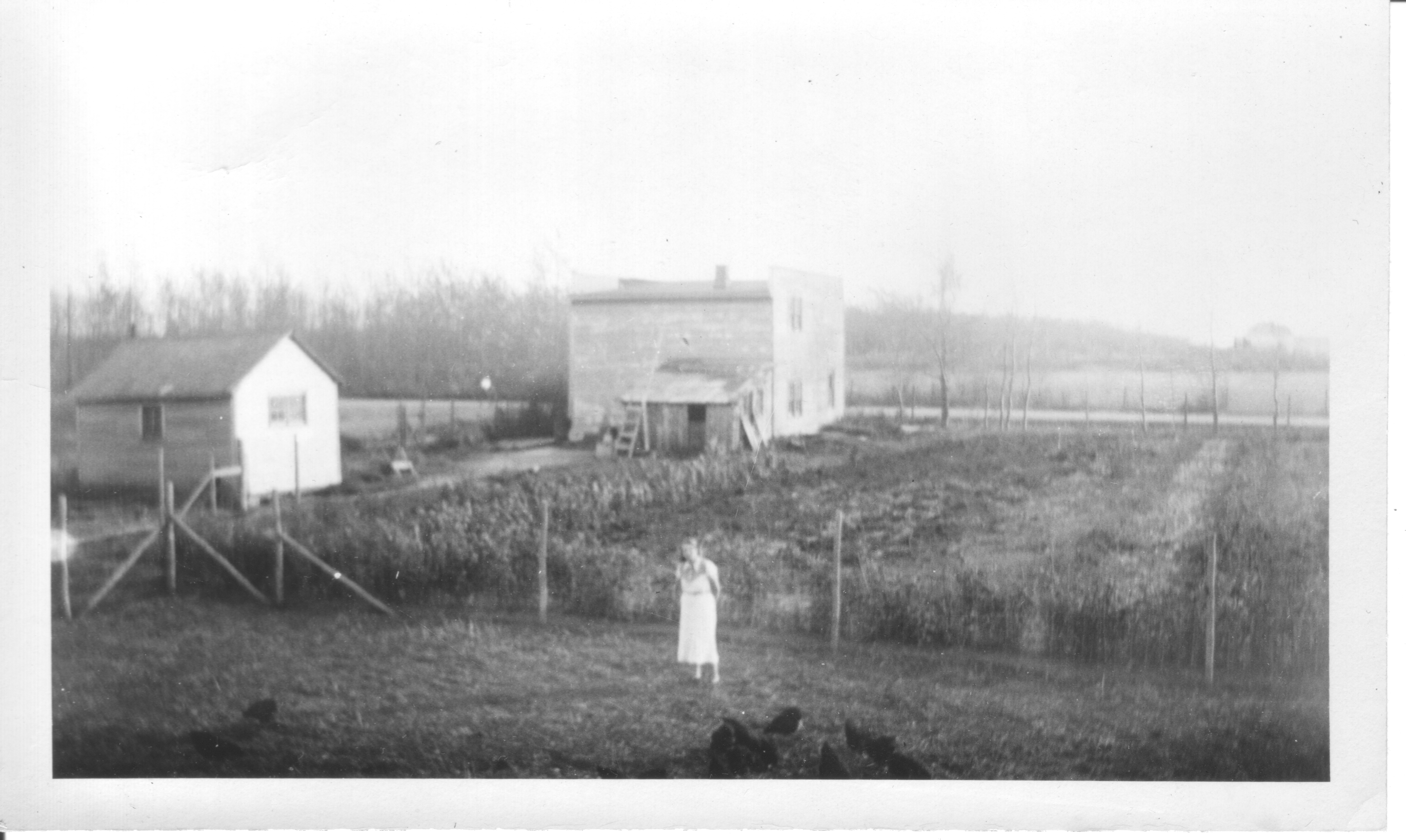
As it turned out, my auctioneer grandfather from Nuneaton, England was no wheat farmer. In 1935, after 14 years of struggle, the bank foreclosed on the farm and they lost everything. They moved into a small shack by the railway which my grandfather called the Chicken Coop, and managed to scrape out an existence until my grandmother had squirreled away enough money for them to move to Victoria, British Columbia where she ran a boarding house with my aunt; my father became an apprentice butcher; and my grandfather gardened and joined the local veteran’s association. In 1939, both my aunt and father enlisted – Aunt Betty as a nurse and my father in the Royal Canadian Air Force – and their lives changed forever.
The “Chicken Coop”, Westlock, Alberta, 1935.
I wanted to explore the experiences and resilience of people like my grandfather’s family trying to eke out a living on farms in North America during the Dust Bowl years of the 1930s, so I placed eldest Fry sister Celie, her war veteran husband Frank, and their young daughter Lulu on Sweet Briar Farm in the fictional West Lake, Alberta, which was very much inspired by family stories and photos.
Wow, thank you for sharing such a fabulous post. The photos are fabulous.
Here’s the blurb
One war may be over, but their fight for survival continues…
For sisters Etta, Jessie and Celie Fry, the Great War and the hardships of the years that followed have taken a heavy toll.
Determined to leave her painful past behind her, Etta heads to the bright lights of Hollywood whilst Jessie, determined to train as a doctor and use her skills to help others, is hampered by the men who dominate her profession. On the vast, empty plains of the Canadian prairies, Celie and her small family stand on the brink of losing everything.
As whispers of a new war make their way to each sister, each must face the possibility of the unthinkable happening again…
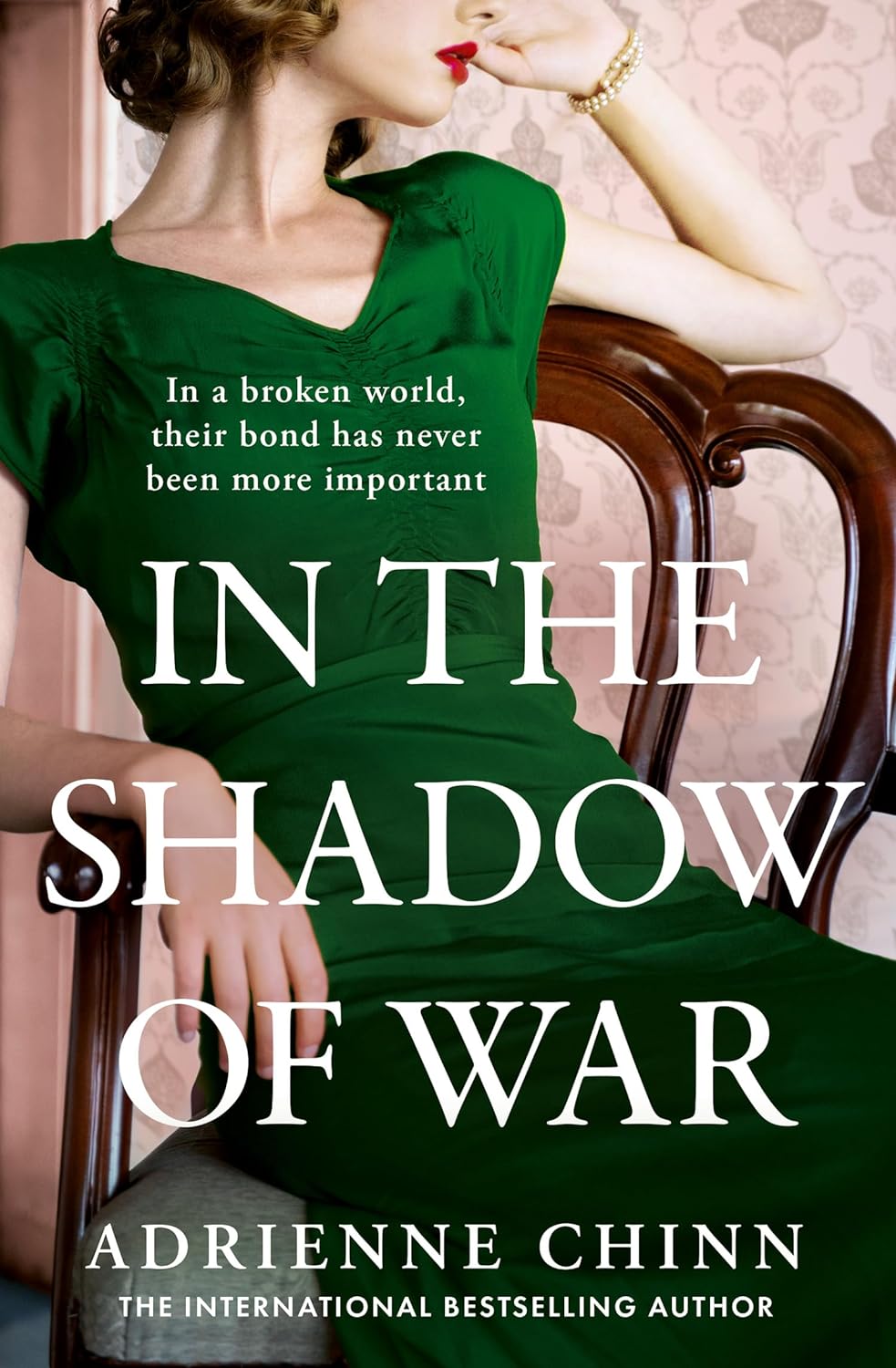
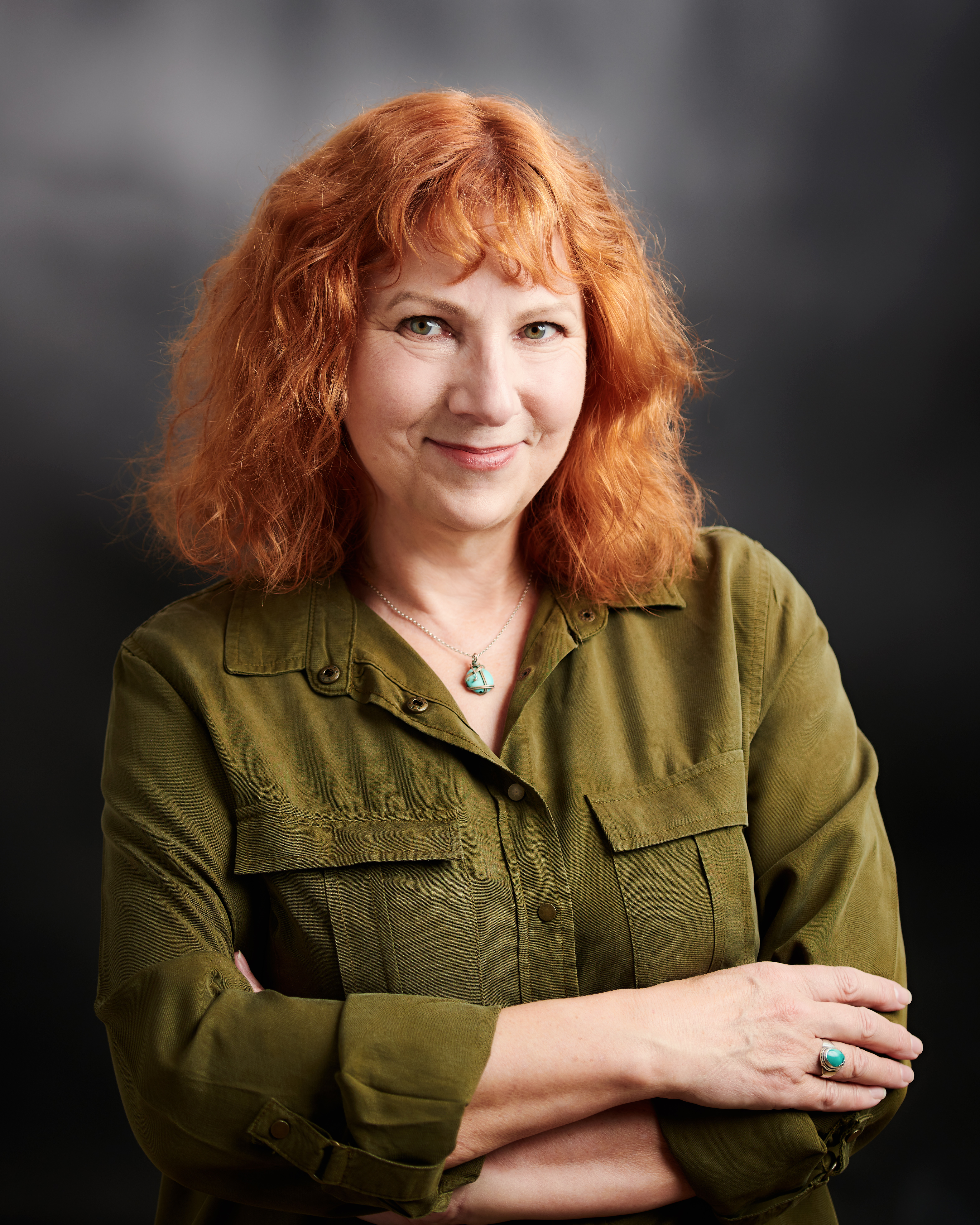
Adrienne Chinn was born in Grand Falls, Newfoundland, grew up in Quebec, and eventually made her way to London, England after a career as a journalist. In England she worked as a TV and film researcher before embarking on a career as an interior designer, lecturer, and writer. When not up a ladder or at the computer writing, she often can be found rummaging through flea markets or haggling in the Marrakech souk. Her second novel, The English Wife — a timeslip story set in World War II England and contemporary Newfoundland — was published in June 2020 and has become an international bestseller. Her debut novel, The Lost Letter, was published by Avon Books UK in 2019. Love in a Time of War, the first in a series of four books in The Three Fry Sisters series, was published in February 2022. The second in the series, The ParisSister, was published in February 2023, and the third book in the series, In the Shadow of War, was published in March 2024.
A GLORIOUS SHERLOCK HOLMES-INSPIRED MYSTERY FOR FANS OF NITA PROSE AND JANICE HALLETT
London, 1932.
When Harriet White rebuffs the advances of her boss at the Baker Street building society where she works, she finds herself demoted to a new position… a very unusual position. Deep in the postal department beneath the bank, she is tasked with working her way through a mountain of correspondence addressed to Baker Street’s most famous resident: Mr Sherlock Holmes.
Seemingly undeterred by the fact that Sherlock Holmes doesn’t exist, letter after letter arrives, beseeching him to help solve mysteries, and Harry diligently replies to each writer with the same response: Mr Holmes has retired from detective work and now lives in Sussex, keeping bees.
Until one entreaty catches her eye. It’s from a village around five miles from Harry’s family estate, about a young woman who went to London to work as a domestic, then disappeared soon afterwards in strange circumstances. Intrigued, Harry decides, just this once, to take matters into her own hands.
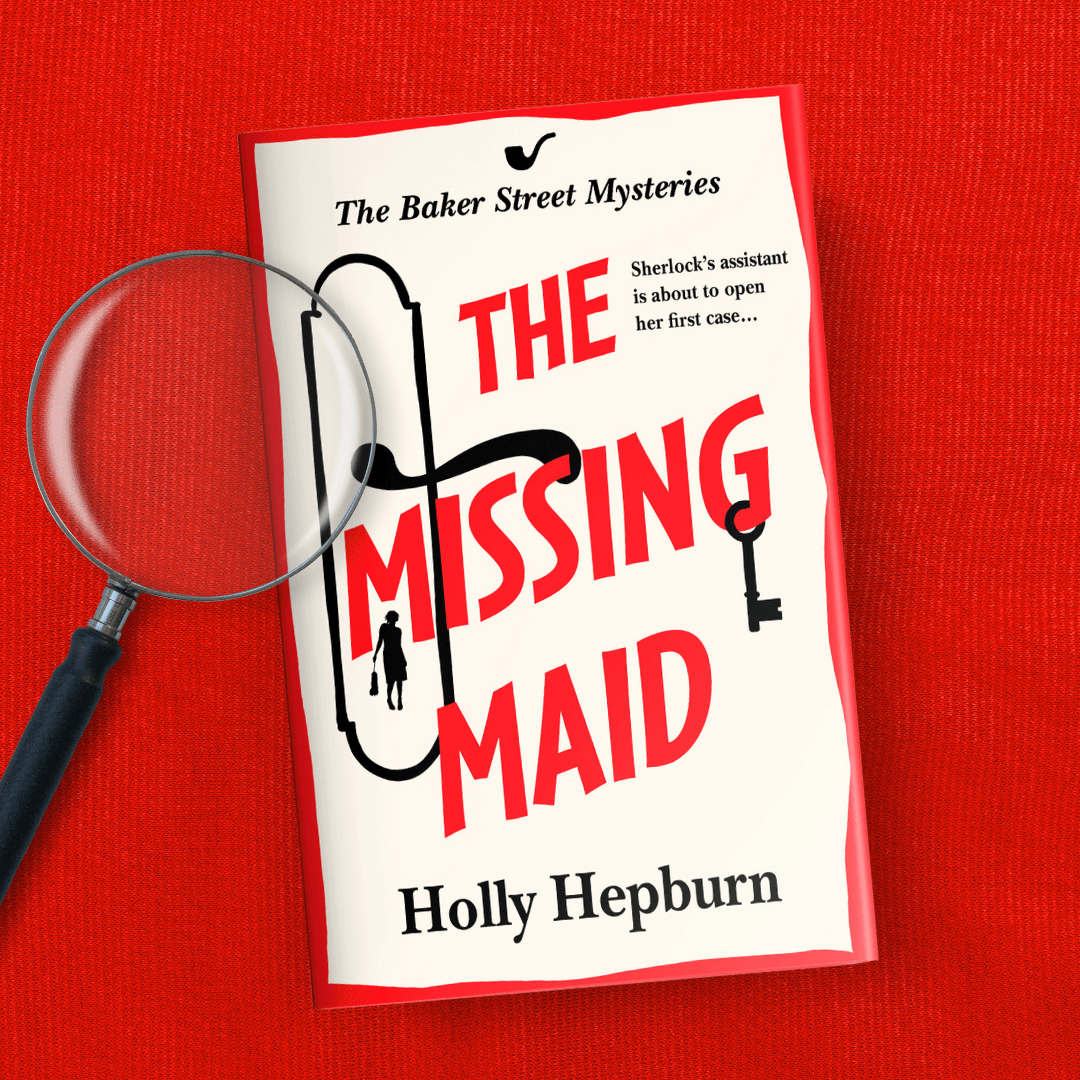
The Missing Maid by Holly Hepburn is a cosy crime with a rather delightful premise involving 221B Baker Street and Sherlock Holmes.
When our heroine finds herself somewhat unceremoniously ejected from her plush office in the bank, she’s somewhat wary of being redirected to the post room, but once there, she discovers her job is, if anything, somewhat tedious. However, as she types standard replies to the requests asking Sherlock Holmes to resolve problems for those writing to him, she finds herself struck by one of the requests. She is determined to do all she can to help the family while pretending to be Mr Holmes’ secretary.
The mystery leads her to some rather dodgy places in 1930s London, and she gets involved with some rather shady characters as well. She also discovers that the talent for solving crimes is not as easy as she might have hoped.
Harriet, or Harry as she’s called throughout the book, is a fun character with the fiery determination to be expected from a well-to-do young lady trying to make her way in the world in the 1930s when most seem to think all she should do is settle down and marry someone who can keep her in the way she’s accustomed. And that includes her mother.
Her wealthy background both opens doors and precludes her from gaining entry to everywhere she might wish to go. She also has to rely on a family friend for legal advice. This feels quite true to the period.
The mystery’s resolution is well constructed, and I particularly liked that it’s not ‘easy’ for Harry to solve the crime. It takes determination and acknowledging that she can’t do everything herself.
A delightful, cosy crime sure to appeal to fans of Sherlock Holmes and Golden-era crime novels.
Meet the author
Holly Hepburn has wanted to write books for as long she can remember but she was too scared to try. One day she decided to be brave and dipped a toe into the bubble bath of romantic fiction with her first novella, Cupidity, and she’s never looked back. She often tries to be funny to be funny, except for when faced with traffic wardens and border control staff. Her favourite things are making people smile and Aidan Turner.
She’s tried many jobs over the years, from barmaid to market researcher and she even had a brief flirtation with modelling. These days she is mostly found writing.
She lives near London with her grey tabby cat, Portia. They both have an unhealthy obsession with Marmite.
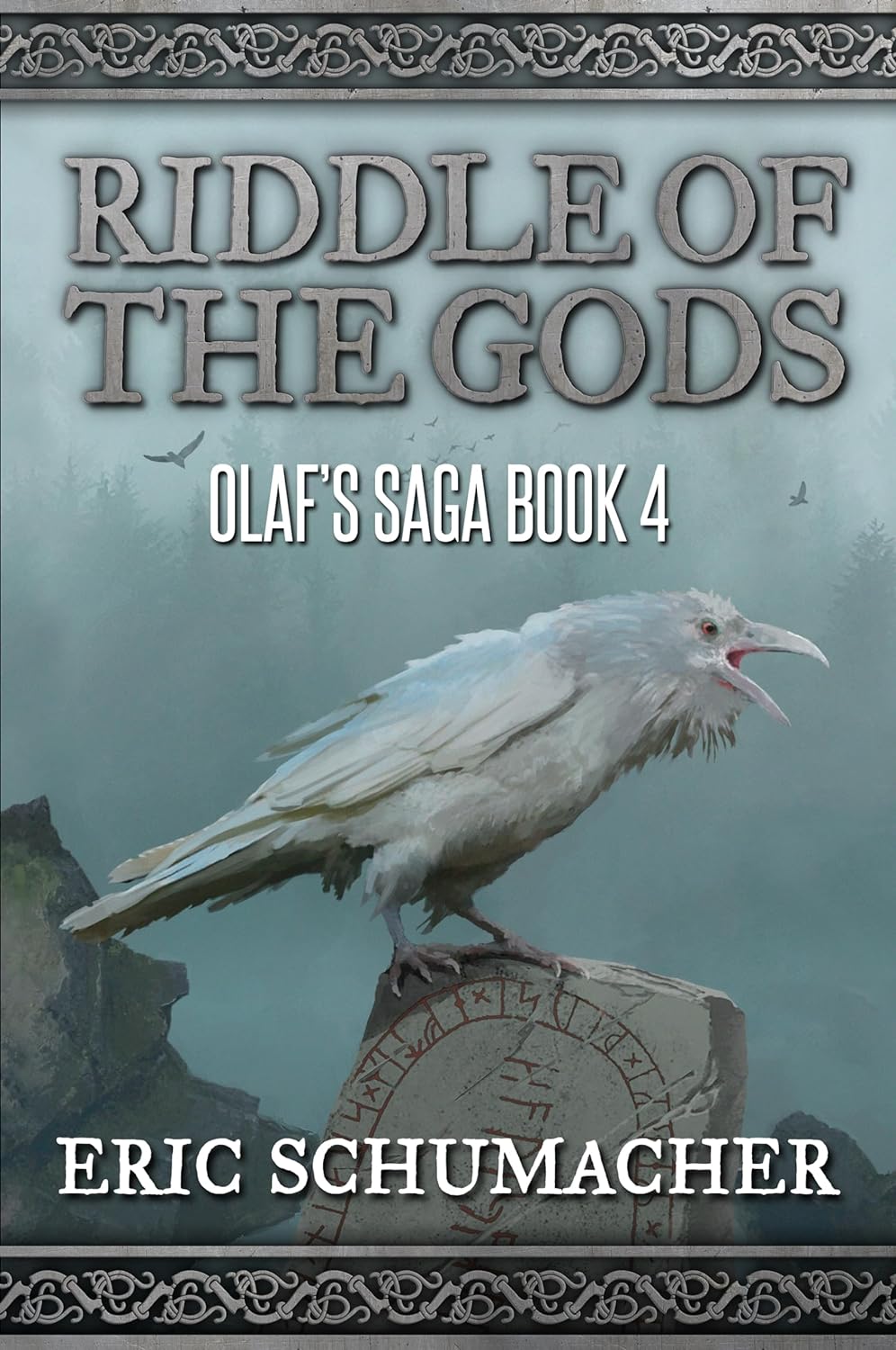
Riddle of the Gods is the riveting fourth novel in the best-selling series chronicling the life and adventures of one of Norway’s most controversial kings, Olaf Tryggvason.
It is AD 976. Olaf Tryggvason, the renegade prince of Norway, has lost his beloved wife to a tragedy that turns the lords of the land he rules against him. With his family gone and his future uncertain, Olaf leaves his realm and embarks on a decades-long quest to discover his course in life.
Though his journey brings him power and wealth, it is not until he encounters the strange man in the streets of Dublin that his path to fame unfolds. And in that moment, he is forced to make a choice as the gods look on – a choice that could, at worst, destroy him and at best, ensure his name lives on forever.
Riddle of the Gods is the fourth book in the Olaf’s Saga series of novels detailing the life of the famous Olaf Tryggvason (the man whose name I can never spell correctly). Riddle of the Gods begins in Wagaria, where Olaf is married and expecting his first child, only for tragedy to strike. Deciding to jump ship rather than being forced out, Olaf leaves Wagaria and determines to change his future by taking up raiding.
Fast forward about six years, and Olaf and his warriors arrive in Ireland to continue their pursuit of wealth. While we hear little of Olaf’s life for the preceding six years, our narrator, Torgil, offers some insights into just how they’ve been growing their wealth. With it, we begin to realise that Olaf is perhaps not the hero we might expect him to be, taking part in enslaving people who fall foul of his blades, even though he was once enslaved himself.
Torgil is our narrator for Olaf’s tale, having once sworn an oath to Olaf’s father to protect a man he considers as his friend. But this friendship is tested as Olaf casts aside any belief that stands in his way of growing wealthy and powerful, and earning himself an enemy in the form of Torgil.
While Torgil returns to Dublin on Olaf’s remarriage, seemingly cast out by his powerful friend, Olaf continues to grow richer and more influential in northern England, although we only hear about this from Torgil’s old ship brothers. Olaf, it transpires, has no problem being less than honest with his fellow warriors, casting Torgil as a traitor when he’s not. The book’s final act follows Torgil as he understands just how far Olaf has fallen in his estimations but also how Olaf isn’t the only one to have put ambition above all else. There will be more to follow in continuing books.
Torgil is an engaging character, and his part in Olaf’s tale is that of an honourable friend pushed to the limits of his endurance. While the two don’t meet again in the final act of the book, it’s to be assumed that they will once more come into conflict with one another in subsequent stories. Olaf himself is a slippery character – knowing full well what lies in Olaf’s future – it’s intriguing to encounter him as a younger warrior, hellbent on achieving as much as he can no matter what.
Riddle of the Gods is sure to appeal to readers of the era and genre—and yes, it might be book 4 in a series—but like me, readers could pick up the tale here quite easily. It is an engaging and confident story that takes the reader from Wagaria to Norway to Ireland and England at the advent of the Second Viking Age.
Eric Schumacher discovered his love for writing and medieval European history at a very early age, as well as authors like J.R.R. Tolkien, C.S. Lewis, Bernard Cornwell, Jack Whyte, and Wilbur Smith. Those discoveries fueled his imagination and continue to influence the stories he tells. His first novel, God’s Hammer, was published in 2005.
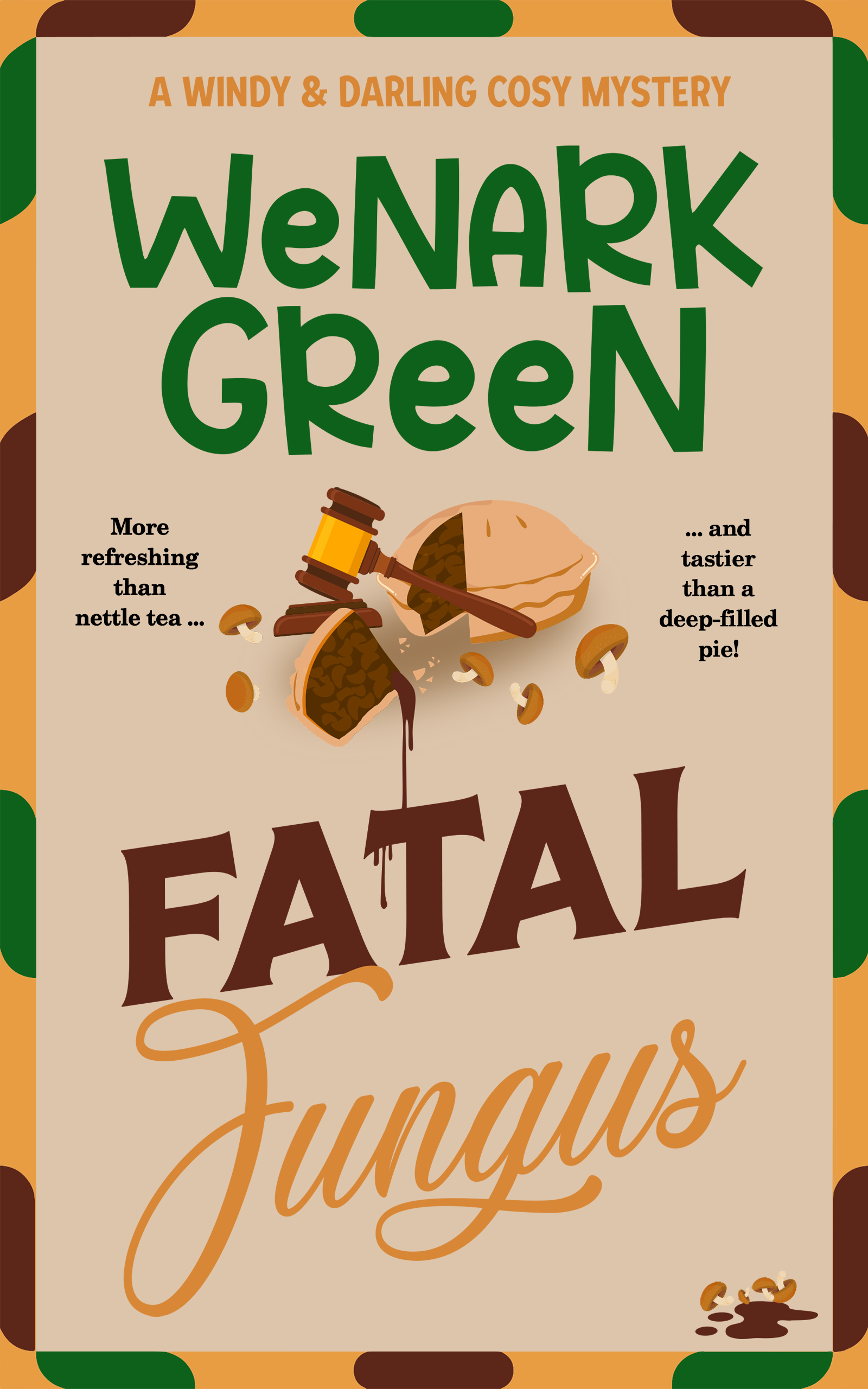
One great bake-off. Twelve golden pies. Two lovable, dogged amateur sleuths back in stride.
On a crisp, autumn evening, in quaint Bogus Hole, the village committee proposes a pie-and-buy charity auction to celebrate the first anniversary of Sycamore Medical Practice. Twelve bakes will make the coveted gingham table for a doctor-only bidding war, thus setting the scene for a memorable day.
The next week, when a doctor collapses at the annual Christmas fair and later dies, the gossip train rumbles with the burning question. Who baked a poisonous mushroom into their pie?
Team Awesome truffle hogs, Windy & Darling, are hot on the fatal fungus trail. Can our daring duo sniff out the killer of the not-so-fun guy?
Creativity’s a must for Scottish-raised, environmental science graduate Mark, who co-manages a self-publishing house, is formidable at book formatting, and writes cosy crime and sci-fi. He also makes music and fancies himself as a cartographer. A self-confessed geek, Mark’s hopelessly devoted to maps and roads, and his fondness for tree-hugging or pondering pylons takes whimsical to a new level. High on his priorities are reading, laughter, healthy food, and nature bathing. Mark adores animals, especially cats. Just ask Tahlula, his fussy old tuxedo puss.
Ironically, a cruel plot twist kick-started Wendy’s writing career. She’d always wanted to be an author but an MS diagnosis said no. Believing she’d never write again, Wendy swapped wallowing for blue sky thinking and, with drive and dedication, followed her vision by writing cosy mysteries and thrillers. Born in the original Washington, NE England, Wendy has a diverse CV. A serial word nerd, she’s now an erudite editor, and co-owns a self-publishing house, ensuring her lust for all things alphabetical and grammatical never wanes. She devours dictionaries, adding a prized new gem to her repertoire every day. When not nitpicking, mentoring, or critiquing, Wendy’s a sworn bookworm. Her other loves are music, cooking, yoga, and comedy. She’s a hat freak, animal qwackers, loves a good quiz, and is a devoted nature buff.
Deadly Dough is the couple’s feature-length debut.
From one of our most treasured BBC broadcasters, The Spy Across the Water is the third instalment in James Naughtie’s brilliant spy series, woven around three brothers bound together through espionage.
We live with our history, but it can kill us.
Faces from the past appear from nowhere at a family funeral, and Will Flemyng, spy-turned-ambassador, is drawn into twin mysteries that threaten everything he holds dear.
From Washington, he’s pitched back into the Troubles in Northern Ireland and an explosive secret hidden deep in the most dangerous but fulfilling friendship he has known.
And while he confronts shadowy adversaries in American streets, and looks for solace at home in the Scottish Highlands, he discovers that his government’s most precious Cold War agent is in mortal danger and needs his help to survive.
In an electric story of courage and betrayal, Flemyng learns the truth that his life has left him a man with many friends, but still alone.
The Spy Across the Water is a complex political thriller set in 1985. As such, it is ‘almost’ historical fiction, my ‘go to genre.’
Not so much a fast-paced spy thriller, this is instead a slow and somewhat dense read, following Flemyng and also others of his associates as they uncover a web of secrets surrounding his youngest brother’s murder, and other events which are about to culminate. There is a great deal of obfuscation. Our main character knows everything, or at least, nearly everything, but details are only fed slowly to the reader. Key names and details are not given, which, while adding to the conspiracy, also managed to confuse me on more than one occasion.
The author has adopted a somewhat ‘quirky’ writing style – there is much conversation, and equally, much summarising of some elements of the same discussions. I found it jolted me from the narrative, and often just as things were getting interesting.
The narrative slowly sucked me in as the web of lies and politicking reaches another level. It recreates a real sense of the ‘time,’ ‘place’ and the snail-like speed of passing information to those who need to know, while doing away with our more modern apparatus of mobile phones, allowing the sharing of intelligence to be immediate.
An intriguing novel of ‘what-ifs’ and ‘might have beens’ deeply embedded in the era of heightened tensions as the Soviet Union draws to an end, while matters in Ireland ‘could’ be resolved to the satisfaction of everyone. This is a novel that will appeal to fans of ‘old school’ spy stories.
Meet the author
James Naughtie is a special correspondent for BBC News, for which he has reported from around the world. He presented Today on BBC Radio 4 for 21 years. This his third novel, and his most recent book is an account of five decades of travel and work in the United States – On the Road: American Adventures from Nixon to Trump. He lives in Edinburgh and London.
I’m delighted to welcome Trish MacEnulty and her new book, Cinnamon Girl, to the blog with a guest post, ‘My Historical Research’.
My Historical Research – Trish MacEnulty
Cinnamon Girl was first published in 2009 under a different title and with a different cover. When I contacted the publisher and told him I wanted to re-issue the book with a new title and a new cover, he agreed. I also decided that this time I would use what I’d learned from writing four historical mysteries: how to incorporate historically accurate details to make the narrative richer.
When a story takes place during your lifetime, it’s easy to think that you don’t need research. I found that, in fact, I did need to do research and lots of it. And actually for me, research is part of the fun.
For Cinnamon Girl, I needed to do research about the rock concerts in 1970 that my protagonist would have gone to; I needed to research the cultural changes wrought by FM radio; and I needed to do research about the anti-war movement, the Black Panthers, and the Weatherman Underground Organization.
I also needed to research the highway system in 1970. We take for granted our Interstate Highway System, but it wasn’t completely built in 1970, and when Eli Burnes, the protagonist, travels across country I needed to figure out what highways existed and which still needed to be built. Fortunately, I have a brother who actually remembers some of the main roads in St. Louis from 1970 and that helped. In fact, he also helped me to understand the anti-war movement of the time and the police brutality that existed because he was there and he witnessed it.
Researching the rock concerts was, of course, lots of fun. I definitely misremembered some things. For example I was sure Joe Cocker had played in St. Louis in 1970 or ’71 but he wasn’t in the country at the time. I found out that the Grateful Dead was arrested in New Orleans the night before my character sees them at Kiel Auditorium and they barely made it to the concert. I also was able to find the playlist for the Moody Blues Concert and the name of the opening band for the Jethro Tull Concert. Yes, I had been to those concerts when I was a teenager living in St. Louis, but those details I found on the Internet helped recreate the era. I’m a big believer in specificity.
The change over from AM radio to FM was also something I didn’t really understand until I did some research. In the book my protagonist’s father goes from being a “Howling Wolf” sort of AM DJ to a mellow FM DJ. This worked well with my plot because being a DJ at an FM radio station meant he could answer the hotline at night and this would be a good way to communicate with fugitives. FM radio station hotlines would not have been tapped and often did help people learn about where protests would be held. He could also have his own slant on the news of the day unlike at an AM station where they were instructed to read the news straight off the wire and not offer any commentary. Of course, the music was better on the FM stations.
Finally I needed to learn about what was going on socially and politically. Even though I remembered the riots from that era, I was stunned to discover that one had taken place in Augusta, Georgia, in which six Black men were killed by law enforcement. I used this as a moment of awakening for my protagonist, Eli Burnes. She has grown up in the South with the belief that everything was fine between the races — only to witness the result of years of oppression explode. This led to Eli’s learning about the Black Panthers and their work, serving breakfast to children as well as the ambush and murder of activist Freddy Hampton.
Here’s the blurb
Winner of the Gold Medal in YA Fiction from The Historical Fiction Company!
When her beloved step-grandmother, a semi-retired opera singer, dies of cancer in 1970, 15-year-old Eli Burnes runs away with a draft-dodger, thinking she’s on the road to adventure and romance. What she finds instead is a world of underground Weathermen, Black Power revolutionaries, snitches and shoot-first police.
Eventually Eli is rescued by her father, who turns out both more responsible and more revolutionary than she’d imagined. But when he gets in trouble with the law, she finds herself on the road again, searching for the allies who will help her learn how to save herself.
“The book is a fantastic read: fast-moving, full of smoothly woven historical detail and rich characterizations, all told in Eli’s appealing voice.” — Sarah Johnson, Reading the Past
Trish MacEnulty is the author of a historical novel series, literary novels, memoirs, a short story collection, children’s plays, and most recently, the historical coming-of-age novel, Cinnamon Girl (Livingston Press, Sept. 2023). She has a Ph.D. in English from the Florida State University and graduated Magna Cum Laude from the University of Florida. She currently writes book reviews and features for the Historical Novel Society.
She lives in Florida with her husband Joe and her two tubby critters, Franco and Tumbleweed. More info at her website: trishmacenulty.com.