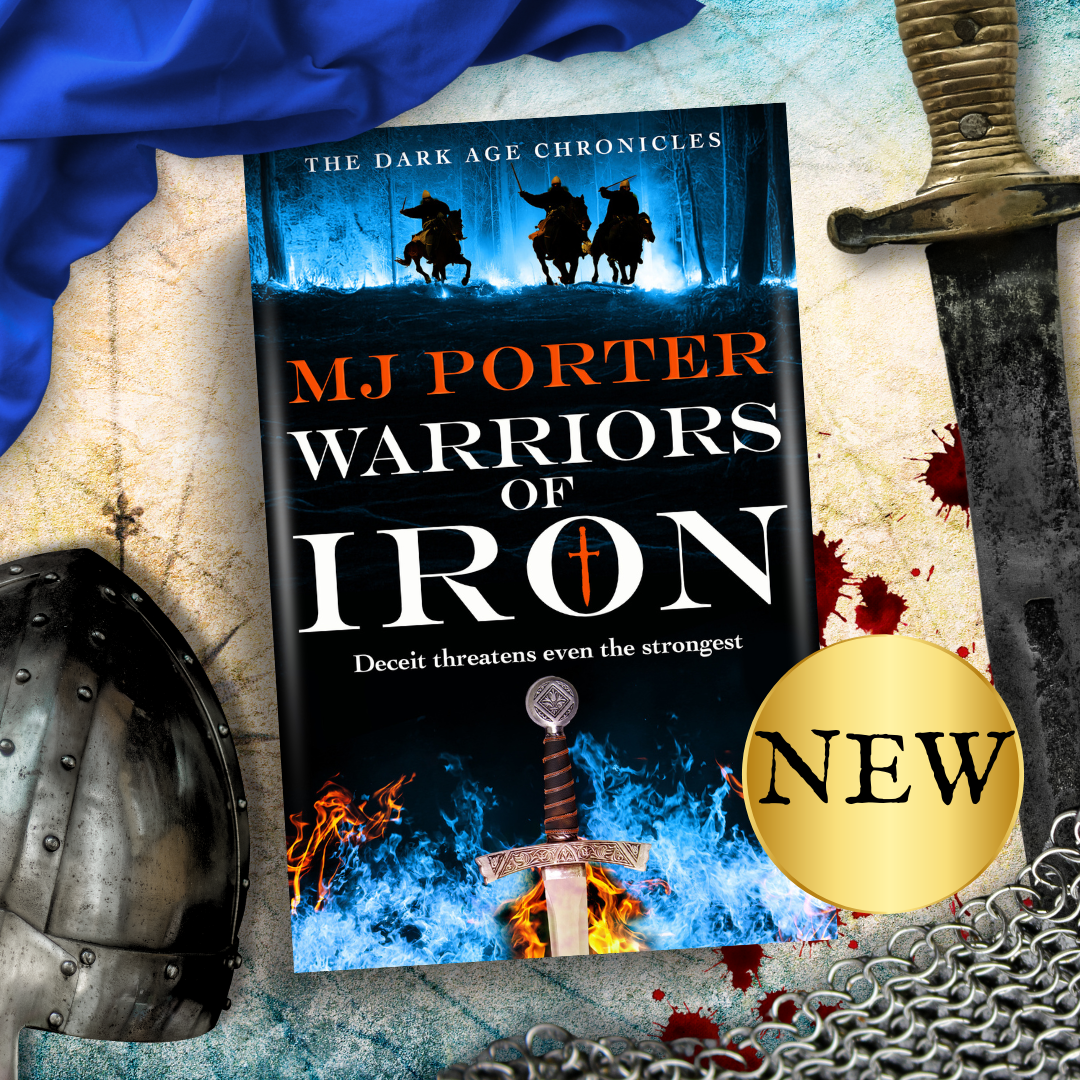
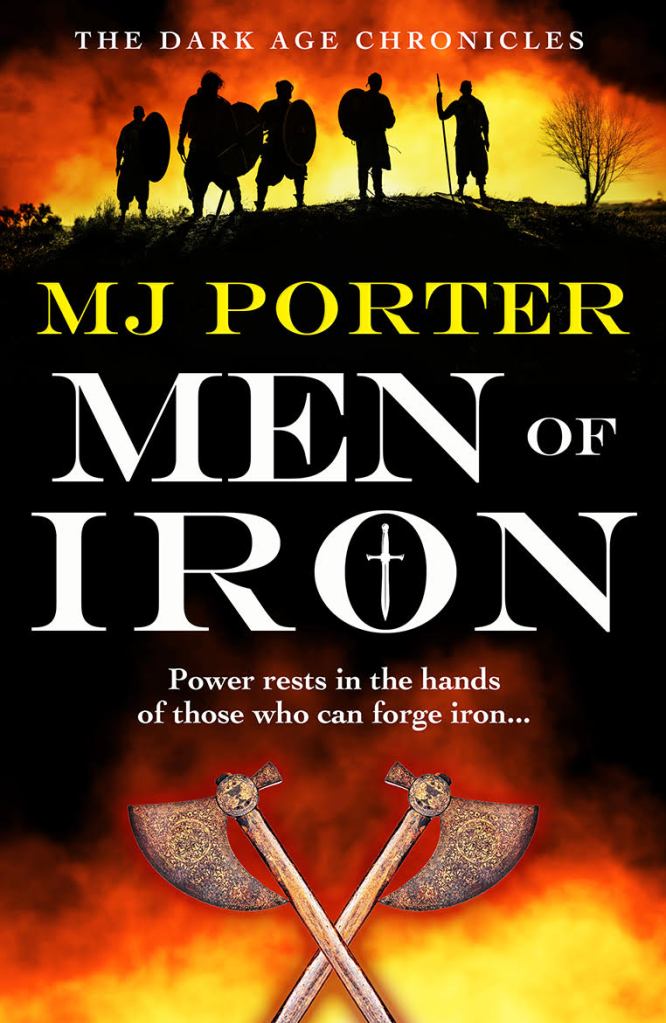
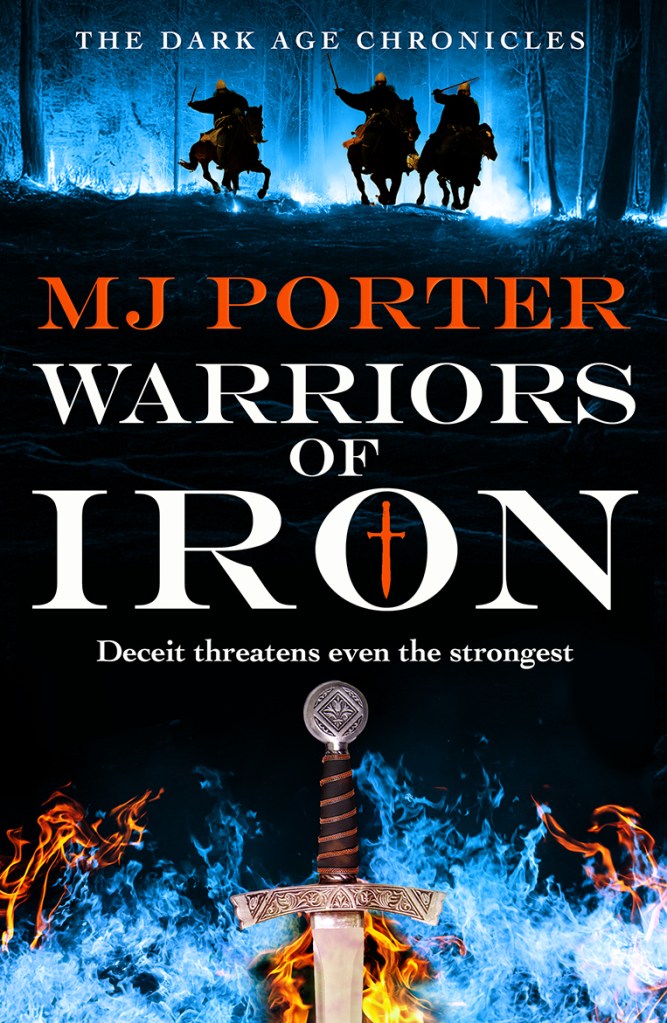
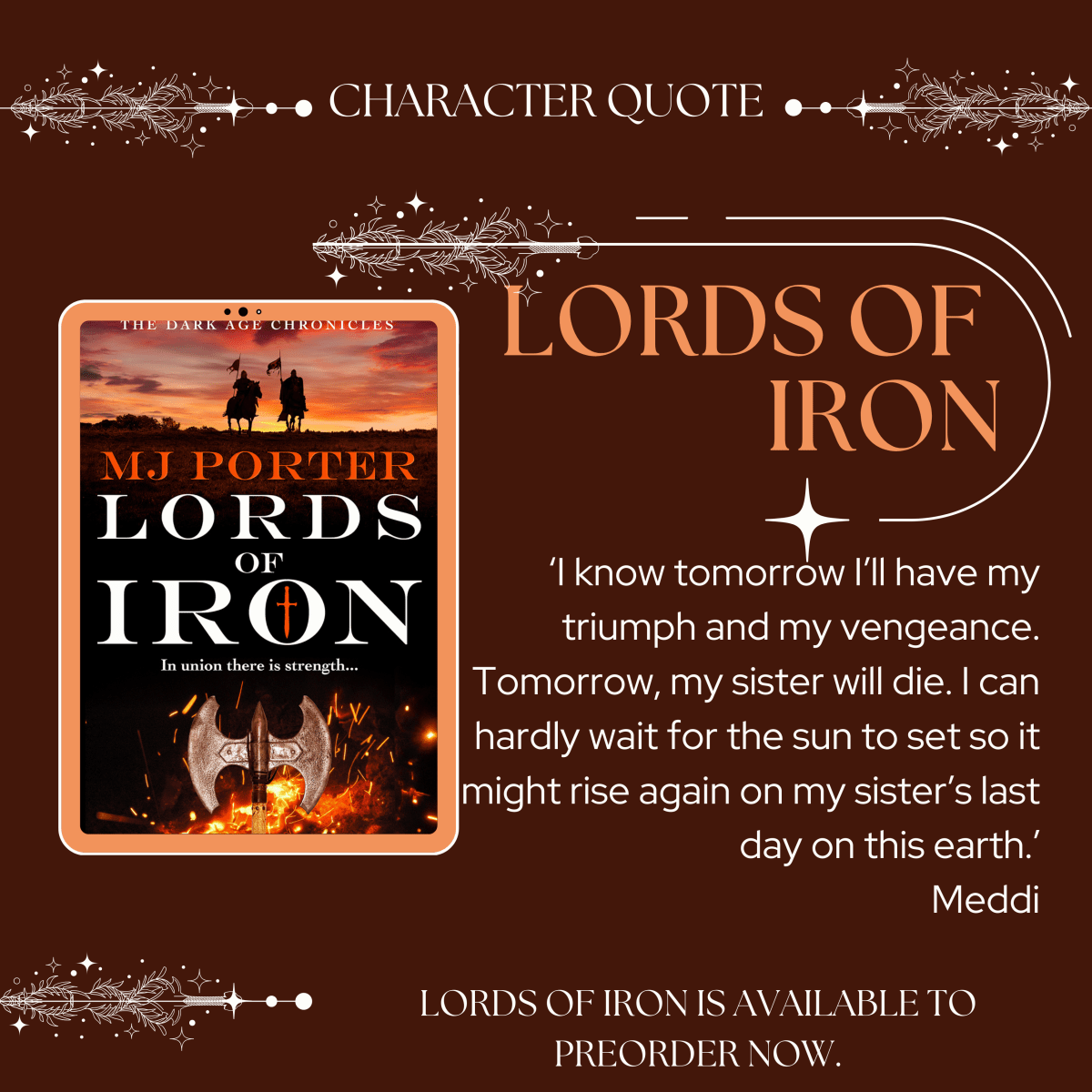
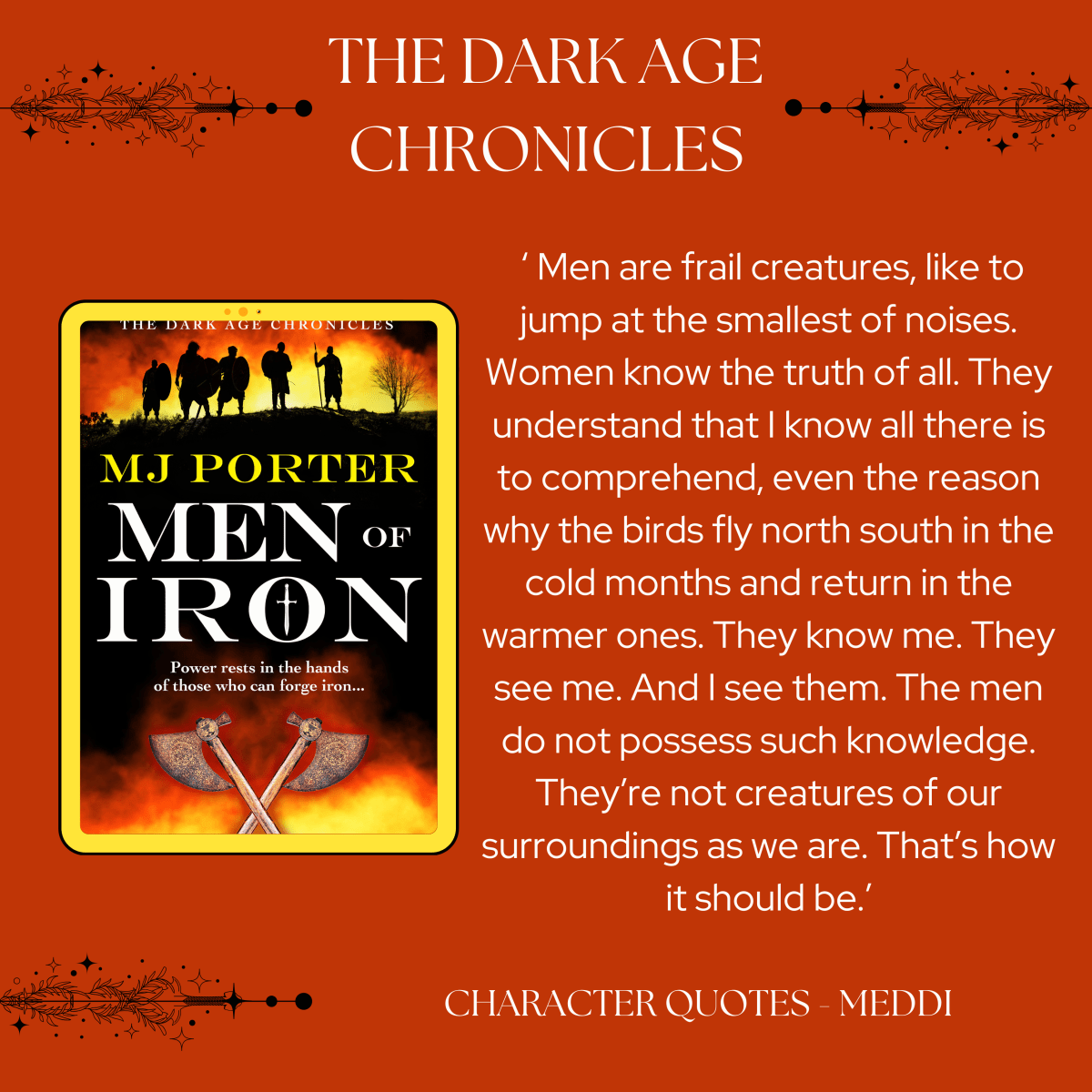
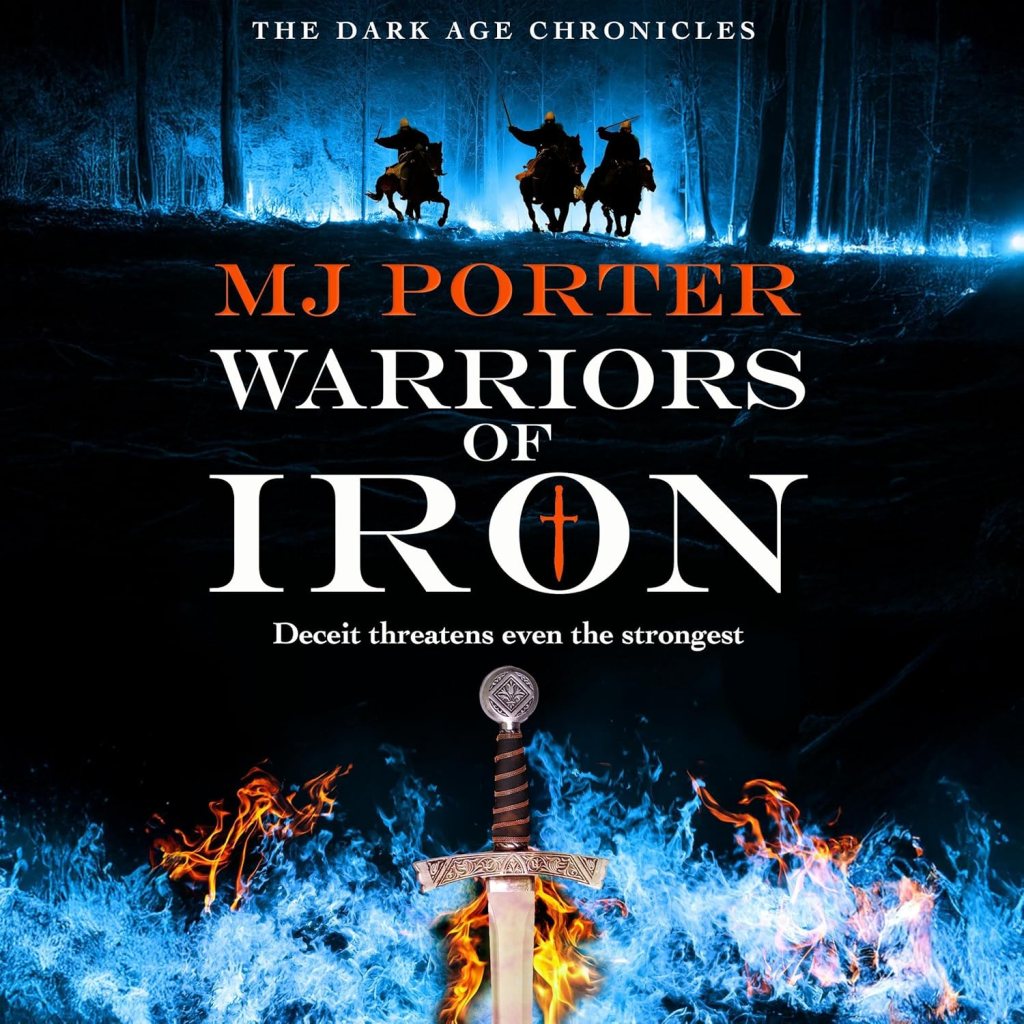
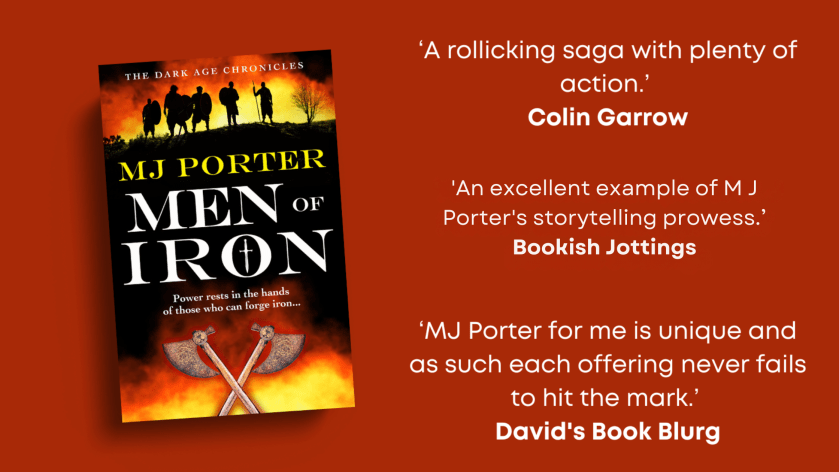
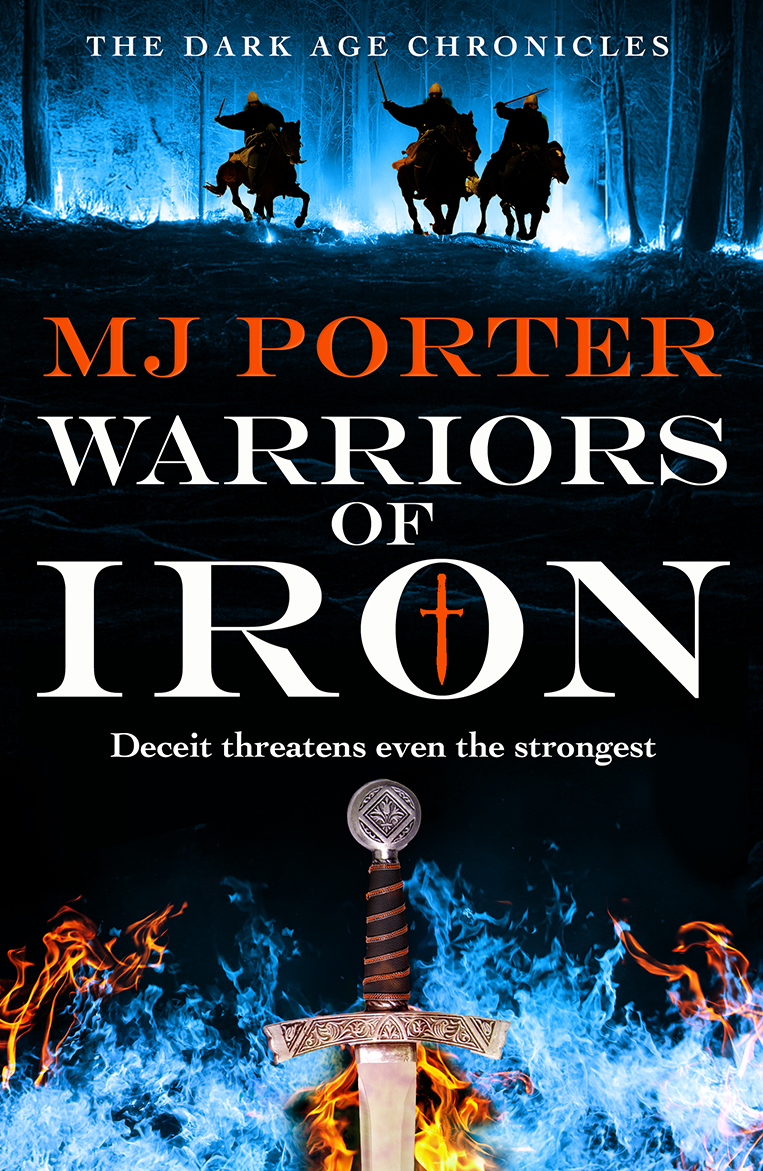
It’s happy release day to Men of Iron, the first book in the Dark Age Chronicles Trilogy #newrelease #MenOfIron #histfic

It’s happy release day to Men of Iron, the first book in the Dark Age Chronicles Trilogy #newrelease #MenOfIron #histfic

The Dark Ages?

As a bit of a history nerd, I’m not always comfortable with the term ‘Dark Ages’ for my books, mostly because the ‘real’ Dark Ages took place between about 410 and 600 in England, and so, until NOW, my books haven’t strictly fallen into that category. (Also, as a very literal child, I entirely mistook what was meant by the Dark Ages, and I was always perplexed as to why it was so damn dark.)

Admittedly, many apply the term to almost all of the period of Saxon England, which is somewhat incorrect (and indeed it was once applied to the entire Middle Ages). The idea of the Dark Ages stems from a belief there was no scientific or cultural advancement during this period (according to Wiki), but particularly in regards to England it references the lack of surviving written records from the period. 

Archaeology is massively changing this interpretation, and there is now an accepted view that much can be understood about the era, just not in the way ‘historians’ might think – the merging of archaeology and history (and other sciences) is rewriting the period. We’re no longer entirely reliant on two written sources, Gildas, and his De Excidio et Conquestu Britanniae – On The Ruin of Britain (who may or may not have a cameo in Men of Iron), or Bede, (amongst historians often called ‘Bloody’ Bede) and his Historia ecclesiastica gentis Anglorum – History of the English People (as well as a few ‘odd’ earlier sources. Check out my blog post for more details.) It might be impossible to apply dates to developments, but it is possible to postulate what was actually happening during these ‘lost’ two hundred years, even if much of our knowledge must rely on finds from graves. It is also increasingly understood that this period was complex and that rarely does ‘one narrative’ adequately explain what was happening throughout England. This is a time before the major Saxon kingdoms, when much was in flux with cultures merging and endeavouring to survive with the loss of the Roman economy.

A new trilogy

And this is where my new trilogy enters stage left. This period fascinates me. I’ve been reading extensively about it for some time, and eventually managed to convince my editor (thank you) to let me tell ‘a‘ story of what ‘might‘ have been happening in this period. It can’t be based on any ‘named’ historical individuals (well, apart from one or two I’ve snuck in there as fictional creations) but it can attempt to populate this complex and little-understood period with people who lived and breathed, and I’m so excited to share it, with my readers. And guess what, it’s about what was ‘Mercia’ before it was ‘Mercia.’ (If you think you’re going to get me away from Mercia, you’re very mistaken.) 

So how then to tell this story with so many cultures? I’ve taken the decision to offer a dual narrative, one from Meddi, my seeress in the west of England (close to Gloucester), and the other, Wærmund, my would-be-warrior from the east of England (the Fens). These two main characters allow me to explore the continuity and change taking place in what would become England. Their experiences as a seeress, as a warrior, and with the added complications of family discord driving their actions, ensure the characters from Men of Iron feel like ‘real people’ even in this distant, hazy landscape so similar and yet so different to everything we experience today. I really hope you’ll enjoy it. (I’m also very excited as I have dual narrators for this trilogy.)

Blog links

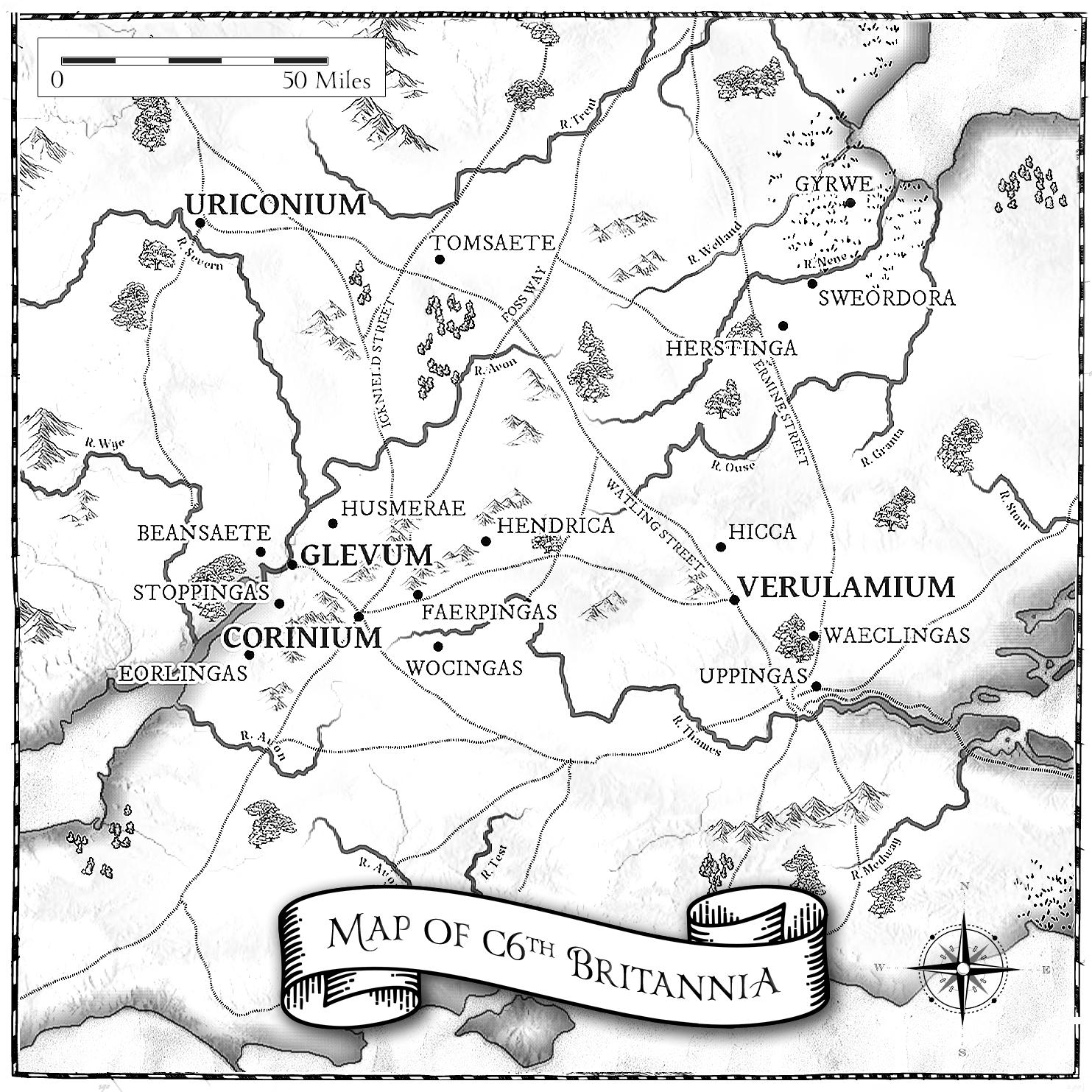
Image shows a map of Early England showing the places mentioned in the text of the book
The Dark Age Chronicles Map

Purchase Link

books2read.com/Men-of-Iron


Follow the Men of Iron blog tour


Posts

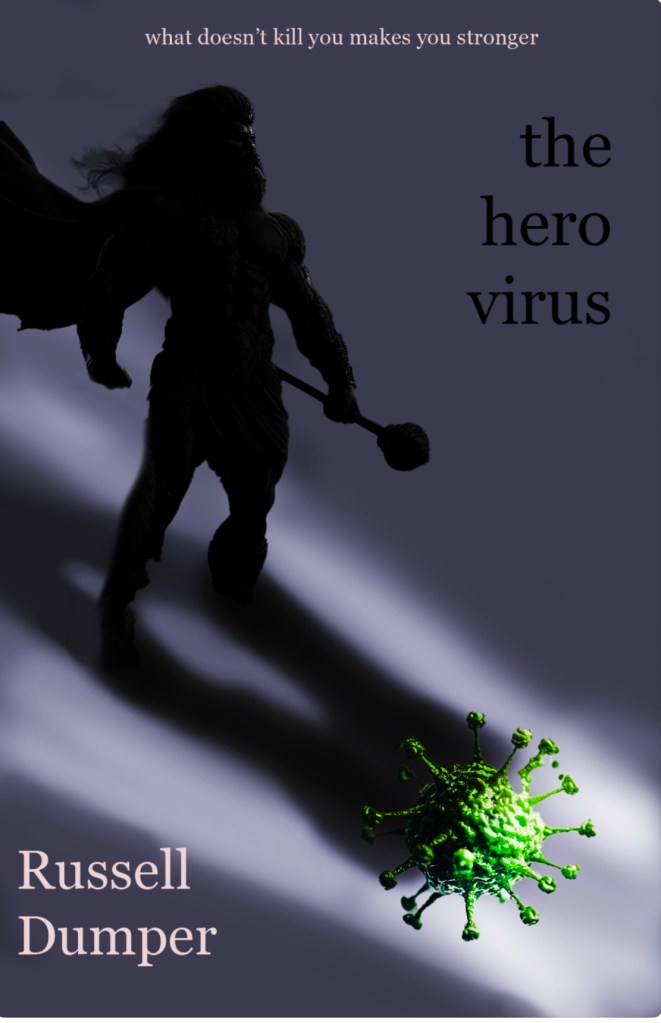
I’m sharing my review for The Hero Virus by Russell Dumper #blogtour #bookreview #thriller

Here’s the blurb

The Hero Virus tells the thrilling story of Chris Taylor, who is hanging on to life by a thread. Recently widowed, his only reason to carry on is his faithful Labrador, but even that doesn’t stop his willingness to gamble with death every day. When his companion suffers a violent demise, Taylor thinks he has nothing left to live for, until he discovers he has chanced upon a precious gift… when he gets very ill. 

The sickness gives him powers and, fairly soon, the authorities are swooping on to the ever-increasing list of cases. The Hero Virus might be different to other illnesses, but it’s no less dangerous. The effect it has on the world, though, is wildly different to any other virus that has come before. The unique reaction of the human body to infection means that everyone wants it. And some will do anything to get it.

How do you stop a pandemic when there are people who will kill for the virus? How do you stop people getting infected when they’re willing to die for it? How do you stop the infected when they have abilities nobody has ever seen before?

Purchase Links

https://www.amazon.co.uk/Hero-Virus-Russell-Dumper-ebook/dp/B0DYKN68M1/

https://www.amazon.com/Hero-Virus-Russell-Dumper-ebook/dp/B0DYKN68M1/

My Review

The Hero Virus by Russell Dumper is an intriguing novel. Our main character is miserable and alone, aside from his faithful Labrador, but alas, our poor grief-stricken main character is soon to be bereaved again (and slight trigger warning, because the scene is not an easy read), but days later, he wakes very changed.

What follows is an action-packed tale sure to appeal to fans of the genre and with a very interesting premise. The pacing is great and I thoroughly enjoyed the novel.

Meet the author

The Hero Virus is the second novel from Russell Dumper, after releasing Britannia Rises to widespread acclaim last year, winning him three categories in the 2024 Bookstagram Awards, for Debut Author, Thriller and Historical Fiction. He lives in the east of England with his family and still has many more books in the pipeline. Next, he will be concentrating on The Britannia Series, more of which will be released in the near future.

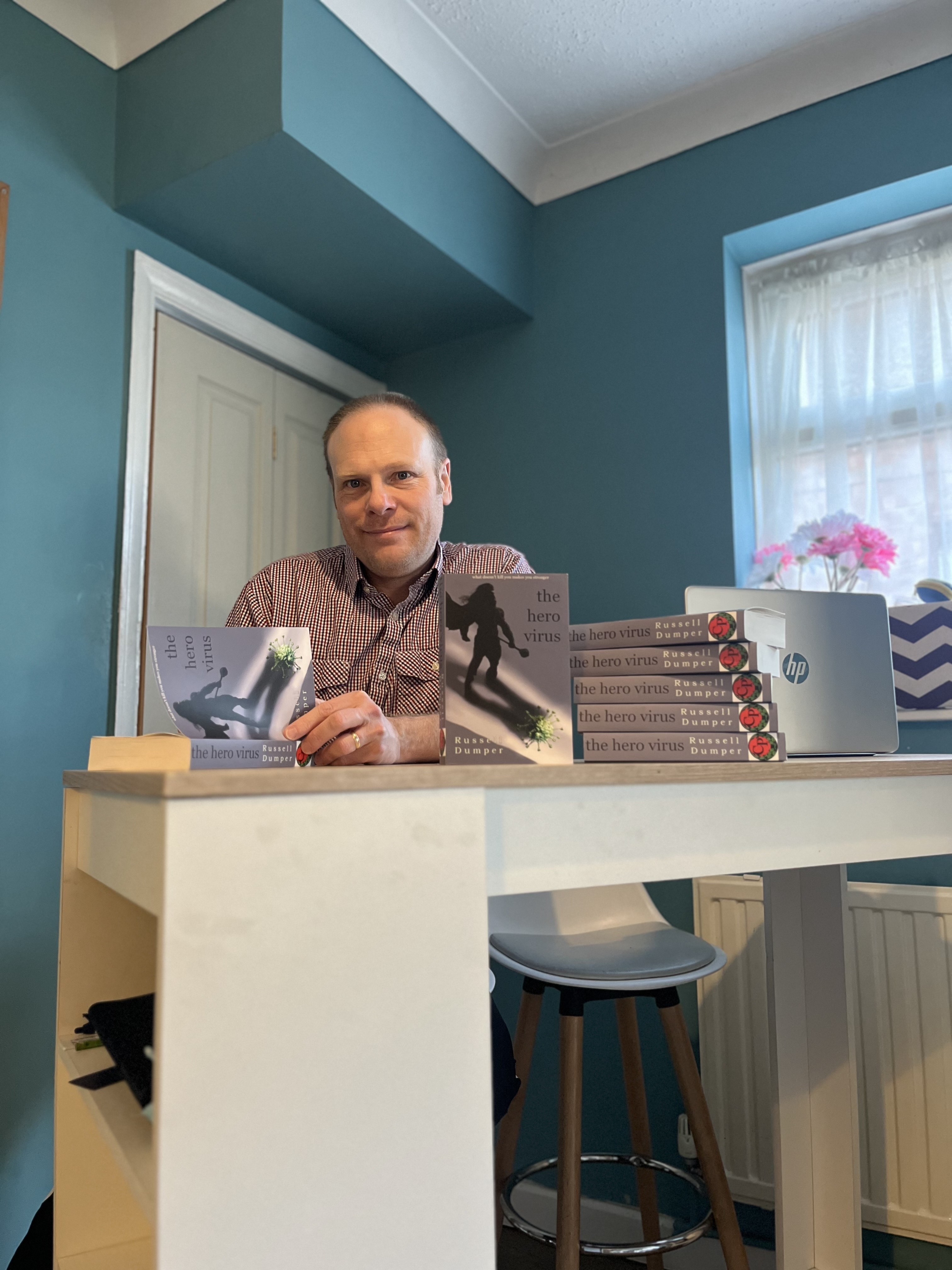
Author photo for Russell Dumper, author of The Hero Virus and Britannia Rises.

Connect with the author

Posts

It’s happy publication day to The Viscount’s Forbidden Flirtation by Sarah Rodi #historicalromance #newrelease #blogtour #Mills&Boon

Here’s the blurb

Lieutenant Colonel Ezra Hart finds himself in urgent need of a wife—inheriting the viscountcy relies on it! But while he’s dutifully spinning the Season’s jewels around Society’s ballrooms he finds himself desiring the one woman he shouldn’t covet…

French émigrée Seraphine Mounier is as beguiling as she is vivacious, but Ezra knows she has no interest in the marriage mart. What’s worse, she represents the very enemy he fought at Waterloo. As an undeniable connection sparks, resisting Seraphine seems one battle Ezra’s destined to lose!

Purchase Links 

https://www.amazon.co.uk/Viscounts-Forbidden-Flirtation-Season-Historical-ebook/dp/B0DFDTH464

https://www.amazon.com/Viscounts-Forbidden-Flirtation-Season-Historical-ebook/dp/B0DFDTH464

Meet the author

Sarah Rodi has always been a hopeless romantic. She grew up watching old, romantic movies recommended by her grandad, or devouring love stories from the local library. Sarah lives in the village of Cookham in Berkshire, where she enjoys walking along the River Thames with her husband, her two daughters and their dog. She has been a magazine journalist for over 20 years, but it has been her lifelong dream to write romance for Mills & Boon. Sarah believes everyone deserves to find their happy ever after. You can contact her via @sarahrodiedits or sarahrodiedits@gmail.com or at sarahrodi.com
Author image for Sarah Rodi

Connect with Sarah

I’m excited to be taking part in the cover reveal for The Matchmaker’s Mare by Hywela Lyn #coverreveal #blogtour #romance

Here’s the blurb

When Megan Johnson inherits an old cottage in the Welsh countryside, she seizes the opportunity to cut ties with her past life, after a broken romance. Her nearest neighbour, a horse trainer, is also something of an enigma. Single dad Glyn Phillips does his best to balance his love of horses and hard work, with his devotion to his son. When he meets his new neighbour, he knows he should resist any attraction. A feisty pony mare which mysteriously appears on his land adds to his problems, but another, larger problem lies ahead. Two matchmaking spirits find their carefully laid plans may not go as smoothly as they hope.

Book cover image for The Matchmaker's Mare by Hywela Lyn showing a chestnut horse galloping towards the reader with a small cottage in the background and shimmering yellow lights.

Pre-order Links 

https://www.amazon.co.uk/Matchmakers-Mare-Hywela-Lyn-ebook/dp/B0DYF6L15C

https://www.amazon.com/Matchmakers-Mare-Hywela-Lyn-ebook/dp/B0DYF6L15C

Publication Date: 5th May

Meet the author

Award-winning author, Hywela Lyn spent most of her life in Wales, whose beautiful landscapes and wealth. of myths and legends inspired her to write. A horse and dog lover, she weaves romantic Science Fiction adventures and fantasy romances set in Wales, past and present. She loves dreaming up characters who overcome the odds, and go on to find deep and enduring love. However difficult the journey, in the end love will always win. She  hopes her stories will truly take you ‘out of this world’.

Her penname, Hywela Lyn is a combination of her first two names. (She has always been known by her second name ‘Lyn’ and thought it was time her Welsh first name was used as well!) She is a member of The Romantic Novelists’ Association, and her local writing group, Chiltern Writers. Beloved Enemy, the third book in her Destiny Trilogy, was shortlisted in the Paranormal category of the prestigious Romantic Novelists Association RoNA awards and was a Runner up in the RONE Awards in 2017. When not writing or reading, she can usually be found outdoors with horses or her little dog – or just eating chocolate!

Author image for Hywela Lyn

Today I’m reviewing the new James Ryker novel, The Enemy Within by Rob Sinclair #blogtour #thriller #newrelease

Here’s the blurb

The BRAND NEW, action-packed Ryker thriller from million-copy bestselling author Rob Sinclair. 
His past is coming back with a vengeance…

Ex-intelligence agent James Ryker has done many things in the past he’d prefer to forget. The last time he saw Gregor Minko – son to one of Ukraine’s most dangerous and politically influential arms dealers – Gregor was a scared 6-year-old boy in need of protection. But Ryker had to walk away. The boy wasn’t the mission.

Twenty years on Ryker is approached by two strangers in Antibes, France, asking for his help in finding Gregor – now going by the name of Gregor Rebrov. With a back catalogue of ‘crimes against the Russian state’, Gregor has escaped from a gulag in Siberia and is now in the wind.

Fuelled by old demons and painful memories of his own brutal actions in the past, Ryker finds himself once again in the thick of a complicated race against time and who knows how many of the world’s secret services, to find Gregor and get some answers.

As answers turn into more questions, they lead Ryker closer to home… and he can’t shake the feeling that he may be to blame.

A brand new high-stakes thriller. Perfect for fans of Lee Child and Robert Ludlum.

Cover image for The Enemy Within by Rob Sinclair showing a man running towards the House of Parliament in London, UK, with a helicopter in the background.

Purchase Link

https://mybook.to/theenemywithin

My Review

The Enemy Within is the latest novel in the James Ryker series. I’ve not read all the books, but I’ve read enough to know they guarantee an action-packed adventure in which our main character will encounter a few baddies.

The Enemy Within quickly grabbed my attention, especially with the addition of Gregor’s point of view from the gulag, while James is in a somewhat better position in the south of France. As we’re taken back to Ryker’s past, events in the present start to unfold, and we’re also treated to a trip to the Ukraine and Russian border.

I don’t know if this book is more violent than earlier ones in the series or because one of the storylines is Ryker as a younger man; it’s just that we discover how truly lethal he used to be, but the body count is certainly high.

The ending was delightfully twisty, and readers will learn much about Ryker from reading the latest instalment.

It is a violent, bloody and twisty tale, with elements of the current difficulties of the Ukraine war threaded through, which also makes it shockingly current.

Check out my review for The Green Viper.

Meet the author

Rob Sinclair is the million copy bestseller of over twenty thrillers, including the James Ryker series. Most recently published by Bloodhound, Boldwood will publish his latest action thriller, Rogue Hero, in June 2024 and will be republishing all the James Ryker series over the coming months.

Connect with the author

Newsletter Sign Up

Bookbub profile

I’m delighted to be sharing my review for The Old Girls’ Chateau Escape by Kate Galley #blogtour #newrelease #comedy

Here’s the blurb

Two old friends. One unexpected adventure!

When, at the age of 71, Gina Knight’s husband of four decades left her unexpectedly, she thought her life over. Until she met Dorothy Reed – a woman so full of the joie de vivre you’d think she was 21, not nearly 90. Gina would do anything for Dorothy. So when Dorothy suggests she take on the role of companion for one of Dorothy’s old friends, Gina sees no reason to say no.

Meredith Harper is a successful writer, living in Provence, and needs help looking after her husband, whose health is deteriorating. But when Gina arrives at the grand chateau, it becomes clear that Dorothy has not given Gina the full story. Because Meredith is also writing her memoirs, and Dorothy wants to know the contents before anyone else. So much so, she’s sent Gina to spy.

But what secrets is Meredith keeping? And will Gina be able to find out the truth before her cover’s blown?

Cover image for The Old Girls Chateau Escape by Kate Galley

Purchase Link

https://mybook.to/oldgirlschateauescape

My Review

The Old Girls’ Chateau Escape is a worthy follow-up to the first book in the series, Old Girls Behaving Badly.

This time, our cast are mostly in France, which makes a delightful scene change and allows Art Historian Gina to thrive.

While she once more takes on the role of companion to an older couple, Gina has been tasked with uncovering some secret that Dorothy doesn’t wish others to know. What follows is a charming tale filled with some trepidation and a lot of questions, which resolves itself quite beautifully in the final few chapters.

I thoroughly enjoyed the story and I’m sure readers will be equally entertained by Gina and Dorothy and their antics. 

Check out my review for Old Girls Behaving Badly.

Meet the author

Kate Galley is the author of uplifting golden years fiction, including The Second Chance Holiday Club. She was previously published by Aria, and is a mobile hairdresser in her spare time.

Connect with the author

Newsletter Sign Up: https://bit.ly/KateGalleyNews

Bookbub profile: https://www.bookbub.com/authors/kate-galley

It’s happy release day to Betrayal of Mercia, so I’m sharing a post about the maps in the book (and the maps)

Here’s the blurb

A King in crisis, a Queen on trial, a Kingdom’s survival hangs in the balance.

Londonia, AD835
The deadly conspiracy against the children of Ealdorman Coenwulf is to be resolved. Those involved have been unmasked and arrested. But will justice prevail?

While the court convenes to determine the conspirator’s fate, King Wiglaf’s position is precarious. His wife, Queen Cynethryth, has been implicated in the plot and while Wiglaf must remain impartial, enemies of the Mercia still conspire to prevent the full truth from ever being known.

As Merica weeps from the betrayal of those close to the King, the greedy eyes of Lord Æthelwulf, King Ecgberht of Wessex’s son, pivot once more towards Mercia. He will stop at nothing to accomplish his goal of ending Mercia’s ruling bloodline.

Mercia once more stands poised to be invaded, but this time not by the Viking raiders they so fear.

Can Icel and his fellow warriors’ triumph as Mercia once more faces betrayal from within?

An action packed, thrilling historical adventure perfect for the fans of Bernard Cornwell and Matthew Harffy

Image showing the cover for Betrayal of Mercia with a sword in the background

Here’s the purchase link (ebook, paperback, hardback and audio)

books2read.com/BetrayalofMercia

Maps

Throughout the series I’ve taken young Icel to some interesting locations, and that means I’ve had to make use of many maps which are recreations of the era, because, alas, we have none from the period. Both maps I’ve had made are relevant to Betrayal of Mercia which largely takes place in London, or Londonia, or Londinium and Lundenwic.

The map of Lundenwic and Londinium, shortened in the books to Londonia, a term more accurately applied to the eighth century and not the ninth, is much simplified and largely shows locations relevant to me and which I need to remember when writing the books. Although, I must confess, I did forget about it in the drafting process and when I found it, I was relieved to discover I hadn’t made THAT many mistakes.

The most important elements to understand are that ‘London’ as we know it didn’t exist at this time. Instead, there were two very distinctive settlements, and they were seperated by the River Fleet, one of London’s ‘lost’ rivers because it’s now subterranean. I think, for me, not being very familiar with London as it is today actually helped. Rather than trying to orientate myself as to what’s there now, I can work the other way round. I sort of know what was and wasn’t there in the ninth century, and then I can try and work out what’s there now:) Honestly, it makes sense to me.

It also helps to remember that despite London now being the capital of England, it wasn’t in the ninth century. Far from it, in fact. There are many good books on London in it’s earliest manifestations. If you’re interested, they are very worth checking out.

Map of Lundenwic and Londonium in the ninth century,

I also have a map of England at this time. This is to help readers (and me) try and get an idea of what settlements were and weren’t there at the time. As I’ve learned, it can be far too easy to just assume the longevity of a location, and then discover it wasn’t there at all, was bigger or even, much smaller than it is now. One of those locations is Wall, close to Lichfield, which was very important during the Roman occupation of Britain, but is now little more than ruins. And it’s far from alone in that.

Map of Early England.

I’ll also be sharing more posts, including one on Mercia’s ‘Bad Queens,’ and one on Crime and Punishment in Saxon England.


Not started the series yet? Check out the series page on my blog.


Check out the blog tour for Betrayal of Mercia

A huge thank you to all the book bloggers and Rachel at Rachel’s Random Resources for organising.

It’s happy release day to Betrayal of Mercia, so I’m sharing a post about Crime and Punishment in Saxon England

Here’s the blurb

A King in crisis, a Queen on trial, a Kingdom’s survival hangs in the balance.

Londonia, AD835
The deadly conspiracy against the children of Ealdorman Coenwulf is to be resolved. Those involved have been unmasked and arrested. But will justice prevail?

While the court convenes to determine the conspirator’s fate, King Wiglaf’s position is precarious. His wife, Queen Cynethryth, has been implicated in the plot and while Wiglaf must remain impartial, enemies of the Mercia still conspire to prevent the full truth from ever being known.

As Merica weeps from the betrayal of those close to the King, the greedy eyes of Lord Æthelwulf, King Ecgberht of Wessex’s son, pivot once more towards Mercia. He will stop at nothing to accomplish his goal of ending Mercia’s ruling bloodline.

Mercia once more stands poised to be invaded, but this time not by the Viking raiders they so fear.

Can Icel and his fellow warriors’ triumph as Mercia once more faces betrayal from within?

An action packed, thrilling historical adventure perfect for the fans of Bernard Cornwell and Matthew Harffy

Image showing the cover for Betrayal of Mercia with a sword in the background

Here’s the purchase link (ebook, paperback, hardback and audio)

books2read.com/BetrayalofMercia

Crime and Punishment in Saxon England

In Betrayal of Mercia, the seventh book in the Eagle of Mercia Chronicles featuring young Icel, I’ve done something that I don’t ‘think’ anyone else has done before. I’ve staged a criminal trial, making Betrayal part court-room drama and part action-thriller (you know Icel is always going to end up in a fight at some point). However, there are odd things about Saxon England that we have no information about – one of them is how often people actually went to church once Christianised, another is exactly how the law was enacted.

This might seem like an odd thing to say. Everyone knows there are surviving law codes from the era, especially from the eleventh century, with the inspiring names of Æthelred I or Cnut II, and indeed, the earliest law code dates back to Ine, in the seventh century, from which we can glean such titles as Wealas or foreigner, but applied to the Welsh, who had different wergild payments and punishment from the Saxons. But, there has long been an argument about how much these law codes reflect practise as opposed to an ideal. And some of the elements we ‘think we know’ turn out to be on much less steady ground. And, at the heart of all this is a problem with our current perceptions of ‘right,’ ‘wrong,’ and ‘justice.’ We ‘appear’ to look at these elements of our current legal system in a way very different to the era. 

When studying what records we do have, we’re greeted with some interesting terms. ‘Thereafter there would be no friendship,’ appears in a charter detailing a land dispute in the later tenth century – between Wynflæd and Leofwine (S1454 from 990 to 992). In this, despite whoever was in the wrong or the right, the decision was made which was something of a compromise – both injured parties had to make concessions. No one truly ‘won’, even though Wynflæd had many who would speak on her behalf, including the king’s mother, and the Archbishop of York, and had appealed directly to the king, Æthelred II, for assistance, only for Leofwine to refuse to attend his summons saying that royal appeals couldn’t precede a regional judgement on the matter.

In the famous case of Lady Eadgifu of Wessex (recorded in charter S1211), the mother of Kings Edmund and Eadwig (who features in the Brunanburh series), her landholdings at Cooling required the intervention of her husband, stepson, son and grandson, in a long-running debacle which was never really resolved until her grandson intervened close to the end of her life. Even though she appears to have held the ‘landboc’ – the title deed for the land – and was a highly regarded member of the royal family, this wasn’t enough to stop counterclaims. In the end, she assigned the land to the Christ Church religious community, and that way, no one actually benefitted apart from the church.

These cases both refer to land disputes, which are one of the larger areas of document survival, along with wills. But what about crimes visited against the king’s mund (both his physical person and his physical kingdom)? Here, we’re again confronted with little knowledge. We know of ealdormen being banished (under Æthelred II) and this attests to another element of the practise of law which is perhaps surprising. There does seem to have been an aversion to capital punishment (as Rabin details in his book mentioned below). And there was also a concern that the right sentence was handed to individuals – it was as bad to incorrectly punish as it was to have committed the crime.

In trying to stage a trial set in the Saxon period (which I now realise was a bit bonkers), I’ve relied heavily on a very short book, Crime and Punishment in Anglo-Saxon England by Andrew Rabin, and also his translations of the Old English Legal Writings by (Archbishop) Wulfstan (from the 1000s), from which I’ve determined how many oath-helpers people must have based on the Mercian Wergild listed within the source documents. This suggests the value placed on individuals – the king, of course, being at the top. Each individual had a wergild value and equally, each individual had a required value for the number of oath-helpers who would stand as surety for them if asked to detail what they had ‘seen and heard’ in a trial situation. The implication being that those who needed the least oath-helpers were more trustworthy than those who needed many – so a king might need no one, after all, he was the king, whereas a warrior might need a few, and a ‘normal’ person might need many.

This feels like a very different world to the one we ‘know,’ where transgressions are punished by custodial sentences and fines and where the burden of proof rests on the shoulders of those prosecuting the alleged offenders.

It has certainly been an interesting experiment, and one I hope readers will enjoy, and more importantly, one which I’ve managed to convey largely ‘correctly.’


I’ll also be sharing more posts, including one on Mercia’s ‘Bad Queens,’ and one on the maps in the books.


Not started the series yet? Check out the series page on my blog.


Check out the blog tour for Betrayal of Mercia

A huge thank you to all the book bloggers and Rachel at Rachel’s Random Resources for organising.

It’s happy release day to Betrayal of Mercia, so I’m sharing a post about Mercia’s alleged ‘Bad Queens.’

Here’s the blurb

A King in crisis, a Queen on trial, a Kingdom’s survival hangs in the balance.

Londonia, AD835
The deadly conspiracy against the children of Ealdorman Coenwulf is to be resolved. Those involved have been unmasked and arrested. But will justice prevail?

While the court convenes to determine the conspirator’s fate, King Wiglaf’s position is precarious. His wife, Queen Cynethryth, has been implicated in the plot and while Wiglaf must remain impartial, enemies of the Mercia still conspire to prevent the full truth from ever being known.

As Merica weeps from the betrayal of those close to the King, the greedy eyes of Lord Æthelwulf, King Ecgberht of Wessex’s son, pivot once more towards Mercia. He will stop at nothing to accomplish his goal of ending Mercia’s ruling bloodline.

Mercia once more stands poised to be invaded, but this time not by the Viking raiders they so fear.

Can Icel and his fellow warriors’ triumph as Mercia once more faces betrayal from within?

An action packed, thrilling historical adventure perfect for the fans of Bernard Cornwell and Matthew Harffy

Image showing the cover for Betrayal of Mercia with a sword in the background

Here’s the purchase link (ebook, paperback, large print, hardback and audio)

books2read.com/BetrayalofMercia

Mercia’s ‘Bad Queens’

There is a scene in Betrayal of Mercia where our favourite healer, Wynflæd, speaks to young Icel about her experiences of ‘bad queens,’ referencing three women in almost living memory deemed as ‘bad’, certainly many years after their deaths, if not quite by the 830s, when the scene takes place. These women were the wife of King Offa, his daughter, Eadburh, and the daughter of King Coenwulf (796-821), Cwenthryth. Indeed, this collection of bad queens, especially the sister of Queen Cynethryth, have been cited as the reason why Wessex was so slow to adopt the term. But, was everything as it appears, or are these reputations a later tradition?

The daughter of King Offa (757-796), Eadburh was married to the king of the West Saxons, Beorhtric. In the words of the later Asser, who wrote at the end of the 890s, she’s accused of poisoning her husband to death while trying to actually poison one of his disloyal followers. Interestingly, the man who became king after Beorhtric was King Ecgberht of Wessex, who features in the Icel stories, and in turn, it was his grandson who commissioned Asser to write his life which tarnishes the reputation of Eadburh. 

Cynethryth, the wife of King Offa, was a powerful woman in her own right, and the only preconquest queen known to have minted coin showing her own name. In later centuries, her name became associated with the murder of a king of the East Angles, and she was involved in a long-running land dispute with the archbishop of Canterbury.

A penny depicting Cynethryth, the wife of King Offa
Classical Numismatic Group, Inc. http://www.cngcoins.com, CC BY-SA 3.0 http://creativecommons.org/licenses/by-sa/3.0/, via Wikimedia Commons

Cwenthryth, the daughter of King Coenwulf, became associated with the murder of her brother, Cynehelm/Kenelm. The later, Anglo-Norman histories inform that.

‘At Winchcombe you will read of the secret martyrdom of Kenelm. He was the son of Cenwulf, [Coenwulf] the Mercia king, who died in the year of grace 819, having reigned for twenty-four years. The martyrdom of his son Kenelm was revealed from heaven to Pope Silvester II at Rome.’p691 Henry, Archdeacon of Huntingdon, Historia Anglorum, The History of the English People

While The Chronicle of John of Worcester extends this recording for  the year, ‘[819] St Cenwulf, king of the Mercians, after a life devoted to good deeds, passed over to the eternal blessedness which is in heaven, and left his 7-year-old son St Kenelm heir of his realm. But when a few months had passed, by the treachery of his own sister Cwenthryth, whose cruel spirit had been roused by an awful lust for power, he was secretly done to death with cruel outrage by Æscberht, his most bloodthirsty tutor, in the shade of a thorn tree in a deserted wood.’ P239-241

Winchcombe Nunnery was founded by Cwenthryth’s father, and the family were therefore invested in the religious establishment, although whether enough to kill one of their own to have him venerated as a saint, does seem doubtful. The identity of St Kenelm is very much contested, although it is believed that Cynehelm did live, and died before his father, which led to Coelwulf, the first of his name, and Coenwulf’s brother, becoming King of Mercia when his brother died..

This is the scene from Betrayal, where Wynflæd shares the gory knowledge she knows, and perhaps, hints at her approval for such strong-minded women that they could become associated with such dark deeds. 

‘Mercia hasn’t fared well with the women wed to their kings.’ A soft cackle. ‘Or the children born between a king and a queen. Wigmund’s merely the most current of many disappointments. Lord Coenwulf there, his father became king because his brother’s daughter killed her brother.’

‘I thought that was a lie,’ I countered.

‘That’s how King Coenwulf had it reported. It was all true though. I didn’t witness it, but I know of others who did.’

‘What, watched her kill her brother?’

‘No, witnessed the king speak of it, to a select few. And before her, Offa’s wife also had blood on her hands, as did Offa’s sister.’

I shuddered at the thought. ‘Why?’

‘A woman must live by her wits, and safeguard her future, for fear she’ll be locked up tight in a nunnery, with no means of engaging with the world at large. Think of Lady Cynehild.’ Wynflæd met my searching gaze then. ‘She remarried, and meddled where she shouldn’t have done. Admittedly, she stopped far short of murdering anyone.’

‘So, the king should have expected this then?’ I was astounded.

‘Maybe. He married her.’ Wynflæd cackled softly. ‘A man may wed a woman for her title, and lands. A woman may divorce a man. But better to have him dead, and then take his place. A grieving woman will have the sympathy of others. A widow has more freedom than a wife.’

‘You almost sound like you approve.’

‘I do not,’ she countered, but her eyes glittered.


Wynflæd is a stalwart of the series, and I was recently inspired to write a short story from her point of view regarding Mercia’s alleged ‘bad queens.’ If you’d like to read it, sign up for my newsletter and I’ll send you a link to download the story. And, you automatically receive a free short story collection as well.


I’ll also be sharing more posts, including one on Saxon Crime and Punishment and one on the maps in the books.


Check out the blog tour for Betrayal of Mercia

A huge thank you to all the book bloggers and Rachel at Rachel’s Random Resources for organising. Some of these amazing people have been with Young Icel throughout the entire series, and I am so grateful they are so keen to read, they sign up for the blog tour:)

Check out the reviews for Betrayal of Mercia

Bookish Jottings

Sharon Beyond the Books

Storied Conversation

David’s Book Blurg

Banner showing3 blogger review quotes from the Betrayal of Mercia blog tour.

Novel Kicks

Ruins & Reading

The Strawberry Post

Aibibyreads

Book banner showing review quotes from the blog tour for Betrayal of Mercia organised by Rachel's Random Resources.

Listen to the audiobook, narrated by Sean Barrett.

Posts

I’m welcoming Soulla Christodoulou and her new novel, The Magic of Miramare to the blog #blogtour #romance

This is the first morning at the resort and Stella and the other two couples enjoy breakfast together.

Within ten minutes, Prodromos and Yiannis came out carrying two huge trays, visibly trembling under the weight of all the food. They settled the trays onto two tables next to their guests who were now chatting amiably, becoming acquainted with each other, their conversation punctuated with booming laughter and whoops of joy.

‘This is wonderful. Thank you Prodromos,’ said Stella. ‘And what beautiful music.’ Prodromos froze for a few seconds, a stillness rendering him speechless. ‘Where’s it coming from?’ asked Stella, the others busy tucking in.

‘The music can always be heard by those who are in tune with their souls, be heard by those who welcome its energy,’ Prodromos answered eventually, avoiding Stella’s eye.

Stella waited for a further explanation, but he offered none. ‘It makes you feel alive. Who’s playing it?’ Stella insisted, but the blank faces around the mishmash of tables revealed no-one had heard it or tuned into it. Maybe their chatter was drowning the sound. She felt a little tingle run along her spine and instead of shaking it off, she welcomed it, leaned into it, smiling to herself, though a little embarrassed. Was she hearing things? She looked expectantly at Prodromos. Prodromos concurred knowingly as he continued to load the table with abundantly filled hand-painted plates and blue-glazed bowls and lop-sided baskets.

Stella observed him. He can hear it too; she surmised but decided not to mention it again. Something magical, unexplained yet present in the air, danced and played out here in Miramare and she hoped it would inspire her, fill her up with an abundance of creativity. Breakfast was a tantalising, colourful banquet: fresh figs, fleshy and dark purple, glistened in a round basket lined with a crocheted napkin, thickly sliced bread and sesame coated bread sticks as well as darker rye rolls the size of small dough balls filled an oval basket and wrinkled black olives and fresh tomatoes over-filled miniature scallop-edged bowls.

‘Good enough for the Gods,’ said Dean.

‘Looks so enticing,’ said Eliana.

‘Ambrosia,’ said Dean.

‘What?’ said Eliana.

‘Ambrosia. Food of the gods.’

‘Yes, you are right,’ said Prodromos. ‘Believed to bring long life and immortality to anyone who consumed it.’

‘I’m sure the scientists will find a way to make immortality a reality one day,’ said Dean. ‘But not in our lifetime.’

‘Love makes us immortal,’ said Prodromos, a fleeting wistfulness crossing his face. ‘Now eat.’

‘You don’t have to ask me twice. I’m starving,’ said Dean, giving Eliana a cocky grin. He rubbed his rotund belly in exaggerated circular motions and reached out for not one but two thick hunks of warm bread. ‘Still hot.’

‘Those tomatoes. Nothing like home grown is there?’ said Stella, pushing the tomato up to her nose and breathing in deeply.

‘These smell way better than ours. The dirt must be different out here,’ said Dean.

‘You mean the soil, Dean. The dirt. What does the dirt even mean, babe?’ Eliana smiled, pretending she was only teasing, but Stella could see how annoyed she had become and couldn’t understand why she reacted to Dean the way she did. Impatient. Dismissive.

‘You grow your own?’ asked Luke, breaking the atmosphere.

‘My dad and I started an allotment together. Now it’s just me: green beans, potatoes, lettuce, carrots, garlic. I give it a go and rotate year on year, but it’s hit and miss really. It’s only a small allotment but it keeps me busy when the pain in my knee’s not too much,’ said Dean.

‘Bet it does. Good for you,’ said Stella, and leaning across the table plucked a tomato, bit into it.

‘Nothing like that earthy smell of home-grown, organic veggies. It’s something we don’t often experience at home. Those so-called vine-grown tomatoes you get in the supermarket never taste this good.’

‘Good to see someone appreciating the merits of organic veg,’ said Dean.

Prodromos re-arranged the dishes to fit in plates of boiled eggs and salami. Yiannis appeared with a platter of thick-cut wedges of watermelon and slender slices of honey melon. He placed it down opposite Stella, sucked on his finger, dripping with the pink juice of the watermelon, all the while holding Stella’s gaze. Stella suddenly didn’t feel like eating, it was as if Yiannis had swallowed her appetite whole and she fought against a flutter tickling her insides.

‘You enjoy breakfast the Greek way, my friends,’ said Prodromos.

Cover image for The Magic of Miramare by Soulla Christodoulou

Here’s the blurb

Three women meet on holiday in Kefalonia. Each is secretly filled with turmoil.

Stella must decide on whether her twenty-year affair with Anton has reached the end.

Melody must find a way to go back to the love she knows she has with Luke.

Eliana must overcome her own complicated relationship with love to find harmony with Dean. 

Against the backdrop of the beautiful Miramare resort, the women quickly build a friendship and share their stories and deepest secrets, subconsciously guided by the magic of the Ionian Island.

With azure seas and clear blue skies, the women, and their partners, must find a way to nurture themselves before they can salvage their own relationships while navigating their attitudes to love. But can they find their way to a kinder, better place within themselves.

The Greeks have so many words for love, that they are guided and find a way through their own turmoil, to find the real happiness, love, and magic that exists within us all.

Follow strong, authentic female characters who have drive, sass, and attitude in this  poetic narrative with a stunningly slow simmer. It’s a story that will capture your heart. Disappear into a world of love. Into The Magic of Miramare.

Purchase Links

https://www.amazon.co.uk/Magic-Miramare-Soulla-Christodoulou-ebook/dp/B0DHTZZLV3/

https://www.amazon.com/Magic-Miramare-Soulla-Christodoulou-ebook/dp/B0DHTZZLV3/

Meet the author

Born in London to Greek Cypriot parents, Soulla Christodoulou was the first in her family to go to university and later retrained to become a teacher. She has been writing since 2015 and has many more books in her.

 Her novels, Broken Pieces of TomorrowThe Summer Will Come, The Village House and A Palette of Magpies are available on Amazon alongside Alexander and Maria which was nominated for the RSL Ondaatje Prize 2021.

The Summer Will Come, a book club read in the Year of Learning Festival 2019, London Borough of Barnet Libraries, has been translated into Greek and is currently being queried with Greek and Greek Cypriot publishers.

Soulla is working on her next novel, The Pastry Girl of Malta and writing her first non-fiction book on the craft and magic of writing. She is consulting on a movie project inspired by one of her books and is learning a lot about the world of filmmaking. She is happiest writing and reading in her pretty garden Writing Room while drinking tea infused with cinnamon sticks and cloves.

Author Soulla Christodoulou image

Connect with the author

Website Newsletter Facebook Group