
I’m delighted to welcome David Fitz-Gerald, and his new book, A Grave Every Mile #Pioneers #HistoricalWestern #WesternAdventure #BlogTour #TheCoffeePotBookClub

I’m delighted to welcome David Fitz-Gerald, and his new book, A Grave Every Mile, with an excerpt.

Excerpt from Chapter 3

First day on the trail, April 15, 1850

Our three teams of oxen, led by Hardtack and Scrapple, stand ready to do their job. It takes a while before it’s our turn to begin pulling, with fifteen wagons ahead of us. When the wheels of the wagon before us begin to turn, Larkin cracks the bullwhip and shouts, “Hi-yah!” He snaps the whip again, and the poor beasts lumber forward.

The broody hen squawks in her box. Straps hold the cage in place on a shelf on the wagon’s exterior. Ridge, the devil-eyed goat, blats in protest as the rope that ties her to the back left corner of the wagon drags her along. I can’t see Blizzard, tied to the other corner of the wagon. The children and I begin on foot, following closely behind Larkin.

I hate it when people are cruel to animals. I should hold my tongue, but I cannot. “Must you snap that whip so sharply? It’s barbaric. We should thank the oxen, not whip them.”

“Don’t be ridiculous, Dorcas. I’m not whipping them. I’m whipping the air above them. You know that. We can’t get to Oregon if the oxen don’t move. Don’t carry on like a child.”

Of course, he’s right. Somehow, dressing a deer doesn’t phase me. I can snap a chicken’s neck and pluck its feathers, but the idea of hurting beasts of burden saddens me. “Couldn’t you just tap them lightly on the rump rather than scare the poor creatures?”

“Look, see, we’re already falling behind. We need to drive the oxen faster if we want to get to Oregon before winter.”

“But…”

“That’s enough, Dorcas. Don’t pester me anymore.”

My molars tighten against each other. I know a woman shouldn’t bicker, argue, or nag. Usually, Larkin doesn’t complain about having a garrulous wife. Still, it rankles when he tells me not to pester him.

After walking alongside for half an hour, Dahlia Jane says she is tired. One mile down, one thousand, nine-hundred and ninety-nine miles to go. I lift the child into the wagon. Fortunately, she is content to play quietly by herself.

I walk for a while beside Blizzard. He always seems to listen and understand me when I share my troubles, worries, and complaints. His coat is sleek beneath the palm of my hand. I can never resist stroking his neck. “We’ll take a ride together soon. I promise.”

Dahlia Jane hasn’t moved from her nest in the back of the wagon, so I return to walk with the other children. I’m surprised to find Christopher where Larkin was. Larkin is missing. I glance about and don’t see him anywhere. Andrew smiles and says, “Nature calls.” Rose slaps her forehead and looks at her hand to see if she squashed a bug. Christopher seems to have mastered snapping the bullwhip above the oxen, and it makes me cringe even more than when Larkin does it.

After half an hour, Larkin tells Rose it’s her turn. She had been complaining about boredom and appears to have come alive as Larkin calls out her name. “Alright, Rose. Here is the whip. Hold it high and flick it hard with your wrist so that it snaps in the air above the kine.”

Rose asks, “What if I accidentally hit them with it?”

Larkin answers, “Don’t worry. It will not hurt them. They have thick skin and dull nerves.”

I can’t help but say, “Larkin, how do you know how they feel? Please don’t beat our animals.”

Larkin replies, “We’ll try, but the children must learn how to drive them. If you can’t bear to watch, may I suggest you visit our neighbors?”

“Very well, then.” It doesn’t make it any better knowing they whip the beasts while I’m gone, but I pluck Dahlia Jane from her burrow and wander back to the next wagon.

Here’s the blurb

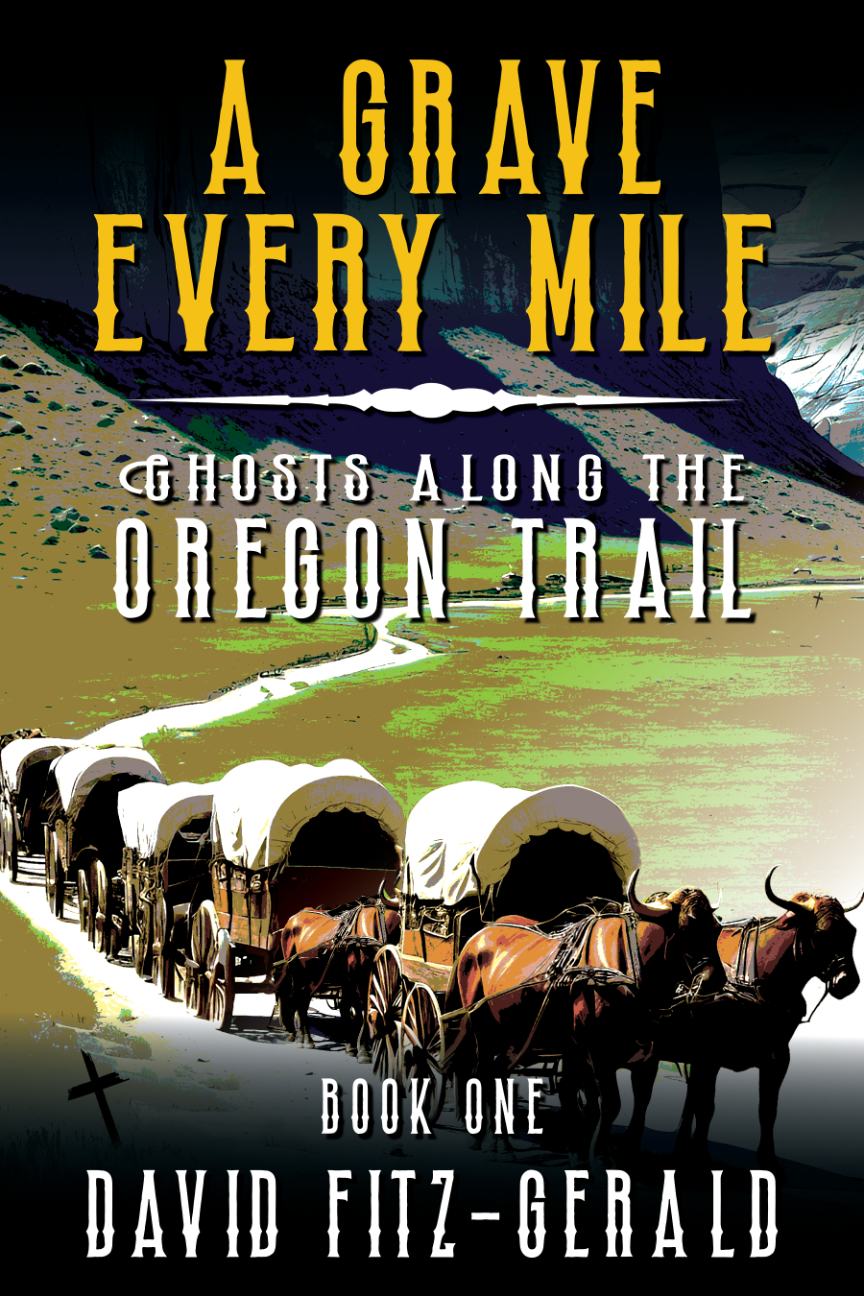
Embark on a harrowing trek across the rugged American frontier in 1850. Your wagon awaits, and the untamed wilderness calls. This epic western adventure will test the mettle of even the bravest souls.

Dorcas Moon and her family set forth in search of opportunity and a brighter future. Yet, what awaits them is a relentless gauntlet of life-threatening challenges: miserable weather, ravenous insects, scorching sunburns, and unforgiving terrain. It’s not merely a battle for survival but a test of their unity and sanity.

Amidst the chaos, Dorcas faces ceaseless trials: her husband’s unending bickering, her daughter’s descent into madness, and the ever-present danger of lethal rattlesnakes, intensifying the peril with each step. The specter of death looms large, with diseases spreading and the eerie howls of rabid wolves piercing the night. Will the haunting image of wolves desecrating a grave push Dorcas over the edge?

With each mile, the migration poses a haunting question: Who will endure the relentless quest to cross the continent, and who will leave their bones to rest beside the trail? The pathway is bordered by graves, a chilling reminder of the steep cost of dreams.

A Grave Every Mile marks the commencement of an unforgettable saga. Start reading Ghosts Along the Oregon Trail now to immerse yourself in an expedition where every decision carries the weight of life, death, and the pursuit of a brighter future along the Oregon Trail.
Buy Link:

Universal Link:

Also available on #KindleUnlimited

Meet the author

David Fitz-Gerald writes westerns and historical fiction. He is the author of twelve books, including the brand-new series, Ghosts Along the Oregon Trail set in 1850. Dave is a multiple Laramie Award, first place, best in category winner; a Blue Ribbon Chanticleerian; a member of Western Writers of America; and a member of the Historical Novel Society.

Alpine landscapes and flashy horses always catch Dave’s eye and turn his head. He is also an Adirondack 46-er, which means that he has hiked to the summit of the range’s highest peaks. As a mountaineer, he’s happiest at an elevation of over four thousand feet above sea level.

Dave is a lifelong fan of western fiction, landscapes, movies, and music. It should be no surprise that Dave delights in placing memorable characters on treacherous trails, mountain tops, and on the backs of wild horses.

Meet the author

Linktree: Website: BookBub:

Follow A Grave Every Mile blog tour with The Coffee Pot Book Cub

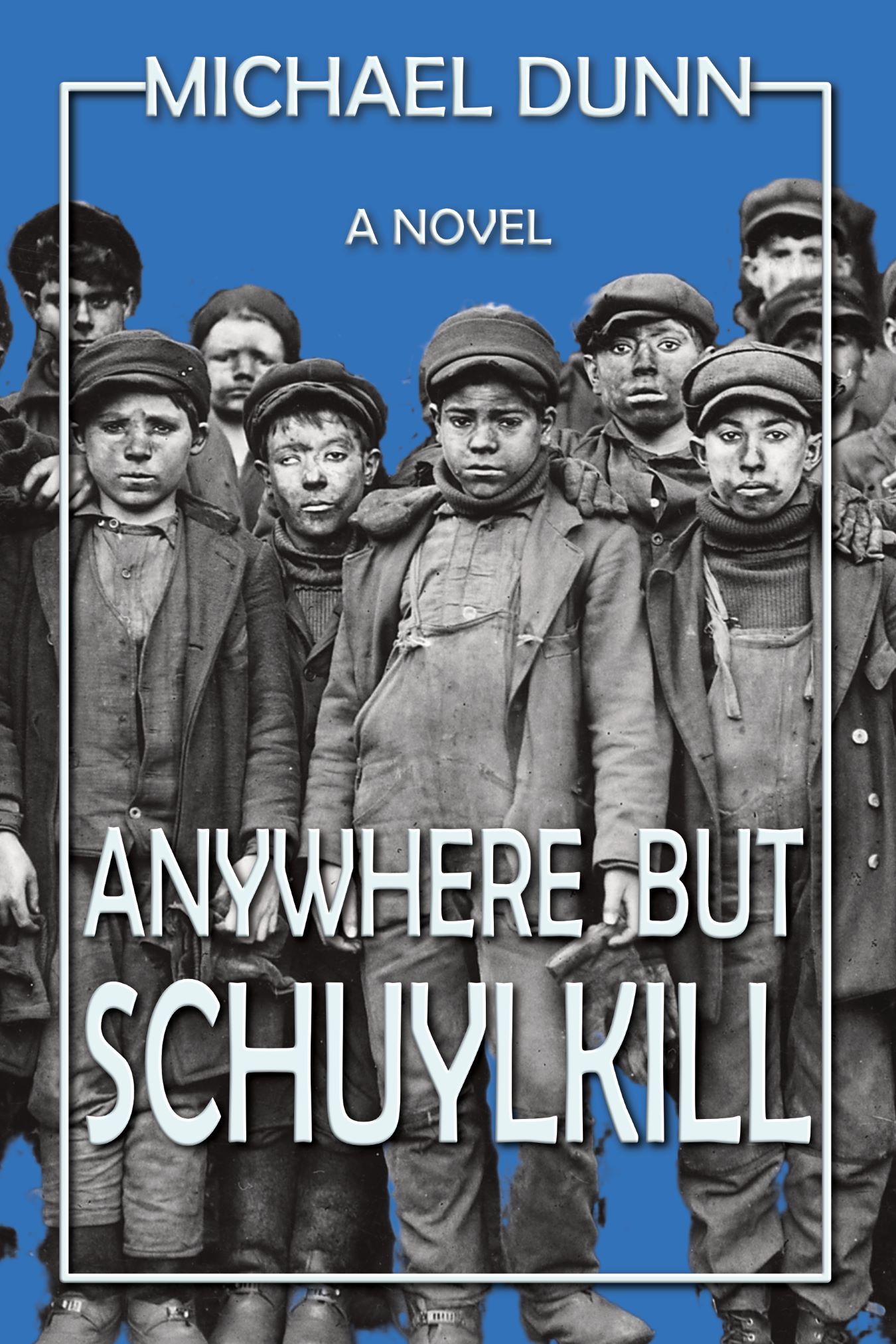
I’m delighted to welcome Michael Dunn, and his new book, Anywhere But Schuylkill, to the blog #MikeDoyle #AnywhereButSchuylkill #MollyMaguires #HistoricalFiction #BlogTour #TheCoffeePotBookClub

I’m delighted to welcome Michael Dunn, and his new book, Anywhere But Schuylkill to the blog, with What’s Love Got To Do With It?

What’s Love Got To Do With It?

As most readers know, a little romance always spices up a story, regardless of the genre. So, for my guest post today, I thought I’d write something about love and romance, in honor of Valentine’s Day.

In my recent historical novel, Anywhere But Schuylkill, my protagonist, Mike Doyle, is in love with a girl named Hannah, who happens to be his sister Tara’s best friend. This is troubling enough for him, since he cares deeply for his sister and doesn’t want to harm her friendship with Hannah. But Mike also works for Hannah’s father, who happens to be a gangster, and he has told Mike to keep his hands off his daughter. And to complicate matters further, Hannah’s mother is incredibly hot, and she likes to flirt with Mike when her husband isn’t around. At the same time, Tara is in love with Mike’s friend Johnny Morris, who their Uncle Sean thinks is a ne’er-do-well. And Uncle Sean is not someone you want to anger.

As a writer, I found these romantic minefields a lot of fun to create. But I also had to do a lot of research, because courtship rituals in the 1870s were so different than today. We’re talking about a small town, rural, and very traditional. There was, of course, a common trick I could exploit that transcends time period: Hannah could sneak away from her protective parents to be with Mike by pretending she was visiting her best friend, Tara. And Tara could sneak away from Uncle Sean, pretending to visit Hannah, but actually run off to meet with Johnny Morris.

This trick will only get you so far as a teen (the adults are usually sharp enough to catch on and will eventually tighten the reins). Likewise, it will only get me so far as a writer, since you modern readers are even sharper than a gilded-age parent. So, let’s talk about the research that helped me make these romances seem more authentic, and true to the era and setting.

One of the first things to consider is that none of these kids went to school. They were too poor and either had to stay home and help with the chores or go out and work for someone else to help support their families. Mike and Johnny Morris worked at the colliery. Tara and her mother worked for a neighborhood washer woman. And Hannah took care of her younger siblings, so her mother could help at the tavern. This left Sunday church as one of the only times and places where teens with strict parents could regularly meet, free of their usual burdens. While there wasn’t much courting that could occur in church, kids could chat before and after mass, and there were plenty of opportunities for lusty thoughts and teen imaginations to run wild.

There were also holidays, and community events, where teens might be able to sneak away from parents and chaperones long enough for a dance, or perhaps something a bit more illicit. Bonfire Night was one such holiday. Celebrated on the evening of June 23, Bonfire Night was historically connected to St. John’s Night, but, like many religious holidays, was likely an appropriation of an older pagan ritual. This would explain the date’s proximity to the summer solstice, and its May Day-like rituals, such as bonfires, which are lit at sunset, and kept going until long after midnight. Typically, there is food, alcohol, song and dance, creating a socially acceptable milieu for courtship. However, it is also a family-friendly event. The pious take embers home to ward off disease and evil spirits. Parents tell stories about the fairies, and kids get to stay up as late as they want because, if they fall asleep on Bonfire Night, the devil is sure to take them. Younger kids beat drums and blow tin whistles. They light sticks on fire and throw them into the air, while teens and young men challenge each other to leap across the fire. The flicker and spark of the flames tell whether they’ve been naughty, particularly in the romance department, and this can be a great source of amusement, or embarrassment.

Another popular holiday for young folks was Halloween. But an Irish-American Halloween in the 1870s was quite different than what most of us have experienced, particularly in terms of romance. The holiday often involved food, games and rituals to divine the future, particularly with regards to matrimony. For example, a traditional (and yummy) Halloween dish was colcannon, a casserole of mashed potatoes, milk, onion and kale, served with lots of butter, if one could afford it. The cook would hide prizes in the colcannon. The person who found a ring hidden in their serving was supposedly the next to get married. Alternatively, they might scoop the first and last spoonful of colcannon into a girl’s stocking, and hang that from a nail in the door, and her future husband would be the next person to enter through that door.

Another Halloween treat was barmbrack, a sweetbread filled with fruit, and sometimes hidden prizes. In this case, finding a hidden ring foretold of an impending romance, whereas a thimble meant you would never get married.

Supposedly, if a girl ate an apple while combing her hair in front of a mirror at midnight on All Hallows Eve, she would see her future husband gazing back at her. If she walked out into the night, blindfolded, and was led to a cabbage patch, she could predict the size and shape of her future husband by the size and shape of the first cabbage she picked. And if she peeled an apple and let the shavings fall to the ground, she might be able to discern her sweetheart’s initials.

Mumming, or guising, was another tradition that the Irish brought to the U.S., and that continues to be practiced in parts of Pennsylvania. Mumming involves dressing in costume and marching from door to door, performing rhyming plays, usually humorous, and often in exchange for food, treats, or even booze. It may have been the origin of the contemporary tradition of trick-or-treating. It was also common for mummers to dress in drag. One typical character was the darling Miss Funny, generally a man in drag, who demanded kisses or treats from audience members. And, instead of pumpkin Jack-o-lanterns, mummers carried hollowed out turnips, carved into grotesque faces, with lumps of burning coal inside to illuminate their way. For a fascinating history of Irish mumming, check out Henry Glassie’s, All Silver and No Brass (1975).

There are other kinds of love that are important in stories, too. For example, the desire to be loved, or the fear of being unlovable, can help explain a character’s motivations and actions. It can even help liven up a character that hasn’t been fully fleshed out yet, that feels too one-dimensional. This was initially the case with my villain, Uncle Sean, who felt like the epitome of a cruel, abusive parent. Indeed, Mike’s little brother, Bill, even says that the only two emotions Uncle Sean can feel are anger and rage. But when I added back story about Sean’s adoration of Aunt Mary, and his belief that she was the only one who could love him, “tetters and all,” he started to seem more like a real person, someone who felt pain and longing, and who struggled with his own insecurities.

This brings us back to my original premise, that a little love or romance helps spice up a story. Obviously, there is the salacious angle, like Hannah’s mom flirting with Mike. But much more important to the craft of writing is how love and romance can be exploited to enrich the side plots and add dimension to the characters. But what I find most interesting of all, is how both reading and writing about fictional love and romance can help us better understand our own real-life relationships with these emotions. What kinds of choices do we make in life to find love? To maintain love? To avoid being jilted or abandoned? And how do these choices affect our ongoing relationships with those we love, like friends and family members?

Here’s the blurb

In 1877, twenty Irish coal miners hanged for a terrorist conspiracy that never occurred. Anywhere But Schuylkill is the story of one who escaped, Mike Doyle, a teenager trying to keep his family alive during the worst depression the nation has ever faced. Banks and railroads are going under. Children are dying of hunger. The Reading Railroad has slashed wages and hired Pinkerton spies to infiltrate the miners’ union. And there is a sectarian war between rival gangs. But none of this compares with the threat at home.

Buy Link

Universal Link:

Historium Press:

Meet the Author

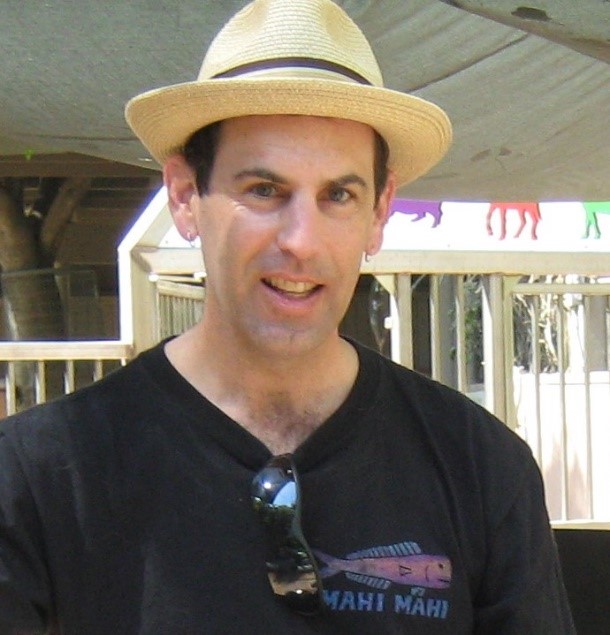
Michael Dunn writes Working-Class Fiction from the Not So Gilded Age. Anywhere But Schuylkill is the first in his Great Upheaval trilogy. A lifelong union activist, he has always been drawn to stories of the past, particularly those of regular working people, struggling to make a better life for themselves and their families.

Stories most people do not know, or have forgotten, because history is written by the victors, the robber barons and plutocrats, not the workers and immigrants. Yet their stories are among the most compelling in America. They resonate today because they are the stories of our own ancestors, because their passions and desires, struggles and tragedies, were so similar to our own.

When Michael Dunn is not writing historical fiction, he teaches high school, and writes about labor history and culture.

Meet the Author

Website:

Follow the Anywhere But Schuylkill blog tour with The Coffee Pot Book Club

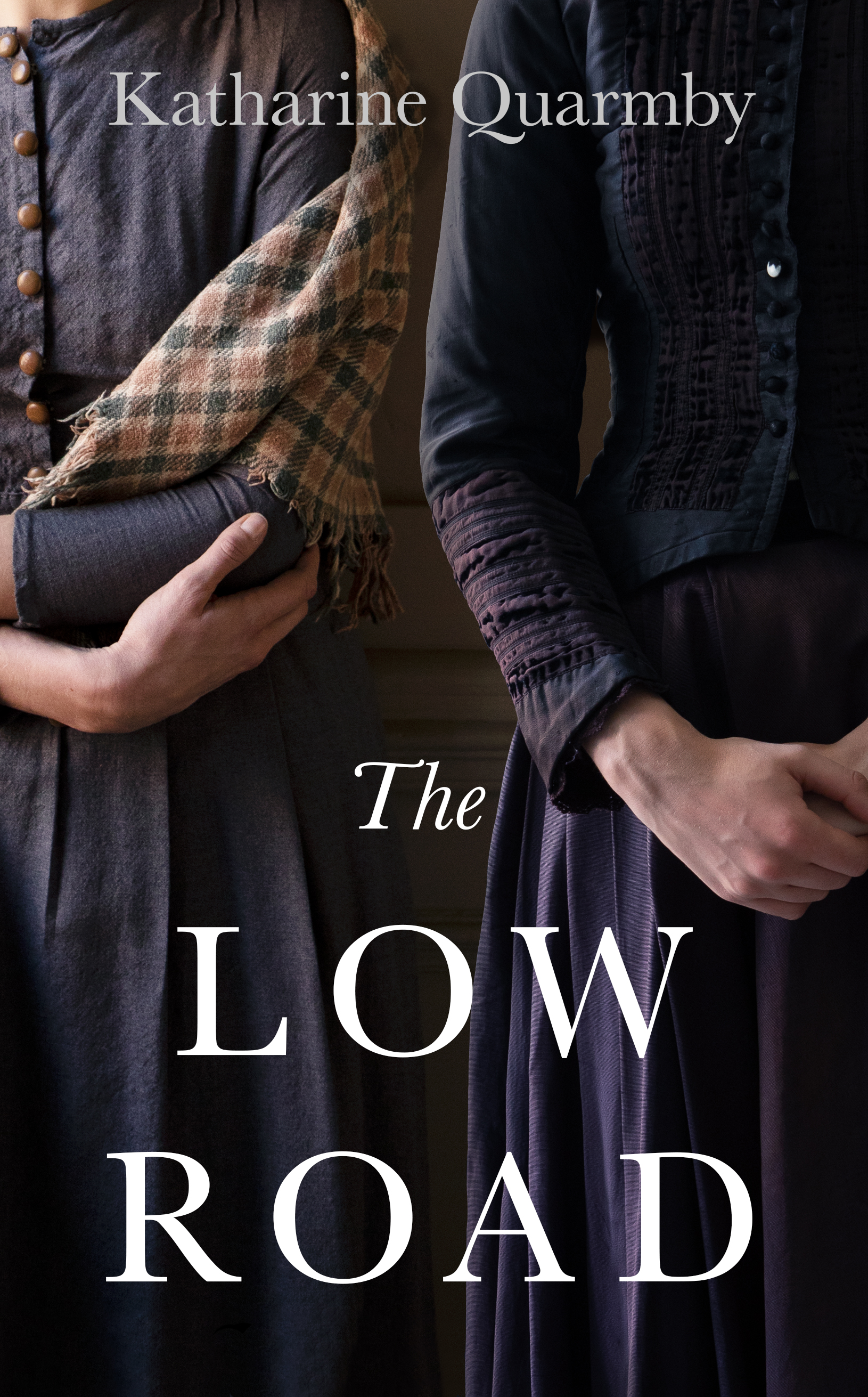
I’m delighted to welcome Katharine Quarmby and her new book, The Low Road, to the blog #WomensFiction #FeministFiction #HistoricalFiction #TheCoffeePotBookClub #BlogTour

I’m delighted to welcome Katharine Quarmby and her new book, The Low Road, to the blog, with searching for The Low Road in Historical Sources.

Searching for The Low Road in Historical Sources

Katharine Quarmby

The search for the story that became The Low Road started around seven years ago now, when I came across a description of one local area in my Norfolk, England, hometown. It mentioned in passing an area at the end of the town called Lush Bush, where a local woman, Mary Tyrell, had been buried on the parish boundary in 1813. I started to dig further, through local newspaper articles and found that the Norfolk Chronicle had reported in that year that she had taken poison and died after being investigated for infanticide. She was then staked through the heart after death in an archaic punishment called felo de se. A daughter, then only described by her initials, A.T., had survived and had been sent to a refuge in London.

It wasn’t a lot to go on, but I really wanted to know more, so I started by guessing that her first name was Ann and was lucky enough to find an Ann Tyrell, (called Hannah in my novel) who had lived at the Refuge for the Destitute in Hackney, East London. I then looked her up in the Hackney Archives, in East London, just a bike or bus ride away from my home, in the great Minute Books that noted in copperplate handwriting the history of the Refuge and of the lives of the young people, known as Objects, who lived there. No traces of the physical building exist now – all that is left is writing. There is just one painting that shows the Refuge as well, looming above some local almshouses.

I walked up and down the Hackney Road in search for it, and found the rough location of the institution where she had been admitted, after being banished from the hometown we shared and being found to have understood, or be ‘sensible’ that her mother had committed an “Iniquity”. It was near a scruffy car park, there were dark alleys nearby and I did my best to imagine Ann living there, using the brilliant Layers of London historical maps to go back in time.

In real life, just as in my novel, Hannah met another destitute there, Annie Simpkins. The girls forged a friendship that I imagined deepened into love and in December 1821 they took a risky decision which then dictated the course of their lives from then on. The Minute Books revealed that on a winter evening in 1821 the girls ran away with stolen goods from the Refuge – perhaps to make a life for themselves, who knows – and were apprehended by the Superintendent of the Refuge.

I traced Hannah and Annie onwards, to the National Archives at Kew, West London, and also through the Old Bailey Online Proceedings, which have been digitised and provide a unique insight into the British criminal justice system. The Old Bailey records show that the girls – just fifteen and eighteen at the time – stood trial for ‘grand larceny’, or thieving, on January 10, 1822. They were sentenced to seven years’ transportation.

But as I found, when I visited the National Archives in Kew, West London, they didn’t go immediately. It was six years later when our Ann was transported. So what happened in between? I kept looking. First of all, they went to the Millbank Penitentiary, now buried underneath the Tate Britain gallery. A stone buttress by the Thames nearby states: “Near this site stood Millbank Prison which was opened in 1816 and closed in 1880. This buttress stood at the head of the river steps from which until 1867, prisoners sentenced to transportation embarked on their journey to Australia.” There are few other traces, except some prison walls, unmarked, and a trench which had been dug around the prison which is now used to dry washing for nearby houses.

Later, the archives also revealed that the girls had even been sent to a prison hulk on the Thames. At the National Archives I was handed a document, done up with red ribbon, about their life on the hulks. Had anyone else ever untied this, I wondered, as I pulled on the ribbon, then unfolded the document. There were the names of my girls and others, resident on the prison ship on the Thames – and there was a signature at the bottom from the then Home Secretary, Robert Peel, pardoning them, and so it was that in 1825 the girls were set free and ended up working at the Ship Inn in Millbank, near the Houses of Parliament.

The last traces of my Ann, in UK history, were back in the Hackney Archives. She had asked for money so she could return to Harleston, Norfolk, but found that all her friends were dead; she had then been granted a stay in the temporary part of the Refuge…and then she vanished. All I knew was that the Superintendent of the Refuge had written back to a lawyer in my hometown to let him know that Ann had been transported to ‘Botany Bay’ in 1828.

I could find no record of her in Australian archives and so at this point I had to pivot and tell the story as fiction, rather than non-fiction. I novelised what happened to them in Australia, taking as my guide the history of other girls and women who were exiled, and was lucky enough to receive a grant from the UK Society of Authors so I could visit both the Hunter Valley and Tasmania, landscape into which I imagined the story of my two girls, exiled, as part of the 26,000 women who were transported to mainland Australia and Tasmania – the largest forced migration of English, Scots, Welsh and Irish people, numbering some 162,000 convicts in all, between 1767-1868. Telling that part of the story – part of the story of these islands, also meant paying attention to, and honouring, the Indigenous communities whose lives were desecrated by the British arriving.

From a trace of a story, then, The Low Road became a novel that uncovered lost histories: the stories of poor women from rural areas, the stories of convicts sent to penal colonies because of poverty and political activism, the stories of people who often left no records behind as a result of illiteracy and hardship, and the largely overlooked history of same sex relationships between convict women. This was a story from the bottom up, of how three generations of girls and women from one family were caught up in political times, from the fall-out of the Napoleonic wars and the poverty after, to the rise of the agricultural workers, the Swing Rioters, and other political dissidents and beyond the seas to Australia.

When I go back to Harleston to visit my family we go on a walk that takes us through the town, past the inn where a jury of men held an inquest on Mary’s body, past the green where the pond used to be where the baby was found, and all the way down to Lush Bush, where Mary is buried in an unmarked grave. I think of Mary and Hannah every time, and I hope I’ve done them justice.

Heres’s the blurb

In 1828, two young women were torn apart as they were sentenced to transportation to Botany Bay. Will they ever meet again?

Norfolk, 1813. In the quiet Waveney Valley, the body of a woman – Mary Tyrell – is staked through the heart after her death by suicide. She had been under arrest for the suspected murder of her newborn child. Mary leaves behind a young daughter, Hannah, who is later sent away to the Refuge for the Destitute in London, where she will be trained for a life of domestic service.

It is at the Refuge that Hannah meets Annie Simpkins, a fellow resident, and together they forge a friendship that deepens into passionate love. But the strength of this bond is put to the test when the girls are caught stealing from the Refuge’s laundry, and they are sentenced to transportation to Botany Bay, setting them on separate paths that may never cross again.

Drawing on real events, The Low Road is a gripping, atmospheric tale that brings to life the forgotten voices of the past – convicts, servants, the rural poor – as well as a moving evocation of love that blossomed in the face of prejudice and ill fortune.

Buy Link:

Universal Link:

Bookshop:

Meet the author

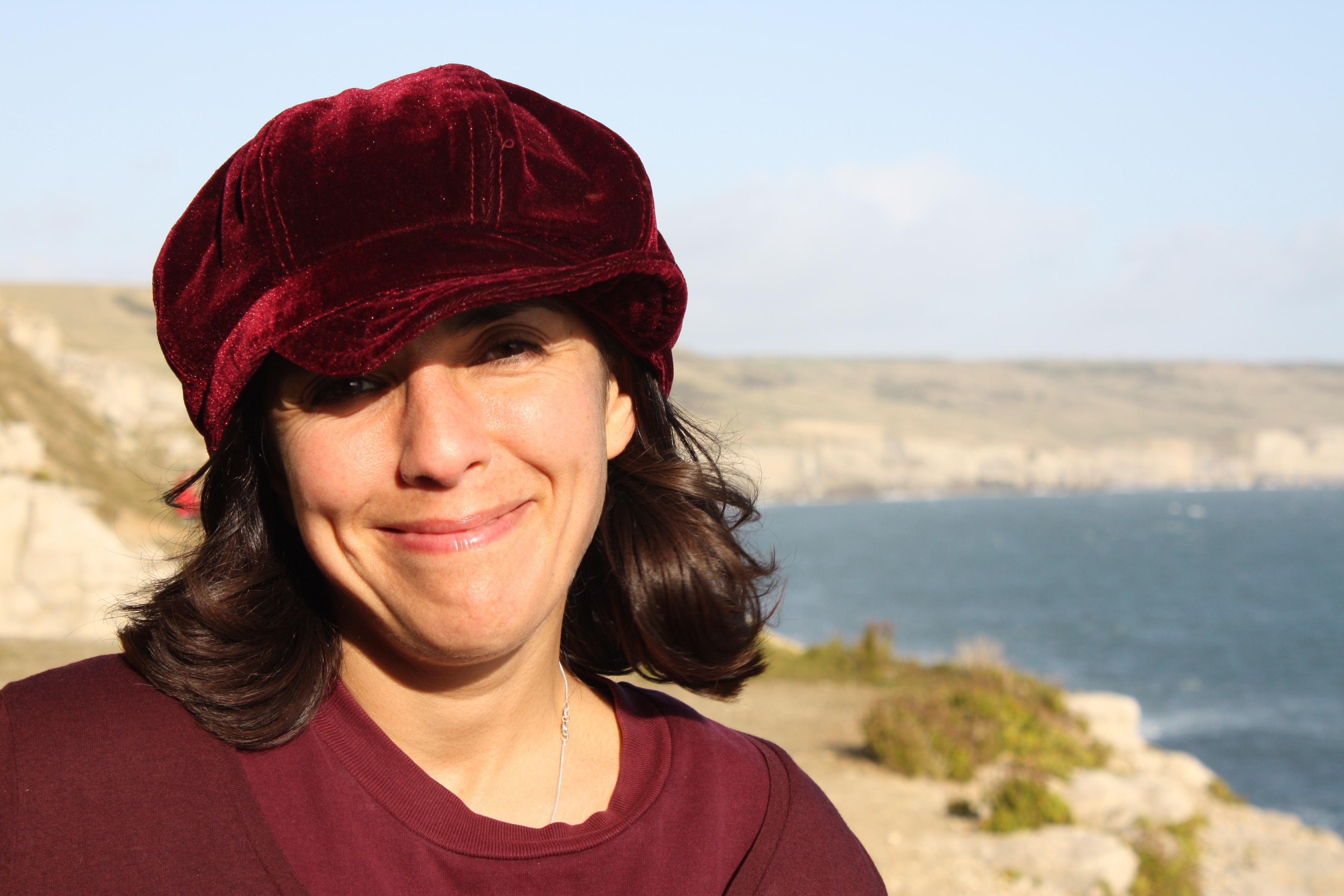
Katharine Quarmby has written non-fiction, short stories and books for children and her debut novel, The Low Road, is published by Unbound in 2023. Her non-fiction works include Scapegoat: Why We Are Failing Disabled People (Portobello Books, 2011) and No Place to Call Home: Inside the Real Lives of Gypsies and Travellers (Oneworld, 2013). She has also written picture books and shorter e-books.

She is an investigative journalist and editor, with particular interests in disability, the environment, race and ethnicity, and the care system. Her reporting has appeared in outlets including the Guardian, The Economist, The Atlantic, The Times of London, the Telegraph, New Statesman and The Spectator. Katharine lives in London.

Katharine also works as an editor for investigative journalism outlets, including Investigative Reporting Denmark and the Bureau of Investigative Journalism.

Meet the author

Website:

Follow The Low Road blog tour with The Coffee Pot Book Club

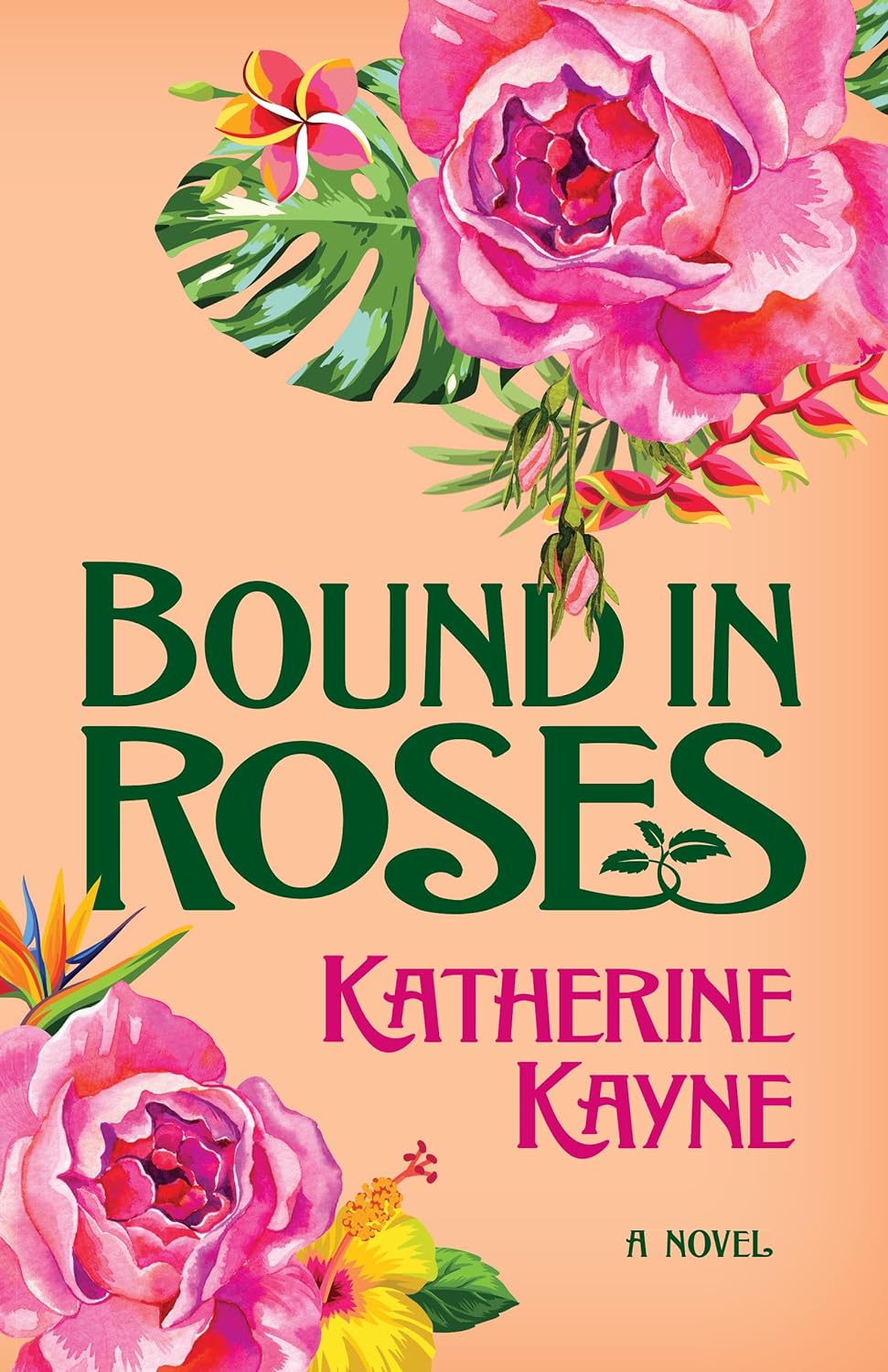
I’m delighted to welcome Katherine Kayne and her new book, Bound in Roses, to the blog #BoundinRoses #HistoricalRomance #GildedAge #BlogTour #TheCoffeePotBookClub

I’m delighted to welcome Katherine Kayne and her new book, Bound in Roses, to the blog.

Here’s the blurb

A red-hot Hawaiian romance blooms for a buttoned-up botanist who must learn to let go and embrace the ancient voice within her.

After a failed engagement to a high-society suitor in San Francisco, Lokelani “Lucky” Letwin returns home to Hawaii, leaving her beloved rosebushes behind. She’s desperate to establish a life of her own-a daunting task for any unmarried female in the early twentieth century but particularly for one passionate about the science of plants. A stubborn, song-filled girl now grown into an accomplished woman Lokelani is haunted by a family tragedy. She is as reluctant to acknowledge her past as she is to accept the supernatural force building inside her, strong and inevitable. She is a mākāhā, a Gate, ever connected to the power of the islands . . . if only she will admit it.

In her quest to retrieve her roses, Lokelani is reunited with Artemus Chang, a childhood friend, who’s now a handsome and successful lawyer. As the spark between them grows, Artemus agrees to help her recover her roses, only to discover her kisses leave him literally breathless. When a mystical teacher enters her life, Lokelani’s embrace of the voice of ancient power bubbling up within her takes on new urgency and new apprehensions.

Will Lokelani continue to be bound by guilt and fear? Or will she learn to reconcile her gifts – as both a practical botanist and a mystical Gate – to sing once more and claim her love?

This title is also available to read on #KindleUnlimited

Universal Link:

Meet the Author

Award winning author Katherine Kayne writes deeply romantic historical fantasy set in old Hawaii. Her critically acclaimed debut novel BOUND IN FLAME delivers myth, magic and all the sparks promised by the title. The next installment in her Hawaiian Ladies’ Riding Society series, BOUND IN ROSES, is available for preorder now.

Katherine’s novels are filled with horses and history and happily ever after . . . and heroes strong enough to follow their heroine’s lead. She spends a part of each year on Hawaii Island immersing herself in Hawaii’s past. Aided of course by the occasional mai tai. Katherine created the world of the Hawaiian Ladies Riding Society to tell the stories of the fearless horsewomen of the islands’ ranches. Because who doesn’t love a suffragist on horseback? With a bullwhip? Wearing flowers?

If you come along for the ride, be prepared for almost anything to happen. Katherine can promise you fiery kisses, charming cowboys, women who ride like the rainbow to save the day, and that rarest of beasts-handsome men who like to dance.

Connect with the Author

Website: Book Bub:

Follow Bound in Roses blog tour with The Coffee Pot Book Club

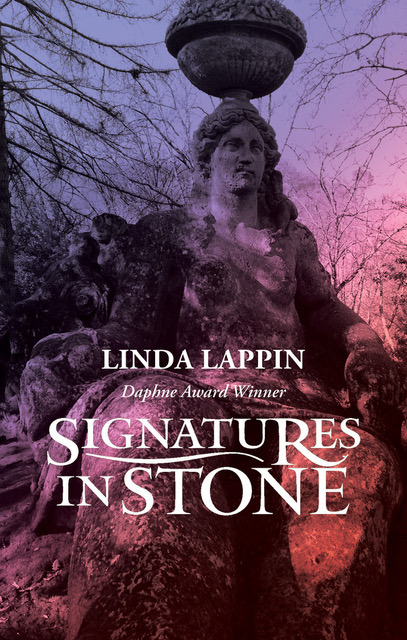
I’m delighted to welcome Linda Lappin and her new book, Signatures in Stone, to the blog #SignaturesinStone #DaphneWinner #Bomarzo #HistoricalMystery #BlogTour #TheCoffePotBookClub

I’m delighted to welcome Linda Lappin and her new book, Signatures in Stone, to the blog, with a snippet.

Snippet

Finestone paused on the threshold, as if waiting to see my reaction, then stepped in behind me, seized my arm, and began my guided tour: “In the mid-sixteenth century,” he began, “when this place was created, parks and gardens were meant to offer more than just an aesthetic experience, a pleasant promenade in the shade or a showcase for flowerbeds. They were models of the cosmos and also tools for altering one’s consciousness, possibly for changing one’s destiny. Entering a place like this was like succumbing to a dream. Every detail was intended to produce a specific effect on the mind and body, to excite and soothe the senses like a drug. To awaken the unconscious self.”

The sculptures came at you helter skelter, truly like images in a dream. Wherever a crest of rock or boulder protruded from the ground, there had the sculptor’s chisel captured another frenzied spirit of the underworld.

Strewn around us were river gods, pouting putti, lustful Pans; ogres, nymphs and beasties; creatures shaken free from the bowels of the earth by some cataclysm, ready to sink back in at a moment’s notice if the earth should heave again.

“The park may conceivably contain an encoded message. Its statues and sculptures may spell out a formula for making gold, or for what gold symbolized to the alchemists: Immortality. Redemption. Eternal Love. Wisdom. Something of a sort dissimulated by private pictograms,” said Finestone.

“So the Monster Park is a sort of book,” I ventured, “a book of emblems hewn in stone, conveying a message, telling a story, revealing an enigma. “

“You mean,” he said, “concealing one.”

Here’s the blurb

Captivating critics and readers, SIGNATURES IN STONE, was the OVERALL WINNER in the DAPHNE DU MAURIER AWARDS for Excellence in Mystery and Suspense Writing – best mystery of 2013

Rome, Italy – November 2023 – Pleasure Boat Studio is thrilled to announce the release of the second edition of Linda Lappin’s celebrated novel, SIGNATURES IN STONE: A BOMARZO MYSTERY. This captivating suspense tale takes readers on a thrilling journey through the enigmatic Monster Park of Bomarzo, also known as the Sacred Wood, an extraordinary Baroque sculpture garden in Italy. With the 500th anniversary of the park’s creation, this edition is accompanied by a magnificent new cover and a series of Tarot card illustrations by Santa Fe artist Carolyn Florek.

In SIGNATURES IN STONE, readers are transported to the atmospheric setting of the Monster Park of Bomarzo, a sixteenth-century garden adorned with mythical creatures believed to represent a terrifying journey into the realm of nightmares. Against this backdrop, four travelers find themselves intertwined in a fate-driven Italian holiday. Daphne, a British writer of occult mysteries, her down-on-his-luck aristocratic publisher Nigel, the aspiring artist and American gigolo Clive, and the art historian Professor Finestone, all converge in a dilapidated villa near the park. They are attended by rustic servants who harbor secrets of their own.

Professor Finestone has made a groundbreaking discovery, revealing that the garden was designed by one of Italy’s greatest artists as a transformative experience that delves into the shadow side of life. Over the centuries, the park’s meanders continue to influence the minds and destinies of those who venture within. As the group explores their heart’s desires amidst the haunting sculptures, they become entangled in a web of intrigue and danger. When Daphne, renowned for writing cozy murder tales, becomes the prime suspect in a shocking homicide, she must confront her own darkness and rely on her sleuthing skills to uncover the terrifying truth.

Linda Lappin’s gripping tale presents an intriguing exploration of gardens in Renaissance Italy, where they were regarded as tools for altering consciousness and changing destiny. The Monster Park of Bomarzo becomes the backdrop for a “Gothic-in-Wonderland” phantasmagoria, immersing readers in a suspenseful and thrilling journey.

New Edition of Linda Lappin’s Award-Winning SIGNATURES IN STONE: A BOMARZO MYSTERY Commemorates the 500th Anniversary of the Monster Park.

Praise for Signatures in Stone:

“Layers of mystery are woven into Linda Lappin’s beautifully written and atmospheric historical novel set in Bomarzo, Italy’s enigmatic park of stone monsters.”

~ Gigi Pandian, author of The Accidental Alchemist.

“Deftly mixing fascinating art history and murder with an exotic atmospheric setting (the Bomarzo garden actually exists), dramatic historical period (1928 fascist Italy), and fully fleshed characters, Lappin (The Etruscan) has written a hallucinatory gothic mystery in which no one is as they appear. Daphne is a most memorable, if a bit unreliable narrator. Readers looking for an intelligent summer mystery will find much to savor here.”

~ Wilda Williams, Library Journal

Buy Link:

Universal Link:

Meet the author

Linda Lappin, poet, translator, novelist, and travel writer is the prize-winning author of four novels: The Etruscan (Wynkin deWorde, 2004); Katherine’s Wish (Wordcraft, 2008), dealing with the last five years of Katherine Mansfield’s life; Signatures in Stone: A Bomarzo Mystery (Pleasureboat Studio, 2013,2023), overall winner of the Daphne Du Maurier award for best mystery novel of 2013; and Loving Modigliani: The Afterlife of Jeanne Hébuterne (Serving House Books, 2020), 2021 Daphne Du Maurier award finalist and shortlisted for the 2021 Montaigne Medal for Books of Distinction.

She is also the author of The Soul of Place: Ideas and Exercises for Conjuring the Genius Loci, (Travelers Tales, 2015), winner of a Nautilus Award in the category of creativity in 2015.

A former Fulbright scholar to Italy, she has lived mainly in Rome for over thirty years. She is at work on a second Daphne Dublanc mystery novel, Melusine, set in Bolsena. The second edition of Signatures in Stone (2023) has been issued to commemorate the 500th anniversary of the Monster Park.

Connect with the author

Website: Bluesky: Book Bub:

Follow Signatures in Stone blog tour with The Coffee Pot Book Club

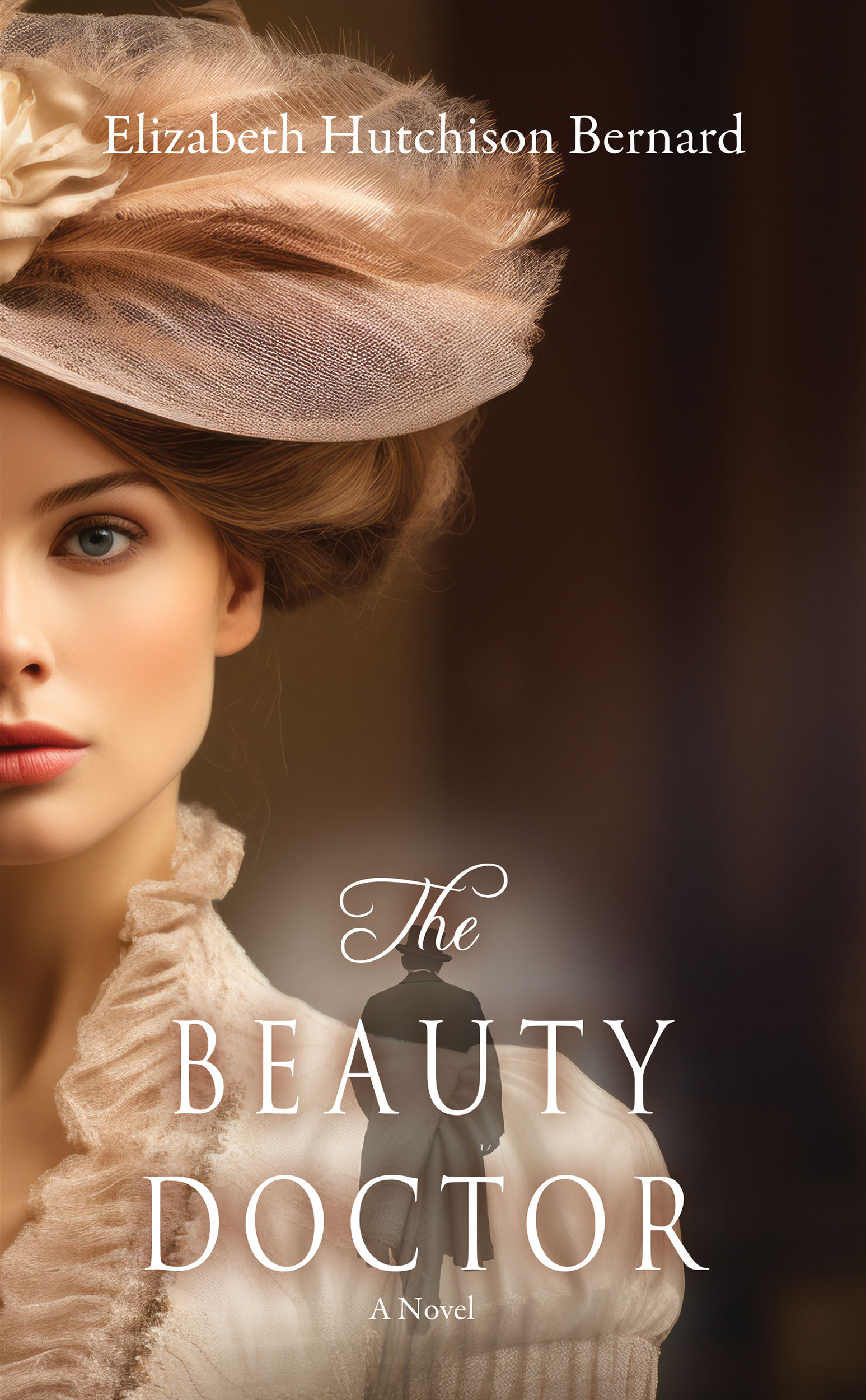
I’m delighted to welcome Elizabeth Hutchison Bernard and her new book, The Beauty Doctor, to the blog #historicalfiction #historicalmystery #cosmeticsurgeryhistory #BlogTour #TheCoffeePotBookClub

I’m delighted to welcome Elizabeth Hutchison Bernard and her new book, The Beauty Doctor, to the blog, with an excerpt.

Chapter 2

On the chance Dr. Rome was still attending to Mr. Kilroy, she lay in wait. He was clearly surprised to find her loitering in front of the Kilroys’ townhome. She explained that she was calling off her engagement and needed to find employment. He seemed interested. It wasn’t until they were sitting across from each other at Café Le Jour on Forty-sixth Street that Abigail began to think she’d made yet another terrible mistake.

“You are a very beautiful young woman,” he said, smiling at her over his coffee cup. “I suppose people tell you that all the time.”

“Not so often, actually.” That he had begun on such a personal note, and with the same overabundance of charm he’d displayed at the Hennessys’ banquet, had an unsettling effect on her. As did his gaze, which was direct and insistent.

“I’m sure you’re only being modest, but you need not be around me. I appreciate beauty for what it is and for the entitlements it brings to those lucky enough to have it.”

\“I’ve never been one to think much about entitlements. I was taught that if you desire something, you work for it. Which is why I wanted to speak with you—”

“There are lots of women who work very hard at being beautiful and still they can’t hold a candle to you. I’d even go so far as to say that you, Miss Platford, are the embodiment of everything I hope to achieve for my patients. That’s why you may actually be the perfect one to assist me with my new practice. You see, what I really need,” he said, the excitement in his voice building, “is a foil. A stunningly beautiful foil.”

“A foil?” She wasn’t sure what the word meant, but didn’t like the way it sounded.

“Yes. Someone to make the rounds with me at parties and events, anywhere we can meet women—the kind of women with both the desire and the means to avail themselves of my services.” This was not what she’d expected, nor was it a welcome development. Her purpose in approaching Dr. Rome was a far more serious one than his words implied. She had imagined herself working at his side, much as she had done with her father, helping to put patients at ease, assisting with their care. And though it was not her favorite duty, she would readily have consented to manage his schedule and fulfill the required paperwork if he were to ask her. But this business of attending parties and events—what did it have to do with doctoring?

“You speak of meeting women in need of your services, but surely you plan to take care of men as well. Mr. Kilroy is your patient, isn’t he?”

“For the moment, yes—though that was only a favor. But let me explain.” He took a hasty gulp of his coffee and set down the cup. “I’m about to embark on a new facet of my career, a new field. Transformative surgery. Have you heard of it?”

“I don’t believe I have.”

“Some call it beauty surgery.”

She instantly recalled splashy advertisements she’d seen in the newspapers for practitioners who claimed to specialize in straightening noses, pinning back ears, and plumping up wrinkles with paraffin. At best, such solicitations had struck her as tasteless. At worst … might Dr. Rome be nothing more than a charlatan?

“Oh—you’re a beauty doctor.” The inflection in her voice no doubt came across as somewhat disparaging. She dipped her head, hoping to obscure the visual evidence of her skepticism beneath the plethora of ostrich feathers on the brim of her blue velvet hat.

“Just imagine it for a moment, Miss Platford,” he said, seeming not to have found anything disturbing in her reaction. “Your mere presence by my side would stimulate, in any average woman, an intense longing for beauty; then, arising quite naturally from that, a burning curiosity. With just a hint, she would be eager to learn what I offer in the way of beautifying procedures. That’s how one goes about building a thriving beauty practice. Stimulate the need, offer the solution. Or, if you prefer, think of it this way: You would be helping to enlighten women about advances that can greatly enhance their lives. No different from selling a product. A product that people would certainly buy if they only knew its benefits.”

So, he wanted her to help him sell the concept of beauty surgery to other women? That was not what a doctor does! To take part in such activities would compromise everything she believed in. “Your idea is to use me as a sort of walking advertisement?”

“I wouldn’t put it like that.”

“Forgive me for being blunt, but are you really a doctor?”

He shoved aside his coffee cup, almost knocking it over. “Would I call myself a doctor if I wasn’t one?”

“I don’t mean to offend you. It’s just that I don’t know any other doctors who are engaged in your kind of work.”

“Because no medical school in this country has the foresight to embrace transformative surgery. That’s why it was necessary for me to receive advanced training in Europe. I returned from Paris only recently.”

“But you did train in medicine? Here in America?”

“Certainly, but the typical doctor’s training only goes so far. The medical establishment is very set in its ways. It resists anything that might challenge the status quo. And that is exactly what transformative surgery does. The social implications are immense. It represents possibly the greatest force for the empowerment of women in all of human history.”

“Empowerment of women?” Despite her disappointment, she had to smile. “I’m sorry, but I don’t see what your transformative surgery could have to do with the movement for women’s rights.”

“Maybe you’ve never thought of it this way, but beauty is power,” Dr. Rome said, with the calm certainty of a man who knows he speaks the truth. “And with enough power, Miss Platford, a woman can achieve anything.”

Here’s the blurb

A Bone-Chilling Mystery-Suspense-Thriller Set in the Edwardian Era

Finalist, Eric Hoffer Book Award


“Beauty is power,” Dr. Rome told her. “And with enough power, one can achieve anything.”

Straightening noses, trimming eyelids, lifting jowls . . . In the year 1907, his revolutionary beauty surgery is considered daring, perhaps dangerous. Still, women want what Dr. Rome promises. Neither is his young assistant Abigail Platford immune to Dr. Rome’s persuasive charm.

Abigail once dreamed of becoming a doctor, though of a much different sort. That dream ended with her father’s tragic death from a medical error for which she holds herself responsible. Dr. Rome, who proudly displays his medical degree from Johns Hopkins, seems to believe in her. If he were willing to act as her mentor, might there still be a chance to realize her dream of someday becoming a doctor serving New York City’s poor?

But something feels terribly wrong, as though an insidious evil is closing in. Broken promises, lies, and intrigues abound. The powerful are threatening to destroy the weak, and a doctor’s sacred duty hangs in the balance. Abigail no longer knows who to believe; but with Dr. Rome now her mentor and her lover, she desperately wants to trust him.

Even when she discovers that one of their patients has mysteriously disappeared.

From bestselling author Elizabeth Hutchison Bernard, a suspenseful work of historical fiction grounded in the social and moral issues of the Edwardian era in America. Second Edition with Author’s Preface.

Buy Link:

Universal Link:

Meet the author
Elizabeth Hutchison Bernard is the author of bestselling historical novels. Her 2023 release, Sisters of Castle Leod, is an Amazon Kindle #1 Bestseller (Historical Biographical Fiction, Historical Literary Fiction), winner of the 2023 Maxy Award for Historical and Adventure Fiction, and an Editors’ Choice of the Historical Novel Society. Her biographical novel Temptation Rag (2018) was hailed by Publishers Weekly as a “resonant novel . . . about the birth and demise of ragtime . . . in which romance and creative passions abound.” Elizabeth’s 2017 historical mystery-suspense-thriller, The Beauty Doctor, was a finalist for the prestigious Eric Hoffer Book Award. The book’s re-release (Jan. 4, 2024) features a stunning new cover and an Author Preface with insights into social and moral issues of the Edwardian era that frame this shocking fictional story set in the early days of cosmetic surgery. Before becoming a full-time author, Elizabeth was executive editor of an international aesthetic surgery journal, and senior consultant to the National Cosmetic Network in conjunction with Johns Hopkins University’s plastic surgery educational program. Learn more about Elizabeth and her books at www.EHBernard.com.

Meet the author

Website:

Follow The Beauty Doctor blog tour with The Coffee Pot Book Club

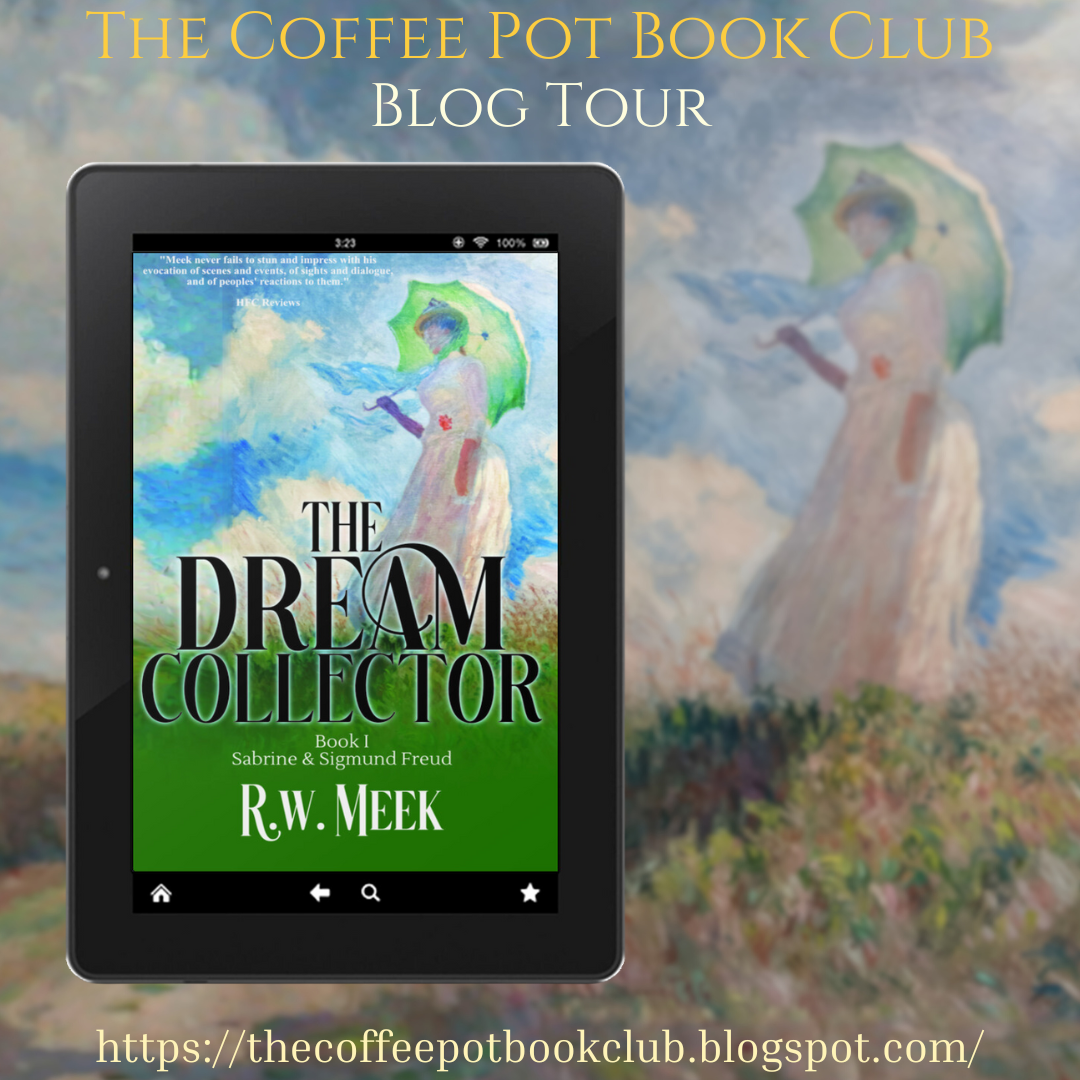
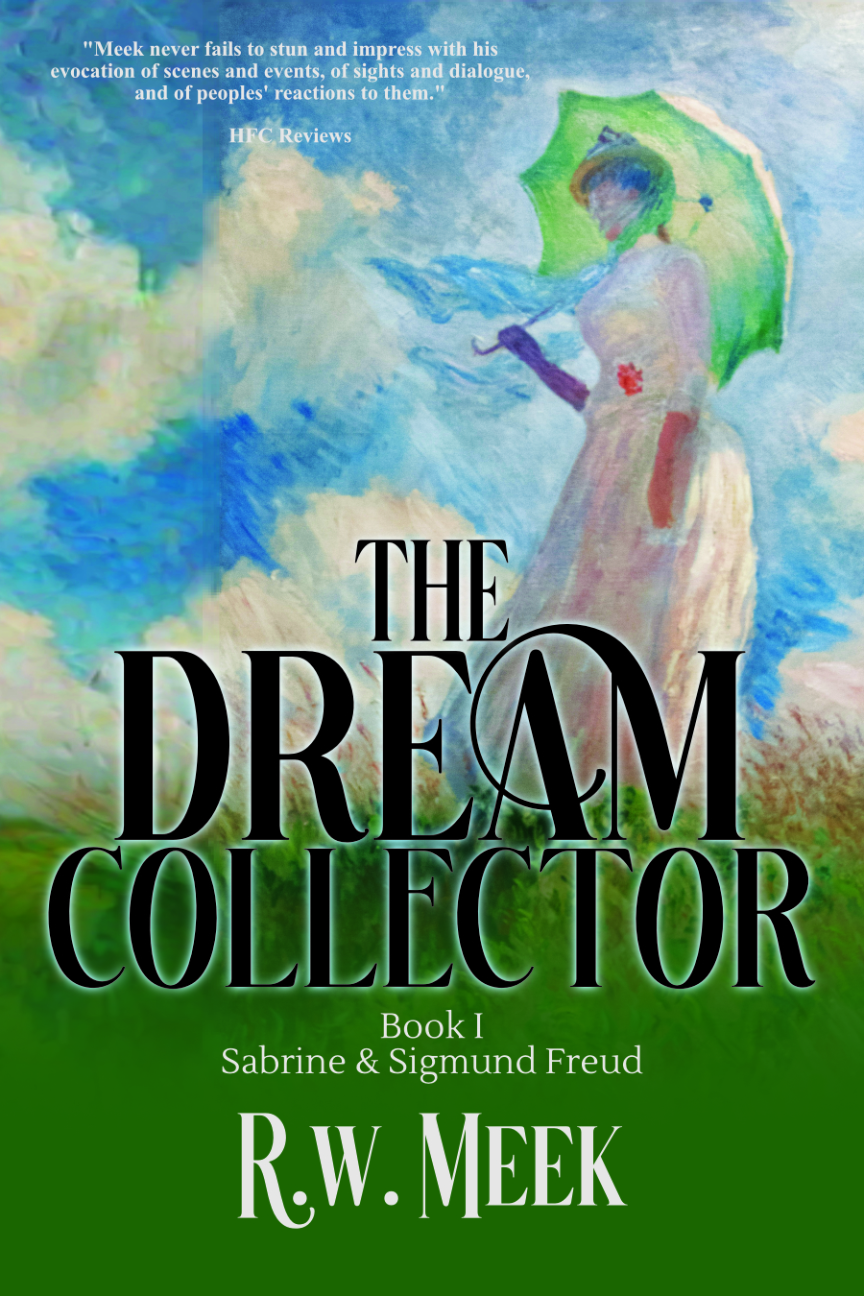
I’m delighted to welcome RW Meek and his new book, The Dream Collector, to the blog #HistoricalFiction #LiteraryFiction #BlogTour #TheCoffeePotBookClub

I’m delighted to welcome RW Meek and his new book, The Dream Collector, to the blog, with an excerpt.                             

                                               “Meeting Sabrine”

The warming, pleasant effects of the cognac had Sigmund sorting through the photographs with greater leisure; he started to savor them as if paintings—until one particular pose troubled him. She was photographed curled into a corner of the bed, her back pressed against the wall, and her head thrust forward with a swollen and distended neck, barring teeth like a vicious animal. It was frightening to behold someone less than human. He gulped what remained of the drink.  

“She threatens,” Dr. Charcot explained. “I call this attitude, Le Menace.”

Before Sigmund could respond with a reasonable question, whispering sounds outside the door of the library caused him to turn. He heard quick retreating footsteps, watched the door latch click open and instinctively recoiled at her sudden appearance. She wore a white smock identical to the photograph in his trembling hands and he braced himself for whatever menace she might express.  

The princess of the hysterics walked forward, wearing a most natural smile, presenting such uncommon composure and confidence that he could not believe that this woman had spent the past five years of her life confined in an institution for the diseased and insane.

When she offered her hand, specifically to him, he tried to assure himself that she must be in the state Charcot labeled, l’Ėtat Normal. 

Here’s the blurb

The Dream Collector immerses the reader into the exciting milieu of late 19th Century Paris when art and medicine were in the throes of revolution, art turning to Impressionism, medicine turning to psychology. In 1885, Julie Forette, a self-educated woman from Marseilles, finds employment at the infamous Salpêtrière, hospital and asylum to over five thousand disabled, demented and abandoned women, a walled city ruled by the famed neurologist and arrogant director, Dr. Jean-Martin Charcot.  

Julie Forette forms a friendship with the young, visiting intern Sigmund Freud who introduces her to the altering-conscious power of cocaine. Together they pursue the hidden potential of hypnotism and dream interpretation. After Freud receives the baffling case of the star hysteric, Sabrine Weiss, he is encouraged by Julie to experiment with different modes of treatment, including “talking sessions.” Their urgent quest is to find a cure for Sabrine, Princess of the Hysterics, before Dr. Charcot resorts to the radical removal of her ovaries.  

In Paris, Julie finds a passion for the new art emerging, Impressionism and Post-Impressionism, and forms friendships with the major artists of the period, including Pissarro, Monet, and Degas. Julie becomes intimately involved with the reclusive Cezanne only to be seduced by the “Peruvian Savage” Paul Gauguin.  Julie is the eponymous ‘Dream Collector’ collecting the one unforgettable, soul-defining dream of the major historical figures of the period. 

Praise for The Dream Collector: 

“Meek never fails to stun and impress with his evocation of scenes and events, of sights and dialogue, and of peoples’ reactions to them.”

~ HFC Reviews

“Tribute must be paid to the obvious and clear literary skills of the author R.w. Meek and to his ability to invoke historic personages and the Belle Époque he so evidently adores.”

~ Julian de la Motte, award winning author of Senlac

Buy Link:

Universal Link

Meet the author
R.w. Meek has a Master’s degree in Art History from the American University in Washington, D.C., his areas of expertise are Impressionism and Post-Impressionism, with a particular interest in Vincent van Gogh.  He has interned and conducted tours at the National Museum of American and the National Gallery of Art. In 2022 and 2023 five of his chapter excerpts from his soon to be published novel “The Dream Collector” were either finalists or published in various literary journals. The author has also won the Palm Beach Book Festival Competition for “Best Writer in Palm Beach’ his manuscript judged by a panel of NYT Best Selling authors. “The Dream Collector” also received gold and silver medals in the Historical Fiction Company literary contest and earned runner-up for the “Best Historical Fiction Novel’ of 2022. 

The author was born in Baltimore, adventured in Europe for many years, and recently moved from Delray Beach, Florida to Santa Clarita, California.  His wife is a psychologist, sculptress, playwright and stand-up story teller.  His daughter Nora is a story board artist in the animation world and resides in Hollywood, California. His favorite writers are Dostoevsky, John Fowles, and Antoine de Saint-Exupery. 

Meet the author
Website:  Facebook

Follow The Dream Collector blog tour with The Coffee Pot Book Club

2023 – a year in reading

In 2023, I set myself the task of reading 52 books, or one book a week, but I smashed that, reading/listening to more than double that number. So, what have I been reading?

I’ve taken part in many blog tours, and I also read a lot of fellow Boldwood Books authors, but I also have my favourites that I return to time and time again. I don’t show star ratings on my blog, and that’s intentional. You can always see what I’ve been reading over on Goodreads, where I do tend to give star ratings.

Fantasy

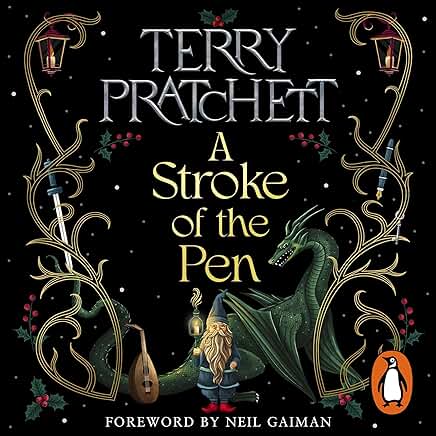
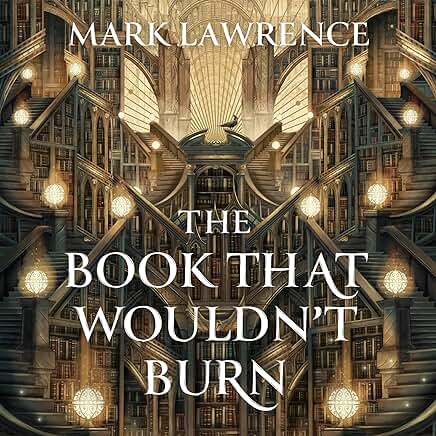
Fantasy was one of my first loves, but I read surprisingly little of it now. Aside from my relisten of all the Terry Pratchett Discworld audiobooks (which I’m loving – I listened to 20 books in the series – and discovered the joy of slowing down the narrator as opposed to speeding them up), I also read the wonderful short story collection, A Stroke of the Pen. I’ve also read Mark Lawrence’s, The Book That Wouldn’t Burn, and indulged in the fabulous Advent of Winter, a short story a day throughout Advent. I think this might sway my reading for 2024, as well as Spread, another short story anthology which contained a host of fabulous writers. And, Steve Jones’ Call Time, which I really enjoyed. His main character is a real ass, but it’s intentional, although I think perhaps some people don’t realise that. It’s worth persisting with, and all those of a ‘certain’ age will love the retro mentions.

Historical Fantasy

I indulged in a little bit of historical fantasy, Theodore Brun’s new book, A Savage Moon, which was excellent, and the anthology, Alternate Endings, which I found really enjoyable.

Mystery

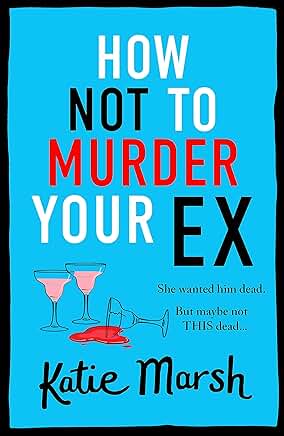
I’ve been reading more and more contemporary mysteries, 23 in total. I have a couple of favourite series, that by Helen Golden, and also a series set in contemporary Italy by TA Williams, as well as some other series I’ve discovered, most notably that by EV Hunter. I read the first book in Kate Wells farming mystery series, and How Not to Murder Your Ex by Katie Marsh. I also read Pass the Cyanide, a foodie short story collection. The Cozy Craft Mystery series by Mille Ravensworth has also been delightful – short, sharp and snappy. I’m also continuing to read Debbie Young’s series – both the Sophie Sayers series and the St Bride’s series.

What I’m really enjoying is working out how the authors ‘tell’ their stories – a good mystery is liberally interspersed with ‘tells’ which the reader only realises as the mystery resolves. There’s a lot to be learned from that for historical fiction, although I did find myself veering towards a bit of a mystery in one of the books I’ve written this year, entirely by accident:)

Historical Mystery

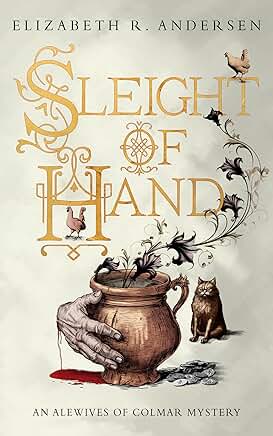
Historical mystery, both cozy and a little more not cozy, is one of my favourite genres. I’ve read 18 historical mysteries – The Alewives by Elizabeth R Andersen on audio which is fabulous, the Iris Woodmore series by Michelle Salter, the new Sarah Hawkswood – I do love this series, and the Fiona Figg and Kitty Lane Mysteries by Kelly Oliver. I’ve recently discovered Helen Hollick’s 1970s mystery series, which I’m adoring for all the little details she’s added which really place it in the early 1970s. The notes show that Helen has spent much time arguing with her former classmates over some of those details, and that shows a real desire to ‘get it right,’ which I appreciate. When I was writing my historical mysteries, my Dad was so helpful in offering advice including reminding me that there would have been steam trains in the 1940s. I also really enjoyed Colin Garrow’s historical mystery, Red Snow, set in and around the Newcastle area.

Historical

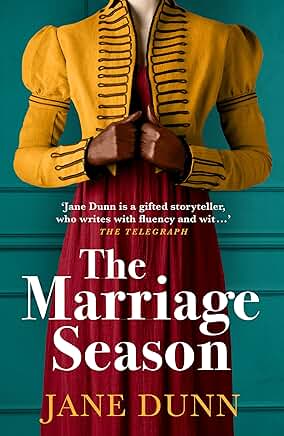
I read quite a bit of historical – 17 titles. I veered from Renaissance Italy, with Kelly Evans’, Turning The World to Stone to the Roman Empire in the BC years, with both Robert M Kidd and SJA Turney. I’ve already listed a couple of my books of the year over on the Aspects of History website, which included JC Duncan’s Warrior Prince, Donovan Cook’s Odin’s Betrayal and Jane Dunn’s The Marriage Season. I also discovered Melissa Addey’s Roman series, which I’m adoring – such a fabulous idea to tell the tale of the Colesseum when it was being used. And Robert Kidd’s To Kill A Consul, set in the third century BC. I’ve only managed one SJA Turney book this year, which I’m annoyed about. I’m desperate to read his latest Damned Emperor series, but need to find the time. I discovered Gordon Doherty‘s, Legionary series, which I want to read more of, as I started with book 9. I also read the new Dan Jones, and found it very bleak, hopefully, intentionally so, and fellow Boldwood author Peter Gibbons Saxon series. As well as Cathie Dunn’s Ascent. So, I read a fair bit set in and around my era, and also some more distant time periods.

Other Genres

I’ve read a little outside these genres, completing Evie Hunter’s gangland series set in Birmingham, and again, being inspired by the way she tells her story. It was extremely compelling, especially as every character was just horrible and self-involved. I read a couple of historical romances, the odd thriller, and also other tales I might not usually pick up. That is the joy of being a blog host. I can’t say I ever regret my decisions, and it is great to read so widely.

Audio Books

Aside from the new Discworld recordings, I also listened to a couple of other audiobooks. The Alewives by Elizabeth R Andersen is fabulous. I also listened to a historical romance, which I really enjoyed and a short story collection. I am growing my audiobook library and have loads to listen to but need to find the time. I did try an audiobook while on holiday in Scotland, but it was so bloody miserable and bleak, I never listened to the end. I also listened to my own audiobooks, and would like to thank Matt Coles and Sean Barrett for their endeavours this year.

Top Five (okay, Six) Books of the Yeara jumble of genres – the books I enjoyed the most – I’m quite surprised by my selections

I find that reading for me is very much a ‘mood’ thing. I love to find new series which I can devour, but equally, some of my most cherished authors might not get read in any given year if I’m just not feeling ‘it.’ I don’t want to ruin them by trying to read against where my enjoyment is taking me.

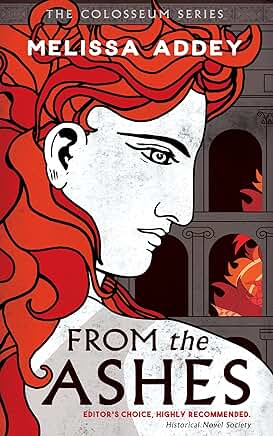
From the Ashes by Melissa Addey – such a fabulous idea and so cleverly woven with historical events in first century Rome.

The Marriage Season by Jane Dunn – a delightful Regency romance, but with a twist, which fans of Haden from The Last King series will appreciate.

How Not To Murder Your Ex by Katie Marsh – not my usual thing but very, very funny and a cleverly woven together tale/mystery. I devoured this title in a day and a half.

The Advent of Winter by various authors, organised by Dom McDermott – a really inspiring collection of fantasy short stories. I will be reading more from many of these authors. I’ve not yet reviewed this book but I highly rate it.

A Stroke of the Pen by Terry Pratchett – a delight to read some of his earliest tales, especially when I’ve spent much of the last two years listening to the two collections of audiobooks – the older recordings, and the new ones. I can see where many of his ideas came from. As someone who also writes short stories before embarking on longer tales, it was a real eye opener.

The Book That Wouldn’t Burn by Mark Lawrence – as usual, he blew my mind with his storytelling. It took me about a month to be able to write a coherent review for this fabulous story. I’m looking forward to book 2 in the trilogy in 2024.

Looking Forward

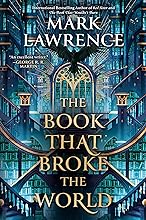
2024 will see the sequel to Mark Lawrence’s The Book That Wouldn’t Burn (image below – I know Mark wanted to do a ‘proper’ cover reveal, but it has snuck out, and as he seems okish with that, I have included it), as well as Elizabeth R Andersen’s The Alewives two, Sleight of Hand. I will also, at some point, run out of Discworld audiobooks. My plan then is to listen to the Deverry series by Katharine Kerr – I have read all the books but want to listen again – and also the PERN novels by Anne McCaffrey. I’m also looking forward to discovering new books through blogging, and keeping up with the historical and cosy mystery series I already read. And, finding time to read Caracalia by SJA Turney. (I’ve just looked it up and see he also has a new book out next year – Agricola:Invader – that will be going on my TBR as well.) I will set myself the same target of 52 books, and see how I get on with that. So, here’s to another great year of reading, and listening ahead.

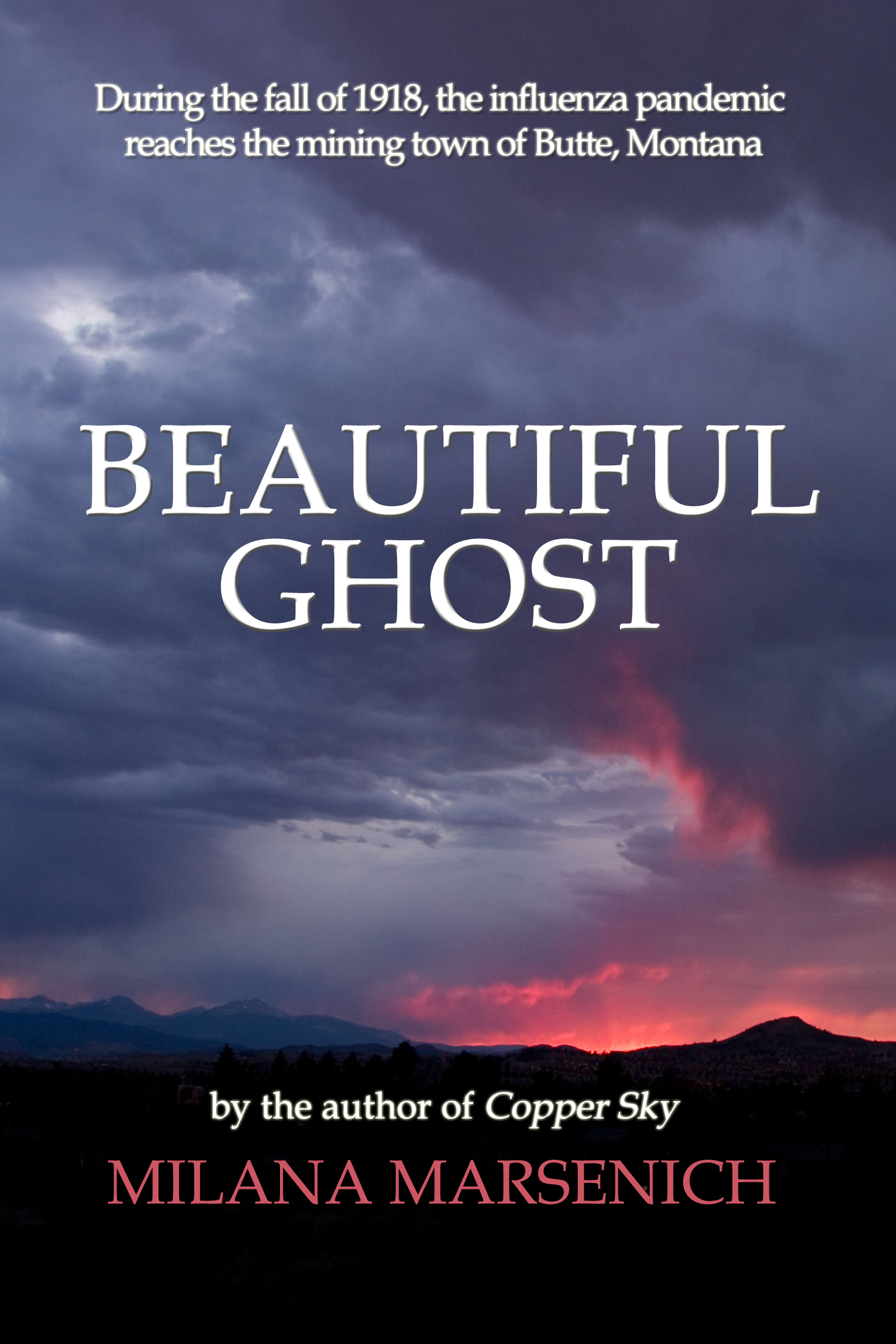
I’m sharing a snippet from Milana Marsenich’s new novel, Beautiful Ghost. #historicalfiction #Butte #Montana #BlogTour #TheCoffeePotBookClub

I’m sharing a snippet from Milana Marsenich’s new novel, Beautiful Ghost.

“Come back to the bakery with me and you can see for yourself. Annie doesn’t even know I exist when you are around. You can stay with us. You’ll be safe there.” Kaly heard herself echoing a sentiment Beth had once professed to Kaly. “Come stay at Miss Lottie’s,” her friend had said. “You’ll be safe there.” 

This was different. Kaly looked at the ground. “Besides, we talked about it. You can’t work the line now.” Beth had agreed. The syphilis would infect others, eventually killing them. “Maybe Tara would put you to work.”

Kaly worked hard in the bakery. At first, she’d waited tables, but soon learned to cook good wholesome food. She cleaned tables and swamped the place at night, shopped, and stocked supplies. Still, she would not be able to make ends meet without Tara’s help and Tommy sending home his army money. 

Beth shook her head. “You know I can’t live on that kind of money. I’ve got a scheme brewing and as soon as it’s ready, you’ll be the first to know.” 

Kaly couldn’t help but feel that she had betrayed and abandoned her friend. So many didn’t have the means to retire that profession. Old prostitutes often died cold and sick on the streets, or at one of the hog ranches for old whores. Those with syphilis did even worse. 

She couldn’t stand to think of that fate for Beth. Beautiful, bold, vivacious Beth. Kaly missed their camaraderie. Beth had been her best friend since she was fourteen. If Kaly had her way, she’d never give her up. But Beth had distanced herself from Kaly since she’d moved in with Tara McClane, and there seemed to be nothing Kaly could do about it. 

Here’s the blurb

During the fall of 1918, the influenza pandemic crosses the nation and reaches the mining town of Butte, Montana. 

Marika Jovich, who wants to go to school to become a physician, works menial tasks for Dr. Fletcher. She feels useless as she tries to save friends and neighbors from the ravages of the flu. In the midst of the pandemic, she watches the town shut down, young and old perish, and her medical dreams all but evaporate.

Kaly Monroe used to be a half-good woman of the night. She left that life to raise her daughter, Annie, and live and work with her long-lost mother, Tara McClane. Kaly waits for her husband, Tommy, to return from the war. Word from the east is that soldiers are dying of influenza and she prays that Tommy is not one of them.

When an out-of-town woman named Amelia suddenly dies in Dr. Fletcher’s office, both women try to learn more about the mysterious woman and the circumstances regarding her death. Is she another casualty of the pandemic, or the victim of manmade foul play? Who is this stranger, and is her demise a portent of the fate that awaits the residents of Butte?

Praise for Beautiful Ghost:

“Marsenich doesn’t just describe the place and times, she conjures it up like time travel.” 
~ Amazon Review by Ellen Leahy Howell

Buy Link: 

https://books2read.com/u/m06BOJ

Meet the author
Award winning author, Milana Marsenich lives in Northwest Montana near Flathead Lake at the base of the beautiful Mission Mountains. She enjoys quick access to the mountains and has spent many hours hiking the wilderness trails with friends and dogs. For the past 20 years she has worked as a mental health therapist in a variety of settings. As a natural listener and a therapist, she has witnessed amazing generosity and courage in others. She first witnessed this in her hometown of Butte, Montana, a mining town with a rich history and the setting for Copper Sky, her first novel. 

Copper Sky was chosen as a Spur Award finalist for Best Western Historical Novel in 2018. Her second novel, The Swan Keeper, was a Willa Award finalist in 2019. Her short story, Wild Dogs, won the Laura Award for short fiction in 2020. 

She has an M.Ed. in Mental Health Counseling from Montana State University and an MFA in Creative Writing from the University of Montana. She has previously published in Montana Quarterly, Big Sky Journal, The Polishing Stone, The Moronic Ox, BookGlow, and Feminist Studies.

She has three published novels, Copper Sky, The Swan Keeper, and Beautiful Ghost, and one popular history book, Idaho Madams. Her upcoming novel, Shed Girl: A Juliet French Novel, will be released January 2024. Her popular history book, Mary MacLane: Butte’s Wild Woman and her Wooden Heart, will be out sometime in 2025. 

You can find her books and blog posts at https://milanamarsenich.com/

Connect with the author
WebsiteBook Bub

Follow the Beautiful Ghost blog tour with The Coffee Pot Book Club

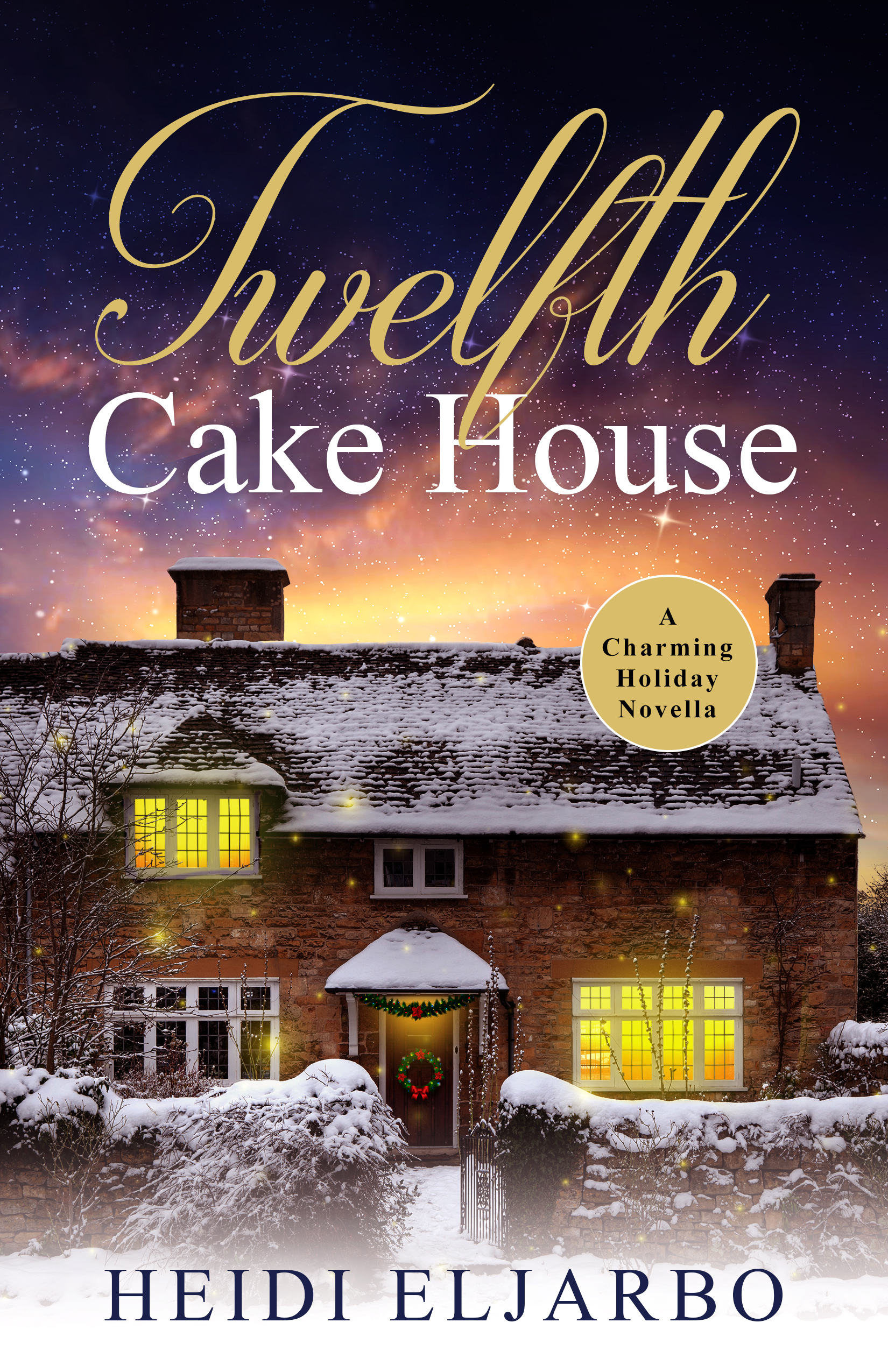
I’m delighted to welcome Heidi Eljarbo and her Christmas romance, Twelfth Cake House, to the blog  #heartwarmingchristmas #historicalfiction #holidayromance #goldenyearromance #BlogTour #TheCoffeePotBookClub

I’m delighted to welcome Heidi Eljarbo and her Christmas romance, Twelfth Cake House, to the blog

Here’s the blurb

Even a clever matchmaker may need a push in the right direction if she’s to find true love. When she’s asked to find a match for herself, it proves to be the most difficult task she’s ever undertaken.

Mid-December 1796.

Sixty-year-old spinster Miss Jemima Thurgood has three weeks to finish the preparations for her annual Twelfth Night party. In her position as a matchmaker, for over forty years she has assumed a grave responsibility. Luckily, she’s a shrewd observer of people, and many happy reunions have come about due to her exceptional talent for nudging kindred hearts in the right direction.

Every year, Jemima invites twelve carefully selected men and women to her festivity, and each guest is assigned a dinner partner. The days before the merrymaking are constantly disrupted by one unforeseen event after another. Jemima must work hard to be ready in time, and more importantly, to provide the kind of celebration her chosen guests deserve.

But this year, what Jemima doesn’t know is that her life is about to take a sudden change of course—one she could not have predicted or planned for. As the days pass, several gentlemen indicate they are interested in becoming better acquainted with her, but only a very special man can charm a matchmaker.

A sweet romance novella set during a witty and enchanting Georgian-Era Christmas, Twelfth Cake House is a story about traditions, goodwill, and finding hope and the courage to change and take a chance on finding true love. 

Buy Links:

This title is available to read on #KindleUnlimited.

Universal Buy Link

Meet the author

Heidi Eljarbo is the award-winning author of dual-timeline historical fiction with heartwarming clean romance, wit, and adventurous mystery.

Heidi grew up in a home filled with books and artwork and never imagined she would do anything other than write and paint. She studied art, languages, and history, danced on the BYU Ballroom Dance Team, and still sings in choirs.

After living in Canada, six US states, Japan, Switzerland, and Austria, Heidi now calls Norway home. She and her husband have a total of nine children, and fifteen grandchildren—so far—in addition to a bouncy Wheaten Terrier.

Their favorite retreat is a mountain cabin, where they hike in the summertime and ski the vast, white terrain during winter.

Heidi’s favorites are family, God’s beautiful nature, and the word whimsical.

Sign up for Heidi’s newsletter at https://www.heidieljarbo.com/newsletter!

Connect with the author
WebsiteBook Bub

Follow the Twelfth Cake House blog tour with The Coffee Pot Book Club