Author of Saxon historical fiction and non-fiction, 20th-century historical mysteries, and Norse-inspired historical romantasy. Book reviewer and blog host.
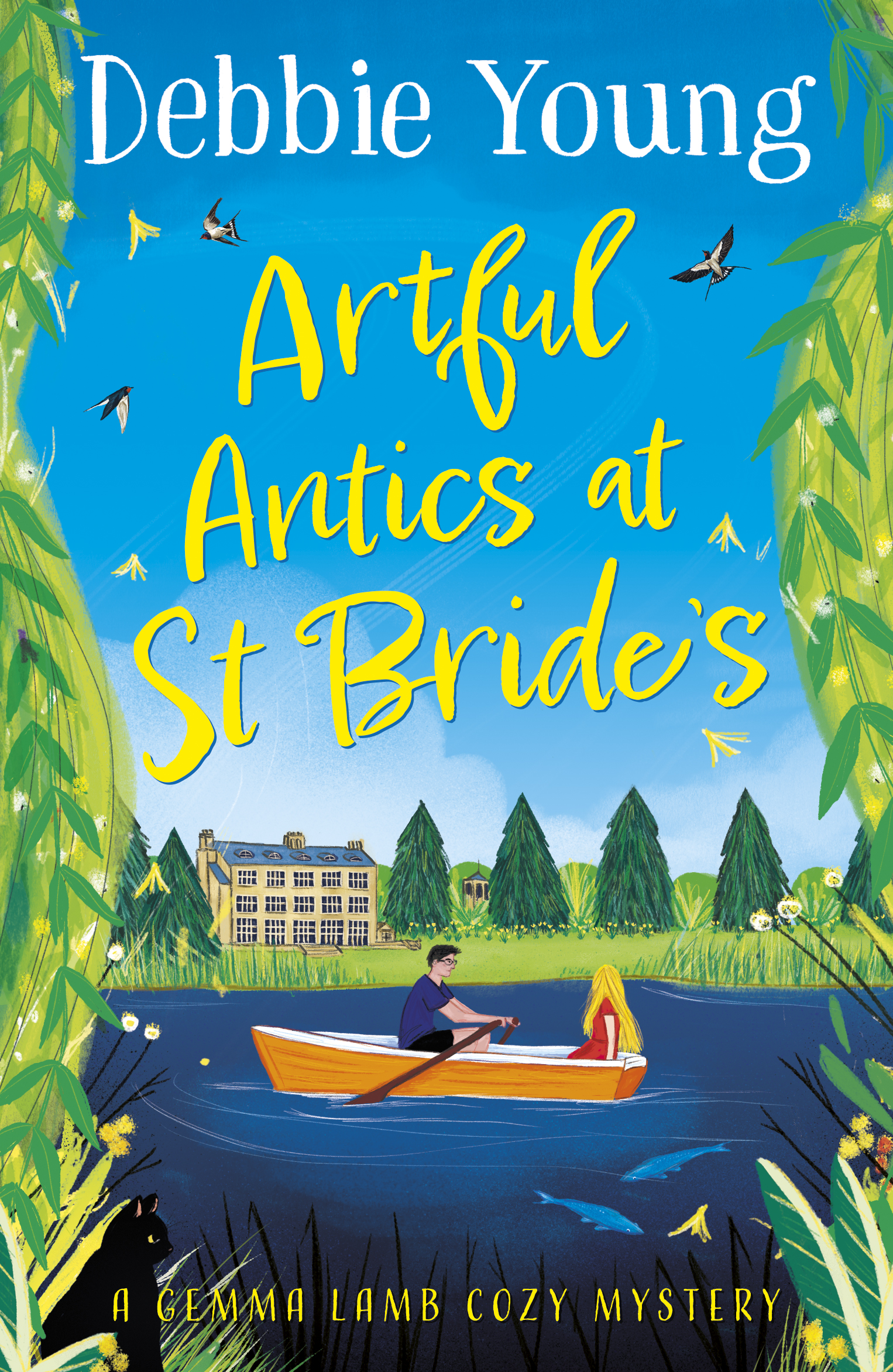
When English teacher Gemma Lamb’s school flat is wrecked by storms, maverick headmistress Hairnet insists the girls must fund its repair by setting up their own businesses – the start of a series of hilarious unintended consequences.
Meanwhile Gemma’s worries are compounded by the arrival of bossy new girl Frieda Ehrlich, sponsored by a mysterious local tycoon whose wealth is of dubious origins. Fearful for the school’s reputation, Gemma recruits an old friend to help investigate the tycoon’s credentials, jeopardising her romance with sports teacher Joe Spryke.
What is Frieda hiding? Why is her sponsor living in a derelict manor house? Why is his chauffeur such a crazed driver? And what has become of McPhee, Hairnet’s precious black cat? With a little help from her friends, Gemma is determined to solve these mysteries, restore her flat and save the school.
For anyone who loved St Trinian’s – old or new – or read Malory Towers as a kid. St Brides is the perfect read for you!
Artful Antics at St Bride’s is book four in the St Bride’s series of boarding school books for grown-ups.
Taking place immediately after the events of book 3, Gemma returns to work to find her staff flat in turmoil, and she’s not the only one. The old building is in much need of some repair work. And so sets in motion the decision to allow the students to begin their own businesses in the hope of making some money to fund the repairs. And, while that’s happening, a mysterious and rather grumpy new student arrives mid-term and causes a few problems.
What, I hear you say, does all this have to do with art? Well, the new student suggests the Sixth Form hold an art exhibition to sell their work, and of course, her father is invited, alongside the man who’s sponsoring her time at the school.
As we’ve come to expect with a St Bride’s story, not all is as it seems. Gemma is determined to get to the bottom of the story about the ruined house that the new girl’s sponsor and father are currently living in – uninhabitable is not the word – added to which, Max Security is also acting strangely, and then McPhee disappears as well.
I do love the St Bride’s series. The tales are gently told but engaging and keep the reader guessing until the end. Perfect for relaxing after a hard day at work or when you just want a bit of ‘chill time.’ They’re lovely, escapist fiction for all those who grew up on the Chalet School, Malory Towers, Trebizon and St Claires stories.
Read my reviews for the earlier books in the series
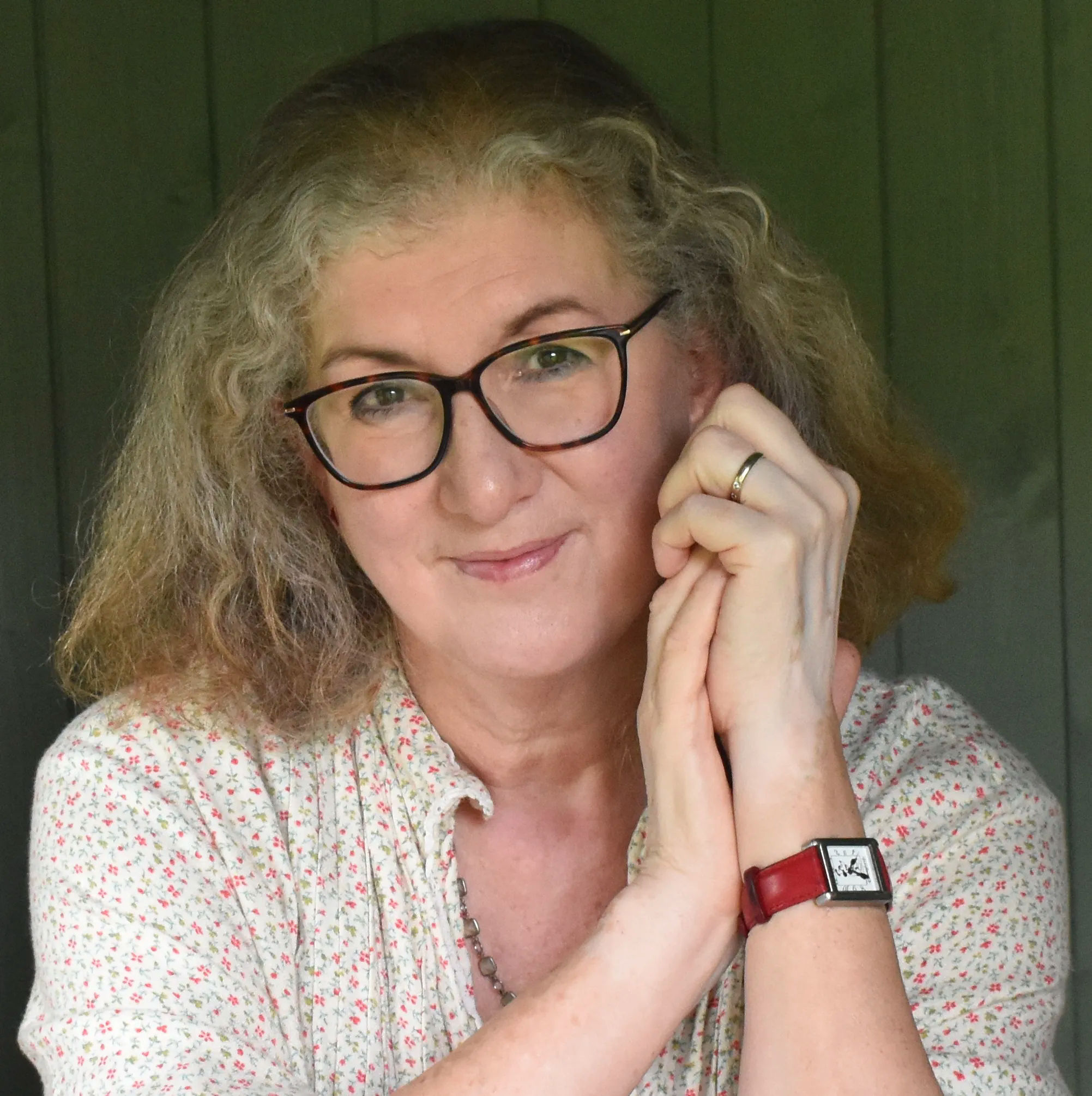
Debbie Young is the much-loved author of the Sophie Sayers and St Brides cosy crime mysteries. She lives in a Cotswold village where she runs the local literary festival, and has worked at Westonbirt School, both of which provide inspiration for her writing. She is bringing both her series to Boldwood in a 13-book contract. They will be publishing several new titles in each series and republishing the backlist, starting in September 2022.
Sometimes, it seems to me, that fiction and non-fiction authors of the Saxon era believe the stories they’re told about Saxon England which are actually the result of much later sources. This of course, means that the later stories, more often than not the work of Norman pseudo-historians writing in the 1100s and later, grow in popularity while fewer people understand that the stories are not only not contemporary, they might have been written down hundreds of years after the events they allegedly describe and discuss.
I make no bones of the fact that understanding the sources of the Saxon period is complex and difficult. Much of it depends on what a scholar, or a reader, might take as the ‘level of credibility.’ Some people will take saints lives at face value, others will not. Some will find value in poems and some will not. Some, and I include myself in this, will misconstrue the Anglo-Saxon Chronicle and realise they were reading it all wrong.
There are really very few sources available for the modern reader. The Anglo-Saxon Chronicle is very well known, but perhaps not the bones of how it was constructed (please see Pauline Stafford’s book After Alfred for a comprehensive, and frankly, mind-blowing discussion). The words of Bede are often cited. There are charters, wills, legal documents, some poetry and saints lives, as mentioned above. This is not a huge amount to build a narrative upon, and yet historians have done this for many years – to some the increasing amount of archaeological information (often contradictory) is an annoyance, but for others, it has made the merits of the surviving written word more questionable. We should be asking, ‘why do we know what we know,’ as opposed to lapping it up and assuming its authenticity.
Another problem is the scarcity of the surviving documents, and the fact that very, very few of them survive in contemporary formats. With the best will in the world, what is copied isn’t always correct and equally, the temptation to embellish mustn’t be ignored, and that’s before we return to the heart of the problem. What was written was written for a purpose. As today, everything contains bias, it exhibits their intentions (Bede wrote an ecclesiastical history – the clue is in the name), while the Anglo-Saxon Chronicle was a Wessex based endeavour, at least in the beginning. The surviving nine recensions changed hands on more than one occasion, and the bias subsequently changed with it. We imagine monks labouriously copying out the texts, letter by letter, but what if the words were written by female religious? Or not by the religious at all? What if they were a state-sponsored endeavour to present their patron in the best possible light? Who was that patron? Was that patron always the same one? We don’t, it appears, have the ‘original’ version of the Anglo-Saxon Chronicle. The versions available to us are all copies – written out at various points from the tenth to the twelfth century, and then again, heavily annotated during the Tudor era.
And this is merely another step along the way. Few can read these precious sources in their original format or even in their original language. We rely on translations, which allow a fresh wave of bias, and also, understanding. Our world is different to the world the Saxons lived within. They had different contexts for some words. While researching for my non-fiction book, I was amazed to discover the work of Sarah Foot and the Veiled Women of England, and her assertion that the word ‘nonne‘ might not have meant a cloistered nun, as we assume from the similarity of the two words.
We don’t know far more than we do know. There is a temptation to ‘plug’ the gaps with any available knowledge. And that’s not a problem, providing the author confirms it is fiction, not non-fiction. I write fiction, but I know the non-fiction the stories are built upon (hopefully). I write extensive historical notes for all of my books. I play with the possibilities, and purposefully reinterpret the ‘gaps’ but I don’t pretend that what I write is factual.
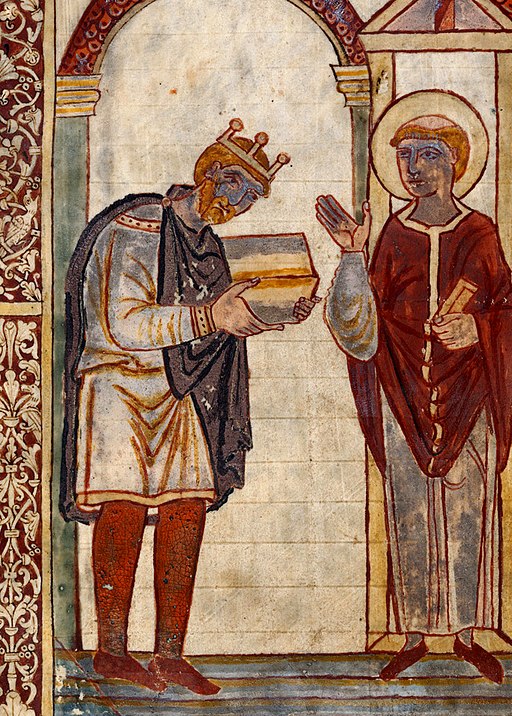
We have almost no images of anyone who lived in Saxon England. There are contemporary images of King Athelstan and his nephew, King Edgar. I can’t think of a single contemporary image of a woman. The Bayeuax Tapestry dates to after the end of Saxon England. We might have something which was held, or commissioned by a Saxon woman, and a queen, if the embroideries found in St Cuthbert’s tomb were indeed made by Lady Ælflæd, the second wife of King Edward the Elder.
We do have coins, more often than not from archaeological or metal-detecting finds. They do allow us a tangible hold on this part of history, and increasingly are adding to the need to rewrite the written words that have survived. We also have increasing archaeological finds, but again, and as no expert in archaeology, there is also a thin line. Archaeologists often set out to ‘find’ something. What they find often isn’t that ‘thing’ but in the past, the temptation to present only limited information has allowed certain narratives to stand, which are only now being understood, just as with increasing study on the written sources.
When writing about Saxon England, we must be wary of all of these things – we need to be aware that very rarely is something what we expect it to be, and equally, we must remember that the people of Saxon England were just that, people. They would have been irrational, selfish, violent, horrible, brutal, honest, religious, fervent, foolish, intelligent or not.
And so, writing Saxon England is far from a simple task. It is very rare to be able to categorically state that something is ‘wrong’. It is even rarer to be able to categorically state that something is ‘correct.’ The work of a fiction writer might be easier than that of a non-fiction writer, but the fiction writer has to recreate people as well as a coherent narrative, and there are always people who will be happy to argue with those interpretations. And that is all they are, interpretations – but so, if non-fiction writers are honest enough to admit – is much of their work as well.
(I’ve not even discussed the problems of trying to write a coherent piece on the history of the British Isles at this time – contending with Old Norse, Old Irish, Old English, Old Welsh, Latin and no doubt, other languages that I’ve failed to mention).
That said, the era is fascinating. It’s worth investing in it, and taking the time to understand the complexities.
Looking to read about Saxon England? Here are some of the primary and secondary works that I highly recommend.
An Atlas of Anglo-Saxon England – David Hill (It took me years but I eventually found a copy on Abebooks that didn’t break the bank)
The Electronic Sawyer – online catalogue of Anglo-Saxon Charters – an amazing resource once you feel confident to explore the primary sources. Used to be part of the KEMBLE online resource but this seems to have disappeared, which is a great shame.
https://oepoetryfacsimile.org – Old English poetry collection, showing different translations, and reprints – fascinating – and revealing I’m not the only one with these concerns:)
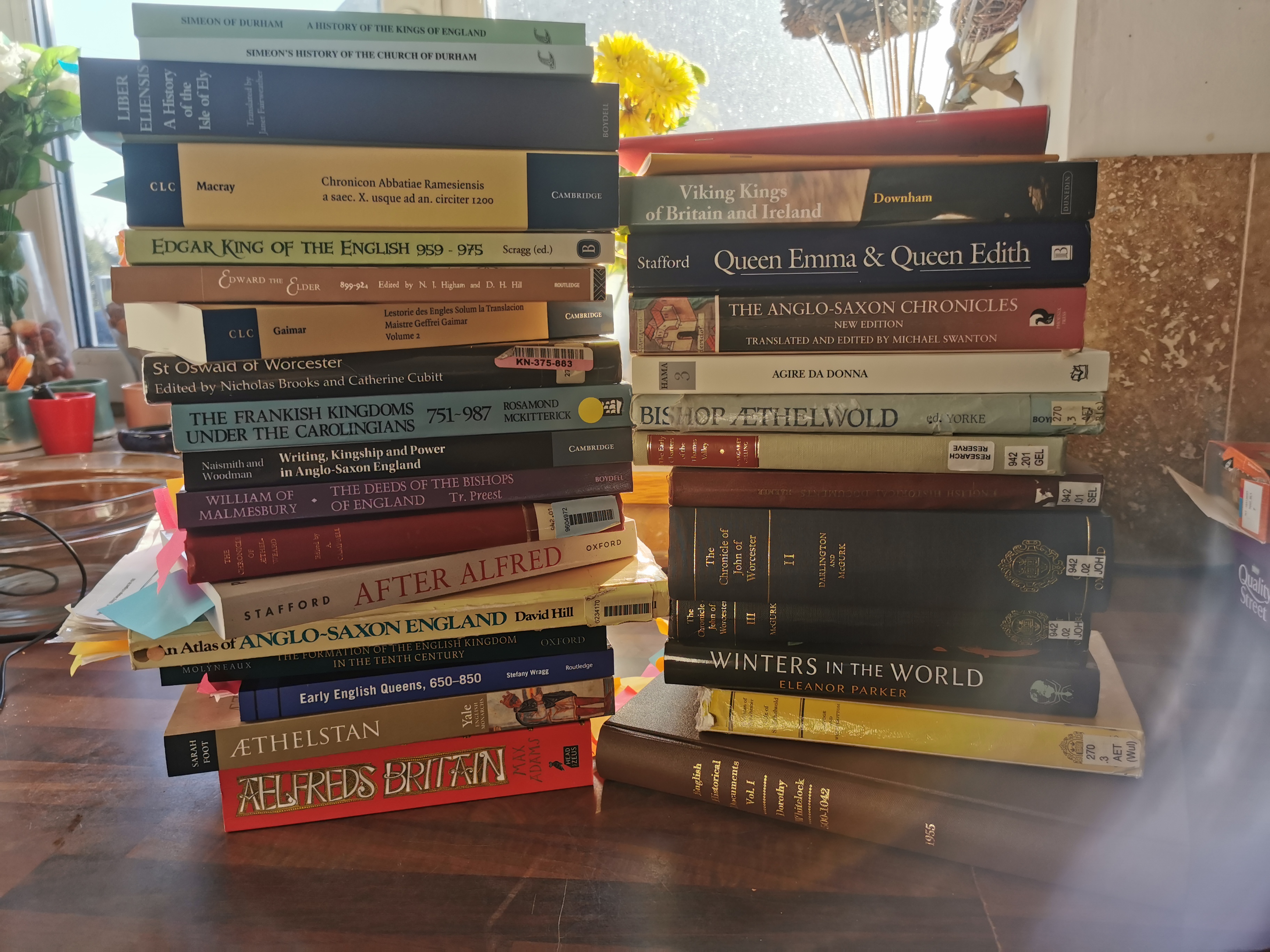
Just a few of my Saxon books (some were from the local library)
As a rule of thumb, and it’s not always right – the more expensive a resource- the more academic the contents.
I recommend anything written by Max Adams, Nick Higham (sometimes uses his initials), Pauline Stafford, Ann Williams, Levi Roach and Simon Keynes, amongst many others. Once you’ve got to grips with the period/person/event you’re interested in, start to dig a little deeper with more academic articles.
And here are some of my favourite moments in the novel, as Icel marvels at what’s been left behind by those who came before him.
And then we come to a stop. In front of me, there’s a structure I can hardly comprehend. All around it are smaller piles of stones, no doubt the remains of other buildings. Beneath my feet, I walk on gravel and tufted grasses. Lifting my feet to peer down, I question whether the whole place was once laid with stone upon which to walk? I pause, gaze around me. In the distance, almost further than the entire settlement of Tamworth, are hints of more walls, more random pieces of white stone, discarded and abandoned. I don’t see any crops or greenery, only shrivelled weeds and little else. If I were to live here, where would I grow my food? Where would Wynflæd harvest her herbs from? The place is dusty and barren, just as Wulfheard told me.
There’s a forest of stone plinths guiding us towards the smell of campfires, with some immobile figures on them, all missing arms, or legs, or feet or even heads, their whiteness attesting to being made from some sort of priceless stone. To me, they look so similar to the bodies of the dead that, for a moment, I can’t quite decipher the intent behind them. And Brihtwold is no help. I can hardly ask what this place is because I should already know.
‘They’re in the centre of the settlement, in a stone-built building, one of the few that still stands to two levels. We head towards the east, and it’s in the centre. It’s difficult to miss it during the daytime, what with the ruined columns that still stand, and the statues that guide our steps towards it, but in the darkness of night, it might be a little more tricky.’
Wolf of Mercia is book 2 in The Eagle of Mercia Chronicles, and I had a lot of fun thinking about what the settlement might have looked like in the 830s, hundreds of years after Londinium was abandoned.
You can read all about Londonia below.
Londonia, the setting for Wolf Of Mercia
I’ve been avoiding taking my Saxon characters to London for quite some time. Bernard Cornwell, I feel, has done a fine job of explaining London to readers of his The Last Kingdom books. I wasn’t sure I had a great deal more to offer. But how wrong I was.
Londonia, the name suggested by Rory Naismith in his Citadel of the Saxons, for the combined settlement of the seventh century, seems a neat and tidy way of referencing both settlements, the Roman Londinium, and the Saxon Lundenwic. And yet, both settlements were so very different, it seems wrong to try and make them appear unified, at a time when they really weren’t. The ‘wic’ element of the name means it refers to a market site, somewhere where trade took place.
The River Fleet, now a lost river of London, once divided these two settlements, the one built of stone with high walls that may have been as tall as six metres, and the other, built of wattle and daub, and entirely open to the River Thames. It’s believed the lost River Fleet might have been substantial enough over 1200 years ago that a bridge was built over it. And this reminds travellers to the past of the mistake of assuming landscapes haven’t altered. It’s often easy to remember that buildings and roads might have changed, even that rivers might have changed course, and that sea levels might have risen or fallen, but an entirely lost river is a new one for me.
Neither should we consider Londinium, the Roman fort, to always have appeared as we imagine it. A brief look through the archaeological details for Roman Londinium, reveal that it changed dramatically over time. Most obviously, the walls for which it’s so famous, were not part of the original structure, they weren’t built until AD180-220. The earliest timbers so far found on the site date to nearly one hundred and fifty years earlier.
The number of inhabitants inside those stone walls seems to have waxed and waned throughout the period of Roman Britain, and there is some suggestion that it might have been abandoned as early as the fourth century, and therefore, much before the acknowledged ‘end of Roman Britain’ came in the early years of the fifth century. The bridge crossing from Londinium to Southwark, on the southern shore, may also have disappeared by the fourth century. There is therefore, a great deal to unpick. And for my characters, in the ninth century, just what would they have walked through? It’s an intriguing question. Would there have been abandoned statues, half-collapsed buildings, an eerie quiet, or would much of that have already disappeared, perhaps even been ‘robbed out’ as we know happened in other places, most notably along Hadrian’s Wall where stone often appears in the fabric of later churches.
As to Lundenwic? Are we to truly believe that it was little more than a boggy riverfront site? In fact, the location was chosen precisely to miss the boggy area from where the River Fleet would have joined the River Thames. But why move from behind those stone walls? The huge area of Londinium, was simply too vast for a much diminished population to attempt to control. The settlement that developed in Lundenwic was half as big as that of the Roman site, with a population of around 7000 (compared to an estimated 25,000-30,000 in Londinium at its peak). It consisted of small buildings, tightly packed together with small alleyways leading off from a few main roads. But, these main roads were fitted with wooden drainage ditches. While it might not have been the majestic sweep of a huge walled city, it wasn’t quite the hovel it’s often been betrayed as.
And, these two separate settlements, didn’t last for that long individually. But, in the year AD830, it’s just possible that young Icel may have walked through a serviceable, if abandoned Roman settlement when he visited Londinium, and that was too good an opportunity not to incorporate into the new book, Wolf of Mercia.
Ælfwynn, the daughter of Æthelflæd of Mercia and her husband, Æthelred was born at some point in the late 880s or early 890s. It’s believed that she was an only child, although it does appear (in the later accounts of William of Malmesbury – an Anglo-Norman writer from centuries later) that her cousins, Athelstan, and his unnamed sister, were sent to Mercia to be raised by their aunt when Edward remarried on becoming king in 899. There is a suggestion that it might have been Alfred’s decision to do this and that Athelstan was being groomed to become king of Mercia, not Wessex.
Ælfwynn is mentioned in three charters. S367, surviving in one manuscript, dates to 903, where she witnesses without a title. S1280, survives in two manuscripts, dates to 904 and reads in translation.
‘Wærferth, bishop, and the community at Worcester, to Æthelred and Æthelflæd, their lords; lease, for their lives and that of Ælfwynn, their daughter, of a messuage (haga) in Worcester and land at Barbourne in North Claines, Worcs., with reversion to the bishop. Bounds of appurtentant meadow west of the [River] Severn.’[i]
[i] Sawyer, P. H. (Ed.), Anglo-Saxon charters: An annotated list and bibliography, rev. Kelly, S. E., Rushforth, R., (2022). http://www.esawyer.org.uk/ S1280. See above for the full details under Æthelflæd
Historians have reconstructed this haga in Worcester in ‘The city of Worcester in the tenth century’ by N Baker and R Holt.
In S225, surviving in one manuscript, dated to 915, Ælfwynn witnesses below her mother. Hers is the second name on the document. This could be significant, as she would certainly have been an adult by now, was she already being prepared as the heir to Mercia on her mother’s death?
Ælfwynn is named in the Anglo-Saxon Chronicle in the C text under 919. ‘Here also the daughter of Æthelred lord of the Mercians, was deprived of all control in Mercia, and was led into Wessex three weeks before Christmas; she was called Ælfwynn.’[i]
[i] Swanton, M. trans and edit The Anglo-Saxon Chronicles, (Orion Publishing Group, 2000), p.105
And from there, we hear nothing more of Lady Ælfwynn, the second lady of the Mercians. Even though this is the first record of a ruling woman being succeeded by her daughter.
There’s no further mention of Ælfwynn in The Anglo-Saxon Chronicle. It’s been assumed that she became a nun, and she might well be referenced in charter S535, surviving in one manuscript, and which Eadred granted at the request of his mother, dated to 948, reading,
‘King Eadred to Ælfwyn, a religious woman; grant of 6 hides (mansae), equated with 6 sulungs, at Wickhambreux, Kent, in return for 2 pounds of purest gold.’[i]
[i] Sawyer, P. H. (Ed.), Anglo-Saxon charters: An annotated list and bibliography, rev. Kelly, S. E., Rushforth, R., (2022). http://www.esawyer.org.uk/ S535
Bailey has suggested that, ‘In view of its close association with the women of the royal family, and of Eadgifu’s patronage of Ælfwynn (in S535), I would venture to suggest that it is possible she too may have ended her days at Wilton.’[i]
[i] Bailey. M, ‘Ælfwynn, Second Lady of the Mercians’, Edward the Elder, 899-924 Higham, N.J. and Hill, D. H. ed (Routledge, 2001), p.125
This would mean that rather than ruling as her mother would have wanted her to, Ælfwynn was overruled by her uncle, who essentially stole her right to rule Mercia as soon as he possibly could on her mother’s death. It must be said that he might have later paid for this with his life if he was indeed putting down a Mercian rebellion in Farndon when he died in 924.
Alternatively, there is another beguiling theory that Ælfwynn might not have become a nun but was, in fact, married to Athelstan, an ealdorman of East Anglia, known as the ‘Half-King,’ because of the vast control he had in East Anglia. It’s long been believed that this label might well have resulted from the fact that Athelstan was an extremely powerful and well-landed nobleman who was much beloved by the Wessex royal family and its kings. However, it might well be because he was indeed married to the king’s cousin (under Athelstan, Edmund and Eadred). If this is the case, and it’s impossible to prove, then Ælfwynn, as the wife of Ealdorman Athelstan, had four sons, Æthelwold, Æthelwine, Æthelsige and Ælfwold, and these sons would be friends and enemies of the kings of England in later years. She might also have been given the fostering of the orphaned, and future King Edgar, which would also have made these men the future king’s foster brothers.
‘he [Athelstan Half-King] bestowed marriage upon a wife, one Ælfwynn by name, suitable for his marriage bed as much as by the nobility of her birth as by the grace of her unchurlish appearance. Afterwards she nursed and brought up with maternal devotion the glorious King Edgar, a tender boy as yet in the cradle. When Edgar afterwards attained the rule of all England, which was due to him by hereditary destiny, he was not ungrateful for the benefits he had received from his nurse. He bestowed on her, with regal munificence, the manor of Weston, which her son, the Ealdorman, afterwards granted to the church of Ramsey in perpetual alms for her soul, when his mother was taken from our midst in the natural course of events.’
Edington, S and Others, Ramsey Abbey’s Book of Benefactors Part One: The Abbey’s Foundation, (Hakedes, 1998) pp.9-10
If this identification is correct, ‘This would explain why she was considered suitable to be a foster-mother to the ætheling Edgar. It may even explain why Edgar was considered in 957 suitable to rule Mercia.’[i]
[i] Jayakumar, S. ‘Eadwig and Edgar’, in Edgar, King of the English, 959-975, ed. D Scragg (Boydell Press, 2014), p.94
If Lady Ælfwynn did survive beyond the events of 919, it seems highly likely she would have continued her friendship with her cousin, Athelstan, when he became king of Mercia, and then Wessex and then England. It’s also highly likely that she might have rallied support for him in Mercia.
Certainly, the first known occurrence of a woman succeeding a woman in Saxon England ended in obscurity for Lady Ælfwynn.
So, who is my Lady Ælfwynn?
Well, she’s a warrior woman, reeling from the unexpected death of her mother. She is her mother’s daughter. She knows what’s expected of her, and she has no problem contending with the men of the witan, her uncle, Edward king of Wessex, or indeed, the Viking raiders. She and Rognvaldr Sigfrodrsson have a particularly intriguing relationship.
Here’s the beginning of The Lady of Mercia’s Daughter
‘The men of the witan stand before me in my hall at Tamworth, the ancient capital of the kingdom of Mercia. The aged oak beams bear the brunt of centuries of smoking fires. Some are hard men, glaring at me as though this predicament is of my making. They are the beleaguered Mercians, the men from the disputed borders to the north, the east, and the west, if not the south. They’re the men who know the cost of my mother’s unexpected death. And strangely, for all their hard stares and uncompromising attitudes, their crossed arms and tight shoulders, they’re the men I trust the most in this vast hall. It’s filled with people I know by name and reputation, if not by sight.
Those with sympathy etched onto their faces are my uncle’s allies. These men might once have understood the dangers that Mercia faces, but they’ve grown too comfortable hidden away in Wessex and Kent. Mercia has suffered the brunt of the continual encroachments while they’ve been safe from Viking attack for nearly twenty years. Some are too young to have been born when Wessex was almost extinguished under the onslaught of the northern warriors.
Even the clothes of the sympathetic are different from those with hard stares. Not for them, the warriors’ garb. There are no gaping spaces on warrior belts where seaxes and swords should hang, but don’t, as weapons must not be worn in my presence.
No, they wear the luxurious clothing of royalty, even if they’re not members of the House of Wessex. They have the time, and the wealth, to ensure their attire is as opulent as it can be. They don’t fear a middle-of-the-night call to arms. They don’t need to maintain vigilance or continuously be battle-ready. They don’t have to fight for their kingdom and their family at a moment’s notice or be ready to lose a loved one or face a fight to the death.’
Lady Eadgifu was the third wife of Edward the Elder (r.899-924), king of the Anglo-Saxons. Edward the Elder was the father of King Athelstan, and a whole host of daughters, as well as five sons. Lady Eadgifu would, it seems, have been young when she married the aging Edward the Elder, and that meant that she long outlived him, and also, that her three children (possibly four, but I’ve opted for three) were young when their father died. And two of these children were sons, Edmund (born c.921) and Eadred (born c.923). Her daughter, Eadburh, is thought to have been the oldest of the three children, born c.919.
While Lady Eadgifu, from what’s known (and it isn’t much, as there are few surviving charters from the end of Edward’s reign) perhaps had little role to play while her husband lived, other than wife and mother to the king’s children, following his death, she became increasingly significant. She was the daughter of an ealdorman, who perhaps died just before her birth, and her family are said to have had connections with Kent. Indeed, it’s often stated that she brought her husband Kent with their union. By that, what’s often meant, is the loyalty of the Kentish people. Remember, at this time, we’re still just before the creation of ‘England’ as we would now recognise it.
Sadly, very little is known about Lady Eadgifu (and she’s not alone in this – many of the royal women ‘disappear’ at points in the historical record, and on occasion, are entirely lost.) We know about a land dispute she was involved in, and also much more information for after King Athelstan’s reign (her step-son, who was quite likely older than she was).
Indeed, it has been said that
‘Nor is it surprising that Eadgifu, as the consort of the previous king, served little role in her stepson’s court.[i]
‘the enhanced position [of Lady Eadgifu] may also have been developed specifically for the widowed Eadgifu as part of an alliance with her stepson Æthelstan [Athelstan] in which she supported his position and he recognised her sons as his heirs.’[i]
[i] Yorke, B. ‘The Women in Edgar’s Life,’ in Edgar, King of the English, 959-975 Scragg, D. ed (The Boydell Press, 2008), p.146
And it is this option that I’ve decided to explore in Kingmaker. Lady Eadgifu was wife to a king. She would have known her worth, even when faced with a stepson as the king of the English, and another stepson, and stepdaughters, who perhaps didn’t share any love for their, potentially, younger stepmother.
But the story doesn’t stop there. In later years, during the reigns of her sons, and her grandsons, Eadgifu would have been a powerhouse at the centre of English politics. Read her story, for it is, the story of England between the reigns of King Alfred, and King Æthelred II – allegedly, a century of peace between the English and the Norse. Read on to find out the truth of that assertion.
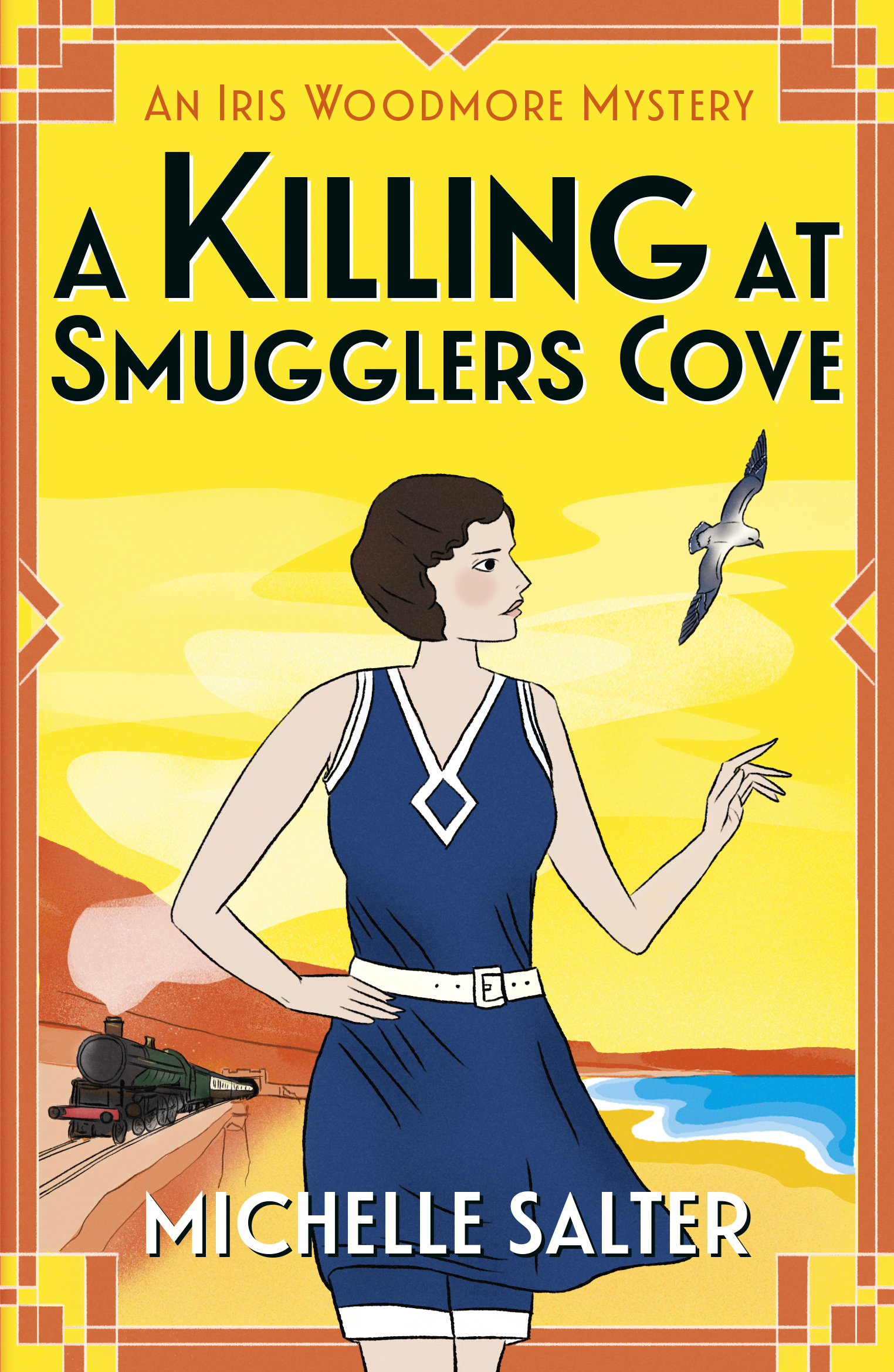
Wartime secrets, smugglers’ caves, skeletal remains. And the holiday’s only just begun…
July 1923 – Iris Woodmore travels to Devon with her friends Percy Baverstock and Millicent Nightingale for her father’s wedding to Katherine Keats.
But when Millicent uncovers skeletal remains hidden on the private beach of Katherine’s former home, Iris begins to suspect her future stepmother is not what she seems.
The police reveal the dead man is a smuggler who went missing in 1918, and when a new murder occurs, they realise a killer is in their midst. The link between both murders is Katherine. Could Iris’s own father be in danger?
I adore the Iris Woodmore mystery series, and A Killing at Smugglers Cove does not disappoint.
Moving away from Walden, where many of the previous adventures have taken place, Iris is on holiday, if you can call it a holiday, when it’s for her father’s remarriage. But no sooner does she arrive than a body is discovered, or rather, the skeletal remains of a body.
Iris, of course, can’t help but involve herself, especially as it’s possible her soon-to-be stepmother might somehow be involved, and that might just prevent her father from marrying again – not that she ever quite says as much.
What ensues is a delightfully twisty tale, interwoven with what a holiday in the 1920s might have been like and featuring her trusty sidekicks alongside her.
A Killing At Smugglers Cove is filled with rich period drama, including a lesson in smuggling and avoiding the excise men, and the mystery, as in the first three books, is perfectly staged and well-developed, poignant and unexpected.
I’ve said it before, and I’ll say it again, the Iris Woodmore Mysteries are a firm favourite of mine – rich with period detail but with a damn fine mystery as well. Highly recommended.
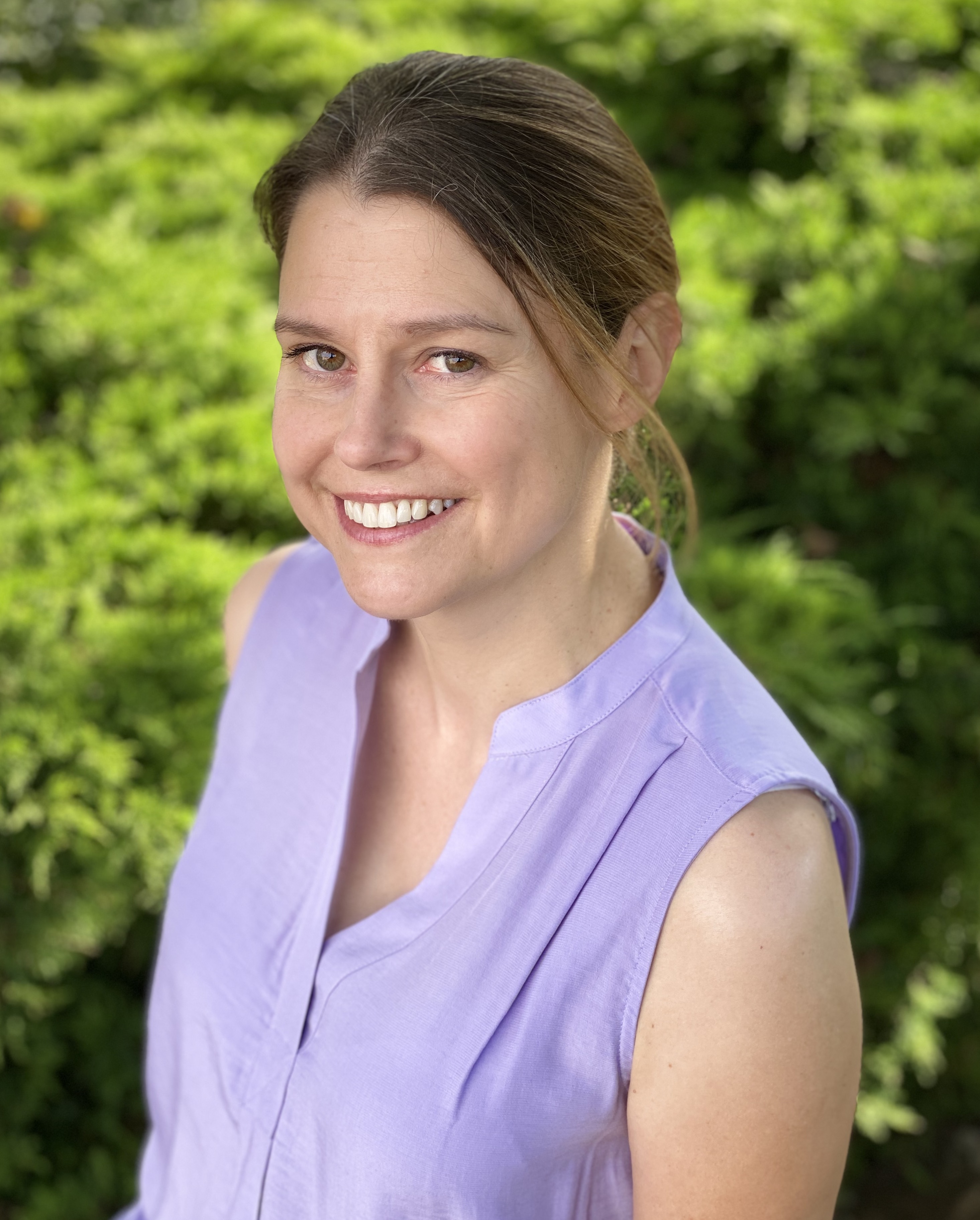
Michelle Salter is a historical crime fiction writer based in northeast Hampshire. Many local locations appear in her mystery novels. She’s also a copywriter and has written features for national magazines. When she’s not writing, Michelle can be found knee-deep in mud at her local nature reserve. She enjoys working with a team of volunteers undertaking conservation activities.
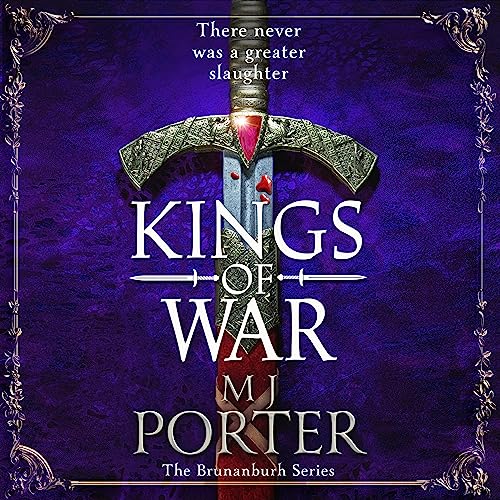
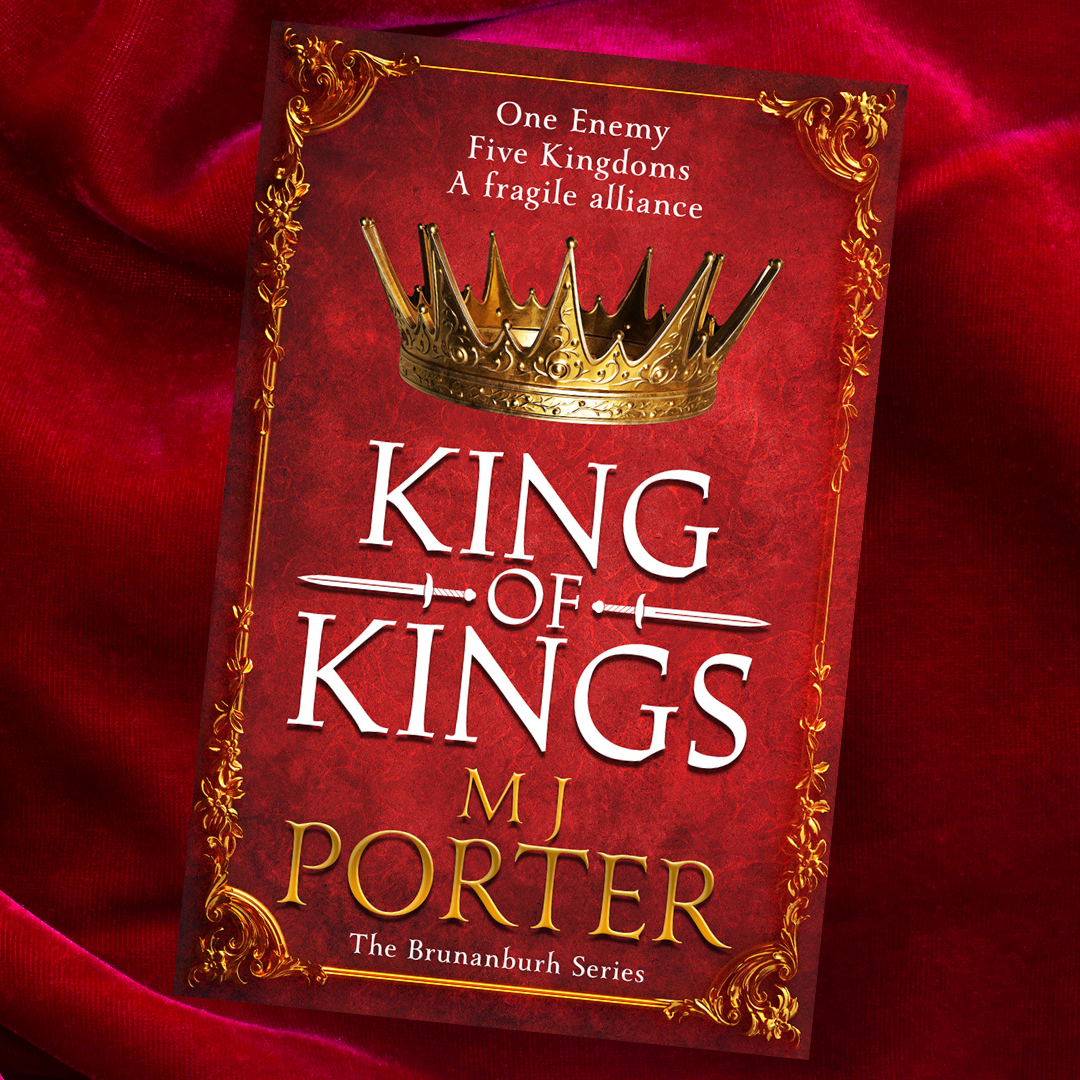
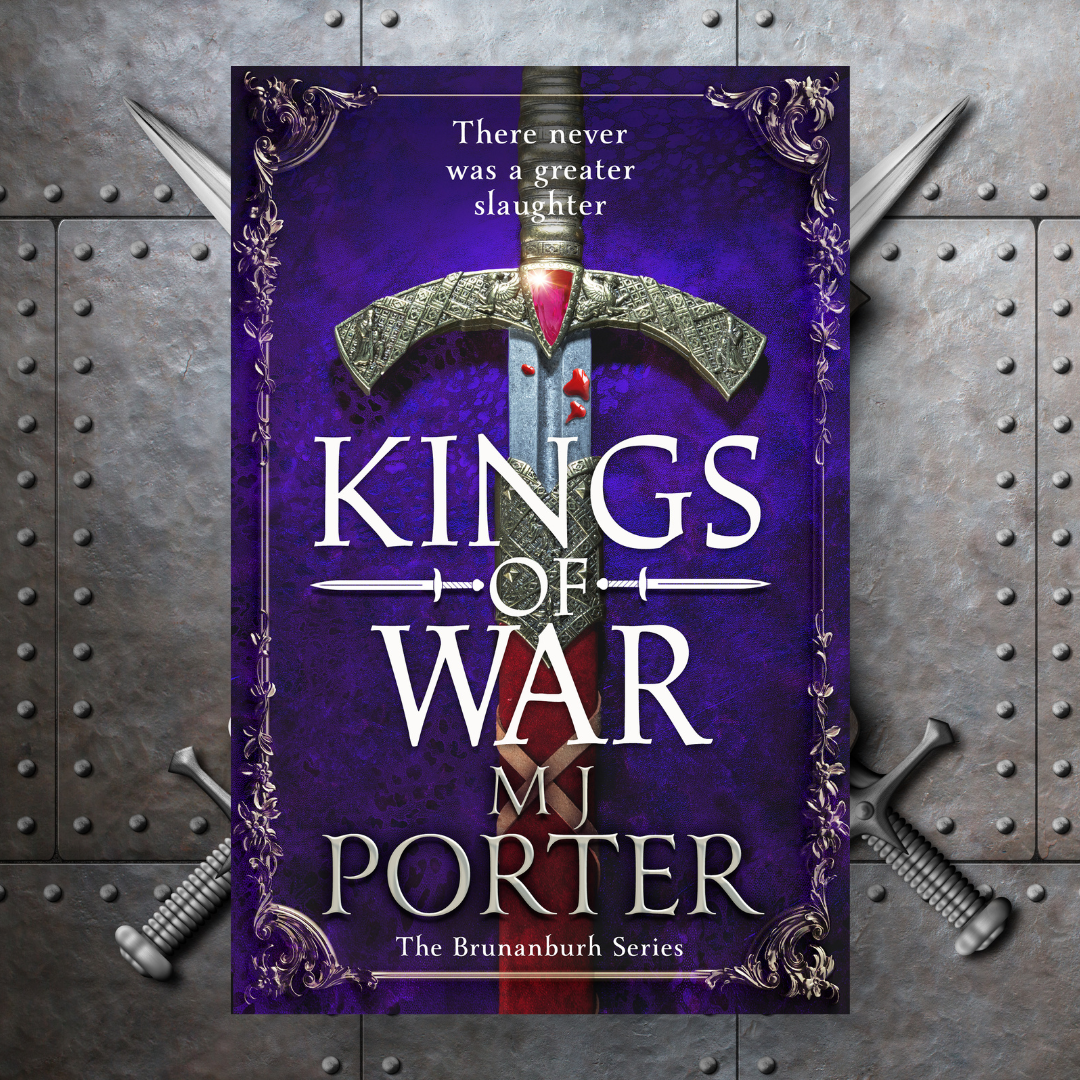
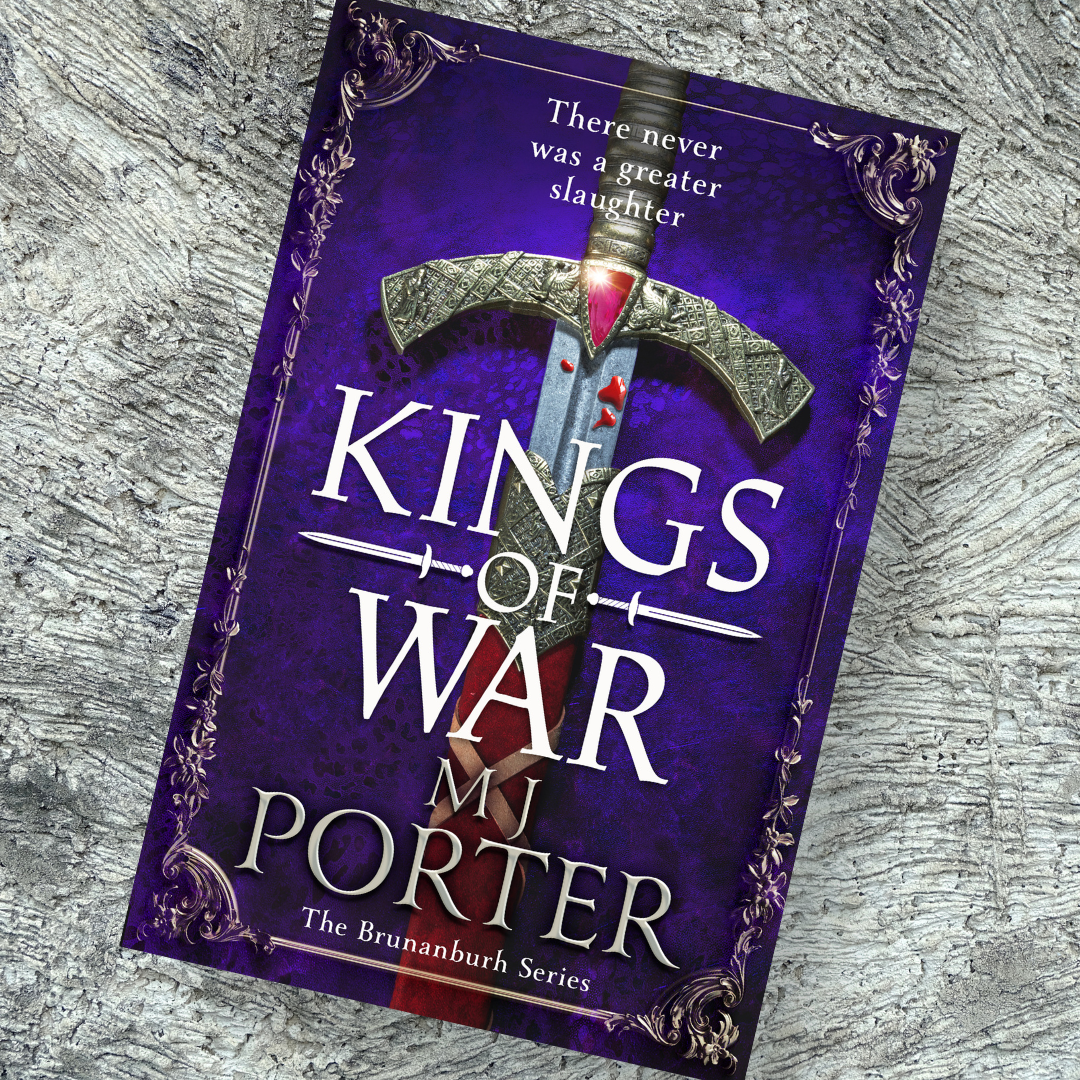
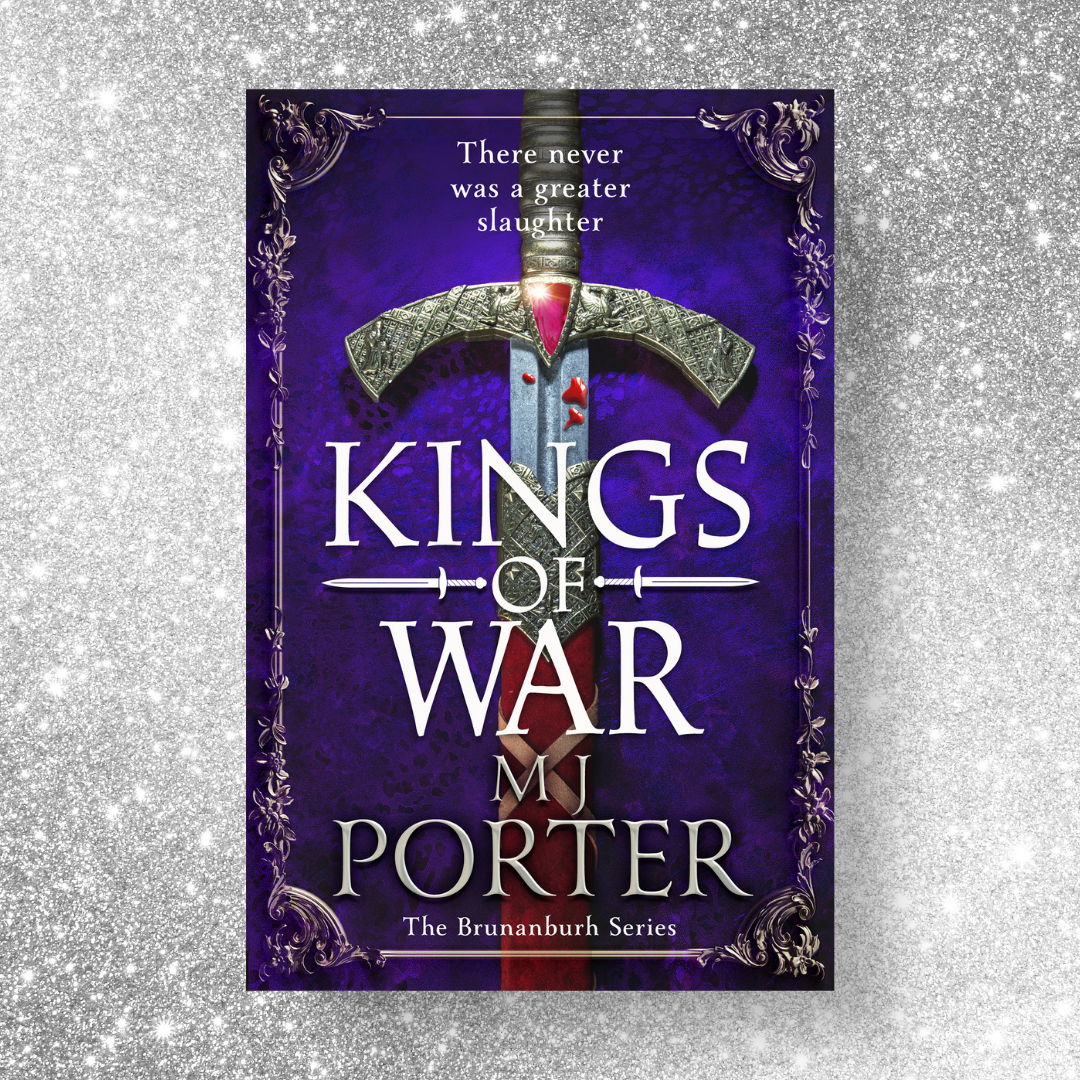
Kings of War, the sequel to King of Kings, is now available in audio, narrated by the fabulous Matt Coles. This is the story of the battle of Brunanburh fought in 937. (Check out my post on where exactly Brunanburh was fought).
Here’s the blurb:
Can the King of the Scots and the Dublin Norse triumph against a united England?
AD934
King Athelstan of the English has been successful in uniting the many kingdoms of Britain against one enemy, the Viking raiders.
But men who are kings don’t wish to be ruled.
Constantin, King of the Scots, rebelled against the Imperium and was forcibly brought to bend the knee to Athelstan and England at Cirencester.
His son Ildulb seeks bloody vengeance from Athelstan following the battle at Cait and the death of his son.
Olaf Gothfrithson, king of the Dublin Norse, having asserted his power following his father’s death has his sights set on reclaiming Jorvik.
Can the united might of the Scots and the violence of the Dublin Norse, descendants of the infamous Viking raiders, bring King Athelstan and his vision of the united Saxon English to her knees?
An epic story of kingsmanship that will result in the pivotal, bloody Battle of Brunanburh, where only one side can be victorious.
The scop song that is so important to events in both King of Kings and Kings of War existed, although I have manipulated it to my purposes and changed some of the more obscure references within it. That said, the poem, Armes Prydein (The Prophecy of Britain) is itself fascinating and is believed to have been a Welsh response to the imperium of King Athelstan of the English, and Hywel’s, of the South Welsh, close connection to the English and Athelstan. It has been dated to about 940, although it might be slightly earlier or later.
In King of Kings and Kings of War, my version reads,
‘And after peace, commotion everywhere,
Brave, mighty men, in battle tumult.
Swift to attack, stubborn in defence.
Warriors will scatter the interlopers as far as Cait
The Welsh and the men of Dublin, the Scots and the Norsemen,
Those of Cornwall and Strathclyde will reconcile as one.
Kings and nobles will subdue the interlopers, drive them into exile
Bring an end to the dominion, and make them food for the wild beasts.
There will be no return for the tribes of the Saxons.’
In its entirety, it foretells a uniting of the Welsh, with all the other kingdoms then in Britain, against the English, or Saxons, those people who had run roughshod over the island at some point between 400-600, when the Saxon kingdoms emerge with more clarity.
Somewhat similar to the legendary figures of Welsh literature, (although not Arthur at this stage) – Cynan and Cadwalladr ap Cadwallan are named – it was a call to arms to defeat the Saxons/English. (I’m going to share a post about Cynan as well).
It’s been nearly a decade since I first conceived of this storyline, but reading it all over again, and adding a whole host of new details, I confess, I feel pretty proud of myself for weaving the poem into my story of Britain in the 920s and 930s, and appreciate that the suggestion the poem dates from this period does indeed make perfect sense, even if there are also other suggestions about its origins.
King of Kings and Kings of War are now available, telling the story of the greatest battle on British soil that many have never heard from (or at least hadn’t before Seven Kings Must Die was filmed), Brunanburh.
Confusingly, Athelstan the Ealdorman shares the same name as King Athelstan, a fact I allow the pair to find amusing because of the uncertainty it causes.
Athelstan is the son of an ealdorman, and one of four brothers, although one has already died by the events of Kings of War. Athelstan, Eadric and Æthelwald are held in high regard by King Athelstan. In time, all of them would become ealdormen.
Ealdorman Athelstan of the East Angles would become so powerfulthat he’d earn the epithet of ‘The Half-King’, and his family was influential throughout the tenth-century, and if you’ve read others of my books – especially those concerning Lady Elfrida, England’s first crowned queen – you’ll know they cause a lot of problems.
In my version, Athelstan is married to Lady Ælfwynn, the cousin of King Athelstan, a suggestion that isn’t widely accepted, but is certainly a possibility, thus making him a member of King Athelstan’s extended family.
His epithet, the Half-King could have arisen because he was indeed married to the king’s cousin (under Athelstan, Edmund and Eadred). If this is the case, and it’s impossible to prove, then Ælfwynn, as the wife of Ealdorman Athelstan, had four sons, Æthelwold, Æthelwine, Æthelsige and Ælfwold, and these sons would be friends and enemies of the kings of England in later years. She might also have been given the fostering of the orphaned, and future King Edgar, which would also have made these men the future king’s foster brothers.
‘he [Athelstan Half-King] bestowed marriage upon a wife, one Ælfwynn by name, suitable for his marriage bed as much as by the nobility of her birth as by the grace of her unchurlish appearance. Afterwards she nursed and brought up with maternal devotion the glorious King Edgar, a tender boy as yet in the cradle. When Edgar afterwards attained the rule of all England, which was due to him by hereditary destiny, he was not ungrateful for the benefits he had received from his nurse. He bestowed on her, with regal munificence, the manor of Weston, which her son, the Ealdorman, afterwards granted to the church of Ramsey in perpetual alms for her soul, when his mother was taken from our midst in the natural course of events.’ Edington, S and Others, Ramsey Abbey’s Book of Benefactors Part One: The Abbey’s Foundation, (Hakedes, 1998) pp.9-10
Even if Athelstan Half King wasn’t married to the daughter of Lady Æthelflæd of Mercia, it seems he was married to an Ælfwynn. He was a powerful man, building a dynasty, and also part of a powerful dynasty. His father was an ealdorman, and so was he, and all of his three brothers. Between them, they must often have been found at the court of the king in the tenth-century. Athelstan was the ealdorman of East Anglia, his older brother, Ælfstan, one of the ealdormen of Mercia (930-934) before his death, while Eadric was an ealdorman of Wessex (942-949), and Æthelwald was an ealdorman of Kent (940-946). But, it is Athelstan who built himself a dynasty and remained in his position for twenty-four years from c.932-956.
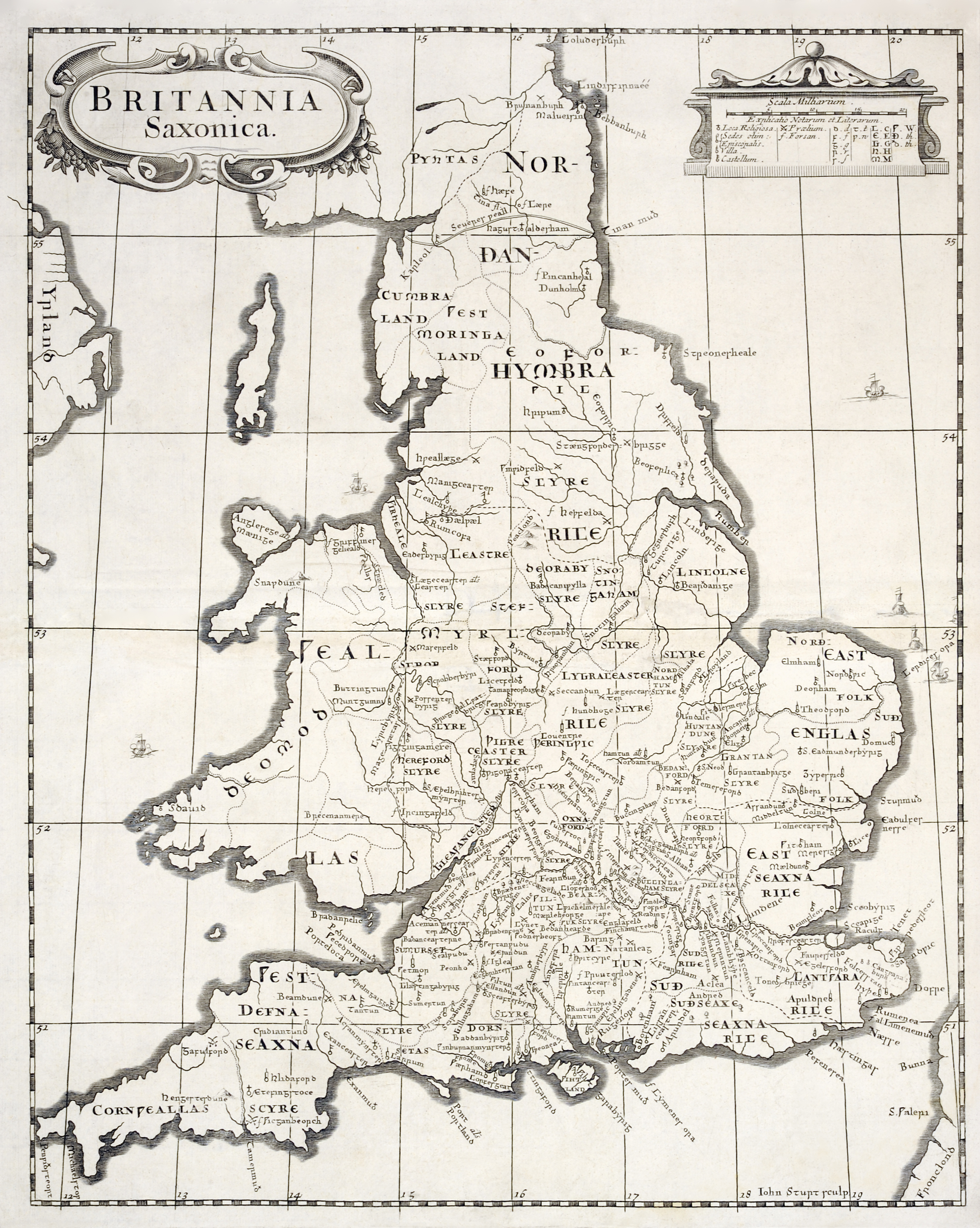
First things first, no one actually knows where the battle of Brunanburh took place. No one. There are a number of different sites that historians have suggested from the one I’ve chosen in Kings of War, indeed, upwards of forty of them, although Bromborough in Cheshire, Brinsworth in South Yorkshire and Burnswark in Dumfries and Galloway are the most well-known. It’s worth noting that these different locations range all over Britain, from Devon to Scotland from the east coast to the west.
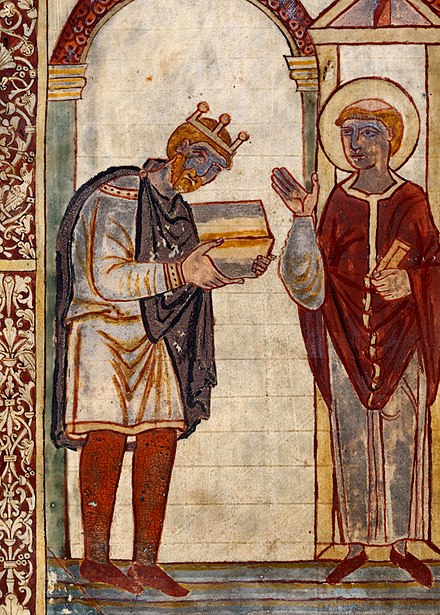
Frontispiece of Bede’s Life of St Cuthbert, showing King Æthelstan (924–39) presenting a copy of the book to the saint himself. 29.2 x 20cm (11 1/2 x 7 7/8″). Originally from MS 183, f.1v at Corpus Christi College, Cambridge. (Wikimedia Commons)
As one historian has commented, more discussion has taken place about where Brunanburh was located than about its actual historical significance, which is often seen as much less important in the grand scheme of later events. Much of these difficulties arise because of the variety of names given to the location of the battle. Brunandun, in Æthelweard’s Chronicon (a later tenth century Latin copy of the Anglo-Saxon Chronicle), Symeon of Durham suggested Weondune, although known by the name Brunnaneerc or Brunnanbyrig, while Geoffrey Gaimar (another post Conquest source) names it as Bruneswerce. To add to the confusion, are some of the descriptions given about the battle. John of Worcester ( a later source) asserts that Olaf and Constantin entered the mouth of the River Humber something that Symeon of Durham echoes. It’s been suggested that John of Worcester (an Anglo-Norman writing long after the events of 937 took place) took the knowledge that the River Humber was where Harald Hardrada landed in 1066 and Svein Forkbeard in 1069 and extrapolated from it.
As part of the discussion about where the battle took place, another problem needs to be addressed, that of the belief that the English rode down the Norse as they were fleeing from the battlefield to reach their ships. A word, eorodcistum, has been taken to be a reference to horses. Paul Cavill has shown that this word actually refers to gatherings of men and need not mean that horses were involved . This therefore does away with the argument that the Norse ships were far from where the battle took place.
As well as the various sources mentioned above, the battle is also referenced in Welsh, Scottish and Irish sources. It was deemed to be significant. The Chronicles of the Kings of Alba gives a very brief account: ‘And the battle of Dun Brunde in his xxxiii year in which was slain the son of Constantin.’ While the Annals of Ulster tell us: ‘AU 937.6. A great, lamentable and horrible battle was cruelly fought between the Saxons and the Northmen, in which several thousands of Northmen, who are uncounted, fell, but their king, Amlaib, escaped with a few followers. A large number of Saxons fell on the other side, but Æ∂elstan, king of the Saxons, enjoyed a great victory.’ (Alex Woolf, From Pictland to Alba, 789-1070, p.169) (Amlaib was an Irish version of the name Olaf). A later source, that of the Historia Regum Anglorum by Symeon of Durham, tells that ‘Onlaf’ came with 615 ships. There are also many later sources that tell of the battle of Brunanburh, the distance in time to them being written, tending to add more and more details which can’t be confirmed with any accuracy.
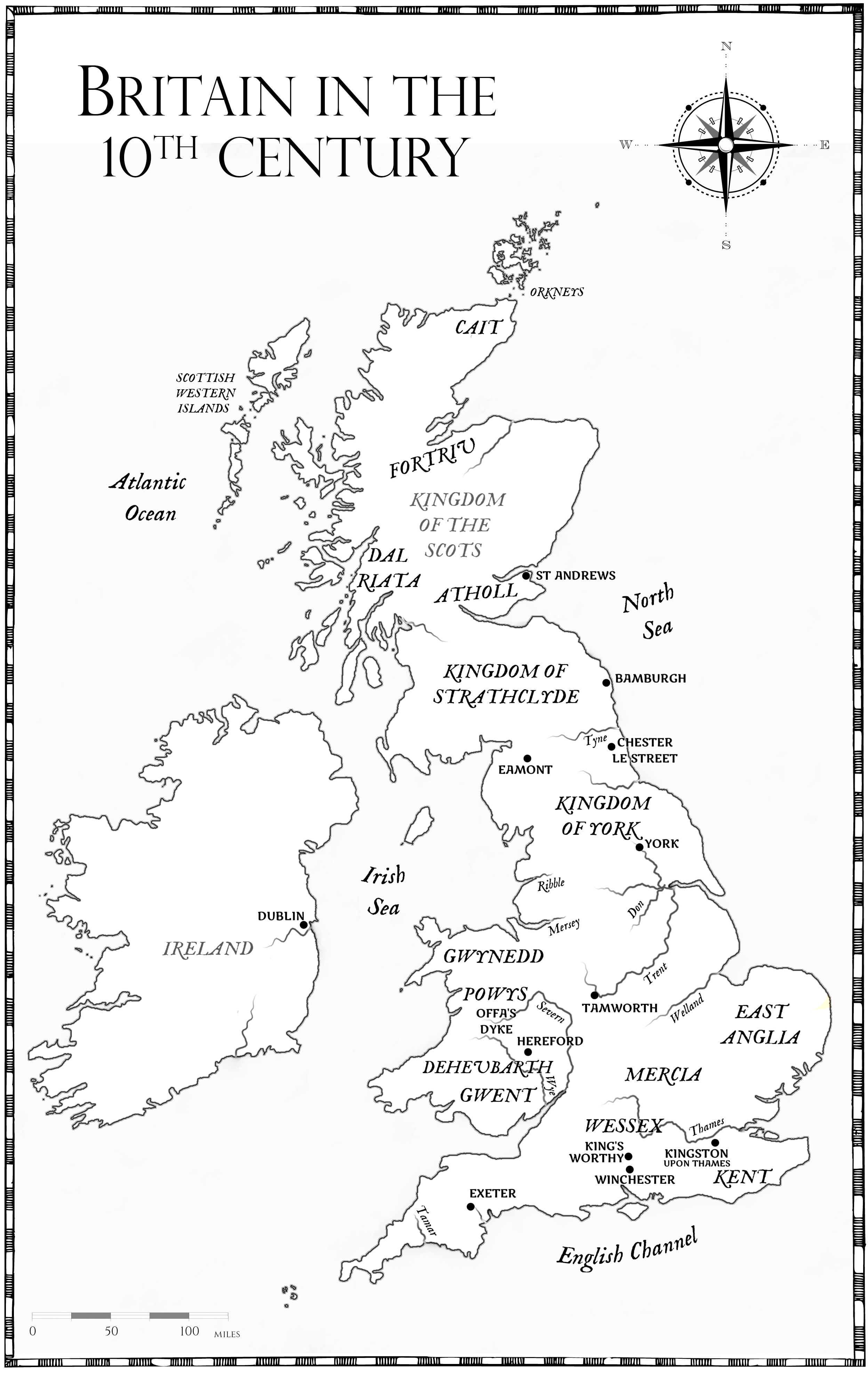
Map design by Flintlock Covers
Pauline Stafford, who has written an extensive account of the actual writing of what we know as The Anglo-Saxon Chronicle, After Alfred:Anglo-Saxon Chronicles and Chroniclers 900-1150, (which survives in nine recensions/or versions, all with slightly different details and emphasis) states that perhaps the most famous account of the battle, the Brunanburh poem, was a retrospective addition, probably written in the twenty years after Athelstan’s death, and certainly before the death of the last son of King Edward the Elder, Eadred, in 955. Some have suggested that Edmund may not actually have been present at the battle but that it was deemed expedient to assign him a part in it, perhaps after his death, to show the sons of King Edward the Elder working together for England.
And there is one final source, which I’ve made no use of, but which many may be aware of, that of the accounting of the battle, named as Vinhei∂r in Egil’s Saga, a thirteenth-century Icelandic saga, which of course, is a tale of Egil’s involvement in the battle and tells us very little about the battle itself.
In recent years, and indeed, before I wrote the initial drafts of this book and its predecessor, there has been a move to accept the Wirral as the possible location. Bernard Cornwell has been instrumental, as has an archaeology group based in Wirral, in trying to find corroborating evidence for this. The results of the work can be found in Never Greater Slaughter by Michael Livingstone. Even now, I find it amusing that it wasn’t until Bernard Cornwell made Brunanburh one of the burhs built by the House of Wessex that I quite realized the significance of that element of the name.
In my role as writer of historical fiction, I chose the site that I thought offered the best opportunity to develop the storyline and the one that intrigued me the most. After all, it does sort of make sense that any battle for York would have taken place close to York, but equally, why would the Dublin Norse have sailed all the way around the tip of Scotland to get to York from the East Coast? If they used one of the portage routes overland then again, we must ask why. And so, I opted for the position which would be the closest way of them stepping foot on English soil.
Britania Saxonica, 17th Century Map, showing Brunanburh north of Bamburgh
Kings of War is available now in ebook, paperback, audio and hardback.