
Blog Posts from MJ Porter, author and reviewer

Featured

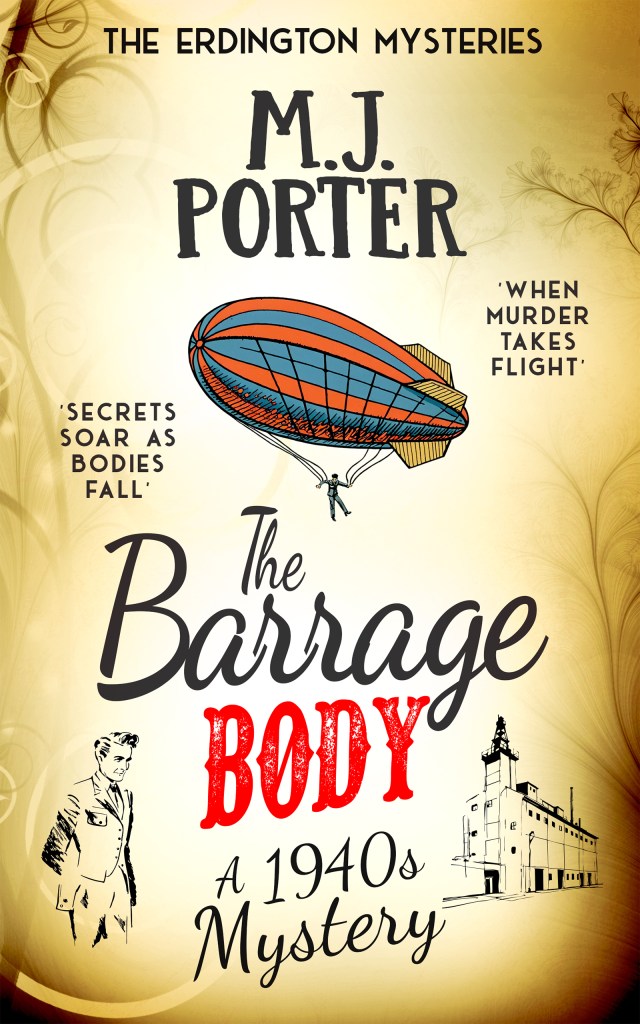
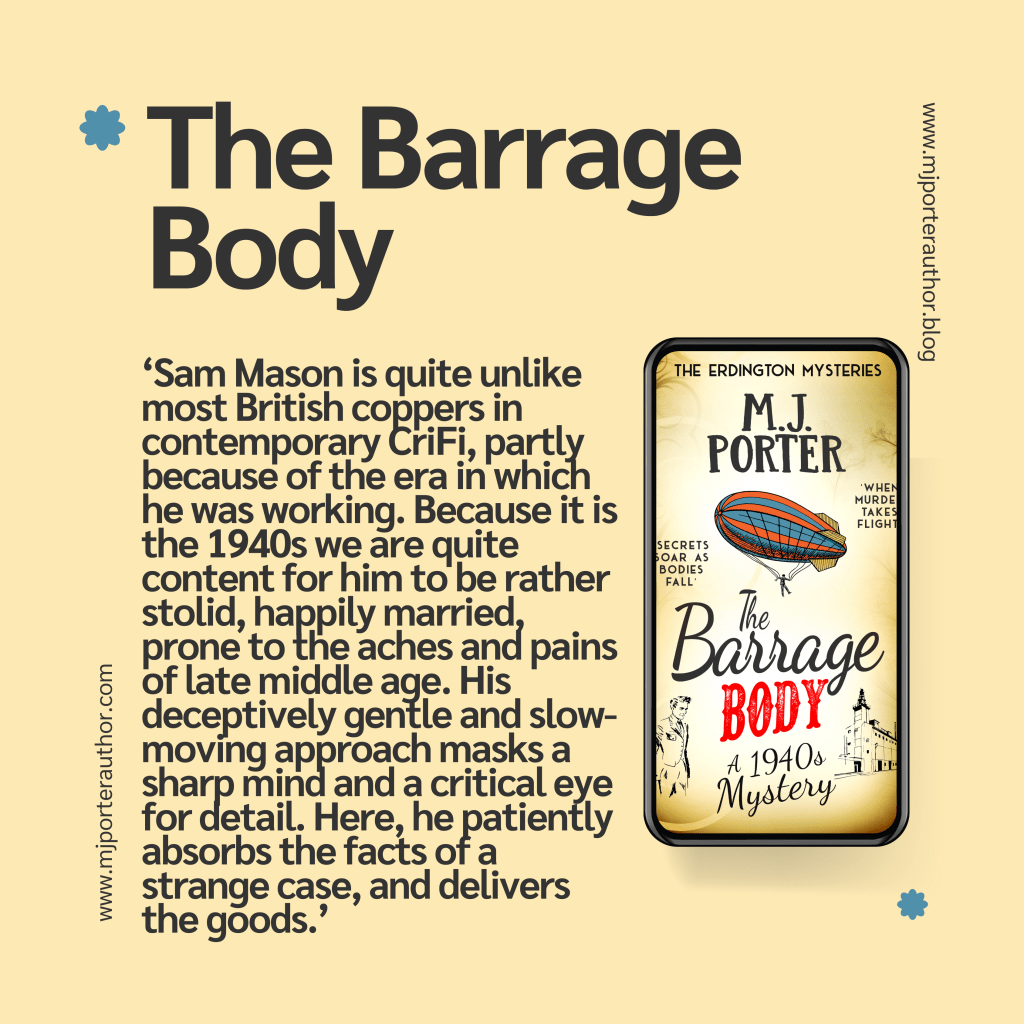
The inspiration for The Barrage Body, book 4 in The Erdington Mysteries (and why this isn’t quite the book I thought it would be) #histfic #mystery

The inspiration for The Barrage Body, book 4 in The Erdington Mysteries (and why this isn’t quite the book I thought it would be) #histfic #mystery

Why did I write The Barrage Body?

I’ve not been quiet about explaining how hard I found The Barrage Body to ‘solve.’ I don’t think I’ve been restrained in explaining why either. Which brings me to the inspiration behind this latest mystery set in the 1940s.

When I finished writing The Secret Sauce, I was sure there was more ‘mystery’ to solve (if you’ve not read it yet, don’t be put off, the mystery is solved in the book, this is more a background element). I checked with a few advanced readers, and their response was reassuring, ‘We just thought you’d get to that in the next book.’ And this was absolutely my intention.

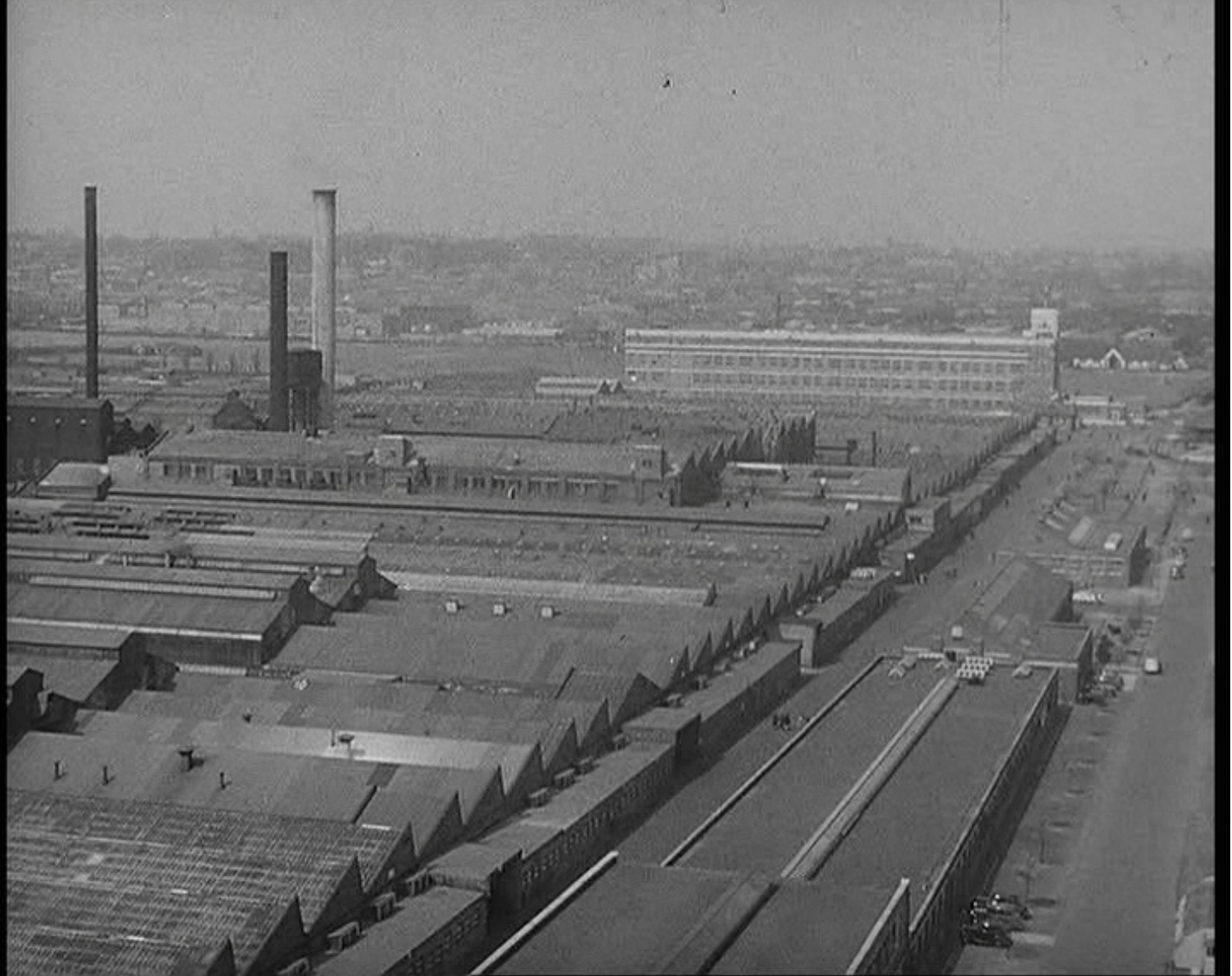
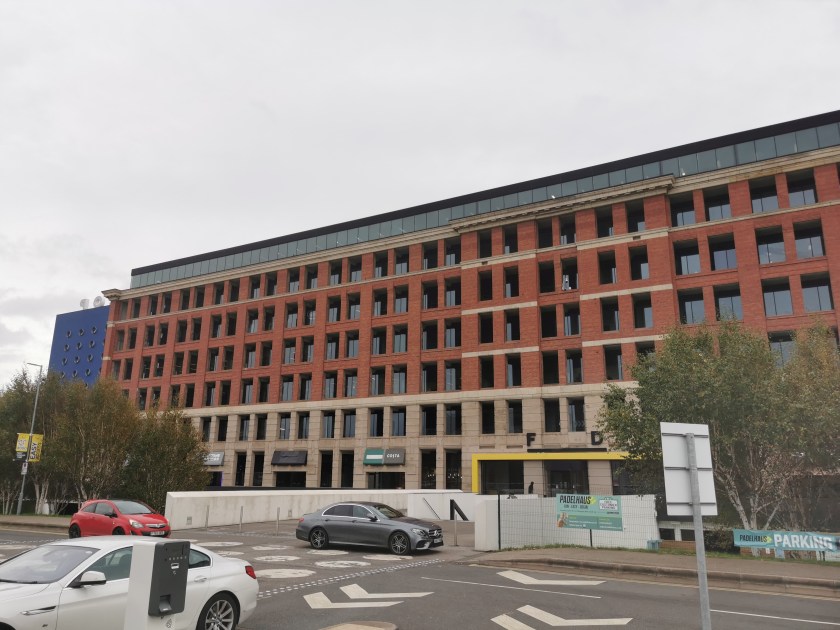
BUT, well, the huge BUT is that after I’d started writing the book, my research led me down a very different path. My intention was to base the fourth book at the Fort Dunlop/Dunlop Rubber Company factory. I found a lot of aerial photographs and a book about memories of working at the factory, and all seemed good. Only then did I discover the barrage balloons. The resource I consulted said they had been situated at Fort Dunlop, or at least one of them had (I am now not quite so sure, but it was too late). So, the original title went out the window, and the story changed quite a bit. The barrage balloons, constructed by Dunlop, although at a different factory, were just too enticing, and so the story veered away from my original intention. It veered so much that I eventually realised I had two halves of two very different stories. My mystery (and you should all know I don’t plan them – if that wasn’t already obvious enough) couldn’t be solved. GRRRR.

Fort Dunlop (a still from one of the PATHE recordings)

https://historicengland.org.uk/images-books/archive/collections/aerial-photos/record/EPW055210 (for an image of Fort Dunlop)

https://www.business-live.co.uk/incoming/gallery/pictures-fort-dunlop-archive-7417272 (even more images here)

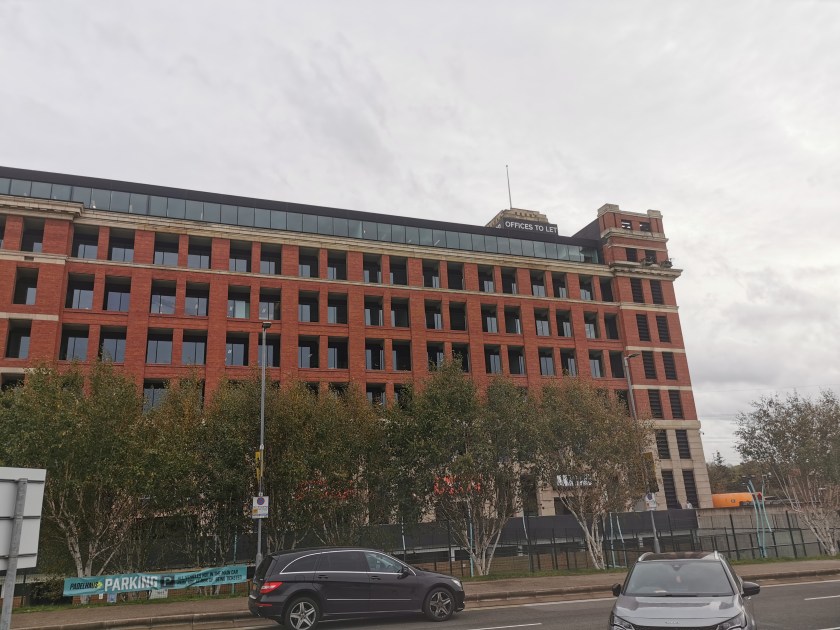
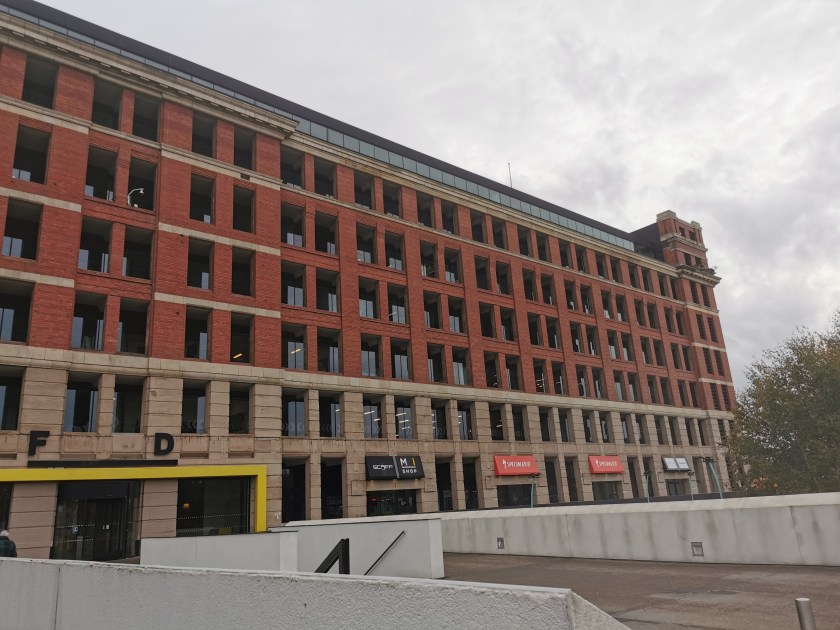
The Fort Dunlop building today

So frustrated was I, that I had to put an almost complete manuscript to one side for a month and write something else. I didn’t even think about the book during that month. I was very cross with myself. Eventually, I realised what had to be done (but it was not a single lightbulb moment, but rather many of them) and the mystery became solvable. So, while my inspiration was to base this mystery at another Erdington staple, the Fort Dunlop site, it was even more inspired by the barrage balloons that were flown during WW2 to act as a deterrent to enemy aircraft. Curious, you can watch a fabulous video over on the PATHE website https://cutt.ly/NtpYVUD8.

A barrage balloon truck. Mariegriffiths, CC BY-SA 3.0 https://creativecommons.org/licenses/by-sa/3.0, via Wikimedia Commons

Here’s the blurb

Birmingham, England, December 1944.

Chief Inspector Mason of Erdington Police Station is summoned to the Dunlop Rubber Company by an irate Mrs Adams from the Buying Department on a cold Tuesday morning in December 1944.

No sooner have he and O’Rourke managed to uncover the cause of Mrs Adams’ telephone call to the police station, than events take a far more chilling turn than the rogue situation’s vacant advertisement first alluded. It might just be that they’re in the right place at the right time to prevent a terrible tragedy. Or are they?

As the barrage balloon threatens to break free from its winch truck in the terrible wind, Sam Mason makes a most unwelcome discovery. Who killed the man, but more importantly, how did he end up, roped to the barrage balloon? And with the WAAF denying their involvement, how was the barrage balloon even floated? What does it all mean? And when they discover the secret tyre formula from the Testing Department has also been stolen, Sam starts to fear there is even more at stake.

Join Mason and O’Rourke for the fourth book in the quirky, historical mystery series, as they once more attempt to solve the impossible in 1940s Erdington.

https://amzn.to/4pH5oYD

Check out The Erdington Mysteries page to discover more about the books.

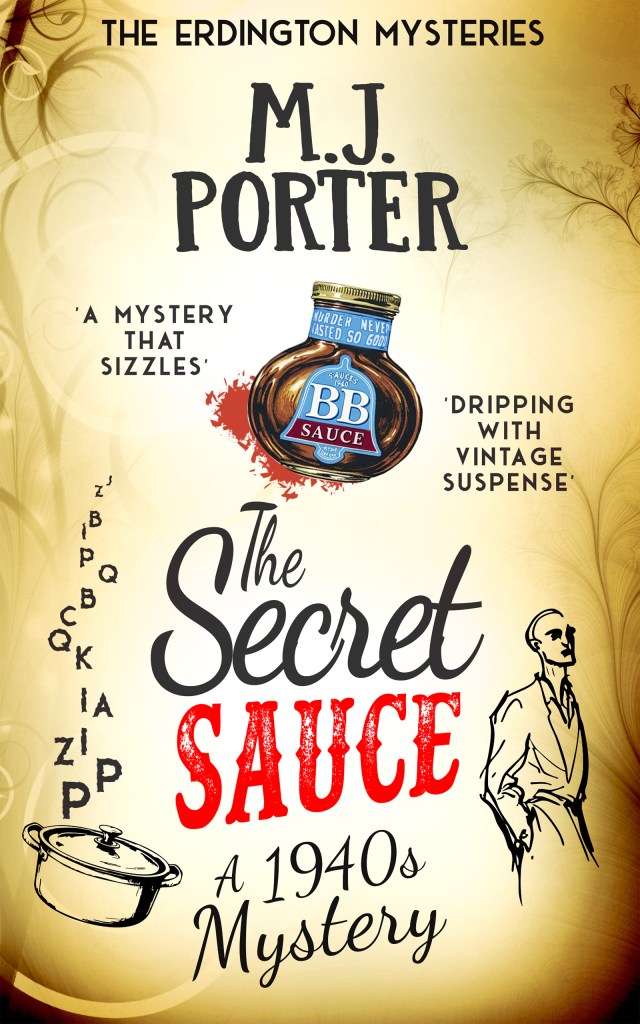
Buy The Custard Corpses here, available in ebook, paperback, hardback and audio. Or, check out the signed editions page to get a copy directly from me. Book 3, The Secret Sauce, is available now, (as is book 2, The Automobile Assassination).

Featured

It’s happy release day to The Barrage Body, book 4 in The Erdington Mysteries #histfic #mystery

Here’s the blurb

Birmingham, England, December 1944.

Chief Inspector Mason of Erdington Police Station is summoned to the Dunlop Rubber Company by an irate Mrs Adams from the Buying Department on a cold Tuesday morning in December 1944.

No sooner have he and O’Rourke managed to uncover the cause of Mrs Adams’ telephone call to the police station, than events take a far more chilling turn than the rogue situation’s vacant advertisement first alluded. It might just be that they’re in the right place at the right time to prevent a terrible tragedy. Or are they?

As the barrage balloon threatens to break free from its winch truck in the terrible wind, Sam Mason makes a most unwelcome discovery. Who killed the man, but more importantly, how did he end up, roped to the barrage balloon? And with the WAAF denying their involvement, how was the barrage balloon even floated? What does it all mean? And when they discover the secret tyre formula from the Testing Department has also been stolen, Sam starts to fear there is even more at stake.

Join Mason and O’Rourke for the fourth book in the quirky, historical mystery series, as they once more attempt to solve the impossible in 1940s Erdington.

Check out The Erdington Mysteries page to discover more about the books.

Buy The Custard Corpses here, available in ebook, paperback, hardback and audio. Or, check out the signed editions page to get a copy directly from me. Book 3, The Secret Sauce, is available now, (as is book 2, The Automobile Assassination).

Posts


Featured

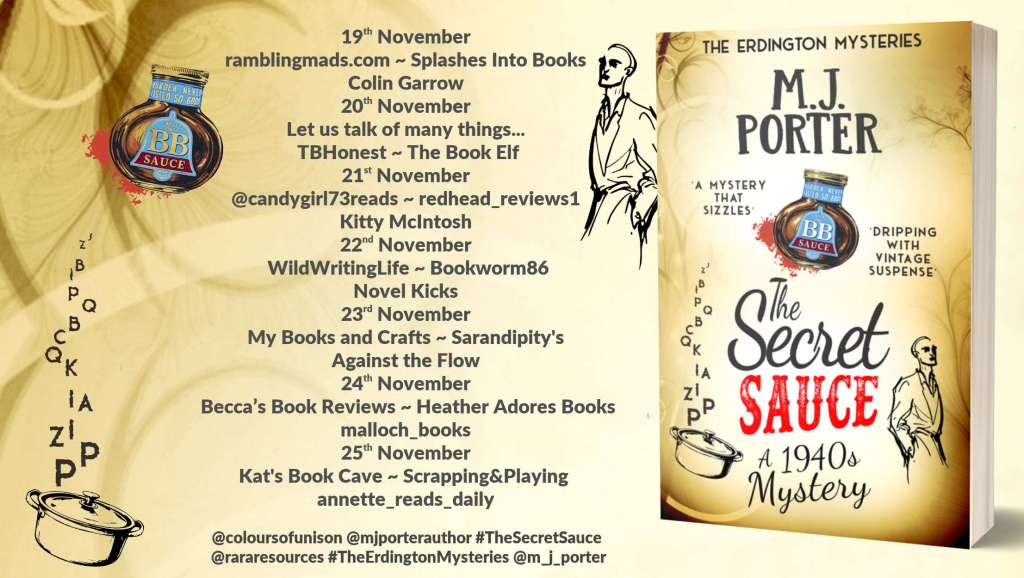
The Secret Sauce is on blog tour with Rachel’s Random Resources hosts. Check out the reviews, blog posts and Q & As below #histfic #historicalmystery

The Secret Sauce is on blog tour with Rachel’s Random Resources hosts. Check out the reviews, blog posts and Q & As below #histfic #historicalmystery

Here’s the blurb

Birmingham, England, November 1944.

Chief Inspector Mason of Erdington Police Station is summoned to a suspicious death at the BB Sauce factory in Aston on a wet Monday morning in late November 1944.

Greeted by his enthusiastic sergeant, O’Rourke, Sam Mason finds himself plunged into a challenging investigation to discover how Harry Armstrong met his death in a vat containing BB Sauce – a scene that threatens to put him off BB Sauce on his bacon sandwiches for the rest of his life.

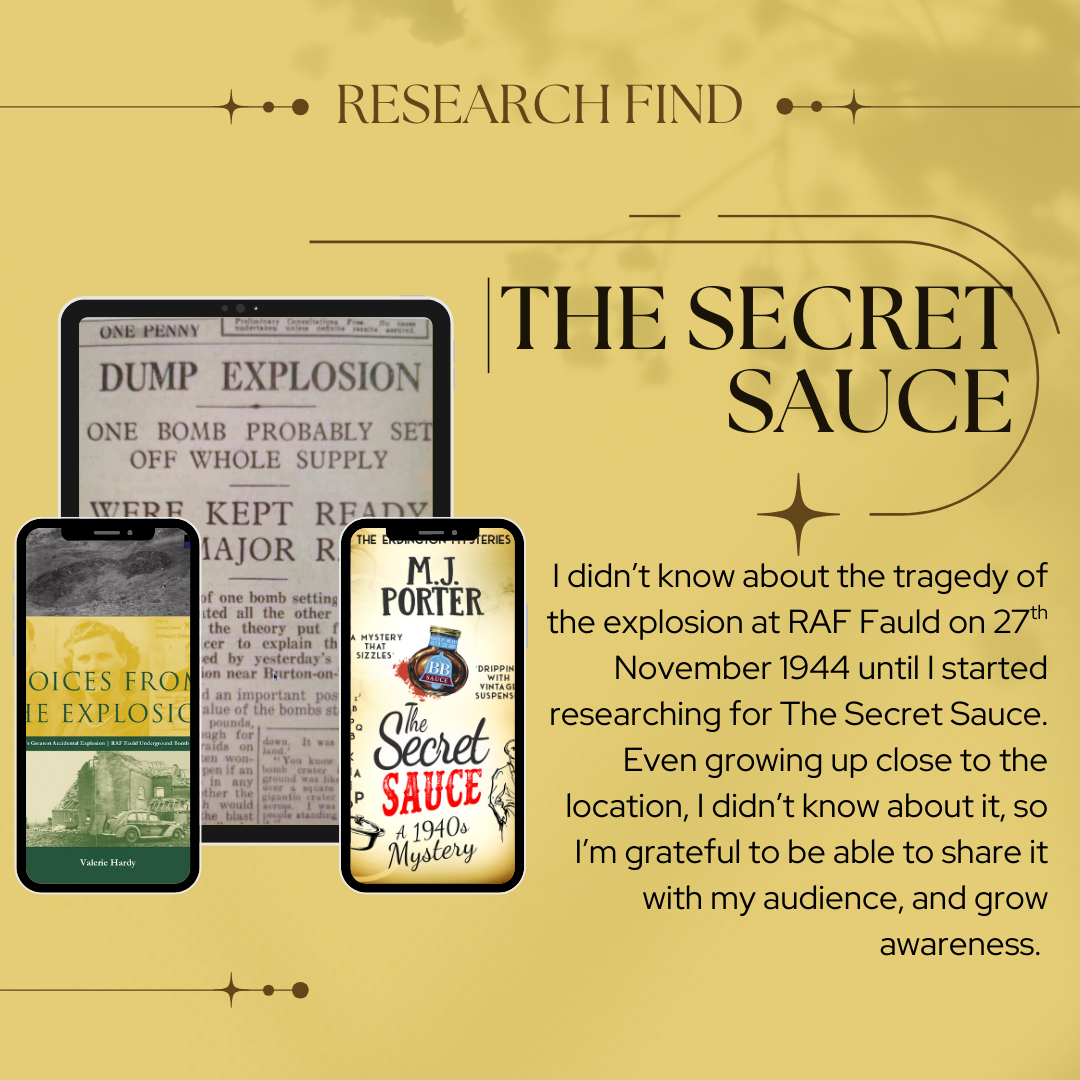
Together with Sergeant O’Rourke, Mason follows a trail of seemingly unrelated events until something becomes very clear. The death of Harry Armstrong was certainly murder, and might well be connected to the tragedy unfolding at nearby RAF Fauld. While the uncertainty of war continues, Mason and O’Rourke find themselves seeking answers from the War Office and the Admiralty, as they track down the person who murdered their victim in such an unlikely way.

Join Mason and O’Rourke for the third book in the quirky, historical mystery series, as they once more attempt to solve the impossible in 1940s Erdington.

Rambling Mads (Review)

Splashes Into Books (Review)

Colin Garrow (Review)

Let us alk of May Things (Review)

The Book Elf (Review)

TBHonest (Review)

CandyGirl73 (Review)

redhead_reviews1 (Review)

Kitty McIntosh (Review)

Wild Writing Life (Review)

Bookworm86 (Review)

Novel Kicks (Extract)

My Books and Crafts (Review)

Sarandipity’s (Extract)

Against the Flow (Author Q and A)

Mallach_books (Review)

Becca’s Book Reviews (Review)

Heather Adores Books (Inspiration for the mystery)

kat’s book cave (Review)

Annette_Reads_Daily (Review)

Preorder The Barrage Body, the fourth book in The Erdington Mysteries

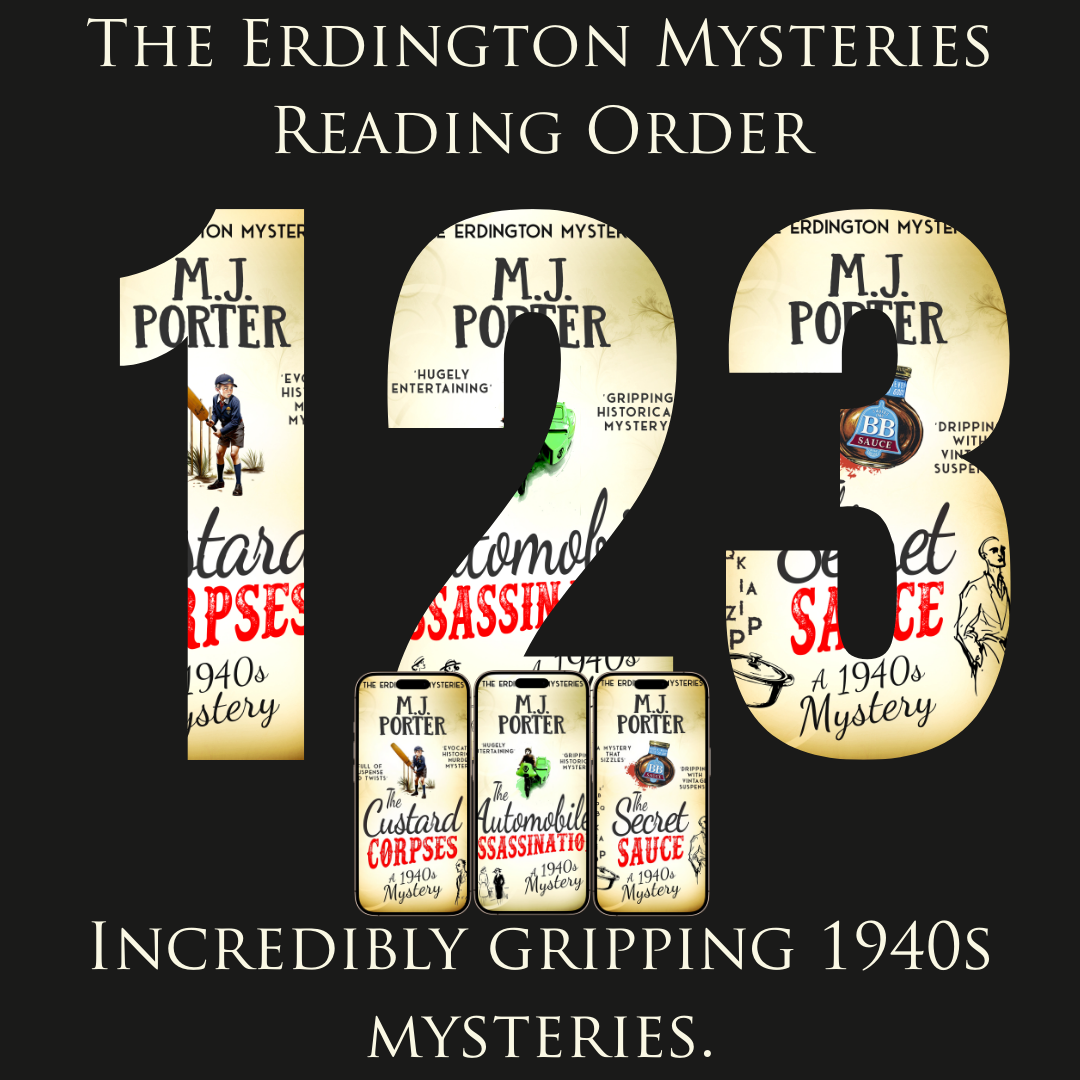
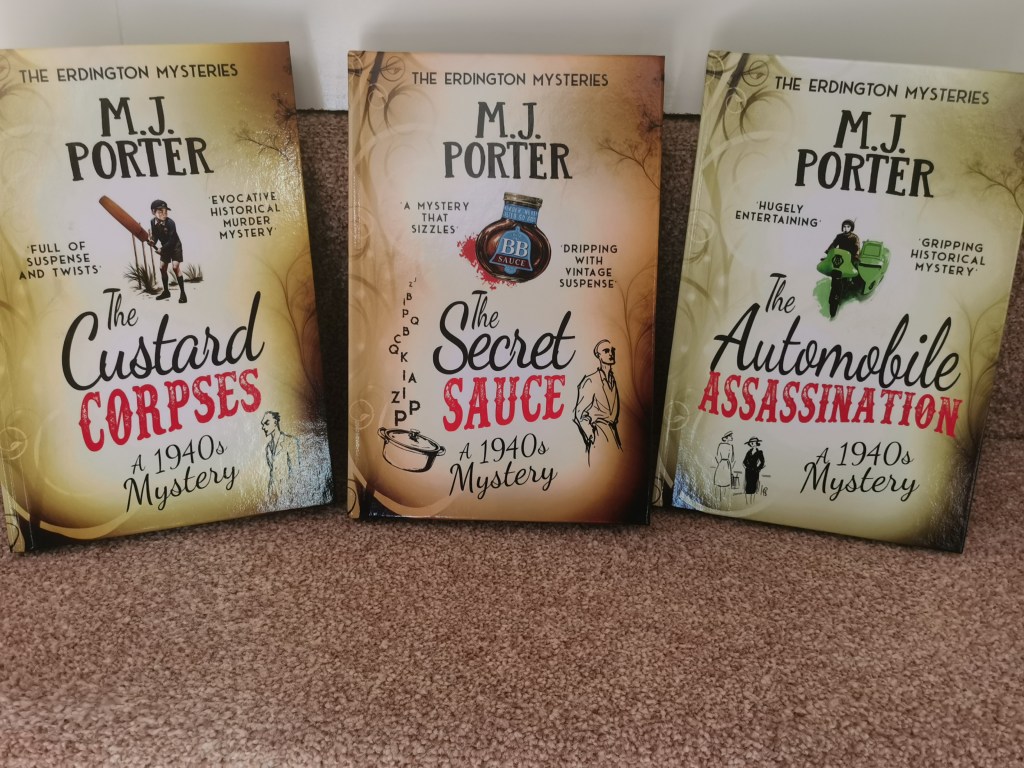
All 3 hardbacks in the Erdington Mystery series in a row.

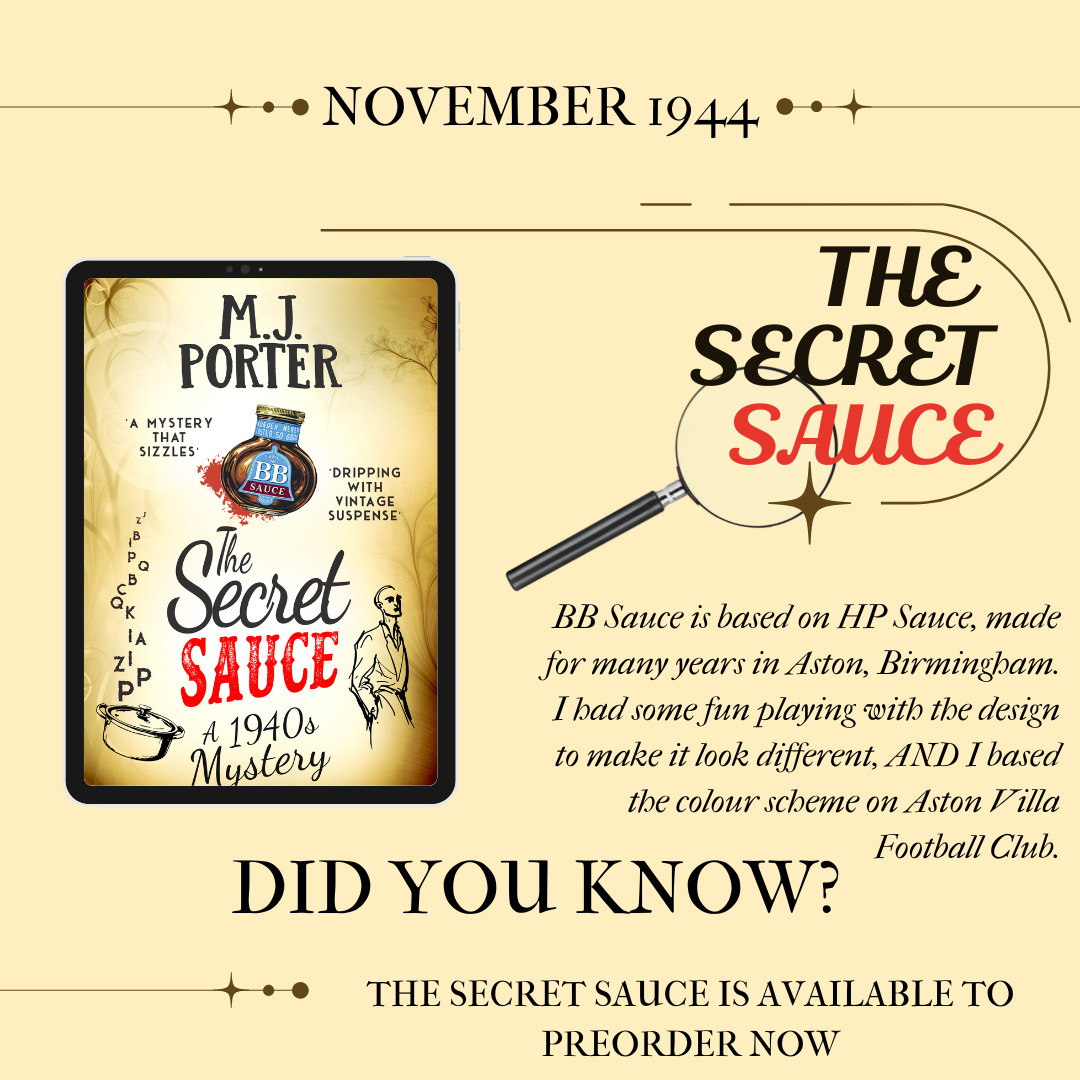
The Secret Sauce is available in ebook, paperback and hardback. Or order a paperback directly from me via my SumUp store. I hope to have the audiobook in a few months.

The Erdington Mysteries

Check out The Erdington Mysteries series page for more details on The Custard Corpses, The Automobile Assassination and The Secret Sauce.


Featured

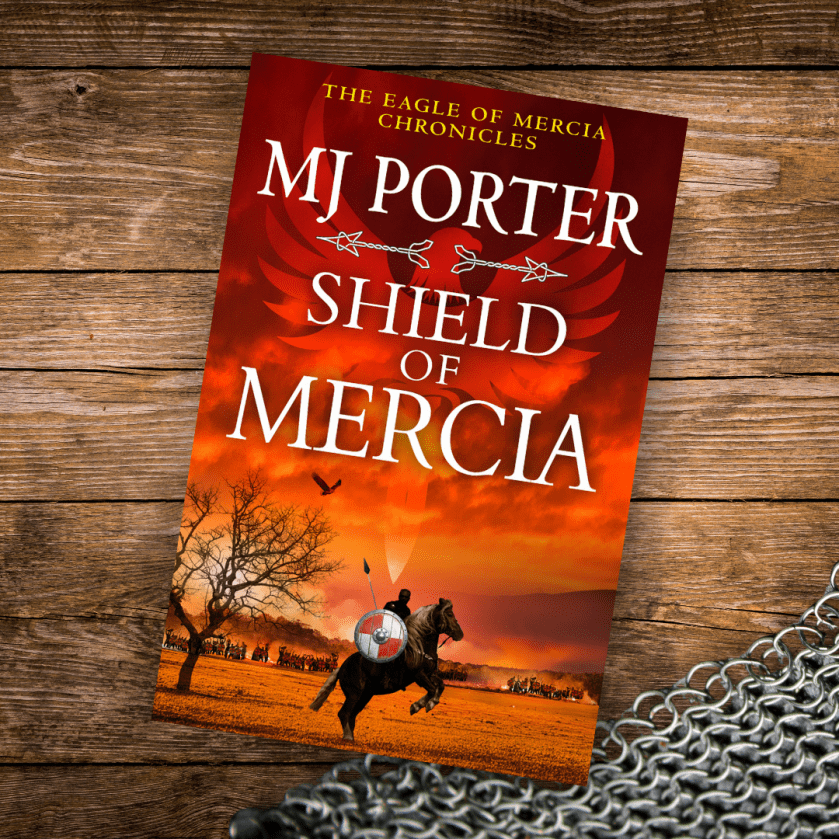
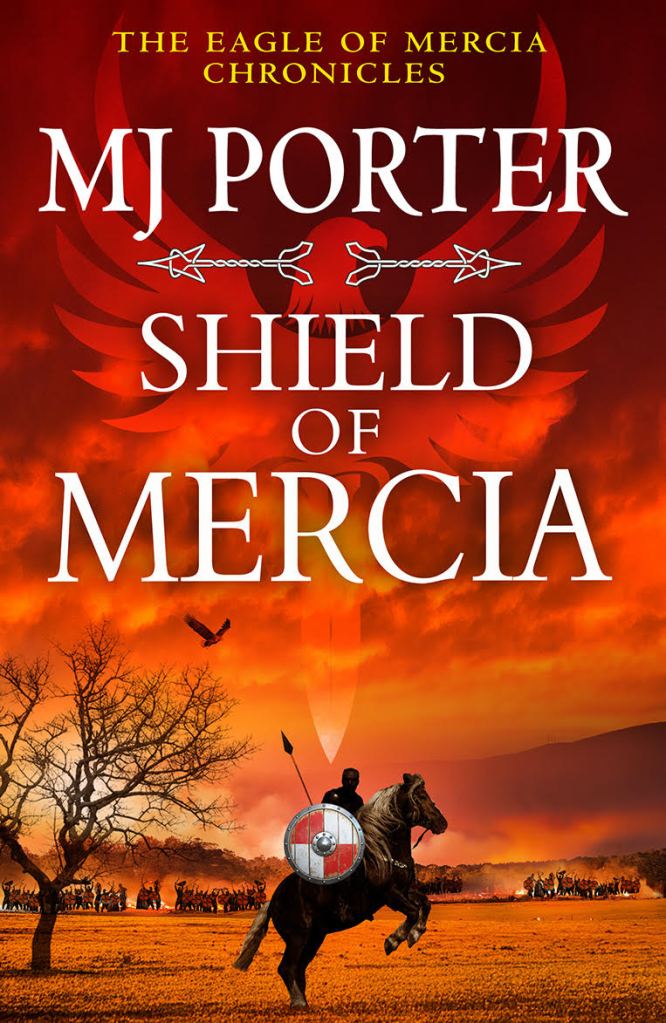
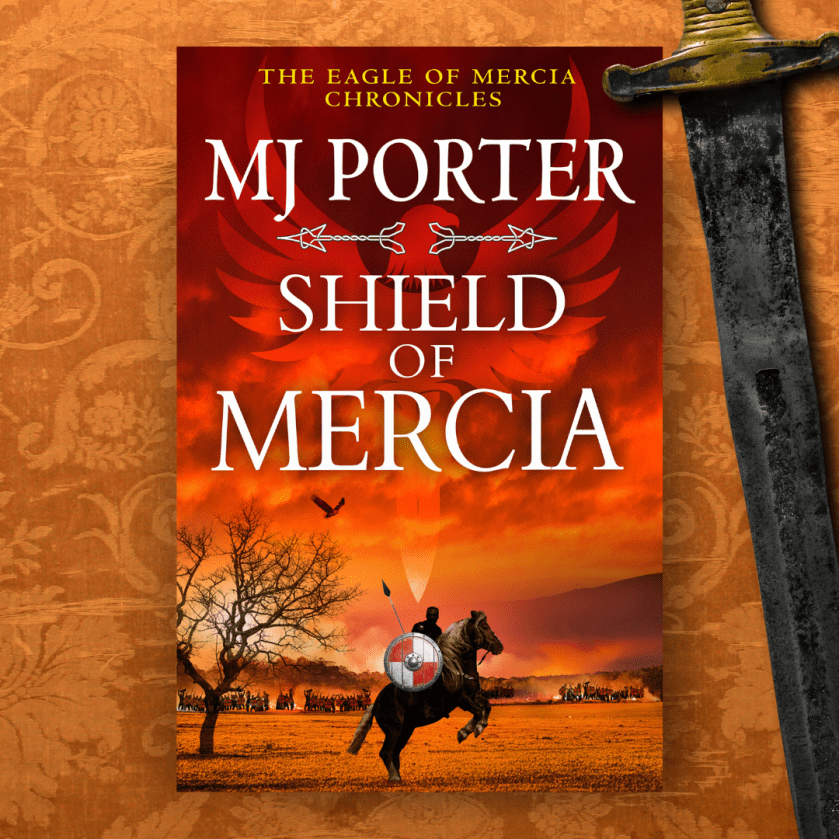
Shield of Mercia is now available. Return to the world of young Icel, and listen to me rabbiting on, again #newrelease #histfic #TheEagleofMerciaChronicles #audio

Shield of Mercia is now available. Return to the world of young Icel, and listen to me rabbiting on, again #newrelease #histfic #TheEagleofMerciaChronicles #audio

Me doing a bad job of introducing the new book

In my defence, I am frantically trying to finish another title!

I have mentioned elsewhere that my publisher are now publishing what are known as ‘trade paperbacks’ for their titles. This is the format most of my indie titles are published in, and you can find this ‘new’ size here.

Here’s the blurb

Mercia is triumphant. Her king is safe. But Wessex was never Mercia’s only enemy. 


Tamworth, AD836

Following a brutally cold winter, King Wiglaf of Mercia is in the ascendancy. Even Wessex’s Archbishop of Canterbury extraordinarily ventures to Mercia to broker a religious accord. But, can the hard-won peace prevail?

Viking raiders threaten Wessex. These blood-thirsty warriors are fast, skilful and have no reticence about killing those who stand in their way. Their aim isn’t to rule but to overwhelm, slaughter and take ill-gotten wealth.

King Wiglaf is no fool. As the Vikings push to overwhelm Wessex, Mercia’s lands look insecure. King Wiglaf needs the shields of Mercia’s warriors to prevent the overwhelming advancement of their deadliest enemy yet.

To save Mercia, Icel must first prevail over the two men who mean to end his life; King Ecgberht of Wessex and his son, Æthelwulf of Kent and only then the marauding Viking army for whom boundaries have no meaning.

https://amzn.to/4lg5sLP

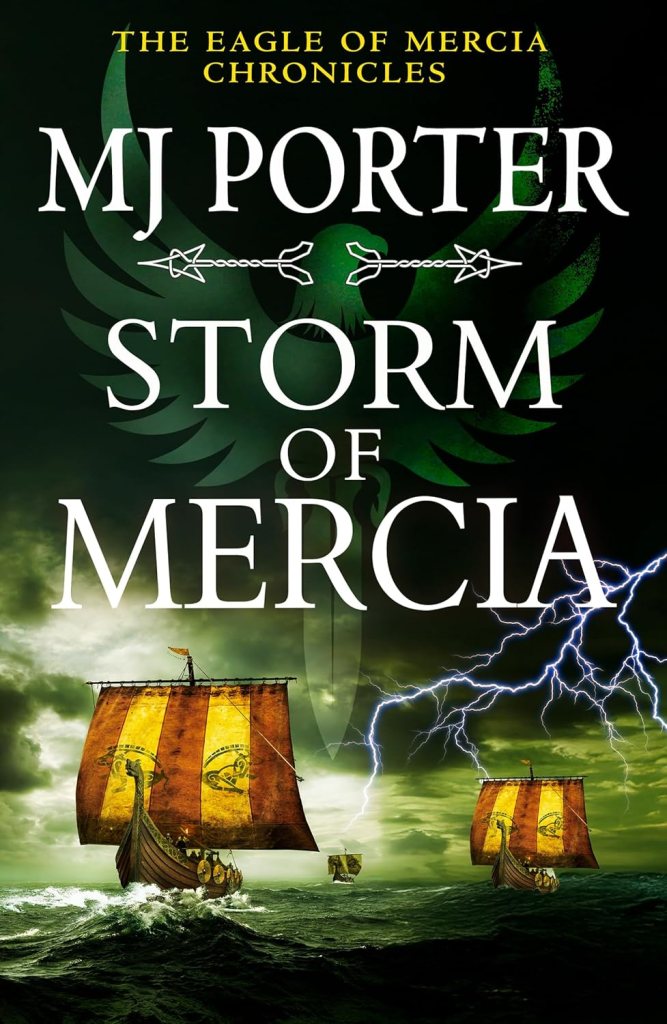
Check out the Eagle of Mercia Chronicles series page and see the cover for Storm of Mercia. You will also find links to the other release day posts for Shield there, too. Or below.

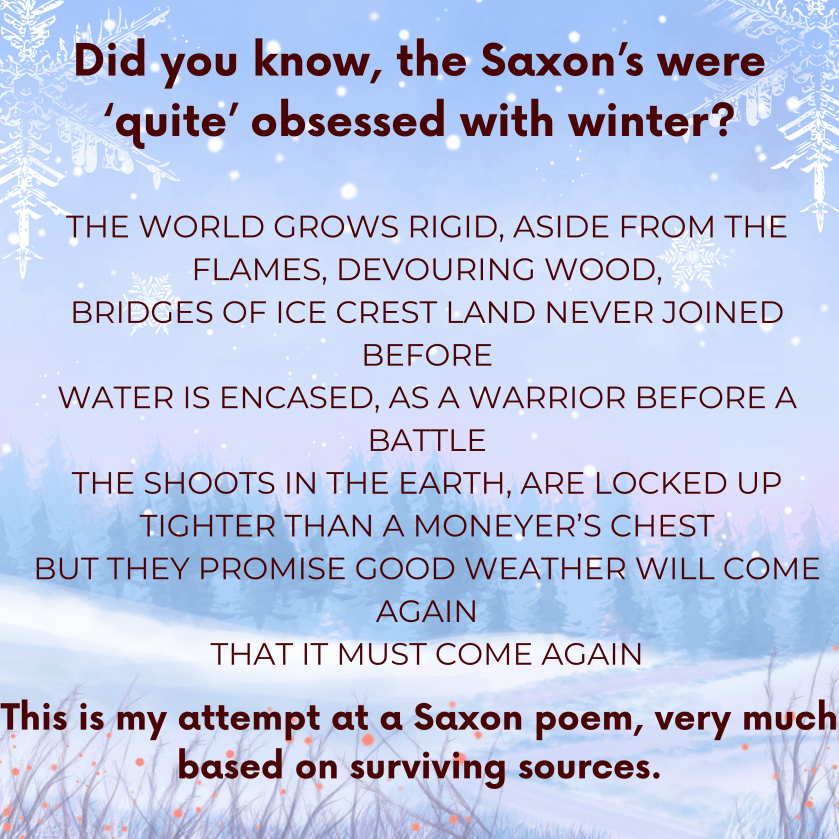
My attempt at a Saxon poem

The Book of Healing

My 20-second summary of each book (this took a lot of attempts)

The audiobook

Sign up to my Boldwood Books newsletter to keep up to date with all things Icel… https://bit.ly/MJPorterNews

Or, you can order a signed paperback copy directly from me. Check out my bookstore.

Posts

Featured

It’s happy release day to Shield of Mercia. Return to the world of young Icel. I attempt to summarise all the books in just 20 seconds each. #newrelease #histfic #TheEagleofMerciaChornicles

It’s happy release day to Shield of Mercia. Return to the world of young Icel. It’s going to get cold (and then rather hot). #newrelease #histfic #TheEagleofMerciaChornicles

This is my fourth attempt at the recording:) (Contains spoilers) (click on it to ‘pop’ it out)

Here’s the blurb

Mercia is triumphant. Her king is safe. But Wessex was never Mercia’s only enemy. 


Tamworth, AD836

Following a brutally cold winter, King Wiglaf of Mercia is in the ascendancy. Even Wessex’s Archbishop of Canterbury extraordinarily ventures to Mercia to broker a religious accord. But, can the hard-won peace prevail?

Viking raiders threaten Wessex. These blood-thirsty warriors are fast, skilful and have no reticence about killing those who stand in their way. Their aim isn’t to rule but to overwhelm, slaughter and take ill-gotten wealth.

King Wiglaf is no fool. As the Vikings push to overwhelm Wessex, Mercia’s lands look insecure. King Wiglaf needs the shields of Mercia’s warriors to prevent the overwhelming advancement of their deadliest enemy yet.

To save Mercia, Icel must first prevail over the two men who mean to end his life; King Ecgberht of Wessex and his son, Æthelwulf of Kent and only then the marauding Viking army for whom boundaries have no meaning.

https://amzn.to/4lg5sLP

Check out the Eagle of Mercia Chronicles series page

Sign up to my Boldwood Books newsletter to keep up to date with all things Icel… https://bit.ly/MJPorterNews

Or, you can order a signed paperback copy directly from me. Check out my bookstore.

Posts

Featured

Letter writing in the Eleventh Century, how I recreated Lady Estrid’s connections with her vast family. #non-fiction #histfic

Letter writing in the Eleventh Century, how I recreated Lady Estrid’s connections with her vast family. #non-fiction #histfic

In trying to bring together the narrative for Lady Estrid, I faced a bit of a problem: the vast distances involved. Lady Estrid had family in England, Denmark, Sweden and Norway, many of them she may never have met in person.

Today, we might pick up the phone, or have a quick look on the internet, but in the eleventh century, how would people have communicated?

And so to letter writing. There are two surviving letters from the eleventh-century that were sent by King Cnut, Estrid’s brother, to the English, when he was absent from his newly conquered country, in AD1020 and AD1027. I give a small example below. 

;Be it known therefore to all of you, that I have humbly vowed to the Almighty God himself henceforward to amend my life in all respects, and to rule the kingdoms and the people subject to me with justice and clemency, giving equitable judgments in all matters; and if, through the intemperance of my youth or negligence, I have hitherto exceeded the bounds of justice in any of my acts, I intend by God’s aid to make an entire change for the better.’  From Cnut’s letter to the English from AD1027.

These might well have been an exercise for Cnut in asserting his authority over the English, and giving his regents a little bit of extra support, but they open up the possibility of just who else was busy writing and sending letters to one another. 

There’s always the assumption that unless you were a holy man, you perhaps couldn’t read or write, and in fact, in one of the books I referenced for Lady Estrid, I found a fascinating chart detailing people who are known to have been used by the ruling family of Normandy as messengers, another way that messages could be sent between people. But surely, sometimes, it was just better to write everything down, that way nothing could be lost in translation. 

Without the possibility of Lady Estrid ever meeting some members of her family, using letter writing allowed me to artificially create conversations between the characters, and while it might not have been the ‘norm’ it was certainly something that happened. Indeed, three centuries earlier, there’s a great wealth of information to be found in the letters of Alcuin of York (c735-804), so it wasn’t as though it was a new thing. With Denmark’s conversion to Christianity, there would have been a ready selection of scribes just waiting to note down Lady Estrid’s frustrations and complaints, even if she didn’t pen them herself.

Here’s an example of one of Estrid’s letters I create in the book.

Dearest Mother, Lady Sigrid. Queen of Denmark.’

‘This marriage doesn’t agree with me. How could you agree to it? I trusted you more than any other to understand how difficult it would be to be forced to live amongst strangers. I relied on you to argue with my father about the necessity of the union.’ 

And don’t tell me I will one day be the queen of the Rus, as my father planned. Prince Ilja is not a strong man. I don’t foresee him living long. Not at all. The poor man. He has barely been able to consummate our union. I hope I will not carry his child. It will be weak and feeble, and I will not tolerate such.’ 

My children will be strong and powerful. One day, it is they who will be kings and queens. But these children will not be shared with Prince Ilja. I am sure of it.’

And even if he were to survive, his brothers are a treasonous coven. None of them wishes the other to succeed at their expense. I foresee only bloodshed and paranoia when Ilja’s father is dead.’

Frida is my only friend and ally, reminding me of home. I hope to return to Denmark one day. I never imagined leaving her. I miss her. The kingdom of the Rus is not the same. Not at all.’

Send me news of my father and brothers. I wish to know if my father has finally triumphed in England over King Æthelred. I should like to know that he didn’t callously send me away without so much as seeing me in person for no good reason, because he was absent, in England, as so often the case. If he fails in England again, I will never forgive him for his actions towards me.’

Your despairing daughter, Lady Estrid Sweinsdottir, from Kiev.’

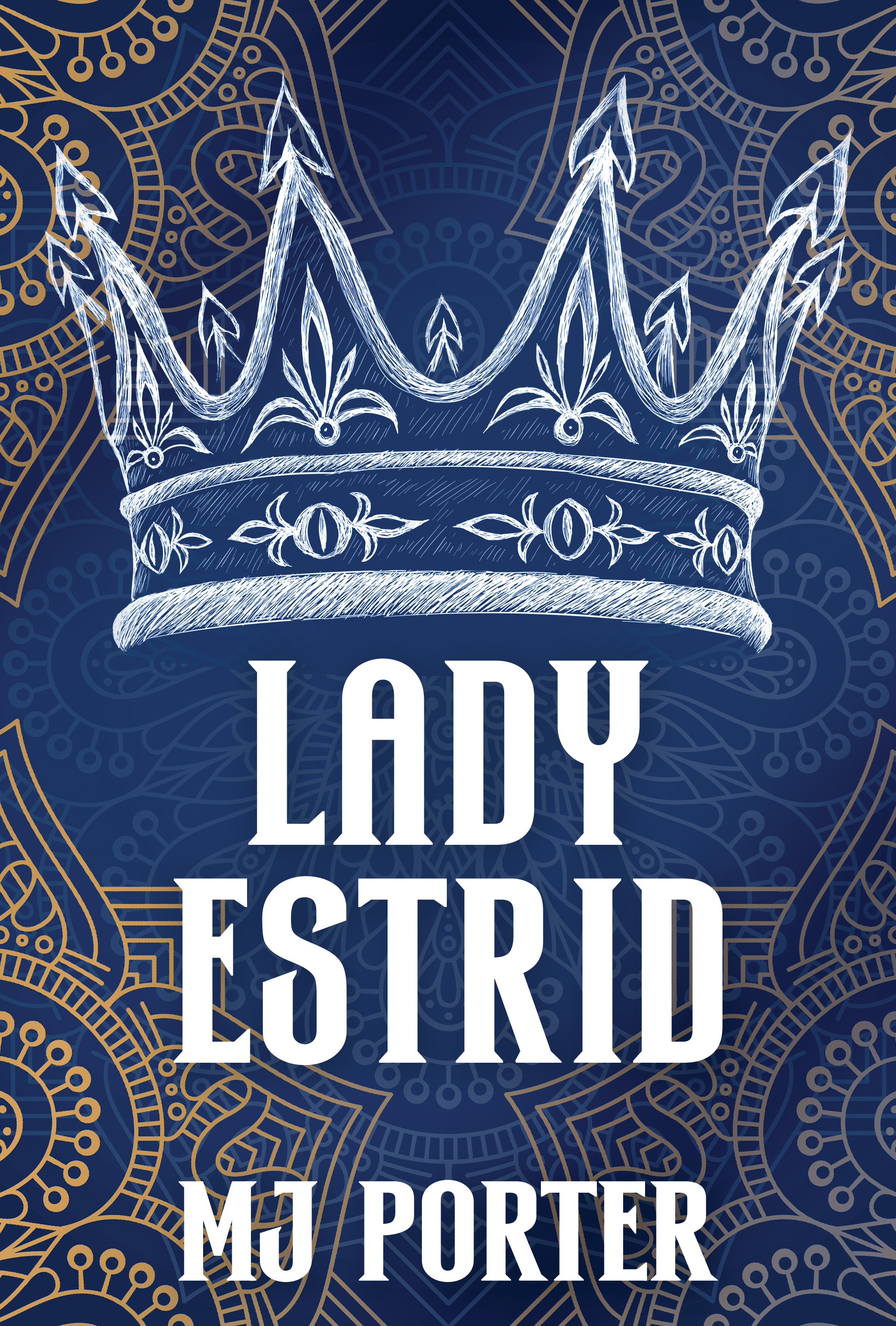
Grab Lady Estrid now to read on.

Check out the Lady Estrid page on the blog for more information.

Click on the image to check out Lady Estrid.

Posts

Featured

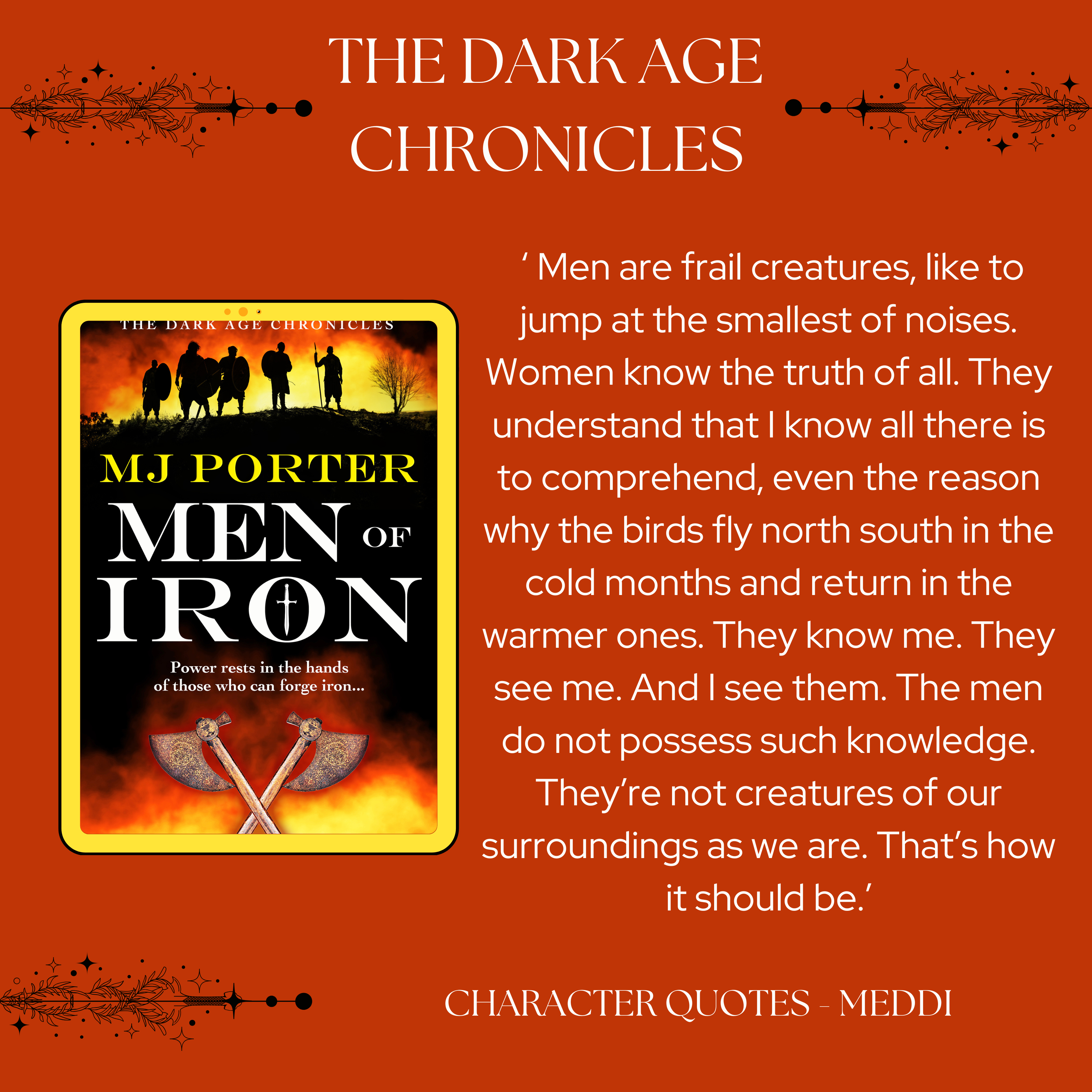
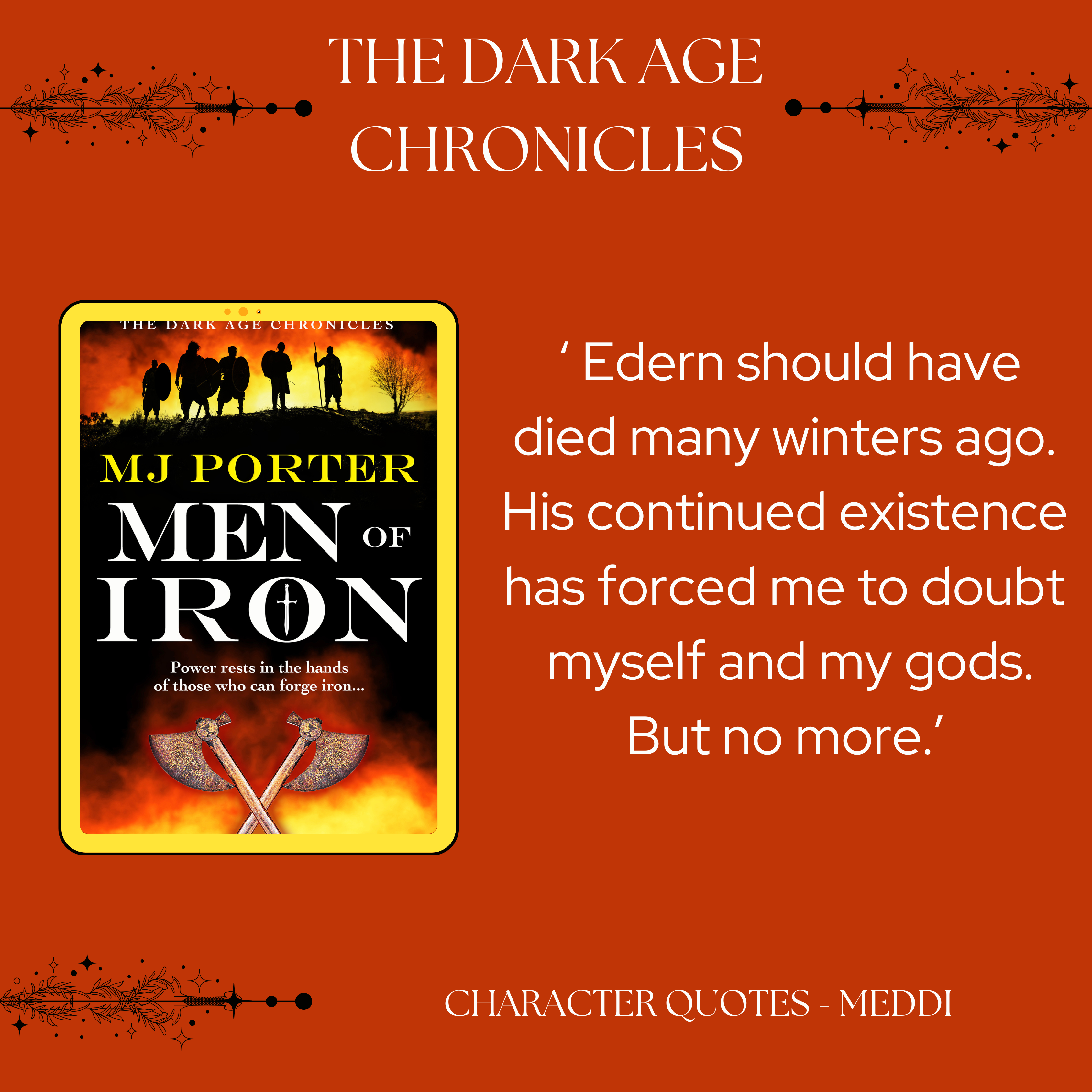
What languages were being spoken in Post-Roman Britain? #newrelease #MenOfIron #WarriorsOfIron #histfic

What languages were being spoken in Post-Roman Britain? #newrelease #MenOfIron #WarriorsOfIron #histfic

What languages were being spoken in Post-Roman Britain?

As with everything to do with this period of the ‘Dark Ages,’ much was in flux. It’s believed that many languages were spoken by the inhabitants of the island of Britain. From the native Brythonic (also often termed British) who would have spoken a version of Welsh, to the Latin of the Christians, the Old Norse (or even older versions of Old Norse) being spoken by those emigrating to Britannia, as well as Pictish, and potentially other languages as well.

Our only written source commonly believed to be from this period, that of Gildas’ On The Ruin of Britain, was written in Latin, but then, he’s said to have been an educated Christian, raised in the ways of both Rome and Christianity. If he spoke Latin on a day to day basis, I’m unsure. I know scholars complain about his grasp of the written Latin language being somewhat convoluted, but whether that’s due to him, or the way his writings have been transmitted to us through the years, I’m unsure.

How then might these people have communicated with one another if so many different languages were being spoken? There must have been translators who could facilitate trade between the tribes. It would be amazing to discover one of these individuals in the archaeological record, but it seems unlikely.  

I’ve worked hard to find names for my characters which feel authentic for the period. The Eorlingas have Brythonic names, Meddi has been shortened from Meddiwysti for fear it was impossible to pronounce, whereas Wærmund and his warriors, while having names that feel very Saxon, are, I hope, ones I’ve not used before, and according to the resource I used, are deemed as ‘early’ Saxon names. Other characters also have Latin names, and some have slightly made-up Latinised names i.e. Terricus who was named after one of my readers, who wanted to be a warrior, but became a blacksmith instead. I think he’s still one of my readers:)

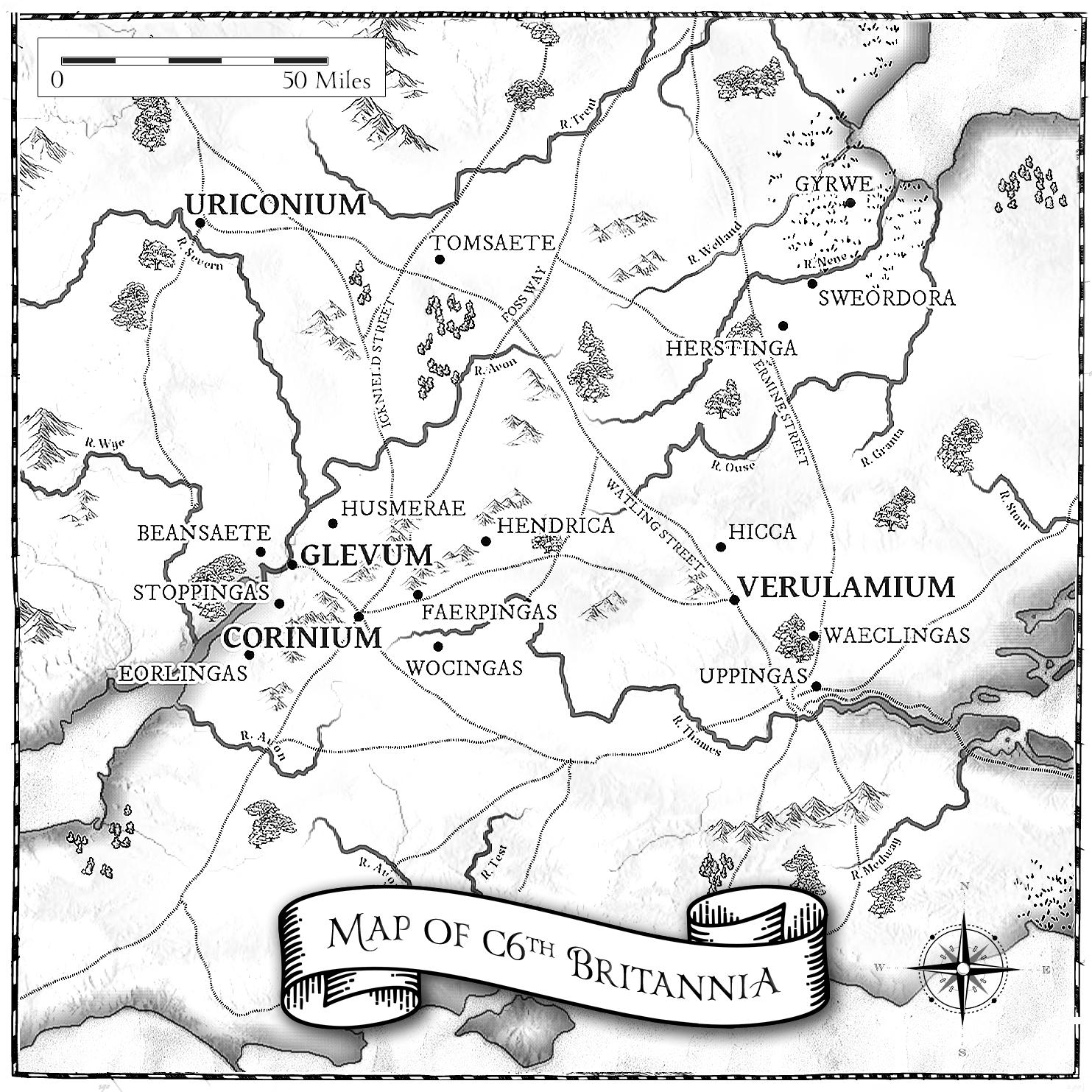
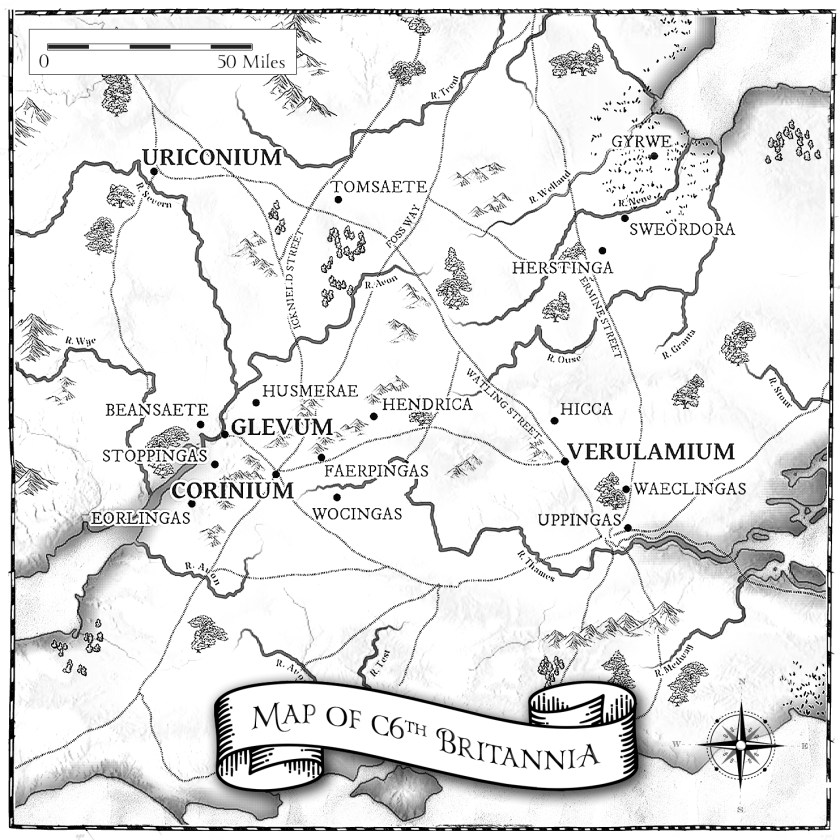
I’ve also used different names for the settlements, again to reflect the mix in language. The Eorlingas, Gyrwe and other tribal names are from the Tribal Hidage a contentious (later and difficult to date) source but one believed to document the very small tribal affiliations that might have existed at this time. Uriconium/Viriconium has its Latin name, although I used a version of the name I found that’s not the most commonly used one. Corinium (Cirencester), Glevum (Gloucester) and Verulamium (St Albans) have their Roman-era names. The River Severn, has its Old Welsh name, Habren, and so, as I was writing the trilogy I was being mindful of reflecting the hodgepodge of names and languages my characters might have known and heard being spoken. 

It also added to the drama to make it difficult for my characters to easily communicate with one another.

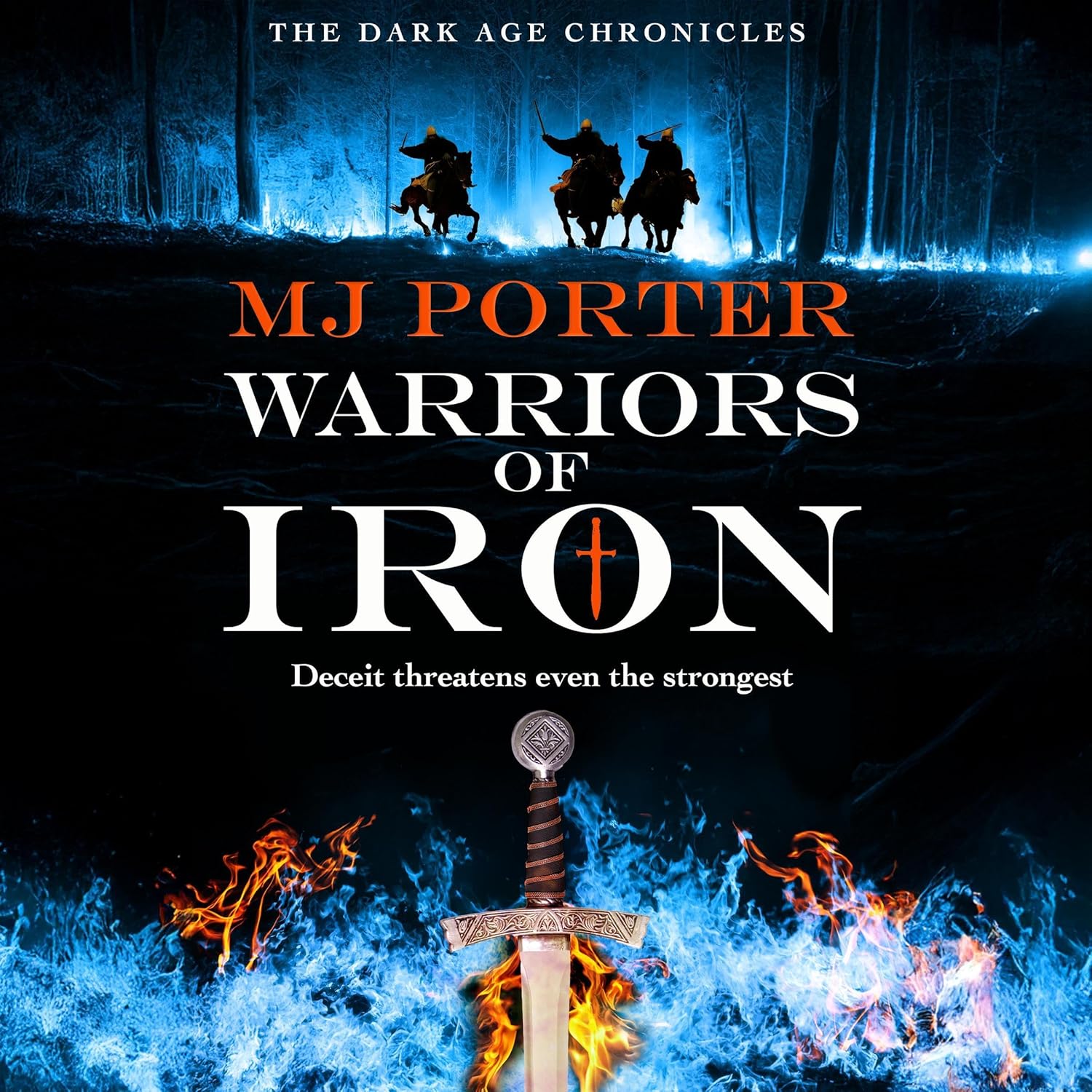
Listen to the beginning of Warriors of Iron

Curious about the trilogy? Check out the Dark Age Chronicles page or the blog posts below.

Blog links

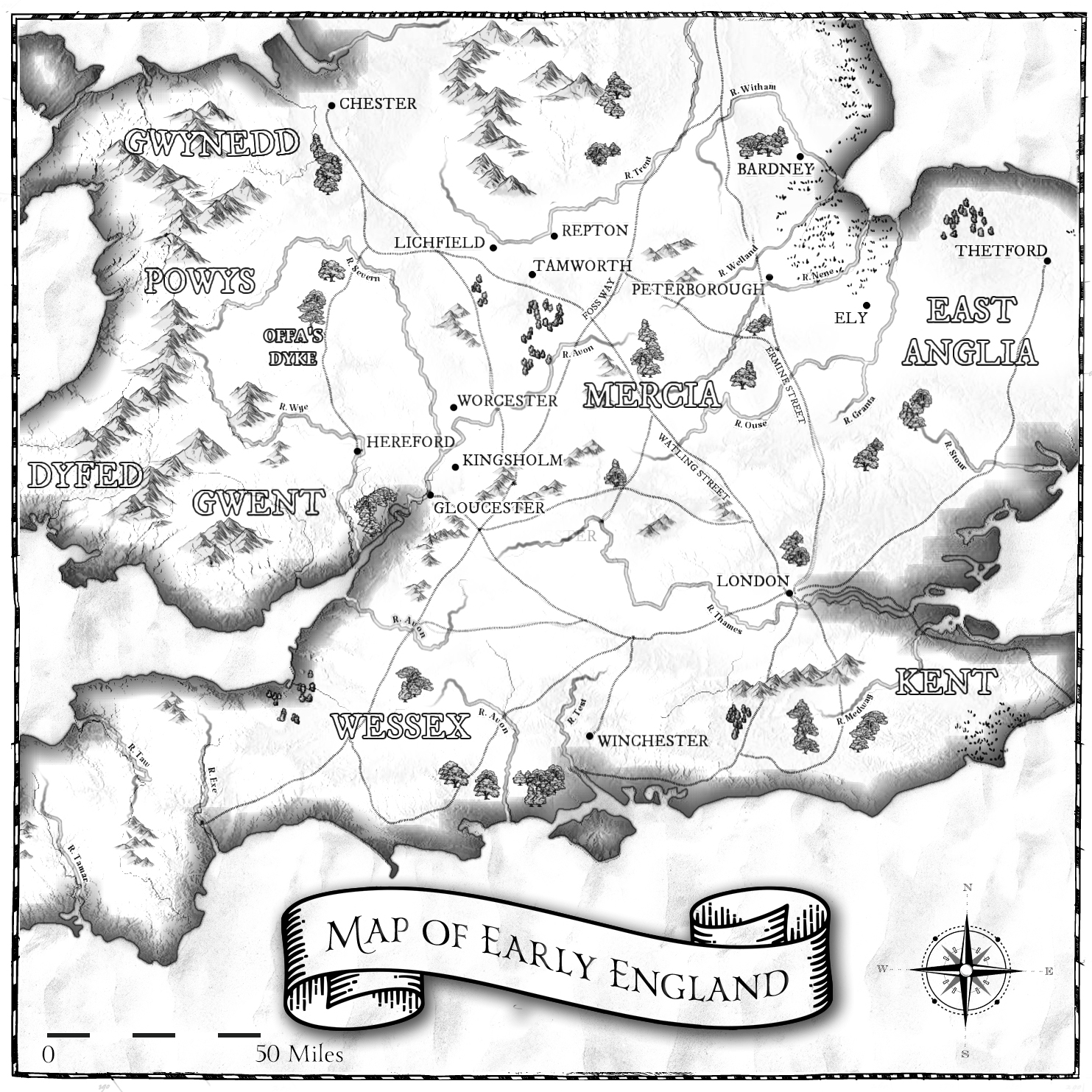
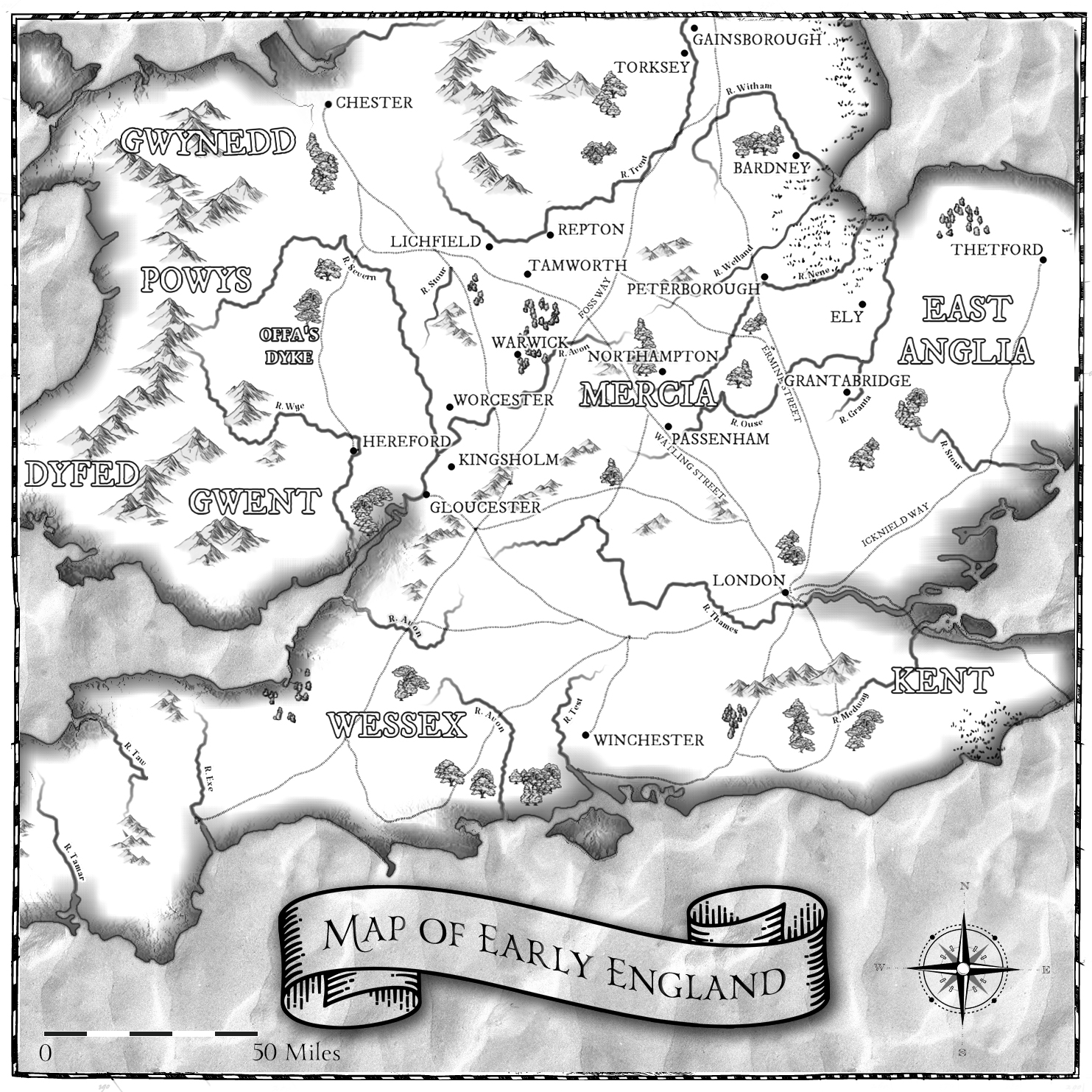
Image shows a map of Early England showing the places mentioned in the text of the book
The Dark Age Chronicles Map

Purchase Links (click on the images)


Posts

Featured

The Saxon Settlement of Tamworth in the 800s

The Saxon Settlement of Tamworth in the 800s

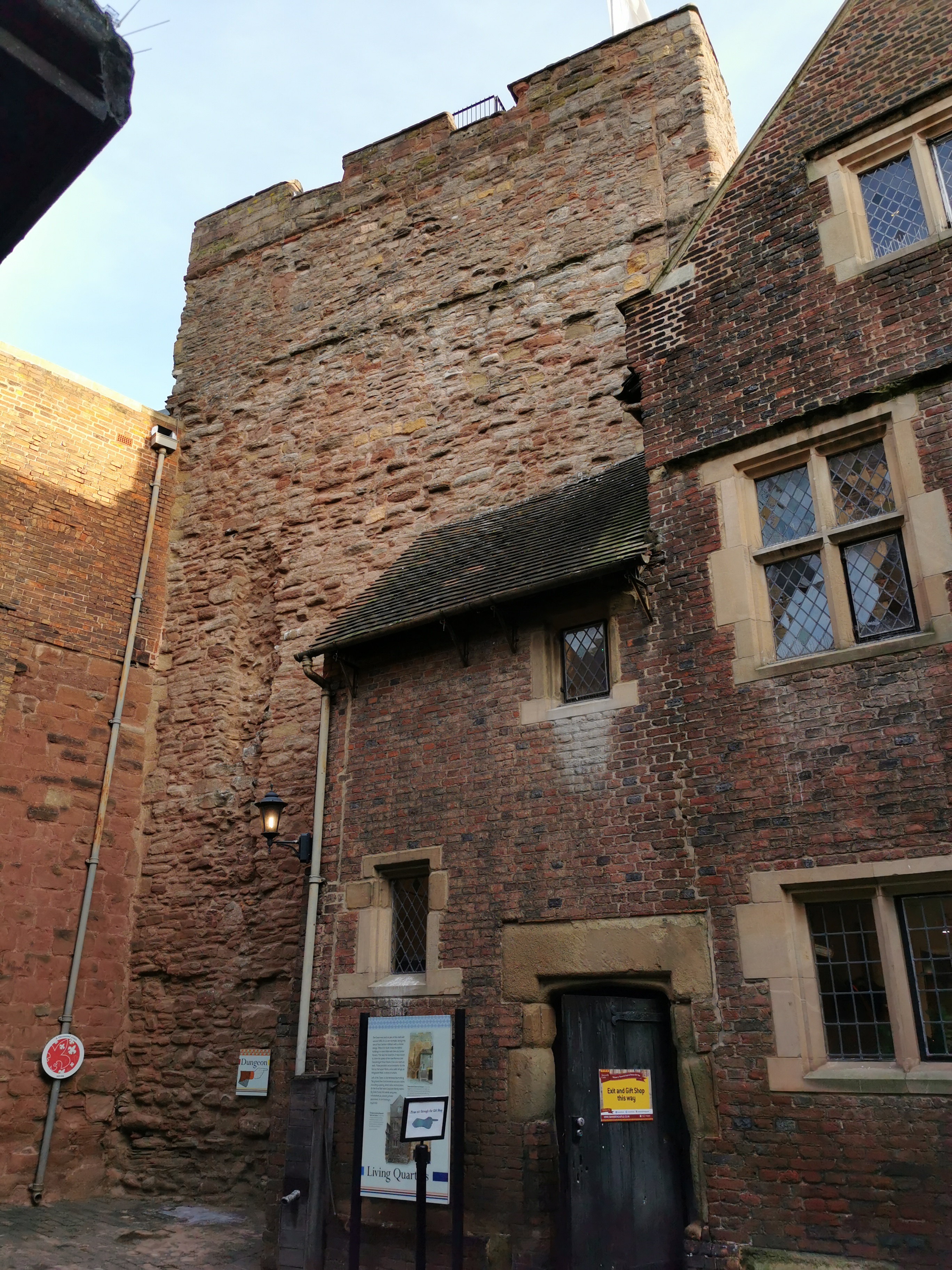
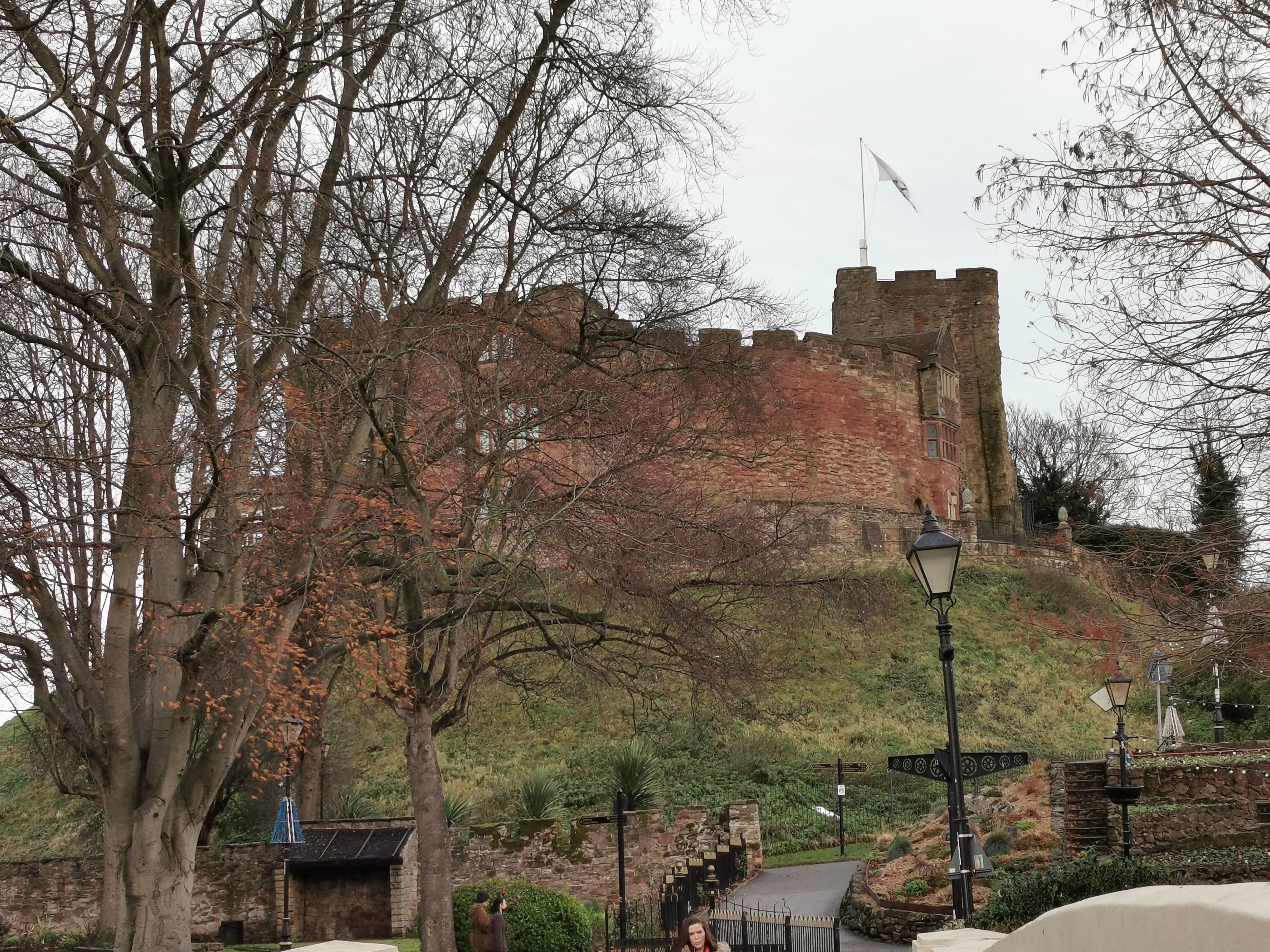
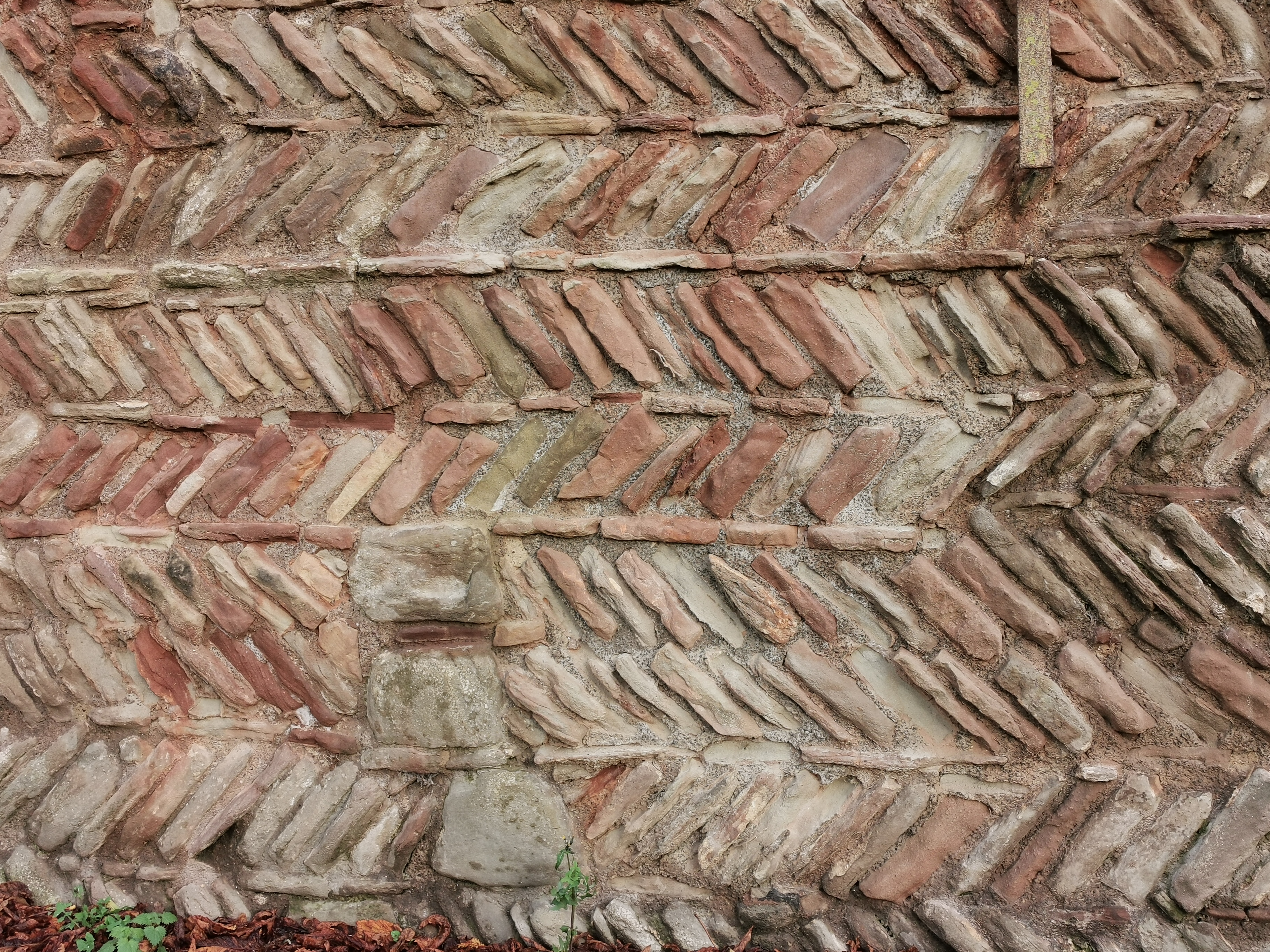
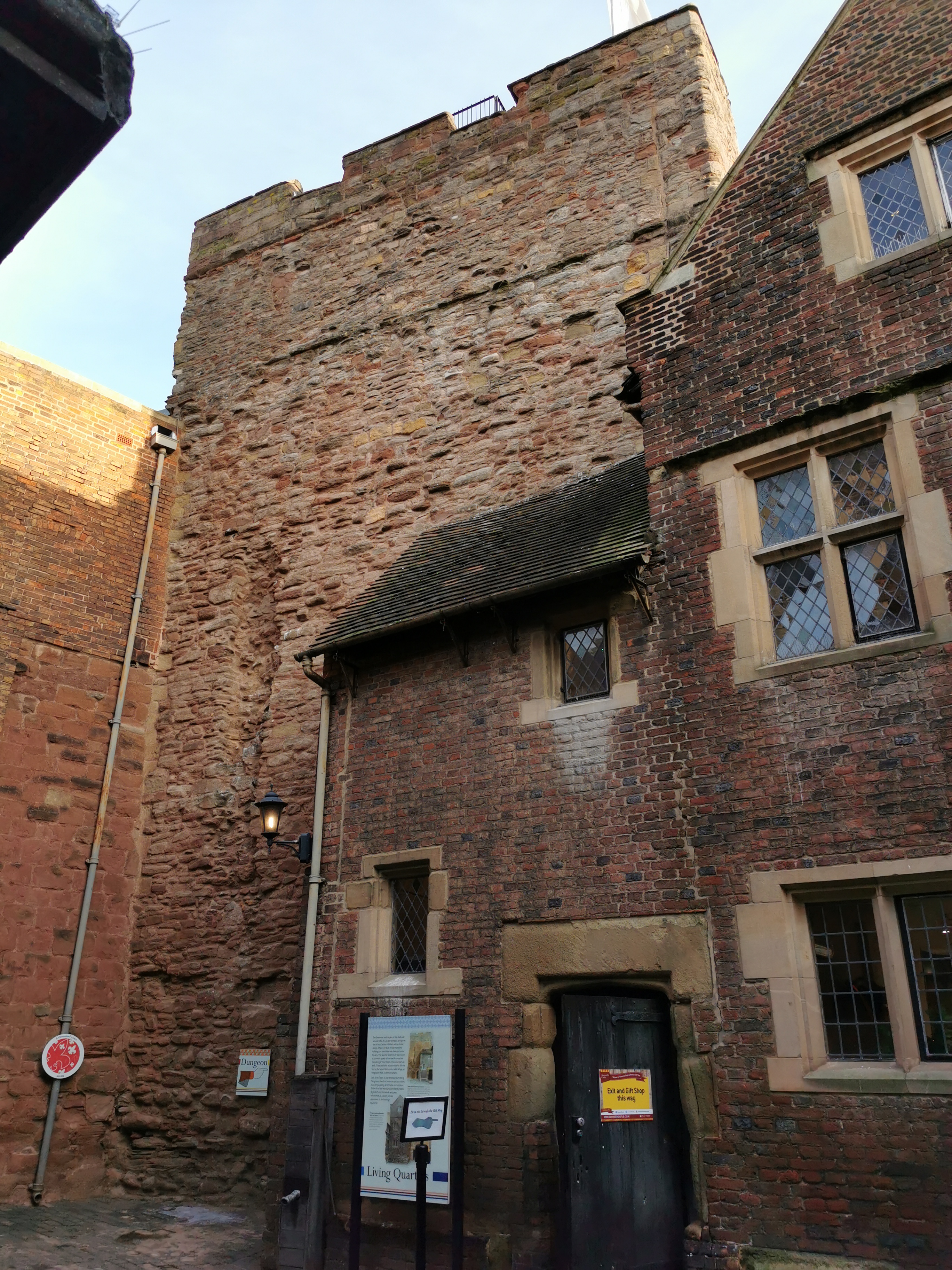
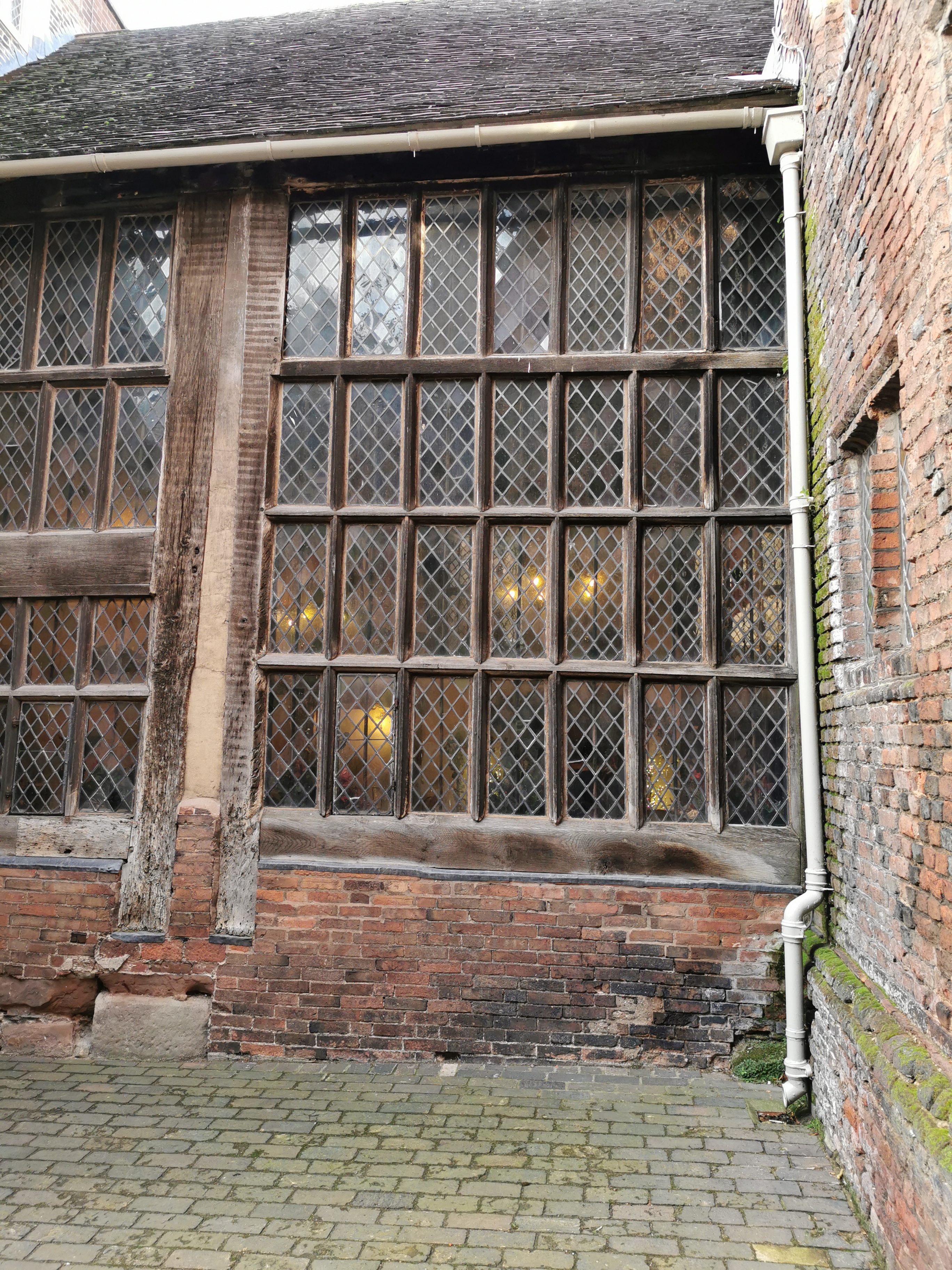
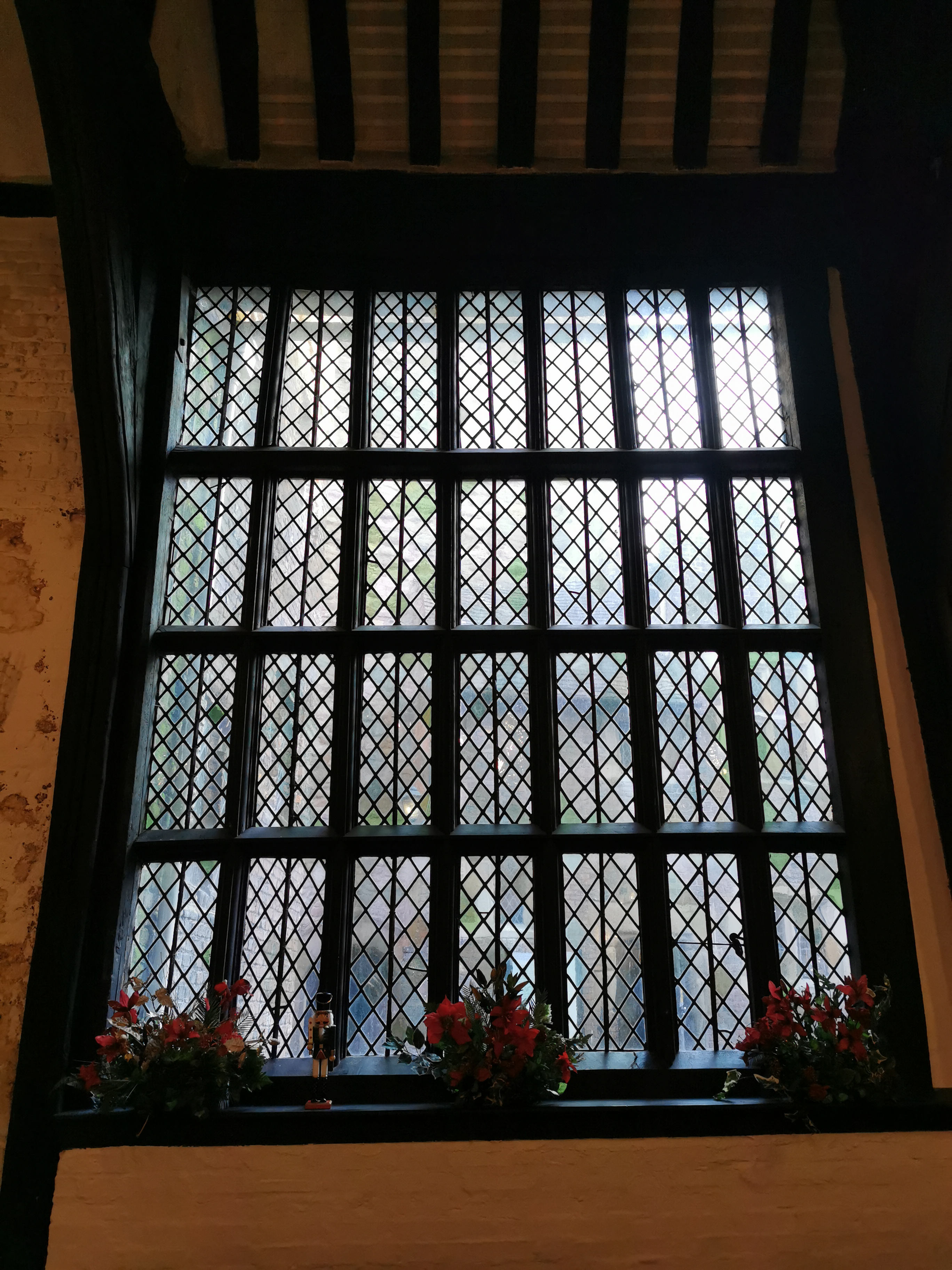
Like Lichfield and Repton, Tamworth has long been known to be a capital of the Saxon Mercian kingdom. Visitors today will find a more modern castle, which variously dates from the end of Saxon England up to the Victorian era, and one which is crammed with fascinating detail, from the herringbone wall beneath it to the beautiful Tudor windows of the great hall.

On a visit in 2021, I can also inform you that it currently had a third of the fabulous Staffordshire Hoard on display and an excellent museum filled with all things Saxon. (I believe it still holds some of the Staffordshire Hoard). Castles, if they were built in the late Saxon period, and some of them were, would have been constructed from wood. It was only later that they came to be built or rebuilt in stone, as we recognise them today.

A view of the oldest part of Tamworth Castle, dating to after the end of Saxon England

Today’s castle wouldn’t have existed in the 820s and 830s. Indeed, it’s proven to be very difficult for archaeologists to determine where the original settlement of Tamworth lay, no doubt, because much of it has been overbuilt, just as in most places where habitation has been almost continuous. A fire in 1345 might well have destroyed any remaining wooden dwellings, making the endeavour even more difficult.

Map showing the location of Tamworth, at the heart of the Saxon kingdom of Mercia. It is close to Lichfield, another important location, and to Repton where, for a period, the ruling family were buried.

It has been possible to reconstruct Tamworth in the 900s, when it was designated a ‘burh,’ a defensive settlement in which the local population could seek shelter from the Viking raiders behind its walls. (I can’t find the image at the moment).

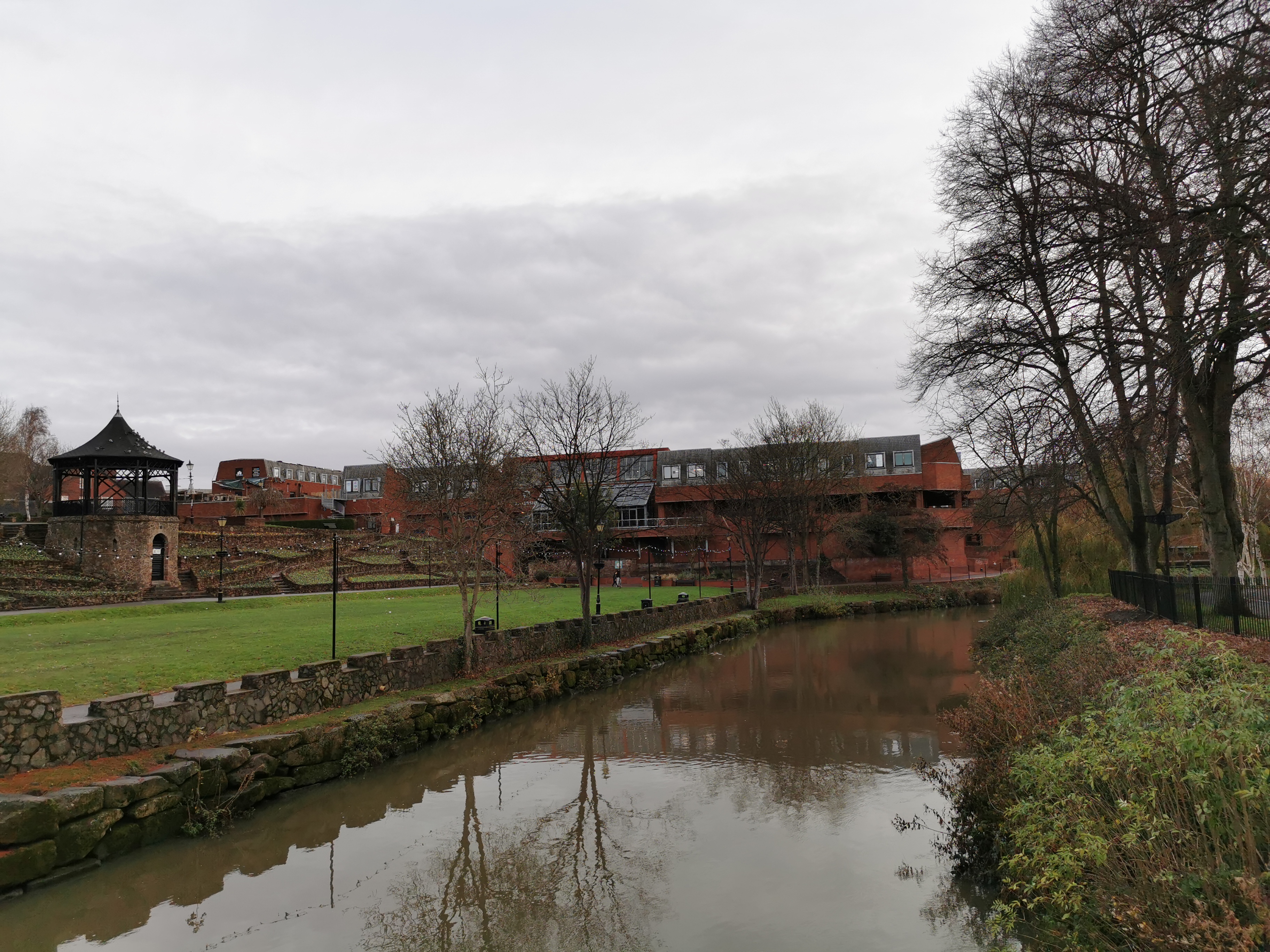
But it is possible to imagine how Saxon Tamworth might well have looked in the 800s, when the Eagle of Mercia Chronicles takes place. The rivers, The Tame and the Anker, run in front of the current castle, and there’s a slight rise, on which I used to spend many happy hours running up and down the steps, with flowers blooming in the flower beds. From there, it would have been possible to see a reasonable distance south. The river would have been put to good use, and the remains of a water mill have been found and dated to the later Saxon period. Houses would have been built from wood, wattle and daub with thatched roofs, and there would have been workshops as well as residential dwellings. At the centre of the settlement would have been a lord’s hall. While this hasn’t been found in Tamworth, it could have measured upwards of 24 metres long by 6 metres wide. It’s believed it was also surrounded by a defensive ditch. Somewhat sheltered, as the road to Lichfield is uphill, it would have been a pleasant, and I assure you, on the right day, very warm, location for Mercian kings to have lived within. It was close to Watling Street too, allowing easy access to the rest of Mercia.

Check out the ‘offical’ Tamworth Castle website.

Read more about The Eagle of Mercia Chronicles.

Posts

Featured

It’s happy release day to Warriors of Iron, the second book in the Dark Age Chronicles Trilogy #newrelease #MenOfIron #WarriorsOfIron #histfic

It’s happy release day to Warriors of Iron, the second book in the Dark Age Chronicles Trilogy #newrelease #MenOfIron #histfic

Listen to me waffle about it.

Listen to me read ‘The Story So Far’ from Warriors of Iron

Curious? Check out my blog for more details below

Blog links

Image shows a map of Early England showing the places mentioned in the text of the book
The Dark Age Chronicles Map

Purchase Link

https://books2read.com/Men-of-Iron

https://books2read.com/WarriorsofIron


Posts

Featured

Warfare during the Saxon period. What we know and what we don’t about the battle of Hædfeld. #GodsAndKingsTrilogy #histfic

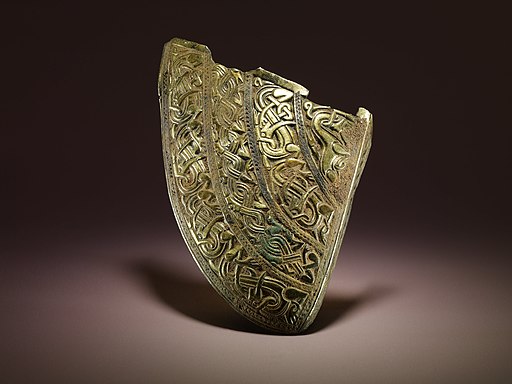
Thanks to some spectacular archaeological finds, we can visualise how a Saxon warrior might have looked. The reconstructions of the Sutton Hoo helm, and that found with the Staffordshire Horde (as well as a few others), present us with elaborate helmets crested with dyed-horse hair in a way very reminiscent of the Roman era. They glitter, and they seem to be festooned in gold and silver work, but whether these were actually worn in battle or not is debatable. Firstly, they would have made the kings or noblemen very noticeable to their enemy. Secondly, they were so valuable it’s impossible to consider the loss of one of them should they fall and their goods be taken by their enemy. Bad enough for their king and leader to die in battle, but to also lose such precious wealth as well seems unlikely. That said, of course, the Sutton Hoo helm was buried, and the fragments of the Staffordshire Hoard helmet were buried and lost. An image of the Staffordshire Helmet can be found here: https://www.stokemuseums.org.uk/pmag/collections/archaeology/the-staffordshire-hoard/

The monograph on the Staffordshire Hoard is also available for free download from https://library.oapen.org/handle/20.500.12657/39941

But there is another reason why these helmets might have existed, and that’s because they were for ceremonial purposes. Kings, before the reign of Athelstan (925-937) are not known to have undergone consecration with a crown but rather with a helmet. After all, they were warrior kings. Perhaps then, these survivals are more akin to that worn by a warrior-king when appearing before his people or for ceremonial reasons.

The cheek guard from the Staffordshire Hoard. Attribution below.
Flickr user “Portable Antiquities Scheme”, CC BY 2.0 <https://creativecommons.org/licenses/by/2.0&gt;, via Wikimedia Commons

What then might have been the more usual garb for a warrior of the Saxon era, which at nearly six hundred years is bound to offer some variations? Shield, spear, seax, sword and byrnie. We get a feel for these items and how valuable they were from wills that survive from the later Saxon era, hundreds of years after the events of Pagan Warrior. Ealdormen had horses, both saddled and unsaddled, shields, spears, swords, helmets, byrnies, seax, scabbards and spears. The will of Æthelmær, an ealdorman in the later tenth century, records that he’s granting his king, ‘four swords and eight horses, four with trappings and four without, and four helmets and four coats of mail and eight spears and eight shields,’[1] as part of his heriot, a contentious term for something that some argue was an eleventh-century development, and others argue, is merely reflecting earlier practice on the death of a man.

There would also have been thegns and king thegns, who had their own weapons, as well as the men of the fyrd, the free-men who could be called upon to perform military service each year, as and when required. It’s often assumed they would have been less well-armed, although this begs the question of whether kings and their warrior nobility were prepared to sacrifice those they relied on to provide them with food to gain more wealth. They might have found themselves with the money to pay for food but without the opportunity to do so.

There are very few representations of warriors, but the surviving strands of the Gododdin, a sixth-century lament to the fallen of Catraeth gives an idea of how these warrior men thought of one another. There is much talk of killing many enemies, drinking mead, and being mourned by those they leave behind.

Battle tactics from the period are impossible to determine fully. Before writing my books which are blood-filled and violent, I read a fascinating account, by a military historian, on how he thought the Battle of Hastings might have been won or lost. The overwhelming sense I came away from the book with was that local features, hillocks, streams, field boundaries even perhaps the path of a sheep track might well be the very thing that won or lost a battle for these opposing sides. The land that kings chose to go to war on was incredibly important,

When trying to reconstruct the battlefield for the battle of Hædfeld, which concludes Pagan Warrior, I encountered a problem that will be familiar to writers of the Saxon era. The place where the battle is believed to have taken place, on the south bank of the River Don (although this has been disputed and work continues to discover whether the other location could be the correct one), has been much changed by later developments. It was drained in the 1600s and therefore, it doesn’t look today as it would have done when the battle took place. 

I had very little information to work on. The River Don, the River Idle, the River Ouse, the belief that the ground would have been marshy, and that many men fell in the battle. And the words of Bede in his Ecclesiastical History, ‘A great battle being fought in the plain that is called Heathfield.’[2] Much of the rest is my imagination.


[1] Dorothy Whitelock, Anglo-Saxon Wills 1930, reprinted edition. Cambridge University Press. p27

[2] http://legacy.fordham.edu/halsall/basis/bede-book2.asp

Check out the Gods and Kings Trilogy page for more information.

Posts

Featured

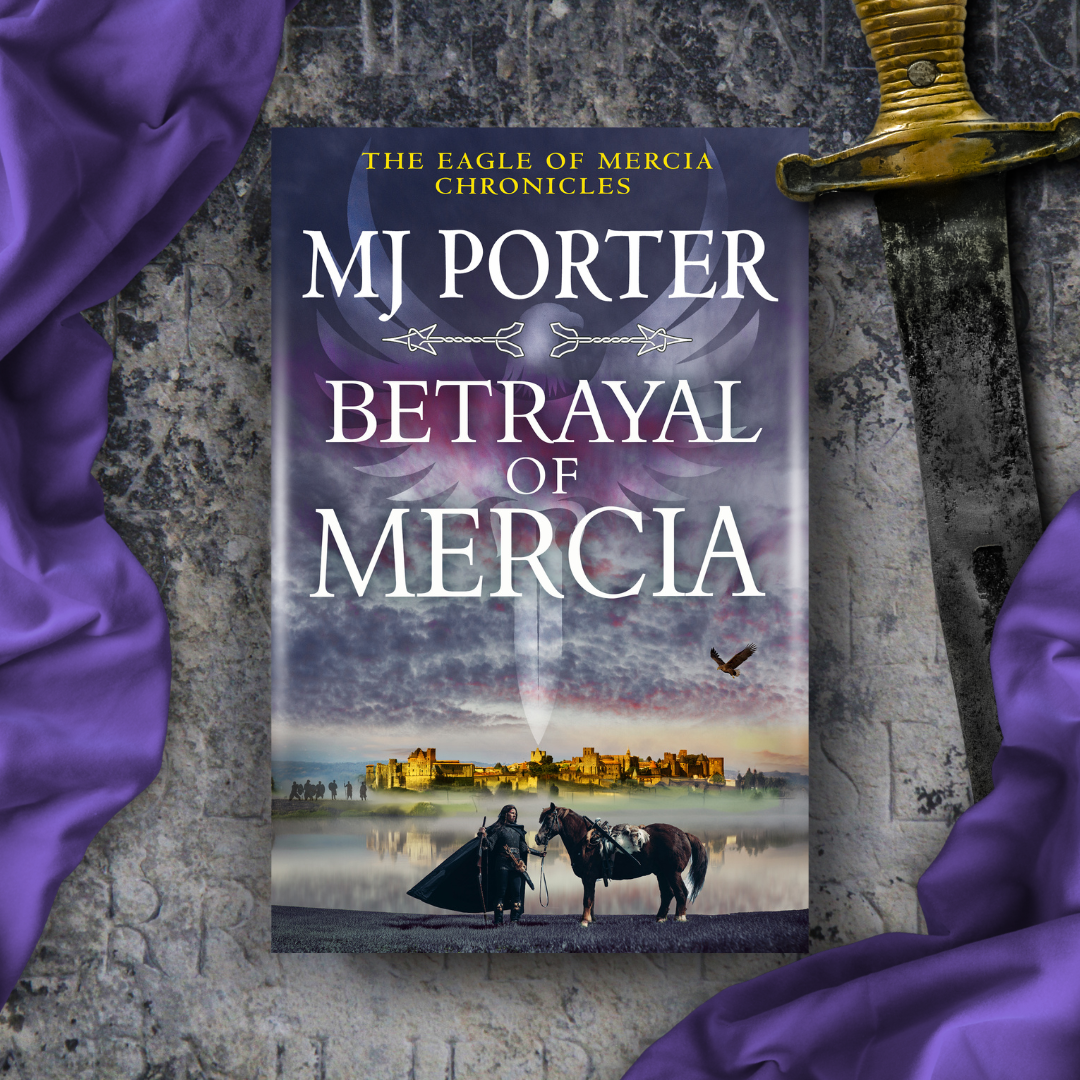
It’s happy release day to Betrayal of Mercia, so I’m sharing a post about Crime and Punishment in Saxon England

Here’s the blurb

A King in crisis, a Queen on trial, a Kingdom’s survival hangs in the balance.

Londonia, AD835
The deadly conspiracy against the children of Ealdorman Coenwulf is to be resolved. Those involved have been unmasked and arrested. But will justice prevail?

While the court convenes to determine the conspirator’s fate, King Wiglaf’s position is precarious. His wife, Queen Cynethryth, has been implicated in the plot and while Wiglaf must remain impartial, enemies of the Mercia still conspire to prevent the full truth from ever being known.

As Merica weeps from the betrayal of those close to the King, the greedy eyes of Lord Æthelwulf, King Ecgberht of Wessex’s son, pivot once more towards Mercia. He will stop at nothing to accomplish his goal of ending Mercia’s ruling bloodline.

Mercia once more stands poised to be invaded, but this time not by the Viking raiders they so fear.

Can Icel and his fellow warriors’ triumph as Mercia once more faces betrayal from within?

An action packed, thrilling historical adventure perfect for the fans of Bernard Cornwell and Matthew Harffy

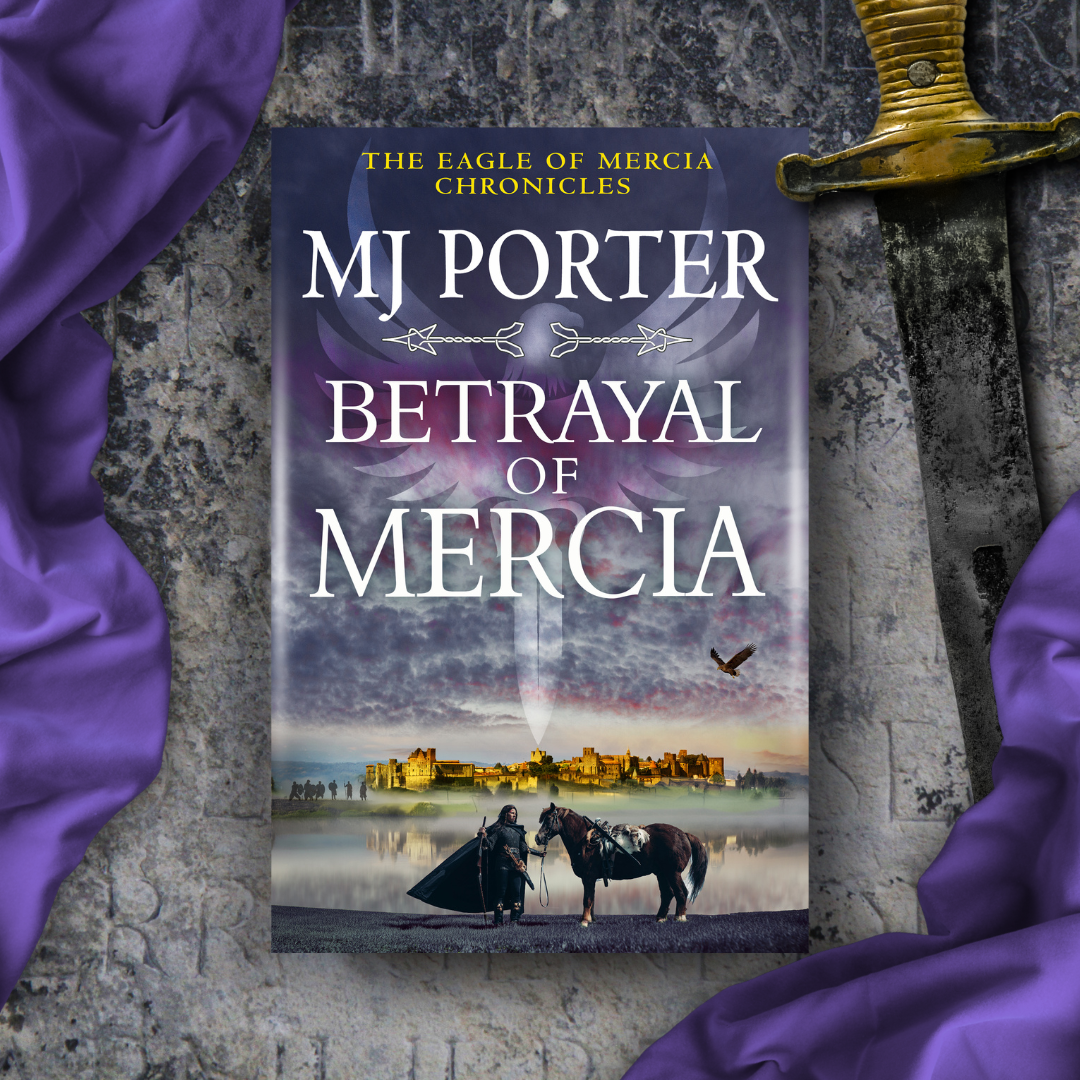
Image showing the cover for Betrayal of Mercia with a sword in the background

Here’s the purchase link (ebook, paperback, hardback and audio)

books2read.com/BetrayalofMercia

Crime and Punishment in Saxon England

In Betrayal of Mercia, the seventh book in the Eagle of Mercia Chronicles featuring young Icel, I’ve done something that I don’t ‘think’ anyone else has done before. I’ve staged a criminal trial, making Betrayal part court-room drama and part action-thriller (you know Icel is always going to end up in a fight at some point). However, there are odd things about Saxon England that we have no information about – one of them is how often people actually went to church once Christianised, another is exactly how the law was enacted.

This might seem like an odd thing to say. Everyone knows there are surviving law codes from the era, especially from the eleventh century, with the inspiring names of Æthelred I or Cnut II, and indeed, the earliest law code dates back to Ine, in the seventh century, from which we can glean such titles as Wealas or foreigner, but applied to the Welsh, who had different wergild payments and punishment from the Saxons. But, there has long been an argument about how much these law codes reflect practise as opposed to an ideal. And some of the elements we ‘think we know’ turn out to be on much less steady ground. And, at the heart of all this is a problem with our current perceptions of ‘right,’ ‘wrong,’ and ‘justice.’ We ‘appear’ to look at these elements of our current legal system in a way very different to the era. 

When studying what records we do have, we’re greeted with some interesting terms. ‘Thereafter there would be no friendship,’ appears in a charter detailing a land dispute in the later tenth century – between Wynflæd and Leofwine (S1454 from 990 to 992). In this, despite whoever was in the wrong or the right, the decision was made which was something of a compromise – both injured parties had to make concessions. No one truly ‘won’, even though Wynflæd had many who would speak on her behalf, including the king’s mother, and the Archbishop of York, and had appealed directly to the king, Æthelred II, for assistance, only for Leofwine to refuse to attend his summons saying that royal appeals couldn’t precede a regional judgement on the matter.

In the famous case of Lady Eadgifu of Wessex (recorded in charter S1211), the mother of Kings Edmund and Eadwig (who features in the Brunanburh series), her landholdings at Cooling required the intervention of her husband, stepson, son and grandson, in a long-running debacle which was never really resolved until her grandson intervened close to the end of her life. Even though she appears to have held the ‘landboc’ – the title deed for the land – and was a highly regarded member of the royal family, this wasn’t enough to stop counterclaims. In the end, she assigned the land to the Christ Church religious community, and that way, no one actually benefitted apart from the church.

These cases both refer to land disputes, which are one of the larger areas of document survival, along with wills. But what about crimes visited against the king’s mund (both his physical person and his physical kingdom)? Here, we’re again confronted with little knowledge. We know of ealdormen being banished (under Æthelred II) and this attests to another element of the practise of law which is perhaps surprising. There does seem to have been an aversion to capital punishment (as Rabin details in his book mentioned below). And there was also a concern that the right sentence was handed to individuals – it was as bad to incorrectly punish as it was to have committed the crime.

In trying to stage a trial set in the Saxon period (which I now realise was a bit bonkers), I’ve relied heavily on a very short book, Crime and Punishment in Anglo-Saxon England by Andrew Rabin, and also his translations of the Old English Legal Writings by (Archbishop) Wulfstan (from the 1000s), from which I’ve determined how many oath-helpers people must have based on the Mercian Wergild listed within the source documents. This suggests the value placed on individuals – the king, of course, being at the top. Each individual had a wergild value and equally, each individual had a required value for the number of oath-helpers who would stand as surety for them if asked to detail what they had ‘seen and heard’ in a trial situation. The implication being that those who needed the least oath-helpers were more trustworthy than those who needed many – so a king might need no one, after all, he was the king, whereas a warrior might need a few, and a ‘normal’ person might need many.

This feels like a very different world to the one we ‘know,’ where transgressions are punished by custodial sentences and fines and where the burden of proof rests on the shoulders of those prosecuting the alleged offenders.

It has certainly been an interesting experiment, and one I hope readers will enjoy, and more importantly, one which I’ve managed to convey largely ‘correctly.’


I’ll also be sharing more posts, including one on Mercia’s ‘Bad Queens,’ and one on the maps in the books.


Not started the series yet? Check out the series page on my blog.


Check out the blog tour for Betrayal of Mercia

A huge thank you to all the book bloggers and Rachel at Rachel’s Random Resources for organising.

Featured

It’s happy release day to Betrayal of Mercia, so I’m sharing a post about Mercia’s alleged ‘Bad Queens.’

Here’s the blurb

A King in crisis, a Queen on trial, a Kingdom’s survival hangs in the balance.

Londonia, AD835
The deadly conspiracy against the children of Ealdorman Coenwulf is to be resolved. Those involved have been unmasked and arrested. But will justice prevail?

While the court convenes to determine the conspirator’s fate, King Wiglaf’s position is precarious. His wife, Queen Cynethryth, has been implicated in the plot and while Wiglaf must remain impartial, enemies of the Mercia still conspire to prevent the full truth from ever being known.

As Merica weeps from the betrayal of those close to the King, the greedy eyes of Lord Æthelwulf, King Ecgberht of Wessex’s son, pivot once more towards Mercia. He will stop at nothing to accomplish his goal of ending Mercia’s ruling bloodline.

Mercia once more stands poised to be invaded, but this time not by the Viking raiders they so fear.

Can Icel and his fellow warriors’ triumph as Mercia once more faces betrayal from within?

An action packed, thrilling historical adventure perfect for the fans of Bernard Cornwell and Matthew Harffy

Image showing the cover for Betrayal of Mercia with a sword in the background

Here’s the purchase link (ebook, paperback, large print, hardback and audio)

books2read.com/BetrayalofMercia

Mercia’s ‘Bad Queens’

There is a scene in Betrayal of Mercia where our favourite healer, Wynflæd, speaks to young Icel about her experiences of ‘bad queens,’ referencing three women in almost living memory deemed as ‘bad’, certainly many years after their deaths, if not quite by the 830s, when the scene takes place. These women were the wife of King Offa, his daughter, Eadburh, and the daughter of King Coenwulf (796-821), Cwenthryth. Indeed, this collection of bad queens, especially the sister of Queen Cynethryth, have been cited as the reason why Wessex was so slow to adopt the term. But, was everything as it appears, or are these reputations a later tradition?

The daughter of King Offa (757-796), Eadburh was married to the king of the West Saxons, Beorhtric. In the words of the later Asser, who wrote at the end of the 890s, she’s accused of poisoning her husband to death while trying to actually poison one of his disloyal followers. Interestingly, the man who became king after Beorhtric was King Ecgberht of Wessex, who features in the Icel stories, and in turn, it was his grandson who commissioned Asser to write his life which tarnishes the reputation of Eadburh. 

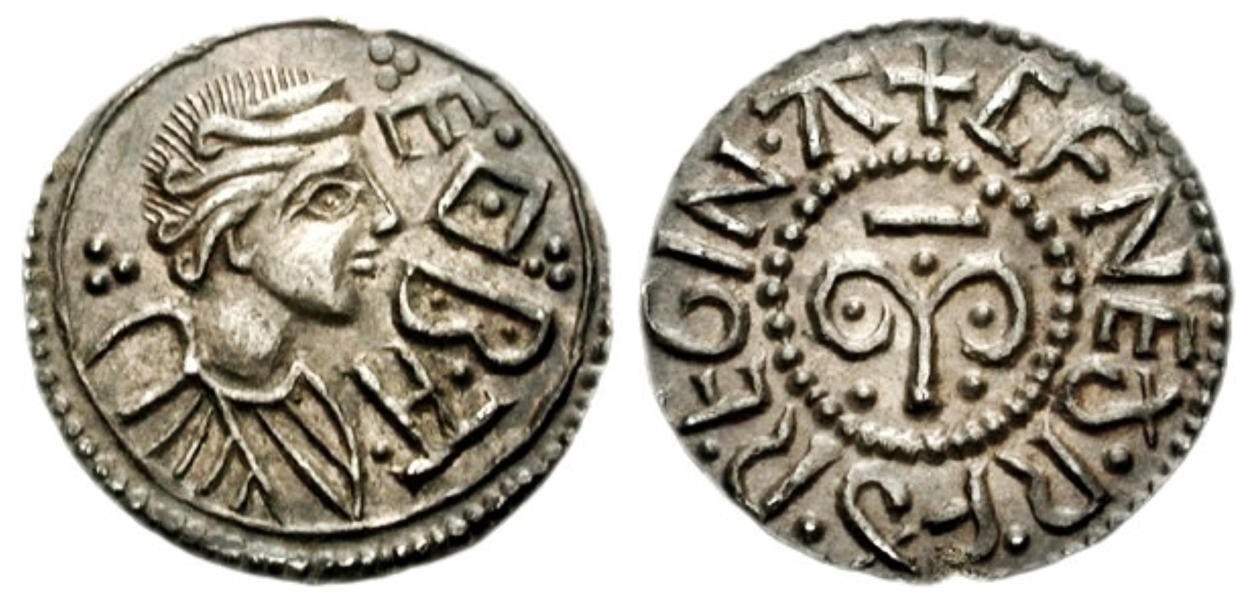
Cynethryth, the wife of King Offa, was a powerful woman in her own right, and the only preconquest queen known to have minted coin showing her own name. In later centuries, her name became associated with the murder of a king of the East Angles, and she was involved in a long-running land dispute with the archbishop of Canterbury.

A penny depicting Cynethryth, the wife of King Offa
Classical Numismatic Group, Inc. http://www.cngcoins.com, CC BY-SA 3.0 http://creativecommons.org/licenses/by-sa/3.0/, via Wikimedia Commons

Cwenthryth, the daughter of King Coenwulf, became associated with the murder of her brother, Cynehelm/Kenelm. The later, Anglo-Norman histories inform that.

‘At Winchcombe you will read of the secret martyrdom of Kenelm. He was the son of Cenwulf, [Coenwulf] the Mercia king, who died in the year of grace 819, having reigned for twenty-four years. The martyrdom of his son Kenelm was revealed from heaven to Pope Silvester II at Rome.’p691 Henry, Archdeacon of Huntingdon, Historia Anglorum, The History of the English People

While The Chronicle of John of Worcester extends this recording for  the year, ‘[819] St Cenwulf, king of the Mercians, after a life devoted to good deeds, passed over to the eternal blessedness which is in heaven, and left his 7-year-old son St Kenelm heir of his realm. But when a few months had passed, by the treachery of his own sister Cwenthryth, whose cruel spirit had been roused by an awful lust for power, he was secretly done to death with cruel outrage by Æscberht, his most bloodthirsty tutor, in the shade of a thorn tree in a deserted wood.’ P239-241

Winchcombe Nunnery was founded by Cwenthryth’s father, and the family were therefore invested in the religious establishment, although whether enough to kill one of their own to have him venerated as a saint, does seem doubtful. The identity of St Kenelm is very much contested, although it is believed that Cynehelm did live, and died before his father, which led to Coelwulf, the first of his name, and Coenwulf’s brother, becoming King of Mercia when his brother died..

This is the scene from Betrayal, where Wynflæd shares the gory knowledge she knows, and perhaps, hints at her approval for such strong-minded women that they could become associated with such dark deeds. 

‘Mercia hasn’t fared well with the women wed to their kings.’ A soft cackle. ‘Or the children born between a king and a queen. Wigmund’s merely the most current of many disappointments. Lord Coenwulf there, his father became king because his brother’s daughter killed her brother.’

‘I thought that was a lie,’ I countered.

‘That’s how King Coenwulf had it reported. It was all true though. I didn’t witness it, but I know of others who did.’

‘What, watched her kill her brother?’

‘No, witnessed the king speak of it, to a select few. And before her, Offa’s wife also had blood on her hands, as did Offa’s sister.’

I shuddered at the thought. ‘Why?’

‘A woman must live by her wits, and safeguard her future, for fear she’ll be locked up tight in a nunnery, with no means of engaging with the world at large. Think of Lady Cynehild.’ Wynflæd met my searching gaze then. ‘She remarried, and meddled where she shouldn’t have done. Admittedly, she stopped far short of murdering anyone.’

‘So, the king should have expected this then?’ I was astounded.

‘Maybe. He married her.’ Wynflæd cackled softly. ‘A man may wed a woman for her title, and lands. A woman may divorce a man. But better to have him dead, and then take his place. A grieving woman will have the sympathy of others. A widow has more freedom than a wife.’

‘You almost sound like you approve.’

‘I do not,’ she countered, but her eyes glittered.


Wynflæd is a stalwart of the series, and I was recently inspired to write a short story from her point of view regarding Mercia’s alleged ‘bad queens.’ If you’d like to read it, sign up for my newsletter and I’ll send you a link to download the story. And, you automatically receive a free short story collection as well.


I’ll also be sharing more posts, including one on Saxon Crime and Punishment and one on the maps in the books.


Check out the blog tour for Betrayal of Mercia

A huge thank you to all the book bloggers and Rachel at Rachel’s Random Resources for organising. Some of these amazing people have been with Young Icel throughout the entire series, and I am so grateful they are so keen to read, they sign up for the blog tour:)

Check out the reviews for Betrayal of Mercia

Bookish Jottings

Sharon Beyond the Books

Storied Conversation

David’s Book Blurg

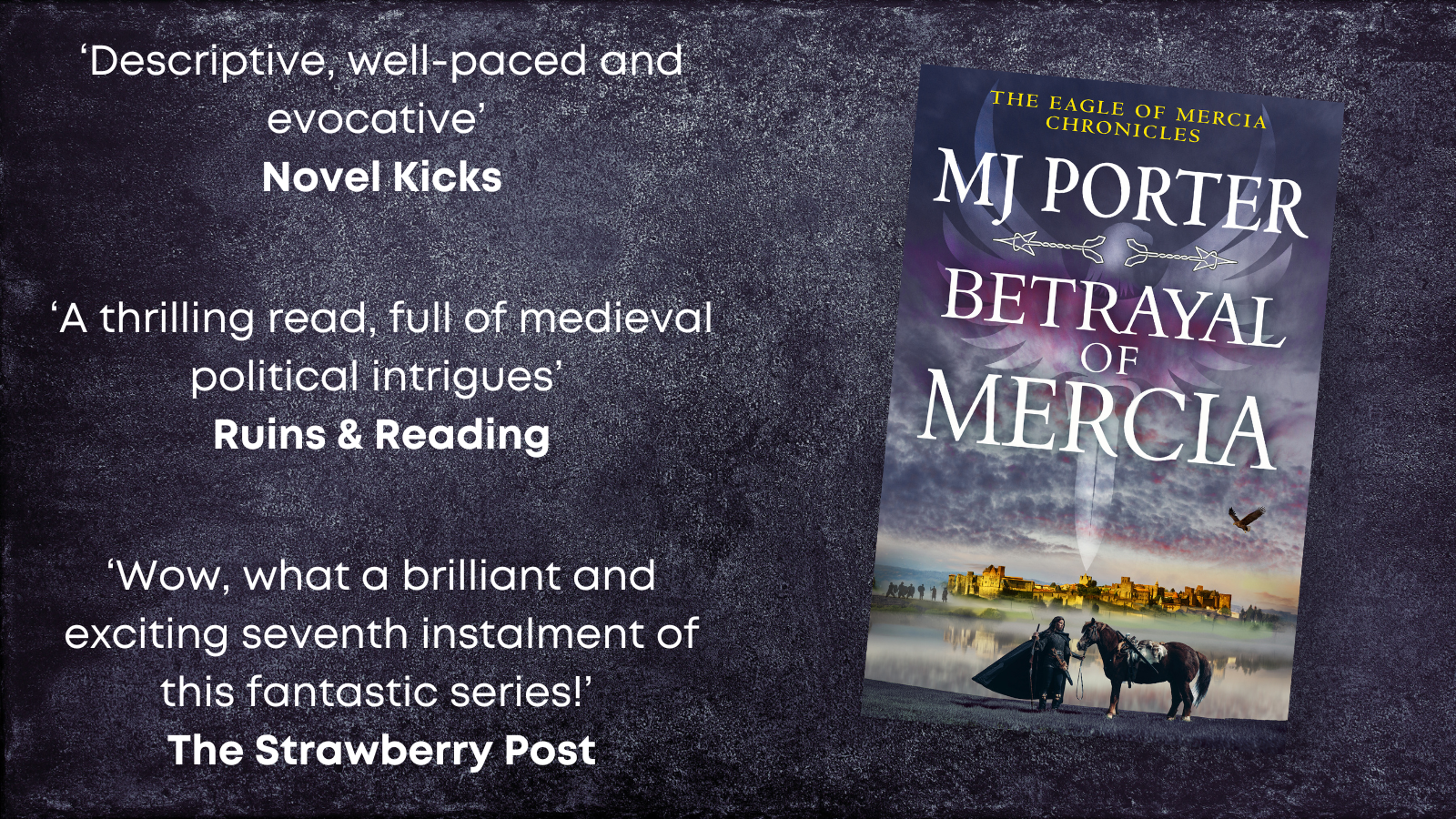
Banner showing3 blogger review quotes from the Betrayal of Mercia blog tour.

Novel Kicks

Ruins & Reading

The Strawberry Post

Aibibyreads

Book banner showing review quotes from the blog tour for Betrayal of Mercia organised by Rachel's Random Resources.

Listen to the audiobook, narrated by Sean Barrett.

Posts

Featured

It’s happy release day to The Last Deceit, book 10 in The Last King series, so I’m sharing a blog post about my decision to include a fictional character

Here’s the blurb

Deceit and ambition threaten to undo the most fragile alliance.

King Coelwulf of Mercia has unwillingly accepted the need to ally with the kingdom of Wessex under the command of King Alfred. But King Alfred of Wessex must still prove himself, and Coelwulf can’t remain absent from Mercia indefinitely.

Returning to London, a place holding more fascination for the West Saxons and the Viking raiders than Coelwulf and his fellow Mercians, Coelwulf sets about reinforcing the walled settlement so long abandoned by all but the most determined traders. But Coelwulf knows Jarl Guthrum has set his eyes on Canterbury, and he must protect the archbishop in Kent, nominally under the control of the West Saxon king, even if King Alfred is no warrior.

But deceit and lies run rife through the West Saxon camp and when Coelwulf believes he’s held to his oaths and alliances, an unexpected enemy might just sneak their way into Mercia. The future of Mercia remains at stake.

Purchase Link

https://www.amazon.co.uk/Last-Deceit-England-action-packed-historical-ebook/dp/B0DK3J8JVK

Available in ebook, paperback, hardback and the Clean(er) Editions, with much of the swearing removed.

The Last Deceit also includes a new short story.


If you’ve not discovered The Last King/The Mercian Ninth Century Series, then please check out the Series page on the blog.


Ealdorman Sigehelm and Cooling

In The Last Deceit, I’ve included a fictional character called Ealdorman Sigehelm, who is based on a later individual that we know existed, the father of Lady Eadgifu, third wife of Edward the Elder. (By based I mean I borrowed his name and landholding).

I’ve done this because it’s fun to play around with the information I’ve learned about later in the era. It’s often one of the biggest problems in writing historical fiction. You need to know what happens before the events you’re writing about, as well as what comes after, as well as the actual events you’re depicting. And Cooling, in Kent, has an incredibly detailed history throughout the later tenth century, which we know about because of a remarkable charter. The text of which is below (it’s quite long.)
‘Eadgifu declares to the archbishop and the community of Christ Church how her estate at Cooling came [to her]. That is, that her father left her the estate and the [land]book, just as he legally acquired them and his ancestors had bequeathed to him. It happened that her father borrowed thirty pounds from Goda, and entrusted the estate to him as security for the money. And [Goda] held it for seven ‘winters’. When it came about, at around this time, that all the men of Kent were summoned to the battle at the Holme, Sighelm [Sigehelm], her father, did not want to go to the battle with any man’s account unpaid, and he repaid Goda the thirty pounds and he bequeathed the estate to his daughter Eadgifu and gave her the [land]book. After he had fallen in the battle, Goda denied the repayment of the money, and withheld the estate until six years later. Then Byrhsige Dyrincg claimed it unceasingly for so long, until the Witan of that time commanded Eadgifu that she should purge her father’s possession by [an oath equivalent to] that amount of the money. And she produced the oath in the witness of all the people at Aylesford, and there purged her father’s repayment by an oath of thirty pounds. Then she was still not able to possess the estate until her friends obtained from King Edward [the Elder] that he prohibited him [Goda] the estate, if he wanted to possess any [at all]; and so he gave it up. Then it happened in the first place that the king so strongly blamed Goda that he was deprived of all the [land] books and property, all that he owned. And the king then granted him and all his property, with [land] books and estates, to Eadgifu to dispose of as she wished. Then she said that she did not dare before God to pay him back as he had deserved of her, and she restored to him all his land except the two sulungs at Osterland, and she refused to give back the [land] books until she knew how loyally he would treat her in respect of the estates. Then, King Edward died and Æthelstan [Athelstan] succeeded to the kingdom. When Goda thought it an opportune time, he sought out King Æthelstan and begged that he would intercede on his behalf with Eadgifu, for the return of his [land] books. And the king did so. And she gave back to him all except the [land] book for Osterland. And he willingly allowed her that [land] book and humbly thanked her for the others. And, on top of that as one of twelve he swore to her an oath, on behalf of those born and [yet] unborn, that this suit was for ever settled. And this was done in the presence of King Æthelstan and his Witan at Hamsey near Lewes [Sussex]. And Eadgifu held the land with the landbooks for the days of the two kings, her sons [i.e., Edmund and Eadred]. When Eadred died and Eadgifu was deprived of all her property, then two of Goda’s sons, Leofstan and Leofric, took from Eadgifu the two afore-mentioned estates at Cooling and Osterland, and said to the young prince Eadwig who was then chosen [king] that they had more right to them than she. That then remained so until Edgar came of age and he [and] his Witan judged that they had done criminal robbery, and they adjudged and restored the property to her. Then Eadgifu, with the permission and witness of the king and all his bishops, took the [land] books and entrusted the estates to Christ Church [and] with her own hands laid them upon the altar, as the property of the community for ever, and for the repose of her soul. And she declared that Christ himself with all the heavenly host would curse for ever anyone who should ever divert or diminish this gift. In this way this property came to the Christ Church community.’ S1211[i]

To explain:

Dating to around 959, the document provides the ownership history of an estate at Cooling in Kent. Eadgifu had inherited this land from her father, who had mortgaged it for a loan of £30, which he repaid before going on the campaign on which he died. However, Goda, the man who had made the loan, claimed not to have received payment and proceeded to take practical ownership of the estate. While Eadgifu retained the landbook, or freehold record, and tried various means of asserting her ownership, it was not until Edward the Elder intervened, presumably after their marriage, that the matter was resolved to some degree. Edward seized not only the estate in question but all Goda’s lands, handing their ownership and administration over to Eadgifu. The charter indicates that Eadgifu acted magnanimously, giving almost all of these back to Goda, though her primary consideration was likely to avoid creating a powerful political enemy. Sensibly, however, she retained possessions of the landbooks to ensure Goda’s loyalty, as well as a small estate at Osterland, in addition to her hereditary holdings at Cooling. The matter was fully resolved in Æthelstan’s [Athelstan] reign when the king interceded with Eadgifu on Goda’s behalf. Eadgifu returned the landbooks, but retained the estates at Osterland and Cooling, while Goda swore an oath in Æthelstan’s presence declaring that he considered the matter to be closed … Eadwig seized his grandmother’s landholdings and, in the case of the Cooling and Osterland estates, turned them over to Goda’s sons … After Eadwig’s death in 959, Edgar restored his aging grandmother’s possessions.[ii]

It’s unusual to have so much detail about a landed estate, and so, when I took Coelwulf and his allies to Kent in The Last Deceit, I couldn’t resist embroidering this character into the tale. I imagine you can see why. To read more about Lady Eadgifu, check out The Royal Women Who Made England.


[i] Sawyer, P.H. (ed.), Anglo-Saxon charters: An annotated list and bibliography, rev. Kelly, S.E., Rushforth, R., (2022). http://www.esawyer.org.uk/ S1211

[ii] Firth, M. and Schilling, C. ‘The Lonely Afterlives of Early English Queens’, in Nephilologus September 2022, https://doi.org/10.1007/s11061-022-09739-4, pp.8–9

Map of Early England taken from The Mercian Ninth Century Series.
Featured

2024 – A Writing Year in Review

Check out my 2022 and 2023 posts.

So, what have I been writing/editing in 2024? As ever, it’s time to turn to my trusty diary to find out, but I’ve also been keeping a spreadsheet this year so it’s much easier to work out exactly what I’ve been writing, and when I was writing it. So here goes:

In January, I instigated my ‘new approach’ to writing, following a disappointing writing year in 2023. Was I harsh on myself with my assessment of 2023 ? I don’t think so, and certainly my new approach has ensured I wrote a lot more in 2024 than in 2023. So, my new approach is simple, I write at least 2000 words a day, every day. Did I manage every day? I certainly did not, but when I wasn’t working at my very seasonal job in the local school (or I must admit, on holiday), I managed to write at least 2000 words a day almost every day. This might sound a little crazy, but writing for me is a bit of a necessity. If I don’t exercise my creative mind, I am plagued (yes, plagued) by rather weird dreams. If I wasn’t writing, I would be really stuck.

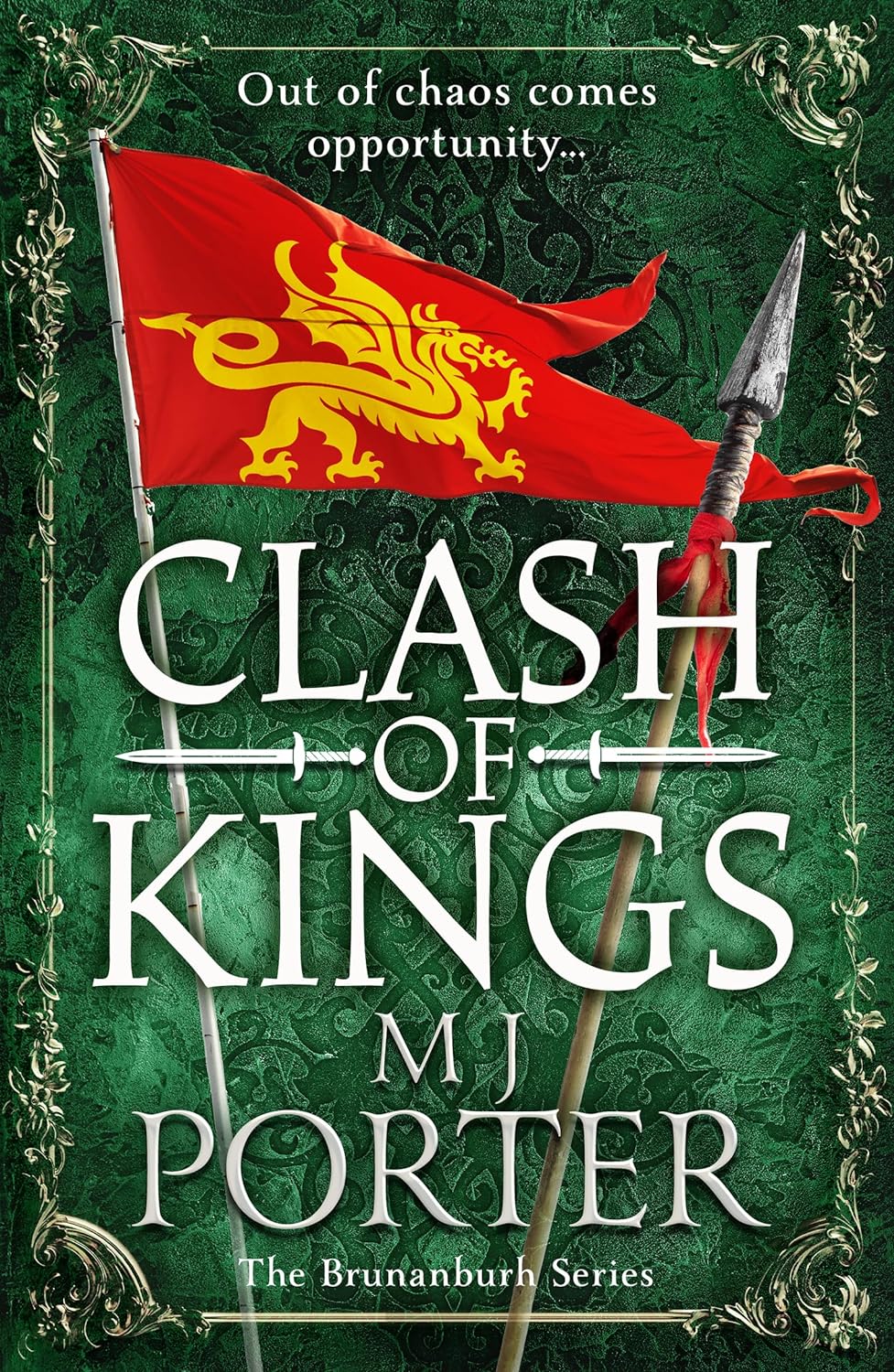
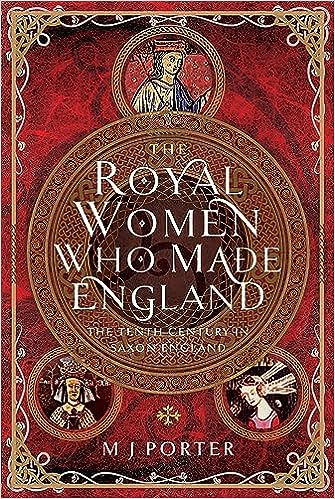
In January, I began my new writing routine by finishing off the first draft for The Last Viking, and then swiftly moved onto the next Icel story. Somewhat bizarelly, it’s this book, Betrayal of Mercia, which is being released on 5th January 2025. I was very ahead of the game. I also spent a bit of time working on edits for Enemies of Mercia and Conflict of Kings. It was my sixth most productive month. Not a bad start. It was also the month that Clash of Kings was released, the third book in the Brunanburh series, as well as my first non fiction title, The Royal Women Who Made England.

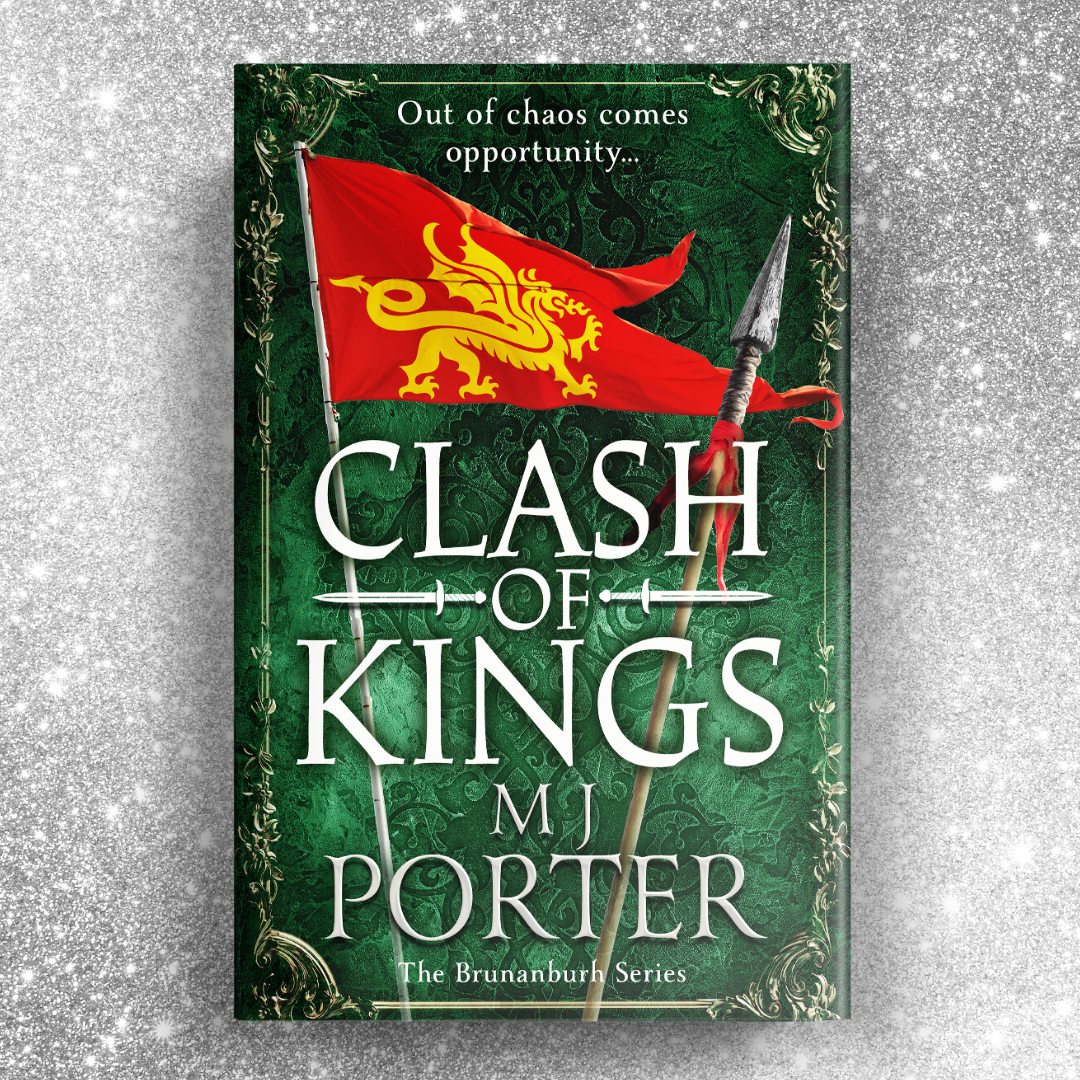
Cover image for Clash of Kings

At this point, I’m also going to wax a little lyrical about another lifestyle change I made which was to start exercising every morning. This, I’ve found, wakes me up much better than caffeine and sets me up really well for the rest of the day. It can be anything from 10 minutes up to about half an hour, and I use an online app to decide what I’m going to do each day. I don’t complicate matters by trying to get to the gym, and my equipment is steadily growing at him. It’s made me much stronger, and now, like writing, I struggle if I don’t take the time to do a little bit each day.

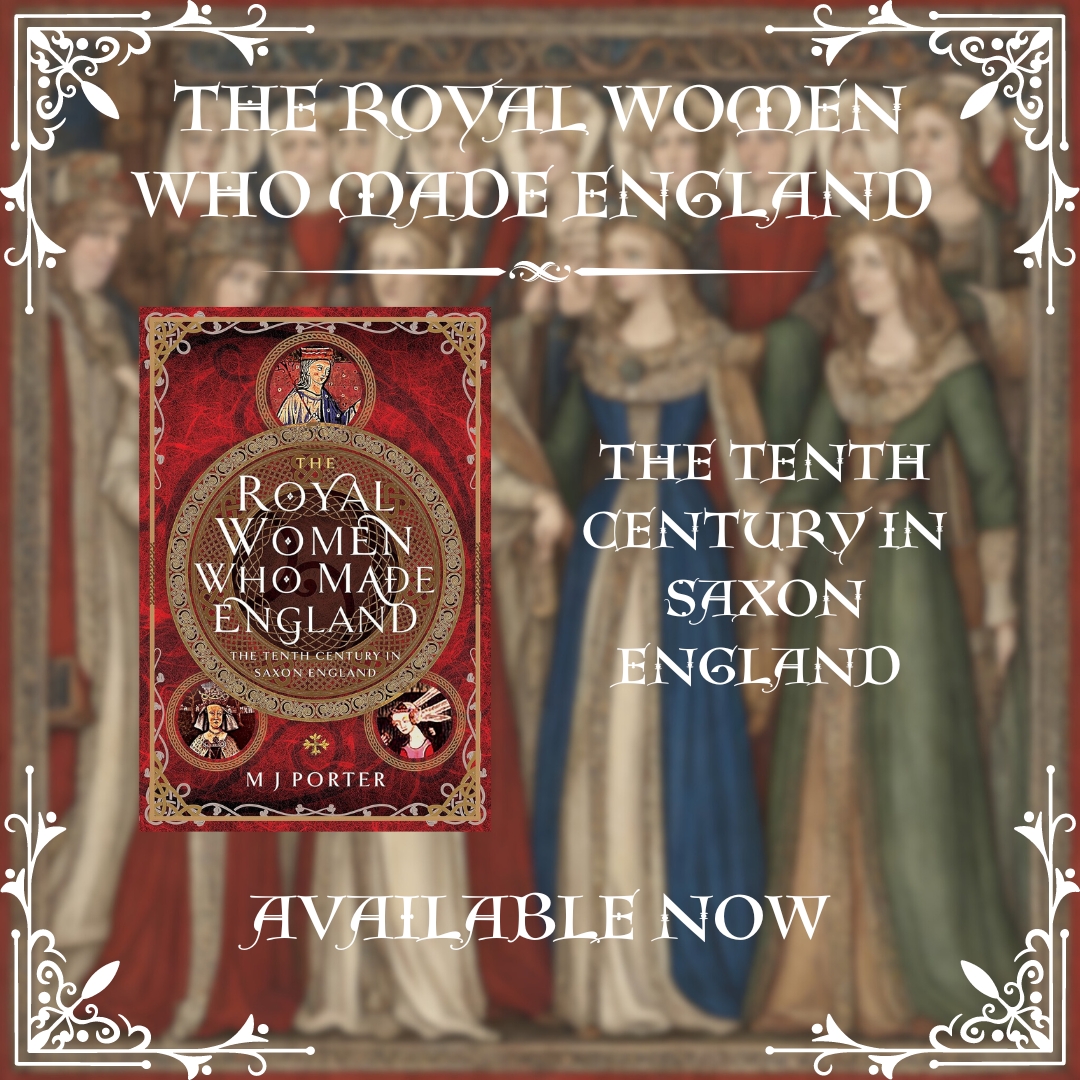
The Royal Women Who Made England cover

In February, my fifth most productive writing month, I was working on six different projects – which is kind of crazy. I finished my first draft of Betrayal of Mercia, scooted back to the next Coelwulf book, The Last Alliance, and also started work on my Dark Ages series, the first book of which, Men of Iron, will be releasing in April 2025. Aside from that, I also had some work to do on The Last Viking, Protector of Mercia and Kings of Conflict. So, by now I was in the swing of things. I write in the morning and then in the afternoon I work on edits, either structural, copy or proofreads. It means my creative side gets all excited in the morning, and then I can buckle down in the afternoons and get on with the other very important processes for a self-confessed pantser (I plan very little about my writing).

March was my third most productive writing month. I wrote the vast majority of the first draft of what would become The Last Alliance, and also did some editing for Betrayal of Mercia and Kings of Conflict. March also saw the welcome release of The Last Viking, the first Coelwulf book for a few years. It was so much fun to be back with Coelwulf and his friends. He is my most favourite character to write because it’s just like releasing all the tension and stress through his language and general attitude to life. I wish I could be ‘more’ Coelwulf all the time.

Cover image for The Last Viking.

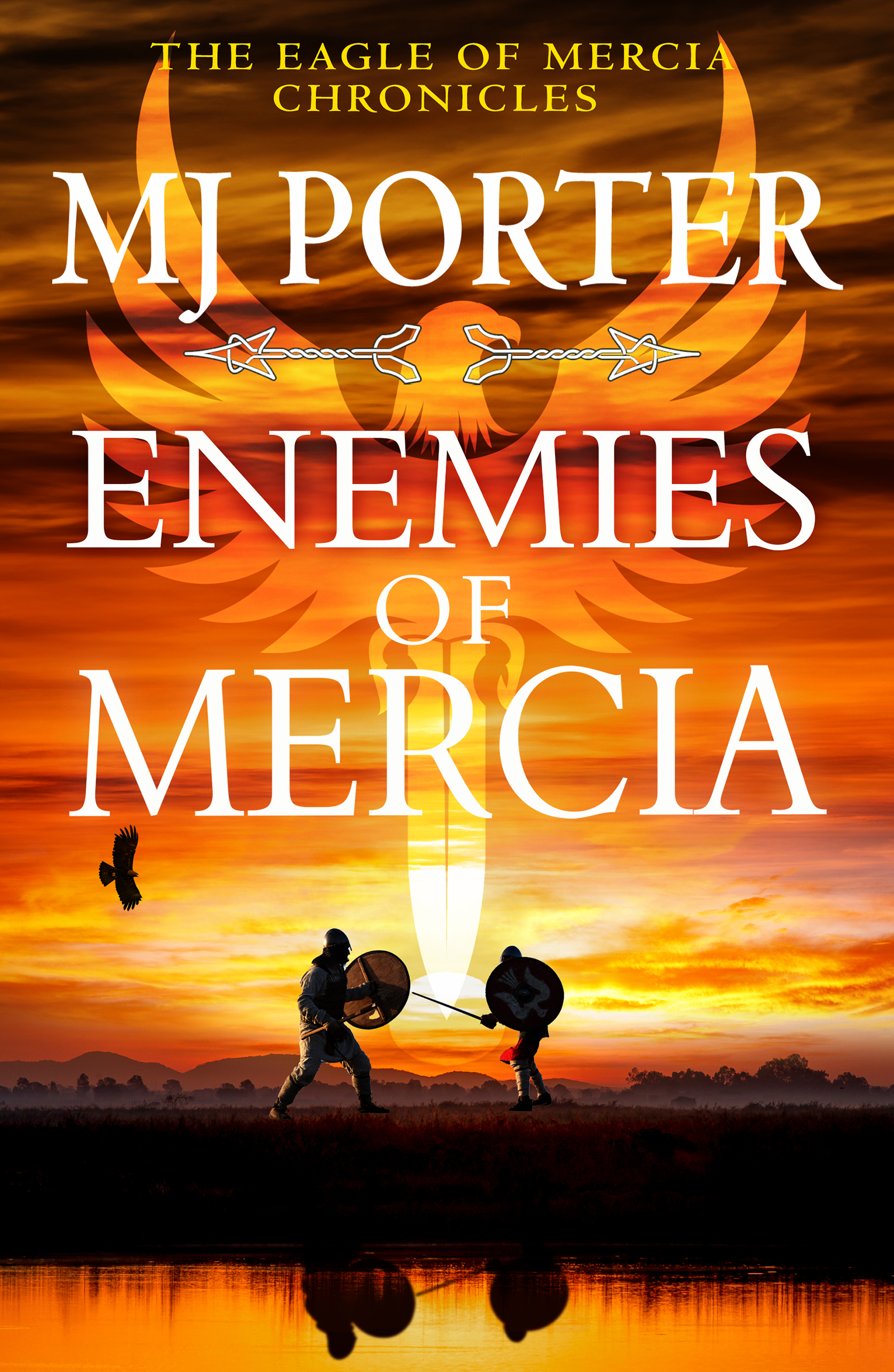
April was my seventh most productive writing month, with much of it taken up with work on Men of Iron, although I did start the month with the first 10,000 words of what became The Last Deceit. I didn’t realise I’d been playing with that book for quite so long. At this point, I was largely adhering to my 2000 words a day endeavour, although with a holiday and my time in school on the horizon, it was all about to come to a bit of a halt. It also saw the release of Enemies of Mercia, book 6 in the stories of young Icel.

Cover image for Enemies of Mercia by MJ Porter

May was my eighth most productive month of 2024, coming in at 29,000 words for the month, so very much below my intended target of 2,000 words a day. But, I was on holiday and busy with exams at the local school, and I was ahead of my schedule that I’d written at the start of the year, so I didn’t mind too much. I was finishing the first draft of Men of Iron, and I also started work on the sequel to Men of Iron, which should be called Warriors of Iron when it’s released in August 2025.

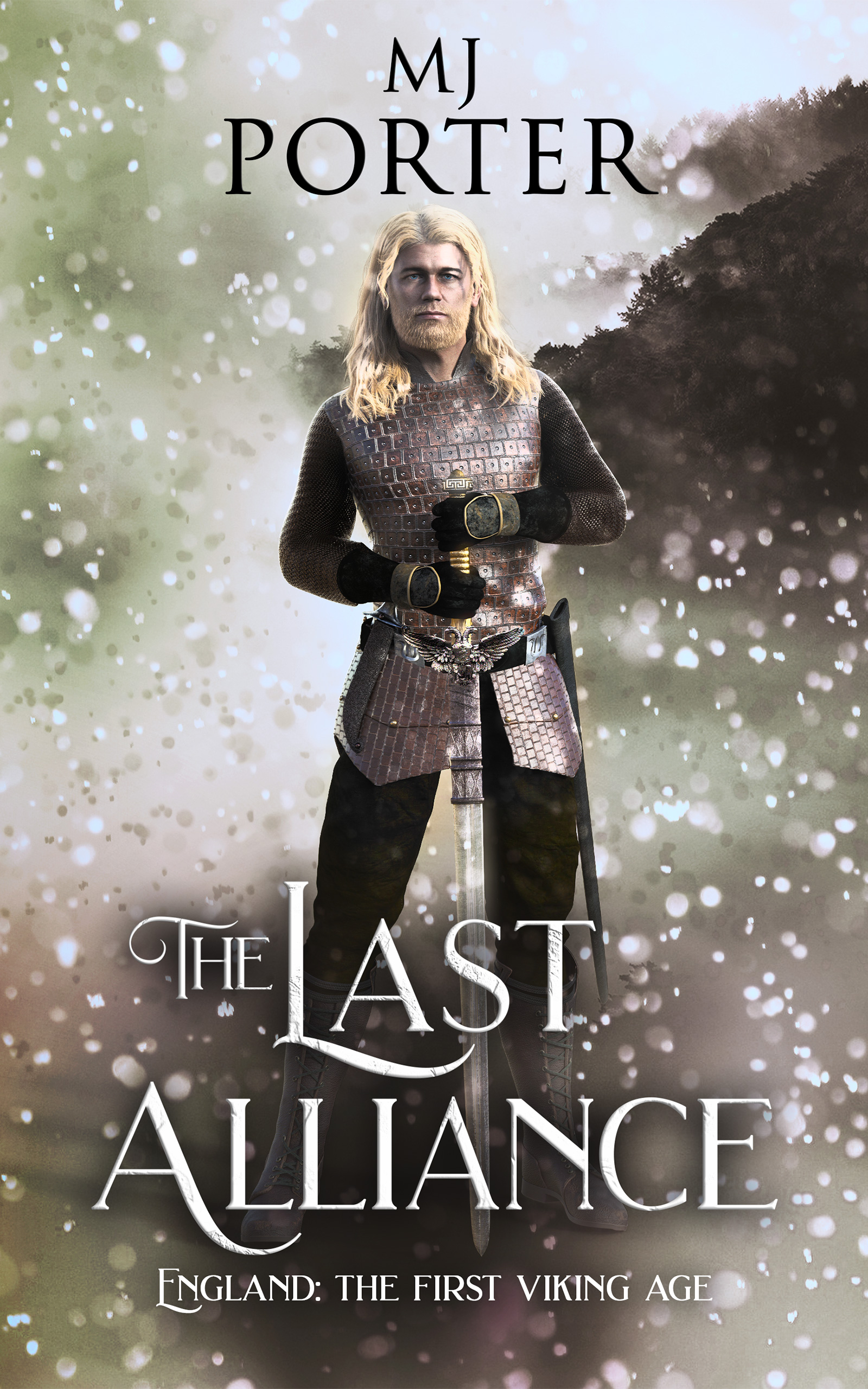
June was a write-off (literally). I managed a massive 1000 words all month. Not only was I just back from holiday and busy in school, but I ended up with my first official bout of ‘Covid’ which was a most odd experience. However, I was able to release The Last Alliance at the end of June, which I was very pleased about.

Cover image for The Last Alliance by MJ Porter

July was a muddled month with a holiday to Norfolk (yes, I made it to Suffolk and Sutton Hoo), but it was my tenth most productive month, so not very productive at all, as I reworked some of Men of Iron.

For August, I was back to it. It was my most productive month, coming in at just under 85,000 words written on a variety of projects, I had to make up for lost time. I was writing Warriors of Iron and The Last Deceit, and editing Betrayal of Mercia as well as Men of Iron. I don’t want you feeling sorry for me because September, I knew, was going to be a difficult writing month with my long-awaited trip to Devon and slow journey there and back to take in A LOT of historical sites I needed to visit for Men of Iron and other projects. 6th August saw the release of Kings of Conflict, the final book in the Brunanburh series.

Cover image for Kings of Conflict by MJ Porter

September was my eleventh most productive month, or second from last:) I worked on structural edits for Men of Iron, endeavouring to weave into the narrative some of the places I’d visited on my travels to and from Devon.

October was my fourth most productive month. My main tasks for the month were working on initial drafts for Warriors of Iron and The Last Deceit. I also worked on copyedits for Men of Iron and Betrayal of Mercia. This was the first time I managed to keep track of how many words I removed from the edited copy during the proofread. It was not that many words, but I faithfully recorded all of them, which gave me a net minus 3.

November is the month every year when I allow myself to write absolutely anything I want. This year saw me returning to a project from 2018 and starting to ‘fix’ many of the problems with it – the biggest one being there was simply too much story to fit into one book. I now intend to make it a trilogy, and using about 20,000 words from the first draft, I added a further 59,000 to it as well as working on some editing and structural edits of other projects. It was a busy month, but November is always really important to me. Deadlines and editing can really drain me of my creativity. November allows me to be excited about something entirely new and without deadlines (although, not so new this time as it was an older project). Watch this space to find out what I’m going to do with it.

For December, I was once more busy in the local school, and travelling to meet fellow Viking authors, and other authors more local to me. All the same, I’ve been busy writing, finally getting back to Icel, who I’ve neglected of late. That said, I’ve known where this new story would go ever since I finished working on the first draft Betrayal back in January. At the moment, my working title is Icel of Mercia, but I’m sure that won’t be the published title. December has been my ninth most productive writing month, but even as I write this, I know I have a few more writing days to go, so it will increase. December will also see the release of The Last Deceit. I’ve just managed to get the 3 Coelwulf books in, as promised.

All in all, I’ve enjoyed my writing in 2024. There are always moments when it’s an effort, and moments when it feels easy, but my new writing routine, or what I now call ‘minimising the stress around first drafts’ has really helped me. Ensuring I’m working on something while editing another project ensures I have time for my stories to settle before I edit them, and also allows me to plant all those lovely Easter Eggs I love to scatter through the many different series. I pity the person who tries to work out which book I was writing when in the future.

I have two newish projects under way, my November project, and also the beginnings of another nonfiction title. I also have two of my three Boldwood titles complete bar some of the editing, and Icel 8 is shaping up nicely as well. For next year, I want to continue my current practice of writing at least 2000 words each morning, and editing in the afternoon. It works really well with my writing style. Everyone has different styles. It’s important to determine what works, and when it stops working, to find something else. 2024 was the year I revamped what had been working for me for many years. It’s also allowed me to methodically plan, even if I didn’t always keep to the plan.

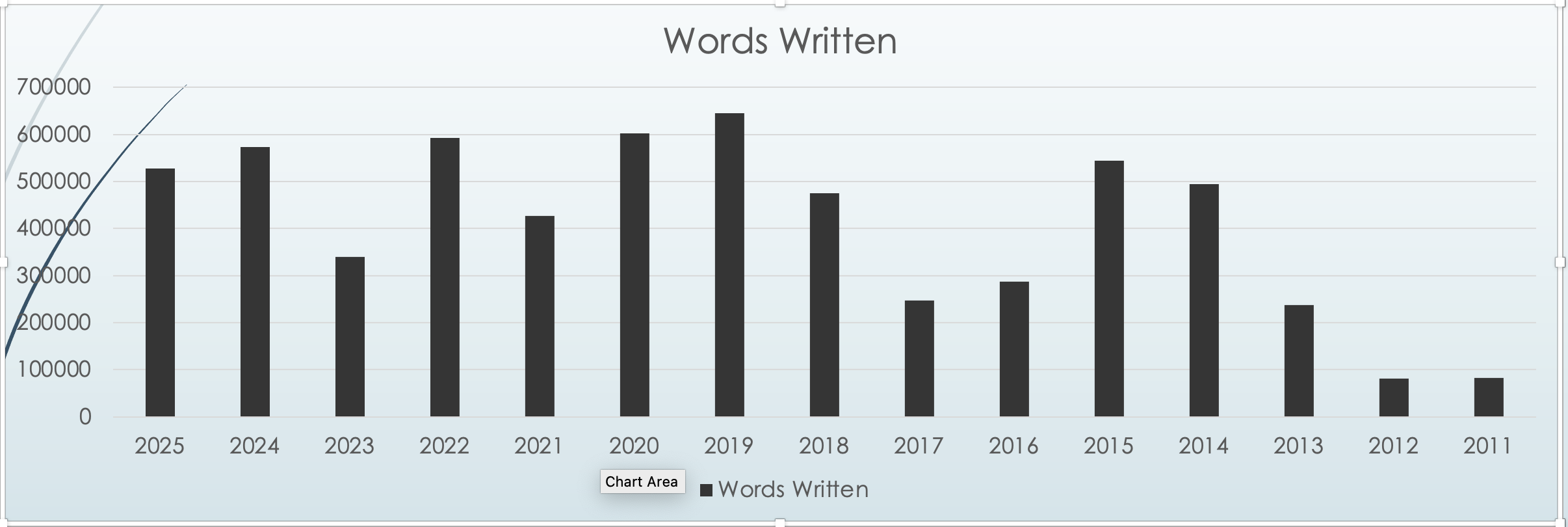
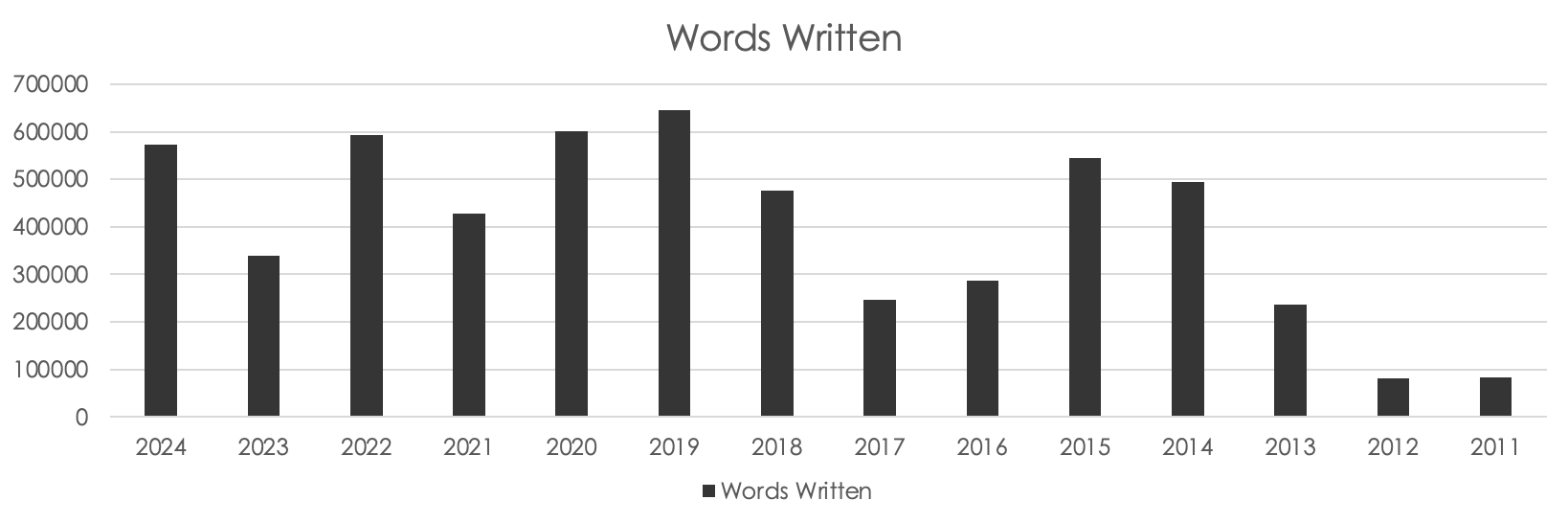
In terms of words written this year, it comes in at about 570k. It’s not my best year, which was 2019, but it’s so much better than in 2023, I’m really pleased.

Forthcoming releases for 2025 will be Betrayal of Mercia, Men of Iron, Warriors of Iron in August, Icel 8 in October and hopefully, a new Erdington Mystery (I have a title, which is a good sign for that series) and my November 2024 project which I need to finish but which will probably be released under a different author name. I also hope to return to Coelwulf, but I’m not promising 3 titles in the series as I did in 2024. That was almost too much for me. In terms of writing, I need to finish the Dark Age Chronicles (I’ve stated it will be a trilogy – I have too many characters as it is,) and continue with the lovely Icel.

A huge thank you to all my wonderful readers who allow me to spend my time with my characters. It is a privilege.

If you want to follow my writing journey, join my newsletter. I update readers each month.

I will be sharing my reading year in review soon.

To fellow writers, remember, to be a writer you first must write, but you also have to write the way that works for you. Good luck.

Featured

A visit to Malmesbury and the Athelstan 1100 celebrations

Another stop off on my roadtrip to Devon and back in September 2024. This time we’re in Malmesbury, on a sunny day (these were quite rare) and meeting King Athelstan in Malmesbury Abbey.

The first three books in the Brunanburh series by MJ Porter

Athelstan was buried in Malmesbury Abbey and although they no longer know ‘exactly’ where he is (no doubt thanks to the Reformation and the Civil War) they have a fabulous memorial to him, and this year, marking the 1100 anniversary of him becoming king of Mercia (and possibly Wessex, but the timeline there is more hazy), they’ve been holding some fabulous events in Malmesbury as a whole, including in the Athelstan Museum. Here’s some photos from within the abbey, and at the bottom, one of my most favourite historical rulers – ‘Athelstan, the first RULER of all England.’ (Love it).

I also took a walk through the town and visited the Athelstan Museum, who have had a replica sword made, and it was stunning, although I forgot to take any photos of it.

And perhaps the best ‘rush’ an author can ever have – finding their books in a brick and mortar book shop. Huge thanks to Barn Owl Books, Malmesbury, for stocking not one, not two, but three of my books featuring Athelstan.

Check out the Brunanburh Series

Check out The Royal Women Who Made England

Featured

I finally visited Deerhurst, my fictional home for Ealdorman Leofwine in the Earls of Mercia series.

Back in the summer of 2011 (I think), I spent every evening when my children were in bed, trying to plot the possessions of the Earls of Mercia as revealed by the entries in Domesday Book (which I think is a totally normal thing to do).

It was a tedious process, which could be achieved much more quickly these days with Google Maps, but it was what I had available to me. Somewhat frustrated with the process because by that period many of the possessions of the Earls of Mercia and their family were not located in the original area of the Hwicce (roughly Gloucestershire), and aware that Deerhurst (which is in Gloucestershire) has a long history back to the Saxon period, I eventually plonked by ealdorman, Leofwine, (of the Hwicce) close to that location, and indeed, readers of the books will know that I have his family burials there. But, I’d never actually visisted Deerhurst before. Until now.

It is a beautiful location, and I’m sharing some photos from my visit, including The Angel, a surviving piece of Saxon sculpture, outside on the walls (my photos aren’t the best but it’s at a very awkward angle and quite high up the side of the building. You can find a much clearer image here https://www.flickr.com/photos/paulodykes/41119170111).

Deerhurst hosts an annual lecture each year (indeed, it’s on 21st September 2024 this year), and is also open for visitors, for anyone else who fancies visiting. If you can’t make it, you can visit their website, and also order printed copies of the lectures, which I’ve done before now. https://deerhurstfriends.co.uk

And, just around the corner is Odda’s Chapel, another Saxon survivor. I will also share photos from Odda’s Chapel in a few days.

Check out the Earls of Mercia series page.

Posts

Featured

The Automobile Assassination, research, research and happenstance #histfic #historicalmystery

What did I need to research to write The Automobile Assassination?

When I decided to write another book featuring Detective Inspector Mason and his Sergeant, O’Rourke, I was determined to set the story very firmly in the period. That might sound a bit strange, but sometimes, a historical mystery might not feel that historical other than for the odd touches – clothing, hairstyles etc. To ensure I didn’t do this, I spent a great deal of time researching the history of The Automobile Association (a UK-based roadside recovery service with a history as long as automobiles) and how they might have operated in the early 1940s. Of course, with the war on and petrol rationing, it was very challenging for them to survive as they relied on subscriptions which dropped significantly during the war years.

The AA Sentry boxes

I spent a great deal of time trying to find the locations for the sentry boxes that are so important to my story and that the AA patrol staff would have passed on their assigned patrol routes, often on pedal bikes. Yes, they did have telephones in the boxes, but of course, the patrol men wouldn’t have had access to a telephone while they were out patrolling, and if I’ve read it correctly, all calls were sent to a central exchange which was in London. There’s a list of surviving sentry boxes from the 1960s, so twenty years after my story is set, and with the use of a map from the 1940s (thank you online marketplace), I found many of the sentry boxes close to Erdington. This was because some of today’s roads weren’t built (such as many of the A roads), and using a period map ensured I didn’t put something where it couldn’t have existed. I love using old maps for all of my books (20th-century and Saxon stories). They often highlight facts that might pass today’s reader by – such as roads that have changed route or weren’t even in existence at the time. 

I was a bit disappointed because I couldn’t find a map that showed the patrol routes that the AA patrolmen (sorry, it was all men at this time) would have followed on their daily routes. This is potentially because such maps were either not produced or, because of the war effort, they weren’t widely distributed. Here’s a fabulous training video for those wanting to see what the early AA was all about. https://www.youtube.com/watch?v=kmyLKlx7YEA

I also needed clarification on how far a car might have travelled on one full petrol tank. Sometimes it’s the oddest queries that set authors tumbling down rabbit holes of research.

The history of fingerprinting is much longer than we might think

But the roads weren’t the only thing I needed to research. Much of the case in The Automobile Assassination hinges on fingerprints (how else to identify my nameless murder victim?), and I knew nothing about the technological advances that had made fingerprint identification as prevalent as it is today. I invested some time in researching and discovered some amazing facts, some that were quite disturbing during the advances in fingerprinting and the way the information they use is provided. I also, quite by chance, discovered when the first fax machine was invented, which was much earlier than we might think.

And that then took me to another element of the book that I needed to research, ration books. Again, the advantage of writing about the 1940s is that artefacts survive from the period. I was able to get hold of some ration books (thank you, online marketplace again) so that I could work out how they were distributed and used and how I could make what was happening seem ‘very real.’ What surprised me was that the coupons themselves didn’t have numbers (and certainly not bar codes), although each book had a serial number stamped on its front. I discovered the system would be particularly easy to ‘fudge’ if you inclined that way. And there were huge scandals regarding ration books during the 1940s. As with the AA sentry boxes, I was determined to weave these elements into the storyline.

Newspaper archives are a gold mine

The more I write stories set in the twentieth century, the more resources I find to help me. I made a great deal of use of the online newspaper archives – and hidden, often on the front or the back page, were all the times that the Blackout was in operation each night. This was an excellent little detail to weave into the narrative to make it seem more historically accurate.

The Erdington Mysteries

Check out The Erdington Mysteries series page for more details on The Custard Corpses, The Automobile Assassination and The Secret Sauce.


Posts

Featured

The historical setting for The Custard Corpses #mystery #histfic #history

Setting for The Custard Corpses, my first foray into historical mysteries

The Custard Corpses is set during the 1920s, 1930s and 1940s. I wanted to make the book as authentic as possible, even though I’m not a historian of that time period. When I was first studying history at school, I always found it strange to think of it as history as I had grandparents who had lived through the 1920s, 1930s and 1940s (my old granny was born in 1901, my mother’s parents in 1920 and my father’s parents in 1926 and 1928). That’s probably why I’ve never written about the period before.

Getting the names right

I wanted to ensure I was using names and places that existed at the time, and I didn’t want to inadvertently make any silly mistakes – a few beta readers pointed out I was using metric measurements, when they should have been imperial in the 1940s. They thought it was sweet that I’d never known the world of imperial numbers (and money).

Maps and train routes

So, I spent quite a bit of time hunting down random facts; maps of the time period, tram and train routes (which you can find online, but I had some old maps), pictures of cars, police uniforms at the time, advertisements of the time and also editions of the Picture Post magazine. At one point, I wanted a celebrity scandal, and there it was, on the cover of a magazine. 

Map of Erdington from the era

Newspaper Archives

I was amazed by the information that I could find by accessing archives ( and also that which I couldn’t find), and I was especially impressed by the ‘history’ section on the Birmingham.gov website, and by those local newspapers that have archives available online – such as the Inverness newspaper and the Birmingham Mail. There’s also a whole aerial photo website that I could have used, but I couldn’t quite work it out. 

Family memories

I was also lucky in that I set the book somewhere I have childhood memories of, and also that a family member spent their early years in Erdington. It was funny to realise the parts that they especially remembered – such as the fact that some of the buses were still open-topped at the time, and the liveries that buses were decorated with. The Birmingham that I remember is very different to the one that exists now, and the one that existed in the 1940s. My memories of Birmingham consist of the dodgy car park we used, the train journey we used to take in the old carriages with individual doors (they were old in my day) and shopping for jeans.

I also made some use of the 1911 census records, and the Office for National Statistics spreadsheet which lists all the most popular names in decades. It made it easy to devise names for the characters. It also helped that while the 1940s is ‘history’ it’s much more relatable to me than the period before 1066, when I usually set my stories, so provided I didn’t use the internet in the story itself (and only as a research tool), or refer to cms, it was just about authentic, I hope. And did allow for the use of cars and telephones.

Check out The Erdington Mysteries page for more information.

(This is a blog post I wrote in 2021 and which I can’t find on my blog, so I’m sharing it.)

Posts

Featured

The inspiration behind The Custard Corpses #histfic #mystery

The inspiration behind The Custard Corpses #histfic #mystery

The inspiration behind The Custard Corpses is a bit weird, even I admit that

My father had, for many years, bought and sold antique paraphernalia, mostly maps, but also other items as well – books, stamps, old vellum deeds, postcards – you get the idea. With the restrictions during Lockdown, he wasn’t able to sell as normal at his antique fairs, and having put off having an online presence, he finally decided to open an eBay shop – but needed tech support. And so, as ‘tech support’, he started sending me all sorts of fascinating items to list, but the one that really got my attention were the advertisements that ran in the Picture Post magazines for Bird’s Custard.

They’re bright, they’re inviting, they are, to put it bluntly, before their time. They have lovely catchphrases, such as ‘every little helps’ which Tesco use now. The black and white images on the coloured background ensure the readers eye is drawn to the happy child, and they do make you want to eat custard.

I wanted to share them with as many people as possible so that they could catch a glimpse of these old campaigns. There were other advertisements as well in the magazines, ones for Pepsi and for Shell, to name a few, but it was the Bird’s Custard ones that really captured my imagination. But how could I share them with people?

Well, my mind works in strange ways, and I began to consider a mystery that would somehow be relevant to the advertisements, so it needed to be set during the period the Picture Post magazine was produced from 1938 to the 1950s. And so, The Custard Corpses.

I set The Custard Corpses during the Second World War, but that was really because it fit with the adverts I’d seen, the added bonus that I could then use the well-known events of the war was a secondary consideration.

Where I set the book was entirely based on the fact that I had family members who’d lived in Erdington at the time. I was able to pick the brains of my Dad for the little details that I didn’t know or couldn’t remember, not that he was born in 1943, but not long after. 

It was all quite random, in the end, and there was a swell of little details that I uncovered that just, through pure happenstance, fitted together. It helped that I wanted to try my hand at something more modern than the eleventh century, but still historical. But I’m not an expert on any other time period, so I suppose it was an easy choice to decide on a setting that was just within living memory of some. I couldn’t visit anywhere due to Lockdown, so familiar was best.

Is this the weirdest reason to have written a book?

Check out The Erdington Mysteries page to discover more about the books.

Buy The Custard Corpses here, available in ebook, paperback, hardback and audio. Or, check out the signed editions page to get a copy directly from me. Book 3, The Secret Sauce, is available now, (as is book 2, The Automobile Assassination), and the Barrage Body is coming very soon.

Posts

Featured

And it’s goodbye to the Brunanburh Series #histfic #newrelease

Why Brunanburh?

In 2014, I had the ‘amazing’ idea to write a novel about the events that led to the famous battle of Brunanburh in 937 – the greatest battle on British soil that few people have ever heard about (Or certainly hadn’t heard about back then – who knew Uhtred of Bebbanburg would be taking part in it).

My reasons were two-fold. I’d just read Sarah Foot’s monograph on Athelstan, and the UK was in the grip of a vote for Scottish Independence. It made me consider the union of the kingdoms of Wales, Scotland, England and Northern Ireland and the history behind it. But, it also stemmed from my own frustration with the way we’re taught history in the UK. ‘United’ it might say but if you go to school in England, Scotland, Wales or Northern Ireland you will be taught the ‘history’ of those kingdoms (and only those kingdoms)- that was when I was a kid, and I think it’s still true – very little ‘joined up’ thinking, and this is something that continues to cause problems today, and not just in the UK, but everywhere. Country-specific agendas fall down when looking at periods before these kingdoms actually existed – and the desire to see the ‘march’ towards unity as simple also misses the naunces.

Map of Britain in the 10th century showing the different kingdoms of England, The Scots, Strathclyde, the Welsh kingdoms and York/Jorvik

In the first book in what became the Brunanburh Series, I wanted to examine these kingdoms – to unpick the seeming ‘inevitability’ of it all – and it massively helped that despite what might come before, and after, and as little as it may seem – we do know a surprising amount about the kings who fought at Brunanburh. What we don’t know (although the Wirral is now almost ‘accepted’ as the correct location) is where Brunanburh took place, and what actually led to it. It was time for me to get writing.

1100th Anniversary of Athelstan becoming king of Mercia

2024 marks the 1100th anniversary of King Athelstan becoming king of Mercia (although his coronation as king of the English took place in 925 – so a year later (read my post about this period here). While he has been often overlooked between the alleged ‘greatness’ of King Alfred (871-899), and the alleged ‘failure’ of King Æthelred II (978-1033/1013-1016), Alfred’s great great grandson, more and more historical investigation is being undertaken on Athelstan, and indeed, his half-brother, Edmund, who is one of the other characters in the series. (It might also have helped that Athelstan features in Bernard Cornwell’s The Last Kingdom series). A spotlight is being shone on all Athelstan accomplished, and the move is also encompassing Edmund, (as well as Eadred, and Eadwig – these three often overlooked).

The family tree of King Alfred

Non-fiction books to read

And this investigation is also looking at events in what would be Scotland, Ireland and Wales, as well as the Norse kings of Jorvik. The approach I’ve taken, is one that historians are examining – Alex Woolf’s From Pictland to Alba and Claire Downham’s Viking Kings of Britain and Ireland (they did it before me – but their books have helped me massively), as well as Max Adams’ Ælfred’s Britain which focused on much more than just Alfred.

My conclusions from writing about this period?

What then can I say after four books considering this period? Quite simply, nothing is as easy to explain or account for as might be hoped. The sources that have survived come with so many explanations about translation (they are not written in English – and indeed we have Old English, Latin, Old Irish, Old Welsh etc) bias, survival, manipulation, and corroboration (one source is often used to corroborate another) that sometimes it feels easier to hold my hands up and say ‘who knows?’

Attempts to draw together a cohesive narrative are constantly thwarted. One historian may argue for one thing, another for another. Every person who studies the period will have their own levels of ‘acceptable’ when looking at the sources. I am always wary of Saints Lives – they were not intended, and can not be, accepted as historical ‘fact’ but they do tell us a lot about reputation – another interesting facet to consider. The Icelandic Sagas must also come with a host of caveats. I also have to rely on translations and therefore remove myself from the original intention of the scribe once more.

The joy of this period is in the nuances that can be exploited – it is also where most people are likely to argue. And indeed, readers may fail to comprehend these nuances – hence the ‘it’s too predicatable’ complaint- I imagine all of ‘my’ kings would have welcomed the preditability of knowing the eventual outcome.

Trying to explain concepts such as ‘this is the first king of the English,’ ‘Hywel’s a king of all the Welsh’ falter because my audience expect these places to be united and under one king – but alas, were rarely that. The other England-specific failure to teach history before ‘1066’ also adds to these problems. The Saxon period is deemed as ‘weird,’ (the names, oh the names). There is so much going on, that even I have fallen down and made mistakes, and only with a sort of ‘doh’ moment made the connection between the name Brunanburh and the element of most interest ‘burh.’ (Thank you Bernard Cornwell for that moment of understanding – I still feel very, very stupid about it – not his fault).

Team Norse, Team England, Team Wales or Team Scots?

To tell a story such as this involves standing on the shoulders of giants. I am indebted to them – and sometimes, a bit narked that they won’t give me any definites either – what I will say is this – I understand a lot more now. I hope others do as well. And whether you’re Team England, Team Norse, Team land of the Scots, or Team what would be Wales, I hope you enjoyed meeting these long-dead men and women and realising that they were just as shifty, ambitious and perhaps, blood-thirsty, as people are today. I really can’t ask for more than that, other than you read the non-fiction for the period as well, and hopefully, enjoy it.

Image showing the 4 covers for the Brunanburh series by MJ Porter

books2read.com/King-of-Kings

books2read.com/kingsofwar

books2read.com/clashofkings

books2read.com/KingsOfConflict10th

Check out the Brunanburh Series page for more information and lots more links to blog posts.

Featured

On this day in history, the battle of Maserfield between Northumbria and Mercia, 5th August 641 or 642

On this day in history was fought the second of three famous battles between Penda of Mercia and the Northumbrians kings. This battle was different in two ways to Hædfeld and Winwæd; it took place in the summer, and it occured in Mercia. (Hædfeld was an October battle near the River Don. Winwæd was a November battle fought somewhere in the north of modern-day England, it’s believed).

Warrior helms during the early Saxon era (seventh century)

Thanks to some spectacular archaeological finds, we can visualise how a Saxon warrior king might have looked. The reconstructions of the Sutton Hoo helm, and that found with the Staffordshire Horde (as well as a few others), present us with elaborate helmets crested with dyed-horse (or boar) hair in a way very reminiscent of the Roman era. They glitter, and they seem to be festooned in gold and silver work, but whether these were actually worn in battle or not is debatable.

Firstly, they would have made the kings or noblemen very noticeable to their enemy. Secondly, they were so valuable it’s impossible to consider the loss of one of them should they fall and their goods be taken by their enemy. Bad enough for their king and leader to die in battle, but to also lose such precious wealth as well seems unlikely. That said, of course, the Sutton Hoo helm was buried, and the fragments of the Staffordshire Hoard helmet were buried and lost. But the scarcity of such archaeological finds surely points to them being unusual or there would be hundreds of them.

(An image of the Staffordshire Helmet can be found here: https://www.stokemuseums.org.uk/pmag/collections/archaeology/the-staffordshire-hoard/ The monograph on the Staffordshire Hoard is also available for free download from https://library.oapen.org/handle/20.500.12657/39941)

Were these helmets worn in battle?

But there is another reason why these helmets might have existed, and that’s because they were for ceremonial purposes. Kings, before the reign of Athelstan (925-937) are not known to have undergone consecration with a crown but rather with a helmet. After all, they were warrior kings. Perhaps then, these survivals are more akin to that worn by a warrior-king when appearing before his people or for ceremonial reasons.

What weapons would a ‘normal’ warrior have?

What then might have been the more usual garb for a warrior of the Saxon era, which at nearly six hundred years is bound to offer some variations? Shield, spear, seax, sword and byrnie.

We get a feel for these items and how valuable they were from wills that survive from the later Saxon era, hundreds of years after the events of Pagan Warrior. Ealdormen had horses, both saddled and unsaddled, shields, spears, swords, helmets, byrnies, seax, scabbards and spears.

The will of Æthelmær, an ealdorman in the later tenth century, records that he’s granting his king, ‘four swords and eight horses, four with trappings and four without, and four helmets and four coats of mail and eight spears and eight shields,’[1] as part of his heriot, a contentious term for something that some argue was an eleventh-century development, and others argue, is merely reflecting earlier practice on the death of a man.

There would also have been thegns and king thegns, who had their own weapons, as well as the men of the fyrd, the free-men who could be called upon to perform military service each year, as and when required. It’s often assumed they would have been less well-armed, although this begs the question of whether kings and their warrior nobility were prepared to sacrifice those they relied on to provide them with food to gain more wealth. They might have found themselves with the money to pay for food but without the opportunity to do so.

There are very few representations of warriors, but the surviving strands of the Gododdin, a sixth-century lament to the fallen of Catraeth gives an idea of how these warrior men thought of one another. There is much talk of killing many enemies, drinking mead, and being mourned by those they leave behind.

Battle tactics

Battle tactics from the period are impossible to determine fully. Before writing my books which are blood-filled and violent, I read a fascinating account, by a military historian, on how he thought the Battle of Hastings might have been won or lost. The overwhelming sense I came away with was that local features, hillocks, streams, field boundaries even perhaps the path of a sheep track might well be the very thing that won or lost a battle for these opposing sides. The land that kings chose to go to war on was incredibly important. Perhaps then, it wasn’t all about the weapons but about where they decided to fight.

Pagan King, the story of the battle of Maserfeld

For Pagan King, the novel that tells the story of the battle of Maserfeld, I made use of some local landmarks I knew well, and for other aspects, well, that’s why I write historical fiction.

You can find out more information on the Gods and Kings page.

Gods and Kings Trilogy

[1] Dorothy Whitelock, Anglo-Saxon Wills 1930, reprinted edition. Cambridge University Press. p27

Posts

Featured

MJ Porter’s Saxon Stories Order and Series Pages | Infographic

Confused? You’re not alone

Trying to keep tabs of the chronology of my series set in Saxon England is difficult, even for me. It doesn’t help that I often work backwards, and sometimes have a tendency to skip backwards and forwards, and sometimes don’t finish things either. This might help.

The Dark Age Chronicles

There are no character crossovers for this series because we’re right back at the very beginning. But, there will be some Easter Eggs moving forwards.

Gods and Kings

Character crossovers – no one specific but there is sometimes reference to these earlier battles in later books.

The House of Mercia

This is my current project and I have no more information to share just yet but keep checking back.

The Eagle of Mercia Chronicles

Character crossovers – Icel and Coelwulf (as a very young child) from The Mercian Ninth Century

The Mercian Ninth Century (AKA The Last King/Coelwulf books)

Character crossovers – Icel from The Eagle of Mercia Chronicles

The Tenth Century Royal Women (The Lady of Mercia’s Daughter and Kingmaker)

Character crossovers – Athelstan and Ealdorman Athelstan (before becoming an ealdorman) from The Brunanburh Series.

The Brunanburh Series

Character crossovers – Lady Ælfwynn (briefly) and Lady Eadgifu from Kingmaker (a central character to The Brunanburh Series).

The First Queen

Character crossovers – Ealdorman Leofwine from The Earls of Mercia series as a very young man. Lady Eadgifu from both The Tenth Century books, and The Brunanburh series in book 1.

The Earls of Mercia Series

Character crossover – Lady Elfrida from The First Queen of England.

Lady Estrid

Character crossover – Cnut, Ealdorman Leofwine, Leofric and others from The Earls of Mercia series – this book is a side-story to the main series but can be read as a standalone.

And don’t forget my non-fiction title, which is a perfect counterpart for The Tenth Century, and The Brunanburh Series, The Royal Women Who Made England

Posts

Featured

On the 1100th anniversary of King Athelstan becoming King of Mercia, some snippets from my recent Zoom talk with readers

The death of King Edward (the Elder), 17th July 924

17th July saw the anniversary of the death of Edward the Elder, who was Athelstan’s father.

We don’t know why Edward was in Mercia at the time of his death, although this is only recorded in the C and D versions of the Anglo Saxon Chronicles, always deemed to be more Mercian in their outlook by scholars of the era than other surviving versions. I highly recommend Pauline Stafford’s book on the writing of the ASC, and you can read more about the ASC recensions here.

We don’t know why Edward died, although it was potentially quite sudden. Was he wounded in battle? Was he unwell – the fact his oldest son with his second wife dies only 16 days later (the 16 days is provided by the D version of the ASC) at Oxford might suggest a contagion. Admittedly, it might also suggest that Ælfweard was murdered by those loyal to Athelstan, to enable him to also claim Wessex but there is no mention of this in any surviving source material. Alternatively, it might point to a deadly war with ‘someone.’

Quote from ASC from 17th July 924 recounting Edward the Elder's death

Who was Edward the Elder (899-924)

So, who was Edward the Elder? He was the younger brother of Æthelflæd, famously known as the Lady of Mercia, as well as the son of King Alfred. He seems to have ‘stolen’ the kingdom of Mercia from his niece Ælfwynn, who was intended to rule there after her mother’s death in June 918. Perhaps Edward was an unwelcome presence in Mercia. It’s been suggested he might have been putting down either a Mercian rebellion, perhaps orchestrated by Athelstan, or that Edward was fighting the enemies of the Saxons – no doubt the Viking raiders – at the time of his death.

A family tree showing the family of Alfred the Great

King of the Mercians

We are then told by the D version of the ASC that Athelstan was chosen as king by the Mercians.

Quotes about Athelstan becoming king of Mercia while his brother was king of Wessex.

So, a few important things to highlight – he was chosen as king, but only by the Mercians even though his father was ruling Wessex and Mercia.

Despite very popular portrayals of England at this time, we are still very much looking at the kingdoms of Mercia, Wessex and Northumbria, (and of course Jorvik), so not ‘England’ at all. Edward the Elder did try to rule both Mercia and Wessex at the same time after his sister’s death. How successful he was at that is very much open to debate. Certainly, he has been very much relegated behind the achievements of his father and his son (and his sister). It’s not always that easy to study his reign in depth due to the lack of surviving charter evidence. There is also a debate about how ‘much’ ruling Æthelflæd and Æthelred did in Mercia? Was their kingship under a Wessex banner?

But to return to Athelstan. Was he immediately declared king of Mercia on 18th July 924 or did it take longer? We don’t know the answer to this.

A beguiling suggestion by historian Jayakumar is that Athelstan might have been marked to succeed by his grandfather King Alfred in Mercia, not in Wessex. This is intriguing – prior to this we see fathers and sons ‘sharing’ the kingship of Wessex and then Kent, when it was taken back from the Mercians in the 820s/830s. And indeed, while Mercian, Kent was often ruled by an offshoot member of the Mercian ruling family as well.

Who was Athelstan?

So, who was this Athelstan, who became king of Mercia in 924?

The oldest son of Edward the Elder, but who was his mother?

It’s been suggested his mother might have been Mercian, and this also made him acceptable for the Mercians to declare him as king- but it’s impossible to determine more about her. We don’t even know her name, although it’s suggested that it was Ecgwynn. She was soon replaced, either because of her death or because Edward, on becoming king of Wessex, needed to cement his position through marriage with a powerful ealdormanic family. Lady Ælfflæd was Edward’s second wife.

Later discussions abound about Athelstan’s suitability to become king of Wessex, with many casting doubt on the union, but it is evident that Alfred believed the union was a lawful one, and his grandson would one day become king, although of where, we don’t know.

Equally, we don’t actually know when Edward’s second marriage occurred, was it before or after his father’s death?

Powerpoint slide showing some quotes about Athelstan's early life.

Athelstan’s early life

Athelstan and his younger half-brother, Ælfweard, who we must assume was the oldest son born to Edward and his second wife, begin to attest charters in 901 both as filius regis although Ælfweard is named above Athelstan despite being younger. 

Athelstan attests eleven of his father’s charters (Sawyer, P.H. (ed.), Anglo-Saxon charters: An annotated list and bibliography, rev. Kelly, S.E., Rushforth, R., (2022). http://www.esawyer.org.uk/ S365, S366, S371, S375, S376, S377, S378, S379, S381, S382, S383), Ælfweard only eight, but again, the number is still small and so may not be representative – in 901, Athelstan witnesses 2 charters, but Ælfweard only one.

Only three of the eleven charters that Athelstan witnesses under his father are deemed to be authentic, and only one of those witnessed by Ælfweard and Athelstan together which is dated to 901, when they were both young children. This would have been very early in Edward’s reign, when his cousin, Æthelwold, was still alive and contesting the rulership of Wessex, something that wasn’t resolved until the decisive Battle of the Holme, in either 901 or 902. Edward may have wanted to labour the point that he was the father to two potential male heirs, or æthelings. (His brother, Æthelweard is also termed filius regis, and so Edward might have been highlighting that if something did befall him, he had a brother who could also succeed him, as opposed to two young children.)

However, there is a large gap in the charter evidence for Edward the Elder in the middle of his reign, and so it is difficult to track any developments. 

But with all that said, I don’t find Athelstan’s charter witnessing very helpful when trying to determine his place at the Wessex royal court at this time, his position as a young man or even how he got on with his father’s second wife (as well as his third wife) and her many, many children, who would bedevil him when he became king. 

Was Athelstan raised in Mercia by his aunt and uncle?

Quote from William of Malmesbury about Athelstan being raised in Mercia.

The fact Athelstan was declared king of Mercia does seem to corroborate a statement made by William of Malmesbury, in the later Gesta Regum Anglorum, or The History of the English Kings, that Athelstan was raised in Mercia by his aunt and uncle, alongside his full birth sister, who may have been called Edith.

Or, it could be that his mother was Mercian. It’s frustratingly difficult to find explanations when events are merely told us as supposed ‘fact,’ and William of Malmesbury’s assertion has been little questioned, other than by historian David Dumville, even though it dates to two centuries after the events. It seems to be the ‘easy’ explanation as to why Athelstan became king of Mercia after his father’s death.

What was happening in Wessex?

Ælfweard, his younger half-brother, was declared king, until his death, 16 days after his father.

How did Athelstan become king of Wessex?

Quote from the Gesta Abbatum S Bertii Sithiensium marking the death of Edwin.

So, once he was chosen as Mercia’s king, how did he then become king of Wessex on the death of Ælfweard so soon after that of Edward?

This period is as equally hazy as what happened to make Athelstan king of Mercia.

But, after Ælfweard’s death, there is another son of Edward’s second marriage who could have become king, Edwin. As could the sons of Edward’s third wife, Lady Eadgifu, who were very young at the time, perhaps no more than one and three years old. 

Why Athelstan was chosen is difficult to rationalise, especially if the Wessex witan were so uneasy with him. Some suggest he reached an agreement with Lady Eadgifu (his father’s third wife) that her sons would be his heirs. Others think there was a period of unease where Wessex was kingless. We have no explanation for Edwin being overlooked, and certainly, it seems he went on to cause his older half-brother problems. We have reports of Edwin’s death in 933 – apparently from drowning, but it seems likely, it was some sort of rebellion against his half brother, the king. The Gesta Abbatum S. Bertini Sithiensium, reports his burial by his cousin in Flanders. 

I find this period quite interesting as by now, another Eadgifu, a half sister of Athelstan, who had been married to King Charles III of the West Franks, might have been in Wessex. She had a young son, Louis, but Charles had been usurped and imprisoned and certainly Louis was at the Wessex court when his grandfather died. It’s possible Eadgifu was as well. Would she not have supported her full brother against Athelstan claiming the kingship? Equally, we don’t know if Edwin’s mother was still alive. It is all very perplexing.

What we do know is that Athelstan underwent his coronation in September 925, so over a year after his father’s and half-brother’s death. The coronation took place at Kingston upon Thames. This delay has been interpreted as showing he met resistance in Wessex to his rule, but it might not have been that unusual. His father’s coronation was not immediate, although, admittedly, his father was faced with the rebellion of Æthelwold, his cousin and the surviving son of Alfred’s older brother, Æthelred I. Alfred and his brother seem to have reached an accord about the succession before Æthelred I’s death, and Alfred then rode roughshod over it. 

A coronation with a crown?

There is some discussion about whether the surviving Coronation ordo (ceremony) was devised for Athelstan or not, but he was crowned with a crown and not a helmet, as earlier kings had been. We have a famous image of Athelstan, (we only have two contemporary/near-contemporary images of the tenth century kings) presenting a book to St Cuthbert, and in this image, he is shown wearing a crown. This was a departure from earlier ceremonies.


An image of King Athelstan presenting a book to St Cuthbert
Frontispiece of Bede’s Life of St Cuthbert, showing King Æthelstan (924–39) presenting a copy of the book to the saint himself. Public domain, via Wikimedia Commons

For more suggestions, and my fictional recreation of how Athelstan became king of Mercia, Wessex and the English, do check out my books, Kingmaker (the story of Lady Eadgifu), and King of Kings (which begins with the coronation of King Athelstan).

Anglo-Saxon Chronicle quotations from M Swanton, The Anglo-Saxon Chronicles.

Featured

The Last Alliance: Balancing Realism and Audience Relatability: AKA What’s with all the d*** swearing

With the release of a new title in The Last King series, The Last Alliance, I thought it time to address the ‘elephant’ in the room – all that d*** swearing, and not just swearing, but the heavy almost grotesque use of one particular swear word which some will bend over backwards to assure you was used no earlier than the sixteenth century (in the written records), 700 years after the books are set. (Check out Holy Sh*t by Melissa Mohr for a history of swearing.)

I’m not writing in Old English

Well, first things first, lovely people, aside from the names of the characters in these books, and perhaps the word ‘witan,’ every word in these books is modern-English. I’ve not attempted to have my characters sound ‘ye olde worldy’ and that was very intentional. Although, it seems, that s*** is, indeed, Old English. So, forget that, there is another word in there that is also Old English. (Check out the will of King Alfred, and Eadred for some Old English https://blogs.bl.uk/digitisedmanuscripts/2013/07/the-last-will-and-testament-of-alfred-the-great.html)

The UK/US divide around swearing

I wanted my characters to swear. There, I’ve said it. I wanted them to swear and to shock with their language, but I also wanted them to sound like people today. Not everyone swears, admittedly, but most people do. In the UK, we have no problem with the F-word, although US audiences are horrified by it. In the UK, we don’t like the C-word, which in the US, is just fine and dandy – apparently. We swear and we curse and we’re not even (most of us) fighting for our lives against a deadly enemy, which my characters are forced to do.

Am I a potty-mouth?

I’ve had reviewers decry the swearing. I’ve even had reviewers decide the swearing in the books is because I somehow lack the intelligence to write a novel without swearing. Perhaps, most amusingly, a close friend was astounded by the language in the books – I am not, it seems, a potty-mouth in ‘real life’ (although, I can be pushed to it).

‘Oh dear me, that smarts.’

My characters face a life-and-death situation almost every day of their lives. I don’t think they’ll be sitting there saying, ‘oh dear me, that smarts,’ when they’re wounded, or even, ‘oh goodness me, I’ve killed that man.’ They are lethal, bloody and violent, and for all that, they are very relatable to a modern-audience perhaps struggling to truly comprehend what life ‘might’ have been like in Saxon England as the Viking raiders threatened the safety of all.

There are Cleaner Version

That said, I have no intention of forcing people to cast the books aside if they don’t like the swearing. There are also ‘Cleaner Versions‘, without much of the foul language. It tones it down a little, but the violence is not diminished.

Enjoy the fast-paced action

So, whether you love the swearing or not, you can still enjoy the tales of Coelwulf II, and book 9, The Last Alliance is available now in ebook, paperback, hardback and the Cleaner Version on kindle as well. And remember, allowing my characters to swear was done purposefully, indeed, on initial feedback, I actually added a lot more:)

Featured

The Royal Women Who Made England: The Tenth Century in Saxon England. But who were these royal women?

In the online resource, The Prosopography of Anglo-Saxon England (PASE), a database of every known name from the Saxon period, 33,981 male names are listed. There are only 1,460 female names for the 600-year period of Saxon England. Only 4 per cent of entries are women (there are also many anonymous ones which may mask more women). Twenty-one (possibly twenty-two) of these belong to the royal women of the tenth century. So, who were they?

Lady Ealhswith, the wife of King Alfred.

Æthelflæd, Lady of the Mercians, presumed to be the oldest of Ealhswith daughters, and her daughter, Ælfwynn.

Æthelgifu, Alfred and Ealhswith’s second daughter, the abbess of Shaftesbury.

Ælfthryth, the Countess of Flanders, their third daughter.

Ecgwynn (if that was her name), mother to King Athelstan, and his unnamed sister, given the name of Ecgwynn/Edith in later sources

Lady Ælfflæd the second wife of Edward the Elder. They had many children. Six of them were daughters, Æthelhild, Eadgifu, Eadflæd, Eadhild, Eadgyth and Ælfgifu.

Edward’s third wife, Lady Eadgifu, certainly had one daughter, Eadburh. (There is the possibility that she had two.)

Ælfgifu of Shaftesbury, whose mother Wynflæd is named, was the first wife of Edmund. Æthelflæd of Damerham was Edmund’s second wife.

Edmund’s oldest son, Eadwig, married another Lady Ælfgifu.

Edmund’s youngest son, Edgar, would marry, or have children with no fewer than three women, Æthelflæd, Wulfthryth and Elfrida/Ælfthryth. From these three unions, one daughter was born, Edith/Eadgyth.

Another Ælfgifu was the first wife of Æthelred II. His second wife was Lady Emma of Normandy. At least four daughters were born to Ælfgifu, a daughter (also called Ælfgifu), Eadgyth, Wulfhild and Ælfthryth, while Lady Emma was the mother to Gode.

You can read all about these women in my non-fiction book, and there are also some links to blog posts I’ve written, which may be of interest.

Purchase links (Hardback)

https://amzn.to/3vVNjiw

https://www.pen-and-sword.co.uk/The-Royal-Women-Who-Made-England-Hardback/p/24395


Below you can hear me try and explain the importance of the marriages of some of these women into the West Frankish dynasty. I also forget the title of my non-fiction title, and generally make a bit of a mess of it. Enjoy:)

The Family of Charles III, the king of the West Franks (in my own words)
Featured

What to read after The Brunanburh Series #hisffic #TheTenthCentury

I do appreciate that it’s not exactly a bad problem to have, but I am sometimes concerned that readers are not altogether sure where to go after finishing one of my series and hopefully, enjoying it. Never fear, for I have put together a handy little guide, hopefully picking out the elements that readers might have enjoyed in one particular series, and applying them to other ones.

So, for readers interested in what happened before King of Kings, The Lady of Mercia’s Daughter and its sequel, A Conspiracy of Kings, offer a retelling of the Lady Ælfwynn’s life. The books also feature a younger Athelstan, and there may be a few other figures from the Brunanburh series in there as well.

For those interested in England before it was England, or rather the idea of Five kingdoms, then the Gods and Kings trilogy, starting with Pagan Warrior, is really where you want to be. Step back to the seventh century, a time before Viking raiders, but with just as many ambition and brutal warrior kings.

And if it is the conflict and band of warriors that interests you, then the Eagle of Mercia Chronicles might well be where you could go next. Follow young Icel as he realises he must become a warrior, not a healer if he is to protect Mercia from her enemies beginning with Son of Mercia, set nearly a hundred years before the events of Brunanburh.

If you want books with a very healthy dose of violence, (and swearing), then The Mercian Ninth Century is the series for you, beginning with The Last King. Also set before the events of Brunanburh, (in the 870s) this series is all about warriors, violence, and overcoming (hopefully) all the odds.

(The series is also available without the stronger language. Follow this link as otherwise, it’s quite hard to find).

I hope you find something you like, and don’t forget, to sign up for my mailing list to keep up to date with all things Saxon England and to receive a free ebook download via Bookfunnel.

Posts

Featured

Who was Edmund, the man Cnut had to overwhelm to claim England’s kingship in the eleventh century?

Who was Edmund Ironside, son of Æthelred II?

It’s often forgotten, in the great swirl of events throughout the eleventh century, that England wasn’t conquered once, but instead three times, by King Swein in 1013, by his son in 1016, and then by William the Conqueror in 1066.

England only reclaimed its English king with the death of King Swein shortly after he claimed the kingship, when Æthelred II, the much-maligned, king of England was restored, it’s said, by his nobility, provided he did ‘a better job’ of it (I paraphrase). At this time, Cnut, Swein’s son, wasn’t deemed as suitable to replace his father, while Æthelred II had many sons who could succeed him. Æthelred was deemed ‘an old man’ by now (born probably in about 966-8), but he had surviving sons from his marriage to his first wife, named as Ælfgifu, and also from the better known Lady Emma. The oldest of these sons,Athelstan, died in 1014, having made a name for himself as an honourable man. His will survives. His next youngest brother had also perished a decade ago, meaning Edmund was the oldest surviving son. In the great swirl of events, people forget Edmund was proclaimed king on his father’s death in April 1016, and that he ruled for a good sixth months, before his own death in November.

Edmund Ironside - MS Royal 14 B VI

See page for author, Public domain, via Wikimedia Commons, https://upload.wikimedia.org/wikipedia/commons/6/69/Edmund_Ironside_-_MS_Royal_14_B_VI.jpg

The relationship between Edmund and his father is difficult to unpick. It doesn’t seem to have been congenial. Æthelred II is most often accused of having overmighty subjects (somewhat ironic when they invited him back to England after Swein’s death), and there was a particular thorny problem of Eadric Streona, married, it’s said, to one of Æthelred’s daughters, and a tricky character. Eadric is associated with Mercia. To counter his reach, Edmund, married into a Mercian family in 1015, the story being that he rescued the woman from captivity and then married her. As romantic as that might sound, this was sound political expediency. In the tenth century, King Athelstan was strongly associated with Mercia, being declared king of Mercia before becoming king of Wessex. Edgar, in the 950s, seems to have done something similar, being declared king of Mercia while his brother, Eadwig, was king of England, or perhaps only Wessex – there is much uncertainty about this. Eadwig would die young, allowing Edgar to build on his Mercian powerbase and claim England for himself.

As such, Edmund was following known precedent when he looked to Mercia for support when he must have feared that the eyes of the witan would favour his younger half-brother, Edward, for the kingship. No doubt, Edmund actually gained support because while England was at war with Cnut throughout 1016, he was a man grown and could fight for the English. Edward, much younger, would have been unable to do so.

And so to 1016. On the death of his father, Edmund was declared king, but Cnut also took the same title. Many battles later, Cnut and Edmund reached an accord, it’s said, after the English defeat at the unallocated battle of Assandun. England was ‘split,’ Edmund became king of Wessex, Cnut held the remainder and it could have possibly remained split if not for Edmund’s untimely death, perhaps from wounds taken in battle fighting against Cnut and his warriors, and in which, Eadric Streona had played his new king false, defecting to King Cnut’s side.

Edmund II, known as Ironside, left two children, perhaps twins, and these children were raised in exile, away from England and the reach of the Danish conquering force. They did still have a part to play in the future of England, and Edmund’s granddaughter became queen of Scotland in 1070, while his grandson was briefly declared king of England in the tumultuous events of 1066.

You can read the story of Cnut and Edmund in The Earls of Mercia series side story, Cnut: The Conqueror.

Here’s the blurb:

To gain what he wanted, what he felt he was owed, he would do anything, even if it meant breaking oaths to a woman he loved and the mother of his son.

Swein, King of Denmark, and briefly England, lies dead, his son ousted from England as King Æthelred returns from his exile in Normandy at the behest of his witan and the bishops. Æthelred might have relinquished his kingdom to Swein, the Danish conqueror, but with Swein dead, the men have no interest in supporting an untried youth whose name resounds with the murder of one of England’s greatest bishops. A youth known only for his savagery and joy of battle. A true Norseman who utilizes his weapons without thought.

But Cnut wants a kingdom and will do anything to gain one. As England’s ravaged by a civil war between the sons of two former kings, Edmund, son of King Æthelred, and Cnut, son of Swein, the men must make personal decisions in the heat of battle as they strive to reclaim their birthrights whilst doing all they can to stay alive.

books2read.com/Cnut

Cnut is a side story in the Earls of Mercia series, retelling the story of the last century of Saxon England through the eyes of the powerful Earls of Mercia, the only noble family, apart from the House of Wessex, to hold their position for nearly a century.

Posts

Featured

Who were the religious daughters of Edward the Elder?

The King’s Daughters is available with Kindle Unlimited, and is a novel of the many daughters of Edward the Elder who married into the ruling families in East and West Frankia, or who became holy women, or lived within a nunnery.

So, who were these daughters?

Edward the Elder was married three times, to an unknown woman- who was the mother of the future King Athelstan, to Lady Ælfflæd – who was the mother of the future, and short-lived King Ælfweard, and finally to Lady Eadgifu – who was the mother of the future kings Edmund and Eadred. But, while each woman was mother to a future kings, this story focuses on the daughters. And there were a lot of them, and their lives were either spent in making prestigious marriages, or as veiled women – whether professed religious, or merely lay women living in a nunnery or an isolated estate.

The story of The King’s Daughters is very much about the daughters of Edward and his second wife, and the marriages they made in Continental Europe, into the powerful families in East and West Frankia. And I’ve written a lengthy post about them which you can find here. But there were other daughters/sisters, and while their lives might be almost lost to us, it is interesting to discover what little is known of them.


Edith/Eadgyth/Ecgwynn/unnamed daughter of Edward the Elder, and his unnamed first wife (Ecgwynn?) c.890s–937?

m. Sihtric, king of York in 925, repudiated by 927 when Sihtric died

Edith[i] is believed to be the biological sister of the future King Athelstan, and, therefore, the daughter of King Edward and his first wife, possibly named Ecgwynn. Edith is unnamed in the Anglo-Saxon Chronicle, but her marriage is mentioned in both the D and the C texts.

The C text records that in 924, ‘Athelstan was chosen as king by the Mercians, and consecrated at Kingston, and he gave his sister.’[ii] And here the text, rather enigmatically, comes to a halt until 954.

The D text, is rather more helpful, under 925 stating that, ‘Here Athelstan and Sihtric, king of Northumbria, assembled at Tamworth on 30th January, and Athelstan gave him his sister.’[iii]

This, therefore, refers to the union between Athelstan’s sister and Sihtric, a Norse king of Jorvik or York. The union is intriguing. It does seem to be the only occasion that a marriage union was enacted between the Viking raiders and the Wessex royal family.

There is the suggestion that Edith may have become a nun on her return to Mercia. She is associated with the nunnery at Polesworth by traditions recorded at Bury in the twelfth century. Following the death of her husband, she is said to have returned to Mercia and ‘founded a nunnery at Polesworth, near the Mercian royal centre at Tamworth. There she remained a virgin, practising fastings and vigils, offering prayers and alms to the end of her life, and dying on July 15.’[iv]

However, Thacker goes on to state that, ‘it must be admitted that it [the cult] was not a very successful one. Her feast day (15 July) occurs in only three relatively late (i.e. post-Conquest) calendars, and it is impossible to identify her in any of the surviving Anglo-Saxon litanies.’[v]


[i] Edith may be Anonymous (594) or Eadgyth (12) on PASE, in which case her death was c.937

[ii] Swanton, M. ed. and trans. The Anglo-Saxon Chronicles, (Orion Publishing Group, 2000), p.105

[iii] Ibid., p.105

[iv] ThackerA‘Dynastic Monasteries and Family Cults’in Edward the Elder, 899–924, ed. Higham & Hill (Routledge, 2001), p.257

[v] ThackerA‘Dynastic Monasteries and Family Cults’in Edward the Elder, 899–924, ed. Higham & Hill (Routledge, 2001), p.258

Æthelhild, daughter of Edward the Elder, and his second wife, Lady Ælfflæd

The birth order of Edward the Elder’s children is unknown. Therefore, we do not know why Æthelhild[i] became a lay sister at Wilton Abbey. Could it be because it was her choice, her father’s, or mother’s, or that of her half-brother, Athelstan?

Wilton Abbey was strongly associated with the Wessex royal family. Her sister Eadflæd became a nun, and the two sisters were joined, not only by their mother but also by their much younger half-sister, Eadburh. Nothing further is known of Æthelhild. She’s not mentioned in the Anglo-Saxon Chronicle, or in any of the surviving charter evidence. We don’t know her date of birth, or her date of death. 

William of Malmesbury’s Gesta Regum Anglorum tells us more.

He also had by the same wife six daughters; Eadflæd, Eadgifu, Æthelhild, Eadhild, Eadgyth, Ælfgifu. The first and third took a vow of virginity and spurned the pleasures of earthly marriage, Eadflæd took the veil and Æthelhild in lay attire; both lie at Wilton, buried next to their mother. Eadburh became a nun and lies at Winchester; Eadgifu was a famous beauty, and was given in marriage by her brother Æthelstan to Louis prince of Aquitaine.[i]


[i] Mynors, R.A.B. ed. and trans. completed by Thomson, R.M. and Winterbottom, M. Gesta Regvm AnglorvmThe History of the English Kings, William of Malmesbury, (Clarendon Press, 1998) p.199–201

Eadflæd, daughter of Edward the Elder, and his second wife, Lady Ælfflæd

Eadflæd[iii] became a nun at Wilton Abbey. And she is named in a charter issued by Athelstan (S438, surviving in one manuscript) granting land to St Mary’s, Wilton dated 937, the year of the battle of Brunanburh. Provided the dating is secure, and the charter is authentic, this points to Eadflæd still being alive at this date. The absence of her sister’s name, Æthelhild, may mean she had predeceased her sister. Note should be made here of the distinction between the two types of religious women. It is believed that there were lay sisters and also those who wore the veil. Both could have been attached to a nunnery, although, aside from the Nunnaminster, no religious establishment is specifically termed as a monastery for women.

Eadburh, c.919–952 daughter of Edward the Elder and his third wife, Eadgifu

William of Malmesbury in his Gesta Pontificum Anglorum tells the story of Edward the Elder’s youngest daughter, Eadburh,[v] being consigned to the Nunnaminster in infancy as she showed such signs of devotion:[vi]

There had been a convent on this spot before, in which Eadburg [Eadburh], daughter of king Edward the Elder, had lived and died, but by then it was almost in ruins. When she was barely three, Eadburg had given a remarkable proof of her future holiness. Her father had wanted to find out whether his little girl would turn towards God or the world. He set out in the dining room the adornments of the different ways of life, on this side a chalice and the Gospels, on the other bangles and necklaces. The little girl was brought in by the nurse and sat on her father’s knees. He told her to choose which she wanted. With a fierce look she spat out the things of the world, and immediately crawling on hands and knees towards the Gospels and chalice adored them in girlish innocence … Her father honoured his offspring with more restrained kisses and said, ‘Go where heaven calls you, follow the bridegroom you have chosen and a blessing be upon your going.’ … Countless miracles during her life and after her death bear witness to the devotion of her heart and the integrity of her body.[vii]

William later adds that ‘Some of the bones of Eadburg the happy are buried’,[viii] at Pershore.

Aside from the later William of Malmesbury, Eadburh is the recipient to land in one charter, that of S446, dated to 939 and surviving in one manuscript. ‘King Athelstan to Eadburh, his sister; grant of 17 hides (mansae) at Droxford, Hants.’[ix] Perhaps, Athelstan was ensuring his sister’s future with this charter. Maybe he knew he was dying. Perhaps this was a means of guaranteeing the survival of the religious establishment in which she lived.


[i] I can find no reference to Æthelhild on PASE

[ii] Mynors, R.A.B. ed. and trans. completed by Thomson, R.M. and Winterbottom, M. Gesta Regvm AnglorvmThe History of the English Kings, William of Malmesbury, (Clarendon Press, 1998), pp.199–201

[iii] PASE Eadflæd (4) 

[iv] Mynors, R.A.B. ed. and trans. completed by Thomson, R.M. and Winterbottom, M. Gesta Regvm AnglorvmThe History of the English Kings, William of Malmesbury, (Clarendon Press, 1998), pp.199–201

[v] Believed to be Eadburgh (8) on PASE

[vi] Foot, S. Athelstan (Yale University Press, 2011), p.45 Priest, D. trans. Gesta Pontificum Anglorum, The Deeds of the Bishops of England, (The Boydell Press, 2002)

[vii] Priest, D. trans. Gesta Pontificum Anglorum, The Deeds of the Bishops of England, (The Boydell Press, 2002), pp115–16

[viii] Ibid., p.202

[ix] Sawyer, P.H. (ed.), Anglo-Saxon charters: An annotated list and bibliography, rev. Kelly, S.E., Rushforth, R., (2022). http://www.esawyer.org.uk/ S446


https://amzn.to/4gyxeCn

You can read about the many daughters of Edward the Elder in The King’s Daughter.

My first non-fiction title, The Royal Women Who Made England, is also now available in ebook and hardback and features these women and what we know about them.

Posts

Featured

Who was the Lady of Mercia, Æthelflæd? #non-fiction #Mercia

Who was Lady Æthelflæd, and what do we know about her from the contemporary sources?

Æthelflæd,[i] said to be the oldest of the children of King Alfred, and his wife, Lady Eahlswith, was born around 866, the exact details are unknown, although the date of her death is well attested as 12 June 918.[ii]

She was married to Lord Æthelred of the Mercians at some point during the 880s, although an exact date cannot be given. The first mention of this union occurs in a charter dated to 887,[iii] although the date may not be reliable. There is also little information about who Lord Æthelred might have been, and his subsequent military successes should not be dismissed, as they often are. Lord Æthelred is assumed to have been a nobleman from Mercia, and one with enough of a reputation to secure the marriage alliance with the Wessex royal family (and it must be assumed, unrelated to her mother’s birth family, and also her father’s family through his sister’s union to Burgred). 

Their marriage was a success, and yet there was only one child, a daughter, Ælfwynn, born to the union, perhaps quite soon after the marriage occurred.

During her lifetime, Æthelflæd’s name appears on fifteen surviving charters. These are a real collection, some promulgated by her father, her brother, her husband and then, in her name alone. The earliest to feature her name is S223 dated to 884×9, so between 884 and 889, which survives in two manuscripts, and discussed the building of the burh at Worcester.  In her final charters, she’s the sole promulgator, her husband no doubt having already died. It is believed he died in 911. S224 and S225 date to 914 and 915. S225 names Æthelflæd as the ruler of Mercia, something which The Anglo-Saxon Chronicle mirrors in some versions. 

In 912, the C text records, ‘Here, on the eve of the Invention of the Holy Cross, Æthelflæd, Lady of the Mercians came to Scergeat and built a stronghold there, and the same year, that at Bridgnorth.’[xxvii]

In 913, the C text further records, ‘Here, God helping, Æthelflæd, Lady of the Mercians, went with all the Mercians to Tamworth, and then built the stronghold there early in the summer, and afterwards before Lammas that at Stafford.’[xxviii]

In 917, the C text writes, ‘Here, before Lammas, God helping, Æthelflæd, Lady of the Mercians took possession of the stronghold which is called Derby, together with all that belonged to it.’[xxxi]

Æthelflæd’s death is recorded in the A and C editions of the Anglo-Saxon Chronicle and also in the E version of the Anglo-Saxon Chronicle, even if only in passing. ‘Here Æthelflæd, Lady of the Mercians, passed away.’[xxxii]

A text states: ‘and then when he (Edward) was settled in the seat there, his sister Æthelflæd at Tamworth, died 12 days before midsummer … and all the nation of the land of Mercia which was earlier subject to Æthelflæd turned to him.’

The C text of 918 offers:

Here in the early part of this year, with God’s help, she [Æthelflæd] peaceably got in her control the stronghold at Leicester and the most part of the raiding-armies that belonged to it were subjected. And also the York-folk had promised her – and some of them granted so by pledge, some confirmed with oaths – that they would be at her disposition. But very quickly after they had done that, she departed, twelve days before midsummer, inside Tamworth, the eighth year that she held control of Mercia, with rightful lordship; and her body lies inside Gloucester in the east side-chapel of St Peter’s Church.[xxxiii]

It seems highly probable that Æthelflæd’s death, when it came, was unexpected, occurring in the middle of an advance into the Danelaw and the Five Boroughs (Derby, Nottingham, Lincoln, Stamford, Leicester). It was left to her daughter, and also her brother, to continue her work, and you can read their story in The Lady of Mercia’s Daughter and A Conspiracy of Kings.

Or you can read about the historical women in my non-fiction title, The Royal Women Who Made England.


You can can read all about her daughter, the historical Ælfwynn here.

https://amzn.to/3JnZoDC

[i] PASE Æthelflæd (4)

[ii] Swanton, M. ed. and trans. The Anglo-Saxon Chronicles, (Orion Publishing Group, 2000), AD 918

[iii] S217, surviving in two manuscripts

[xviii] Baker, N. and Holt, R. ‘The city of Worcester in the tenth century’, in St Oswald of Worcester: Life and InfluenceBrooks, N. and Cubitt, C. ed, (Leicester University Press, 1996), pp.134–5

[xix] Sawyer, P.H. (ed.), Anglo-Saxon charters: An annotated list and bibliography, rev. Kelly, S.E., Rushforth, R., (2022). http://www.esawyer.org.uk/, S1446

[xxi] Sawyer, P.H. (ed.), Anglo-Saxon charters: An annotated list and bibliography, rev. Kelly, S.E., Rushforth, R., (2022). http://www.esawyer.org.uk/, S1282

[xxii] Hart, C.R. The Early Charters of Northern England and the North Midlands (Leicester University Press, 1975), p.102 (100)

[xxvi] Swanton, M. ed. and trans. The Anglo-Saxon Chronicles, (Orion Publishing Group, 2000) Ibid., p.94

[xxvii] Ibid., p.96

[xxviii] Ibid., p.96

[xxix] Ibid., p.97

[xxx] Ibid., p.100

[xxxi] Ibid., p.101

[xxxii] Ibid., p.103

[xxxiii] Ibid., p.105

[xxxv] See Stafford, P. After Alfred. Anglo-Saxon Chronicles and Chroniclers 900–1150, (Oxford University Press, 2020), for a full discussion of the Æthelflæd and Edward Chronicles.

Posts

I’m sharing my review for The Ruffler’s Child, the first book in John Pilkington’s Elizabethan mysteries featuring Thomas Finbow #histfic #historicalmystery #bookreview #blogtour

I’m sharing my review for Death of a Stranger, the first book in John Pilkington’s Elizabethan mysteries featuring Matthew Cutler #histfic #historicalmystery #bookreview #blogtour #TheRufflersChild #boldwoodbloggers @BoldwoodBooks @rararesources @theboldbookclub

Here’s the blurb

BE YE HUNTER OR PREY?

Introducing Thomas Finbow – falconer to Sir Robert Vicary and Lady Margaret of Petbury, Berkshire. He keeps his mind sharp and his body primed as he goes about his duties with the diligent confidence of one who once served Queen and country.

When Nathaniel Pickering, Lady Margaret’s older brother is found murdered, Thomas takes her away to London, in search of gryfalcons. Lady Margaret being a keen lover of the sport of falconry herself, Thomas hopes it will help distract his mistress from her grief, however once they reach the city it becomes apparent that much bigger things are at play – and the murder of Master Pickering was just the beginning…

Thomas’s astute mind is unable to ignore the clues, and in uncovering some dark secrets, he places himself – and his mistress – in grave danger. Now a target himself, Thomas must face some of London’s most notorious criminals, in a battle of both brain and brawn.

Purchase Link

https://mybook.to/TheRufflersChild

My Review

The Ruffler’s Child is an atmospheric Elizabethan mystery, set around the time of Mary Queen of Scots’ trial and subsequent execution. It is a time of unrest, and Thomas finds himself, a good country lad, thrust into the murk of a busy London. There are many unsavoury characters, and the mystery itself is quite complex, and not without peril for him.

I do love a good historical mystery and this one really intrigued me. Thomas and Lady Margaret have an unusual relationship, and he does seem to be trusted with a great deal of familiarity with the lords and gentry he comes into contact with, while also being just about able to hold his own in London’s Elizabethan underworld of crime, trugging houses and petty theft.

I really didn’t guess the resolution for this one, and very much enjoyed journeying along with Thomas as the elements of the mystery slowly clicked into place. The start of the series, I’m looking forward to reading my way through the books featuring Thomas the Falconer.

Check out my review for Death of a Stranger.

Meet the author

A writer for over forty years, John Pilkington was born in Lancashire and worked at many jobs including laboratory assistant, farm worker, weaver, shipping clerk, picture frame-maker and cabaret musician before taking a degree in Drama and English and finding his true 2 vocation. He has since written plays for radio and theatre, television scripts for a BBC soap, a short-lived children’s series and numerous works of historical fiction, concentrating now on the Tudor and Stuart eras. He also ventured into speculative fiction with his biography of Shakespeare’s famous jester, Yorick.

He now lives in a village on a tidal estuary in Devon with his long-term partner Elisabeth; they have a son who is a psychologist and musician. When not at the desk he walks, swims, listens to music and tinkers with d.i.y. projects, and is enjoying being a grandfather.

Connect with the author

Bookbub profile: @jpscript

Newsletter Sign Up: bit.ly/JohnPilkingtonNews

I’m welcoming Max Eastern and his new historical thriller, Red Snow in Winter, to the blog #RedSnowInWinter #HistoricalThriller #SpyThriller #HistoricalFiction #BlogTour #BookBlast #TheCoffeePotBookClub

Here’s the blurb

Haunted by the memory of a secret love affair in Nazi-occupied Prague, American intelligence officer Julius Orlinsky is caught in a deadly web of espionage when a routine assignment in Washington, D.C., disintegrates into murder, attempted murder, and blackmail.

Determined to uncover the truth, Orlinsky’s quest takes him from the halls of the Pentagon to a prisoner-of-war camp in Maryland, and, finally, to the city of Budapest under siege. It’s a shadow world where a lifetime of loyalty can be undone by one secret revealed. Orlinsky soon learns the personal stakes couldn’t be higher. His investigation threatens to expose a betrayal by the woman he believed was the love of his life.

But Orlinsky has no choice. Charged with an assignment critical to ensuring America’s safety, he must confront the ghosts of his past as he navigates a terrain of double agents, war-hardened German and Russian soldiers, and fanatics who will stop at nothing to silence him. 

I'm welcoming Max Eastern and his new historical thriller, Red Snow in Winter, to the blog #RedSnowInWinter #HistoricalThriller #SpyThriller #HistoricalFiction #BlogTour #BookBlast #TheCoffeePotBookClub @MaxeasternNYC @cathiedunn
@maxeastern @thecoffeepotbookclub

Praise for Red Snow in Winter:

Red Snow in Winter is a gripping, ingenious cat-and-mouse political thriller. A young U.S. Army Intelligence officer finds himself caught up in a deadly espionage battle involving Americans, Nazis, and Russians that he can only survive by finding out who to trust–and also by finally uncovering the truth about long-buried secrets from his own shadowy intelligence past. Smart writing, a high stakes plot, and fascinating historical background. Author Max Eastern really delivers the goods in this must-read page-turner of a novel.

— R.G. Belsky, author of the Clare Carlson mystery series

I found a great new-to-me author in Max Eastern. I love how he brought his characters to life and made the situations in this novel seem as though they were happening in front of me.”

— Terrie Farley Moran, national bestselling co-author of the Jessica Fletcher Murder She Wrote mystery series

Red Snow is a well-paced thriller capturing the paranoia and moral complexity of WWII’s twilight hours. This is spy fiction that respects its readers’ intelligence, offering a nuanced exploration of loyalty, betrayal, and a little romance.

–Emilya Naymark, author of Behind the Lie

A masterclass in espionage and moral ambiguity, it’s an atmospheric ride of a thriller with plot twists worthy of Hitchcock.

–Mally Becker, author of The Turncoat’s Widow

This is a fast-moving, page-turning espionage thriller set just after the war. Highly recommended for anyone who wants to be kept up at night!

–Deborah Swift, author of The Shadow Network

Max Eastern attacks his story with dry aplomb and a stripped-down journalistic surety, yet it’s got more switchbacks than San Francisco’s Lombard Street, and every curve is taken with his foot on the gas.

— Timothy Miller, author of The Strange Case of the Pharaoh’s Heart

Buy Link

https://books2read.com/u/3J1BXv

This title is available to read on #KindleUnlimited.

Meet the author

The stories his father told him about his time as an intelligence officer in World War II inspired Max Eastern to write Red Snow in Winter. He has written about history for several magazines and online publications, with subjects ranging from Ulysses Grant and Benedict Arnold to Attila the Hun.

His modern noir novel The Gods Who Walk Among Us won the Kindle Scout competition and was published by Kindle Press in 2017.

A lawyer specializing in publishing, he resides in New York State. To learn more, go to maxeastern.wordpress.com.

https://maxeastern.wordpress.com

Author Max Eastern
Follow the Red Snow in Winter by Max Eastern blog tour with The Coffee Pot Book Club

I’m delighted to welcome Marcia Clayton and her new book, Annie’s Secret, to the blog #Victorian #Historical Fiction #Romance #Saga #HistoricalRomance #BlogTour #TheCoffeePotBookClub 

I’m delighted to welcome Marcia Clayton and her new book, Annie’s Secret, to the blog #Victorian #Historical Fiction #Romance #Saga #HistoricalRomance #BlogTour #TheCoffeePotBookClub
@MarciaC89111861 @cathiedunn @marciaclayton97 @thecoffeepotbookclub

I’m delighted to welcome Marcia Clayton and her new book, Annie’s Secret, to the blog with an excerpt.

The Mazzard Tree

Sabina dried her hands and signalled Annie to do the same, and then they followed Hannah into her house. Chickens ran in and out, leaving a mess all over the floor. Tommy, the youngest child, was crawling around in all the filth, for although he was two, he had rickets and could not walk. His face was covered in sores, and his nose was running. Rachael, at four, was sitting by her sick sister’s bed, tugging her hand.

“Come an’ play with me, Mary.”

Annie picked up Rachael and settled her on her knee. Rachael loved the attention, and Tommy crawled up to sit on the other knee. Annie wiped his nose, brushed his brown curly hair out of his eyes, and gave them both a cuddle. She wondered if her own hair would be crawling with lice by the time she went home. Sabina put her hand on Mary’s forehead, which was hot, and the child was pale and listless. “What’s the matter, Mary?  Where does it hurt?”

Mary pointed to her throat and whispered hoarsely, “It hurts in there, and my head, and everywhere.”

“Never mind, we’ll soon have you better, don’t worry. Could you eat some stew?”

Mary shook her head miserably. She was six years old, but small for her age, and Sabina could see many clusters of nits stuck to her wispy brown hair.

“Sabina, I could eat some stew if you’ve any to spare, and I’ll bet Rachael and Tommy could manage some too.”

Hannah and her husband, John, were both fat and lazy, but the children were thin, dirty, and ill-kempt. Sabina’s eyes flashed with anger.

“I’ve plenty of food in my kitchen, Hannah, because I work hard. I’ll take Rachael and Tommy home with me to have some, and I’ll bathe them too because they’re filthy. I know you’re poor, but look at the state of this place. When was the last time you cleaned up or cooked? Or does all your money go on that bloody scrumpy?  I’m sorry, but it’s time someone told you a few home truths; you should be ashamed of yourself. Now, I could leave Annie here with you, if she’ll stay, to help you clean up. I’ll come back at teatime, and if the place is clean, I’ll bring rabbit stew for all of you. Just this once, though, for you have a man to provide for you, which is more than I have.”

“How dare you!  It’s none of your business how I keep my house. Things have got on top of me a bit, that’s all.”

“Please yourself then; it’s no odds to me. Mary certainly isn’t well, but it might just be a nasty cold. Now, do you want Annie’s help, or not?  It’s up to you.”

“Aye, I suppose the place could do with a bit of a clean, and you’ll bring enough supper for all of us?”

“Yes, I’ll bring some later and see how Mary is. Annie, would you mind helping Hannah?”

Annie, facing away from Hannah, pulled a face and screwed up her nose, but she nodded. Sabina grinned as she left with the two children. As she entered her own cottage, Sabina called to Liza.

“Liza, could you put a couple of pans of water on the fire, please? I want to bathe these two. I don’t suppose they’ve ever had a bath, so they may not think a lot of it, but they certainly need one.”

Sabina explained about Mary and how Annie was helping Hannah to clean up.

“She’s a lazy slut, that woman, and it will soon be like it again, you know. She’s too lazy to lift a finger to care for that family properly, and her mother was just the same. They don’t deserve to have children, and they don’t deserve your help either, Sabina. Goodness, you’ve enough to do to feed and look after your own.”

“Aye, you’re right, of course, but I felt so sorry for the children. It isn’t their fault, and Mary, poor little thing, was so poorly.”

Liza pulled the old tin bath in front of the fire and filled it with warm water. Rachael and Tommy sat wide-eyed, anxiously watching the activity around them. Sabina decided to start with Rachael and sat her on her knee.

“Now, Rachael, I’m going to take off these dirty clothes and bathe you. You’ll like it in that lovely warm water, and afterwards, you’ll feel much better. Then we’ll see if we can find you something clean to wear, while I wash your clothes.”

Sabina gently undressed the little girl, chatting all the time as she lowered her into the bath. Rachael went stiff with fright and kept her legs rigid. She started to thrash about and scream.

“No, no, don’t. I don’t wanna get wet. No, don’t. Let me go! Mummy, I want my mummy. Don’t.”

Sabina held her gently, but firmly. “Come on, Rachael, I want you to show Tommy what a big, brave girl you are. You’ll like it in the water when you sit down, and if you let me wash you, I’ll find you a bowl of rabbit stew, with a big slice of bread. Are you hungry?”

At the mention of food, Rachael immediately became more cooperative and sat down gingerly. She still seemed frightened, but as Sabina gently splashed warm water over her tiny body, she began to relax. It saddened Sabina to see that she was covered in flea bites, and her hair was crawling with lice. There were also a few suspicious bruises. Gently, Sabina soaped the grime from the child’s body, cut her hair short, and then washed what was left to get rid of the lice. Rachael began to enjoy herself and suddenly grinned at Sabina.

“This is nice, like you said. I like it in here. Can I stay a bit longer?”

Sabina let her stay a few minutes longer, then lifted her out and dried her. She reached for an old blue dress and popped it over Rachael’s head.

“There, you look beautiful now. Liza will give you some stew for being so brave. Right then, Tommy, it’s your turn now, but I think we’ll need some clean water first.”

Here’s the blurb

1887, North Devon, England

When Lady Eleanor Fellwood gave birth to a badly deformed baby, she insisted that the child be adopted as far away as possible. However, that proved difficult to accomplish, and so, in return for payment, Sabina Carter, an impoverished widow living locally, agreed to raise the little boy as a foundling. The child’s father, Lord Charles Fellwood of Hartford Manor, warned Sabina that the matter must be treated in the strictest confidence or her family would be evicted from their home. As far as Lady Eleanor was concerned, the child was being cared for miles away.

All was well for several years until fate took a hand and, against his parents’ wishes, Robert Fellwood, the heir to the Hartford Estate, married Sabina’s daughter, Annie. Robert arranged for his mother-in-law, Sabina, and her family to reside in the Lodge House, situated at the end of the Manor House driveway. A house that Lady Eleanor passed regularly, and it was not long before she spotted Danny’s dark curls among the Carter redheads. As she looked into the child’s eyes and noted his disabilities, she recognised her son.

Now, at seven years old, Danny has had numerous operations to correct his disabilities and is a happy, healthy child. However, his presence is a source of constant anguish for his birth mother as, day after day, she watches him play in the garden. Her husband, Charles, and son, Robert, are aghast when she announces that she wants him back! An impossible situation for all concerned, and a rift develops between Robert and Annie as he struggles to find a solution to suit everyone.

Over the years, Lady Eleanor has steadfastly refused to acknowledge her daughter-in-law, for she disapproves of Annie’s lower-class origins. When a freak accident forces the two women to spend time together, they inevitably find themselves drawn into conversation, and before long, the years of pent-up resentment and family secrets surface as home truths are aired. 

Will the two women be rescued from their precarious situation unscathed? And, if so, will the family survive the scandal that is about to be unleashed?

https://mybook.to/AnniesSecret

The Hartford Manor Series Links

Prequel – Betsey http://mybook.to/Betsey

Book 1 -The Mazzard Tree            http://mybook.to/TheMazzardTree

Book 2 – The Angel Maker                 http://mybook.to/TheAngelMaker

Book 3 – The Rabbit’s Foot                http://mybook.to/TheRabbitsFoot

Book 4 – Millie’s Escape                    https://mybook.to/MilliesEscape

Book 5 – A Woman Scorned              https://mybook.to/AWomanScorned

Book 6 – Annie’s Secret                     https://mybook.to/AnniesSecret

All books in The Hartford Manor Series are available to read on #KindleUnlimited, and print copies can be ordered from any bookshop.

Meet the Author

Marcia Clayton writes historical fiction with a sprinkling of romance and mystery in a heart-warming family saga that stretches from the Regency period through to Victorian times.

A farmer’s daughter, Marcia was born in North Devon, a rural and picturesque area in the far South West of England. When she left school at sixteen, Marcia worked in a bank for several years until she married her husband, Bryan, and then stayed at home for a few years to care for her three sons, Stuart, Paul and David.

As the children grew older, Marcia enrolled in a secretarial course, which led to an administrative post at the local college. Marcia progressed through various jobs at the college and, when working as a Transport Project Coordinator, was invited to 10 Downing Street to meet Tony Blair, the then Prime Minister. Marcia later worked for the local authority as the Education Transport Manager for Devon County Council and remained there until her retirement.

Now a grandmother, Marcia enjoys spending time with her family and friends. She’s a keen researcher of family history, and this hobby inspired some of the characters in her books. A keen gardener, Marcia grows many of her own vegetables. She is also an avid reader and enjoys historical fiction, romance, and crime books.

Marcia has written seven books in the historical family saga, The Hartford Manor Series. You can also read her free short story, Amelia, a spin-off tale from the first book, The Mazzard Tree. Amelia, a little orphan girl of 4, is abandoned in Victorian London with her brothers, Joseph and Matthew. To find out what happens to her, download the story here: https://marciaclayton.co.uk/amelia-free-download/  

In addition to writing books, Marcia produces blogs to share with her readers in a monthly newsletter. If you would like to join Marcia’s mailing list, you can subscribe here: https://marciaclayton.co.uk/

Author Marica Clayton

Connect with the Author

Website: Bluesky: BookBub:

Follow the Annie’s Secret blog tour with The Coffee Pot Book Club

It’s the third week of the MJ Porter Advent Calendar (Kindle edition)

Every day a different deal, from price reductions to free books. Check out this week’s deals and remember, each deal is only for 24 hours (Kindle Countdown deals are on Amazon UK/US but FREE deals are in every territory). Click the images for a link to the books:)

Check back next Sunday for the last few deals.

I’m welcoming The Diva’s Daughter by Heather Walrath to the blog HistoricalFiction #RomanticFiction #TheCoffeePotBookClub #BlogTour 

I’m welcoming The Diva’s Daughter by Heather Walrath to the blog HistoricalFiction #RomanticFiction #TheCoffeePotBookClub #BlogTour @HeatherWalrath
@heatherwalrathwrites

Here’s the blurb

Munich & Vienna, 1932.

Aspiring opera singer Angelika Eder thought she had it all — a cultured life in Vienna, along with the guidance of her glamorous mother, a world-famous soprano. But when tragedy strikes and her mother dies amidst a swirling family scandal, eighteen-year-old Angelika finds herself uprooted to Munich, where civil unrest is rife and leaders of the increasingly powerful Nazi Party seek to use her voice as propaganda.

When a figure from her mother’s past offers Angelika the chance to study and sing at an elite Viennese university, she decides to fight for her dream while evading the vile Nazis she despises. But the Nazis aren’t relenting in their demand that Angelika support their party and sing for Hitler himself. Can Angelika find her voice and stand against evil, even if it means risking not only her dreams of fame, but also the safety of herself and everyone she loves?

Any Triggers: Mentions of off-page death by suicide; grief; violence surrounding the rise of the Nazis during the 1930s; open-door love scenes 

Purchase Link https://heatherwalrath.com/books

Meet the author

Heather Walrath is an author crafting new stories while celebrating the release of her debut historical novel, The Diva’s Daughter. Whether they are standing against evil in fractious 1930s Europe or solving a sticky bootlegging mystery in Prohibition-era America, Heather’s relatable heroines make the past accessible and engaging for modern readers.

She holds a master’s degree in publishing and a bachelor’s degree in journalism.

Author Heather Walrath

Connect with the author

Website: www.heatherwalrath.com

Twitter / X: https://x.com/HeatherWalrath

Instagram: www.instagram.com/heatherwalrathwrites

Bluesky: https://bsky.app/profile/heatherwalrath.bsky.social

Book Bub: https://www.bookbub.com/authors/heather-walrath  

Amazon Author Page: www.amazon.co.uk/stores/Heather-Walrath/author/B0FH83GNY1

Goodreads: https://www.goodreads.com/author/show/59302442.Heather_Walrath

Follow The Diva’s Daughter by Heather Walrath blog tour with The Coffee Pot Book Club

I’m welcoming The Falconer’s Lost Baron by Susanne Dunlap to the blog #blogtour #RegencyRomance #bookreview

I’m welcoming The Falconer’s Lost Baron by Susanne Dunlap to the blog #blogtour #RegencyRomance #bookreview

Here’s the blurb


A sweeping Regency tale of identity, devotion, and unexpected romance.

Lady Antonella thought she knew who she was—until a shattering family secret strips her of her name, her place in society, and her future. Cast adrift in Cornwall, she finds an injured goshawk in a poacher’s net and begins to nurse it back to health. But the hawk belongs to the war-scarred Lord Atherleigh—a man haunted by loss, determined to dismantle his mews, and certainly not expecting a spirited young woman to upend his solitude.

In London, her twin sister Belinda—radiant, poised, and newly on the marriage market—has only one goal: to find a worthy match… for Antonella. But when Hector Gainesworth, a charming rogue with laughter in his eyes and secrets of his own, turns his attention to Belinda instead, her heart begins to spin in an altogether unexpected direction.

As the sisters navigate betrayal, desire, and the demands of their hearts, two men must decide whether to risk everything for love. And Antonella’s goshawk may be the wild, winged thread that binds their fates.

Purchase Link

https://www.amazon.co.uk/Falconers-Lost-Baron-Forgiveness-Double-Dilemma-ebook/dp/B0FPBG1P54

https://www.amazon.com/Falconers-Lost-Baron-Forgiveness-Double-Dilemma-ebook/dp/B0FPBG1P54

My Review

The Falconer’s Lost Baron is the third of Susanna Dunlap’s Regency romances I’ve read, and I’ve enjoyed all of them (see my reviews below for the previous two books). Every book offers something a little different, while still delivering on what we all expect from a Regency romance.

This new title will delight fans of the genre (there is no need to have read the previous two titles, although you will be missing a treat.)

Check out my review for The Dressmaker’s Secret Earl and The Soprano’s Daring Duke

Meet the author

Susanne Dunlap is the award-winning author of over a dozen historical novels, as well as an Author Accelerator Certified Book Coach in fiction, nonfiction, and memoir. Her love of history began in academia with a PhD in music history from Yale. Her novel THE PORTRAITIST won first prize in its category in the 2022 Eric Hoffer Book Awards, and was a finalist in the CIBA Goethe Awards and the Foreword Indies Awards. THE ADORED ONE: A NOVEL OF LILLIAN LORRAINE AND FLORENZ ZIEGFELD, won first place in its category in the 2023 CIBA Goethe Awards for Late Historical Fiction. Today, she lives, coaches, and writes in beautiful Biddeford, Maine.

Connect with the author

https://susanne-dunlap.com

I’m sharing my review for No Oil Painting by Genevieve Marenghi #blogtour #bookreview #newrelease #giveaway

I’m sharing my review for No Oil Painting by Genevieve Marenghi #blogtour #bookreview #newrelease #giveaway

Here’s the blurb

A respectable septuagenarian steals a valuable painting and later tries to return it, with a little help from her friends.

Bored National Trust volunteer, Maureen, steals an obscure still life as a giant up-yours to all those who’ve discounted her. The novice fine art thief is rumbled by some fellow room guides, but snitches get stitches, camaraderie wins out and instead of grassing her up, they decide to help.

Often written off as an insipid old fart, Maureen has a darker side, challenging ingrained ideas of how senior citizens should behave. Her new set of friends make her feel alive again. No longer quite so invisible, can this unlikely pensioner gang return the now infamous painting without being caught by the Feds?

I wrote this after hearing a radio interview in which an art detective revealed how a stolen Titian was dumped at a bus stop outside Richmond station. In a red, white and blue plastic bag! I just couldn’t shake such a compelling image. I volunteered at Ham House for many years, and my passion for this Jacobean gem, together with the volunteers’ indomitable spirit, gave birth to my unlikely anti-hero.

With over five million members, the National Trust is a huge British institution. Yet, next to nothing has been written about it in terms of contemporary fiction. Until now.

While No Oil Painting explores themes of insignificance and loneliness in older age, particularly for women, it is mainly intended to entertain and offer a small haven in dark, uncertain times.

Purchase Links

UK Kindle: https://www.amazon.co.uk/No-Oil-Painting-Genevieve-Marenghi-ebook/dp/B0FNLWTCBS/

UK Paperback: https://www.amazon.co.uk/No-Oil-Painting-Genevieve-Marenghi/dp/1917224125/

US Kindle: https://www.amazon.com/No-Oil-Painting-Genevieve-Marenghi-ebook/dp/B0FNLWTCBS/

US Paperback: https://www.amazon.com/No-Oil-Painting-Genevieve-Marenghi/dp/1917224125/

My Review

No Oil Painting follows Maureen, a National Trust volunteer, who decides to combat her boredom by plotting the theft of her favourite painting from Ham House, rather than see it go to Scotland on loan to another stately home. Only, once the painting is in her possession does Maureen then realise it must be returned by fair means or foul to prevent her crime being discovered, or someone she knows, being implicated for the theft.

I did find the story a little slow to get going, and there is a lot of backstory for Maureen, which I found a little too in-depth. I was keen to get on with her predicament of first stealing the painting and then returning it. I did enjoy the elements of bickering and general discord between the group of very different individuals, all volunteering at Ham House, and their interactions with the paid staff members.

This wasn’t quite the fun, light-hearted read I expected, as there are darker elements in Maureen’s backstory and the theft of the painting and it’s return, while driving the narrative, are simply the means by which the found friendships are created. An engaging read, all the same. It’s sure to appeal to readers of deeper narratives, with a slower pace.

Meet the author

With a BA in English and Philosophy, Genevieve worked for eleven years at the Weekend FT, where she helped create and launch How To Spend It magazine.

She volunteered for years as a National Trust guide at Ham House. This became the setting for her debut art heist novel, No Oil Painting, which was listed for the inaugural Women’s Prize Trust and Curtis Brown Discoveries, and was published by Burton Mayers Books on 10th October 2025.

Her writing uses dark humour to probe the difference between our perception of people and their true selves. The gulf between what is said and what is meant. She considers people watching an essential skill for any writer; overheard snippets of conversation or a bonkers exchange at a bus stop are like gold nuggets. She’s been known to follow people to catch the end of a juicy conversation or argument. Women aged over fifty are essentially invisible anyhow and she views this as a kind of superpower.

Unlike her protagonist Maureen, she hasn’t used this to commit art theft. Yet.

Author Genevieve Marenghi

Giveaway to Win National Trust chocolate, and a Ham House towel and fridge magnet (Open to UK Only)

Win National Trust chocolate, and a Ham House towel and fridge magnet (Open to UK Only)

https://gleam.io/8q3jO/win-national-trust-chocolate-and-a-ham-house-towel-and-fridge-magnet-open-to-uk-only

*Terms and Conditions –UK entries welcome.  Please enter using the Gleam box below.  The winner will be selected at random via Gleam from all valid entries and will be notified by Twitter and/or email. If no response is received within 7 days then Rachel’s Random Resources reserves the right to select an alternative winner. Open to all entrants aged 18 or over.  Any personal data given as part of the competition entry is used for this purpose only and will not be shared with third parties, with the exception of the winners’ information. This will passed to the giveaway organiser and used only for fulfilment of the prize, after which time Rachel’s Random Resources will delete the data.  I am not responsible for despatch or delivery of the prize.

Posts

Welcome to the blog

I’m delighted to welcome Apple Gidley and her new book, Annie’s Day, to the blog #WomensFiction #HistoricalFiction #LiteraryFiction #ArmyNurses #BlogTour #TheCoffeePotBookClub

I’m delighted to welcome Apple Gidley and her new book, Annie’s Day, to the blog with a guest post.

Guest Post

Keeping Out of the Rabbit Warrens

If, like me, you are fascinated by the minutia of past times and lives, then you too are in danger of getting lost in the gar hole of research. It is that interest that draws me to historical fiction as both a reader and a writer. To make a historical novel come alive even the smallest details are important. Or that’s what I tell myself after I have spent the better part of an afternoon tracing a snippet that might not even make it into the first draft.

The internet has without doubt made the writer’s life easier, but with ease come potholes filled with blind faith. AI can be a starting point, but it is up to the novelist to always dig deeper and wider.

After the publication of my first book way back in 2012, my husband gave me the coolest desk imaginable. Styled after a huge old steamer trunk, it is covered in studded leather and, even more appealing, has lots of drawers. Some are filled with maps, some with files full of random bits of information, such as yellowed and curling bus and train timetables from obscure places that might one day be useful—as are site visits.

The downside of writing historical fiction is that sometimes it is difficult to justify those site visits, as places do tend to change! It was fortunate that for Annie’s Day, I already knew the countries about which I would write, having been educated in Australia, lived in Singapore as a child and an adult, then in Papua New Guinea, and had visited Berlin before the wall came down. Towns might have grown and changed, but a visit still provides a sense of place—the smells, the sounds of the voices in the market, if not the sights.

Gleaned from my mother’s Australian Army Nursing Service records, courtesy of the Australian War Memorial Archives, Annie’s Day follows the timeline but not the story of Mum’s war years. I know she also spent time as a nanny in Berlin during the Blockade, but apart from the odd comment she did not speak about those years and I, to my regret, never pushed.

With some of the writing barely legible on Mum’s army records, I began Annie’s roadmap around those basic facts, and made up the rest, with the addition of actual people—Matron Drummond of the AANS; Captain Selwyn Capon of the Empire Star; Lieutenant Gail Halvorsen of the US Air Force, aka ‘the candy bomber’, who brought moments of joy to the starving children in Berlin by dropping chocolates from his plane window as he flew in to deliver desperately needed supplies. Real people who added depth to the fiction.

Even before becoming a writer, I loved maps, and maps underpin any book written about the war, particularly when the area in question might be off the usual travel path. In a pub quiz, with a little head scratching, most can come up with the five Normandy beaches in Operation Overlord, but names like Lae, or Scarlet Beach, where the Australians landed in the fight to retake the Huon Peninsula in New Guinea, are not so easy to place. And maps are vital in not just locating a spot, but showing the terrain—the rivers to be forded, the mountains climbed, the beaches waded onto. So, maps surround me not just in the research phase but when I’m writing.

One lovely surprise when Annie’s Day began to really bubble was an idle online search for Mum. Writing had been a slow churn—some days are like that—and so I typed in Ida Arundel Morse and up she popped. A number of times. Photos that were not in her papers or albums but that were, again, in the Australian War Memorial Archives. It sent me into a spin, and the rest of the day was lost in tears as I mulled over the mother whose early life I had known so little about. (Mum is #2).

The Imperial War Museum at RAF Duxford is just down the road from where I live and I spent many happy hours wandering around, and sometimes clambering into Lancasters, Dakotas, York Avros, all planes used during the Berlin Airlift.

And books. Lots of books. A few included Giles Milton’s Checkmate in Berlin which tells history in a wonderfully relatable way. Singapore Burning by Colin Smith put me on the island in 1942. For the Pacific theatre, Philip Bradley’s D-Day in New Guinea was invaluable. Patsy Adam-Smith, and Rupert Goodman have both written fascinating books about Australian women at war, the latter focusing on nurses. Peter Ryan’s Fear Drive My Feet is the classic memoir of an Australian operative behind enemy lines in the New Guinea mountains.

Unless you are fortunate enough to find letters in your research, it is impossible to get first-hand data for earlier historical fiction, but for background and general information, I have found that people are incredibly willing to answer questions. One of the characters in Annie’s Day is a former RAF padre. After asking our local vicar interminable theological questions, she put me onto a memoir, Life and Death in the Battle of Britain, written by Guy Mayfield who had been a padre at RAF Duxford during the war. It was a goldmine, and I shamelessly stole one of his anecdotes and gave it to my fictional character, naturally with an acknowledgement in the book.

Another character, Samira, is a Hindu woman destined for an arranged marriage. My friend, Pooja Vacchani, endured countless questions about Hindu culture—she too is thanked!

It truly takes a global village to research, write, then get the final draft into the publisher’s hands, where another village takes over. The author? Well, she moves onto to the next deep dive into research!

Here’s the Blurb

War took everything. Love never had a chance. Until now.

As an Australian Army nurse, Annie endures the brutalities of World War II in Singapore and New Guinea. Later, seeking a change, she accepts a job with a British diplomatic family in Berlin, only to find herself caught up in the upheaval of the Blockade. Through it all, and despite the support of friends, the death of a man she barely knew leaves a wound that refuses to heal, threatening her to a life without love.

Years later, Annie is still haunted by what she’d lost—and what might have been. Her days are quiet, but her memories are loud. When a dying man’s fear forces her to confront her own doubts, she forms an unexpected friendship that rekindles something she thought she’d lost: hope.Annie’s Day is a powerful story of love, war, and the quiet courage to start again—even when it seems far too late.

Buy Link

Universal Link:

Vine Leaves Press Paperback Buy Link:

Meet the Author

Anglo-Australian, Apple Gidley’s nomadic life has helped imbue her writing with rich, diverse cultures and experiences. Annie’s Day is her seventh book.

Gidley currently lives in Cambridgeshire, England with her husband, and rescue cat, Bella, aka assistant editor.

Connect with the Author

Follow Annie’s Day blog tour with The Coffee Pot Book Club

I’m sharing my review for Death of a Billionaire by Tucker May #mystery #blogtour #bookreview

I’m sharing my review for Death of a Billionaire by Tucker May #mystery #blogtour #bookreview @tuckermaymysteries @rararesources @rachelsrandomresources

Here’s the blurb

Ever dream of killing your boss? Alan Benning knows how you feel. 

The problem: his billionaire boss actually winds up murdered. And the whole world thinks he did it.

When globetrotting tech billionaire Barron Fisk is found dead on the floor of his swanky Silicon Valley office, all evidence points to Alan. 

Alan must venture into the glitzy, treacherous world of tech billionaires to clear his name by sorting through a long list of suspects with motive aplenty. If he can’t find the real culprit, Alan’s going down. The clock is ticking.

Who killed Barron Fisk? The truth will shock— and change— the entire world.

Fans of Richard Osman’s The Thursday Murder Club series, Carl Hiaasen’s tales of high-stakes hijinx, or Ruth Ware’s page-turning mysteries will love Death of a Billionaire.

Purchase Links

https://www.amazon.com/Death-Billionaire-Murder-Mystery-Novel-ebook/dp/B0FRYHLBBZ

https://www.amazon.co.uk/Death-Billionaire-Murder-Mystery-Novel-ebook/dp/B0FRYHLBBZ

My Review

Death of a Billionaire is indeed a fun mystery, with a varied cast of characters, some of them not very nice, as they live their uber-rich lifestyles. It is a story told with irreverence and an eye to what’s currently happening in the world of tech. It is a very enjoyable, fast-paced mystery that you will power your way through.

I was drawn to the title by the mention of Carl Hiaasen, and while it’s been far too long since I read a Carl Hiaasen book that I can’t definitely make comparisons, the humour certainly reminded me of one of Carl’s books.

For a debut novel, Death of a Billionaire is very accomplished, and I do recommend it to fellow readers who love a good contemporary mystery (well, actually, it’s slightly futuristic) and like to have a little giggle along the way.

Meet the author

Tucker May was raised in southern Missouri. He attended Northwestern University where he was trained in acting and playwriting. He now lives in Pasadena, California with his wife Barbara and their cat Principal Spittle. He is an avid reader and longtime fan of the Los Angeles Rams and Geelong Cats. Death of a Billionaire is his debut novel.

MJ Porter

Author of Saxon historical fiction, 20th-century historical mysteries, and Saxon historical non-fiction. Book reviewer and blog host.

Skip to content ↓