‘Do you realise, Corinna, just how hard it is for a young woman of irregular birth, without family, fortune or friends in the world? Marriage is the only way to get any chance of a life.’
Following the death of her mother, Corinna Ormesby has lived a quiet life in the countryside with her cantankerous Cousin Agnes. Her father’s identity has been a tantalising mystery, but now at nineteen Corinna knows that finding him may be her only way to avoid marriage to the odious Mr Beech.
Deciding to head to London, Corinna dons a male disguise. Travelling alone as a young woman risks scandal and danger, but when, masquerading as a youth, she is befriended by three dashing blades, handsome and capable Alick Wolfe, dandy Ferdinand Shilton and the incorrigible Lord Purfoy, Corinna now has access to the male-only world of Regency England. And when she meets Alick’s turbulent brother Darius, a betrayal of trust leads to deadly combat which only one of the brothers may survive.
From gambling in gentleman’s clubs to meeting the courtesans of Covent Garden, Corinna’s country naivety soon falls away. But when she finds her father at last, learns the truth about her parentage and discovers her fortunes transformed, she must quickly decide how to reveal her true identity, while hoping that one young man in particular can see her for the beauty and Lady she really is.
A Suitable Heiress continues Jane Dunn’s exploration of Regency-era England. Once more, we have a very different main character, young Corinna, who knows she’s a bastard, but is determined to find her father, and continue in her quest to become an artist. And how might she manage this? By masquerading as a man and running away to London.
What ensues is a delightful tale of the era, not without its peril for our heroine/hero as her disguise is discovered and her father found. But this is only half the story for Corinna must manage her friendships carefully and guard her reputation as well as her companions while seeking to fulfill her ambitions.
An Unsuitable Heiress is a delightful Regency tale sure to appeal to fans of the era.
Jane Dunn is an historian and biographer and the author of seven acclaimed biographies, including Daphne du Maurier and her Sisters and the Sunday Times and NYT bestseller, Elizabeth & Mary: Cousins, Rivals, Queens. She comes to Boldwood with her first fiction outing – a trilogy of novels set in the Regency period, the first of which is to be published in January 2023. She lives in Berkshire with her husband, the linguist Nicholas Ostler.
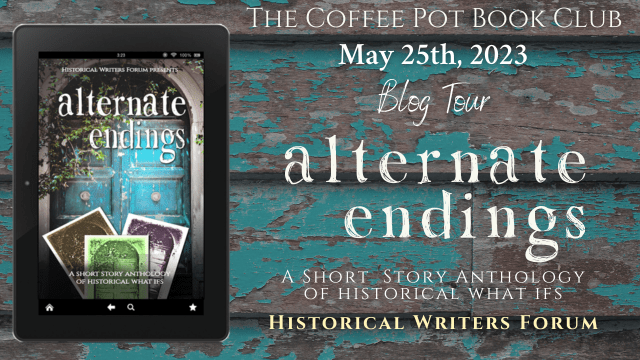
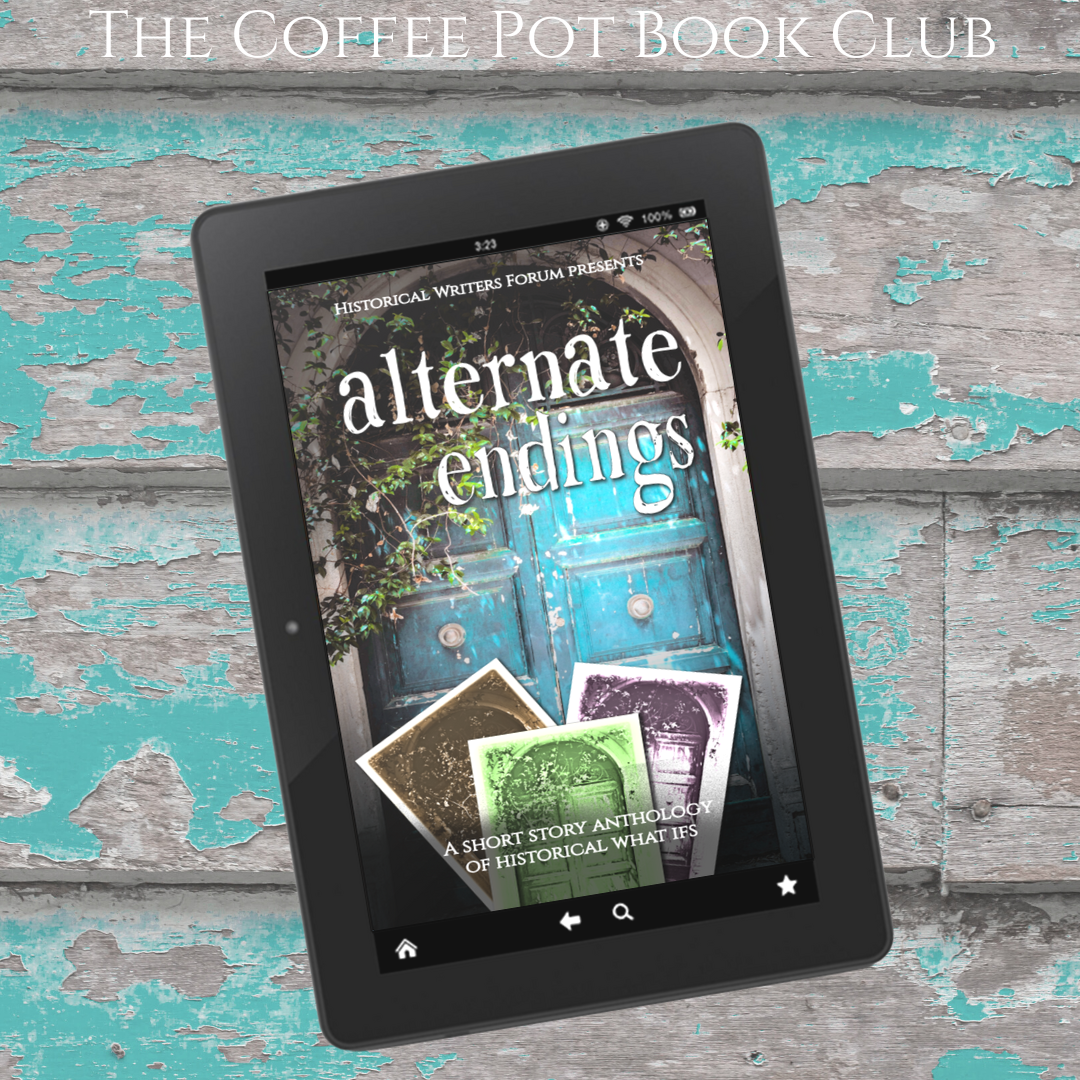
We all know the past is the past, but what if you could change history?
We asked eight historical authors to set aside the facts and rewrite the history they love. The results couldn’t be more tantalizing.
What if Julius Caesar never conquered Gaul?
What if Arthur Tudor lived and his little brother never became King Henry VIII?
What if Abigail Adams persuaded the Continental Congress in 1776 to give women the right to vote and to own property?
Dive in to our collection of eight short stories as we explore the alternate endings of events set in ancient Rome, Britain, the United States, and France.
An anthology of the Historical Writers Forum.
Buy Links:
This title is available to read on #KindleUnlimited.
Samantha Wilcoxson is an author of emotive biographical fiction and strives to help readers connect with history’s unsung heroes. She also writes nonfiction for Pen & Sword History.
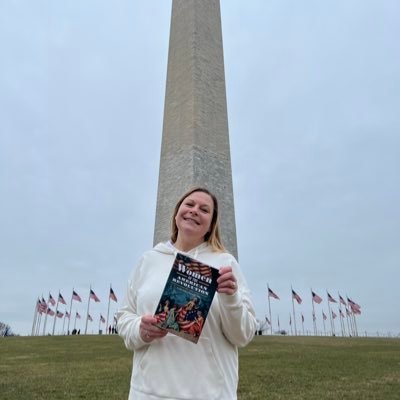
Samantha loves sharing trips to historic places with her family and spending time by the lake with a glass of wine. Her most recent work is Women of the American Revolution, which explores the lives of 18th century women, and she is currently working on a biography of James Alexander Hamilton.
Historian Sharon Bennett Connolly is the best-selling author of five non-fiction history books, with a new release coming soon.
A Fellow of the Royal Historical Society, Sharon has studied history academically and just for fun – and has even worked as a tour guide at a castle. She writes the popular history blog, http://www.historytheinterestingbits.com.
Sharon regularly gives talks on women’s history; she is a feature writer for All About History magazine and her TV work includes Australian Television’s ‘Who Do You Think You Are?’
As an only child, Karen Heenan learned early that boredom was the enemy. Shortly after she discovered perpetual motion, and has rarely been seen holding still since.
She lives in Lansdowne, PA, just outside Philadelphia, where she grows much of her own food and makes her own clothes. She is accompanied on her quest for self-sufficiency by a very patient husband and an ever-changing number of cats.
One constant: she is always writing her next book.
Salina Baker is a multiple award winning author and avid student of Colonial America and the American Revolution.
Her lifelong passion for history and all things supernatural led her to write historical fantasy. Reading, extensive traveling and graveyard prowling with her husband keep that passion alive.
Virginia Crow is an award-winning Scottish author who grew up in Orkney and now lives in Caithness.
Her favourite genres to write are fantasy and historical fiction, sometimes mixing the two together. Her academic passions are theology and history, her undergraduate degree in the former and her postgraduate degree in the latter, and aspects of these frequently appear within her writings.
When not writing, Virginia is usually to be found teaching music. She believes wholeheartedly in the power of music, especially as a tool of inspiration, and music is often playing when she writes. Her life is governed by two spaniels, Orlando and Jess, and she enjoys exploring the Caithness countryside with these canine sidekicks.
She loves cheese, music, and films, but hates mushrooms.
Elizabeth K. Corbett is an author, book reviewer, and historian who has recently published a short story, “Marie Thérèse Remembers.” She is currently working on her debut novel, a gothic romance set in Jacksonian America.
When she is not writing, she teaches academic writing, something she is very passionate about. She believes in empowering students to express themselves and speak their truth through writing. Additionally, she is a women’s historian who studies the lives of women in eighteenth and nineteenth century North America. Mostly, she is fascinated by the lives of the lesser known women in history.
A resident of gorgeous coastal New Jersey, she takes inspiration from the local history to write her historical fiction. She is an avid reader who adores tea and coffee.
After serving time as a corporate paralegal in Washington, D.C., then staying home to raise her children, Stephanie Churchill stumbled upon writing, a career path she never saw coming.
As a result of writing a long-winded review of the book Lionheart, Stephanie became fast friends with its New York Times best-selling author, Sharon Kay Penman, who uttered the fateful words, “Have you ever thought about writing?”
Stephanie’s books are filled with action and romance, loyalty and betrayal. Her writing takes on a cadence that is sometimes literary, sometimes genre fiction, relying on deeply-drawn and complex characters while exploring the subtleties of imperfect people living in a gritty, sometimes dark world.
She lives in the Minneapolis area with her husband, two children, and two dogs while trying to survive the murderous intentions of a Minnesota winter.
Best selling author Michael Ross is a lover of history and great stories.
He’s a retired software engineer turned author, with three children and five grandchildren, living in Newton, Kansas with his wife of forty years. He was born in Lubbock, Texas, and still loves Texas.
Michael attended Rice University as an undergraduate, and Portland State University for his graduate degree. He has degrees in computer science, software engineering, and German. In his spare time, Michael loves to go fishing, riding horses, and play with his grandchildren, who are currently all under six years old.
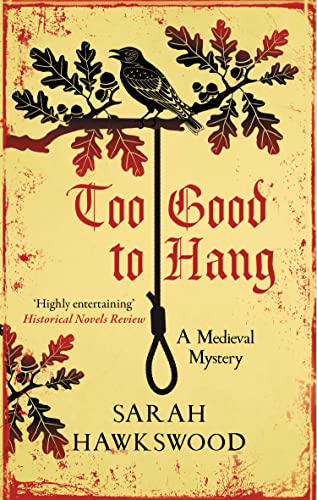
April, 1145. Thorgar the Ploughman is found by the bloodied body of Father Edmund, a village priest in Ripple, and is summarily hanged for being caught in the act, despite his pleas of innocence.
When his sister goes to Worcester to seek justice for Thorgar, the lord Sheriff sends Hugh Bradecote, with Serjeant Catchpoll and Underserjeant Walkelin, to discover the truth. They soon expose strong motives for placing the blame on the ploughman’s shoulders, some unpleasant secrets festering among the villagers, as well as the whisper of a treasure long lost and now rediscovered.
The shadow the noose casts is a long one, but the Sherrif’s men will need to plumb the darkness to uncover the true killer.
A new Bradecote and Catchpoll (and Wakelin) medieval mystery is always a true delight, and Too Good To Hang is a fabulous addition to the series.
This time, our trio are called upon to determine the true culprit when an overzealous village has already hanged a man they deem to be responsible for the murder of the priest without trial or even, any real proof, other than the man’s unfortunate appearance at the side of the dead man.
What transpires, with careful investigation from Bradecote, Catchpoll and Wakelin, is that there is much more going on in the small settlement than first meets the eye. One of the village priests might well be dead, but there is a good reason for that and an even better reason to suspect almost everyone else within the settlement as well. And there’s not just the matter of the dead priest and the hanged man; there are also rumours of old treasure buried close by.
As ever, I love the way the mystery slowly resolves itself. Bradecote is lordly, Catchpoll is more world, and Wakelin is slowly becoming his own man. Added to this, there is a fine cast of strong women ruled by weak men, and the author highlights this in their interactions.
An absolute joy.
Thank you to Netgalley and the publisher for my review copy.
Check out my reviews for previous Bradecote & Catchpoll mysteries.
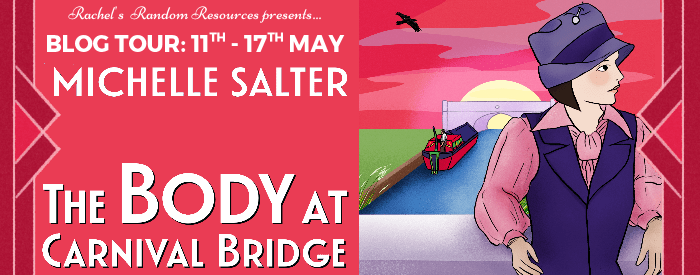
It’s 1922, and after spending a year travelling through Europe, Iris Woodmore returns home to find a changed Walden. Wealthy businesswoman Constance Timpson has introduced equal pay in her factories and allows women to retain their jobs after they marry.
But these radical new working practices have made her deadly enemies.
A mysterious sniper fires a single shot at Constance – is it a warning, or did they shoot to kill? When one of her female employees is murdered, it’s clear the threat is all too real – and it’s not just Constance in danger.
As amateur sleuth Iris investigates, she realises the sniper isn’t the only hidden enemy preying on women.
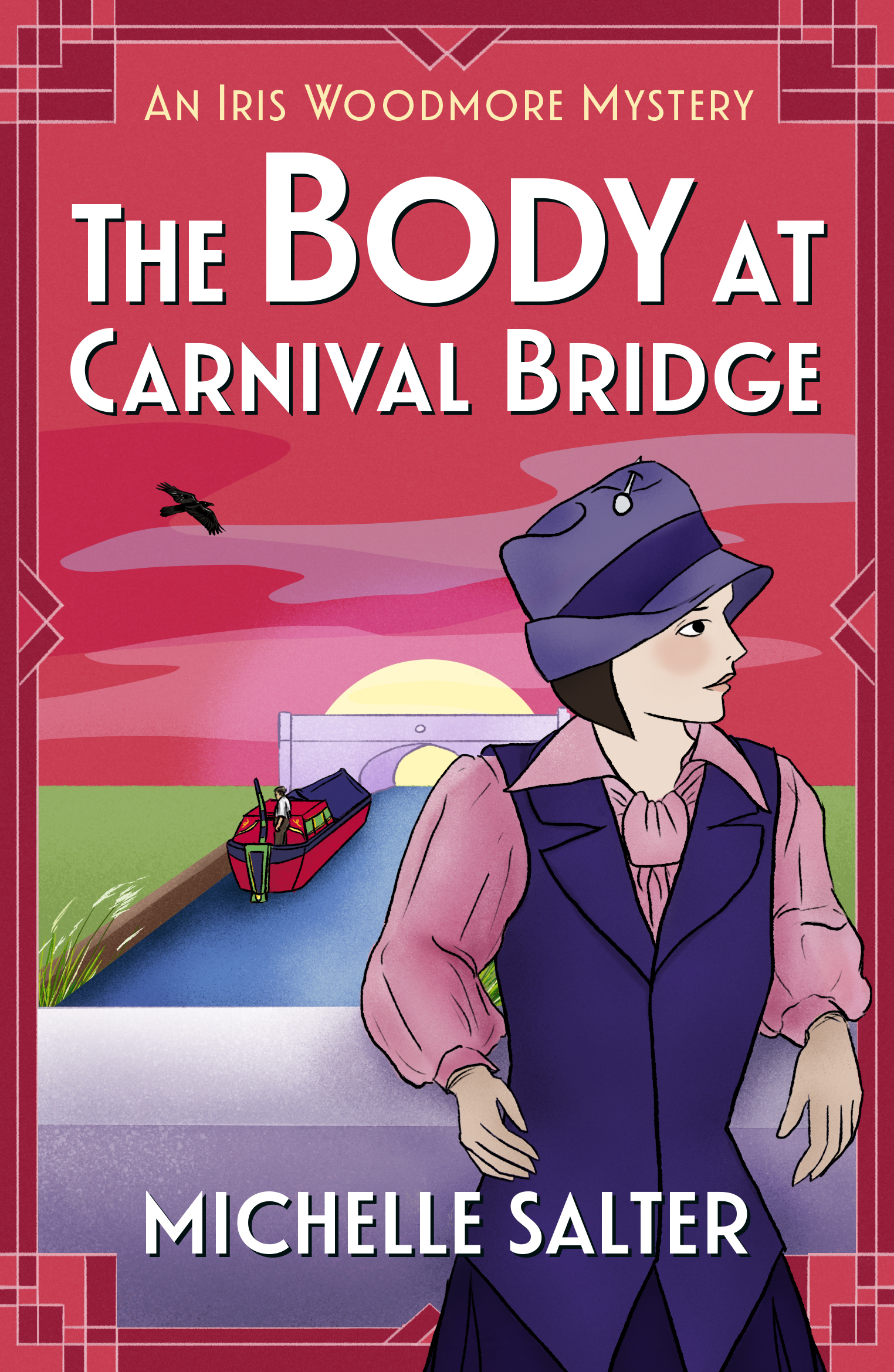
The Body at Carnival Bridge is the third book in the Iris Woodmore series, and it is going from strength to strength.
Some time has passed since the tragic events of book 2, and Iris is perhaps a little out of sorts with herself, but no sooner has she made contact with her old friends than tragedy strikes, and Iris is compelled to investigate the death of a young girl.
What ensues is a well-reasoned and intriguing mystery, highlighting the social inequalities of women in the aftermath of World War I and also referencing the harsh realities of the lives of women unable to access birth control. The author really excels in placing the reader in the period without overloading the narrative., and always with an eye to moving the mystery onwards.
The Iris Woodmore mysteries are fast becoming some of my favourites. The mystery is always reliable, the author has an eye for detail, and Iris herself is a likeable character, as are those surrounding her.
A fabulous mystery well-grounded in the period’s events without overloading the reader.
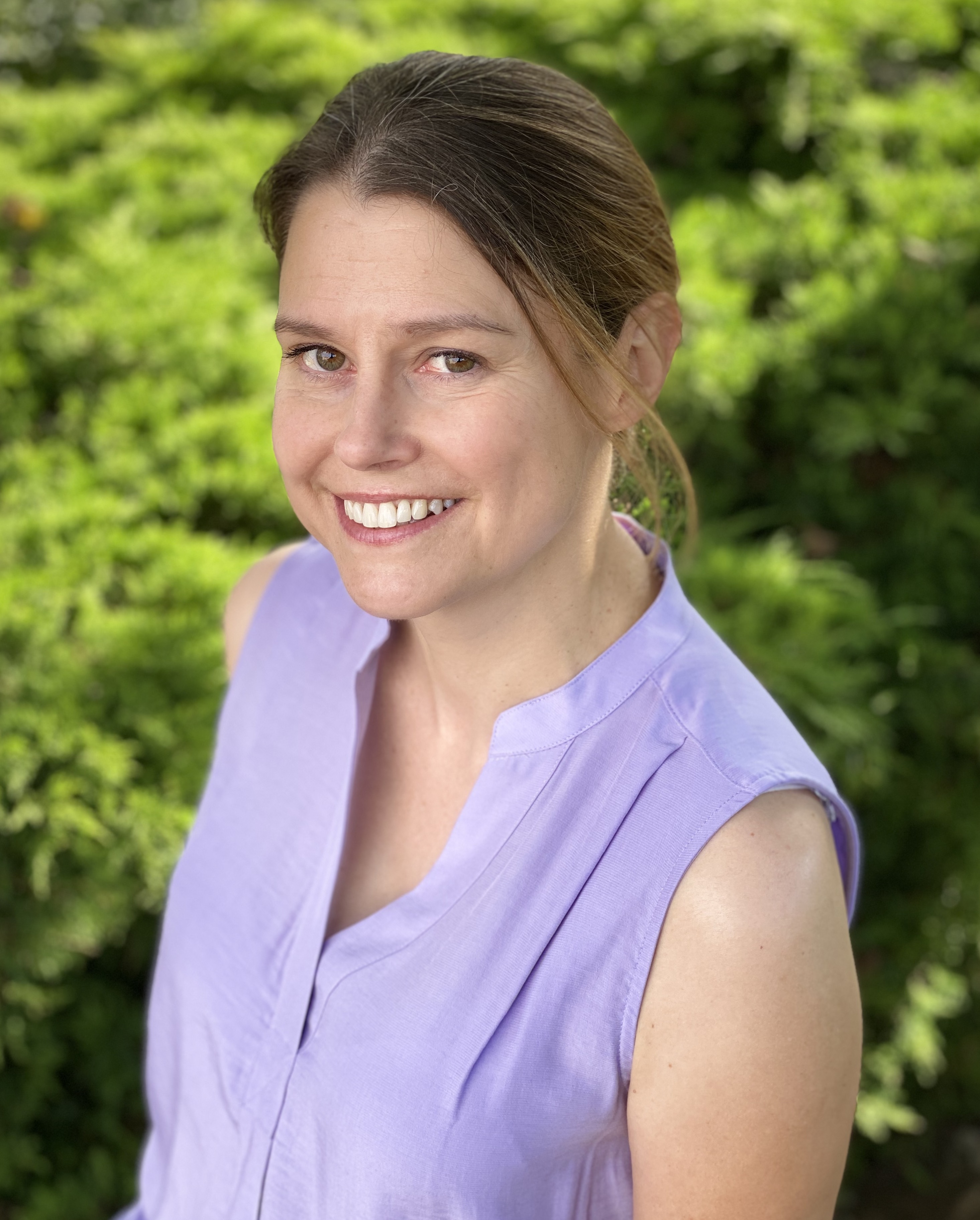
Michelle Salter is a historical crime fiction writer based in northeast Hampshire. Many local locations appear in her mystery novels. She’s also a copywriter and has written features for national magazines. When she’s not writing, Michelle can be found knee-deep in mud at her local nature reserve. She enjoys working with a team of volunteers undertaking conservation activities.
The competition is fierce…. Desperate to try and rebuild the reputation of Hopgood Hall, owners Alexi Ellis and Cheryl and Drew Hopgood agree to host a realty TV baking show, spearheaded by their arrogant but enigmatic head chef Marcel Gasquet. Hopefully the ratings will bring in bookings to the struggling hotel and Cosmo, Alexi’s antisocial feral cat, is hoping to get a starring role too!
The temperature is high… Fiery and hot-headed, Marcel’s antics makes for brilliant television, but off-screen trouble is brewing. One of the contestants, femme fatale Juliette Hammond, makes it clear that she will do anything to secure the winning prize – even if it means sweetening up the prima donna chef. The results are deadly!
So when Juliette is found dead, all eyes turn to Marcel. Has his fiery French temper got the better of him or has someone else fallen victim to Juliette’s devious ways? With the reputation of the hotel in tatters and Marcel’s liberty on the line, Alexi needs answers and fast. And the only person she can turn to for help is her old friend and private eye Jack Maddox. Jack’s working his own case, but he can’t refuse Alexi and he knows more than anyone that this murder could cost them everything!
Perfect for fans of Faith Martin, Frances Evesham and Emma Davies.
My review
A Contest to Kill For is Book 2 in the Hopgood Hotel mysteries. I have read book 1 and think it helps to have read it when heading into book 2, not for the main part of the mystery, but when the mystery becomes tighter and more twisty.
Alexi and Jack, our ‘will they, won’t they’ couple, find themselves flung back together when one of the stars of the cookery competition is found dead in her bedroom. With everyone being recorded almost 24/7, how could someone have been murdered and it not been witnessed by these cameras?
As events escalate, Marcel, the grumpy chef, becomes the prime suspect while the TV company distances itself from the allegations. Over to Alexi and Jack to clear his name, if they can.
As with Book 1, this is a twisty mystery, and nothing is quite as it seems as it nears its conclusion. This is an engaging read, and once again, I failed to guess the culprit, which is always a sign of a good story.
Evie Hunter has written a great many successful regency romances as Wendy Soliman and is now redirecting her talents to produce dark gritty thrillers for Boldwood. For the past twenty years she has lived the life of a nomad, roaming the world on interesting forms of transport, but has now settled back in the UK.
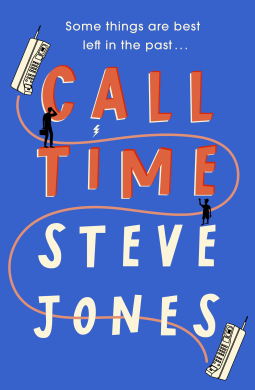
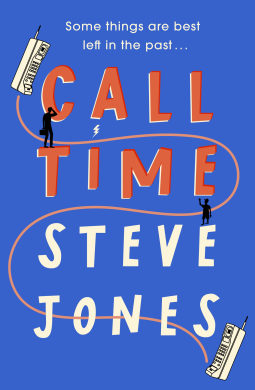
The enthralling debut novel from Channel 4 F1 presenter Steve Jones – it’s Sliding Doors meets High Fidelity.
Bob Bloomfield is, in the words of his best friend’s wife, a ‘selfish, arrogant a*sehole’, who hasn’t spent a great deal of time making friends in his 49 years on earth.
But what if he could change? What if Bob could stop the very thing that has made him the man he is, the death of his younger brother, Tom in 1986.
Call Time by Steve Jones is an entertaining and engaging read. I admit, I was a bit, ‘Oh another celebrity novel,” but I do love Steve Jones as a presenter, and the premise was interesting, so I thought, ‘Why not.’ And I’m so pleased I did.
Our main character, Bob, is not a pleasant individual. His best friend’s wife is correct when she labels him an arsehole, and for much of the first 40% of the book, the reader only knows about Bob ‘the arsehole.’ We don’t really know what makes him tick other than being a bit of a dick. But then, something changes, and from then on, the book is fast-paced and somewhat of a rollercoaster.
I really enjoyed the cultural nods to films I might have watched from the 80s, and while some might argue that the pretext of some of the ripples from changing the past is a bit flimsy, this is a story of redemption in the most unusual of ways. I don’t want to give anything away, so it’s quite hard to explain all the bits I liked, but yes, this is a book for fans of time-altering novels, and I think the last 20% of the novel is unexpected, and all the more enjoyable for that.
A fun novel that contends with that age-old issue of, ‘Would you change the past if you could?’ And if you did change the past, how might that change your present?
My thanks to Netgalley and the publisher for my review copy.
Meet the Author
Steve Jones’ first job was in a petrol station. It was also the first job he was fired from for putting diesel in Dai-The-Milk’s petrol truck. From there he gained employment in a printing factory before setting off for distant shores to “find himself”. He subsequently found a mediocre career in modelling which thankfully segued into a fairly successful twenty year (to date) career in TV presenting. His cherished accomplishments: He was crowned Welsh Rear Of The year in 2002. His suitcase has come out first at the airport on no less than two occasions, and now, he has written Call Time. Which he very much hopes you will enjoy.
All books, no matter their binding, will fall to dust. The stories they carry may last longer. They might outlive the paper, the library, even the language in which they were first written.
The greatest story can reach the stars . . .
This is the start of an incredible new journey from the internationally bestselling author of Prince of Thorns, in which, though the pen may be mightier than the sword, blood will be spilled and cities burned…
Evar has lived his whole life trapped within a vast library, older than empires and larger than cities.
Livira has spent hers in a tiny settlement out on the Dust where nightmares stalk and no one goes.
The world has never noticed them.
That’s about to change.
As their stories spiral around each other, across worlds and time, each will unlock vast secrets about the world and themselves. This is a tale of truth and lies and hearts, and the blurring of one into another.
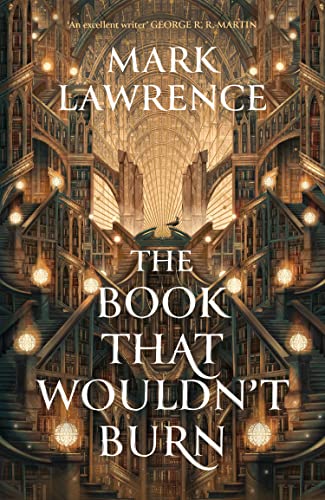
The Book That Wouldn’t Burn is the beginning of Mark Lawrence’s newest trilogy. Now, he’s said this isn’t related to the previous trilogies, which were all interconnected, but I’m not at all convinced, and perhaps neither will you be when you read some of the chapter headings – which are all taken from made-up books, and perhaps, written by characters from those previous books.
The Book That Wouldn’t Burn, like all Mark’s previous offerings, sucks the reader in almost immediately. It might not quite have Red Sister vibes ‘When killing a nun it’s important to ensure you have…’ but it’s not long before you can’t put the book down.
And yet, as with many of his stories, it can feel as though you’re not entirely sure why you’re enjoying the story so much, and so invested in the two main characters. This isn’t a complaint.
The narrative, skipping between two points of view, moves at odd intervals (again, not a complaint), and just when you might be considering putting the story down, there is a new development, and I warn you all now, without giving away any spoilers, there is one development that will have your jaw dropping in delicious delight.
As with all Mark Lawrence’s books, The Book that Wouldn’t Burn will leave you both satisfied and demanding more. It is a magnificent addition to his already magnificent collection of stories, and I can’t wait for the next instalment. It will also take you some time to reconcile what you’ve read. It’s taken me a good few months to write this review, because to begin with, all I could think was that my mind had been blown.
Thank you to the publisher and Netgalley for my review copy. I have ordered the limited edition hardback as well, and it will go, pride of place, next to my other Mark Lawrence editions.
For those who don’t know, my obsession with Mark Lawrence’s books began when I was given a free copy of his first book when I preordered the last GRR Martin book in the Game of Thrones series. As of yet, I’ve not finished reading that book, because I want to wait for the next part, but I have read all of Mark Lawrence’s books since then.
Connect with Mark Lawrence
Mark Lawrence was born in Urbana–Champaign, Illinois, to British parents but moved to the UK at the age of one. He went back to the US after taking a PhD in mathematics at Imperial College to work on a variety of research projects including the ‘Star Wars’ missile defence programme. Returning to the UK, he has worked mainly on image processing and decision/reasoning theory. He says he never had any ambition to be a writer so was very surprised when a half-hearted attempt to find an agent turned into a global publishing deal overnight. His first trilogy, THE BROKEN EMPIRE, has been universally acclaimed as a ground-breaking work of fantasy. Following The Broken Empire is the related RED QUEEN’S WAR trilogy. THE BOOK OF THE ANCESTOR trilogy is set on a different world and is followed by the related BOOK OF THE ICE trilogy. There is also THE IMPOSSIBLE TIMES trilogy, a D&D/sci-fi work set in London in the 80s. All of these trilogies can be read in any order. Mark is married, with four children, and lives in Bristol.
Athelstan, widely regarded as the first king of the ‘English’ or the first king of England, is one of the main characters in King of Kings. And indeed, the book opens with Athelstan undergoing his coronation. Before his reign, the ruling House of Wessex hadn’t been proclaimed as England’s kings. King Alfred (879-899), Athelstan’s grandfather, was termed the king of the Angles and Saxons (in a charter from 889 known as S346[I]). His son, Edward the Elder, was the king of the Anglo-Saxons, and whether this meant Wessex and Mercia combined has been much debated. But Athelstan was king of the English, (and this certainly included Wessex and Mercia, and parts of the Danelaw that had been reclaimed) and in a departure from earlier custom, was consecrated not with a warrior-helm, but instead with a crown.
Debate still rages as to whether the coronation ordo that has survived was written for Athelstan, his father, or even his nephew (Edgar (959-975), and indeed, whether it included provision for the king’s wife to be consecrated beside him, but for King of Kings, I made use of what is known about the service and reimagined the ceremony for my readers. I hope you enjoy it. Read on for a short extract.
‘This means that only a year after my father’s untimely death, the kingdoms of Mercia, those parts of the East Anglian kingdom that my father lately reclaimed, Wessex and Kent, are reunited again under one ruler. The Saxons, or rather, the English, have just one king. And this is my moment of divine glory, when, before the men and women of the Mercian and Wessex witan, I’ll be proclaimed as king over all.
A prayer is intoned by the archbishop of Canterbury, Athelm, appealing to God to endow me with the qualities of the Old Testament kings: Abraham, Moses, Joshua, David and Solomon. As such, I must be faithful, meek, and full of fortitude and humility while also possessing wisdom. I hope I’ll live up to these lofty expectations.
I’m anointed with the holy oil and then given a thick gold ring with a flashing ruby to prove that I accept my role as protector of the one true faith. A finely balanced sword is placed in my hands, the work of a master blacksmith, with which I’m to defend widows and orphans and through which I can restore things left desolated by my foes, and my foes are the Norse.’
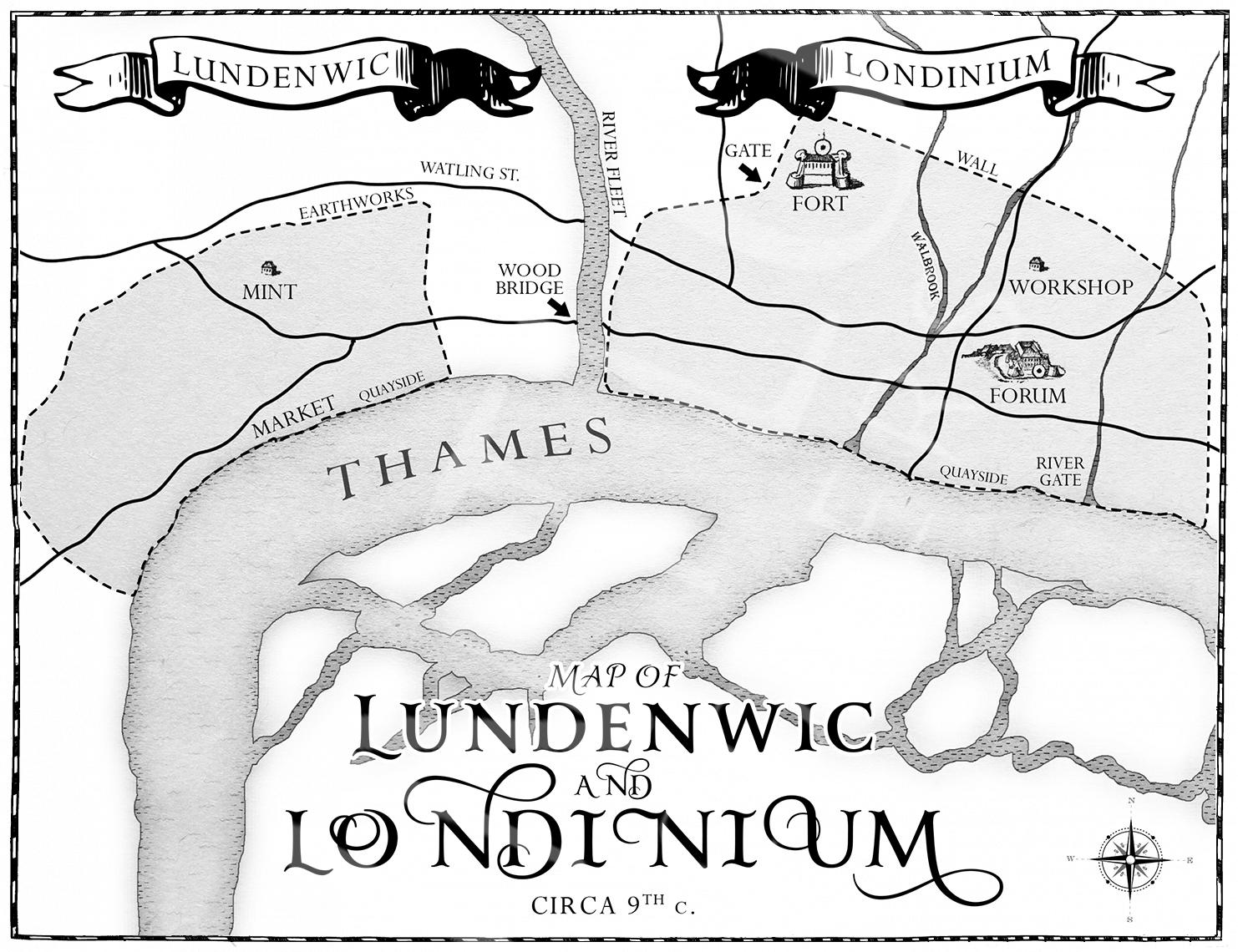
In Eagle of Mercia, young Icel and his allies are busily guarding the River Thames against a potential Viking raider attack. The Viking raiders certainly made use of the many rivers running through England at the time (and throughout the British Isles), but the river was also significant as a very definitive and solid boundary between the Saxon kingdoms of Wessex and Mercia, which to the west, where the River Thames doesn’t flow, was continued by the earthworks known as the Wansdyke.
London, now the capital of the United Kingdom, wasn’t always as important as we might assume, and indeed, it wasn’t ever the capital of Wessex or Mercia. These two kingdoms fought most fiercely over the settlement. It wasn’t even overly important to the Romans, either. And this is why I’ve perhaps been remiss in not truly considering its significance. As rivers have changed their course over the years, so has the River Thames. And what’s most fascinating about the River Thames is that, seemingly for long periods during the Saxon era, it wasn’t navigable, as we might expect it to have been.
Map of Early England by Flintlock Covers
‘During this period, as perhaps as other times, there may well have been a division between use of the Thames in its today reach and use of it above the tidal head. Paleoenvironmental evidence suggests that a relative drop in river levels during the Roman period meant that the tidal head was perhaps as low as Londinium itself, but that it (and thereby the range of easy navigability) generally moved upstream during the Anglo-Saxon period. This trend was not, however, uniform, and there were also brief periods (such as the late tenth to eleventh centuries) when the tidal reach shifted back downstream again.’ p. 271
It seems then, that when considering London, or Londinium/Lundenwic/Londonia, we also need to be mindful of the era in the Saxon period that we’re writing about. For the first Viking age,
‘A combination of the seasonal (and presumably climatic) unreliability of riverine travel and the need on many occasions to travel upstream cannot have made it easy for the Vikings to use the Thames for shock offensives… and there is no clear example of a Viking force travelling by water up the Thames further than Fulham.’ p.278
Clues to how passable the River Thames might have been can be traced.
‘Without the construction of bridges, the river would have been impassable except by ferry, from its estuary as far as the lowest fording point, perhaps as low as Halliford near Shepperton, and between the various fording points. Even where the middle and upper stretches could be forded, such crossings were not guaranteed to be easy. Lechlade and Cricklade, two potentially treacherous upper Thames crossings, severely affected by flooding in winter were named Old English (ge)lad ‘difficult river crossing.’ p.279
As with all things, we should be wary of assuming that current conditions would have been prevalent in the past. The River Thames certainly falls into that category. So while, yes, it was certainly a decisive boundary between the Saxon kingdoms of Wessex and Mercia, on occasion, it wouldn’t have been as decisive as at others. This, I find fascinating, and just another of those ‘facts’ travellers to the Saxon era should be wary about. While we know (hopefully not a spoiler) that London was attacked in the 840s and 850s, prior to this, it might well have been impossible for the Viking raiders to attack in the way they were used to. This, perhaps, accounts for why they chose more coastal locations, such as the Isle of Sh.
Map by Flintlock Covers for Wolf of Mercia
(Quotes taken from Beyond the Burghal Hidage by Baker and Brookes)
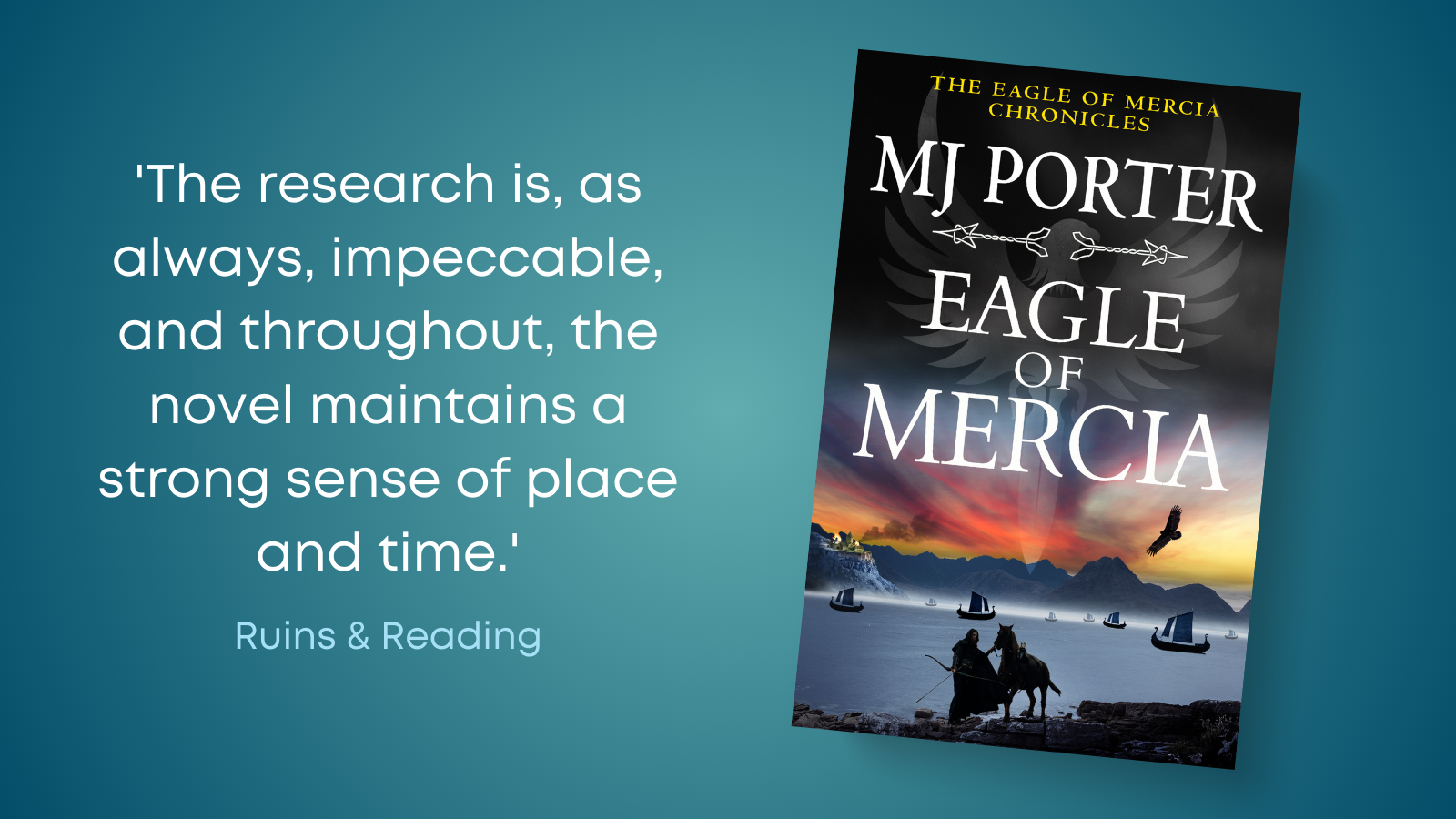
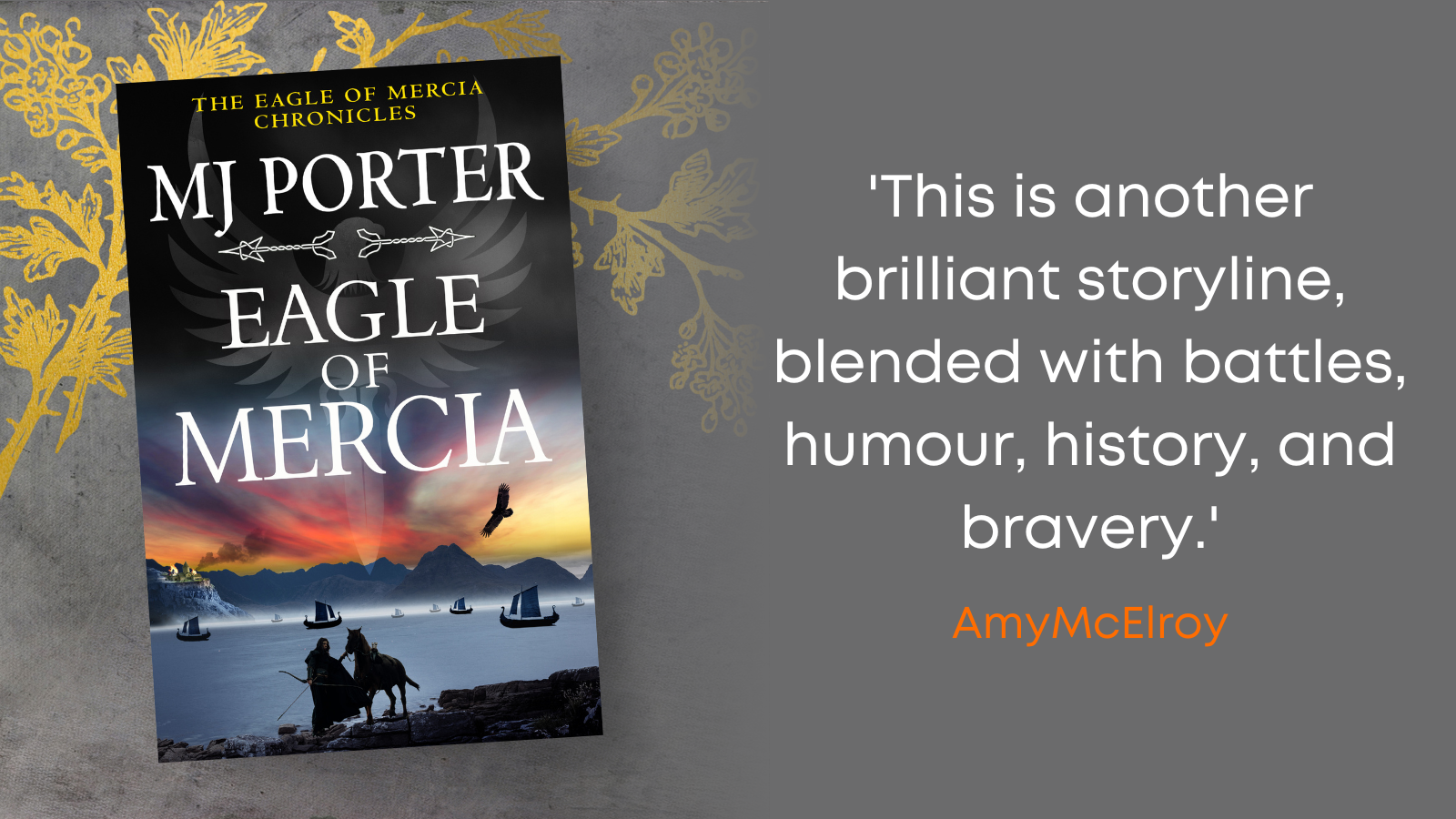
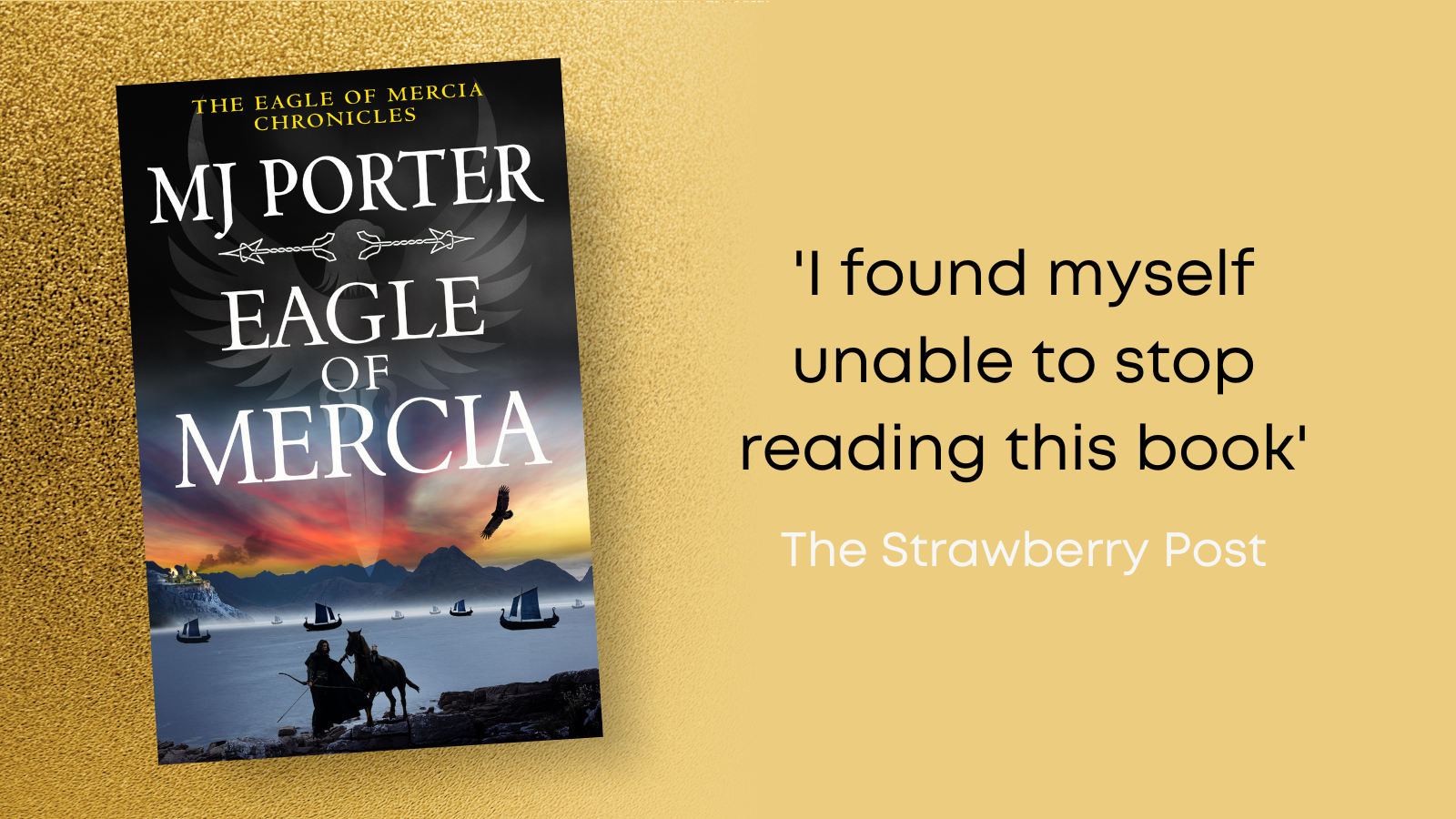
Today is the day, book 4 in The Eagle of Mercia Chronicles is released into the wild. I’m really excited about this one:) And I can’t believe we’re already onto book 4.
Here’s the blurb:
A mercy mission in the heart of Wessex is beset with deadly, bloody dangers.
Tamworth AD831
Icel’s profile continues to rise. Lord of Budworth and warrior of Mercia, he’s acknowledged by King Wiglaf and his comrades to keep Mercia safe from the ravages of Wessex, the king-slayer of the East Angles, and the Viking raiders. But, danger looms. Alongside Spring’s arrival comes the almost certain threat of the Viking raiders return.
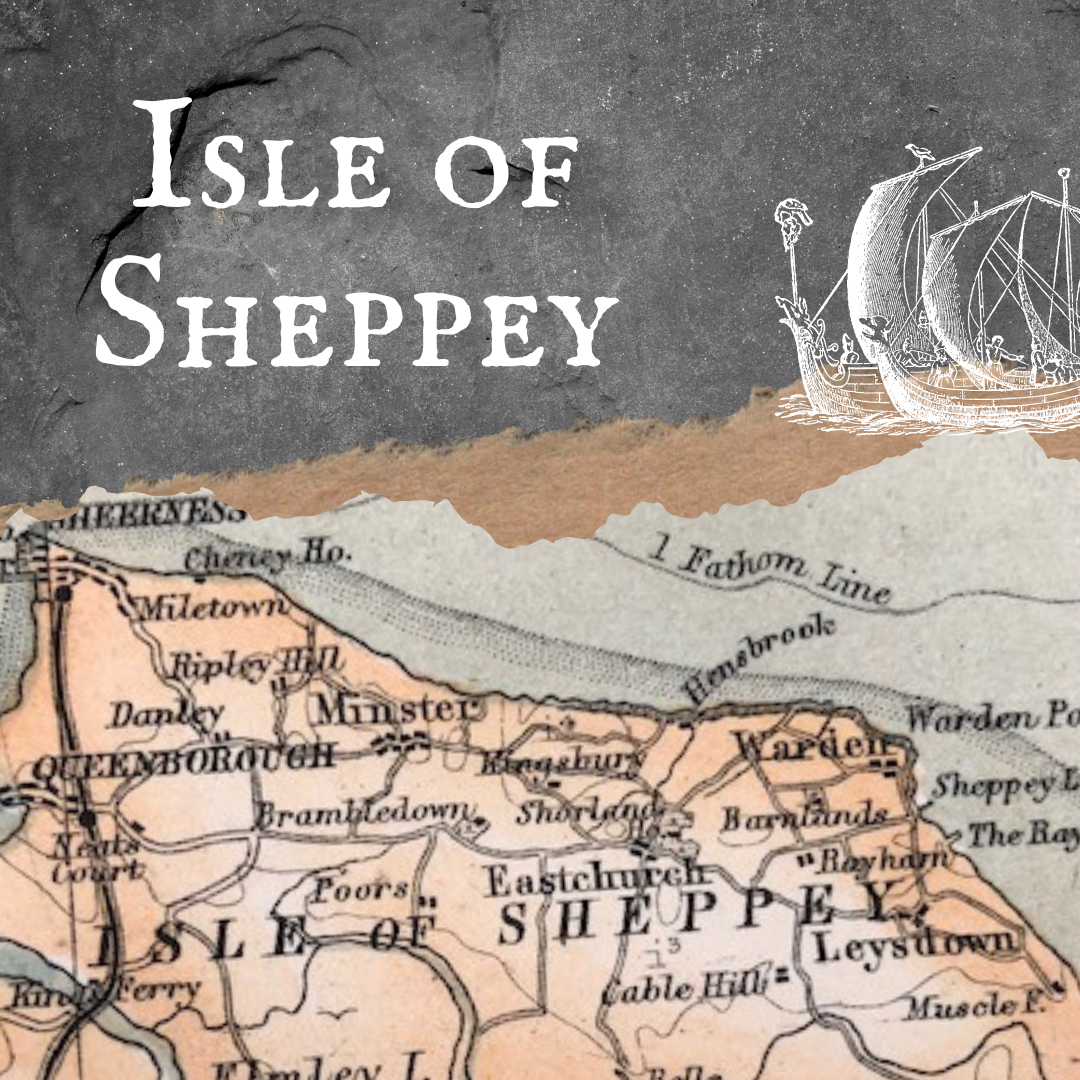
When Lord Coenwulf of Kingsholm is apprehended by a Viking and held captive on the Isle of Sheppey in Wessex held Kent, Icel is implored by Lady Cynehild to rescue her husband.
To rescue Lord Coenwulf, Icel and his fellow warriors must risk themselves twice over, for not only must they overpower the Viking raiders, they must also counter the threat of Mercia’s ancient enemy, the kingdom of Wessex as they travel through their lands.
Far from home and threatened on all sides, have Icel and his fellow warriors sworn to carry out an impossible duty?
I can let you know that book 5 is mostly written, and I know the title and I’ve seen the cover – I know, I’m such a tease. I will update when I can share more.
Check out the blog tour for Eagle of Mercia. My thanks to Rachel at Rachel’s Random Resources for organising and all the hosts for taking part. I will add the links each day. The initial reviews for Eagle are very positive, so I hope you’ll enjoy it too.
















 MJ Porter