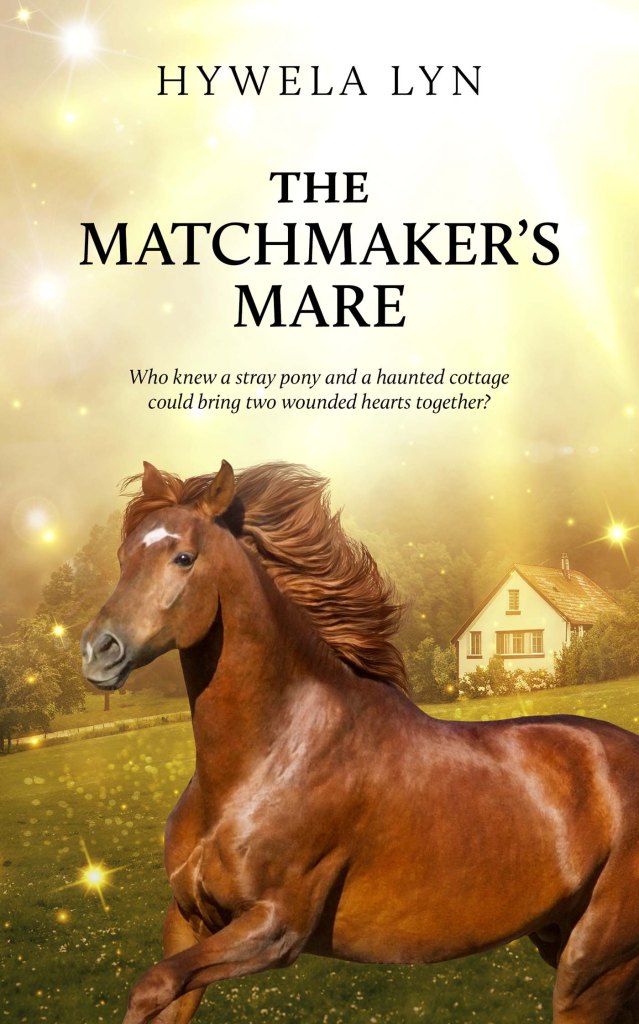
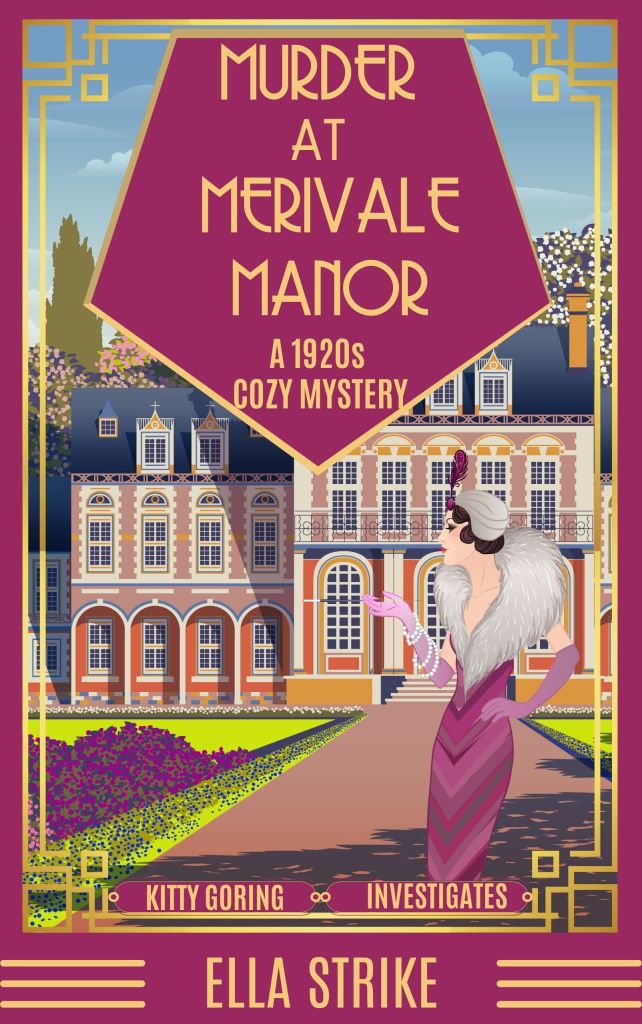
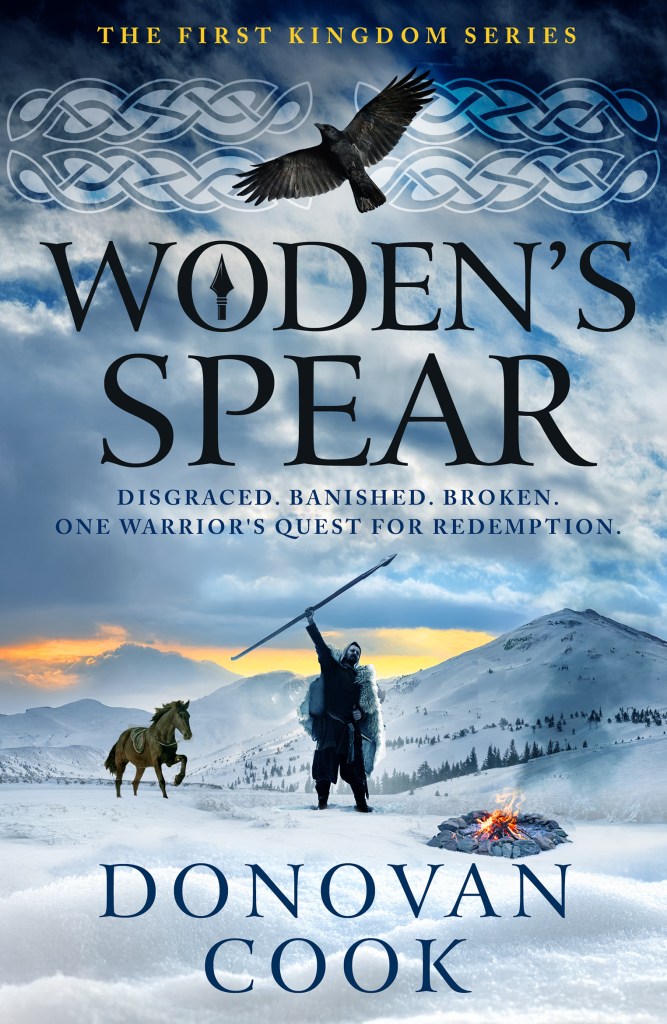
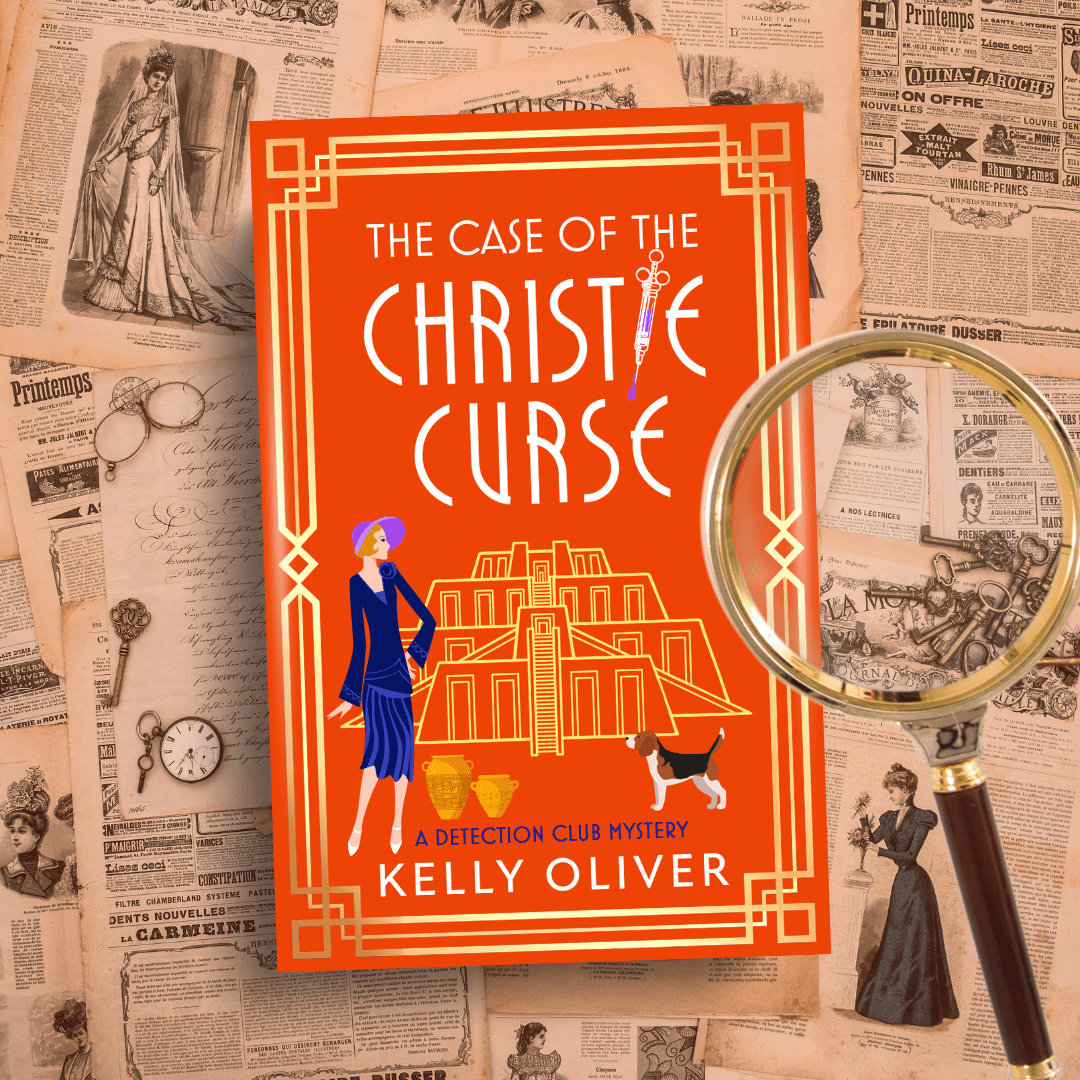
I’m excited to share Stephanie Wood’s covers for her The Greek Retreat Trilogy #blogtour #coverreveal #romance

Jessica is escaping to the Greek Retreat to discover if running away from a broken engagement really can lead to a happy ever after. She doesn’t believe life works that way, but her future could depend on it.
The Greek island of Kynos is an idyllic hideaway, offering its visitors the space and time needed to truly appreciate the traditional hospitality. The locals are always friendly and ready to entertain their guests, while the daily activities offer many different ways to explore the island and its heritage.
Jessica is hoping The Retreat will provide everything she needs in order to plan for a successful future, but has she left it too late?

The Greek Retreat is a trilogy of standalone tales full of sunshine, surprises and love.

Pre-order Links

https://www.amazon.co.uk/dp/B0DPL8X95M

https://www.amazon.com/dp/B0DPL8X95M

Publication Date: 20th March 2025

Chrissie is escaping to the Greek Retreat to avoid some of the issues her parents have left her to deal with at home. She hopes that visiting a new location will give her a different perspective and help her to find a way forward.

The Greek Retreat is a trilogy of standalone tales full of sunshine, surprises and love.

Pre-order Links

https://www.amazon.co.uk/dp/B0DPL9T6VH

https://www.amazon.com/dp/B0DPL9T6VH

Publication Date: 22nd May 2025

Katie is escaping to the Greek Retreat to give herself some space to recover from an unexpected predicament. She blames herself for the situation she finds herself in and knows that something has to change, although she has no idea what she is looking for.

The Greek Retreat is a trilogy of standalone tales full of sunshine, surprises and love.

Pre-order Links

https://www.amazon.co.uk/dp/B0DPL3R8BP

https://www.amazon.com/dp/B0DPL3R8BP

Publication Date: 21st August 2025

Meet the author

Stephanie writes contemporary fiction in the form of novels, novellas and short stories and her books explore a wide range of life’s challenges, dreams and responsibilities. The stories are all character based, so she has fun expressing each unique personality and the reasons behind their actions in a setting which always has a strong sense of community.

She published the AEGEAN SUN series of books as a fly-on-the-wall vision of life in a Greek resort during the summer season, the CHRISTMAS ON THE CLOSE series is set in a British suburban cul-de-sac over the festive period and the GREEK RETREAT trilogy is planned for publication in 2025.

Stephanie lives in Lancashire where, apart from reading and writing, she loves gardening and cycling and is a huge fan of the soaps Emmerdale and Neighbours.

Author Stephanie Wood


I’m delighted to be reviewing Murder on the Menu by Katie Marsh #cosycrime #newrelease #blogtour

Here’s the blurb

Since Amber started the Bad Girls’ Detective Agency, she’s been feeling the pressure. So – when she and her best friends win a trip to a new luxury castle retreat on a remote island – she hopes it will be a chance to relax in style.

The girls are all excited to experience world-famous chef Valerie la Fontaine’s tasting menu. 

But none of them expect there to be another dish being served that weekend: revenge. And when Valerie is found dead inside a locked room in a tower, the Bad Girls know this is a case that only they can solve…

Hilarious and gripping mystery – perfect for fans of The Thursday Murder ClubThe Traitors, and How to Kill Men and Get Away With It.

Image showing the cover for Murder on the Menu by Katie Marsh

Purchase Link

https://mybook.to/OnTheMenu

Cover image forMurder on the Menu by Katie Marsh

My Review

Murder on the Menu is the third book in the Bad Girls Detective Agency series, and I’ve also read the previous two. (Check out the reviews for How Not to Murder Your Ex and Murder on the Dancefloor)

This time, our trio are off to an island retreat to sample some delicious food. However, the weather is appalling, and no sooner have they arrived than they discover they’re trapped on the island. Things only get worse when a murder takes place.

This third outing with the Bad Girls Detective Agency took a little while to get going, but then it was quite a swift read. The mystery revealed itself well, and the lack of mobile technology to help our detectives added a good dynamic to the tale as it was time to get back to some more basic detecting.

A solid read for the trio from the Bad Girls Detective Agency. What will they get up to next?

Meet the author

Katie Marsh wrote five bestselling, uplifting women’s fiction novels before turning to cosy crime for Boldwood. Previously published by Hodder, the first in her new crime series  How Not To Murder Your Ex, following the fortunes of the Bad Girls Detective Agency, will be published in December 2023.

Connect with the author 

Facebook  Twitter 

Instagram  Newsletter Sign Up

Blog banner forMurder on the Menu by Katie Marsh showing the names of the blog hosts, for the blog tour orgaised by Rachel's Random Resources

I’m delighted to be sharing my review for Dashiki: A Cozy Mystery by Florence Wetzel #blogtour

Here’s the blurb

A cozy mystery with a dash of romance set in the vibrant world of jazz.

During an interview with reclusive jazz singer Betty Brown, journalist Virginia Farrell is shown priceless tapes from the iconic 1957 Thelonious Monk-John Coltrane gig at the Five Spot. When Betty is found murdered, Virginia is determined to recover the tapes and uncover the truth behind Betty’s death.

In the spirit of Nancy Drew, Virginia teams up with her six-foot blonde roommate to investigate the various suspects. Detective Robert Smith from the Hoboken Police Department joins the case, quickly becoming absorbed by an unsolved murder possibly linked to Betty Brown’s death, as well as an undeniable attraction to Virginia.

Dashiki is a cozy mystery laced with romance, immersing readers in the captivating world of jazz, where musicians, journalists, scholars, and enthusiasts intersect in an entertaining whodunit.

Purchase Links

https://www.amazon.com/dp/B0DS1R2KNQ/

https://www.amazon.co.uk/dp/B0DS1R2KNQ/

My Review

Dashiki is a delightful, cosy mystery set in the early 2000s in the vibrant jazz world of New York. I am not a fan of jazz (sorry), but that didn’t stop me from thoroughly enjoying this mystery and being entirely enthralled as our detective, Robert Smith, and amateur sleuth, Virginia, endeavour to discover who was responsible for the murder of Betty Brown, while both harbouring doubts about the other.

The plotting of the mystery is excellent, and I didn’t work out who the real culprit was, which always pleases me. Too many clues and it feels too easy. Dashiki had just the right amount to keep me guessing while reading but not enough that it was self-evident who our murderer was.

I thoroughly enjoyed this mystery. The cast was fabulously eclectic, and the story is dotted with humour, which I also always very much enjoy. Fans of cosy mysteries will surely enjoy Dashiki as much as I did.

Meet the author

Florence Wetzel was born 1962 in Brooklyn, NY. Her novels include the thriller The Woman Who Went Overboard and the Swedish mystery The Grand Man. She has also authored horror short stories, a book of poems and memoir essays, and co-authored jazz clarinettist Perry Robinson’s autobiography. In July 2024, she published Sara My Sara: A Memoir of Friendship and Loss.

Author photo of Florence Wetzel, author of Dashiki

Giveaway to Win a Paperback copy of Dashiki by Florence Wetzel (Open to UK / US / Canada only)

http://www.rafflecopter.com/rafl/display/33c69494603/?

*Terms and Conditions –UK / US & Canada entries welcome.  Please enter using the Rafflecopter box below.  The winner will be selected at random via Rafflecopter from all valid entries and will be notified by Twitter and/or email. If no response is received within 7 days then Rachel’s Random Resources reserves the right to select an alternative winner. Open to all entrants aged 18 or over.  Any personal data given as part of the competition entry is used for this purpose only and will not be shared with third parties, with the exception of the winners’ information. This will passed to the giveaway organiser and used only for fulfilment of the prize, after which time Rachel’s Random Resources will delete the data.  I am not responsible for despatch or delivery of the prize.

Blog tour banner for Dashiki showing the names of the blog hosts. Blogtour arranged y Rachel's Random Resources

I’m reviewing Death in the Hills by Kate Wells, a fabulous contemporary mystery set in the Malvern Hills #mystery #newrelease #blogtour

Here’s the blurb

This is no peaceful walk in the countryside…

When Jude Gray and DI Binnie Khatri join a local walking group, their expectations for a peaceful outing to the Malvern Hills takes a grim turn. Arguments abound, and the hike ends in tragedy when one of the walkers is found dead in her car.

Initially ruled as an accident, Jude’s instincts tell her there’s more to the story.

As Jude and Binnie dig deeper, they uncover tensions and secrets within the group. From hidden affairs to longstanding rivalries, it becomes clear this death was no accident.

With each revelation, the danger grows. Can Jude and Binnie unravel the mystery before the killer strikes again?

A gripping addition to the Malvern Farm Mystery series, perfect for fans of Frances Evesham, Merryn Allingham, and Faith Martin.

Cover image for Death in the Hills by Kate Wells

Purchase Link

https://mybook.to/DeathHills

Cover image for Death in the Hills by Kate Wells

My Review

Death in the Hills is the fourth book in the Malvern Farm Mysteries. I’ve read three of them.

It’s a welcome return to Jude Gray and her busy farming life and family, but no sooner have we enjoyed a countryside walk than tragedy strikes. As always, Jude is suspicious, and she’s right to be suspicious as she begins to uncover some of the secrets among the members of the walking group she’s joined.

These mysteries are really solid reads. The plot is very well defined and developed, and readers know they’re going to get a surprise along the way—one that has been well-signposted if only we follow the right clues (which I didn’t—I was very convinced the solution was different from the one we got). 

Death in the Hills is a welcome addition to this thoroughly well-written series, and I’m really pleased that at least four more books will be published.

Meet the author

Kate Wells is the author of a number of well-reviewed books for children, and is now writing a new cosy crime series set in the Malvern hills, inspired by the farm where she grew up. 

Connect with Kate

Newsletter Sign Up 

BookBub

Details of the blog hosts for the Death in the Hills blog tour organised by Rachel's Random Resources

I’m delighted to welcome E.J. McKenna and her new book, No Good Deeds, to the blog #NoGoodDeeds #HistoricalFiction #FeministWestern #BlogTour #TheCoffeePotBookClub

I’m delighted to welcome E.j. McKenna and her new book, No Good Deeds, to the blog with an excerpt.

Excerpt

“You know what I want beyond all else in this world? Four walls and a roof. All my own. Don’t even need another room.” She gave an embarrassed laugh. “I know it’s simple, but I ain’t never had that. It’d be out of town, but not too far out, maybe close to a river, I dunno. I’d be a Bounty Hunter or a Trapper or somethin’, to pay any costs I have. And I’d live off the land, all quiet like.”

Blurb

Annie Schaeffer is no stranger to violence. Born of an outlaw father, she was sold to a traveling show at the age of six, now finally escaping as an adult.

On the run and wounded, she finds an unlikely ally In Nathan Healey – a member of the Needham Boys gang.

As she earns her place among the outlaws, Annie’s survival hinges on her lethal skills and growing bond with Nathan.

Nate’s moral compass shifts with his circumstances, especially when those he loves are involved. Upon meeting Annie, he finds himself drawn to a woman determined to live differently to the expectations others place upon her; to live freely and fairly. The way he has always wanted.

Annie’s quest for independence takes a dark turn as the gang begins to collapse. Betrayal runs deep, and the cost of trust is high.

No Good Deeds is a gripping tale of resilience and retribution in the untamed West, where loyalty is fleeting and justice is won at the barrel of a gun. Annie Schaeffer’s story is one of fierce determination, as she battles her past and the outlaws who seek to control her fate.

Buy Link

Universal Link:

Meet the Author

E.J. McKennais a freelance writer in the UK with a great interest in American History, and a degree in English and American Literature with Creative Writing from the University of Kent.

At the end of 2023, she co-created a creative writing app for people of all ages to improve their writing skills in a fun, relaxed environment.

Born and raised in the UK, but a lover of traveling, she has a fascination with all social history across different countries and cultures. One of her favourite historical periods is the Victorian era, especially with United States history.

“The juxtaposition between the established countries of Europe, and the new world of America is fascinating to me. So many people trying to survive harsh frontier life, while trying to continue the uptight decorum of Victorian society.”

A huge advocate for feminism and human equity, her writing centres around determined female protagonists in traditionally male roles, tackling the perceptions of women in history. Her strong female protagonists go out of their way to change their society’s expectations for the fairer.

Connect with the Author
Website:

Follow the No Good Deeds blog tour with The Coffee Pot Book Club

It’s happy release day to Betrayal of Mercia, so I’m sharing a post about the maps in the book (and the maps)

Here’s the blurb

A King in crisis, a Queen on trial, a Kingdom’s survival hangs in the balance.

Londonia, AD835
The deadly conspiracy against the children of Ealdorman Coenwulf is to be resolved. Those involved have been unmasked and arrested. But will justice prevail?

While the court convenes to determine the conspirator’s fate, King Wiglaf’s position is precarious. His wife, Queen Cynethryth, has been implicated in the plot and while Wiglaf must remain impartial, enemies of the Mercia still conspire to prevent the full truth from ever being known.

As Merica weeps from the betrayal of those close to the King, the greedy eyes of Lord Æthelwulf, King Ecgberht of Wessex’s son, pivot once more towards Mercia. He will stop at nothing to accomplish his goal of ending Mercia’s ruling bloodline.

Mercia once more stands poised to be invaded, but this time not by the Viking raiders they so fear.

Can Icel and his fellow warriors’ triumph as Mercia once more faces betrayal from within?

An action packed, thrilling historical adventure perfect for the fans of Bernard Cornwell and Matthew Harffy

Image showing the cover for Betrayal of Mercia with a sword in the background

Here’s the purchase link (ebook, paperback, hardback and audio)

books2read.com/BetrayalofMercia

Maps

Throughout the series I’ve taken young Icel to some interesting locations, and that means I’ve had to make use of many maps which are recreations of the era, because, alas, we have none from the period. Both maps I’ve had made are relevant to Betrayal of Mercia which largely takes place in London, or Londonia, or Londinium and Lundenwic.

The map of Lundenwic and Londinium, shortened in the books to Londonia, a term more accurately applied to the eighth century and not the ninth, is much simplified and largely shows locations relevant to me and which I need to remember when writing the books. Although, I must confess, I did forget about it in the drafting process and when I found it, I was relieved to discover I hadn’t made THAT many mistakes.

The most important elements to understand are that ‘London’ as we know it didn’t exist at this time. Instead, there were two very distinctive settlements, and they were seperated by the River Fleet, one of London’s ‘lost’ rivers because it’s now subterranean. I think, for me, not being very familiar with London as it is today actually helped. Rather than trying to orientate myself as to what’s there now, I can work the other way round. I sort of know what was and wasn’t there in the ninth century, and then I can try and work out what’s there now:) Honestly, it makes sense to me.

It also helps to remember that despite London now being the capital of England, it wasn’t in the ninth century. Far from it, in fact. There are many good books on London in it’s earliest manifestations. If you’re interested, they are very worth checking out.

Map of Lundenwic and Londonium in the ninth century,

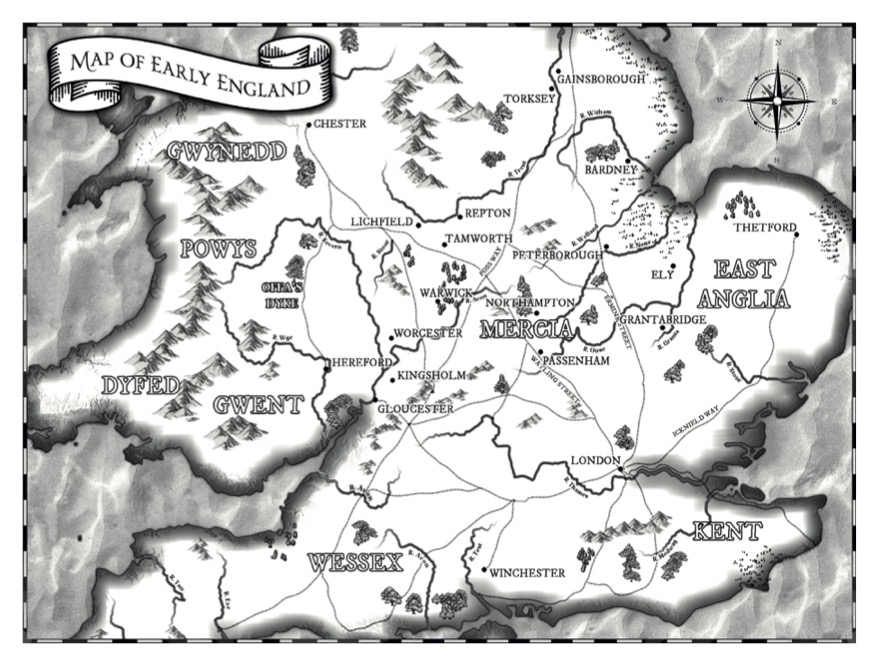
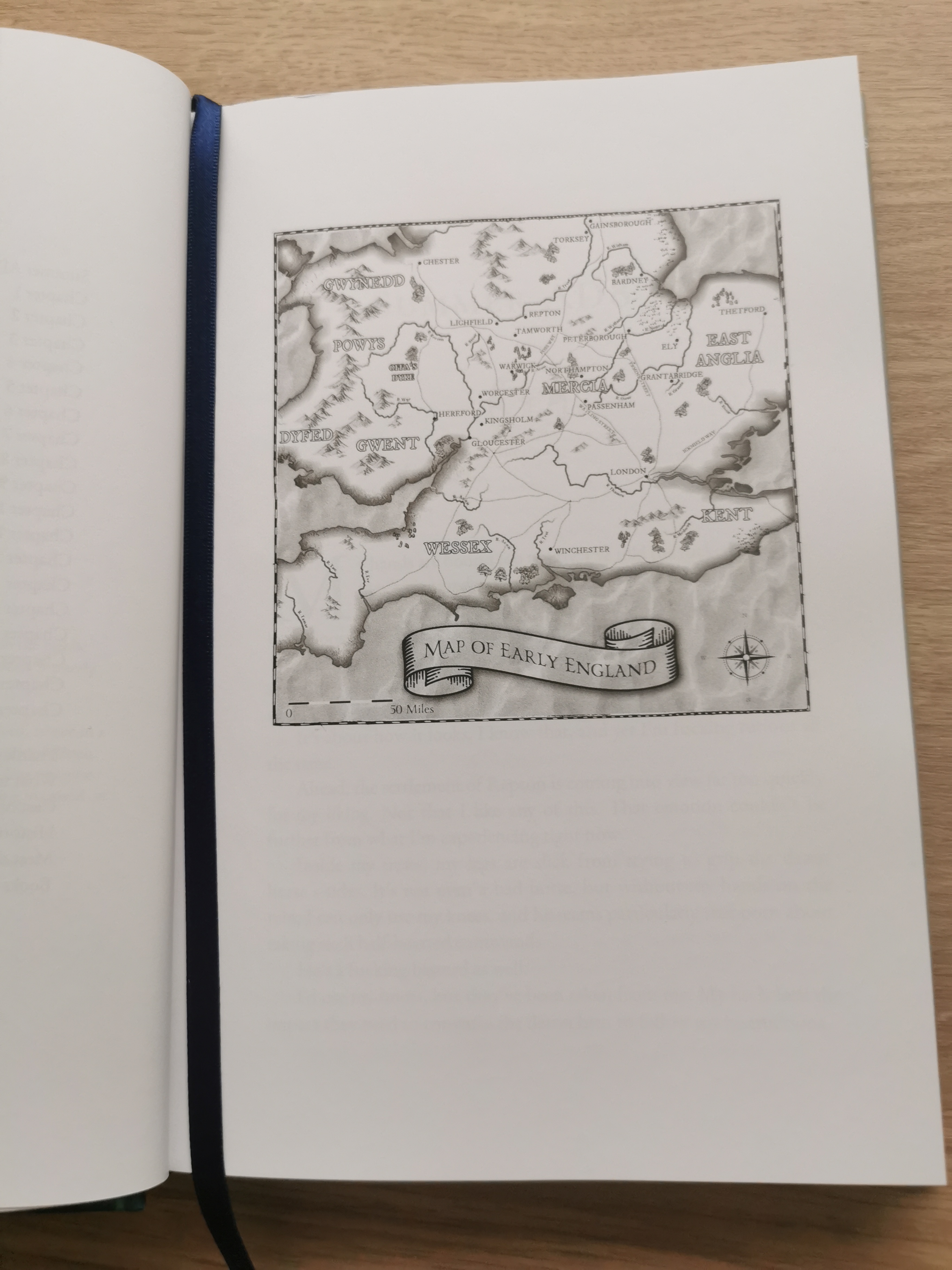
I also have a map of England at this time. This is to help readers (and me) try and get an idea of what settlements were and weren’t there at the time. As I’ve learned, it can be far too easy to just assume the longevity of a location, and then discover it wasn’t there at all, was bigger or even, much smaller than it is now. One of those locations is Wall, close to Lichfield, which was very important during the Roman occupation of Britain, but is now little more than ruins. And it’s far from alone in that.

Map of Early England.

I’ll also be sharing more posts, including one on Mercia’s ‘Bad Queens,’ and one on Crime and Punishment in Saxon England.


Not started the series yet? Check out the series page on my blog.


Check out the blog tour for Betrayal of Mercia

A huge thank you to all the book bloggers and Rachel at Rachel’s Random Resources for organising.

It’s happy release day to Betrayal of Mercia, so I’m sharing a post about Crime and Punishment in Saxon England

Here’s the blurb

A King in crisis, a Queen on trial, a Kingdom’s survival hangs in the balance.

Londonia, AD835
The deadly conspiracy against the children of Ealdorman Coenwulf is to be resolved. Those involved have been unmasked and arrested. But will justice prevail?

While the court convenes to determine the conspirator’s fate, King Wiglaf’s position is precarious. His wife, Queen Cynethryth, has been implicated in the plot and while Wiglaf must remain impartial, enemies of the Mercia still conspire to prevent the full truth from ever being known.

As Merica weeps from the betrayal of those close to the King, the greedy eyes of Lord Æthelwulf, King Ecgberht of Wessex’s son, pivot once more towards Mercia. He will stop at nothing to accomplish his goal of ending Mercia’s ruling bloodline.

Mercia once more stands poised to be invaded, but this time not by the Viking raiders they so fear.

Can Icel and his fellow warriors’ triumph as Mercia once more faces betrayal from within?

An action packed, thrilling historical adventure perfect for the fans of Bernard Cornwell and Matthew Harffy

Image showing the cover for Betrayal of Mercia with a sword in the background

Here’s the purchase link (ebook, paperback, hardback and audio)

books2read.com/BetrayalofMercia

Crime and Punishment in Saxon England

In Betrayal of Mercia, the seventh book in the Eagle of Mercia Chronicles featuring young Icel, I’ve done something that I don’t ‘think’ anyone else has done before. I’ve staged a criminal trial, making Betrayal part court-room drama and part action-thriller (you know Icel is always going to end up in a fight at some point). However, there are odd things about Saxon England that we have no information about – one of them is how often people actually went to church once Christianised, another is exactly how the law was enacted.

This might seem like an odd thing to say. Everyone knows there are surviving law codes from the era, especially from the eleventh century, with the inspiring names of Æthelred I or Cnut II, and indeed, the earliest law code dates back to Ine, in the seventh century, from which we can glean such titles as Wealas or foreigner, but applied to the Welsh, who had different wergild payments and punishment from the Saxons. But, there has long been an argument about how much these law codes reflect practise as opposed to an ideal. And some of the elements we ‘think we know’ turn out to be on much less steady ground. And, at the heart of all this is a problem with our current perceptions of ‘right,’ ‘wrong,’ and ‘justice.’ We ‘appear’ to look at these elements of our current legal system in a way very different to the era. 

When studying what records we do have, we’re greeted with some interesting terms. ‘Thereafter there would be no friendship,’ appears in a charter detailing a land dispute in the later tenth century – between Wynflæd and Leofwine (S1454 from 990 to 992). In this, despite whoever was in the wrong or the right, the decision was made which was something of a compromise – both injured parties had to make concessions. No one truly ‘won’, even though Wynflæd had many who would speak on her behalf, including the king’s mother, and the Archbishop of York, and had appealed directly to the king, Æthelred II, for assistance, only for Leofwine to refuse to attend his summons saying that royal appeals couldn’t precede a regional judgement on the matter.

In the famous case of Lady Eadgifu of Wessex (recorded in charter S1211), the mother of Kings Edmund and Eadwig (who features in the Brunanburh series), her landholdings at Cooling required the intervention of her husband, stepson, son and grandson, in a long-running debacle which was never really resolved until her grandson intervened close to the end of her life. Even though she appears to have held the ‘landboc’ – the title deed for the land – and was a highly regarded member of the royal family, this wasn’t enough to stop counterclaims. In the end, she assigned the land to the Christ Church religious community, and that way, no one actually benefitted apart from the church.

These cases both refer to land disputes, which are one of the larger areas of document survival, along with wills. But what about crimes visited against the king’s mund (both his physical person and his physical kingdom)? Here, we’re again confronted with little knowledge. We know of ealdormen being banished (under Æthelred II) and this attests to another element of the practise of law which is perhaps surprising. There does seem to have been an aversion to capital punishment (as Rabin details in his book mentioned below). And there was also a concern that the right sentence was handed to individuals – it was as bad to incorrectly punish as it was to have committed the crime.

In trying to stage a trial set in the Saxon period (which I now realise was a bit bonkers), I’ve relied heavily on a very short book, Crime and Punishment in Anglo-Saxon England by Andrew Rabin, and also his translations of the Old English Legal Writings by (Archbishop) Wulfstan (from the 1000s), from which I’ve determined how many oath-helpers people must have based on the Mercian Wergild listed within the source documents. This suggests the value placed on individuals – the king, of course, being at the top. Each individual had a wergild value and equally, each individual had a required value for the number of oath-helpers who would stand as surety for them if asked to detail what they had ‘seen and heard’ in a trial situation. The implication being that those who needed the least oath-helpers were more trustworthy than those who needed many – so a king might need no one, after all, he was the king, whereas a warrior might need a few, and a ‘normal’ person might need many.

This feels like a very different world to the one we ‘know,’ where transgressions are punished by custodial sentences and fines and where the burden of proof rests on the shoulders of those prosecuting the alleged offenders.

It has certainly been an interesting experiment, and one I hope readers will enjoy, and more importantly, one which I’ve managed to convey largely ‘correctly.’


I’ll also be sharing more posts, including one on Mercia’s ‘Bad Queens,’ and one on the maps in the books.


Not started the series yet? Check out the series page on my blog.


Check out the blog tour for Betrayal of Mercia

A huge thank you to all the book bloggers and Rachel at Rachel’s Random Resources for organising.

It’s happy release day to Betrayal of Mercia, so I’m sharing a post about Mercia’s alleged ‘Bad Queens.’

Here’s the blurb

A King in crisis, a Queen on trial, a Kingdom’s survival hangs in the balance.

Londonia, AD835
The deadly conspiracy against the children of Ealdorman Coenwulf is to be resolved. Those involved have been unmasked and arrested. But will justice prevail?

While the court convenes to determine the conspirator’s fate, King Wiglaf’s position is precarious. His wife, Queen Cynethryth, has been implicated in the plot and while Wiglaf must remain impartial, enemies of the Mercia still conspire to prevent the full truth from ever being known.

As Merica weeps from the betrayal of those close to the King, the greedy eyes of Lord Æthelwulf, King Ecgberht of Wessex’s son, pivot once more towards Mercia. He will stop at nothing to accomplish his goal of ending Mercia’s ruling bloodline.

Mercia once more stands poised to be invaded, but this time not by the Viking raiders they so fear.

Can Icel and his fellow warriors’ triumph as Mercia once more faces betrayal from within?

An action packed, thrilling historical adventure perfect for the fans of Bernard Cornwell and Matthew Harffy

Image showing the cover for Betrayal of Mercia with a sword in the background

Here’s the purchase link (ebook, paperback, large print, hardback and audio)

books2read.com/BetrayalofMercia

Mercia’s ‘Bad Queens’

There is a scene in Betrayal of Mercia where our favourite healer, Wynflæd, speaks to young Icel about her experiences of ‘bad queens,’ referencing three women in almost living memory deemed as ‘bad’, certainly many years after their deaths, if not quite by the 830s, when the scene takes place. These women were the wife of King Offa, his daughter, Eadburh, and the daughter of King Coenwulf (796-821), Cwenthryth. Indeed, this collection of bad queens, especially the sister of Queen Cynethryth, have been cited as the reason why Wessex was so slow to adopt the term. But, was everything as it appears, or are these reputations a later tradition?

The daughter of King Offa (757-796), Eadburh was married to the king of the West Saxons, Beorhtric. In the words of the later Asser, who wrote at the end of the 890s, she’s accused of poisoning her husband to death while trying to actually poison one of his disloyal followers. Interestingly, the man who became king after Beorhtric was King Ecgberht of Wessex, who features in the Icel stories, and in turn, it was his grandson who commissioned Asser to write his life which tarnishes the reputation of Eadburh. 

Cynethryth, the wife of King Offa, was a powerful woman in her own right, and the only preconquest queen known to have minted coin showing her own name. In later centuries, her name became associated with the murder of a king of the East Angles, and she was involved in a long-running land dispute with the archbishop of Canterbury.

A penny depicting Cynethryth, the wife of King Offa
Classical Numismatic Group, Inc. http://www.cngcoins.com, CC BY-SA 3.0 http://creativecommons.org/licenses/by-sa/3.0/, via Wikimedia Commons

Cwenthryth, the daughter of King Coenwulf, became associated with the murder of her brother, Cynehelm/Kenelm. The later, Anglo-Norman histories inform that.

‘At Winchcombe you will read of the secret martyrdom of Kenelm. He was the son of Cenwulf, [Coenwulf] the Mercia king, who died in the year of grace 819, having reigned for twenty-four years. The martyrdom of his son Kenelm was revealed from heaven to Pope Silvester II at Rome.’p691 Henry, Archdeacon of Huntingdon, Historia Anglorum, The History of the English People

While The Chronicle of John of Worcester extends this recording for  the year, ‘[819] St Cenwulf, king of the Mercians, after a life devoted to good deeds, passed over to the eternal blessedness which is in heaven, and left his 7-year-old son St Kenelm heir of his realm. But when a few months had passed, by the treachery of his own sister Cwenthryth, whose cruel spirit had been roused by an awful lust for power, he was secretly done to death with cruel outrage by Æscberht, his most bloodthirsty tutor, in the shade of a thorn tree in a deserted wood.’ P239-241

Winchcombe Nunnery was founded by Cwenthryth’s father, and the family were therefore invested in the religious establishment, although whether enough to kill one of their own to have him venerated as a saint, does seem doubtful. The identity of St Kenelm is very much contested, although it is believed that Cynehelm did live, and died before his father, which led to Coelwulf, the first of his name, and Coenwulf’s brother, becoming King of Mercia when his brother died..

This is the scene from Betrayal, where Wynflæd shares the gory knowledge she knows, and perhaps, hints at her approval for such strong-minded women that they could become associated with such dark deeds. 

‘Mercia hasn’t fared well with the women wed to their kings.’ A soft cackle. ‘Or the children born between a king and a queen. Wigmund’s merely the most current of many disappointments. Lord Coenwulf there, his father became king because his brother’s daughter killed her brother.’

‘I thought that was a lie,’ I countered.

‘That’s how King Coenwulf had it reported. It was all true though. I didn’t witness it, but I know of others who did.’

‘What, watched her kill her brother?’

‘No, witnessed the king speak of it, to a select few. And before her, Offa’s wife also had blood on her hands, as did Offa’s sister.’

I shuddered at the thought. ‘Why?’

‘A woman must live by her wits, and safeguard her future, for fear she’ll be locked up tight in a nunnery, with no means of engaging with the world at large. Think of Lady Cynehild.’ Wynflæd met my searching gaze then. ‘She remarried, and meddled where she shouldn’t have done. Admittedly, she stopped far short of murdering anyone.’

‘So, the king should have expected this then?’ I was astounded.

‘Maybe. He married her.’ Wynflæd cackled softly. ‘A man may wed a woman for her title, and lands. A woman may divorce a man. But better to have him dead, and then take his place. A grieving woman will have the sympathy of others. A widow has more freedom than a wife.’

‘You almost sound like you approve.’

‘I do not,’ she countered, but her eyes glittered.


Wynflæd is a stalwart of the series, and I was recently inspired to write a short story from her point of view regarding Mercia’s alleged ‘bad queens.’ If you’d like to read it, sign up for my newsletter and I’ll send you a link to download the story. And, you automatically receive a free short story collection as well.


I’ll also be sharing more posts, including one on Saxon Crime and Punishment and one on the maps in the books.


Check out the blog tour for Betrayal of Mercia

A huge thank you to all the book bloggers and Rachel at Rachel’s Random Resources for organising. Some of these amazing people have been with Young Icel throughout the entire series, and I am so grateful they are so keen to read, they sign up for the blog tour:)

Check out the reviews for Betrayal of Mercia

Bookish Jottings

Sharon Beyond the Books

Storied Conversation

David’s Book Blurg

Banner showing3 blogger review quotes from the Betrayal of Mercia blog tour.

Novel Kicks

Ruins & Reading

The Strawberry Post

Aibibyreads

Book banner showing review quotes from the blog tour for Betrayal of Mercia organised by Rachel's Random Resources.

Listen to the audiobook, narrated by Sean Barrett.

Posts

I’m reviewing The Cream Tea Killer by Judy Leigh, the third book in her new #cozycrime series #blogtour

Here’s the blurb

Morwenna Mutton should be living the quiet life of a librarian and grandmother in Cornwall’s beautiful Seal Bay – if only dead bodies would stop turning up…

After the excitement of her last investigation, amateur sleuth Morwenna is looking forward to things getting back to normal. When local DJ Irina asks to meet however, desperate to share information she has discovered regarding nefarious goings-on, Morwenna can’t resist.

But Irina never arrives for their drink – instead her body is washed up on the beach, an apparent victim of an accidental drowning. At once keen wild bather Morwenna knows something is amiss as Irina was a strong swimmer who knew the local conditions well. What had Irina uncovered and who would want her dead?

When the local news dubs Irina’s murderer The Cream Tea Killer in honour of Cornwall’s famous delicacy, the clock starts ticking. Now the murderer knows Morwenna is on their trail, no one in her family is safe. She must get to the truth before the killer gets to her…

If you love The Thursday Murder Club, Agatha Christie and Richard Coles then you’ll love The Morwenna Mutton mysteries.

Cover image for The Cream Tea Killer by Judy Leigh

Purchase Link

https://mybook.to/creamteakiller

My Review

The Cream Tea Killer is an entertaining and well-plotted cosy mystery, filled with a little romance between our main character and the men in her life.

Once more, we return to Cornwall and find Morwenna involved in something deadly. She’s getting quite a reputation for being able to solve crimes with or without the aid of her contacts in the police. All of our regulars are there as well: Morwenna’s mother, her daughter, her granddaughter and the cast of her home town besides.

The mystery itself is well pieced together, and while I might have worked out some of what was happening, the devil was in the details, and I certainly missed a few things.

This is a lovely addition to the Morwenna mysteries. It is engaging and fun to read, with an added bit of drama and peril.

Check out my review for Foul Play in Seal Bay.

Meet the author

Judy Leigh is the USA Today bestselling author of The Old Girls’ Network and Five French Hens and the doyenne of the ‘it’s never too late’ genre of women’s fiction. She has lived all over the UK from Liverpool to Cornwall, but currently resides in Somerset.

Connect with Judy

Newsletter Sign Up

Bookbub profile: @judyrleigh

Blog tour banner for The Cream Tea Killer by Judy Leigh listing all the hosts for the blog tour



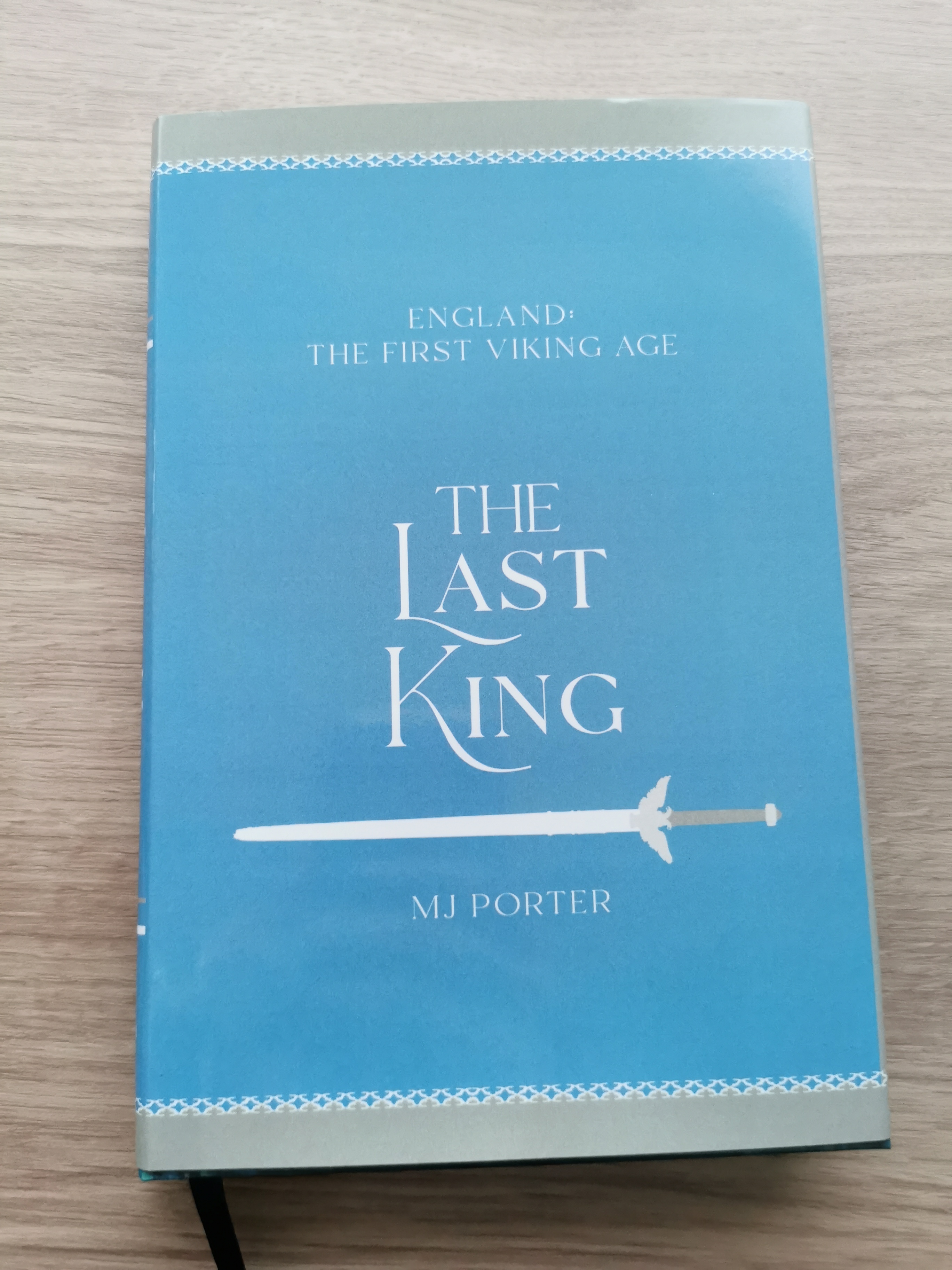
It’s happy release day to The Last Deceit, book 10 in The Last King series, so I’m sharing a blog post about my decision to include a fictional character

Here’s the blurb

Deceit and ambition threaten to undo the most fragile alliance.

King Coelwulf of Mercia has unwillingly accepted the need to ally with the kingdom of Wessex under the command of King Alfred. But King Alfred of Wessex must still prove himself, and Coelwulf can’t remain absent from Mercia indefinitely.

Returning to London, a place holding more fascination for the West Saxons and the Viking raiders than Coelwulf and his fellow Mercians, Coelwulf sets about reinforcing the walled settlement so long abandoned by all but the most determined traders. But Coelwulf knows Jarl Guthrum has set his eyes on Canterbury, and he must protect the archbishop in Kent, nominally under the control of the West Saxon king, even if King Alfred is no warrior.

But deceit and lies run rife through the West Saxon camp and when Coelwulf believes he’s held to his oaths and alliances, an unexpected enemy might just sneak their way into Mercia. The future of Mercia remains at stake.

Purchase Link

https://www.amazon.co.uk/Last-Deceit-England-action-packed-historical-ebook/dp/B0DK3J8JVK

Available in ebook, paperback, hardback and the Clean(er) Editions, with much of the swearing removed.

The Last Deceit also includes a new short story.


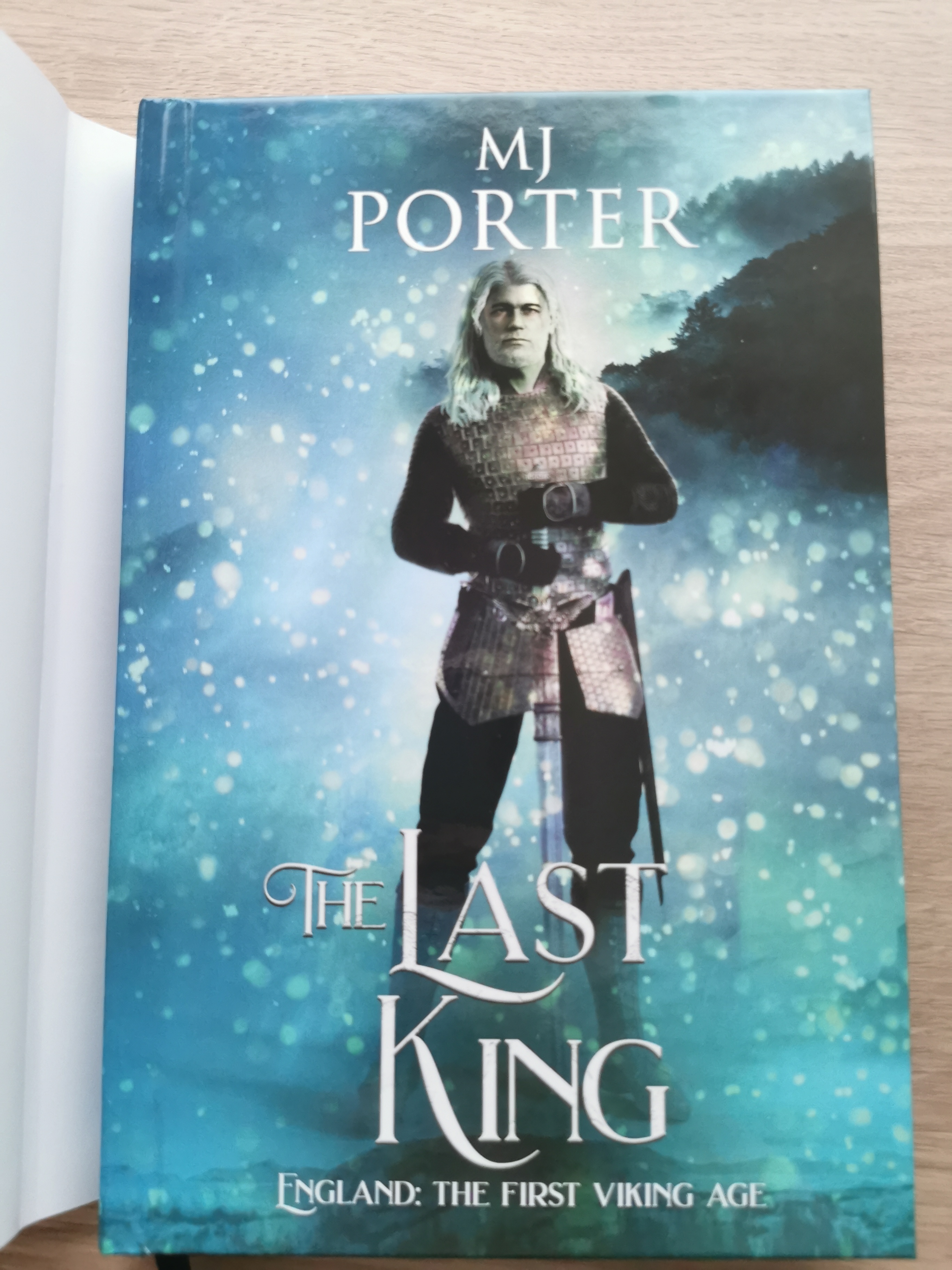
If you’ve not discovered The Last King/The Mercian Ninth Century Series, then please check out the Series page on the blog.


Ealdorman Sigehelm and Cooling

In The Last Deceit, I’ve included a fictional character called Ealdorman Sigehelm, who is based on a later individual that we know existed, the father of Lady Eadgifu, third wife of Edward the Elder. (By based I mean I borrowed his name and landholding).

I’ve done this because it’s fun to play around with the information I’ve learned about later in the era. It’s often one of the biggest problems in writing historical fiction. You need to know what happens before the events you’re writing about, as well as what comes after, as well as the actual events you’re depicting. And Cooling, in Kent, has an incredibly detailed history throughout the later tenth century, which we know about because of a remarkable charter. The text of which is below (it’s quite long.)

‘Eadgifu declares to the archbishop and the community of Christ Church how her estate at Cooling came [to her]. That is, that her father left her the estate and the [land]book, just as he legally acquired them and his ancestors had bequeathed to him. It happened that her father borrowed thirty pounds from Goda, and entrusted the estate to him as security for the money. And [Goda] held it for seven ‘winters’. When it came about, at around this time, that all the men of Kent were summoned to the battle at the Holme, Sighelm [Sigehelm], her father, did not want to go to the battle with any man’s account unpaid, and he repaid Goda the thirty pounds and he bequeathed the estate to his daughter Eadgifu and gave her the [land]book. After he had fallen in the battle, Goda denied the repayment of the money, and withheld the estate until six years later. Then Byrhsige Dyrincg claimed it unceasingly for so long, until the Witan of that time commanded Eadgifu that she should purge her father’s possession by [an oath equivalent to] that amount of the money. And she produced the oath in the witness of all the people at Aylesford, and there purged her father’s repayment by an oath of thirty pounds. Then she was still not able to possess the estate until her friends obtained from King Edward [the Elder] that he prohibited him [Goda] the estate, if he wanted to possess any [at all]; and so he gave it up. Then it happened in the first place that the king so strongly blamed Goda that he was deprived of all the [land] books and property, all that he owned. And the king then granted him and all his property, with [land] books and estates, to Eadgifu to dispose of as she wished. Then she said that she did not dare before God to pay him back as he had deserved of her, and she restored to him all his land except the two sulungs at Osterland, and she refused to give back the [land] books until she knew how loyally he would treat her in respect of the estates. Then, King Edward died and Æthelstan [Athelstan] succeeded to the kingdom. When Goda thought it an opportune time, he sought out King Æthelstan and begged that he would intercede on his behalf with Eadgifu, for the return of his [land] books. And the king did so. And she gave back to him all except the [land] book for Osterland. And he willingly allowed her that [land] book and humbly thanked her for the others. And, on top of that as one of twelve he swore to her an oath, on behalf of those born and [yet] unborn, that this suit was for ever settled. And this was done in the presence of King Æthelstan and his Witan at Hamsey near Lewes [Sussex]. And Eadgifu held the land with the landbooks for the days of the two kings, her sons [i.e., Edmund and Eadred]. When Eadred died and Eadgifu was deprived of all her property, then two of Goda’s sons, Leofstan and Leofric, took from Eadgifu the two afore-mentioned estates at Cooling and Osterland, and said to the young prince Eadwig who was then chosen [king] that they had more right to them than she. That then remained so until Edgar came of age and he [and] his Witan judged that they had done criminal robbery, and they adjudged and restored the property to her. Then Eadgifu, with the permission and witness of the king and all his bishops, took the [land] books and entrusted the estates to Christ Church [and] with her own hands laid them upon the altar, as the property of the community for ever, and for the repose of her soul. And she declared that Christ himself with all the heavenly host would curse for ever anyone who should ever divert or diminish this gift. In this way this property came to the Christ Church community.’ S1211[i]

To explain:

Dating to around 959, the document provides the ownership history of an estate at Cooling in Kent. Eadgifu had inherited this land from her father, who had mortgaged it for a loan of £30, which he repaid before going on the campaign on which he died. However, Goda, the man who had made the loan, claimed not to have received payment and proceeded to take practical ownership of the estate. While Eadgifu retained the landbook, or freehold record, and tried various means of asserting her ownership, it was not until Edward the Elder intervened, presumably after their marriage, that the matter was resolved to some degree. Edward seized not only the estate in question but all Goda’s lands, handing their ownership and administration over to Eadgifu. The charter indicates that Eadgifu acted magnanimously, giving almost all of these back to Goda, though her primary consideration was likely to avoid creating a powerful political enemy. Sensibly, however, she retained possessions of the landbooks to ensure Goda’s loyalty, as well as a small estate at Osterland, in addition to her hereditary holdings at Cooling. The matter was fully resolved in Æthelstan’s [Athelstan] reign when the king interceded with Eadgifu on Goda’s behalf. Eadgifu returned the landbooks, but retained the estates at Osterland and Cooling, while Goda swore an oath in Æthelstan’s presence declaring that he considered the matter to be closed … Eadwig seized his grandmother’s landholdings and, in the case of the Cooling and Osterland estates, turned them over to Goda’s sons … After Eadwig’s death in 959, Edgar restored his aging grandmother’s possessions.[ii]

It’s unusual to have so much detail about a landed estate, and so, when I took Coelwulf and his allies to Kent in The Last Deceit, I couldn’t resist embroidering this character into the tale. I imagine you can see why. To read more about Lady Eadgifu, check out The Royal Women Who Made England.


[i] Sawyer, P.H. (ed.), Anglo-Saxon charters: An annotated list and bibliography, rev. Kelly, S.E., Rushforth, R., (2022). http://www.esawyer.org.uk/ S1211

[ii] Firth, M. and Schilling, C. ‘The Lonely Afterlives of Early English Queens’, in Nephilologus September 2022, https://doi.org/10.1007/s11061-022-09739-4, pp.8–9

Map of Early England taken from The Mercian Ninth Century Series.