Author of Saxon historical fiction and non-fiction, 20th-century historical mysteries, and Norse-inspired historical romantasy. Book reviewer and blog host.
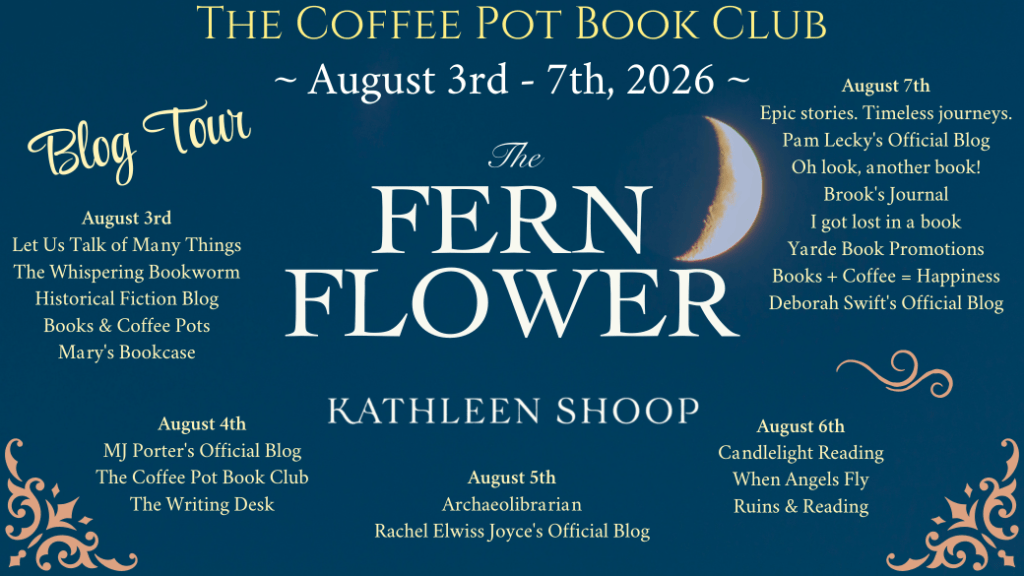
I’m welcoming The Fern Flower by Kathleen Shoop to the blog #HistoricalFiction #TheFernFlower #ballet #WW1 #ReaderReach #BlogTour #TheCoffeePotBookClub @kathieshoop @cathiedunn @maryanneyarde
@kathleenshoop @thecoffeepotbookclub @yardereviews
I’m welcoming The Fern Flower by Kathleen Shoop to the blog #HistoricalFiction #TheFernFlower #ballet #WW1 #ReaderReach #BlogTour #TheCoffeePotBookClub
Here’s the blurb
St. Petersburg 1908-1917
Born into privilege as the daughter of the Tsar’s favored vodka maker, Mila appears to have everything: wealth, status, and a household devoted to her happiness. But behind the gilded doors of her family estate, she is trapped by the cruelty of a stepmother whose greatest wish is to give birth to her own child.
Each summer on Ivan Kupala Eve, Russia turns its gaze to river bends and forest floors in search of the legendary Fern Flower—a mythical bloom said to grant fortune, power, and the deepest desires of the heart. Only one person had ever found it.
Until Mila.
Years later, in the fading grandeur of Petrograd, Mila and her friends slip into the fabled Stray Dog Café, once the sanctuary of Russia’s most daring artists and dreamers. Inspired by its ghosts, murals, and memories, Mila’s group resurrects the work she’d first imagined as a child. The Fern Flower is a breathtaking ballet drawn from folklore, magic, and the secrets of Mila’s past.
But in the fiercely competitive ranks of the Imperial Ballet School, talent is never enough. Though Mila wrote the ballet and her gifted musician friend composed its score, rivals question whether Mila is worthy of claiming the coveted lead role.
As World War I intensifies and revolution ignites, the Russia Mila knows begins to collapse. Family secrets surface, loyalties are tested, and the people she loves begin to disappear. When her parents flee and her young brother’s life hangs in the balance, Mila is faced with an impossible choice: remain with the found family who helped her chase her dreams or risk everything to save the person who needs her most.
With Russian folklore, imperial grandeur, and the fierce beauty of ballet, The Fern Flower is a sweeping tale of ambition, friendship, sacrifice, and the magic that survives even when the world is falling apart.
Any Triggers: Set 1908-1917 so people weren’t so kind to each other. Mila’s in ballet school at one point and living away from home. She always has adult support of some kind, but faces abandonment to some degree from those she loves.
Bestselling author, Kathleen Shoop, PhD’s novels have won awards in the Independent Publisher Book Awards (IPPY), Eric Hoffer Book Awards, the Next Generation Indie Book Awards, Readers’ Favorite, and more.
Kathleen has more than 20 years of experience in the classroom and has been featured in USA Today and the Writer’s Guide. She co-coordinates Mindful Writers Retreats and co-coordinated the 2023 Pennwriters Conference.
She frequently teaches and is a regular presenter at conferences for writers.
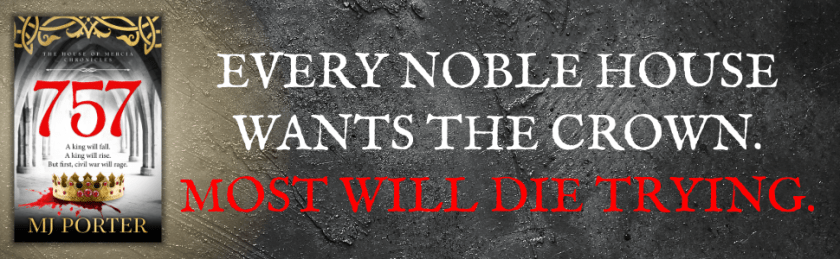
It’s time… 757, the first book in the brand-new series, The House of Mercia, is now available. Listen to me talking about the new book #fiction #TalesOfMercia #fiction #nonfiction #Mercia #MJPorter #HistoricalFiction #SaxonEngland #VikingAge #AngloSaxonHistory #BernardCornwell #LastKingdom #HistFic #ReadingCommunity #BookTok #Vikings
It’s time… 757, the first book in the brand-new series, The House of Mercia, is now available. Listen to me talking about the new book #fiction #TalesOfMercia
I recorded this when 757 was complete
Here’s the blurb for 757
This is Mercia. The year is 757. A king will fall. A king will rise. But first, civil war will rage.
King Æthelbald’s forty-year vice-like rule over Mercia has been rigid. But he lacks a legitimate heir despite his insatiable bedchamber antics.
Offa must stand hostage to his family’s good behaviour, when his father missteps in removing his mother from Æthelbald’s bed. Shockingly, his younger sister now replaces her.
But the king isn’t finished with his denigration of Offa’s noble House. When his parents are traitorously killed, Offa’s resentment grows, compounded by the ridicule heaped on him by King Æthelbald’s oathsworn warriors.
With the king’s health deteriorating, the matter of the succession becomes paramount. There are plenty who share a claim to the kingship.
Discord threatens to fracture the mighty realm, and those with sword and shield, seax and spear are prepared to risk it all to be the future king of Mercia.
Join my Boldwood newsletter to receive a free prequel short story, written exclusively for the the release of The House of Mercia series.https://BookHip.com/MKSKVRX
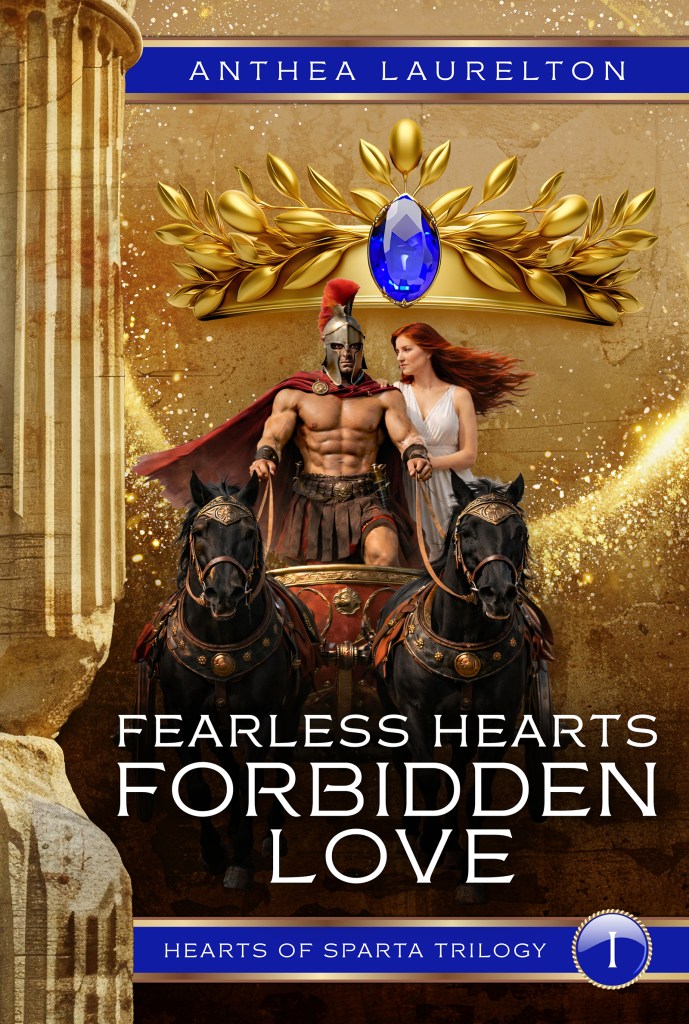
I’m welcoming Anthea Laurelton and Fearless Hearts Forbidden Love to the blog #HistoricalRomance #SpartanRomance #HistoricalFantasy #HeartsOfSparta #FearlessHeartsForbiddenLove #BlogTour #TheCoffeePotBookClub
I’m welcoming Anthea Laurelton and Fearless Hearts Forbidden Love to the blog #HistoricalRomance
Here’s the blurb
To save her city, she must risk her life.
To fulfil his oath, he must harden his heart.
Together, they stand to lose everything.
Spartan warrior, Diokles, has waited years for the opportunity to right a failure that torments his heart and integrity. Sent to hunt down a threat to Sparta, this campaign may be his final chance to restore his honour and uncover the traitor whose actions blighted his life. Success is at his fingertips, but when duty forces him to take an unwilling accomplice, his plans are challenged in ways he never foresaw.
Leandra, high priestess of Apollysis, stands at the edge of revelation and ruin. Haunted by fragments of a forgotten past, she alone can uncover the truth that will save her city. To do so, she must wear the fabled Coronet of Apollo, a sacred act that could cost her life.
Bound together by necessity and desire, captor and captive race into danger the closer they draw to the shrine of Apollo. With a relentless enemy closing in, one who seeks Diokles dead and Leandra for himself, their growing passion becomes both their greatest strength and their most perilous weakness.
In a time where prophecy, honour, and blood rule, love was never part of the plan.
An epic historical adventure romance of bravery, betrayal, and forbidden desire.
Fully edited, revised version of ‘SpartanQuest – Salvation’ with extra scenes.
Triggers: Love scenes on the page – Romance heat level 3. Some battle scenes.
Anthea Laurelton writes sweeping romances inspired by Ancient Sparta and Greek mythology. Her stories combine historical elements, forbidden love, dangerous quests and emotionally complex heroines for readers of mythological and historical fantasy.
A fan of sword and sandal movies, her plots blend slow-burn romance, dangerous quests, warrior culture and family intrigue for readers who crave epic adventures. Falling in love with Greek mythology at the age of thirteen, her love of the Spartans especially, came after reading Roger Lancelyn Green’s THE TALE OF TROY where she cheered on Menelaus to take his queen back!
She left a career in IT to pursue her passion for storytelling and pander to an extremely spoilt German Shepherd whom she refers to as ‘The Muse’.
A former equestrian, Anthea enjoys keeping active and has a bucket list of travel destinations waiting to be fulfilled.
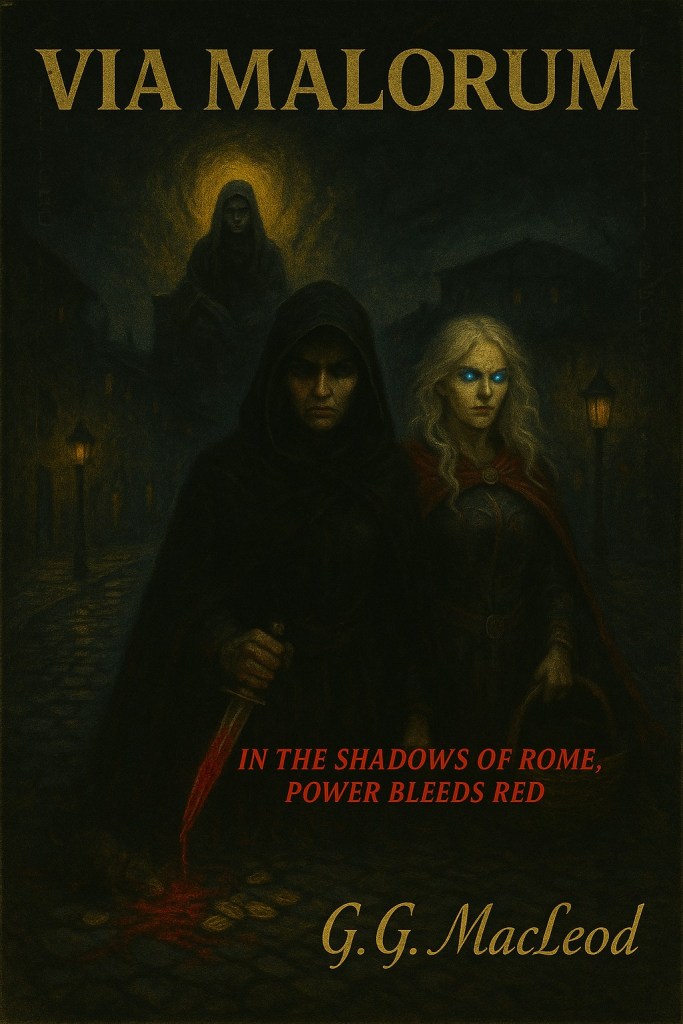
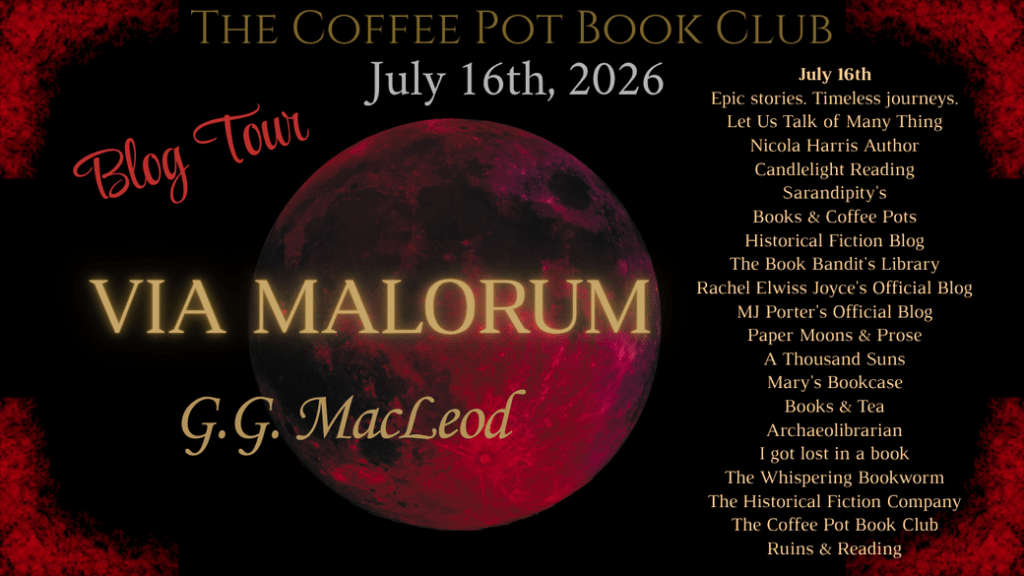
I’m welcoming G.G. MacLeod to the blog with VIA MALORUM #AncientRome #Agrippina #Messalina #DarkRomantasy #PsychThriller #Giallo #BlogTour #ReaderReach #TheCoffeePotBookClub #YardeBookPromotions @GGMacLeod1 @cathiedunn @maryanneyarde @ggmacleod1 @thecoffeepotbookclub @yardereviews
I’m welcoming G.G. MacLeod to the blog with VIA MALORUM #AncientRome #Agrippina #Messalina #DarkRomantasy #PsychThriller #Giallo #BlogTour #ReaderReach #TheCoffeePotBookClub #YardeBookPromotions
Here’s the blurb
In the shadows of Rome power bleeds red.
In the shadowed streets of ancient Rome, 37 CE, power is a blade that cuts both ways. Agrippina, a towering enigma of ambition, slips from Caligula’s gilded cage with her newborn son, Domitius, her mind a labyrinth of cold calculation. At her side prowls Messalina, a siren in scarlet, her seductive cunning as deadly as her blade. Together, they navigate a city teeming with decadence and deceit, pursued by whispers of treachery and the emperor’s wrath.
Their journey leads to the Temple of Fortuna where the enigmatic Prophet Cassandra unveils a cryptic fate – one that demands sacrifice and promises blood. As alleys echo with violence and forbidden passions ignite, Agrippina’s quest for dominion collides with Messalina’s ruthless desires. In a night where every step drips with danger, who will rise and who will fall?
VIA MALORUM is a visceral plunge into the heart of Roman darkness, blending historical intrigue with the chilling allure of giallo. Prepare for a tale where power bleeds red, and trust is a luxury none can afford.
Any Triggers: Some rough lesbian sex, moderate violence.
The author is a 59-year-old Canadian male based in Calgary. The author has always had a tendency of combining genres like horror and action along with drama, psychological thrillers, giallo, and sometimes even comedy.
It really depends on how the author feels from moment to moment as they write because the author likes to entertain themselves first and then hope that a smattering of other people out there in the world will like it as well.
It’s nearly time… 757, the first book in the brand new series, The House of Mercia, will be with readers in July 2026. Listen to me talking about the new book #fiction #TalesOfMercia #fiction #nonfiction #Mercia #MJPorter #HistoricalFiction #SaxonEngland #VikingAge #AngloSaxonHistory #BernardCornwell #LastKingdom #HistFic #ReadingCommunity #BookTok #Vikings
I recorded this after completing the strutural edits for 757
Here’s the blurb for 757
This is Mercia. The year is 757. A king will fall. A king will rise. But first, civil war will rage.
King Æthelbald’s forty-year vice-like rule over Mercia has been rigid. But he lacks a legitimate heir despite his insatiable bedchamber antics.
Offa must stand hostage to his family’s good behaviour, when his father missteps in removing his mother from Æthelbald’s bed. Shockingly, his younger sister now replaces her.
But the king isn’t finished with his denigration of Offa’s noble House. When his parents are traitorously killed, Offa’s resentment grows, compounded by the ridicule heaped on him by King Æthelbald’s oathsworn warriors.
With the king’s health deteriorating, the matter of the succession becomes paramount. There are plenty who share a claim to the kingship.
Discord threatens to fracture the mighty realm, and those with sword and shield, seax and spear are prepared to risk it all to be the future king of Mercia.
Join my Boldwood newsletter to receive a free prequel short story, written exclusively for the the release of The House of Mercia series.https://BookHip.com/MKSKVRX
Introducing 757, the first book in the brand new series, The House of Mercia #fiction #nonfiction #Mercia #MJPorter #HistoricalFiction #SaxonEngland #VikingAge #AngloSaxonHistory #BernardCornwell #LastKingdom #HistFic #ReadingCommunity #BookTok #Vikings
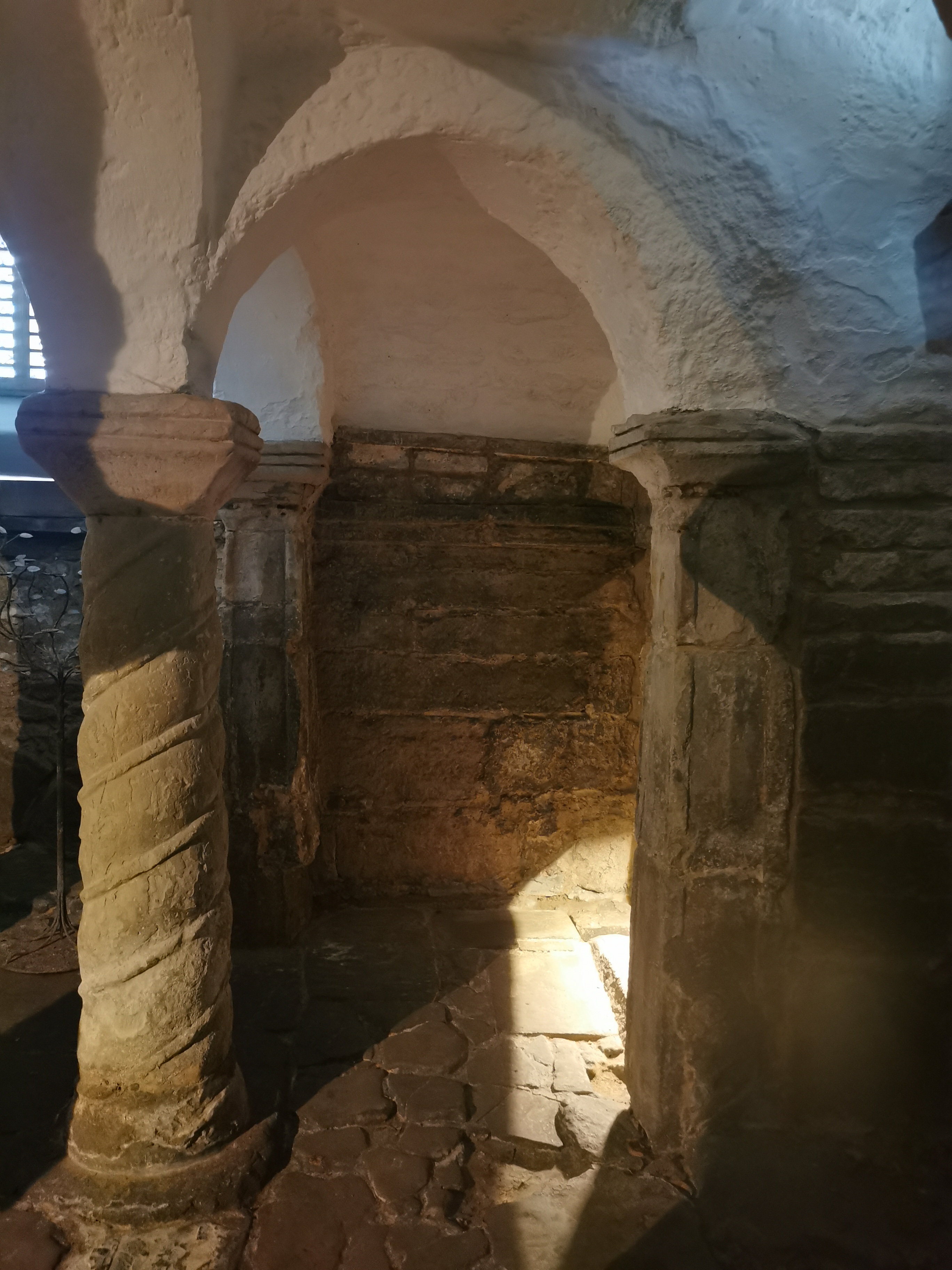
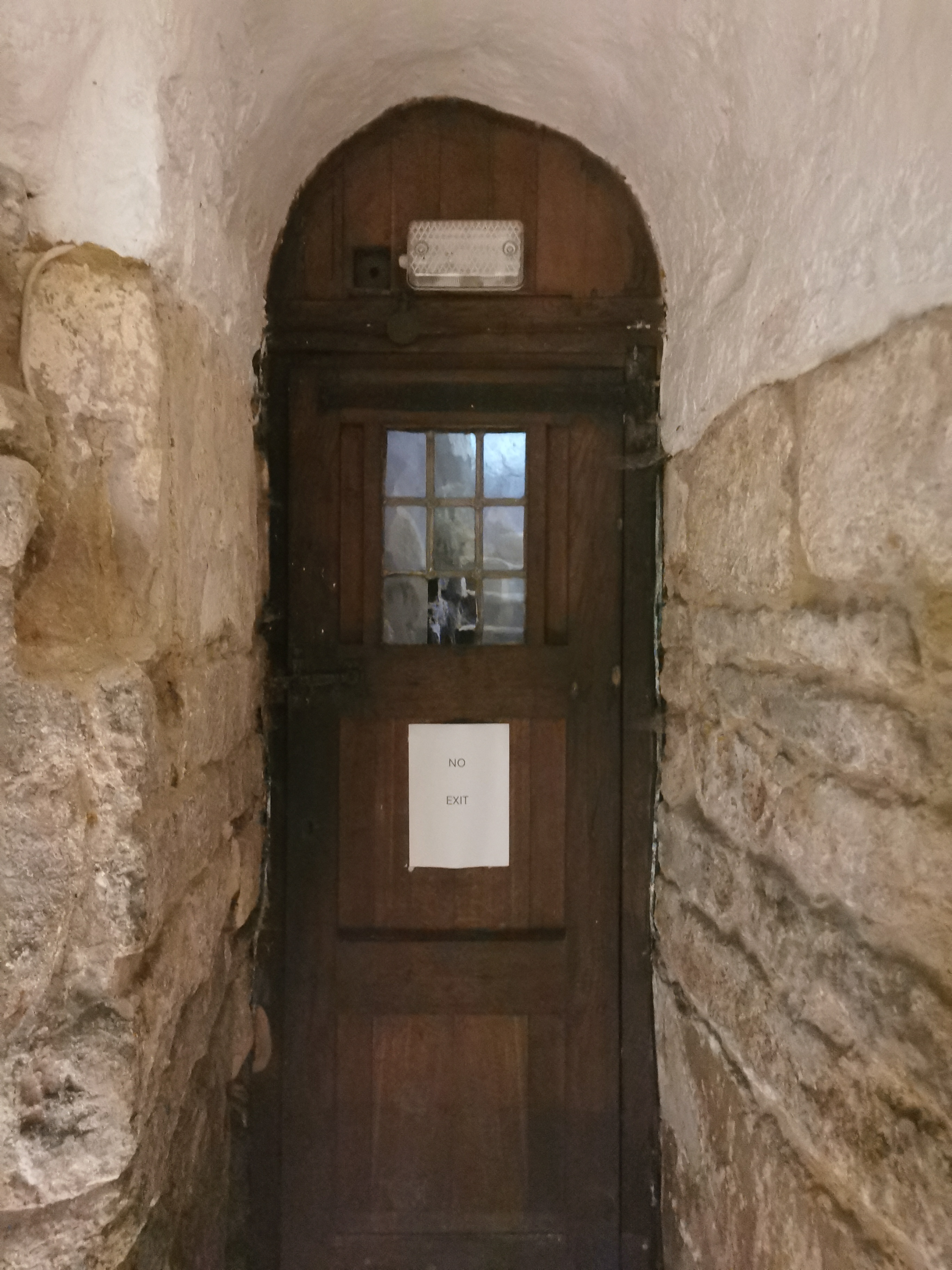
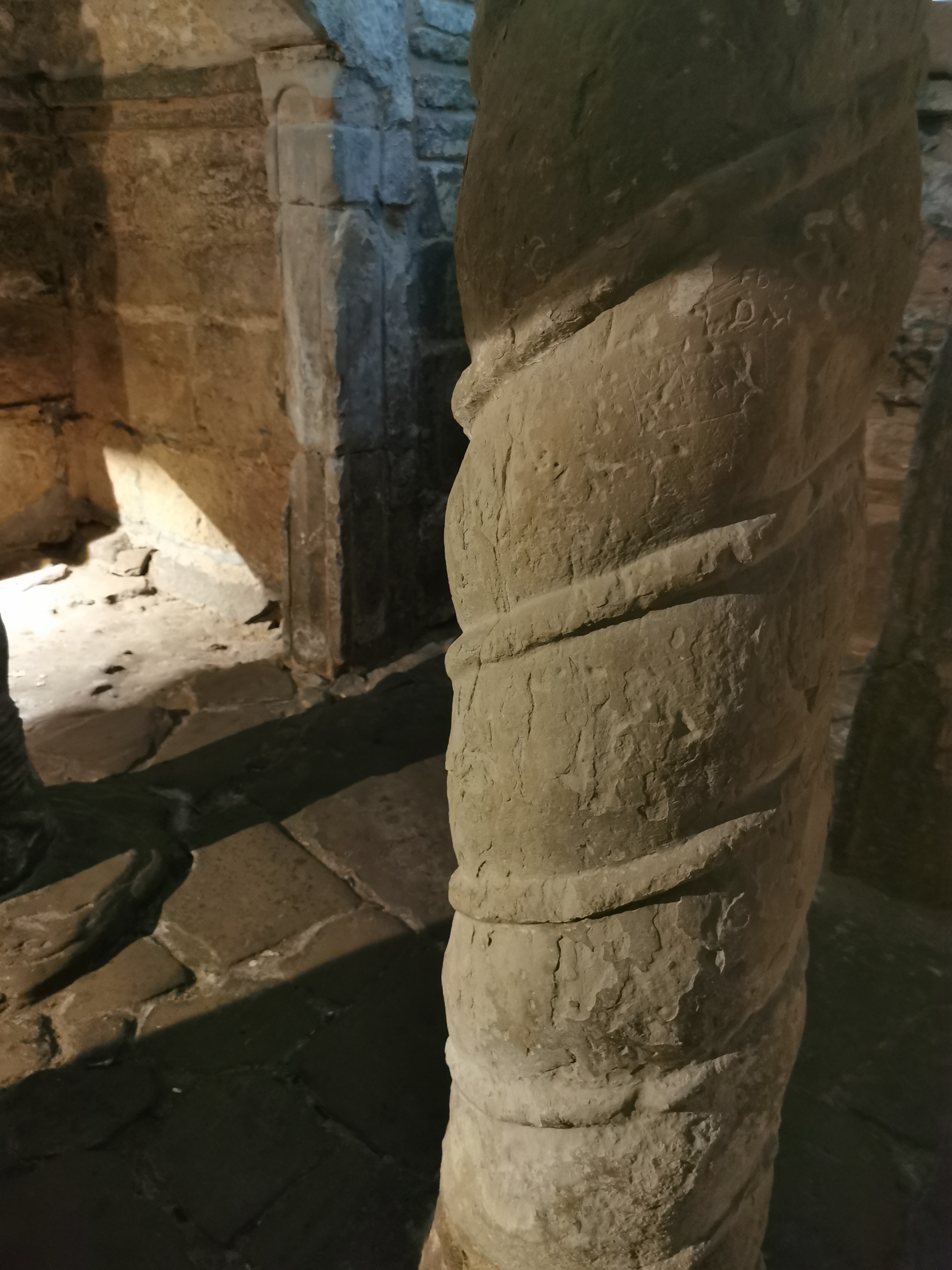
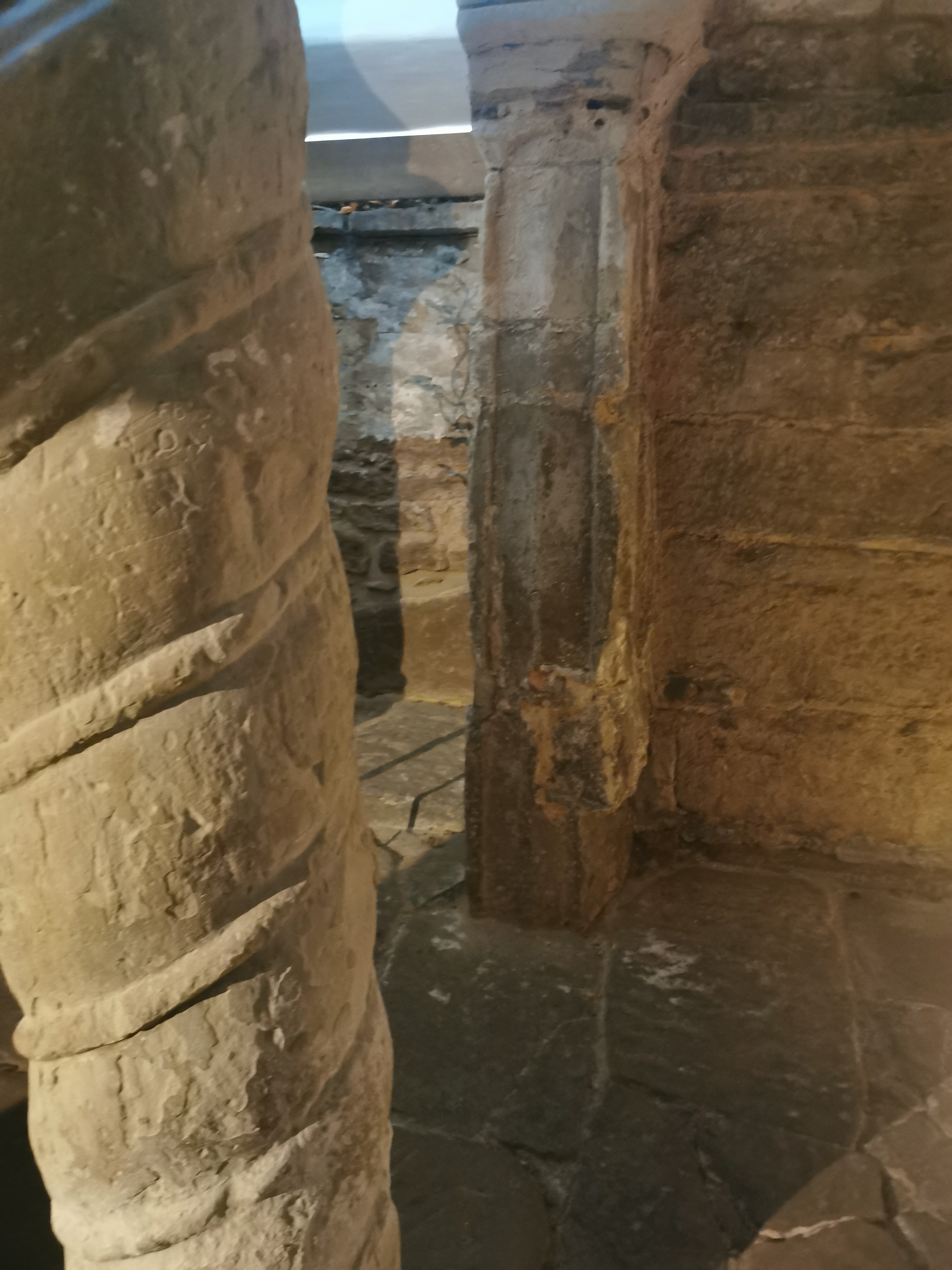
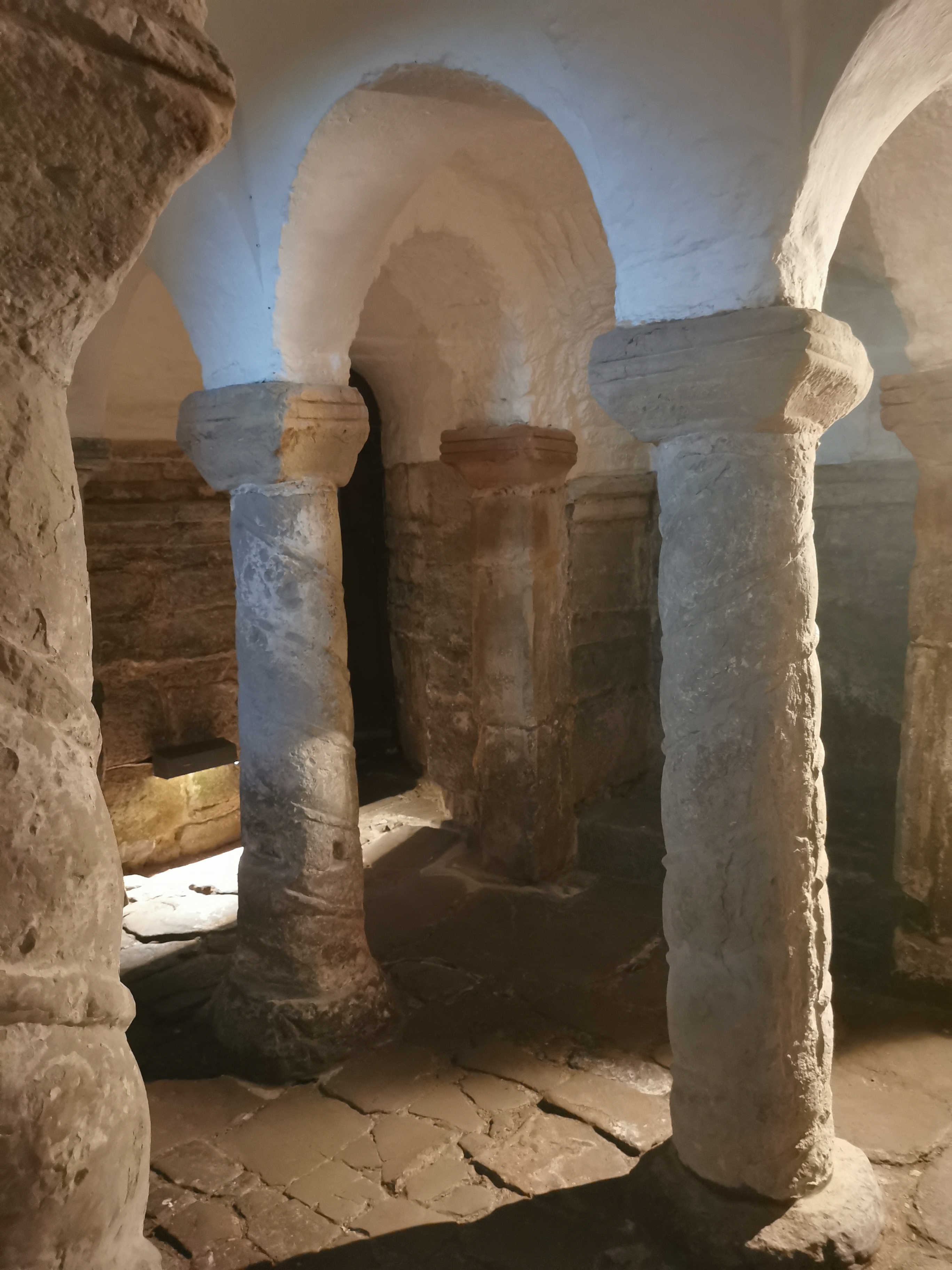
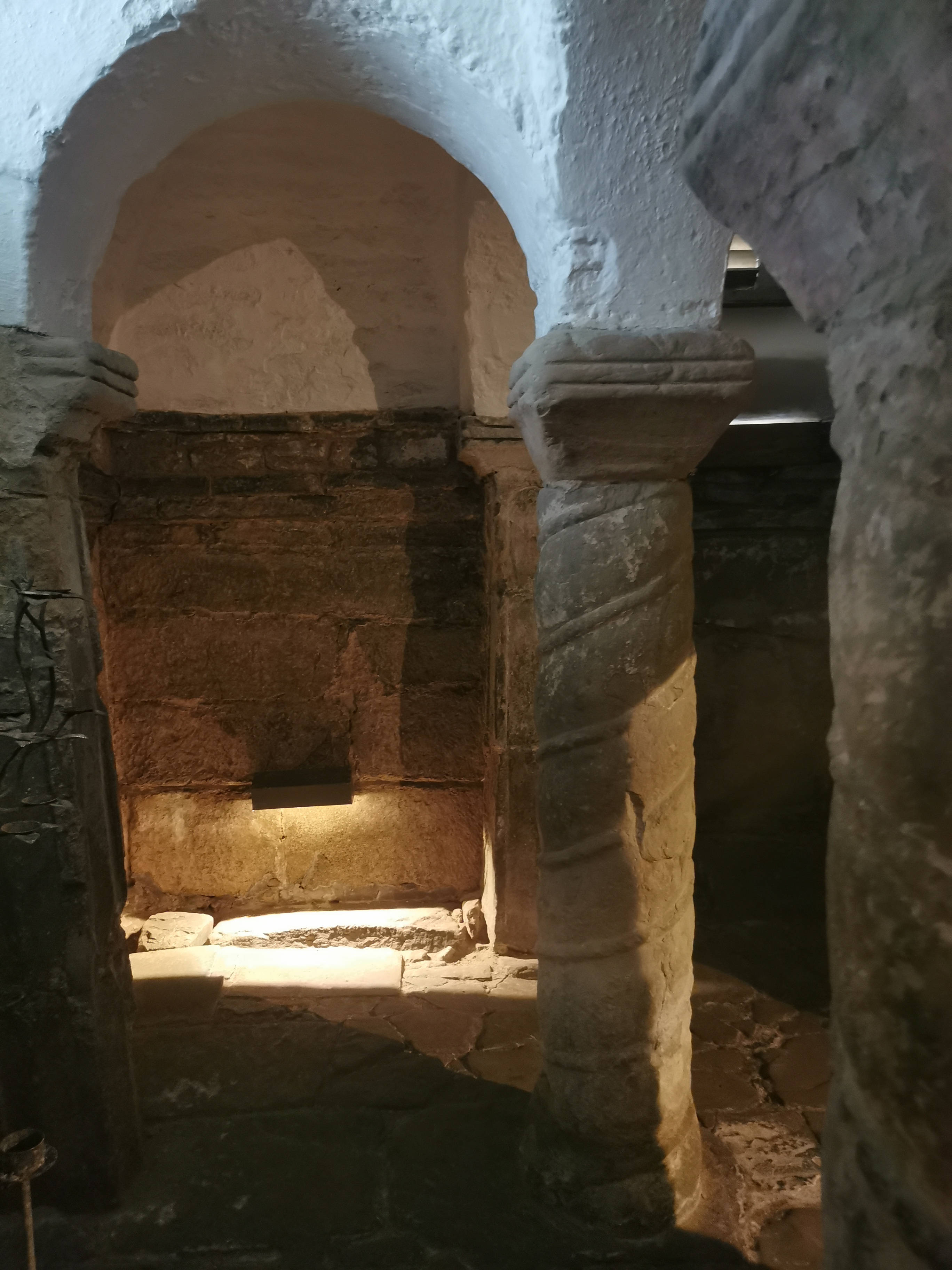
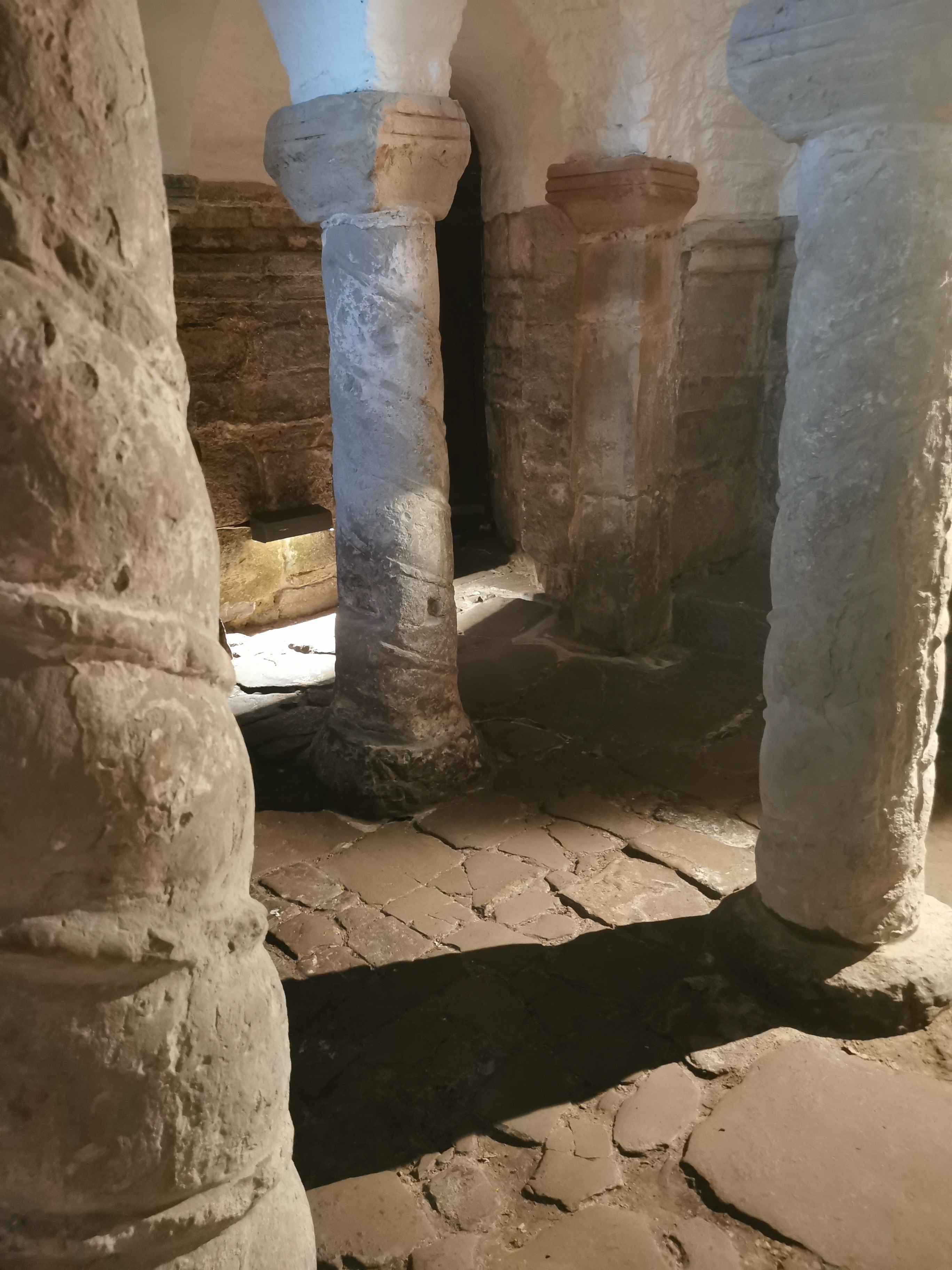
Image of the crypt at ReptonImage of the crypt at ReptonImage of the crypt at ReptonImage of the crypt at ReptonImage of the crypt at ReptonImage of the crypt at ReptonImage of the crypt at Repton
Here’s the blurb for 757
This is Mercia. The year is 757. A king will fall. A king will rise. But first, civil war will rage.
King Æthelbald’s forty-year vice-like rule over Mercia has been rigid. But he lacks a legitimate heir despite his insatiable bedchamber antics.
Offa must stand hostage to his family’s good behaviour, when his father missteps in removing his mother from Æthelbald’s bed. Shockingly, his younger sister now replaces her.
But the king isn’t finished with his denigration of Offa’s noble House. When his parents are traitorously killed, Offa’s resentment grows, compounded by the ridicule heaped on him by King Æthelbald’s oathsworn warriors.
With the king’s health deteriorating, the matter of the succession becomes paramount. There are plenty who share a claim to the kingship.
Discord threatens to fracture the mighty realm, and those with sword and shield, seax and spear are prepared to risk it all to be the future king of Mercia.
Join my Boldwood newsletter to receive a free prequel short story, written exclusively for the the release of The House of Mercia series.https://BookHip.com/MKSKVRX
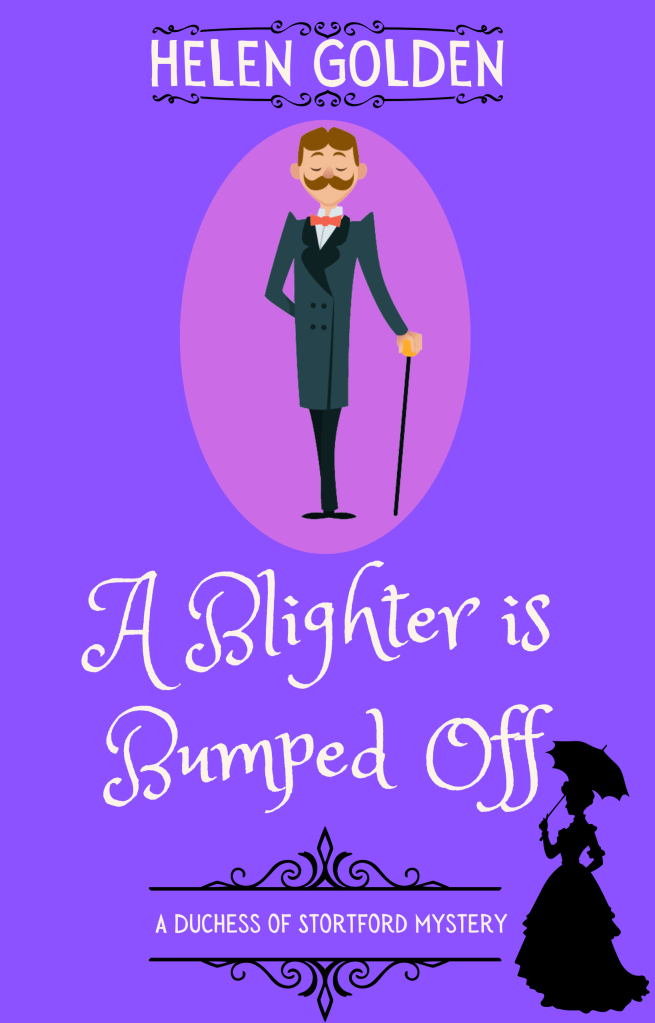
I’m delighted to welcome a returning Helen Golden to the blog with her new book, A Blighter is Bumped Off-#bookreview #historicalmystery #blogtour #avidreader @rararesources
I’m delighted to welcome a returning Helen Golden to the blog with her new book, A Blighter is Bumped Off #bookreview #historicalmystery #blogtour #avidreader
Here’s the blurb
The only thing worse than a persistent suitor? A dead one on your lawn.
London, 1892. Alice, Duchess of Stortford, has returned to town determined to enjoy her first Season as a wealthy widow. But instead of balls, flirtation, and whispered gossip, she finds herself besieged by ambitious bachelors—none more persistent than the insufferably smooth-talking Miles Fonthill. When Alice firmly refuses his sudden proposal, she assumes the matter is settled.
Instead, he turns up dead in her garden.
The police are happy to call it a tragic accident. Alice is less convinced.
Why was Miles climbing over her garden wall in the middle of the night? Why had he become so determined to win her favour? And what did he really want?
As Alice begins to dig into Miles’ final days, her search leads her into the glittering heart of London society, where old loyalties run deep, secrets are guarded fiercely, and reputation matters more than truth. But when whispers of the mysterious Order of the Golden Key begin circling dangerously close to her own late husband’s name, Alice realises this death may be far more complicated than one unwelcome suitor meeting an unfortunate end.
And if someone is willing to kill to keep their secrets…this Season may prove positively deadly.
Perfect for fans of feisty female sleuths, Victorian High Society, and secret scandals, all served with a dash of humour and a cup of tea.
A Blighter is Bumped Off is the third full-length novel in the Duchess of Stortford cosy historical mystery series. I’ve read them all.
It’s good to be back with Lady Alice, and this time she has a right old pickle on her hands. Her reputation is at stake, and ladies of the Ton do not like having their reputation imperilled.
With the aid of her trusty allies, Lady Alice determines to get to the bottom of the puzzling mystery of how the body of her ex-suitor came to be found in her garden and very enjoyable it is too. She uncovers some delightfully dodgy dealings as she hunts down the truth with the aid of her trusty servants, and te aid of her PI and none other than Sherlock Holmes.
Another fun, historical story with a good dash of cosy, and just the sort of mystery I like to read.
Check out my reviews for the books in Helen Golden’s Right Royal Mystery series, featuring one of Lady Alice’s descendants.
Helen Golden spins mysteries that are charmingly British, delightfully deadly, and served with a twist of humour.
With quirky characters, clever red herrings, and plots that keep the pages turning, she’s the author of the much-loved A Right Royal Cozy Investigation series, following Lady Beatrice and her friends—including one clever little dog—as they uncover secrets hidden in country houses and royal palaces. Her new historical mystery series, The Duchess of Stortford Mysteries, is set in Victorian England and introduces an equally curious sleuth from Lady Beatrice’s own family tree—where murders are solved over cups of tea, whispered gossip, and overheard conversations in drawing rooms and grand estates.
Helen lives in a quintessential English village in Lincolnshire with her husband, stepdaughter, and a menagerie of pets—including a dog, several cats, a tortoise, and far too many fish.
If you love clever puzzles, charming settings, and sleuths with spark, her books are waiting for you.
I’m welcoming The Dowager’s Grand Triumph by Susanne Dunlap to the blog #blogtour #RegencyRomance @rararesources
I’m welcoming The Dowager’s Grand Triumph by Susanne Dunlap to the blog #blogtour #RegencyRomance
Here’s the blurb
Caroline, Dowager Marchioness of Lewiston, has long since made peace with the life she was given: a grand title, a comfortable house, and a heart carefully trained not to want what it cannot have.
Then Thomas Ashcombe returns.
Years ago, Thomas was the man she loved—and lost. Now he is a wealthy merchant newly arrived from India, bringing with him not only a fortune, but a daughter, Anjali, whose place in English society is as uncertain as her father’s safety. Thomas has come home with dangerous evidence of corruption connected to the East India Company, and powerful men will do anything to silence him.
When Thomas is falsely imprisoned under suspicion of treason, Caroline must decide whether she is willing to risk her reputation, her family, and her carefully ordered world for the man she never forgot.
Sir Julian Meredith has always preferred legal arguments to drawing-room conversation. Awkward, red-haired, and far too honest for his own comfort, he is no one’s idea of a romantic hero—least of all his own. But when Anjali Ashcombe’s courage draws him into a web of secrets, forged loyalties, and political danger, Julian discovers that love may require a bravery no courtroom ever demanded of him.
As Caroline and Thomas fight for a second chance, and Julian and Anjali reach for a future neither of them expected, one question remains: can love survive when truth itself has become a crime?
Susanne Dunlap started out a historian, became an award-winning historical novelist with fourteen published novels for adults and teens, and is now the author of the Regency romance series, Double-Dilemma Romance. She lives and writes in a converted textile mill in Biddeford, Maine.
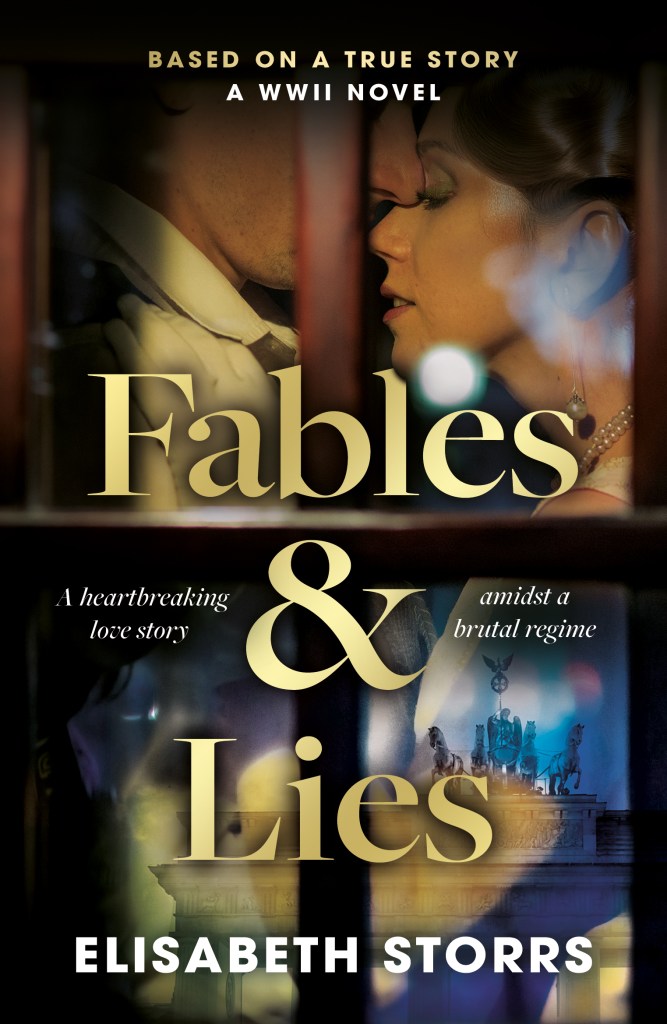
I’m welcoming Fables & Lies: A World War II Novel Based on a True Story by Elizabeth Storrs to the blog #FablesAndLies #HistoricalFiction #WW2Fiction #enemiestolovers #darkfamilysecrets #undercoveragent #truestory #BlogTour #TheCoffeePotBookClub
I’m welcoming Fables & Lies: A World War II Novel Based on a True Story by Elizabeth Storrs to the blog #FablesAndLies
Excerpt 4:
Chapter Eighteen
Klosterheide, December 1939
Freyja climbed the stairs behind the matron, peering into rooms where wintry sunlight poured through arched windows. Chubby toddlers and preschoolers sat on miniature railed wooden chairs at a bench. They ate from steel bowls, guarded by Brown Sisters pouring milk from pitchers into beakers.
Freyja inhaled the aroma of freshly baked bread, amazed to see steamed vegetables and jacket potatoes heaped on the platters. The abundance was startling. Berliners struggled to find fresh produce with the British blockade squeezing supply lines.
‘For all this, we must thank the Führer,’ said the matron. ‘And Reichsführer Himmler believes in the best nutrition for these children.’
‘Tante!’ Siggi waved from the far side of the room then ran towards her. Clipping a chair leg, he fell heavily. Blood spurted from his nose. Before she could reach him, a nurse yanked him to his feet, barking at him to stop whining.
Matrone Hildegarde gripped Freyja’s wrist with blunt fingers. ‘Leave him. We’re making soldiers here, not encouraging cry-babies.’
She tried to break from her, but the woman held firm and growled an order to take the child to the infirmary. Dismayed, Freyja watched her sobbing nephew dragged away.
Hildegarde glowered. ‘Siegfried has been coddled by his mother. Frankly, Hauptsturmführer von Erlbach and his wife should adopt him. Or he should be given to another deserving SS couple. It’s highly unusual to let a Lebensborn mother raise a child.’ She headed for another flight of stairs.
Freyja hesitated, unsure whether to search for Siggi but doubted she’d find him in the maze of corridors. She hurried up the stairs behind the retreating figure of the matron. She was sickened by the threat to Volla. Her sister’s greatest fear was Otto giving her sons to his wife. Freyja prayed von Erlbach would never betray her.
The air reeked of ether and ammonia on the next floor. Freyja saw a tiled operating theatre. The delivery bed looked forbidding, with a huge arc lamp suspended over it. A portable stand with two empty drips stood nearby. Poor Volla. Instead of giving birth with Mutti to assist her, she’d been tended by cold-hearted fanatics.
The mewling of a baby drew her attention to a nursery next door. Brown Sisters moved between dozens of cribs with lace valances and flowered blankets. Babies in identical knitted caps lay in each. Blue or pink name tags were attached to the infants’ wrists, illustrated with either a boy or girl baby holding the trident-shaped Lebensrune symbol.
Freyja stood aghast at the production line. ‘How many babies are here?’
‘There are one hundred beds available in this clinic,’ said the matron. ‘Modest compared to Home Steinhoring in Munich. Nine homes have been established across Germany and more are planned. Any valuable Aryan girl who finds herself in trouble to a good German soldier can be admitted to a Lebensborn home. Of course, a high racial standard is required. Every mother of good blood must be holy.’
A Brown Sister approached, carrying a baby. The infant was shrieking, tonsils and tongue ululating. ‘It’s time for him to be fed, Matrone.’
Hildegarde claimed the child. ‘I’ll drop him off.’
‘Where’s his mother?’ asked Freyja, aware she’d seen no women other than Brown Sisters.
‘In the maternity ward. It’s best to keep maternal contact to a minimum given the children will be adopted.’
Freyja imagined the girls’ distress. ‘It must be hard for them to give up their babies.’
The matron frowned. ‘Individual needs must be subordinated to the State, Fräulein. These women are doing their duty for the Vaterland. Reichsführer Himmler says eliminating abortions and saving unborn boys will lead to more than two hundred regiments of soldiers in twenty years’ time. Add girls, and in two decades we could have half a million additional decent Germans. We must outnumber the offspring of those vile Jewish refugees who’ve flooded in from the East.’
Under a brutal regime, what price must be paid to preserve truth, treasure and love in a world built on lies?
WWII Berlin. Freyja Bremer, a patriotic museum assistant, marries Kaspar Voigt, an ambitious SS scholar, to protect her father. Yet she is unaware her husband is instrumental in Himmler’s twisted quest for Aryan supremacy.
As she strives to safeguard the priceless Priam’s Treasure from air raids, Freyja falls in love with Darien Lessing, an archaeologist who exposes the moral decay beneath the Regime’s myths. Her awakening drives her into perilous resistance — aiding a Jewish doctor and his wife, Darien’s sister — while uncovering Kaspar’s role in the SS’s darkest programs, which subvert history to justify invasion, abduction and murder.
As Berlin collapses into chaos and bloodshed, Freyja, caught between duty, deception and desire, must risk everything to preserve truth in a world built on lies.
A heartbreaking yet triumphant love story, Fables & Lies shines light on lesser-known aspects of the Nazi Regime. It gives voice to the complex moral struggles of German women, the forgotten resistance of Gentiles married to Jews, the dangers of contested history, the evils of Himmler’s racial studies program and the unsung bravery of German museum curators who saved their nation’s treasures.
Perfect for readers of Kelly Rimmer, Anthony Doer and Laura Morelli.
Any Triggers: The book contains offensive Nazi ideology together with graphic war imagery (including rape) still birth and bereavement.
Praise for Fables & Lies:
“A heartrending story of a young woman caught in the machinations of the Third Reich and in the web of a regime-compliant family. The novel is meticulously researched and emotionally resonant, sure to delight readers who love a hearty feast of history in their fiction.”~ Olivia Hawker, bestselling author of The Ragged Edge of Night
“A powerful and heartbreaking story set in war-torn Berlin, FABLES & LIES charts the slow dawning horror of a young woman as she realises all she has been taught about Hitler and the Third Reich is a lie. Impeccably researched and sensitively rendered, Elisabeth Storrs has shone a light on little-known aspects of life in Germany under the Nazi regime.”
~ Kate Forsyth, bestselling author of Bitter Greens
“Written from the little explored German viewpoint, FABLES & LIES is a gripping account of the quest to save the world’s great antiquities during WW2 and an ode to those women and men who risked all for freedom. A beautifully written novel. I’ve never read anything like it.”
~ Nicole Alexander, author of The Limestone Road
“Elisabeth Storrs has indeed broken the mould by writing ‘from the other side’. Evocative, detailed and heart-rending as the heroine journeys through disillusion and danger in the Third Reich.”
~ Alison Morton, author ofthe Roma Nova series
“A chilling and meticulously researched journey into the shadow world of the Ahnenerbe. Blending historical rigor with gripping fiction, FABLES & LIES reminds us of the devastating consequences when history is twisted to serve power.”
Elisabeth Storrs has a great love for history and myths. She is the award-winning author of A Tale of Ancient Rome trilogy which was endorsed by Ursula Le Guin, Kate Quinn and Ben Kane.
Now her obsession lies with Trojan treasure and twisted Germanic prehistory in her new release, Fables & Lies: A World War II Novel.
Elisabeth is also the founder of the Historical Novel Society Australasia and the $155,000 ARA Historical Novel Prize. She lives in Sydney with her husband in a house surrounded by jacarandas.
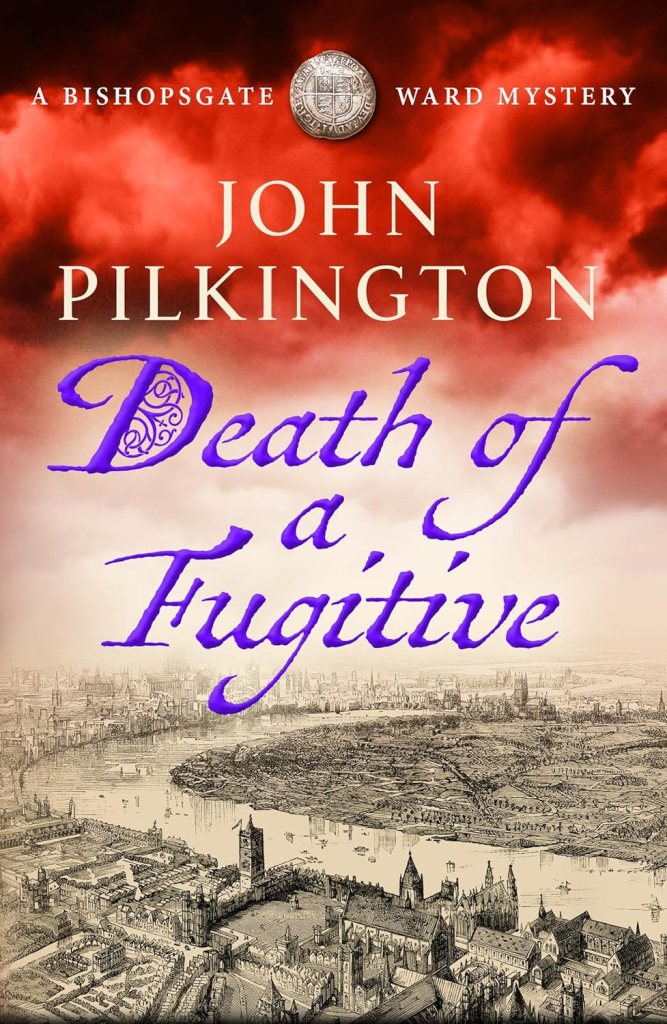
I’m sharing my review for Death of a Fugitive, the second book in John Pilkington’s Elizabethan mysteries featuring Matthew Cutler #histfic #historicalmystery #bookreview
I’m sharing my review for Death of a Fugitive, the second book in John Pilkington’s Elizabethan mysteries featuring Matthew Cutler #histfic #historicalmystery #bookreview
Here’s the blurb
A BRAND NEW instalment in a gripping Tudor mystery from bestselling author John Pilkington. Perfect for fans of Andrew Taylor and S. J. Parris.
This Ward, Cutler… it seethes, does it not?
1595, Bishopsgate Ward, London. Matthew Cutler, constable for the parish of Spitalfields, prides himself on always being on the side of justice. So when a young man on the run, whose only ‘crime’ was protesting about high prices and corruption, hides out in Bishopsgate, not for the first time Cutler finds his duties as constable at odds with his gut feeling. He feels compelled to help him, and not just because his daughter Jane is smitten with the plucky lad…
Meanwhile there is trouble in Bishopsgate as fake coins keep turning up, convincing enough to fool many. Tensions rise and people are in fear of a brutal yet shadowy figure: the ‘coiner’ Thomas Gunnell, who seems to have eyes everywhere. Cutler must once again fall back on his skills of disguise, and risk his own life to root out Gunnell’s gang before they bring chaos to Bishopsgate Ward – and danger to everything he holds dear.
Death of a Fugitive is the secod book in the Bishopsgate Ward Mysteries, and I have read book 1.
Like the first book, our main character is Matthew Cutler, although he is assisted by a number of collegues (if such they could be called). The story unfolds mostly through his eyes, as he pieces together events that have occured during a short absence from the ward. Quite a lot of time has elapsed since the first book – his oldest daughter is married, and his wife’s aunt is being pursued by a suitor, while his own fledgling love affair is largely absent in this book, aside from a few odd mentions.
No sooner has he settled in the local tavern, than the mystery begins to unravel. Is there someone passing off fake coins in the area and how are they doing it? Cutler is resolved to finding out.
Like the first book, Death of a Fugitive is filled with information about the late Tudor era. It is also written in a slightly archaic way, (purposefully), but once you get used to it, it doesn’t distract from the story, which rumbles along at a decent enough pace, although I found some elements a little slow.
That said, this was a very enjoyable mystery and Cutler does once more, place himself in terrible danger in order to bring the enemy to justice, making some rather tricky decisions along the way.
A writer for over forty years, John Pilkington was born in Lancashire and worked at many jobs including laboratory assistant, farm worker, weaver, shipping clerk, picture frame-maker and cabaret musician before taking a degree in Drama and English and finding his true 2 vocation. He has since written plays for radio and theatre, television scripts for a BBC soap, a short-lived children’s series and numerous works of historical fiction, concentrating now on the Tudor and Stuart eras. He also ventured into speculative fiction with his biography of Shakespeare’s famous jester, Yorick.
He now lives in a village on a tidal estuary in Devon with his long-term partner Elisabeth; they have a son who is a psychologist and musician. When not at the desk he walks, swims, listens to music and tinkers with d.i.y. projects, and is enjoying being a grandfather.