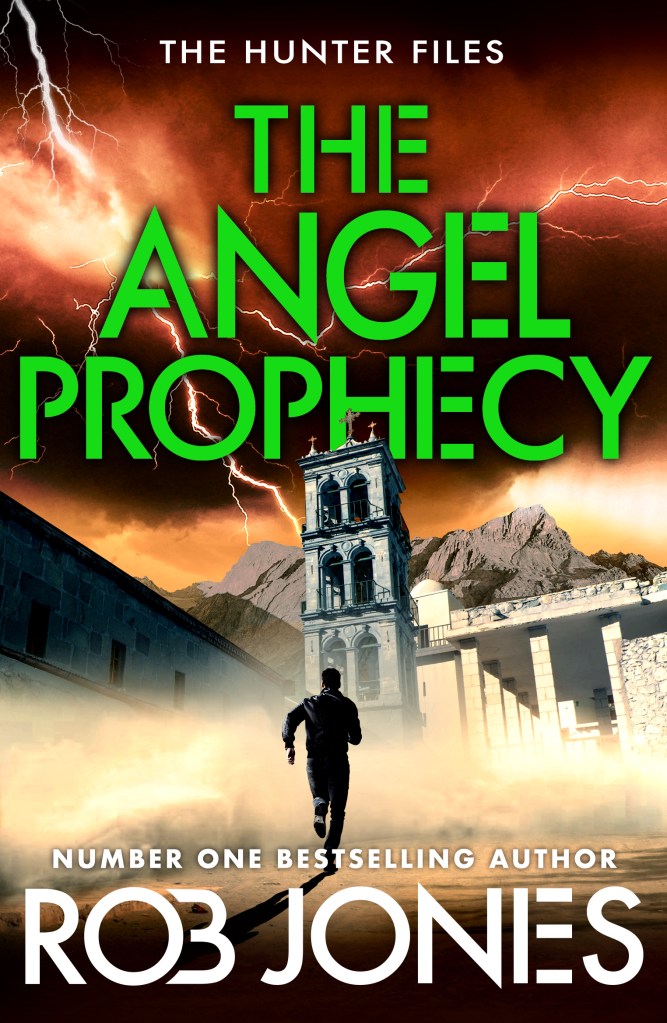
I’m sharing my review for The Atlantis Covenant by Rob Jones #actionandadventure #blogtour #bookreview
Here’s the blurb
A mission like no other, will test the team to the limit ⚠️
Dr Max Hunter, Special Agent Amy Fox and the rest of the HARPA Team are on the most important mission of their lives to rescue their teammate Quinn Mosley, HARPA Director Jim Gates and his wife Susanna, and Hunter’s UNESCO manager Professor Juliette Bonnaire who have all been kidnapped by a mysterious organisation claiming to be the Illuminati.
The group’s leader, Oriax, says he will trade their friends’ lives for the Sword of the Archangel Michael and gives them a 24 hour deadline to meet his demands. 🗡️
In a race against time, from Europe to Moscow and beyond, Hunter leads his small team on a high-speed rollercoaster ride, attempting to track down Oriax before the deadline expires and rescue Quinn and the others as well as keeping the ancient sword out of Oriax’s depraved hands, but will they succeed in this most lethal of challenges?
This new installment in the Hunter Files starts with a bang, and the reader is thrown straight into a worrying situation for the team (I’m not sure if this carries over from the previous book, but I suspect it might). This time, members of the team are in peril and Max Hunter and his fellow team members resolve to outwit the person holding them captive in exchange for St Michael’s sword, and with very little to go on in terms of leads.
Tracking down every potential lead, the team make their way from Cornwall to London, Paris and then beyond, their destination not quite where they think it will be, as the tension ramps up in this fun action and adventure story, where the ‘baddie’ is definitely quite bonkers, powerful, and seemingly, able to do anything he wants with his captives.
Like The Atlantis Covenant, the story is fast-paced and fun, the interactions between the characters flippant and somewhat light-hearted, considering the peril they’re in. The series will certainly appeal to those who like National Treasure (as I’ve said before) and their history with a little bit of conspiracy.
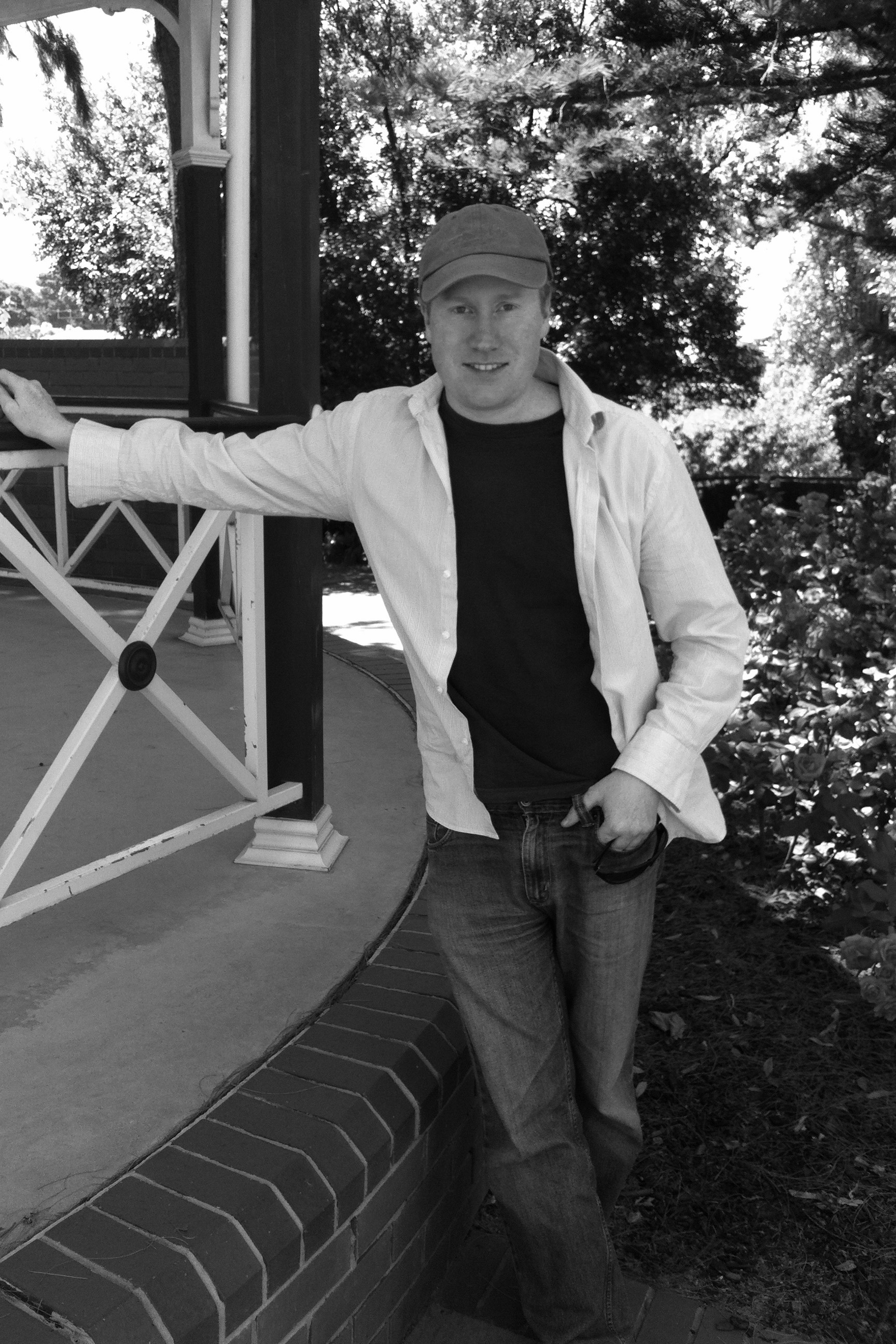
Rob Jones has published over forty books in the genres of action-adventure, action-thriller and crime. Many of his chart-topping titles have enjoyed number-one rankings and his Joe Hawke and Jed Mason series have been international bestsellers. Originally from England, today he lives in Australia with his wife and children.
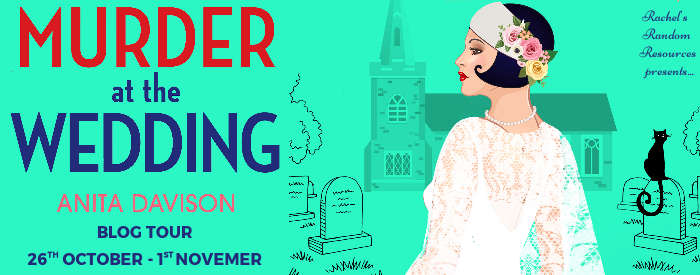
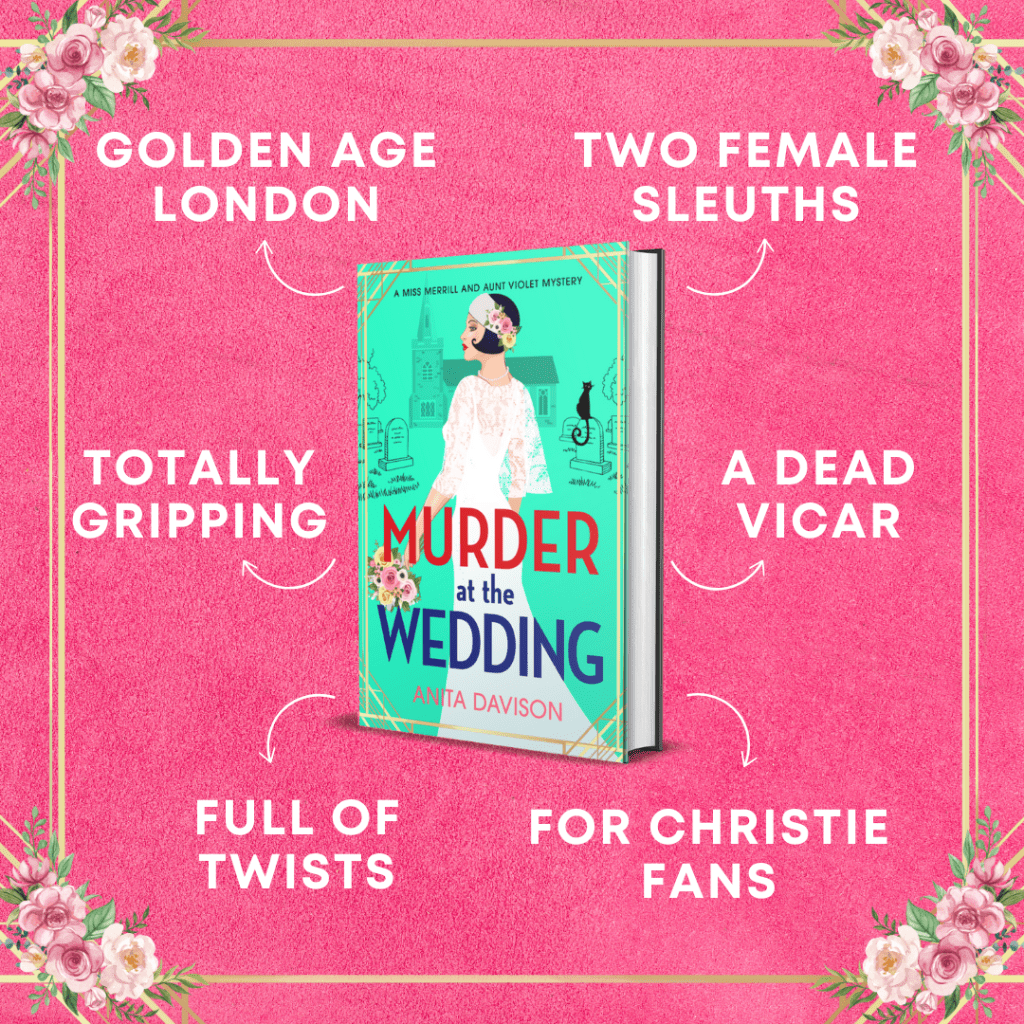
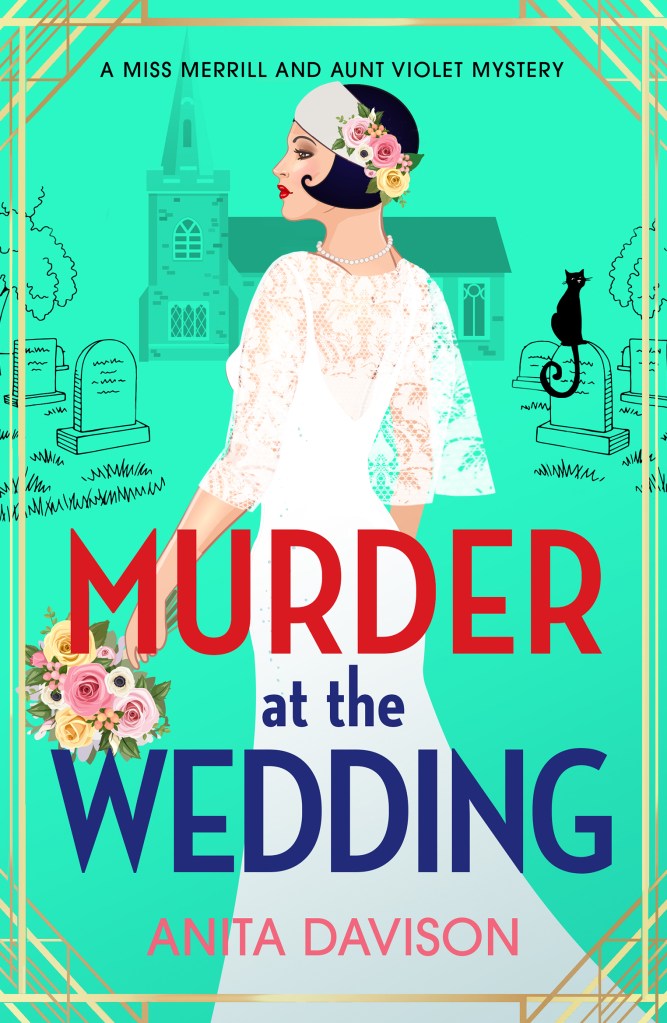
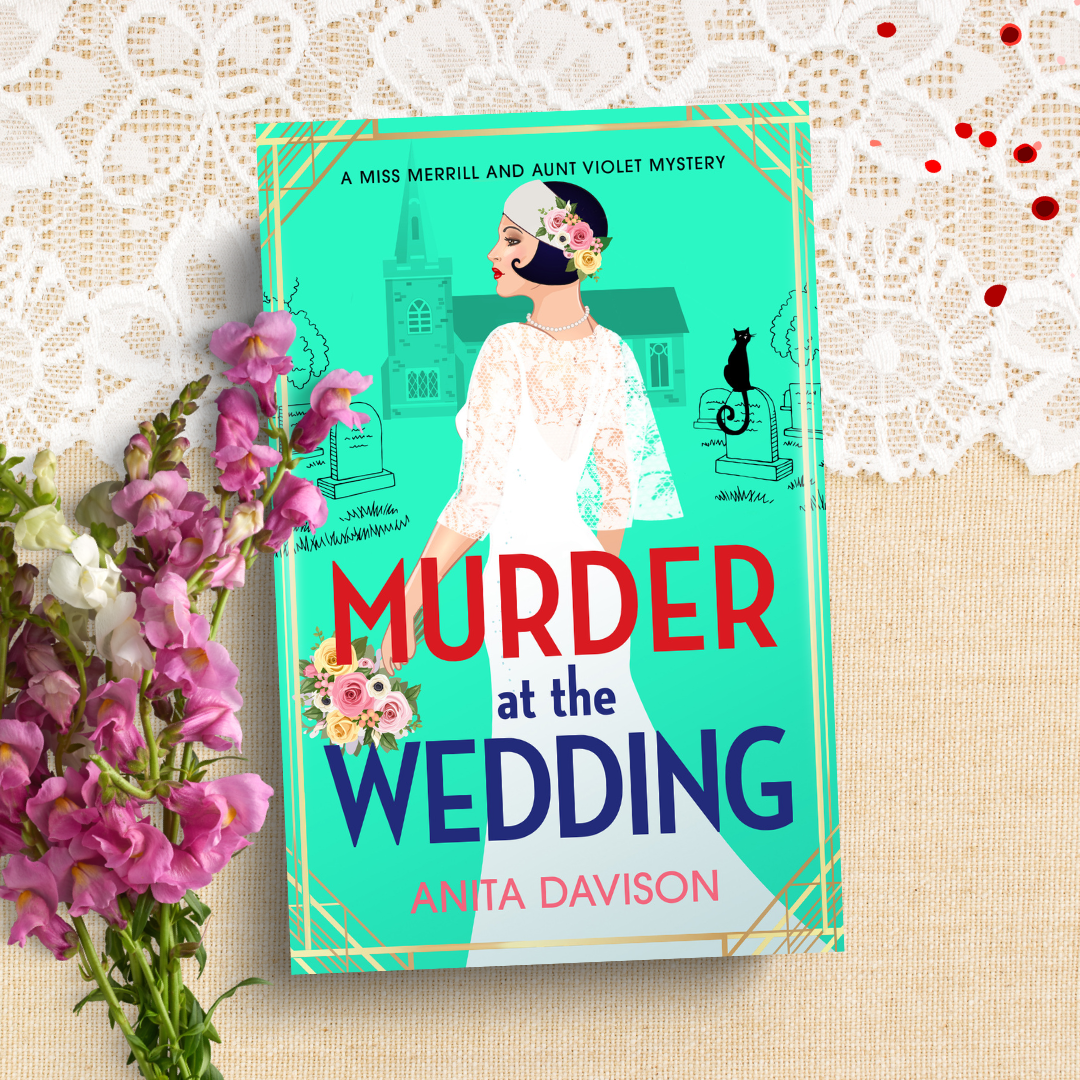
I’m delighted to share my review for Murder at the Wedding by Anita Davison #bookreview #blogtour #historicalmystery #newrelease
Here’s the blurb
Hannah Merrill is about to marry the love of her life…
The couple are determined their low-key celebration will go without a hitch, but there can’t be an ‘I do’ while the vicar is missing. And when he’s found dead – a victim of a poisoning – in the crypt behind the church, Hannah knows only she and Aunt Violet can find out who did it.
Hannah’s beloved thinks she shouldn’t interfere. But if he fails to remember that an independent woman in 1918 doesn’t do what she’s told to by a man, the dead vicar may be the least of his worries…
Then the vicar’s own fiancé appears on the scene, even though nobody knew he was engaged. And suddenly it becomes clear someone has a secret, one shocking enough to kill for.
Will the intrepid pair of amateur sleuths catch the murderer before they kill again? Or will it be til death parts them all?
Murder at the Wedding is a fabulous new mystery in the Miss Merill and Aunt Violet mystery series.
Hannah is finally married but no sooner has she said, ‘I do,’ than she finds a body. (What a horror on her wedding day). What they determine is a matter of suicide becomes something much worse as murder is soon suspected. Hannah and her aunt determine to find the solution because the new police inspector isn’t up to the task.
It’s good to see Hannah and Violet working together in this book. They’re a great team (I felt in the previous book that there wasn’t quite enough of Aunt Violet). The mystery is well structured, seemingly impossible to solve for much of the novel and I didn’t guess the resolution, which I always appreciate.
This is another enjoyable read in the on-going historical mystery series.
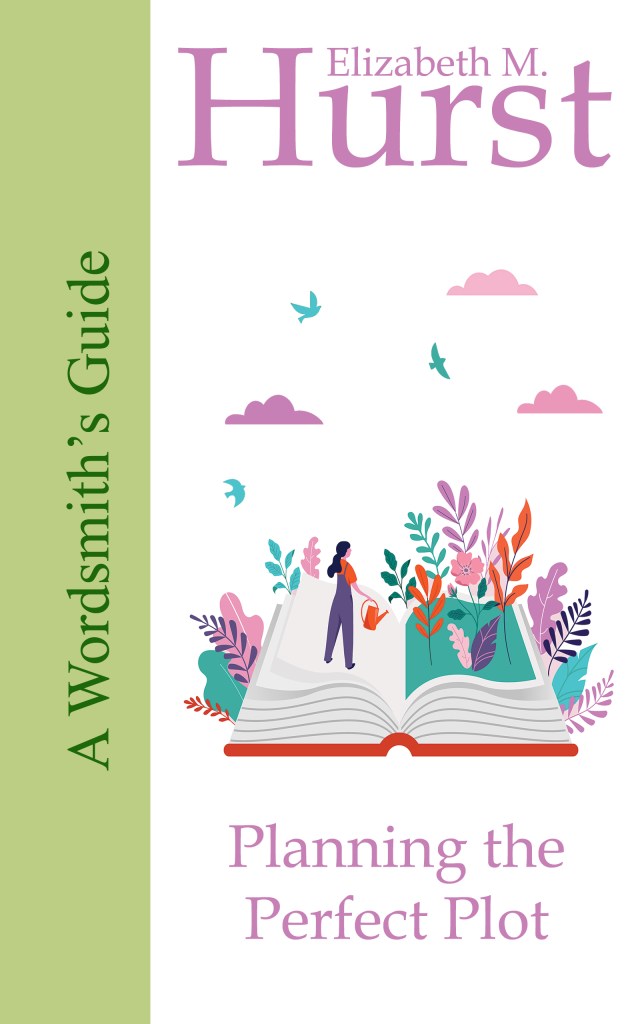
I’m sharing my review The Wordsmith’s Guide to Planning the Perfect Plot by Elizabeth M Hurst #blogtour #nonfiction #writingadvice
The Wordsmith’s Guide to Planning the Perfect Plot
* DO YOU STRUGGLE TO FINISH WRITING A NOVEL? * DO YOU RUN OUT OF MOMENTUM BECAUSE YOU DON’T KNOW WHERE YOUR STORY IS GOING?
The Wordsmith’s Guide to Planning the Perfect Plot is your trusted companion for turning story ideas into structured, compelling narratives. In this fourth instalment of the Wordsmith’s Guides series, Elizabeth M. Hurst takes you through popular plotting methods—including the Snowflake Method, Save the Cat Beat Sheet, and The Inside Outline—helping you choose the right approach for your writing style. You’ll also find practical advice on troubleshooting common pitfalls, crafting satisfying endings, and keeping your plan adaptable as your story evolves.
Inside, you’ll discover:
Clear explanations of proven plotting methods
Guidance on choosing the right structure for your novel
Tips for overcoming plot issues and staying on track
Advice on writing satisfying, well-rounded endings
A practical appendix full of tools and templates to support your planning process
Whether you’re a planner, a pantser, or somewhere in between, Planning the Perfect Plot will help you shape your novel with clarity and confidence.
Planning isn’t something I really do as a writer. But I was certainly curious to see how others might go about writing their stories. Elizabeth M Hurst gathers together many different techniques for planning a novel, and it is interesting to discover how I could be writing a novel, if my mind worked in that way. Mine, alas, does not. It thrives on the chaos. But, I do think the book is an excellent resource for those who plan before writing, and perhaps worry too much about sticking to their plan and the plot they thought they’d be writing when it goes awry and things starts to misbehave. I found it intriguing to read how people use ‘beats’ to craft their story as well as arcs and other techniques. I’m in awe of anyone who can think that far ahead:) I’m not a planner because I ‘feel’ my way through a story – but the author certainly nails my writing style in her explanations.
The author readily acknowledges that most people will use a variety of these techniques, and I was pleased to see that through it all, the delightful chaos of characters and plot misbehaving was never far from her thoughts.
The idea behind writing the novel, was, the author says, to encourage writers to finish their drafts using whatever techniques work for them. This is a worthy endeavour. Many people start writing a story and falter when things start to feel ‘off.’ This should provide opportunities to get writers writing again by thinking of their plot in different ways. I suspect it could be used as an effective diagnostic tool to discover where a plot is faltering, and once that’s been done, writers will learn what works and doesn’t work for them and in future, potentially, avoid the traps waiting to choke off the creativity.
A concise and interesting summary of the way writers write, providing suggestions for breaking free from processes that might not be working. I’m sure all writers will find their ‘type’ in the explanations.
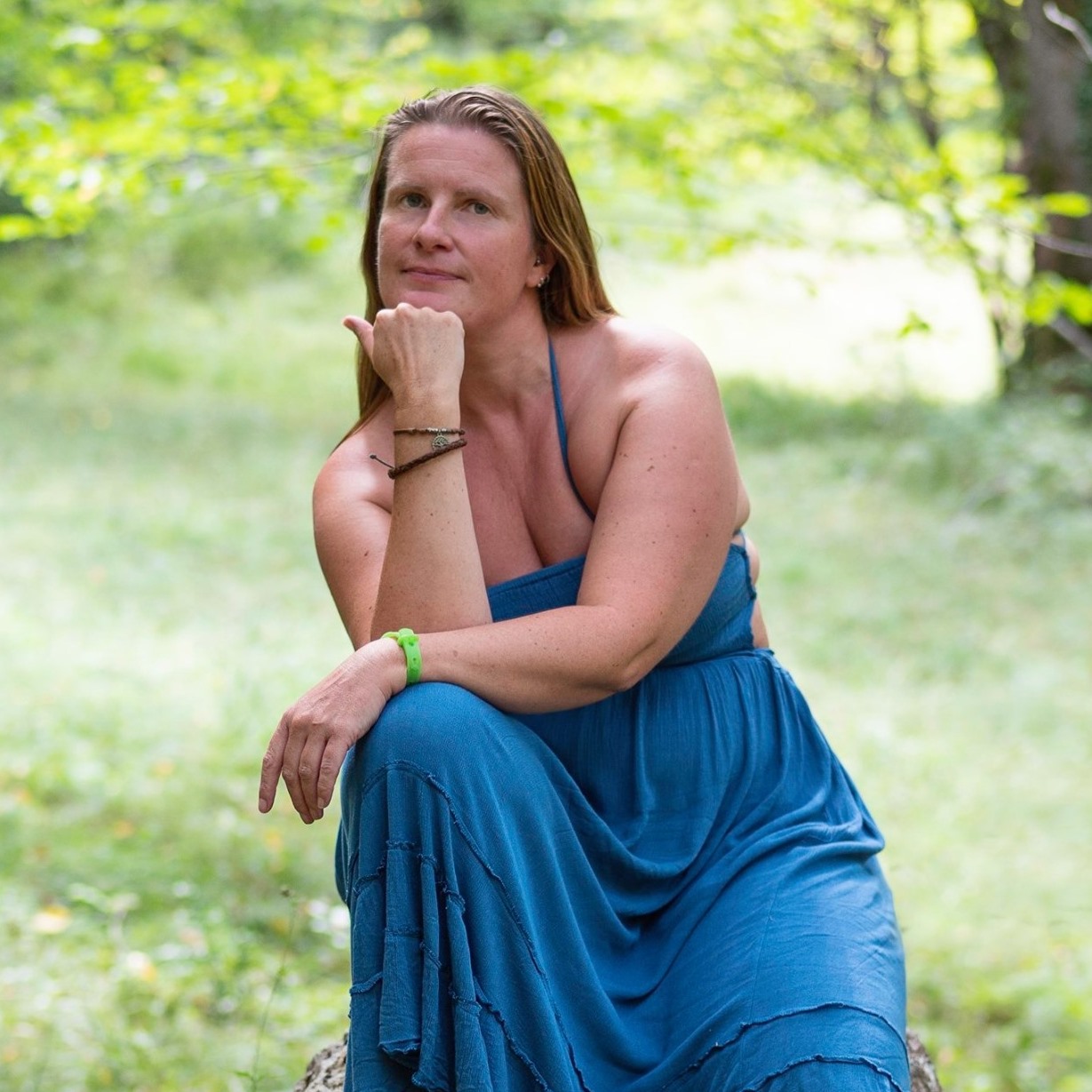
Meet the author
Elizabeth was born and bred in the picturesque harbour town of Whitehaven in the northwest of England, where the long, wet winters moulded her into a voracious reader of fiction to escape the dismal weather.
She graduated with a degree in Business Studies and a string of jobs followed, after which she finally settled in the automotive industry, where she spent twelve happy years.
Having already started writing around the age of 40, she had begun to dream of a more creative lifestyle and set about creating her freelance editing and proofreading business, EMH Editorial Services. In 2018, she quit the corporate world and concentrated her energy full-time towards her love of the written word.
Elizabeth now lives with her husband in the warm and sunny south of France, where the wine is cheaper than the water, and the cats spend their days hunting lizards and dreaming of the birds that roost on the roof.
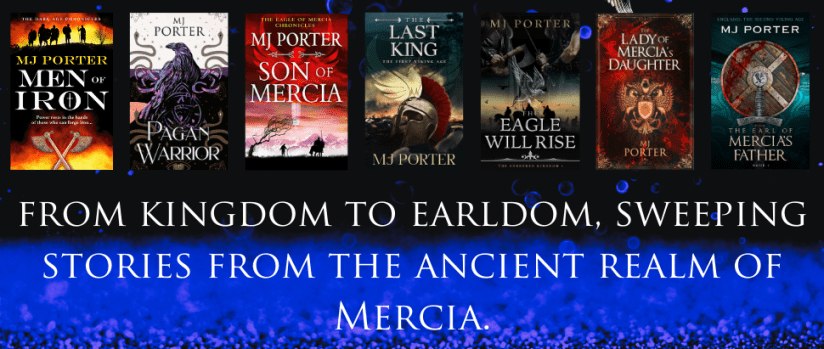
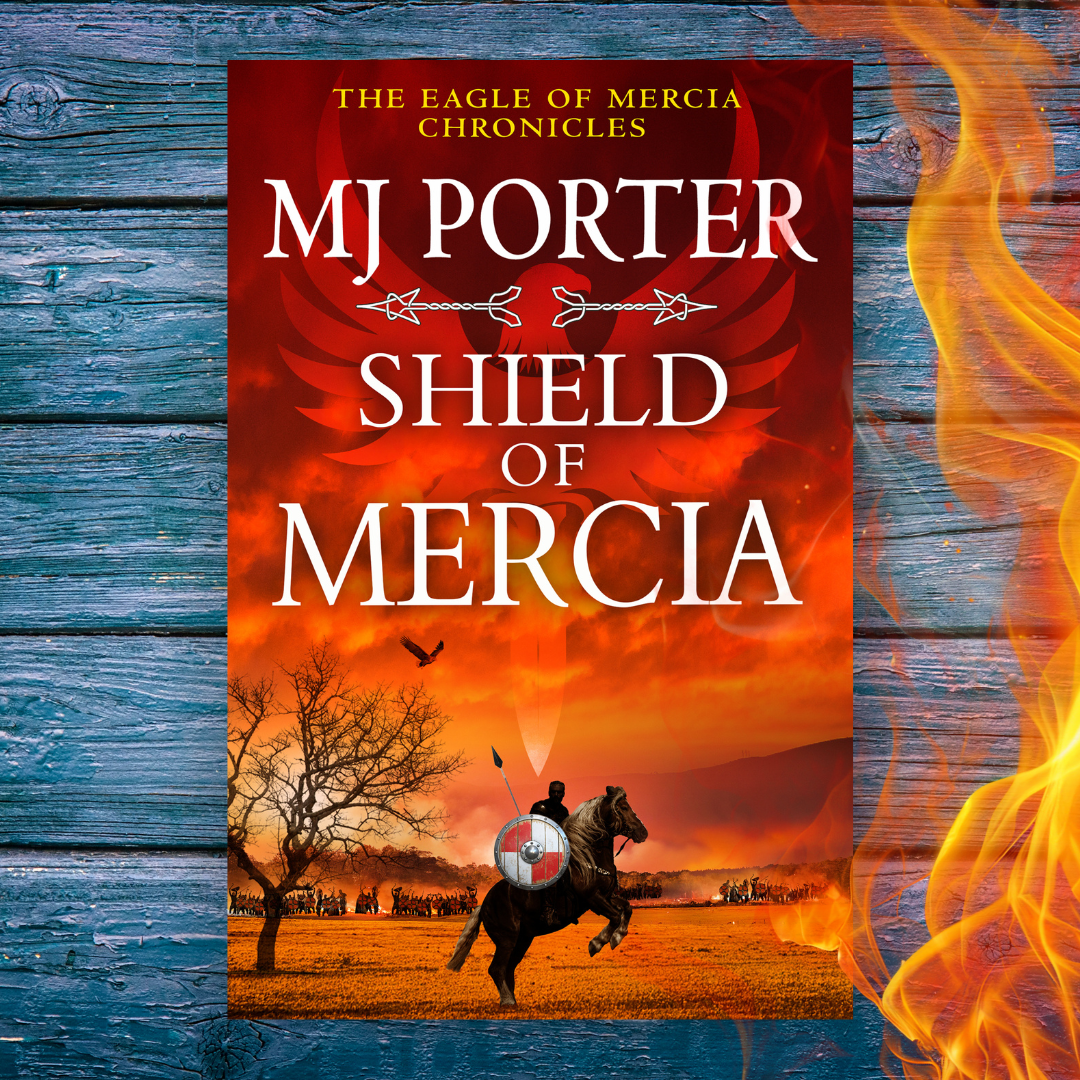
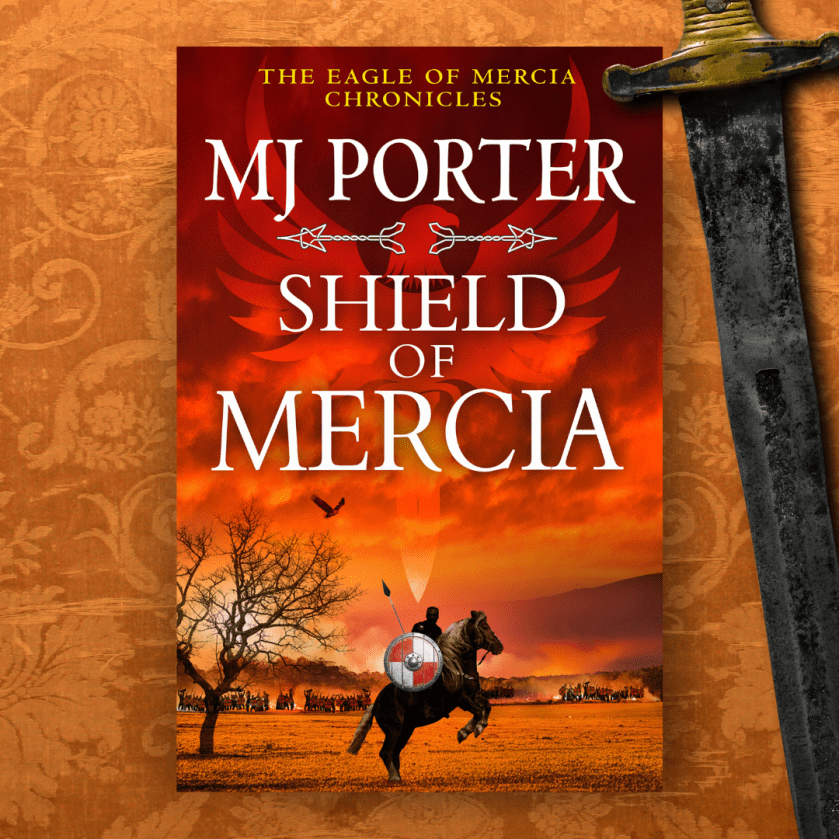
Shield of Mercia has been out for a week. Here’s what the blog tour hosts had to say about the latest book featuring young Icel #newrelease #histfic #TheEagleofMerciaChronicles #audio
A huge thank you to Rachel and the blog hosts.
Here are the links to the complete reviews.
Being a reviewer is a lot of fun, it’s also a lot of work and takes a great deal of planning. I’m always so grateful to those who take a chance on my books. It can sometimes be a step into the unknown.
Mercia is triumphant. Her king is safe. But Wessex was never Mercia’s only enemy.
Tamworth, AD836
Following a brutally cold winter, King Wiglaf of Mercia is in the ascendancy. Even Wessex’s Archbishop of Canterbury extraordinarily ventures to Mercia to broker a religious accord. But, can the hard-won peace prevail?
Viking raiders threaten Wessex. These blood-thirsty warriors are fast, skilful and have no reticence about killing those who stand in their way. Their aim isn’t to rule but to overwhelm, slaughter and take ill-gotten wealth.
King Wiglaf is no fool. As the Vikings push to overwhelm Wessex, Mercia’s lands look insecure. King Wiglaf needs the shields of Mercia’s warriors to prevent the overwhelming advancement of their deadliest enemy yet.
To save Mercia, Icel must first prevail over the two men who mean to end his life; King Ecgberht of Wessex and his son, Æthelwulf of Kent and only then the marauding Viking army for whom boundaries have no meaning.
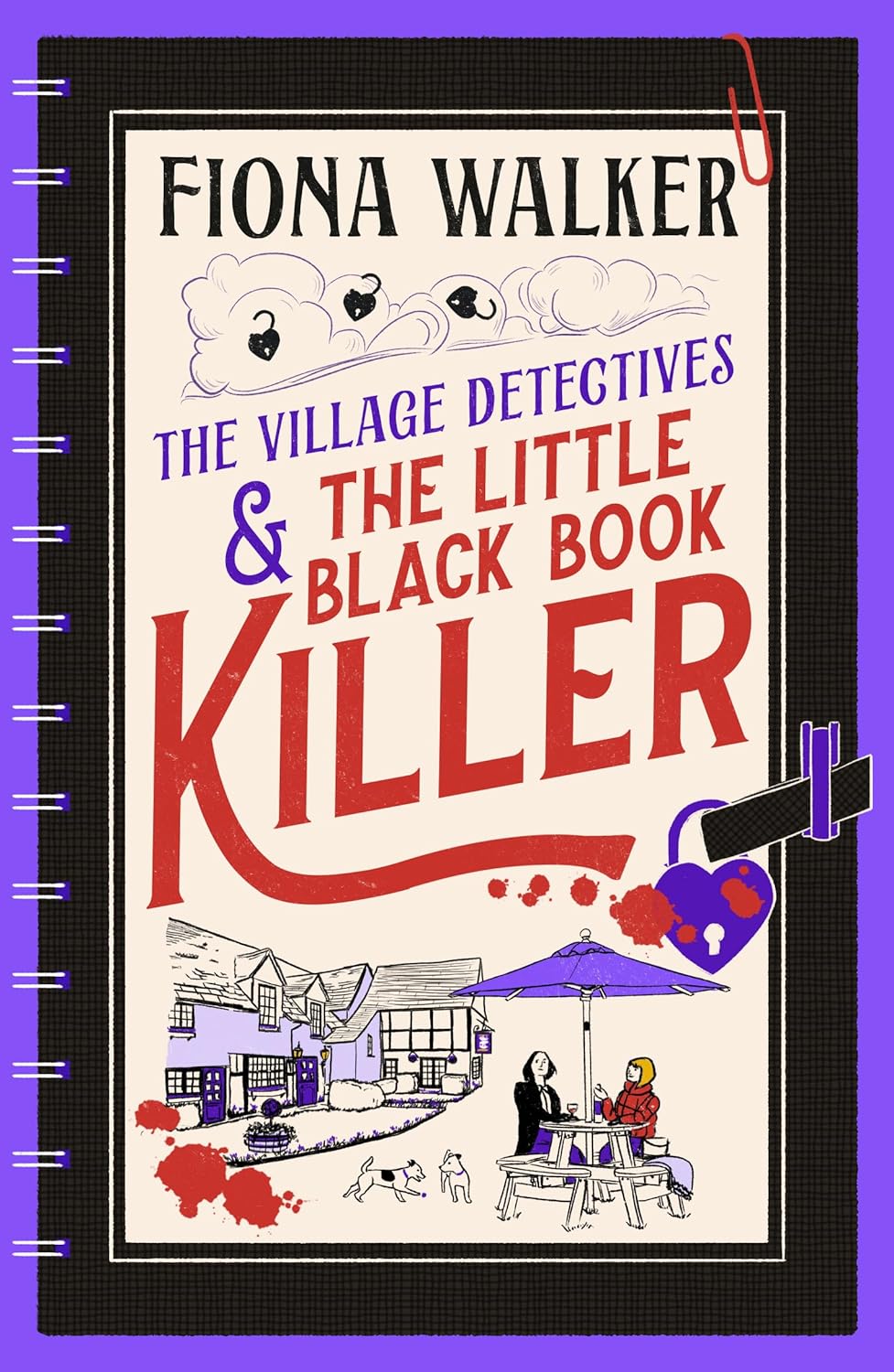
I’m sharing my review for The Little Black Book Killer by Fiona Walker, the third book in her The Village Detectives series #bookreview #cosycrime #newrelease
Here’s the blurb
Matchmaking has never been so murderous… 💔🔪
Juno is feeling ready – at last – to start dating again, after losing her husband some years ago. She is sure she can make time from being a Village Detective, indeed it might help distract her from her crush on hunky (but far-too-young!) pub landlord – Mil.
So she’s signed up to an exclusive new dating app and cannot wait. But when one of the founding investors in that same dating app drops dead in front of fellow Village Detective Phoebe in a nearby hotel – and then a second investor is found hanging in the local cricket pavilion just days later – Juno knows she’ll have to put her love life on hold.
Teaming up once more with Phoebe, Felix and Mil… the Village Detectives are back. And this time Juno – who’d thought she was getting under the covers with a new lover – is going undercover to catch a killer…
Wickedly funny cozy crime, from million-copy bestselling author Fiona Walker! Fans of The Thursday Murder Club and A Death on Location will love the Village Detectives!
The Little Black Book Killer is the third book in the Village Detective Series, and I definitely think it’s my favourite so far. I laughed so hard at one line in particular, and I think all readers will love it.
Freddy is out of her ‘funk’ (which has been a running theme). Juno is certainly ‘dialled down’ a few notches (yay), and their switching narratives ensure the reader almost always knows what’s happening. The characters involved in the actual mystery are a delightful mix of local villagers who all bring something to the table. The graveyard vandals and the missing underwear also add a delightful side story.
The mystery itself is quite complex, and there are a ton of red herrings (yay), so I didn’t work out all the elements of the resolution, which I always appreciate.
As I said, this is the third book in the series, and my favourite so far.
Check out my review for The Poison Pen Letters, the second book in the series. I have read book 1 too, but clearly not popped it on the blog.
Meet the author
Fiona Walker is the million copy bestselling author of joyously funny romantic comedies. Most recently published by Head of Zeus, she will be turning to cozy crime for Boldwood.
Shield of Mercia is now available. Return to the world of young Icel, and listen to me rabbiting on, again #newrelease #histfic #TheEagleofMerciaChronicles #audio
Me doing a bad job of introducing the new book
In my defence, I am frantically trying to finish another title!
I have mentioned elsewhere that my publisher are now publishing what are known as ‘trade paperbacks’ for their titles. This is the format most of my indie titles are published in, and you can find this ‘new’ size here.
Here’s the blurb
Mercia is triumphant. Her king is safe. But Wessex was never Mercia’s only enemy.
Tamworth, AD836
Following a brutally cold winter, King Wiglaf of Mercia is in the ascendancy. Even Wessex’s Archbishop of Canterbury extraordinarily ventures to Mercia to broker a religious accord. But, can the hard-won peace prevail?
Viking raiders threaten Wessex. These blood-thirsty warriors are fast, skilful and have no reticence about killing those who stand in their way. Their aim isn’t to rule but to overwhelm, slaughter and take ill-gotten wealth.
King Wiglaf is no fool. As the Vikings push to overwhelm Wessex, Mercia’s lands look insecure. King Wiglaf needs the shields of Mercia’s warriors to prevent the overwhelming advancement of their deadliest enemy yet.
To save Mercia, Icel must first prevail over the two men who mean to end his life; King Ecgberht of Wessex and his son, Æthelwulf of Kent and only then the marauding Viking army for whom boundaries have no meaning.

Come with me to Great Witcombe #newrelease #MenOfIron #WarriorsOfIron #histfic
Great Witcombe Roman Villa
Great Witcombe Roman Villa is no longer open to the public, but it is managed by English Heritage, and it’s possible to get a glimpse of it, although you do need to be careful. I think it’s currently closed due to safety concerns, so be mindful, and stay behind all the barriers, especially as the location is pretty remote.

From what I could see of the remains of Great Witcombe Roman Villa, it does seem to have been set in a beautiful place, and it quite appealed to me. I relied heavily on the idea of the location when devising the home for one of the tribes that features in the Dark Age Chronicles. (It probably helped that I visited on a lovely sunny day.)
It’s time for a new Bradecote and Catchpoll historical mystery. I’m reviewing Feast for the Ravens by Sarah Hawkswood #historicalmystery #bookreview
Here’s the blurb
Worcestershire, September 1145: A Templar knight is found dead in the Forest of Wyre, clutching a bloodstained document naming a traitor. Undersheriff Hugh Bradecote, Serjeant Catchpoll, and Underserjeant Walkelin must uncover whether the killing was personal, political, or the work of outlaws. They are surprised to find that the locals believe the killer to be the Raven Woman, a mythical shape-shifter said to haunt the woods. Then the knight is identified as Ivo de Mitton – believed to have long ago murdered his own kin – and the mystery deepens.
As the trio dig through legend and lies, they must determine the truth and bring a cunning killer to justice.
Sarah Hawkswood’s medieval mysteries are some of my favourite books. I wish I could savour them when they’re released once a year, but I find myself reading far too quickly.
Her main characters, Bradecote, Catchpoll and Wakelin are determined and intrepid in their desire to solve each mystery presented to them, and the same applies for Feast for the Ravens.
When our dead man is found in the woodlands, it seems impossible that any will recognise him, but slowly a devastating tale of treachery, revenge and cunning is revealed as our intrepid investigative trio work hard to determine who is being truthful, and who less so. The tale quickly turns quite dark and is filled with peril, although not, thankfully, for our sleuthing threesome. All the usual characters benefit from a brief mention, and this tale is firmly grounded in the political conspiracy of the reign of King Stephen and Empress Matilda. A great deal is at stake if the truth is not discovered.
I adore this series. I have long grown used to the author’s decision to have her characters speak and think in ‘ye olde worlde’ way, and it enhances the atmosphere of these books.
If you’ve not started the series, then you can start with this book, but I would highly recommend stepping back a few titles, if not to the very beginning of the series (which I think you can enjoy when you know the characters better) to fully immerse yourself in this twisty, dark and perilous medieval mystery.
Check out my reviews for other books in the series (I have read them all)
I’m sharing my review for A Mirror Murder, the first book in a delightful 1970s cozy mystery series by Helen Hollick #bookreview #mystery #blogtour
Here’s the blurb
A Mirror Murder – First In The Jan Christopher Cozy Mystery Series
The first in a series of quick-read, cozy mysteries set during the 1970s in North East London and North Devon, featuring the characters of Jan Christopher, her Aunt Madge, her uncle, DCI Toby Christopher and romantic interest DC Lawrence Walker – plus several other endearing, regular characters.
The background of Jan’s career as a library assistant is based on the author’s own library years during the 1970s, using many borrowed (often hilarious!) anecdotes, her life in suburban north east London on the edge of Epping Forest, and her present life in rural North Devon…
July 1971 Eighteen-year-old library assistant Jan Christopher’s life is to change on a rainy evening, when her legal guardian and uncle, DCI Toby Christopher, gives her a lift home after work. Driving the car, is her uncle’s new Detective Constable, Lawrence Walker – and it is love at first sight for the young couple. But romance is soon to take a back seat when a baby boy is taken from his pram, a naked man is scaring young ladies in nearby Epping Forest, and an elderly lady is found, brutally murdered… Are the events related? How will they affect the staff and public of the local library where Jan works – will romance survive and blossom between library assistant Jan Christopher and DC Walker? Or will a brutal murder intervene?
“I sank into this gentle cosy mystery story with the same enthusiasm and relish as I approach a hot bubble bath, (in fact this would be a great book to relax in the bath with!), and really enjoyed getting to know the central character…” Debbie Young (bestselling cozy mystery author)
“Jan is a charming heroine. You feel you get to know her and her love of books and her interest in the people in the library where she works. She’s also funny, and her Aunt Madge bursts with character – the sort of aunt I would love to have had. I remember the 70s very well and Ms Hollick certainly gives a good flavour of the period.”Denise Barnes (bestselling romance author Molly Green)
“A delightful read about an unexpected murder in North East London. Told from the viewpoint of a young library assistant, the author draws on her own experience to weave an intriguing tale”Richard Ashen (South Chingford Community Library)
“Lots of nostalgic, well-researched, detail about life in the 1970s, which readers of a certain age will lap up; plus some wonderful, and occasionally hilarious, ‘behind the counter’ scenes of working in a public library, which any previous or present-day library assistant will recognise!”Reader’s Review
I do love a cozy crime series, and Helen Hollick’s Jan Christopher stories are fabulous.
As I so often do, I have read the series slightly out of order, and all you sensible people will start with A Mirror Murder, and you are in for a real treat as you read your way through the entire series.
The first book, A Mirror Murder, sets the scene for the series and introduces us to the cast. As someone who loves a really well-written and tightly plotted cosy mystery, I adored this book.
Perfectly evoking the early 1970s, with reference to newspaper events and Jackie magazine, including the cost of chocolate and a bus ticket, as well as some evocative pre-electronic library administration, I thoroughly enjoyed this mystery. It did bring back memories of my school days when I was forced to volunteer in the local library, and they sent us to the depths of the library and let us loose on the card filing system.
South Chingford Library Copyright A Morton.
Episode 2: A MYSTERY OF MURDER
set in rural Devon, Christmas 1971
Library Assistant Jan Christopher is to spend Christmas in Devon with her boyfriend, DS Laurie Walker and his family, but when a murder is discovered, followed by a not very accidental accident, the traditional Christmas spirit is somewhat marred…What happened to Laurie’s ex-girlfriend? Where is the vicar’s wife? Who took those old photographs? And will the farmer up the lane ever mend those broken fences?
“There are lots of things to enjoy in the second in the Jan Christopher cosy mystery series” Best-selling cozy mystery author Debbie Young
“A laid back sort of novel, the kind that you can relax while reading, and simply let the story happen. This author has a particularly unique style of writing… this book wasn’t simply a story, but an experience. You almost have the feeling that the author is reading the book to you, and is adding in her own little quips every now and again. I loved every second… The whole mystery is well thought out… utterly amazing!” Review: I Got Lost In A Book Blog
“The pace is gently cosy, despite the murder… Jan is a wonderful character; young, naïve, but also savvy when needed. And Laurie is a gem. All the characters and their foibles and actions stay true to the era… a lovely, warm story.” Review: Ruins & Reading
More in the series:
Episode 3 A MISTAKE OF MURDER
Was murder deliberate – or a tragic mistake?
Episode 4 A MEADOW MURDER
Make hay while the sun shines? But what happens when a murder is discovered, and country life is disrupted?
Episode 5 A MEMORY OF MURDER
A missing girl, annoying decorators, circus performers and a wanna-be rock star to deal with. But who remembers the brutal, cold case murder of a policeman?
Episode 6 A MISCHIEF OF MURDER
The village Flower and Veg Show should be a fun annual event – but who added mischief and murder to the traditional schedule?
Known for her captivating storytelling and rich attention to historical detail, Helen’s historical fiction, nautical adventure series, cosy mysteries – and her short stories – skilfully invite readers to step into worlds where the boundaries between fact and fiction blend together.
Helen started writing as a teenager, but after discovering a passion for history, was initially published in 1993 in the UK with her Arthurian Pendragon’s Banner Trilogy and two Anglo-Saxon novels about the events that led to the 1066 Battle of Hastings, one of which, The Forever Queen (USA title – A Hollow Crown in the UK) became a USA Today best-seller. Her Sea Witch Voyages are nautical-based adventures inspired by the Golden Age of Piracy. She also writes the Jan Christopher cosy mystery series set during the 1970s, and based around her, sometimes hilarious, years of working as a North London library assistant. Her 2025 release is Ghost Encounters, a book about the ghosts of North Devon – even if you don’t believe in ghosts you might enjoy the snippets of interesting history and the many location photograhs.
Helen and her family moved from London to Devon after a Lottery win on the opening night of the London Olympics, 2012. She spends her time glowering at the overgrown garden, fending off the geese, chasing the peacocks away from her roses, helping with the horses and wishing the friendly, resident ghosts would occasionally help with the housework…
What languages were being spoken in Post-Roman Britain? #newrelease #MenOfIron #WarriorsOfIron #histfic
What languages were being spoken in Post-Roman Britain?
As with everything to do with this period of the ‘Dark Ages,’ much was in flux. It’s believed that many languages were spoken by the inhabitants of the island of Britain. From the native Brythonic (also often termed British) who would have spoken a version of Welsh, to the Latin of the Christians, the Old Norse (or even older versions of Old Norse) being spoken by those emigrating to Britannia, as well as Pictish, and potentially other languages as well.
Our only written source commonly believed to be from this period, that of Gildas’ On The Ruin of Britain, was written in Latin, but then, he’s said to have been an educated Christian, raised in the ways of both Rome and Christianity. If he spoke Latin on a day to day basis, I’m unsure. I know scholars complain about his grasp of the written Latin language being somewhat convoluted, but whether that’s due to him, or the way his writings have been transmitted to us through the years, I’m unsure.
How then might these people have communicated with one another if so many different languages were being spoken? There must have been translators who could facilitate trade between the tribes. It would be amazing to discover one of these individuals in the archaeological record, but it seems unlikely.
I’ve worked hard to find names for my characters which feel authentic for the period. The Eorlingas have Brythonic names, Meddi has been shortened from Meddiwysti for fear it was impossible to pronounce, whereas Wærmund and his warriors, while having names that feel very Saxon, are, I hope, ones I’ve not used before, and according to the resource I used, are deemed as ‘early’ Saxon names. Other characters also have Latin names, and some have slightly made-up Latinised names i.e. Terricus who was named after one of my readers, who wanted to be a warrior, but became a blacksmith instead. I think he’s still one of my readers:)
I’ve also used different names for the settlements, again to reflect the mix in language. The Eorlingas, Gyrwe and other tribal names are from the Tribal Hidage a contentious (later and difficult to date) source but one believed to document the very small tribal affiliations that might have existed at this time. Uriconium/Viriconium has its Latin name, although I used a version of the name I found that’s not the most commonly used one. Corinium (Cirencester), Glevum (Gloucester) and Verulamium (St Albans) have their Roman-era names. The River Severn, has its Old Welsh name, Habren, and so, as I was writing the trilogy I was being mindful of reflecting the hodgepodge of names and languages my characters might have known and heard being spoken.
It also added to the drama to make it difficult for my characters to easily communicate with one another.