Author of Saxon historical fiction and non-fiction, 20th-century historical mysteries, and Norse-inspired historical romantasy. Book reviewer and blog host.
London 1918: Is Fiona Figg ready to exchange her sleuthing cap for a bridal veil?
Fiona is set to tie the knot with her dashing captain, Archie Somersby. But, while Fiona is busy planning her happily ever after, side-kick Kitty Lane and a group of judo-chopping suffragettes are kicking up trouble at the Piccadilly Jujitsu Club.
When Kitty is found unconscious in the locker room during a high-stakes competition, Fiona must forsake her bouquets and bridal gown to investigate. Her sleuthing leads to a posh lady’s luncheon where a mysterious death crashes Fiona’s wedding plans.
To make matters worse, the arch-nemesis of all things matrimonial Fredrick Fredricks is up to his old tricks, attempting to put the brakes on Fiona’s journey down the aisle. Will he succeed in tripping up Fiona’s wedding vows? Or will she finally say “I don’t” to the charming devil?
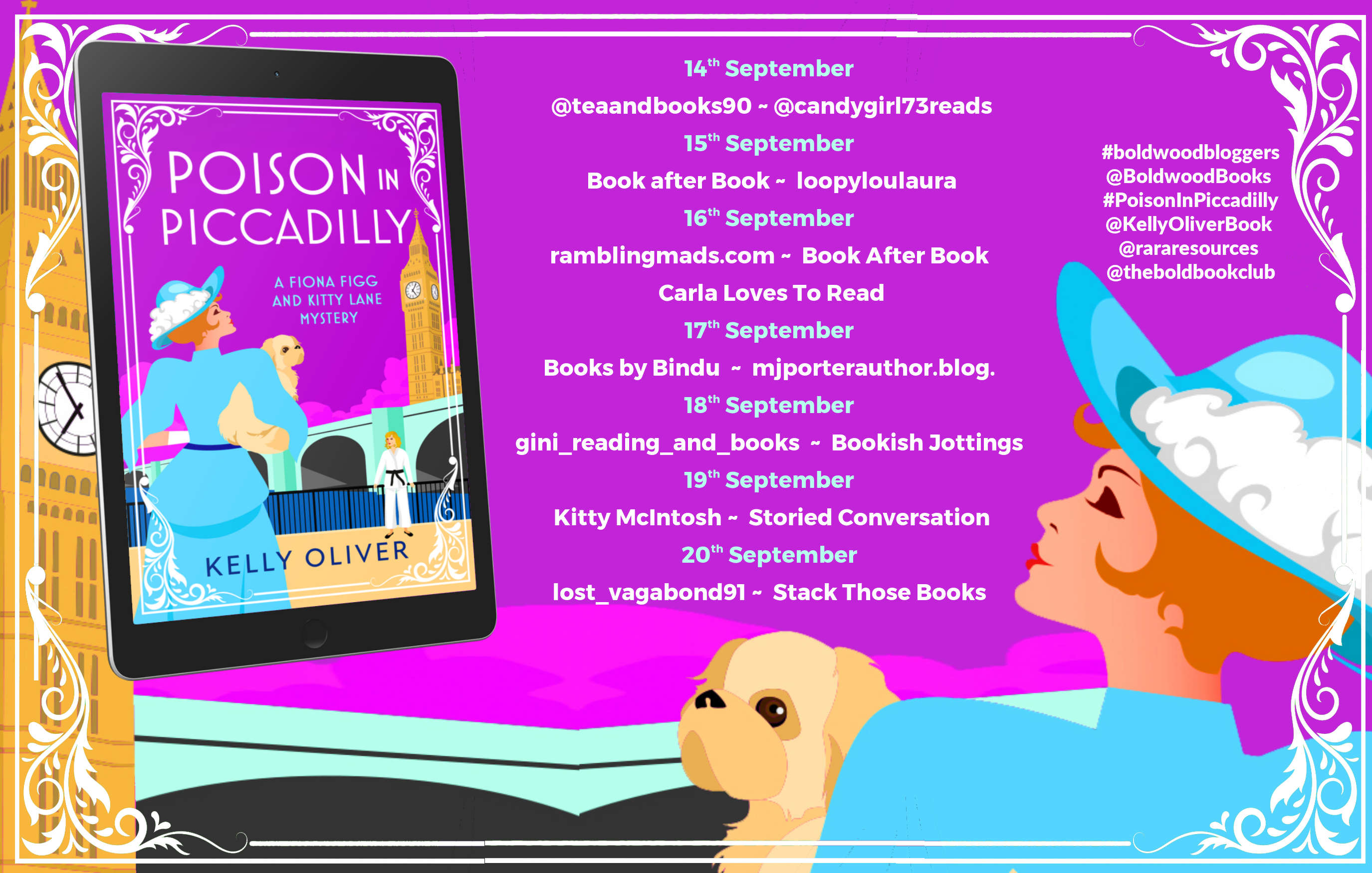
Poison in Piccadilly is the latest Fiona Figg and Kitty Lane mystery. I’ve read them all.
Told with its tongue-in-cheek humour and with Fiona’s penchant for fake moustaches never far away, this story is set mostly in London, with a quick trip to Ireland, and in a role-reversal, sees Kitty requiring Fiona’s help. All the while, Fiona is supposed to be preparing for her wedding. As ever, torn between the man she’s supposed to trail as he’s suspected of being a spy and her soon-to-be husband, Fiona is never entirely sure who to trust as she investigates the latest mystery to fall in her lap.
With all of the series favourites and many unexpected twists and turns, Poison in Piccadilly is a fun read. For all its humour, I do adore the way this series effortlessly weaves a fictional narrative featuring historical people and events.
You’re missing a treat if you’ve not tried a Fiona Figg ad Kitty Lane story yet.
Kelly Oliver is the award-winning, bestselling author of three mysteries series: The Jessica James Mysteries, The Pet Detective Mysteries, and the historical cozies The Fiona Figg Mysteries, set in WW1. She is also the Distinguished Professor of Philosophy at Vanderbilt University and lives in Nashville, Tennessee
Escaping the city doesn’t mean escaping the criminals…
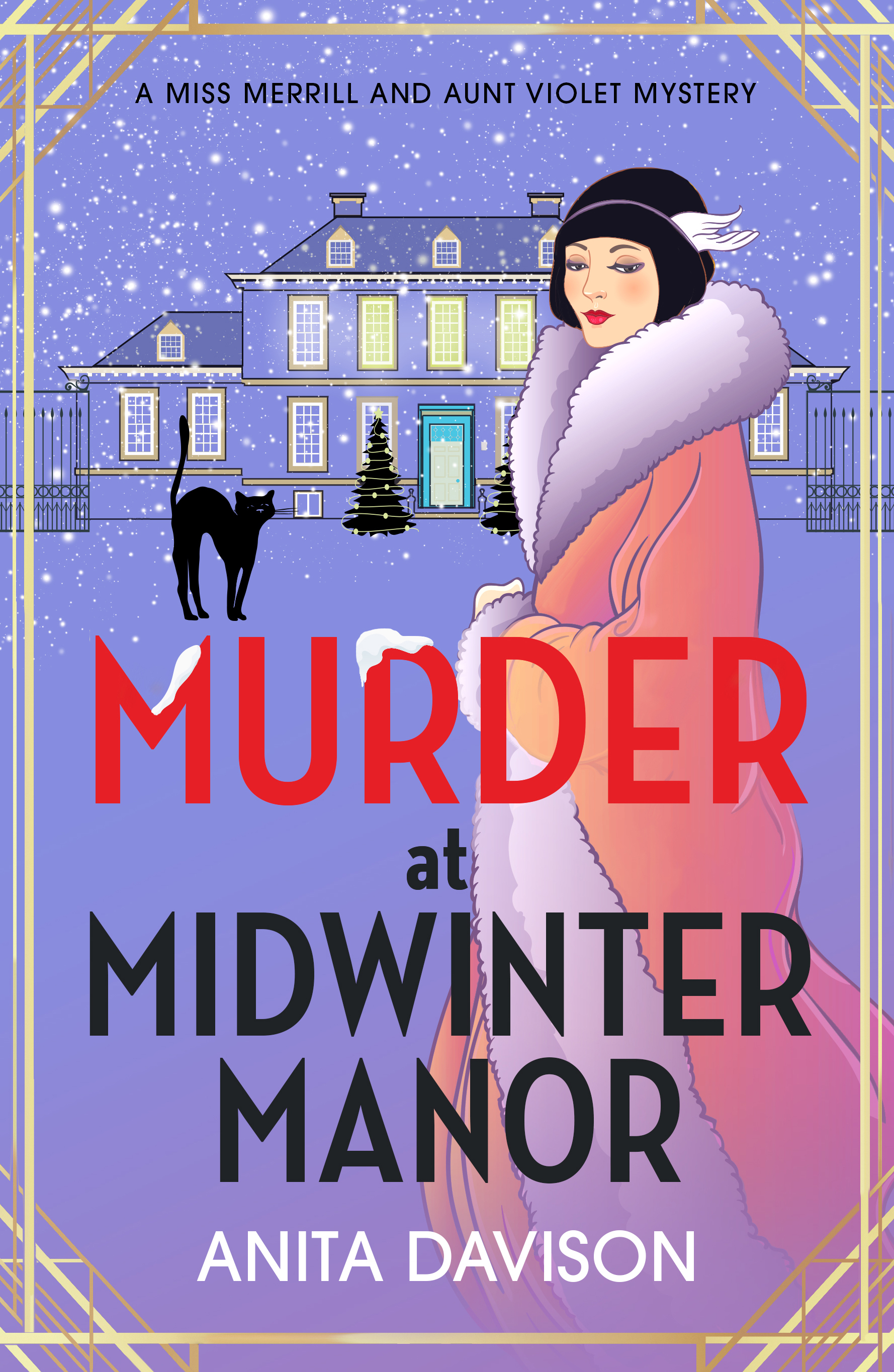
1916, Midwinter Manor: Desperate for a Christmas weekend break from war-torn London, Hannah Merrill and her Aunt Violet take Bartleby the cat and themselves off to visit Hannah’s sister, in her beautiful country estate, deep in the English countryside.
The huge house is full of relatives, friends and merrymakers, and everyone’s excited to have a Christmas to remember.
But then, when a fellow-guest’s body is found in the library – apparently bludgeoned to death – and a precious ruby is stolen from another guest, it appears that it’s going to be memorable for all the wrong reasons.
With the house snowed in, and the rural police force completely incapable of finding a single credible suspect, Hannah and Aunt Violet realise that once again it’s going to be down to them to get to the bottom of it.
Because whoever’s behind the crimes must be at Midwinter Manor… And if they’re not found, who knows what their next ‘gift’ will be?
A totally unforgettable Golden Age, country house, cozy crime novel, perfect for fans of Helena Dixon, Verity Bright, and Agatha Christie.
Murder at Midwinter Manor is the third Miss Merrill and Aunt Violet mystery book, and I’ve read all of them.
This story takes us to Hannah’s sister’s house for a Christmas party. Some of the guests are family, and some of them are not (Oh dear for them).
While we get to know the members of the party, there are strange goings-on in the background, and when Hannah is left with not one but two mysteries to solve, things start to become more interesting.
As we watch Hannah and her aunt, alongside their two male sidekicks, at work, we’re treated to everything we’d expect from a Golden Age country-house-style murder. (I was somewhat jealous about all the Afternoon Teas they managed to consume.) The mystery is intricately connected to the era of First World War Britain, and the events are believable and enjoyable to read about.
When they come, the conclusions are both satisfying after suspicion has fallen on just about everyone.
As a huge fan of this genre of fiction, I really enjoyed Murder at Midwinter Manor and the glimpse given of a divided society in a single house between servants and masters.
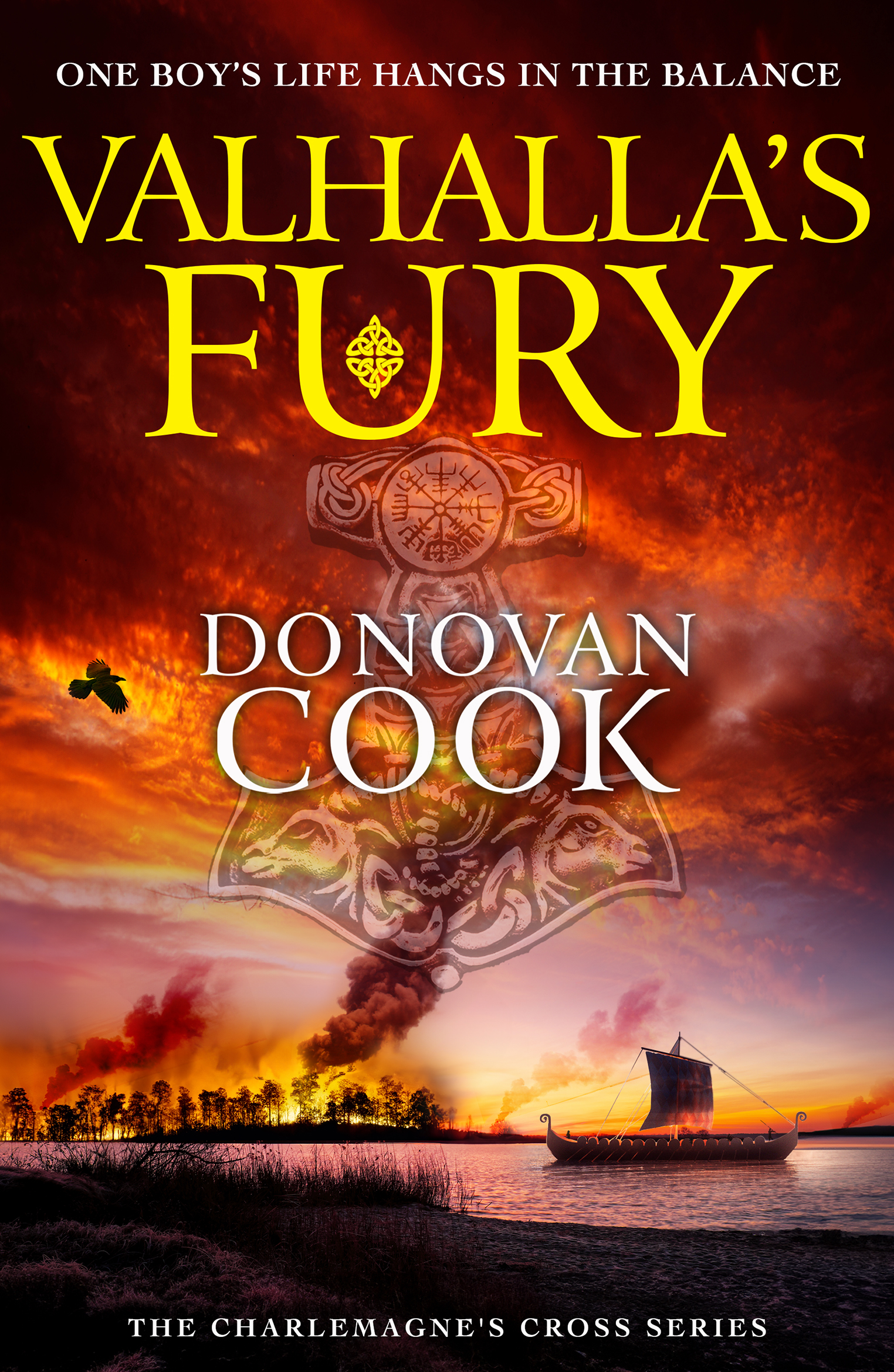
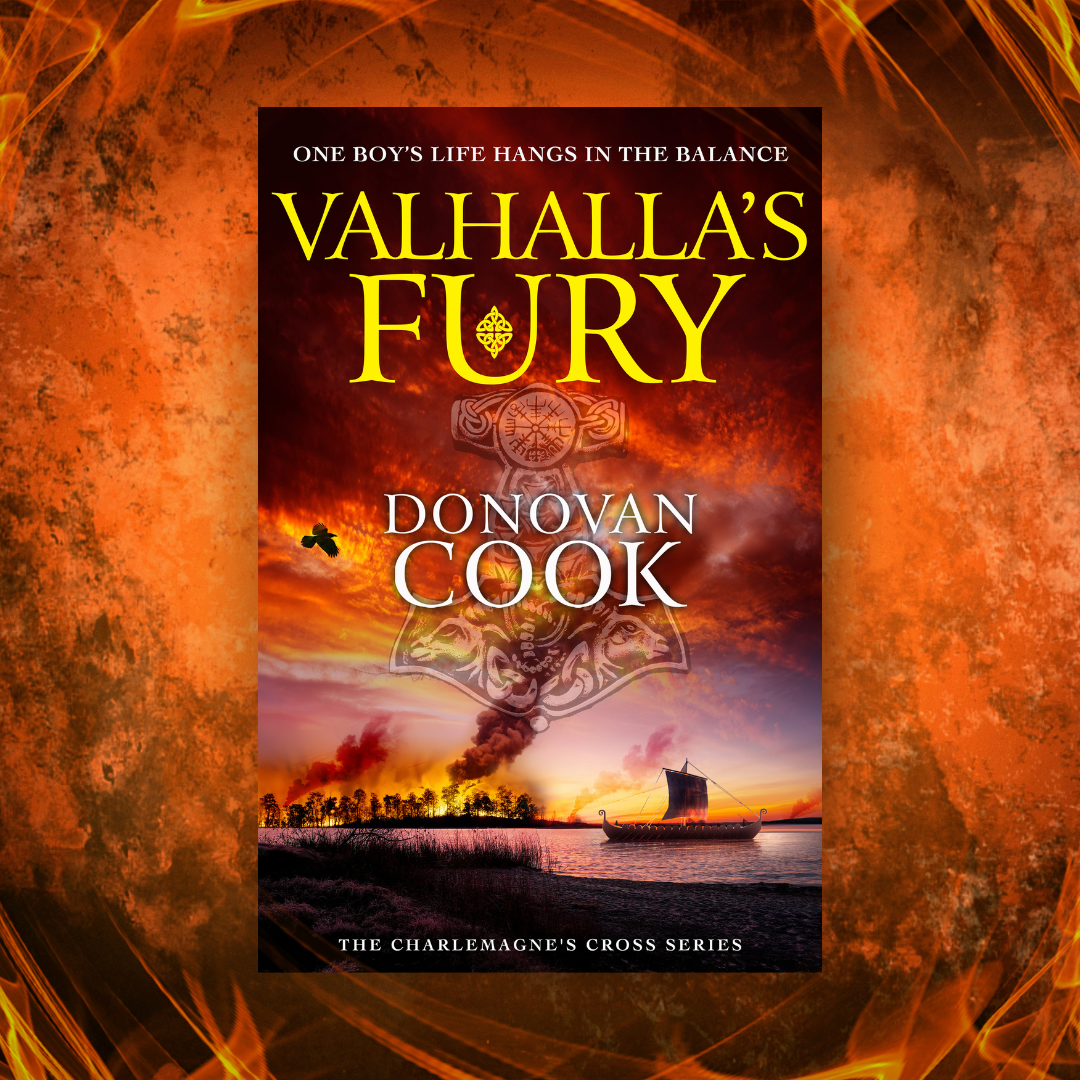
Abandoned by his people and destined for Valhalla, do not stand in the way of his fury.
Ribe is lost, its hall burnt, and Charles is still missing. Sven must once more sail into dangerous waters to rescue his grandson.
King Louis of East Francia, the man who took Sven’s son from him almost twenty years ago, has Charles captive and uses him to force Sven to do his bidding and create chaos raiding his brothers Kingdom of West Frankia.
The long awaited meeting of Charles and his mother, Abbess Hildegard, is not what Charles dreamed it would be and soon it becomes clear that Charles is in even more danger. Torn between the heathen gods and his Christian god, Charles must decide where his future lies.
Sven must fight if he wants to see Charles again and keep the Cross of Charlemagne out of the hands of the Frankish kings. The only thing that Sven knows is that to save Charles, innocent people must die.
Valhalla’s Fury is the final book in the Charlemagne’s Cross Series, bringing to an end this enthralling series set in the 800s, pitching the Danes against the Franks, or certainly, some of them. I’ve read all of the books and you can check out my reviews below.
All seems impossible in this final book as Sven desperately wishes to rescue Charles from the clutches of the Franks, whereas Charles is something of a pawn in the hands of his Frankish grandfather.
The storyline quickly separates Charles and Sven once more, and we see glimpses of life in a Frankish town as well as in a Viking encampment deep in the heart of West Frankia, through the eyes of our two main characters. The narrative builds as the reader is left wondering how on earth the two can possibly be reunited, or if all will end in disaster, I don’t want to say either way, but it is a solid ending for this enthralling tale.
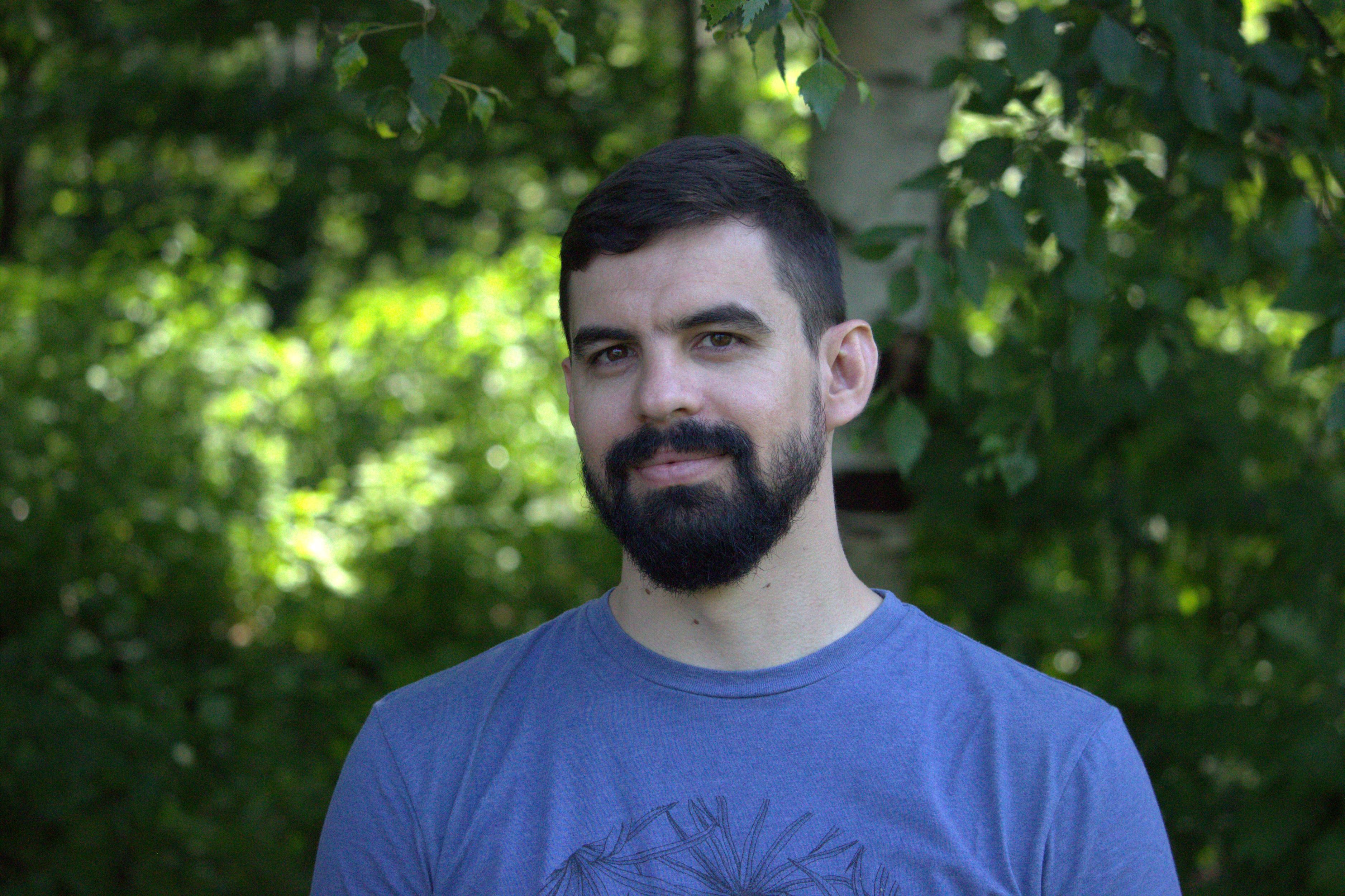
Donovan Cook is the author of the well-received Ormstunga Saga series and the Charlemagne’s Cross series, both of which combine fast-paced narrative with meticulously researched history of the Viking world and are inspired by his interest in Norse Mythology. Donovan was born in South Africa but raised in England.
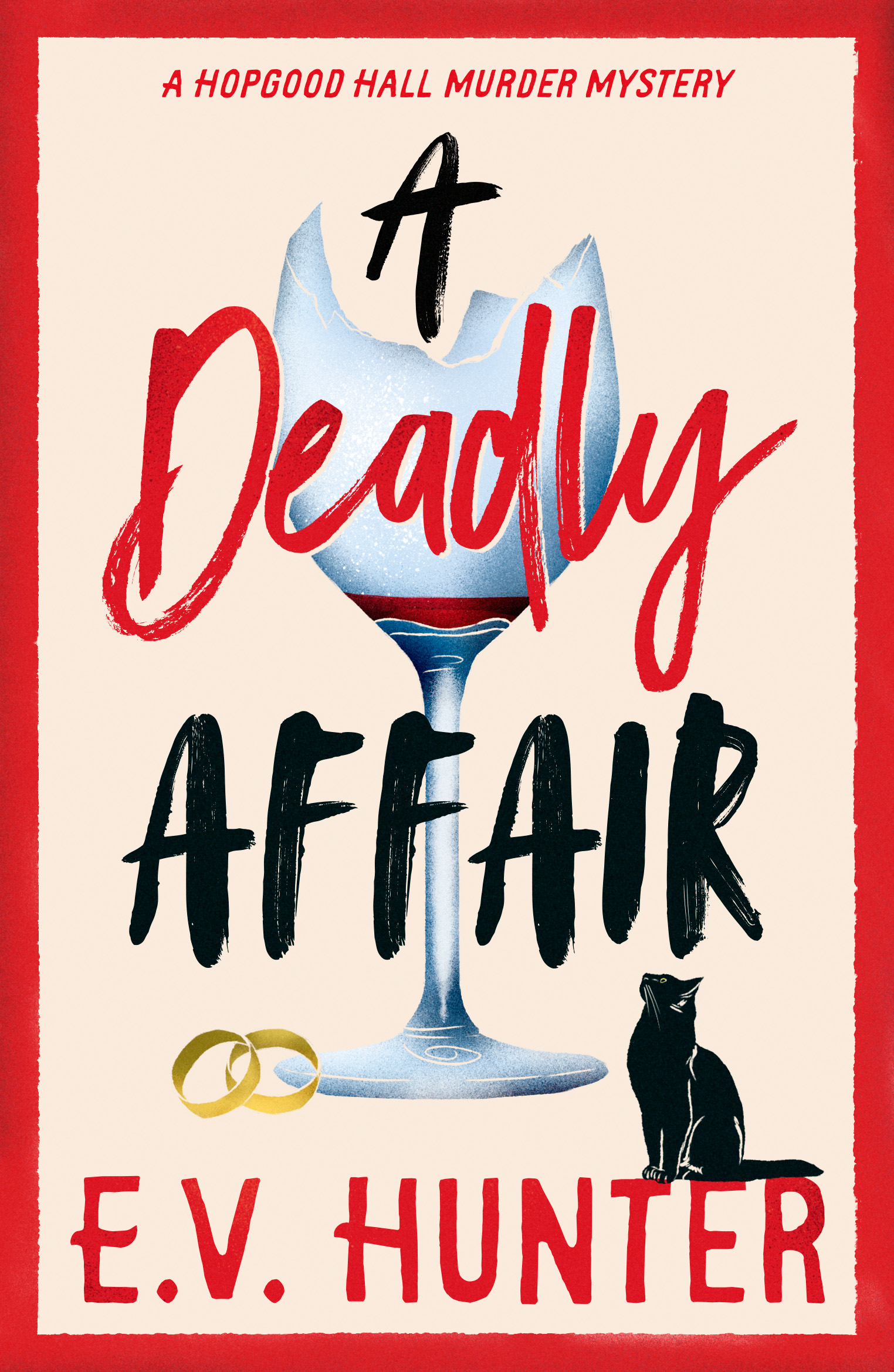
Life at Hopgood Hall is never boring, but Alexi Ellis hopes that there will be no more murders for the time being – she’s solved four already and is getting a reputation in the local area for being bad luck.
So when local gossip Polly Pearson arrives at Hopgood hall, Alexi knows this can only mean bad news. Polly has made it clear that she dislikes Alexi, and has campaigned for her to leave Hopgood Hall forever – so what could Polly want?
Then Polly reveals that her partner, Gerry has been found murdered in her B&B and that she is the main suspect! Alexi, her partner Jack and Cosmo the cat are all left speechless. More so when Polly begs Alexi for help improving her innocence.
But Alexi isn’t sure she wants to help this spiteful gossip. Is she really innocent or as deadly as the police believe her to be?
A Deadly Affair is the latest book in the Hopgood Hall Murder Mystery series. I’ve read them all.
By now, we know our main characters, Jack and Alexi, well. However, they are still asking questions about their relationship, and I’m afraid this aspect of the series is my least favourite. Luckily, Cosmo comes to the rescue more often than not.
The mystery itself is complex and well-plotted as our sleuths try to understand why Gerry has been murdered. It quickly transpires that all is not as simple as it first appears. Lambourn is filled with dodgy individuals, any of whom could have been the ones involved.
The resolution of the mystery unfolds quickly. I always say I judge a mystery by whether or not I guessed ‘who did it,’ and I did not see this one coming.
These mysteries often have quite a dark underbelly to them (a nod to the author’s other genre, I’m sure), and this one, similar to book 1, fits that bill. It is not quite as cosy as I prefer (because I’m a big wuss), but that doesn’t detract from the fine plotting and masterful way the mystery has been plotted by the author. I take my hat off to EV Hunter for that:)
I have read book 4, A Story to Strangle For, but I’ve failed to review on the blog.
Meet the author
Evie Hunter has written a great many successful regency romances as Wendy Soliman and is now redirecting her talents to produce dark gritty thrillers for Boldwood. For the past twenty years she has lived the life of a nomad, roaming the world on interesting forms of transport, but has now settled back in the UK.
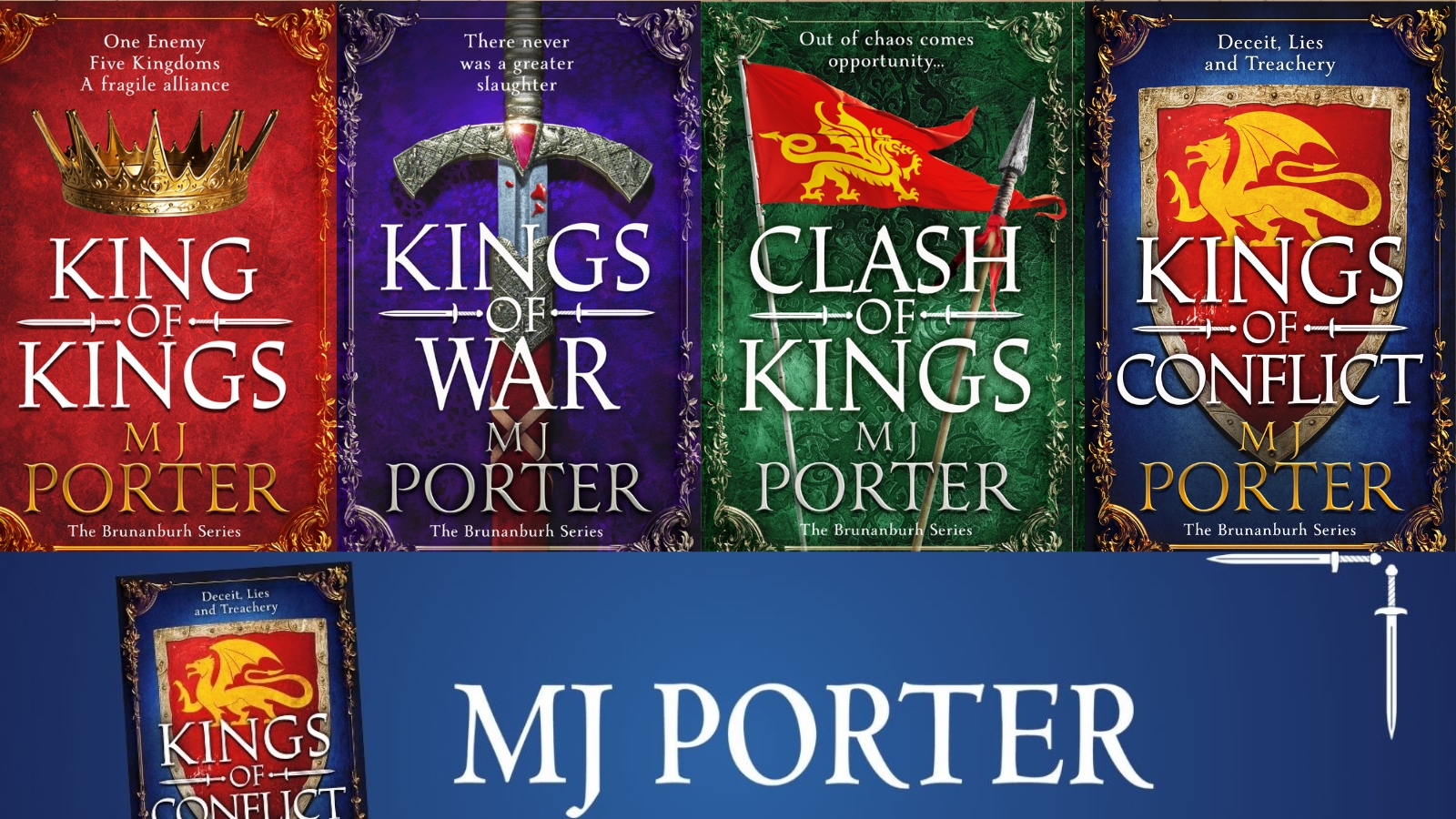
Now we’ve reached the end, it’s time to go back to the beginning
If you’ve not yet had enough of the characters from The Brunanburh Series, then I have good news for you. I wrote a prequel short story from Athelstan’s point of view, and you can download it for free following this link below. You do have to give your email details and sign up for my Boldwood Books newsletters, but they are not at all aggressive with their marketing (I know – I follow myself to make sure) and you will hear from them only about new releases and book related news. And you get a free prequel short story via Bookfunnel. What’s not to love:)
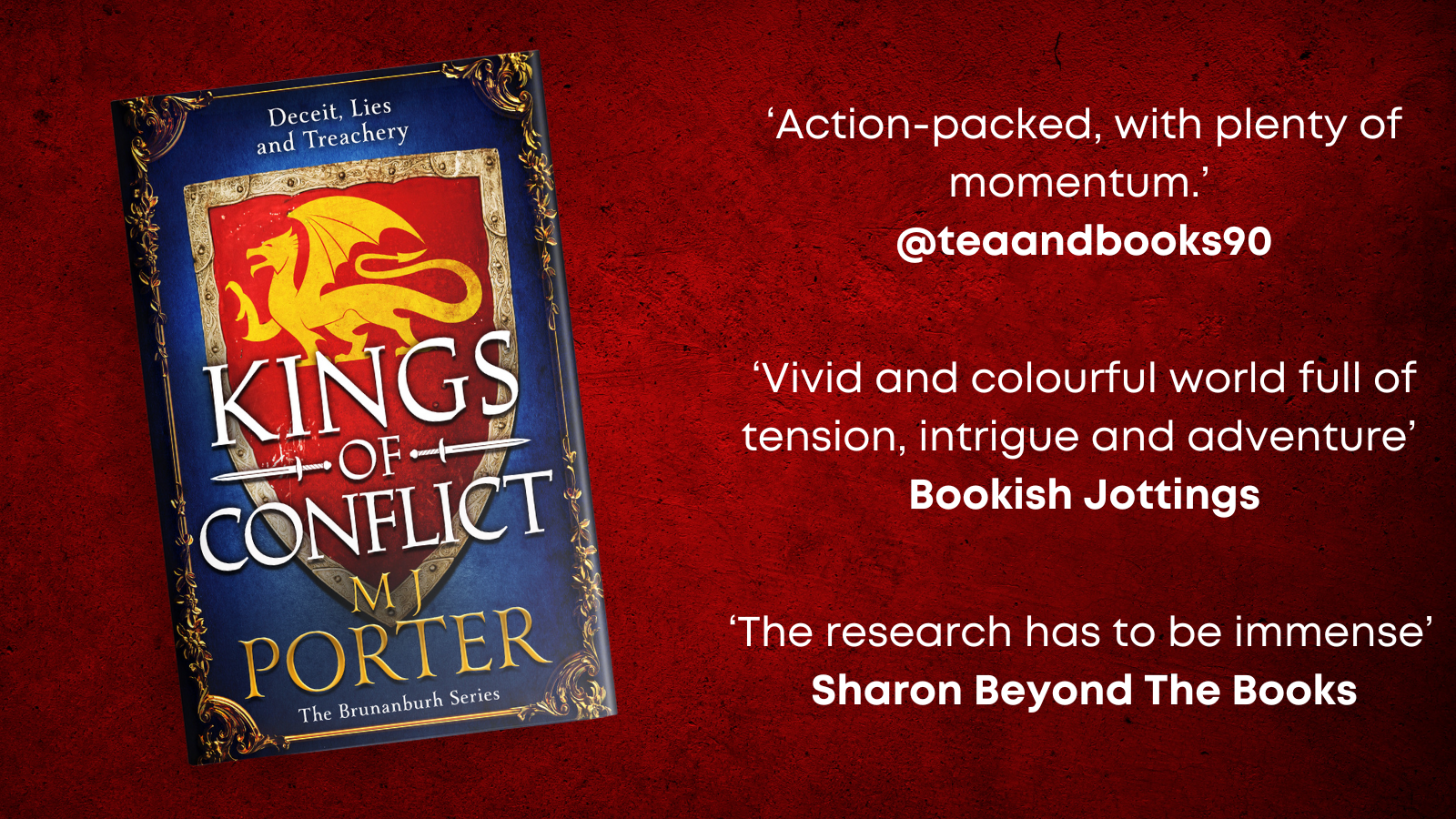
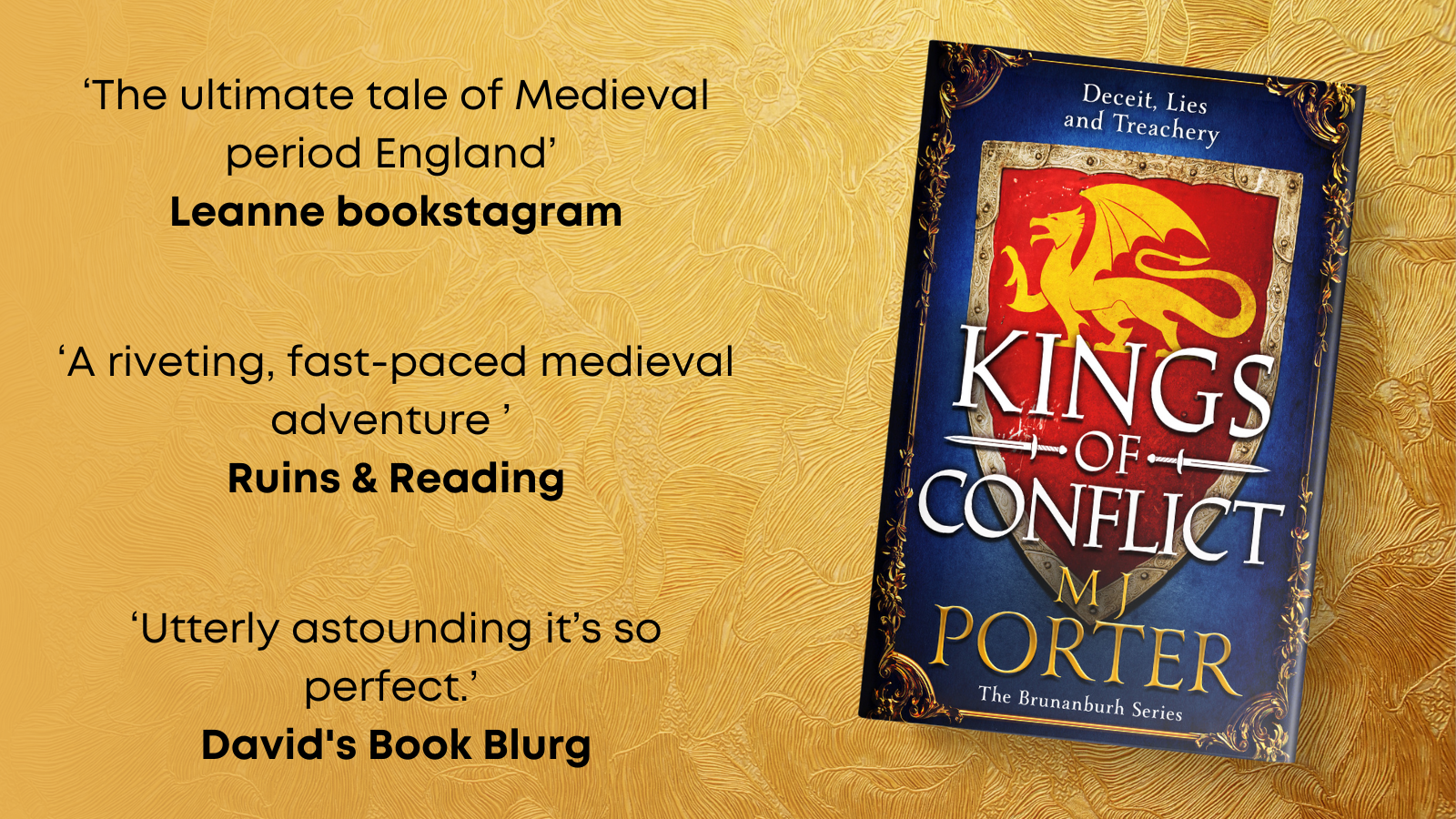
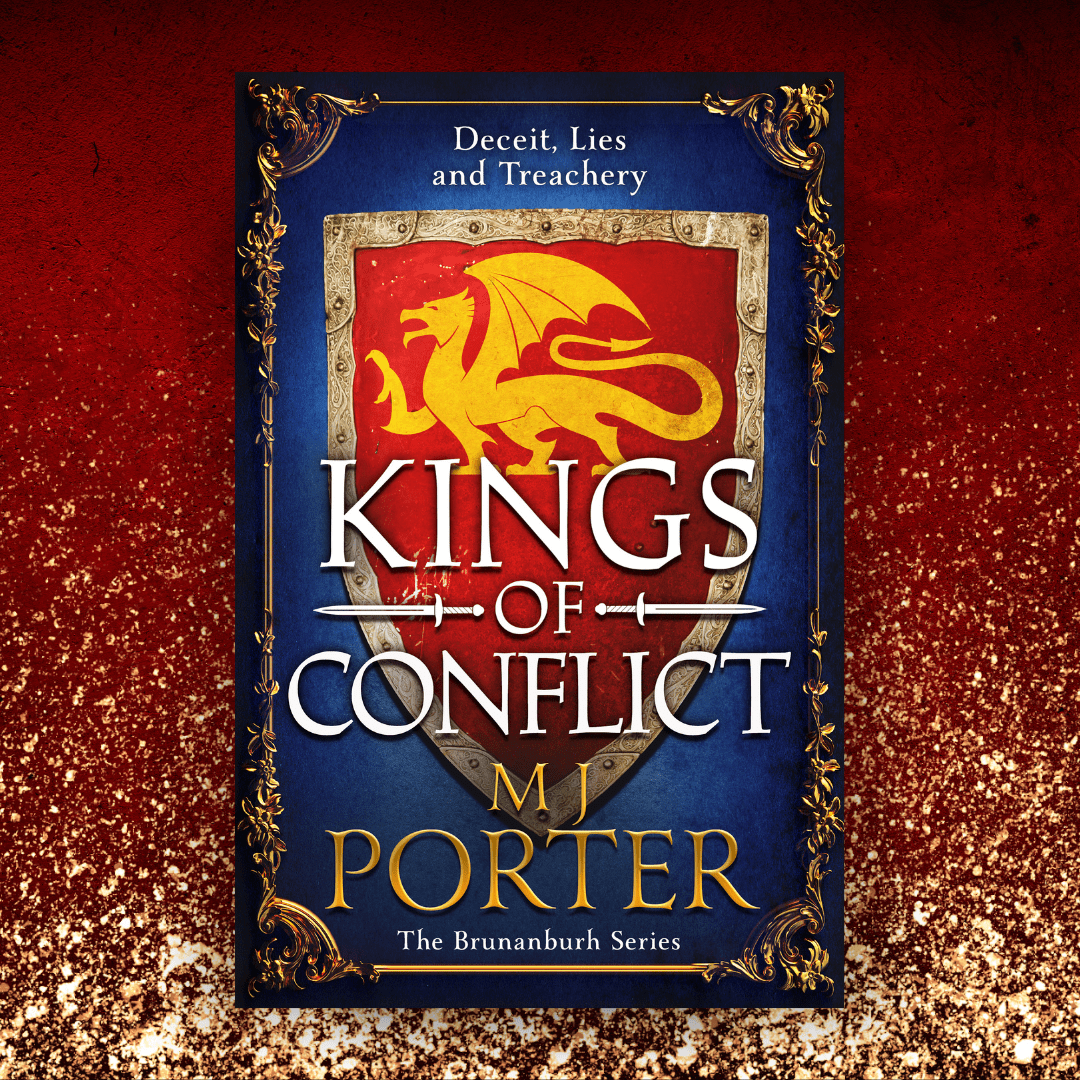
Being a book reviewer is really hard work. I know because I do it myself. And so, I want to give a huge thank you to the book reviewers and bloggers who have helped launched Kings of Conflict throughout the last week, and to Rachel who organises them. (And also to my personal Street Team who are fabulous and so committed.) Everyone thinks that book reviewing must be great because you get to read books before everyone else, (and they’re free) but that overlooks the time and energy it takes to read and review every book and then make them look fancy on the internet. It can be very hard to juggle deadlines and then sometimes, you just don’t gell with a book/character and so, it’s not all free books and leisurely afternoons reading with a coffee (or beverage of choice). It can feel quite pressured. There is an overwhelming urge to want to help an author do really well with every new release. So, a huge thank you to these wonderful people, many of whom I have come to know really well, and I am so grateful to them. (You can check out the highlights from their reviews below – and you can also find the full reviews by typing their names in your search engine).
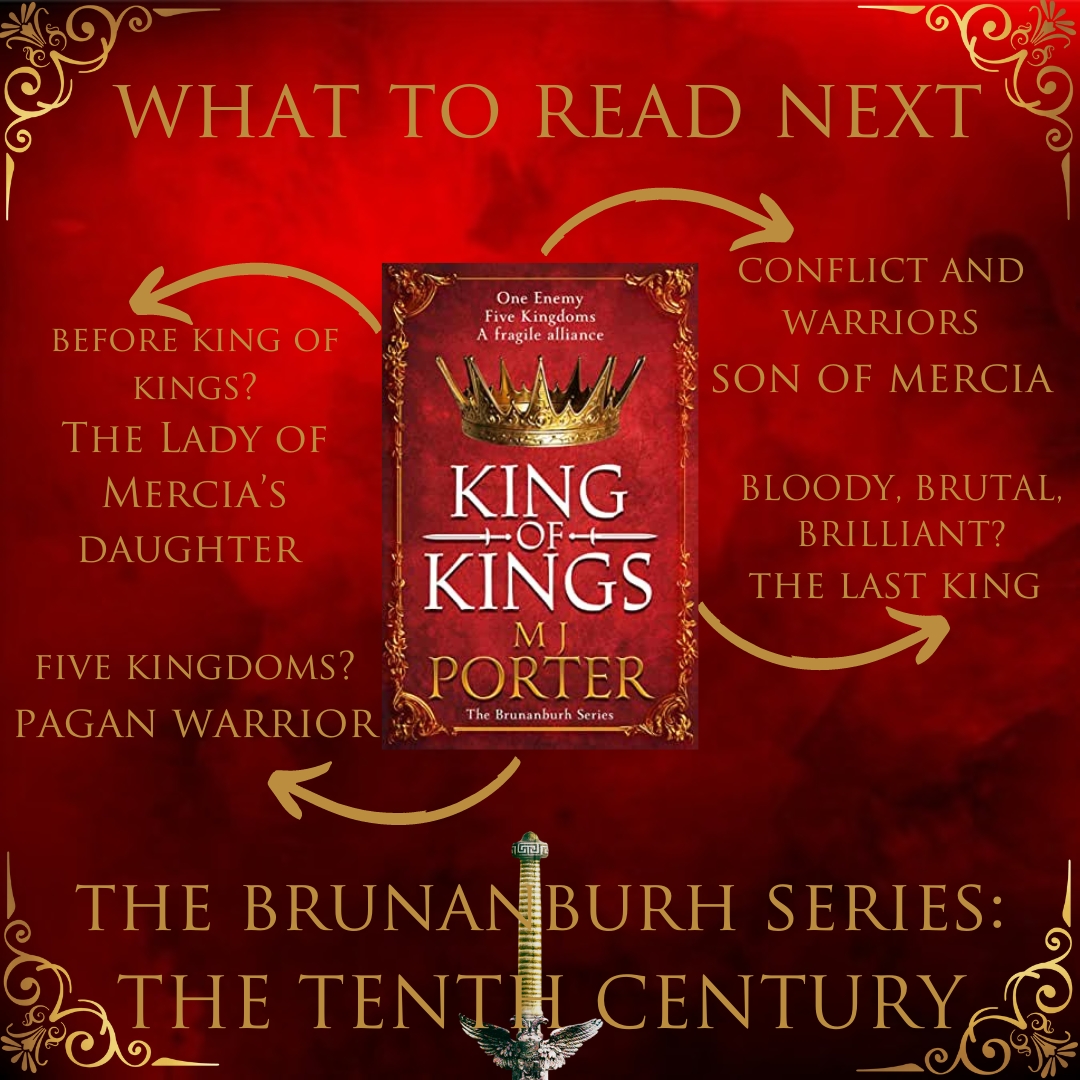
Then pick up the free prequel story, and you can read book 1, King of Kings, free with Prime Reading and it’s also in Kindle Unlimited. The first chapter recreates King Athelstan’s coronation ceremony, and then the politics and chaos descends. Enjoy.
In 2014, I had the ‘amazing’ idea to write a novel about the events that led to the famous battle of Brunanburh in 937 – the greatest battle on British soil that few people have ever heard about (Or certainly hadn’t heard about back then – who knew Uhtred of Bebbanburg would be taking part in it).
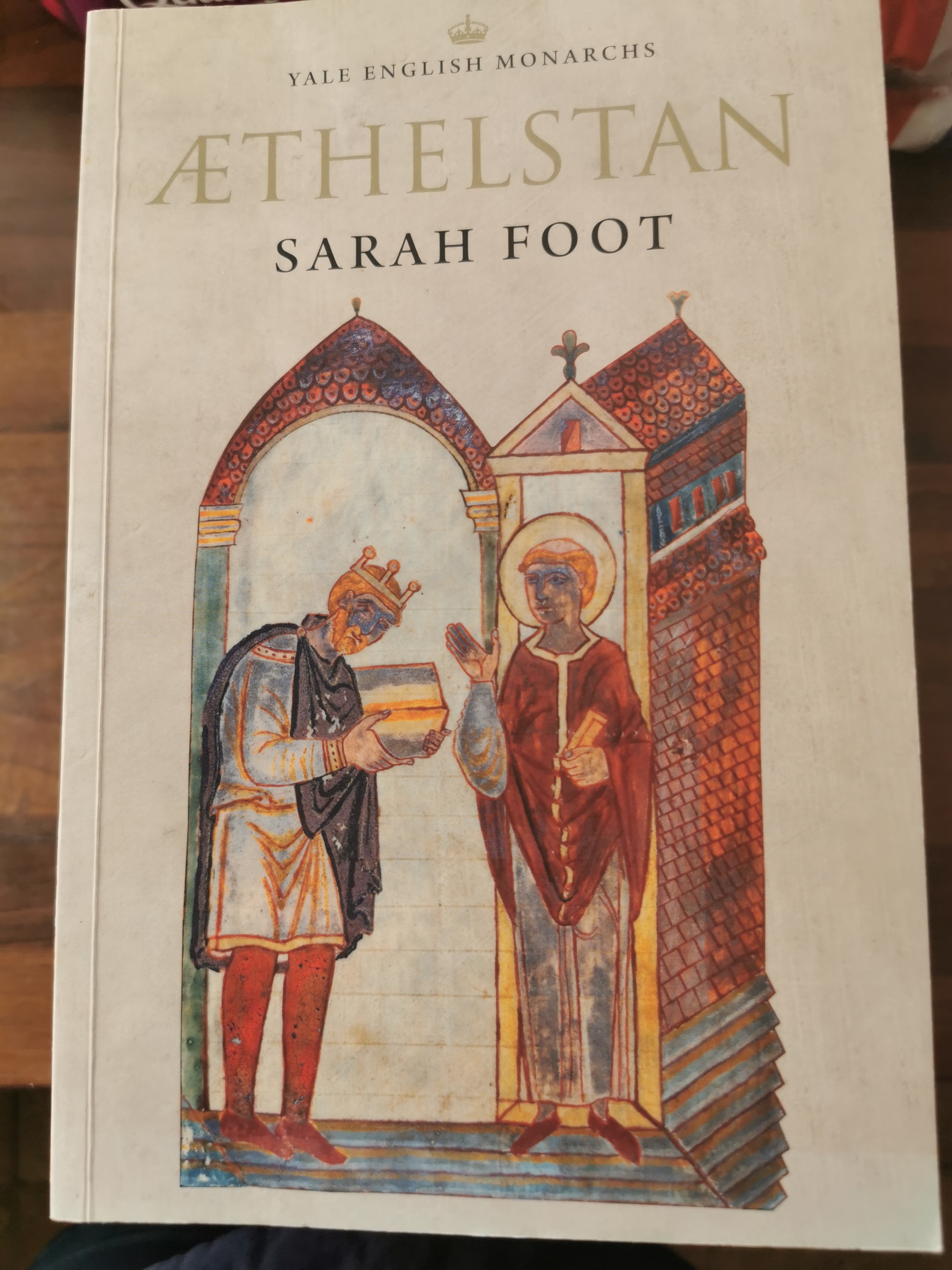
My reasons were two-fold. I’d just read Sarah Foot’s monograph on Athelstan, and the UK was in the grip of a vote for Scottish Independence. It made me consider the union of the kingdoms of Wales, Scotland, England and Northern Ireland and the history behind it. But, it also stemmed from my own frustration with the way we’re taught history in the UK. ‘United’ it might say but if you go to school in England, Scotland, Wales or Northern Ireland you will be taught the ‘history’ of those kingdoms (and only those kingdoms)- that was when I was a kid, and I think it’s still true – very little ‘joined up’ thinking, and this is something that continues to cause problems today, and not just in the UK, but everywhere. Country-specific agendas fall down when looking at periods before these kingdoms actually existed – and the desire to see the ‘march’ towards unity as simple also misses the naunces.
In the first book in what became the Brunanburh Series, I wanted to examine these kingdoms – to unpick the seeming ‘inevitability’ of it all – and it massively helped that despite what might come before, and after, and as little as it may seem – we do know a surprising amount about the kings who fought at Brunanburh. What we don’t know (although the Wirral is now almost ‘accepted’ as the correct location) is where Brunanburh took place, and what actually led to it. It was time for me to get writing.
1100th Anniversary of Athelstan becoming king of Mercia
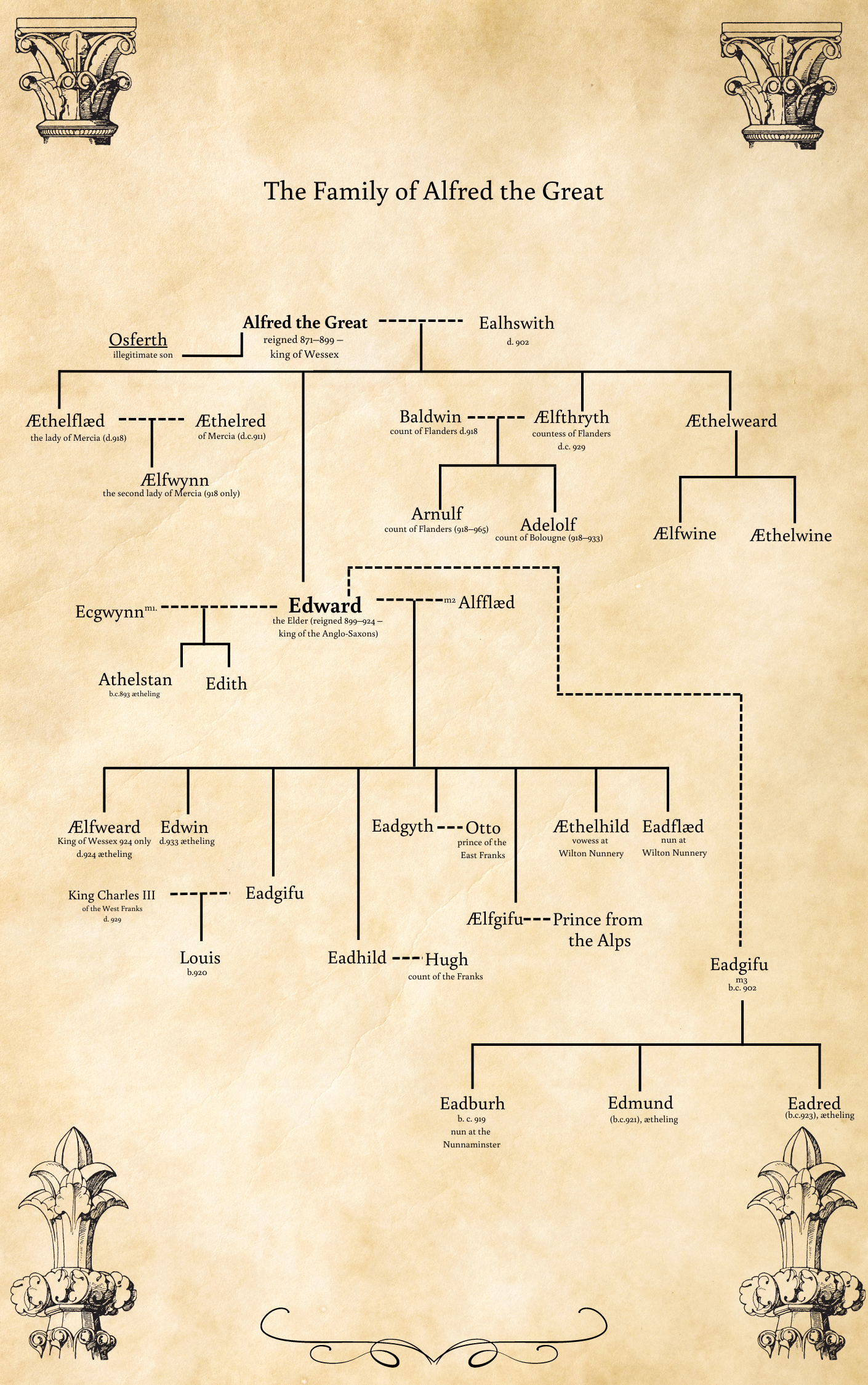
2024 marks the 1100th anniversary of King Athelstan becoming king of Mercia (although his coronation as king of the English took place in 925 – so a year later (read my post about this period here). While he has been often overlooked between the alleged ‘greatness’ of King Alfred (871-899), and the alleged ‘failure’ of King Æthelred II (978-1033/1013-1016), Alfred’s great great grandson, more and more historical investigation is being undertaken on Athelstan, and indeed, his half-brother, Edmund, who is one of the other characters in the series. (It might also have helped that Athelstan features in Bernard Cornwell’s The Last Kingdom series). A spotlight is being shone on all Athelstan accomplished, and the move is also encompassing Edmund, (as well as Eadred, and Eadwig – these three often overlooked).
Non-fiction books to read
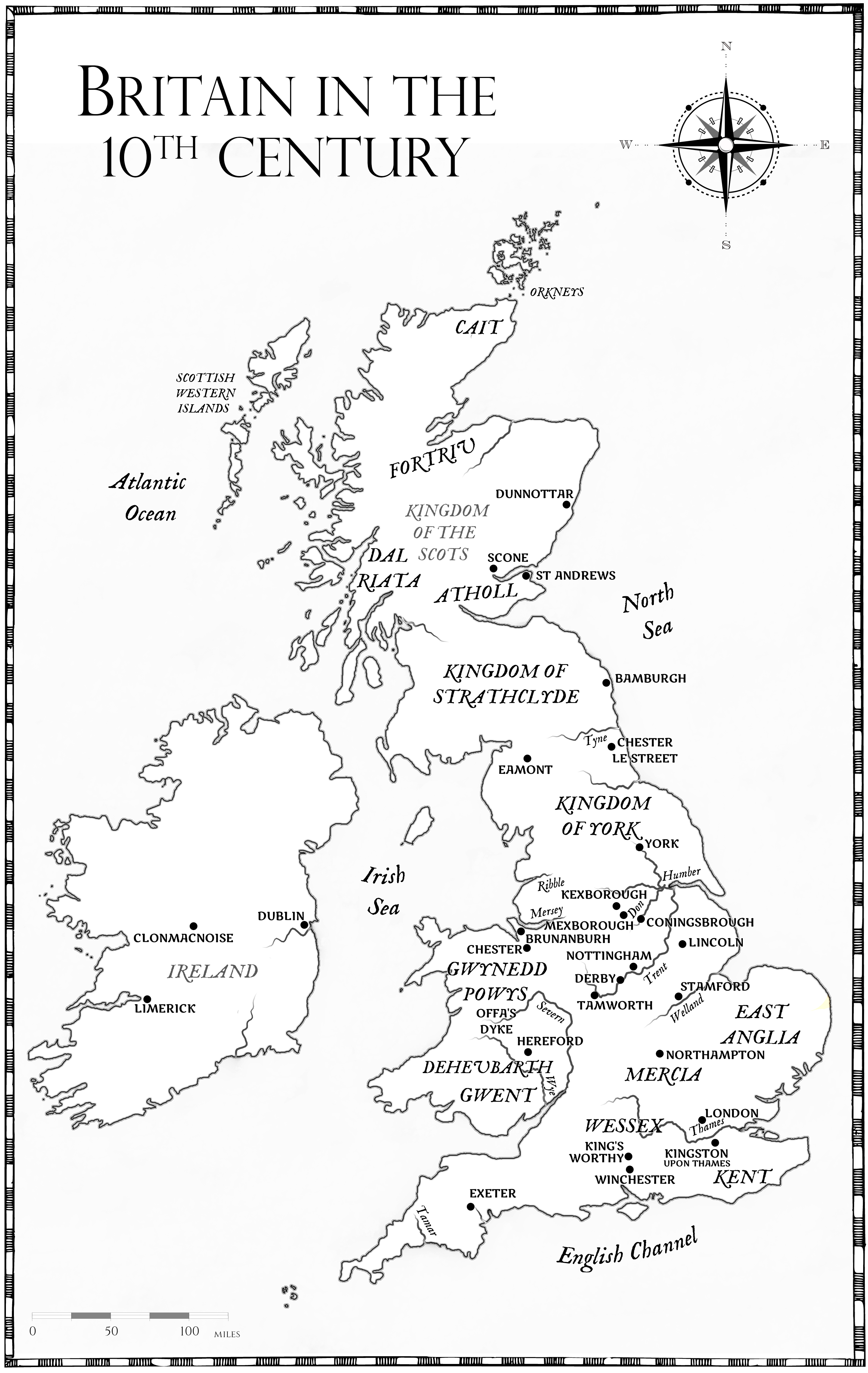
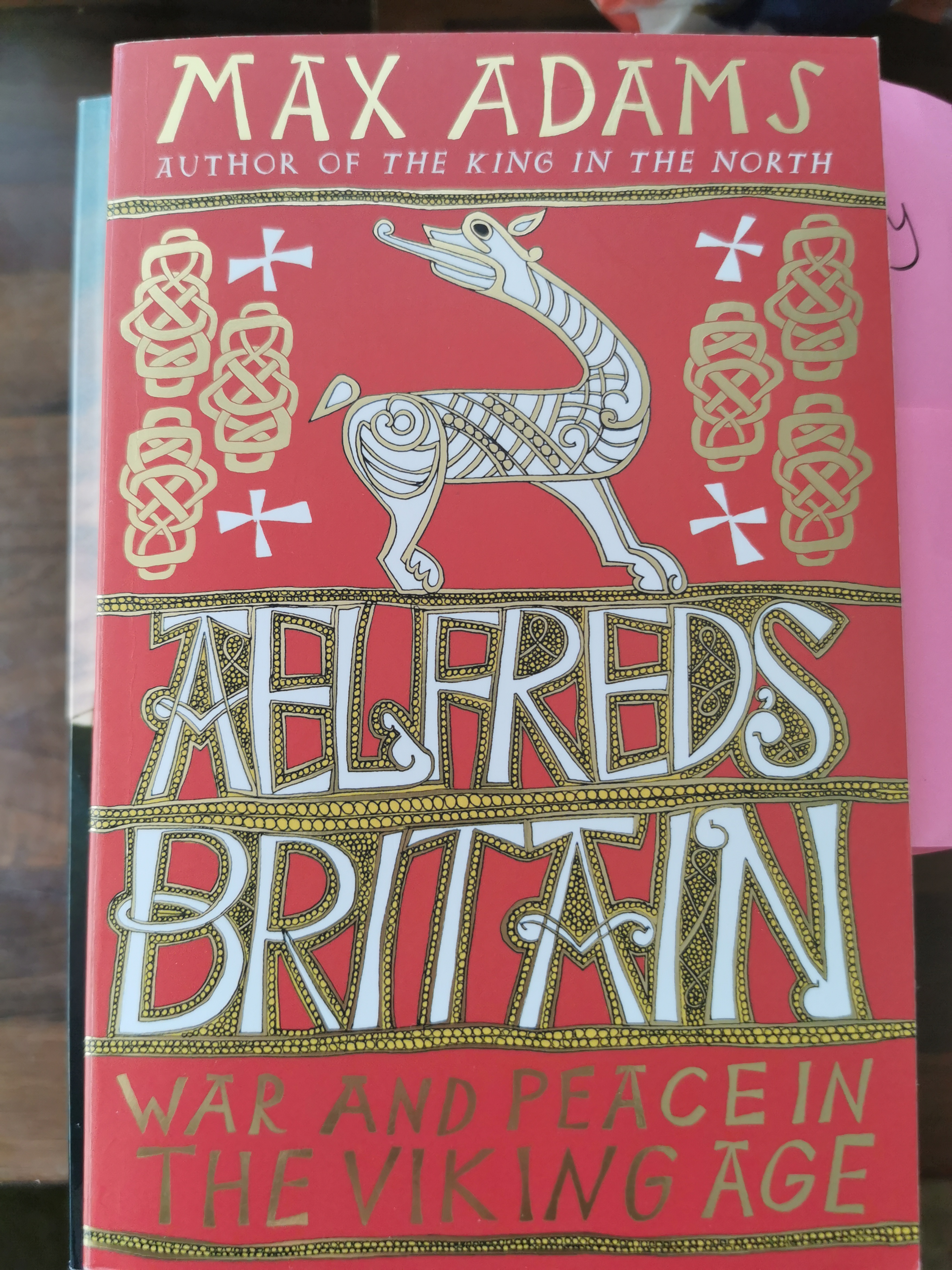
And this investigation is also looking at events in what would be Scotland, Ireland and Wales, as well as the Norse kings of Jorvik. The approach I’ve taken, is one that historians are examining – Alex Woolf’s From Pictland to Alba and Claire Downham’s Viking Kings of Britain and Ireland (they did it before me – but their books have helped me massively), as well as Max Adams’ Ælfred’s Britain which focused on much more than just Alfred.
My conclusions from writing about this period?
What then can I say after four books considering this period? Quite simply, nothing is as easy to explain or account for as might be hoped. The sources that have survived come with so many explanations about translation (they are not written in English – and indeed we have Old English, Latin, Old Irish, Old Welsh etc) bias, survival, manipulation, and corroboration (one source is often used to corroborate another) that sometimes it feels easier to hold my hands up and say ‘who knows?’
Attempts to draw together a cohesive narrative are constantly thwarted. One historian may argue for one thing, another for another. Every person who studies the period will have their own levels of ‘acceptable’ when looking at the sources. I am always wary of Saints Lives – they were not intended, and can not be, accepted as historical ‘fact’ but they do tell us a lot about reputation – another interesting facet to consider. The Icelandic Sagas must also come with a host of caveats. I also have to rely on translations and therefore remove myself from the original intention of the scribe once more.
The joy of this period is in the nuances that can be exploited – it is also where most people are likely to argue. And indeed, readers may fail to comprehend these nuances – hence the ‘it’s too predicatable’ complaint- I imagine all of ‘my’ kings would have welcomed the preditability of knowing the eventual outcome.
Trying to explain concepts such as ‘this is the first king of the English,’ ‘Hywel’s a king of all the Welsh’ falter because my audience expect these places to be united and under one king – but alas, were rarely that. The other England-specific failure to teach history before ‘1066’ also adds to these problems. The Saxon period is deemed as ‘weird,’ (the names, oh the names). There is so much going on, that even I have fallen down and made mistakes, and only with a sort of ‘doh’ moment made the connection between the name Brunanburh and the element of most interest ‘burh.’ (Thank you Bernard Cornwell for that moment of understanding – I still feel very, very stupid about it – not his fault).
Team Norse, Team England, Team Wales or Team Scots?
To tell a story such as this involves standing on the shoulders of giants. I am indebted to them – and sometimes, a bit narked that they won’t give me any definites either – what I will say is this – I understand a lot more now. I hope others do as well. And whether you’re Team England, Team Norse, Team land of the Scots, or Team what would be Wales, I hope you enjoyed meeting these long-dead men and women and realising that they were just as shifty, ambitious and perhaps, blood-thirsty, as people are today. I really can’t ask for more than that, other than you read the non-fiction for the period as well, and hopefully, enjoy it.
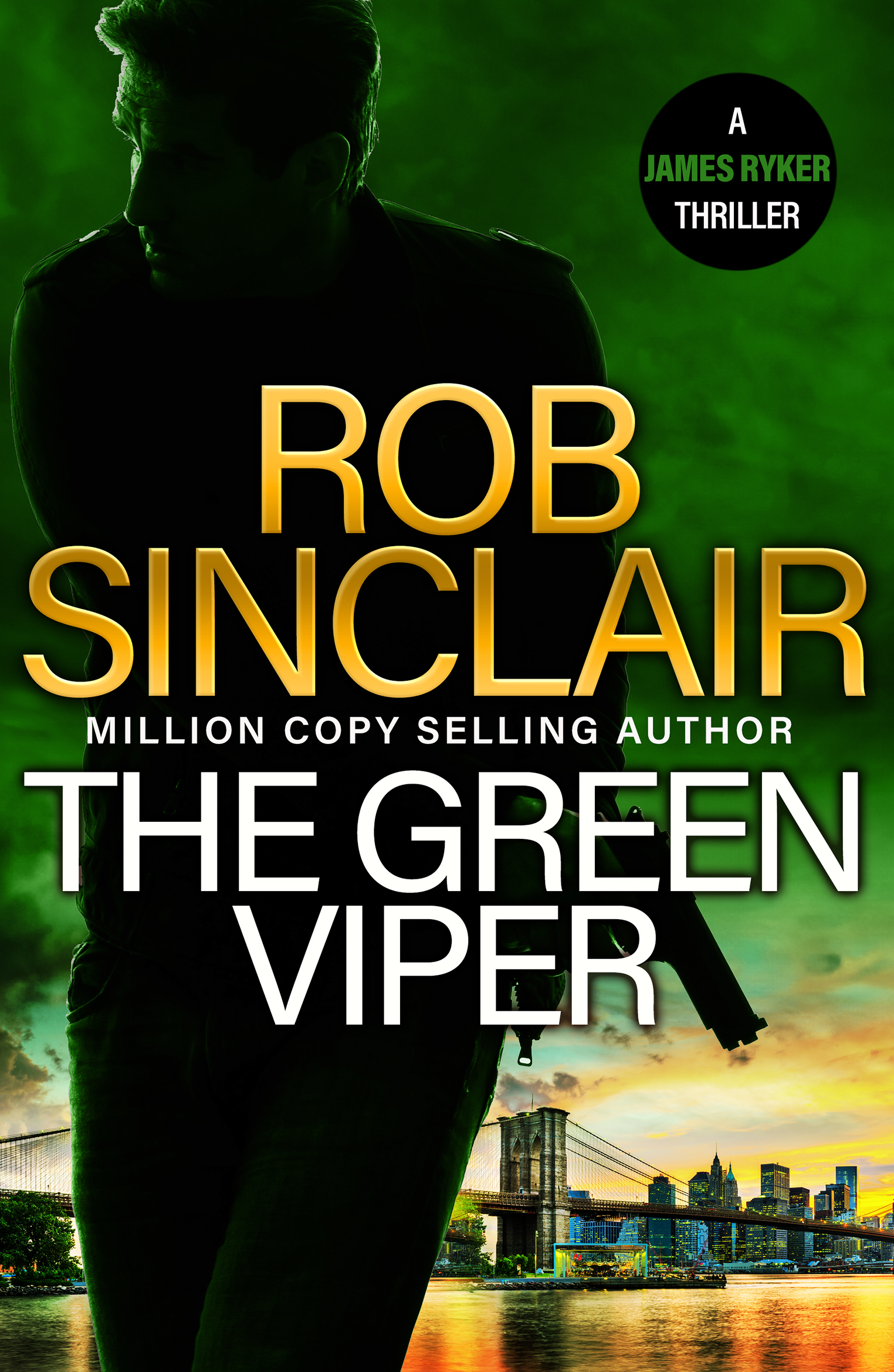
Ex-intelligence agent James Ryker receives a coded message through a secret drop point, a means of communication known only to him and one other person. The problem is, that other person is his ex-boss, Mackie… and he’s already dead.
But the cry for help is real, and it’s a request Ryker can’t refuse.
Travelling to New York alone and without official sanction, Ryker has a single goal in mind, yet even he couldn’t have bargained for the violent world he’s soon embroiled in. Caught in the middle of a spiralling chaos with the FBI on one side, and two warring underworld bosses on the other, Ryker must put all of his skills to the test in order to come out on top, and keep his word.
In a world full of lies and deceit, loyalty is everything, and it’s time for James Ryker to pay his dues.
A fast-paced thriller filled with twists, turns, and intrigue that will grip fans of Mark Dawson and the Jason Bourne novels.
The Green Viper is book 4 in the James Ryker series, but the first one I’ve read, although I’ve read one of Rob Sinclair’s standalone novels, Rogue Hero. Check out the review here.
It is fast-paced as our ‘hero’ sets about helping the son of his former boss where he’s entangled himself in a bit of bother in New York. That said, the beginning is a little more difficult to really get into – I would recommend persevering because after that, the storyline is very quick and I read the vast majority of the book in one sitting. It’s a fun, pacy read with a whole load of violent encounters thrown in for good measure, and some rather nasty bad guys, and our author has no problem with ramping up the body count.
If you’re a fan of action thrillers, then you’ll really enjoy The Green Viper. I certainly plan on finding some room on my TBR pile to add the other books in the series.
Meet the author
Rob Sinclair is the million copy bestseller of over twenty thrillers, including the James Ryker series. Rob previously studied Biochemistry at Nottingham University. He also worked for a global accounting firm for 13 years, specialising in global fraud investigations.
Jude Gray’s farm is going from strength to strength, and even though her grumpy neighbour has concerns about the new campsite in the lower field, she is undeterred.
When a hen party arrives for a weekend away, she does her best to cater for their celebrations. But with a sheep needing urgent care – an accidental mishap or something more nefarious? – she finds herself consulting the group, which coincidentally contains four vets.
When one of the hens goes missing, it becomes clear there are more sinister forces at play, and someone is targeting her farm. With the help of close friend Detective Inspector Binnie Khatri, Jude once again dons her amateur sleuthing hat.
They uncover a web of deceit, affairs and rivalries, but will they find the perpetrator before events turn murderous?
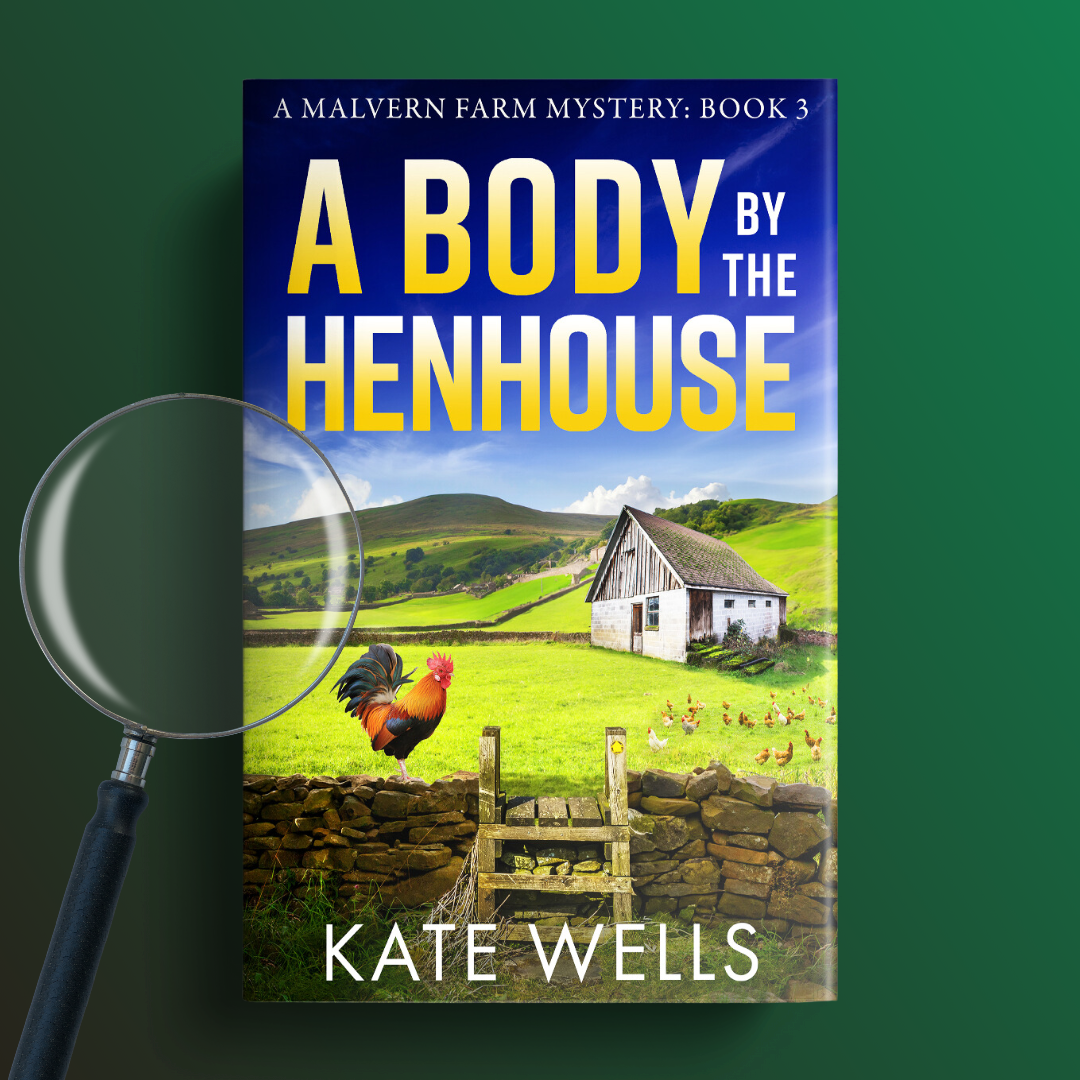
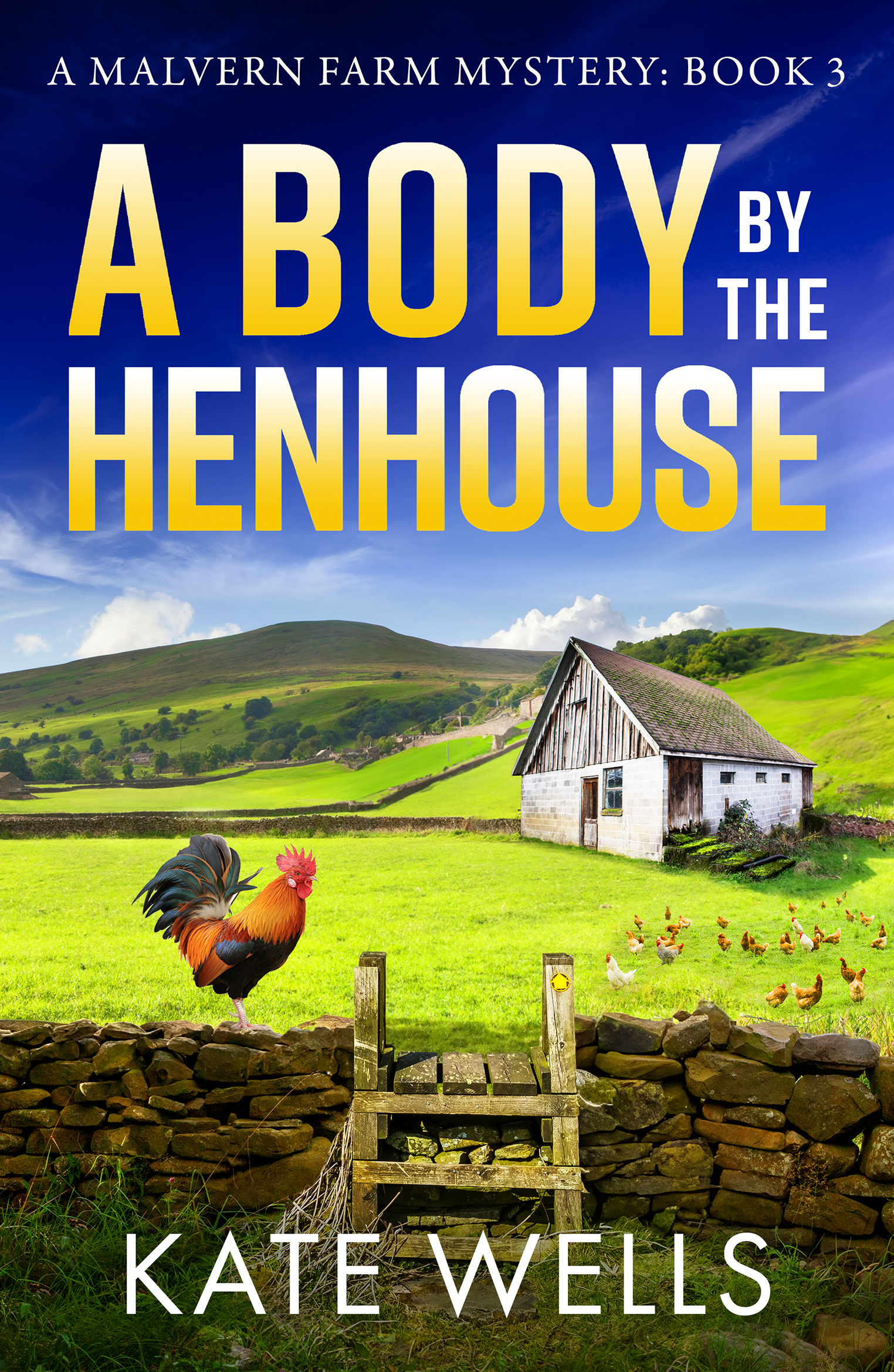
A Body by the Henhouse is the third book in the A Malvern Farm Mystery series. I’ve read book 1, and I really enjoyed it.
We return to Malvern Farm with summer on the horizon, and our main character, Jude, keen to make her camping site work, even while busy with the arable and pastoral aspects of her farm. But her current guests are not quite the bunch she’s expecting, and with tensions running high, it’s not long until Jude is trying to find out who’s been tampering with her sheep and why the group of Hens are so uneasy with one another.
This is a really well written mystery. I love a book where I don’t guess ‘who did it’ and this certainly falls into that category. There are lots of twists and turns in the storyline. There are many potential suspects, and the story is well woven together, between Jude’s daily life, and her determination to find answers to the problems she’s encountering, with the aid of her police friend.
An enjoyable contemporary mystery, easy to read and really engaging. I look forward to more in the series, and will be reading book 2 as well:)
Meet the author
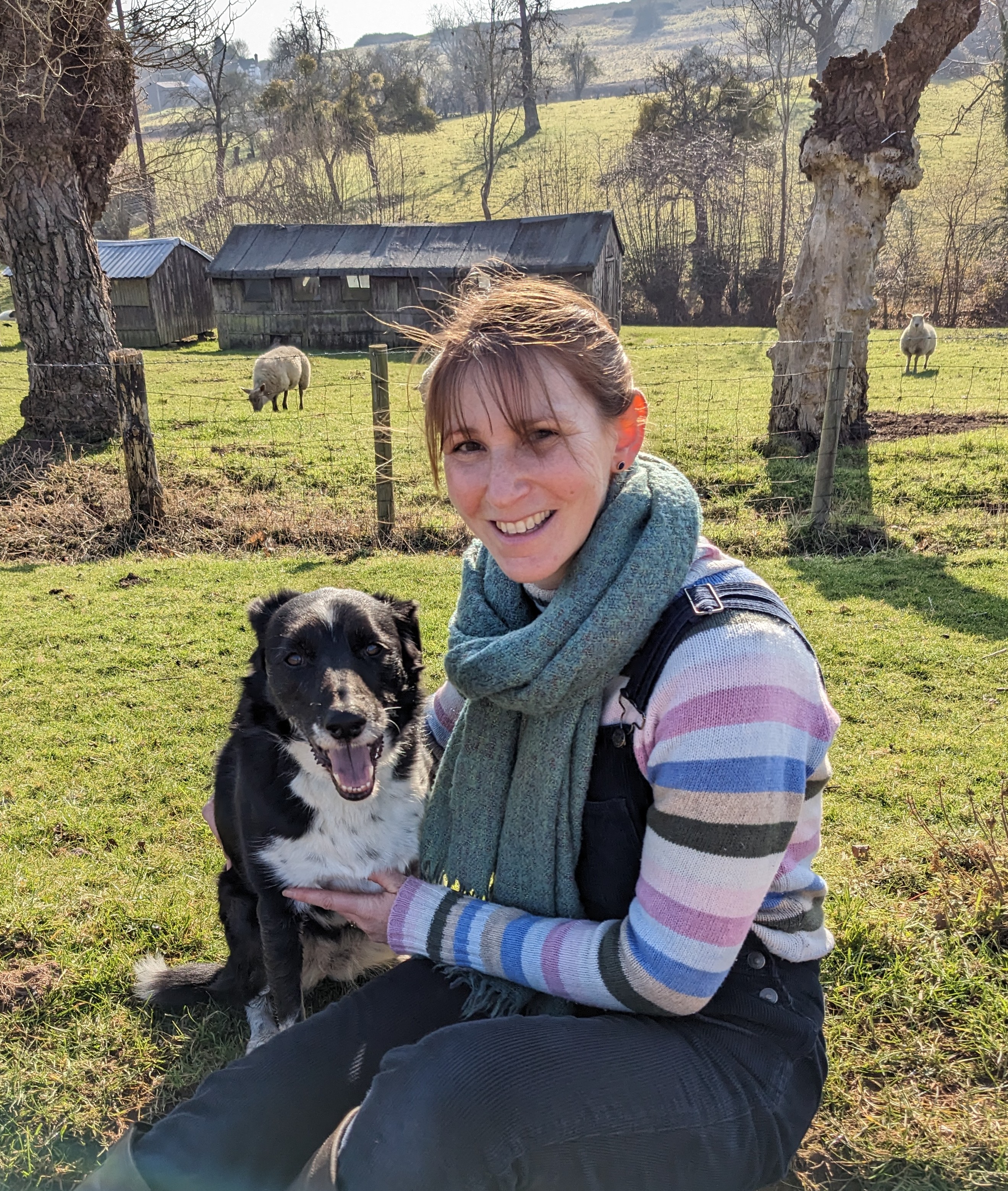
Kate Wells is the author of a number of well-reviewed books for children, and is now writing a new cosy crime series set in the Malvern hills, inspired by the farm where she grew up.
When a mystery bystander stops an assassination attempt on a prominent politician, it sparks a national search that captivates the nation…
Curtis Delaney watches the footage play out on the news, and immediately recognises the unidentified hero. He hasn’t seen his brother Finn in six years. He doesn’t know where he’s been in that time, or what he’s been doing. But there’s one thing he does know: Finn is no hero.
Curtis is determined to find his brother, but equally, Curtis is no detective. A husband and lawyer (and not the ‘good’ kind), with a mortgage and responsibilities, Curtis isn’t cut out for delving into whatever seedy business Finn has gotten involved with. But when armed men turn up on his doorstep, claiming to be FBI, he quickly realises he’s been left with no choice.
The hunt for the truth will take them from the Capitol building in Washington, to the sun-kissed beaches of Mexico, and the cold streets of London, uncovering secrets of fraud, blackmail and murder. Can the brothers reunite before the real hero is discovered by the wrong people?
Rogue Hero by Rob Sinclair is a standalone novel told from the viewpoint of two brothers, Finn and Curtis Delaney, with a timeline that eventually merges, although they are not concurrent. Mostly set in the US and Mexico, we do have side trips to Italy and the UK.
Our two main characters are far from likeable, and neither are the individuals they interact with. There’s a lot going on. Both brothers have complex backstories and there is a huge cast of characters, although in the end, it does come down to a few main players.
Complex plotting sees the reader switching between the two brothers’ point of views, and also two different time lines. With a collection of unsavoury characters, possible FBI intervention, a possibly dirty-politician and a web of financial chaos, the eventual ending is somewhat unexpected.
A complex thriller, sure to appeal to fans of the genre.
Meet the author
Rob Sinclair is the million copy bestseller of over twenty thrillers, including the James Ryker series. Most recently published by Bloodhound, Boldwood will publish his latest action thriller, Rogue Hero, in June 2024 and will be republishing all the James Ryker series over the coming months.
A delightfully heartwarming and funny story that proves it’s never too late to change the habits of a lifetime, perfect for fans of Judy Leigh, Hazel Prior and Maddie Please.
Something old, something new, something stolen…?
Gina Knight is looking forward to the prospect of retirement with her husband of forty-three years. Until, to her surprise, said husband decides he needs to ‘find himself’ – alone – and disappears to Santa Fe, leaving divorce papers in his wake.
Now Gina needs a new role in life, not to mention somewhere to live, so she applies for the position of Companion to elderly Dorothy Reed. At eighty-three, ‘Dot’ needs someone to help her around the house – or at least, her family seems to think so. Her companion’s first role would be to accompany Dot for a week-long extravagant wedding party.
But when Georgina arrives at the large Norfolk estate where the wedding will take place, she quickly discovers Dot has an ulterior motive for hiring her. While the other guests are busy sipping champagne and playing croquet, Dot needs Georgina to help her solve a mystery – about a missing painting, which she believes is hidden somewhere in the house.
Because, after all, who would suspect two old ladies of getting up to mischief?
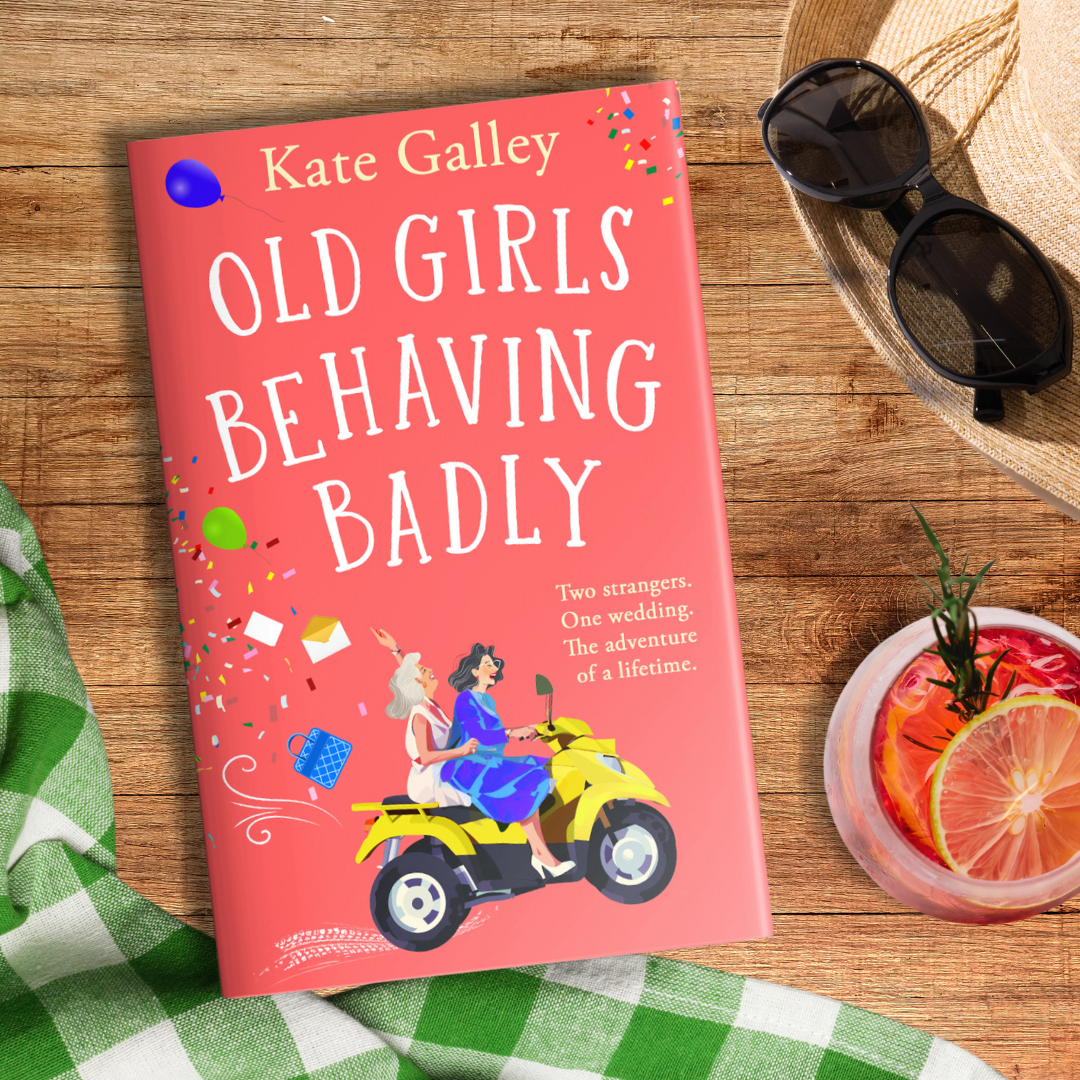
Old Girls Behaving Badly is a fun read with elements of mystery, which I wasn’t expecting and was very pleased to discover.
Our two main characters (and we get both of their POVs), Gina and Dorothy, are coming to terms (or not) with recent changes in their lives. While neither of them thinks they necessarily need one another, they soon discover that, in fact, they do, and they also like one another.
As the events of Dorothy’s big family wedding swirl around them, Gina and Dorothy are somewhat distanced from it. Both are trying to uncover the truth surrounding Dorothy’s husband’s death about a year ago. With the addition of a more fleet-footed granddaughter, our duo pursues the matter to the bitter end, and yes, it does feature a quad bike ride.
This story is really enjoyable. I read it in two days:)
Meet the author
Kate Galley writes UpLit and Bookclub fiction full of heart and humour. The older generation are at the centre of her stories and are usually wrapped up in a mystery.
She lives with her family in Buckinghamshire and works part time as a mobile hairdresser in the surrounding Chiltern villages.
In her spare time she crochets blankets, knits jumpers and also disappears into her workshop to play with kiln formed glass.
Kate is the author of The Second Chance Holiday Club – which has been optioned for TV – and The Golden Girls’ Road Trip.