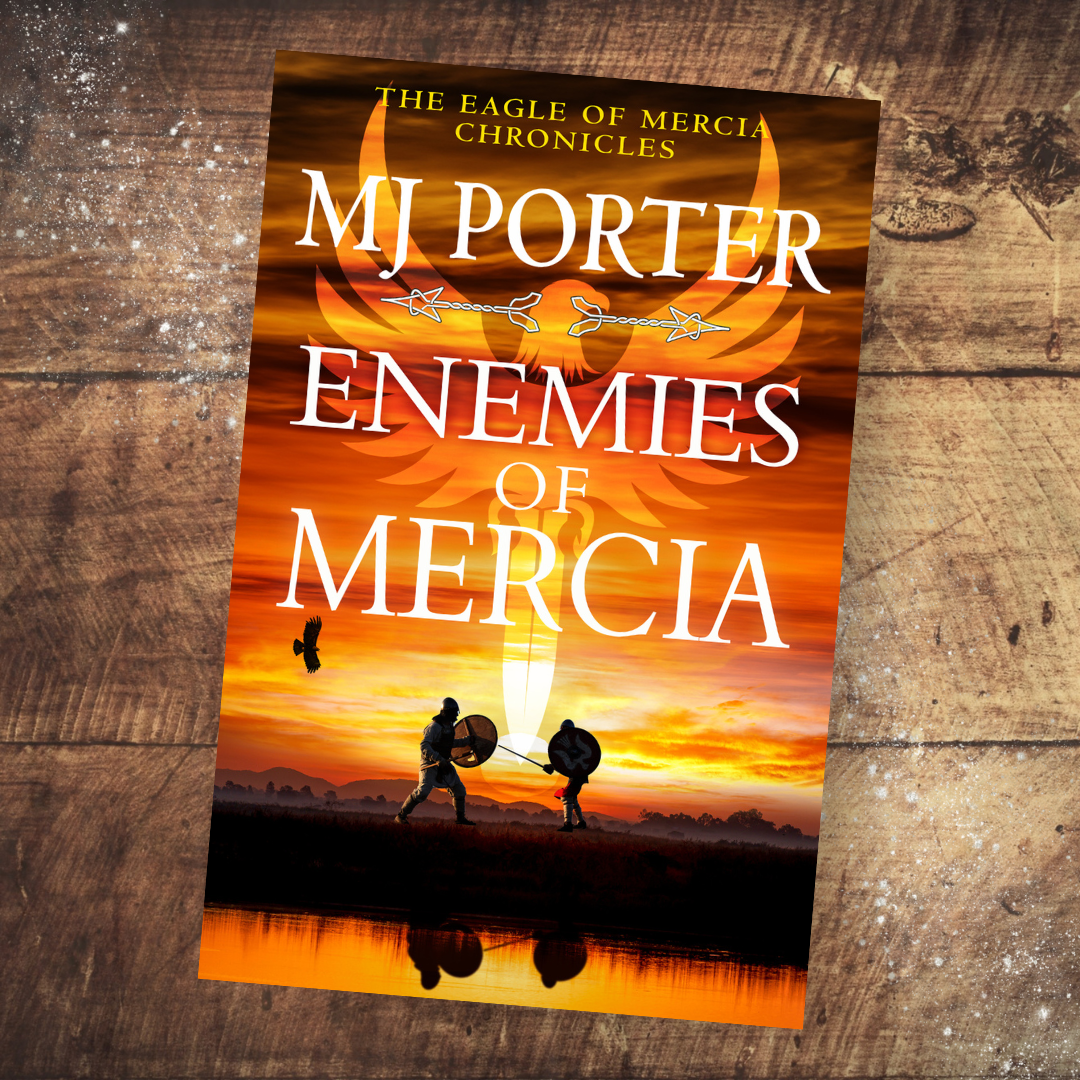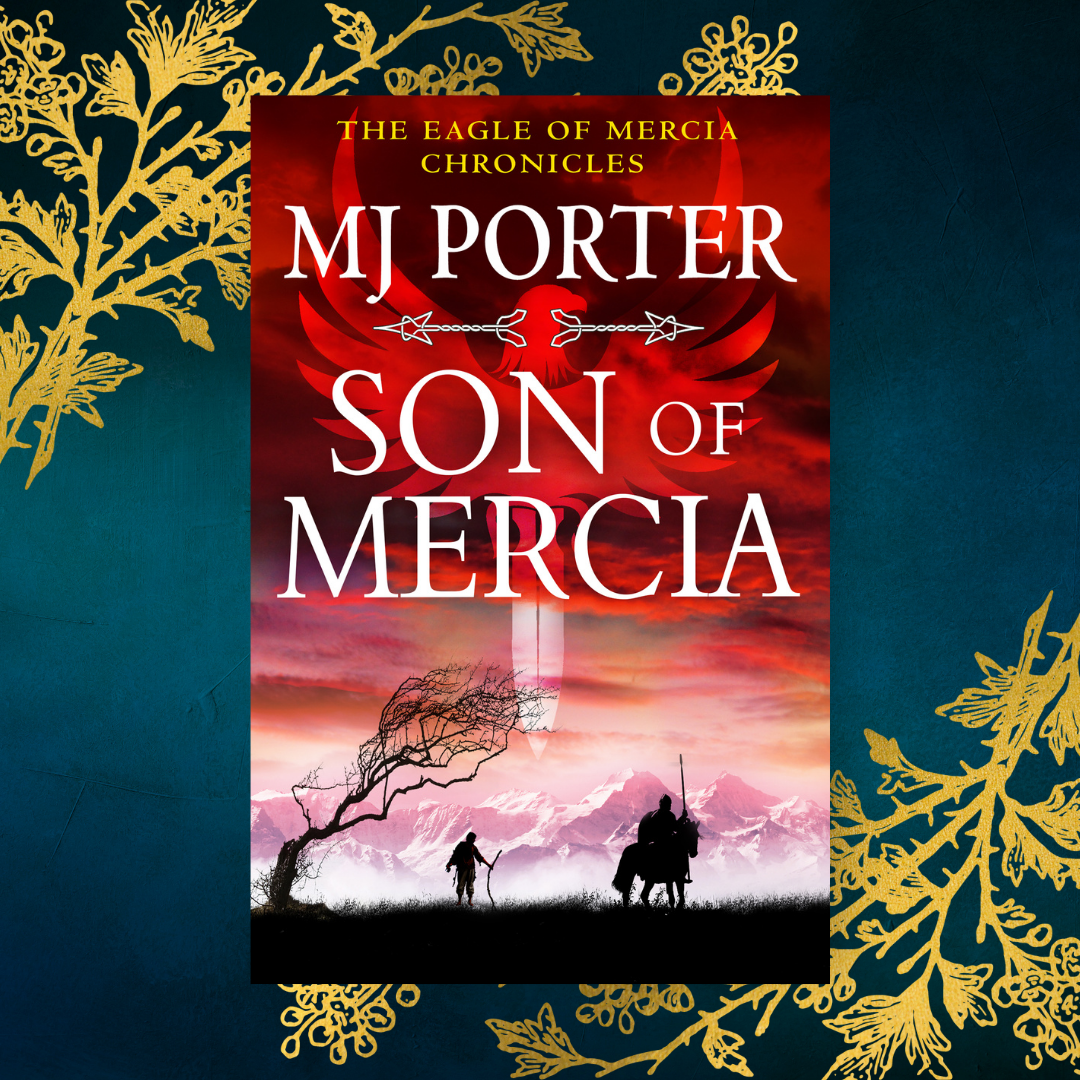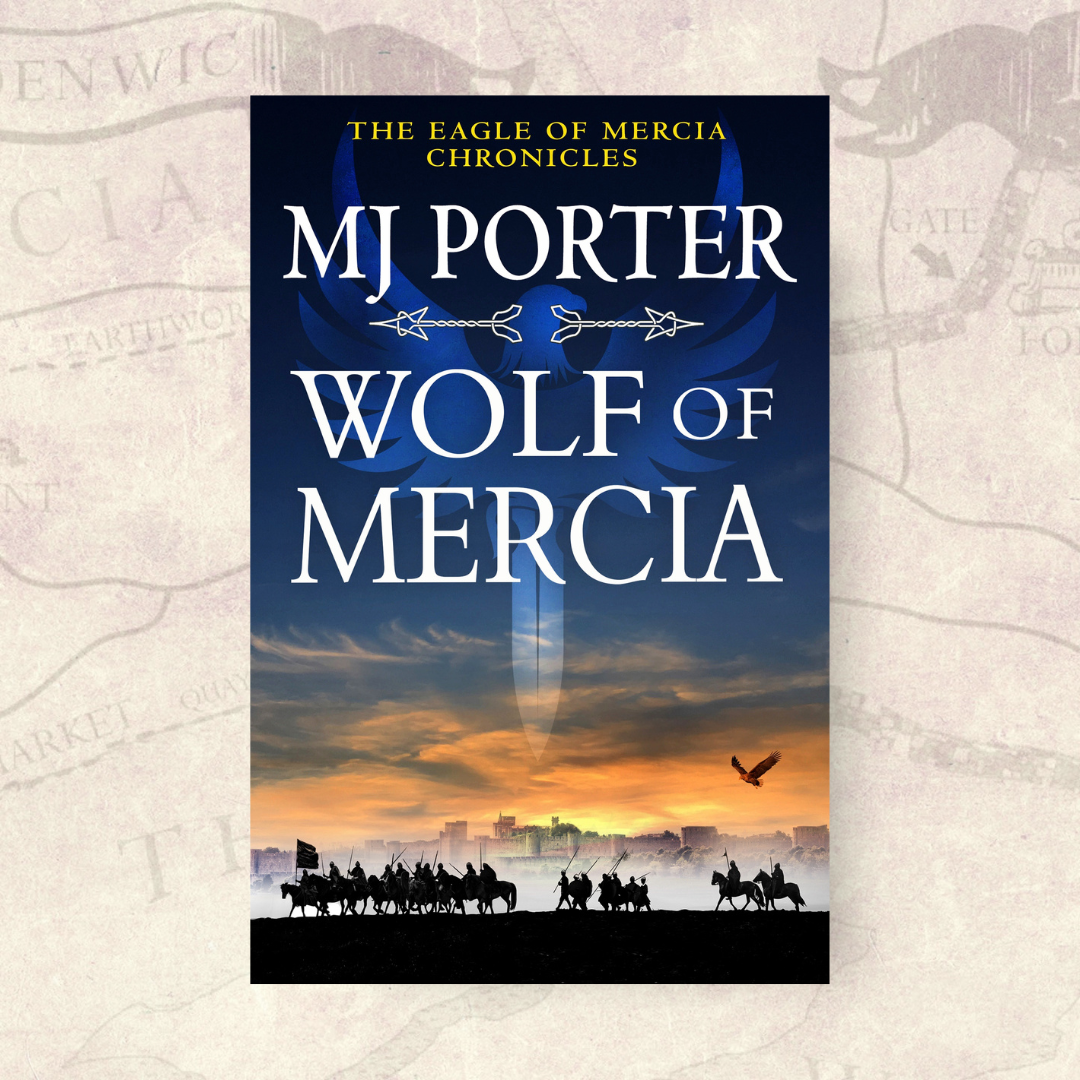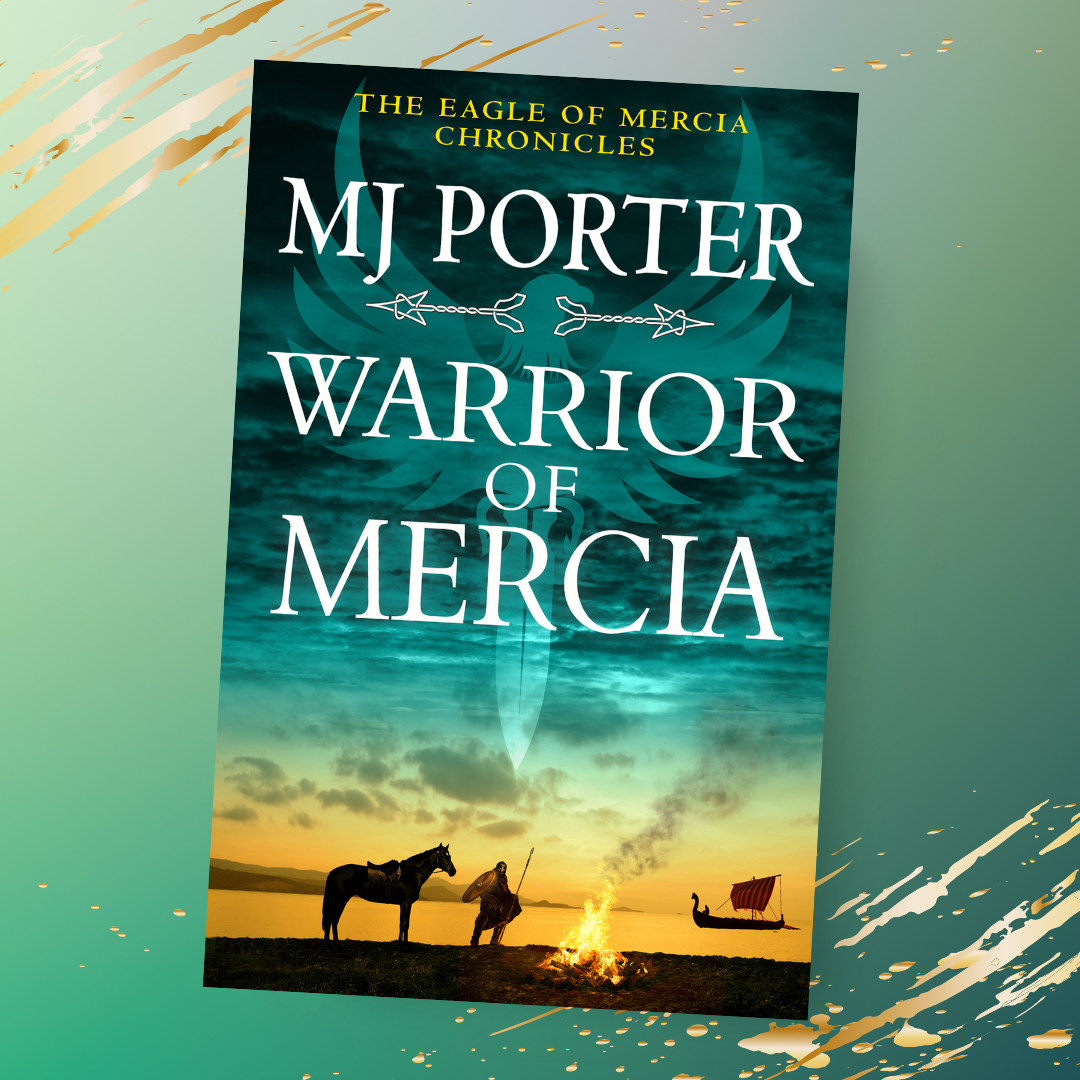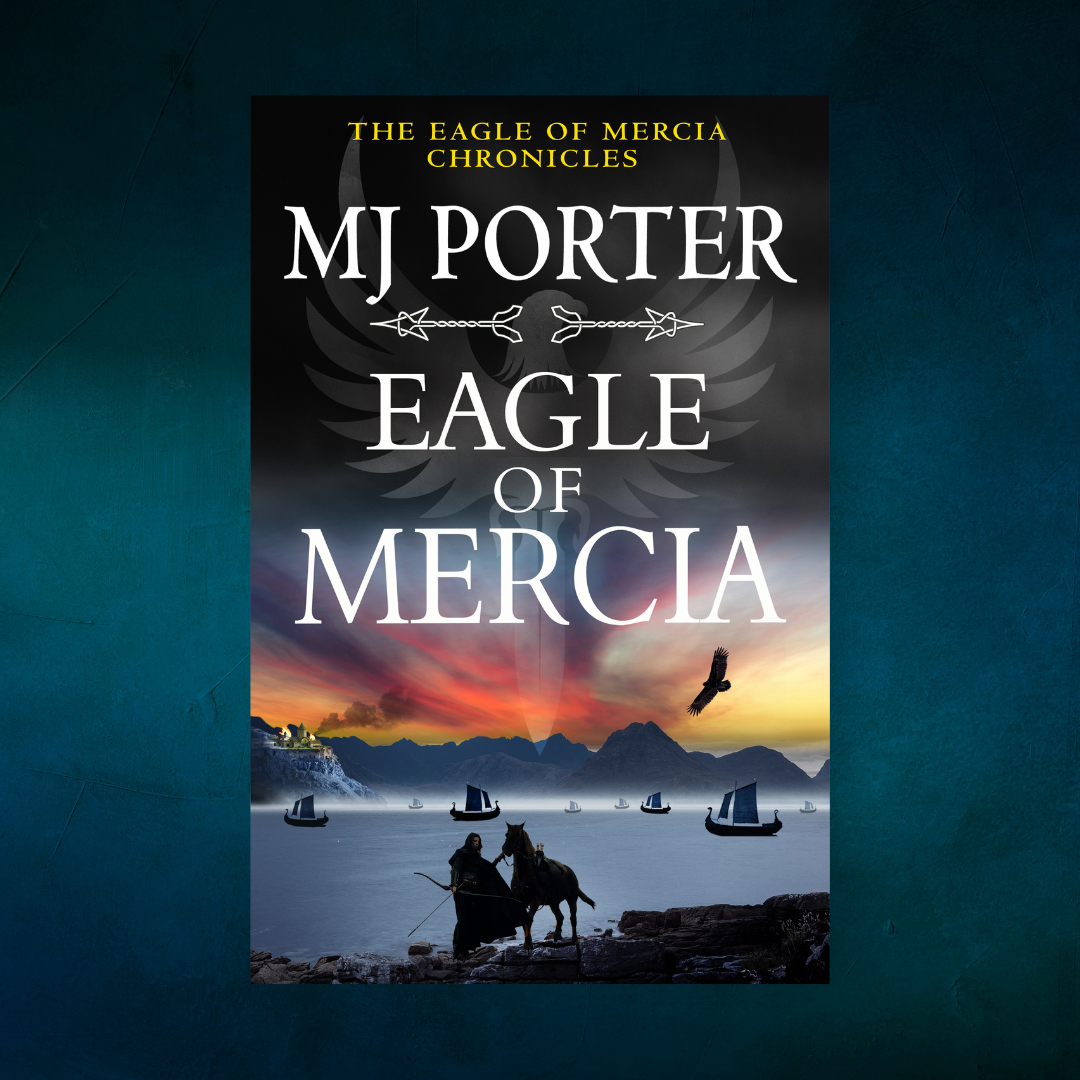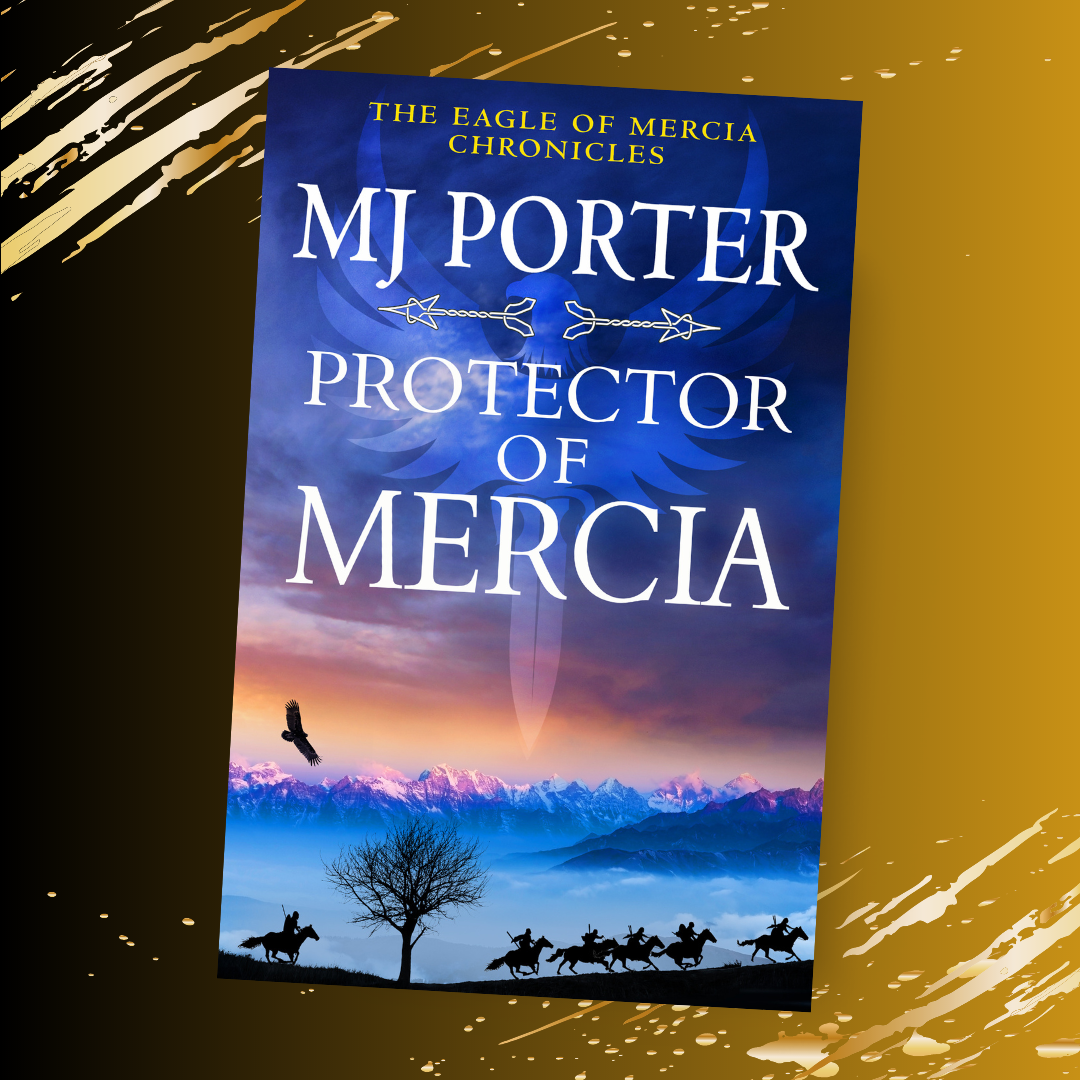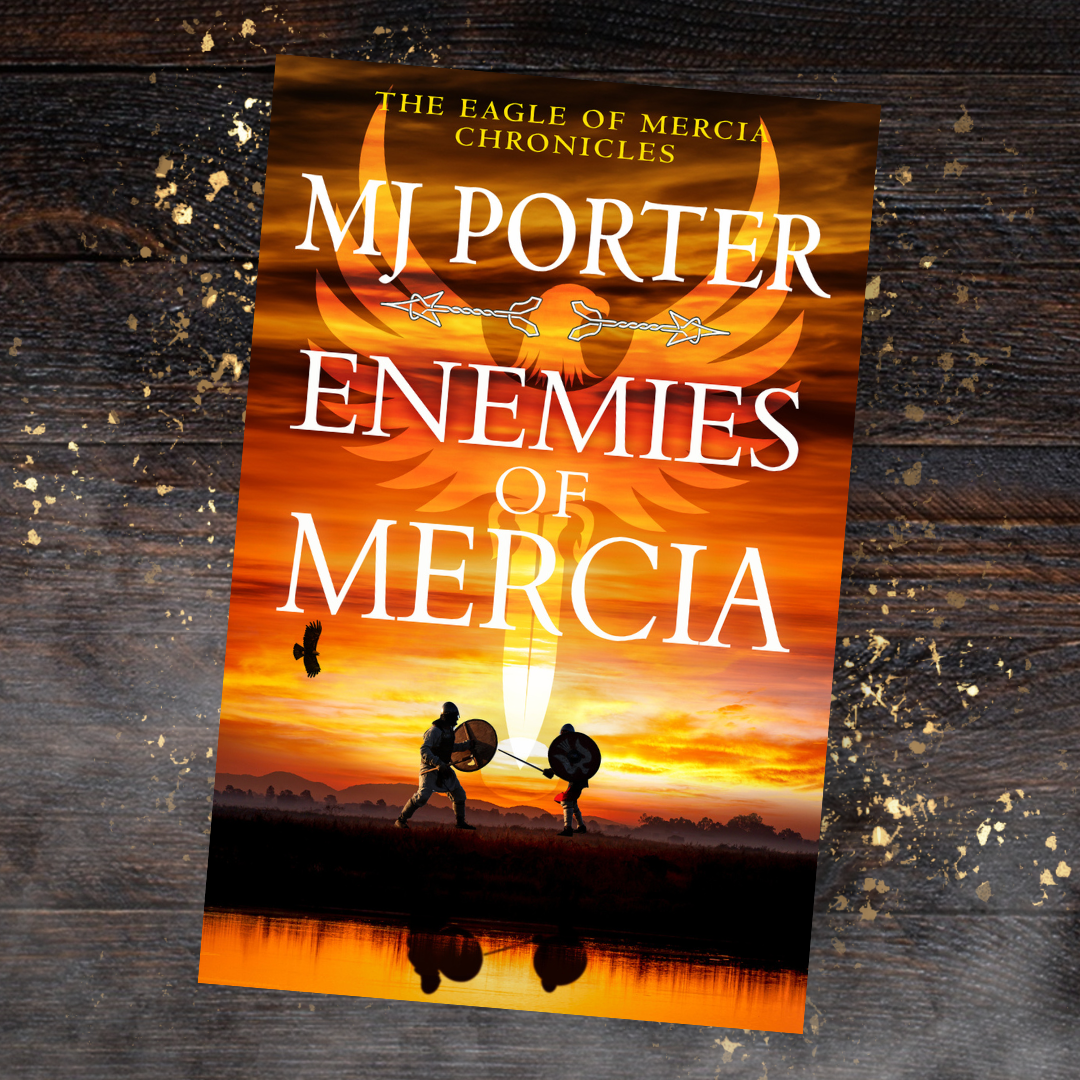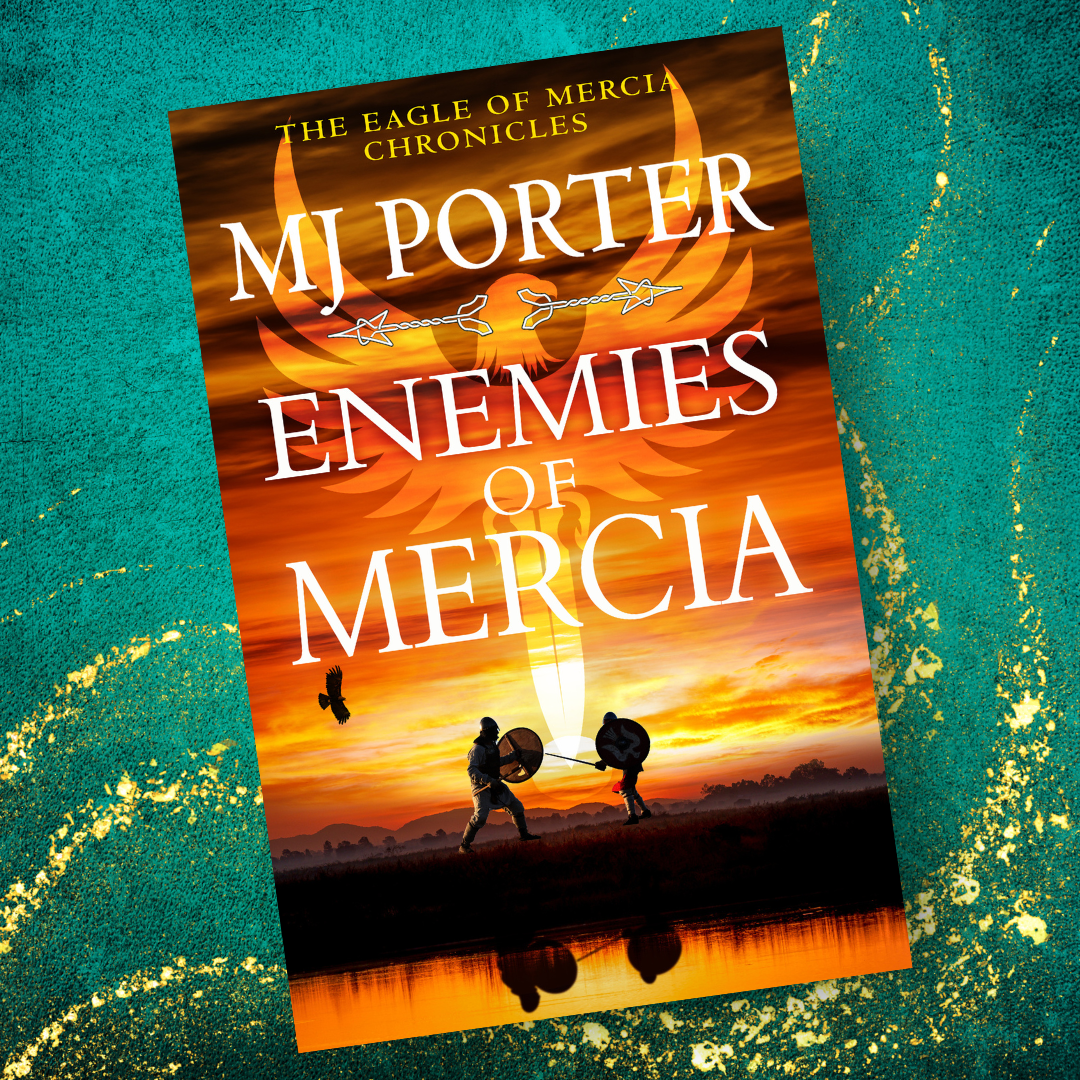
Spotify Premium Subscriber? You can now listen to 15 hours of some of my audio books each month included in your subscription in the UK and Australia

I know I shared that many of my audiobooks are now available on Spotify, well now it’s even better for Premium Subscribers in the UK and Australia, as you can listen to up to 15 hours of audiobooks each month, included in your subscription. That’s enough hours to listen to any of my audios in their entirety. (I have been a premium subscriber for more years than I care to remember – we have a family subscription which is great until one of us forgets their log-in and logs-in using the wrong persons details:).

I know it’s all quite new at the moment, and therefore, not all of the titles are included – I’ve also noticed that not all of my titles are showing under my profile, and I’m trying to correct this. But, you can find all of my audios from Boldwood Books on Spotify, as well as Warrior King. But you will need to search for Son of Mercia, Wolf of Mercia, Kings of War and Warrior King separately until I can get them attached to my profile.

I understand that Spotify US will be following soon.

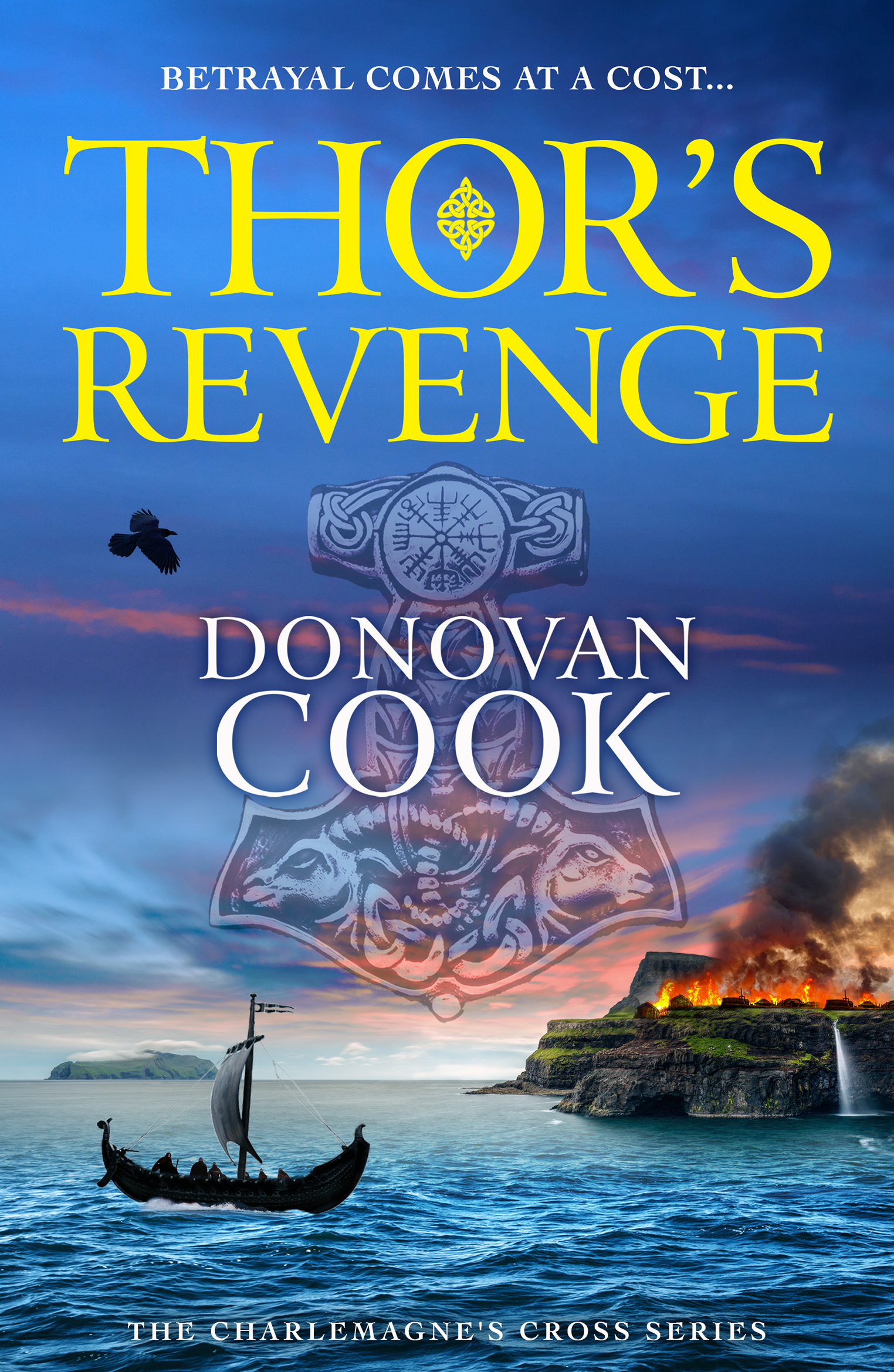
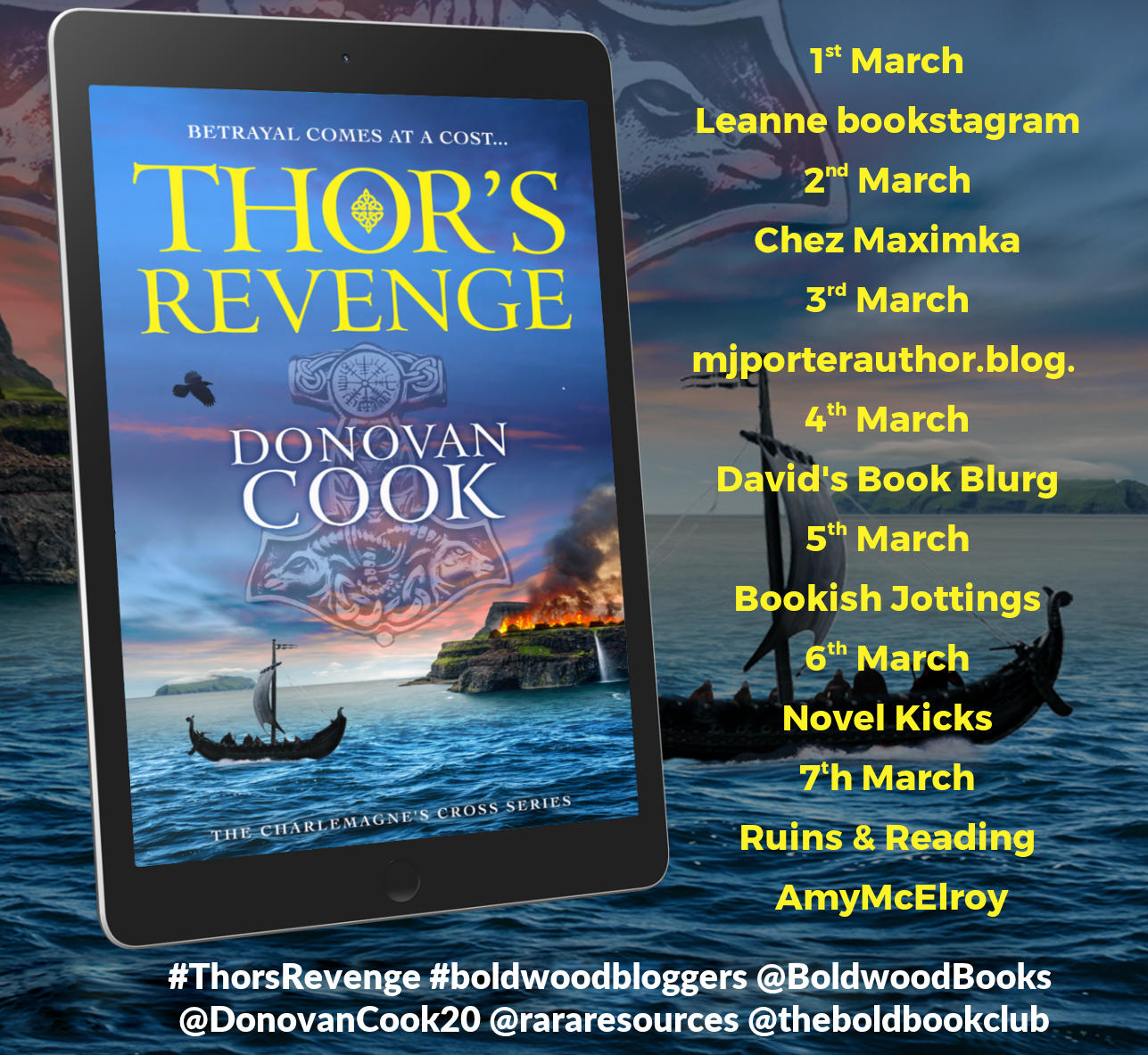
It’s my turn on the Loki’s Deceit by Donovan Cook #blogtour #newrelease #historicalfiction

Here’s the blurb

A king, old and frail.

A challenger filled with vengeance. A kingdom’s fate at stake.

Sven the Boar is Jarl of Ribe once more. He and Charles try to settle into their new lives, but trouble and treachery are never too far away.

Tormented by recent events, Charles struggles to adapt to life amongst the heathens that mock his Christian God and the arrival of a priest from the south only makes things worse.

Meanwhile, Sven is burdened with the responsibilities of being Jarl again and protecting his grandson from those hunting him.

When forced into an alliance with King Horik’s nephew who is raising an army to challenge his uncle for the throne of Denmark, Sven makes an important decision.

As the threat of war becomes real, Sven rides to fight a battle that will change the destiny of Denmark.

But whilst he fights, will Charles remain safe or are other games in play that threaten him?

Purchase Link

https://mybook.to/LokisDeceitSocial

My Review

Loki’s Deceit is book 2 in the Charlemagne’s Cross Series. Check out my review for Odin’s Betrayal. Do you need to have read book 1? Probably, but I’m always happy to read books out of order, and you will certainly enjoy it if you do jump in now.

Loki’s Deceit begins almost immediately after the catastrophic events of Odin’s Betrayal. Charles and his grandfather, Sven, are still uncomfortable around one another, and neither of them is happy to find themselves in Ribe – Sven because he doesn’t relish being jarl once more, and Charles because he’s far from home and with no fellow Christians for friends.

We also have a few new points of view for Loki’s Deceit, that of Hildegard and that of Gerold. They add some of the richer background elements to the story, filling in the gaps for how the events of book 1 came about, for this is really a tale of impending war amongst the Danish jarls and their king, even while Charles and Sven battle their inner turmoils. Not only is their war, but conspiracy abounds wherever Sven and Charles turn. There are many characters that we shouldn’t trust and which Sven and Charles should also be mindful of, all bound up with their combined unease anyway. The settlement of Ribe is filled with men, women, and children who don’t like Charles at all or, indeed, his grandfather, the mighty Sven the Boar. There are many keen to take Sven’s position, and there are many who would welcome that.

For me, this felt very much as though this was more Sven’s story than Charles’. Not that we don’t get just as much Charles as Sven, but Sven is the warrior who will be forced to fight for his survival and that of his fellow warriors, while Charles is still not sure what he’s fighting for, although he is prepared to fight.

As with Odin’s Betrayal, the action continues until the last page, and I am looking forward to book 3.

Loki’s Deceit is a tale of loyalty, ambition, family, politics and religious divide, sure to appeal to fans of the era and historical fiction in general. It’s fabulous to read a series set (almost) entirely in Denmark.

Meet the author

Donovan Cook is the author of the well-received Ormstunga Saga series which combines fast-paced narrative with meticulously researched history of the Viking world, and is inspired by his interest in Norse Mythology

Connect with Donovan

Facebook Twitter  

Newsletter Sign Up

I’m reviewing A Marriage to Murder For by EV Hunter, the third book in her Hopgood Hall Murder Mystery Series #blogtour #cosycrime

Here’s the blurb

The high society wedding…

Social media influencer Crystabel Hughes is determined her wedding to Giles Preston Smythe will be the talk of the town. No matter the cost or the upset, nothing will stop this wedding!

A cheating groom…

But for Alexi Ellis and the rest of the staff at Hopgood Hall, Crystabel’s demands are becoming increasingly extreme. And when Alexi spots the groom getting up close and personal with one of the bridesmaids, she fears trouble is only a bouquet toss away.

A killer bride caught red-handed?

And Alexi’s fears are confirmed when the groom is found dead on the night before the wedding, stabbed through the heart – the person holding the dagger. his beloved bride-to be Crystabel.

Hopgood Hall doesn’t need any more bad press, but the race is on to find the killer and close the case before Crystable live streams her dilemma.

Can Alexi, Jack and Cosmo find out why Giles was killed? And, more importantly, can they stop the killer before they strike again?

Perfect for fans of Faith Martin, Frances Evesham and Emma Davies.

Cover image for A Marriage to Murder For by EV Hunter

Purchase Link

 https://mybook.to/marriagetomurdersocial

My Review

A Marriage to Murder For is the third book in the Hopgood Hall Murder Mysteries. You don’t need to have read the two previous books, but if you are planning on doing so, there are some spoilers for the earlier books.

This time, our intrepid duo find themselves with a murdered groom on their hands in what seems to be an open and shut case, but which of course, proves to be anything but.

The series has so far tackled celebrity chefs, and this time moves to ‘influencer’ territory with a televised wedding. But all is not paradise between the couple, and as the story evolves, there are many, many secrets to uncover.

I really enjoy this series of books. Alexis and Jack work well together, and the author offers a tight and well-constructed story – with just enough hints for the reader to ‘almost’ know what’s happening, but still with a mighty ‘big reveal’ in the closing moments.

A thoroughly enjoyable, tightly-plotted and enjoyable cosy mystery.

Find the reviews for the previous books here.

A Date to Die For

A Contest to Kill For

Meet the author

Evie Hunter has written a great many successful regency romances as Wendy Soliman and is now redirecting her talents to produce dark gritty thrillers for Boldwood. For the past twenty years she has lived the life of a nomad, roaming the world on interesting forms of transport, but has now settled back in the UK. 

Connect with EV Hunter

Newsletter Sign Up

Bookbub profile

I’m reviewing Murder on the Farm by Kate Wells, a fabulous contemporary mystery set in the Malvern Hills #mystery #newrelease

Here’s the blurb

Lambing season always brings the unexpected… But no one expected murder

Jude Gray never thought she’d find herself widowed and running a working farm full-time, but here she is, living in the small Malvern village her husband Adam spent most of his life in.

After a particularly gruelling lambing season, she is looking forward to some time off, but there’s no rest for the wicked, especially when she finds the body of one of Adam’s oldest friends on her farm.

Unimpressed with the local constabulary’s efforts, Jude starts an investigation of her own. But as the body count rises, danger creeps ever closer to Malvern Farm.

A killer is on the prowl. And all that stands in their way is one woman – and her dog.

My Review

Murder on the Farm is a really intriguing contemporary mystery set in the Malvern Hills during an early lambing season.

What begins with a wedding ends in tragedy for our main character, Jude Gray, as much of what she thought to be true begins to unravel around her.

Jude and her sister are both great characters in the first book in this new series. I found myself completely caught up in the mystery and read it over a space of a few days. There’s some excellent misdirection, and as a reader, I was quite convinced that I knew who the culprit was, not once, but twice, only to be proved entirely wrong.

A fabulous start to a new contemporary mystery series, offering an assured and well-plotted tale against a majestic backdrop. I look forward to reading more.

Purchase Link

https://mybook.to/MurderFarmSocial

Meet the author

Kate Wells is the author of a number of well-reviewed books for children, and is now writing a new cosy crime series set in the Malvern hills, inspired by the farm where she grew up. 

Connect with Kate

Twitter  Instagram  Newsletter Sign Up 

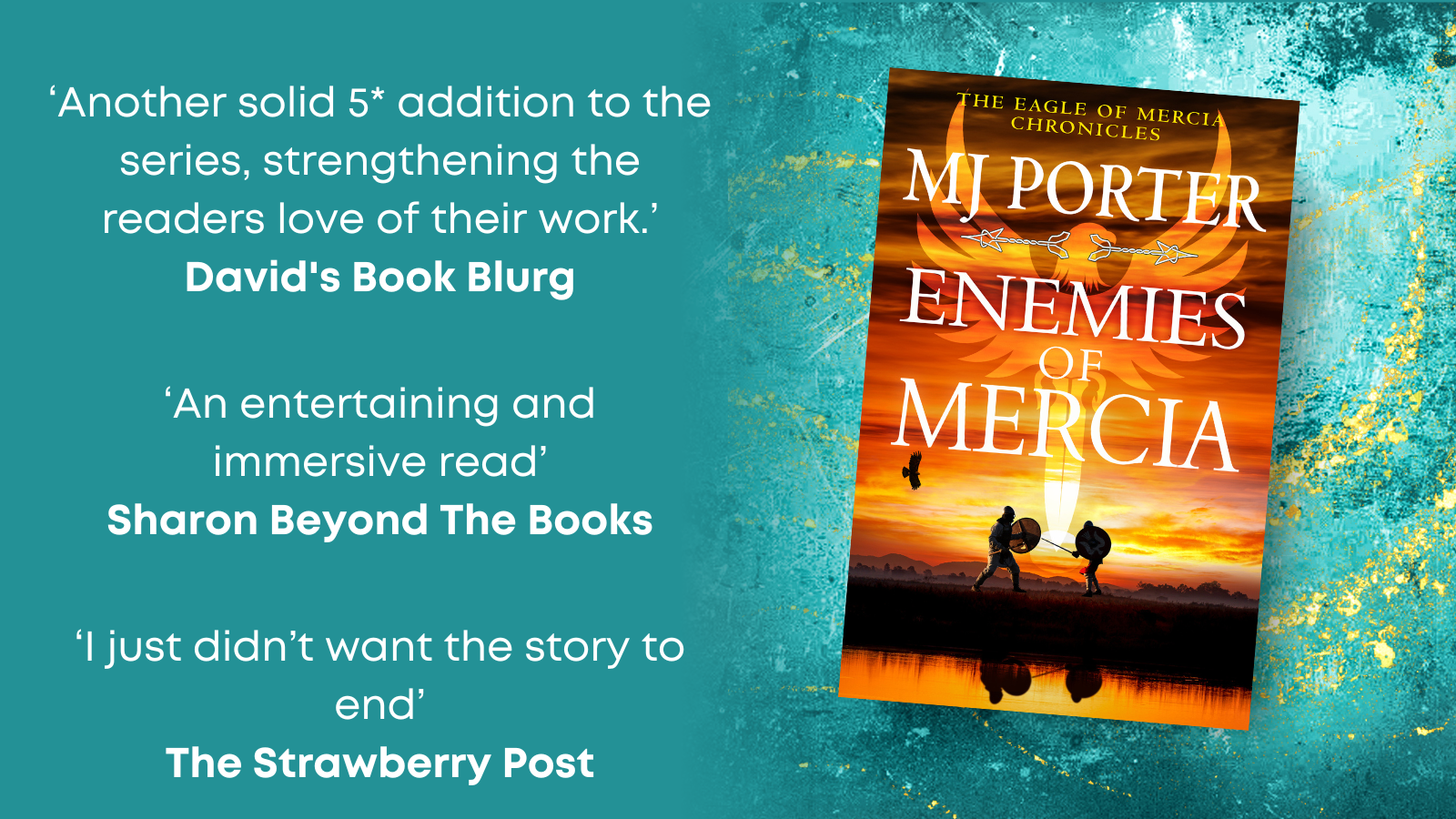
Kings of Mercia in the early ninth century – the brother kings, Coenwulf and Coelwulf/Ceolwulf

Welcome to my release day post for Protector of Mercia. I’m going to talk about the kings who preceded all the chaos of the series.

Readers of the Eagle of Mercia Chronicles will have encountered the names of kings Coenwulf and Coelwulf, although the kings in the first book, Son of Mercia, ruled after both Coenwulf and Coelwulf. But, having written about Coelwulf II in the Mercian Ninth Century books – which feature an older, and wiser Icel, I was eager to return to an equally unsettled period in Mercia’s history. And this, helped by the fact that Icel would just have been old enough at this period to be involved, very much helped set the scene. However, the aftermath of the reigns of these two men, brothers, are very much at the heart of political affairs during the Eagle of Mercia Chronicles.

So, who were Coenwulf and Coelwulf or Ceolwulf?

Coenwulf, the first and only of his name, was king of Mercia from 796 until his death in 821. He claimed descent, not from the previous king Offa (of Offa’s Dyke fame), and his son, but instead from Pybba, who is believed to have been the father of both Kings Penda and Eowa (read about them in my Gods and Kings trilogy) who ruled in the seventh century. You might have heard of Penda. Although the connection isn’t sound, he is often referenced when talking about the Staffordshire Hoard.

It does seem as though the crisis of the late 820s/830s and the slow decline of Mercian power have overshadowed all that King Coenwulf achieved, not helped by the fact that his son, who was to succeed him, died before his father (if he existed at all), so that on Coenwulf’s death, the kingship passed to his brother, Coelwulf, and he in turn was overthrown at some point in 823-826. The brother kings seem to have shared another brother as well, who may have been king of Kent, after Mercia annexed the kingdom to its own domain.

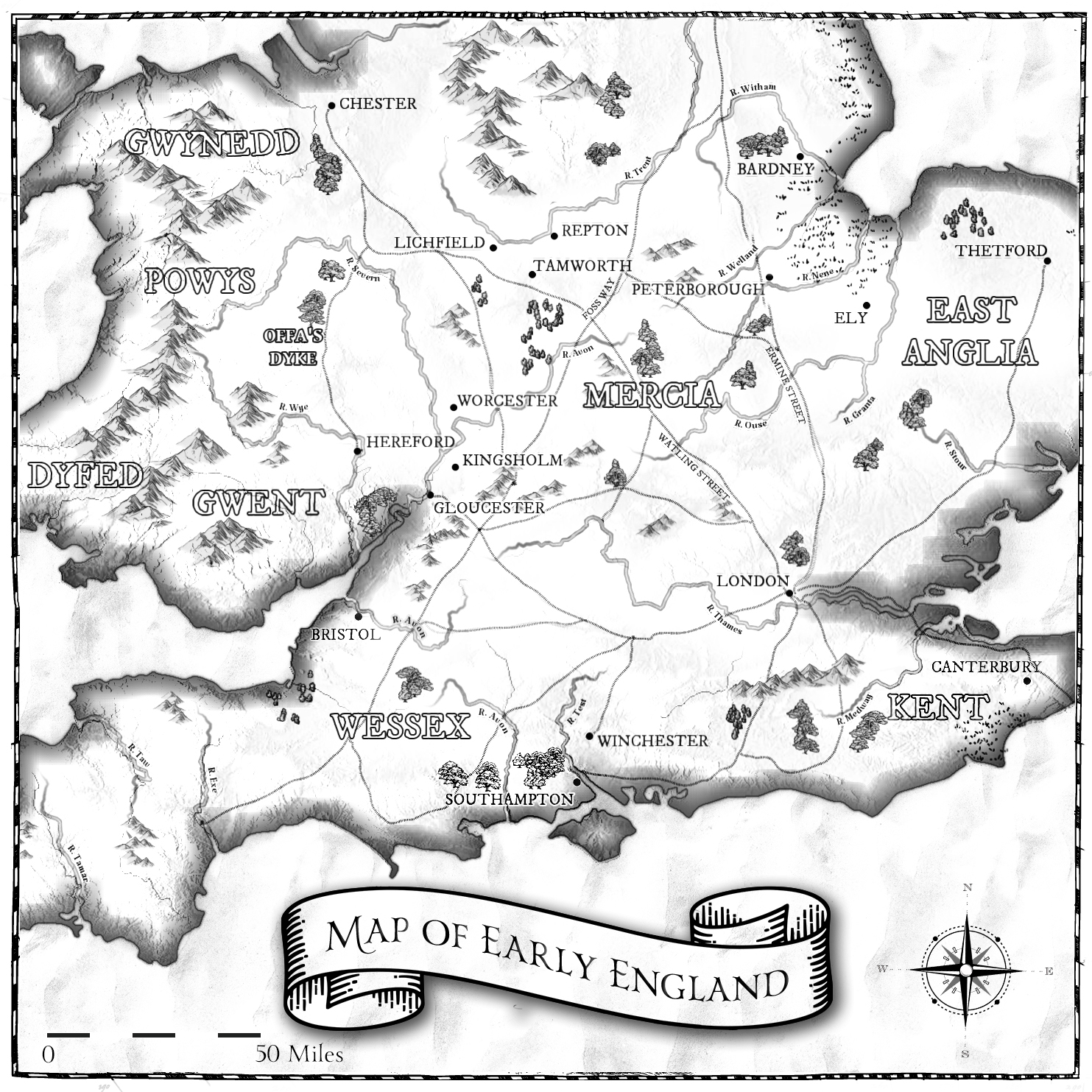
But Coenwulf was a successful ruler. He claimed the kingship after the death of Offa’s son, Ecgfrith, not long after his father’s death, (Offa is said to have been keen to eliminate all rivals to the kingship which is why, when his son died, the kingship had to pass to a more obscure branch of the ruling line), and while he suffered reverses in Kent and the kingdom of the East Angles, he does seem to have exercised control in both places, and was also aggressive against the Welsh kingdoms throughout his reign. Mercia, at this time, was NOT confined to the current English Midlands, it was a much vaster kingdom although it’s firm boundaries are difficult to establish.

Map design by Flintlock Covers

While the Anglo-Saxon Chronicle is sparse about our brother kings, that didn’t stop the later Norman writers, embellishing the story of them. But first, what do we hear about these kings from the Anglo-Saxon Chronicle?

‘Ceolwulf, king of Mercia, ravaged over the inhabitants of Kent as far as the Marsh, and [they] captured Præn, their king, and led him bound into Mercia.’ 796 [798[ (A)

´Here Coenwulf, king of Mercia, passed away, and Coelwulf succeeded to the kingdom.’ 819 [821] (A)

´Here Ceolwulf was deprived of his kingdom.’ 821 [823] (A)

´And the same year King Egbert and King Beornwulf fought at Ellendynm and Egbert took the victory; and a great slaughter was made there…. And that year the East Angles killed Beornwulf, king of the Mercians.’ 823 [825[ (A)

´Here Ludeca, king of Mercia, was killed, and his 5 ealdormen with him, and Wiglaf succeeded to the kingdom.’ 825 [827] (A)

´Here Wiglaf obtained the kingdom of Mercia again.’ 828 [830] (A)

Henry of Huntingdon, one of the Anglo-Norman author, writes of Cenwulf, our Coenwulf

‘Not long afterwards, Cenwulf, king of Mercia, beating and ravaging his way through the Kentish province, captured their king Præn, who could not match his strength and was lurking in the coverts and isolated places, and victoriously took him back in chains.’ p.259 

Coenwulf’s brother, Coelwulf, succeeded him, but not for long, until he was usurped. Henry of Huntingdon in summarising affairs in Mercia adds.

‘Cenwulf reigned peacefully for twenty-six years, and died the common death.

Ceolwulf possessed the kingdom for three years, which the fierce Beornwulf then wrested from him.’ p.271

The Chronicle of John of Worcester adds similar details.

‘[821] Ceolwulf, king of the Mercians, was driven from his kingdom, and Beornwulf was raised to the kingship.’p241

There is some confusion regarding children born to either brother, and indeed, much that is known of that later Coelwulf II stems from the fact he shared a name with one of the two brothers, and as such, his connection with that ruling family can be supposed by experts in the field (not me). It appears that Coenwulf had a son and a daughter, the daughter well known as an abbess at a local nunnery, and possibly, two wives. King Coelwulf is known to have had one daughter, Ælflæd, who married Wigmund, the son of King Wiglaf. But there is a distinct lack of information regarding these individuals. We don’t know when the usurped King Coelwulf died. We don’t know when his daughter died, for certain, and obviously, other children are unknown.

The Chronicle of John of Worcester, another Anglo-Norman writer, informs us that.

‘[819] St Cenwulf, king of the Mercians, after a life devoted to good deeds, passed over to the eternal blessedness which is in heaven, and left his 7-year-old son St Kenelm heir of his realm. But when a few months had passed, by the treachery of his own sister Cwenthryth, whose cruel spirit had been roused by an awful lust for power, he was secretly done to death with cruel outrage by Æscberht, his most bloodthirsty tutor, in the shade of a thorn tree in a deserted wood. But he who was slain with heaven alone as witness, was later revealed by heaven’s witness through a column of light. Kenelm’s head was cut off, milk-white in the beauty and innocence of birth, and from it a milky dove with golden wings soared to heaven. After his happy martyrdom, Ceolwulf received the kingdom of the Mercians.’ P239-241

Henry of Huntington adds. ‘At Winchcombe you will read of the secret martyrdom of Kenelm. He was the son of Cenwulf, the Mercia king, who died in the year of grace 819, having reigned for twenty-four years. The martyrdom of his son Kenelm was revealed from heaven to Pope Silvester II at Rome.’p691

However, Coenwulf and Coelwulf I do seem to have enjoyed military successes. Coelwulf’s attacks on Wales are mentioned in the Annales Cambriae.

‘818 Cenwulf [Coenwulf] devastated the Dyfed regio.

822 The fortress of Degannwy is destroyed by the Saxons and they took the kingdom of Powys into their own control.’ p48

The Anglo-Saxon Chronicle is not helpful about the reigns of either brother, other than referencing their accession and either death or deposing. We don’t know the date that Coelwulf I died, although he clearly lived after being deposed.

Increasingly, scholarship is looking at Mercia during this period – if the answers can’t be found in the surviving written sources they can be found elsewhere. When King Alfred began his revival in education, many of the scholars he turned to were Mercians, highlighting Mercia’s accomplishments in all spheres – and the correlation has been made that the same happened in Mercia after the end of Northumbria’s Golden Age. There is also a wealth of Mercian sculpture dated to this period which hints at the power and influence of the kingdom, perhaps even of artistic centres at the heart of certain designs.

This doesn’t yet help us truly appreciate the power these kings could wield – so often overshadowed by what happened after their reigns, but it certainly shows we should be wary of accepting this absence in the written sources as indicative of their failure. Indeed, we should be wary of any Wessex-centred source from later in the same century (the Anglo-Saxon Chronicle) that might not only suffer from Wessex-bias, but may also reveal a desire to overshadow Mercia in order to proclaim Wessex’s kings as the more powerful. This is something that is certainly at the heart of the revival in interest in the descendant of these two kings, King Coelwulf II, or Mercia’s last king, written about as a ‘foolish king’s thegn’ in the Anglo-Saxon Chronicle but clearly very far from being that.

It’s intriguing to realise that our Norman writers only had access to much the same information that we do in order to offer an account of what was happening in Mercia at this time. But they do seem to have enjoyed embellishing the words of the Anglo-Saxon Chronicle, and while arguments are often made that they may have had access to local sources not written about in the Anglo-Saxon Chronicle, especially for John of Worcester, who wrote at one of the most important Mercian centres, until their words can be entirely unpicked, we must be wary of using their additions as historical ‘fact,’ in much the same way that we need to be wary of the Anglo-Saxon Chronicle(s).

Quotations are taken from the following translations. Darlington, R.R. & McGurk, P. ed. The Chronicle of John of Worcester Volume II The Annals from 450 to 1066(Clarendon Press, 1995). Greenway, D. ed. and trans. Historia Anglorum, The History of the English People, Henry of Huntingdon, (Clarendon Press, 1996. Morris’ translation of Nennius and the Welsh Annals and Swanton’s The Anglo-Saxon Chronicles.

Protector of Mercia is released TODAY.

books2read.com/protectorofmercia

If you’ve not yet started The Eagle of Mercia Chronicles, then check out this introduction to the series.


Sign up to my monthly newsletter to learn more about my writing journey, new releases and special offers, and receive a free short story collection featuring many stories of Saxon England.

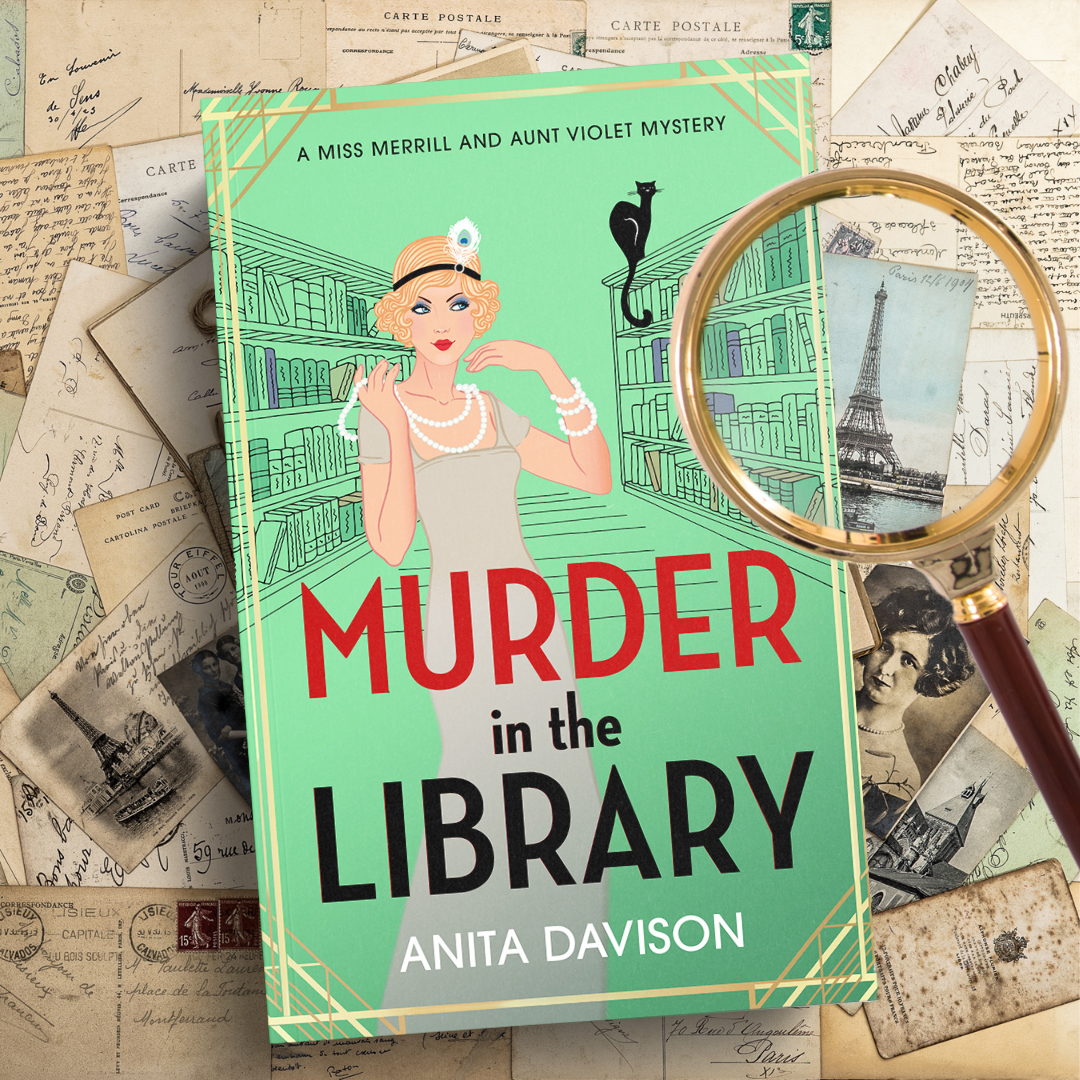
I’m delighted to share my review for Murder in the Bookshop by Anita Davison #bookreview #historicalmystery #newrelease

Here’s the blurb:

Someone’s been read their last rites…

1915, London: Working in the dusty bookshop that her Aunt Violet mysteriously inherited, Hannah Merrill is accustomed to finding twists in every tale. But discovering her beloved best friend Lily-Anne – with a paperknife through her heart – in the middle of the bookshop, is not a plotline she saw coming.

The case is anything but textbook. With the discovery of a coded German message, and Hannah’s instinct that Lily-Anne’s husband is keeping secrets, she determines to get to the bottom of it.

She can’t do it alone though. To crack this case, Hannah will need to enlist the help of her outrageous, opinionated, only-occasionally-objectionable Aunt Violet.

They think they’re making progress until one of their chief suspects is found dead. And Hannah realises that she is herself now in the murderer’s sights. Will the final chapter be the ending of a killer… or just a killer ending?

A totally addictive, WW1-set cozy mystery, perfect for fans of Verity Bright, T.E. Kinsey, and Agatha Christie.

My Review

Murder in the Bookshop is a cosy historical fiction story set in 1915 in London, England.

Well grounded in the events of the day – the Great War hasn’t been as easy to win as all believed – there are fears of bombs being dropped by the Germans via Zeppelin – the realities of the war are starting to make themselves known with food shortages – this is a really well-envisioned study of the period. Added to which, we have a Murder in the Bookshop.

Our main character is Hannah, who having lost her fiance during the war, now lives with her aunt and helps her run a bookshop. She’s a fiesty character, very much a woman of her day. Aunt Violet is a suffragette and that’s just the beginning of the scandals that surround her. Hannah’s mother wants her to marry, but Hannah isn’t at all interested in doing what her mother wants, and indeed, her mother never actually makes an appearance in the story – which is probably for the best.

Instead, Hannah finds herself determined to discover the culprit behind the murder, and this forces her to come to terms with some truths she’s never known about her friends.

What follows is a really well-constructed story of murder, conspiracy, suspicion and indeed, some peril for our main characters as well.

I read this book in about 2 sittings. I thoroughly enjoyed the setting, the mystery and the resolution, which I didn’t guess at all.

A fabulous war-time mystery sure to thrill fans of the historical mystery genre.

Meet the author

Anita Davison is the author of the successful Flora Maguire historical mystery series. Previously published by Aria, she is writing a new cosy mystery series for Boldwood, the first title of which, Murder in the Bookshop, will be published in August 2023.

Twitter  Instagram 

Today I’m delighted to be taking part in the blog tour for a new historical mystery, Mayhem in the Mountains by Kelly Oliver #blogtour #BoldwoodBooks

Here’s the blurb:

1918 Italy

When a deadly blizzard traps Fiona Figg and Kitty Lane in the Dolomite Mountains, it’s all downhill from here.Their hotel is snowed-in, and no one can get in or out. Then a man is found dead in his locked hotel room – and the killer is still on the premises. But with no murder weapon and too many suspects, their investigation is treading on thin ice.

The colder it gets outside, the hotter it gets inside as Fiona squares off with both her beloved Archie and her nemesis Fredricks. With her love-life on a slippery-slope, Fiona risks everything in one bold move…

As fast and twisty as a downhill slalom, this slick new cozy from Kelly Oliver will have you melting into a puddle of laughter.

Snap in and enjoy the ride.

Purchase Link

https://mybook.to/mayhemmountainssocial

My Review

Mayhem in the Mountains picks up where Covert in Cairo ends; only our intrepid file clerk-turned-spy has exchanged the heat of the desert for the cold of Italy in January. And it is very cold and quite miserable and were it not for tea, toast (and marmalade), and a few trusty Sherlock Holmes stories, Fiona would be quite bored.

But never fear, when Fredricks finally arrives (late, don’t you know) a chain of events starts, beginning with an avalanche that culminates in the need to investigate a perplexing murder case, and one that becomes increasingly perplexing as we learn more and more about probable events.

Interwoven with fictional portrayals of real people, including Mussolini, Mayhem in the Mountains is a fine mystery that only Fiona seems eager to solve. At the same time, other characters are more concerned with the war effort and a few shady shenanigans between MI5 and sister organisations.

There is a real vibrancy to these tales. Fiona might on occasion seem a little too focused on only one thing -proving to her boss that she deserves to escape from Room 40 at the War Office – but that doesn’t stop her from being determined to do the right thing, even if others don’t always agree with her. Her morality means she often stands slightly to the side of her supposed allies and fellow spies.

A vibrant, entertaining read, sure to appeal to fans of historical mysteries, and with just the right amount of historical detail.

Check out my review for books 1 and 2 in the Fiona Figg and Kitty Lane Mystery books Chaos at Carnegie Hall and Covert in Cairo.

Meet the Author

Kelly Oliver is the award-winning, bestselling author of three mysteries series: The Jessica James Mysteries, The Pet Detective Mysteries, and the historical cozies The Fiona Figg Mysteries, set in WW1. She is also the Distinguished Professor of Philosophy at Vanderbilt University and lives in Nashville, Tennessee.

Connect with Kelly

Facebook: https://www.facebook.com/kellyoliverauthor  

Twitter: https://twitter.com/kellyoliverbook  

Bookbub profile: https://www.bookbub.com/authors/kelly-oliver

Instagram https://www.instagram.com/kellyoliverbooks/

Newsletter Sign Up: https://bit.ly/KellyOlivernews

Follow the Mayhem in the Mountains blog tour with Rachel’s Random Resources

What’s with all the Mercian stories? Why I so often write about Saxon Mercia.

I write about the Saxon kingdom of Mercia a lot. I thought it had been entirely unintentional until now. But has it?

I grew up in an area that would one have been in Mercia. From a seemingly young age, I knew Mercia had once been a kingdom in its own right. I knew I lived in the centre of what had once been a mighty kingdom. The local church’s name, St Chad’s, was a dedication to a priest who converted the Mercians to Christianity. Tamworth, the next city along, was also a capital of Mercia (and where much of the Son of Mercia is set). Repton, a little further afield, a Mercian royal mausoleum, so when I went to university and began to study the period, I was, of course, drawn to that kingdom, to Mercia and to all it could offer me. 

The Early English kingdom of Mercia is unfortunate in having no extant records surviving from the height of its power and reach. Northumbria has the works of the Venerable Bede and his Ecclesiastical History of the English People. Wessex has the Anglo-Saxon Chronicle (ASC) – a collection of nine extant ‘versions’ of the same chronicle but with some later regional bias. Mercia has none of these things – although one of the ASC’s may be more Mercian in tone than others. Mercia also has a collection of surviving charters, and also many, many sculptures, that can be dated to this era.

It’s believed that any Mercian annalistic records that existed were destroyed by the Raider Viking attacks that gained in intensity throughout the ninth century. This is highly possible. It means that we never truly ‘hear’ the story of Mercia. We hear a Northumbrian view of Mercia. And we hear a Wessex view on Mercia. What of Mercia itself? We also hear views of Mercia from Alcuin and his collection of letters from the later eighth century.

Students of Early England are taught very much in a set chronological pattern of the Golden Age of Northumbria in the seventh century, the Supremacy of Mercia in the eighth and then the slow but seemingly unstoppable expansion of Wessex to claim all of England under one kingship so that by the time we reach 1066, England as we know it today, exists and is ruled by one king. This glosses over the fact that these kingdoms all existed simultaneously. They all fought and argued amongst one another. They all had ambitions to rule much more of modern England than their kingdom borders necessitated.

And, of course, the joy of redressing the balance a little is never far from my mind. I aim to make sure that people know of Mercia and don’t just think of its growth, supremacy and decline, as though the kingdoms of Northumbria and Wessex were more to blame for what befell Mercia than its own kings and inhabitants.

And so Mercia? What of Mercia during the Golden Age of Northumbria (the Gods and Kings trilogy)? What of Mercia through the decline of its supremacy (the Eagle of Mercia Chronicles), through the Viking Raider attacks and the growth of Wessex (the Mercian Ninth Century), after the death of Lady Æthelflæd (the Lady of Mercia’s Daughter) and what happened to Mercia during the final one hundred years of Saxon England (The Earls of Mercia series)?

What indeed? It’s not a small task, but it’s one I’ve set myself. And I’m far from finished with it. I have plans for more new titles, in time.

Check out the series pages

Gods and Kings

The Eagle of Mercia Chronicles

The Mercian Ninth Century

The Lady of Mercia’s Daughter

The Earls of Mercia

Kings of War is a month old today #histfic #history #Saxons #NewRelease

It’s been a month since the release of Kings of War, the sequel to King of Kings. This is the story of the battle of Brunanburh fought in 937. (Check out my post on where exactly Brunanburh was fought). It’s been a mad and busy month, so I thought I’d take a moment to reflect and say thank you my readers for the fab ratings/reviews and for taking a chance on my version of what led up to and happened at the battle of Brunanburh.

If you’ve not yet tried it, then King of Kings is still 99p on Amazon UK/Kobo and Kings of War is just £1.39 and both are available in ebook, audio, paperback and hardback.

Since Kings of War was released, I’ve also handed over book 3 in the series, and can reveal that the title is Clash of Kings, and it is available for preorder already.

Here’s the blurb:

Can the King of the Scots and the Dublin Norse triumph against a united England?

AD934

King Athelstan of the English has been successful in uniting the many kingdoms of Britain against one enemy, the Viking raiders.

But men who are kings don’t wish to be ruled. 

Constantin, King of the Scots, rebelled against the Imperium and was forcibly brought to bend the knee to Athelstan and England at Cirencester.

His son Ildulb seeks bloody vengeance from Athelstan following the battle at Cait and the death of his son.

Olaf Gothfrithson, king of the Dublin Norse, having asserted his power following his father’s death has his sights set on reclaiming Jorvik. 

Can the united might of the Scots and the violence of the Dublin Norse, descendants of the infamous Viking raiders, bring King Athelstan and his vision of the united Saxon English to her knees?

An epic story of kingsmanship that will result in the pivotal, bloody Battle of Brunanburh, where only one side can be victorious.

King of Kings

Kings of War

Thank you to the fabulous reviewers who shared their thoughts on Kings of War.

Leanne bookstagram

Sharon Beyond the Books

Seriesbooklover

David’s Book Blurg

Bookish Jottings

Ruins & Reading

Scrapping and Playing


And it’s not just the blog hosts sharing reviews either:) Thank you.

Amy McElroy

Terry Rudge

I’m reviewing Foul Play at Seal Bay by Judy Leigh, the first book in her new #cozycrime series

Here’s the blurb:

It was meant to be the start of quiet season in the sleepy Cornish village of Seal Bay, but not for sexagenarian librarian and wild swimming enthusiast Morwenna Mutton. Because when a local businessman is found on the beach with a bread knife is his back, bungling police officer DI Rick Tremayne is soon out of his depth. Morwenna knows it’s going to be down to her to crack the case.

The list of people the victim upset is long, the evidence is slight, and an arrest illusive. Morwenna has plenty to occupy her time what with ghostly goings-on at the library and skullduggery at her granddaughter’s school, but she could never resist a challenge. And even the most ruthless of murderers should quake at the sight of this amateur sleuth getting on her bike to track them down.

If you love Miss Marple and The Thursday Murder Club, then you’ll love The Morwenna Mutton mysteries.

Purchase Link

https://mybook.to/sealbaysocial

My Review

Foul Play at Seal Bay is an intriguing cosy crime set in Cornwall, featuring our main character, Morwenna, who finds herself and her family embroiled in the murder investigation into who killed a local businessman.

Morwenna is a wild swimmer, never happier than when the bitingly cold sea works to clear her mind, which she uses to good effect to help her solve the mystery. She’s a fun character – with a rich and varied life and not at all what we might expect from our sexagenarian sleuth.

The small-town atmosphere is well-evoked, and I really enjoyed the mystery. I look forward to reading more in this series.

Meet the author

Judy Leigh is the USA Today bestselling author of The Old Girls’ Network and Five French Hens and the doyenne of the ‘it’s never too late’ genre of women’s fiction. She has lived all over the UK from Liverpool to Cornwall, but currently resides in Somerset.

Connect with Judy

Facebook: https://www.facebook.com/judyleighuk/

Twitter https://twitter.com/judyleighwriter

Instagram https://www.instagram.com/judyrleigh/

Newsletter Sign Up: https://bit.ly/JudyLeighNews