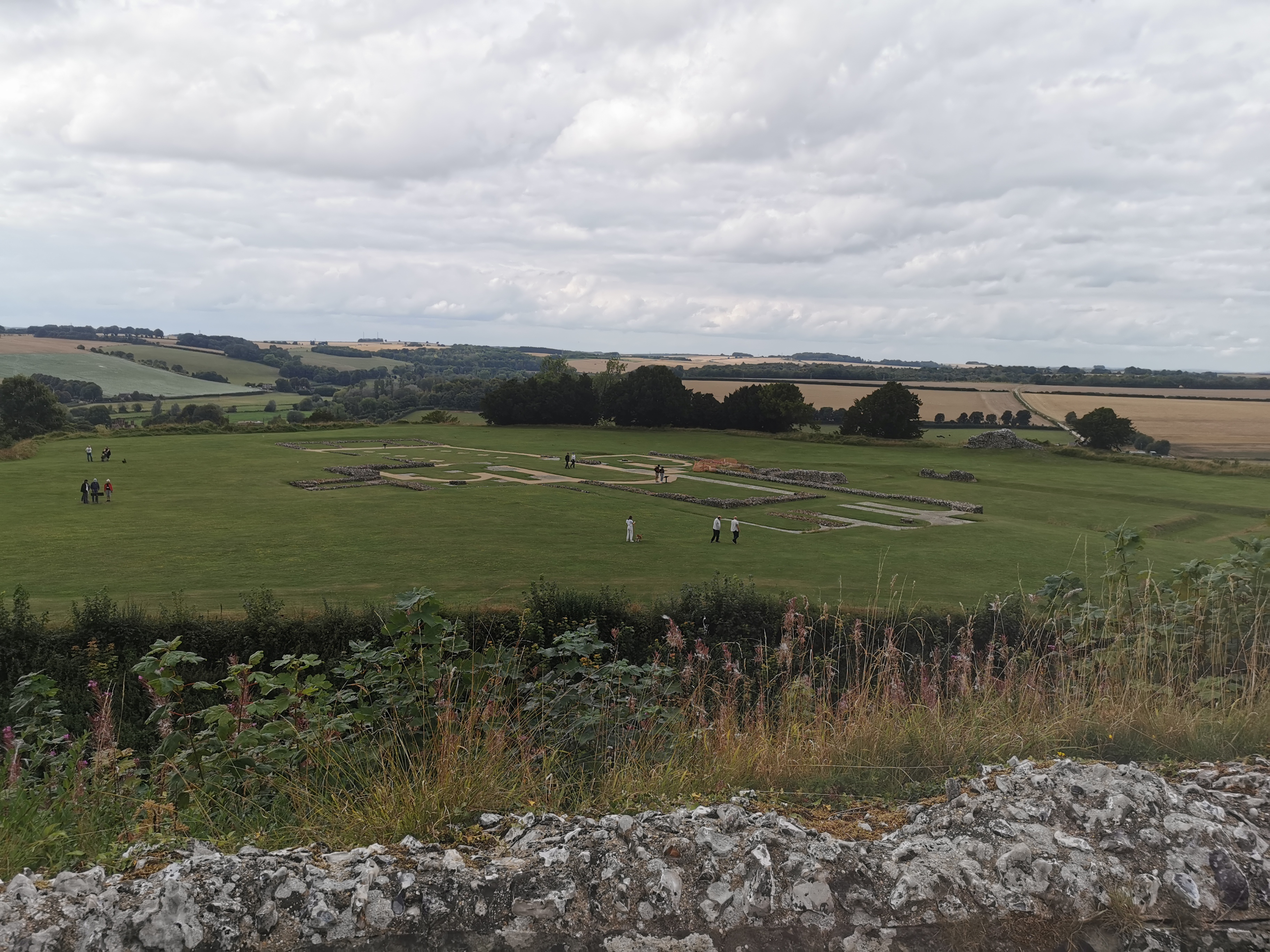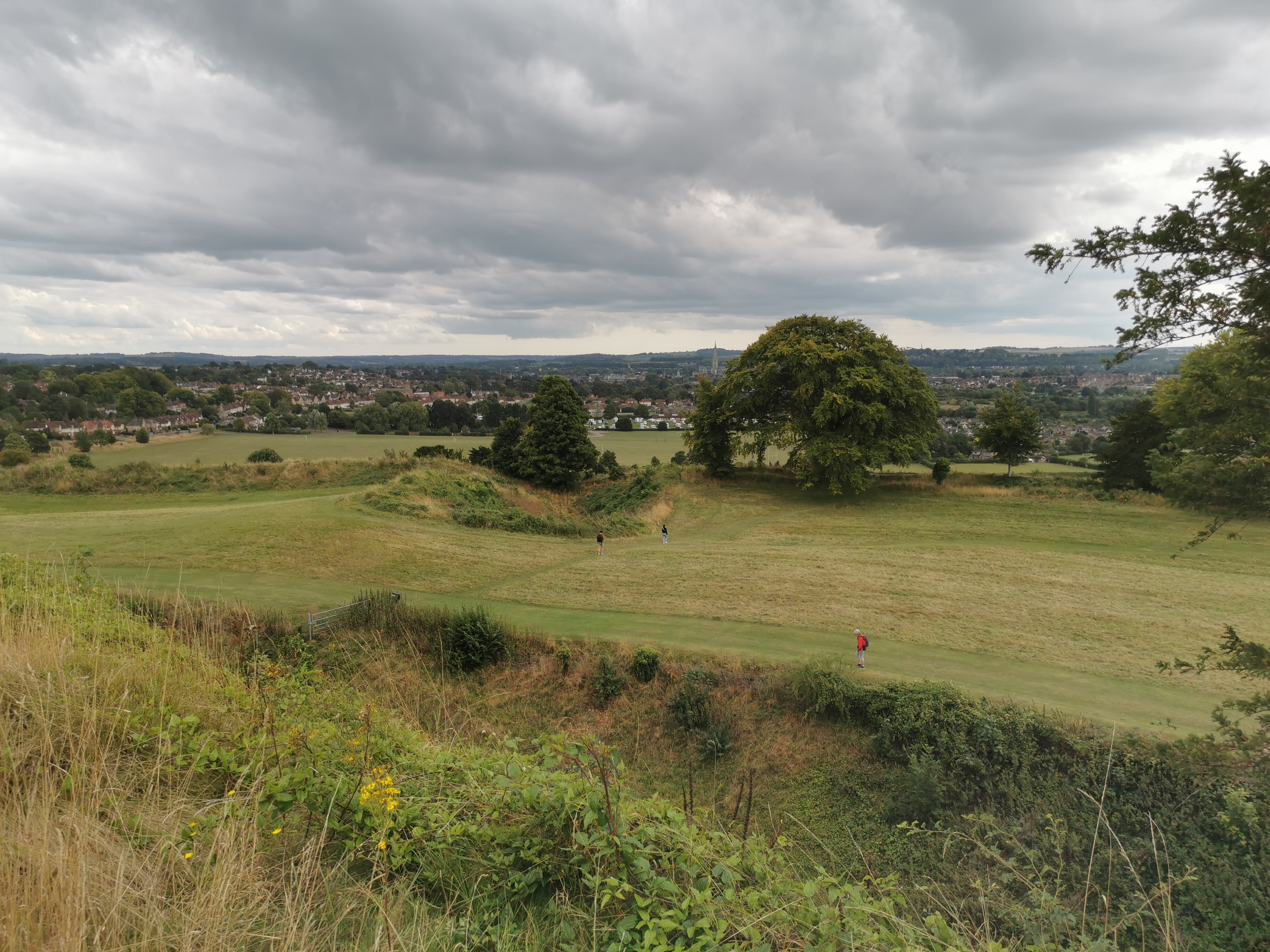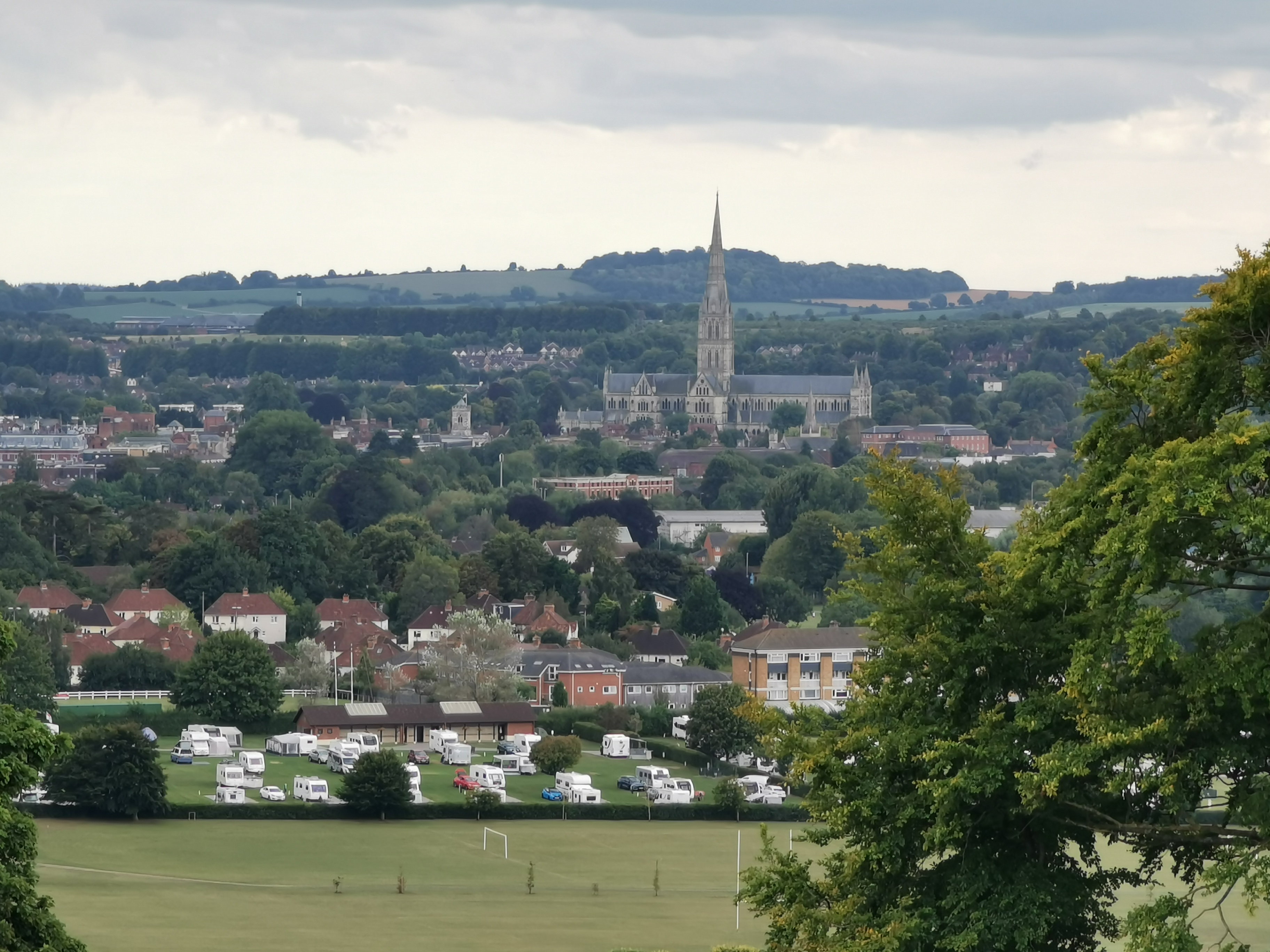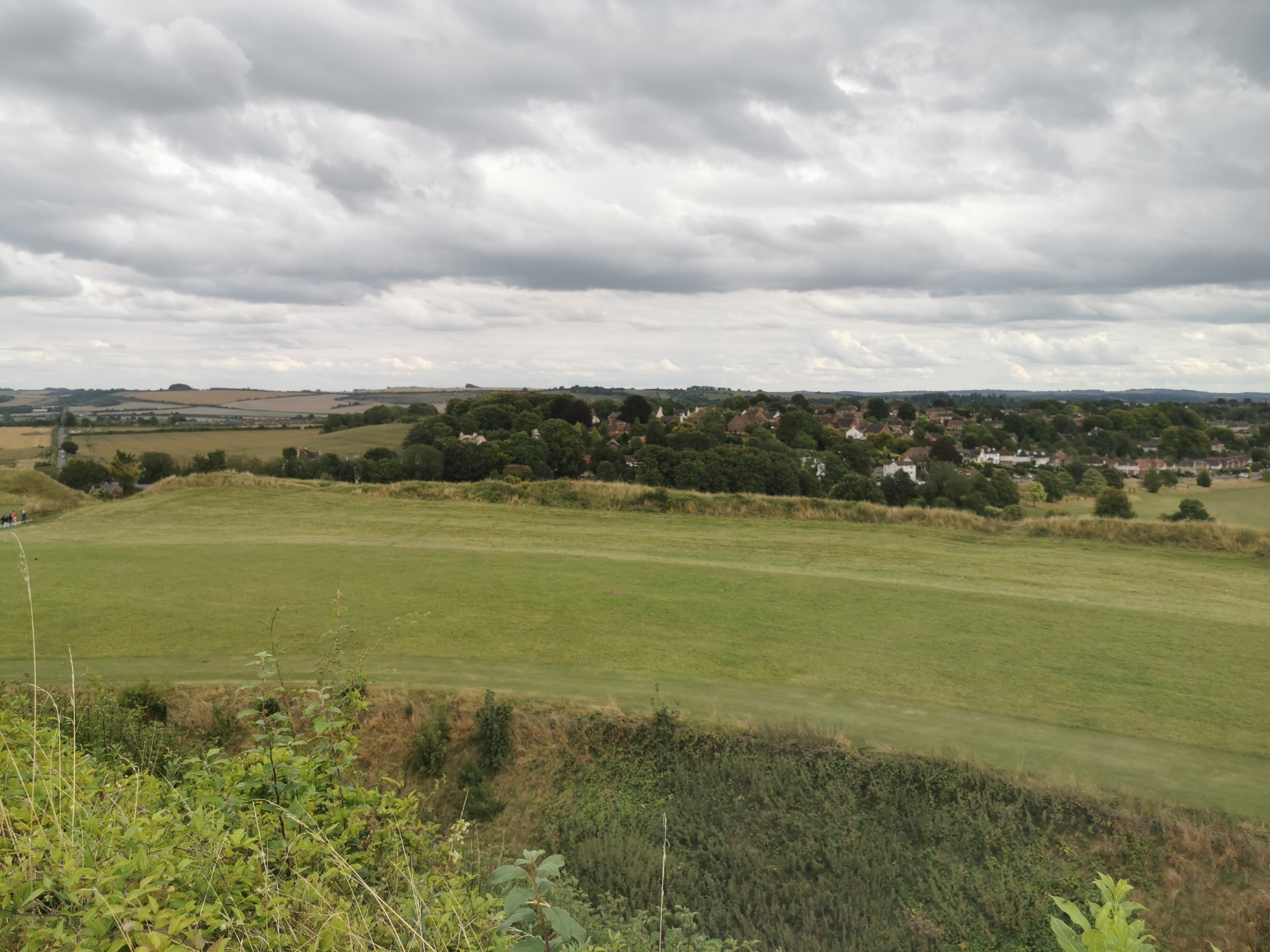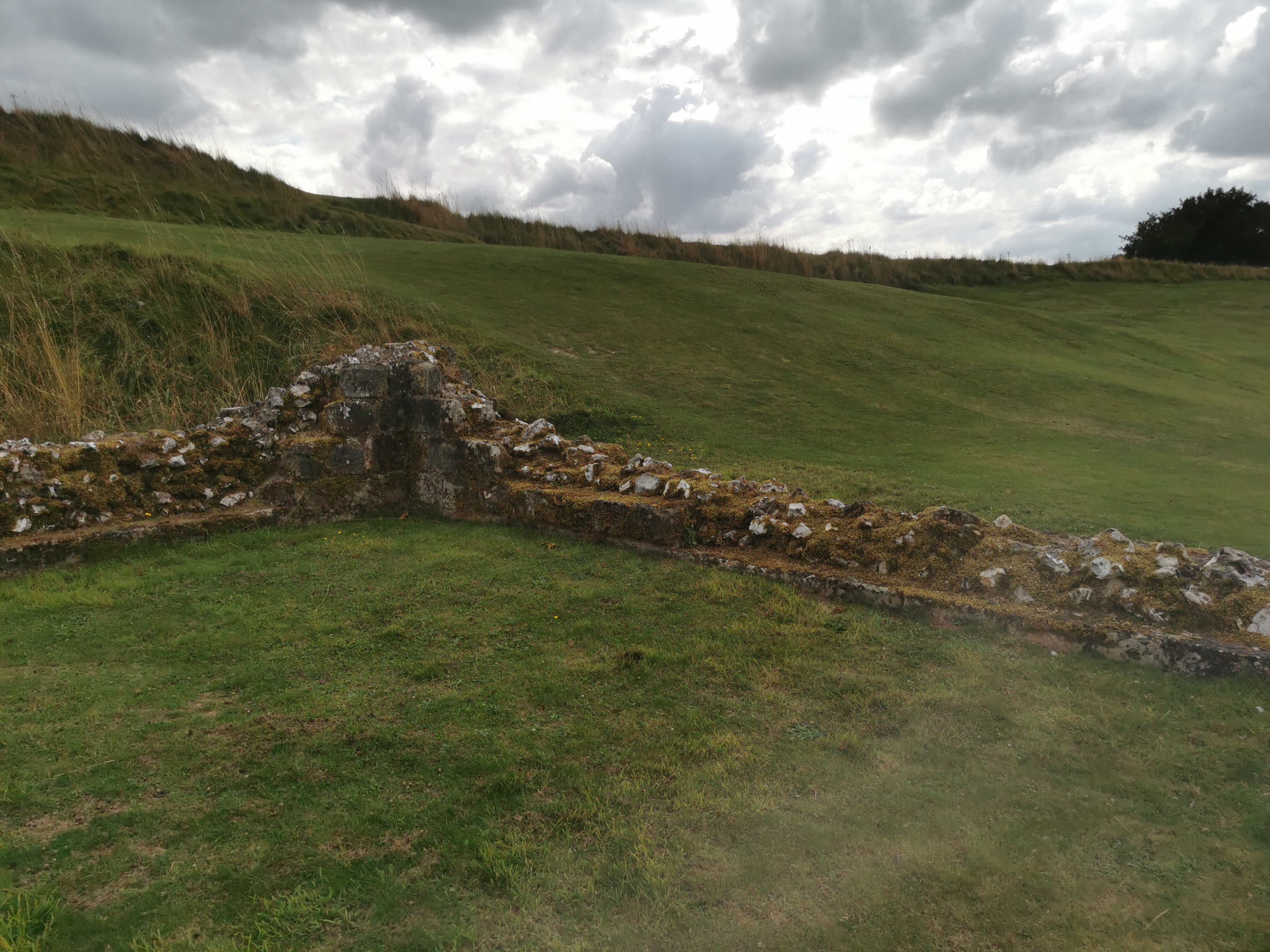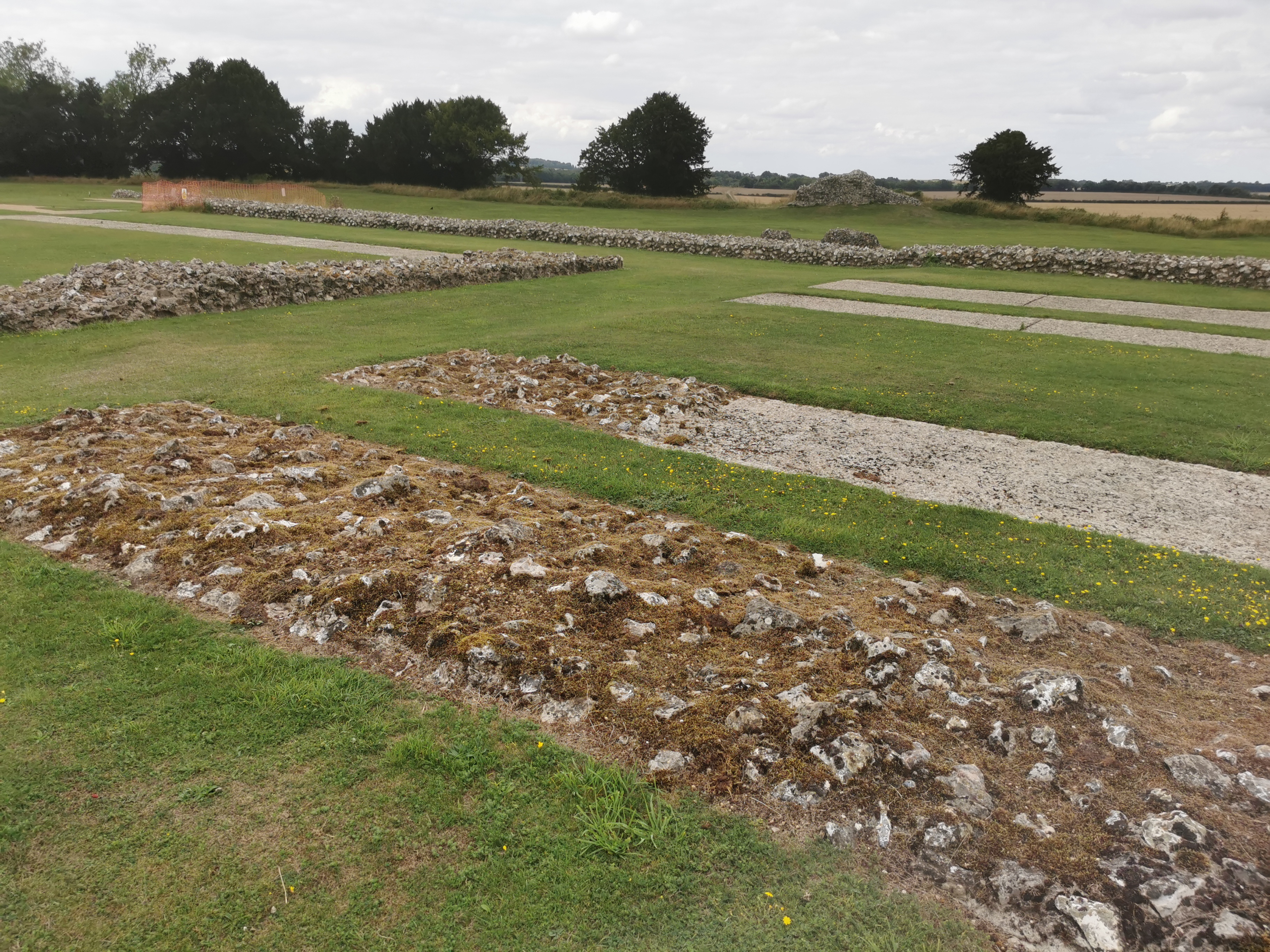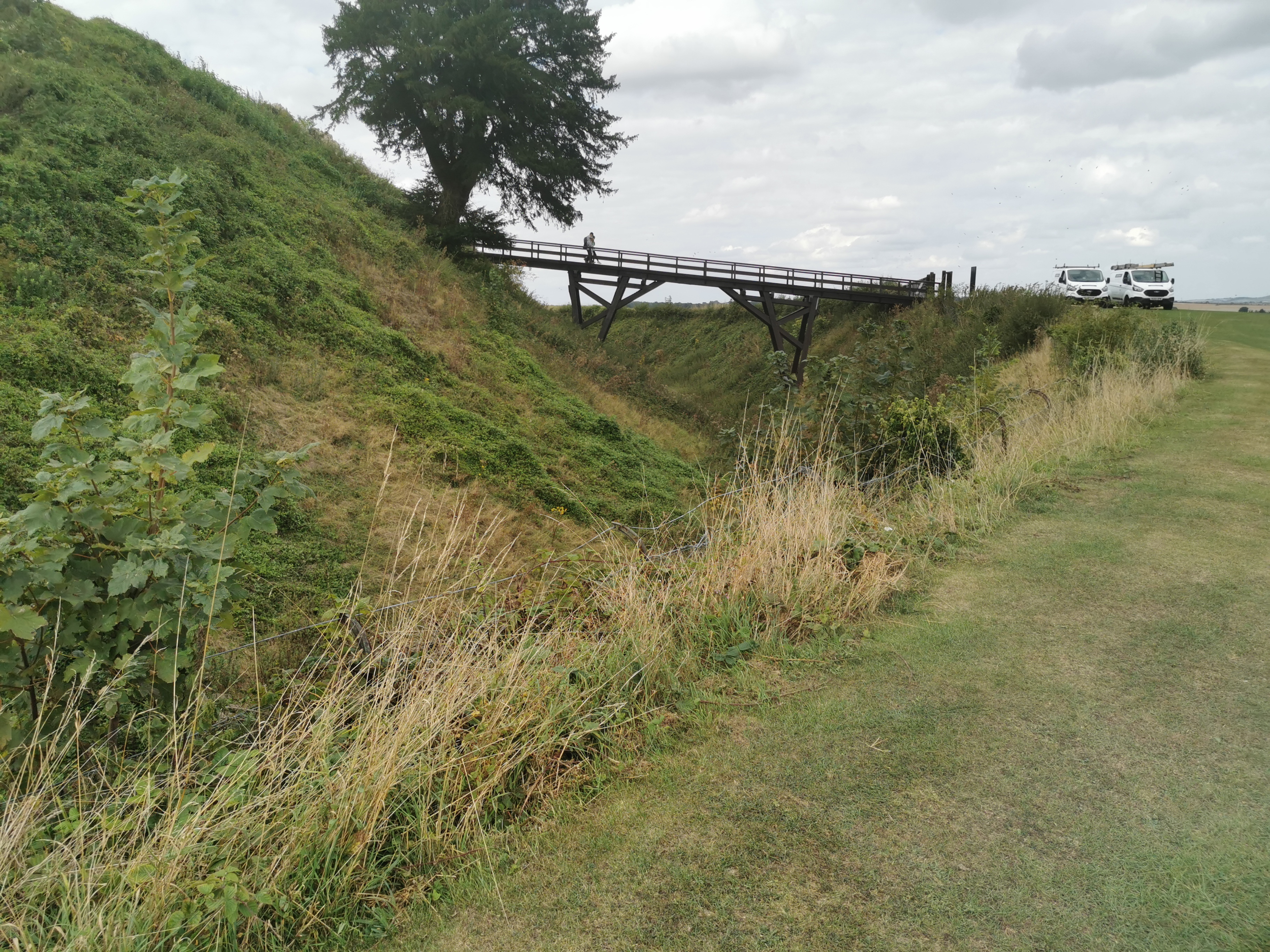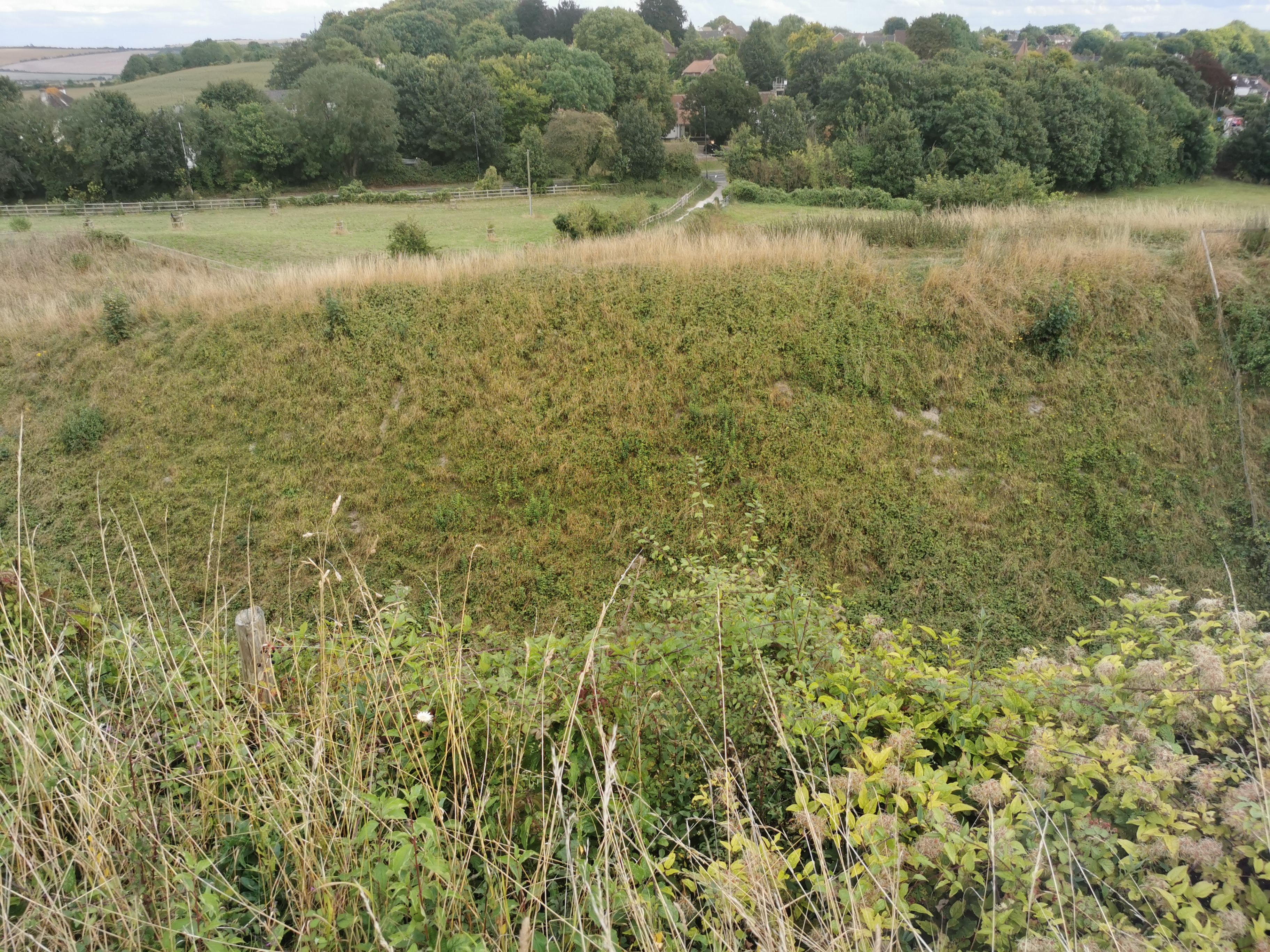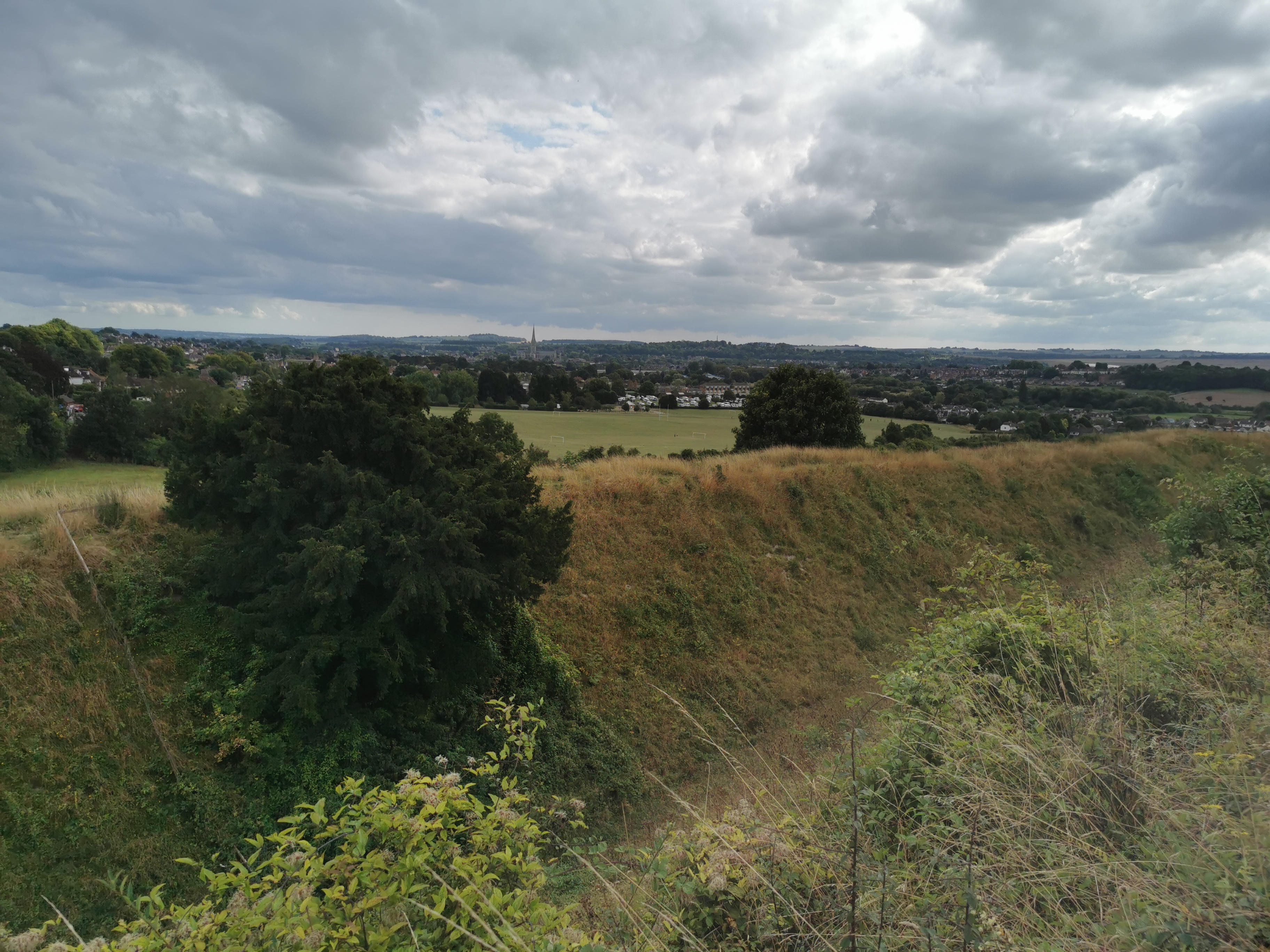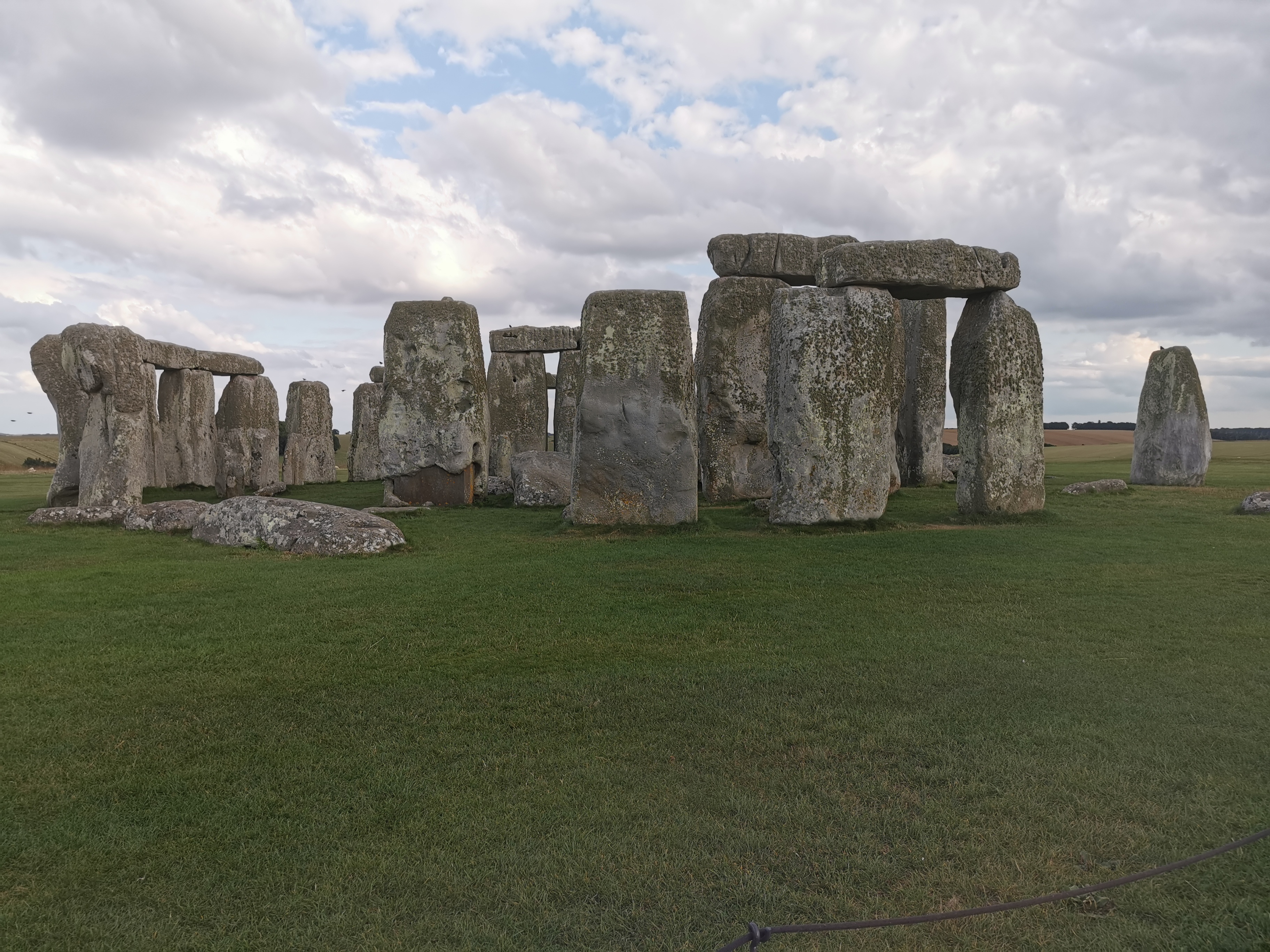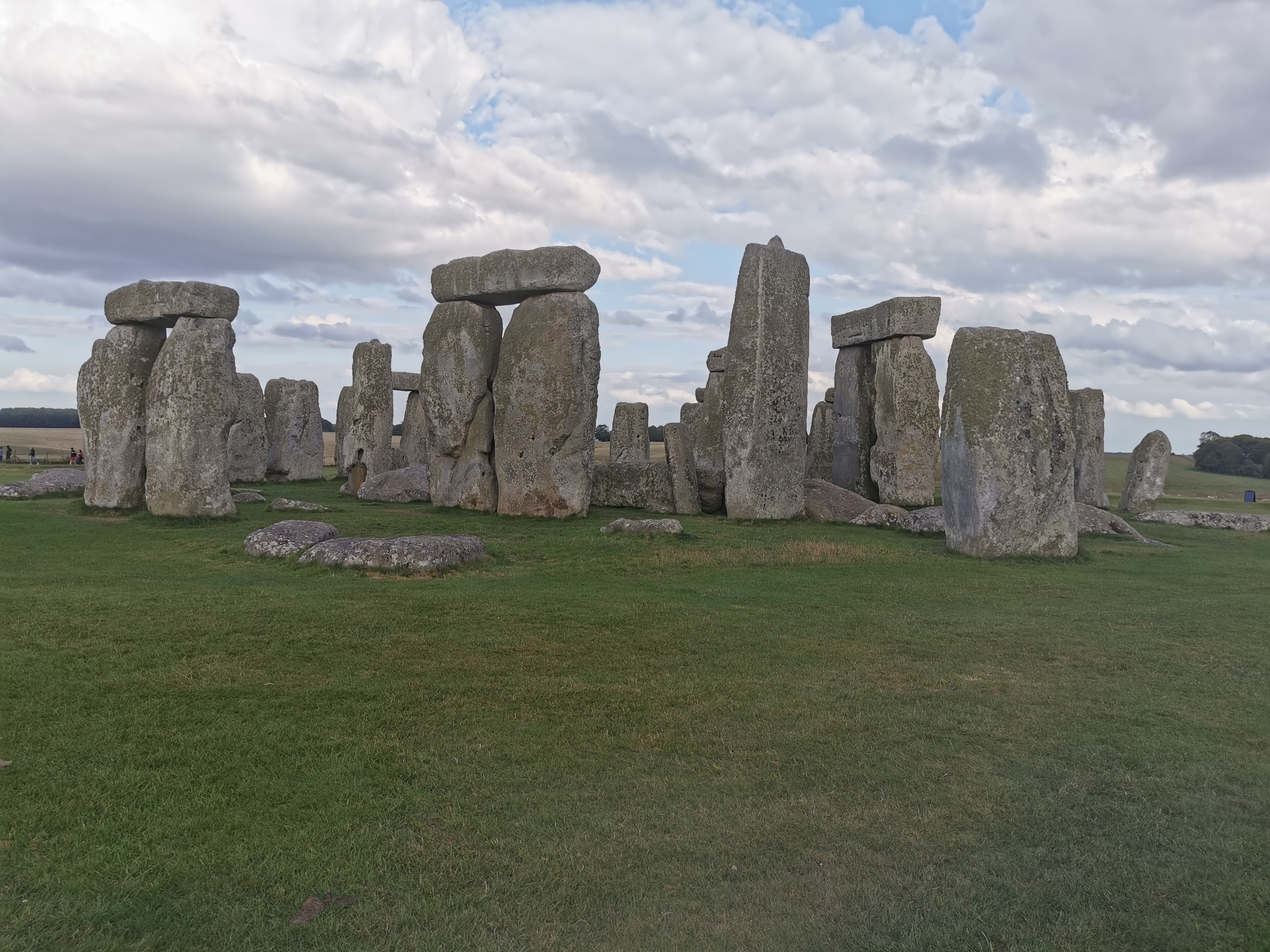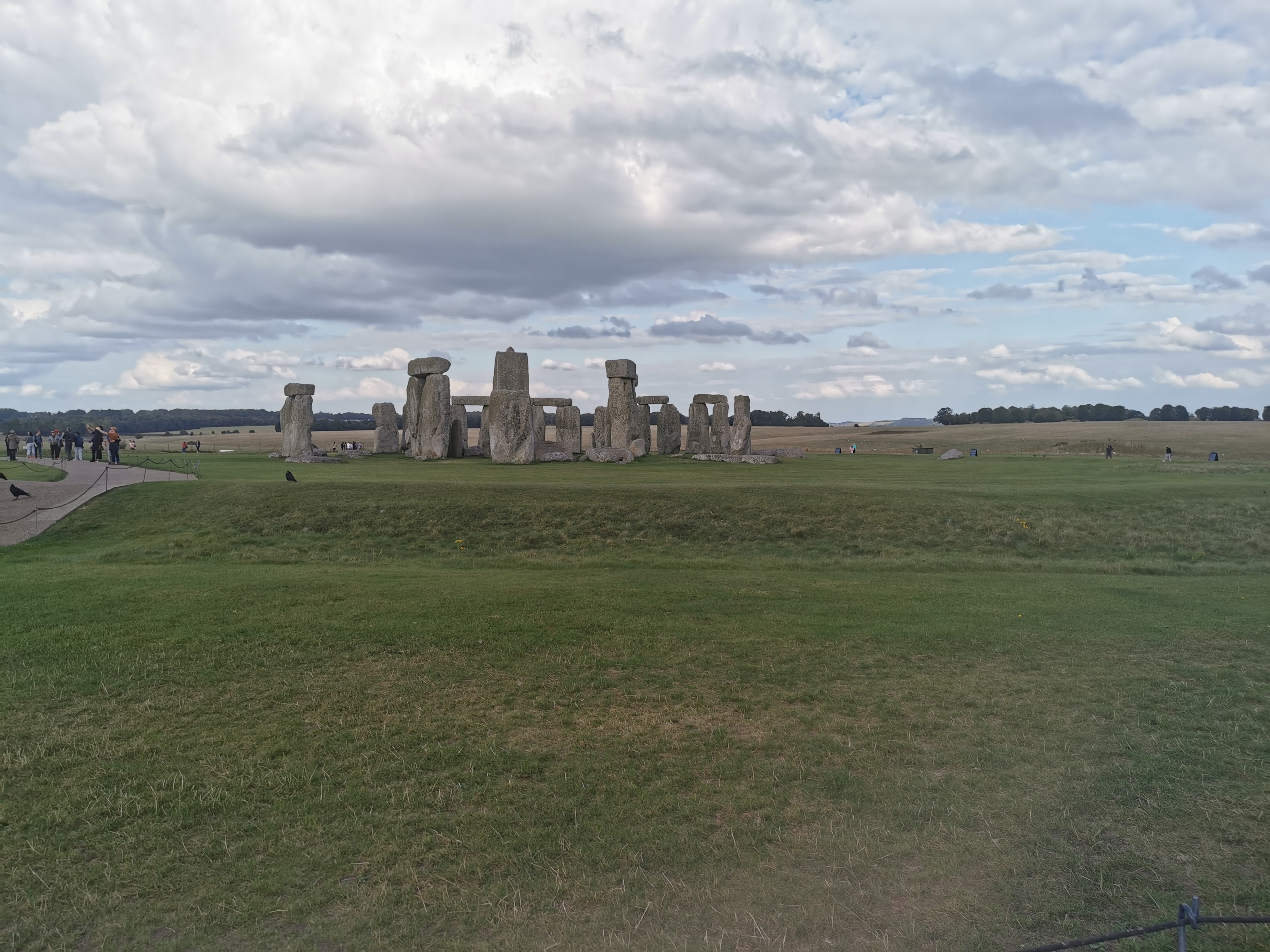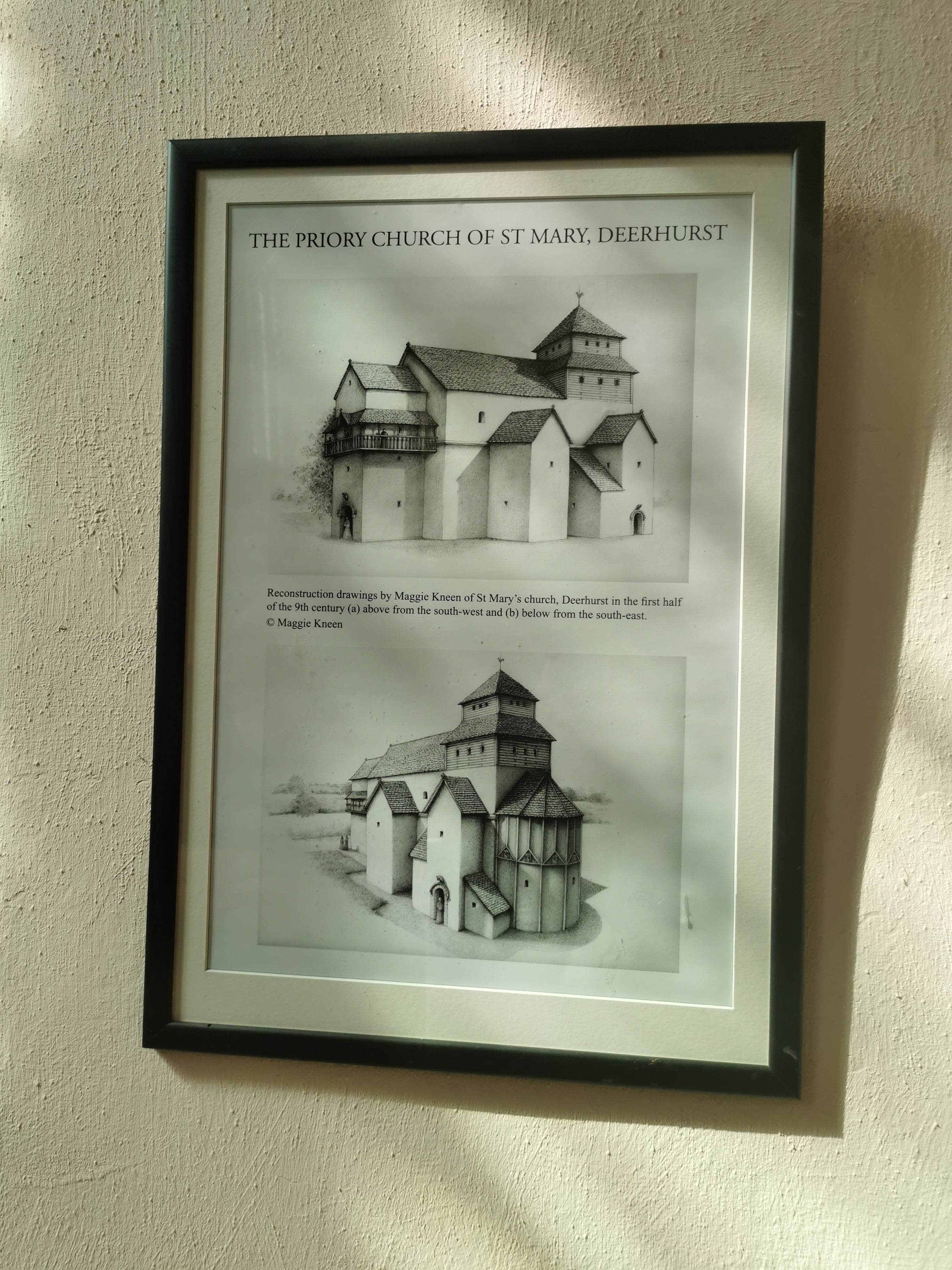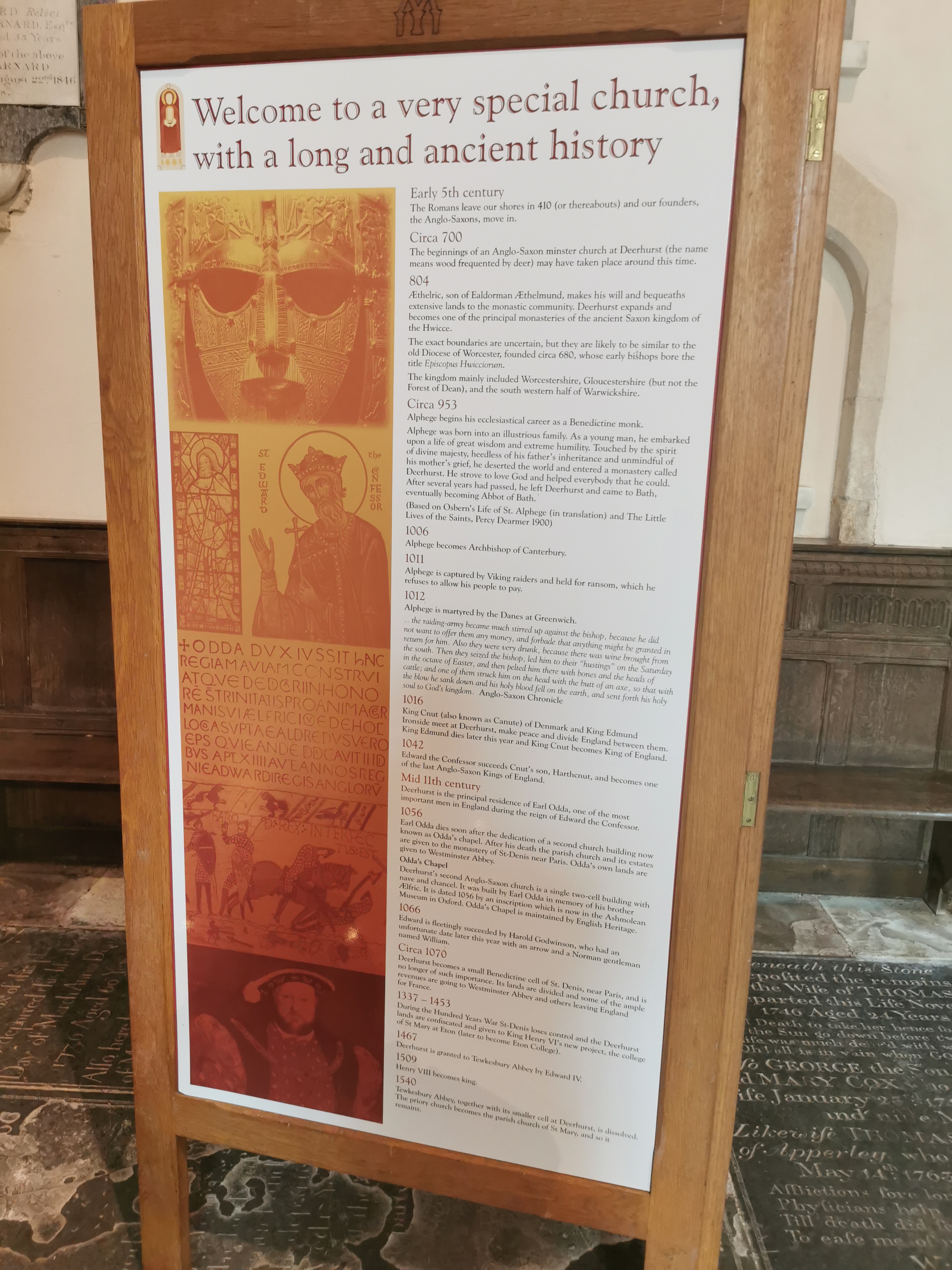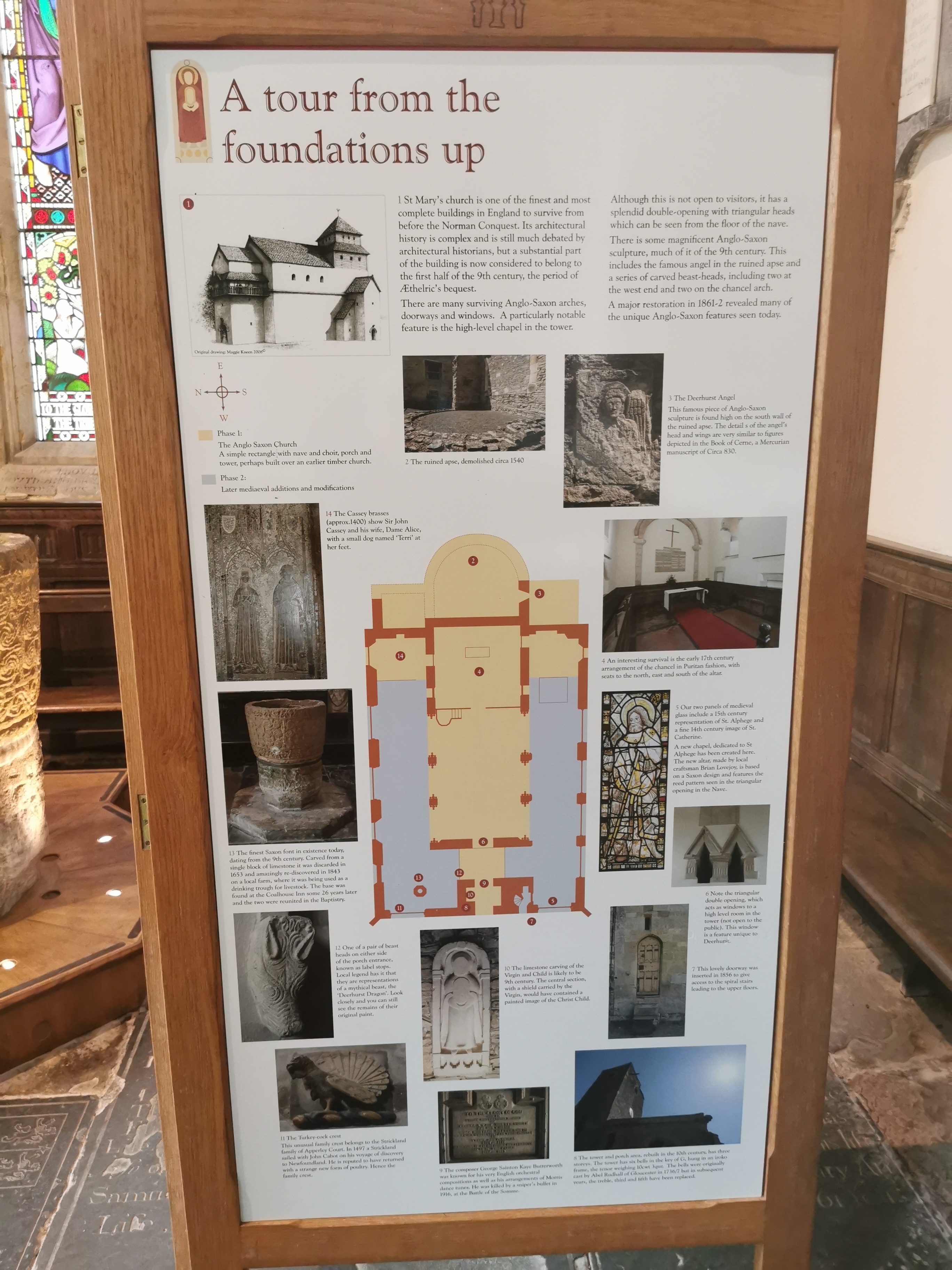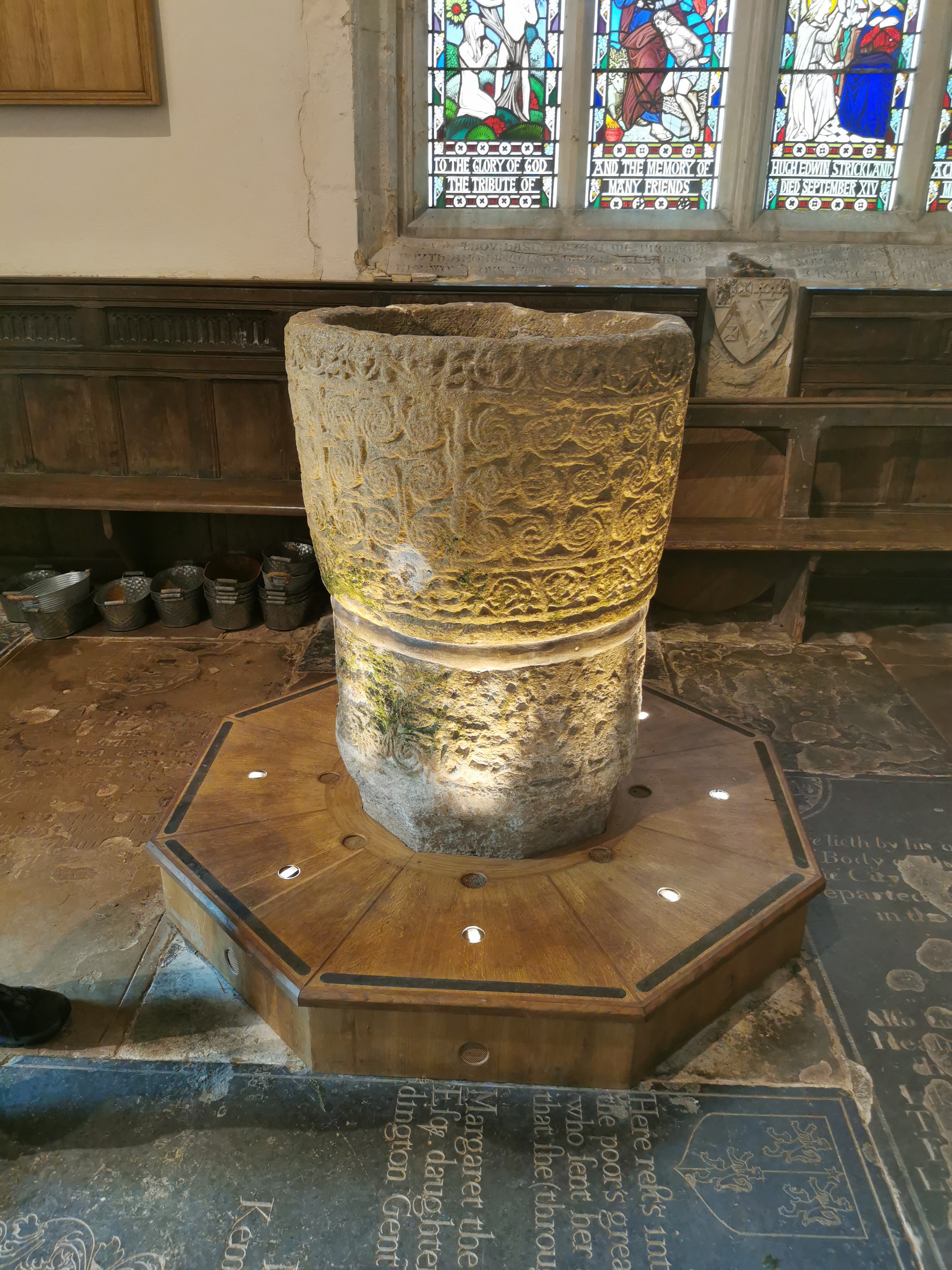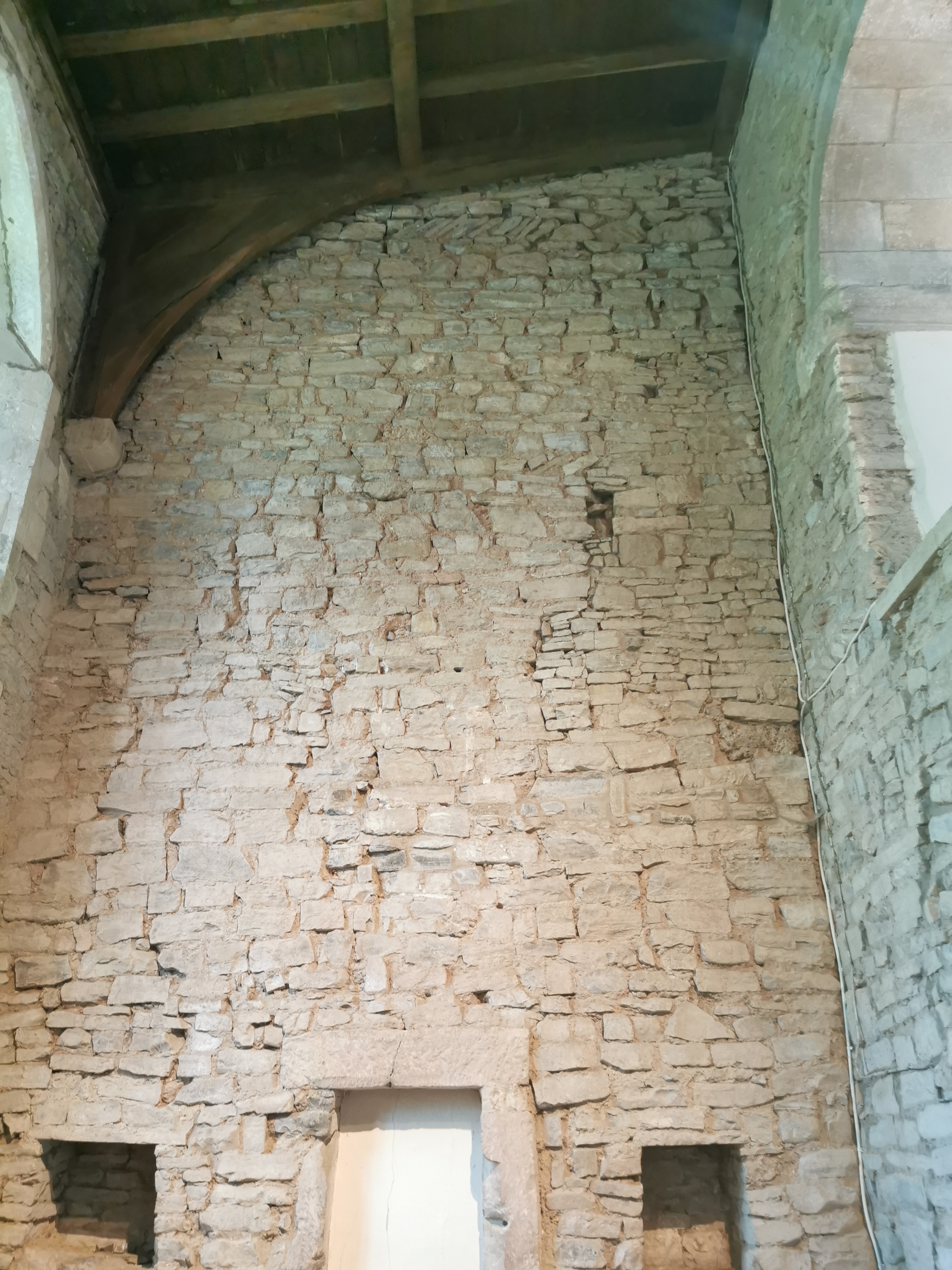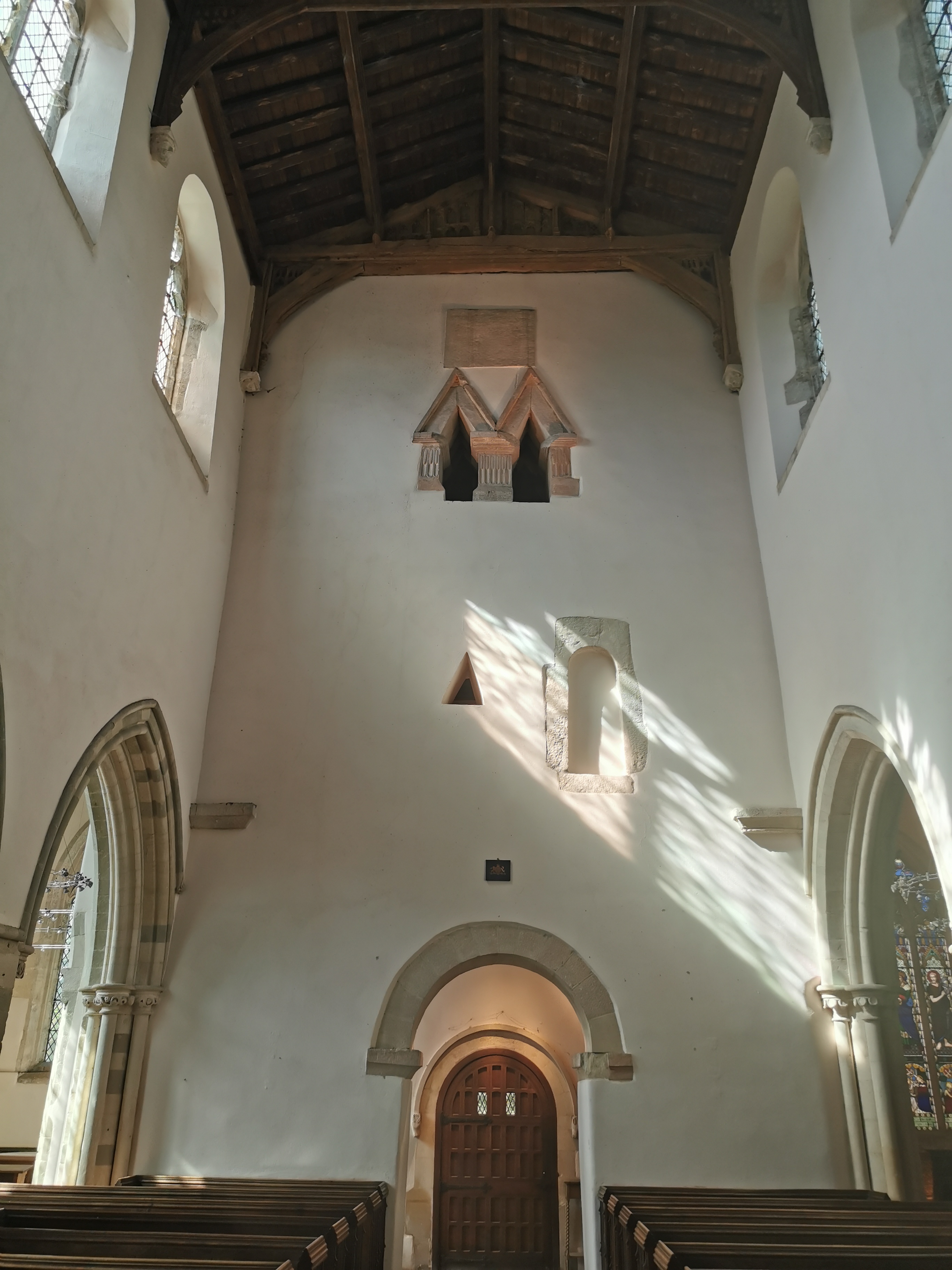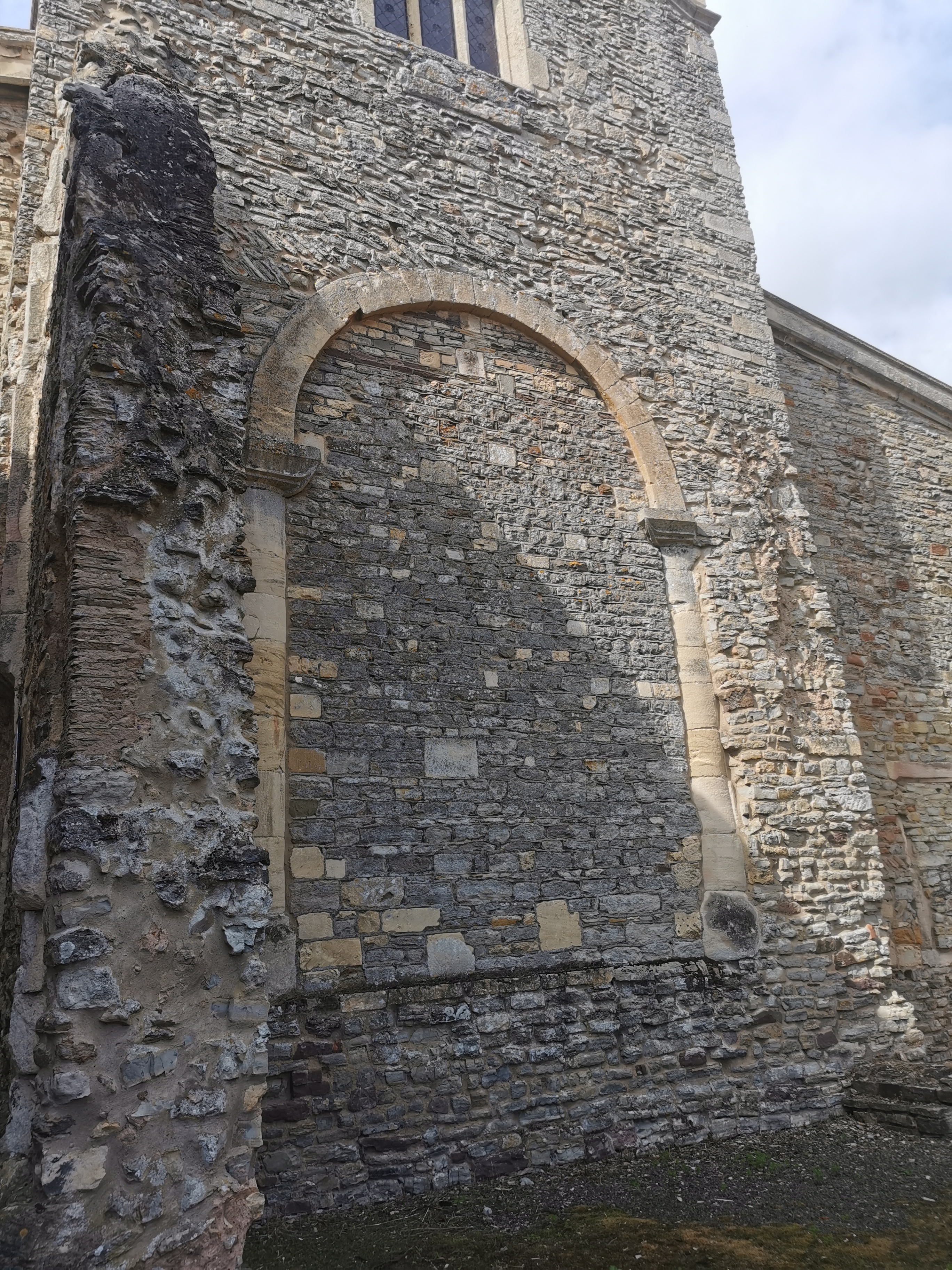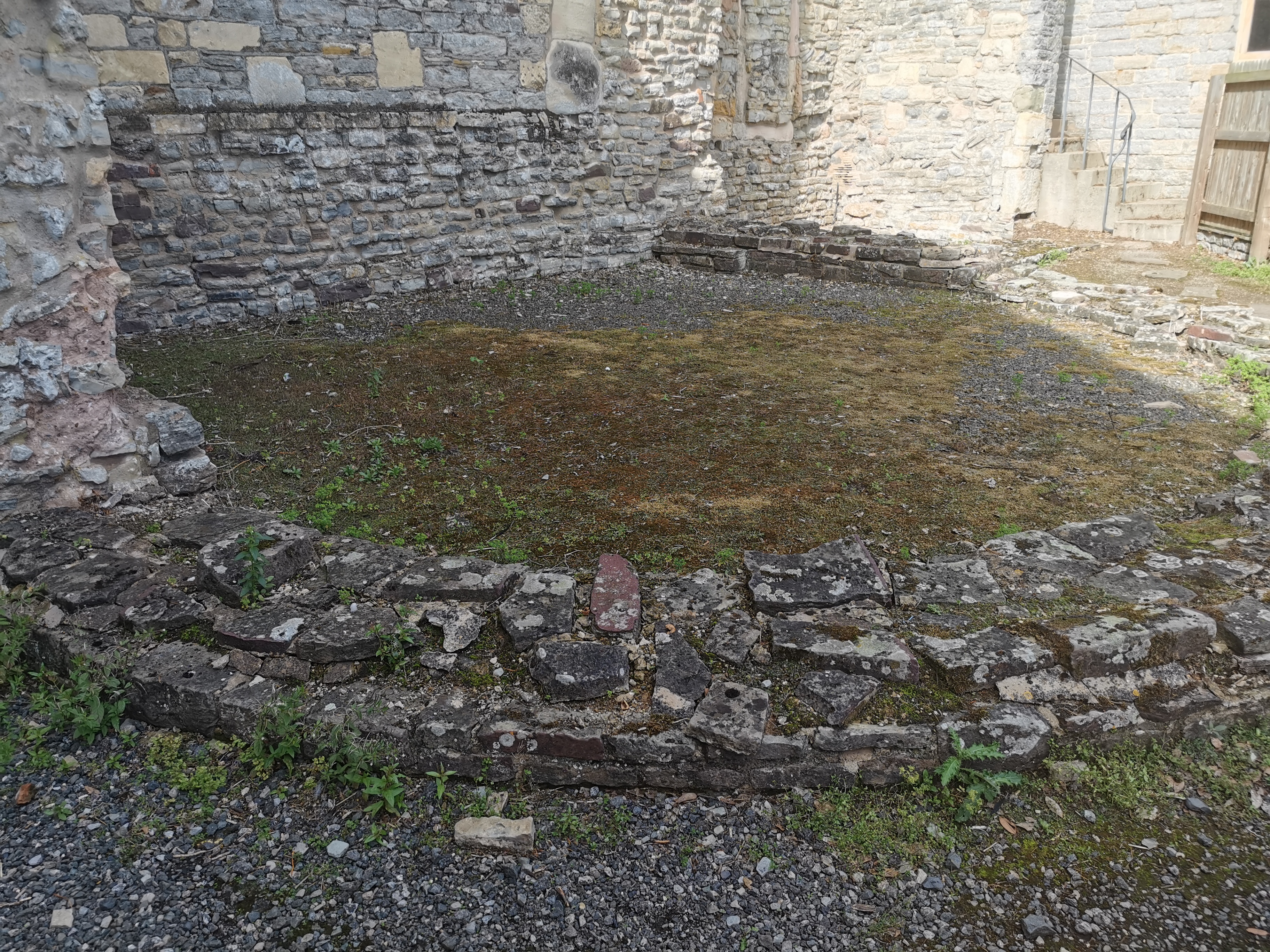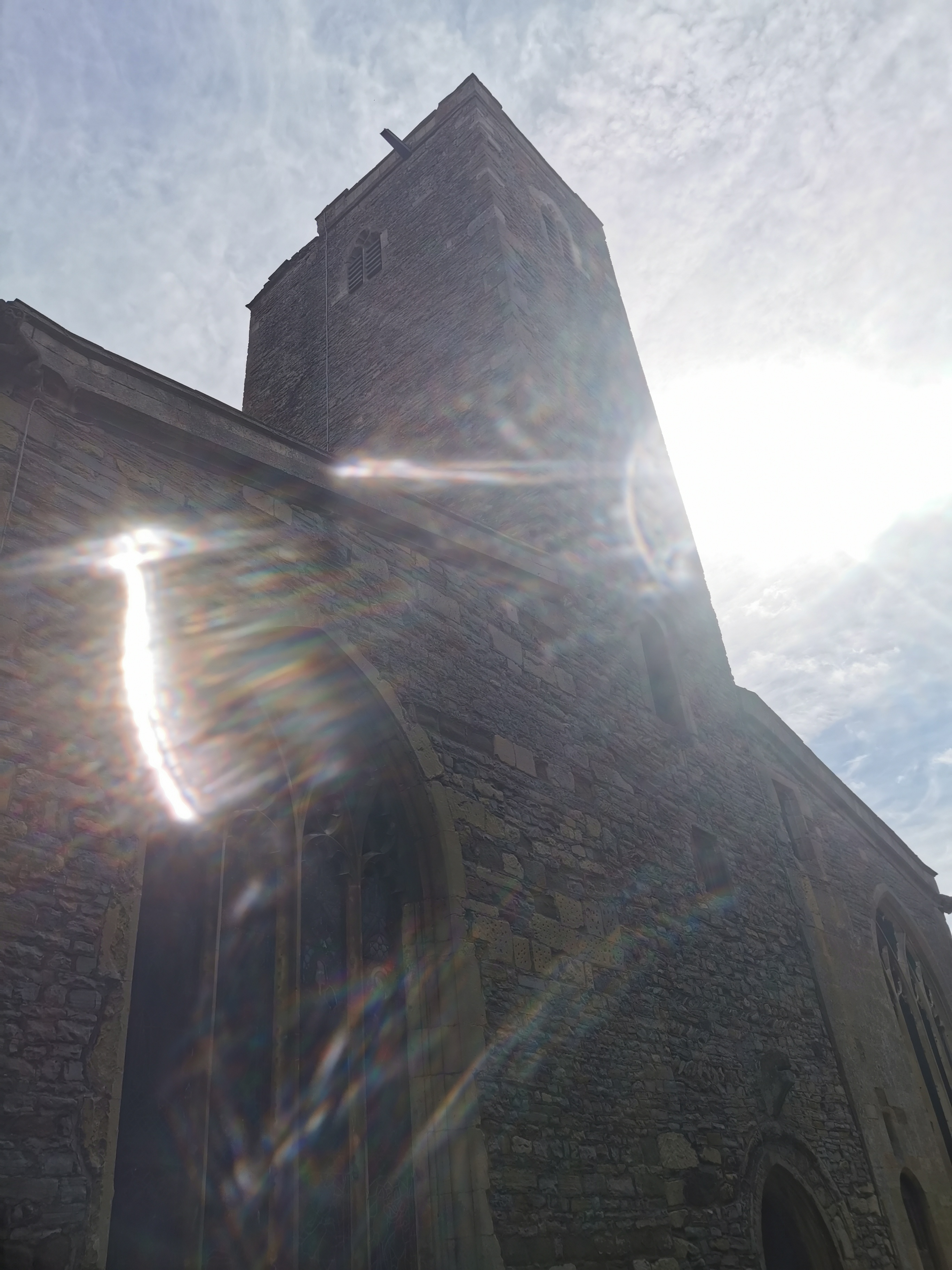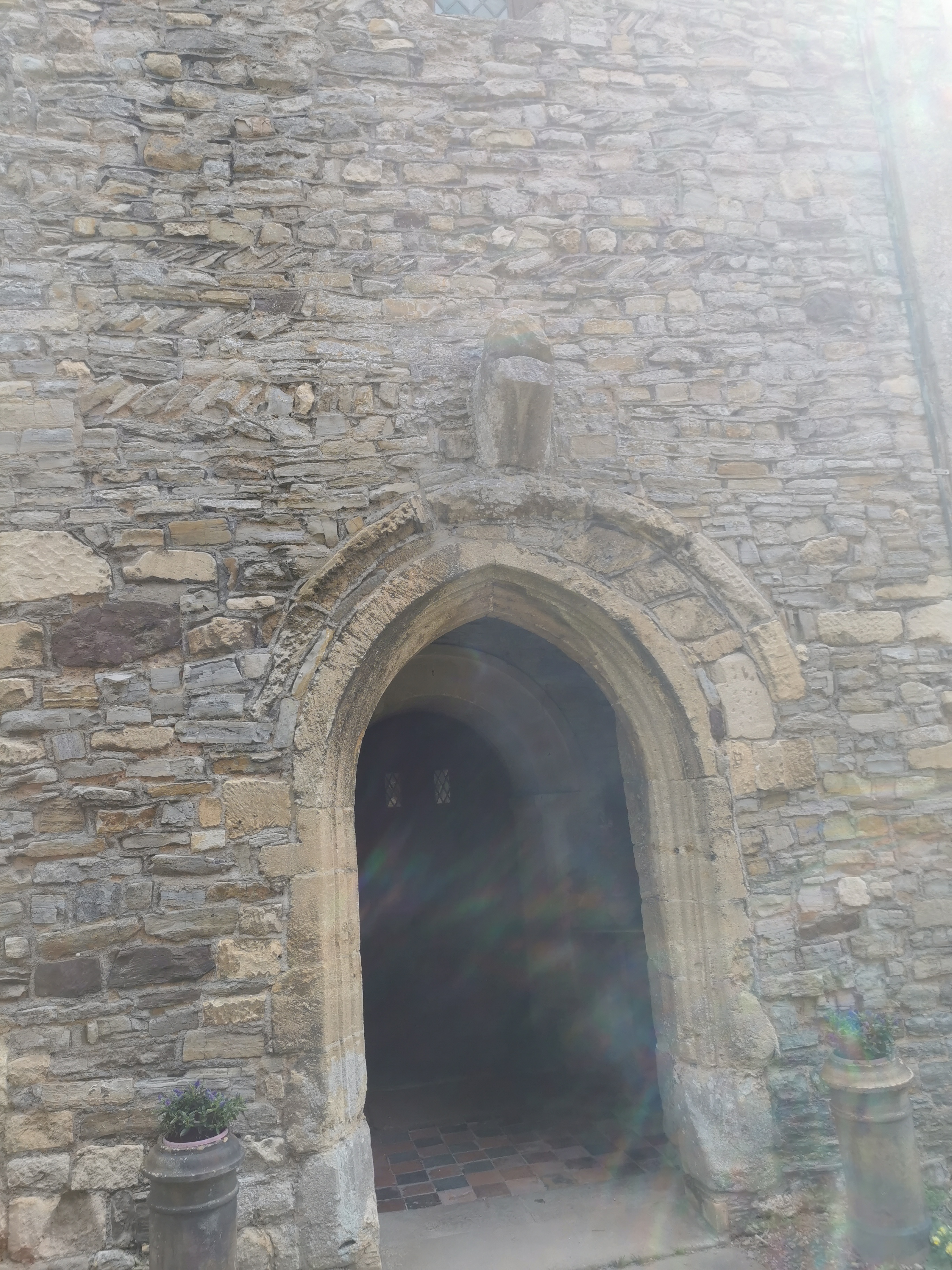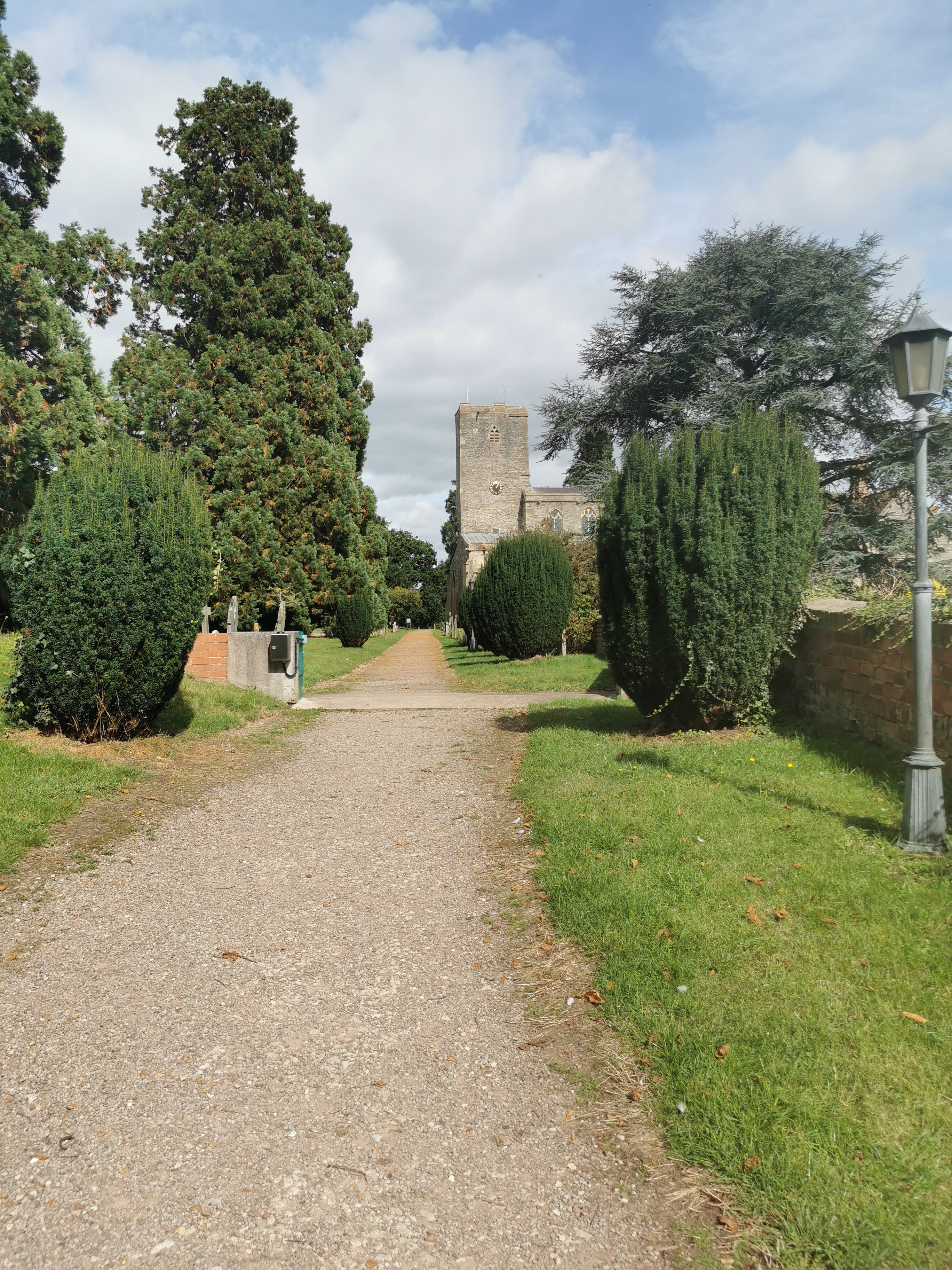

I finally visited Deerhurst, my fictional home for Ealdorman Leofwine in the Earls of Mercia series.

Back in the summer of 2011 (I think), I spent every evening when my children were in bed, trying to plot the possessions of the Earls of Mercia as revealed by the entries in Domesday Book (which I think is a totally normal thing to do).

It was a tedious process, which could be achieved much more quickly these days with Google Maps, but it was what I had available to me. Somewhat frustrated with the process because by that period many of the possessions of the Earls of Mercia and their family were not located in the original area of the Hwicce (roughly Gloucestershire), and aware that Deerhurst (which is in Gloucestershire) has a long history back to the Saxon period, I eventually plonked by ealdorman, Leofwine, (of the Hwicce) close to that location, and indeed, readers of the books will know that I have his family burials there. But, I’d never actually visisted Deerhurst before. Until now.

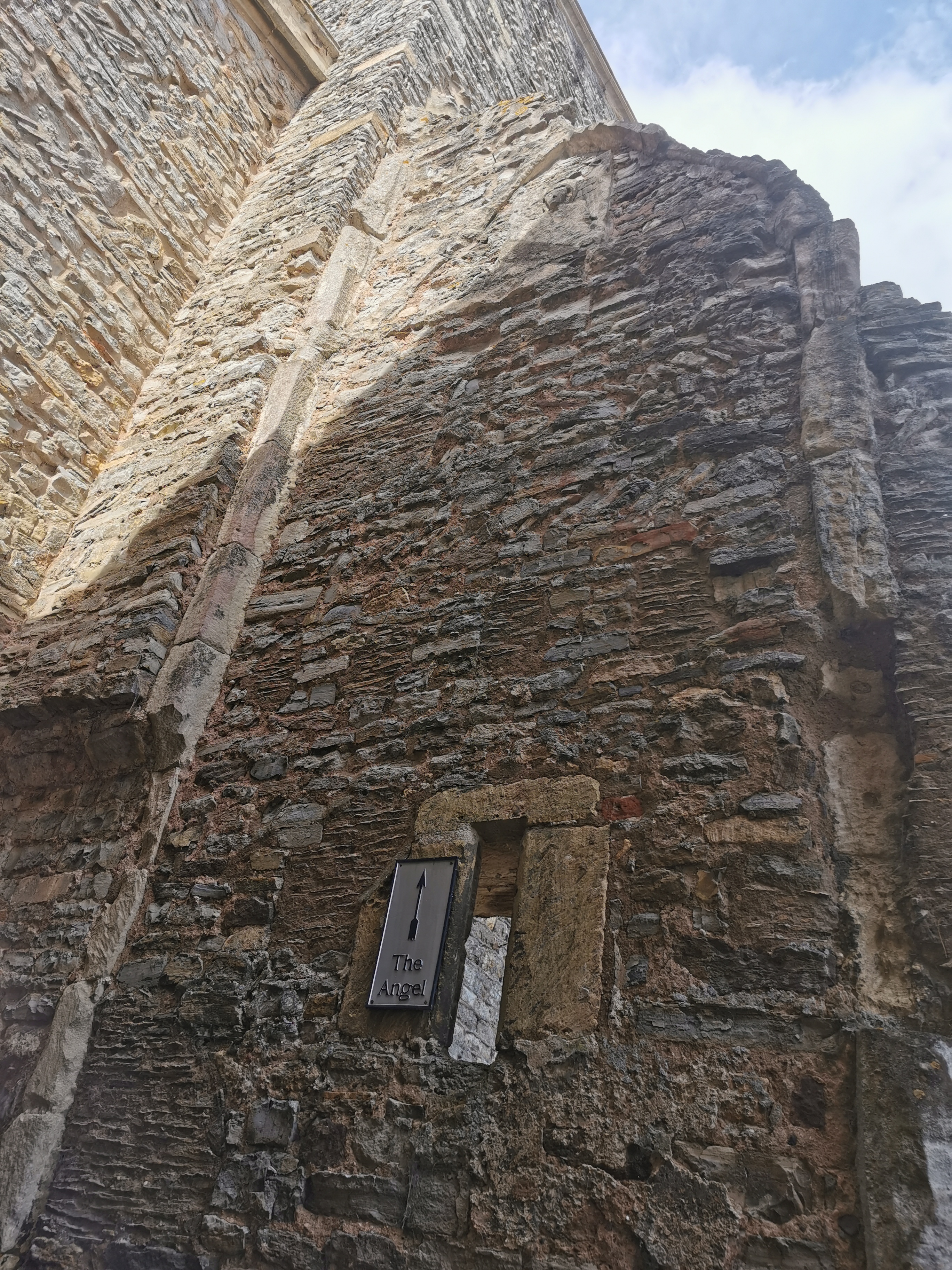
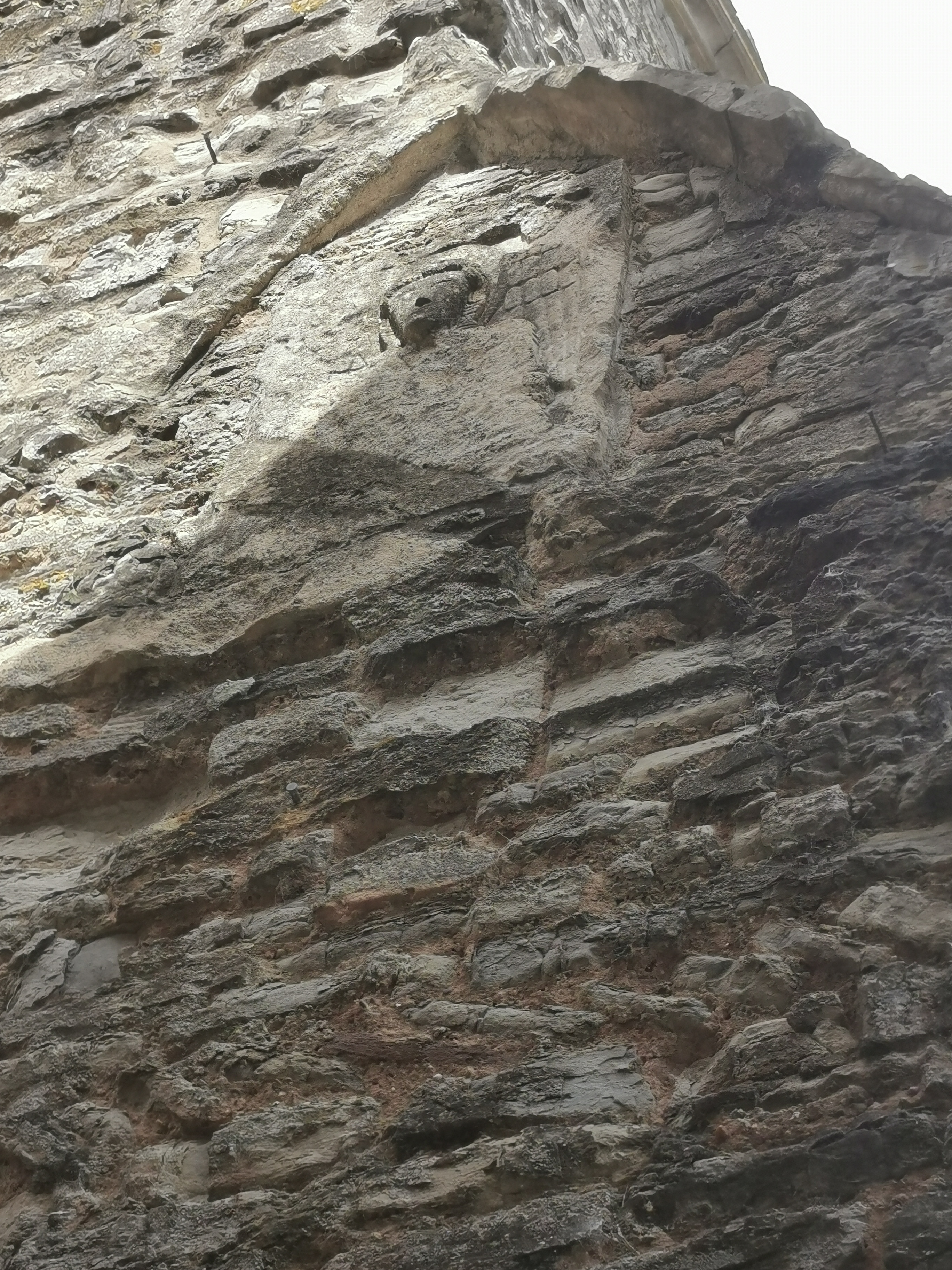
It is a beautiful location, and I’m sharing some photos from my visit, including The Angel, a surviving piece of Saxon sculpture, outside on the walls (my photos aren’t the best but it’s at a very awkward angle and quite high up the side of the building. You can find a much clearer image here https://www.flickr.com/photos/paulodykes/41119170111).

Deerhurst hosts an annual lecture each year (indeed, it’s on 21st September 2024 this year), and is also open for visitors, for anyone else who fancies visiting. If you can’t make it, you can visit their website, and also order printed copies of the lectures, which I’ve done before now. https://deerhurstfriends.co.uk

And, just around the corner is Odda’s Chapel, another Saxon survivor. I will also share photos from Odda’s Chapel in a few days.

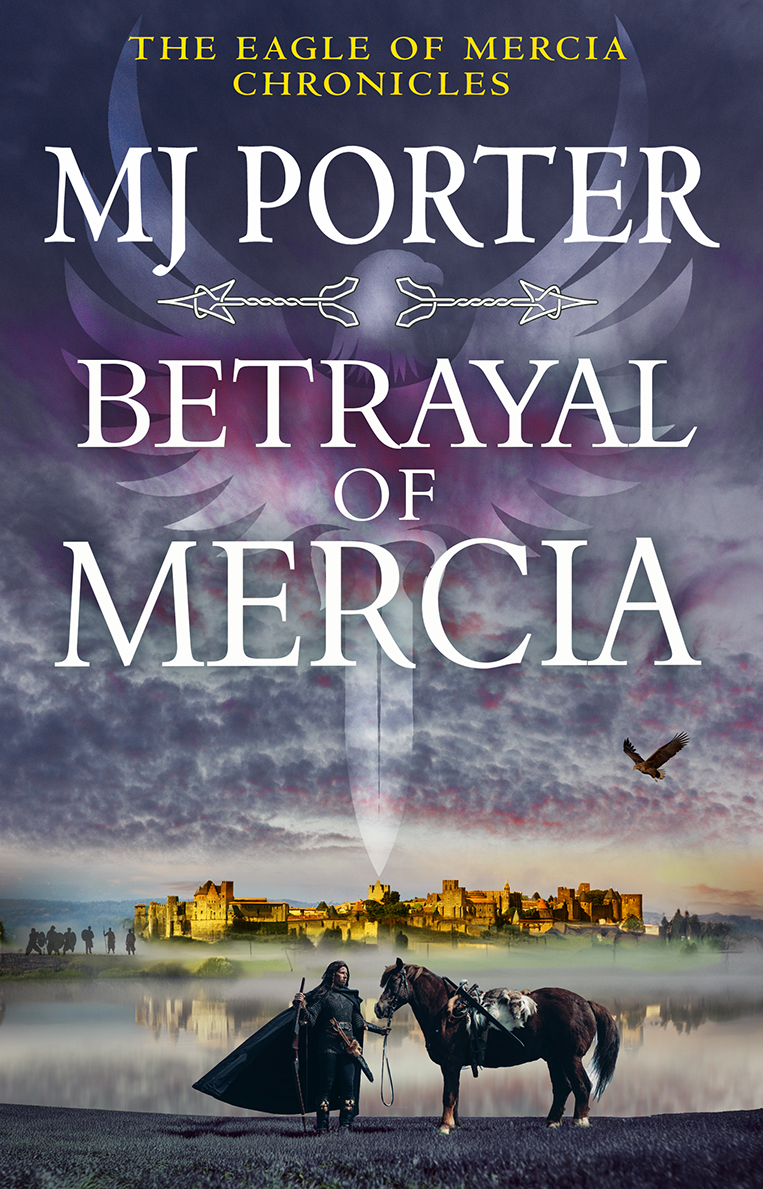
Check out the Earls of Mercia series page.

Posts

Today I’m delighted to be taking part in the blog tour for new historical mystery, Poison in Piccadilly by Kelly Oliver #blogtour #BoldwoodBooks

Here’s the blurb

London 1918: Is Fiona Figg ready to exchange her sleuthing cap for a bridal veil?

Fiona is set to tie the knot with her dashing captain, Archie Somersby. But, while Fiona is busy planning her happily ever after, side-kick Kitty Lane and a group of judo-chopping suffragettes are kicking up trouble at the Piccadilly Jujitsu Club.

When Kitty is found unconscious in the locker room during a high-stakes competition, Fiona must forsake her bouquets and bridal gown to investigate. Her sleuthing leads to a posh lady’s luncheon where a mysterious death crashes Fiona’s wedding plans.

To make matters worse, the arch-nemesis of all things matrimonial Fredrick Fredricks is up to his old tricks, attempting to put the brakes on Fiona’s journey down the aisle. Will he succeed in tripping up Fiona’s wedding vows? Or will she finally say “I don’t” to the charming devil?

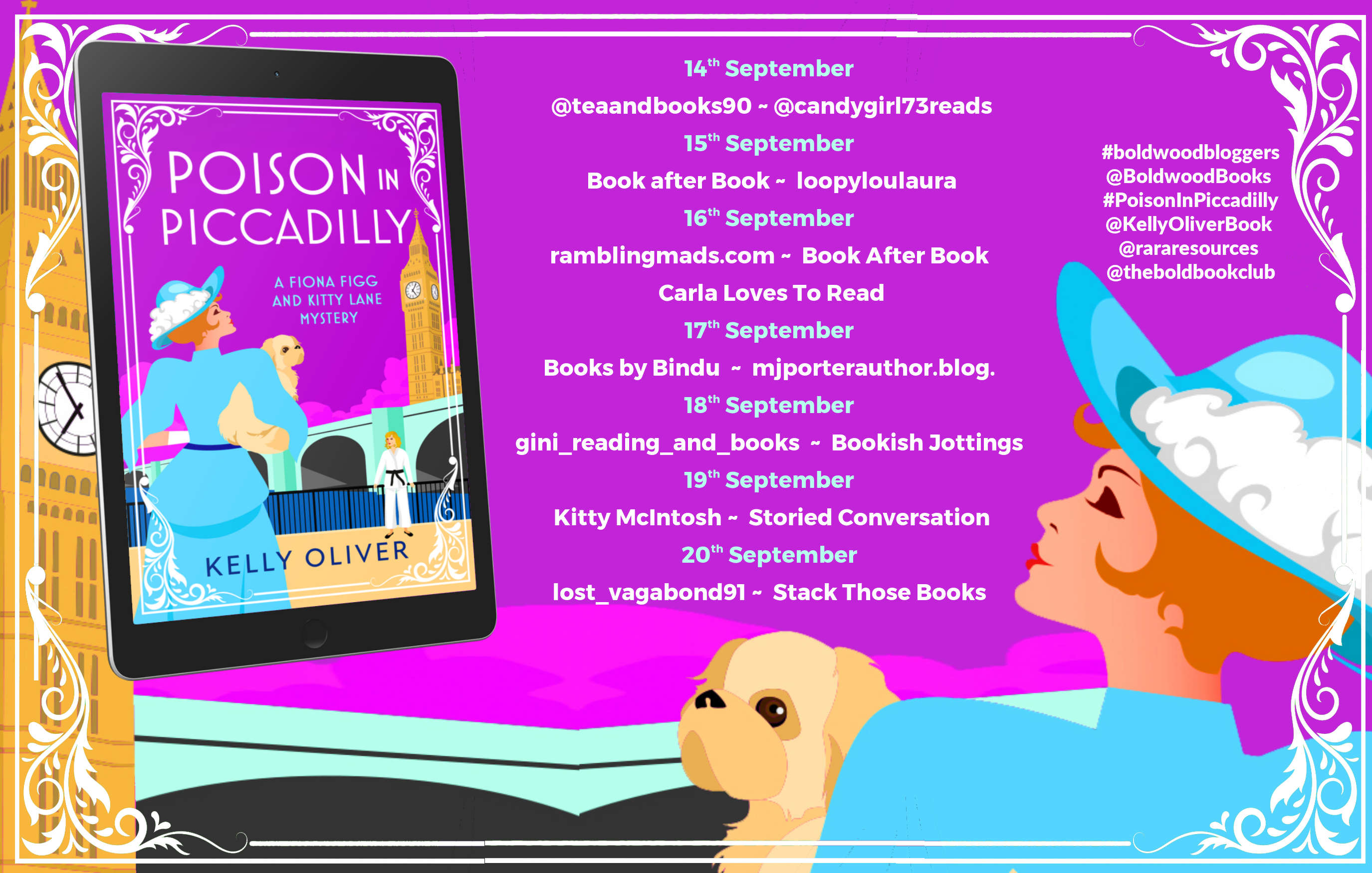
Graphic for Poison in Piccadilly by Kelly Oliver

Purchase Link

https://mybook.to/poisonpiccadillysocial

Cover image for Poison in Piccadilly by Kelly Oliver

My Review

Poison in Piccadilly is the latest Fiona Figg and Kitty Lane mystery. I’ve read them all.

Told with its tongue-in-cheek humour and with Fiona’s penchant for fake moustaches never far away, this story is set mostly in London, with a quick trip to Ireland, and in a role-reversal, sees Kitty requiring Fiona’s help. All the while, Fiona is supposed to be preparing for her wedding. As ever, torn between the man she’s supposed to trail as he’s suspected of being a spy and her soon-to-be husband, Fiona is never entirely sure who to trust as she investigates the latest mystery to fall in her lap.

With all of the series favourites and many unexpected twists and turns, Poison in Piccadilly is a fun read. For all its humour, I do adore the way this series effortlessly weaves a fictional narrative featuring historical people and events.

You’re missing a treat if you’ve not tried a Fiona Figg ad Kitty Lane story yet.

Check out my review for books 1, 2, 3, 4 and 5 in the Fiona Figg and Kitty Lane Mystery books Chaos at Carnegie Hall, Covert in Cairo, Mayhem in the Mountains, Arsenic at Ascot and Murder in Moscow.

Meet the Author

Kelly Oliver is the award-winning, bestselling author of three mysteries series: The Jessica James Mysteries, The Pet Detective Mysteries, and the historical cozies The Fiona Figg Mysteries, set in WW1. She is also the Distinguished Professor of Philosophy at Vanderbilt University and lives in Nashville, Tennessee

Connect with Kelly

Bookbub profile: https://www.bookbub.com/authors/kelly-oliver

Newsletter Sign Up: https://bit.ly/KellyOlivernews

Banner image for Poison in Piccadilly by Kelly Oliver

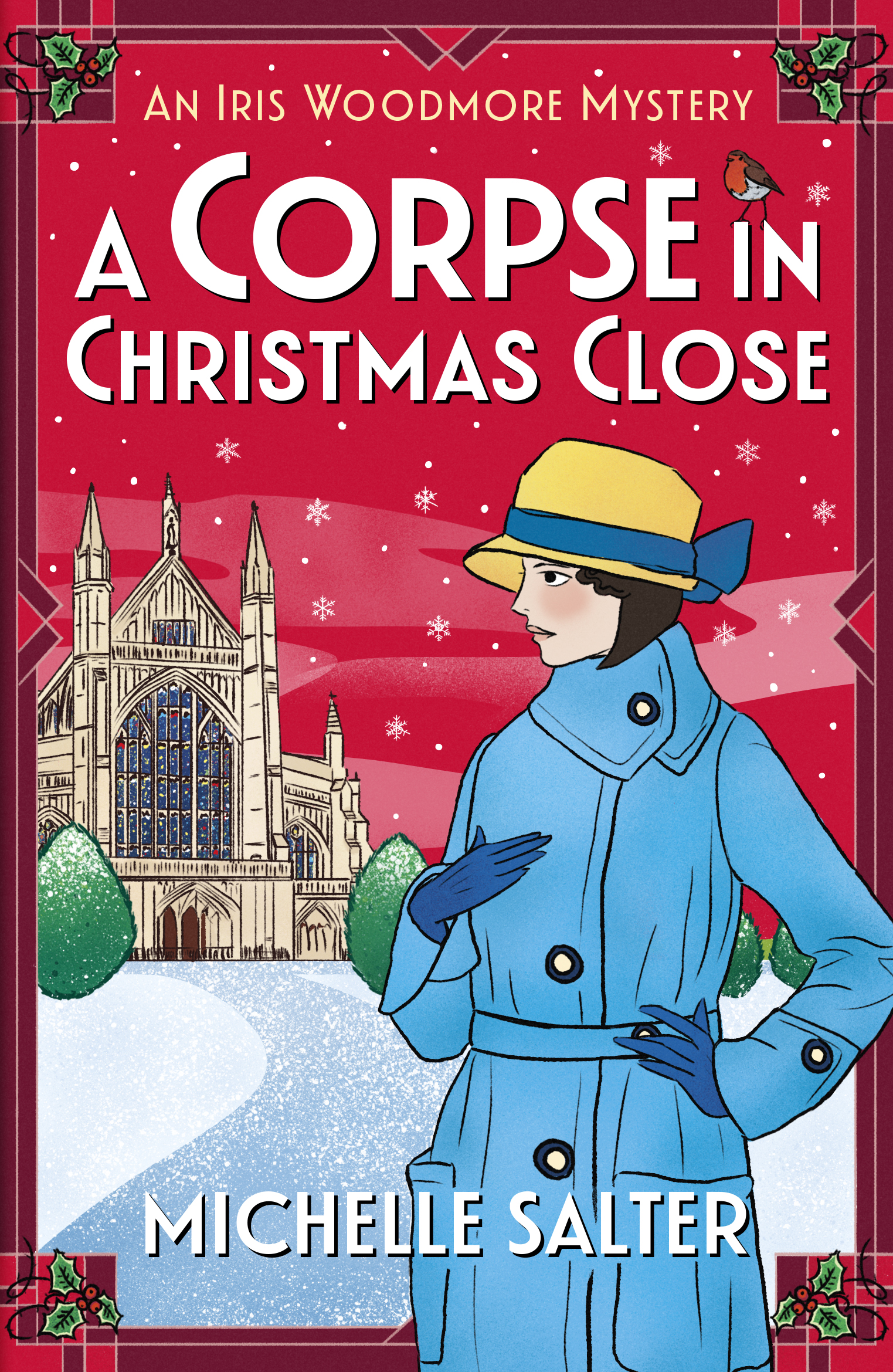
I’m delighted to share my review for A Corpse in Christmas Close by Michelle Salter #historicalmystery #cosycrime #highlyrecommended

Here’s the blurb

When a pantomime turns deadly, Iris investigates a cast of killers…

Christmas, 1923. When reporter Iris Woodmore is sent to cover the Prince of Wales’ visit to historic Winchester, she discovers more than just royal gossip.

The leading lady in Winchester Cathedral’s charity pantomime is found dead in mysterious circumstances. And the chief suspect is Cinderella’s handsome prince, played by Percy Baverstock’s younger brother, Freddie.

For the sake of the Baverstocks, Iris must investigate the murder, even though it means confronting an old enemy. And as the line between friend and foe blurs dangerously, she’s ensnared by someone she hoped she’d never see again…

Everyone’s favourite amateur sleuth returns for a Christmas mystery, perfect for fans of Verity Bright, Claire Gradidge and Emily Organ.

 Purchase Link

https://mybook.to/christmasclosesocial

My Review

I love a new Iris Woodmore 1920s mystery, and A Corpse in Christmas Close is as well-plotted and deeply grounded in the historical events of the day as the previous books in the series.

Iris is a great main character. She is tenacious and outspoken, aware of society’s conventions but often keen to ignore them. She and her fellow cast members are all well-drawn and believable.

I almost always determine how much I love a mystery by whether I work out the culprit or not, and once more, I was caught out by the resolution for A Corpse in Christmas Close.

The pacing is great. I’m looking forward to Iris’ next adventure.

Check out my review for Death at Crookham Hall, Murder at Waldenmere Lake, The Body at Carnival Bridge, and A Killing At Smugglers Cove.

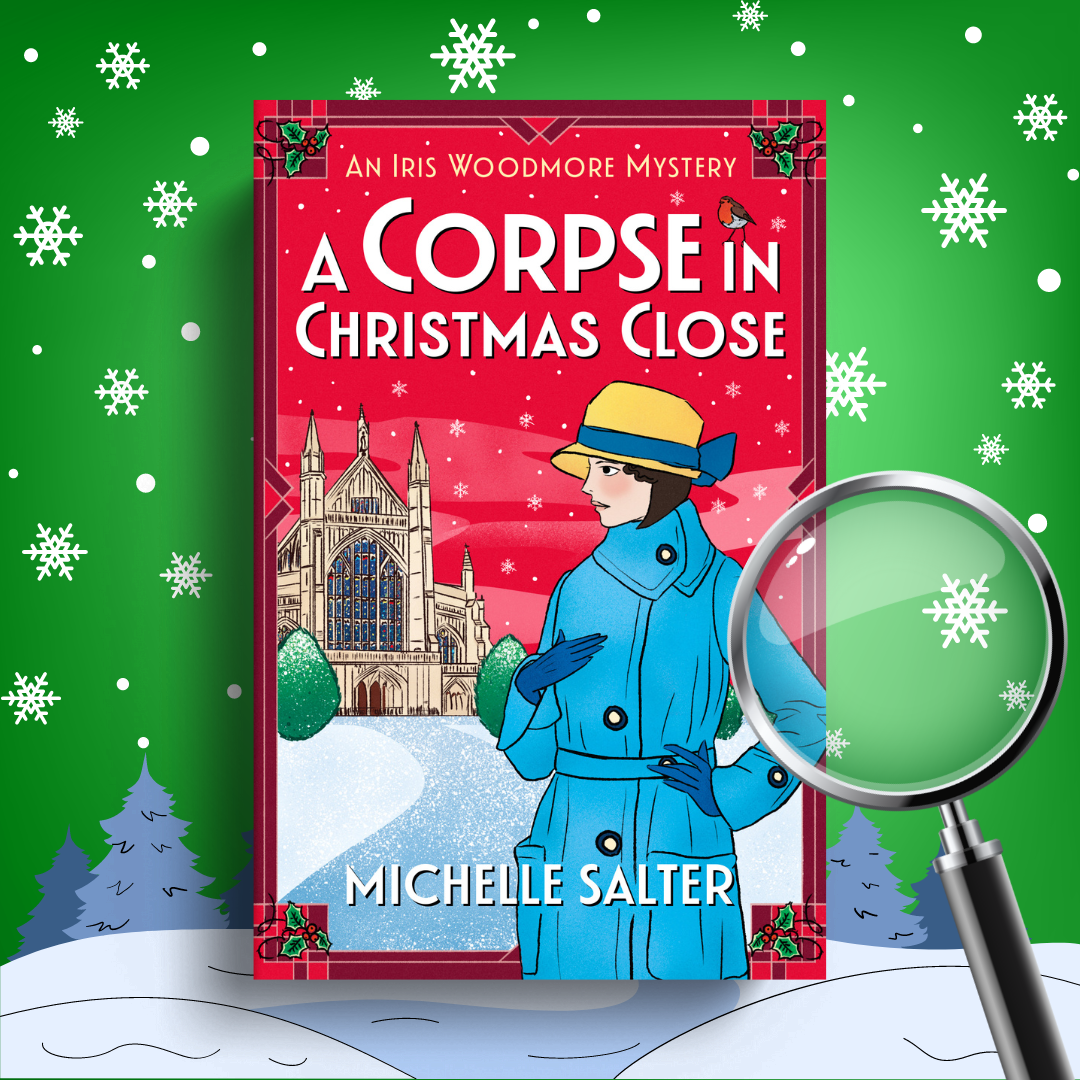
Image of A Corpse in Christmas Close on a snowy background

Meet the author

Michelle Salter writes historical cosy crime set in Hampshire, where she lives, and inspired by real-life events in 1920s Britain. Her Iris Woodmore series draws on an interest in the aftermath of the Great War and the suffragette movement.

Connect with Michelle 

Bookbub profile

Newsletter Sign Up

Blog banner for A Corpse in Christmas Close

Posts

The historical setting for The Custard Corpses #mystery #histfic #history

Setting for The Custard Corpses, my first foray into historical mysteries

The Custard Corpses is set during the 1920s, 1930s and 1940s. I wanted to make the book as authentic as possible, even though I’m not a historian of that time period. When I was first studying history at school, I always found it strange to think of it as history as I had grandparents who had lived through the 1920s, 1930s and 1940s (my old granny was born in 1901, my mother’s parents in 1920 and my father’s parents in 1926 and 1928). That’s probably why I’ve never written about the period before.

Getting the names right

I wanted to ensure I was using names and places that existed at the time, and I didn’t want to inadvertently make any silly mistakes – a few beta readers pointed out I was using metric measurements, when they should have been imperial in the 1940s. They thought it was sweet that I’d never known the world of imperial numbers (and money).

Maps and train routes

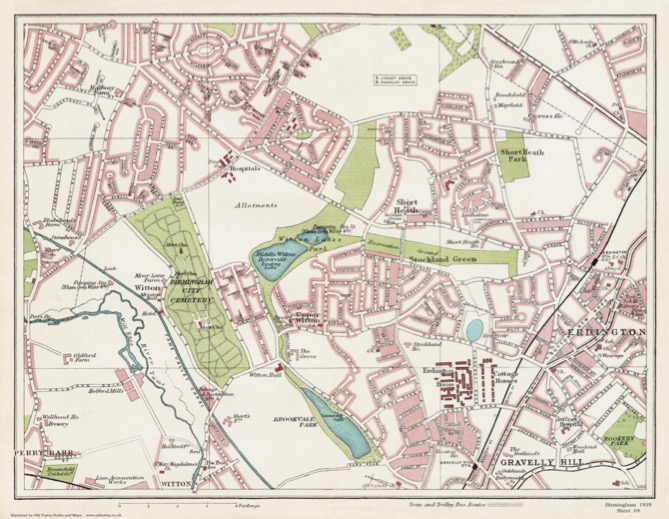
So, I spent quite a bit of time hunting down random facts; maps of the time period, tram and train routes (which you can find online, but I had some old maps), pictures of cars, police uniforms at the time, advertisements of the time and also editions of the Picture Post magazine. At one point, I wanted a celebrity scandal, and there it was, on the cover of a magazine. 

Map of Erdington from the era

Newspaper Archives

I was amazed by the information that I could find by accessing archives ( and also that which I couldn’t find), and I was especially impressed by the ‘history’ section on the Birmingham.gov website, and by those local newspapers that have archives available online – such as the Inverness newspaper and the Birmingham Mail. There’s also a whole aerial photo website that I could have used, but I couldn’t quite work it out. 

Family memories

I was also lucky in that I set the book somewhere I have childhood memories of, and also that a family member spent their early years in Erdington. It was funny to realise the parts that they especially remembered – such as the fact that some of the buses were still open-topped at the time, and the liveries that buses were decorated with. The Birmingham that I remember is very different to the one that exists now, and the one that existed in the 1940s. My memories of Birmingham consist of the dodgy car park we used, the train journey we used to take in the old carriages with individual doors (they were old in my day) and shopping for jeans.

I also made some use of the 1911 census records, and the Office for National Statistics spreadsheet which lists all the most popular names in decades. It made it easy to devise names for the characters. It also helped that while the 1940s is ‘history’ it’s much more relatable to me than the period before 1066, when I usually set my stories, so provided I didn’t use the internet in the story itself (and only as a research tool), or refer to cms, it was just about authentic, I hope. And did allow for the use of cars and telephones.

Check out The Erdington Mysteries page for more information.
(This is a blog post I wrote in 2021 and which I can’t find on my blog, so I’m sharing it.)

Posts

Jorvik/York at the time of the Brunanburh Series, (and before)

Eboracum/Eoforwic/Jorvik

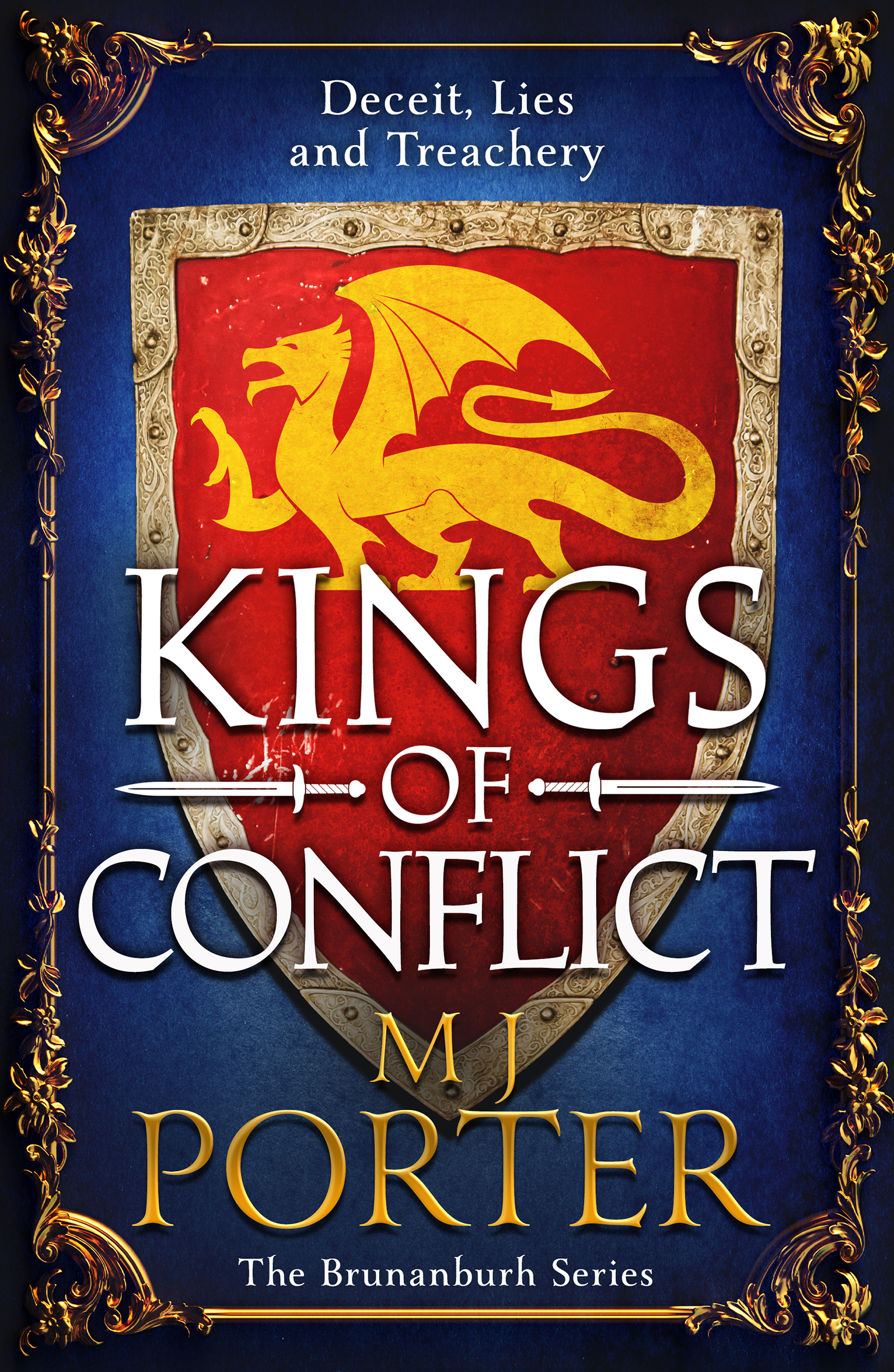
When I first wrote Kings of Conflict, I had very little idea what Jorvik at the time (the 930s/940s) might have looked like. I wrote an entire battle scene and then realised some of my assumptions were very, very wrong (I do this all the time. Don’t feel sorry for me. I should just do the research first instead of giving free rein to my imagination.) I got the fact the settlement was split in two by the River Ouse wrong (and who knew about the Foss). But, most tellingly, what I failed to understand was the true nature of York, from its Roman origins as Eboracum to the age of Jorvik, and most importantly by that I mean its Roman walls and what might, or might not have still been standing at this period.

We don’t (yet) have time machines. We can’t visit York in the 940s, but if there is one thing York is famous for it’s the archaeology, and the Jorvik Viking Centre, which offers a recreation of what those streets on Coppergate might once have looked like, and also much else. And because Jorvik/York has benefitted from so much archaeological work, there are also a series of maps showing York at various times in its lifetime, alas out of print at this time, but which can be accessed via a good library (my thanks to the Great Northern Library at the Hancock museum in Newcastle – if you want to see it then let them know so they can have it ready for you, and make note of their opening hours) or the amalgamation of this work available in An Historical Map of York, available from all good book sellers. And if not, then my favourite ‘go-to’ for recreating this time period, the antiquarian maps by John Speed (which are also much prettier) can also offer some information.

York from the John Speed map opf the West Riding of Yorkshire
York, from John Speed’s West Riding of Yorkshire map (own photo)

Roman York

The British Historic Towns Atlas Volume V, York ed. Peter Addyman provides the following information about Eboracum-Roman York.

It might have been occupied under Vettius Bolanus (69-71) but was truly founded under Emperor Vespasian (69-79). However, the ridge of the River Ouse was a routeway from the Neolithic onwards. This was in the territory of the Brigantes although the East Riding of Yorkshire was that of the Parisi. It is possible that Eboracum means ‘the place of the yew trees.’

The stone used in constructing the fortress was Magnesian Limestone from Tadcaster and Millstone Grit from Bramham Park (I love that they know this). To begin with the fortress had a ditch, rampart and timber structures and four gates, with the original towers up to 15 metres high. And here, there is the suggestion that to begin with, crossing the River Ouse (to get to the civilian settlement) was via ferry. The bridge can only be confirmed from the second century onwards. The Foss River was also tidal at this time and the banks sloped sharply. The rampart was widened from 20feet to about 42 feet during a second phase of occupation.
The end of Roman York is impossible to pinpoint. Did it cease to exist? Certainly, the last documentary reference was in 314 when York’s bishop, Eborus, attended the Council of Arles, but as with so many of these Roman settlements in Britannia, what happened afterwards is more difficult to determine and we must turn to archaeology and not written records.

I think this is from the exhibition at Micklegate Bar but I could be wrong. It very clearly shows the two ‘halves’ of the walls.

I must admit, all of this information about Roman York makes me somewhat desperate to write a book about it:) (Don’t all groan).

Anglian York – Eoforwic

The creators of this series of maps make the point that this is the most speculative of the series. Put simply, they really don’t know what was happening.

What can be said is that the walls were renovated on the north west side of the fortress with a dry stone wall and cobbled sentry walk while the eastern ramparts were topped with a timble palisade wider than the Roman wall (if I’ve understood that correctly).

Eoforwic first enters the historical record as the place of baptism for Edwin in 627, the king of Northumbria (Deira and Bernicia combined).

‘…the king was baptised at Easter with all his chief men; that Easter was on 12 April. This was done in York, where earlier he had ordered a church to be built of wood.’ ASC E 626 p.25

The archbishopric began from 735, but Eoforwic was not densely settled at this period, although it does seem to have had many, many churches. This includes the Minster, St Michael-Le-Belfrey, Holy Trinity, St Peter the Little, St Martin, St Michael, and many more, all probably founded by 850.

Map of Britain in the tenth century, showing York (map design by Flintlock Covers).

Viking York – Jorvik

It’s record that the first attack Viking attack on York occured on 1st November 866. The Northumbrians counter-attacked in 867 but this left York under Viking control.

‘Here the raiding-army went from East Anglia over the mouth of the Humber to York city in Northumbria;’ ASC A 867 corrected to 866 p.68 (from my preferred edition edited by Michael Swanton).

And here is where my notes become a little muddled between time periods. The British Historic Towns Atlas Volume V informs that the River Ouse at the time would have been tidal, and much wider than it is now and also with much steeper banks .

The late-eighth-century scholar Alcuin describes York as having high walls and lofty towers (he spent time in York). Asser (Alfred’s late-tenth-century biographer – although I’m curious as to how he’d know as I’m sure he was from one of the Welsh kingdoms and York was not under Alfred’s control) suggests that York’s walls were insecure and there is a suggestion that the Vikings restored the walls. Considering what we know about Asser and his ability to be less than honest, we might suspect this statement. Certainly, the remains of the walls were visible but whether they were defensible is unknown.
The walls survive to this day. To paraphrase from the Atlas, from the western corner of the Roman fortress to fifty metres along its south-west front, parallel to the river, the Roman wall is still visible above ground. Beyond this point, its six projecting interval towers and the Roman south/west gateway leading to the bridge over the Ouse have either been demolished to foundation level or been covered by organic-rich debris of post-Conquest date. The fortress’s south corner tower at Freasgate survives to fifteen foot. It is suggested that the south-west section of the civilian settlement might not have been included in the walled defences.
On the northern banks of the River Ouse, there were plots about 5.5m wide occupied by one or more structures (Coppergate/Ousegate/Pavement) with backyards running downslope towards the River Foss. Hungate also had similar plots. There might have been crossings over the rivers below St Mary Castlegate and Hungate. These rectangular structures of post and wattle had entrances front and back, with centrally arranged hearths and roofs made of turf, reeds or straw. Most settlement was below Coppergate, Ousegate, Pavement, Hungate and Walmgate areas.

Recreating Jorvik?

But what does all this mean when trying to recreate the time period? (Some will know that I’ve already ‘visited’ York earlier in the Brunanburh series, and without all this angst). It is frustrating that some aspects are so clearly defined and others aren’t. Where were the people living – especially the high status people? Where were the kings living? In King’s Square/Kuningesgard? And what’s this about the civilian defences never being completed to the south?

My overwhelming impression is that the remains of the actual Roman encampment (to the north of the Ouse) were in better condition than those to the south of the Ouse surrounding the civilian settlement (there are ‘proper’ terms for this – I’m not using them). But, these remains of the Roman wall at the fort seem to have largely been surrounding the religious centre under the control of the Archbishop of York, Wulfstan I. Were they any use to those in control of Jorvik? And what about the rivers? How navigable were they? Could they be easily blocked? How tidal is tidal? Did it raise and lower the water level by metres or centimetres?

Was there even a bridge over the River Ouse or did they need to use a boat to get across? Perhaps there was only one bridge over the Ouse, and only one over the River Foss.

Having this information to hand and making sense of it are two very different things. How would someone have gone about attacking York? Would they have taken ships, come on foot or tried to steal their way inside through the never completed walls? Who would have protected it? What would our erstwhile holy man, Archbishop Wulfstan have done? If the walls were standing, how many warriors would have needed to protect it?

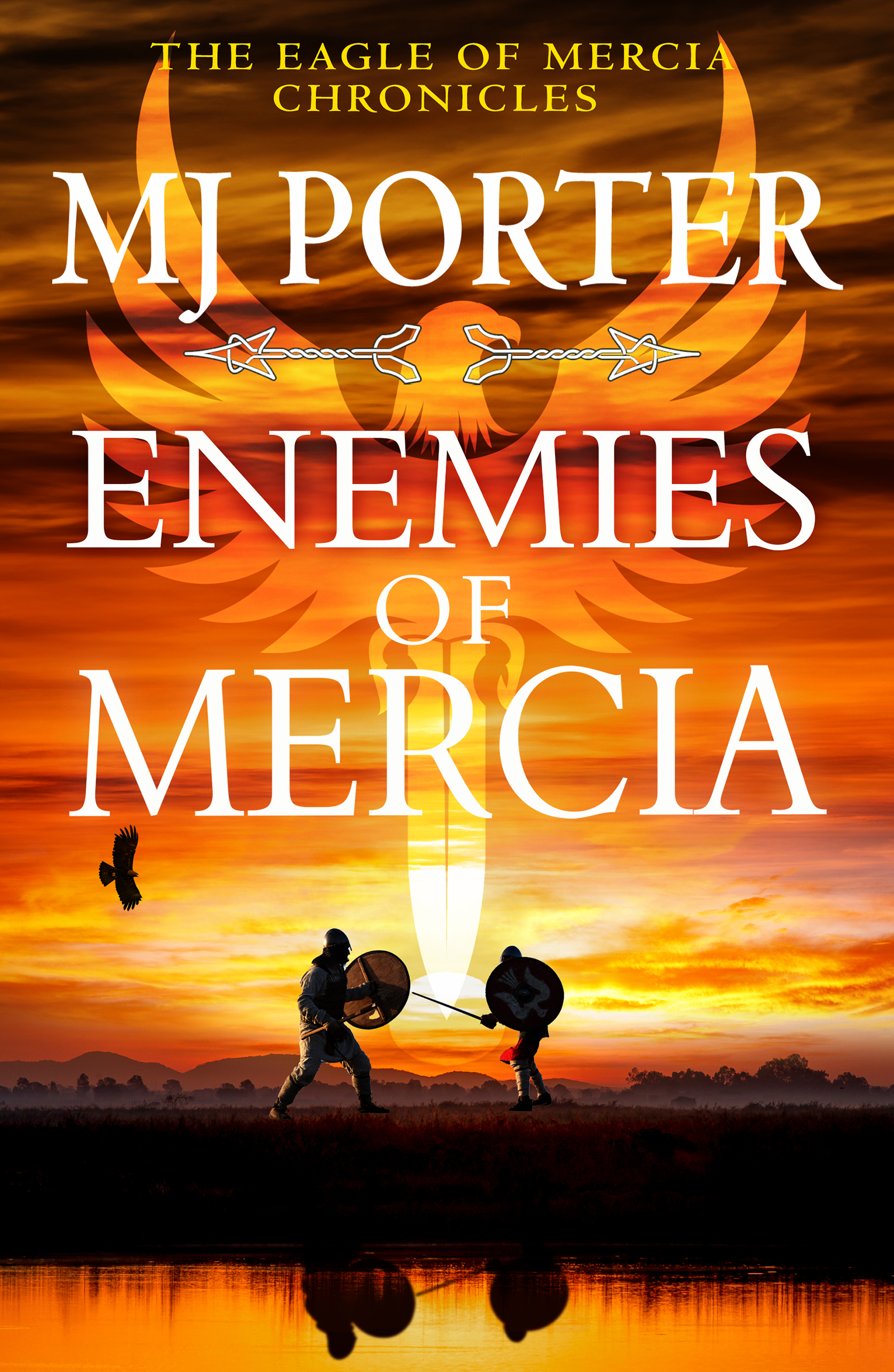
You’ll have to read Conflict of Kings to see just what I did, and you can from 6th August 2024:)

books2read.com/KingsOfConflict10th

Check out the Brunanburh series page for more information.
Posts

I’m delighted to welcome back Simon Yeats with an extract from How to Survive Making Yourself Look Silly While Dancing with the German Mafia at a Bavarian Nightclub and Other Lesser Known Travel Tips #blogtour #travelmemoir

Avoid looking silly

While traveling on an overnight train from Barcelona to Madrid, my friends and I had an unexpected discovery when we got to our cabin.
Sheilds, Jim, Nicole, and I work our way down the carriages. We pass through the non-operative dining car to arrive at the entrance to our seated cabin. I slide open the door and am surprised to find the small compartment already full of people. It is a six-person sitting cabin and there are eight bodies already squeezed in. Not just any people, either.

They are gypsies.

There is an uncomfortable silence among everyone present who is not a gypsy before I speak.

“Um, is this your cabin?” I ask.

“Of course,” one gypsy replies.

I nod, turn, and shoo my companions back into the dining car.

“Are they in our cabin?” Sheilds asks.

“I don’t know. They say it is theirs,” I answer. “Are we sure we have the right wagon?”

“I am sure that is our cabin,” Sheilds declares. “They need to leave.”

She extends her arm and points towards the corridor that leads to our cabin. What? Sheilds expects me to go back and throw them out? Why me? Why do we not simply take advantage of all this open space in the empty dining car for the trip? Nicole gives me an expectant look as well. Great. Now I must impress my future wife. I take a slow, deep breath. Surely Gypsies are not as dangerous as the German Mafia. I keep repeating this to myself as I walk back to the door of the cabin filled with the unwelcome, and unwashed, guests.

I slide open the door cautiously. Every pair of gypsy eyes in the room turn to me. I gulp.

“Excuse me. Do you have tickets for this cabin?” I firmly ask.

The gypsies disclose their complete surprise at being put on the spot for overtaking a cabin that is not theirs.

“We do not need tickets. We are gypsies.”

“We like this cabin.”

“We are gypsies, we mean you no harm,” one coyly remarks.

“I am sorry. If you do not have a ticket for this room, you need to get out,” I state, while standing at the door looking as menacing as I can as my knees are shaking.

Here’s the blurb

The best has been saved to last. Book 3 of a hilarious series of travel misadventures and dubious personal introspection by Australian author Simon Yeats, who from an early age learned that the best way to approach the misfortunes of this world is to laugh about it.

Simon shares his comedic insights into the unusual and uproarious elements of living life as an Aussie ex-pat and having a sense of Wanderlust as pervasive as Cholera in the 1850s.

From how to outwit the Italian police while trying to find parking in downtown Genoa, to how to negotiate exploring the Roman ruins of Plovdiv, Bulgaria while on crutches, to how to impress the German Mafia with 80s dance moves, to how to leave a lasting impression on a crowded bar in Gothenburg, Sweden after combining alcohol and antibiotics.

Simon Yeats has gone into the world and experienced all the out of the ordinary moments for you to sit back and enjoy the experience without the need to rupture a disc or succumb to Dengue fever. 

The book cover for How to Survive Making Yourself Look Silly While Dancing with the German Mafia at a Bavarian Nightclub and Other Lesser Known Travel Tips by Simon Yeats

Purchase Links 

https://www.amazon.com/dp/B0CR6GDDXR/

https://www.amazon.co.uk/dp/B0CR6GDDXR/

Barnes and Noble

Meet the author

Simon Yeats has lived nine lives, and by all estimations, is fast running out of the number he has left. His life of globetrotting the globe was not the one he expected to lead. He grew up a quiet, shy boy teased by other kids on the playgrounds for his red hair. But he developed a keen wit and sense of humor to always see the funnier side of life.

With an overwhelming love of travel, a propensity to find trouble where there was none, and being a passionate advocate of mental health, Simon’s stories will leave a reader either rolling on the floor in tears of laughter, or breathing deeply that the adventures he has led were survived.

No author has laughed longer or cried with less restraint at the travails of life.

Author image of Simon Yeats showing a man wearing glasses.

Connect with the author

TIK TOK – https://www.tiktok.com/@authoryeats

INSTAGRAM – https://www.instagram.com/authoryeats/?hl=en

Blog tour poster listing all the blogs that that How to survive making yourselflook silly while dancing with the gernman mafia will be visiting

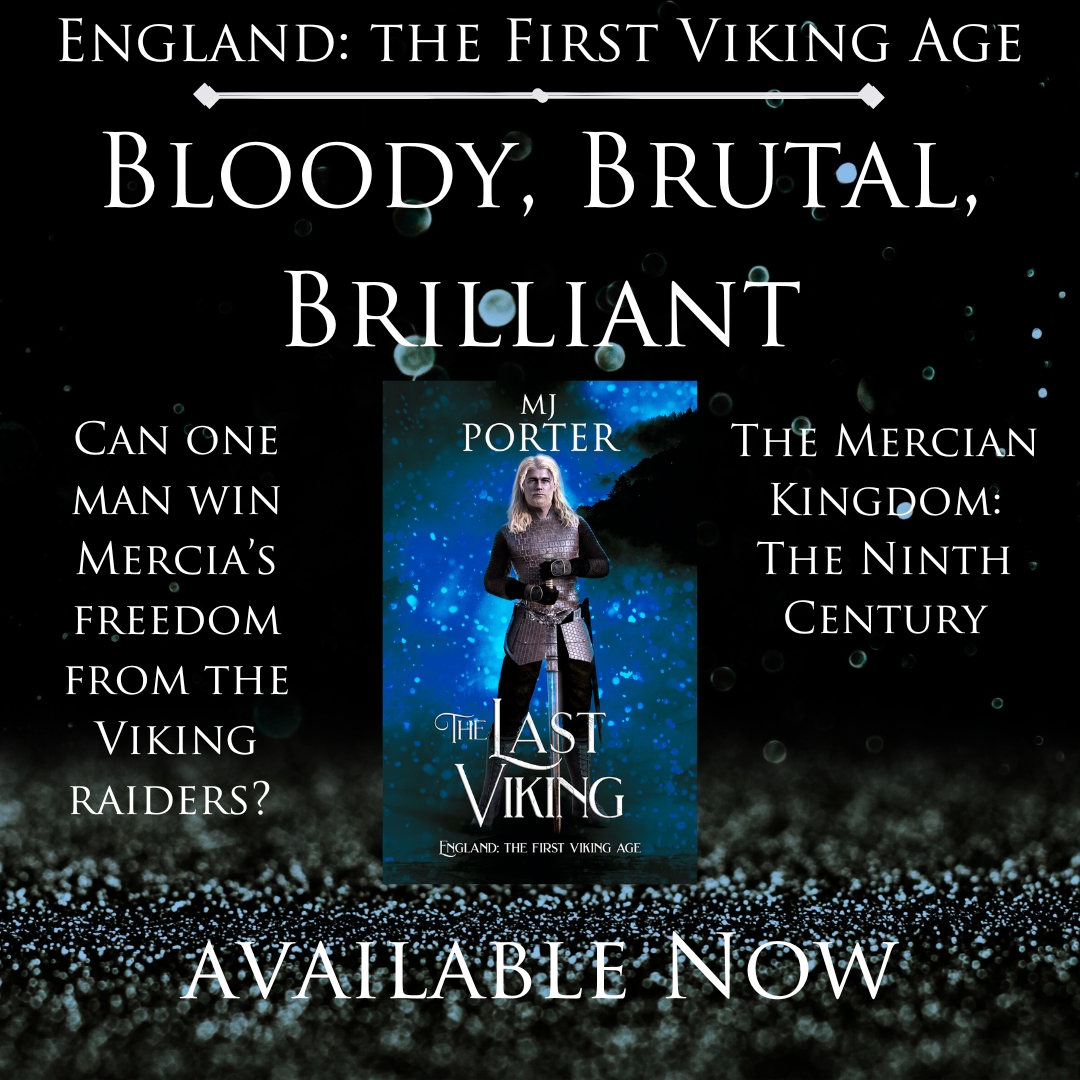
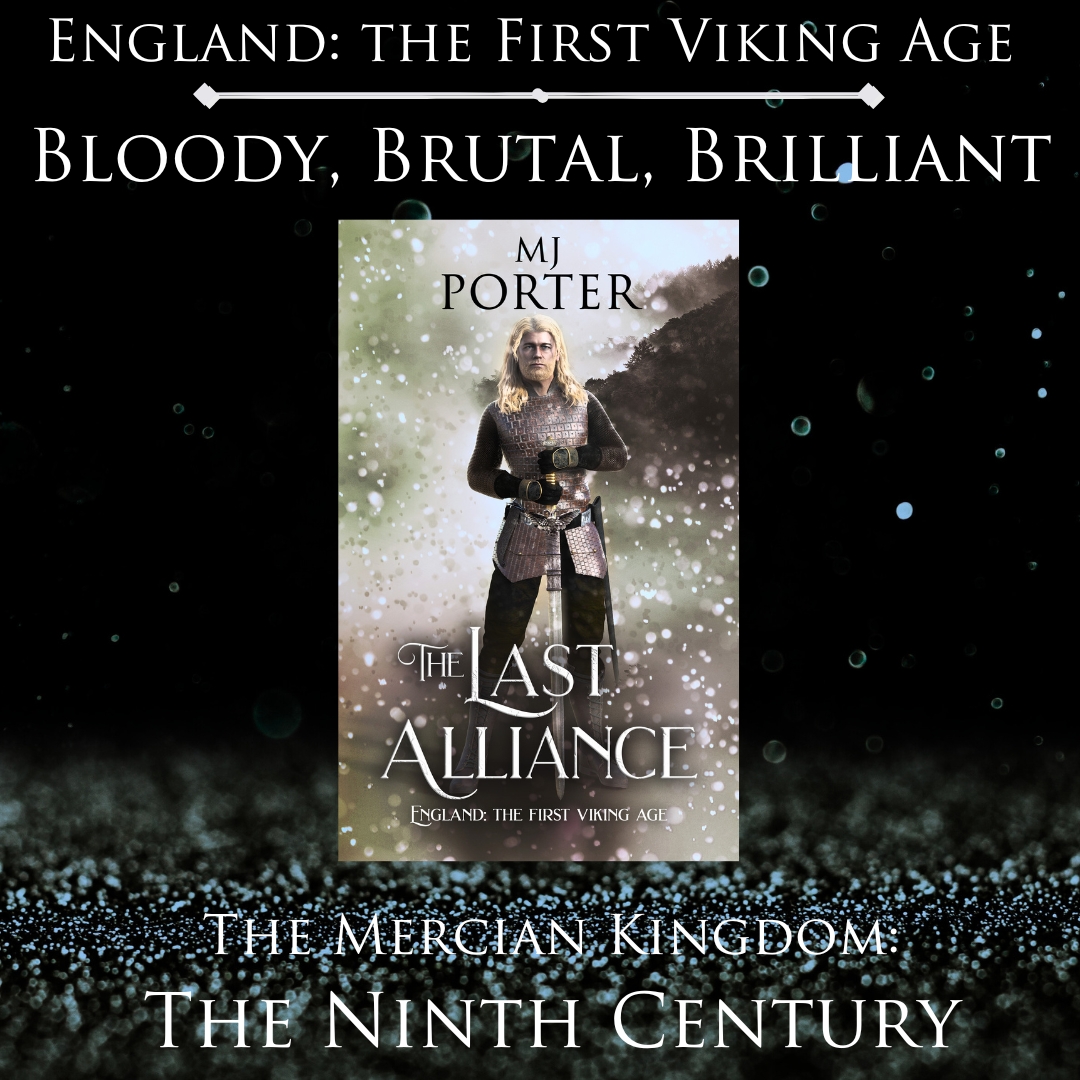
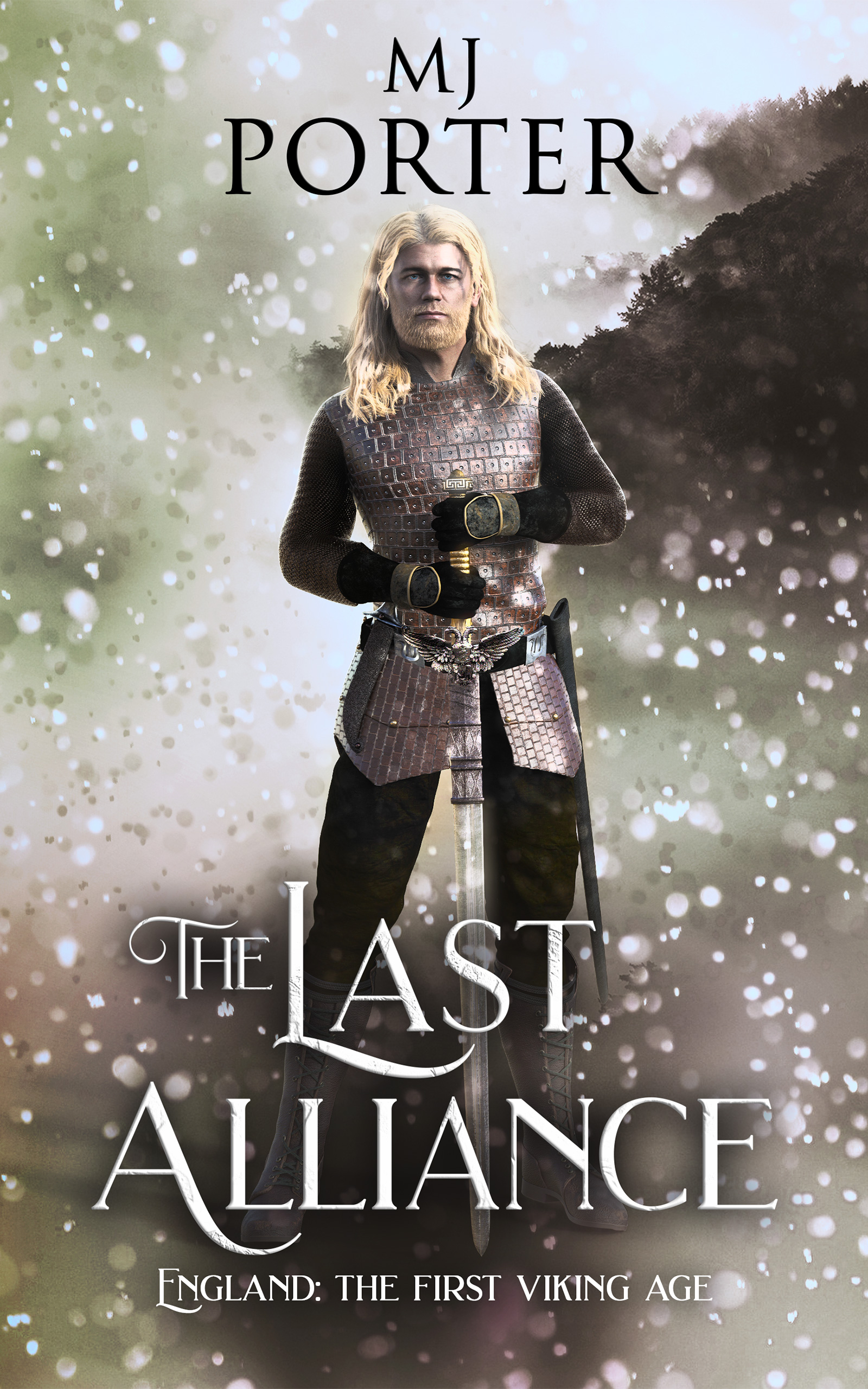
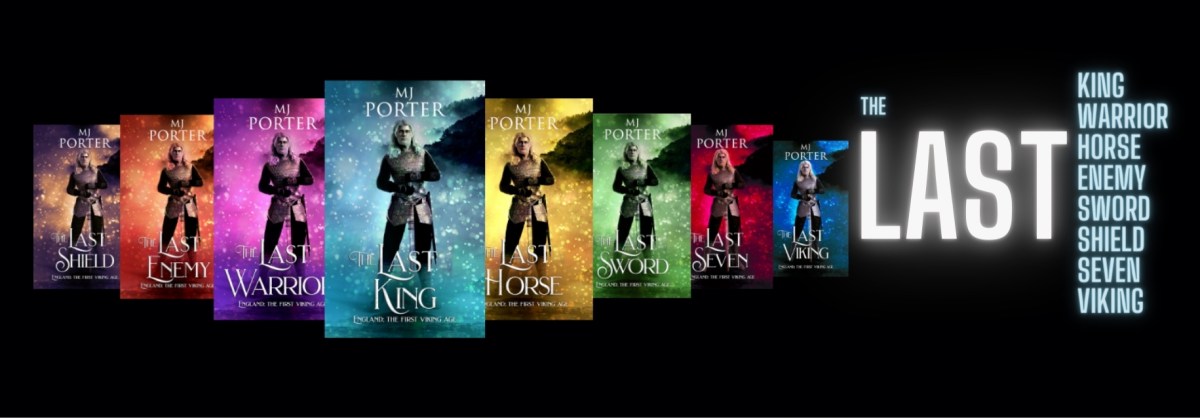
The Last Alliance: Balancing Realism and Audience Relatability: AKA What’s with all the d*** swearing

With the release of a new title in The Last King series, The Last Alliance, I thought it time to address the ‘elephant’ in the room – all that d*** swearing, and not just swearing, but the heavy almost grotesque use of one particular swear word which some will bend over backwards to assure you was used no earlier than the sixteenth century (in the written records), 700 years after the books are set. (Check out Holy Sh*t by Melissa Mohr for a history of swearing.)

I’m not writing in Old English

Well, first things first, lovely people, aside from the names of the characters in these books, and perhaps the word ‘witan,’ every word in these books is modern-English. I’ve not attempted to have my characters sound ‘ye olde worldy’ and that was very intentional. Although, it seems, that s*** is, indeed, Old English. So, forget that, there is another word in there that is also Old English. (Check out the will of King Alfred, and Eadred for some Old English https://blogs.bl.uk/digitisedmanuscripts/2013/07/the-last-will-and-testament-of-alfred-the-great.html)

The UK/US divide around swearing

I wanted my characters to swear. There, I’ve said it. I wanted them to swear and to shock with their language, but I also wanted them to sound like people today. Not everyone swears, admittedly, but most people do. In the UK, we have no problem with the F-word, although US audiences are horrified by it. In the UK, we don’t like the C-word, which in the US, is just fine and dandy – apparently. We swear and we curse and we’re not even (most of us) fighting for our lives against a deadly enemy, which my characters are forced to do.

Am I a potty-mouth?

I’ve had reviewers decry the swearing. I’ve even had reviewers decide the swearing in the books is because I somehow lack the intelligence to write a novel without swearing. Perhaps, most amusingly, a close friend was astounded by the language in the books – I am not, it seems, a potty-mouth in ‘real life’ (although, I can be pushed to it).

‘Oh dear me, that smarts.’

My characters face a life-and-death situation almost every day of their lives. I don’t think they’ll be sitting there saying, ‘oh dear me, that smarts,’ when they’re wounded, or even, ‘oh goodness me, I’ve killed that man.’ They are lethal, bloody and violent, and for all that, they are very relatable to a modern-audience perhaps struggling to truly comprehend what life ‘might’ have been like in Saxon England as the Viking raiders threatened the safety of all.

There are Cleaner Version

That said, I have no intention of forcing people to cast the books aside if they don’t like the swearing. There are also ‘Cleaner Versions‘, without much of the foul language. It tones it down a little, but the violence is not diminished.

Enjoy the fast-paced action

So, whether you love the swearing or not, you can still enjoy the tales of Coelwulf II, and book 9, The Last Alliance is available now in ebook, paperback, hardback and the Cleaner Version on kindle as well. And remember, allowing my characters to swear was done purposefully, indeed, on initial feedback, I actually added a lot more:)

I’m delighted to welcome back Simon Yeats with an extract from How to Avoid Getting Mugged in Rio de Janeiro by Singing Songs by The Police and Other Lesser Known Travel Tips #blogtour #travelmemoir

Here’s an excerpt from How to Avoid Getting Mugged in Rio de Janeiro by Singing Songs by The Police and Other Lesser Known Travel Tips

My friends wanted to go to Tijuana while they were visiting me in Los Angeles. Then things got out of control.

 After crossing the walking bridge over the Tijuana River, which serves as both the city’s sewerage outlet and major water supply, a person enters Zona Centro. I count nine strip clubs on the first street. Ten, if I include Déjà Vu Showgirls back on the other side of the river. This is my favorite thing to do when traveling – count.

Within ten minutes of being in Tijuana, the three of us are bored. Any person who is not crazy about buying knickknacks with a Mexican flag on them would be bored. We could have stayed at the Outlet Mall and been as bored, while being closer to the car. I make a joke with Jim that it is a good thing we are not here to watch the mythical Tijuana woman and donkey show.

Jim and Sheilds’ ears prick up.

What is that about a grotesque sex show that allegedly exists somewhere along the pristine streets of Tijuana?

“Do you know where they have it?”

“I have no idea.”

“We have to see it.”

“No, we don’t.”

“Yes, we do. We are going.”

“We are not going to sit through a fucking matinee of a woman getting amorous with a donkey.”

“Yes, we are.”

“Explain to me again why we are mates, Sheilds?”

The mere idea of the existence of a woman and donkey show churns my stomach. This is Tijuana’s legend. A dirty, disgusting myth that should only arouse blind drunk sailors and animal activists. But Jim and Sheilds are all over it like white on rice. These two deviants were made for each other. 

I try to explain to them that it is a fable. Like the lost gold city of El Dorado, the resting place of Noah’s Ark, or the now uninteresting Bermuda triangle. However, the genie is out of the bottle. They insist we are going to find it and watch. 

For God’s sake, why?

An important tip to remember when traveling in a group that is looking to find a cheap thrill. Make sure the weird sexual proclivities of all members are closely aligned. Or, if a person is as boring as I am, only travel with people who have been desexed.

Sheilds and Jim do not seem to understand, or care. If this show really existed, its story would not be shrouded in a veil of mystery, now would it? It is certainly not marked on any of the maps of walking tours of Tijuana.

“We need to get out of the main tourist area, then.”

“Hell no,” I scream. “If I can’t be so close to the border that when I yell ‘help,’ a US marine is within earshot, we do not go a fucking step further.”

“Pussy.”

“Pussy.”

These two are paying no mind to the inherent dangers of being in the most dangerous city on earth. The town with the world’s highest murder rate per capita. They are adamant that no cost is too high to find the club that has the women and donkey show.

“We are on an adventure.”

Here’s the blurb

Australian author Simon Yeats, who from an early age learned that the best way to approach the misfortunes of this world is to laugh about it.

Simon shares his comedic insights into the unusual and uproarious elements of living life as an Aussie ex-pat and having a sense of Wanderlust as pervasive as the Bubonic Plague in the 1300s.

From what to do when several people converge to rob you after midnight on a deserted Copacabana Beach, to how to save the Sierra Mountain Range from a wildfire outbreak due to a lack of quality toilet paper, to where not to go in Tijuana when trying to locate the origins to stories of the city’s mythical adult entertainment, to how to save yourself from drowning when caught in a storm while sailing off the California coast.

Simon Yeats has gone into the world and experienced all the out of the ordinary moments for you to sit back and enjoy the experience without the need to lose an eye or damage your liver. 

Purchase Links 

https://www.amazon.com/Getting-Mugged-Janeiro-Singing-Police-ebook/dp/B0CPCBMD1N/

https://www.amazon.co.uk/Getting-Mugged-Janeiro-Singing-Police-ebook/dp/B0CPCBMD1N/

https://www.barnesandnoble.com/w/how-to-avoid-getting-mugged-in-rio-de-janeiro-by-singing-songs-by-the-police-and-other-lesser-known-travel-tips-yeats/1144543933?ean=9798223326014

Meet the author

Simon Yeats has lived nine lives, and by all estimations, is fast running out of the number he has left. His life of globetrotting the globe was not the one he expected to lead. He grew up a quiet, shy boy teased by other kids on the playgrounds for his red hair. But he developed a keen wit and sense of humor to always see the funnier side of life.

With an overwhelming love of travel, a propensity to find trouble where there was none, and being a passionate advocate of mental health, Simon’s stories will leave a reader either rolling on the floor in tears of laughter, or breathing deeply that the adventures he has led were survived.

No author has laughed longer or cried with less restraint at the travails of life.

Connect with the author

TIK TOK – https://www.tiktok.com/@authoryeats

INSTAGRAM – https://www.instagram.com/authoryeats/?hl=en

I’m delighted to welcome KJ McGillick and her new book, Whispers Through The Canvas, to the blog #blogtour #newrelease #mystery

I always love to hear how authors research their historical characters and events. KJ McGillick shares how she researched for her new book, Whispers Through the Canvas.

Howard Dynasty 

To study the powerful Howard dynasty of Tudor England, I consulted a variety of digitized primary sources available online such as wills, letters, court records, and literary works from the era. Searching through these collections, I found references to key Howard figures like the poet Henry Howard, Earl of Surrey and his ill-fated relatives. Contemporary accounts provided glimpses into the scandals, romantic entanglements, and power dynamics playing out at the royal court and aristocratic estates. Family correspondence shed light on inheritance disputes among the duke’s children. Literary pieces like Surrey’s poems and writings by other Howards offered additional perspectives on their remarkable century – chronicling their ascent, arts patronage, and the perils their elite status invited.

Levina Teerlinc
To learn about Levina Teerlinc, one of the earliest professional female artists in Renaissance England, I turned to digitized primary sources and secondary analyses available online. High-resolution images of Teerlinc’s exquisite miniature portraits hosted by museums revealed her skill at capturing likenesses. I searched literature databases for any mentions of Teerlinc from writings of her era, finding scattered records confirming her lifelong court employment. While limited biographical details survive, historians have reconstructed some context about her Flemish origins and artistic training based on fragments of evidence. Scholarly articles also examined her pioneering role as an art tutor to noble pupils.

Witchcraft 16th Century

To investigate 16th century England’s witchcraft accusations and trials, I immersed myself in digitized primary sources and scholarly research available online. This allowed me to examine the social tensions, religious upheaval, and cultural forces behind the deadly persecution of alleged witches. I accessed sensationalized literature published during the witch-hunting frenzy, providing window into the paranoia around women supposedly consorting with the devil. Legal records and transcripts illuminated how flimsy the evidence used to condemn the accused often was – a person’s reputation, a death, or unexplained misfortune could prompt charges. Scholarly journal articles analyzed the complex sociopolitical tensions of the Reformation era that enabled witchcraft hysteria to take hold, from anxieties over female autonomy to ruling elite distrust of the peasantry.

16th century Occult Symbols 

To explore the fascinating world of occult symbols and their place in 16th century English society, I delved into a range of digitized primary source materials and secondary scholarship available online.

One key resource was literature databases containing published works from the era. I examined texts on astrology, alchemy, magic, and esoteric philosophies for insight into the symbolic languages and imagery employed by occult practitioners and their beliefs. Engravings and woodcuts accompanying these works provided a visual catalogue of seals, sigils, and emblems.

I also searched through digitized diaries, letters, and accounts of the time for references to the use of occult symbols and coded markings in both elite and folk traditions. Correspondence between royals, nobles, and scholars sometimes mentioned encrypted communications or arcane symbolic meanings.

Court records, witness depositions, and transcripts from witchcraft trials offered a window into societal suspicion surrounding the perceived nefarious use and misuse of symbols and markings associated with magic and the supernatural. The language and suspicions revealed in these documents shed light on prevailing attitudes.

Additionally, I consulted digitized archaeological reports, inventories of home goods, and material culture studies to trace actual artifacts and objects bearing occult symbols that survived from 16th century England – whether tools, talismans or architecture.

By synthesizing evidence from these various sources, I could begin mapping the complex cosmological, mystical, and coded symbolic vernacular of the Renaissance era and how it manifested in art, writings, personal practice, and dangerous accusations.

Intrigued? Here’s the blurb.

Here’s the blurb

Murder… Across The Fractured Corridors of Time.

Plunged into a centuries-old conspiracy, unconventional art historian Rowan Southeil must race against time to stop an ancient evil from rewriting history. When a young artist is murdered in a chilling echo of medieval violence, Rowan finds herself drawn to a seemingly unrelated clue – a 16th-century painting drenched in arcane symbols. Aided by the victim’s haunting presence, Rowan delves into the painting’s mysterious past, uncovering a dark conspiracy that stretches back generations.

Teaming up with the pragmatic Detective Lancaster, the intuitive Rowan follows a daring journey through time, from the storied halls of 16th-century Tudor London to the secretive 17th-century Vatican. As she awakens powerful elemental forces within herself, Rowan must decipher the painting’s secrets – and the connection to the medieval-style murder – before Lev Rubilov, a dark centuries-old occultist, can harness its magic to rewrite history and restore a twisted vision of the past.

For fans of genre-blending thrillers like A Discovery of Witches and Outlander, this captivating novel weaves together mystery, the supernatural, and high-stakes time travel in a race against the clock to stop an ancient evil. Whispers Through The Canvas is a crime story, filled with action and adventure, within a historical fantasy milieu. If you love kick-ass heroines who have a bit of life experience and walk on the wild side of magic, this book is for you.

Purchase Links

https://www.amazon.com/dp/B0CTHSC2H5/

https://www.amazon.co.uk/dp/B0CTHSC2H5/

Meet the author

From the bustling courtrooms of Atlanta to the vibrant tapestry of 16th-century England, Kathleen McGillick’s life and career have been a captivating blend of legal expertise, artistic passion, and a thirst for adventure.

Fueled by an undergraduate and graduate degree in nursing, Kathleen built a foundation of compassion and care. This dedication to service later led her to pursue a Juris Doctorate, allowing her to navigate the intricacies of the legal system for nearly three decades. Her courtroom experience now breathes life into the intricate details of her legal thrillers, ensuring every courtroom scene crackles with authenticity.

But Kathleen’s story doesn’t end there. A deep fascination with art history led her to delve into the world of renowned artists and captivating eras. Her particular passion for 16th-century British history allows her to transport readers to richly detailed historical settings, immersing them in the culture, politics, and societal nuances of the time.

Driven by an unwavering dedication to her craft, Kathleen has independently published eleven legal thrillers since 2018. Her commitment extends beyond solo creation, as she actively engages with the writing community, honing her skills through workshops and courses led by renowned authors.

And when she’s not crafting captivating narratives, Kathleen embarks on international journeys, soaking in diverse cultures and experiences that further enrich her writing. This global perspective adds another layer of depth and realism to her stories, allowing readers to connect with characters and settings that transcend geographical boundaries.

To delve deeper into Kathleen’s world and explore her captivating legal thrillers, visit her website at kjmcgillick.com.

Connect with the author

kjmcgillick.com 

https://www.goodreads.com/kmcgillick

https://www.facebook.com/KJMcGillickauthor/

I’m delighted to be sharing my review for Old Girls Behaving Badly by Kate Galley #blogtour #newrelease #comedy

Here’s the blurb

A delightfully heartwarming and funny story that proves it’s never too late to change the habits of a lifetime, perfect for fans of Judy Leigh, Hazel Prior and Maddie Please.

Something old, something new, something stolen…?

Gina Knight is looking forward to the prospect of retirement with her husband of forty-three years. Until, to her surprise, said husband decides he needs to ‘find himself’ – alone – and disappears to Santa Fe, leaving divorce papers in his wake.

Now Gina needs a new role in life, not to mention somewhere to live, so she applies for the position of Companion to elderly Dorothy Reed. At eighty-three, ‘Dot’ needs someone to help her around the house – or at least, her family seems to think so. Her companion’s first role would be to accompany Dot for a week-long extravagant wedding party.

But when Georgina arrives at the large Norfolk estate where the wedding will take place, she quickly discovers Dot has an ulterior motive for hiring her. While the other guests are busy sipping champagne and playing croquet, Dot needs Georgina to help her solve a mystery – about a missing painting, which she believes is hidden somewhere in the house.

Because, after all, who would suspect two old ladies of getting up to mischief?

Purchase Link

https://mybook.to/oldgirlssocial

My Review

Old Girls Behaving Badly is a fun read with elements of mystery, which I wasn’t expecting and was very pleased to discover. 

Our two main characters (and we get both of their POVs), Gina and Dorothy, are coming to terms (or not) with recent changes in their lives. While neither of them thinks they necessarily need one another, they soon discover that, in fact, they do, and they also like one another.

As the events of Dorothy’s big family wedding swirl around them, Gina and Dorothy are somewhat distanced from it. Both are trying to uncover the truth surrounding Dorothy’s husband’s death about a year ago. With the addition of a more fleet-footed granddaughter, our duo pursues the matter to the bitter end, and yes, it does feature a quad bike ride.

This story is really enjoyable. I read it in two days:)

Meet the author

Kate Galley writes UpLit and Bookclub fiction full of heart and humour. The older generation are at the centre of her stories and are usually wrapped up in a mystery.

She lives with her family in Buckinghamshire and works part time as a mobile hairdresser in the surrounding Chiltern villages.

In her spare time she crochets blankets, knits jumpers and also disappears into her workshop to play with kiln formed glass.

Kate is the author of The Second Chance Holiday Club – which has been optioned for TV – and The Golden Girls’ Road Trip.

Connect with the author

Facebook: https://www.facebook.com/profile.php?id=100083291782773

Twitter: https://twitter.com/KateGalley1

Newsletter Sign Up: https://bit.ly/KateGalleyNews

Bookbub profile: https://www.bookbub.com/authors/kate-galley