The historical setting for The Custard Corpses #mystery #histfic #history

Setting for The Custard Corpses, my first foray into historical mysteries

The Custard Corpses is set during the 1920s, 1930s and 1940s. I wanted to make the book as authentic as possible, even though I’m not a historian of that time period. When I was first studying history at school, I always found it strange to think of it as history as I had grandparents who had lived through the 1920s, 1930s and 1940s (my old granny was born in 1901, my mother’s parents in 1920 and my father’s parents in 1926 and 1928). That’s probably why I’ve never written about the period before.

Getting the names right

I wanted to ensure I was using names and places that existed at the time, and I didn’t want to inadvertently make any silly mistakes – a few beta readers pointed out I was using metric measurements, when they should have been imperial in the 1940s. They thought it was sweet that I’d never known the world of imperial numbers (and money).

Maps and train routes

So, I spent quite a bit of time hunting down random facts; maps of the time period, tram and train routes (which you can find online, but I had some old maps), pictures of cars, police uniforms at the time, advertisements of the time and also editions of the Picture Post magazine. At one point, I wanted a celebrity scandal, and there it was, on the cover of a magazine. 
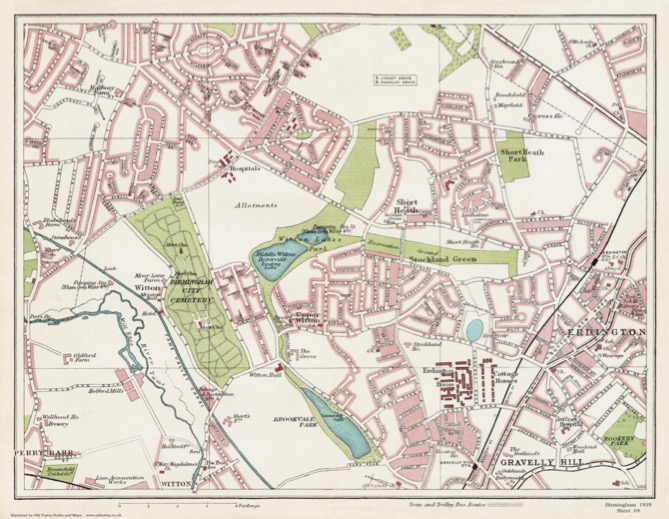
Map of Erdington from the era

Newspaper Archives

I was amazed by the information that I could find by accessing archives ( and also that which I couldn’t find), and I was especially impressed by the ‘history’ section on the Birmingham.gov website, and by those local newspapers that have archives available online – such as the Inverness newspaper and the Birmingham Mail. There’s also a whole aerial photo website that I could have used, but I couldn’t quite work it out. 

Family memories

I was also lucky in that I set the book somewhere I have childhood memories of, and also that a family member spent their early years in Erdington. It was funny to realise the parts that they especially remembered – such as the fact that some of the buses were still open-topped at the time, and the liveries that buses were decorated with. The Birmingham that I remember is very different to the one that exists now, and the one that existed in the 1940s. My memories of Birmingham consist of the dodgy car park we used, the train journey we used to take in the old carriages with individual doors (they were old in my day) and shopping for jeans.

I also made some use of the 1911 census records, and the Office for National Statistics spreadsheet which lists all the most popular names in decades. It made it easy to devise names for the characters. It also helped that while the 1940s is ‘history’ it’s much more relatable to me than the period before 1066, when I usually set my stories, so provided I didn’t use the internet in the story itself (and only as a research tool), or refer to cms, it was just about authentic, I hope. And did allow for the use of cars and telephones.

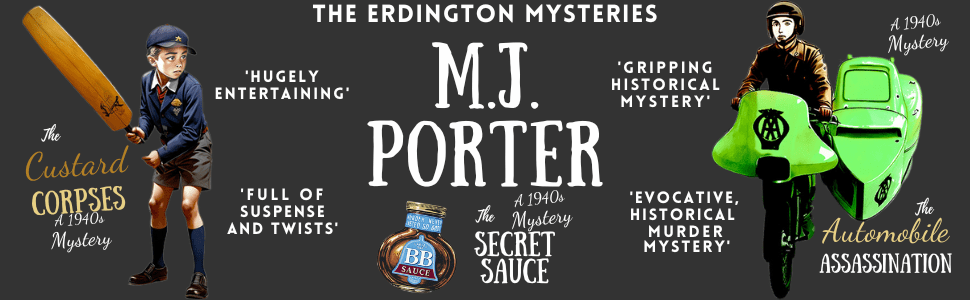
Check out The Erdington Mysteries page for more information.

(This is a blog post I wrote in 2021 and which I can’t find on my blog, so I’m sharing it.)

Posts

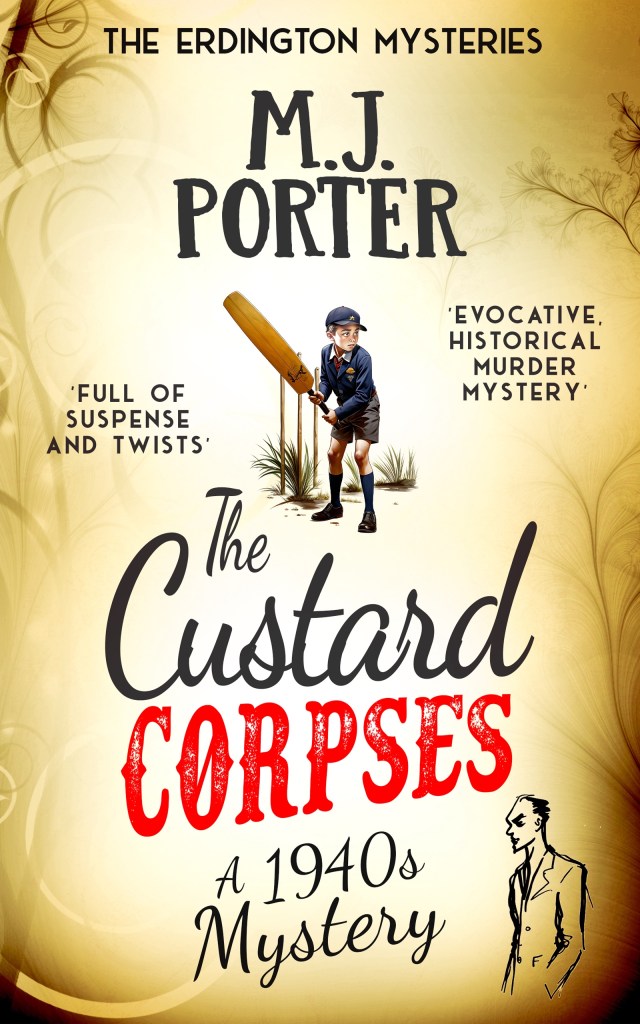
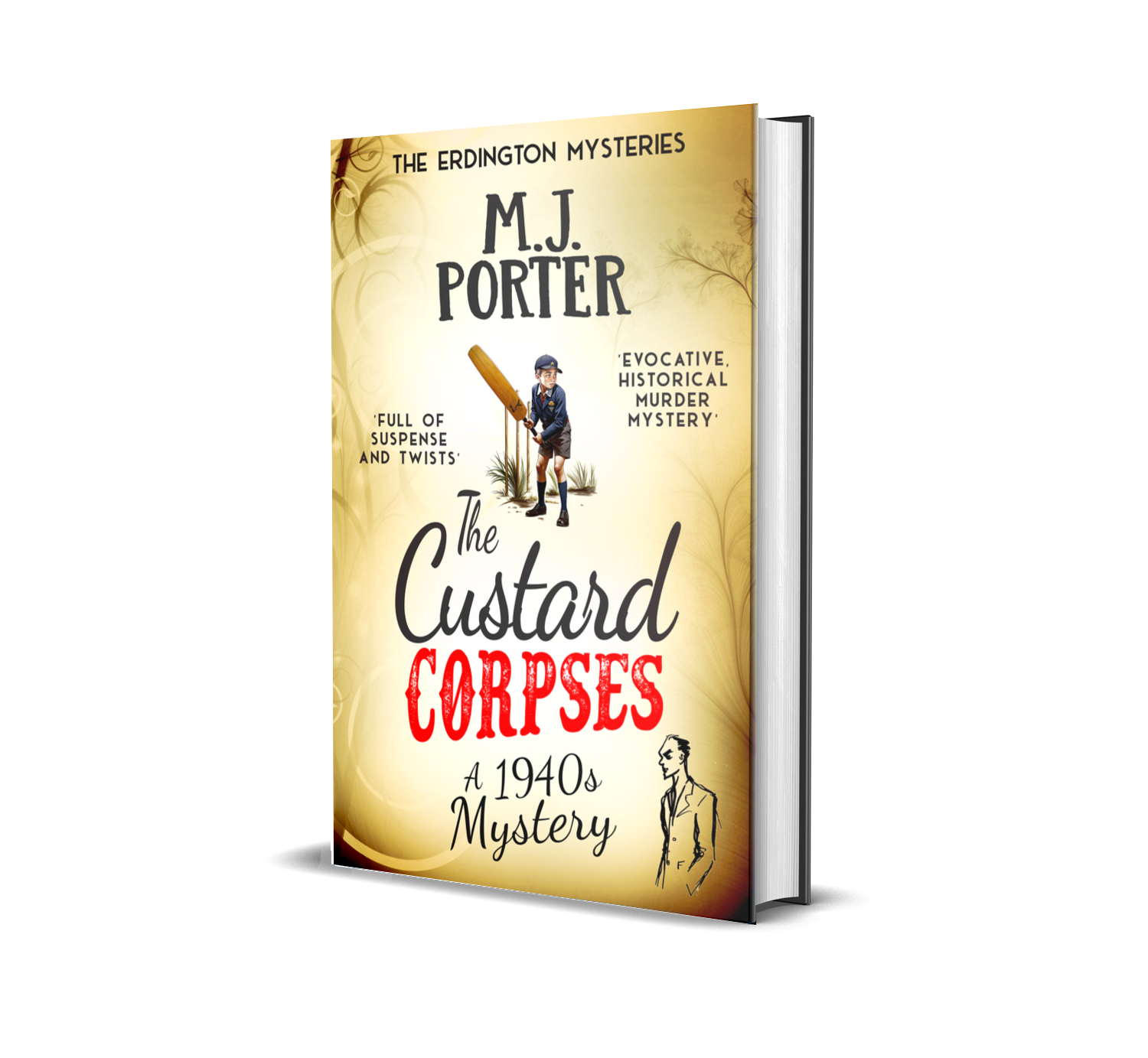
The Custard Corpses is now available from Kobo, Apple, Nook and other retailers, as well as Amazon

With a snazzy new cover, and with its sibling to arrive in the coming months, I’ve taken the decision to move The Custard Corpses to a wider audience in ebook format, so readers on Kobo, Apple, Nook and other retailers accessed via the Ingram distribution option, as well as Amazon, can now enjoy my twentieth-century mystery, set in the 1940s.

Here’s the blurb

A delicious 1940s mystery.

Birmingham, England, 1943.

While the whine of the air raid sirens might no longer be rousing him from bed every night, a two-decade-old unsolved murder case will ensure that Chief Inspector Mason of Erdington Police Station is about to suffer more sleepless nights.

Young Robert McFarlane’s body was found outside the local church hall on 30th September 1923. But, his cause of death was drowning, and he’d been missing for three days before his body was found. No one was ever arrested for the crime. No answers could ever be given to the grieving family. The unsolved case has haunted Mason ever since.

But, the chance discovery of another victim, with worrying parallels, sets Mason, and his constable, O’Rourke, on a journey that will take them back over twenty-five years, the chance to finally solve the case, while all around them the uncertainty of war continues, impossible to ignore.

books2read.com/TheCustardCorpses

Or you can buy paperback and hardback copies directly from me. Visit my SumUp store.

If you’ve not yet tried one of my ‘modern’ mysteries, then check out my series page on the blog to discover why I decided to write something so very different to everything I’ve ever written before.


Posts

When The Automobile Assassination turned 2 #bookbirthday #historicalmystery #TheErdingtonMysteries

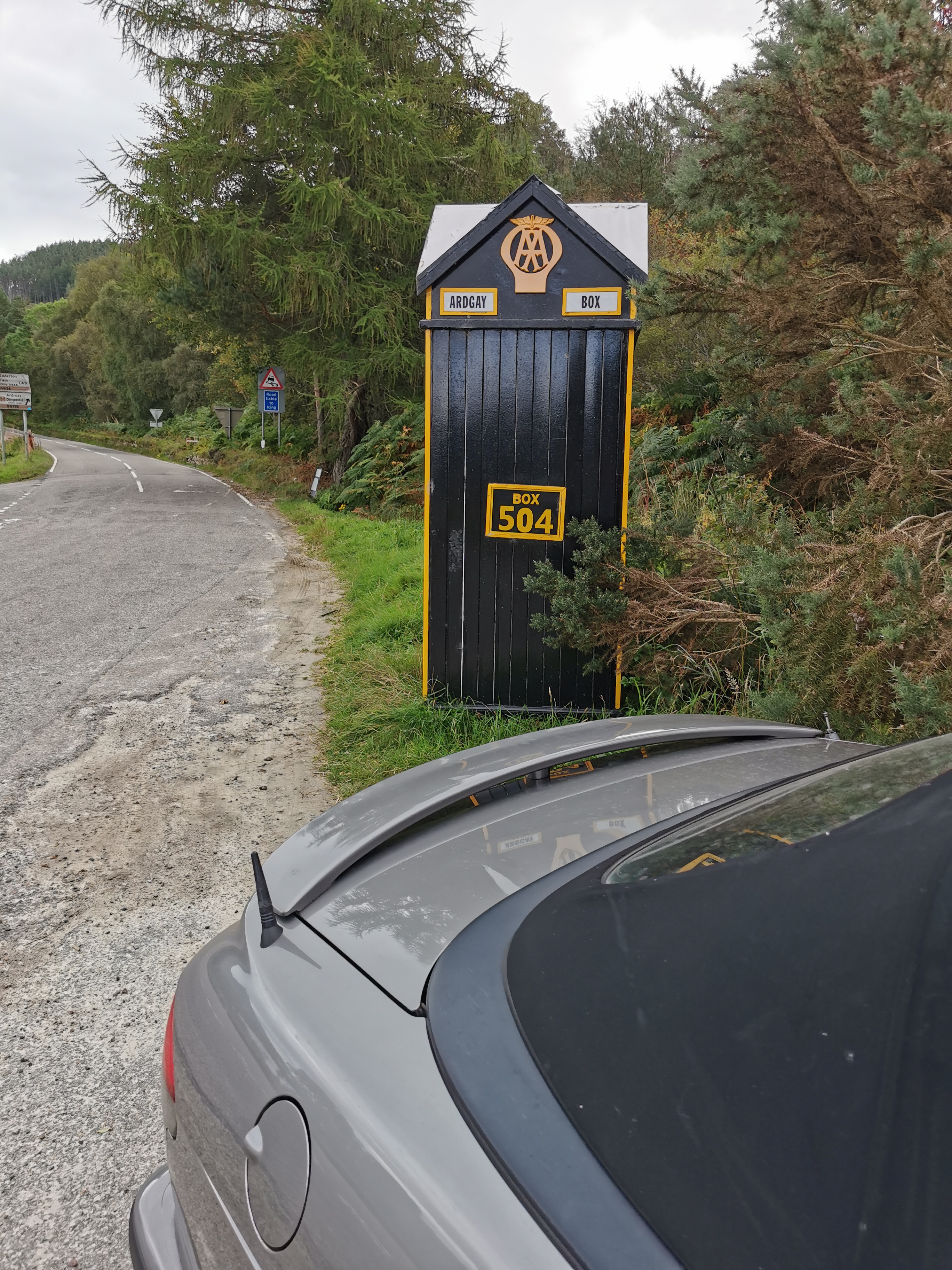
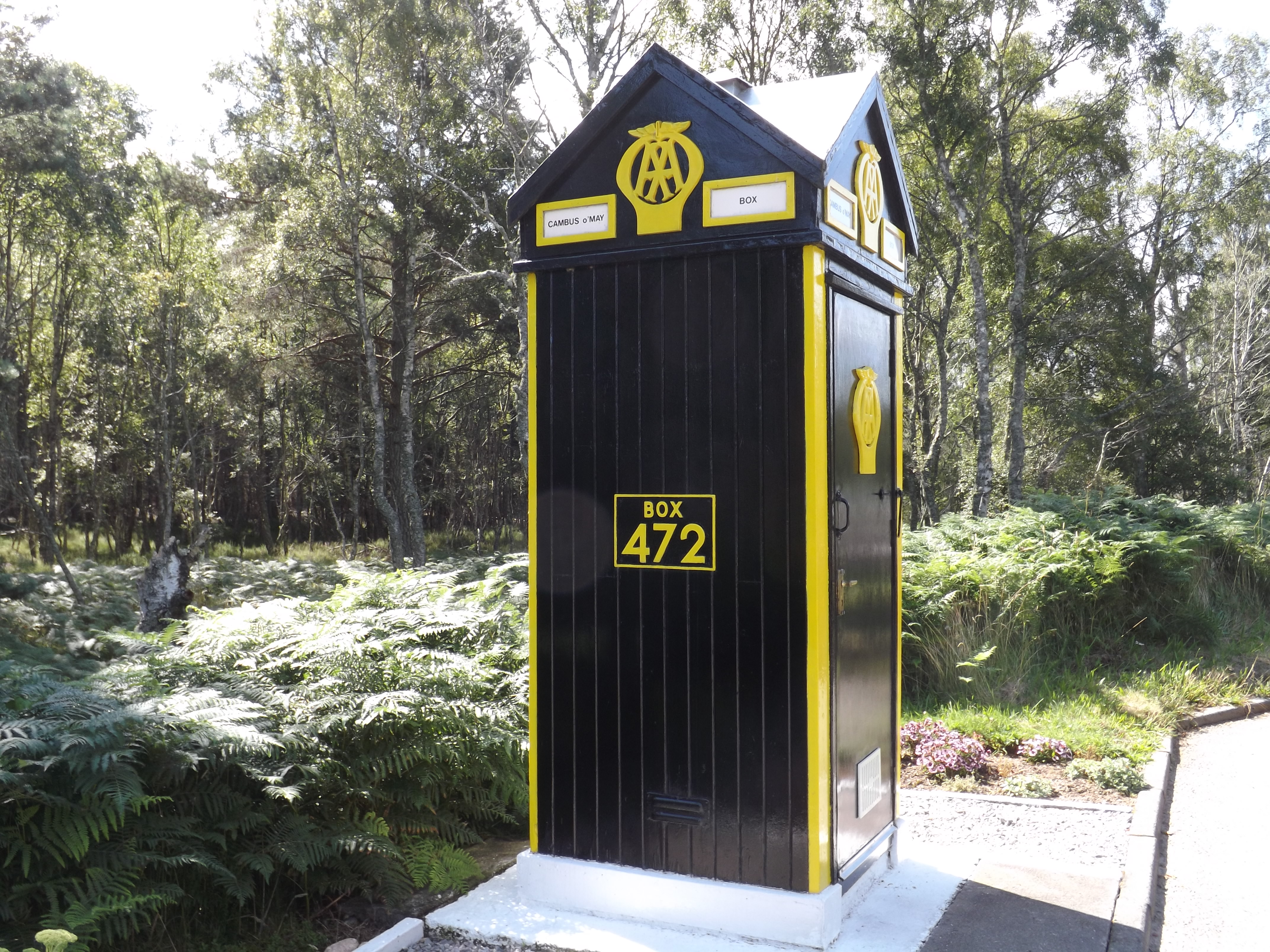
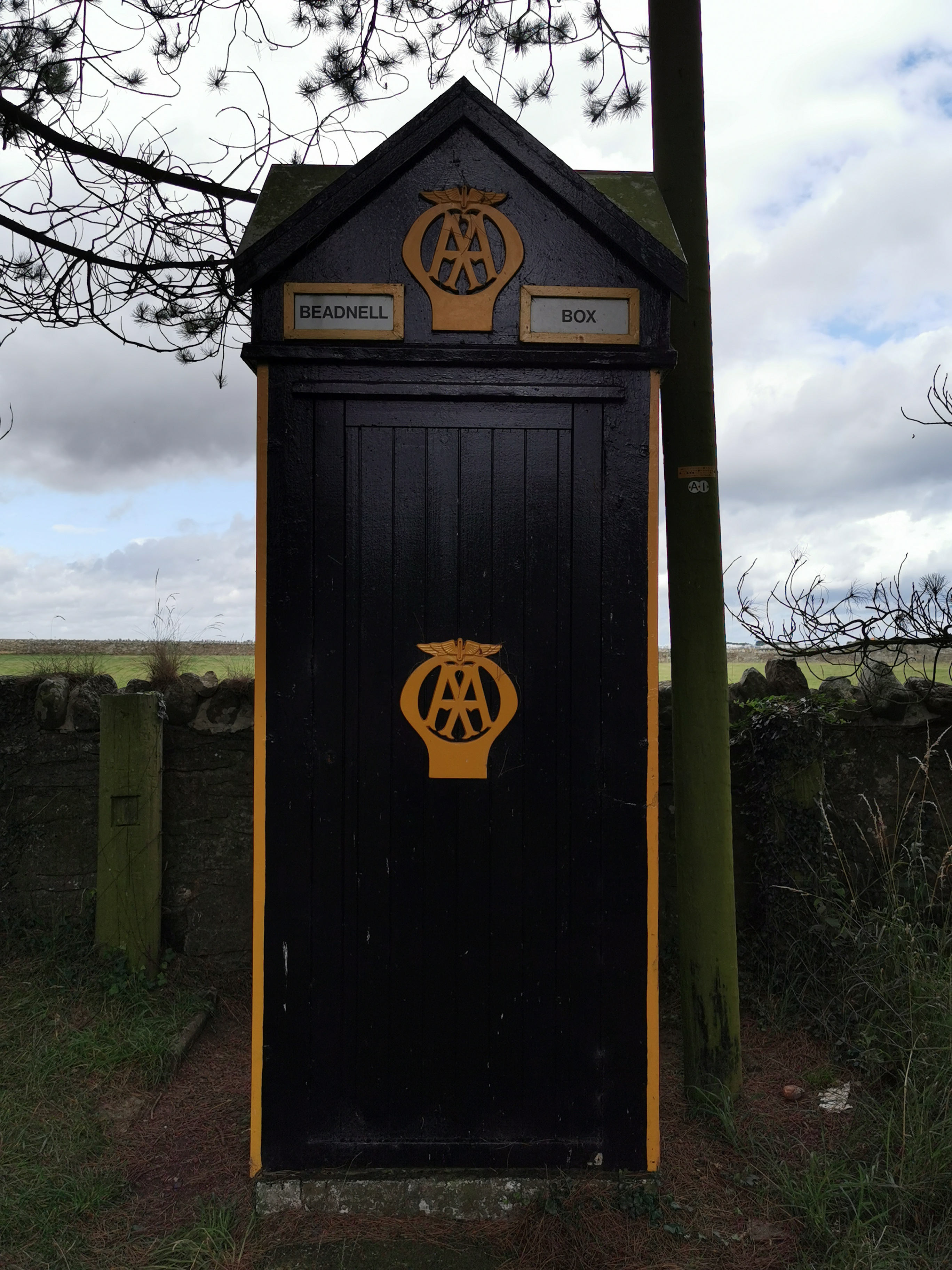
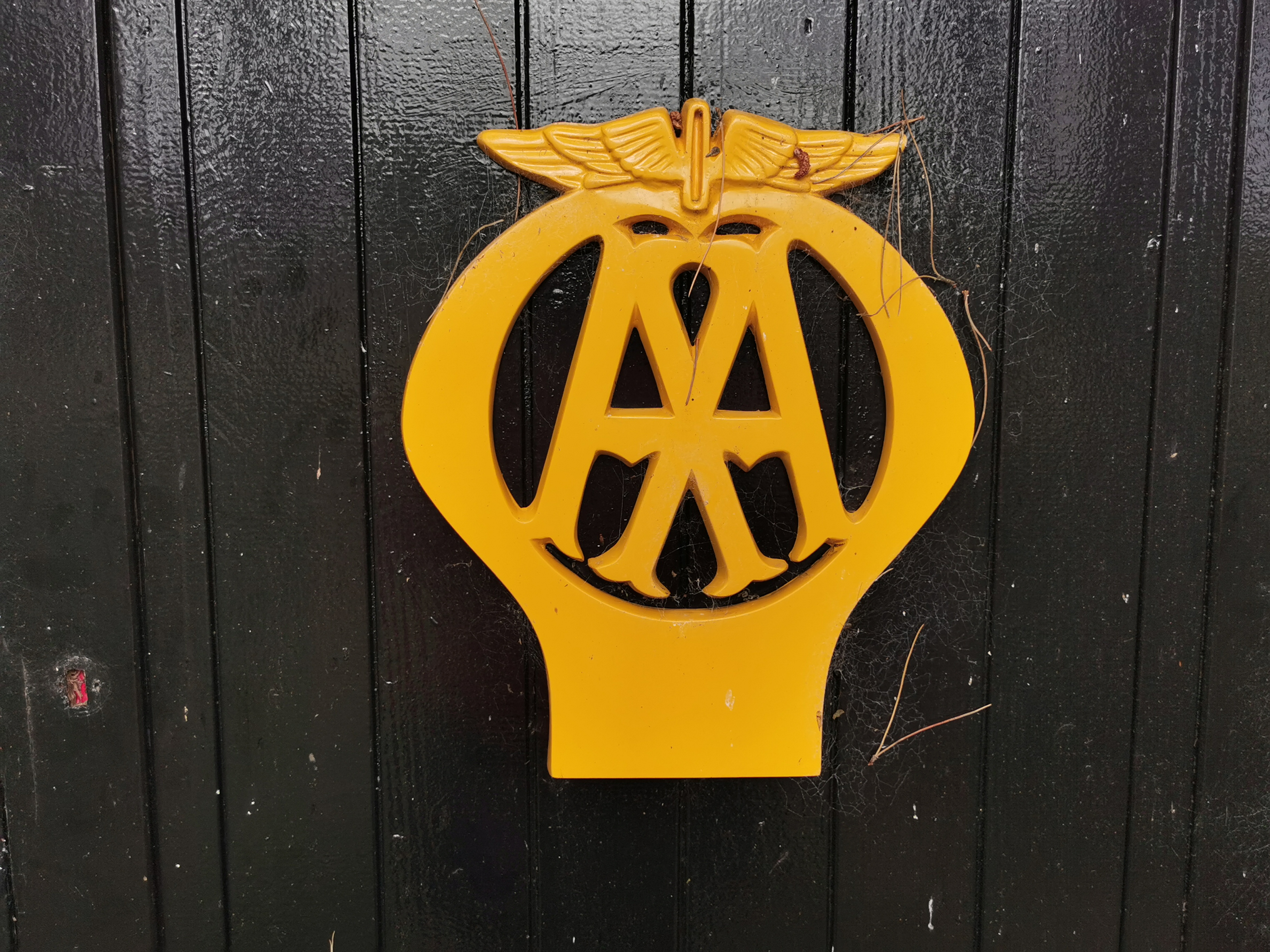
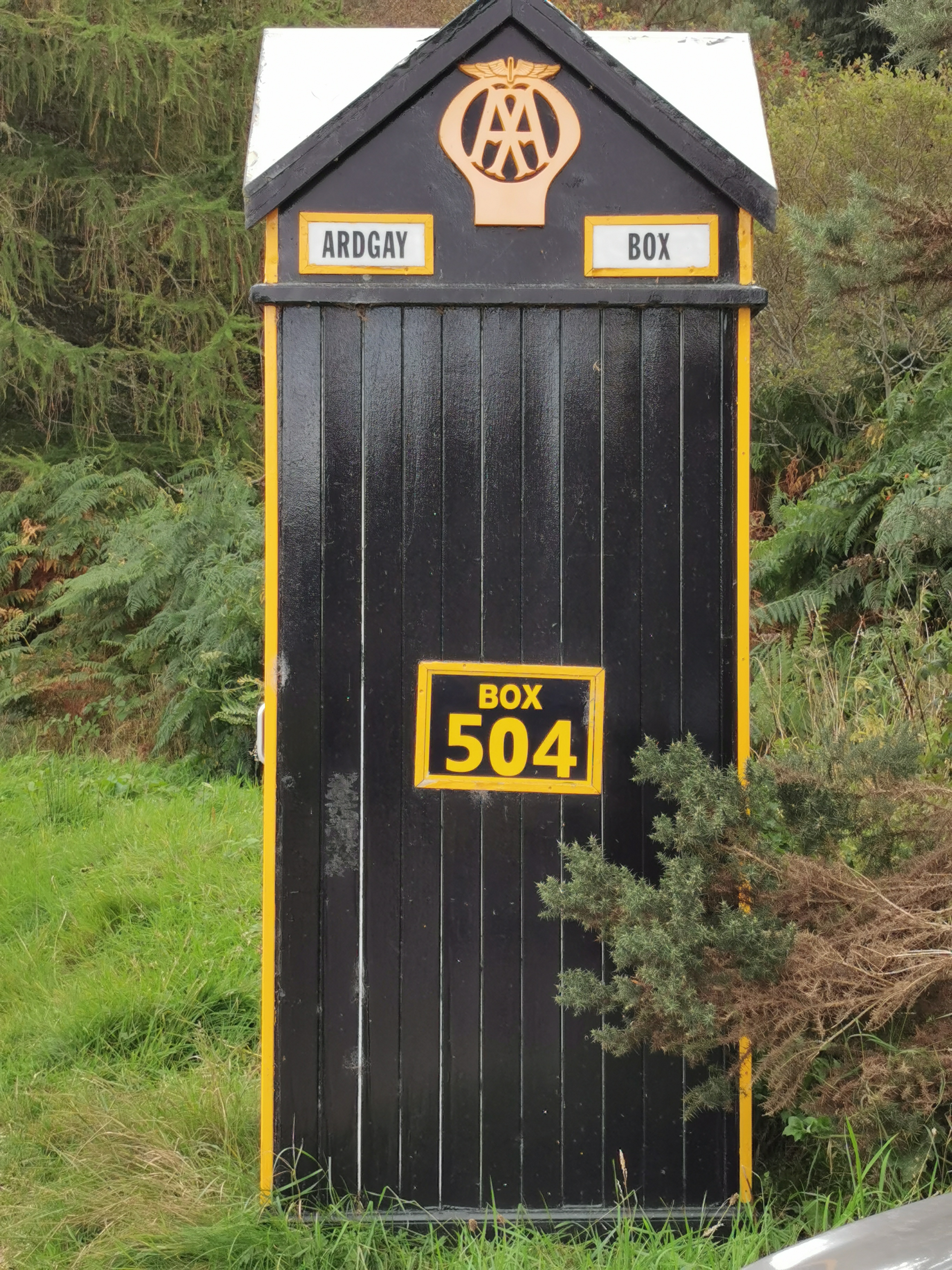
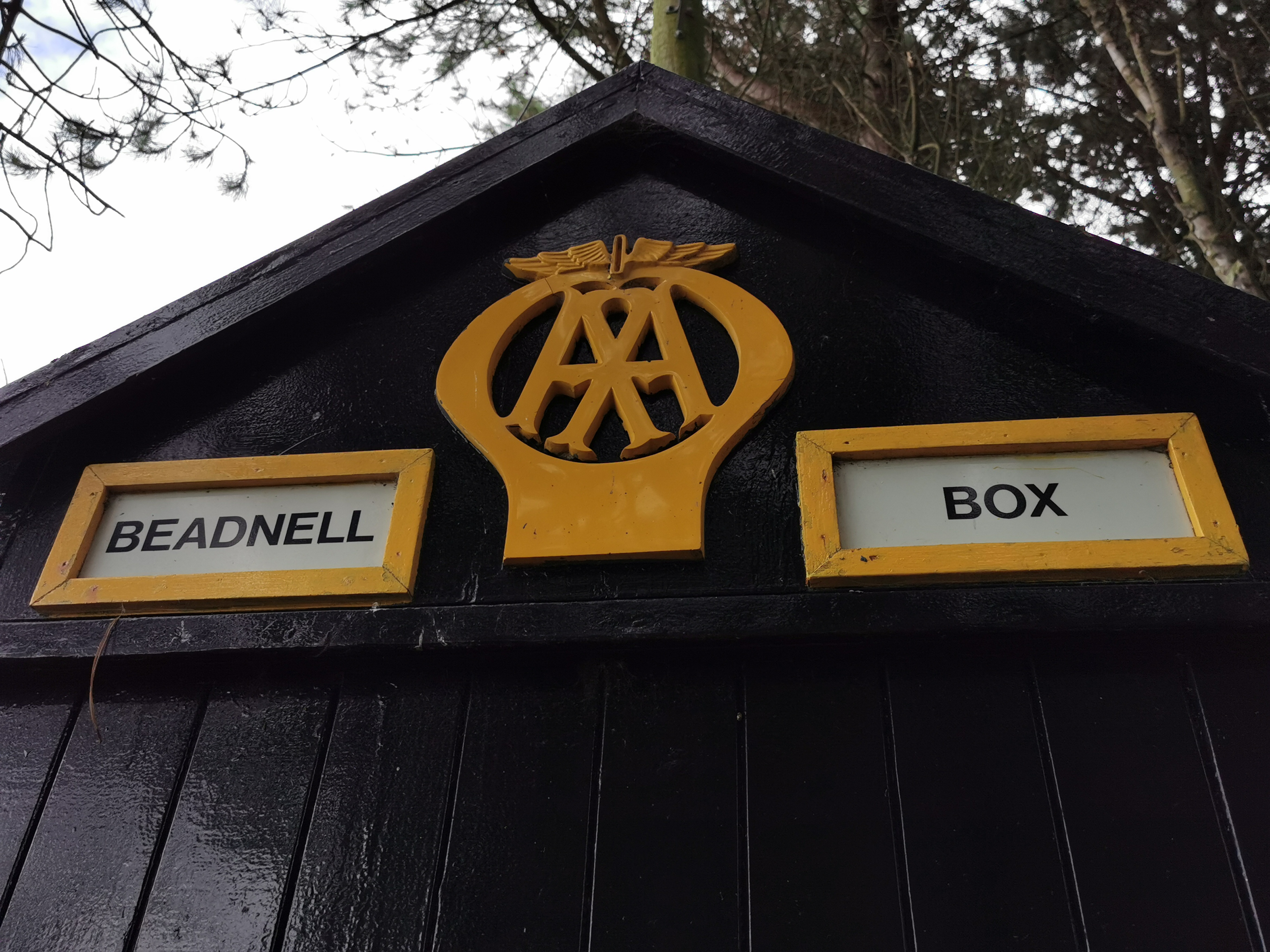
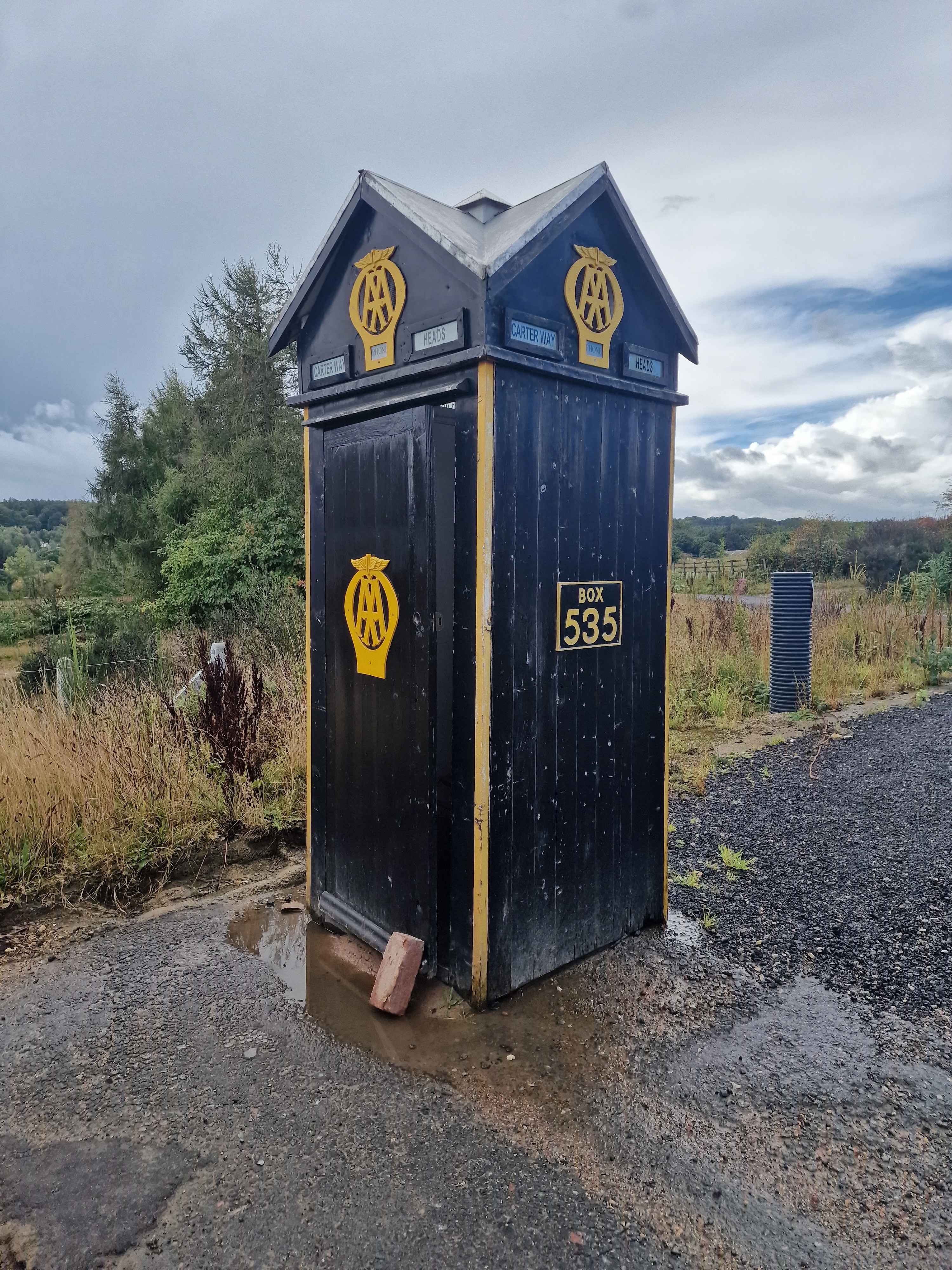
I don’t really need an excuse to share these wonderful photos, but a book birthday does seem like a good opportunity to do so. So below are some of the images that first inspired me to write about The Automobile Association sentry boxes in my story The Automobile Assassination.

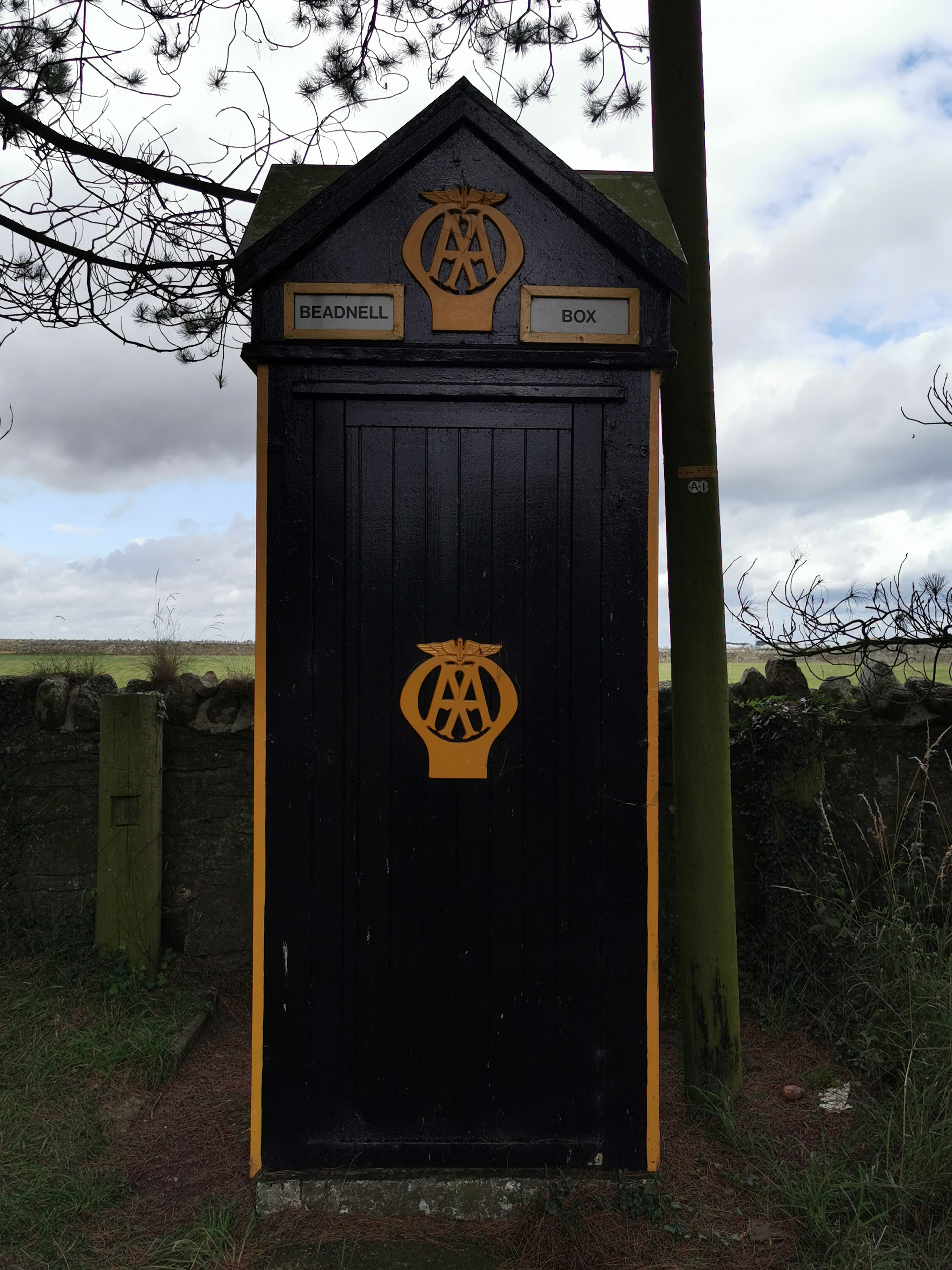
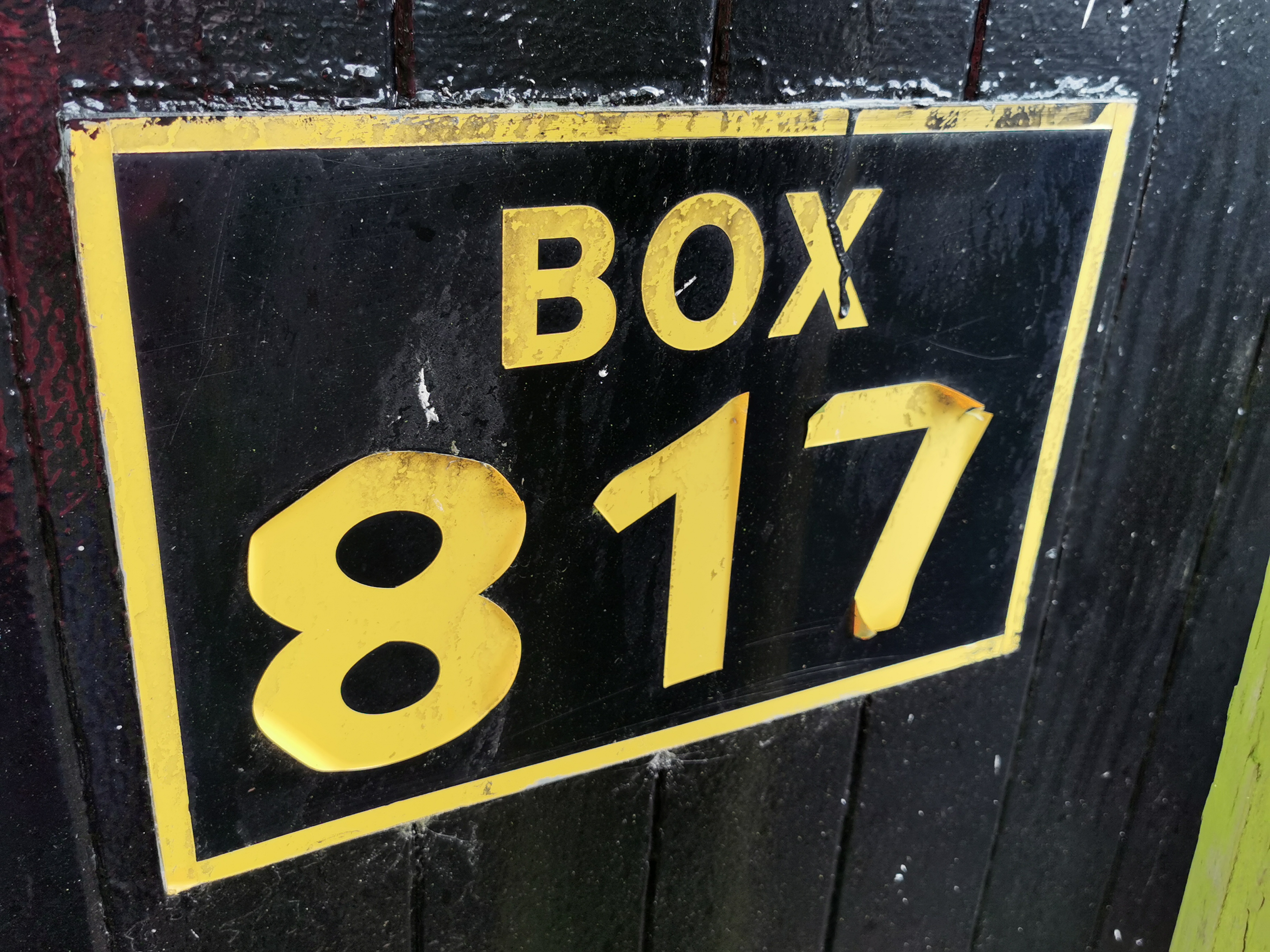
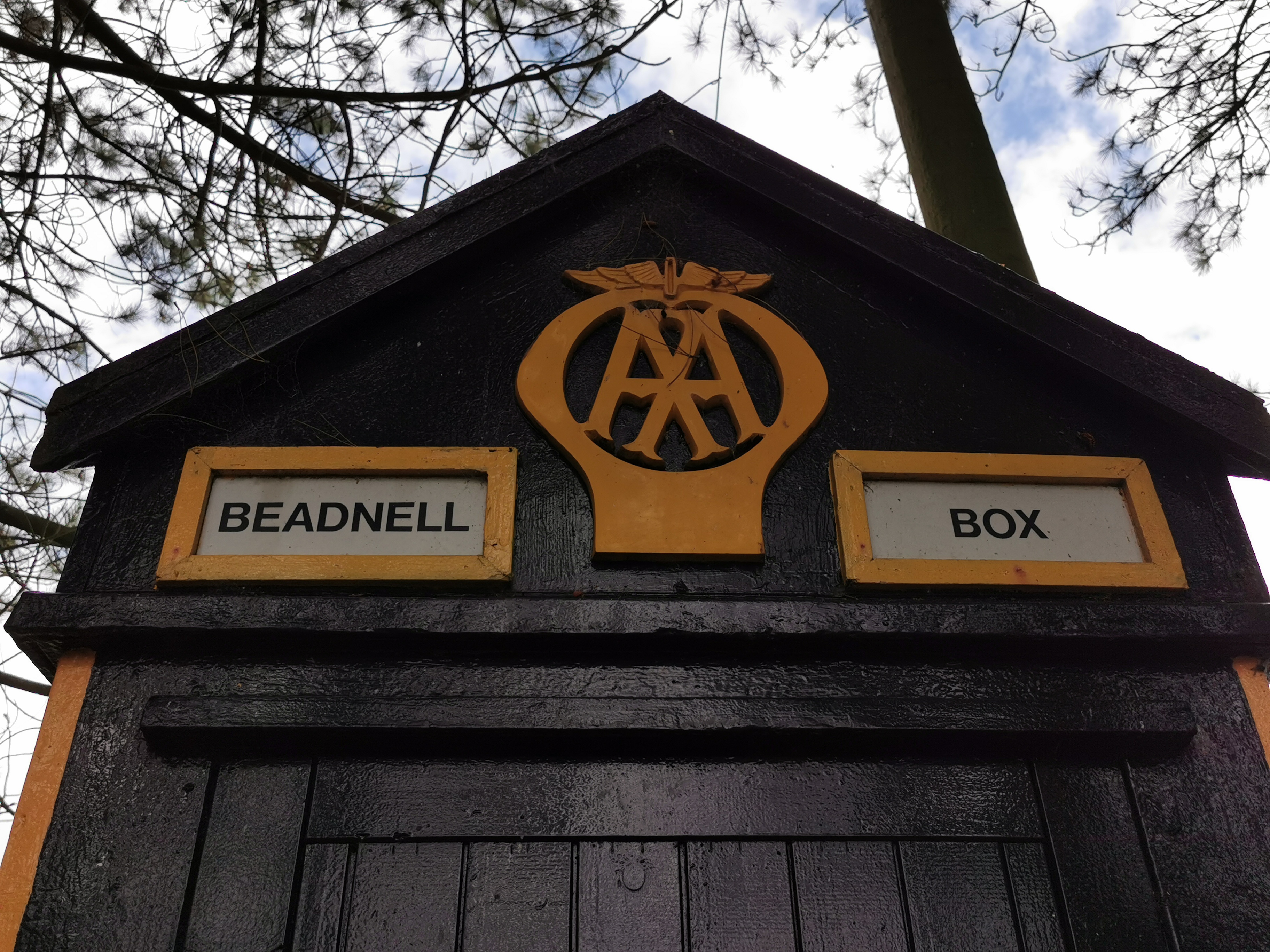
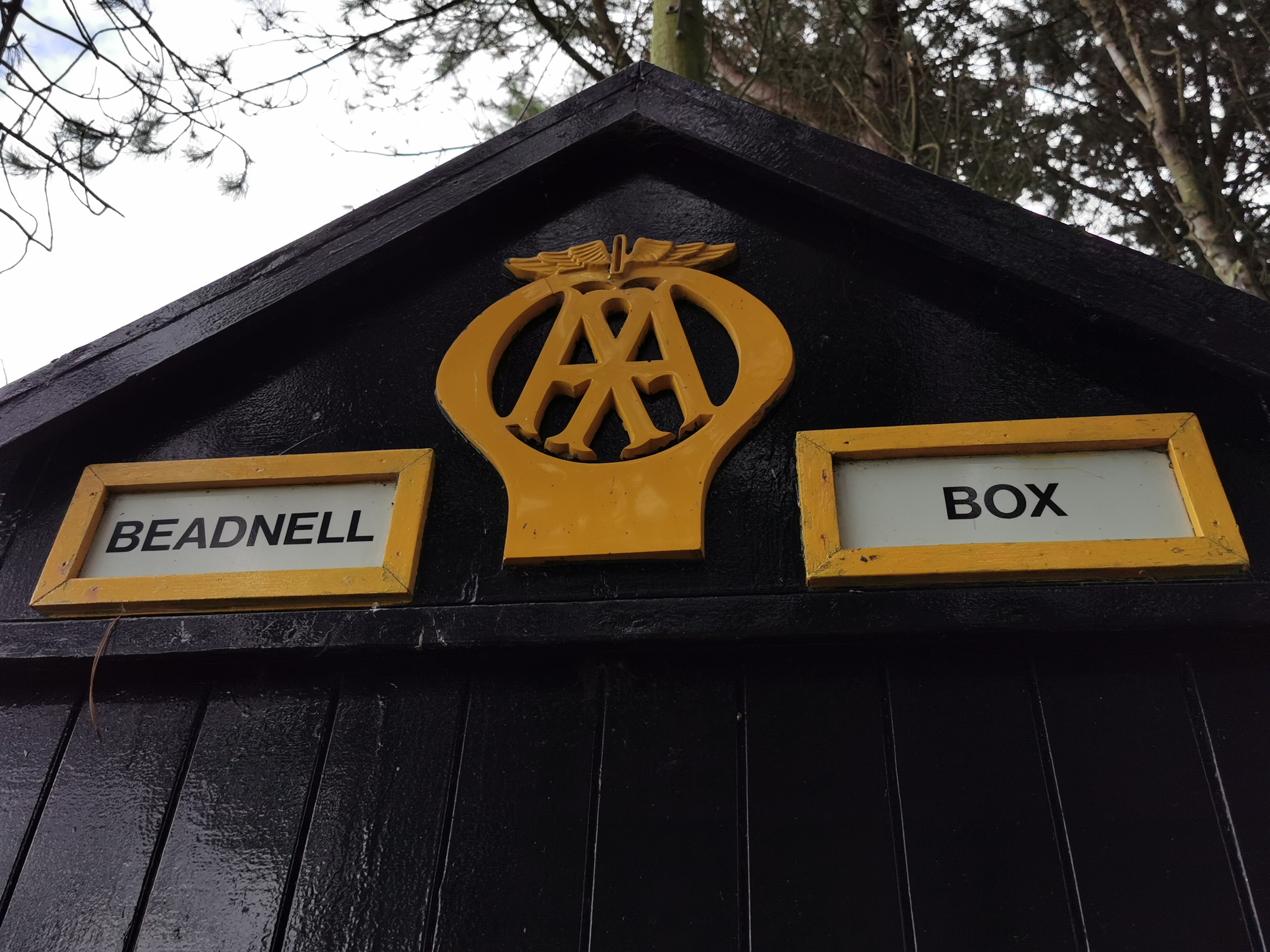
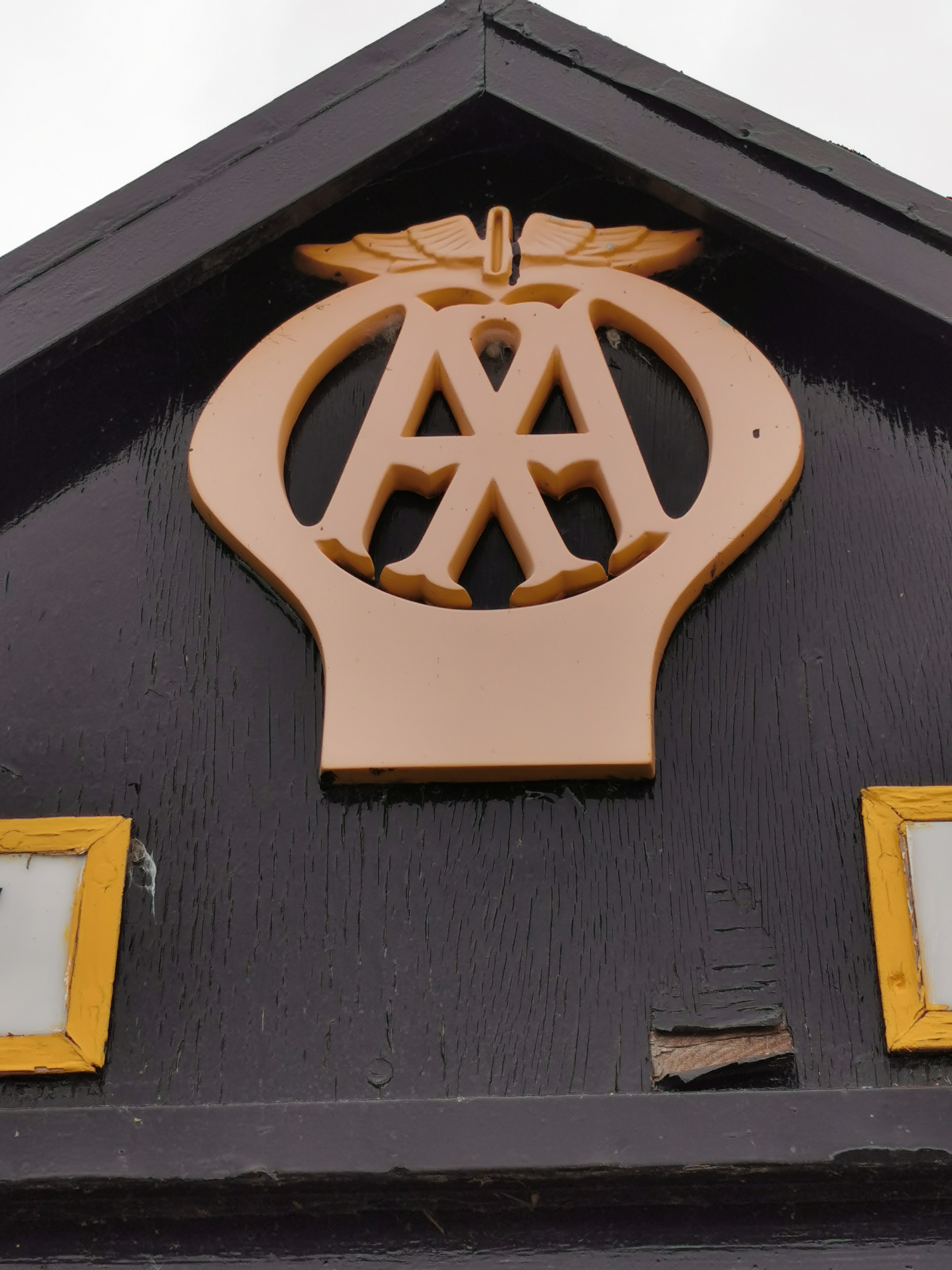
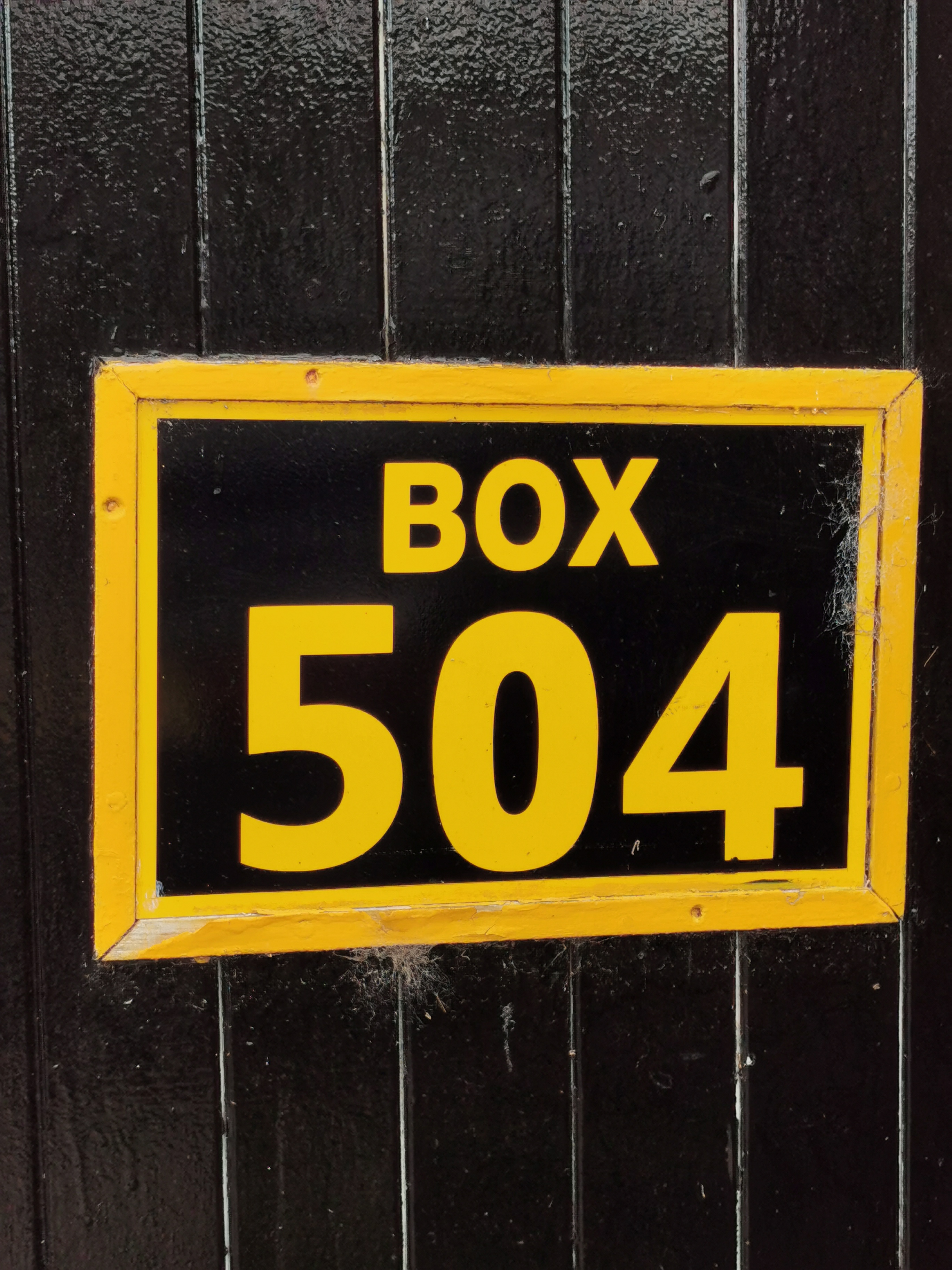
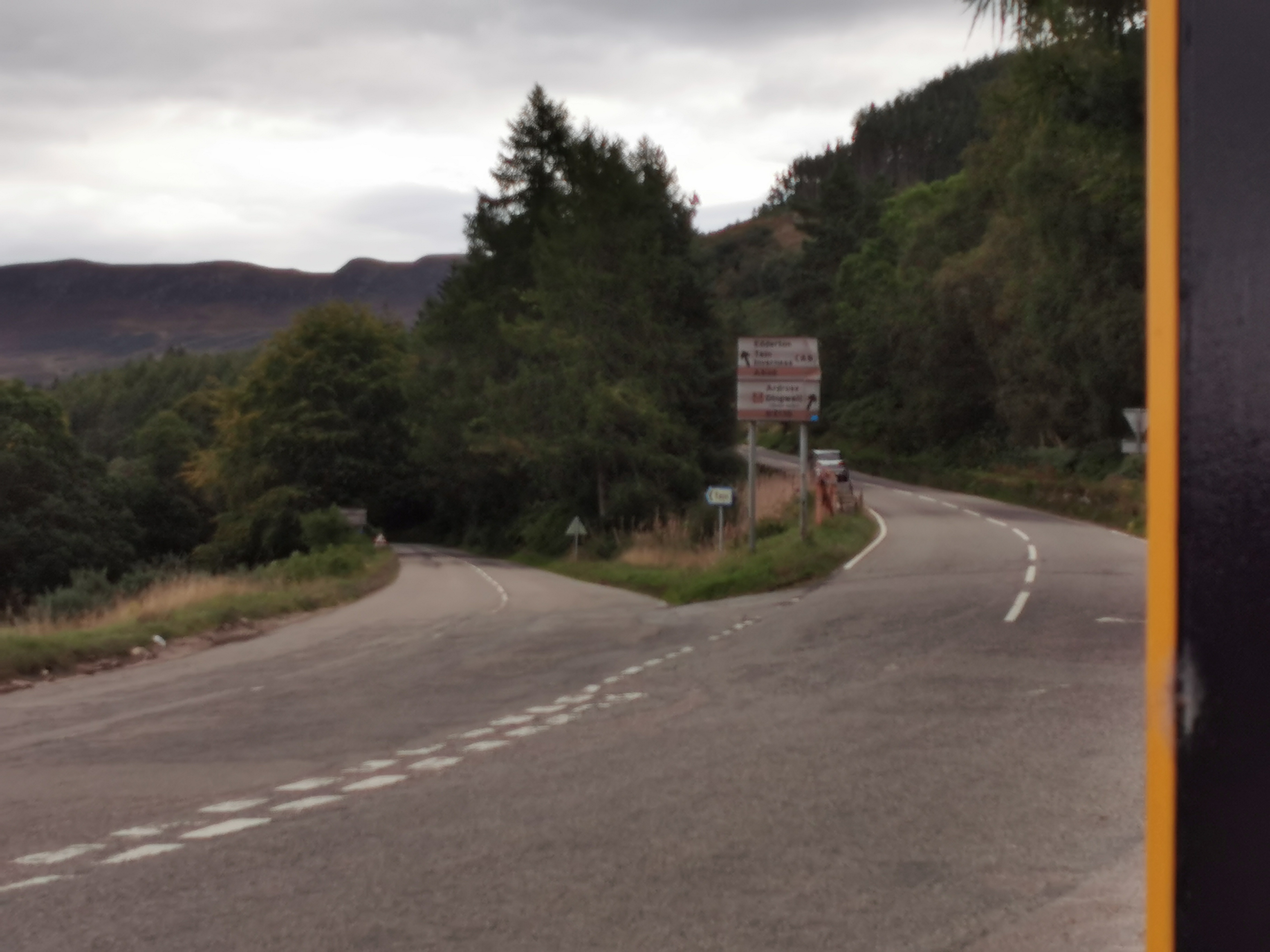
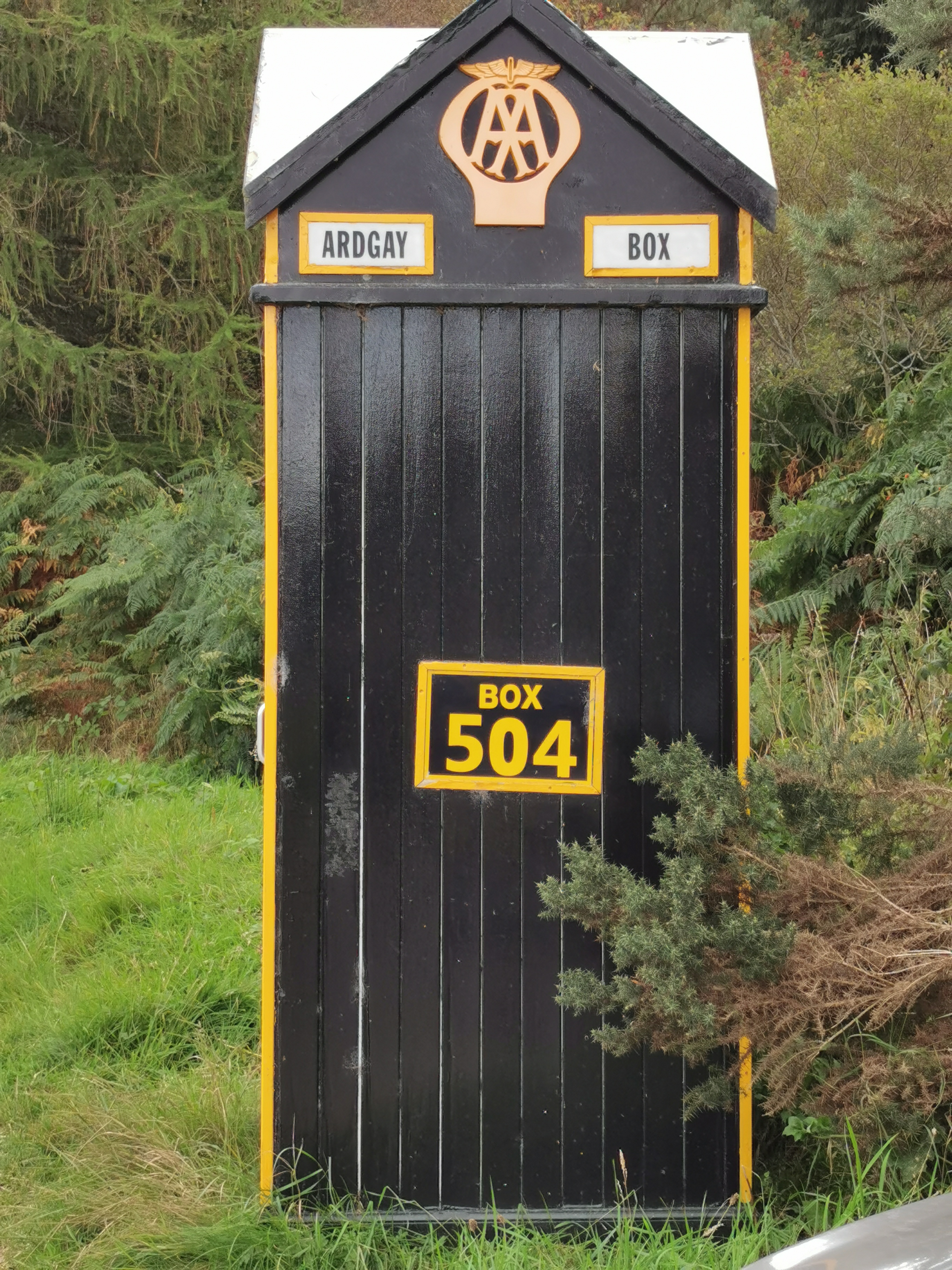
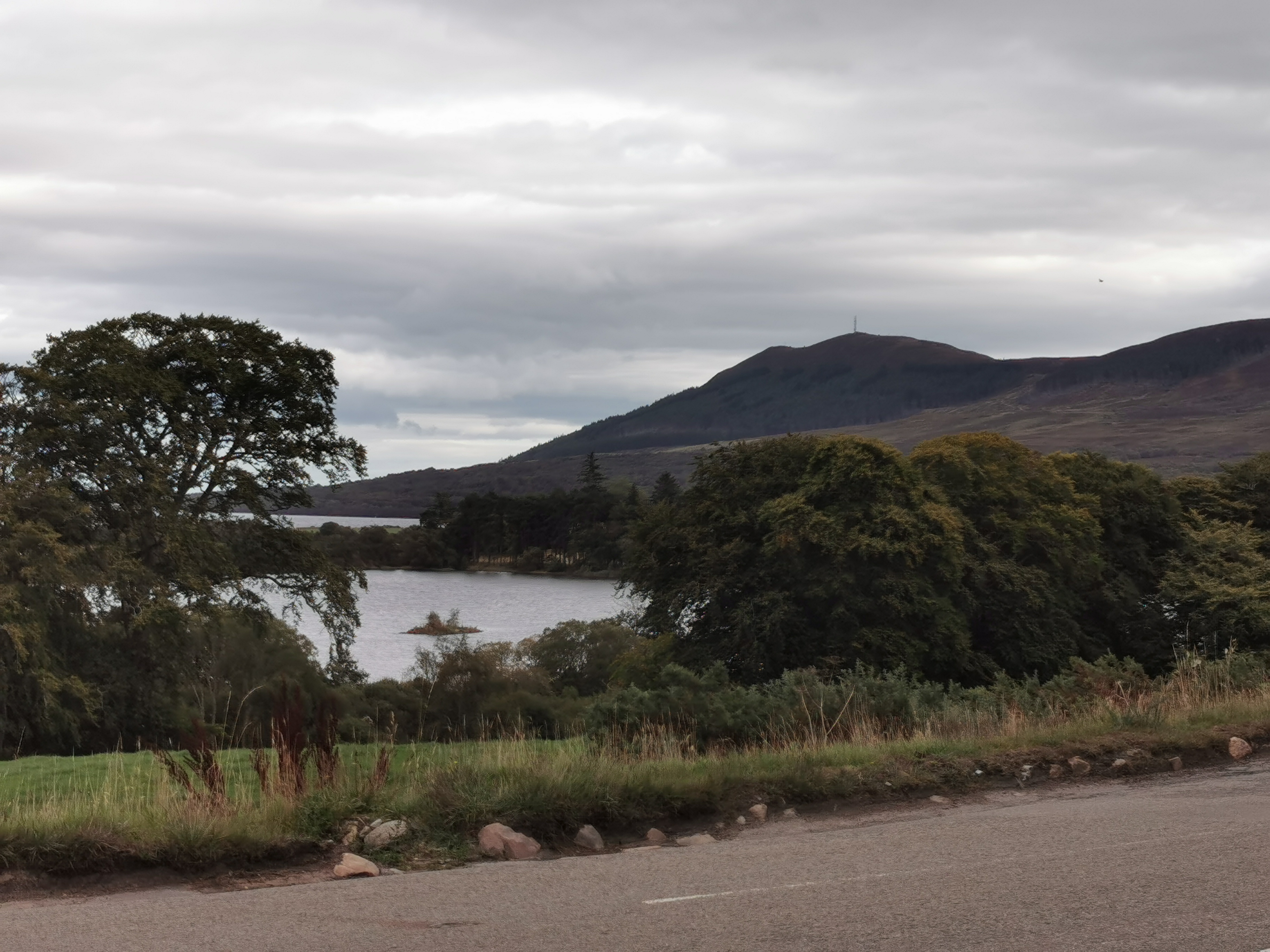
Below is Beadnell Sentry Box, near Seahouses in Northumberland – on the road opposite Beadnell. (For anyone who doesn’t know, this is close to Bamburgh Castle AKA Bebbanburg, for fans of the Saxon period). And Ardgay Sentry Box, North Scotland, which I visited on my way to my holiday in Orkney in 2021. I had to include the view from the Ardgay sentry box, which is absolutely stunning. And it makes perfect sense as to why a sentry box would have been needed there – it is very remote.

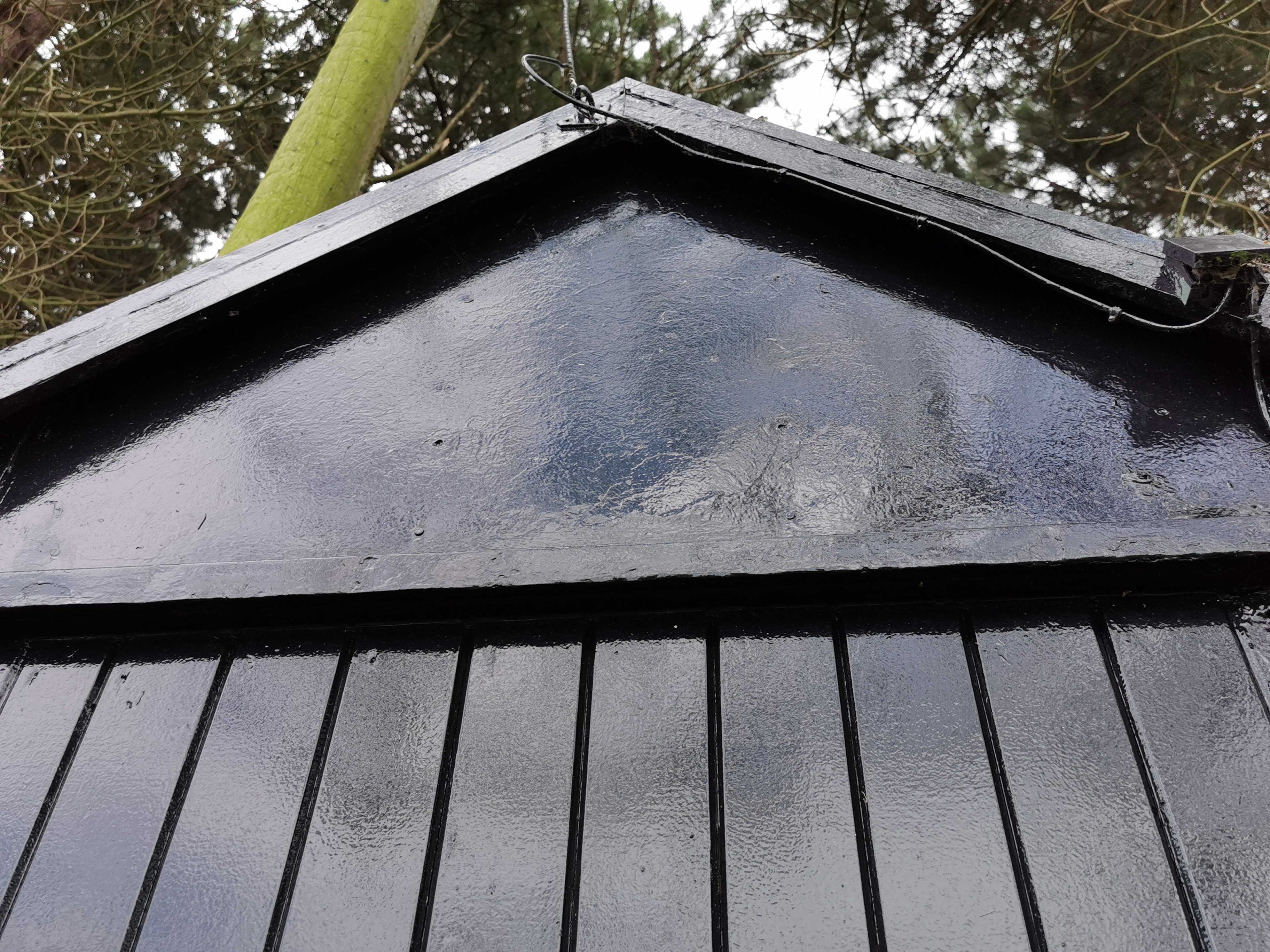
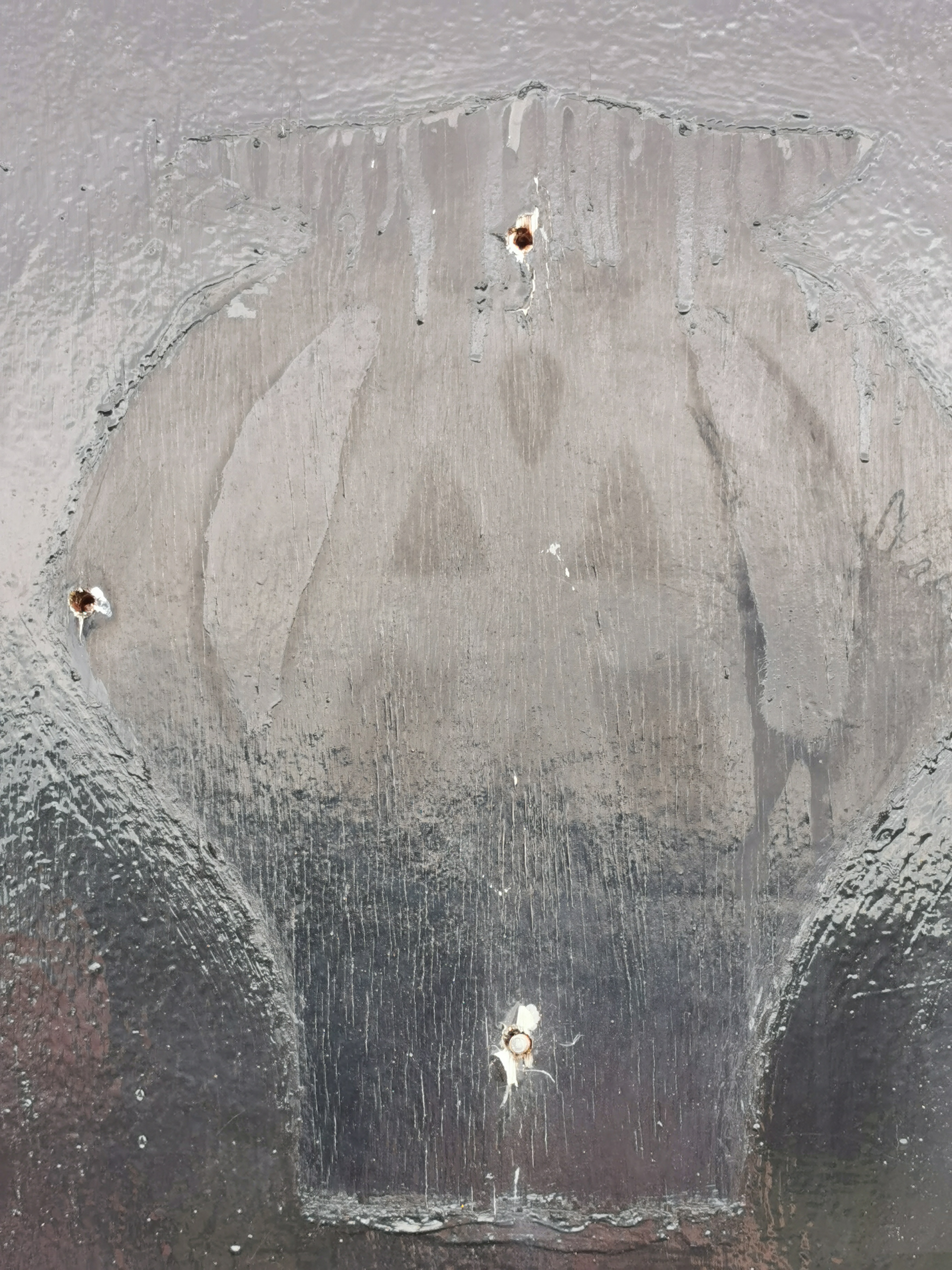
Very few of these sentry boxes remain in their locations – and the majority are in Northern England and Scotland, and are, hopefully, now listed buildings. But, there would have been a time when these sentry boxes would have been a regular sight throughout the United Kingdom. A list of all the sentry boxes known up to 1962 reveals that there were 862 boxes (although not all of them may have been constructed) and just to add to the joy of them, these numbers make very little sense. Boxes located close together are not numbered concurrently.
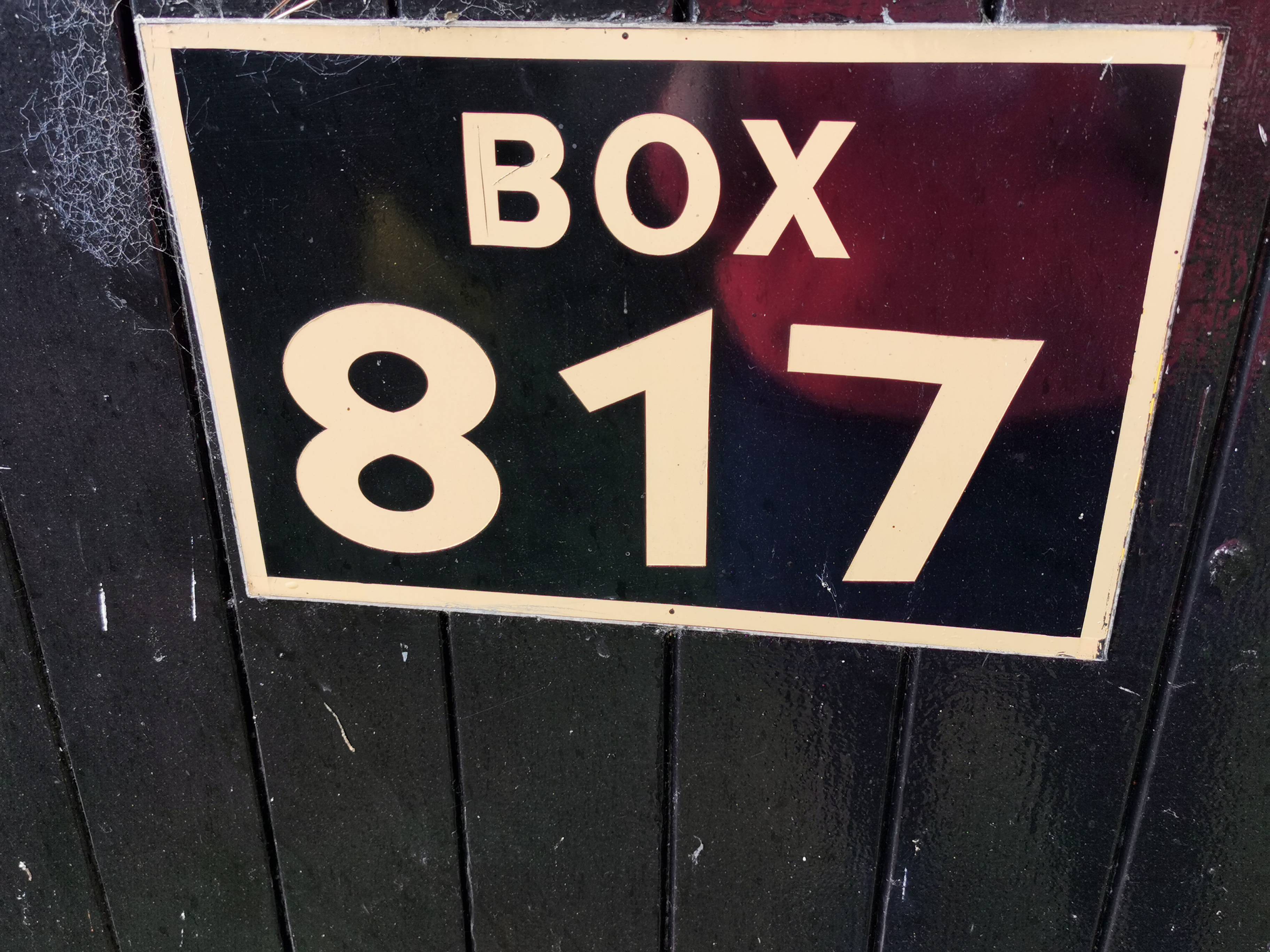
Inside one of these sentry boxes would have been a telephone, and if you were lucky, a petrol canister so that you could make it to the next petrol station, if you did happen to run out of petrol. Patrolmen (yes, sadly, they were all men at the time) would have followed a specific route, to begin with on peddle bikes, but eventually using motorbikes with sidecars stuffed full of tools to help the stranded motorist. And the phone, in the 1940s, would have been answered by someone in the head office based in London.

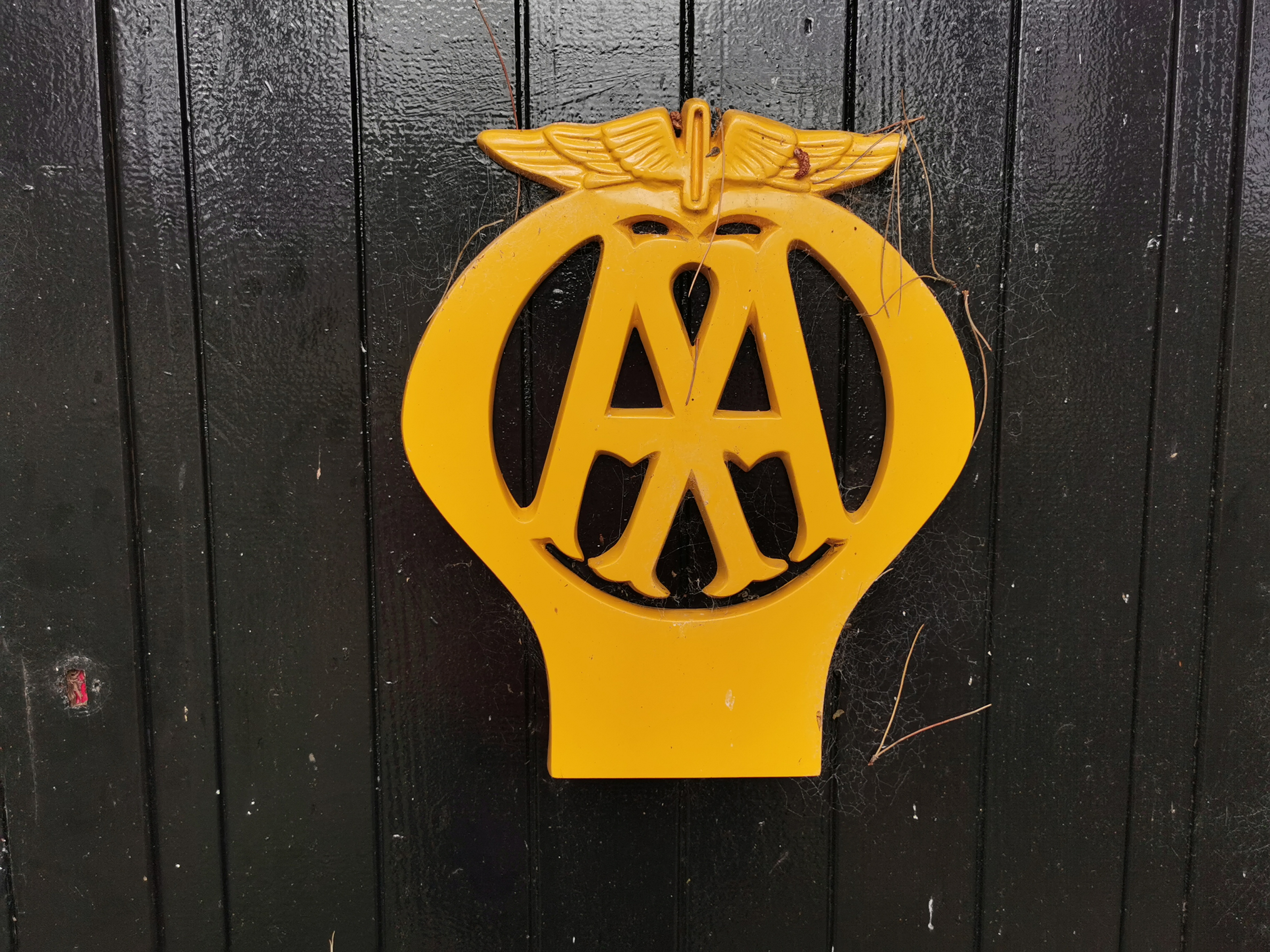
AA members paid a subscription fee, and were then given a key which allowed access into the sentry boxes. Can you imagine how cross you’d have been to need to use the telephone only to discover you’d left your key at home. Cars also had a very dapper badge, often attached to the front grill, which proclaimed they were members. AA patrolmen were to salute to all cars showing a badge.


But enough about the sentry boxes, and the AA organisation in the 1940s. here’s the blurb for the book.

Erdington, September 1944


As events in Europe begin to turn in favour of the Allies, Chief Inspector Mason of Erdington Police Station is once more prevailed upon to solve a seemingly impossible case.

Called to the local mortuary where a man’s body lies, shockingly bent double and lacking any form of identification, Mason and O’Rourke find themselves at Castle Bromwich aerodrome seeking answers that seem out of reach to them. The men and women of the royal air force stationed there are their prime suspects. Or are they? Was the man a spy, killed on the orders of some higher authority, or is the place his body was found irrelevant? And why do none of the men and women at the aerodrome recognise the dead man?

Mason, fearing a repeat of the cold case that dogged his career for two decades and that he’s only just solved, is determined to do all he can to uncover the identity of the dead man, and to find out why he was killed and abandoned in such a bizarre way, even as Smythe demands he spends his time solving the counterfeiting case that is leaving local shopkeepers out of pocket.

Join Mason and O’Rourke as they once more attempt to solve the impossible in 1940s Erdington.


The Automobile Assassination can be read in ebook, paperback, hardback and audio version (narrated by the wonderful Matt Coles). I do hope you will check out the blog posts below.

Ruins and Reading (review)

Kitty Kat’s Book Review Blog (review)

David’s Book Blurg (review)

Chicks, Rogues and Scandals (Guest Post)

Rambling Mads (review)

Kathryn Booksville (review)

Gingerbookgeek (review)

Two Ladies and A Book (review)

Miriam Smith (review)

Chez Maximka (review)

Brown Flopsy’s Book Burrow (review)

Jen Loves Reading (review)

Colin Garrow (review)

On the Shelf Reviews (Q & A)

Lynda’s Book Reviews (review)

ChristianBookAHolic (review)

Jane Hunter Writes (review)

Chicks, Rogues and Scandals (Guest post with a fabulous Youtube of an AA training film)

Just4mybooks (review)

Check out The Erdington Mysteries series page on the blog.


Posts

It’s release day for The Automobile Assassination

Today is the release day for The Automobile Assassination, the sequel to The Custard Corpses, and just like The Custard Corpses, my inspiration for writing book 2 in my Erdington Mysteries was a little strange.

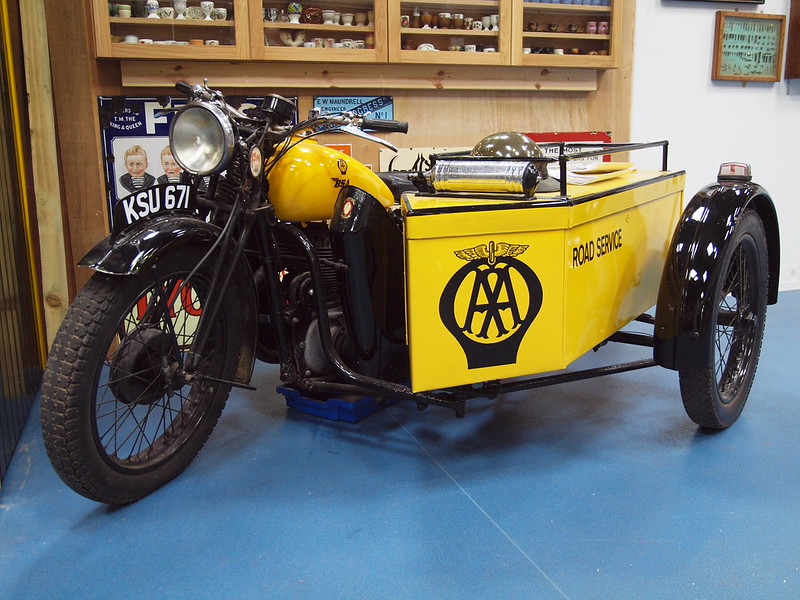
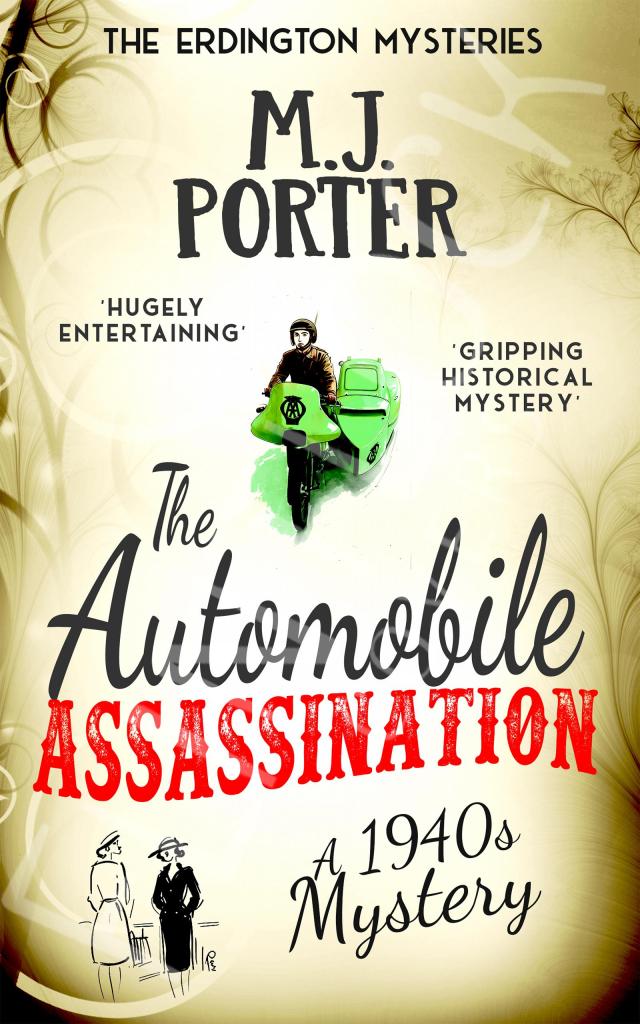
Where to start? Well, I think with a few images of one of the main inspirations behind the book – just check the cover.

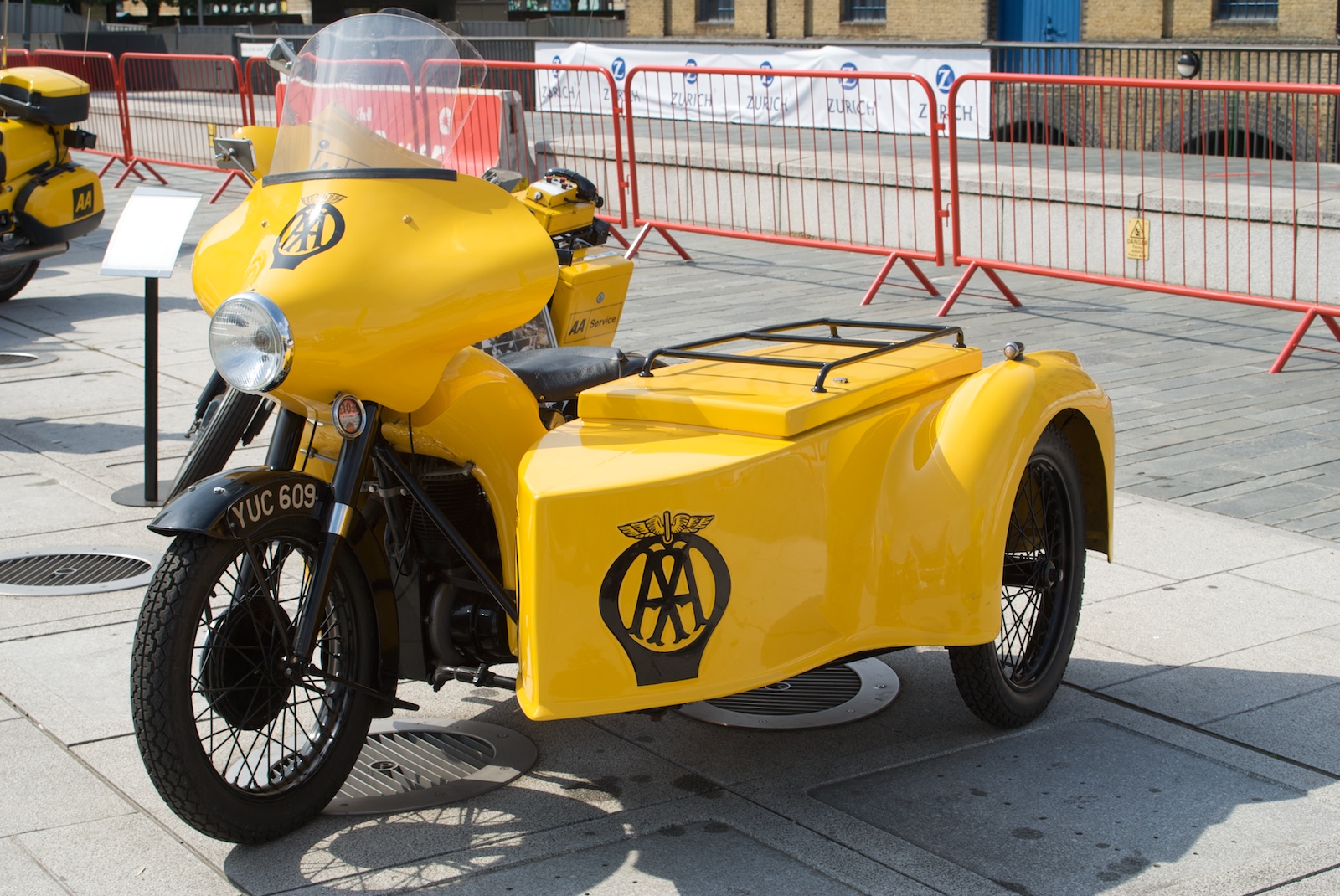
And then a few more, which also feature on the cover.

And also, with a little video, found over on YouTube, which is wonderful to watch, and so very ‘British’ and of it’s time.

I don’t think I ever knew about the AA sentry boxes before I was pointed in their direction having watched a TV show about the AA motorbikes and sidecars which were made in Small Heath, Birmingham. I was amazed to discover that I lived close to one of the few remaining sentry boxes, in the care of Historic England, which I then had to visit. These bastions of a by-gone age, and there are only 19 of them still in the ‘wild’ throughout the UK, mostly in the north of England, Scotland, and the south-west of England, speak of a time before mobile phones made them just about obsolete.

Having used the wonderful Bird’s Custard adverts as a basis for book 1, I decided that these AA sentry boxes, and their motorbikes and sidecars (known as RSOs, or Roadside Service Outfits) would have to feature strongly in the new book. To find out how I did that, you’ll have to read The Automobile Assassination because I don’t want to give anything away about the story.

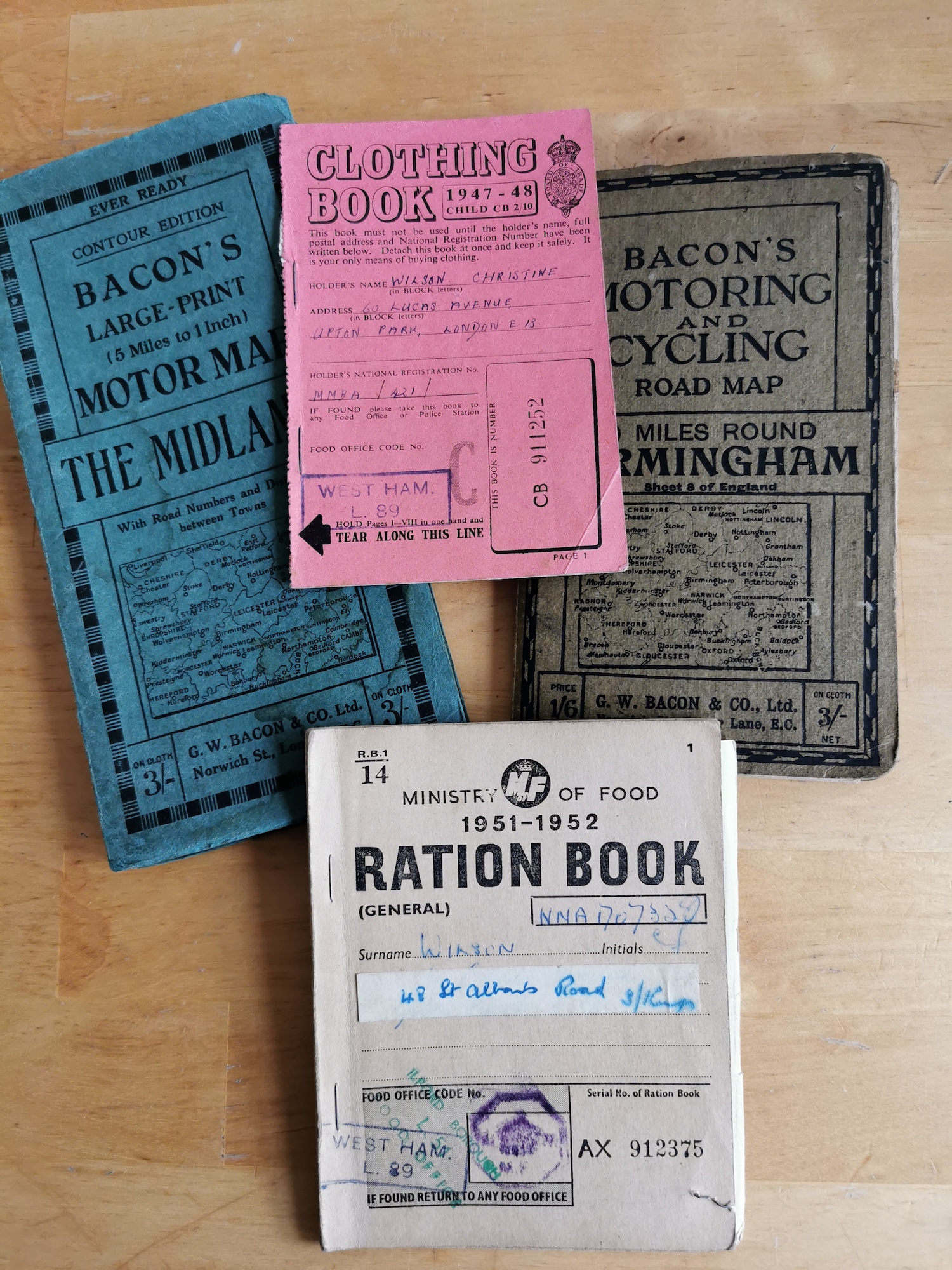
I also invested in some period maps in an attempt to not make any monumental mistakes as after World War 2, the road network expanded and a new system of road classification was developed. I have to say, the font was very small on the maps and made it quite hard to read them. I would also say that eBay is a wonderful resource for such items.

Period maps and ration books used in writing The Automobile Assassination

I really hope you enjoy The Automobile Assassination.

Check out The Erdington Mysteries Page on my blog for more information.


Posts