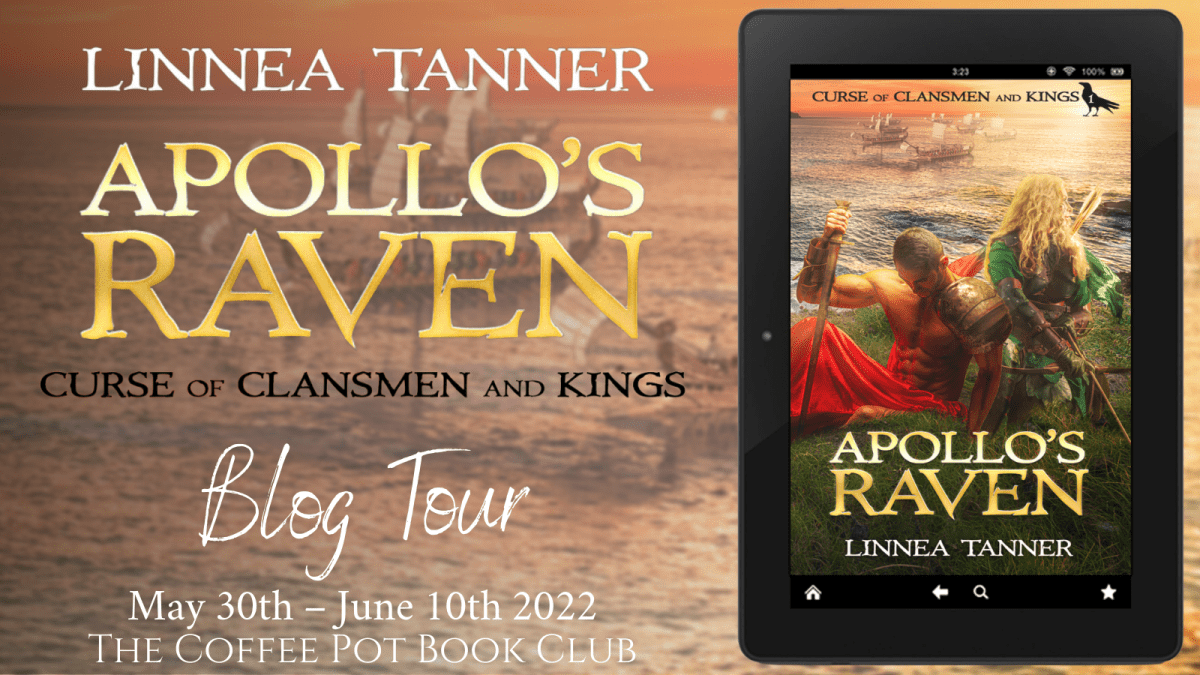
Today, I’m sharing an exciting post by Michael L. Ross about his new book, The Founding, Book 3 in Across the Divide #historicalfiction #biographicalfiction #BlogTour #TheCoffeePotBookClub

I’m delighted to welcome Michael L. Ross to the blog, with a post about his new book, The Founding.

The Founding follows the earthquake changes that the railroad made to American business and society during the latter half of the nineteenth century. Through the eyes of my fictional characters, Julia and Hiram Johannsen, the railroad itself almost becomes another major character. Julia is the sister of the main character, Will Crump. In order to do an effective job with telling the story of the railroad, I had to research and plot the timeline of the many different railroads that pushed south and west across America during the period 1868-1909. 

The figure of robber baron Jason “Jay” Gould looms over the story, as he went from a tannery business to partner in the Erie Railroad to the major force behind the Union Pacific Railroad. The UP swallowed many other lines in its march to the Pacific Ocean. 

Julia was a businesswoman at a time when it was uncommon, and shepherded the Johannsen steamship line through the Civil War, while Hiram fought for the Federal army in book 1 of the series, The Clouds of War. As The Founding opens, Julia and Hiram’s business is in danger from the encroaching railroads, financed from New York and Europe. They must adapt or perish. 

The Atchison, Topeka, Santa Fe promised a new rail line that could save them. For my research, I delved into the railroad’s history, largely through Keith L. Bryant Jr.’s non-fiction account, History of the Atchison, Topeka, and Santa Fe Railway, and local records in the Newton, Kansas historical society. The ATSF and the Kansas Pacific railroads sought to go through Kansas from east to west, and south through Indian Territory (Oklahoma) to Santa Fe, and California. At every turn, Jay Gould bought up lines and pounced on the business, making it very tough indeed to compete. The Life and Legend of Jay Gould by Maury Klein follows Gould’s life in great detail, chronicling the schemes and deals that made Gould famous and feared. 

The railroad story is a complex one, and many managers came and went. The road to success was complicated by the financial panic of 1873, where many railroads went bankrupt in the aftermath of the Franco-Prussian war. European countries had invested heavily in American railroads via bonds, and the end of the war with German victory brought the collapse of the Jay Cook Company, whose bonds financed railroad expansion. 

Two historical tidbits turned up in research that was of great interest and impacted the book. First, the famous joining of the railroads at Promontory Point, Utah to form the transcontinental railroad wasn’t truly transcontinental at first. It was thought that no one could build a bridge across the Missouri River, and at the time the Golden Spike was driven, the Union Pacific stopped at the river, and picked up on the other side. For a period of time, the locomotives had to be ferried across. Then the Kansas Pacific helped to build the Hannibal Bridge, a unique design that swung a bridge section sideways to allow steamboat river traffic, then back into a contiguous bridge across the river. Without electricity, and using only gravity, gears, and river power, it was a major engineering feat, truly uniting the east and western portions of the United States by rail. 

Second, in Chicago, a man named George Hammond filed a patent for a refrigerated railroad car, in 1868. Within two years, Hammond was selling refrigerated meat to the tune of two million dollars annually. Railroad lines that had invested heavily in stockyards in Chicago and elsewhere were reluctant to adopt the new cars, but progress marched forward as demand for beef in the east increased. In The Founding, Hiram and Julia make use of both of these inventions to outsmart Gould, and in real life, Gould was slow to pick up on them. The refrigerated cars spawned a large meat packing business in Fort Worth, Texas, and with the expansion of the railroad, completely eliminated the need for the cattle drives of western movies. Within a decade, Hammond’s new plant in Omaha, Nebraska, was slaughtering over 100,000 cattle a year and moving a fleet of 800 refrigerator cars. Gustavus Swift improved the design of refrigerated cars.1 During the 1850s, when he was still a teenager, Gustavus F. Swift started to work in the beef business in Massachusetts. In 1875, Swift began buying cattle in Chicago to send to his family’s butcher operations back East. He quickly revolutionized the meat industry by using newly developed refrigerated railcars to ship fresh meat from Chicago to Eastern markets. The company soon set up a national network of branch offices, which allowed it to control the distribution of its meat across the country. By 1886, when the company slaughtered more than 400,000 cattle a year, Swift employed about 1,600 people. Between 1887 and 1892, new packing plants were opened in Kansas City, Omaha, and St. Louis. By the time the founder died in 1903, his company grossed $200 million in annual sales and employed about 23,000 people across the country.2[1]

These inventions allowed our fictional characters to gain capital to beat Gould, temporarily, at his own game. 

As railroads advanced, many new towns were founded. Whether the railroad’s route included a particular town could mean the difference between death and survival for the town. Often towns paid handsome sums to the railroads to influence the route. Dallas paid a large cash bounty to gain three railroad lines running through it, cementing it as a center of Texas commerce. In 1860, Dallas only had 261 people. By 1900, it had 82,726.3

Often the town was required to pay for a depot, as well as show that there would be sufficient freight and passenger traffic to warrant choosing a route through the town. In Nicodemus, the citizens raised $16,000 for a depot, with great hopes. There was lots of politics and influence peddling. 

Lubbock, Texas, the other town in this book, was initially unsuccessful in wooing the railroad. However, with persistence, growth, and the fact that it was racially white, the town fathers, including Will Crump, were successful in the end. 

Image: Public Domain

[1] https://www.saddleandsirloinportraitfoundation.org/post/george-henry-hammond-inducted-in-1953-or-1954

2Encyclopedia of Chicago

Dallas population

Thank you so much for sharing such a fascinating post.

Here’s the blurb:

Two men, two dreams, two new towns on the plains, and a railroad that will determine whether the towns—one black, one white—live or die. 

Will Crump has survived the Civil War, Red Cloud’s War, and the loss of his love, but the search for peace and belonging still eludes him. From Colorado, famed Texas Ranger Charlie Goodnight lures Will to Texas, where he finds new love, but can a Civil War sharpshooter and a Quaker find a compromise to let their love survive? When Will has a chance to join in the founding of a new town, he risks everything—his savings, his family, and his life—but it will all be for nothing if the new railroad passes them by.

Luther has escaped slavery in Kentucky through Albinia, Will’s sister, only to find prejudice rearing its ugly head in Indiana. When the Black Codes are passed, he’s forced to leave and begin a new odyssey. Where can he and his family go to be truly free? Can they start a town owned by blacks, run by blacks, with no one to answer to? But their success will be dependent on the almighty railroad and overcoming bigotry to prove their town deserves the chance to thrive.

Will’s eldest sister, Julia, and her husband, Hiram, are watching the demise of their steamboat business and jump into railroads, but there’s a long black shadow in the form of Jay Gould, the robber baron who ruthlessly swallows any business he considers competition. Can Julia fight the rules against women in business, dodge Gould, and hold her marriage together?

The Founding tells the little-known story of the Exodusters and Nicodemus, the black town on the plains of Kansas, and the parallel story of Will’s founding of Lubbock, Texas, against the background of railroad expansion in America. A family reunited, new love discovered, the quest for freedom, the rise of two towns. In the end, can they reach Across the Great Divide? The Founding is the exciting conclusion to the series.

Praise for The Founding:

“Michael is an excellent storyteller and has done a wonderful job depicting Luther, and the other black characters in this book.  He has done his homework and depicts many historical facts about Nicodemus in a most enlightening and creative way.  It has been a pleasure working with someone who has made a concerted effort to get things right.  

~ Angela Bates

Nicodemus Descendant/Historian

Executive Director

The Nicodemus Historical Society and Museum

Watch the book trailer:

https://www.youtube.com/watch?v=NbVY8_AIpJQ

Buy Links:

Universal Link

Amazon UK: Amazon USAmazon CAAmazon AU

Meet the author

Michael Ross is a lover of history and great stories.

He’s a retired software engineer turned author, with three children, and five grandchildren, living in Newton, Kansas with his wife of 39 years. Michael graduated from Rice University and Portland State University with degrees in German and software engineering. He was part of an MBA program at Boston University. 

Michael was born in Lubbock, Texas, and still loves Texas. He’s written short stories and technical articles in the past, as well as articles for the Texas Historical Society. 

Across the Great Divide now has three novels in the series, “The Clouds of War”, and “The Search”, and the conclusion, “The Founding”.  “The Clouds of War” was an honorable mention for Coffee Pot Book of the Year in 2019, and an Amazon #1 best seller in three categories, along with making the Amazon top 100 paid, reviewed in Publisher’s Weekly. “The Search” won Coffee Pot Cover of the Year in 2020, and Coffee Pot Silver Medal for Book of the Year in 2020, as well as short listed for the Chanticleer International Book Laramie Award. 

Connect with Michael:

WebsiteTwitterFacebook: 

LinkedInInstagram:  

Book Bub: Amazon Author PageGoodreads

Follow the Across the Great Divide blog tour with The Coffee Pot Book Club

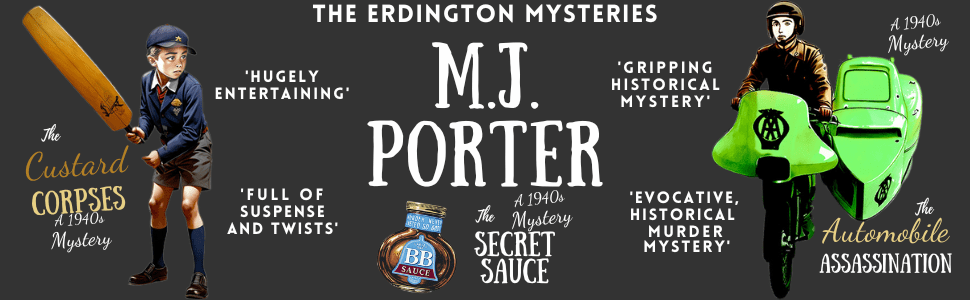
Happy Book Birthday to The Automobile Assassination (Book 2 in The Erdington Mysteries)

I don’t really need an excuse to share these wonderful photos, but a book birthday does seem like a good opportunity to do so. So below are some of the images that first inspired me to write about The Automobile Association sentry boxes in my story The Automobile Assassination.

Below is Beadnell Sentry Box, near Seahouses in Northumberland – on the road opposite Beadnell. (For anyone who doesn’t know, this is close to Bamburgh Castle AKA Bebbanburg, for fans of the Saxon period). And Ardgay Sentry Box, North Scotland, which I visited on my way to my holiday in Orkney in 2021. I had to include the view from the Ardgay sentry box, which is absolutely stunning. And it makes perfect sense as to why a sentry box would have been needed there – it is very remote.

Very few of these sentry boxes remain in their locations – and the majority are in Northern England and Scotland, and are, hopefully, now listed buildings. But, there would have been a time when these sentry boxes would have been a regular sight throughout the United Kingdom. A list of all the sentry boxes known up to 1962 reveals that there were 862 boxes (although not all of them may have been constructed) and just to add to the joy of them, these numbers make very little sense. Boxes located close together are not numbered concurrently.

Inside one of these sentry boxes would have been a telephone, and if you were lucky, a petrol canister so that you could make it to the next petrol station, if you did happen to run out of petrol. Patrolmen (yes, sadly, they were all men at the time) would have followed a specific route, to begin with on peddle bikes, but eventually using motorbikes with sidecars stuffed full of tools to help the stranded motorist. And the phone, in the 1940s, would have been answered by someone in the head office based in London.

AA members paid a subscription fee, and were then given a key which allowed access into the sentry boxes. Can you imagine how cross you’d have been to need to use the telephone only to discover you’d left your key at home. Cars also had a very dapper badge, often attached to the front grill, which proclaimed they were members. AA patrolmen were to salute to all cars showing a badge.


But enough about the sentry boxes, and the AA organisation in the 1940s. here’s the blurb for the book.

Erdington, September 1944


As events in Europe begin to turn in favour of the Allies, Chief Inspector Mason of Erdington Police Station is once more prevailed upon to solve a seemingly impossible case.

Called to the local mortuary where a man’s body lies, shockingly bent double and lacking any form of identification, Mason and O’Rourke find themselves at Castle Bromwich aerodrome seeking answers that seem out of reach to them. The men and women of the royal air force stationed there are their prime suspects. Or are they? Was the man a spy, killed on the orders of some higher authority, or is the place his body was found irrelevant? And why do none of the men and women at the aerodrome recognise the dead man?

Mason, fearing a repeat of the cold case that dogged his career for two decades and that he’s only just solved, is determined to do all he can to uncover the identity of the dead man, and to find out why he was killed and abandoned in such a bizarre way, even as Smythe demands he spends his time solving the counterfeiting case that is leaving local shopkeepers out of pocket.

Join Mason and O’Rourke as they once more attempt to solve the impossible in 1940s Erdington.


The Automobile Assassination can be read in ebook, paperback, hardback and audio version (narrated by the wonderful Matt Coles). I do hope you will check out the blog posts below.

Ruins and Reading (review)

Kitty Kat’s Book Review Blog (review)

David’s Book Blurg (review)

Chicks, Rogues and Scandals (Guest Post)

Rambling Mads (review)

Kathryn Booksville (review)

Gingerbookgeek (review)

Two Ladies and A Book (review)

Miriam Smith (review)

Chez Maximka (review)

Brown Flopsy’s Book Burrow (review)

Jen Loves Reading (review)

Colin Garrow (review)

On the Shelf Reviews (Q & A)

Lynda’s Book Reviews (review)

ChristianBookAHolic (review)

Jane Hunter Writes (review)

Chicks, Rogues and Scandals (Guest post with a fabulous Youtube of an AA training film)

Just4mybooks (review)

Check out The Erdington Mysteries series page on the blog.


Posts

Today I’m delighted to be taking part in the blog tour for a new historical mystery, Chaos at Carnegie Hall by Kelly Oliver #blogtour #BoldwoodBooks

Here’s the blurb:

Agatha Christie meets Downton Abbey in the Fiona Figg and Kitty Lane Mystery series opener.

Can Fiona catch a killer and find a decent cup of tea before her mustache wax melts?

1917. New York.

Notorious spy, Fredrick Fredricks, has invited Fiona to Carnegie Hall to hear a famous soprano. It’s an opportunity the War Office can’t turn down. Fiona and Clifford are soon on their way, but not before Fiona is saddled with chaperon duties for Captain Hall’s niece. Is Fiona a spy or a glorified babysitter?

From the minute Fiona meets the soprano aboard the RMS Adriatic it’s treble on the high C’s. Fiona sees something—or someone—thrown overboard, and then she overhears a chemist plotting in German with one of her own countrymen!

And the trouble doesn’t stop when they disembark. Soon Fiona is doing time with a group of suffragettes and investigating America’s most impressive inventor Thomas Edison.

When her number one suspect turns up dead at the opera and Fredrick Fredricks is caught red-handed, it looks like it’s finally curtains for the notorious spy.

But all the evidence points to his innocence. Will Fiona change her tune and clear her nemesis’ name? Or will she do her duty? And just what is she going to do with the pesky Kitty Lane? Not to mention swoon-worthy Archie Somersby . . .

If Fiona’s going to come out on top, she’s going to have to make the most difficult decision of her life: the choice between her head and her heart.

Purchase Link – https://amzn.to/3dMIUoT

My Review

Chaos at Carnegie Hall is a cosy historical mystery set in London, onboard a transatlantic ship during its crossing and also in New York in November 1917. We’re introduced to Fiona Figg, an enterprising young woman, a spy if you would, who is happy to don male costumes to get the answers she seeks.

I did find the beginning of the book a little confusing, but then I discovered why, for Fiona Figg isn’t a new literary creation, but this is her in a new series, complete with references to previous exploits. Once I realised this, I was flying. The backstory isn’t overly relevant, and it adds a wonderful layer of depth to the character. Fiona Figg is not new to this jig, and she knows what she’s about, despite all the men in her life trying to make it more difficult for her.

This story is bursting with historical details – the Suffragettes, events at Carnegie Hall, ‘real’ historical characters, and of course, yellow cabs – which our fine main character informs us makes it much easier to spot a cab in the snowy November conditions she’s enduring. I really enjoyed the way the story is woven around events that actually happened.

The mystery builds really well, and the attendant sidekicks of Clifford, Kitty and, of course, Poppy, the dog, really add to the ongoing mystery.

A thoroughly enjoyable historical mystery recommended for fans of the genre and with just a smidge more historical detail than some other cosy mysteries, which makes it all the more appealing to me.

Meet the Author

Kelly Oliver is the award-winning, bestselling author of three mysteries series: The Jessica James Mysteries, The Pet Detective Mysteries, and the historical cozies The Fiona Figg Mysteries, set in WW1. She is also the Distinguished Professor of Philosophy at Vanderbilt University and lives in Nashville, Tennessee. She is bringing new titles in the Fiona Figg series to Boldwood, the first of which, Chaos in Carnegie Hall, will be published in November 2022.

Connect with Kelly

Facebook: https://www.facebook.com/kellyoliverauthor  

Twitter: https://twitter.com/kellyoliverbook  

Bookbub profile: https://www.bookbub.com/authors/kelly-oliver

Follow the Chaos at Carnegie Hall blog tour with Rachel’s Random Resources

Today, I’m really excited to be sharing my review for Dastardly Deeds at St Bride’s by Debbie Young #blogtour #cozymystery

Here’s the blurb:

When Gemma Lamb takes a job at a quirky English girls’ boarding school, she believes she’s found the perfect escape route from her controlling boyfriend – until she discovers the rest of the staff are hiding sinister secrets:

  • Hairnet, the eccentric headmistress who doesn’t hold with academic qualifications
  • Oriana Bliss, Head of Maths and master of disguise
  • Joscelyn Spryke, the suspiciously rugged Head of PE
  • Geography teacher Mavis Brook, surreptitiously selling off the library books
  • creepy night watchman Max Security, with his network of hidden tunnels

Even McPhee, the school cat, is leading a double life.

Tucked away in the school’s beautiful private estate in the Cotswolds, can Gemma stay safe and build a new independent future, or will past secrets catch up with her and the rest of the staff?

With a little help from her new friends, including some wise pupils, she’s going to give it her best shot…

Purchase Link – https://amzn.to/3A3l13R

My Review

This one is short and sweet but shouldn’t detract from the fact that I thoroughly enjoyed this cosy mystery with a difference.

Dastardly Deeds at St Bride’s is definitely the book for all those who spent a childhood ensconced with a good boarding school book (The Chalet School, Malory Towers, St Claires etc). Sadly, there is no lacrosse, as the main characters here are all the teachers, but it is a charming story of our main character’s desire to start her life over again following an abusive relationship. There are a few mysteries to solve for her and a lovely cast of supporting characters, who all have their quirky sides, as does the boarding school itself.

I’ve been lucky enough to read book 2 and 3 already, and I will be sharing my reviews over the next few days, but I highly recommend checking out this new series if you love cosy mysteries (and tales of boarding schools).

Meet the Author

Debbie Young is the much-loved author of the Sophie Sayers and St Brides cosy crime mysteries. She lives in a Cotswold village where she runs the local literary festival, and has worked at Westonbirt School, both of which provide inspiration for her writing. She is bringing both her series to Boldwood in a 13-book contract. They will be publishing several new titles in each series and republishing the backlist, starting in September 2022.

Connect with Debbie

Facebook https://www.facebook.com/AuthorDebbieYoung

Twitter https://twitter.com/DebbieYoungBN

Instagram https://www.instagram.com/debbieyoungauthor/  
Newsletter Sign Up: https://bit.ly/DebbieYoungNews

Bookbub profile: https://www.bookbub.com/authors/debbie-young

Follow the St Bride’s blog tour with Rachel’s Random Resources

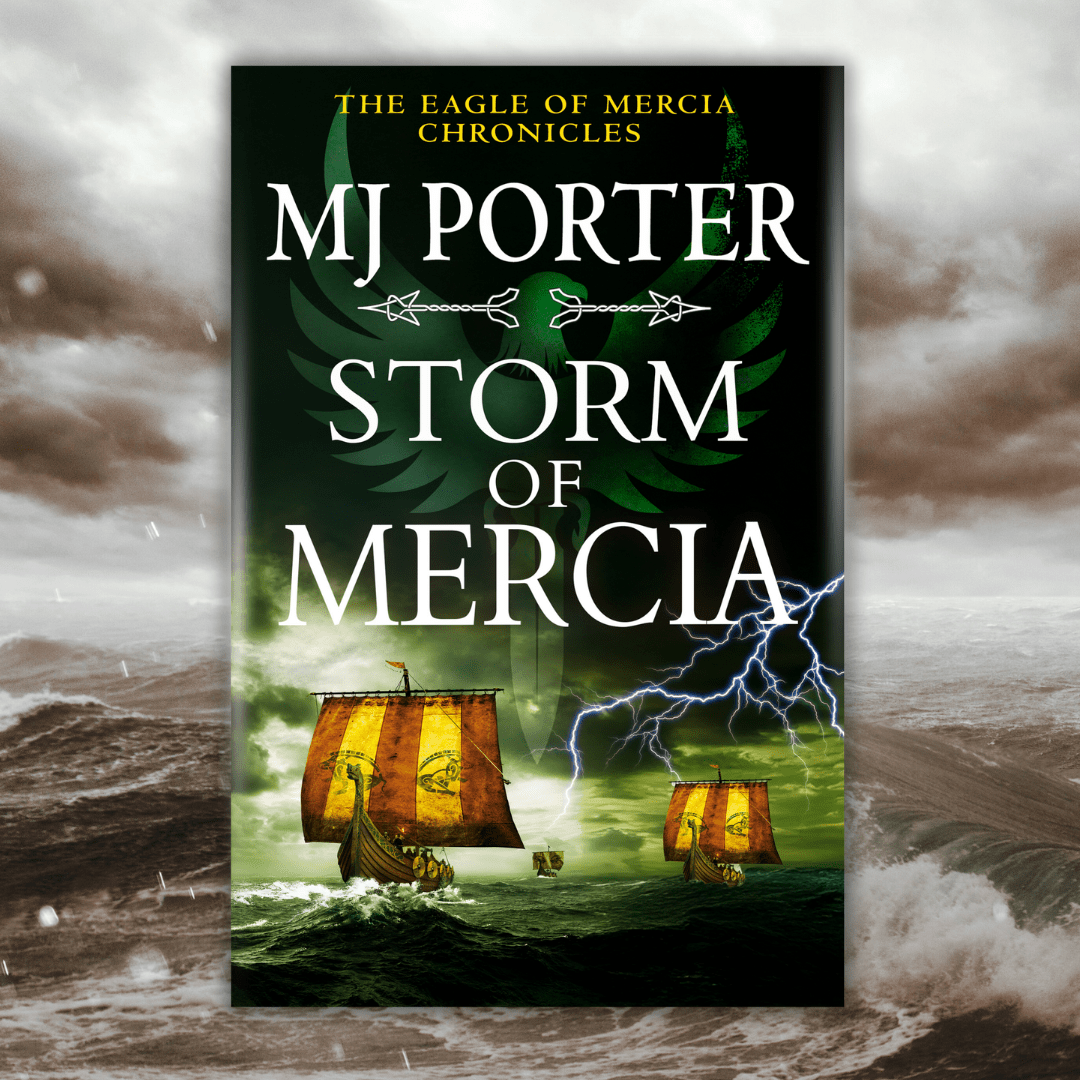
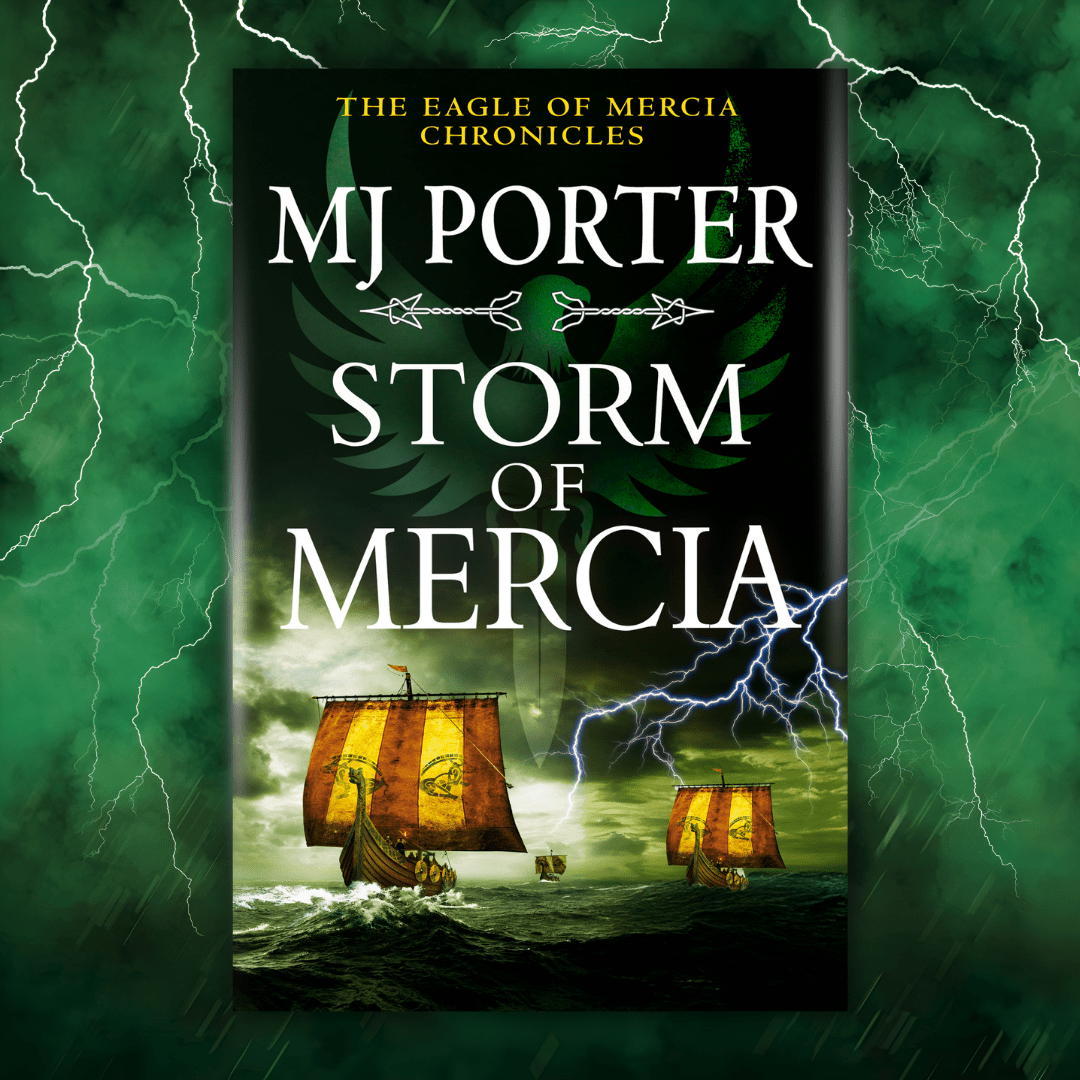
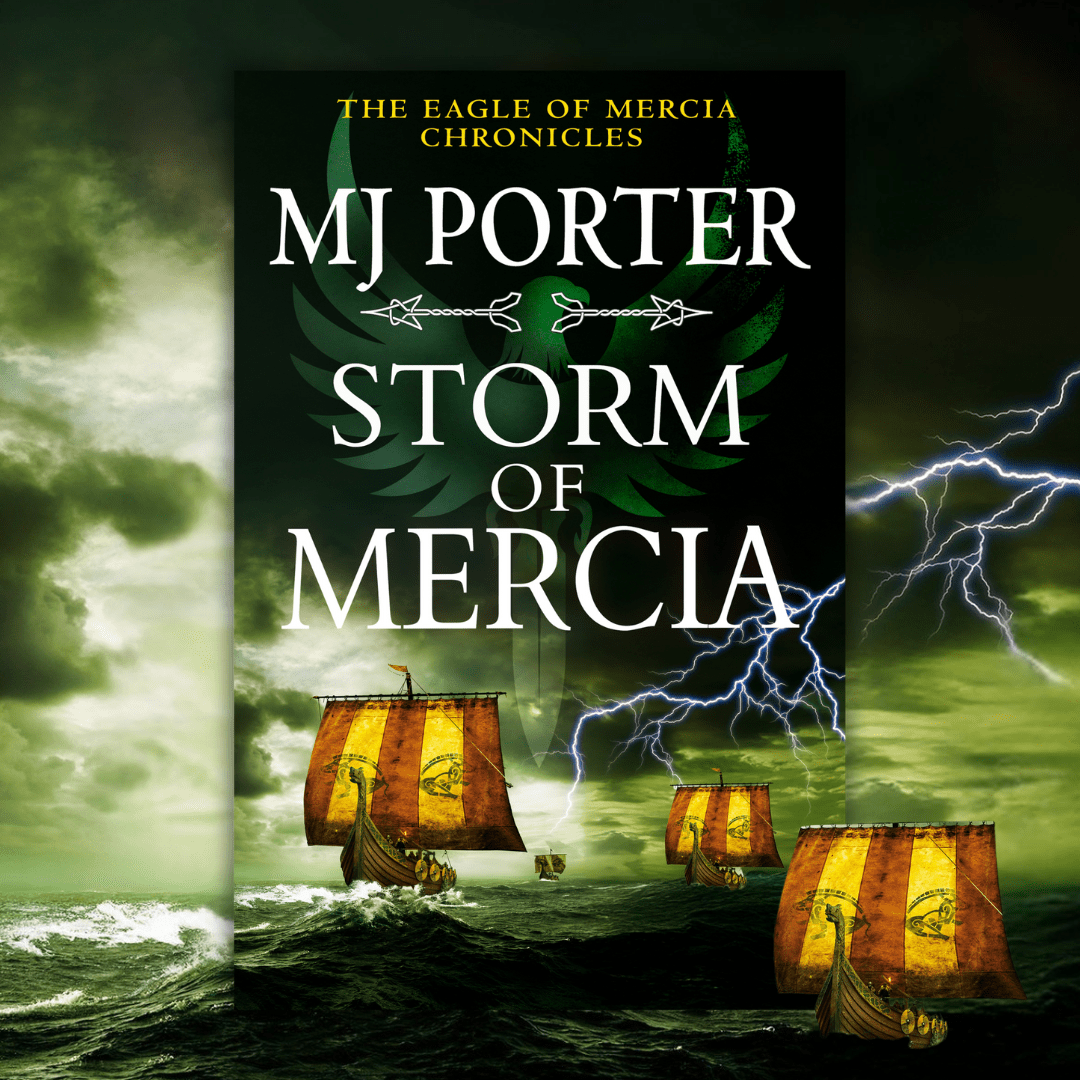
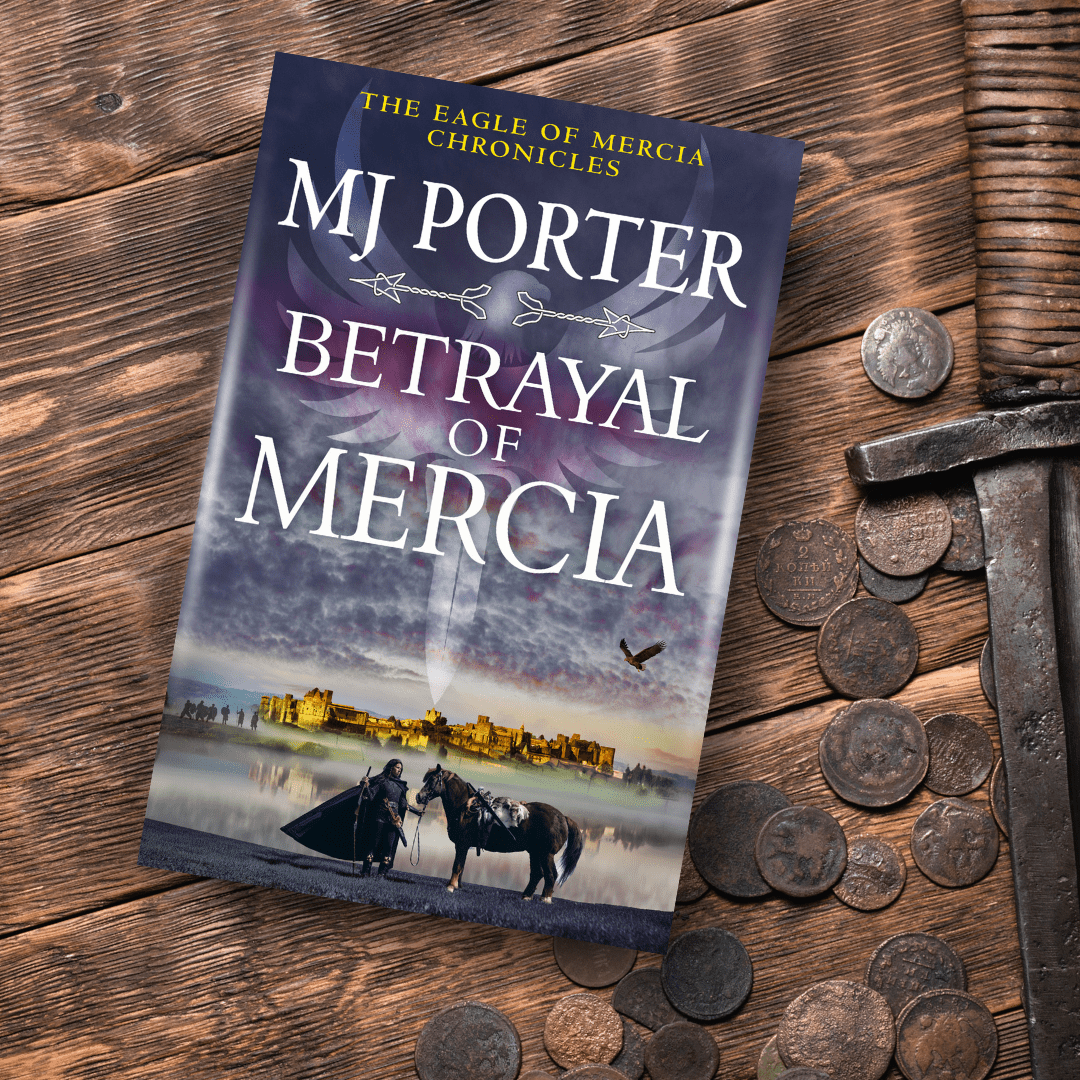
Happy Release Day to Warrior of Mercia, book 3 in the Eagle of Mercia Chronicles

Today sees the release of book 3 in my series about young Icel, a much-loved character from my The Ninth Century series featuring King Coelwulf, the last king of Mercia. And so, now that Icel as a young man, and Icel as a crotchety older man are both firmly in reader’s minds, I thought I’d share more about the idea for the Eagle of Mercia Chronicles series.

My characters in the Ninth Century series feel like they very much arrived in my head fully formed. Coelwulf was obviously the first, but others quickly followed, and Icel, with his derisive comments about any of their accomplishments, was an early fan favourite, and one of my favourites as well. Surly, and outspoken, while offering little of his life before the period that my characters knew him, he really did speak to me when I was deciding on a new series to write for Boldwood Books. All those little comments he makes. I think the below is our first introduction to his character;

“In the reign of King Wiglaf I first became a man,” he’s fond of saying, although he never explains what act made him a man. Again, I’ve stopped questioning him. Edmund likes to when he’s either drunk too much, or is trying to distract himself from whatever attack we’re about to begin. And of course Rudolf hangs on Icel’s every word. They’re an excellent match for each other, the boy who never runs out of questions, and the man who never answers them.’ (The Last King)

All these hints at what he might really have been like when he was perhaps no older than Rudolf, another firm fan favourite, made me want to tell his story. It did help that Mercia, at the time he would have been a boy was in political turmoil. It also helped that the Viking Raiders were making an appearance in Saxon England as well throughout the 830s. But Icel is a fictional character, and while fictionalising my Saxon characters, the men and women I normally write about did actually exist, even if we only have their names. But Mercia, in the 820s and 830s suffered a series of successive kingships, many of which failed, and so while Icel is fictitious, he does allow me to give a more rounded view of the entirety of events. He will live through these tumultuous times, and that’s important when I wanted to write about these events as well as all the kings.

It also helped that, in my contrary nature as a writer of historical fiction, that I always want to offer something a little different to the oft-taken paths when authors write about Saxon England – the Vikings, the reign of Alfred, Ethelred the Unready and the Norman Conquest, as well as the Golden Age of Northumbria, are often chosen but there is just so much more in these six hundred years to write about. So, no one else was writing about Mercia as it begins to falter in the 820s and 830s, and so I thought, why not:)

I really, really hope you’ll enjoy book 3, Warrior of Mercia, which follows Icel to the kingdom of the East Angles. I can also assure you that Book 4 is well underway as well.

Icel is a lone wolf no more…

Oath sworn to Wiglaf, King of Mercia and acknowledged as a member of Ealdorman Ælfstan’s warrior band, Icel
continues to forge his own destiny on the path to becoming the Warrior of Mercia.

With King Ecgberht of Wessex defeated and Londonium back under Mercian control, the Wessex invasion of Mercia is over. 

But the Wessex king was never Mercia’s only enemy. An unknown danger lurks in the form of merciless Viking raiders, who set their sights on infiltrating the waterways of the traitorous breakaway kingdom of the East Angles, within touching distance of Mercia’s eastern borders.

Icel must journey to the kingdom of the East Angles and unite against a common enemy to ensure Mercia’s hard-won freedom prevails.

books2read.com/WarriorofMercia

Available now in ebook, paperback, large print paperback, hardback and audio.

Check out some blog posts I wrote for release day!

And you can follow the blog tour with Rachel’s Random Resources too. I’ll be updating with links to reviews, and I’d like to say a huge thank you to my blog tour hosts and usual reviewers for going out of their way to make release day so special.

David’s Book Blurb

Bookish Jottings

@whatjaneyreads

Leanne Bookstagram

InspiredbyPMDD

Amy McElroy Blog

The Pursuit of Bookiness

Stacy T Advance Book Reviewer

Splashes into Books

Johann Loves Book Talk

Sharon Beyond the Books

Ruins and Reading

The Strawberry Post

Reviewsfeed

A post about the family of Ealdorman Leofwine, Saxon England and the position of ealdormen/earls

Ealdorman Leofwine , was the ealdorman of the Hwicce (c.994-1023), one of the ancient tribal regions in Mercia, which was a part of England, at the time the story begins. It is possible he may have been related to Ælfwine, who is named, and dies at the Battle of Maldon (more below).

Ealdorman Leofwine and his descendants, who would hold positions of power until the Norman Conquest of 1066, are a unique family in this tumultuous period. No other family, apart from the ruling family of Wessex (and even then there was a minor hiccup caused by those pesky Danish kings) held a position of such power and influence and for such a long period of time, as far as is currently known. The position of ealdorman was not hereditary. It was a position in the gift of the king, and Saxon kings ruled with a varying number of ealdormen. To understand Leofwine’s significance, it’s important to understand this. Unlike an earl – a term we are all perhaps far more familiar with – but specifically a medieval earl in this regard – that position was both more often than not hereditary AND meant that the person involved ‘owned’ significant properties in the area they were earls over. This is not how the ealdormanic system worked in Saxon England, as it’s currently understood.

It is difficult to track many of the ealdormanic families of this period, and the previous century, but there are a few notable individuals, all who bucked the usual trend, which no doubt accounts for why we know who they are.

Perhaps most well-known is Ealdorman Athelstan Half-King, who was the ealdorman of East Anglia from about 934 to 955/6 when he fell from favour at court during the reign of King Eadwig and retired to Glastonbury Abbey. Before he did so, he ensured that his son, Æthelwald, was elevated to the position of ealdorman in his place. This was most unusual, but then, he came from a powerful family, fiercely loyal to the ruling House of Wessex, if not actually a member of them. Athelstan Half-King is believed to have been the son of Ealdorman Æthelfrith, a Mercian ealdorman when Lady Æthelflæd was the Lady of Mercia. Athelstan was one of four brothers. His older brother seems to have either briefly retained the ealdordom after their father’s death in Mercia, or been accorded it a few years later, but when he died, Athelstan Half-King didn’t become ealdorman of Mercia in his place. No, he remained in East Anglia while his two brothers, Eahric and Æthelwald, held ealdordoms in Wessex (Eahric) and Kent (Æthelwald). They didn’t become the ealdorman of Mercia either. The ealdordom passed to a different individual.

When Ealdorman Æthelwald of the East Angles died a few short years later (Athelstan Half-King’s son), his place was taken by Ealdorman Æthelwine, the youngest of Athelstan Half-King’s children. But, the family failed to hold on to the position, despite Ealdorman Æthelwine being married three times, and fathering three sons, one of whom died at the battle of Assandun in 1016. The next to hold the ealdordom of the East Angles after the death of Æthelwine was Leofsige, who was the ealdorman until he fell foul of the king in 1002. In the early 1000s Ulfcytel emerges and may have been married to one of the king’s daughters, but is never officially accorded the title of ealdorman.

Another famous ealdorman was Byrhtnoth of Essex, who died at the Battle of Maldon in 991. But Byrhtnoth was not the son of the previous ealdorman, and indeed, he married the daughter of a very wealthy man and in turn was raised to an ealdordom in Essex at exactly the same time that Ealdorman Athelstan Half-King was being forced to retire from his position in East Anglia. (Byrhtnoth’s wife’s sister had briefly been married to King Edmund (939-946, before his murder). While there are some arguments that Byrhtnoth was from a well regarded family, his appointment was not because of an hereditary claim. It’s known that he was father to a daughter, but not to a son. As such his family did not retain the ealdordom on his death. Indeed, it seems as though Essex and the East Anglian earlordoms were united for a time under Leofsige.

The argument has been put forth that the position of ealdorman may have come with properties that were the king’s to gift to the individual to enable them to carry out their duties in a particular area. The Saxons had a number of types of land tenure, bookland, was land of which the ‘owners’ held the ‘book’ or ‘the title deed.’ (There are some wonderful charters where landed people had to ask for the king to reissue a charter as theirs was lost, often in a fire. There is a wonderful example where King Edgar has to reissue a charter for his grandmother, as he’d lost it while it was in his care). Other land tenure was ‘loan land,’ that is land that could be loaned out, often for a set number of ‘lives.’ Ealdormen might then have held bookland that was hereditary, and not in the area they were ealdorman of, and loan land that was in the king’s to gift to them within the area that they were the appointed ealdorman.

Many will be familiar with the family of Earl Godwin and his sons (thanks to the influence of the Danes, the term ealdorman was replaced by earl, which was the anglicised version of jarl). Much work has been done on the land that the Godwin family held when the great Domesday survey was undertaken during the reign of William the Conqueror. It will quickly become apparent that while they had areas where they held a great deal of land, these were not necessarily the areas over which first Godwin and then his sons Tostig, Harold, Gyrth, Leofwine and Sweyn held the position of earl. Most notably, Tostig was earl of Northumbria from 1055-1065, and yet the family had almost no landed possessions there.

And this is where we return to Ealdorman Leofwine and his family. While everyone knows about Earl Godwin and his sons, they didn’t hold their position for as long as Ealdorman Leofwine and his family. Earl Godwine is first named as an earl in charter S951 dated to 1018. By that period, Leofwine of the Twice had already held a position of importance since 994. The families of both men would converge as the events of 1066 drew nearer, and indeed, Godwine’s son, Harold, was married to Ealdorman Leofwine’s great-granddaughter when he was briefly king of England.

When Ealdorman Leofwine died, his son, Leofric, didn’t become ealdorman in his place. Leofric was a sheriff during the period between his father’s death and his own appointment. And indeed, Leofric’s son, Ælfgar was elevated to an earldom before his father’s death, and so was not initially the earl of Mercia. However, on this occasion, and because of a political situation that was rife with intrigue, Ælfgar did become the earl of Mercia after his father’s death, and after Ælfgar’s death, his young son also took the earldom of Mercia. The family survived the events of 1066, but they didn’t retain their hold on the earldom. The House of Leofwine were a family to not only rival that of Earl Godwine’s, as far as it’s known, but they were also the ONLY family to retain a position as an ealdorman/earl for over seventy years. And yet, very few know about them, and indeed, in many non-fiction books, they’re not even mentioned. And that was the perfect opportunity for me to write about the fabulous family, largely inspired by a non-fiction book, The Earls of Mercia: Lordship and Power in Late Anglo-Saxon England by Stephen Baxter.

Check out The Earls of Mercia Series page for more details.

Posts

I’m reviewing Spruced up for Murder by Helen Golden #cozycrime #blogtour

Here’s the blurb

Death at Francis Court Now Confirmed as Murder!

Speculation is rife that the victim, estate manager Alex Sterling (44), was found by Lady Beatrice (35), the Countess of Rossex, niece of King James. Lady Beatrice, who has finally come out of hiding following her son’s departure to boarding school, has been managing the project to refurbish and redesign the Events Suite at Francis Court, alongside Perry Juke.

Heading up the murder investigation is Detective Chief Inspector Richard Fitzwilliam. Rumour has it that he and Lady Beatrice have a fractious history…

Awful man! How dare Fitzwilliam suggest Lady Beatrice’s sister is the number one suspect for Alex’s murder. It could be any one of the staff who were on-site that morning. Well, she’ll show Mr High and Mighty Fitzwilliam! With her attention to detail, her clever dog Daisy, Perry’s imagination, and his partner’s contacts at Fenshire CID, they’ll find the murderer before him. 

Unless the murderer finds her first…

Cover image for Spruced up for Murder by Helen Golden

Purchase Link

My Review

Spruced up for Murder is a really enjoyable cosy mystery with just the right amount of action and suspense, and I confess, it was one that kept me guessing until almost the end.

Lady Beatrice has been living in semi-seclusion since the death of her husband, some years earlier in mysterious circumstances, concentrating on raising her son. But, now that he’s away to boarding school, her mother and sister have plans afoot to get her out of her seclusion. Only while busily refurbishing one of the event rooms at her family home (open to the public and complete with a cafe – which is very important to this story, as is the local pub) a body is discovered.

The mystery that follows is well thought out, and the author does a really good job of making it quite complex, with a number of really well-fleshed-out characters along the way. There is a skeleton in the closet, which soon worms its way into this investigation, and there are more than enough shady characters for the reader to suspect. As well as a slightly too straight-laced cop who gets right under Lady Beatrice’s skin for reasons that will soon become clear.

I thoroughly enjoyed this book, so much so that I’ve already nabbed books 2 and 3 in the series and will be reviewing them over the next few months. This gets one of my, so I’ve been told, quite rare 5/5 stars over on Goodreads. I really loved the little news snippets the author weaves into the story from the local society rag. If you love a cosy mystery, then you will really enjoy this one:)

Check out my reviews for the other books in the series.

For Richer, For Deader. Not Mushroom for Death. An Early Death. A Dead Herring. I Spy with my Little Die.

Meet the author

Hello. I’m Helen Golden. I write British contemporary cozy whodunnits with a hint of humour. I live in small village in Lincolnshire in the UK with my husband, my step-daughter, her two cats, our two dogs, sometimes my step-son, and our tortoise.

I used to work in senior management, but after my recent job came to a natural end I had the opportunity to follow my dreams and start writing. It’s very early in my life as an author, but so far I’m loving it.

It’s crazy busy at our house, so when I’m writing I retreat to our caravan (an impulsive lockdown purchase) which is mostly parked on our drive. When I really need total peace and quiet, I take it to a lovely site about 15 minutes away and hide there until my family runs out of food or clean clothes

Connect with Helen

Website – https://helengoldenauthor.com/
Follow the Spruced up for Murder blog tour with Rachel’s Random Resources

I’m delighted to be taking part in the Murder in Tuscany by TA Williams blog tour #cosymystery

Here’s the blurb:

A remote retreat…

Nestled high in the Tuscan hills lies Villa Volpone, home to renowned crime writer Jonah Moore and his creative writing course. It’s also the last place retired DCI Dan Armstrong expected to spend his retirement! Dan’s no writer, but maybe this break will help him to think about the next chapter in his own life story?

A gruesome murder…

But only days into the course, Jonah Moore is found stabbed to death with his award-winning silver dagger! And Dan finds himself pulled out of retirement with a killer to catch.

Eleven possible suspects.

The other guests all seem shocked by Jonah’s death, but Dan knows that one of them must be lying. And as he and Italian Commissario Virgilio Pisano begin to investigate it quickly becomes clear that everyone at Villa Volpone has secrets to hide…

But can Dan discover who the murderer is before they strike again?

Purchase Link: https://amzn.to/3Pnw7q3

My Review

Murder in Tuscany is a sun-drenched tale of an erotic writer’s retreat marred by the murder of the alleged ‘bestselling’ author running the event.

Retired DCI Dan Armstrong, dreaming of writing that bestseller, has been set up by his ‘mates’ in the police force with the unusual retirement gift of a 2-week writing course in Tuscany. The only catch is that it’s for writing erotic fiction when Dan dreams of writing historical fiction about the Medici. What follows is a gentle and engaging tale of writers, would-be-writers, and course leaders, all mixed up with a touch of intrigue, and then, at about 30% through the book, the murder, which Dan ends up feeling honour-bound to help solve, and not just because his Italian counterpart in the police is missing his English speaking deputy. And it is quite a strange murder when the true facts slowly start to reveal themselves.

This is a tale that will amuse writers, but there’s also more than enough in here for fans of cosy mysteries. There’s a lot of eating and descriptions of Italian food as Dan begins to fall in love with the place so that by the end of the book, the soon-to-be-divorced ex-police inspector is making some big changes in his life.

Much of Murder in Tuscany is certainly setting up this character and place for future investigations, but the story still has a very much ‘closed-room’ feel of a country house murder mystery, with some surprisingly modern takes.

I thoroughly enjoyed Murder in Tuscany, and I look forward to reading more in the series.

Meet the author

T A Williams is the author of over twenty bestselling romances for HQ and Canelo and is now turning his hand to cosy crime, set in his beloved Italy, for Boldwood. The series will introduce us to retired DCI Armstrong and his labrador Oscar and the first book, entitled Murder in Tuscany, will be published in October 2022. Trevor lives in Devon with his Italian wife.

Connect with T A Williams

Facebook: https://www.facebook.com/TrevorWilliamsBooks

Twitter: https://twitter.com/TAWilliamsBooks

Follow the Murder in Tuscany tour with Rachel’s Random Resources

Today, I’m delighted to share my review for Victoria and Violet by Rachel Brimble #blogtour #historicalfiction #historicalromance

Here’s the blurb:

It should be a dream come true to serve the Queen of England…

When Violet Parker is told she will be Queen Victoria’s personal housemaid, she cannot believe her good fortune. She finally has the chance to escape her overbearing mother, a servant to the Duchess of Kent. 

Violet hopes to explore who she is and what the world has to offer without her mother’s schemes overshadowing her every thought and action.

Then she meets James Greene, assistant to the queen’s chief political adviser, Lord Melbourne. From entirely different backgrounds and social class, Violet and James should have neither need nor desire to speak to one another, yet through their service, their paths cross and their lives merge—as do their feelings.

Only Victoria’s court is not always the place for romance, but rather secrets, scandals, and conspiracies…

Purchase Links 

UK – https://www.amazon.co.uk/Victoria-Violet-Royal-Maids-Book-ebook/dp/B0B6T47ZX5

US – https://www.amazon.com/Victoria-Violet-Royal-Maids-Book-ebook/dp/B0B6T47ZX5

My Review

Victoria and Violet is a beautifully evoked story of Queen Victoria and her court, in the days before and during her marriage to Prince Albert. I won’t be alone in having read other books and watched film adaptations about the young Victoria, and Victoria and Violet really does capture the feel and mood of the royal court.

Violet is that most typical of women of the era, her life revolving around the will of another, only on this occasion, her mother, and her mother’s employer, Victoria’s mother, the Duchess of Kent. And we all know that’s not going to end well. Only, while she might be sent to spy on Queen Victoria, Victoria quickly strikes up a friendship with her maid and together, the two seem to be able to conquer just about anything the Duchess of Kent puts in their way.

James Greene too is not able to do what he wants, an expectant father, who was also a brutal father, expecting him home to run a prosperous estate, whereas James is keen to continue his work with Melbourne, the Prime Minister, and then Prince Albert himself.

This is a story filled with twists and turns. Will James and Violet fall in love? Will they be able to live their lives together? Or will his father, and her mother, force them apart?

This really is a delightful tale, well researched and very well grounded in the era and period. I’m really pleased I decided to read it:)

Meet the author

Rachel lives in a small town near Bath, England. She is the author of 29 published novels including the Ladies of Carson Street trilogy, the Shop Girl series (Aria Fiction) and the Templeton Cove Stories (Harlequin). Her latest novel, Victoria & Violet is the first book in her new Royal Maids series with the Wild Rose Press.

Rachel is a member of the Romantic Novelists Association as well as the Historical Novel Society and has thousands of social media followers all over the world. 

Connect with Rachel

Website: https://bit.ly/3wH7HQs

Twitter: https://bit.ly/3AQvK0A

Facebook: https://bit.ly/3i49GZ3

Instagram: https://bit.ly/3lTQZbF

Follow the Victoria and Violet tour with Rachel’s Random Resources

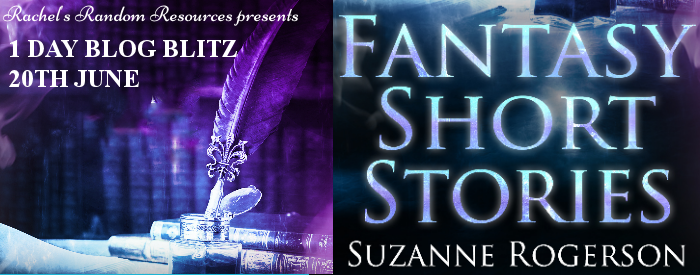
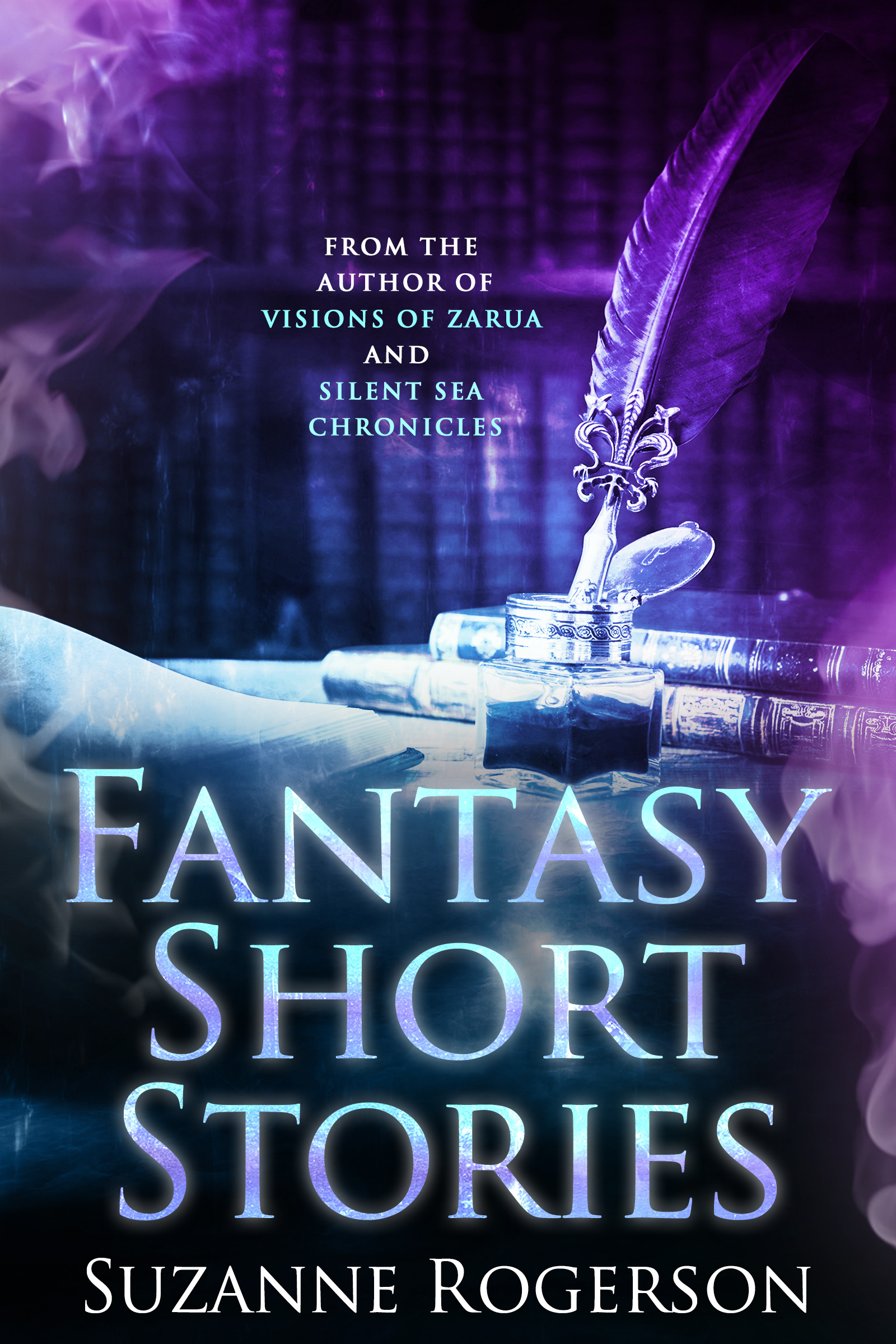
Today, I’m reviewing the short story collection, Love, Loss and Life in Between by Suzanne Rogerson #blogtour #blogblitz

Here’s the blurb:

This collection of short stories gives a glimpse into life, love, loss, and the inexplicable in between.

Including themes of grief, finding hope and second chances, facing the consequences of your actions and getting help from the unlikeliest of places.

·        As Cecilia helps the dying, she questions what happens to their spirits. But is she ready to find out?

·        Can a mother’s race through the New Forest save her son?

·        Will visiting a medium bring Christina the closure she needs?

·        Can an intruder help an old lady with her loneliness?

·        Will the start of another wet and miserable Monday morning end with Maeve’s happy ever after?

This anthology includes the prize-winning flash fiction story – ‘Spirit Song’.

Judge’s critique – ‘Unusual, emotional, warm, surprising — a warm, unusual story. It moved me when I read it.’

Full story list:

Spirit Song

Goodbye Forever

Garden Therapy

Starting Over

A Cat-Shaped Hole

The Phone Call

Knocked Off Her Feet

Catalyst

Not Just For Christmas

A Mermaid’s Tail

From the author of fantasy novels Visions of Zarua and ‘Silent Sea Chronicles trilogy’, this short story collection features multiple genres including romance, supernatural and thriller.

Purchase Link – https://mybook.to/LoveLoss

My Review

Love, Loss and Life In Between is a really lovely collection of short stories focusing on acceptance, moving on and recovery. I confess, I feared the stories might be upsetting, but they really weren’t. Garden Therapy, with its slight otherworldliness was delightful, and A Mermaid’s Tale was a beautiful account of a young girl coming to terms with the loss of her mother, whereas Catalyst was quite edgy. Not Just for Christmas is a tale many pet owners with feel resonates with them.

This really was a delightful collection of short stories. The author has a lovely turn of phrase and manages to evoke strong feelings in her characters which make them believable, so that in only a few words the reader is already rooting for them. Highly recommended, as was the author’s previous short story collection, of which you can find the review here.

Meet the author

Suzanne lives in Middlesex, England with her husband, two teenagers, a crazy cocker spaniel and an adopted cat that thinks she’s the boss.

Suzanne’s writing journey began at the age of twelve when she completed her first novel. She discovered the fantasy genre in her late teens and has never looked back. Giving up work to raise a family gave her the impetus to take her attempts at novel writing beyond the first draft, and she is lucky enough to have a husband who supports her dream – even if he does occasionally hint that she might think about getting a proper job one day.

Now an author of four novels including the Silent Sea Chronicles trilogy and her debut, Visions of Zarua, Suzanne hopes the dreaded ‘W’ word will never rear its ugly head again!

She loves gardening and has a Hebe (shrub) fetish. She enjoys cooking with ingredients from the garden and regularly feeds unsuspecting guests vegetable-based cakes.

She collects books, is interested in history and enjoys wandering around castles and old ruins whilst being immersed in the past. She likes to combine her love of nature and photography on family walks, but most of all she loves to escape with a great film, binge watch TV shows, or soak in a hot bubble bath with an ice cream and a book.

Connect with Suzanne 

Twitter  Goodreads BookBub 

Amazon  Facebook Instagram

Newsletter Website