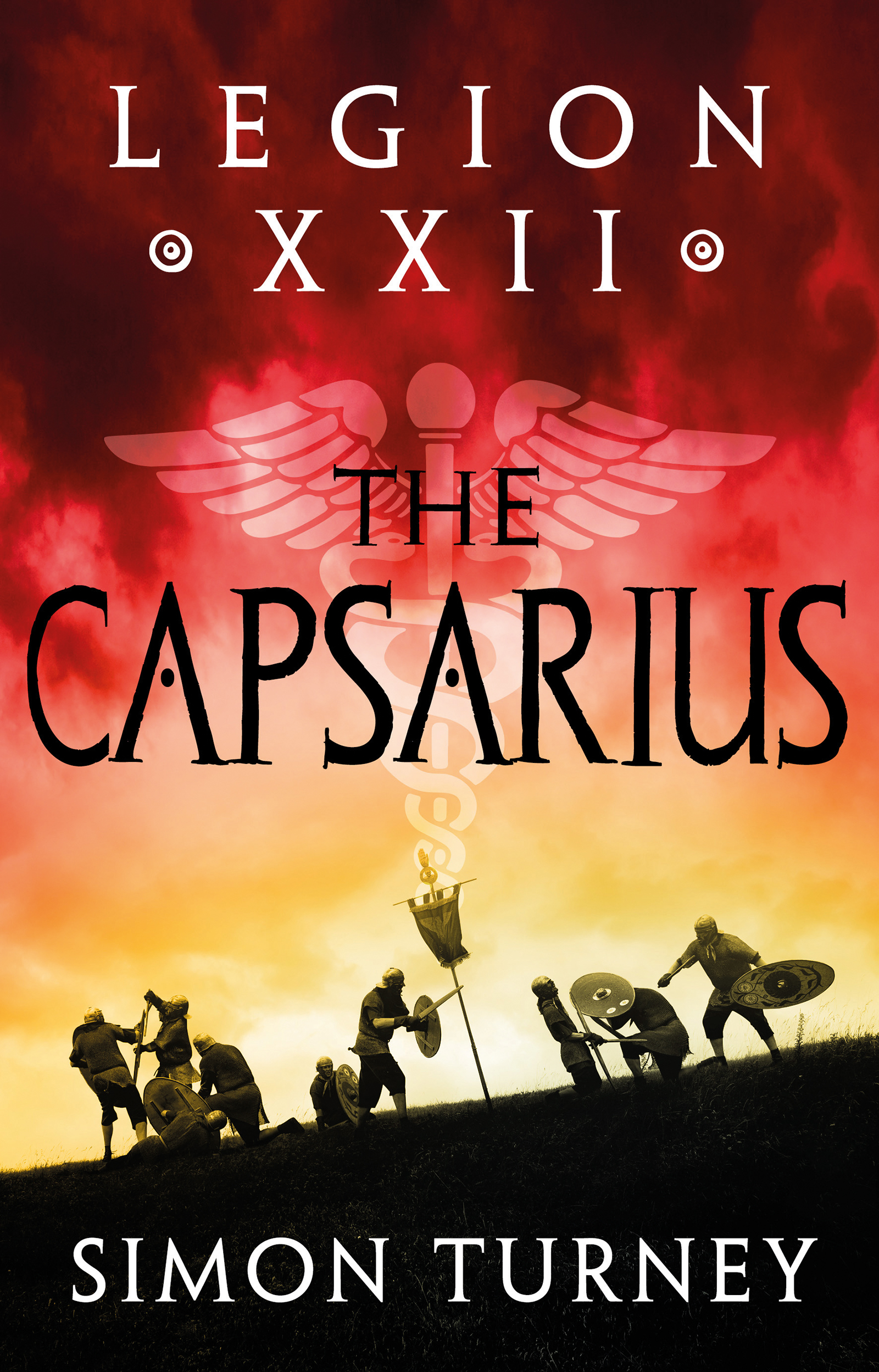
Warrior and combat medic, Titus Cervianus, must lead a legion and quell the uprisings in Egypt in a new Roman adventure from Simon Turney. Egypt. 25 BC.
Titus Cervianus and the Twenty Second Deiotariana have been sent to deal with uprisings and chaos in Egypt. Yet the Twenty Second is no ordinary legion. Founded as the private royal army of one of Rome’s most devoted allies, the king of Galatia, their ways are not the same as the other legions, a factor that sets them apart and causes friction with their fellow soldiers.
Cervianus is no ordinary soldier, either. A former surgeon from the city of Ancyra, he’s now a capsarius – a combat medic. Cervianus is a pragmatist, a scientist, and truly unpopular with his legion.
Marching into the unknown, Cervianus will find unexpected allies in a local cavalryman and a troublesome lunatic. Both will be of critical importance as the young medic marches into the searing sands of the south, finding forbidden temples, dark assassins, vicious crocodiles, and worst of all, the warrior queen of Kush…
I really enjoyed The Capsarius. I’ve read some of Simon Turney’s Roman fiction in the past, but this book, without its focus on Roman Rome, is a little different, and very enjoyable.
I didn’t read this book quickly – rather I enjoyed it slowly, taking delight in reading a small amount each day over an extended period. It’s a story rich with detail, as our main character, The Capsarius, travels through a land he is clearly excited to visit, being so very strange to his birth lands, and yet one he understands is filled with danger. The heat, the lack of water, and the need to stay close to the great river Nile, bring into play some very dangerous enemies, the crocodiles of the delta.
The Capsarius is not your usual Roman warrior. He’s a skilled and widely read individual, keen to hold on to the ideals he has as a medic in the Roman army, even though he’s pitted against just about everyone in the legion, and his superiors really don’t seem to like him a great deal – not that it worries him. He’s a man of reason, and yet one who’s thrust into a strange land, with even stranger gods, and gods who seem to speak to him. The interplay between the reasoned man forced to question his beliefs because of the pervading Egyptian religion is skillfully drawn.
This is a slow burn, which rewards the reader with two really quite different battle scenes in the second half of the book when our Roman hero finally encounters his elusive enemy, and I’m already looking forward to book 2.
A wonderful read – with just the right amount of humour and peril – set in a wonderfully drawn land of intrigue and danger.
Thank you to Netgalley and the publisher for my review copy, and for inviting me onto the new release blog tour.
Meet the author
Simon Turney is from Yorkshire and, having spent much of his childhood visiting historic sites, fell in love with the Roman heritage of the region. His fascination with the ancient world snowballed from there with great interest in Rome, Egypt, Greece and Byzantium. His works include the Marius’ Mules and Praetorian series, the Tales of the Empire and The Damned Emperor series, and the Rise of Emperors books with Gordon Doherty.
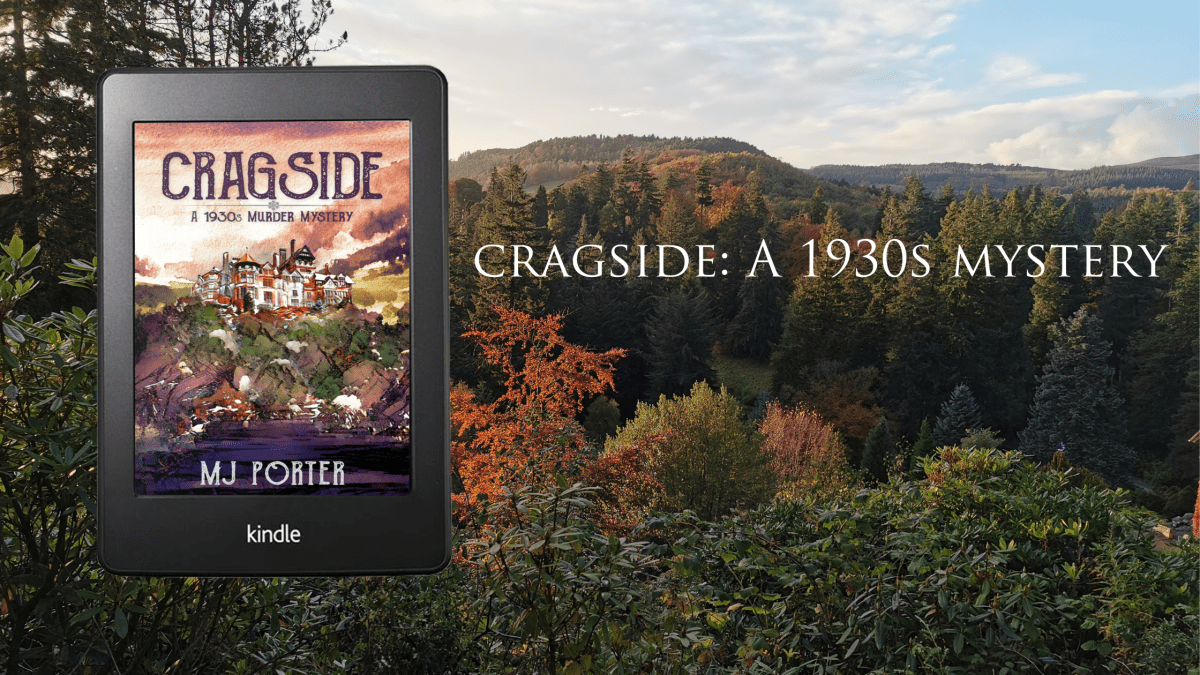
Today, I’m releasing the ebook, paperback and audiobook of Cragside into the wild. I loved writing this book, and I want to say that my narrator, Gill Mills, has done an amazing job of bringing the character of Lady Ella Merryweather to life. Thank you.
But, why Cragside?
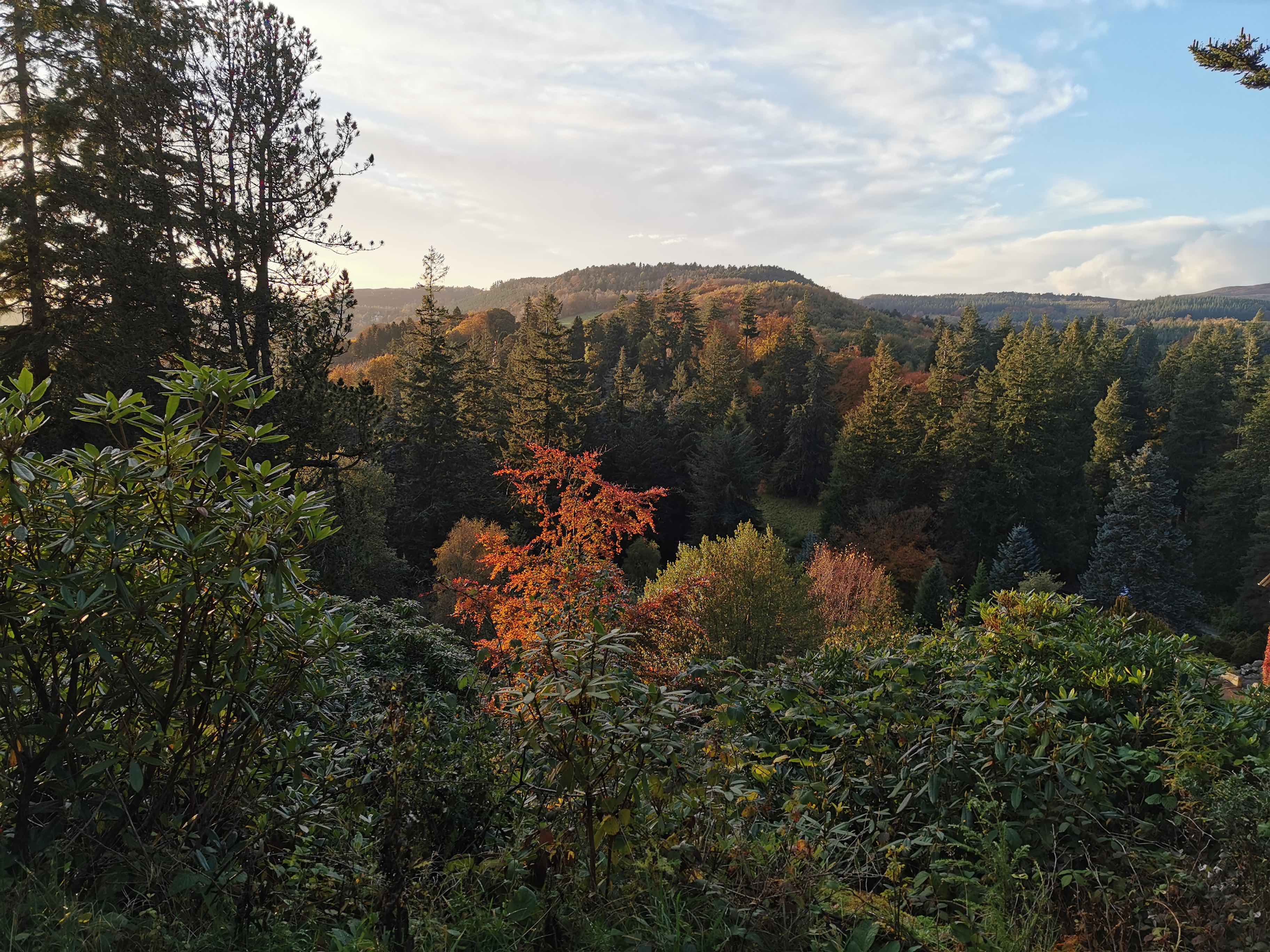
Cragside is a National Trust property in North Northumberland. During Lockdown, it was one of the places that was allowed to remain open (the grounds were) for locals. What started as a single visit because it was just amazing to go somewhere that wasn’t home, or the walk down the road, became a regular weekly haunt. Every week, just about without fail, and no matter the weather, we walked around the estate, exploring places I’d never seen before. And what an absolute joy it was. Cragside, the house, is majestic, but it’s the estate and all of its wonderful nature that really called to me. It’s not unusual to see a deer on the vast estate, or to watch birds, ducks and even some fish, in their natural environment. And some of the ducks like to have a proper little scrap, which really echoes.
Autumnal view of the estate looking out towards Rothbury
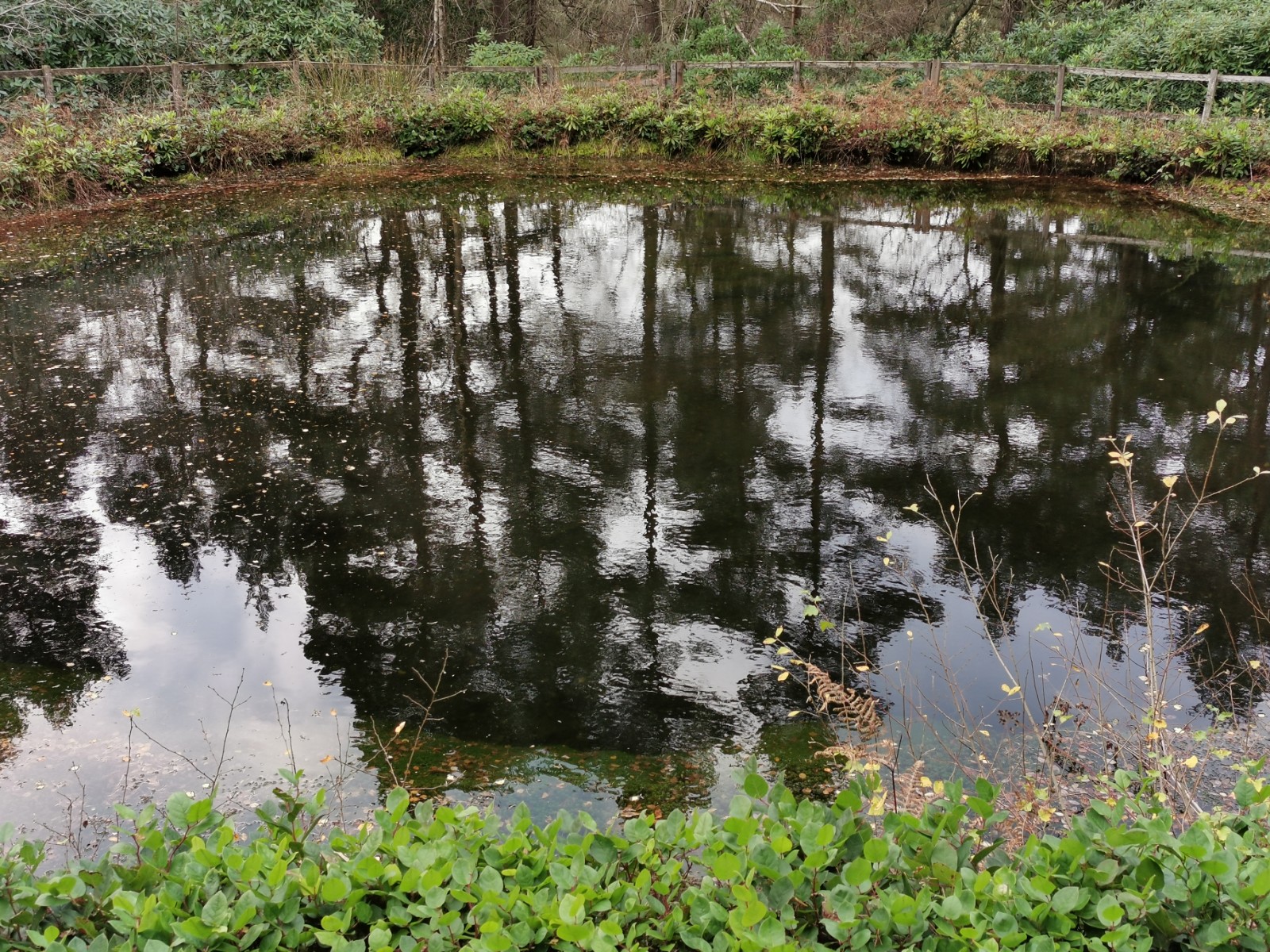
The Basin Tank, Cragside
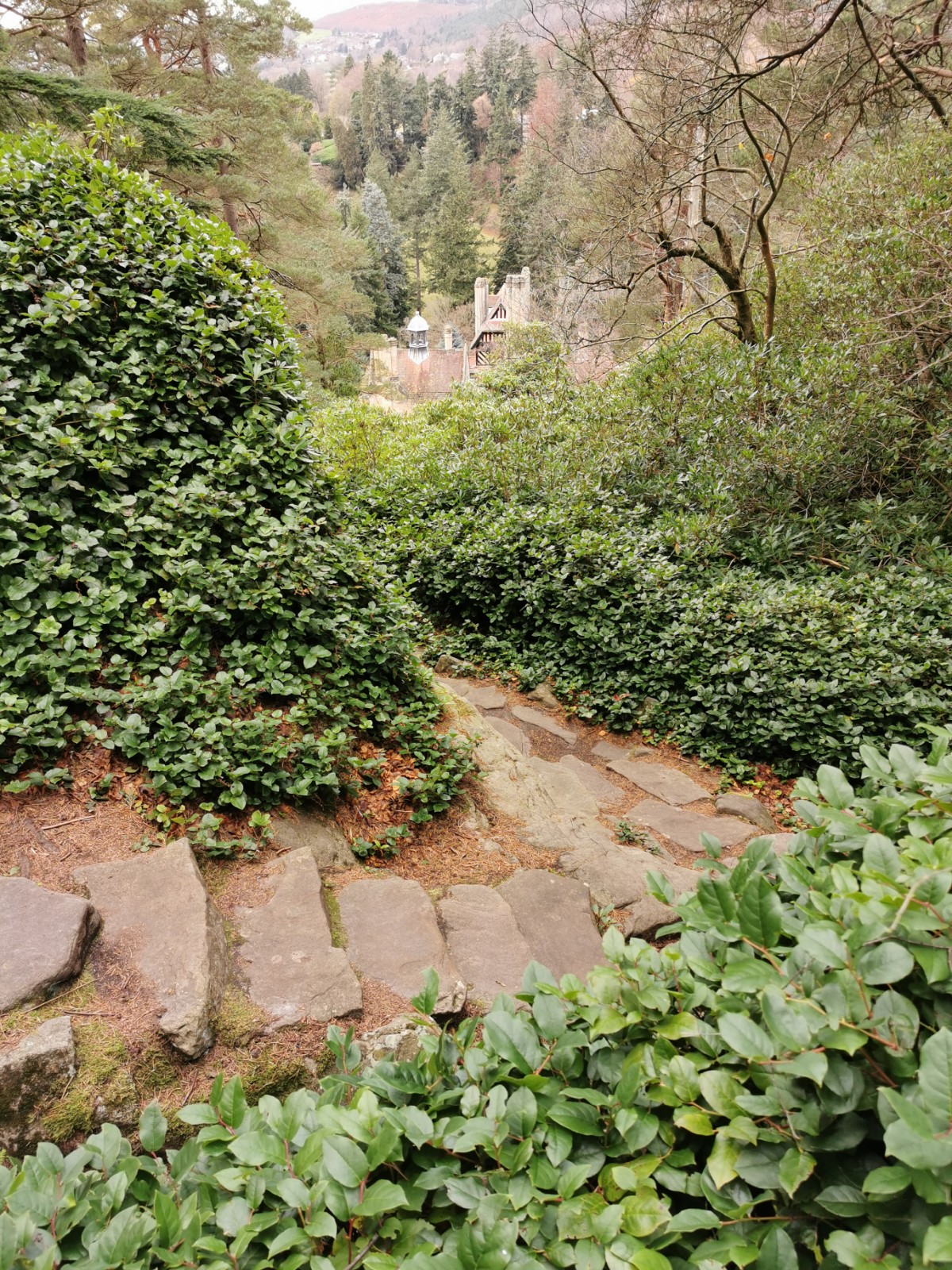
One of the many, many paths through the Estate and leading to the house
And the more I walked around the estate, the more I started to see possibilities for a new story. The basin tank, dark and brooding, seemed like a perfect place to find a body, and that was just the first of the thoughts I had about a potential new story. And, of course, I also made the decision to set the story in Autumn, because while the spring and summer are beautiful, I’m a huge fan of Autumn colours, and it’s not just because the estate tends to be quieter over the cooler months:)
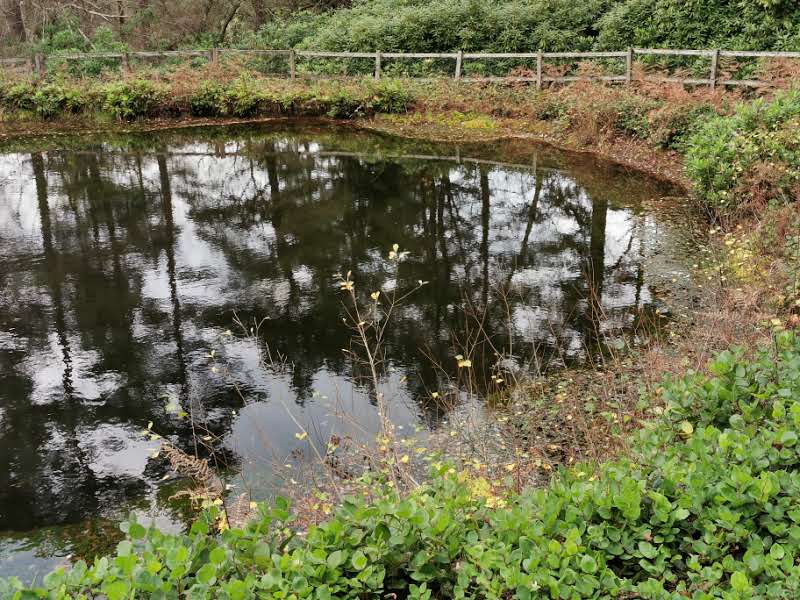
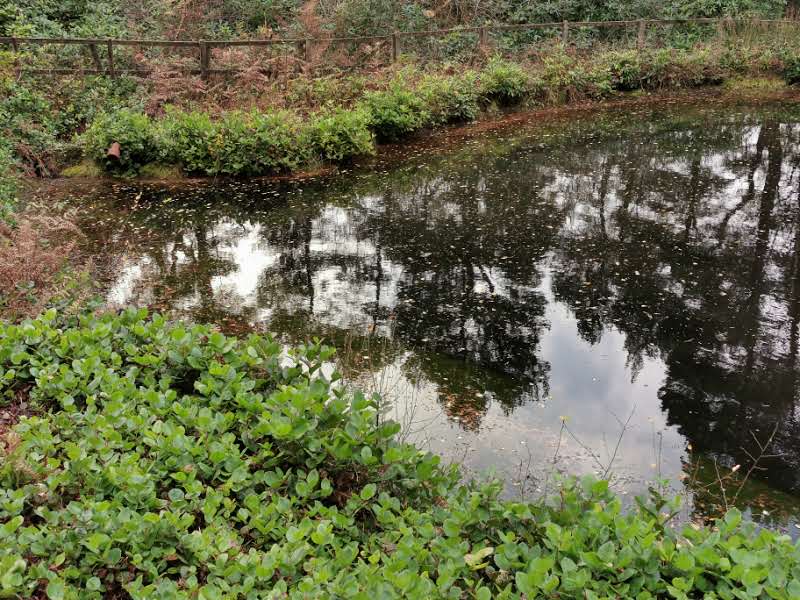
The Basin Tank. This was the first place that really made me think about writing a murder mystery set here.
My main character, Lady Ella Merryweather, developed along with my walks and I enjoyed crafting the story of a woman already suspected of murder trying to prove her innocence in the 1930s.
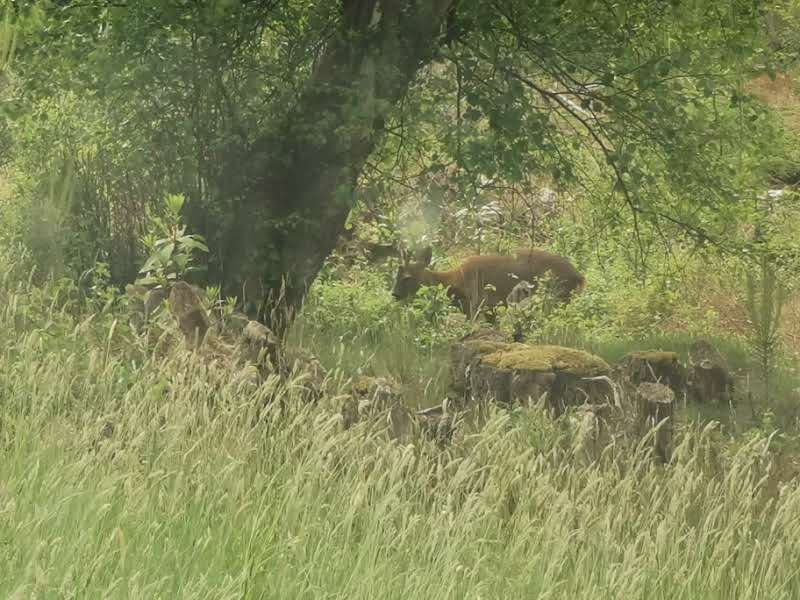
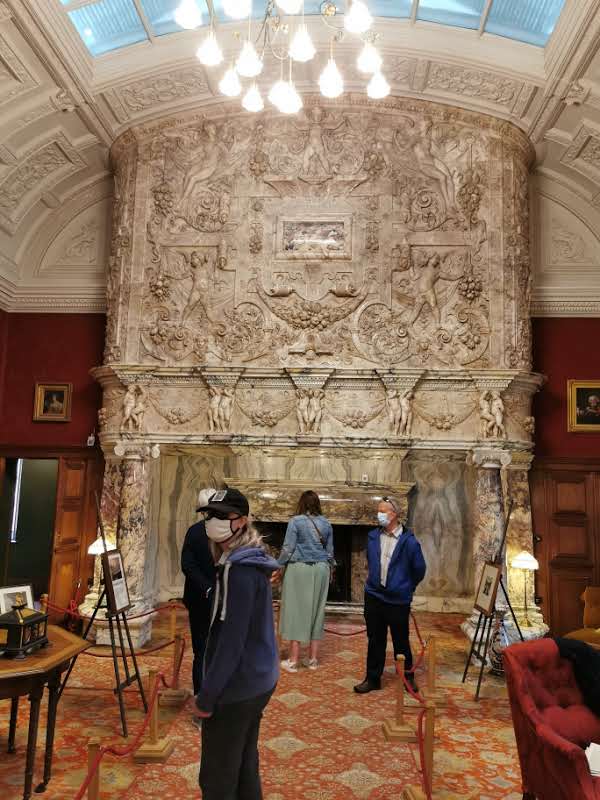
A deer on the EstateThe fireplace in the Drawing RoomSpringtime at CragsideSpringtime at CragsideCragside TreesCragside view from Debdon Valley
I hope you’ll enjoy my 1930s murder mystery inspired by my love of Cragside and Agatha Christie novels.
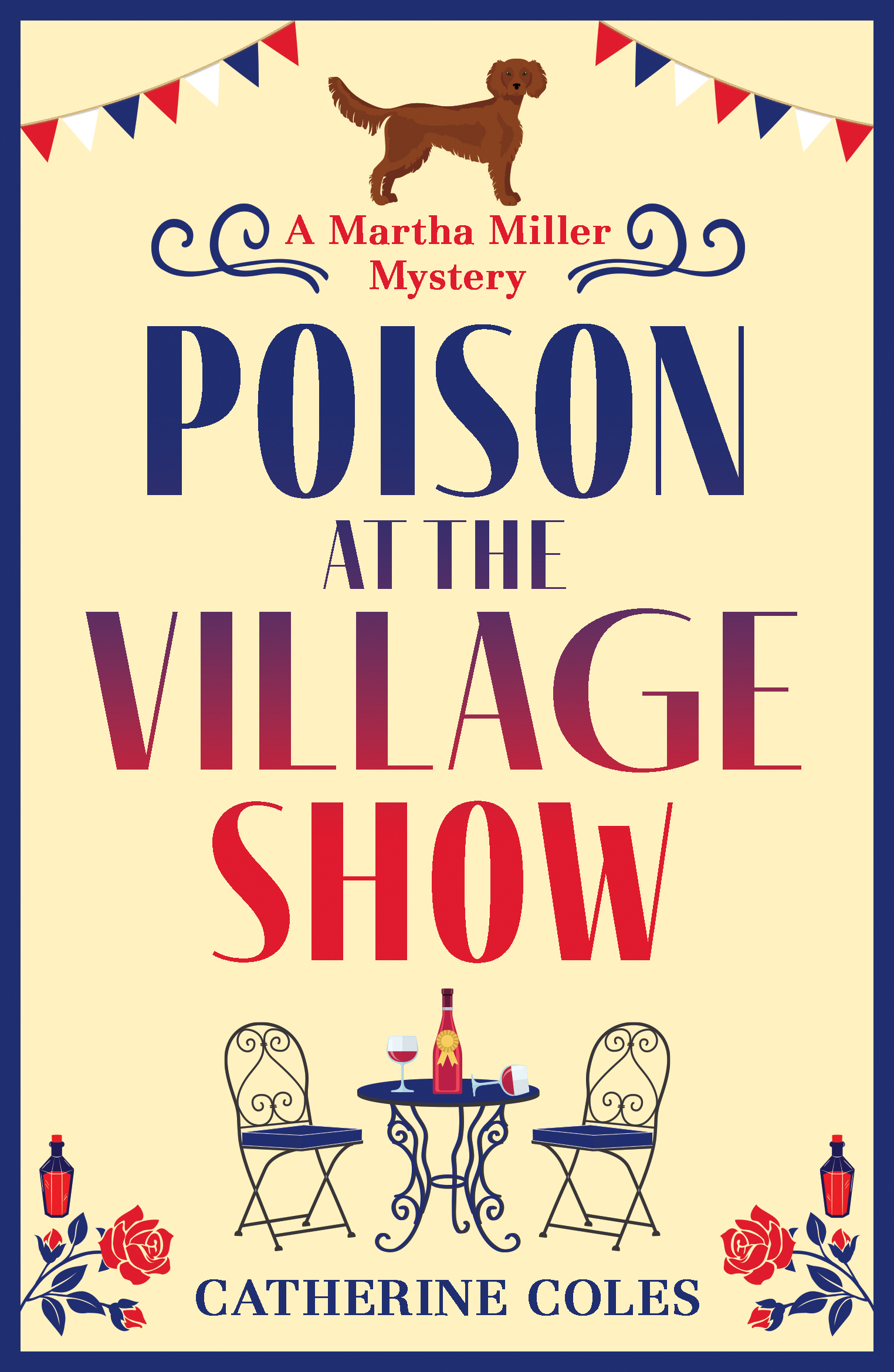
I’ve been reading Catherine Coles previous series for a while now. I do love a Golden Age mystery novel, so I was really pleased to see she was becoming a fellow Boldwood Books author, and that there was going to be a new series as well.
Here’s the blurb:
With the war finally over the residents of Westleham village are trying to reclaim a sense of normality and the upcoming village show is proving to be a popular event!
Newcomer, Martha Miller, has high hopes for the village show. Since her husband Stan left for work one day and never returned, some of the villagers have treated Martha with suspicion – why would a good man like Stan simply up and leave? Was it something Martha did?
All Martha knows is that she’s hoping that she can win people over and hopefully they’ll but her delicious homemade plum gin, too and she’ll be able to make ends meet.
But as glasses of Martha’s gin are passed around, disaster strikes. Alice Warren, Chairwoman of the village show slumps to the ground after taking a sip. It’s clear she’s been poisoned!
Martha is shocked, but not surprised, when fingers of suspicion once again point her way. Determined to prove her innocence, Martha sets about trying to find the real culprit. But who would kill Alice and why?
Ably helped by the new vicar, Luke Walker, Martha quickly tries to get to the bottom of this mystery. But with the villagers closing ranks it quickly becomes apparent that the only person with a motive is Martha herself….
Will Luke and Martha discover who is behind the poisoning before it’s too late?
Here’s my review
Poison at the Village Show is a charming mystery set in a small village in the years after the Second World War, featuring Martha Miller, her sister Ruby, and the new vicar, Luke Walker.
I’ve already read all of Catherine Coles Tommy and Evelyn books set in the aftermath of World War I and love the depictions and the characters of Tommy and Evelyn. Fans of those books will not be disappointed with Martha, Luke and Ruby. They are all excellent creations and make for an engaging read.
The story really gathers pace as it continues, and the ending is both satisfying, and I confess, slightly unexpected for me. It’s always good not to guess who the real perpetrator was.
I really look forward to reading more of this series and returning to the charming village of Westleham with its cast of eclectic busy-bodies in the years after the war when a sweet cup of tea is the solution to everything.
Thank you to the publisher and Netgalley for my review copy.
The daughter of a military father, Catherine was born in Germany and lived most of the first 14 years of her life abroad. She spent her school years devouring everything her school library had to offer! Catherine writes cosy mysteries that take place in the English countryside. Her extremely popular Tommy & Evelyn Christie mysteries are set in 1920s North Yorkshire. Catherine lives in northeast England with her two spoiled dogs who have no idea they are not human!
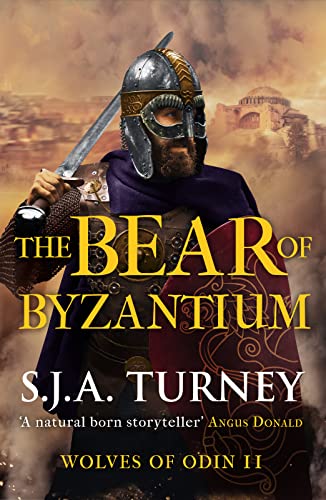
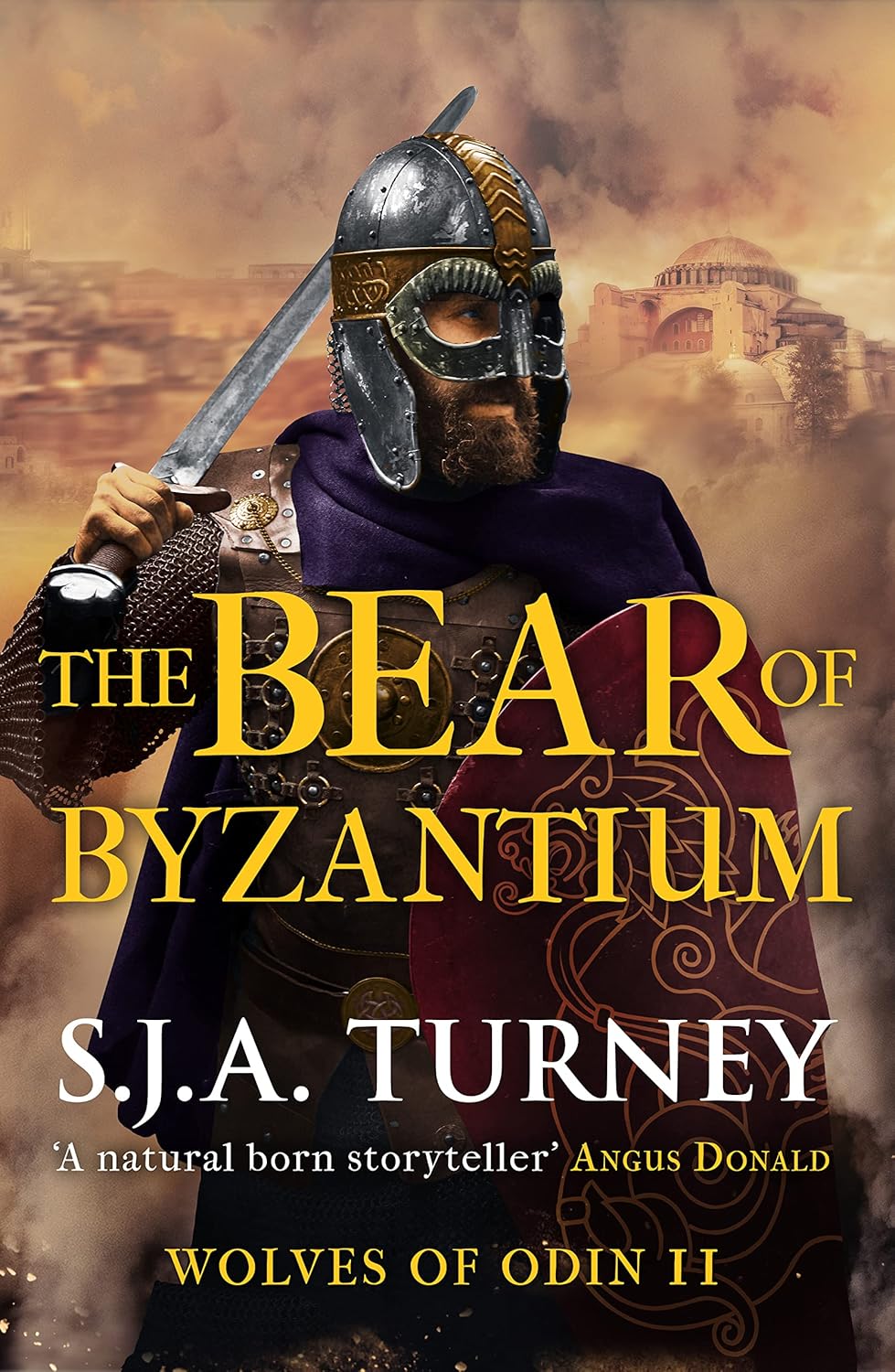
The wolves of Odin sail to the centre of the world: Constantinople.
AD 1041. After successfully avenging the death of his father, Halfdan and the crew of the Sea Wolf seek adventure in strange new lands, far from their Scandinavian home.
They join the fleet of Harald Hardrada, the legendary Viking commander, sailing back to Constantinople from the battlefields of Georgia. There they join the Varangians, the personal bodyguard of the Byzantine Emperors populated almost exclusively by Viking warriors. But Constantinople has changed during Hardrada’s long absence.
The Emperor, Michael IV, is ailing visibly, and powerful factions in his court are setting their plans in motion ahead of his inevitable demise. While courtiers scheme, elements even within the Varangian Guard are picking sides.
Gunnhild, the seer among the Sea Wolf crew, has struck out on her own in the big city. Unable to join the all-male Guard alongside her friends, she establishes herself in a small side-street near the port as a healer and soothsayer, offering cures to the sick and glimpses of the future to the desperate, or the conspiratorial. But in all her visions she sees a wolf, a boar and a golden bear fighting together to support the Byzantine throne. The Norns aren’t finished with them yet…
The epic second instalment in the Wolves of Odin series, taking us to the heart of power in Constantinople and the desperate machinations of the Byzantine emperors. Perfect for fans of Bernard Cornwell, Giles Kristian and Angus Donald.
My Review
The Bear of Byzantium is a fabulous book.
From the opening chapter, which focuses on Harald Hardrada, I knew this was my kind of book – if not just because of the occasional – and it is occasional for anyone who doesn’t appreciate it quite as much as me – use of a little bit of fruity language.
What follows is a journey through Constantinople at a particularly perilous time for emperors and impresses.
The two characters of Gunnhild and Halfdan, who are the main POV throughout the story, are intriguing and have very eventful stories, and the ending is exciting. I thoroughly enjoyed the way the author brought the city of Constantinople to life – something he’s extremely good at in his Roman-era books as well – as well as the customs, regulations, and also, all the paperwork (it’s much more exciting than it sounds:))
A firm favourite for me now and I look forward to continuing the story of Gunnhild and Halfdan – and I will assume Harald Hardrada at some point in the next few books in the series.
My thanks to the publisher and Netgalley for my review copy. The Bear of Byzantium is available now from Amazon and all good booksellers. Just a note that while this might be book 2, I haven’t read book 1, although I have it to read. If you want to jump right in, as I did, it won’t be a struggle to engage with the characters.
Today, I’m delighted to welcome Elizabeth R Anderson to my blog, to talk about the inspiration behind her The Two Daggers Series.
I hate flying. But, on a flight from Prague to Seattle in 2018, it was not a fear of dying in a fiery crash that bothered me; it was an idea that had entered my head and would not leave.
What would happen if a Medieval nobleman was falsely accused of being a leper and lost everything?
Some people just watch a few movies and fall asleep until they land at their destination. Oh, to be one of those people!
I had 10-hours of flying time, so I opened my laptop and got busy writing a few exploratory chapters about a knight returning from a stint on crusade in the Levant (the area roughly compromising the Middle East today). Eventually, an evil bishop would poison him, accuse him of being a leper, and seize his property. This was so easy! Knights in shining armor! A ready-made conflict and resolution. A cookie-cutter villain!
Can you spot the problems with this idea already? Hint: Everything about this idea is a problem.
I am so grateful that when I was back on the ground, my research led me to understand how wrong my premise was and how it was time to rethink everything about the way I viewed the Middle Ages, from racism and religion to personal hygiene.
Setting aside the fact that it’s really not easy to fake leprosy (now referred to as Hansen’s Disease), there is ample evidence that people afflicted with the disease were treated with compassion and even viewed as blessed by God because of their earthly suffering. King Baldwin IV of Jerusalem was notable for being a leper. There was even a brotherhood of leper knights living in the Holy Land – the Order of Saint Lazarus. So there went that idea.
I dug deeper. If lepers weren’t as badly treated as I had thought, was that also the case with other people? What about Jews and Muslims? Here is where things became even more interesting. As the pilgrims, fighters, and settlers of the West (France, the Holy Roman Empire, and the city-states on the Italian peninsula) arrived in the Levant, they were indeed bigoted and horrendous to the local citizens. But the more time that these settlers spent with their Levantine neighbors, the more accepting they became. Few of the villages surrounding the large cities of Jerusalem, Tyre, and Tripoli were heavily mixed. But curiously, the towns around the city of Acre on the coast did seem to have a mix of Christian, Jewish, Muslim, and other religious people who tolerated each other relatively well.
What was it about this place?
This was when I became engrossed in the history of that city – a melting pot of cultures, races, religions, and intrigues. I want to acknowledge that bigotry and racism did exist in Acre (and everywhere else). Jews were still forced to work in jobs considered undesirable for Christians, such as moneylending and tax collecting. Muslims could still be enslaved – and often were – in the homes of Christian nobles. Captives from the territories south of Cairo received the worst treatment – a tragic indication of what was to come later as importing slaves to the Americas became common practice.
Acre. This lively, filthy, cosmopolitan city thrived with wealth and trade that benefitted Muslims, Jews, and Christians in the year 1291. So why was it attacked? How could the peace that existed between the Crusaders and the Mamluk army disintegrate so quickly?
Continuing down the research spiral of broken truces, spies, political plots, and miraculous events that led to the final siege of the city, I came across a line in the account of the Templar of Tyre that referenced a single, unnamed viscount and his disastrous mistake outside the walls of Acre.
That’s when I realized I had found my story.
The year 1291 is when the Christians were ousted from the Levant and no longer held significant territory near Jerusalem. This began the glory of the Mamluk period when powerful Muslim families founded by Turkish slaves started to form, put down roots, and create dynasties. There was so much happening at this time, and yet, sandwiched between the death of Saint Louis and the beginning of the Plague in 1348, the Siege of Acre is often a side note in the historical record.
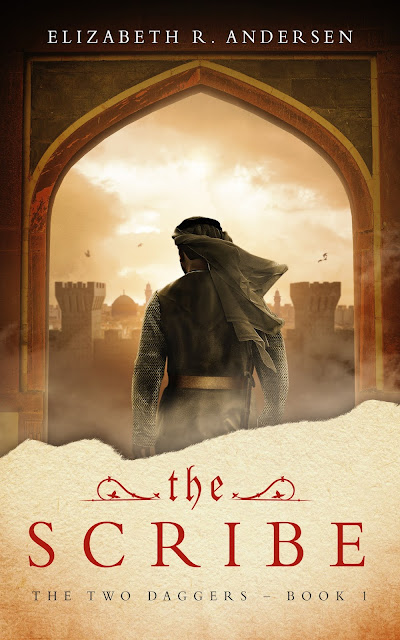
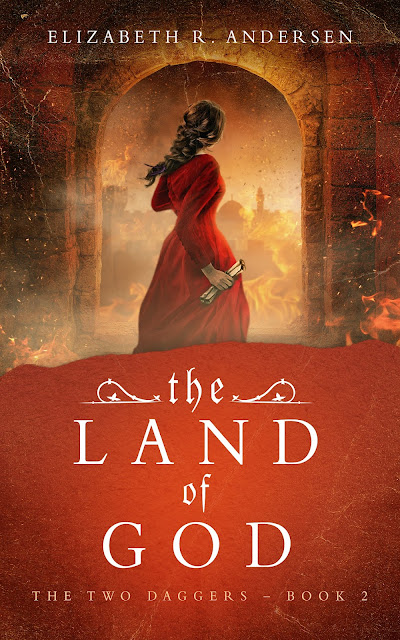
Two years later, I published The Scribe. The book follows four young people with seemingly opposite backgrounds as they come of age in Acre: a kidnapped slave soldier, a feisty orphan girl, a rising star in the Mamluk army, and a spoiled viscount. The first book builds the history of these characters and sets the scene for the siege in book two (The Land of God, pub August 2021). After that, these characters must make their way in a world where any fleeting tolerance that did exist was snuffed out by fear of disease, economic hardships, and religious extremism.
The fact that this story started completely different from what I had planned is what I love about it. The characters in the books are twisted and molded by tumultuous events that they cannot escape. Their challenges are still ours today; how to think about the world, whether to go along with injustice or fight it, love, lust, hate, family, and friends.
In 800 years, humans haven’t changed all that much.
The Two Daggers series will contain five books in total. Elizabeth wants to get to the end as quickly as her readers do and is researching and writing at breakneck speed!
Sources: The list of sources for The Scribe and The Land of God are available on Goodreads. For this article, the following sources were used:
Medieval Leprosy Reconsidered, Timothy S. Miller and Rachel Smith-Savage, International Social Science Review, Vol 81, No 1, (2006)
Frankish Rural Settlement in the Latin Kingdom of Jerusalem, Ellenblum, Ronnie, Cambridge University Press, 1998
Thank you so much for sharing your story with me, and for providing a bibliography. I like that:) Good luck with the series.
The Scribe (Book 1)
All Henri of Maron wanted was to stay with his family on his country estate, surrounded by lemon groves and safety. But in 13th century Palestine, when noble-born boys are raised to fight for the Holy Land, young Henri will be sent to live and train among men who hate him for what he is: a French nobleman of an Arab mother. Robbed of his humanity and steeped in cruelty, his encounters with a slave soldier, a former pickpocket, and a kindly scribe will force Henri to confront his own beliefs and behaviors. Will Henri maintain the status quo in order to fit into a society that doesn’t want him, or will fate intervene first?
The first book in The Two Daggers series, The Scribe takes readers on a sweeping adventure through the years and months that lead up to the infamous Siege of Acre in 1291 CE and delves into the psyches of three young people caught up in the wave of history.
The Land of God (Book 2)
Pain. His sister’s screams. And a beautiful face in the jeering crowd. When Henri of Maron woke, he had only a few memories of his brutal flogging, but he knew the world had changed. He had changed.
Now, as he grapples with the fallout from his disastrous decisions, war with the Mamluk army looms closer. To convince the city leaders to take the threat seriously, Henri and the grand master of the Templars must rely on unlikely allies and bold risks to avoid a siege.
Meanwhile, Sidika is trying to find a way to put her life back together. When she is forced to flee her home, her chance encounters with a handsome amir and a strangely familiar old woman will have consequences for her future.
The Land of God weaves the real historical figures with rich, complex characters and an edge-of-seat plot. Readers who enjoyed the Brethren series by Robyn Young and The Physician by Noah Gordon will appreciate this immersive tale set in the Middle East in the Middle Ages.
Trigger warnings:
Torture, violence, sexual assault, sexual content.
Elizabeth R. Andersen’s debut novel, The Scribe, launched in July of 2021. Although she spent many years of her life as a journalist, independent fashion designer, and overworked tech employee, there have always been two consistent loves in her life: writing and history. She finally decided to do something about this and put them both together.
Elizabeth lives in the Seattle area with her long-suffering husband and young son. On the weekends she usually hikes in the stunning Cascade mountains to hide from people and dream up new plotlines and characters. Elizabeth is a member of the Historical Novel Society and the Alliance of Independent Authors.
In the wild lands of Norway, Hunlaf must quell a vicious slave uprising in Matthew Harffy’s new historical adventure.
A wild land. A lethal fanatic. A violent revolt.
Northumbria, AD 794. Those who rule the seas, rule the land. None know the truth of this more than the Vikings. To compete with the seafaring raiders, the king of Northumbria orders the construction of his own longships under the command of oath-sworn Norseman, Runolf.
When the Vikings attack again, the king sends cleric turned warrior, Hunlaf, on a mission to persuade the king of Rogaland into an alliance. But Hunlaf and Runolf have other plans; kin to seek out, old scores to settle, and a heretical tome to find in the wild lands of the Norse.
Their voyage takes them into the centre of a violent uprising. A slave has broken free of his captors and, with religious fervour, is leading his fanatical followers on a rampage – burning all in his path. Hunlaf must brave the Norse wilderness, and overcome deadly foes, to stop this madman. Can he prevent a night of flames and slaughter?
Review
A Night of Flames returns fans to the world of Hunlaf and Runolf. While book 1 focused on the initial raids against Lindisfarne, book 2, eventually, takes the reader further away to seek out the home of the Raiders. An intriguing idea, and an interesting way of keeping with the same characters, when there’s such a huge historical gap between those first raids, and the later, more sustained ones.
Throughout the book, Hunlaf constantly questions himself – is he a warrior or is he a man of God? There are some illusions, through foreshadowing in the narrative, to possible future adventures for Hunlaf, far from the shores of Northumbria. But for now, we have Hunlaf’s accounting of the building of a ship to brave the Whale Road, and the journey he subsequently takes, via Orkney to Norway. It’s a slow burner. Not until nearly halfway through the book does Hunlaf reach his destination. And even there, his journey isn’t at an end, and nor are the perils he must face.
The author, admits, in the endnotes, that this book is big on the fiction. This is understandable. There’s so little information about events at this time, and I confess to feeling a little sorry for him having to pick a new thread for this story of the late eighth century. It would be ‘easier’ to choose a later period when more is known, and yet, equally, it allows for much wider scope. Hunlaf and his fellow warriors aren’t constrained by history to perform certain tasks.
Fans of the author are sure to enjoy book 2 in Hunlaf’s story. Book 3 promises to take readers even further afield, and I look forward to it.
A Night of Flames is released tomorrow, March 3rd 2022. Preorder now. Unless you’re reading this after March 3rd and then it will be available anyway:)
About the author
Matthew Harffy grew up in Northumberland where the rugged terrain, ruined castles and rocky coastline had a huge impact on him. He now lives in Wiltshire, England, with his wife and their two daughters.
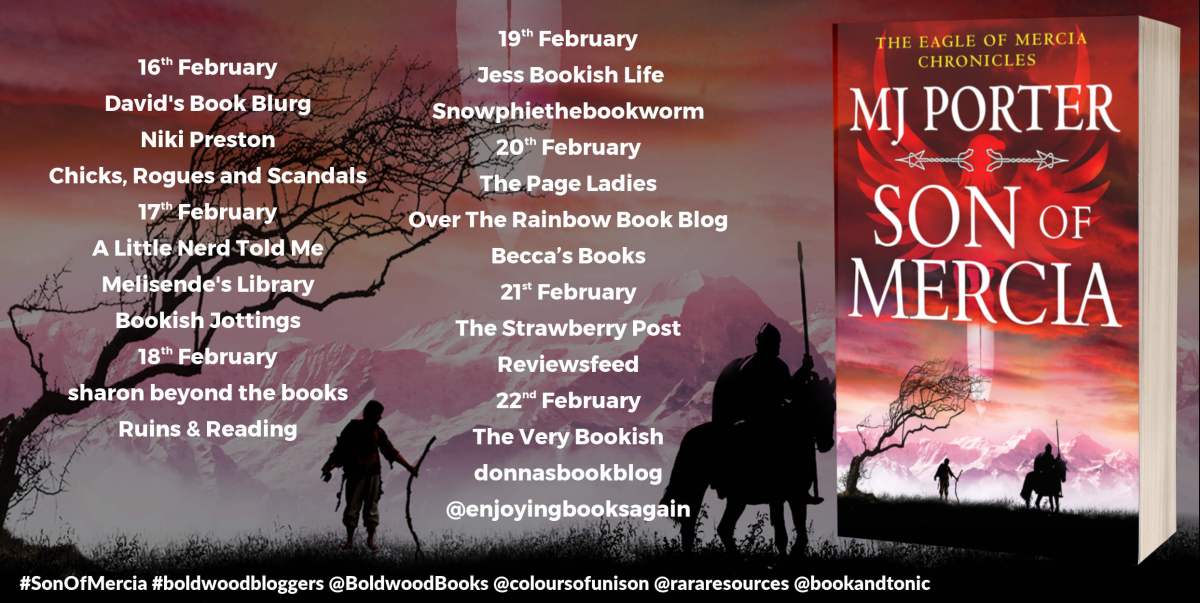
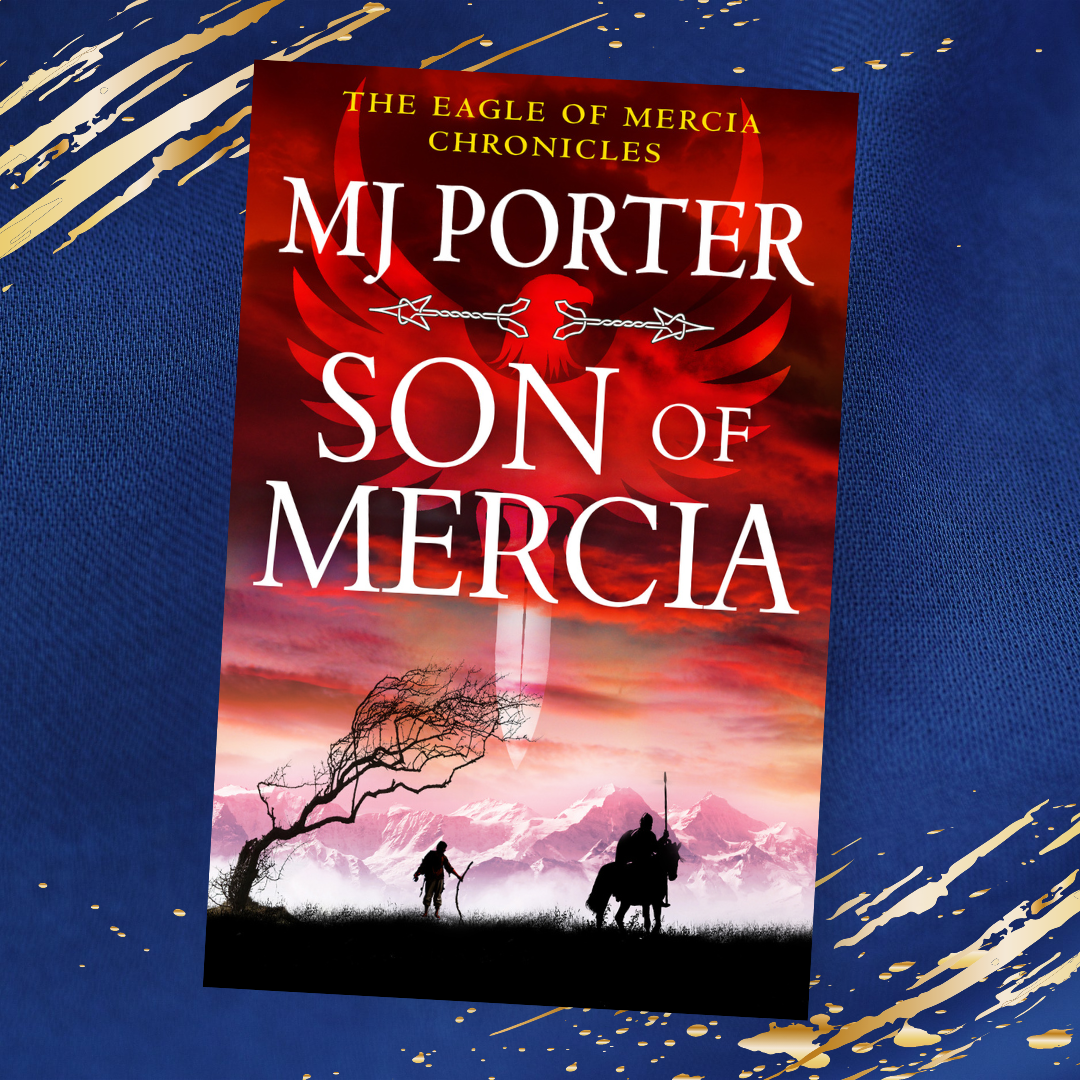
Today is the day. Son of Mercia is FINALLY released (I know it hasn’t actually been that long, it just feels like it).
I’m so excited to share it with fans and new readers alike.
If you’ve not yet heard about my new book (where have you been:)) then here’s the blurb:
Tamworth, Mercia AD825.
The once-mighty kingdom of Mercia is in perilous danger.
Their King, Beornwulf lies dead and years of bitter in-fighting between the nobles, and cross border wars have left Mercia exposed to her enemies.
King Ecgberht of Wessex senses now is the time for his warriors to strike and exact his long-awaited bloody revenge on Mercia.
King Wiglaf, has claimed his right to rule Mercia, but can he unite a disparate Kingdom against the might of Wessex who are braying for blood and land?
Can King Wiglaf keep the dragons at bay or is Mercia doomed to disappear beneath the wings of the Wessex wyvern?
Can anyone save Mercia from destruction?
And what’s so exciting about Son of Mercia is that it’s released in all the formats and over many, many platforms, today. Find the ebook, paperback, hardback, large print and audio version at your retailer of choice via this link.
Join the blog tour for Son of Mercia by following #SonOfMercia on twitter, or check back here, as I will be posting links to the blogs. Thank you to all the bloggers and to Rachel for organising such a fantastic tour to celebrate release week.
To keep up to date with news and information about book 2 in The Eagle of Mercia Chronicles, please sign up to my newsletter or the Boldwood Books newsletter. Thank you. I can confirm that book 2 is already up for preorder on some sites. )I’ll add more links as it appears elsewhere.)
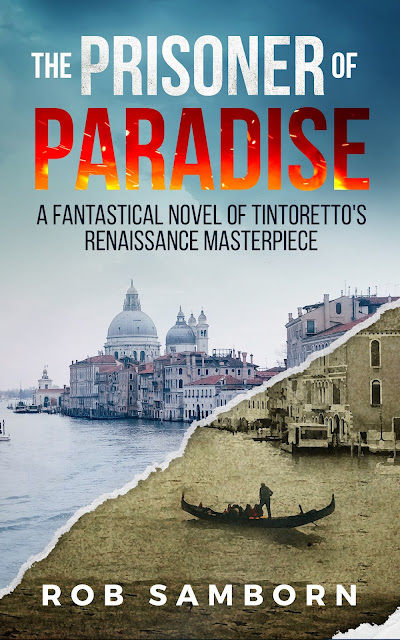
Your book, The Prisoner of Paradise, sounds fascinating. Can you share with me what the first idea was that made you decide to write this story? It might be very different from how the story ended up being, but I am curious, if you don’t mind sharing. And, if the story is very different, would you mind sharing the process by which you ended up with your current novel?
Thank you for having me on your blog, MJ. I love this question. To answer, I need to provide some background on my book.
The Prisoner of Paradise is a thriller blended with historical fiction and magical realism, about Nick and Julia O’Connor, an American couple who travel to Venice, Italy.
After experiencing a traumatic head injury, Nick comes to believe that his true soul mate is not his wife, but a woman who has been trapped in Paradise, the world’s largest oil painting, created by Jacopo Tintoretto in 1592.
Though Julia is understandably concerned for Nick’s welfare and wants to return home, Nick is adamant he has a connection with the woman in Paradise. He discovers an ancient secret society that developed a method of extracting people’s souls from their bodies. They trap the souls—which they claim are evil—in the two-dimensional prison.
Nick will do anything to free his soul mate, but freeing her means freeing all the souls—and the secret society will never let that happen.
So, where did the idea come from?
The kernel of the idea for The Prisoner of Paradise sprouted in Venice itself. If you’ve never been there, Venice is one of the most magical cities on the planet, even when it’s the height of summer and inundated with tourists. In low season, it’s not only magical but mysterious.
The city is one thousand years old and built in a lagoon. Marble buildings, sidewalks, squares (piazzas) and everything else are resting on top of millions of petrified wooden pylons.
Cars and any wheeled vehicles are prohibited.
The only mode of transportation is by boat or foot. There are dozens of bridges and the winding, maze-like streets are often just a few feet wide.
Add to that a remarkably colorful history filled with legendary artists, architects, and events, and you have a story around every corner.
One of these artists was Renaissance master Jacopo Tintoretto. So prolific, he was known as “The Furious Painter.”
His work is all over Venice but the best places to see it are The Palazzo Ducale (Doge’s Palace) and Scuola Grande di San Rocco (School of St. Roch).
The Scuola features dozens of Tintoretto paintings and many of them are mammoth in scale, including The Crucifixion, which includes nearly one hundred individuals of all ages, genders and races. While researching, I later discovered Paradise, a painting that includes thousands of people. The images are so lifelike, each could be an individual portrait.
It’s no secret that artists use models but I started wondering to what extent. Did Tintoretto have a line of people outside his studio? Unlikely.
Did he create each one from his head?
Who were these people? Why were they chosen to be immortalized?
These questions led to an idea…
Perhaps their souls were in the painting and their likenesses painted over their ethereal selves. And they were immortalized not for veneration, but rather imprisoned for all the world to see.
And a story was born…
To learn more about The Prisoner of Paradise or to find purchase locations, visit www.robsamborn.com.
Here’s the blurb:
The world’s largest oil painting. A 400-year-old murder. A disembodied whisper: “Amore mio.” My love.
Nick and Julia O’Connor’s dream trip to Venice collapses when a haunting voice reaches out to Nick from Tintoretto’s Paradise, a monumental depiction of Heaven. Convinced his delusions are the result of a concussion, Julia insists her husband see a doctor, though Nick is adamant the voice was real.
Blacking out in the museum, Nick flashes back to a life as a 16th century Venetian peasant swordsman. He recalls precisely who the voice belongs to: Isabella Scalfini, a married aristocrat he was tasked to seduce but with whom he instead found true love. A love stolen from them hundreds of years prior.
She implores Nick to liberate her from a powerful order of religious vigilantes who judge and sentence souls to the canvas for eternity. Releasing Isabella also means unleashing thousands of other imprisoned souls, all of which the order claims are evil.
As infatuation with a possible hallucination clouds his commitment to a present-day wife, Nick’s past self takes over. Wracked with guilt, he can no longer allow Isabella to remain tormented, despite the consequences. He must right an age-old wrong – destroy the painting and free his soul mate. But the order will eradicate anyone who threatens their ethereal prison and their control over Venice.
In addition to being a novelist, Rob Samborn is a screenwriter, entrepreneur and avid traveler. He’s been to forty countries, lived in five of them and studied nine languages. As a restless spirit who can’t remember the last time he was bored, Rob is on a quest to explore the intricacies of our world and try his hand at a multitude of crafts; he’s also an accomplished artist and musician, as well as a budding furniture maker. A native New Yorker who lived in Los Angeles for twenty years, he now makes his home in Denver with his wife, daughter and dog.
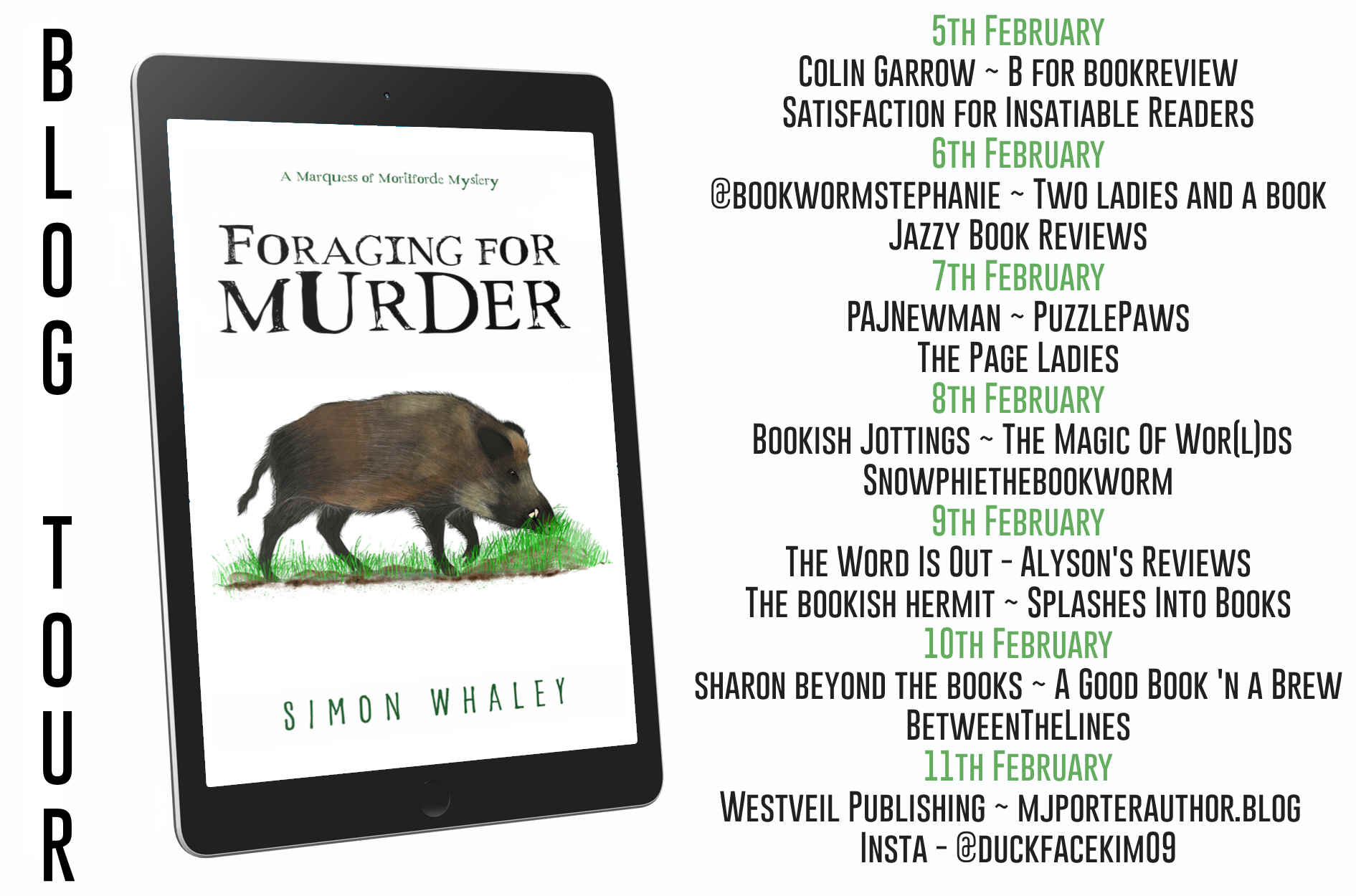
MORTIFORDE’S FOOD FESTIVAL IS A RECIPE FOR MURDER.
Three butchers. Two deaths. One four-hundred-year-old grudge.
It’s Aldermaston’s first food festival as the Eighth Marquess of Mortiforde and it’s not going well. One butcher is missing. Another has been threatened. And the Vegetarian Society has been sent a meaty ultimatum.
Meanwhile, Lady Mortiforde desperately needs her husband to find some wild boar meat for her savoury pie entry into the festival’s Bake Off competition.
When the Council’s Chief Archivist disappears, along with the Food History Marquee’s star attraction, a seventeenth-century recipe book, Aldermaston has all the ingredients of a murder mystery that’s been marinating for over four hundred years.
Can he find the missing butchers before it’s too late? Will Lady Mortiforde avoid a soggy bottom in the Bake Off competition? And why do all the butchers take their pet pigs for a walk in the woods at night?
Review
Wow. Foraging for Murder is a fantastic book. It’s stuffed with some very British quirkiness, rival butchers, an obnoxious new Chief Executive for the local Council, and a slightly bumbling, but good-hearted, member of the nobility, his wife, his eminently competent butler, as well as his extremely eccentric brother.
Genuinely, I can’t recommend this book enough. It made me laugh out loud and was a joy to read.
The story is told from multiple perspectives, and each character is well sketched, and unique. It’s filled with all the sorts of little details that I love – it has a strong historical element running through it, and of course, an ancient manuscript. It’s also filled with quirky little details, the sort of eccentric characters that make up a small community and yet none of it feels overcooked. And the mystery is both complex enough, and realistic enough, that you’re not going to quibble with the eventual resolution, even if we, as the readers, get there before the cast do.
I have book 1 in the series ready to read and I really hope we get more books featuring this wonderful cast. And wow, book 1 has an amazing opening chapter. Thank you, thank you, thank you.
(I would just like to reassure that this book is not stuffed with animal butchery – in fact a few of the animals do get to star in it. There is some reference to parts of an animal when they’re no longer on that animal – if that makes sense. I don’t want to give anything away, but also, don’t want someone to stumble into the book unawares.)
For fellow readers, if you’ve read Skeltons Guide to Suitcase Murders then this will definitely appeal, even if it has a more modern setting. I’m so pleased I signed up for this book tour and had the opportunity to discover a wonderful book, and series, like this. As you can tell, I’m wildly excited about it.
Simon Whaley is an author, writer and photographer who lives in the hilly bit of Shropshire. Foraging for Murder is the second in his Marquess of Mortiforde Mysteries, set in the idyllic Welsh Borders – a place many people struggle to locate on a map (including by some of those who live here). He’s written several non-fiction books, many if which contain his humorous take on the world, including the bestselling One Hundred Ways For A Dog To Train Its Human and two editions in the hugely popular Bluffer’s Guide series (The Bluffer’s Guide to Dogs and The Bluffer’s Guide to Hiking). His short stories have appeared in Take A Break, Woman’s Weekly Fiction Special, The Weekly News and The People’s Friend. Meanwhile his magazine articles have delighted readers in a variety of publications including BBC Countryfile, The People’s Friend, Coast, The Simple Things and Country Walking.
Simon lives in Shropshire (which just happens to be a Welsh Border county) and, when he gets stuck with his writing, he tramps the Shropshire hills looking for inspiration and something to photograph. Some of his photographs appear on the national and regional BBC weather broadcasts under his BBC WeatherWatcher nickname of Snapper Simon. (For those of you who don’t know, they get a lot of weather in Shropshire.)
Your book, John Brown’s Women , sounds fascinating. Can you share with me what the first idea was that made you decide to write this story? It might be very different from how the story ended up being, but I am curious, if you don’t mind sharing. And, if the story is very different, would you mind sharing the process by which you ended up with your current novel?
For example, my current book started off after watching an old Pathe TV show about making motorbikes and sidecars and has ended up as a 1940s mystery involving an unidentified body!
As a writer of biographical historical fiction, I seldom think up an idea for a novel out of the blue. Rather, something I read triggers me to learn more about a historical figure. In most cases, my curiosity having been sated, I move on, but in others, the character latches on to me and won’t give me any peace until I write about him or her.
My interest in John Brown was awakened when I moved a few years ago to a town in Maryland that’s just a few miles from Harpers Ferry. (Sadly, John Brown appears to have passed it by.) I dug out the family copy of Midnight Rising, Tony Horwitz’s gripping account of the Harpers Ferry raid, and was struck by one figure in particular—Annie, John Brown’s fifteen-year-old daughter, who served as her father’s lookout at the Maryland farm that Brown rented in preparation for the raid. Although most accounts of the raid touch on Annie’s role, Horwitz gave her more sustained attention, and I determined to learn more about her. Fortunately, Bonnie Laughlin-Schultz has written a study of the Brown women, The Tie That Bound Us, and that led me to more information about Annie. Though Annie never published an account of her activities, she was generous in responding to Brown’s biographers, and her reminiscences and letters made for fascinating reading. Annie had an opinion on everything and a talent for pithy observations, and I was captivated by her. Writing to researcher Katherine Mayo in 1909, Annie spoke of her need to get off by herself in natural surroundings: “I always come back refreshed and with a better feeling towards God and the human race, for I do really sometimes get out of patience with Him and wonder why he created so many people that (it seems to me) would have been better left unborn. I have never been able to understand, why so many things, that ought not to be, exist.”
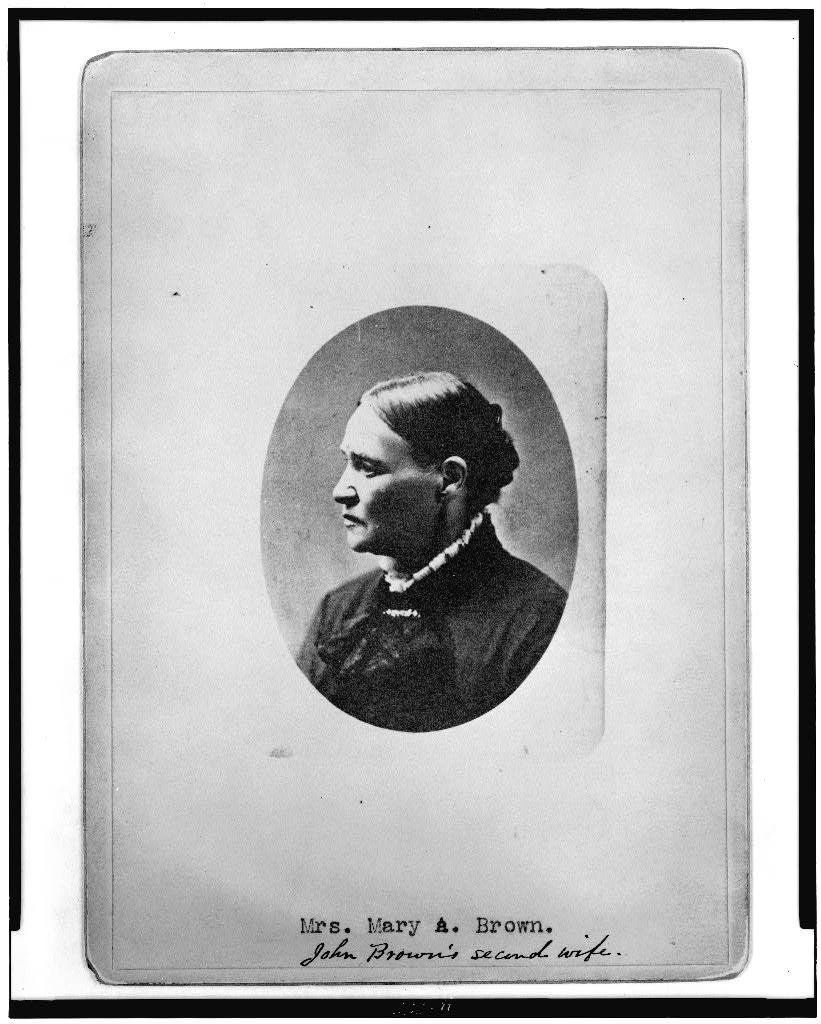
But as I began to research Annie’s story and to read more family letters: two other women intruded: Mary, John Brown’s stoic, strong wife, and refined, progressively-minded Wealthy, married to John Brown’s oldest son. They too wanted their stories told. Moreover, giving them leading roles would allow me to give a fuller view of John Brown. Mary had shared personal tragedies and financial setbacks with her husband, and Wealthy had been with the Brown men during the violent “Bleeding Kansas” years that set the stage for the Harpers Ferry raid. I ended up framing the novel so it begins and ends from Mary’s perspective, which I think worked artistically.
So Annie, no doubt to her chagrin, ended up having to share her story with others, as did Frances Brandon in my Tudor novel, Her Highness the Traitor, who found herself narrating alongside Jane Dudley. But Annie supplied me with the epigraph, giving her the first word, if not the last.
Annie Brown (Library of Congress)
Wealthy Brown (West Virginia State Archives)
Mary Brown (Library of Congress)
Thank you so much for sharing. I love it when characters have such a strong mind of their own. Good luck with the new book.
Here’s the blurb:
As the United States wrestles with its besetting sin—slavery—abolitionist John Brown is growing tired of talk. He takes actions that will propel the nation toward civil war and thrust three courageous women into history.
Wealthy Brown, married to John Brown’s oldest son, eagerly falls in with her husband’s plan to settle in Kansas. Amid clashes between pro-slavery and anti-slavery settlers, Wealthy’s adventure turns into madness, mayhem, and murder.
Fifteen-year-old Annie Brown is thrilled when her father summons her to the farm he has rented in preparation for his raid. There, she guards her father’s secrets while risking her heart.
Mary Brown never expected to be the wife of John Brown, much less the wife of a martyr. When her husband’s daring plan fails, Mary must travel into hostile territory, where she finds the eyes of the nation riveted upon John—and upon her.
Spanning three decades, John Brown’s Women is a tale of love and sacrifice, and of the ongoing struggle for America to achieve its promise of liberty and justice for all.
Trigger Warnings:
Deaths of young children through illness or accidents (not graphically described); implied heavy petting involving a willing minor.
Susan Higginbotham is the author of a number of historical novels set in medieval and Tudor England and, more recently, nineteenth-century America, including The Traitor’s Wife, The Stolen Crown, Hanging Mary, and The First Lady and the Rebel. She and her family, human and four-footed, live in Maryland, just a short drive from where John Brown made his last stand. When not writing or procrastinating, Susan enjoys traveling and collecting old photographs.































 MJ Porter
