Author of Saxon historical fiction and non-fiction, 20th-century historical mysteries, and Norse-inspired historical romantasy. Book reviewer and blog host.
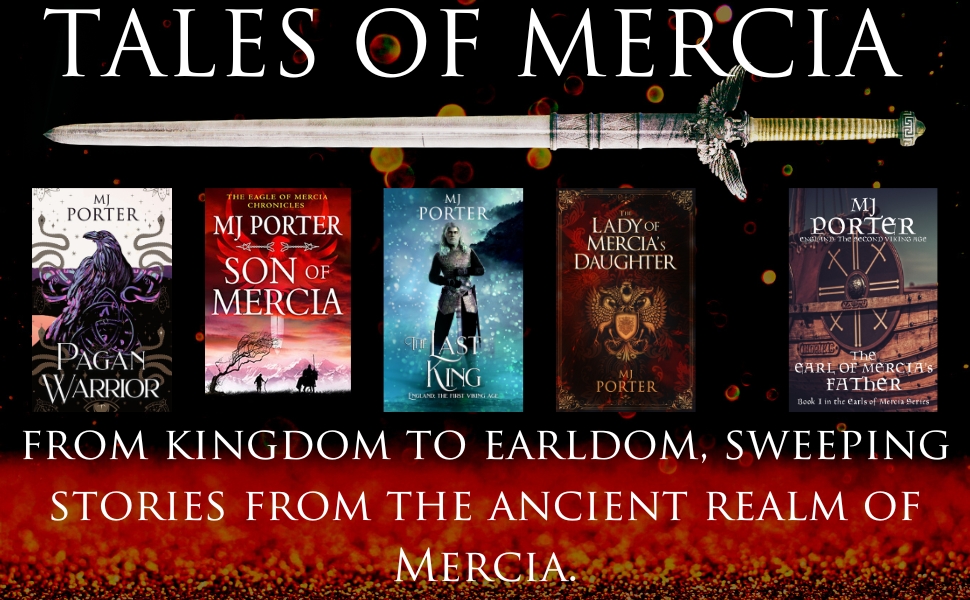
What better way to celebrate, nearly, two years of Coelwulf and his pals, than with a blog tour to showcase all of the books in the series (to date – I’m currently working on book 7).
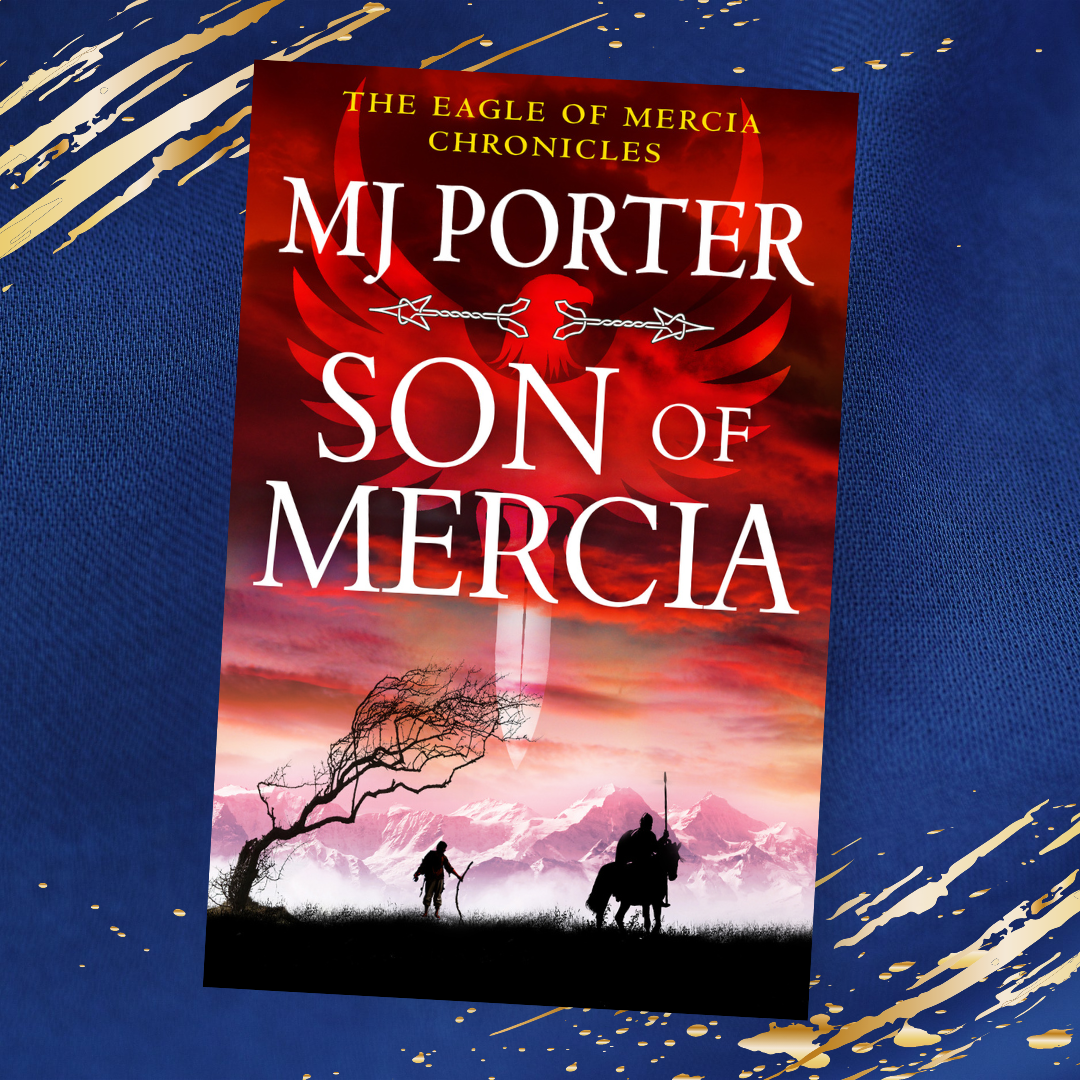
What started as a bit of mad idea in The Last King has become a series featuring a cast of warriors (and horses) that my readers love reading about, and about who I love to write. Not to mention inspiring the prequel series – which begins with Son of Mercia – and tells the story of a very young Icel.
To celebrate all of this, I have three, yes three, paperback copies of the short story collection, Coelwulf’s Company, to giveaway to readers. They’ll come signed and dated, and to anywhere in the world. To enter, just follow this link to Rafflecopter, where it’ll ask you to follow me on Twitter, and you should be entered. I’ll get in touch with the winners at the end of the giveaway, which I hope is midnight on 18th March 2022 (if I’ve set it up correctly). Good luck with the prize draw and do let me know if there are any problems.
The historical setting of the Gods and Kings trilogy
It’s often assumed that we know very little about the men and women of seventh century Britain, and that’s not wrong, however, what is known makes for a compelling narrative.
The Golden Age of Northumbria
The seventh century in Britain is more often than not, lauded as the Golden Age of Northumbria, the northernmost Saxon kingdom of England. Many will have heard of the magnificent fortress on Northumberland’s coast, Bamburgh, or as some will know it Bebbanburg (even though must of what stands to this day is a late nineteenth century addition). Many may have heard of the names Edwin, Oswald Whiteblade, and his brother, Oswiu. Many may know of their Celtic Christianity, of Bishop Aidan from Iona beginning his monastery on Lindisfarne and the explosion in art which seems to come to natural fruition with the works of Bede in the later eighth century. But there is much, much more than that.
The Anglo-Saxon Chronicle tells us of a series of great battles fought on the island of Britain during the seventh century, most, if not all of them, great victories for Northumbria’s royal family, or if not victories, then terrible tragedies. Edwin, the uncle of Oswald Whiteblade, slew his nephew’s father, and Oswald was forced to flee into exile, where he was introduced to Celtic Christianity. And yet, this was only a mirror of Edwin’s own life, when he too had been forced to flee into exile when Oswald’s father claimed the kingdom of Northumbria. And all of this is fascinating, but what of the other kingdoms, and their leaders?
Penda of Mercia
And here, we encounter, Penda of Mercia, a pagan king, at a time when the Saxon kingdoms were slowly becoming converted to Christianity, either from the north and Iona (Bishop Aidan), or from Rome, with Bishop Paulinus. These two religions were to set up their own conflict for supremacy but for the three battles I’ve written about, it’s Penda and his paganism that creates the conflict.
Penda and his brother, Eowa, were to claim Mercia as there’s to rule. They seem to have originated from a royal family with their power base in the kingdom of the Hwicce, a part of Mercia centred around Gloucester and they were not happy with events in Northumbria.
Not once, not twice, but three times, Penda took on the might of Northumbria, in battles taking place at Hædfeld, Maserfeld and Winwæd, spanning a twenty year period.
Hædfeld, Maserfeld and Winwæd
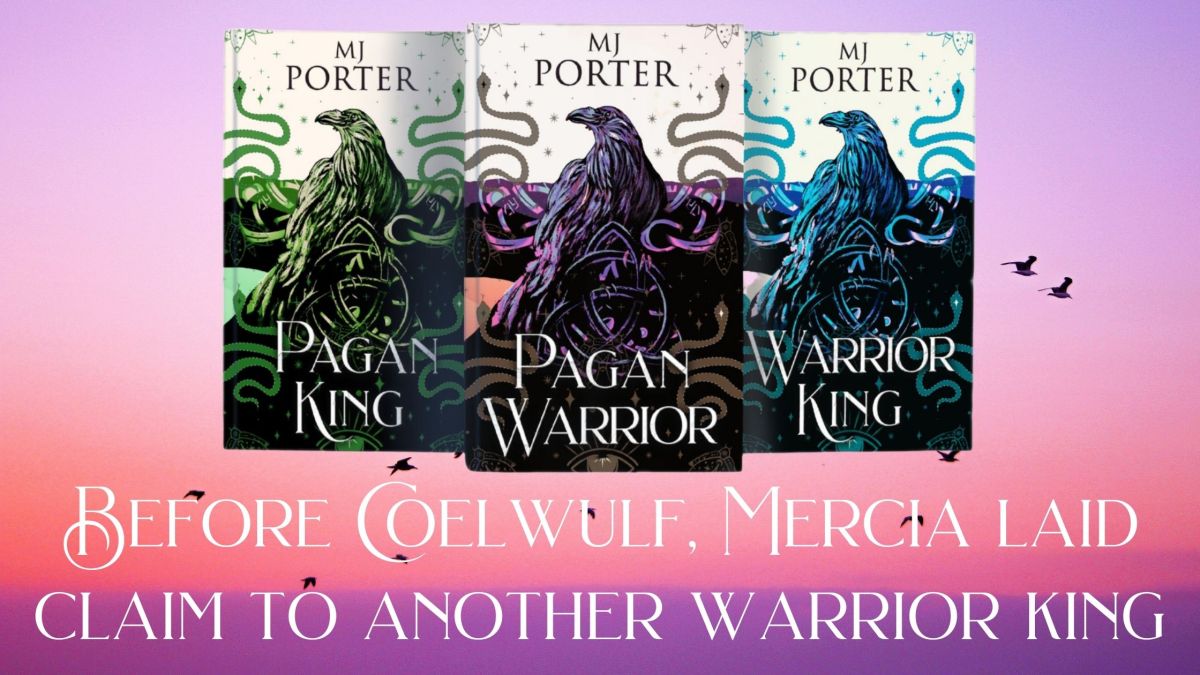
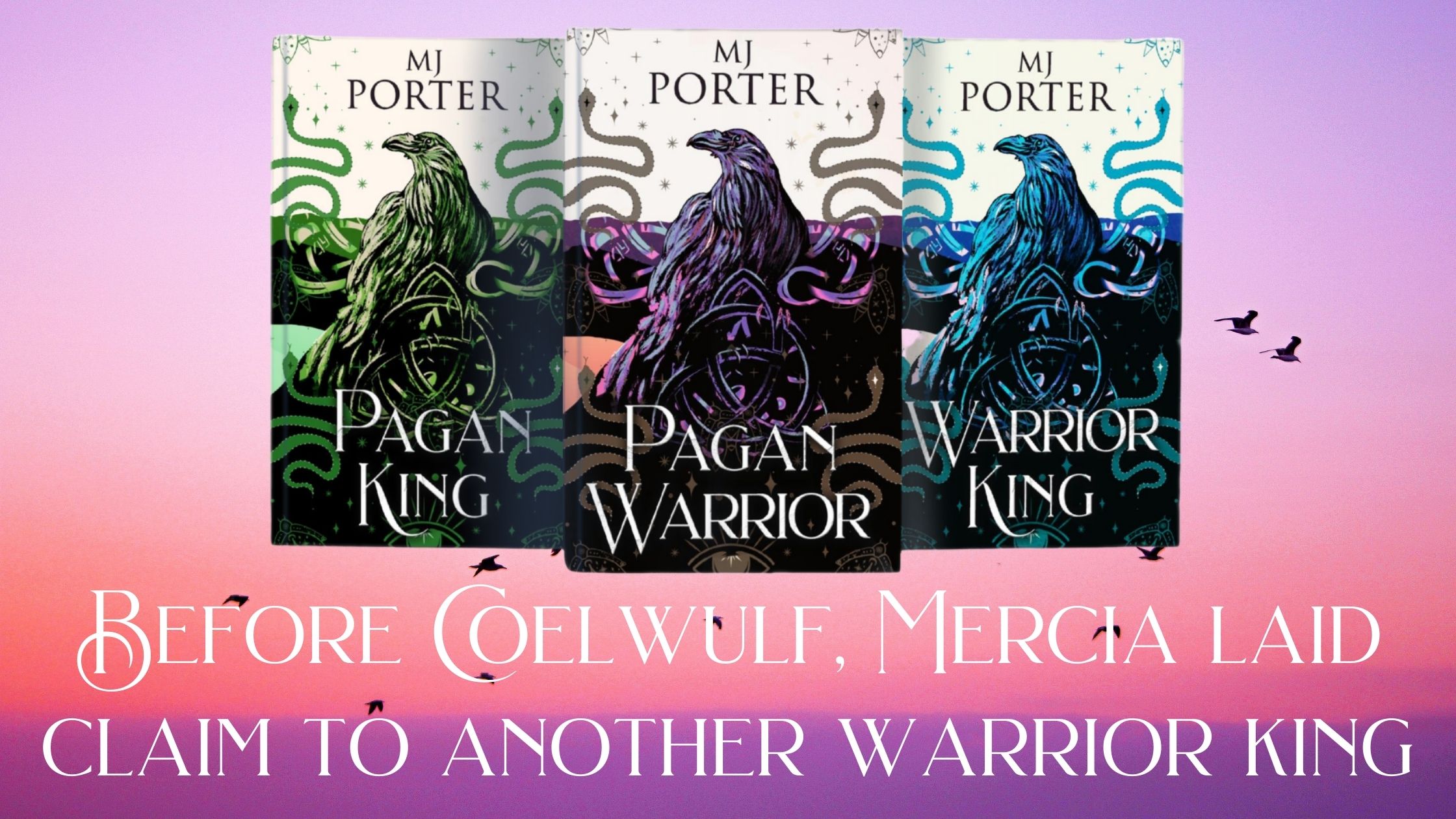
It’s these three battles I offer a retelling of in the Gods and Kings series, and not just because there are these two kingdoms at loggerheads, Mercia and Northumbria, but because these battles brought into play every kingdom within Britain at the time; from Dal Riata and the kingdom of the Picts to the North, to that of the West Saxons and Dumnonia to the south and south-west. These battles were monumental. Great swathes of warriors facing one another with everything to play for, much to lose and even more to gain.
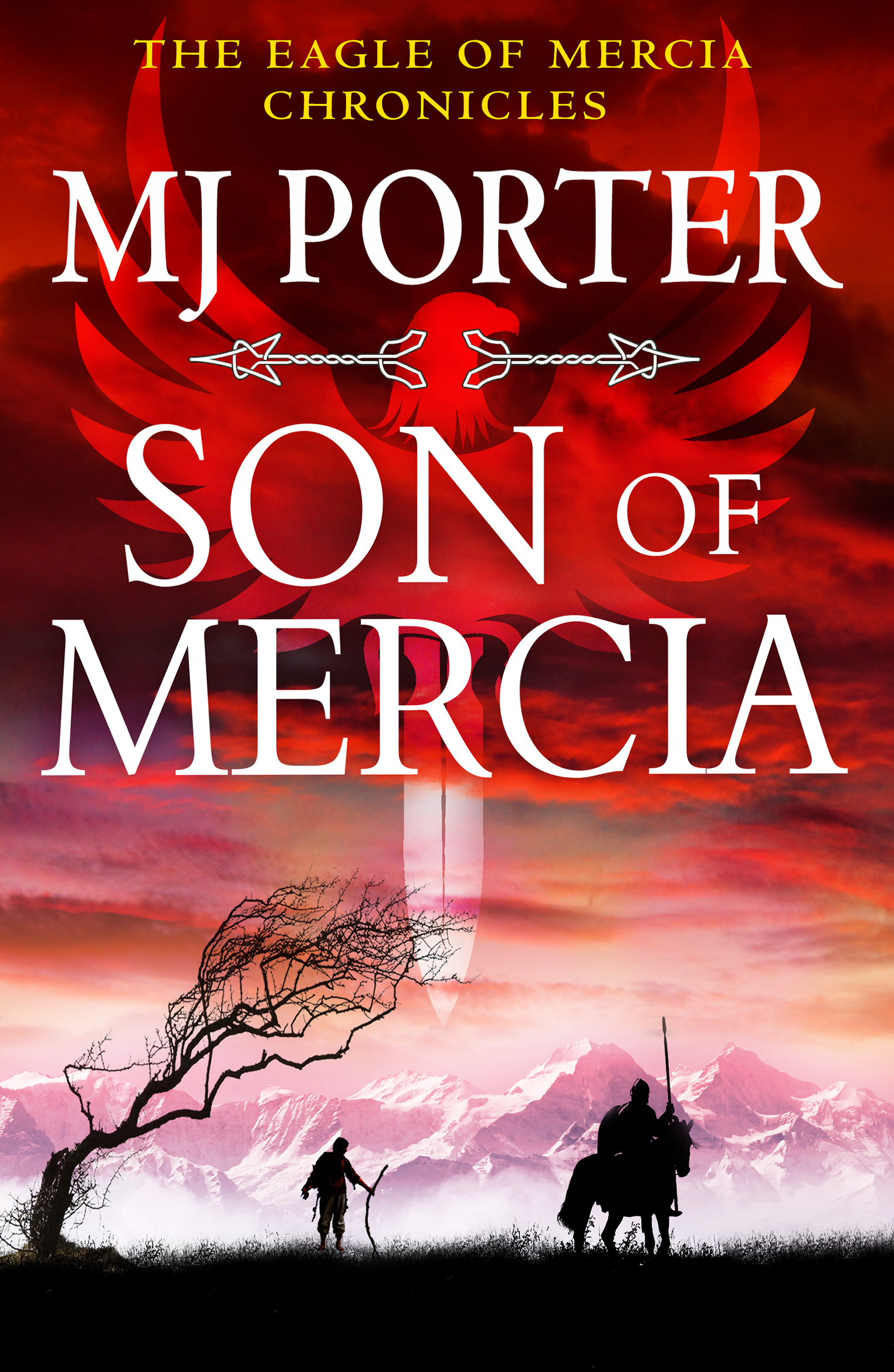
Today is the day. Son of Mercia is FINALLY released (I know it hasn’t actually been that long, it just feels like it).
I’m so excited to share it with fans and new readers alike.
If you’ve not yet heard about my new book (where have you been:)) then here’s the blurb:
Tamworth, Mercia AD825.
The once-mighty kingdom of Mercia is in perilous danger.
Their King, Beornwulf lies dead and years of bitter in-fighting between the nobles, and cross border wars have left Mercia exposed to her enemies.
King Ecgberht of Wessex senses now is the time for his warriors to strike and exact his long-awaited bloody revenge on Mercia.
King Wiglaf, has claimed his right to rule Mercia, but can he unite a disparate Kingdom against the might of Wessex who are braying for blood and land?
Can King Wiglaf keep the dragons at bay or is Mercia doomed to disappear beneath the wings of the Wessex wyvern?
Can anyone save Mercia from destruction?
And what’s so exciting about Son of Mercia is that it’s released in all the formats and over many, many platforms, today. Find the ebook, paperback, hardback, large print and audio version at your retailer of choice via this link.
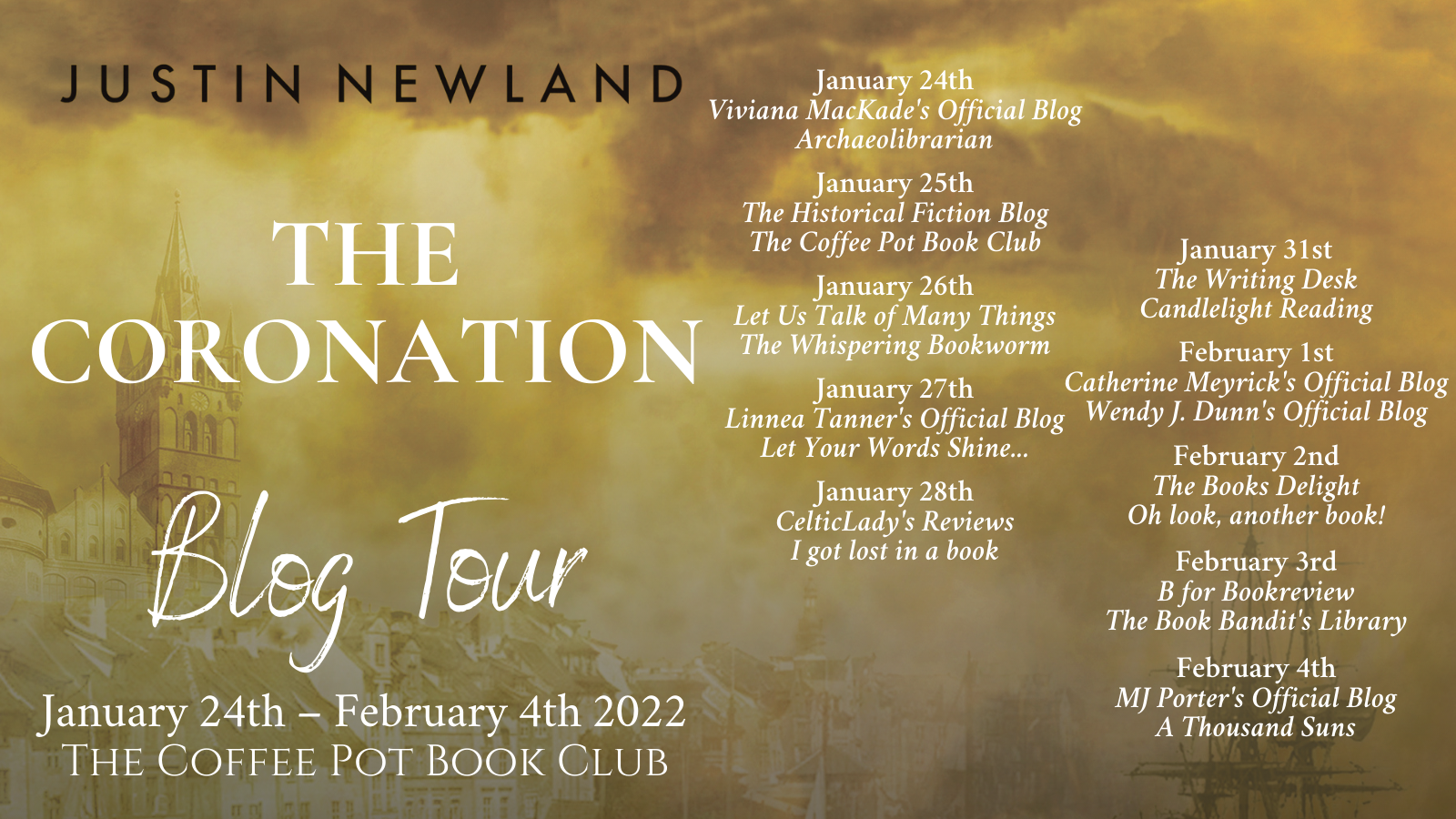
Join the blog tour for Son of Mercia by following #SonOfMercia on twitter, or check back here, as I will be posting links to the blogs. Thank you to all the bloggers and to Rachel for organising such a fantastic tour to celebrate release week.
To keep up to date with news and information about book 2 in The Eagle of Mercia Chronicles, please sign up to my newsletter or the Boldwood Books newsletter. Thank you. I can confirm that book 2 is already up for preorder on some sites. )I’ll add more links as it appears elsewhere.)
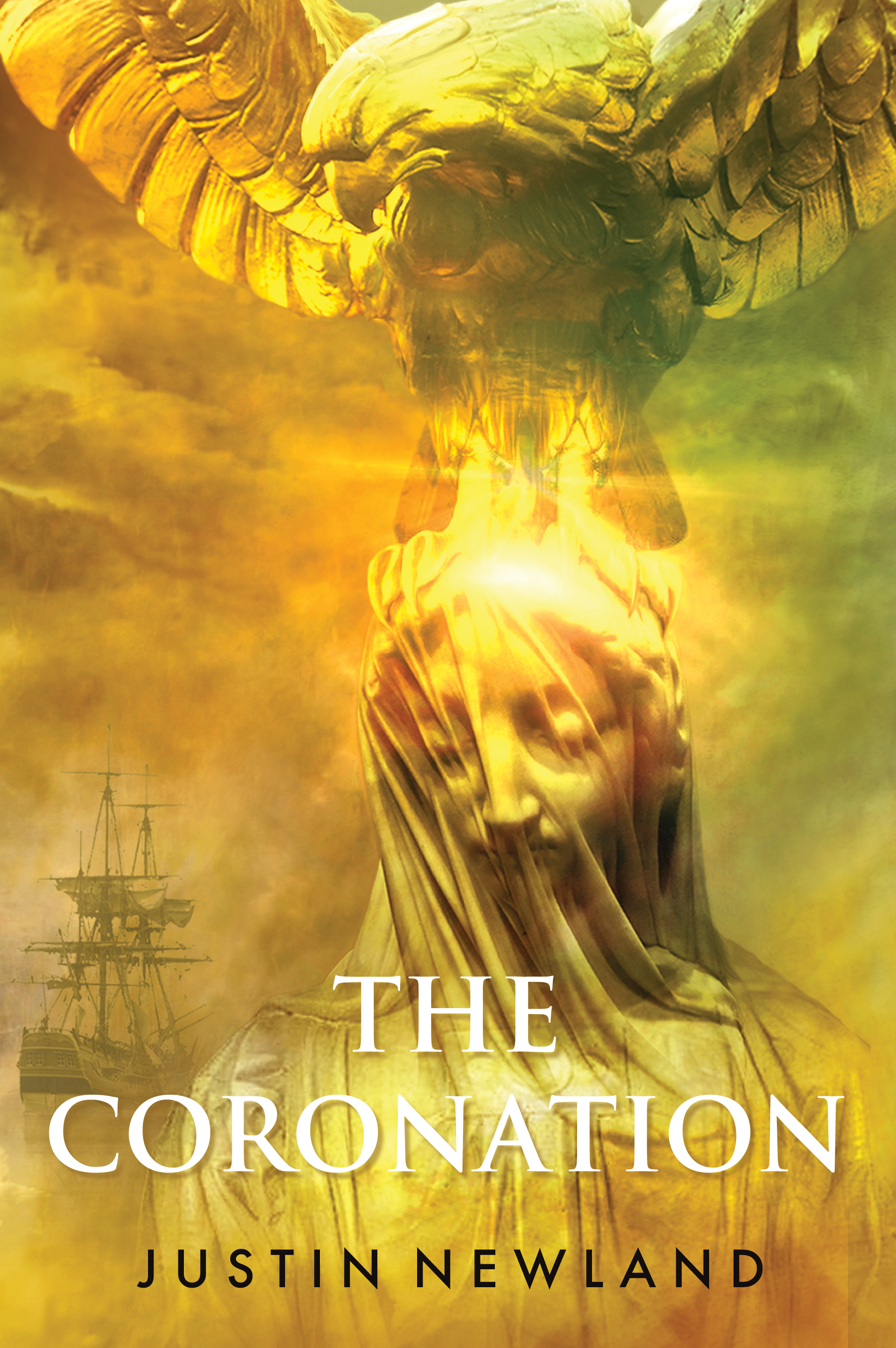
Your book, The Coronation, sounds fascinating. What was the first idea that made you decide to write this story?
To begin this, I’d like to describe how I work, how I come at or conceive my novels. I didn’t know this on my first novel, but have subsequently discovered this about how best I work, and how I best like to work.
So, to start, I tend to conceive the themes I want to explore in a story. Then I find the setting – the plot, the characters, the place, and the historical period – that best allows me to explore those themes and the message I want to put across.
Before I talk about The Coronation, my third novel, I’d like to give a bit of background as to my own writing journey up to the time I conceived it.
My first novel, The Genes of Isis, was an epic fantasy set in Ancient Egypt, and a re-telling of the Biblical story of the flood. Its plot was loosely based on the myth of Isis and Osiris.
Then I wrote a historical fantasy, The Old Dragon’s Head. It’s set in the 1400’s in Ming Dynasty China on the far eastern end of the Great Wall, and explored the supernatural beliefs of the Chinese mindset of those times.
Egypt and China – two of the largest historical contributors to the mores of civilisation.
Then, towards the end of 2017, I conceived the idea of a third novel, The Coronation.
Looking back at my notes, I wanted one of the themes of the story to be about famine, not only physical famine but also the spiritual famine. I wanted to use physical famine as a metaphor for spiritual famine, such as we encounter everywhere in today’s world.
So, I had to find a period of history, or a setting, when famine was prevalent.
I wanted also to explore the Ancient Greek idea of Arcadia, of an unspoiled, harmonious living together of a people and the land, played out through custom and ceremony, poem and dressage, song and dance. And I wanted to find a recent time and a place in history when the Arcadian ideal was still alive and well.
So, I also had to find a period of history when this Arcadian ideal was still alive and well and prospering.
This led me to the 18th Century in Europe.
It was a huge change-over, from feudal times to the beginning of the industrial era. It was time when there were few large cities, when people often only moved around within a 10- or 20-mile radius of their place of birth in all of their lives. It was a time when, in Europe, society was structured according to the Sachenspiegel, the Saxon Mirror, in the same way that God had ordered the Universe, from the stars down to the moon, from kings down to the peasants. This was a fixed, static view. In other words, people had to stay in and couldn’t move out of their strata of society, otherwise there would be upheaval and revolution.
It seemed to me that the Industrial Revolution had much to do with engendering that spiritual famine, so I looked for its genesis.
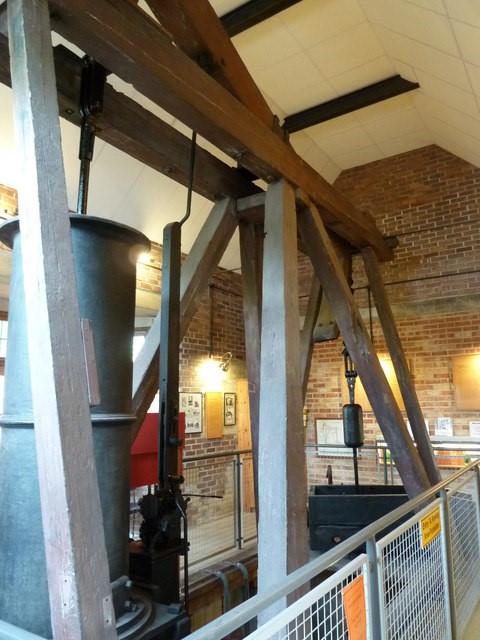
It began with the so-called Newcomen Engine.
Newcomen Steam Engine
This was a rather inefficient pump designed by a Devon pastor by the name of Thomas Newcomen. It was used to pump water out of Cornish tin mines.
There’s a photo here showing a reconstruction of that engine.
That led me to research James Watt and the origins of his steam engine. I found that he didn’t invent the steam engine, but he simply improved on the existing design, i.e., the Newcomen Engine.
So, in the 1760’s, James Watt made his discovery of the improvement to the efficiency of the steam engine, and we now live in the results of that, that is, we live in an industrialised society. That’s what we have inherited, whether we like it or not.
But was that how it was meant to be? Because at the time, a time they now call the Great Enlightenment, there were great advances in science, in biology, in chemistry, and medical science. These helped dispel the mists of superstition enshrouding the people of the time, and which prevented further growth and development.
But were we, as a people, as a genus, meant to take the industrial route? Was there an alternative? It must have been there, so what was it, and why didn’t we take it?
So, what was the ‘coronation’ alluded to in the book title? It wasn’t the coronation of a king or a queen or an emperor. So, what was it? Was it to do with the coronation of mankind, and if so, what form did that take? What did it, or would it look like, if mankind was crowned? And what did it have to do with the eagle?
These were the themes which set me off researching Europe on the 18th Century, and the period of the Great Enlightenment. And if it really was just that, a Great Enlightenment, how come we aren’t living in a greatly enlightened society today? Why didn’t it progress and develop? And should that day ever come, what would it look like? And would we recognise it?
These were some of the questions I wanted to explore in the novel.
Thank you so much for sharing. Your inspiration sounds fascinating. Good luck with the book.
Here’s the blurb
It is 1761. Prussia is at war with Russia and Austria. As the Russian army occupies East Prussia, King Frederick the Great and his men fight hard to win back their homeland.
In Ludwigshain, a Junker estate in East Prussia, Countess Marion von Adler celebrates an exceptional harvest. But it is requisitioned by Russian troops. When Marion tries to stop them, a Russian captain strikes her. His lieutenant, Ian Fermor, defends Marion’s honour and is stabbed for his insubordination. Abandoned by the Russians, Fermor becomes a divisive figure on the estate.
Close to death, Fermor dreams of the Adler, a numinous eagle entity, whose territory extends across the lands of Northern Europe and which is mysteriously connected to the Enlightenment. What happens next will change of the course of human history…
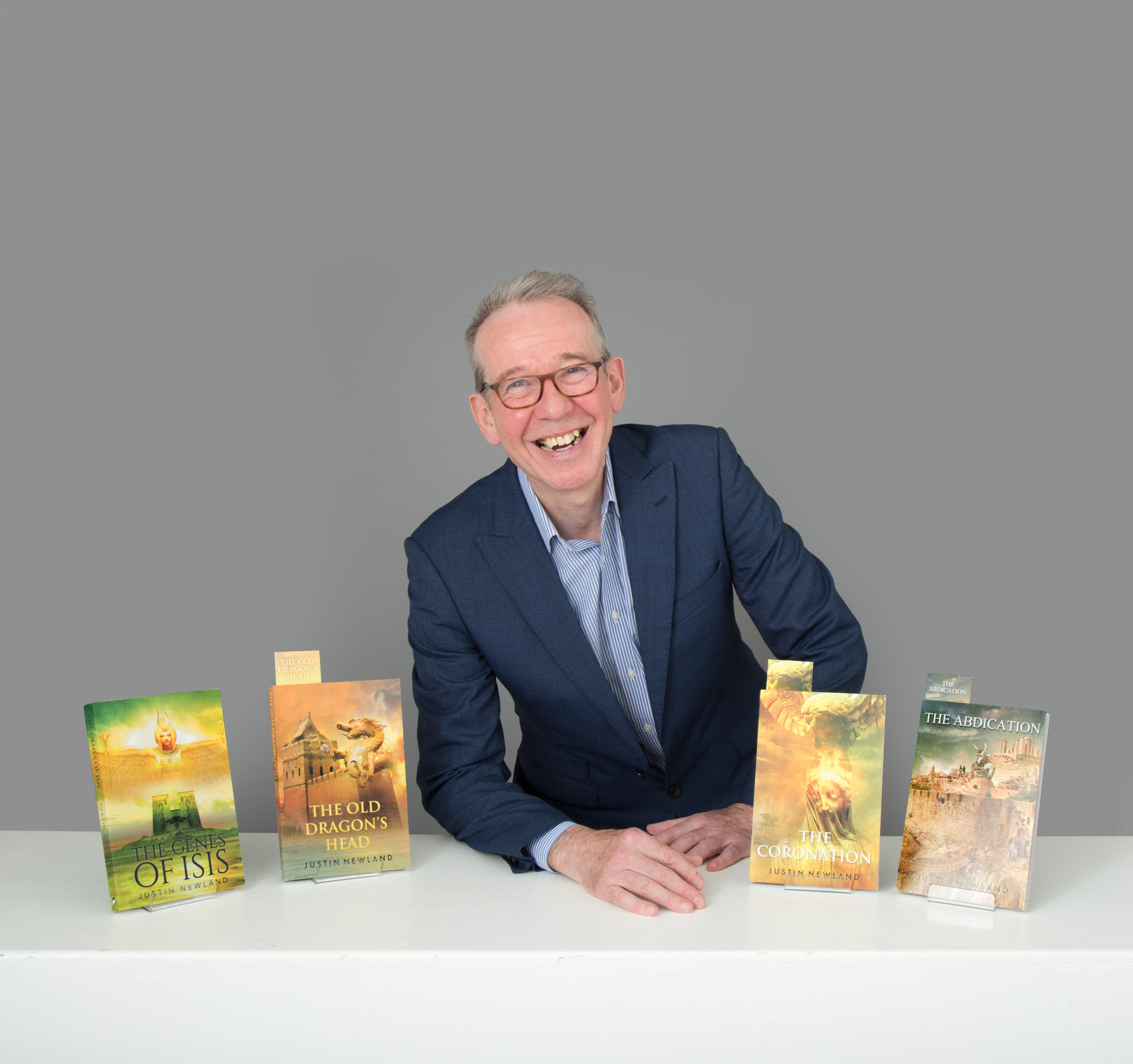
Justin Newland is an author of historical fantasy and secret history thrillers – that’s history with a supernatural twist. His stories feature known events and real people from history which are re-told and examined through the lens of the supernatural. He gives author talks and is a regular contributor to BBC Radio Bristol’s Thought for the Day. He lives with his partner in plain sight of the Mendip Hills in Somerset, England.
His Books
The Genes of Isis is a tale of love, destruction and ephemeral power set under the skies of Ancient Egypt. A re-telling of the Biblical story of the flood, it reveals the mystery of the genes of Isis – or genesis – of mankind. ISBN 9781789014860.
“The novel is creative, sophisticated, and downright brilliant! I couldn’t ask more of an Egyptian-esque book!” – Lauren, Books Beyond the Story.
The Old Dragon’s Head is a historical fantasy and supernatural thriller set during the Ming Dynasty and played out in the shadows the Great Wall of China. It explores the secret history of the influences that shaped the beginnings of modern times. ISBN 9781789015829.
‘The author is an excellent storyteller.” – British Fantasy Society.
Set during the Great Enlightenment, The Coronation reveals the secret history of the Industrial Revolution. ISBN 9781838591885.
“The novel explores the themes of belonging, outsiders… religion and war… filtered through the lens of the other-worldly.” – A. Deane, Page Farer Book Blog.
His latest, The Abdication (July, 2021), is a suspense thriller, a journey of destiny, wisdom and self-discovery. ISBN 9781800463950.
“In Topeth, Tula confronts the truth, her faith in herself, faith in a higher purpose, and ultimately, what it means to abdicate that faith.”
The drive leads past the gate house and through the trees towards the big house, visible through the winter-bared branches. Its windows stare down at Harkin and the sea beyond . . .
January 1921. Though the Great War is over, in Ireland a new, civil war is raging. The once-grand Kilcolgan House, a crumbling bastion shrouded in sea-mist, lies half empty and filled with ghosts – both real and imagined – the Prendevilles, the noble family within, co-existing only as the balance of their secrets is kept.
Then, when an IRA ambush goes terribly wrong, Maud Prendeville, eldest daughter of Lord Kilcolgan, is killed, leaving the family reeling. Yet the IRA column insist they left her alive, that someone else must have been responsible for her terrible fate. Captain Tom Harkin, an IRA intelligence officer and Maud’s former fiancé, is sent to investigate, becoming an unwelcome guest in this strange, gloomy household.
Working undercover, Harkin must delve into the house’s secrets – and discover where, in this fractured, embattled town, each family member’s allegiances truly lie. But Harkin too is haunted by the ghosts of the past and by his terrible experiences on the battlefields. Can he find out the truth about Maud’s death before the past – and his strange, unnerving surroundings – overwhelm him?
A haunting, atmospheric mystery set against the raw Irish landscape in a country divided, The Winter Guest is the perfect chilling read.
The Winter Guest is my first W C Ryan book, but it won’t be my last.
The Winter Guest is a little awkward to get into. The first chapter could perhaps be better placed elsewhere or left out altogether, but once past that point, and as the reader meets Harkin, we’re quickly drawn into his world. A man suffering from PTSD following the Great War and involving himself in the IRA, is a man on the edge, inhabiting a world filled with suspicion and shadows, where things that seem real, are simply not.
He is a sympathetic character and the reader feels. a great deal of empathy for him.
The landscape he walks into is one bedevilled by atmospheric weather conditions – there is a great deal of attention spent on creating the image of a house on the cusp of ruin, a family in the midst of ruin and the weather conditions prevalent at the coastline. On occasion, it feels a little too much but the lack of electricity, the reliance on candles, ensures that the slightly other-worldly elements can never be forgotten. The flashback descriptions of life in the trenches of the Great War haunt the reader as well as Harkin,
You may have noticed that I thoroughly enjoyed this novel. I would put it on a par with last year’s The Glass Woman and The Quickening. A haunting story not to be missed. My thanks to Netgalley and the publisher for my review copy
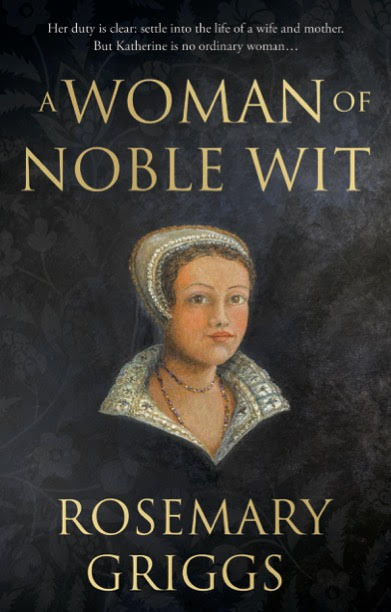
Your book, A Woman of Noble Wit , sounds fascinating. Can you share with me what the first idea was that made you decide to write this story? It might be very different from how the story ended up being, but I am curious, if you don’t mind sharing. And, if the story is very different, would you mind sharing the process by which you ended up with your current novel?
For example, my current book started off after watching an old Pathe TV show about making motorbikes and sidecars and has ended up as a 1940s mystery involving an unidentified body!
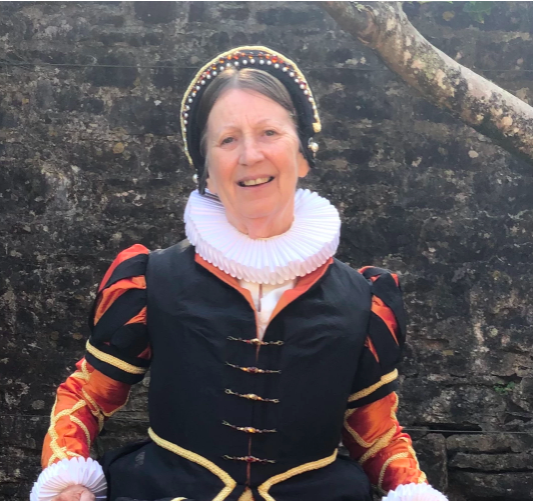
Retirement can be a wonderful thing. If you’re lucky, as I am, it can set you free and give you time to do the things you’ve always wanted to do. Since I retired I’ve been able to indulge a lifelong passion for history and I’ve also been dusting off some long-neglected dressmaking skills. I started to research and make sixteenth century clothing to wear as a volunteer at a local National Trust property. That was where I first met Katherine Champernowne, the subject of my novel. I now bring this remarkable Devon woman to life for audiences all over the county and use her clothes to open up conversations about how people like her lived. As I learned how to make her clothes I found it wasn’t enough to just look all right on the outside. I wanted to construct my costumes as accurately as possible, layer by layer, so that I could feel what it was like to dress as she did — to walk in her shoes.
Rosemary in costume
In the same way, I wanted to understand what it felt like to live through those times as an educated well-born woman far from the Royal Court. We hear a lot about the lives of King Henry and his Queens, but little about the largely unrecorded, unnoticed women, who stood behind other famous men who changed the course of history. I thought Katherine’s story deserved to be told. That germ of an idea would eventually turn into my novel.
I read every book I could find on the lives of women in sixteenth century England. I researched Katherine’s family and Devon’s Tudor history. I spent many happy hours poring over old documents in the archives. I visited the places she knew. I read biographies of her famous sons, amongst them Sir Humphrey Gilbert and, of course, Sir Walter Raleigh.
Picture from Wikimedia commons
Sir Walter was a prodigious writer. His letters, books and poems reveal a lot about his character. His deeds as Queen Elizabeth’s favourite, as a soldier, sea captain, poet and more, are well recorded. There are even descriptions of him written by his contemporaries. For Katherine herself and for some of the other people in her life there is much less to go on.
In 1538 Thomas Cromwell was behind a new law that required priests to keep a record of baptisms, marriages and burials. One of his better ideas, I think. But key events in Katherine’s early life fell well before the new system started. Record keeping was patchy at first and many registers have been lost or damaged, So tracking down the most basic details of her life — the exact date of her birth, and of her two marriages —was very difficult. We do know that she was laid to rest beside her second husband. In a letter Sir Walter wrote to his wife before his execution he said he wanted to be buried beside his parents “in Exeter church”. It’s believed that Katherine Raleigh died in 1594, shortly after she made her will. But the page that would have recorded her burial is missing from the register of St Mary Major’s in Exeter, though Walter Raleigh senior’s burial is listed there in February 1580/1581. Nor can we read her will as it was originally written. It was lost in a second world war bombing raid on Exeter in 1942 when the City Library, the repository of over a million documents and books, was completely destroyed. Only due to the diligence of a nineteenth century scholar do we have a transcript of her last wishes. We do, however, have an account of her courageous vigil in the prison cells beneath Exeter Castle with protestant martyr Agnes Prest. It was published during Katherine’s lifetime in Foxe’s Book of Martyrs, which says that Katherine Raleigh was “a woman of noble wit and godly ways.” That gave me my title.
At first I thought I would write a fully sourced academic biography, but I found that there were many gaps to fill, many areas of doubt. Scholars even remain divided about the exact dates of birth of her boys. My research fixes the birthday of only her eldest Gilbert son, John, with certainty, confirmed in his father’s Inquisition Post Mortem. For her other children the dates remain uncertain. Even the number of children she bore is open to question. For example, there may have been a second Gilbert daughter named Elizabeth, others may have died in infancy unrecorded.
I pieced together as much as I could from what was recorded about Katherine’s brothers, sisters, parents and other relatives, some of whom had close connections to the Court. I recently published a blog post setting out the research that has convinced me that the other Katherine Champernowne, the one who was known as Kat, later married John Ashley, and was governess to the young princess Elizabeth, was Katherine Raleigh’s sister.
Photo of Kat Ashley from Wikimedia Commons
Another sister, Joan wife of Sir Anthony Denny, served several of King Henry’s Queens and is recorded as a close friend of Katryn Parr. The careers of Katherine’s Carew cousins Sir George, who went down in the Mary Rose, and Sir Peter, feature often in the record.
Beyond that I started to look for clues from which I could develop plausible explanations for the missing pieces in the jigsaw of Katherine Raleigh’s life. The personalities of people who played their part in her story started to emerge of their own volition. I started to put flesh upon the bones of the bare skeleton the historical record had left me. I felt I was really getting to know Katherine and her world. The more I discovered, the more I wanted to bring her to life; to explore how she might have become the woman who inspired her sons to follow their dreams. So, my story of Katherine’s life started to evolve and take shape, a story that also did justice to the exciting events that gripped Devon in those turbulent years. Where I have found facts are backed up by reliable source documents I have respected them. But I have sought to weave those facts together with fiction to create a believable and compelling story of one woman’s life in a changing world.
Wow, thank you so much for sharing. That’s a fantastic story. Thank you so much for sharing your reasons for writing your new book. I think your Tudor dress is fantastic.
Here’s the blurb:
Few women of her time lived to see their name in print. But Katherine was no ordinary woman. She was Sir Walter Raleigh’s mother. This is her story.
Set against the turbulent background of a Devon rocked by the religious and social changes that shaped Tudor England; a Devon of privateers and pirates; a Devon riven by rebellions and plots, A Woman of Noble Wit tells how Katherine became the woman who would inspire her famous sons to follow their dreams. It is Tudor history seen though a woman’s eyes.
As the daughter of a gentry family with close connections to the glittering court of King Henry VIII, Katherine’s duty is clear. She must put aside her dreams and accept the husband chosen for her. Still a girl, she starts a new life at Greenway Court, overlooking the River Dart, relieved that her husband is not the ageing monster of her nightmares. She settles into the life of a dutiful wife and mother until a chance shipboard encounter with a handsome privateer, turns her world upside down.…..
Years later a courageous act will set Katherine’s name in print and her youngest son will fly high.
Rosemary Griggs is a retired Whitehall Senior Civil Servant with a lifelong passion for history. She is now a speaker on Devon’s sixteenth century history and costume. She leads heritage tours at Dartington Hall, has made regular costumed appearances at National Trust houses and helps local museums bring history to life.
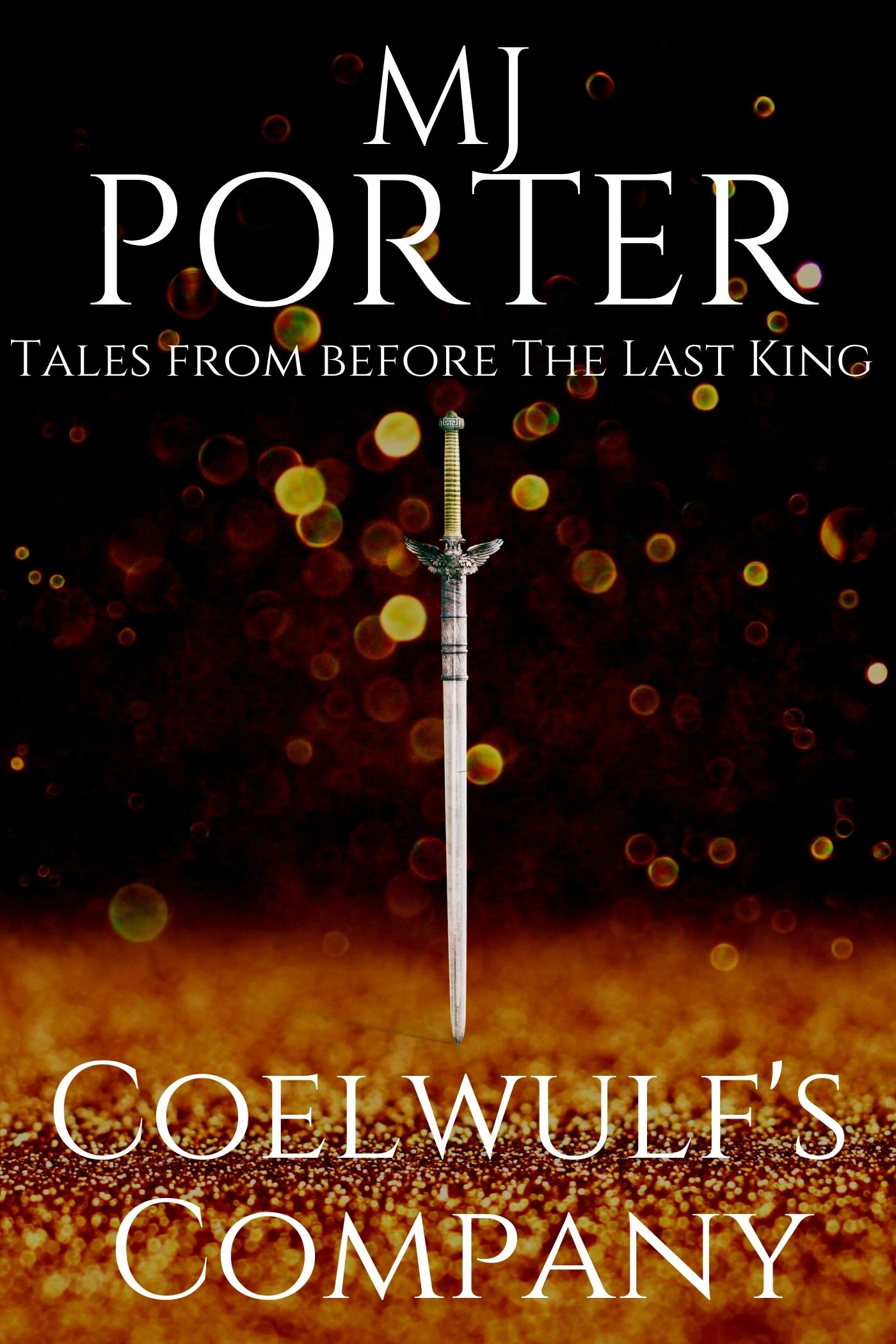
Here it is – a little treat for fans of Coelwulf and his warriors.
Having given many hints as to how the motley crew got together, I decided to write some short stories, from different points of view, to see just what Icel, Edmund, Coelwulf, Pybba and of course, Rudolf, think of one another and how they came to be battling the Raiders in AD874.
The collection consists of 5 short stories, and also another short story which laid the foundation for Coelwulf and his warriors. (This short story is freely available on the Aspects of History website, but I added it just so readers who haven’t discovered it yet could see it. Do please check out my author platform on Aspects of History and all the other excellent authors on there as well.)
I hope you’ll enjoy it, and if you do, I can press on with writing more short stories, because it’s been a great deal of fun! And you know me, I do like to tell a story backwards:)
Coelwulf’s Company is available as an ebook from Kindle and can be read with Kindle Unlimited.
At some point in December 2011, and I don’t remember the exact date, other than it was before the schools broke up for Christmas in the UK, I indie-published my first fantasy book, then called Purple, and now renamed to Hidden Dragon. I’d spent years writing it (over three, but the idea had been with me for fifteen.) I’d sent it to almost every UK-based agent that would consider fantasy, and I’d got precisely nowhere. Unsure what more I could do, I was convinced to put it on Amazon Kindle just to see what would happen.
The many faces of Purple, renamed as Hidden Dragon. (I’ve spared you all the first cover I made which was truly terrible).
I didn’t really know what I was doing at the time. (Some might argue I still don’t). But that means that in December 2021, I’ll celebrate ten years as an indie author. And what a ride it’s been. There have been a few dizzying highs and primarily many, many lows. I would like to think that I finally know what I’m doing, but every so often, such as recently with IngramSpark, something happens that I realise I don’t know. Anyway, I think this anniversary allows me to reflect on the last ten years.
Firstly, I would say that indie publishing is just about unrecognisable to when I started. Yes, Amazon Kindle hasn’t changed in any way – it still offers writers an affordable means to publish, but the way books are ‘built’ and put on the service is very different, in a good way. The options are far more sophisticated, and indeed, I think every platform has undoubtedly changed for the better in the last ten years. I can only speak mostly about Amazon Kindle because while I’ve flirted with other platforms, I’ve only used Amazon Kindle for much of the last few years.
Some of my fantasy covers, and different names I’ve written under.
The way indie writers approach their writing is entirely different. The options available in terms of editors, cover designers, advertising, printing paperbacks, accessing multiple market places has also changed over time. I genuinely pity anyone starting today because it is a minefield. It doesn’t have the quirkiness about it that it once did when anyone could try their luck, and success stories were built on it. Writers have higher expectations of themselves. Readers have expectations that exceed those of authors with traditional publishing deals. And authors with traditional publishing deals increasingly look to indie-publishing if they have projects that are rejected by their usual route.
My journey has seen me pivot more than once. My desire to write fantasy that fans of ‘my sort’ of fantasy could enjoy (my influences were and remain, Anne McCaffrey, Katharine Kerr, Patricia Keneally Morrison, Melanie Rawn, Robin Hobb, Terry Pratchett and Robert Rankin), but this isn’t where fantasy is these days. (All hail grimdark – apart from Robin Hobb). I took to historical fiction when I discovered a historical character that needed writing about – Ealdorman Leofwine – but even then, it wasn’t a smooth journey. Once more, I went down the route of trying to find an agent and failed. And once more, I went indie. I will share the story of how I placed Ealdorman, as the book was then called, for pre-order on Smashwords for three months and got precisely no pre-orders – even though I stayed up until midnight on release day to watch them all flood in. It would be another three months until someone picked up that book!
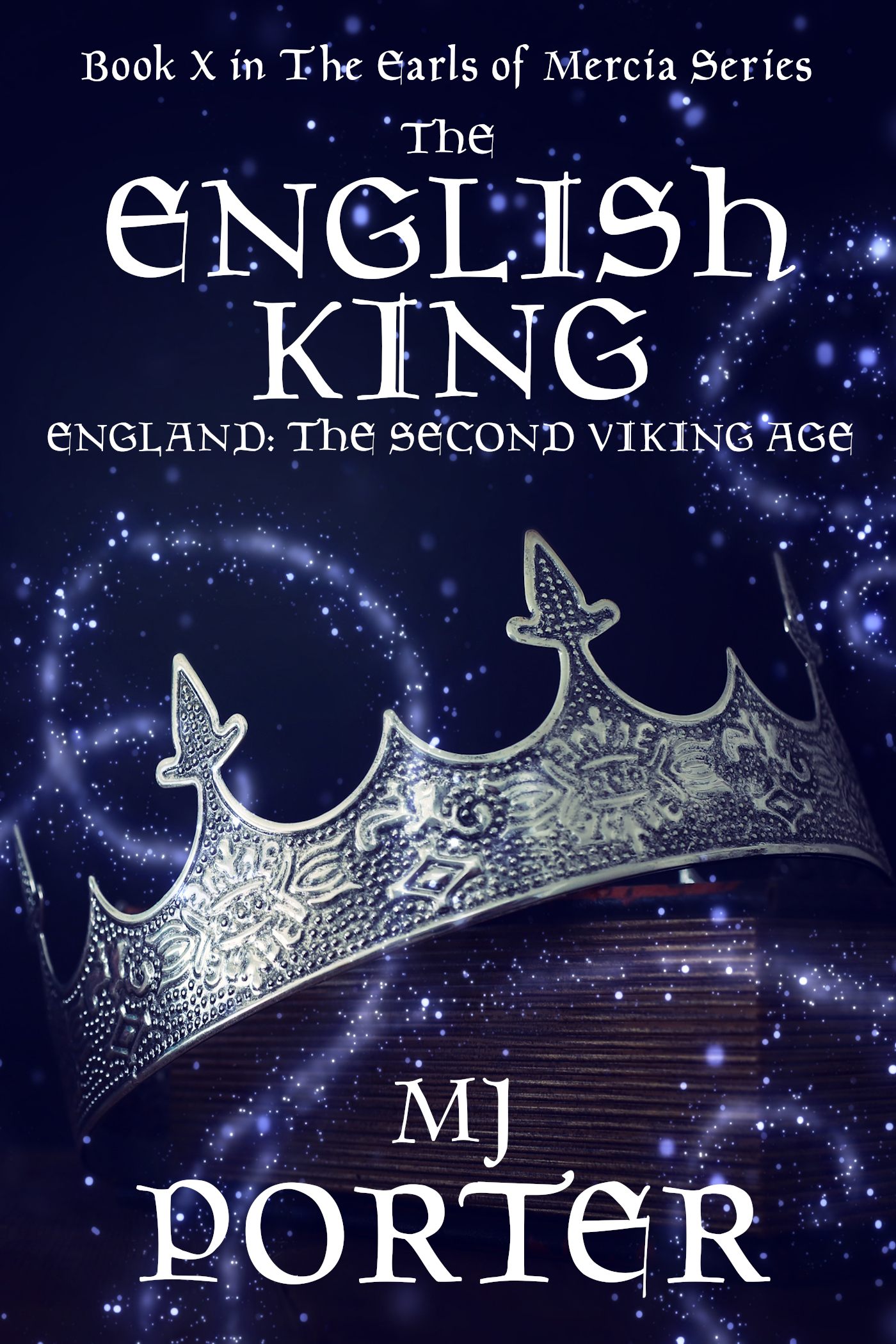
How it started. How it’s going! The first book in the Earl of Mercia series, under both of its titles, and the current book, number 10 – although there are also 3 side stories, which means there are 13 Earls of Mercia books, well, 14, if you include Lady Estrid.
I still toyed with fantasy, but I was increasingly finding my ‘home’ in historical fiction – a genre I didn’t particularly enjoy reading apart from five authors – Elizabeth Chadwick, Sharon Penman and Bernard Cornwell’s Excalibur trilogy, as well as Stonehenge and some Egyptian historical mysteries by Paul Doherty. I wrote different periods (but still in Early England). I tried different writing styles. I just didn’t stop because the only way to succeed was to write something that would be successful.
I had a false start with The First Queen of England book, a novel I tried to write as a historical romance, but where the sequels pivoted towards the political (I mean, the poor woman’s husband died!) which therefore landed me in trouble with my readers who didn’t want a romance, and with romance readers, who were unappreciative that the trilogy didn’t continue as a romance. But the success of the Lady Elfrida books did allow me to give up my part-time job to write full time.
Current covers for some of my Saxon England stories.
I wrote some more fantasy. I wrote a modern-day/dystopian future mash-up under a different name and sold about ten copies. But all the time, readers were slowly coming. My pre-orders all made it beyond my zero for Ealdorman.
The fantastic King Coelwulf.
And then, one day, King Coelwulf came to me. He wasn’t very clear to start with, and he sat on the back burner for two years, and then, when I began to write him, he sort of exploded onto the computer screen. (I believe his character is so strong because of a character I’d written in one of my fantasy books, who isn’t Coelwulf but has some of his qualities, while the battle scenes have been built upon by my attempts to recreate the three famous battles of the seventh century and Brunanburh in the tenth). I also decided to ‘sod it’ and write a character the way I wanted to. That doesn’t mean that my other characters aren’t the men and women I want to portray, but I think there was some hesitancy in them and me. This time, I downplayed the history a little and upgraded the violence and the swearing. I brought the humour. I brought the peril, and I had a bloody good time doing it. And you know what, people loved it (or hated it), and Coelwulf connected me with an audience who had just been waiting for me to discover them.
I’ve written 46 novels and one short story (15K) throughout the last ten years, which I published (not all under M J Porter), and a shorter short story in Iron and Gold with fellow Aspects of History authors. I have four further novels which aren’t yet published, which I’m writing – Son of Mercia will be published by Boldwood Books in February 2022 and is complete, the second book in the Eagles of Mercia Chronicles will be published by Boldwood in June 2022, the third, later in 2022. This means that I’m becoming a hybrid author after ten years as an indie.
I have four series I’m currently writing (three set in Early England and one in 1940s Erdington), so more books will come, and I have many more stories to share. Whether I make it another 46 books in the next ten years, I genuinely don’t know. I can’t see I’ll lose the desire to write. To do that, I’ll need to stop attending history and archaeology talks which offer me so many new stories to tell. I’ll also have to stop reading because often, my ideas come from what I read. And that just isn’t going to happen.
So, thank you to every one of my readers who’s made the last ten years possible. You rock (well, most of you do – you know who you are:)) Let’s see what the next ten years bring.
For details on my series, please check out the menu at the top of this blog post.
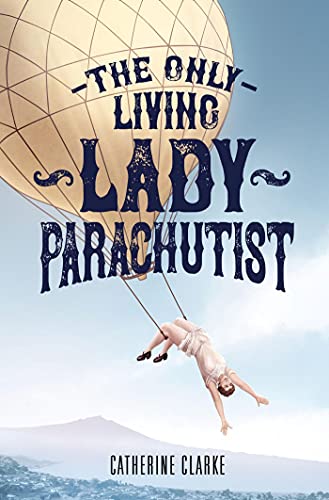
Today, I’m pleased to share my review for Catherine Clarke’s fabulous book, The Only Living Lady Parachutist. I was lucky enough to read this in beta with The History Quill and I absolutely loved it. I’m so pleased it’s now available for everyone to enjoy.
Here’s the blurb:
To test her courage, daredevil Lillian risks her life for fame and fortune by parachuting from a hot air balloon throughout Australia and New Zealand. But in the competitive 1890s era of charlatans, showmen, and theatrical hucksters, is she brave enough to confront the truth about her past? A story of courage and ambition, and the consequences of secrets and lies.
I really loved The Only Living Lady Parachutist. The author told a magnificent story that sucked me in, and I read it in three evenings. I was enthralled by the story of Lillian and her daredevil approach to life, and also by the wonderful reimagining of Australia and New Zealand at the time. (I’d not long finished watching The Luminaries so it tied it perfectly). The fact it’s based on ‘real’ people, as I discovered at the end, only added to my enjoyment of it, and I can appreciate how much fun the writer had in piecing together the story (and perhaps, how much heartache as well.)
The Only Living Lady Parachutist is available now on Kindle.
Today, I’m delighted to welcome Meredith Allard to the blog with a fascinating post about her new, festive book, Christmas at Hembry Castle.
There’s a joke I’ve seen on Pinterest, a cartoon of a writer watching TV. The character says, “I’m researching!” to the cynical-looking people standing nearby. For those of us who write fiction, we know that watching TV or movies, listening to music, or going for walks really is research because all of it becomes part of the writing process. Writers, especially fiction writers, need their imagination fueled regularly, and it’s the little things we do, such as stealing an hour here or there to watch a favorite TV show or listen to our favorite music, that help to fill the creative well so that we have a brain full of ideas when we sit down to write.
When it comes time to write, especially if I’m writing an historical story, I try to immerse myself in the time period as much as possible. If I feel as if I’ve traveled back in time, then it’s easier for me to carry my readers along with me on the journey. Here are some of the places I found inspiration while writing my Victorian story Christmas at Hembry Castle. I wrote Christmas at Hembry Castle with the deliberate intention of putting my own spin on Dickens’ A Christmas Carol, which made the task more challenging, but it was a challenge I relished because I adore Dickens and especially A Christmas Carol. In fact, Edward Ellis, one of the main characters, is based on a young Dickens. Here are some of the resources I used for Christmas at Hembry Castle.
Books
Nonfiction:
Up and Down Stairs: The History of the Country House Servant by Jeremy Musson
What Jane Austen Ate and Charles Dickens Knew by Daniel Pool
How To Be a Victorian: A Dusk-to-Dawn Guide to Victorian Life by Ruth Goodman (one of my new favorite historians—she lives what she studies)
The Victorian City: Everyday Life in Dickens’ London and Inside the Victorian Home: A Portrait of Domestic Life in Victorian England by Judith Flanders
The Writer’s Guide to Everyday Life in Regency and Victorian England From 1811-1901 by Kristine Hughes
To Marry an English Lord by Gail MacColl and Carol McD. Wallace
Below Stairs: The Classic Kitchen Maid’s Memoir That Inspired “Upstairs, Downstairs” and “Downton Abbey” by Margaret Powell
The Essential Handbook of Victorian Etiquette by Thomas E. Hill
Fiction:
When reading novels, I look for books written during the era I’m writing about as well as novels written about the era. Other times I’ll find inspiration in a novel that isn’t necessarily set in that time but there’s something about the story that provides some ideas.
The Buccaneers and The Age of Innocence by Edith Wharton
Snobs by Julian Fellowes
The Remains of the Day by Kazuo Ishiguro
A Christmas Carol by Charles Dickens
Television and Film
For me, TV and film are the same as fiction—some of what I watch is set in the era, some is not, but all stir my imagination in one way or another.
Downton Abbey
Upstairs, Downstairs
The miniseries of The Buccaneers
North and South
Lark Rise to Candleford
Cranford
A Christmas Carol (the animated version, as well as the one with Patrick Stewart and my personal favorite—A Muppets Christmas Carol)
Music
Since my Victorian story is set in the 1870s, people were dancing to waltzes and polkas. Strauss and Chopin were favorite composers, which works well for me since I love to listen to classical music. And of course, many of our favorite Christmas carols that we sing today were quite popular during the Victorian era such as “Silent Night” and “God Rest Ye Merry Gentlemen.”
Pinterest
I adore Pinterest. For me, Pinterest isn’t social media as much as something I do for fun because I love it so much. When I needed to describe the sitting room at Hembry Castle or if I needed an idea of what a Victorian sitting room decorated for Christmas might look like, I simply needed to go onto my research board, find the pin for the photograph I wanted to use as inspiration, and describe what I saw. If you’re writing your novel on Scrivener, you can import those photos directly into your novel file so they’re readily available when you need them.
Wow, it sounds like you had great fun writing your new book. Good luck with it, and have a lovely Christmas:)
Here’s the blurb:
You are cordially invited to Christmas at Hembry Castle.
An unlikely earl struggles with his new place. A young couple’s love is tested. What is a meddling ghost to do?
In the tradition of A Christmas Carol, travel back to Victorian England and enjoy a lighthearted, festive holiday celebration.
Meredith Allard is the author of the bestselling paranormal historical Loving Husband Trilogy. Her sweet Victorian romance, When It Rained at Hembry Castle, was named a best historical novel by IndieReader. Her latest book, Painting the Past: A Guide for Writing Historical Fiction, was named a #1 new release in Authorship and Creativity Self-Help on Amazon. When she isn’t writing she’s teaching writing, and she has taught writing to students ages five to 75. She loves books, cats, and coffee, though not always in that order. She lives in Las Vegas, Nevada. Visit Meredith online at www.meredithallard.com.













 MJ Porter