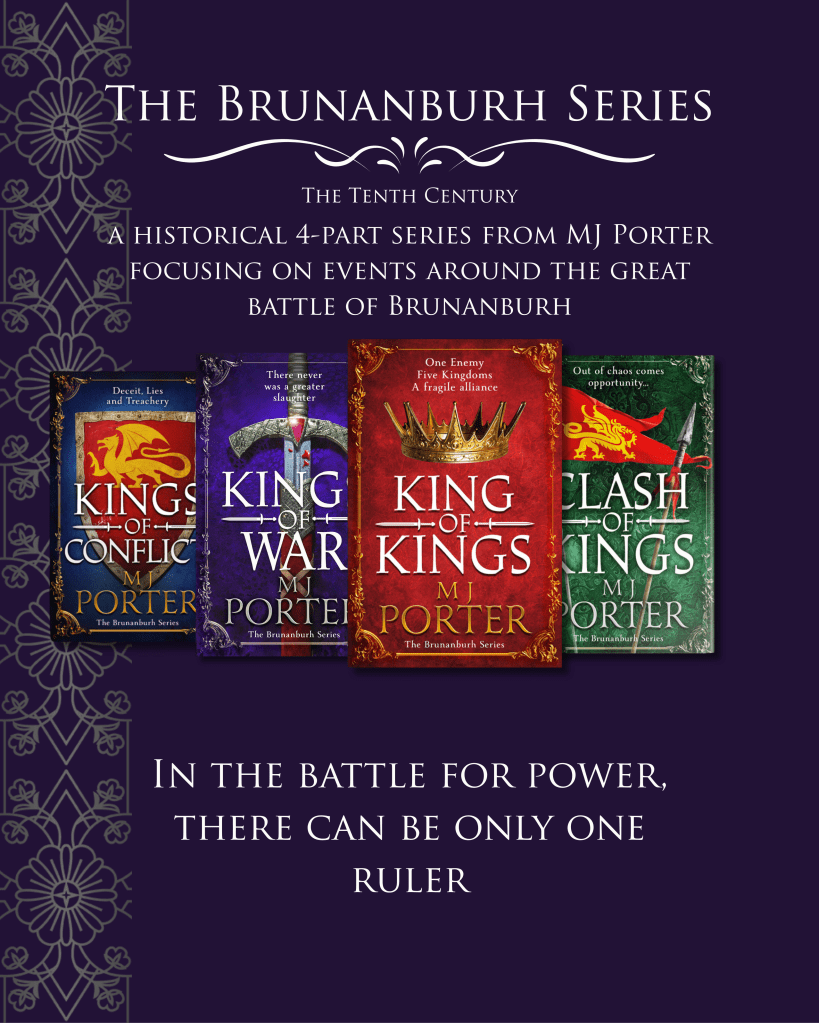
The first kings of the ‘English’ – Athelstan and Edmund

(I’m re-sharing an old post which I’ve amended slightly, and added some new graphics).

England, Wales, Scotland, the smaller kingdoms of Mercia, Wessex, Northumbria, East Anglia, Kent, Powys, Gwynedd, Dal Riada – for the uninitiated (including myself) the sheer number of kingdoms and kings that peopled the period in British history before 1066 can appear as a bewildering display of names, places, times and events, and perhaps never more so than when a historian is trying to sell a book and so makes a statement in their title that applies to that particular king.

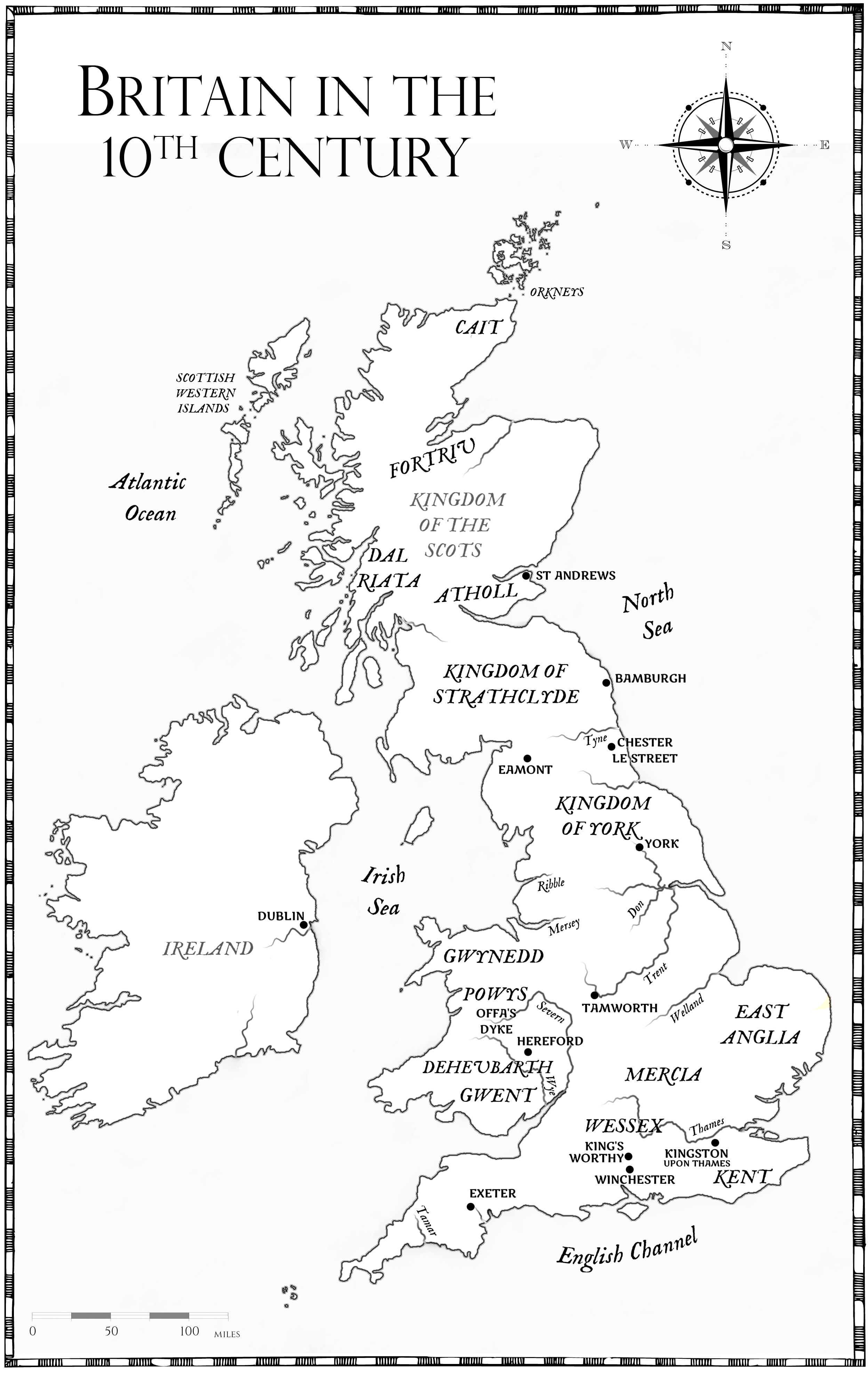
Map designed by Flintlock Covers

Phrases such ‘the Golden Age of Northumbria’, ‘the Mercian hegemony’, ‘the rise of Wessex’, they all mask so many events that I find the phrases very unhelpful and perhaps worse, misleading.

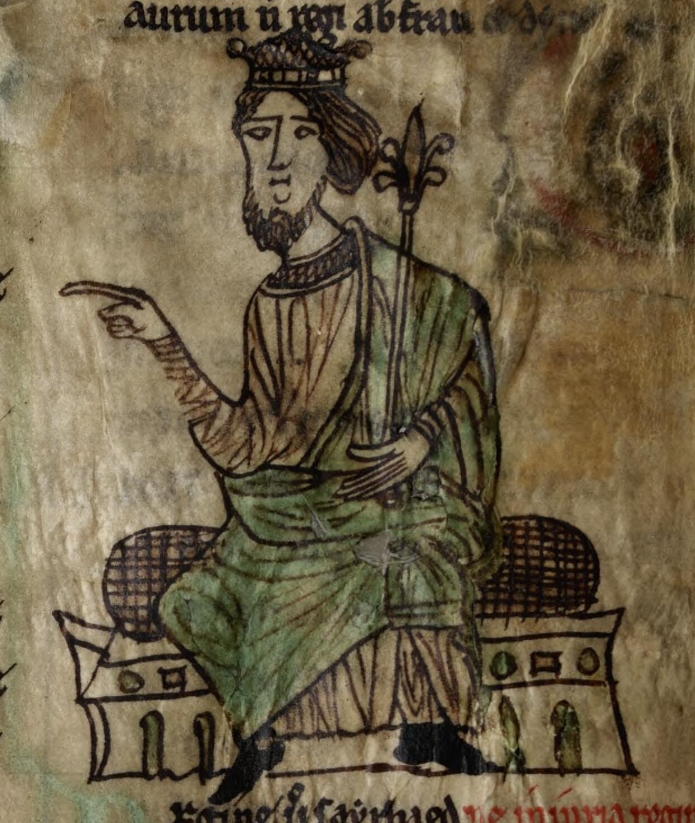
I think that Athelstan and his younger half brother, Edmund, probably deserve their titles as Kings of the English. And it’s not just my opinion either. There was, according to Sarah Foot in her book on Athelstan, a concerted effort by the king and his bishops to have him stand apart from his predecessors – to be something ‘different’ to them. They named him king of the English, not king of Mercia (a post he held briefly before another of his younger brothers died) and not king of Wessex, for all that he was both of those things.

They changed his title, they crowned him with a crown, not a helmet. They wanted Athelstan to be something other than his grandfather, King Alfred, and his father, King Edward. It was a bold statement to make, and one they continued when Athelstan died too young and his half-brother, Edmund replaced him. He too was crowned using, it must be supposed, the same Coronation service. (For full details have a peek at Sarah Foot’s book on Athelstan – or read the first few chapters of King of Kings as the service appears in it as well).

So why the change? Essentially the old Saxon kingdoms, for all that they were preserved in the naming of the earls/ealdormens designations, had been swept aside by the Viking raiders. The old kingdoms had become a handy label to apply to certain geographic areas, and the kings of Wessex, whilst keen to hold onto their hereditary titles because of the permanence their own royal line had managed to acquire, were equally as keen to do away with regional boundaries. There was, it can’t be denied, a concerted and almost unrelenting urge to drive any Viking raider or Dane or Norwegian (the Norse) from British soil, and this is what Athelstan and then Edmund were tasked with doing.

Yet the idea of ‘English’ wasn’t a new concept. Why else would Bede have called his great piece of religious historical writing “The Ecclesiastical History of the English people’, if there hadn’t been a shared consciousness that the people in England, all be it in their separate kingdoms, didn’t have a shared heritage? Why the idea suddenly took flight under King Athelstan could be attributed to a new sense of confidence in Wessex and Mercia at the time. They were confident that they could beat the Viking raiders and they were convinced that England belonged to them.

Or perhaps it was more than that? The destruction wrought by the Viking raiders on the separate kingdoms must have been a stark reminder of just how insular the kingdoms had become, and the Viking raiders showed everyone just how easy it was to run roughshod over the individual kingdoms. Only in unity could the Saxon kingdoms of England survive another onslaught; only with unity could the Saxons hold onto their kingdoms they’d claimed about 500 years before.

It was a message that was learned quickly and taken to heart. Athelstan worked to reunite more of the Saxon kingdoms with the growing ‘England’, and he tried to do so by both diplomacy and through war. Yet, the Viking raiders hadn’t finished with England, and nor were they her only enemies. This also lies at the heart of Athelstan’s ‘masterplan’ his treaty of Eamont (if it truly happened – Benjamin Hudson in his Celtic Scotland is not convinced). Athelstan wanted to be a mighty king, but he also wanted England, and the wider Britain (also a concept already understood otherwise why else would that cantankerous monk – Gildas – have called his even earlier work than Bede’s “On the Ruin of Britain?”) to be united in their attempts to repel the Viking raiders. He was a man with a keen vision of the future and it was a vision that his brother continued, with slightly different direction and results.

Family Tree designed by Boldwood Books

The ‘English Kings” saw safety in unity, and of course, an increase in the power they held went hand-in-hand with that.

Yet at no point during the Saxon period can it be said that the emergence of ‘England’ as we know it, was a given certainty. Throughout the period other great kings had tried to claim sovereignty over other kingdoms, but never with any permanence. The earlier, regional kings, were powerful within their own lifetimes and within their own regions. Few, if any, were able to pass on their patrimony complete upon their death. This was a time of personal kingship, and it was only under Athelstan and Edmund that the leap was taken away from this to a more permanent power base.

Not that it was a smooth transition and it did have the side-effect of allowing other men, those not related to the royal family, to evolve their own individual power bases in the old Saxon kingdoms. The ‘English’ kings had to do more than just rule their own kingdom, they had to rule their ealdormen and earls, their warriors, bishops and archbishops. The number of names of kings might start to deplete in the after math of Athelstan and Edmund’s kingship, but in their place spring up more and more powerful men, men that these English kings  had to rely on.

Becoming King of the English was very much a mixed blessing, bringing with it new and greater responsibilities and more, it brought with it the need to expand personal government further, to have a greater persona to broadcast.

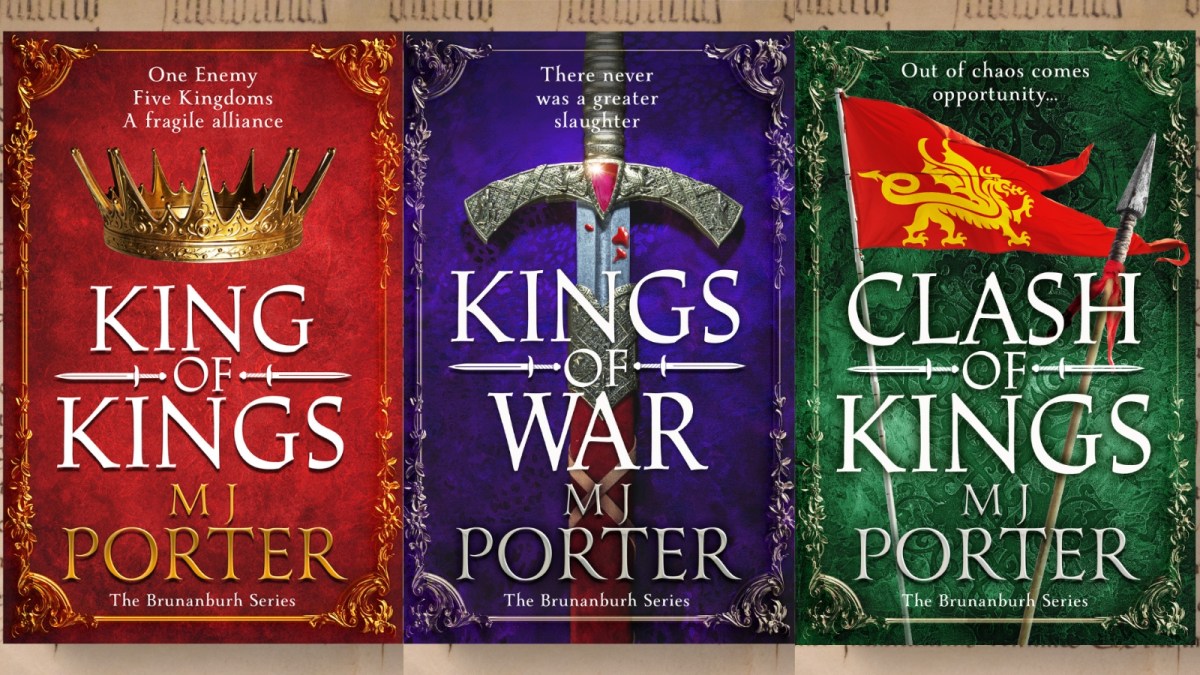
King of Kings is available now, and Kings of War is coming in July 2023.

Pagan Warrior is on blog tour with The Coffee Pot Book Club #blogtour

I’m really excited to share the details of the Pagan Warrior blog tour with The Coffee Pot Book Club.

Pagan Warrior is the story of the battle of Hædfeld, fought in the seventh century between the Northumbrians, and you got it, the Mercians – or rather, Cadwallon of Gwynedd but with Penda of Mercia as his firm ally. You can find more details here.

I might have written this book many years ago, but it’s had a refresh, and is now available in audio, narrated by the fabulous, Matt Coles, as is the second book, Pagan King. Warrior King will be coming later this year in audio. For this first week, 13th March-19th March, the ebook of Pagan Warrior is reduced globally. Follow the link below.

books2read.com/PaganWarrior

You can follow the blog tour, and I’ll be sharing posts here as well. A quick shout out to thank all the blog hosts and Cathie at The Coffee Pot Book Club for organising.

For today, March 14th, check out my author interview over on Archaeolibrarian.

Archaeolibrarian

I’m sharing an excerpt over on The Historical Fiction Company.

The Historical Fiction Company

I’ve written a piece about the historical background on Pam Lecky’s official blog.

Pam Lecky’s Official Blog

Today, I’m delighted to welcome Trish MacEnulty and her The Whispering Women to the blog #historicalfiction #historicalmysteries #BlogTour #TheCoffeePotBookClub

I’m delighted to welcome Trish MacEnulty to the blog with a guest post about her books.

Lesbians in the Early 20th Century — Branded as Deviants and Sometimes Jailed!

In my series, the Delafield & Malloy Investigations, one of my main characters — Ellen Malloy, an Irish immigrant — is a lesbian. As soon as she appeared on the page, she let me know in no uncertain terms that the expectation of marriage was the main reason she had left Ireland to become a servant for a wealthy family in Manhattan. Well, that didn’t work out either, but eventually she found her way and fell in love with a suffragist. 

What would life be like for a lesbian in New York in 1913? I had no idea. The lives of gay men and the indignities they suffered in the late 19th and early 20th centuries has been widely documented — Oscar Wilde made sure of that! All the while, lesbians unobtrusively managed to find love and companionship in spite of the fact that their existence was rarely acknowledged. 

In her fascinating academic tome, A Novel Approach to Lesbian History, Linda Garber writes “The historical records, if they exist at all, frustrate as often as they inform. Spotty, written by men, open to multiple interpretations—traces of a recognizably lesbian past run aground on the rocky shoals of the history of sexuality itself.” (3)

Fortunately, in the early 20th Century, the Bohemians of Greenwich Village had the freedom to live ‘unconventional’ lifestyles somewhat openly. In the Village, tea rooms provided space for women to meet each other away from the disapproving eye of society. On a recent tour of Greenwich Village with the Bowery Boys, I was shown one of the basement entrances for a former tea room. In those days, according to legend, it bore a sign that read, “Men are admitted but not welcome.”

Picture of basement, photo by me

Of course, the police knew about these places. In her autobiography, Mary Sullivan, one of the first police matrons to do actual police work, wrote, “A few tearooms run by women with a fondness for college girl patronage really were a menace…”

She added, “One of the most difficult types of degenerate with whom we have to deal is the woman with homosexual tendencies.” The police department received a complaint about “indecent literature” on sale in one of the tea rooms and a proprietess who “tried to entice girl students from a nearby college.” So Sullivan and one of her female colleagues set out to entrap the proprietess.

They visited the tea room, and the other police woman accepted a date from the proprietess, a woman named Billie. After trying to kiss the woman while on their date, Billie was arrested and then convicted of “disorderly conduct and distributing obscene literature.” She was sentenced to six months in the workhouse. Her tea room was closed. (Interestingly, this is the same scenario which happened later to activist Eve Adams; it may be the stories are conflated.)

Sullivan didn’t think jailing women with “homosexual tendencies” was the solution, however. “There is no doubt in my mind that they should be treated primarily as medical and psychiatric cases, though we still have to learn about the method of treatment.” Well, we all know where that eventually led: the horrors of conversion therapy!

picture of Sullivan’s book, photo by me

Not all lesbians kept quiet or hid their preferences. Polish-born Eve Adams arrived in New York in 1912 when she was twenty years old. In 1925, she wrote and published a book called Lesbian Love “for private circulation only.” Two years later she was arrested for obscenity and disorderly conduct and deported. 

There’s an excellent book about Adams, titled The Daring Life and Dangerous Times of Eve Adams by Jonathan Ned Katz. In 1912, according to Katz, the term lesbian did not always signify a sexual relationship between women. It could simply refer to a community of women. For example, a women’s college newspaper in Maryland was called the Lesbian Herald. From everything I’ve read, the common term, at the time, for gays and lesbians was “invert.” 

With this and other research in hand, I felt I could do justice to Ellen’s story in her quest for love and fulfillment. This scene is the moment Ellen first sees the women with whom she later falls in love in The Whispering Women as she is looking through the window of a teahouse in Greenwich Village: 

“The tables were occupied by women of various ages and classes who seemed engrossed in conversations. One woman in particular caught her eye. She looked to be in her late twenties, big boned with a narrow face, an affable smile, and big brown eyes under thick eyebrows. Ellen could tell by her tailored gray jacket she had money, but she wasn’t showy. A strand of pearls hung carelessly around her neck. A feeling swept over Ellen like a dull ache — the kind of ache you don’t want to stop. The woman laughed at something her companion said. Ellen swiveled her head to look at the companion. Small, blond, and delicately holding her tea cup. When the woman with the pearls got up to get some more tea, Ellen saw the blond woman glance out the window and wave a handkerchief. Curiously, Ellen looked around. Two men stood across the street, smoking cigarettes with their eyes fixed on the window of the tea shop. Police, Ellen knew immediately.”

Thank you for sharing such a fascinating post. Good luck with your series.

Blurb:

“Richly drawn characters, the vibrant historical setting, and a suspenseful mystery create a strong current that pulls readers into this delightful novel. But it’s the women’s issues—as relevant today as they were in the early 1900s—that will linger long after the last page.”

— Donna S. Meredith, The Southern Literary Review

Can two women get the lowdown on high society?

“Two powerless young women must navigate a soul-crushing class system and find the levers of power they wield when they combine their strengths. These women may have been taught to whisper, but when their time comes, they will roar.”

– 5 Star Amazon Review

Louisa Delafield and Ellen Malloy didn’t ask to be thrown together to bring the truth to light. But after Ellen witnesses the death of a fellow servant during an illegal abortion, Louisa, a society columnist, vows to help her find the truth and turn her journalistic talent to a greater purpose.

Together, these unlikely allies battle to get the truth out, and to avenge the wrongful death of a friend.

What will our heroes do when their closest allies and those they trust turn out to be the very forces working to keep their story in the dark? They’ll face an abortionist, a sex trafficking ring, and a corrupt system determined to keep the truth at bay.

“If you like historical fiction and if you like mysteries, this one is for you!”

– 5 Star Amazon Review

Was change possible in 1913?

To find out, read THE WHISPERING WOMEN today!

Buy Links: 

The books in this series are available to read on Kindle Unlimited.

Universal Link:  

Amazon UKAmazon US:  Amazon CAAmazon AU

Barnes and Noble

Meet the author

Trish MacEnulty is a bestselling novelist. In addition to her historical fiction, she has published novels, a short story collection, and a memoir. A former Professor of English, she currently lives in Florida with her husband, two dogs, and one cat. She writes book reviews and feature articles for the Historical Novel Review. She loves reading, writing, walking with her dogs, streaming historical series, cooking, and dancing. 

Connect with Trish

WebsiteTwitterFacebookInstagram

Book BubAmazon Author PageGoodreads

Follow The Whispering Women blog tour with The Coffee Pot Book Club

Charters and Leofwine, Ealdorman of the Hwicce from c.993-1023. Re-sharing an old blog post about Leofwine I first wrote in 2014. It’s a bit nerdy:)

I always think that the characters of Saxon England are a little too ethereal for people to really connect with.  I think it’s difficult to visualise life before the Norman Conquest, but it doesn’t mean we shouldn’t try.

My current obsession, and victim of my historical fiction endeavours is Leofwine, Ealdorman of the Hwicce during the reign of Æthelred II, who I refuse to call ‘Unready’ because I just don’t think he was. I think, he was a victim of his times, treated harshly by later historians. 

My research is going deeper, examining the evidence of the charter attestations that Leofwine made (where he signs, and therefore, it must be assumes, agrees to whatever the charter is concerned with). Charters from before the Norman Conquest are rare, and have only survived in copies because they benefitted someone in some way, normally the monastery or Church that the copy of the original charter has survived in, or a later lay landowner keen to keep hold of the land.

This effectively means that in determining the validity of the charter, historians need to know about what was happening in the world at large, when the COPY of the charter was made. Effectively, to study Saxon history, you have to also study early Anglo-Norman history to work out just what’s going on and why the charter is so important.

In the records of Sherborne, Leofwine’s name can be found attesting two charters. No original copies of the charters survive, and the record as we have it, is in a twelfth century hand. So, should it be trusted? Should it be used as an historical source? Or as with so much history, can it really only be used as a historical record of the time period that produced it? After all, at least a hundred years and probably more like 150 years, separate the copy of the charter and the date of its alleged drafting and attestation.

It’s an interesting dilemma and one I don’t plan on solving today. Would I use it? Yes, I’d but I’d be standing on the shoulders of those giants of academic history who have studied far more charters than me and who’ve decided that the copies are ‘probably’ genuine as they stand. I’d also be wary of this, and all it might mean.

And how relevant are they to Ealdorman Leofwine? I think very, because they appear to show his standing at the royal court. In charter S933 (1015) he signs as the third ‘dux’ (ealdorman) and in S910 from 1005 he also signs as the third ‘dux’. So what does it all mean? Well, as with everything the picture is wider than just Sherborne. In total Leofwine attests 41 charters whilst an ealdorman. So although I think it’s important to examine the validity of the cartularies that the charters survive in, it’s a bit of a painstaking and picky business. But one I’m enjoying. For anyone really keen to look at Leofwine’s charters in more detail, you can start by having a look at the Electronic Sawyer. And you can see an image of S910 it on The British Library Digitised Manuscripts Website ff. 27v-29r and S933 also on The British Library Digitised Manuscripts Website at ff. 4v-6r. The handwriting is amazing.

Check out The Earls of Mercia Series Page for more information.

Posts

I’m welcoming a returning Alan Bardos to the blog, with a post about The Ladoux Mystery which features in his book, Enemies and Allies #histfic

Today, I’m delighted to welcome a returning Alan Bardos to the blog.

The Ladoux Mystery – the spy who framed Mata Hari?

Marguerite Zelle MacLeod, better known as Mata Hari was a sensation in the last years of the ‘Belle Epoque’ for her wild and exotic dances. However it was her espionage activities that have ensured her name is a household word over a hundred years after her execution in 1917 as a spy. The question as to whether she was actually a double agent is still a contentious issue and may never be resolved.
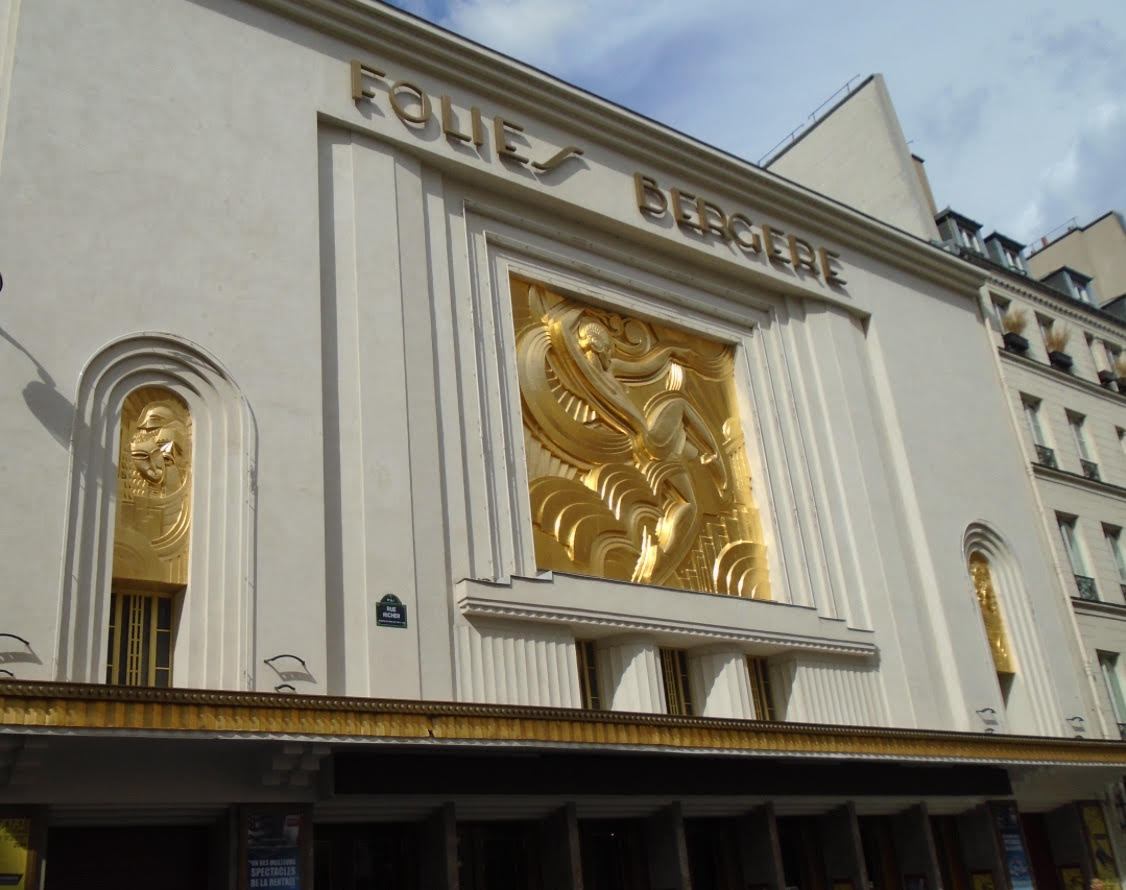
The Folies Bergère where Mata Hari performed in 1913

By 1914 Mata Hari’s popularity had began to wain in Paris and she had to cast her net further afield and rely more on the favour of rich and powerful men to support her lavish lifestyle. It was this that many of her biographers believe she was ultimately judged on. 

In August 1914 Mata Hari was performing in Berlin with a string of lovers.  When war was declared the mood against foreigners changed. Desperate to return to France and escape the war fever sweeping through Germany, she broke her contracts and fled. Unable to go to France and forced to leave her money and possession behind, she retuned to her native Holland.
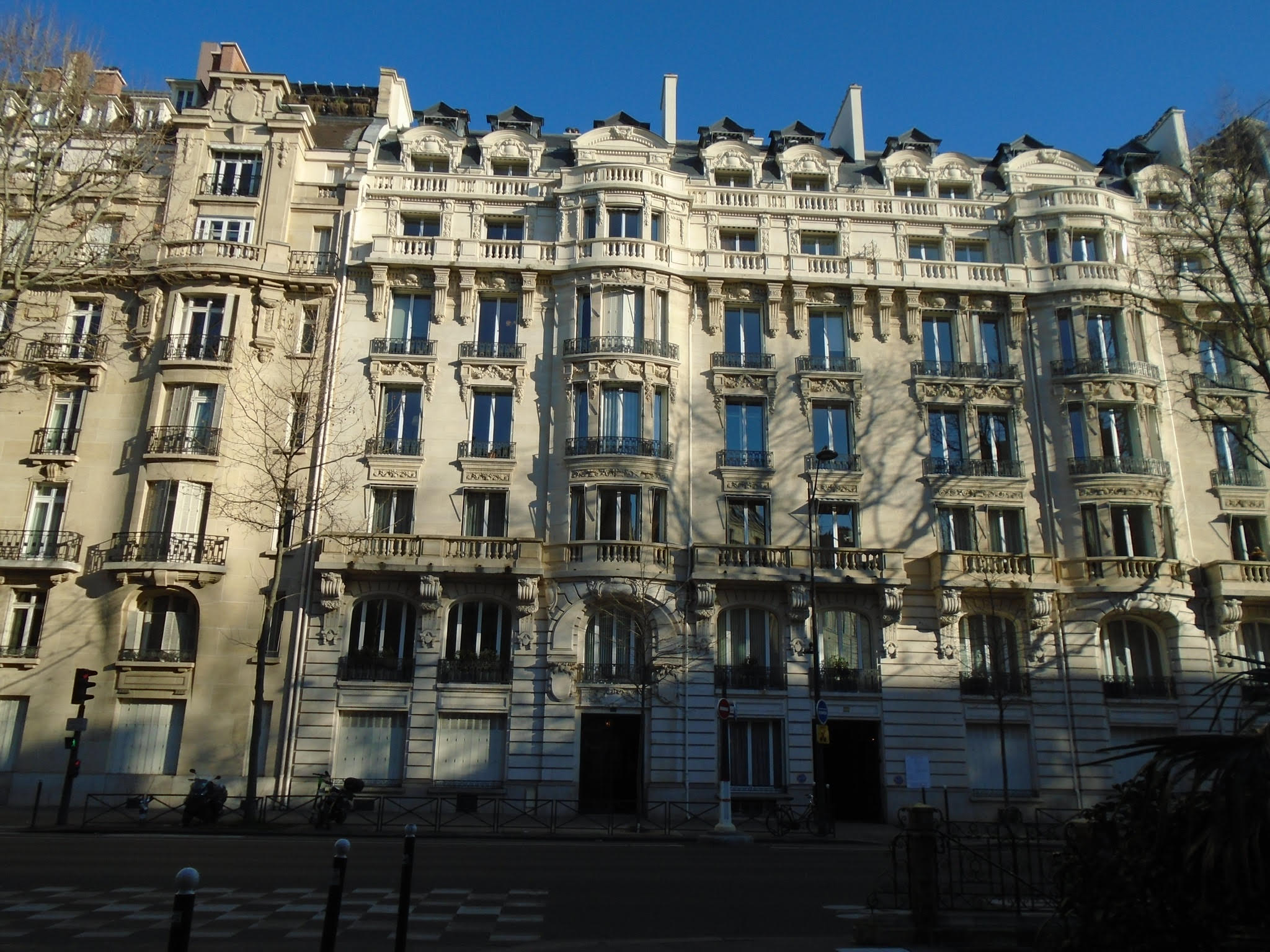
282 Boulevard St Germain, where Mata Hari was recruited by French Intelligence.

While there, she was approached by Carl Cremer, an Honorary German consul in Holland who offered her 20,000 Francs to spy for Germany. Mata Hari accepted the money but whether or not she actually considered herself recruited as a spy is questionable. She may actually have taken the money in compensation for everything she left in Germany.

When Mata Hari returned to Paris in 1916 she was recruited to spy for the French, by Captain George Ladoux, the head of French counter Intelligence. She planned to pull off an intelligence coup by going to Belgium and seducing the German Governor-General. She would then cultivate him as an intelligence source and sell the information to Ladoux for a million Francs.

However on her way to Belgium, Mata Hari’s steamer had to pass through British waters and during a routine customs check she was mistaken for the spy Clara Benedix. She was interviewed in Scotland Yard by ‘Blinker’ Hall the head of naval Intelligence and Sir Basil Thompson the head of Special Branch. At the end of it they were convinced that she was not Benedix, but thought she was suspicious. They contacted Ladoux who informed them that he thought she was a spy and that he was pretending to use her in the hope that she might give herself away as a spy. Hall and Thompson released her, but would not allow her to travel onto Belgium and sent her to Spain.

On her own and ignored by Ladoux, Mata Hari used her initiative and seduced Major Arnold Kalle, the German military attaché in Spain. He gave her some low grade information which Ladoux did not consider worth a million francs. She was arrested not long after her return to Paris, Ladoux had by this time compiled a dossier of evidence against her.

The former Élysée Palace Hotel where Mata Hari was arrested

 Kalle had sent telegrams to his superiors in Berlin that incriminated Mata Hari. These telegrams had been intercepted by French intelligence and were the only real evidence presented at her trial that she was a double agent. French detectives followed Mata Hari when she was in Paris, but found no evidence that she actually gathered information or passed it on to Germany. However she admitted to taking their money on the understanding that she would.

France was swept with spy mania at the time, rocked by scandals of German plots to buy newspapers in an effort to undermine Frances will to fight, unrest was rife and the government needed to regain control.

Ladoux was therefore under considerable pressure to catch spies and there is evidence to suggest he doctored the telegrams to make them more incriminating and ensure her conviction. He certainly believed a ‘woman of the world’ like her to be guilty and her promiscuous lifestyle proved it.

However, Ladoux was also arrested as a spy three days after Mata Hari’s execution. This has given rise to speculation that he framed Mata Hari as a way of deflecting attention from his own espionage activities. Ladoux had been denounced by his former driver Pierre Lenoir, who had been arrested for buying a French newspaper with German money. When Lenoir was arrested he claimed that he had been set up by the Germans and that he was working for Ladoux.

While Lenoir was executed Ladoux was subject to extensive investigation, but was never put on trialand after his release continued to serve in the French army after the war. It is therefore unlikely that he was a spy. Nonetheless a cloud has hung over him ever since. 
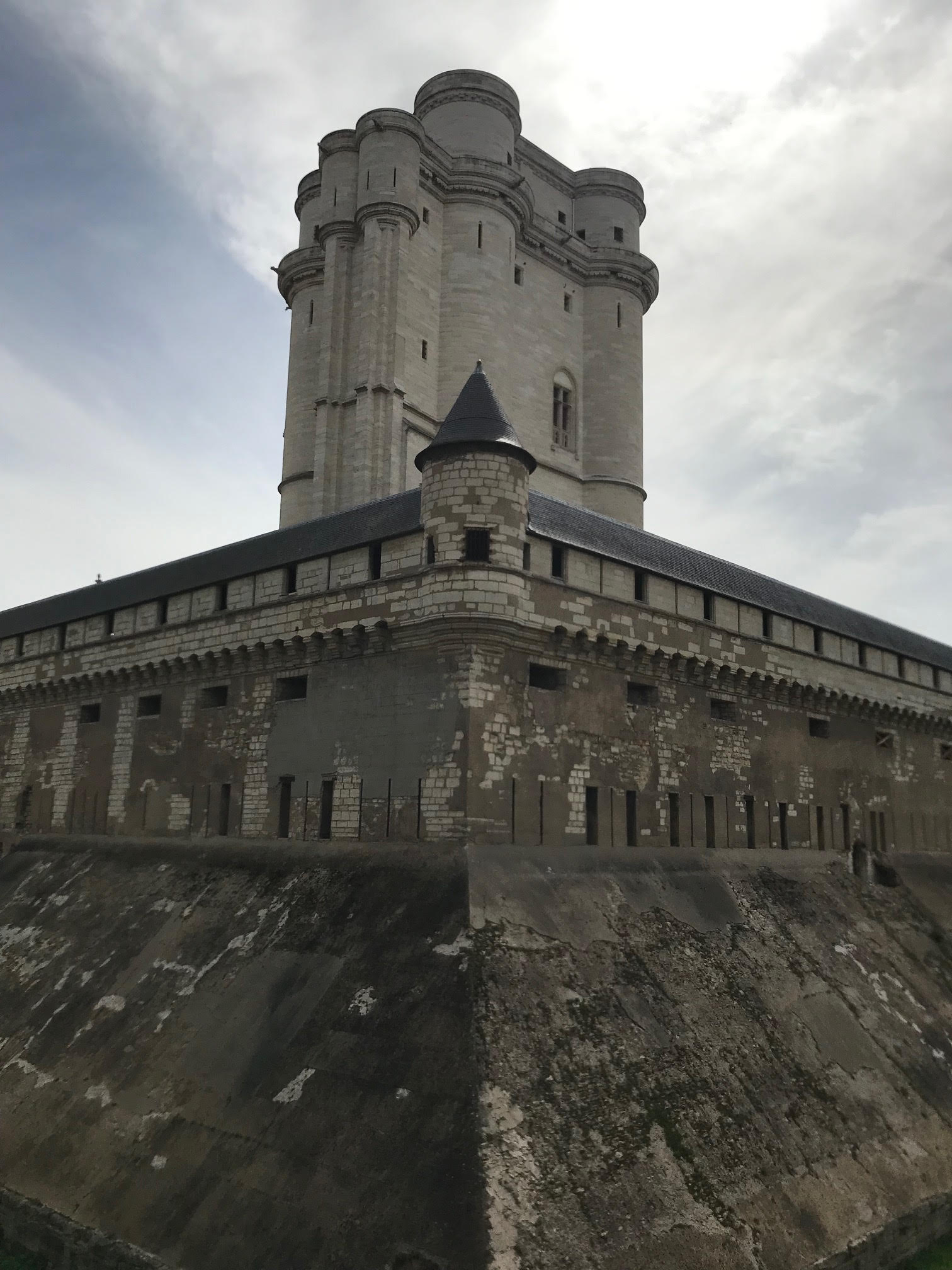
Vincennes. Mata Hari was executed in the grounds of this castle, Ladoux and Lenoir’s files are in the archive attached to the complex

The investigations into Ladoux and Lenoir are still sealed, over a hundred years after the event, while Mata Hari’s file is now open, giving rise to a lot of speculation, but the truth may never be known.

Here’s the blurb

November 1916.

The war of attrition is taking its toll on the Allied powers and cracks are starting to appear.

Captain ‘Blinker’ Hall, Head of Naval Intelligence, must strive to keep the alliance with France alive – and use all his guile to bring the Americans into the war.

Johnny Swift, a reckless former diplomat turned soldier, is convalescing in London, working for Naval Intelligence.

Hall knows how to use Swift’s talents for duplicity to their fullest and sends him to Paris to flush out a traitor undermining the French war effort.

Room 40, the Royal Navy’s code breaking unit, deciphers a telegram that presents Hall with a dilemma. Its use could recruit America to their cause – but also give away the secret that the codes have been broken and cost Britain the war.

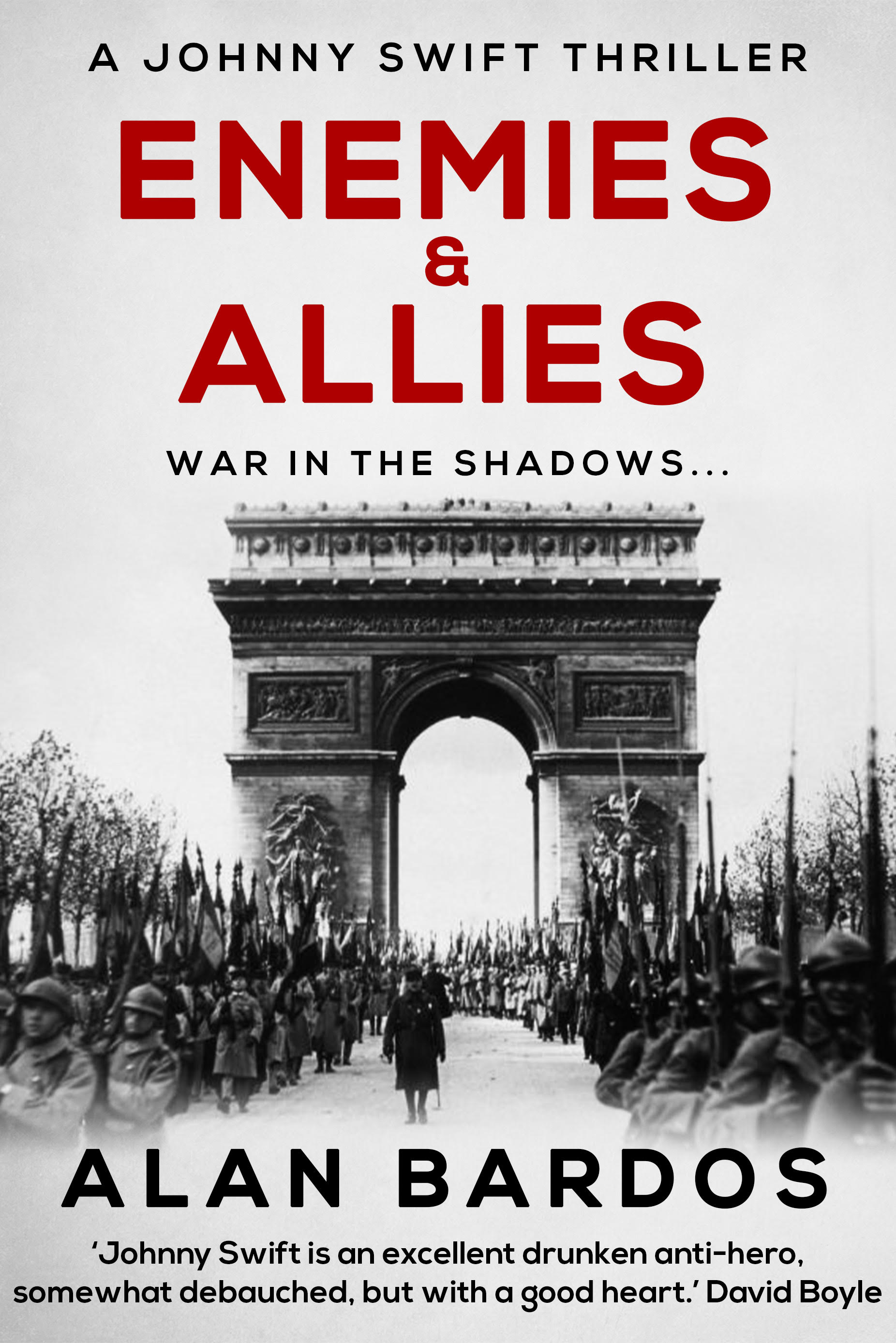
Swift takes up his role in Paris and is soon caught in a web of intrigue involving Mata Hari, the Dreyfus Affair, and the catastrophe of the Nivelle Offensive.

The fate of the conflict rests on a knife edge. 

The traitor still lurks in the shadows of Paris’s Art Nouveau grandeur and Swift must locate him before he can betray the Allied cause.
Purchase Links

Amazon Links UK USA

Meet the author

Writing historical fiction combines the first great love of Alan Bardos’s life, making up stories, with the second, researching historical events and characters. He currently lives in Oxfordshire with his wife… the other great love of his life.

There is still a great deal of mystery and debate surrounding many of the events of the First World War, which he explores in his historical fiction series. Through the eyes of Johnny Swift, a disgraced and degenerate diplomat and soldier.

The series starts with the pivotal event of the twentieth century. The Assassination of Archduke Franz Ferdinand. The second book ‘The Dardanelles Conspiracy’ is based on an attempt by Naval Intelligence to bribe Turkey out of the First World War. In the third book Johnny will be employed as a useful idiot to flush out a traitor working to undermine the Allies.

Connect with Alan
Instagram: Facebook: Twitter:

YouTube Channel

Goodreads: BookBub: Amazon Author Page:

See previous posts here and here.

MJ Porter went to Gloucester, and it didn’t rain

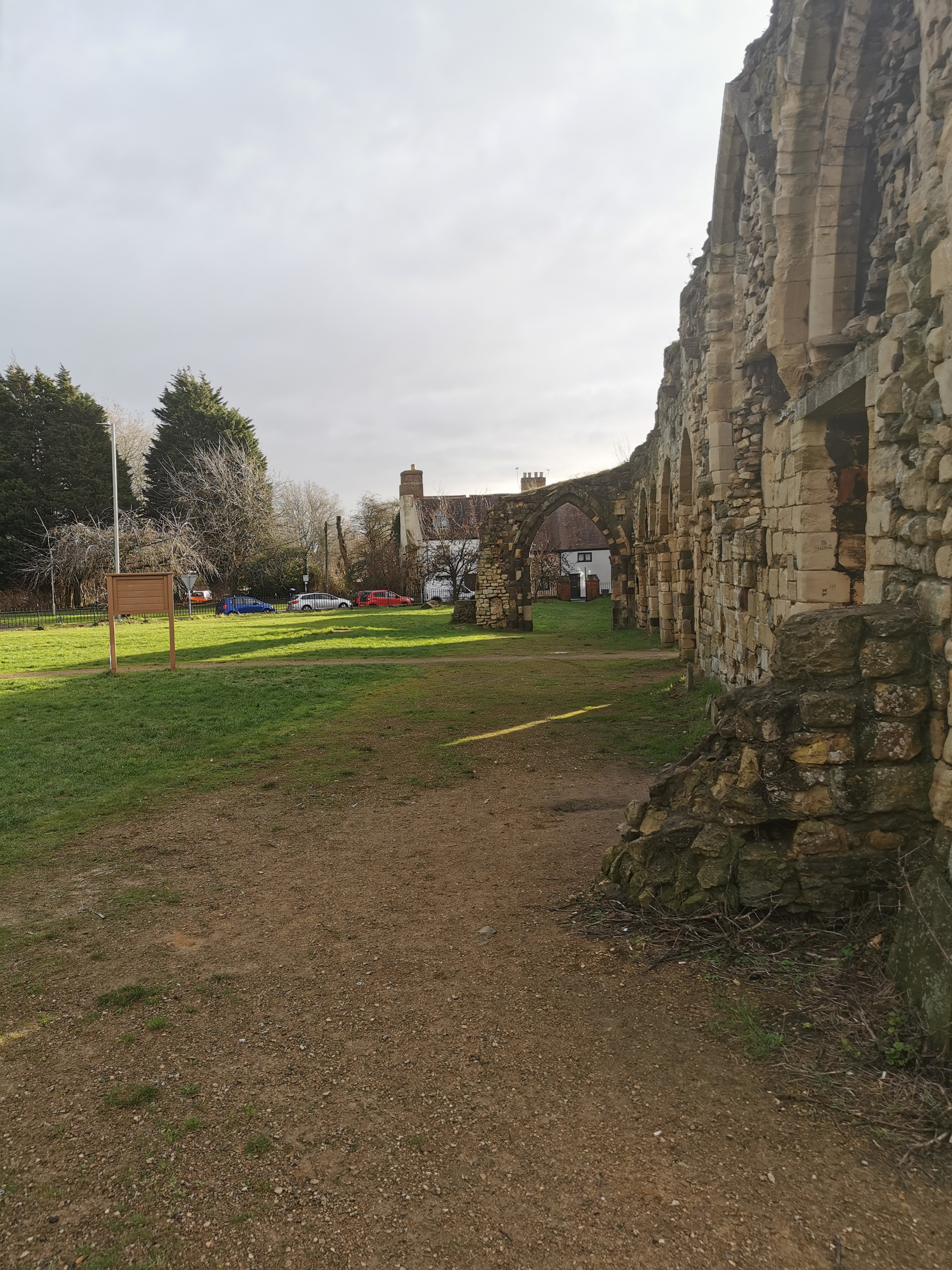
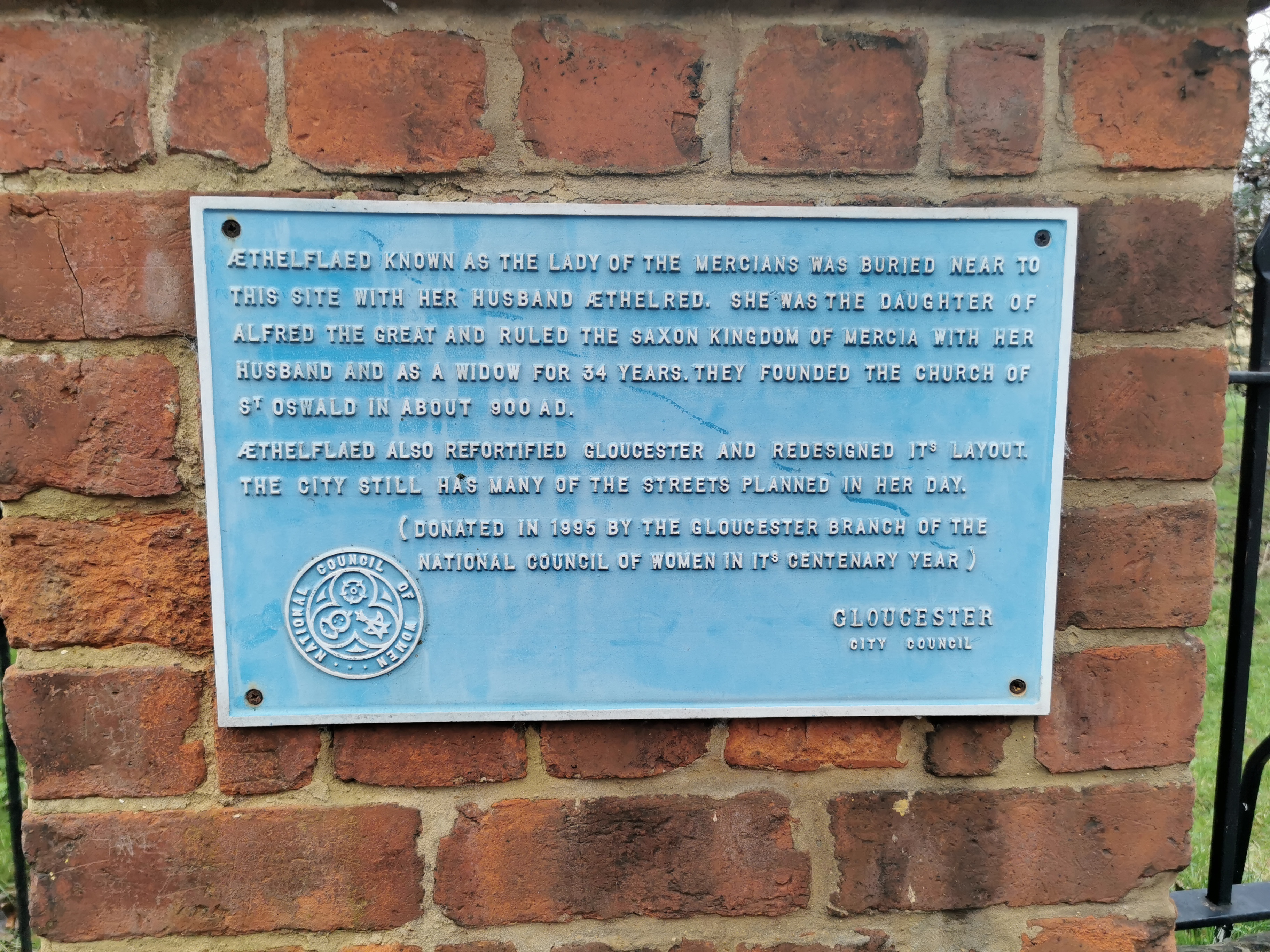
Why, I hear you cry? Well, I was on the trail of the Lady of Mercia, Æthelflæd, and her daughter Ælfwynn. Æthelflæd and her husband were buried in Gloucester, at St Oswald’s Priory, and I’m always writing about Gloucester, and Kingsholm, so I thought it was time I actually visited. Not that St Oswald Priory survives as anything more than a ruin these days.


The plaque telling visitors all about the ruins (I do love an old plaque. They just add to the story of a ruin).
Part of the ruins, with Gloucester Cathedral in the background.
Trying to capture as much of the ruin as possible in one photo.
View of the cathedral through the ruin (a pity about the garden shed)

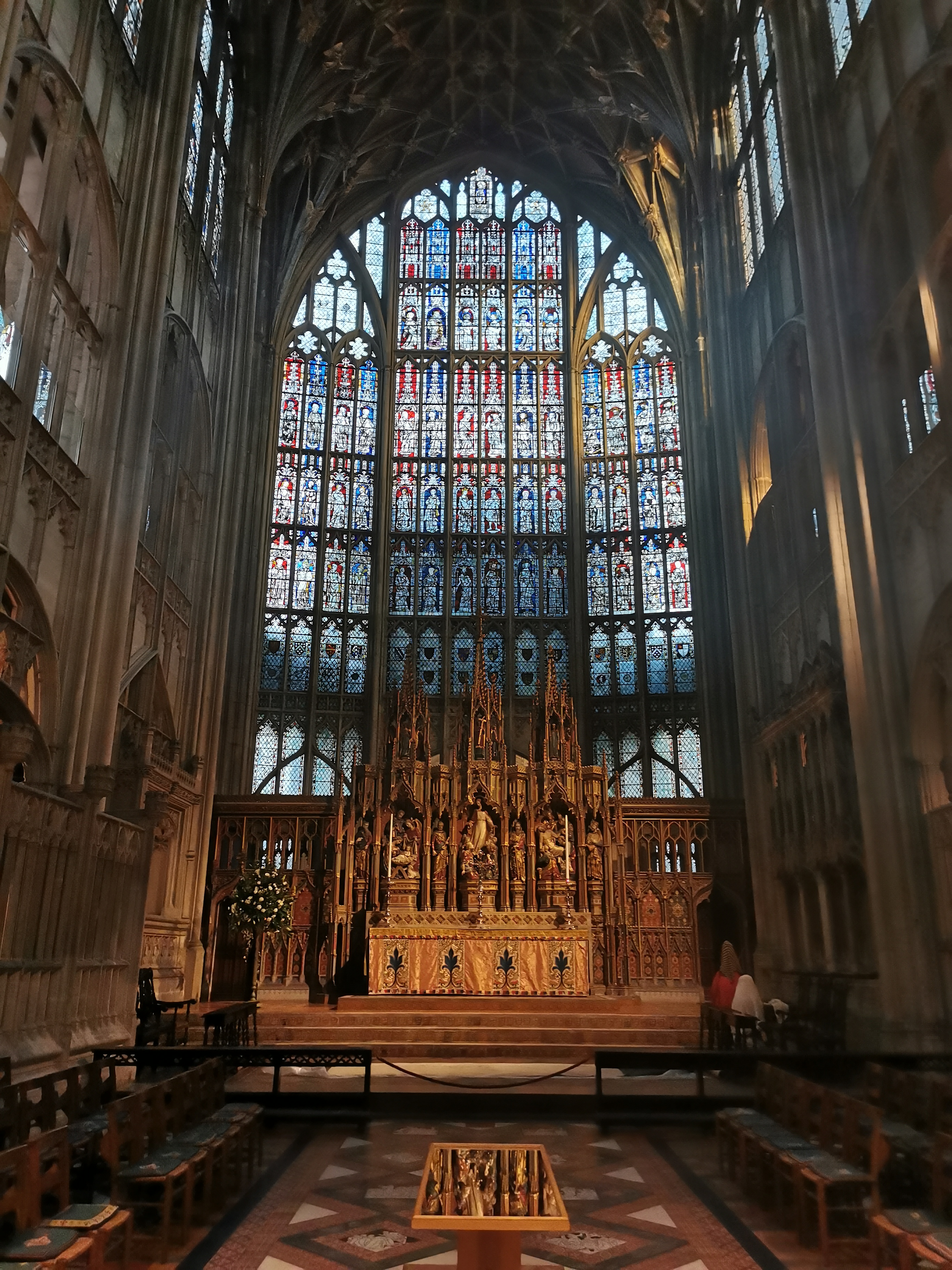
I also visited the Cathedral, and really wish I’d done a bit more research about what they offer, as I didn’t factor in all the fabulous tours they do, including one up the tower to get a view of Gloucester. Maybe next time. But, I did find this delightful pearl, which must remind us all to make sure our notes are up to the task at hand.

The great window in Gloucester Cathedral

Can you imagine trying to put all those pieces back together after they took them down during WW2? Wow. Well done to those who accomplished the task. If you’re not sure of scale, it’s as big as a tennis court.

But to return to the priory. For those who know their history of the period, we might wonder why we have a St Oswald in Gloucester, which would have been very much in the heart of Mercia. Oswald, of course, was a king of Northumbria, a most Christian king, killed in battle against the might of the famous pagan king, Penda. The story goes that after his death, a band of brave Northumbrians retrieved their dead king, and returned him to Northumbria, where he was buried and revered. Why then would a Northumbrian saint, killed in the seventh century, become so closely associated with the Mercian ruling family?

I find this fascinating, and indeed, some years ago, attended a conference where I asked this question. The answer was enlightening. The Mercians, still facing the threat of the Viking raiders, needed a rallying cry. They needed a sainted figure whose cult they could effectively ‘steal’ or align with themselves, or so I was told, and St Oswald was that man, or rather that body, and so they stole him away from Bardney and took his to Gloucester, where his cult continued, and where Lady Æthelflæd and her husband, Ethelred, were later buried.

I’ve written about Oswald while he was alive, and of course, I’ve written about Mercia, Gloucester, Kingsholm, and Lady Ælfwynn. It was inspiring to finally see where the church once was, even if little remains of it, at least something does remain.

books2read.com/PaganWarrior

books2read.com/u/31RBva

books2read.com/TheLadyMercia

My new book, King of Kings, has a number of main characters. Meet Owain, the king of Strathclyde.

My new book, King of Kings, is a multi-viewpoint novel telling the story of events in Britain from 925-934. I thought it would be good to share details of the historical people my main characters are based on.

Owain of Strathclyde is perhaps the most difficult character in King of Kings to find in the historical record. Indeed, his place in the story is contested by historians, as we don’t know if the scribe of the Anglo-Saxon Chronicle of the time meant Owain of Strathclyde, or an Owain of one of the Welsh kingdoms. I decided to adopt the Owain of Strathclyde, but who exactly was he, and what was Strathclyde?

The kingdom of Strathclyde is also known by another name, that of Cumbria, and there is confusion in the sources and amongst historians about where it is and what it was. Alex Woolf suggests that by the events of 927, Strathclyde/Cumbria encompassed, ‘most of part of Lanarkshire, Dunbartonshire, Renfrewshire, Stirlingshire, Peebleshire, West and Mid-Lothian, eastern Dumfriesshire and Cumberland.’ (Woolf, A. From Pictland to Alba, 789-1070, Edinburgh University Press, 2007) p.155)

So who then were it’s kings? This again is far from as easy to state as might be thought. It’s believed that Owain of Strathclyde, succeeded his father, Donald II, to become king of Strathclyde, and in turn was succeeded by his son.

In 924, we are told that ‘the king of the Strathclyde Britons and all the Strathclyde Britons,’ (Swanton p.104) joined the king of Wessex, Edward the Elder’s alliance by the Anglo-Saxon Chronicle, but Owain isn’t named. Indeed, and as said above, when we do get mention of Owain in the Anglo-Saxon Chronicle, he’s named as ‘king of Gwent,’ (Swanton, M. trans and edit The Anglo-Saxon Chronicles, (Orion Publishing Group, 2000) p.107) even though there was no Welsh king of Gwent named as Owain at the time. It’s therefore difficult to get a feel for who he was, and what he did, but that didn’t mean I couldn’t include him in King of Kings. If anything, it made it all the more intriguing.

Map design by Shaun at Flintlock Covers

Preorder King of Kings

(released 10th February 2023)

books2read.com/King-of-Kings

Meet the Characters from King of Kings

Athelstan, king of the English

Constantin, king of the Scots

Hywel, king of the West Welsh

Ealdred, king of Bamburgh

Lady Eadgifu, wife of Edward the Elder

My new book, King of Kings, has a number of main characters. Meet Lady Eadgifu. #histfic #nonfiction #Brunanburh

King of Kings has a number of characters, and some might be surprised to find Lady Eadgifu amongst them, but she was an incredibly important historical character, and I couldn’t leave her out of the narrative set at the English court.

Lady Eadgifu was the third wife of Edward the Elder (r.899-924), king of the Anglo-Saxons. Edward the Elder was the father of King Athelstan, and a whole host of daughters, as well as five sons. Lady Eadgifu would, it seems, have been young when she married the aging Edward the Elder, and that meant that she long outlived him, and also, that her three children (possibly four, but I’ve opted for three) were young when their father died. And two of these children were sons, Edmund (born c.921) and Eadred (born c.923). Her daughter, Eadburh, is thought to have been the oldest of the three children, born c.919.

While Lady Eadgifu, from what’s known (and it isn’t much, as there are few surviving charters from the end of Edward’s reign) perhaps had little role to play while her husband lived, other than wife and mother to the king’s children, following his death, she became increasingly significant. She was the daughter of an ealdorman, who perhaps died just before her birth, and her family are said to have had connections with Kent. Indeed, it’s often stated that she brought her husband Kent with their union. By that, what’s often meant, is the loyalty of the Kentish people. Remember, at this time, we’re still just before the creation of ‘England’ as we would now recognise it.

Sadly, very little is known about Lady Eadgifu (and she’s not alone in this – many of the royal women ‘disappear’ at points in the historical record, and on occasion, are entirely lost.) We know about a land dispute she was involved in, and also much more information for after Athelstan’s reign.

Indeed, it has been said that

‘Nor is it surprising that Eadgifu, as the consort of the previous king, served little role in her stepson’s court.[i]

[i] Firth, M. and Schilling, C. ‘The Lonely Afterlives of Early English Queens’, in Nephilologus September 2022, https://doi.org/10.1007/s11061-022-09739-4p.7

However, Barbara Yorke believes that,

‘the enhanced position [of Lady Eadgifu] may also have been developed specifically for the widowed Eadgifu as part of an alliance with her stepson Æthelstan [Athelstan] in which she supported his position and he recognised her sons as his heirs.’[i]


[i] Yorke, B. ‘The Women in Edgar’s Life,’ in Edgar, King of the English, 959-975 Scragg, D. ed (The Boydell Press, 2008), p.146


And it is this option that I’ve decided to explore in King of Kings. Lady Eadgifu was wife to a king. She would have known her worth, even when faced with a stepson as the king of the English, and another stepson, and stepdaughters, who perhaps didn’t share any love for their, potentially, younger stepmother. Will Lady Eadgifu work with or against Athelstan? Read on to find out.

Map design by Shaun at Flintlock Covers

books2read.com/King-of-Kings

Meet Owain, king of Strathclyde

Meet Athelstan, king of the English

Meet Constantin, king of the Scots

Meet Hywel, king of the West Welsh

Meet Ealdred, king of Bamburgh

Check out the Brunanburh Series Page

Posts

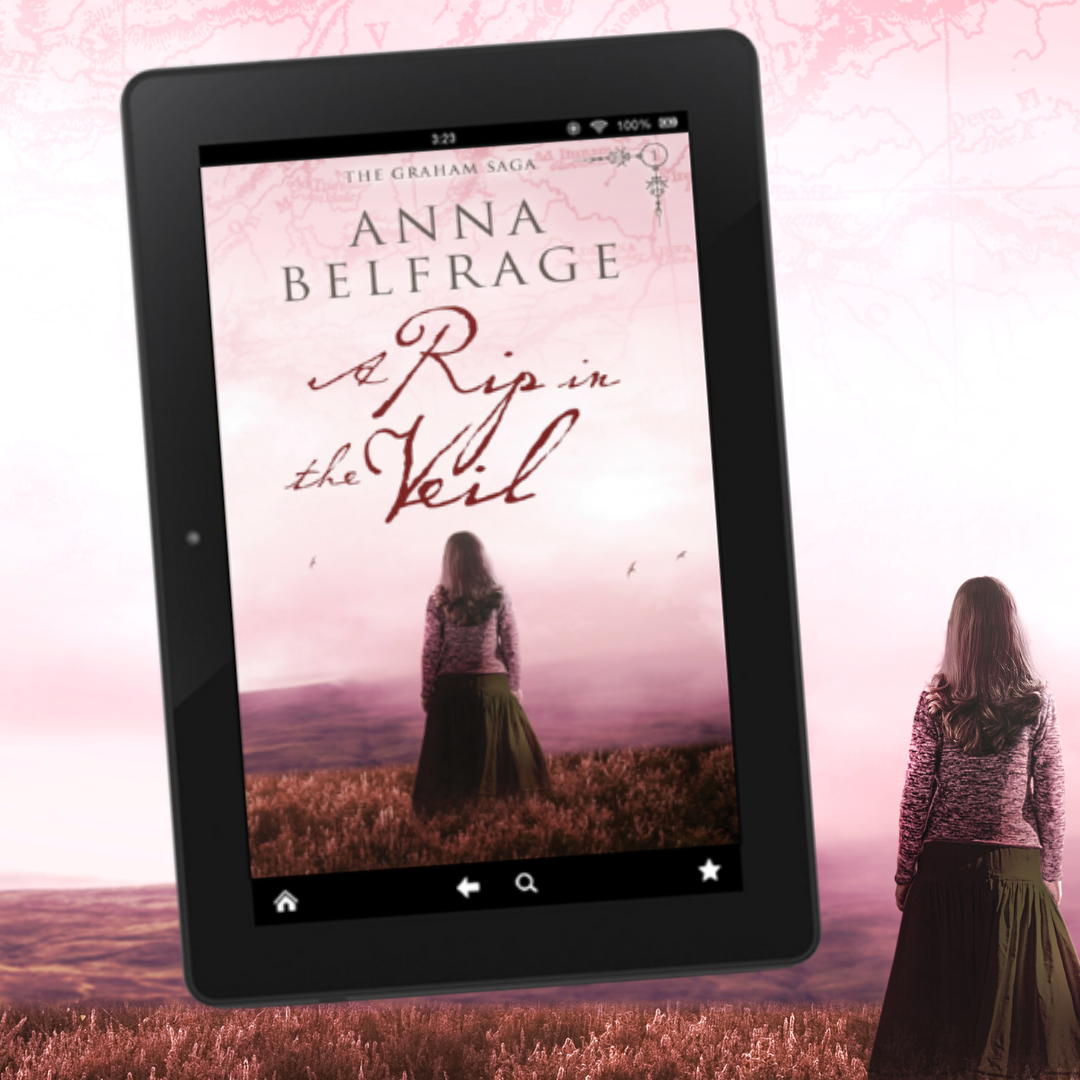
I’m absolutely delighted to share a fabulous post about dressing for success in the 17th century by author, Anna Belfrage, who had to find out all sorts of undergarment related information for A Rip in The Veil #HistoricalFiction #TimeTravelRomance #BlogTour #TheCoffeePotBookClub

Today, I’m absolutely delighted to share a fabulous post from Anna Belfrage about dressing in the seventeenth century. It will make you giggle, I promise.

Dressing for success in the seventeenth century

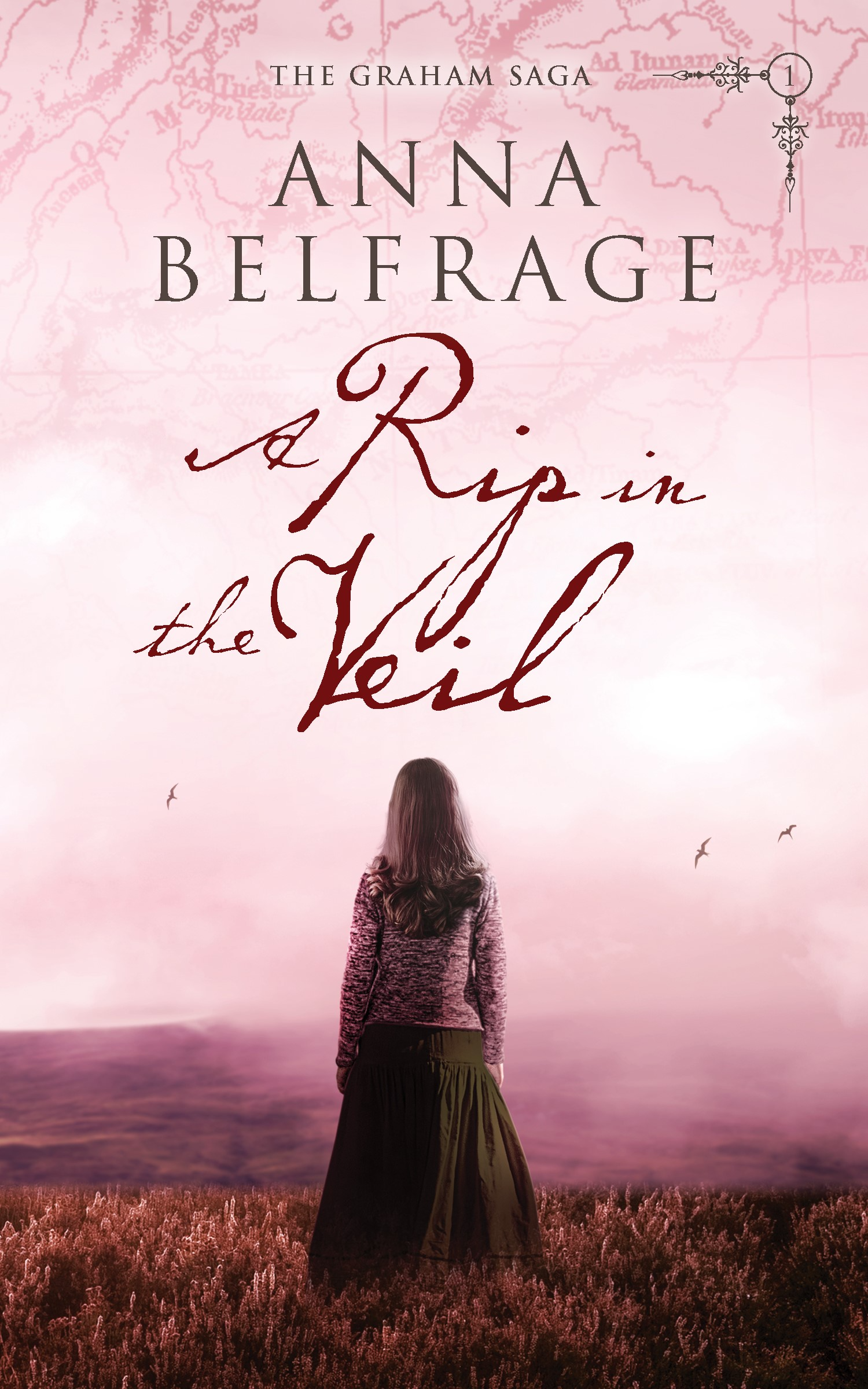
In a A Rip in the Veil—the first book in The Graham Saga—the unfortunate (or not, depending how one sees it) Alex Lind has the misfortune of falling three centuries backwards in time to land at the feet of Matthew Graham. Matthew Graham is a devout Presbyterian who has fought in the Commonwealth armies in the Civil War. To Alex, he is initially very strange. Heck, the entire situation is strange: no, wait—it’s impossible! 

Matthew is as taken aback as Alex is—perhaps even more, as the only explanation to her sudden appearance in his life must be magic. Or? Besides, what is the woman wearing? Those tight, tight breeches she calls ‘djeens” showcase her every curve, as do her other garments. No, had she been his woman, he’d never have allowed her to set a foot outside dressed like that, all of her exposed, like. 

Alex quickly realises that in this new time she has to adapt. ASAP. And one of the first things she must embrace is an entire new wardrobe. “Yay me,” she mutters as she shakes out shift and petticoats and heavy skirts and bodice and. . .

I must admit that I wasn’t entirely thrilled when Alex landed in 1658. The seventeenth century is not my sartorial favourite – especially when it comes to male fashion. 

This period dress thing is difficult.

First of all, as the writer of historical fiction it is important to understand what people wore, who wore what and how it was worn. In some cases it’s straightforward: stockings cover your feet and the nether part of your legs no matter if you live in the twentieth century or the fifteenth. But take that rather ugly male adornment that Henry VIII was so proud of flaunting – the codpiece – and I am somewhat stumped. How did it work? ( Okay, so I’ve looked this up; strings, buttons or hooks kept this decorative little (hmm) flap of fabric in place.)

Secondly, it helps if the writer in question finds the period attire alluring in some way or other. It’s difficult to write convincingly about handsome men in codpieces and padded breeches when all you see in your head is something resembling a man in a huge diaper.

Finally, there must be a familiarity with how people dress and undress. “He told her to turn around and zipped up her gown,” is not a good description of the intimacy between man and wife in the fourteenth century. (BTW, the modern zipper owes a lot to Swedish inventor Gideon Sundback. It’s nice to know us Swedes have contributed to human development: dynamite, zippers, gauge blocks, the AGA cooker.) Having exploring male fingers encountering panties in the sixteenth century is also something of an anachronism, and should the dashing regency rake pulls down his boxers you’re not reading historical fiction, you’re reading about a masquerade.

To avoid such gaffes, I’ve spent a lot of time researching the period and have accordingly done my fair share of staring at what few clothes survive from the seventeenth century—like James II’s elegant attire exhibited in the Victoria & Albert museum. Okay, so that is later in the century, but all that lace, all those embroideries, and that gigantic wig! Plus, the high heels on the shoes. . . Nope, not at all my cup of tea. 

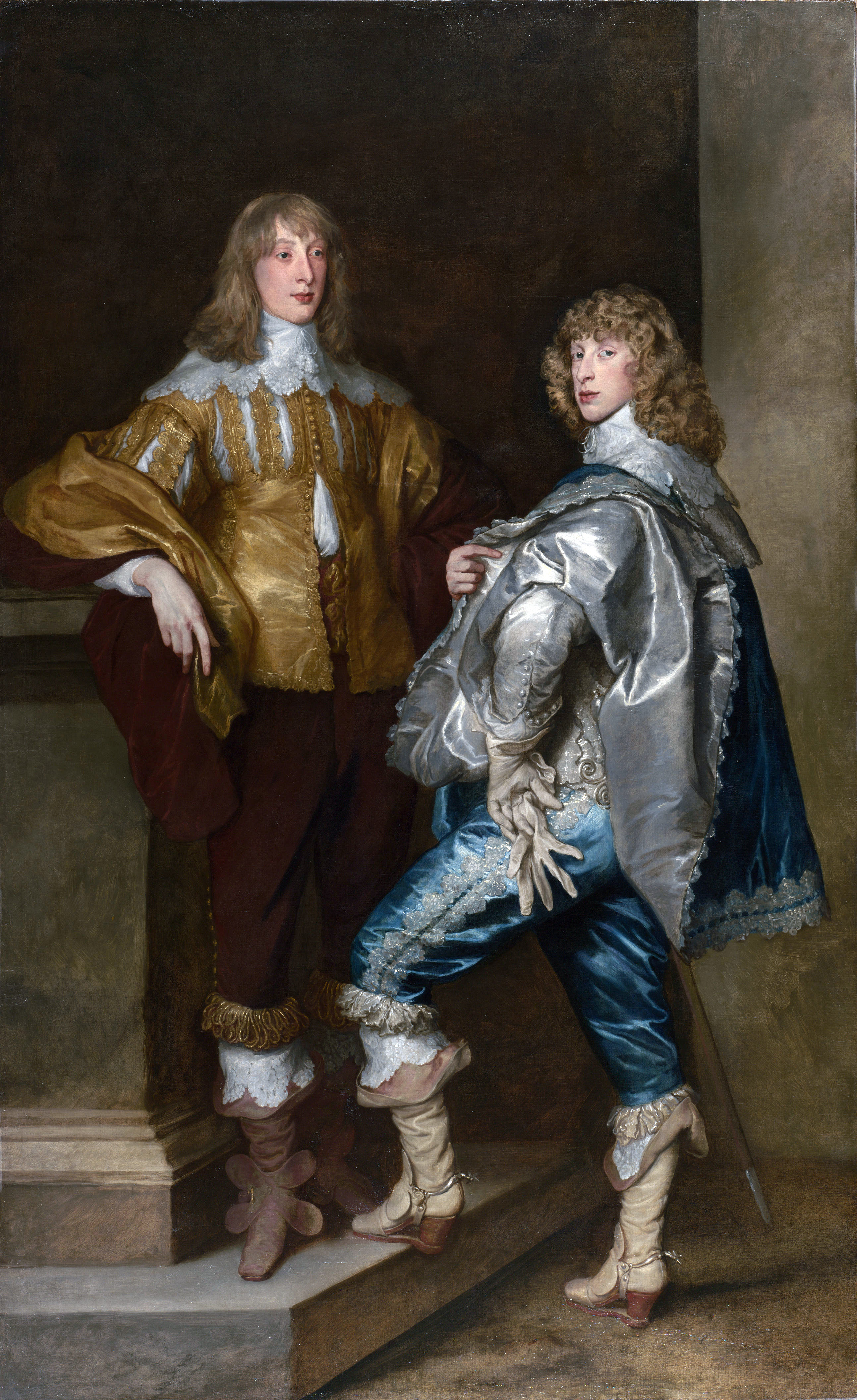
Earlier in the 1600s, men wore wide breeches, sashes, lace, ribbons—like these young and elegant Stuart brothers in Van Dyke’s portrait. 

To the seventeenth century young girl, they were likely delectable. To Alex, not so much. She’d be hard put not to laugh her head off. So it is fortunate that when she first meets Matthew, he is in a ragged shirt and equally ragged breeches, fleeing from pursuing soldiers. It is also fortunate that Matthew would no more adorn himself with ribbons than he would dance attendance on the king—he is a man of Parliamentarian convictions. No, Matthew wears plain and well-made clothes, now and then adorned with a ruffled cuff or an elegant collar.  

Obviously, Matthew expects this new female companion of his to dress sedately, which is how Alex finds herself obliged to re-learn just how to dress.

In the seventeenth century, there were no bras, no panties. Instead, the undergarment is a shapeless elongated linen shirt that comes to just below the knees. This shift is worn over stockings that come to just above the knee and are fastened by garters.
“I can help you with those,” Matthew suggests, and there is a twinkle in his eyes as he helps Alex fasten the stockings with pink ribbons. Just because he doesn’t wear ribbons, it doesn’t mean she can’t, he says. In fact, he rather likes the fact that she is wearing them—and that he tied them into place. 
Over the shift—which also doubles as nightgown—Alex now dons a corset. 
“Ugh!” she groans as she tightens into place. The corset she has ties in front—only people who can afford a ladies maid have corsets that tie in the back. She has to struggle a bit to get it to sit right, and then there are the petticoats, tied into place at her waist and falling to mid-calf. Only the very, very rich have garments that fall all the way to the floor. Most women have skirts high enough to allow them to work and walk without dragging the hem in the dirt. 

“Here.” Matthew hands her the heavy skirts. And yes, they are heavy, making it hard to, for example, run. Or jump a fence. Once Alex has stepped into them, he helps her tighten them into place. A bodice, a shawl to cover what may remain exposed of her chest and then Matthew holds out a cap.
“No way!” She backs away, staring at the embroidered linen coif. 
“You must cover your hair,” he says.
She refuses. 
There is a slight. . . er . . . argument. Things end in a compromise: she will not cover her hair indoors, but otherwise she will either wear a coif or a hat. Matthew would prefer both, but he is pragmatic enough to realise this isn’t a battle he will win. Besides, Alex is having to handle a lot of change as it is.
“Tell me about it,” she mutters. She isn’t overly impressed with the food. Or the lack of chocolate. Or of tea. “I thought they had tea in the seventeenth century,” she groans. 
“They do,” I tell her, “but it is very, very expensive.” 
“Oh.” She gnaws her lip, her shoulders slumping. Which is probably why Matthew expends a ridiculous amount on a ridiculous small quantity of tea next time he goes to Edinburgh, pleased by the way she lights up from within when he hands the precious package over. 

Over time, Alex will become accustomed to her new clothes, even if she will quite often think longingly of jeans and sweatshirts, of Converse and shop-bought socks. (She hates to knit) 

But while she adapts to her new life on the outside, she remains a woman of modern conviction and outlook, which will now and then cause her quite some problems in her new time. It is fortunate that she has Matthew to guide her. On the other hand, there will be countless of occasions when Matthew will owe his life and sanity to her, the strange lass he found concussed and burned on an empty Scottish moor. Two halves made whole are my Alex and Matthew, no matter such details as sartorial arguments!

Thank you so much for such a fabulous post. I just can’t imagine all the lace:)

Here’s the blurb

On a muggy August day in 2002 Alex Lind disappears. On an equally stifling August day in 1658, Matthew Graham finds her on a Scottish moor.  Life will never be the same for Alex – or for Matthew. 

Alexandra Lind is thrown three centuries backwards in time to land at the feet of escaped convict Matthew Graham. 

Matthew doesn’t know what to make of this strange woman who has seemingly fallen from the skies—what is she, a witch? 

Alex is convinced the tall, gaunt man is some sort of hermit, an oddball, but she quickly realises the odd one out is she, not he. 

Catapulted from a life of modern comfort, Alex grapples with her new existence, further complicated by the dawning realization that someone from her time has followed her here—and not exactly to extend a helping hand. 

Potential compensation for this brutal shift in fate comes in the shape of Matthew, a man she should never have met, not when she was born three centuries after him. But Matthew comes with baggage of his own and on occasion his past threatens them both. At times Alex finds it all excessively exciting, longing for the structured life she used to have. 

How will she ever get back? And more importantly, does she really want to?

Buy Links

This title is available to read on #KindleUnlimited.

Universal Link

Amazon UKAmazon USAmazon CAAmazon AU

Meet the author

Had Anna been allowed to choose, she’d have become a time-traveller. As this was impossible, she became a financial professional with two absorbing interests: history and writing. Anna has authored the acclaimed time travelling series The Graham Saga, set in 17th century Scotland and Maryland, as well as the equally acclaimed medieval series The King’s Greatest Enemy which is set in 14th century England.  

Anna has also published The Wanderer, a fast-paced contemporary romantic suspense trilogy with paranormal and time-slip ingredients. 

Her Castilian Heart is the third in her “Castilian” series, a stand-alone sequel to her September 2020 release, His Castilian Hawk. Set against the complications of Edward I’s invasion of Wales, His Castilian Hawk is a story of loyalty, integrity—and love. In the second instalment, The Castilian Pomegranate, we travel with the protagonists to the complex political world of medieval Spain. This latest release finds our protagonists back in England—not necessarily any safer than the wilds of Spain!

Anna has also authored The Whirlpools of Time in which she returns to the world of time travel. Join Duncan and the somewhat reluctant time-traveller Erin on their adventures through the Scottish Highlands just as the first Jacobite rebellion is about to explode! 

All of Anna’s books have been awarded the IndieBRAG Medallion, she has several Historical Novel Society Editor’s Choices, and one of her books won the HNS Indie Award in 2015. She is also the proud recipient of various Reader’s Favorite medals as well as having won various Gold, Silver and Bronze Coffee Pot Book Club awards.

Find out more about Anna, her books and enjoy her eclectic historical blog on her website, www.annabelfrage.com  

Connect with Anna:

WebsiteTwitterFacebookInstagram

Book BubAmazon Author PageGoodreads

Follow the A Rip in The Veil blog tour with The Coffee Pot Book Club

Meet Ealdred, King of Bamburgh, from King of Kings (The Brunanburh Series).

Who was Ealdred of Bamburgh?

King of Kings has a number of characters, and King Ealdred, or Lord Ealdred of Bamburgh is one of them. But who was he, and what was the independent kingdom of Bamburgh?

Now, I think we all ‘think’ we know about Bebbanburg (Bamburgh) thanks to Uhtred of Bebbanburg, Bernard Cornwell’s creation. But events in Bamburgh are complex and not easy to understand, even for someone who might think they know the period quite well.

What was Bamburgh?

So what was Bamburgh? Bamburgh is traditionally associated with the kingdom of Bernicia – the far northern Saxon kingdom, which was particularly prominent during the seventh century, so three hundred years before the events of King of Kings, and which was joined to the kingdom of Deira to form Northumbria. Check out my Gods and Kings trilogy for the some of the events of this period.

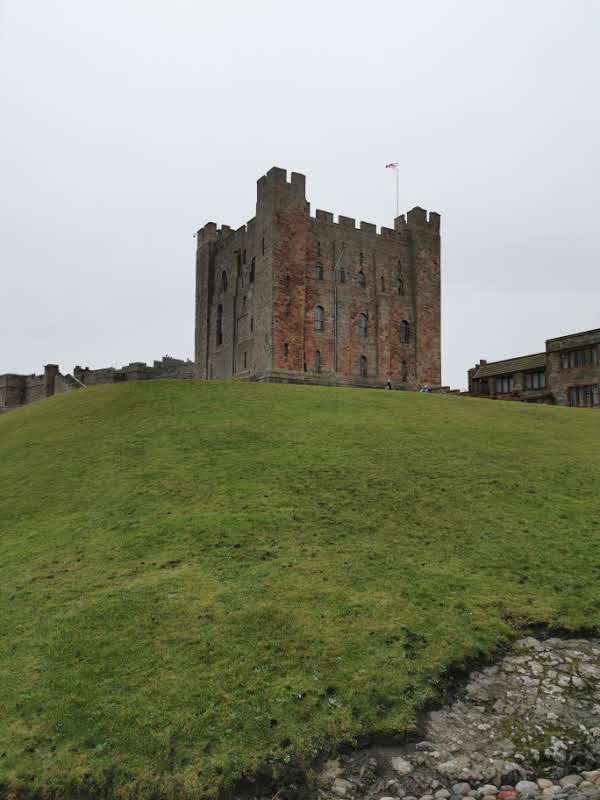
The iconic castle that stands today is a later building, the oldest part, the keep, dating to the end of the Saxon period, while much of what we see today is the later work of Lord Armstrong (who built Cragside), when he significantly repaired the remains. Indeed, the family still own Bamburgh Castle, although not Cragside, which is a National Trust property. (I’ve written a 1930s mystery set at Cragside).

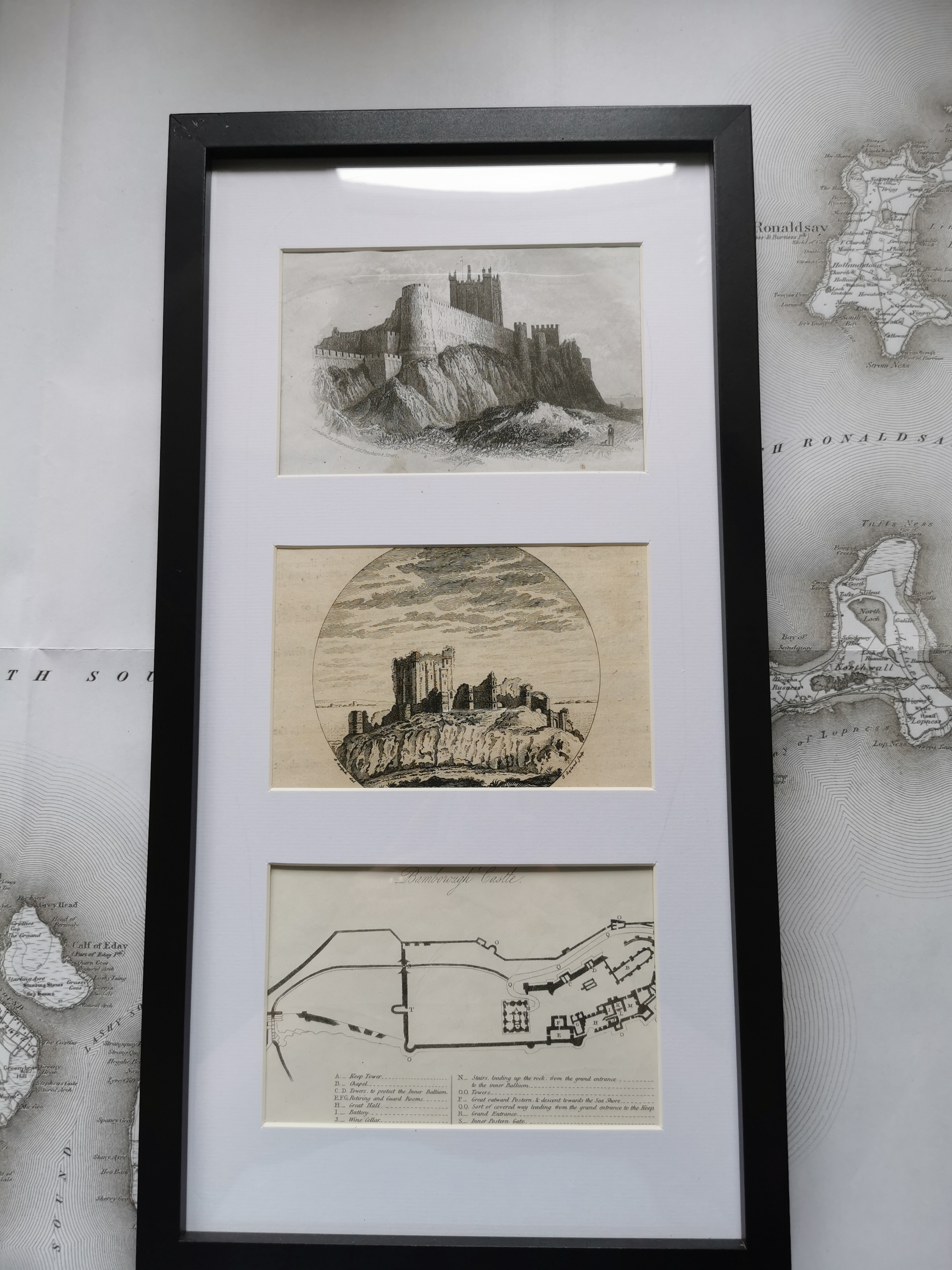
Bamburgh is slightly unusual in that there are old images of the castle before the 19th century work of Armstrong. I enjoy collecting these antique prints. We often find such buildings falling into ruin, not being ruined and the rebuilt.

Antique prints of Bamburgh Castle

And Bamburgh Castle and its environs are stuffed with archaeology. There were some very famous archaeological investigations undertaken in the 1960s, and there’s now a dedicated team unearthing the treasures hidden beneath the current building. You can follow the teams work at Bamburgh Research Project’s Blog. You might know about Bamburgh because of the seventh century bones discovered in the Bole Hole, and there’s a great book about this, Warrior by Edoardo Albert and Paul Gething – available from all good book sellers. You can also learn about where these bones now lie by checking out Bamburgh Bones.

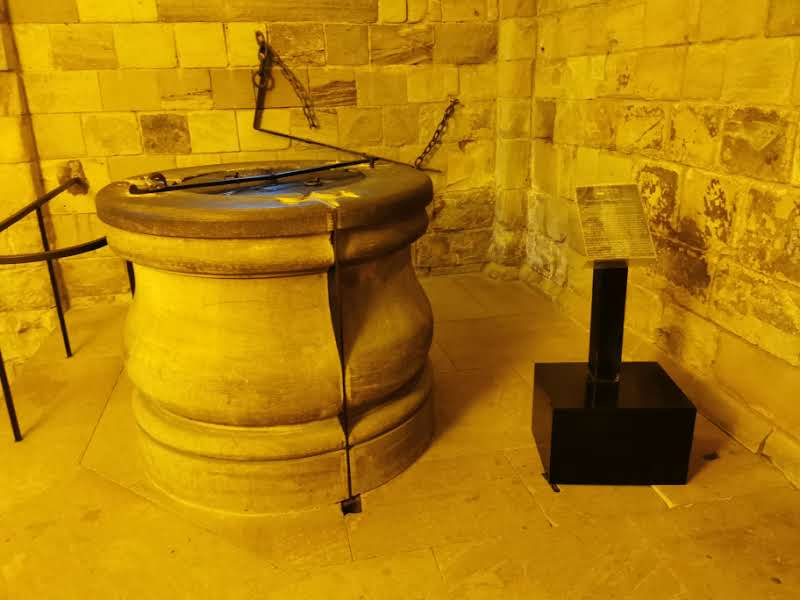
The well

The Tenth Century at Bamburgh

But, all this is before the events of the tenth-century (or after), as fascinating as it is. So, what was happening in the tenth-century? The easiest way I can describe this is that while York, and much of the Saxon kingdom of Northumbria was inundated with the Norse (Viking raiders if you will), Bamburgh was a bastion against this influx, wedged between the growing might of the kingdom of the Scots, ruled by Constantin, and the constantly changing affairs of York, and its string of Norse rulers, often associated with Dublin as well.

Ealdred’s father, Eadwulf is somewhat better attested, with the Annals of Ulster naming him as ‘king of the Saxons of the north.’ He died in c.913 and then Ealdred seems to have had a difficult time of it, his gaze more likely to turn to the Scots kingdom than the known Saxon rulers based in Mercia and Wessex when he was threatened by the Norse Viking raiders.

However, he joined an alliance with Edward the Elder, king of the Anglo-Saxons, in 920 (corrected from 924).

‘And then the king of Scots and all the nation of Scots chose him as father and lord; and [so also did] Reginald and Eadwulf’s sons and all those who live in Northumbria, both English and Danish and Norwegians and others; and also the king of the Strathclyde Britons and all the Strathclyde Britons.’

(Swanton, M. trans and edit The Anglo-Saxon Chronicles, (Orion Publishing Group, 2000 p.104 (A text )

This then takes us to the beginning of King of Kings. Will Ealdred continue his alliance with the new king of the Anglo-Saxons, or will he look elsewhere, especially now that the Viking raider, Sihtric, is lord of York/Jorvik?

What about Uhtred of Bebbanburg?

As to Uhtred himself, of The Last Kingdom fame, he’s even more shadowy than Ealdred, and for that reason, doesn’t feature at all in King of Kings, although there is an ealdorman Uhtred who will appear in subsequent books.

Map design by Shaun at Flintlock Covers
King of Kings cover on a black and glittery background.

books2read.com/King-of-Kings

Meet the other historical characters from King of Kings and the Brunanburh Series

Meet Hywel, the king of the West Welsh

Meet Constantin, the king of the Scots

Meet Athelstan, the king of the English

Meet Lady Eadgifu, queen of the Anglo-Saxons

Meet Owain, the king of Strathclyde