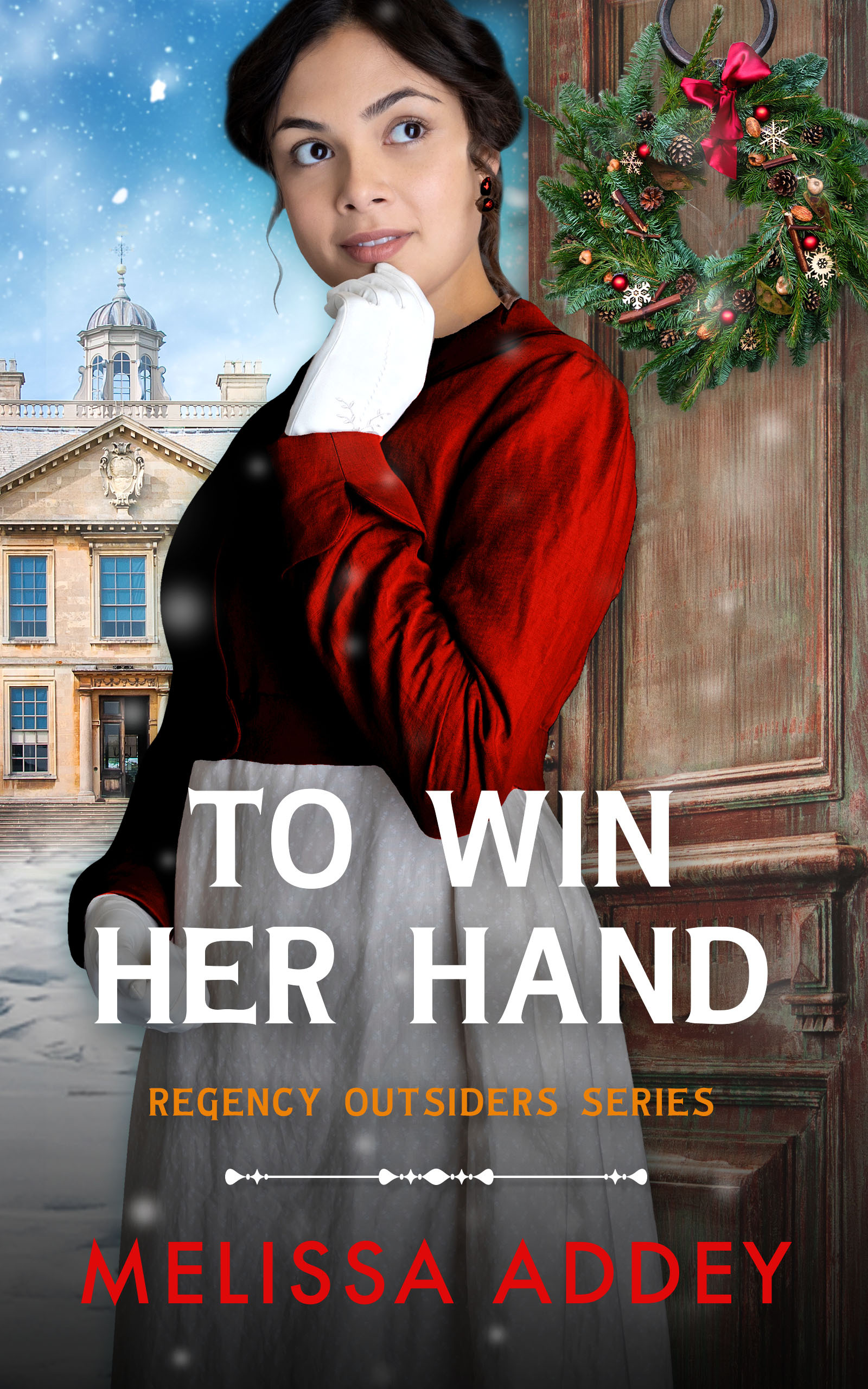
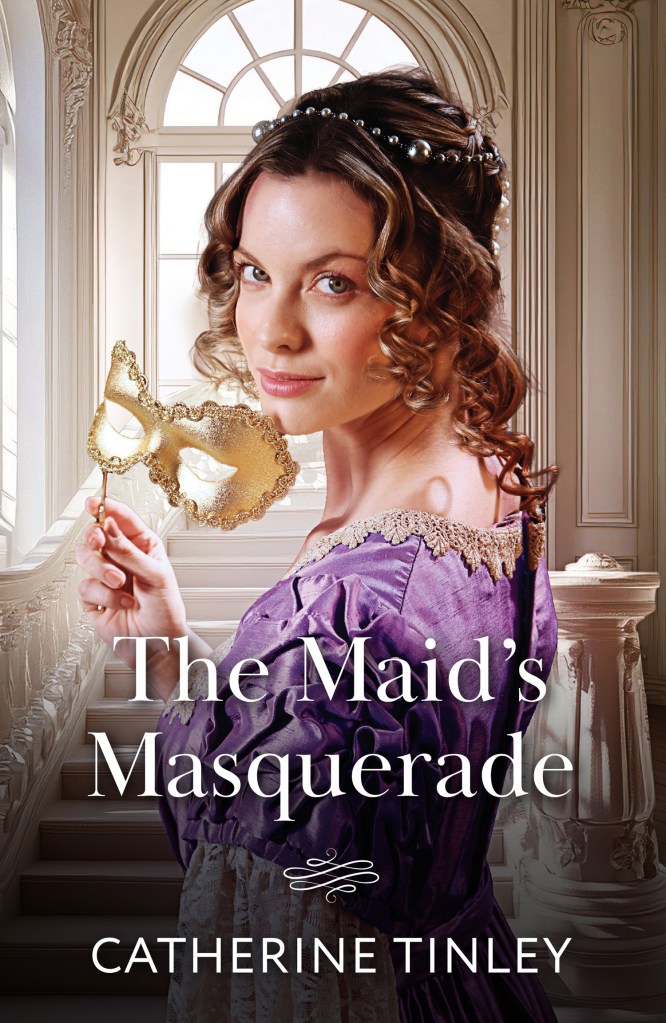
I’m excited to share an extract from The Maid’s Masquerade by Catherine Tinley #blogtour #historicalfiction #historicalromance

I’m excited to share an extract from The Maid’s Masquerade by Catherine Tinley #blogtour #historicalfiction #historicalromance

Packet ship, mid-Atlantic, 1818

‘I wondered if I could perhaps…be you. Just for a short time.’

‘Be me, miss?’ Bewilderment flooded through Marguerite. ‘Whatever can you mean?’

‘I should like to work as a housemaid in Derbyshire—to fetch and carry, clean and mend. To do honest work with my hands and learn new things and not be a dashed heiress!’

‘But…but…’ Marguerite could not take it in. She herself had been forced by circumstances to give up her status as the daughter of a gentleman in order to become a servant. And now here was Miss Van Bergen, an heiress, choosing to do the same. It made no sense.

It was also impractical. ‘But Lord Linford will still expect you in London!’ Did Miss Van Bergen want a hunt for her all over England? For that was what Lord Linford would be forced to do, if she did not arrive. Even if she wrote to him, he would still do it, for young ladies were not permitted to have adventures.

‘Yes. This may sound nonsensical, but you look a little like me.’ She turned back to the mirror, meeting Marguerite’s eyes in the reflection.

Marguerite was confused. ‘We look very different, miss.’

‘Yes, but you have brown hair and blue eyes. You are a similar build to me too. The miniature that Lord Linford received was not very accurate.’

‘I…see…’ It was true. They were broadly similar and, while they could never be taken for twins, they might be sisters. And Miss Van Bergen’s accent was decidedly English, despite her having grown up in New York.

‘Besides, you will be in mourning for my—your—aunt. It is likely that you will see little of him—or anyone. You will simply rest, and not work, until I return.’

To rest, read and be a lady again, for just a few weeks…Lord! Am I actually considering this? Fear rushed through her at the very notion of attempting to carry off such an audacious scheme.

Would Linford recognise her? Marguerite thought not. She could barely remember his looks, and people generally saw what they expected to see. She would arrive as Miss Van Bergen, and it was likely he would simply accept her as Miss Van Bergen. As she imagined standing in front of him, anger coursed through her veins. What he had done was unforgivable. The least he deserved was a wealthy bride who did not want him.

Abruptly, she was fiercely glad that Miss Van Bergen was going to cause him trouble. She could only imagine his consternation when his heiress returned, and he realised he had been duped by a serving maid, a person of no consequence to him.

Revenge. The discomforts, worries and fears of the past four years abruptly came together in a fiery ball of rage within Marguerite. She had no desire to ruin him, as his callousness had ruined her. No, she was better than that. But here was an opportunity to cause him discomfort, at the very least. While she had no clear plan, there might be sport to be had, and perhaps it would lessen the grief within her. In some small way, Papa would be avenged for the man’s duplicity and callousness.

Here’s the blurb

An heiress and a maid swap places in brand-new duet The Heiress Switch

Undercover as the Earl’s fiancée

And to settle old scores…

Part of The Heiress Switch: On a transatlantic voyage, English maid Marguerite hatches a plan with an American heiress to temporarily trade places when they arrive in England. Forced into servitude, this is Marguerite’s chance to re-enter Society, and posing as the betrothed of Benedict, Earl of Linford—the man at fault for her circumstances—is the perfect opportunity for revenge! But her anger is soon replaced by an unsettling attraction. Still, Benedict caused her to lose everything once and she won’t lose her heart to him now—even when he reveals some unexpected truths…

Perfect for fans of:

Hidden identity

Enemies to lovers

Purchase Link

https://mybook.to/MaidsMasquerade

Meet the author

Catherine Tinley is an award-winning writer from County Down. She writes witty, heart warming Regency historical romance novels. She has won a coveted Rita® Award, two RoNA Awards, and the HOLT Medallion, and her books have been translated into ten languages. Two of her books have also been published as manga graphic novels. 

She also writes saga/women’s historical fiction as Seána Tinley.

After a career encompassing speech & language therapy, Sure Start, and managing a maternity hospital, she now works for a leading charity. She lives in County Down with her husband, children, cats, and dog, and can be reached via her website or on socials.

Author Catherine Tinley

https://linktr.ee/CTinley

Posts

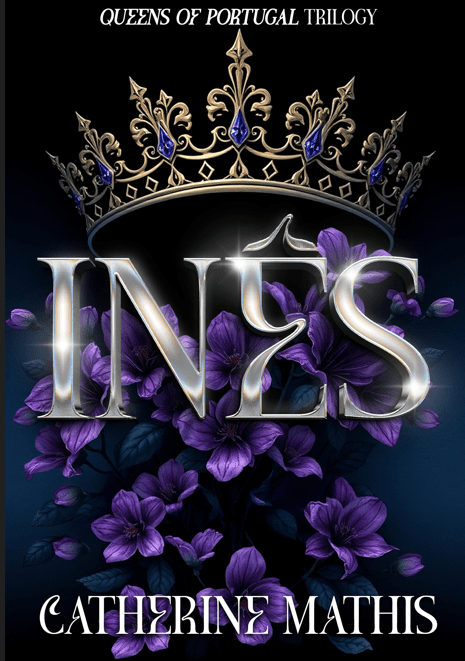
I’m delighted to welcome Catherine Mathis and her new book Inês to the blog, with a fascinating guest post #HistoricalFiction #MedievalFiction #BlogTour #TheCoffeePotBookClub 

I’m delighted to welcome Catherine Mathis and her new book Inês to the blog, with a fascinating guest post #HistoricalFiction #MedievalFiction #BlogTour #TheCoffeePotBookClub @cathiedunn
@thecoffeepotbookclub @cmathisauthor

In Candide Voltaire describes the great earthquake of All Saints Day 1755 which hit during Sunday church services resulting in the destruction of most of Lisboa and surrounding villages for miles and miles. Then Lisboa burned and was hit by a tsunami. Records and documents not destroyed in 1755 were ravaged by Napoleon’s troops. Records for the early fourteenth century were never as plentiful for Portugal as they are for France or England, and these two seminal events did not help. The larger hurdle is I do not speak or read Portuguese or the earlier spellings of medieval Portuguese, nor Spanish for that matter. 

Most histories of Portugal will mention the Pedro and Inês affair in passing, not depth. The prominent chronicle surviving to this day was written by Fernão Lopes in the early fifteenth century. The extant Lopes work starts with the reign of King Pedro. Lopes’s chronicles for earlier kings are lost. Lopes proclaims an intent for historical accuracy and does a good job of balancing characters and events despite writing for the Avis dynasty. These chronicles were not available in English until 2023, and I did not trip across them until mid-2024 when my novel was already with the publisher.

There are references to other documents long lost to time. There are some records in archives and other Portuguese and Spanish cities. Professor Rita Costa Gomes wrote The Making of Court Society, a scholarly Portuguese book translated into English, though it provides some information only in Portuguese. Other useful books include: de Oliveira Marques’s Daily Life in Portugal in the Late Middle Ages, A.R. Disney’s History of Portugal and the Portuguese Empire, and Oliver Sacks’s Hallucinations

For good or ill, my primary source was Edward McMurdo’s The History of Portugal, Volume II published in 1889. McMurdo takes a bit of getting used to; his opinions are well stirred into the history presented. Likely Portuguese/Spanish documents of recent years have updated information.

I found this legend on a trip to Portugal. Then several years later I returned to Portugal, specifically to visit the locations central to the story along with visiting museums. There is little extant material in museums from this period. I walked the grounds of a convent now in ruins in Coimbra that is central to the story. While geography changes with time, walking narrow streets and the buildings that remain from the fourteenth century helped when creating scenes.

It is in the gaps of written documents that novels unfold. It does not mean that accuracy is not important. It absolutely is. Did Pedro marry Inês? Not in the legal sense of marriage arranged for an heir to the throne. Did Pedro believe he wed her? Did Inês believe she was married? I chose to answer yes to both questions. Inês – from what we believe we know – exhibited loyalty to her friend Constanza, Pedro’s wife, and cared deeply for all of Pedro’s children. Inês did not have a child until at least a year after the death of Pedro’s first wife. Then she bears Pedro children regularly. Others suppose the love affair began before Pedro was widowed. Pedro refused to marry suitable women his father proposed after his first wife’s death. He had clergy attest to the marriage with Inês. And he never marries again, though he has a consequential affair.

There are lots of technical practices in the lives of medieval royals that are not common in our world. Technically Pedro was married before he wed Constanza. It was a marriage never consummated before it was dissolved. Often marriage agreements are bargaining tools of a king in managing relationships with other countries or inside his own country. The key is what is important to the story being told, what is critical in the history of the time, yet not a turning point for the story being told. For example, the Battle of Salado was huge in Pedro’s lifetime as was the Great Pestilence. Neither of these events is a driving factor in the legend. They are included but not critical.

The other key issue is names. Men named Pedro or João or women named Maria litter the landscape. I made a decision to use a name per person and not confuse the reader by overly focusing on titles or full proper names. It is easier if there is one central Pedro not to be confused with Pedro’s in the nobility or neighboring countries. The point is the story. For the novel, this means a Pedro in a neighboring country becomes Peter or more plainly Castile’s king. All readers know Portugal existed in the medieval period. Their likely earliest recollection is of Prince Henry the Navigator, still a century away from Pedro. Those seeking a good story are less concerned with the rabbit holes and details of history some of us find fascinating. This is the writer’s balancing act.

Let’s close with a final thought on sources and information. For many dates there is not an agreement as different sources will offer different dates for the same event. And between then and now, the calendar changed. Many birth dates and thus ages were not recorded in sources, especially for women and also children who die young. Often this is not critical to the story, the legend.  

The fun part of research is falling down the rabbit holes. As I chase a fact or information about a location I can get sidetracked into reading articles on the nature of queenship, the trade between Portugal and England or the Netherlands, life on board a ship, etc. Most of the research is never used, and always worth the time to study.

Here’s the blurb

An heir to the throne, a gorgeous blonde lady-in-waiting, the king’s trusted advisor. When a father and son don’t understand each other, the son pays an outrageous price.

Love, jealousy, loyalty, and revenge roil the court of 14th century Portugal.

In this engrossing launch to the Queens of Portugal trilogy, Catherine Mathis gives a fresh take on the tale of Pedro and Inês, Portugal’s real-life Romeo and Juliet. Pedro’s father would not have been king if not for his trusted advisor, Gonçalves. Once king, he wants no part in neighboring Castile’s royal convulsions though his son, Pedro, befriends powerful Castilians.

The all-consuming drive of the king is to ensure his line rules Portugal for centuries to come. He needs legitimate, strong heirs. The Infante Pedro loves a woman not deemed worthy to wear the crown as queen. Between father and son is Gonçalves, the king’s powerful, unquestioned counselor who is mentor to the son. Both Gonçalves and Pedro seek the attention of Inês.

There is a horrific cost to winning the love of Inês. She will not release her grip on Pedro until he keeps the two sworn oaths he made to her. Can Pedro do the impossible to satisfy Inês?

Inês is based on real people and events, exploring a cultural touchstone of Portuguese history.

Praise for Inês:

Mathis masterfully weaves emotional depth into the narrative, creating a deeply engaging experience that leaves a lasting impression and invites readers on an unforgettable journey through the grandeur and intrigue of Portugal’s past.
~ Mary Anne Yarde, The Coffee Pot Book Club 5* Review

This exciting start to the Queens of Portugal trilogy describes the legendary love story of Pedro and Inês, and I was amazed at the excellent storytelling and how the author brings the courts to life. There is a lot of drama and intrigue, and the characters’ emotions are beautifully captured in this engrossing tale.
~ Readers Favorite 5* Review

Purchase Link

https://books2read.com/u/br8OBY

Meet the author

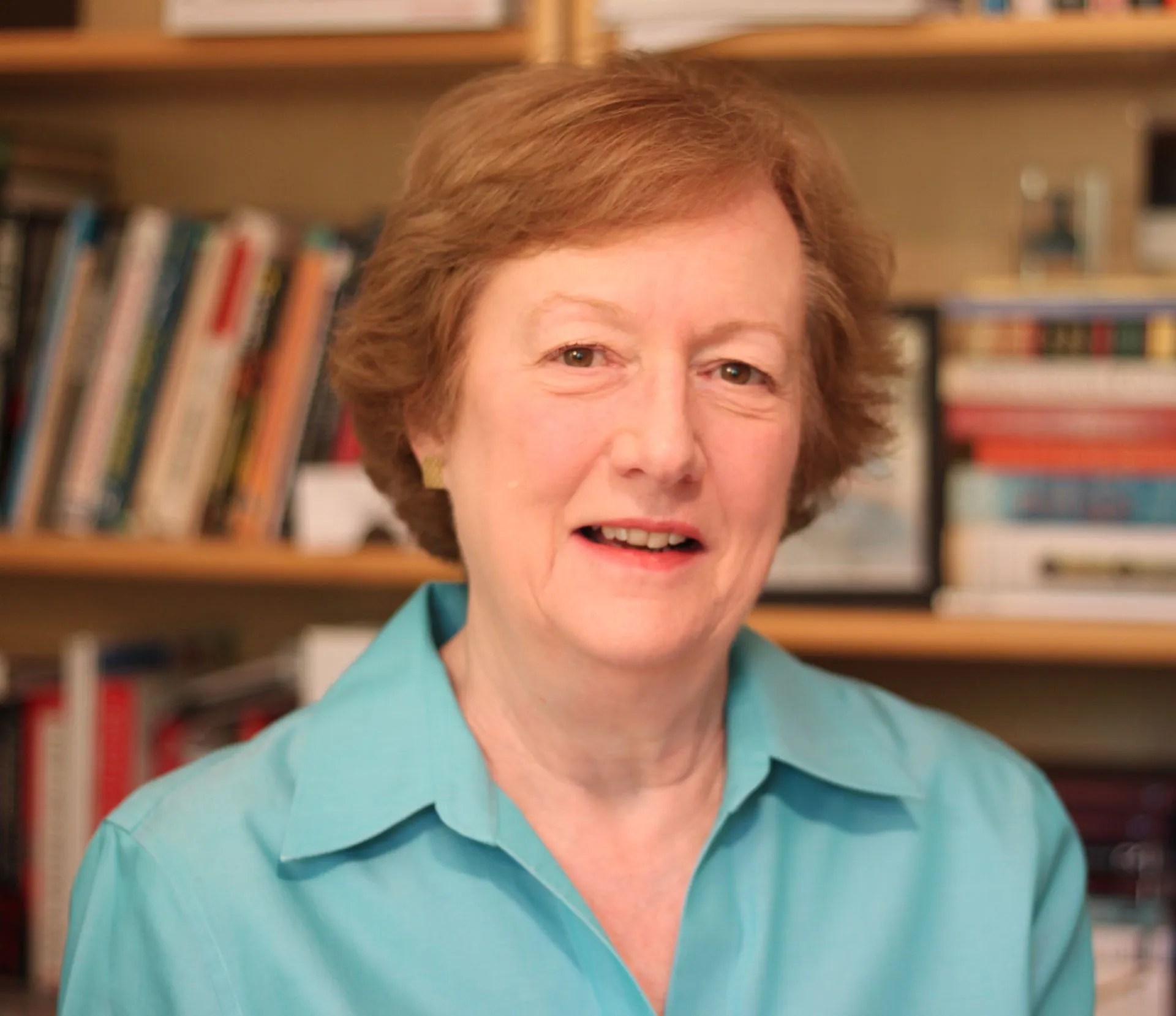
Catherine Mathis was born in Berlin, the daughter of an American spy. As she grew up in Washington, D.C., her spy father turned into a drug enforcement agent. His career change wrecked any chance at high school popularity. She graduated from Sewanee | The University of the South with a degree in history focused on the medieval period. After a career in finance, she returned to her first love of medieval history to ‘Share Iberian Tales.’ Outside of writing, spare time joys are family, friends, reading, collecting folk/outsider art, and travel.

Author Catherine Mathis

Connect with the author

www.catherinemathis.com

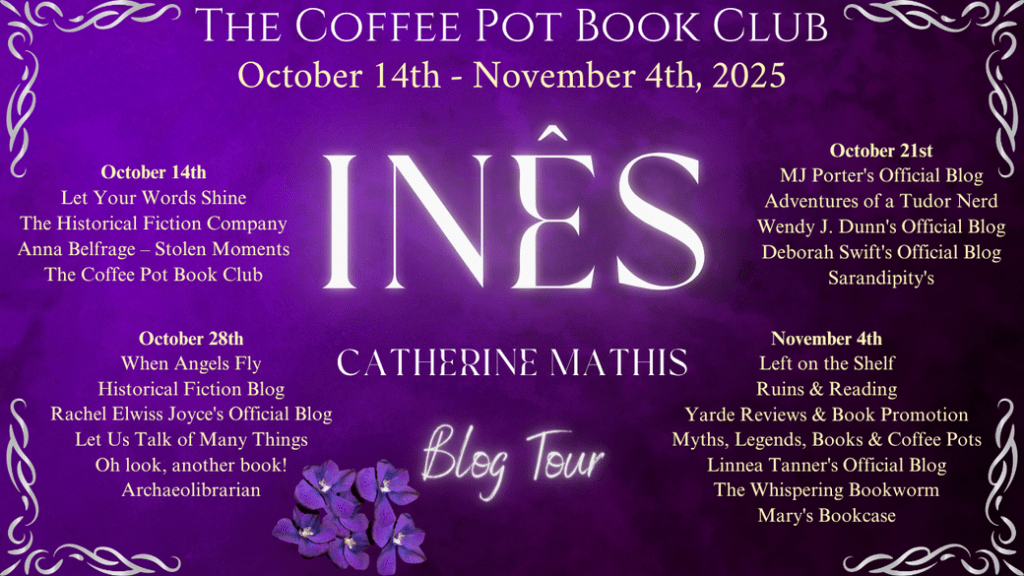
Follow the Ines by Catherine Mathis blog tour with The Coffee Pot Book Club


Posts

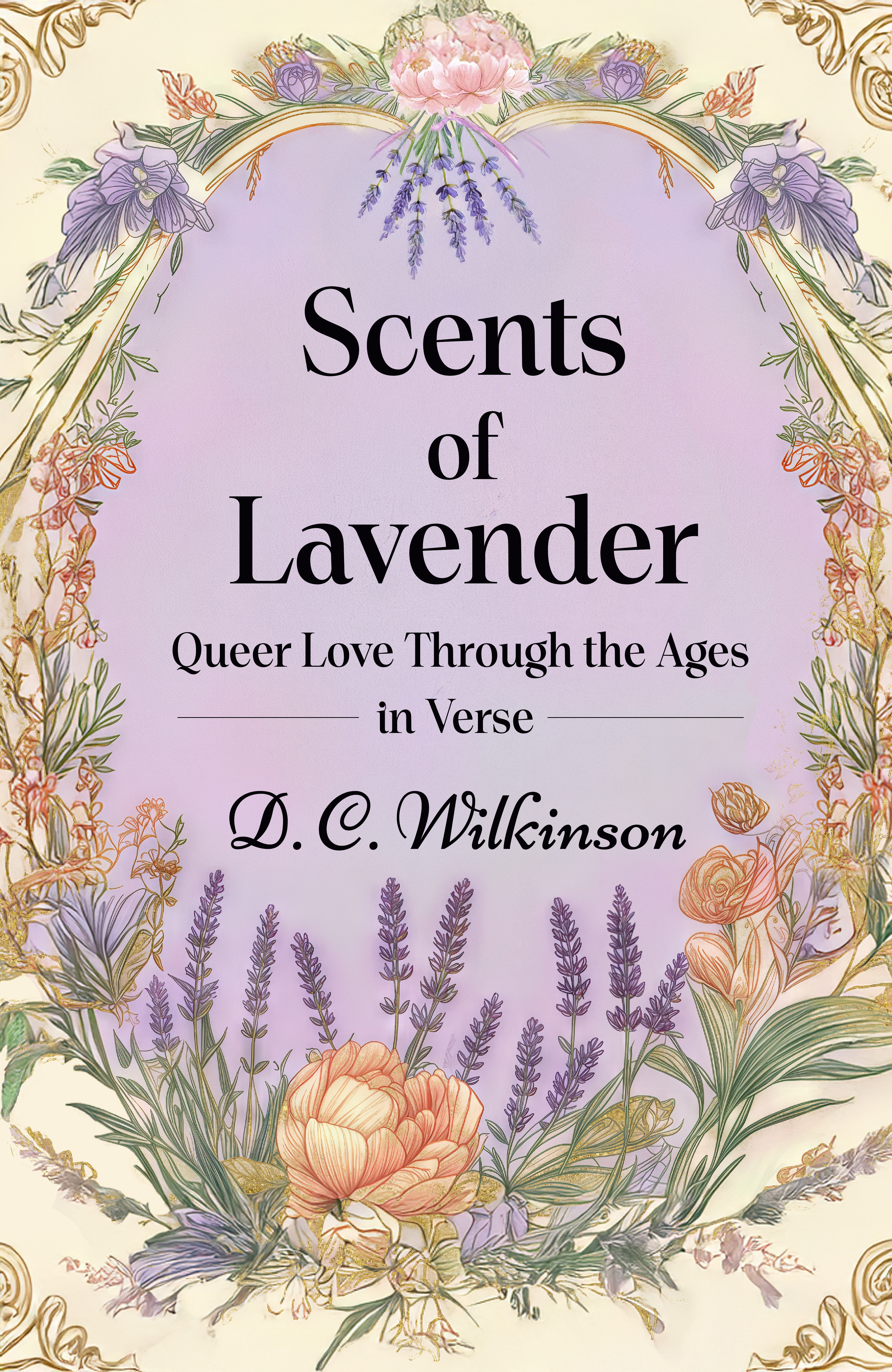
I’m delighted to welcome D.C.Wilkinson and his book, Scents of Lavender, to the blog #HistoricalFiction #Romance #LGBTRomance #LGBTQ+ #IllustratedPoetry; #BlogTour #TheCoffeePotBookClub

I’m delighted to welcome D.C. Wilkison and his book, Scents of Lavender: Queer Love Through the Ages – In Verse, to the blog with a snippet.

Snippet

Though they tried to vanquish us,

our love endures,

in the hearts of those

stirred by our flame

and undeterred by malice

and brutality.

From Hierocles

Book Trailer

Here’s the Blurb

Timeless and unwavering, love flows through a universal melody that echoes in every corner of the globe. Transcending borders and cultures, it sows the seeds of memories that sprout and blossom in Scents of Lavender, a collection of 25 illustrated poems that breathe life into evocative scenes where queer love proudly re-emerges from the depths of history, uncovering deep and everlasting bonds.

Each poem invites the reader to explore the narrator’s deeply personal and intimate perspective through pantheistic eyes. Written in the first person, every verse unfolds as both a reflection and a manifestation of a single universal mind and soul, drawing the reader into a shared understanding that love –in all its forms– is boundless, eternal, and permeates the cosmos.

Buy Link

Universal Link:

Meet the Author

D. C. Wilkinson is an award-winning novelist, poet, and lifelong voyager of inner and outer realms. His literary work centers on his passion for historical tales, portal fantasies, and dreams and visions often weaved into narratives that highlight LGBTQ+ experiences.

He began his career in the Midwest as a student of Language Arts before relocating to the East Coast in his early twenties. A graduate of Columbia University and former New York City public school teacher, he now calls Connecticut his home, where he resides with his spouse and their beloved beagle.

Connect with the Author

Follow the Scents of Lavender blog tour with The Coffee Pot Book Club

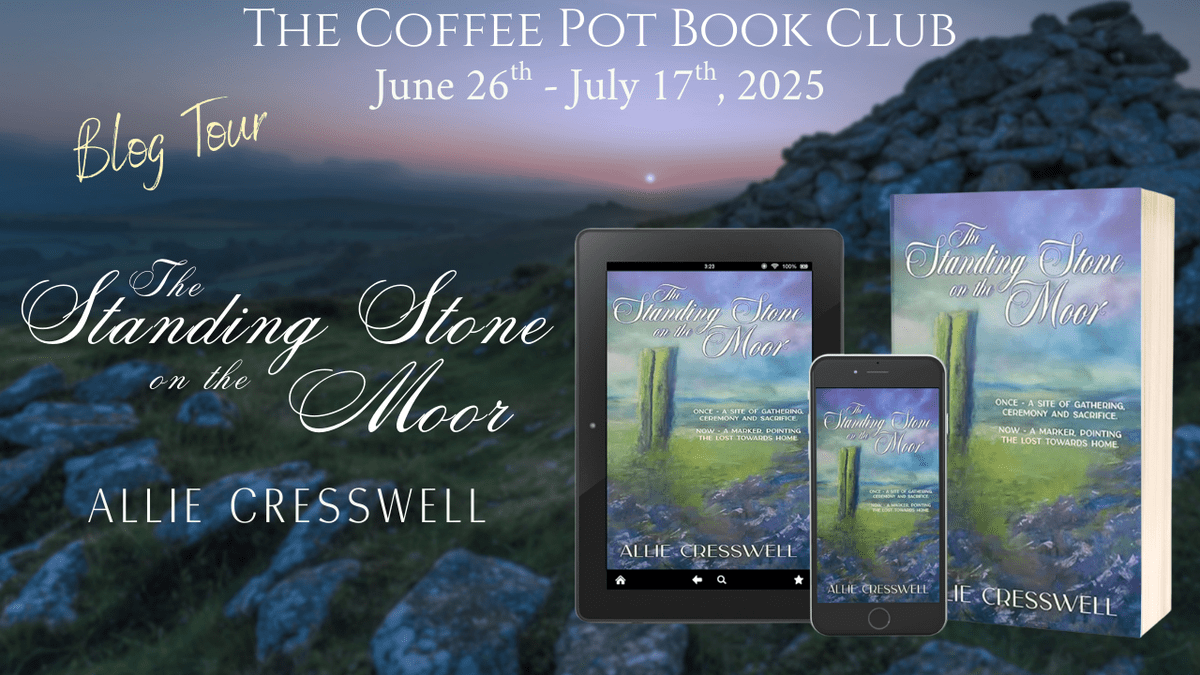
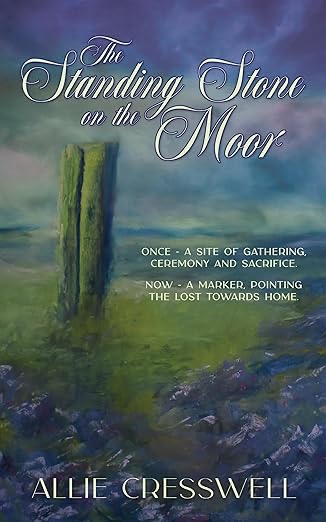
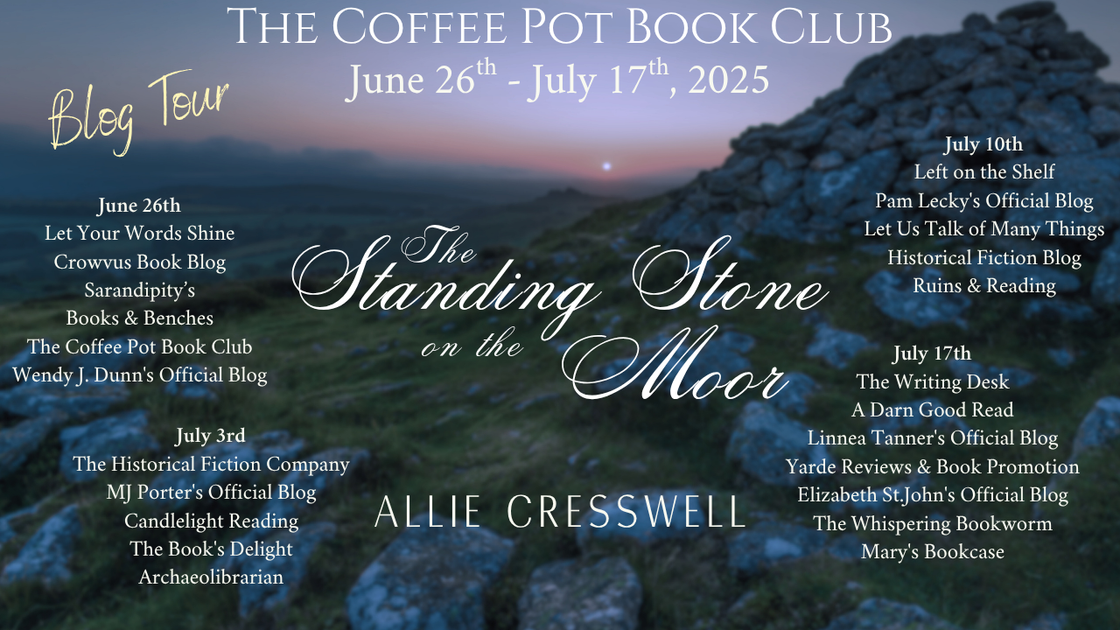
I’m delighted to welcome Allie Creswell and her new book, The Standing Stone on the Moor, to the blog #HistoricalRomance #HistoricalFiction #Yorkshire #BlogTour #TheCoffeePotBookClub

I’m delighted to welcome Allue Creswell and her new book, The Standing Stone on the Moor, with a blog post about the accurate representation of diversity in historical fiction.

The accurate representation of diversity in historical fiction – by Allie Creswell

In recent times I have been challenged to ensure that my historical novels accurately represent the diversity that would have existed in their eras, but which was often ignored by writers of the time. For instance, Jane Austen’s novels have no black or ethnic minority characters, neither are there any characters with disabilities of any kind. Perhaps Sanditon was an attempt to rectify this, with a spa town ready to “cure” and a character described as “mulatto”. Mrs Smith, in Persuasion is incapacitated in some way due to injury. It could be argued that Tom Bertram in Mansfield Park suffers a crisis in mental health as well as from alcoholism, but these examples are insignificant when we think of the casts of white, healthy, ambulant and neurotypical characters in her books.

While wishing very much to be accurately inclusive and to embrace differently-abled characters as well as ones of non-white heritage, I would not wish to fall into the trap of tokenism. It is Amory Balfour’s superlative and remarkable beauty—rather than his skin colour—which makes him the perfect foil for my veiled heroine Georgina in The Lady in the Veil. Olivia, a character with Down Syndrome in The Cottage on Winter Moss is pivotal to the plot because she is privy to the village’s secrets—and a bit of a gossip—not because she has Down Syndrome.

For The Standing Stone on the Moor I wanted to introduce a group of characters who would bring some sparkle and pizzazz to a remote, parochial and insular village in Yorkshire. I wanted to shake the inhabitants up, and I also wanted to challenge them, to provoke their bigotry, suspicion and superstition into life because I wanted—in an oblique, non-confrontational way—to equate the situation of today’s asylum seekers and refugees with those who came to the UK for succour in the mid-nineteenth century. My aim in this approach was to add as many facets to my theme—displacement—as possible, and it seemed to me that there could be no clearer illustration of it than the experience of people hounded from their homes and forced to establish themselves elsewhere.

The potato famine was at its peak in 1845, and thousands of Irish people made the trip to Britian in search of work and to escape the dreadful conditions at home. There was a kind of serendipity in this, in that the burgeoning industrial revolution in Britain had an insatiable requirement for workers in mills, factories, mines and to dig the canals—an activity which thousands of Irish undertook, giving rise to the characteristic designation of the “Irish navvy”.

Many British rural people had migrated to the towns for the improved wages these positions offered, but that left a deficit of labour in the countryside, which my Irish people seek to fill. The group is predominantly women and children. The few men in the group have conditions which ill-suit them to work in an industrial setting—one has asthma, another has suffered an amputation of the lower arm. They shear sheep and make hay, dig peat and move stones—anything at all that will pay. They get involved in the movement of contraband goods, and play shamelessly on their reputation for fortune-telling and mysticism, but this backfires on them. They establish themselves in a camp at a discreet distance from the village, next to an ancient standing stone. They bring their rich culture of music and dance, their entrepreneurship, their admirable work ethic, their predominantly Catholic religion and also of course their baggage—of suffering, loss and grief that prompted their journey, not to mention the trauma of that very displacement. 

And this group of Irish people also brings Dónall, a young man with an intellectual disability.

My research into the ways people with intellectual disabilities were viewed and treated in the 19th century unearthed some dreadful facts. They were often labelled as “idiots” or “lunatics” and faced significant stigma and marginalization. They were frequently confined to institutions like workhouses and asylums, sometimes under harsh and inhumane conditions. These institutions, initially intended for a few hundred people, grew to house over 100,000 by the end of the century. At this time mental health treatment had not been developed and so conditions which we recognise and treat today as mental illnesses were considered signs of madness. Those displaying symptoms were locked away from society. So it was safe to assume that people rarely encountered those with intellectual disabilities, and my character Dónall would therefore likely be the target of stares, pointing fingers and worse.

Dónall had been deprived of oxygen at birth and though a strapping young man physically, aged in his early twenties, he has the intellectual age of a young child. Physically and sexually he is mature, but he lacks the mental scope to understand or control the natural urges of his body. This essential conflict feeds into the overarching theme of the book—displacement. Dónall is a boy in a man’s body, a child in a man’s world. He has adult compulsions of attraction towards Aoife, his cousin, but he also looks to her for the kind of reassurance and guidance a mother or older sister might provide. 

Developing Dónall’s character was a delicate matter. I wanted him to be a character with a disability, rather than “a disabled character”, with a real role to play in the plot. I wanted to draw out the way the contradiction of his character affected him, to allow the reader to see his essential kindness and innocence but also his confusion, and the great passion in his soul.

Conn and Dónall lay in their makeshift beds beneath the wagon and watched the men depart on their clandestine business.

‘Where’re they going?’ Dónall asked.

‘They go to do some moonlight work,’ said Conn knowledgeably. ‘Poaching, perhaps.’ 

Dónall creased his brow. ‘Rabbits?’

‘Deer, more likely, or pheasant. Go to sleep, Dónall. We are to work alongside the men tomorrow.’

‘There is no market,’ said Dónall, yawning. And then, after such a pause that Conn thought he must be asleep, ‘Your mother has a baby in her belly.’

Conn sighed. ‘Yes.

‘How did it get there?’

Conn turned his head. Dónall’s pale eyes shone in the darkness. ‘I suppose my father put it there. Do you not know about such things?’

Dónall shook his head. His face creased this way and that as he tried to get his thoughts into a shape he could manage but in the end he only said, ‘Aoife would not say.’

‘You have seen the dogs do it often enough,’ said Conn. ‘It is like that, I suppose, but Father Fearghal says that people must wait until they are married, or it is a sin. I would not trouble yourself about it.’

‘Aoife is not married,’ Dónall said, partly comforted, party distressed, partly fascinated

‘Not yet, anyway.’ Conn yawned. ‘Good night, Dónall.’ He turned on his side, but Dónall rose up onto one elbow.

‘Aoife can’t … No. She mustn’t …’ 

Conn turned back to look at him. ‘Mustn’t get married?’

‘N… no.’ Dónall swallowed thickly. ‘And there mustn’t be … a baby,’ he said.

Conn settled himself back down. ‘I know what you mean. There isn’t enough to go around as it is. But babies do come once the vows are exchanged. They do not seem to be able to stop themselves.’

Dónall said, ‘My mother … she died …’

Conn sighed. ‘Yes, I know, Dónall. It sometimes happens. And sometimes the baby dies. Father Fearghal says it is God’s will. Is that why you don’t want Aoife to have a baby? Because you worry that she will die?’

Dónall thought about it for a while. ‘No,’ he said at last. ‘It is because … because … I do not want to share.’

When Dónall’s impulses get the better of him, he commits a crime for which there will be serious consequences. At best, a life in an asylum. At worst, hanging. It is not his disability per se which is the catalyst, but its manifestation within his character and the situation into which I placed him. Dónall’s perilous situation forces his Irish friends and Beth, my main character, to attempt a daring and dangerous trip across the moors in the dead of night, dodging the mounted guard.

One of the quite beautiful things that emerged as I wrote Dónall’s character was the way his Irish family love and care for him, and the ways they allow him to contribute to their communal well-being. At mealtimes he is placed among the children, where he soothes tiredness and squabbling with a timely tickle or cuddle. During the day he works alongside the men, having twice the strength of some, moving stones. His strengths are celebrated, his weaknesses compensated for and never ridiculed or criticised.

Dónall knuckled the tears from his eyes and leaned against Ruairi as a child would have done after being separated for even a few moments from a beloved parent’s affection, and allowed himself to be soothed and comforted before being led towards the circle and seated on the upturned barrel that would normally have been Ruairi’s own preserve. 

‘There now,’ said Ruairi. ‘You shall have a man’s seat and a man’s portion of supper and a glass of grog to wash it down with since you have done a man’s work today.’

Dónall nodded and tried a watery smile.

In developing Dónall’s character I was very lucky to have the support and incredible expertise of Deirdre O’Grady (https://www.abilitywise.ie/) who is my sensitivity reader. Deirdre has a H-Dip in Facilitating Inclusion, diplomas in psychology and disability studies and years of experience of raising awareness of the needs of those with disabilities within the workplace and the community. She is an ambassador for diversity, equality and inclusion who is also an expert in mental health, addiction and domestic abuse.

Here’s the blurb

Yorkshire, 1845.


Folklore whispers that they used to burn witches at the standing stone on the moor. When the wind is easterly, it wails a strange lament. History declares it was placed as a marker, visible for miles—a signpost for the lost, directing them towards home.

Forced from their homeland by the potato famine, a group of itinerant Irish refugees sets up camp by the stone. They are met with suspicion by the locals, branded as ‘thieves and ne’er-do-wells.’ Only Beth Harlish takes pity on them, and finds herself instantly attracted to Ruairi, their charismatic leader.


Beth is the steward of nearby manor Tall Chimneys—a thankless task as the owners never visit. An educated young woman, Beth feels restless, like she doesn’t belong. But somehow ‘home’—the old house, the moor and the standing stone—exerts an uncanny magnetism. Thus Ruairi’s great sacrifice—deserting his beloved Irish homestead to save his family—resonates strongly with her.


Could she leave her home to be with him? Will he even ask her to?


As she struggles with her feelings, things take a sinister turn. The peaceable village is threatened by shrouded men crossing the moor at night, smuggling contraband from the coast. Worse, the exotic dancing of a sultry-eyed Irishwoman has local men in a feverish grip. Their womenfolk begin to mutter about spells and witchcraft. And burning.


The Irish refugees must move on, and quickly. Will Beth choose an itinerant life with Ruairi? Or will the power of ‘home’ be too strong?

Buy Link

Universal Link:

Author’s Website:

Meet the Author

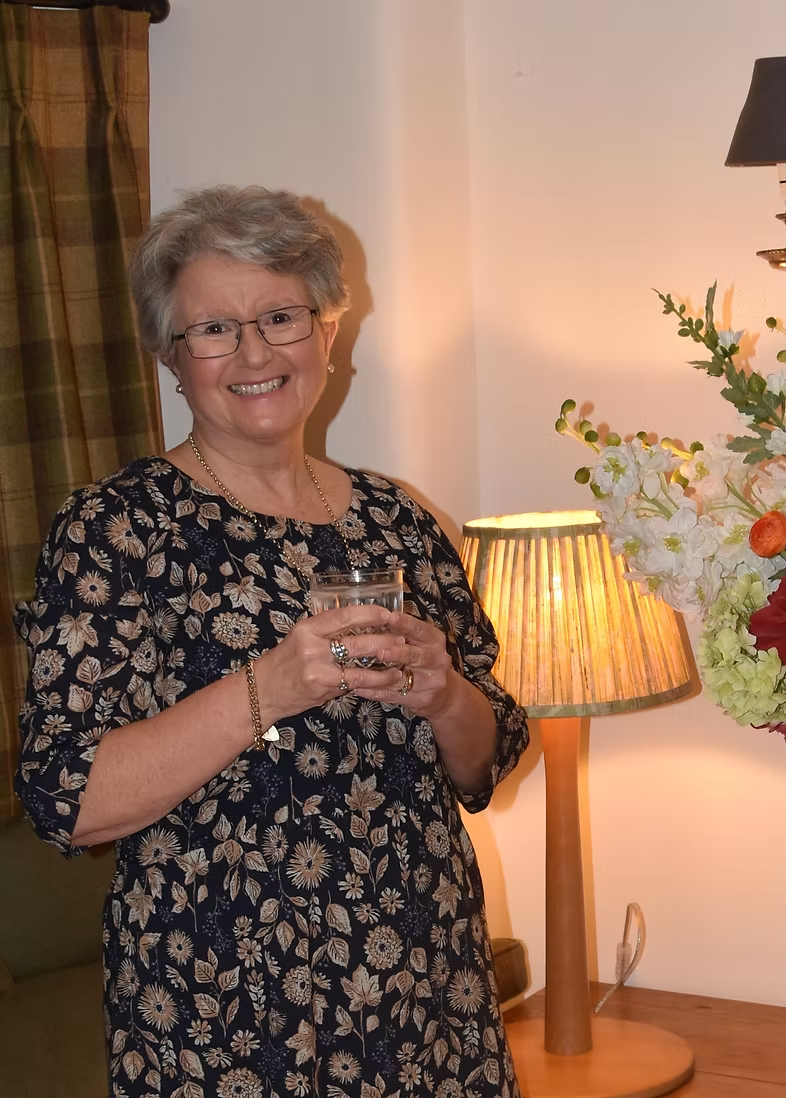
Allie has been writing fiction since she could hold a pencil. She has a BA and an MA in English Literature, specialising in the classics of the nineteenth century.

She has been a print-buyer, a pub landlady, a bookkeeper and the owner of a group of boutique holiday cottage but nowadays she writes full time.

She has two grownup children, five grandchildren and two cockapoos but just one husband, Tim. They live in the remote northwest of the UK.

The Standing Stone on the Moor is her sixteenth novel.

Connect with the Author
Follow The Standing Stone on the Moor blog tour with The Coffee Pot Book Club