Author of Saxon historical fiction and non-fiction, 20th-century historical mysteries, and Norse-inspired historical romantasy. Book reviewer and blog host.
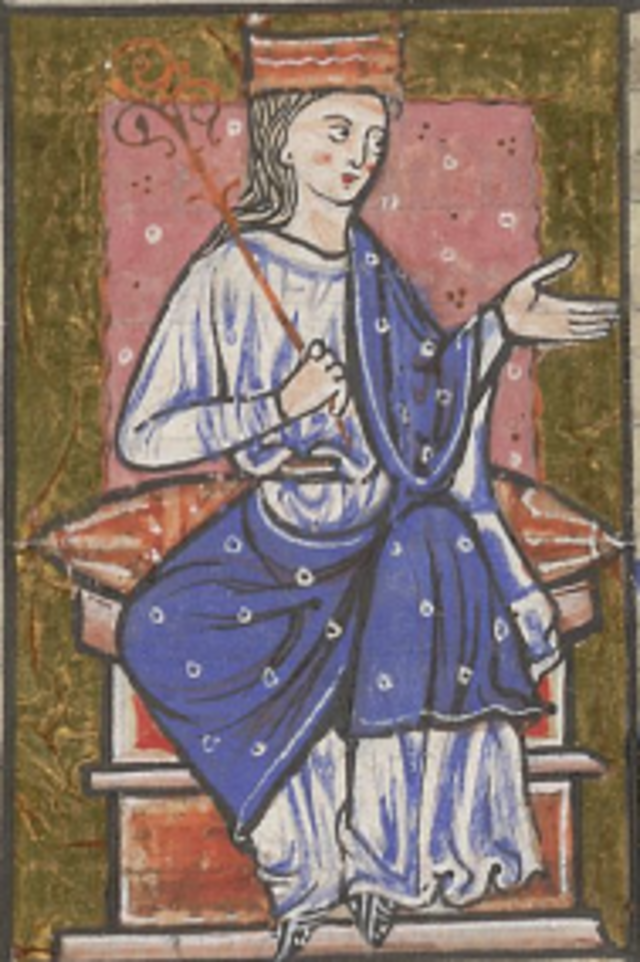
Clash of Kings has a number of characters, and some might be surprised to find Lady Eadgifu amongst them, but she was an incredibly important historical character, and I couldn’t leave her out of the narrative set at the English court.
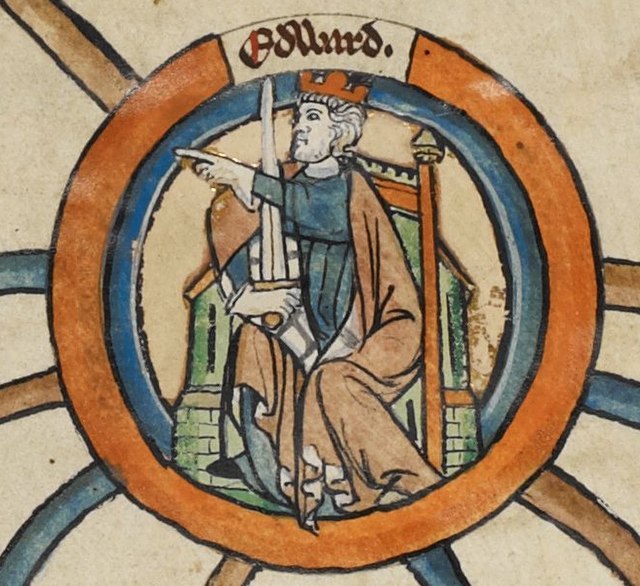
Lady Eadgifu was the third wife of Edward the Elder (r.899-924), king of the Anglo-Saxons. Edward the Elder was the father of King Athelstan, and a whole host of daughters, as well as five sons. Lady Eadgifu would, it seems, have been young when she married the aging Edward the Elder, and that meant that she long outlived him, and also, that her three children (possibly four, but I’ve opted for three) were young when their father died. And two of these children were sons, Edmund (born c.921) and Eadred (born c.923). Her daughter, Eadburh, is thought to have been the oldest of the three children, born c.919.
While Lady Eadgifu, from what’s known (and it isn’t much, as there are few surviving charters from the end of Edward’s reign) perhaps had little role to play while her husband lived, other than wife and mother to the king’s children, following his death, she became increasingly significant. She was the daughter of an ealdorman, who perhaps died just before her birth, and her family are said to have had connections with Kent. Indeed, it’s often stated that she brought her husband Kent with their union. By that, what’s often meant, is the loyalty of the Kentish people. Remember, at this time, we’re still just before the creation of ‘England’ as we would now recognise it.
Sadly, very little is known about Lady Eadgifu (and she’s not alone in this – many of the royal women ‘disappear’ at points in the historical record, and on occasion, are entirely lost.) We know about a land dispute she was involved in, and also much more information for after Athelstan’s reign.
Indeed, it has been said that during Athelstan’s reign,
‘Nor is it surprising that Eadgifu, as the consort of the previous king, served little role in her stepson’s court.[i]
‘the enhanced position [of Lady Eadgifu] may also have been developed specifically for the widowed Eadgifu as part of an alliance with her stepson Æthelstan [Athelstan] in which she supported his position and he recognised her sons as his heirs.’[i]
[i] Yorke, B. ‘The Women in Edgar’s Life,’ in Edgar, King of the English, 959-975 Scragg, D. ed (The Boydell Press, 2008), p.146
And it is this option that I’ve decided to explore in the Brunanburh series. Lady Eadgifu was wife to a king. She would have known her worth, even when faced with a stepson as the king of the English, and another stepson, and stepdaughters, who perhaps didn’t share any love for their, potentially, younger stepmother.
Read Clash of Kings to discover her role in the aftermath of the victory for the English at Brunanburh.
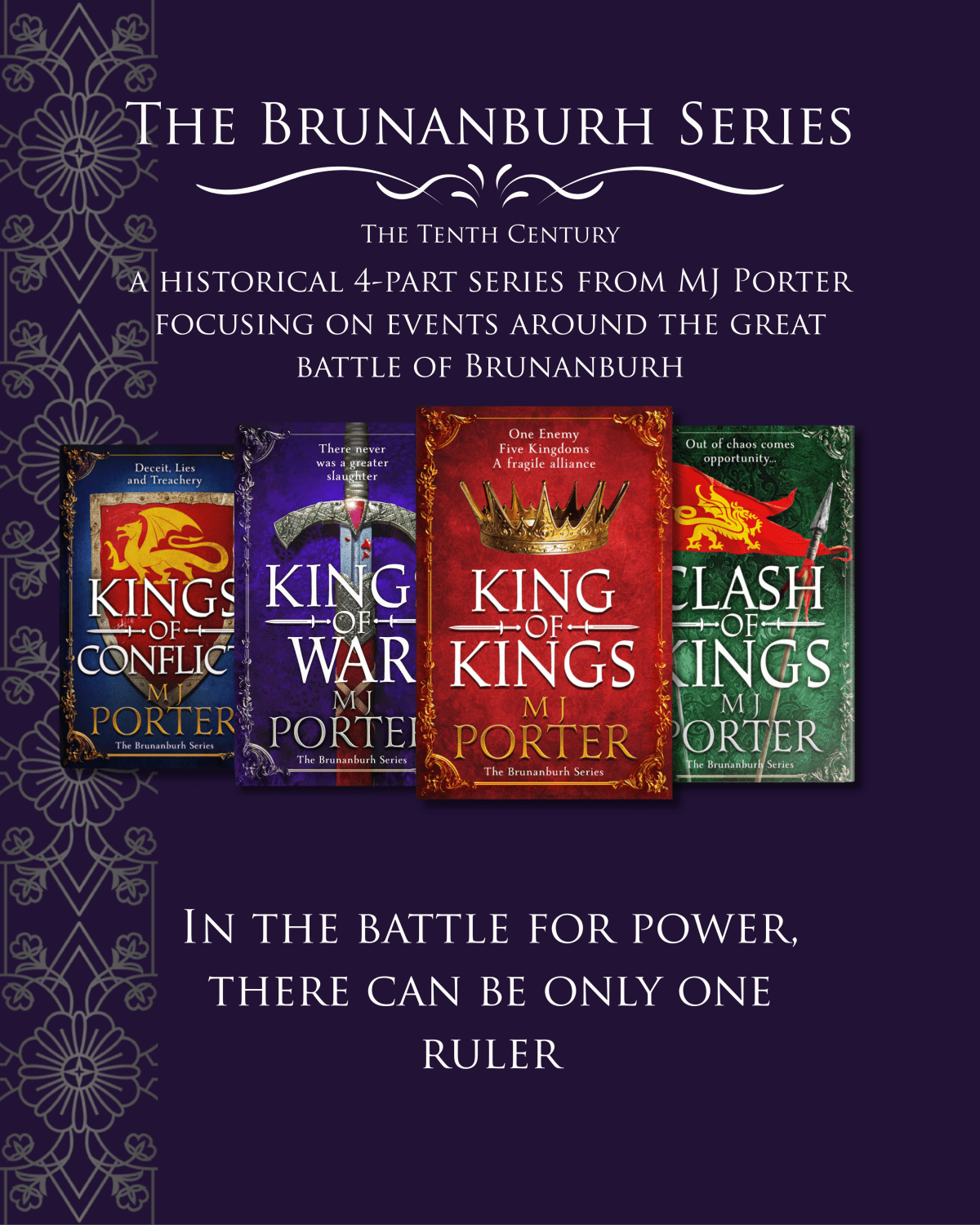
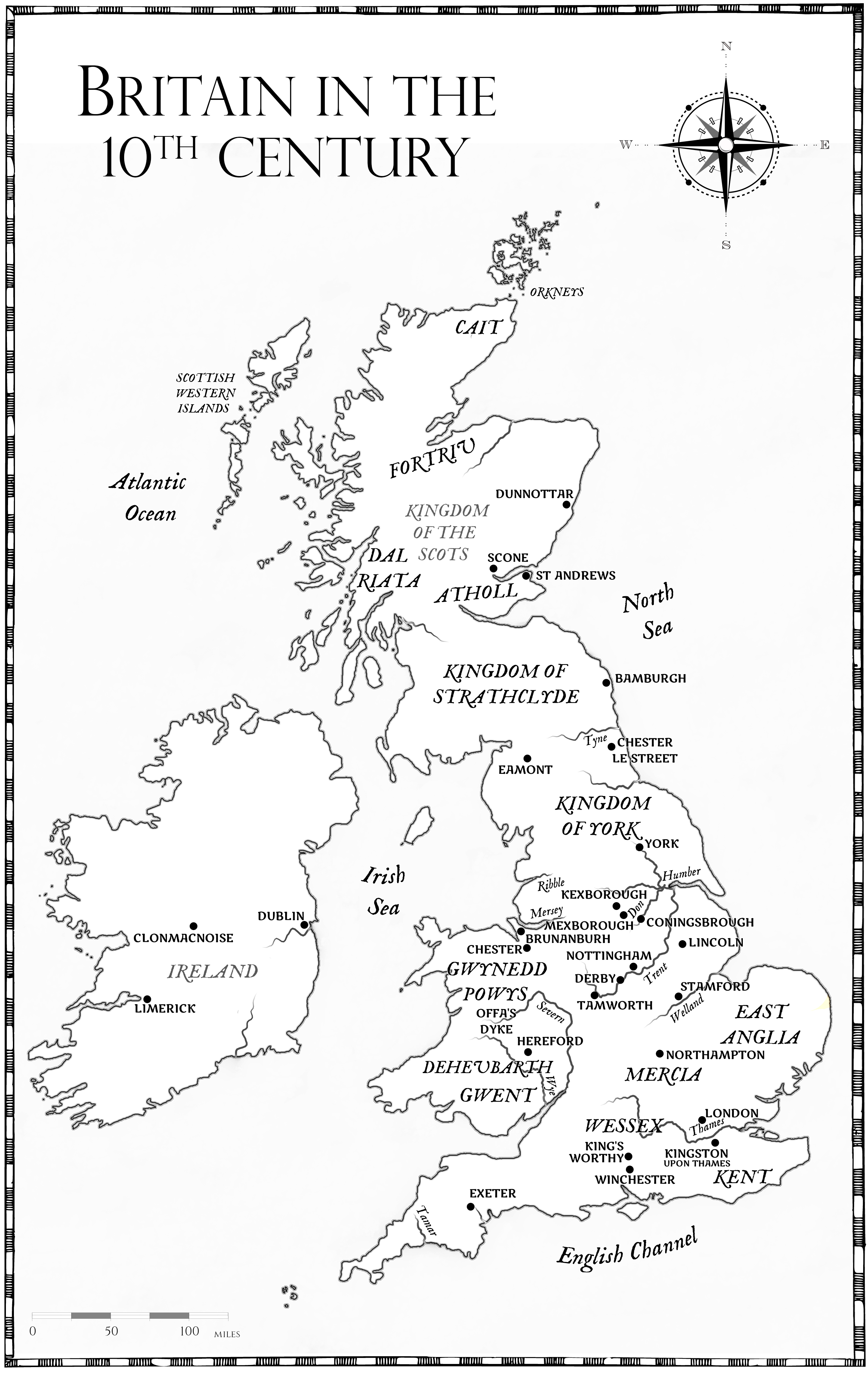
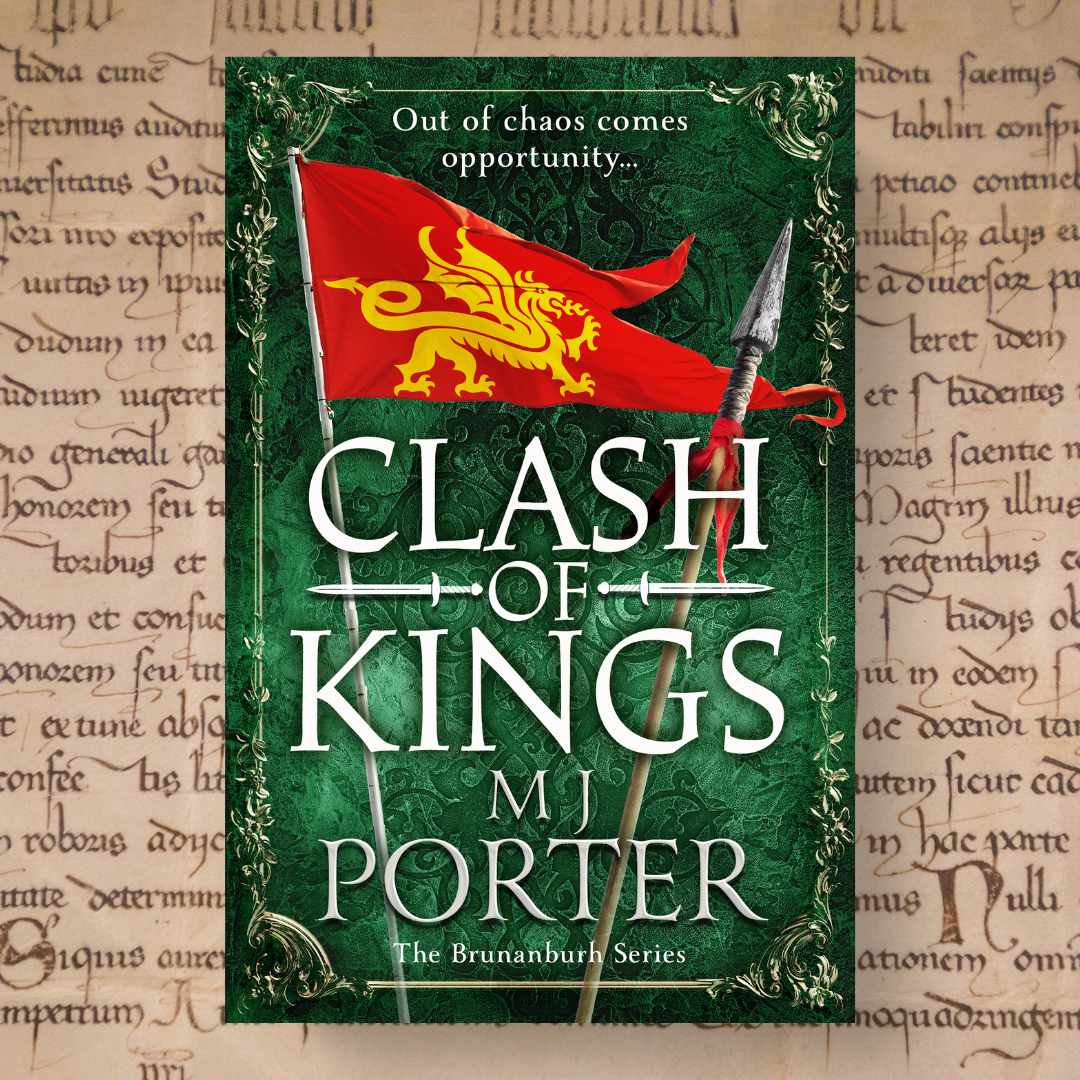
My new book, Clash of Kings, is a multi-viewpoint novel telling the story of events in Britain from 937-942. I thought it would be good to share details of the historical people my main characters are based on.
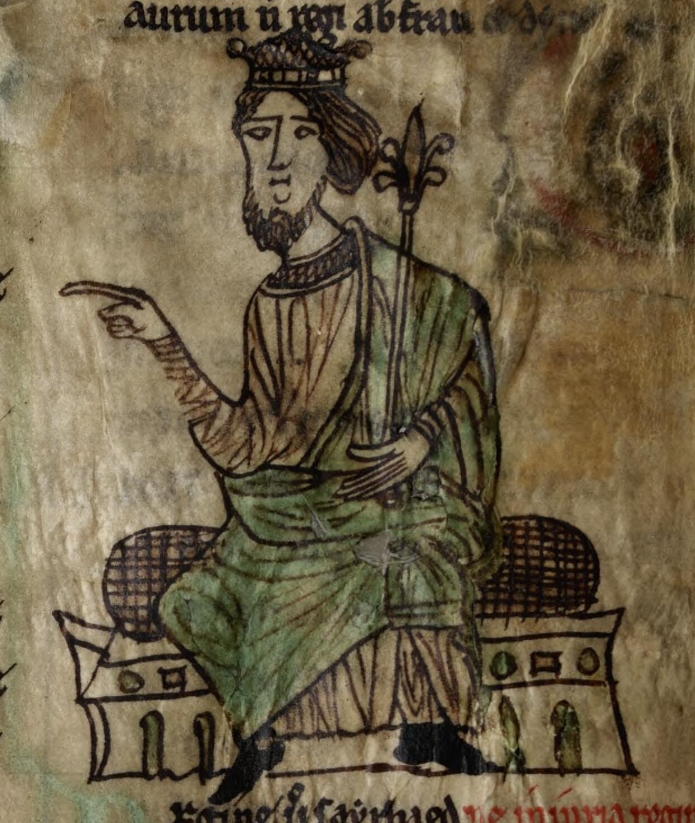
My portrayal of Hywel, better known as Hywel Dda (which autocorrect is determined should say Dad), and which means ‘good’ (a unique epithet in Wales), is of course, fictional, but who was the historical Hywel? Firstly, it should be noted that this epithet is a later invention, not assigned to Hywel until at least the twelfth century, and perhaps, as Dr. Kari Maund has commented in The Welsh Kings: Warriors, Warlords and Princes, a reflection of border events at that period rather than the earlier tenth century. (Dr Maund was one of my university lecturers, so she knows her stuff).
Hywel has no date of birth recorded, and indeed, like Constantin of the Scots, he seems to have ruled for a long time providing much-needed consistency. Hywel ap Cadell was the grandson of the famous Rhodri Mawr, who’d united the kingdoms of the Welsh during his rule. But, this unity fragmented on Rhodri’s death.
To begin with, Hywel ruled Dehuebarth, probably with his brother, Clydog, (who may have been the younger brother) after the death of their father in c.911. He, his brother, and his cousin, Idwal of Gwynedd, submitted to the English king, Edward the Elder in the late 910s.
‘and the kings of Wales: Hywel and Clydog and Idwal and all the race of the Welsh, sought him as their lord [Edward]’. ASC A 922 corrected to 918 (Swanton, M. trans and edit The Anglo-Saxon Chronicles, (Orion Publishing Group, 2000)p.103-4)
Not long after, Clydog died, leaving Hywel as ruler of Dehuebarth. Hywel had also married Elen, the daughter of Llywarch and niece of Rhydderch, the last king of Dyfed, and he was able to use this alliance to eventually claim Dyfed as well.
Hywel’s believed to have been highly educated, and some historians suggest he was particularly fascinated with King Alfred, and all he’d achieved and was therefore keen to emulate many of his actions. This could also be why his name came to be associated with the codification of laws in later traditions. What fascinates me most about Hywel is his decision to ally closely with King Athelstan. Certainly, he’s a intriguing figure in early tenth-century Britain, and not just because we know he made a pilgrimage to Rome in 928, and still managed to return back to his kingdom and continue ruling it.
Hywel seems to have distanced himself from events which led to the battle of Brunanburh in 937, but in my portrayal of him, he still classifies himself as very much Athelstan’s ally. Events in Clash of Kings might well test that allegiance.
Today sees the release of Clash of Kings, the third book in the Brunanburh series. But who was Athelstan, king of the English?
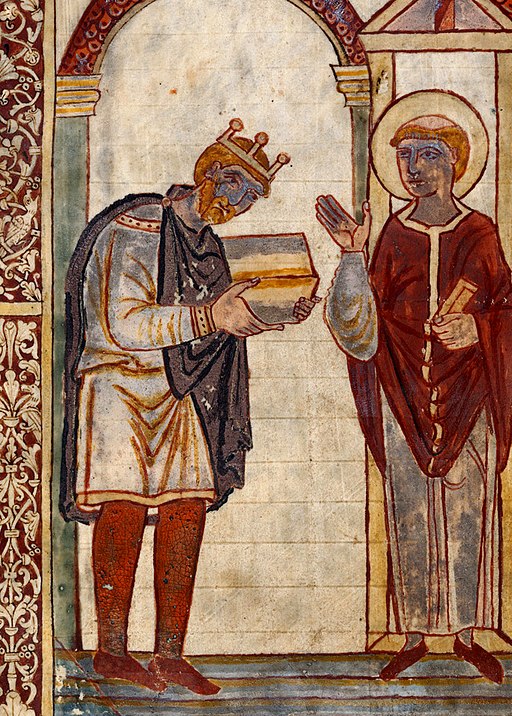
Based on a historical person, my portrayal of him, is of course, fictitious, but there are many historical details known about him. However, we don’t know for sure who his mother was, it’s believed she might have been called Ecgwynn, and we don’t know, for certain, the name of his sister, but it’s believed she might have been named Edith. What is known is that his father was Edward, the son of King Alfred, and known to us today as Edward the Elder. Athelstan is also rare in that he is one of only two Saxon kings for who a contemporary image is available. (The other is Edgar, who would have been his nephew)
It must be supposed that Athelstan was born sometime in the late 890s. And according to a later source, that written by William of Malmesbury in the 1100s (so over two hundred years later), Athelstan was raised at the court of his aunt, Æthelflæd of Mercia. The historian, David Dumville, has questioned the truth of this, but to many, this has simply become accepted as fact.
‘he [Alfred] arranged for the boy’s education at the court of his daughter, Æthelflæd and Æthelred his son in law, where he was brought up with great care by his aunt and the eminent ealdorman for the throne that seemed to await him.’[i]
[i] Mynors, R.A.B. ed and trans, completed by Thomson, R.M. and Winterbottom, M. Gesta Regvm Anglorvm, The History of the English Kings, William of Malmesbury, (Clarendon Press, 1998), p.211 Book II.133
Why then might this have happened? Edward became king on the death of his father, Alfred, and either remarried at that time, or just before. Edward’s second wife (if indeed, he was actually married to Athelstan’s mother, which again, some doubt), Lady Ælfflæd is believed to have been the daughter of an ealdorman and produced a hefty number of children for Edward. Perhaps then, Athelstan and his unnamed sister, were an unwelcome reminder of the king’s first wife, or perhaps, as has been suggested, Alfred intended for Athelstan to succeed in Mercia after the death of Æthelflæd, and her husband, Æthelred, for that union produced one child, a daughter named Ælfwynn.
There is an acknowledged dearth of information surrounding King Edward the Elder’s rule of Wessex. He’s acknowledged as the king of the Anglo-Saxons. His father had been the king of Wessex. Historians normally use the surviving charters to unpick the political machinations of the Saxon kings, but for Edward, there’s a twenty year gap between the beginning and end of his reign, where almost no known genuine charters have survived. What isn’t known for sure, is how much control, if any, he had in Mercia. Was Mercia subservient to Wessex or was it ruled independently? It’s impossible to tell. And this makes it difficult to determine what Athelstan might have been doing, and also what his father’s intentions were towards him.
Frontispiece of Bede’s Life of St Cuthbert, showing King Æthelstan (924–39) presenting a copy of the book to the saint himself. 29.2 x 20cm (11 1/2 x 7 7/8″). Originally from MS 183, f.1v at Corpus Christi College, Cambridge. (Wikimedia Commons)
What is known is that following the death of King Edward in 924, Athelstan was acknowledged as the king of Mercia; his half-brother, Ælfweard was proclaimed king in Wessex. As with all events at this time, it shouldn’t be assumed that just because this is what happened, this is what was always intended.
‘Here King Edward died at Farndon in Mercia; and very soon, 16 days after, his son Ælfweard died at Oxford; and their bodies lie at Winchester. And Athelstan was chosen as king by the Mercians and consecrated at Kingston.’[i]
[i] Swanton, M. trans and edit The Anglo-Saxon Chronicles, (Orion Publishing Group, 2000), D text p.105
But, if Athelstan was raised in Mercia, it’s highly likely he was a warrior from a young age, helping the Mercians defeat the Viking raiders who still had control of the Danish Five Boroughs of Lincoln, Nottingham, Derby, Nottingham and Leicester.
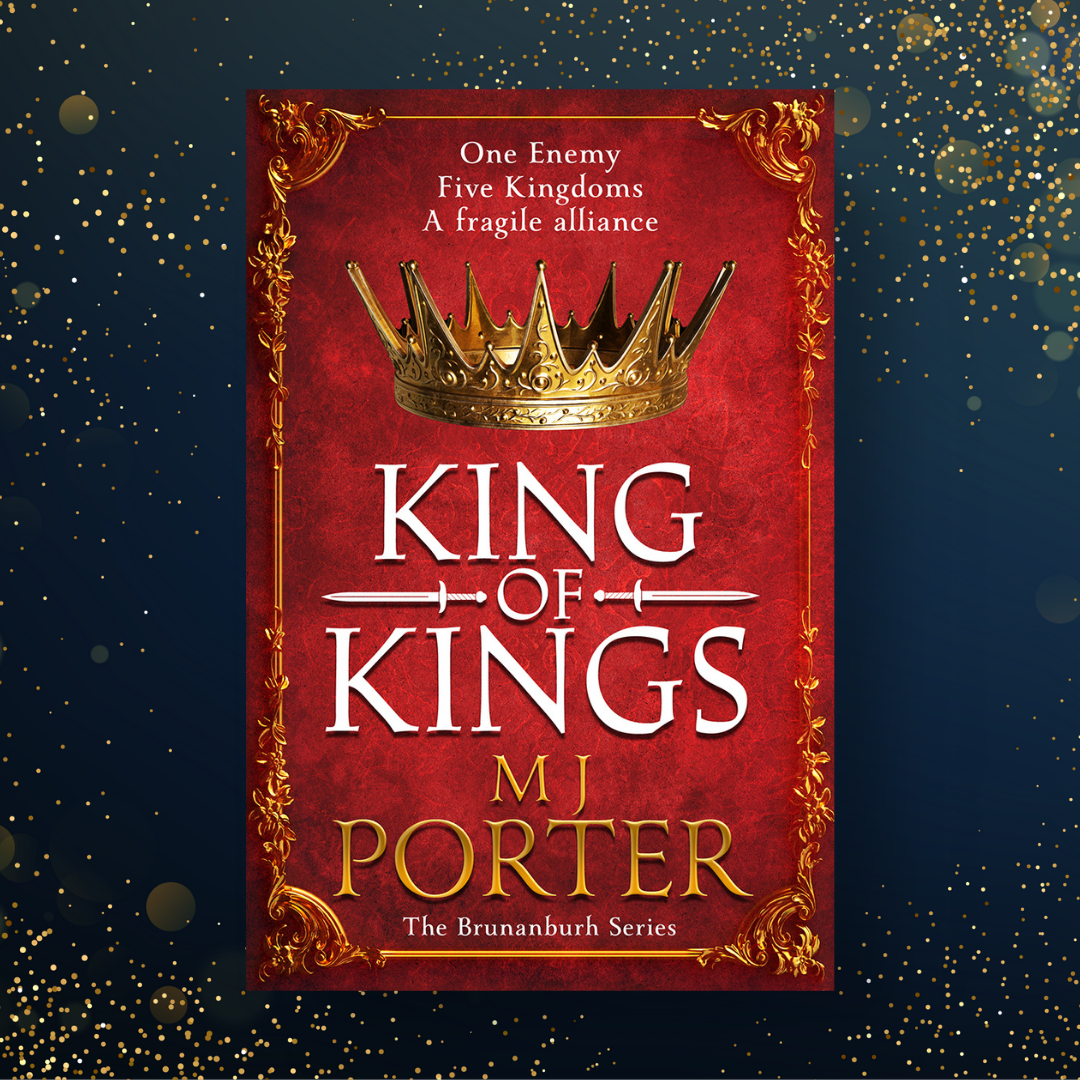
Throughout King of Kings and Kings of War, my character, Athelstan, has proven himself to be amendable to peace as well as prepared to fight for his kingdom. He’s had to contend with some very unruly family members (it’s no wonder he never married), and also some aggressive neighbours. It’s perhaps his relationship with his brother, Edmund, and Hywel, king of the Welsh, that has revealed Athelstan as the man he might like to be remembered, but it is his victory at Brunanburh, against the Norse and the Scots, which he now has to contend with. Has Athelstan finally freed the English from the Viking raider/Norse menace?
Confusingly, Athelstan the Ealdorman shares the same name as King Athelstan of the English, a fact I allow the pair to find amusing because of the uncertainty it causes.
Athelstan is the son of an ealdorman, and one of four brothers, although one has already died . Athelstan, Eadric and Æthelwald are held in high regard by King Athelstan and all become ealdormen.
In my version of events, Athelstan is married to Lady Ælfwynn, the cousin of King Athelstan and daughter of Æthelflæd, the lady of Mercia, a suggestion that isn’t widely accepted, but is certainly a possibility, thus making him a member of King Athelstan’s extended family. His epithet, the Half-King could have arisen because he was indeed married to the king’s cousin (under Athelstan, Edmund and Eadred).
Even if Athelstan Half King wasn’t married to the daughter of Lady Æthelflæd of Mercia, it seems he was married to an Ælfwynn. He was a powerful man, building a dynasty, and also part of a powerful dynasty. Between him and his brothers, they must often have been found at the court of the king in the tenth-century. Athelstan was the ealdorman of East Anglia, his older brother, Ælfstan, one of the ealdormen of Mercia (930-934) before his death, while Eadric was an ealdorman of Wessex (942-949), and Æthelwald was an ealdorman of Kent (940-946).
Athelstan the ealdorman seemed an obvious choice for me to develop as a character in the series. He’s closely bound to the ruling family, married into it, and he’s also a warrior who fought at the battle of Brunanburh. His influence continues to grow in Clash of Kings. His relationships with his brothers was also fun to explore. Powerful men, with warriors at their command, and fiercely invested in the future of the English kingdom.
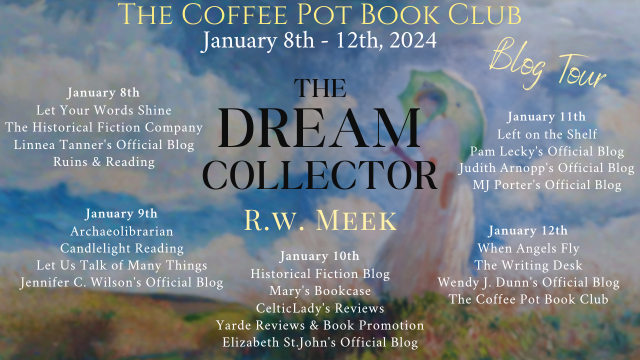
I’m delighted to welcome RW Meek and his new book, The Dream Collector, to the blog, with an excerpt.
“Meeting Sabrine”
The warming, pleasant effects of the cognac had Sigmund sorting through the photographs with greater leisure; he started to savor them as if paintings—until one particular pose troubled him. She was photographed curled into a corner of the bed, her back pressed against the wall, and her head thrust forward with a swollen and distended neck, barring teeth like a vicious animal. It was frightening to behold someone less than human. He gulped what remained of the drink.
“She threatens,” Dr. Charcot explained. “I call this attitude, Le Menace.”
Before Sigmund could respond with a reasonable question, whispering sounds outside the door of the library caused him to turn. He heard quick retreating footsteps, watched the door latch click open and instinctively recoiled at her sudden appearance. She wore a white smock identical to the photograph in his trembling hands and he braced himself for whatever menace she might express.
The princess of the hysterics walked forward, wearing a most natural smile, presenting such uncommon composure and confidence that he could not believe that this woman had spent the past five years of her life confined in an institution for the diseased and insane.
When she offered her hand, specifically to him, he tried to assure himself that she must be in the state Charcot labeled, l’Ėtat Normal.
Here’s the blurb
The Dream Collector immerses the reader into the exciting milieu of late 19th Century Paris when art and medicine were in the throes of revolution, art turning to Impressionism, medicine turning to psychology. In 1885, Julie Forette, a self-educated woman from Marseilles, finds employment at the infamous Salpêtrière, hospital and asylum to over five thousand disabled, demented and abandoned women, a walled city ruled by the famed neurologist and arrogant director, Dr. Jean-Martin Charcot.
Julie Forette forms a friendship with the young, visiting intern Sigmund Freud who introduces her to the altering-conscious power of cocaine. Together they pursue the hidden potential of hypnotism and dream interpretation. After Freud receives the baffling case of the star hysteric, Sabrine Weiss, he is encouraged by Julie to experiment with different modes of treatment, including “talking sessions.” Their urgent quest is to find a cure for Sabrine, Princess of the Hysterics, before Dr. Charcot resorts to the radical removal of her ovaries.
In Paris, Julie finds a passion for the new art emerging, Impressionism and Post-Impressionism, and forms friendships with the major artists of the period, including Pissarro, Monet, and Degas. Julie becomes intimately involved with the reclusive Cezanne only to be seduced by the “Peruvian Savage” Paul Gauguin. Julie is the eponymous ‘Dream Collector’ collecting the one unforgettable, soul-defining dream of the major historical figures of the period.
Praise for The Dream Collector:
“Meek never fails to stun and impress with his evocation of scenes and events, of sights and dialogue, and of peoples’ reactions to them.”
~ HFC Reviews
“Tribute must be paid to the obvious and clear literary skills of the author R.w. Meek and to his ability to invoke historic personages and the Belle Époque he so evidently adores.”
~ Julian de la Motte, award winning author of Senlac
R.w. Meek has a Master’s degree in Art History from the American University in Washington, D.C., his areas of expertise are Impressionism and Post-Impressionism, with a particular interest in Vincent van Gogh. He has interned and conducted tours at the National Museum of American and the National Gallery of Art. In 2022 and 2023 five of his chapter excerpts from his soon to be published novel “The Dream Collector” were either finalists or published in various literary journals. The author has also won the Palm Beach Book Festival Competition for “Best Writer in Palm Beach’ his manuscript judged by a panel of NYT Best Selling authors. “The Dream Collector” also received gold and silver medals in the Historical Fiction Company literary contest and earned runner-up for the “Best Historical Fiction Novel’ of 2022.
The author was born in Baltimore, adventured in Europe for many years, and recently moved from Delray Beach, Florida to Santa Clarita, California. His wife is a psychologist, sculptress, playwright and stand-up story teller. His daughter Nora is a story board artist in the animation world and resides in Hollywood, California. His favorite writers are Dostoevsky, John Fowles, and Antoine de Saint-Exupery.
With Clash of Kings being released on 13th January 2024, I thought I’d reintroduce my readers to the main characters.
Here’s Edmund, ætheling and Prince of the English.
Edmund, of the House of Wessex, is the second-youngest halfbrother of the king of the English, Athelstan. His date of birth is not known for sure, but it’s believed to have been in about 921, as he’s said to have been 18 when he became king on Athelstan’s death. His mother is Lady Eadgifu, the third wife of Edward the Elder. He has a full brother, Eadred, even younger than him, and a sister who may have been older than him, and who became a cloistered woman.
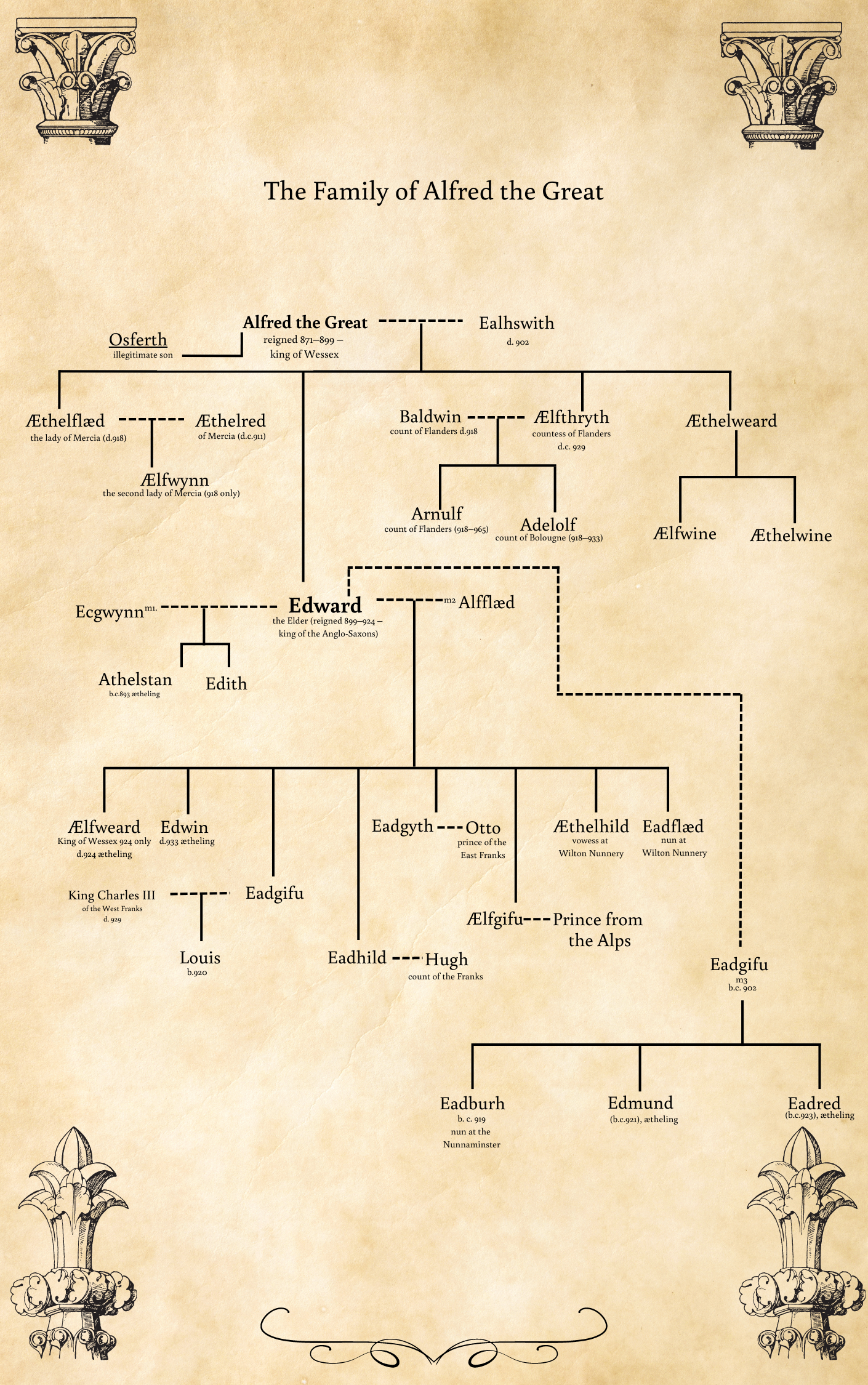
Family tree by Boldwood Books
‘And the Ætheling succeeded to the kingdom; and he was then 18 years old.’ (ASC A)
Edmund would only have been very young when his father, Edward the Elder, died in 924. It’s doubtful whether he had any memory of him at all. It’s long been believed that his mother, Lady Eadgifu, was responsible for raising him and his younger brother. What precisely Edmund was doing during the reign of his older half-brother isn’t known for sure. He is said to have fought beside him at the Battle of Brunanburh, but some historians cast doubt on this.
As a character in Kings of War and Clash of Kings, Edmund has become a man throughout the previous books, and developed a close relationship with Athelstan. But, he’s still young. He’s riven with indecision, and while delighted to have been involved in the success of the battle of Brunanburh, he’s happy to let his older brother rule England. There is also an on-going thread which pitches Edmund against the family of Constantin, the king of the Scots. Events in Clash of Kings will have a profound effect on young Edmund.
Clash of Kings is released on 13th January, so time for a little refresh on who the many characters are.
First up, Olaf Gothfrithson, our friendly Norse Viking ruler. I know he’s someone that many readers really enjoy reading about.
Olaf Gothfrithson, is the son of Gothfrith, who King Athelstan of the English, beat to the kingdom of York or Jorvik in King of Kings in about 927.
Olaf, was perhaps a grandson or great-grandson of Ivarr the Boneless (it’s difficult to piece together the family connections, and indeed, in an initial draft I named Olaf’s brothers entirely incorrectly). Ivarr was the famous Viking raider who led part of the Great Heathen Army in the 860s before meeting his death in 870 or 873, depending on which contemporary source you read.
Olaf claimed Dublin following the death of his father , although not without some fighting. In Ireland, he had many enemies, including Olaf Cenncairech (Scabbyhead) of Limerick and Donnchad of the Southern Ui Neill.
Olaf is known to have been one of four brothers. Halfdan, who died in 926, according to the Irish Annals, Blakari and Rognvaldr being the other two, who both play a role in future events.
Affairs in Ireland at this time were complex. Dublin was largely a Norse enclave, involved in almost constant warfare with the Irish clans. Claire Downham has written extensively on this period. ‘The rivalry between Limerick and Dublin marks an important chapter in the history of vikings in Ireland. The number of viking campaigns recorded in these years rivals any other period of Irish history. The influence of the vikings is reflected in the range of their campaigns across the island and in the involvement of Irish overkings in their wars.’ (Viking Kings of Britain and Ireland: The Dynasty of Ivarr to A.D. 1014, C. Downham, p. 41)
Affairs in Ireland fall far outside my expertise, but I hope I’ve correctly portrayed what events are known from this period and which concern Olaf Gothfrithson (you’ll find his name also written as Óláfr Gu∂rø∂sson and Amlaib), Olaf Cenncairech – Scabbyhead (a wonderful name for the man – again my thanks to C. Downham for including this in her work) – and Olaf’s brothers and sons.
In Kings of War, Olaf is staunchly determined to claim back ‘his’ lost kingdom of Jorvik. I can’t say things went according to plan at Brunanburh, and our first encounter with Olaf in Clash of Kings is of a man beaten and bruised. Will he exact his revenge against Athelstan and Edmund?
My portrayal of Constantin, the king of the Scots, is of course fictional in the Brunanburh series, but he is based on a historical individual, Constantin (e) II, so who exactly was he?
Constantin is a fascinating character. Again, and as with Athelstan, his exact date of birth is unknown, but it must have been, at the latest, by 877/8, when his short-reigned father died.
By 900, Constantin was the king of the Scots (we think – there is some confusion about this). This wasn’t yet quite Scotland, but it was getting there. The ancient kingdoms of Cait, Fortriu, Atholl and Dal Riata, were ruled by one king, Constantin. But, he hadn’t succeeded his father, Aed, but rather a man named Domnall II, his cousin. At this time there were two rival dynasties and they strictly alternated the kingship.
Affairs in the kingdom of the Scots often intermingled with those of the independent kingdom of Bamburgh, Strathclyde, and of course, the Norse, or Viking raiders, if you will. Indeed, the entry recording Constantin’s death in the Annals of Ulster, reads as though there was often strife.
‘Constantinus son of Ed held the kingdom for xl years in whose third year the Northmen plundered Dunkeld and all Albania. In the following year the Northmen were slain in Strath Erenn…And the battle of Tinemore happened in his xviii year between Constantin and Ragnall and the Scotti had the victory. And the battle of Dun Brunde in his xxxiiii year.’ (Alex Woolf, From Pictland to Scotland, 789-1070,p.126)
Constantin, ruling for decades, and I mean decades, seems to have brought much needed stability to the kingdom, as affairs there very much mirrored the emerging ‘England’ to the south.
‘Constantin’s reign has increasingly come to be see as one of the most significant in the history of Scotland. Not only was it very long, at least forty years, but it was also the period during which conflict and diplomatic relations between a kingdom recognisably ancestral to Scotland and one recognisably ancestral to England first occurred.’ (Alex Woolf, From Pictland to Scotland, 789-1070, p.128)
Constantin allied with the rulers of Bamburgh, and York, and also, on occasion, both Æthelflæd of Mercia and Edward the Elder, after her death. But, he seems to have been quite flexible in his thinking, and was prepared to pick and choice as he saw fit.
By the beginning of Clash of Kings, Constantin would have been in his mid-sixties. He was certainly a more than adequate counterpart to Athelstan, king of the English, no doubt helped by his sons and grandsons, as his reign continued, but his participation at the battle of Brunanburh, and its subsequent failure, might well have severely undermined him.
With a successor, Mael Column, desperate to succeed him, and his son, Ildulb, just as keen to succeed Mael, it seems that Constantin is about to enter one of the most turbulent periods of his kingship.
Read Clash of Kings to discover what happens in the kingdom of the Scots.
In 2023, I set myself the task of reading 52 books, or one book a week, but I smashed that, reading/listening to more than double that number. So, what have I been reading?
I’ve taken part in many blog tours, and I also read a lot of fellow Boldwood Books authors, but I also have my favourites that I return to time and time again. I don’t show star ratings on my blog, and that’s intentional. You can always see what I’ve been reading over on Goodreads, where I do tend to give star ratings.
Fantasy
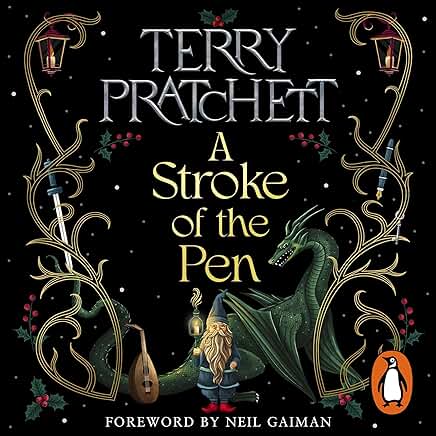
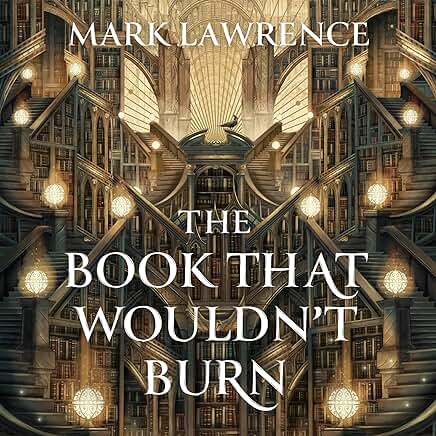
Fantasy was one of my first loves, but I read surprisingly little of it now. Aside from my relisten of all the Terry Pratchett Discworld audiobooks (which I’m loving – I listened to 20 books in the series – and discovered the joy of slowing down the narrator as opposed to speeding them up), I also read the wonderful short story collection, A Stroke of the Pen. I’ve also read Mark Lawrence’s, The Book That Wouldn’t Burn, and indulged in the fabulous Advent of Winter, a short story a day throughout Advent. I think this might sway my reading for 2024, as well as Spread, another short story anthology which contained a host of fabulous writers. And, Steve Jones’ Call Time, which I really enjoyed. His main character is a real ass, but it’s intentional, although I think perhaps some people don’t realise that. It’s worth persisting with, and all those of a ‘certain’ age will love the retro mentions.
Historical Fantasy
I indulged in a little bit of historical fantasy, Theodore Brun’s new book, A Savage Moon, which was excellent, and the anthology, Alternate Endings, which I found really enjoyable.
Mystery
I’ve been reading more and more contemporary mysteries, 23 in total. I have a couple of favourite series, that by Helen Golden, and also a series set in contemporary Italy by TA Williams, as well as some other series I’ve discovered, most notably that by EV Hunter. I read the first book in Kate Wells farming mystery series, and How Not to Murder Your Ex by Katie Marsh. I also read Pass the Cyanide, a foodie short story collection. The Cozy Craft Mystery series by Mille Ravensworth has also been delightful – short, sharp and snappy. I’m also continuing to read Debbie Young’s series – both the Sophie Sayers series and the St Bride’s series.
What I’m really enjoying is working out how the authors ‘tell’ their stories – a good mystery is liberally interspersed with ‘tells’ which the reader only realises as the mystery resolves. There’s a lot to be learned from that for historical fiction, although I did find myself veering towards a bit of a mystery in one of the books I’ve written this year, entirely by accident:)
Historical Mystery
Historical mystery, both cozy and a little more not cozy, is one of my favourite genres. I’ve read 18 historical mysteries – The Alewives by Elizabeth R Andersen on audio which is fabulous, the Iris Woodmore series by Michelle Salter, the new Sarah Hawkswood – I do love this series, and the Fiona Figg and Kitty Lane Mysteries by Kelly Oliver. I’ve recently discovered Helen Hollick’s 1970s mystery series, which I’m adoring for all the little details she’s added which really place it in the early 1970s. The notes show that Helen has spent much time arguing with her former classmates over some of those details, and that shows a real desire to ‘get it right,’ which I appreciate. When I was writing my historical mysteries, my Dad was so helpful in offering advice including reminding me that there would have been steam trains in the 1940s. I also really enjoyed Colin Garrow’s historical mystery, Red Snow, set in and around the Newcastle area.
Historical
I read quite a bit of historical – 17 titles. I veered from Renaissance Italy, with Kelly Evans’, Turning The World to Stone to the Roman Empire in the BC years, with both Robert M Kidd and SJA Turney. I’ve already listed a couple of my books of the year over on the Aspects of History website, which included JC Duncan’s Warrior Prince, Donovan Cook’s Odin’s Betrayal and Jane Dunn’s The Marriage Season. I also discovered Melissa Addey’s Roman series, which I’m adoring – such a fabulous idea to tell the tale of the Colesseum when it was being used. And Robert Kidd’s To Kill A Consul, set in the third century BC. I’ve only managed one SJA Turney book this year, which I’m annoyed about. I’m desperate to read his latest Damned Emperor series, but need to find the time. I discovered Gordon Doherty‘s, Legionary series, which I want to read more of, as I started with book 9. I also read the new Dan Jones, and found it very bleak, hopefully, intentionally so, and fellow Boldwood author Peter Gibbons Saxon series. As well as Cathie Dunn’s Ascent. So, I read a fair bit set in and around my era, and also some more distant time periods.
Other Genres
I’ve read a little outside these genres, completing Evie Hunter’s gangland series set in Birmingham, and again, being inspired by the way she tells her story. It was extremely compelling, especially as every character was just horrible and self-involved. I read a couple of historical romances, the odd thriller, and also other tales I might not usually pick up. That is the joy of being a blog host. I can’t say I ever regret my decisions, and it is great to read so widely.
Audio Books
Aside from the new Discworld recordings, I also listened to a couple of other audiobooks. The Alewives by Elizabeth R Andersen is fabulous. I also listened to a historical romance, which I really enjoyed and a short story collection. I am growing my audiobook library and have loads to listen to but need to find the time. I did try an audiobook while on holiday in Scotland, but it was so bloody miserable and bleak, I never listened to the end. I also listened to my own audiobooks, and would like to thank Matt Coles and Sean Barrett for their endeavours this year.
Top Five (okay, Six) Books of the Year – a jumble of genres – the books I enjoyed the most – I’m quite surprised by my selections
I find that reading for me is very much a ‘mood’ thing. I love to find new series which I can devour, but equally, some of my most cherished authors might not get read in any given year if I’m just not feeling ‘it.’ I don’t want to ruin them by trying to read against where my enjoyment is taking me.
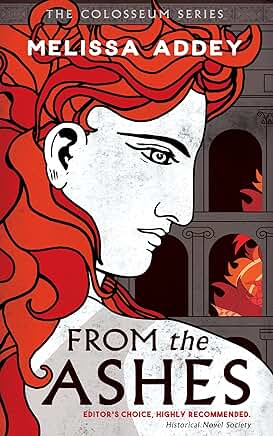
From the Ashes by Melissa Addey – such a fabulous idea and so cleverly woven with historical events in first century Rome.
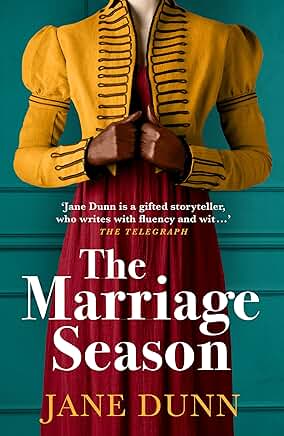
The Marriage Season by Jane Dunn – a delightful Regency romance, but with a twist, which fans of Haden from The Last King series will appreciate.
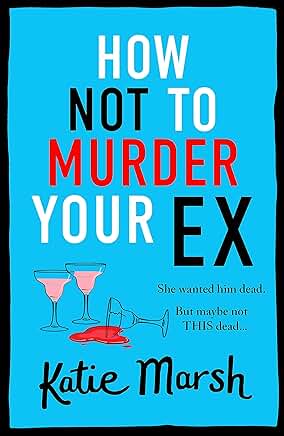
How Not To Murder Your Ex by Katie Marsh – not my usual thing but very, very funny and a cleverly woven together tale/mystery. I devoured this title in a day and a half.
The Advent of Winter by various authors, organised by Dom McDermott – a really inspiring collection of fantasy short stories. I will be reading more from many of these authors. I’ve not yet reviewed this book but I highly rate it.
A Stroke of the Pen by Terry Pratchett – a delight to read some of his earliest tales, especially when I’ve spent much of the last two years listening to the two collections of audiobooks – the older recordings, and the new ones. I can see where many of his ideas came from. As someone who also writes short stories before embarking on longer tales, it was a real eye opener.
The Book That Wouldn’t Burn by Mark Lawrence – as usual, he blew my mind with his storytelling. It took me about a month to be able to write a coherent review for this fabulous story. I’m looking forward to book 2 in the trilogy in 2024.
Looking Forward
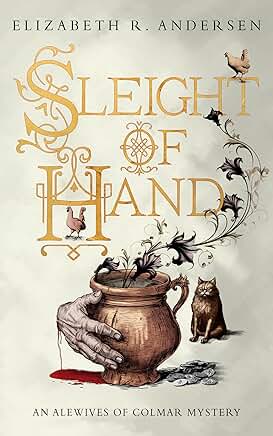
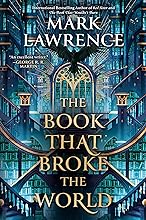
2024 will see the sequel to Mark Lawrence’s The Book That Wouldn’t Burn (image below – I know Mark wanted to do a ‘proper’ cover reveal, but it has snuck out, and as he seems okish with that, I have included it), as well as Elizabeth R Andersen’s The Alewives two, Sleight of Hand. I will also, at some point, run out of Discworld audiobooks. My plan then is to listen to the Deverry series by Katharine Kerr – I have read all the books but want to listen again – and also the PERN novels by Anne McCaffrey. I’m also looking forward to discovering new books through blogging, and keeping up with the historical and cosy mystery series I already read. And, finding time to read Caracalia by SJA Turney. (I’ve just looked it up and see he also has a new book out next year – Agricola:Invader – that will be going on my TBR as well.) I will set myself the same target of 52 books, and see how I get on with that. So, here’s to another great year of reading, and listening ahead.
My blog has gone from strength to strength in 2023, with traffic increasing by 49%. Thank you to everyone who popped by and read posts I’d written, or from guests on the blog. Here’s to a great 2023.