Author of Saxon historical fiction and non-fiction, 20th-century historical mysteries, and Norse-inspired historical romantasy. Book reviewer and blog host.
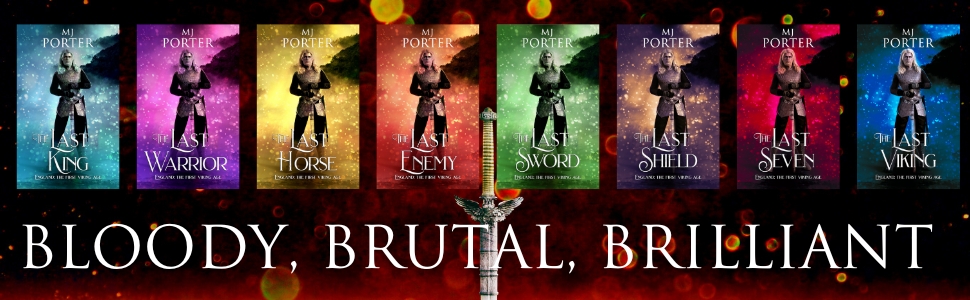
It’s been a while since we’ve been in the saddle with Coelwulf and his foul-mouthed fellow warriors. I’ve missed them, and I think others have as well. I thought it would be a good idea to offer a brief recap. I know I had to reread The Last Seven to make sure everything was as it should be.
So, readers, let us return to the year 875.
It seems a bit crazy, but somehow, the first seven books in the series take place in a period of no more than a year. but it’s been a pretty hectic year. For those who’ve not read the books, read on at your peril.
Our sweary-mouthed hero, Coelwulf, has been proclaimed king of Mercia, through the connivance of his aunt, Lady Cyneswith (who isn’t a historical individual, but she does appear in both the Coelwulf and the Icel books), and Bishop Wærferth of Worcester (who is historical). Why has he become king? Because King Burgred, long-term ruler of Mercia, has done a deal with the Viking raiders based at Repton. In order to live, he had to give up his right to rule. He’s now hiding away in Rome, with his wife, the sister of King Alfred.
Also, Coelwulf (although we don’t know all the details from the historical record) is descended from Coelwulf, the first of his name, who ruled in the 820s, and his brother, Coenwulf, who ruled from 796 to 821. Burgred either had no children, or his sons didn’t fancy ruling after his father left.
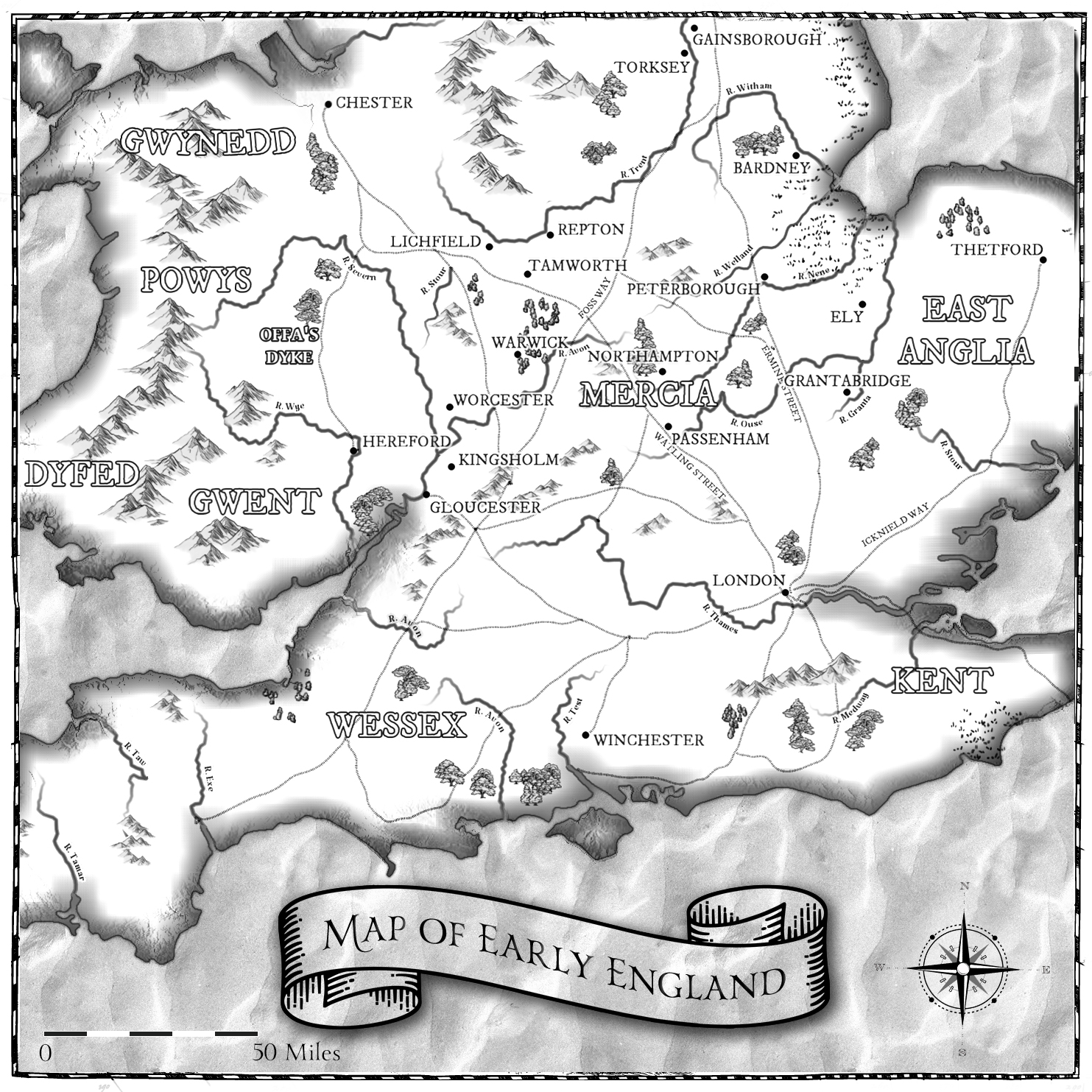
My character, Coelwulf, is no shrinking wall flower. Oh no. He might not want to be king, but he is determined to fight the enemy to keep hold of Mercia. And so we follow him, and his loyal warriors as they combat the enemy, first at Repton, then at Torksey, Gainsborough, on the borders with the Welsh, at Northampton and at Grantabridge. They don’t get much respite.
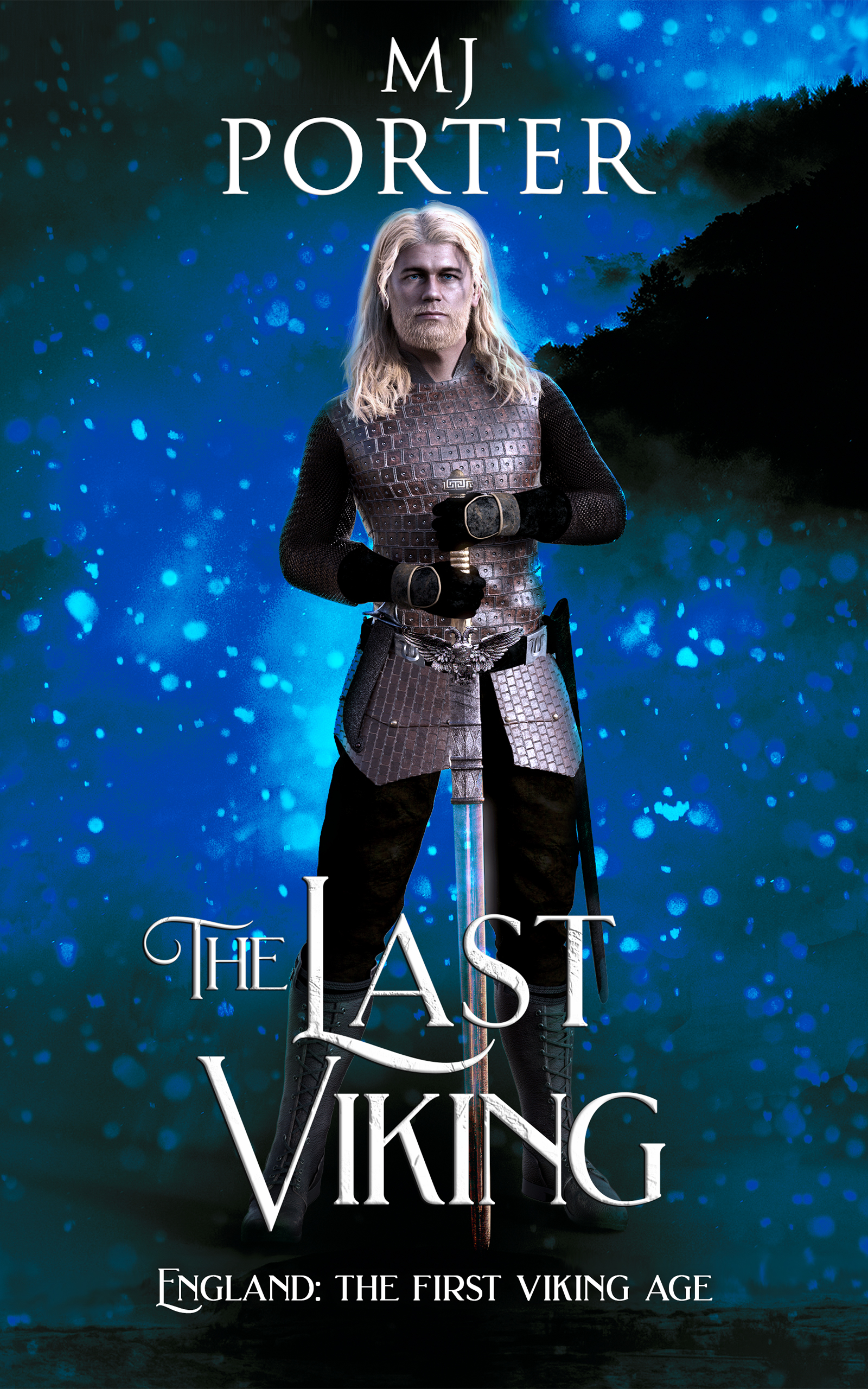
Alas, the end of book seven, somewhat jokingly called The Last Seven, when I started work on it, and a title which stuck, sees a terrible tragedy, and now, in The Last Viking, King Coelwulf must decide if that tragedy is to define him, or if he still plans to fight. (I think we can all guess what the answer might be.) I promise there will not be such a big gap between book 8 and book 9. Indeed, you can find book 9 available for preorder.
Check out some previous release day posts for earlier titles in the series
Enter the HUGE competition. Win an ebook copy of every book in the series, including the prequel short story collection (worldwide). If I can, I will also send signed bookplates. For those in the UK, I will offer a copy of every single paperback edition. (I know, it’s a bonkers prize). To take part, simply sign up for my newsletter (you will receive a free ebook short story collection).
All current subscribers will be entered automatically. The competition will run throughout March 2024. I will contact the winners on 1st April 2024. Good luck.
Here’s the blurb:
Can one man win Mercia’s freedom from the Viking raiders?
Jarl Guthrum has been captured after the terrible events in Grantabridge. King Coelwulf knows exactly what he’d like to do to him, but those with calmer heads have other ideas.
Baptised and having taken the name of Æthelstan, Guthrum is Mercia’s prisoner, and in the wake of that, Mercia must rebuild.
But Jarl Guthrum is far from the only Viking raider who wishes to subdue Mercia. Coelwulf and his allies, grief-stricken, must still fight for her survival while those around demand their help in defeating the enemy.
Once more, the warriors of Mercia are obliged to do all they can to ensure the kingdom’s survival.
It’s been a while since we’ve been in the saddle with Coelwulf and his foul-mouthed fellow warriors. I’ve missed them (well, all apart from Icel -who I’ve been writing about in his younger days for The Eagle of Mercia Chronicles) and I hope you have as well.
The good news is that The Last Viking is released today, and I’m already busy at work on the ninth book in the series. And I’ll tell you a secret, Coelwulf finally meets King Alfred of Wessex in this one. So, while The Last Viking is released today, the next book is also on preorder for release in September 2024. (If I can, I will bring this forward but I’m not making the mistake of overcommitting with so many projects on the go.)
If you’ve not yet discovered this series, then those who’ve enjoyed others books I’ve written, should be warned that these books are violent and very foul-mouthed. The first six in the series can be read in Cleaner Versions. Hopefully, book 7 and 8 will also be available in the next few days:).
Throughout March, book 2 in the series will be a Kindle Monthly deal on Amazon UK, and the other books in the series will also be reduced.
I am also holding a HUGE competition. Win an ebook copy of every book in the series, including the prequel short story collection (worldwide). If I can, I will also send signed bookplates. For those in the UK, I will offer a copy of every single paperback edition. (I know, it’s a bonkers prize). To take part, simply sign up for my newsletter.
All current subscribers will be entered automatically. The competition will run throughout March 2024. I will contact the winners on 1st April 2024. Good luck.
Here’s the blurb:
Can one man win Mercia’s freedom from the Viking raiders?
Jarl Guthrum has been captured after the terrible events in Grantabridge. King Coelwulf knows exactly what he’d like to do to him, but those with calmer heads have other ideas.
Baptised and having taken the name of Æthelstan, Guthrum is Mercia’s prisoner, and in the wake of that, Mercia must rebuild.
But Jarl Guthrum is far from the only Viking raider who wishes to subdue Mercia. Coelwulf and his allies, grief-stricken, must still fight for her survival while those around demand their help in defeating the enemy.
Once more, the warriors of Mercia are obliged to do all they can to ensure the kingdom’s survival.
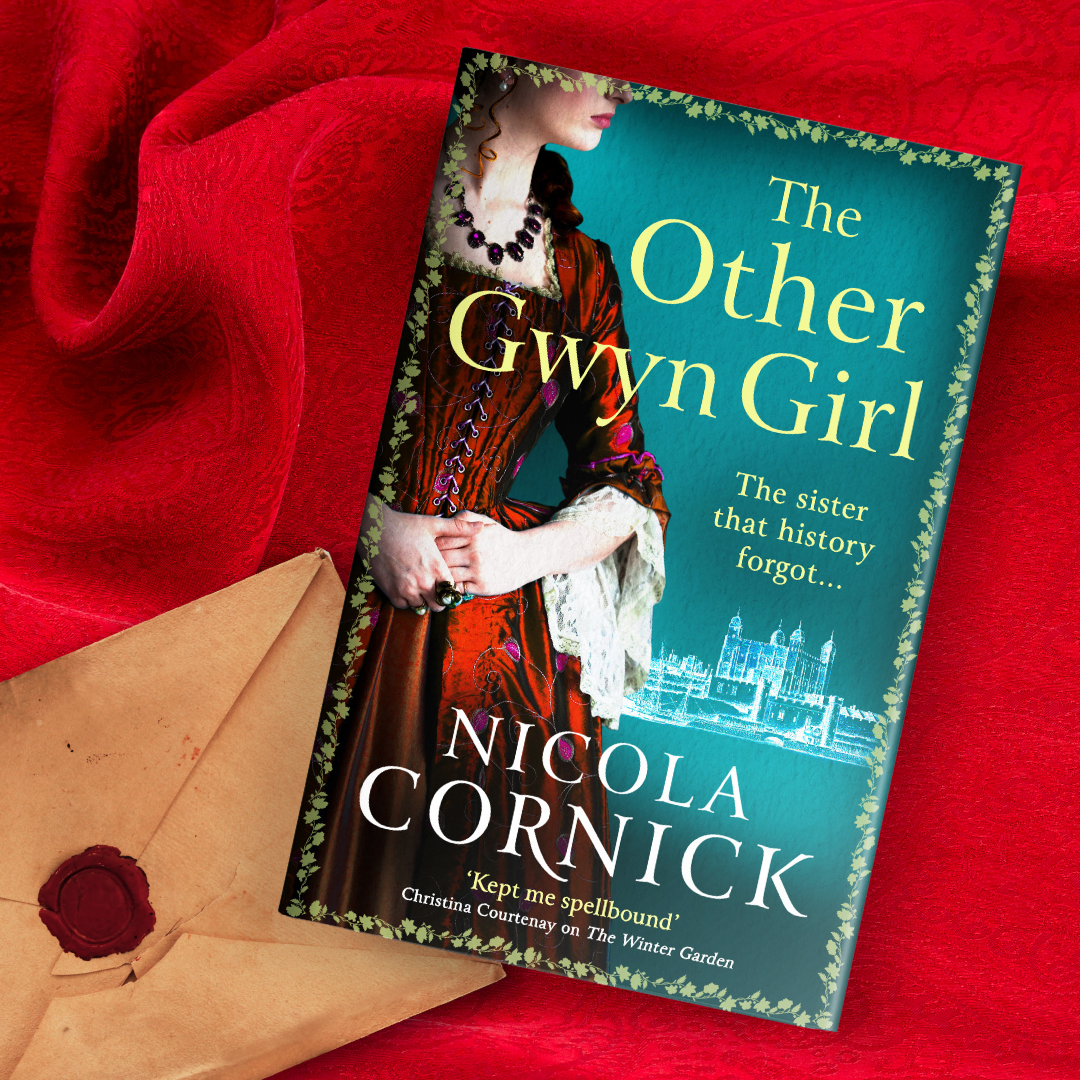
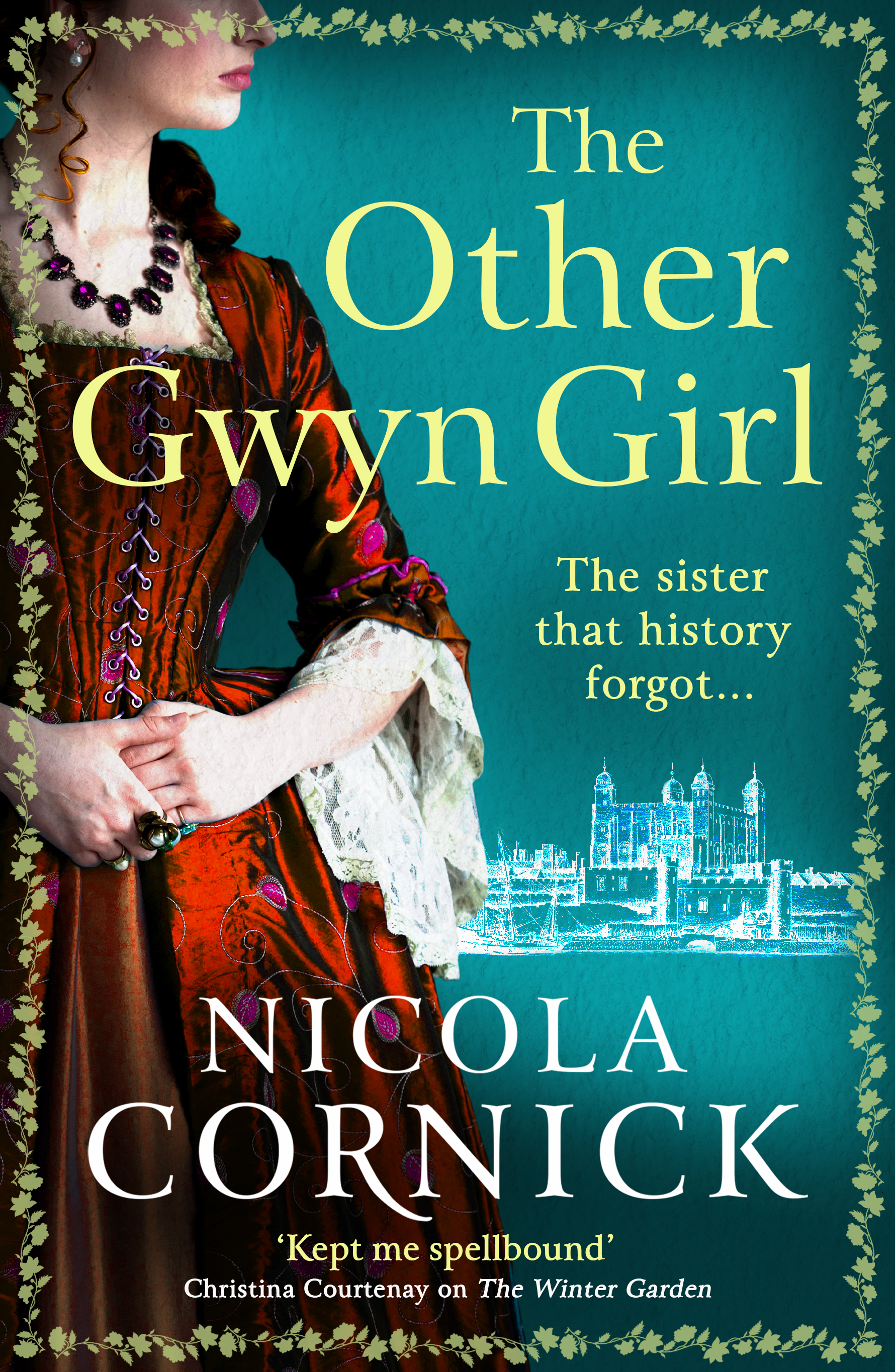
The Civil War is over and Charles II, the ‘Merry Monarch’, is revelling in the throne of his murdered father and all the privileges and power that comes with it. Sharing the spoils is his favourite companion, the celebrated beauty, actress Nell Gwyn. Beloved of the English people, Nell has come a long way from selling oranges and a childhood in a brothel, but as her fortunes have turned, her sister Rose has taken a different path. Marriage to a feckless highwayman has left Rose in the grim Marshalsea prison and now she needs her sister’s mercy to help get her out. But Nell needs Rose too. A plot to steal the Crown Jewels has gone tragically wrong, and Nell’s future with her protector King is at risk. If Rose can’t solve the riddle of the jewels both Gwyn sisters will head straight to the Tower.
Present Day
Librarian and history enthusiast Jess Yates has hit rock bottom. With her ex behind bars for fraud, Jess needs to lay low – easier said than done with a celebrity sister. But Tavy has her uses. Her latest TV project involves renovating Fortune Hall, and she needs a house sitter while she’s jetting around the world. The opportunity is too good to miss, especially when Jess discovers that Fortune Hall has links to the infamous Nell Gwyn.
Slowly the house begins to reveal its mysteries, and secrets that have laid buried for centuries can no longer be ignored. Jess hears echoes from a tragic past and as she struggles to understand her sister, Jess feels ever closer to Rose Gwyn, the sister forgotten by history but who had the fate of her family in her hands.
Bestselling author Nicola Cornick is back with a captivating, gripping, unforgettable tale of treachery and treason, love and loyalty, perfect for fans of Barbara Erskine, Elena Collins and Christina Courtenay.
The Other Gwyn Girl by Nicola Cornick is a dual-timeline novel taking place in the present day and the early 1670s, offering an account of the life of The Other Gwyn Girl, Rose, as opposed to Nell, mistress of Charles II, although Nell does have a role in the book.
Beginning with events in the 1670s, the historical element of the story is well woven and told in a 1st person POV, taking in the theatre, London, the king, and indeed, the theft of the crown jewels as well as the delight of the Marshelsea prison. I was firmly invested in Rose’s story and, as often with dual-timeline tales, felt a little resentful that the whole tale was not about Rose:)
That said, our modern timeline, told from a 3rd person POV, is still intriguing, encompassing the Bodleian Library, ancient letters, and a little bit of ‘otherworldlyness’. The parallels between the two narratives, both ‘the unfamous’ sisters, worked well.
The narrative is certainly engaging, and I whipped through the book in only a few sittings, quite desperate to find out what would happen to Rose in the historical timeline.
A really enjoyable tale, well pieced together, and thrilling.
(I would have loved some historical notes at the back – sorry, it’s the historian in me).
Meet the author
Nicola Cornick is a historian and author who works as a researcher and guide for the National Trust in one of the most beautiful 17th century houses in England. She writes dual time novels that illustrate her love of history, mystery and the supernatural, and focus on women from the footnotes of history. Her books have appeared in over twenty five languages, sold over half a million copies worldwide and been described as “perfect for Outlander fans.” Nicola also gives writing and history talks, works as a consultant for TV and radio, and is a trustee of the Wantage Literary Festival and the Friends of Lydiard Park.
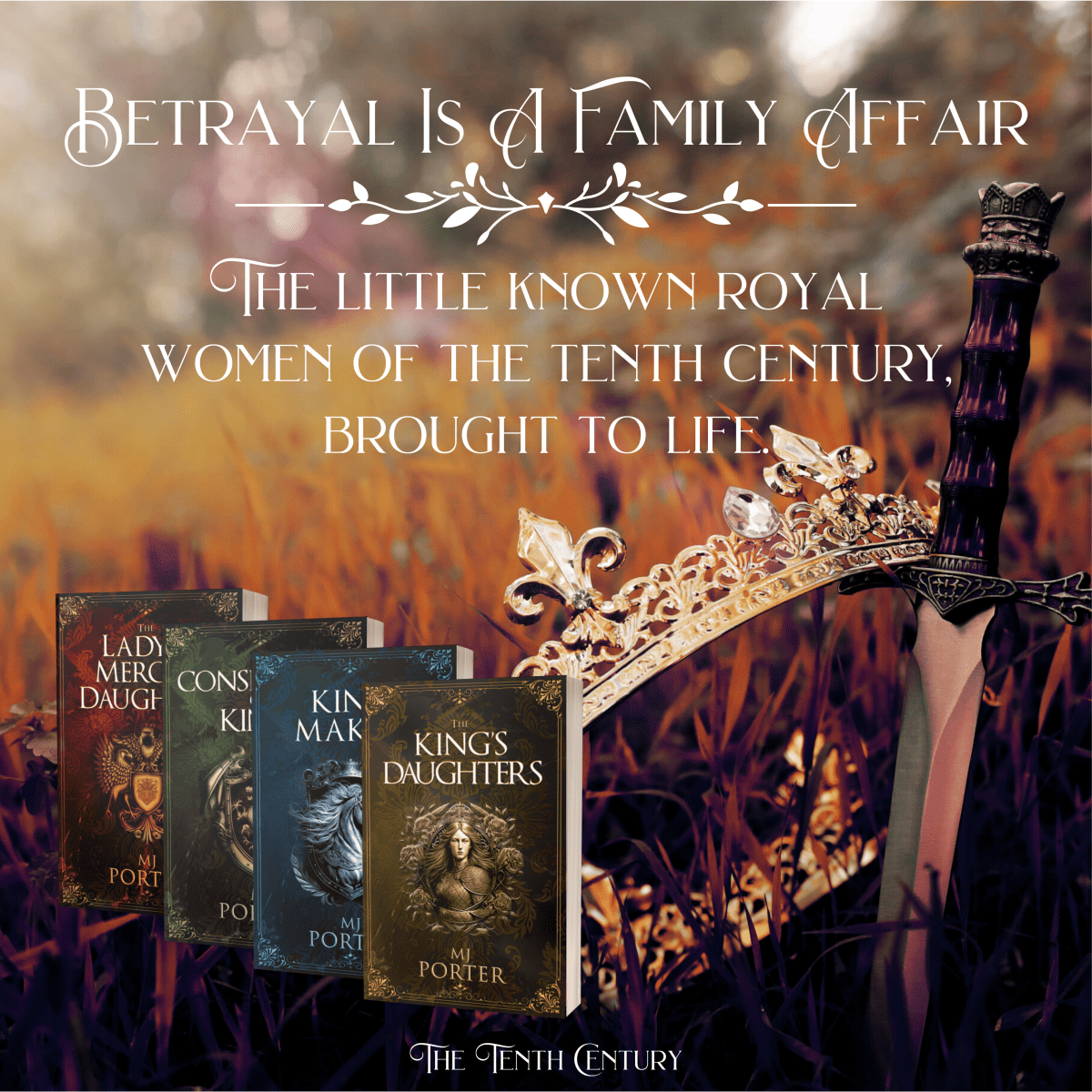
I’ve made it somewhat of a passion to study the royal women of the tenth century. What drew me to them was a realisation that while much focus has rested on the eleventh century women, most notably Queen Emma and Queen Edith, their position rests very much on growing developments throughout the tenth century. It also helps that there is a surprising concurrence of women in the tenth century, the early years of Queen Elfrida, England’s first acknowledged crowned queen, find the ‘old guard’ from previous reigns, mixing with the ‘new guard’ – a delightful mix – it must be thought – of those experienced women trying to teach the younger, less experienced women, how to make their way at the royal court, perhaps with some unease from all involved.
Lady Elfrida, or Ælfthryth (I find it easier to name her as Elfrida) was the first of these women to catch my eye. Her story, which can be interpreted as a love story if you consult the ‘right’ sources, fascinated me. The wife of a king, mother of another king, and in time, grandmother, posthumously, to two more. But, it was her possible interactions with her husband’s paternal grandmother, the aging but long-lived Lady Eadgifu, and maternal grandmother, Lady Wynflæd, as well as probable unease with her second husband’s cast-off second wife, that really sparked my imagination. I could well imagine the conversations they might share, and the dismay they might feel around one another. Lady Elfrida replaced a wife who was not crowned as queen, and also replaced a grandmother who had never been crowned as queen but had long held a position of influence for over forty years at the Wessex court.
Equally, Elfrida’s husband had been surrounded by women from his earliest days. His mother had died, perhaps birthing him, but he had two grandmothers, a step-mother, a foster-mother and his (slightly) older brother’s wife, who would have been instrumental in his life, not to mention his first two wives. As such, it was the personal interactions of the women that called to me, and the tragedy and triumphs of their lives, and, I confess, an image of Dame Maggie Smith holding sway in Downton Abbey that drew me to the women of this period.
I’ve gone on to write fictionalised accounts of many of these women, and then, frustrated by the lack of a cohesive non-fiction account, I’ve also written a non-fiction guide detailing the scant information available for these women.
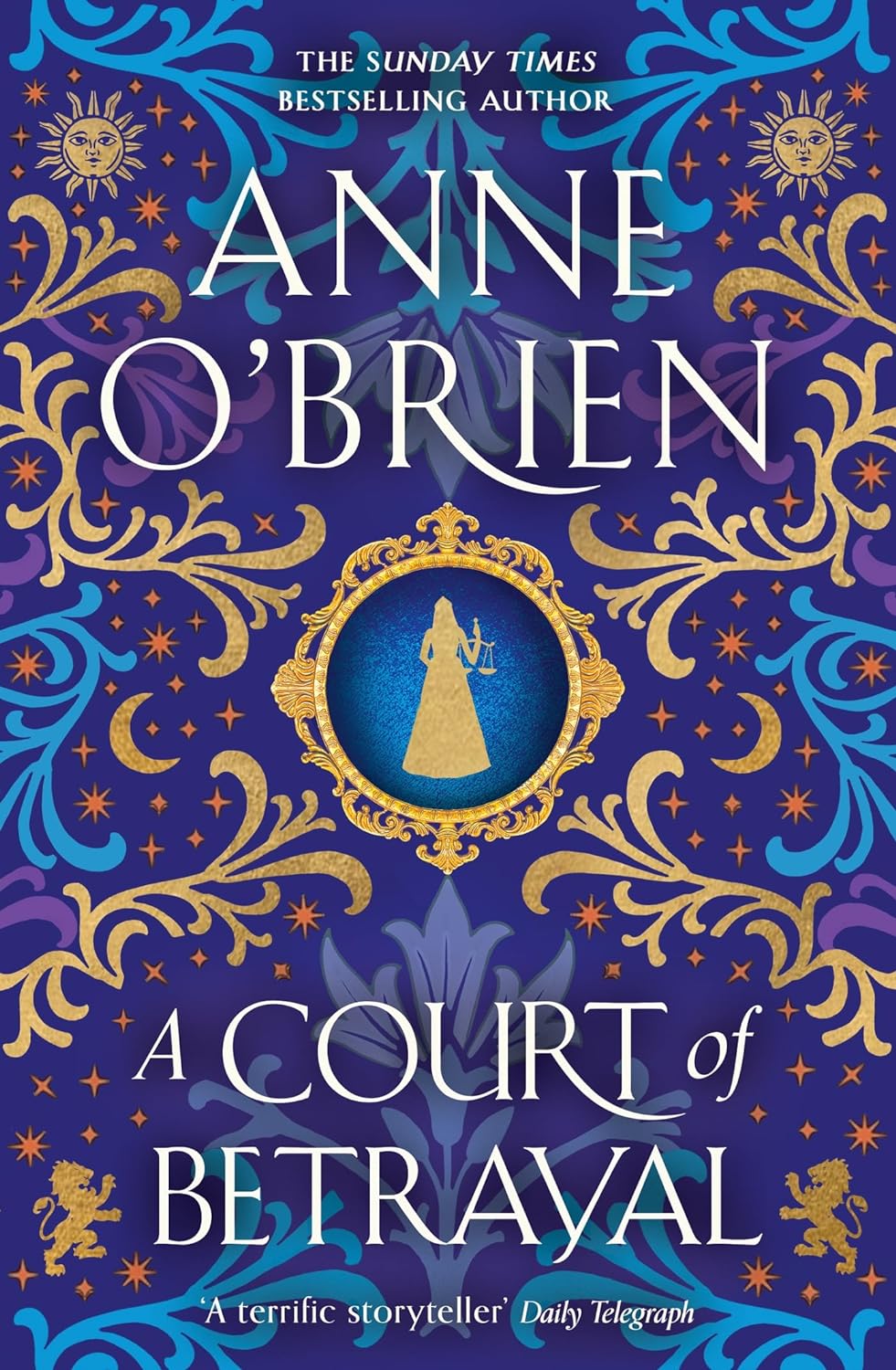
Strong-willed heiress Johane de Geneville is married to Roger Mortimer, Earl of March, at just fifteen years old.
Soon Johane finds herself swept up in a world of treacherous court politics and dangerous secrets as her husband deposes Edward II and rules England alongside Queen Isabella.
Yet when Roger is accused of treason, she is robbed of her freedom and must survive catastrophic events in her fight for justice – with her life, and her children’s, hanging in the balance…
Will she pay for her husband’s mistakes, or will she manage to escape from a terrible fate?
A Court of Betrayal sees Anne O’Brien returning to the early 14th century, finding for her readers a wonderful character, Johane de Geneville. We all know the story of Queen Isabella and her lover, Roger Mortimer, but what about the wife left behind in the Welsh Marches?
There is much of Johane and Roger’s life to cover before the tumultuous events that see Roger fleeing England for his life – 12 children for a start – and this period of Johane’s life is given full coverage by our fabulous author. Johane is fully formed. What I’ve always appreciated about Anne’s characters is that they are women of the time, with all the restrictions that bring with it. Yet, her female characters remain strong-willed and independent, doing what they can within societal norms. Sometimes we might not like Johane (the treatment of her sisters for one), but we are still very much invested in her, and her story. And this is her story. The children are, of course, mentioned, but we hear Johane’s thoughts and fears. Johane drives the narrative, even when she is held in captivity with little outside knowledge of events at the king’s court..
Through Johane’s eyes, we see her husband cast low at the pretensions of the Despenser’s, only to rise too high, too quickly, and we also hear of the many conspiracy theories surrounding his actions – particularly concerning what happened to Edward II. The symmetry between Roger’s actions and those of Edward II’s favourites is beautifully evoked, and the reader is left feeling that if a woman had been instrumental in all this chaos, she would have had much more sense than to upset everyone in the same way that Roger was previously disgruntled—a lovely touch.
I flew through this book in 2 days. Reading a new Anne O’Brien novel is an absolute treat. Just like Constance of York in a Tapestry of Treason, Johane will long live with the reader.
A Court of Betrayal is a wonderful, evocative novel that will delight readers.
Sign up for Anne’s monthly News Letter to keep up to date with books, events, giveaways and what Anne is writing about. https://www.anneobrienbooks.com/
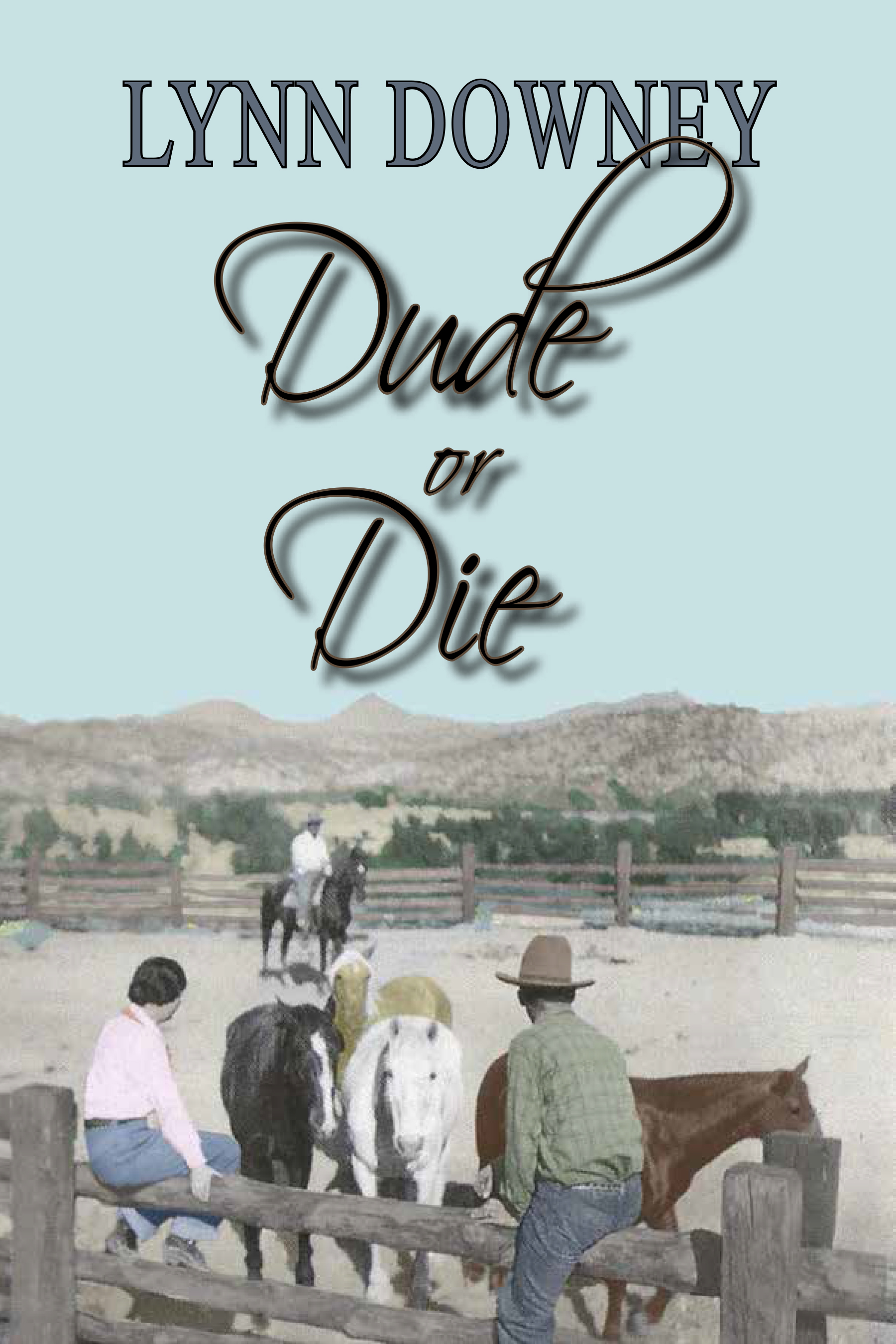
I’m delighted to welcome Lynn Downey and her new book, Dude or Die, to the blog with a guest post.
Lynn Downey
I’ve been writing about the American dude ranch for the last few years. My novels, Dudes Rush In and the new sequel, Dude or Die, are set on a fictional Arizona dude ranch in the 1950s. My last nonfiction book tackled the same theme, American Dude Ranch: A Touch of the Cowboy and the Thrill of the West.
Dude ranches began in the Rocky Mountain West in the 1880s. They were originally the kind of place where men from the eastern states could go to hunt or just live like cowboys for a few weeks. It didn’t take long for women and families to start visiting these places, which opened up throughout Montana and Wyoming, and then in California and the Southwest around the time of World War I. People had experiences at dude ranches they couldn’t get anywhere else, and ranching is thriving throughout the western states today.
I first got interested in dude ranches when I was working as the company historian for Levi Strauss & Co. in San Francisco. There was a catalog in the archives called Dude Ranch Duds, featuring clothing specifically to be worn on dude ranches. Not just the denim jeans and jackets, but western shirts, satin shirts with embroidery, gabardine riding pants, everything that real cowboys wouldn’t actually wear. But that was the point. The guests were dudes and dudines, they came from somewhere else to immerse themselves in the cowboy West.
Writing about dude ranching for so many years has yielded stories I never thought I would find, and they went beyond tales of cowboys and dudes. Doing research included perusing a lot of historical newspapers, which are available and searchable online. One day I found what is probably my favorite headline of all time. It was in a number of papers in July of 1935:
“Vampire to Retire to Dude Ranch”
It seems actor Bela Lugosi, most famous for playing Count Dracula in the 1931 film Dracula, had just finished making a new movie called Murder By Television (believe it or not). The Cameo Pictures Corporation was running publicity for the film, and told Lugosi to fill out a questionnaire for readers of various movie magazines. One of the questions asked what his “Present Ambition” was. His answer: “Dude Ranch.”
Of course, I had to read that article.
This just tickled newspaper reporters. One writer for the Brooklyn Times tracked down what he thought were a few more details about Lugosi’s interesting statement.
While the second leading fiend in the United States does not find his lot an unhappy one, he would rather be a cowboy…he has no intention of retiring to a haunted castle in the mountains of his native Hungary when his days of screen acting are over. His desires are for a home on the range, preferably a dude ranch, where all the midnight shrieks, if any, will be from guests whose digestive systems have disagreed with the ranch fodder.
Well, I didn’t believe that for a minute. So, I did what any good historian would do: I tracked down Bela Lugosi’s granddaughter.
She was lovely, and intrigued by the story, which she’d never heard before. She talked to her father, Bela Lugosi, Jr. and a few days later wrote me an email. “My grandfather was an interesting person and I believe he could have thought a dude ranch was a good idea. He really loved the outdoors and especially enjoyed hiking and taking walks.”
I think Lugosi also had a great sense of humor. Because I believe he told the PR people about his dude ranch ambition purely as a joke. Perhaps he was tired of talking to the publicity folks, and wanted to have a little fun.
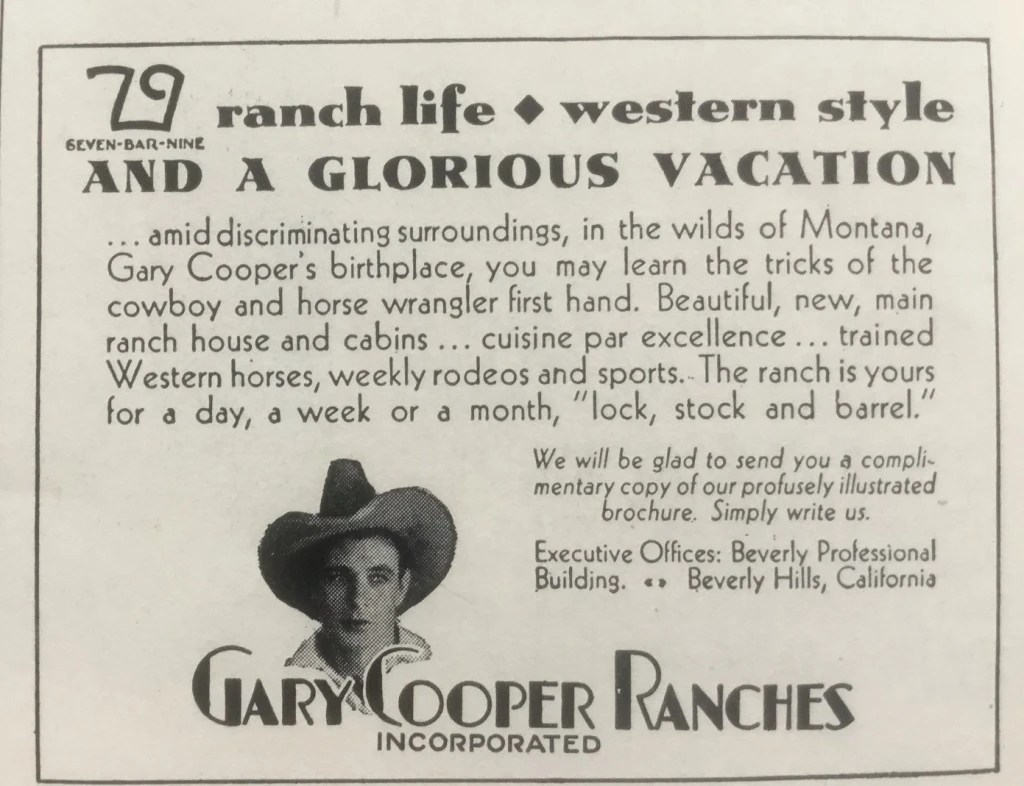
This reflects how popular dude ranches had become by the 1930s. Movie stars like Errol Flynn and Joel McCrea told reporters they planned to open ranches of their own, but they never did. Gary Cooper did have a dude ranch during this decade on the property where he grew up in Helena, Montana, but it didn’t last long. That was probably because people expected to see the movie star when they arrived, but he was rarely if ever there.
Bela Lugosi could have made up anything when the Cameo Pictures Corporation people asked him about his ambitions for the future. But he chose the dude ranch, which was deeply embedded in American culture. It was also the absolute opposite of his character, both on and off screen. And he knew it.
Here’s the blurb
It’s 1954, and San Francisco writer Phoebe Kelley is enjoying the success of her first novel, Lady in the Desert. When Phoebe’s sister-in-law asks her to return to Tribulation, Arizona to help run the H Double Bar Dude Ranch, she doesn’t hesitate. There’s competition from a new dude ranch this year, so the H Double Bar puts on a rodeo featuring a trick rider with a mysterious past. When accidents begin to happen around the ranch, Phoebe jumps in to figure out why, and confronts an unexpected foe. And a man from her own past forces her to confront feelings long buried. Dude or Die is the second book in the award-winning H Double Bar Dude Ranch series.
She was the Historian for Levi Strauss & Co. in San Francisco for 25 years. Her adventures as ambassador for company history took her around the world, where she spoke to television audiences, magazine editors, and university students, appeared in numerous documentaries, and on The Oprah Winfrey Show. She wrote many books and articles about the history of the company and the jeans, and her biography, Levi Strauss: The Man Who Gave Blue Jeans to the World, won the Foreword Reviews silver INDIE award.
Lynn got interested in dude ranches during her time at Levi’s. Her debut historical novel, Dudes Rush In, is set on an Arizona dude ranch in the 1950s; Arizona because she’s a desert rat at heart, and the 1950s because the clothes were fabulous.
Dudes Rush In won a Will Rogers Medallion Award, and placed first in Arizona Historical Fiction at the New Mexico-Arizona book awards. The next book in this series, Dude or Die, was released in 2023. And just for fun, Lynn wrote a screenplay based on Dudes Rush In, which is currently making the rounds of reviewers and competitions.
She pens short stories, as well. “The Wind and the Widow” took Honorable Mention in the History Through Fiction story contest, and “Incident at the Circle H” was a Finalist for the Longhorn Prize from Saddlebag Dispatches. The story “Goldie Hawn at the Good Karma Café,” won second place in The LAURA Short Fiction contest from Women Writing the West, and is based on her experiences in a San Francisco religious cult in the 1970s. (That will be another book one of these days.)
Lynn’s latest nonfiction book is American Dude Ranch: A Touch of the Cowboy and the Thrill of the West, a cultural history of the dude ranch. It was reviewed in The Wall Street Journal, True West, Cowgirl, and The Denver Post, and was a Finalist for the Next Generation INDIE Award in Nonfiction. Kirkus Reviews said the book is “…deeply engaging and balances accessible writing style with solid research.”
When she’s not writing, Lynn works as a consulting archivist and historian for museums, libraries, cultural institutions, and businesses. She is the past president of Women Writing the West, a member of the Western Writers of America, and is on numerous boards devoted to archives and historic preservation.
Lynn lives in Sonoma, California, where she sometimes makes wine from the Pinot Noir grapes in her back yard vineyard.
After the bloody Battle of Jelling, Denmark’s throne lies empty and chaos reigns as Jarls jostle for power.
Sven survives the bloodshed only to return home to find Ribe sacked by those he trusted and Charles, a pawn in a much bigger political game, kidnapped.
Consumed by the loss of Charles, Sven is shocked by the arrival of the Abbess Hildegard, daughter of his nemesis King Louis of East Francia, who seeks the whereabouts of Charles, her son, and also the cross of Charlemagne.
But whilst others want revenge for the chaos Sven has caused, Denmark burns and Sven must stand in the shield wall one more time if he is to survive and rescue his grandson.
Outnumbered and outmaneuvered, Sven and Charles must put their fate in the hands of the gods if they ever want to see each other again.
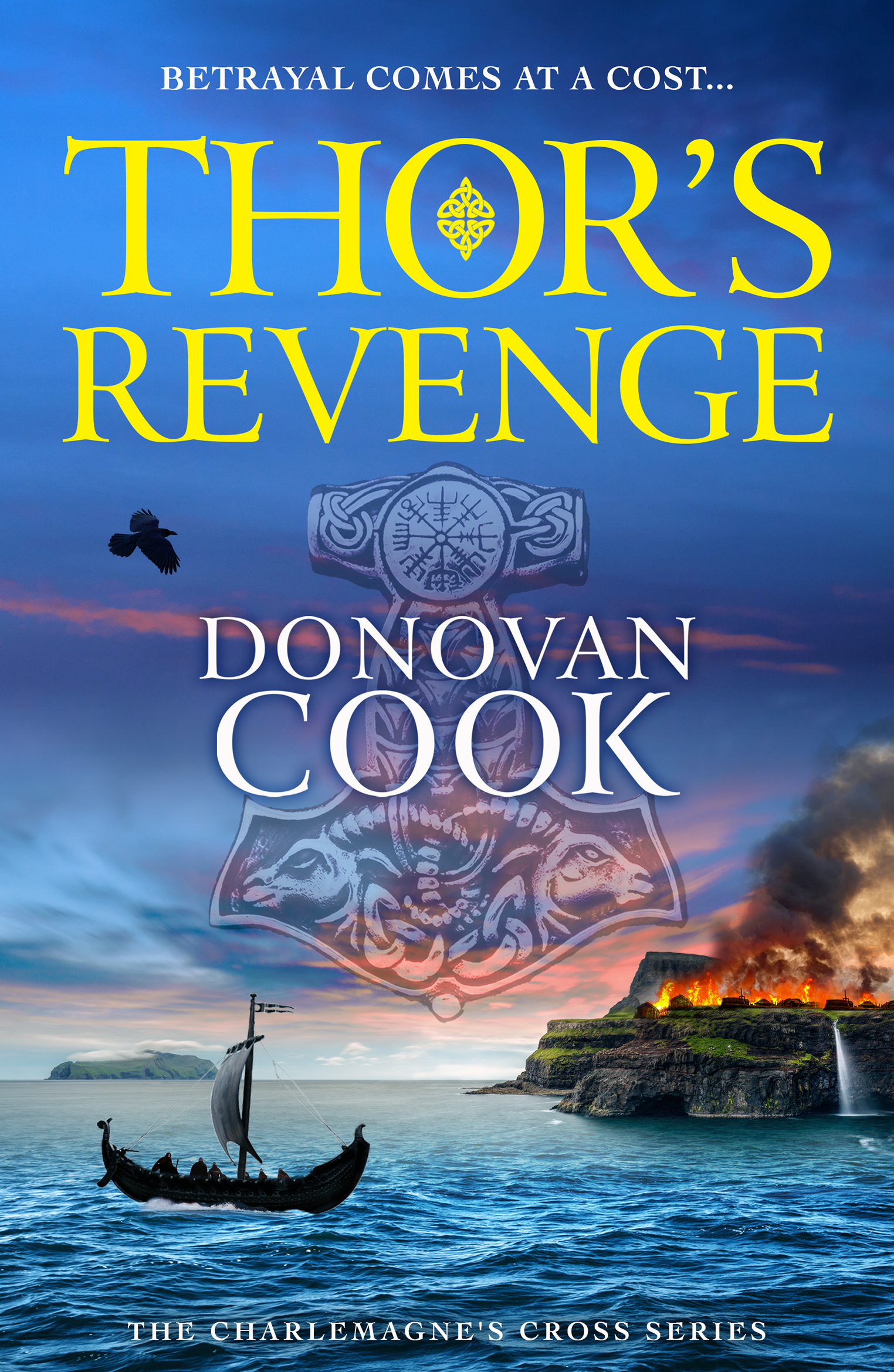
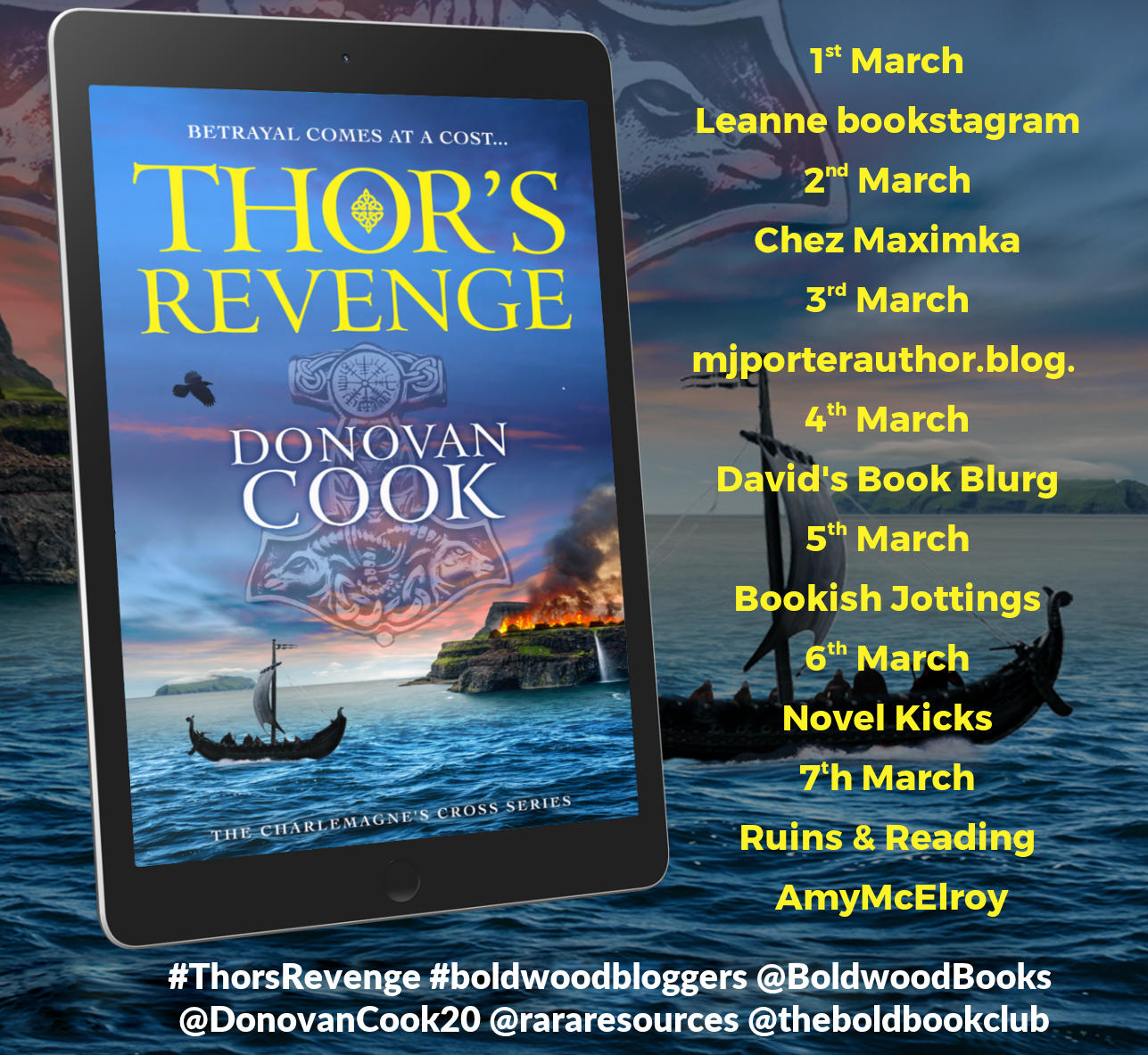
Thor’s Revenge is the third book in the Charlemagne’s Cross series by Donovan Cook. I have read the previous two books.
Thor’s Revenge begins immediately after the previous book’s events, with Sven the Boar recovering from the events of the great battle. At the same time, conspiracy and secrets continue to swirl around him and his grandson, Charles.
In book 3, we learn more answers to the secrets and also meet a few new characters who have previously been alluded to but not ‘seen’ on stage, as it were.
The many threads take a while to get into, but when I did, I flew through the story, really enjoying how well they connect. I also greatly enjoy the ‘light’ touch adopted for the competing religions of paganism and Christianity. Questions are asked by those of both faiths, especially Sven and Charles, who can perhaps see that not everything is as black and white as might be believed. The conniving members of the royal family in East and West Frankia add a layer of ‘sophisticated’ conspiracy above that of the more ‘immediate’ concerns of Sven and Charles.
There are also several battles and fights, and I’m looking forward to Book 4, where I hope we may find some resolution for Sven and Charles.
It is a fine addition to the series that develops depth as the story progresses and has an ending, making me desperate to read more. So, get on with it Donovan:)
Fans of the genre will delight in the continuing tale of Sven the Boar and Charles.
Donovan Cook is the author of the well-received Ormstunga Saga series and the Charlemagne’s Cross series, both of which combine fast-paced narrative with meticulously researched history of the Viking world and are inspired by his interest in Norse Mythology. Donovan was born in South Africa but raised in England.
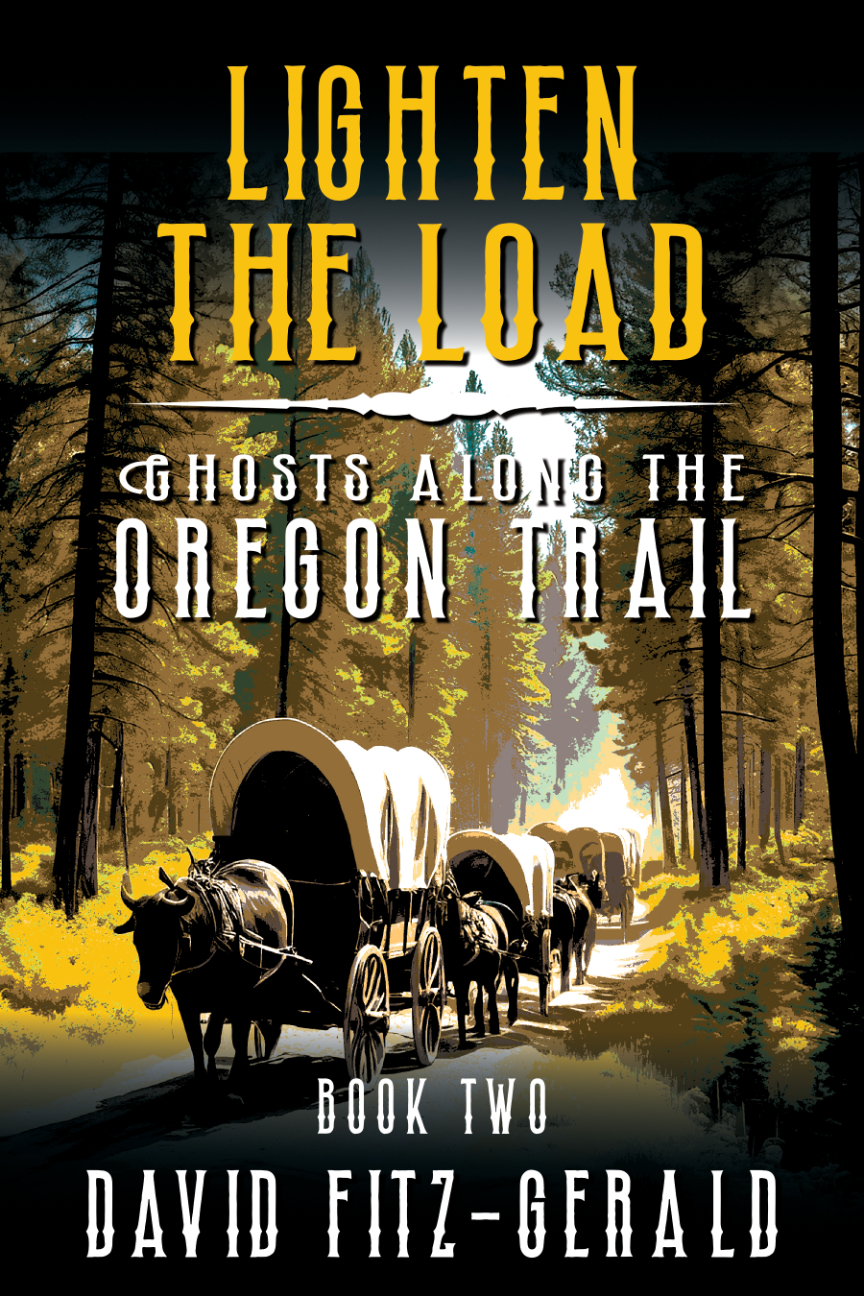
I’m delighted to welcome David Fitz-Gerald and his new book, Lighten the Load, Ghosts Along the Oregon Trail (book 2), to the blog, with a series trailer.
Lighten the Load, Ghosts Along the Oregon Trail Series Trailer
Here’s the blurb
After a devastating tragedy, Dorcas Moon faces brutal choices in the unforgiving wilderness.
An unsolved hometown murder casts a foreboding shadow over the journey. Mounting responsibilities weigh heavy on Dorcas’ shoulders while navigating the trail along the Platte River. Family, friends, and neighbors can’t seem to get along without her help.
The gruesome trail exacts a heavy toll. A sweeping grass fire blazes across the prairie. A doomed wagon careens down a treacherous hill. A fellow traveler is gored to death while hunting buffalo. Each disaster pushes the pioneers to the brink. Amidst the chaos, Dorcas grapples with the realization that she must dump her precious cook stove and her husband’s massive safe. The oxen can no longer haul the heavy weight of unnecessary cargo.
When her daughter mysteriously disappears while the wagons are at Fort Laramie, Dorcas Despairs. She is desperate to help her daughter when the troubled youth is found in the arms of a Brulé man in Spotted Tail’s village.
Secure your copy of Lighten the Load and delve into an unforgettable saga of empowerment, sacrifice, and the haunting echoes of the American frontier. Rejoin Dorcas Moon on the adventure of a lifetime as she confronts the challenges that shape her destiny.
This title is available to read on #KindleUnlimited
Meet the Author
David Fitz-Gerald writes westerns and historical fiction. He is the author of twelve books, including the brand-new series, Ghosts Along the Oregon Trail set in 1850. Dave is a multiple Laramie Award, first place, best in category winner; a Blue Ribbon Chanticleerian; a member of Western Writers of America; and a member of the Historical Novel Society.
Alpine landscapes and flashy horses always catch Dave’s eye and turn his head. He is also an Adirondack 46-er, which means that he has hiked to the summit of the range’s highest peaks. As a mountaineer, he’s happiest at an elevation of over four thousand feet above sea level.
Dave is a lifelong fan of western fiction, landscapes, movies, and music. It should be no surprise that Dave delights in placing memorable characters on treacherous trails, mountain tops, and on the backs of wild horses.
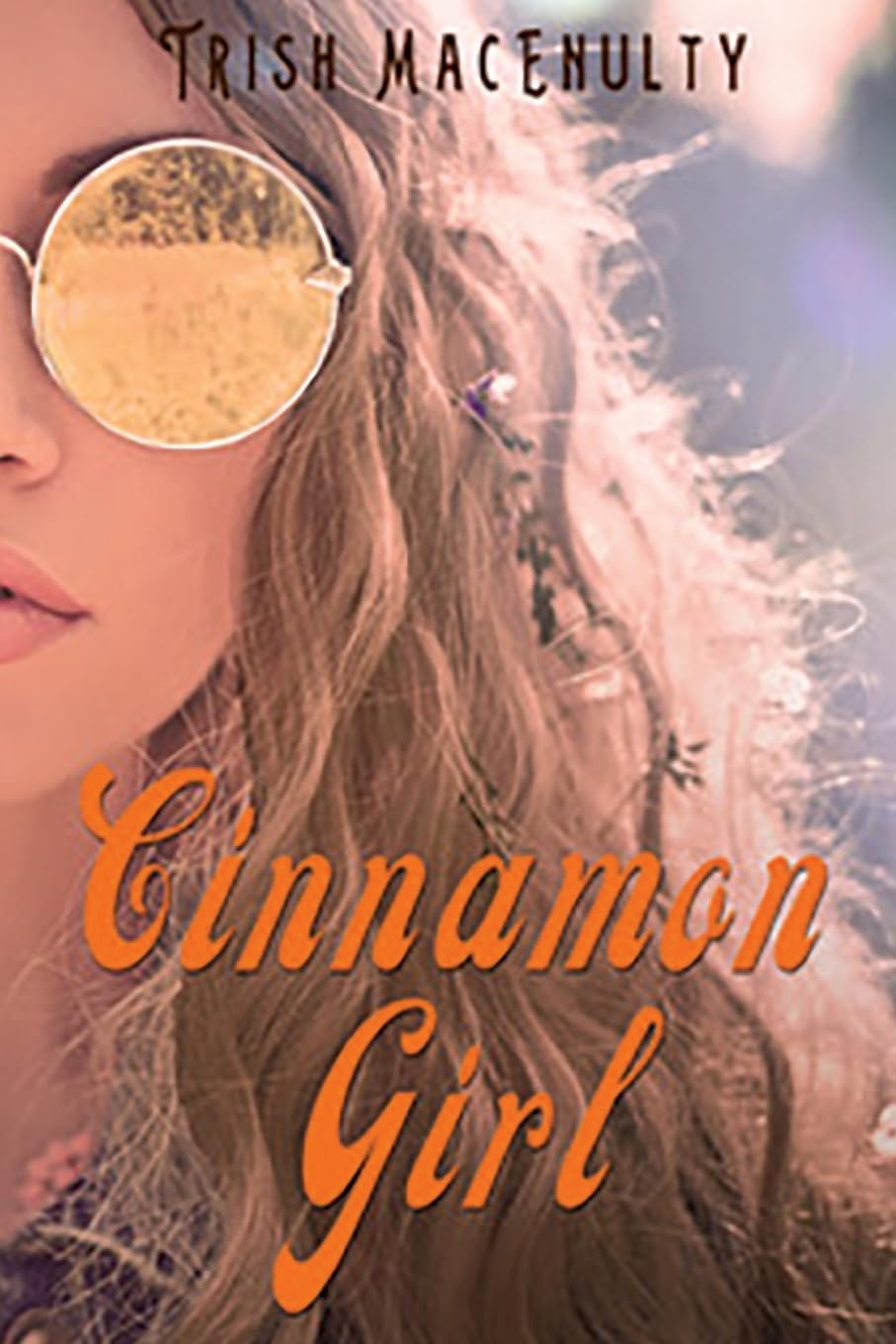
I’m delighted to welcome Trish MacEnulty and her new book, Cinnamon Girl, to the blog with a guest post, ‘My Historical Research’.
My Historical Research – Trish MacEnulty
Cinnamon Girl was first published in 2009 under a different title and with a different cover. When I contacted the publisher and told him I wanted to re-issue the book with a new title and a new cover, he agreed. I also decided that this time I would use what I’d learned from writing four historical mysteries: how to incorporate historically accurate details to make the narrative richer.
When a story takes place during your lifetime, it’s easy to think that you don’t need research. I found that, in fact, I did need to do research and lots of it. And actually for me, research is part of the fun.
For Cinnamon Girl, I needed to do research about the rock concerts in 1970 that my protagonist would have gone to; I needed to research the cultural changes wrought by FM radio; and I needed to do research about the anti-war movement, the Black Panthers, and the Weatherman Underground Organization.
I also needed to research the highway system in 1970. We take for granted our Interstate Highway System, but it wasn’t completely built in 1970, and when Eli Burnes, the protagonist, travels across country I needed to figure out what highways existed and which still needed to be built. Fortunately, I have a brother who actually remembers some of the main roads in St. Louis from 1970 and that helped. In fact, he also helped me to understand the anti-war movement of the time and the police brutality that existed because he was there and he witnessed it.
Researching the rock concerts was, of course, lots of fun. I definitely misremembered some things. For example I was sure Joe Cocker had played in St. Louis in 1970 or ’71 but he wasn’t in the country at the time. I found out that the Grateful Dead was arrested in New Orleans the night before my character sees them at Kiel Auditorium and they barely made it to the concert. I also was able to find the playlist for the Moody Blues Concert and the name of the opening band for the Jethro Tull Concert. Yes, I had been to those concerts when I was a teenager living in St. Louis, but those details I found on the Internet helped recreate the era. I’m a big believer in specificity.
The change over from AM radio to FM was also something I didn’t really understand until I did some research. In the book my protagonist’s father goes from being a “Howling Wolf” sort of AM DJ to a mellow FM DJ. This worked well with my plot because being a DJ at an FM radio station meant he could answer the hotline at night and this would be a good way to communicate with fugitives. FM radio station hotlines would not have been tapped and often did help people learn about where protests would be held. He could also have his own slant on the news of the day unlike at an AM station where they were instructed to read the news straight off the wire and not offer any commentary. Of course, the music was better on the FM stations.
Finally I needed to learn about what was going on socially and politically. Even though I remembered the riots from that era, I was stunned to discover that one had taken place in Augusta, Georgia, in which six Black men were killed by law enforcement. I used this as a moment of awakening for my protagonist, Eli Burnes. She has grown up in the South with the belief that everything was fine between the races — only to witness the result of years of oppression explode. This led to Eli’s learning about the Black Panthers and their work, serving breakfast to children as well as the ambush and murder of activist Freddy Hampton.
Here’s the blurb
Winner of the Gold Medal in YA Fiction from The Historical Fiction Company!
When her beloved step-grandmother, a semi-retired opera singer, dies of cancer in 1970, 15-year-old Eli Burnes runs away with a draft-dodger, thinking she’s on the road to adventure and romance. What she finds instead is a world of underground Weathermen, Black Power revolutionaries, snitches and shoot-first police.
Eventually Eli is rescued by her father, who turns out both more responsible and more revolutionary than she’d imagined. But when he gets in trouble with the law, she finds herself on the road again, searching for the allies who will help her learn how to save herself.
“The book is a fantastic read: fast-moving, full of smoothly woven historical detail and rich characterizations, all told in Eli’s appealing voice.” — Sarah Johnson, Reading the Past
Trish MacEnulty is the author of a historical novel series, literary novels, memoirs, a short story collection, children’s plays, and most recently, the historical coming-of-age novel, Cinnamon Girl (Livingston Press, Sept. 2023). She has a Ph.D. in English from the Florida State University and graduated Magna Cum Laude from the University of Florida. She currently writes book reviews and features for the Historical Novel Society.
She lives in Florida with her husband Joe and her two tubby critters, Franco and Tumbleweed. More info at her website: trishmacenulty.com.
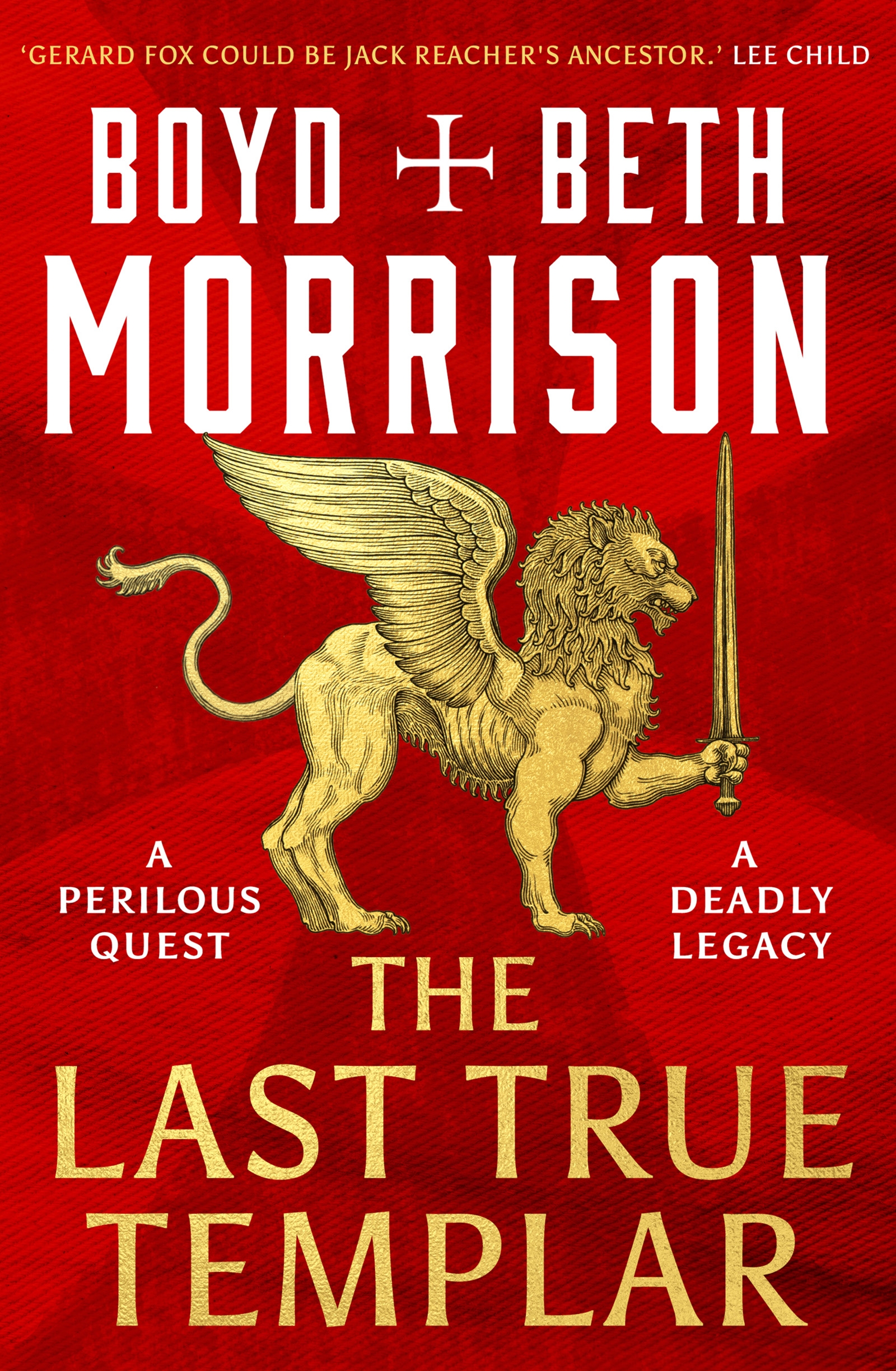
The thrilling new historical adventure from New York Times bestselling author Boyd Morrison and expert medievalist Beth Morrison. Fox and Willa find themselves on a dangerous quest for the treasure of the Templar Knights.
A Perilous Quest. A Deadly Legacy.
Italy, 1351. English companions, knight Gerard Fox and the resourceful Willa, have come through a death-defying journey across war-torn Europe. Now looking towards a future together, they must first find a way to reconcile with their difficult pasts.
In a small village between Florence and Siena, Fox and Willa are caught up in a deadly ambush. After rescuing Luciana, the target of the attack, they take refuge in her opulent villa and learn her heartbreaking story – a tale of loss, deception, and a burning desire for freedom.
Soon, Fox and Willa are involved in a perilous quest to save Luciana’s family legacy. To do so, they will have to solve a mystery that points the way to the fabled lost treasure of the Knights Templar.
‘Complete with mysteries, secrets, and adventure, rich in detail, delivering exactly what a reader craves. This writing duo knows all the right chords to touch.’ Steve Berry, #1 New York Times bestselling author ‘A mesmerizing sequel to the hugely entertaining The Lawless Land…. There is action galore. What a ride!’ Elizabeth George, #1 New York Times bestselling author ‘Any lover of historical mysteries or great tales of adventure will find much delight in this novel!’ James Rollins, #1 New York Times bestselling author ‘A triumphant follow-up to The Lawless Land, with a puzzle that will dazzle fans of The Da Vinci Code. There’s so much breathtaking excitement that the book should come with an oxygen tank.’ Lee Goldberg, #1 New York Times bestselling author
The Last True Templar is a thrilling journey through fourteenth-century Italy, taking our two heroes to Siena, Florence and Venice (and somewhere else, but spoilers) as they attempt to assist Luciana in her bid to finally solve the mystery of her father’s last letter, sent to her over forty years ago, and which it’s believed, will lead to the lost Templar treasure.
And they’re not alone, for as with all good thrillers, there is another side to this story, and someone else wants to get their hands on the Templar treasure just as much as they do: Luciana’s ruthless husband.
This is an Italy in recovery following the devastation of the Black Death, where few, it seems, have been left unscathed. Ironically, two Englishmen, Gerard and Armstrong, are most involved in the hustle and bustle of the quest, with the aid of some quick-witted and intelligent women.
This story is well-grounded in the historical architecture of the time, as our characters race to solve clues, riding from city to city, some loyal to Luciana’s husband and some to Luciana, all needing to look at or visit various important buildings – many of the well-known ones still being built, or heavily renovated. There is intrigue aplenty. Those characters trying to stop Gerard, Willa, and Luciana are ruthless and ambitious, and all this while Gerard and Willa are trying to determine their future.
This is book 2 in the series – I haven’t read book 1 – I don’t necessarily think you need to read the first book to enjoy this one, as we’re given snippets of what’s happened before, but this is very much an isolated ‘quest’. And I did enjoy it. The Last True Templar is very much in the mould of a Dan Brown thriller, only set in the distant past, with an eye to what the cityscapes would have looked like in 1351, and with three feisty women to ensure the narrative never gets bogged down in more purely violent bouts between our two sides.
A rollercoaster of a journey, it’s sure to appeal to fans of historical fiction, historical mysteries and old-fashioned action and adventure stories- (as well as to fans of The Curse of Oak Island:))
Meet the authors
Boyd Morrison is the #1 New York Times bestselling author of twelve thrillers, including six with Clive Cussler. His first novel, The Ark, was an Indie Next Notable pick and was translated into over a dozen languages. He has a PhD in industrial engineering from Virginia Tech. Follow Boyd on: @BoydMorrison IG: @BoydMorrisonWriter http://www.facebook.com/BoydMorrisonWriter
Beth Morrison is Senior Curator of Manuscripts at the J. Paul Getty Museum. She has curated major exhibitions including ‘Imagining the Past in France, 1250-1500’, and ‘Book of Beasts: The Bestiary in the Medieval World’. She has a PhD in the History of Art from Cornell University. Follow Beth on: @BethMorrisonPhd IG: @BethMorrisonWriter http://www.facebook.com/BethMorrisonWriter