Author of Saxon historical fiction and non-fiction, 20th-century historical mysteries, and Norse-inspired historical romantasy. Book reviewer and blog host.
Escaping the city doesn’t mean escaping the criminals…
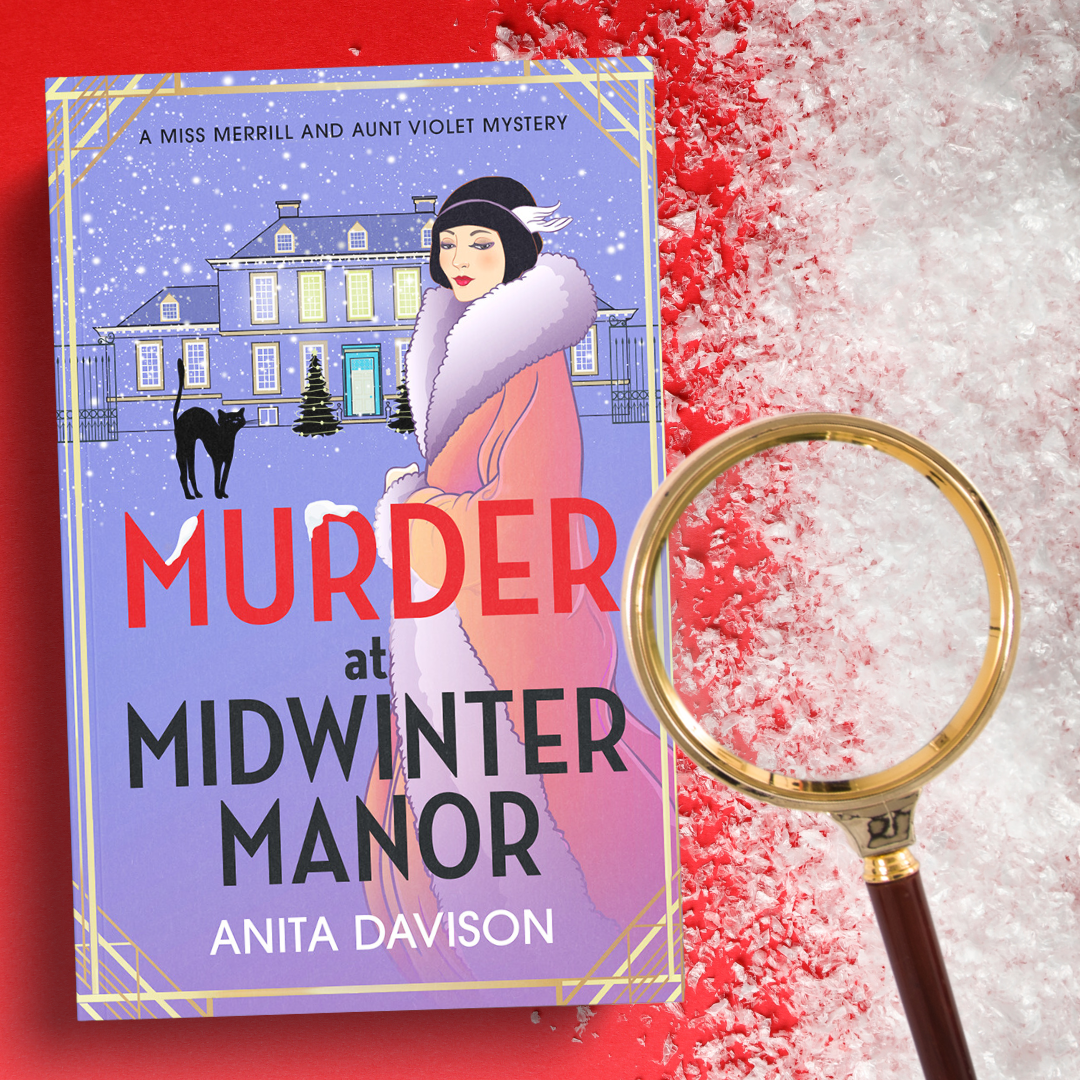
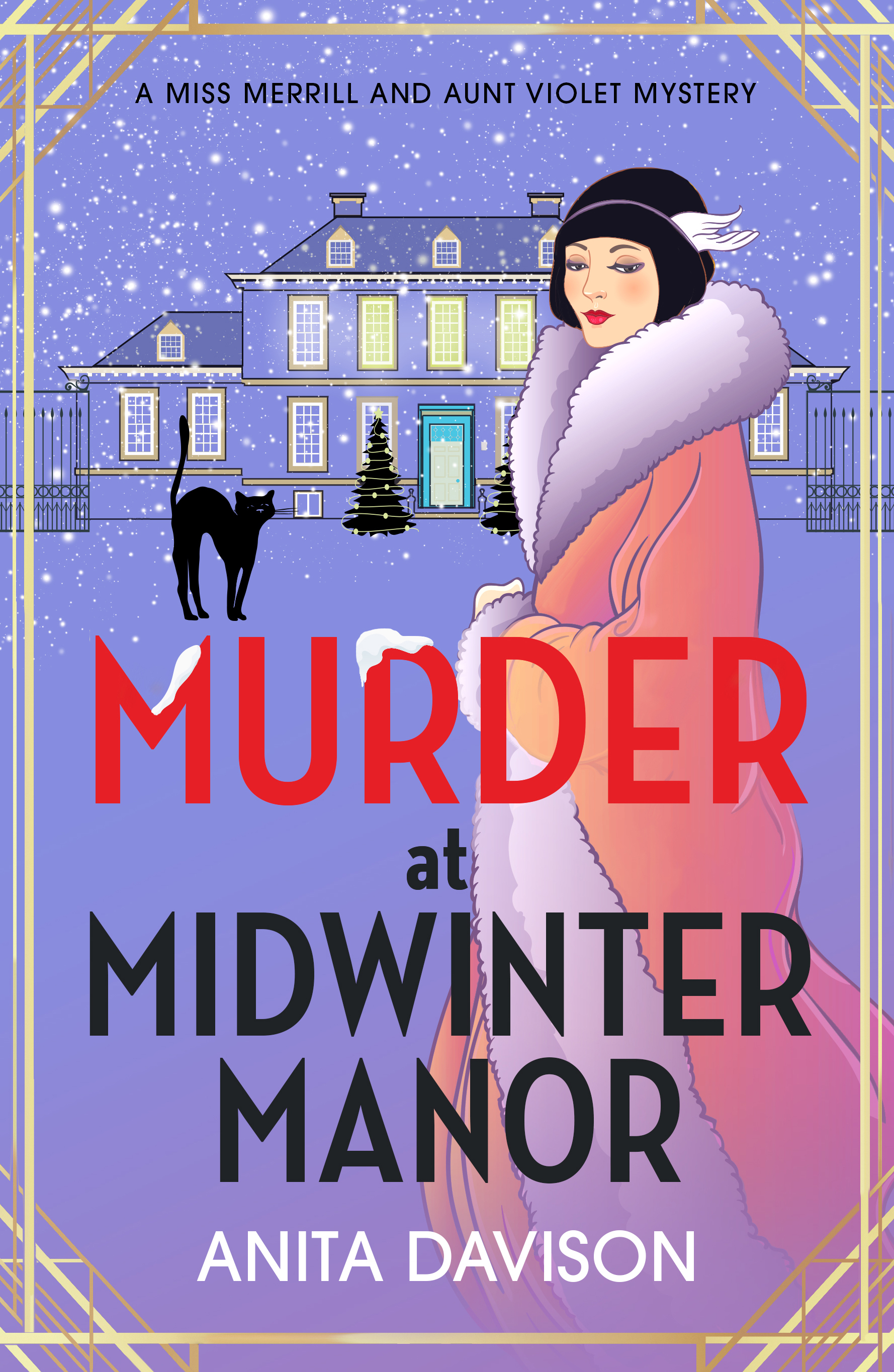
1916, Midwinter Manor: Desperate for a Christmas weekend break from war-torn London, Hannah Merrill and her Aunt Violet take Bartleby the cat and themselves off to visit Hannah’s sister, in her beautiful country estate, deep in the English countryside.
The huge house is full of relatives, friends and merrymakers, and everyone’s excited to have a Christmas to remember.
But then, when a fellow-guest’s body is found in the library – apparently bludgeoned to death – and a precious ruby is stolen from another guest, it appears that it’s going to be memorable for all the wrong reasons.
With the house snowed in, and the rural police force completely incapable of finding a single credible suspect, Hannah and Aunt Violet realise that once again it’s going to be down to them to get to the bottom of it.
Because whoever’s behind the crimes must be at Midwinter Manor… And if they’re not found, who knows what their next ‘gift’ will be?
A totally unforgettable Golden Age, country house, cozy crime novel, perfect for fans of Helena Dixon, Verity Bright, and Agatha Christie.
Murder at Midwinter Manor is the third Miss Merrill and Aunt Violet mystery book, and I’ve read all of them.
This story takes us to Hannah’s sister’s house for a Christmas party. Some of the guests are family, and some of them are not (Oh dear for them).
While we get to know the members of the party, there are strange goings-on in the background, and when Hannah is left with not one but two mysteries to solve, things start to become more interesting.
As we watch Hannah and her aunt, alongside their two male sidekicks, at work, we’re treated to everything we’d expect from a Golden Age country-house-style murder. (I was somewhat jealous about all the Afternoon Teas they managed to consume.) The mystery is intricately connected to the era of First World War Britain, and the events are believable and enjoyable to read about.
When they come, the conclusions are both satisfying after suspicion has fallen on just about everyone.
As a huge fan of this genre of fiction, I really enjoyed Murder at Midwinter Manor and the glimpse given of a divided society in a single house between servants and masters.
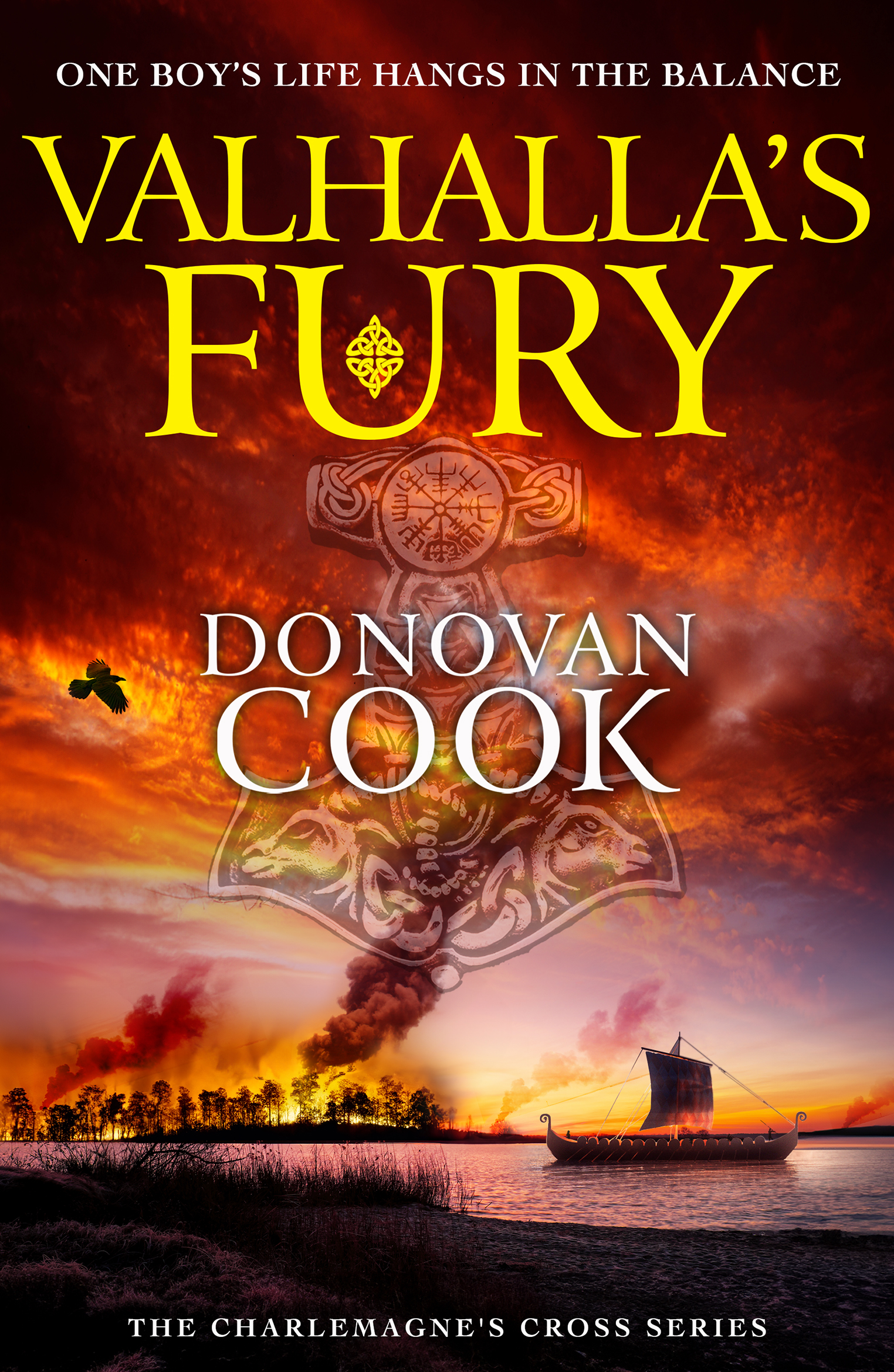
Abandoned by his people and destined for Valhalla, do not stand in the way of his fury.
Ribe is lost, its hall burnt, and Charles is still missing. Sven must once more sail into dangerous waters to rescue his grandson.
King Louis of East Francia, the man who took Sven’s son from him almost twenty years ago, has Charles captive and uses him to force Sven to do his bidding and create chaos raiding his brothers Kingdom of West Frankia.
The long awaited meeting of Charles and his mother, Abbess Hildegard, is not what Charles dreamed it would be and soon it becomes clear that Charles is in even more danger. Torn between the heathen gods and his Christian god, Charles must decide where his future lies.
Sven must fight if he wants to see Charles again and keep the Cross of Charlemagne out of the hands of the Frankish kings. The only thing that Sven knows is that to save Charles, innocent people must die.
Valhalla’s Fury is the final book in the Charlemagne’s Cross Series, bringing to an end this enthralling series set in the 800s, pitching the Danes against the Franks, or certainly, some of them. I’ve read all of the books and you can check out my reviews below.
All seems impossible in this final book as Sven desperately wishes to rescue Charles from the clutches of the Franks, whereas Charles is something of a pawn in the hands of his Frankish grandfather.
The storyline quickly separates Charles and Sven once more, and we see glimpses of life in a Frankish town as well as in a Viking encampment deep in the heart of West Frankia, through the eyes of our two main characters. The narrative builds as the reader is left wondering how on earth the two can possibly be reunited, or if all will end in disaster, I don’t want to say either way, but it is a solid ending for this enthralling tale.
Donovan Cook is the author of the well-received Ormstunga Saga series and the Charlemagne’s Cross series, both of which combine fast-paced narrative with meticulously researched history of the Viking world and are inspired by his interest in Norse Mythology. Donovan was born in South Africa but raised in England.
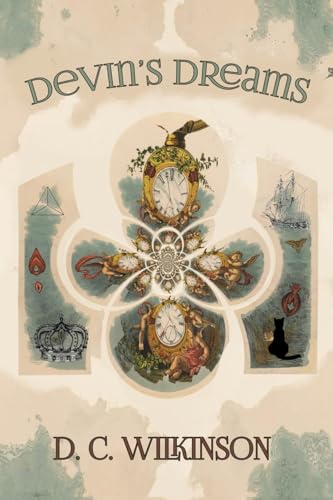
I’m delighted to welcome D.C.Wilkinson and his new book, Devin’s Dreams, to the blog.
Blurb
Devin Sharp, a gentle-natured boy, has trouble sleeping. Recurring visions of strangers moving among shadows in his bedroom keep waking him at night. He swears that what he sees and hears is real. To no avail. No one believes him. An older sibling taunts him. “Silly dreams,” she says. But are they?
Coming of age as a gay teen in the seventies, Devin’s sleep issues are just one more secret safely locked up in his closet. But not for long. Freshman year in college brings a measure of freedom and a chance to explore well beyond the boundaries of stifling social molds.
Experimenting with a powerful drug, Devin’s quirky visions resurface. This time, however, something is different. A rabbit hole materializes out of nowhere. Thrust into it by a mysterious force, Devin is hurled into another world centuries before his own. There, awaiting, a host of strangers appear to know him…
D. C. Wilkinson’s passion for historical fiction, portal fantasies and cappuccinos inspired him to write “Devin’s Dreams,” his debut novel. A lifelong voyager of inner and outer realms, he began his career in the Midwest as a student of Language Arts and the Humanities before relocating to the East Coast in his early twenties. A graduate of Columbia University and former New York City public school teacher, he now calls Connecticut his home, where he resides with his spouse and their beloved beagle.
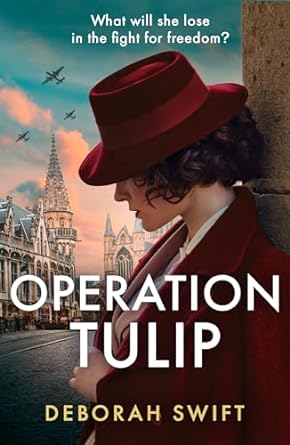
Operation Tulip – The Hunger Winter in Holland During WW2
My novel, Operation Tulip, takes place in The Hague in the final year of the Second World War, during the Hunger Winter, called the Hongerwinter in Dutch. This was the brutal famine of 1944-1945 during the final year of the Nazi occupation. The Netherlands was invaded in May 1940, and for the first few years, the occupation was relatively mild compared to other parts of Europe. However, as the war dragged on, conditions for civilians worsened. By 1944, the Allied forces had landed in Normandy and were making their way through Europe, leading to a renewed sense of hope among the Dutch people. In September 1944, the Allies made an ambitious plan to capture key bridges in the Netherlands and pave the way for an invasion of Germany and an end to the war. This plan was called Operation Market Garden, and was made famous by the film, ‘A Bridge Too Far.’ Unfortunately, the operation ultimately failed, leaving the northern and western parts of the Netherlands cut off from the rest of Europe and still under German control.
British POWs at Arnem
Famine bites Dutch railway workers organised strikes to prevent Jews from being deported, and in retaliation the Germans blocked food and fuel shipments to the western provinces. The blockade, combined with already depleted food supplies, led to a catastrophic famine. Added to this, the winter that year was one of the harshest in memory, with freezing temperatures and little fuel available. The black market became the only means for many to obtain food but prices were high and few could afford to buy anything. The daily calorie intake for many Dutch citizens plummeted to as low as 400-800 calories, way below the minimum needed for survival. People scavenged for anything edible, from tulip bulbs to sugar beets. Audrey Hepburn, who was living in Holland with her Dutch mother, survived the last months of the war with a diet that included eating nettles and tulip bulbs.
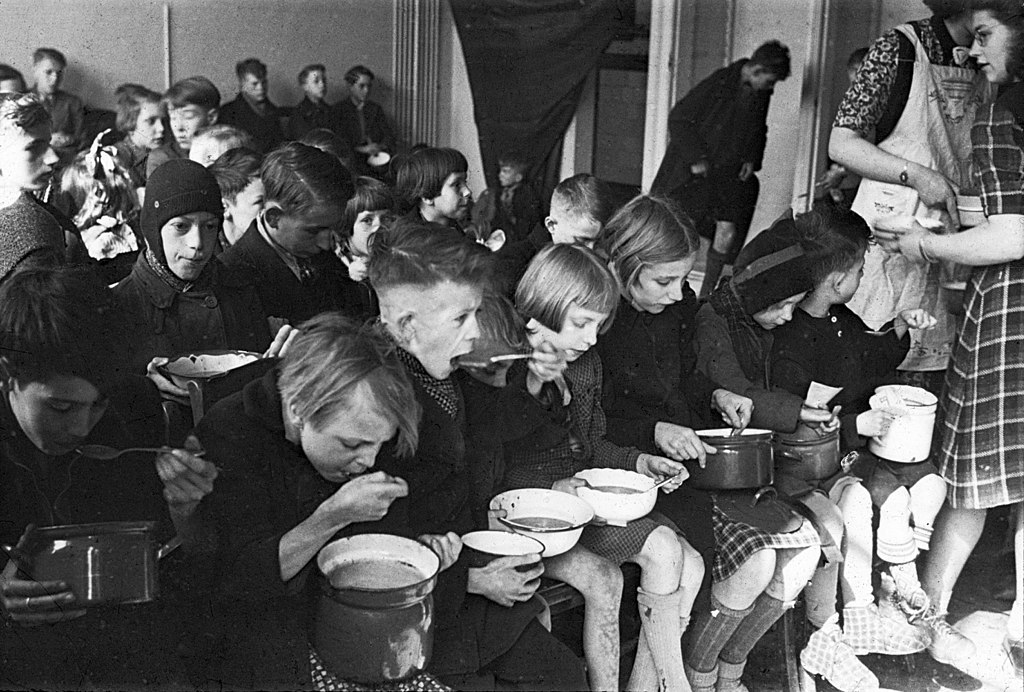
Dutch Children being fed soup
The impact of the famine on health was devastating. Malnutrition and starvation led to a significant increase in mortality rates. The most vulnerable, including the elderly, the sick, and young children, were particularly affected. Hospitals were overwhelmed with cases of starvation, and diseases such as tuberculosis, typhus, and pneumonia spread rapidly among the weakened population. If it all sounds very depressing, it was also a period where people were courageous and took enormous risks to help other survive. The penalties for hoarding or selling food outside official channels were severe. Nevertheless, many residents of The Hague made perilous journeys by bicycle to rural areas in search of food, and I use these journeys in Operation Tulip. The Role of Women in the Resistance
Dutch Women transporting food
Amid the suffering, the Dutch Resistance, including people like Nancy in my novel, continued their efforts to undermine the German occupation, bring hope to the starving, and assist those in need. Resistance groups, especially the women, organized clandestine food distribution networks, forged ration cards, and provided aid to those most affected by the famine, despite the constant threat of arrest, torture, and execution. Estimates suggest that approximately 20,000 people died as a direct result of the Hunger Winter, although the indirect toll was likely much higher. The most vulnerable, including the elderly, the sick, and young children, were particularly affected. Hospitals were overwhelmed with cases of starvation, and diseases such as tuberculosis, typhus, and pneumonia spread rapidly among the weakened population. Many who survived were left with long-term health problems due to prolonged malnutrition. Children born during or shortly after the Hunger Winter were found to have worse health outcomes throughout their lives, a phenomenon later studied extensively by researchers. As things became desperate at the end of the war, British and American airmen in conjunction with the Dutch Resistance, arranged airdrops of food, an event that still lingers in the memories of the Dutch people.
Operation Manna airdropping food
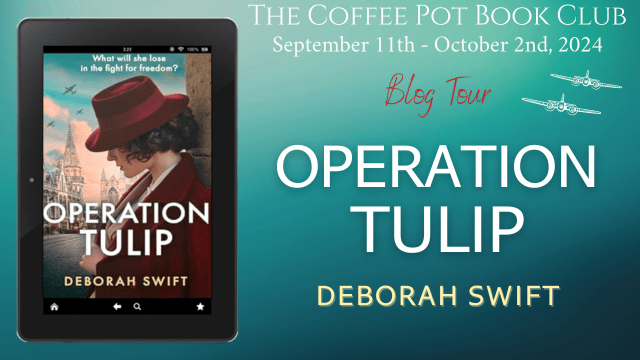
Here’s the blurb
Holland, 1944: Undercover British agent Nancy Callaghan has been given her toughest case yet. A key member of the Dutch resistance has been captured, and Nancy must play the role of a wealthy Nazi to win over a notorious SS officer, Detlef Keller, and gain crucial information.
England: Coding expert Tom Lockwood is devastated that the Allies have failed to push back the Nazis, leaving Northern Holland completely cut off from the rest of Europe, and him from his beloved Nancy. Desperate to rescue the love of his life, Tom devises Operation Tulip, a plan to bring Nancy home.
But as Nancy infiltrates the Dutch SS, she finds herself catching the eye of an even more senior member of the Party. Is Nancy in too deep, or can Tom reach her before she gets caught?
Inspired by the true events of occupied Holland during WW2, don’t miss this utterly gripping story of love, bravery and sacrifice.
Triggers: mild violence associated with the era.
Praise for Deborah Swift:
‘A well crafted tale… this book did not disappoint’ NetGalley reviewer, ⭐⭐⭐⭐⭐
‘There is action, mystery and romantic entanglements stirred into the story for a fantastically entertaining read’ NetGalley reviewer, ⭐⭐⭐⭐⭐
‘Deborah Swift never disappoints’ NetGalley reviewer, ⭐⭐⭐⭐⭐
Deborah Swift is a USA TODAY bestselling author of twenty books who is passionate about the past. Deborah used to be a costume designer for the BBC, before becoming a writer. Now she lives in an old English school house in a village full of 17th Century houses, near the glorious Lake District. After taking a Masters Degree in Creative Writing, she enjoys mentoring aspiring novelists and has an award-winning historical fiction blog at her website www.deborahswift.com.
Deborah loves to write about how extraordinary events in history have transformed the lives of ordinary people, and how the events of the past can live on in her books and still resonate today.
Recent books include The Poison Keeper, about the Renaissance poisoner Giulia Tofana, which was a winner of the Wishing Shelf Book of the Decade Award, and a Coffee Pot Book Club Gold Medal. Her most recent books are The Silk Code and The Shadow Network both set in the Second World War.
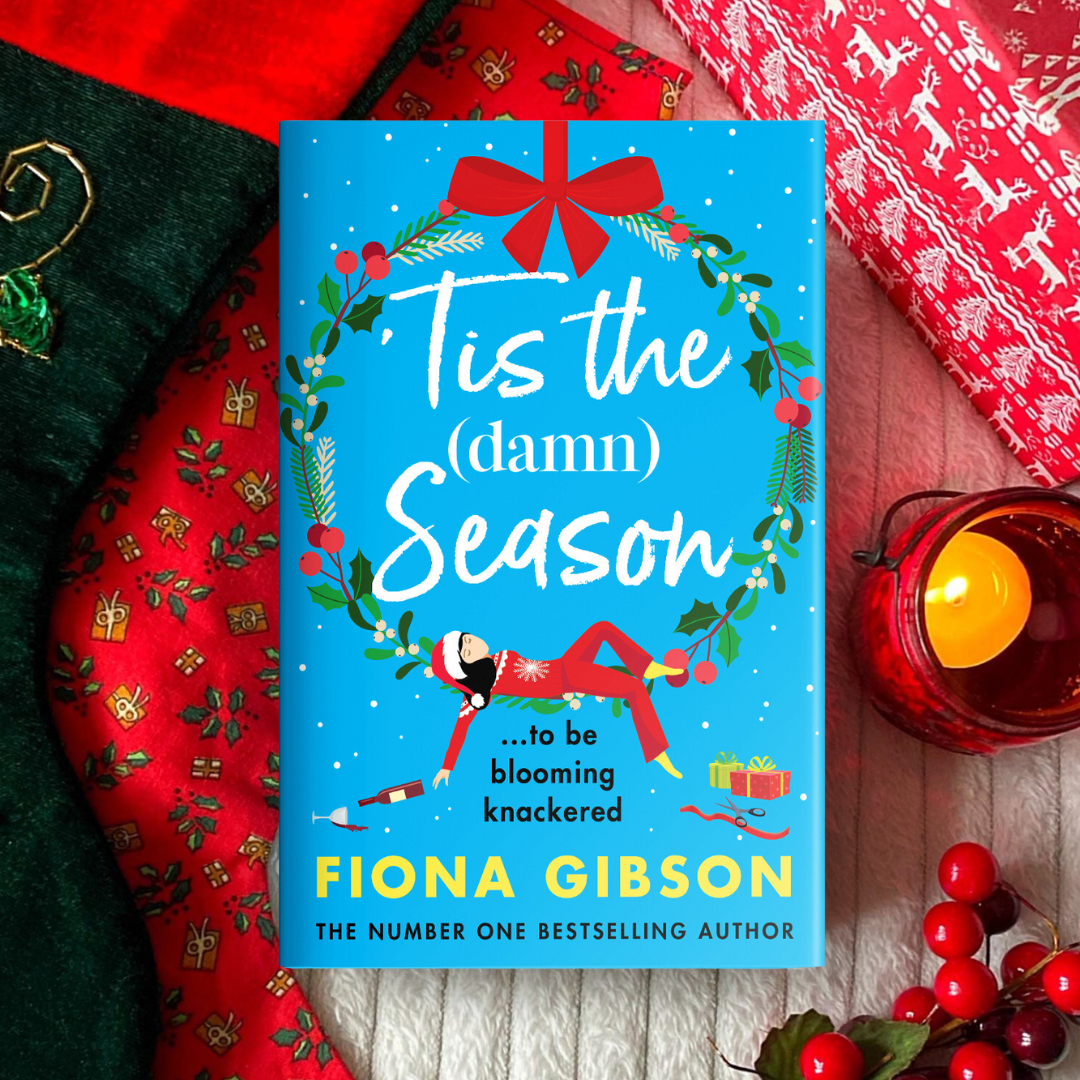
This year, their families can deck the bloody halls themselves…
Old friends Shelley, Lena and Pearl have reached their limit with the festive preparation that has always fallen to them, and five days before Christmas, they’ve booked a mini break… without their families. Up until Christmas Eve, they’ll be sipping prosecco in the Highlands while their kids wrap bacon around 100 chipolatas and their partners brave the supermarkets.
It’s exactly what they need… until they’re snowed in. Facing the prospect of Christmas 500 miles from home, each woman is forced to confront her real reasons for needing to escape: the fiance with the obnoxious family; the son’s new girlfriend who is taking over their home; the family who take their mother for granted all year round…
Will the friends make it home before Christmas day? And if they do, can they really go back to their old lives?
This Christmas, forget Elf on the Shelf, get ready for Mums on the Run in the hilarious and heartwarming new novel from Fiona Gibson.
Tis the Damn Season is a fun, quick read about three friends escaping Christmas, only to find they might have escaped it a little more than they anticipated.
I read it in 2 sittings. It’s sure to appeal to readers looking for their own ‘getaway’ from the pressures of Christmas. (This one is short and sweet. Sometimes, you can just really enjoy a book.)
Meet the author
Fiona Gibson writes bestselling and brilliantly funny novels about the craziness and messiness of family life.
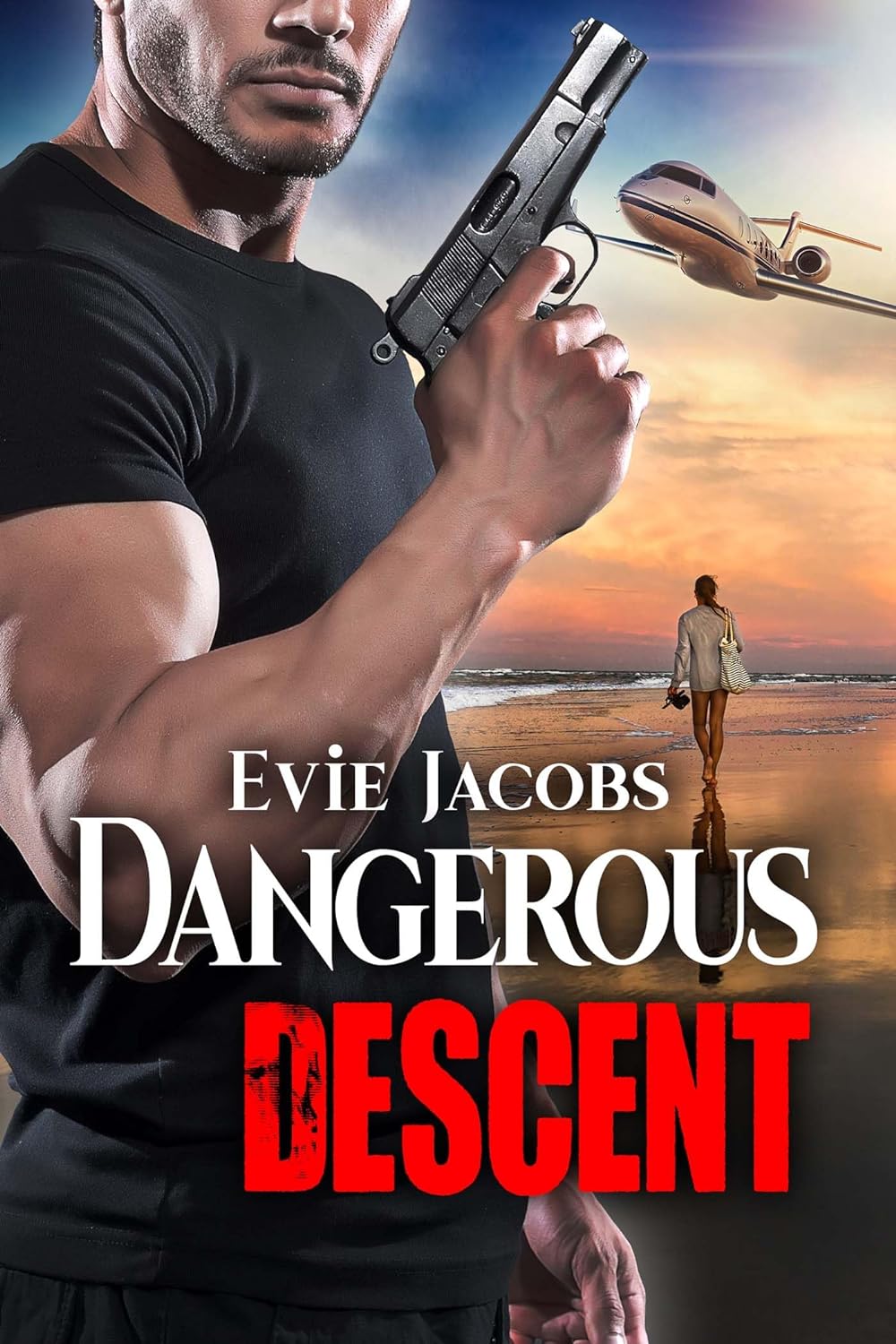
The first rule of undercover work—don’t get attached…
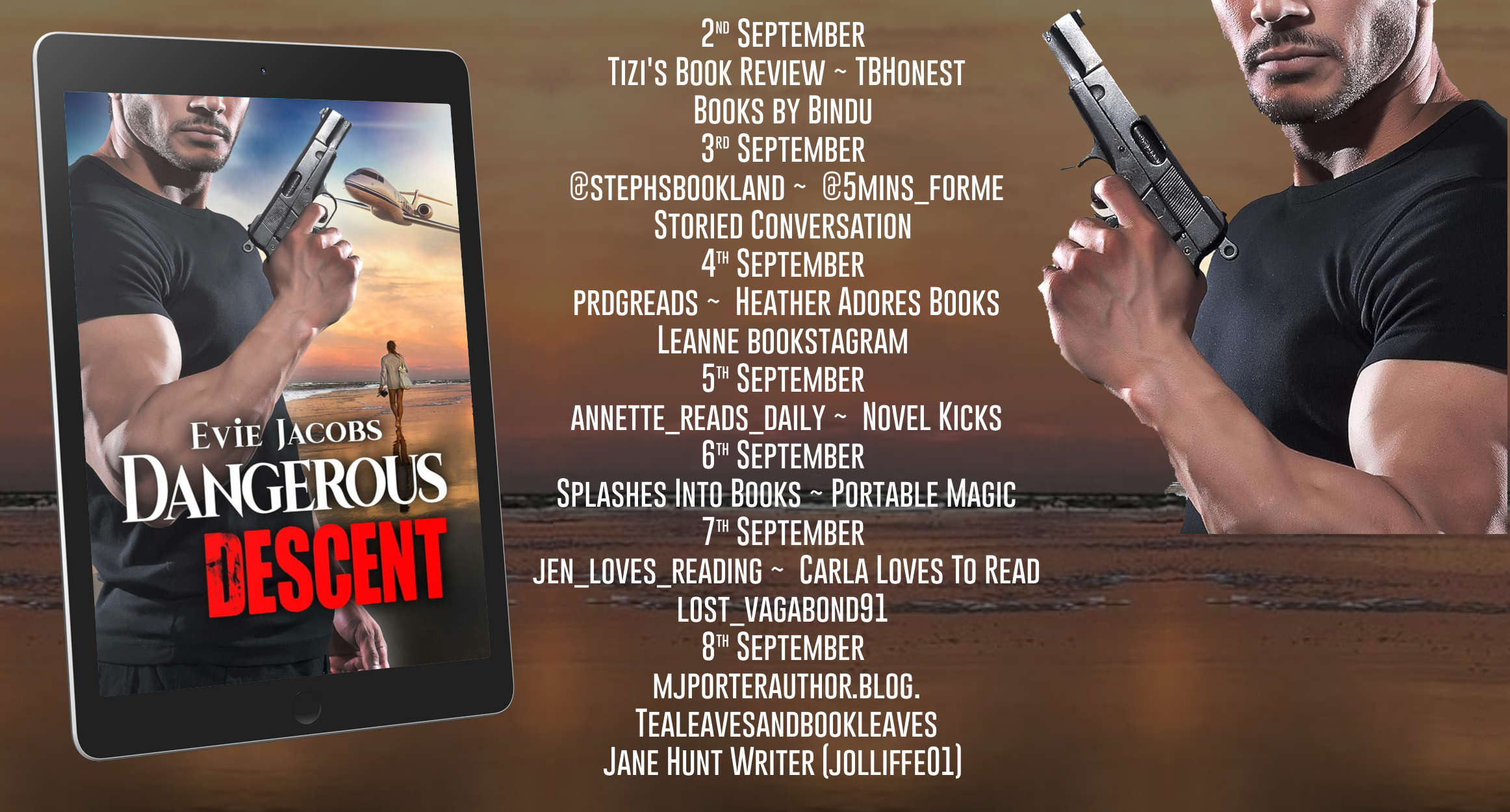
Pilot Elise Hughes left the family business in the Florida Keys and now flies the rich and powerful to and from the Rocky Mountains. When she has to execute a by-the-book emergency landing, it’s no big deal. But being stranded in a small town with her handsome new colleague is something else entirely.
Obsessed with getting justice for his murdered father, undercover FBI agent Eric Erickson believes retribution is finally within reach. Until things get complicated. And dangerous. And he’s forced to face a few too many realities—including Elise’s connection to a well-known crime boss.
After Elise is kidnapped by the same man who took Eric’s father, he has a choice to make—find Elise or exact revenge. Meanwhile she has a choice of her own—trust the dangerous family she never knew she had or the man who’s been lying to her from the start.
Dangerous Descent is a steamy action/adventure story featuring Elise and Eric, as they face crash landing into one another. It is a fun, quick read, and quite well-plotted, although there are a few elements of the story that aren’t resolved (possibly because it’s a series – I’m not sure – but it wouldn’t surprise me to know there will be more books.)
The action moves at speed, with Elise and Eric thrown together unexpectedly, which allows their mutual attraction for one another to spark very (very) quickly. There are a good few plot twists as the story storms towards its ending, switching between the two different points of view of the main characters. The baddies are never quite as bad as could be hoped, so for those who don’t like too much violence, this will appeal.
Not my usual genre, but a fun, quick read and fans of the genre will, I’m sure, love meeting Elise and Eric.
Meet the author
Evie Jacobs is a word nerd. As a child, she read constantly. And when she wasn’t reading, she was writing. Not much has changed. By day she works in a library surrounded by books, and by night she writes steamy action/adventure romance. She lives in Colorado with her husband, two cats, and six bicycles.
How to React When Woken at 3am by Drunk Argentinian Backpackers while Staying in a Youth Hostel and Other Lesser Known Travel Tips
Book 4 of the hilarious book series that those in the know will want to read when arriving at Paris airport so they laugh so freaking hard that it will intimidate any suspicious characters looking to abduct them and sell them into the human trafficking game.
Life was not meant to be easy, Simon Yeats’ father used to tell him. Well, it sure as hell was not meant to be this bizarre and witty. Australian ex-pat Yeats, as all he has ever been called since High School, shares his stories of travel misadventures and dubious personal introspection with comedic insights into the unusual and uproarious elements of living his life abroad. All while having a sense of Wanderlust as pervasive as Mongol hordes in the 12th century.
From how to negotiate getting abused in Los Angeles when you will only drive at 5 miles/hr., to what to do when locked out of your hotel room in your underwear, to the emotions of attempting the world’s second highest bungee in South Africa when you have a pathological fear of heights, to how to deal with the trials and tribulations of staying in a youth hostel in South America with travelers who have no respect for the other guests.
Simon Yeats has gone into the world and experienced all the out of the ordinary moments for you to sit back and enjoy the experience without the need to empty your bank account, get squeezed sitting in a middle airline seat on a nine hour flight to Tokyo, or deal with border security at the Ukraine/Russia boundary.
Simon Yeats has lived nine lives, and by all estimations, is fast running out of the number he has left. His life of globetrotting the globe was not the one he expected to lead. He grew up a quiet, shy boy teased by other kids on the playgrounds for his red hair. But he developed a keen wit and sense of humor to always see the funnier side of life. With an overwhelming love of travel, a propensity to find trouble where there was none, and being a passionate advocate of mental health, Simon’s stories will leave a reader either rolling on the floor in tears of laughter, or breathing deeply that the adventures he has led were survived. No author has laughed longer or cried with less restraint at the travails of life.
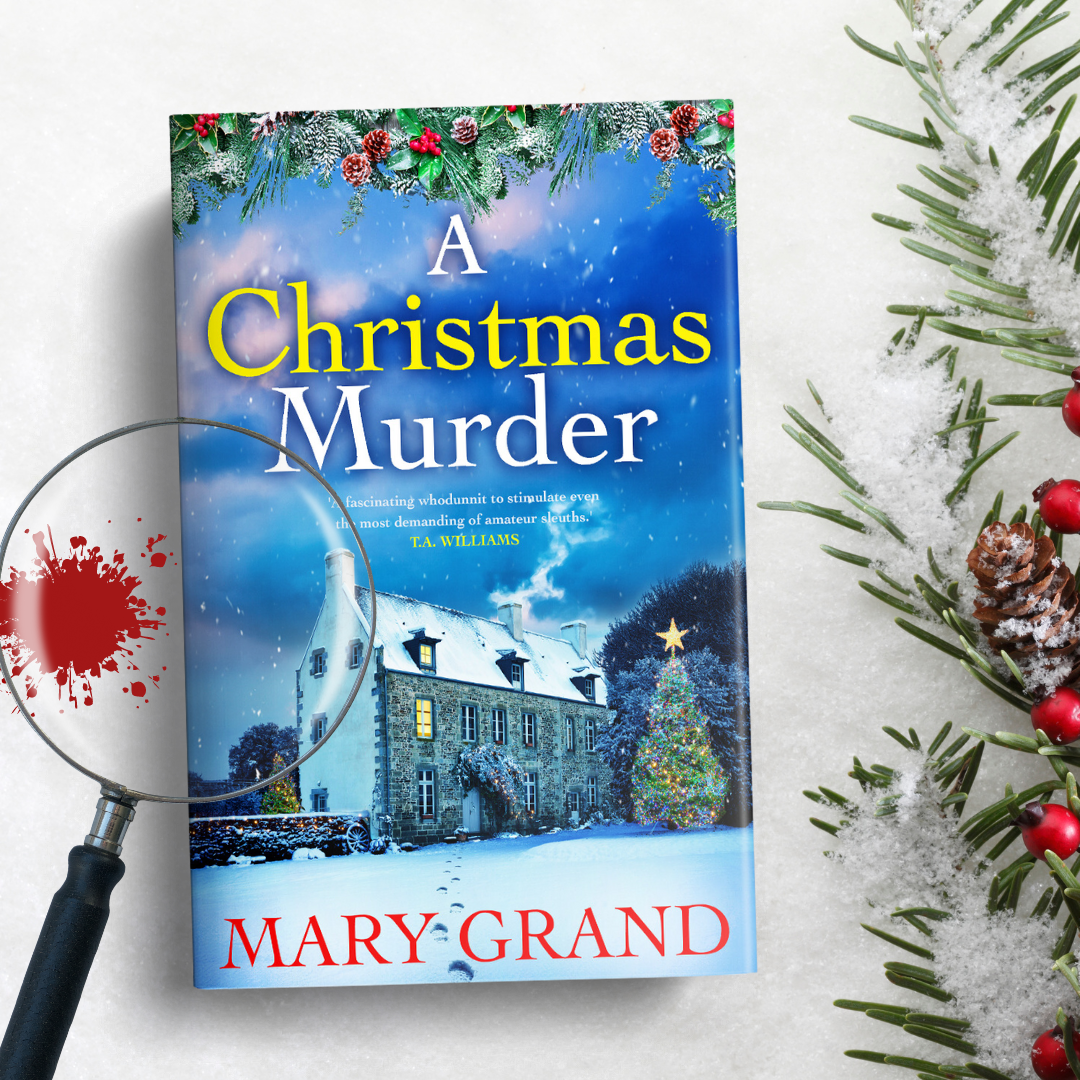
Susan didn’t plan on being an amateur sleuth and, after two successful investigations, she’s looking forward to a quiet Christmas. So, when local businesswoman Meera is in desperate need of help, Susan agrees rather reluctantly.
The task should be easy enough. The infamous press mogul Duncan Fern is coming back to the Isle of Wight, the scene of his family’s childhood holidays, to celebrate Christmas with his grown-up children and their partners, his new glamorous wife Kirsten who is forever dripping with diamonds, and the spikey editor of his paper the Morning Flame, Antoine. The newly-refurbished luxurious Bishopstone Manor is the perfect setting for a festive break and all Susan has to do is help Meera host.
But when a snowstorm descends over the island, and the following morning a body is found, Christmas at the Manor takes a darker turn. Can Susan get to the bottom of the mystery before the murderer strikes again…
This is the first of Mary Grand’s mysteries I’ve read, and it was very enjoyable.
While it snows outside, affairs within the restored Tudor mansion take a deadly turn. Our main character, Susan, uneasy with the police verdict, sets about trying to discover the truth. What she discovers is a web of lies and family deceit.
While yes, this is a murder mystery, I found the setting and storyline to be really enjoyable. The eventual resolution was satisfying and unexpected, although, with hindsight, there were definitely clues.
A contemporary murder mystery sure to appeal to fans of the genre.
Meet the author
Mary Grand writes gripping, page-turning suspense novels, with a dark and often murderous underside. She grew up in Wales, was for many years a teacher of deaf children and now lives on the Isle of Wight.
I’m delighted to welcome Lily Style and her new book, A Most Unsettled Man, to the blog with an excerpt.
Excerpt
On the 6th of November 1805, the ring of church bells, near and far, grew and grew like a storm that must soon break. Then did.
George’s copy of the Gazette Extraordinaire bore news that rocked his whole family to the core. Britain’s navy had annihilated the French and Spanish fleets at Cape Trafalgar, off the southern tip of Spain, but Horace’s resounding victory had cost him his life.
Kitty collapsed and, after this, George junior noted that the news of Horace’s death had made his mama very ill.
Details of Horace’s last moments flew around England with great gusto. Brave Lord Nelson had ignored the tradition by which naval officers saved their skins by leading from behind. He’d instead insisted on wearing his full Royal Navy admiral’s uniform on HMS Victory’s open deck, complete with his array of medals and sun-catching gewgaws. Bold and bright, leading from the front, Horace’s uniform had made him an easy mark for a sniper perched on a French tall ship’s mast.
George later reflected that, from Horace’s physical frailty and proneness to melancholy, “it might have been imagined that he was ill-fitted for war & hardship. But … He went a willing victim to his country’s safety and renown”.
George, Kitty and Susanna Bolton, distraught themselves, sped to Merton to support the heart-broken Emma.
Blurb
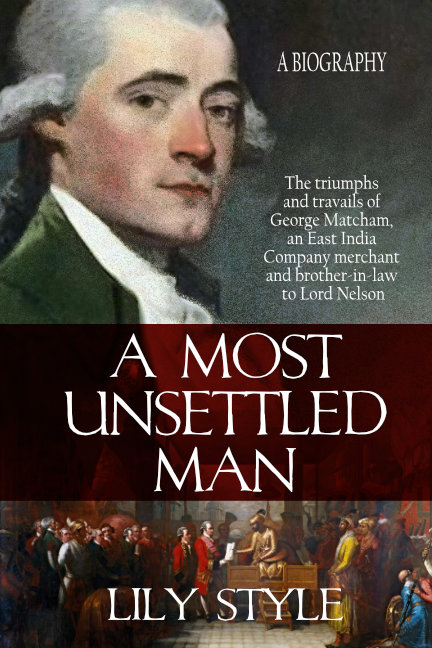
George Matcham, dubbed the most unsettled man alive, was born in East India Company controlled Bombay and undertook three epic overland treks between Asia and England before marrying the favourite sister of the not yet famous Horatio Nelson. Intimate details about George’s life have been preserved because of his close relationship with Nelson and his famous paramour Emma Hamilton, whose rises and falls he observed first-hand.
Packed with period press clippings and eyewitness accounts, A Most Unsettled Man provides an unprecedented glimpse into the private life of a modest 18th century English gentleman, as well retelling the enduring love story of Nelson and Emma from an entirely new perspective.
Lily Style is the direct descendant of famed lovers Admiral Lord Nelson and Emma Hamilton and also Nelson’s sister, Kitty Matcham (because their grandchildren married).
Lily is the founder of Emma Hamilton Society and writes regularly for Nelson-related publications. She is also a keen genealogist with an interest in piecing together real human stories lying behind dry facts.
One of these stories is of her 4th great-grandfather, George Matcham, whose story she’s traced from his mid eighteenth-century birth in East India Company controlled Bombay through to his intimate involvement with Nelson and Emma’s rise and fall.
When I decided to write another book featuring Detective Inspector Mason and his Sergeant, O’Rourke, I was determined to set the story very firmly in the period. That might sound a bit strange, but sometimes, a historical mystery might not feel that historical other than for the odd touches – clothing, hairstyles etc. To ensure I didn’t do this, I spent a great deal of time researching the history of The Automobile Association (a UK-based roadside recovery service with a history as long as automobiles) and how they might have operated in the early 1940s. Of course, with the war on and petrol rationing, it was very challenging for them to survive as they relied on subscriptions which dropped significantly during the war years.
The AA Sentry boxes
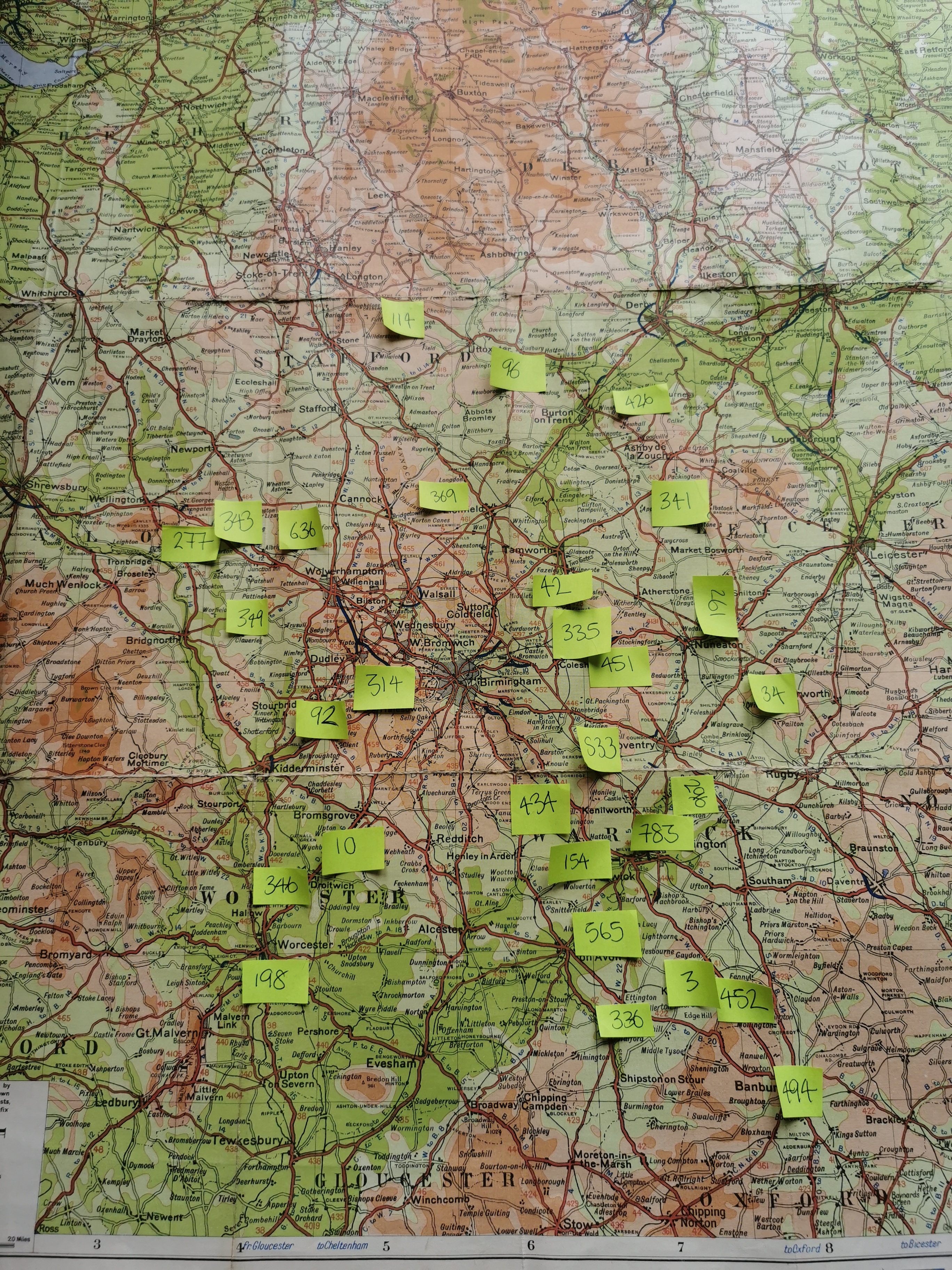
I spent a great deal of time trying to find the locations for the sentry boxes that are so important to my story and that the AA patrol staff would have passed on their assigned patrol routes, often on pedal bikes. Yes, they did have telephones in the boxes, but of course, the patrol men wouldn’t have had access to a telephone while they were out patrolling, and if I’ve read it correctly, all calls were sent to a central exchange which was in London. There’s a list of surviving sentry boxes from the 1960s, so twenty years after my story is set, and with the use of a map from the 1940s (thank you online marketplace), I found many of the sentry boxes close to Erdington. This was because some of today’s roads weren’t built (such as many of the A roads), and using a period map ensured I didn’t put something where it couldn’t have existed. I love using old maps for all of my books (20th-century and Saxon stories). They often highlight facts that might pass today’s reader by – such as roads that have changed route or weren’t even in existence at the time.
I was a bit disappointed because I couldn’t find a map that showed the patrol routes that the AA patrolmen (sorry, it was all men at this time) would have followed on their daily routes. This is potentially because such maps were either not produced or, because of the war effort, they weren’t widely distributed. Here’s a fabulous training video for those wanting to see what the early AA was all about. https://www.youtube.com/watch?v=kmyLKlx7YEA
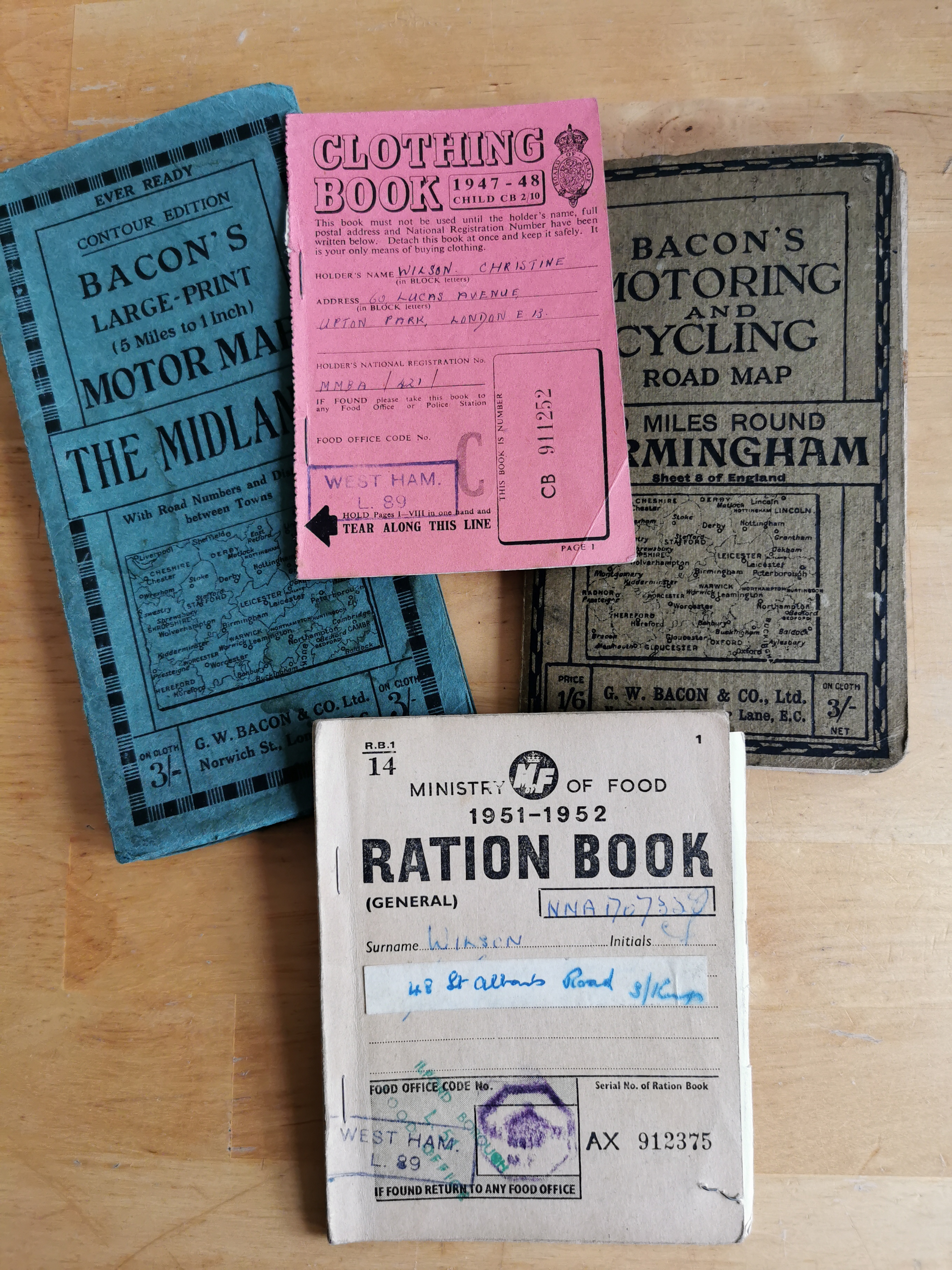
Some ration books I was able to buy from an online marketplace, and the maps I also found and usedMy additions to a period map to show where the AA sentry boxes would have been in the 1960s
I also needed clarification on how far a car might have travelled on one full petrol tank. Sometimes it’s the oddest queries that set authors tumbling down rabbit holes of research.
The history of fingerprinting is much longer than we might think
But the roads weren’t the only thing I needed to research. Much of the case in The Automobile Assassination hinges on fingerprints (how else to identify my nameless murder victim?), and I knew nothing about the technological advances that had made fingerprint identification as prevalent as it is today. I invested some time in researching and discovered some amazing facts, some that were quite disturbing during the advances in fingerprinting and the way the information they use is provided. I also, quite by chance, discovered when the first fax machine was invented, which was much earlier than we might think.
And that then took me to another element of the book that I needed to research, ration books. Again, the advantage of writing about the 1940s is that artefacts survive from the period. I was able to get hold of some ration books (thank you, online marketplace again) so that I could work out how they were distributed and used and how I could make what was happening seem ‘very real.’ What surprised me was that the coupons themselves didn’t have numbers (and certainly not bar codes), although each book had a serial number stamped on its front. I discovered the system would be particularly easy to ‘fudge’ if you inclined that way. And there were huge scandals regarding ration books during the 1940s. As with the AA sentry boxes, I was determined to weave these elements into the storyline.
Newspaper archives are a gold mine
The more I write stories set in the twentieth century, the more resources I find to help me. I made a great deal of use of the online newspaper archives – and hidden, often on the front or the back page, were all the times that the Blackout was in operation each night. This was an excellent little detail to weave into the narrative to make it seem more historically accurate.