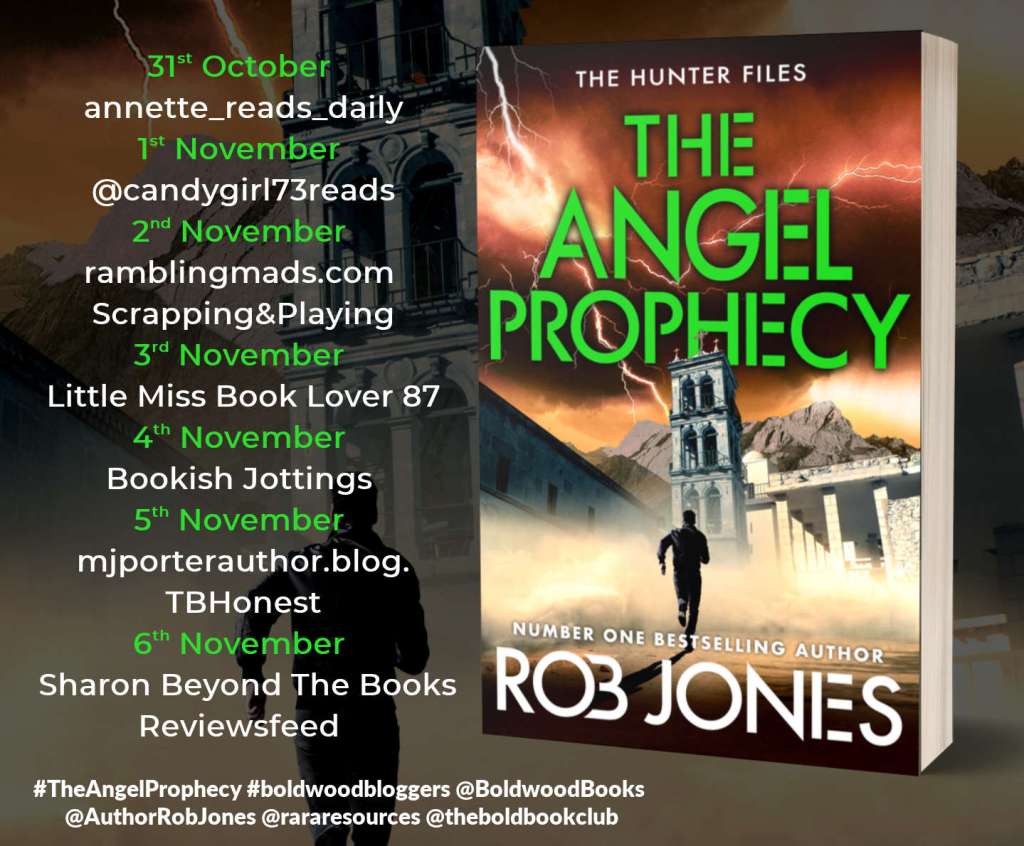
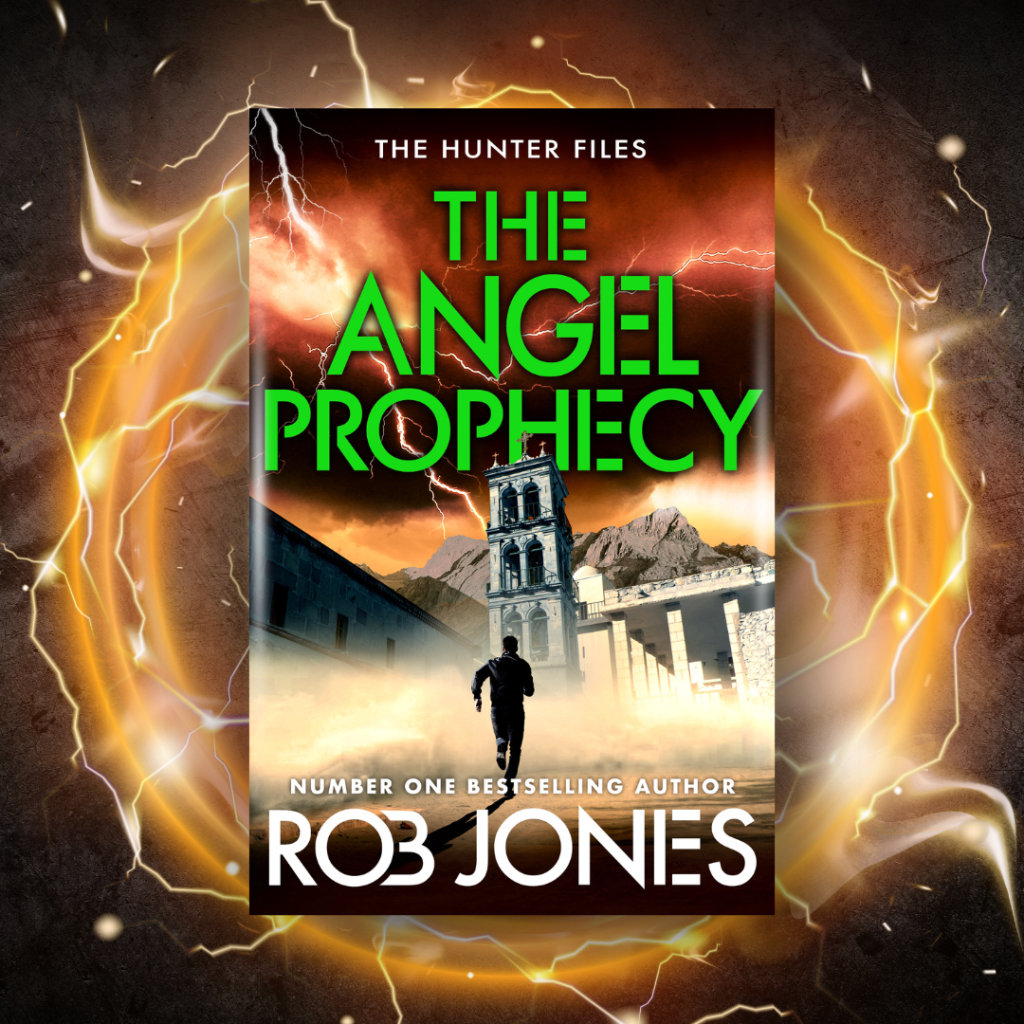
I’m excited to share the cover for The Pumpkin Pact by Charlie Dean #coverreveal #newrelease

Here’s the blurb

Welcome to The Pumpkin Patch at Pickle Grove.

Andi is worried that her relationship with Drew has become dull and boring. They never do anything exciting these days, in or out of the bedroom. So when a swoon-worthy stranger appears she is instantly swept off her feet.

When they unexpectedly meet again, they realise they have more in common than they thought possible so draw up a pact to spice up their lives! The plan they conjure up while working together at The Pumpkin Patch, to make their partners jealous, brings them closer than ever.

Andi plucks up the courage to finish with Drew but there are no signs of Andrew doing the same and she thinks she’s lost him forever.

With meddling exes, misunderstandings and miscommunication getting in the way, can The Pumpkin Pact bring them back together?

Purchase Link

 https://amzn.eu/d/iAh5Mtx

Follow Charlie Dean on X

I’m delighted to welcome D.C.Wilkinson and his book, Scents of Lavender, to the blog #HistoricalFiction #Romance #LGBTRomance #LGBTQ+ #IllustratedPoetry; #BlogTour #TheCoffeePotBookClub

I’m delighted to welcome D.C. Wilkison and his book, Scents of Lavender: Queer Love Through the Ages – In Verse, to the blog with a snippet.

Snippet

Though they tried to vanquish us,

our love endures,

in the hearts of those

stirred by our flame

and undeterred by malice

and brutality.

From Hierocles

Book Trailer

Here’s the Blurb

Timeless and unwavering, love flows through a universal melody that echoes in every corner of the globe. Transcending borders and cultures, it sows the seeds of memories that sprout and blossom in Scents of Lavender, a collection of 25 illustrated poems that breathe life into evocative scenes where queer love proudly re-emerges from the depths of history, uncovering deep and everlasting bonds.

Each poem invites the reader to explore the narrator’s deeply personal and intimate perspective through pantheistic eyes. Written in the first person, every verse unfolds as both a reflection and a manifestation of a single universal mind and soul, drawing the reader into a shared understanding that love –in all its forms– is boundless, eternal, and permeates the cosmos.

Buy Link

Universal Link:

Meet the Author

D. C. Wilkinson is an award-winning novelist, poet, and lifelong voyager of inner and outer realms. His literary work centers on his passion for historical tales, portal fantasies, and dreams and visions often weaved into narratives that highlight LGBTQ+ experiences.

He began his career in the Midwest as a student of Language Arts before relocating to the East Coast in his early twenties. A graduate of Columbia University and former New York City public school teacher, he now calls Connecticut his home, where he resides with his spouse and their beloved beagle.

Connect with the Author

Follow the Scents of Lavender blog tour with The Coffee Pot Book Club

I’m delighted to share my review for The Players Act 1: All the World’s A Stage by Amy Sparkes #historicalfiction #bookreview

I’m delighted to share my review for The Players Act 1: All the World’s A Stage by Amy Sparkes #historicalfiction #bookreview

Here’s the blurb

How far would you go to save what you truly love?

England, 1715.
When society doesn’t understand you, and your family is out of the picture, a strolling theatre company could be your perfect home…


Ambitious lead actor Thomas is determined to reach Drury Lane and prove to his father that he is not a failure.

Fierce Caroline has a traumatic past and is determined to protect the company which saved her.

Kind-hearted Annie just wants to look after her found family.

So, when their heartbroken manager Robert is injured and decides to fold the struggling company, the players are resolved to change his mind, whatever the cost. Unfortunately for them, the odds are stacked against them. They’ve lost their stage, they still haven’t got a skull for Hamlet, and flamboyant ex-member Piero is hunting them down, with a spot of revenge on his mind…

Is it time for the final bow?

The Players Act 1: All The World’s A Stage gives voice to the forgotten strolling players of the 18th century in this fun, uplifting, and page-turning read.

WHAT TO EXPECT:

  • Energetic, accessible historical fiction
  • Working-class characters
  • Found family
  • Comedy and tragedy
  • Shakespeare
  • LGBTQ+
  • Neurodiversity
  • Mental health issues
  • Multiple POV
  • Heart and hope

Purchase Links 

https://www.kobo.com/gb/en/ebook/the-players-act-1

https://www.amazon.co.uk/Players-Act-All-Worlds-Stage-ebook/dp/B0DY8CM3LX

https://www.amazon.com/Players-Act-All-Worlds-Stage-ebook/dp/B0DY8CM3LX

My Review

The Players Act 1 follows our cast of strolling players from a hurried exit from their latest performance. Dejected and ejected, Thomas decides on a desperate course of action to save his dream of becoming an actor and treading the boards at Drury Lane. Still, he’s forgotten that not everyone in his family shares his dream.

And it’s not only Thomas. We’re treated to the thoughts and feelings of many of our cast, as they endeavour to make the seemingly impossible happen to reverse the strolling players’ bad fortune.

There’s much desperation for our characters, much hope and laughter, and even more disappointment as the storyline rumbles towards its conclusion. The reader, like the main characters, is desperately hoping for some stroke of fortune for our players. Will they earn it, or will this comedy end in tragedy? Read on to find out.

Meet the author

Amy was born in Eastbourne, England, where the sea and South Downs encouraged her love of the outdoors and nurtured her wildness. Her childhood was filled with folk music, caravans and imagination, and she was always dreaming up stories and characters – usually when she was meant to be doing something else. 

She enjoys stories that explore both comedy and tragedy. She is a New York Times bestselling author and her work includes THE HOUSE AT THE EDGE OF MAGIC series, and the picture books for BBC’s THE REPAIR SHOP. THE PLAYERS is her debut novel for adults. 

Amy now lives in Devon with her husband and six children. When she isn’t writing, Amy enjoys drinking tea, climbing trees and playing the piano, although disappointingly she is yet to master doing all three at once.

Image shows author Amy Sparkes

Connect with the author

Posts

I’m sharing my review for Death at the Village Christmas Fair by Debbie Young #cosycrime #newrelease #blogtour #DeathAtTheVillageChristimasFair

Here’s the blurb

It’s been a busy year for Alice Carroll, with her Curiosity Shop opening for business, and not one but two murders shaking things up in her quaint Cotswold village. She’s looking forward to her first countryside Christmas, complete with traditional Christmas Fair and Santa Run.

But her hopes for innocent festive fun are thwarted when one of the Santa Runners steals something from her mum’s knitting stall. His festive outfit makes him hard to spot, until he’s found fatally injured outside the village hall with the stolen item.

Despite what the police say, Alice suspects there’s more to his murder than meets the eye. She’s determined to solve the mystery – including why, once more, a stranger thought something from her Curiosity Shop was worth killing for.

With the help of her charming neighbour Robert Praed, can Alice find the killer before the bells ring out this Christmas?

Purchase Link

https://mybook.to/VillageChristmasFair

My Review

Death at the Village Christmas Fair is the third book in the Cotswold Curiosity Shop Mysteries by Debbie Young. I’ve read the previous title in the series.

Our main character, Alice, is gearing up for a quiet Christmas with her new beau and her mum, until a Santa is discovered, wounded on the school playing field, and Alice immediately suspects foul-play. From here, the storyline moves fairly quickly (it takes a while to get to the actual ‘death’ at the Village Christmas Fair, but the same happened in the previous book, so readers will be used to this), as we follow Alice and Robert as they endeavour to determine why the man met his death. They also have to convince the police the man’s death was indeed murder.

This is an engaging, light-read, stuffed with Christmas events and activities, in a picturesque location. The author does an excellent job of portraying a village gearing up for Christmas.

Meet the author

Debbie Young is the much-loved author of the Sophie Sayers and St Brides cosy crime mysteries. She lives in a Cotswold village, where she runs the local literary festival, and has worked at Westonbirt School, both of which provide inspiration for her writing.

Image shows author Debbie Young

Connect with the author

Newsletter Sign Up

Bookbub profile

Posts

I’m delighted to welcome Sandro Martini and his book, Ciao, Amore, Ciao, to the blog #CiaoAmoreCiao #HistoricalFiction #WWII #BlogTour #TheCoffeePotBookClub

I’m delighted to welcome Sandor Martini and his book, Ciao, Amore, Ciao, to the blog with a piece written by Sandro Martini.

Sandro Martini Piece

Explaining of my writing routine means starting with what I don’t do. I don’t pre-plan, and I don’t have a structure or chapter guides. I use a weird amalgam of flashcards and stream of consciousness.

I know, weird.

Because I write historical fiction, the whole process begins with researching a topic that intrigues me. Half the time, the research—it can take upwards of five years—never gets written as I realise the story just isn’t there for me … but that’s another story (was that a pun?) for another day.

I’ll explore books, do interviews, and largely ignore the internet (except to get general overviews and timelines and so on) because I find that restrictive. Things like ChatGPT are an interesting addition to an author’s quiver, but it’s learning from sources that are all online and the whole point of search engines is to shrink everything to one ready answer. The truth of a thing—and the complexity of a life lived—is anything but singular, and the nuance that makes for a good novel is only found in scouring tons of primary sources.

I generally finish the research when I get bored of the topic, at which point I’m ready to begin the ugliest task in writing—going through all my notes to create flashcards. For Ciao, Amore, Ciao, the flashcards numbered somewhere in the region of 3,000, all handwritten.

That takes maybe six months or so. After that, the cards get arranged chronologically and/or by personage/event. And those cards then become my “guide”. Then they sit there as I begin to work out the one core essential—who will “tell” the story.

Once I figure out who that character is, it’s time for the fun part. The writing begins at around 3 a.m. every day, when I wake up and head straight for pen and paper. (No machine is involved in the first draft—I use a pen I bought years ago at a market in Zurich, a one-off, heavy, metal thing, and notebooks by, of course, Moleskine.)

I will already know which flashcards will be the “scene” that is getting written that day before I sit down to get it down on paper. Why 3 a.m.? Because in some ways I’m still asleep, and able to just write without a lot of self-awareness. It’s important for me to not be that conscious of the writing process.

The first draft is written this way, using a combination of the highly organised flashcards as prompts and stream of consciousness for the actual writing.

I’m also consistent with length, with first drafts generally coming in at around 70,000 words. The time I take to write a novel, though, differs considerably. For my first novel, Tracks: Racing the Sun, the first draft took about two years. Ciao, Amore, Ciao, written a week after my dad passed, took about three weeks.

Once the first draft is complete—I write the novel as a story, and I say this because I heard the other day that some writers will write intermittent scenes as if they’re shooting a movie and then splice it all together and that thought has not left my mind since!—it’s time for phase two: typing the damn thing out …

Sounds like a waste of time, but it’s a vital part of my method because this is when I “read” the book for the first time, and I start to see what’s working, what isn’t, what needs further exploration, which scenes will probably get cut, and so on. In essence, this is the first and most important edit I’m going to do to the new novel. It’s also a line edit, since I am now physically writing the book for a second time.

Once that’s done—it can take anywhere from a month to three months depending on how strong the handwritten draft is—I begin to edit the novel every morning. I’m a better editor than first-draft writer. That is, there will be paragraphs that will probably not change much from first writing, and there will be entire chapters that will be completely rewritten or even thrown out.

That editing phase can take anywhere between a year (for Ciao, Amore, Ciao) to three years for Tracks.

Once that’s complete (it’s complete when I get bored of it), I have my new novel which will now be left alone to age on my hard drive. After about three months, I will then print it out (in Garamond font) and read it not as a writer but as a reader, paying attention to one thing: the pacing. If I find myself lagging, I will judiciously begin to shorten scenes that are slowing down the tempo. This, for me, is the hardest part of my craft, and something that ruined my writing career as a young man.

Backstory: I was once asked to write a 20,000-word piece for a major publisher to appear in a top 5 young writers in the UK anthology. This was in the mid-’90s. Four of those writers went on to become names in the industry. And then there was me. When asked to cut my piece, I chose to walk away from the contract and didn’t submit anything to any publisher for the next 20 years. So when I say cutting judiciously is difficult, I literally mean I dumped a career because of it. That’s mostly because I see myself as a stylist. I value a beautifully written line far more than a story. That’s the thing I value most in my writing because style brings emotion and emotion is what my novels are all about.

And that’s the process.

Style is primary. Getting out of my own way when doing the first draft is essential. And being brave enough to cut beautiful prose for the sake of pacing is key.

Here’s the Blurb

An enthralling dual-timeline WWII family mystery, based on the heartbreaking true story of the massacre in a small town in Italy in July of 1945, from award-winning, bestselling novelist Sandro Martini.

“A gripping saga that roots excruciating betrayals in a nation’s tragic history.” –Kirkus Reviews

In the winter of 1942, an Italian army of young men vanishes in the icefields of the Eastern Front. In the summer of 1945, a massacre in Schio, northeastern Italy, where families grieve the dead, makes international headlines.

In present-day Veneto, an ordinary man is about to stumble onto a horrifying secret.

Alex Lago is a jaded journalist whose career is fading as fast as his marriage. When he discovers an aged World War II photo in his dying father’s home, and innocently posts it to a Facebook group, he gets an urgent message: Take it down. NOW.

Alex finds himself digging into a past that needs to stay hidden. What he’s about to uncover is a secret that can topple a political dynasty buried under seventy years of rubble. Suddenly entangled in a deadly legacy, he encounters the one person who can offer him redemption, for an unimaginable price.

Told from three alternating points of view, Martini’s World War II tale of intrigue, war, and heartbreak pulls the Iron Curtain back to reveal a country nursing its wounds after horrific defeat, an army of boys forever frozen at the gates of Stalingrad, British spies scheming to reshape Italy’s future, and the stinging unsolved murder of a partisan hero.

Ciao, Amore, Ciao is a gripping story of the most heroic, untold battle of the Second World War, and a brilliantly woven novel that brings the deceits of the past and the reckoning of the present together.

Balances action, suspense, and emotional depth to deliver a truly immersive, thought-provoking read with an unflinching look at the sins of the past and the lengths to which the powerful will go to keep them buried.” ~ Sublime Book Review

Buy Link

Universal Link:

This title is available to read on #KindleUnlimited

Meet the Author

Sandro Martini has worked as a word monkey on three continents. He’s the author of Tracks: Racing the Sun, an award-winning historical novel.

Sandro grew up in Africa to immigrant parents, studied law in Italy, chased literary dreams in London, hustled American dollars in New York City, and is now hiding out in Switzerland, where he moonlights as a Comms guy and tries hard not to speak German.

You can find him either uber-driving his daughter, chasing faster cars on the autobahn, or swimming in Lake Zurich with a cockapoo named Tintin.

His latest historical suspense novel, Ciao, Amore, Ciao, is now available.

Connect with the Author

Follow the Ciao, Amore, Ciao blog tour with The Coffee Pot Book Club

I’m delighted to welcome Jane Loftus and her book, The Herb Knot, to the blog #HistoricalFiction #medieval #Winchester #BlogTour #TheCoffeePotBookClub

I’m delighted to welcome Jane Loftus and her book, The Herb Knot, to the blog with some historical research behind The Herb Knot.

The Herb Knot Historical Research

This story was a dream to research because Winchester Library held the Holy Grail of information, otherwise known as The Survey of Medieval Winchester by Derek Keene.

The detail contained in the study is beyond meticulous and was based on innumerable deeds and rolls held in the British Library and Winchester archives. Not only is every single house documented – both inside the city and also covering the suburbs – but each tenant within each document is recorded, right down to the amount of rent they paid and to whom.

And the maps – oh, the maps! Having established who lives where and what they did, the author reconstructed the streets where they lived too. If you live in Winchester and suddenly see streets you know described and drawn as they would have been in the Middle Ages, it does send a shiver down the spine. I can walk past various shops on the High Street now knowing there used to be an Inn there, or a silversmith there and oh, the chandler was here.

Want to know what made up the bulk of industry in the city? This survey will tell you. Which industries were in decline, that too.

It didn’t even stop there. After gorging on this amazing detail, the final part of the survey is full of biographical information of many of the citizens. This was where the novel really started to take shape. Family trees, wealthy merchants marrying into other wealthy merchant families, their names and dates. Also interesting to see, even at a time when English was overtaking French as the language of the court, how many citizens (usually wealthy ones it has to be said) who still had a ‘le’ or ‘de’ in their names, like Hugh le Cran. His wife did not, and that’s only just struck me now as I write this.

The survey very kindly gave me Serlo, a butcher, and Thurstin, a clerk. I feel like a cheat in many ways for borrowing so many lovely names and professions, but I hope I did them justice.

Speaking of names, I came across many, many women called Petronilla, I’d had no idea how popular it was in 1350. I would have picked on that had it not been the name of the main character in The Miniaturist.

The other part of the research involved actually going into town and paying more attention. How long would it take for Edith to walk from Tanner Street to Knights Meadow? Getting into St John’s church and looking at the frieze over the door – properly looking at it, not just noting that it was there and was remarkable, but really paying attention.

There was also the local museum, of course, with the beautiful little misericorde which I promptly gave to Rafi. The records office also holds many treasures – including a deep dive into deeds and letters concerning Le Cran and his properties, and also money he owed or loaned to people, hence the £200 to the Earl of Arundel which I used as a plot point. The crowning moment came when the records office emailed me a photocopy of the seal of Hugh Le Cran. I remember opening it and literally gasping out loud. It is exactly as described, three rather chunky birds in triangle formation with a tree behind them. Rafi was quite right – they don’t look like cranes, they look like ducks, and thus his confusion over what they might be was born.

After that there were the endless videos about how to use egg white to bind paint, and making ink out of oak gall in your own kitchen, neither of which I tried.

 Can’t say I wasn’t tempted, though. Plenty of meringue opportunities with the leftovers.

Here’s the Blurb

The Hundred Years’ War comes to life in this spellbinding tale of love, betrayal and conspiracy … 

A quest born on the battlefield will change a young boy’s destiny… 

Rafi Dubois is five years old when his mother is murdered after the Battle of Crecy in 1346. Alone and lost, Rafi is given a token by the dying Englishman who tried to save his mother’s life: a half-broken family seal which he urges Rafi to return one day to Winchester. 

Years later, when Rafi saves a wealthy merchant’s wife from a brutal robbery, he is rewarded with the chance to travel to England, taking the seal with him. 

But when he reaches Winchester, Rafi finds himself in a turbulent world full of long-held allegiances, secrets and treachery. His path is fraught with danger and with powerful enemies working against him, Rafi falls in love with Edith, a market apothecary. But in doing so, Rafi unleashes a deadly chain of events which threatens to overwhelm them both… 

The Herb Knot is a sweeping and passionate novel set in one of the most tumultuous times in English history, from a powerful new voice.

Buy Link

Universal Link

Meet the Author

Jane Loftus gained a degree in 16th Century European and British history from Surrey before taking a postgraduate degree in modern political history. As a lone parent, she worked in Winchester Waterstones before returning to IT once her son was older.

Hugely passionate about the Middle Ages, she drew inspiration for this novel from the medieval layout of Winchester which has been painstakingly documented.

Jane is originally from London but has lived in Winchester for over twenty years. When not writing, she is usually out walking or watching costume dramas on Netflix – the more medieval the better. She also plays far too many rpgs.

Connect with the Author

Follow The Herb Knot blog tour with The Coffee Pot Book Club

Posts

I’m delighted to welcome Carolyn Niethammer and her book, Everything We Thought We Knew, to the blog #HistoricalFiction #1970s #PoliticalProtest #Peace #BlogTour #TheCoffeePotBookClub

I’m delighted to welcome Carolyn Niethammer and her book, Everything We Thought We Knew, to the blog.
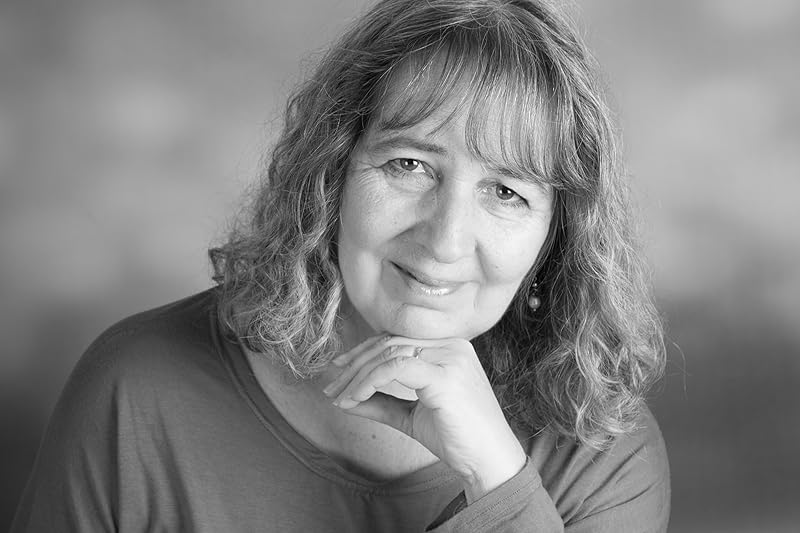
Here’s the Blurb

In 1970, Christie left behind the comforts of L.A. and joined a New Age commune in rural Arizona. With the Vietnam War raging and the counterculture movement in full swing, she hoped to find a community to create a better society. But building a new culture is no easy task, especially when free love, psychedelics, and a war protest gone horribly wrong are thrown into the mix. Important secrets follow them beyond the commune.

Put on your tie-dyed shirt and come to Bella Vida as the friends try to change the rules of modern society, then face the repercussions of when middle age sets in.

Buy Link

Universal Link

Meet the Author

In the 1970s Carolyn Niethammer visited communes throughout the West and settled in an Arizona artists’ community for many years. Those years were important to who she became as she learned to gather wild foods and wrote several cookbooks centered on edible plants.

In “Everything We Thought We Knew” she hopes to shed light on an important part of American history where young people were advocating for peace in Vietnam War protests and fled to communes, seeking a lifestyle apart from the commercialism and isolation that had overtaken society.

Connect with the Author

Follow the Everything We Thought We Knew blog tour with The Coffee Pot Book Club

Posts

I’m delighted to welcome Jiu Da and his book, The Winding Dirt Road, to the blog #TheWindingDirtRoad #HistoricalChineseFiction #PoliticalFiction #HistoricalFiction #BlogTour #TheCoffeePotBookClub

I’m delighted to welcome Jiu Da and his book, The Winding Dirt Road, to the blog #TheWindingDirtRoad #HistoricalChineseFiction #PoliticalFiction #HistoricalFiction #BlogTour #TheCoffeePotBookClub

I’m delighted to welcome Jiu Da and his book, The Winding Dirt Road, to the blog with an excerpt.

Excerpt

“Even though chance favored the prepared mind, discovering the plant was hardly a serendipity. In truth, it was a curse in disguise – a precipice gamble for a desperate cure, a lethal quest for a mortal end, poison for poison.”

~ The Mother Of All Antidotes

Here’s the Blurb

Written as an antithesis to all first-hand and second-hand propaganda written by both Chinese and foreign writers for China in the good part of the 20th century in a fictional form, this collection, through different times and lands, gives insights into how human docile nature and characteristics are manipulated and brought about cultural and social corrosion over the century. The outcome thus sees “a monumental loss breathtakingly massive than any period that preceded it.” Subsequently, it foreshadows a system that “would bring out not the best but the worst in people, against people, any people.” (Event Horizon)

The first story is written as an introduction in addition to the prologue. From there, the collection proceeds with interrelated subjects or topics, building up causes and factors. At every turn, it gathers momentum and convenes halfway through the book to form the major components of critical perspectives at a juncture.

Hoarded in the depth of memories of the past decades, this has been a work long overdue.

Buy Link

Universal Link

Meet the Author

For years, Jiu Da has been intrigued by the question of whether the environment makes us who we are or whether we are the ones that shape our environment. For the good parts of early years, he stubbornly believed that motivation, talent, and effort could change the outcomes. It did not.

It was not until the virus hit while finding himself perching at home that he came to accept that the environment is indeed the hand that shapes human behavior.

It was during this time that he began his first work, drawing from his love in literature, history and a lifetime of seemingly useless yet fascinating knowledge hoarded in the depth of his mind.

Connect with the Author

Follow The Winding Dirt Road blog tour with The Coffee Pot Book Club

Posts

I’m delighted to welcome Julian de la Motte and his book, The Will of God, to the blog #TheWillOfGod #HistoricalFiction #Crusades #WilliamTheConqueror #BlogTour #TheCoffeePotBookClub

I’m delighted to welcome Julian de la Motte and his book, The Will of God, to the blog #TheWillOfGod #HistoricalFiction #Crusades #WilliamTheConqueror #BlogTour #TheCoffeePotBookClub

I’m delighted to welcome Julian de la Motte and his book, The Will of God, to the blog with an excerpt.

Excerpt

The courtyard of the Earl Warenne was the usual clutter and muddle of people and diverse objects scattered about. Men and women in the dun and green and grey of homespun cloth blended with the earth colours of the ground, the quagmire, the swamp of churned mud and excrement. They either strode purposefully through it all or else attempted to skirt delicately around the more obvious mounds of rubbish and ordure. The more colourfully attired, house servants and retainers for the most part, avoided the area when they could, preferring other entrances and exits to the Great Hall.

A cart with one wheel off for essential repairs was proving a major obstruction and people cursed as they edged around it and the blaspheming wheelwright and his apprentices with their heavy hammers working on a broken wheel. Across the way, over in the corner of the yard a large pig lay sprawled upon its back, slaughtered out of proper season. For some reason, it had survived the usual November cull. Scrubbed clean of bristles, a butcher was busily at work with his knife and axe, delving expertly for the liver and kidneys.

Despite the cold of the day and the earliness of the season there was a halo of flies circling the butcher and at his feet a coil of grey steaming intestines were attracting the interest of a trio of dogs. Wretched creatures, ribs showing like the staves of ruined boats, they sidled towards the pile of offal and retreated again from the slaughterer.

The butcher’s boy, no more than a child staggered away, burdened with a heavy bucket of blood that slopped over the sides as he moved. There would be blood pudding and sausages made of scraps of inferior meat stuffed within the intestines ready by the afternoon.

Here’s the Blurb

“Deus Lo Vult!”

Gilles is the natural son of the Earl Waltheof, executed by William the Conqueror for supposed treachery. Raised in Normandy by Queen Matilda of England, Gilles is a young servant of Robert, Duke of Normandy, when the first call for a Holy War against the infidel and for the liberation of Jerusalem is raised in Christendom. Along with thousands of others, inspired by a variety of motives, intense piety mixed with a sense of adventure and the prospects of richness, Gilles becomes a key and respected follower of the Duke of Normandy and travels through France and into Italy to the point of embarkation for Constantinople and the land of the Greeks.

In this epic first phase of a long and gruelling journey, Gilles begins to discover a sense of his own strengths and weaknesses, encounters for the first time the full might and strength of the Norman war machine and achieves his much coveted aim of knighthood, as well as a sense of responsibility to the men that he must now lead into battle.

The Will of God is the literal translation of the Latin phrase “Deus Lo Vult”; a ubiquitous war cry and a commonly offered explanation of all the horrors and iniquities unleashed by the First Crusade of 1096 to 1099, when thousands of Europeans made the dangerous and terrifying journey to the Holy Land and the liberation of Jerusalem. It is the first of two books on the subject.

Praise for The Will of God:

“De la Motte has superpowers as a writer of historical fiction; he’s a warhorse of a writer bred to stun and trample the literary senses. You won’t stop turning the pages of The Will of God.”

~ Charles McNair, Pulitzer Prize nominee and author of Land O’Goshen

Buy Link

Universal Link

Meet the Author

Julian de la Motte is a Londoner. He graduated from the University of Wales with a degree in Medieval History. He was further awarded a Master of Arts qualification in Medieval English Art from the University of York.

He studied and taught in Italy for nearly four years before returning to the U.K. and a career as a teacher, teacher trainer and materials designer before taking up a new role as a Director of Foreign Languages and of English as a Foreign Language.

Married and with two grown up children, He is now extensively involved in review writing and historical research, primarily on medieval history.

The Will of God” [the first of two books on the subject of the First Crusade] is his third novel.

Connect with the Author

Follow The Will of God blog tour with The Coffee Pot Book Club

Posts

I’m delighted to welcome Jann Alexander and her new book, Unspoken, to the blog #Unspoken #HistoricalFiction #DustBowl #WomensFiction #BlogTour #TheCoffeePotBookClub

I’m delighted to welcome Jann Alexander and her new book, Unspoken, to the blog #Unspoken #HistoricalFiction #DustBowl #WomensFiction #BlogTour #TheCoffeePotBookClub

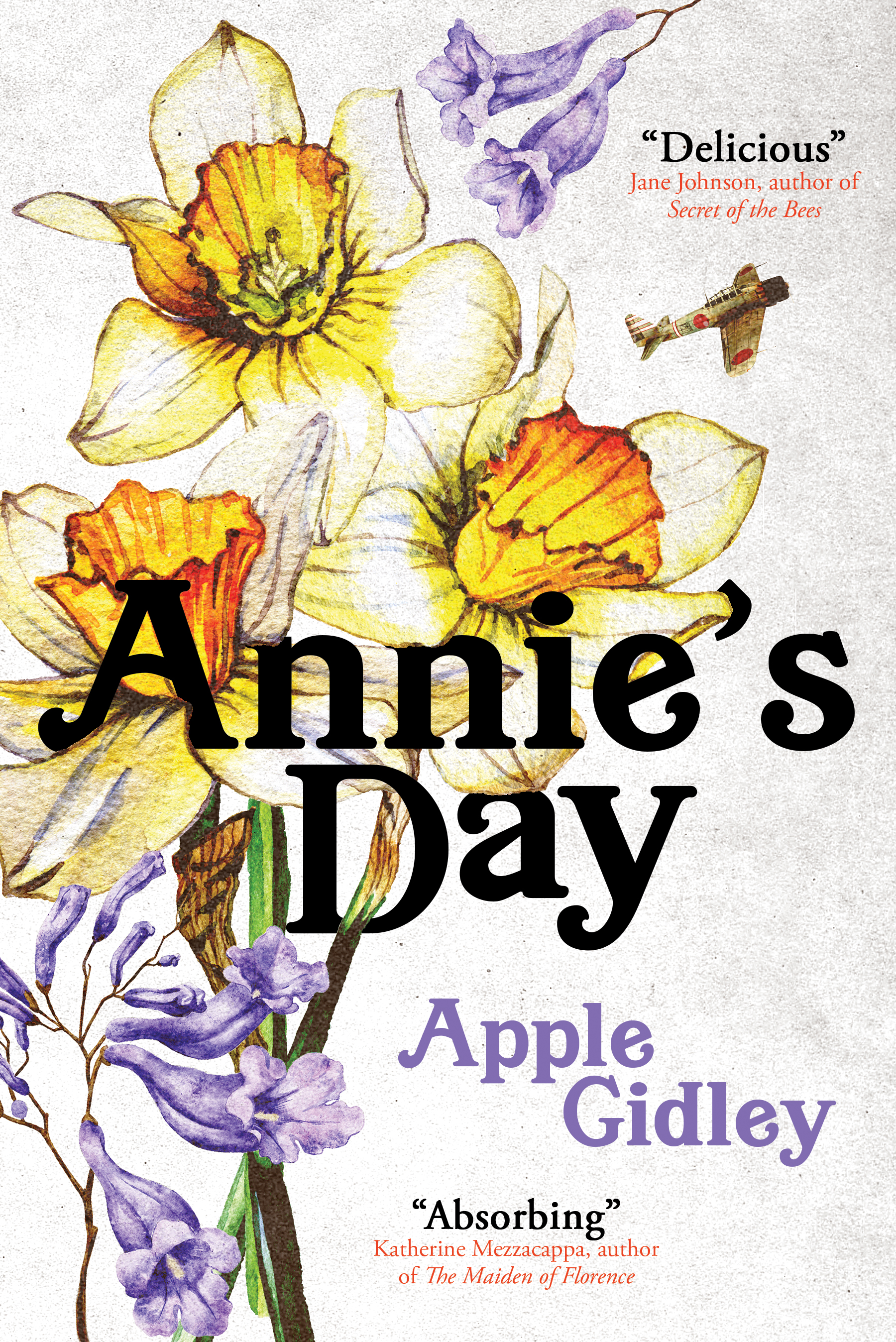
I’m delighted to welcome Jann Alexander and her new book, Unspoken, The Dust Series, to the blog with The History Behind Unspoken.

The History Behind Unspoken

When the Biggest, Baddest, Blackest Dust Storm of Them All Struck the Texas Panhandle on April 14, 1935, It Set the Stage for the Opening of Unspoken (A Dust Novel).

That Sunday, April 14, 1935, would forever be known as Black Sunday. But it began quite differently, as the main character, Ruby Lee Becker, recalls at the outset of Unspoken:

“That Sunday in April 1935 in the Panhandle was an uncommon bright day which didn’t reflect our family’s desperation. What little breeze there was blew gentle, unlike the stinging winds we were accustomed to. The spring air was so clean you could almost inhale it deep without coughing up dirt. The sun was golden and hopeful. Our families who’d been farming this desert during the five long years of the drouth were well acquainted with hope, though it was a currency our town’s shuttered bank no longer accepted.”

The black blizzard on Sunday, April 14, 1935 was the most notable of hundreds over the decade that had already prompted mass migration from the Plains states. It became known as Black Sunday — because it was a rolling mass of tumbling black soil, over 1000 feet high, that blackened the sun, suffocated entire towns, and struck elders and children alike with the “brown plague”— the deadly dust pneumonia. 

The spot where Unspoken is set, a mythical town called Hartless in the Texas Panhandle, was then considered the epicenter of the Dust Bowl. The sudden drama of that bright clear day in 1935 inspired my story of scattered family, their lost mother, and the abandoned daughter who’ll stop at nothing to remake family and rebuild home.

We know those years now as The Dust Bowl era, caused by a land rush on overgrazed ranch land sold cheaply to unsuspecting farmers and speculators, abandoned when prices fell in the midst of drought. By 1935, the Southern Plains states had already experienced more than five years of drought and high winds.

The upshot? Over that decade known as the “Dirty Thirties,” over 2.5 million Americans migrated away from the Great Plains states, with more than half a million people left homeless. There were approximately 7,000 deaths from dust pneumonia and suffocation.

In 1935, that one Sunday in April was enough to show the rest of the country what the land made barren had cost its inhabitants. The Dust Bowl states deserved federal intervention. Within two weeks, Congress passed the Soil Conservation Act, which created a permanent agency to guide restoration in the hard-hit Plains states and maintain natural resources everywhere.

The agency familiarly known then to farmers and bankers as the Soil Conservation Service (SCS) has become the Natural Resources Conservation Service (NRCS) today. Its mission is the same: to work with land owners and users in all 50 states — to reduce soil erosion, improve forest and field land, improve farm yields with less-thirsty crops, and develop and protect natural resources.

But back in 1935, in Unspoken, Ruby Lee Becker can’t breathe. The Becker family has clung to its Texas Panhandle farm through years of drought, dying crops, and dust storms. The Black Sunday storm threatens ten-year-old Ruby with deadly dust pneumonia and requires a drastic choice—one her mother, Willa Mae, will forever regret.

“This brown plague was different,” Ruby thinks. “Nobody knew how you could fix air that wasn’t fit to breathe.”

To survive, Ruby’s must leave the only place she’s ever known. Far from home in Waco, and worried her mother’s abandoned her, she’s determined to get back. As she matures, wanting the one thing she cannot have—the family and home left behind—Ruby Lee becomes even more resolute.

Even after twelve years, Willa Mae still clings to memories of her daughter. Unable to reunite with Ruby, she’s broken by their separation and haunted by losses she couldn’t prevent.

Ruby Lee has lost everything—except pure grit. Through rollicking adventures and harrowing setbacks, the tenacious Ruby Lee embarks on her perilous quest for home—and faces her one unspoken fear.

Book Trailer

Here’s the Blurb

A farm devastated. A dream destroyed. A family scattered.

And one Texas girl determined to salvage the wreckage.

Ruby Lee Becker can’t breathe. It’s 1935 in the heart of the Dust Bowl, and the Becker family has clung to its Texas Panhandle farm through six years of drought, dying crops, and dust storms. On Black Sunday, the biggest blackest storm of them all threatens ten-year-old Ruby with deadly dust pneumonia and requires a drastic choice —one her mother, Willa Mae, will forever regret.

To survive, Ruby is forced to leave the only place she’s ever known. Far from home in Waco, and worried her mother has abandoned her, she’s determined to get back.

Even after twelve years, Willa Mae still clings to memories of her daughter. Unable to reunite with Ruby, she’s broken by their separation.

Through rollicking adventures and harrowing setbacks, the tenacious Ruby Lee embarks on her perilous quest for home —and faces her one unspoken fear.

Heart-wrenching and inspiring, the tale of Ruby Lee’s dogged perseverance and Willa Mae’s endless love for her daughter shines a light on women driven apart by disaster who bravely lean on one another, find comfort in remade families, and redefine what home means.

Buy Links

Universal Link

Book Funnel

Author’s Website

Meet the Author

Jann Alexander writes characters who face down their fears. Her novels are as close-to-true as fiction can get.

Jann is the author of the historical novel, UNSPOKEN, set in the Texas Panhandle during the Dust Bowl and Great Depression eras, and her first book in The Dust Series.

Jann writes on all things creative in her weekly blog, Pairings. She’s a 20-year resident of central Texas and creator of the Vanishing Austin photography series. As a former art director for ad agencies and magazines in the D.C. area, and a painter, photographer, and art gallery owner, creativity is her practice and passion.

Jann’s  lifelong storytelling habit and her more recent zeal for Texas history merged to become the historical Dust Series. When she is not reading, writing, or creating, she bikes, hikes, skis, and kayaks. She lives in central Texas with her own personal Texan (and biggest fan), Karl, and their Texas mutt, Ruby.

Jann always brakes for historical markers.

Connect with the Author

Follow the Unspoken blog tour with The Coffee Pot Book Club

Posts