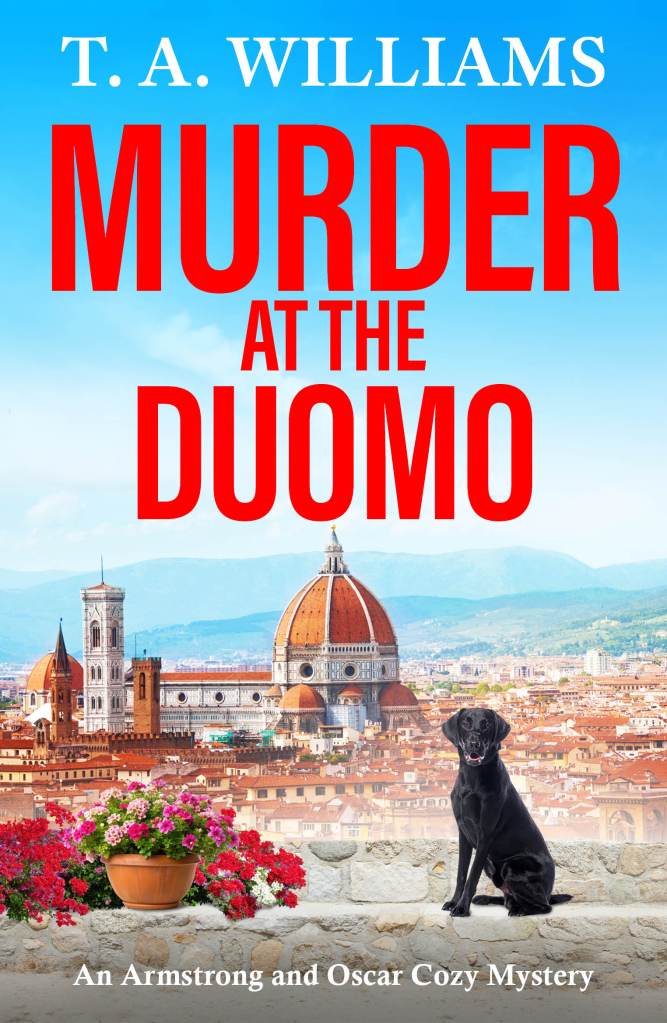
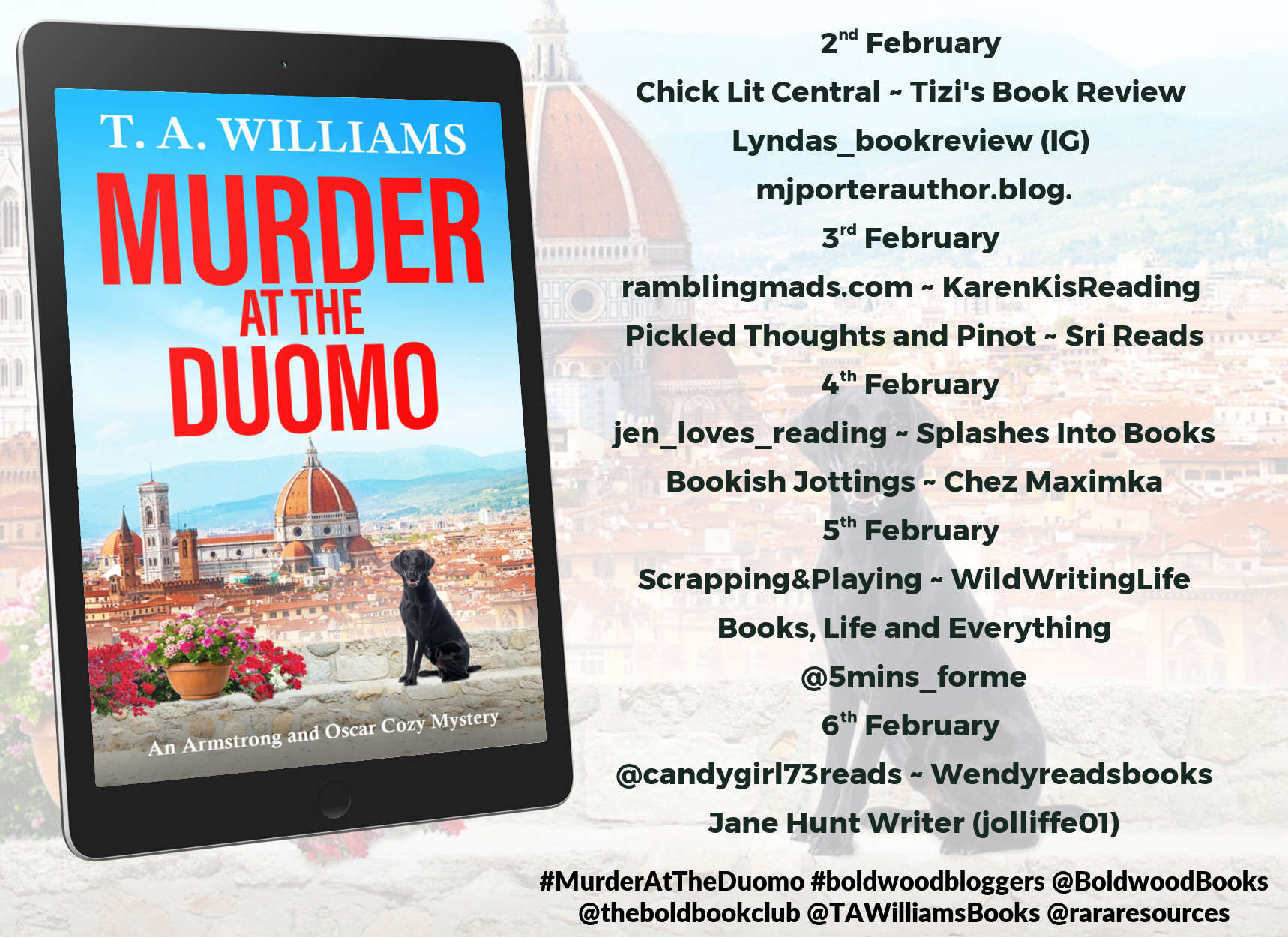
I’m reviewing the new book in the Armstrong and Oscar Cozy Italian Mysteries, Murder at the Duomo by TA Williams #BookReview #BlogTour #CosyCrime #ContemporaryCrime
Here’s the blurb
Even angels can have a dark side…
As the sticky heat of August settles over Florence, Dan Armstrong is ready for a well-earned break—sightseeing with fiancée Anna, daughter Tricia and her fiancé Shaun. But when a British man is found dead inside the city’s magnificent Duomo, Dan’s plans quickly change.
The victim, Tristan Angel, is a super-wealthy arms dealer with a saintly name and a devilish reputation. But what was he doing in the cathedral, and who decided to make it his final confession?
At Angel’s opulent villa in the hills of Fiesole, Dan and Commissario Virgilio encounter a colourful cast of suspects—each one hiding secrets and none too eager to talk. As tempers rise and the heat outside grows ever more intense, Dan and his four-legged sidekick, Oscar, must sniff out the truth before the killer strikes again.
Murder at the Duomo is somehow the 14th book in the Armstrong and Oscar mysteries, and I’ve read them all (apart from 1, which I seem to have missed).
This time, Dan and his friends in the Italian police force are faced with their most impossible case so far. Who killed Angel in the confessional at the Duomo, and how did they do it?
Often, these cases are very hard to solve until something becomes obvious to Dan or Oscar, and then they become quite clear-cut, but that’s not the case this time. It does make some aspects feel a little repetitive with such a small collection of suspects. However, when the solution finally becomes evident, the ending is quite exciting.
I do love these mysteries, even if they entirely put me off ever going to Tuscany, which is evidently too hot and too busy for my liking. I think I’ll let Dan and Oscar continue to enjoy it (or endure it) on my behalf.
Check out my reviews for earlier books in the series, and be sure to start at book 1, Murder in Tuscany.
Meet the author
T. A. Williams is the bestselling author of the Armstrong and Oscar cozy mystery series. Trevor studied languages at University and lived and worked in Italy for eight years, returning to England with his wife in 1972. Trevor and his wife now live in Devon.
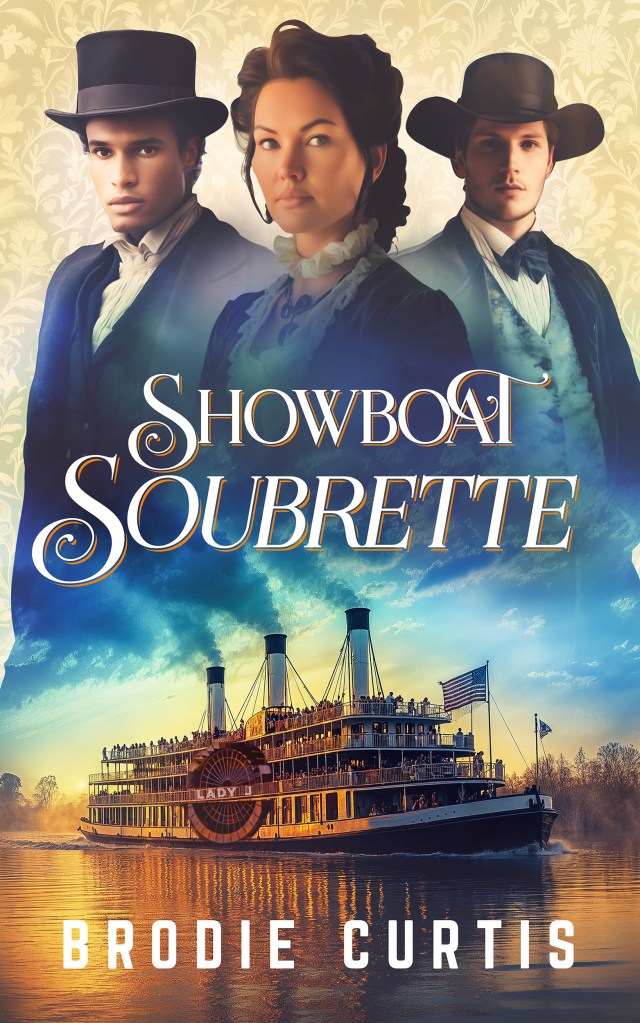
I’m delighted to welcome Brodie Curtis and his book, Showboat Soubrette, to the blog with a guest post.
Guest Post
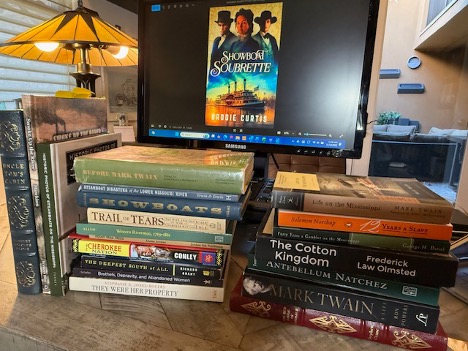
SHOWBOAT SOUBRETTE is my third historical novel set in the riverboat era on the lower Mississippi River prior to the Civil War. To learn about the period, I dug into a variety of research sources that are listed below. I truly got energized to tell my story by taking a drive along the Big Muddy, from Hannibal down to Natchez, stopping frequently at historical sites, and along the river itself. Had to feel it!
Brodie Curtis Looks Upriver from Natchez
UNDERSTANDING THE ANTEBELLUM DEEP SOUTH:
Romanticism of the Antebellum American Deep South could be found in the pageantry of the attire worn by the privileged, and in the heady adornment of passenger-hauling riverboats that paddle-wheeled the Mississippi. But the period exhibited almost unbelievable cruelty in its institution of slavery and in the bigoted attitudes of the times. And in its violence. Perhaps the first title listed below, Olmsted’s The Cotton Kingdom illuminates these contradictions best.
Olmsted, F. (1861). The Cotton Kingdom: A Traveller’s Observations on Cotton and Slavery in the American Slave States 1853-1861.
McDermott, J. (“Edited with an Introduction and Forward”) ( 1968). Before Mark Twain: A Sampler of Old, Old Times on the Mississippi.
Stowe, H.B. (1852). Uncle Tom’s Cabin.
Northup, S. (1853). 12 Years a Slave.
Devol, G. (1894). Forty Years a Gambler on the Mississippi.
Jones-Rogers, S. (2019). They Were Her Property: White Women as Slave Owners in the American South.
James, D.C. (1968). Antebellum Natchez.
Kelleher Schafer, J. (2009). Brothels, Depravity, and Abandoned Women: Illegal Sex in Antebellum New Orleans.
Sharp, A. and Sharp, G. (2009). Antebellum Myths and Folklore: A Search for the Truth.
Grant, R. (2020). The Deepest South of All: True Stories from Natchez, Mississippi.
RIVERBOATS:
Is there a more majestic image than a multi-decked steamboat gliding on the river, smoke billowing from its stacks while water clicks over its paddles? Yet idyllic portraits belied the dangers, from collisions and boiler explosions to snags, sandbars, fire and ice and other in climate conditions. Thousands of boats ended up at the bottom of the river. Mark Twain’s memoir of his cub pilot days and old images in many of the sources below sparked my imagination.
Twain, M. (1883). Life on the Mississippi.
Powers, R. (2005). Mark Twain: A Life.
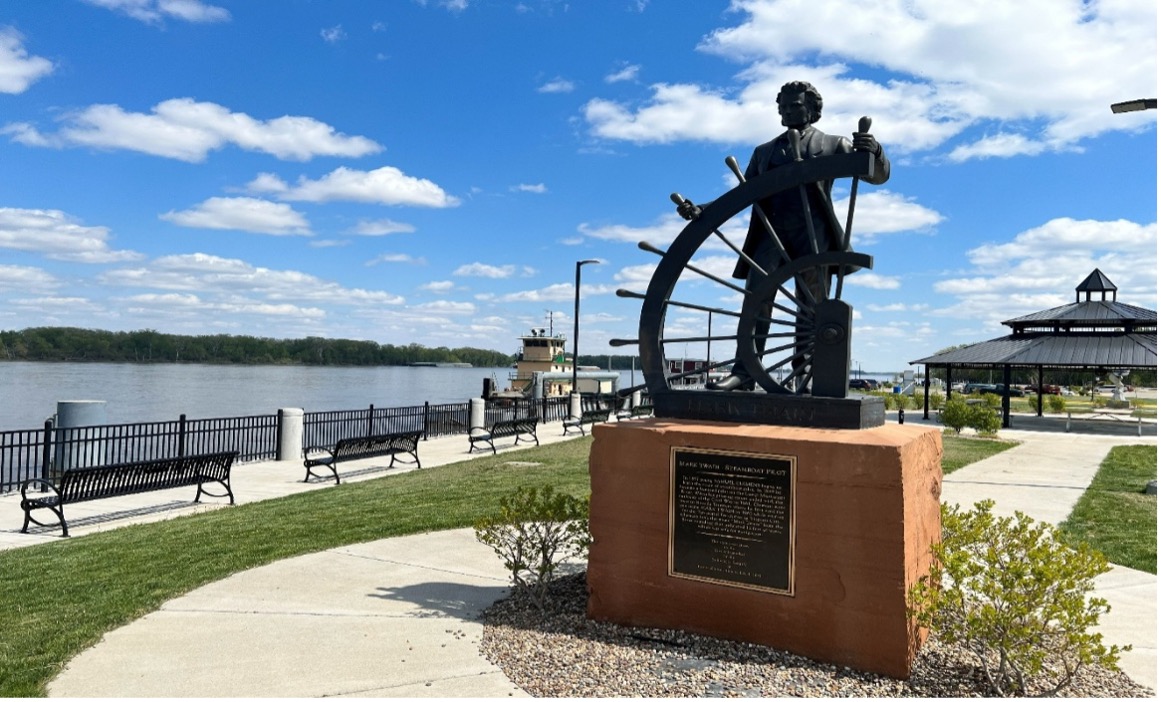
Brodie Curtis took in the Mark Twain Attractions in Hannibal MO
Shapiro, D. (2009). Historic Photos of Steamboats on the Mississippi.
Graham, P. (1951). Showboats: The History of an American Institution.
Allen, M. (1990). Western Rivermen, 1763-1861: Ohio and Mississippi Boatmen and the Myth of the Alligator Horse.
Lloyd, J. (1855). Lloyd’s Steamboat Directory, and Disasters on the Western Waters.
Hawkins, V. (2016). Smoke up the River: Steamboats and the Arkansas Delta.
Berger Erwin, V. and Erwin, J. (2020). Steamboat Disasters of the Lower Missouri River.
Sandlin, L. (2010). Wicked River: The Mississippi When it Last Ran Wild. Buck, R. (2023). Life on the Mississippi: An Epic American Adventure.
Here’s the Blurb
FROM STAR SHOWBOAT SINGER TO PIRATE PREY ON THE WICKED RIVER!
Showboat singer Stella Parrot’s star rises in the Antebellum South with every sold-out performance along the lower Mississippi River. When a river pirate viciously assaults her, new friends Toby Freeman and John Dee Franklin foil the attack. However, the pirate’s family is bent on revenge.
Stella, Toby, and John Dee escape their riverboat with able assistance from young cub pilot Sam Clemens, only to be pursued by the notorious Burton Gang. As the trio runs for their lives, mortal perils await at every turn: a fierce storm, high-stakes gambling confrontations, deadly combat, and a cotton boat up in flames. Stella, a Cherokee Indian, and Toby, a free Black man, and their friend White man John Dee endure relentless racial prejudices and injustices in the gritty underbelly of the Wicked River while fleeing to New Orleans—where the Burtons will be waiting!
SHOWBOAT SOUBRETTE’s fast-paced lower river adventure chase features romantic showboat scenes and is unsparing in its exploration of the bigoted and sometimes lawless riverboat era.
Praise:
“Captivating characters? A fast-paced storyline? Cameos from historical figures? Brodie Curtis checks all the boxes in his novel set along the Mississippi River on the eve of the Civil War. Well done.”
Tim Wendell, author of CASTRO’s CURVEBALL and REBEL FALLS
“SHOWBOAT SOUBRETTE is a novel that transcends a simple river chase, unfolding instead as a richly textured portrait of time and place where beauty and brutality are forced to coexist. Brodie Curtis has crafted a story that entertains without simplifying, thrills without trivializing, and ultimately delivers a powerful testament to courage and solidarity on the margins of history…For readers who crave historical fiction with pace and teeth, this novel will be a compelling and unforgettable ride.”
THE HISTORICAL FICTION COMPANY
“This was an unputdownable read for me!…It’s an optimistic picture of a shocking time in American history….SHOWBOAT SOUBRETTE is ideal for fans of historical adventure fiction, especially fans of Twain himself and Percival Everett’s JAMES.”
Ruth F. Stevens, author of STAGE SEVEN and THE SOUTH BAY SERIES Books 1 and 2
“Readers of historical fiction will love SHOWBOAT SOUBRETTE…a river adventure down the great Mississippi to New Orleans in the 1850s when racial tension is ripe in the Old South…an adventure worthy of Mark Twain’s pen… Curtis is a master of description and atmosphere.”
Tyler R. Tichelaar, PhD and award-winning author of THE MYSTERIES OF MARQUETTE
“(E)xtensive research draws the reader in and carries them along on this fast-paced adventure, blending interesting historical facts with compelling fictional characters. I thoroughly enjoyed the journey and recommend this voyage down the mighty Mississippi.”
Kris Abel-Helwig, author of THE HERO SERIES and the upcoming RULE OF ODDS.
This title is available to read on #KindleUnlimited
Meet the Author
Raised in the Midwest, Brodie Curtis was educated as a lawyer and left the corporate world to embrace life in Colorado with his wife and two sons.
Curtis is the author of THE FOUR BELLS, a novel of The Great War, which is the product of extensive historical research, including long walks through the fields of Flanders, where much of the book’s action is set. His second novel, ANGELS AND BANDITS, takes his protagonists into The Battle of Britain. Curtis’ third novel is set on a Mississippi Riverboat prior to the Civil War.
A lover of history, particularly American history and the World Wars, Curtis reviews historical fiction for the Historical Novels Review and more than 100 of his published reviews and short takes on historical novels can be found on his website: brodiecurtis.com.
I’m welcoming The Vision Board by Siobhan Murphy to the blog #romance #blogtour @rararesources @rachelsrandomresources
Here’s the blurb
Two best friends. Two one-way tickets. And a future that might just surprise them. Bex and Amy are best friends and total opposites. Bex is cynical, Amy is romantic. Bex is chaotic, Amy is organised. With the prospect of turning 34 just around the corner, neither is where they expected to be at this point in their lives. Bex is exploring her sexuality and has a string of failed relationships, while Amy is newly single and desperate to fall in love. Armed with a photographic vision board of the future, Bex and Amy put their trust in ‘The Universe’ and fly from London to Bali, then on to Australia in search of adventure, cocktails on the beach and maybe even love. Almost immediately, Amy finds someone who is the perfect fit for her dream life. While Bex is stuck playing double dates with his best friend, the most pompous man she has ever met, but also one of the hottest. Travelling via white sand beaches, lush rainforests and road trips through idyllic scenery, the images on their vision board begin to transform into reality. However, people are not always what they seem, and first impressions are not always accurate. Add in a queer, charismatic love interest and a vindictive ex-girlfriend, and the path of true love begins to get a little more complex. When ‘The Universe’ has its own agenda, is it possible to manifest a happy ever after? An Enemies to Lovers destination romance with a sprinkling of Pride and Prejudice vibes.
Siobhan Murphy is a writer and photographer based in the UK. She writes (and reads) both light-hearted romantic comedies and contemporary women’s fiction/Bookclub fiction.
Her writing hours are sponsored by Earl Grey tea, chocolate bars several glasses of wine. When she is not writing, reading, or working in her photography day job, her hobbies are eating haribo sweets, talking nonsense and walking into rooms wondering why she is there.
She loves to travel, laugh at the absurdity of life, and enjoy a glass of wine with good friends. She loves a good TV binge session, especially shows like Grey’s Anatomy, Virgin River, Emily in Paris, or This is Us. She can be an emotional wreck who often runs out of tissues and when she was a child, her dad had to constantly reassure her that programmes on the TV weren’t real. The upside of this is that she can legitimately class her habit of binge-watching RomCom films as ‘research.’
Siobhan loves to escape into books and live in other worlds. Like most writers, she has been an avid reader from the second she hurtled into the world (well perhaps a little bit after that). Over the years she’s drifted around the world in search of adventure, hoping to figure out what to do with her life. She is not sure if she has the answer yet but writing certainly comes close. Though she suspects her long-suffering family, and her liver might not agree.
She’s impulsive and easily bored, so she’s turned her hand to many jobs over the years. She’s worked in places as diverse as the High Commission in Nairobi; a market stall selling cheese in the UK and an 80ft racing yacht in Australia. Been a secondary school English teacher and a Barista with no discernible talent for making coffee. She’s done admin work for a number of businesses but discovered that offices aren’t really for her. Her favourite job was as a bookseller for Waterstones, she loved recommending books to customers and applying those 3 for 2 stickers that people find so hard to remove. For the last 19 years she’s been a professional photographer, taking portraits of humans – often the really, really small ones.
I’m delighted to welcome Heidi Eljarbo and her new book, Whispers in the Snow, Heartwarming Christmas Series, to the blog.
Here’s the Blurb
Of course, a young woman in Norway during the late nineteenth century can be a successful amateur sleuth, and goodness knows, Cornelia’s days are always more exciting when she can devote her time to resolving a local mystery.
Cornelia Gran is a dedicated daughter, friendly and kind; although, she has an exorbitant amount of curiosity. She devours Arthur Conan Doyle’s magazine articles and tries to follow the fictitious Sherlock Holmes’s investigative examples, but her fascination with solving puzzles always gets her into mischief.
Each morning, Cornelia reads the newspaper, looking for a conundrum to solve. Searching for clues—and then chronicling her discoveries—thrills her. She certainly finds those activities more entertaining than taking her grandmother’s advice and attending one Christmas ball after another in search of a husband.
But chaos and danger turn Cornelia’s quiet days upside down when her attempt to find information about the owner of a nearby abandoned cottage takes her into dangerous territory. As winter winds rattle the windows and swirl snowdrifts against the doors, she faces off with a ghost, gets in trouble with the police, and finds herself staring down danger without thinking of the consequences. In the middle of it all, she meets Simon and is captivated by his charm, good looks, and personality.
Meanwhile, a real killer is after her, and he won’t stop until he gets information she doesn’t have! Christmas, with all its cheery festivities, hygge, and family traditions, has never been more threatened. Cornelia must call on all her investigative skills, not only to stop the ruination of her family’s holiday, but also to make certain Simon and his aunt keep what belongs to them. And maybe, just maybe, the amateur sleuth will discover the meaning of true love.
Set in a fictitious town in Norway in 1891, this cozy historical mystery is perfect for those who enjoy curious and determined women sleuths, clean and wholesome romance, and the discovery of buried secrets in an abandoned house.
This title is available to read on #KindleUnlimited
Meet the Author
HEIDI ELJARBO grew up in a home full of books, artwork, and happy creativity. She is the author of historical novels filled with courage, hope, mystery, adventure, and sweet romance during challenging times. She’s been named a master of dual timelines and often writes about strong-willed women of past centuries.
After living in Canada, six US states, Japan, Switzerland, and Austria, Heidi now calls Norway home. She lives with her husband on a charming island and enjoys walking in any kind of weather, hugging her grandchildren, and has a passion for art and history.
Her family’s chosen retreat is a mountain cabin, where they hike in the summer and ski the vast white terrain during winter.
Heidi’s favorites are her family, God’s beautiful nature, and the word whimsical.
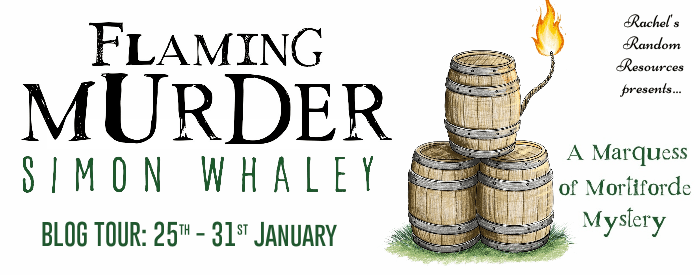
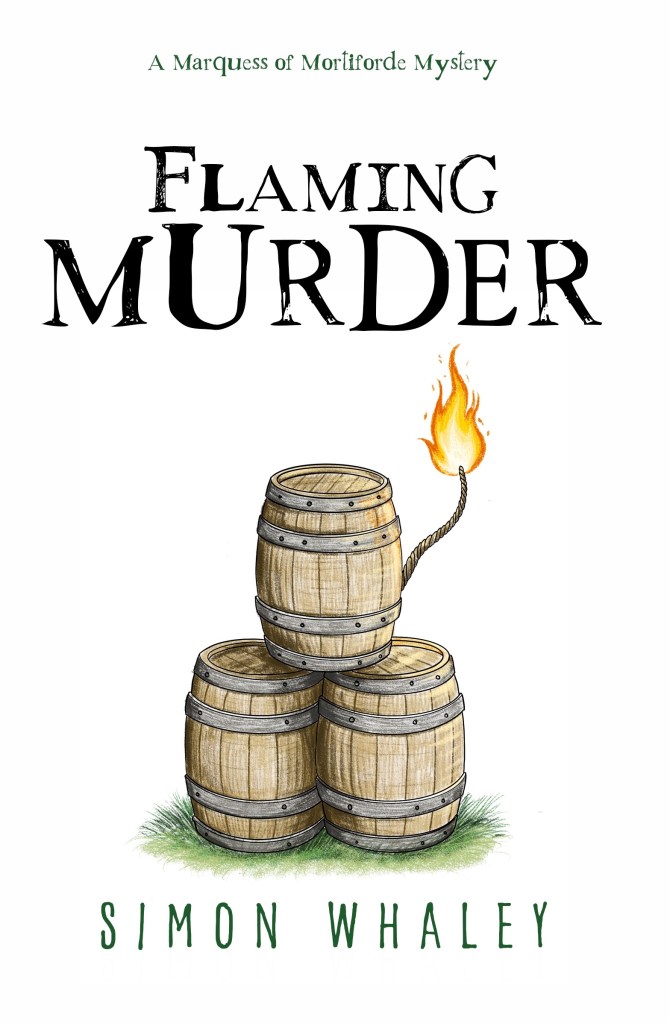
Today, I’m so excited to share my review for Flaming Murder by Simon Whaley (I loved this book) #cosycrime #humour #bookreview #blogtour
Here’s the blurb
Three dead bodies. Two murders. One missing Bonfire Night effigy.
With Bonfire Night looming, Aldermaston, the Eighth Marquess of Mortiforde, is feeling the heat.
Not only has someone stolen Mortiforde Millie—the town’s beloved fifteen-foot Bonfire Night effigy—just days before the town’s annual firework celebrations, but developer Rupert Rinde wants to torch Mortiforde’s heritage by building a waste incinerator on the historic Mortiforde Meadows. The locals are outraged, as is Rupert’s father, Sir Hugo, who owns the meadows. So when Sir Hugo is found dead, skewered by a medieval dagger, his widow begs Aldermaston to investigate.
Meanwhile, Sir Hugo had promised Aldermaston’s wife and her Ladies’ Legion the meadows for their new eco-friendly burial scheme. Now they’re desperate to plant their first body in the ground before the deal goes up in smoke.
So, when Aldermaston uncovers who stole Mortiforde Millie and why, he realises the waste incinerator project is designed to ignite some explosive repercussions.Can Aldermaston unmask a killer and save the Mortiforde Meadows before Bonfire Night erupts into chaos? Will the Ladies’ Legion bury a body before their dreams go up in flames? And can
Check out my review for Foraging for Murder (the second book in the series).
This review might be short and sweet. Don’t let that make you think I didn’t adore this book (and the previous two in the series as well).
Oh, how I love this series. I was very excited to discover the new release, and it doesn’t disappoint. Filled with the same delightful and irreverent humour and with a damn fine mystery to unravel in the background, it is joyful to spend time with these characters. It’s impossible to wax too lyrical about this series. The books are told with just the right amount of humour, the situations our characters find themselves in are hilarious without being stupid, and I simply love these books. Go read them. Now. (If you don’t snort at one particular element, then I don’t think you have my sense of humour. I’m just going to say it’s related to the burial.)
Meet the Author
Simon Whaley lives in rural Shropshire, having escaped from Greater London in the late 1990s. His first published piece was a word search puzzle, aged 17, and he’s since written over 1000 articles in publications as varied as BBC Countryfile, Country Walking, Cheshire Life, The People’s Friend, The Daily Express, The Observer, Outdoor Photography, Coast, The Simple Things and Writing Magazine. His first book, One Hundred Ways For A Dog To Train Its Human, was published by Hodder & Stoughton in September 2003, and spent three weeks on the UK’s Top Ten Non-Fiction paperback bestseller lists. (Lifetime sales now exceed over a quarter of a million copies.) He became a full-time writer in January 2004. He’s since written over a dozen non-fiction books, and recently published the third novel in his Marquess of Mortiforde cosy crime series.
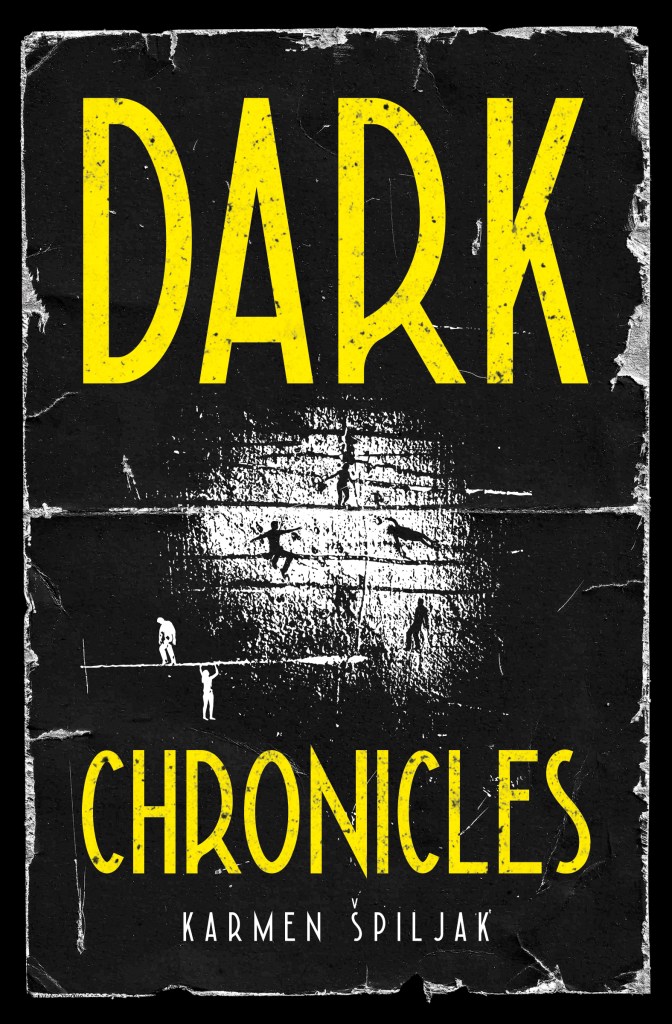
Careful what you wish for. In Dark Chronicles, wishes have teeth.
Ten speculative tales brimming with twisted humour and delicious menace: a pepper that lets you in on other people’s thoughts, a radio show that predicts your fate, and a blood-thirsty ghost who refuses to let go.
Award-winning author Karmen Spiljak delivers a chilling and razor-sharp mix of twists and dark suspense, perfect for readers who like their stories to unsettle and linger.
Ten dark tales. Ten twisted fates. One thrilling collection.
Some of the Dark Chronicles are indeed Dark Chronicles, but I did know what I was letting myself in for, as I’ve read Karmen’s Pass the Cyanide short story collection too.
Each of these short stories offers something a little different, from the Smart House which might be more ghostly than Dana would like, to the joy of getting your heart’s desire (or not), these tales are intriguing and often thought-provoking as well.
I don’t often read short story collections, but when I do, I remember the joy of them. Grab this collection of dark tales and scare yourself, just a little bit.
Karmen Spiljak is Slovenian-Belgian author of suspense, horror and speculative fiction, a developmental editor and a book coach. Her short fiction has been awarded and anthologised. Her short story collection, Add Cyanide to Taste, won the 2022 IndieReader Discovery award for best short stories/Fiction and Pass the Cyanide won the 2023 Wishing Shelf Book Awards Bronze.
She lives in Belgrade with her husband, two mischievous cats and an undefined number of literary characters. Find out more about her writing on www.karmenspiljak.com .
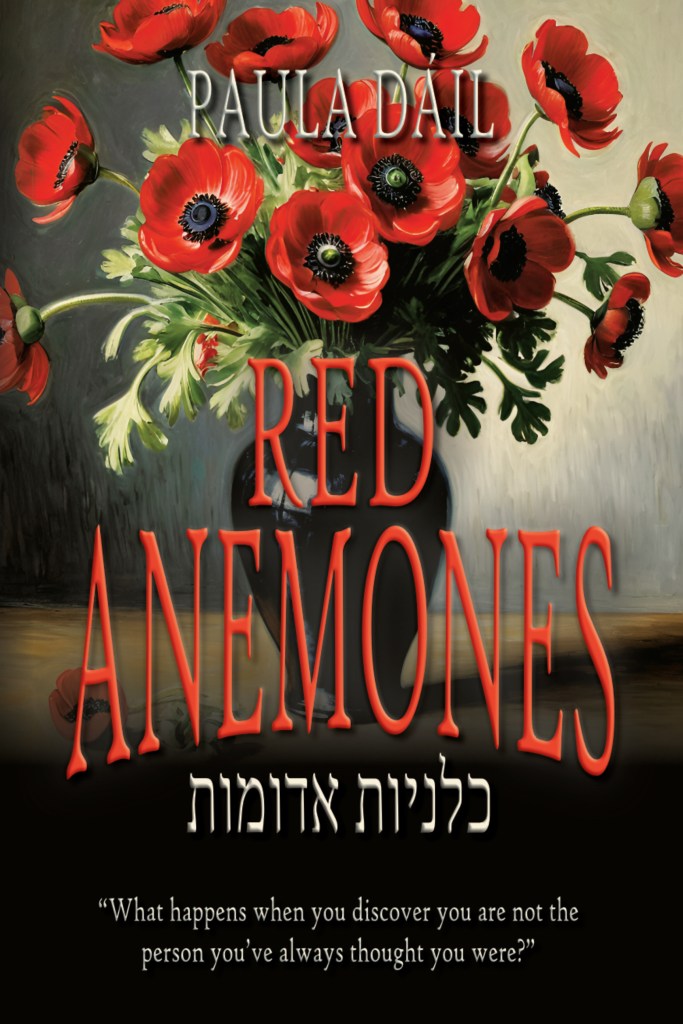
I’m delighted to welcome Paula Dáil and her book, Red Anemones, a story of struggle, resistance and hope, to the blog with an excerpt.
Excerpt 1
Elyria, Ohio
January 1971
If you aren’t who I think you are, then who are you?
“Dad – what are we doing here?” I ask my father, while shivering in a bitter wind, insistently spitting snow at us. We are standing side by side in a place neither of us has ever heard of, can’t pronounce, and never expected to find ourselves. As I speak, I stare at a pile of partially hidden, freshly dug dirt. Fifty yards away, gigantic chunks of frozen water crashing onto Lake Erie’s shore sound like ice cubes stuck in a meat grinder.”
“I told you – we’re here to bury your mother,” my father answers through chattering teeth. He moves closer, linking his arm through mine, seeking to share each other’s warmth as we move toward a synthetic grass tarp, obscenely green against the dormant ground beneath it. A slowly moving hearse becomes visible from the left.
“I think we’re in the wrong place. This headstone says Rachael Rebekkah Rosenblum Barlow, and my mother’s name was Charlotte,” I point out.
“Until forty-eight hours ago, I thought her name was Charlotte, too. Apparently, we were both wrong,” my father replies in a barely audible whisper punctuated by a deep sigh.
“Look at the headstones next to hers. Mikael Jacob Weiss and Sarah Rebekkah Michal Weiss, with no dates and an inscription, ‘May their memories be for a blessing.’ Another says Nathalie Avigail Weiss Rosenblum d.1934 and Eitan Noem Rosenblum d.1938. Do you know who any of these people are?”
“No idea.” The two-word answer rides on a deep exhale and a slight shake of my father’s head. We pass the time waiting for the hearse by staring out across the partially frozen lake, mesmerized by the icebergs floating rhythmically back and forth, until a wave hurls them toward the shore. An idling backhoe, partially hidden behind a large, dormant tree downslope from the hill where we stand, hums a steady dirge.
“According to her lawyer, your mother, Charlotte Rose Barlow’s legal name was Rachael Rebekkah Rosenblum Barlow. These others must be related to her somehow; otherwise, there’s no reason for her to want to be buried in this godforsaken place, and she was very insistent about it,” my dad explains as the hearse pulls up. He takes my hand, and together we walk closer to the tarp. The driver and another solemn-faced man get out and walk toward us, putting on gloves. They peel back the artificial turf, exposing the hole underneath, then walk back to the hearse, where two men wearing black overcoats and fedoras are extracting a wooden, sarcophagus-shaped coffin. A small nameplate is affixed to the flat top.
“That can’t have been easy to find,” I remark, referring to the European-style box containing my mother’s remains.
“Your mother was very specific about what she wanted.”
Here’s the Blurb
Moving among generations of a German-Jewish-American family, Red Anemones is a poignant exploration of the intricate bonds, untold secrets, and unspoken legacies our ancestors bestow upon us.
Natalie Barlow’s journey of self-discovery begins when her estranged mother’s sudden death releases a storm of unrevealed family secrets reaching back to pre-WWI Germany.
As Natalie navigates the complexities of her newly discovered Jewish identity and her ancestral heritage, she comes face-to-face with the early 20th-century German immigrant experience, which included strong anti-German sentiment and deep antisemitism that prevailed across America.
Through diaries and letters her mother saved, Natalie learns of the personal costs this ugly reality extracted from generations of her own family. Ultimately, she must confront the question of her own identity.
Like Israel’s red anemones carpeting the western Negev and Dvira Forest of the Judean foothills year after year, Natalie is determined, no matter the personal costs, to find the courage, resiliency, and passion to embrace the changes that bring new beginnings. Inspired by a true story.
Praise for Red Anemones:
““Red Anemones” by Paula Dáil weaves a powerful narrative inspired by a gripping true story, infusing the text with authenticity and emotional resonance. This book is an absolute must-read for fans of the genre, as it expertly blends enthralling storytelling with fully realised characters and a rich plot.”
~ Yarde Book Promotion, Editorial 5* Review
“Poignant, disturbing, and historically and dramatically riveting.”
~ Kirkus Reviews
“As I read, I found myself utterly taken by Dáil’s writing. Her prose has rhythm and patience, tight, deliberate, and quietly powerful. She writes with tenderness but never sentimentality, allowing emotion to rise naturally from her characters’ choices. I could almost feel the weight of Nathalie’s conflict between family duty and self-determination, between love and freedom. The language is lived-in, grounded, and full of quiet heat.”
A native Californian, Paula Dáil is an emerita research professor of social welfare and public policy and award-winning author. Widely published in the social sciences, she has also been recognized for her non-fiction and fiction writing, both under her own name and her pen name, Avery Michael.
She is the recipient of first or second place Readers Favorite, Reader’s Choice, Independent Publisher, Bookfest and Literary Titan awards, a Booklist Starred Review and several other five-star reviews, including Goodreads, The Book Commentary, and Independent Book Review. Two of her books received the Non-fiction Book of the Year Award from the Council for Wisconsin Writers. She holds a PhD from the University of Wisconsin-Madison and lives with her husband and dog in the Great Lakes Region of the Upper Midwest.
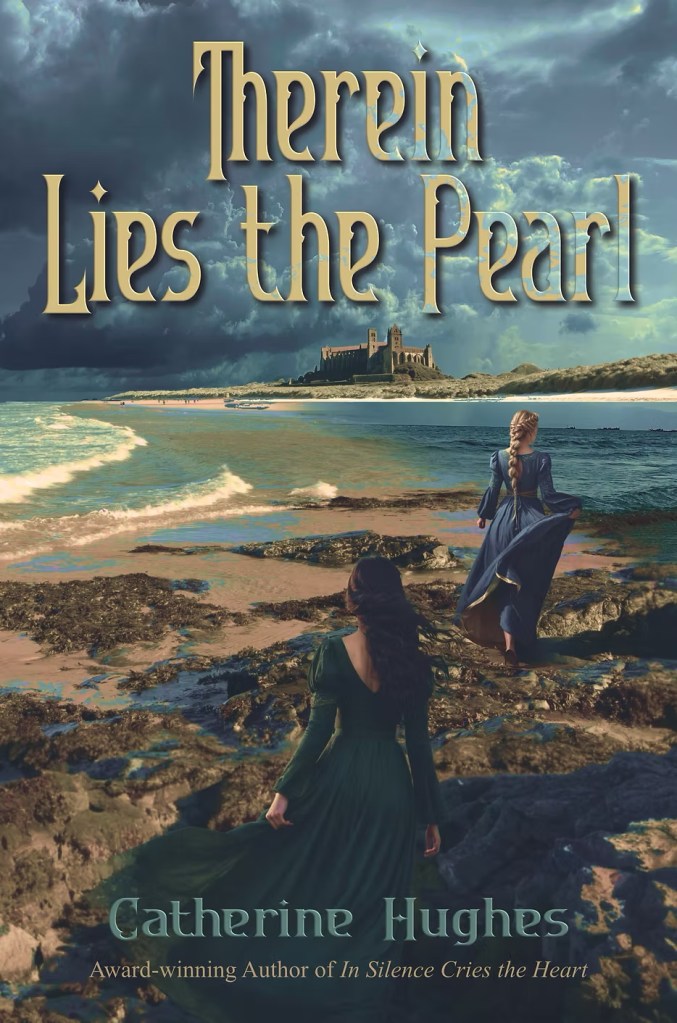
I’m delighted to welcome Catherine Hughes and her new book, Therin Lies the Pearl, to the blog with an excerpt.
Excerpt 3
Her voice lifted in confusion. “Father?”
Margaret had been breathing in the musky smell of the woodlands and the flowering anemone that lined their path when she saw her father’s body, as it was positioned in the saddle, tilt further and further toward the side.
That morning the family had left the inn and began traveling toward Favreshant, following a path made fragrant by the flowers and plants newly opened for spring. The weather did much to improve Margaret’s spirits as the sun shone brightly upon them from a clear, blue-domed sky. An occasional puffy cloud floated across the heavens but never did it linger long enough to diminish the warmth that embraced her. Walking with a bemused smile upon her face, Margaret surrendered to the charms of the countryside, relishing in the way the light accentuated the many shades of green that colored the leaves, the bushes, and the flower stems. A random look toward the front of the cavalcade snapped her pleasant daydream when she noticed the rider near the head of the train—her father—was about to fall.
Abandoning her usual sauntering walk, she broke into enormous strides trying to close the gap between her father and herself. The rapid turnover of her feet upon the soil alarmed the flock of yellowhammers who had been flitting about the blossoms. To escape the disruption, they rose higher and hovered above, waiting for the tumult to settle.
“Father!”
Her shout coincided with the loud thud of his body landing on solid ground, his head coming to rest in a patch of wildflowers.
Before Margaret reached him, she could see Gerhard was already there. He had carefully removed young Edgar from the saddle and then ran toward Edward, dropping to his knees for closer inspection.
Margaret skidded to a halt and took the same posture on the other side of her father’s fallen body. Hesitantly, she repeated again, “Father…?”
His lips parted but no sound issued forth.
After a quick glance in her direction, Gerhard moved closer to Edward, placing one hand beneath his master’s neck and bringing his own closer. “Edward! Edward, can you hear me?” Nothing. “Blink your eyes if you can hear me.” Gerhard’s voice cracked with worry, his usual composure gone. Because Gerhard had leaned so closely over her father’s head, Margaret had to slide further up toward his shoulder to be able to see whether or not her father had comprehended Gerhard’s words.
To her relief, she saw his eyelashes flutter—he understood! He was still there, he was still with them!
Gerhard continued. “Can you move your legs, my lord? Your arms? Just blink to let me know if you still have some control over your limbs.”
The words hung in the air as other people soon gathered around the group of three upon the ground. Margaret heard Edgar sniffling somewhere outside the circle and felt Harold, the priest, and his two brothers glaring down upon them from their seats. None of them had dismounted; instead, they surrounded the trio like a band of
highwaymen waiting to pounce on an unsuspecting victim. To Margaret’s dismay, her father’s eyelids did not flicker.
She studied Gerhard and watched the changing color of emotion move across his face—from confusion to concern, from fear to speculation, from suspicion to anger. When they both noticed the parting of her father’s lips, their hopes lifted. Together, she and Gerhard leaned in closer.
Her father’s eyes remained open but unfocused, and he whispered gently, more so to the air than to them. “No … feeling …my legs. My feet… cannot feel them… cannot move them… nothing there.”
Gerhard was about to respond but stopped when he saw Edward gather his breath once more. Unable to inhale deeply, he spoke in shallow exchanges. “Dizzy … since morn…could not get… legs…to keep hold … of the horse… chest feels … full… crushed.” He paused here for a lengthier break.
Margaret could feel her eyes welling up, her lashes wet with moisture.
“Cannot… take …. in … air.” With his gaze still focused at some point in the far distance, he whispered in a hushed tone, “Twas… foul… play.” Silence and he moved no more.
Margaret felt tears stinging her eyes. They burned her skin as they tumbled down her face until they left small, individual droplets of water on her father’s tunic. She watched as Gerhard placed his hand over Edward’s face, his fingers gently extending to close each eyelid.
Tiny bright-blue flowers with yellow centers formed a soft, decorative pillow where his sleeping head lay. Reminded of Jesus’ promise when he created these delicate blossoms, Margaret trusted that the Blessed Virgin would watch over her father’s soul. And she also knew that her father—like the flower itself—was urging her to “forget-me-not.”
Here’s the Blurb
Normandy, 1064
Celia Campion, a girl of humble background, finds herself caught in a web of intrigue when Duke William commands her to work as his spy, holding her younger sister hostage. Her mission: to sail across the sea to Wilton Abbey and convince Margaret, daughter of Edward the Exile, to take final vows rather than form a marriage alliance with the newly crowned king to the North, Malcolm III of Scotland. Preventing a union between the Saxons and Scots is critical to the success of the Duke’s plan to take England, and more importantly for Celia, it is the only way to keep her sister alive.
In this sweeping epic that spans the years before and after the Conquest, two women from opposite sides of the English Channel whisper across the chasm of time to tell their story of the tumultuous days that eventually changed the course of history. As they struggle to survive in a world marked by danger, loss, and betrayal, their lives intersect, and they soon come to realize they are both searching for the same thing–someone they can trust amidst the treachery that surrounds them.
Together, their voices form a narrative never before told.
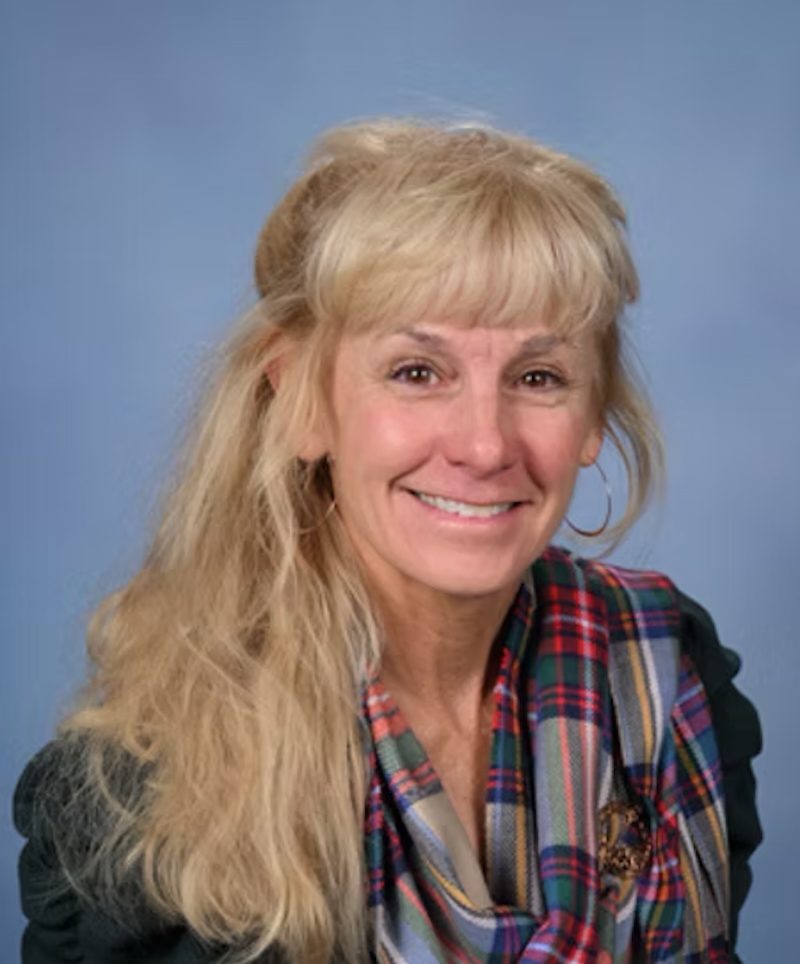
Award winning writer, Catherine Hughes, is a first-time author who, from her earliest years, immersed herself in reading. Historical fiction is her genre of choice, and her bookshelves are stocked with selections from ancient, Medieval, and Renaissance Europe as well as those involving New England settlements and pioneer life in America. After double-majoring in English and business management on the undergraduate level, Catherine completed her Master’s degree in British literature at Drew University and then entered the classroom where she has been teaching American, British, and World Literature at the high school level for the last thirty years.
Aside from teaching and reading, Catherine can often be found outdoors, drawing beauty and inspiration from the world of nature. Taking the words of Thoreau to heart, “It is the marriage of the soul with nature that makes the intellect fruitful,” Catherine sets aside time every day to lace up her sneakers and run with her dog in pre-dawn or late afternoon hours on the beaches of Long Island. When her furry companion isn’t busy chasing seagulls or digging up remnants of dead fish, she soaks in the tranquility of the ocean setting, freeing her mind to tap into its deepest recesses where creativity and imagination preside.
In Silence Cries the Heart, Hughes’s first book, received the Gold Medal in Romance for the Feathered Quill 2024 Book of the Year contest, the Gold Medal for Fiction in the 2024 Literary Titan competition, and the 2024 International Impact Book Award for Historical Fiction. In addition, the Historical Fiction Company gave it a five star rating and a Silver Medal in the category of Historical Fiction Romance. The book was also featured in the February 2024 Issue 31 of the Historical Times magazine and was listed as one of the Best Historical Fiction Books of 2024 by the History Bards Podcast. Therein Lies the Pearl is her second venture into the world of historical fiction.
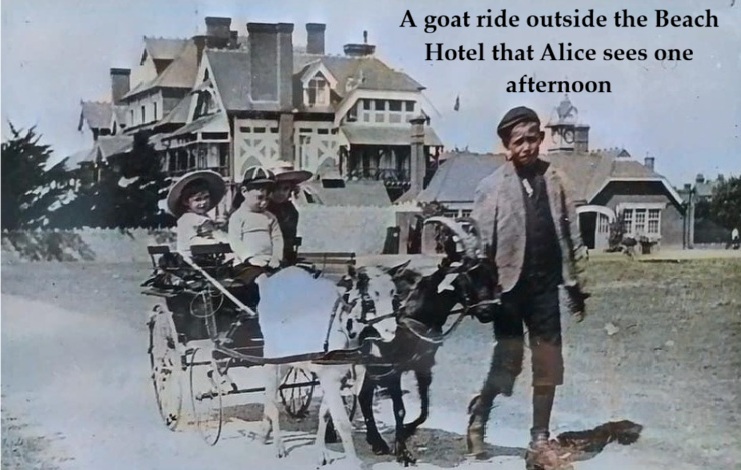
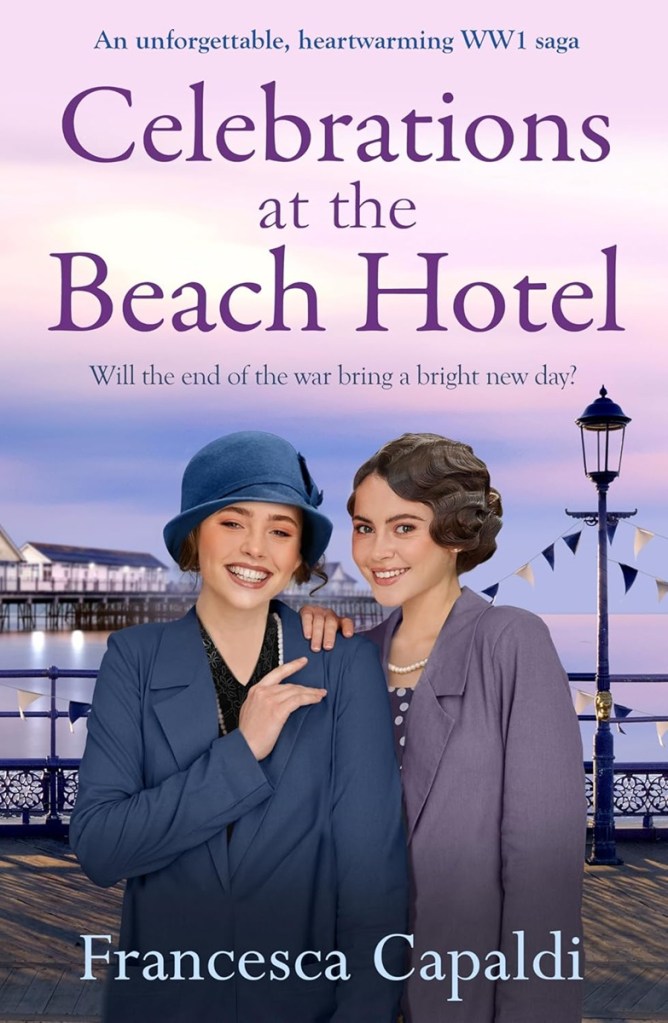
I’m delighted to welcome Francesca Capaldi and her new book, Celebrations at the Beach Hotel to the blog. Francesca is introducing us to the characters #blogtour #histfic #saga
Meet the Characters from Celebrations at the Beach Hotel
Annie and Alice Twine are sisters who work in the scullery at the Beach Hotel. They appeared in the first five novels about the place, but now, with the sixth book, they’ve landed a starring role each. They are twenty-three and twenty-two years old when Celebrations at the Beach Hotel begins.
As scullery maids, their jobs would have included washing up glassware, crockery, cutlery and pans, getting rid of waste food (most likely in a pig bin) and keeping the scullery and stillroom clean. They would have boiled hot water for various maids and even plucked and skinned animals, though we never see Annie and Alice do this.
Both of them started work at the hotel at 15, when they left school, so Annie started a year before Alice, and is now head scullery maid, something she is fond of reminding her younger sister about! Annie does have a tendency to glumness, whereas Alice has a happier personality. At least, that’s how it appears on the surface. Their father, Colin, is a farm manager at a farm in Wick, the village where the sisters live. Their three brothers, Cedric, Cecil and Cyril, who all worked as labourers on the farm before the war, have yet to be demobbed. Wick at the time was a village next to Littlehampton with extensive farmland, but it’s now part of the town. (Growing up, my house was a ten-minute walk away from where they supposedly lived.)
The sisters get on well, when Annie isn’t bossing Alice around. Their mother is keen for them to marry, but, as the sisters say, what opportunity do they have with most of the men still away? But when the men do start to return, that’s when romance comes between the two of them.
A lot of the characters from the previous books in the serious, including Edie, Lili, Helen, Hetty and Fanny, are part of the story, as the men who worked at the hotel before the war, and survived, slowly return. These include Lorcan, who Annie holds a torch for, and Jasper, who Alice is very fond of. Lorcan and Jasper both enlisted and joined Kitchener’s 7th Special Service Battalion in 1914, which eventually became part of the 12th (Eastern) Division. Although the war ended in November 1918, they spent another four months on salvage and clear up duties in France, so don’t return to the hotel until March 1919.
Lorcan’s from Ireland, a place he has difficulty visiting after he returns, due to the civil war brewing there. He walked out briefly with stillroom maid Hetty, who is now engaged to another, but Annie suspects that he hasn’t got over her. Jasper is from Bognor Regis and part of a once well-off middle-class family who owned several grocery stores, but has since had a fall in fortunes. The men’s jobs as porters would have included greeting guests at the hotel, carrying luggage and showing them to their rooms, advising on hotel facilities and that of the surrounding area, making travel arrangements, parking guests’ motorcars and running errands for them.
During the course of the story, there are several marriages. These are kicked off by the real wedding of Princess Patricia of Connaught (a granddaughter of Queen Victoria) to The Hon. Alexander Ramsay, incidentally the first royal wedding at Westminster Abbey since the 14th century. The female staff are reading about it in the newspaper and cooing over it as Lorcan and Jasper return from the war. Although Alice enjoys reading about the event, Annie is typically dismissive of the whole thing.
Either way, this event, and the subsequent weddings, don’t make either sister optimistic about their own prospects. Alice believes Jasper’s too high above her in social standing, even though he’s now just a porter. These beliefs only serve to help scupper their chances further, and they end up having a major fall-out with each other as a consequence, which isn’t helped by the appearance of a third man, adding to the romantic mix…
Here’s the blurb
Sisters Alice and Annie have always been close but will a man come between them?
Annie and Alice love their life working at the Beach Hotel together and each is thrilled to have finally found a sweetheart. Yet the path of true love never did run smooth, and they soon find themselves facing conflict and strife. Could love come between them and the bond they share?
Meanwhile, as men start to come home from the war, the women have to work out how to keep their jobs, although they are delighted to be back with their beaus. Soon, wedding bells ring out in Littlehampton.
Will everything be made right in time for Christmas?
Francesca Capaldi has enjoyed writing since she was a child, largely influenced by a Welsh mother who was good at improvised storytelling and an Italian father who loved history. She is the author of historical sagas, short stories and pocket novels.
The first novel in the Beach Hotel series, A New Start at the Beach Hotel, won the Romantic Saga Award at the Romantic Novelists’ Association Awards in 2024. The first novel in the Wartime in the Valleys series, Heartbreak in the Valleys, was shortlisted for the Historical Romantic Award in the RoNAs in 2021.
Francesca was born and brought up on the Sussex coast, went to London to do a history degree, but has lived for many years in Kent with her family and a cat called Lando Calrission.
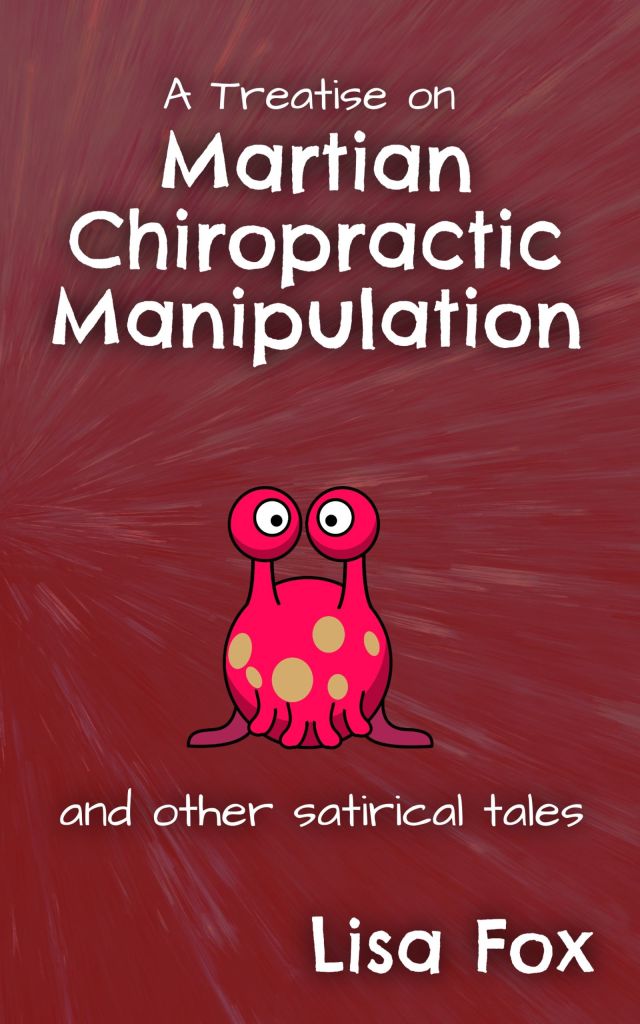
I’m delighted to share my review for A Treatise on Martian Chiropractic Manipulation and Other Satirical Tales by Lisa Fox #blogtour #bookreview #fantasy #shortstories
Here’s the blurb
Human beings are flawed creatures, and humor is the perfect means to exploit the endless fodder of our shortcomings. This multi-genre collection of twenty-one short satirical stories will leave you smirking, chuckling, scratching your head, and maybe even muttering to yourself “WTF is this?”
From the award-winning author of the acclaimed short story collections “Core Truths” and “Passageways: Short Speculative Fiction” comes something a little bit irreverent and a whole lot of weird.
Ketchup-covered chiropractors on Mars. Wealthy vigilante housewives battling coffee-addicted aliens. Cheerleaders protesting unrestricted access to cupcakes. Canine doulas. Hallucinating marine biologists. No one is immune from the absurdity.
This is an intriguing and often fun collection of short stories by Lisa Fox. Some of them are very short, and some are much longer, but they all offer something a little different. Readers will enjoy learning about Martian Chiropractic techniques as well as following the loyalty card storyline, which will have us all thinking about just how much information these companies do hold about us (hint, it’s a lot). If you love short story collections, do check this one out. It’s varied, thought-provoking and sometimes, just plain fun.
Meet the author
Lisa Fox loves to ask questions. By day, she’s a pharmaceutical market researcher. By night, she channels that same inquisitive spirit into writing short fiction, building worlds and characters that explore the meaning of life, the universe, and everything in between. She survives, and sometimes thrives, in the chaos of suburban New Jersey with her husband, two sons, and quirky Double-Doodle dog. Lisa is an award-winning author of two short story collections: Core Truths and Passageways: Short Speculative Fiction. Website: lisafoxiswriting.com Twitter/X: @iamlisafox10800 Facebook: lisafoxiswriting
































 MJ Porter