The History Quill Virtual Convention is back for 2024

The History Quill Convention has been running for a few years now, and in February 2024 it’s back, as a weekend-long convention (so shorter than others), focusing on two main themes, The Craft of Historical Fiction (3rd Feb) and The Business of Historical Fiction (4th Feb)- two topics that are very relevant to today’s author. I’ll be talking on day 2 with fellow authors, about different pathways in publishing, popping on my ‘indie’ head and my ‘traditionally published’ head.

If this sounds like your sort of thing, then check out the Convention webpage using this (affiliate) link, and do it before the Early Bird Discount runs out. Tickets are for each day so if only one topic interests you, you only attend that one day,

I really enjoy The History Quill Conventions – it’s always good to learn ‘new’ things, and sometimes, just to hear that what you’re doing is ‘right.’

Hope to ‘see’ you there.

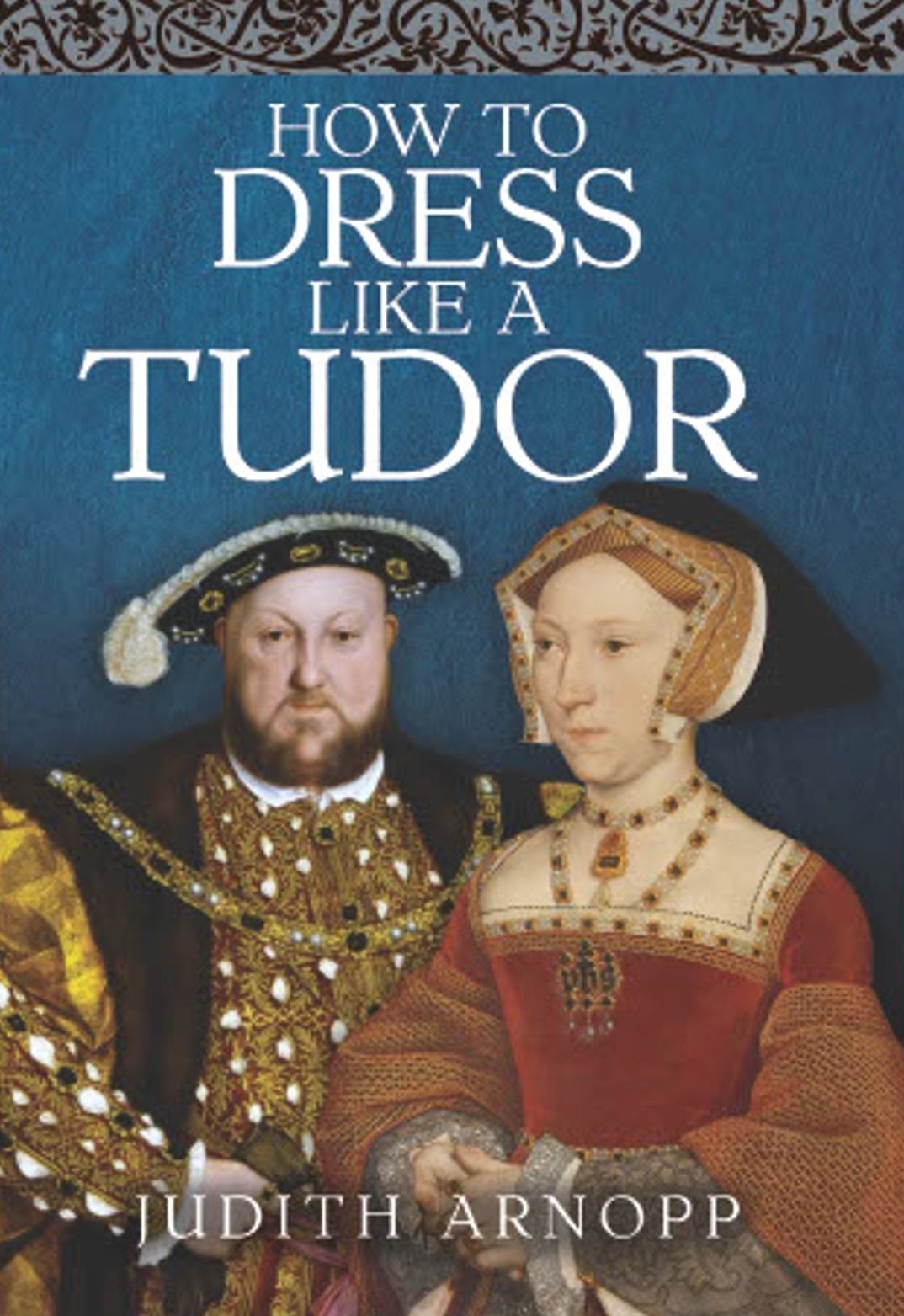
I’m delighted to welcome Judith Arnopp and her non-fiction title, How To Dress Like A Tudor to the blog #HistoricalCostume #TudorFashion #Tudors #BlogTour #CoffeePotBookClub

Here’s the blurb

Have you ever hankered to dress like a Tudor lord or lady, or perhaps you prefer the status of goodwife, or costermonger, or even a bawd? 

For beginner historical reenactors, the path to authenticity can be bewildering and sometimes intimidating. Judith Arnopp uses her own experience, both as a historian and a medieval/Tudor lady, to make your own journey a little easier.

The author traces the transition of fashion from the relatively subtle styles popular at the court of Henry VII, through the carefully constructed royal grandeur of Henry VIII, Edward VI, and Mary I to the pinnacle of majesty and splendid iconography of Elizabeth I. 

In contrast to the magnificence of court come the ordinary folk who, subject to sumptuary laws and regulations, wore garments of a simpler cut and cloth – a strata of society that formed the back bone of Tudor England.

This brief history of 16th century fashion examines clothing for both rich and poor, adult and child, and offers tips and tricks on how to begin to sew your first historically inspired garment, this book is aimed at helping the beginner learn How to Dress like a Tudor.

Buy Link:

 mybook.to/howtodress

Meet the author

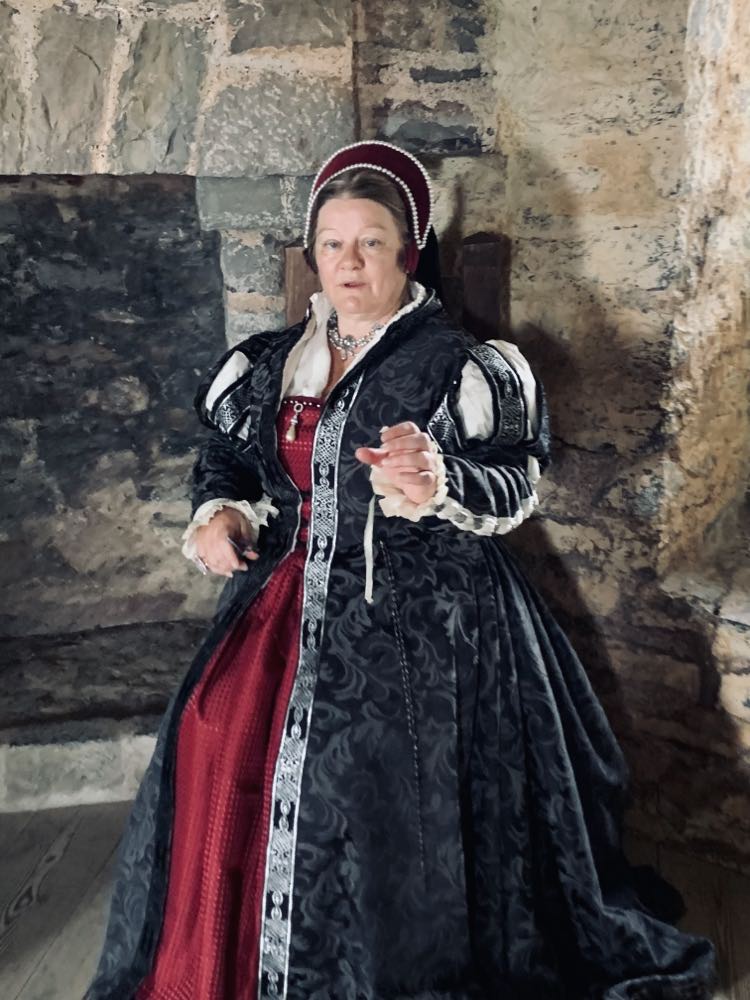
Judith writes historical fiction set during the late medieval and Tudor period. Her usual focus is on the women who lived close to the monarch, women like Margaret Beaufort, Elizabeth of York and Mary Tudor but more recently has been writing from the perspective of Henry VIII himself. Her books are on Kindle, Audible and Paperback.

You can find her fiction books here: http://author.to/juditharnoppbooks

She also writes non-fiction, her work featuring in many anthologies and online magazines. Her latest non-fiction, How to Dress like a Tudor published by Pen & Sword Books is available now. 

Judith is a founder member of a reenactment group The Fyne Company of Cambria, and began making Tudor costumes for herself, her husband, John, and other members of the group. It was this that inspired How to Dress like a Tudor and she hopes to write more non-fiction Tudor history in the future.

Connect with the author

WebsiteBlueskyBook Bub:

Follow the How To Dress Like A Tudor blog tour with The Coffee Pot Book Club

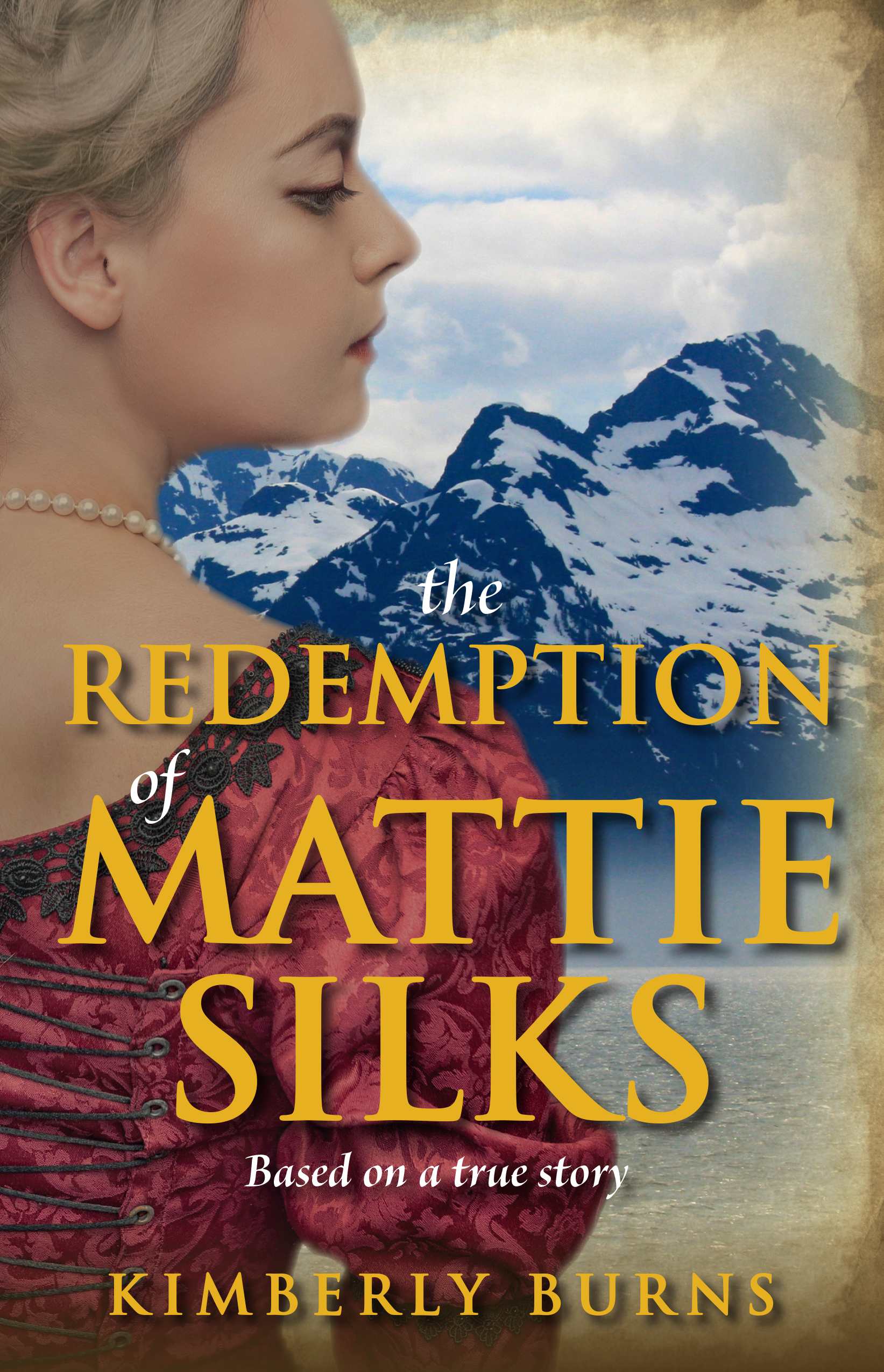
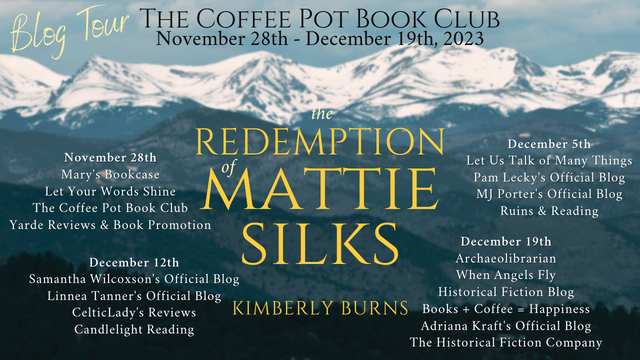
I’m delighted to welcome Kimberley Burns to the blog with a post about her new book, The Redemption of Mattie Silks #HistoricalFiction #HistoricalWomensFiction #WestwardExpansion #BlogTour #CoffeePotBookClub

I’m delighted to welcome Kimberley Burns to the blog with a post about her new book, The Redemption of Mattie Silks.

Women of the Old West

Women of the Old West were pioneers and trailblazers, but not just in the sense that they gave up their homes and trekked into the wilderness. They also blazed trails in business, were pioneers of medicine and groundbreakers in politics.

Remember the old US Army advertising campaign: “We do more before 9AM than most people do all day”? My great-grandmother could have given any soldier a run for their money. With a baby on her hip and five more little ones trailing behind, she packed her valuables into a wagon and walked from North Carolina to Colorado. She spent the rest of her life on a homestead in the Colorado foothills, keeping the house and raising three more babies while also completing a man’s day’s work out on the range. She may have accomplished more before any given sunrise than I do in a good year. Sadly, stories of her and other remarkable but unknown heroines are being lost in the fog of history. 

There were few acceptable careers for women in the 1800s, and certainly none that created wealth. Most working women struggled on subsistence earnings as laundresses, cooks, maids, or teachers. But in the West, where survival often depended on everyone pulling their weight, women could not afford to be shrinking violets. Their husbands and communities needed all hands to pitch in. The move west wrenched women from the customs, conventions, standards, and traditions with which they had been raised. They had to develop new codes of acceptable behavior, dress, and mores. In my novel The Mrs. Tabor, a local madam explains that a woman alone can act with the highest decorum and in the end, she will politely starve to death. The madam warns, “The law of survival always trumps the rules of etiquette.”

The need for labor gave Western women opportunities to create careers that their sisters in the East did not have. Women were often good with livestock, and ran cattle ranches, bred horses, or drove pack mules. It is estimated that 15% of homesteaders were single women. In an era when women could not sign a legal contract or open a bank account, female entrepreneurs owned restaurants, stores, and hotels in frontier towns. 

In the mining boomtowns, most men preferred prospecting to planning infrastructure. This opened the door for the few women there to participate in government and improve the living conditions for their families and communities. In fact, many Old West towns lacked a school and church until the females organized the funding and building of these cultural institutions. White men may have explored the West, but white women settled it.

Western women also participated in politics decades before the constitution was amended to allow voting for all, regardless of sex. Wyoming Territory passed a women’s voting act in 1869, and the gals got right to work. Within a year the territory had female jury members, a bailiff and a justice of the peace. Other states and territories west of the Mississippi soon followed suit and women were voting in Colorado by 1893 and in Utah by 1896. 

In a region where males greatly outnumbered females, some lonely men were of the opinion that woman’s suffrage might attract quality marriage candidates. Daring and hardy adventuresses would be drawn to a new life in the Wild West in they had a hand in shaping it. Delicate flowers accustomed to a steady life of comfort need not apply. 

When their Eastern sisters were marching for the right to vote in matching white dresses, Western women were campaigning to be elected to public office themselves. All-lady town councils were elected in Oskaloosa, Kansas (1888) and Kanab, Utah (1912). In 1920, the same year that the 19th Amendment was finally ratified, Jackson, Wyoming elected an all-female mayor and city council. One of their descendants wrote, “There was a practical approach to it. [They said] we need this and we’ll do it ourselves.” Dubbed the Petticoat Rulers, they extended electric service, installed street lights, grated streets, created a town cemetery, collected taxes, and appointed a (female) town treasurer, marshal, and health officer. 

Medical schools were graduating a handful of token female doctors in the late 1800s. Many of those found acceptance in the rough western territories. Perhaps citizens felt a lady doctor was better than no doctor at all. The television show Dr. Quinn, Medicine Woman was loosely based on the life of Doc Susie who served small mountain towns in the Colorado Rockies from 1893 until 1956. Imagine the patients she must have treated in a region filled with wild animals and wilder men. Her story and that of a few other early medical professionals are noted in state historical society collections, but most are unknown in the wider world.

Some women found work on the wrong side of the law. Pearl Hart robbed stagecoaches. Belle Star led a gang of cattle rustlers. Sing Choy, also known as China Mary, controlled the opium dens and Chinese prostitution in old Tombstone. The main character of my latest book, Mattie Silks, used her sharp business acumen to run one of Denver’s most successful brothels for over forty years.

Regardless of where they found employment, the women of the Old West displayed an incredible work ethic and courage enough to fill a library with adventure stories. But there is another, less glamorous trait they seemed to possess — pragmatism. If there was work to be done, they simply got to it. I don’t think many of the women who settled the wild frontier took any time to reflect on accomplishments or bask in any congratulatory accolades. There were few philosophical debates about equality of ability or opportunity. They were too busy, living by the motto, “Get ’er done!”

Here’s the blurb:  

SEEKING REDEMPTION, SHE FINDS RETRIBUTION

In 1892, running one of the West’s fanciest brothels is a rough game. In a town filled with brazen criminals, corrupt police, zealous politicians, and morality committees, Madam Mattie Silks makes her fortune catering to Colorado’s gold and silver millionaires.

Notorious crime boss “Soapy” Smith is at the top of the Denver underworld. There are no rules for Smith’s gang. They solve problems with bribes and bullets. When Mattie’s husband stumbles into Soapy’s dealings, she struggles to protect him.

Gold is discovered in the Yukon and Mattie seizes the opportunity for adventure and profit. But Skagway, Alaska, is even more lawless than Denver. Mattie must use all her business sense and street smarts to safeguard those she cares about. Will it be enough? Or will Lady Justice again turn a blind eye?

Based on a true story, The Redemption of Mattie Silks is an action-packed tale of a woman succeeding in a man’s world even when the cards are stacked against her.

“The research on the era shines through, as do the grit and spirit of the characters. …A colorful and enthralling journey.” 

~ K.T. Blakemore, award-winning author of The Good Time Girlsseries

“A nice, nuanced portrait of the complex underworld with fine and witty turns of phrase. A great Western romp!”

~ Randi Samuelson-Brown, award-winning author of The Bad Old Daysseries

Buy Links:

This title is available to read with #KindleUnlimited

https://books2read.com/u/mlpKRv

Meet the author

Kimberly Burns grew up in Colorado hearing stories about the colourful characters of the Old West. She has degrees from the University of Colorado and the University of Hartford. Kimberly is a member of the Historical Novel Society, Western Writers of America, and Women Writing the West. She lives with her husband and black Lab in Leesburg, Virginia.

Her debut novel The Mrs. Tabor won numerous awards including the Western Fictioneers Peacemaker Award for Best New Novel, a gold medal for Best Regional Fiction from the Independent Publisher Book Awards, a National Indie Excellence Award, and a silver medal from the Colorado Independent Publishers Association EVVY Awards.

Kimberly and her unruly heroines make for an entertaining book talk. She is available to discuss her novels with book groups in person or online. Email her at info@kimberlyburnsauthor.com.

Connect with the author

Website

Follow The Redemption of Mattie Silks blog tour with The Coffee Pot Book Club

Who was Edmund, the man Cnut had to overwhelm to claim England’s kingship in the eleventh century?

Who was Edmund Ironside, son of Æthelred II?

It’s often forgotten, in the great swirl of events throughout the eleventh century, that England wasn’t conquered once, but instead three times, by King Swein in 1013, by his son in 1016, and then by William the Conqueror in 1066.

England only reclaimed its English king with the death of King Swein shortly after he claimed the kingship, when Æthelred II, the much-maligned, king of England was restored, it’s said, by his nobility, provided he did ‘a better job’ of it (I paraphrase). At this time, Cnut, Swein’s son, wasn’t deemed as suitable to replace his father, while Æthelred II had many sons who could succeed him. Æthelred was deemed ‘an old man’ by now (born probably in about 966-8), but he had surviving sons from his marriage to his first wife, named as Ælfgifu, and also from the better known Lady Emma. The oldest of these sons,Athelstan, died in 1014, having made a name for himself as an honourable man. His will survives. His next youngest brother had also perished a decade ago, meaning Edmund was the oldest surviving son. In the great swirl of events, people forget Edmund was proclaimed king on his father’s death in April 1016, and that he ruled for a good sixth months, before his own death in November.

Edmund Ironside - MS Royal 14 B VI

See page for author, Public domain, via Wikimedia Commons, https://upload.wikimedia.org/wikipedia/commons/6/69/Edmund_Ironside_-_MS_Royal_14_B_VI.jpg

The relationship between Edmund and his father is difficult to unpick. It doesn’t seem to have been congenial. Æthelred II is most often accused of having overmighty subjects (somewhat ironic when they invited him back to England after Swein’s death), and there was a particular thorny problem of Eadric Streona, married, it’s said, to one of Æthelred’s daughters, and a tricky character. Eadric is associated with Mercia. To counter his reach, Edmund, married into a Mercian family in 1015, the story being that he rescued the woman from captivity and then married her. As romantic as that might sound, this was sound political expediency. In the tenth century, King Athelstan was strongly associated with Mercia, being declared king of Mercia before becoming king of Wessex. Edgar, in the 950s, seems to have done something similar, being declared king of Mercia while his brother, Eadwig, was king of England, or perhaps only Wessex – there is much uncertainty about this. Eadwig would die young, allowing Edgar to build on his Mercian powerbase and claim England for himself.

As such, Edmund was following known precedent when he looked to Mercia for support when he must have feared that the eyes of the witan would favour his younger half-brother, Edward, for the kingship. No doubt, Edmund actually gained support because while England was at war with Cnut throughout 1016, he was a man grown and could fight for the English. Edward, much younger, would have been unable to do so.

And so to 1016. On the death of his father, Edmund was declared king, but Cnut also took the same title. Many battles later, Cnut and Edmund reached an accord, it’s said, after the English defeat at the unallocated battle of Assandun. England was ‘split,’ Edmund became king of Wessex, Cnut held the remainder and it could have possibly remained split if not for Edmund’s untimely death, perhaps from wounds taken in battle fighting against Cnut and his warriors, and in which, Eadric Streona had played his new king false, defecting to King Cnut’s side.

Edmund II, known as Ironside, left two children, perhaps twins, and these children were raised in exile, away from England and the reach of the Danish conquering force. They did still have a part to play in the future of England, and Edmund’s granddaughter became queen of Scotland in 1070, while his grandson was briefly declared king of England in the tumultuous events of 1066.

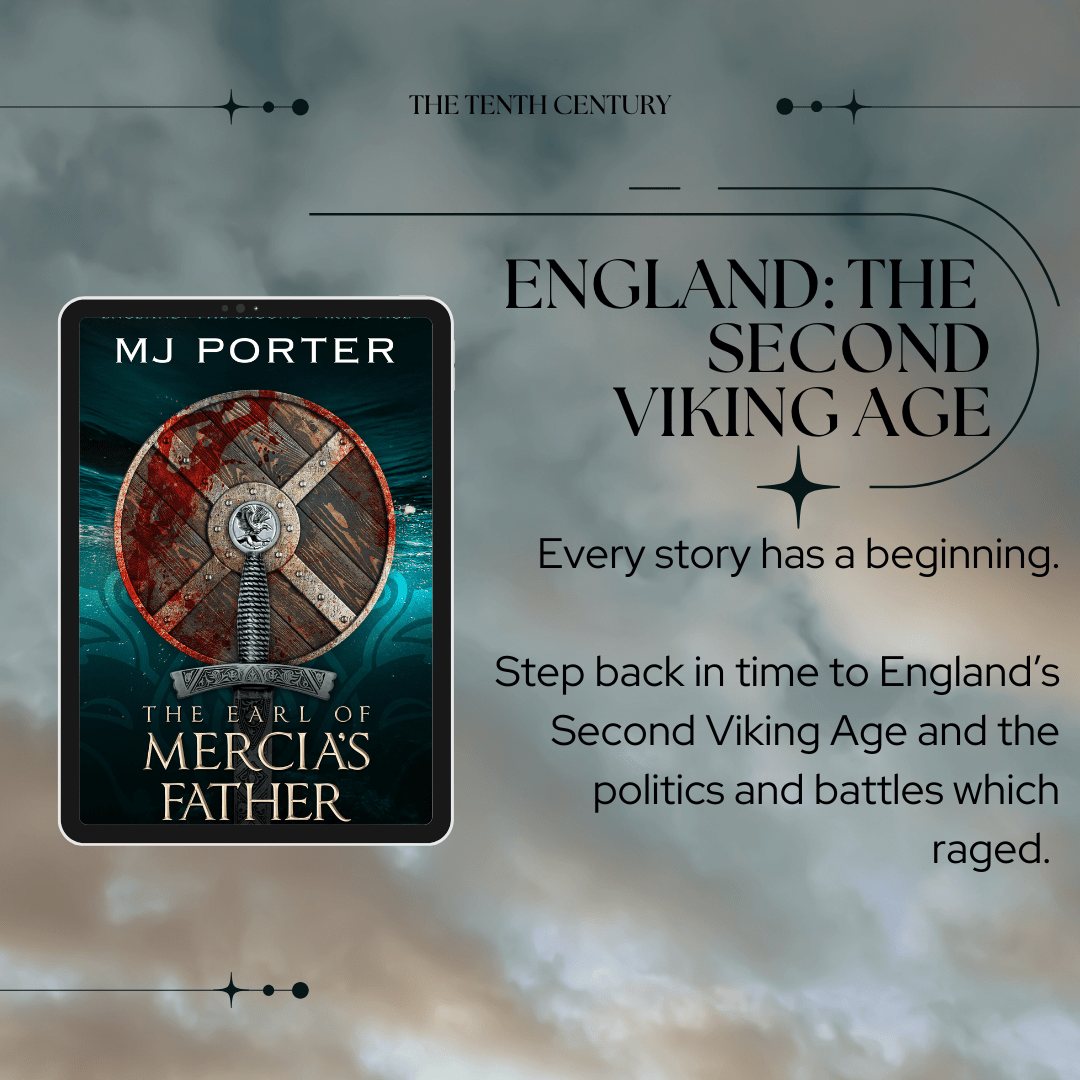
You can read the story of Cnut and Edmund in The Earls of Mercia series side story, Cnut: The Conqueror.

Here’s the blurb:

To gain what he wanted, what he felt he was owed, he would do anything, even if it meant breaking oaths to a woman he loved and the mother of his son.

Swein, King of Denmark, and briefly England, lies dead, his son ousted from England as King Æthelred returns from his exile in Normandy at the behest of his witan and the bishops. Æthelred might have relinquished his kingdom to Swein, the Danish conqueror, but with Swein dead, the men have no interest in supporting an untried youth whose name resounds with the murder of one of England’s greatest bishops. A youth known only for his savagery and joy of battle. A true Norseman who utilizes his weapons without thought.

But Cnut wants a kingdom and will do anything to gain one. As England’s ravaged by a civil war between the sons of two former kings, Edmund, son of King Æthelred, and Cnut, son of Swein, the men must make personal decisions in the heat of battle as they strive to reclaim their birthrights whilst doing all they can to stay alive.

books2read.com/Cnut

Cnut is a side story in the Earls of Mercia series, retelling the story of the last century of Saxon England through the eyes of the powerful Earls of Mercia, the only noble family, apart from the House of Wessex, to hold their position for nearly a century.

Posts

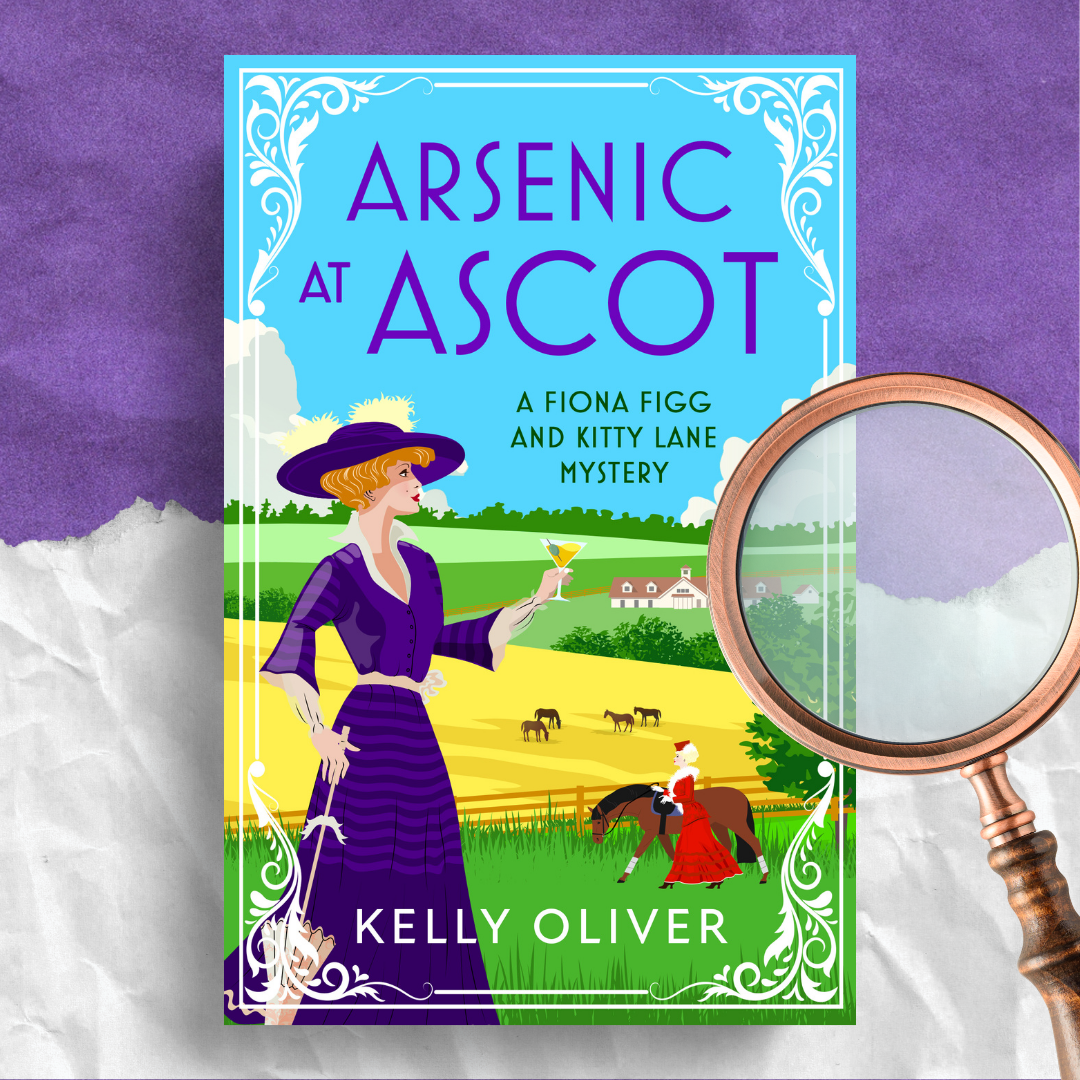
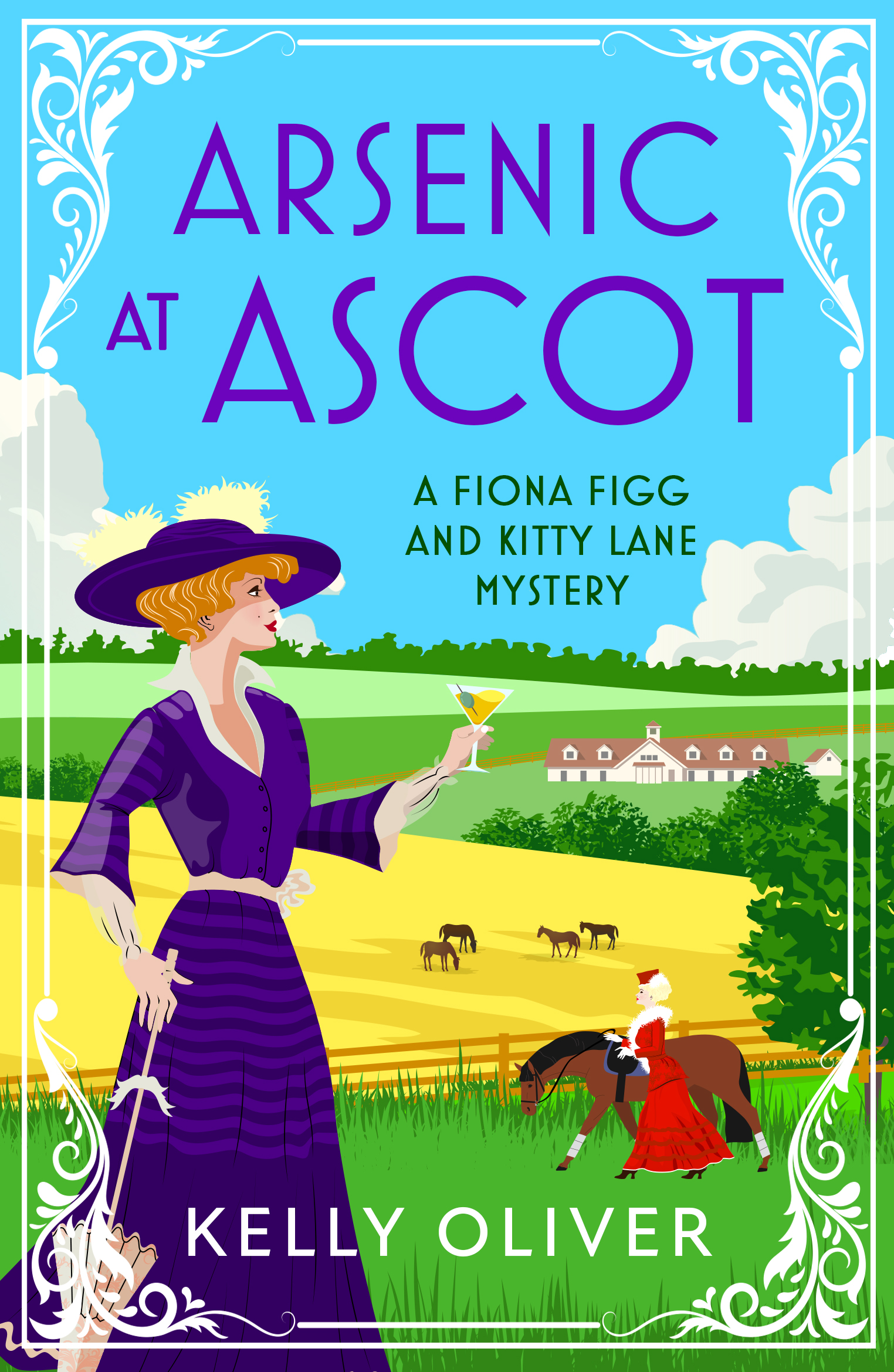
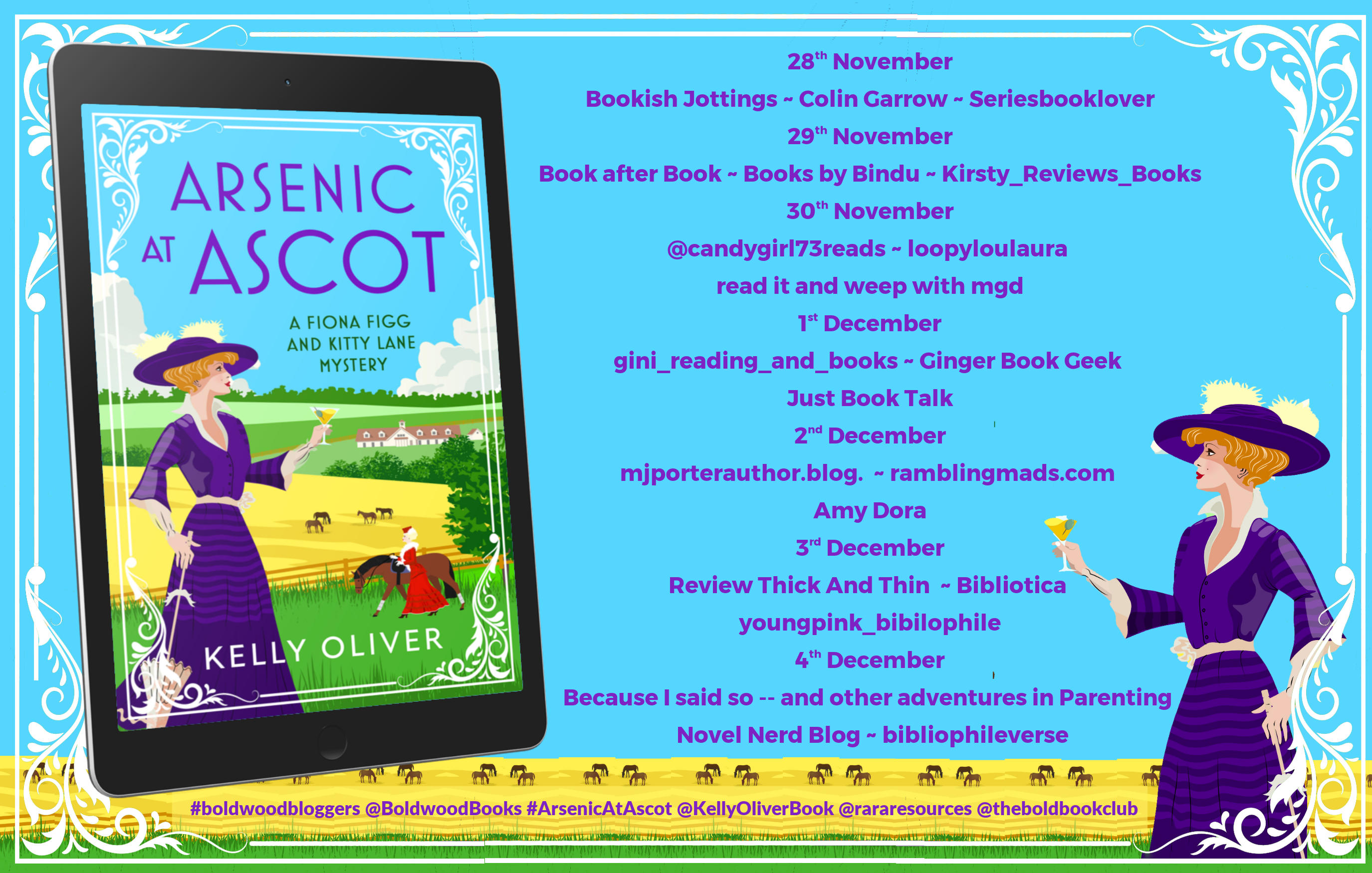
Today I’m delighted to be taking part in the blog tour for new historical mystery, Arsenic at Ascot by Kelly Oliver #blogtour #BoldwoodBooks

Here’s the blurb:

Saddle up for this first class historical mystery, perfect for fans of Helena Dixon and Verity Bright.

London, 1918

Fiona Figg finds herself back in Old Blighty saddled with shuffling papers for the war office. Then a mysterious card arrives, inviting her to a fancy house party at Mentmore Castle. This year’s Ascot-themed do will play host to a stable of animal defense advocates, and Fiona is tasked with infiltrating the activists and uncovering possible anti-war activity.

Disguised as the Lady Tabitha Kenworthy, Fiona is more than ready for the “mane” event, but the odds are against her when both her arch nemesis, dark-horse Fredrick Fredricks, and would-be fiancé Lieutenant Archie Somersby arrive unexpectedly and “stirrup” her plans. And when a horse doctor thuds to the floor in the next guest room, Fiona finds herself investigating a mysterious poisoning with some very hairy clues.

Can Fiona overcome the hurdles and solve both cases, or will she be pipped to the post and put out to pasture by the killer?

Purchase Link

https://mybook.to/arsenicascotsocial

My Review

This is the fourth book in the Fiona Figg and Kitty Lane Mystery Books I’ve read. I confess, what I really enjoyed about book 3, Mayhem in the Mountains, was Fiona’s lack of dressing up in costume and, therefore, no mention of her favourite fake moustache. So I was somewhat alarmed when, only a few chapters in, Fiona was once more masquerading in one of her many costumes. However, I needn’t have feared. Kitty has not forgotten about her costumes, and she certainly puts them to good use in Arsenic at Ascot, but much of the time, Fiona is either herself or Lady Tabitha. Not that I object to her masquerading, but I’d much rather hear about her favourite wig than her suitcase full of fake moustaches and beards.

Fiona has been grounded in Arsenic at Ascot. Somewhat depressed and out of sorts at finding herself once more a ‘mere’ file clerk, all is doom and gloom and complaints about washing up after the codebreakers when she’s summoned by none other than her boss and told to don one of her many costumes. What ensues is a, at times, somewhat uncomfortable look at the world of vivisectionists and antivivisectionists and the use animals were put to during the war. As Fiona has no clear idea about what she thinks about either side of the argument, the exploration into what we now think of as animal cruelty is somewhat distressing, although it’s never laboured. And readers will be quite astounded at some of the experiments, which, according to the end notes, are based on natural experiments of the time.

While all this is happening, Fiona is once more caught in the love triangle between Archie and Frederick Fredericks and has a hole to climb out of with Archie, thanks to Kitty Lane. It will not stop her from solving who killed the latest body she’s found at a country estate.

As with the Fiona Figg and Kitty Lane books, the mysteries and conspiracies are well thought out, and the conclusion is satisfying. I also enjoy knowing this is not the last of the series, as book 5 gets a great set-up in the final chapters.

If you enjoy historical mysteries with a dash of humour and a little frisson of romance, then the Fiona Figg and Kitty Lane books are sure to appeal to you, with their knowledge of the ‘of their time’ investigative techniques, all combined with the intrigue of our spies, Archie and Fredericks and dotted with either real historical characters or creations based on them—a delightful mystery.

Check out my review for books 1, 2 and 3 in the Fiona Figg and Kitty Lane Mystery books Chaos at Carnegie Hall, Covert in Cairo and Mayhem in the Mountains.

Meet the Author

Kelly Oliver is the award-winning, bestselling author of three mysteries series: The Jessica James Mysteries, The Pet Detective Mysteries, and the historical cozies The Fiona Figg Mysteries, set in WW1. She is also the Distinguished Professor of Philosophy at Vanderbilt University and lives in Nashville, Tennessee.

Connect with Kelly

Facebook: https://www.facebook.com/kellyoliverauthor  

Twitter: https://twitter.com/kellyoliverbook  

Bookbub profile: https://www.bookbub.com/authors/kelly-oliver

Newsletter Sign Up: https://bit.ly/KellyOlivernews

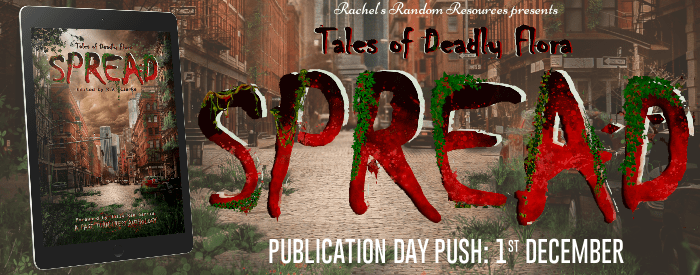
Today, I’m reviewing Spread: Tales of Deadly Flora, a collection of fabulous (and slightly disturbing) short stories) Highly recommended #blogtour

Here’s the blurb

Green thumbs beware. Plants are beautiful, peaceful, abundant, and life-sustaining. But what if something sinister took root in the soil, awakening to unleash slashing thorns, squeezing vines, or haunting greenery that lured you in? Perhaps blooms on distant planets could claim your heart, hitch a ride to Earth on a meteor, or simply poison you with their essence. Imagine a world where scientists produced our own demise in a lab, set spores free to infect, even bred ferns to be our friends only to witness the privilege perverted. When faced with botanical terror, will humanity fight to survive, or will they curl and wither like leaves in the fall? Read ten speculative tales ripe with dangerous flora to find out.

Purchase Link

https://www.amazon.com/dp/B0CKX9PGVY/

My Review

Spread is a collection of short stories all with a theme of deadly fauna. If this doesn’t sound like your sort of thing, then rest assured, it’s not really mine either, but these tales are all really good reads – I thoroughly enjoyed all of them even if some of them made me feel a bit itchy.

The tales are so well constructed, drawing you into a whole new world quickly, and packing a great deal of punch. Some of them are quite eerie. Some of them will have you shouting, ‘No, don’t do it,’ and others slowly reveal themselves and become creepy unexpectedly. They range from tales set on different planets to those set on an Earth slowly being consumed by deadly fauna, or being set upon by alien fauna, but not all of them can be quite so easily categorised. All of the tales are well worth reading.

In future, I will be eyeing up the plants around my house with a wary glance. Genuinely, it is an excellent collection of short stories, I’m so pleased I decided to read them.

Connect with the authors

Website: www.pageturnpress.com

Instagram & Twitter: @pageturnpress

Facebook: https://www.facebook.com/pageturnpress/