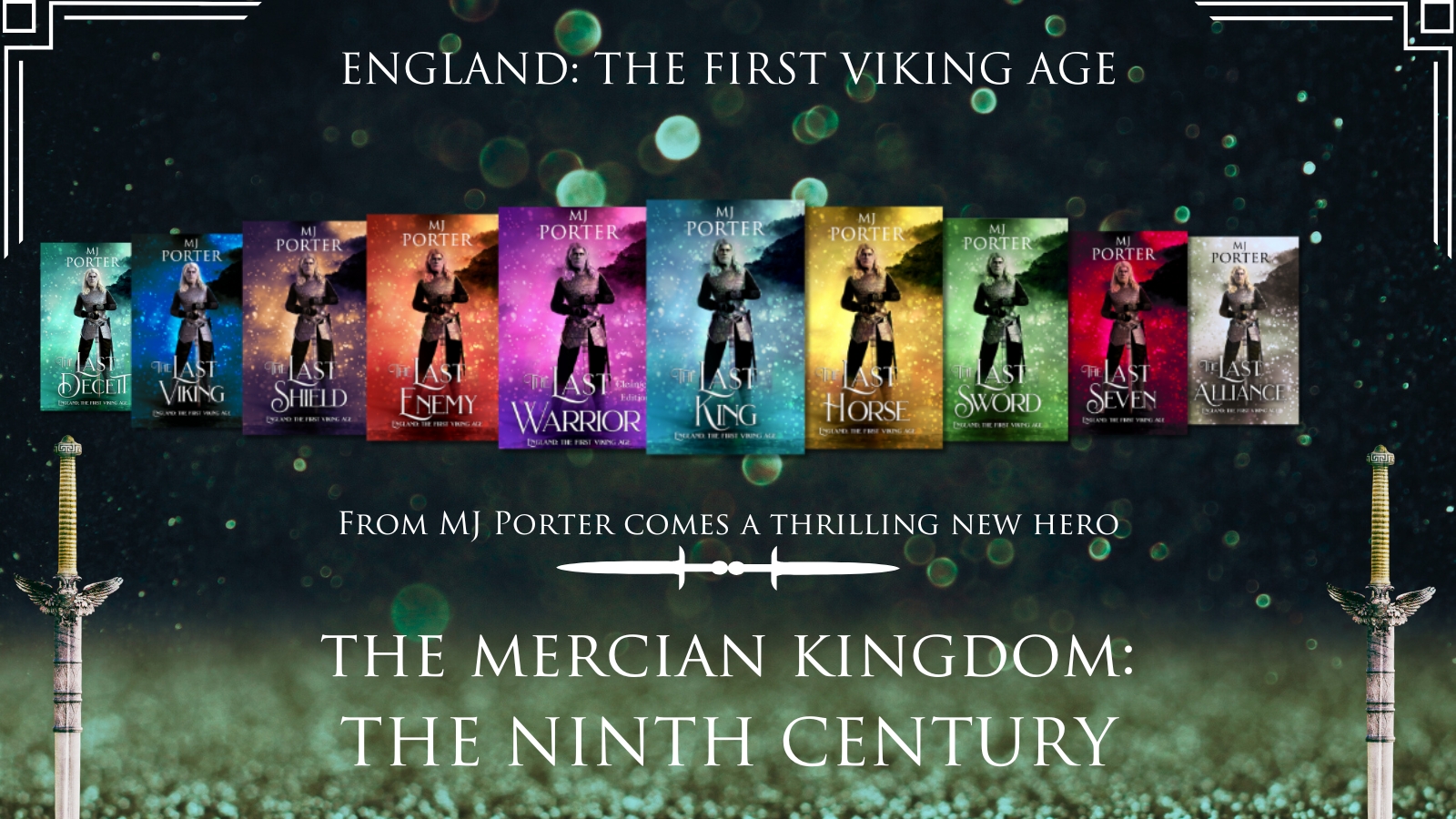
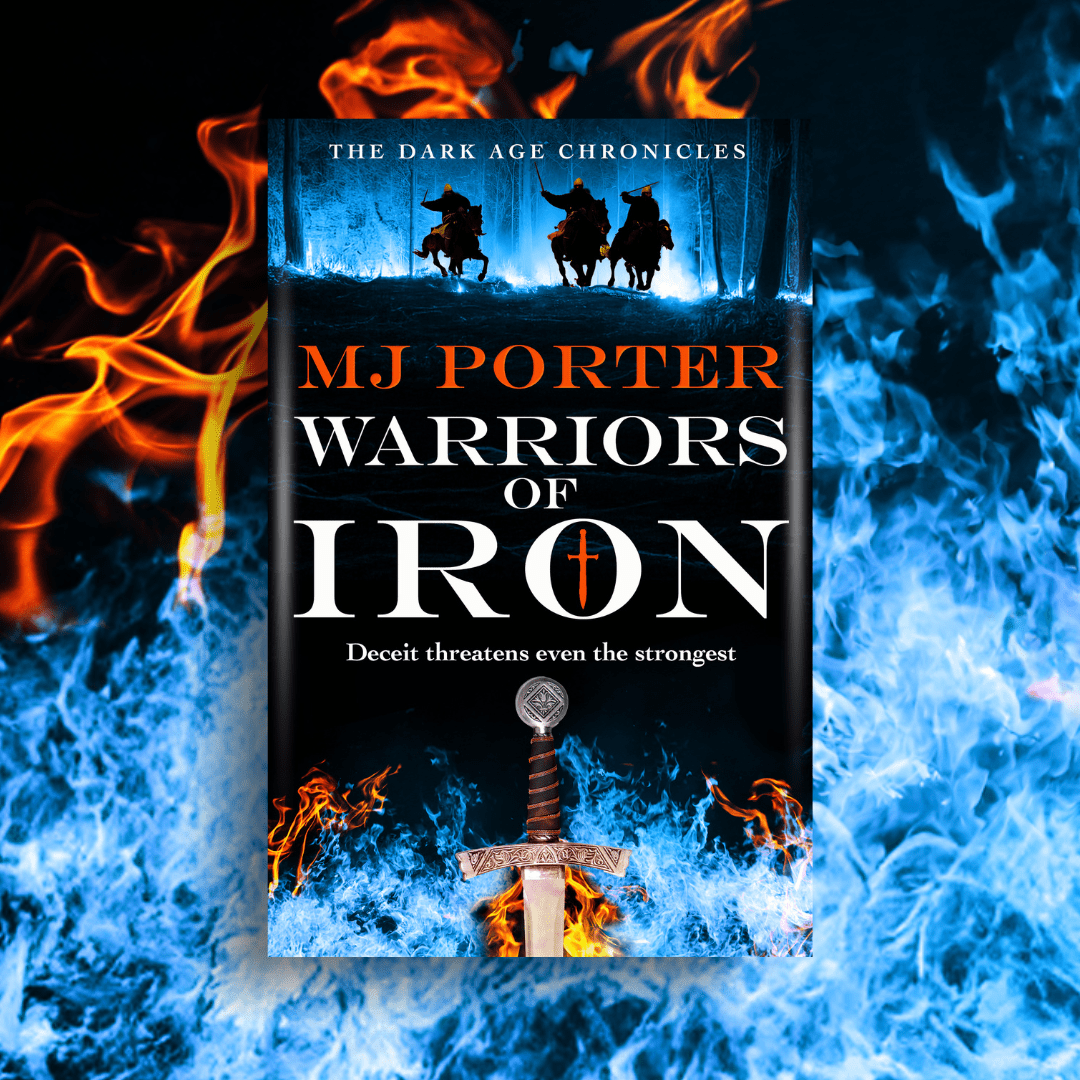
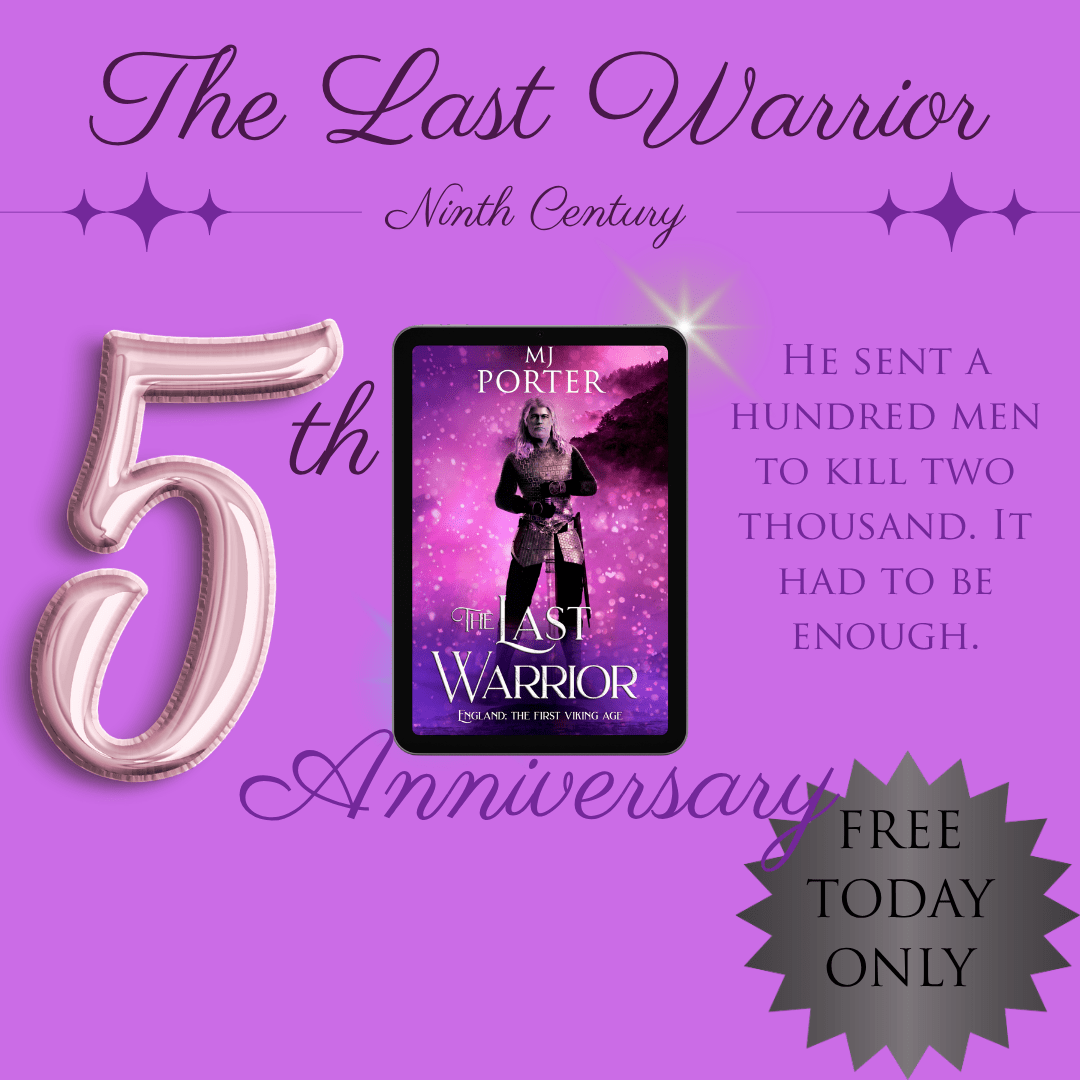
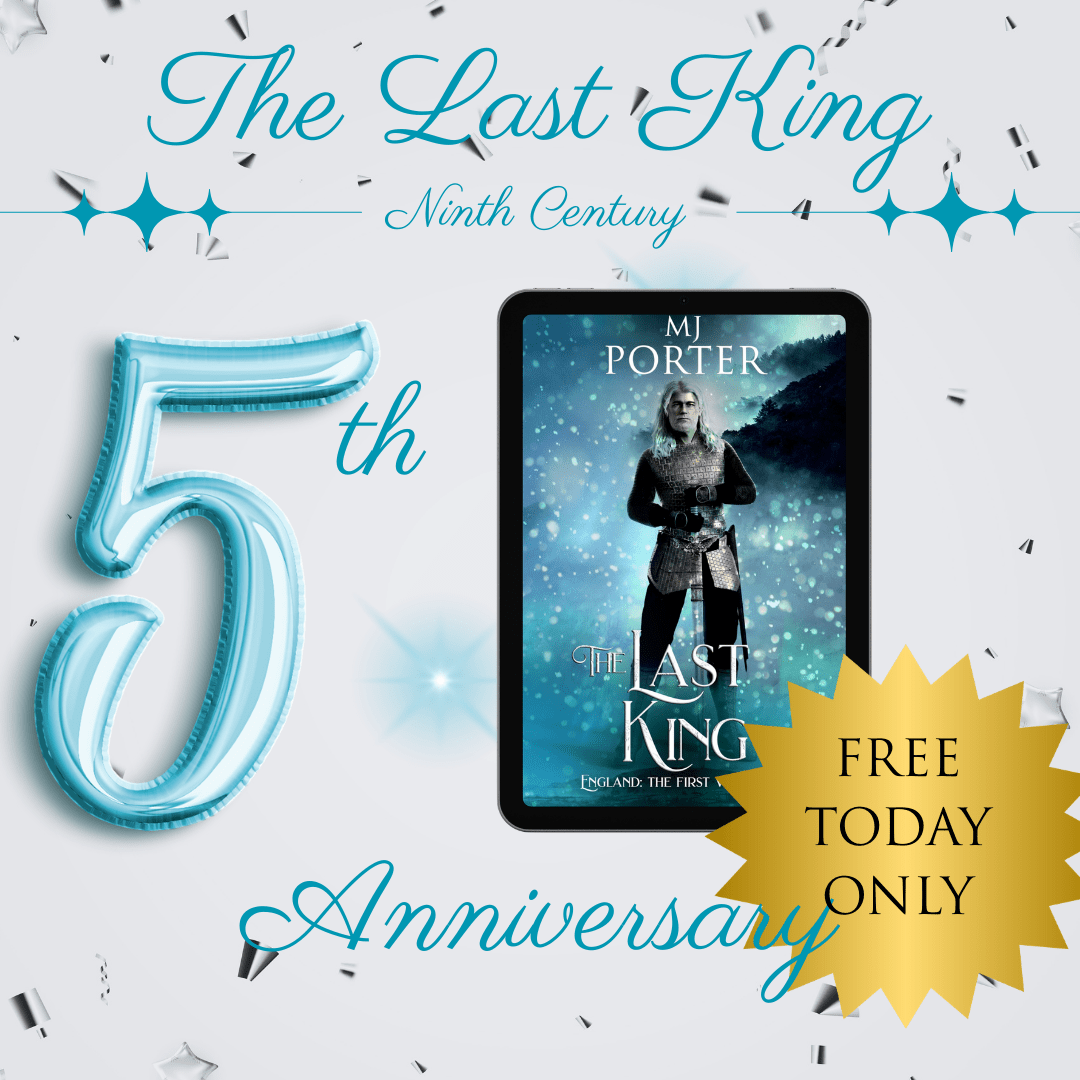
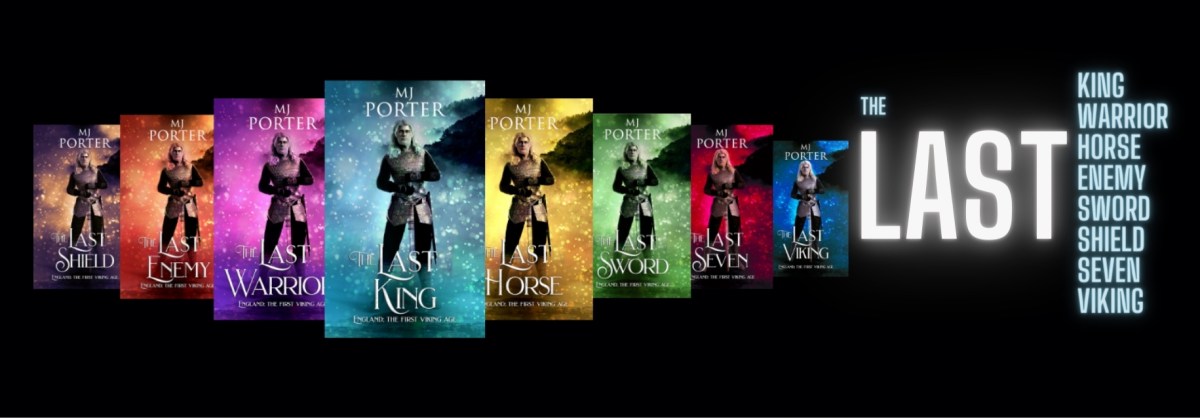
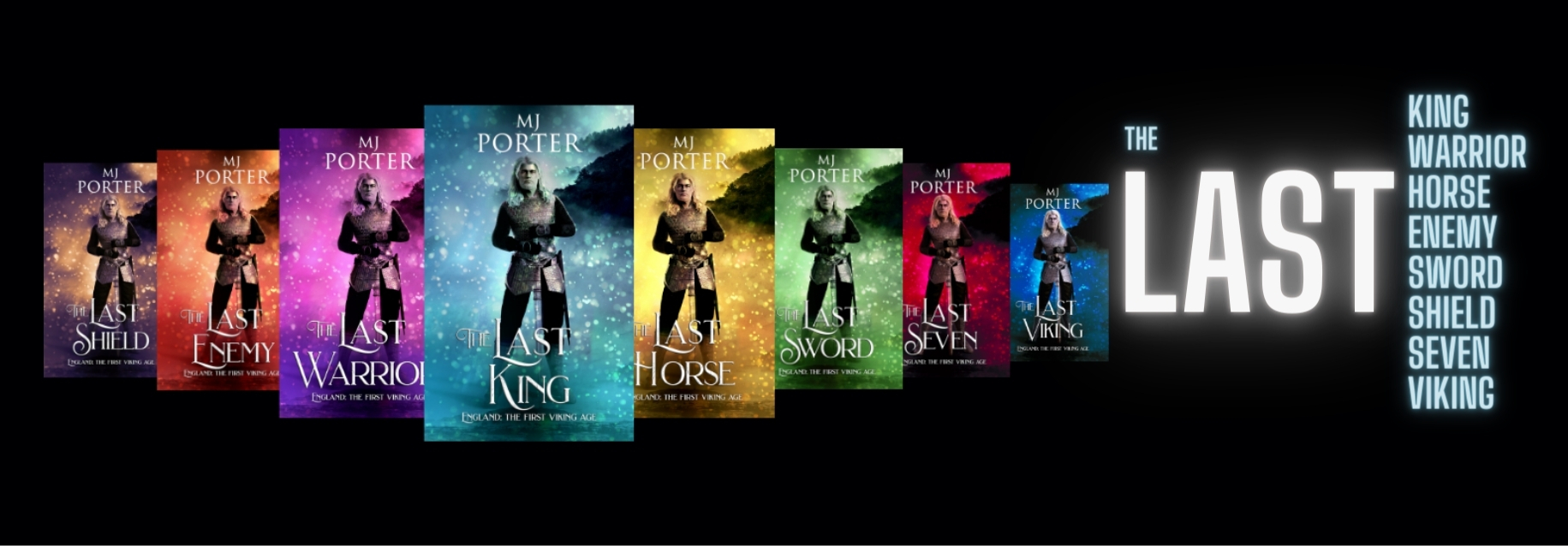
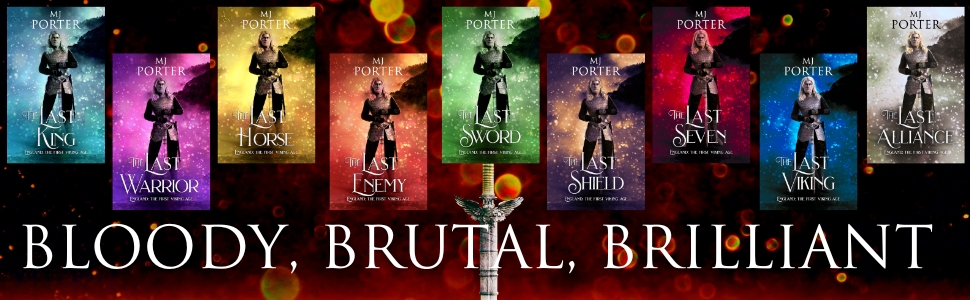
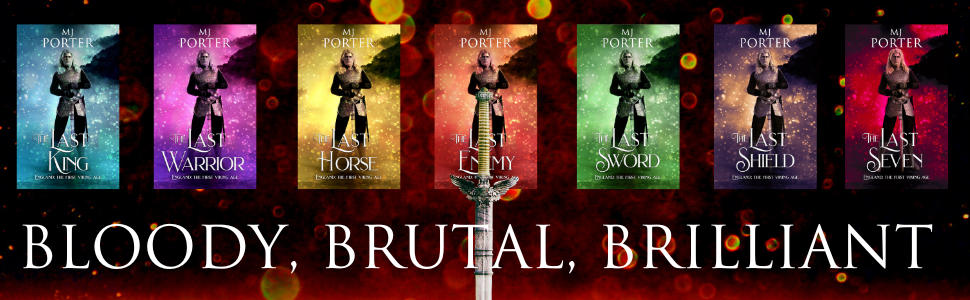
If you’ve been with Coelwulf, Rudolf, Icel, Edmund and Pybba since the beginning, then you’re probably with me in trying to work out how five years have gone by since the release of The Last Warrior, which from memory has a bit of a shocking ending (but no other spoilers here).
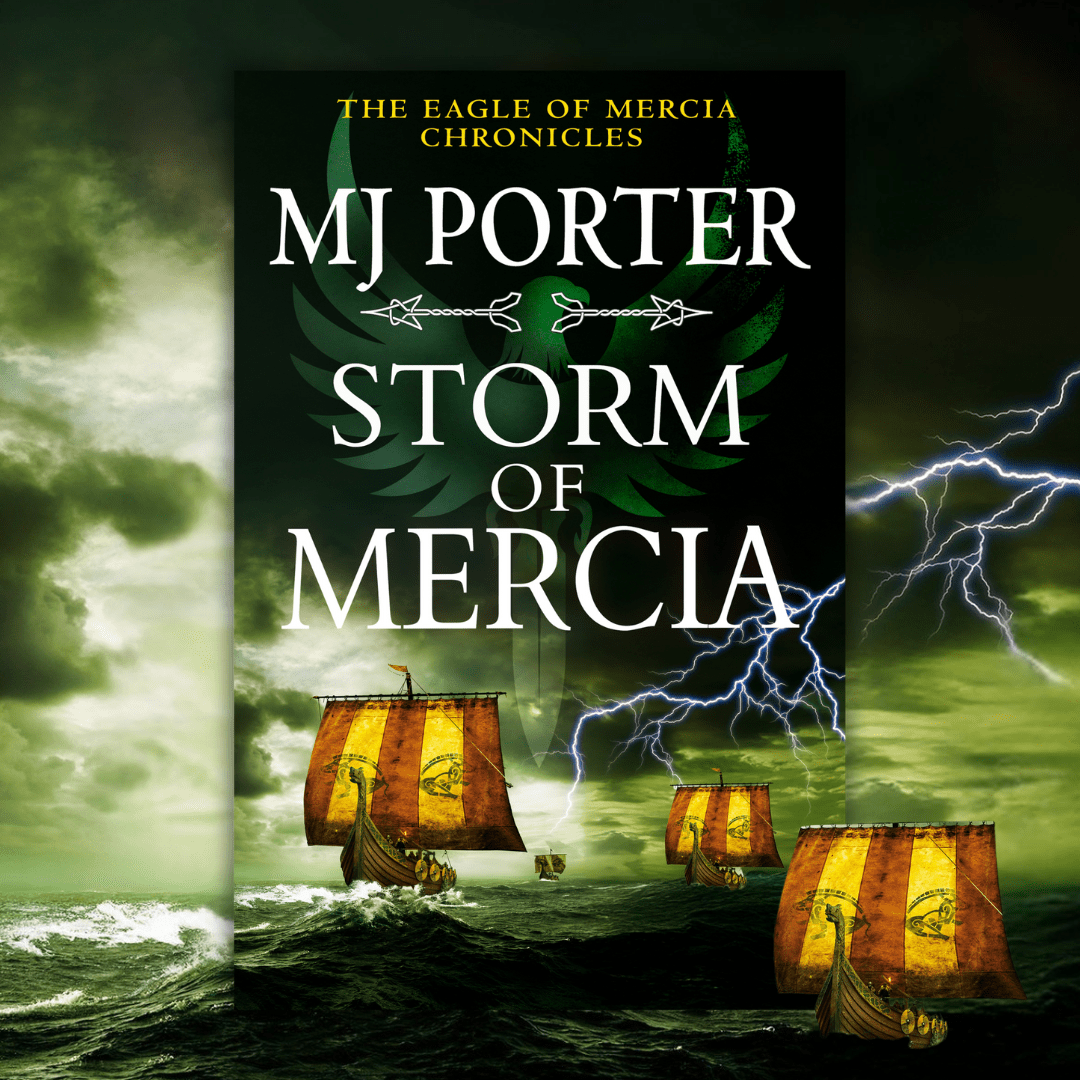
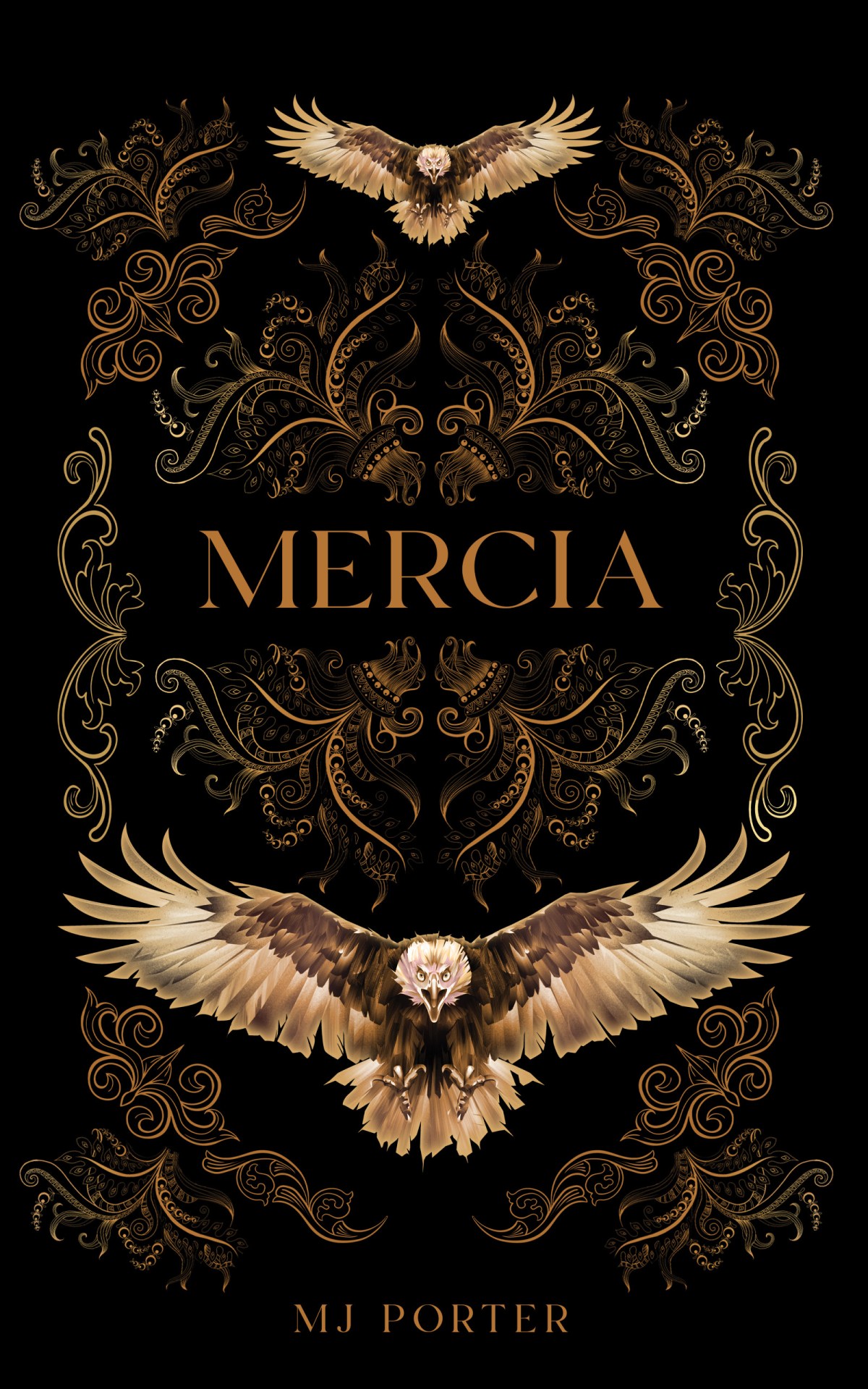
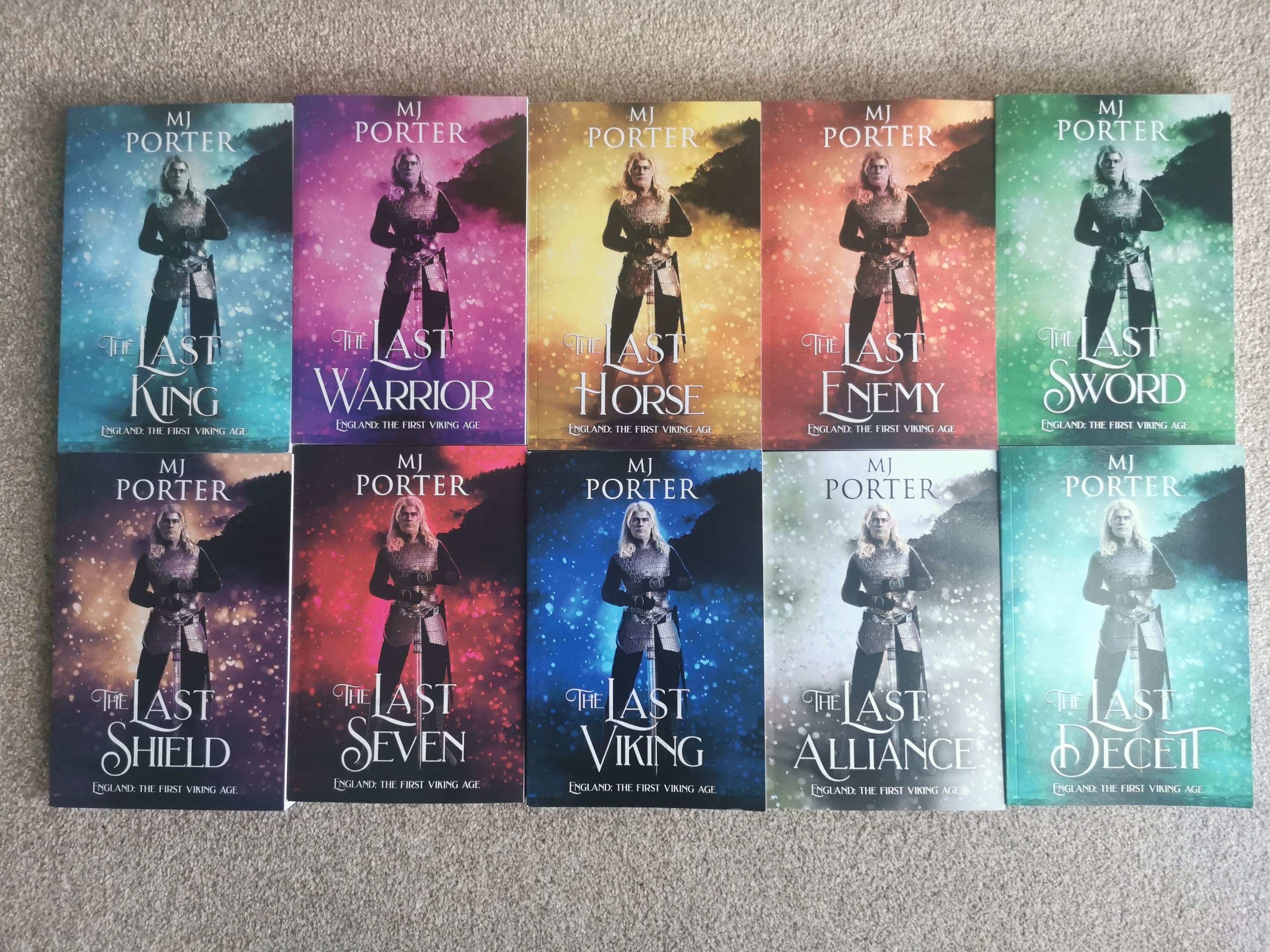
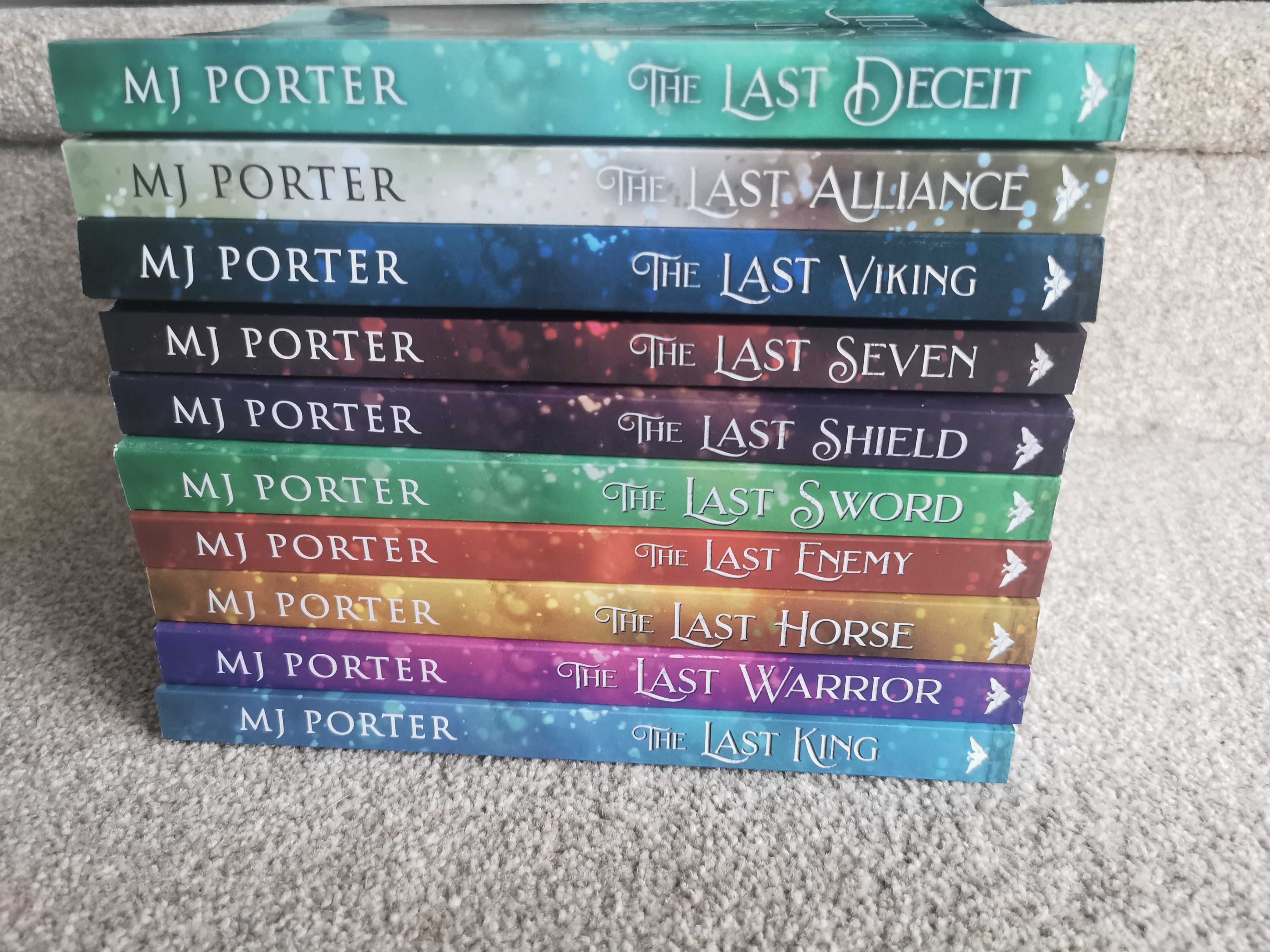
There are now ten books in all, as well as a short story collection, Coelwulf’s Company, and the prequel series featuring a young Icel, the Eagle of Mercia Chronicles (check out the stories featuring young Icel – if you know, you know, and if you don’t yet know, you’re going to want to find out.)
Fans of the series each have their own favourite, from the somewhat difficult Haden (Coelwulf’s horse), to Edmund, young Rudolf and the difficult-to-please Icel, as well as Pybba. I also think many love Edmund’s brother, Hereman, who is someone who thinks after the punches have been thrown:) The Viking raider enemy also have a few fans, and I did very much enjoy recreating these characters.
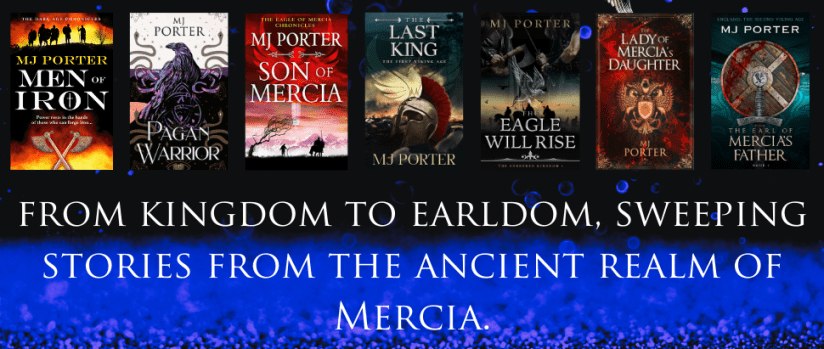
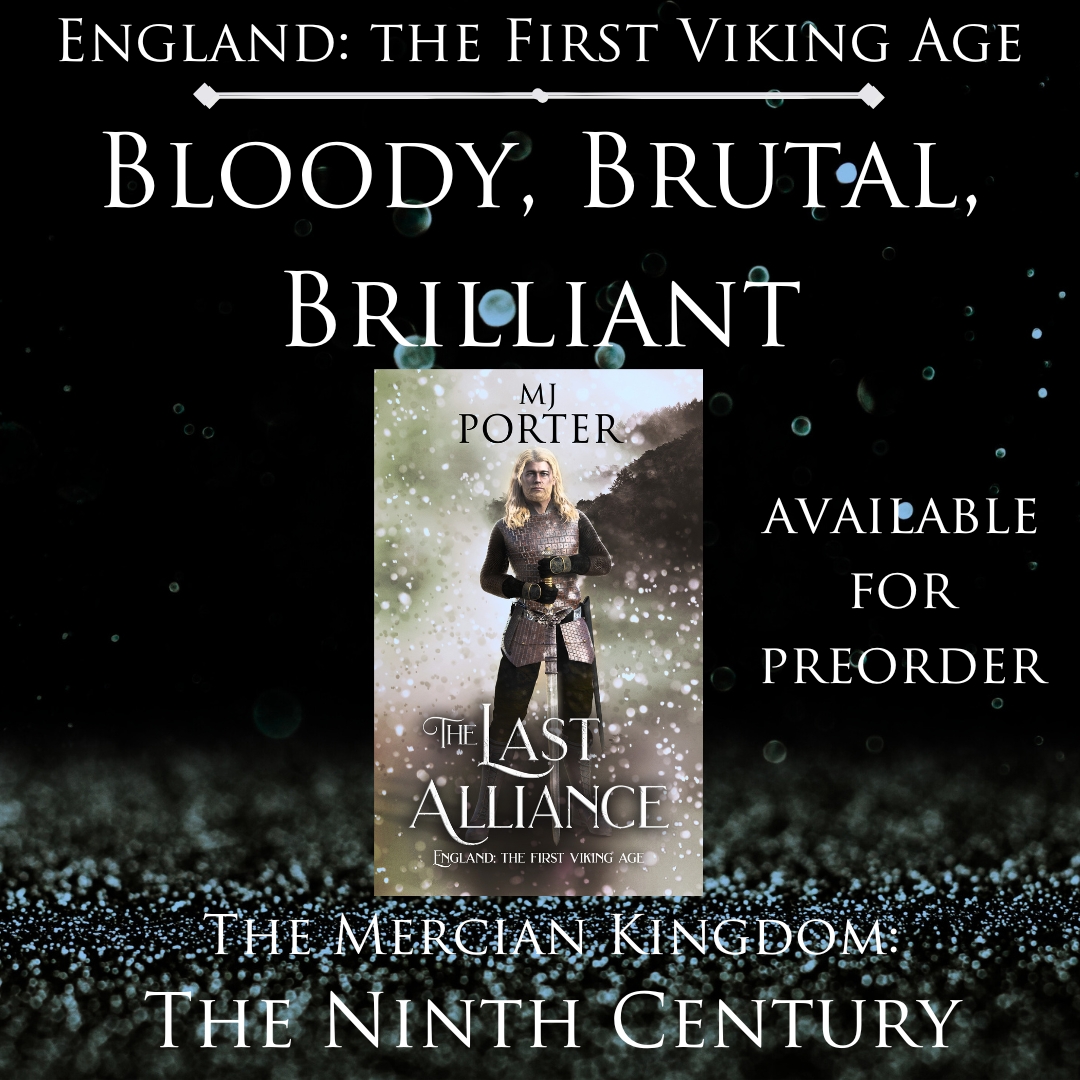
If you’ve not yet discovered The Mercian Kingdom: The Ninth Century series, then you’re in for a treat, as long as you’re not easily offended by foul language and violence – although if you are, there are Cleaner versions available without quite so much swearing. You’re never going to get away from the violence with this band of miscreants. Follow this link, as they can be a bit tricky to find on Amazon.
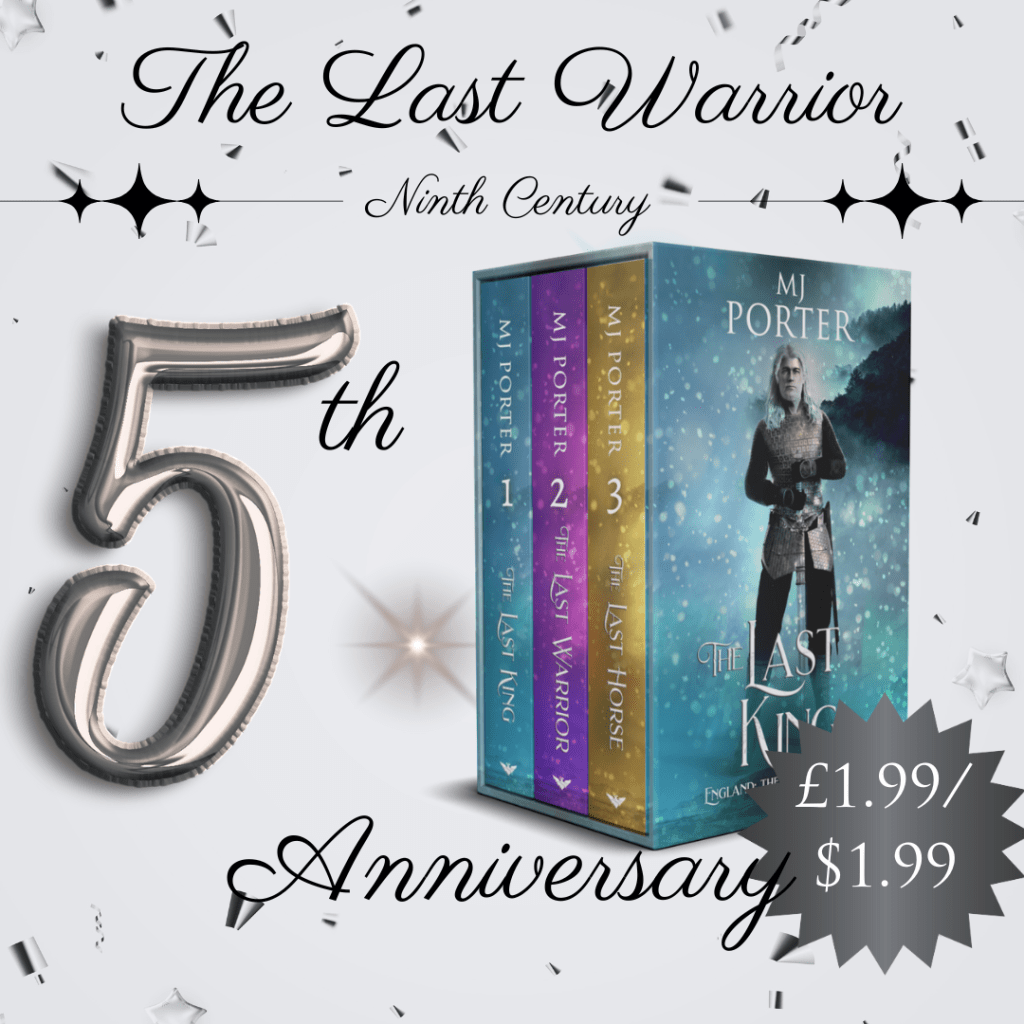
The Last King books are available in eBook, paperback, and hardback formats, and in eBook only for the version without the swearing. Or, check out the box set below, which also contains the versions with the language dialled down by a factor or about 450 (yes, I do run a check to ensure my characters have been as foul-mouthed as readers expect). You can hear me discussing the series and the swearing on the Rock, Paper, Swords podcast with Matthew Harffy and Steven A. McKay.
If you’ve been with Coelwulf, Rudolf, Icel, Edmund and Pybba since the beginning, then you’re probably with me in trying to work out how five years have gone by since the first book’s release. There are now ten books in all, as well as a short story collection, Coelwulf’s Company, and the prequel series featuring a young Icel, the Eagle of Mercia Chronicles (check out the stories featuring a young Icel – if you know, you know, and if you don’t yet know, you’re going to want to find out.)
If you’ve not yet discovered The Mercian Kingdom: The Ninth Century series, then you’re in for a treat, as long as you’re not easily offended by foul language and violence – although if you are, there are Cleaner versions available without quite so much swearing. Follow this link, as they can be a bit tricky to find on Amazon.
The Last King books are available in ebook, paperback and hardback, and The Last King (book 1 ) is also available in audio.
Competition Time
I’ve gained some of the best fans ever by running competitions to win signed copies of my books, and this year is no different, although the prize keeps getting BIGGER.
To enter the competition to win all 10 books signed by me, complete this Google form. (Competition is open until 30th April 2025).
Entries are open to UK-based people only (because postage is very expensive elsewhere), but people outside the UK can still submit their details and receive a FREE copy of a short story collection featuring stories set in The Last King’s world (and check out another fabulous deal below).
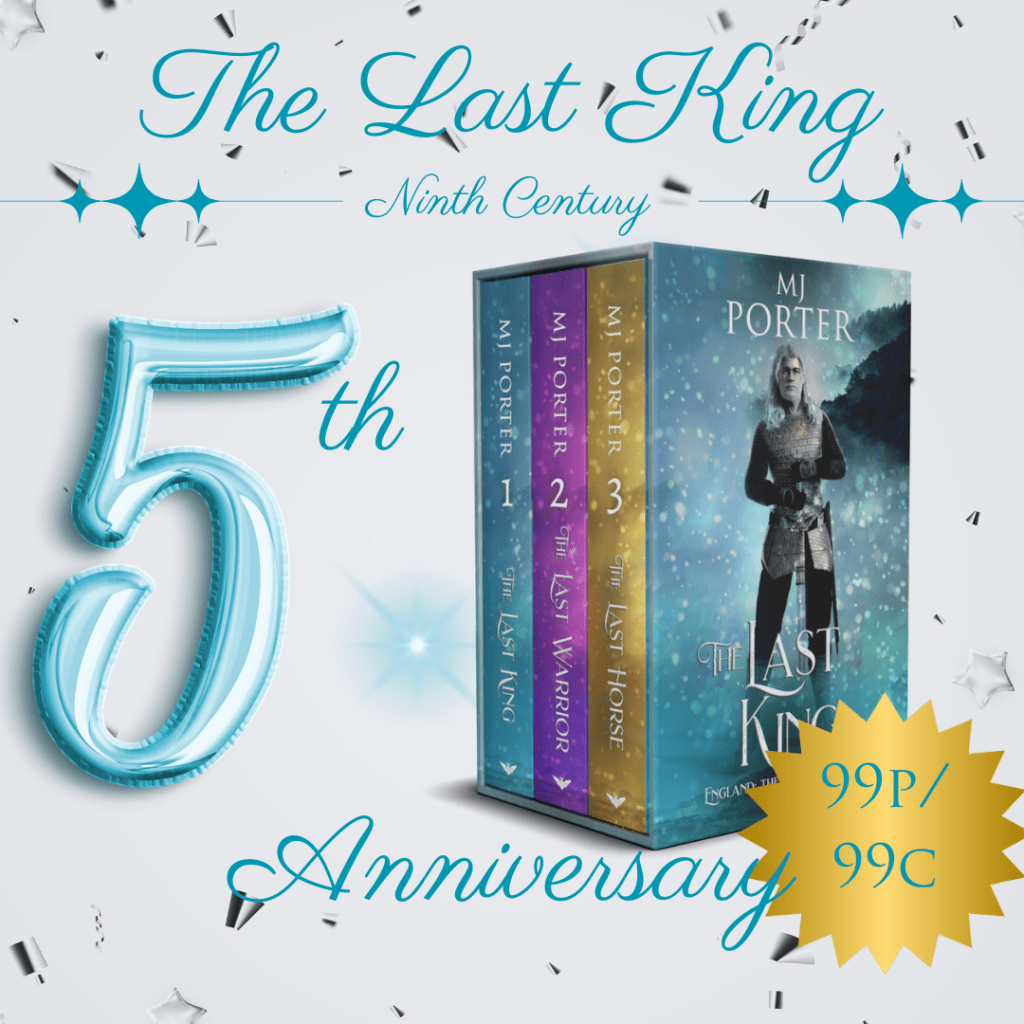
You can also grab the first 3 books in the series for 99p/99c and equivalent worldwide for a very limited time
These are the less sweary-versions (I am having a bit of moment with hyphenated words so I am going with it for this).
If you’ve been with Coelwulf, Rudolf, Icel, Edmund and Pybba since the beginning, then you’re probably with me in trying to work out how 4 years have gone by since the release of the first book. There are now eight (well really nine and a half, as book 9 is written but not yet released, and book 10 is well underway) books in all, as well as a short story collection, Coelwulf’s Company.
If you’ve not yet discovered The Mercian Kingdom: The Ninth Century series, then you’ve in for a treat, as long as you’re not easily offended by foul language and violence – although if you are, there are Cleaner versions available without quite so much swearing. Follow this link, as they can be a bit tricky to find on Amazon.
Don’t forget to check out the short story collection, Coelwulf’s Company.
If you follow the link, here (to Bookfunnel) you can also download a copy of The New Recruit, a short story I wrote while working on The Last Seven.
The Last King books are available in ebook, paperback and hardback, and The Last King (book 1 ) is also available in audio.
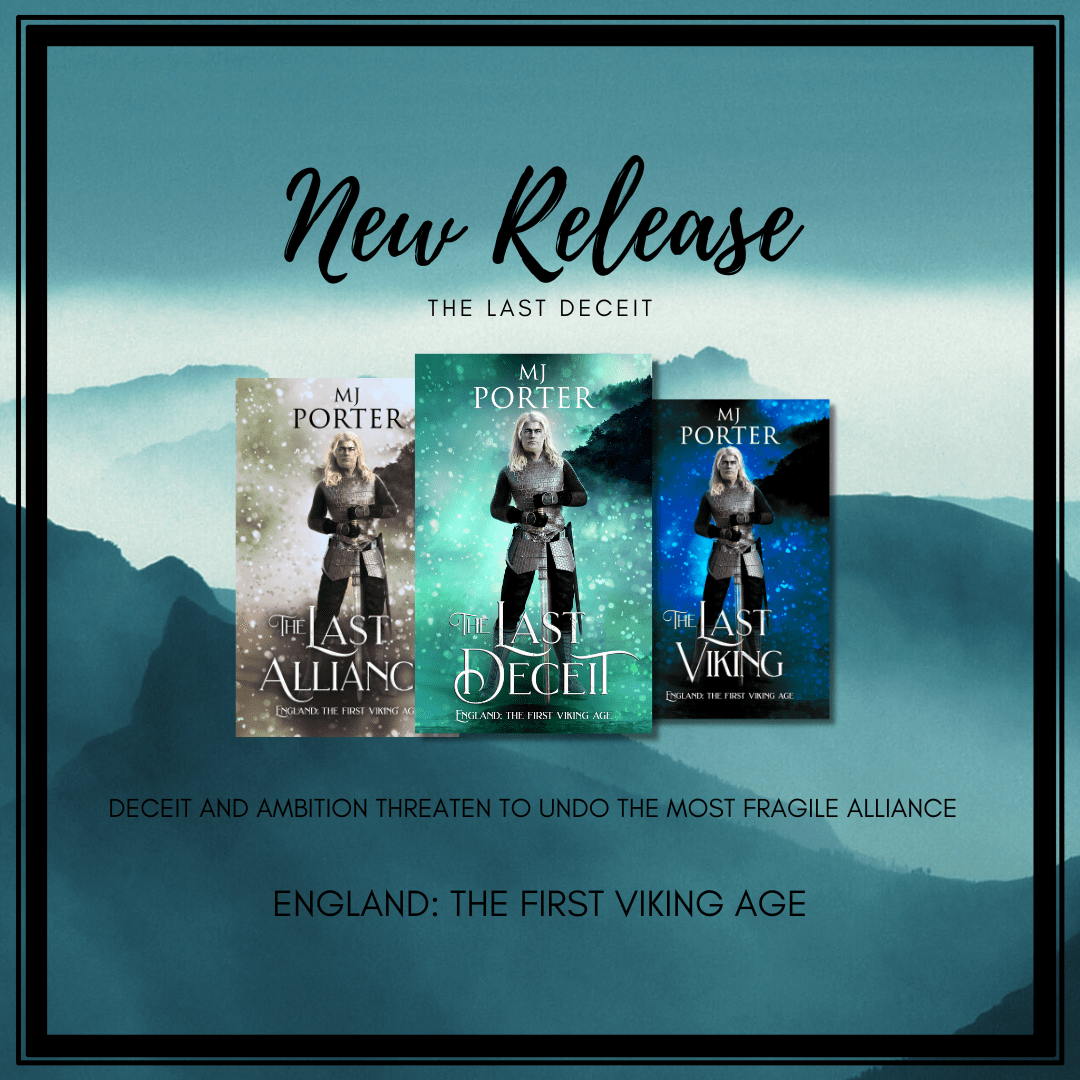
The Last Viking (the most recent release) is currently 99p/99c on Amazon UK/Canada/Australia and reduced in all territories for a limited time only.
The Last King is also available to read with Prime Reading on Amazon UK.
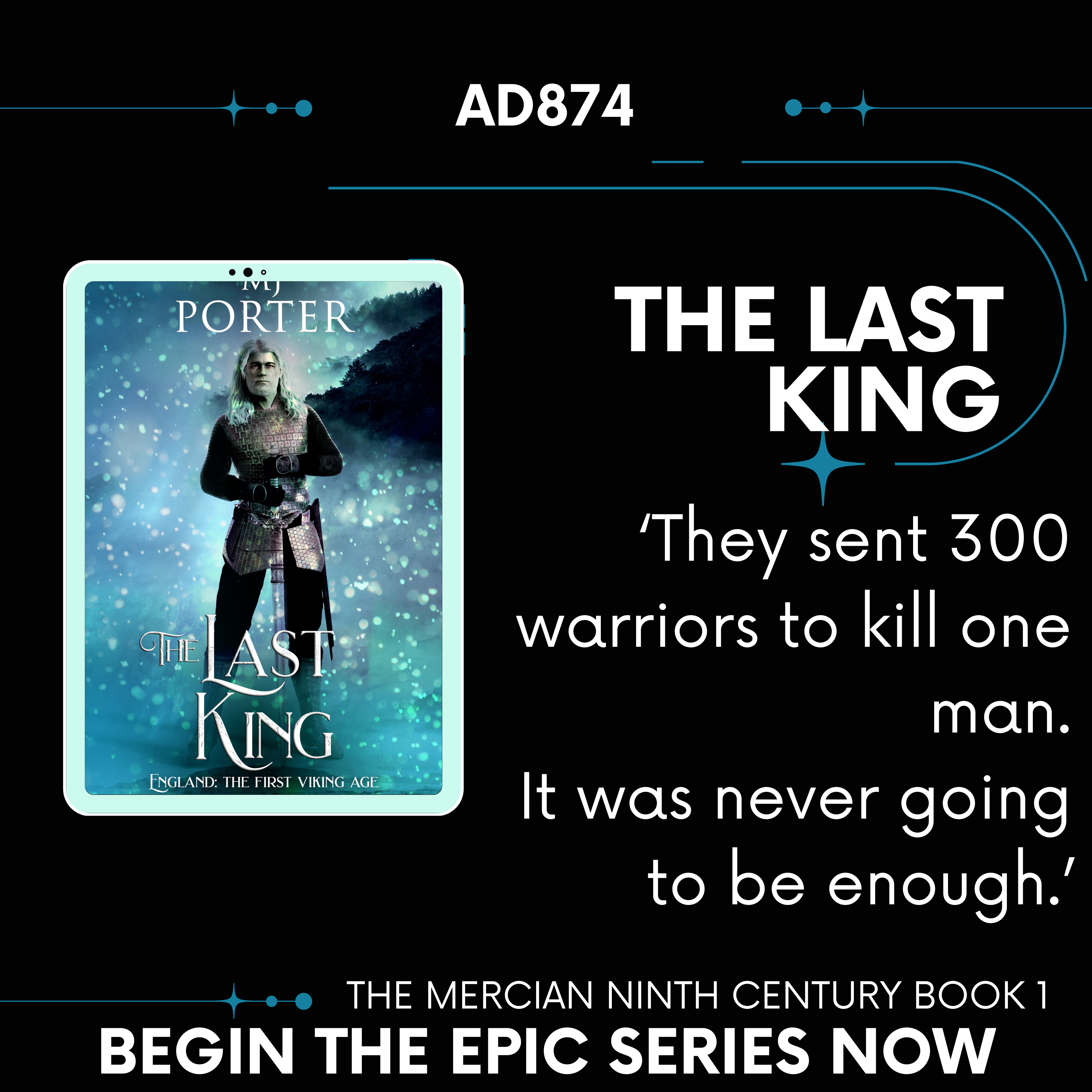
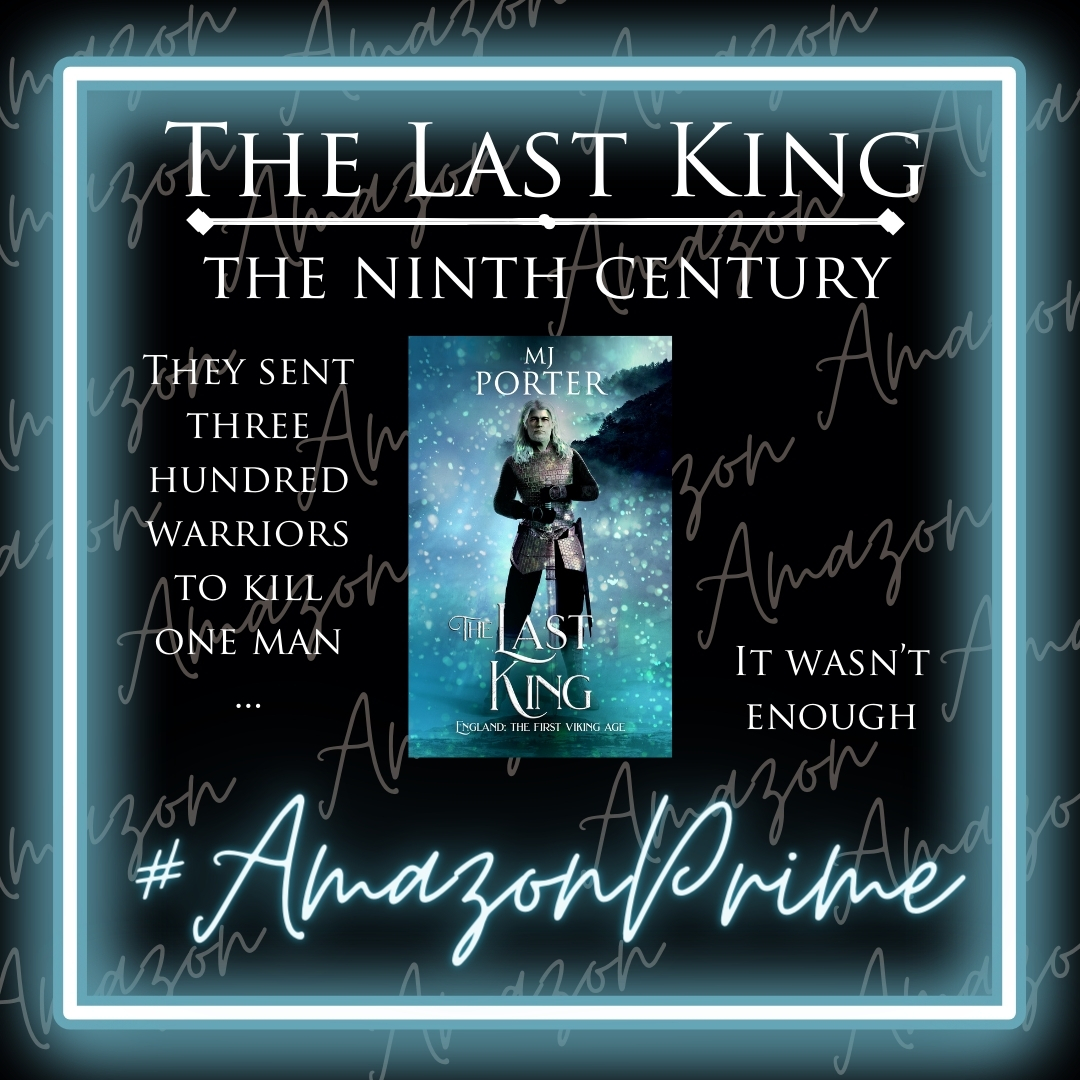
They sent three hundred warriors to kill one man. It wasn’t enough.
Mercia lies broken but not beaten, her alliance with Wessex in tatters. Coelwulf, a fierce and bloody warrior, hears whispers that Mercia has been betrayed from his home in the west. He fears no man, especially not the Vikings sent to hunt him down.
To discover the truth of the rumours he hears, Coelwulf must travel to the heart of Mercia, and what he finds there will determine the fate of Mercia, as well as his own.
Here’s an excerpt
AD874
I taste it on my lips, and over the salt of my sweat.
And I scowl. It’s not a flavour I wish to get used to. All the same, I know what it is without a second thought.
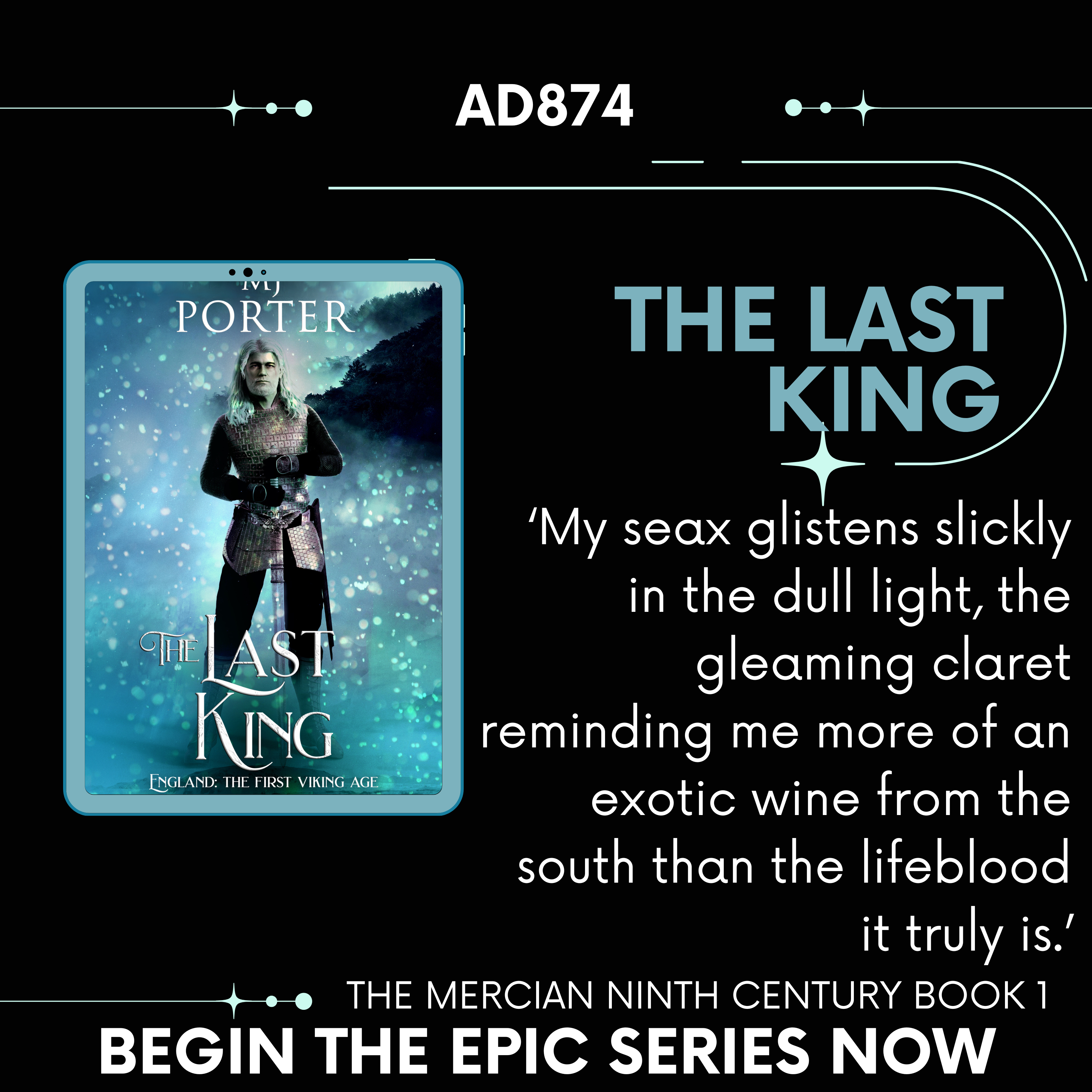
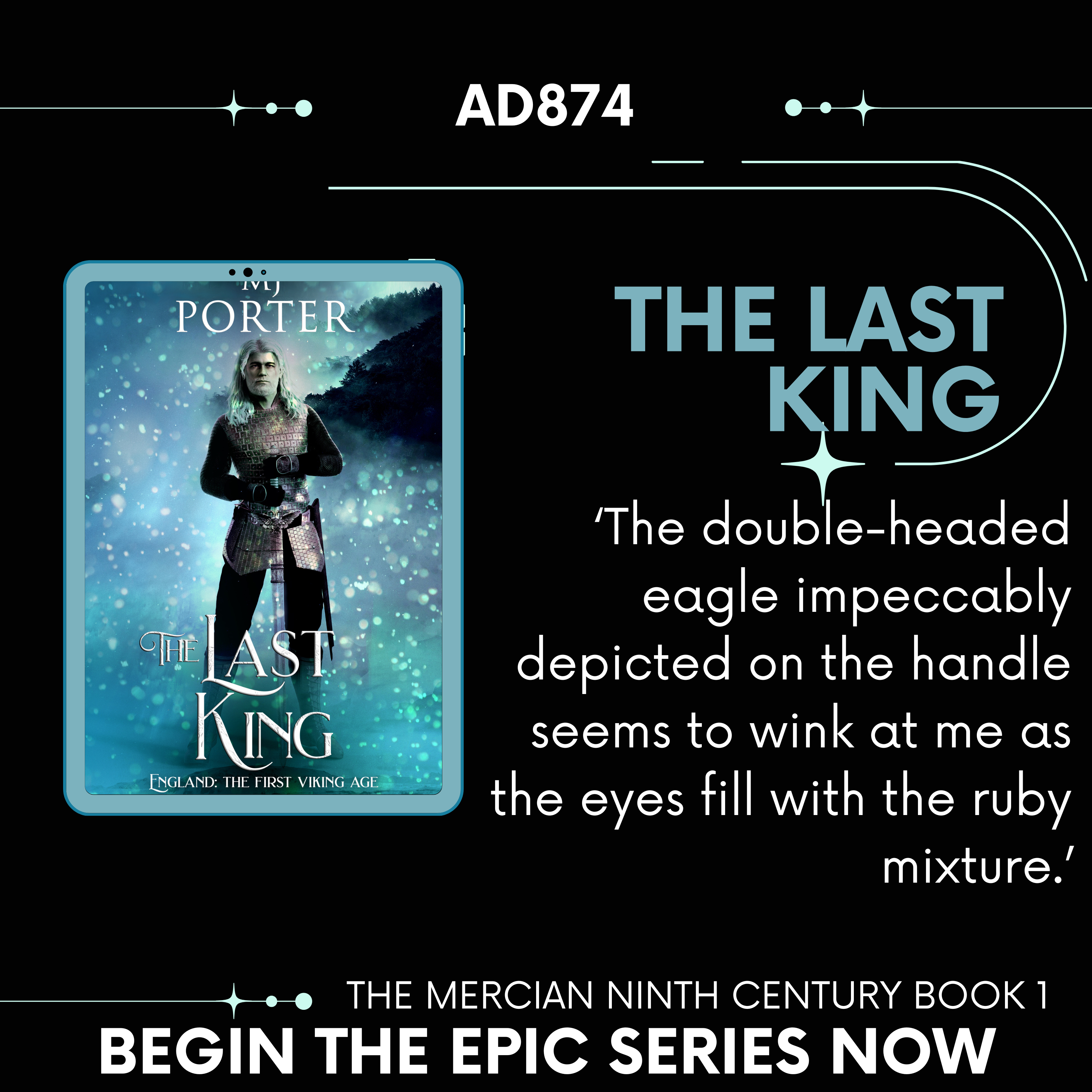
My seax glistens slickly in the dull light, the gleaming claret reminding me more of an exotic wine from the south than the lifeblood it truly is. The double headed-eagle impeccably depicted on the handle seems to wink at me, as the eyes fill with the ruby mixture.
Not that I focus on it for more than the time it takes me to blink.
This horde feels as though it’ll never stop, and I’m determined to end the lives of as many of them as possible. Such slaughter doesn’t bring me joy, but this is my skill. I wield it because I must.
My weapon, so sharp it cuts through byrnies as though they’re no more than spider webs, is busy today.
They come against my force, as small as it is, and they mean to annihilate us. But we will not go without making our sacrifices to their god of war.
My seax sweeps effortlessly along the abruptly exposed throat of my enemy, the realisation of what’s befallen him only reaching his eyes as he falls to the ground. I step over him, already sighting my next enemy.
This one swirls an axe in his left hand, as I reveal my bloodied teeth. His entire body recoils, almost a backward step. Before he can consider his move, I’ve sliced through his belly, the gut threatening to spill at my feet. I dismiss him and move onto the next man.
The ground beneath my feet squelches with each step, slick, more like a flooded river than the solid ground it should be.
It’s awash with the dead and wounded, the long shield wall that tried to defeat us long since disintegrated to small spots of desperate one to one fighting. This is my favourite part of any battle.
I turn, noting the angle of the sun, the brush of the breeze against my slick body, breathing deeply through my nose. This is not my first battle. Far from it.
I hear the cries of those boys who thought themselves men, and equally of those men who’ve found they are but boys when their lives are threatened.
I scorn them. They’re not worthy of my attention.
Quickly, I reach for my weapons belt, keen to know that all is where it should be. My hand brushes over the sharpened edges and deadly blades that make a home there. For now.
Satisfied, I pick my next target, a tight knot of men fighting not five steps away, and move forward.
I don’t hurry. Not this time. Neither, as I’ve seen others do, do I check the weight of my weapon, or test the strength of my arm as I consider my next move. Instinctively I know that all is well.
They’ll not fail me. They haven’t before.
If you’ve not yet discovered The Mercian Kingdom: The Ninth Century series, then you’ve in for a treat, as long as you’re not easily offended by foul language and violence – and if you are, there are Cleaner versions available on Amazon Kindle.
If you’ve been reading the Icel books, then you will find a friend in this series, set in the 870s in a Mercia under assault by the Viking raiders.
And don’t forget to check out the short story collection, Coelwulf’s Company, tales from before The Last King.
The Last King books are available in ebook, paperback and hardback, and The Last King (book 1 ) is also available in audio.
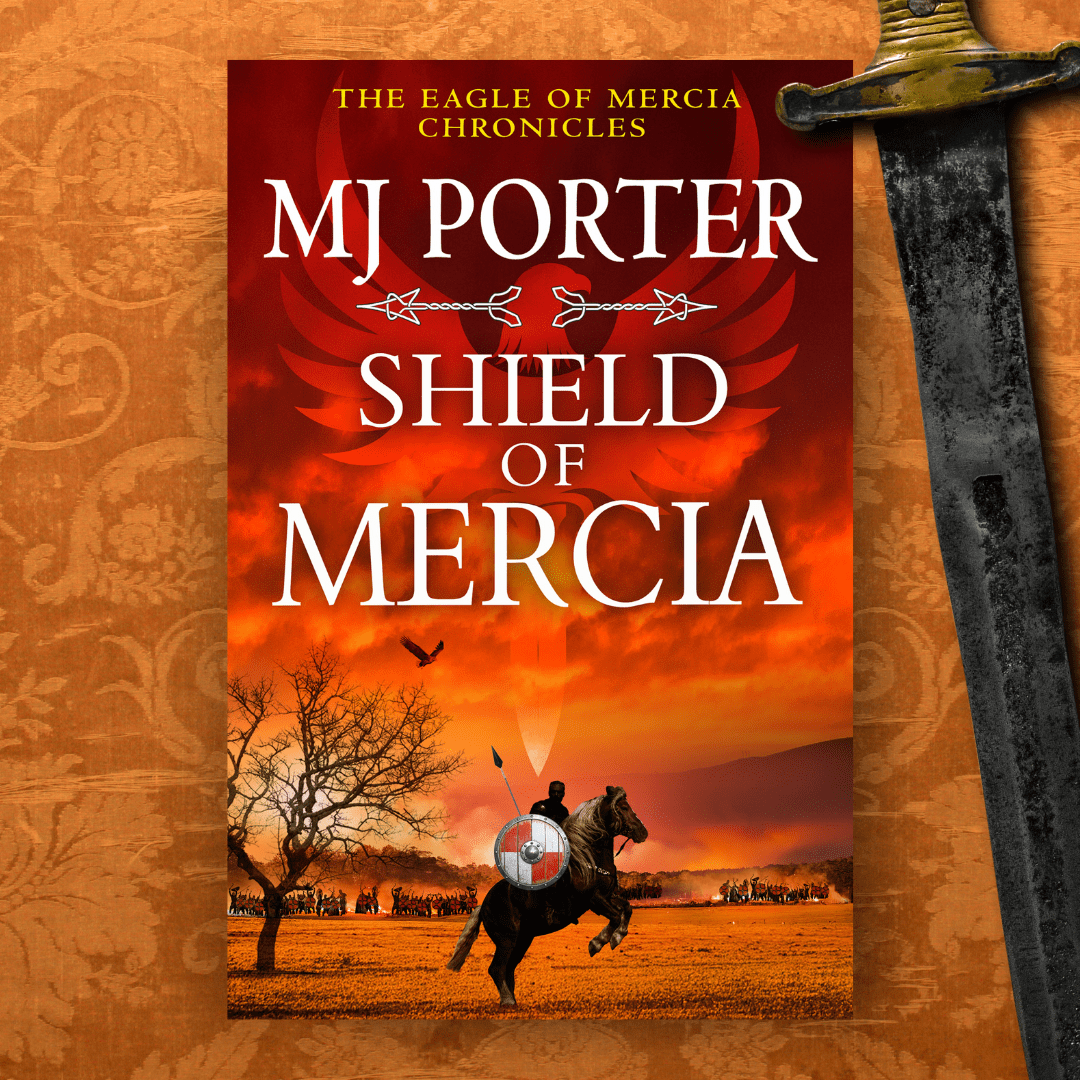
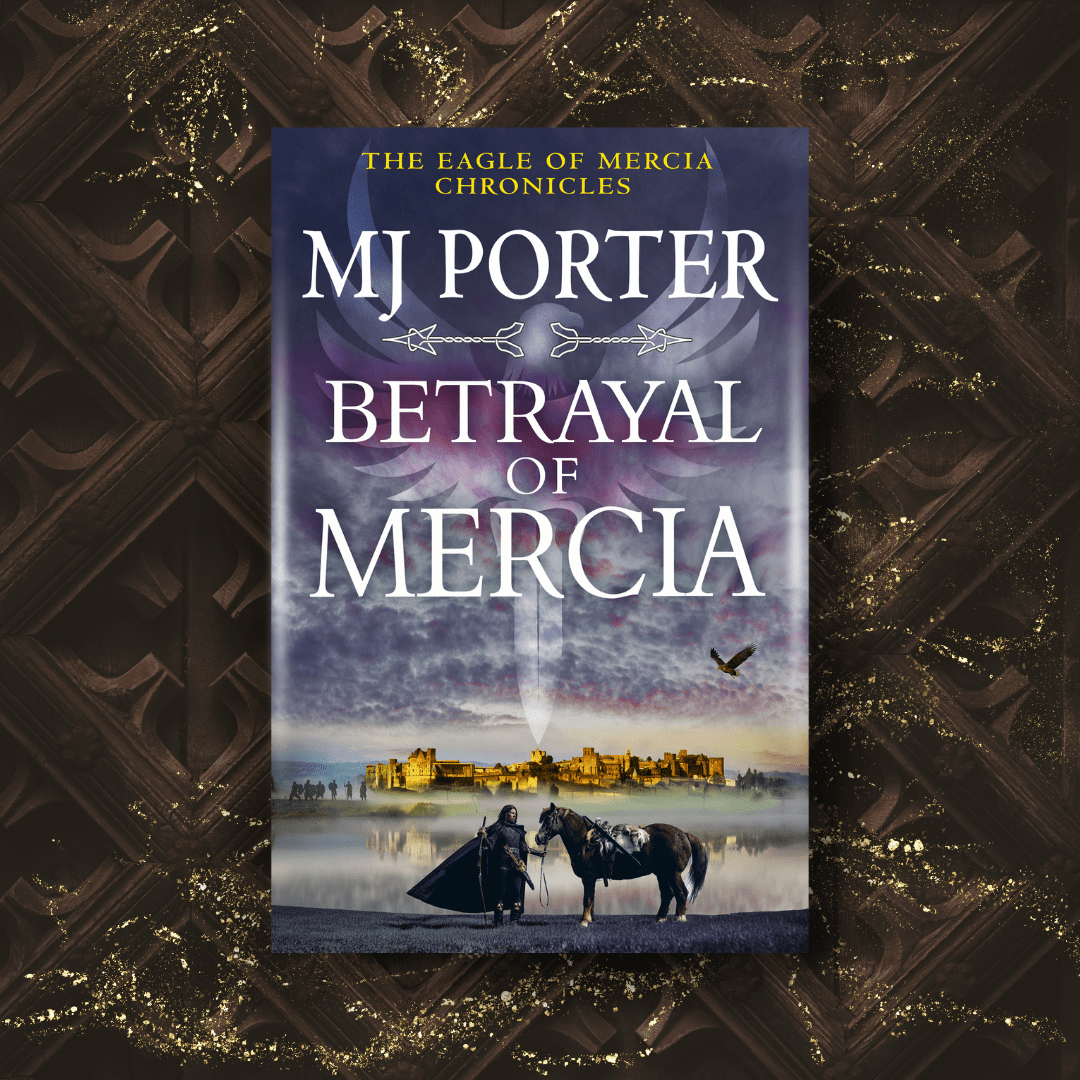
Today is the day, book 5 in The Eagle of Mercia Chronicles is released into the wild.
Here’s the blurb:
A deathbed oath leaves the lives of two infants hanging in the balance.
Tamworth AD833 After successfully rescuing her husband from the Island of Sheppey, Icel hears the deathbed confession of Lady Cynehild which leaves him questioning what he knows about his past, as well as his future.
In the unenviable position of being oath sworn to protect their two atheling sons when Lord Coenwulf is punished and banished for his treason against the Mercian ruler, King Wiglaf, Icel is once more torn between his oaths and the secret he knows.
When the two children are kidnapped, Icel, good to his word, and fearing for their safety, pursues their abductors into the dangerous Northern lands, fearing to discover who is behind the audacious attempt on their lives: the queen, the king’s son, or even Lady Ælflæd, a friend to him in the past, but now wed to the king’s son and aunt to the two abandoned children.
Alone in the Northern lands, Icel finds himself facing his worse fears. Can he rescue the children from their captor, or will he fail and lose his life in the process?
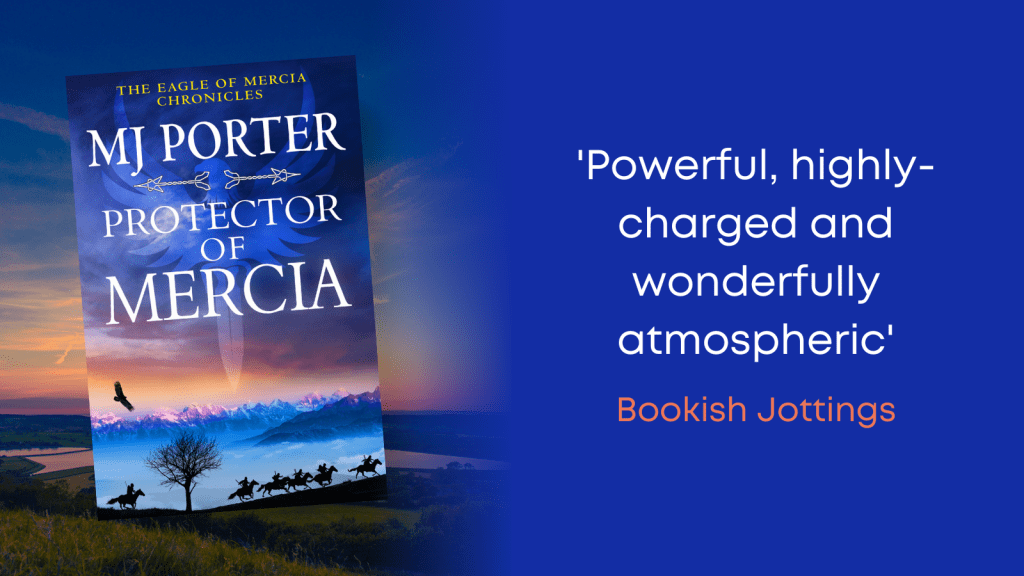
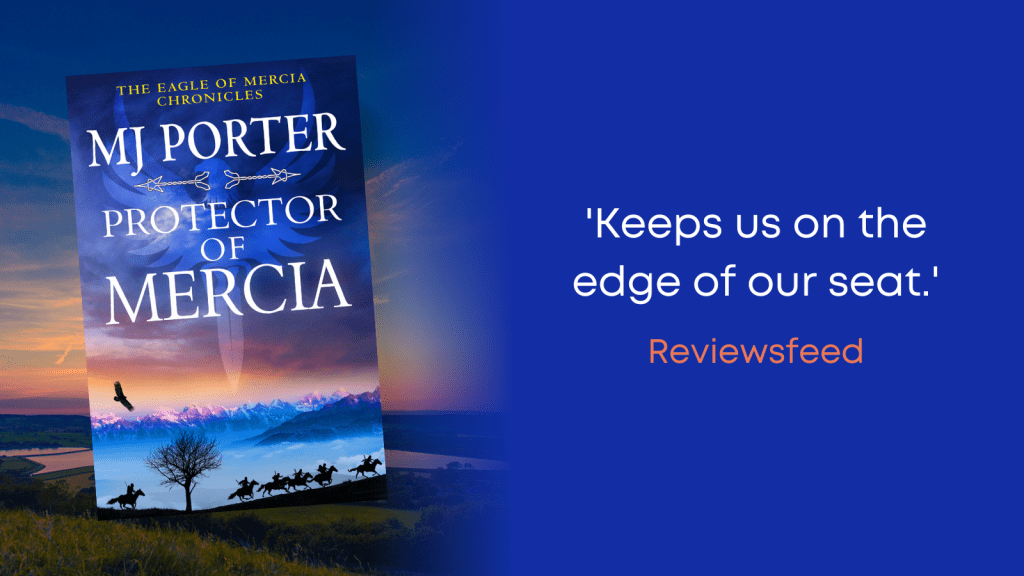
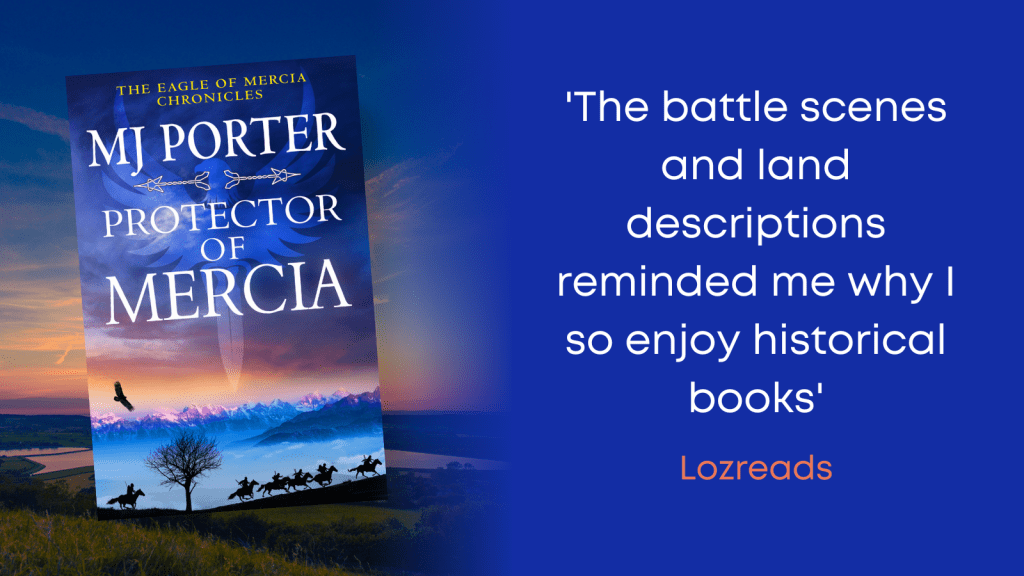
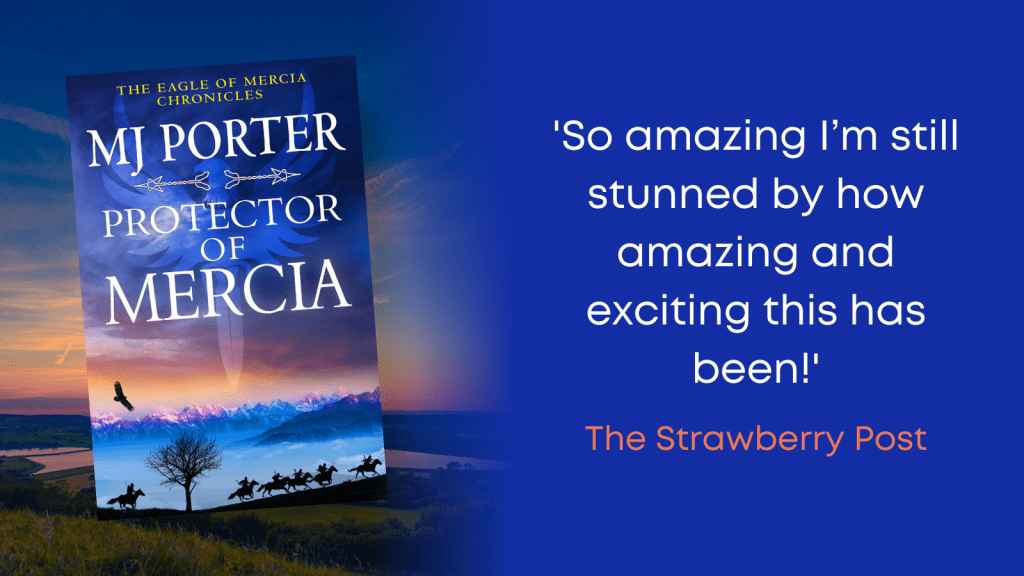
Read all about Protector of Mercia over on my publisher’s Facebook account.
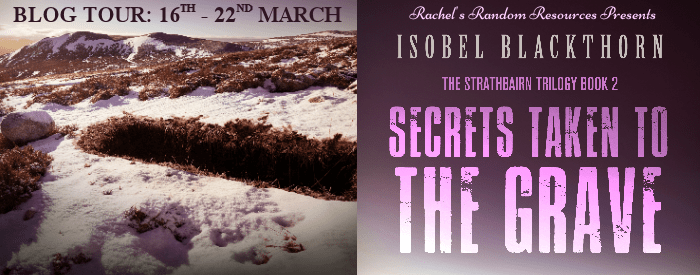
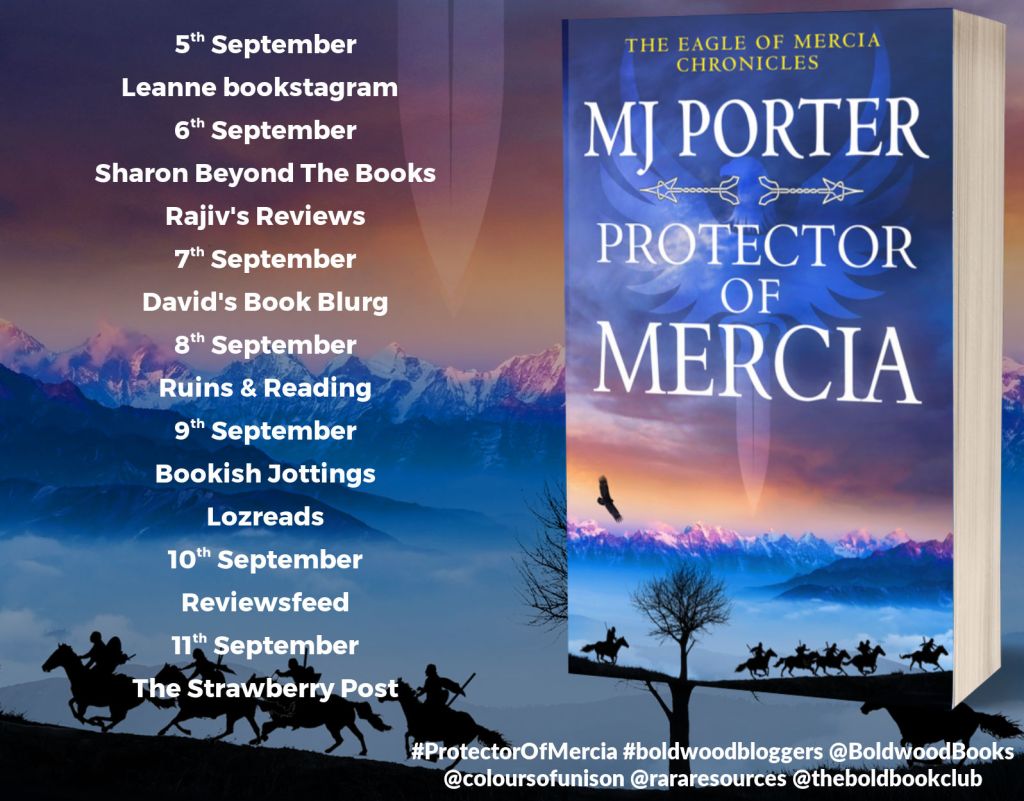
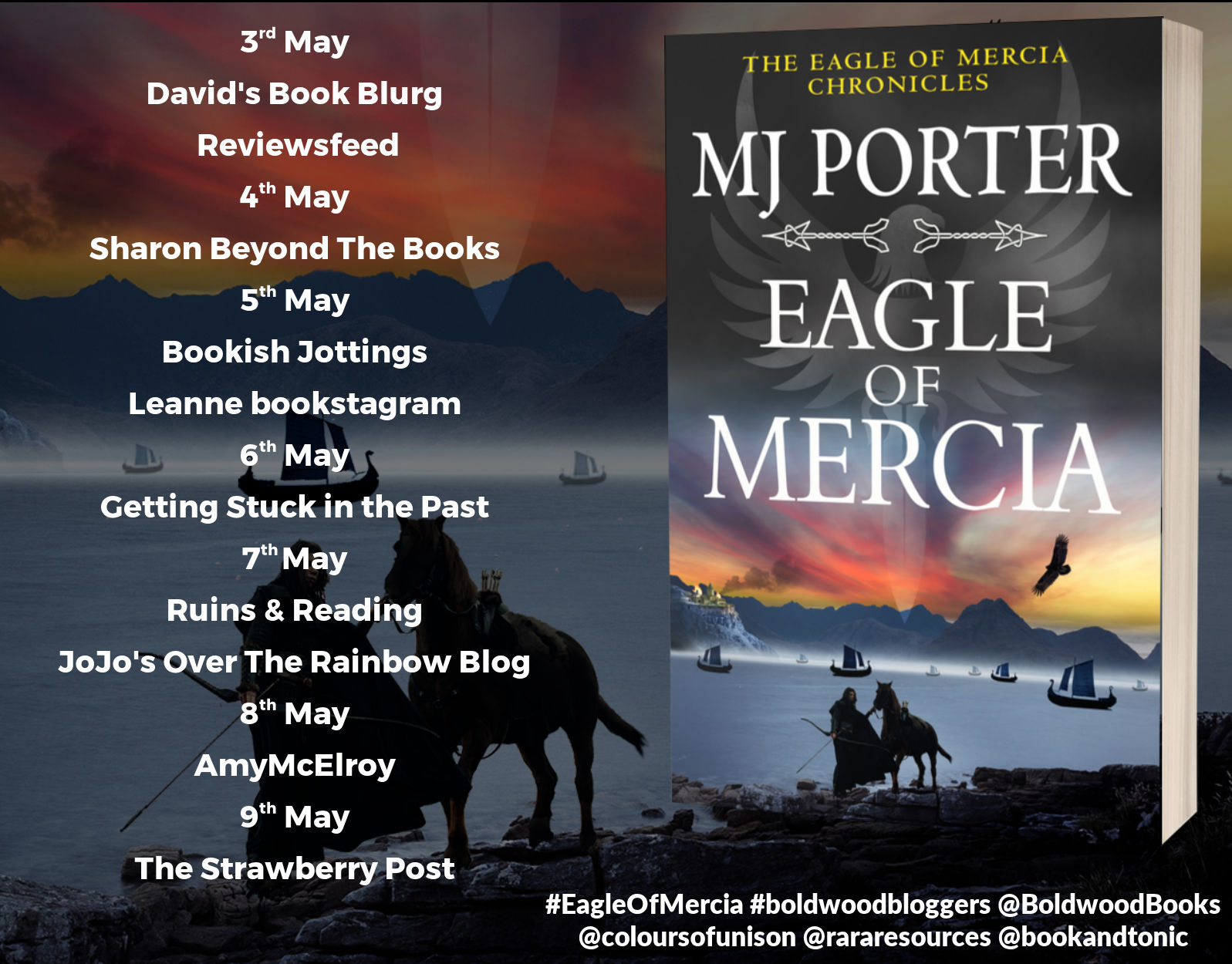
Protector of Mercia is on blog tour. My thanks to Rachel at Rachel’s Random Resources for organising and all the hosts for taking part. I will add the links each day.
Check out the reviews below. I’ll be updating as the blog tour progresses.
And here are some of my favourite moments in the novel, as Icel marvels at what’s been left behind by those who came before him.
And then we come to a stop. In front of me, there’s a structure I can hardly comprehend. All around it are smaller piles of stones, no doubt the remains of other buildings. Beneath my feet, I walk on gravel and tufted grasses. Lifting my feet to peer down, I question whether the whole place was once laid with stone upon which to walk? I pause, gaze around me. In the distance, almost further than the entire settlement of Tamworth, are hints of more walls, more random pieces of white stone, discarded and abandoned. I don’t see any crops or greenery, only shrivelled weeds and little else. If I were to live here, where would I grow my food? Where would Wynflæd harvest her herbs from? The place is dusty and barren, just as Wulfheard told me.
There’s a forest of stone plinths guiding us towards the smell of campfires, with some immobile figures on them, all missing arms, or legs, or feet or even heads, their whiteness attesting to being made from some sort of priceless stone. To me, they look so similar to the bodies of the dead that, for a moment, I can’t quite decipher the intent behind them. And Brihtwold is no help. I can hardly ask what this place is because I should already know.
‘They’re in the centre of the settlement, in a stone-built building, one of the few that still stands to two levels. We head towards the east, and it’s in the centre. It’s difficult to miss it during the daytime, what with the ruined columns that still stand, and the statues that guide our steps towards it, but in the darkness of night, it might be a little more tricky.’
Wolf of Mercia is book 2 in The Eagle of Mercia Chronicles, and I had a lot of fun thinking about what the settlement might have looked like in the 830s, hundreds of years after Londinium was abandoned.
You can read all about Londonia below.
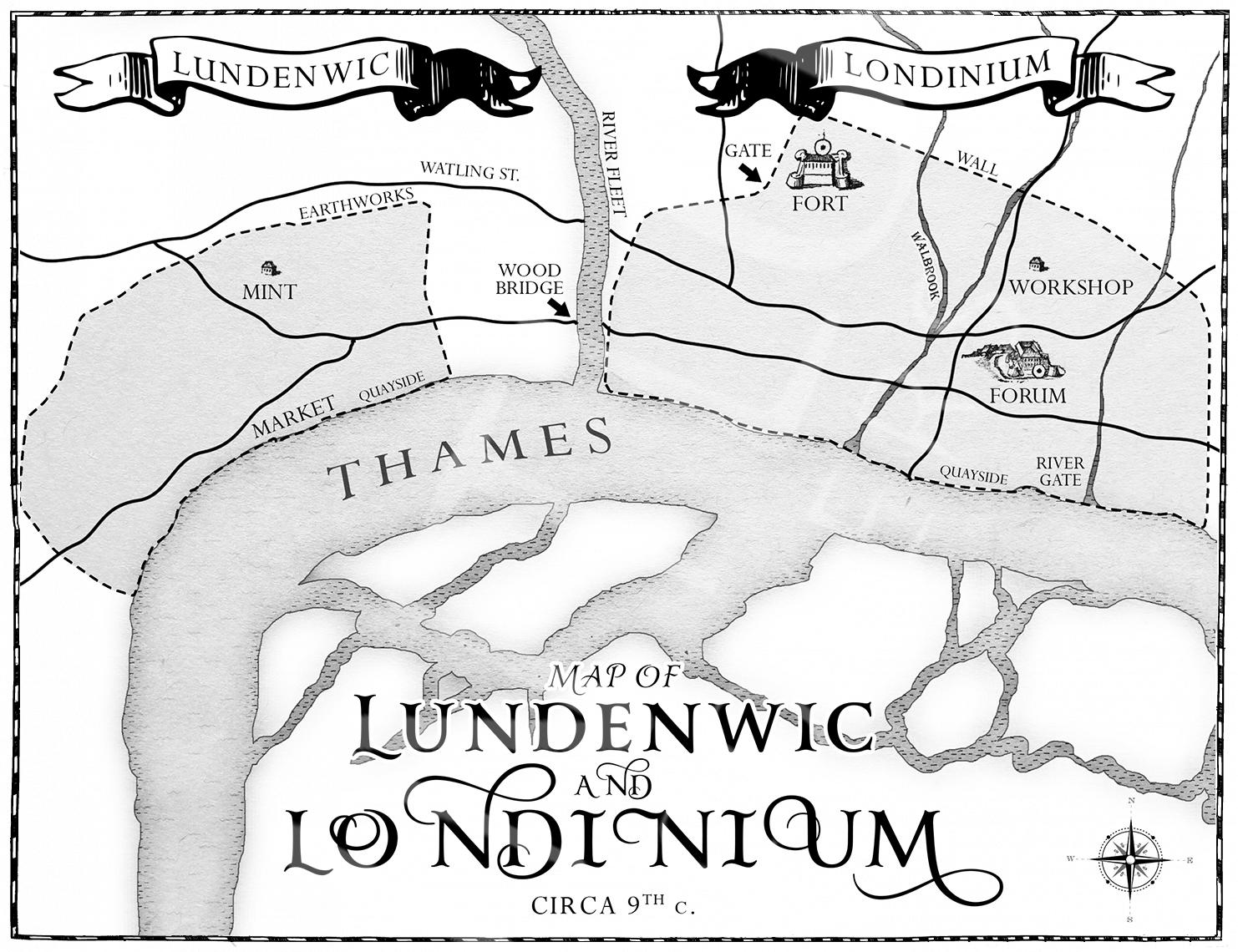
Londonia, the setting for Wolf Of Mercia
I’ve been avoiding taking my Saxon characters to London for quite some time. Bernard Cornwell, I feel, has done a fine job of explaining London to readers of his The Last Kingdom books. I wasn’t sure I had a great deal more to offer. But how wrong I was.
Londonia, the name suggested by Rory Naismith in his Citadel of the Saxons, for the combined settlement of the seventh century, seems a neat and tidy way of referencing both settlements, the Roman Londinium, and the Saxon Lundenwic. And yet, both settlements were so very different, it seems wrong to try and make them appear unified, at a time when they really weren’t. The ‘wic’ element of the name means it refers to a market site, somewhere where trade took place.
The River Fleet, now a lost river of London, once divided these two settlements, the one built of stone with high walls that may have been as tall as six metres, and the other, built of wattle and daub, and entirely open to the River Thames. It’s believed the lost River Fleet might have been substantial enough over 1200 years ago that a bridge was built over it. And this reminds travellers to the past of the mistake of assuming landscapes haven’t altered. It’s often easy to remember that buildings and roads might have changed, even that rivers might have changed course, and that sea levels might have risen or fallen, but an entirely lost river is a new one for me.
Neither should we consider Londinium, the Roman fort, to always have appeared as we imagine it. A brief look through the archaeological details for Roman Londinium, reveal that it changed dramatically over time. Most obviously, the walls for which it’s so famous, were not part of the original structure, they weren’t built until AD180-220. The earliest timbers so far found on the site date to nearly one hundred and fifty years earlier.
The number of inhabitants inside those stone walls seems to have waxed and waned throughout the period of Roman Britain, and there is some suggestion that it might have been abandoned as early as the fourth century, and therefore, much before the acknowledged ‘end of Roman Britain’ came in the early years of the fifth century. The bridge crossing from Londinium to Southwark, on the southern shore, may also have disappeared by the fourth century. There is therefore, a great deal to unpick. And for my characters, in the ninth century, just what would they have walked through? It’s an intriguing question. Would there have been abandoned statues, half-collapsed buildings, an eerie quiet, or would much of that have already disappeared, perhaps even been ‘robbed out’ as we know happened in other places, most notably along Hadrian’s Wall where stone often appears in the fabric of later churches.
As to Lundenwic? Are we to truly believe that it was little more than a boggy riverfront site? In fact, the location was chosen precisely to miss the boggy area from where the River Fleet would have joined the River Thames. But why move from behind those stone walls? The huge area of Londinium, was simply too vast for a much diminished population to attempt to control. The settlement that developed in Lundenwic was half as big as that of the Roman site, with a population of around 7000 (compared to an estimated 25,000-30,000 in Londinium at its peak). It consisted of small buildings, tightly packed together with small alleyways leading off from a few main roads. But, these main roads were fitted with wooden drainage ditches. While it might not have been the majestic sweep of a huge walled city, it wasn’t quite the hovel it’s often been betrayed as.
And, these two separate settlements, didn’t last for that long individually. But, in the year AD830, it’s just possible that young Icel may have walked through a serviceable, if abandoned Roman settlement when he visited Londinium, and that was too good an opportunity not to incorporate into the new book, Wolf of Mercia.
In Eagle of Mercia, young Icel and his allies are busily guarding the River Thames against a potential Viking raider attack. The Viking raiders certainly made use of the many rivers running through England at the time (and throughout the British Isles), but the river was also significant as a very definitive and solid boundary between the Saxon kingdoms of Wessex and Mercia, which to the west, where the River Thames doesn’t flow, was continued by the earthworks known as the Wansdyke.
London, now the capital of the United Kingdom, wasn’t always as important as we might assume, and indeed, it wasn’t ever the capital of Wessex or Mercia. These two kingdoms fought most fiercely over the settlement. It wasn’t even overly important to the Romans, either. And this is why I’ve perhaps been remiss in not truly considering its significance. As rivers have changed their course over the years, so has the River Thames. And what’s most fascinating about the River Thames is that, seemingly for long periods during the Saxon era, it wasn’t navigable, as we might expect it to have been.
Map of Early England by Flintlock Covers
‘During this period, as perhaps as other times, there may well have been a division between use of the Thames in its today reach and use of it above the tidal head. Paleoenvironmental evidence suggests that a relative drop in river levels during the Roman period meant that the tidal head was perhaps as low as Londinium itself, but that it (and thereby the range of easy navigability) generally moved upstream during the Anglo-Saxon period. This trend was not, however, uniform, and there were also brief periods (such as the late tenth to eleventh centuries) when the tidal reach shifted back downstream again.’ p. 271
It seems then, that when considering London, or Londinium/Lundenwic/Londonia, we also need to be mindful of the era in the Saxon period that we’re writing about. For the first Viking age,
‘A combination of the seasonal (and presumably climatic) unreliability of riverine travel and the need on many occasions to travel upstream cannot have made it easy for the Vikings to use the Thames for shock offensives… and there is no clear example of a Viking force travelling by water up the Thames further than Fulham.’ p.278
Clues to how passable the River Thames might have been can be traced.
‘Without the construction of bridges, the river would have been impassable except by ferry, from its estuary as far as the lowest fording point, perhaps as low as Halliford near Shepperton, and between the various fording points. Even where the middle and upper stretches could be forded, such crossings were not guaranteed to be easy. Lechlade and Cricklade, two potentially treacherous upper Thames crossings, severely affected by flooding in winter were named Old English (ge)lad ‘difficult river crossing.’ p.279
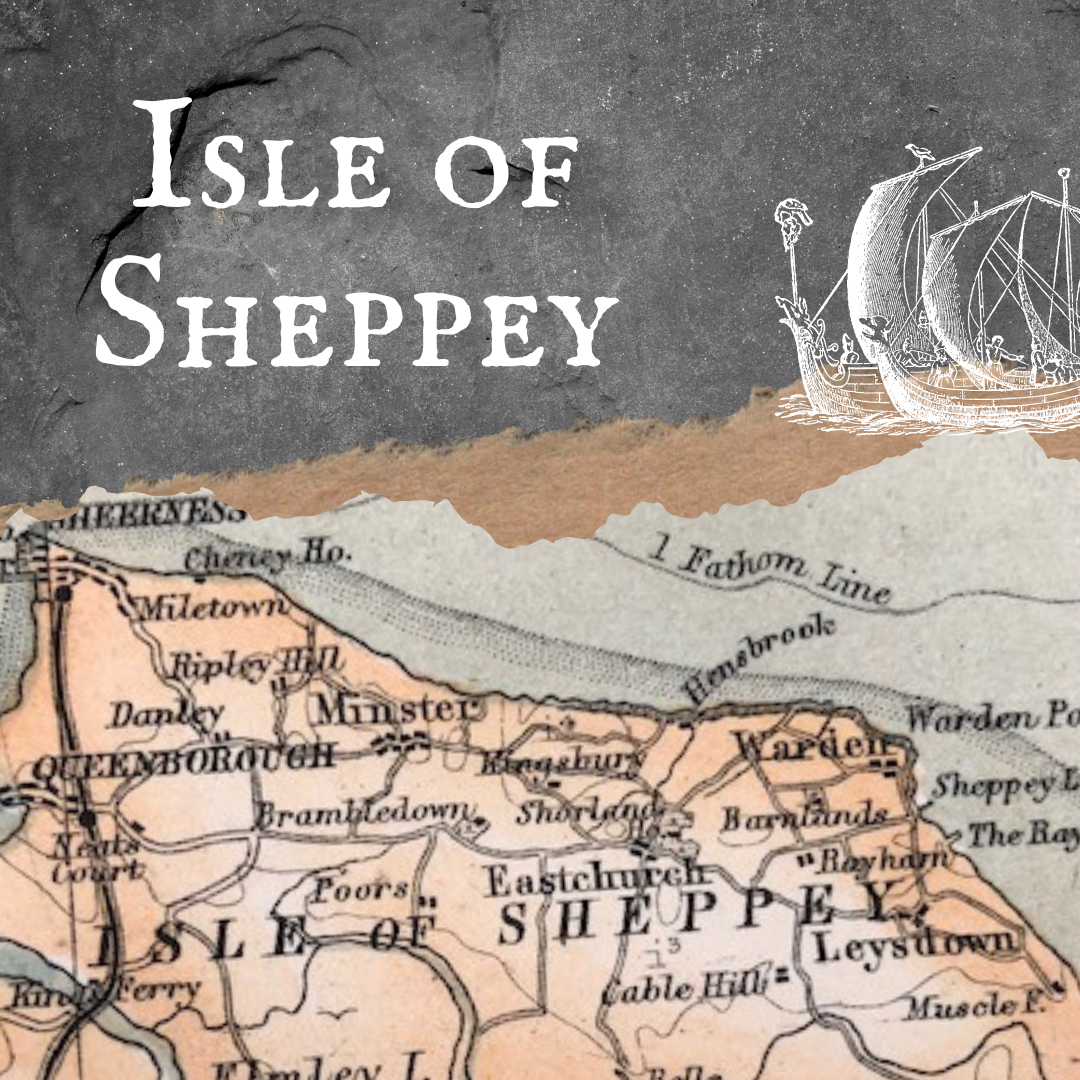
As with all things, we should be wary of assuming that current conditions would have been prevalent in the past. The River Thames certainly falls into that category. So while, yes, it was certainly a decisive boundary between the Saxon kingdoms of Wessex and Mercia, on occasion, it wouldn’t have been as decisive as at others. This, I find fascinating, and just another of those ‘facts’ travellers to the Saxon era should be wary about. While we know (hopefully not a spoiler) that London was attacked in the 840s and 850s, prior to this, it might well have been impossible for the Viking raiders to attack in the way they were used to. This, perhaps, accounts for why they chose more coastal locations, such as the Isle of Sh.
Map by Flintlock Covers for Wolf of Mercia
(Quotes taken from Beyond the Burghal Hidage by Baker and Brookes)
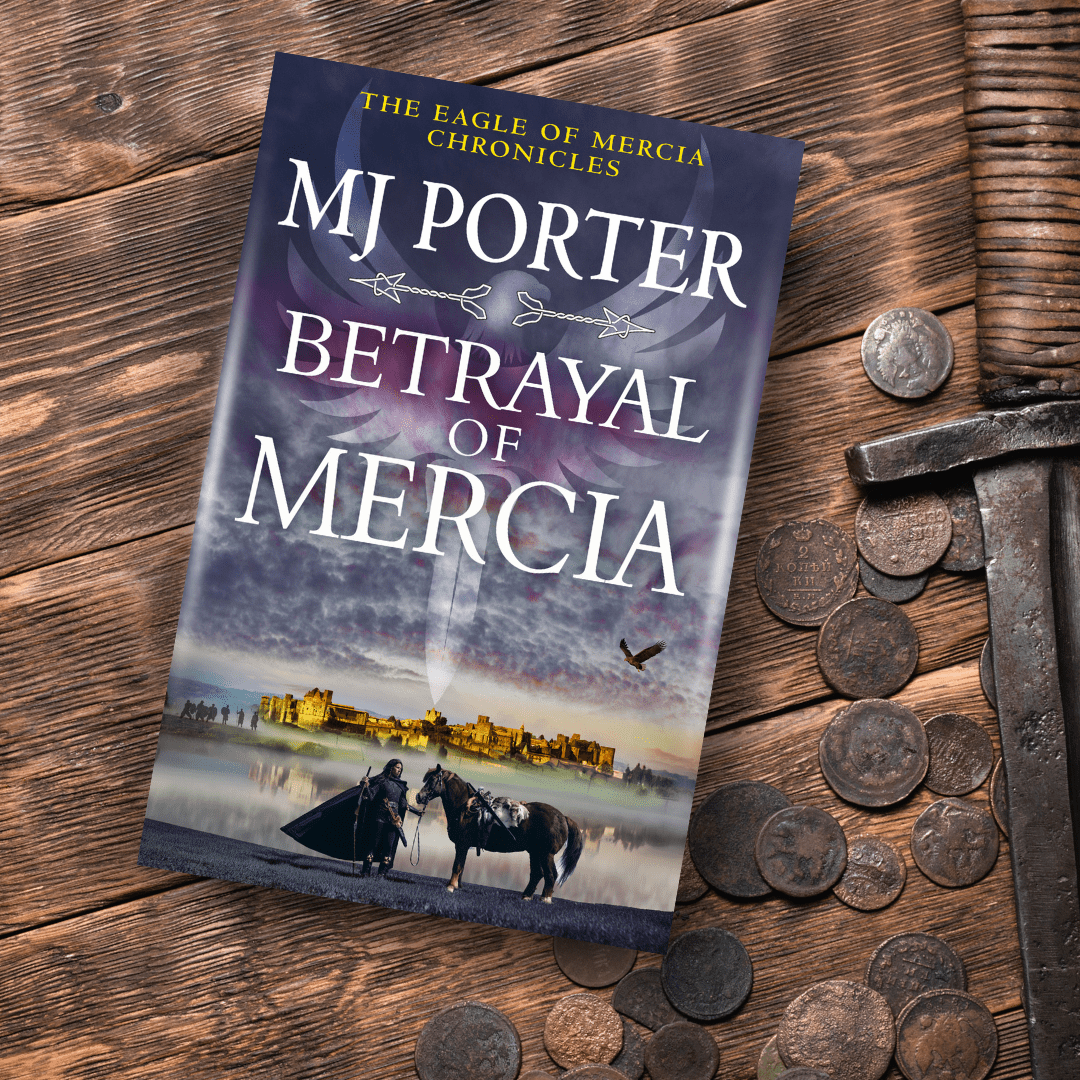
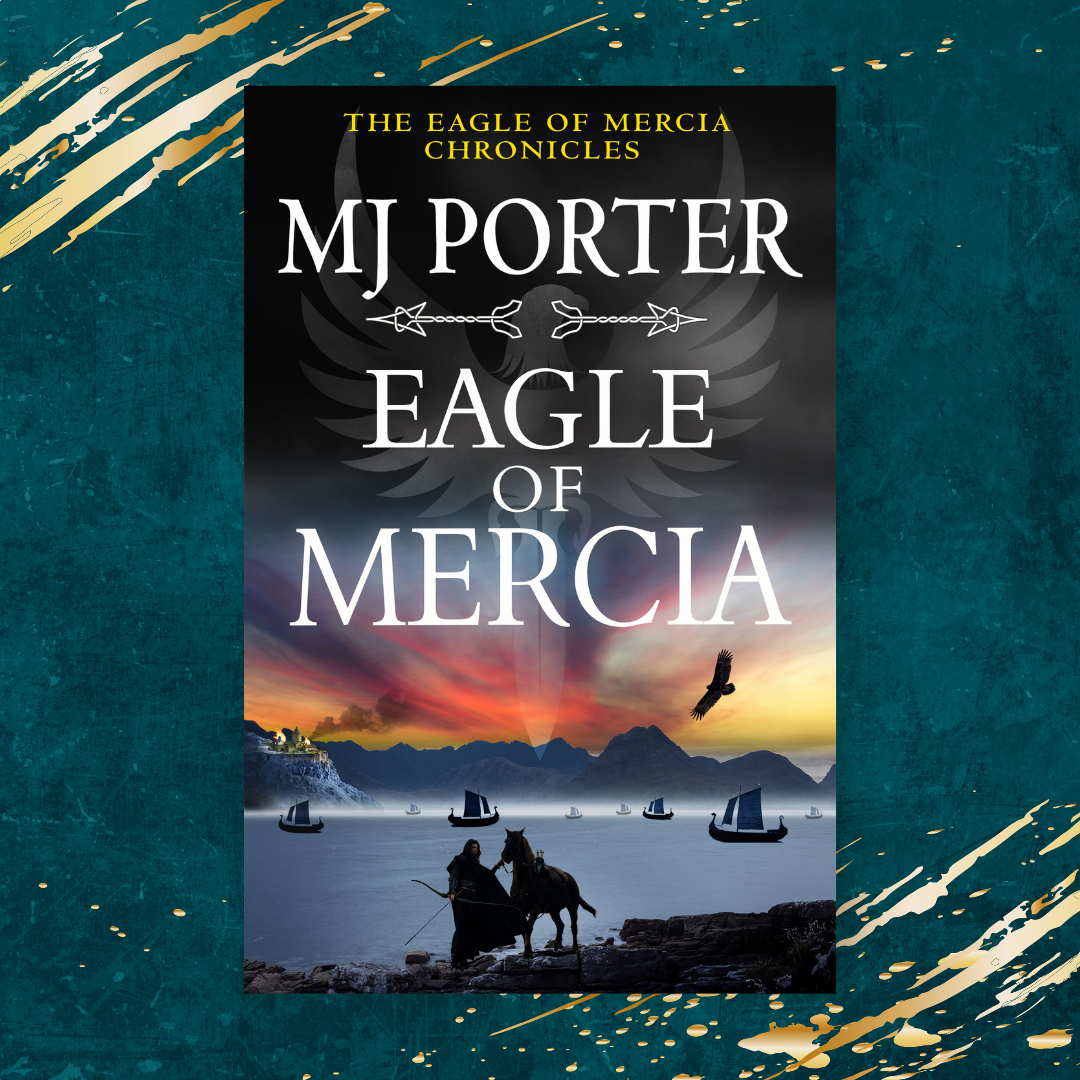
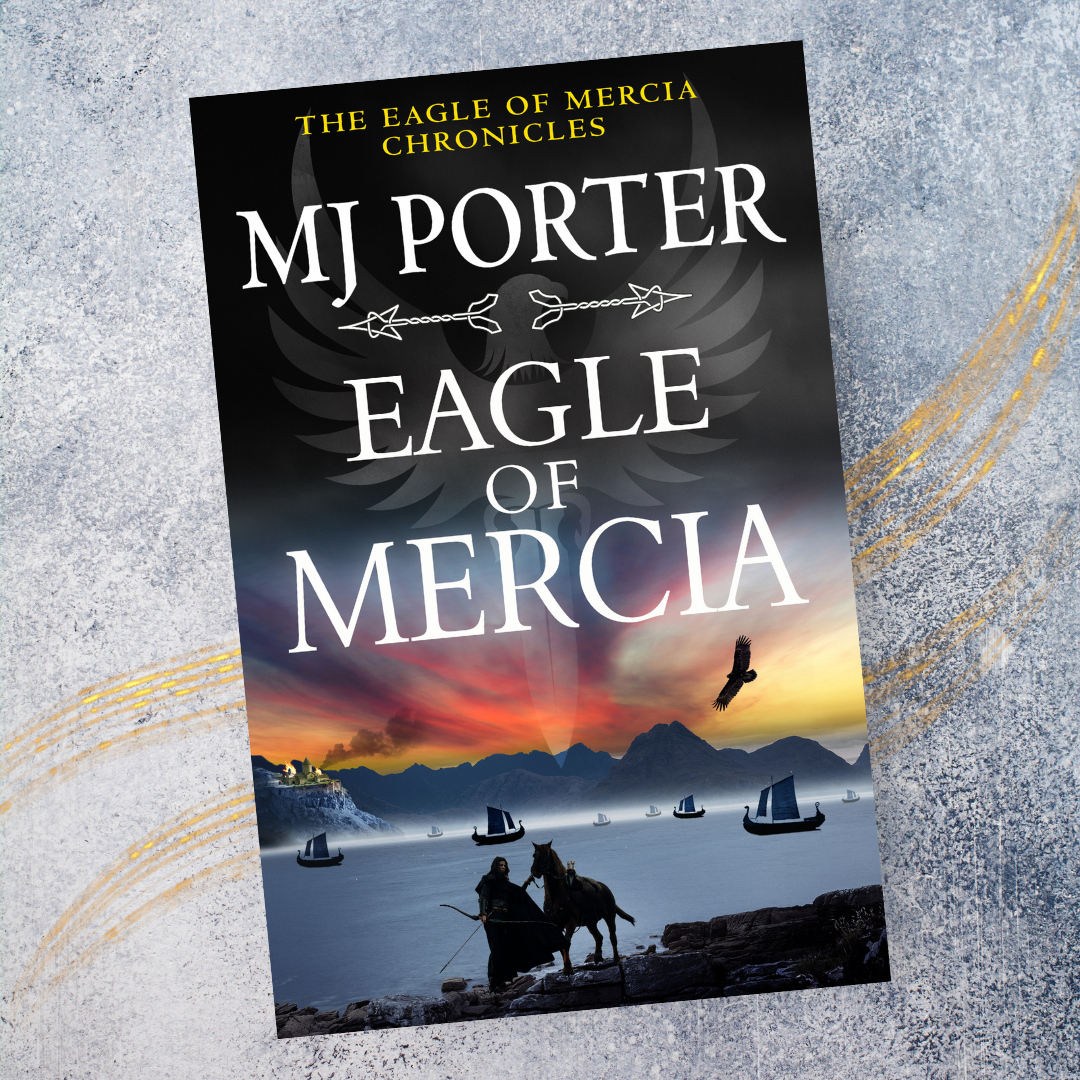
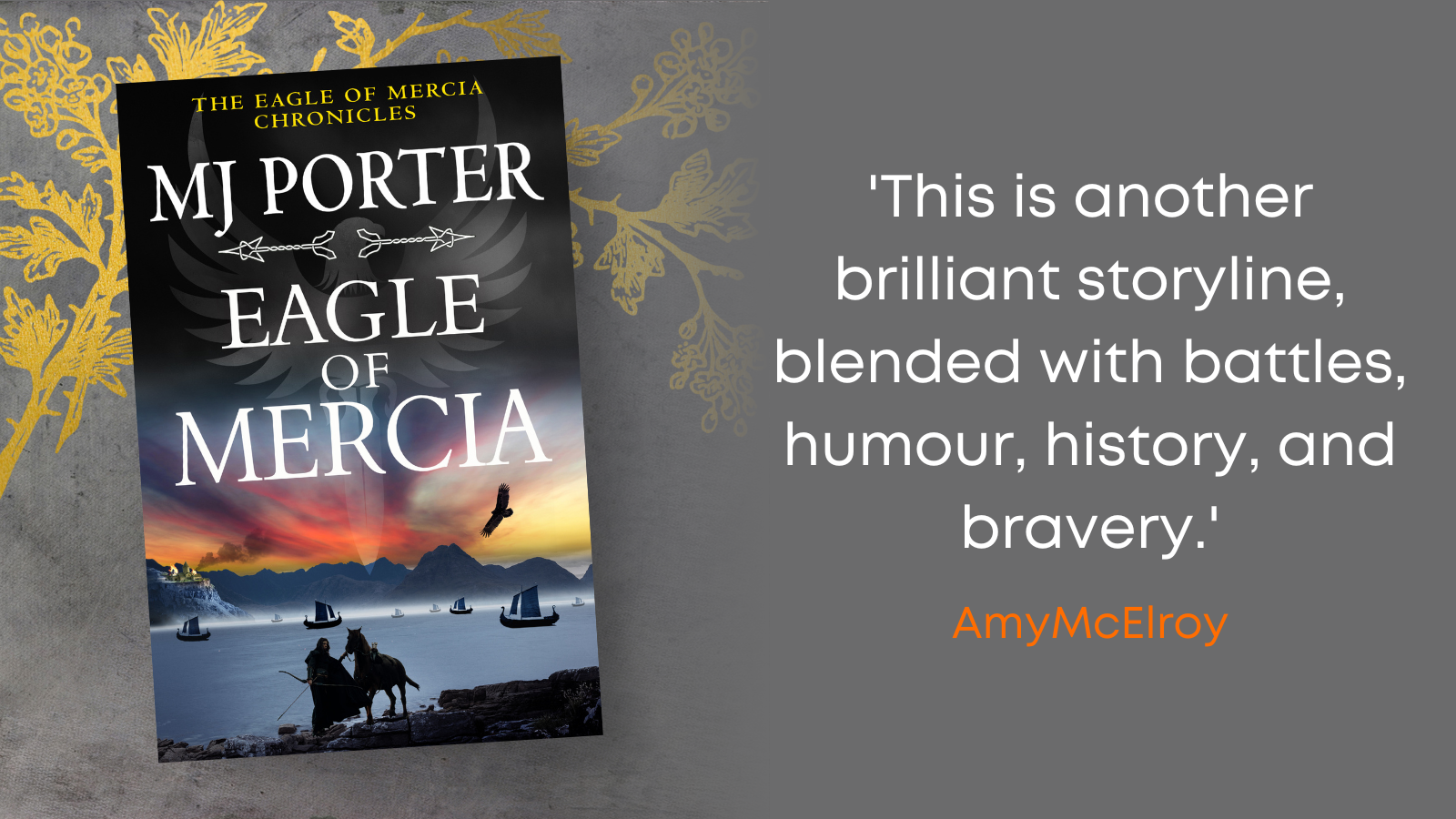
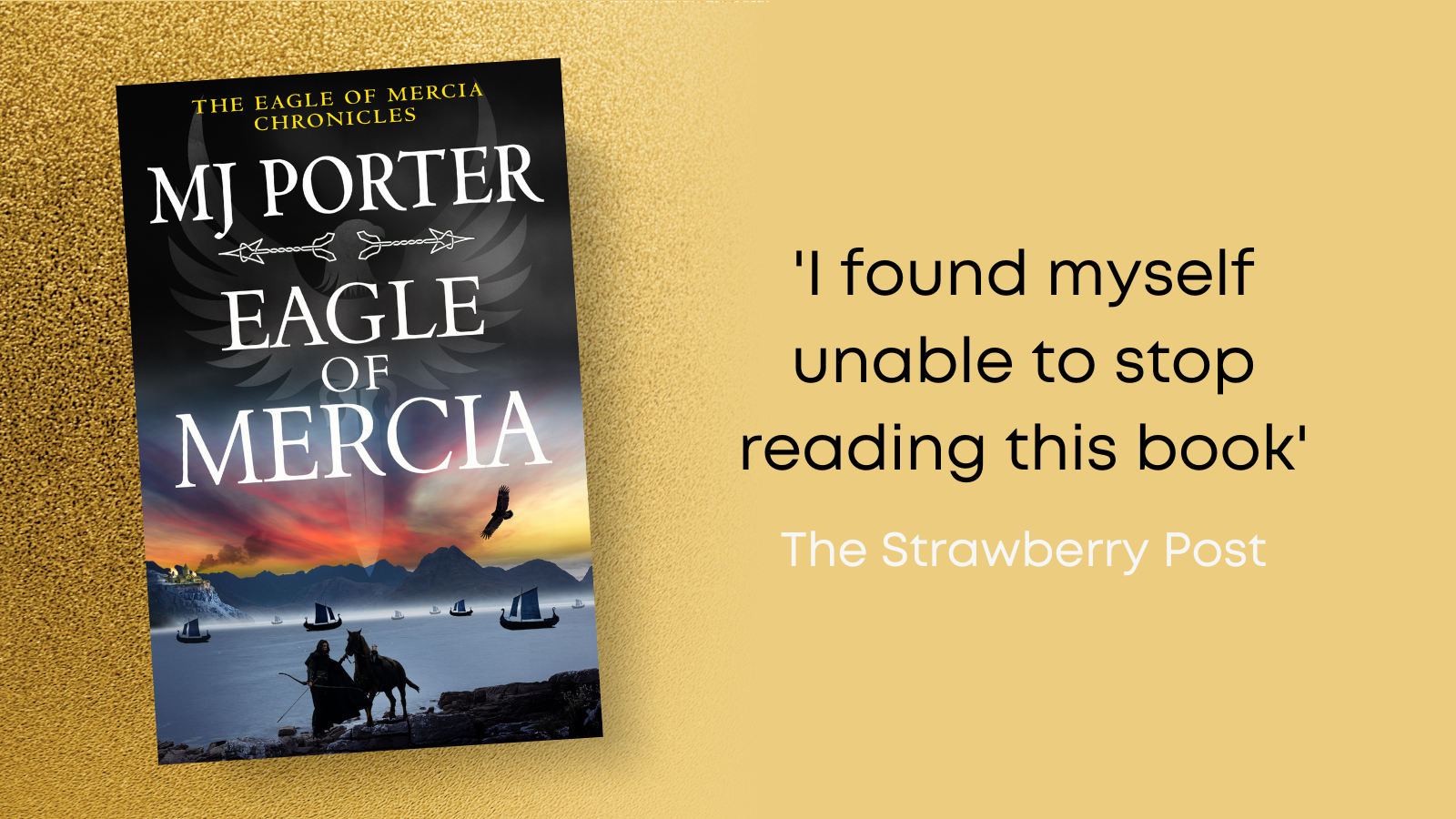
Today is the day, book 4 in The Eagle of Mercia Chronicles is released into the wild. I’m really excited about this one:) And I can’t believe we’re already onto book 4.
Here’s the blurb:
A mercy mission in the heart of Wessex is beset with deadly, bloody dangers.
Tamworth AD831
Icel’s profile continues to rise. Lord of Budworth and warrior of Mercia, he’s acknowledged by King Wiglaf and his comrades to keep Mercia safe from the ravages of Wessex, the king-slayer of the East Angles, and the Viking raiders. But, danger looms. Alongside Spring’s arrival comes the almost certain threat of the Viking raiders return.
When Lord Coenwulf of Kingsholm is apprehended by a Viking and held captive on the Isle of Sheppey in Wessex held Kent, Icel is implored by Lady Cynehild to rescue her husband.
To rescue Lord Coenwulf, Icel and his fellow warriors must risk themselves twice over, for not only must they overpower the Viking raiders, they must also counter the threat of Mercia’s ancient enemy, the kingdom of Wessex as they travel through their lands.
Far from home and threatened on all sides, have Icel and his fellow warriors sworn to carry out an impossible duty?
I can let you know that book 5 is mostly written, and I know the title and I’ve seen the cover – I know, I’m such a tease. I will update when I can share more.
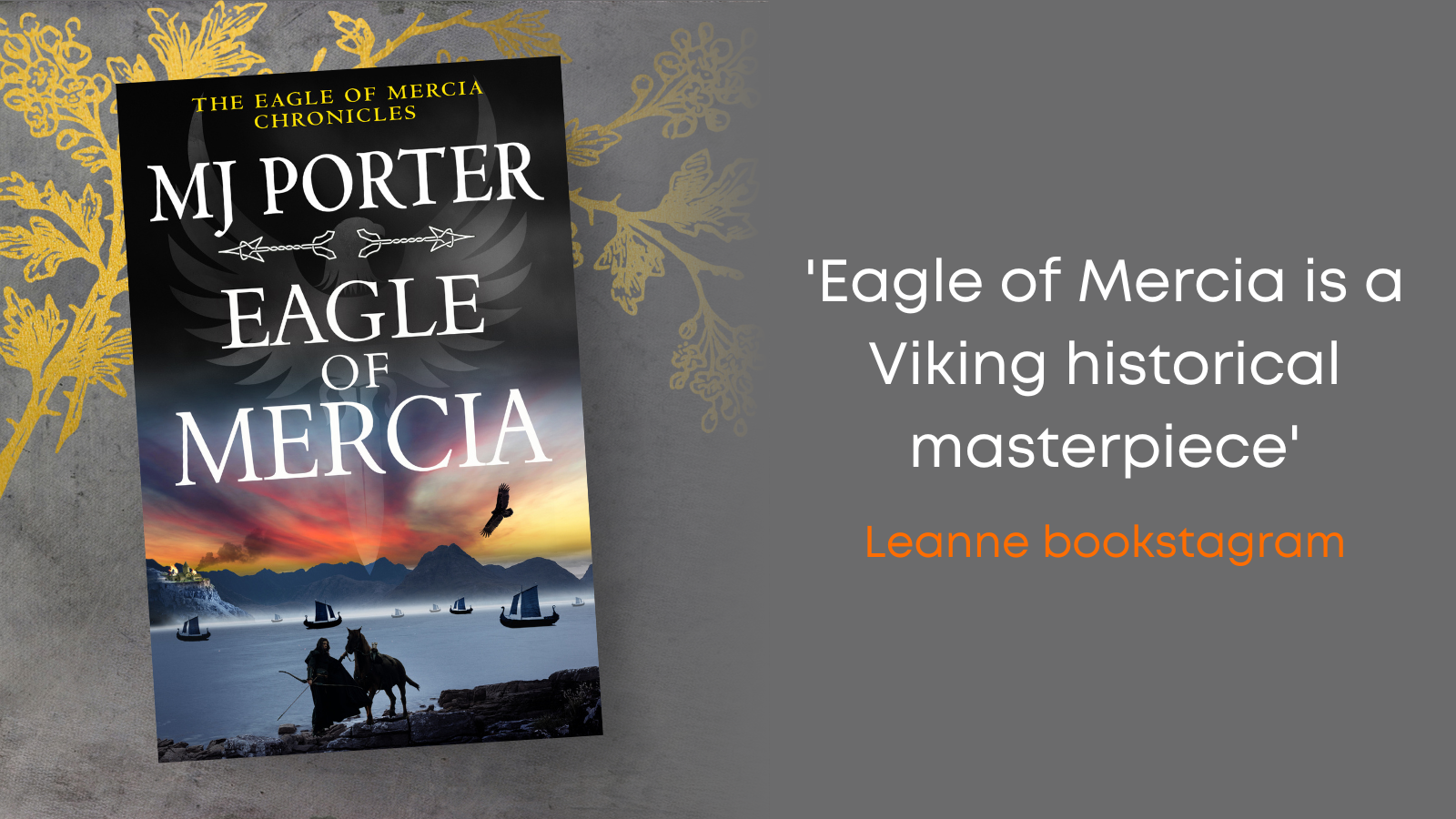
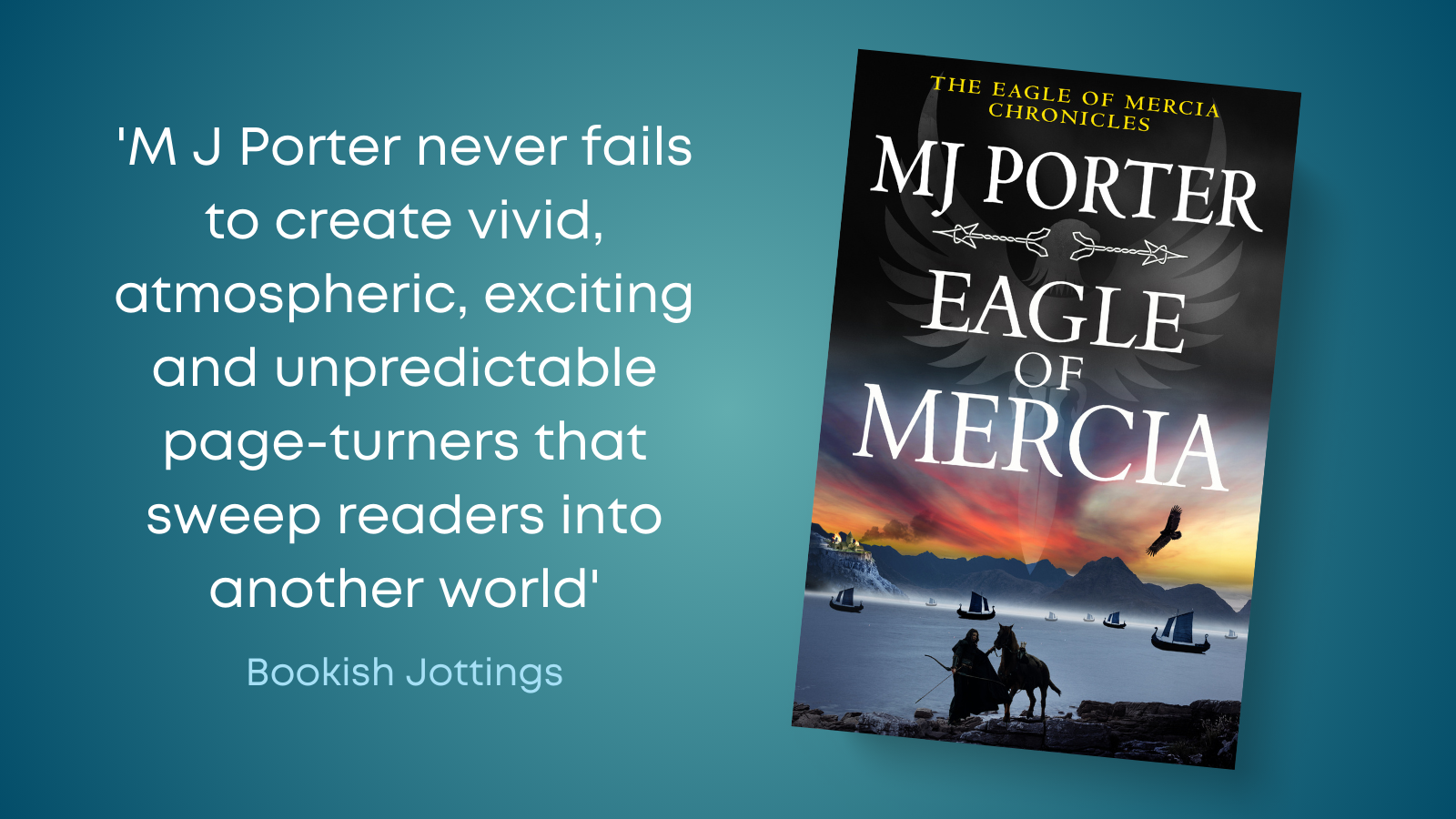
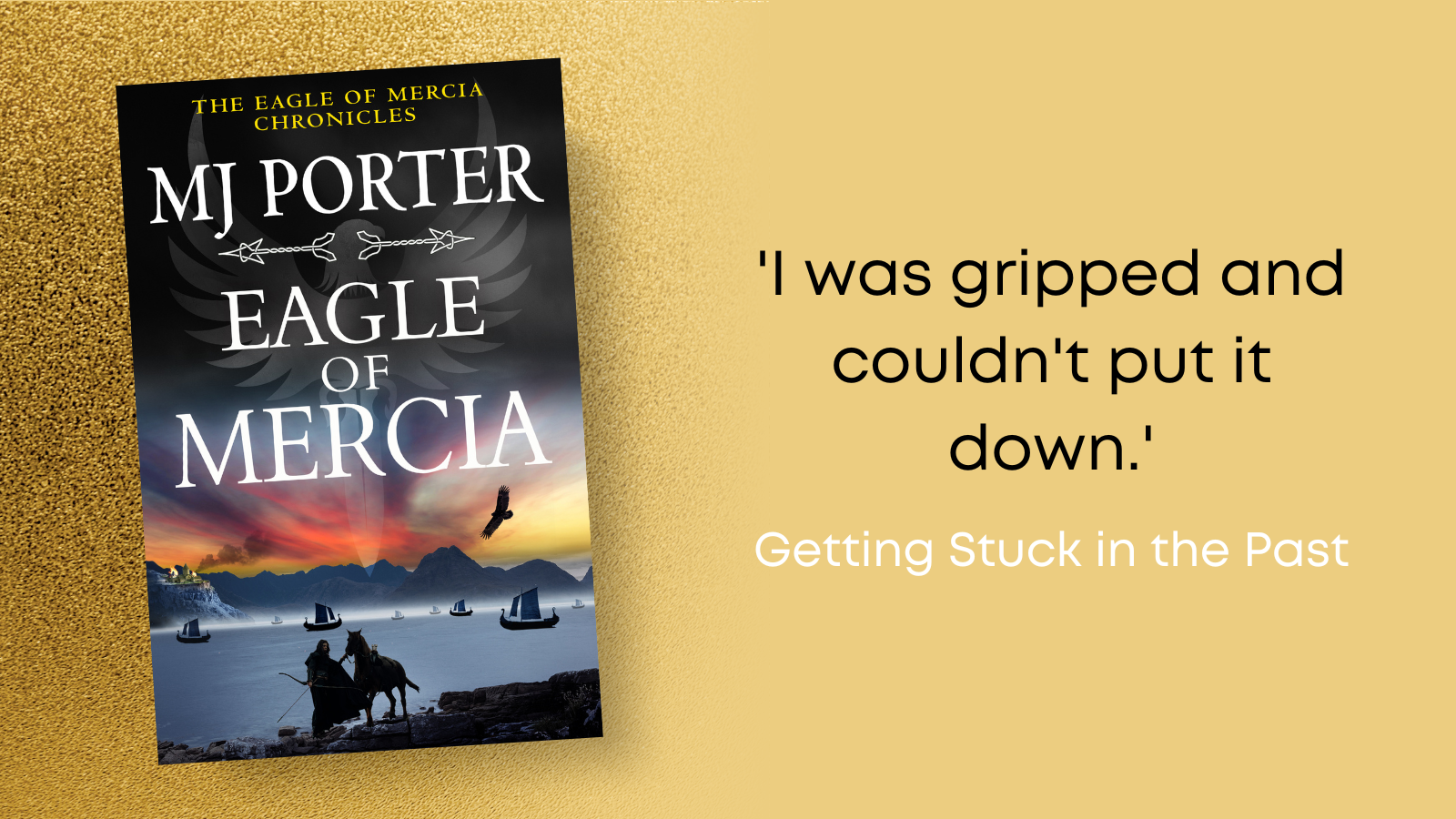
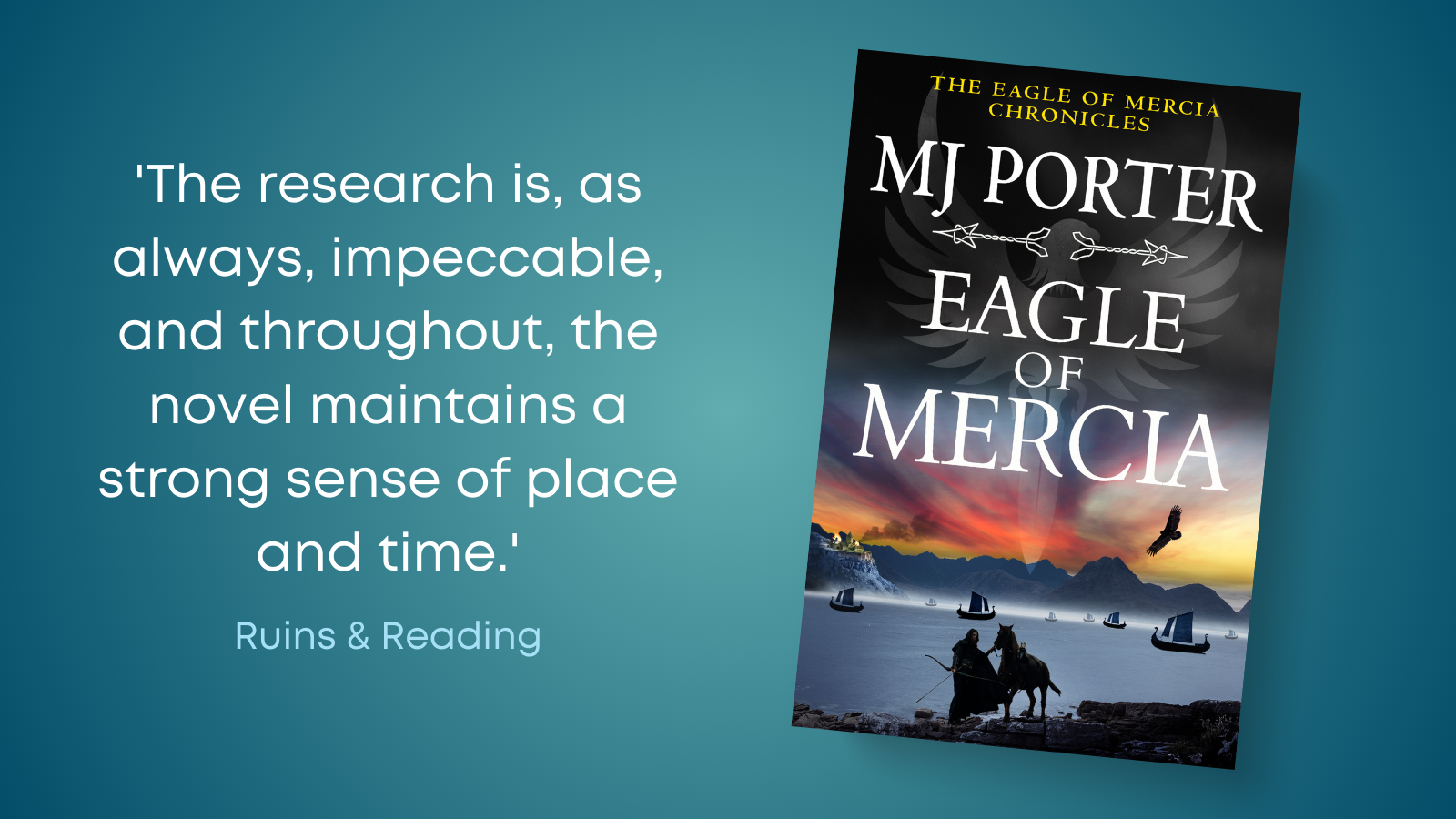
Check out the blog tour for Eagle of Mercia. My thanks to Rachel at Rachel’s Random Resources for organising and all the hosts for taking part. I will add the links each day. The initial reviews for Eagle are very positive, so I hope you’ll enjoy it too.
If you’ve been with Coelwulf, Rudolf, Icel, Edmund and Pybba since the beginning, then you’re probably with me in trying to work out how 3 years have gone by since the release of the first book. There are now seven books in all, the most recent, somewhat jokingly called The Last Seven, a name that stuck, as well as a short story collection, Coelwulf’s Company. Book 8, will hopefully, wind its way to you by the end of 2023 – unfortunately, young Icel has somewhat claimed my attention for much of the last 18 months with his own series, The Eagle of Mercia Chronicles.
If you’ve not yet discovered The Mercian Kingdom: The Ninth Century series, then you’ve in for a treat, as long as you’re not easily offended by foul language and violence.
Don’t forget to check out the short story collection, Coelwulf’s Company.
If you follow the link, here (to Bookfunnel) you can also download a copy of The New Recruit, a short story I wrote while working on The Last Seven.
The Last King books are available in ebook, paperback and hardback, and The Last King (book 1 ) is also available in audio.
The Last King is currently 99p/99c on Amazon UK/US for a limited time only.












 MJ Porter