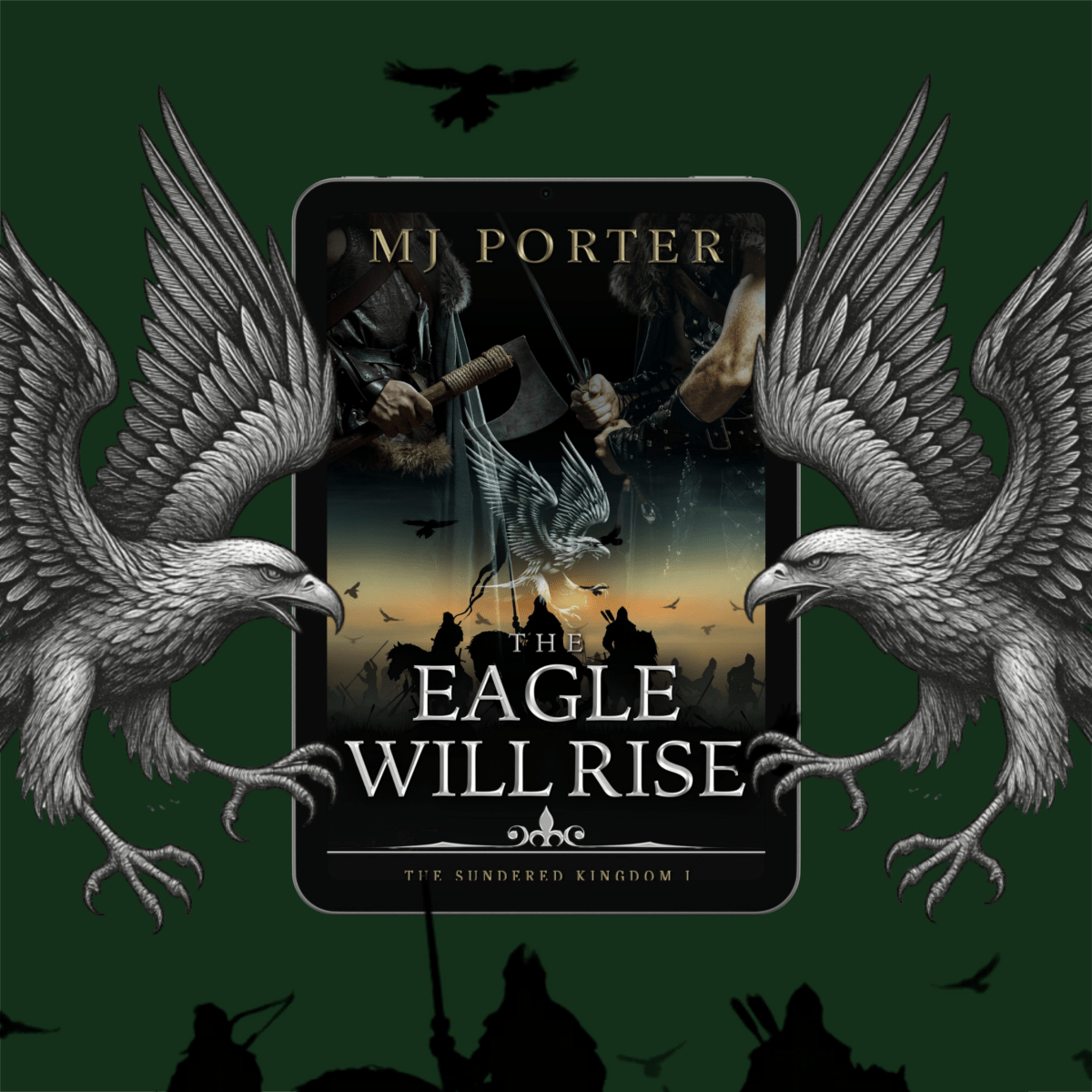
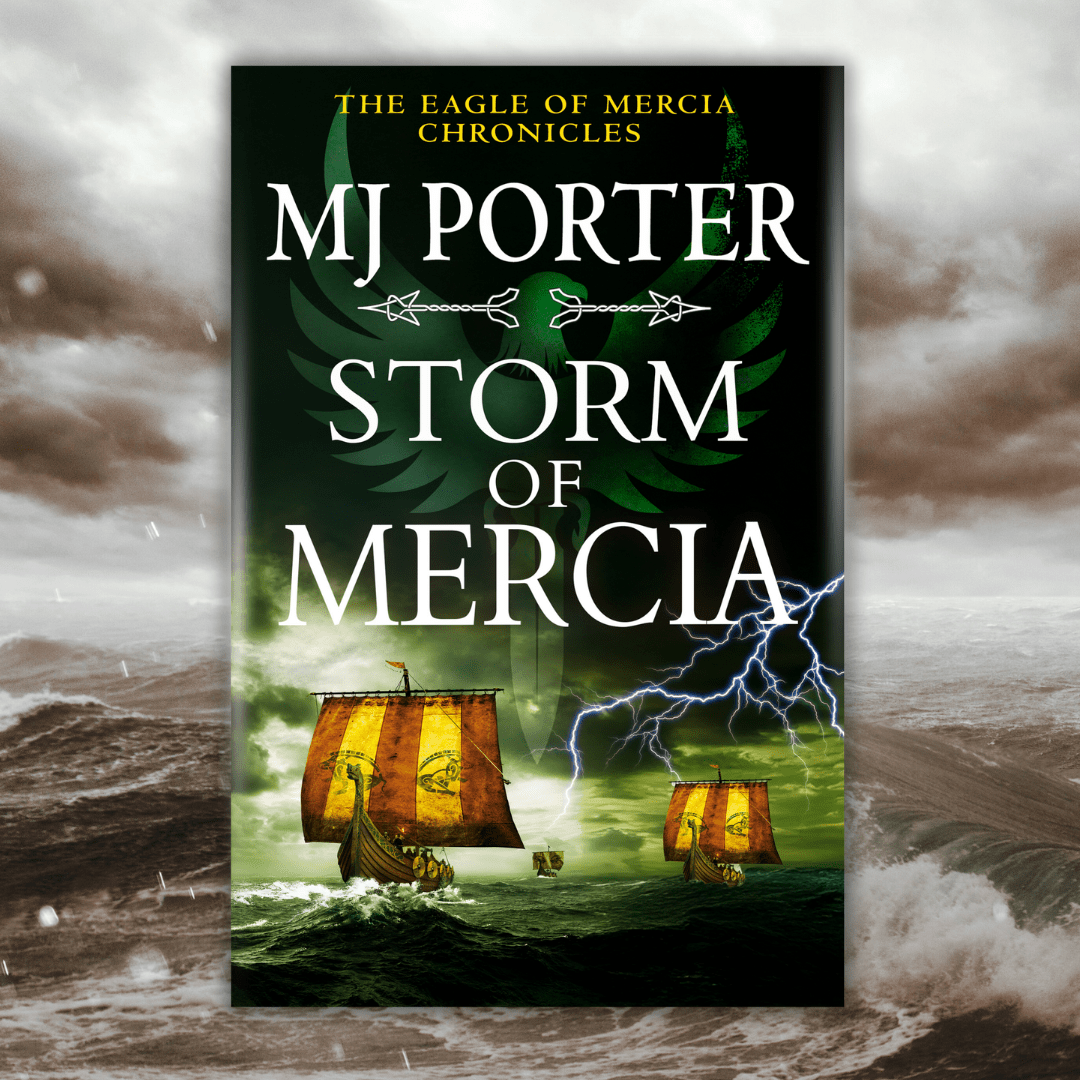
Idwal of Gwynedd has long been a character in the Brunanburh series, but it appears I’ve been remiss in not writing a blog about him. So here goes.
I confess, I’ve had quite a lot of fun with Idwal, pitching him against Hywel. But, I’m not sure that’s actually very wide of the mark.
Idwal of Gwynedd and Hywel were cousins. Their fathers were both sons of perhaps the second most well-known king of Wales, Rhodri Mawr. Hywel being the first (at least in my mind). Rhodri Mawr had held much of Wales, and was accorded the title King of the Britons. On his death, at the hands of King Alfred of Wessex, the kingdoms fractured back into their constituent parts. Idwal’s father ruled in Gwynedd. Hywel’s in Seisyllwg. Hywel succeeded his father while very young and quickly grew his power base. Idwal became king of Gwynedd in 916.
We first met Idwal in King of Kings in 927. He was, unwillingly, signing the accord with Athelstan at Hereford after the one agreed with the northern kings at the treaty of Eamont. Idwal visited England on multiple occasions, according to the surviving charter evidence, where he’s shown attesting Athelstan’s charters in 928, 931, 934 and 935. (S400, S413, S416, S417, S425, S407, S1792 and S434 – see the Electronic Sawyer for more information about these charters).
In my interpretation of him, he’s a very unwilling participant, more likely to look to the Norse for an alliance than the English, or indeed, his cousin, Hywel.
When we return to him, in Clash of Kings, Idwal, is once more, a man aggrieved by the success of the English king. Read Clash of Kings to discover what fate has in store for Idwal.
He is perhaps one of the most fun characters in Brunanburh – a grouchy man who is happy to do all he can to disrupt the more staid approach of King Athelstan of the English, and who resents his cousin’s influence with the English.
Cocktails, chaos, and an unexpected twist. Can Perry and his hens unveil the truth before time runs out?
Death at Prestigious Hotel and Spa, Chasingham House
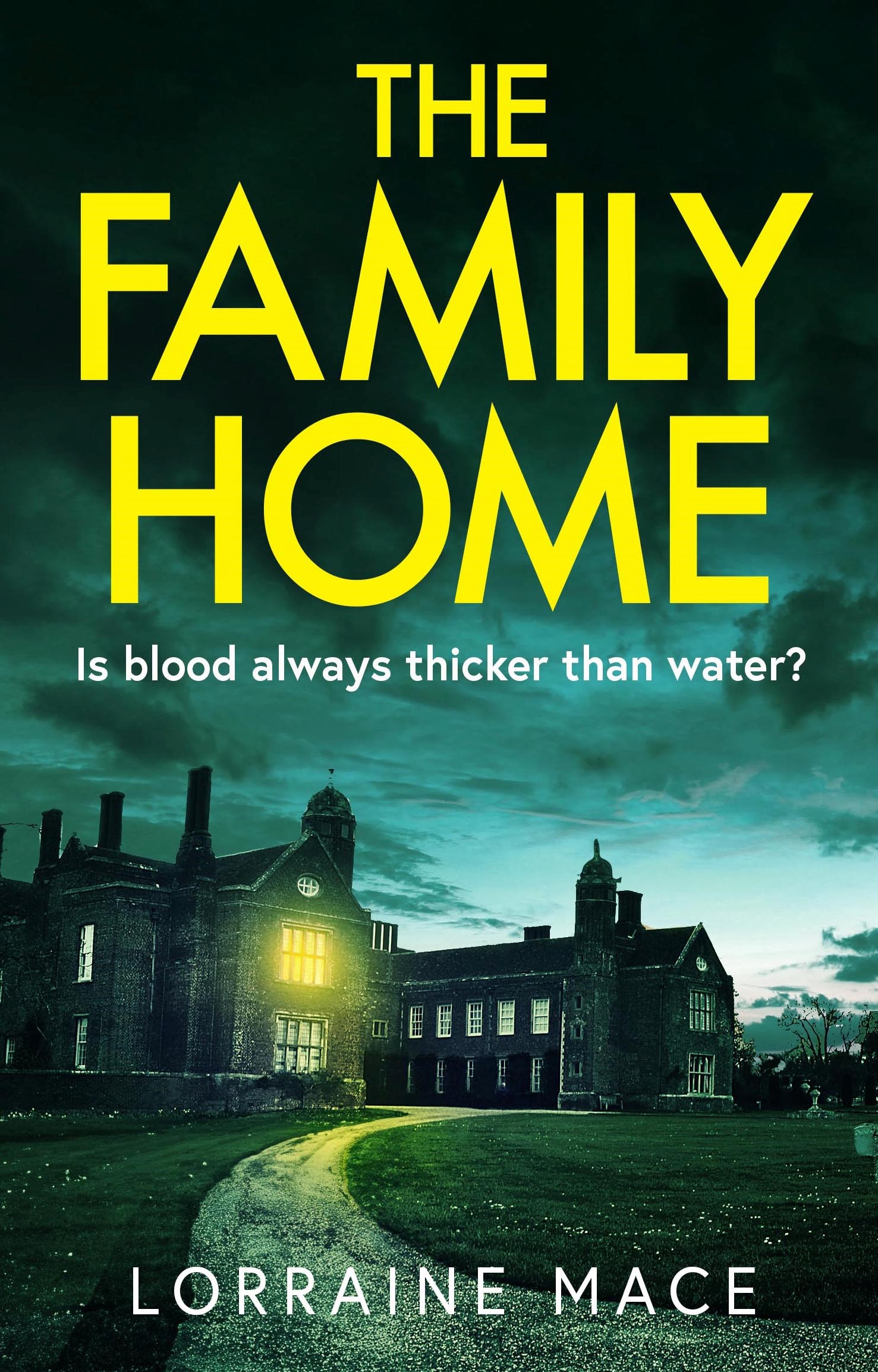
We are hearing reports that a young woman has been found dead at Chasingham House, the exclusive venue in the Cotswolds. She has not been named, and the cause of death is unknown at this time. This will no doubt cast a cloud over the bachelor weekend being hosted there by Lady Beatrice (36), the Countess of Rossex, for her business partner Perry Juke (34) ahead of his wedding to bestselling author and celebrity chef Simon Lattimore (40). Also staying at Chasingham House are top models Camile Redmaine (35) and Mel Parks (35), who are celebrating newly-single Cammy’s birthday with a group of friends.
When one of the birthday girls is found dead in her room, it’s clear Bea plans for her, Perry, and their friends to chill around the pool, have a few treatments, and generally relax, seem to have gone down the drain. When the local police are quick to dismiss the death as an accident, Bea is determined to help investigate anyway, along with the rest of Perry’s party.
Can Perry and his hens catch the killer before the weekend is over and the trail goes cold?
A Cocktail to Die For is a fabulous addition to the Right Royal Cozy Mystery series.
Taking us away from any of the more usual ‘royal’ residences, we are in the Cotswolds, attending Perry’s stag do. But of course, our intrepid gang don’t seem to be able to go anywhere without someone turning up dead.
Bea, Perry and Adler try to solve the mystery of who and how our victim might have been murdered while contending with an officious and ineffectual local detective.
As always, these stories are well-plotted and engaging. While a few of the main characters might be missing from this tale, Adler as a main character more than compensates. It’s also reassuring to know that now the ‘big’ mystery has been solved which has rumbled through many of the previous books, this series has still go ‘legs’, and I hope there will be many more books.
Thoroughly enjoyable and highly recommended.
Check out my reviews for the other books in this fabulous series.
Hello. I’m Helen Golden. I write British contemporary cozy whodunnits with a hint of humour. I live in small village in Lincolnshire in the UK with my husband, my step-daughter, her two cats, our two dogs, sometimes my step-son, and our tortoise.
I used to work in senior management, but after my recent job came to a natural end I had the opportunity to follow my dreams and start writing. It’s very early in my life as an author, but so far I’m loving it.
It’s crazy busy at our house, so when I’m writing I retreat to our caravan (an impulsive lockdown purchase) which is mostly parked on our drive. When I really need total peace and quiet, I take it to a lovely site about 15 minutes away and hide there until my family runs out of food or clean clothes
On the night that Trudy Asp discovers her ex is engaged to the same dental hygienist who’s been picking at her teeth for ten years, her daughter, Madison, suddenly announces that she too is getting married, in Europe.
Frumpy, floundering, and forced to live with her martini-swilling mother, Trudy is swamped by these revelations. And on top of it all, she’ll be wearing the second most scrutinized gown at the wedding.
Having packed on the pounds during the demise of her marriage, the idea of being eyeballed by her ex and his scrawny fiancée Zelda, is truly horrifying. To make matters worse, there’s the paralyzing fear of a transatlantic flight — something Trudy has avoided for decades.
When Zelda offers to stand in for her, Trudy is forced to confront the forces that stole her marriage and threaten to steal her daughter’s wedding too. With three months until the ceremony, Trudy must get to Europe, squeeze herself into a gown, and claim the role she wants more than anything: Mother-of-the-Bride.
Will this Odd Mom Out sink or swim? Or will she drown in a sea of humiliation?
Odd Mom Out is not my usual read, but wow, I’m so glad I picked it up and gave it a go.
Our main character, Trudy, is quite frankly a mess. Recently divorced, massively unhappy, all but estranged from her daughter and forced to live with an overbearing mother, she’s also deeply unhappy with her weight and general well-being, not helped by the fact she runs and bakes for the local bakery. Our first meeting with her reveals a woman often angry with every one else, but not necessarily herself. To be honest, I didn’t really connect with her to begin with, but she certainly grows and develops into a very likeable character.
Determined to do something different when she hears her ex-husband is about to get remarried, while her daughter is also about to marry, Trudy eventually decides to turn her life around. It takes a while. For about 30% of the book, she isn’t prepared to face her demons, and she doesn’t want to do anything about it.
But from 30% in, Trudy is a woman transformed, all be it, one who still struggles. Her battles are very relatable, and while the reader might be a little frustrated with the lack of information concerning her daughter’s upcoming wedding, Trudy presses on with her plans to be the best Mother of the Bride she can be. Along the way, she makes some new friends, and reconnects with some old ones, and even her relationship with her mother improves, as does her business. She comes to terms with her husband’s decision to divorce her, and reconnect with her daughter, eventually.
The story has some unexpected twists and turns, which all build into it being a relatable story, and I powered through the last 50%, keen to know how everything would work for our main character.
A really engaging story. It will certainly appeal to fans of the genre, and those who wouldn’t usually read something like this, like me:)
Meet the author
Sandy Day is a recovering chatterbox and writer of riveting slice-of-life poetry, memoir, and fiction. She has authored five books to date, with two in the works. A graduate of Glendon College, she studied creative writing under Michael Ondaatje and bp nichol. A lover of cheese, coffee shops, and illustrations, she lives on the shore of Lake Simcoe in Georgina, Ontario, Canada. You can find and follow her on Substack and sandyday.ca – it rhymes!
In 2023, I set myself the task of reading 52 books, or one book a week, but I smashed that, reading/listening to more than double that number. So, what have I been reading?
I’ve taken part in many blog tours, and I also read a lot of fellow Boldwood Books authors, but I also have my favourites that I return to time and time again. I don’t show star ratings on my blog, and that’s intentional. You can always see what I’ve been reading over on Goodreads, where I do tend to give star ratings.
Fantasy
Fantasy was one of my first loves, but I read surprisingly little of it now. Aside from my relisten of all the Terry Pratchett Discworld audiobooks (which I’m loving – I listened to 20 books in the series – and discovered the joy of slowing down the narrator as opposed to speeding them up), I also read the wonderful short story collection, A Stroke of the Pen. I’ve also read Mark Lawrence’s, The Book That Wouldn’t Burn, and indulged in the fabulous Advent of Winter, a short story a day throughout Advent. I think this might sway my reading for 2024, as well as Spread, another short story anthology which contained a host of fabulous writers. And, Steve Jones’ Call Time, which I really enjoyed. His main character is a real ass, but it’s intentional, although I think perhaps some people don’t realise that. It’s worth persisting with, and all those of a ‘certain’ age will love the retro mentions.
Historical Fantasy
I indulged in a little bit of historical fantasy, Theodore Brun’s new book, A Savage Moon, which was excellent, and the anthology, Alternate Endings, which I found really enjoyable.
Mystery
I’ve been reading more and more contemporary mysteries, 23 in total. I have a couple of favourite series, that by Helen Golden, and also a series set in contemporary Italy by TA Williams, as well as some other series I’ve discovered, most notably that by EV Hunter. I read the first book in Kate Wells farming mystery series, and How Not to Murder Your Ex by Katie Marsh. I also read Pass the Cyanide, a foodie short story collection. The Cozy Craft Mystery series by Mille Ravensworth has also been delightful – short, sharp and snappy. I’m also continuing to read Debbie Young’s series – both the Sophie Sayers series and the St Bride’s series.
What I’m really enjoying is working out how the authors ‘tell’ their stories – a good mystery is liberally interspersed with ‘tells’ which the reader only realises as the mystery resolves. There’s a lot to be learned from that for historical fiction, although I did find myself veering towards a bit of a mystery in one of the books I’ve written this year, entirely by accident:)
Historical Mystery
Historical mystery, both cozy and a little more not cozy, is one of my favourite genres. I’ve read 18 historical mysteries – The Alewives by Elizabeth R Andersen on audio which is fabulous, the Iris Woodmore series by Michelle Salter, the new Sarah Hawkswood – I do love this series, and the Fiona Figg and Kitty Lane Mysteries by Kelly Oliver. I’ve recently discovered Helen Hollick’s 1970s mystery series, which I’m adoring for all the little details she’s added which really place it in the early 1970s. The notes show that Helen has spent much time arguing with her former classmates over some of those details, and that shows a real desire to ‘get it right,’ which I appreciate. When I was writing my historical mysteries, my Dad was so helpful in offering advice including reminding me that there would have been steam trains in the 1940s. I also really enjoyed Colin Garrow’s historical mystery, Red Snow, set in and around the Newcastle area.
Historical
I read quite a bit of historical – 17 titles. I veered from Renaissance Italy, with Kelly Evans’, Turning The World to Stone to the Roman Empire in the BC years, with both Robert M Kidd and SJA Turney. I’ve already listed a couple of my books of the year over on the Aspects of History website, which included JC Duncan’s Warrior Prince, Donovan Cook’s Odin’s Betrayal and Jane Dunn’s The Marriage Season. I also discovered Melissa Addey’s Roman series, which I’m adoring – such a fabulous idea to tell the tale of the Colesseum when it was being used. And Robert Kidd’s To Kill A Consul, set in the third century BC. I’ve only managed one SJA Turney book this year, which I’m annoyed about. I’m desperate to read his latest Damned Emperor series, but need to find the time. I discovered Gordon Doherty‘s, Legionary series, which I want to read more of, as I started with book 9. I also read the new Dan Jones, and found it very bleak, hopefully, intentionally so, and fellow Boldwood author Peter Gibbons Saxon series. As well as Cathie Dunn’s Ascent. So, I read a fair bit set in and around my era, and also some more distant time periods.
Other Genres
I’ve read a little outside these genres, completing Evie Hunter’s gangland series set in Birmingham, and again, being inspired by the way she tells her story. It was extremely compelling, especially as every character was just horrible and self-involved. I read a couple of historical romances, the odd thriller, and also other tales I might not usually pick up. That is the joy of being a blog host. I can’t say I ever regret my decisions, and it is great to read so widely.
Audio Books
Aside from the new Discworld recordings, I also listened to a couple of other audiobooks. The Alewives by Elizabeth R Andersen is fabulous. I also listened to a historical romance, which I really enjoyed and a short story collection. I am growing my audiobook library and have loads to listen to but need to find the time. I did try an audiobook while on holiday in Scotland, but it was so bloody miserable and bleak, I never listened to the end. I also listened to my own audiobooks, and would like to thank Matt Coles and Sean Barrett for their endeavours this year.
Top Five (okay, Six) Books of the Year – a jumble of genres – the books I enjoyed the most – I’m quite surprised by my selections
I find that reading for me is very much a ‘mood’ thing. I love to find new series which I can devour, but equally, some of my most cherished authors might not get read in any given year if I’m just not feeling ‘it.’ I don’t want to ruin them by trying to read against where my enjoyment is taking me.
From the Ashes by Melissa Addey – such a fabulous idea and so cleverly woven with historical events in first century Rome.
The Marriage Season by Jane Dunn – a delightful Regency romance, but with a twist, which fans of Haden from The Last King series will appreciate.
How Not To Murder Your Ex by Katie Marsh – not my usual thing but very, very funny and a cleverly woven together tale/mystery. I devoured this title in a day and a half.
The Advent of Winter by various authors, organised by Dom McDermott – a really inspiring collection of fantasy short stories. I will be reading more from many of these authors. I’ve not yet reviewed this book but I highly rate it.
A Stroke of the Pen by Terry Pratchett – a delight to read some of his earliest tales, especially when I’ve spent much of the last two years listening to the two collections of audiobooks – the older recordings, and the new ones. I can see where many of his ideas came from. As someone who also writes short stories before embarking on longer tales, it was a real eye opener.
The Book That Wouldn’t Burn by Mark Lawrence – as usual, he blew my mind with his storytelling. It took me about a month to be able to write a coherent review for this fabulous story. I’m looking forward to book 2 in the trilogy in 2024.
Looking Forward
2024 will see the sequel to Mark Lawrence’s The Book That Wouldn’t Burn (image below – I know Mark wanted to do a ‘proper’ cover reveal, but it has snuck out, and as he seems okish with that, I have included it), as well as Elizabeth R Andersen’s The Alewives two, Sleight of Hand. I will also, at some point, run out of Discworld audiobooks. My plan then is to listen to the Deverry series by Katharine Kerr – I have read all the books but want to listen again – and also the PERN novels by Anne McCaffrey. I’m also looking forward to discovering new books through blogging, and keeping up with the historical and cosy mystery series I already read. And, finding time to read Caracalia by SJA Turney. (I’ve just looked it up and see he also has a new book out next year – Agricola:Invader – that will be going on my TBR as well.) I will set myself the same target of 52 books, and see how I get on with that. So, here’s to another great year of reading, and listening ahead.
Saddle up for this first class historical mystery, perfect for fans of Helena Dixon and Verity Bright.
London, 1918
Fiona Figg finds herself back in Old Blighty saddled with shuffling papers for the war office. Then a mysterious card arrives, inviting her to a fancy house party at Mentmore Castle. This year’s Ascot-themed do will play host to a stable of animal defense advocates, and Fiona is tasked with infiltrating the activists and uncovering possible anti-war activity.
Disguised as the Lady Tabitha Kenworthy, Fiona is more than ready for the “mane” event, but the odds are against her when both her arch nemesis, dark-horse Fredrick Fredricks, and would-be fiancé Lieutenant Archie Somersby arrive unexpectedly and “stirrup” her plans. And when a horse doctor thuds to the floor in the next guest room, Fiona finds herself investigating a mysterious poisoning with some very hairy clues.
Can Fiona overcome the hurdles and solve both cases, or will she be pipped to the post and put out to pasture by the killer?
This is the fourth book in the Fiona Figg and Kitty Lane Mystery Books I’ve read. I confess, what I really enjoyed about book 3, Mayhem in the Mountains, was Fiona’s lack of dressing up in costume and, therefore, no mention of her favourite fake moustache. So I was somewhat alarmed when, only a few chapters in, Fiona was once more masquerading in one of her many costumes. However, I needn’t have feared. Kitty has not forgotten about her costumes, and she certainly puts them to good use in Arsenic at Ascot, but much of the time, Fiona is either herself or Lady Tabitha. Not that I object to her masquerading, but I’d much rather hear about her favourite wig than her suitcase full of fake moustaches and beards.
Fiona has been grounded in Arsenic at Ascot. Somewhat depressed and out of sorts at finding herself once more a ‘mere’ file clerk, all is doom and gloom and complaints about washing up after the codebreakers when she’s summoned by none other than her boss and told to don one of her many costumes. What ensues is a, at times, somewhat uncomfortable look at the world of vivisectionists and antivivisectionists and the use animals were put to during the war. As Fiona has no clear idea about what she thinks about either side of the argument, the exploration into what we now think of as animal cruelty is somewhat distressing, although it’s never laboured. And readers will be quite astounded at some of the experiments, which, according to the end notes, are based on natural experiments of the time.
While all this is happening, Fiona is once more caught in the love triangle between Archie and Frederick Fredericks and has a hole to climb out of with Archie, thanks to Kitty Lane. It will not stop her from solving who killed the latest body she’s found at a country estate.
As with the Fiona Figg and Kitty Lane books, the mysteries and conspiracies are well thought out, and the conclusion is satisfying. I also enjoy knowing this is not the last of the series, as book 5 gets a great set-up in the final chapters.
If you enjoy historical mysteries with a dash of humour and a little frisson of romance, then the Fiona Figg and Kitty Lane books are sure to appeal to you, with their knowledge of the ‘of their time’ investigative techniques, all combined with the intrigue of our spies, Archie and Fredericks and dotted with either real historical characters or creations based on them—a delightful mystery.
Kelly Oliver is the award-winning, bestselling author of three mysteries series: The Jessica James Mysteries, The Pet Detective Mysteries, and the historical cozies The Fiona Figg Mysteries, set in WW1. She is also the Distinguished Professor of Philosophy at Vanderbilt University and lives in Nashville, Tennessee.
Green thumbs beware. Plants are beautiful, peaceful, abundant, and life-sustaining. But what if something sinister took root in the soil, awakening to unleash slashing thorns, squeezing vines, or haunting greenery that lured you in? Perhaps blooms on distant planets could claim your heart, hitch a ride to Earth on a meteor, or simply poison you with their essence. Imagine a world where scientists produced our own demise in a lab, set spores free to infect, even bred ferns to be our friends only to witness the privilege perverted. When faced with botanical terror, will humanity fight to survive, or will they curl and wither like leaves in the fall? Read ten speculative tales ripe with dangerous flora to find out.
Spread is a collection of short stories all with a theme of deadly fauna. If this doesn’t sound like your sort of thing, then rest assured, it’s not really mine either, but these tales are all really good reads – I thoroughly enjoyed all of them even if some of them made me feel a bit itchy.
The tales are so well constructed, drawing you into a whole new world quickly, and packing a great deal of punch. Some of them are quite eerie. Some of them will have you shouting, ‘No, don’t do it,’ and others slowly reveal themselves and become creepy unexpectedly. They range from tales set on different planets to those set on an Earth slowly being consumed by deadly fauna, or being set upon by alien fauna, but not all of them can be quite so easily categorised. All of the tales are well worth reading.
In future, I will be eyeing up the plants around my house with a wary glance. Genuinely, it is an excellent collection of short stories, I’m so pleased I decided to read them.
When Ingrid flees a violent husband to become a housekeeper in the Scottish Highlands, she discovers the family she works for has a much darker history than her own.
Who haunts Strathbairn? Why are the adult McCleod children at each other’s throats? And why does the youngest sneak off at night? As Ingrid searches for answers, she grows ever more fearful that her husband will track her down.
Set in late 19th century Scottish Highlands, WHAT HAPPENED AT THE ABBEY is a gothic mystery brimming with intrigue, ghostly drama, and family secrets.
What Happened at the Abbey is an engaging and satisfying read. It has all the elements we would expect from a creepy gothic novel, a desolate location, a family under duress, a woman hiding from her past, unhappy servants, and must that is left unsaid.
It really grips the reader and drags them into the storyline. The sense of unease grows throughout the book, with our poor heroine, Ingrid, cast in an unlucky role, and one where the reader really feels empathy for her. The reader suspects much of what’s going on, although they can never be truly sure, which means we trust no one, unlike Ingrid, who needs someone to talk to about her own traumas.
I sped through this book in just over a day. As it builds towards the ending, it does become more and more complicated, perhaps too complicated, but all the same, I really enjoyed the resolution, and also the ending of the novel. There is a lot going on in this haunting gothic novel. Recommended if you enjoy this novel, or just fancy a bit of a scare.
Meet the author
Isobel Blackthorn is a prolific novelist of unique and engaging fiction. She writes across a range of genres, including gripping mysteries and dark psychological thrillers.
The Unlikely Occultist: A biographical novel of Alice A. Bailey received an Honorable Mention in the 2021 Reader’s Favorite book awards. A Prison in the Sun was shortlisted in the LGBTQ category of the 2021 International Book Awards and the 2020 Readers’ Favorite Book Awards. Her short story ‘Nothing to Declare’ was shortlisted for the Ada Cambridge Prose Prize 2019. Her dark thriller A Legacy of Old Gran Parks won a Raven Award in 2019. The Cabin Sessions was nominated for the Bram Stoker Award 2018 and the Ditmar Awards 2018.
Isobel holds a PhD in Western Esotericism from the University of Western Sydney for her ground-breaking study of the texts of Theosophist Alice A. Bailey. Her engagement with Alice Bailey’s life and works has culminated in the biographical novel The Unlikely Occultist and the full biography Alice A. Bailey: Life and Legacy.
Isobel carries a lifelong passion for the Canary Islands, Spain, her former home. Six of her novels are set on the islands of Lanzarote and Fuerteventura. These standalone mystery novels are setting rich and fall into the broad genre of travel fiction.
Isobel has led a rich and interesting life and her stories are as diverse as her experiences, the highs and lows, and the dramas. A life-long campaigner for social justice, Isobel has written, protested and leant her weight to a range of issues including asylum seekers and family violence. A Londoner originally, Isobel currently lives in the Canary Islands, Spain.
A deadly feast, a mobster restaurant and a family get-together with fatal results.
Savour the spicy tang of dark and twisted tales in Pass the Cyanide, a follow-up to the award-winning collection of culinary mysteries, Add Cyanide to Taste.
From an old friend hiding a deadly secret to a ravenous house with an appetite for friends, Špiljak masterfully blends the allure of food and the thrill of mystery. Each story is a rich and satisfying serving of crime, with a twist that will leave you wanting more.
A must-read for fans of culinary noir and foodies who love a pinch of danger with their suspense. All recipes included are cyanide-free.
Pass the Cyanide is a fabulous collection of short stories with a foodie twist. Some of them are very weird, some of them not so weird, all of them are enjoyable reads (even if murder is often on the mind). All of them involve food in one way or another. I particularly enjoyed Seventeen Minutes, the tale of a wife who is a little bit fed up with her husband, and The Secret Sauce, which grapples with that familiar problem of just what some chefs are desperate to keep hidden from their audience, while Sweet Darkness, with its PTA meeting vibes made me chuckle, as ‘revenge goes wrong.’
A really enjoyable collection of short stories sure to delight fans of mysteries.
Meet the author
Karmen Špiljak is a Slovenian-Belgian writer of suspense, horror and speculative fiction.Her short fiction has been awarded and anthologised. Her short story collection, Add Cyanide to Taste, won the 2022 IndieReader Discovery award for best short stories/Fiction. She lives in Belgrade with her husband, two mischievous cats and an undefined number of literary characters. Find out more on http://www.karmenspiljak.com
For over a decade, the Lancasters were celebrity royalty, with millions tuning in every week to watch their reality show, Living with the Lancasters.
But then an old video emerges of one of their legendary parties. Suddenly, they’re in the spotlight for all the wrong reasons: witnesses swore they’d seen missing teenager Bradley Wilcox leaving the Lancaster family home on the night of the party, but the video tells a different story
Now true crime investigator and YouTuber Tom Isaac is on the case. He’s determined to find out what really happened to Bradley – he just needs to read between the Lancasters’ lies . . .
Because when the cameras are always rolling, it won’t be long until someone cracks.
_
For fans of Murder in the Family and The Club, Clickbait is told through mixed media, from video transcripts to diary entries, capturing a unique and addictive commentary on ruthless ambition and the dark side of fame.
L.C. North studied psychology at university before pursuing a career in Public Relations. Her first book club thriller – The Ugly Truth – combines her love of psychology and her fascination with the celebrities in the public eye. Her second novel, Clickbait, delves into the world of reality TV and the dichotomy between real and fake. When she’s not writing, she co-hosts the crime thriller podcast, In Suspense. L.C. North lives on the Suffolk borders with her family and also writes psychological suspense novels under the name of Lauren North. Readers can follow her on Twitter and Instagram as @Lauren_C_North, and Facebook as @LaurenNorthAuthor
Prince. Mercenary. Exile. The lost throne of Norway must be won in foreign lands.
1030 AD
Some men are gifted a crown. Others have to fight to claim it.
Exiled from Norway, Harald Sigurdsson, brother to murdered King Olaf, must battle mercilessly for survival in the lands of the Kievan Rus.
His brother’s legacy gifts him a warband of hardened warriors and entry to the court of Prince Yaroslav the Wise. By his wits, sword and skill in battle, Harald must learn not just to survive but to triumph.
He fights for glory, for fame, and to regain his family’s battle-stolen throne. But his greatest challenge may not come from battlefield foes but from those who stand by his side.
The first instalment in a remarkable story of an exiled boy’s incredible journey to become Harald Hardrada; The Hard Ruler and The Last Viking.
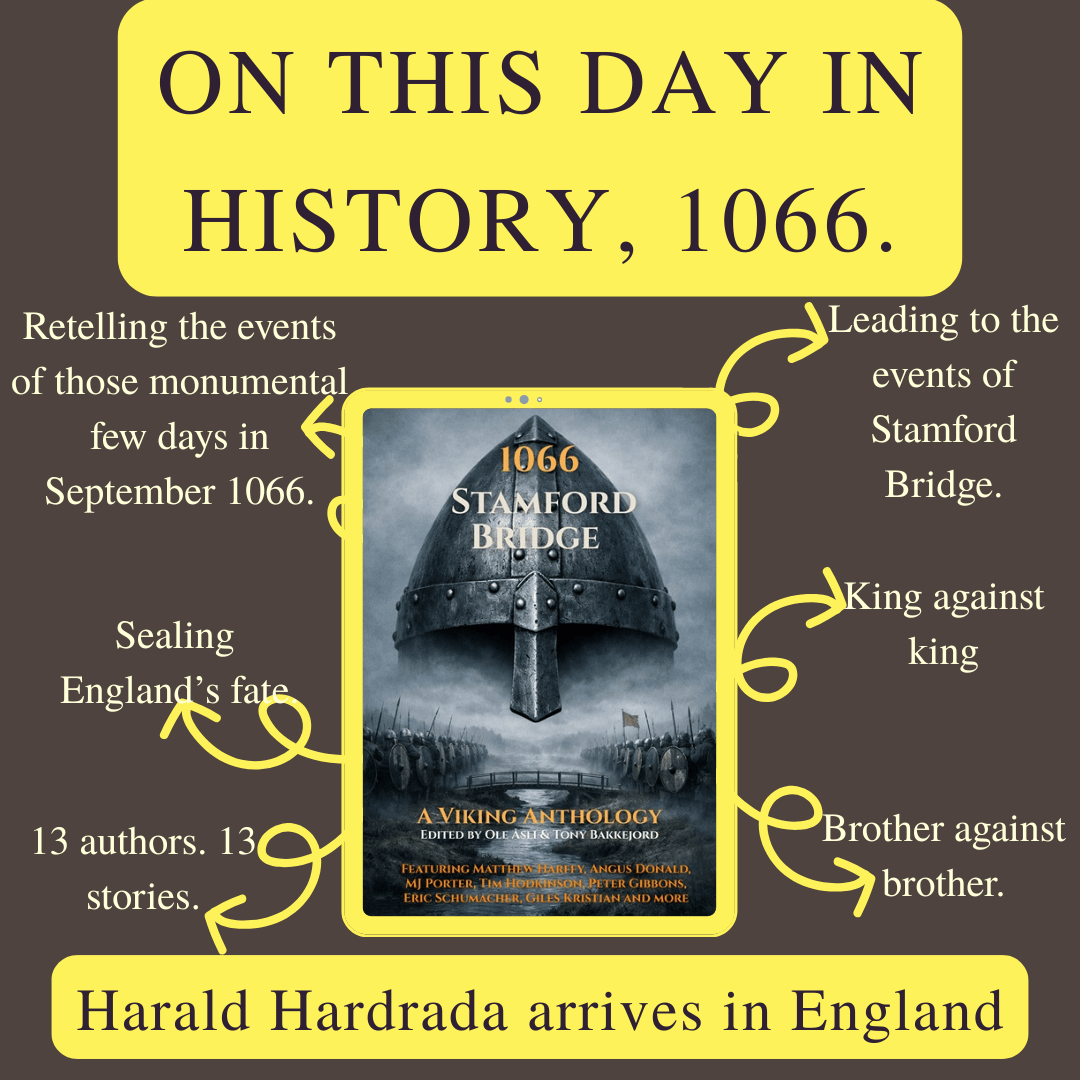
Harald Sigurdsson, who we know more often as Harald Hardrada, is a historical individual who is ‘on my radar’ as it were for my The Earls of Mercia series. So far, he’s only had the odd mention because I’m still 20 years from the events of 1066 at Stamford Bridge, but never fear, for JC Duncan is telling Harald’s story from the events that see his half-brother, Olaf, later St Olaf, cut down at the Battle of Stiklestad in 1030.
Adopting a narrator style for the book, we see Harald trying to regroup after his brother’s defeat and murder. He seeks somewhere for him and what remains of his brother’s warriors to retreat to, and the tale is told through the eyes of the fictional Eric, who has seen it all and now, as an old man, wants to share his stories of Harald with an appreciative audience back in Norway.
This is very much a story of Harald’s time in the lands of the Rus and the overwhelming odds he often faces in battle as he rises through the ranks to serve Prince Yaraslov. We also see him struggling with the clash of cultures – the more sophisticated and complex ideals of the Rus flummoxing a man more used to seeing warriors have a bloody good fight.
Harald quickly earns himself an enemy, one who bedevils him at various points throughout the story and who I’m sure will continue to do so as the young man tries to discover who he is while learning to command his warriors.
This is an epic tale, with elements burbling away in the background that will continue to develop in later books. Using a narrator enables the tale to skip over some of the more mundane aspects of Harald’s story, ensuring the reader is constantly faced with some new dilemma for Harald to surmount or fail. However, failure is never really an option. After all, he is a Hard-ruler, and many of his decisions may stun the reader as the body count increases.
JC Duncan’s Harald is indeed a hard man, unhappy making mistakes or being embarrassed, determined to build his reputation, even while bidding his time, determined that one day he’ll claim back his brother’s lost kingdom of Norway. He is perhaps too naïve and a little too sure of himself on occasion, and these very real character traits lend themselves to an engaging retelling. However, this isn’t a quick read. There’s much to absorb as you, alongside the character, embark on a very real journey to the land of the Rus and encounter their enemies and allies, the knowledge that our narrator still lives, the only hope for Harald’s success.
An engrossing tale of Harald Hardrada’s early years, brimming with historical detail and brave daring do. This is the story of a man who will become a legend, told lovingly through the eyes of one of his loyal followers and sure to delight readers.
Meet the author
J. C. Duncan is a well-reviewed historical fiction author and amateur bladesmith, with a passion for Vikings.