Author of Saxon historical fiction and non-fiction, 20th-century historical mysteries, and Norse-inspired historical romantasy. Book reviewer and blog host.
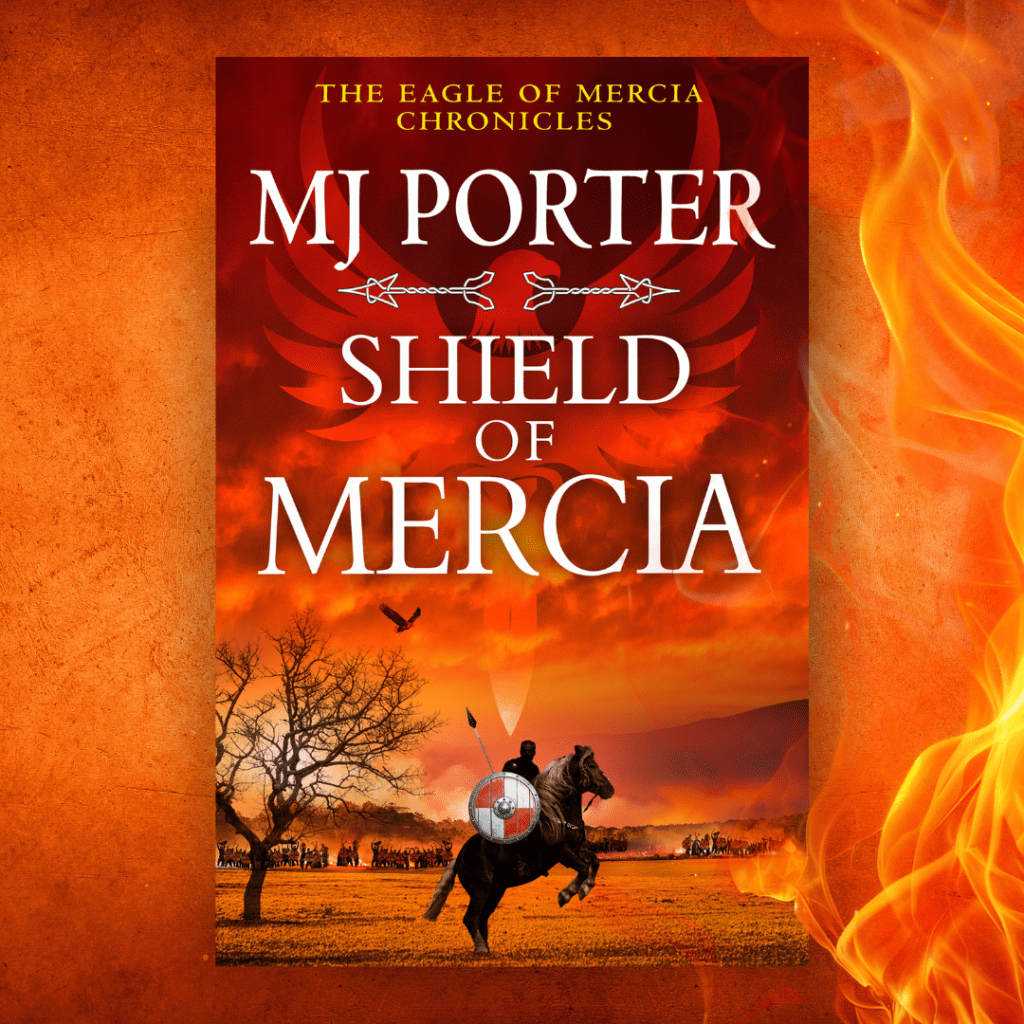
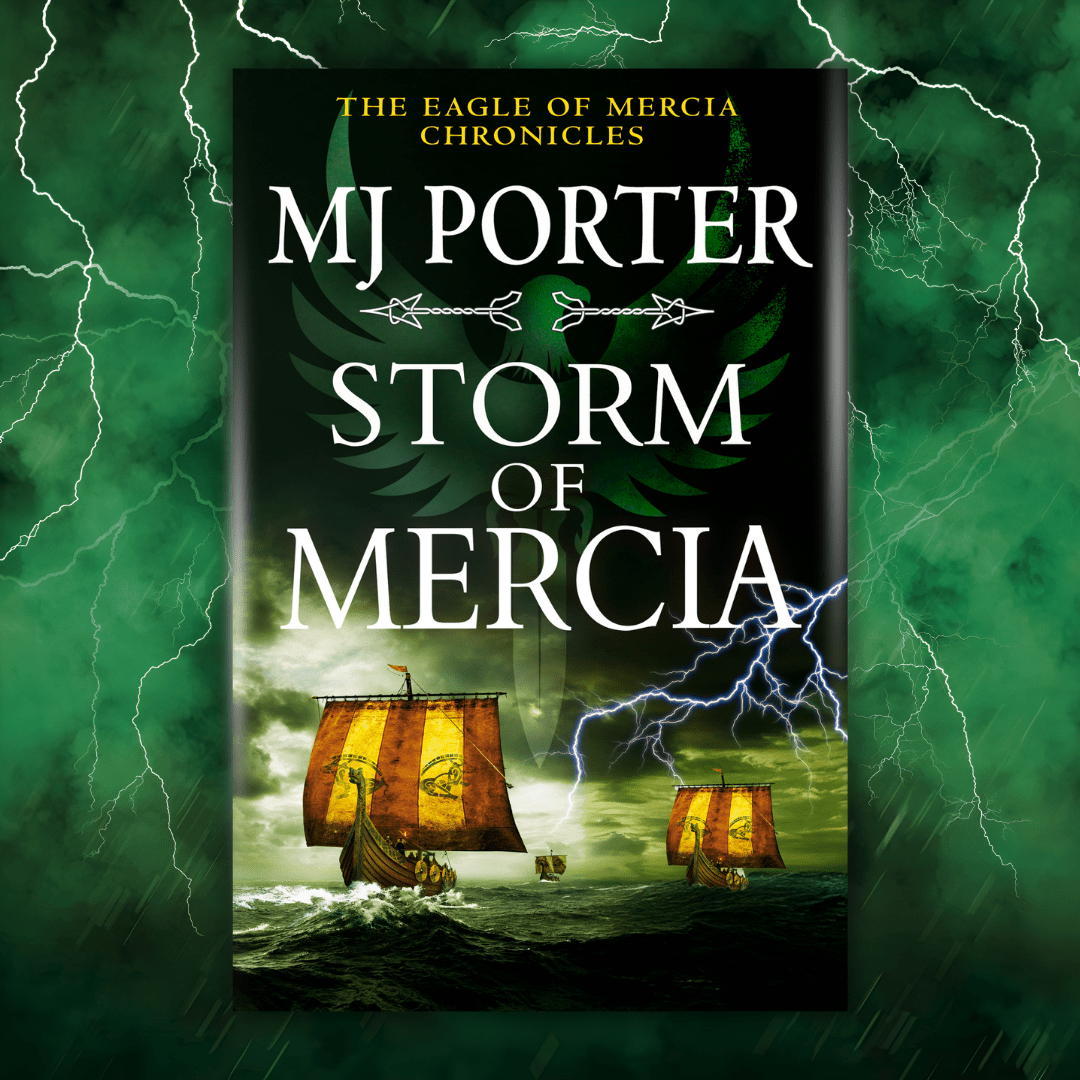
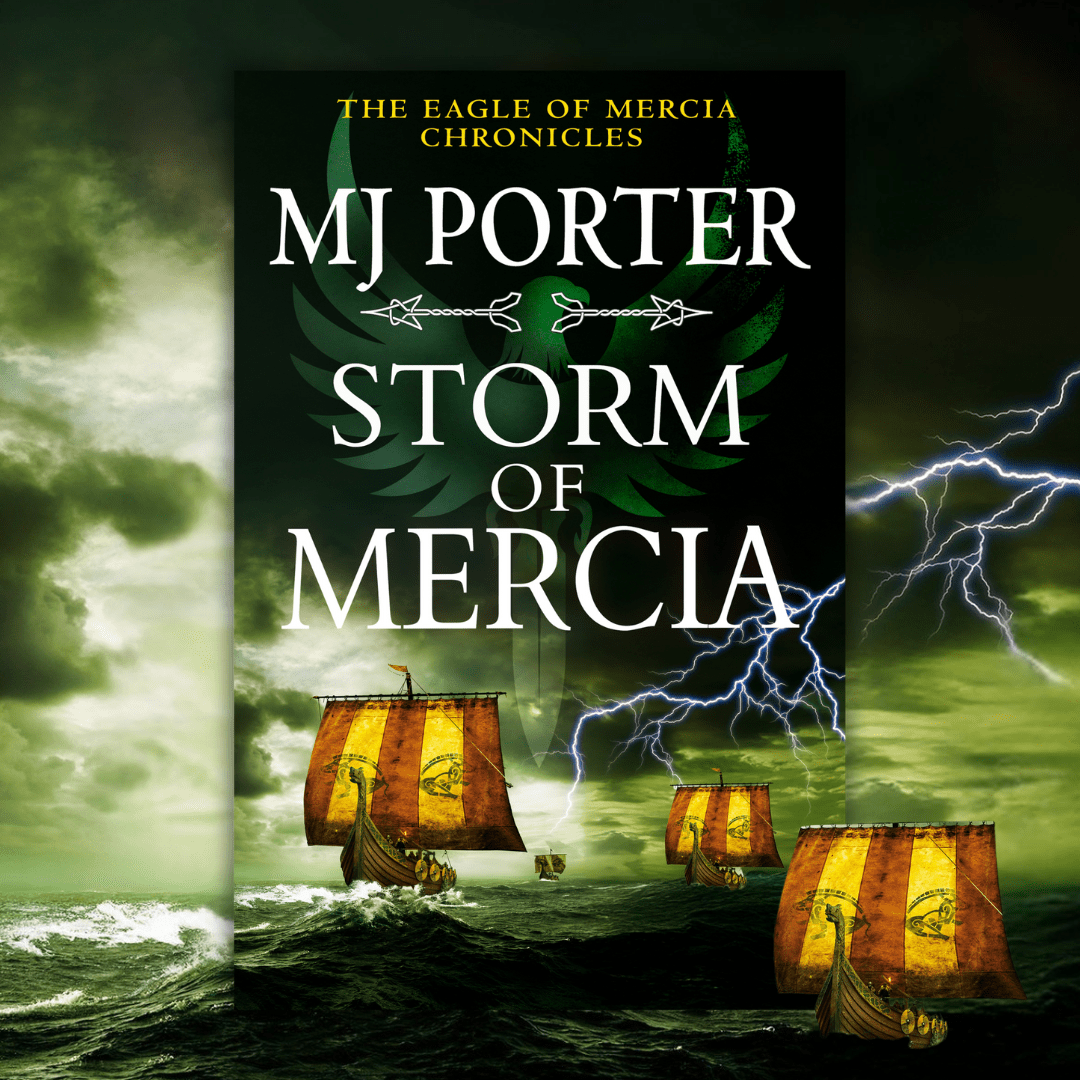
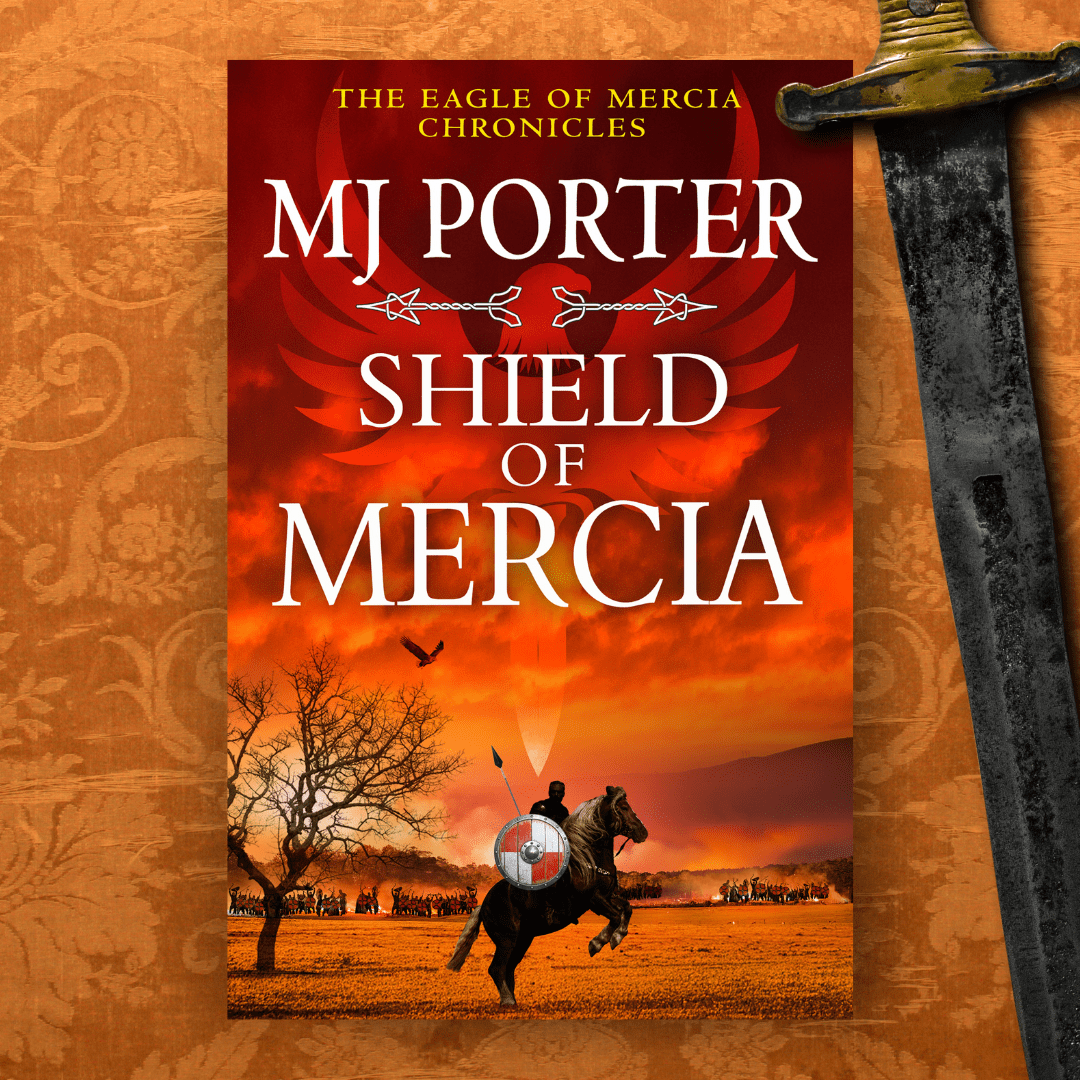
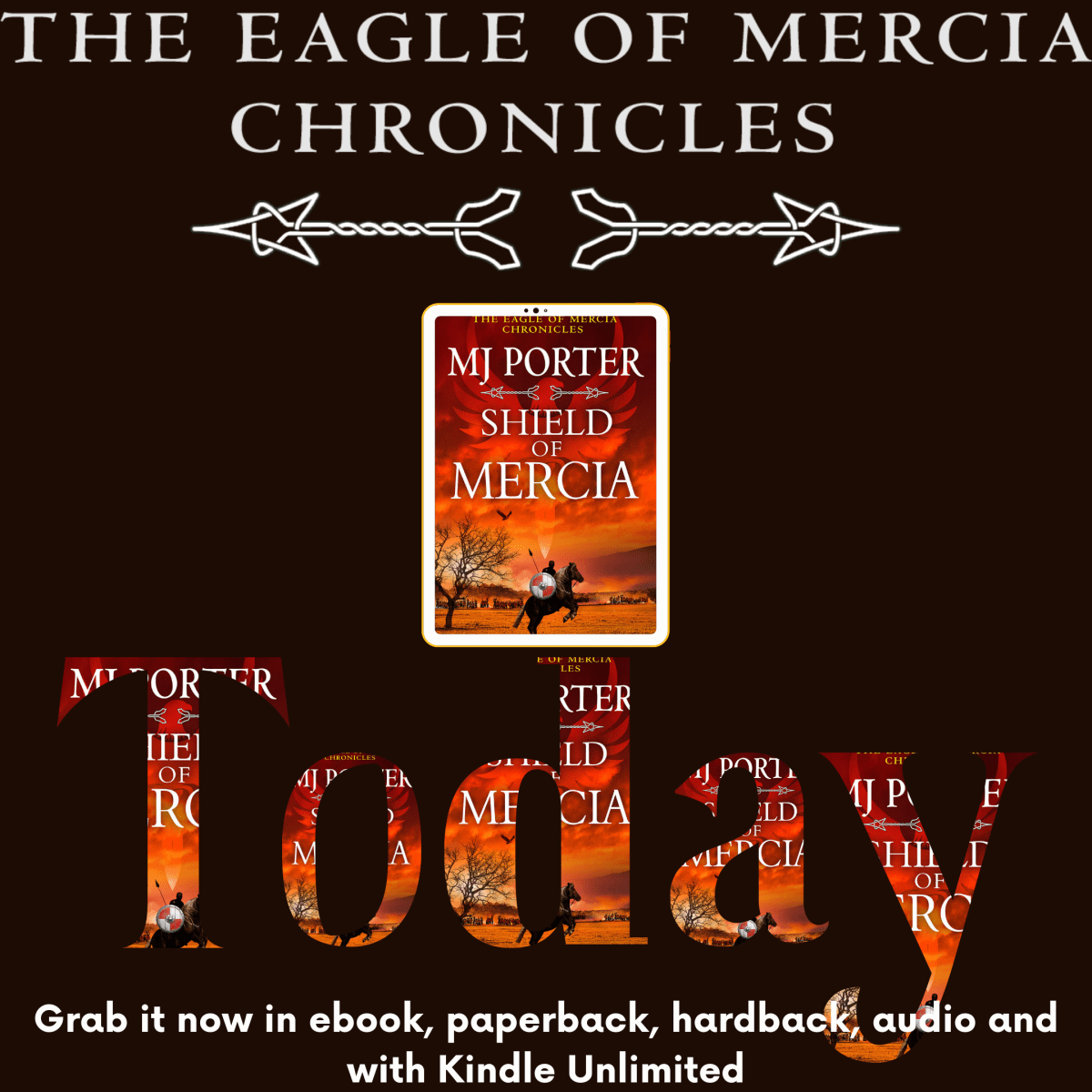
It’s happy release day to Shield of Mercia. Return to the world of young Icel. It’s going to get cold (and then rather hot). #newrelease #histfic #TheEagleofMerciaChornicles
This is my fourth attempt at the recording:) (Contains spoilers) (click on it to ‘pop’ it out)
Here’s the blurb
Mercia is triumphant. Her king is safe. But Wessex was never Mercia’s only enemy.
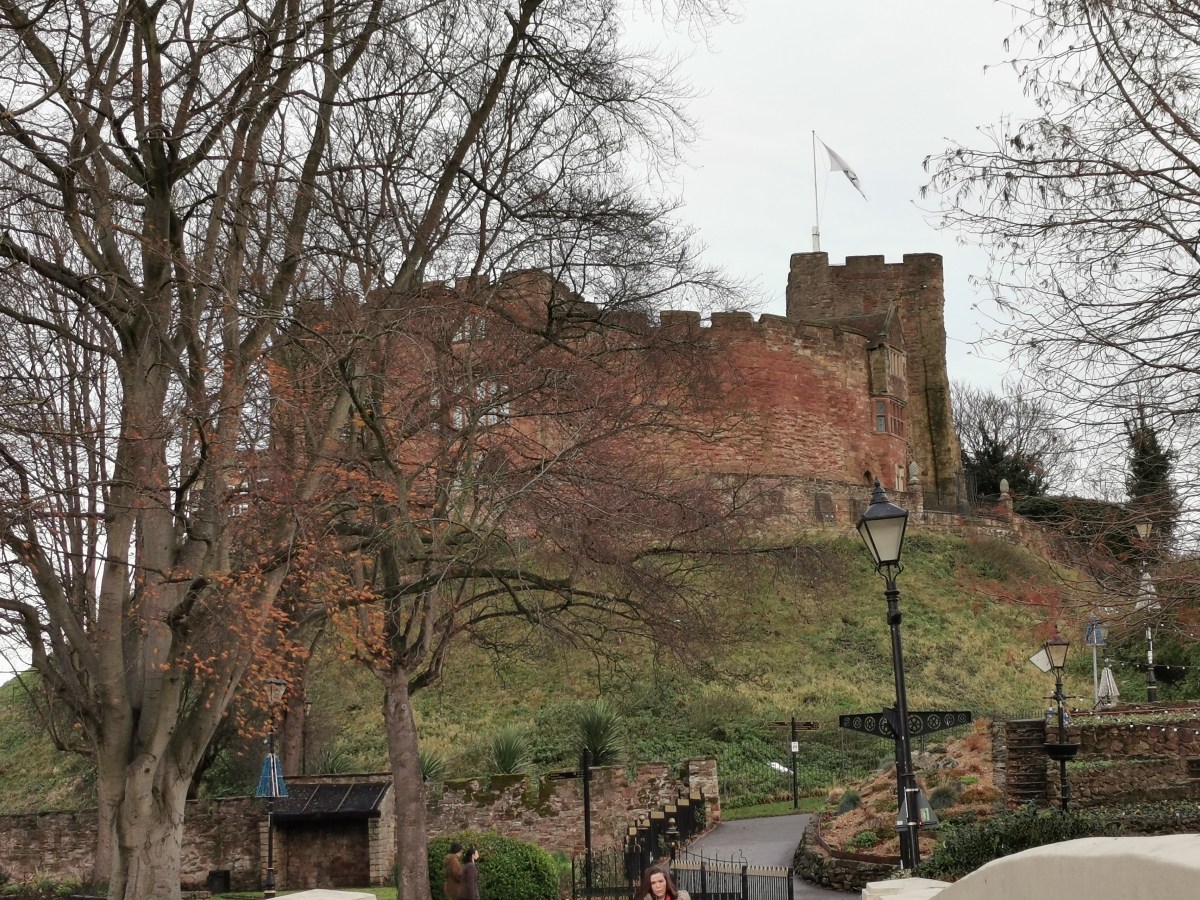
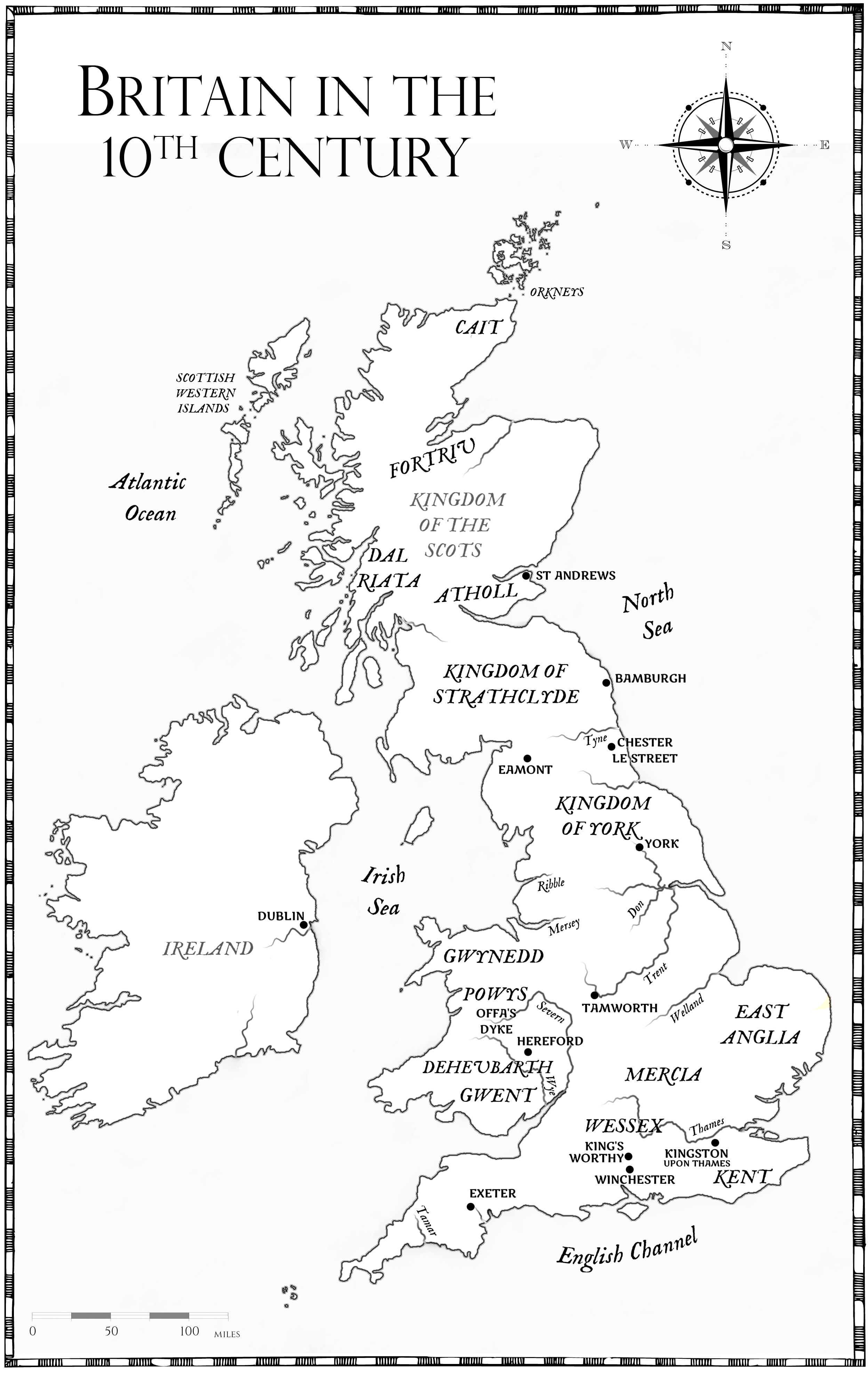
Tamworth, AD836
Following a brutally cold winter, King Wiglaf of Mercia is in the ascendancy. Even Wessex’s Archbishop of Canterbury extraordinarily ventures to Mercia to broker a religious accord. But, can the hard-won peace prevail?
Viking raiders threaten Wessex. These blood-thirsty warriors are fast, skilful and have no reticence about killing those who stand in their way. Their aim isn’t to rule but to overwhelm, slaughter and take ill-gotten wealth.
King Wiglaf is no fool. As the Vikings push to overwhelm Wessex, Mercia’s lands look insecure. King Wiglaf needs the shields of Mercia’s warriors to prevent the overwhelming advancement of their deadliest enemy yet.
To save Mercia, Icel must first prevail over the two men who mean to end his life; King Ecgberht of Wessex and his son, Æthelwulf of Kent and only then the marauding Viking army for whom boundaries have no meaning.
It’s happy release day to Shield of Mercia. Return to the world of young Icel. It’s going to get cold (and then rather hot). #newrelease #histfic #TheEagleofMerciaChornicles
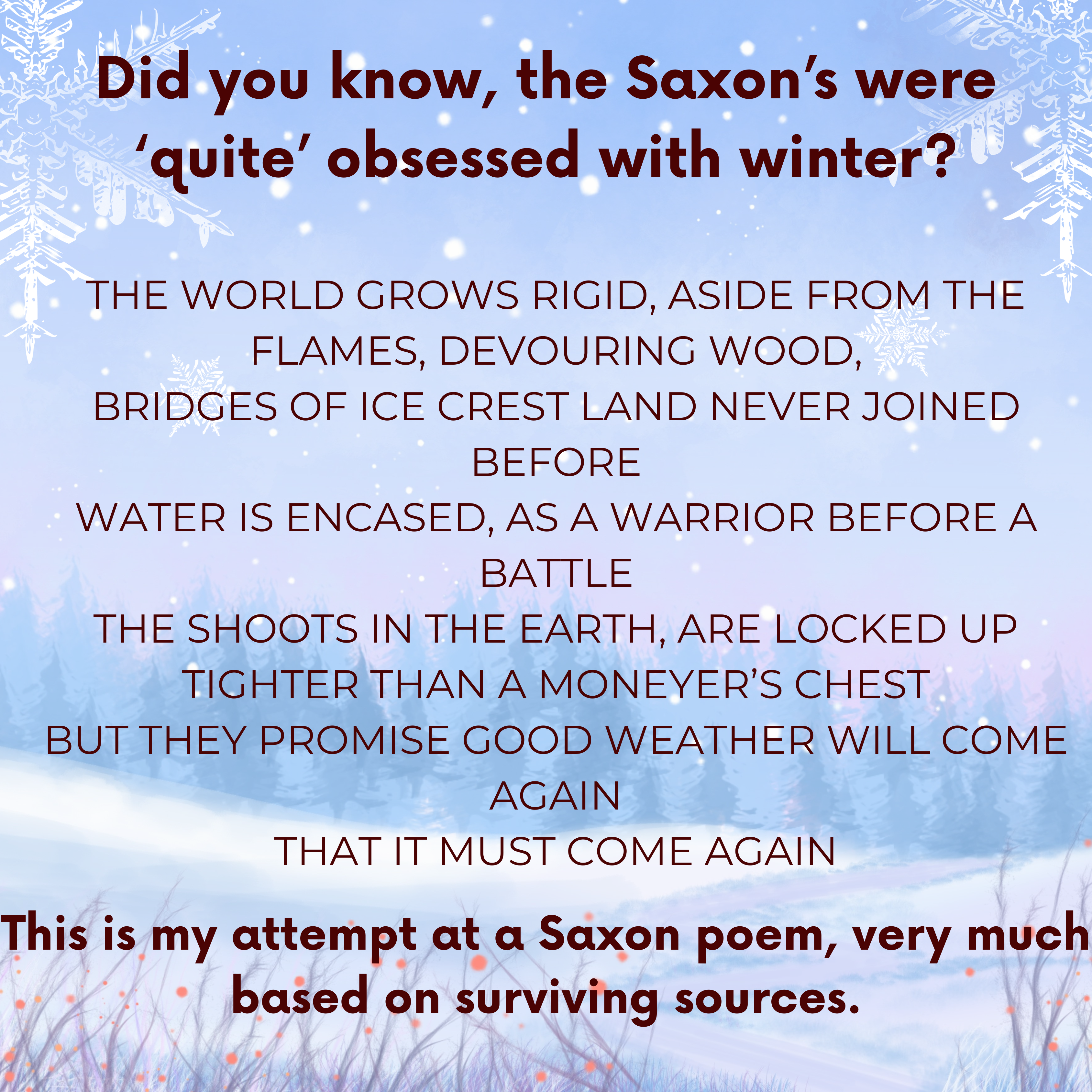
I ‘attempted’ to recreate a Saxon poem about winter in Shield of Mercia. What do you think?
Many famous poems from Saxon England reveal a fascination with winter, almost a horror of its ravages, which we might not appreciate with our central heating, fleeces and ability to eat well.
The Menologium, a calendar poem from the period, states that winter ran from the 7th of November to the 6th of February, and I really love the imagery in The Menologium, as translated by Eleanor Parker, in her fascinating Winters of the World (the title really does say it all).
‘After [All Saints’ Day] comes Winter’s Day, far and wide
Six nights later, and seizes sun-bright autumn
With its army of ice and snow,
Fettered with frost by the Lord’s command,
So that the green fields may no longer stay with us,
The ornaments of the earth.’
p41 from E Parker’s translation of The Menologium in Winters of the World.
Check out reader reviews
Here’s the blurb
Mercia is triumphant. Her king is safe. But Wessex was never Mercia’s only enemy.
Tamworth, AD836
Following a brutally cold winter, King Wiglaf of Mercia is in the ascendancy. Even Wessex’s Archbishop of Canterbury extraordinarily ventures to Mercia to broker a religious accord. But, can the hard-won peace prevail?
Viking raiders threaten Wessex. These blood-thirsty warriors are fast, skilful and have no reticence about killing those who stand in their way. Their aim isn’t to rule but to overwhelm, slaughter and take ill-gotten wealth.
King Wiglaf is no fool. As the Vikings push to overwhelm Wessex, Mercia’s lands look insecure. King Wiglaf needs the shields of Mercia’s warriors to prevent the overwhelming advancement of their deadliest enemy yet.
To save Mercia, Icel must first prevail over the two men who mean to end his life; King Ecgberht of Wessex and his son, Æthelwulf of Kent and only then the marauding Viking army for whom boundaries have no meaning.
A Conspiracy of Kings – a little bit of history (may contain spoilers for my fictional recreation of Lady Ælfwynn
In the sequel to The Lady of Mercia’s Daughter, the story of Lady Ælfwynn continues. She is The Second Lady of Mercia, but everything isn’t as it seems. In the various recensions of The Anglo-Saxon Chronicles, an attempt can be made to piece together what befalls her.
The Anglo-Saxon Chronicle A version doesn’t mention Ælfwynn at all but instead has King Edward of Wessex/the Anglo-Saxons taking control of Tamworth as soon as his sister dies in June 918.
The Anglo-Saxon Chronicle E only mentions Lady Æthelflæd’s death in 918 and not what happens immediately after in Mercia. Lady Ælfwynn’s fate, however, is recorded in The Anglo-Saxon Chronicle C. We’re told that she was deprived of all power and ‘led into Wessex three weeks before Christmas.’ This entry is dated 919, although it’s normally taken to mean 918 due to a disparity between the dating in this part of The Anglo-Saxon Chronicle – known as the Mercian Register – where a new year starts in December as opposed to in the Winchester version of The Anglo-Saxon Chronicle where the new year starts in September.
These details are stark, offering nothing further. What then actually happened to Lady Ælfwynn? Was she deprived of her power? Was she deemed unsuitable to rule?
What adds to the confusion surrounding Lady Ælfwynn is that other than this reference in The Anglo-Saxon Chronicle, she doesn’t appear in any of the later sources. It’s as though she simply ceased to exist.
Two intriguing suggestions have been put forward to explain what happened to Lady Ælfwynn, both with some tenous corroboration.
Did she become a nun or, perhaps, a religious woman?
A later charter dated to 948 and promulgated by King Eadred is to an ‘Ælfwyn, a religious woman,’ and shows land being exchanged in Kent for two pounds of purest gold. (S535) There’s no indication that this Ælfwyn is related to our Ælfwynn or even to King Eadred. But, there remains the possibility that it might just have been the same woman, after all, Eadred would have been Ælfwynn’s cousin. Charter S535 survives in only one manuscript.
Alternatively, and based on a later source, Ramsey Abbey’s Book of Benefactors, we learn the following:
‘he [Athelstan Half-King] bestowed marriage upon a wife, one Ælfwynn by name, suitable for his marriage bed as much as by the nobility of her birth as by the grace of her unchurlish appearance. Afterwards she nursed and brought up with maternal devotion the glorious King Edgar, a tender boy as yet in the cradle. When Edgar afterwards attained the rule of all England, which was due to him by hereditary destiny, he was not ungrateful for the benefits he had received from his nurse. He bestowed on her, with regal munificence, the manor of Weston, which her son, the Ealdorman, afterwards granted to the church of Ramsey in perpetual alms for her soul, when his mother was taken from our midst in the natural course of events.’[i]
Which alternative is it?
There are only eight women named Ælfwynn listed in the Prosopography of Anglo-Saxon England (PASE), a fabulous online database. Of these, one is certainly Ælfwynn, the second lady of the Mercians, and one is undoubtedly the religious woman named in the charter from 948. (When the identification is not guaranteed, multiple entries are made in this invaluable online database). The other five women were alive much later than the known years Ælfwynn lived. One of the entries might possibly relate to her, but that’s all the information known about her.
And this is far from unusual for many of the women of the House of Wessex. Some women are ‘lost’ on the Continent. Some are ‘lost’ in England.
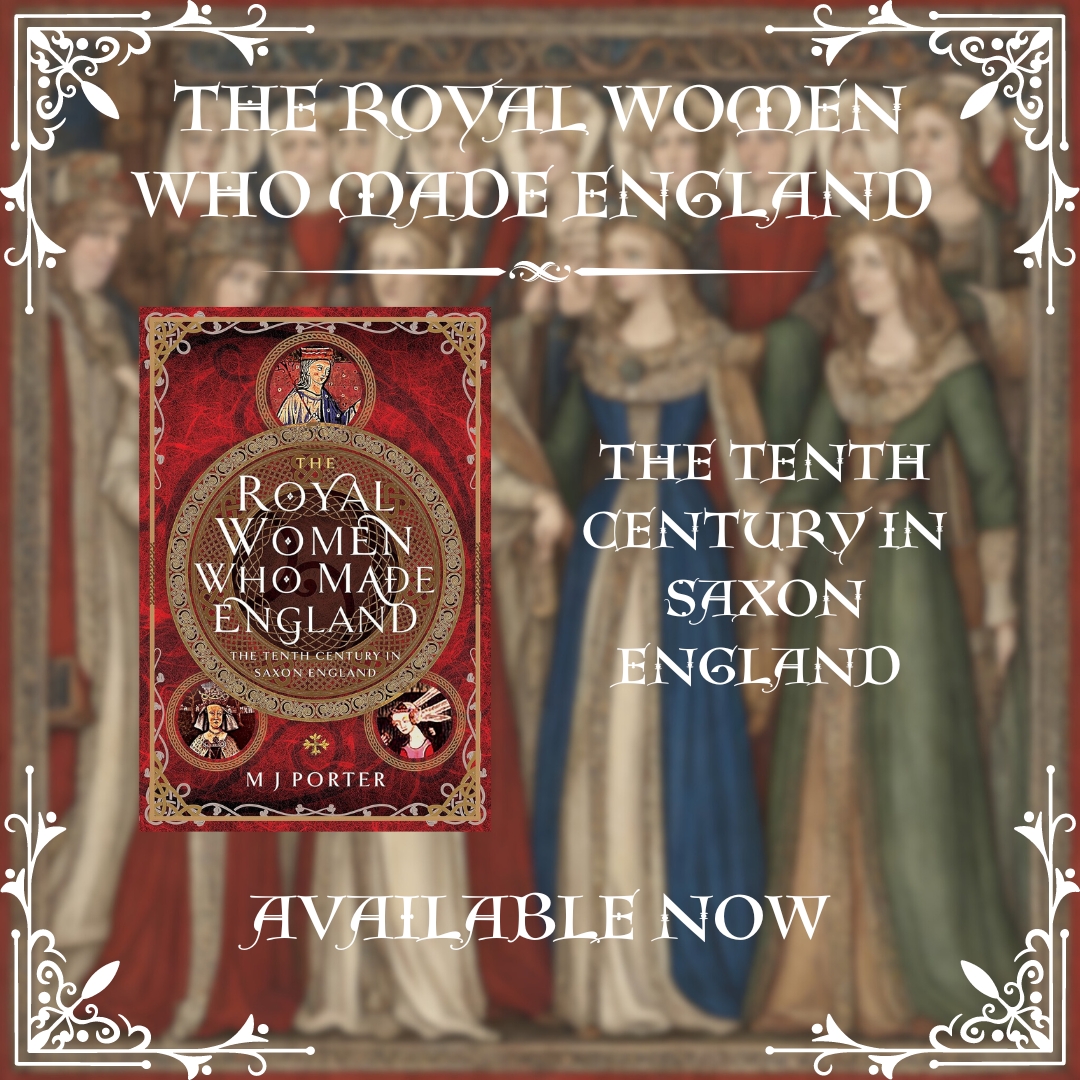
‘Were it not for the prologue to Æthelweard’s Latin translation of an Anglo-Saxon Chronicle, we would know of only six tenth-century royal daughters or sisters from early English sources and the names of only four of them. Three of these named ones are nuns or abbesses. Only Ælfwynn, the daughter of Æthelflæd and Æthelred of Mercia, and the two daughters of Edward/sisters of Athelstan who married Otto I and Sihtric of York, appear in the witness lists of charters, though Eadburh, daughter of Edward the Elder, is a grantee of a charter of her brother Athelstan.’[ii]
Reconstructing a ‘possible’ life for Lady Ælfwynn was the inspiration for both The Lady of Mercia’s Daughter and A Conspiracy of Kings, and the potential for family betrayal, politicking, and war with the Viking raiders was just too good an opportunity to miss.
[i] Edington, S and Others, Ramsey Abbey’s Book of Benefactors Part One: The Abbey’s Foundation, (Hakedes, 1998) pp.9-10
[ii] Stafford, P. Fathers and Daughters: The Case of Æthelred II in Writing, Kingship and Power in Anglo-Saxon England, (Cambridge University Press, 2018) p.142
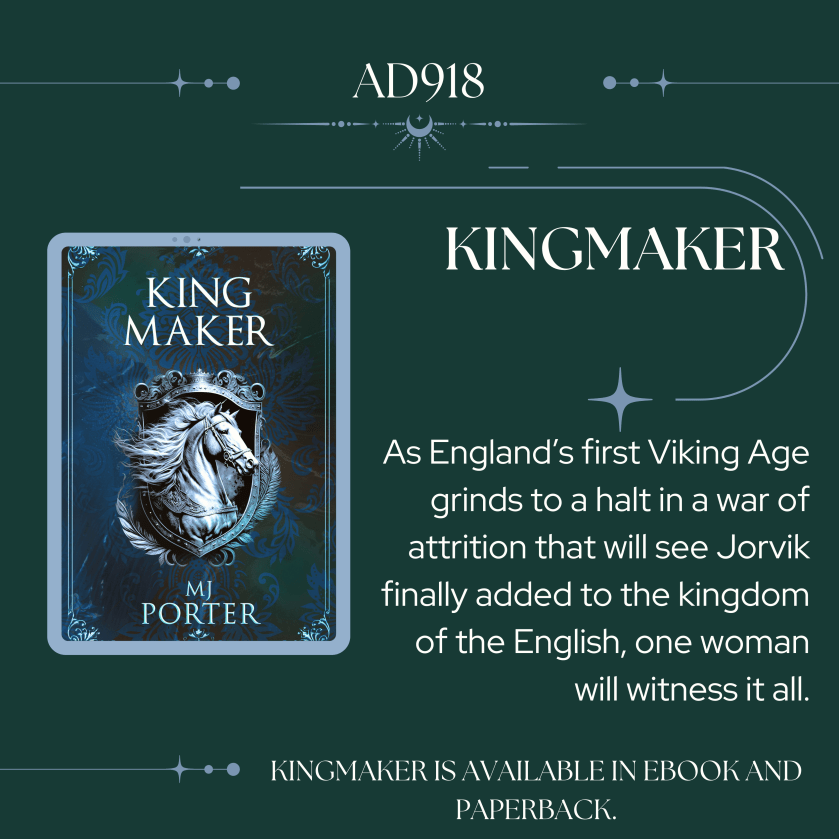
Why did I write about Lady Eadgifu, the main character in Kingmaker? #histfic #authorinspiration
I don’t really know when I became a fan of historical fiction but I can take a good guess at who, and what, was to blame.
William Shakespeare and Macbeth.
When I was at school, we didn’t get ‘bogged’ down with grammar and spelling in English lessons, oh no, we studied stories, plays, words, and also the ‘motivation’ behind the use of those stories and those words. And it was Macbeth that first opened my eyes to the world of historical fiction.
Yes, Macbeth is a blood thirsty play, and it might be cursed, but more importantly, it’s based on Holinshed’s Chronicle of England, Scotland and Ireland.
Macbeth is nothing better than the first work of historical fiction that I truly read, and understood to be as such. And what a delight it was.
I remember less the story of Macbeth as presented by Shakespeare (aside from the three witches – “when shall we three meet again?” “well I can do next Wednesday,’ (thank you Terry Pratchett for that addition), than working out ‘fact’ from ‘fiction’ in his retelling of the story. And hence, my love of historical fiction was slowly born, and from that, stems my love of telling stories about ‘real’ people and the way that they lived their lives, looking at the wider events taking place, and trying to decide how these might, or might not, have influenced these people.
Shakespeare chose the story of a little-known ‘Scottish’ monarch for his historical fiction; my latest subject is the third wife of King Edward the Elder, again someone that few people have heard of, but whose relative, many years in the future, would have interacted with Macbeth, or rather with Mac Bethad mac Findlaích.
Lady Eadgifu, the Lady of Wessex, lived through a tumultuous time.
Many people studying Saxon England know of King Alfred (died AD899), and they know of his grandson, Æthelred II (born c.AD 968), known as ‘the unready’. But the intervening period is little known about, and that is a true shame.
Lady Eadgifu, just about singlehandedly fills this gap. Born sometime before c.AD903 (at the latest), her death occurred in c.AD964/6. As such, she probably missed Alfred by up to 4 years, and her grandson, King Æthelred by about the same margin.
But what she did witness was the emergence of ‘England’ and the ‘kingdom of the English’ as we know it. And it wasn’t a smooth process, and it was not always assured, and it was certainly never, at any point, guaranteed that England would emerge ‘whole’ from the First Viking Age.
And more importantly, rather than being one of the kings who ruled during this period, Lady Eadgifu was the king’s wife, the king’s mother, or even the king’s grandmother. She would have witnessed England as it expanded and contracted, she would have known what went before, and she would have hoped for what would come after her life. (I think in this, I was very much aware of my great-grandmother who lived throughout almost the entire twentieth century – just think what she would have witnessed).
Lady Eadgifu was simply too good a character to allow to lie dormant under the one event that might well be known about from the tenth century – the battle of Brunanburh. She does also appear in my Brunanburh Series.
So, for those fans of Bernard Cornwell’s ‘Uhtred’ and for those fans of Lady Elfrida at the end of the tenth century, I hope you will enjoy Lady Eadgifu. She was a woman, in a man’s world, and because she was a woman, she survived when men did not.
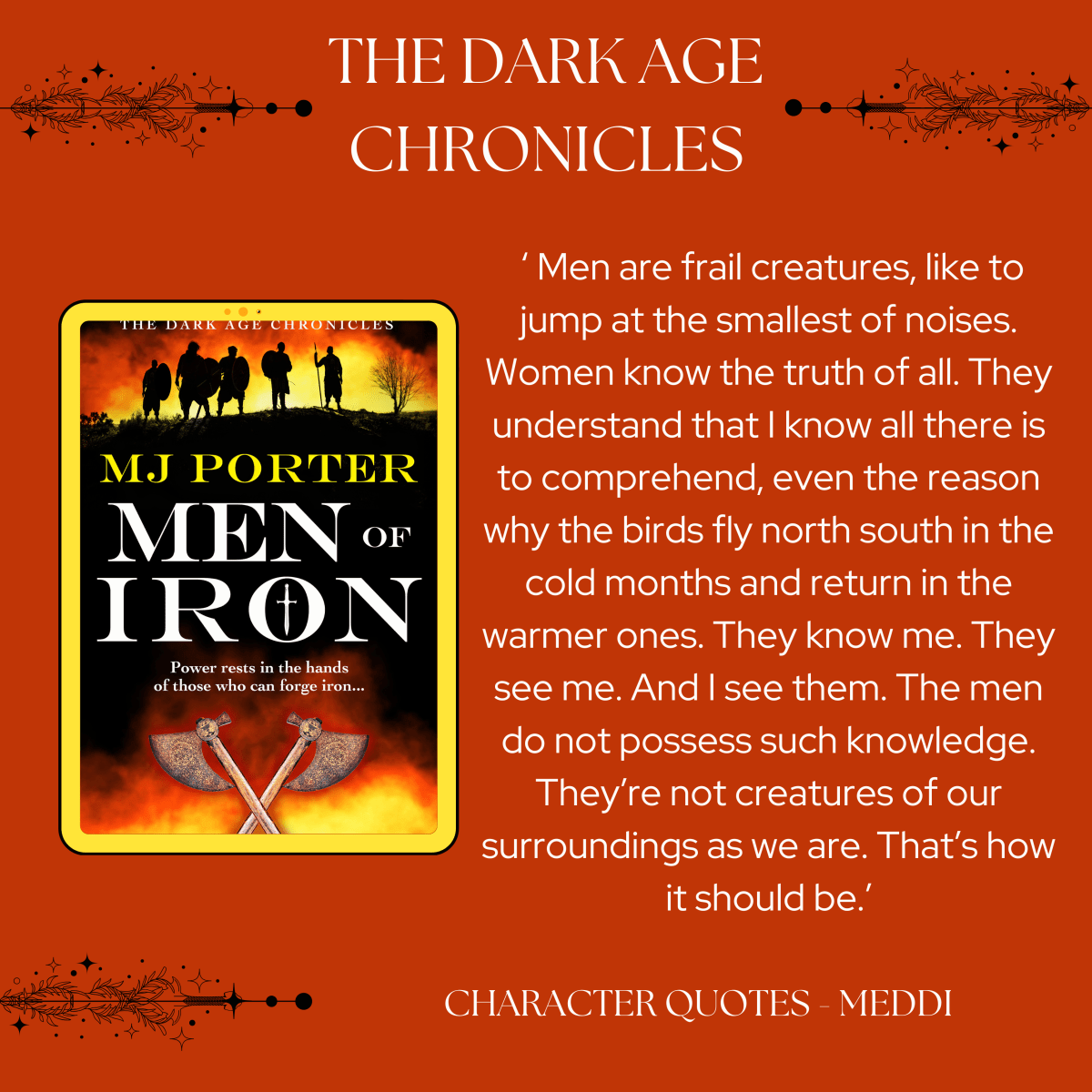
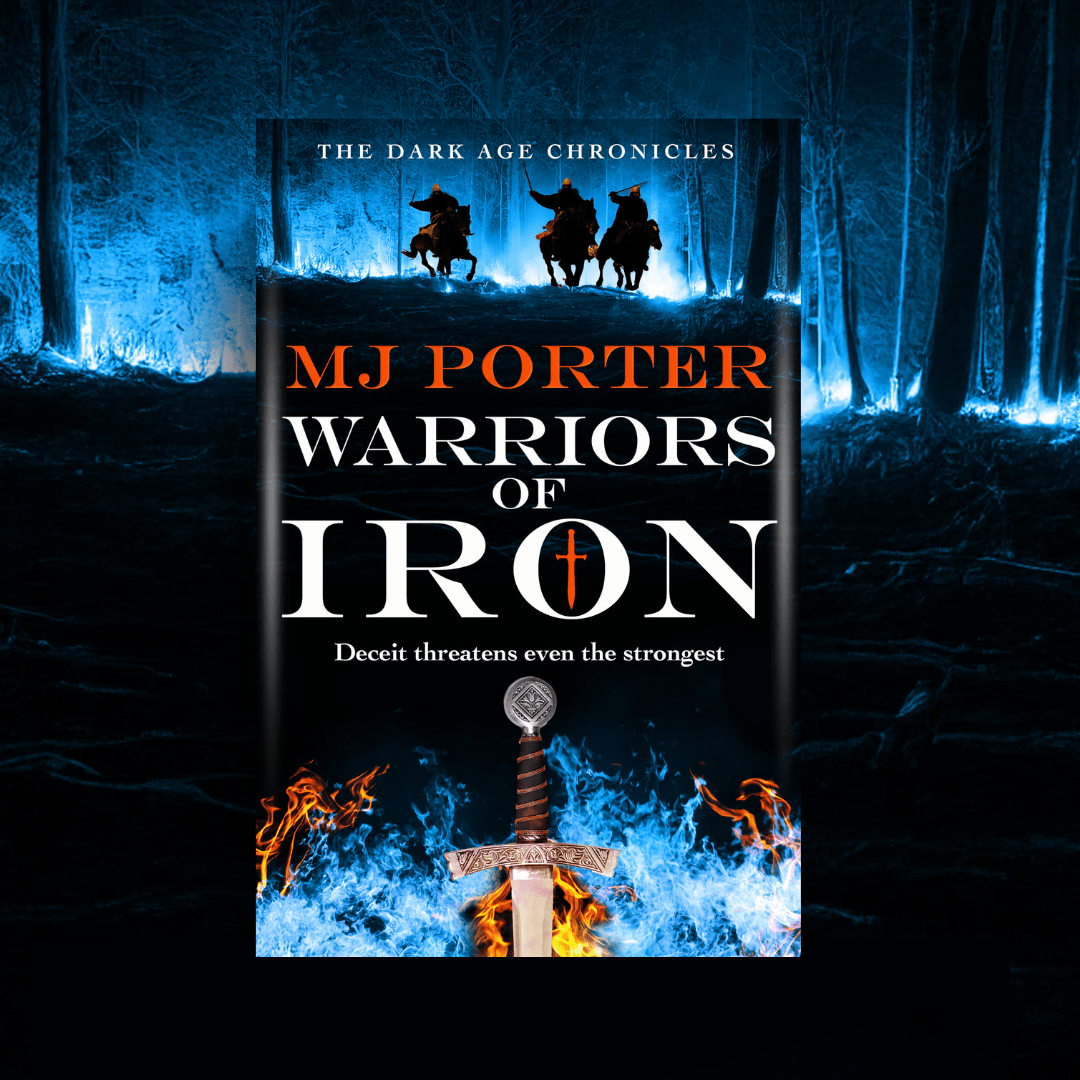
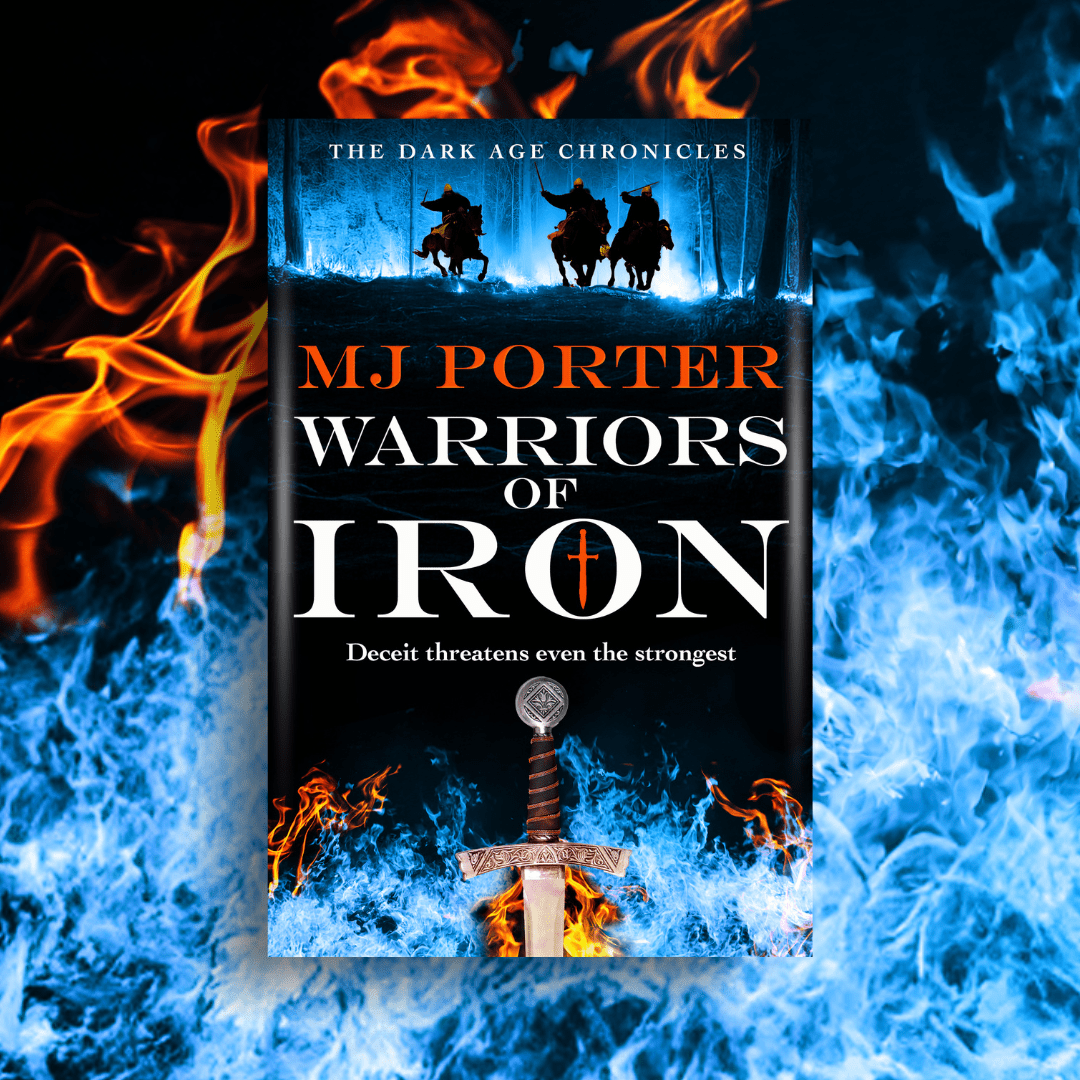
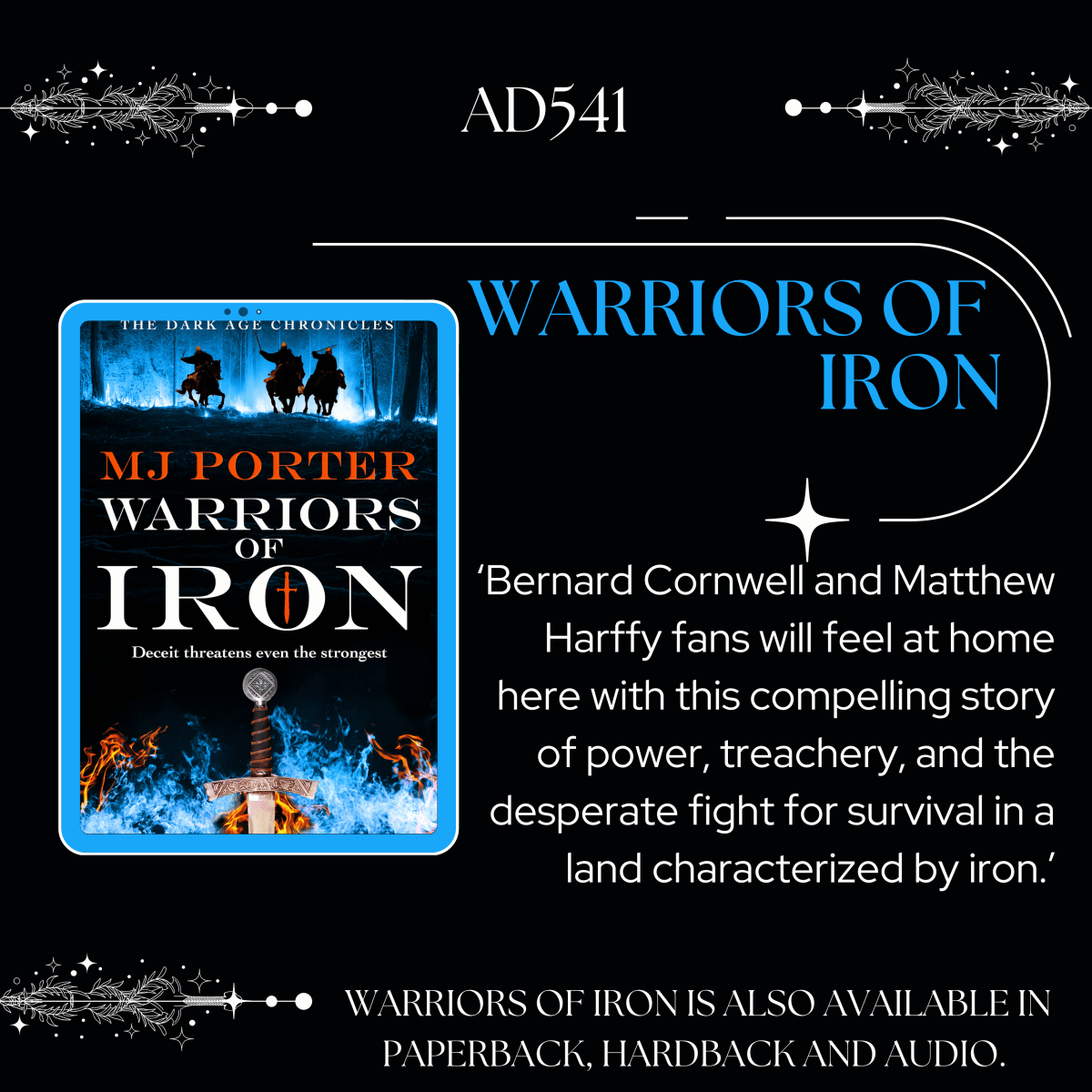
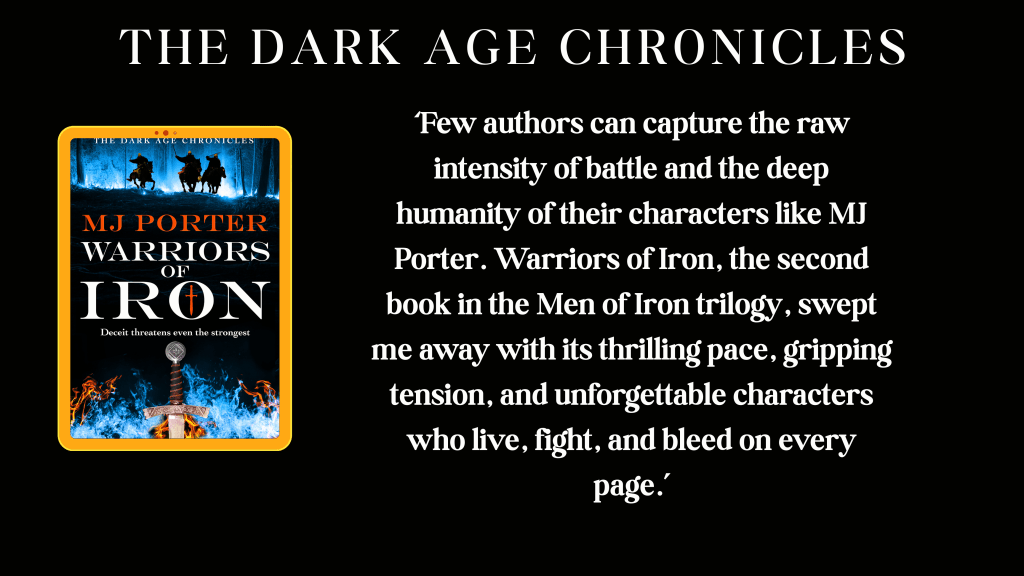
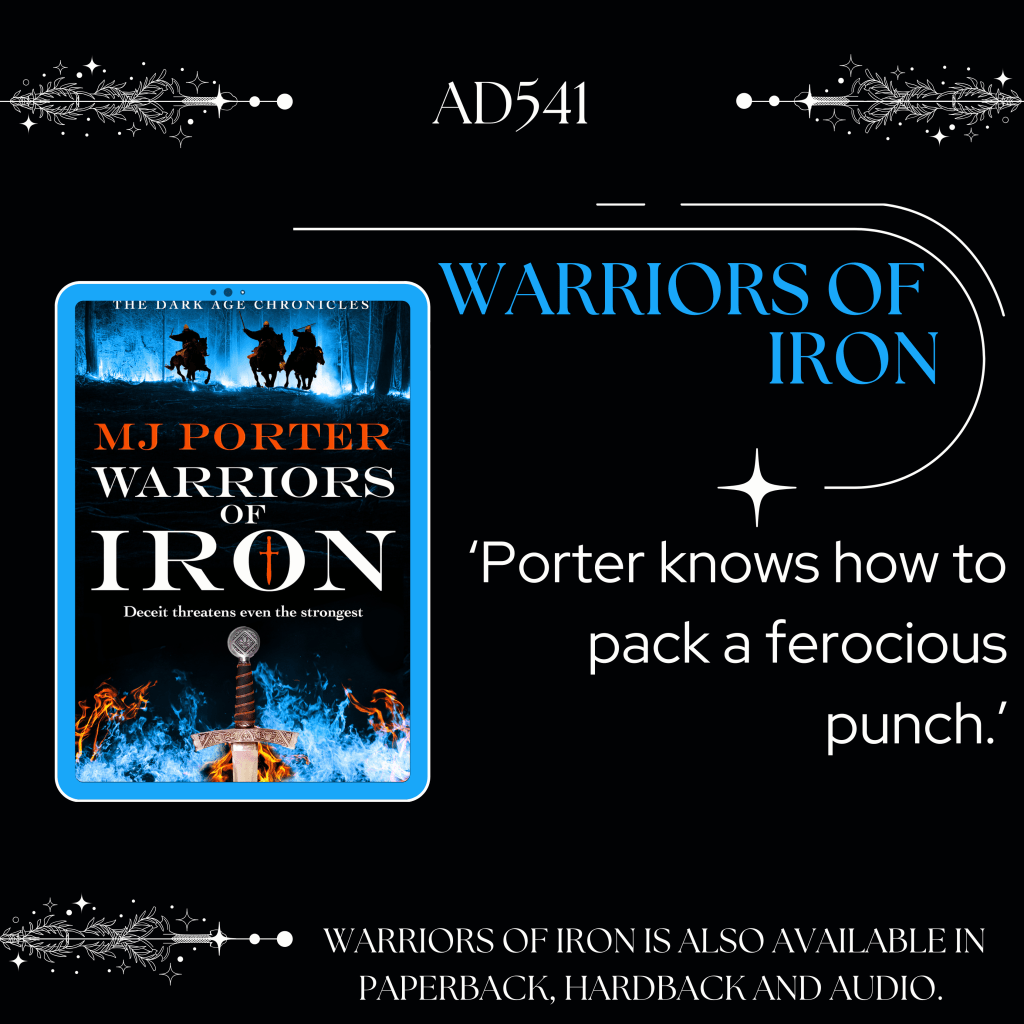
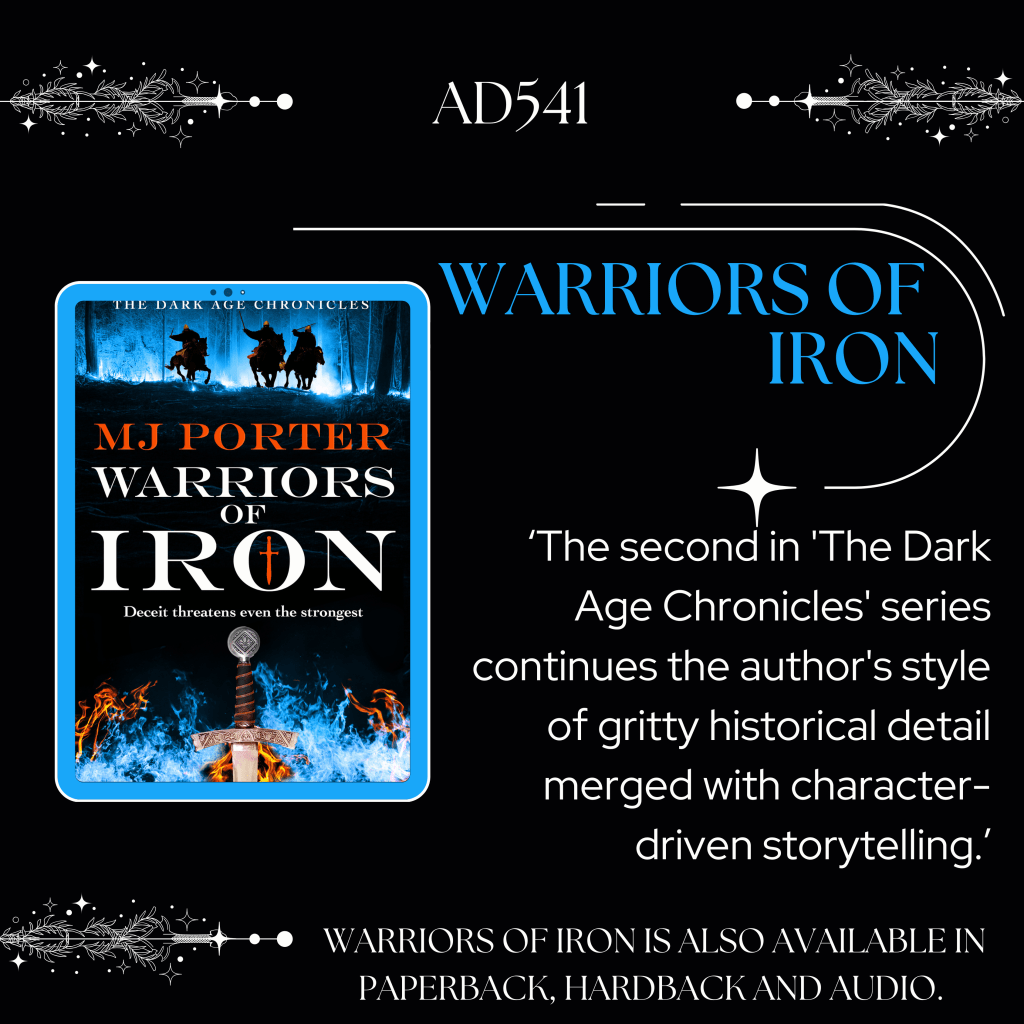
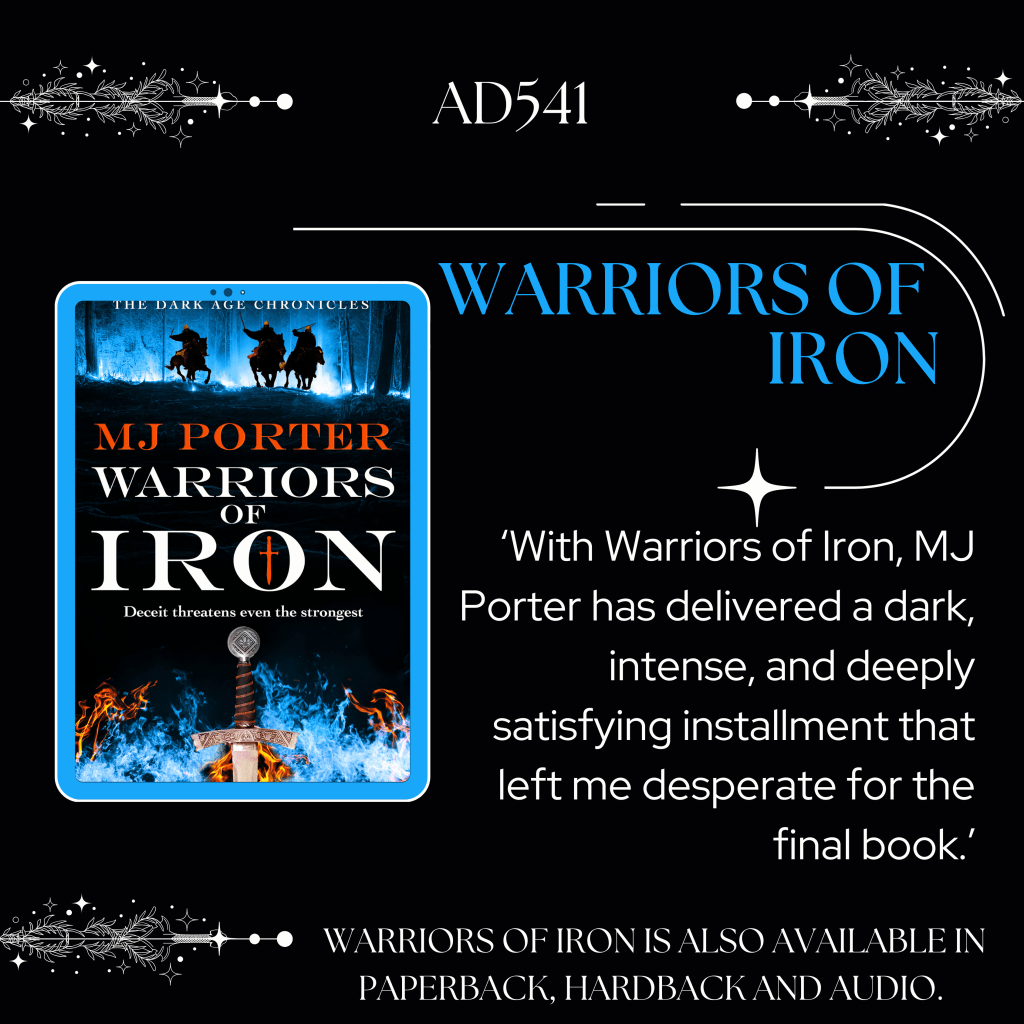
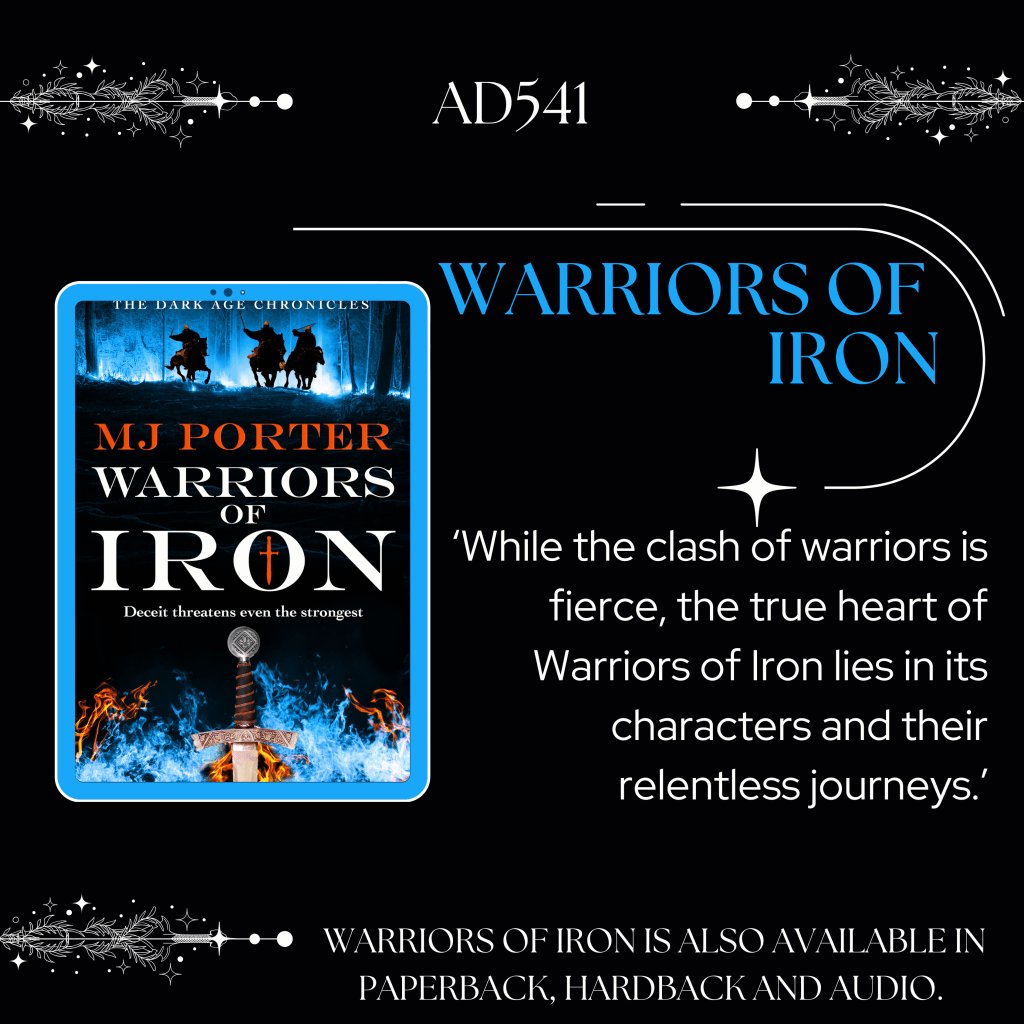
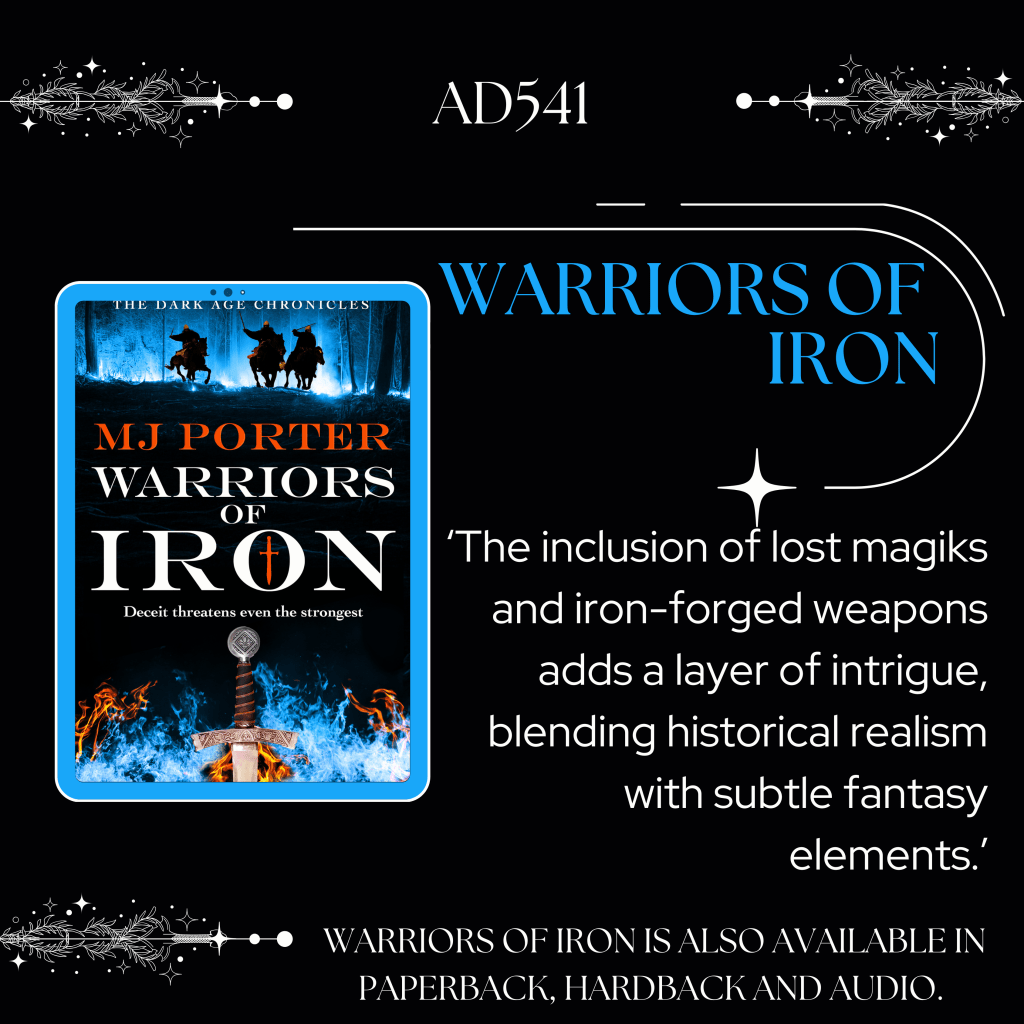
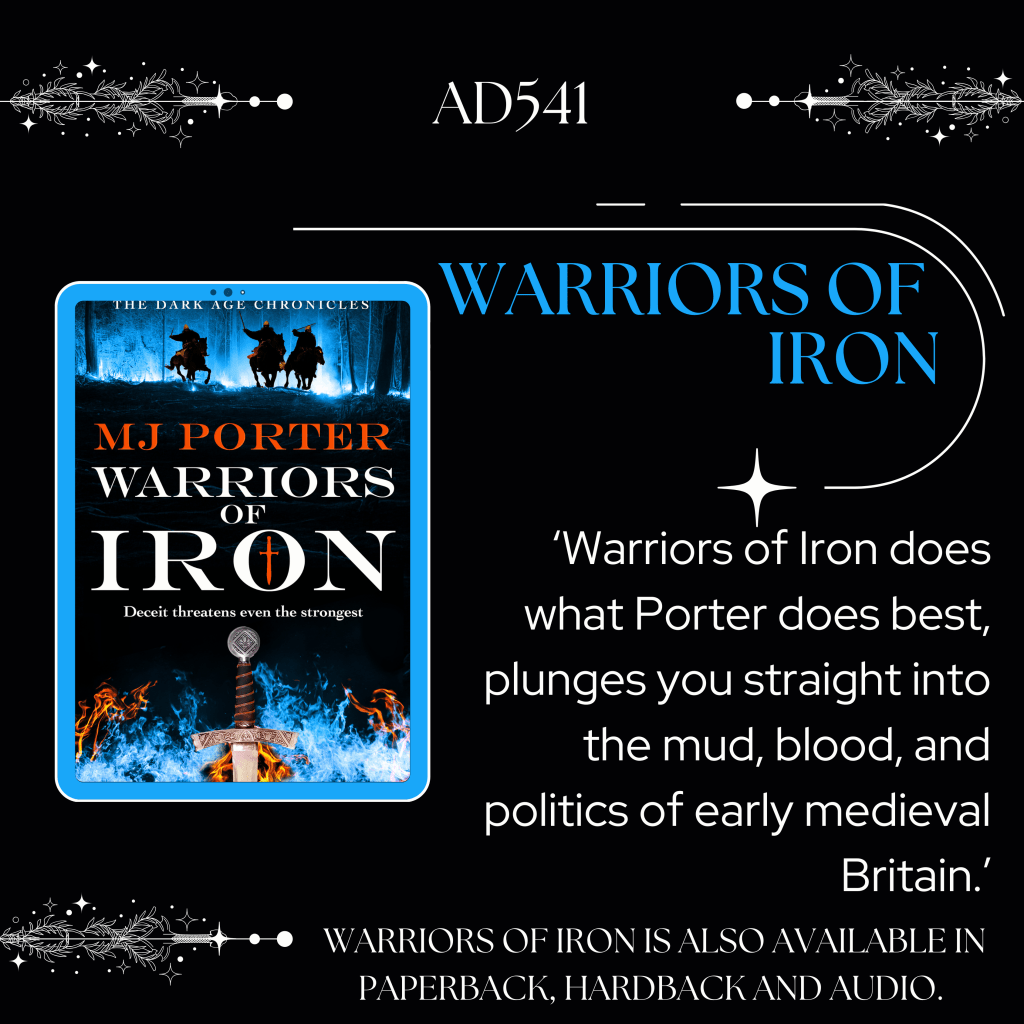
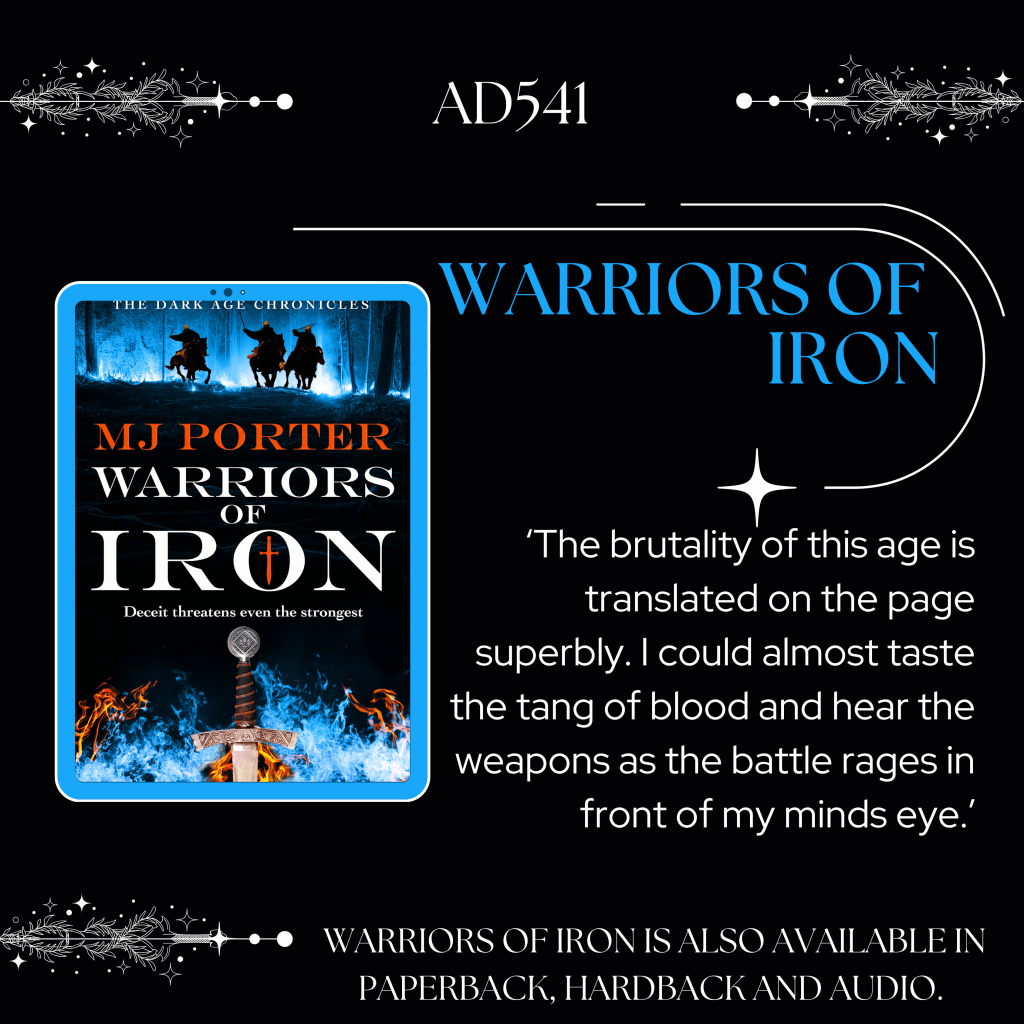
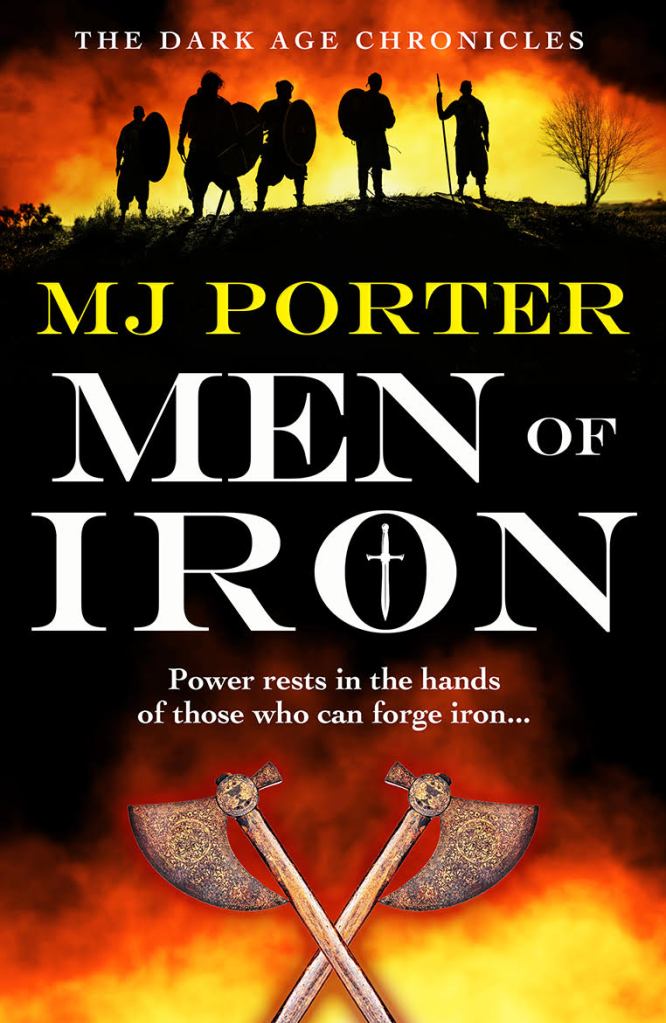
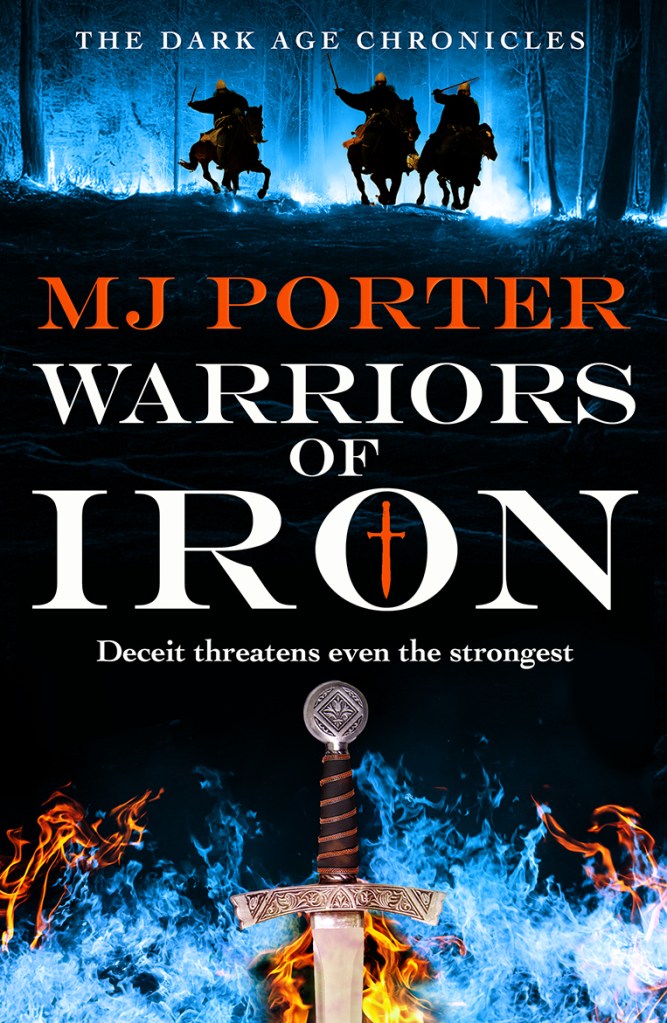
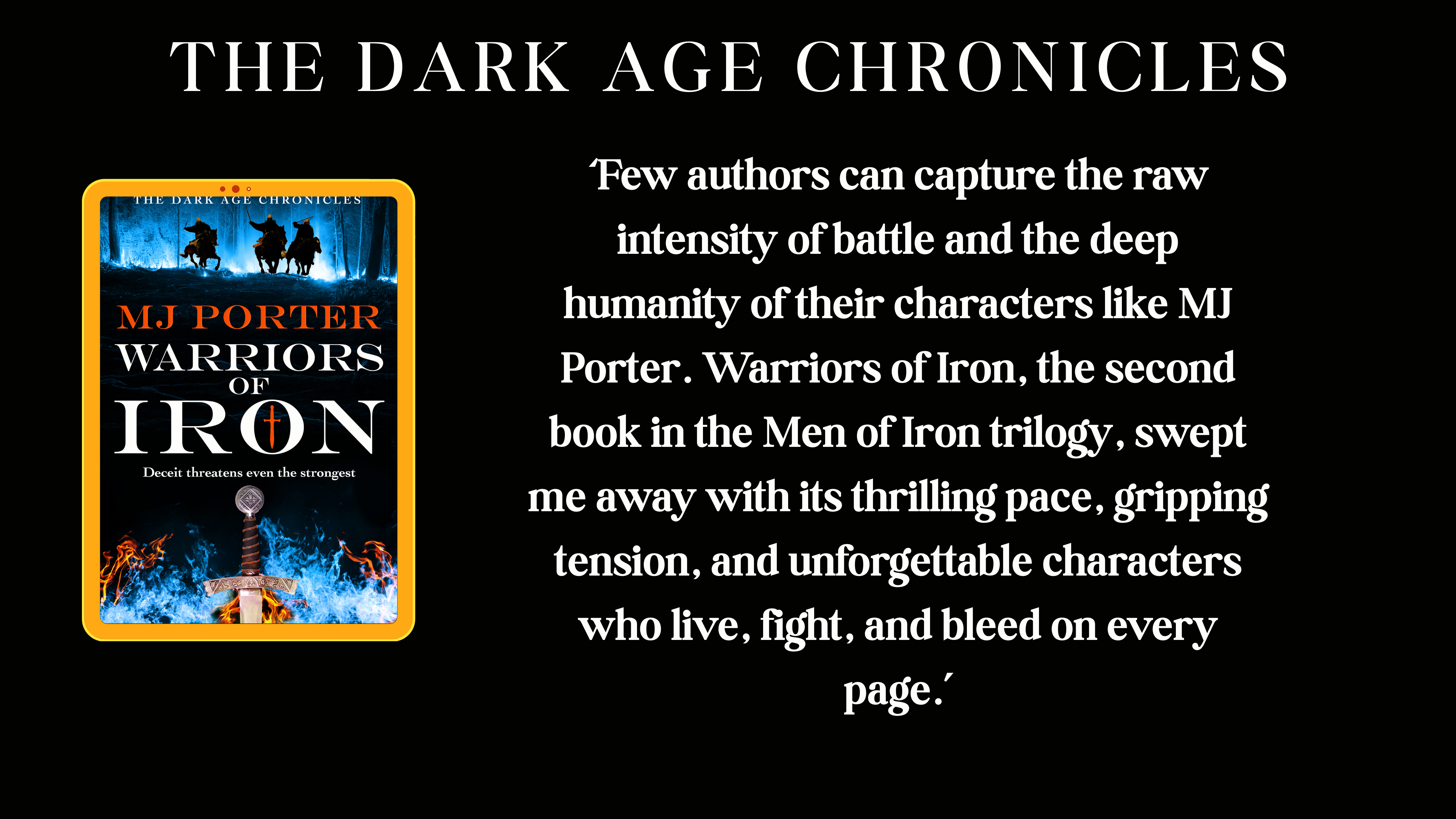
Come with me to Great Witcombe #newrelease #MenOfIron #WarriorsOfIron #histfic
Great Witcombe Roman Villa
Great Witcombe Roman Villa is no longer open to the public, but it is managed by English Heritage, and it’s possible to get a glimpse of it, although you do need to be careful. I think it’s currently closed due to safety concerns, so be mindful, and stay behind all the barriers, especially as the location is pretty remote.
From what I could see of the remains of Great Witcombe Roman Villa, it does seem to have been set in a beautiful place, and it quite appealed to me. I relied heavily on the idea of the location when devising the home for one of the tribes that features in the Dark Age Chronicles. (It probably helped that I visited on a lovely sunny day.)
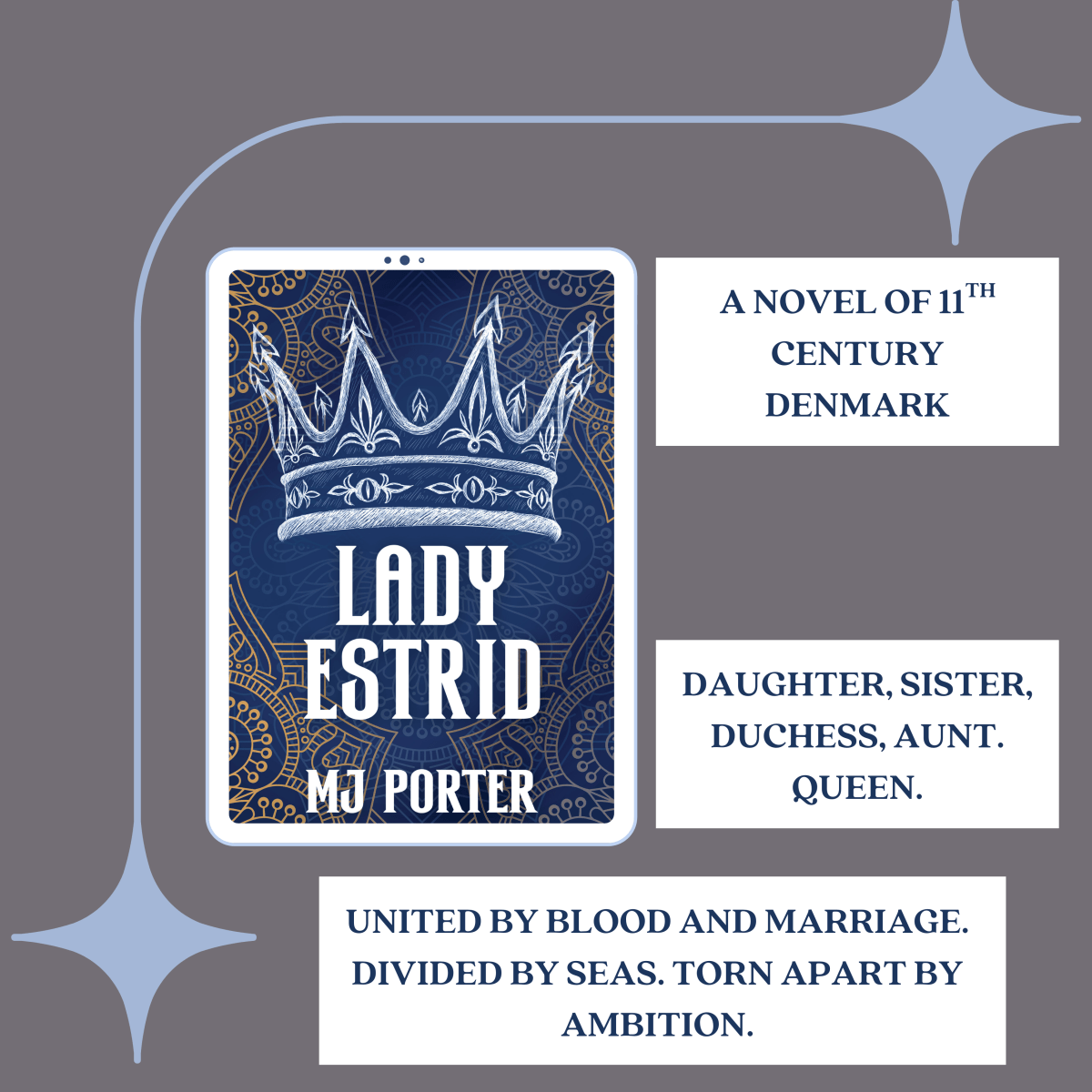
Letter writing in the Eleventh Century, how I recreated Lady Estrid’s connections with her vast family. #non-fiction #histfic
In trying to bring together the narrative for Lady Estrid, I faced a bit of a problem: the vast distances involved. Lady Estrid had family in England, Denmark, Sweden and Norway, many of them she may never have met in person.
Today, we might pick up the phone, or have a quick look on the internet, but in the eleventh century, how would people have communicated?
And so to letter writing. There are two surviving letters from the eleventh-century that were sent by King Cnut, Estrid’s brother, to the English, when he was absent from his newly conquered country, in AD1020 and AD1027. I give a small example below.
;Be it known therefore to all of you, that I have humbly vowed to the Almighty God himself henceforward to amend my life in all respects, and to rule the kingdoms and the people subject to me with justice and clemency, giving equitable judgments in all matters; and if, through the intemperance of my youth or negligence, I have hitherto exceeded the bounds of justice in any of my acts, I intend by God’s aid to make an entire change for the better.’ From Cnut’s letter to the English from AD1027.
These might well have been an exercise for Cnut in asserting his authority over the English, and giving his regents a little bit of extra support, but they open up the possibility of just who else was busy writing and sending letters to one another.
There’s always the assumption that unless you were a holy man, you perhaps couldn’t read or write, and in fact, in one of the books I referenced for Lady Estrid, I found a fascinating chart detailing people who are known to have been used by the ruling family of Normandy as messengers, another way that messages could be sent between people. But surely, sometimes, it was just better to write everything down, that way nothing could be lost in translation.
Without the possibility of Lady Estrid ever meeting some members of her family, using letter writing allowed me to artificially create conversations between the characters, and while it might not have been the ‘norm’ it was certainly something that happened. Indeed, three centuries earlier, there’s a great wealth of information to be found in the letters of Alcuin of York (c735-804), so it wasn’t as though it was a new thing. With Denmark’s conversion to Christianity, there would have been a ready selection of scribes just waiting to note down Lady Estrid’s frustrations and complaints, even if she didn’t pen them herself.
Here’s an example of one of Estrid’s letters I create in the book.
Dearest Mother, Lady Sigrid. Queen of Denmark.’
‘This marriage doesn’t agree with me. How could you agree to it? I trusted you more than any other to understand how difficult it would be to be forced to live amongst strangers. I relied on you to argue with my father about the necessity of the union.’
And don’t tell me I will one day be the queen of the Rus, as my father planned. Prince Ilja is not a strong man. I don’t foresee him living long. Not at all. The poor man. He has barely been able to consummate our union. I hope I will not carry his child. It will be weak and feeble, and I will not tolerate such.’
My children will be strong and powerful. One day, it is they who will be kings and queens. But these children will not be shared with Prince Ilja. I am sure of it.’
And even if he were to survive, his brothers are a treasonous coven. None of them wishes the other to succeed at their expense. I foresee only bloodshed and paranoia when Ilja’s father is dead.’
Frida is my only friend and ally, reminding me of home. I hope to return to Denmark one day. I never imagined leaving her. I miss her. The kingdom of the Rus is not the same. Not at all.’
Send me news of my father and brothers. I wish to know if my father has finally triumphed in England over King Æthelred. I should like to know that he didn’t callously send me away without so much as seeing me in person for no good reason, because he was absent, in England, as so often the case. If he fails in England again, I will never forgive him for his actions towards me.’
Your despairing daughter, Lady Estrid Sweinsdottir, from Kiev.’
What languages were being spoken in Post-Roman Britain? #newrelease #MenOfIron #WarriorsOfIron #histfic
What languages were being spoken in Post-Roman Britain?
As with everything to do with this period of the ‘Dark Ages,’ much was in flux. It’s believed that many languages were spoken by the inhabitants of the island of Britain. From the native Brythonic (also often termed British) who would have spoken a version of Welsh, to the Latin of the Christians, the Old Norse (or even older versions of Old Norse) being spoken by those emigrating to Britannia, as well as Pictish, and potentially other languages as well.
Our only written source commonly believed to be from this period, that of Gildas’ On The Ruin of Britain, was written in Latin, but then, he’s said to have been an educated Christian, raised in the ways of both Rome and Christianity. If he spoke Latin on a day to day basis, I’m unsure. I know scholars complain about his grasp of the written Latin language being somewhat convoluted, but whether that’s due to him, or the way his writings have been transmitted to us through the years, I’m unsure.
How then might these people have communicated with one another if so many different languages were being spoken? There must have been translators who could facilitate trade between the tribes. It would be amazing to discover one of these individuals in the archaeological record, but it seems unlikely.
I’ve worked hard to find names for my characters which feel authentic for the period. The Eorlingas have Brythonic names, Meddi has been shortened from Meddiwysti for fear it was impossible to pronounce, whereas Wærmund and his warriors, while having names that feel very Saxon, are, I hope, ones I’ve not used before, and according to the resource I used, are deemed as ‘early’ Saxon names. Other characters also have Latin names, and some have slightly made-up Latinised names i.e. Terricus who was named after one of my readers, who wanted to be a warrior, but became a blacksmith instead. I think he’s still one of my readers:)
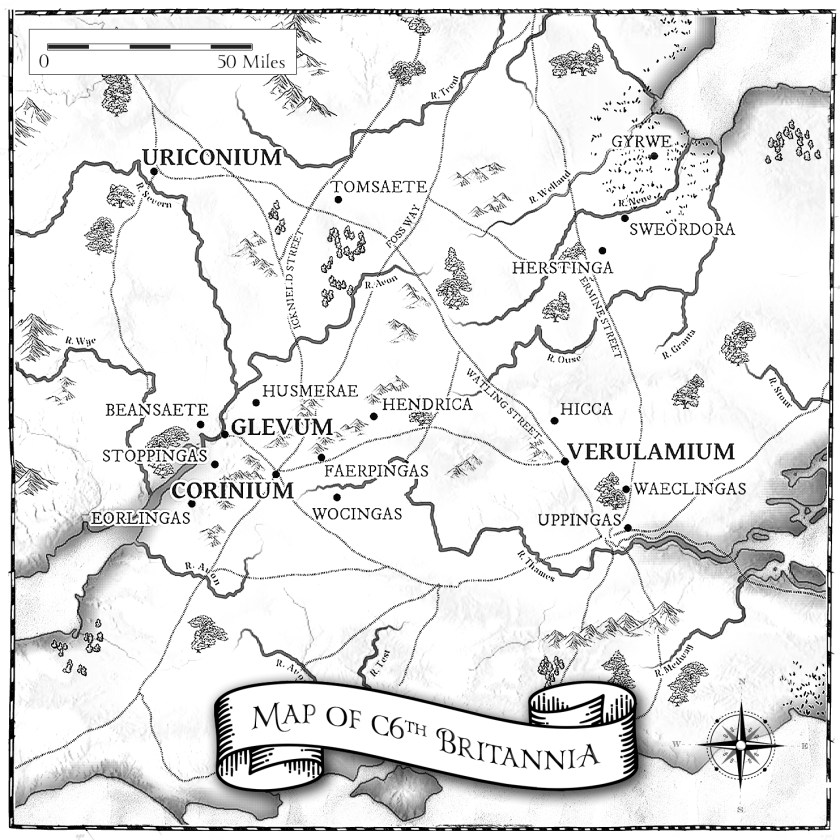
I’ve also used different names for the settlements, again to reflect the mix in language. The Eorlingas, Gyrwe and other tribal names are from the Tribal Hidage a contentious (later and difficult to date) source but one believed to document the very small tribal affiliations that might have existed at this time. Uriconium/Viriconium has its Latin name, although I used a version of the name I found that’s not the most commonly used one. Corinium (Cirencester), Glevum (Gloucester) and Verulamium (St Albans) have their Roman-era names. The River Severn, has its Old Welsh name, Habren, and so, as I was writing the trilogy I was being mindful of reflecting the hodgepodge of names and languages my characters might have known and heard being spoken.
It also added to the drama to make it difficult for my characters to easily communicate with one another.
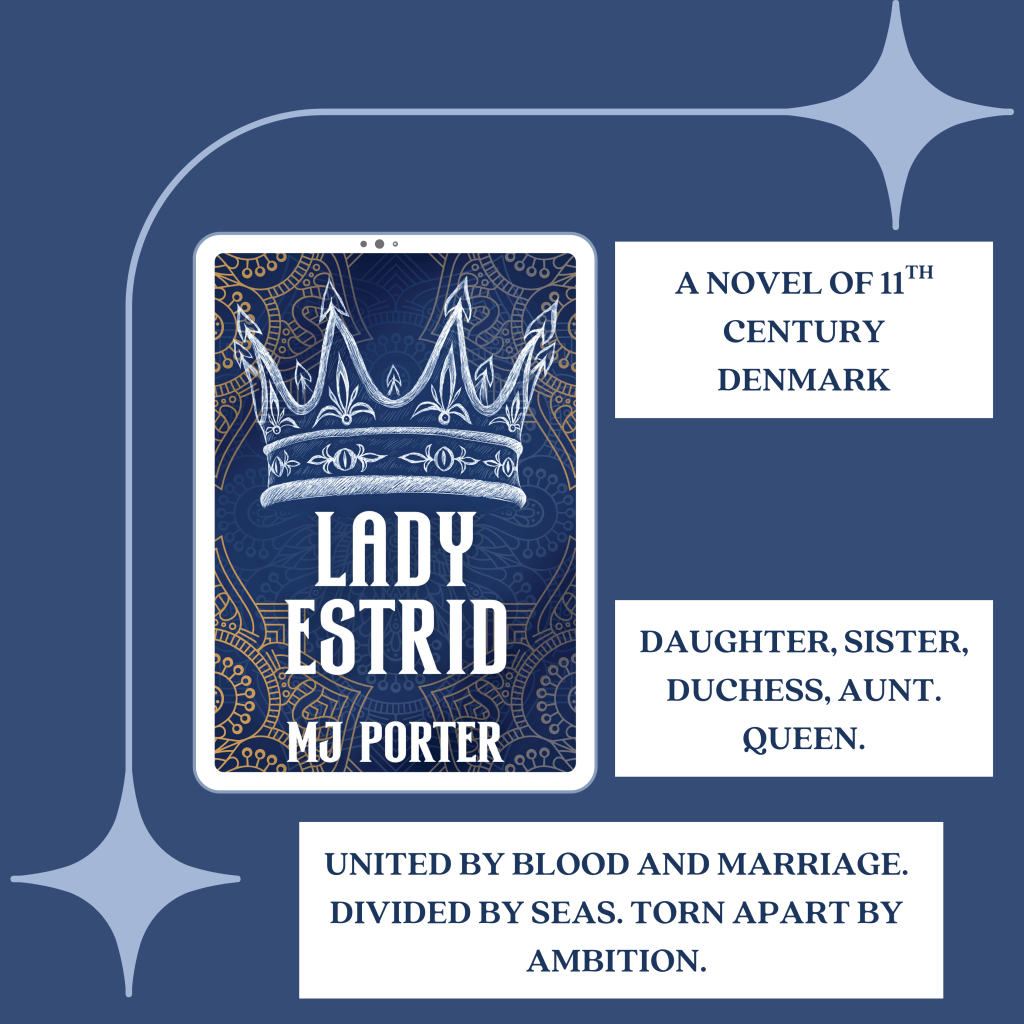
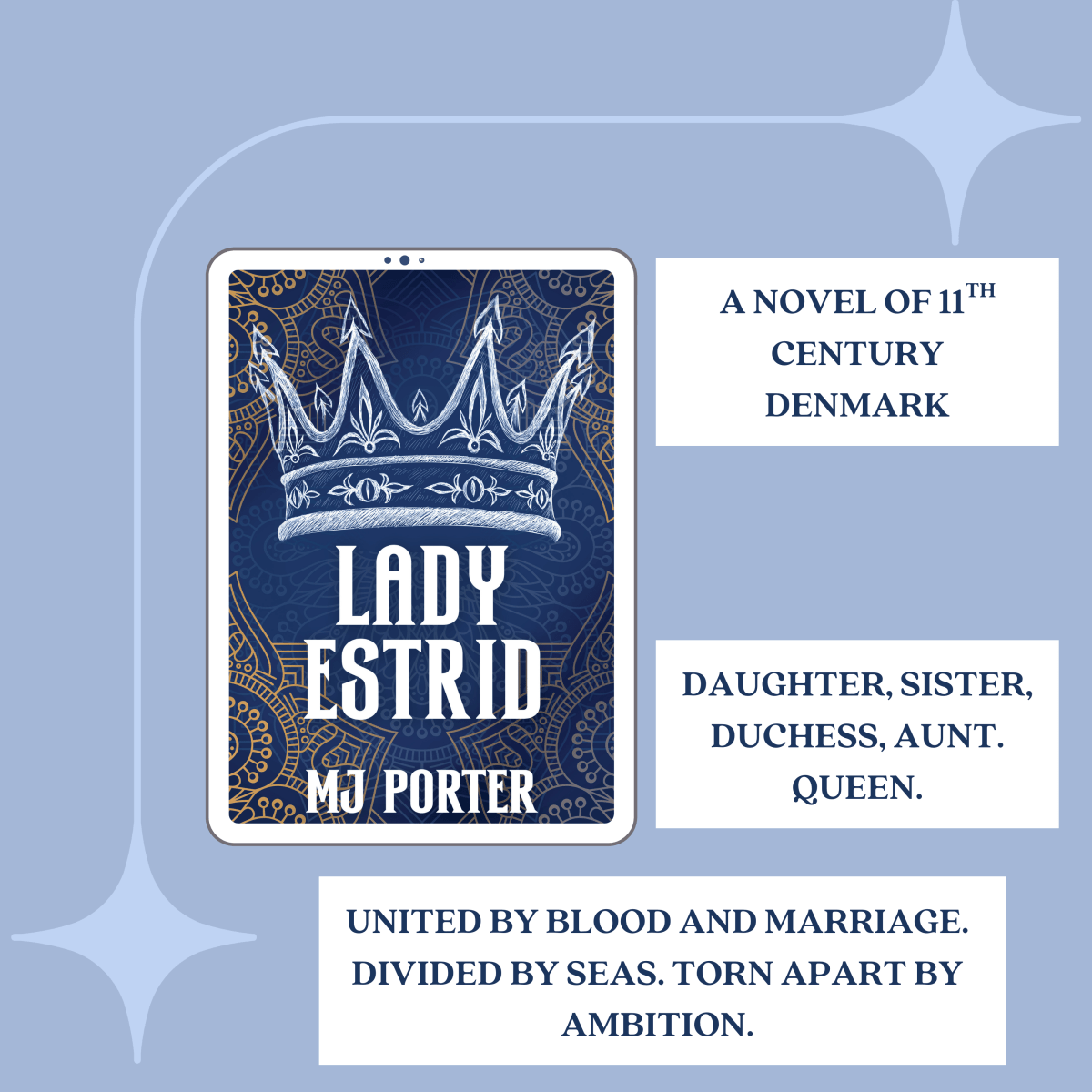
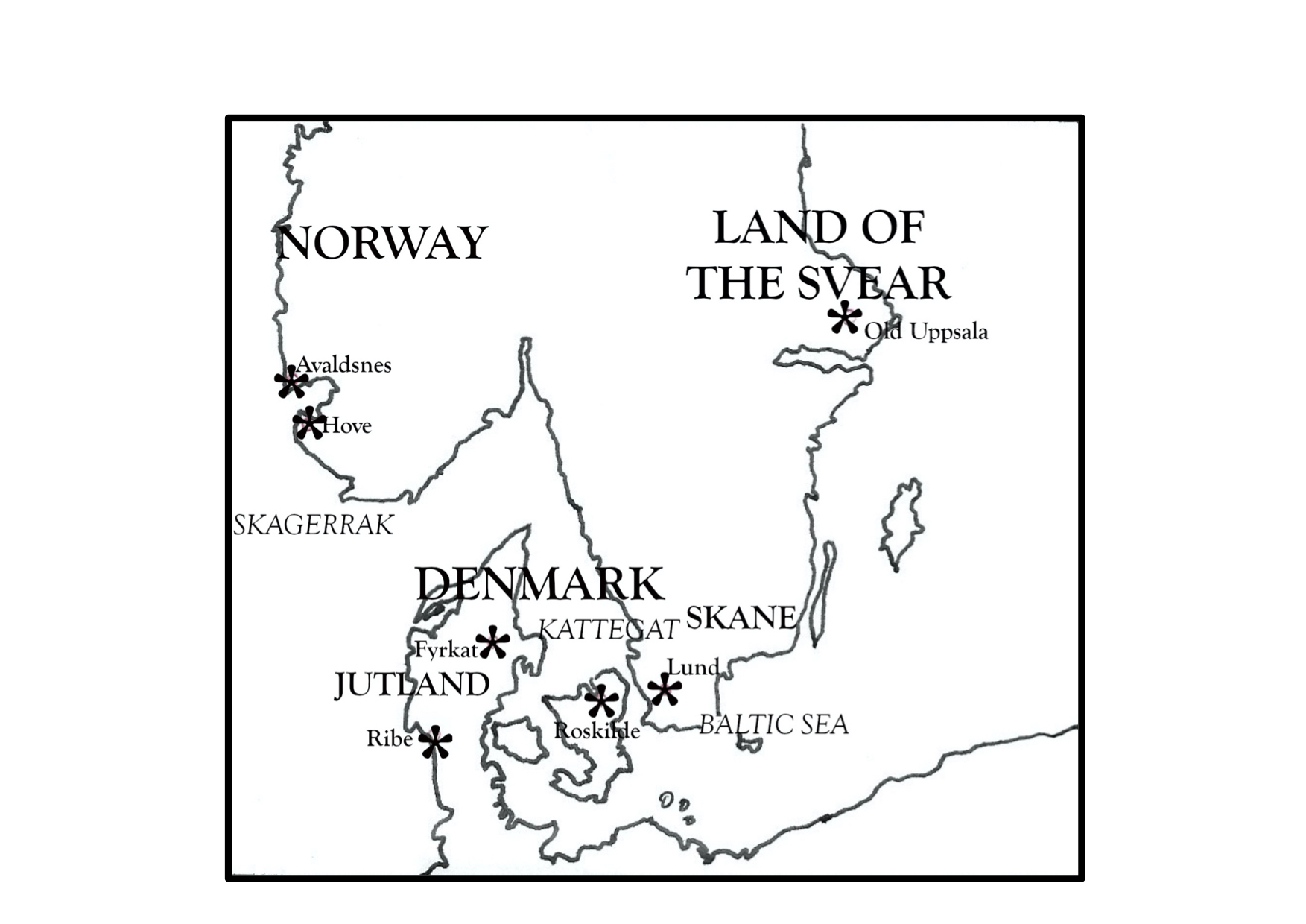
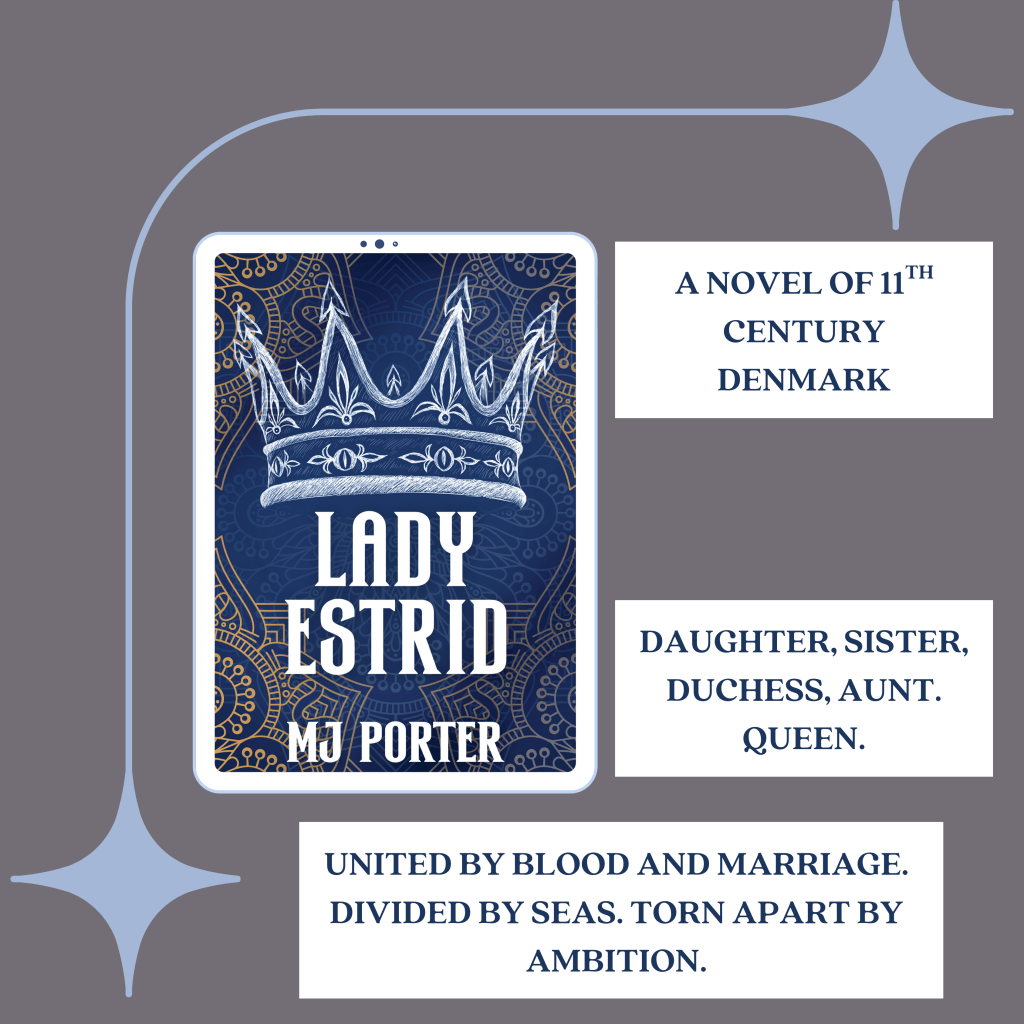
The physical and political setting for Lady Estrid, a novel of eleventh century Denmark #histfic #lostwomenofhistory
Lady Estrid is set in Denmark, as well as in wider Scandinavia and England, during the eleventh century. But it’s events in Denmark, Norway and Sweden that inspired me to write about Lady Estrid, although, of course, I couldn’t do it without including England.
Denmark, at this time, is really starting to cohere into what we might think of as a coherent kingdom. I’m not an expert on what comes before, but The House of Gorm, into which Lady Estrid is born, has ruled Denmark for a couple of decades (through her grandfather, Gorm, and father, Swein Forkbeard), but a lasting peace hasn’t necessarily been achieved. The family are portrayed as conquerors, coming into what would become Denmark, and imposing themselves over an unruly elite. The number of intermarriages between families in (what we call today) Norway, Sweden and Denmark offers a landscape that is riddled with double-crossing and the potential for mischief and war against a backdrop of uncertainty in Denmark. You can find family trees for Lady Estrid here.
And what a cast of characters I had to play with – King Swein of Denmark, his two sons, his daughters, and the men they marry, and the sons and daughters they birth, and of course, his wife as well. It seems that not only was she married to Swein, she was also the wife of the king of Sweden before his death, and might even have been pursued by Olaf Tryggvason. (There are arguments about her actual identity, but not about her marital history.)
And into all this steps Lady Estrid, who, like similar royal women, has the advantage of living a much longer life than many of her male family members. She is someone who would have lived through turbulent times, and I always find that overriding viewpoint, just too good to ignore, because it gives an author so much scope to play with. Yes, I might know what ultimately happens, but when you weave the story of Lady Estrid, and what is, and isn’t known about her, around bigger events, in Denmark, Norway, Sweden and England, it makes for both a complex and a simple story. The people she met along the way are perhaps better known than she is herself, but that’s just a means of adding context to a much longer narrative than can often be explored when writing about Swein, or Cnut, or Harald or Harthacnut or Svein (yes, another one) or Beorn.
I’m resharing an interview I gave when I’d finished writing Lady Estrid, a novel of eleventh century Denmark #histfic #writingadvice #authorinterview
Why did you decide to write about Lady Estrid?
Lady Estrid has been a character that’s long fascinated me. She crops up as a ‘bit part’ character in another series I write, but as time has gone on, I’ve realised that she offers a lot more than I’ve been allowing her so far. And so, I hope at a suitable point in the other series, I decided to explore Lady Estrid for herself. It involves stepping away from my comfort zone of pre-Conquest England in the eleventh century, and allows me to write about Scandinavia at this time period, which has always been a huge area of interest for me.
I’ve written a few long story arcs before, but only two other books which cover such a huge amount of time (about four decades). Such a project allows me to focus on the bigger picture and to put historical characters into a much wider story-arc than writing just about them would allow.
By necessity, Lady Estrid must be a strong woman, able to manipulate the politics taking place around her. I think that there’s a huge and growing interest in such women, and of course, Denmark (and Scandinavia as a whole) at this time, isn’t something that I believe has been tackled before, potentially because of the lack of English Language books about the era.
What drew you towards the Early Medieval era in which you set your book?
I’m fascinated by everything pre-1066 in England, but also wider afield. It’s impossible to tell the story of just one of these later countries, inhabited by Northmen or Norsemen, without looking to what’s happening elsewhere. These characters didn’t abide by our current national boundaries.
What were the challenges you faced in researching this period of history and were there any unexpected surprises?
The biggest problem with writing about this time period is the sources. I’m not as familiar with the Saga material and the works of Adam of Bremen and Saxon Gramaticus, as I’d like to be. As such, I rely much more on secondary sources than I might when writing about the Early English period. And of course, it’s a period where written sources are quite scarce anyway. Not only is it difficult to ‘find’ Lady Estrid, but, as you might have noticed, many of the character share the same names – there are no ends of Swein/Svein/Sven’s and equally, just as many Gytha’s and Gunnhild’s.
I was surprised by just how little the women of the Danish royal family are mentioned in any secondary sources. I’ve recently been on a book buying spree, and even in a new monograph on Cnut, Lady Estrith is only cited in the index seven times, and in a 798-page book, she has about 3 words!
What do you think is the most challenging aspect of writing Historical Fiction?
I think this depends on how much history you want to put in your book. I’ve just written three books in The Ninth Century Series, and while they’re historical in nature, much of the day-to-day activity is actually fighting and swearing. Lady Estrid has a much weightier content. It has a cast of many more people; they all have to be placed in the right time period and at the right events, and there is not as much information about any of them as I’d like there to be. Obviously, The Ninth Century Series was easier to write once the time period was set. Lady Estrid was an altogether different project. It took much longer, and was more frustrating because I was trying to ensure it didn’t conflict with previous stories I’ve written, which have a very ‘Early English’ basis.
What advice do you have for aspiring Historical Fiction authors?
Know the time period you’re writing about, and not just what happens during it, but also what happens both before, and after, and in neighbouring countries as well. And, be aware of what ‘might have happened’ if certain events – normally births, deaths or wars – hadn’t happened. Remember, your characters don’t have the benefit of hindsight that you have as a writer. Everything to them would have been immediate, imminent and happening to them. Don’t fall into the trap of presenting everything as a fait accompli.
And, be prepared to be frustrated. There’s always some niggly little fact that is just not mentioned anywhere. The decision then has to be made as to whether to ‘make it up’ or write around it, and readers will somehow always know if you make it up.
And on a final note, be prepared to do something a little bit ‘different,’ be bold, be creative, do whatever has to be done to engage an audience with the time period.
Meet the author, MJ Porter. Five Things You Don’t Know About Me.
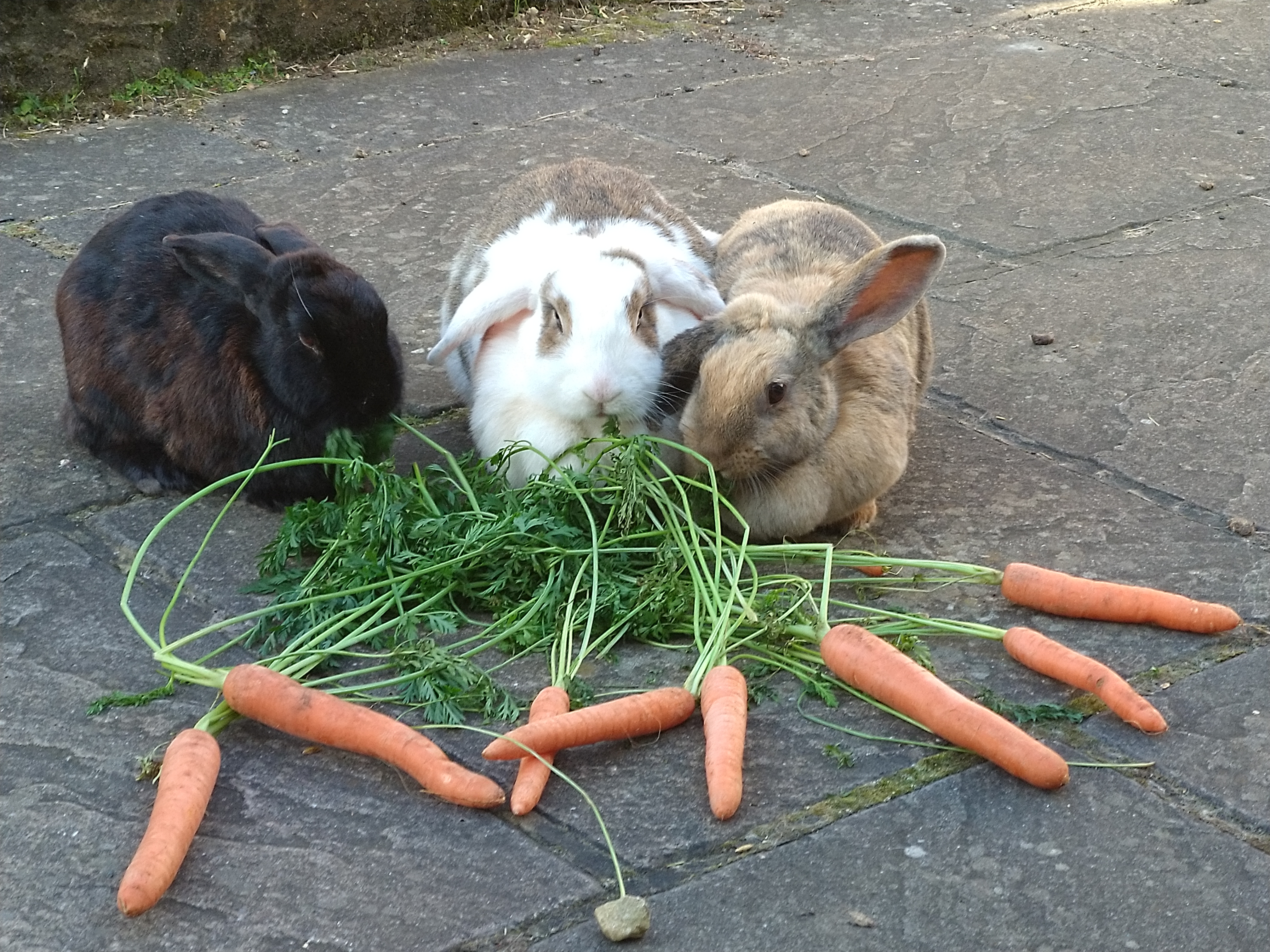
I once had thirty-seven rabbits and forty-three gerbils. (I now have no pets at all. Not even a fish). My daughters do have five dogs between the two of them, however.
I dislike my middle name, even though two of my friends use it as their first name. I was given it in case I didn’t like my first name, but I do. Also, my Mum got in a lot of trouble for not naming me after members of the family.
When I was a teenager, I worked in a local music shop, and as a result, I have a unique and detailed knowledge of the music scene during the early 1990s, as revealed to me when I recently watched an episode of Top of the Pops 2 for 1990. I knew the words to almost every song. (The music shop was called Tudor Tunes. Even when I was a teenager, I couldn’t get away from history.) I’ve just googled the shop, and discovered it shut a long time ago. Ah, I’m traumatised.
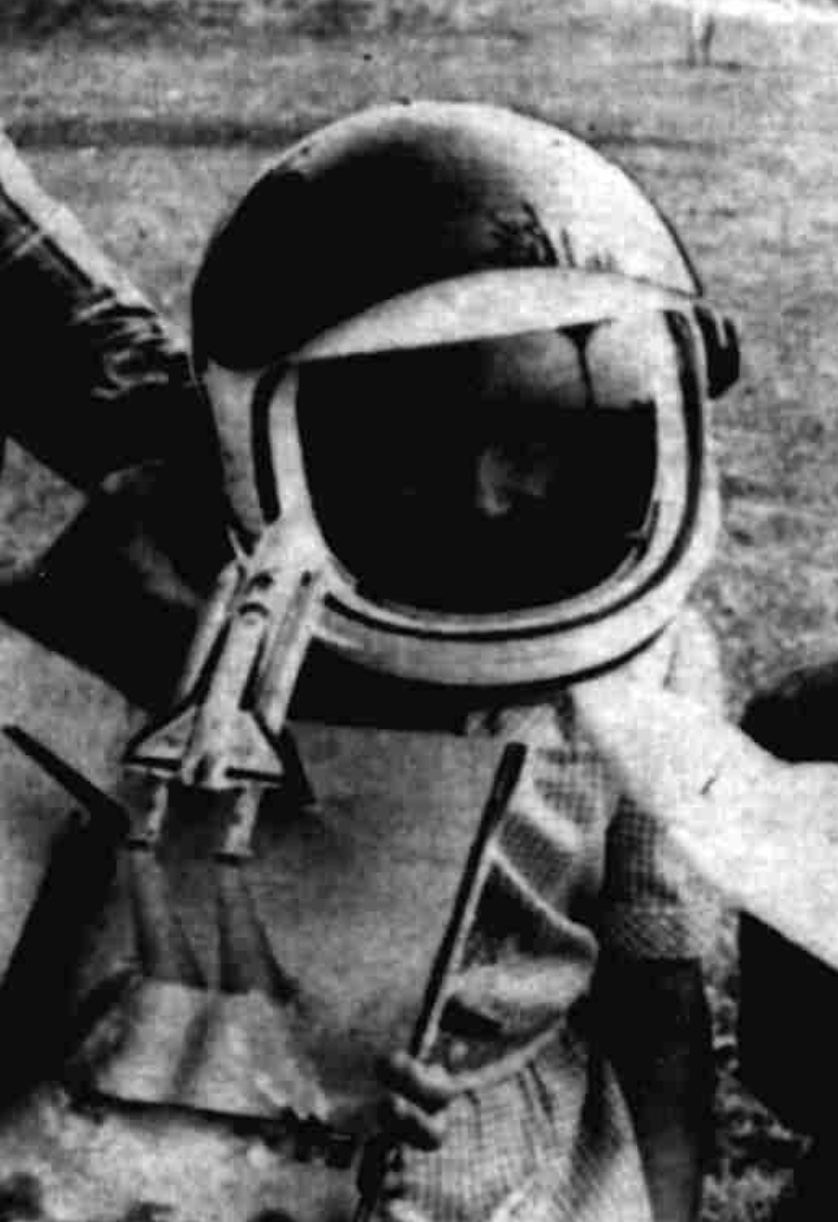
When I was much younger, I had my picture taken for the local paper wearing a NASA astronaut’s helmet. They had to put a bit of paper in the catch so it didn’t seal me in.
I almost didn’t study history at GCSE, A Level or as a degree. I changed my mind every time, causing many people a lot of problems. I’m not sure I’d get away with it any more. I decided to study history at GCSE rather than Drama after visiting my great-grandfather’s grave, who fought in the First World War. While one of the lucky ones who came home to his family, he died in 1924 from injuries sustained during the war. It made me really angry to think my lovely Grandad grew up without his Dad (he would have been 4 when his Dad died) because of the war, and I wanted to find out why! Admittedly, I’m not a huge fan of 20th-century history, because it’s so complicated. There are too many names to keep track of.
My last two bunny friends. Cor, they did love carrot tops.Yep, that’s me in there. Perhaps I was destined to go to space, or as a reader said, ‘to have my head in the clouds.’










 MJ Porter