(I’d forgotten that Audible offered referral links to authors/producers – if you click on of the links, Audible rewards me and Matt:))
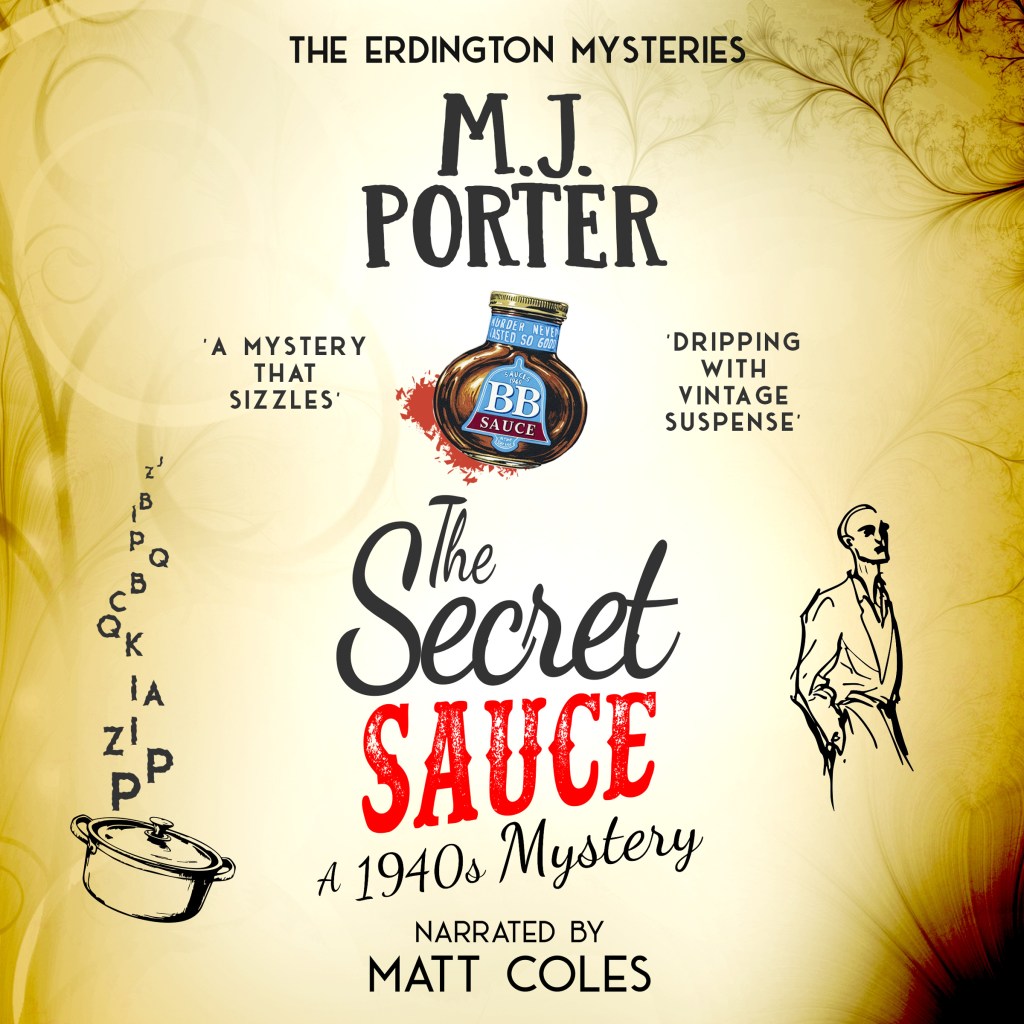
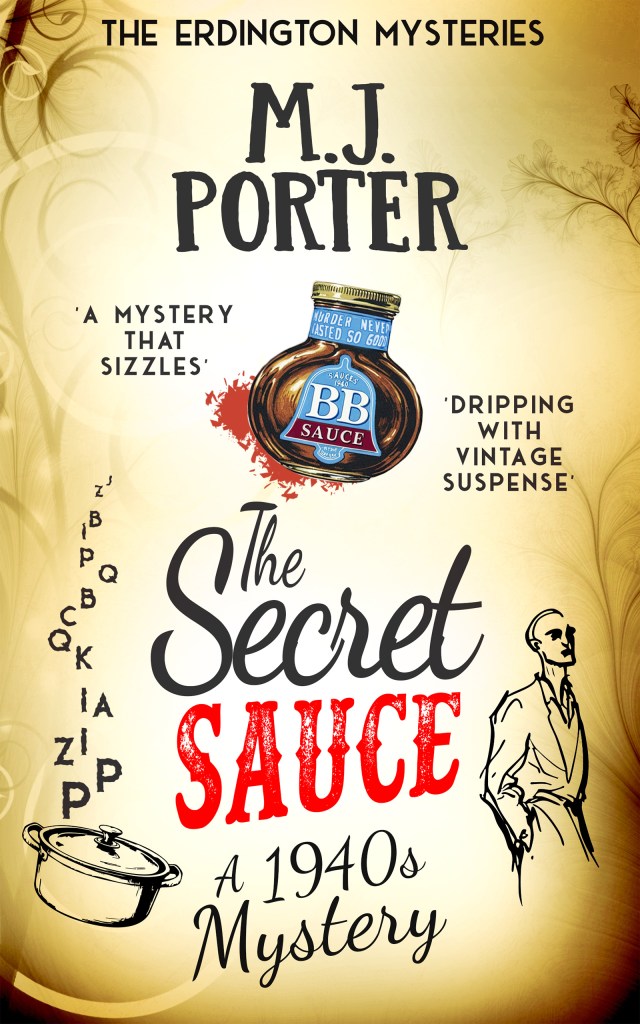
Here’s the blurb
Birmingham, England, November 1944.
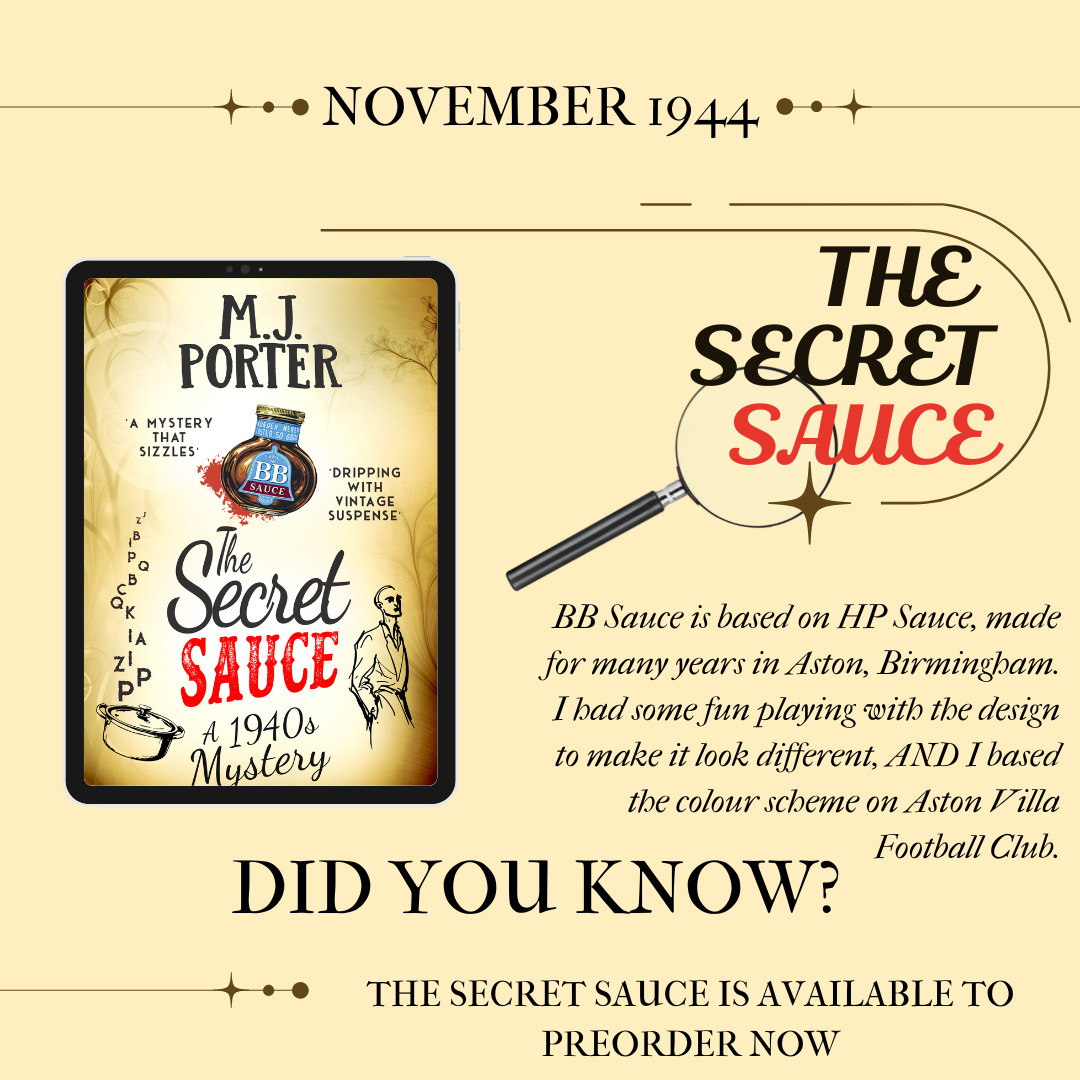
Chief Inspector Mason of Erdington Police Station is summoned to a suspicious death at the BB Sauce factory in Aston on a wet Monday morning in late November 1944.
Greeted by his enthusiastic sergeant, O’Rourke, Sam Mason finds himself plunged into a challenging investigation to discover how Harry Armstrong met his death in a vat containing BB Sauce – a scene that threatens to put him off BB Sauce on his bacon sandwiches for the rest of his life.
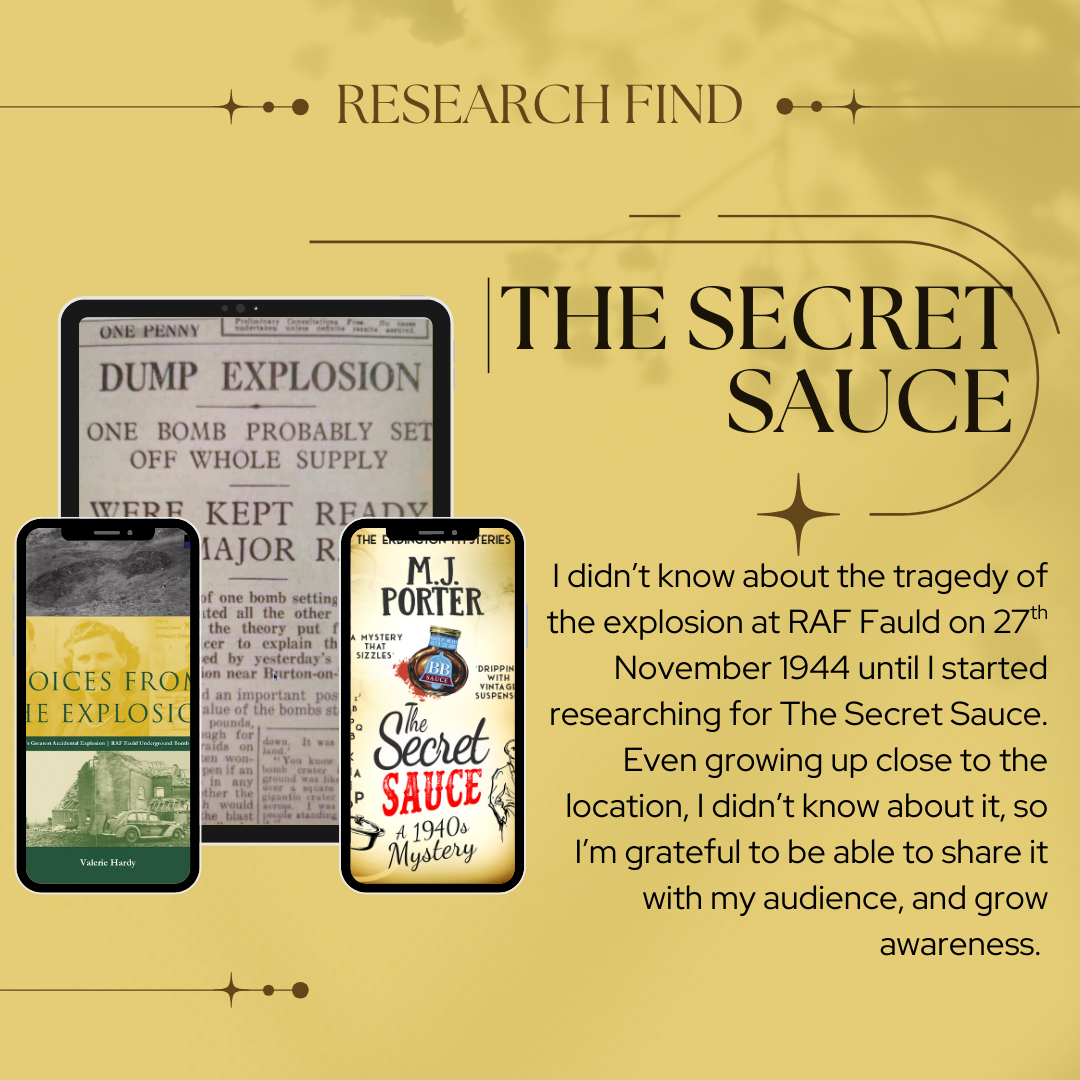
Together with Sergeant O’Rourke, Mason follows a trail of seemingly unrelated events until something becomes very clear. The death of Harry Armstrong was certainly murder, and might well be connected to the tragedy unfolding at nearby RAF Fauld. While the uncertainty of war continues, Mason and O’Rourke find themselves seeking answers from the War Office and the Admiralty, as they track down the person who murdered their victim in such an unlikely way.
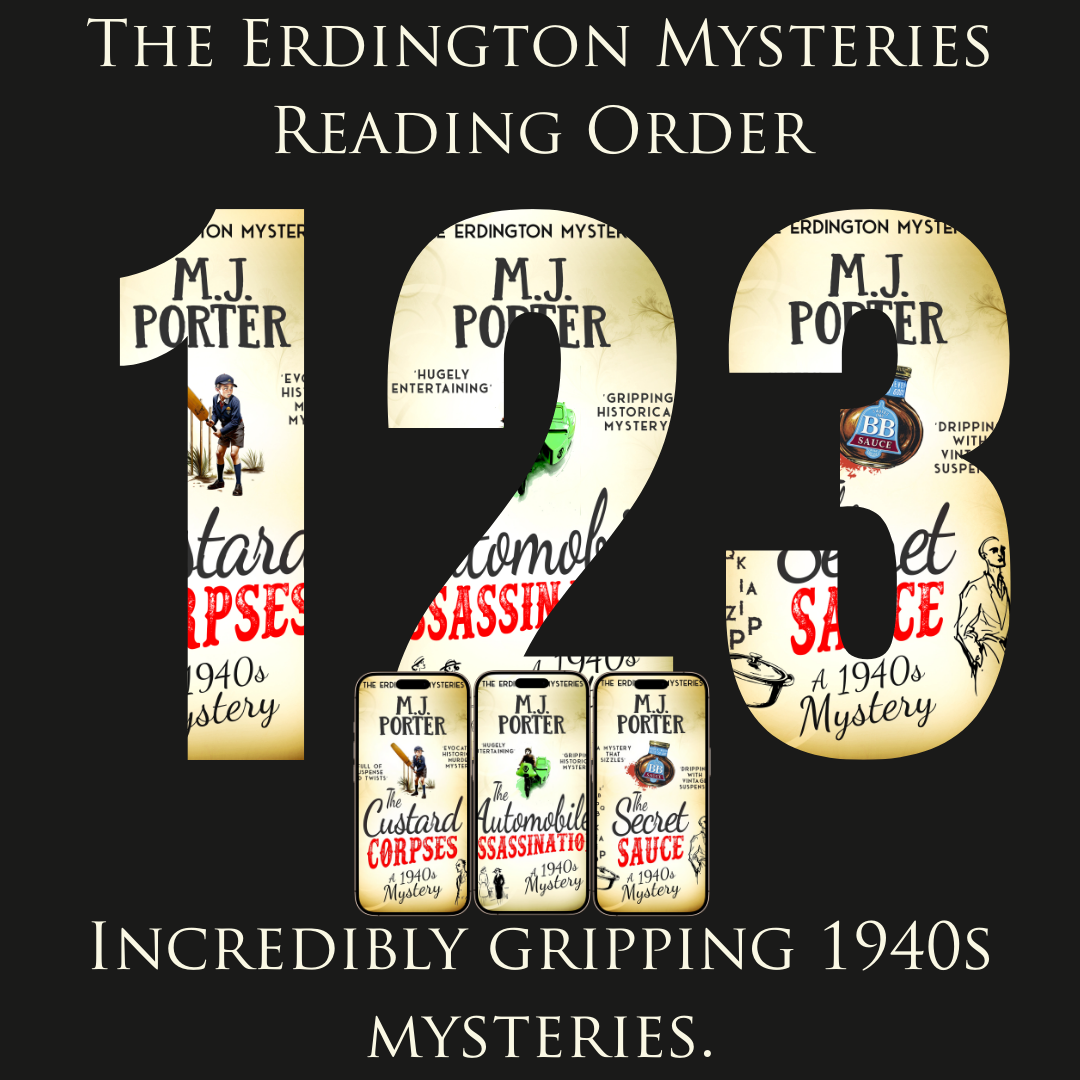
Join Mason and O’Rourke for the third book in the quirky, historical mystery series, as they once more attempt to solve the impossible in 1940s Erdington.
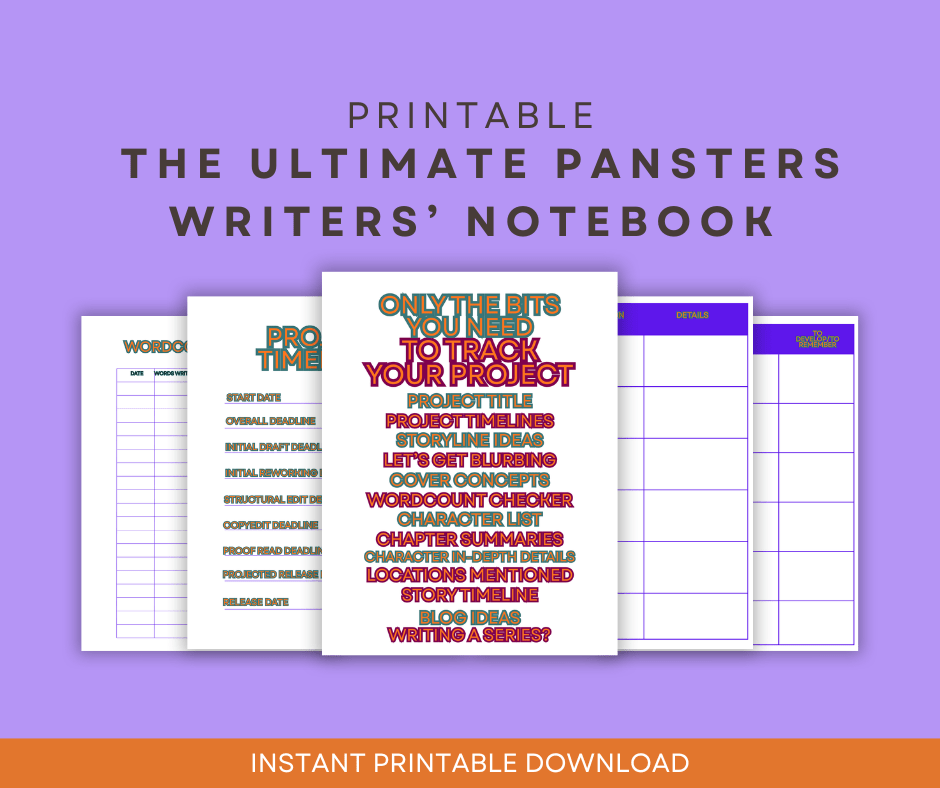
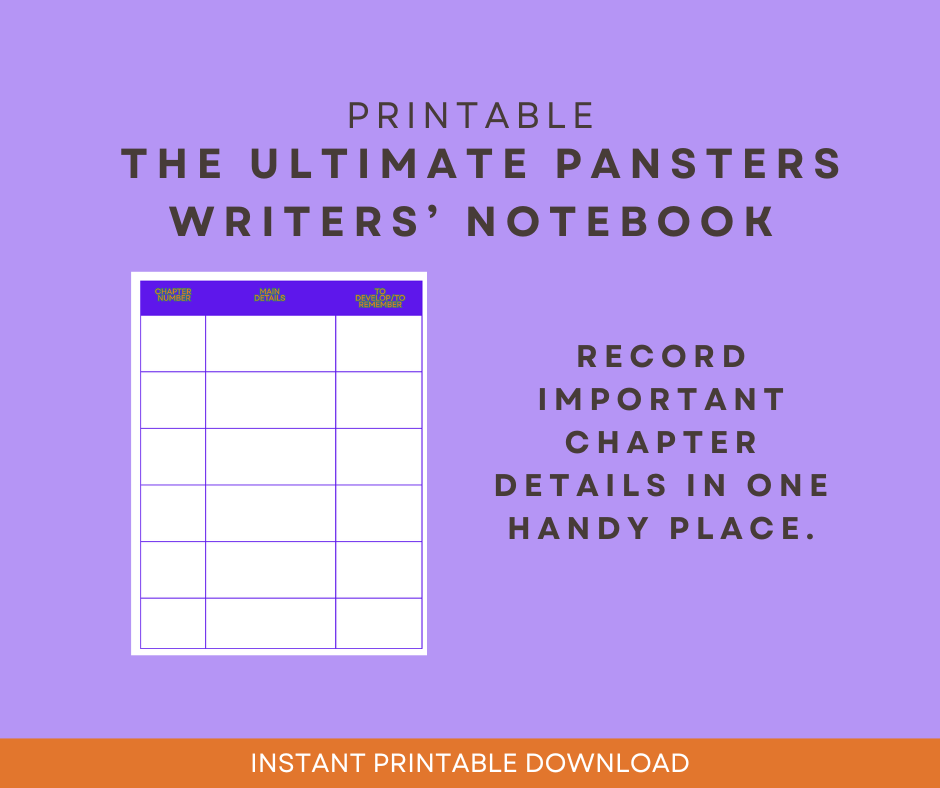
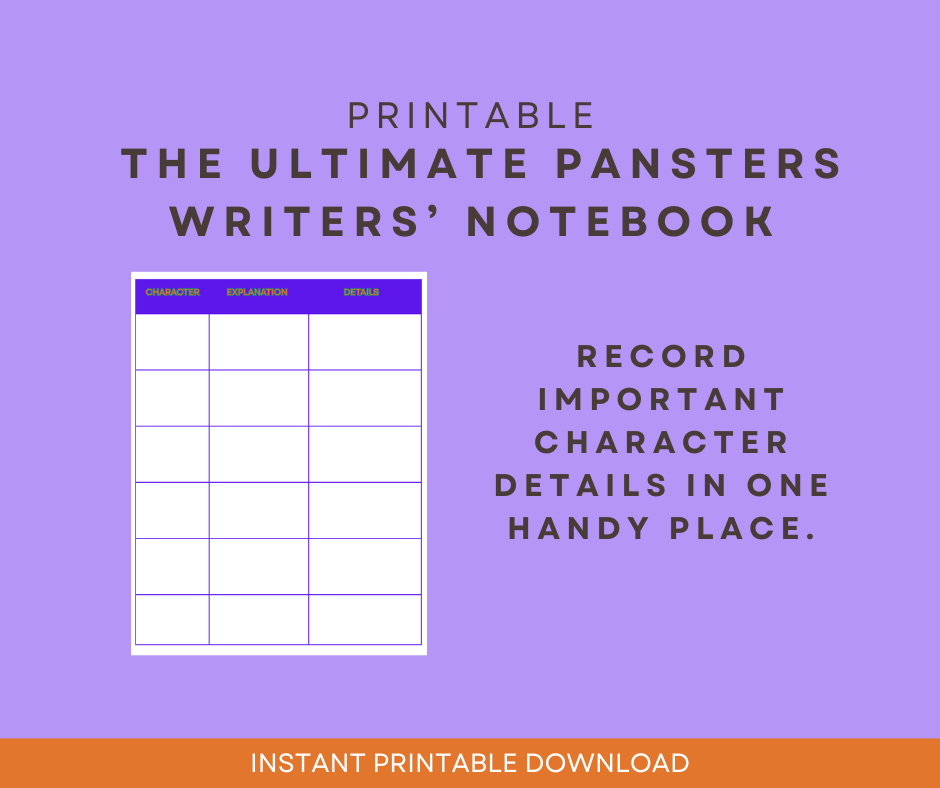
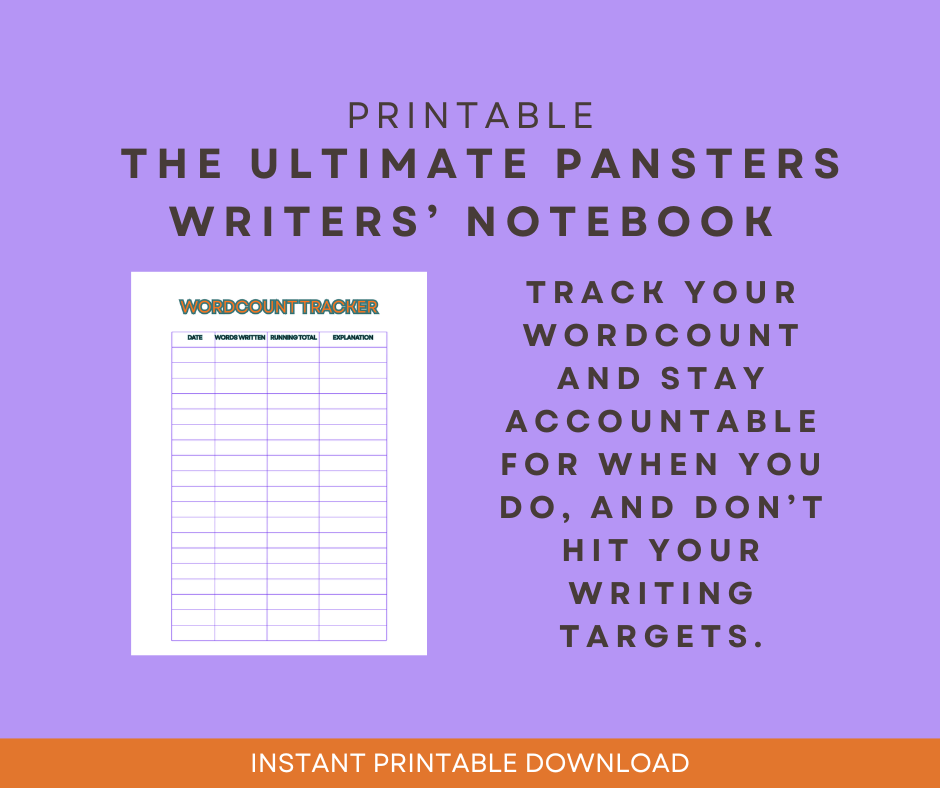
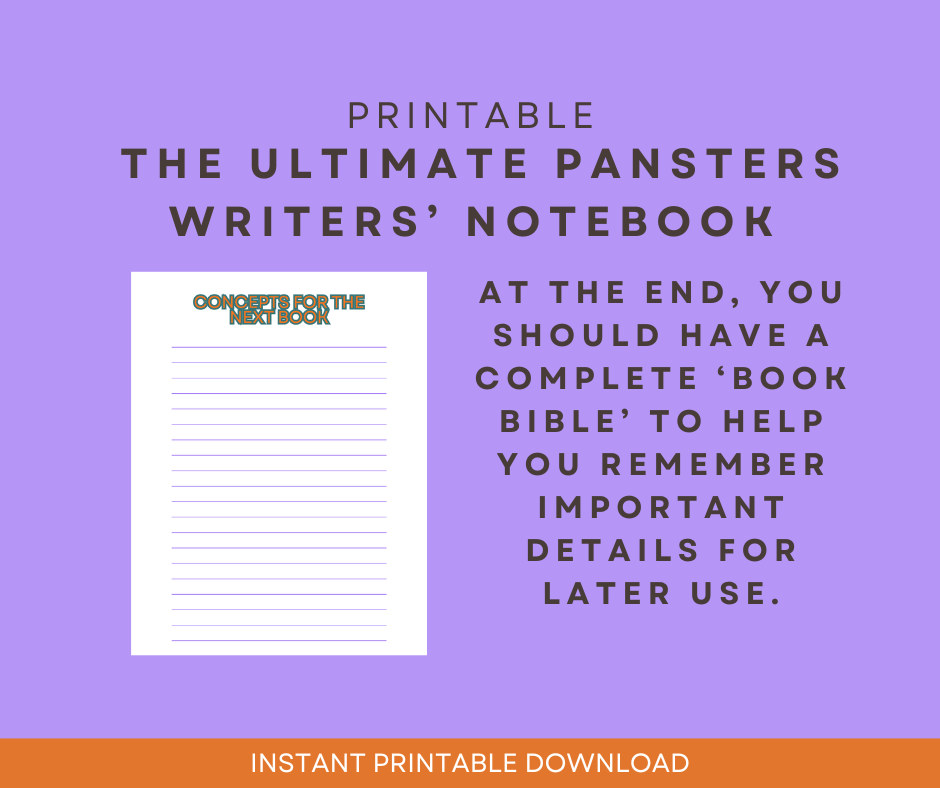
There are a lot of writing guides out there – with lovely sections for detailed planning, character development, and all the other bits that go into PLANNING a story, (there are also a lot of online resources too), but I’ve yet to find one for a Pantser (the opposite of a planner), and one that will provide a physical, handwritten record of all those pesky bits writers forget, and which can be absolutely invaluable when editing or moving onto the next book in a series.
So I’ve made one. This is a true notebook, not a guide. It has spaces for all the ‘bits’ I need to note down when writing. At the end of it, you should have a lovely book bible that will help you with future projects. I think it sounds fab:) It’s not quite A4 size (as KDP doesn’t offer that size), but it is a decent size with lots of room for recording your word count, your characters’ names, the locations you use – and with a timeline as well (see the images below). I hope my fellow pantsers will find it useful. (This is a physical book, not an ebook – see below for other options).
I’ve also set this up as a digital download on my Patreon (with slightly different colours that hopefully won’t drain your ink supply). You can find it by clicking here. You can decide how many times to print each page and each section is included.
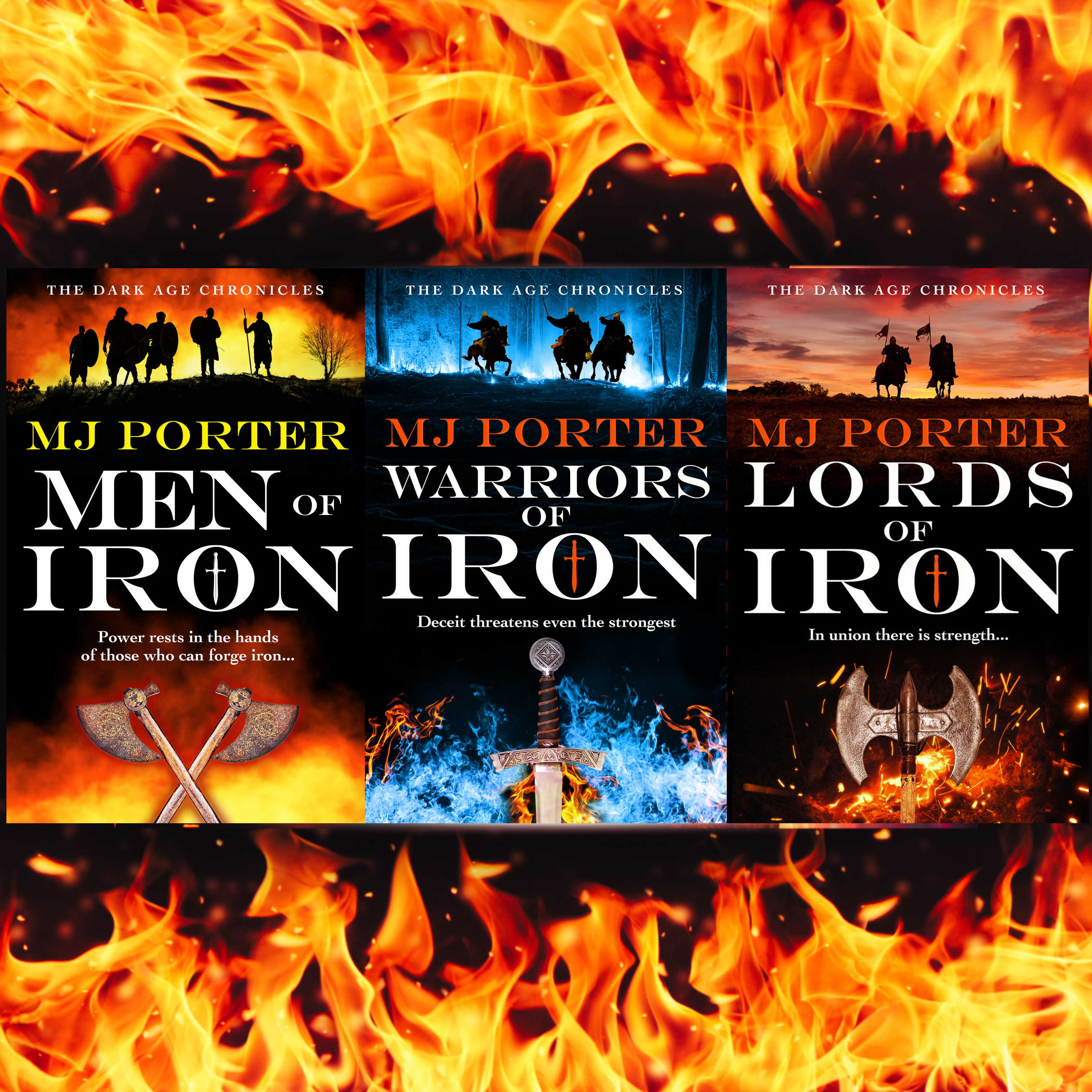
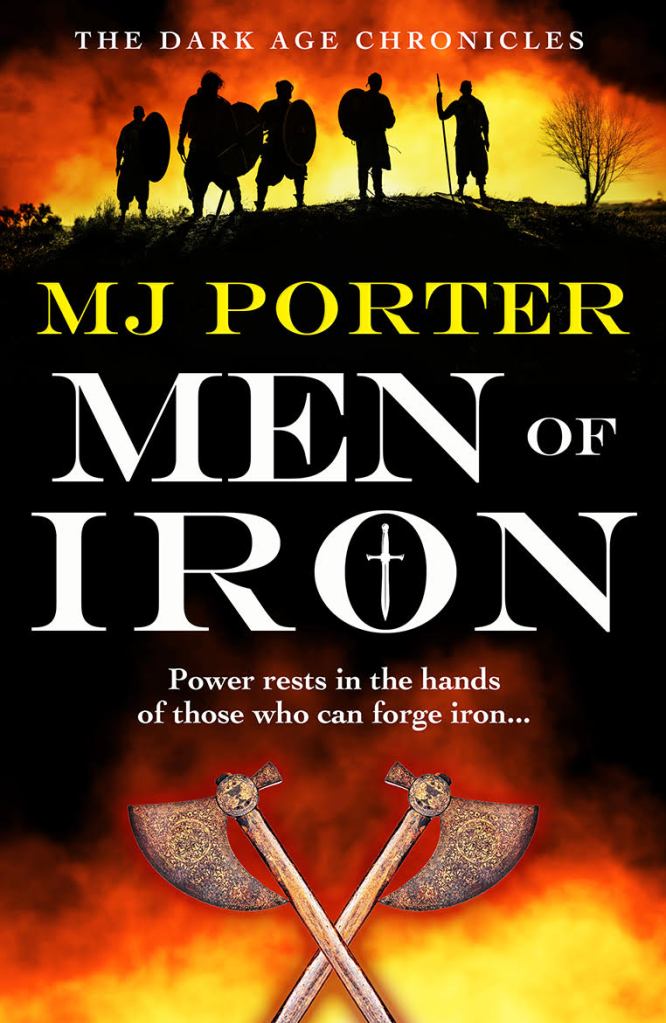
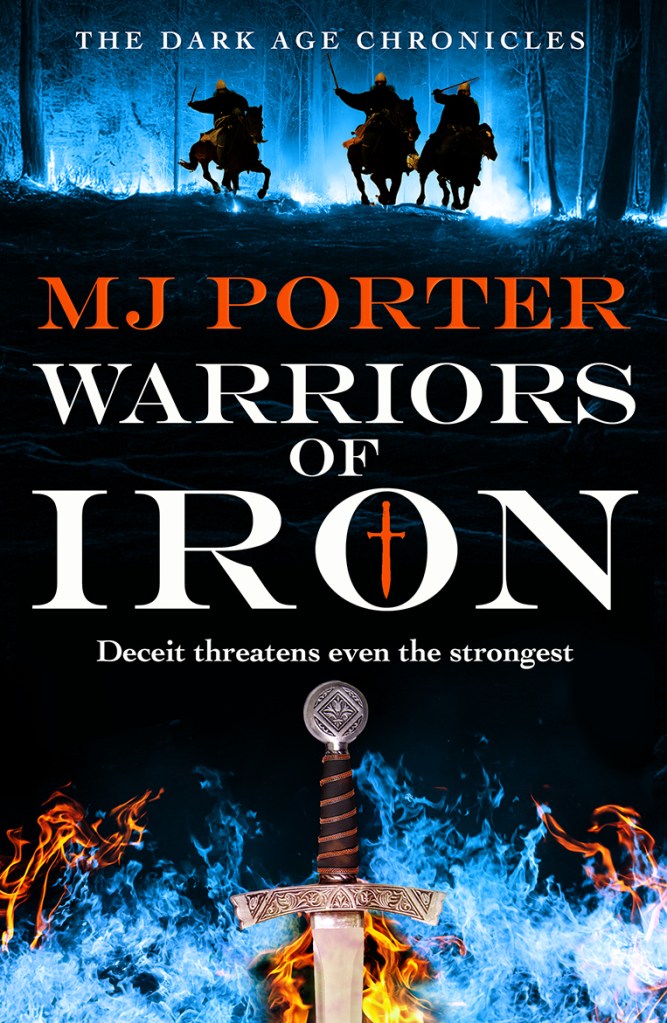
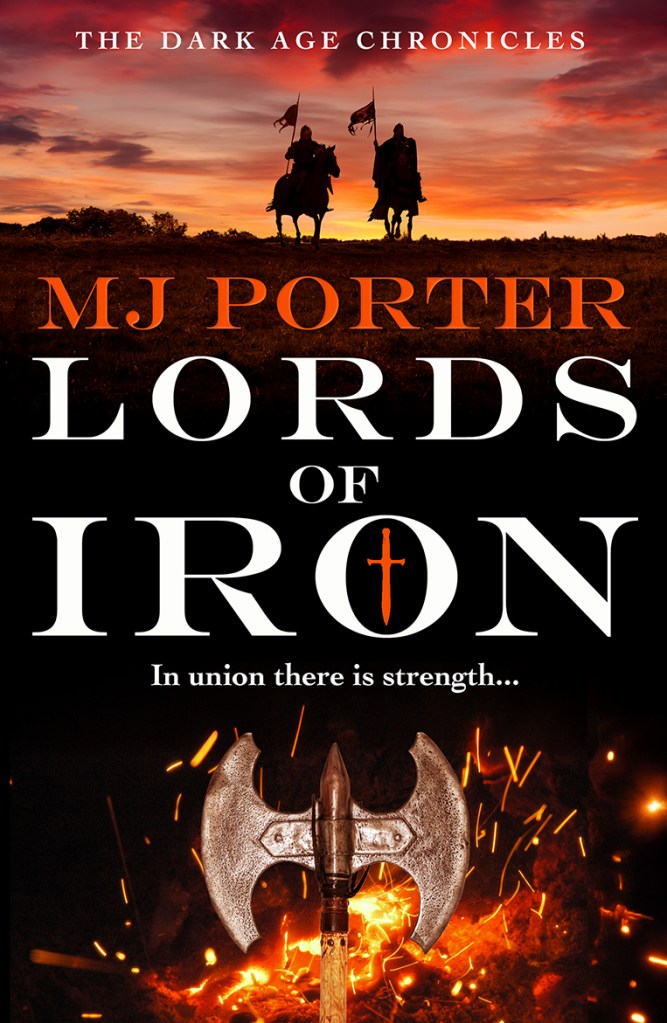
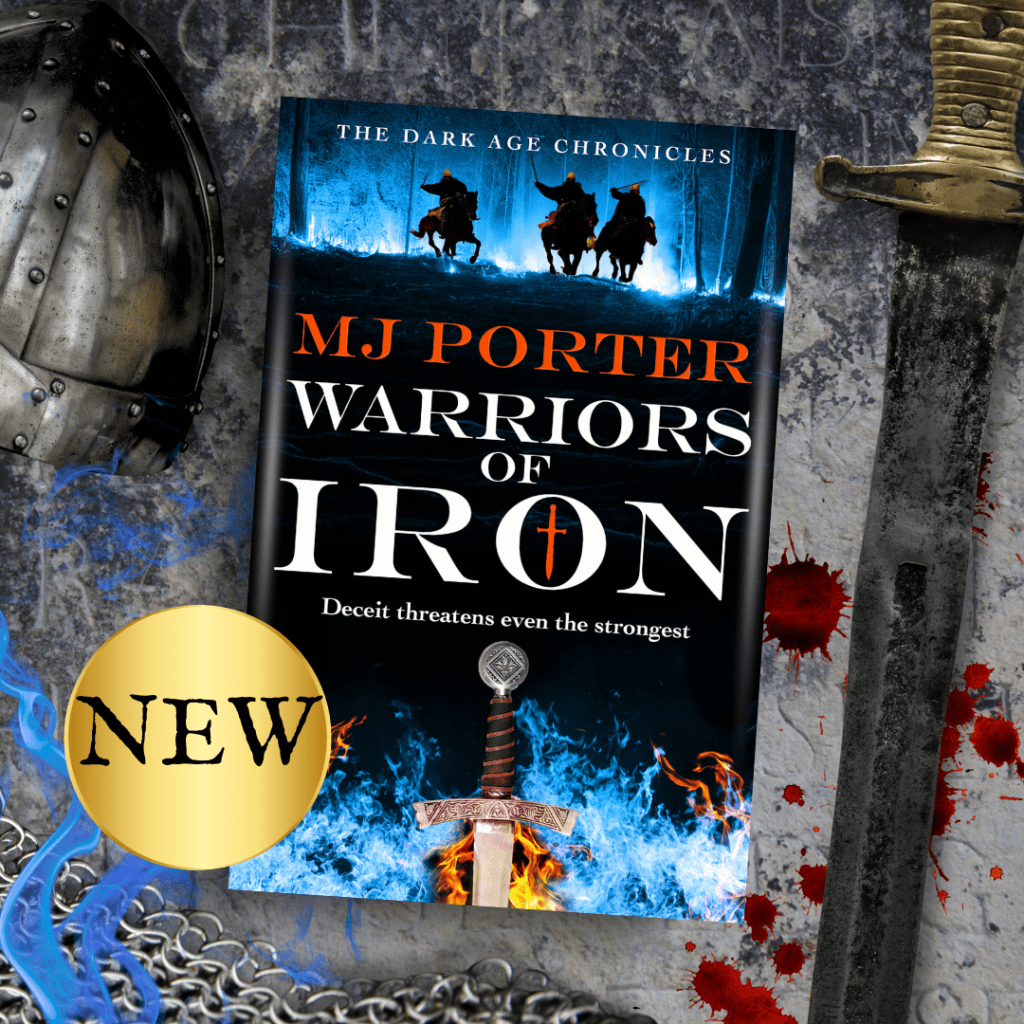
It’s happy release day to Lords of Iron, the third and concluding book in the Dark Age Chronicles Trilogy. Let’s talk about battle standards #newrelease #MenOfIron #WarriorsOfIron #LordsofIron #histfic
What comes after the events of the Dark Age Chronicles (as well as before)
In deciding on a date to set the Dark Age Chronicles, I was quite careful. I wanted it to be after the era of the legendary Arthur (the battle of Camlann is dated to 537 in the Annals Cambriae (the Welsh Annals)), but also before written sources start to make some references to what was happening in what would become Saxon England in the later 500s anywhere that wasn’t in the south/south-east.
In the A version of the ASC there are 26 entries for the 500s. Eight are dated before AD540. These are mostly concerned with events in the south, Kent, the Isle of Wight, and Portsmouth, and their legendary Saxon founders. After 540, we’re treated to the genealogies for what would become Northumbria (547 and 560), Wessex (552 and 597) as well as having references to the religions in Britain at the time, through accounts of Columba and the missionary activities in Kent from Pope Gregory. There are any number of battles between those forging a foothold in their newly forming kingdoms and the native Britons.
Our first real reference for anything happening in what would become the kingdom of Mercia is under the year 577 when we’re told Gloucester, Cirencester and Bath were taken from the ‘Britons’ by Cuthwine and Ceawlin (of Wessex). Gloucester would certainly be within the later kingdom of Mercia. Cirencester and Bath weren’t.
While I’ll repeat that the Anglo-Saxon Chronicle wasn’t begun until the 890s (so over 300 years later) and Bede, which much of the ASC is based on at this time, was writing in the 730s (so nearly two hundred years later), I still wanted almost a clean slate for my characters to inhabit. There was also the matter of plague to try and avoid, as well as a series of bad harvests, that are referenced but don’t form more than a background detail in the books.
I felt that to truly gain a ‘feel’ and an ‘understanding’ for what might have been happening at this time, it was necessary to step aside from any historical account and to rely on the archaeological record. The years 540 and 541 felt as though they provided a good opportunity to do just that. However, it’s always important to have an eye to what was going to happen, as well as what had happened before. And, as I wrote, a number of elements seemed to become very clear to me. While there are reports of battles amongst the Saxon invaders and the native populations (six of them in those eight entries before 540, although some of them are quite small), and while they feel quite overwhelming when simply listed because they form so much of the narrative, there aren’t a lot of them mentioned before AD540. The impetus certainly seems to gather pace after that date (of the remaining 18 entries, eight reference what seem to be quite large battles). Why this might have been, began to make sense as I explored the idea of no new iron production after the end of Roman Britain, until the skill was ‘rediscovered.’ Without the ability to easily overwhelm an enemy through new blades that weren’t made from recycled metals, would people who’d endured famine and plague, really want to risk it all when there was no chance of success? It felt unlikely. Would you? The need to fight isn’t always taken when you know you’ll succeed, sometimes it’s also desperation, but if these settlements were doing reasonably well, why take the chance? Surely, they needed to rebuild and form alliances to survive.
And so, as I’ve written the trilogy, what would come after – the increasing battles, the desire of the invaders to establish ‘kingships’ in Wessex, Kent, Northumbria, Mercia and the kingdom of the East Angles, began to make a lot more sense – with the rediscovery of how to forge sharpened blades (or indeed, to import them when the ‘invaders’ arrived (whether to intermarry or to make war), because unlike in Britannia, the ability to forge blades didn’t become lost in the homelands of the Saxon invaders) there were suddenly people who could start to dominate, and who would want to dominate.
And yet, the archaeology couldn’t be forgotten either. There aren’t many battle sites known from this era. What can be said with more surety, is that there was a co-mingling – all sorts of crossovers are found in the burial record – and indeed, the burial rites of many changed during this undocumented sixth century. There was undoubtedly discord between peoples, but there was also accord. Until there wasn’t. So, something had to change to bring about the formation of the Saxon kingdoms. I’m not saying my ideas are correct, but they are intriguing, especially when played out in a fictional environment where I can endeavour to explain what might have been happening – both in terms of war, and peace. (And, some would argue not all iron production was lost – it certainly wasn’t – but it becomes much more difficult to ‘find’ – i.e. no nails to secure coffins in the burial record in the heartland of England – what was happening in Wales/Devon and Cornwall is very different).
After the Dark Age Chronicles, we move into a period where identifiable kingships and kingdoms are forming – we’re moving into what would become Saxon England, and towards the events of the seventh century, which would be dominated by discord between Mercia and Northumbria, Wessex and the other kingdoms, and the reigns of the alleged ‘bretwaldas’ (wide rulers.) We’re moving towards what’s more immediately understood and known, but the sixth century is where these developments have their routes, as twisted, tangled, unexplainable and often, as baffling as they are. (And we don’t really need a legendary figure to explain what’s happening, do we, although the prevalence of Excalibur does perhaps answer to these questions as well?). We’re moving towards The Gods and Kings Trilogy.
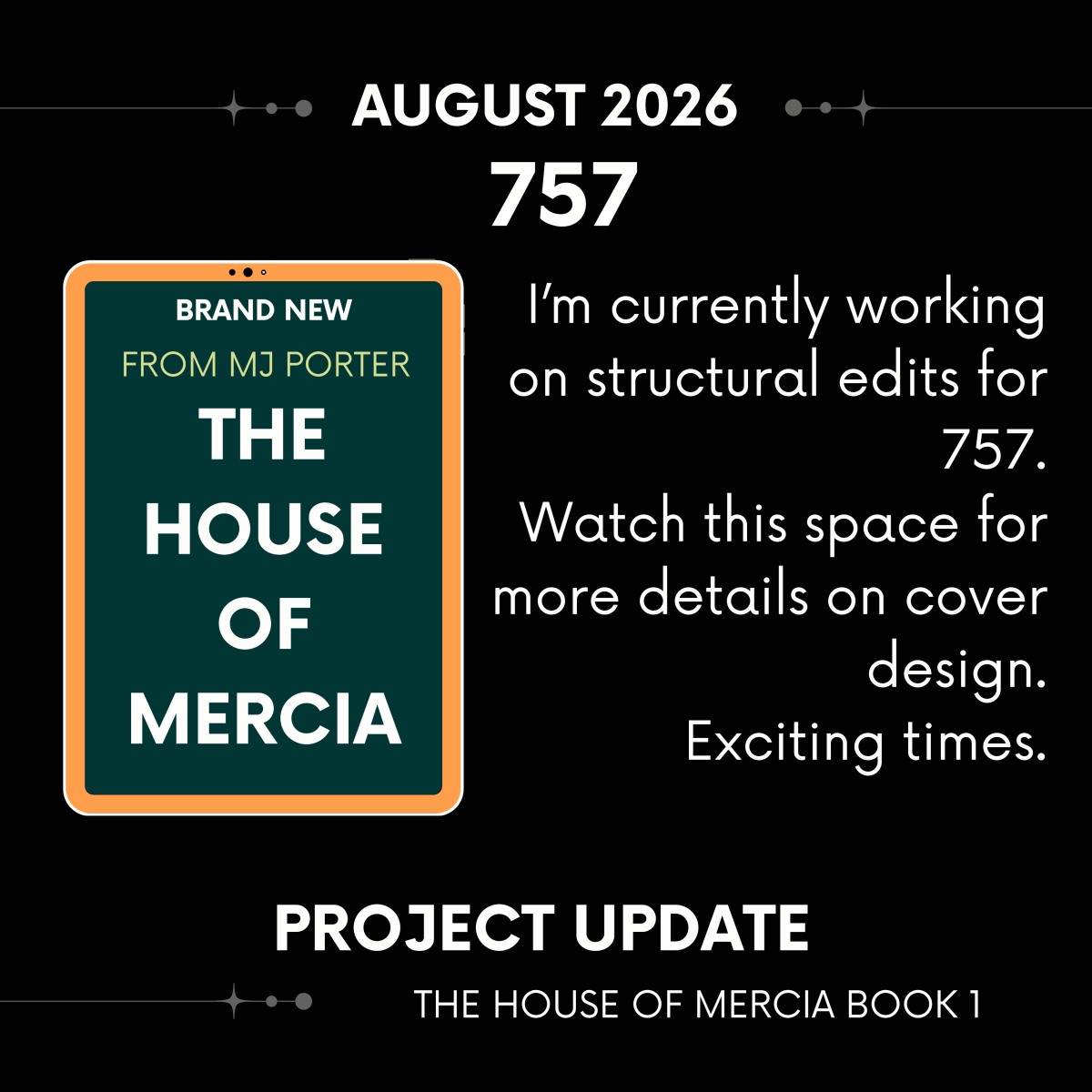
Introducing 757, the first book in the brand new series, The House of Mercia #fiction #nonfiction #Mercia
Here’s the blurb for 757
This is Mercia. The year is 757. A king will fall. A king will rise. But first, civil war will rage.
King Æthelbald’s forty-year vice-like rule over Mercia has been rigid. But he lacks a legitimate heir despite his insatiable bedchamber antics.
Offa must stand hostage to his family’s good behaviour, when his father missteps in removing his mother from Æthelbald’s bed. Shockingly, his younger sister now replaces her.
But the king isn’t finished with his denigration of Offa’s noble House. When his parents are traitorously killed, Offa’s resentment grows, compounded by the ridicule heaped on him by King Æthelbald’s oathsworn warriors.
With the king’s health deteriorating, the matter of the succession becomes paramount. There are plenty who share a claim to the kingship.
Discord threatens to fracture the mighty realm, and those with sword and shield, seax and spear are prepared to risk it all to be the future king of Mercia.
The background to the House of Mercia – AKA what happens after the Gods and Kings trilogy
If you’ve been with me for a while, you’ll know I’ve written about Mercia in many of the centuries of its existence. Until now, I haven’t ventured into the eighth century and many of you might not have read the Gods and Kings Trilogy (there is still time to get it read before House of Mercia hits the shelves), and even if you have, there’s a century between the final events of Warrior King (655) and the beginning of 757, the first book in The House of Mercia series. So, I thought it was time to add some flavour to this century.
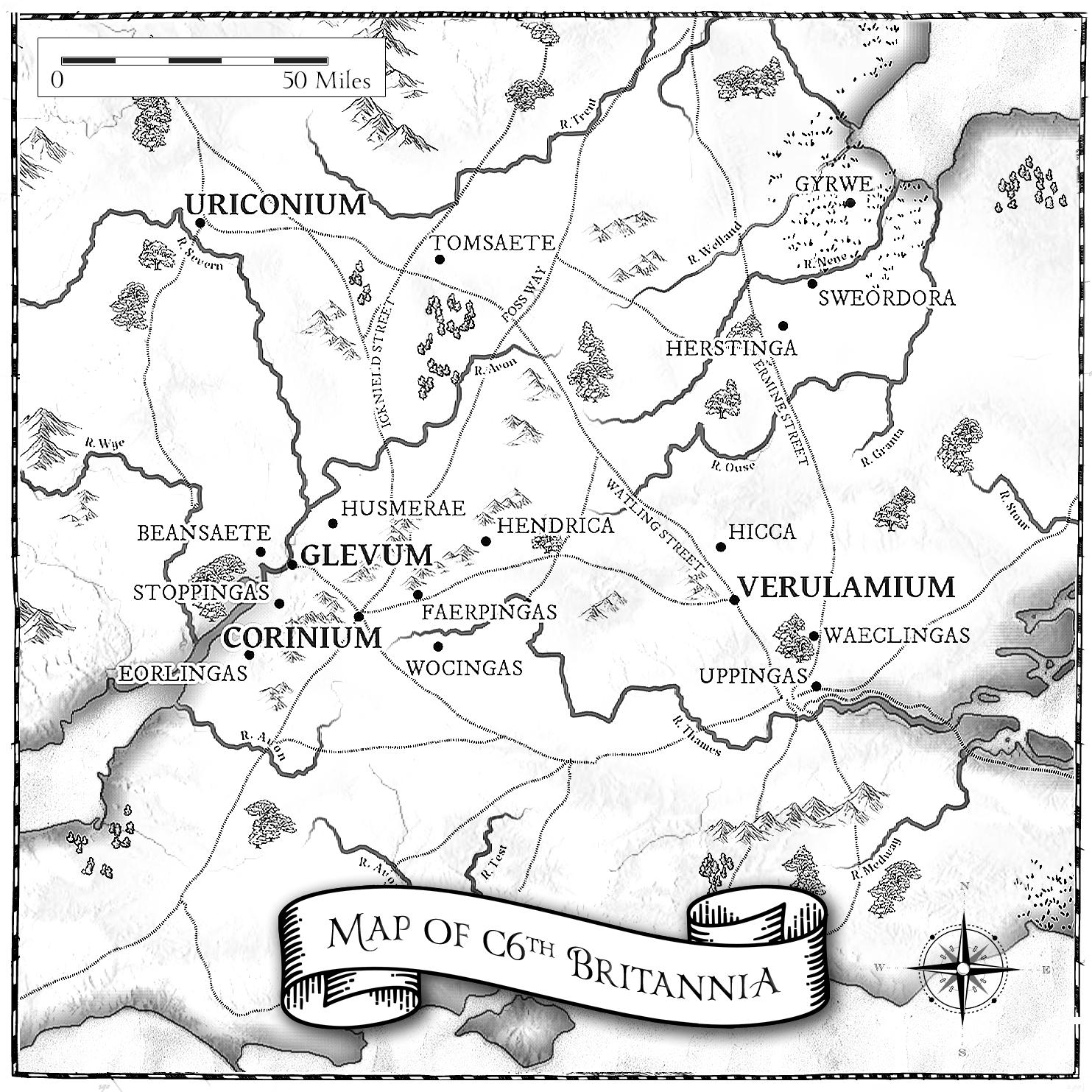
The Gods and Kings trilogy follows a collection of mighty warrior kings in Saxon England from the 620s to the 650s, as the ‘larger’ Saxon kingdoms were forming – (Northumbria from Bernicia and Deira) (Mercia from the heartland of Mercia centred around the area of the Tomsæte (yep, they get a mention in the Dark Age Chronicles) to include the kingdoms of the Hwicce, the Magonsæte, Lindsey and Elmet). Of these, it’s the brother kings Eowa and Penda that most concern us, as they were both kings of Mercia, claiming descent through Pybba (and it’s this genealogy that leads us back to Wærmund (from the Dark Age Chronicles), and even mentions an Icel (do you see what I did there?)
Whatever the exact relationship between the two brothers (as explored in the Gods and Kings trilogy), they ruled one after another, Eowa falling at the battle of Maserfeld in 642, against the Northumbrians and Penda outliving him to rule until his death in 655. (There’s also another shadowy brother, possibly sharing a father but not a mother, Cuthwalh, who is important. He was never a king of Mercia, but his existence (if he existed) is very relevant to events in the eighth and indeed, ninth century.)
Eowa had children when he died. Penda also had children. As the brother who ruled second, the kingdom of Mercia was bequeathed to Penda’s children, first Pæda (his son, who didn’t rule for very long), then Wulfhere (Penda’s son 658-675), Æthelred (Penda’s son, who abdicated in 704 and died in 716), Ceonred (Wulfhere’s son, who ruled from 704-709 and abdicated to travel to Rome), Ceolred (Æthelred’s son, from 709-716) and then Coelwald, who briefly succeeds and is assumed to be another son of Æthelred, until the line passes to that descended from Eowa, through his son or daughter (I think in the Gods and Kings trilogy I’ve made Alweo a daughter), Alweo, in the figure of Æthelbald, while Offa’s line descended through the other brother, Osmod. (Looking at this, I can’t help thinking that a little less religious fervour might have been to the advantage of the ruling line of Mercia – but of course, this was the time of conversion – Wulfhere is said to have been the first Christian king of Mercia (although Pæda also converted, but sadly, met a sticky end). The relationship between Mercia and Northumbria at the time was, I think ‘messy.’
So, that all seems quite complicated. At this time, Mercia was very often in conflict with the kingdom of Northumbria, and indeed, a number of assassinations occur. Pæda is killed by his wife (a Northumbrian). A daughter of Penda also marries one of Oswiu’s sons, Alhfrith. The Northumbrian king, Oswiu (the cheek of it), then briefly rules Mercia, until he’s driven from Mercia by Wulfhere (Penda’s son), who then becomes king. Wulfhere endeavoured to defeat the Northumbrians, then being ruled by Ecgfrith (half-brother of Alhfrith), the son of Oswiu, but failed, whereas Wulfhere’s brother, Æthelred, was later successful. These two battles fascinate me, and if you’ve read my short story, A Father’s Son, which you can download here and join my mailing list) it’s the very beginning of a project where I hoped to tell the story of these two battles, the one where Northumbria is triumphant, the other where Mercia sets the record straight, but I’ve never quite found the time.
This succinct account then brings us to Æthelbald, an old man by the time The House of Mercia takes place, but one who evidently ruled well throughout his 41 years – quite an astonishing feat at the time. It’s believed he lived for some time in exile before becoming king, perhaps in the kingdom of the East Angles, when her king, Ælfwald, ruled. It seems evident, therefore, that there was some discord in Mercia at the time between the potential ruling houses. While Eowa’s son hadn’t endeavoured to claim the kingship of Mercia (I think he died, but maybe that was what I had happen in the Gods and Kings trilogy), his descendants were more ambitious. So, this brings us to the events of 757, the first book in the House of Mercia series. What comes next will form the narrative.
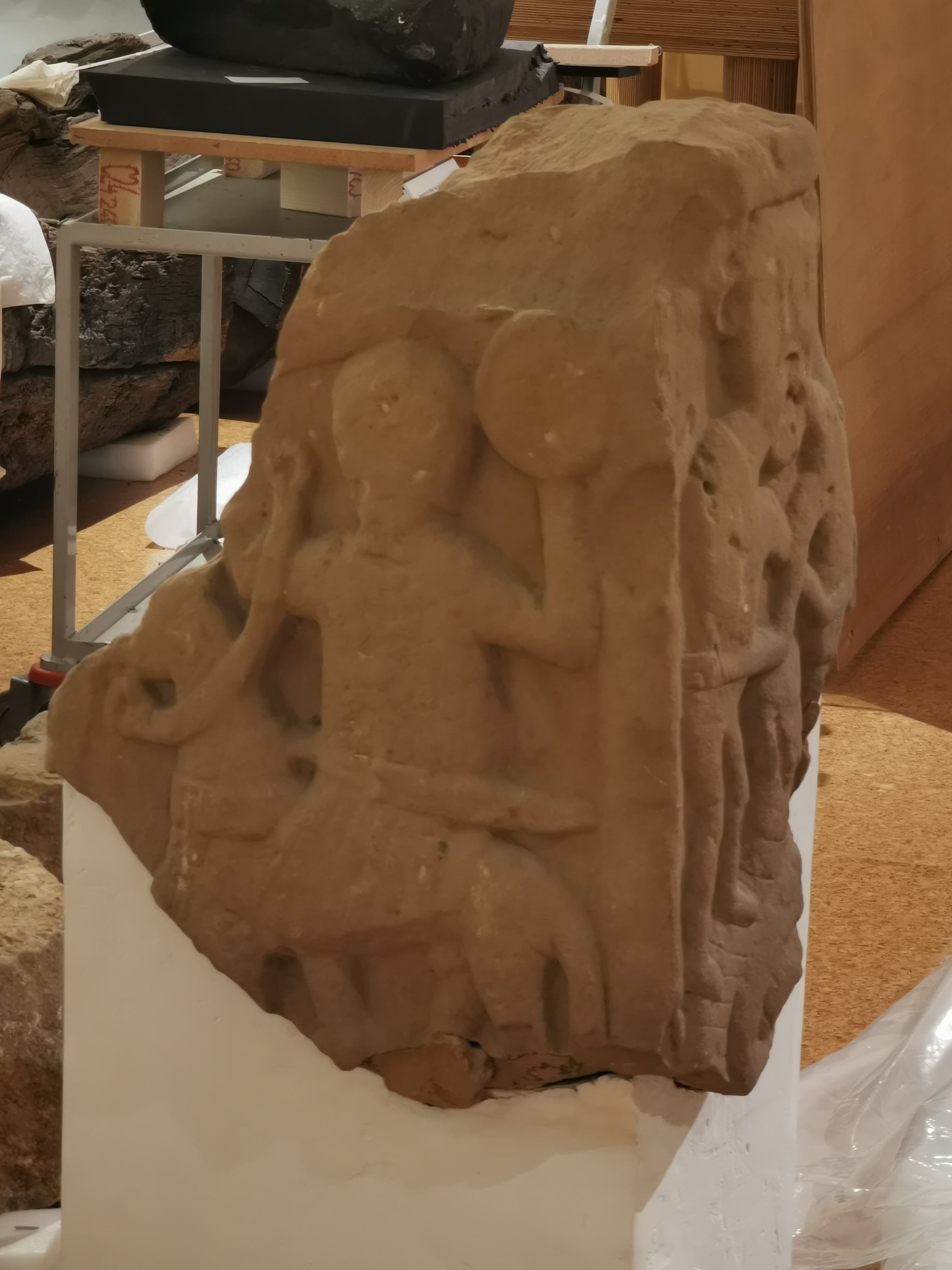
The Repton Stone at Derby Museum, believed to be a depiction of King Æthelbald riding a horse (please note, the museum was being renovated when I visited. It’s not usually displayed like this).
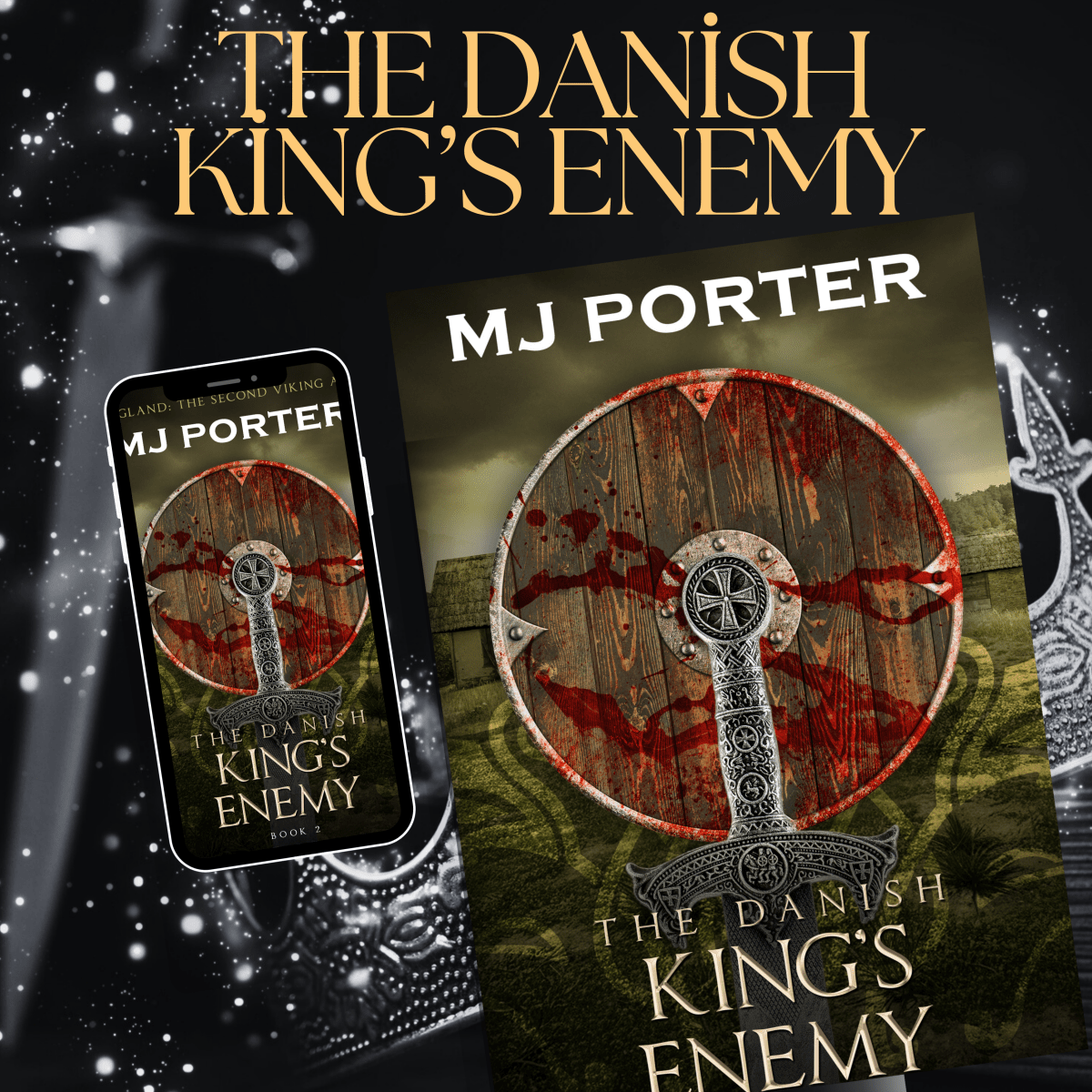
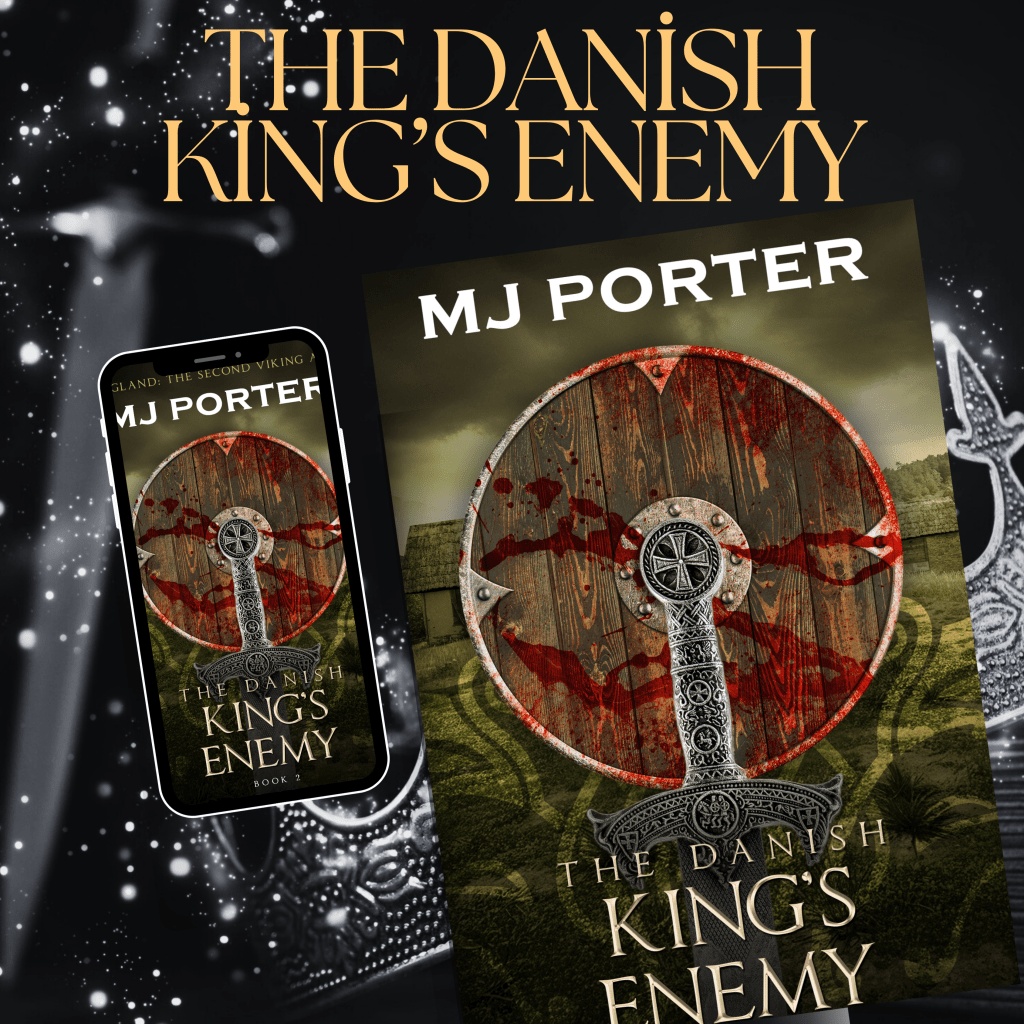
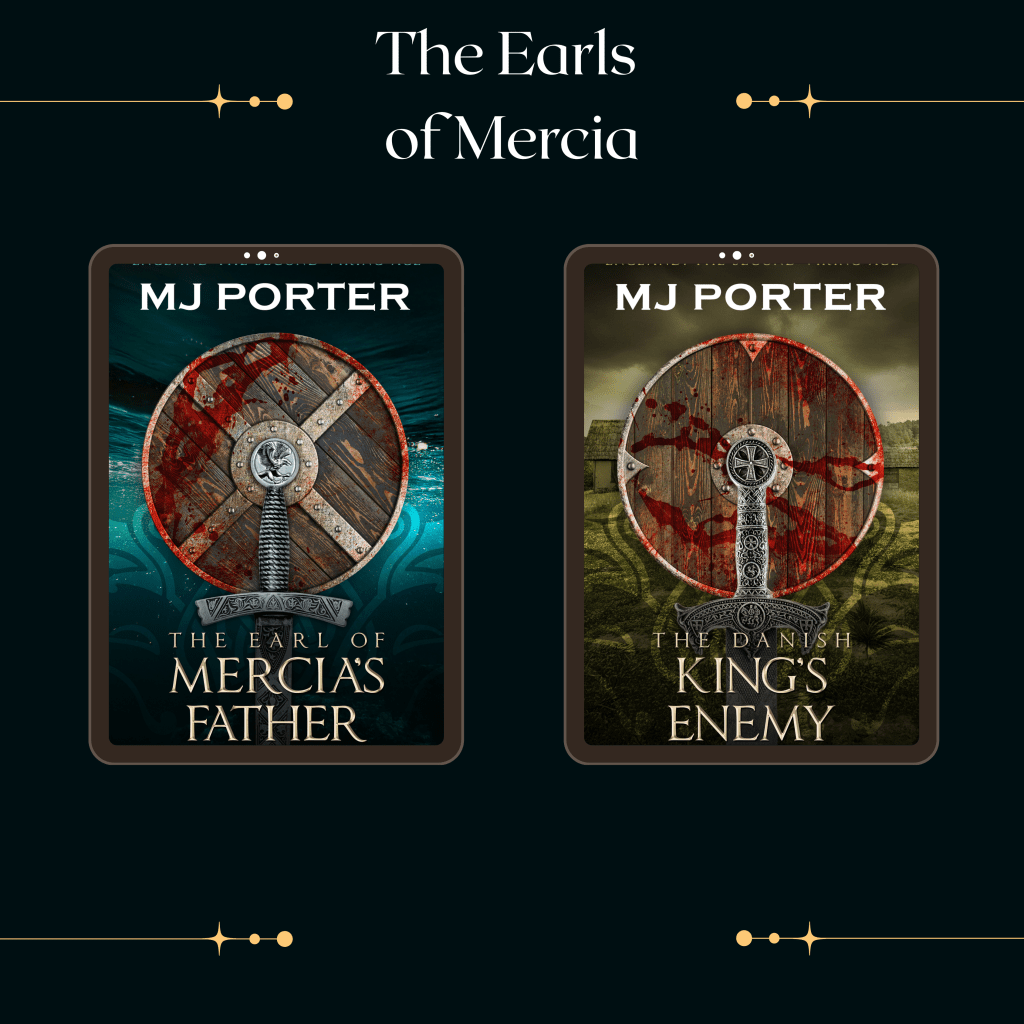
It might well be the second historical fiction novel I ever wrote, but I thought it could do with a little update to match The Earl of Mercia’s Father. Huge thanks to my cover designer at 100 Covers.
The new cover also means I’ve expanded the available formats. The book is now available in ebook, trade paperback (6×9), large print/hardcover combined, and the smaller, more usual-sized UK paperback (5.06 x 7.81), available via IngramSpark (use the link below). This version should also be distributed to a wider range of print retailers. And, of course, you can order a signed copy from me, too, via my online store.
The Danish King's Enemy: England: The Second Vikin ….
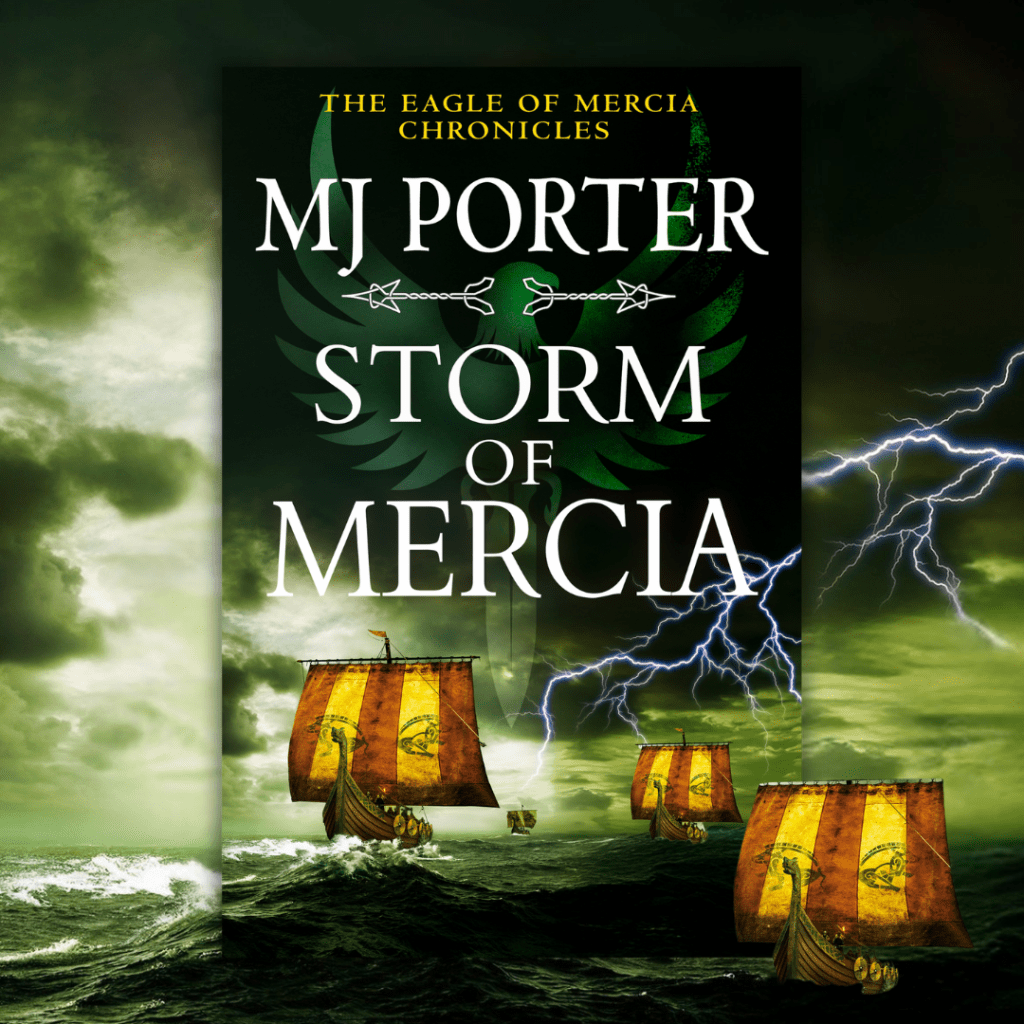
It’s cover reveal time for Storm of Mercia. Return to the world of young Icel in the ninth book in the Eagle of Mercia Series. #coverreveal #preorder #histficbook
Wessex has never been Mercia’s ally, neither has it been her only enemy.
Wessex, AD836
The Viking raiders’ devastation has been halted once more by the shields of Mercia as opposed to Wessex. But their whereabouts are unknown.
King Wiglaf of Mercia is keen to ensure the Viking raiders are swept from his shared border with Wessex but these Viking ships are quick and difficult to track and Icel is once more deployed with Ealdorman Ælfstan warriors to do his King’s bidding. However, Icel’s quest is beset with many more obstacles and it’s not all about the seax and shield.
Worrying news from home overshadows Icel’s every deadly encounter. Will the storms of war keep him away or has he time to make one more desperate journey back to Tamworth?
With raging seas driving him ever further from Mercia’s shores, and the threat of a new conspiracy against the Mercian kingship will Icel overpower the sands of time, or will he be defeated by his deadliest nemesis yet?
The blog tour for Lords of Iron has finished. A huge thank you to all the hosts. Here’s what they had to say about Lordsof Iron #newrelease #MenOfIron #WarriorsOfIron #LordsofIron #histfic
The Lords of Iron blog tour
Watch the little video I made to showcase the reviews from the fabulous reviewers. Thank you to them all. I know the majority have been with me since Men of Iron, and it’s amazing to realise how invested they’ve become in my characters. (The music is very dramatic).
Check out my blog for more details about the Dark Age Chronicles
It’s happy release day to Lords of Iron, the third and concluding book in the Dark Age Chronicles Trilogy. Let’s talk about battle standards #newrelease #MenOfIron #WarriorsOfIron #LordsofIron #histfic
Battle standards
Well, here we are my friends, book 3 in the Dark Age Chronicles concludes this foray to the ‘Dark Ages’ (a term I don’t like but is correct for this time period). I thought I’d address the idea of battle standards.
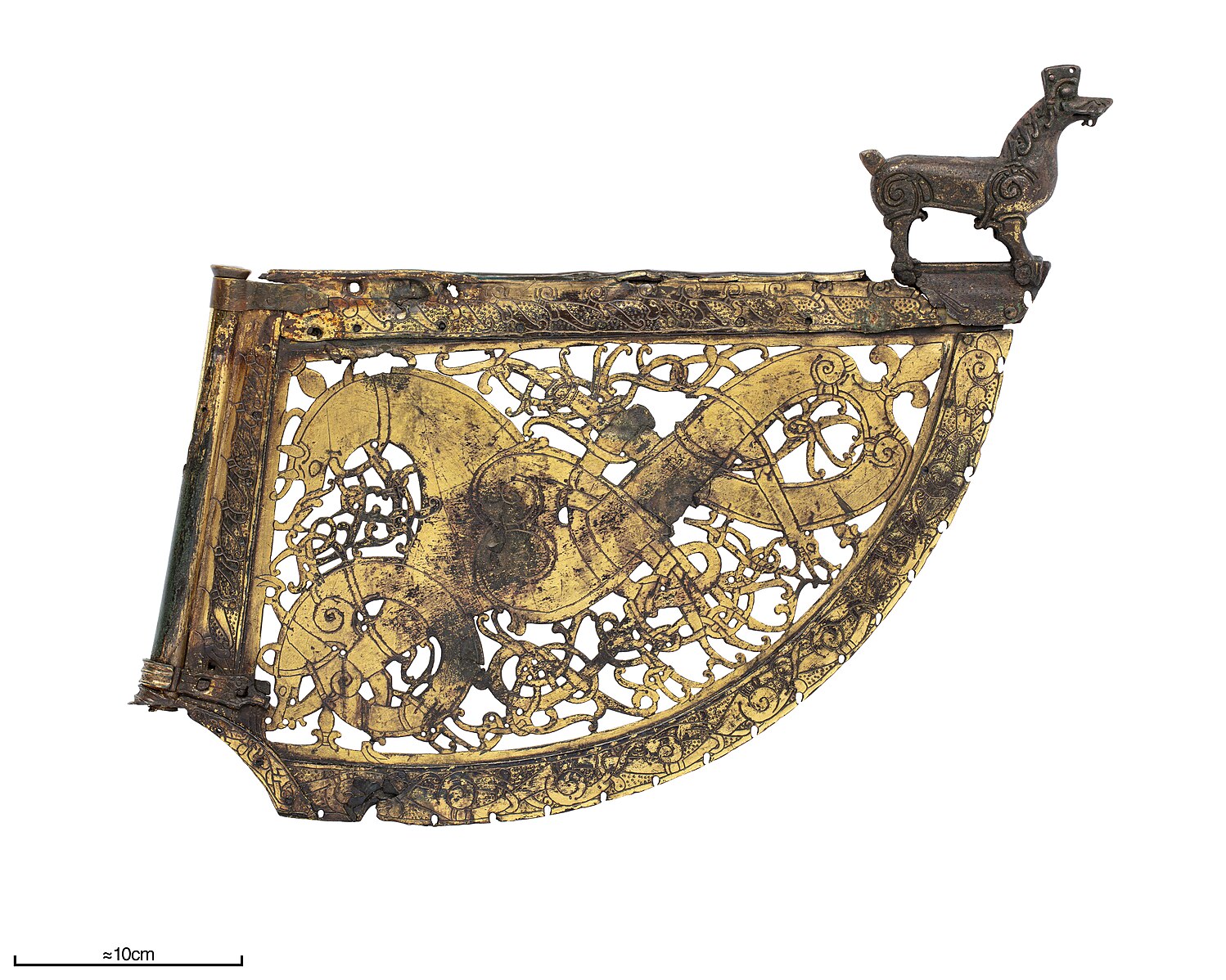
As many stories as I’ve written about war, I’d never considered the battle standard. My editor mentioned to me that ‘they make for great cover ideas,’ and so I did a little bit of research and discovered some information about them, but it was actually in an ‘ask the historian’ section with Mike Everest hosted by the History Quill that I discovered battle standards might not have been fabric at all, but rather perhaps made from metal and more hollow depictions of whatever the battle standard was to be (so perhaps more similar to the Romans and their eagle standards).
As such, I have touched on this idea in Lords of Iron. As often as I’ve tried to place myself in my characters’ boots, I’ve perhaps overlooked how difficult it might be to find your fellow warrior in the middle of a battle. Below are two images which might have served as an idea of what a battle standard might have looked liked. As you can see, these are very far from being huge banners made of fabric. They are much more intricate, or so it appears. In Warriors of Iron, Wærmund encounters such a battle standard and then hungers to have one constructed for himself. I can see why.
It’s happy release day to Lords of Iron, the third and concluding book in the Dark Age Chronicles Trilogy. Watch and listen to a short recording about the research books I used #newrelease #MenOfIron #WarriorsOfIron #LordsofIron #histfic
A whizz through the research books I used when writing the Dark Age Chronicles
Join my newsletter to follow my writing journey, get access to my exclusive Subscriber area on the blog, and receive a copy of Mercia – A Companion Guide to the Tales of Mercia.
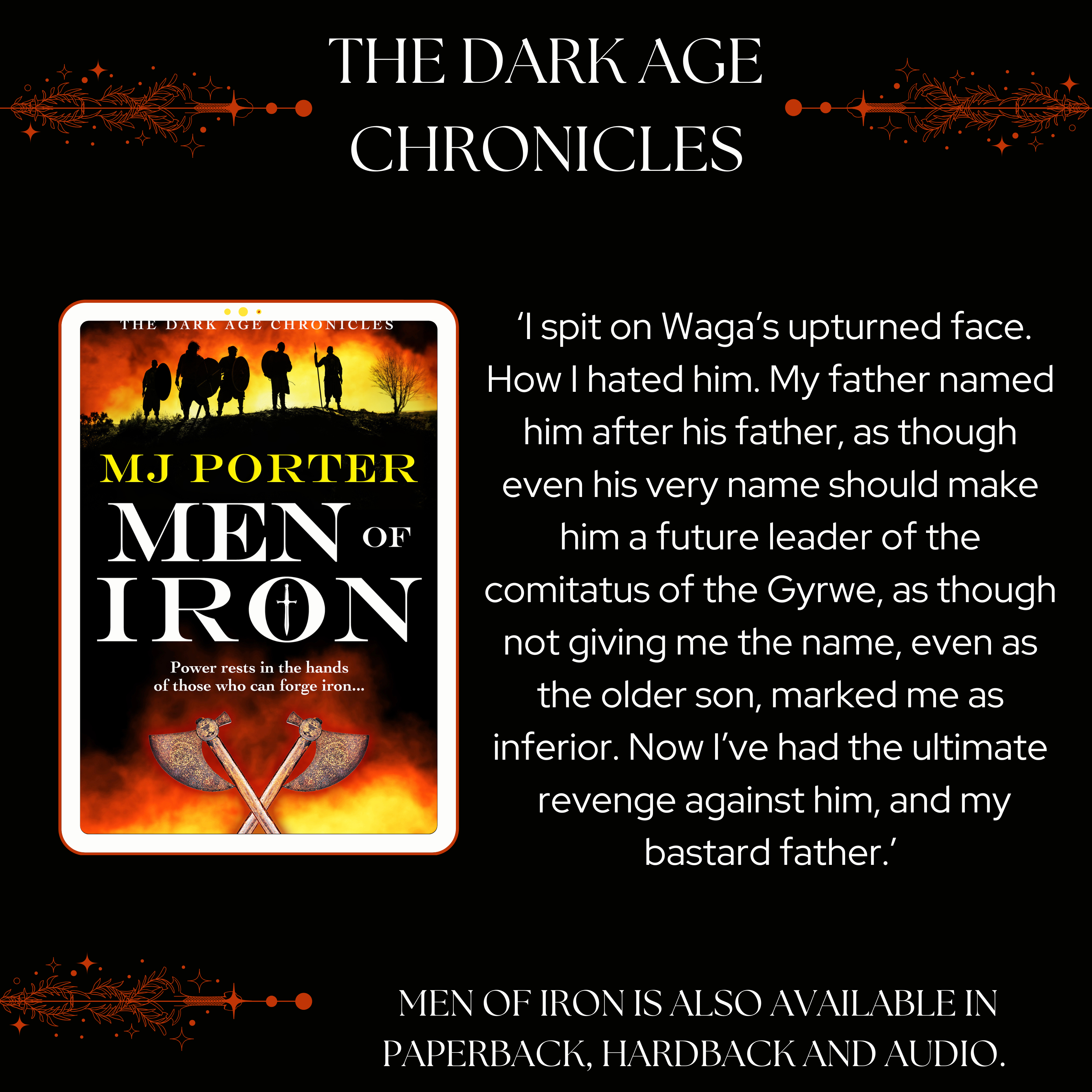
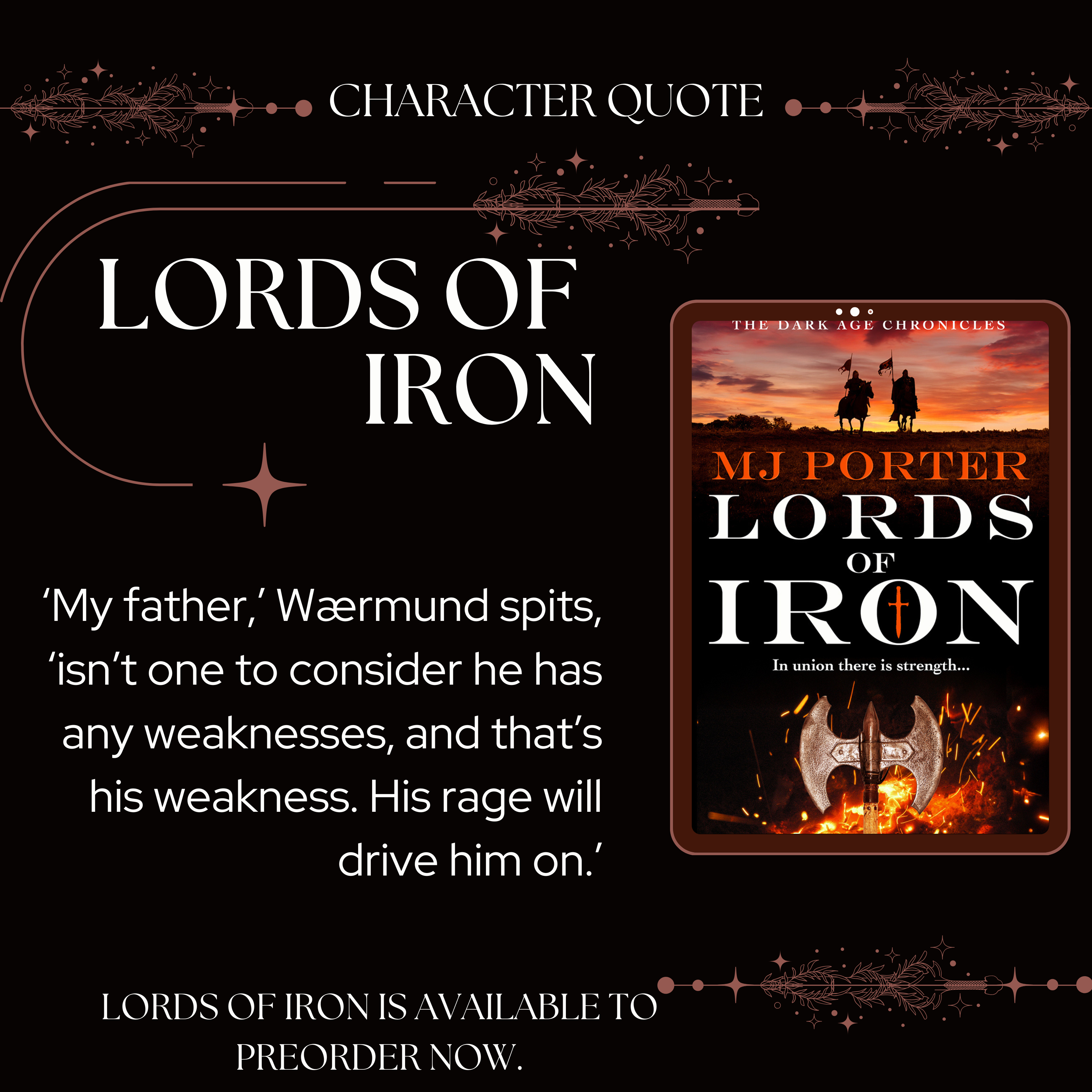
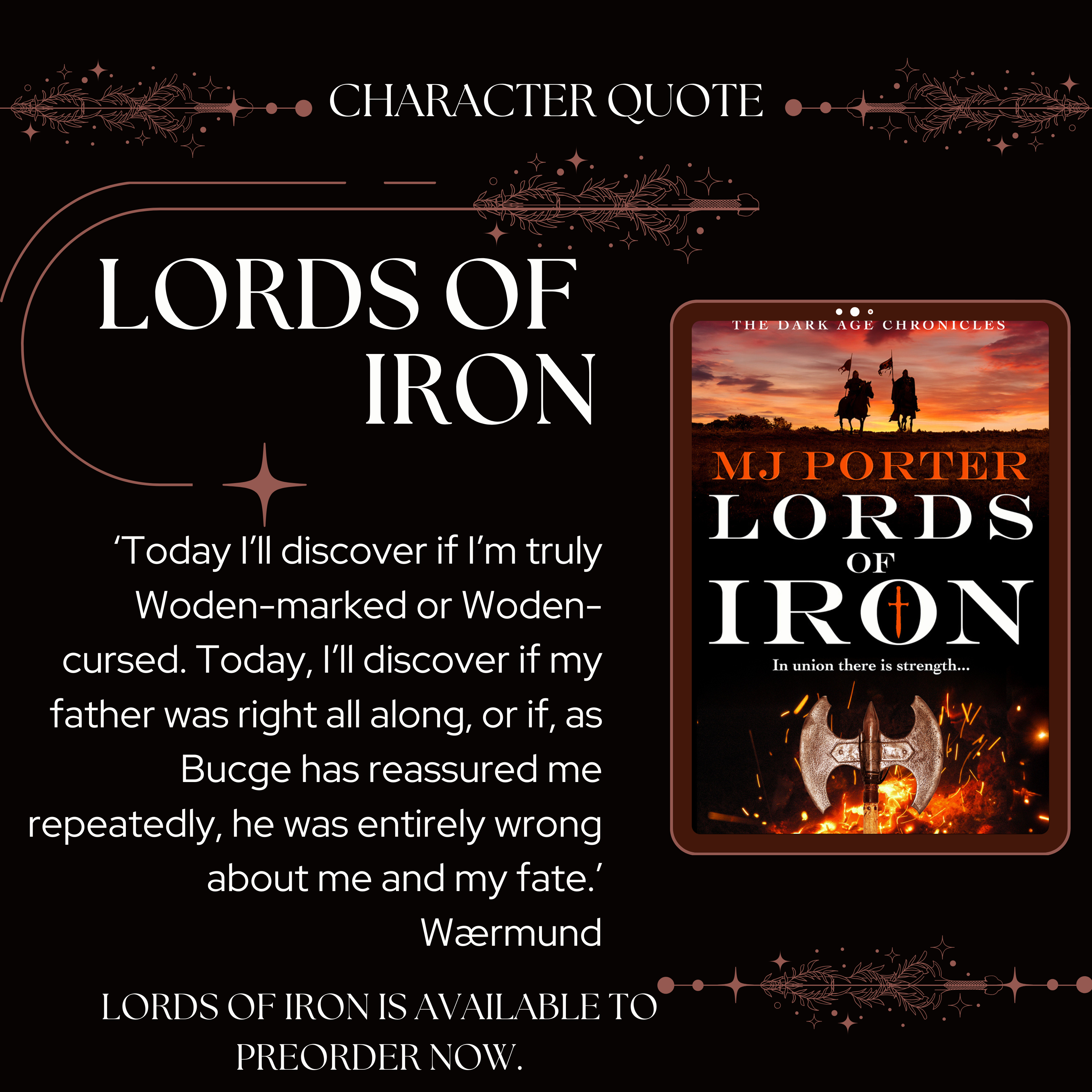
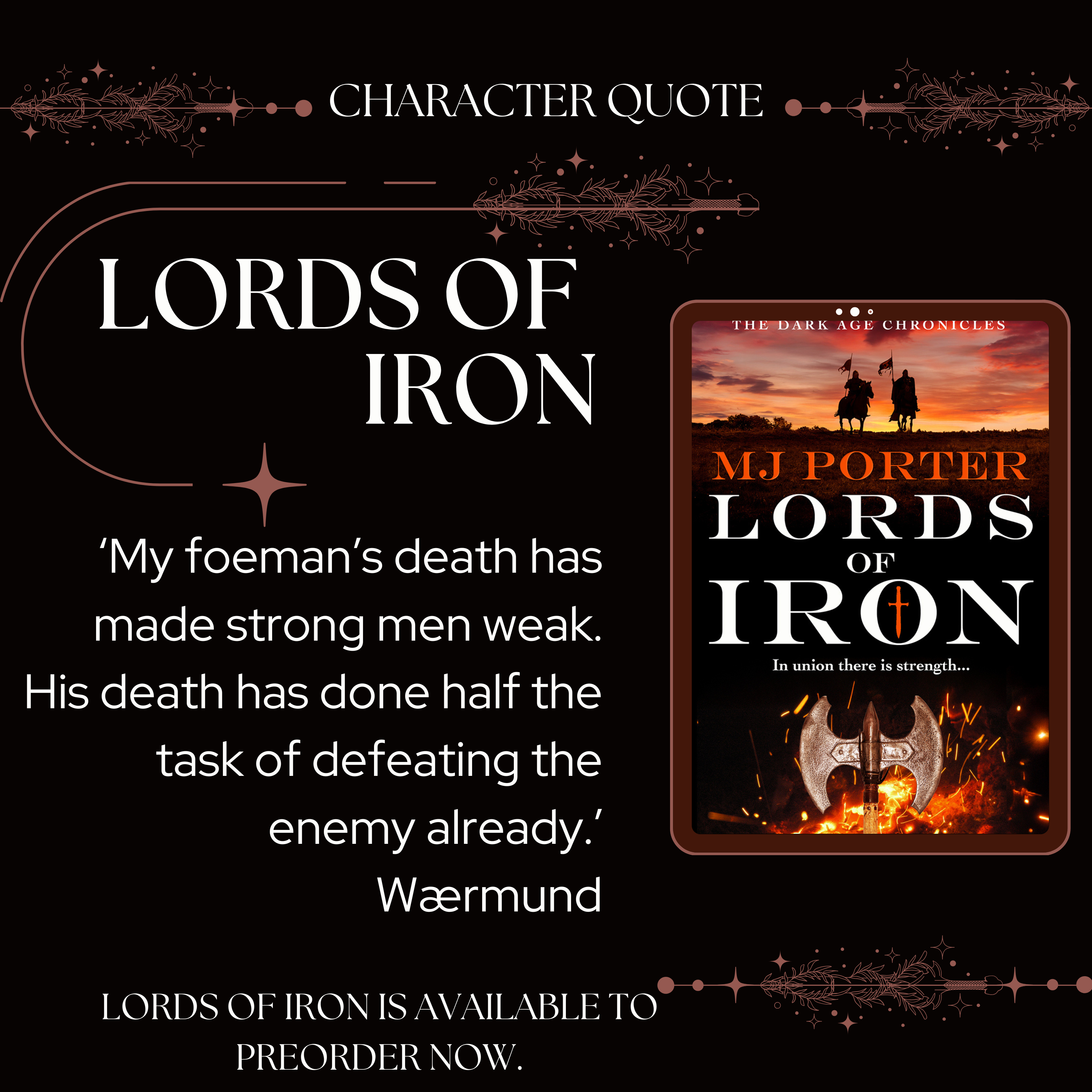
It’s nearly happy release day to Lords of Iron, the third and concluding book in the Dark Age Chronicles Trilogy. Let’s talk about Wærmund, warrior of the Gyrwe #newrelease #MenOfIron #WarriorsOfIron #LordsofIron #histfic
Wærmund, warrior of the Gyre
Wærmund, the lead male point of view in the Dark Age Chronicles, has come a long way since our first encounter with him, when he was young, angry, reckless and unable to assure himself of the loyalty of others. (I’m not saying he didn’t have cause to be angry).
While I’ve written novels in this era where the main male lead is strong and fiercesome (as well as treating everyone to young Icel), I’ve not really written a character like Wærmund before. One early reviewer complained he was ‘annoying’ and that was intentional. For him to become the character I needed him to become, he couldn’t start the novels ‘fully formed.’ I needed him to learn, grow, and become someone more thoughtful than his angry young self allowed.
Along the way, he’s had much cause to doubt himself, and really, it was Heafoc, his loyal warrior, who was the most fully formed of the warriors who pledged their often dubious loyalty to Wærmund. Heafoc, perhaps very much cast in the shadow of the rather wonderful Wulfstan from the Earls of Mercia series, and potentially, also the older Icel from The Last King books, was the epitome of a Saxon warrior, whereas Wærmund wasn’t. Indeed, in deciding to run away from his home, Wærmund hoped to outrun his past, which was never really going to be possible for him.
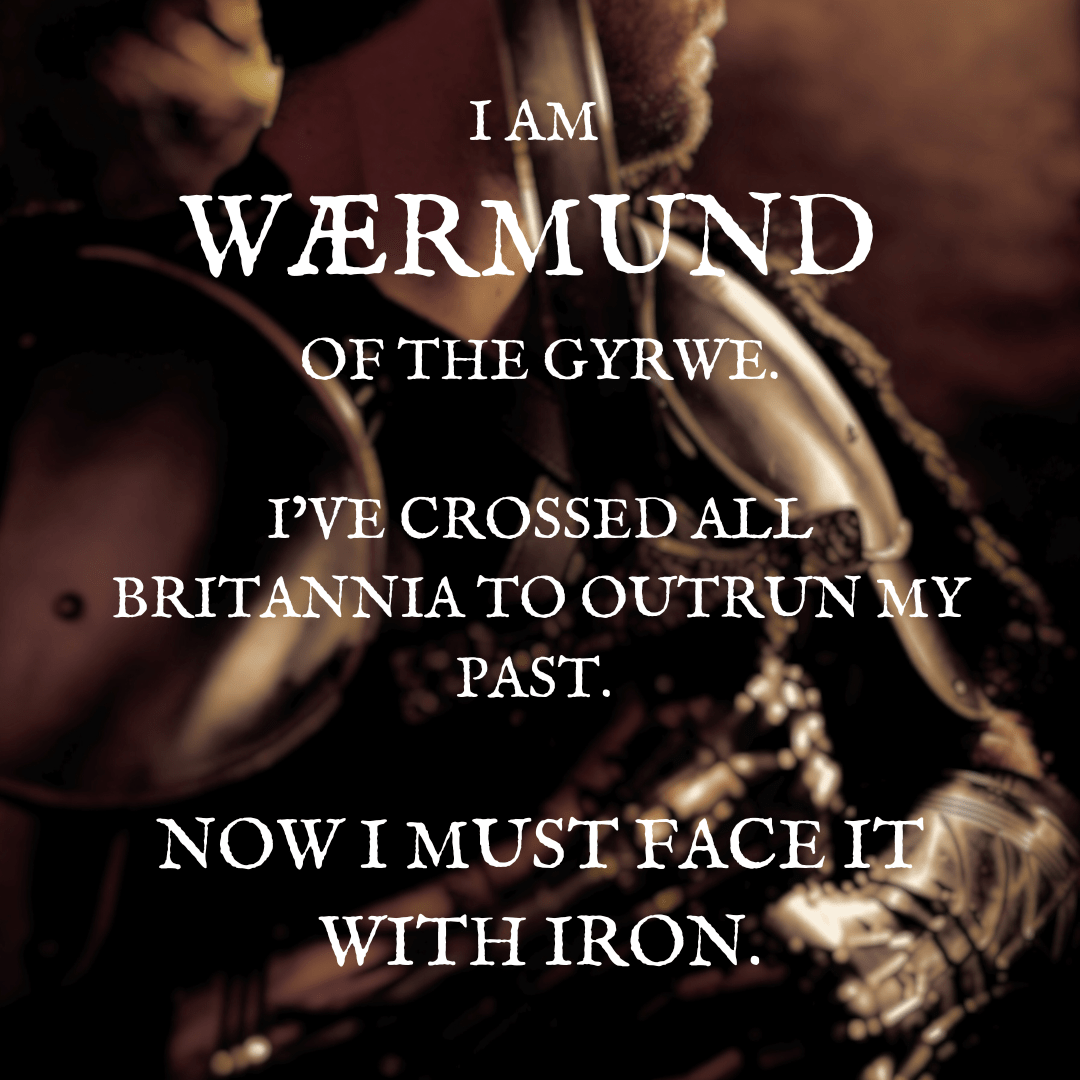
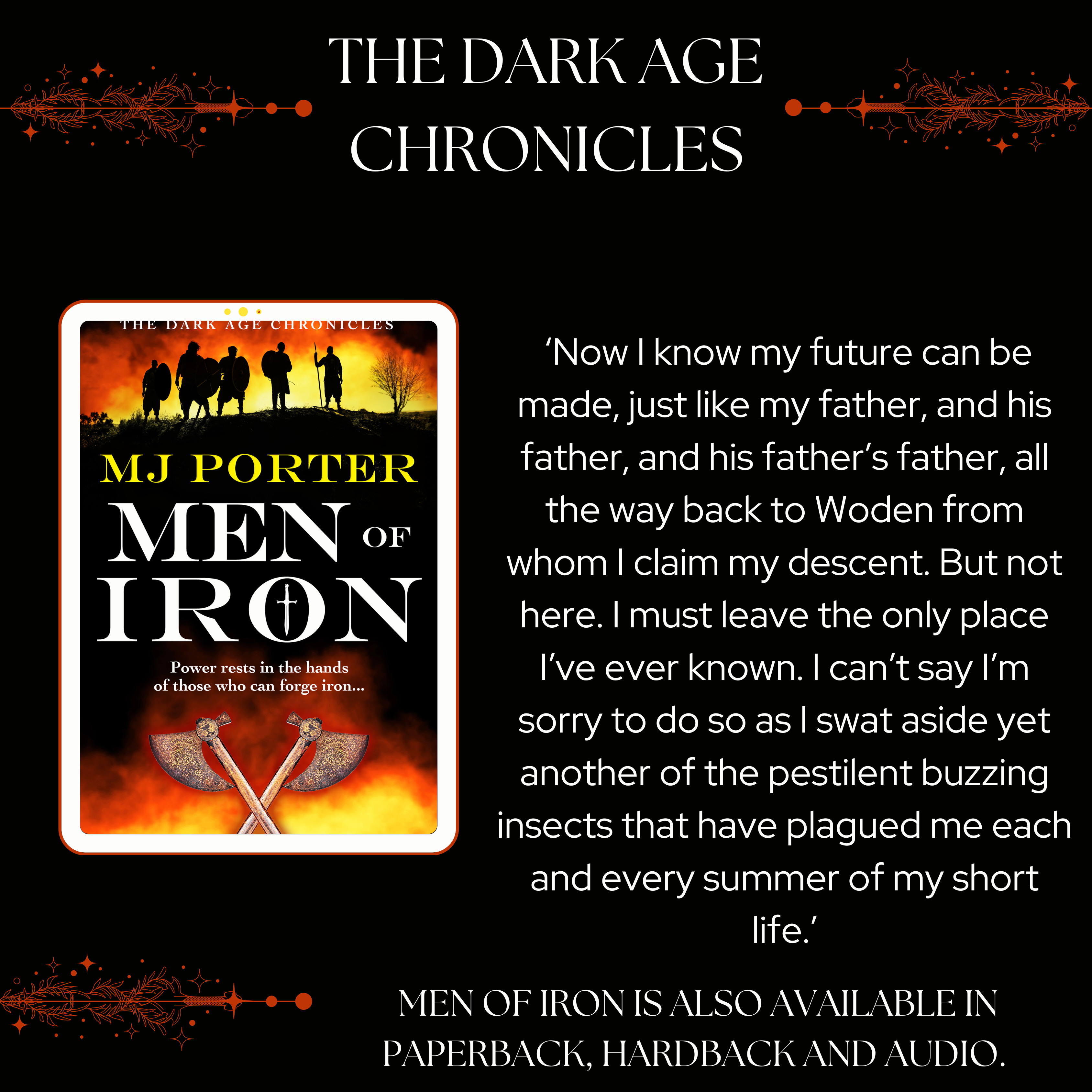
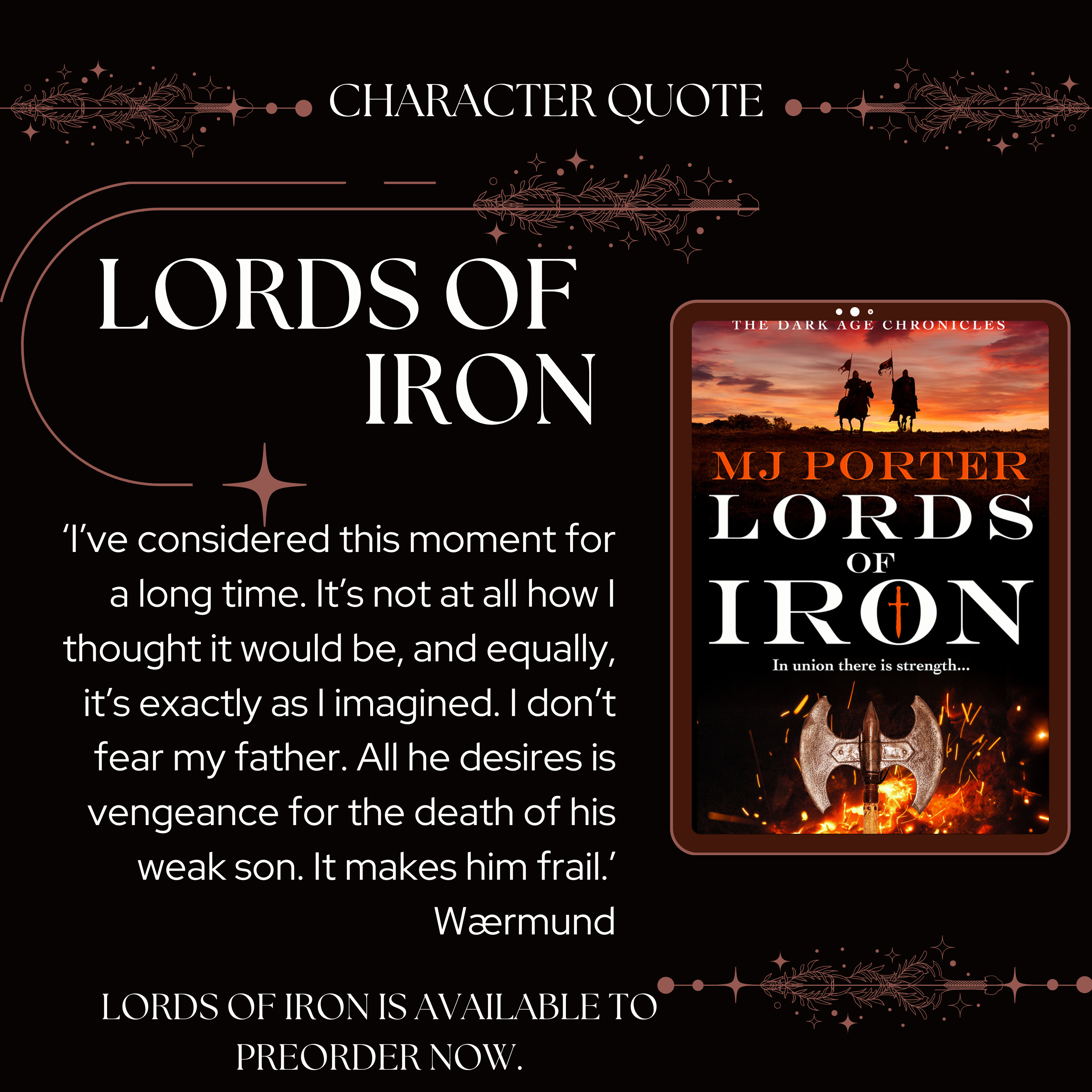
Now, as we turn to the concluding book in the trilogy, I feel Wærmund has come full circle. Is he, perhaps, now a better man than his father? Or, is he still driven by the desire to show his father he is the ‘better’ man? These are some of my favourite quotes from Wærmund in the final book.
You will need to read Lords of Iron (available from 5th January 2026) to discover whether Wærmund enacts his vengeance against his father. Enjoy.
Join my newsletter to follow my writing journey, get access to my exclusive Subscriber area on the blog, and receive a copy of Mercia – A Companion Guide to the Tales of Mercia.




























 MJ Porter
.jpg)
.jpg)