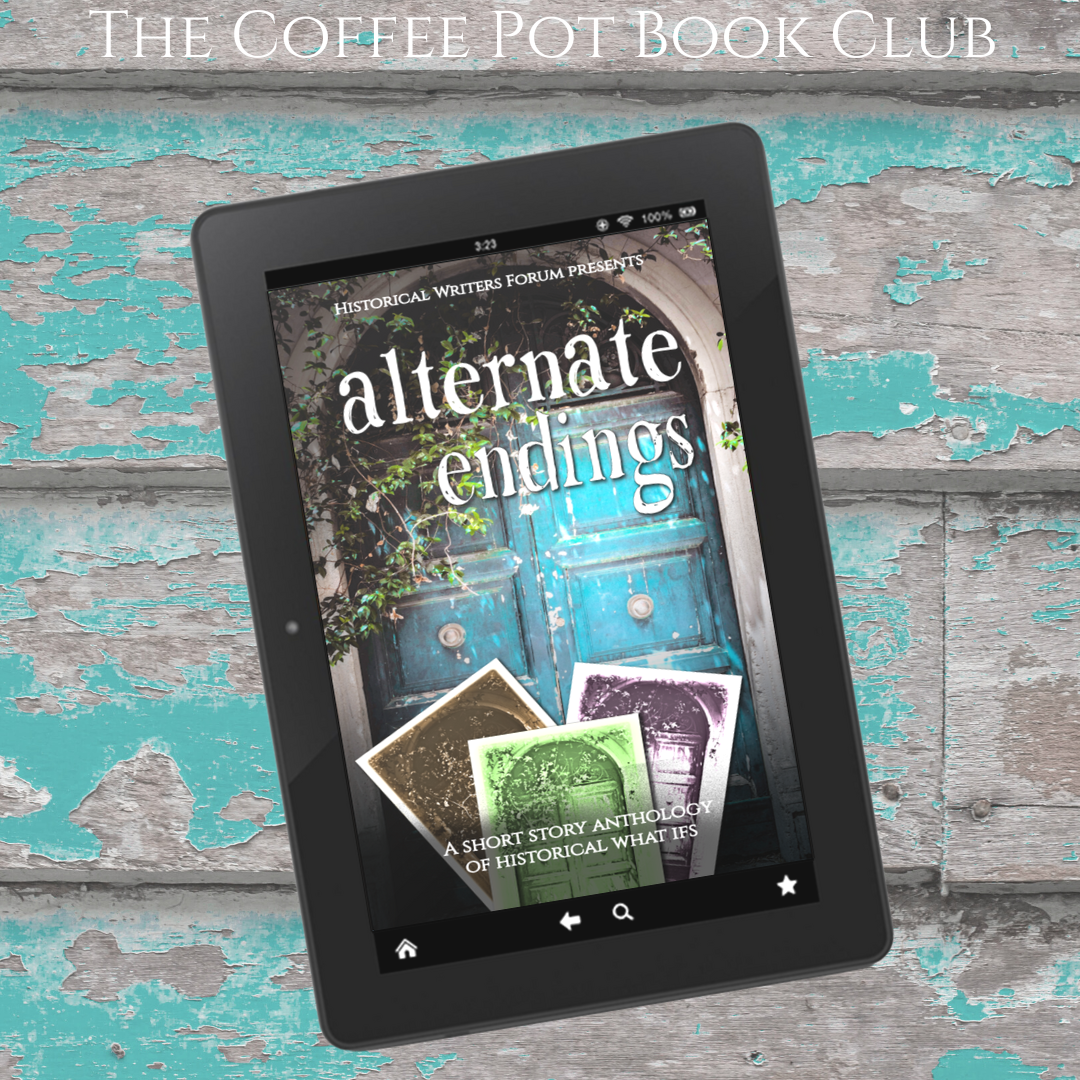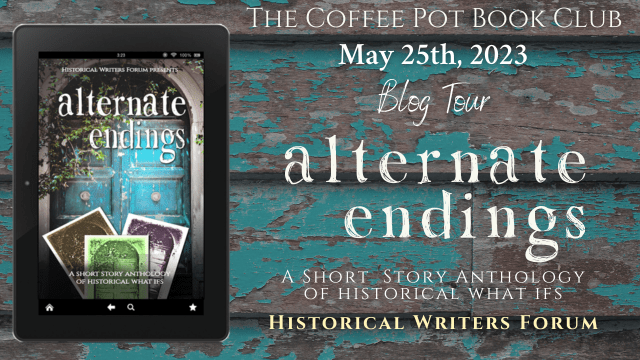
I’m delighted to welcome the Historical Writers Forum and their Alternate Endings – A Short Anthology of Historical What Ifs to the blog #HistoricalFiction #anthology #ShortStories #AlternateHistory #BlogTour #TheCoffeePotBookClub

Here’s the blurb

We all know the past is the past, but what if you could change history?

We asked eight historical authors to set aside the facts and rewrite the history they love. The results couldn’t be more tantalizing.

What if Julius Caesar never conquered Gaul?

What if Arthur Tudor lived and his little brother never became King Henry VIII?

What if Abigail Adams persuaded the Continental Congress in 1776 to give women the right to vote and to own property?

Dive in to our collection of eight short stories as we explore the alternate endings of events set in ancient Rome, Britain, the United States, and France.

An anthology of the Historical Writers Forum.

Buy Links:

This title is available to read on #KindleUnlimited.

Universal Link:  

Amazon UKAmazon USAmazon CAAmazon AU

Meet the authors

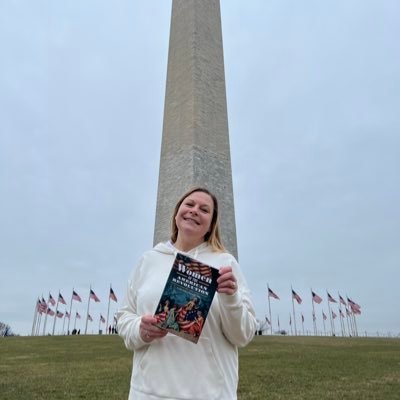
Samantha Wilcoxson

Samantha Wilcoxson is an author of emotive biographical fiction and strives to help readers connect with history’s unsung heroes. She also writes nonfiction for Pen & Sword History.

Samantha loves sharing trips to historic places with her family and spending time by the lake with a glass of wine. Her most recent work is Women of the American Revolution, which explores the lives of 18th century women, and she is currently working on a biography of James Alexander Hamilton.
Website

Sharon Bennett Connolly

Historian Sharon Bennett Connolly is the best-selling author of five non-fiction history books, with a new release coming soon.

A Fellow of the Royal Historical Society, Sharon has studied history academically and just for fun – and has even worked as a tour guide at a castle. She writes the popular history blog, http://www.historytheinterestingbits.com. 

Sharon regularly gives talks on women’s history; she is a feature writer for All About History magazine and her TV work includes Australian Television’s ‘Who Do You Think You Are?’
Website

Cathie Dunn

Cathie Dunn writes historical fiction, mystery, and romance. The focus of her historical fiction novels is on strong women through time.

She loves researching for her novels, delving into history books, and visiting castles and historic sites.

Cathie’s stories have garnered awards and praise from reviewers and readers for their authentic description of the past.
Website

Karen Heenan

As an only child, Karen Heenan learned early that boredom was the enemy. Shortly after she discovered perpetual motion, and has rarely been seen holding still since.

She lives in Lansdowne, PA, just outside Philadelphia, where she grows much of her own food and makes her own clothes. She is accompanied on her quest for self-sufficiency by a very patient husband and an ever-changing number of cats. 

One constant: she is always writing her next book.

Website

Salina B Baker

Salina Baker is a multiple award winning author and avid student of Colonial America and the American Revolution. 

Her lifelong passion for history and all things supernatural led her to write historical fantasy. Reading, extensive traveling and graveyard prowling with her husband keep that passion alive. 

Salina lives in Austin, Texas.

Website

Virginia Crow

Virginia Crow is an award-winning Scottish author who grew up in Orkney and now lives in Caithness.

Her favourite genres to write are fantasy and historical fiction, sometimes mixing the two together. Her academic passions are theology and history, her undergraduate degree in the former and her postgraduate degree in the latter, and aspects of these frequently appear within her writings.

When not writing, Virginia is usually to be found teaching music. She believes wholeheartedly in the power of music, especially as a tool of inspiration, and music is often playing when she writes. Her life is governed by two spaniels, Orlando and Jess, and she enjoys exploring the Caithness countryside with these canine sidekicks.

She loves cheese, music, and films, but hates mushrooms.
Website

Elizabeth K Corbett

Elizabeth K. Corbett is an author, book reviewer, and historian who has recently published a short story, “Marie Thérèse Remembers.” She is currently working on her debut novel, a gothic romance set in Jacksonian America.

When she is not writing, she teaches academic writing, something she is very passionate about. She believes in empowering students to express themselves and speak their truth through writing. Additionally, she is a women’s historian who studies the lives of women in eighteenth and nineteenth century North America. Mostly, she is fascinated by the lives of the lesser known women in history.

A resident of gorgeous coastal New Jersey, she takes inspiration from the local history to write her historical fiction. She is an avid reader who adores tea and coffee.
Website

Stephanie Churchill

After serving time as a corporate paralegal in Washington, D.C., then staying home to raise her children, Stephanie Churchill stumbled upon writing, a career path she never saw coming.

As a result of writing a long-winded review of the book Lionheart, Stephanie became fast friends with its New York Times best-selling author, Sharon Kay Penman, who uttered the fateful words, “Have you ever thought about writing?” 

Stephanie’s books are filled with action and romance, loyalty and betrayal. Her writing takes on a cadence that is sometimes literary, sometimes genre fiction, relying on deeply-drawn and complex characters while exploring the subtleties of imperfect people living in a gritty, sometimes dark world.

She lives in the Minneapolis area with her husband, two children, and two dogs while trying to survive the murderous intentions of a Minnesota winter.
Website

Michael Ross

Best selling author Michael Ross is a lover of history and great stories.

He’s a retired software engineer turned author, with three children and five grandchildren, living in Newton, Kansas with his wife of forty years. He was born in Lubbock, Texas, and still loves Texas.

Michael attended Rice University as an undergraduate, and Portland State University for his graduate degree. He has degrees in computer science, software engineering, and German. In his spare time, Michael loves to go fishing, riding horses, and play with his grandchildren, who are currently all under six years old. 

Website

Connect with Historical Writers Forum:
TwitterFacebook

Follow the Alternate Endings blog tour with The Coffee Pot Book Club

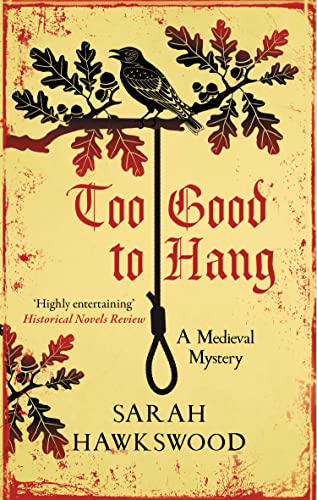
Happy release day to the new Bradecote and Catchpoll medieval mystery by Sarah Hawkswood, Too Good to Hang

Here’s the blurb

April, 1145. Thorgar the Ploughman is found by the bloodied body of Father Edmund, a village priest in Ripple, and is summarily hanged for being caught in the act, despite his pleas of innocence.

When his sister goes to Worcester to seek justice for Thorgar, the lord Sheriff sends Hugh Bradecote, with Serjeant Catchpoll and Underserjeant Walkelin, to discover the truth. They soon expose strong motives for placing the blame on the ploughman’s shoulders, some unpleasant secrets festering among the villagers, as well as the whisper of a treasure long lost and now rediscovered.

The shadow the noose casts is a long one, but the Sherrif’s men will need to plumb the darkness to uncover the true killer.

Purchase Link

https://amzn.to/3pGxUj3

My Review

A new Bradecote and Catchpoll (and Wakelin) medieval mystery is always a true delight, and Too Good To Hang is a fabulous addition to the series.

This time, our trio are called upon to determine the true culprit when an overzealous village has already hanged a man they deem to be responsible for the murder of the priest without trial or even, any real proof, other than the man’s unfortunate appearance at the side of the dead man.

What transpires, with careful investigation from Bradecote, Catchpoll and Wakelin, is that there is much more going on in the small settlement than first meets the eye. One of the village priests might well be dead, but there is a good reason for that and an even better reason to suspect almost everyone else within the settlement as well. And there’s not just the matter of the dead priest and the hanged man; there are also rumours of old treasure buried close by.

As ever, I love the way the mystery slowly resolves itself. Bradecote is lordly, Catchpoll is more world, and Wakelin is slowly becoming his own man. Added to this, there is a fine cast of strong women ruled by weak men, and the author highlights this in their interactions.

An absolute joy.

Thank you to Netgalley and the publisher for my review copy.

Check out my reviews for previous Bradecote & Catchpoll mysteries.

Wolf at the Door

A Taste for Killing

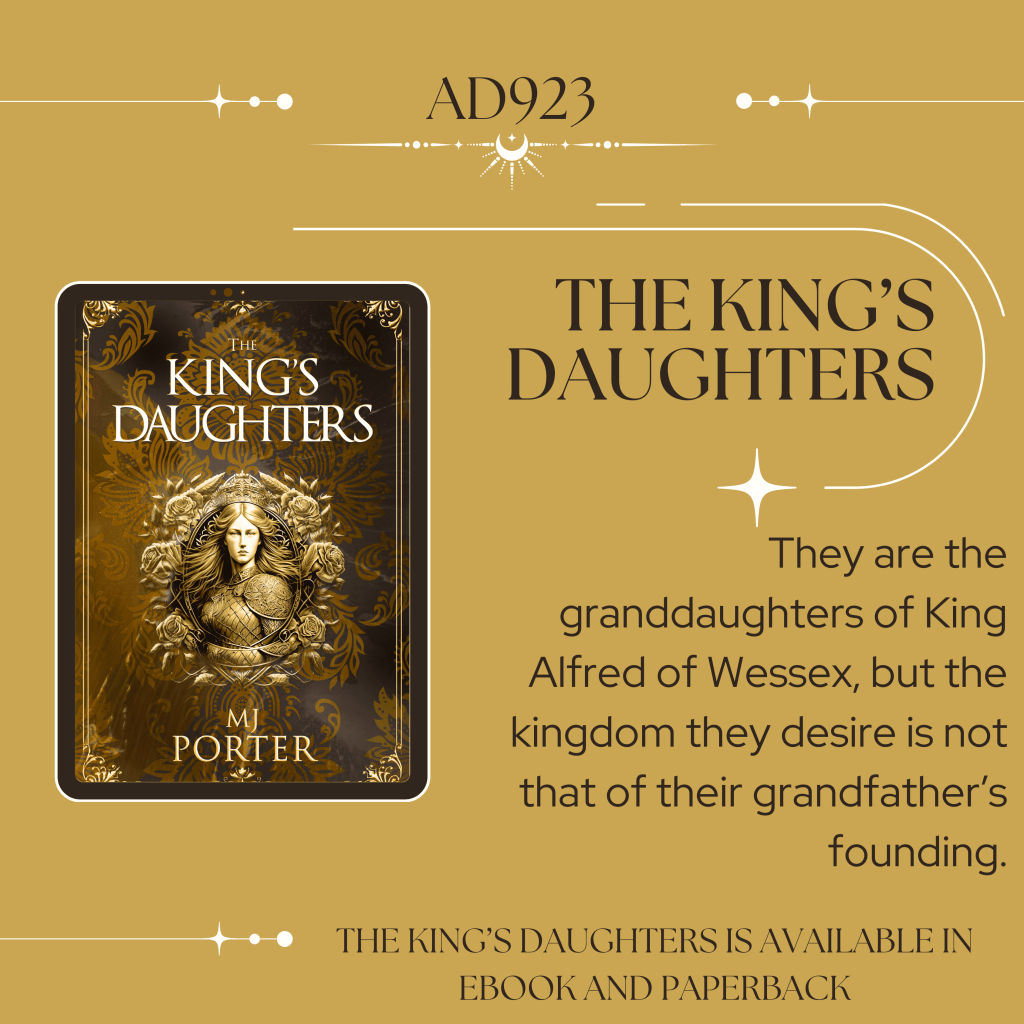
New covers for Kingmaker and The King’s Daughters #histfic #TheRoyalWomen

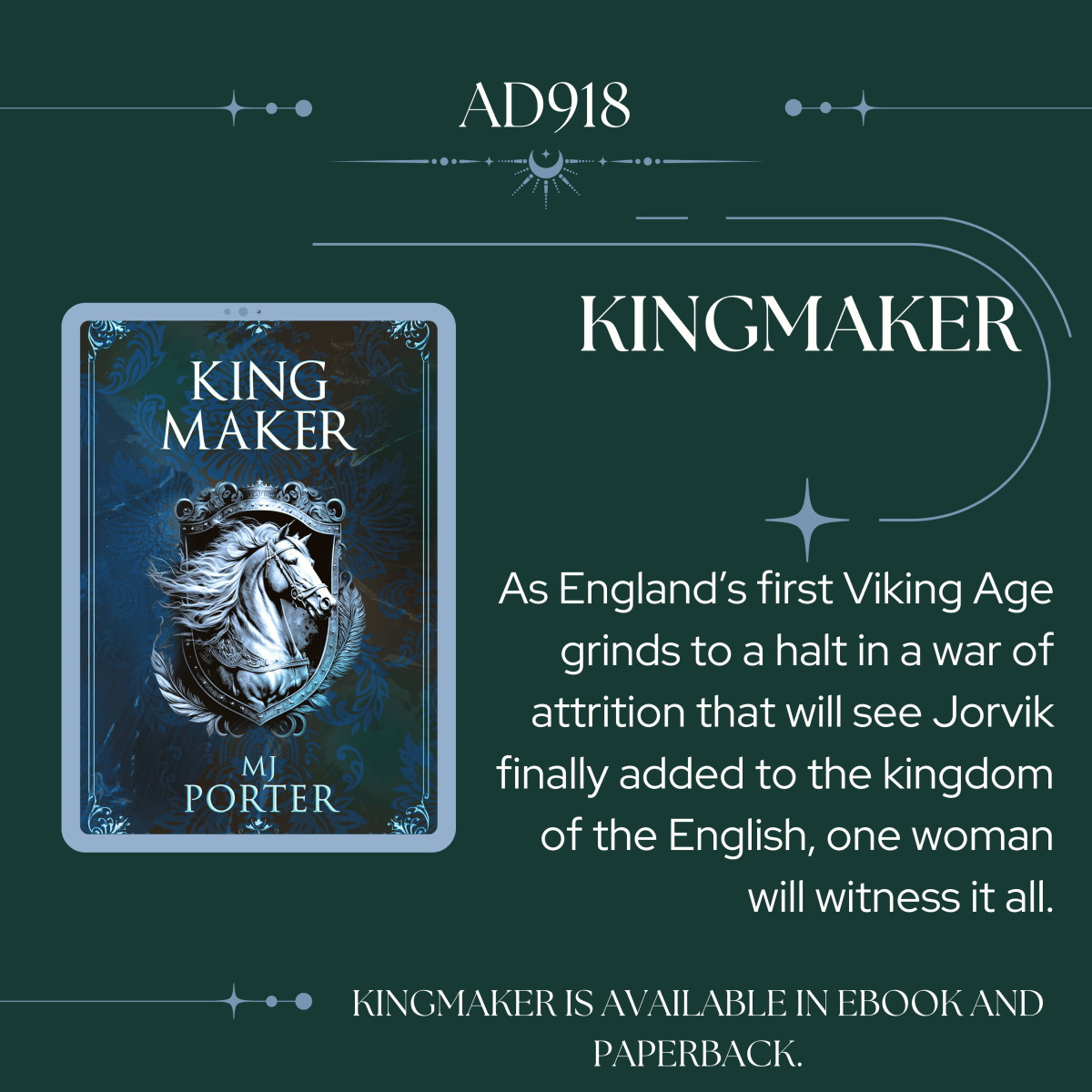
Earlier in the year, I shared new covers for The Lady of Mercia’s Daughter and A Conspiracy of Kings, and now I’m delighted to share the new covers for the remaining two books in The Tenth Century series, Kingmaker and The King’s Daughters.

These stories don’t follow Lady Ælfwynn as the first two books do, but she is mentioned in them. Rather, these two books focus on some of the other ‘lost’ women of the tenth century: the third wife of King Edward the Elder, and his many daughters.
I think they look fabulous. Thank you to Flintlock Covers for once more knowing what I want, even when I can’t find the words to describe it:)

Kingmaker

This is the tenth century in Early England between the reigns of Alfred the Great and Æthelred the Unready.
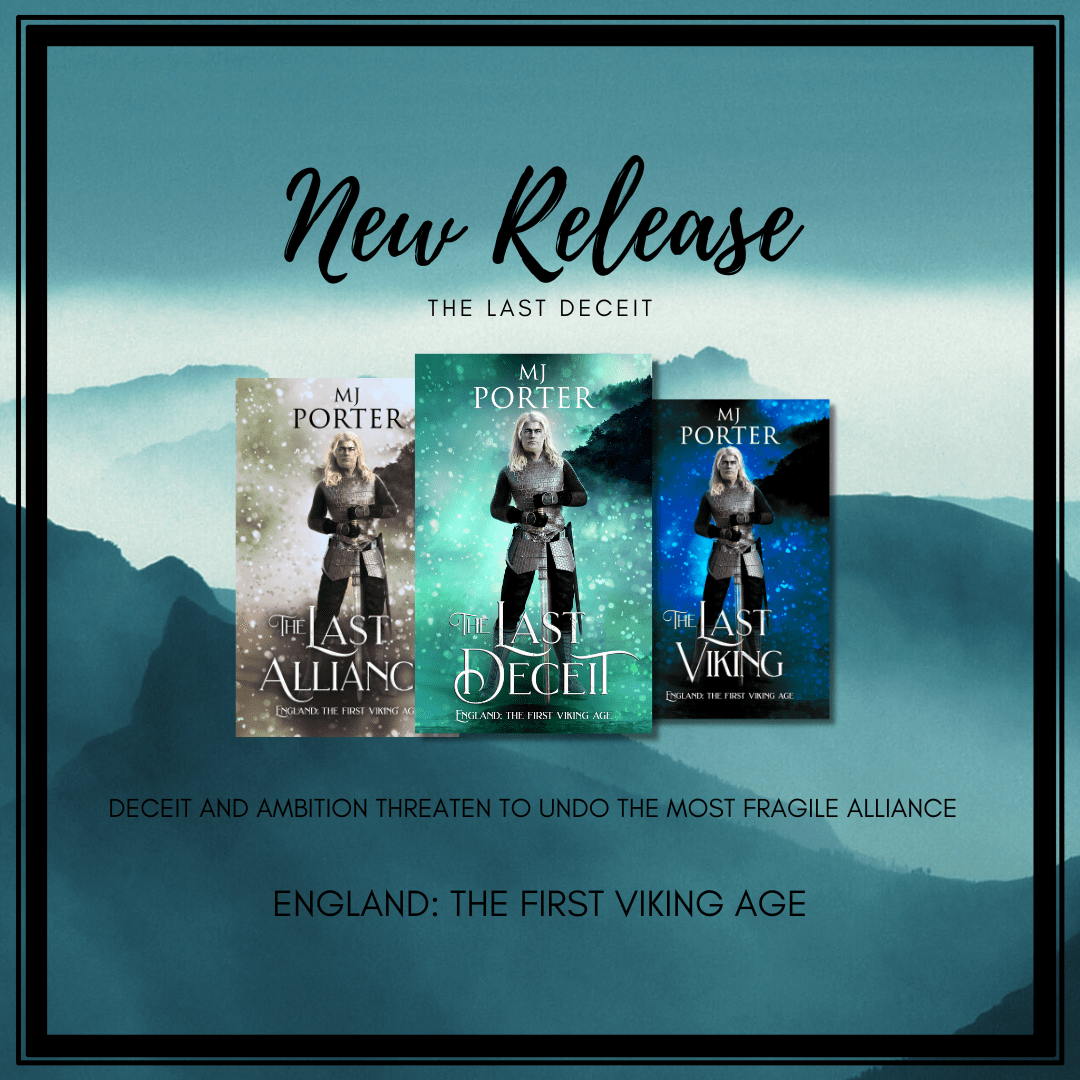
As England’s first Viking Age grinds to a halt in a war of attrition that will see Jorvik finally added to the kingdom of the English, one woman will witness it all.

Seventeen-year-old Eadgifu knows little about her new husband; he’s old, he only wants to marry her because she’s so wealthy, he already has ten children, and he’s Edward, King of Wessex. He also hopes to claim Mercia as his own.

That he’s the son of King Alfred, the man credited with saving Wessex from the Viking Raiders adds no mystique to him at all. Many say he’s handsome, but Eadgifu knows they speak of the man twenty years ago. Her mother won’t even allow her to be alone with him before their wedding.

But an old man will not live forever. The mother of his youngest sons can be more powerful than the wife of the king of Wessex, especially in the newly made kingdom of England where king’s lives are short and bloody, and war with the Viking Raiders is never far away.

Lady, wife, queen, mother, king’s mother, grandmother, ally, enemy, amenable and rebellious. 

Lost to the mists of time, this is Queen Eadgifu’s story, Kingmaker.

The King’s Daughters

Four women, all with impeccable pedigrees, and all desiring one thing. A kingdom of their own to rule.

They are the granddaughters of King Alfred of Wessex, but the kingdom they desire is not that of their grandfather’s founding.

These are the unknown stories of King Athelstan’s half-sisters, all wed into the royal families of East and West Frankia during the tenth century.

Eadgifu, the exiled queen of West Frankia, with her son’s kingdom claimed by another man, her husband imprisoned by yet another of his overmighty nobles.
Eadhild, wed to the son of the man who usurped her nephew’s kingdom, but with no heirs to her name.
Eadgyth, married to the legitimate heir of the king of East Frankia.
Ælfgifu, wed into the noble family of the Kingdom of Arles, one that sees West Frankia as an ally, not an enemy.

As tensions reach boiling point between East and West Frankia, between kingdoms and men who should be enemies, not allies, or allies, not enemies, the royal sisters of Wessex are thrust into a political maelstrom, pitted against each other and with only their royal brother, King Athelstan, as a mediator.

Posts

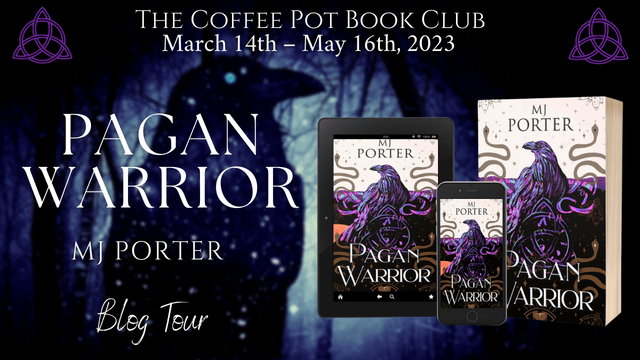
Pagan Warrior is on blog tour with The Coffee Pot Book Club #blogtour – check out the posts for the final day and enter the competition to win the paperbacks

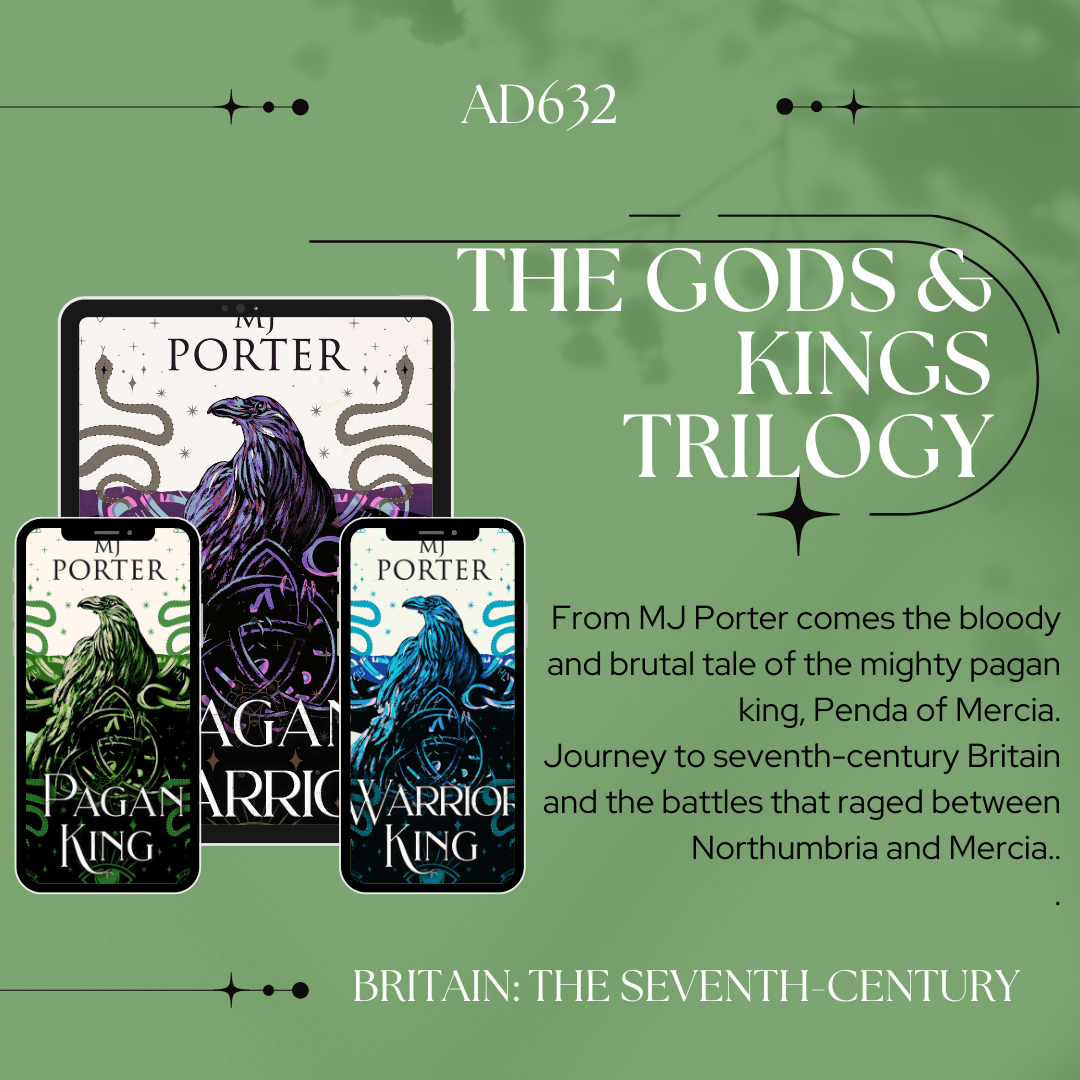
It’s the final day of the Pagan Warrior blog tour with The Coffee Pot Book Club, and to celebrate I am running a competition to win a signed set of the trilogy in paperback.

To enter, either sign up for my newsletter here (and receive a free short story set after the events of the trilogy), or if you’ve already signed up, drop me a quick email (mjporterauthor@gmail.com), and let me know you want to enter the competition. I will post worldwide and the competition will run until May 19th 2023, at which point, I will contact the winner, and announce them (if they are happy for me to do so) on my social media channels. Good luck everyone.


Pagan Warrior is the story of the battle of Hædfeld, fought in the seventh century between the Northumbrians, and you got it, the Mercians – or rather, Cadwallon of Gwynedd but with Penda of Mercia as his firm ally. You can find more details here.

A quick shout out to thank all the blog hosts and Cathie at The Coffee Pot Book Club for organising.

For May 16th, check out a review for Pagan Warrior on

Linnea Tanner’s Official Blog

and a guest post about Mercia’s legacy over on

The Coffee Pot Book Club

For May 9th, check out

The Book Delight

An excerpt on

The Celtic Lady Reviews

For May 2nd, check out the review on

Stuart Rudge’s Official Blog

And a guest post on who King Edwin of Northumbria was over on

When Angels Fly

For April 25th, check out a post about Penda of Mercia.

The Magic of Word(l)ds

Read an excerpt featuring Eowa, Penda’s brother on

Judith Arnopp’s Official Blog

And, read an excerpt featuring Penda on

Carolyn Hughes Official Blog

For April 18th, I answered Paul Walker’s questions on his blog

Paul Walker’s Official Blog

There’s an except over on Wendy J Dunn’s Official Blog featuring King Edwin

Wendy J Dunn’s Official Blog

And a fabulous review on Ruins and Readings

Ruins and Readings

For April 11th, read a guest post about how we know, what we know, about the seventh century.

Deborah Swift’s Official Blog

And a fabulous author interview over on

The Writing Desk

For April 4th, read an excerpt on

Elizabeth St John’s Official Blog

And read about warfare in the Saxon period on

Brook Allan’s Official Blog

For March 28th, check out a fabulous review on

https://gwendalynbooks.wordpress.com/2023/03/28/pagan-warrior/

A guest post about Mercia in the later eighth century on the Historical Fiction Blog.

https://historicalfictionblog.com/pagan-warrior-guest-post/

And, the post that perhaps gave me the most fear to begin will but which was fun when I remembered all the little details, five fun facts about writing the trilogy.

maryannbernal.blogspot.com

For March 21st check out a post about two of the royal residences of Bernicia at the time, Bamburgh and Ad Gefrin (Yeavering). (There are lots of photos, thank you to Helen Hollick for uploading them all).

Let Us Talk of Many Things

And a review from

Candlelight Reading

From March 14th, check out my author interview over on Archaeolibrarian.

Archaeolibrarian

I’m sharing an excerpt over on The Historical Fiction Company.

The Historical Fiction Company

I’ve written a piece about the historical background on Pam Lecky’s official blog.

Pam Lecky’s Official Blog

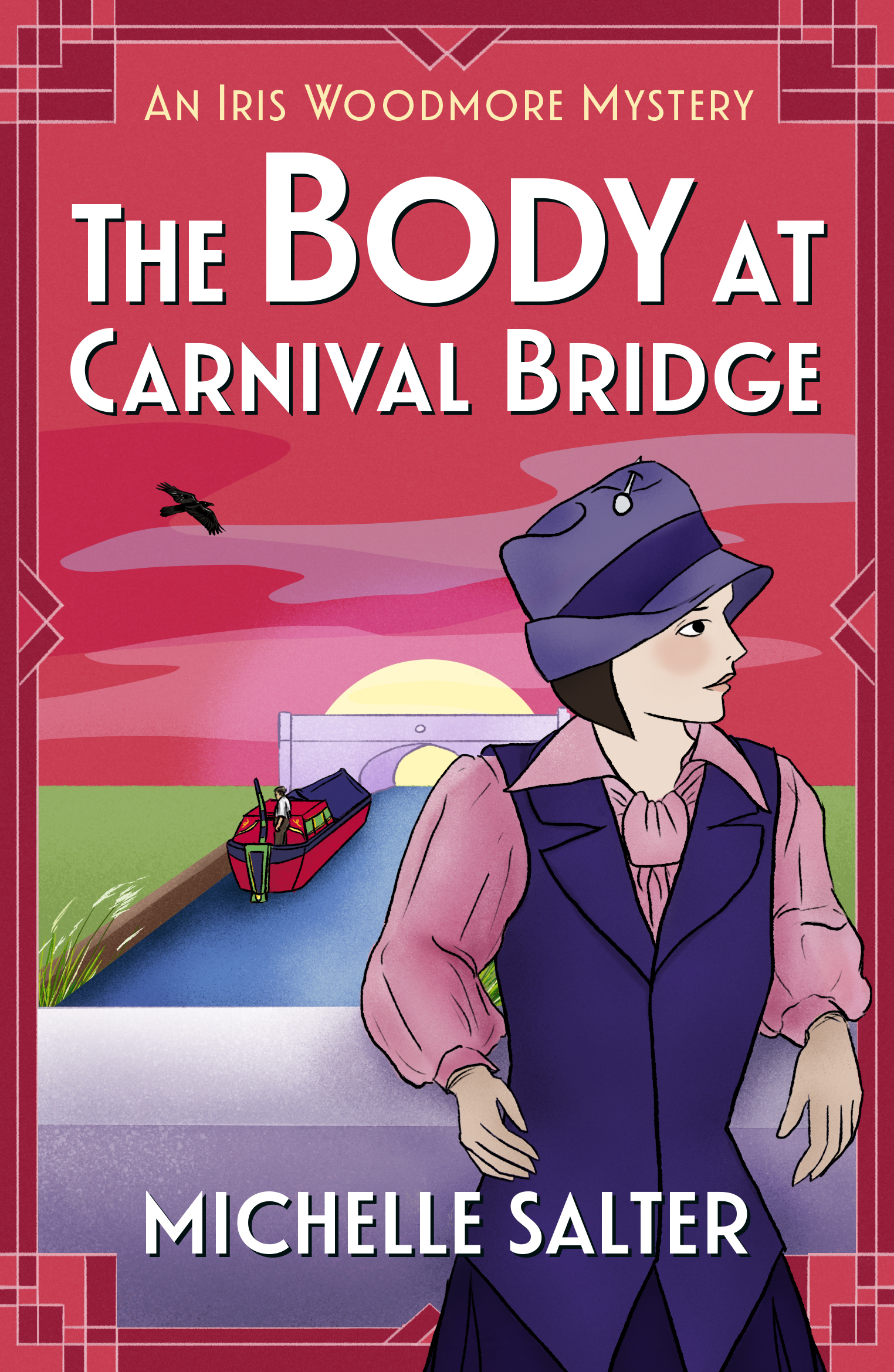
I’m delighted to share my review for The Body at Carnival Bridge by Michelle Salter #historicalmystery #cosycrime #highlyrecommended

Here’s the blurb

How deadly is the fight for equality?

It’s 1922, and after spending a year travelling through Europe, Iris Woodmore returns home to find a changed Walden. Wealthy businesswoman Constance Timpson has introduced equal pay in her factories and allows women to retain their jobs after they marry.

But these radical new working practices have made her deadly enemies.

A mysterious sniper fires a single shot at Constance – is it a warning, or did they shoot to kill? When one of her female employees is murdered, it’s clear the threat is all too real – and it’s not just Constance in danger.

As amateur sleuth Iris investigates, she realises the sniper isn’t the only hidden enemy preying on women.

 Purchase Link https://mybook.to/CarnivalBridgesocial

My Review

The Body at Carnival Bridge is the third book in the Iris Woodmore series, and it is going from strength to strength.

Some time has passed since the tragic events of book 2, and Iris is perhaps a little out of sorts with herself, but no sooner has she made contact with her old friends than tragedy strikes, and Iris is compelled to investigate the death of a young girl.

What ensues is a well-reasoned and intriguing mystery, highlighting the social inequalities of women in the aftermath of World War I and also referencing the harsh realities of the lives of women unable to access birth control. The author really excels in placing the reader in the period without overloading the narrative., and always with an eye to moving the mystery onwards.

The Iris Woodmore mysteries are fast becoming some of my favourites. The mystery is always reliable, the author has an eye for detail, and Iris herself is a likeable character, as are those surrounding her.

A fabulous mystery well-grounded in the period’s events without overloading the reader.

Check out my review for Death at Crookham Hall and Murder at Waldenmere Lake.

Meet the author

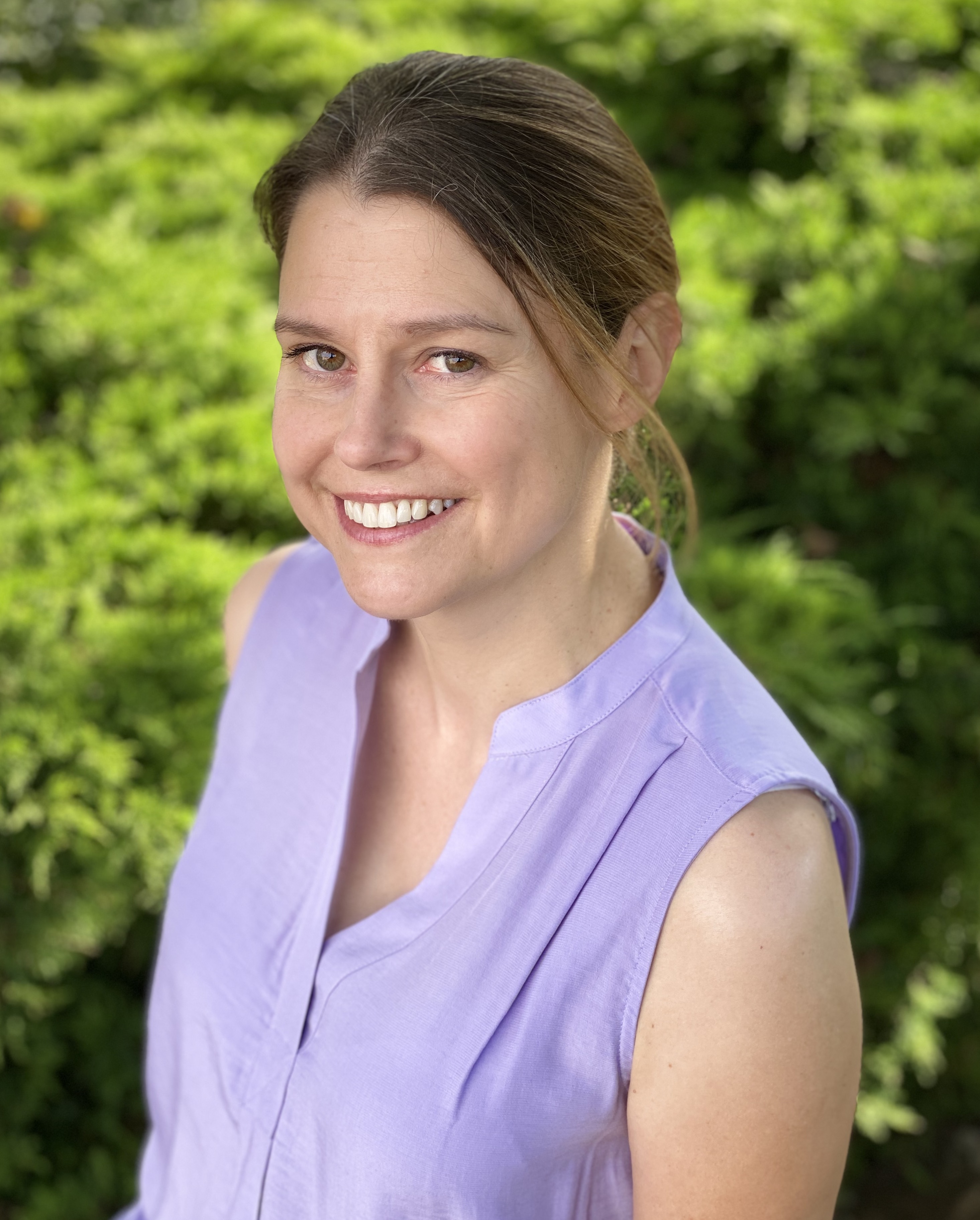
Michelle Salter is a historical crime fiction writer based in northeast Hampshire. Many local locations appear in her mystery novels. She’s also a copywriter and has written features for national magazines. When she’s not writing, Michelle can be found knee-deep in mud at her local nature reserve. She enjoys working with a team of volunteers undertaking conservation activities.

Connect with Michelle  

Facebook: 

Twitter

Instagram

Bookbub profile

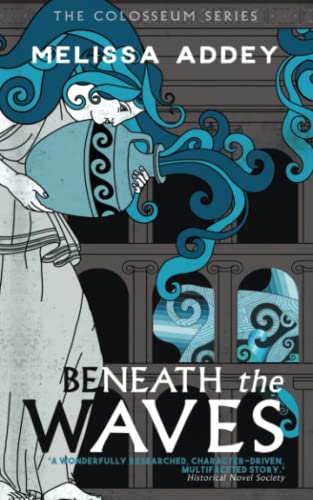
Today, I’m welcoming Melissa Addey and her novel, Beneath the Waves, to the blog #bookreview #historicalfiction #highlyrecommended

Here’s the blurb

The Colosseum is being flooded. And emotions are rising to the surface.
Rome, 80AD. The Emperor orders the Colosseum to be flooded. There must be vast battles, spectacular props and epic storytelling. Meanwhile Emperor Titus must somehow be persuaded to give up his love affair with the Jewish Queen, Berenice.

Marcus, manager of the amphitheatre, must face the dangers, mistakes and emotions of the watery depths as new members join his team. His scribe, Althea, must find out what she wants from life, now that she is a freedwoman, but a woman’s choices are not always free.

Words may be dangerous, but desires must be spoken out loud. As the backstage team takes on new challenges, a change is coming.

Beneath the Waves is the gripping second novel in the Colosseum historical fiction series. If you enjoy immersing yourself in the past and finding characters you care about, then join the Colosseum’s tough, loyal and quick-witted backstage team.

Trailer Link – https://youtu.be/CbM54gjiT20

Purchase Link 

https://amzn.to/44Fh43J

My Review

Beneath the Waves is the thrilling second part of The Colosseum series by Melissa Addey.

Picking up the tale of Althea, a Greek slave woman, from where we left her at the end of From the Ashes, this is the story of the ending of the 100 days of Games, begun in From the Ashes, and also takes the reader through to the second year in the life of the Colosseum.

Our much-loved characters reappear in Beneath the Waves, along with a few new additions. While From the Ashes focused very much on surviving the events of Vesuvius, the plague and the fire that our characters suffered, book 2 is perhaps less filled with huge peril for everyone, as instead, it focuses on the peril our main characters experience. Their humanity is very evident. They are people. They don’t always do the right thing. They are perhaps beset with irrational fears. And they also perhaps do what they’re supposed to do when we, as a modern audience, would demand alternatives. Althea and Marcus are characters of their time, which is one of the huge strengths of the novel.

I adore the descriptions of the Games and the minutiae of day-to-day life, and this second novel builds very much to an impressive and potentially dangerous ending for Marcus, Althea and their young charge.

I so look forward to book 3.

Read my review for From the Ashes here.

(And, if you’re a fan of Simon Turney as well, then reading this series alongside his Domitian, will ensure you know what’s happening to the toffs as well as the plebs.)

Meet the author

Melissa Addey writes historical fiction set in Ancient Rome, medieval Morocco and 18th century China. She is a full time self-published author and runs workshops for authors wanting to be entrepreneurial. Her books have been selected for Editor’s Choice by the Historical Novel Society and won the inaugural Novel London award. She has been the Leverhulme Trust Writer in Residence at the British Library, has a PhD in Creative Writing and works with the Alliance of Independent Authors on their campaigns. 

If you’d like to try her writing, visit http://www.melissaaddey.com to pick up a free novella, The Cup.

Connect with Melissa Addey 

www.melissaaddey.com where readers can get a free novella that starts another series (medieval Morocco).

https://www.facebook.com/MelissaAddeyAuthor

https://twitter.com/MelissaAddey

Pagan Warrior is on blog tour with The Coffee Pot Book Club #blogtour – check out the posts for day 9

I’m really excited to share the details of the Pagan Warrior blog tour with The Coffee Pot Book Club.

Pagan Warrior is the story of the battle of Hædfeld, fought in the seventh century between the Northumbrians, and you got it, the Mercians – or rather, Cadwallon of Gwynedd but with Penda of Mercia as his firm ally. You can find more details here.

I might have written this book many years ago, but it’s had a refresh, and is now available in audio, narrated by the fabulous, Matt Coles, as is the second book, Pagan King. Warrior King will be coming later this year in audio.

Now that all three books have been ‘refreshed’ you can read in ebook or paperback, and the books are available from all good ebook/paperback sellers. Check out my latest tiktok video to see Warrior King in paperback:)

You can follow the blog tour, and I’ll be sharing posts here as well. A quick shout out to thank all the blog hosts and Cathie at The Coffee Pot Book Club for organising. Next Tuesday is the final day, and I’m going to be running a competition so pop back and see what’s happening.

For May 9th, check out

The Book Delight

An excerpt on

The Celtic Lady Reviews

For May 2nd, check out the review on

Stuart Rudge’s Official Blog

And a guest post on who King Edwin of Northumbria was over on

When Angels Fly

For April 25th, check out a post about Penda of Mercia.

The Magic of Word(l)ds

Read an excerpt featuring Eowa, Penda’s brother on

Judith Arnopp’s Official Blog

And, read an excerpt featuring Penda on

Carolyn Hughes Official Blog

For April 18th, I answered Paul Walker’s questions on his blog

Paul Walker’s Official Blog

There’s an except over on Wendy J Dunn’s Official Blog featuring King Edwin

Wendy J Dunn’s Official Blog

And a fabulous review on Ruins and Readings

Ruins and Readings

For April 11th, read a guest post about how we know, what we know, about the seventh century.

Deborah Swift’s Official Blog

And a fabulous author interview over on

The Writing Desk

For April 4th, read an excerpt on

Elizabeth St John’s Official Blog

And read about warfare in the Saxon period on

Brook Allan’s Official Blog

For March 28th, check out a fabulous review on

https://gwendalynbooks.wordpress.com/2023/03/28/pagan-warrior/

A guest post about Mercia in the later eighth century on the Historical Fiction Blog.

https://historicalfictionblog.com/pagan-warrior-guest-post/

And, the post that perhaps gave me the most fear to begin will but which was fun when I remembered all the little details, five fun facts about writing the trilogy.

maryannbernal.blogspot.com

For March 21st check out a post about two of the royal residences of Bernicia at the time, Bamburgh and Ad Gefrin (Yeavering). (There are lots of photos, thank you to Helen Hollick for uploading them all).

Let Us Talk of Many Things

And a review from

Candlelight Reading

From March 14th, check out my author interview over on Archaeolibrarian.

Archaeolibrarian

I’m sharing an excerpt over on The Historical Fiction Company.

The Historical Fiction Company

I’ve written a piece about the historical background on Pam Lecky’s official blog.

Pam Lecky’s Official Blog

King of Kings, and the coronation of England’s first king

Athelstan, widely regarded as the first king of the ‘English’ or the first king of England, is one of the main characters in King of Kings. And indeed, the book opens with Athelstan undergoing his coronation. Before his reign, the ruling House of Wessex hadn’t been proclaimed as England’s kings. King Alfred (879-899), Athelstan’s grandfather, was termed the king of the Angles and Saxons (in a charter from 889 known as S346[I]). His son, Edward the Elder, was the king of the Anglo-Saxons, and whether this meant Wessex and Mercia combined has been much debated. But Athelstan was king of the English, (and this certainly included Wessex and Mercia, and parts of the Danelaw that had been reclaimed) and in a departure from earlier custom, was consecrated not with a warrior-helm, but instead with a crown.

Debate still rages as to whether the coronation ordo that has survived was written for Athelstan, his father, or even his nephew (Edgar (959-975), and indeed, whether it included provision for the king’s wife to be consecrated beside him, but for King of Kings, I made use of what is known about the service and reimagined the ceremony for my readers. I hope you enjoy it. Read on for a short extract.

‘This means that only a year after my father’s untimely death, the kingdoms of Mercia, those parts of the East Anglian kingdom that my father lately reclaimed, Wessex and Kent, are reunited again under one ruler. The Saxons, or rather, the English, have just one king. And this is my moment of divine glory, when, before the men and women of the Mercian and Wessex witan, I’ll be proclaimed as king over all.

A prayer is intoned by the archbishop of Canterbury, Athelm, appealing to God to endow me with the qualities of the Old Testament kings: Abraham, Moses, Joshua, David and Solomon. As such, I must be faithful, meek, and full of fortitude and humility while also possessing wisdom. I hope I’ll live up to these lofty expectations.

I’m anointed with the holy oil and then given a thick gold ring with a flashing ruby to prove that I accept my role as protector of the one true faith. A finely balanced sword is placed in my hands, the work of a master blacksmith, with which I’m to defend widows and orphans and through which I can restore things left desolated by my foes, and my foes are the Norse.’


[i]  http://www.esawyer.org.uk/,

books2read.com/King-of-Kings

King of Kings is currently available with Prime Reading.

Map design by Flintlock Covers

The River Thames in the Saxon period

In Eagle of Mercia, young Icel and his allies are busily guarding the River Thames against a potential Viking raider attack. The Viking raiders certainly made use of the many rivers running through England at the time (and throughout the British Isles), but the river was also significant as a very definitive and solid boundary between the Saxon kingdoms of Wessex and Mercia, which to the west, where the River Thames doesn’t flow, was continued by the earthworks known as the Wansdyke.

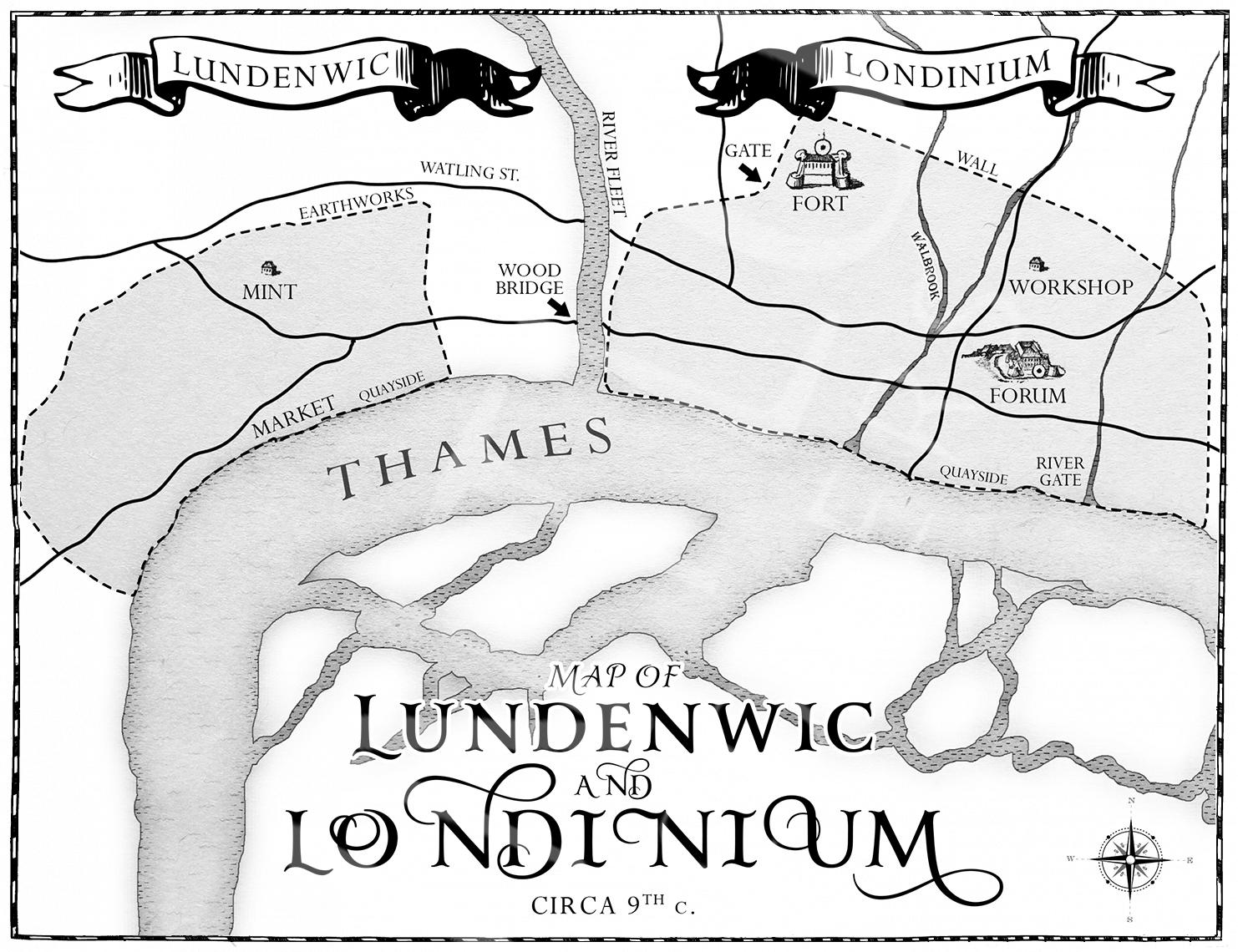
London, now the capital of the United Kingdom, wasn’t always as important as we might assume, and indeed, it wasn’t ever the capital of Wessex or Mercia. These two kingdoms fought most fiercely over the settlement. It wasn’t even overly important to the Romans, either. And this is why I’ve perhaps been remiss in not truly considering its significance. As rivers have changed their course over the years, so has the River Thames. And what’s most fascinating about the River Thames is that, seemingly for long periods during the Saxon era, it wasn’t navigable, as we might expect it to have been. 

Map of Early England by Flintlock Covers

‘During this period, as perhaps as other times, there may well have been a division between use of the Thames in its today reach and use of it above the tidal head. Paleoenvironmental evidence suggests that a relative drop in river levels during the Roman period meant that the tidal head was perhaps as low as Londinium itself, but that it (and thereby the range of easy navigability) generally moved upstream during the Anglo-Saxon period. This trend was not, however, uniform, and there were also brief periods (such as the late tenth to eleventh centuries) when the tidal reach shifted back downstream again.’ p. 271

It seems then, that when considering London, or Londinium/Lundenwic/Londonia, we also need to be mindful of the era in the Saxon period that we’re writing about. For the first Viking age,

‘A combination of the seasonal (and presumably climatic) unreliability of riverine travel and  the need on many occasions to travel upstream cannot have made it easy for the Vikings to use the Thames for shock offensives… and there is no clear example of a Viking force travelling by water up the Thames further than Fulham.’ p.278

Clues to how passable the River Thames might have been can be traced.

‘Without the construction of bridges, the river would have been impassable except by ferry, from its estuary as far as the lowest fording point, perhaps as low as Halliford near Shepperton, and between the various fording points. Even where the middle and upper stretches could be forded, such crossings were not guaranteed to be easy. Lechlade and Cricklade, two potentially treacherous upper Thames crossings, severely affected by flooding in winter were named Old English (ge)lad ‘difficult river crossing.’ p.279

As with all things, we should be wary of assuming that current conditions would have been prevalent in the past. The River Thames certainly falls into that category. So while, yes, it was certainly a decisive boundary between the Saxon kingdoms of Wessex and Mercia, on occasion, it wouldn’t have been as decisive as at others. This, I find fascinating, and just another of those ‘facts’ travellers to the Saxon era should be wary about. While we know (hopefully not a spoiler) that London was attacked in the 840s and 850s, prior to this, it might well have been impossible for the Viking raiders to attack in the way they were used to. This, perhaps, accounts for why they chose more coastal locations, such as the Isle of Sh.

Map by Flintlock Covers for Wolf of Mercia

(Quotes taken from Beyond the Burghal Hidage by Baker and Brookes)

Read Eagle of Mercia now.

https://books2read.com/EagleofMercia

Happy Release Day to Eagle of Mercia

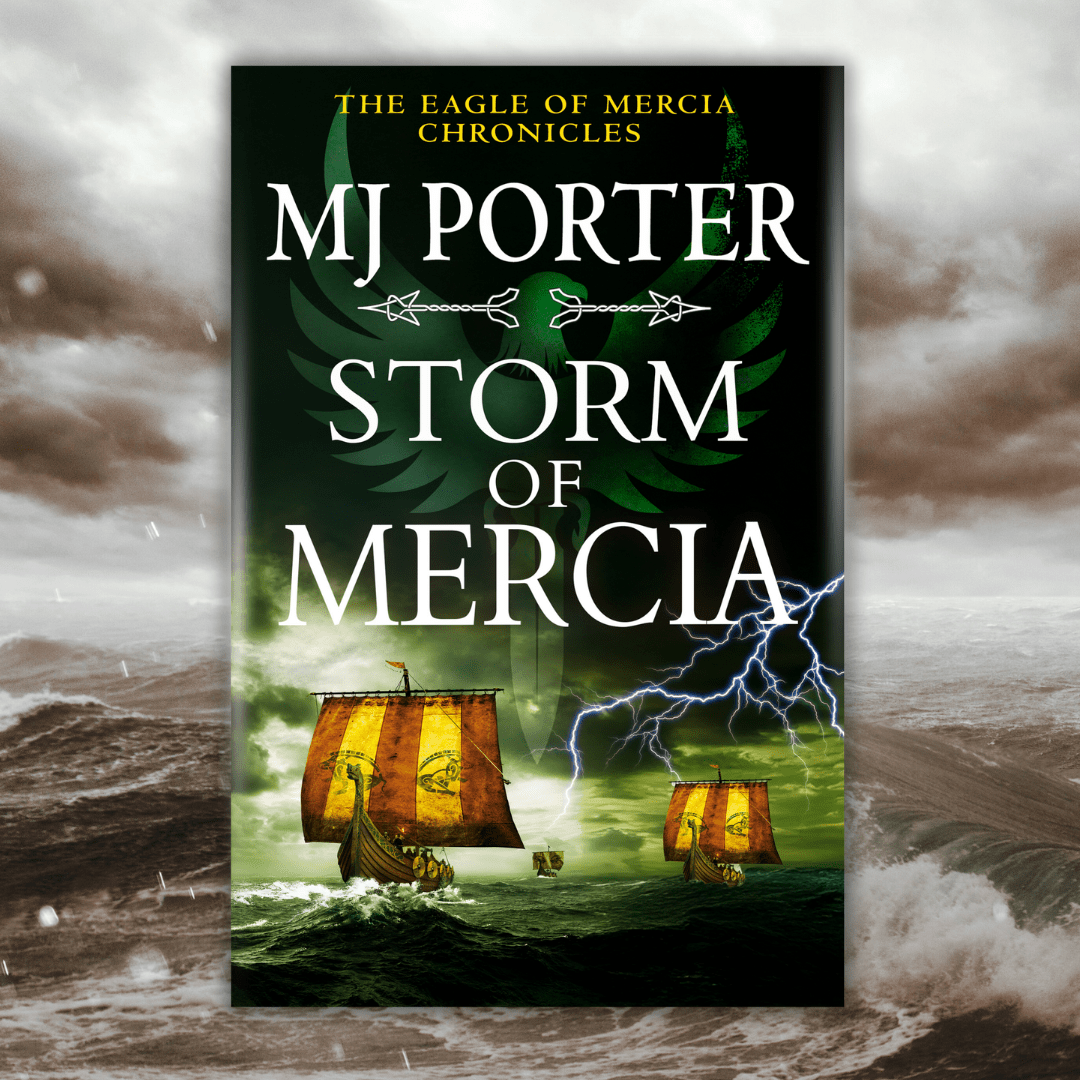
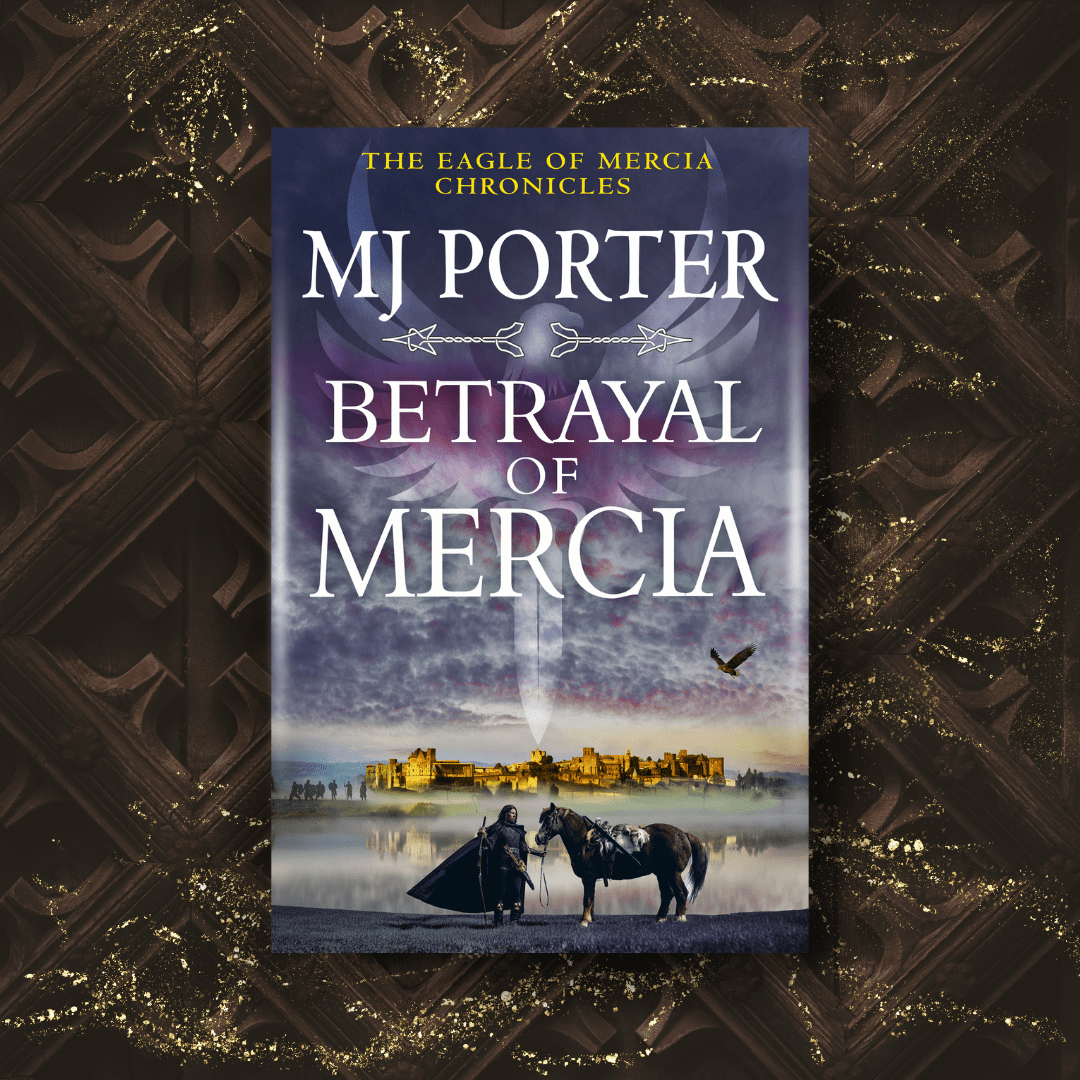
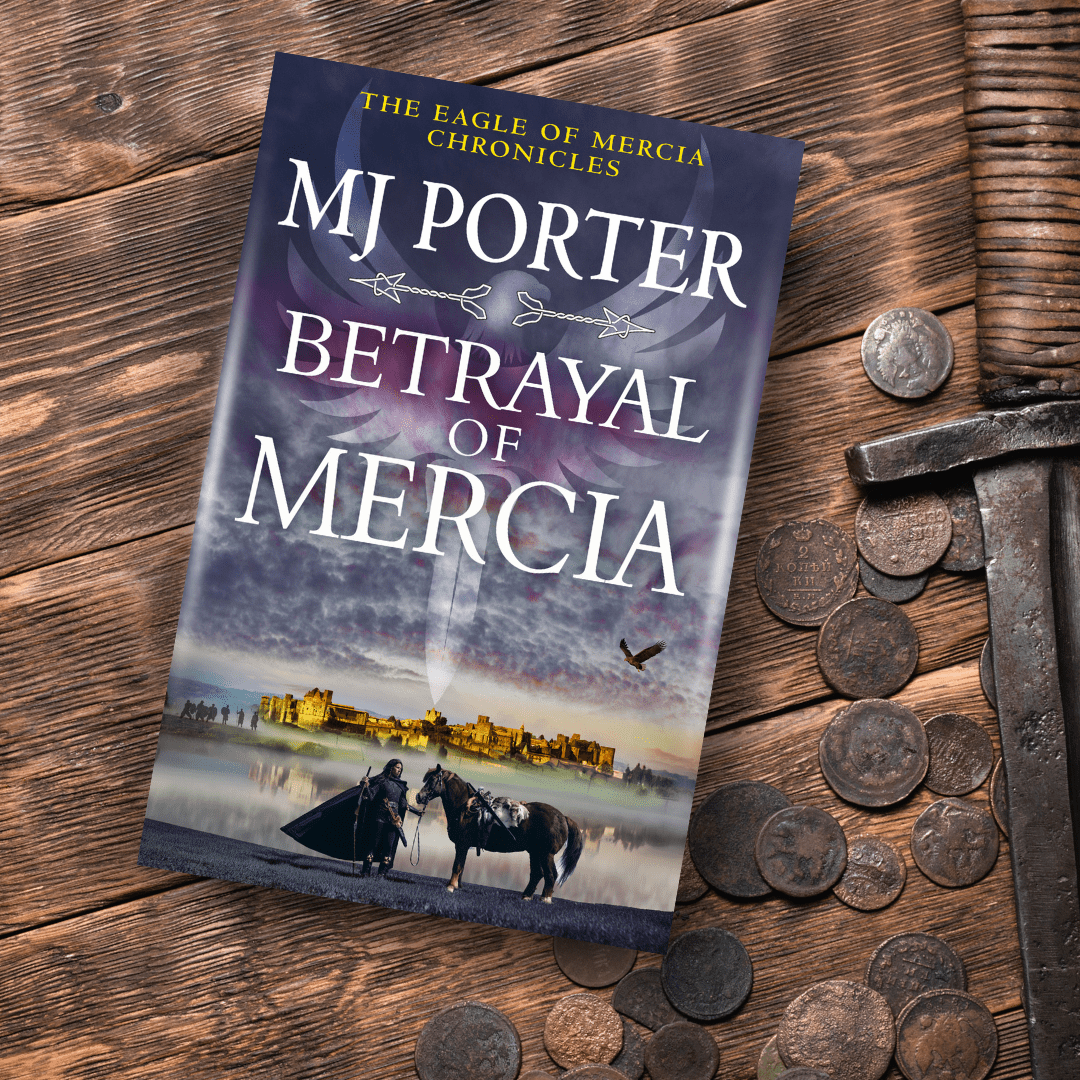
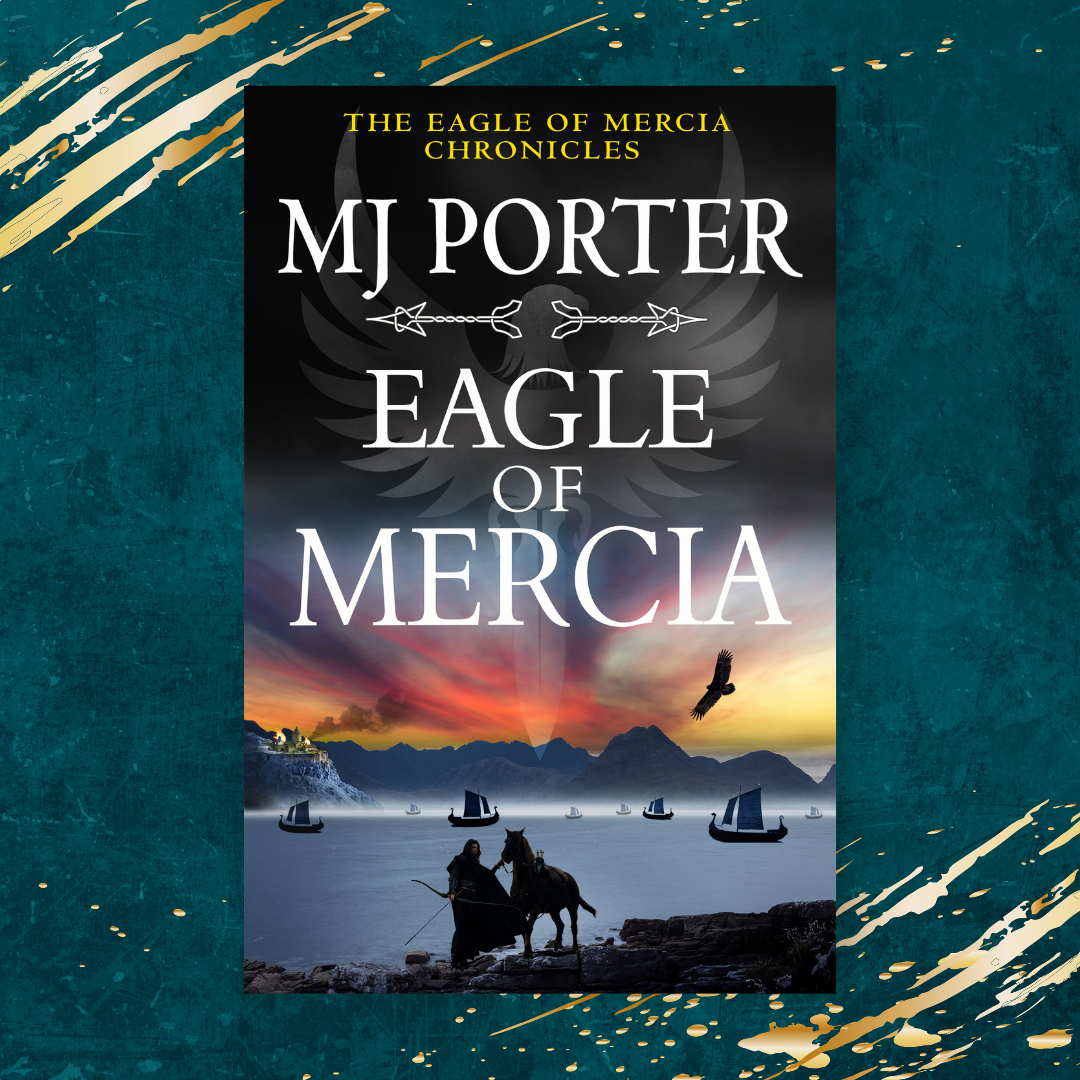
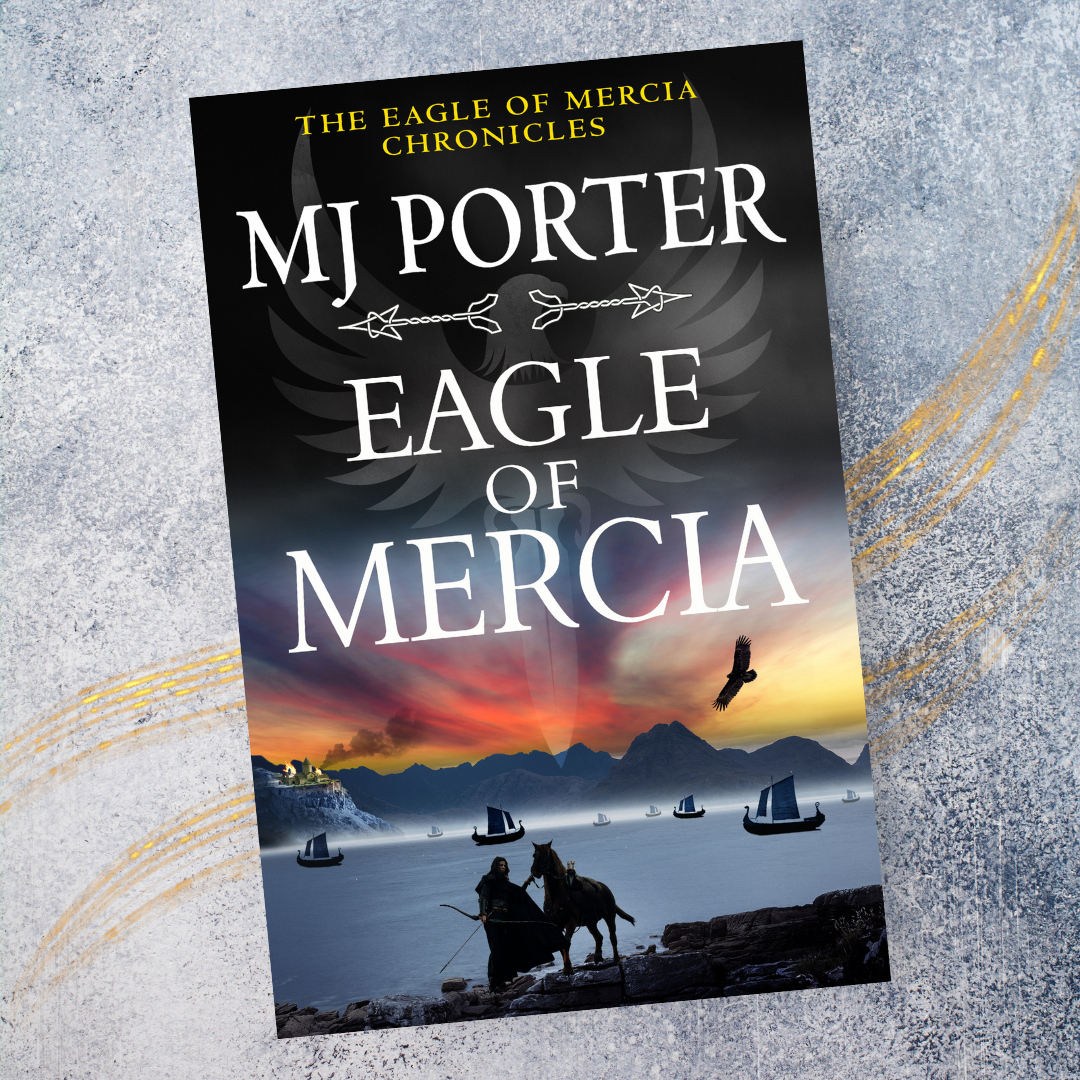
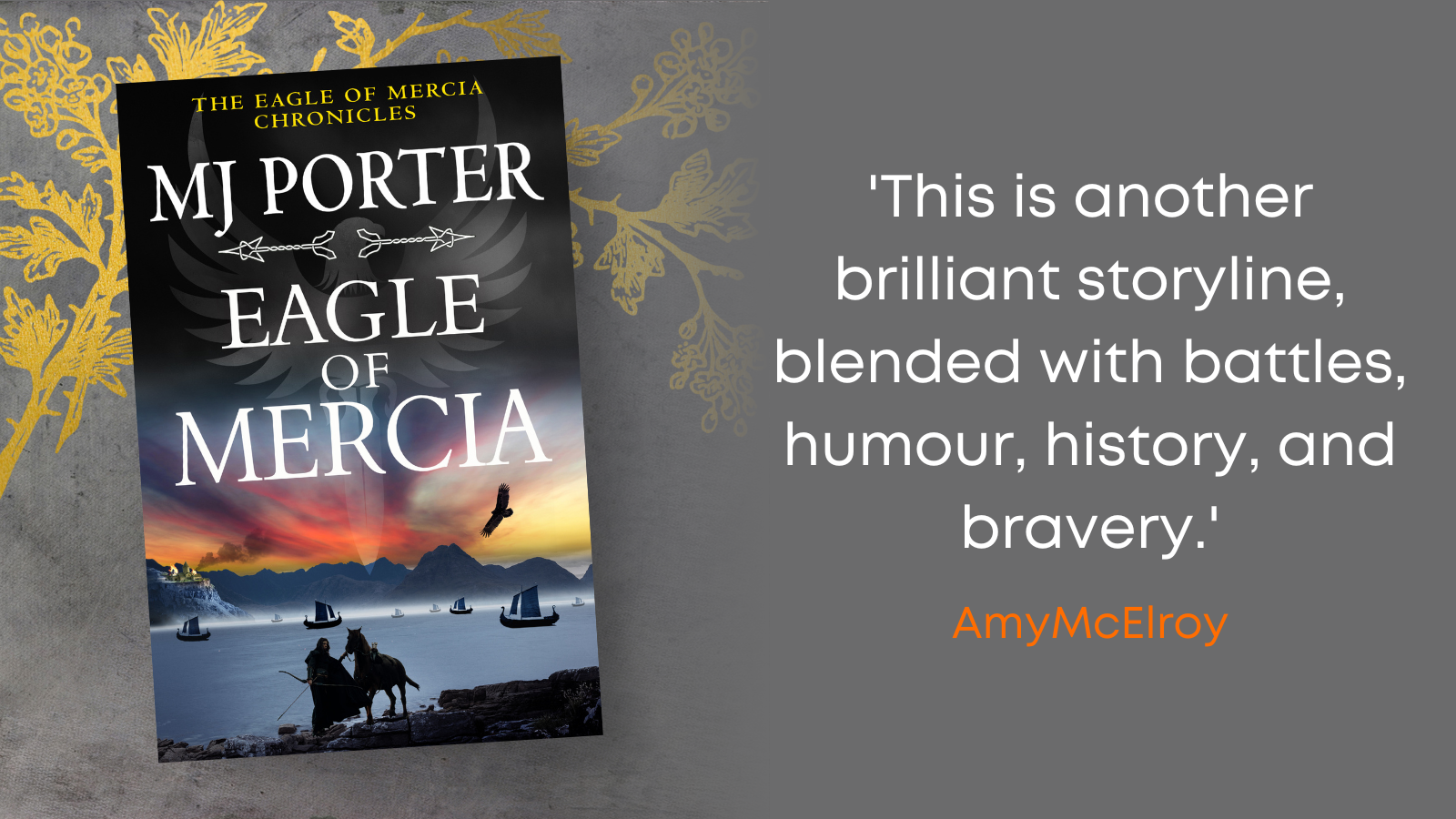
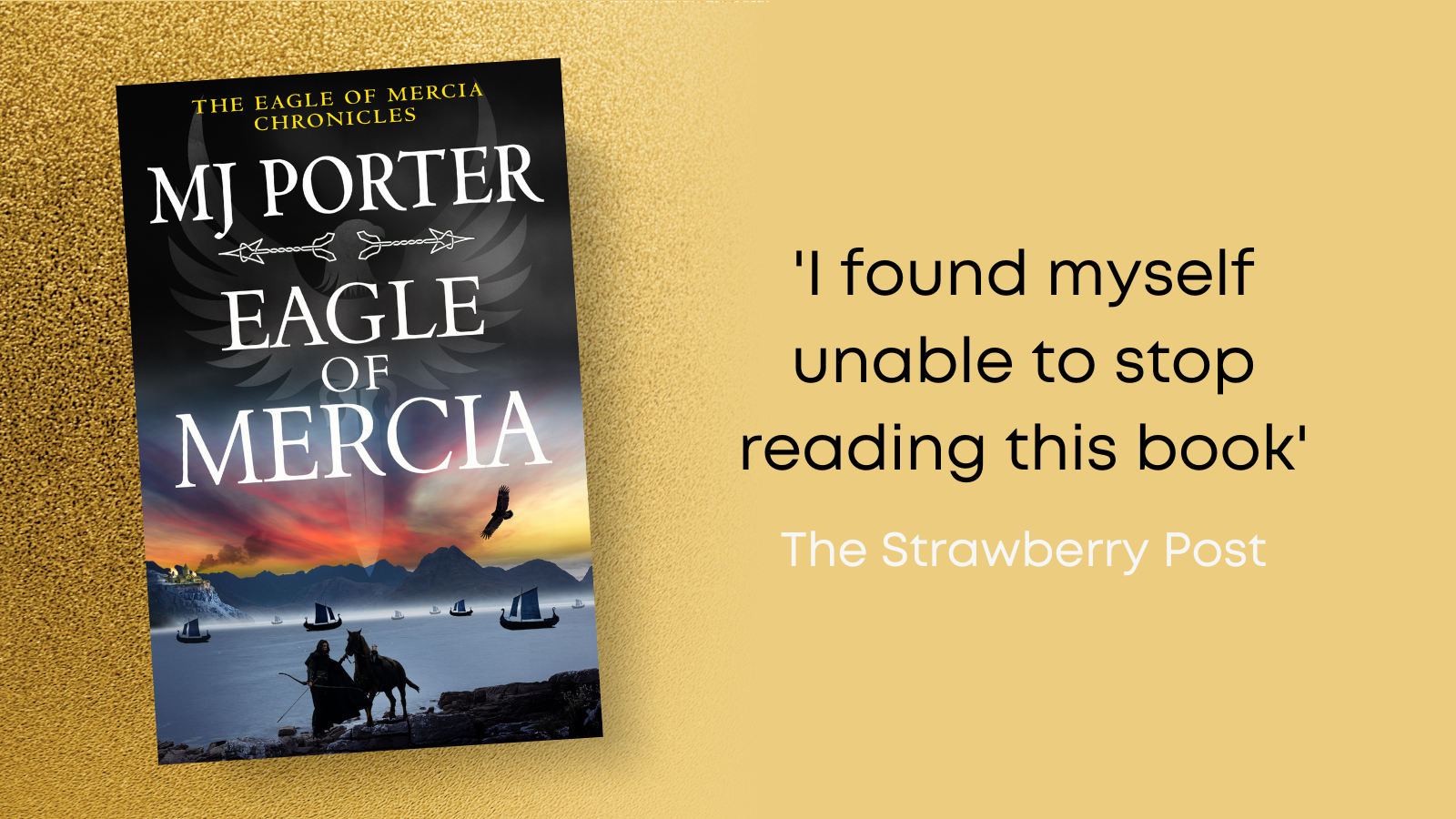
Today is the day, book 4 in The Eagle of Mercia Chronicles is released into the wild. I’m really excited about this one:) And I can’t believe we’re already onto book 4.

Here’s the blurb:

A mercy mission in the heart of Wessex is beset with deadly, bloody dangers.

Tamworth AD831

Icel’s profile continues to rise. Lord of Budworth and warrior of Mercia, he’s acknowledged by King Wiglaf and his comrades to keep Mercia safe from the ravages of Wessex, the king-slayer of the East Angles, and the Viking raiders.
But, danger looms.  Alongside Spring’s arrival comes the almost certain threat of the Viking raiders return. 

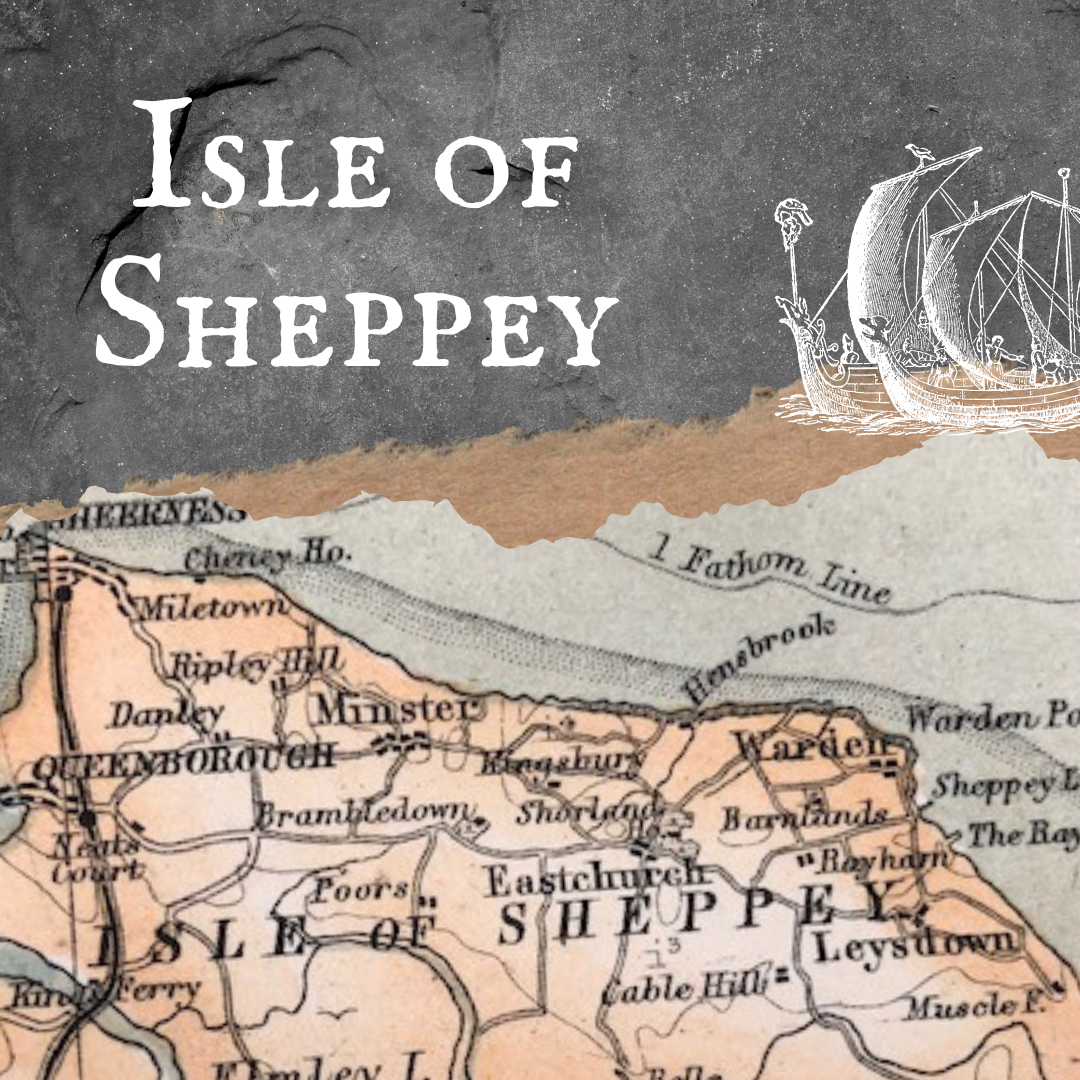
When Lord Coenwulf of Kingsholm is apprehended by a Viking and held captive on the Isle of Sheppey in Wessex held Kent, Icel is implored by Lady Cynehild to rescue her husband.

To rescue Lord Coenwulf, Icel and his fellow warriors must risk themselves twice over, for not only must they overpower the Viking raiders, they must also counter the threat of Mercia’s ancient enemy, the kingdom of Wessex as they travel through their lands.

Far from home and threatened on all sides, have Icel and his fellow warriors sworn to carry out an impossible duty?

books2read.com/EagleofMercia

Available now in ebook, paperback and audio, the hardback should be with us shortly.

Read my release day post about the River Thames.

Read all about the Isle of Sheppey

Read my release day post on the Boldwood website about the Eagle of Mercia Chronicles.


I can let you know that book 5 is mostly written, and I know the title and I’ve seen the cover – I know, I’m such a tease. I will update when I can share more.


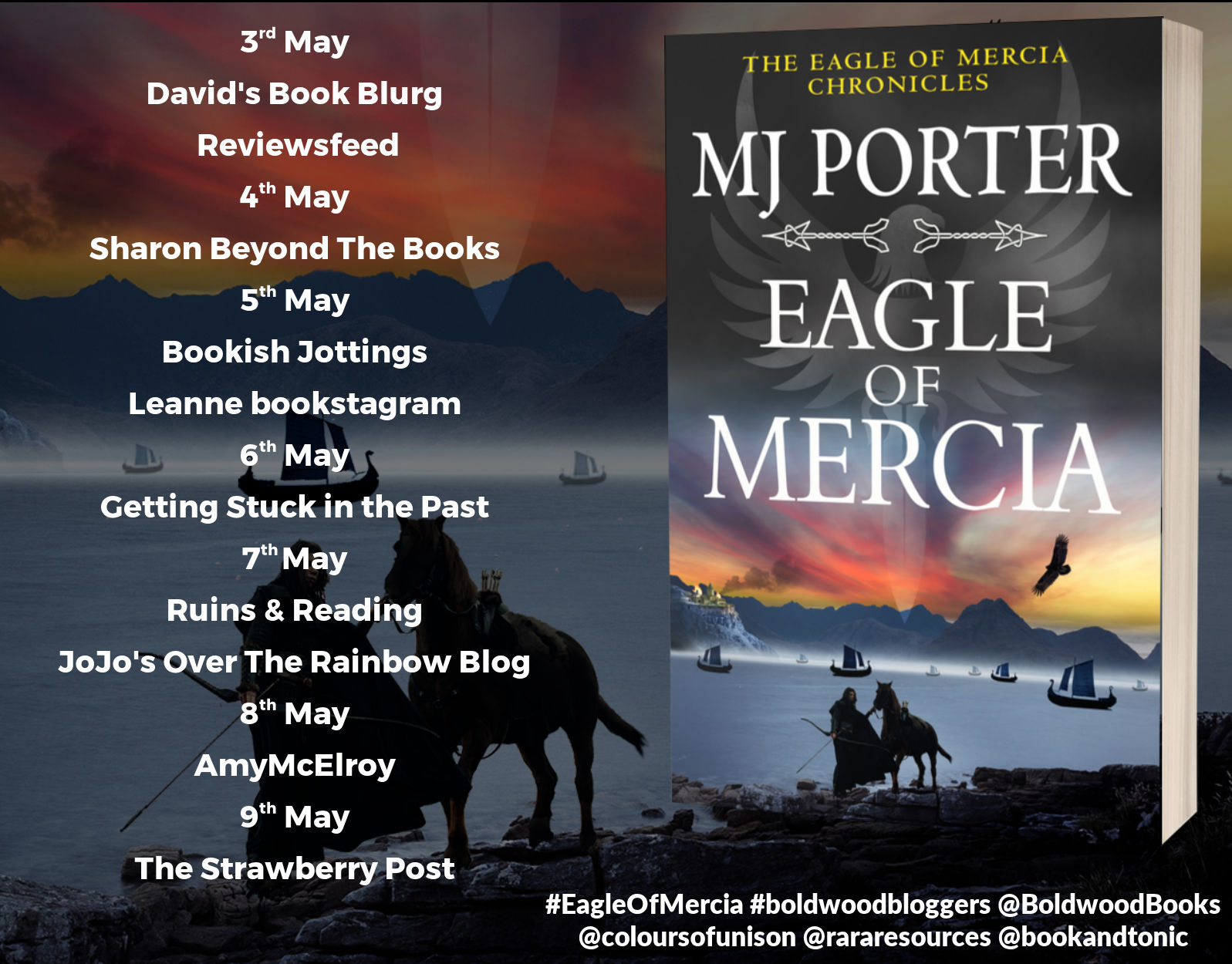
Check out the blog tour for Eagle of Mercia. My thanks to Rachel at Rachel’s Random Resources for organising and all the hosts for taking part. I will add the links each day. The initial reviews for Eagle are very positive, so I hope you’ll enjoy it too.

Reviewsfeed

David’s Book Blurg

Sharon Beyond the Books

Leanne Bookstagram

Bookish Jottings

Getting Stuck in the Past

Ruins and Reading

Amy McElroy

The Strawberry Post