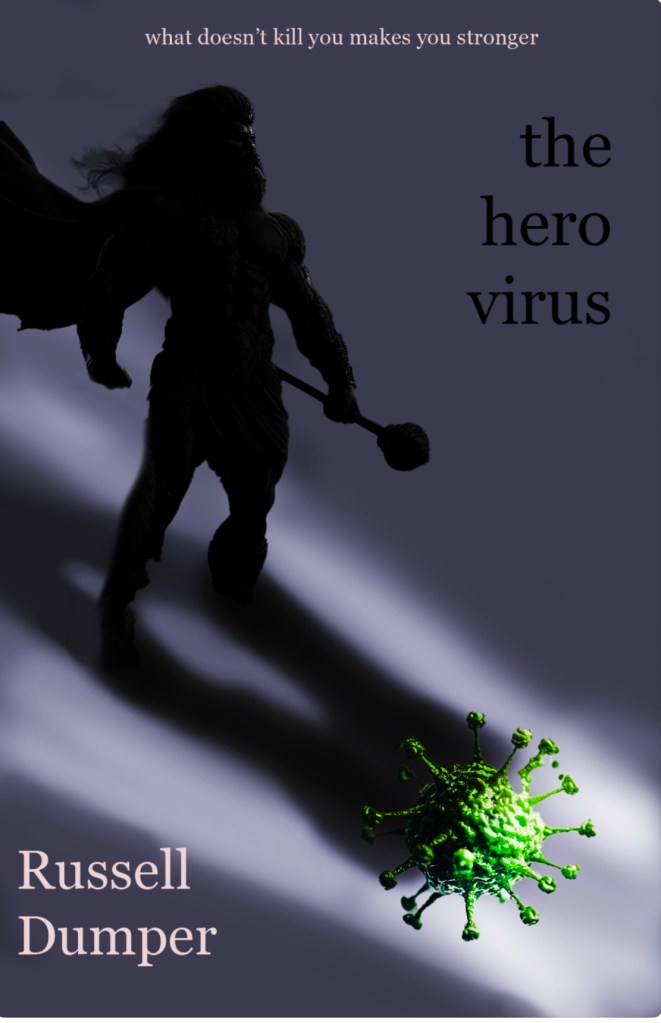
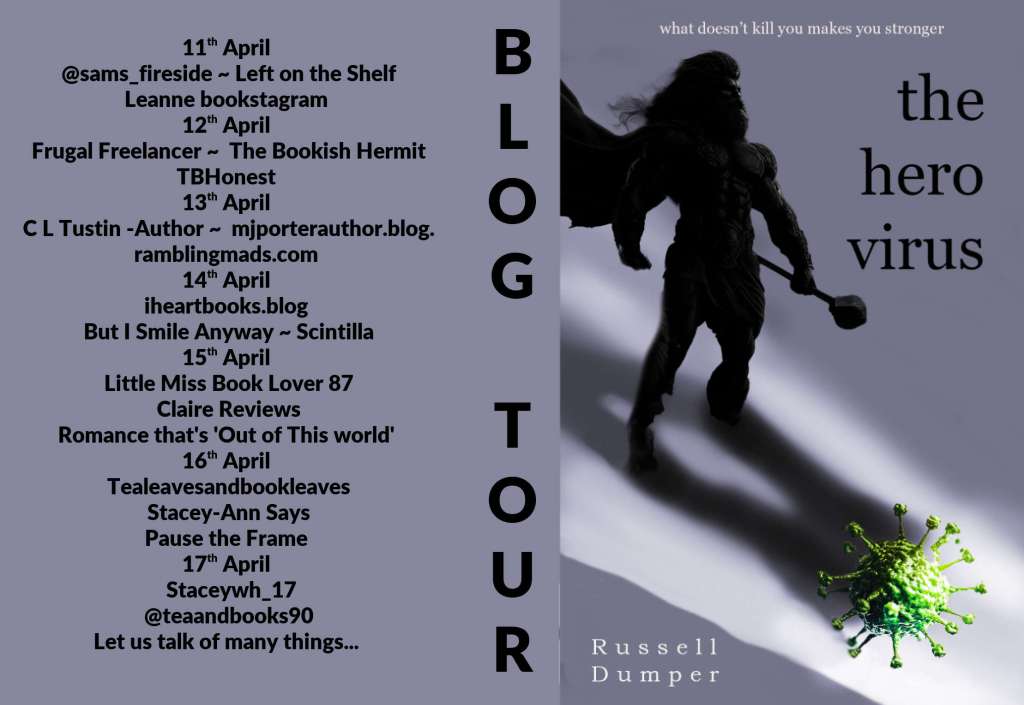
The Hero Virus tells the thrilling story of Chris Taylor, who is hanging on to life by a thread. Recently widowed, his only reason to carry on is his faithful Labrador, but even that doesn’t stop his willingness to gamble with death every day. When his companion suffers a violent demise, Taylor thinks he has nothing left to live for, until he discovers he has chanced upon a precious gift… when he gets very ill.
The sickness gives him powers and, fairly soon, the authorities are swooping on to the ever-increasing list of cases. The Hero Virus might be different to other illnesses, but it’s no less dangerous. The effect it has on the world, though, is wildly different to any other virus that has come before. The unique reaction of the human body to infection means that everyone wants it. And some will do anything to get it.
How do you stop a pandemic when there are people who will kill for the virus? How do you stop people getting infected when they’re willing to die for it? How do you stop the infected when they have abilities nobody has ever seen before?
The Hero Virus by Russell Dumper is an intriguing novel. Our main character is miserable and alone, aside from his faithful Labrador, but alas, our poor grief-stricken main character is soon to be bereaved again (and slight trigger warning, because the scene is not an easy read), but days later, he wakes very changed.
What follows is an action-packed tale sure to appeal to fans of the genre and with a very interesting premise. The pacing is great and I thoroughly enjoyed the novel.
Meet the author
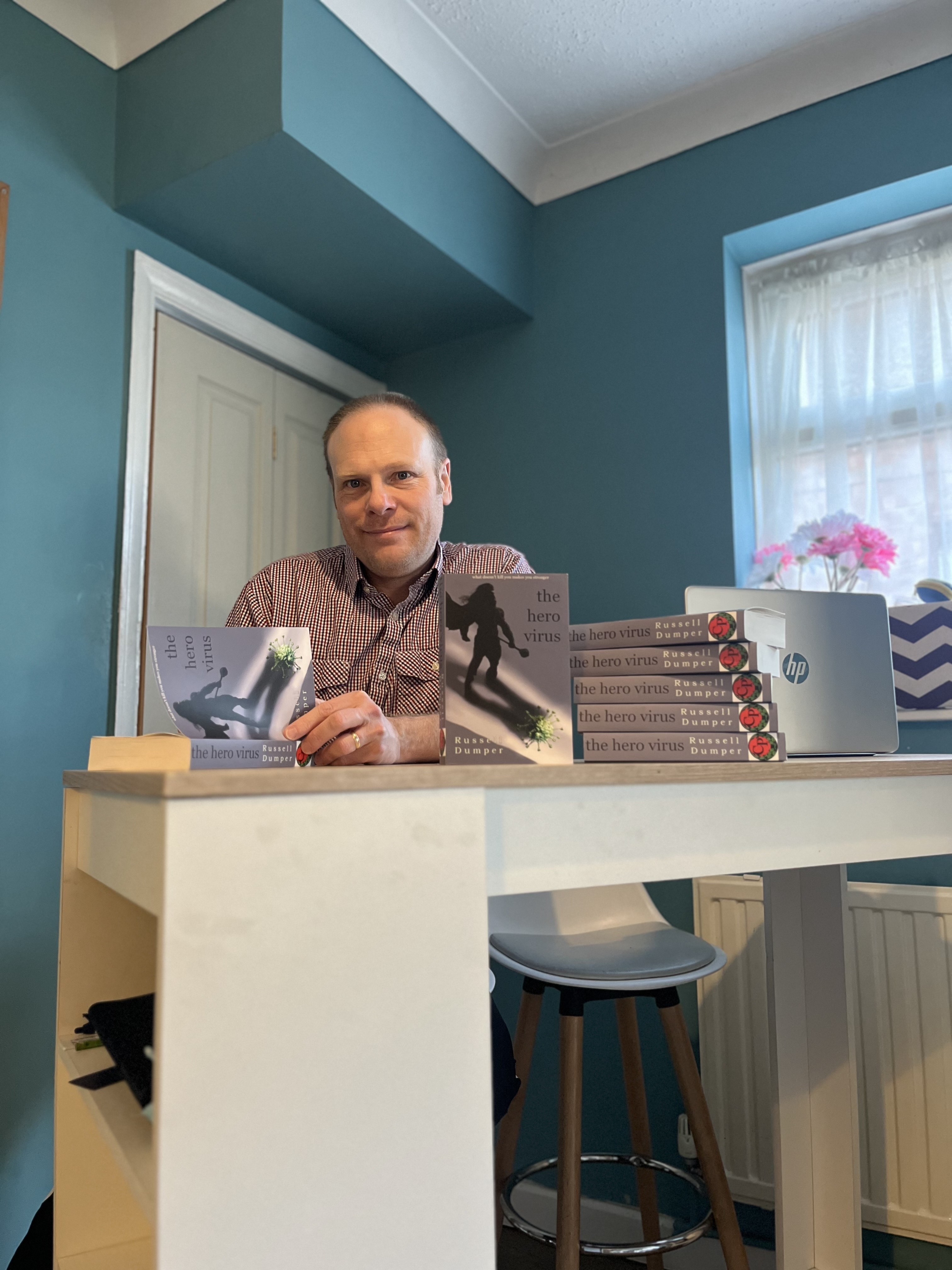
The Hero Virus is the second novel from Russell Dumper, after releasing Britannia Rises to widespread acclaim last year, winning him three categories in the 2024 Bookstagram Awards, for Debut Author, Thriller and Historical Fiction. He lives in the east of England with his family and still has many more books in the pipeline. Next, he will be concentrating on The Britannia Series, more of which will be released in the near future.
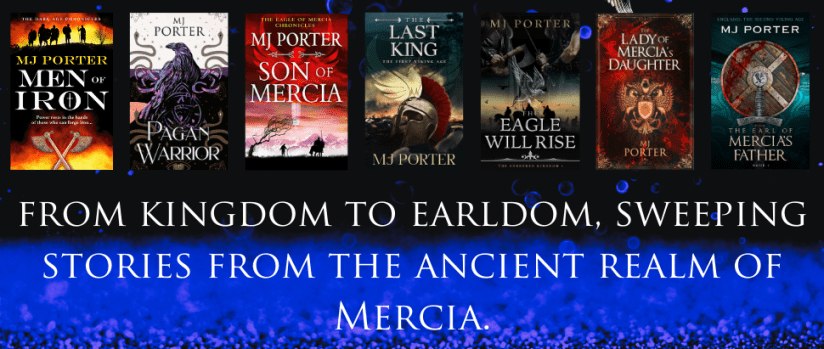
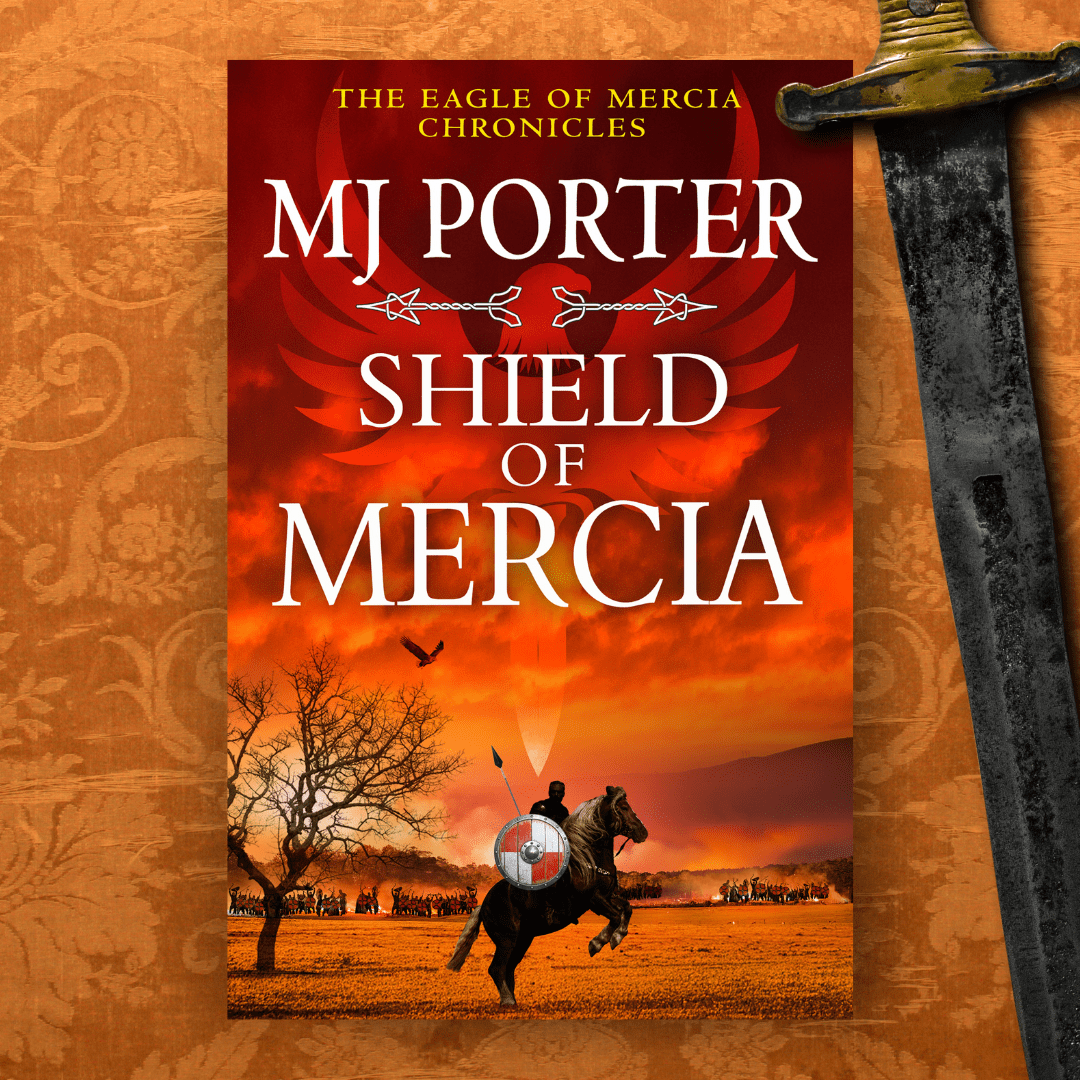
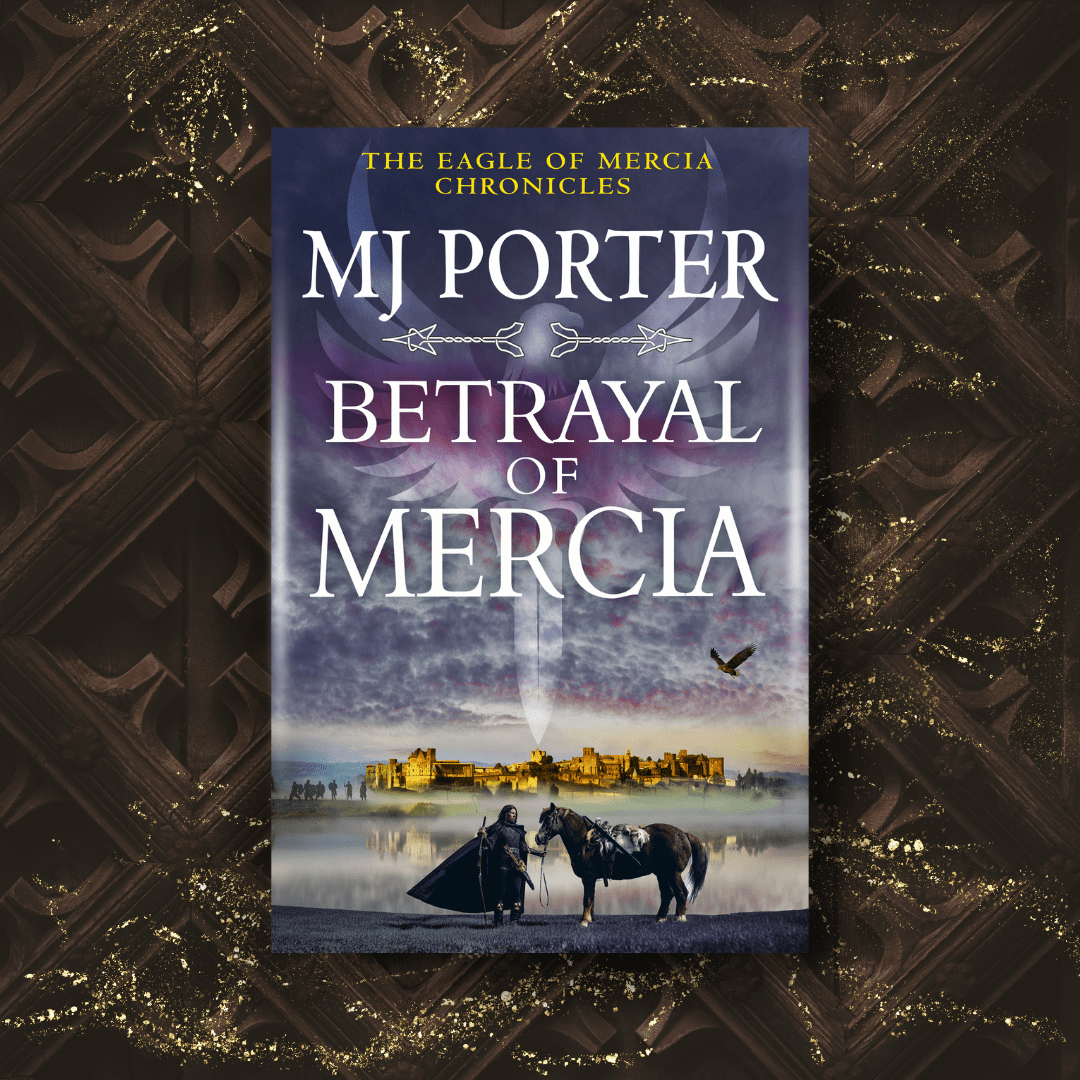
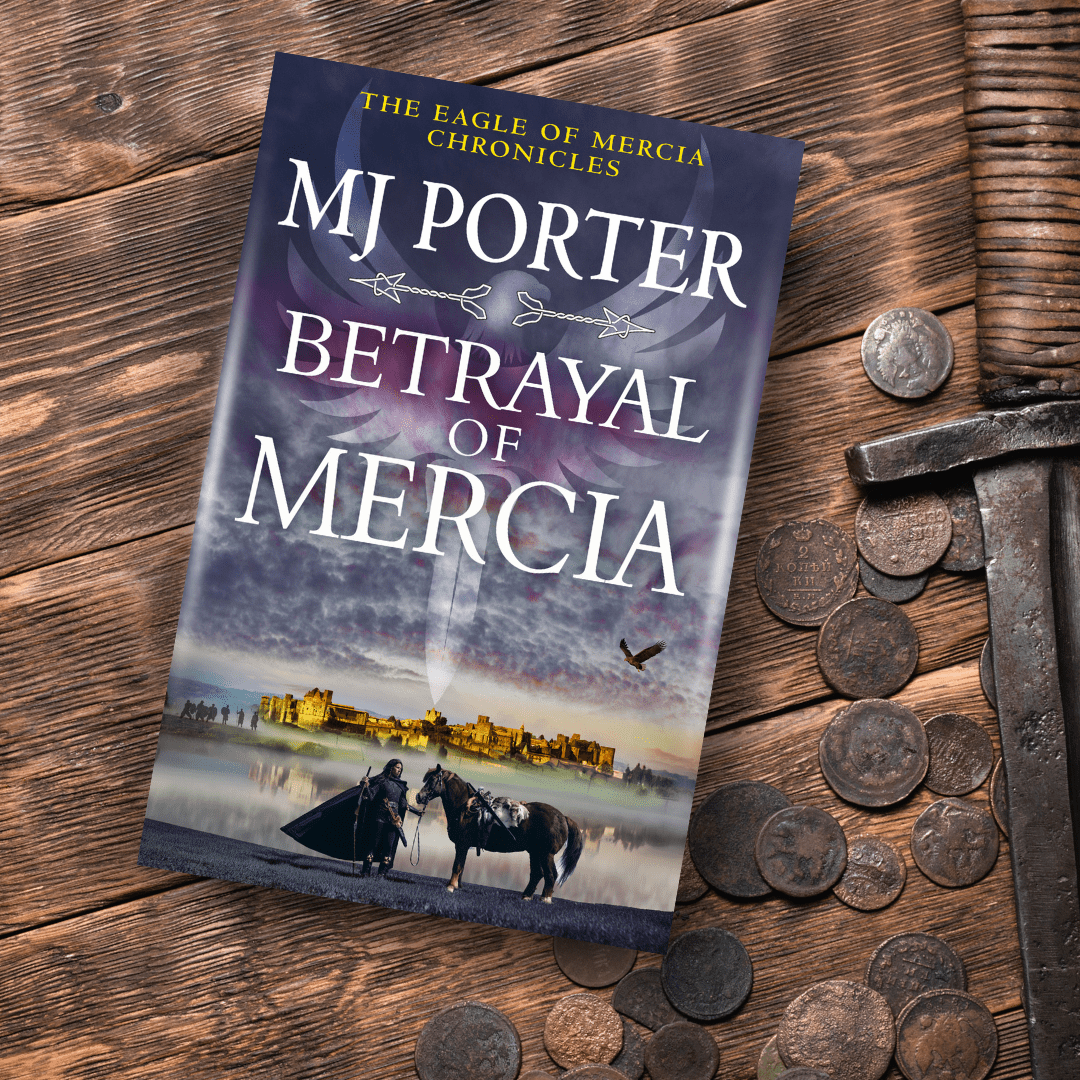
Back in 2020, I finally wrote a book I’d wanted to write for a long time – the story of Mercia’s last king, Coelwulf II (although, I think I should have spelt his name as Ceolwulf but hey ho). The book I eventually wrote has spawned my most successful series to date and has also given readers The Eagle of Mercia Chronicles, featuring a younger version of Coelwulf’s very outspoken fellow warrior Icel.
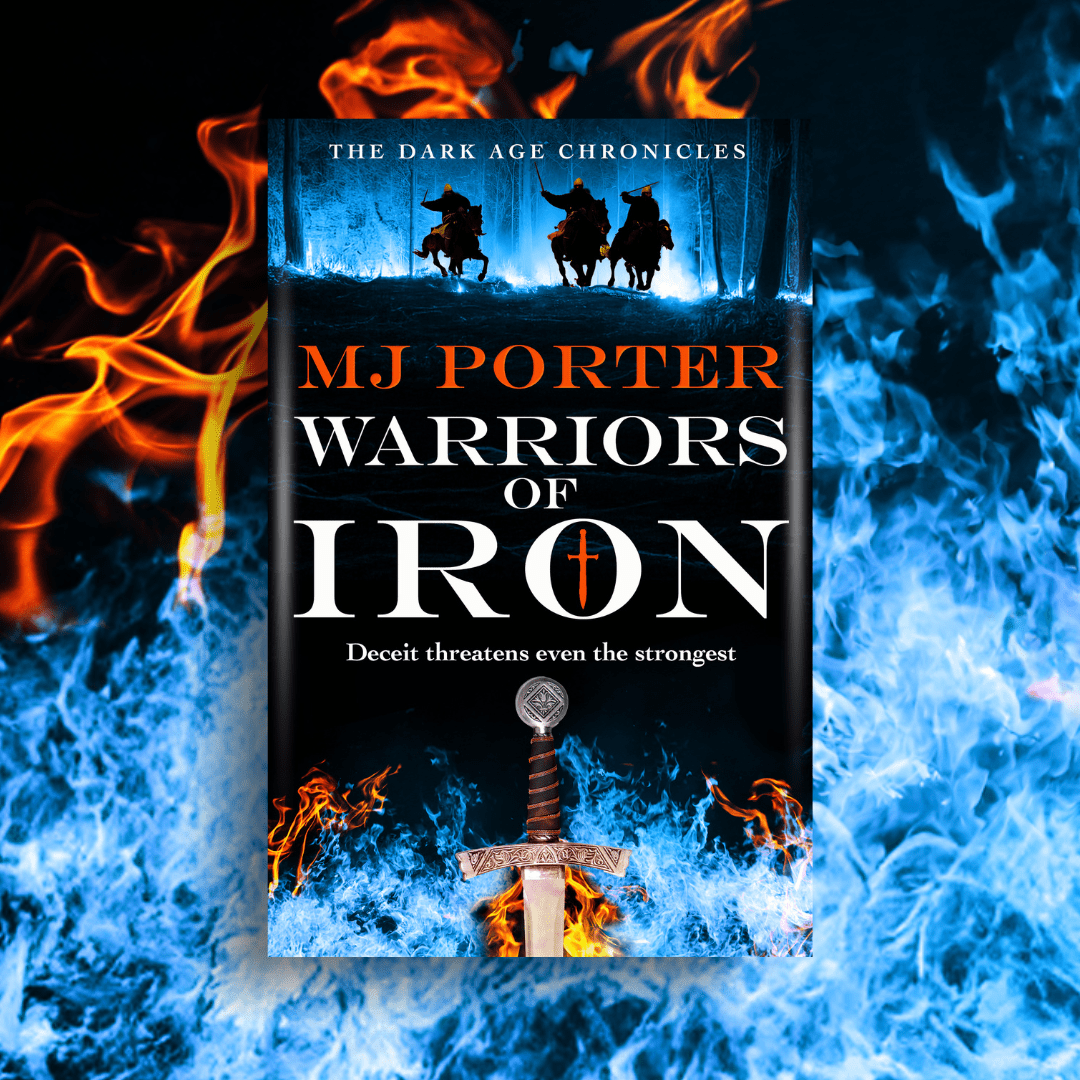
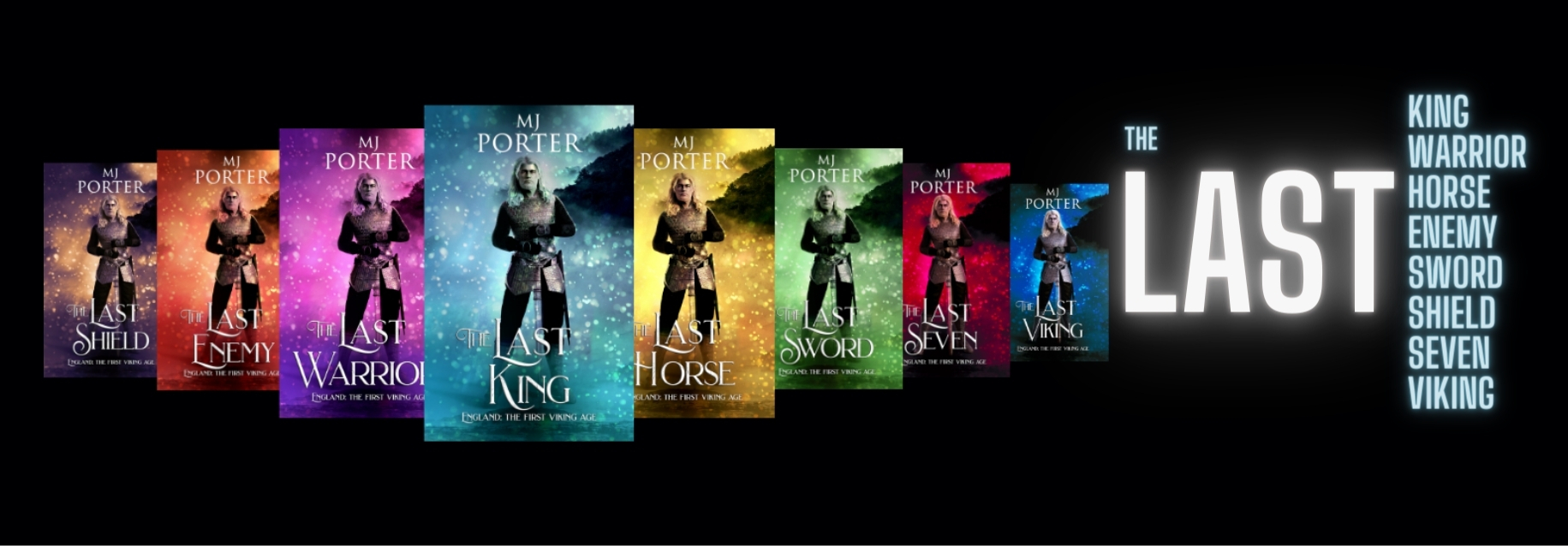
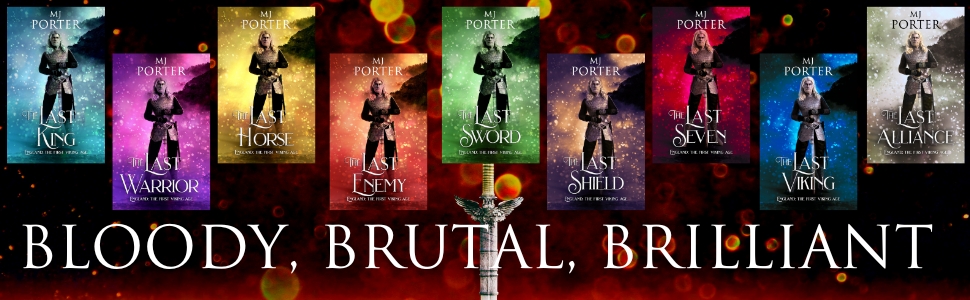
The book I wrote was also very different to how I thought it would be. Indeed, it’s not one book, but a series 10 books long, and featuring a cast of lovable, foul-mouthed rogues who are as loyal to one another as they are to the horses they ride. I’ve spoken before about why the characters are so sweary, and I know not everyone enjoys that element of the books, but hey, these men are who they are. But, thank goodness for Coelwulf’s aunt, who keeps a wary eye on them all and can occasionally make them a little more polite.
The Last King/The Mercian Ninth Century
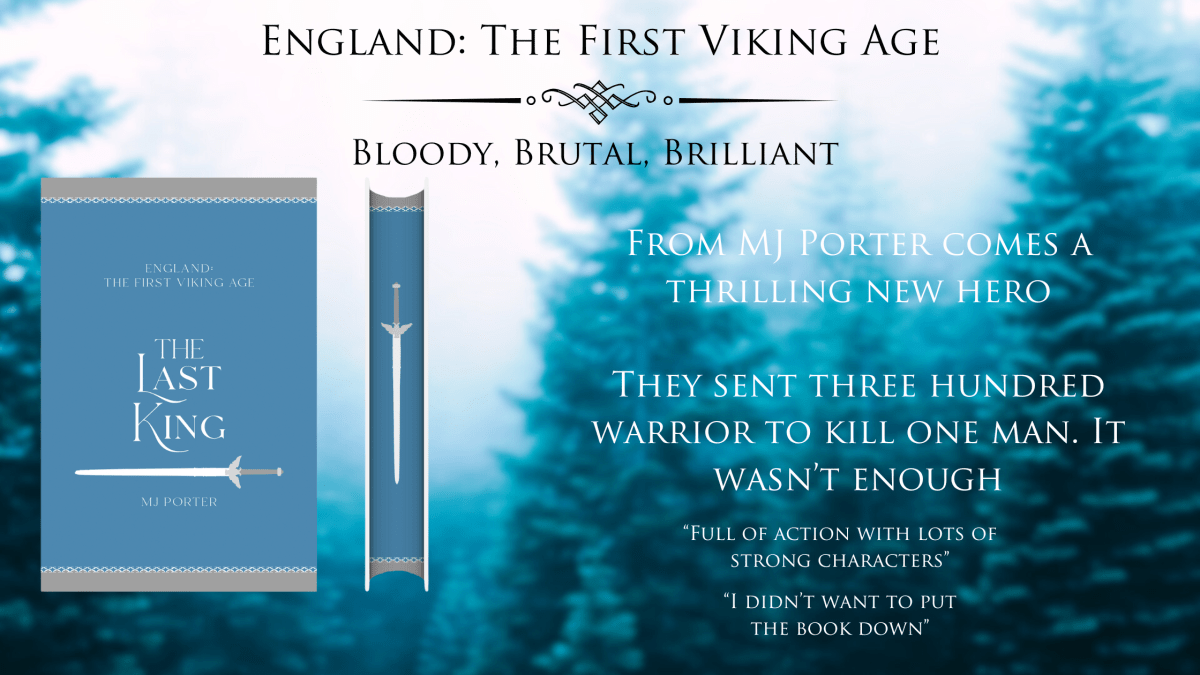
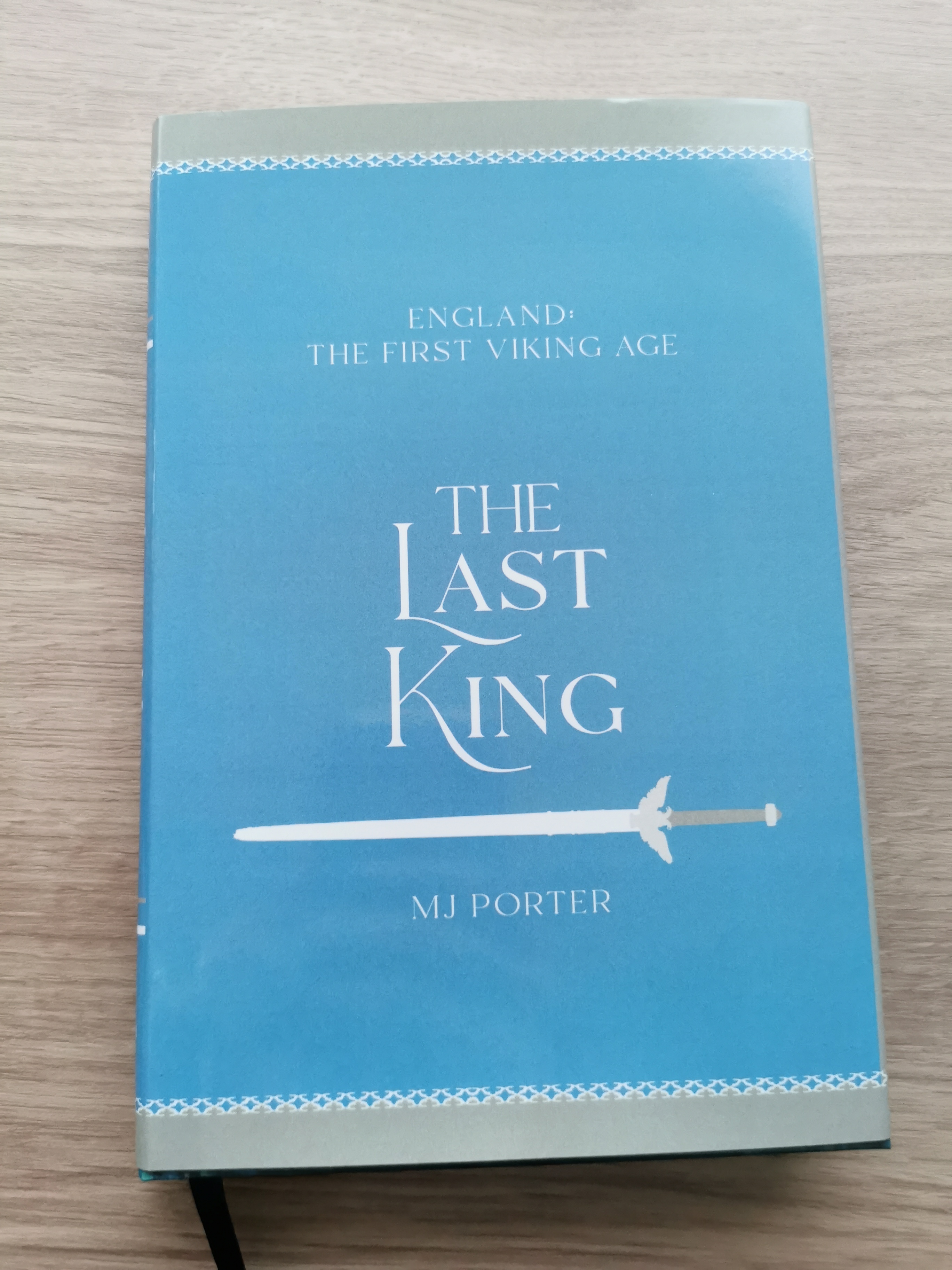
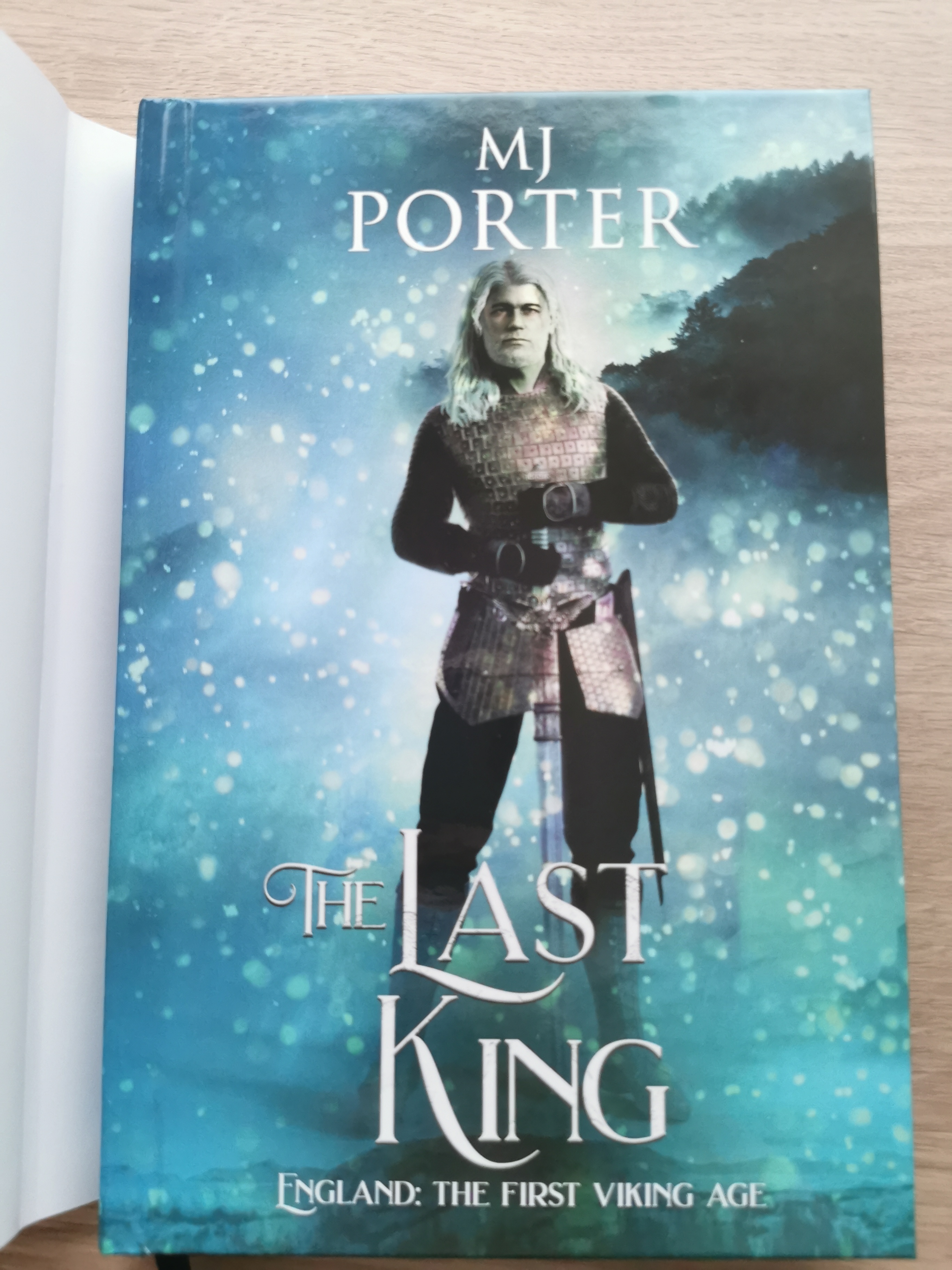
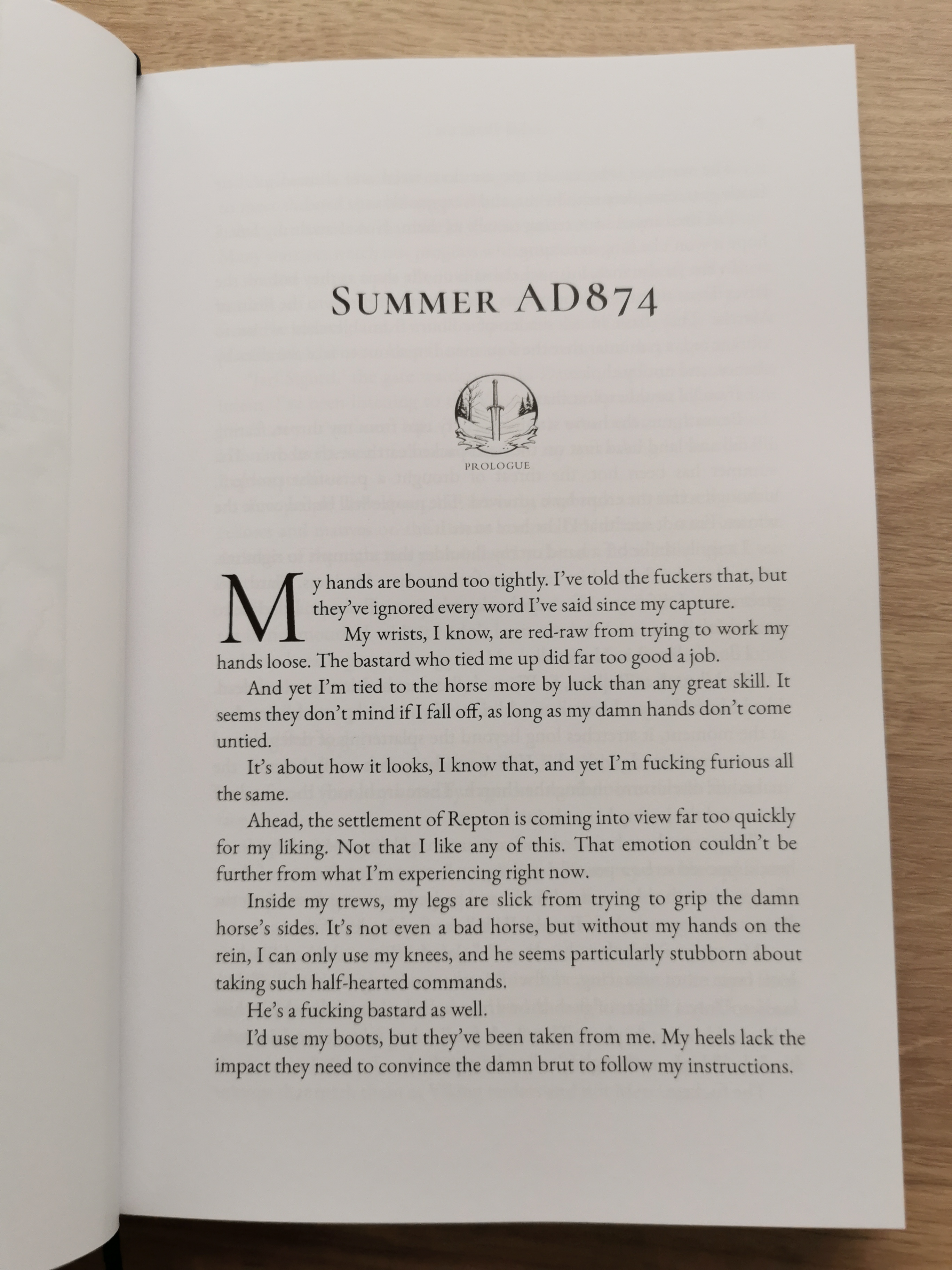
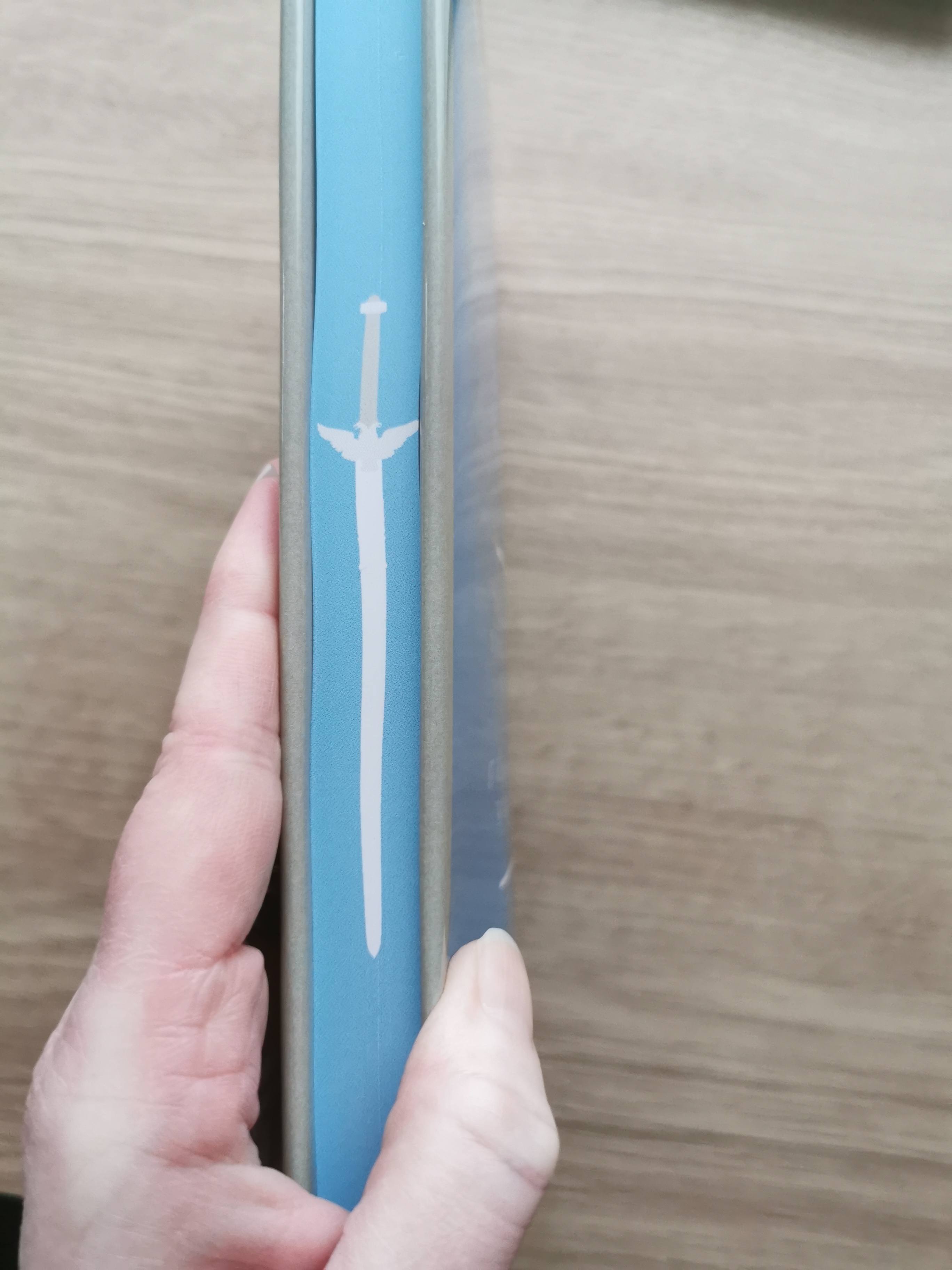
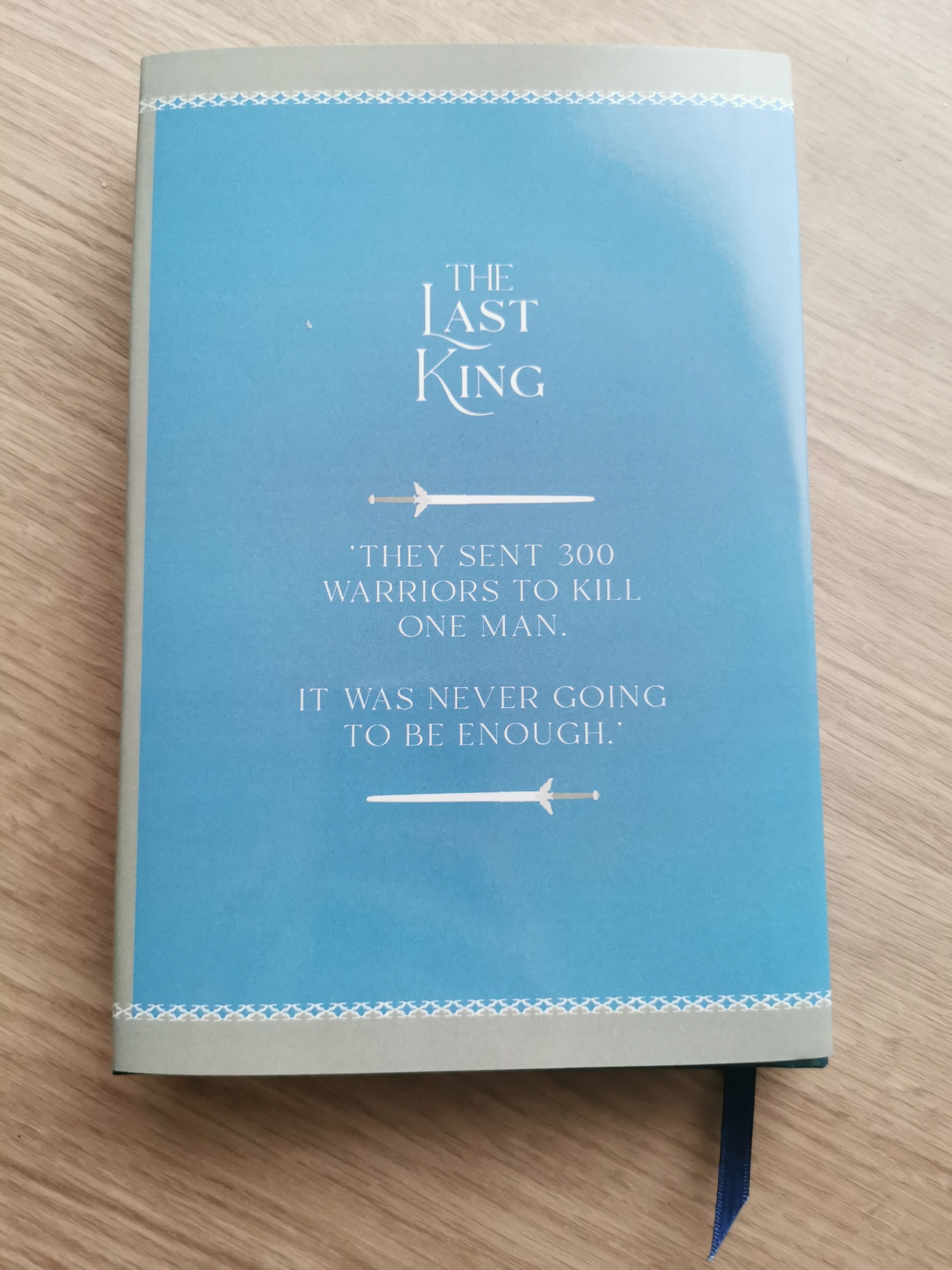
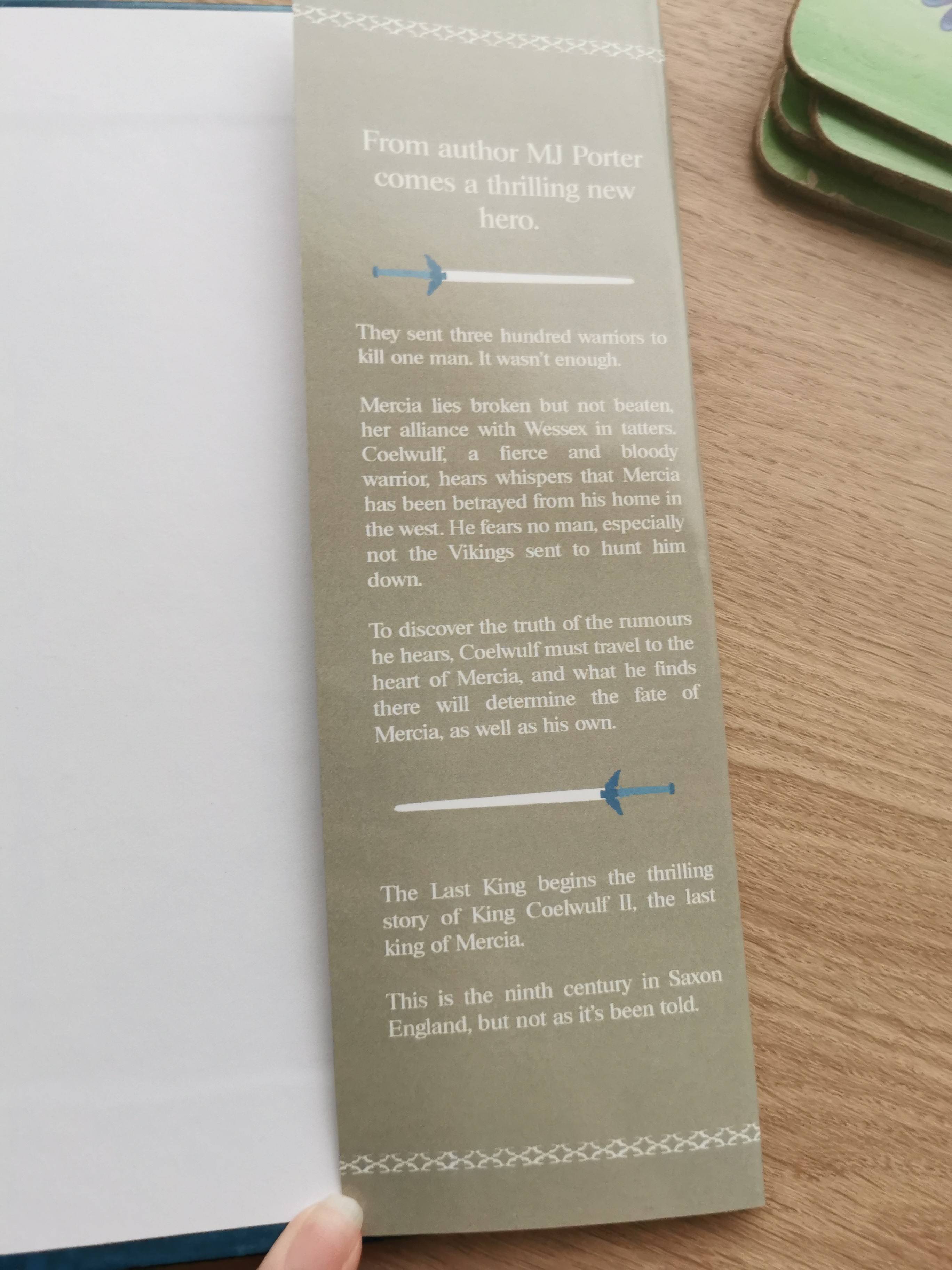
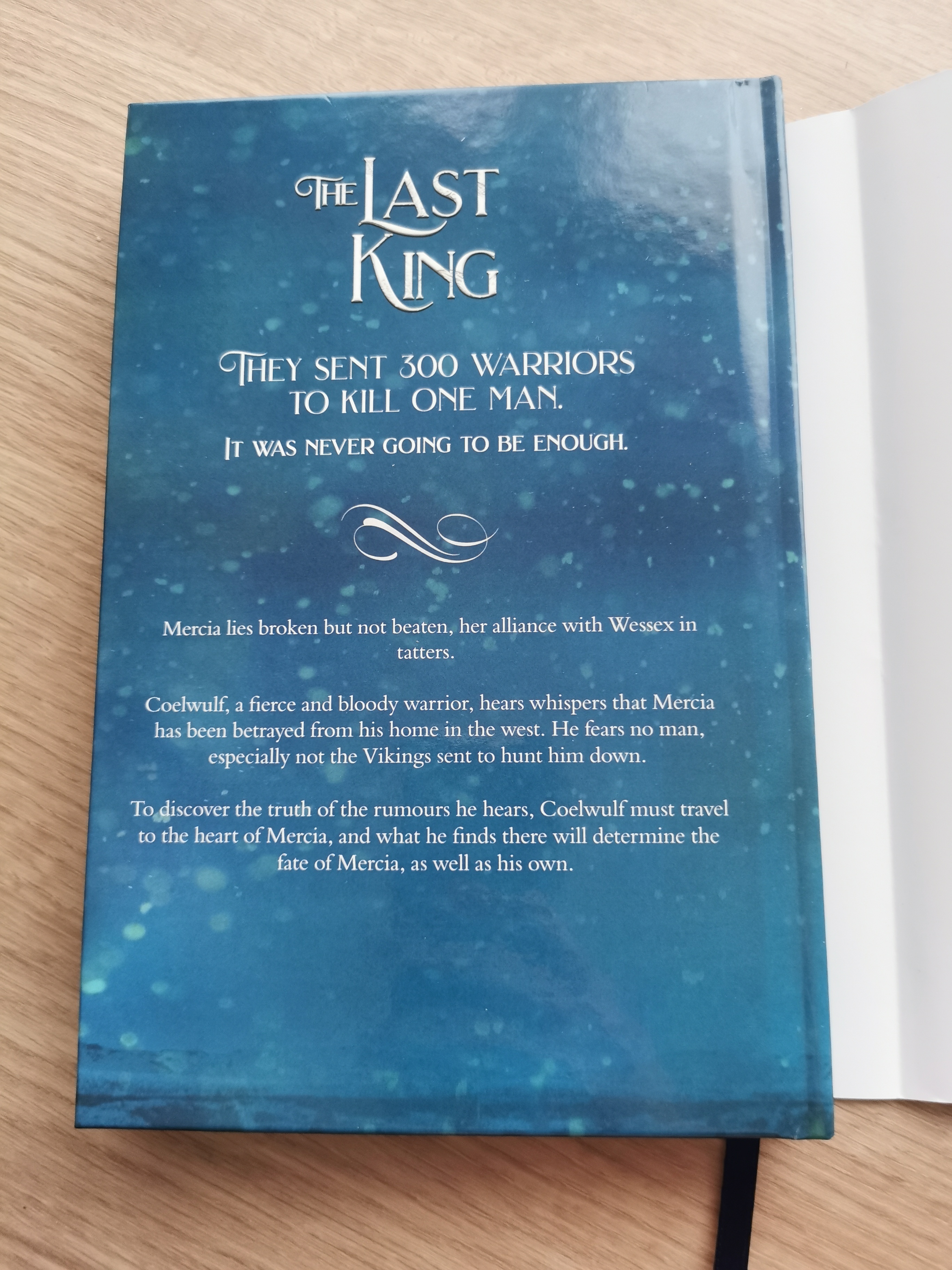
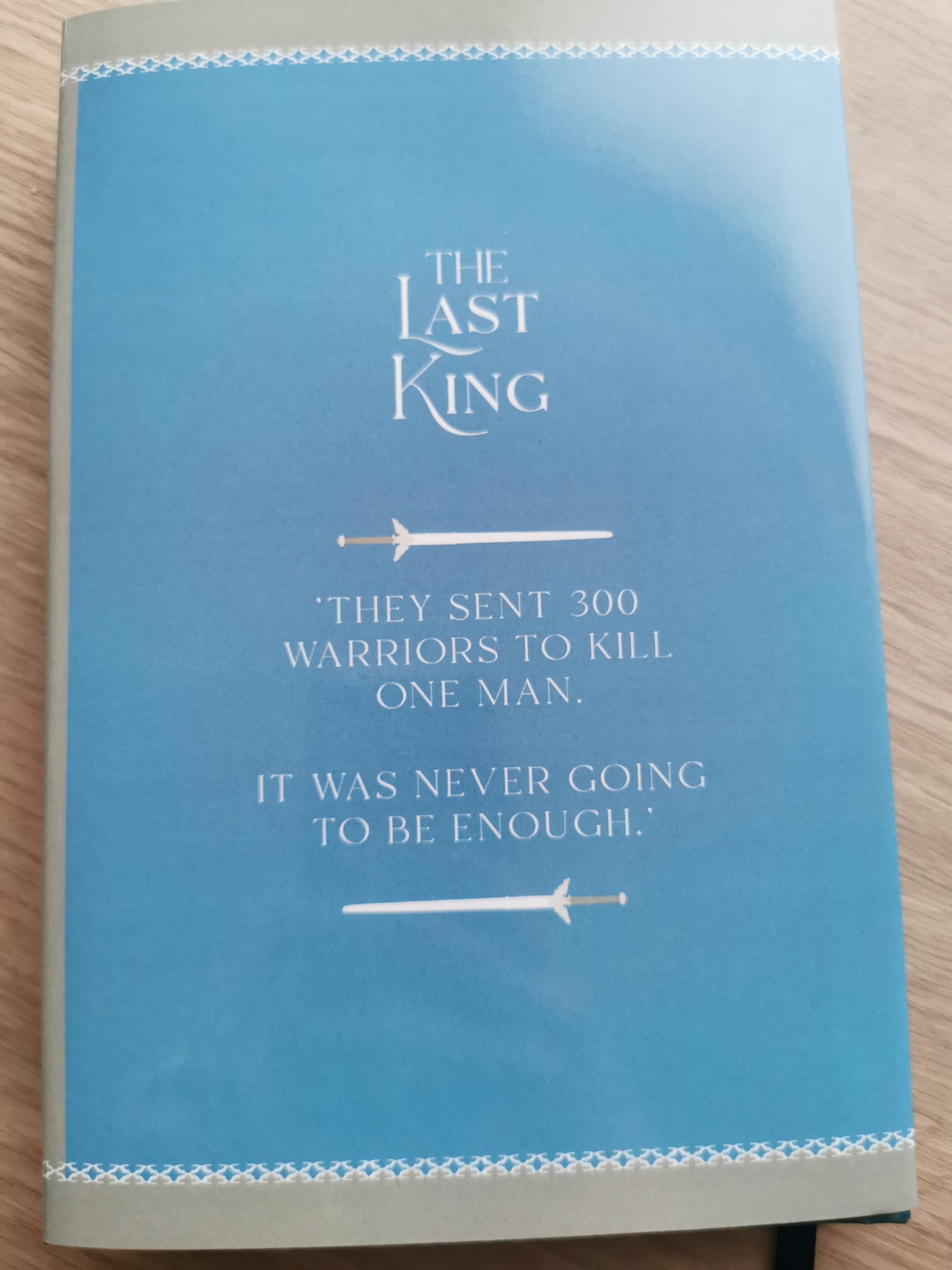
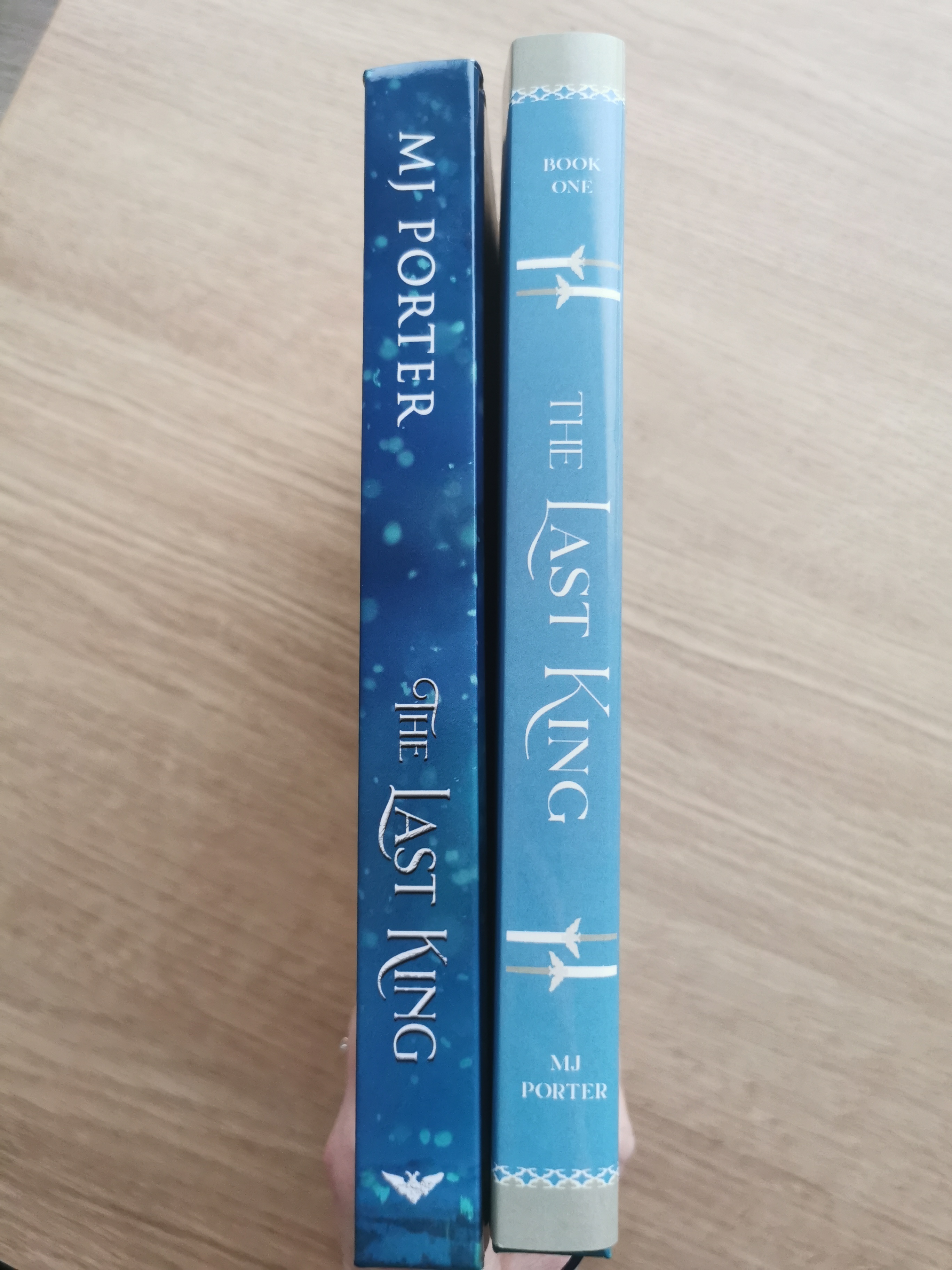
I’ve long wanted to celebrate the occasion of five years since releasing the book, and I’ve had many thoughts about it over the last few years, but when it finally happened, it was very unexpected, and the cover design came from someone I’d asked to work on some sprayed edges to jazz the cover up a little. It is very understated, but I think that makes it all the more special. BookVault can incorporate sprayed edges, a design on the endpapers, super high-quality white printing paper, as well as a ribbon to keep track of your reading. There are also new chapter headings, but at heart, this is The Last King, as it was released on 23rd April 2020, at a time when we were all looking for the means to distract ourselves from the horrors of the Pandemic and distract us we all did, even me. I find writing Coelwulf and his allies (and enemies) enormous fun and also very comforting. I know these characters, and they do live in my head rent-free, and I really don’t mind at all.
So, let’s check out the designs for this special edition, which will only be available directly from me. I don’t plan on releasing it widely, and depending on demand, I will limit it to 100 printed copies.
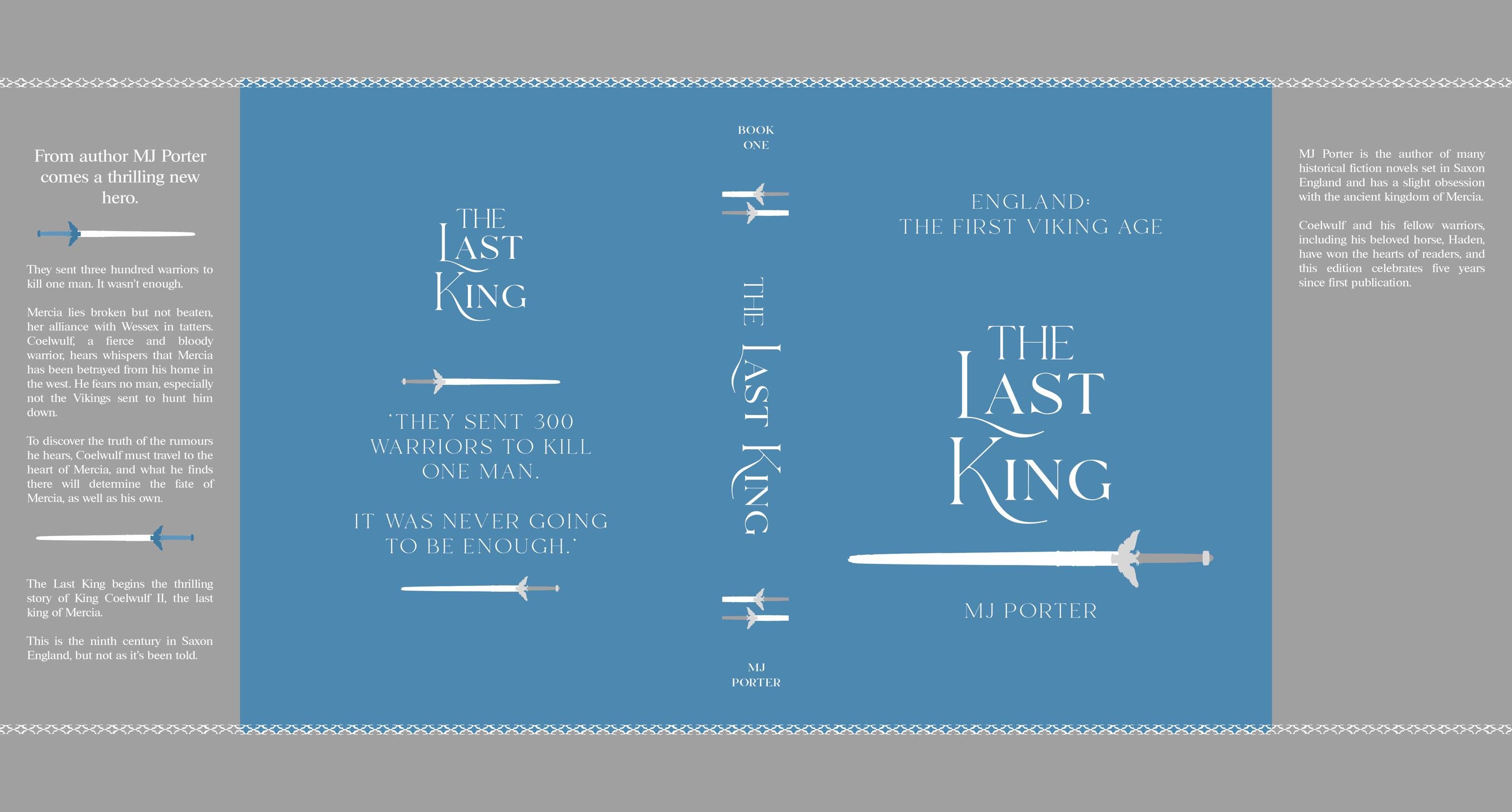
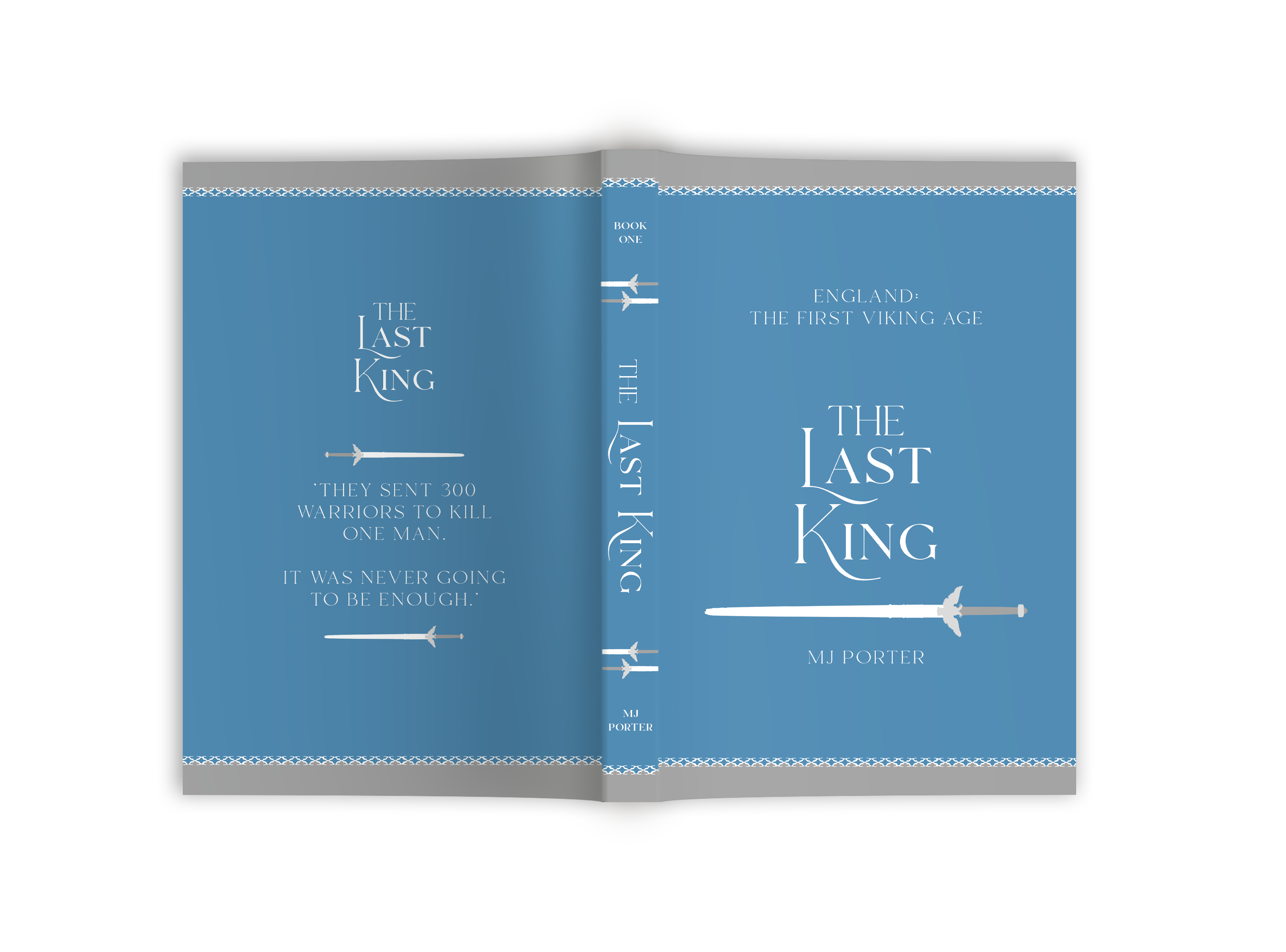
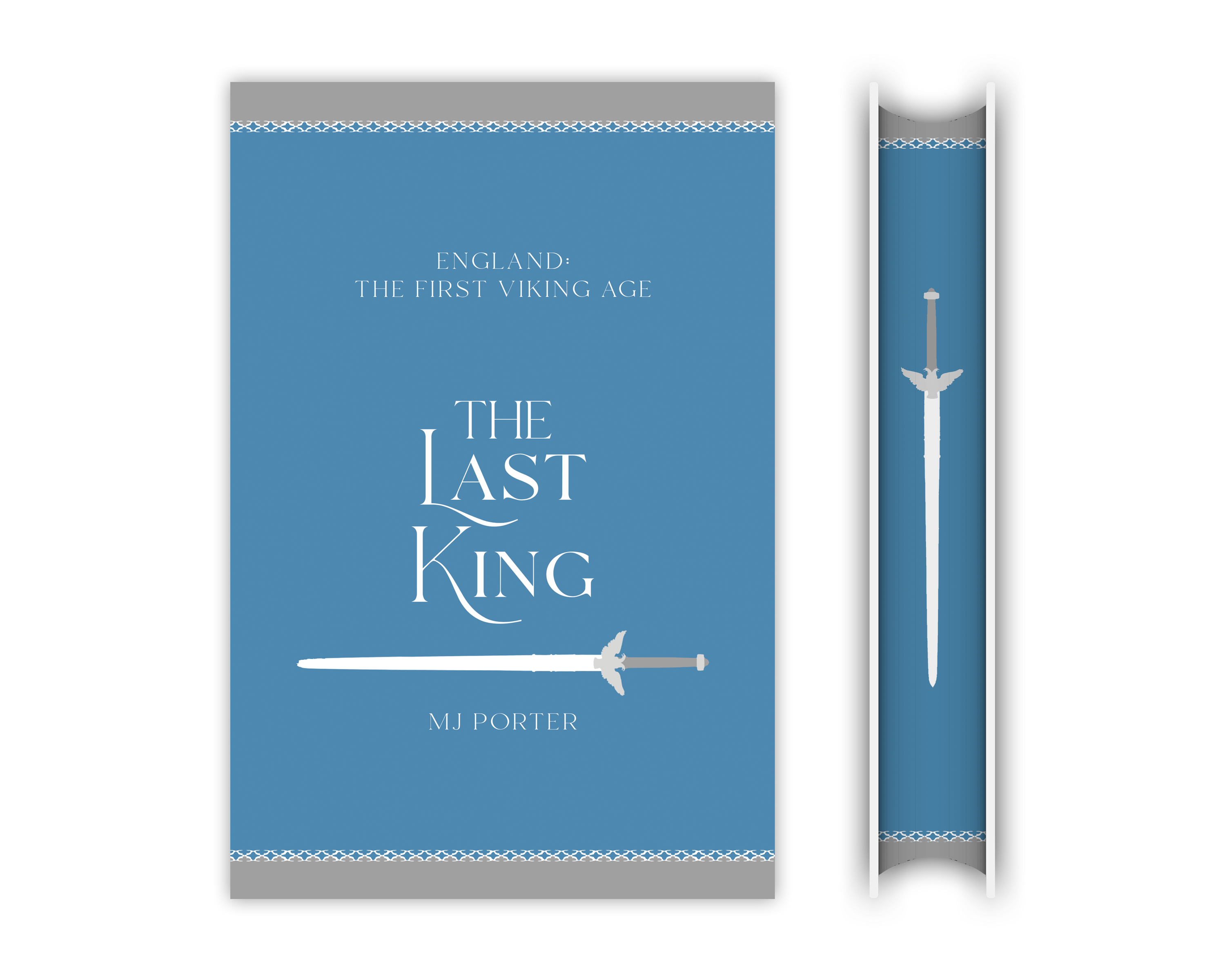
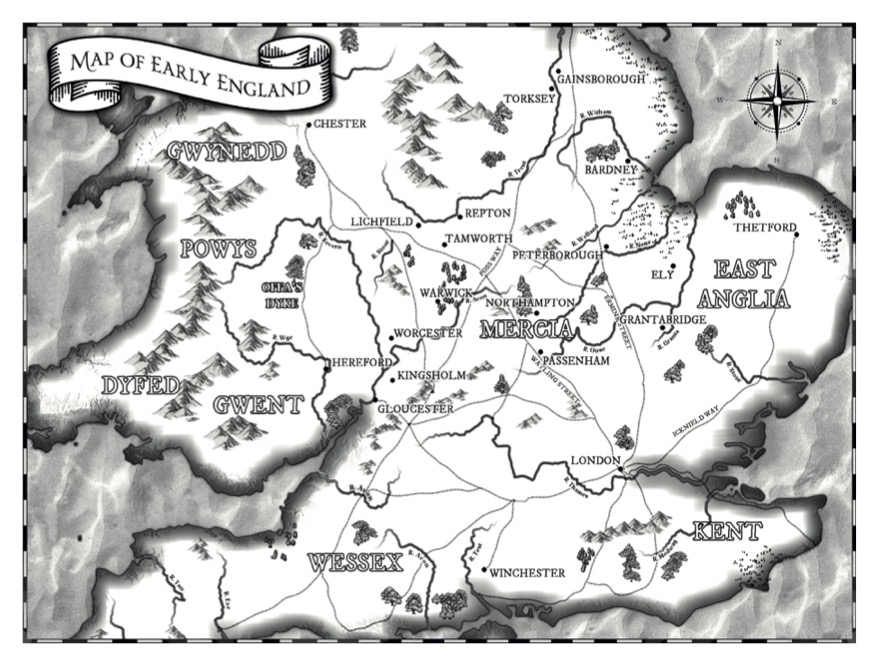
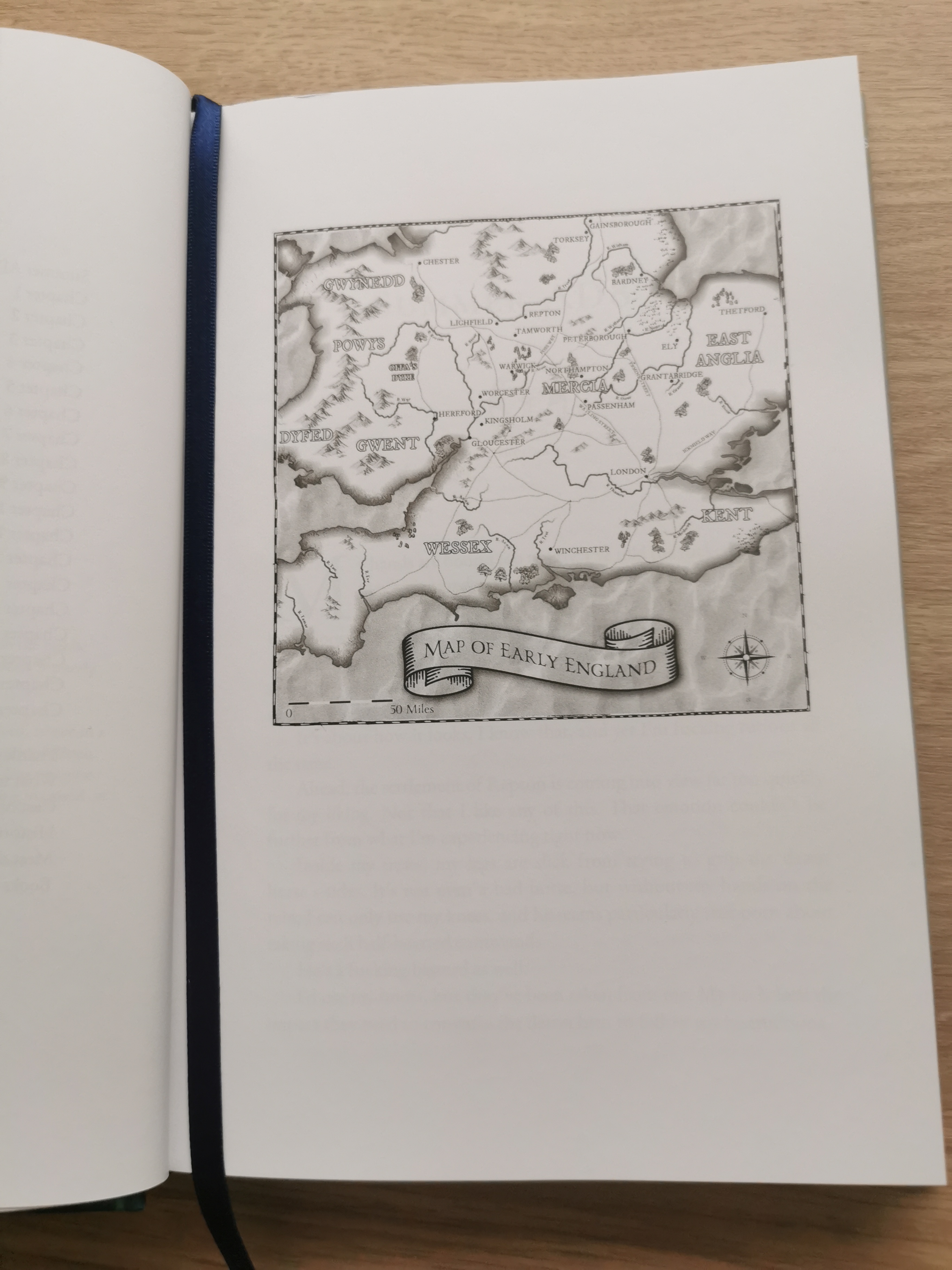
The jacketThe jacket againMock-up of the front cover and sprayed edges designThe new chapter heading imagesThe amended map to fit the endpapers of the book
What it looks like in ‘real’ life
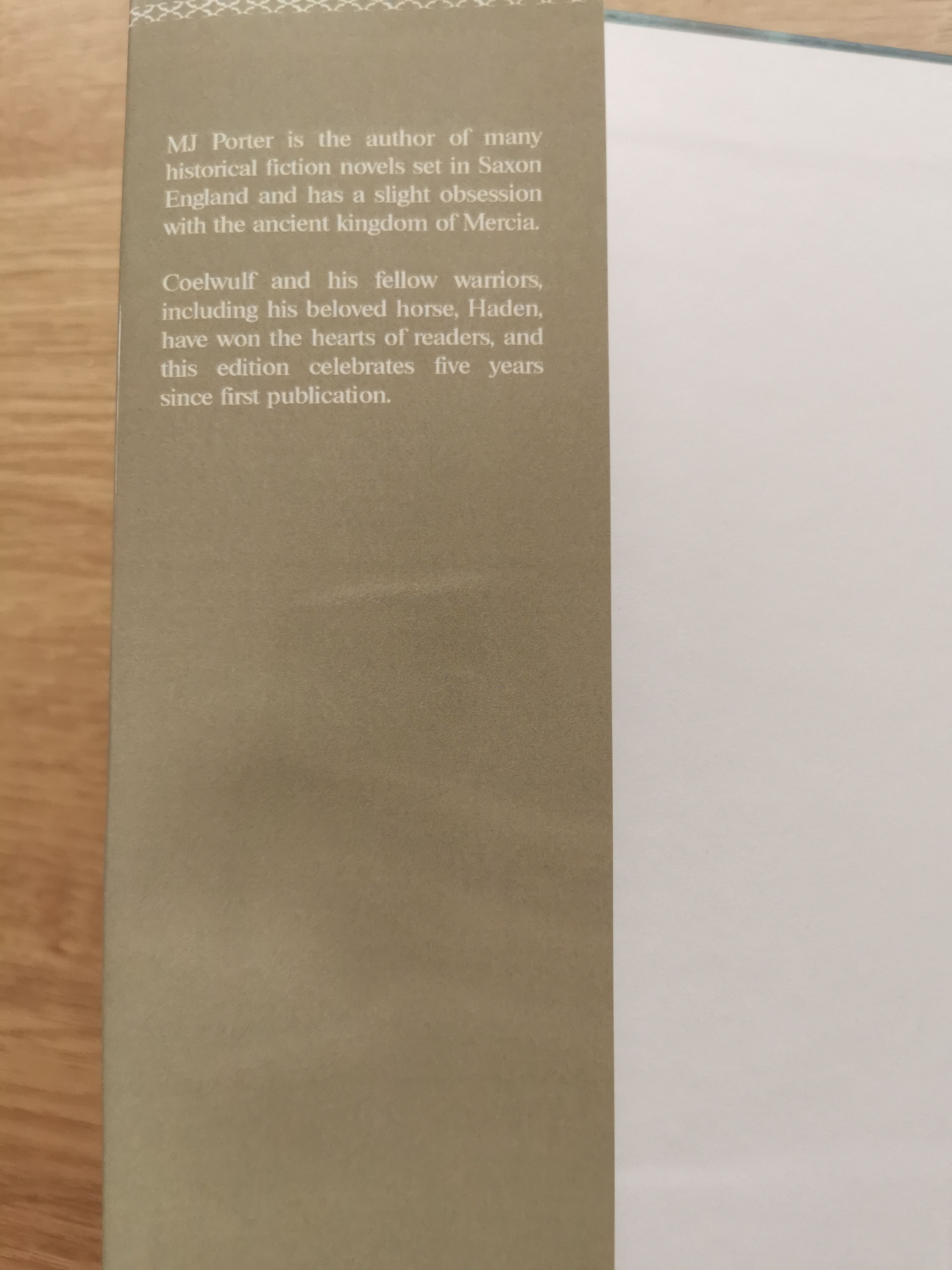
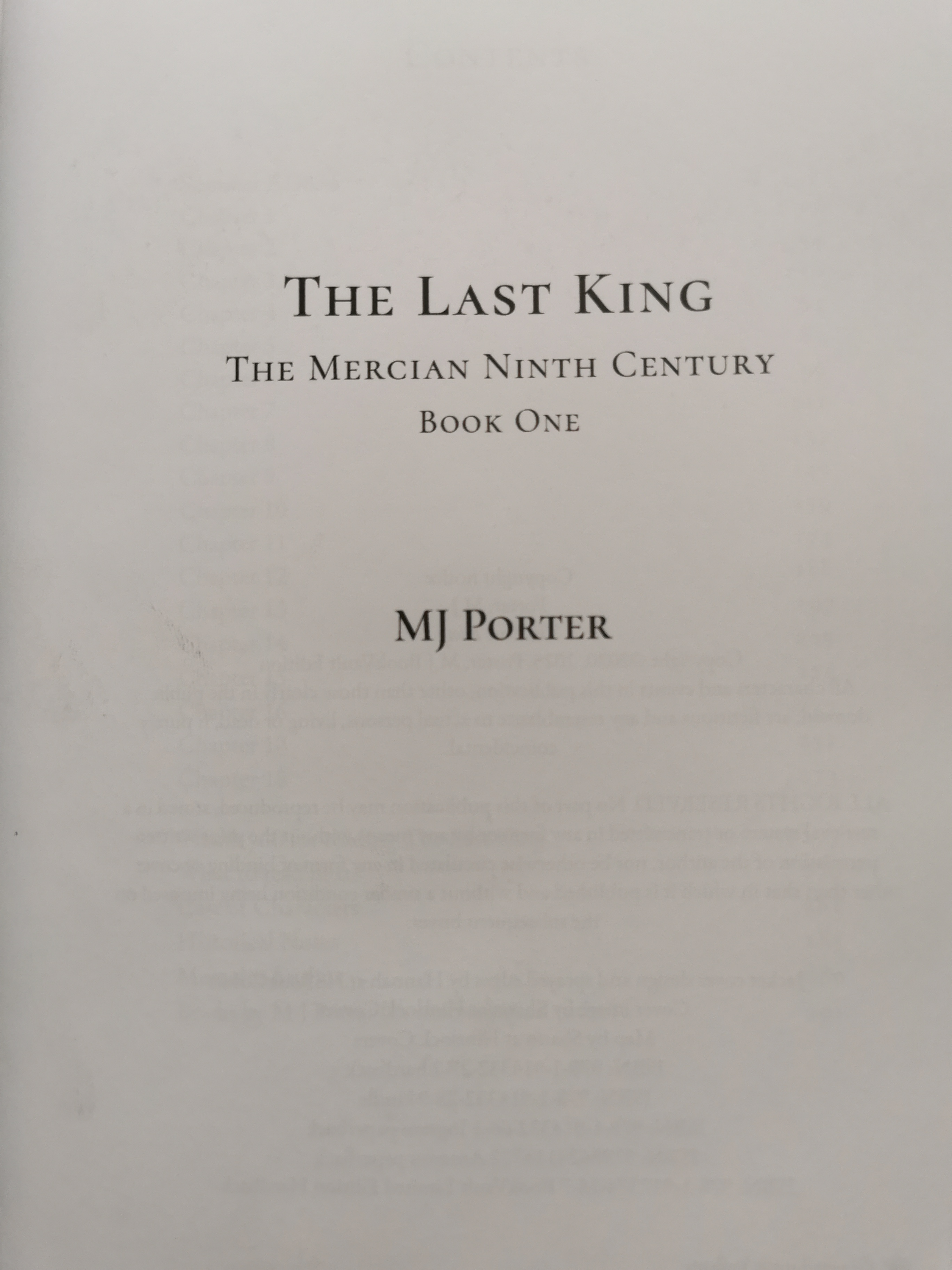
The front coverThe original coverThe inside jacketTitle pageOriginal mapThe prologue with chapter heading imagesThe sprayed edgesThe back coverThe inside back cover jacketThe original coverSide-by-side comparison with the original hardback version
Each book will be signed by me, and I’ll include some goodies with it as well. But to get a copy, you must order it via my SumUp shop. I will be offering discount codes to readers who order The Last King for The Last Warrior edition, too.
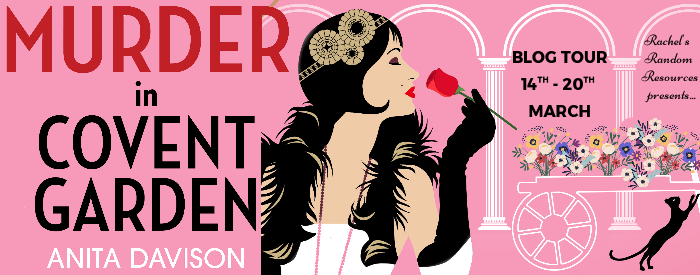
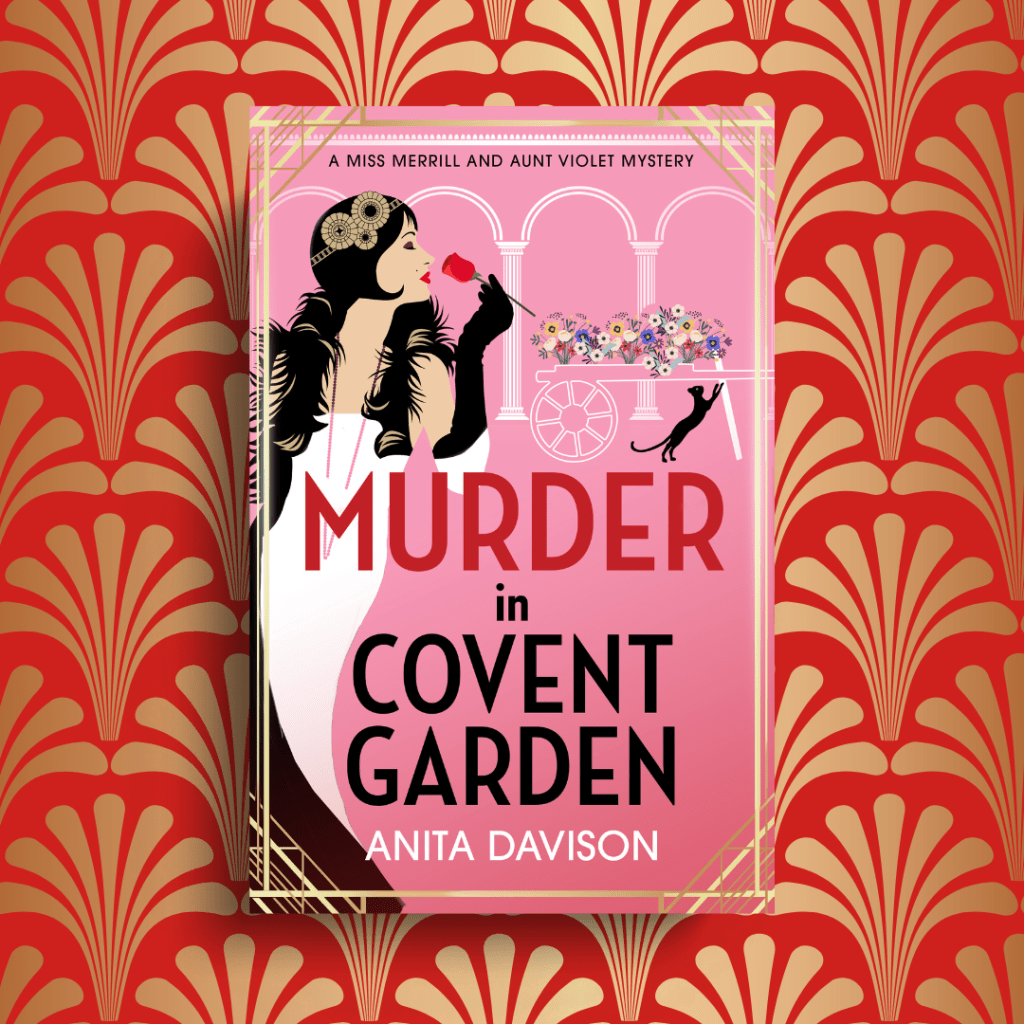
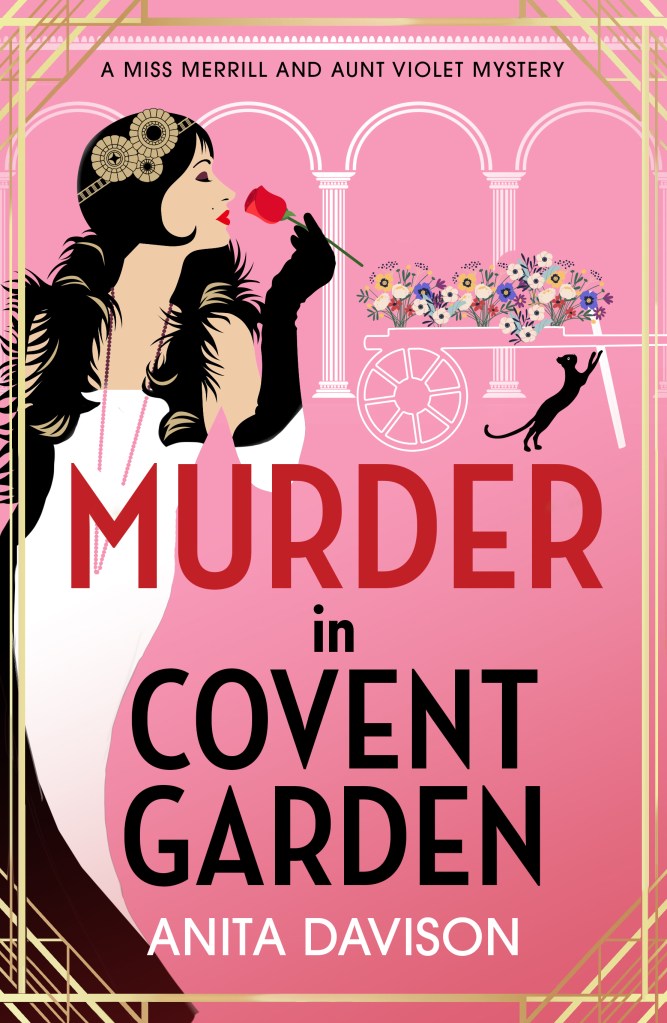
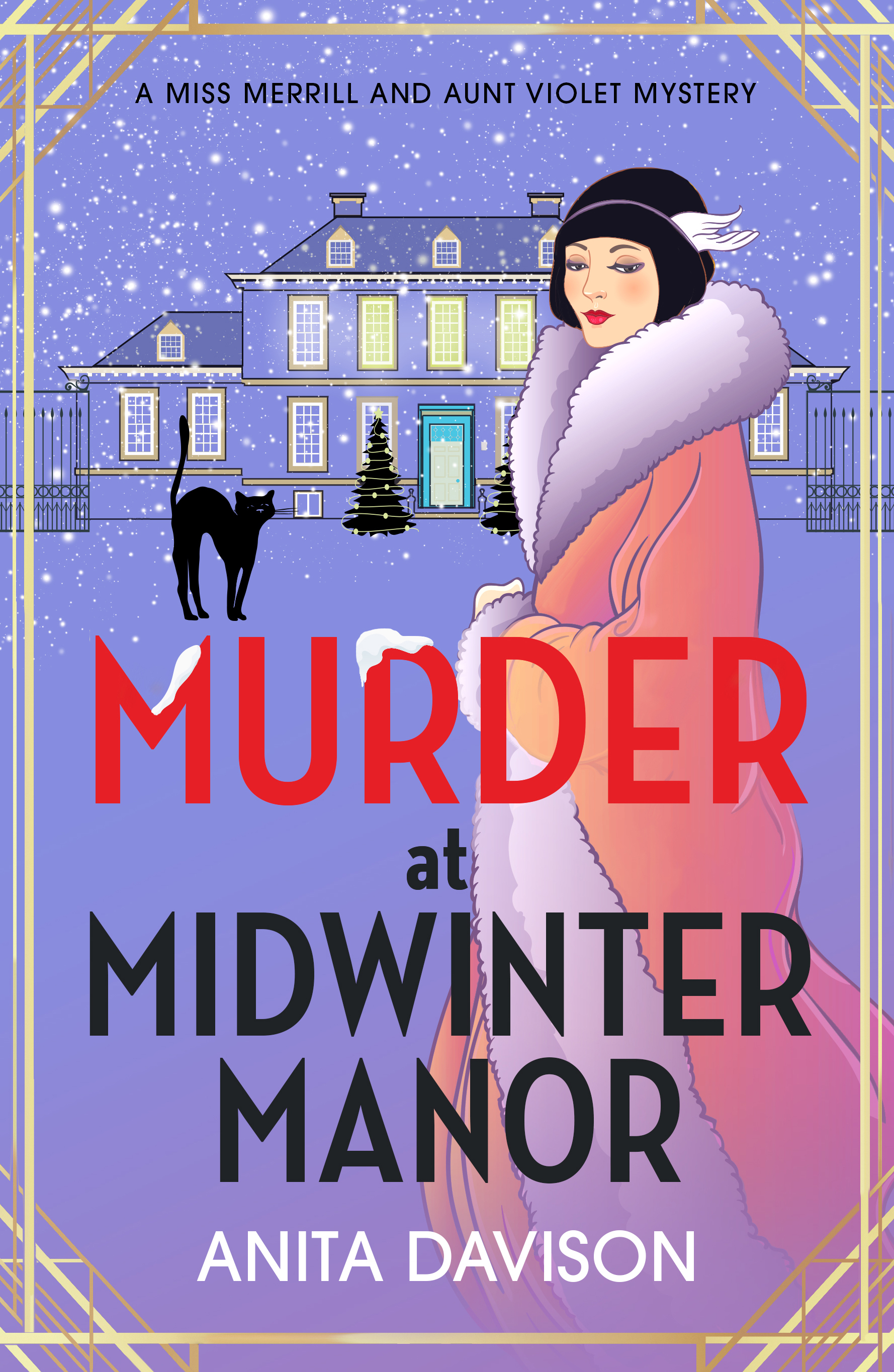
Even though its famous opera house has shuttered its doors for the war, Covent Garden remains one of the most exciting, bustling areas of London. It’s where Hannah Merrill and Aunt Violet have their bookshop and, in spite of the recent spate of burglaries in the area, it’s generally thought to be a good neighbourhood.
So Hannah is surprised when she sees a fellow shopkeeper – a jeweller named Jacob Cornelis – having a heated argument with a stranger. Especially when the next day Cornelis is found dead in his shop, apparently the victim of another burglary.
But what shocks Hannah more is when she meets the policeman supposedly there to investigate the crime. Because he is none other than the man who Hannah saw arguing with Cornelis the day before.
Hannah knows it’s up to her and Violet to investigate. But they don’t know they’re about to uncover a secret underworld of theft, murder and blackmail. And they must act fast, before the Covent Garden Killer strikes again…
A gripping and unputdownable Golden Age cozy crime mystery, perfect for fans of Agatha Christie, Helena Dixon and Verity Bright.
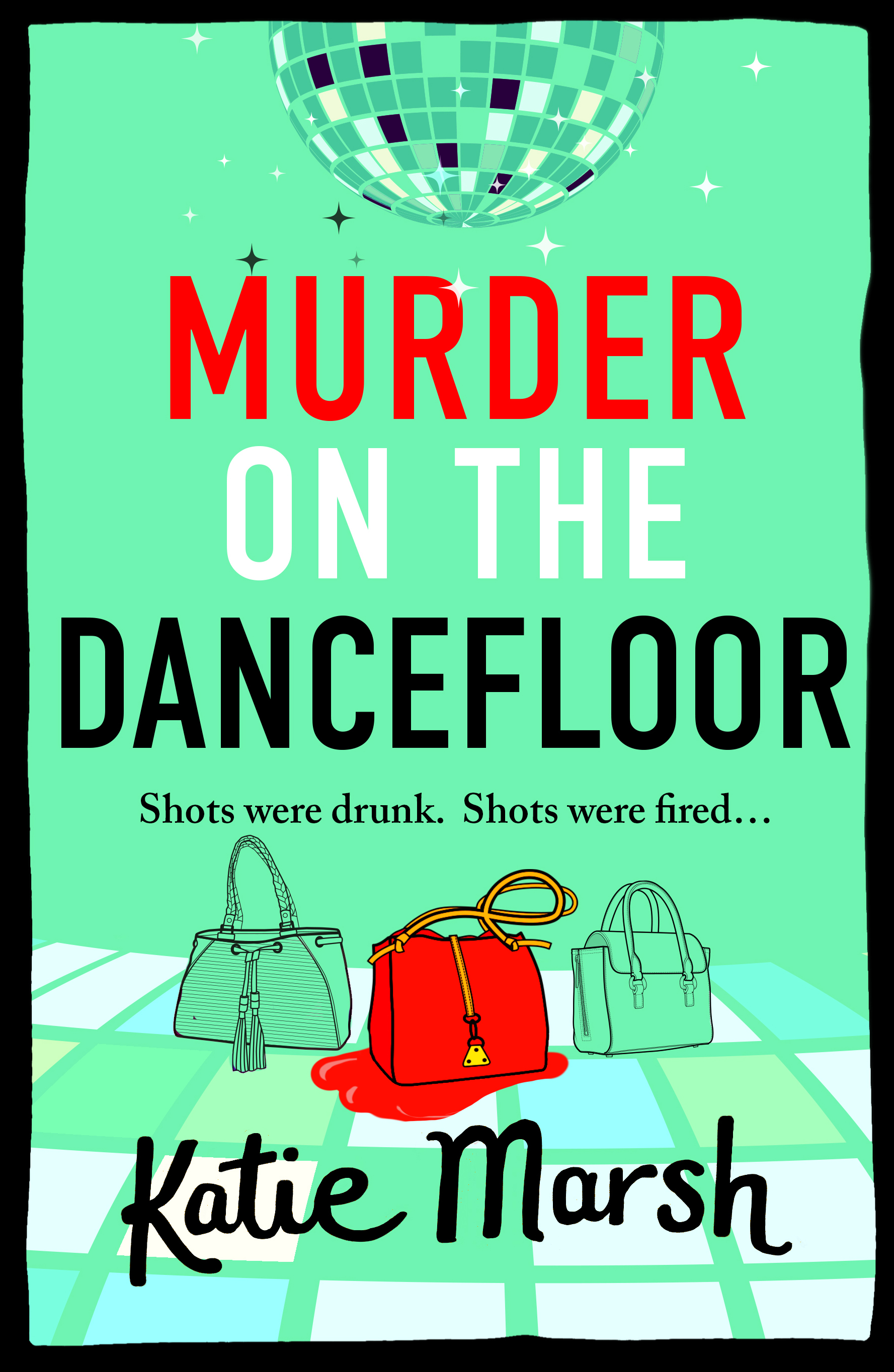
Murder in Covent Garden has everything we’ve come to expect from a Miss Merill and Aunt Violet Mystery – a crime to solve, Hannah determined to discover the truth, and of course, Aunt Violet being her usual enigmatic self in World War 1 era London.
This time Hannah manages to get her herself into all sorts of difficult situations, which she somehow manages to escape from, as well as more than her fair share of possible perpetrators. Again, the ending wasn’t expected, and I always appreciate that.
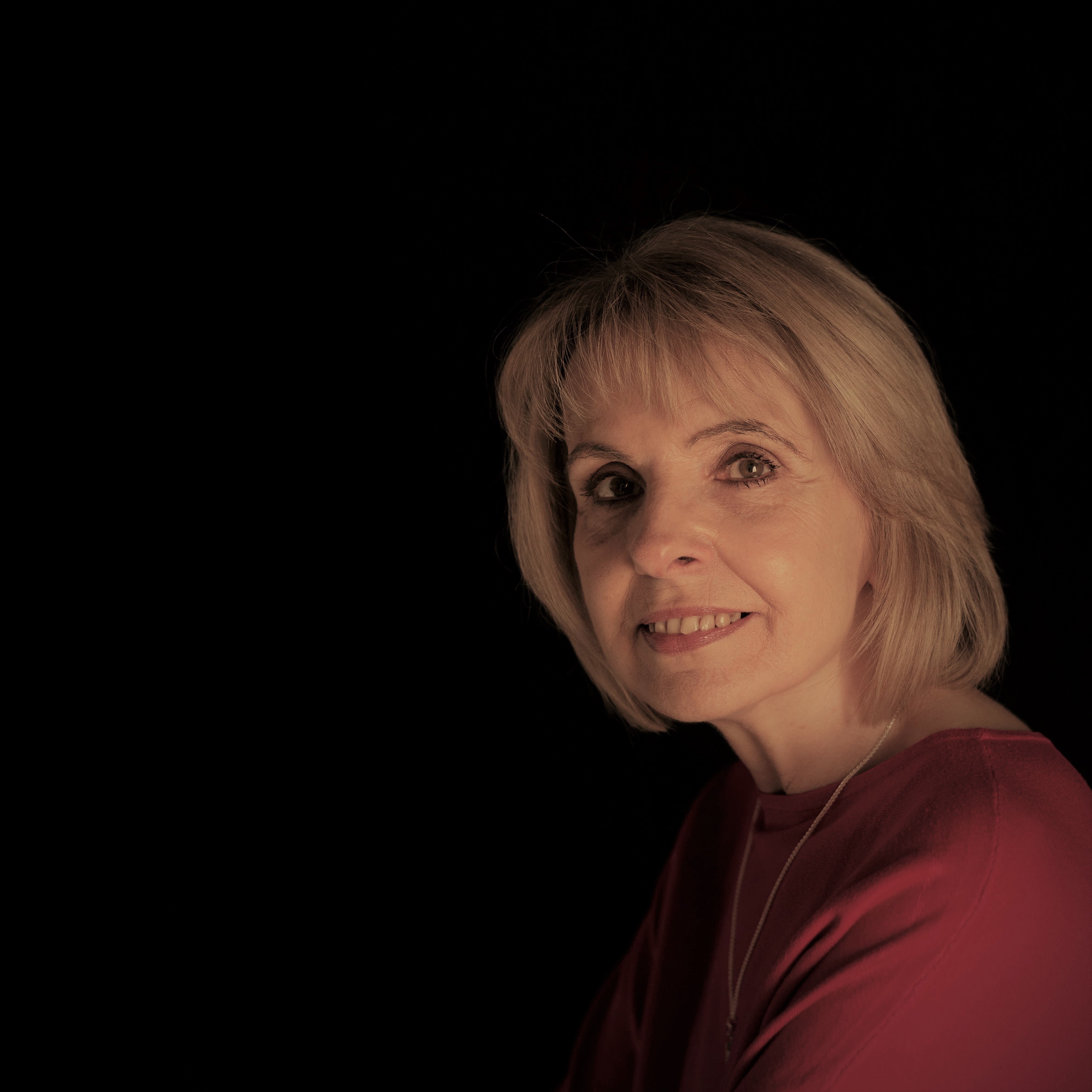
Anita was brought up in London, a city with a history that has always fascinated her and influenced her first attempts at writing. Her first three novels featured a 17th Century West Country family on the losing side of the Monmouth Rebellion of 1685. Other previous work includes an Edwardian Cosy Mystery series featuring amateur sleuth, Flora Maguire set in early 20th Century London and Cheltenham. Anita’s most recent work is the Miss Merrill and Aunt Violet Mysteries set in WWI from Boldwood Books.
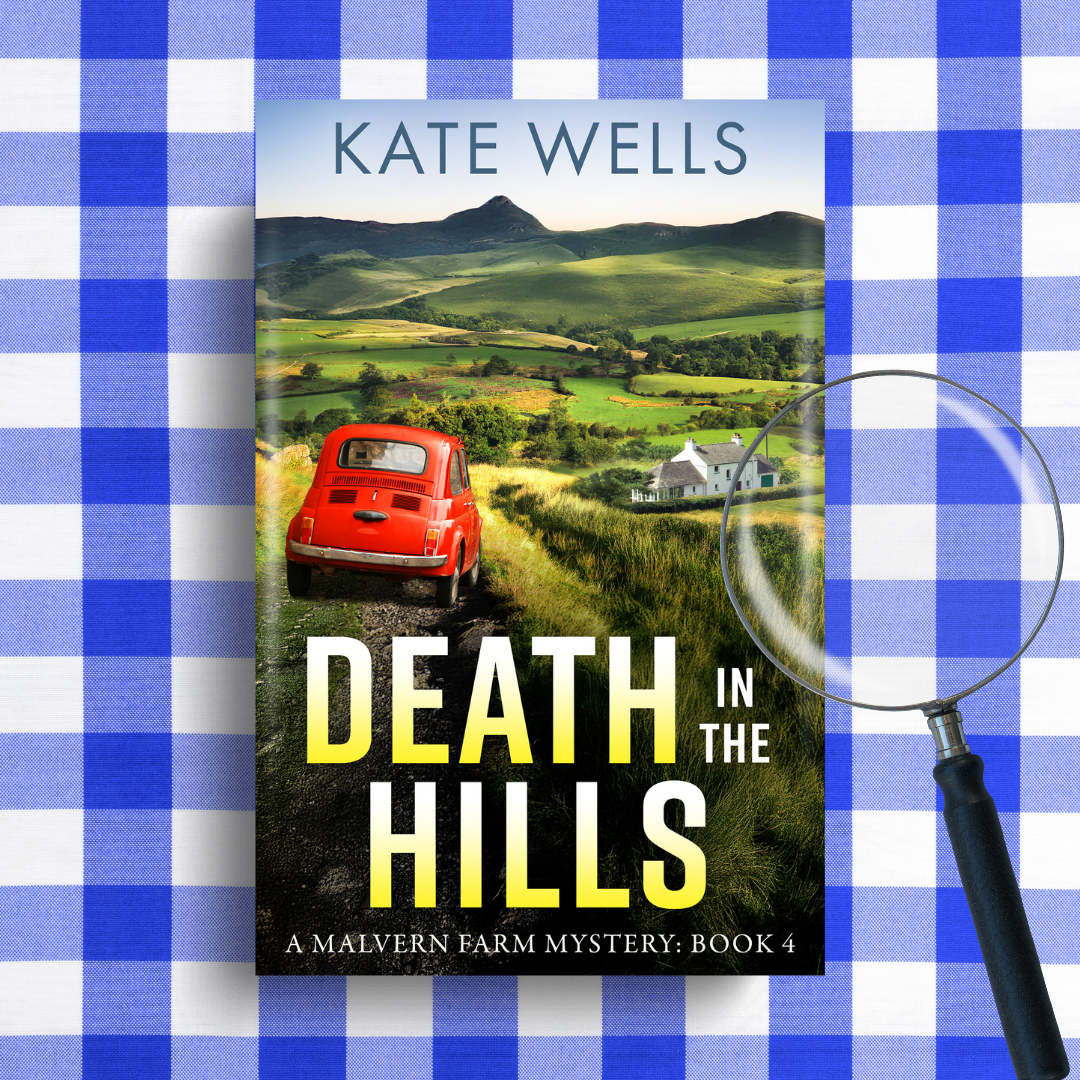
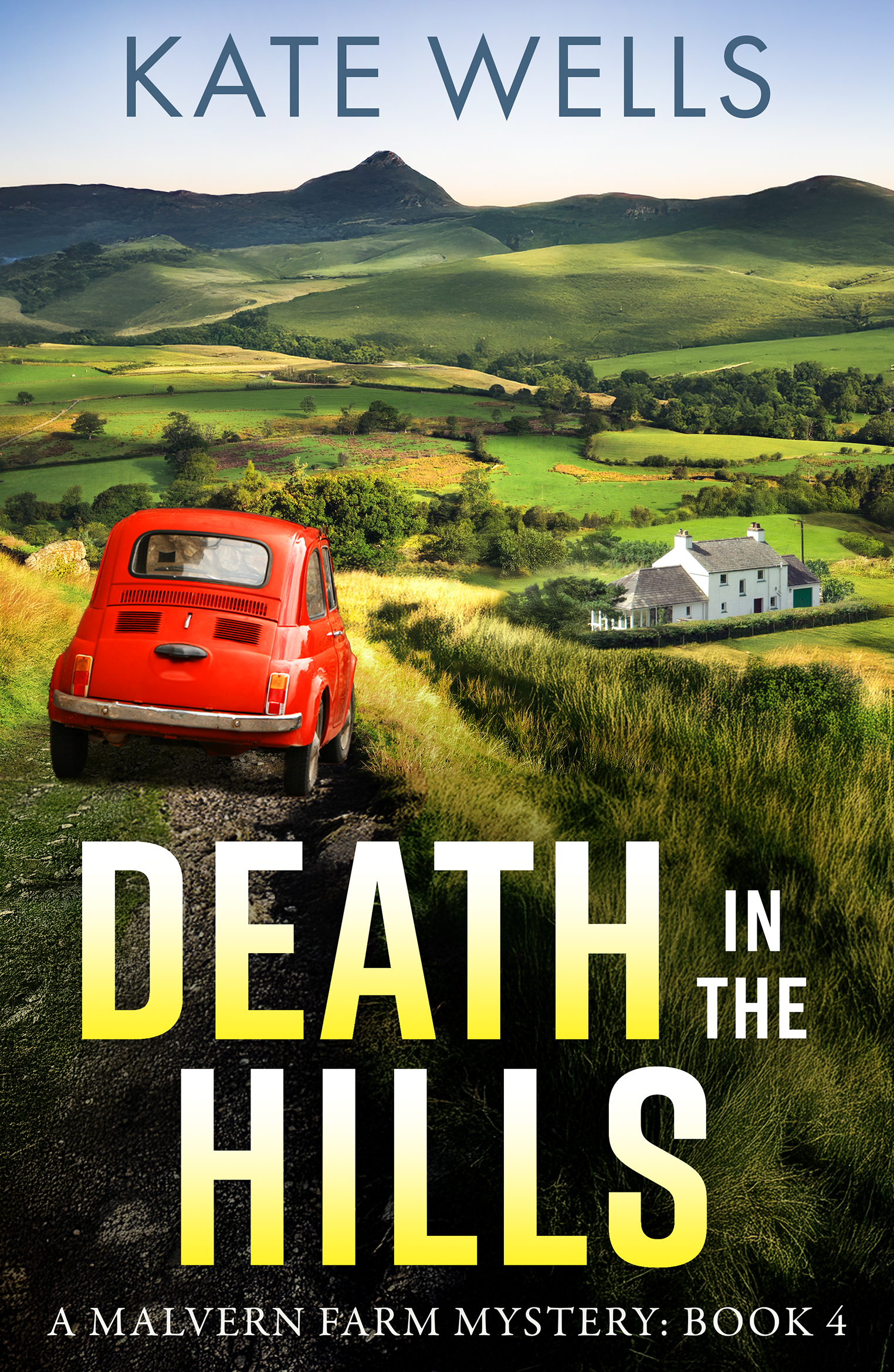
When Jude Gray and DI Binnie Khatri join a local walking group, their expectations for a peaceful outing to the Malvern Hills takes a grim turn. Arguments abound, and the hike ends in tragedy when one of the walkers is found dead in her car.
Initially ruled as an accident, Jude’s instincts tell her there’s more to the story.
As Jude and Binnie dig deeper, they uncover tensions and secrets within the group. From hidden affairs to longstanding rivalries, it becomes clear this death was no accident.
With each revelation, the danger grows. Can Jude and Binnie unravel the mystery before the killer strikes again?
A gripping addition to the Malvern Farm Mystery series, perfect for fans of Frances Evesham, Merryn Allingham, and Faith Martin.
Death in the Hills is the fourth book in the Malvern Farm Mysteries. I’ve read three of them.
It’s a welcome return to Jude Gray and her busy farming life and family, but no sooner have we enjoyed a countryside walk than tragedy strikes. As always, Jude is suspicious, and she’s right to be suspicious as she begins to uncover some of the secrets among the members of the walking group she’s joined.
These mysteries are really solid reads. The plot is very well defined and developed, and readers know they’re going to get a surprise along the way—one that has been well-signposted if only we follow the right clues (which I didn’t—I was very convinced the solution was different from the one we got).
Death in the Hills is a welcome addition to this thoroughly well-written series, and I’m really pleased that at least four more books will be published.
Meet the author
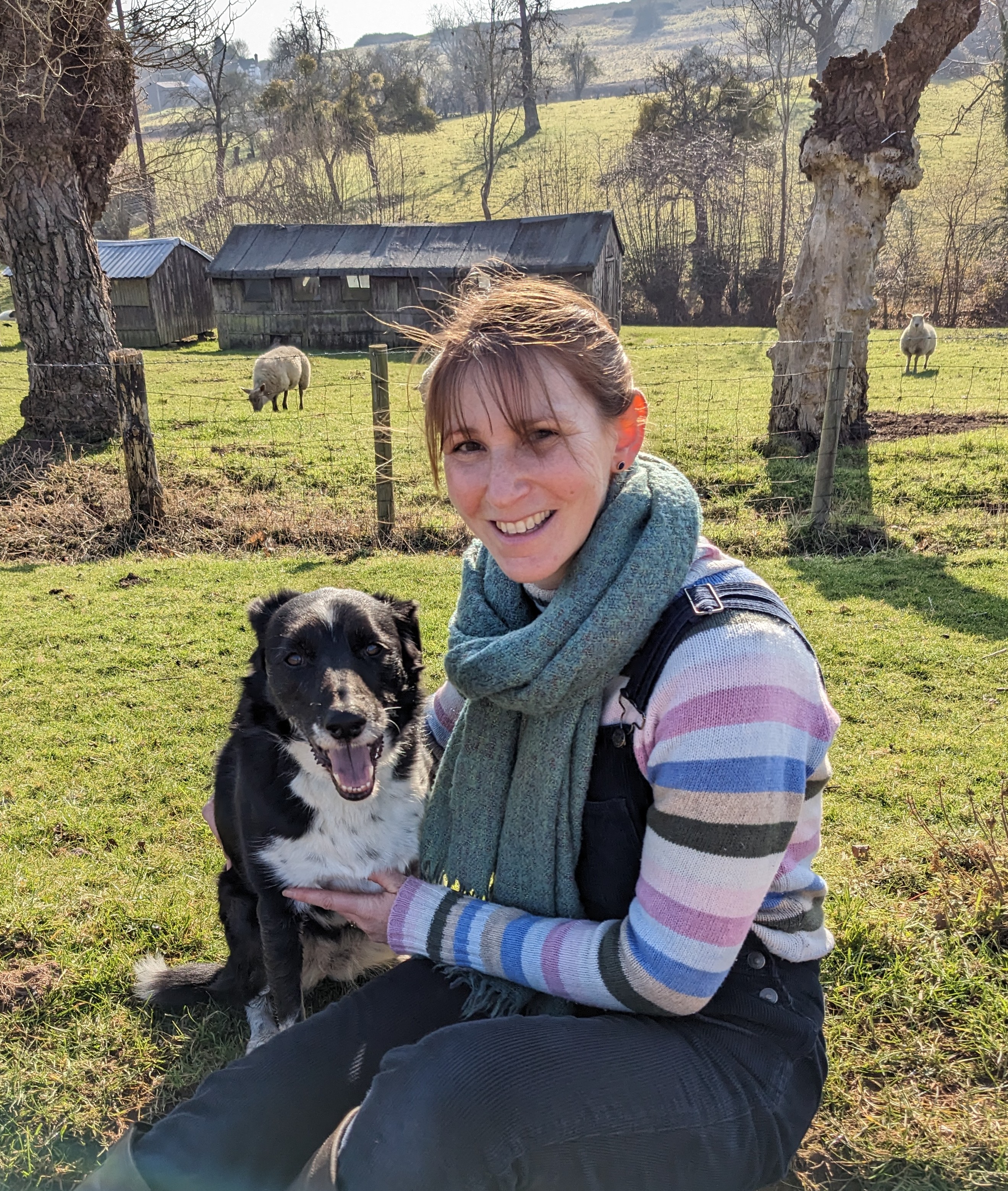
Kate Wells is the author of a number of well-reviewed books for children, and is now writing a new cosy crime series set in the Malvern hills, inspired by the farm where she grew up.
I did attempt to share my reading each month on Instagram, but it was a lot of work, and so it fell somewhat by the by as the year progressed. So, let’s get into the nitty gritty details of what I did read in 2024.
Goodreads tells me I’ve read 105 books this year. Unlike other years, I’ve not included my own books in this, which get read repeatedly while writing and editing.
Eleven of these titles were audio books. Now, these are all the Terry Pratchett Discword audios (the new ones), and in fact, I’ve listened to most of them repeatedly, but I stopped popping them on Goodreads because otherwise, everyone would see how often I relisten to them. My favourites are The Witches books which Indira Varma has narrated. Of those, my favourites are Wyrd Sisters, Masquerade and Lords and Ladies. Indira Varma makes these characters sparkle and they really come alive for the listener. Check them out if you’ve not tried them before. Admittedly, to read them in order you start with Equal Rites, which isn’t my favourite but it does introduce the reader to Granny Weatherwax.
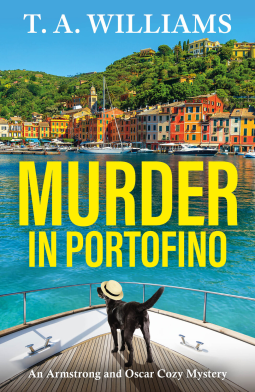
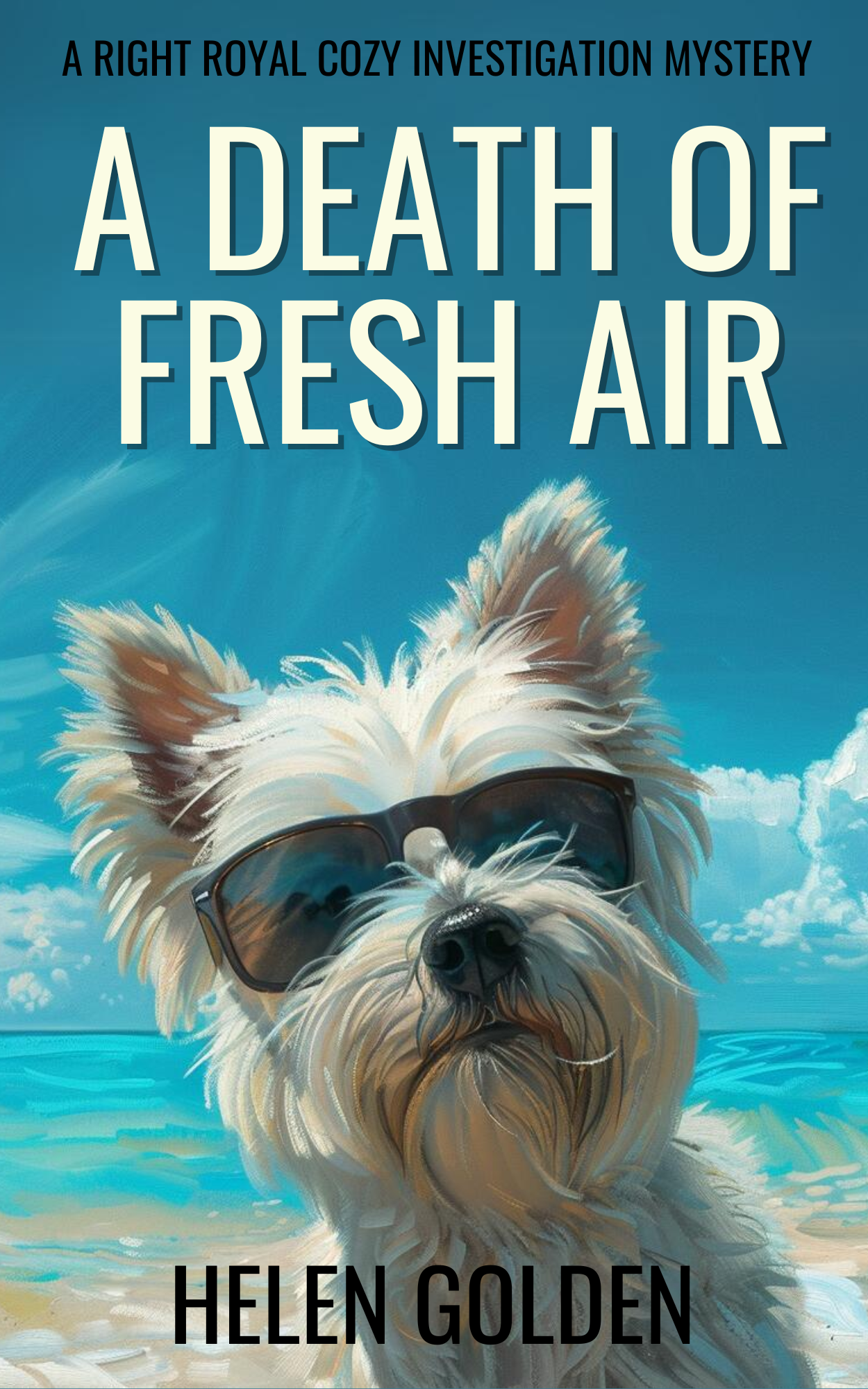
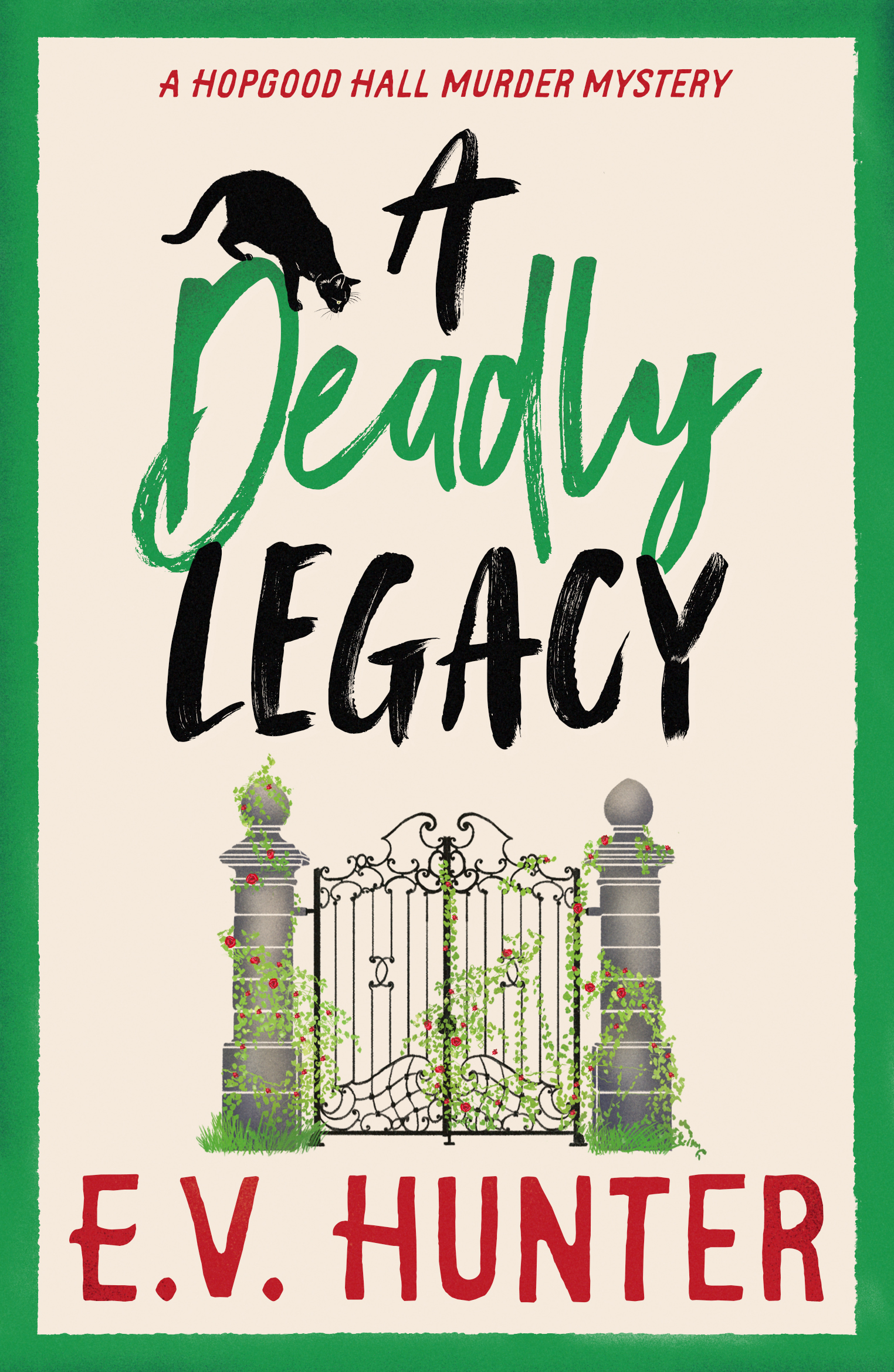
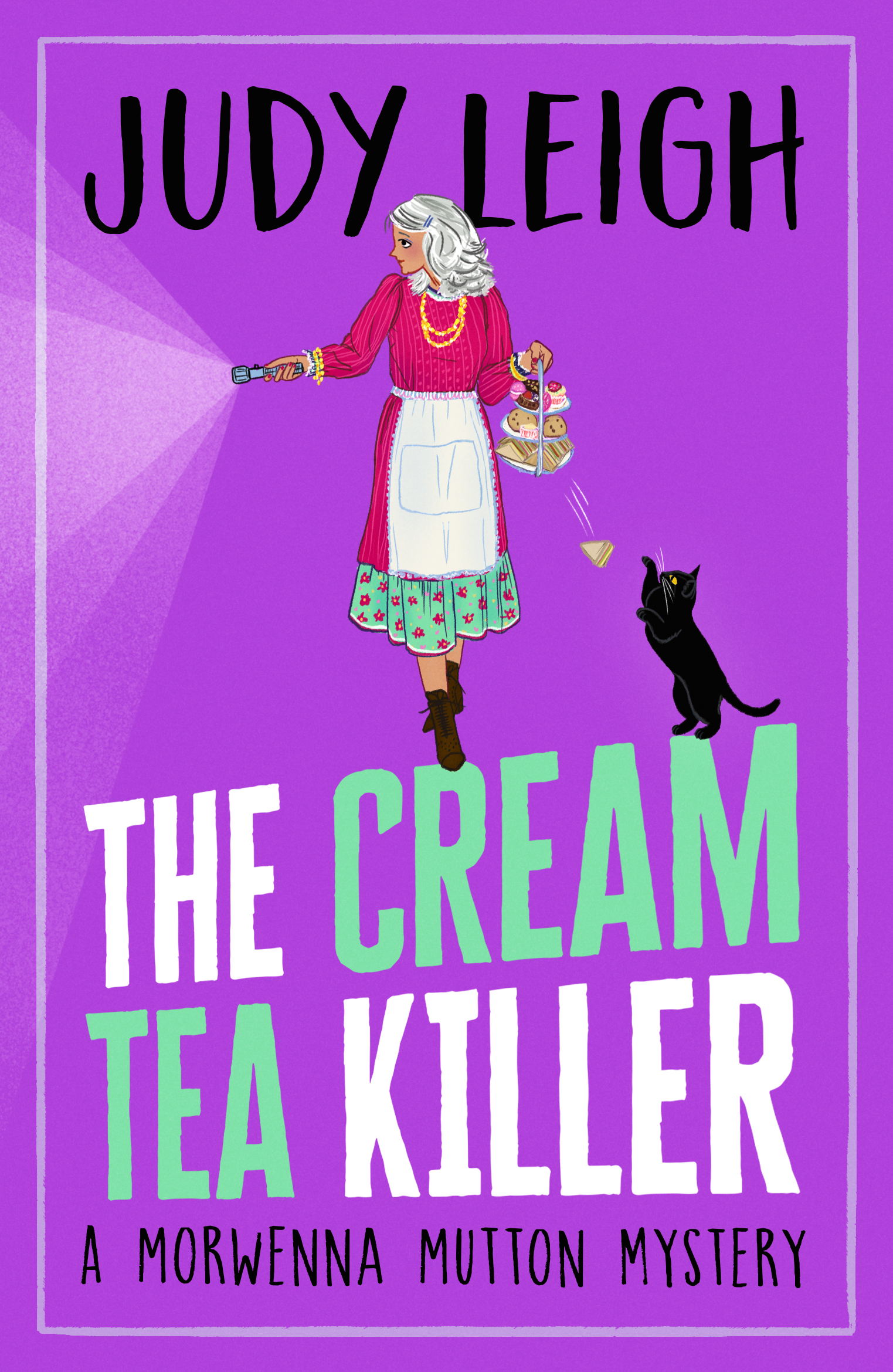
I have two most-read categories, which probably won’t surprise anyone, cosy mysteries, coming in with twenty-three titles, and historical fiction with twenty-two titles. The cosy mysteries are often series, which I read as they’re released. Top authors in my ‘most-read’ for the year are TA Williams and his Armstrong and Oscar cosy crime series set in contemporary Italy, Helen Golden’s Right Royal Cosy Mystery series, Judy Leigh’s Morwenna Mutton mysteries and EV Hunter’s Hopgood Murder Mystery series.
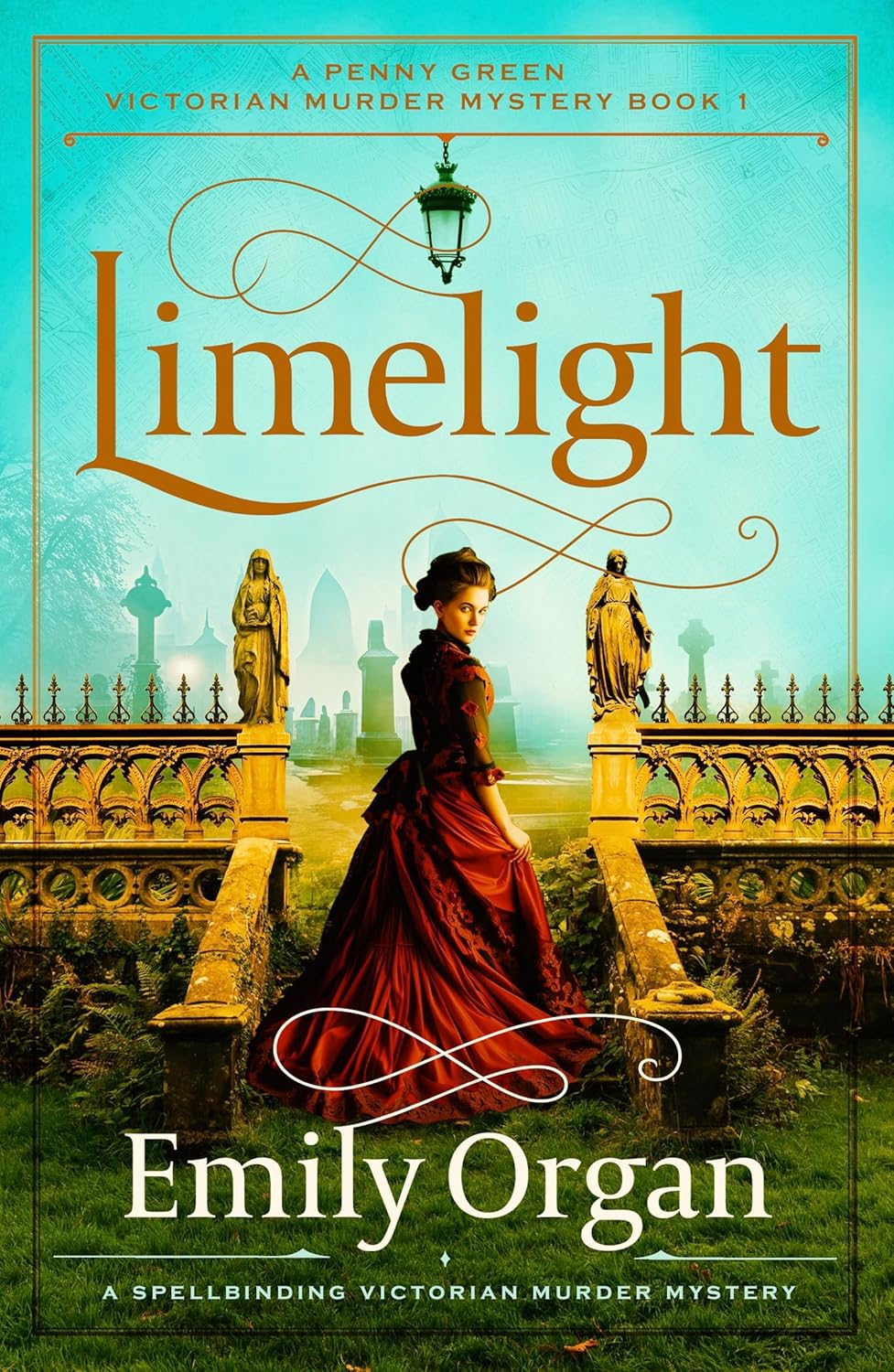
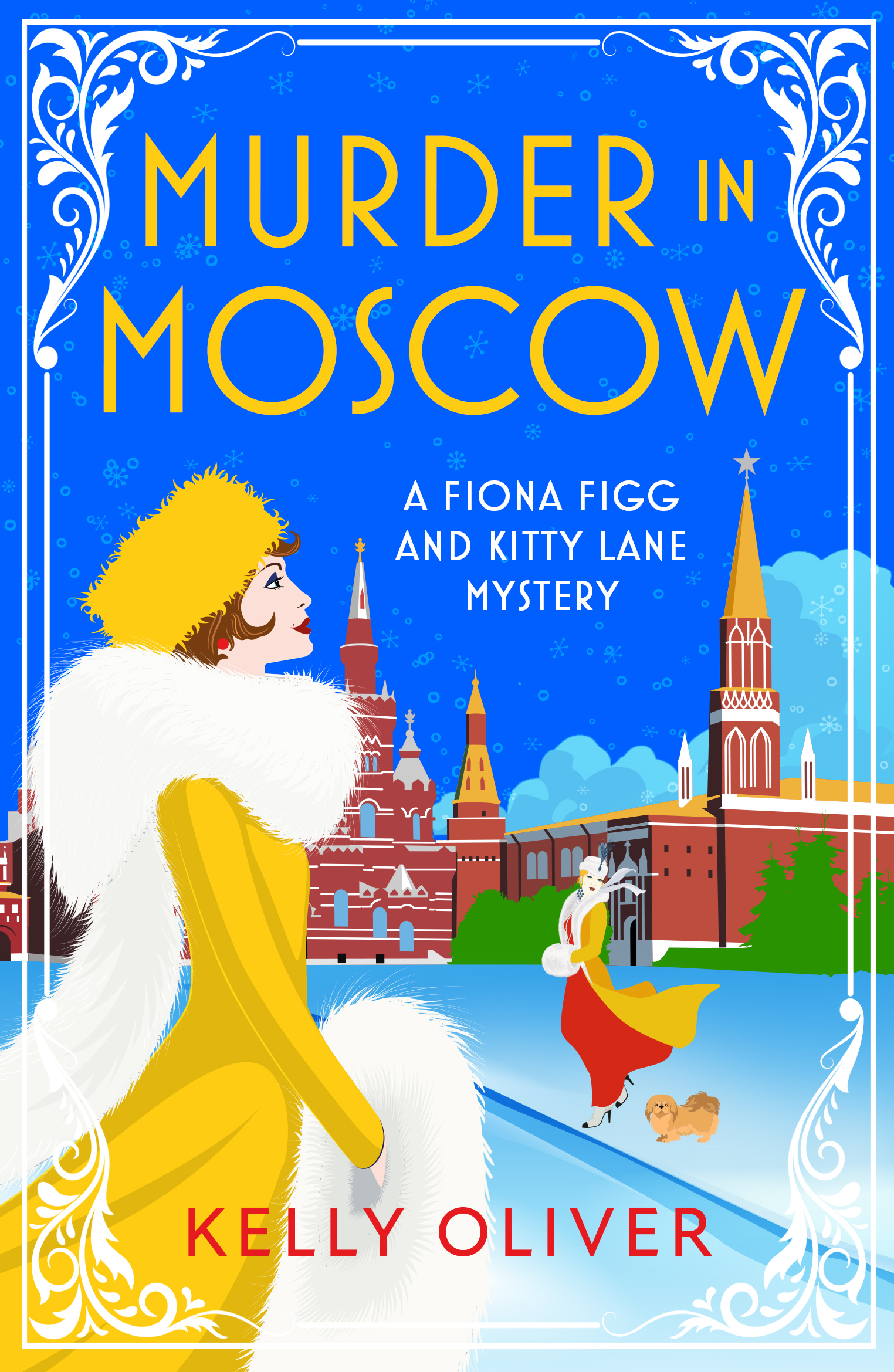
Historical mysteries comes third on the list, with fifteen titles. My favourite authors here have been Sarah Hawkswood (I read six titles by her this year. It’s always good to get time to catch up on titles I’ve missed), Elizabeth R Andersen, Michelle Salter, Anita Davison, Holly Hepburn and Kelly Oliver. I adore a good historical mystery, and hope to read more by Emily Organ, who I’ve only just discovered, and who has written a few series now.
There are ten titles I’m classifying as ‘action’ although some of them weren’t and some of them might also fit in other categories. I’ve included the new Harlan Coben Myron Bolitar book in this category. My review for this book has been my most visited blog page this year, which made me chuckle. But, it’s good to know I’m not the only one demanding more titles featuring Myron and Wyn.
Eight titles were historical romance, with Jane Dunn and her Regency Romances taking the ‘most read author’ spotlight for that category. I do love a good Regency romance.
There were also six romance titles, five nonfiction titles, three sci fi titles and two fantasies (I’ve not included the Discword audios as they’re in my audio count). Hopefully, that all adds up to 105 titles.
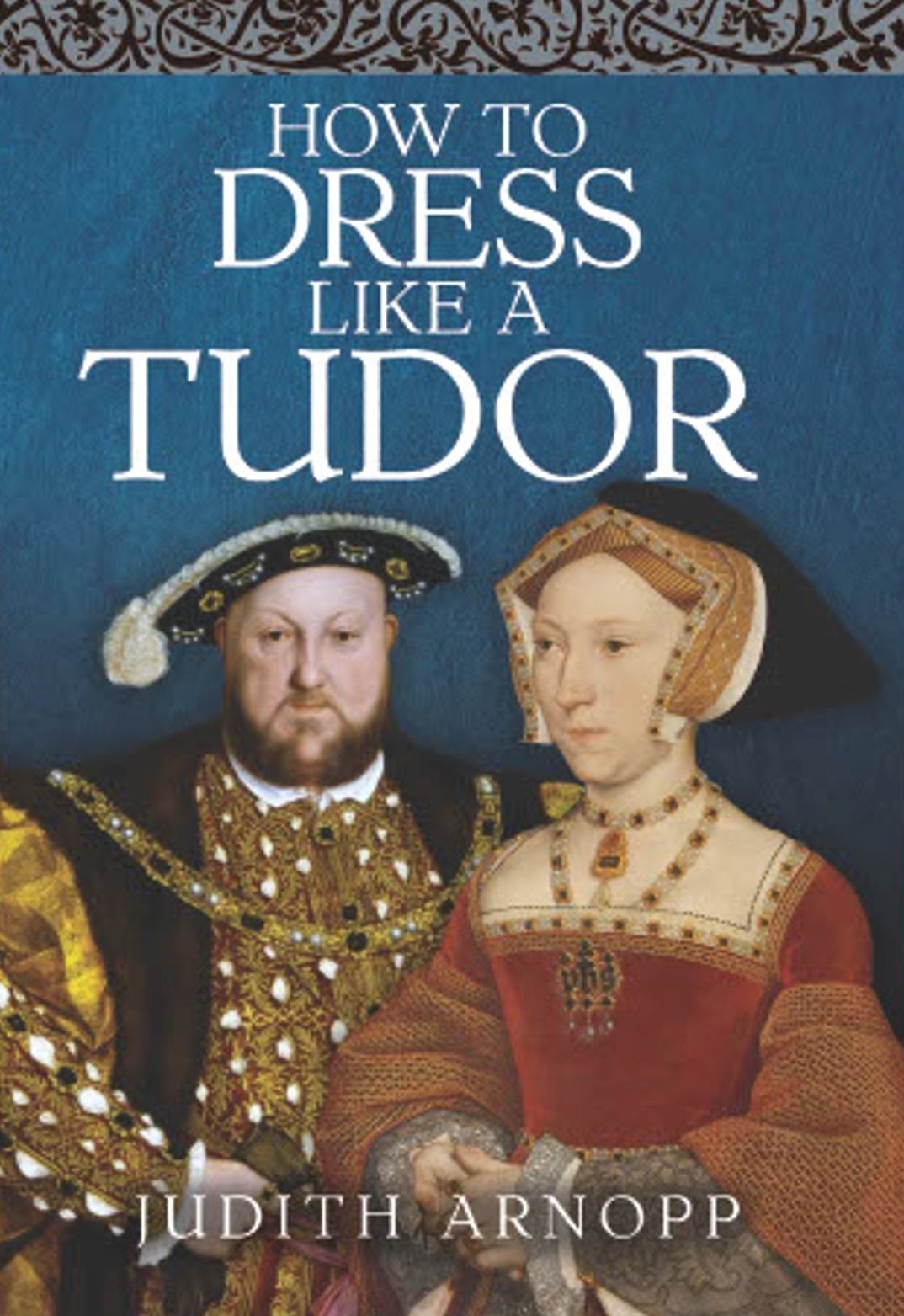
For nonfiction, I’ve been reading about the Tudors, diving into Eating with The Tudors, and How to Dress Like a Tudor – both fascinating insights into areas I rarely consider because I’m always thinking about historical events and not as much about how people lived but the ‘lived’ experience is just as important and I’ve been endeavouring to explore this for my Saxon stories – visiting places, learning Saxon embroidery and taking part in a Roots herbal day.
The final non-fiction title was Sarah Gristwood’s Secret Voices: A Year of Women’s Voices which was fascinating, and quite addictive reading. I highly recommend it if only to discover the fab little diary entry about the curse of zips:) I reviewed the title for Aspects of History so you should be able to find my review over there.
I’ve also half-read many other titles (apologies to those authors), and I’m always dipping a toe into nonfiction titles. One of my favourites this year has been After Rome by Robin Fleming, which is fabulous and I must finish, but is sadly only available as a paperback, and my Kindle version of The Reigns of Edmund, Eadred and Eadwig is essentially ALL highlighted. It was such a timely release as I was concluding the Brunanburh Series.
I’ve been sharing some of my favourite reads of the year with Aspects of History and also Shepherd books, but do I have an absolute favourite? I’m not sure, but there were a few books I devoured in as few sittings as possible, and this is often a sign of a book that entirely draws you in. For me that was The Portrait Artist by Dani Heywood-Lonsdale due for release in February 2025 (I don’t like the cover so don’t be put off by it), and also Susie Dent’s Guilty by Definition. I also adored Arden by GD Harper, which wasn’t always an easy read, but certainly engrossed me.
I’m very much a ‘mood’ reader. Sometimes I pick up titles outside my usual genres just for a change and sometimes I don’t always enjoy books in my usual genre at first and so pop them down with the hope I’ll return to them at some point in the future. I find there’s nothing better than reading a really fun book over the weekend when I can devote more time to reading than writing. So, sometimes my choices can seem a bit wayward, but then, everyone has their own tastes, and it’s good to read outside your favourite genres from time to time.
For 2025, I’m looking forward to the new Max Adams book about Mercia, due for release in Feb 2025, and I must find time to finally finish the Uhtred books by Bernard Cornwell (I refused to read it while I was working on the Brunanburh series), and I also need to catch up with Mark Lawrence’s Library Trilogy, of which I have three copies of the second title but still haven’t read it. I will continue to read historical fiction, historical mysteries and cosy crime, and anything else that takes my fancy. In doing so, I will support my fellow Boldwood authors, my author buddies (which is a growing list of must-reads) and those authors whose books I’ve been reading for years and keep returning to, time and time again, including the Discworld titles. At this point, I am thinking I should write some fan fiction but I won’t risk it:)
Here’s to 2025 and all the reading I hope to enjoy. And a thank you to all my readers too and those who visit the blog to follow my reviews.
Back in the summer of 2011 (I think), I spent every evening when my children were in bed, trying to plot the possessions of the Earls of Mercia as revealed by the entries in Domesday Book (which I think is a totally normal thing to do).
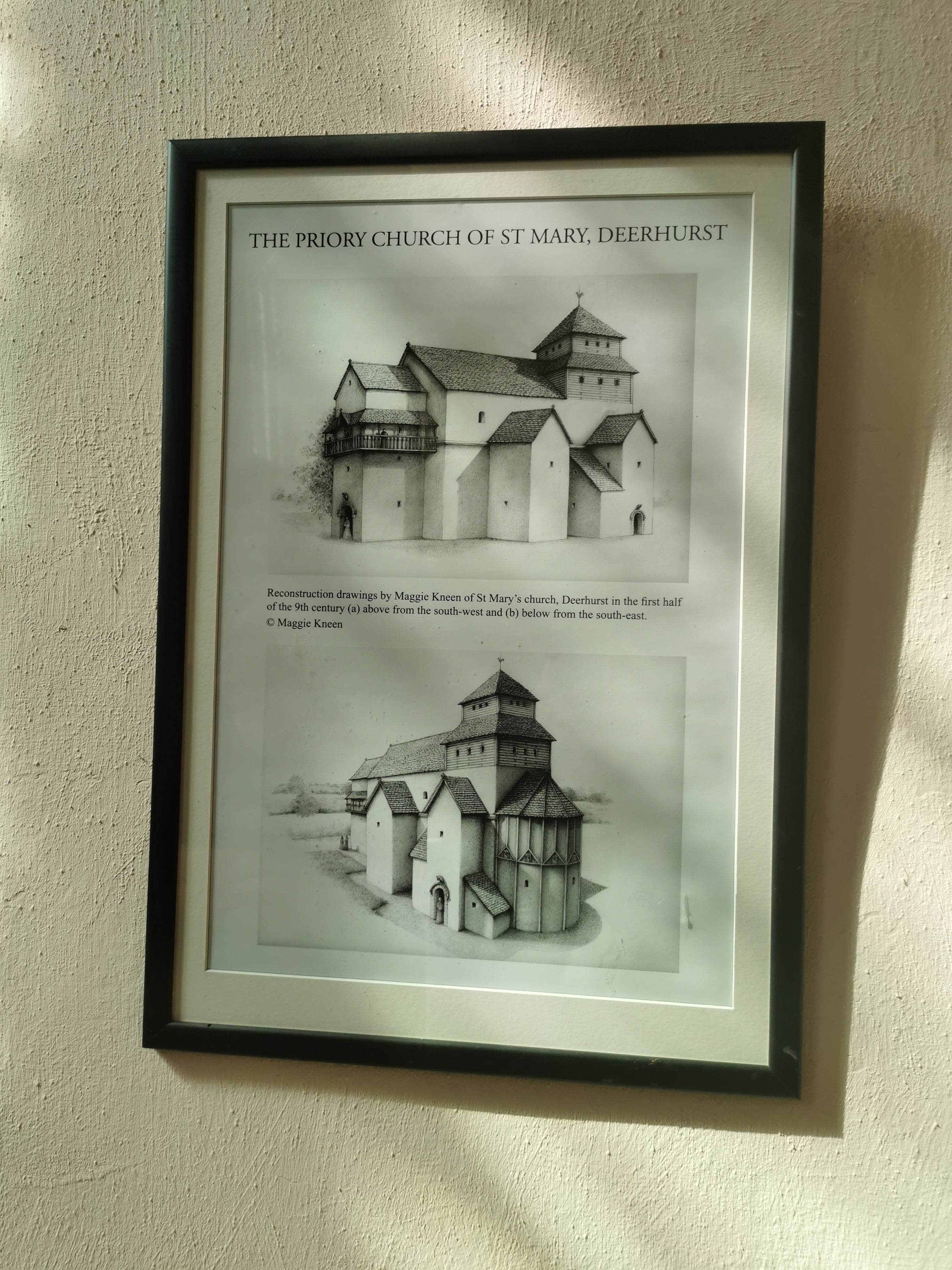
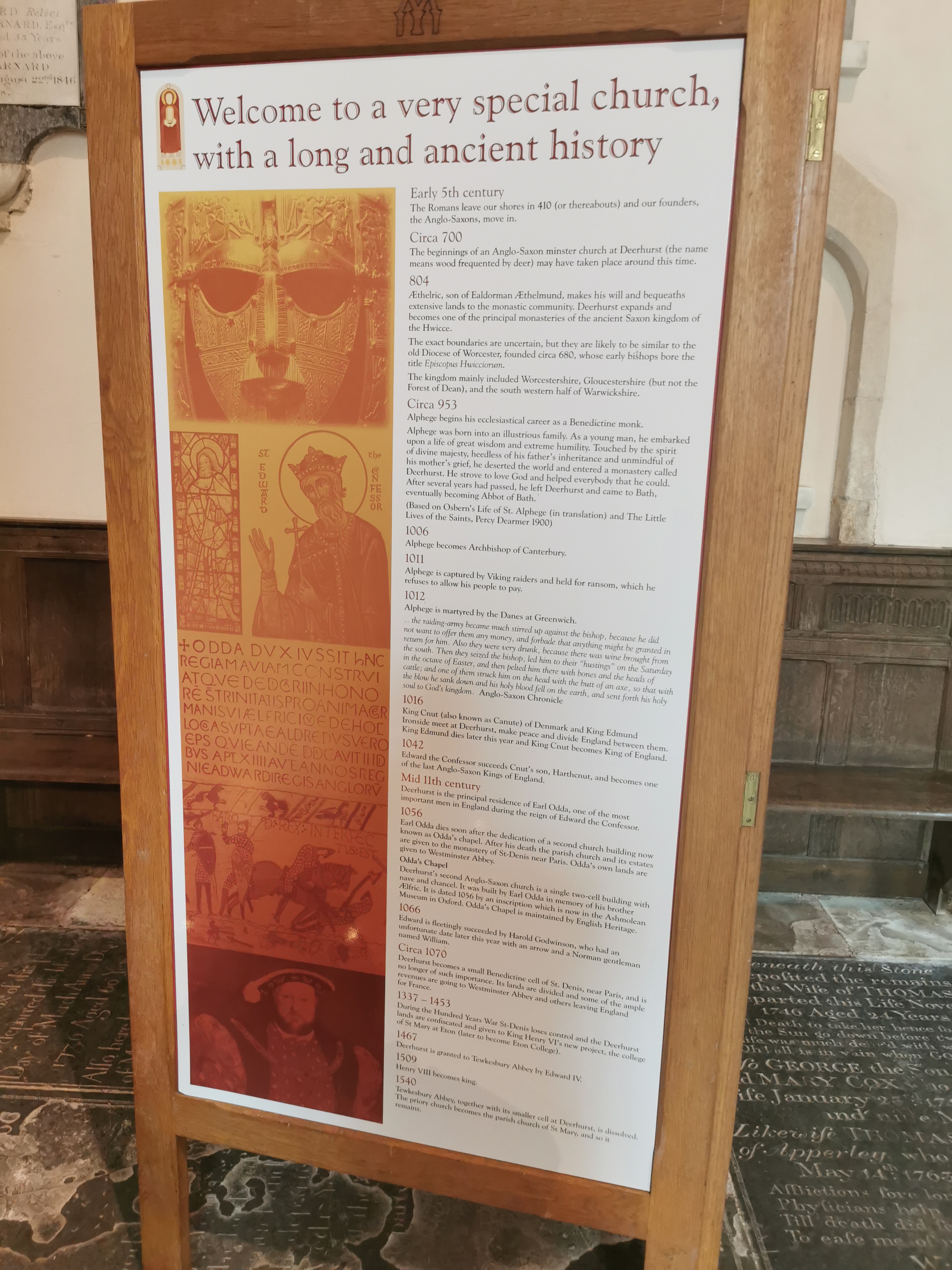
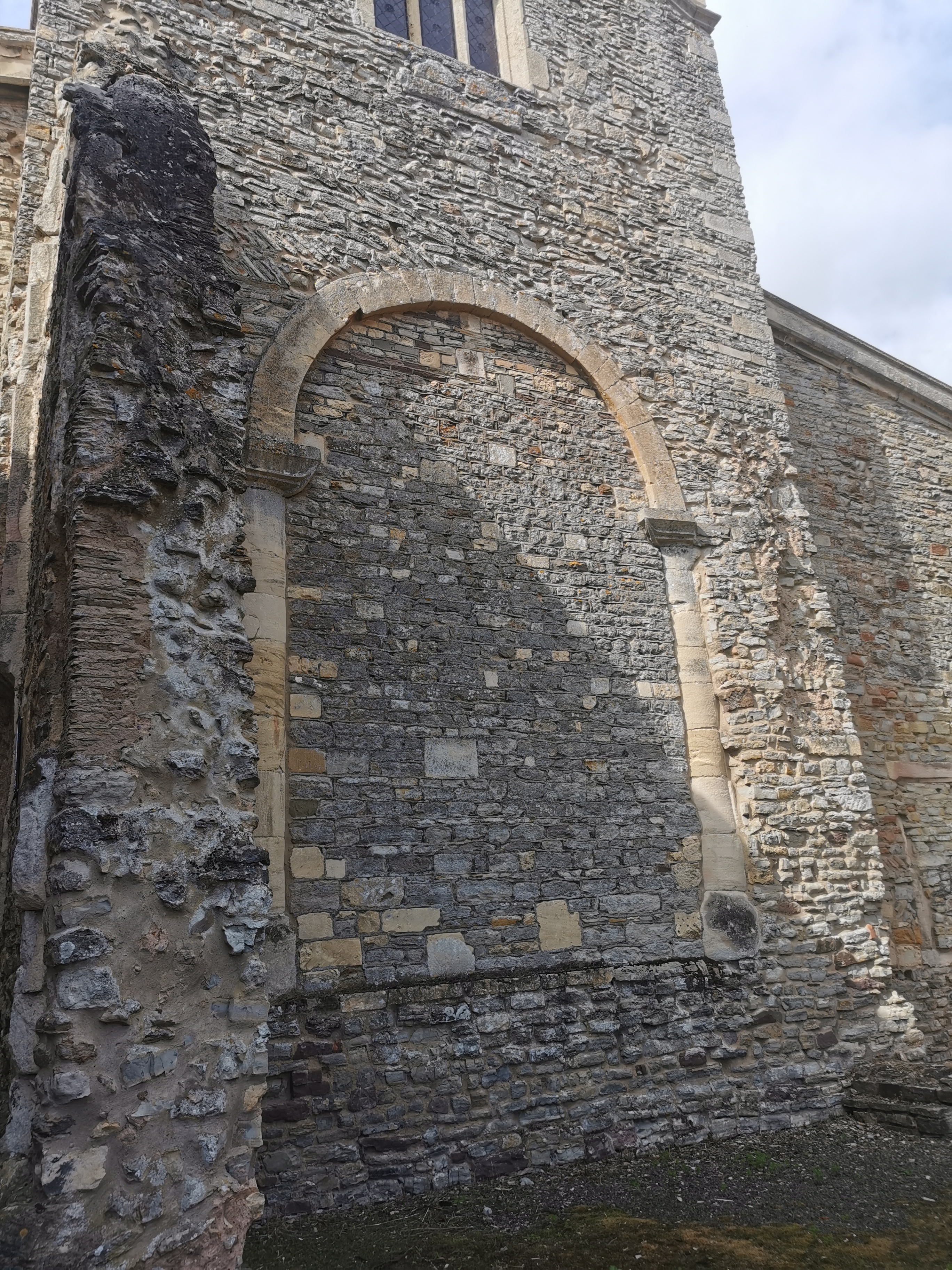
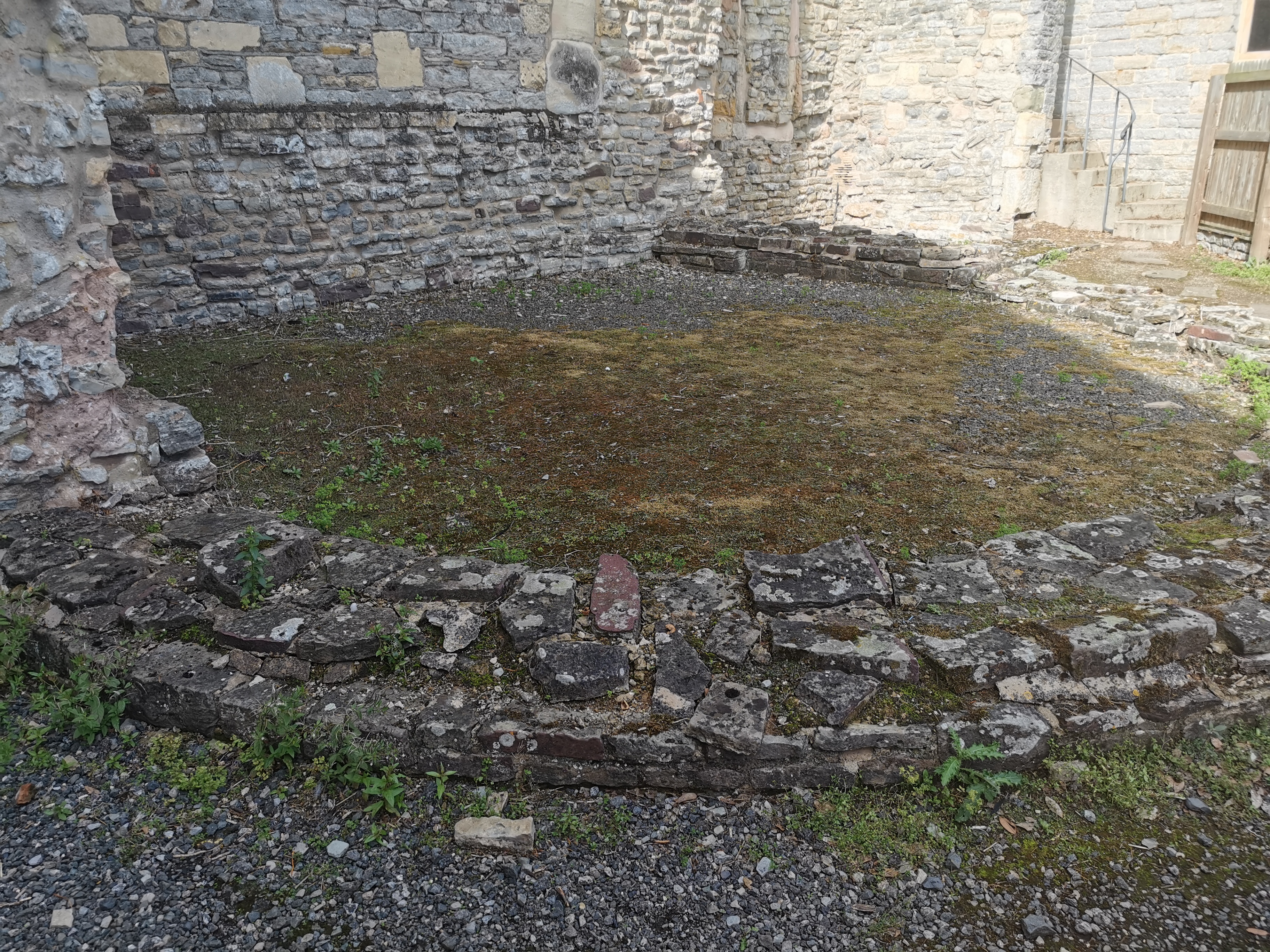
It was a tedious process, which could be achieved much more quickly these days with Google Maps, but it was what I had available to me. Somewhat frustrated with the process because by that period many of the possessions of the Earls of Mercia and their family were not located in the original area of the Hwicce (roughly Gloucestershire), and aware that Deerhurst (which is in Gloucestershire) has a long history back to the Saxon period, I eventually plonked by ealdorman, Leofwine, (of the Hwicce) close to that location, and indeed, readers of the books will know that I have his family burials there. But, I’d never actually visisted Deerhurst before. Until now.
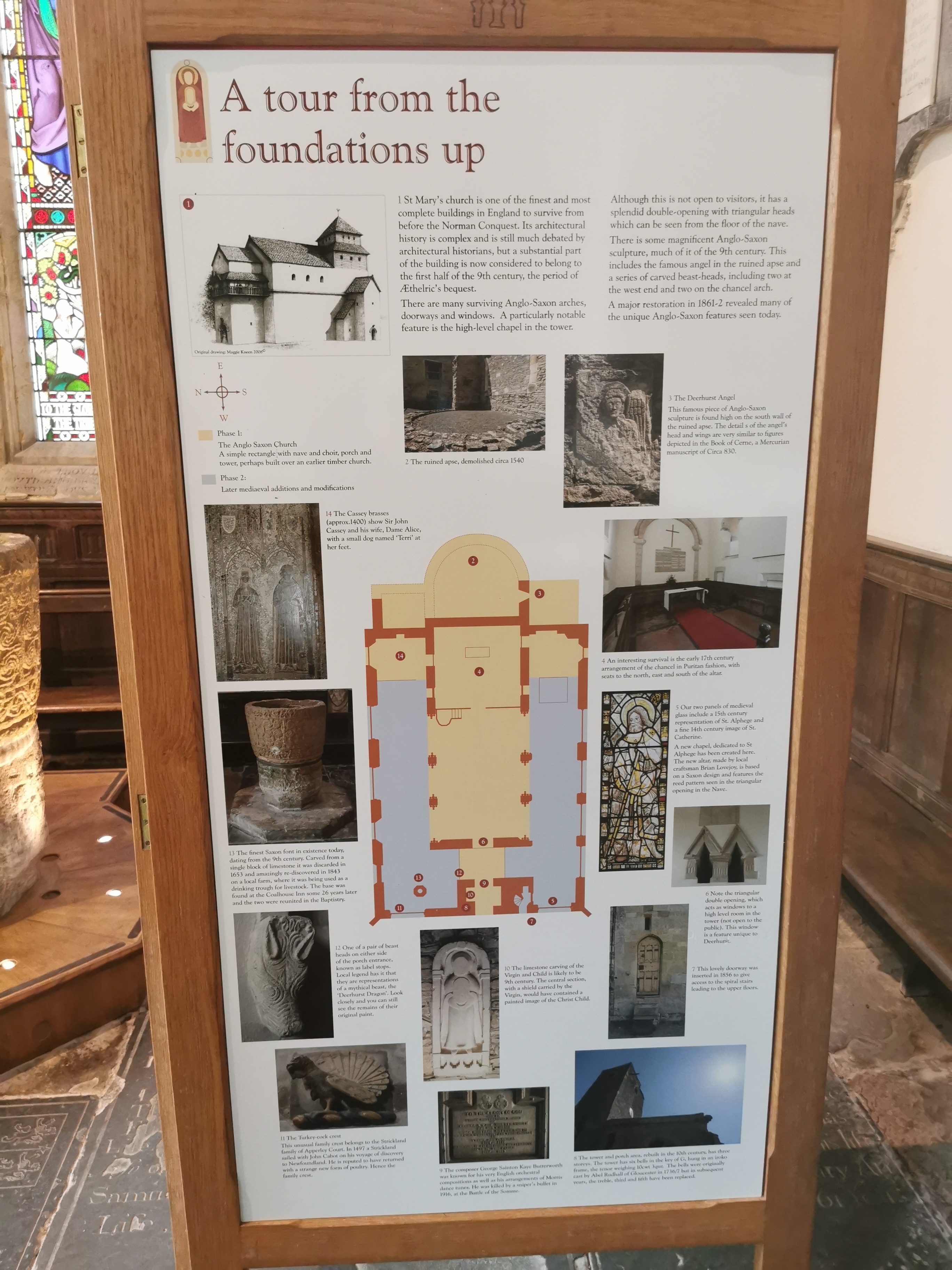
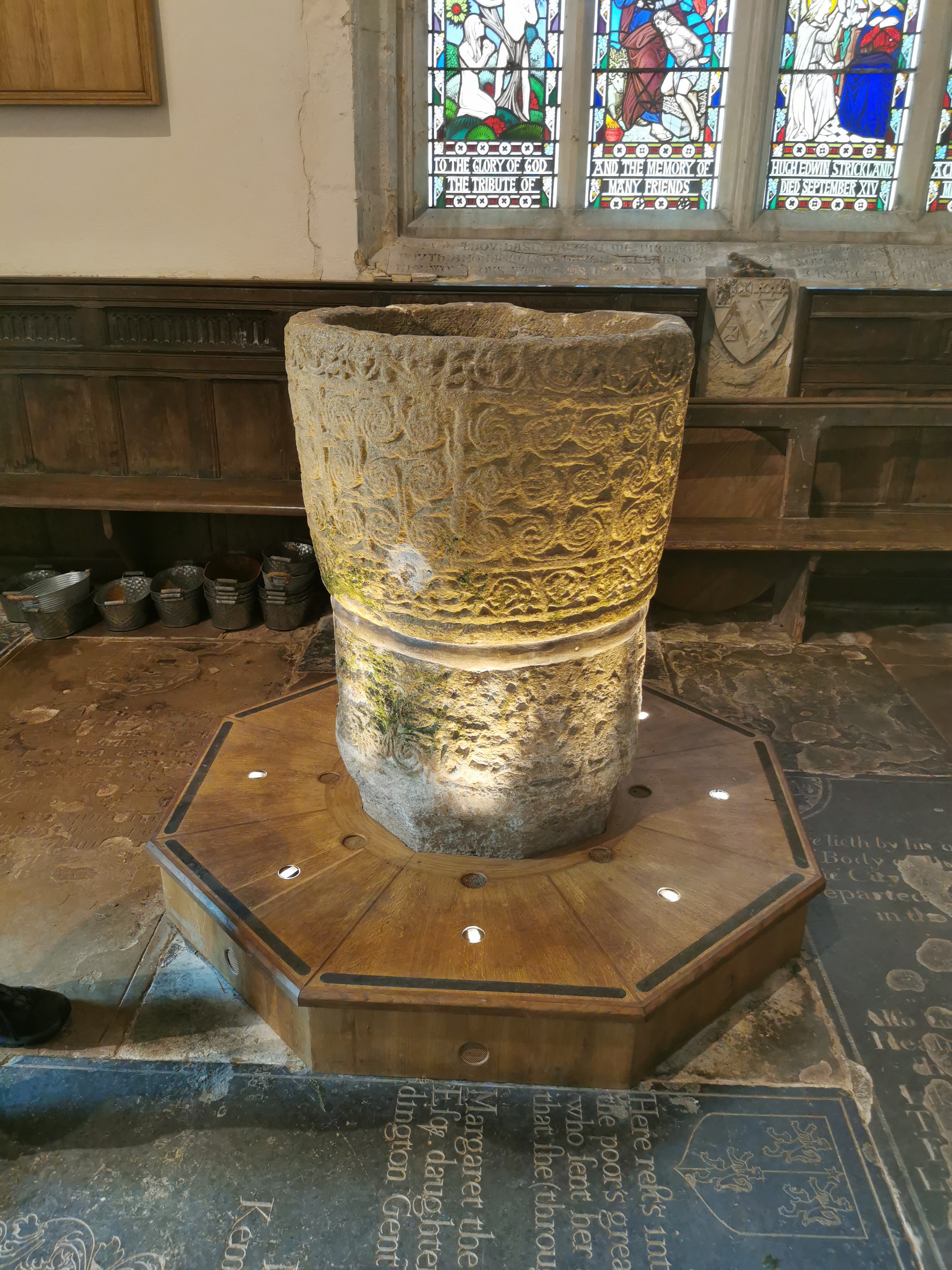
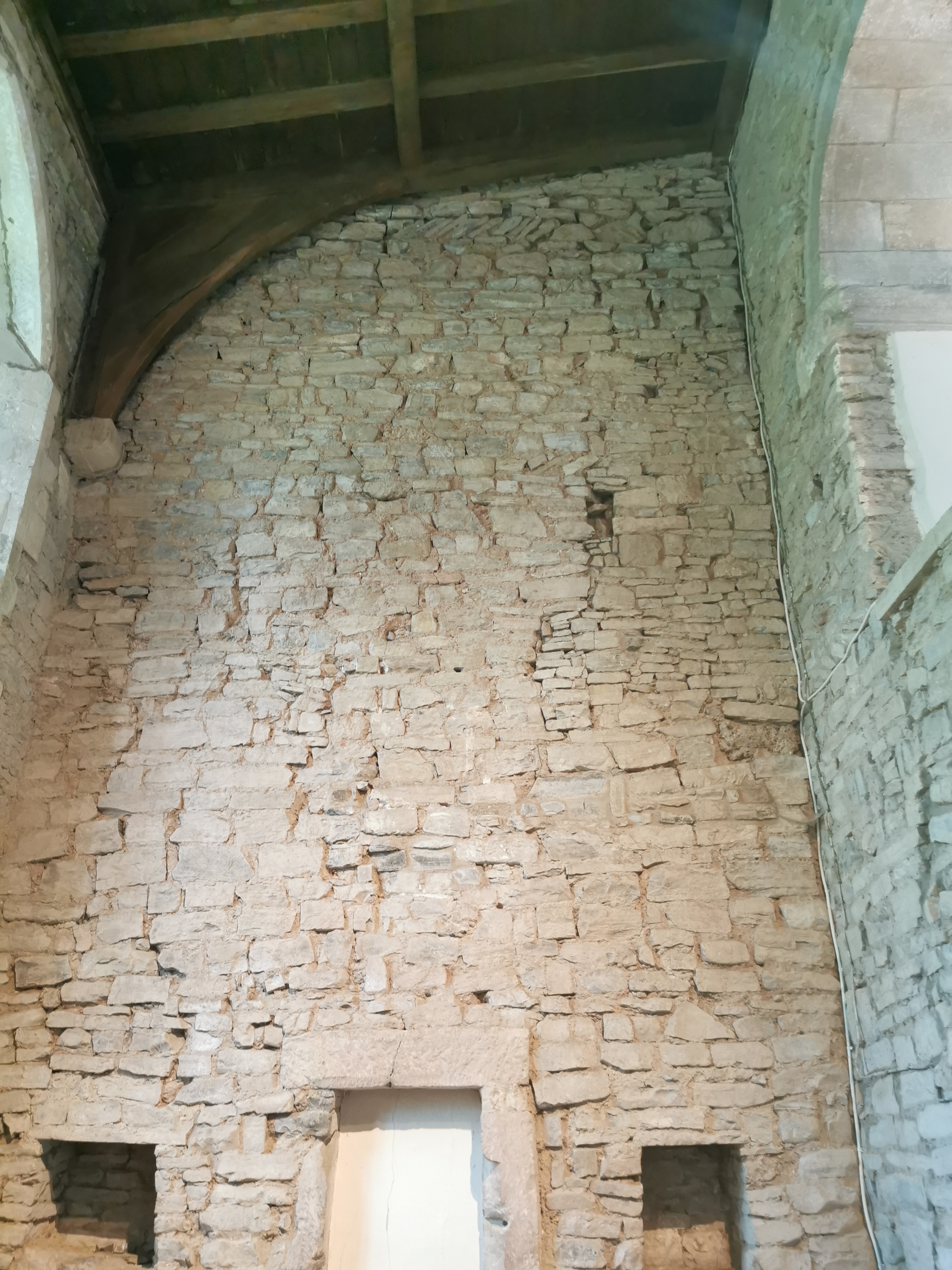
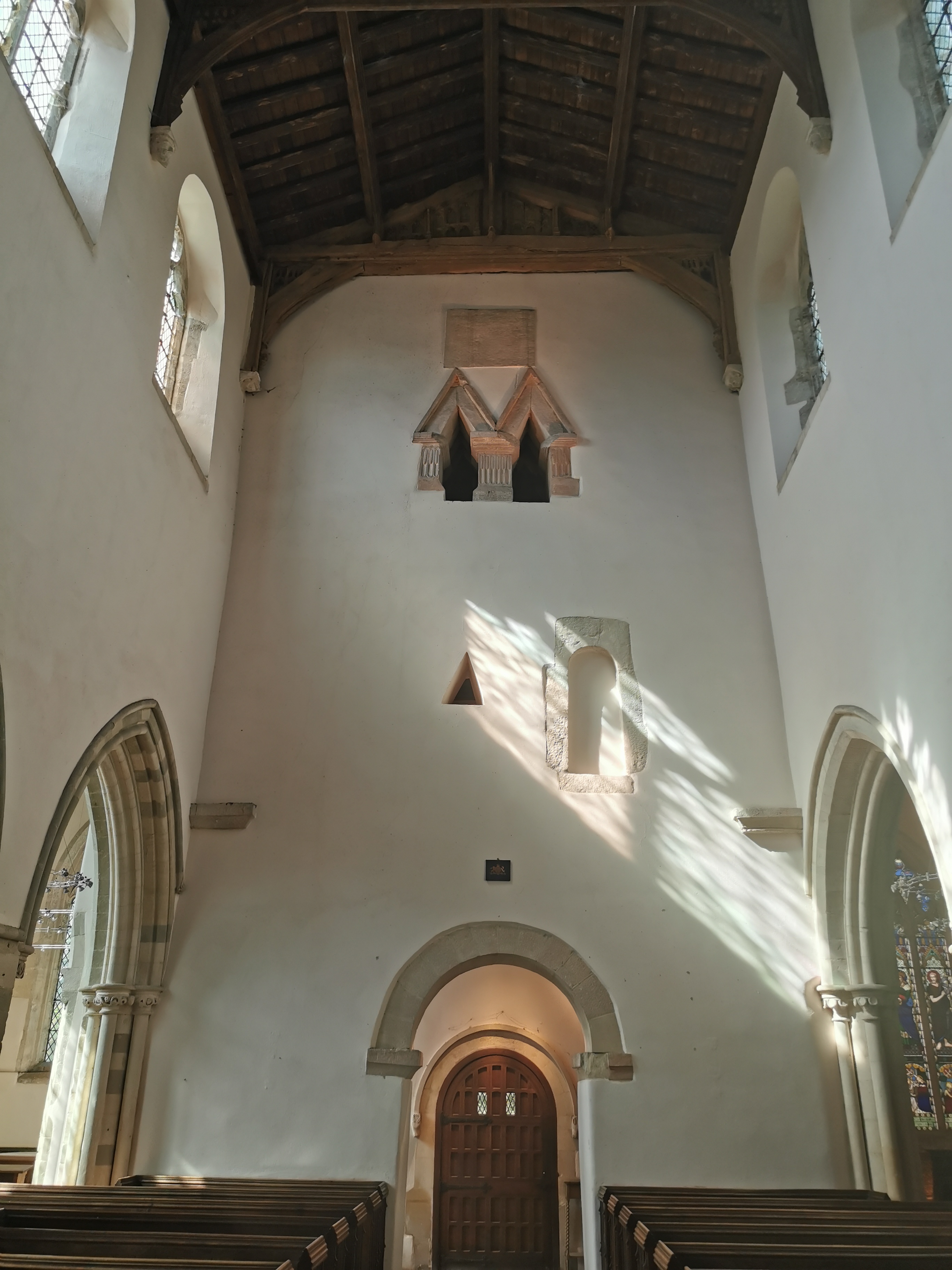
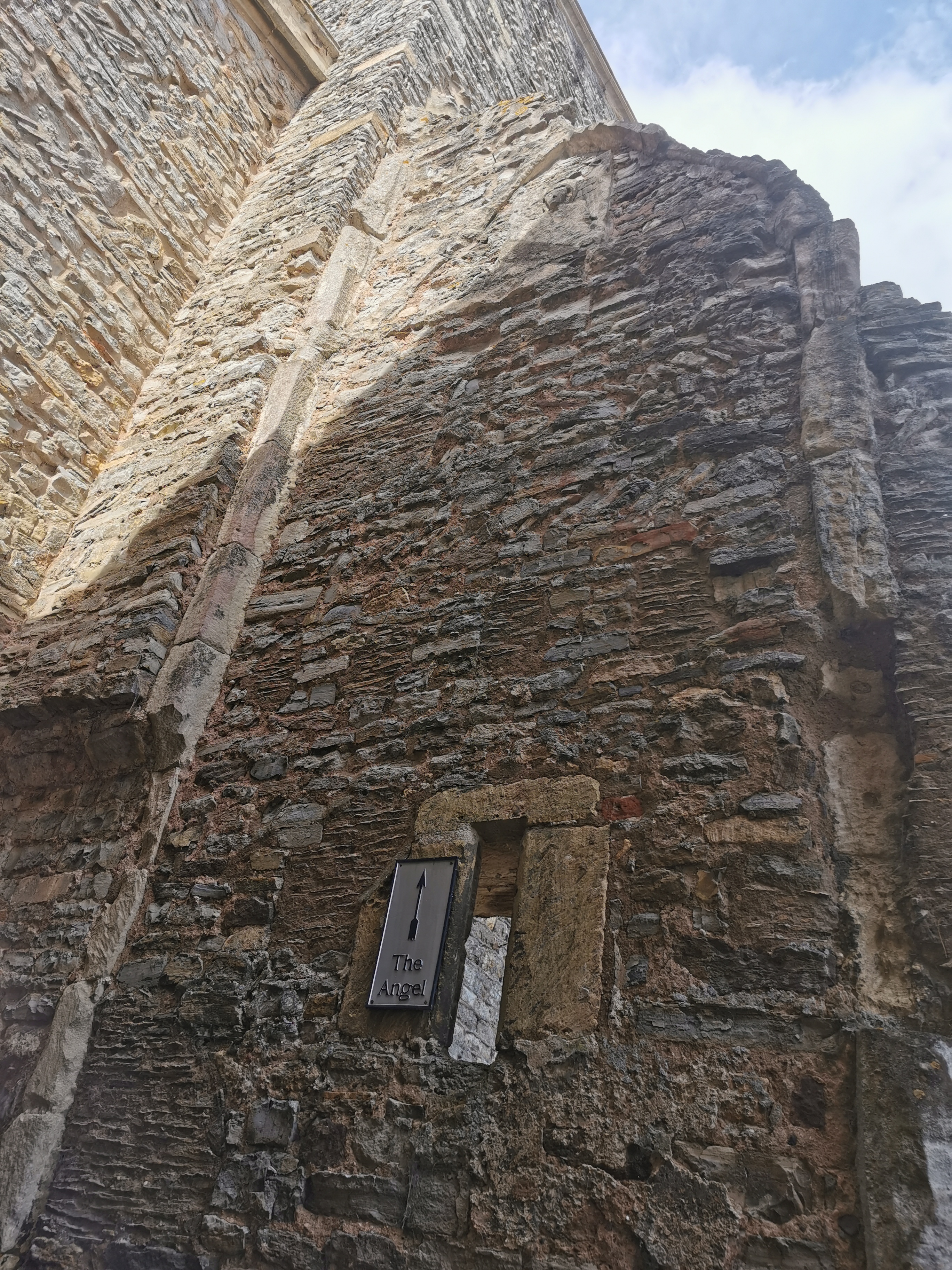
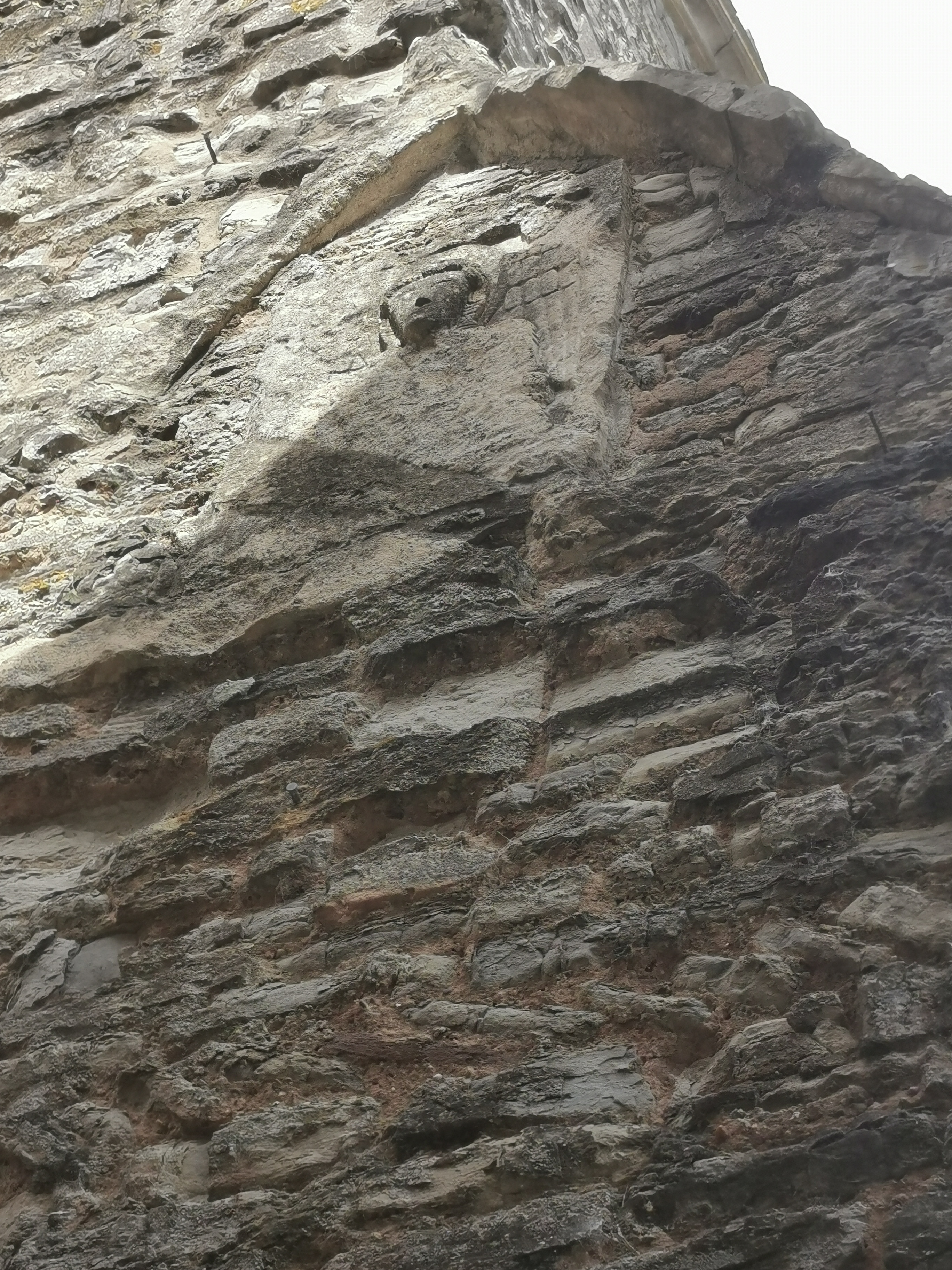
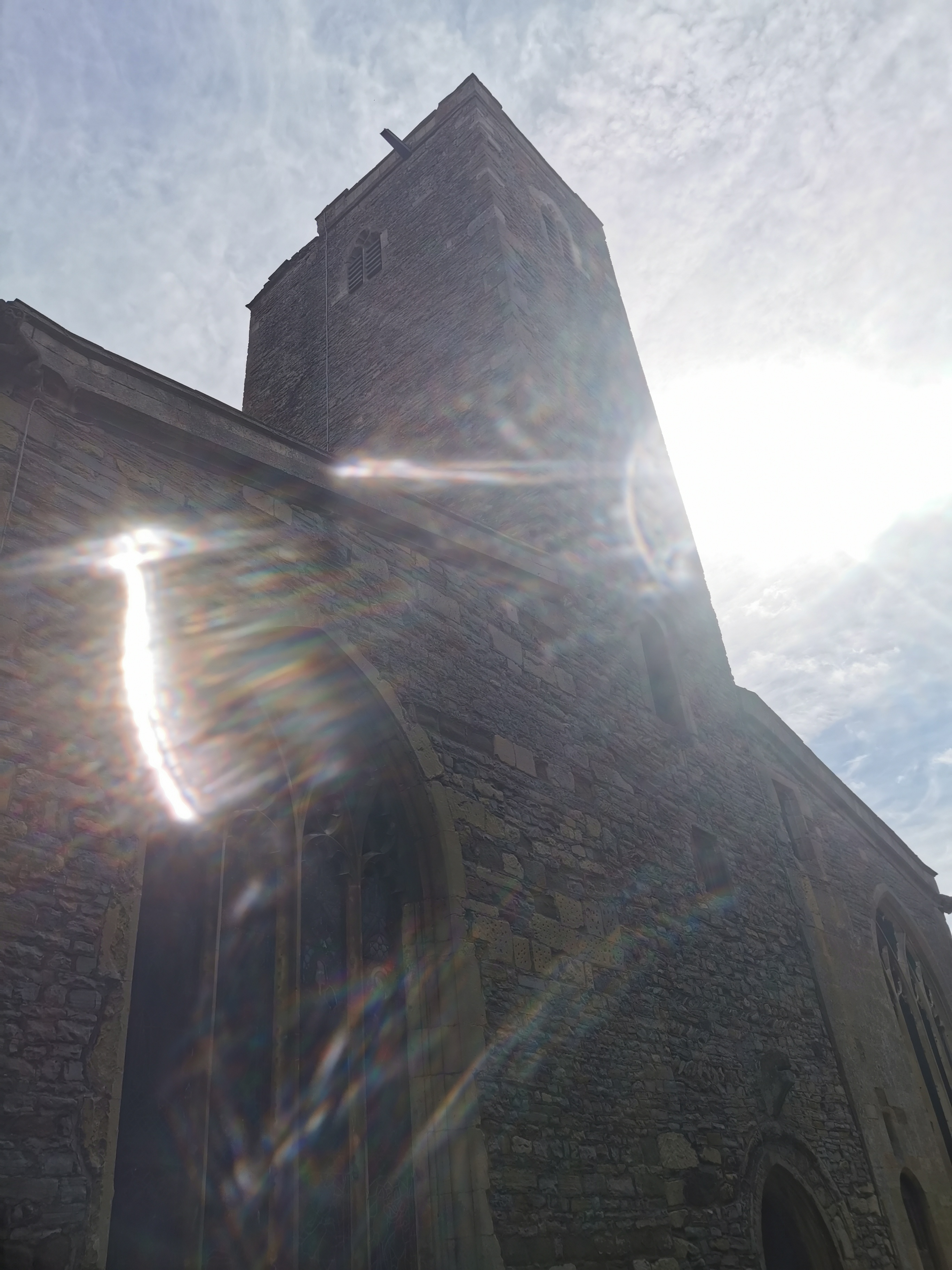
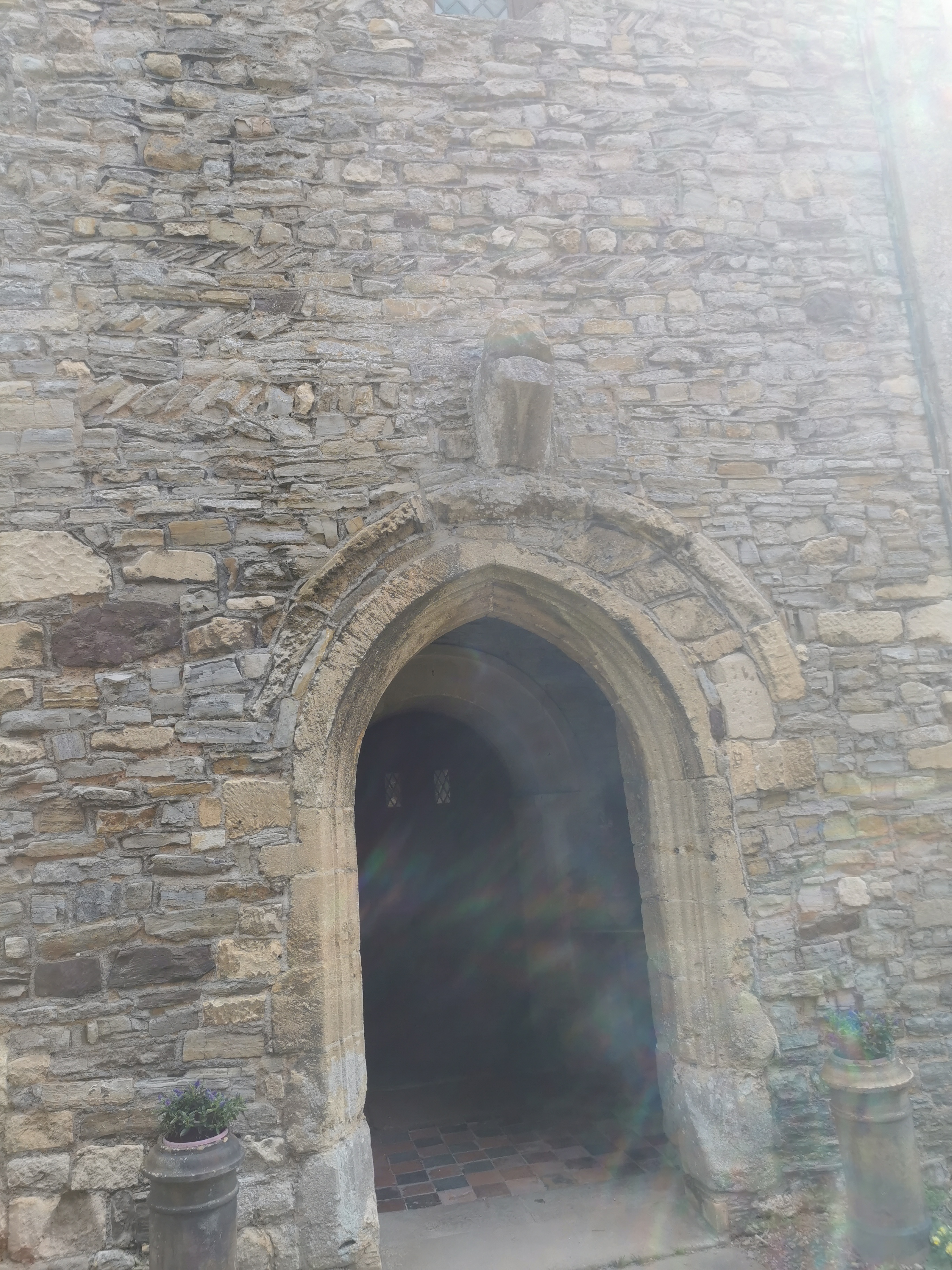
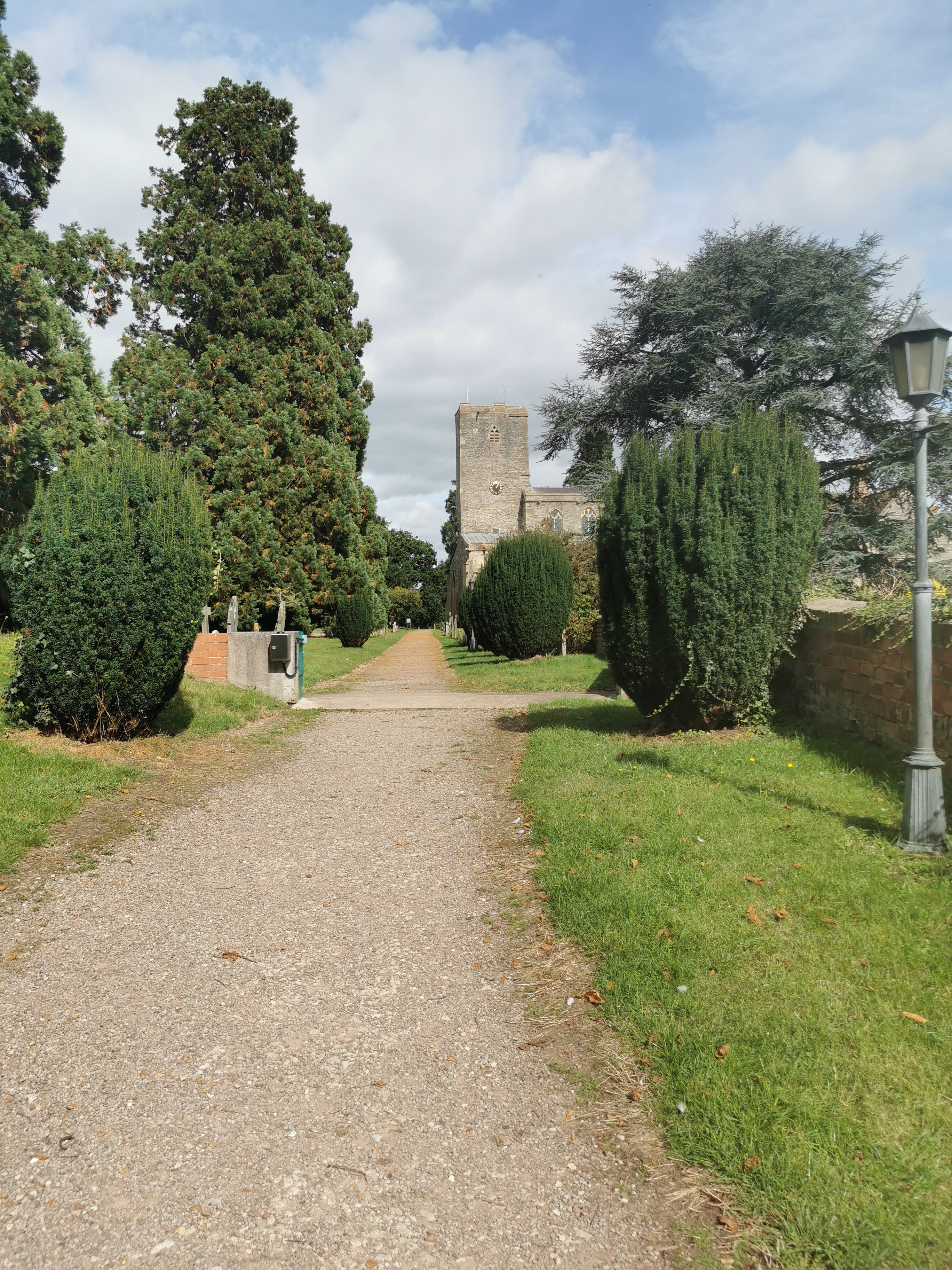
It is a beautiful location, and I’m sharing some photos from my visit, including The Angel, a surviving piece of Saxon sculpture, outside on the walls (my photos aren’t the best but it’s at a very awkward angle and quite high up the side of the building. You can find a much clearer image here https://www.flickr.com/photos/paulodykes/41119170111).
The font – not original to the church – but found in the 19th century and placed there. It is stunning.The AngelThe Angel (again)My camera lens is slightly smashed, and it’s usually fine unless it catches the sun – but sometimes the images are quite cool
Deerhurst hosts an annual lecture each year (indeed, it’s on 21st September 2024 this year), and is also open for visitors, for anyone else who fancies visiting. If you can’t make it, you can visit their website, and also order printed copies of the lectures, which I’ve done before now. https://deerhurstfriends.co.uk
And, just around the corner is Odda’s Chapel, another Saxon survivor. I will also share photos from Odda’s Chapel in a few days.
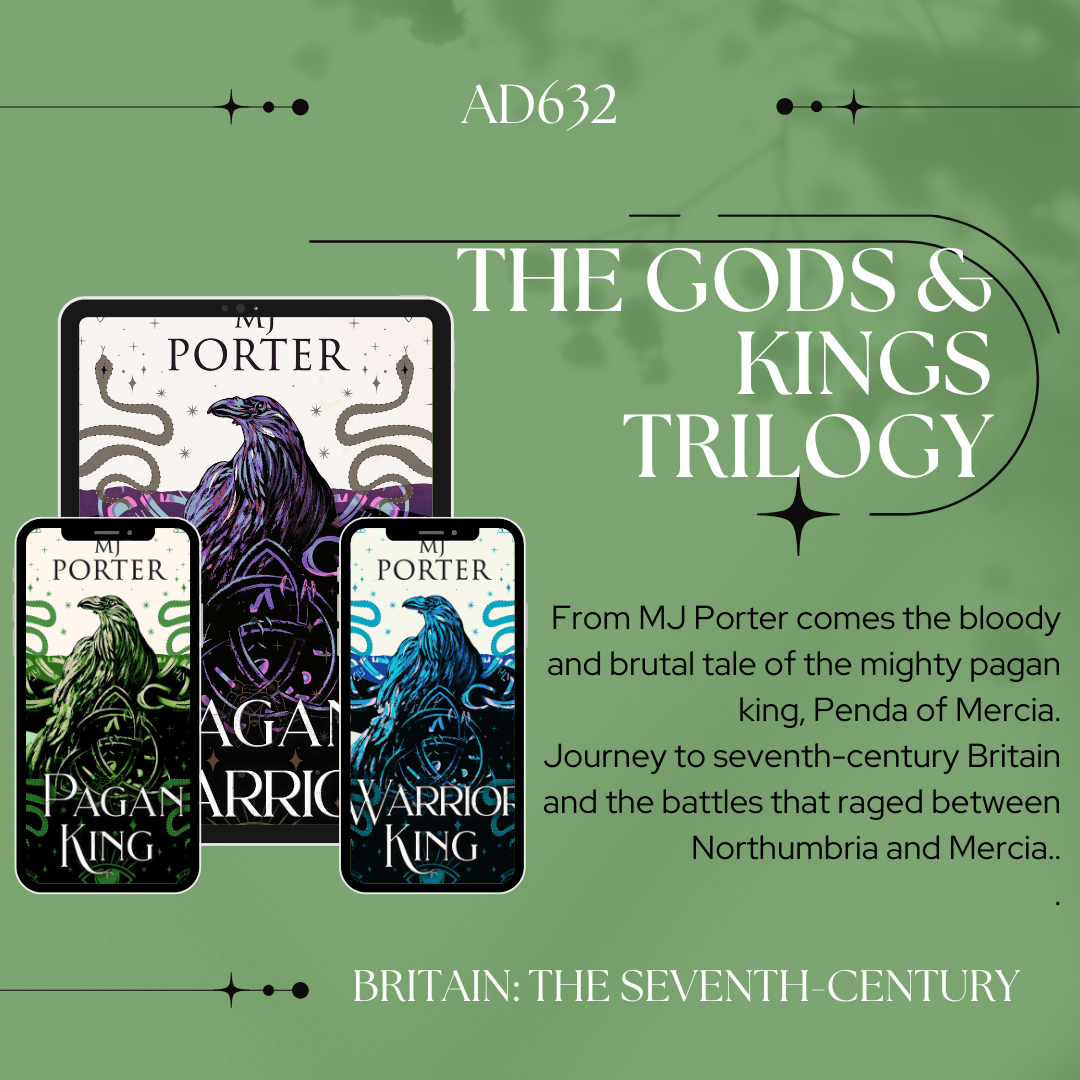
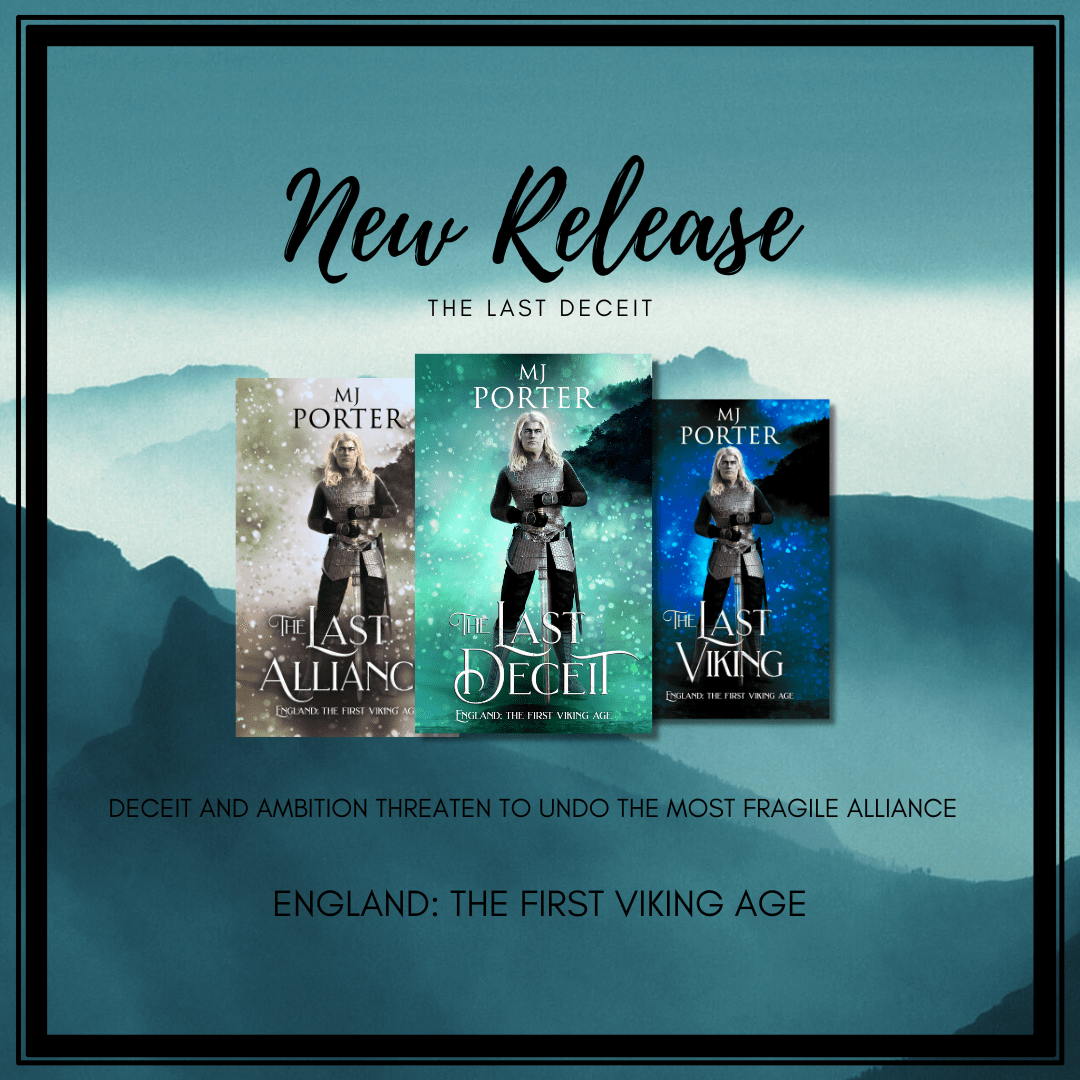
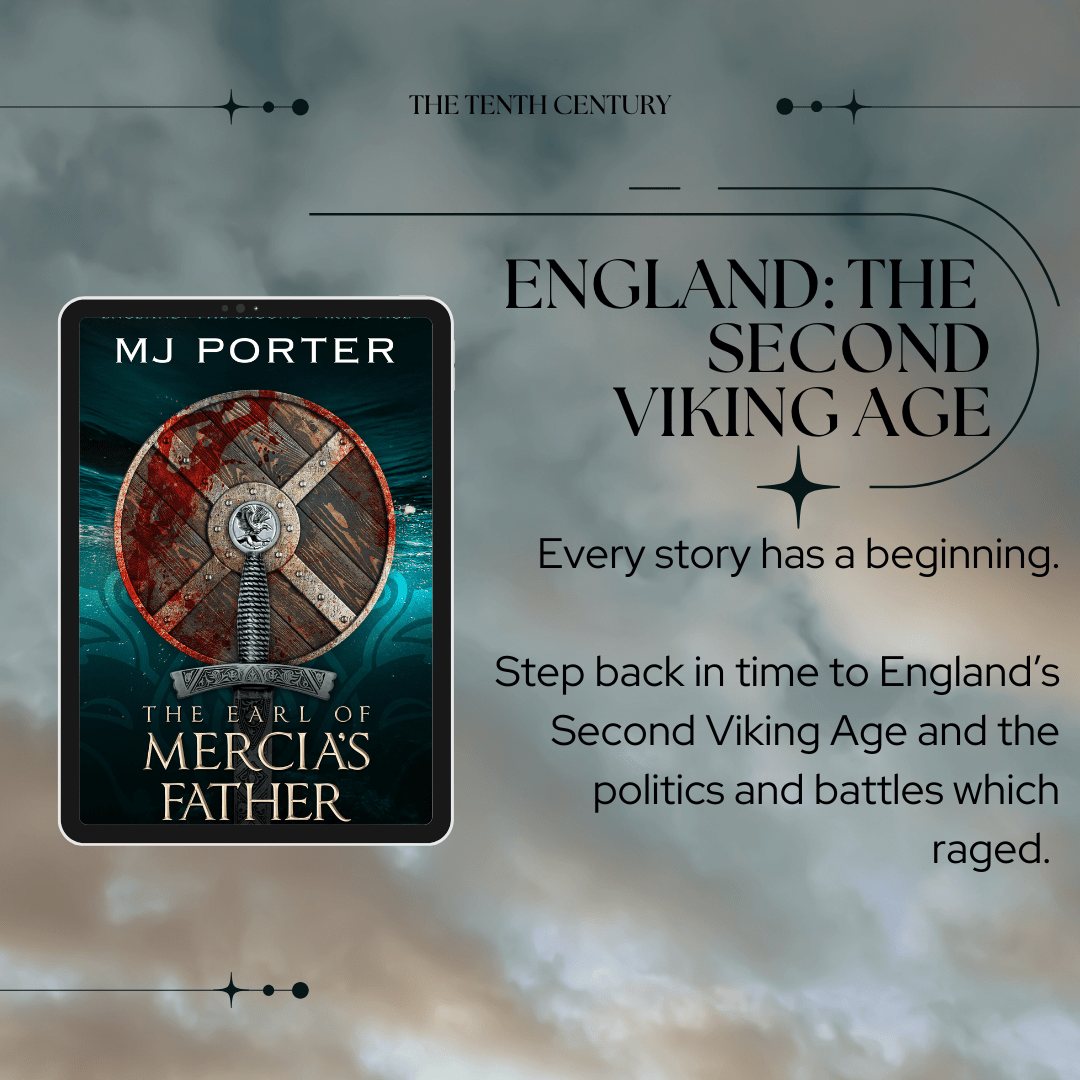
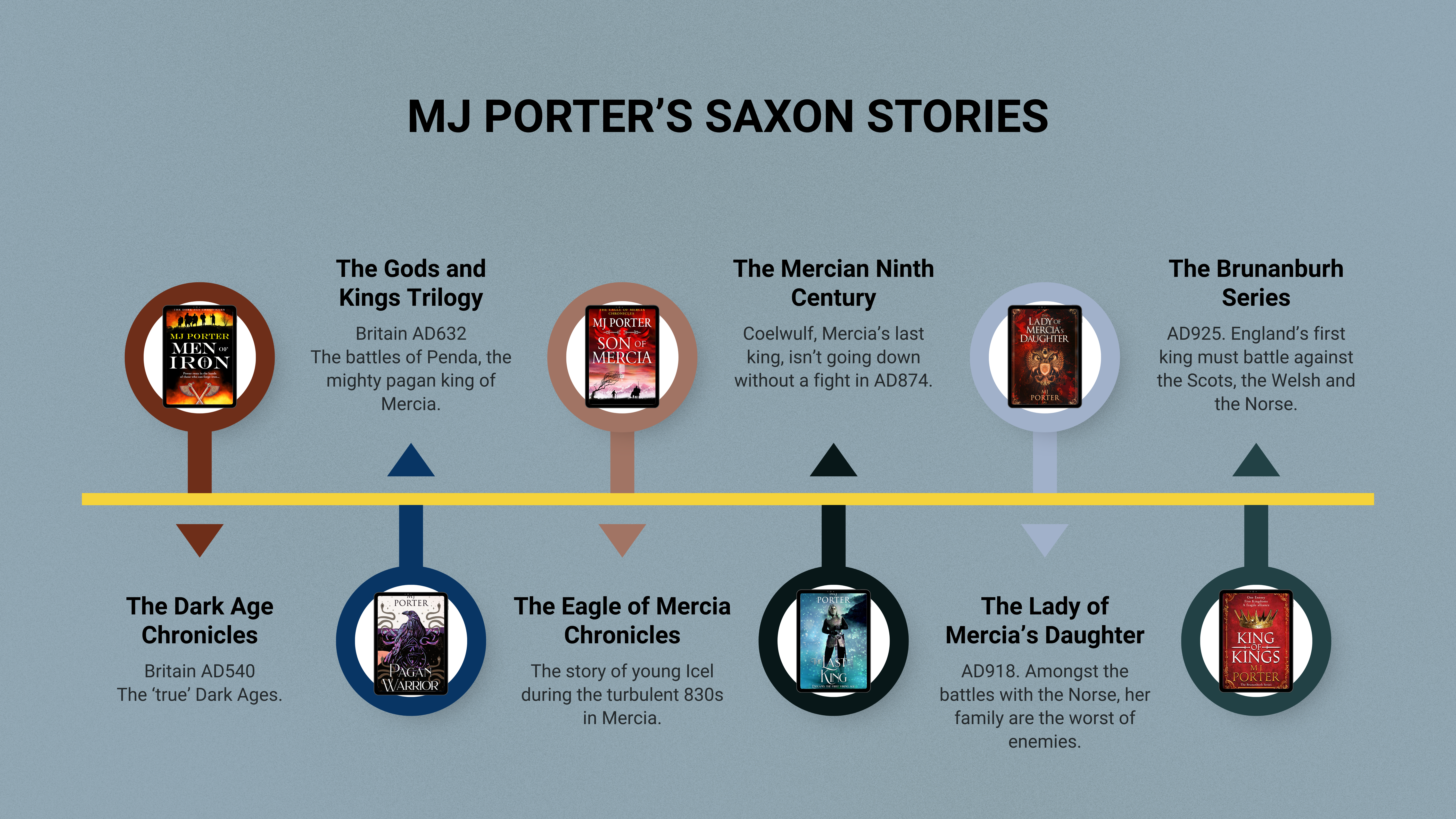
Trying to keep tabs of the chronology of my series set in Saxon England is difficult, even for me. It doesn’t help that I often work backwards, and sometimes have a tendency to skip backwards and forwards, and sometimes don’t finish things either. This might help.
Character crossovers – Ealdorman Leofwine from The Earls of Mercia series as a very young man. Lady Eadgifu from both The Tenth Century books, and The Brunanburh series in book 1.
Character crossover – Cnut, Ealdorman Leofwine, Leofric and others from The Earls of Mercia series – this book is a side-story to the main series but can be read as a standalone.
And don’t forget my non-fiction title, which is a perfect counterpart for The Tenth Century, and The Brunanburh Series, The Royal Women Who Made England
1191 and the Third Crusade is underway . . . It is 1191 and King Richard the Lionheart is on crusade to pitch battle against Saladin and liberate the city of Jerusalem and her lands. His mother, the formidable Eleanor of Aquitaine and his promised bride, Princess Berengaria of Navarre, make a perilous journey over the Alps in midwinter. They are to rendezvous with Richard in the Sicilian port of Messina.
There are hazards along the way – vicious assassins, marauding pirates, violent storms and a shipwreck. Berengaria is as feisty as her foes and, surviving it all, she and Richard marry in Cyprus. England needs an heir. But first, Richard and his Queen must return home . . . The Lost Queen is a thrilling medieval story of high adventure, survival, friendship and the enduring love of a Queen for her King.
Acclaim for Carol McGrath’s ROSE trilogy: ‘Powerful, gripping and beautifully told’ KATE FURNIVALL on The Silken Rose ‘A tour de force of gripping writing, rich historical detail and complex, fascinating characters’ NICOLA CORNICK on The Stone Rose ‘A beautifully narrated novel’ K J MAITLAND on The Damask Rose
The Lost Queen is partly the story of Richard the Lionheart’s wife before and during her marriage. However, it doesn’t take place in England, as Richard is so largely absent, and his focus is on the Third Crusade, so our heroine never visits England.
There are also two other main characters: a fictional woman seeking her husband and Blondel, a troubadour. The author uses different tenses for these characters, which I always struggle with, although I know others don’t. The narrative is also moved forward by a collection of letters written to England.
The story itself is rich with period detail, from food to clothes to journeys and all those they encounter on their journey. The historical political landscape is abundant with those who are loyal to or disloyal to King Richard.
Fans of the genre will enjoy meeting Berengaria and visiting the period so meticulously brought to life by the author.
Meet the author
Following a first degree in English and History, Carol McGrath completed an MA in Creative Writing from The Seamus Heaney Centre, Queens University Belfast, followed by an MPhil in English from University of London. The Handfasted Wife, first in a trilogy about the royal women of 1066 was shortlisted for the RoNAS in 2014. The Swan-Daughter and The Betrothed Sister complete this highly acclaimed trilogy. Mistress Cromwell, a best-selling historical novel about Elizabeth Cromwell, wife of Henry VIII’s statesman, Thomas Cromwell, was republished by Headline in 2020. The Silken Rose, first in a medieval She-Wolf Queens Trilogy, featuring Ailenor of Provence, saw publication in April 2020. This was followed by The Damask Rose. The Stone Rose was published April 2022. Carol is writing Historical non-fiction as well as fiction. Sex and Sexuality in Tudor England was published in February 2022. The Stolen Crown 2023 and The Lost Queen will be published 18th July 2024. Carol lives in Oxfordshire, England and in Greece.
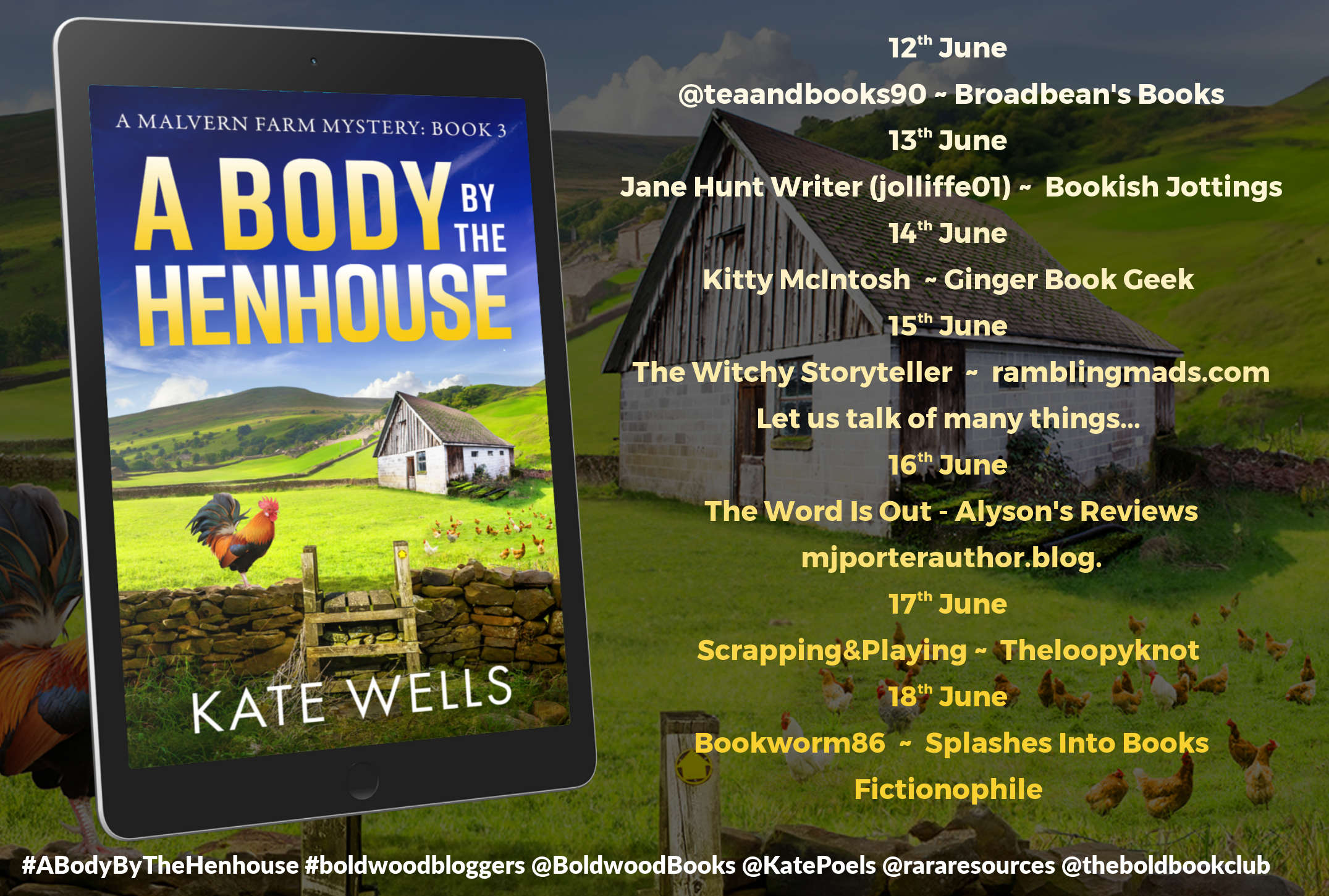
Jude Gray’s farm is going from strength to strength, and even though her grumpy neighbour has concerns about the new campsite in the lower field, she is undeterred.
When a hen party arrives for a weekend away, she does her best to cater for their celebrations. But with a sheep needing urgent care – an accidental mishap or something more nefarious? – she finds herself consulting the group, which coincidentally contains four vets.
When one of the hens goes missing, it becomes clear there are more sinister forces at play, and someone is targeting her farm. With the help of close friend Detective Inspector Binnie Khatri, Jude once again dons her amateur sleuthing hat.
They uncover a web of deceit, affairs and rivalries, but will they find the perpetrator before events turn murderous?
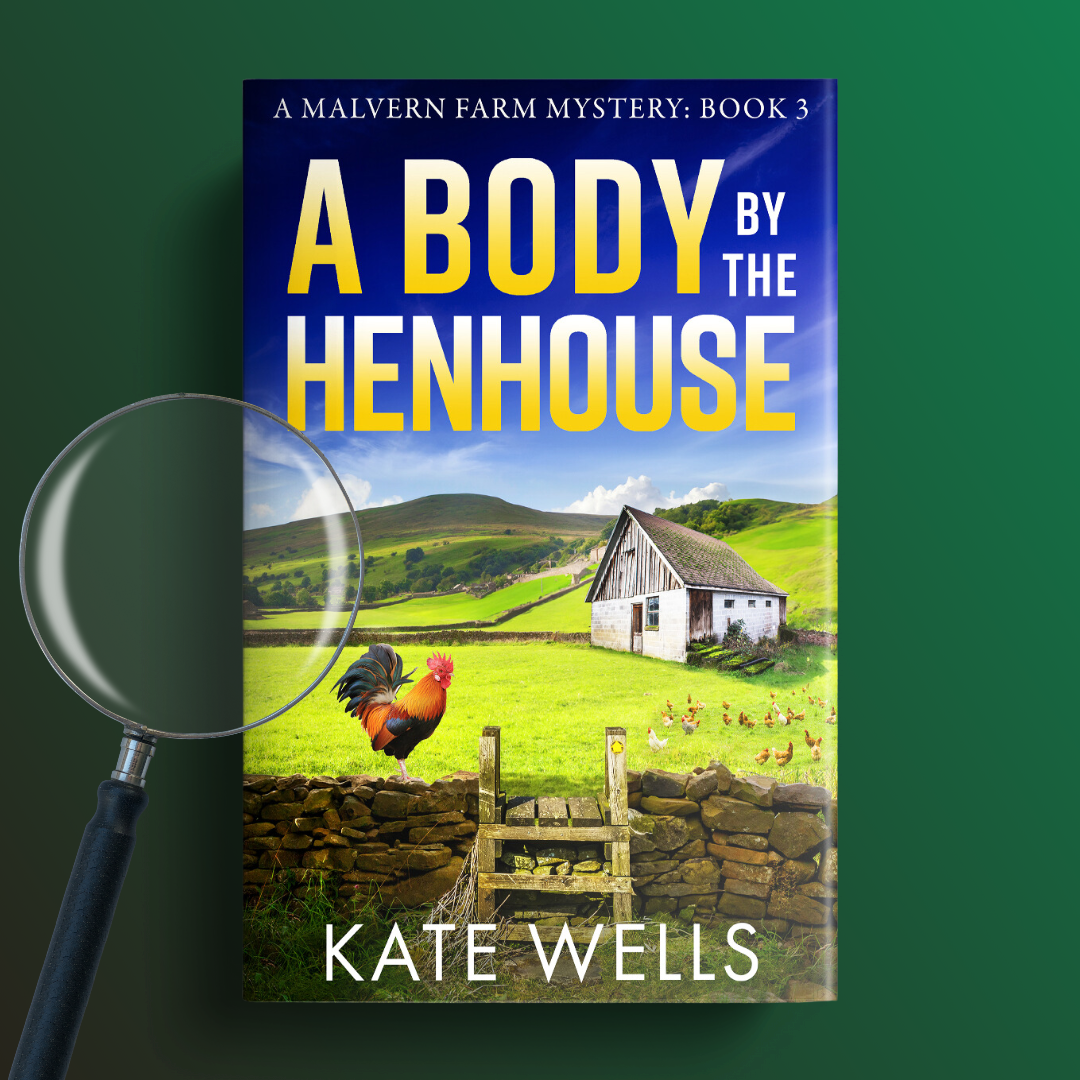
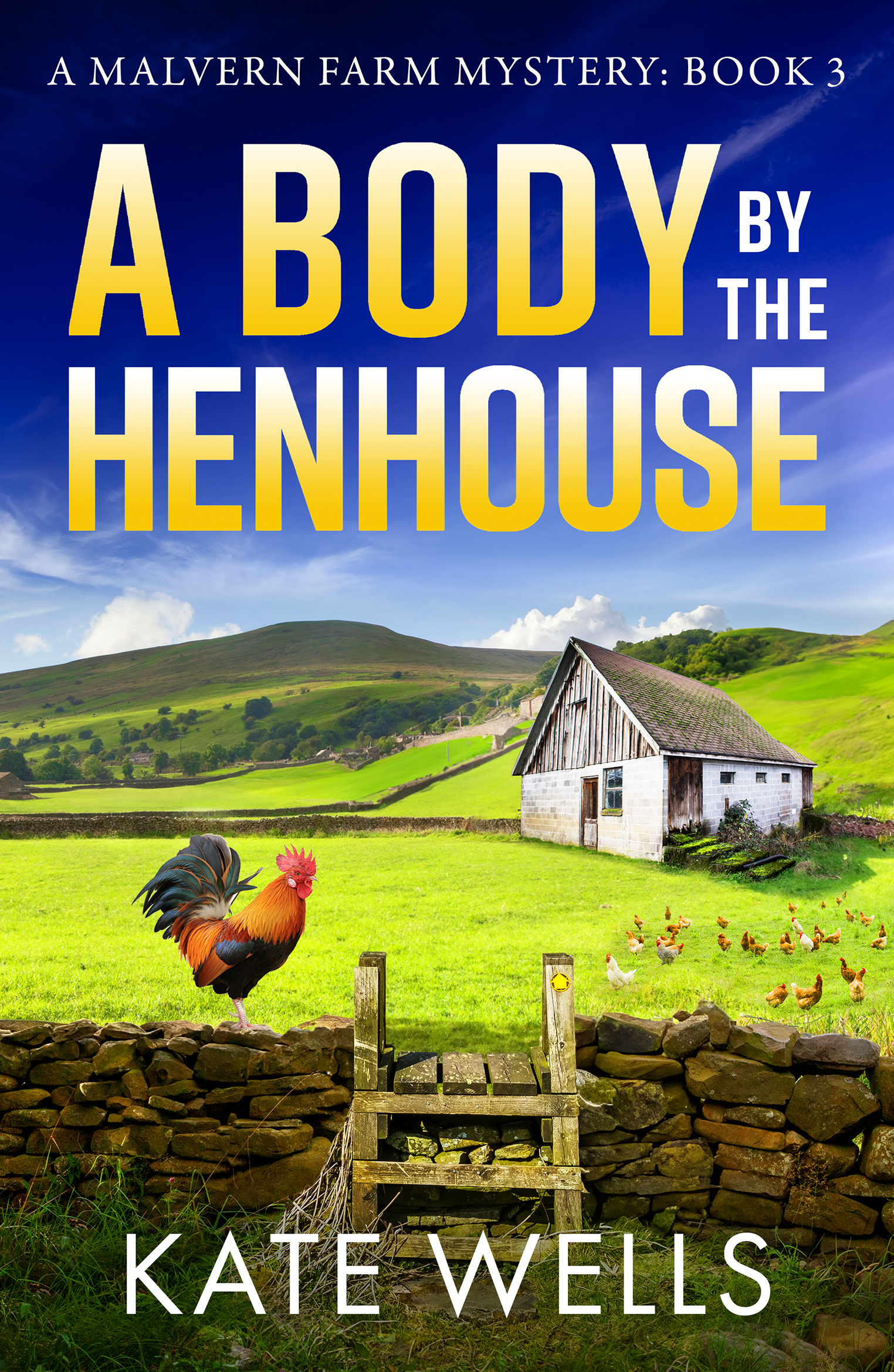
A Body by the Henhouse is the third book in the A Malvern Farm Mystery series. I’ve read book 1, and I really enjoyed it.
We return to Malvern Farm with summer on the horizon, and our main character, Jude, keen to make her camping site work, even while busy with the arable and pastoral aspects of her farm. But her current guests are not quite the bunch she’s expecting, and with tensions running high, it’s not long until Jude is trying to find out who’s been tampering with her sheep and why the group of Hens are so uneasy with one another.
This is a really well written mystery. I love a book where I don’t guess ‘who did it’ and this certainly falls into that category. There are lots of twists and turns in the storyline. There are many potential suspects, and the story is well woven together, between Jude’s daily life, and her determination to find answers to the problems she’s encountering, with the aid of her police friend.
An enjoyable contemporary mystery, easy to read and really engaging. I look forward to more in the series, and will be reading book 2 as well:)
Meet the author
Kate Wells is the author of a number of well-reviewed books for children, and is now writing a new cosy crime series set in the Malvern hills, inspired by the farm where she grew up.











 MJ Porter